There can be no universally defined guide to what makes a good travel picture as there are so many variables, what would make a great picture to one person may mean little to another. If you are travelling with your camera and documenting your trip you have the story behind the picture in your mind’s eye and this will make all the difference. How many times have we all seen somebody else’s holiday or travel pictures only to suffer a boring hour or two looking at pictures that mean nothing, ‘snapshots’ that are everything to the person who took them. Memories.
So therefore what makes a ‘professionally‘ taken travel picture different to a holiday ‘snap‘.
1. Thought 2. Planning 3. Composition 4. Content
Thought and Planningrun hand in hand with one another. Where will I be visiting, what is there that could define my trip…
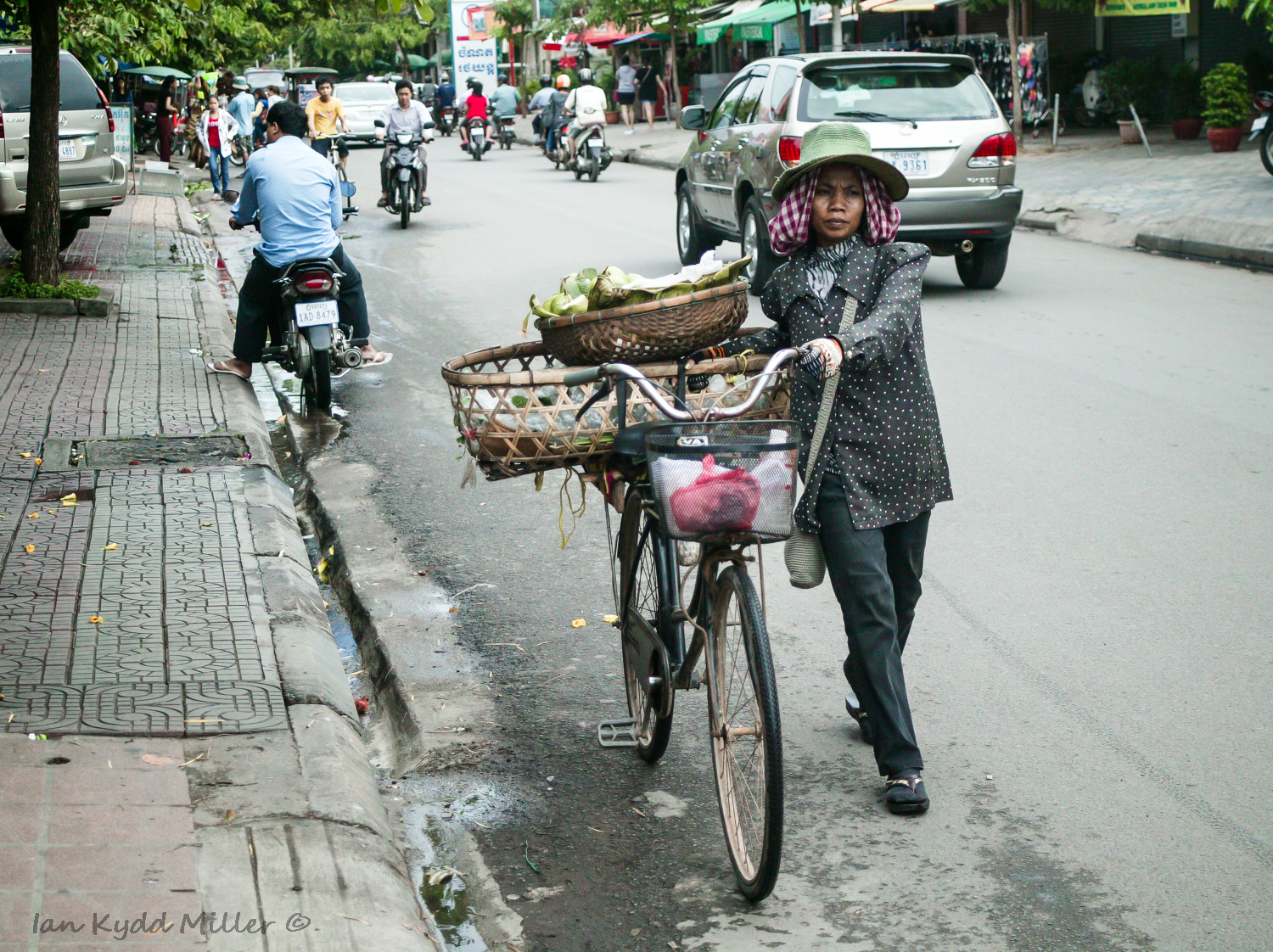
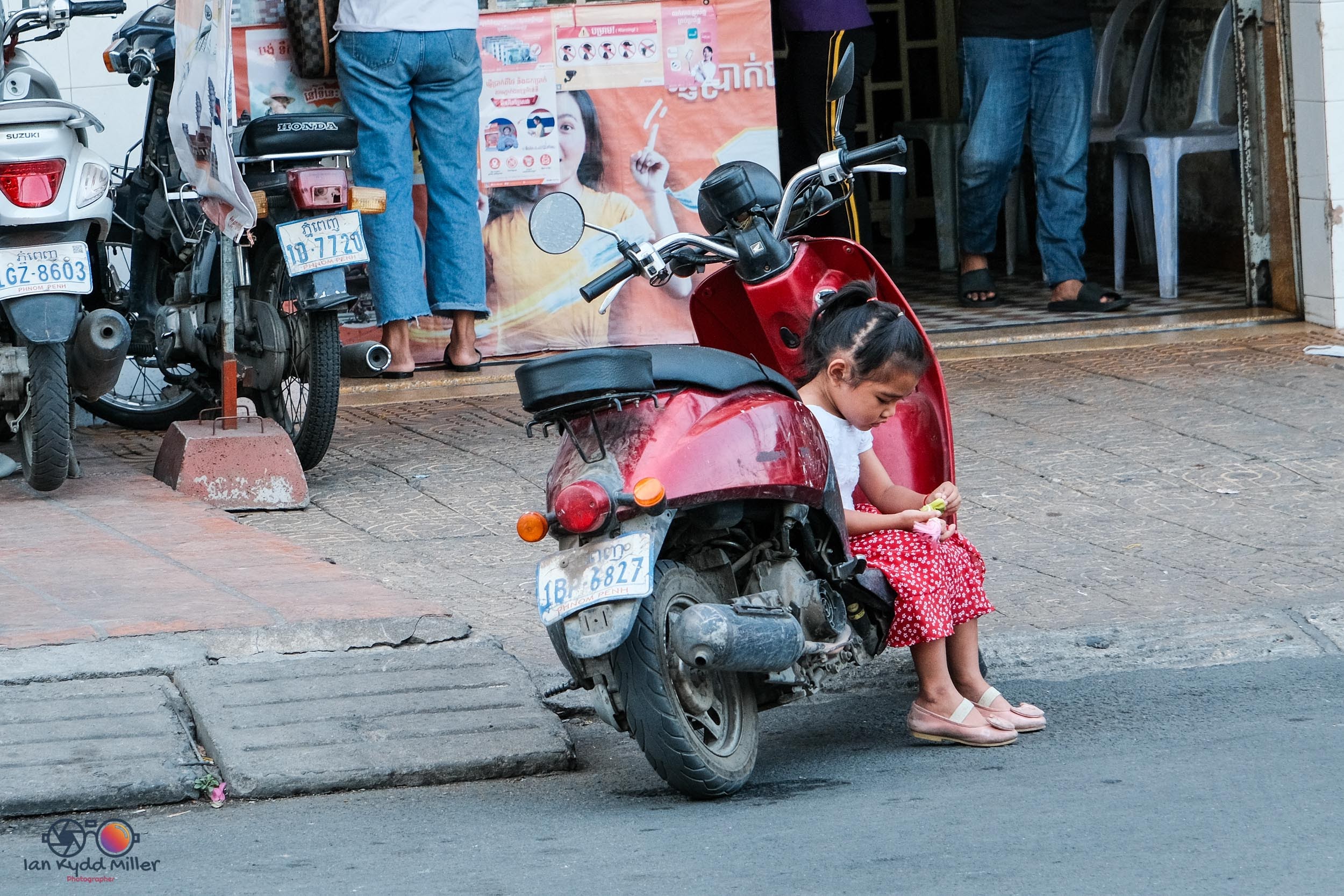
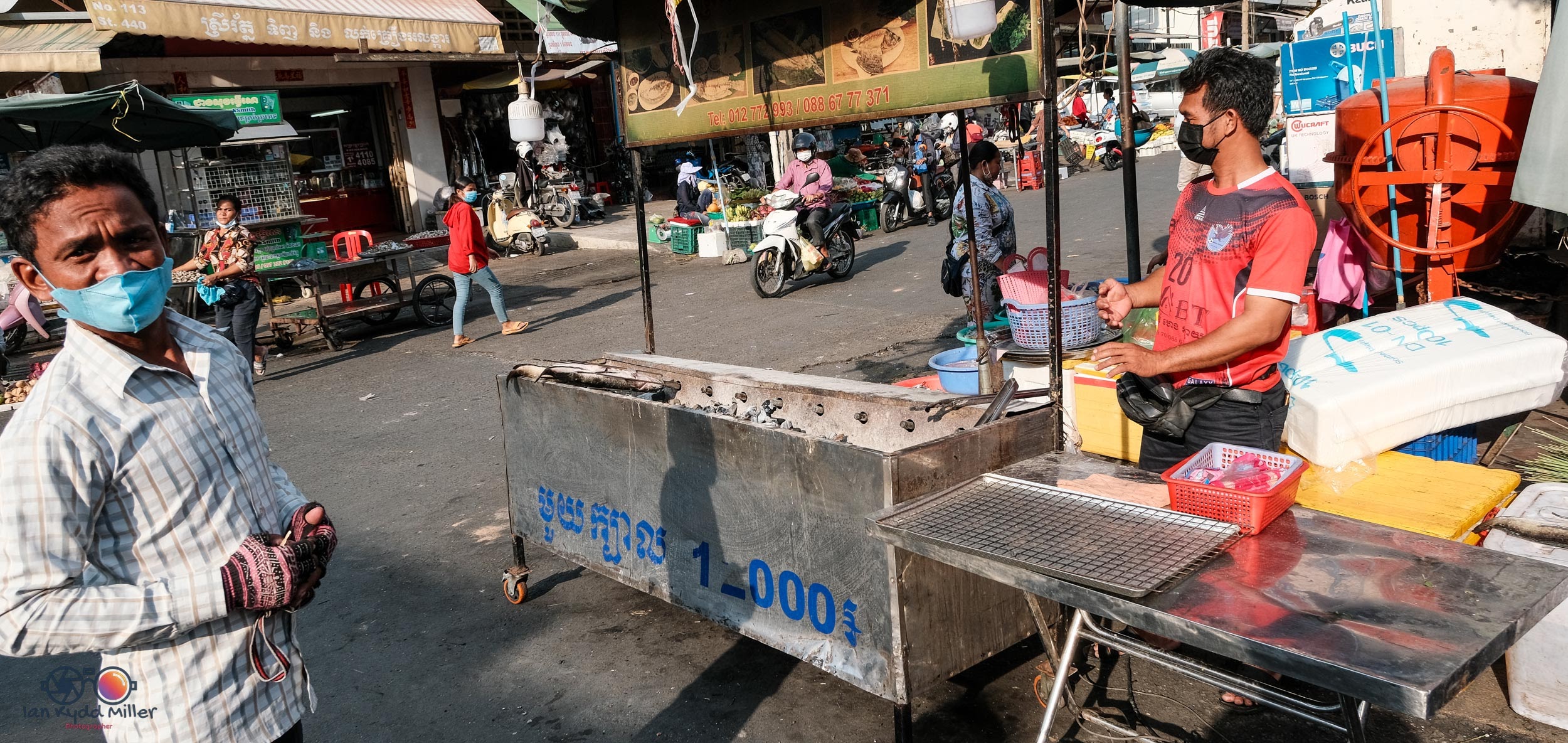
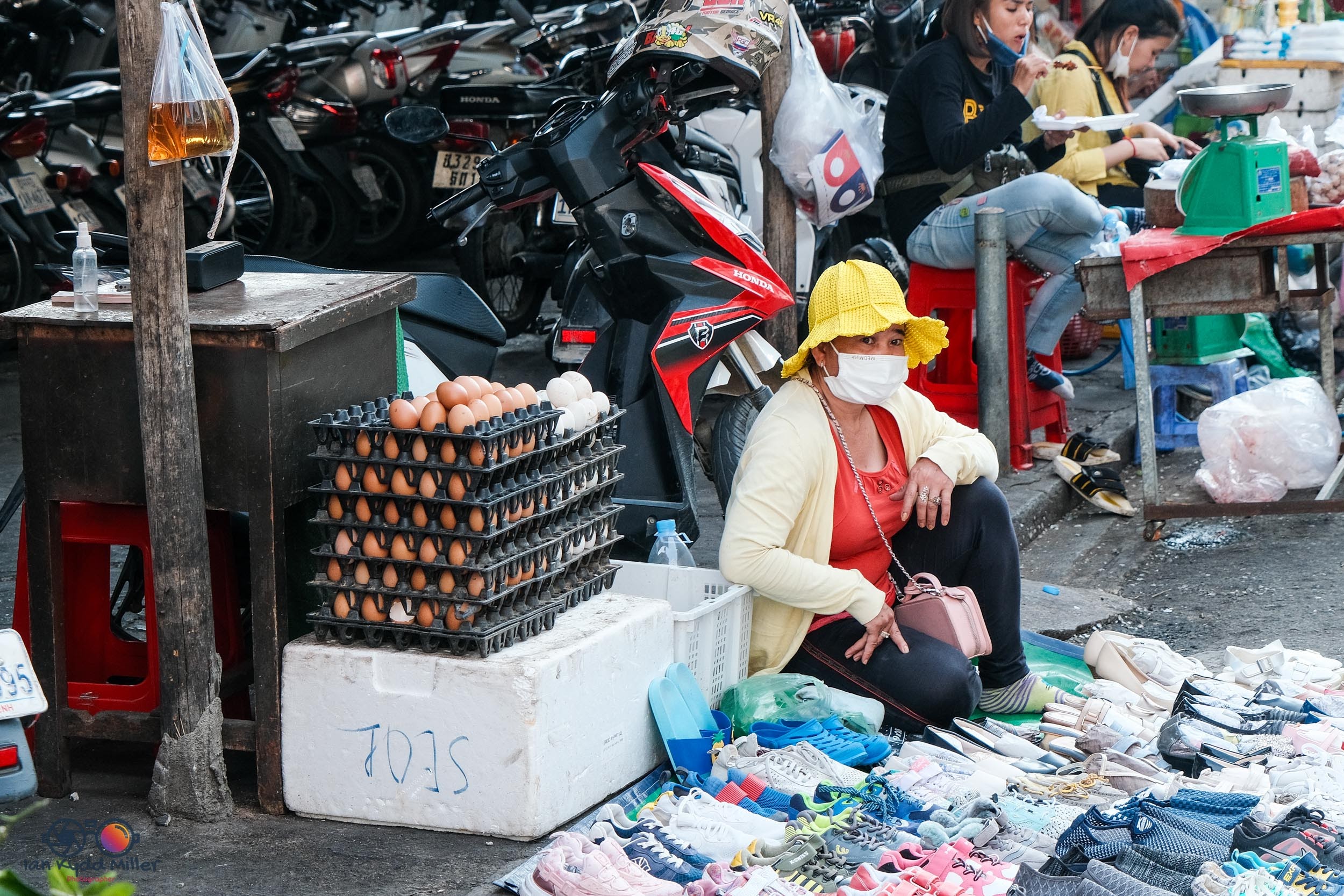
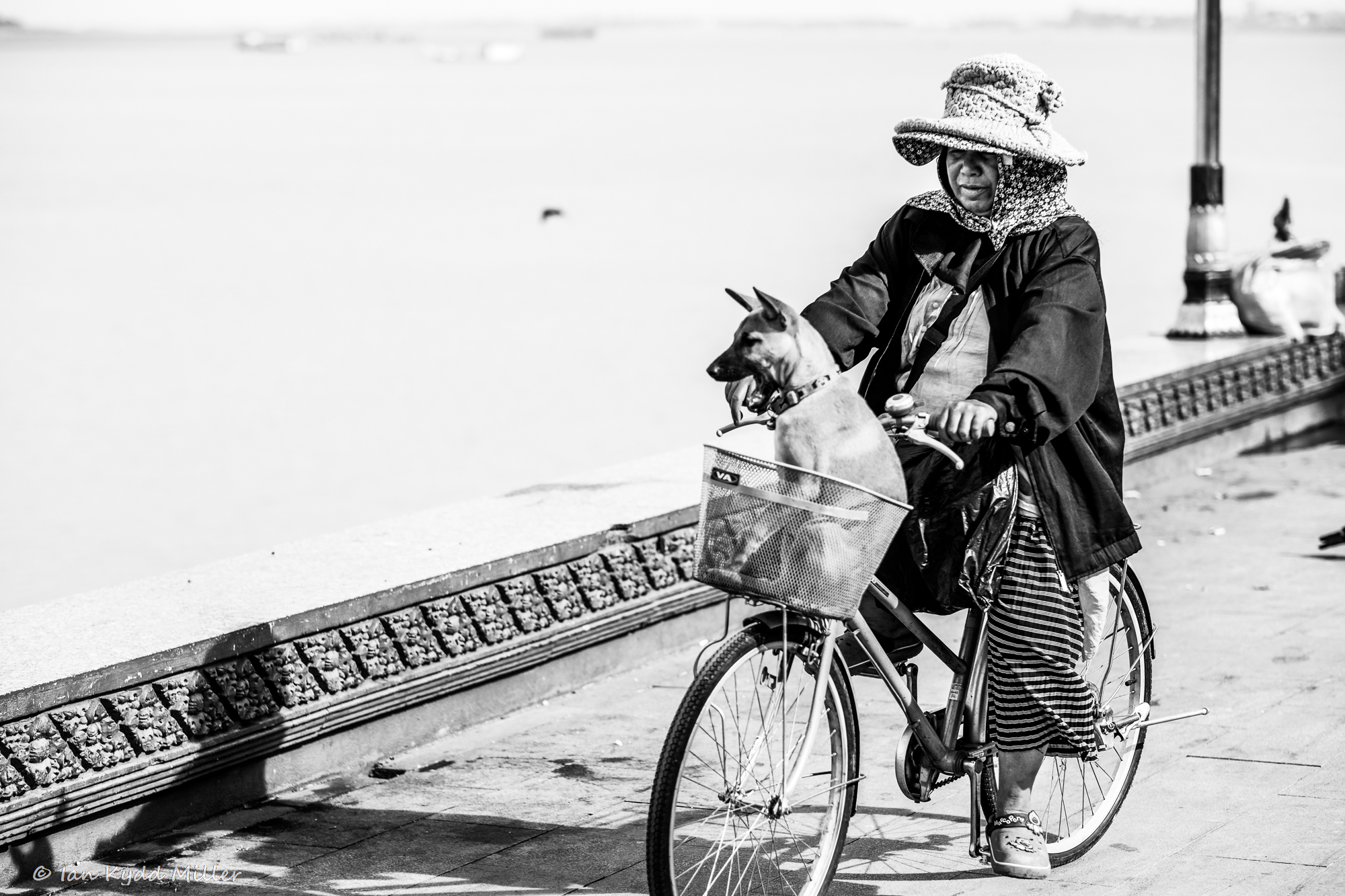
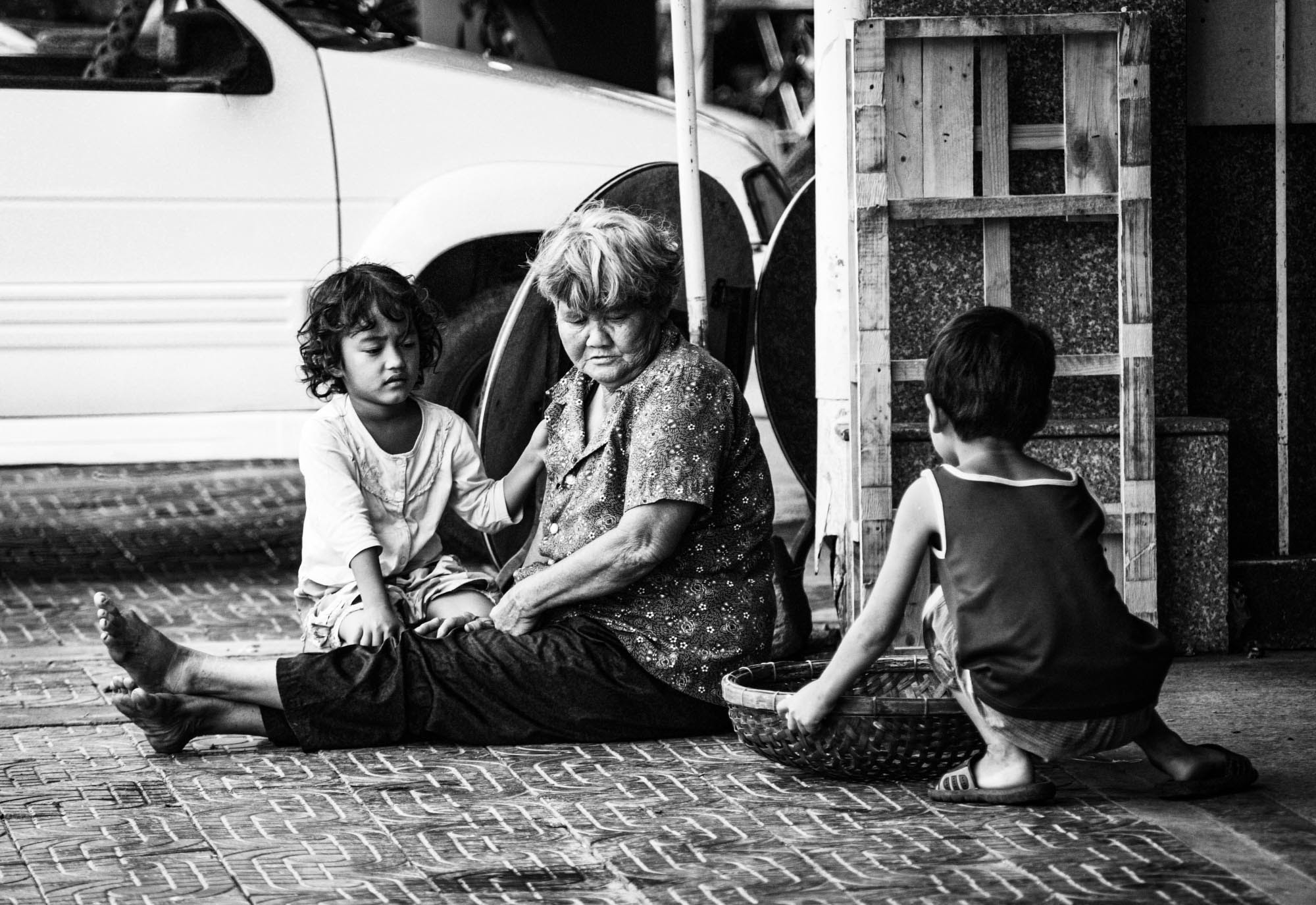
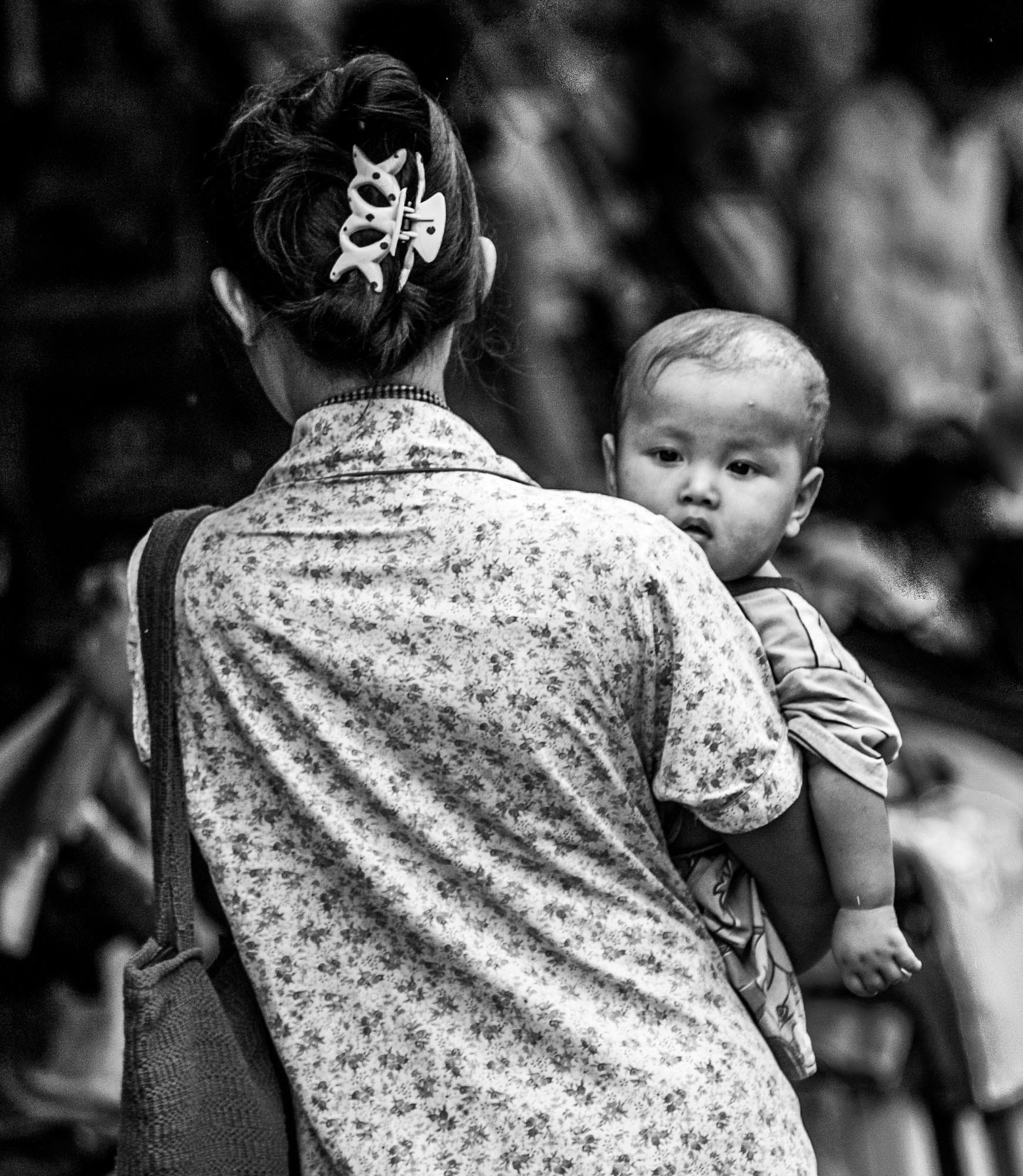
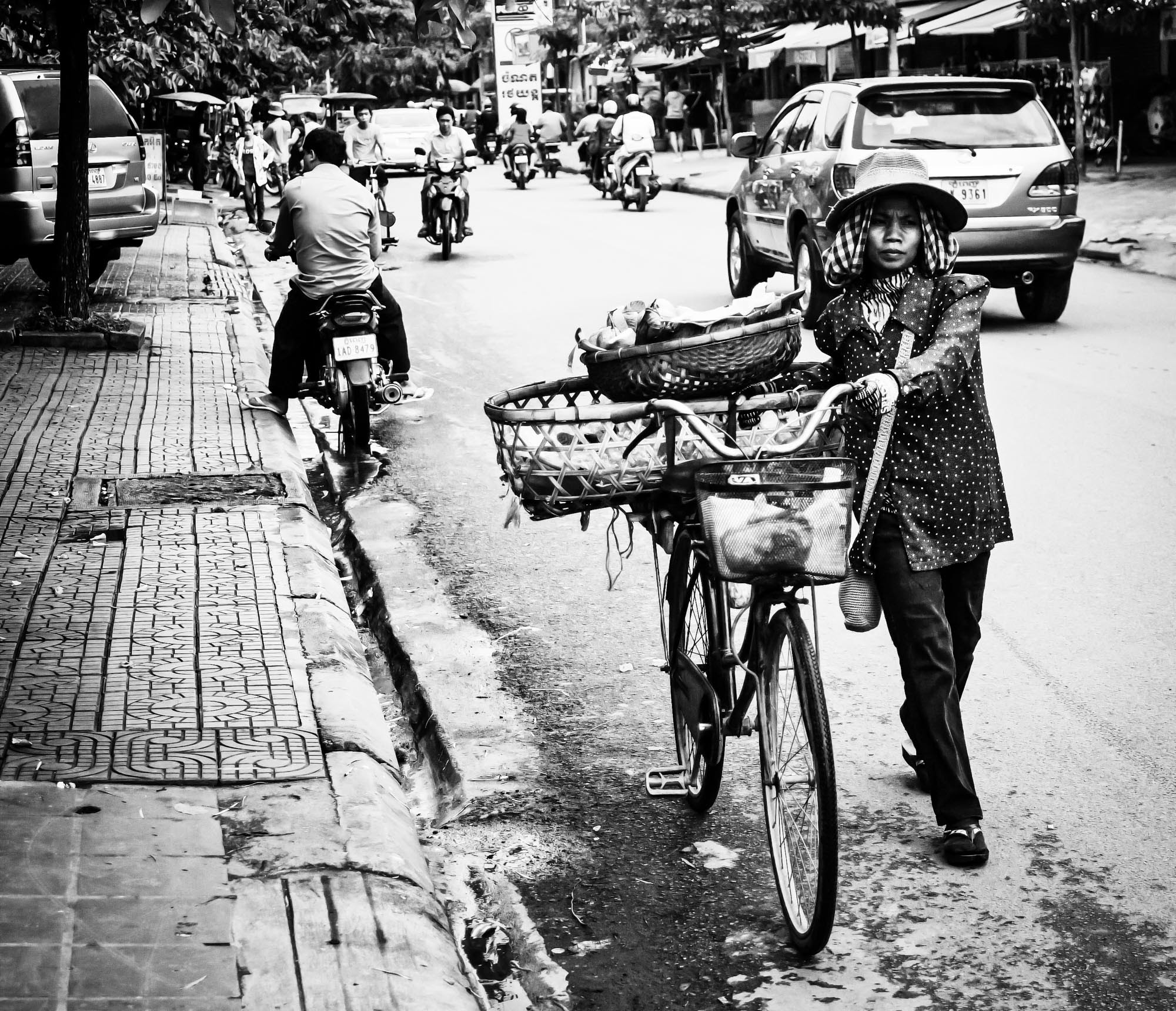
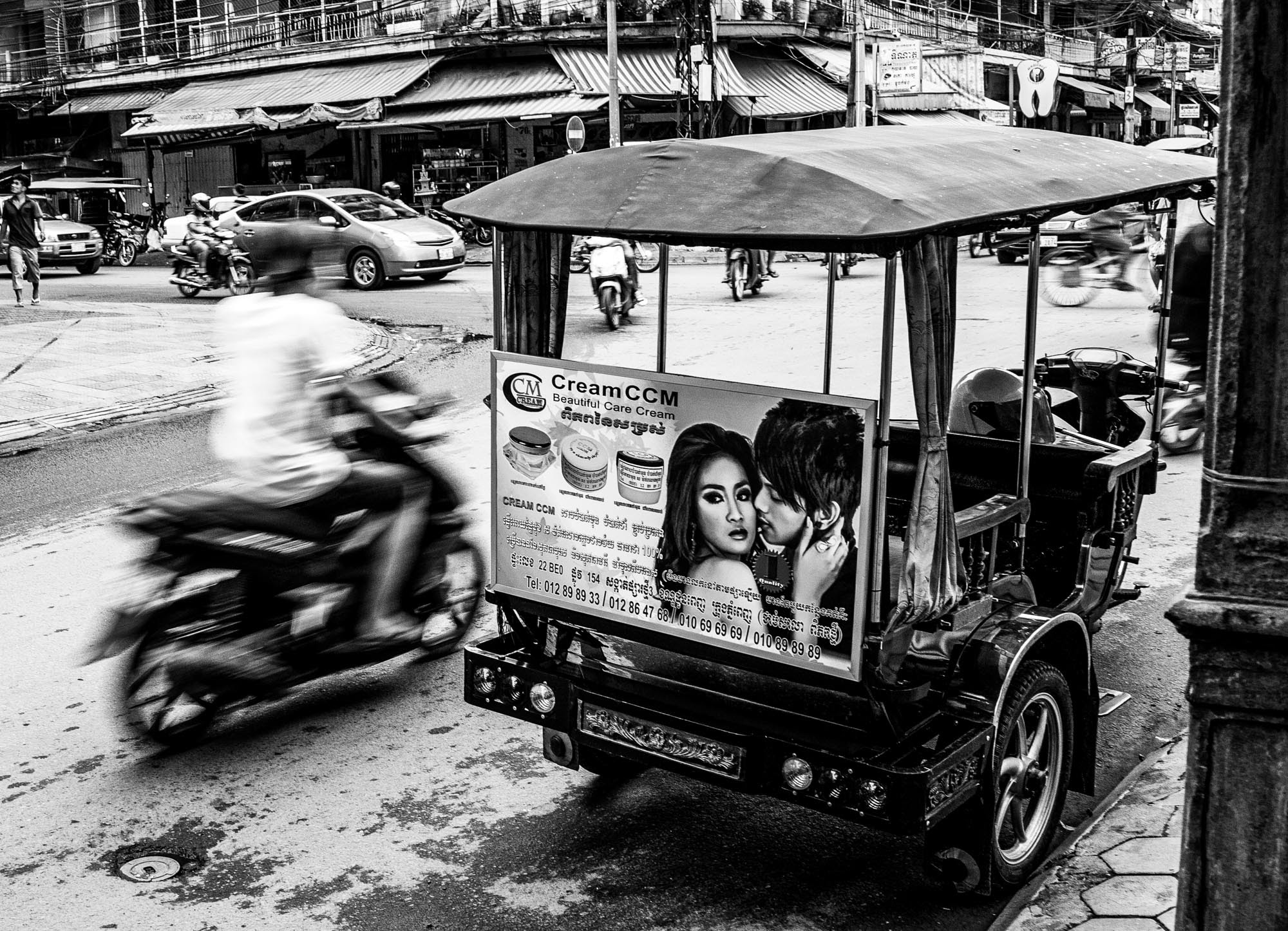
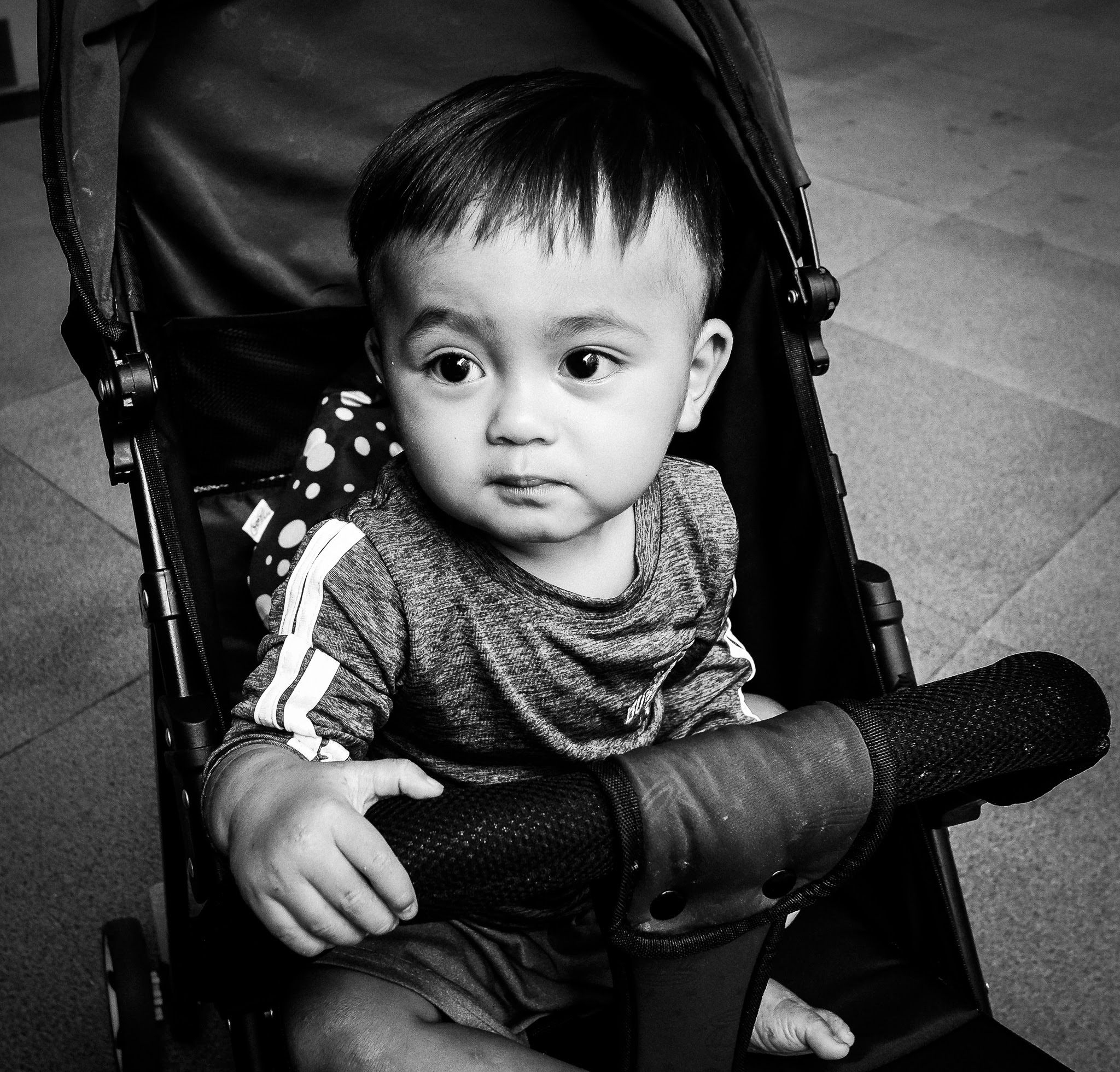
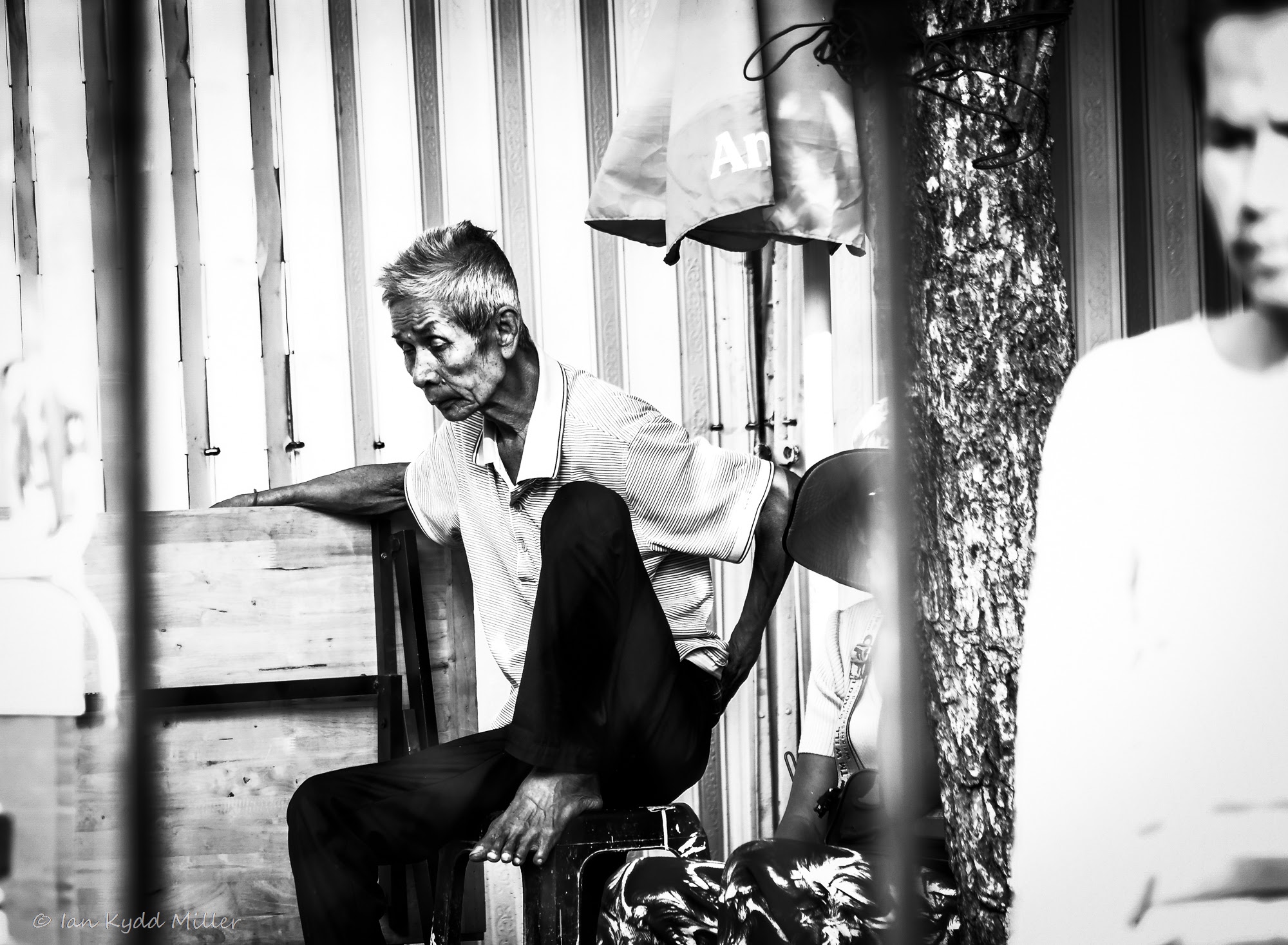
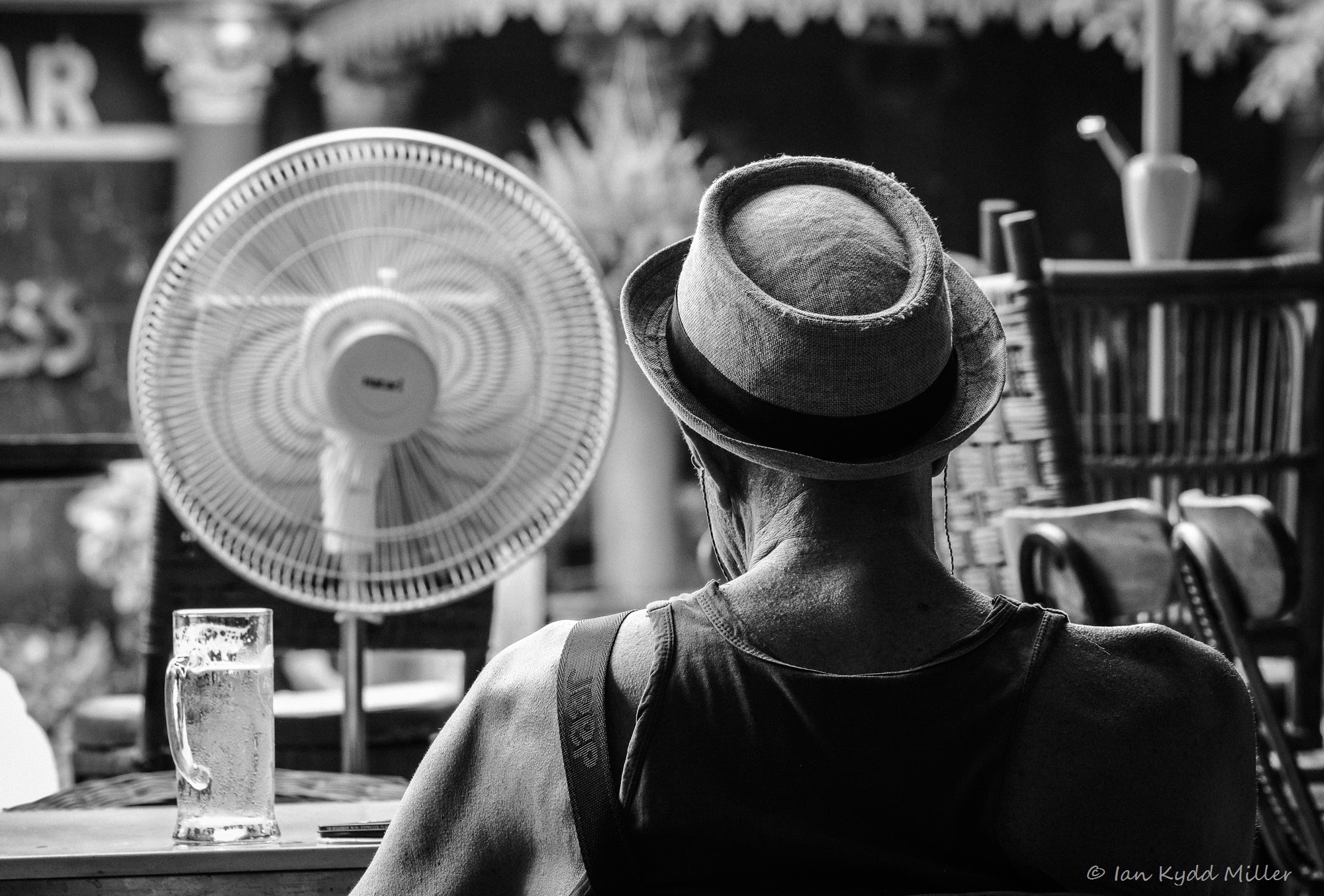
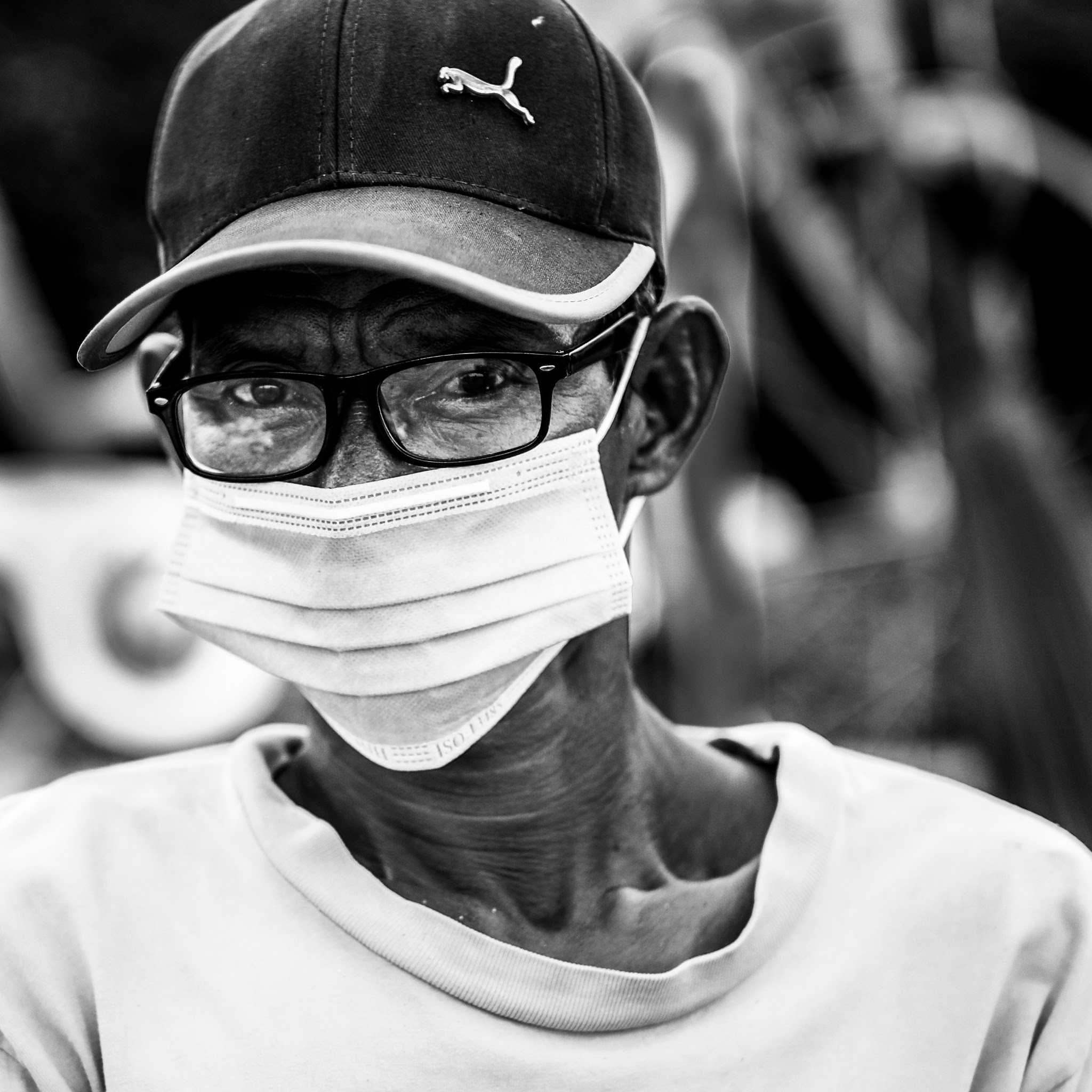
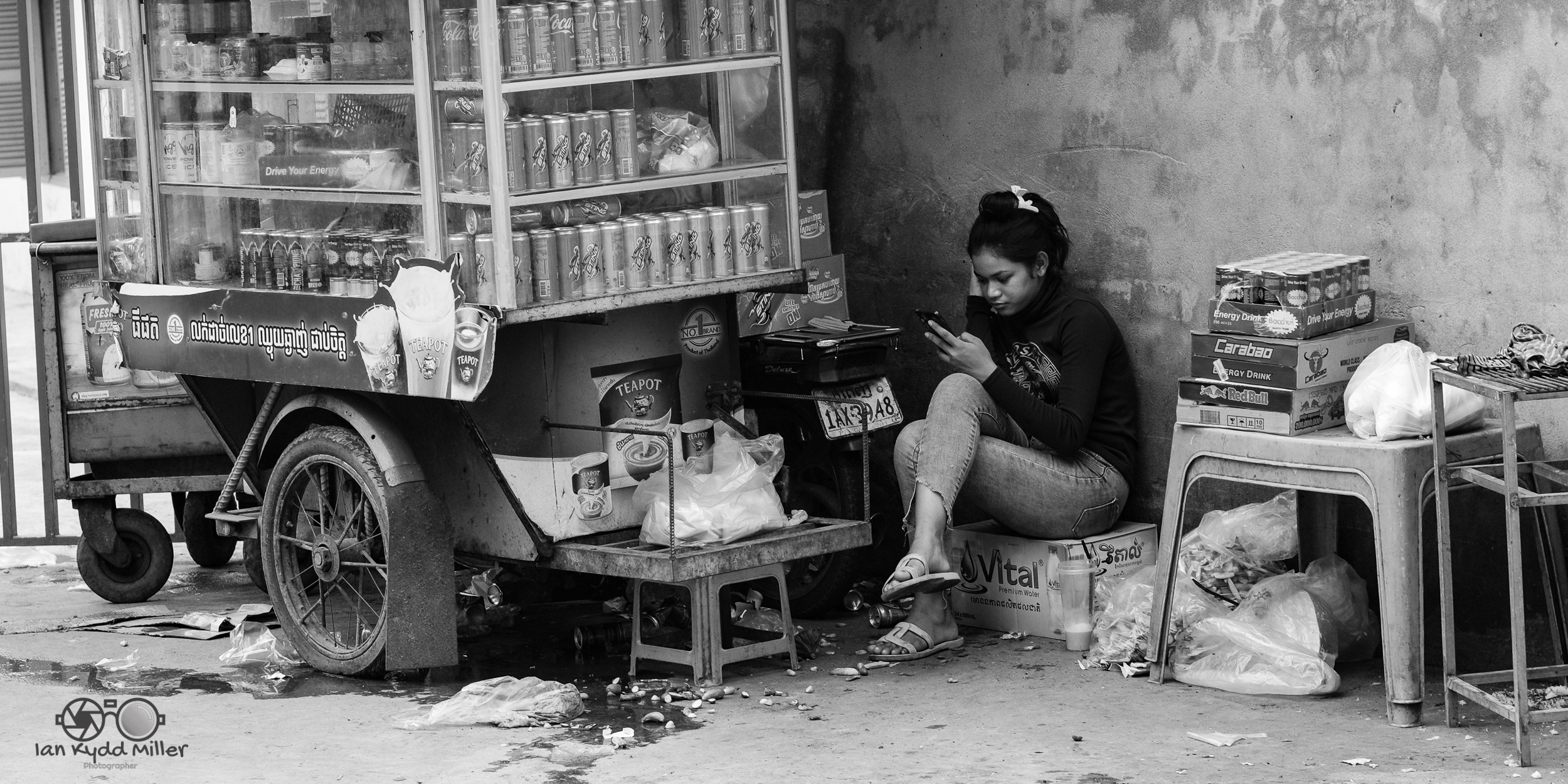
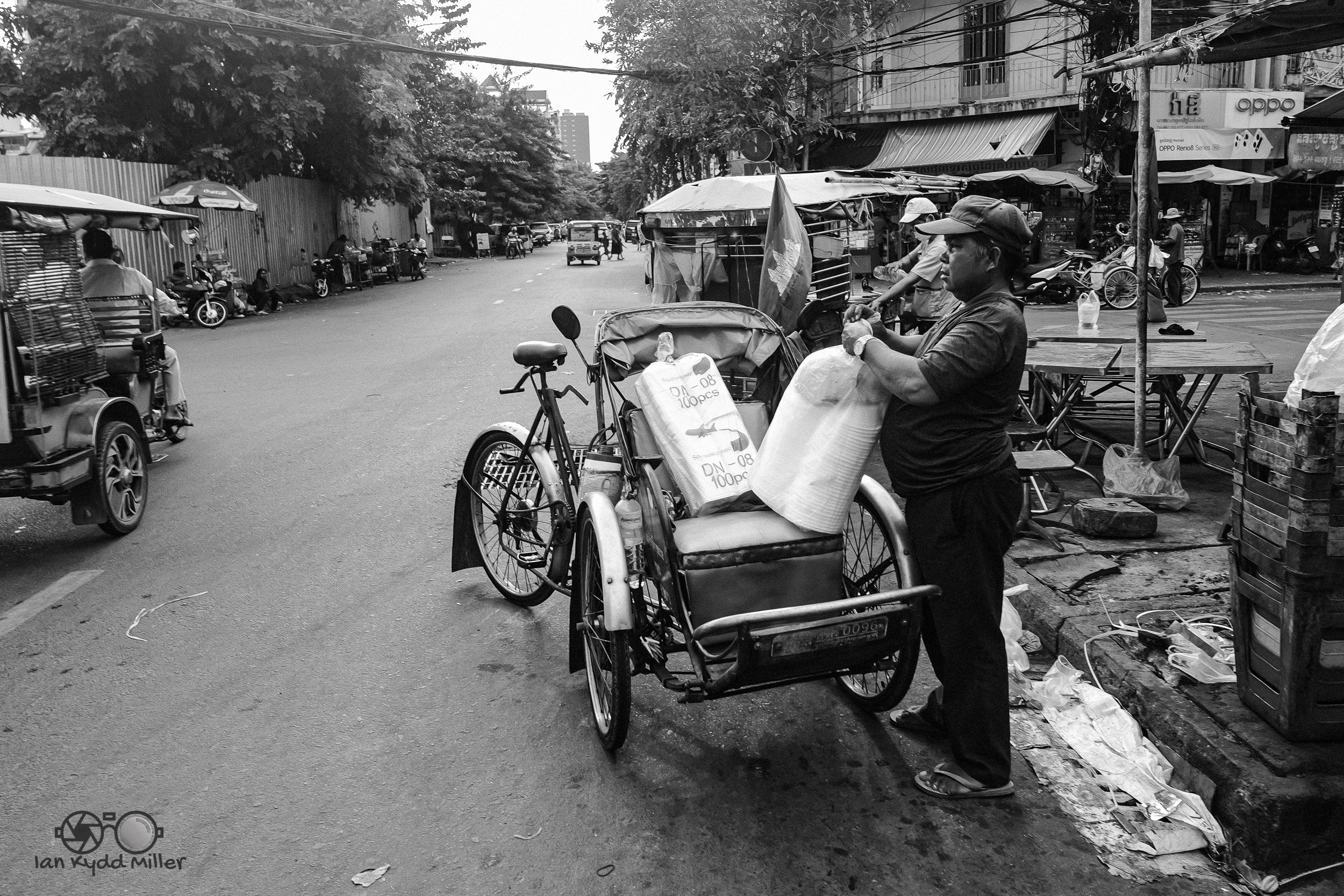
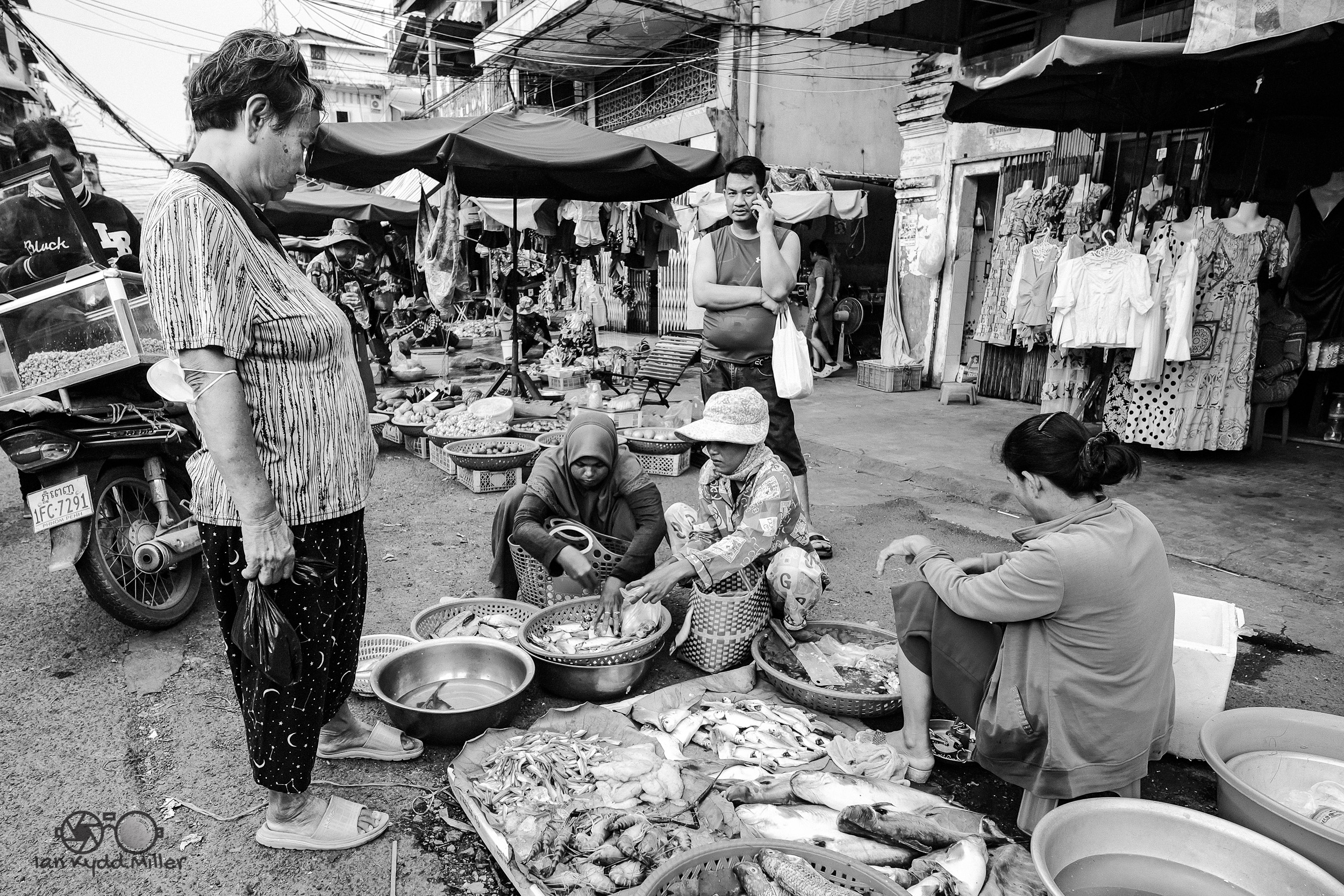
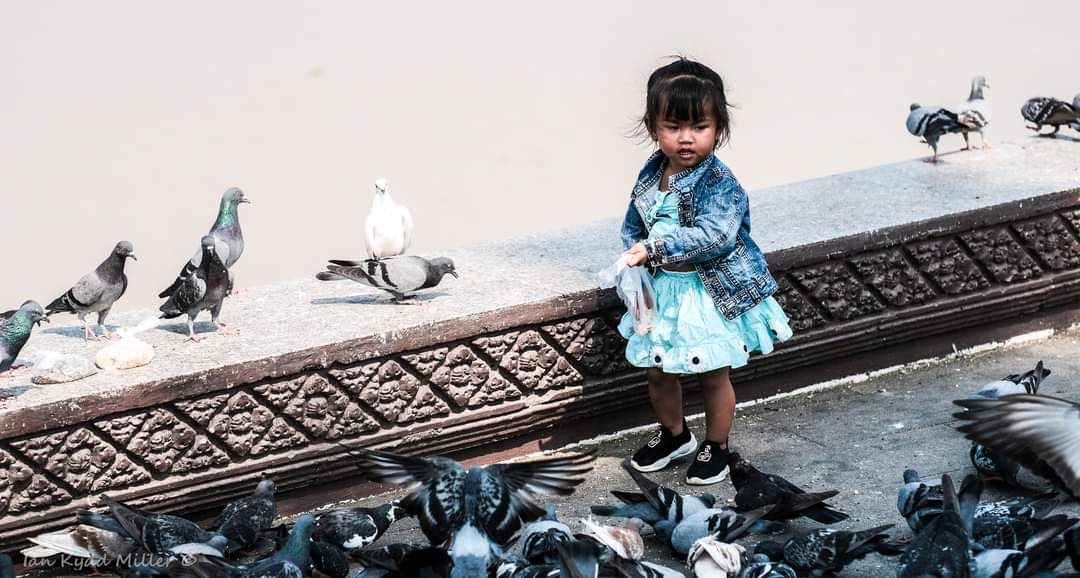
Street photography is an approach to photography rather than a location, although the streets are the usual place where it happens.
”When I saw the photograph of Munkacsi of the black kids running in a wave I couldn’t believe such a thing could be caught with the camera. I said damn it, I took my camera and went out into the street.” Henri Cartier-Bresson
Alternatively, it is referred to as no rules photography. The plethora of equipment (tripods, lenses, filters, lights etc) associated with ”serious” photography is left at home, or better still in the camera store. It’s just too heavy and bulky to cart around, takes way too long to set up and by the time it is set up the moment is gone.
Street photography is shooting from the hip.
Likewise, the rules of photography, the f stops, the shutter speeds, the rule of thirds etc are left in their dust jackets on Amazon shelves. By the time all the technical considerations are taken into account, the birdy is in another country.
Thank Canon, Nikon, Fuji et al for point & shoots.
It is just the camera and the photographer with their enthusiasm, intuition and an open mind.
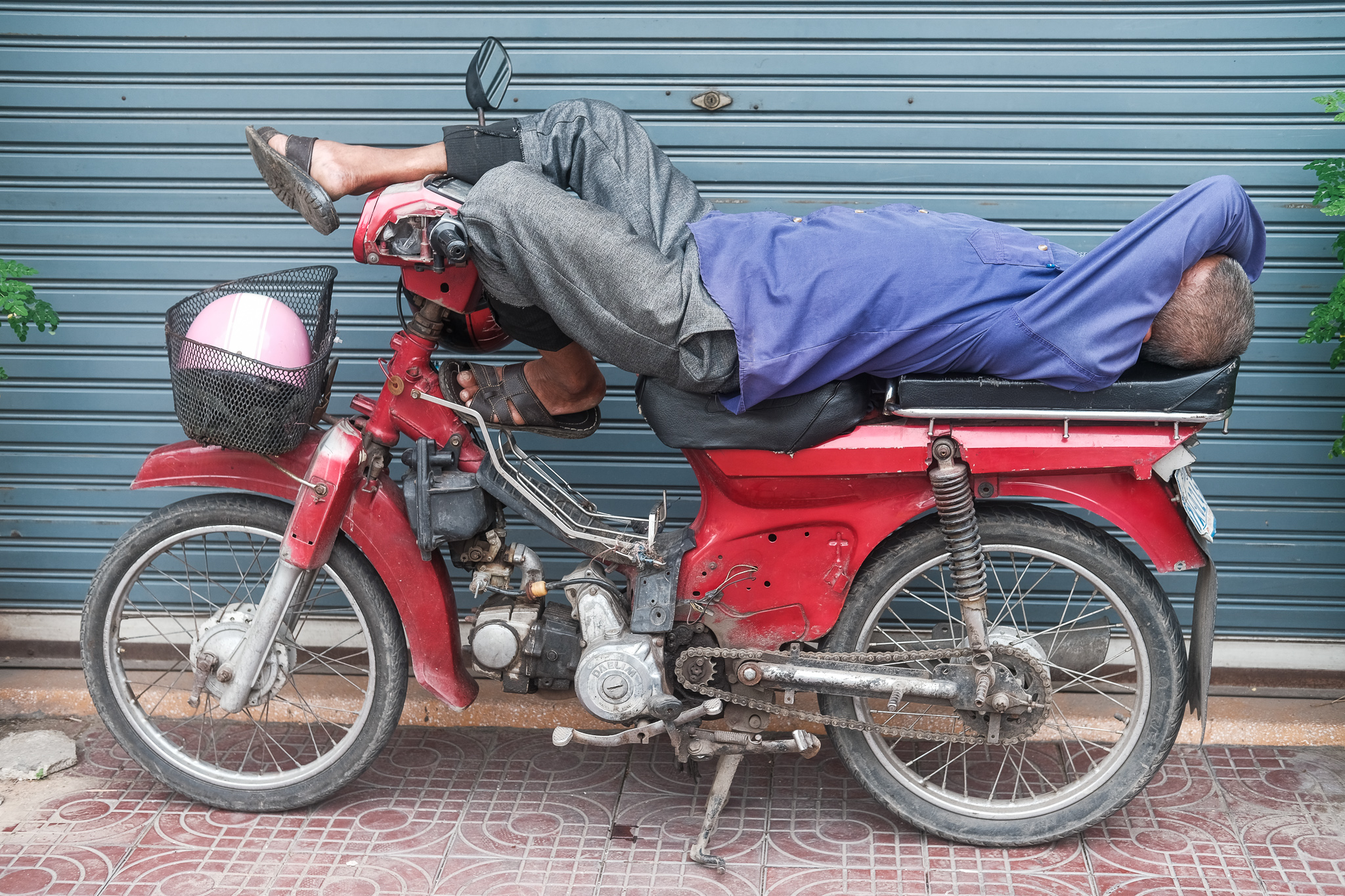
Street photography can be and often is: Out of focus; a tilted horizon; a soft focus.
Street photographers are optimists, for them, the glass is always half full. They go out on a photo shoot with no plan in mind secure in the knowledge that this wide world of ours will provide. A subject, a situation, a scene will present itself all they must have is the presence of mind to capture it when it does.
Street photography can be and often is: Odd things in the foreground; no central focus; odd crops.
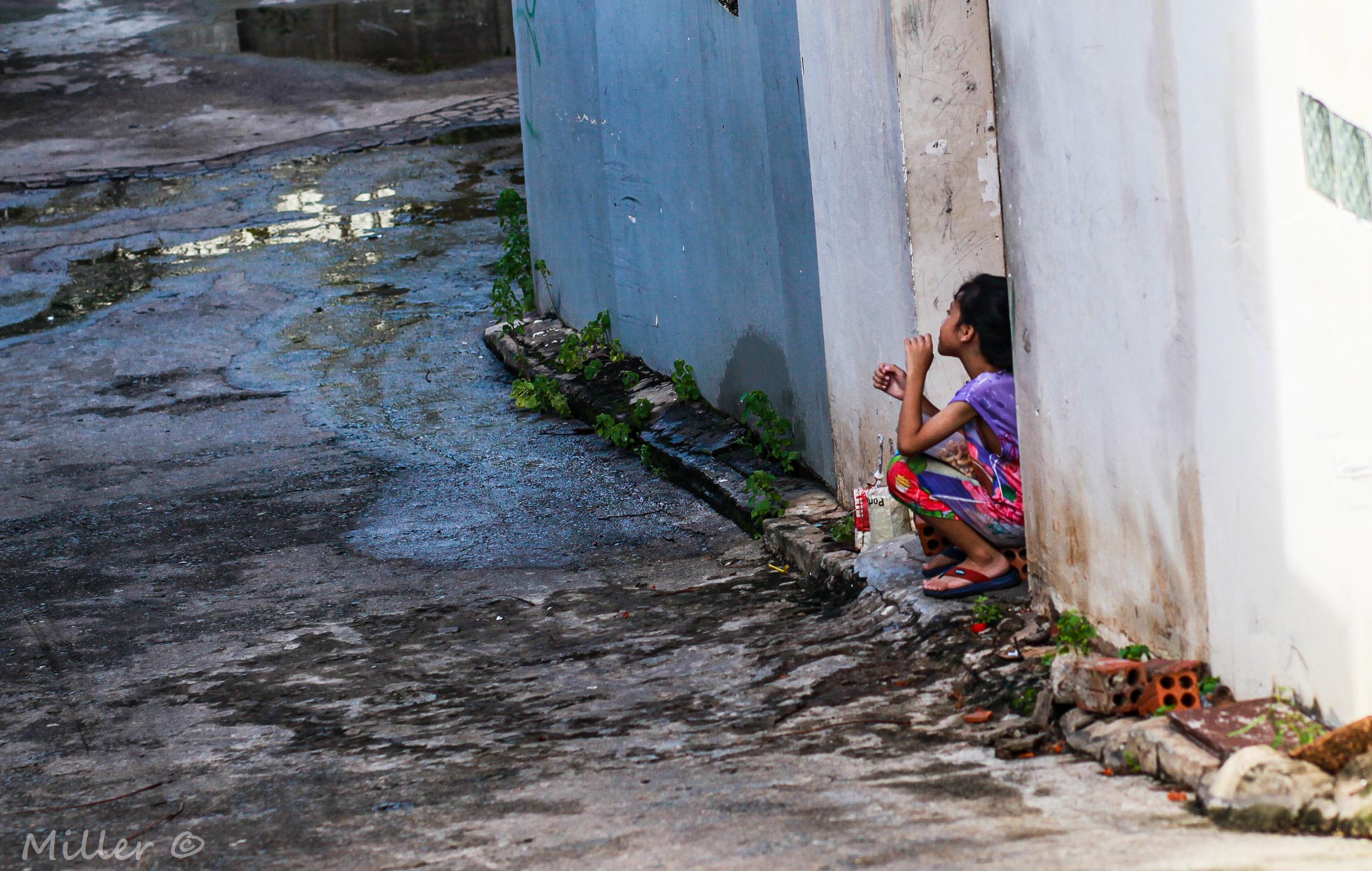
Street photographers see the usual, everyday things with fresh eyes. The reflection in a rain puddle, the colours in a crowd, the balance of negative space. Their minds are open to all the stimuli that they see and they curse the days when they leave their camera at home.
Street photography can be and often is: very busy; a tilted perspective; upside down.
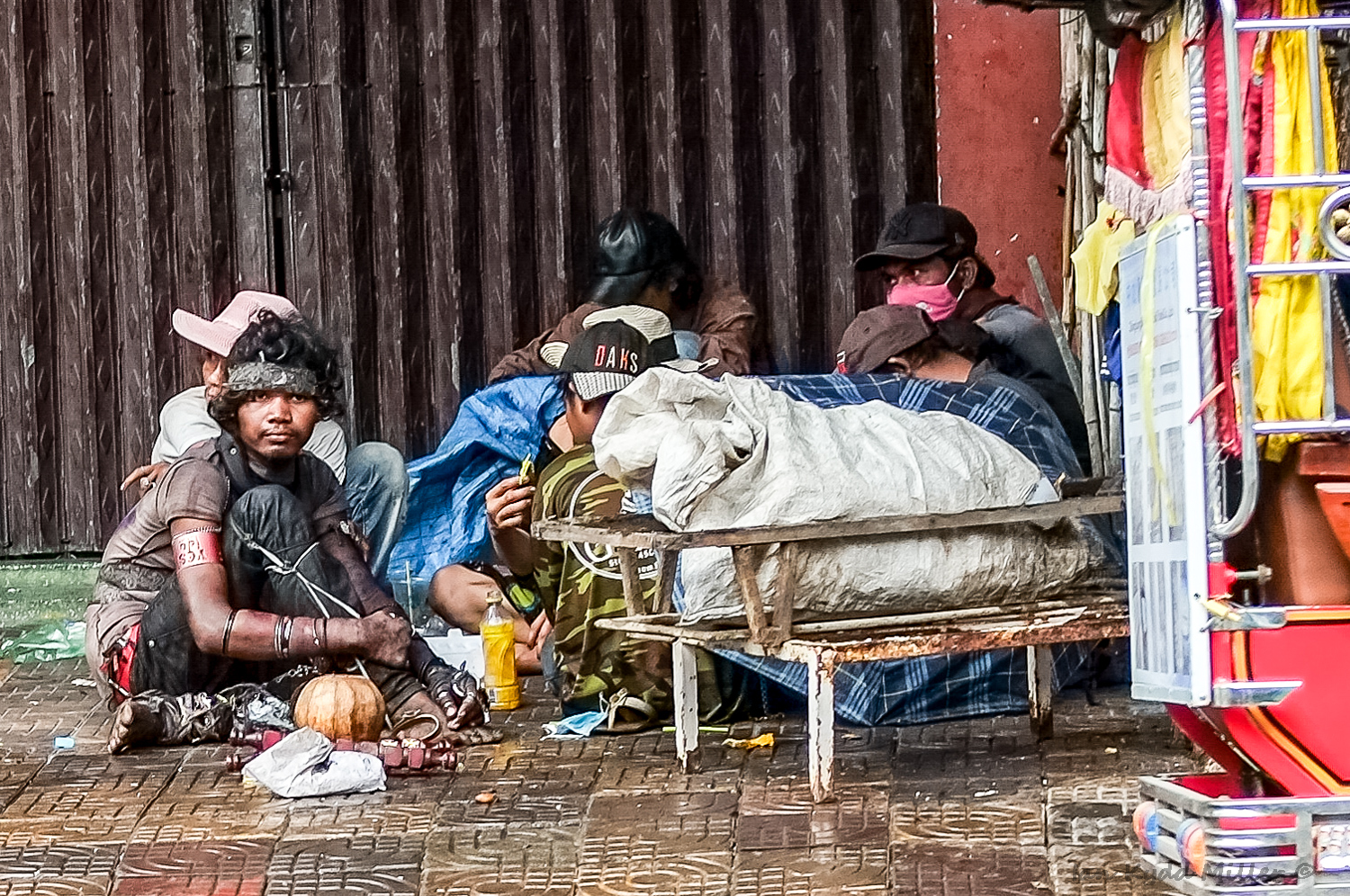
Street photographers are not only on the streets, they are at weddings, school concerts, and next to you on the train. They look a lot like tourists, it’s their favourite cover but they are one without a big flash. It was left at home, the available light will do.
Street photography can be and often is: underexposed; blurred; suffering from vertigo.
Street photography is, what all photography is, a snapshot.
What shines through is the photographer, his/her interpretation of the scene, what they see in the situation, their reaction to the stimuli, and the art they see every day.
Technicians take technically correct and often pretty pictures.
Visual artists, whatever their medium, create images that stimulate the mind, and the heart and validate the human condition in all its guises. Because, after all, pretty is in the eye of the beholder and consequently very subjective, whereas art speaks to all who are prepared to listen.
There are times when we all feel blighted and unable to take a picture. Why is this, where does this lack of motivation materialize from ?
Motivation to take pictures generally come from and external source, money, recognition that compel you to get out of your bed in the morning and go and do what you have to do, but, motivation is, in my opinion is not the most important part of this process.
Inspiration, stimulation or arousal of the mind, feelings, etc, to special or unusual activity or creativity without inspiration we have no motivation.
Inspiration comes about because of change or seeing the possibility of change. If you always do the same things, this will be either minimal or non-existent. You must search out and have new experiences in order to find inspiration. This works by seeing new places or people who can inspire you. There are many ways to find and the inspiring moments and things will different for everyone.
Look at :
Blogs, books and magazines, listen and look at people and things in the world around you, movies and forums, art go to the museum and seek it in the pictures, nature, history,travel and even religion and definitely BREAK your routines, do things differently, look at thing in a different way, think differently, challenge your way of looking at the world.
Play around with images not only in camera but on the computer. Try monochrome, try filters, try introducing movement into an image during taking or later in Photoshop, anything that will help get the creative juices going again.
Trying setting yourself some projects that are unusual to you, make them challenging, challenge your skills, use your skills, develop your skills.
There are times when we all feel blighted and unable to take a picture. Why is this, where does this lack of motivation materialize from ?
Motivation to take pictures generally come from and external source, money, recognition that compel you to get out of your bed in the morning and go and do what you have to do, but, motivation is, in my opinion is not the most important part of this process.
Inspiration,stimulationorarousalofthemind,feelings,etc,tospecialor unusualactivityorcreativity without inspiration we have no motivation.
Inspiration comes about because of change or seeing the possibility of change. If you always do the same things, this will be either minimal or non-existent. You must search out and have new experiences in order to find inspiration. This works by seeing new places or people who can inspire you. There are many ways to find and the inspiring moments and things will different for everyone.
Photographer Anne Murat is the Edge of Humanity Magazine contributor of this photo essay. From the project ‘Tokyo Solo’. To see Anne’s body of work, click on any image. 418 more words
Well well well. It sure looks like the X-E line isn’t dead afterall. One of the most pocketable APS-C Mirrorless Interchangeable Lens Cameras just got even more pocketable, and even more sleek and stylish. All of it without compromising features of the models that comes before it. But is there really a place for a […]
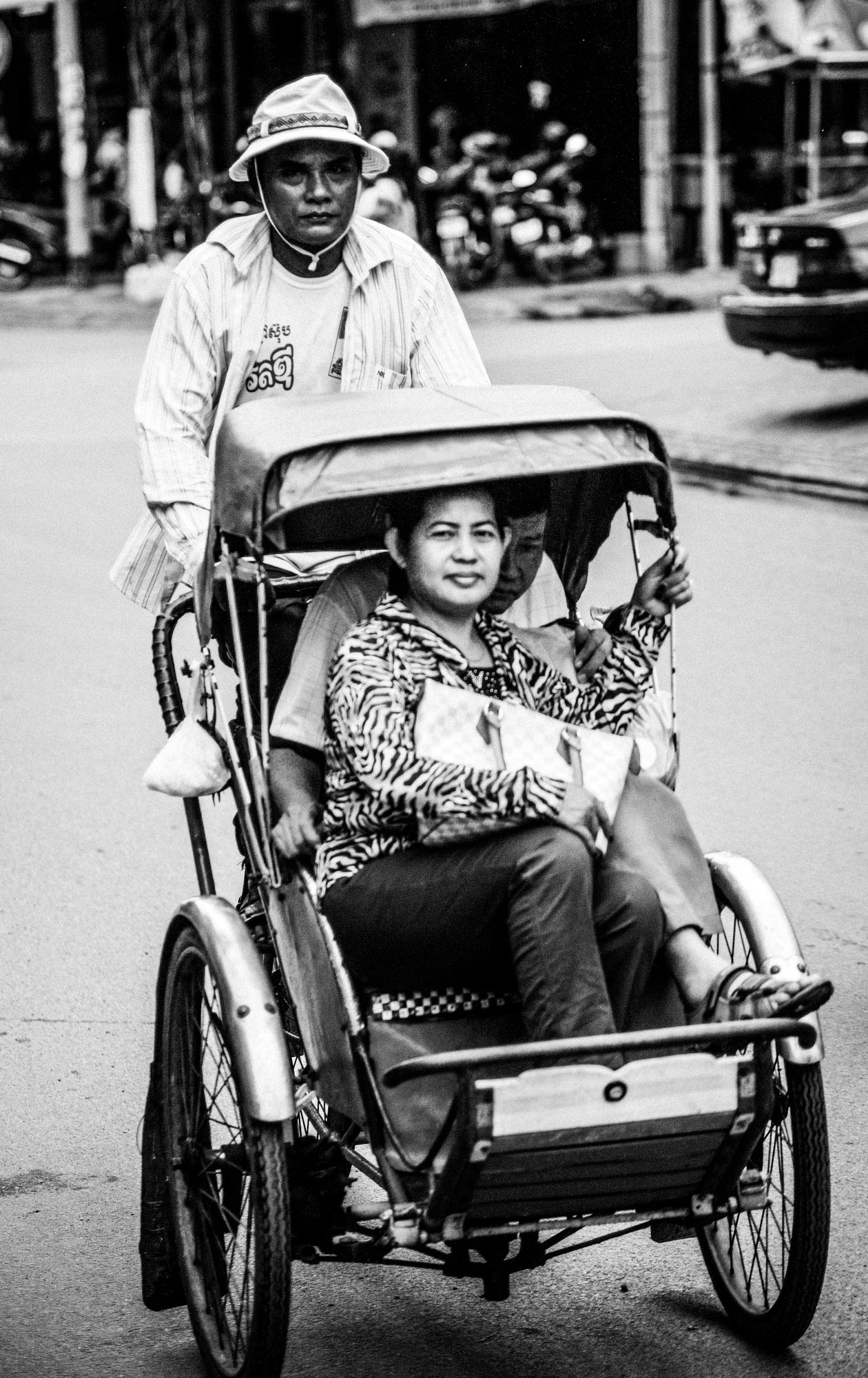
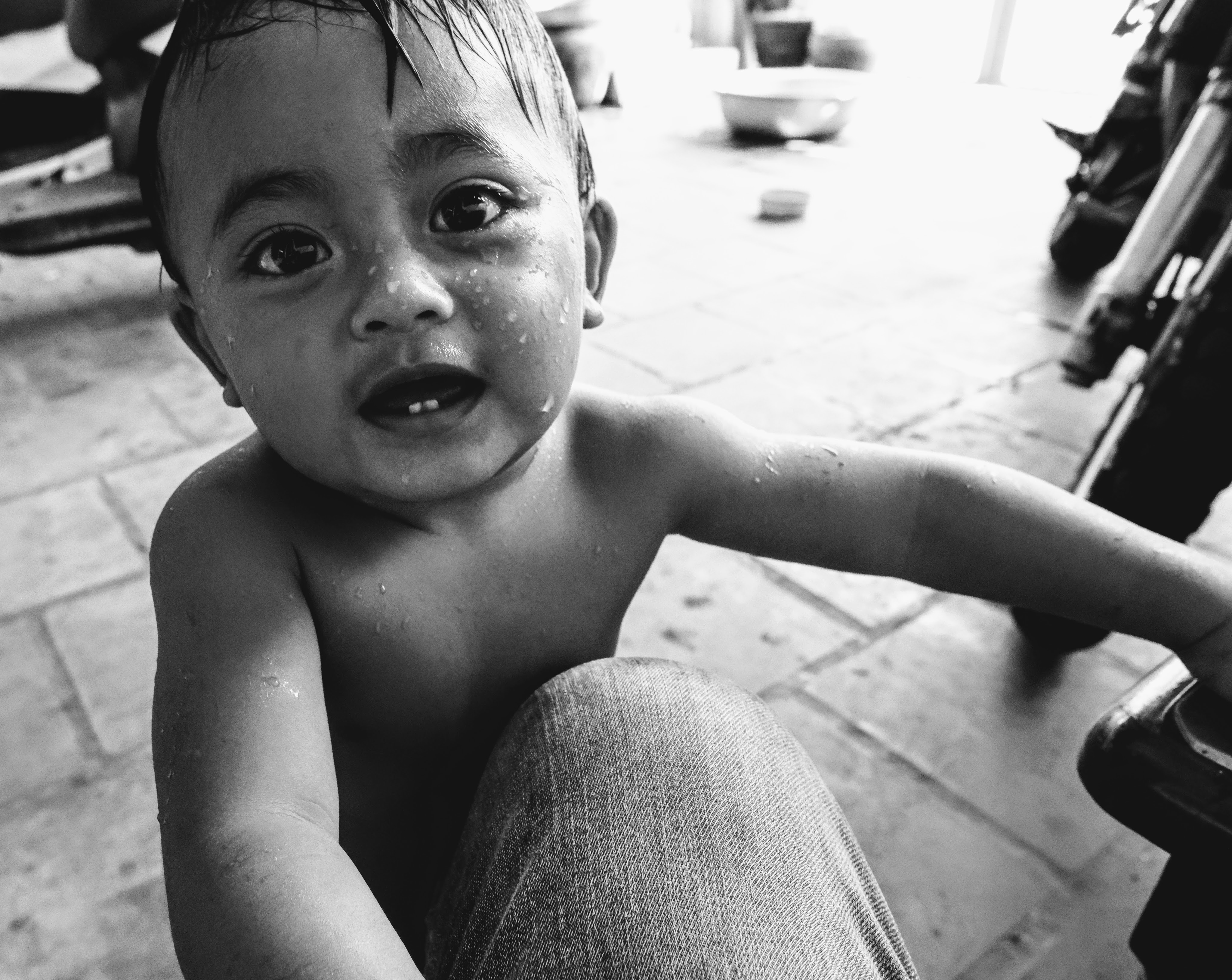
My photography started with making pictures (and printing them) in Monochrome (Black and White). For me this style of photography brings with it a reality and a way of seeing the world that is different to colour images.
Fujifilm cameras have made this much simpler by including within the camera the ability to make monochrome images using their own approximations of their films from the past. This is actually done ”in camera”.
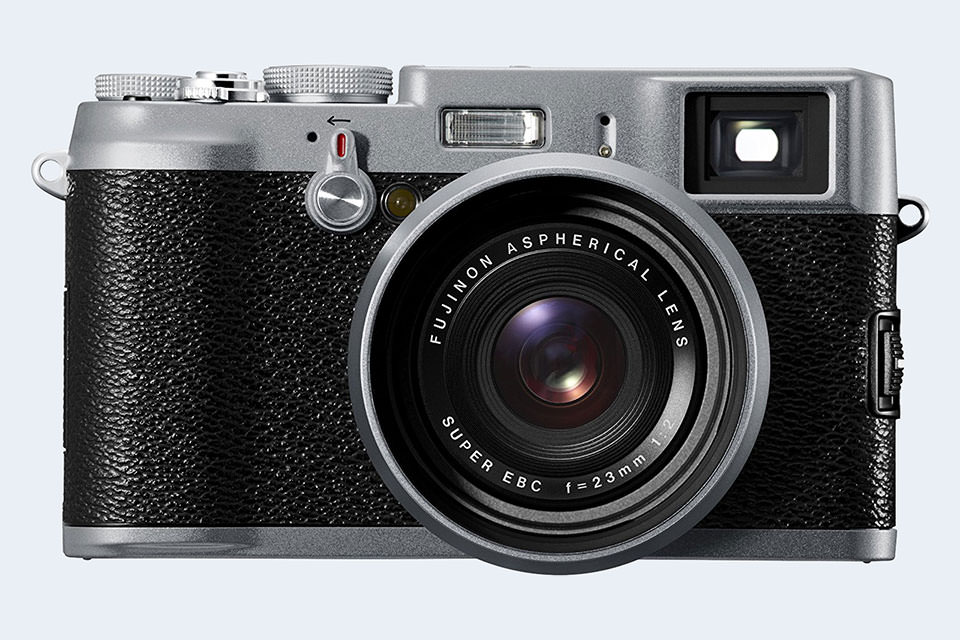
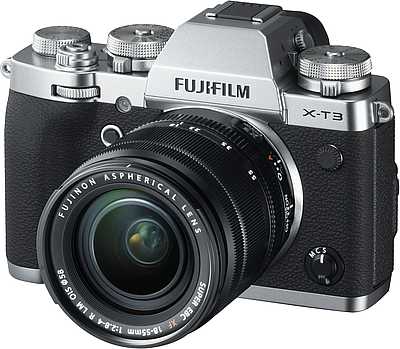
Managed to pick up a copy of this camera, handle used, here in Phnom Penh, several months ago and what a great purchase that was. After using it for a few months and making some decent images with it I now feel in a position to give a working photographers opinion on it.
As mainly a still image maker I am less interested in this cameras Video abilities, even though they are pretty darned good.
The FUJIFILM X-T3 features a newly-developed back-illuminated X-Trans CMOS sensor, the fourth generation to feature in the X Series. It has a resolution of 26.1MP. The sensor uses a unique color filter array, synonymous to X-Trans CMOS sensors, to control moiré and false color without the use of an optical low-pass filter. Its back-illuminated structure enhances image quality while maintaining a high S/N ratio. Furthermore, ISO160, previously available only as extended ISO, is now part of the normal ISO range, allowing you to achieve incredibly clean, noise free images.
The FUJIFILM X-T3’s sensor has increased the phase detection AF area to the entire frame with 2.16M phase detection pixels. The low-light AF sensitivity has also been extended enabling high-speed AF in even lower light conditions. I have found the AF to be a big improvement over that in my XT2 even though that was no slouch.
The performance of face-detection AF on a moving person has been doubled and works very well IMO. The eye-detection AF works in AF-C mode, maintaining accurate focus-tracking with portraits.
Continuous shooting of 11fps with the mechanical shutter no longer requires the optional vertical grip. I have the vertical grip and it not only give high speed shooting but extra battery life which was always a complaint with Fuji Cameras.
The FUJIFILM X-T3 offers 16 Film Simulation modes so that you can match your true photographic intention in a similar way to how photographers used to choose purpose-specific photographic films. I am not a photogrpher that feels the need to use RAW (all the time) as I find the way this (and other Fuji offerings) produces out of the camera JPEGs to be astounding and saves me numerous hours in post processing.
One of the main things that attracted me to the Fujifilm system is the way that it manages colour and the ability to bracket using 3 different film silmulations, including monochrome. I can adjust each basic film simulation to the way I want it to be (in the camera) and save that as a custom setting. (only works with JPEGs). Very easy to do.
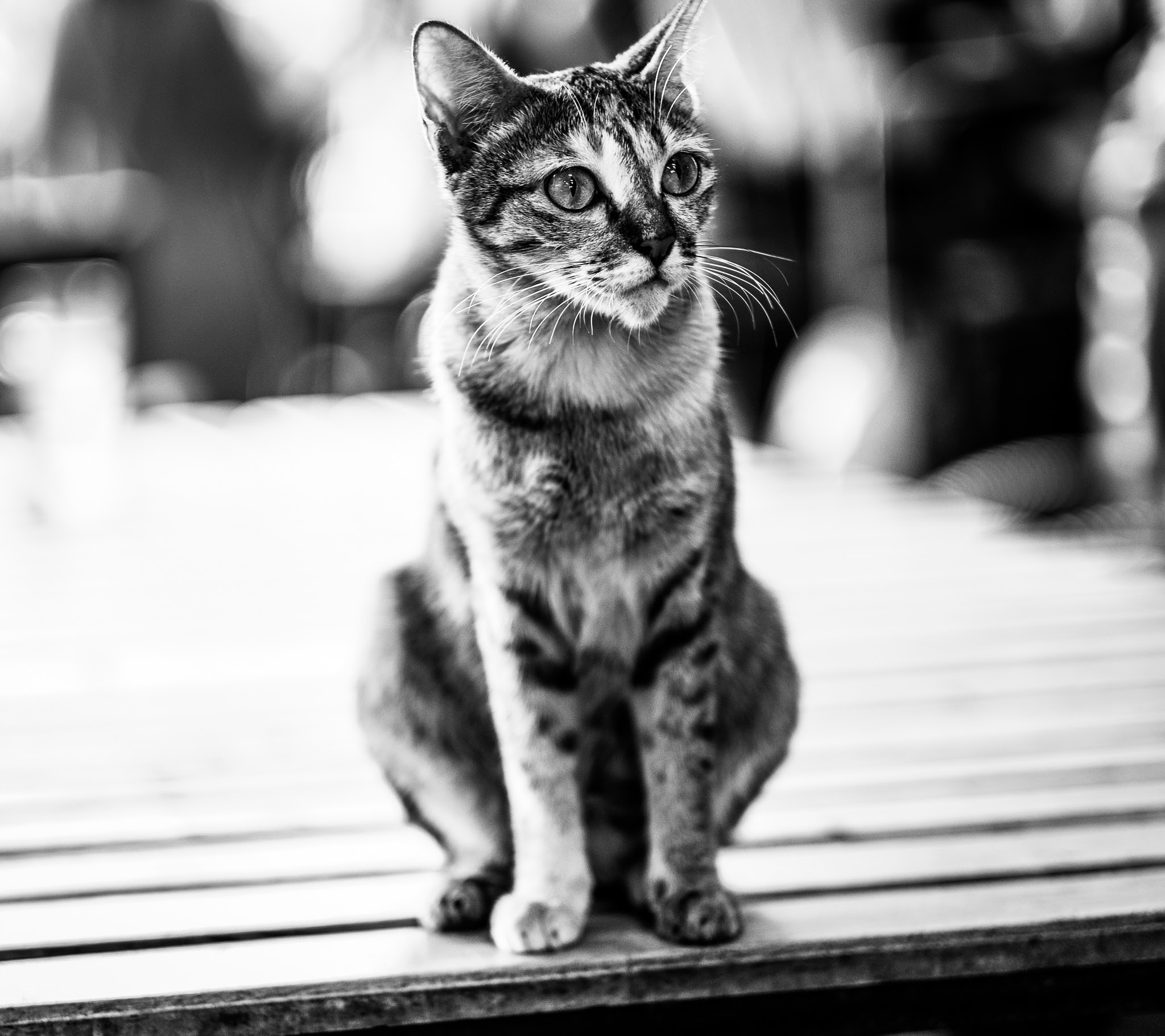
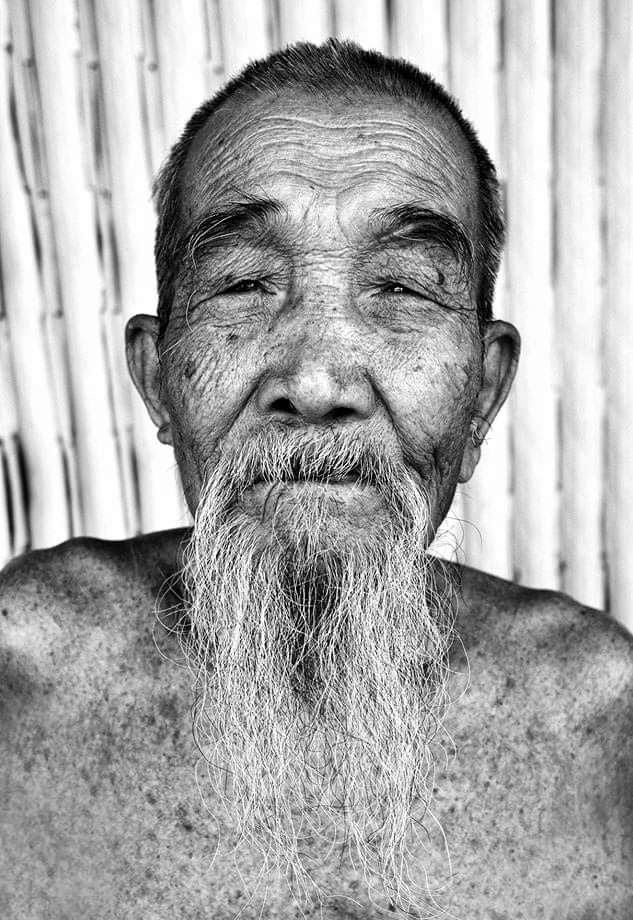
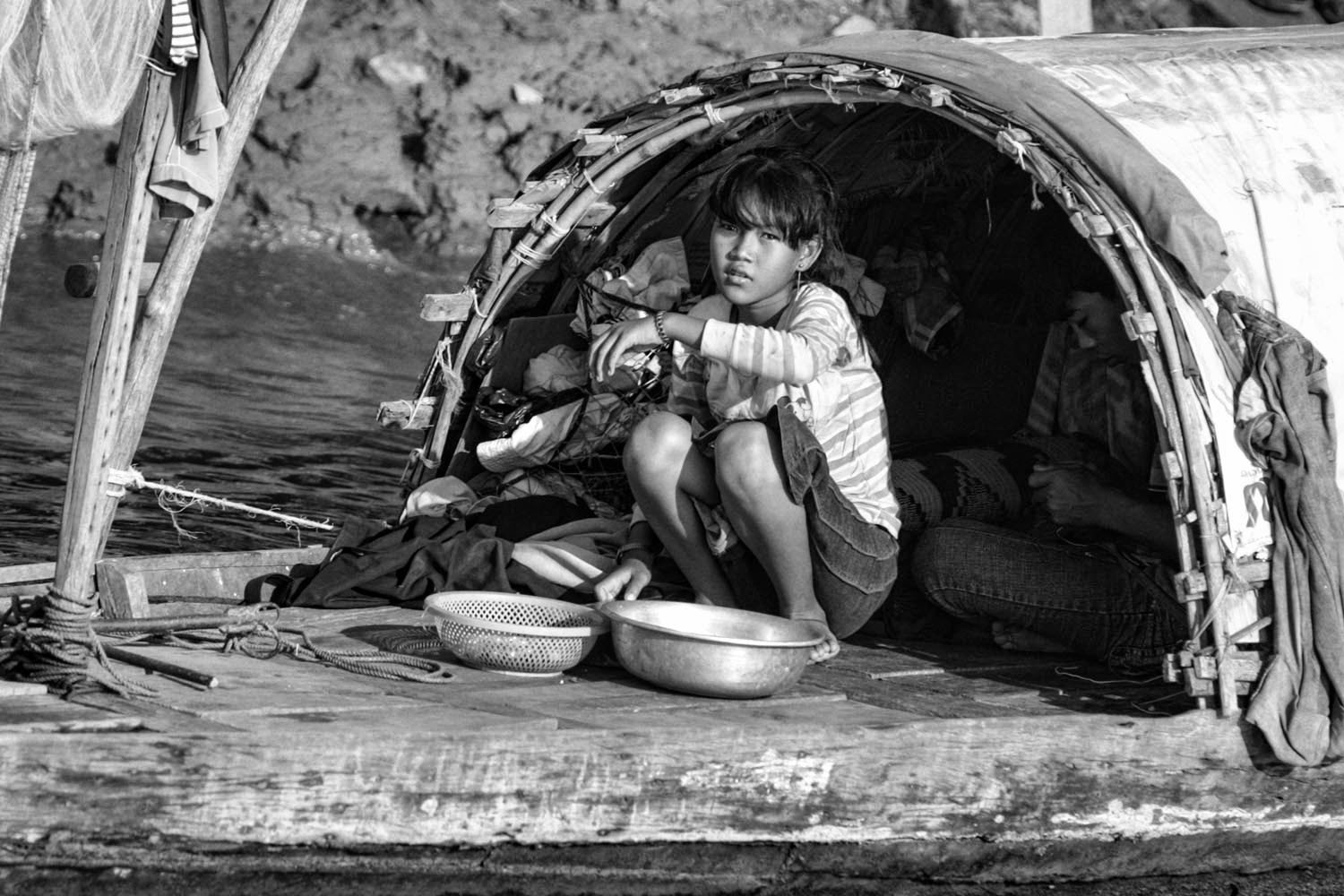
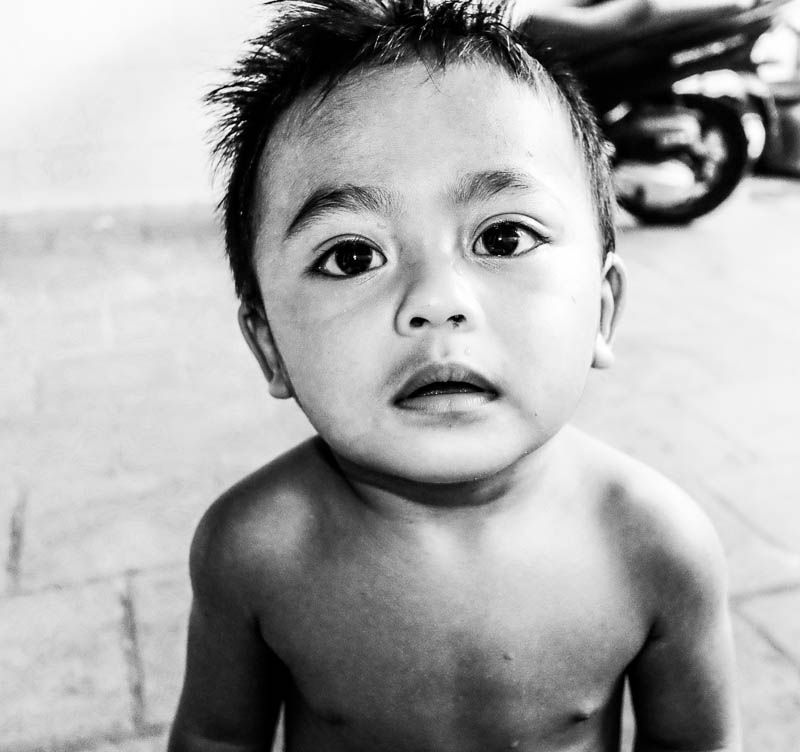
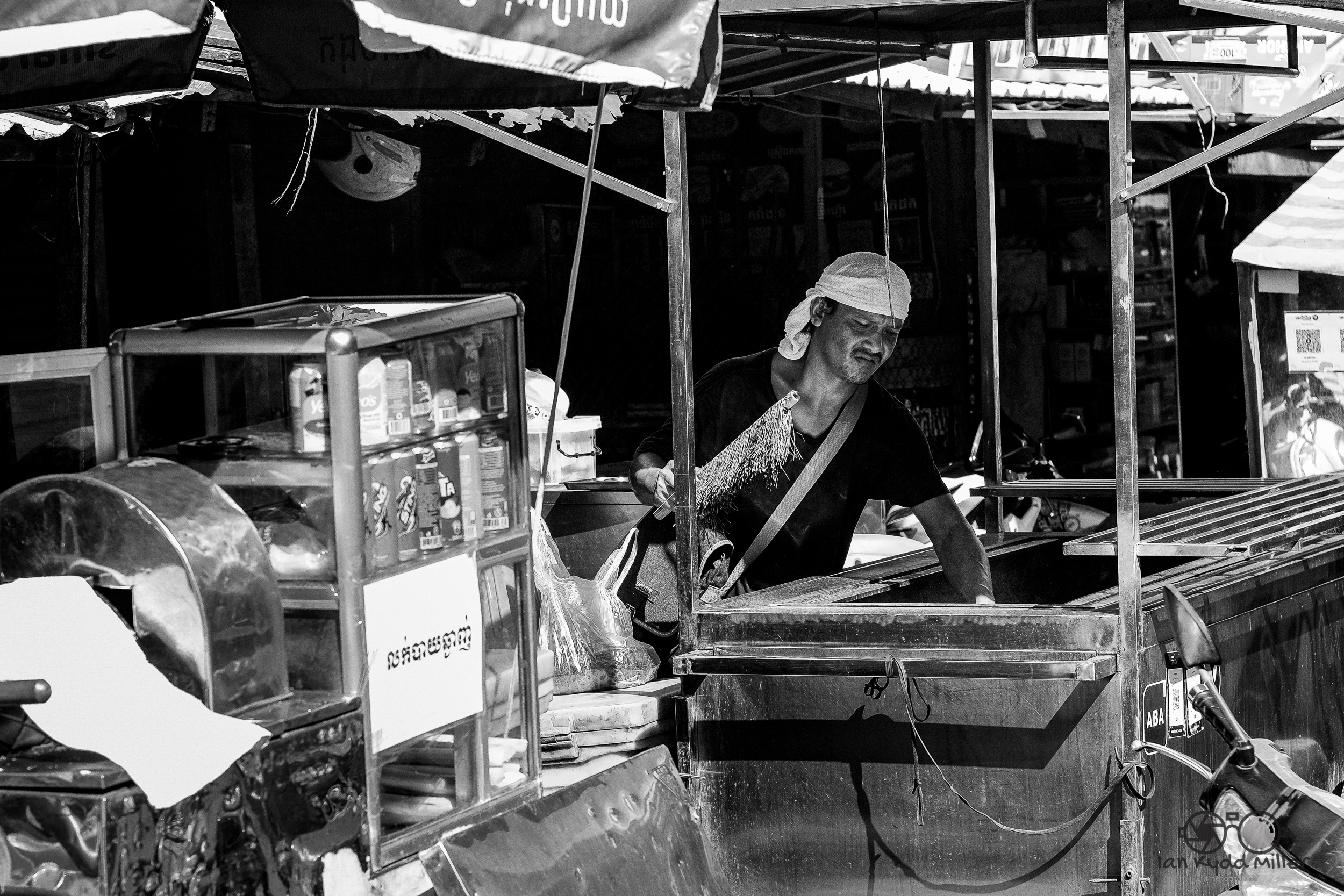
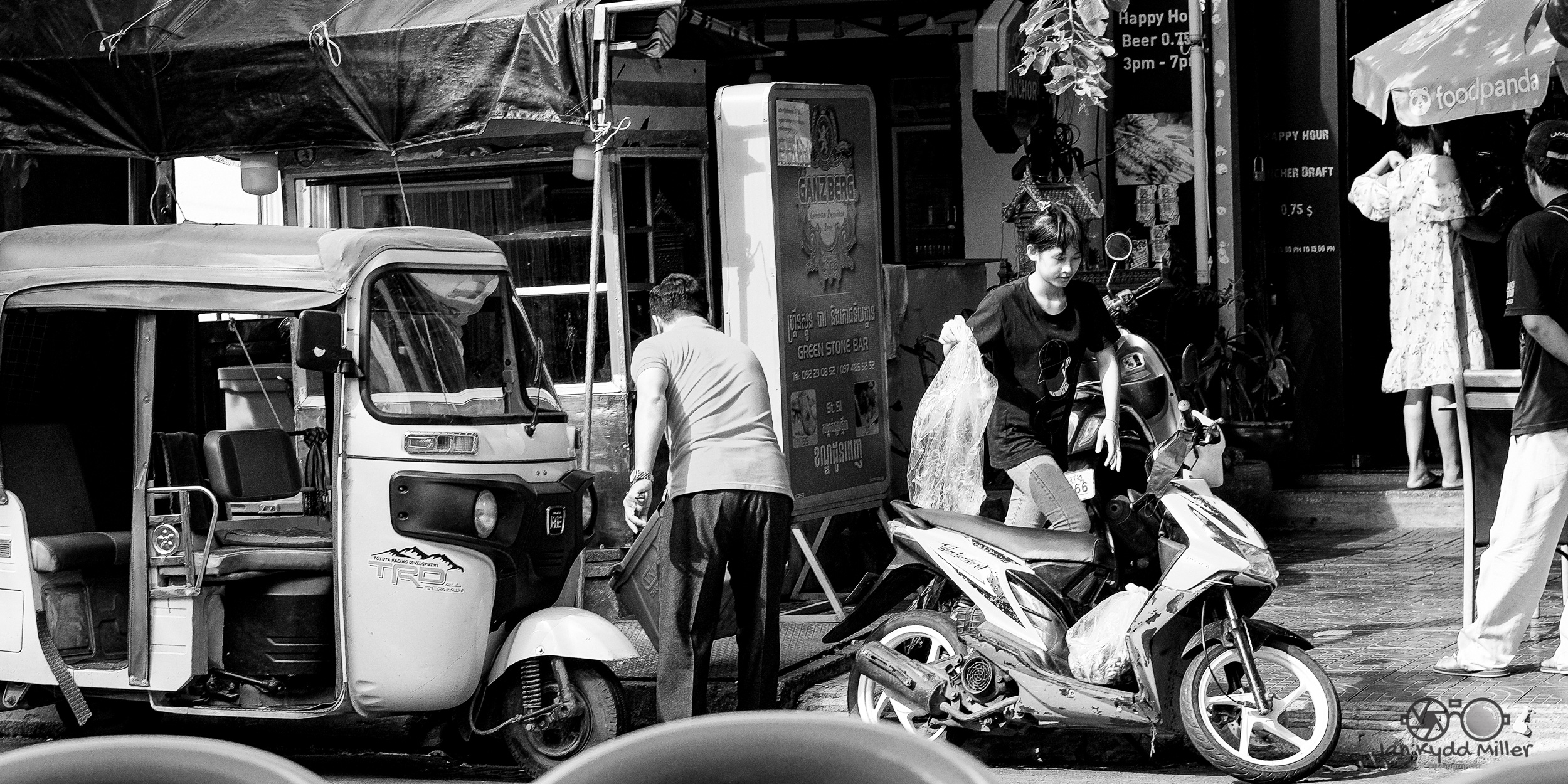
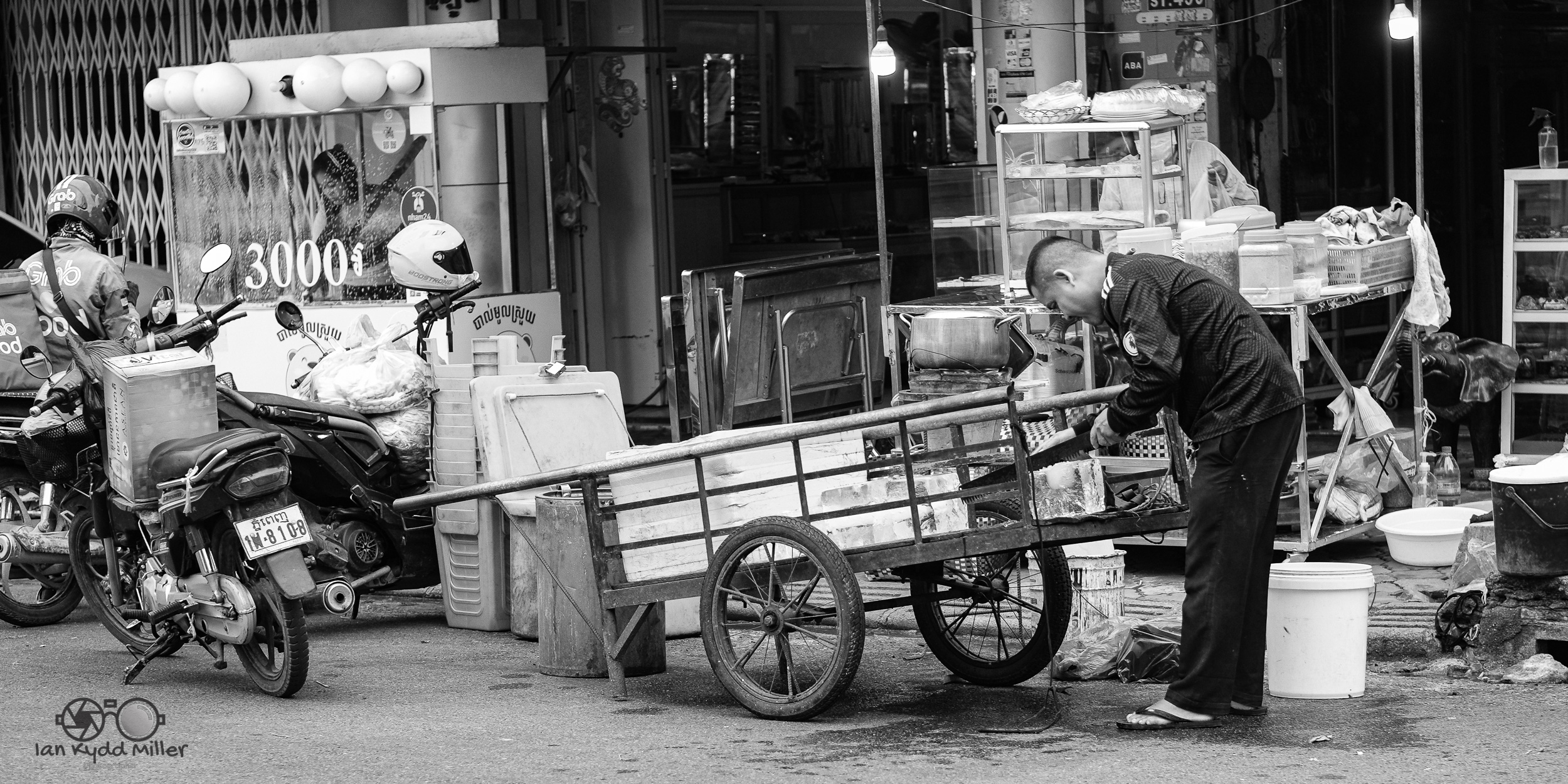
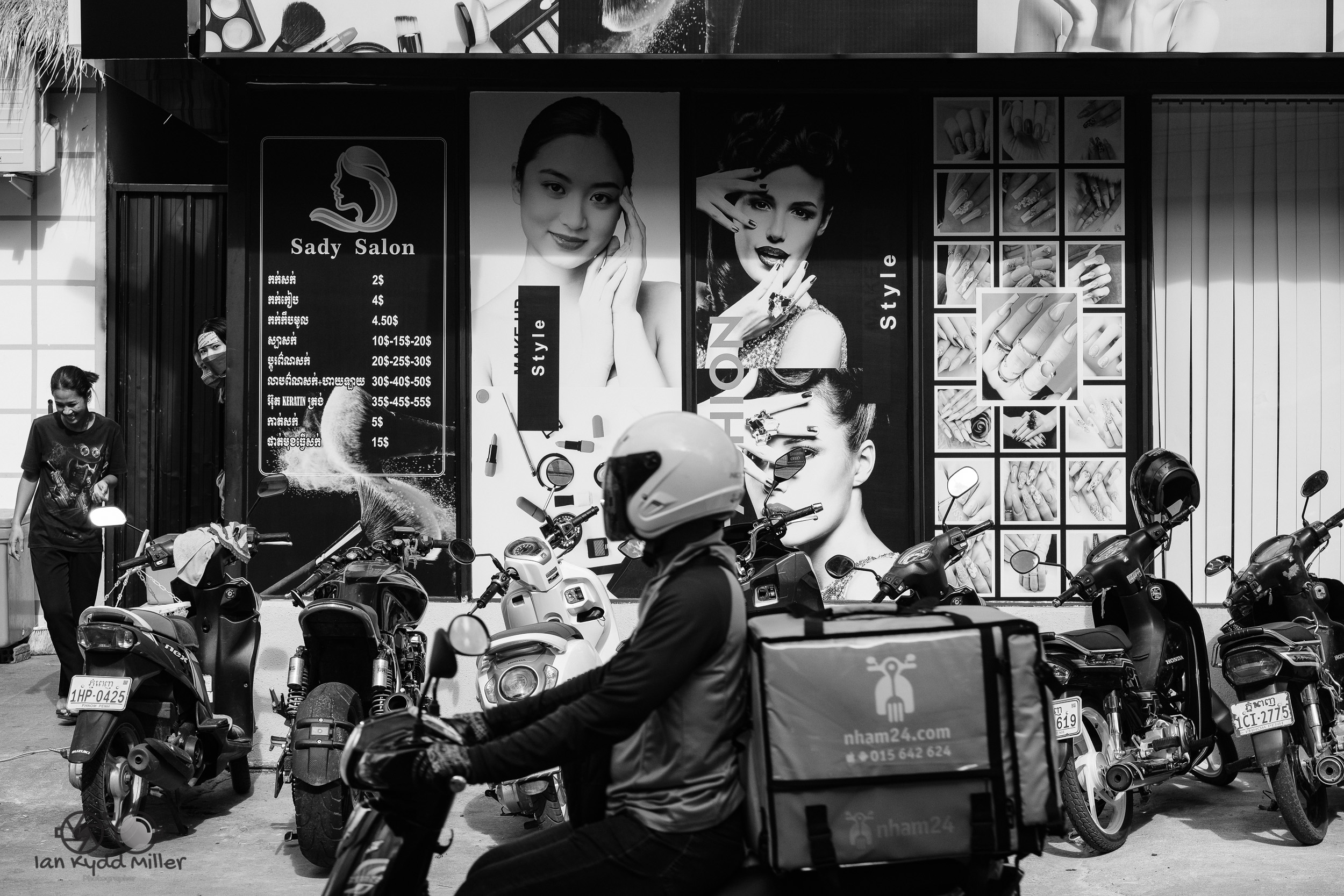
All these images are untouched straight from the camera
Fuji has always come into some critism about its AF speed. I have never really found it to be a problem even on my X Pro 1, (much better after they upgraded the firmware). The XT2 and XT3 are IMO good and very good and are able to meet all situations. There are many AF phase detection points that are now easily seletable via the small joy stick on the rear of the body. Phase detection AF is the AF system used in viewfinder shooting on mirrorless and DSLR cameras. It works by splitting the light entering the lens into two so that it forms two images. … Phase detection AF enables autofocus be established swiftly, since the camera knows exactly how much and in which direction to move the focusing lens.
Weight, even with the extra handgrip and batteries is comfortable and manageable. The camera feel solid and well made. Nowhere near as heavy as my Canon 1D MkIV which makes it great for use as a daily carry around camera.






















 a world without pictures is like coffee without cream and sugar, bitter