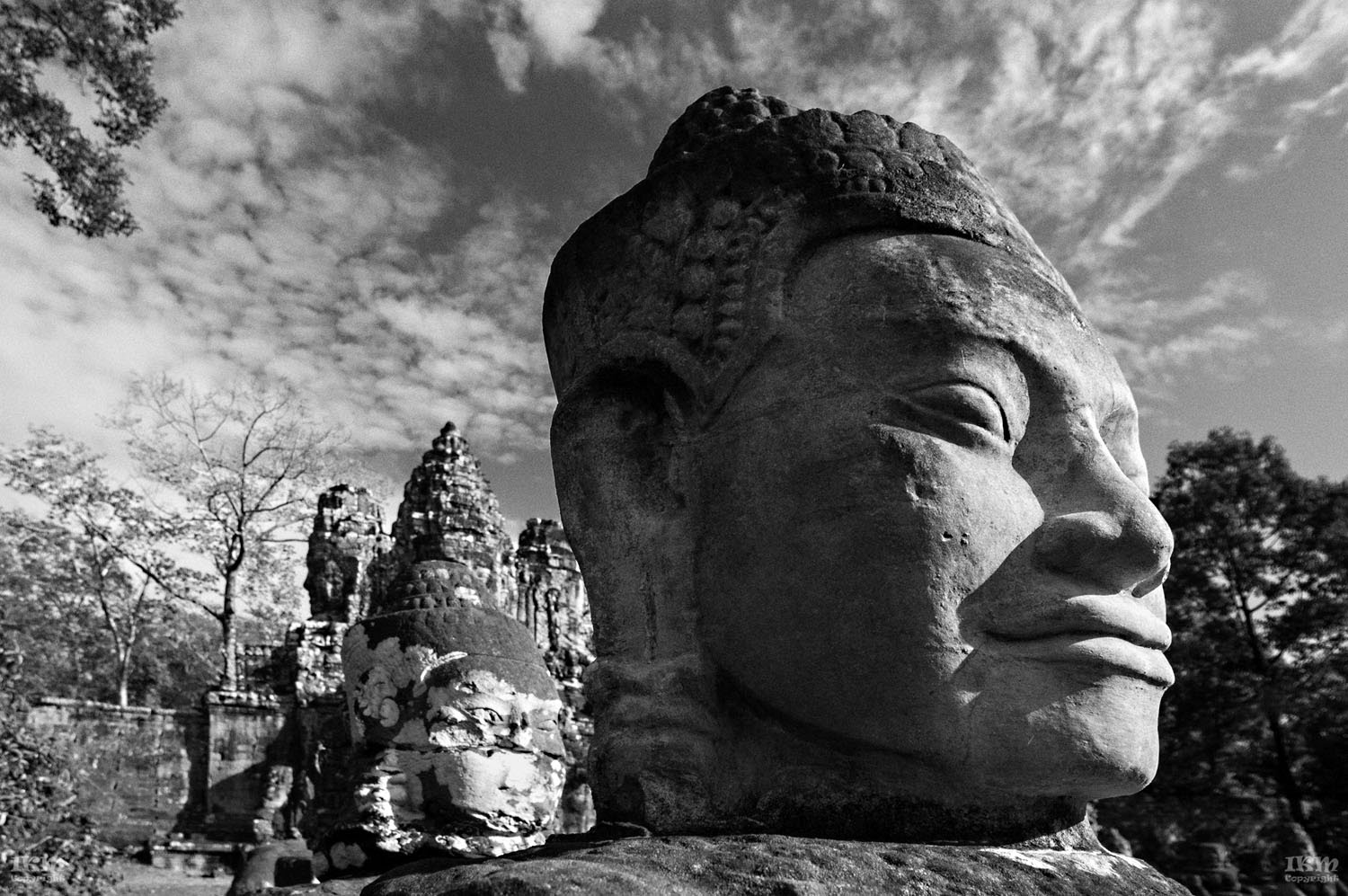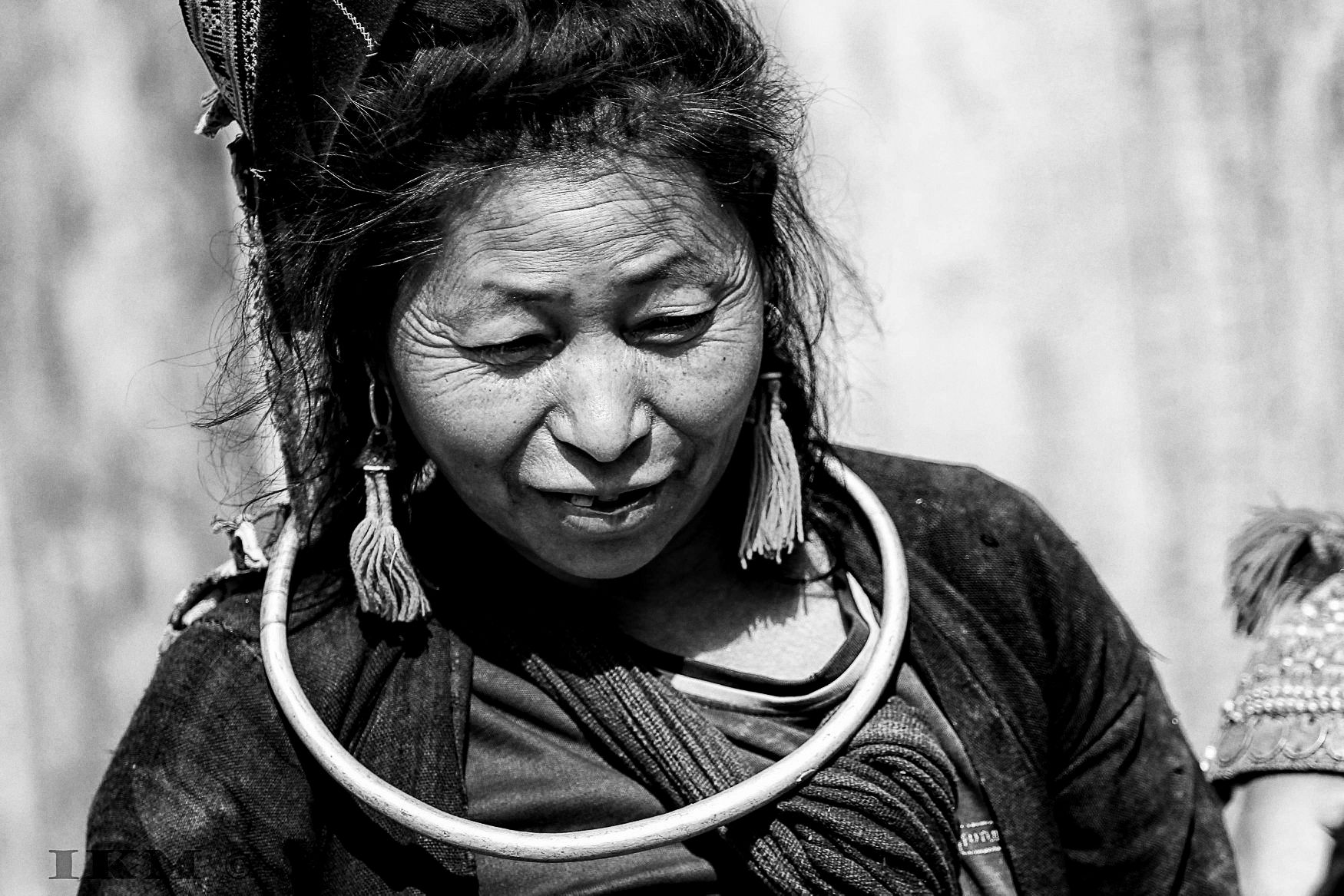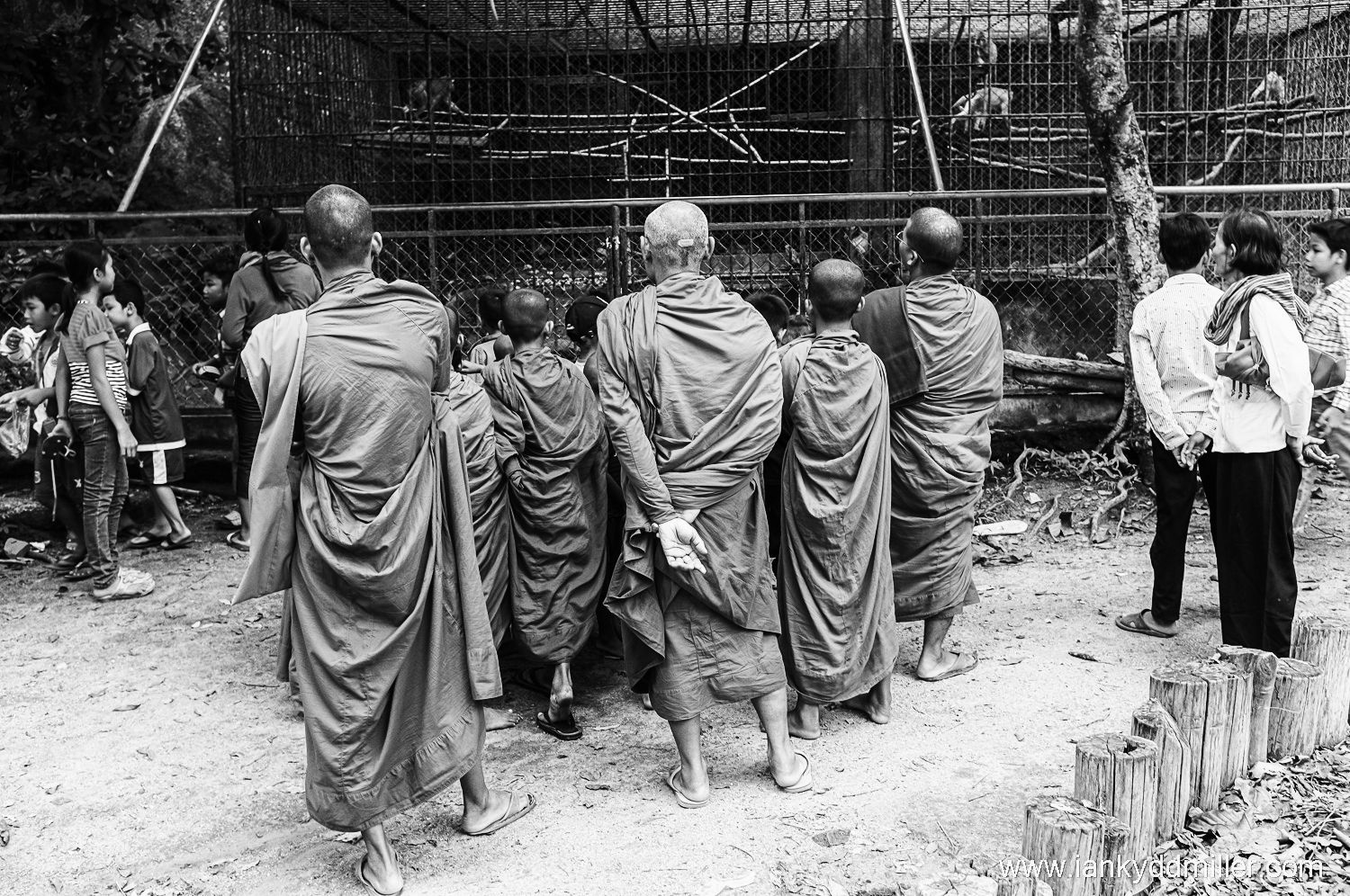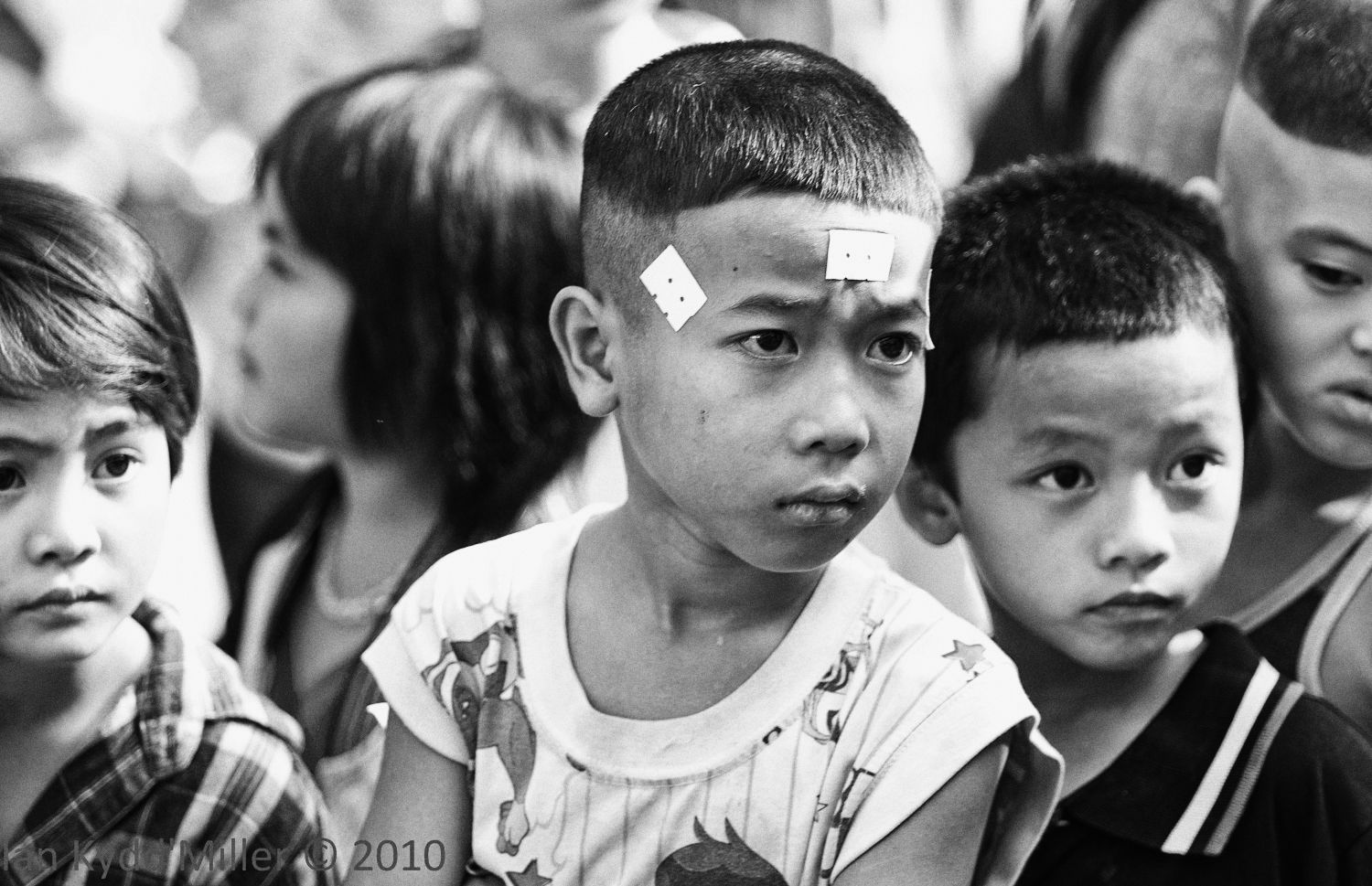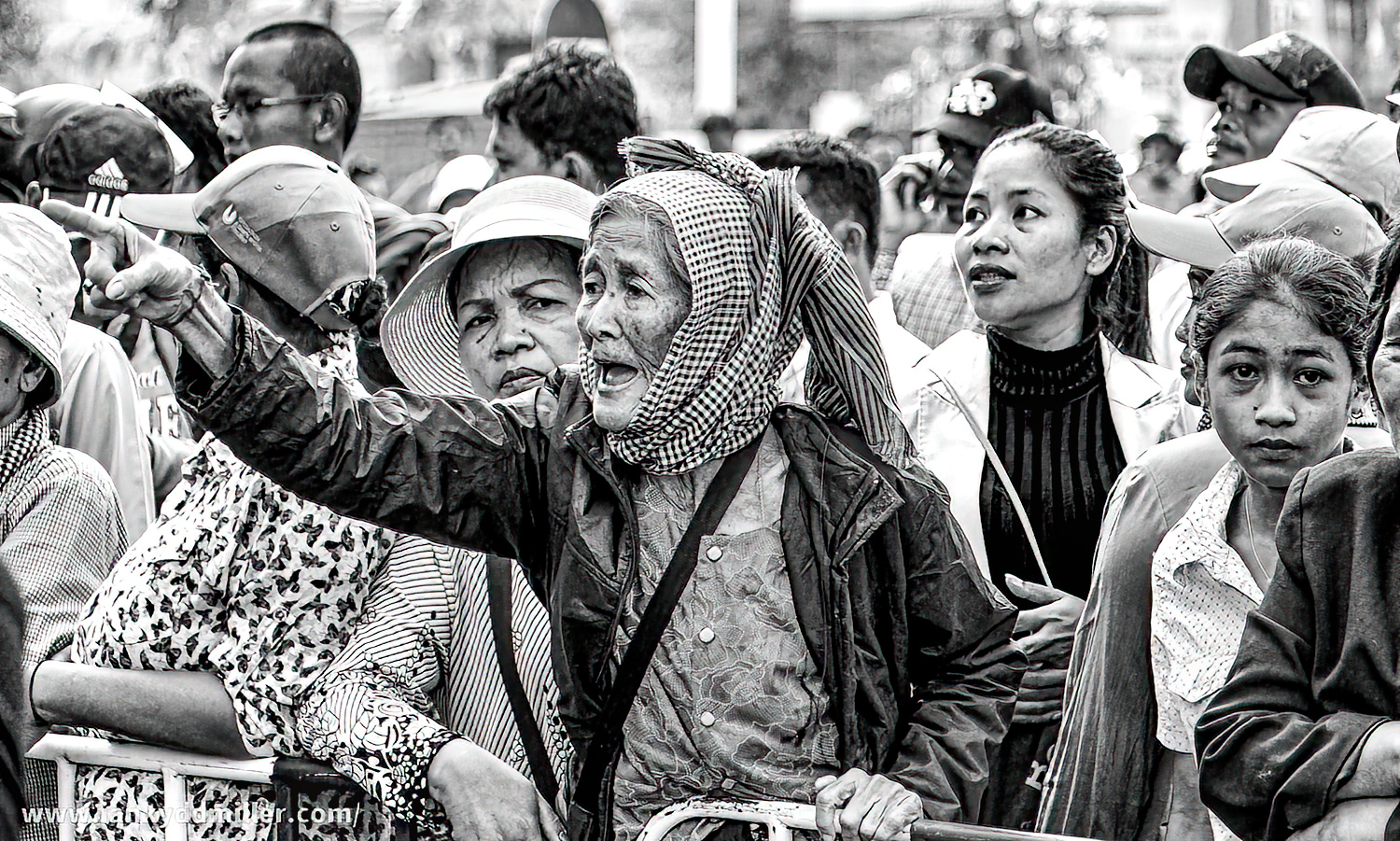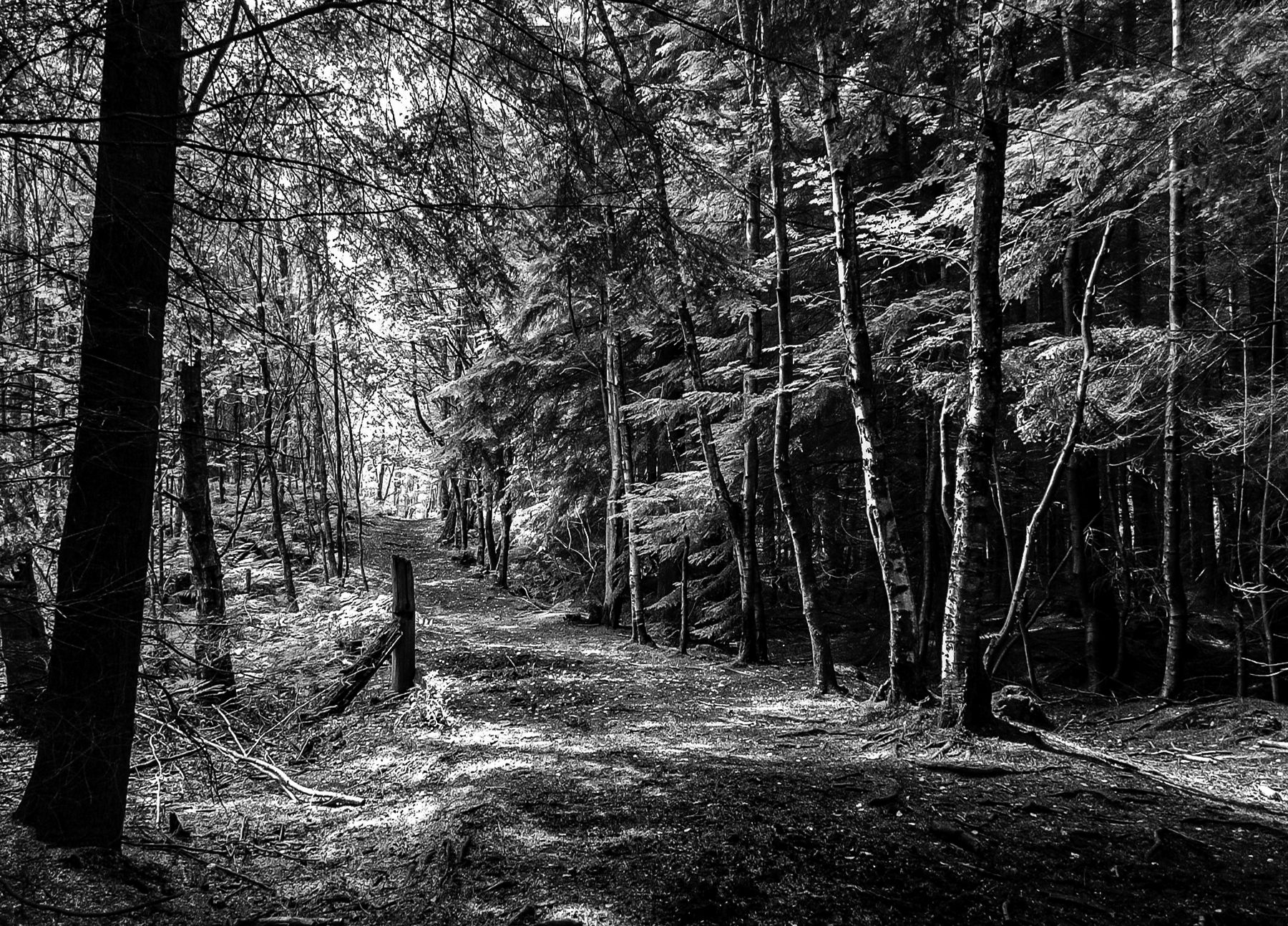









Why do I find working in Monochrome so interesting.
- No colour but you still have to make the picture interesting.
- The content of the image is not affected by the importance of colour and has to be built on subtle shades of white, grey and black.
- The subject is everything, and this is the most challenging part of working in BW.
When I make images I shoot both in colour and BW because this is possible now, but if the image is one that I think will work better in BW I have to think in a different way, and know how the colours in the image will convert to BW.

There is a curious kind of honesty in a black and white photograph.
The moment colour disappears, excuses disappear with it. The photograph can no longer rely on the warmth of a sunset, the brilliance of a market stall, or the seductive blue of a cloudless sky. What remains is the photograph itself—its composition, its light, its timing and, perhaps most importantly, its emotional truth.
For many photographers, monochrome is not nostalgia. It is clarity.
We live in a world saturated with colour. Every advertisement screams for attention. Every smartphone display is brighter than the last. Every social media feed competes to be more vibrant than the one before it. Against that endless visual noise, black and white feels almost rebellious. It asks the viewer not to consume an image quickly, but to linger.
The absence of colour invites us to notice things we often overlook. Texture becomes tangible. The wrinkles in an old man’s hands speak of decades of labour. Rain on worn pavement becomes a study in reflection. Smoke drifting through a morning market acquires a theatrical quality. A child’s expression becomes the centre of attention instead of the colour of their clothing.
Light becomes the real subject.
Every photographer eventually learns that cameras do not record objects. They record light. Monochrome simply makes that lesson impossible to ignore.
Harsh midday sun that can be unforgiving in colour can produce magnificent contrast in black and white. Soft window light wraps around a face with remarkable gentleness. Deep shadows become mysterious rather than distracting. Highlights become sculptural. Suddenly the world resembles charcoal sketches more than snapshots.
This is why so many of history’s greatest photographs continue to resonate decades after they were made. Their power rarely depended upon colour. It depended upon light falling onto a human face at exactly the right moment.
Street photography, in particular, has always had a natural relationship with monochrome.
Cities are chaotic places filled with visual clutter. Bright shop signs, coloured vehicles, advertising posters and flashing screens constantly compete for attention. Black and white strips away much of that distraction, allowing gesture, expression and human relationships to take centre stage.
A woman waiting silently at a bus stop.
A tired worker lighting a cigarette.
Children chasing pigeons across a square.
An elderly couple walking hand in hand.
In colour these moments may simply be observations. In monochrome they often become stories.
Perhaps that is why so many documentary photographers have returned to black and white throughout photographic history. It carries an emotional weight that colour sometimes struggles to match. It feels less like looking at an event and more like remembering one.
That does not mean monochrome is automatically artistic. Converting a weak colour photograph into black and white rarely rescues it. Poor composition remains poor composition. Flat light remains flat light. Empty moments remain empty moments.
The best monochrome photographs were usually seen in black and white before the shutter was ever pressed.
Experienced photographers begin to recognise scenes through tonal relationships rather than colours. They notice bright faces against dark walls, geometric shadows stretching across pavement, silhouettes framed by windows, or shafts of sunlight cutting through smoke. They are already imagining shades of grey while everyone else is looking at colour.
It becomes a different way of seeing.
That way of seeing changes how one walks through the world.
Instead of asking, “What is colourful?” the question becomes, “Where is the light?”
Instead of noticing clothing, you notice posture.
Instead of flowers, you notice hands.
Instead of architecture, you notice shape.
Instead of spectacle, you notice humanity.
This is where monochrome quietly teaches patience. It rewards photographers who slow down, who wait for someone to enter the frame, who understand that timing matters more than equipment.
It is perhaps no coincidence that many older photographers find themselves returning to black and white after years of chasing technical perfection. Once the fascination with megapixels, autofocus systems and lens sharpness begins to fade, the fundamentals become exciting again.
Light. Shadow. Form. Emotion.
Everything else becomes secondary.
There is also something timeless about monochrome that is difficult to define but instantly recognisable. Remove colour from a photograph made yesterday and it becomes strangely detached from time. It could have been made five years ago or fifty. The viewer is no longer distracted by fashion trends or contemporary colours. Human emotion remains remarkably unchanged.
Joy still looks like joy.
Loneliness still looks like loneliness.
Curiosity still looks like curiosity.
Love still looks like love.
Perhaps that is monochrome’s greatest gift. It reminds us that while the world changes constantly, people do not change nearly as much as we imagine.
Technology evolves. Cameras become smaller, faster and astonishingly intelligent. Artificial intelligence can sharpen, enhance and even invent photographs. Yet none of these advances can manufacture genuine human connection.
That still belongs to the photographer.
Black and white has always understood this.
It has never promised realism. The world is not monochrome. Instead, it offers something arguably more valuable: interpretation. It asks us not merely to see what was there, but to feel what it meant.
Every photographer eventually discovers that cameras capture appearances, but photographs capture interpretations.
Monochrome simply strips that truth down to its bare essentials.
Perhaps that is why, despite every technological advance, black and white refuses to disappear. It continues to whisper while colour shouts.
And sometimes, whispers stay with us far longer than noise.