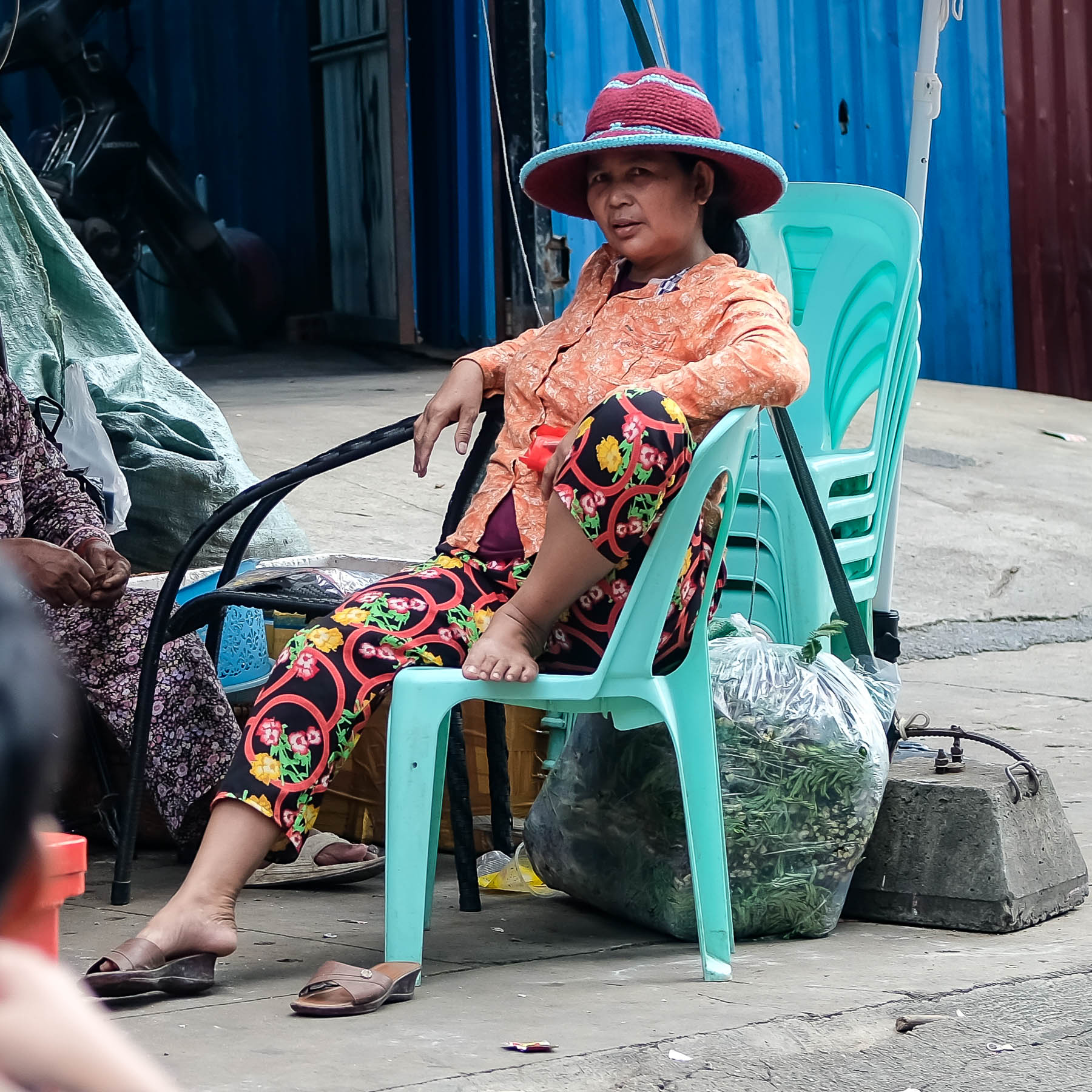
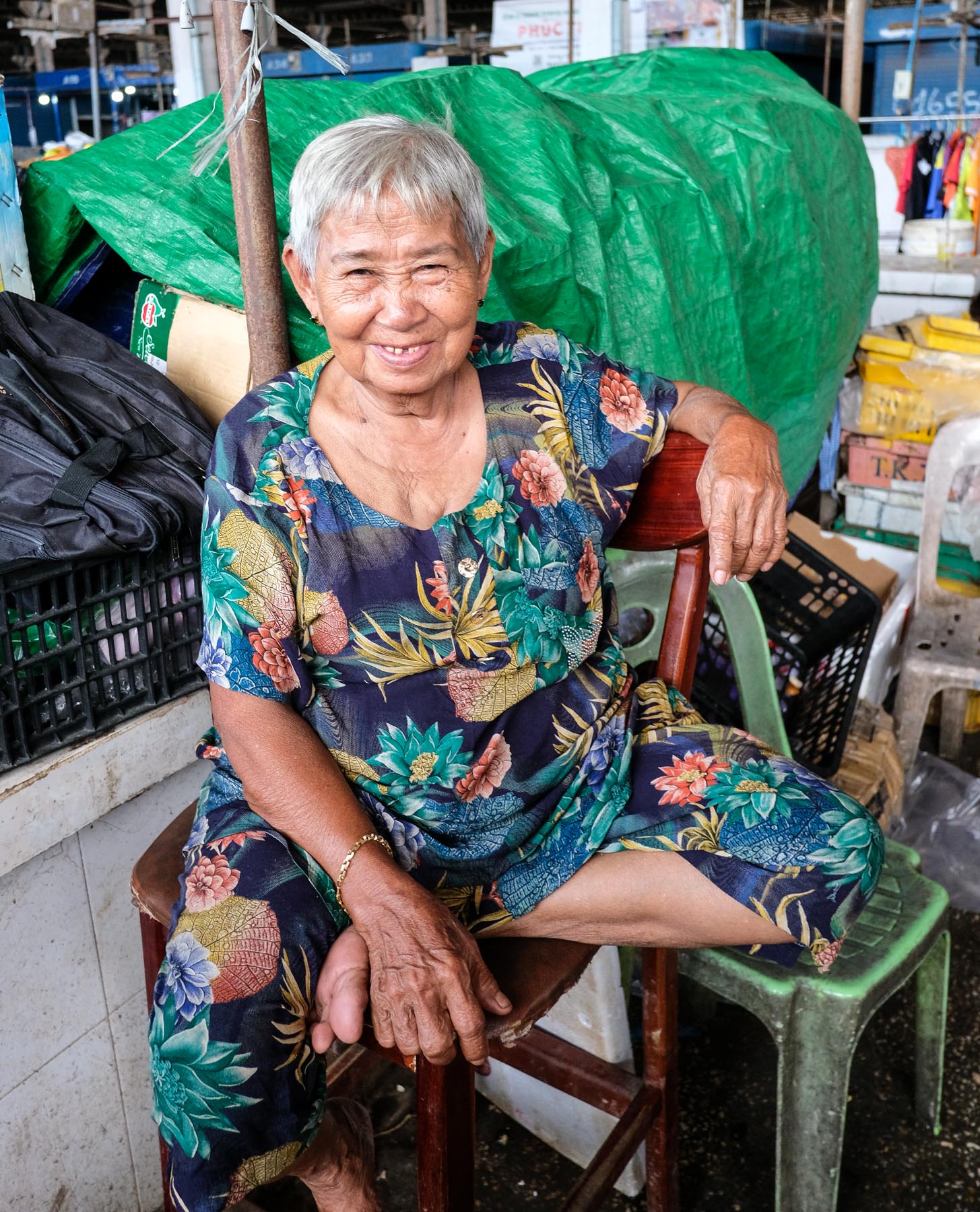
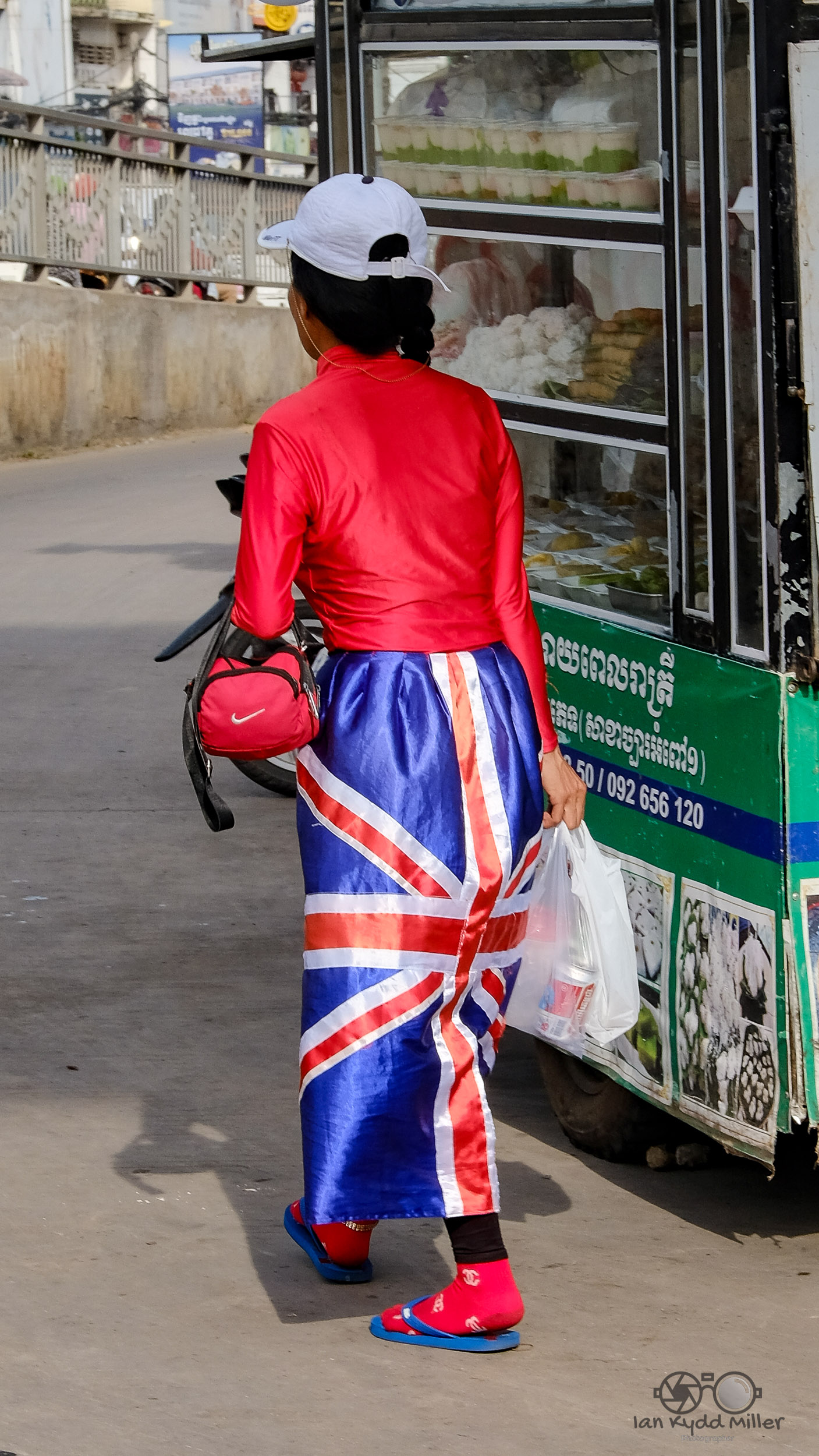
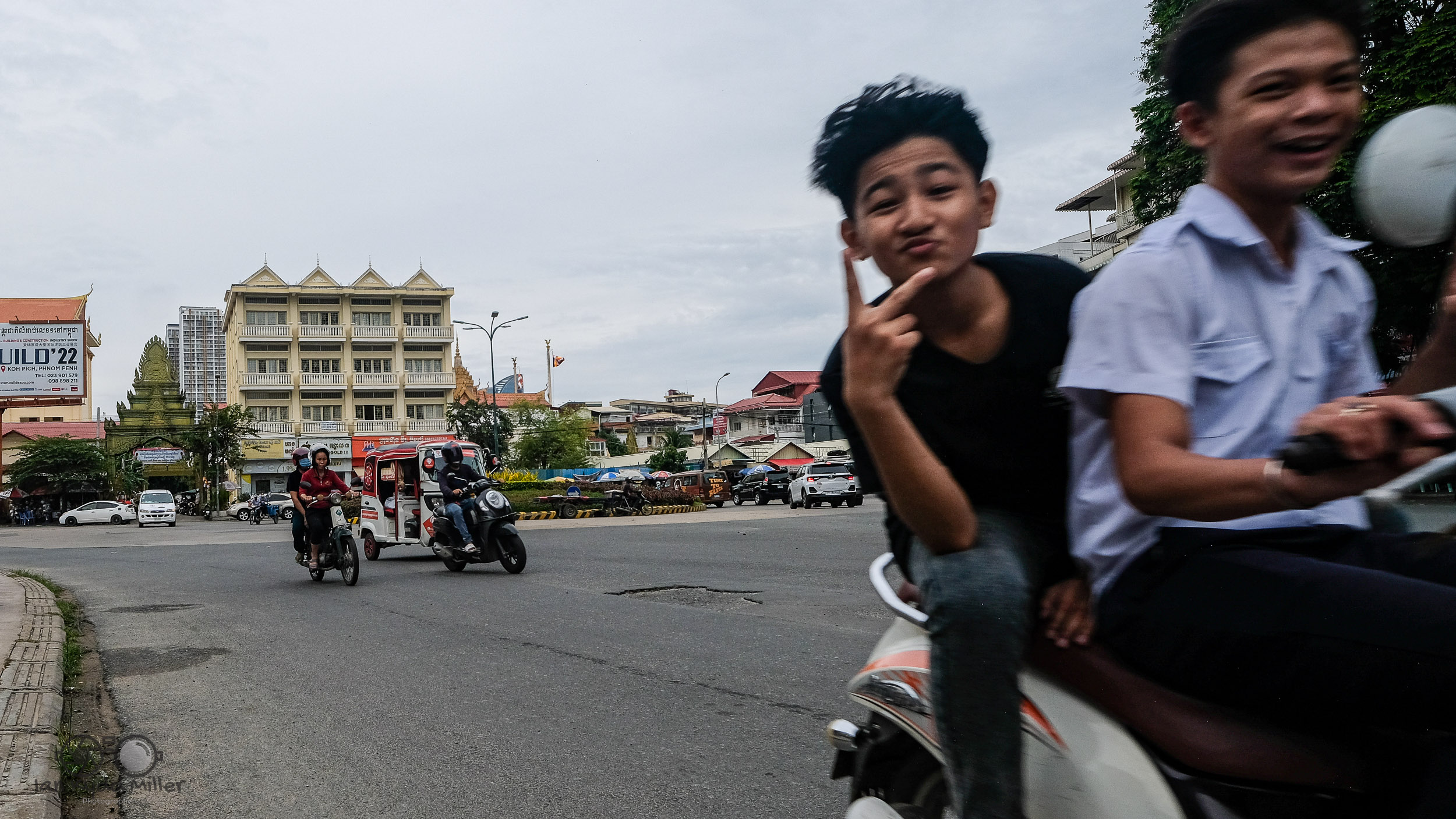
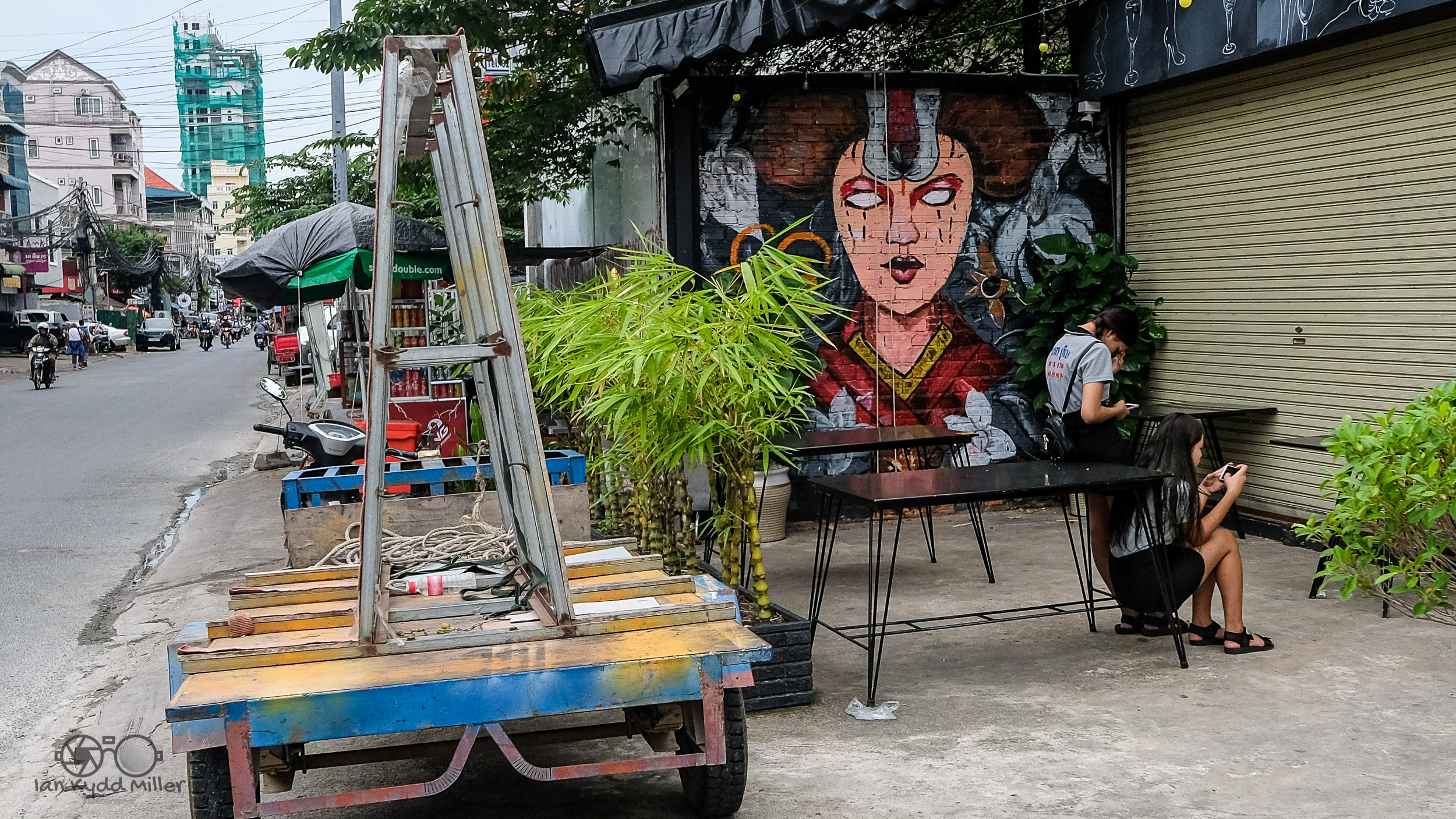
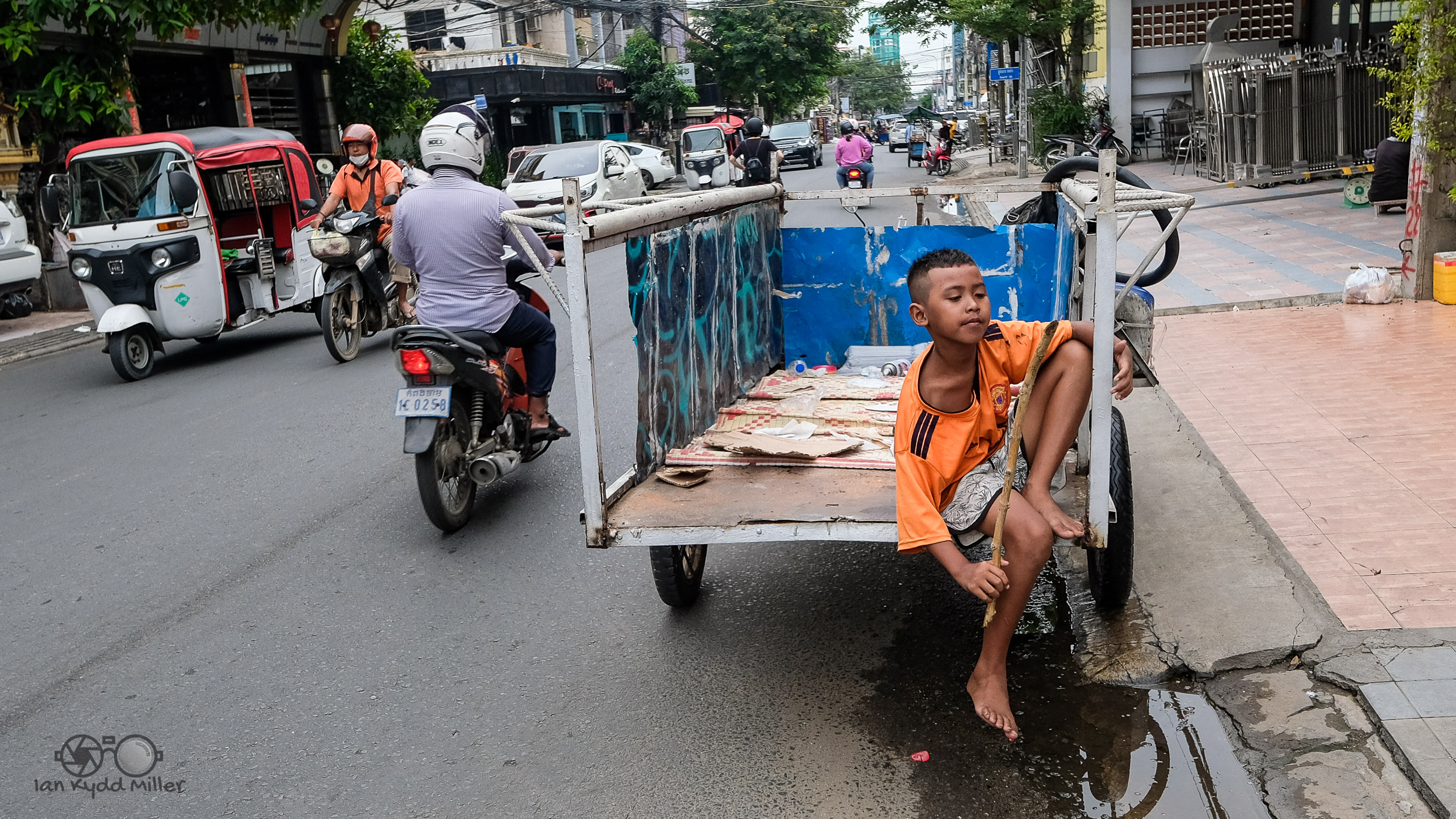
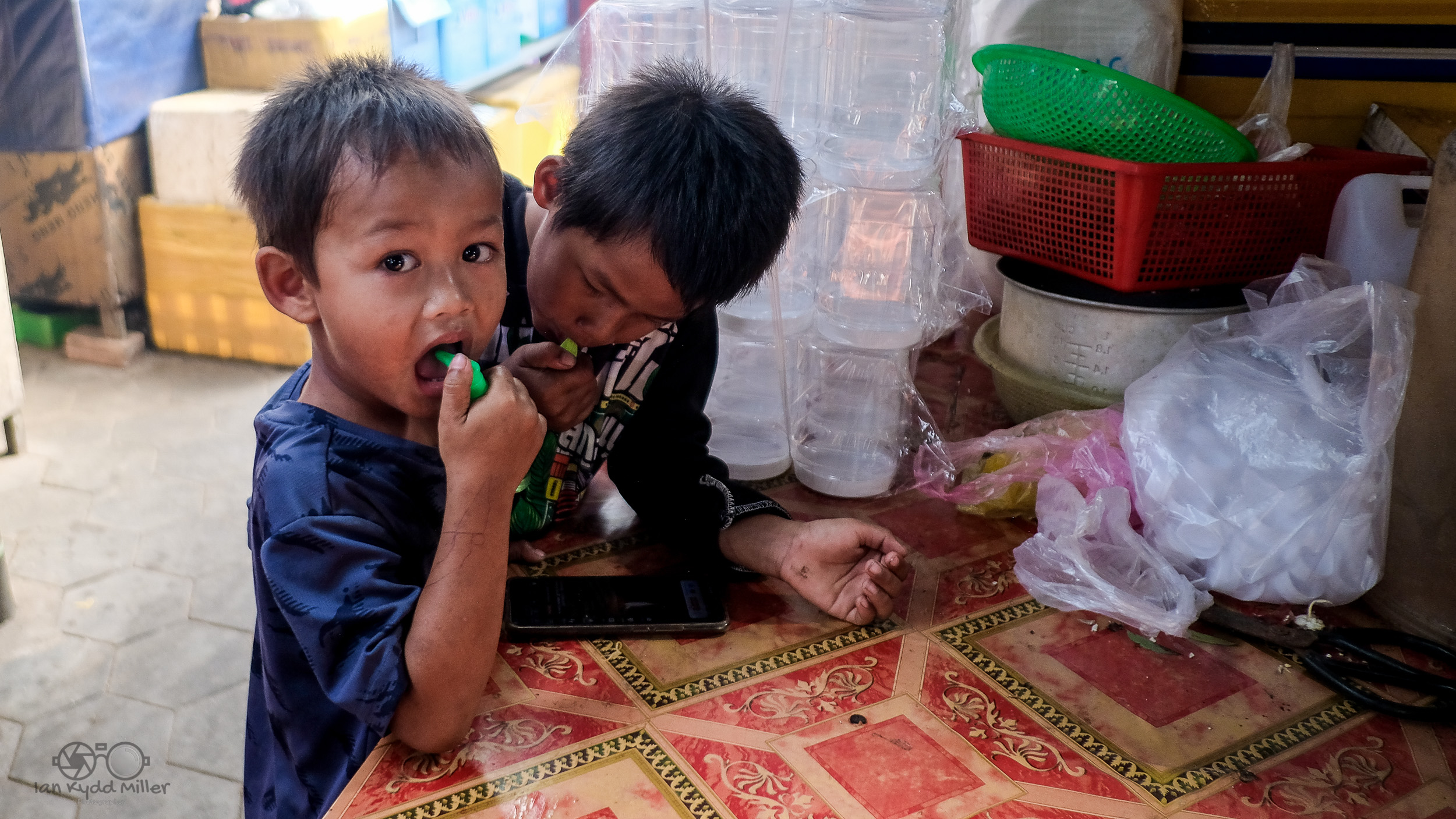
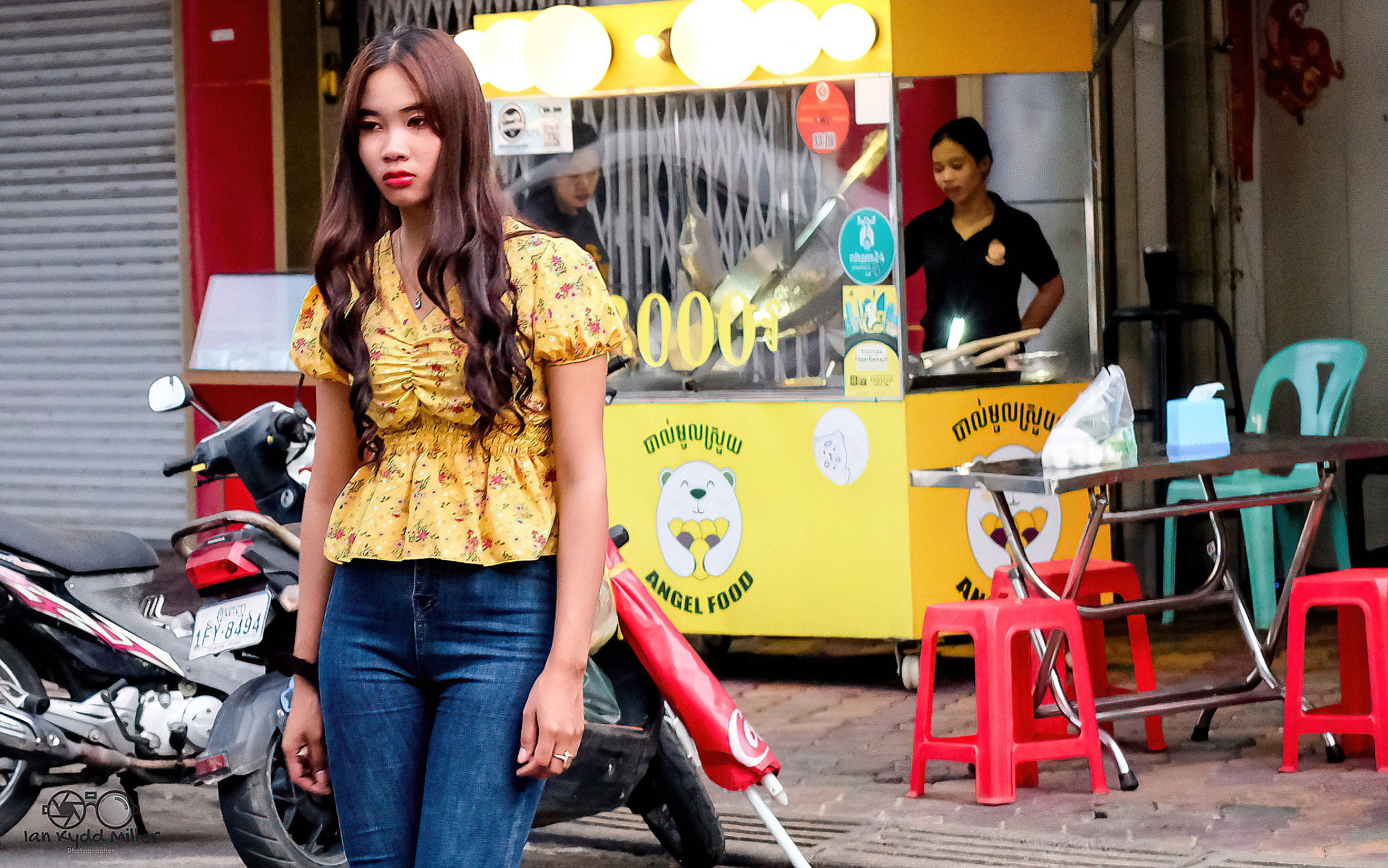
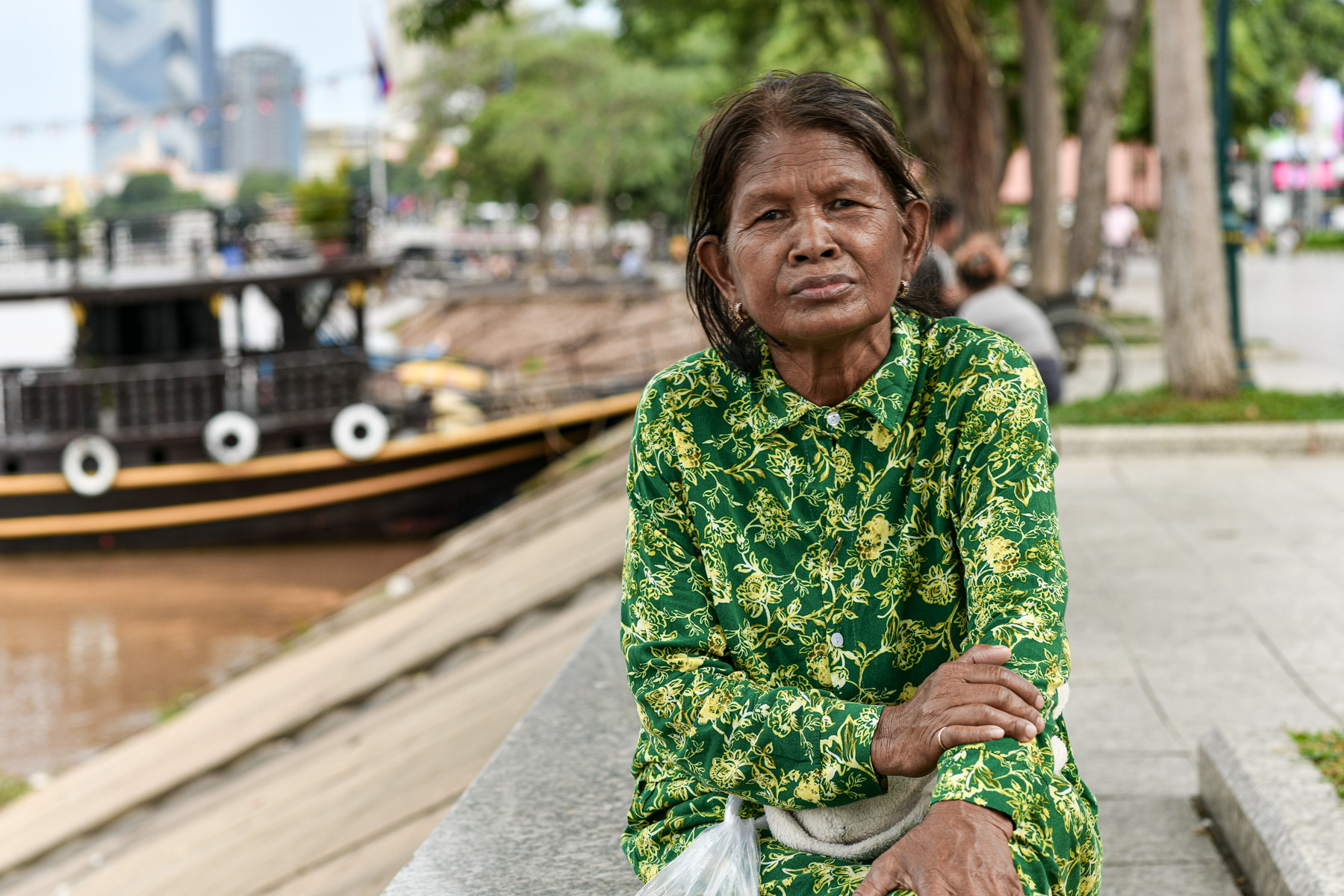
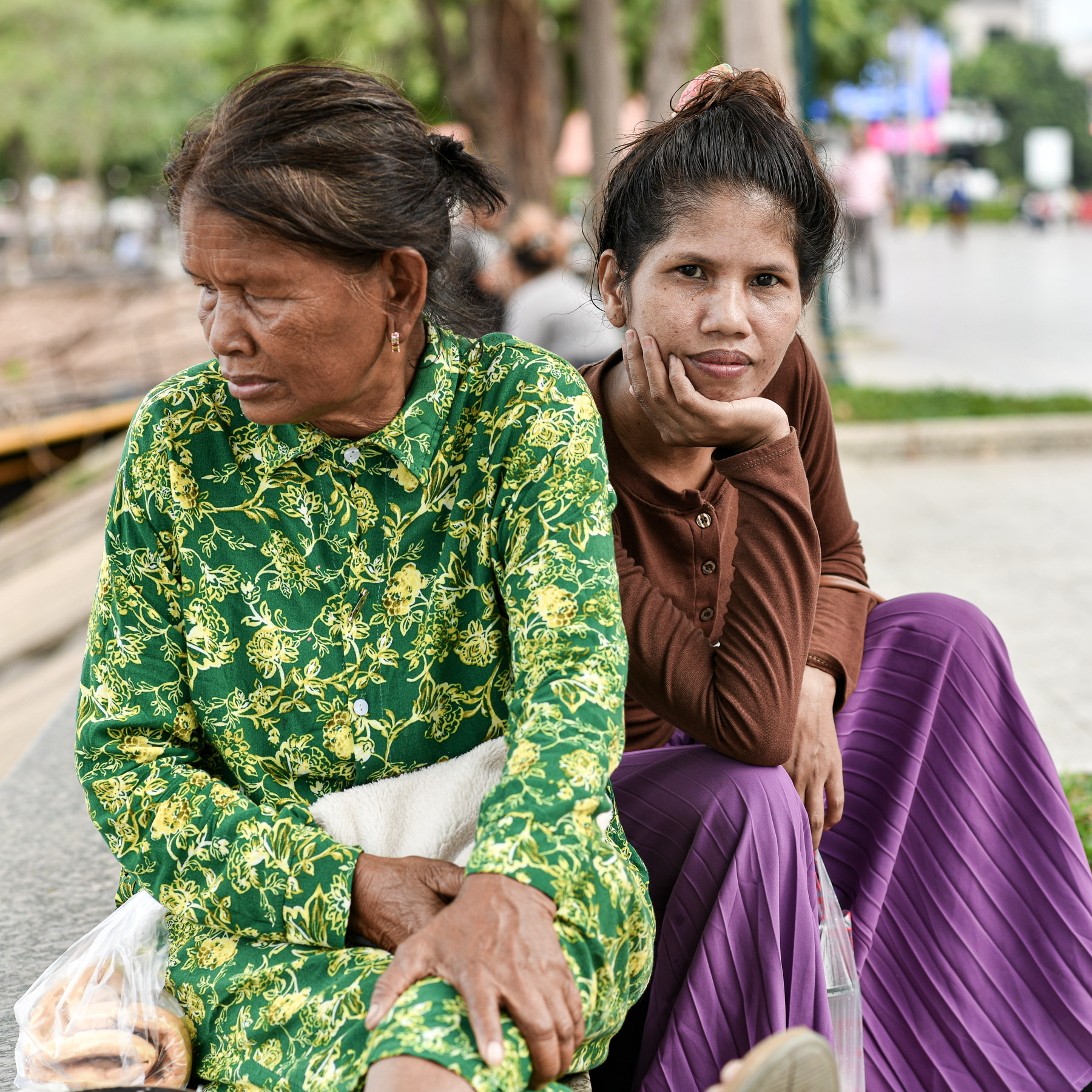
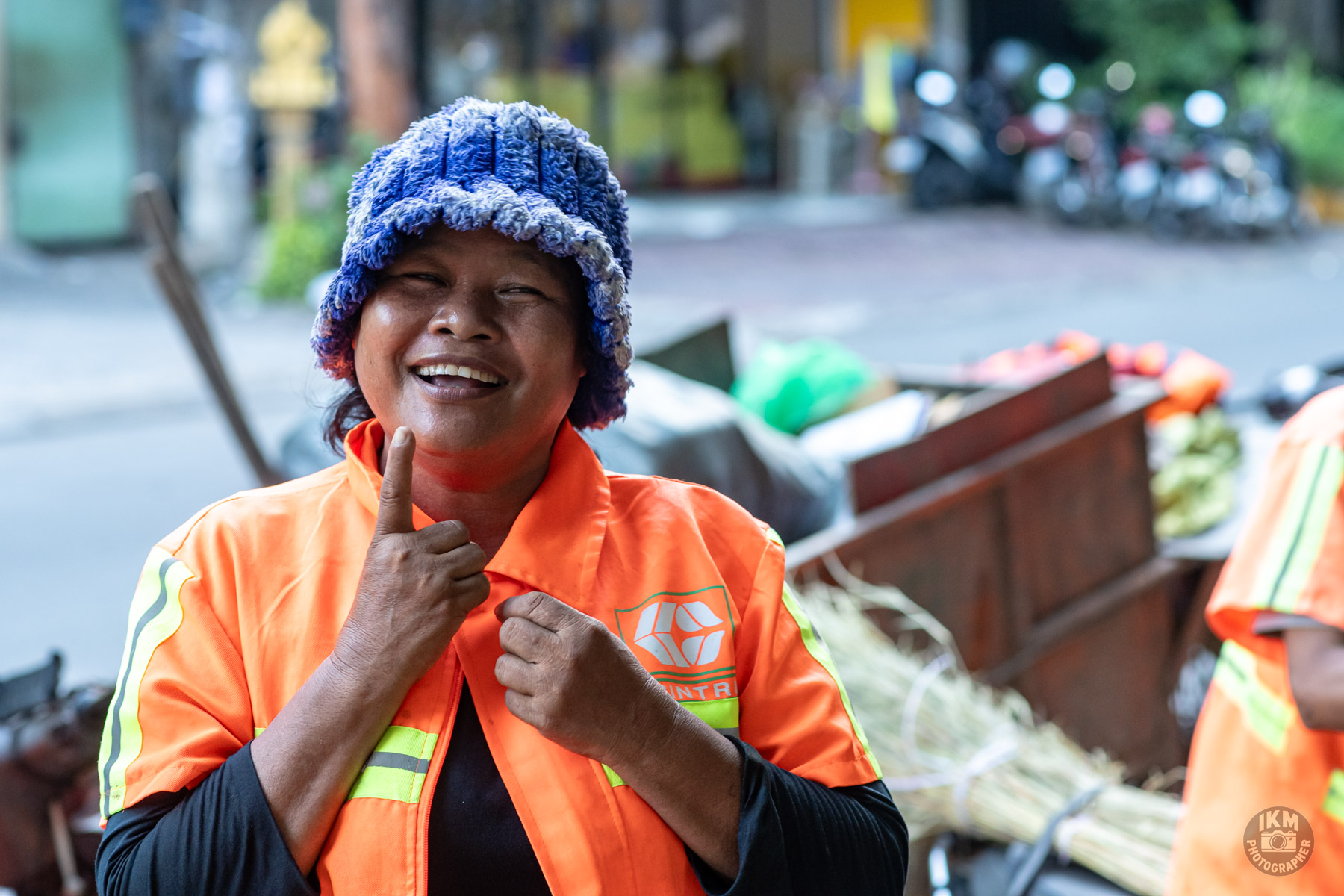
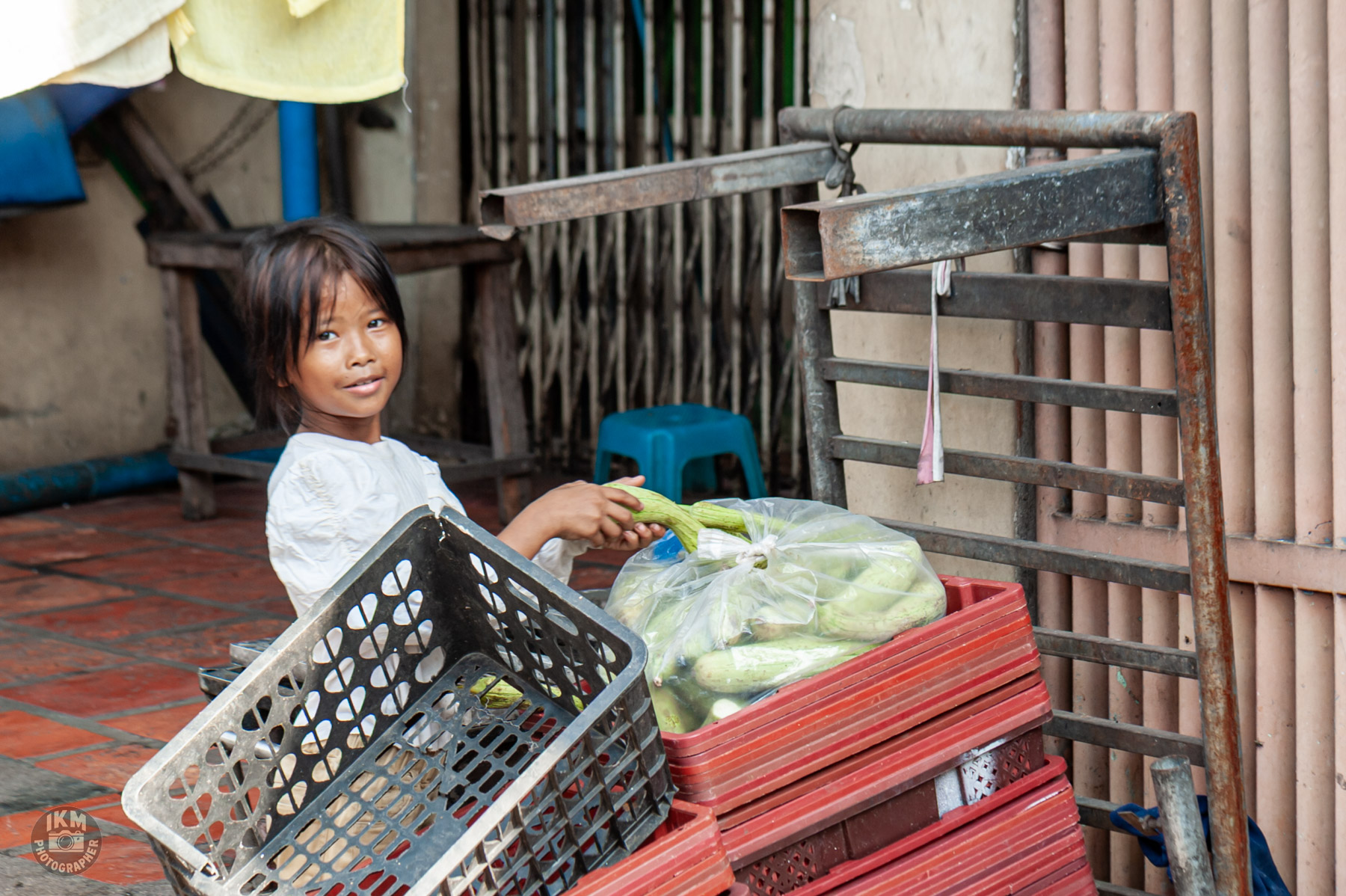
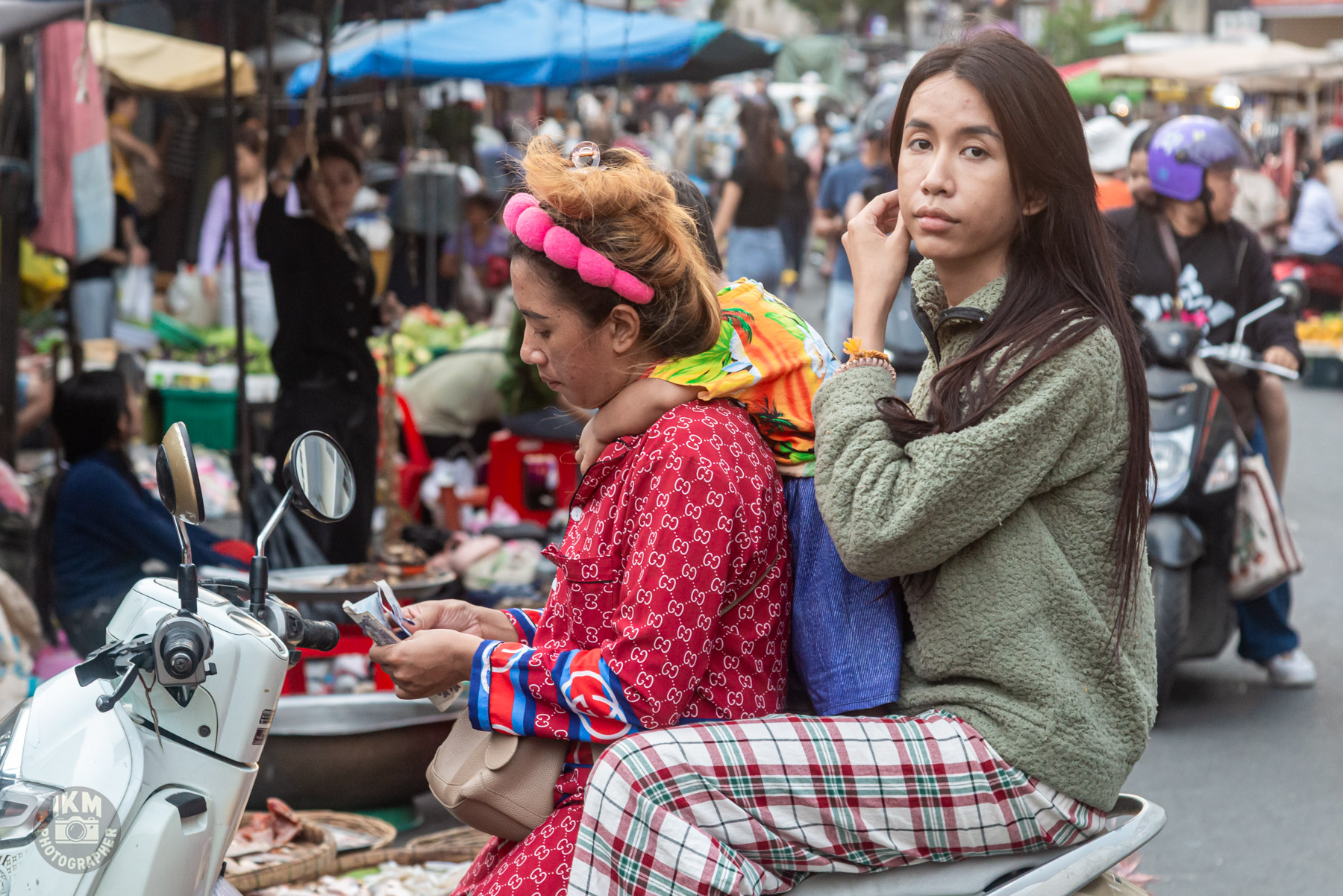
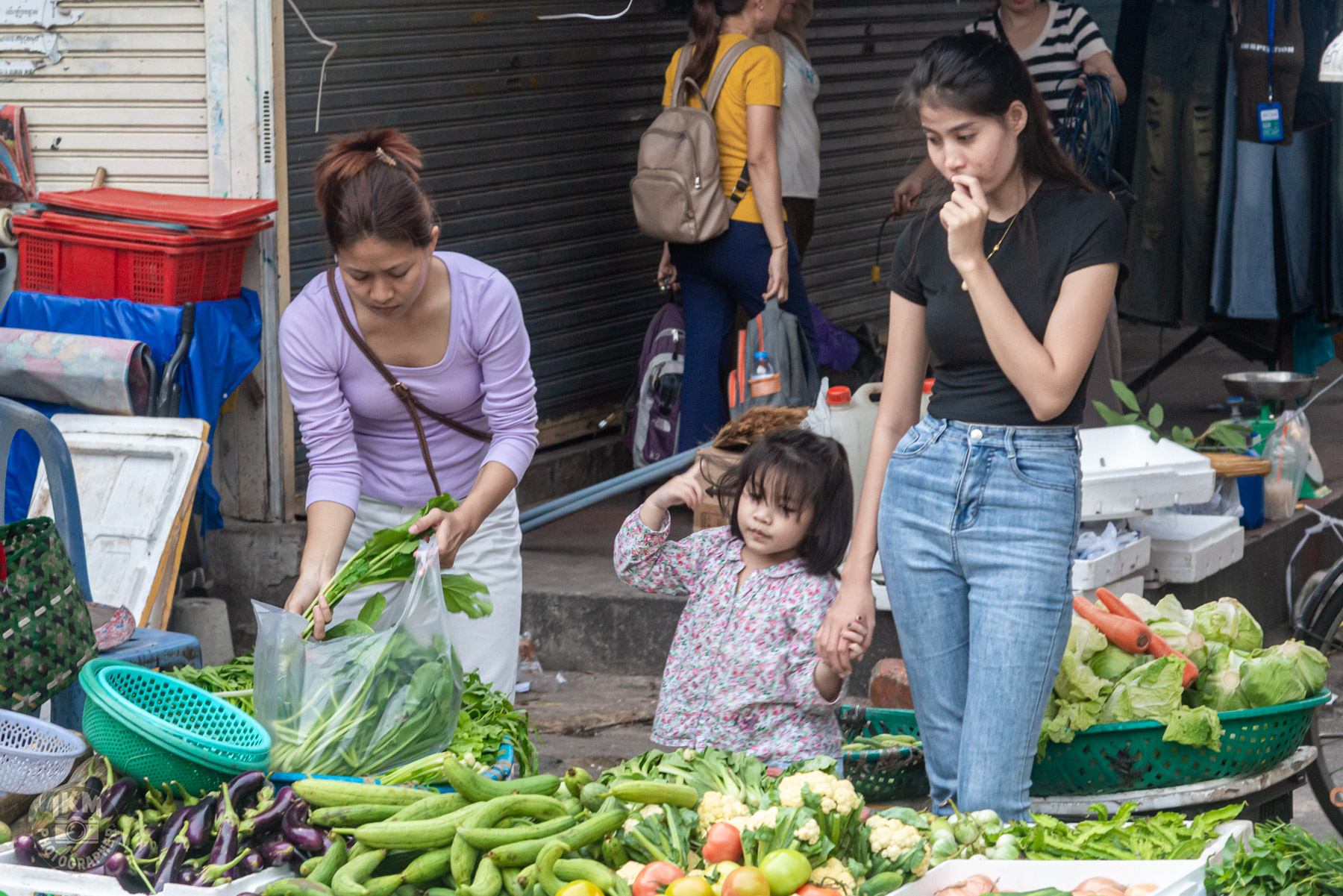
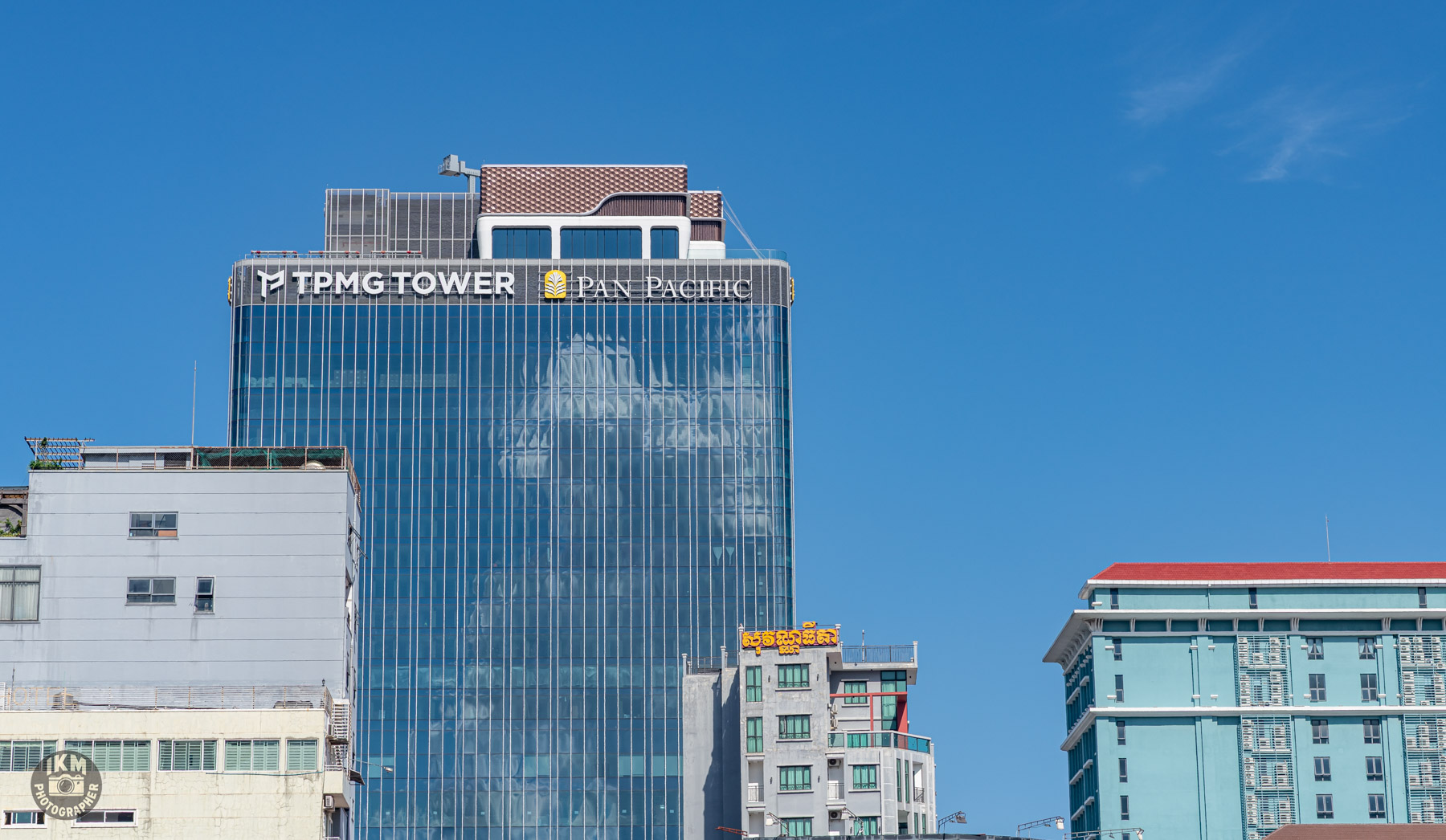
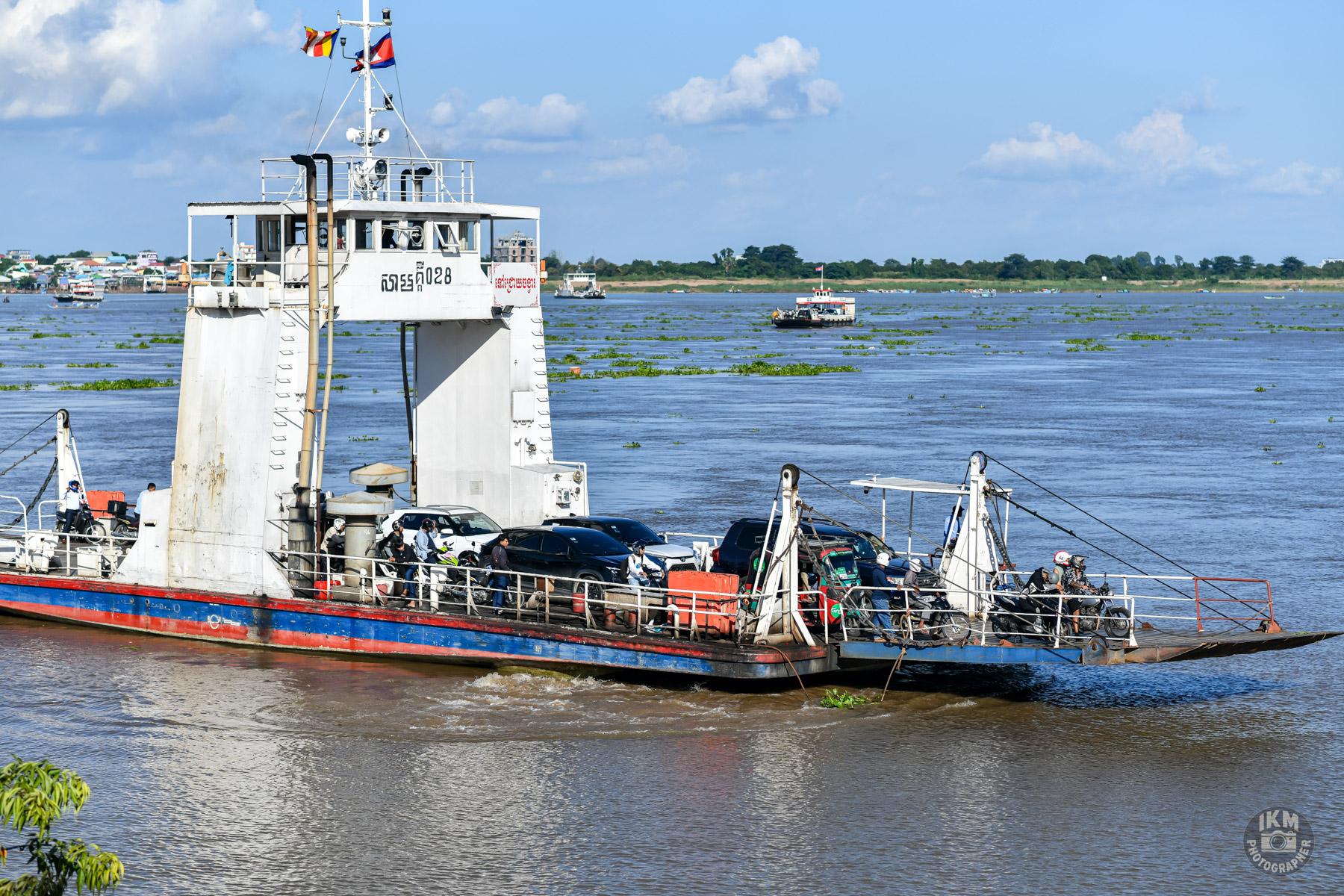
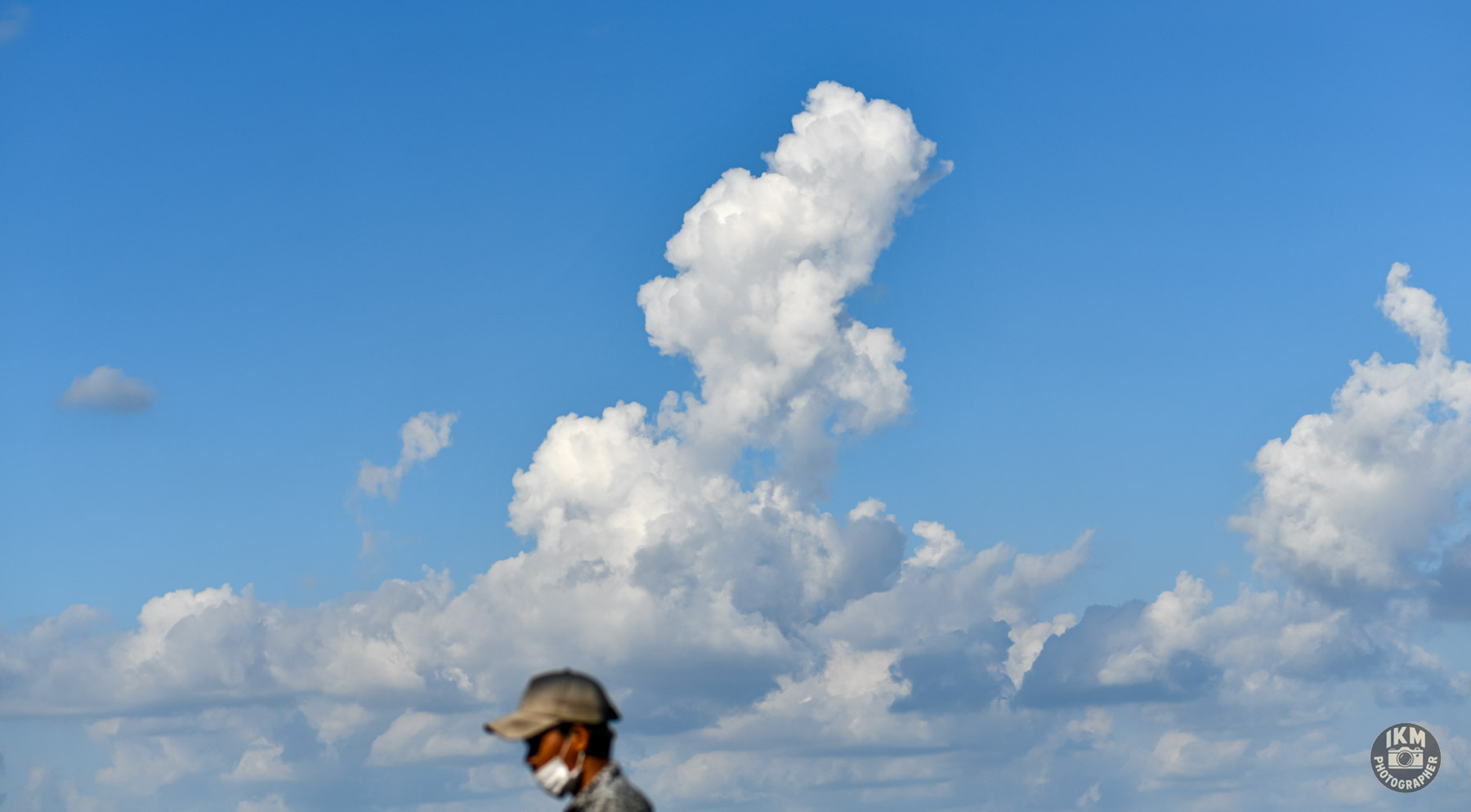
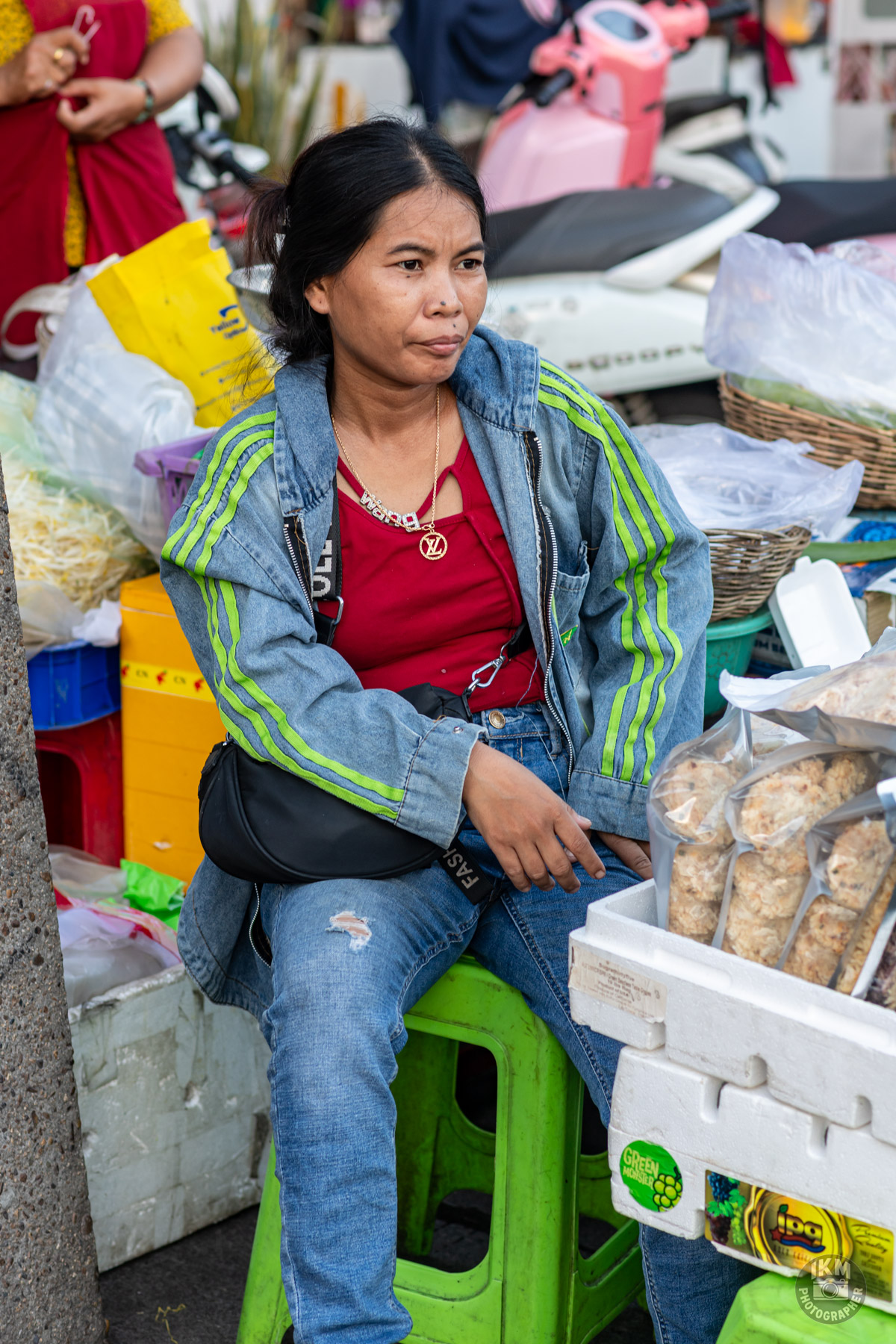
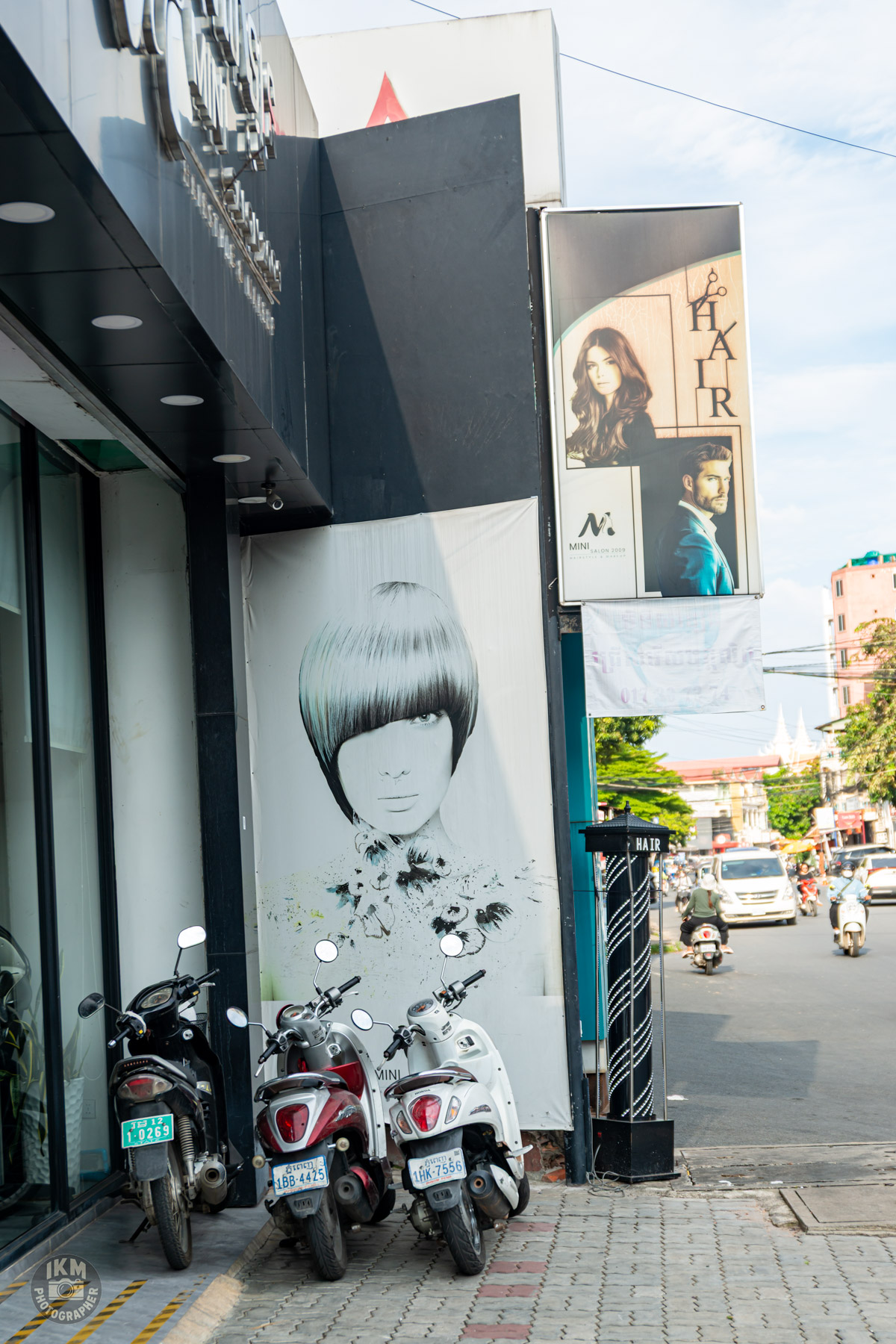
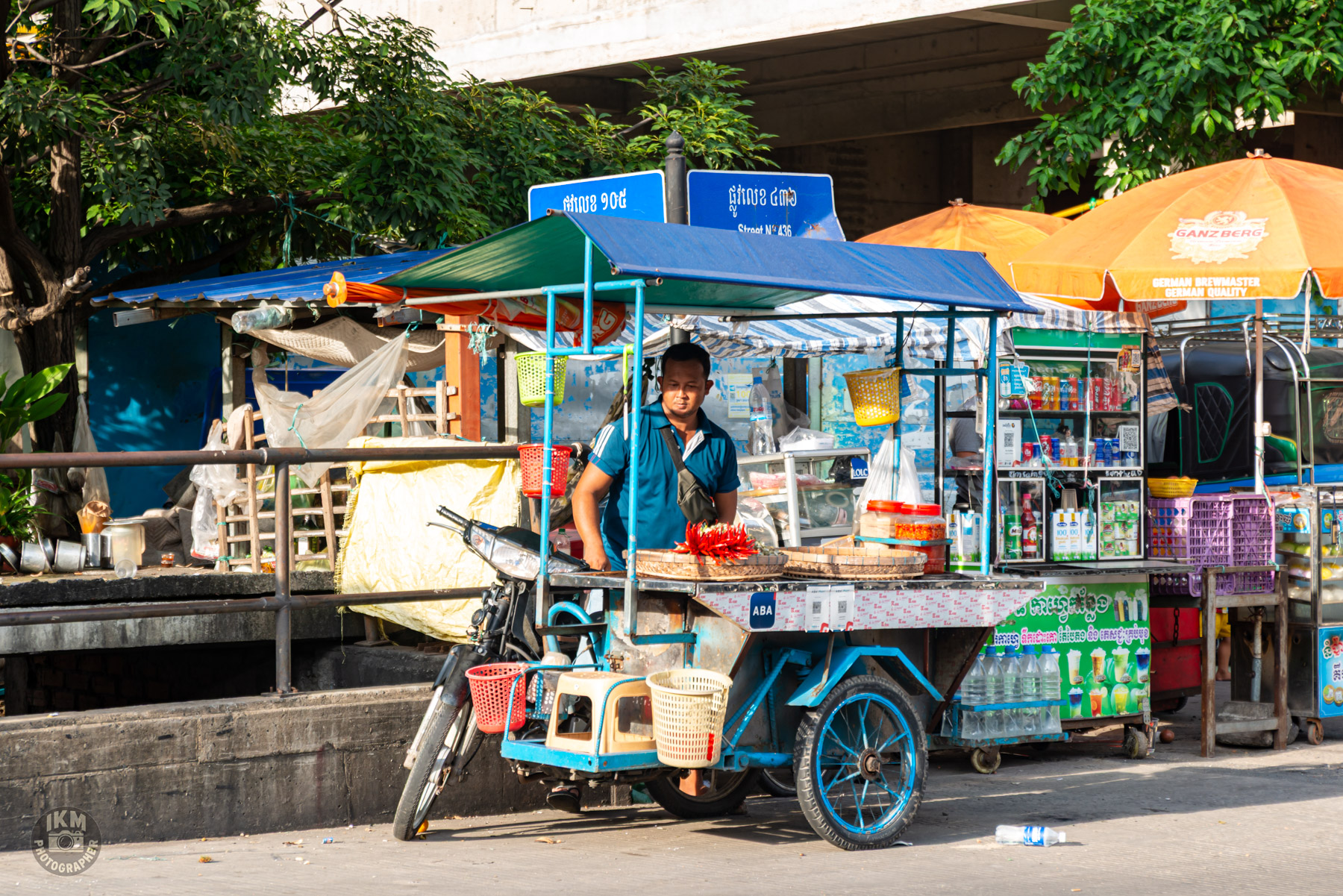
There is a particular frustration in going out with a camera and coming home having barely used it. You walked the streets. The light was reasonable. There were people everywhere. Yet very little persuaded you to lift the camera to your eye.
Afterwards, you begin the interrogation. Have I become lazy? Have I photographed this place too often? Have I finally run out of things to say?
After more than 45 years of making pictures, I can still find myself wondering where the appetite has gone. Photography has occupied too much of my life for an empty morning to pass entirely without comment. I remember outings when the next picture seemed to arrive before I had finished with the last. A quiet spell can make that earlier enthusiasm feel a long way off.
The sensible response begins with giving the lull some attention. What, exactly, has become difficult? Leaving the house? Carrying the camera? Finding a subject? Deciding whether anything you have made is worth keeping? Those are different problems, and each suggests a different change.
Sometimes the task we set ourselves has simply become too large. “Go out and make some good photographs” sounds straightforward until you consider everything hidden inside it. Find something interesting. Respond quickly. Compose it properly. Get the expression. Keep the background under control. Then bring home something that justifies the effort.
It is quite an assignment to attach to a morning walk.
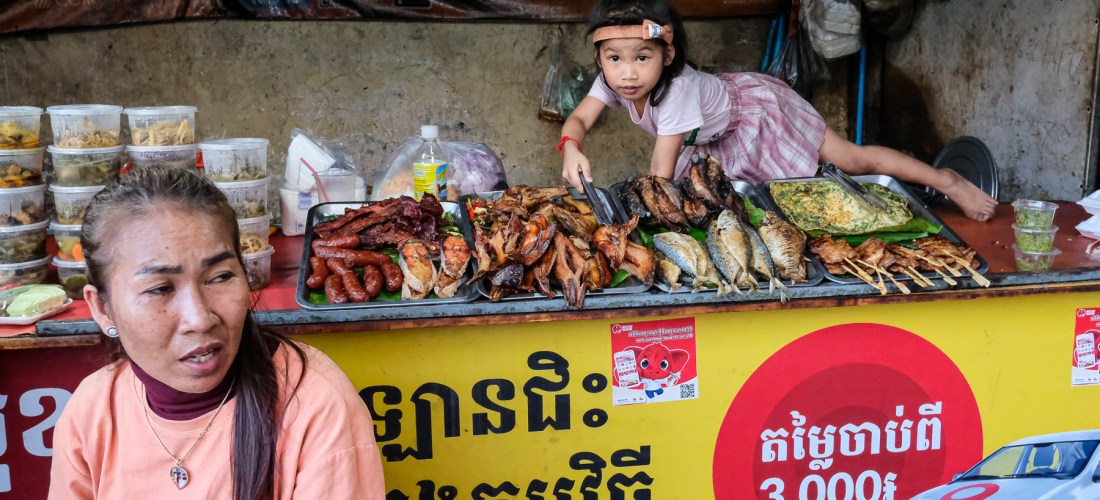
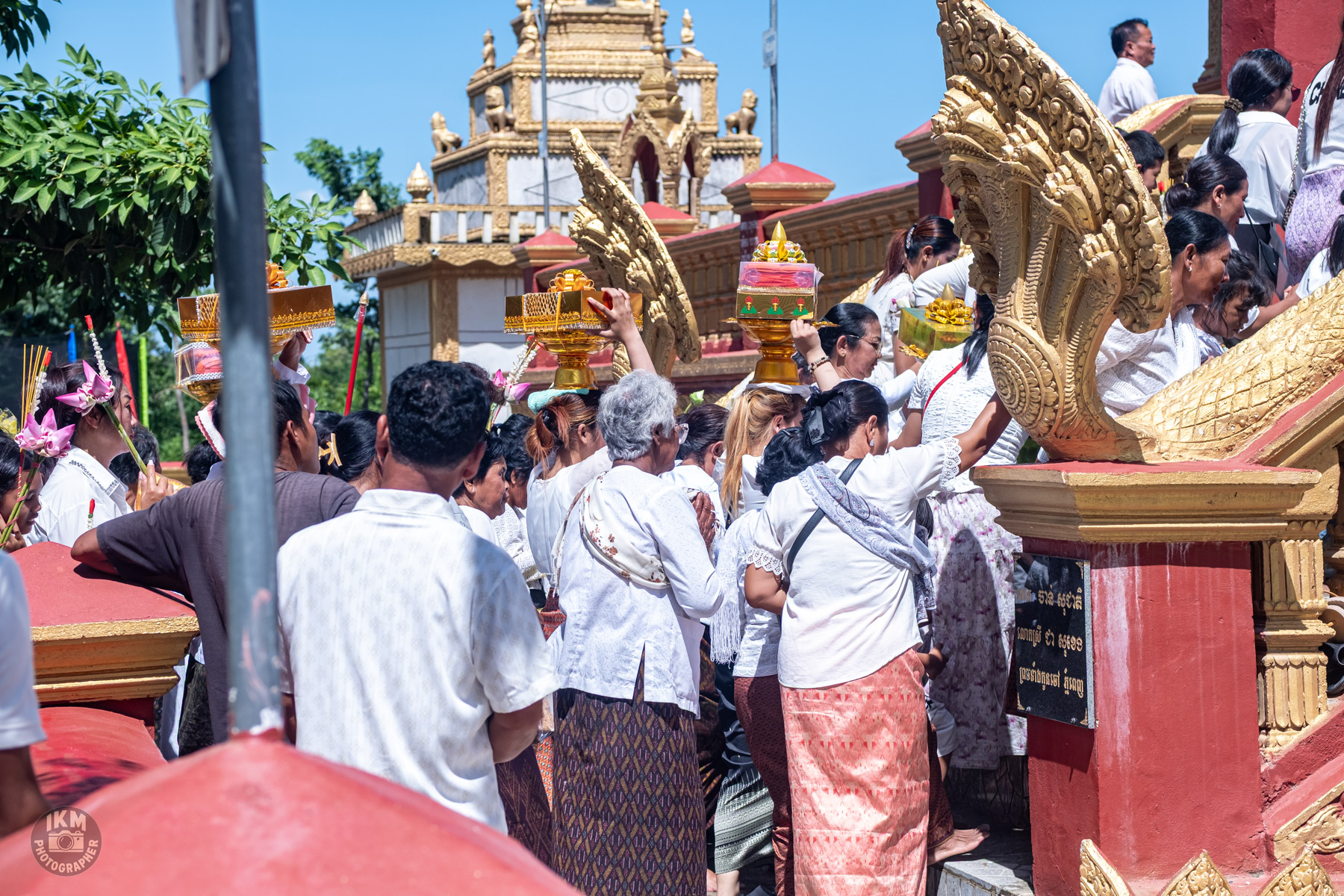
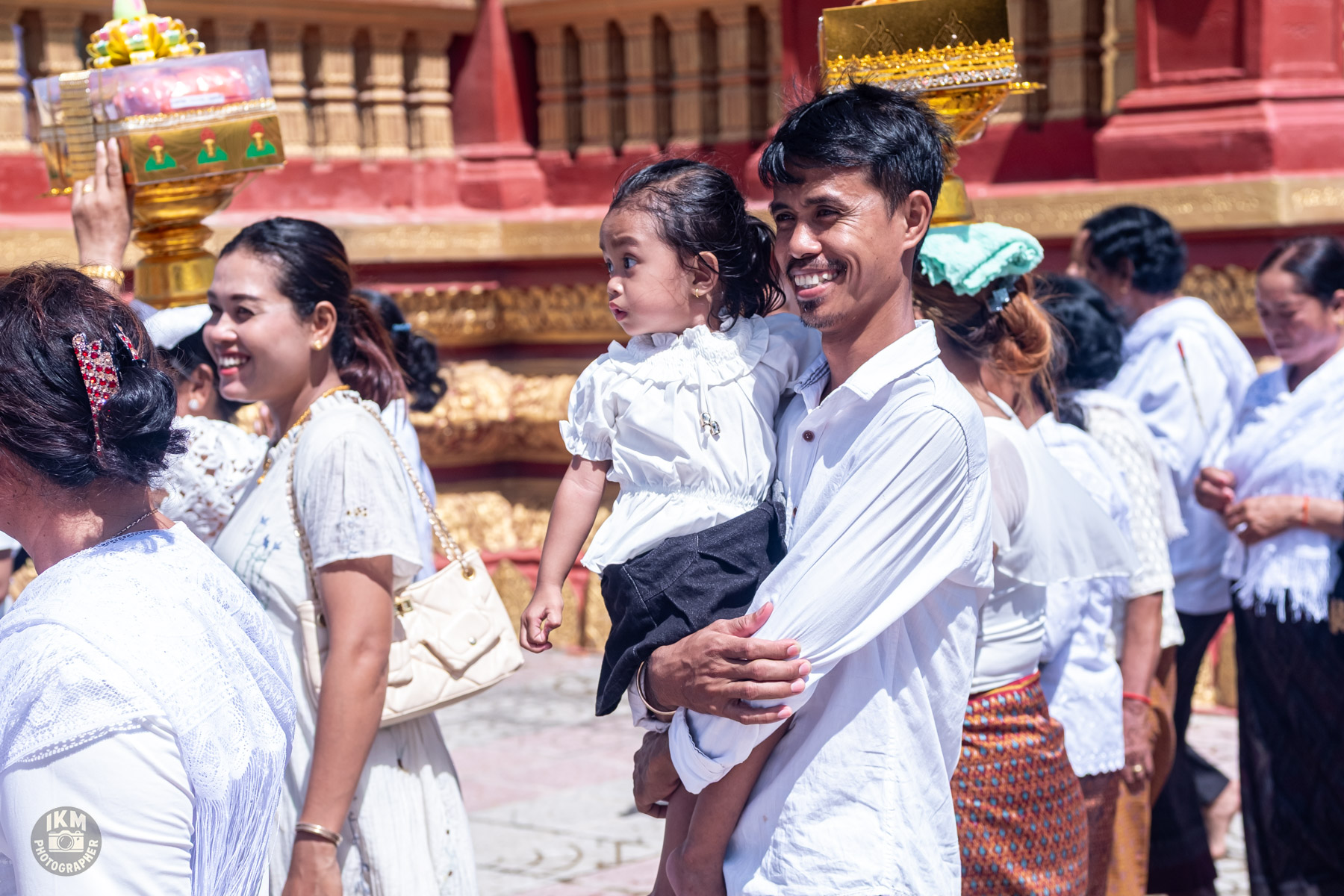
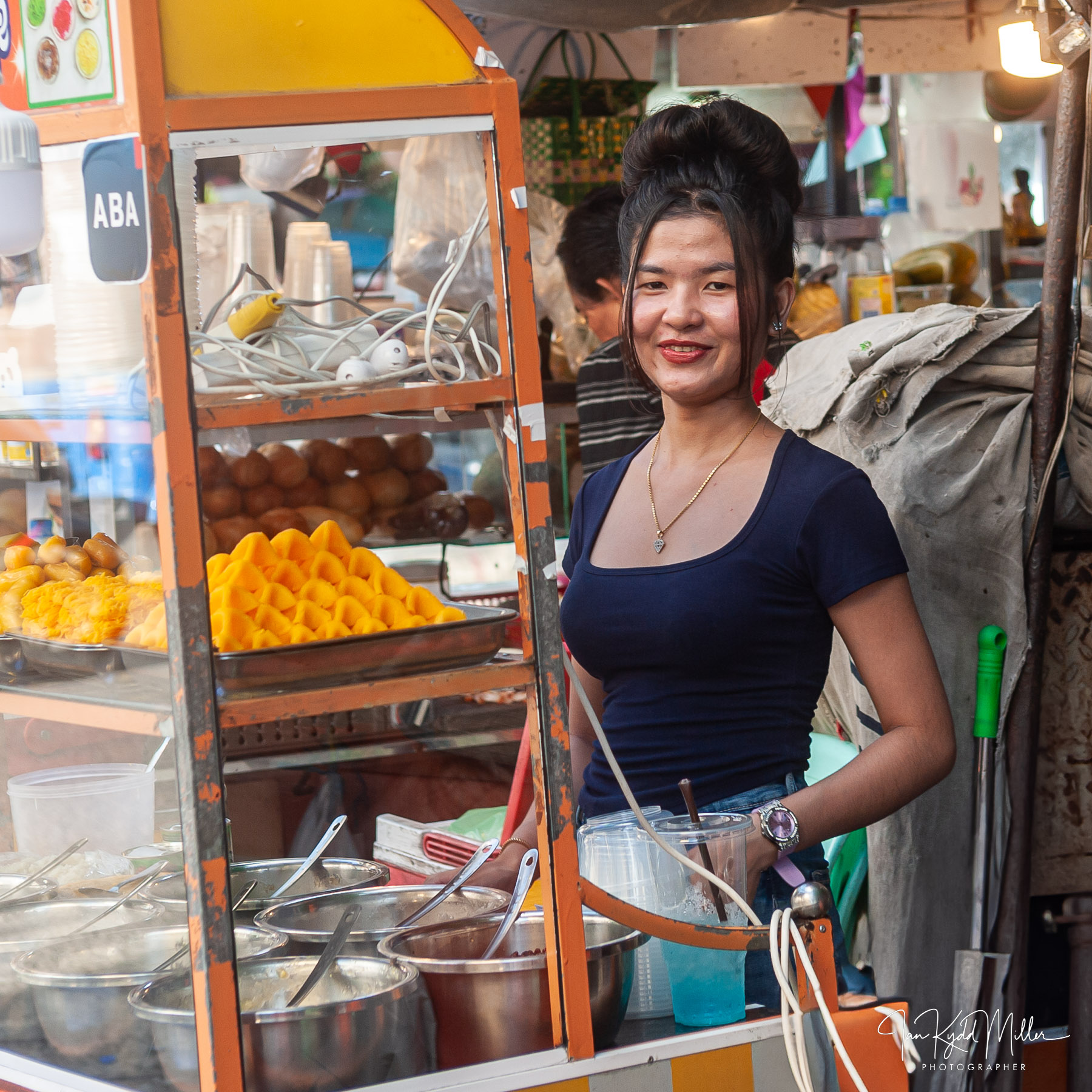
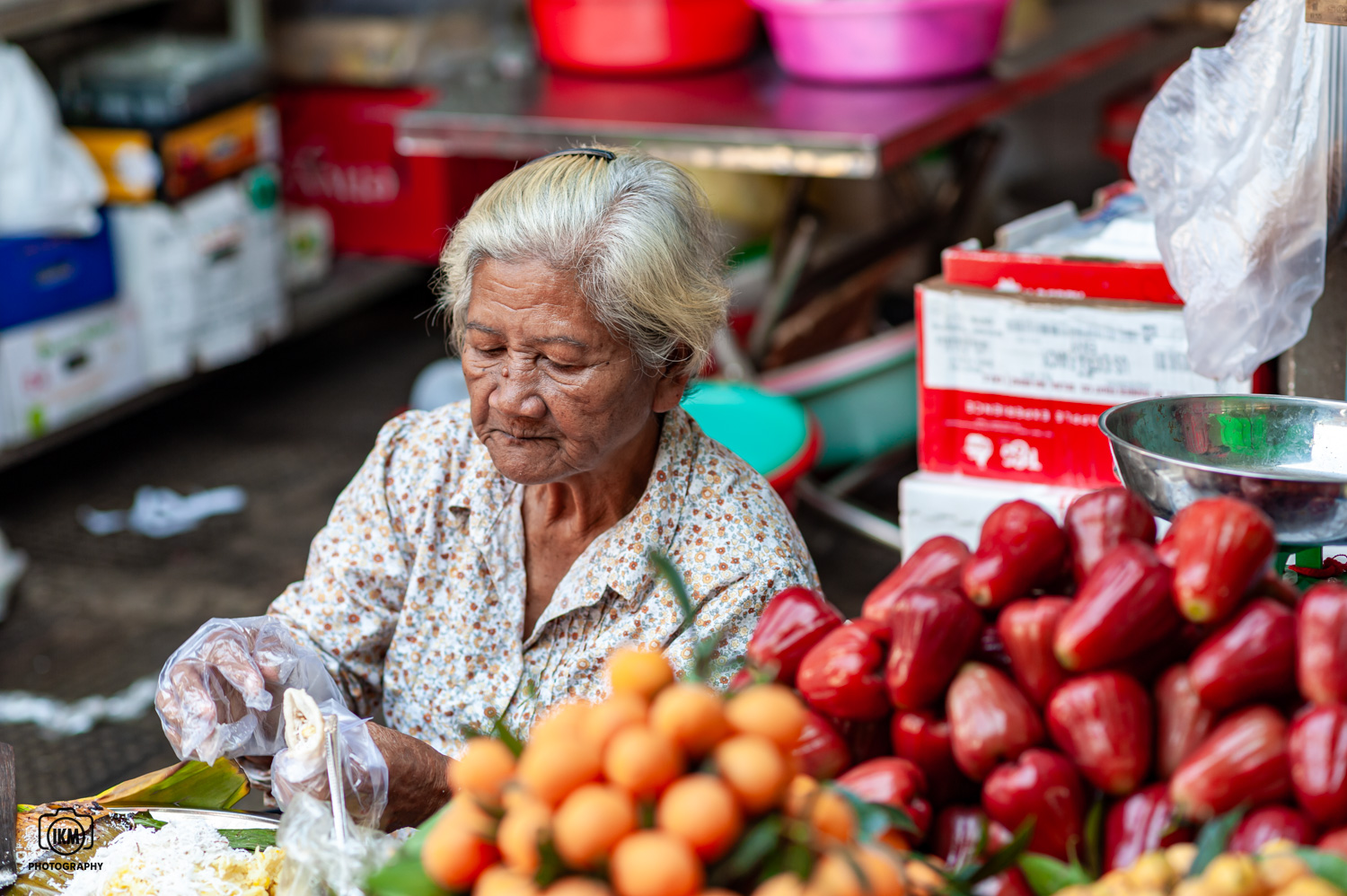
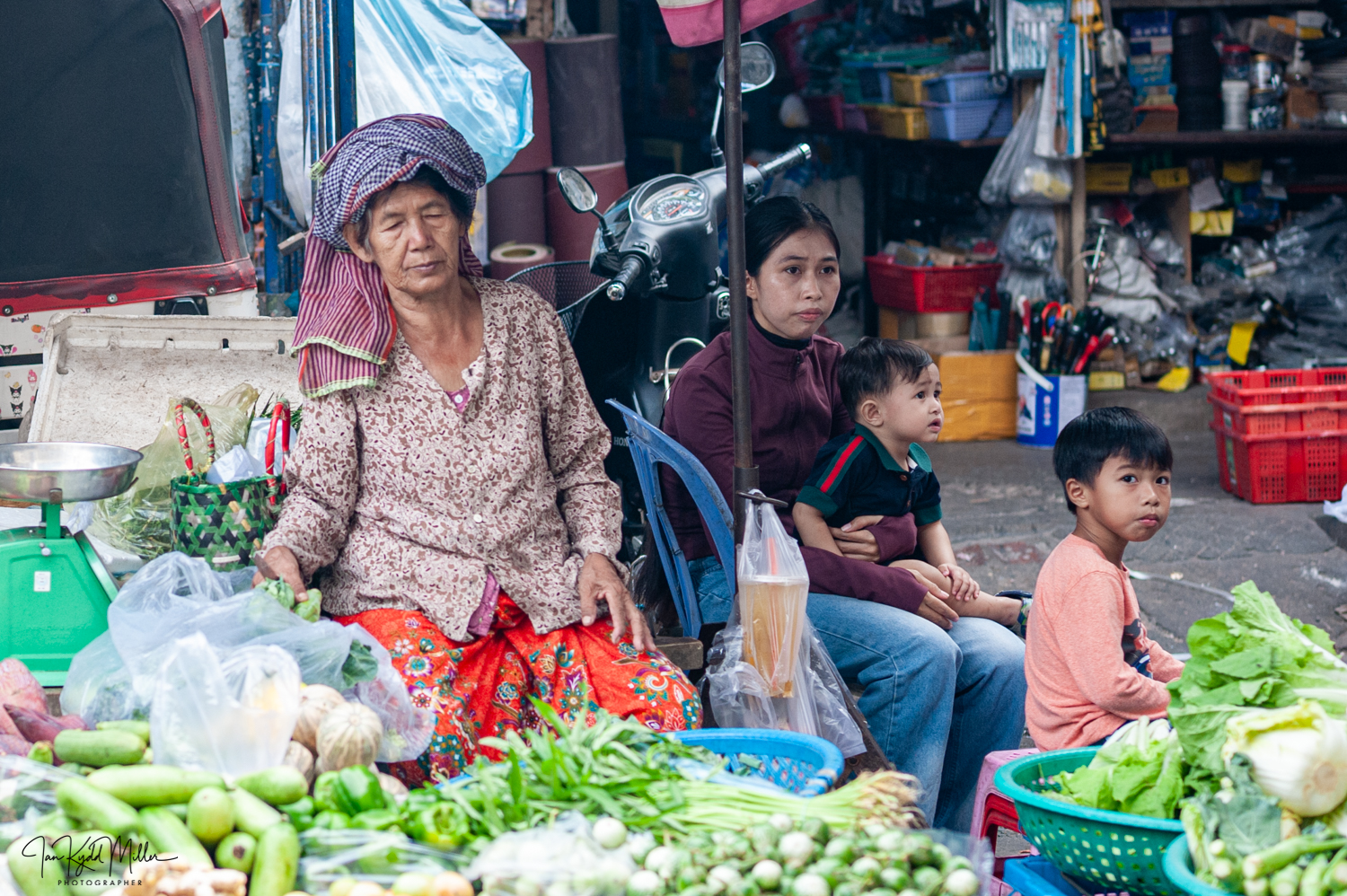
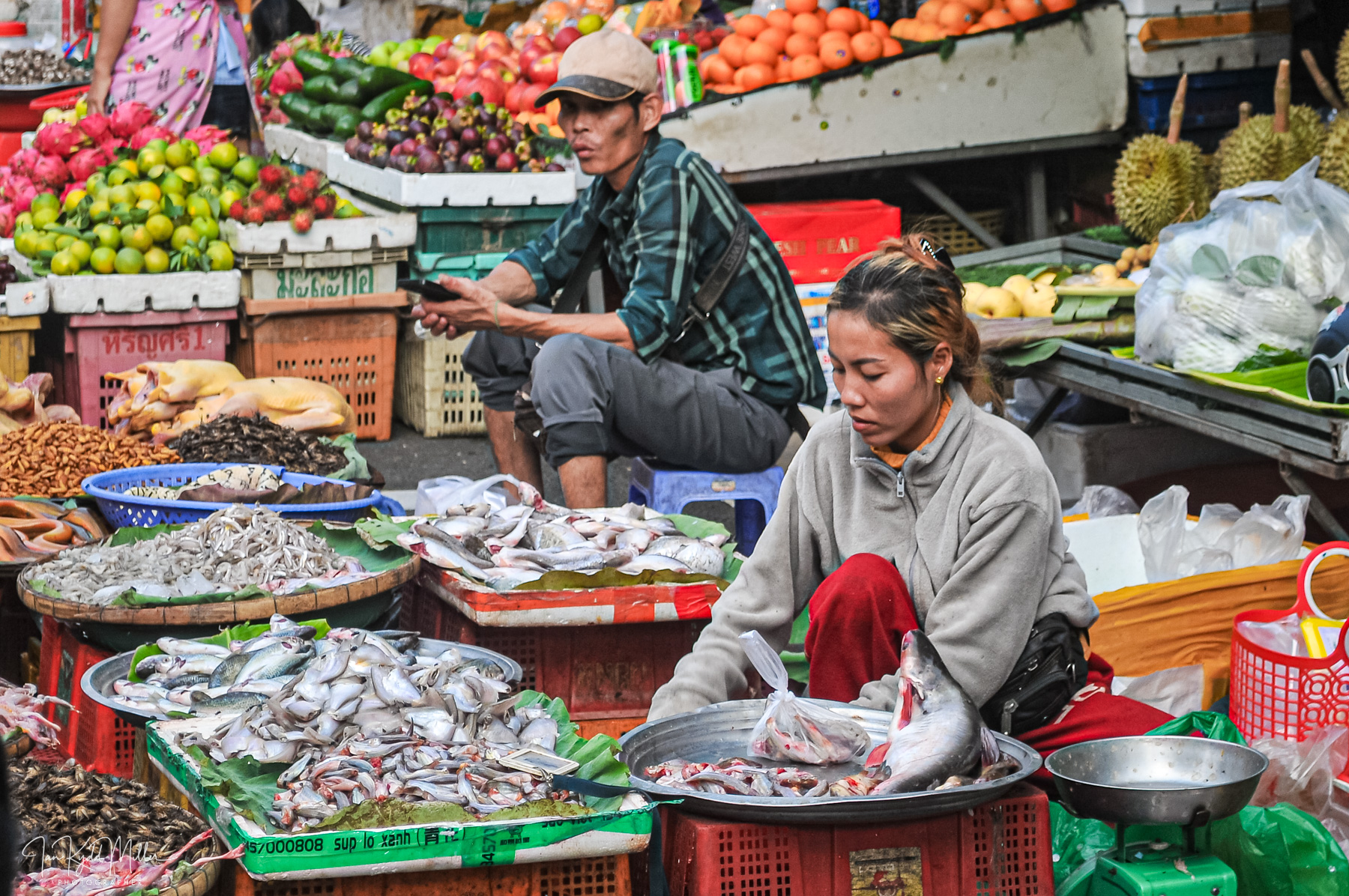
For a while, I would make the assignment smaller. Choose a single thing to notice. People waiting between customers. Hands arranging a display. Someone listening while another person speaks. The way a doorway frames a conversation. These give your attention somewhere specific to settle.
Take the idea seriously enough to return to it, but keep it loose enough to follow an unexpected photograph. A subject is there to start you looking. It need not dictate everything you do.
Familiar streets can contribute to the trouble. Once you know a route well, you begin to recognise it in advance. You know where the market becomes crowded, where the light strikes a wall and where somebody usually sits. Recognition can become so efficient that you stop examining what is actually in front of you.
Before deciding that you have exhausted a neighbourhood, change your appointment with it. Visit earlier. Arrive when people are opening their stalls. Return when the day’s business is winding down. Walk the route in the opposite direction. A shopfront you normally approach from one side may give you a different arrangement of light and background from the other.
Sometimes a different part of the city will help. Choose somewhere manageable, with enough room to stop and watch. A modest change of surroundings can give you fresh decisions to make without turning the outing into an expedition.
There is also a great deal to be said for sitting down.
Walking gives you variety, but it also moves you away from developing situations. At a cafe or a market edge, you can watch a small area long enough to learn its rhythm. You see who comes and goes, where people pause and how the light travels across the space. You have time to notice the background before somebody enters it.
Give yourself twenty minutes. Let the coffee get cold if necessary. That would be unfortunate, although probably less expensive than buying another lens.
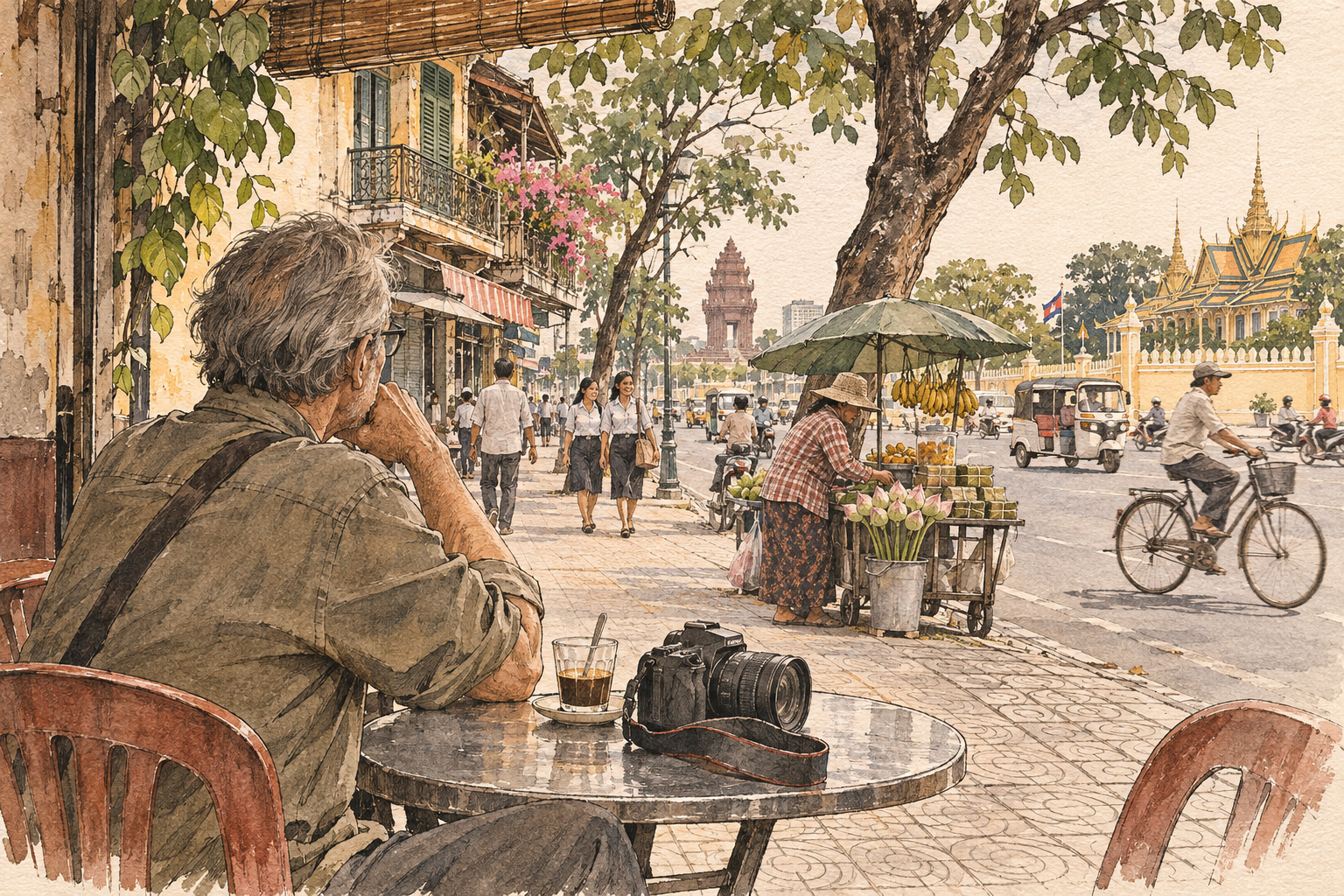
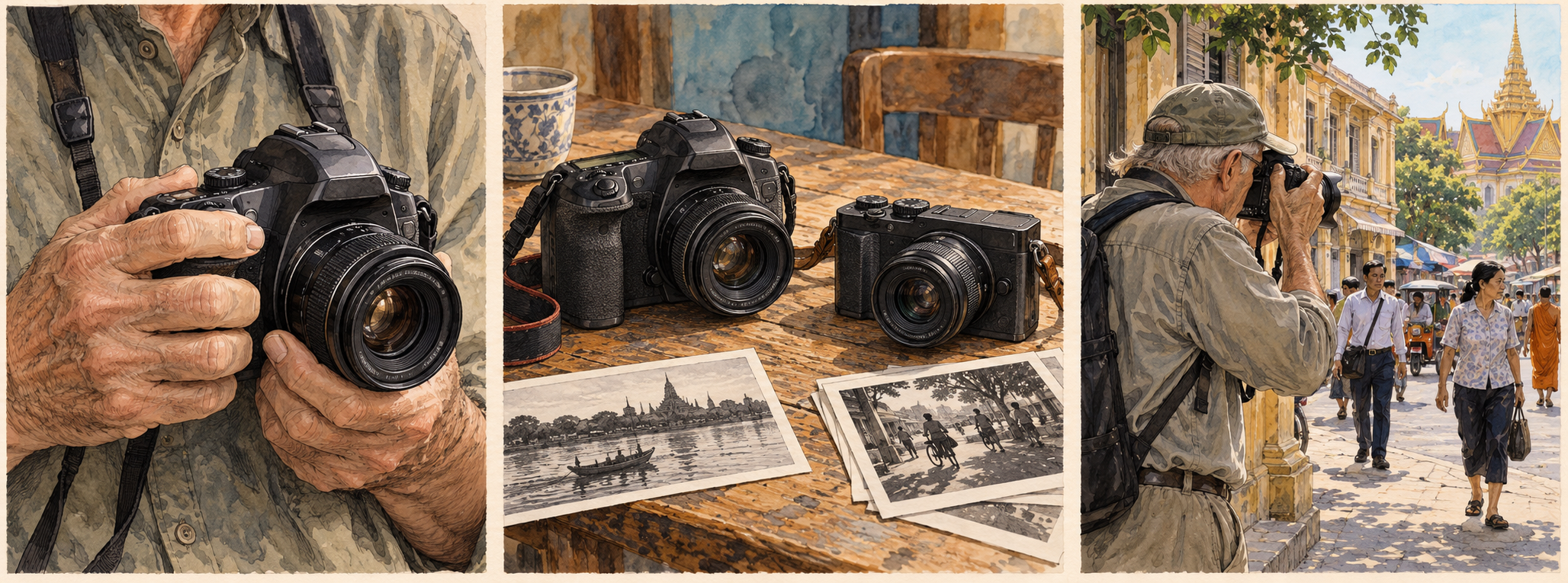
Accompanying illustration — a fictional photographer observing a Phnom Penh street from a cafe. AI-generated editorial artwork.
Equipment deserves a little thought, chiefly because it determines how easy the outing will be. I have plenty of affection for my old Nikon D700. Familiarity with a camera saves a considerable amount of fiddling. I know how it sits in my hands, and that makes it a comfortable starting point when enthusiasm is in short supply.
Choose a lens that suits the way you want to work that day. An 85mm gives me a working distance I enjoy for street photography. Someone wanting more of the surrounding scene may prefer a wider lens. The useful question is whether the combination encourages you to carry it and raise it when a picture begins to form.
If weight has become an obstacle, take something lighter. A small camera or a phone can make an outing easier to begin. Removing a practical difficulty is often more productive than arguing with yourself about motivation.
During a lull, the edit can become another source of discouragement. You return home, open the files and dismiss the lot within minutes. Perhaps you had expected a breakthrough. Perhaps you are comparing an ordinary Tuesday morning with the best photographs from several decades.
That comparison deserves scrutiny. A lifetime’s favourites have survived years of selection. Today’s files have barely reached the screen.
Give the new pictures some time. Look once for obvious mistakes, then return later to examine expressions, relationships and small details. Ask which frame makes you pause. You may find something worth developing even when the outing has produced no finished photograph.
Looking through older work can also help, especially the pictures surrounding a familiar favourite. Contact sheets show the attempts, the changes of position and the frames where something almost happened. They restore a little honesty to our memory of how photographs get made.
A picture rejected years ago may interest you now. Your eye may settle on a gesture you once overlooked, or on a person at the edge of a frame. Your interests have had time to change. Let the old work reveal that change.
Then print something.
Printing has always been part of my process. A photograph on paper asks for a different kind of attention. You can put it on a table, walk past it and return without opening an application or scrolling through a hundred competing images.
Choose a modest size. Leave the print where you can see it for several days. Notice whether your interest lasts, where your eye goes and whether some small part of the picture begins to trouble you. Those observations can suggest what to look for next time you go out.
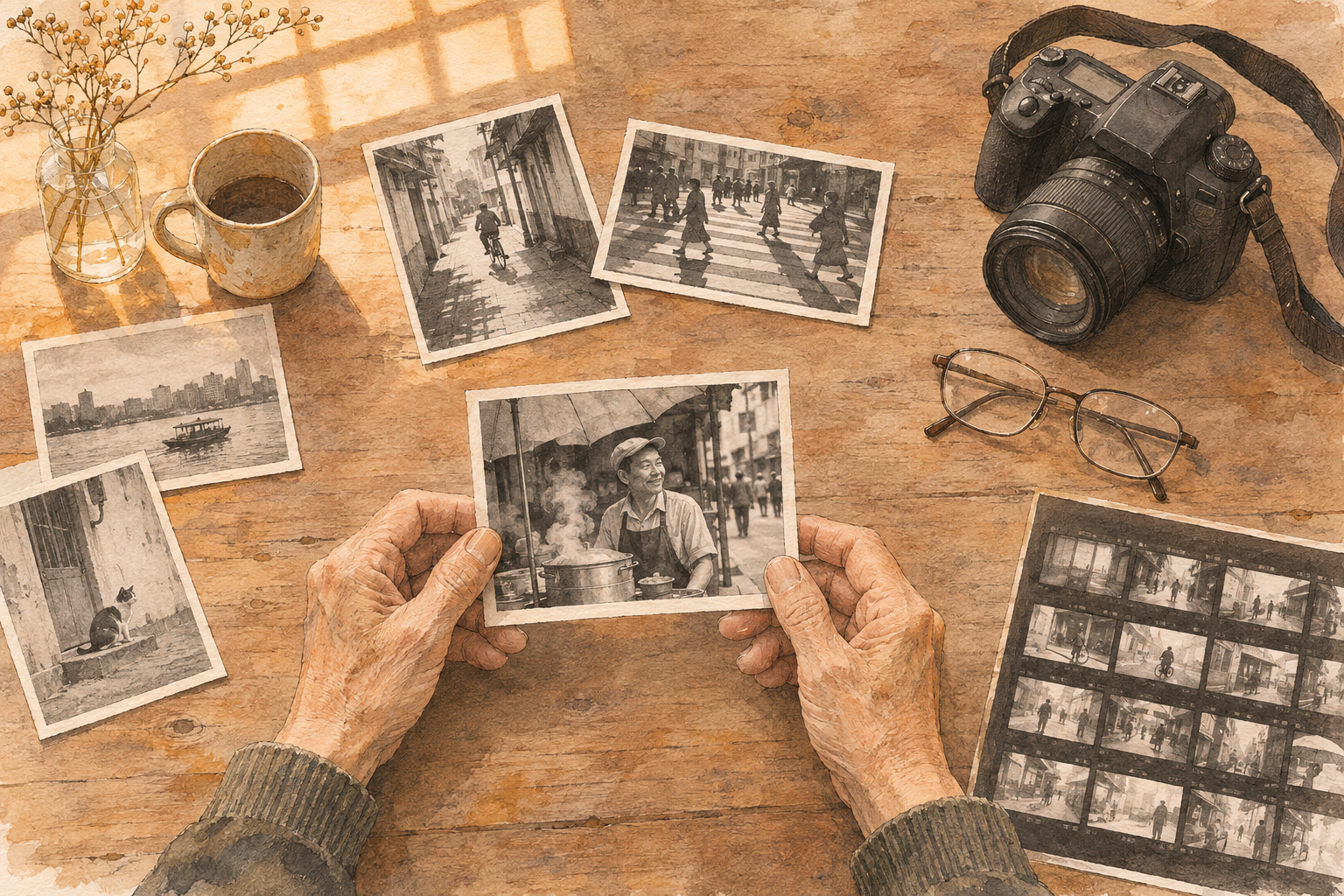
Accompanying illustration — reviewing small prints and contact sheets at a table. AI-generated editorial artwork.
A small project can give that next outing a purpose. Photograph one market over several visits. Follow the working day of a willing local business owner. Make a short sequence about the places where people rest. Set an attainable end point, perhaps six photographs that belong together.
Returning gives you something to build on. The first visit helps you understand the place. Later visits let you refine your position, recognise recurring activity and develop a relationship with people who are comfortable being photographed.
That relationship needs care. Your wish to escape a creative rut gives nobody else an obligation to participate. Read people’s responses, explain your interest when appropriate and accept a refusal. If somebody is vulnerable or having a difficult moment, think carefully about what making and publishing the picture would ask of them.
A willing participant and an ordinary working day can provide plenty to photograph. Allow the interest to grow through familiarity and attention.
It also helps to give yourself some privacy while the work develops. Keep a few outings for your own consideration. Decide what you think of the photographs before inviting a stream of immediate verdicts. A small project can lose direction when every frame is judged separately for its ability to attract a response online.
There will still be days when the sensible decision is to leave the camera at home. Energy varies. Other responsibilities take up room. Photography can become another demand when you have very little available to give it.
Take a break that you can actually enjoy. Look at a book slowly. Visit an exhibition if one interests you. Spend time with somebody whose company you like. Let a walk be a walk. You can decide later whether any of it belongs in your photography.
For the next outing, keep the arrangement simple. One comfortable camera. A place you can reach easily. One subject to watch. Enough time to settle, with permission to go home when you have had enough.
If something catches your attention, stay with it for a while. Change your position. Examine the edges. Wait to see whether the relationship between the people changes. Make the picture when you have a reason to press the shutter.
Back home, ask yourself what you would like to return to. A particular stall, a patch of afternoon light, a conversation you would like to continue. Write it down before you forget. That gives your next morning somewhere to begin.
The history, people and purpose of Kids International Dental Services, with a particular focus on Cambodia
By Ian Kydd Miller — The Old Photographer
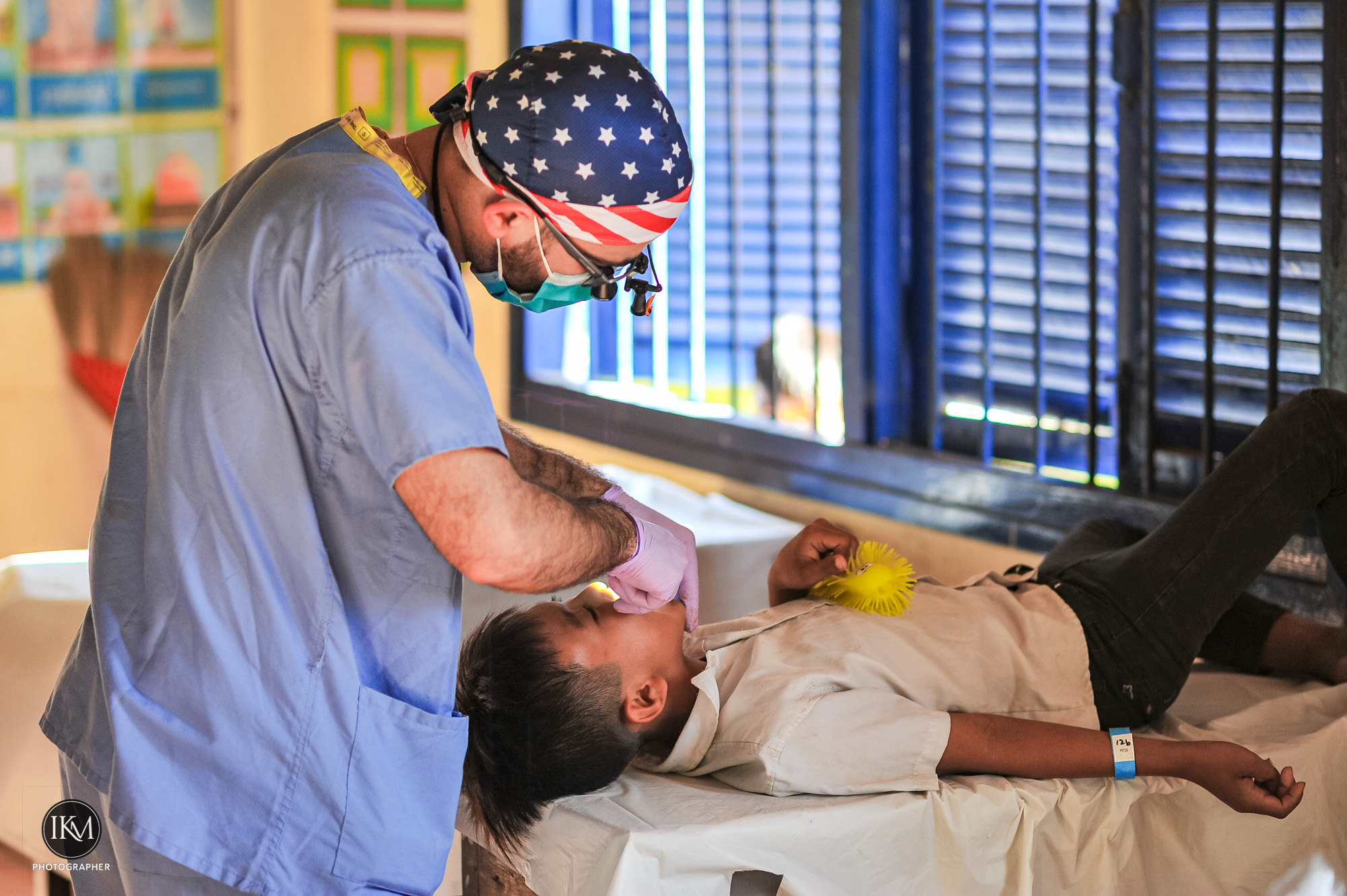
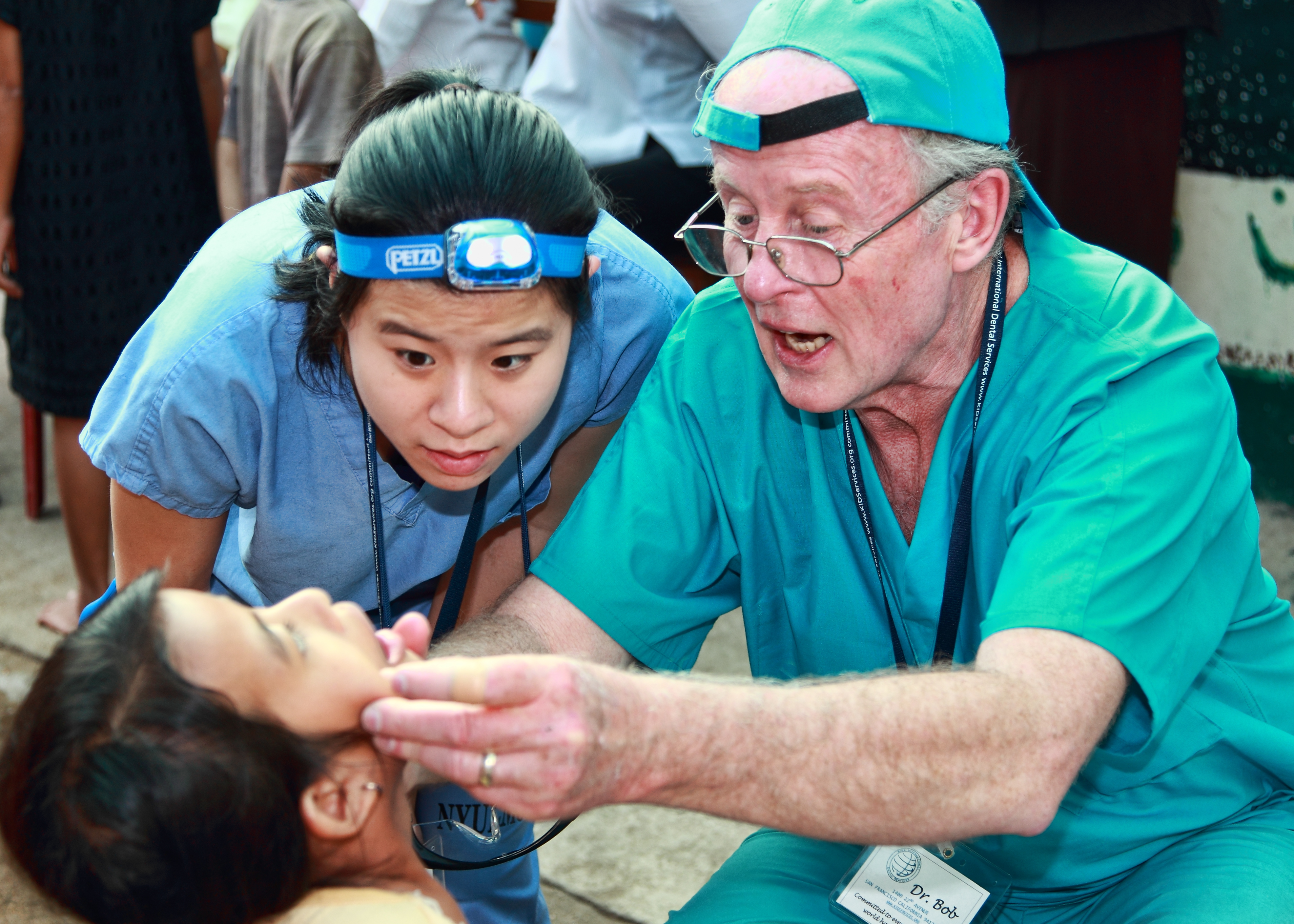
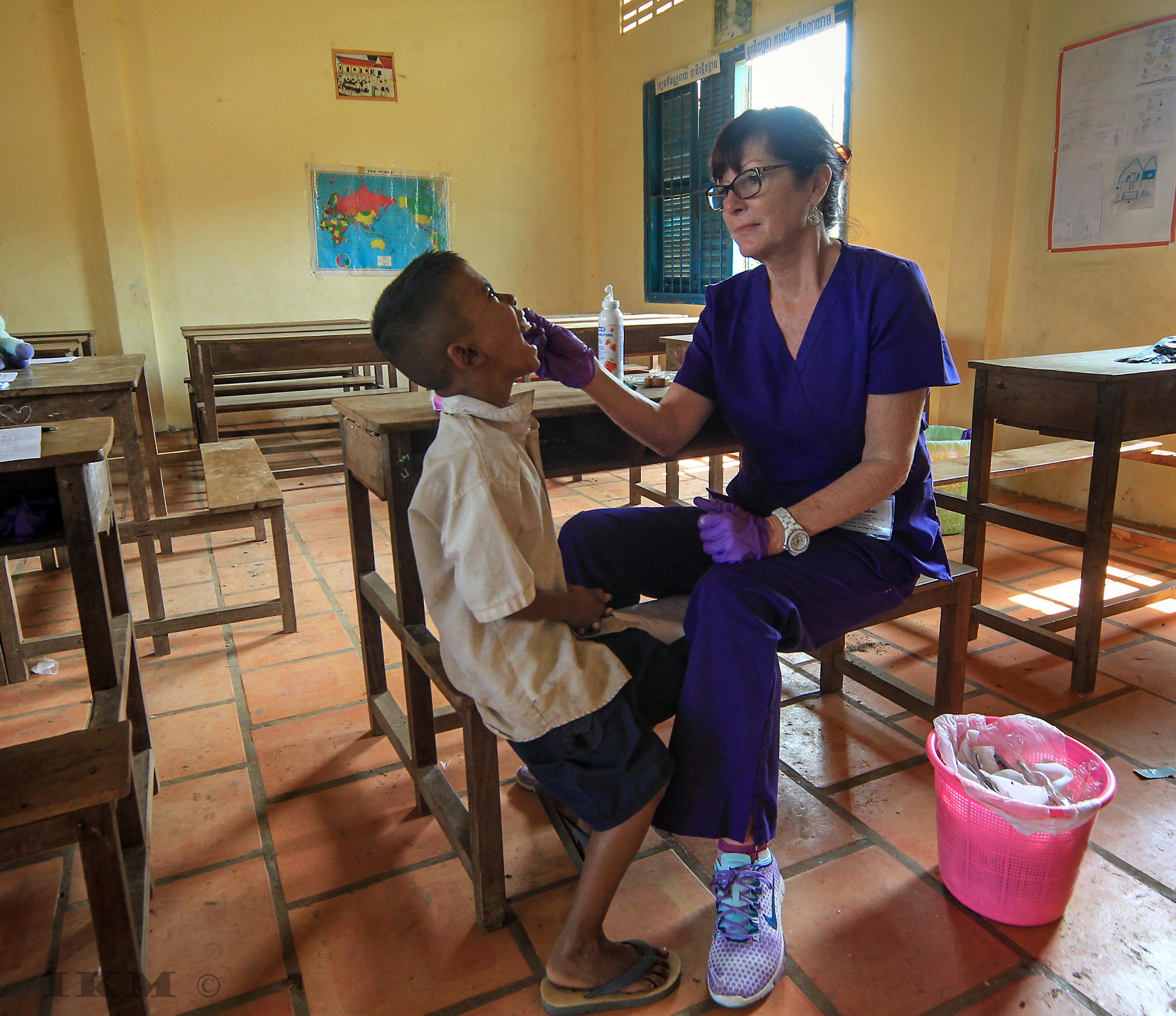
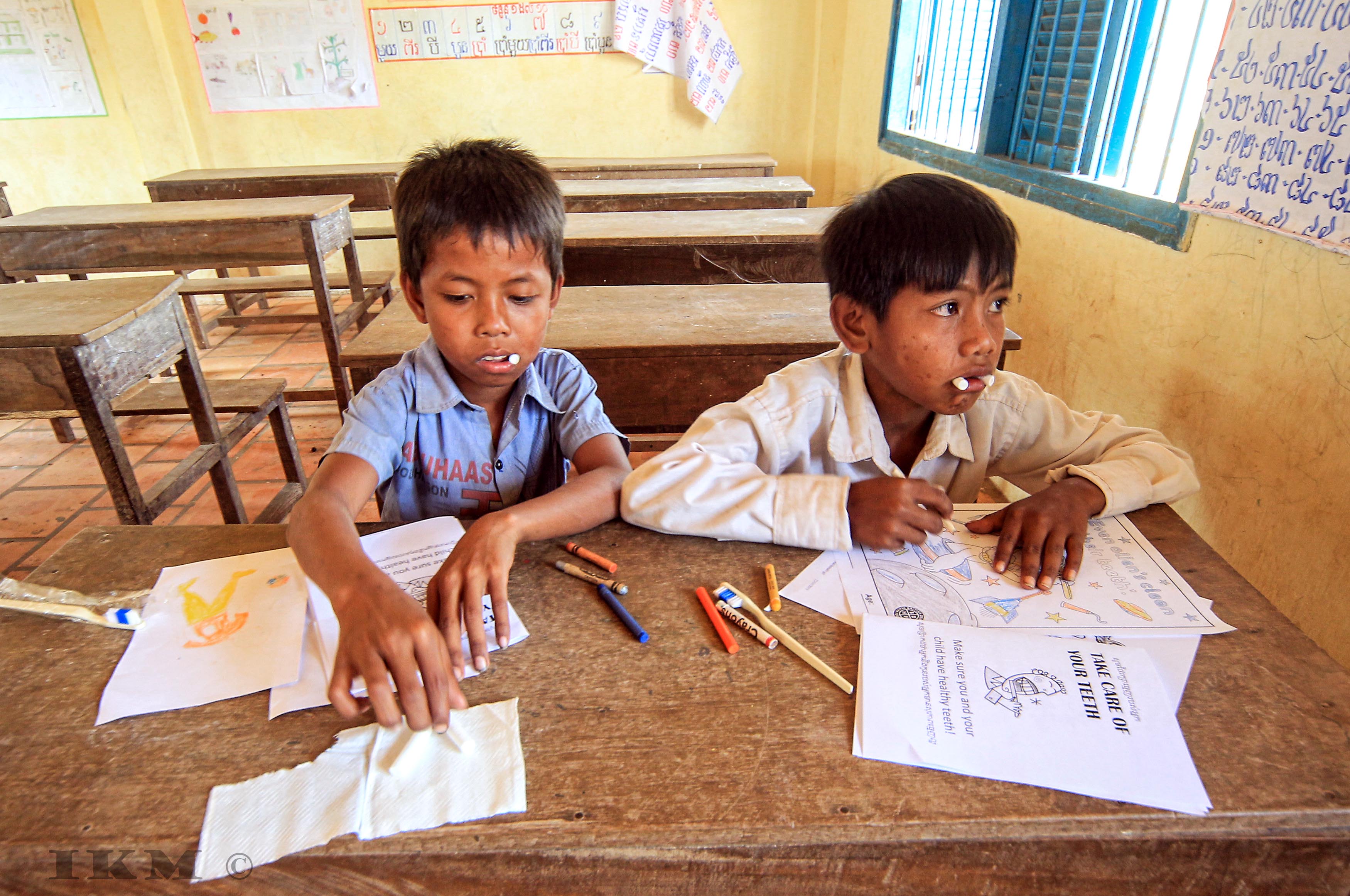
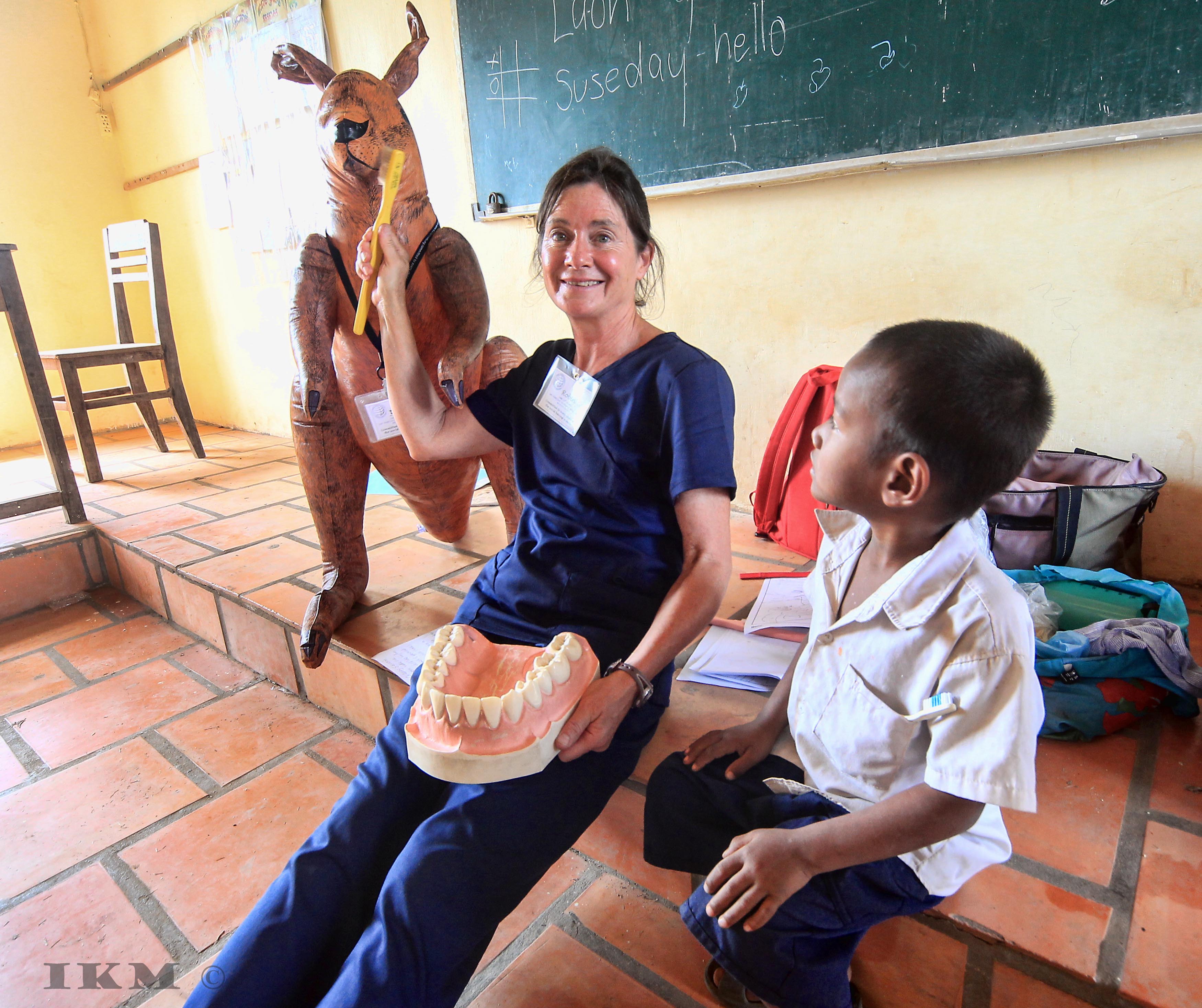
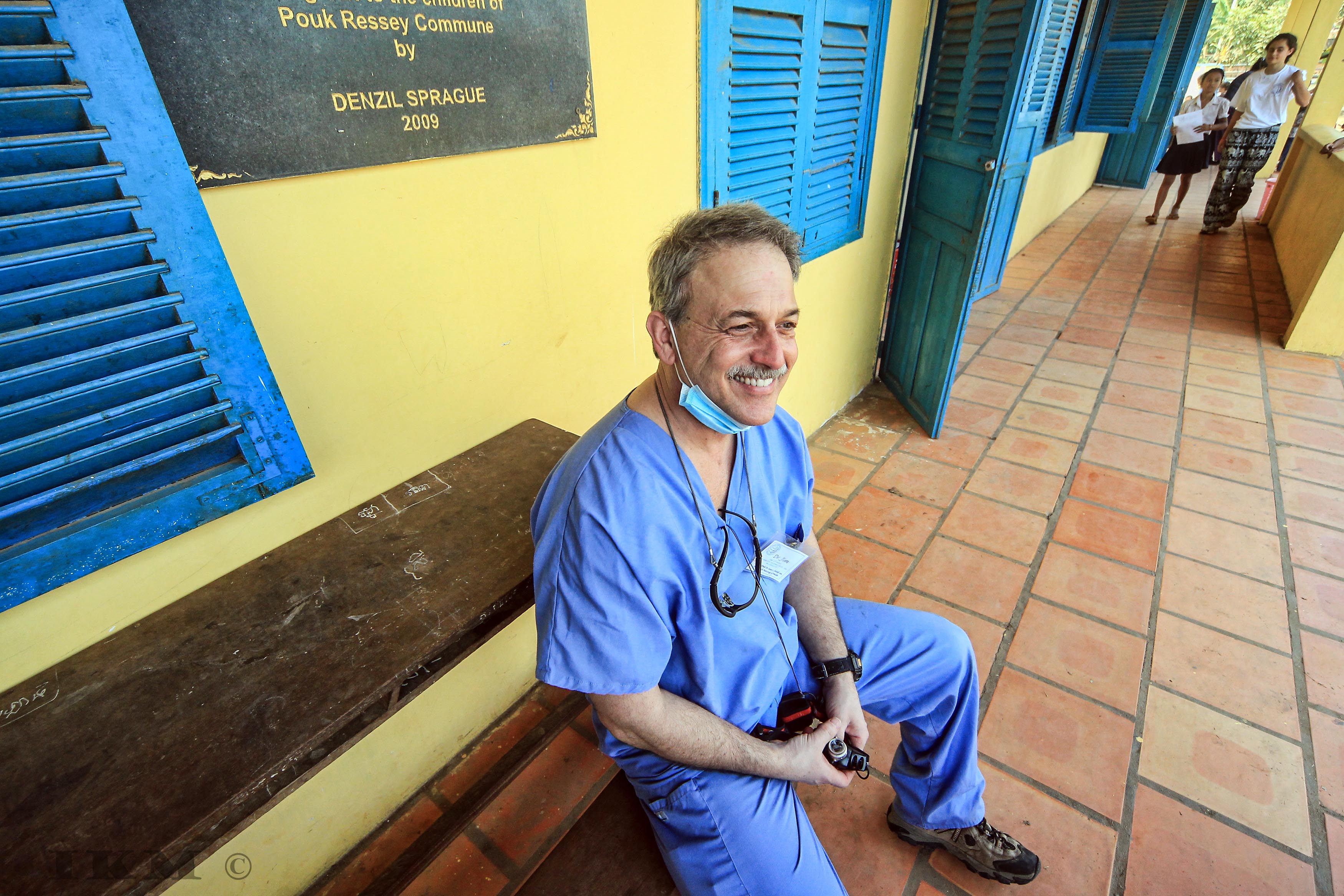
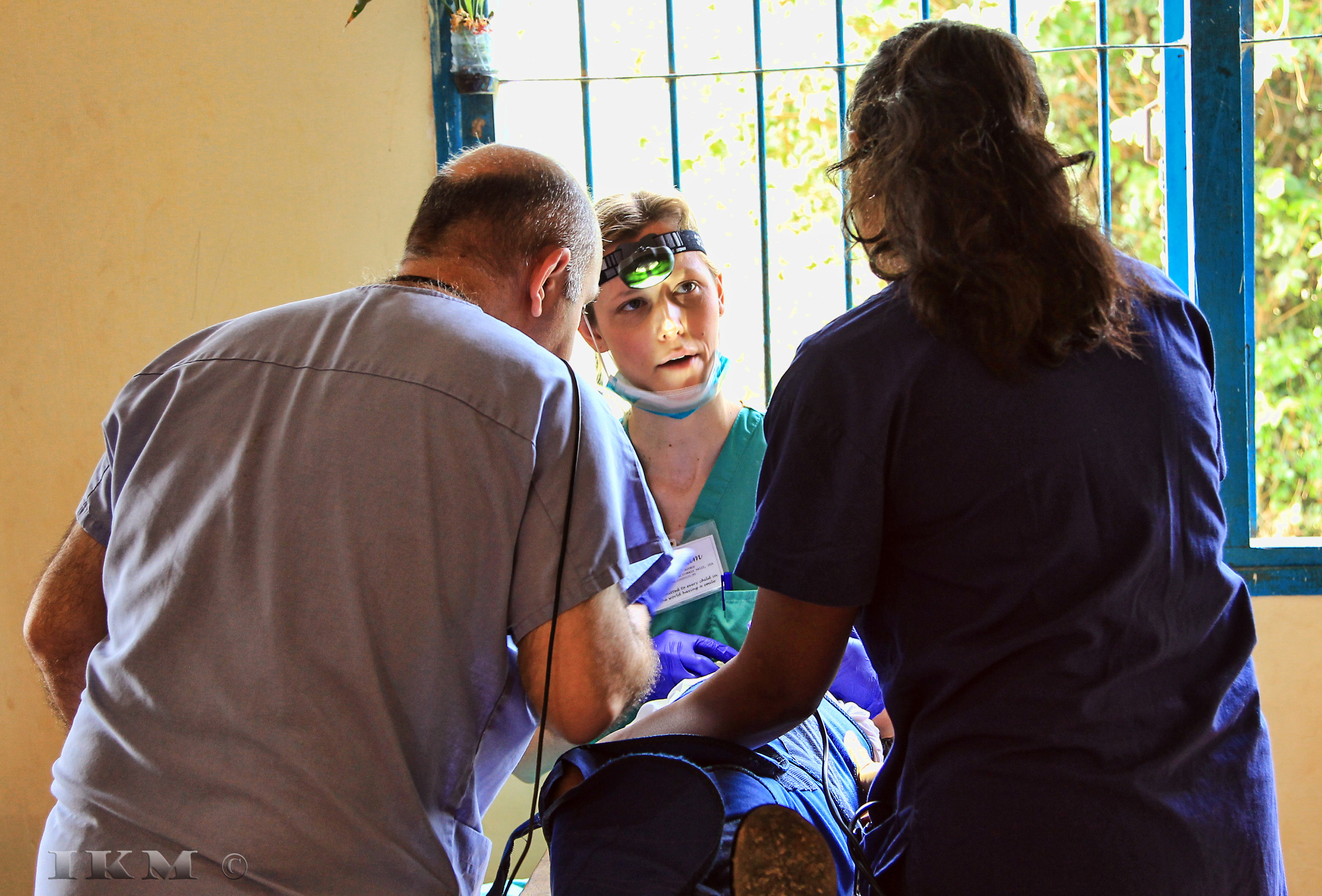
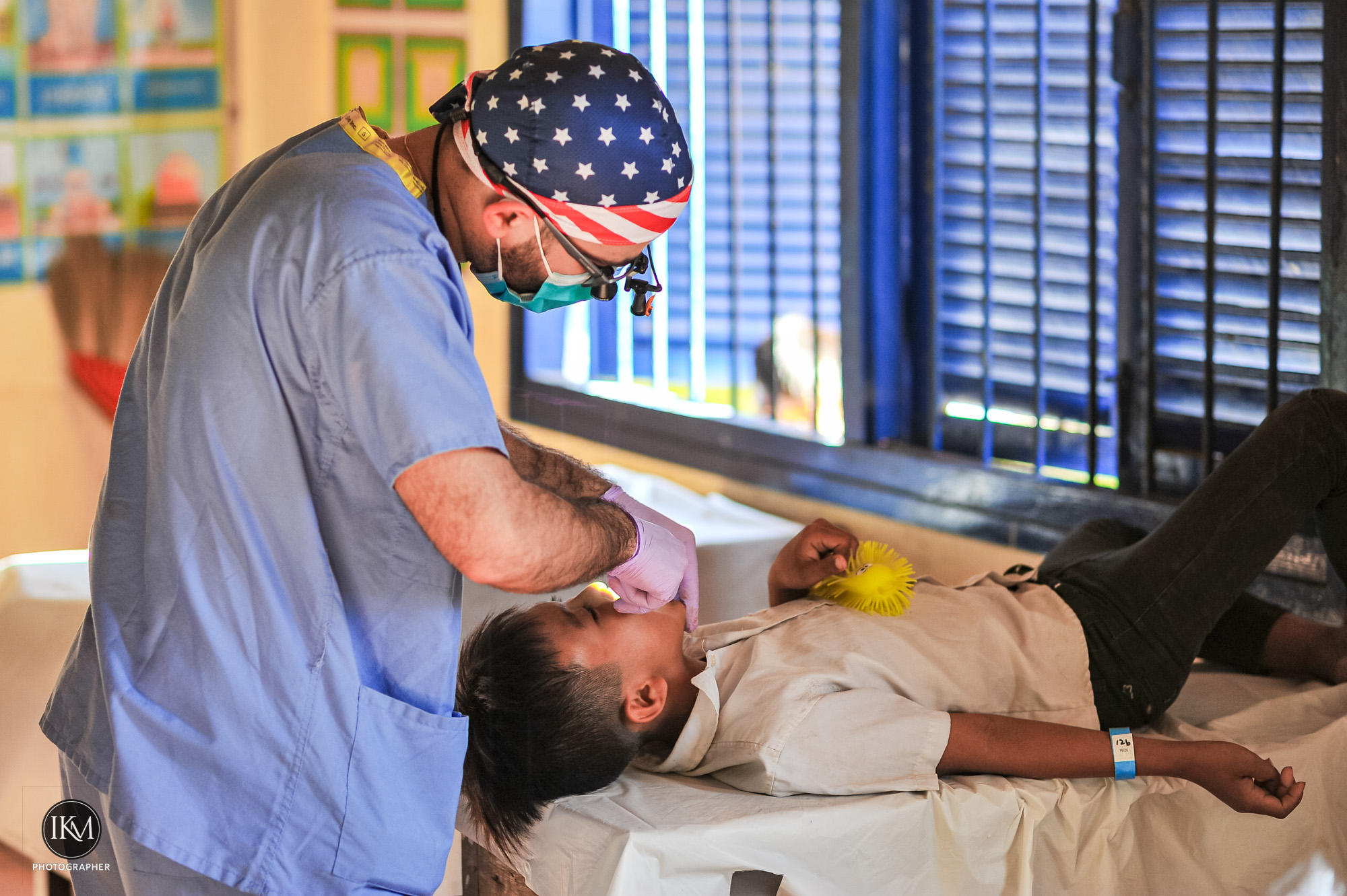
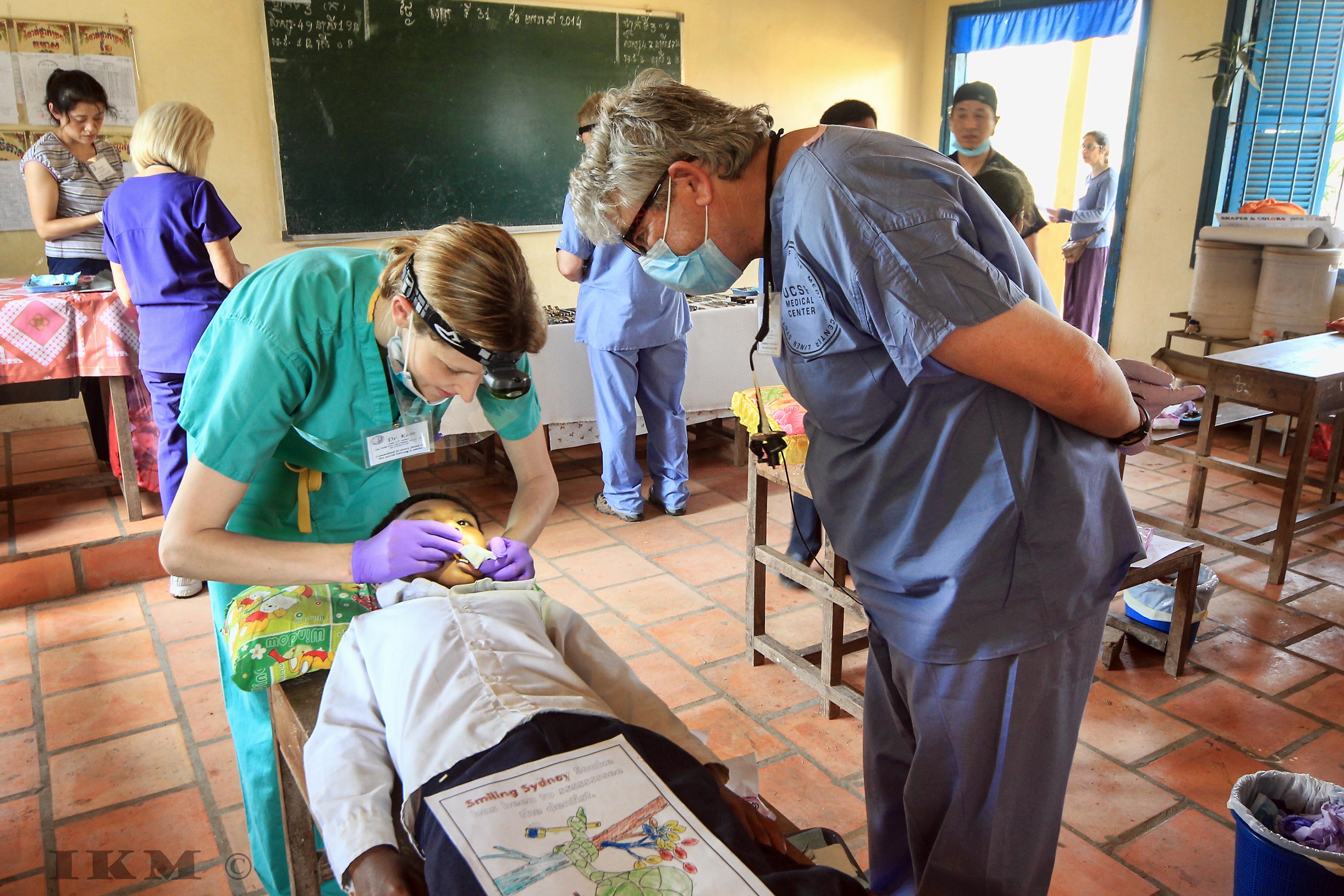
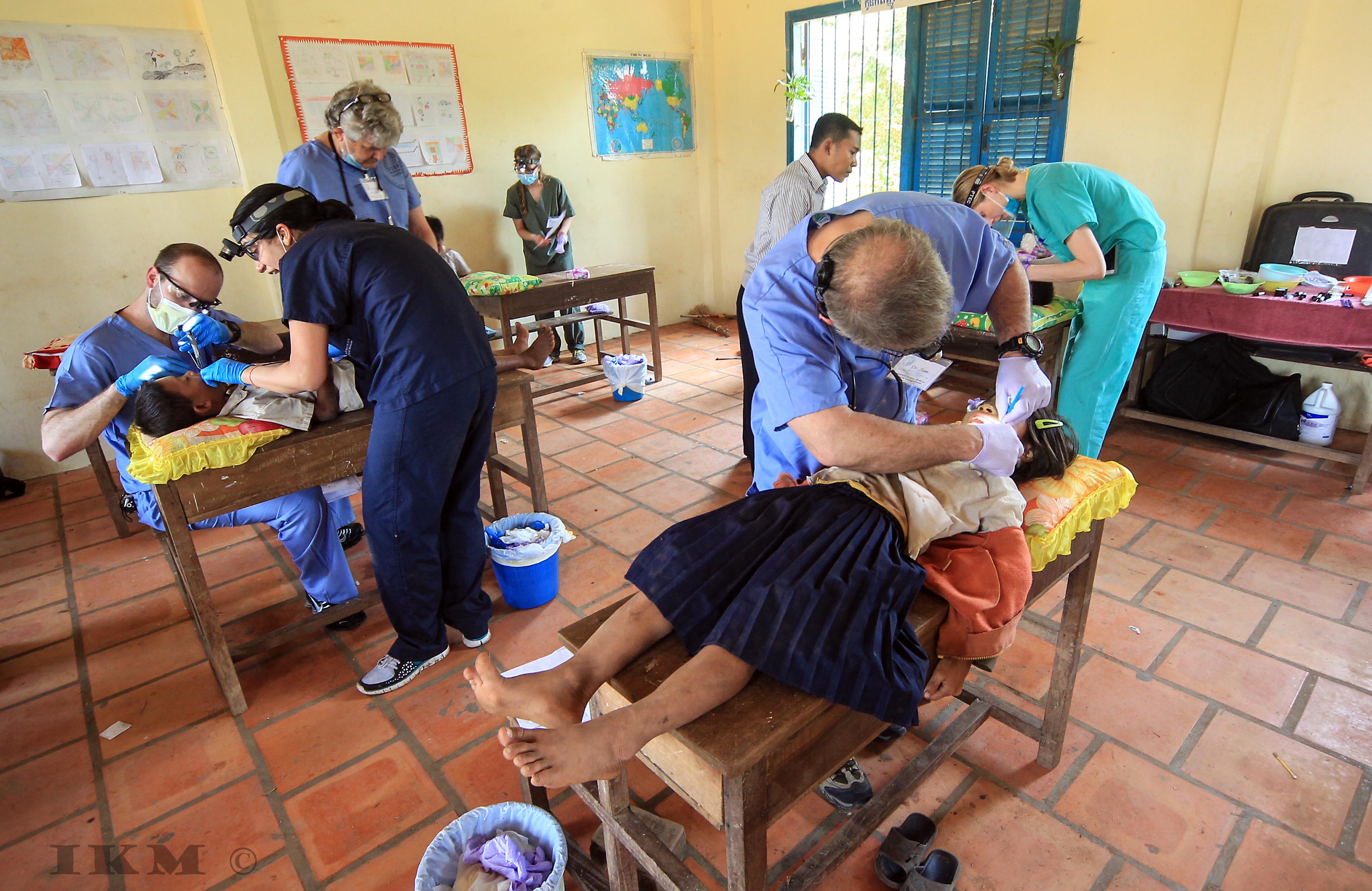
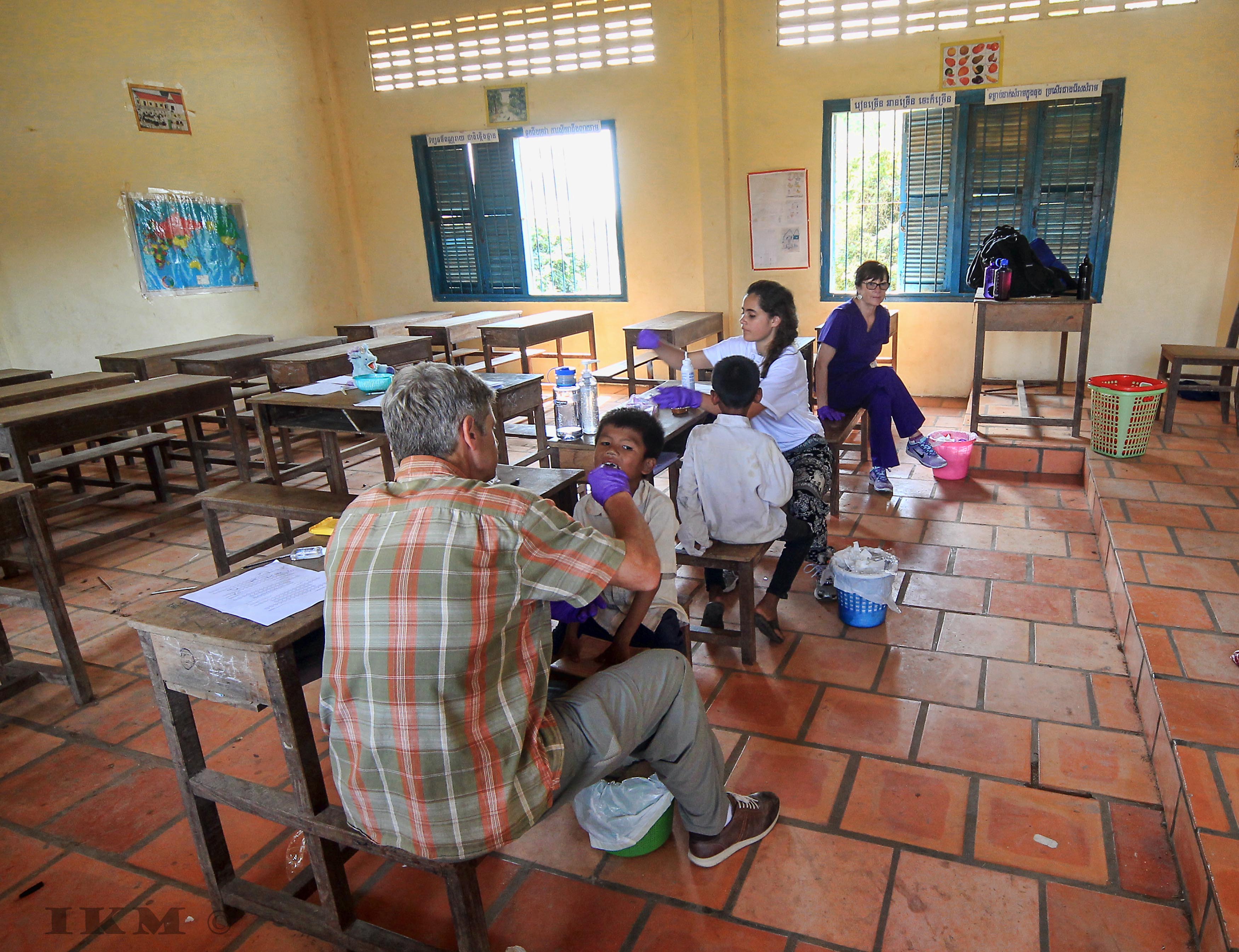
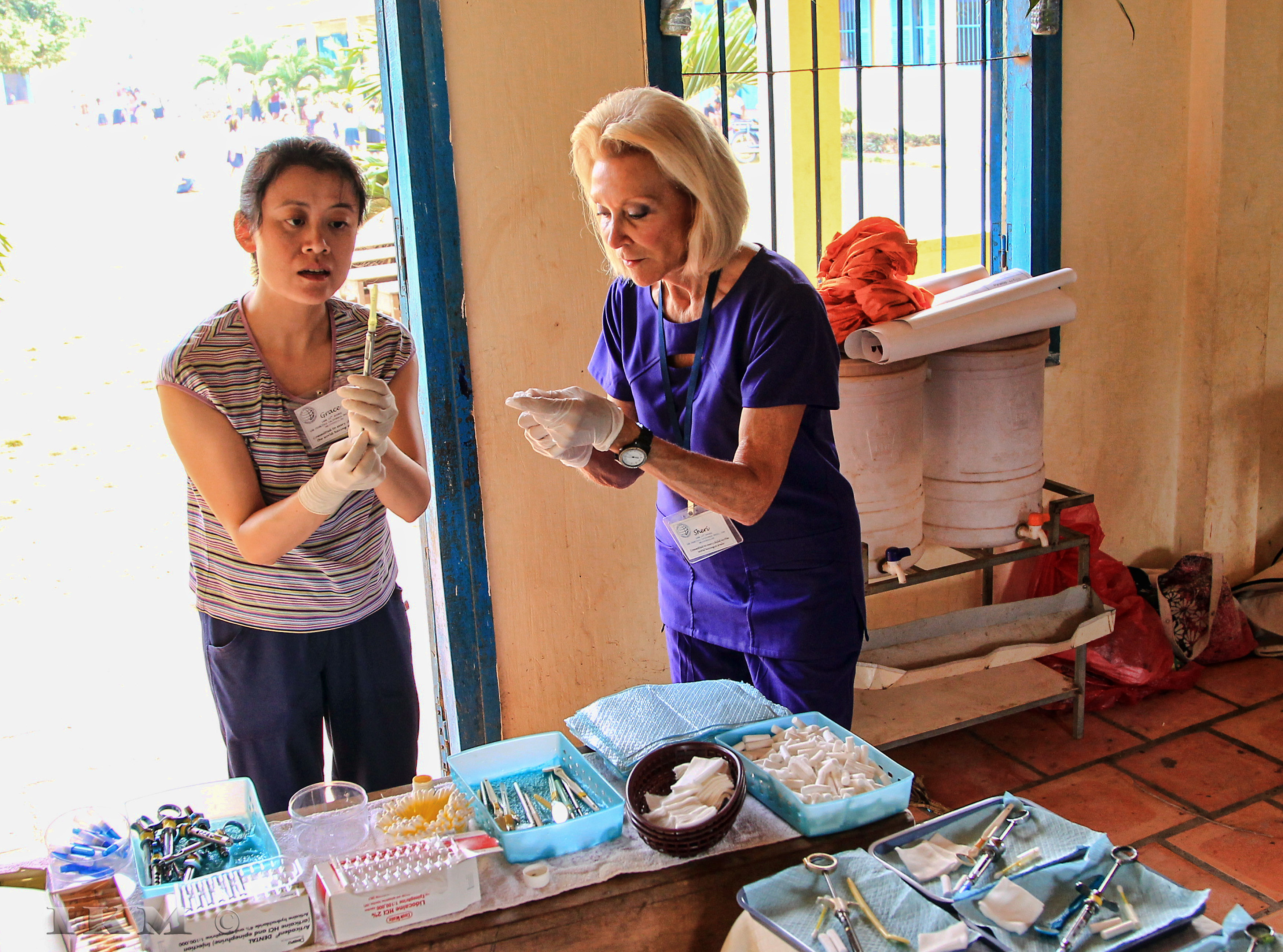
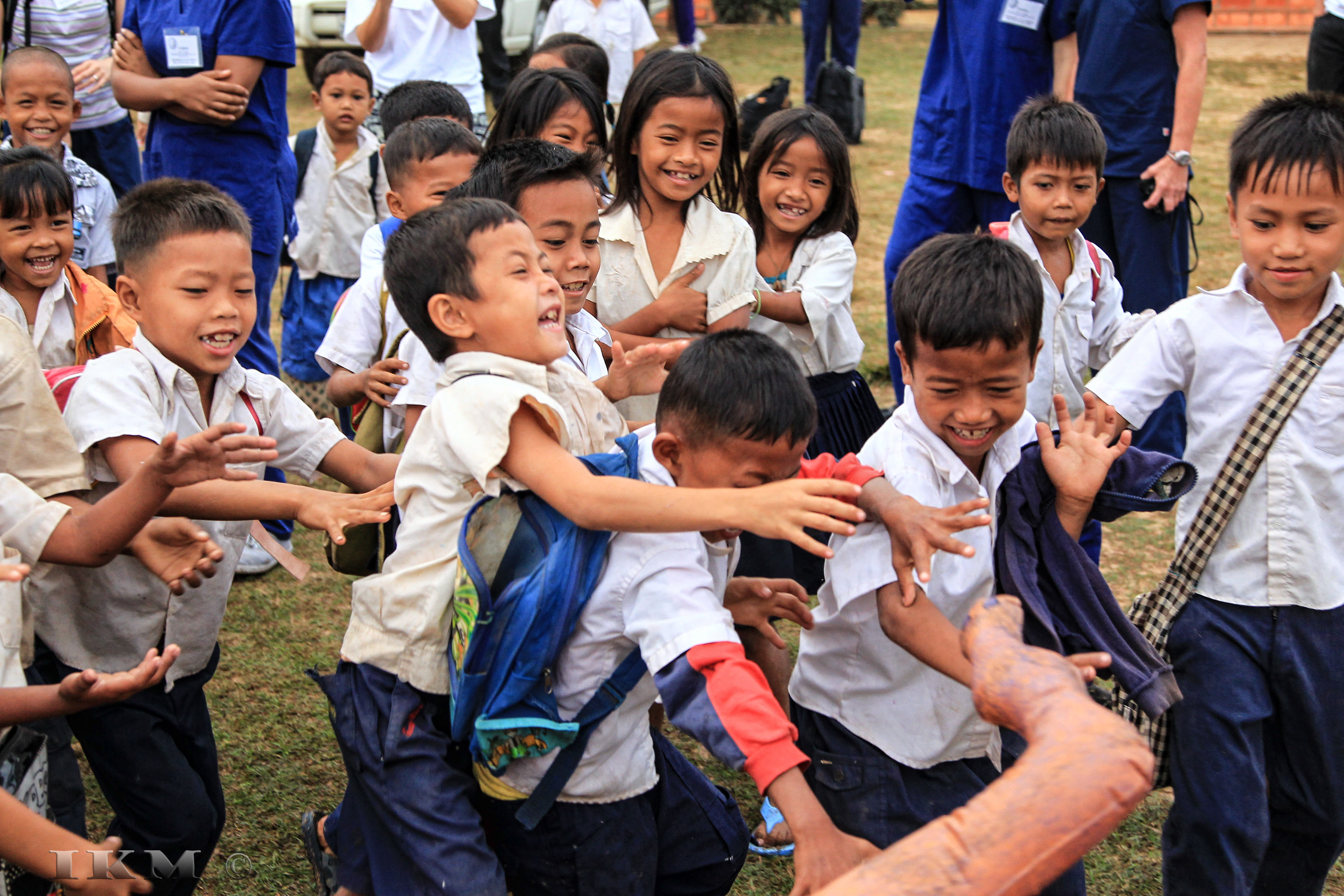
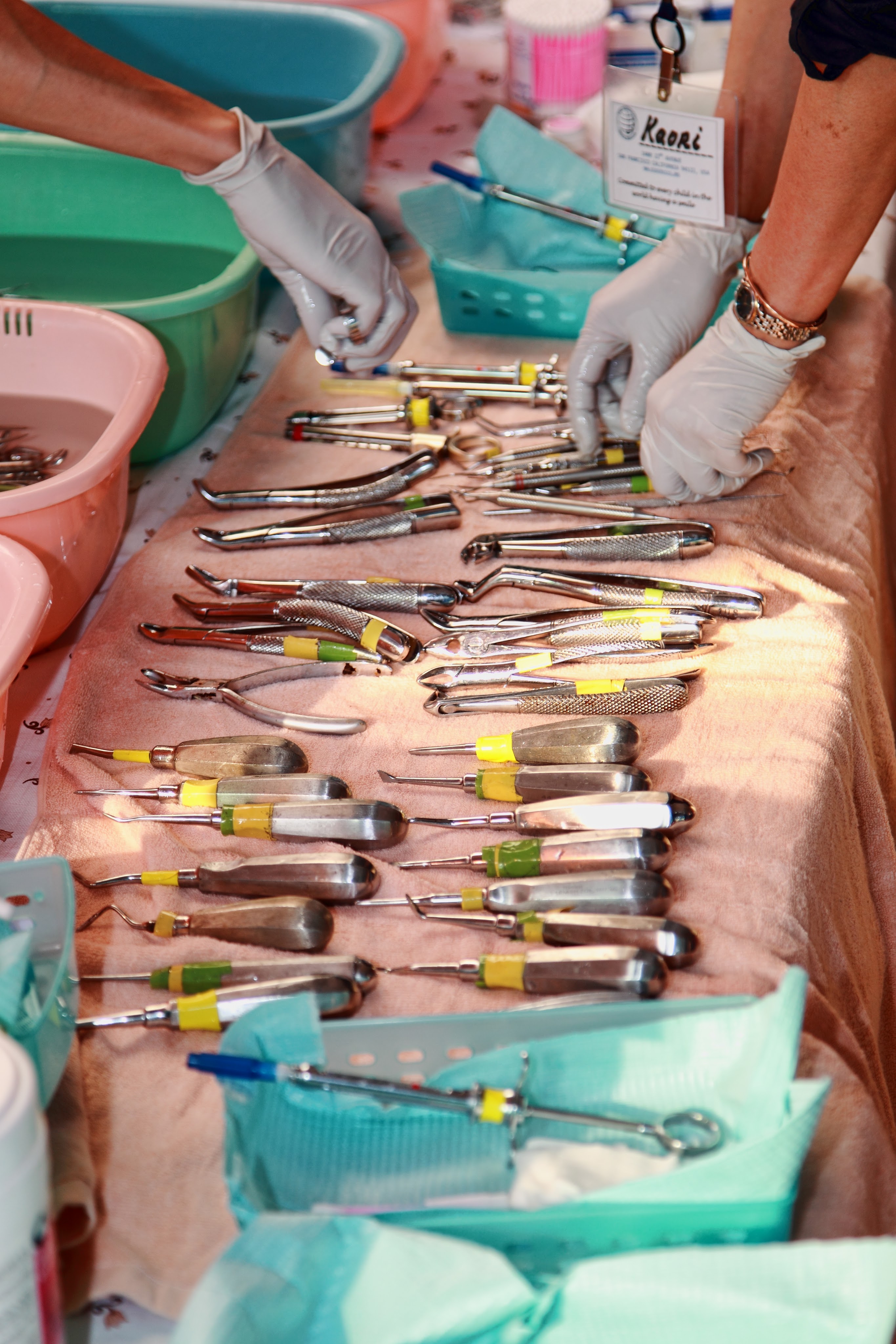
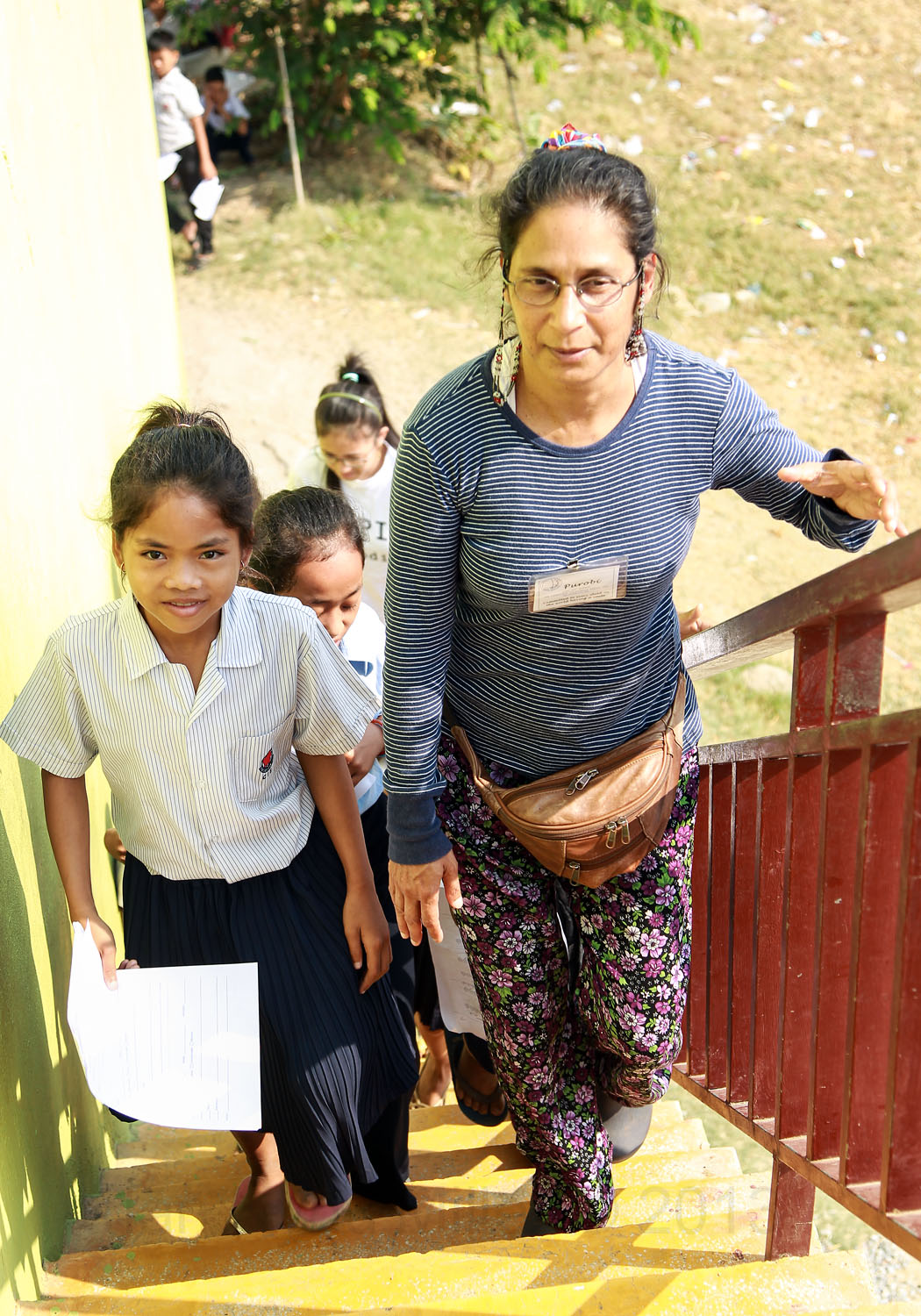
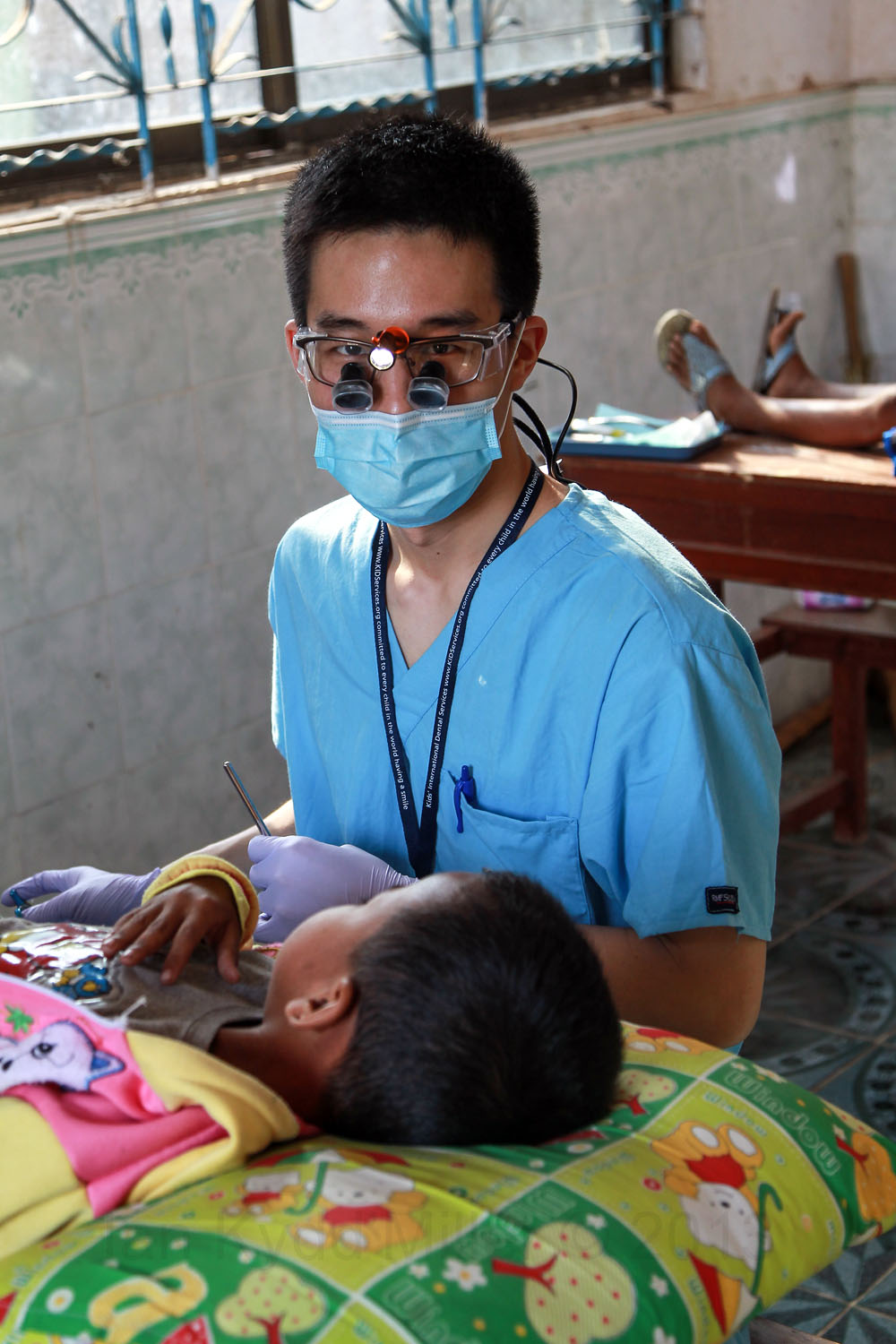
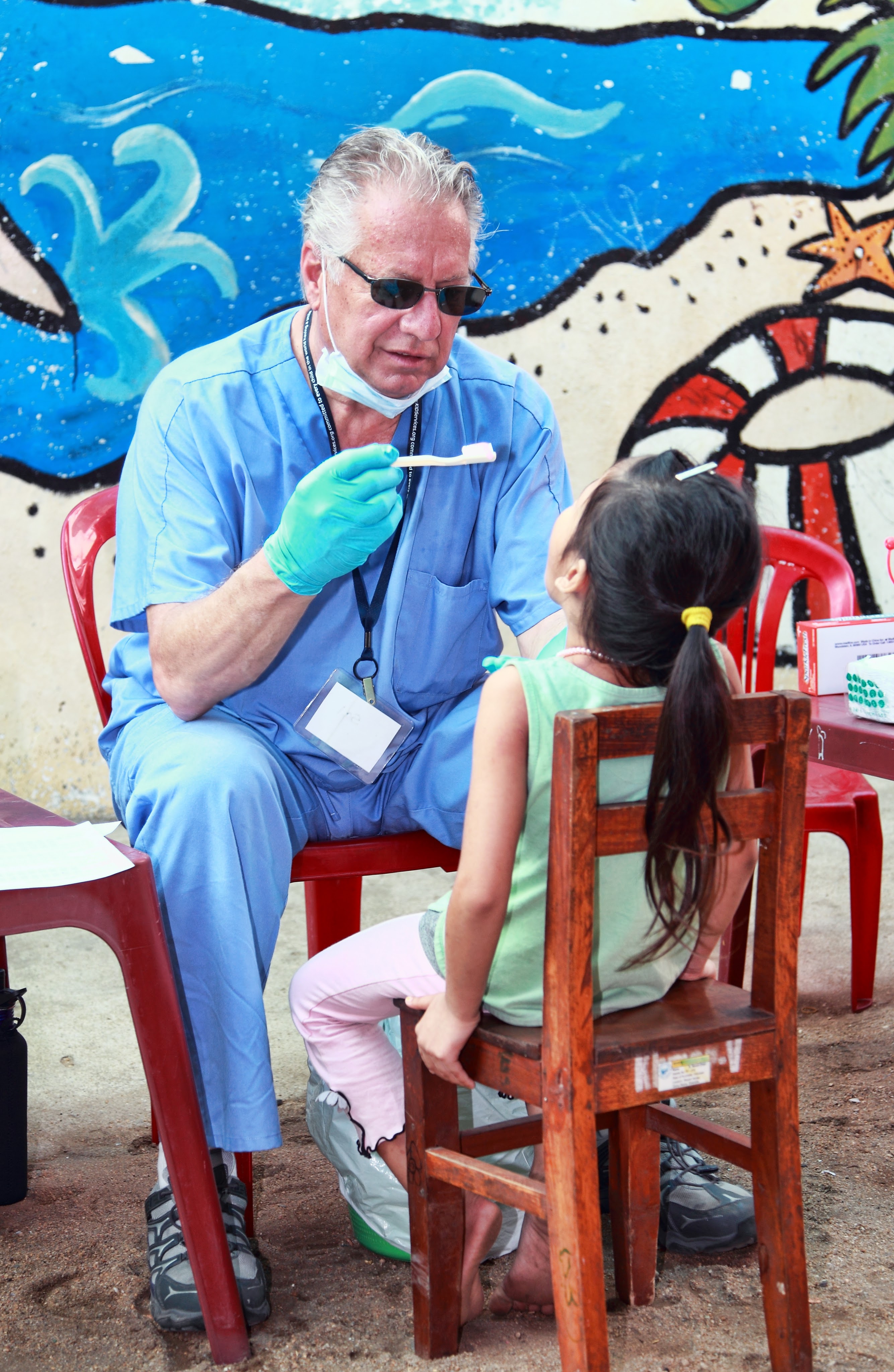
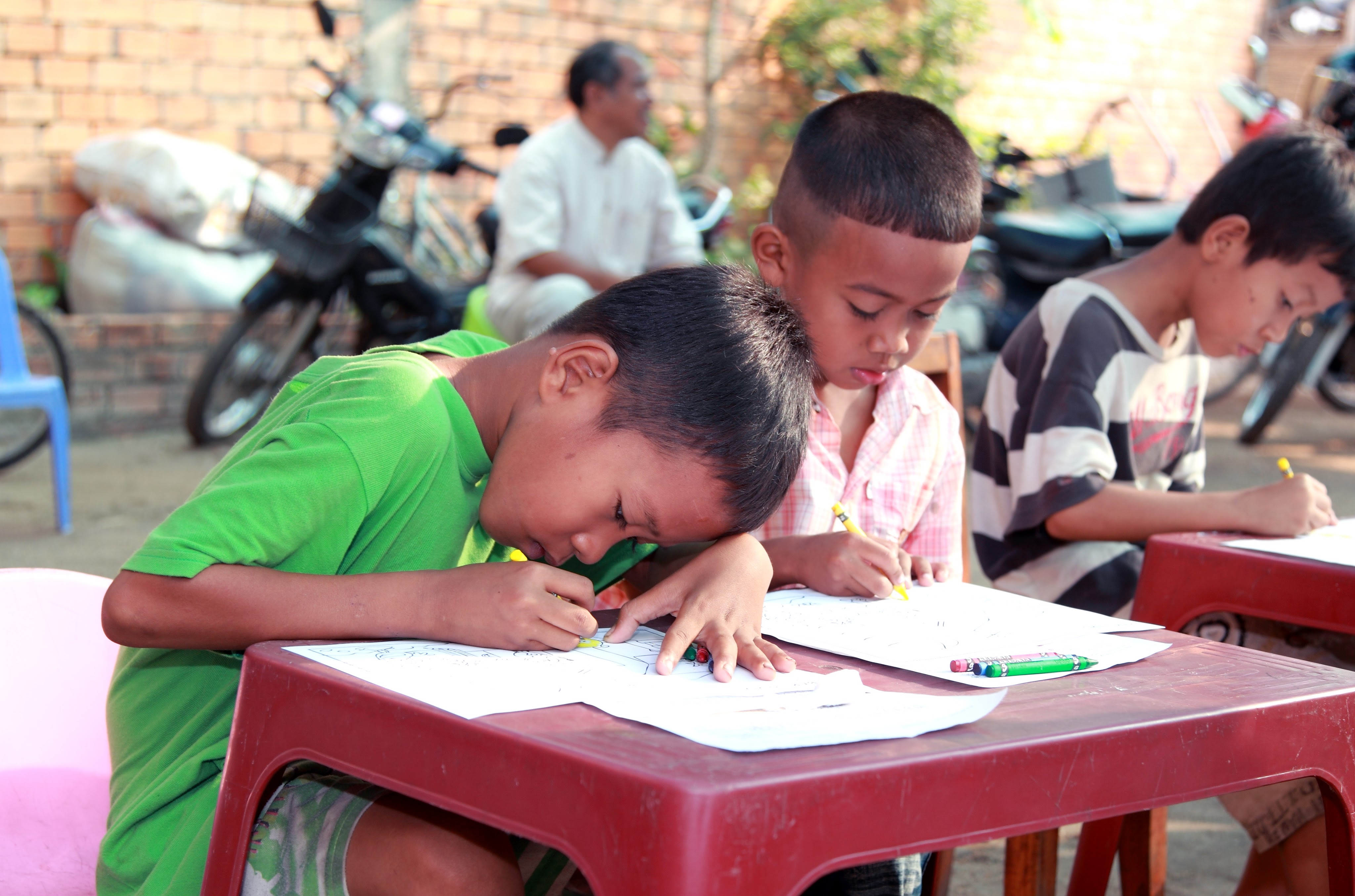
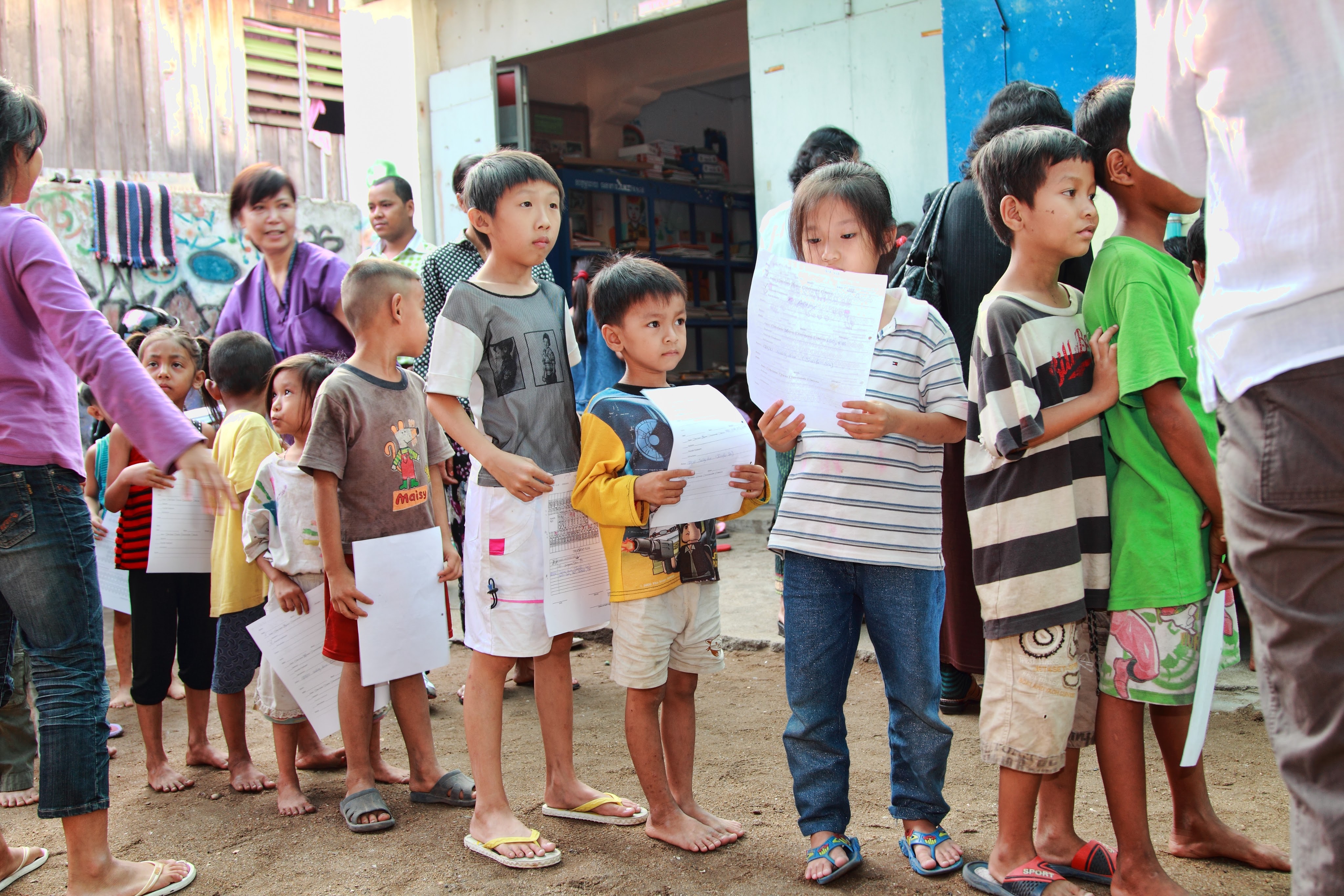
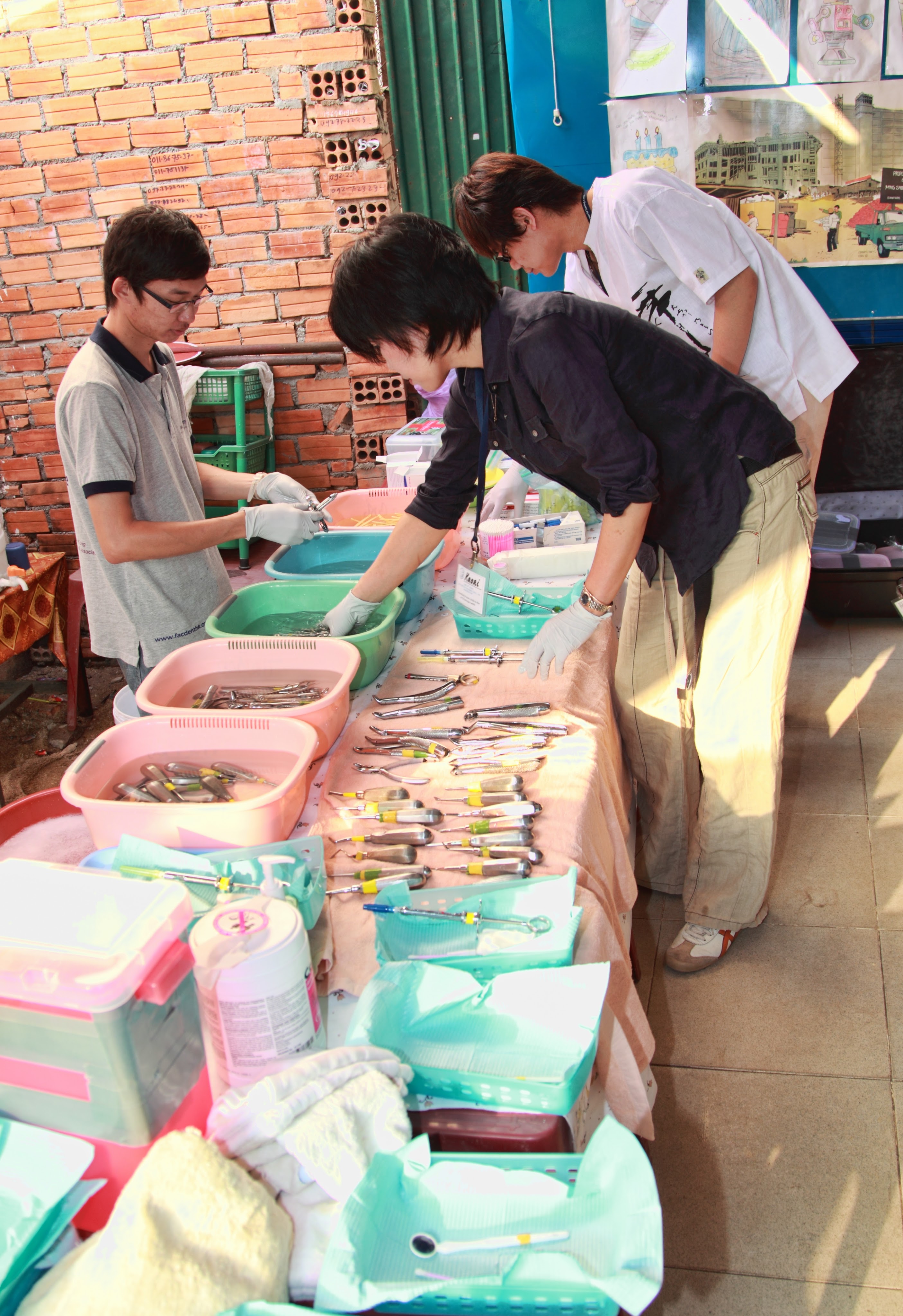
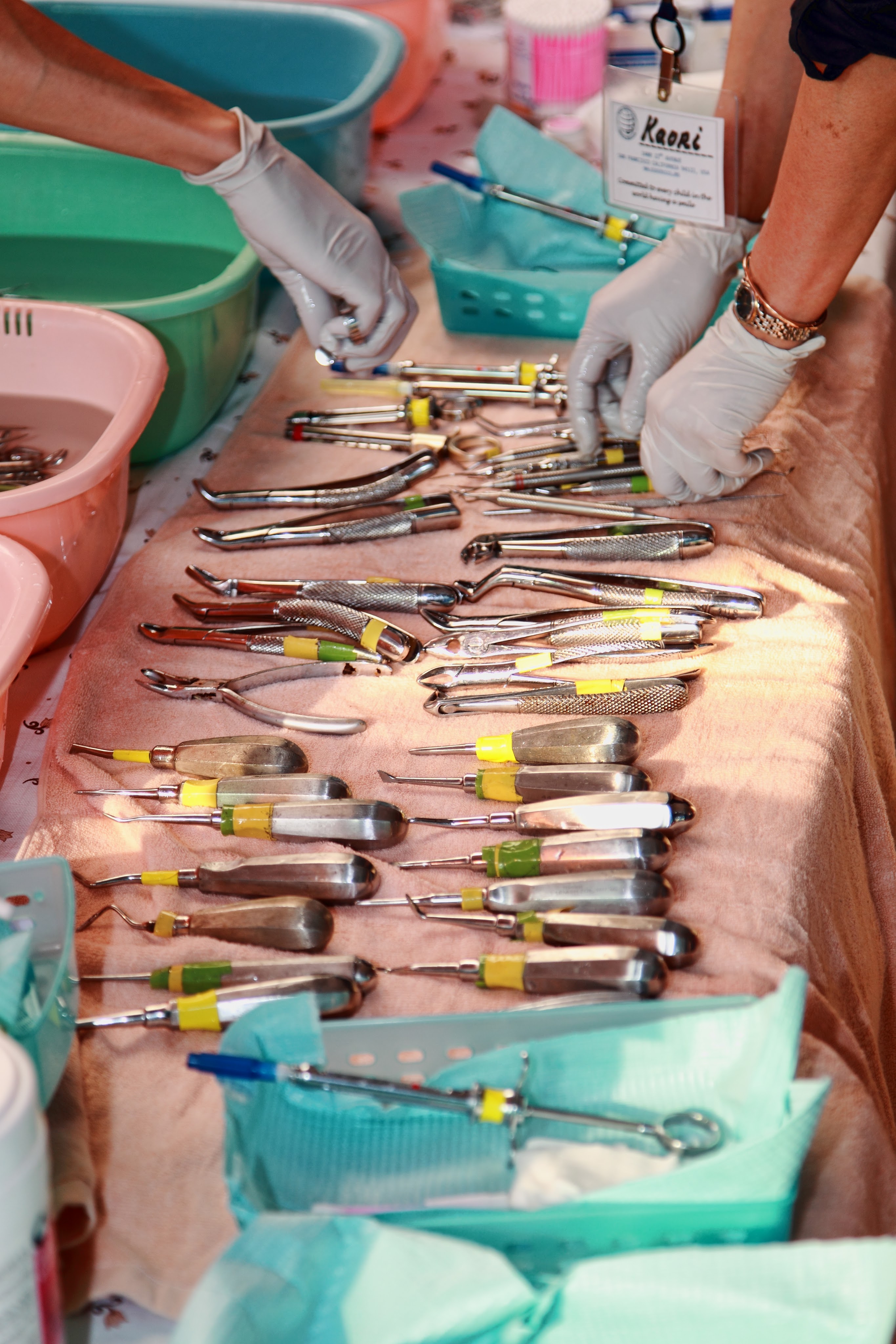
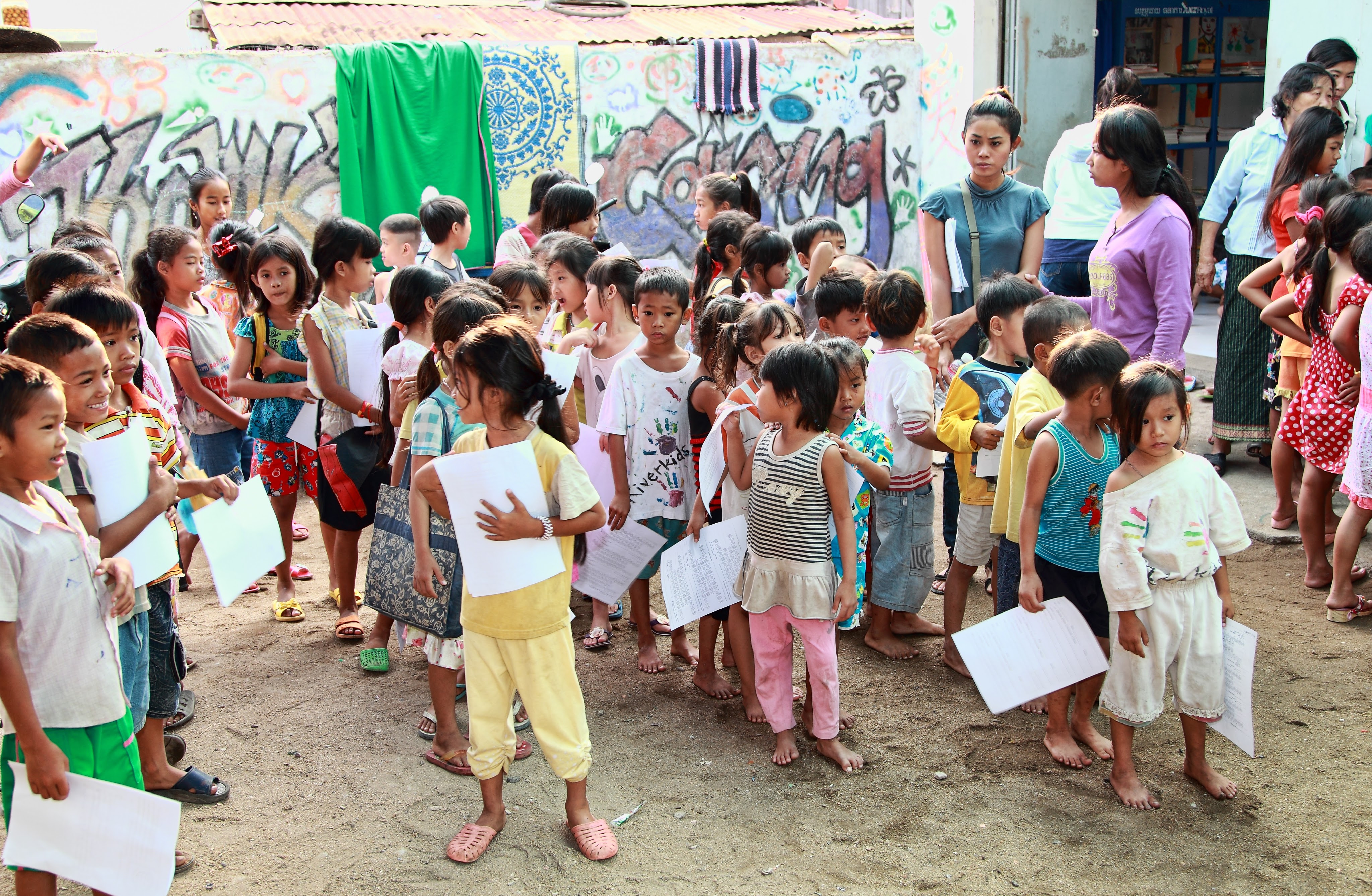
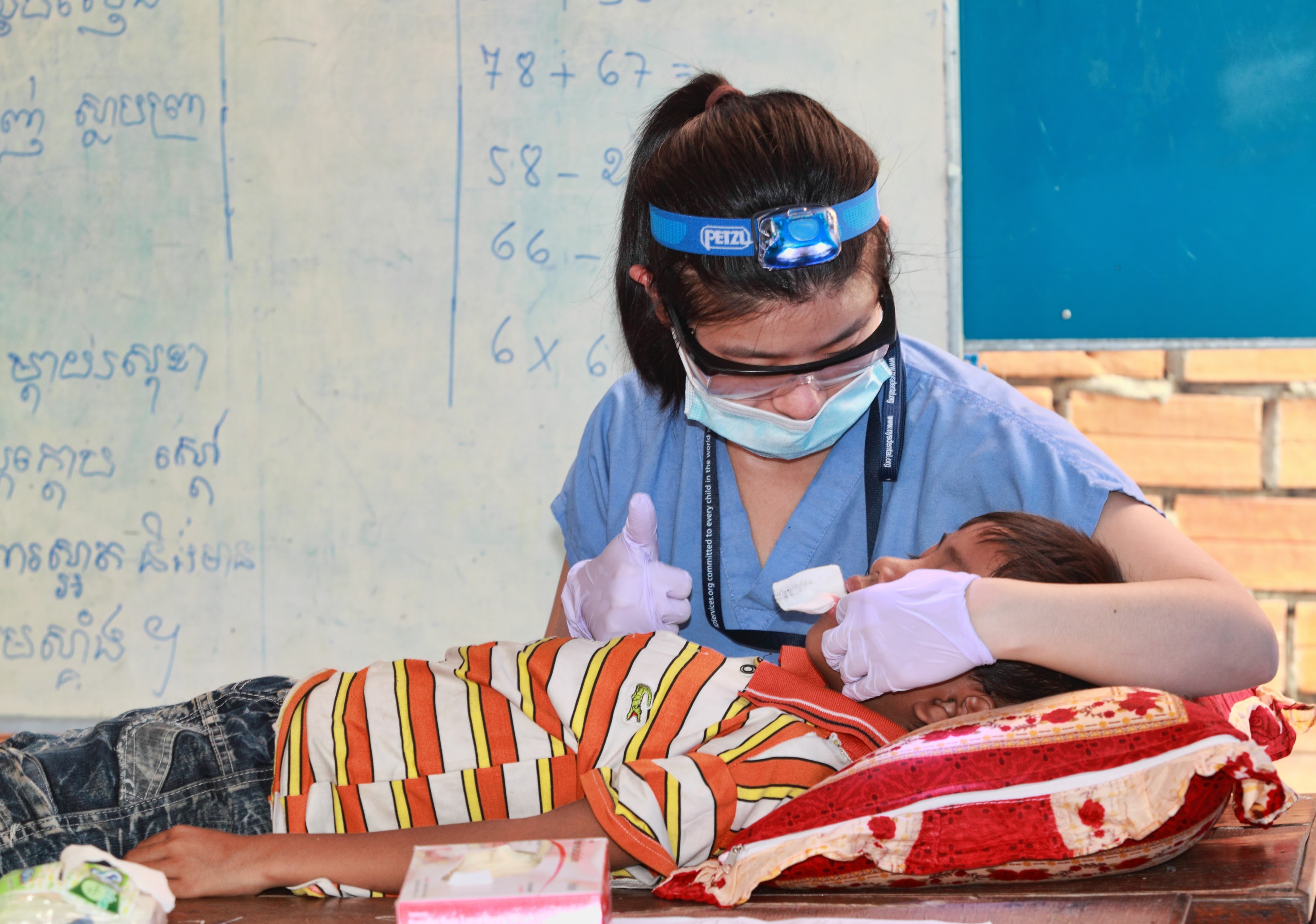
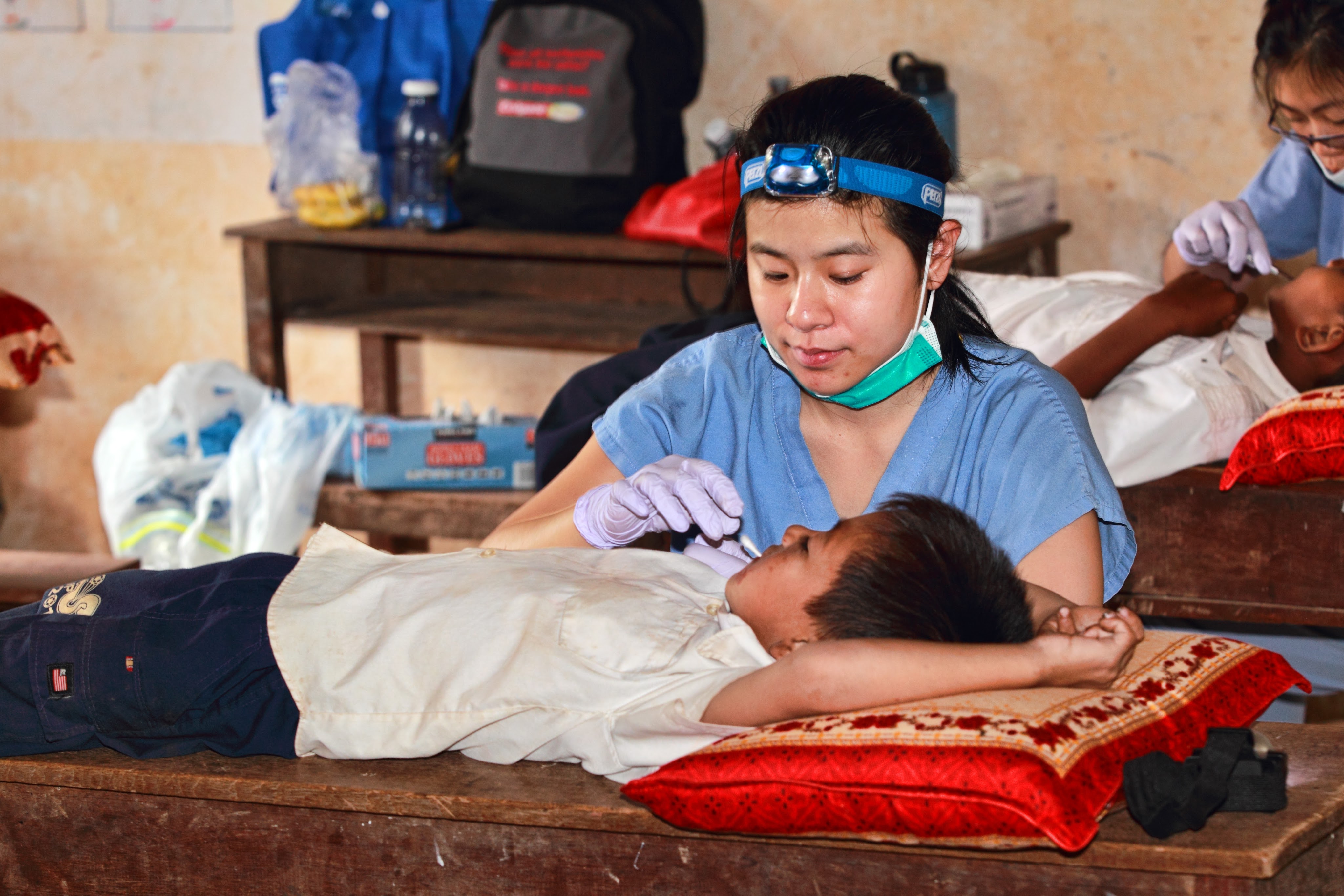
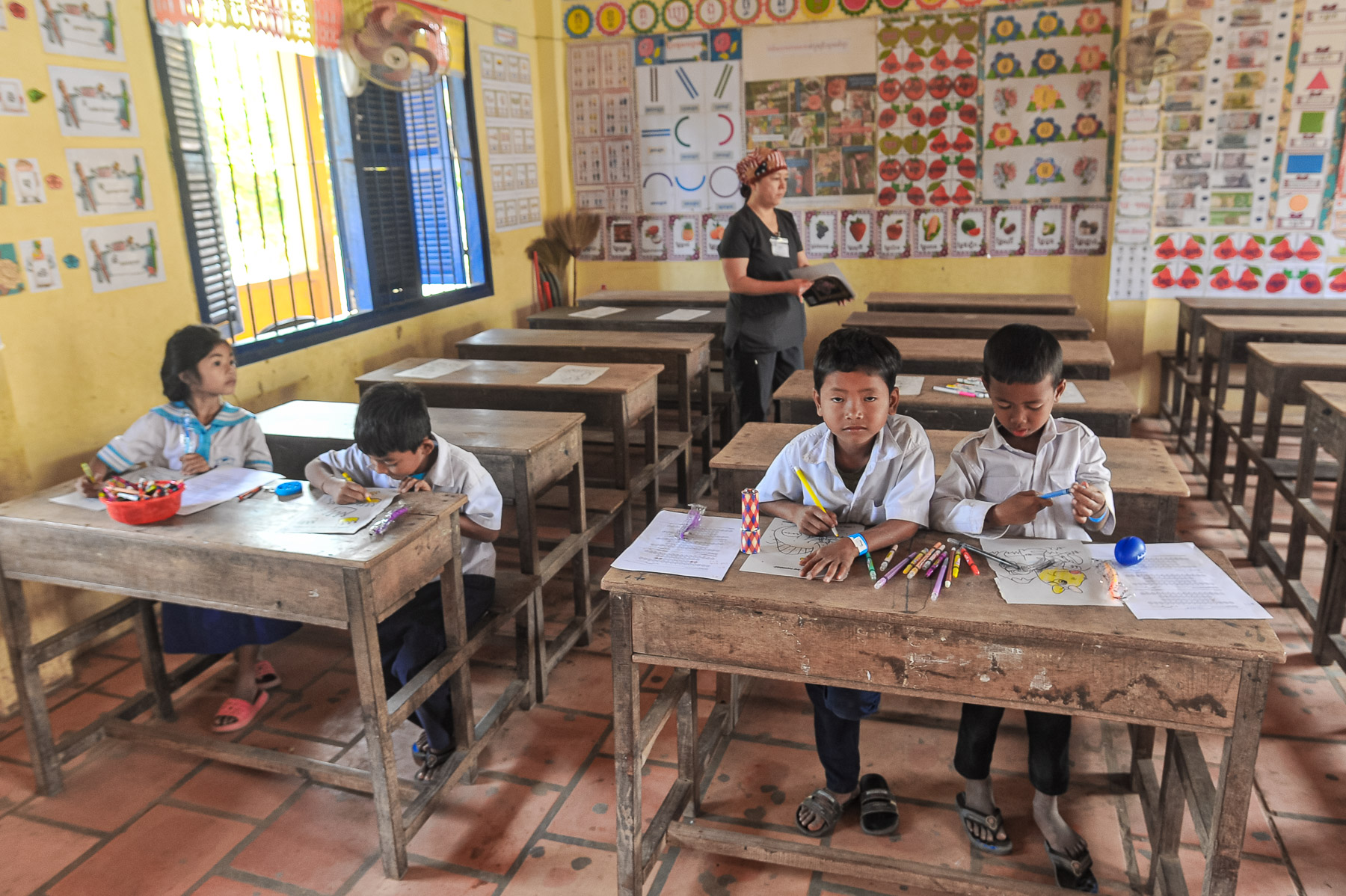
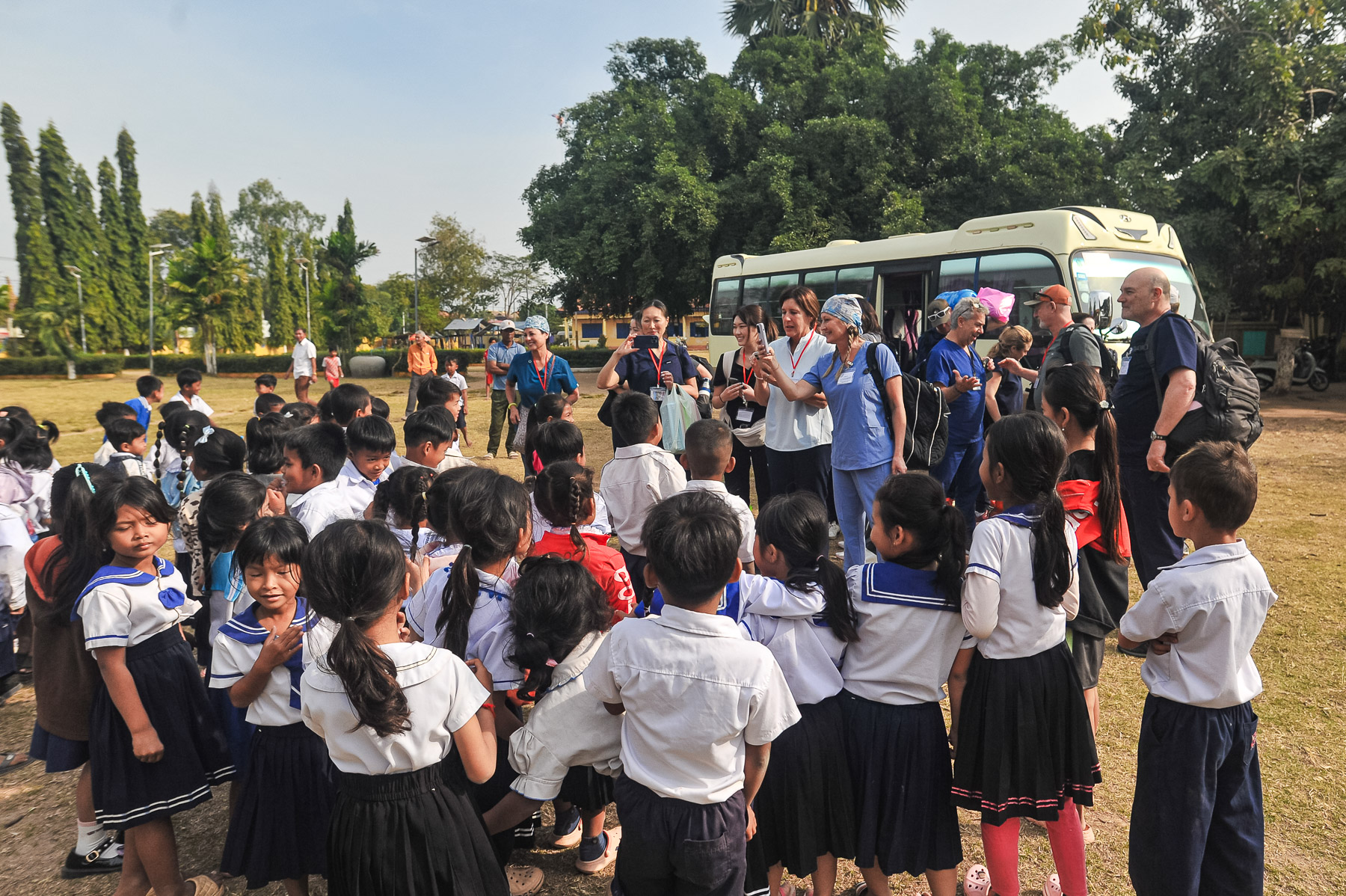
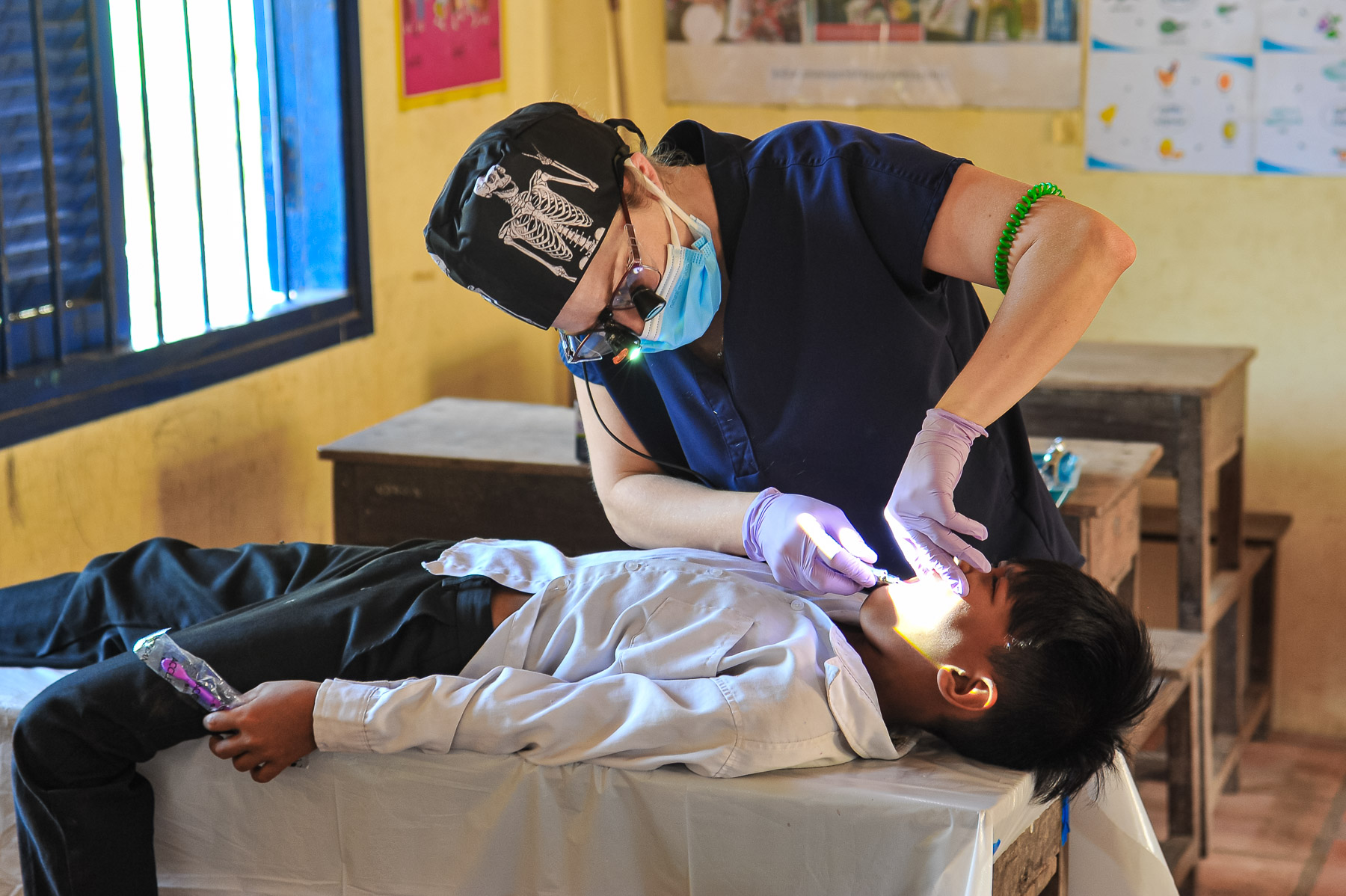
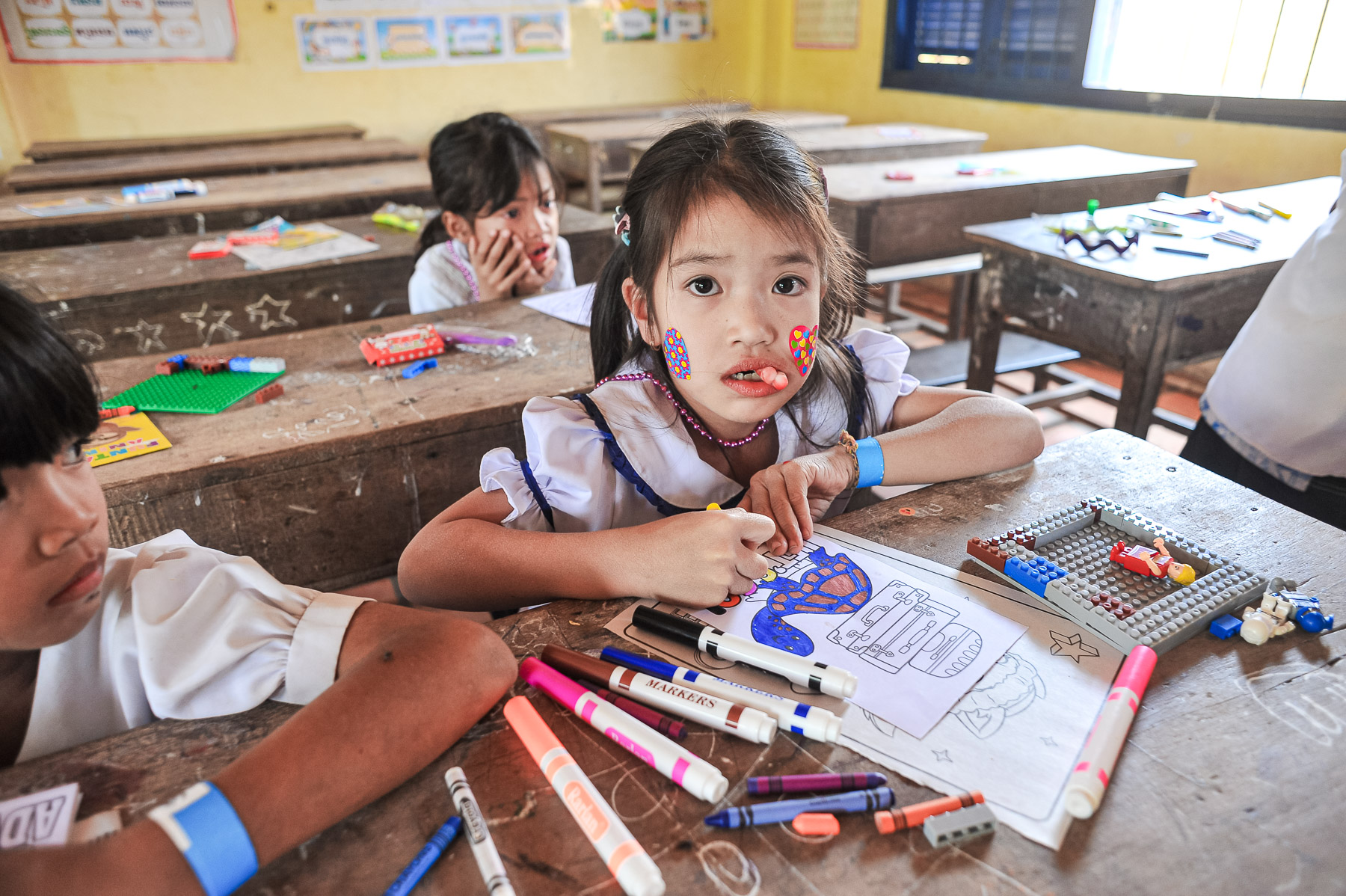
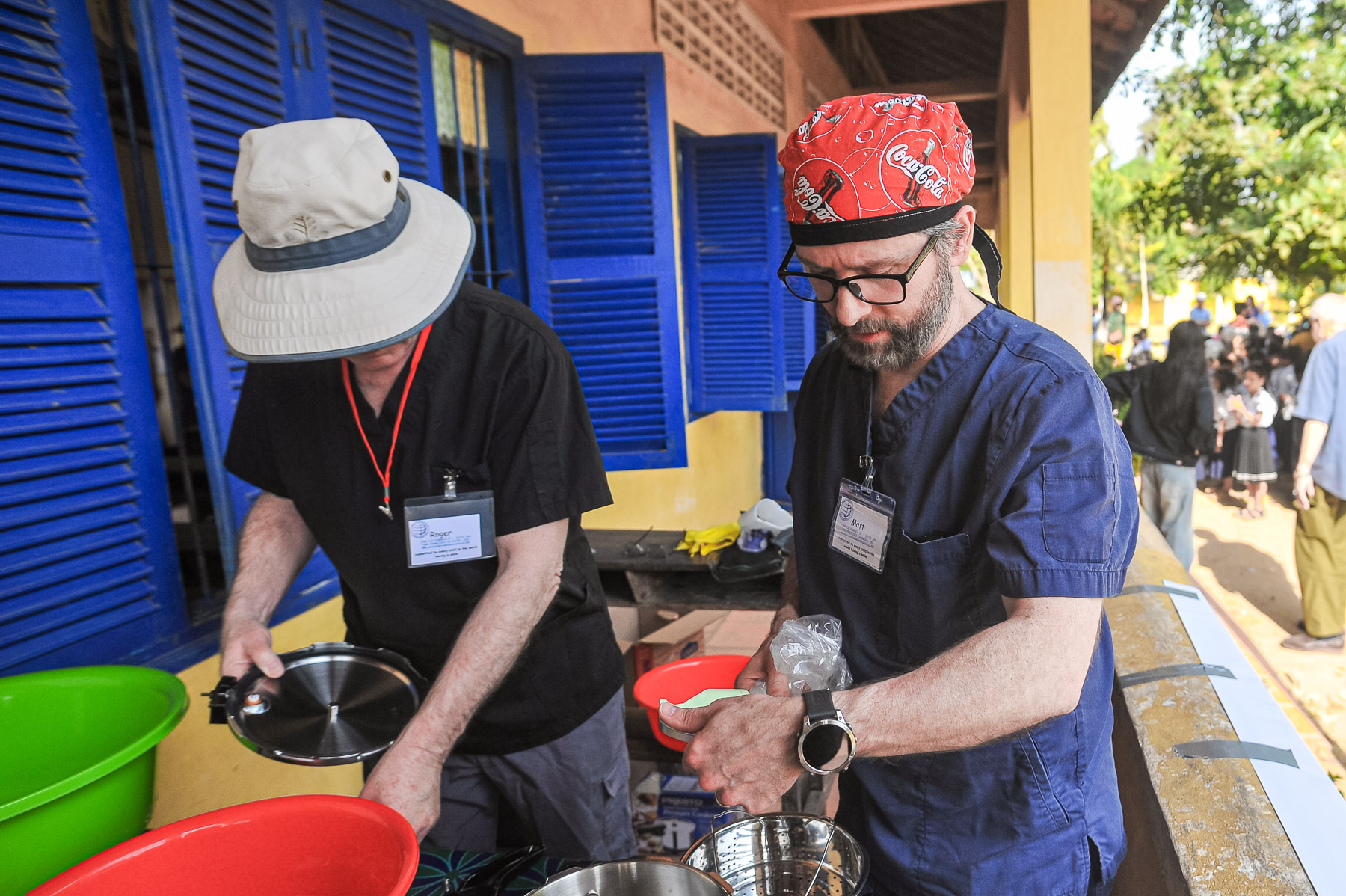
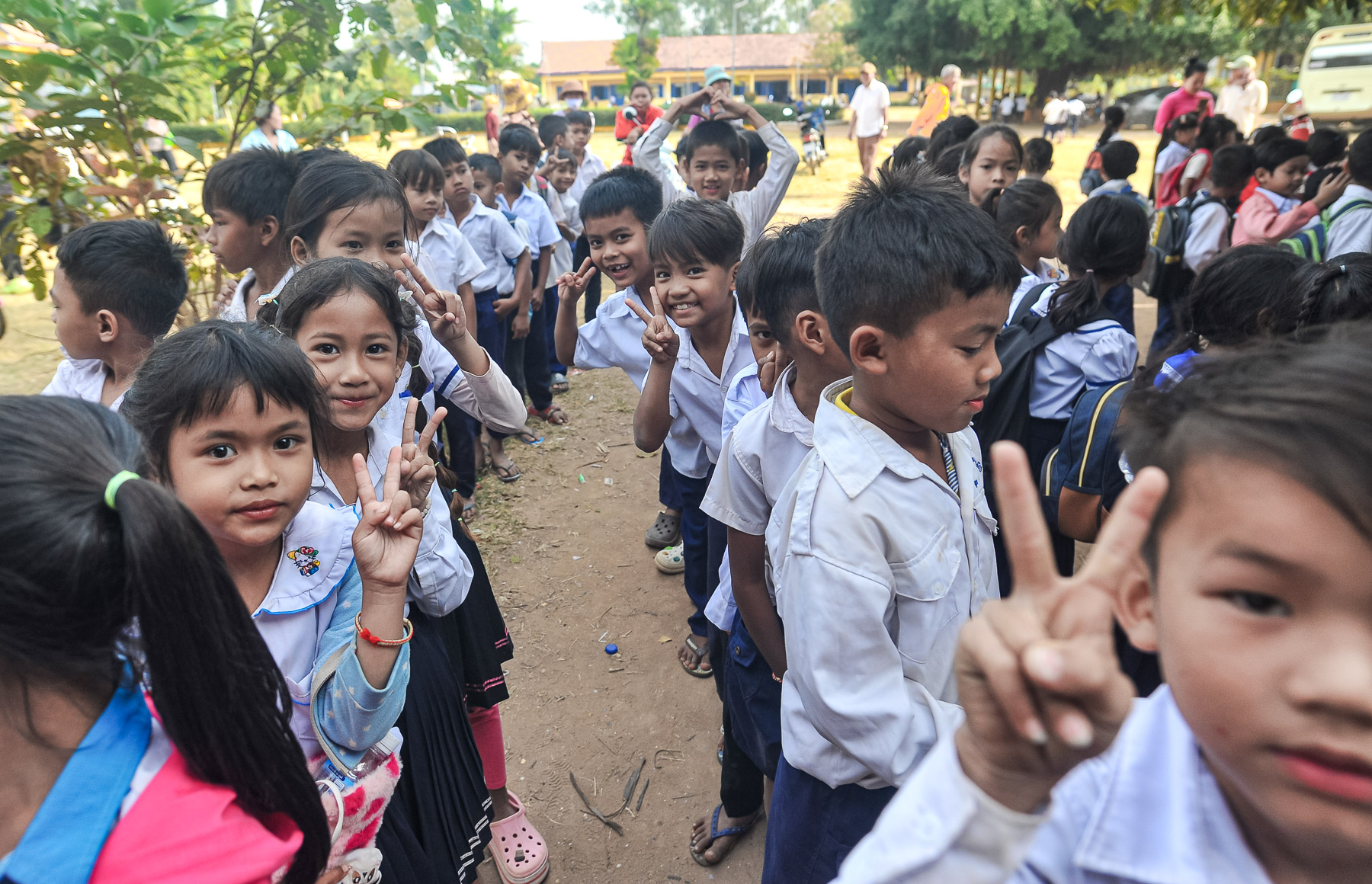
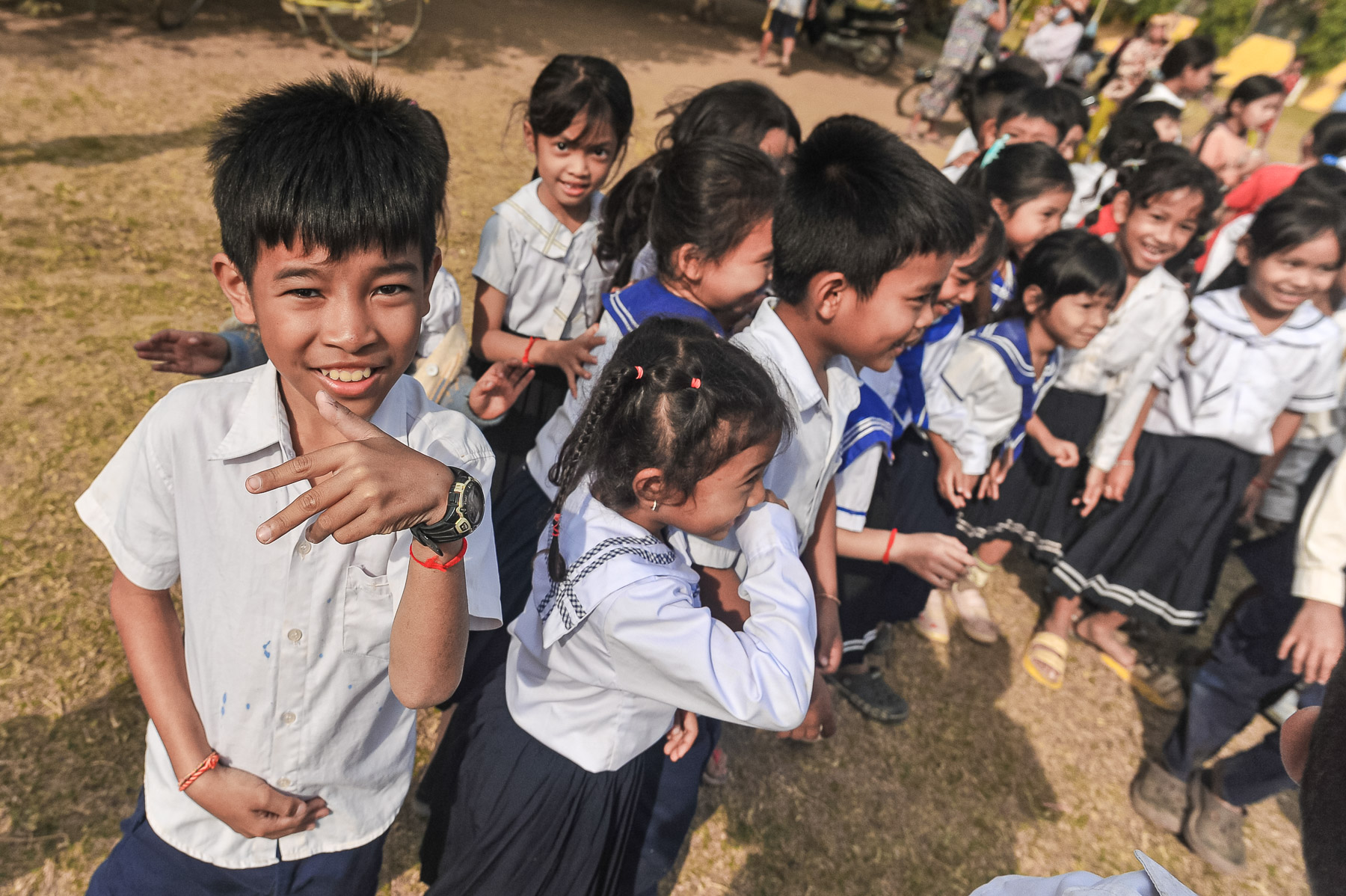
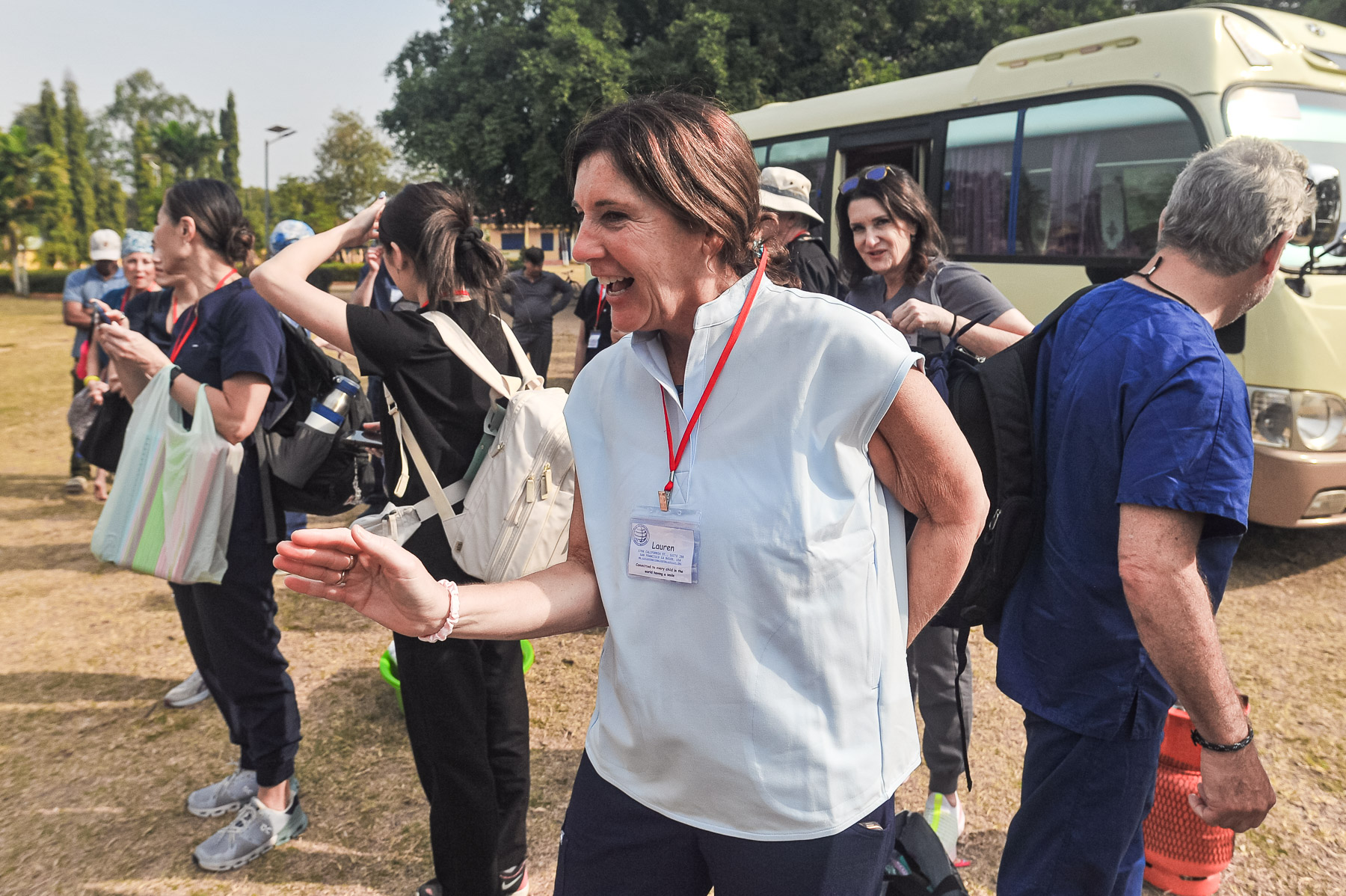
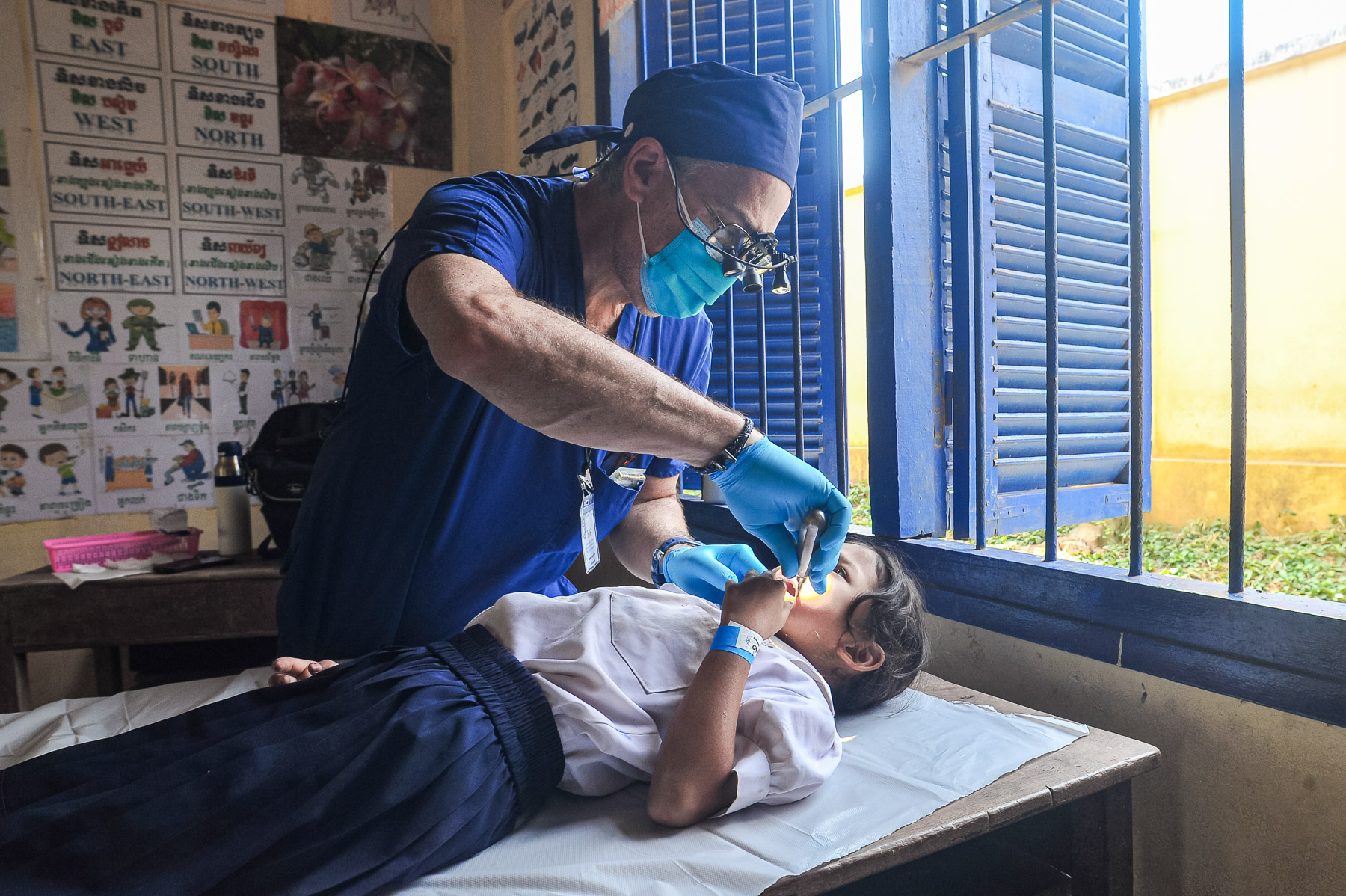
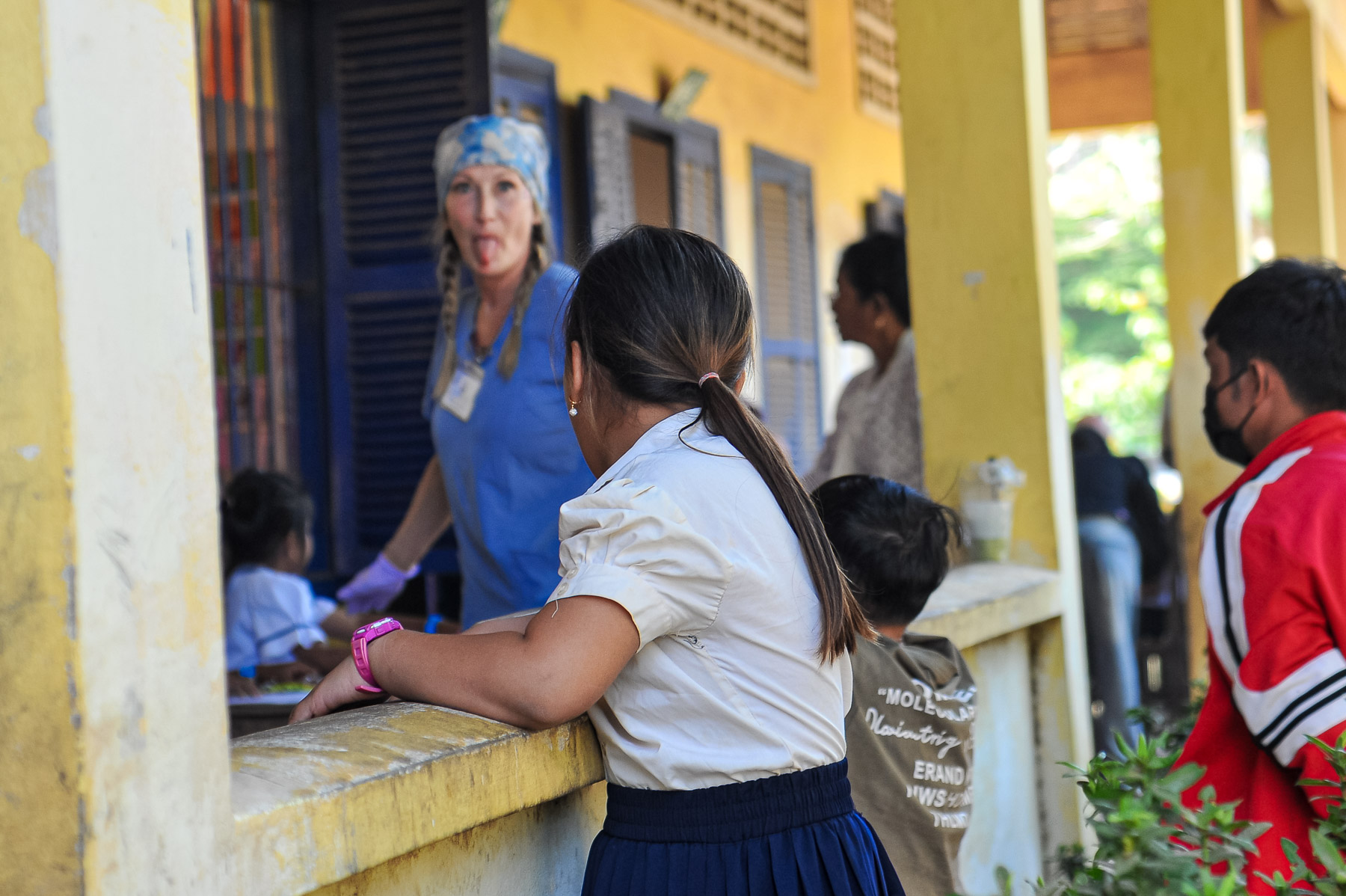
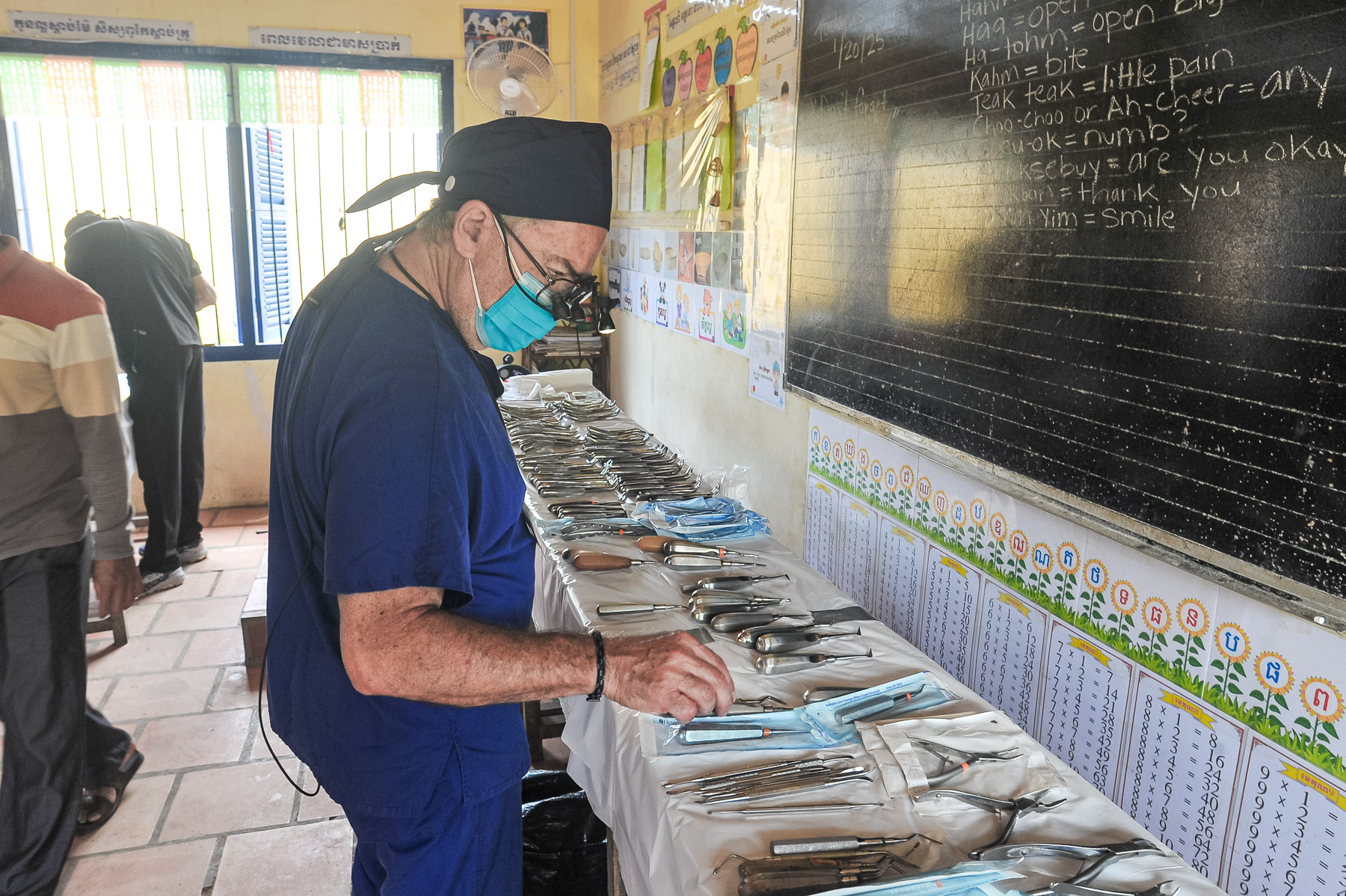
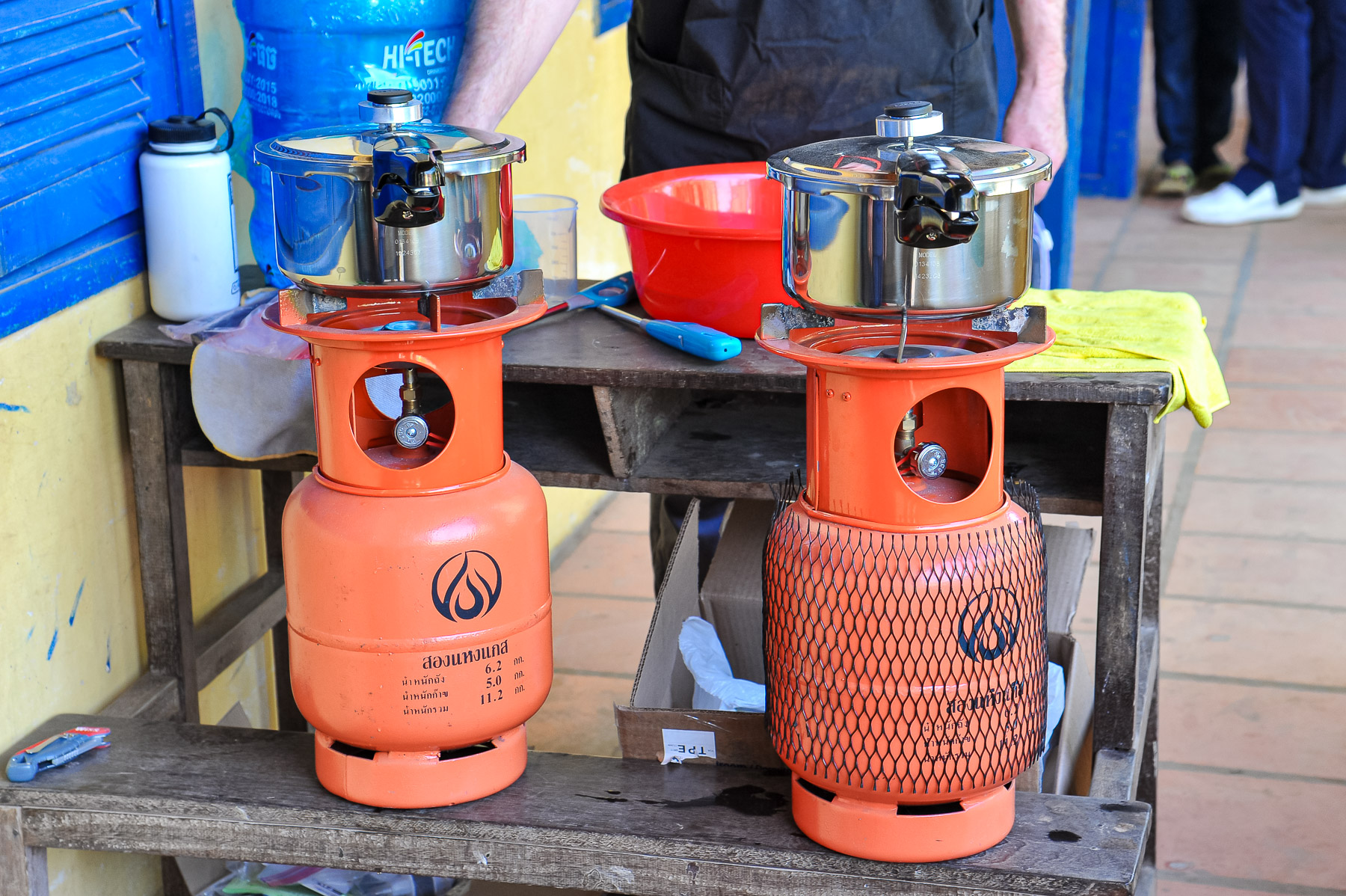
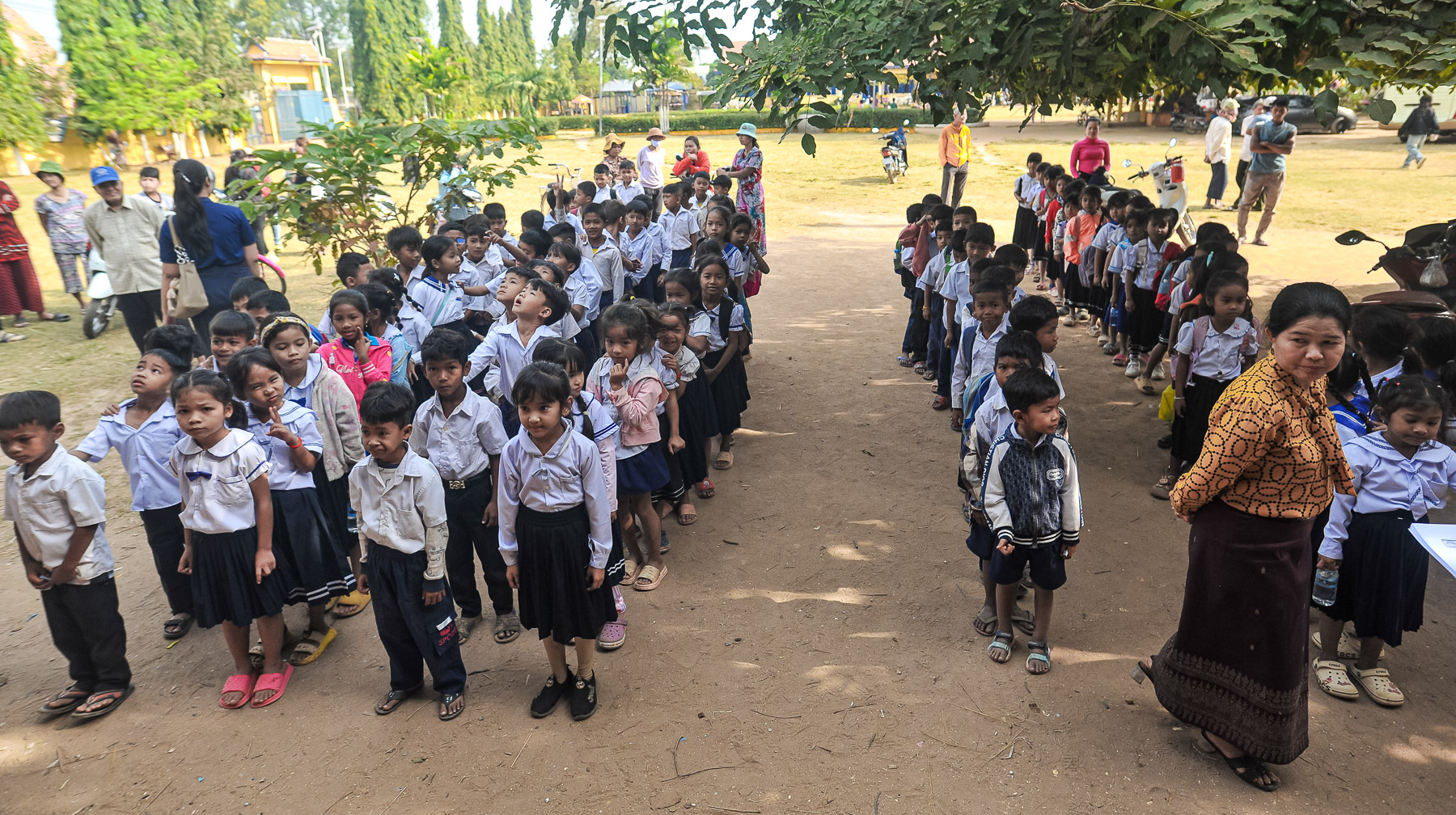
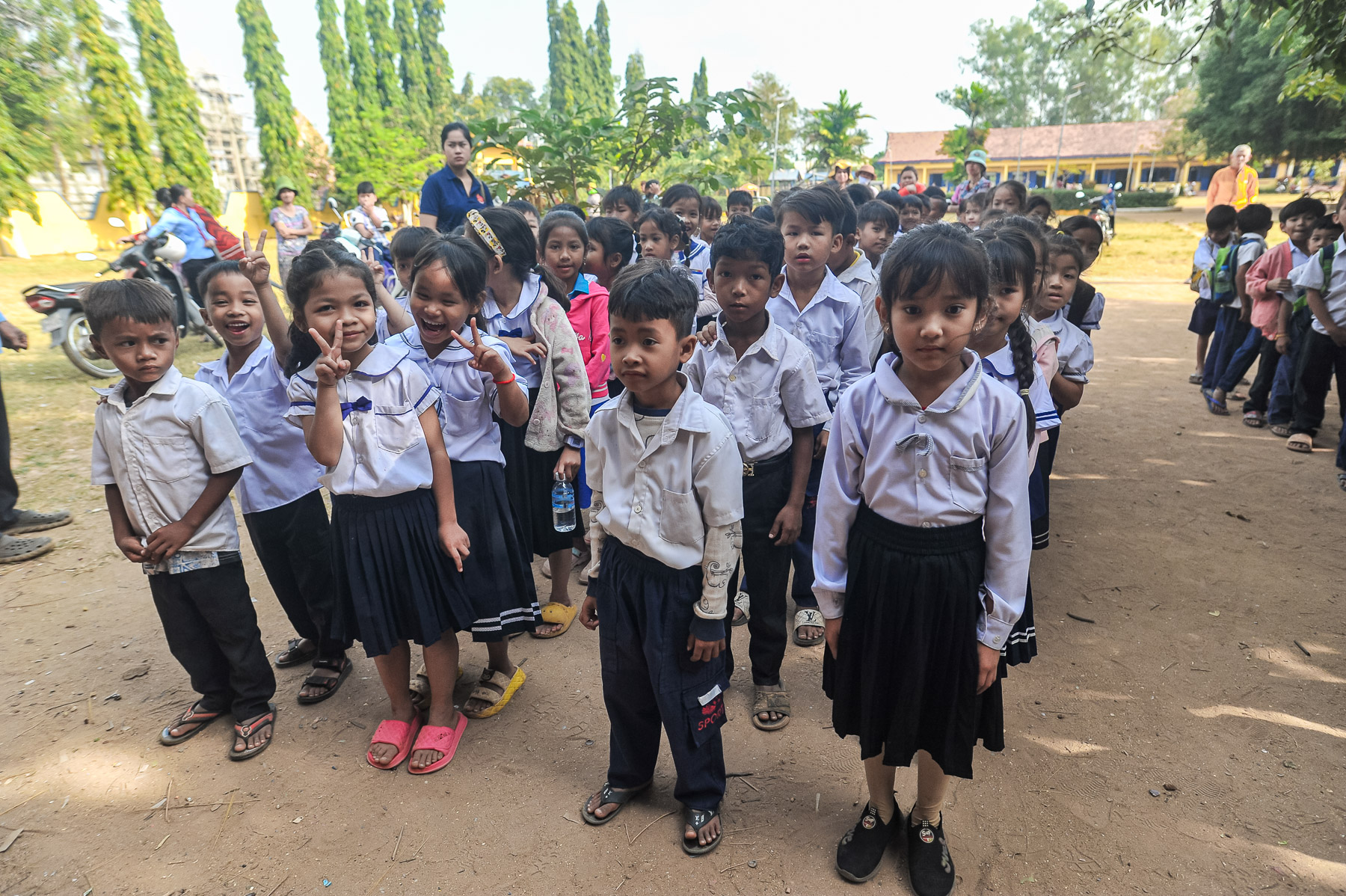
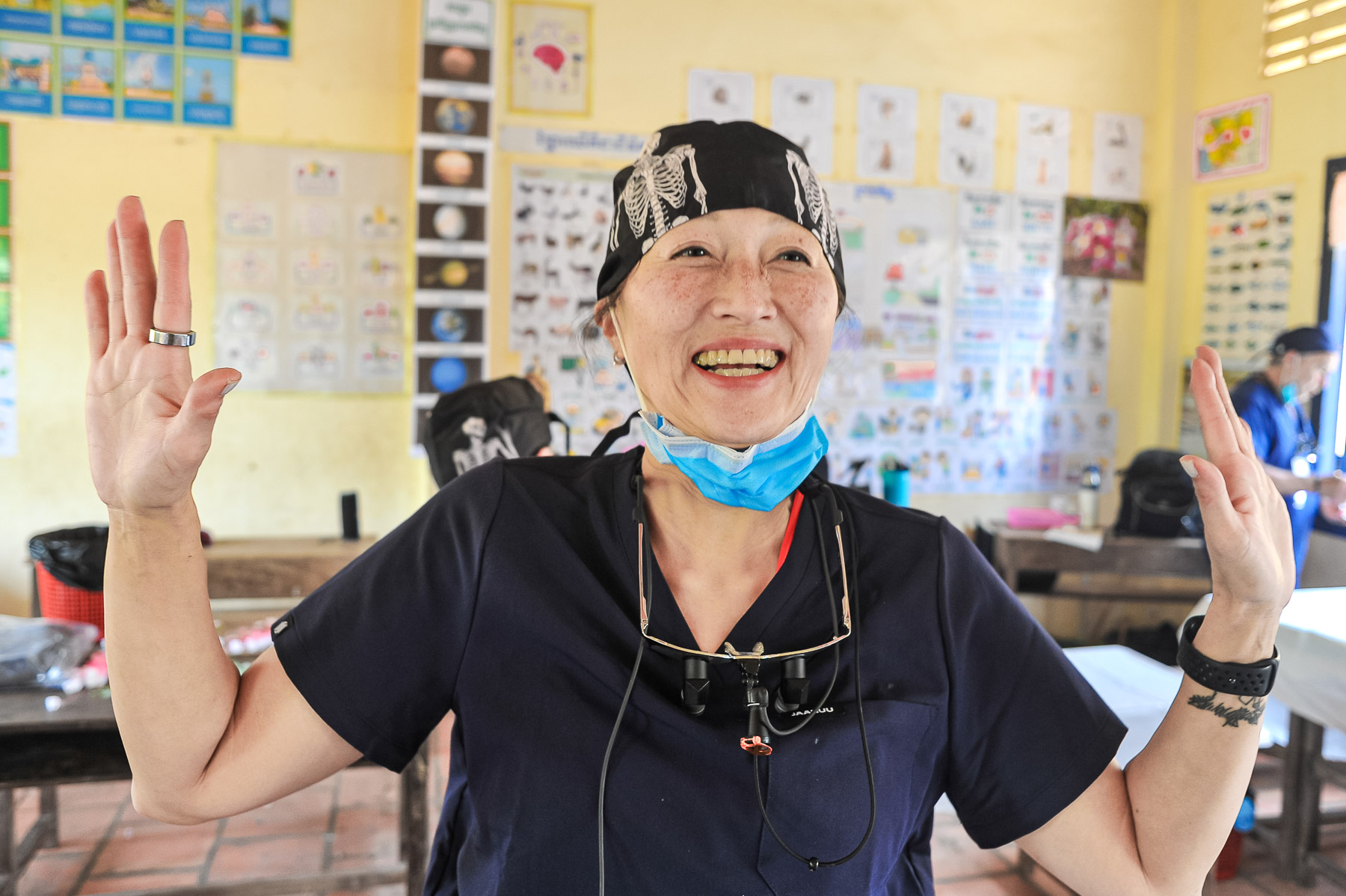
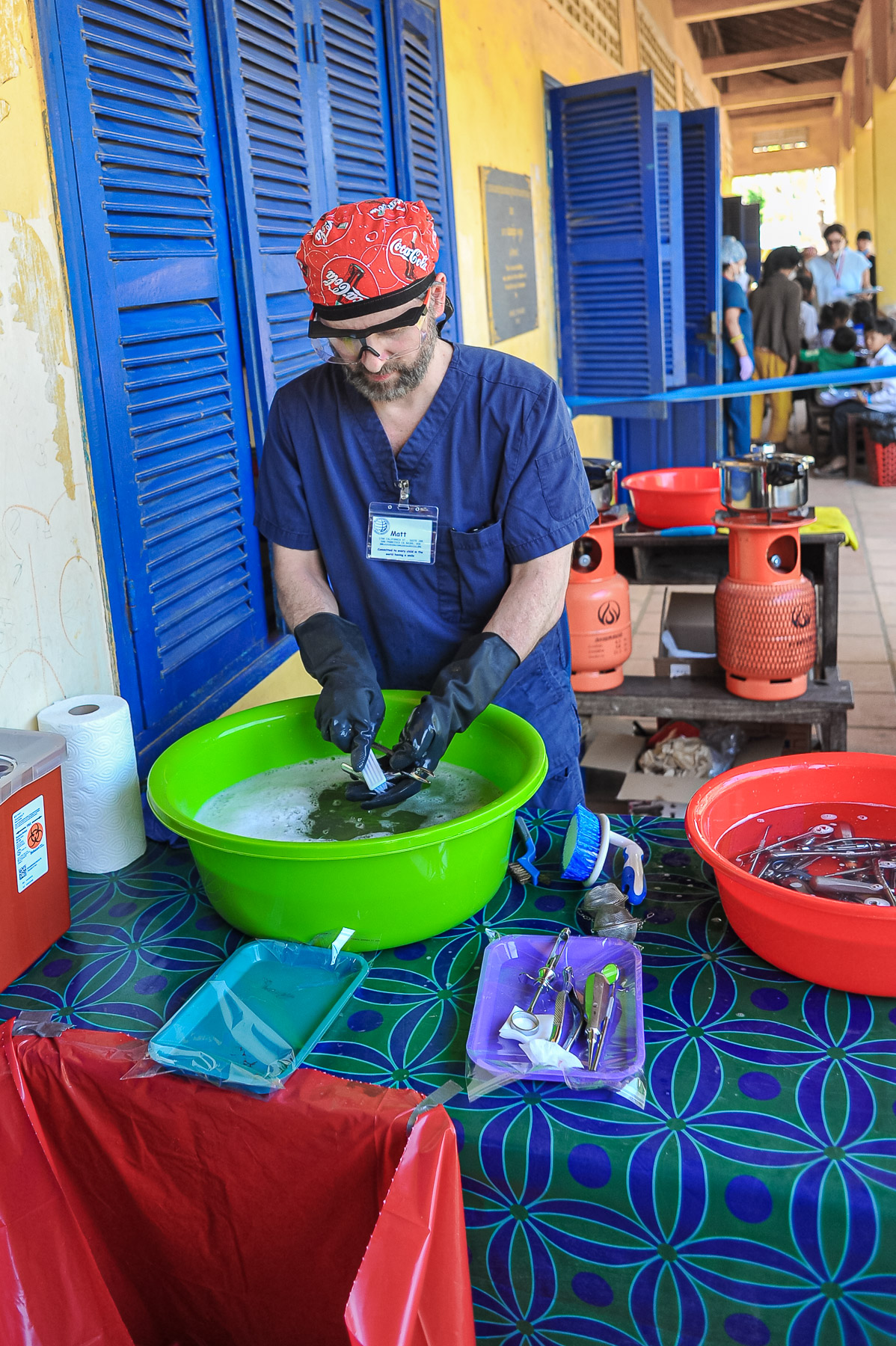
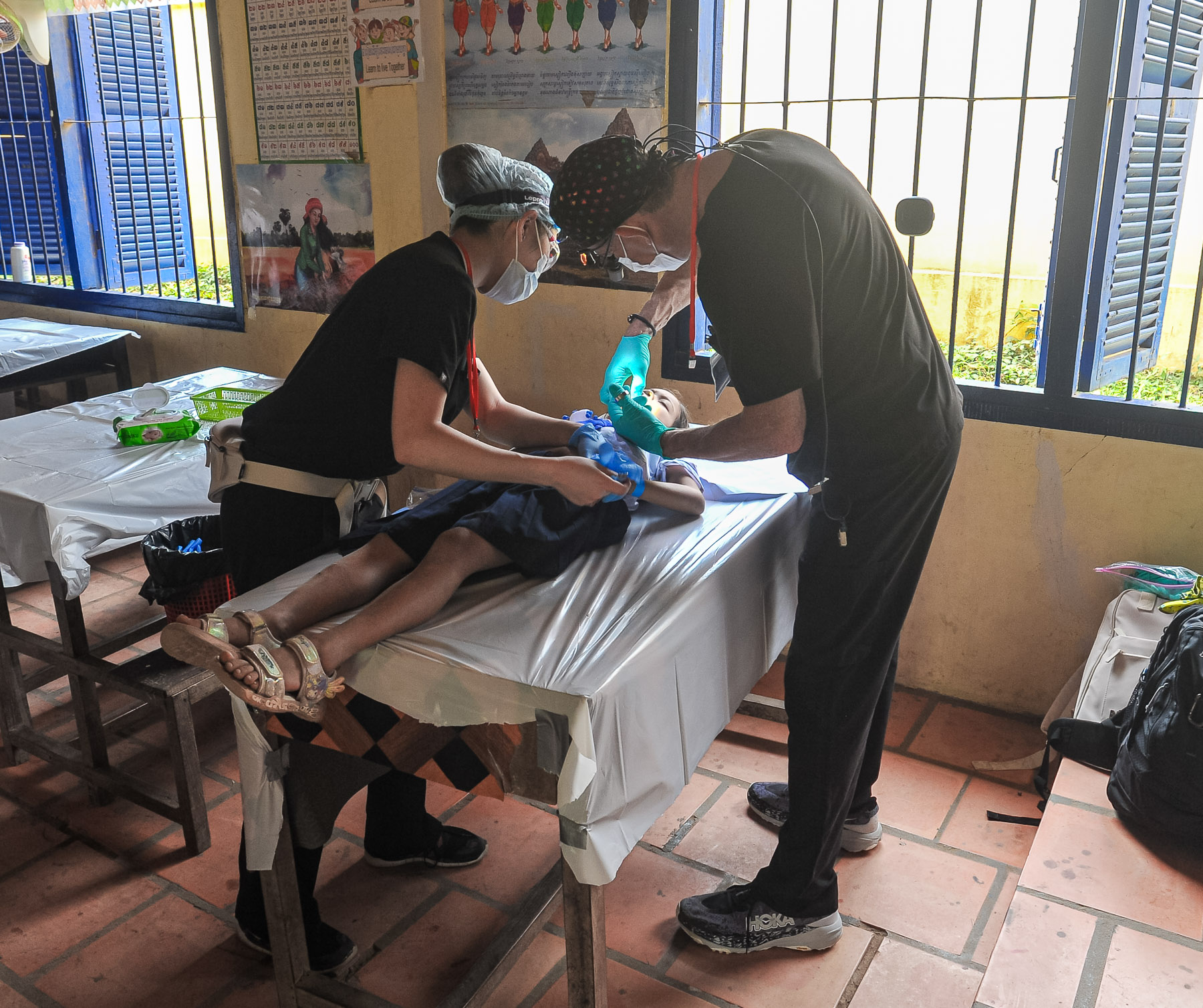
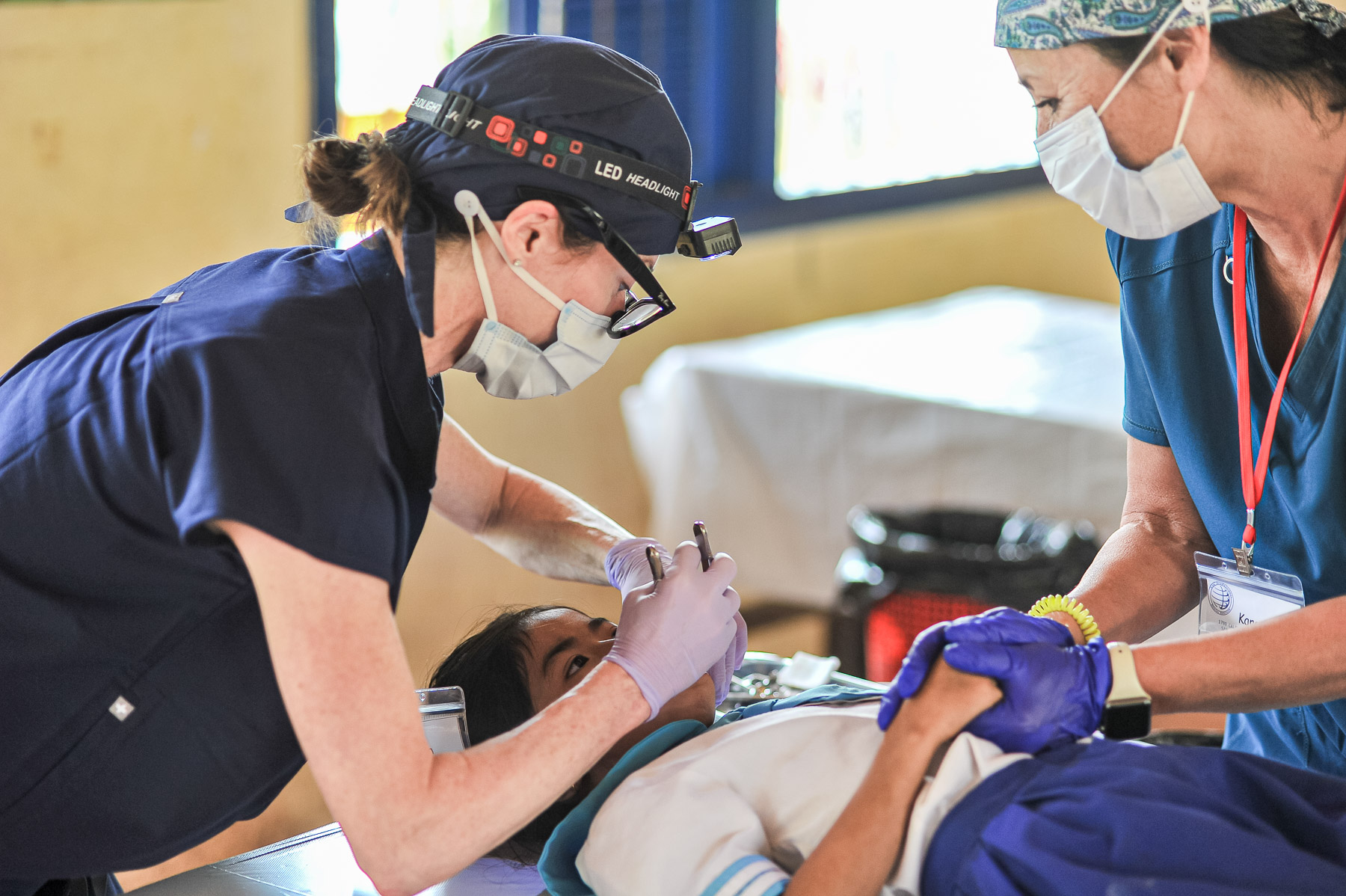
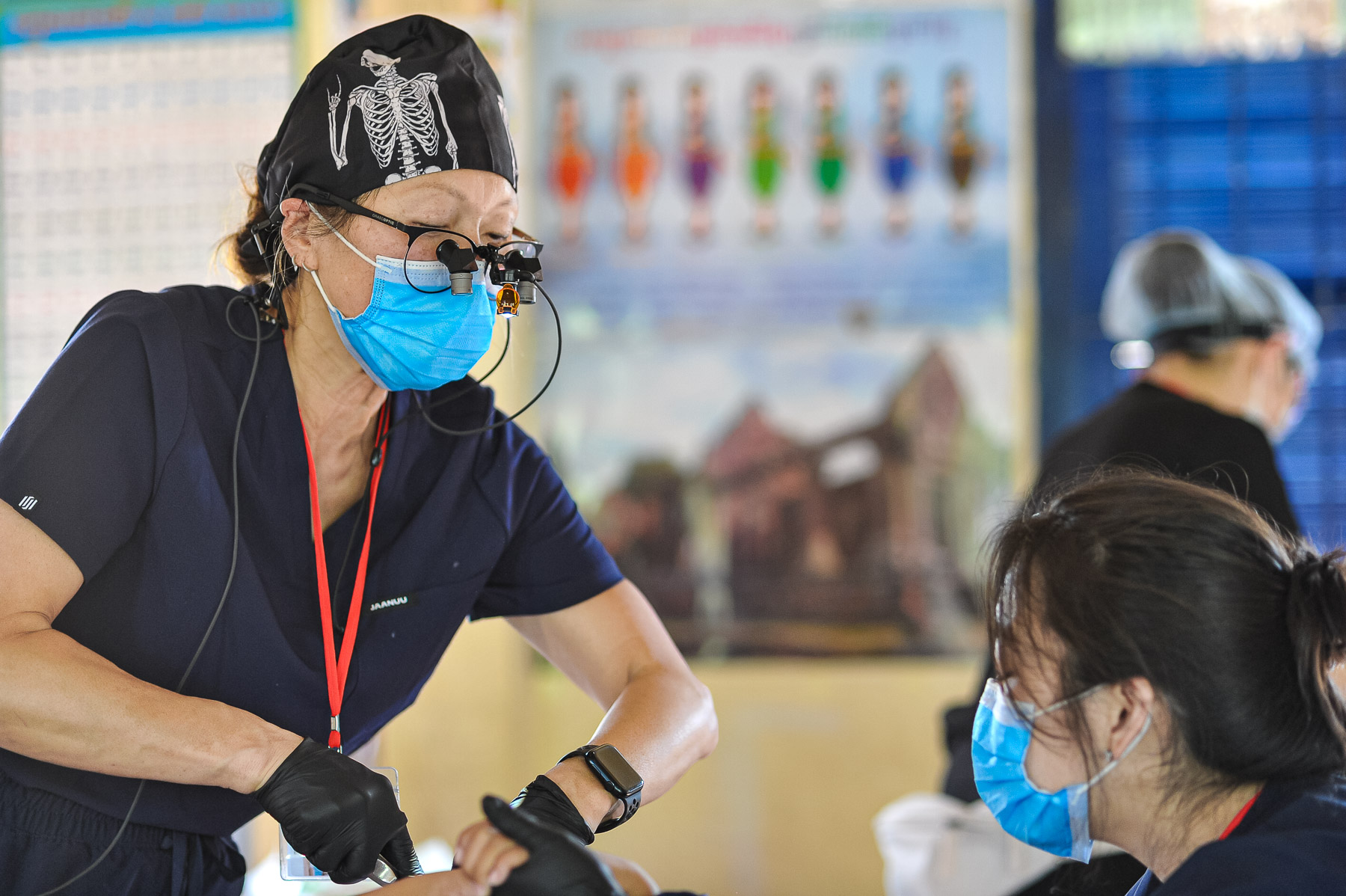
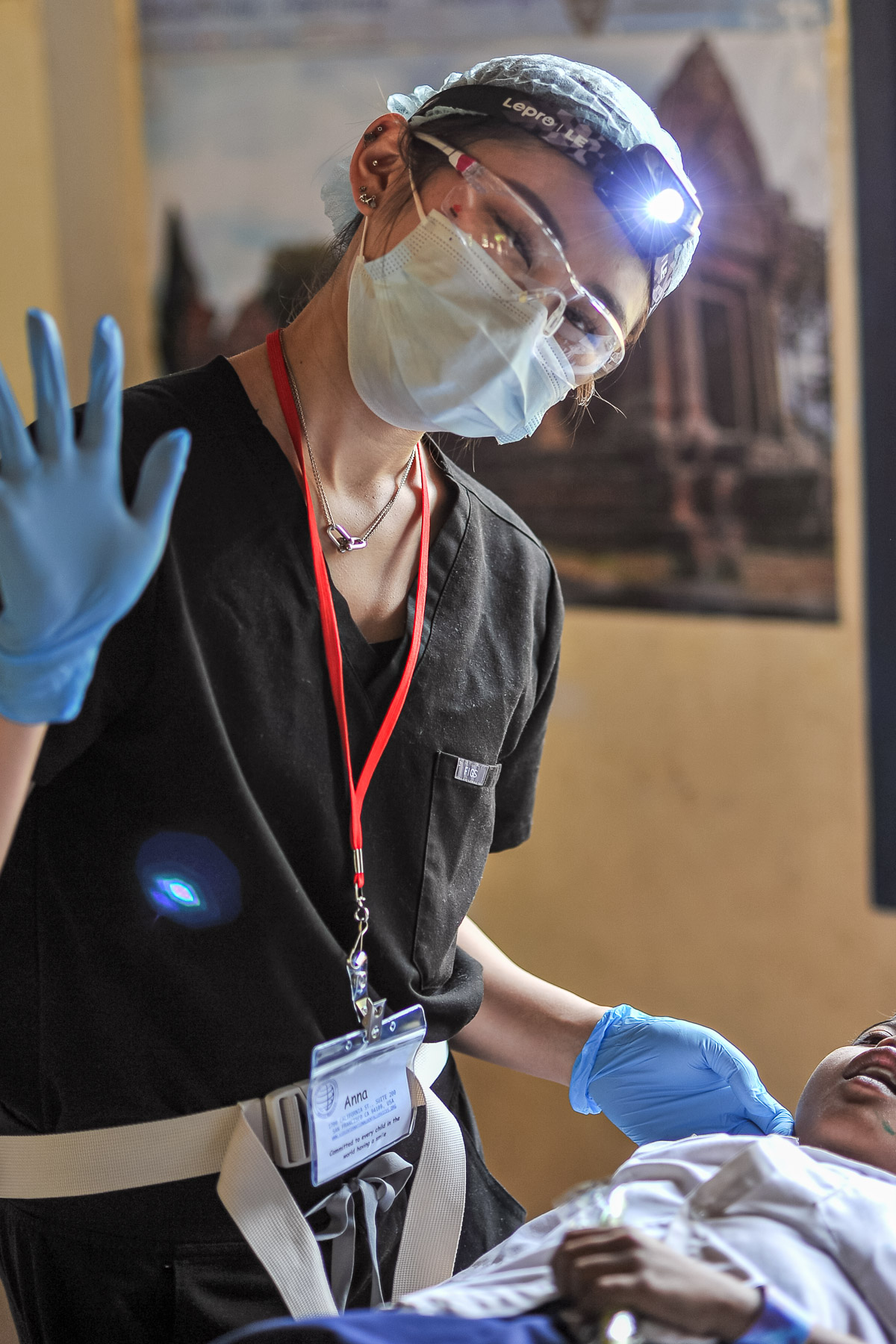
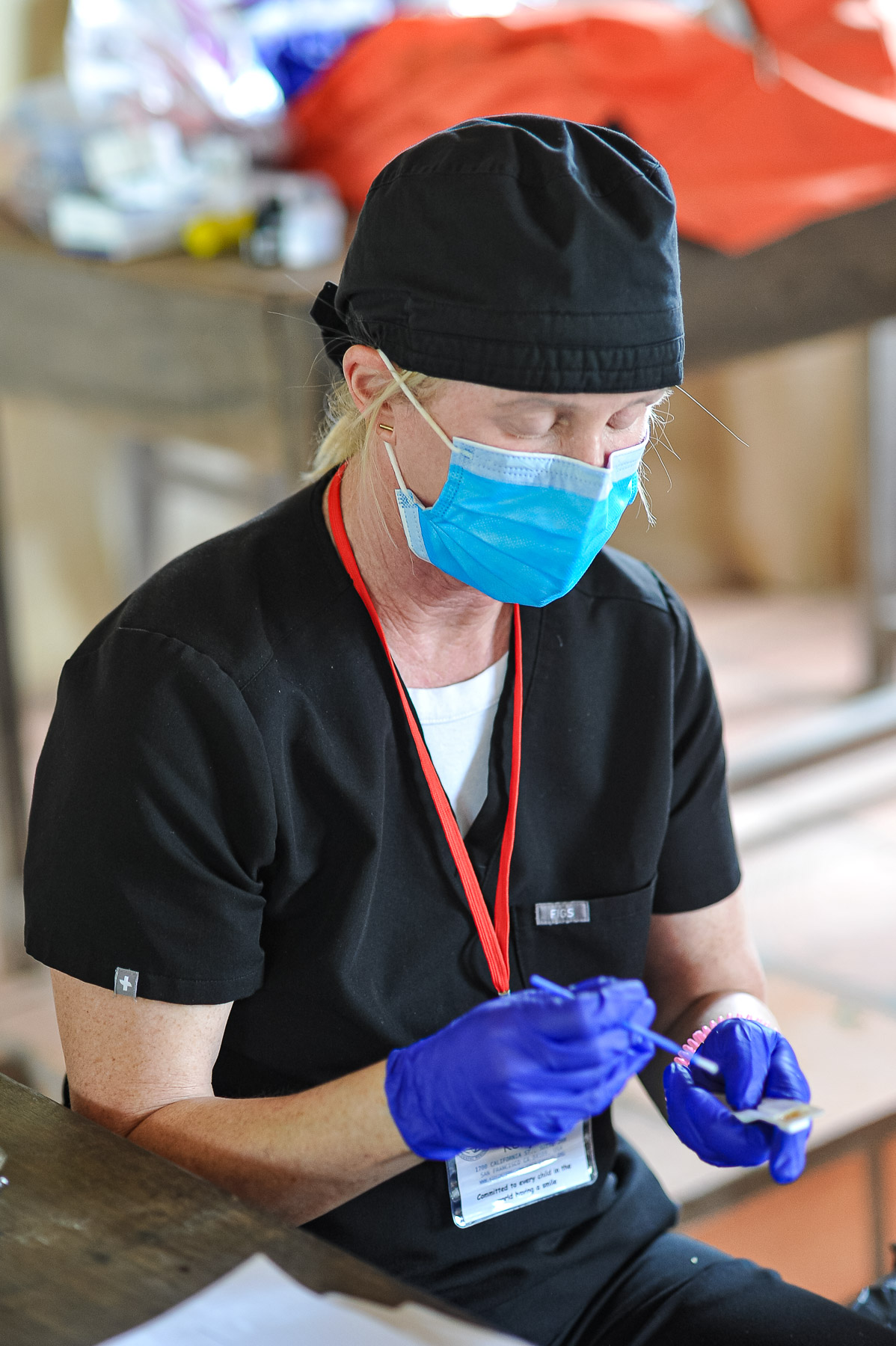
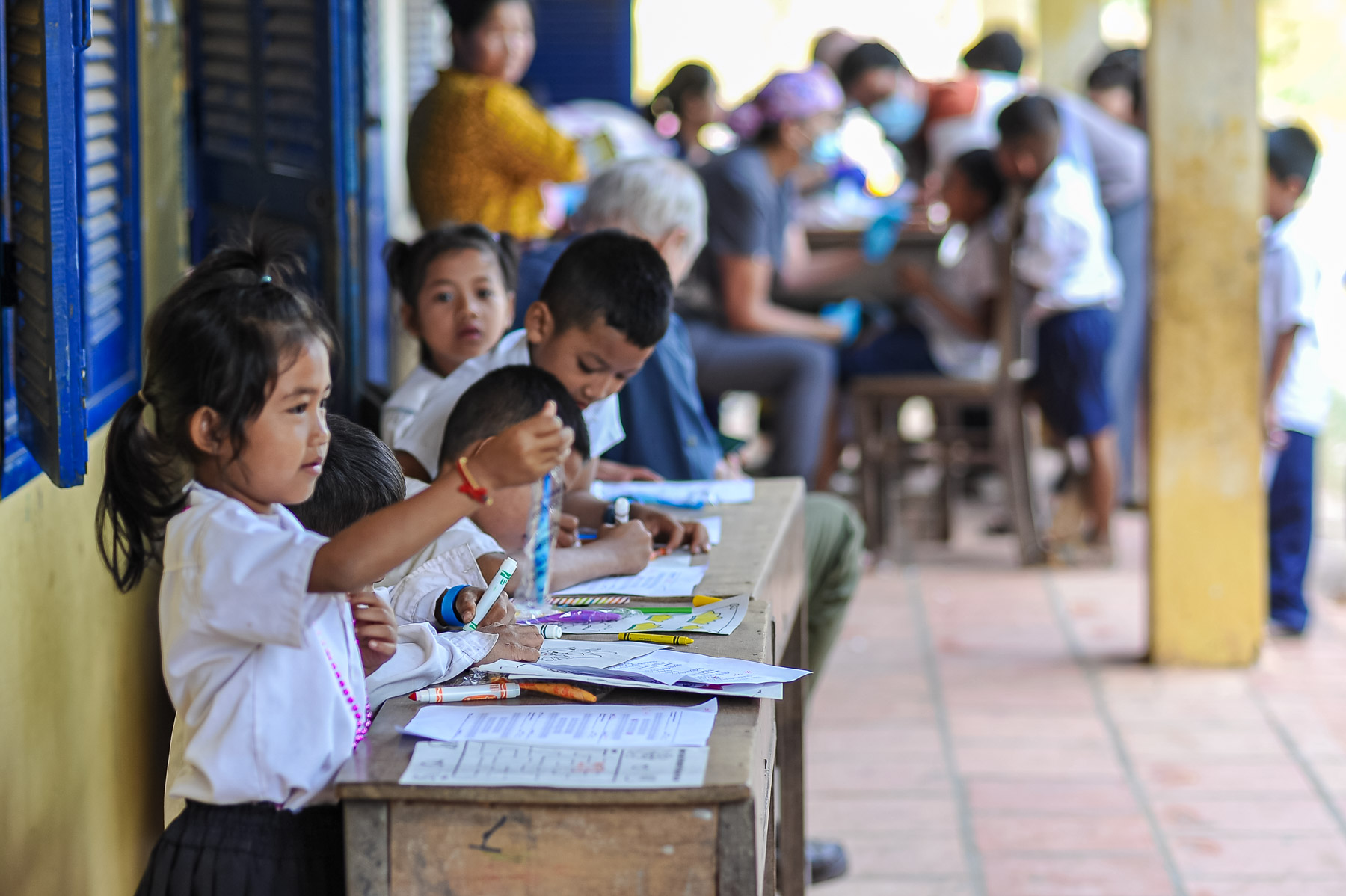
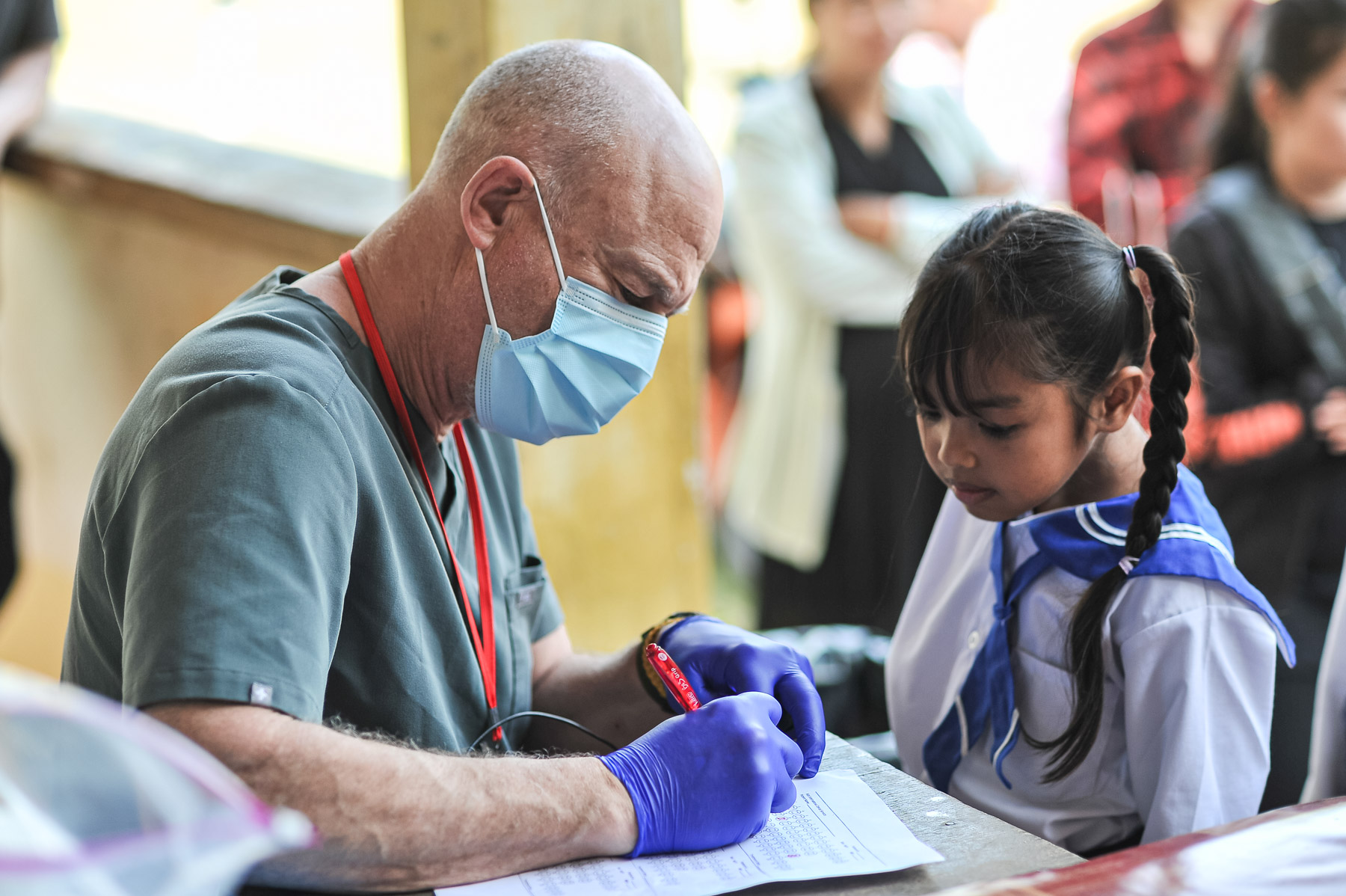
A child lying on a temporary treatment table, a dentist concentrating beneath a headlamp, classmates watching through a window: these are some of the scenes in my photographs of Kids International Dental Services in Cambodia. They show skilled work taking place in buildings borrowed for another purpose. They also show how many people are needed around the person holding the instruments.
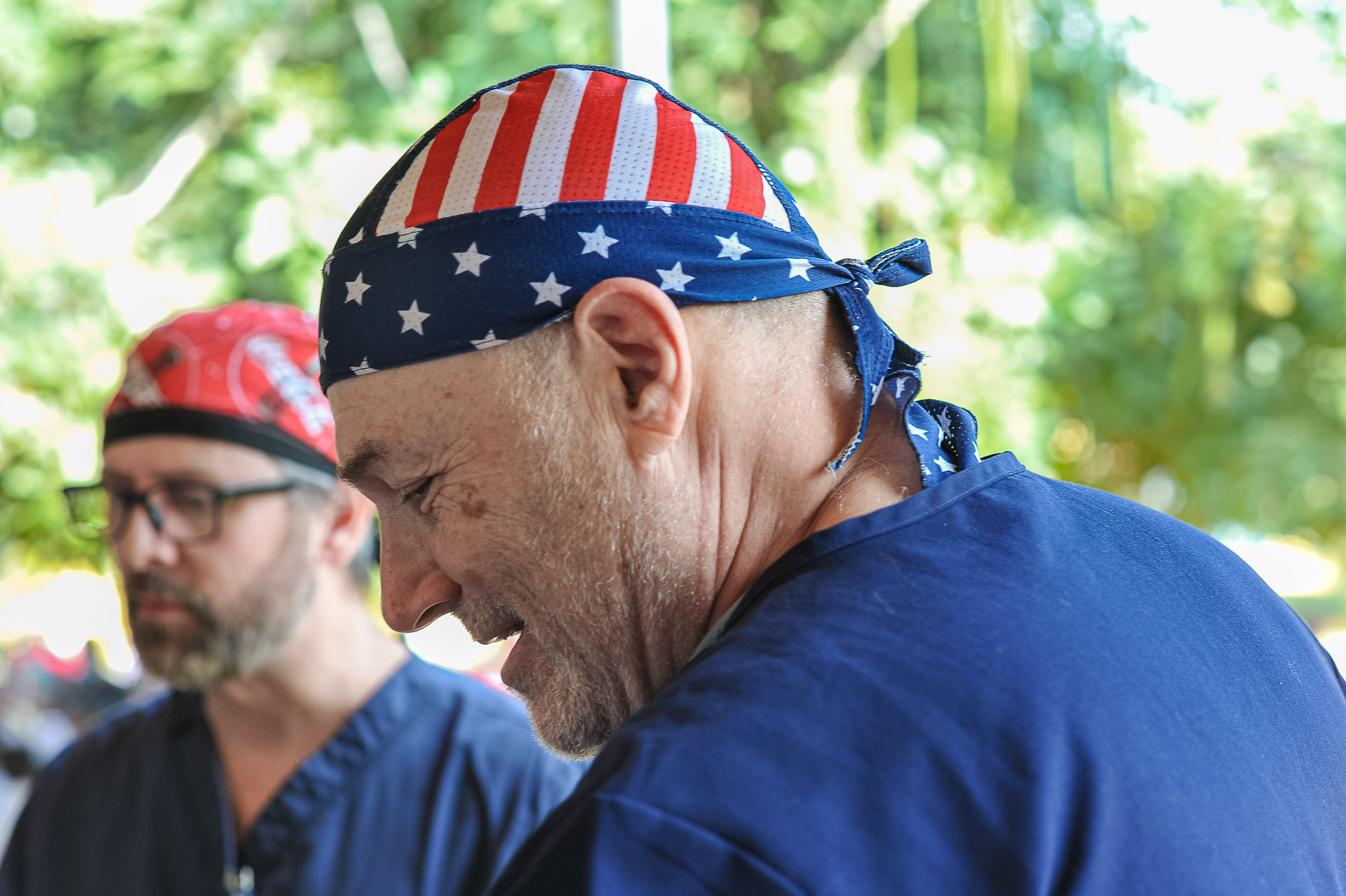
My contribution was photography. I could record the concentration, the waiting, the organisation and the exchanges around the treatment. Those pictures belong alongside the organisation’s history because they show what its purpose looks like when people put it into practice.
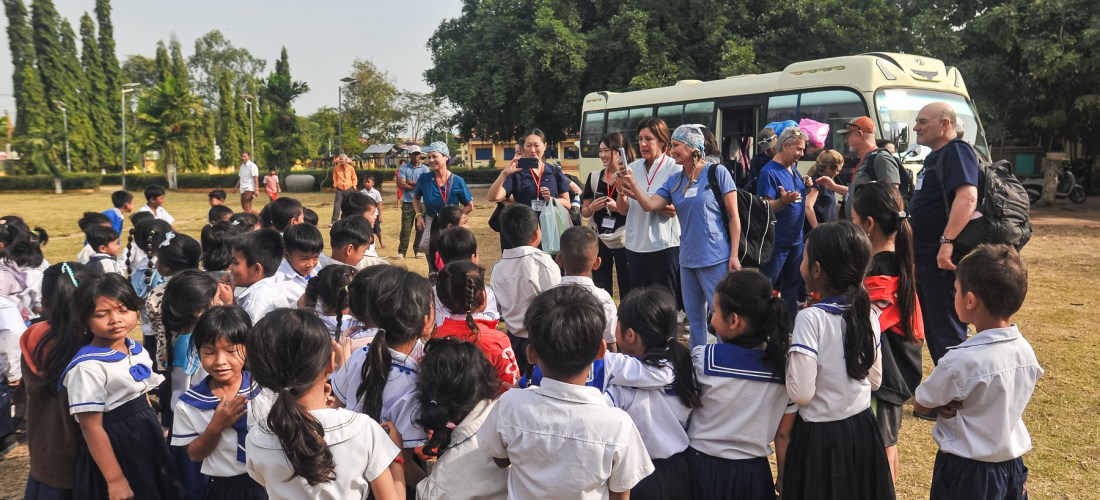
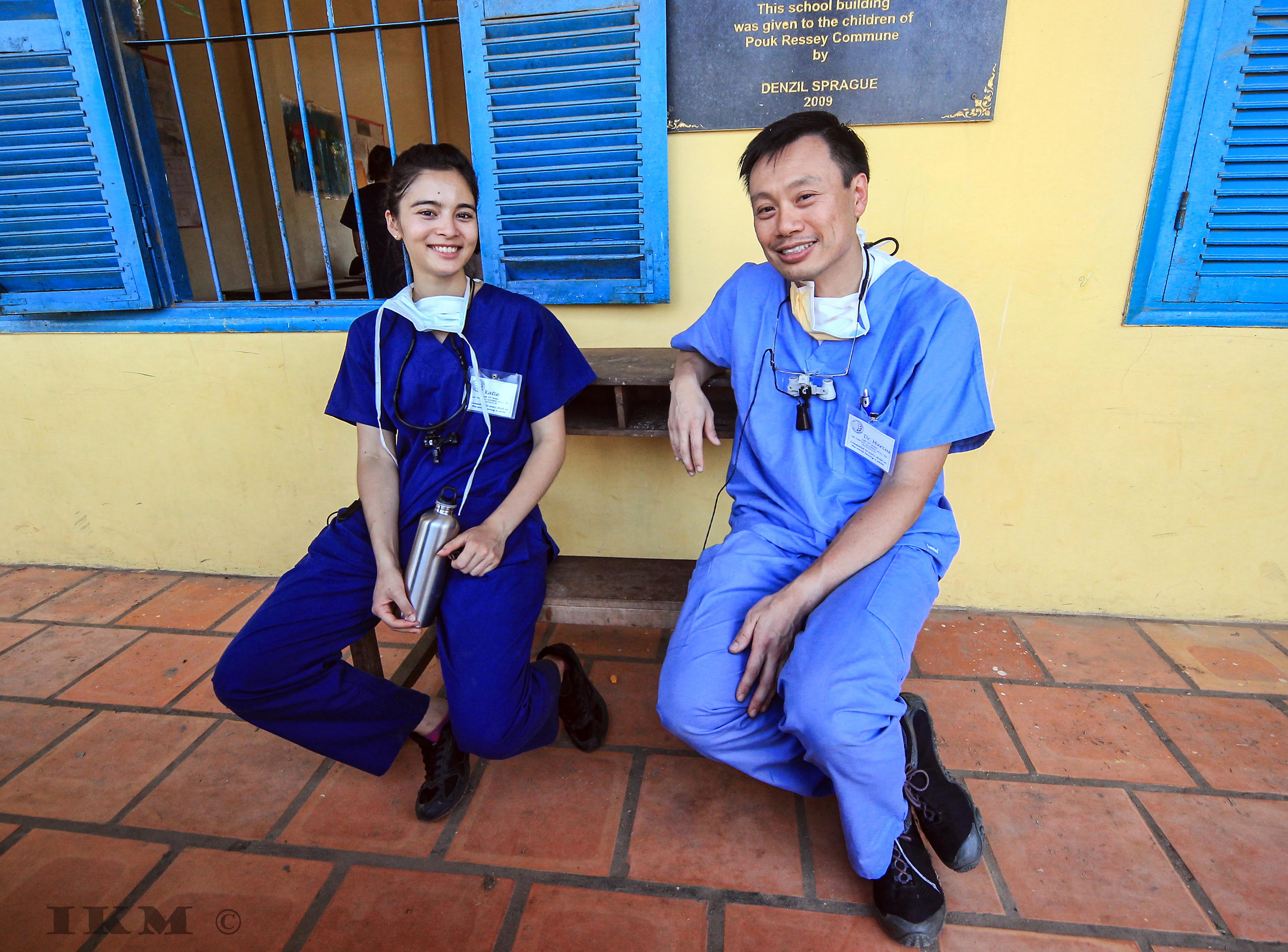
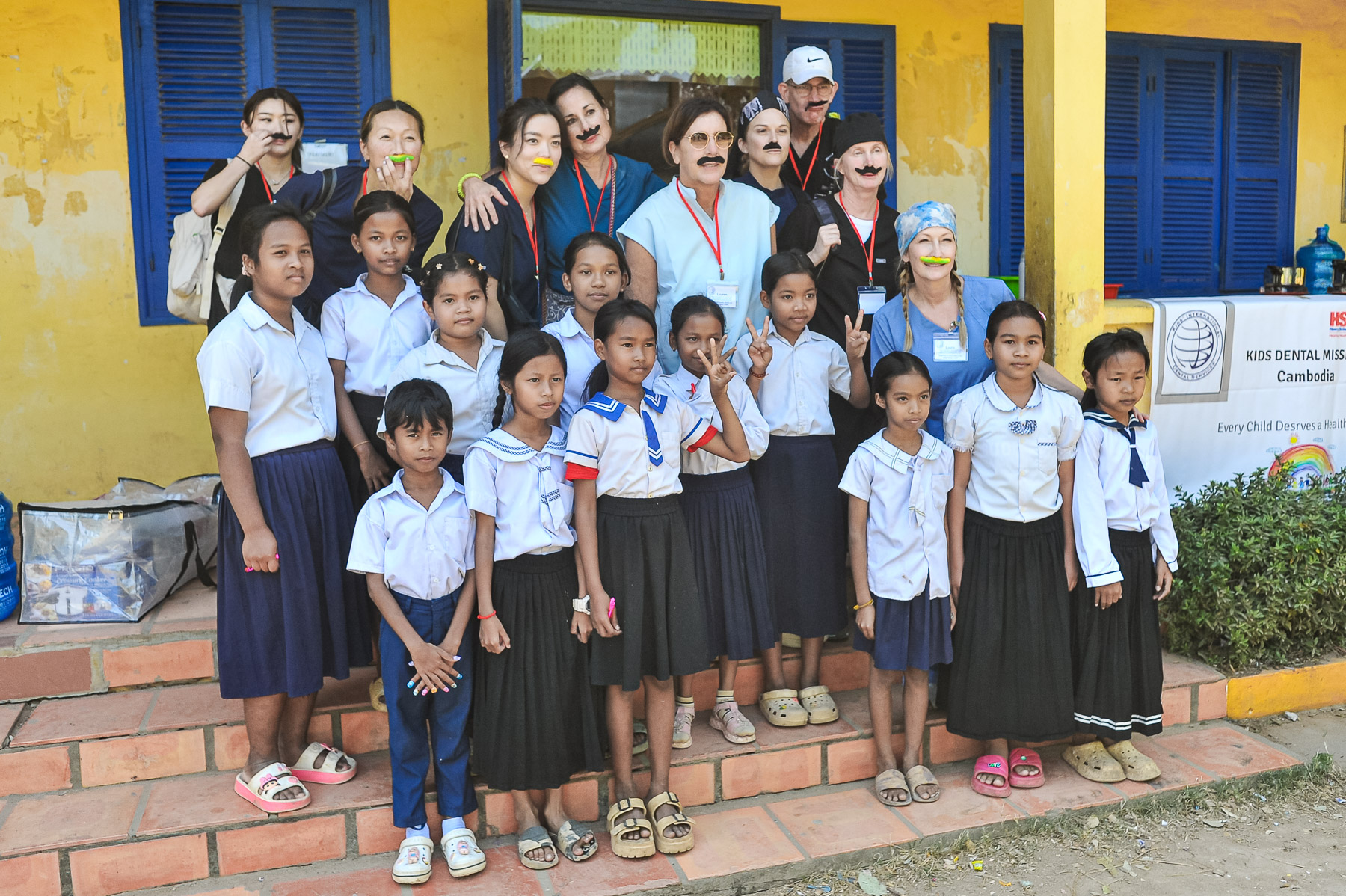
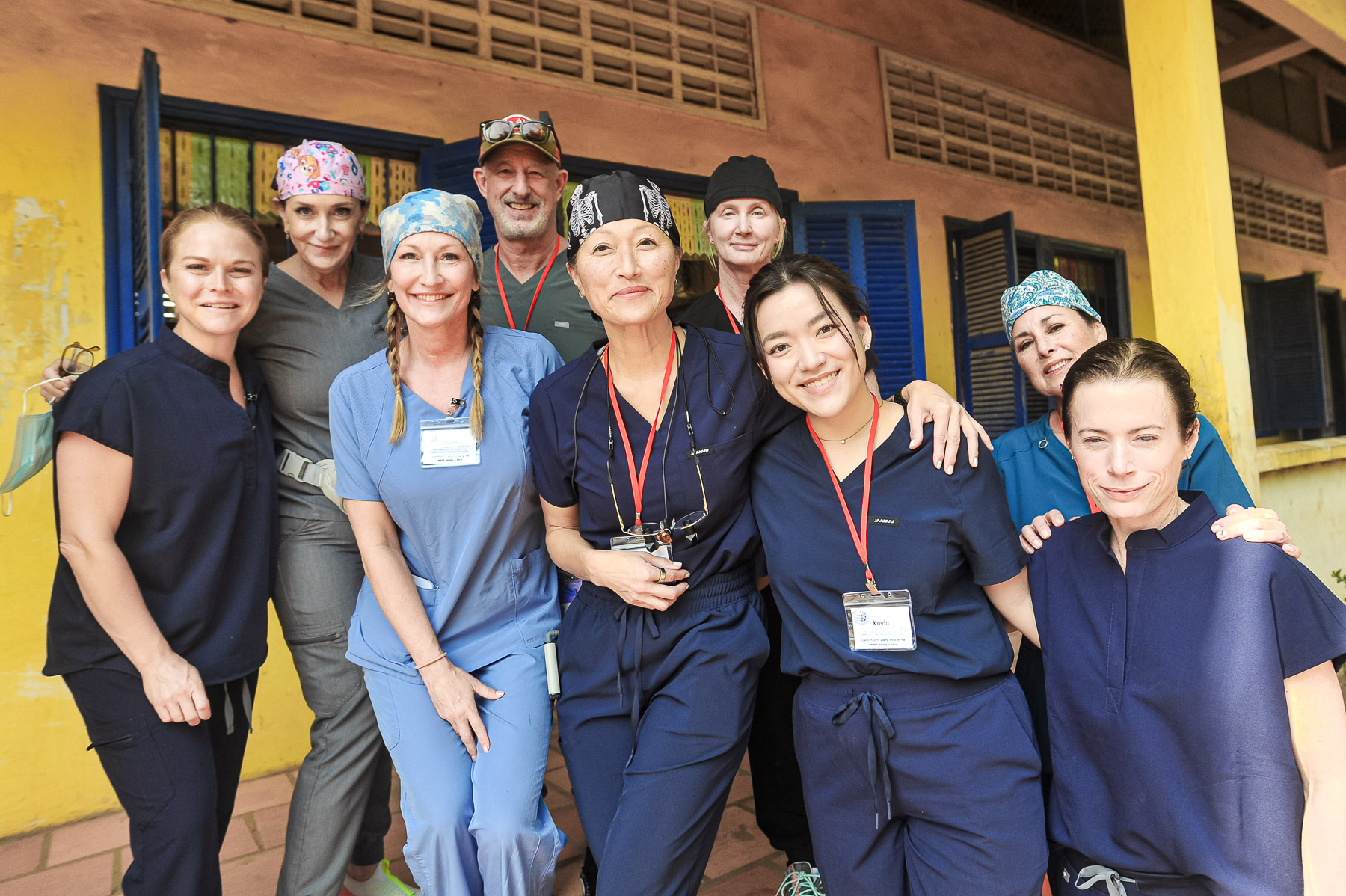
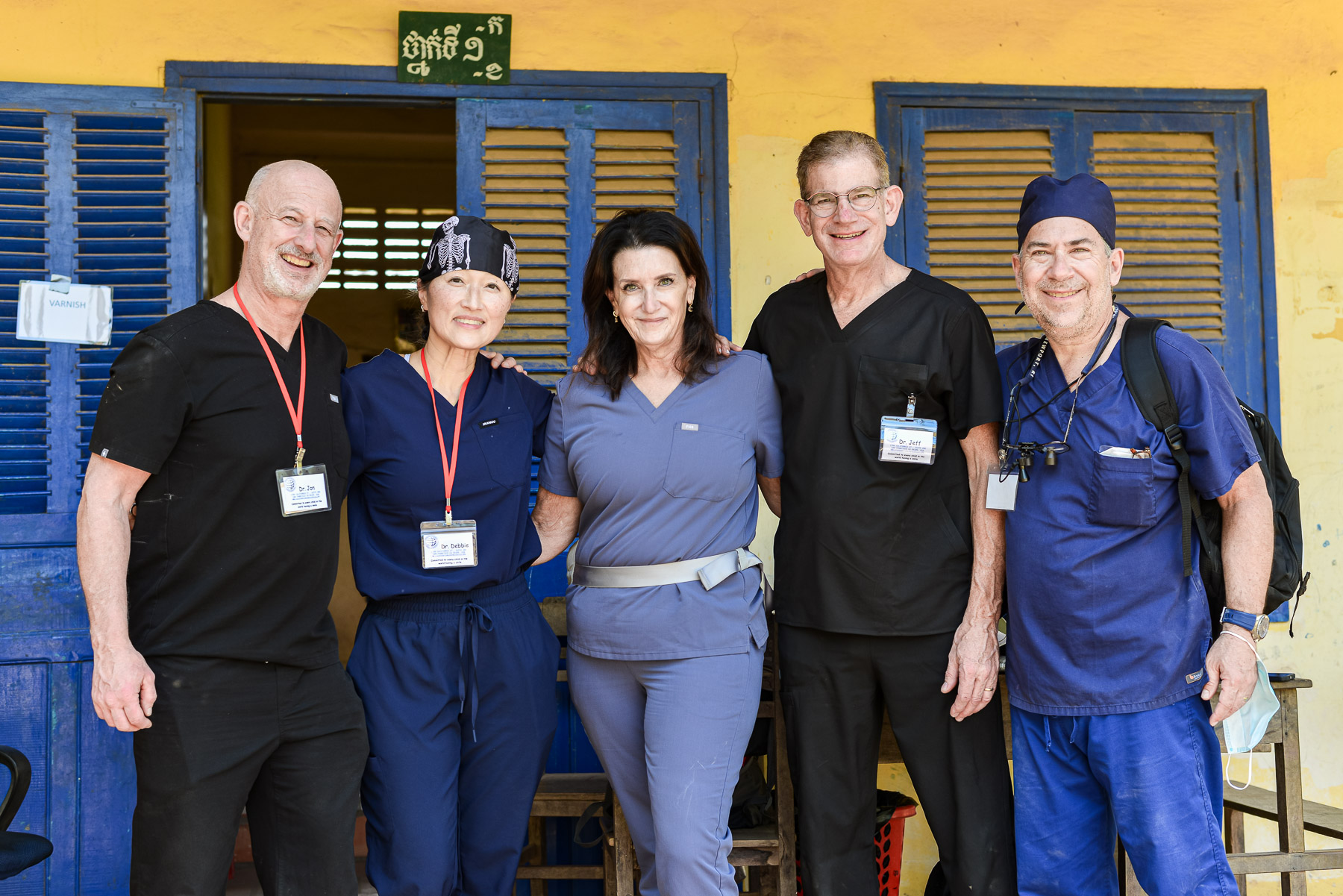
The team gathered behind the KIDS Dental Mission Cambodia banner. Photograph: Ian Kydd Miller.
Kids International Dental Services, usually known as KIDS, is a United States nonprofit providing free dental care to children in communities with limited access to treatment. Based in San Francisco, it identifies itself as a 501(c)(3) charitable organisation, with EIN 94-3477276. Its purpose also includes encouraging young dental professionals to make volunteering part of their careers. 1
The strongest institutional account identifies Dr Robert P. “Bob” Renner as its founder. Stony Brook University’s School of Dental Medicine dates the founding to 2009 and identifies Renner as a retired faculty member. An outreach listing describes him as a retired prosthodontist and professor emeritus whose overseas volunteering preceded the organisation. He brought a long professional background to a setting where dentistry often had to be delivered with portable equipment and limited facilities. 2
KIDS’ own history gives the beginning a collective character. A group of dental and non-dental volunteers returned from a mission in 2009 and decided to establish an organisation that would enable others to participate. They wanted to improve children’s access to care while introducing younger practitioners to service. Cambodia, Guatemala and the Philippines were the initial countries in that account. 3
There is a discrepancy in the founding dates. A 2015 profile of Renner in the Theta Chi magazine, The Rattle, gives 2007. KIDS and Stony Brook give 2009, while public records show US tax exemption issued in July 2009. The earlier date may refer to preceding activity, but the available material does not resolve the difference. The safest historical account uses 2009 as the principal organisational milestone and acknowledges that the work had earlier roots. 4
Dr Purobi Phillips, also identified as Purobi Phillips-Renner, was central to that development. Contemporary reporting names her as KIDS’ president; the 2015 profile describes her as president and chief executive. The university source explicitly names Robert as founder, but Purobi’s documented leadership makes clear that she was a leading organiser in her own right. 4
A Columbia University report provides an early view of their partnership. In spring 2009, Robert and Purobi invited four dental students—Rajesh Ameen, Gabriella Furdui-Carr, Kourtney Logan and Barnali Roy—to join a Cambodian mission. The report describes work near Phnom Penh’s rubbish dump and the demands placed on the students. It also records Purobi’s appreciation of their effort. Mentoring was already embedded in the undertaking. 6
That report describes examinations, oral-health instruction, fluoride treatment and toothbrush distribution. When time allowed, volunteers placed sealants on permanent molars; they also removed infected teeth and performed other necessary surgical treatment. It reported that a one- or two-week mission could see between 1,000 and 1,700 children. These figures describe the programme at that time, rather than a fixed capacity for every trip. 6
Understanding the programme requires distinguishing immediate treatment from prevention. Examination establishes what a child needs. Restorative work can preserve a tooth where feasible; extraction may be necessary when a tooth cannot be retained. Preventive treatment and education address a different problem: what happens after the team leaves. The appropriate clinical decision belongs to a qualified practitioner, following assessment of the individual child.
KIDS expresses its wider goals through education, community cooperation, mentoring and returning. Its model depends on relationships with both communities and volunteers. That intention matters, although a stated commitment to repeat visits should be distinguished from evidence that every location receives them regularly. 7
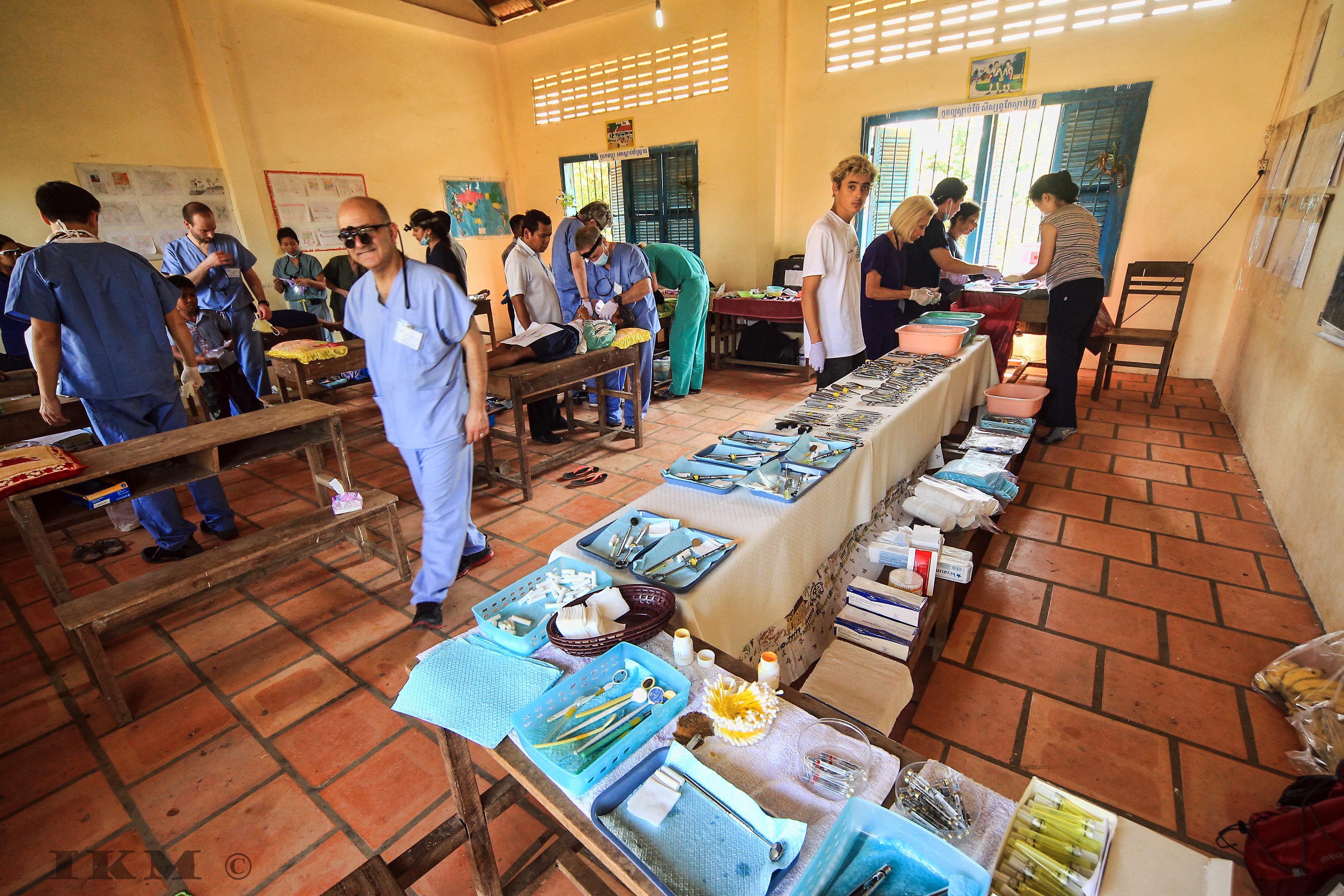
A temporary treatment station in Cambodia. Photograph: Ian Kydd Miller.
Cambodia became an important part of the organisation’s early work. Here, local partnerships provided access to children and places in which to operate. One documented partner was People Improvement Organization, or PIO, founded by Phymean Noun.
My reporting from 2010 recorded Bob Renner discussing treatment for PIO children over preceding years. He emphasised cooperation with local agencies and dentists, alongside educating children about daily dental care. That early account describes an international team and the practical limitations of delivering care away from a conventional surgery. 8
PIO’s own 2011 annual report independently confirms the relationship. One passage records services for more than 347 PIO students; another acknowledges dental diagnosis, fluoride treatment and extraction services for 600 children, credited to Bob Renner and Purobi Phillips of KIDS. The relationship between those figures is unclear, so they should not be added together. What the report establishes is a recognised contribution to PIO’s children’s services. 9
Contemporary reporting also documents outreach beyond those school connections. A March 2011 report attributed to Agence Kampuchea Presse described a two-week programme planned for Phnom Penh, Prey Veng, Svay Rieng and Kampong Cham. It identified treatment at Riverkids and the Tuol Sangke community and quoted Purobi describing a multinational group of dentists. Its anticipated reach of approximately 2,000 children was a target, not a verified final total. 5
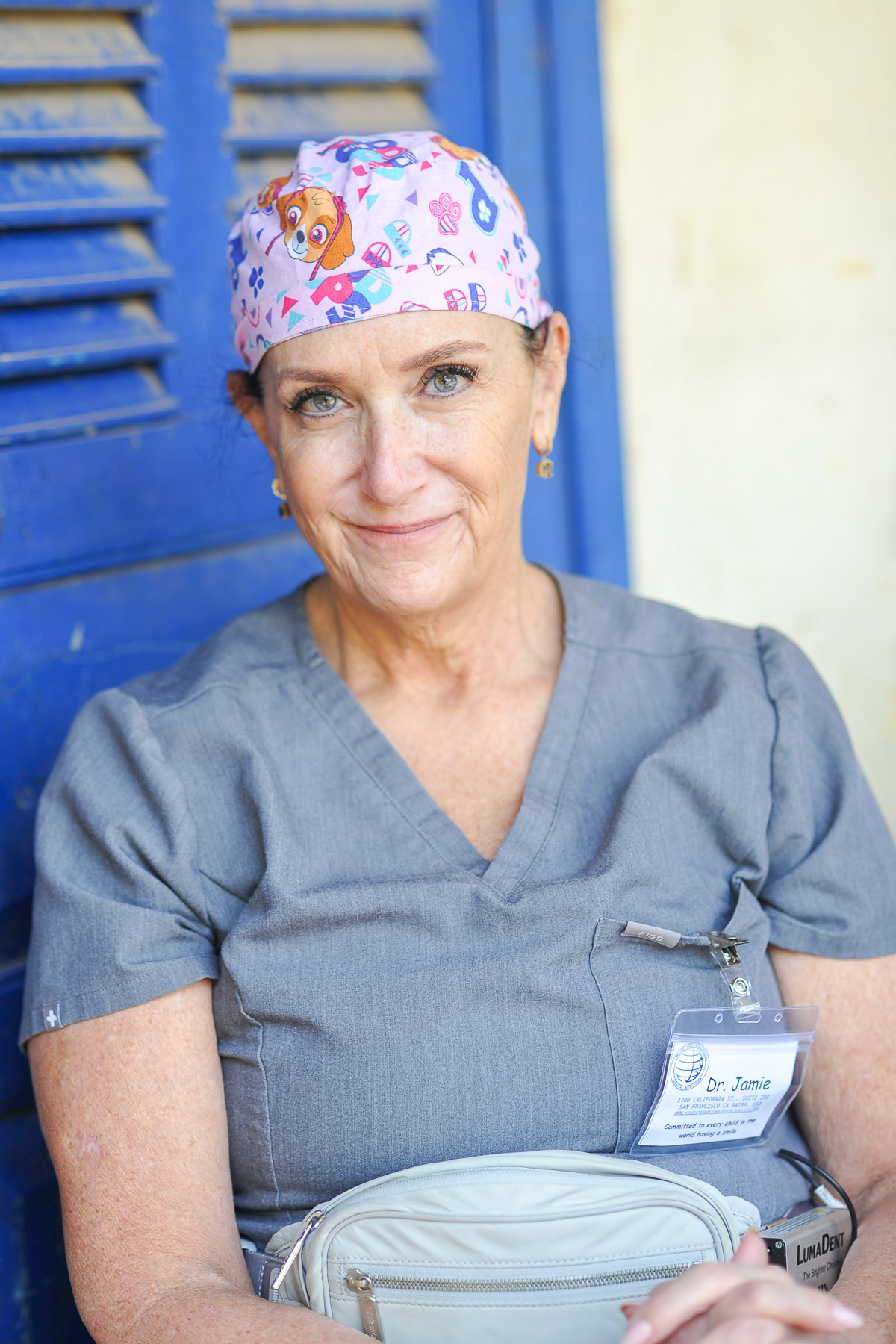
A more detailed account concerns the 2012 Cambodian mission involving Dr Jamie Diament-Golub, a paediatric dentist, and Dr Jon Golub, an orthodontist. They joined other dentists and support volunteers working in Phnom Penh and the countryside. At a Buddhist monastery in Prey Veng province, tables were adapted into treatment stations. The report described restorations, extractions and preventive care, with as many as 250 patients treated in a day. 10
The team also visited children at Cambodian Children Orphanage for Living and Training School—CCOLT—and PIO. Jamie reported that some children had received care through the programme over several years and described improvements in their oral health. This was a participating clinician’s observation, rather than a formal outcomes study, but it records the value attached to continuity. 10
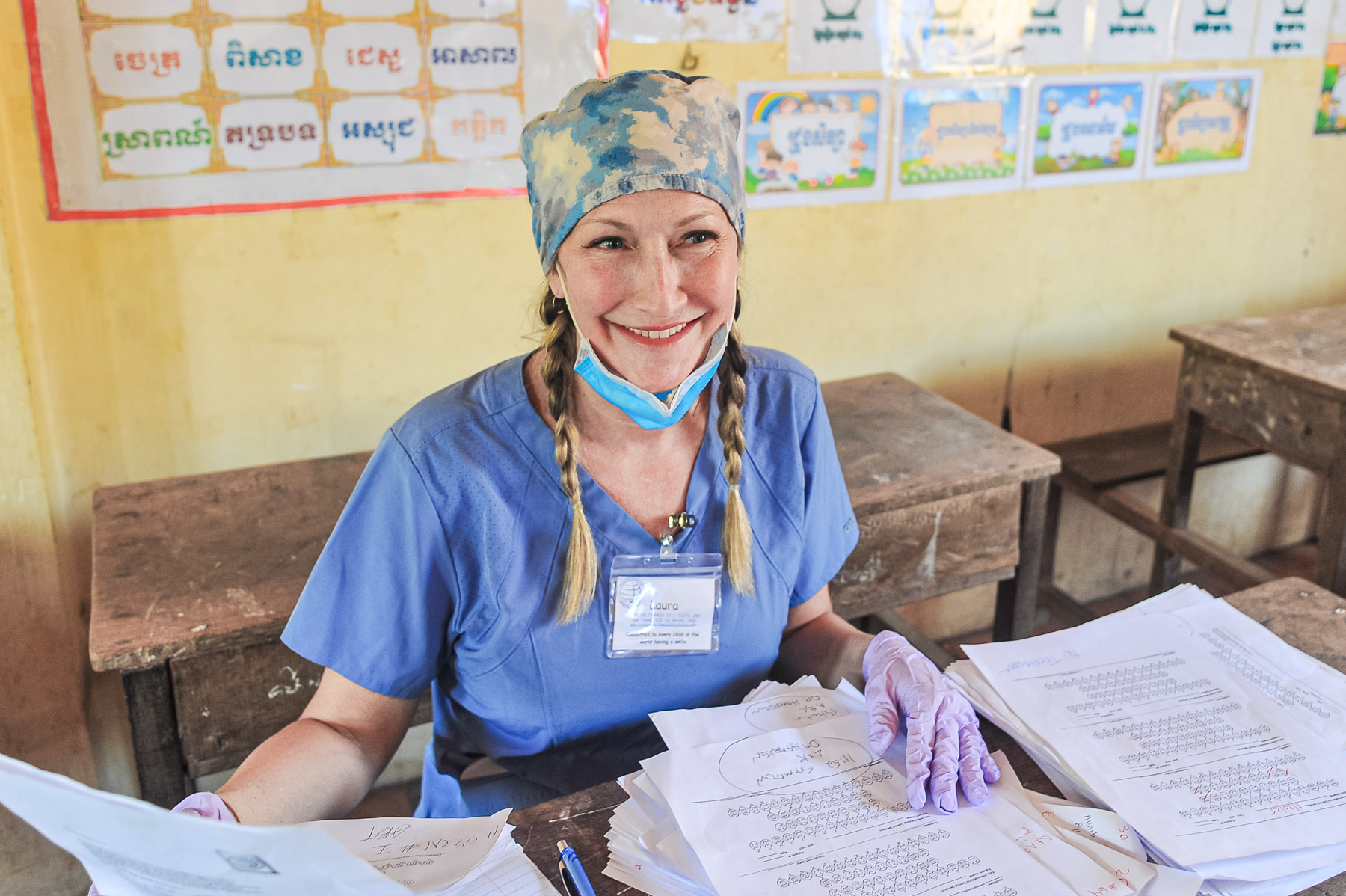
My own January 2026 article, Why They Come, acknowledges David’s organisational contribution, the continuing work of Jon and Jamie, and the assistance of non-dental volunteers and local interpreters. David’s surname and formal position are not supplied in that account. Those contributions deserve recognition without inventing titles or completing identities from guesswork. 11
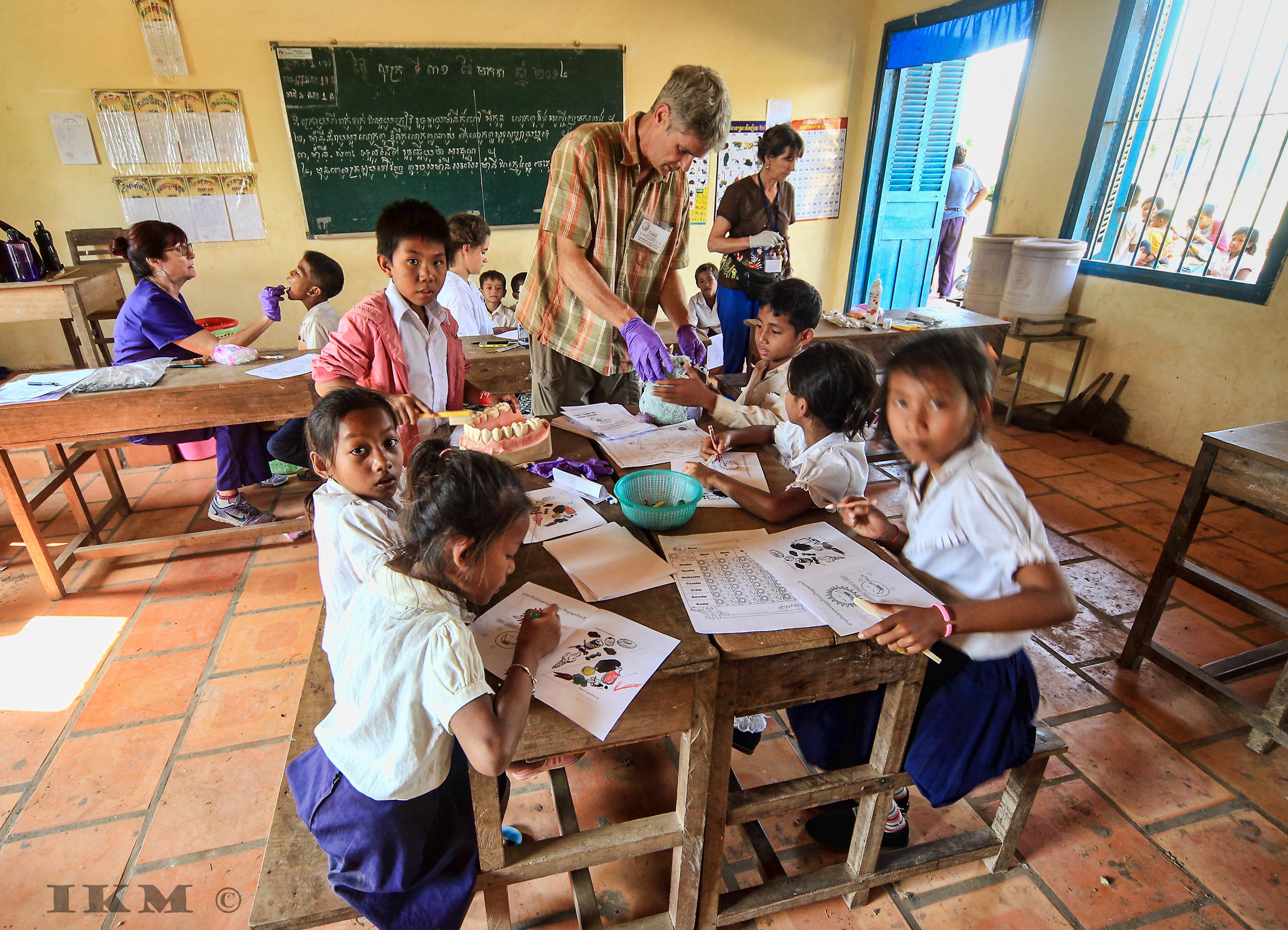
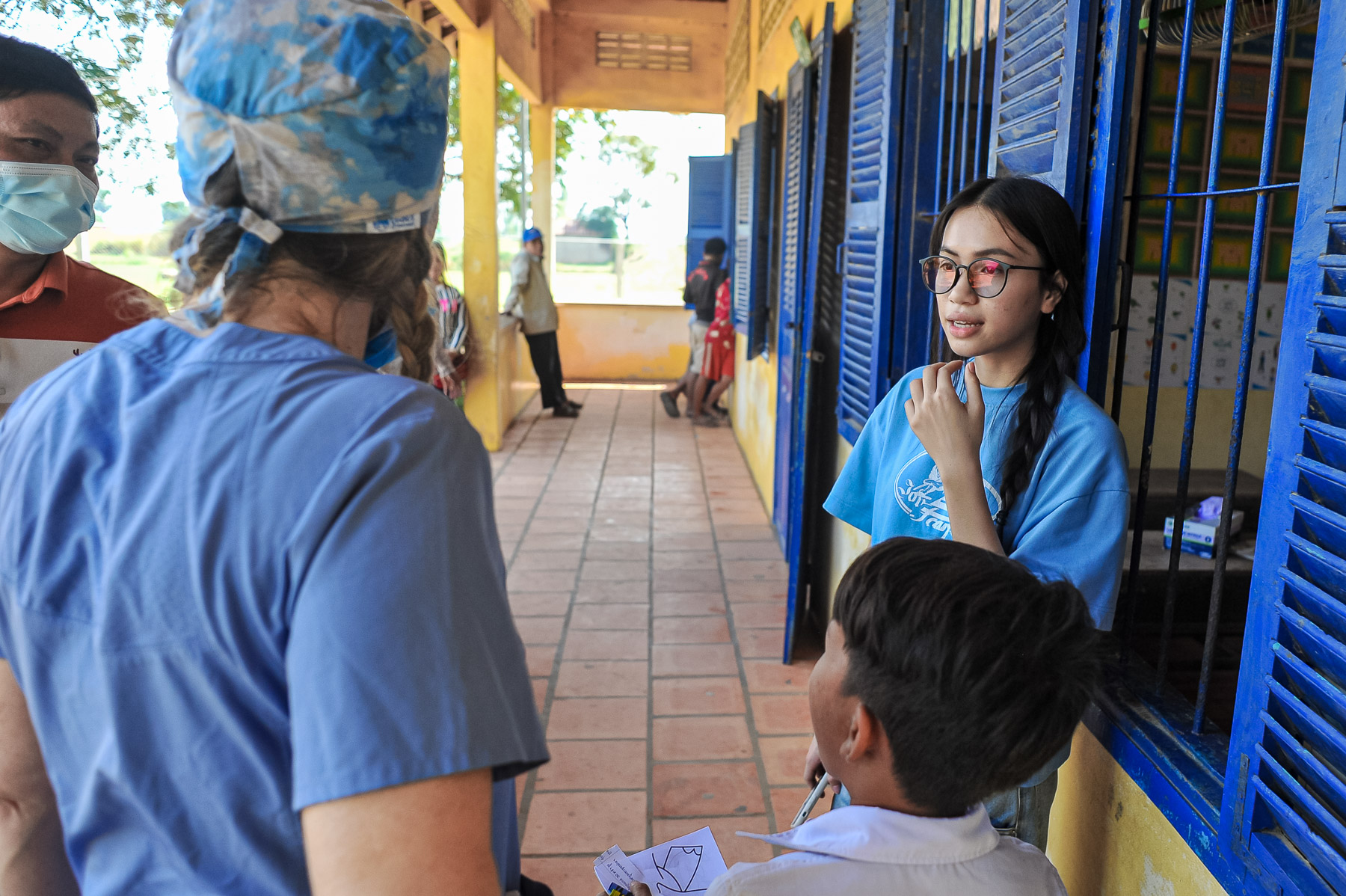
Conversation around a table during the Cambodian outreach work. Photograph: Ian Kydd Miller.
Another local partner account comes from Somnang Association. A post dated 16 December 2017 describes its annual appointment with KIDS dentists, working with Sreyka Smile Association, whose president it names as Stella-Désirée Bosch. It supplies no treatment totals, but adds evidence of an established local relationship. 12
The professional biography of Dr Marcus Yan, published by the Australian Dental Association’s New South Wales branch, records his involvement as a volunteer dentist and teacher with KIDS in Cambodia from 2014 to 2018. It separately lists work with the Cambodia Oral Health Partnership in February 2020. Those activities should retain their separate attribution. 13
Together, these accounts show a Cambodian programme involving several organisations, locations and groups of volunteers over time. They do not amount to a complete mission register. They do, however, give the history more substance than an undated statement that a charity “works in Cambodia”.
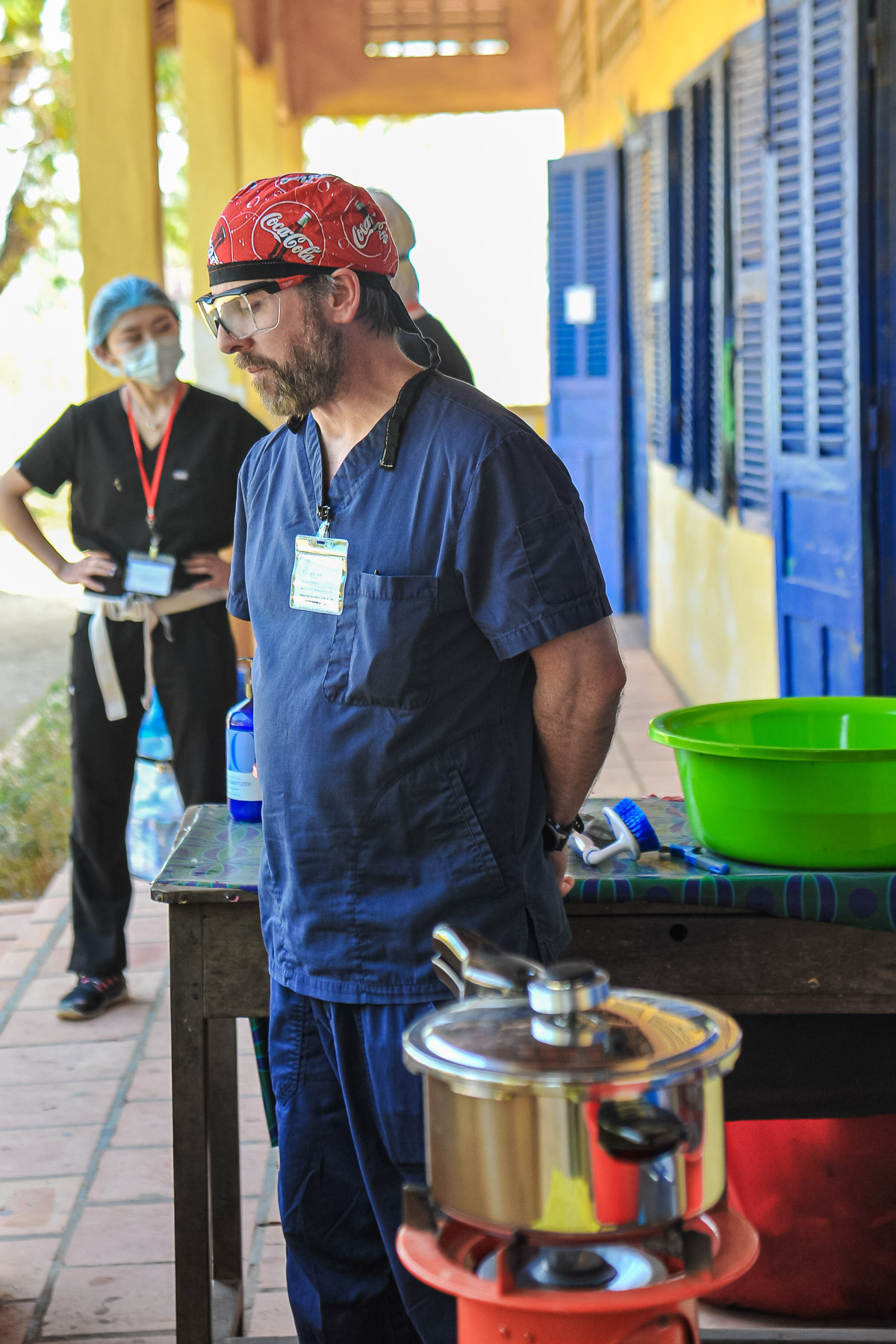
The practical organisation deserves attention. A temporary clinic requires a suitable space, equipment, supplies, clinical assessment, communication and a way to manage the children waiting. Translation helps families understand what is being proposed. Local teachers and organisers know the community in ways a visiting team cannot acquire in a few days.
A school building and portable equipment can make treatment accessible. They also create obligations: infection prevention, appropriate consent, safe clinical practice, records and arrangements for problems that cannot be resolved during the visit. These are questions by which any outreach programme should be assessed. Photographs can show activity; they cannot independently certify every clinical process.
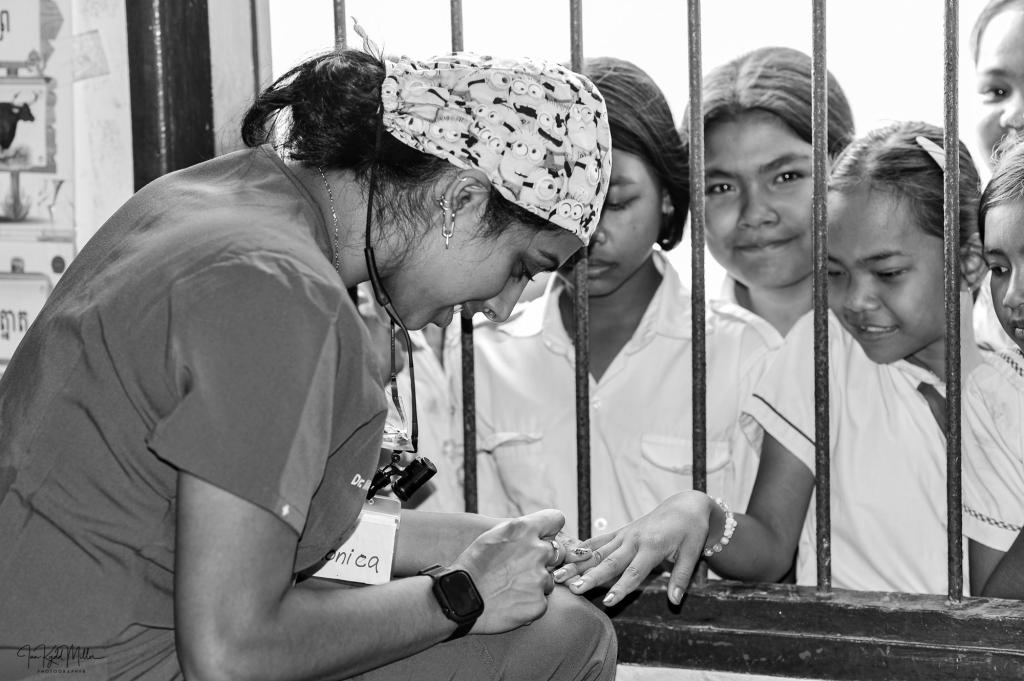
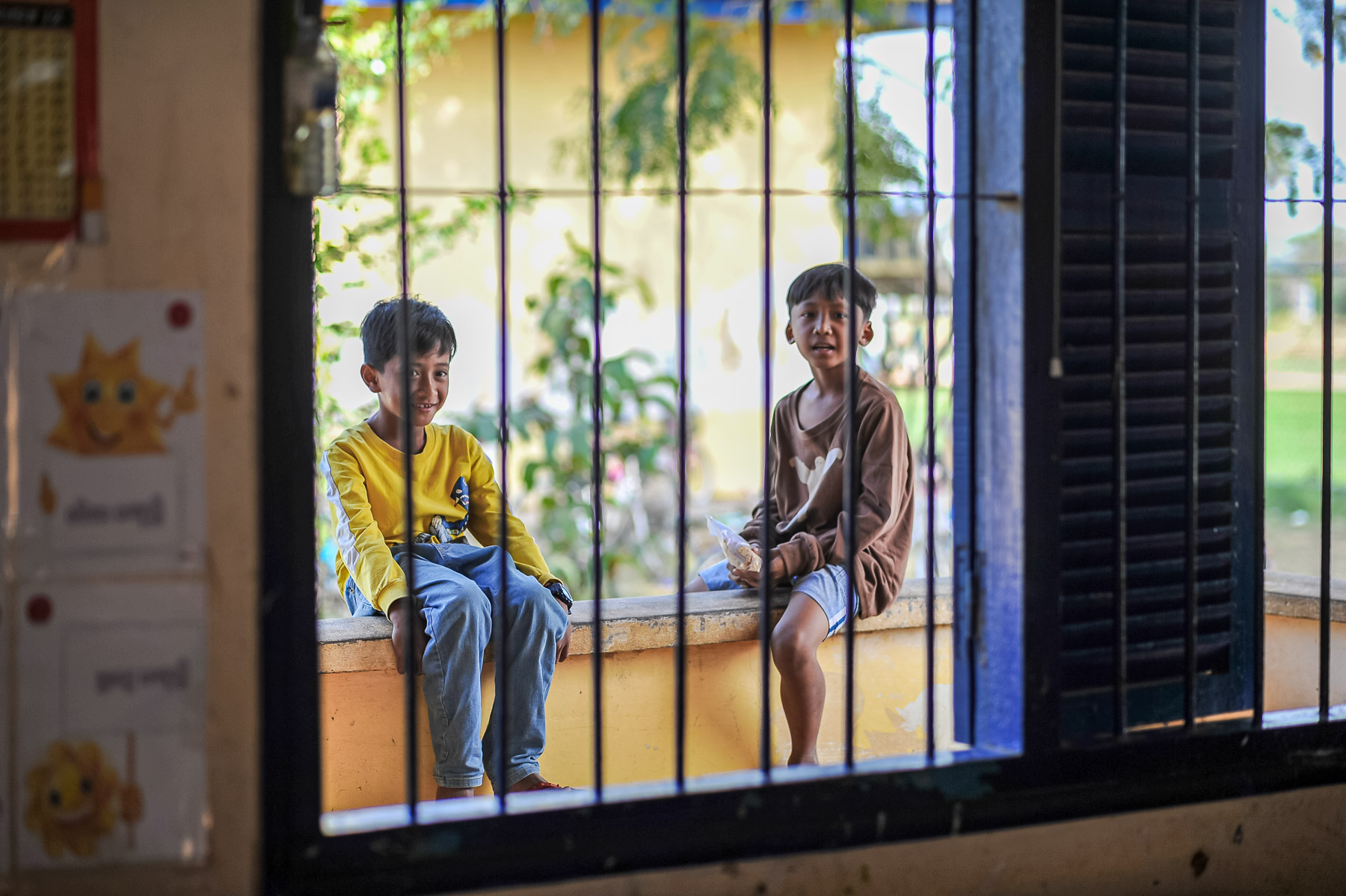
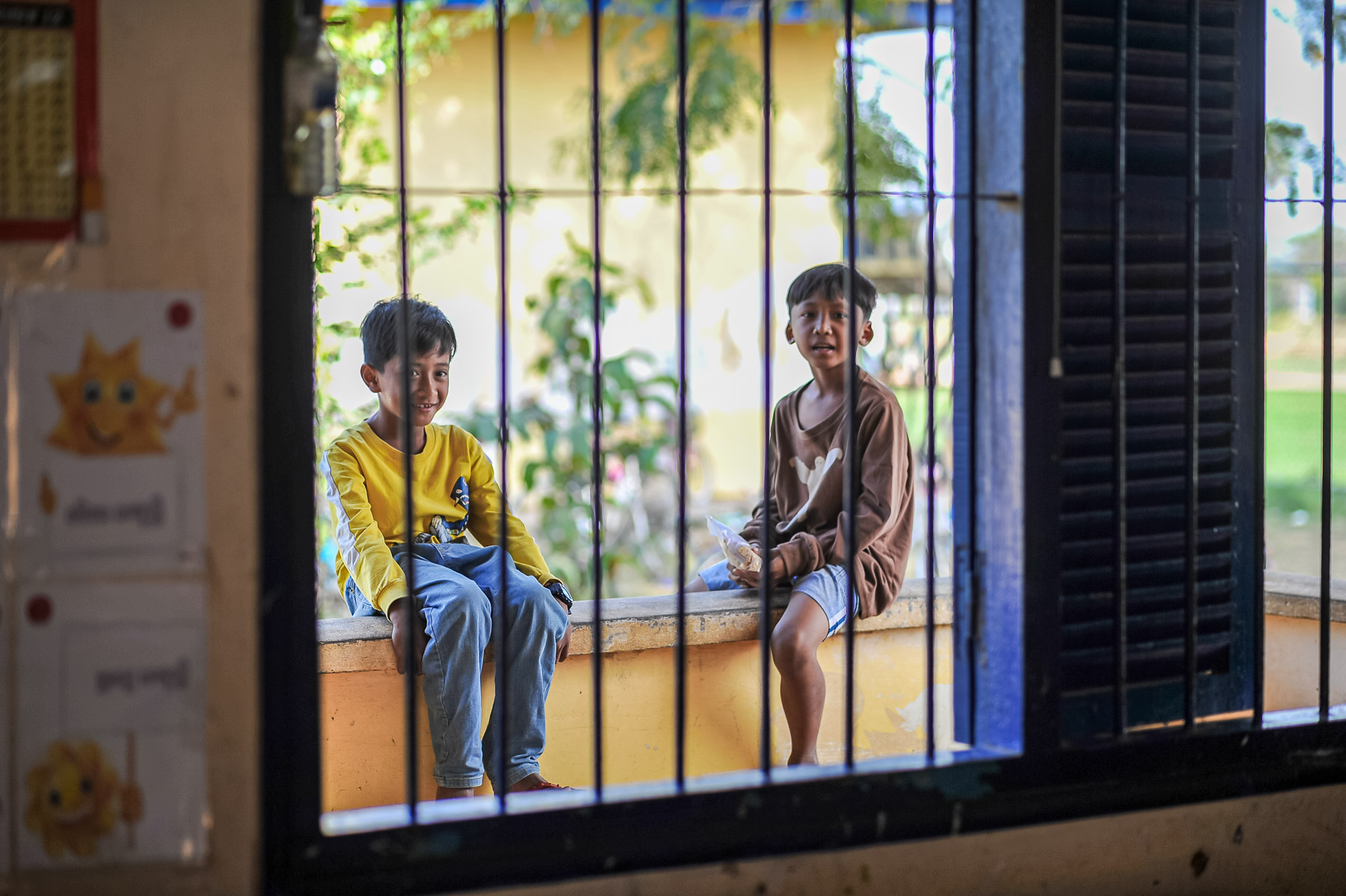
A volunteer attends to a girl’s fingernails while other pupils watch through the railings. Photograph: Ian Kydd Miller.
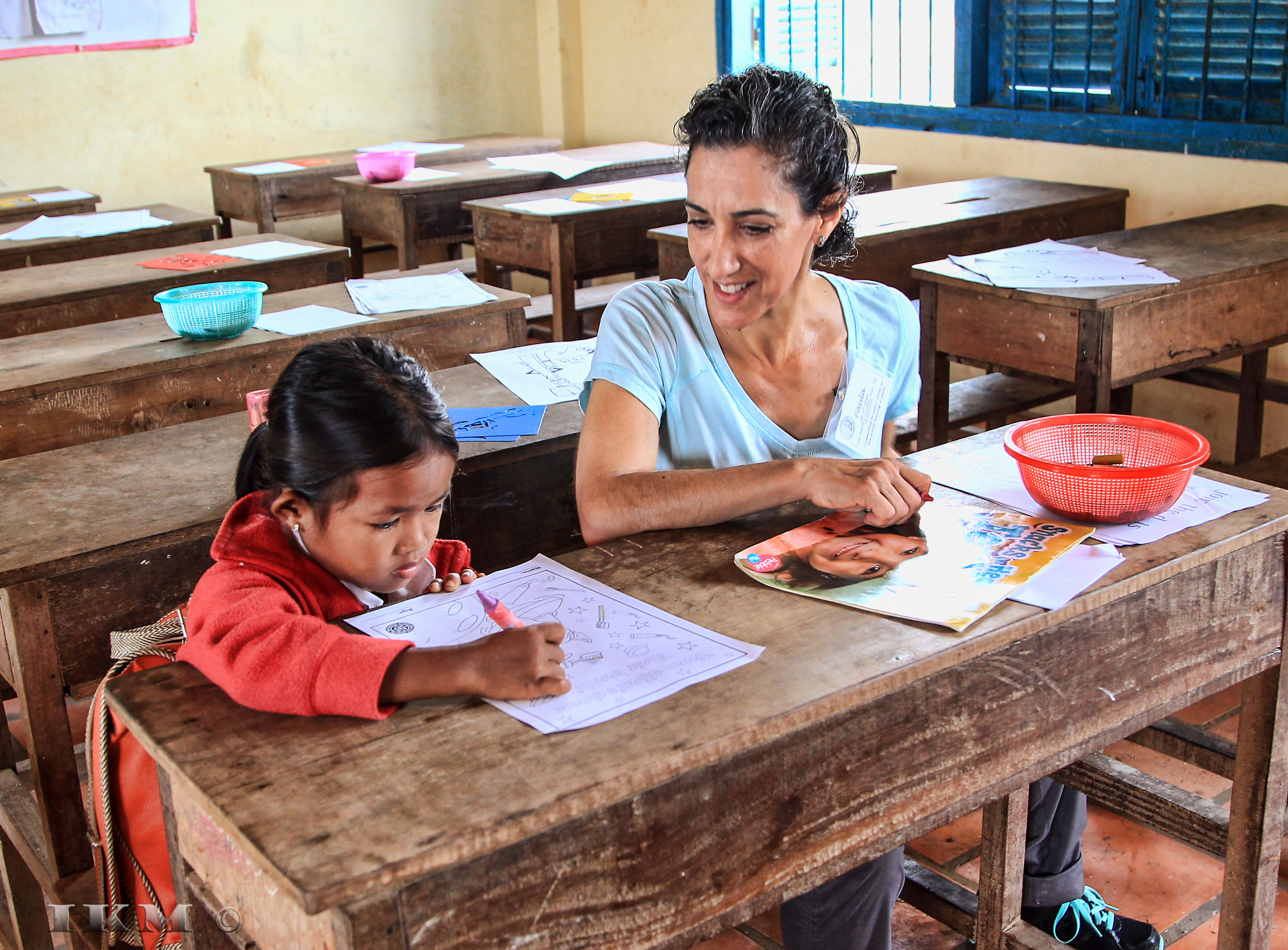
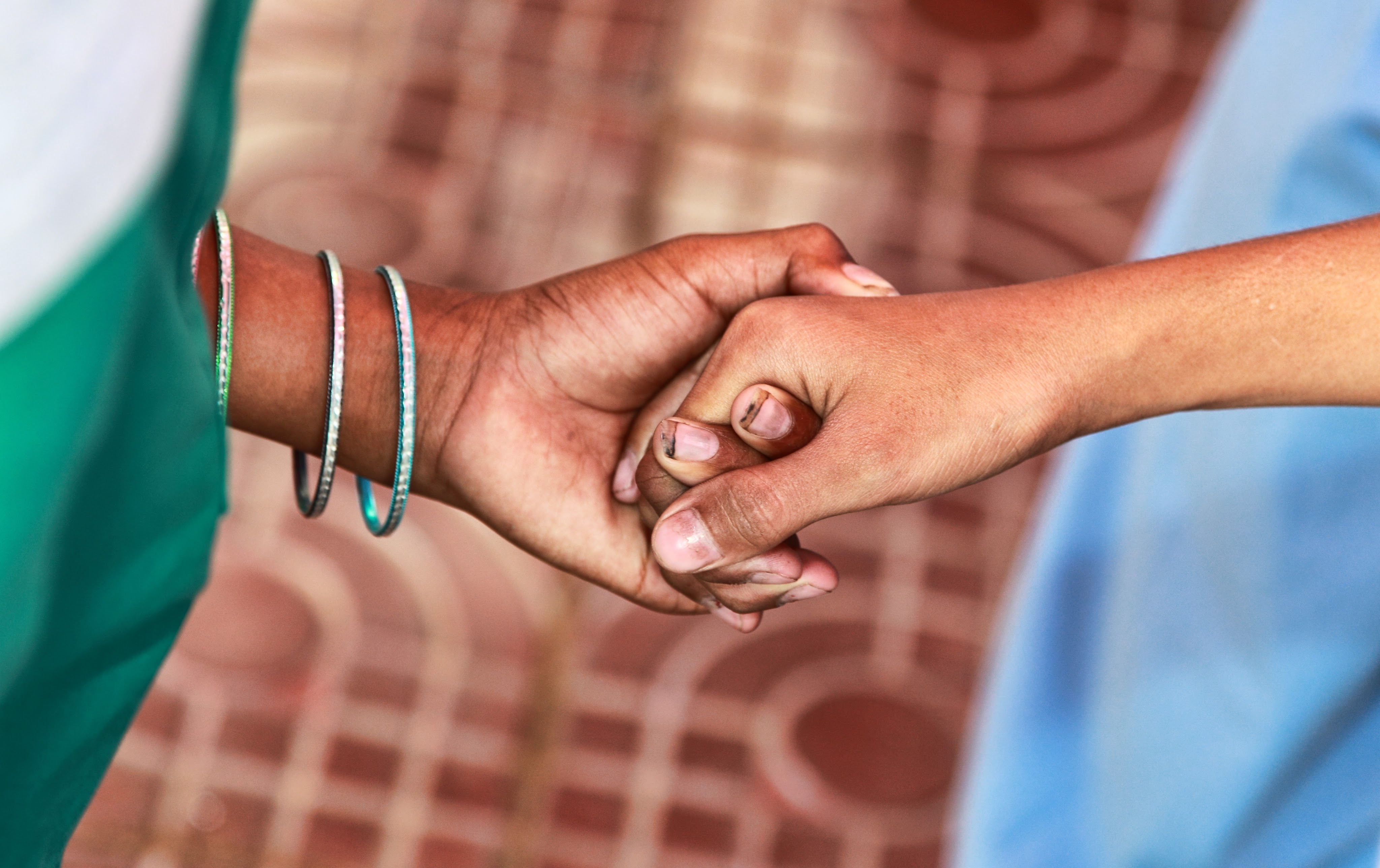
Some of the work happens outside the treatment station. In one of my photographs, a volunteer attends to a girl’s fingernails while other children watch. My account describes reassurance, interpretation and small gestures of attention around the dentistry. Such moments help explain why care cannot be measured solely by counting procedures. 14
The international programme grew beyond its original destinations. KIDS’ official history lists Cambodia, the Philippines, Guatemala, Cape Verde, Haiti, South Africa, Mongolia and Morocco. This is a historical footprint, not proof that eight programmes operate continuously. 3
Reports from particular missions provide a clearer sense of scale. The 2015 Renner profile attributed to KIDS’ leadership a total of 8,085 children treated in 2014, with 5,161 teeth extracted and 572 restored, across Cambodia, the Philippines, Mongolia and Guatemala. These are reported organisational figures, not an independently audited lifetime total. 4
Stony Brook’s account of a 2019 Guatemala mission records 1,760 children receiving care in Nebaj and Chajul. Students Daniel Bastardi, Ethan Santore and Linda Zheng worked alongside experienced practitioners and other volunteers. Treatment included extractions, fillings, fluoride therapy and education. The report illustrates the connection between service and supervised professional learning. 2
Dr Reza Khazaie, of Willow Pass Dental Care in California, has documented participation in several KIDS missions. His practice reports 2,624 children seen during six days in South Africa in November 2017, and more than 1,900 children treated during a Morocco mission in 2023. These are participant-reported results. Its archive also contains a Cambodia heading followed by text about Haiti, so those particular figures cannot reliably be attributed to Cambodia. 15
Neither a large patient count nor a large extraction count tells the entire story. A count may describe examinations, preventive interventions or more extensive treatment. It may include repeat patients. Meaningful reporting distinguishes those categories and asks what follow-up was available. Volume helps describe activity; outcomes require further evidence.
The pandemic interrupted the programme. In March 2021, KIDS reported suspending international volunteer trips. It described working on fundraising, clinical systems, sterilisation procedures and support for communities in the United States, while planning future overseas visits. Cambodia was among the proposed destinations. 16
Its Facebook page subsequently supplied evidence of renewed activity elsewhere: a December 2022 update referred to work in Guatemala and Morocco, while a May 2024 post recruited volunteers for Nepal and included photographs described as being from the previous year. Those posts help document post-pandemic activity, but do not establish the dates of later Cambodian missions. 17
As of 15 November 2026, the public material reviewed does not provide a complete, dated register of recent Cambodia visits. The official volunteer page continues to list Cambodia in January and February without identifying a year. My articles published in 2026 contain extensive Cambodian photographs, but publication and upload dates alone do not establish when each picture was made. 18
The organisational record also requires a distinction between KIDS and the Phillips Renner Foundation. Robert Renner and Purobi Phillips established that separately named charity, which describes work in dental care, nutrition and education. It has a separate tax identity. The material reviewed does not establish that KIDS simply changed its name to the foundation. 19
A February 2026 announcement about Dr Wendy Liao’s Philippines outreach credits the Phillips Renner Foundation as organiser and names Bob and Purobi as leaders. It demonstrates their continuing humanitarian involvement, but its treatment figures should not be transferred into KIDS’ totals. 20
Public tax records provide another part of the picture. Earlier KIDS filings name Purobi Phillips as president. The latest return reviewed, for 2025, lists Dr Nate Geodias, Dr Justin Newberry and Kimberly Baer as president, chief financial officer and secretary respectively, all with zero reported compensation. Earlier filings spell the president’s surname Gerodias; later extracted records use Geodias. 21
Financial year
Reported revenue
Reported expenses
Year-end net assets
2023
$12,044
$13,775
$291,860
2024
$4,759
$17,534
$279,085
2025
$1,134
$22,052
$258,167
Figures from the IRS-derived records published by ProPublica’s Nonprofit Explorer.21
These accounts describe reported organisational finances, not necessarily the full value of donated time or spending borne directly by volunteers. They do not measure clinical outcomes. Equally, a charity’s statement that donations support its mission should be read alongside its accounts and programme reports rather than treated as a complete financial explanation.
KIDS invites enquiries about donating money or supplies and joining missions. Its published contact is replytokids@gmail.com, and its volunteer page requires signed documentation. Prospective volunteers should confirm the particular mission’s dates, clinical roles, supervision, local permissions, costs and follow-up arrangements. Donors can ask which programme a contribution will support and what reporting will follow. 18
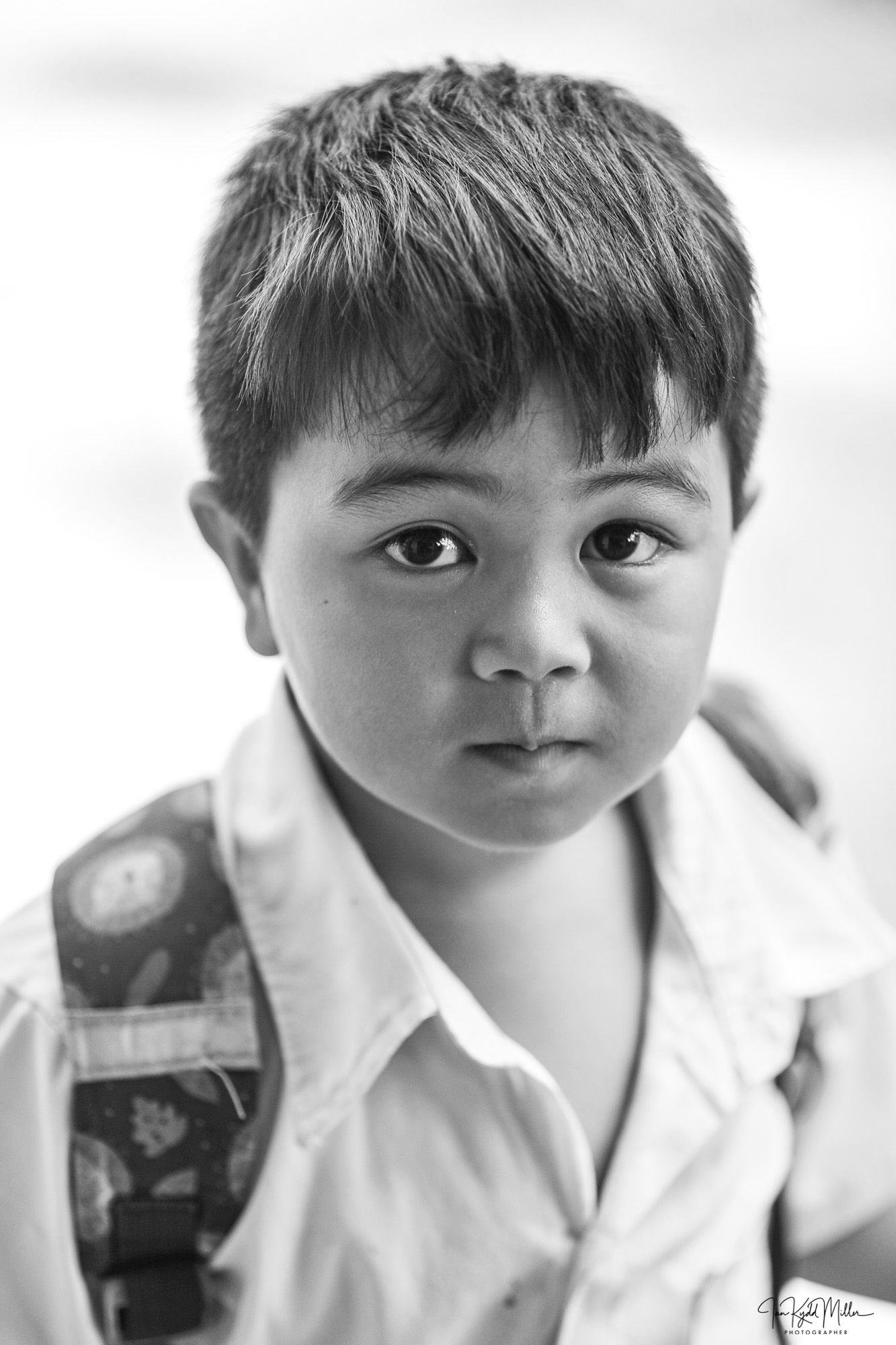
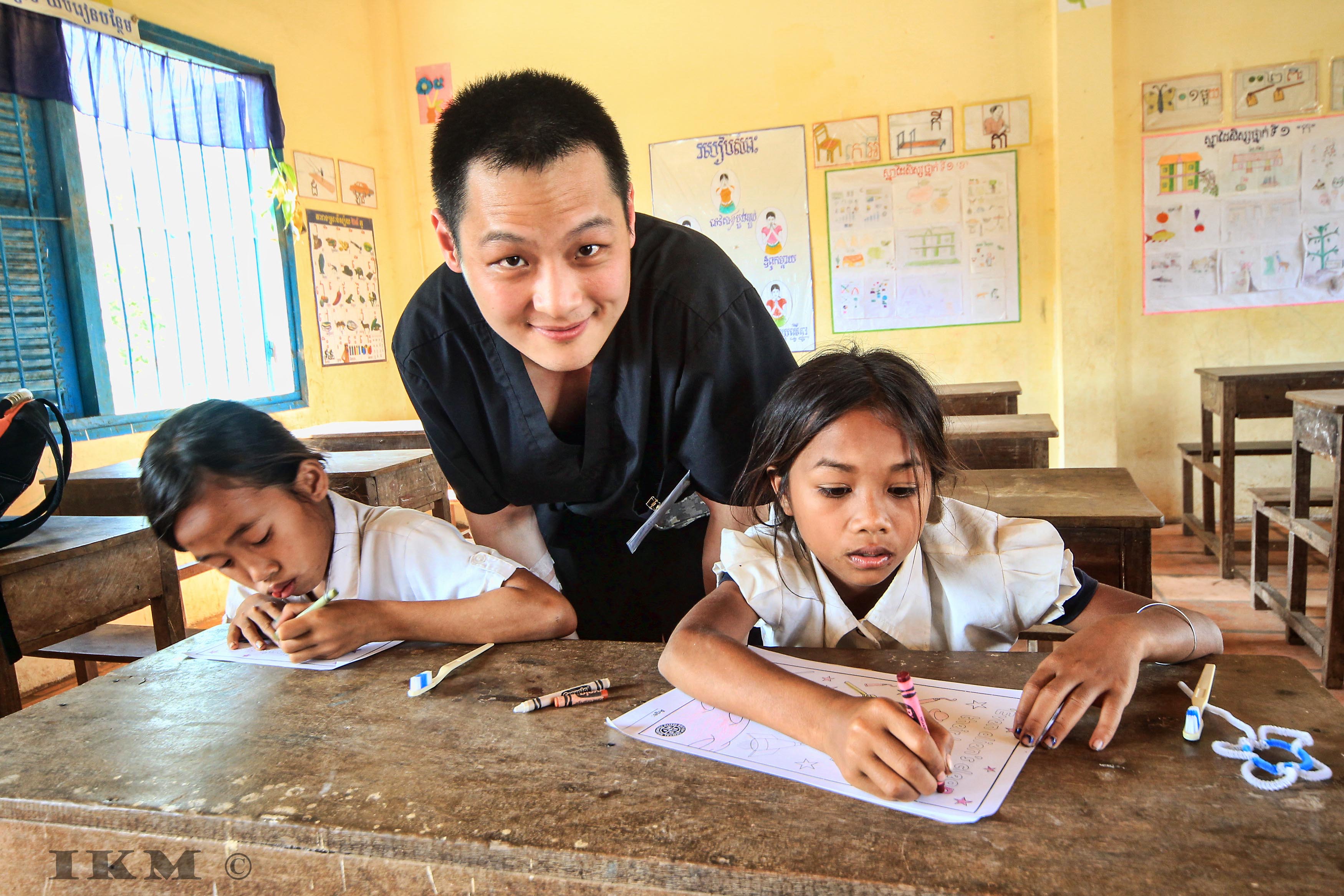
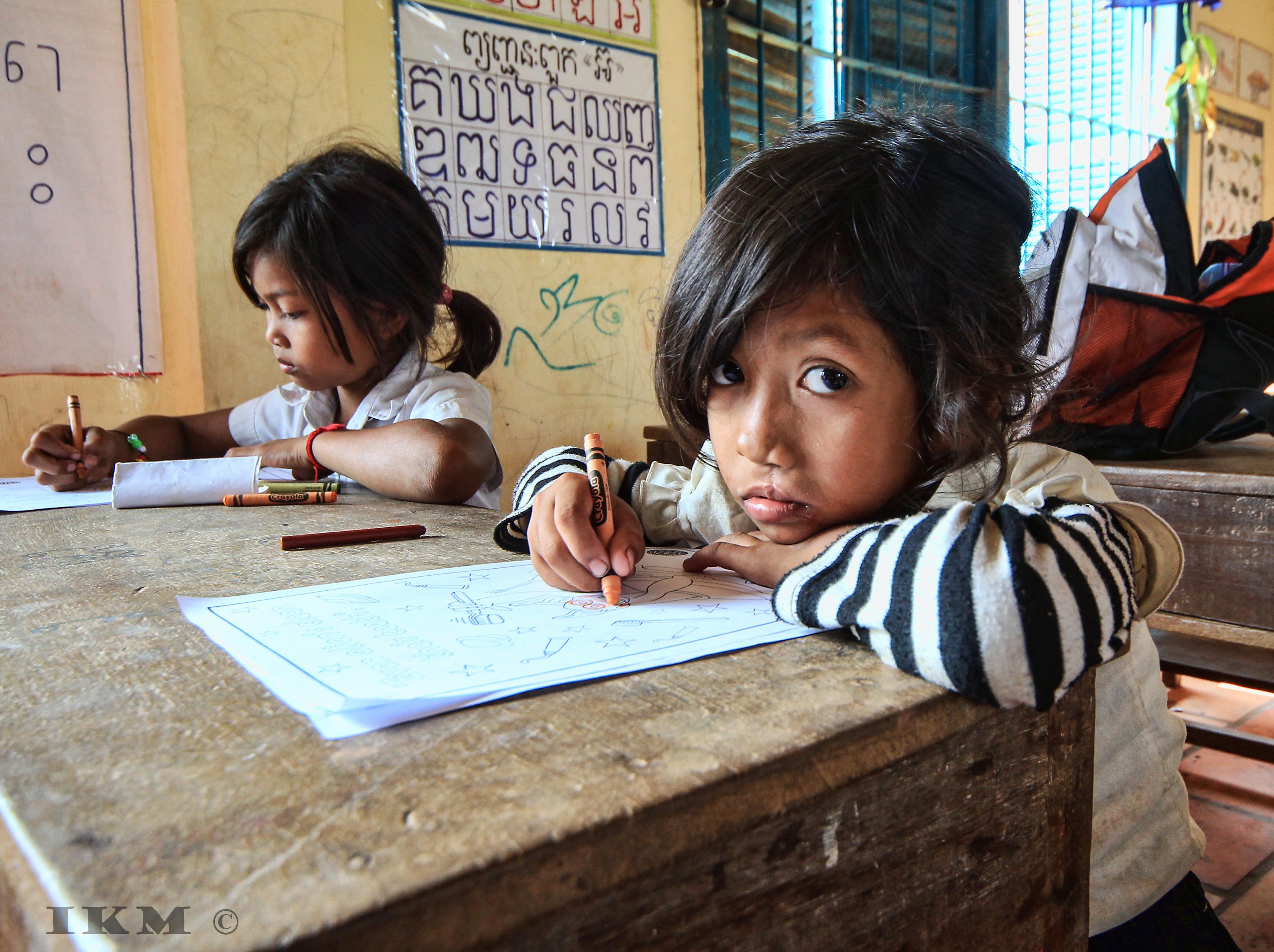
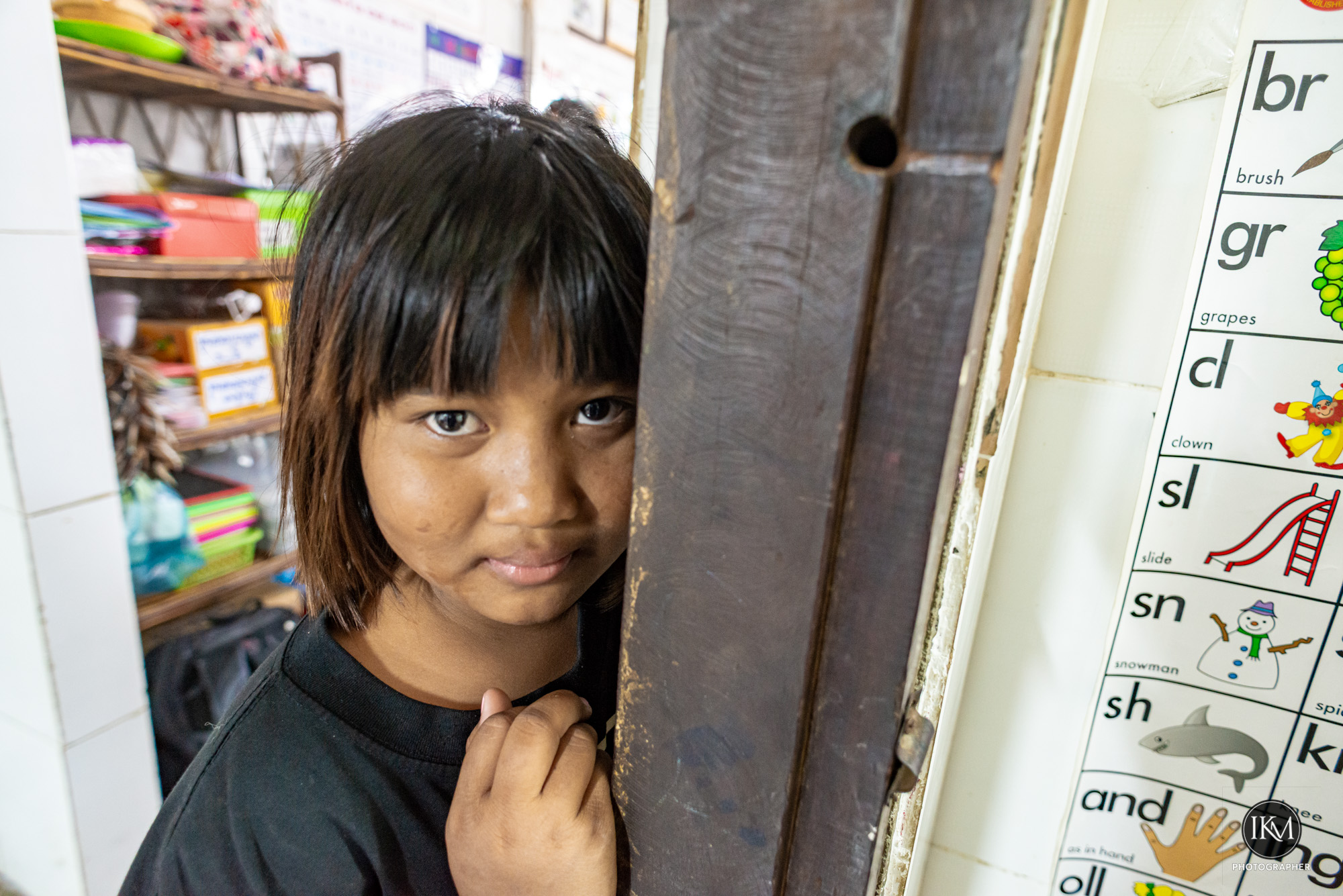
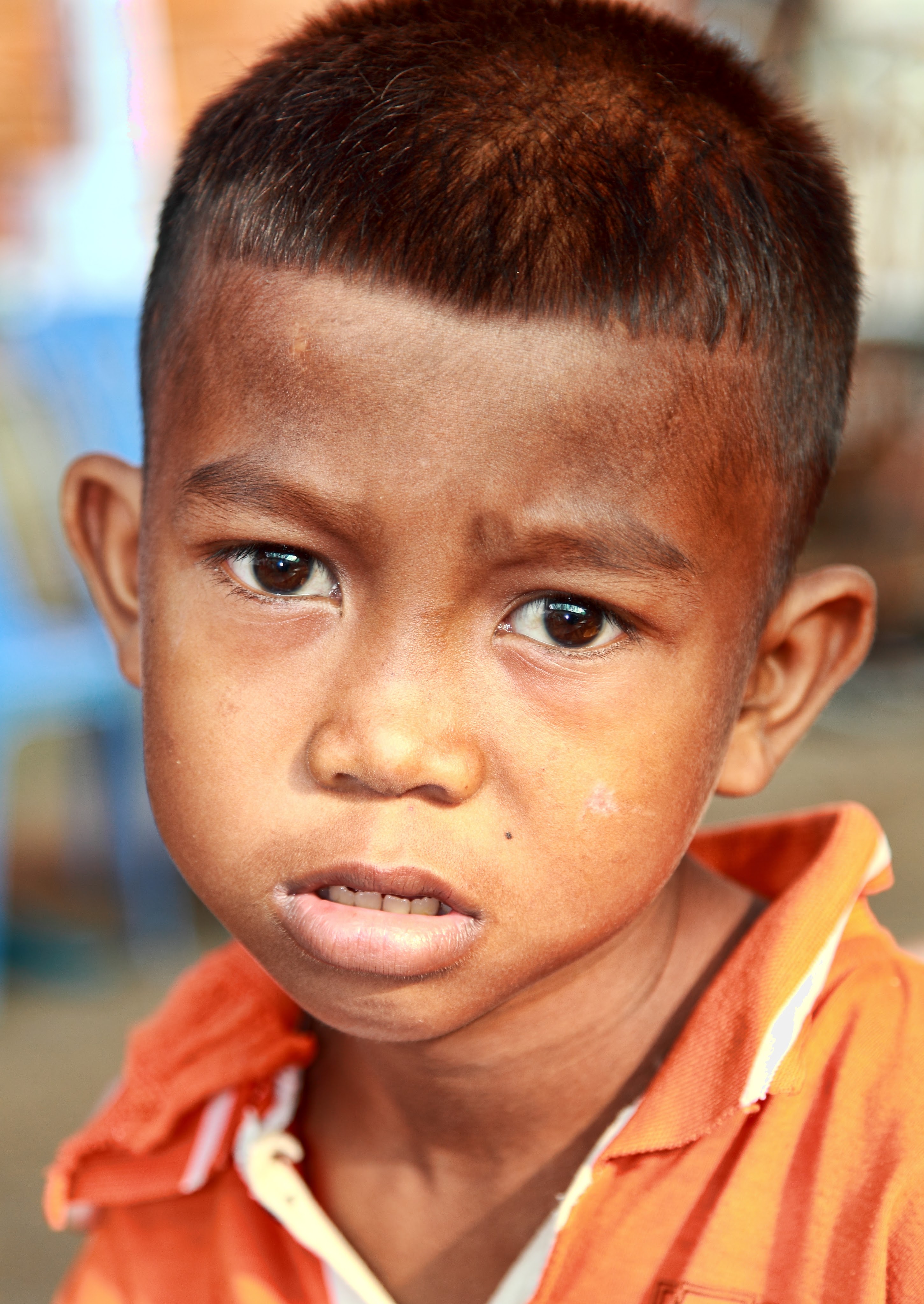
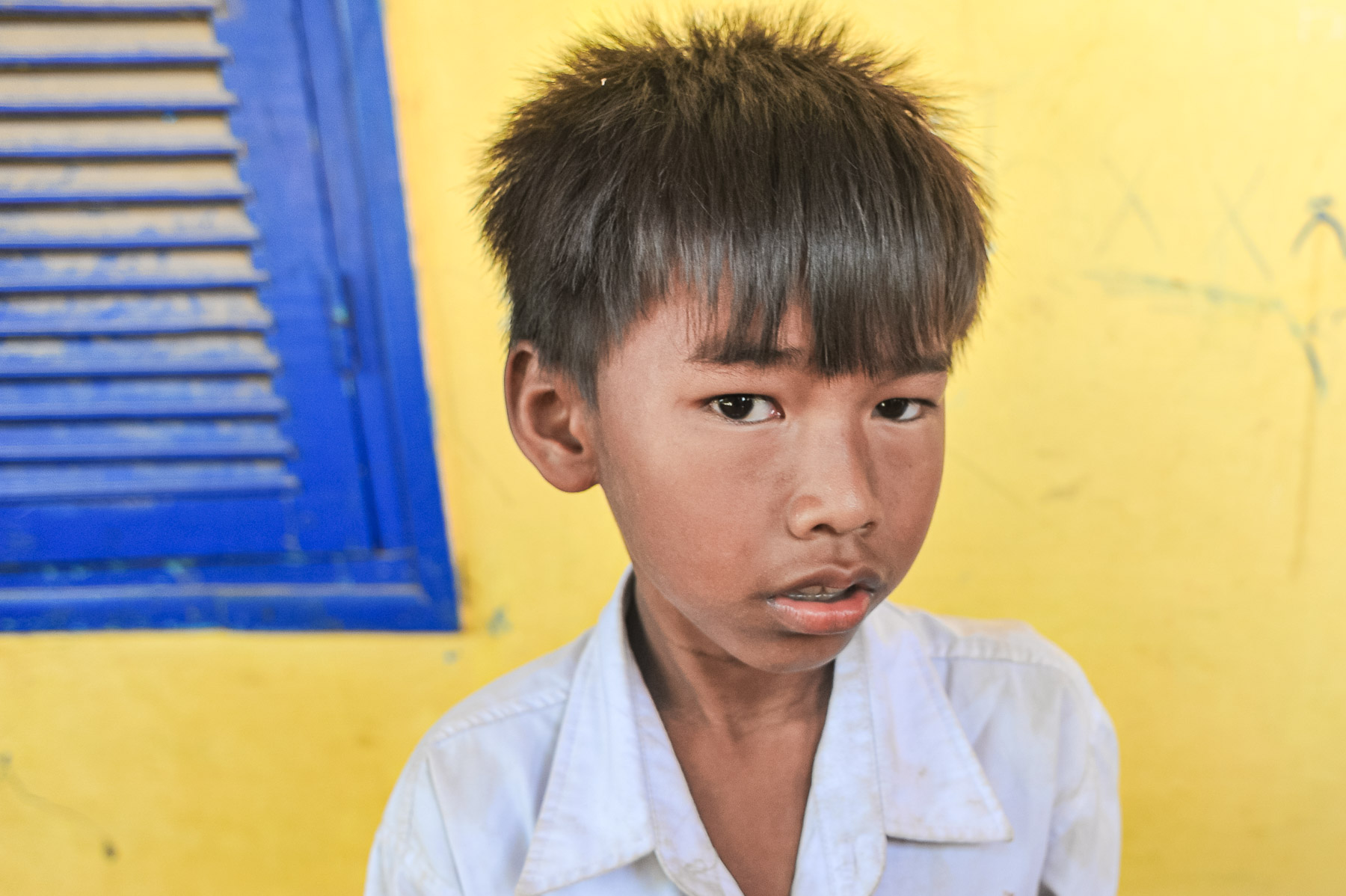
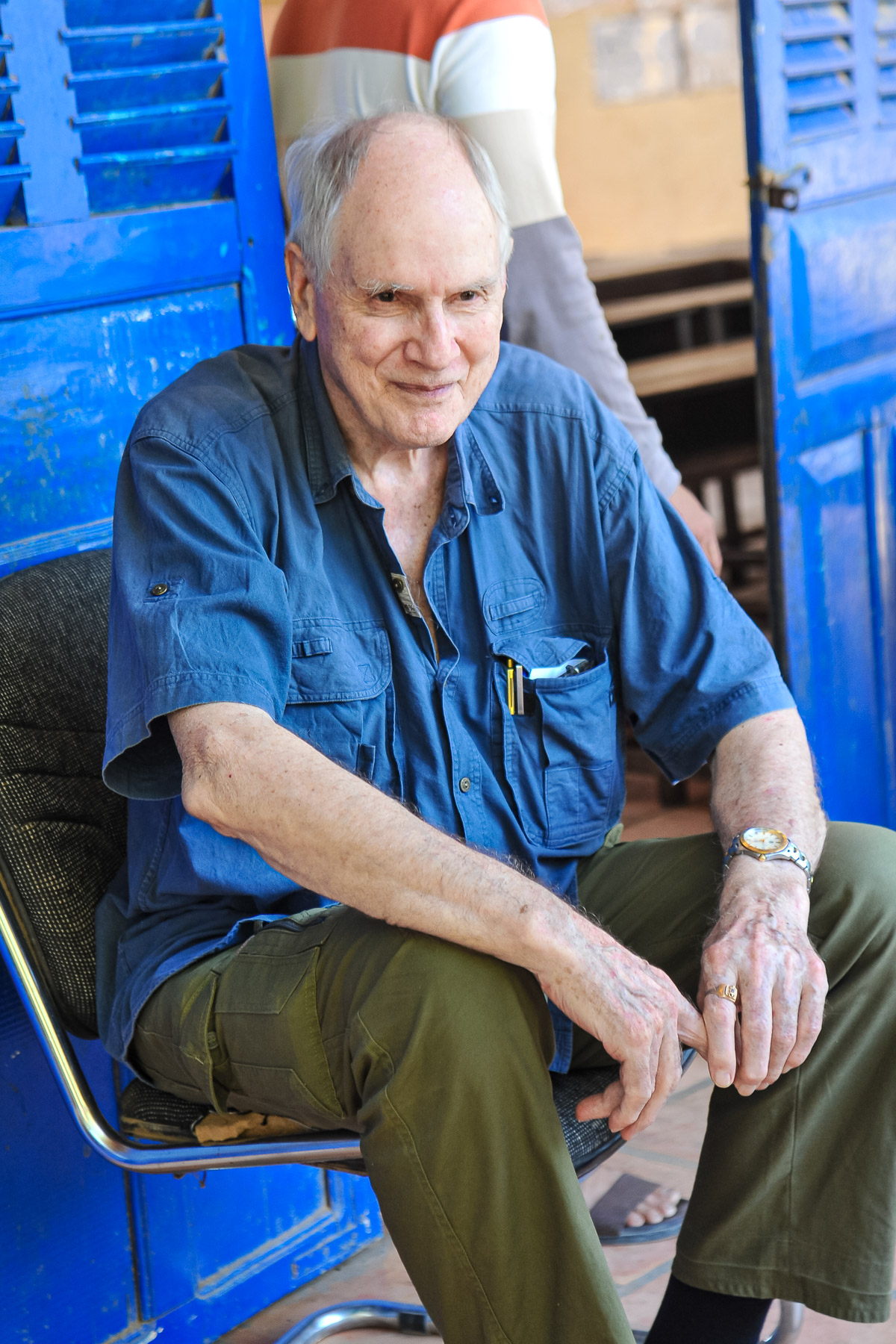
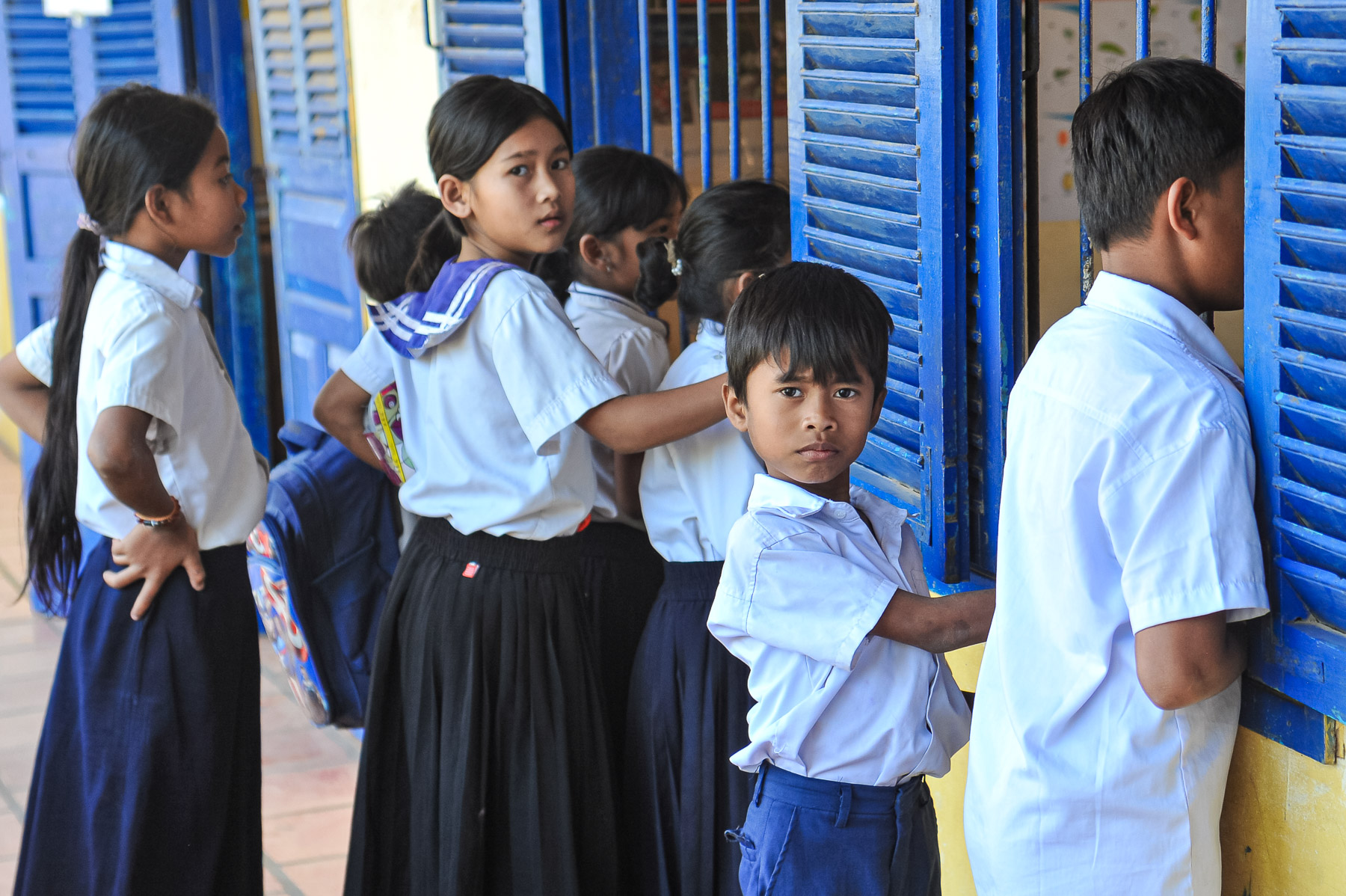
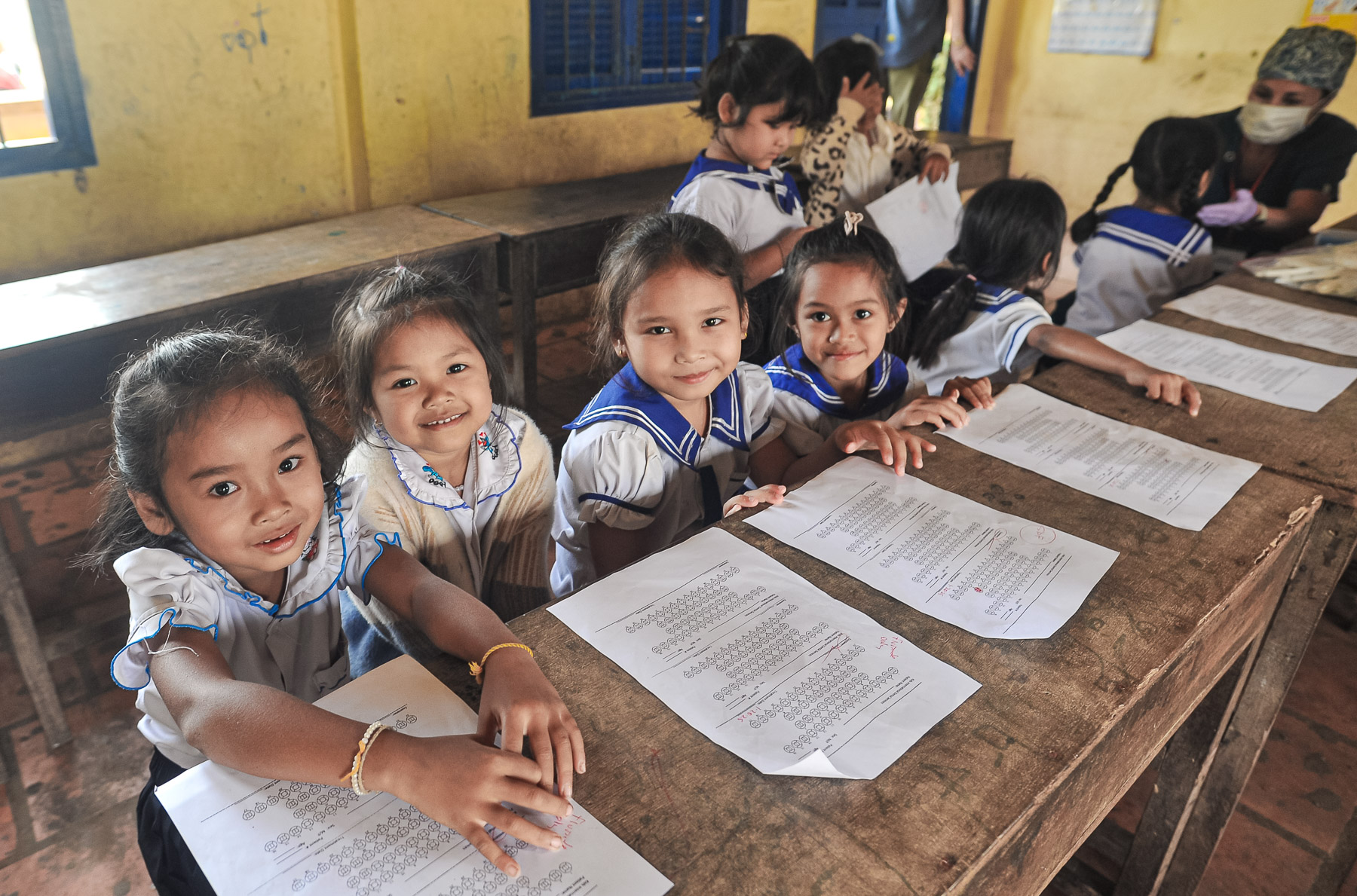
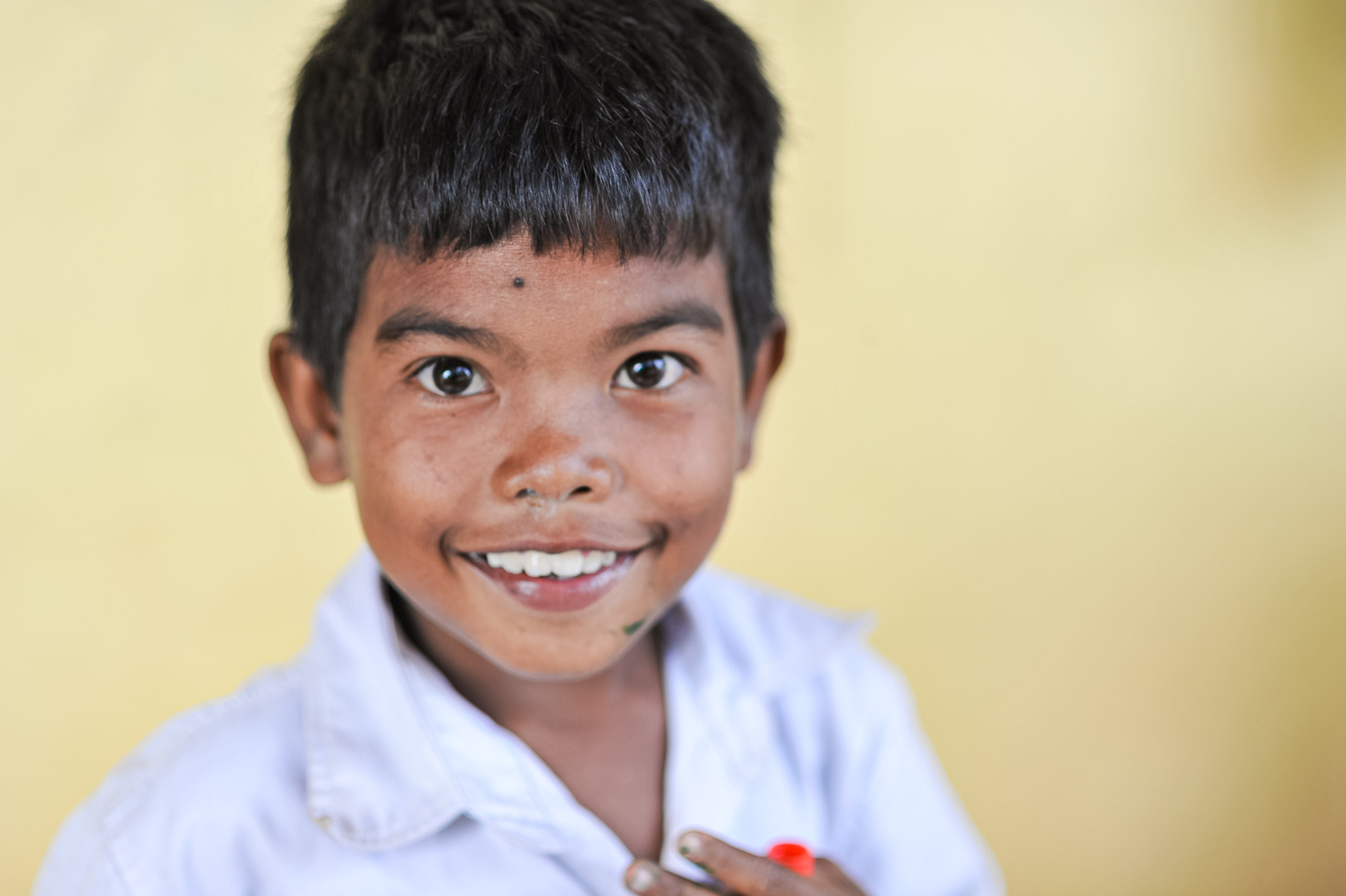
A child beside a classroom doorway. Photograph: Ian Kydd Miller.
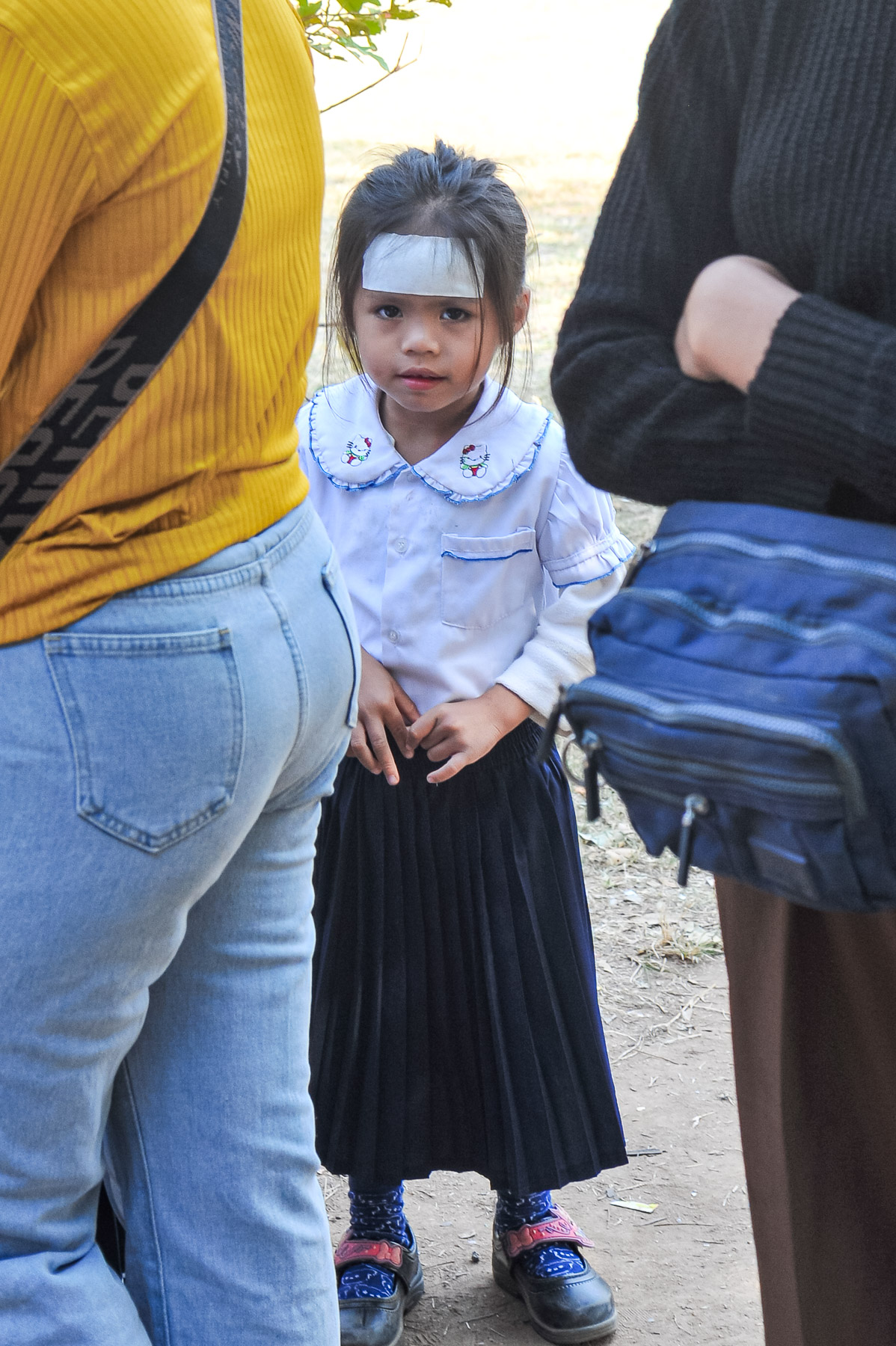
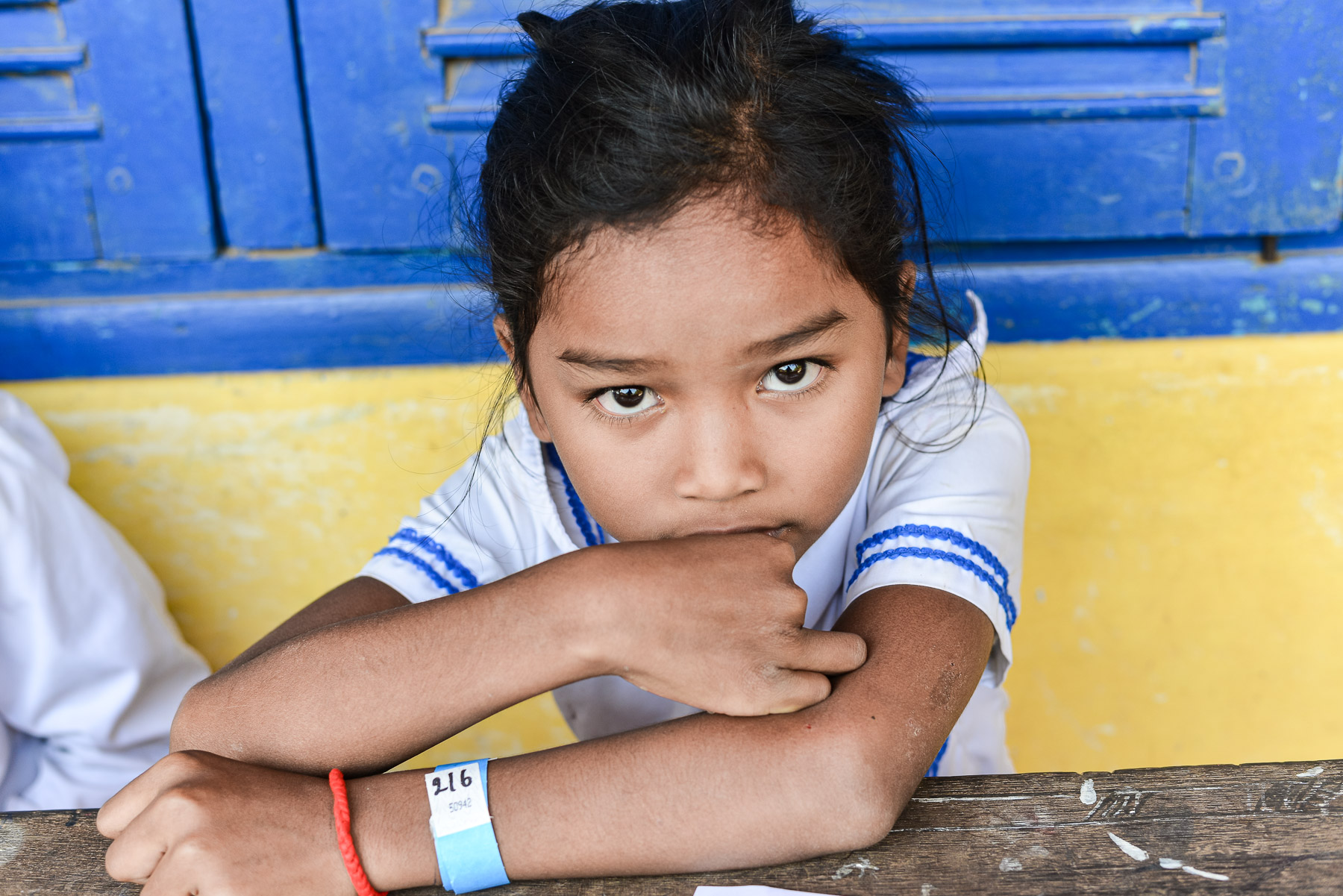
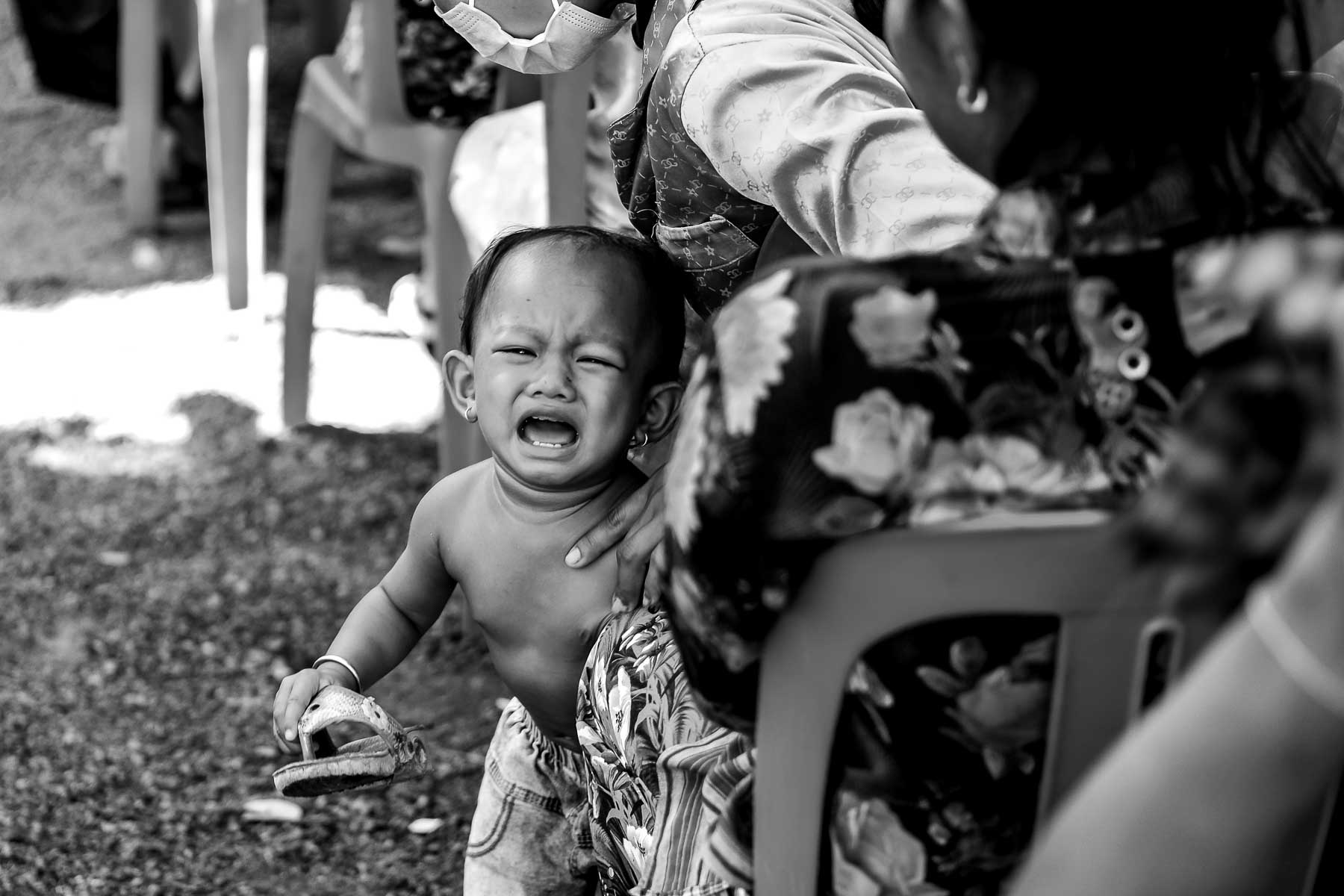
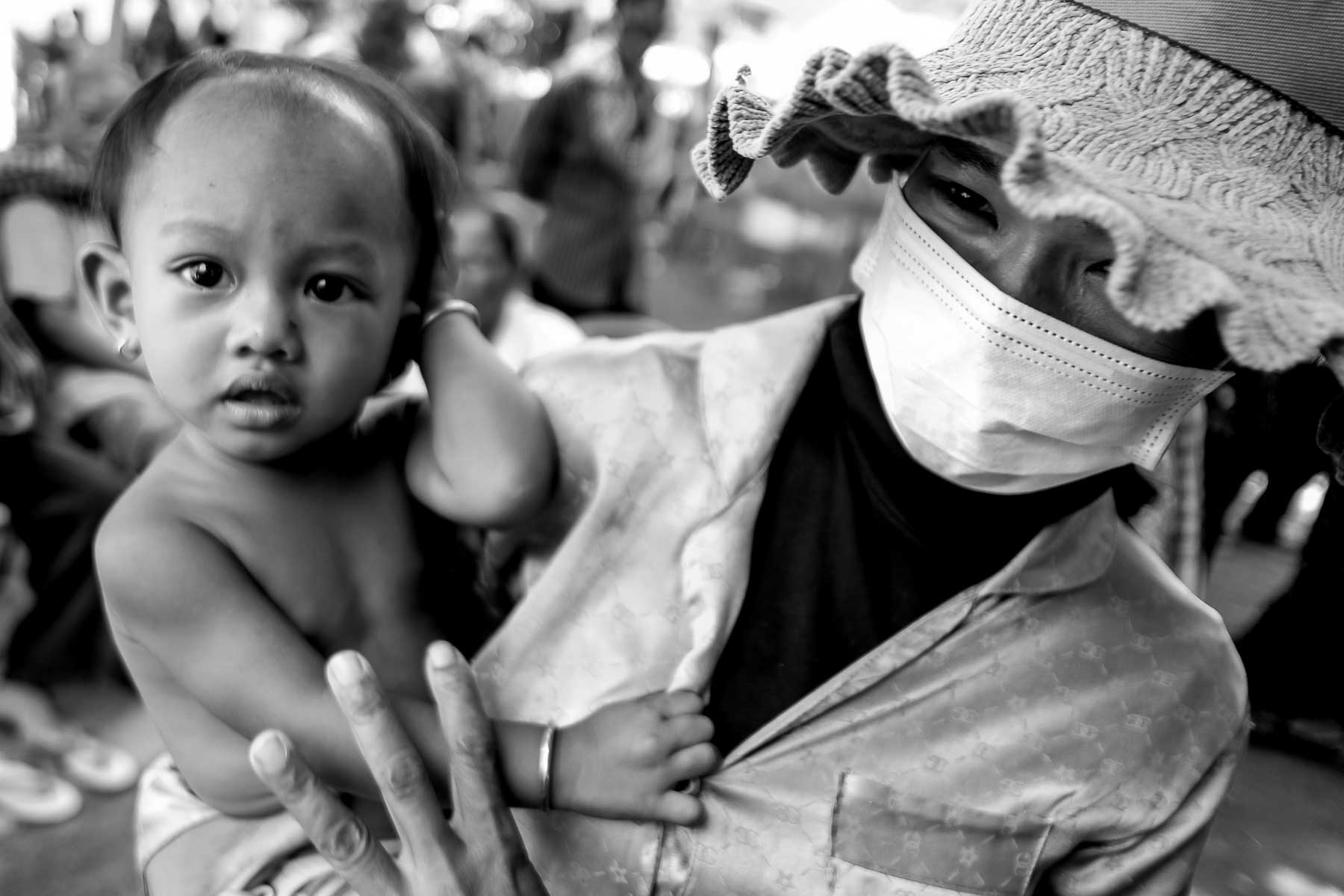
For me, photography belongs within that responsibility to explain. A picture should help people understand the work without humiliating the person receiving care. A child’s fear does not become public property because treatment is free. Clinical photographs require particular care in how they are made, selected, captioned and used.
My account of volunteering with a camera argues for showing cooperation and respecting the people in front of the lens. Local organisers and helpers belong in the record. So do the ordinary moments between procedures. The camera can preserve those relationships, but it cannot prove that every problem has been solved. 23
The evidence supports a history of experienced practitioners, younger professionals, students and general volunteers working with community organisations to deliver care that children might otherwise have struggled to obtain. It also leaves questions about complete rosters, recent mission dates, long-term outcomes and continuity. An honest history can acknowledge the work without filling those gaps with enthusiasm.
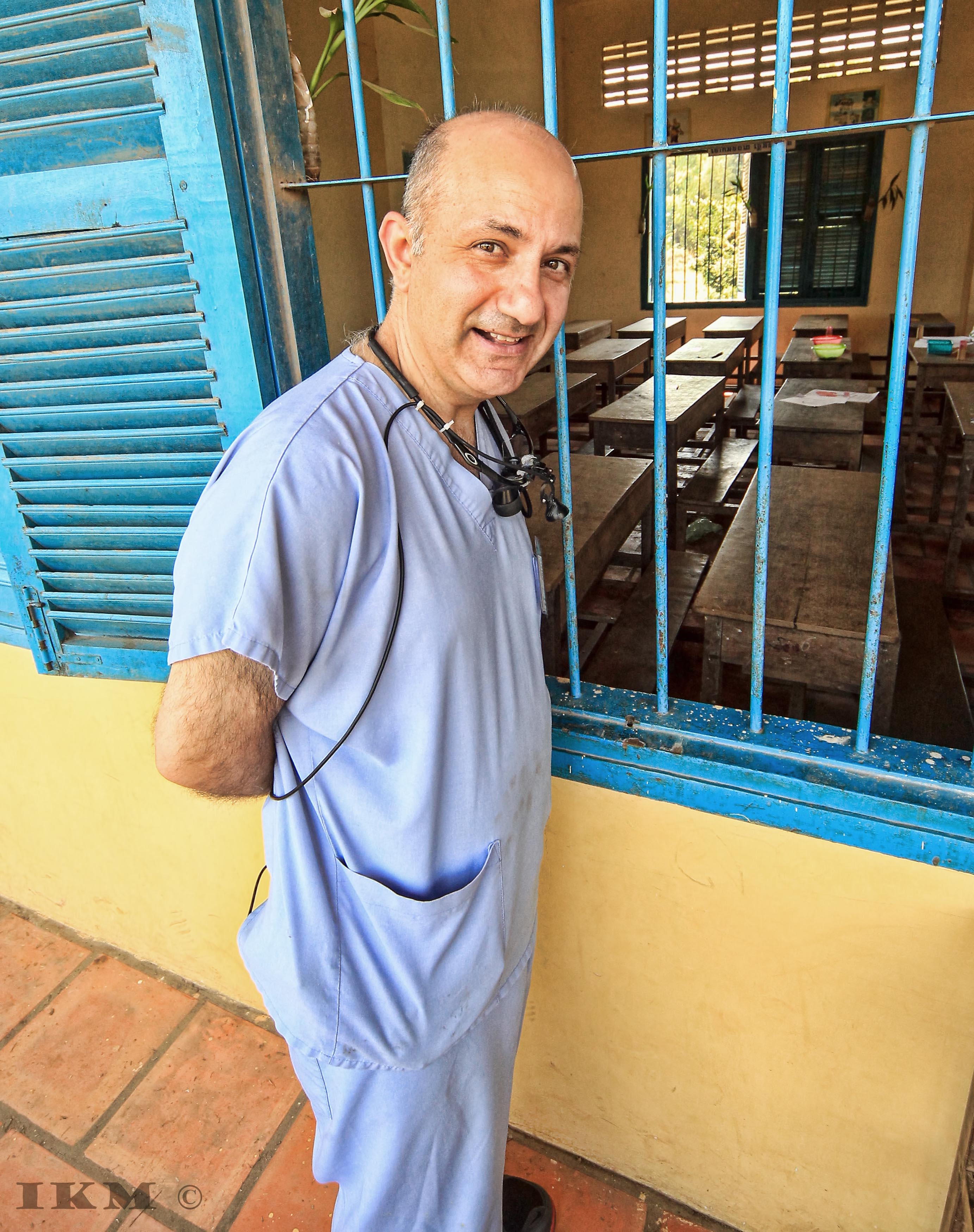
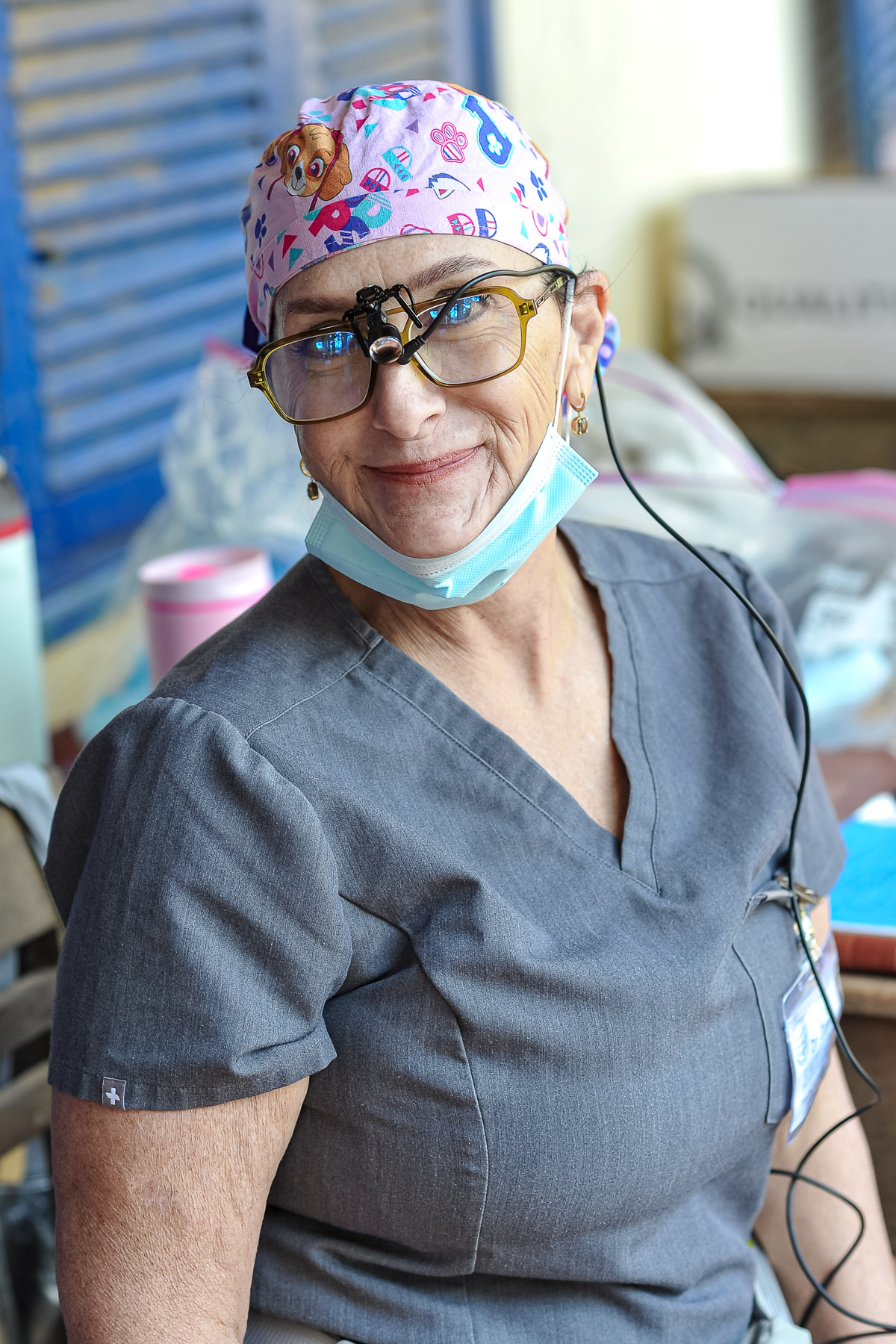
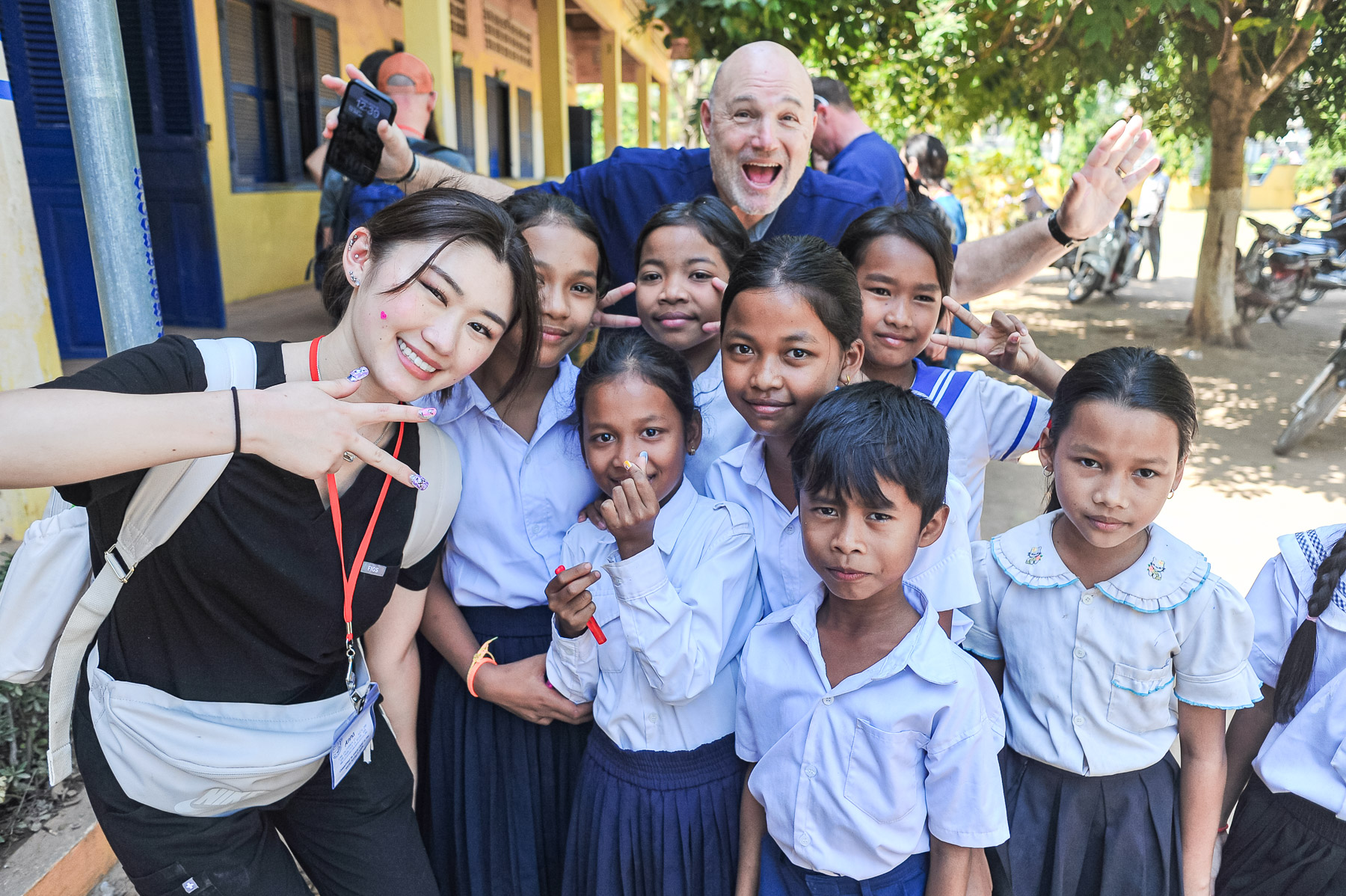
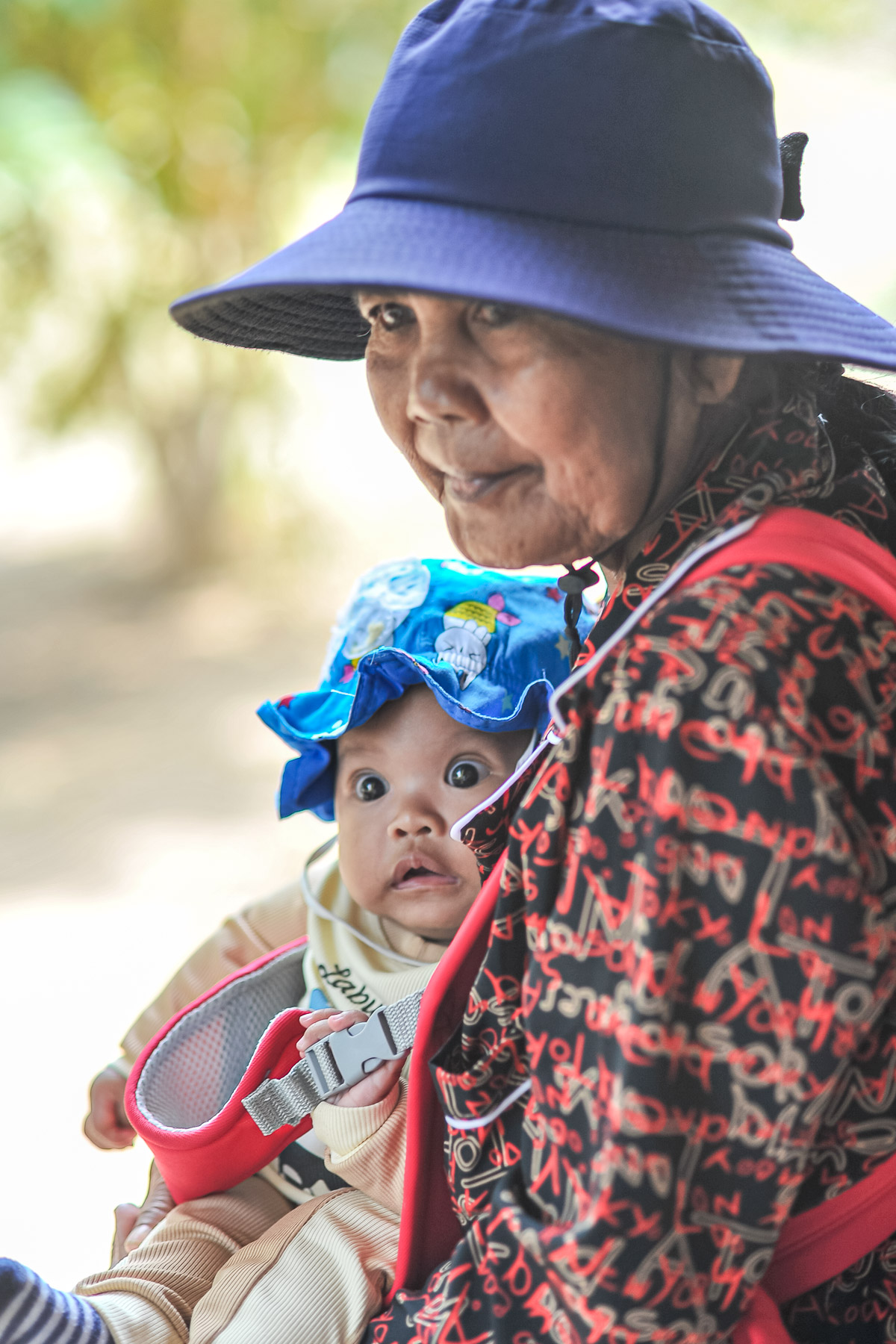
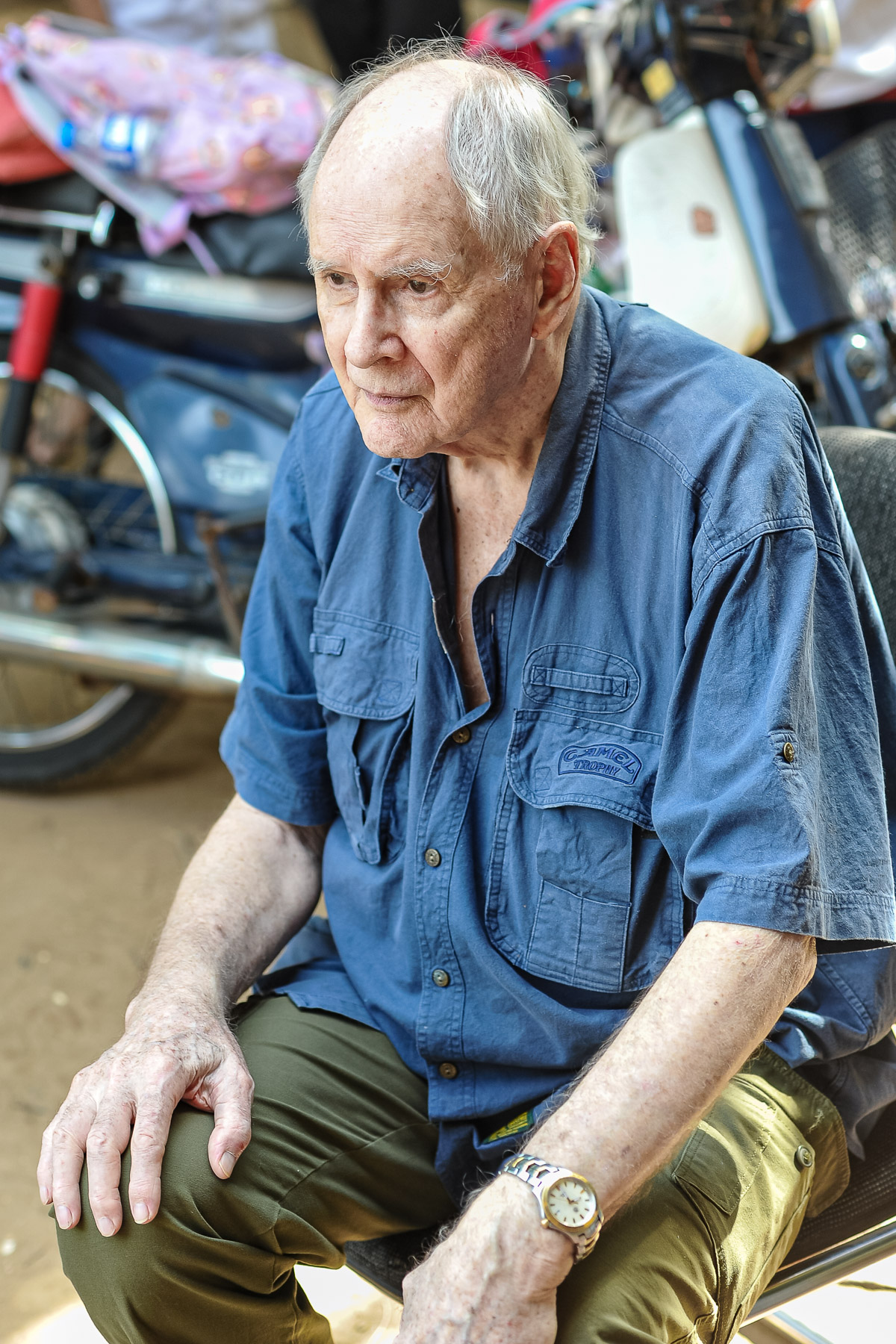
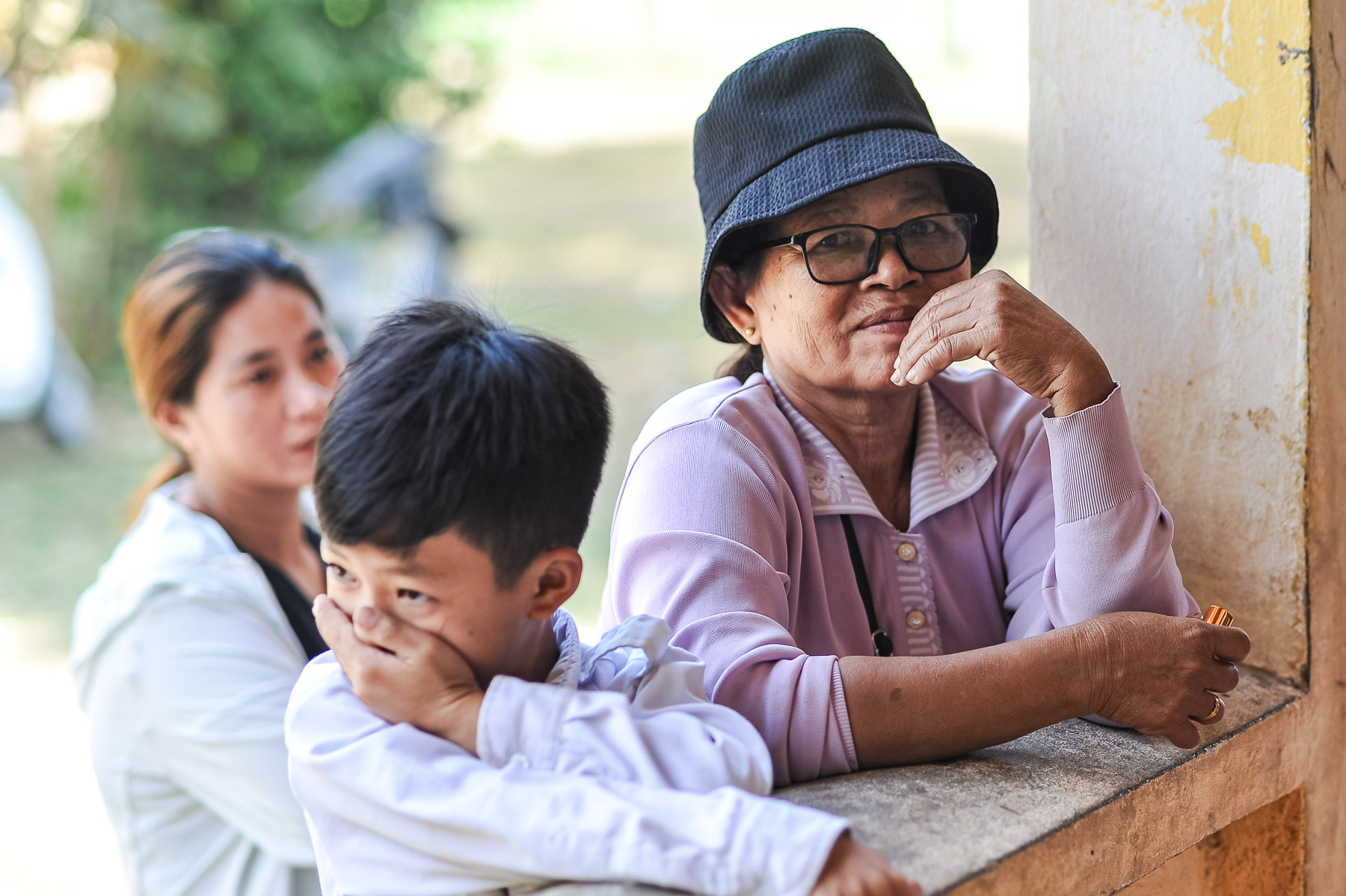
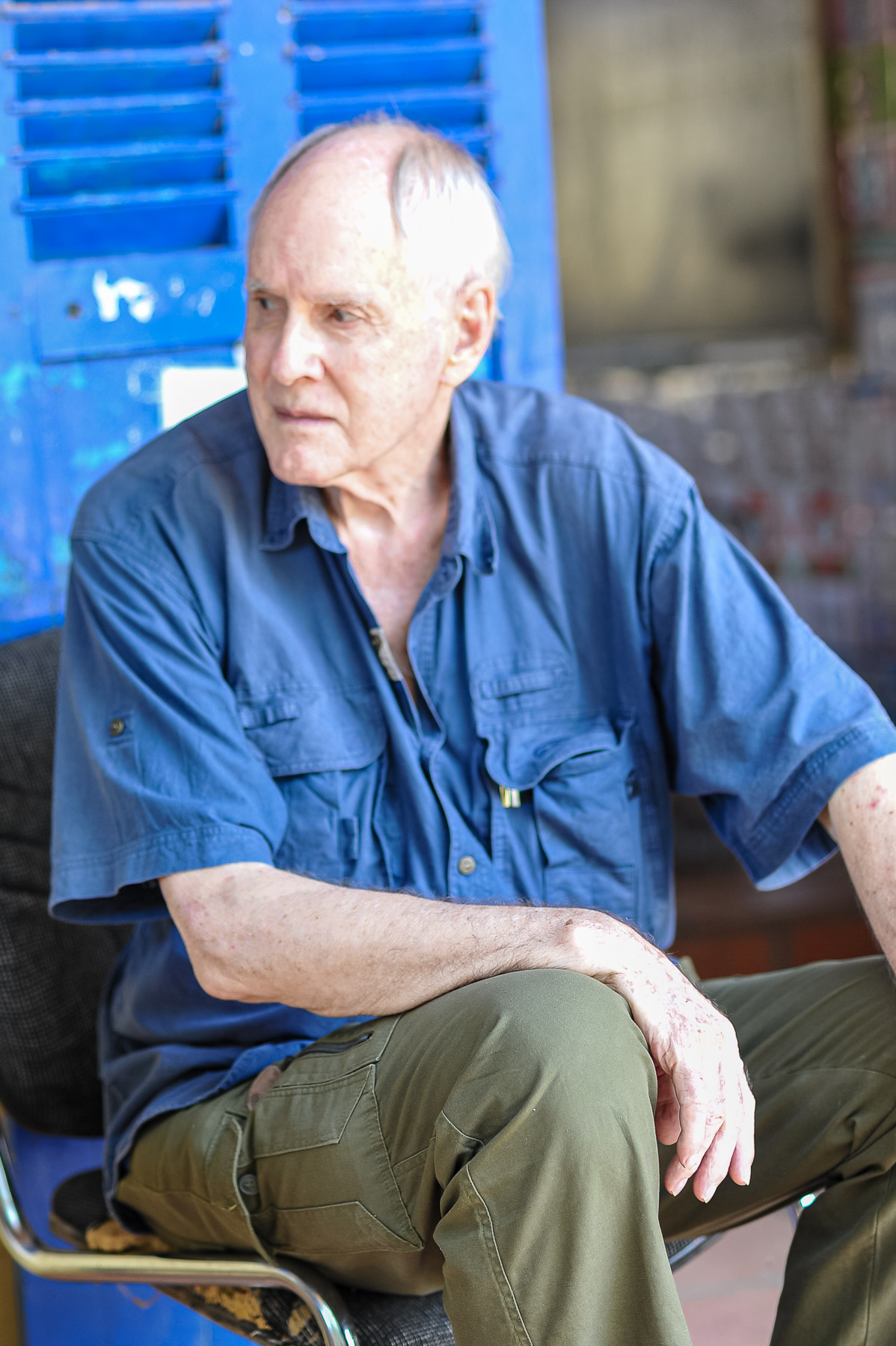
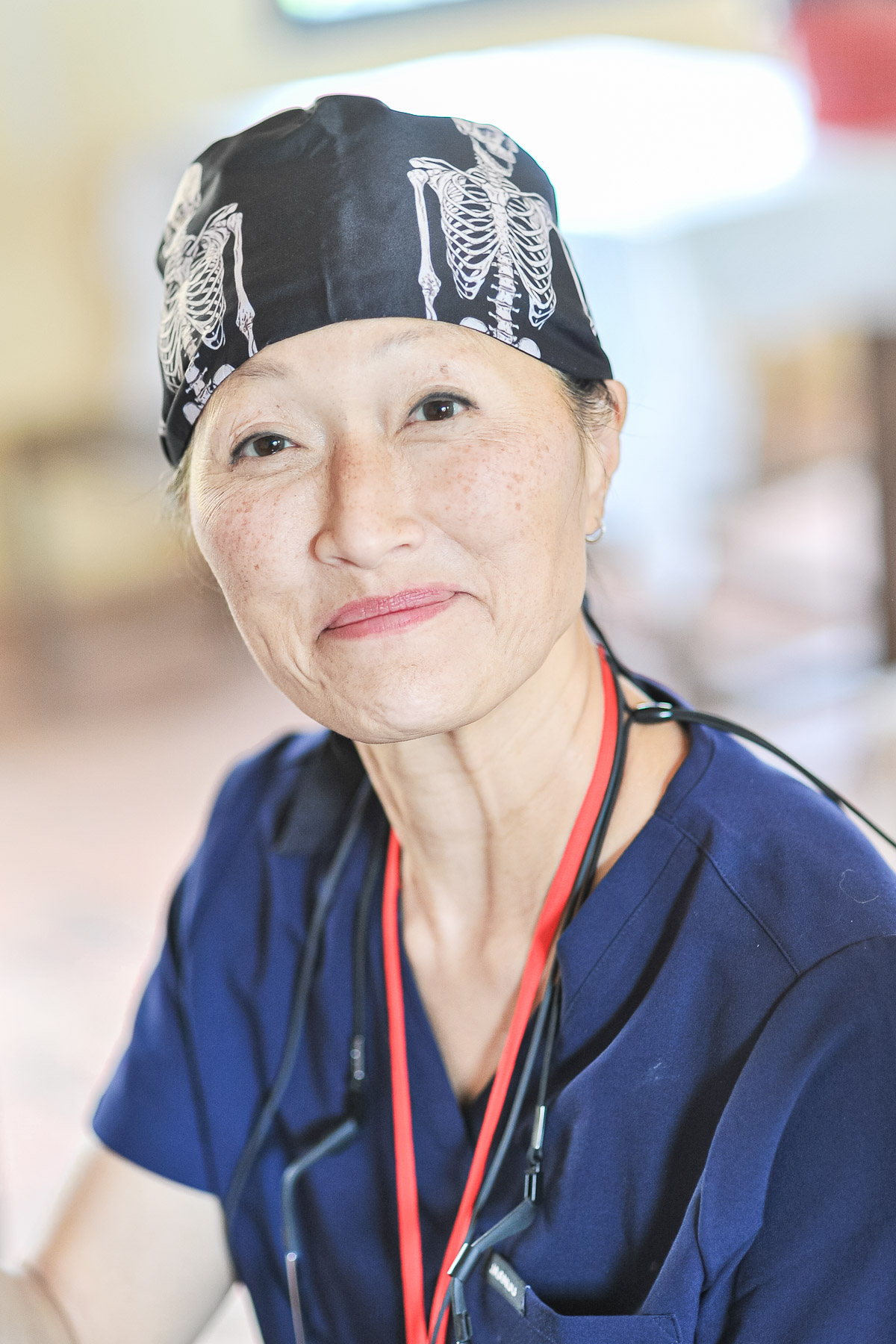
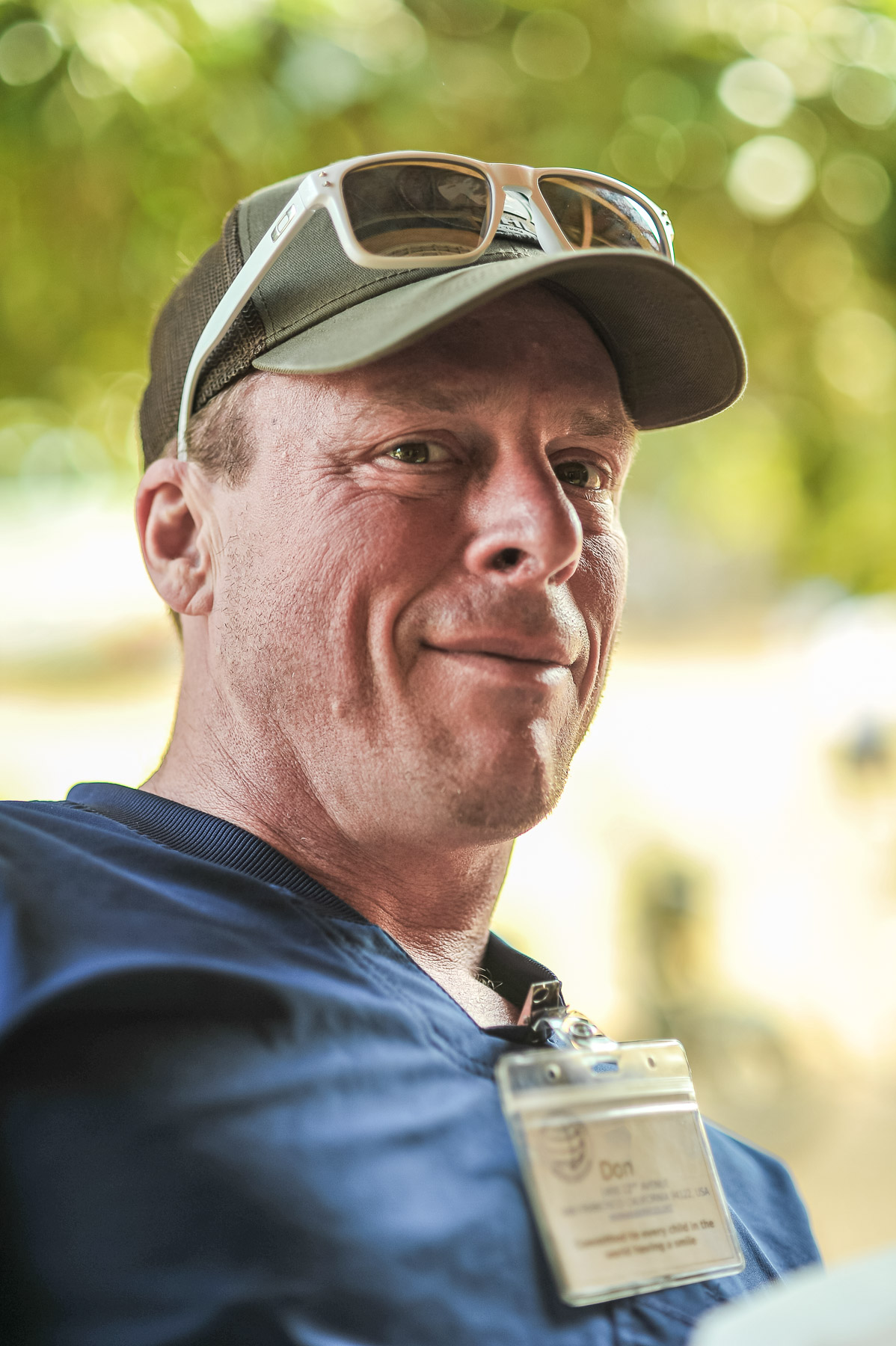
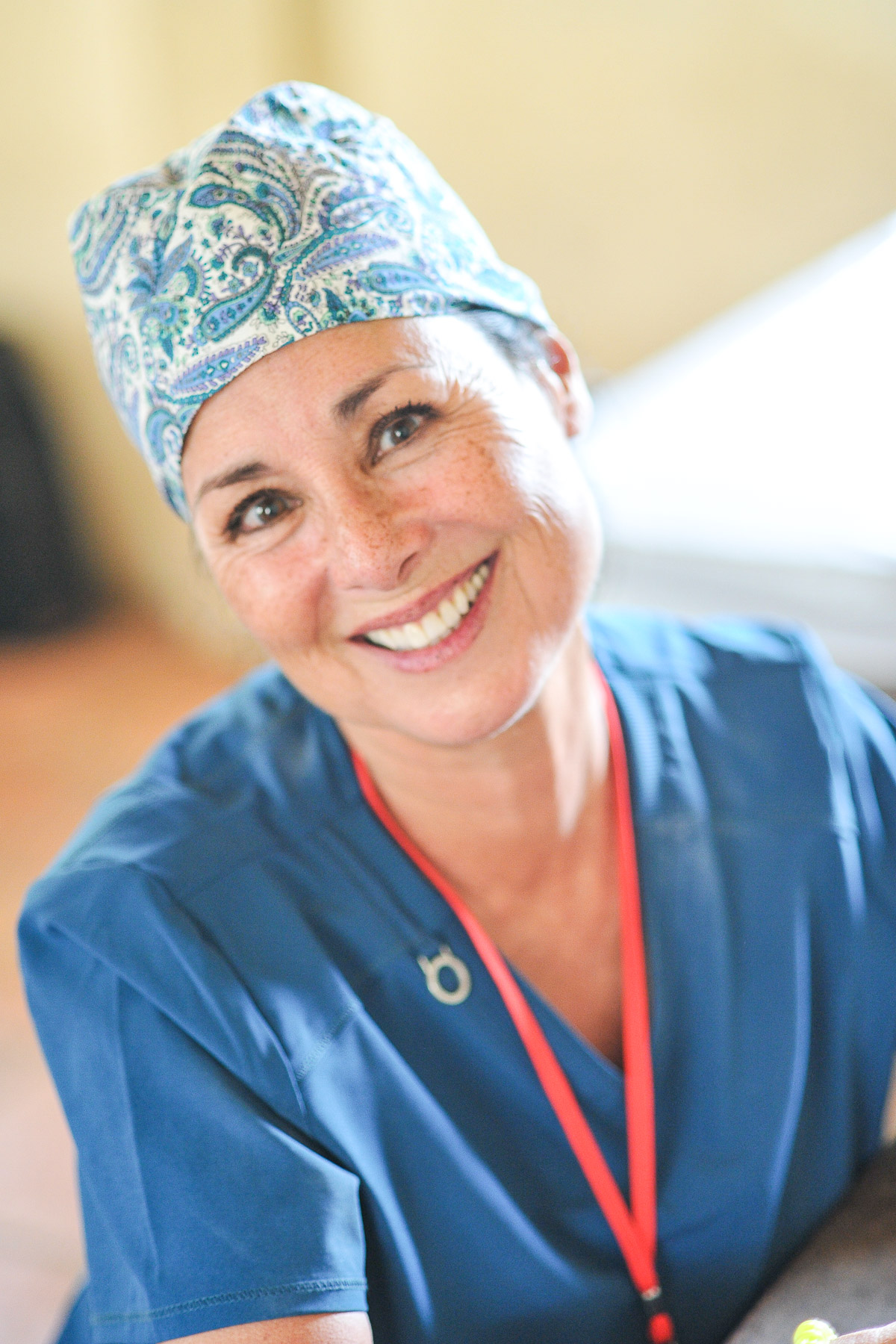
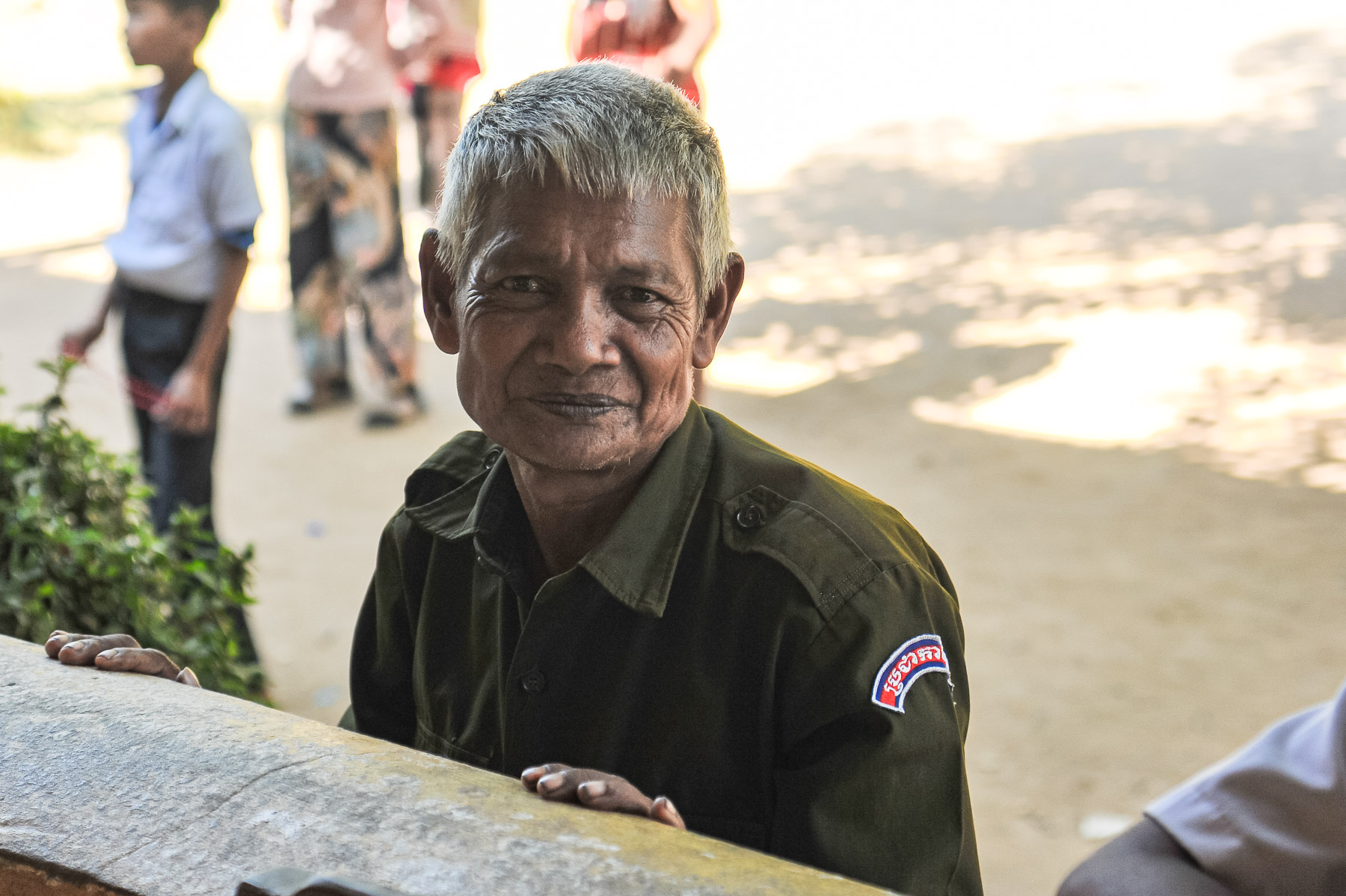
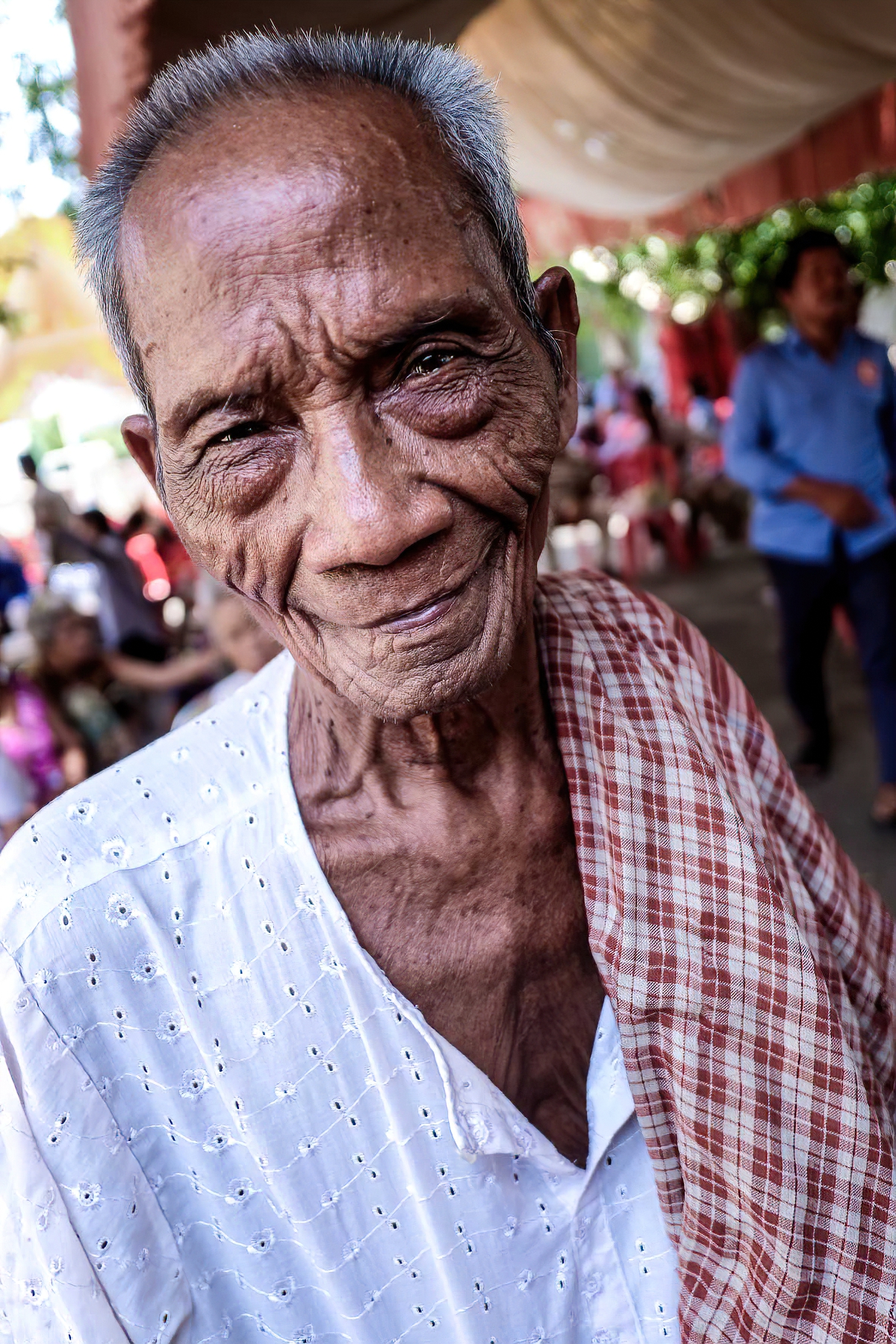
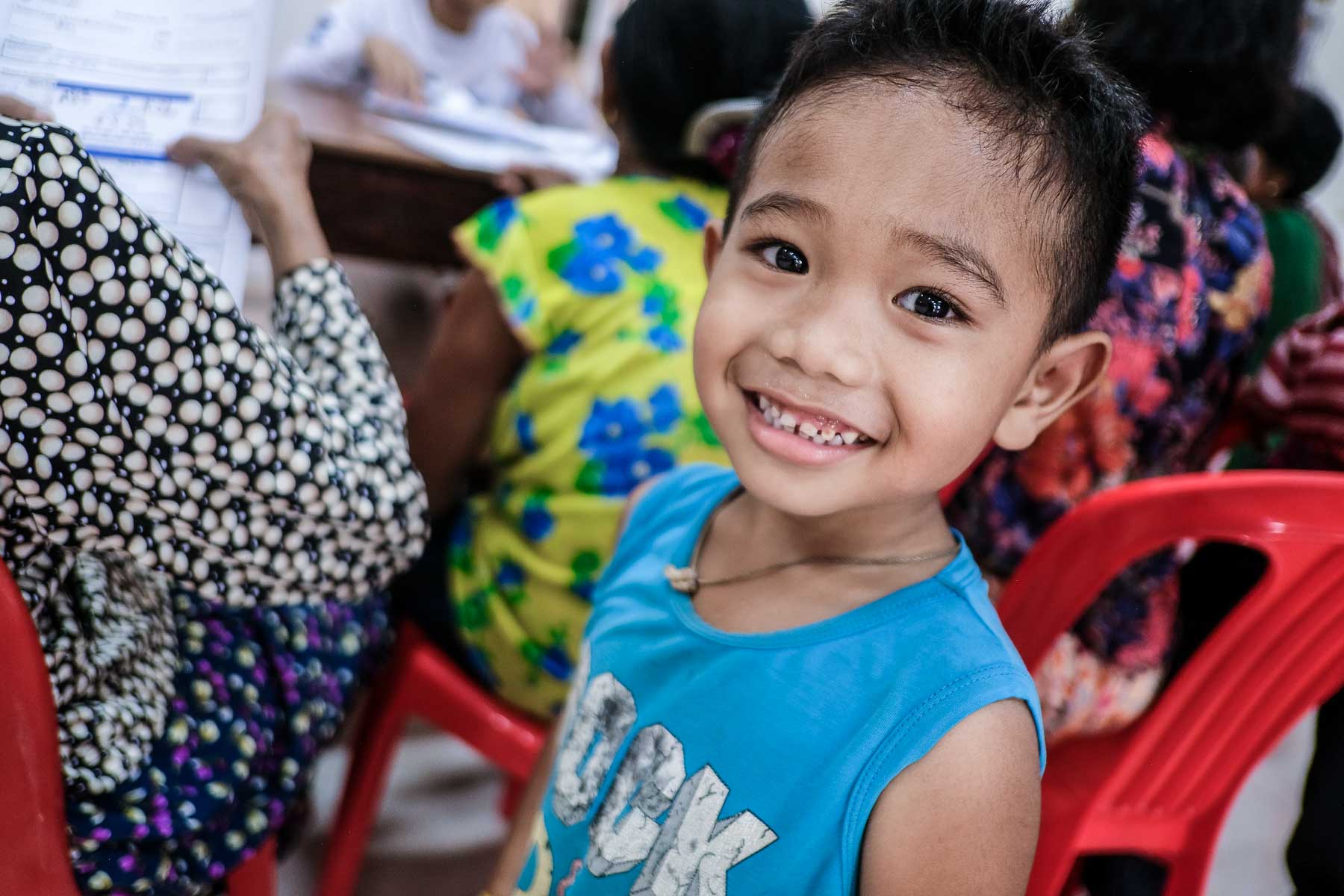
The team photograph records the people assembled for the task. The treatment photographs record their concentration. The portraits remind us who the undertaking was for.
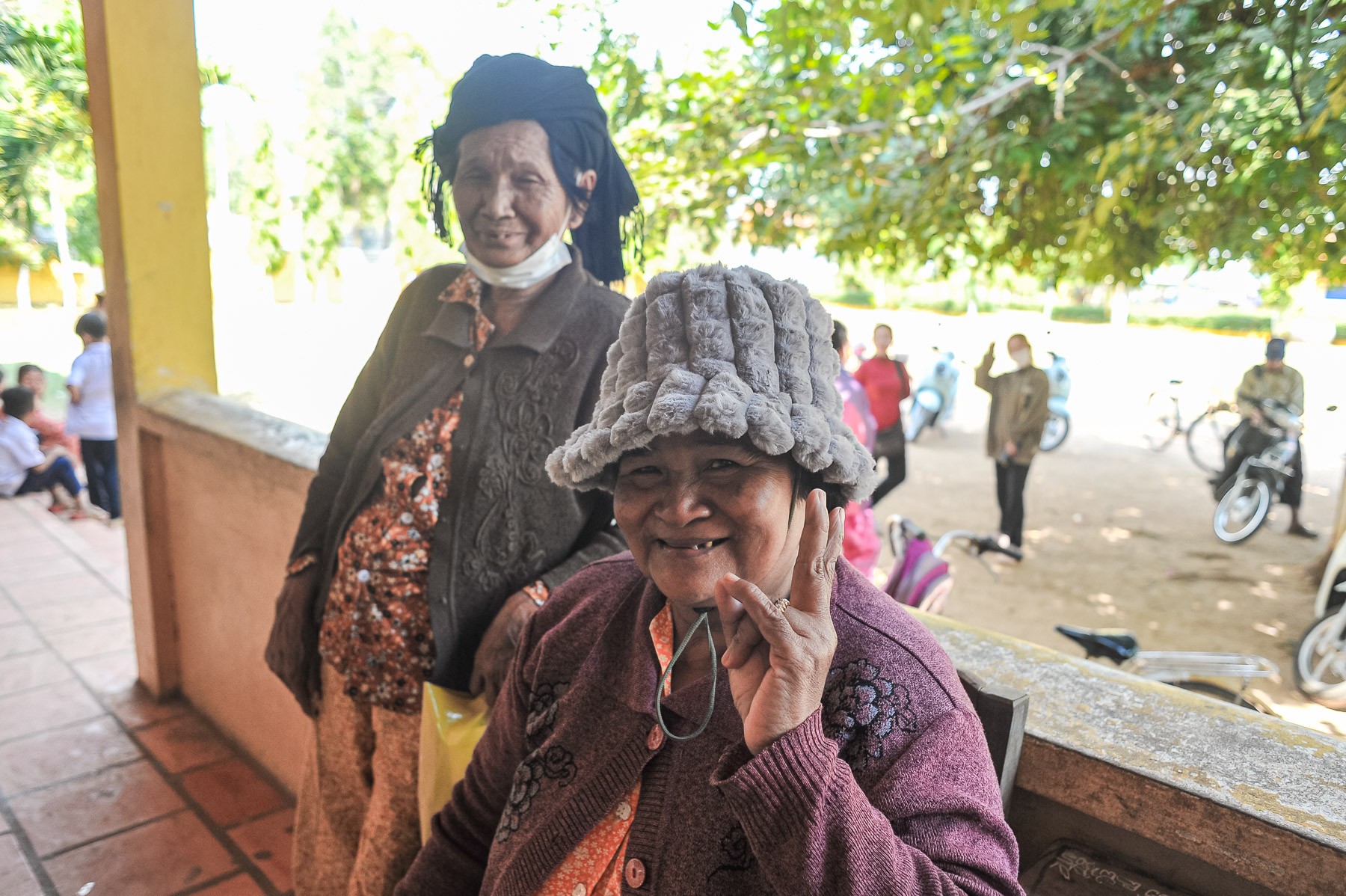
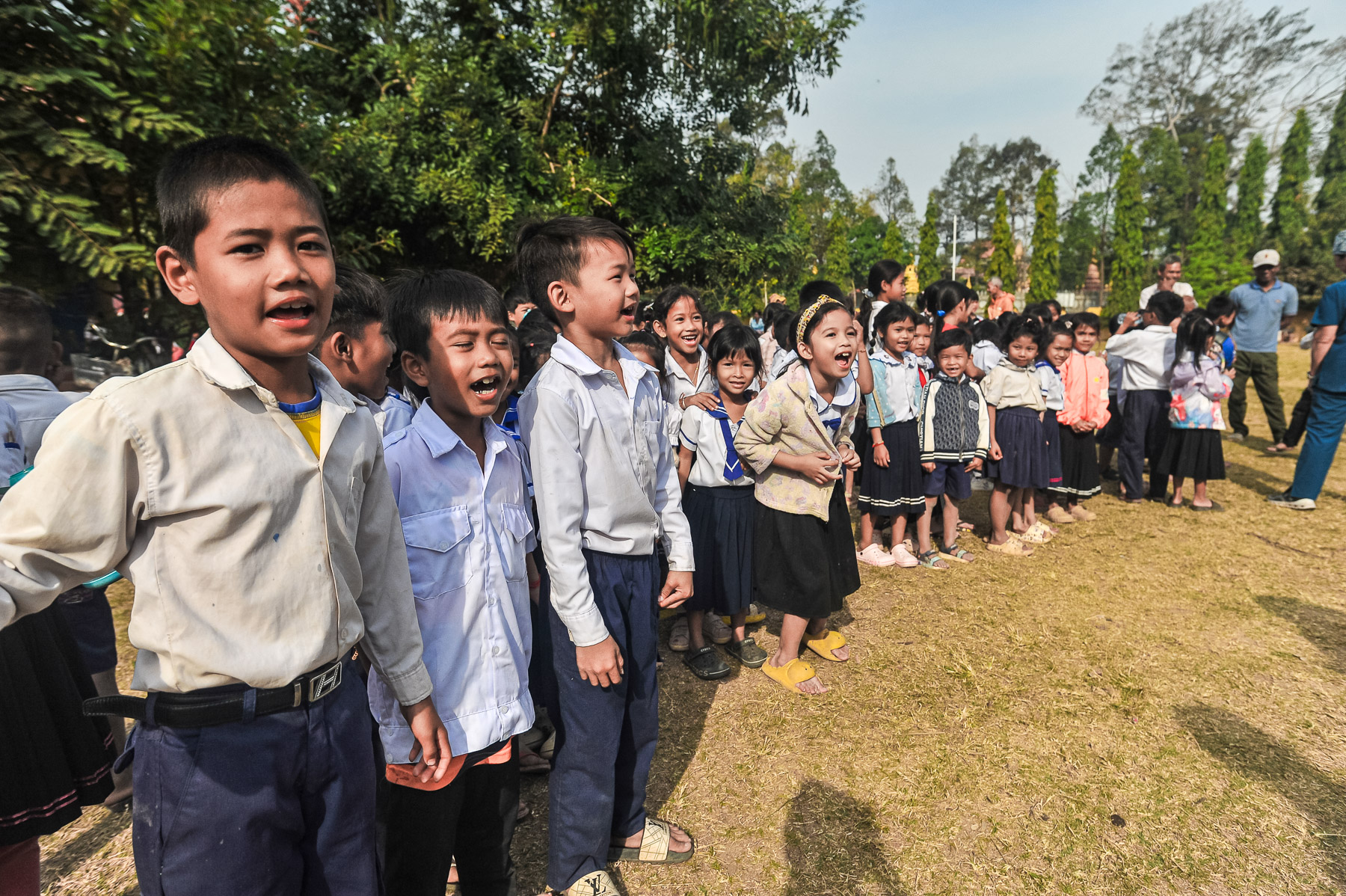
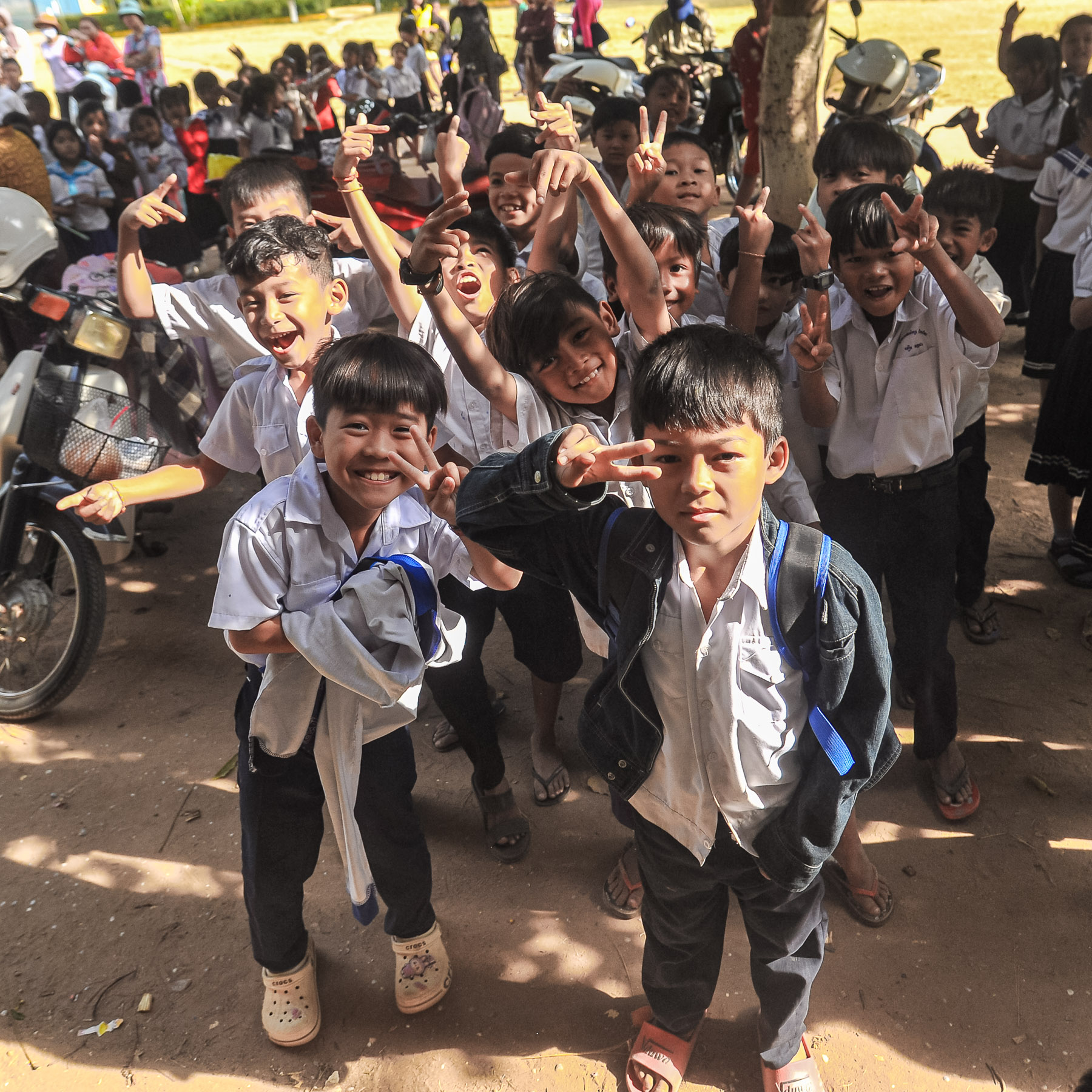
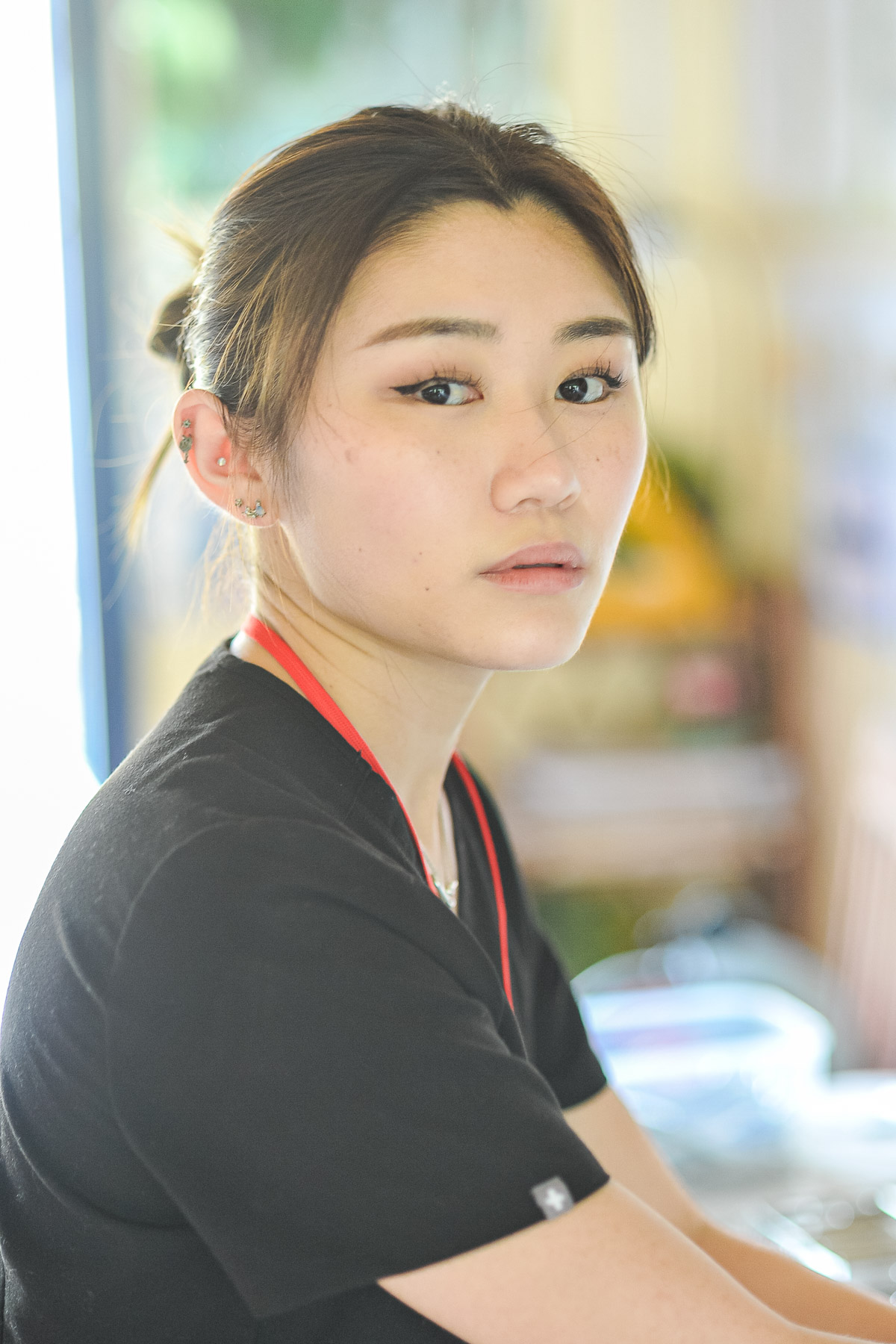
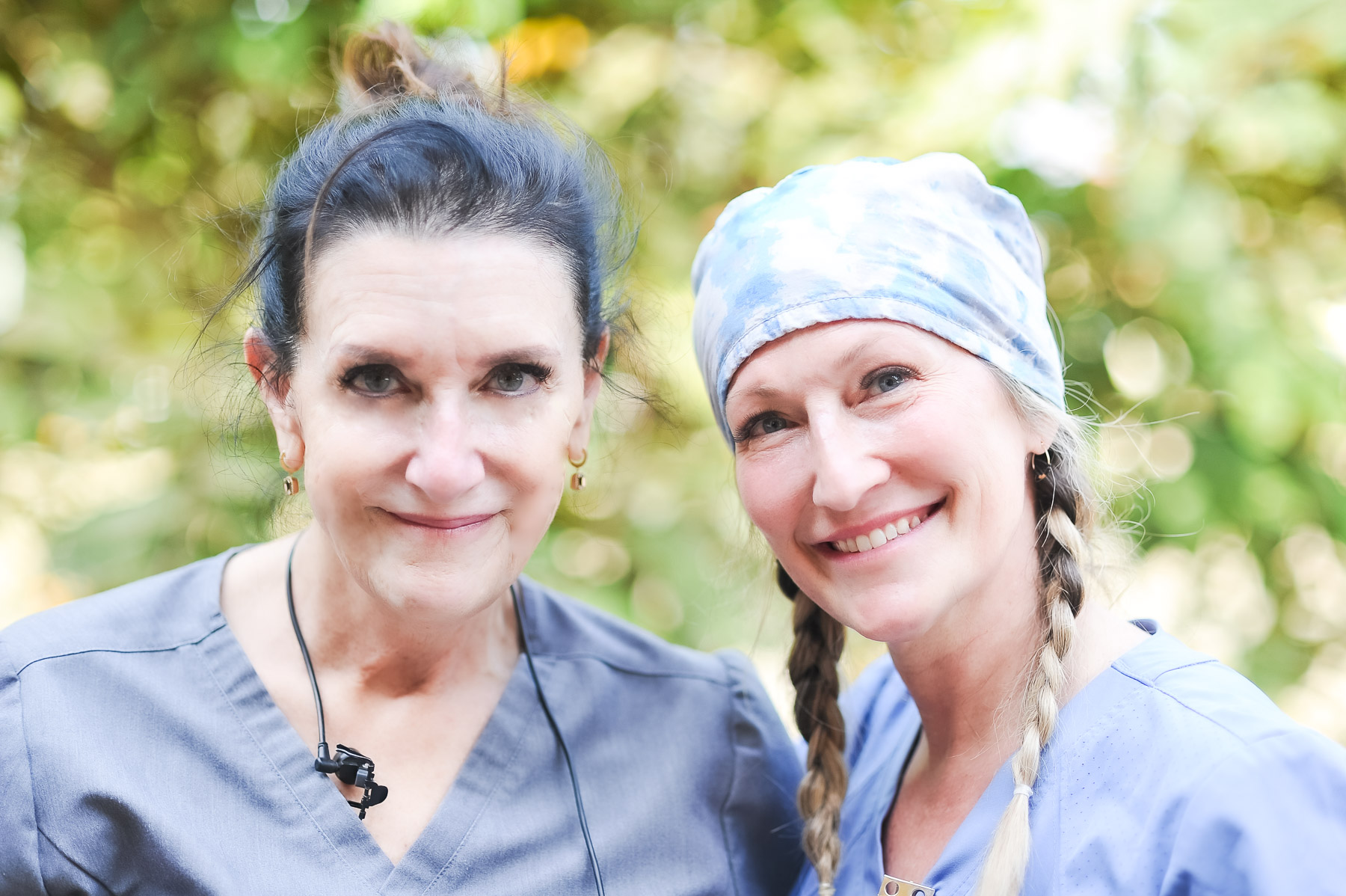
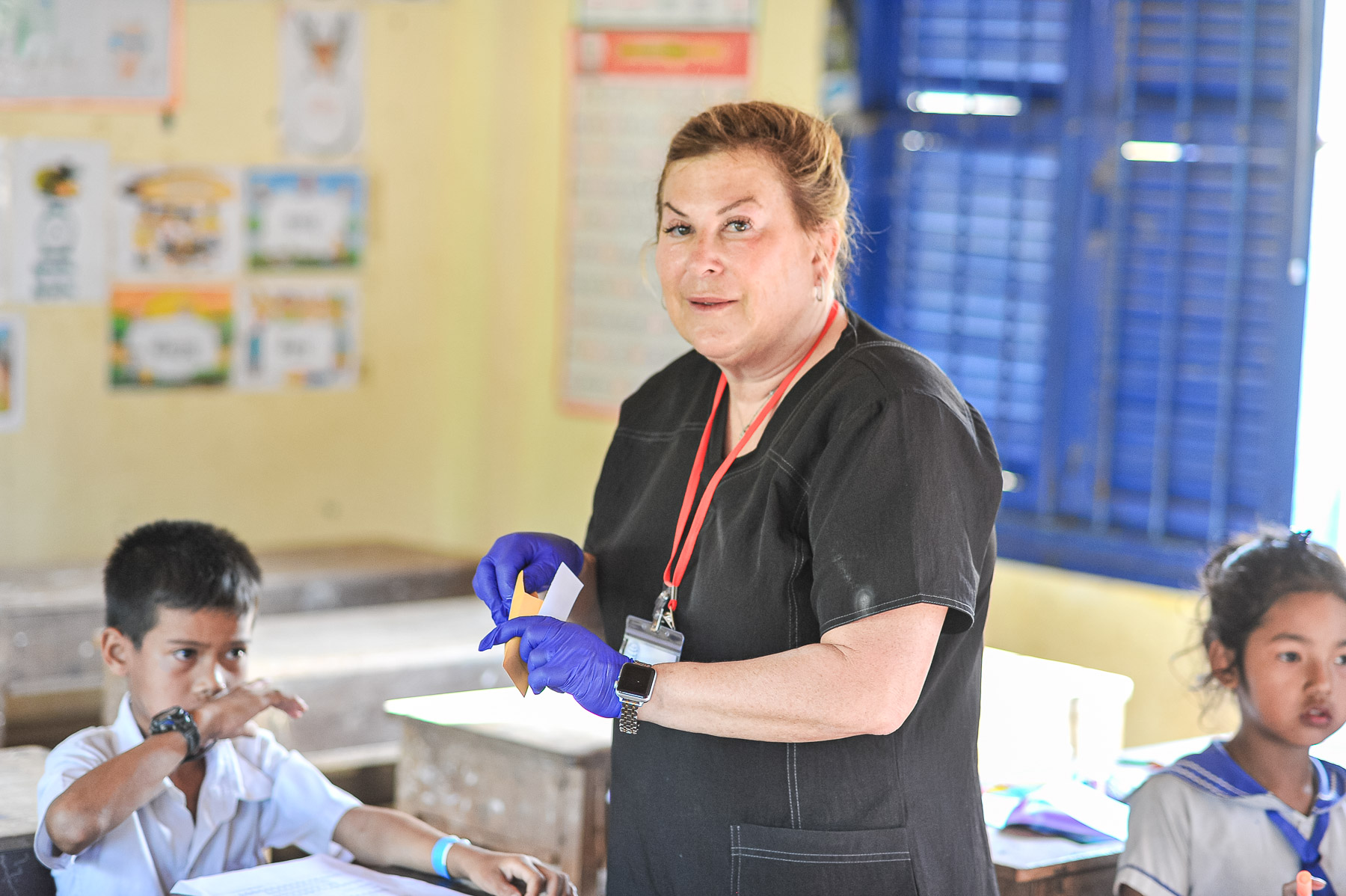
Photographic note: photographs are by Ian Kydd Miller and appear in his published accounts of KIDS’ Cambodian work. Individual capture dates and locations are not supplied for every image. No pictured person has been named from appearance alone.
Sources and further reading
KIDS: official introduction and charitable identity.
Stony Brook University: Guatemala outreach, August 2019.
KIDS: organisational history.
The Rattle, Spring 2015: Robert Renner profile.
Agence Kampuchea Presse report, reproduced March 2011.
Columbia University College of Dental Medicine: Winter 2010 newsletter.
KIDS: mission and goals.
Ian Kydd Miller: Cambodian reporting, April 2010.
People Improvement Organization: 2011 annual report.
Patch: Cambodia mission report, March 2012.
Ian Kydd Miller: Why They Come, January 2026.
Somnang Association: dental partnership, December 2017.
Australian Dental Association NSW: Dr Marcus Yan biography.
Ian Kydd Miller: Volunteering with Kids International Dental Services, September 2026.
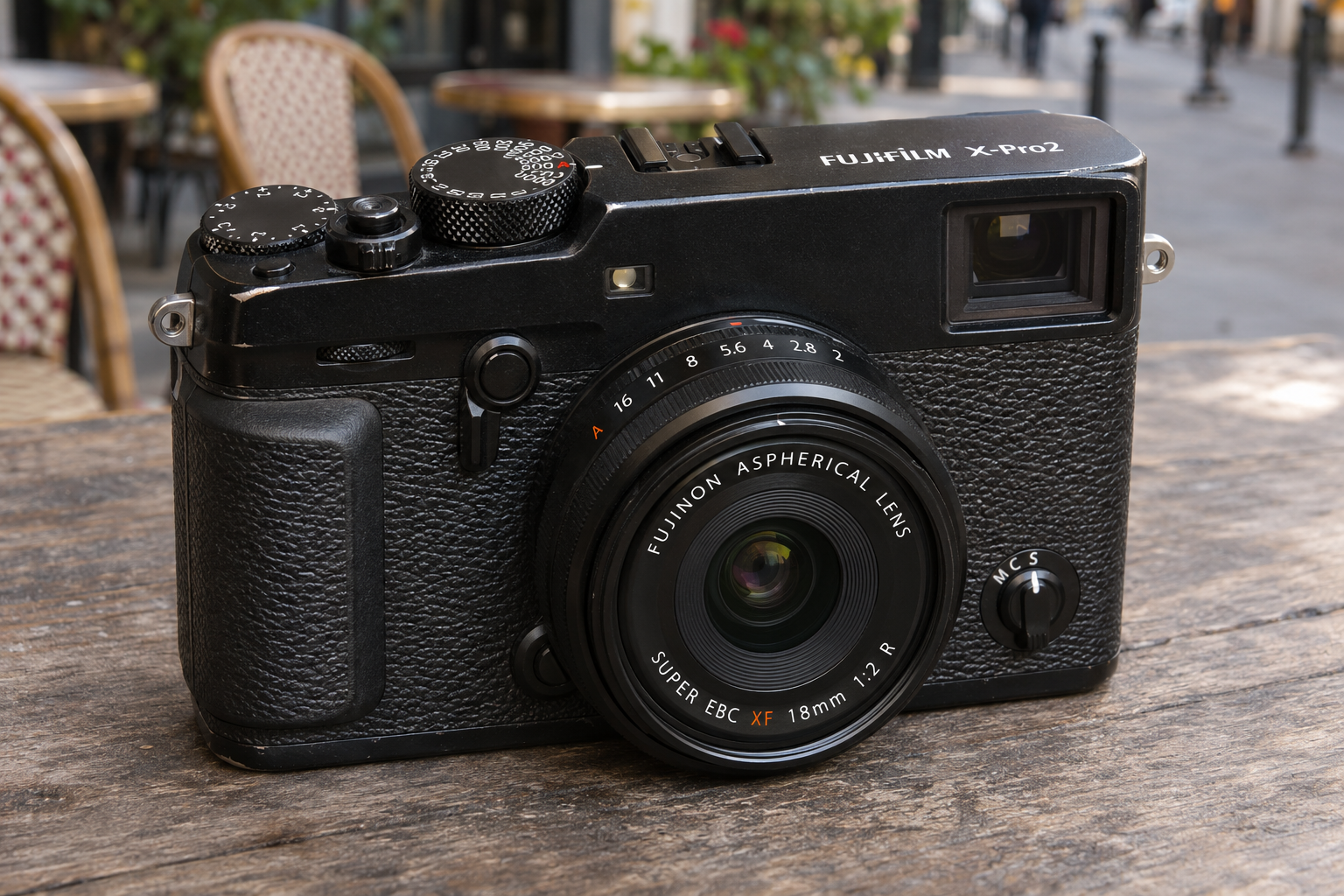
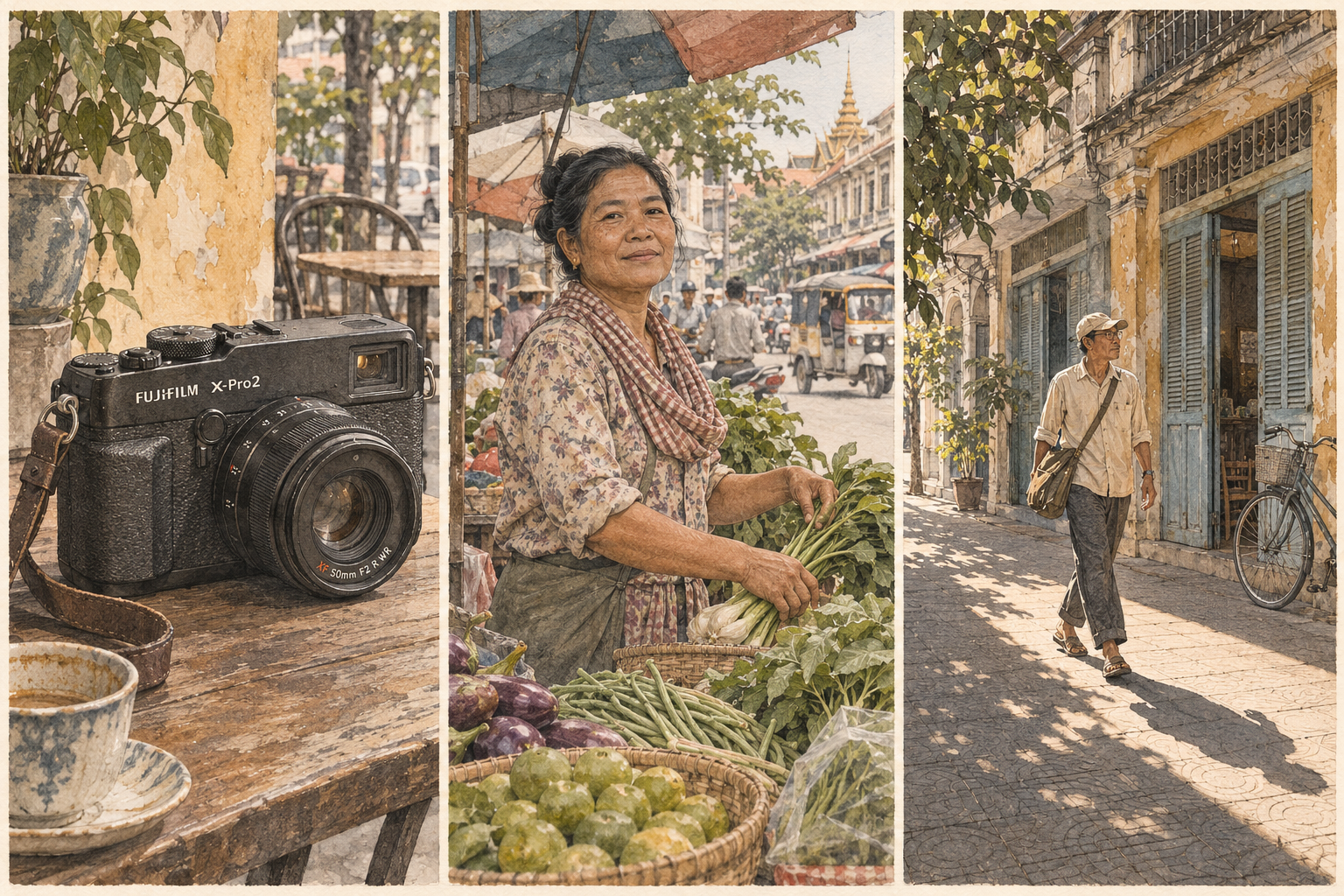
The Fujifilm X-Pro2 deserves a stronger argument than the usual praise for its appearance. Plenty of cameras look handsome hanging from a leather strap. Their usefulness becomes clearer when somebody walks through a patch of light, a face turns, and there is half a second to decide what belongs in the photograph.
That is where the X-Pro2 earns its place. It gives the photographer a choice of how to look, puts the essential exposure controls within reach and works particularly well with small prime lenses. Its limitations are substantial enough to matter, but they are also understandable. Once understood, most can be worked around. A few cannot.
My assessment is that it remains an excellent camera for deliberate, observant street photography. It is less convincing for photographers who depend on automatic tracking, regularly work from low angles or expect one camera to handle every kind of moving subject with equal confidence.
The distinction matters. Street photography includes everything from a quiet portrait outside a shop to a demonstration moving rapidly through an intersection. Being good at one does not prove a camera equally good at the other.
The size is useful; the shape needs trying
At approximately 495g with battery and card, the X-Pro2 offers a worthwhile reduction in carrying weight compared with a substantial DSLR outfit. It is nevertheless a fairly broad camera, rather than a genuinely pocketable one. The benefit is most apparent when it wears a modest prime lens. Put a large, heavy lens on the front and both the handling and the argument for carrying it become less persuasive. [1]
Weight matters over a long walk. It also matters before leaving home. A camera that feels manageable is more likely to come along on an ordinary outing, when there is no assignment and no promise of anything worth photographing.
The relatively shallow grip is more divisive. Some hands settle around the body immediately; others spend the afternoon holding it more tightly than they should. An accessory grip may help, but it adds bulk. There is no prize for enduring uncomfortable handling because a camera has a good reputation.
For an older photographer, the sensible test is quite plain: can you carry it comfortably, bring it to your eye without rearranging your hand and operate it without fighting your fingers? That answer matters more than whether it resembles a celebrated camera from another decade.
The hybrid finder is the real reason to consider it
The X-Pro2 offers an optical finder, an electronic finder and an optical view with a small electronic focus-check window. In optical mode, you can see beyond the bright frame lines. That surrounding view can help you anticipate somebody entering the composition. The electronic finder shows the view through the taking lens and can preview exposure and colour treatment. [2]
These are different ways of gathering information.
Through the optical finder, the world retains its ordinary brightness and continuity. You watch relationships develop: somebody approaching a doorway, two people separating, a hand beginning to rise. The view outside the frame can be particularly valuable when a composition depends on an arrival rather than a subject already standing in place.
It will not give you anticipation. You still have to notice what is happening. But it provides information that a tightly bounded electronic image may conceal.
There are costs. The optical finder is offset from the lens, so close subjects introduce parallax. Its frame lines compensate as focus changes, but precise framing still takes attention. The lens or hood can intrude into the view. Longer focal lengths leave a smaller area within the frame lines, making the optical experience less satisfying. [2]
It is also worth clearing up the terminology. The X-Pro2 has rangefinder styling and an optical finder; it does not use a mechanically coupled rangefinder focusing system. Calling it a rangefinder without qualification can give the wrong impression about how focusing actually works.
The EVF becomes the sensible choice when exact edges, close focusing or the effect of exposure adjustments matter. Switching to it is part of using the camera properly. Optical viewing is an option, rather than a test of photographic seriousness.
For a photographer accustomed to a DSLR, the distinction is especially important. A DSLR’s optical finder looks through the taking lens. The X-Pro2’s optical finder does not. Enjoying one will not automatically mean preferring the other.
Image quality that can support serious work
The camera uses a 24.3-megapixel APS-C X-Trans CMOS III sensor. Its full-resolution 3:2 files measure 6000 by 4000 pixels. That provides substantial scope for publication and printing without producing especially cumbersome files. [1,3]
At 300 pixels per inch, those dimensions give a print approximately 20 by 13.3 inches before cropping. Larger prints are possible at lower pixel densities, depending on the image and viewing distance. That is arithmetic, rather than a guarantee: focus, exposure, camera movement and processing still determine how much useful information reaches the paper.
For street work, 24 megapixels remains a practical amount. It allows a modest crop when something at the edge weakens a picture, while rewarding careful framing. Severe cropping will consume the available detail quickly, especially if the original subject occupied only a small part of the frame.
Colour and tonal response offer plenty of room for interpretation. The more useful question is what the file allows you to describe: separation between faces and background, texture in a wall, a convincing transition from sunlight into shade. Those qualities deserve attention at normal viewing sizes and in prints.
I would be cautious about claims that this sensor generation possesses a special quality newer sensors have somehow lost. Comparisons are easily influenced by different lenses, exposure, sharpening and JPEG settings. The X-Pro2 needs no mythology to justify its output.
Its files are capable enough to expose weaknesses in the photograph itself. A poor arrangement of people remains poor at 24 megapixels.
Autofocus: capable, provided you take responsibility
The autofocus is a legitimate working tool, but it should be assessed with realistic expectations. The camera provides single-point, zone and wide/tracking options. Fujifilm also improved autofocus through firmware, including tracking behaviour and low-light phase detection. An assessment based entirely on the camera’s original launch behaviour can therefore be misleading. [3,4]
For a person who has stopped, a street portrait or a composition with a clear subject, single-point AF is a sensible starting place. Choose an area large enough to acquire a useful target, place it deliberately and confirm the result. A tiny point is helpful for some precise subjects, but it becomes an unnecessary burden when it keeps slipping away from a moving face.
For someone walking towards you, AF-C with an appropriate zone deserves practice. Lens behaviour, light, subject contrast and the position of the subject within the frame all affect the outcome. Expecting every combination to behave identically will lead to frustration.
Do not confuse the presence of face detection with a guarantee that the camera has chosen the right person. In a busy street, the most prominent face may belong to a passer-by rather than the subject whose gesture matters. Review critical work closely enough to discover what the system is doing.
For rapidly changing, overlapping movement, my judgment is less generous. If your work depends on the camera finding and retaining the intended subject with minimal intervention, this is a substantial reason to consider a newer alternative. Anticipation remains valuable, but unreliable acquisition does not become a virtue because it makes the photographer work harder.
The X-Pro2 is strongest when you give the autofocus a clear task. It becomes less dependable when asked to infer your intention from a complicated scene.
Lens choice determines the character of the outfit
The interchangeable lens mount makes the camera adaptable, but a street outfit benefits from restraint. Choose the lens for where you want to stand and what you want to include. Changing focal length changes the working relationship with the subject; it is more consequential than adding another attractive object to the bag.
Lens
Approximate full-frame angle-of-view equivalent
Main street use
Main compromise
XF 18mm f/2 R — your favourite
27mm
Close, inclusive street work; people and their surroundings
Requires careful edges and attention to camera-to-subject distance
XF 23mm f/2 R WR
35mm
People within their surroundings; layered compositions
Background and edge clutter need discipline
XF 35mm f/2 R WR
53mm
General observation; individuals and small interactions
Less expansive in cramped spaces
XF 50mm f/2 R WR
76mm
Street portraits; gestures and selected details
More working distance and a narrower view
Equivalence here describes angle of view. It does not change the actual focal length or turn an f/2 lens into a different exposure aperture. [5]
For this particular setup, the XF 18mm f/2 deserves first consideration: it is your favourite lens on the X-Pro2. Its approximately 27mm equivalent angle of view and 116g weight help explain why it makes such a persuasive street combination. It adds relatively little weight or projection to the body while including a generous account of the surroundings. [9]
The 23mm offers a slightly tighter alternative when surroundings still carry a large part of the story. It can hold a person, the shopfront and the activity around them in the same frame. Both lenses include enough unwanted material to punish inattentive composition. A wide lens provides room; the photographer must organise it.
The 35mm gives a more selective view without demanding the distance of a short telephoto. It suits small interactions and individual figures particularly well. For someone wanting one lens to learn thoroughly, it is an excellent place to begin.
The 50mm deserves a stronger defence than street photography convention sometimes allows. Its approximately 76mm equivalent view suits photographers who prefer a little distance and want a face or gesture to dominate. It can separate an individual from a visually confused street while retaining some indication of place.
For your preference for an 85mm lens on full frame, the XF 50mm f/2 is especially relevant. It is somewhat wider, but occupies a similar practical territory. There is no reason to abandon that way of seeing simply because another photographer regards 35mm as compulsory.
The cost is space. In a narrow market aisle, there may be nowhere to step back. At greater distances, people can pass between you and the subject, and the relationship with the person being photographed may become less direct. Those are working compromises to judge picture by picture.
The XF 18mm f/2: the lens that makes this your setup
The 18mm changes the emphasis of the assessment. A camera paired with a short telephoto encourages selection from a little distance. With the 18mm, you can work nearer and retain more of the space around the person. That makes the X-Pro2 an especially useful tool for photographs in which the street contributes to the meaning of the portrait.
A face may be the first thing we notice, but the hands, the doorway, the goods on a stall and the people behind can tell us why the frame deserves attention. The wider view gives those elements room. It also makes their arrangement your responsibility.
There is a tendency to describe wide lenses as forgiving. They can offer useful depth of field, but composition is often less forgiving. A bright bag near an edge can compete with the face. A half-visible passer-by can look accidental. A foreground hand can become disproportionately prominent when it is much closer to the camera than the head.
That last point concerns distance and perspective. Move very close to somebody and the nearer features grow relative to the farther ones. For a more restrained portrait, give the person room and allow the surroundings to remain in the photograph. Be particularly attentive to faces placed near the frame edges.
The maximum aperture of f/2 is useful when the light falls, though there is no obligation to spend a bright afternoon using it. At f/5.6 or f/8, the lens can support photographs that depend on several distances remaining legible. A background with enough definition to explain the setting may be more valuable than a soft wash of colour.
Prefocusing is also worth exploring. Establish a working distance, choose an aperture for the depth you need and release when the subject reaches the intended position. Check the results at your normal output size; a broad depth-of-field indication should not be mistaken for equally precise focus everywhere.
With the optical finder, the wide framing also leaves less surrounding space outside the frame lines than a longer lens. Judge how much anticipation that view actually gives you. Switch to the EVF when exact edges become important.
Your preference gives the assessment a firmer centre. The XF 18mm f/2 is a lens you already favour on this camera. Familiarity with its framing can reduce hesitation: you begin to recognise where to stand before raising the camera. That is a practical advantage worth taking seriously.
Exposure controls: direct, occasionally fiddly
The shutter-speed dial, exposure-compensation dial and lens aperture ring make exposure choices physically accessible. You can establish a working approach before raising the camera and adjust it without treating every change as a menu operation.
That arrangement is especially helpful when moving between direct sun and covered walkways. Exposure compensation can make a quick correction when the meter’s preference differs from the picture you intend.
The combined shutter-speed and lift-to-turn ISO control is more contentious. It is neat engineering, but not necessarily the quickest arrangement for frequent ISO changes. Test it with your own hands. Small controls become less charming when they interrupt a picture.
Auto ISO can reduce the need to handle that dial repeatedly. Its settings still require thought. A minimum shutter speed appropriate for holding the camera steady may be too slow for a moving person, and the camera can fall below that minimum after reaching the selected ISO ceiling. Watch the actual exposure rather than assuming the configuration has solved every problem.
For ordinary walking figures, around 1/500 second is a useful starting point when light allows. For faster movement, try 1/1000. For a relatively still person, 1/250 may be enough. These are starting points; direction, distance, focal length and the movement you want to show all matter.
Low light: spend your exposure where it helps
Night work brings the compromises into focus. A bright lens helps, but opening it fully reduces depth of field. Raising ISO can protect shutter speed, but reduces flexibility in the file. Slowing the shutter admits more light while increasing the risk of movement.
My preference would be to accept some noise before allowing an unintended smear to destroy a face or gesture. Noise can coexist with a convincing photograph. Accidental motion blur may remove the very detail on which it depended.
As a working starting point, ISO 3200 or 6400 can be reasonable when needed, provided you assess the result at the intended output size. This is a practical judgment, not a promise that every scene at those settings will look equally good. A well-exposed face and a deeply underexposed face subsequently brightened in software ask very different things of the file.
The X-Pro2 has no in-body stabilisation. Stabilisation is available with suitable OIS lenses, but the compact f/2 primes discussed above do not provide it. More importantly, stabilisation cannot stop a person moving during the exposure. [3,5]
For a stationary architectural detail, stabilisation can change the available choices considerably. For a person turning or walking, shutter speed remains central.
JPEG, RAW and the temptation to let a look do the work
The X-Pro2 offers ACROS and Classic Chrome among its film simulations. They are useful starting points for a consistent working treatment, with ACROS particularly relevant to photographers who like making monochrome images in camera. [3]
A monochrome EVF preview can help you concentrate on brightness, separation and shape. It can also conceal a colour relationship that might have made the better picture. Choosing black and white should remain a decision about the photograph.
JPEG is entirely reasonable when exposure and treatment are settled. RAW provides greater freedom when light is difficult or a final interpretation remains uncertain. RAW+JPEG is a practical compromise: immediate finished files alongside material for later adjustment.
There is a risk in becoming so occupied with recipes that every street begins to receive the same treatment. A warm cast can flatten meaningful differences in light. Heavy contrast can erase the surroundings that explain a person. Attractive colour can make a weak frame pleasant without making it more informative.
Choose a restrained treatment, then edit the photographs. Consistency should help the work hold together; it should not excuse including pictures that say very little.
The shutter: quiet has consequences
The mechanical shutter reaches 1/8000 second and the electronic shutter 1/32000. The electronic option allows silent exposures, but Fujifilm warns of distortion with moving subjects and banding under flickering artificial light. [1,6]
That makes the mechanical shutter a sensible default for general street work. Silence is useful in some circumstances, but a passing vehicle or certain shop lights may reveal the cost later. A fast displayed shutter speed does not mean the electronic sensor readout is instantaneous.
A quieter camera also changes the encounter less than some advertising suggests. People notice where you stand, how you look at them and how long you remain. Silence provides discretion; it does not provide consent or make a photograph harmless.
The weaknesses that affect an ordinary walk
The rear screen is fixed. That is a real disadvantage for low viewpoints, overhead pictures and working discreetly from waist height. It also affects physical comfort. If kneeling is difficult, the absence of a tilting screen can prevent pictures that would otherwise be straightforward. [1]
Battery endurance requires planning. Fujifilm’s standard-mode CIPA figures are approximately 250 frames using the EVF and 350 using the OVF, with actual endurance depending on use. Carrying charged spares is sensible, especially with an ageing battery. [7]
The twin card slots are welcome for work you cannot repeat. Configure them for backup if duplicate recording is what you need; simply inserting two cards does not establish the intended workflow. The second card protects against some failures, not every loss or operating mistake. [1]
The body is weather resistant, but that should never be translated into permission to soak an old camera. Lens sealing, closed doors and the condition of the individual body all matter. In Phnom Penh, rain is only part of the problem: humidity and condensation also deserve attention. Let cold equipment acclimatise when moving from strong air conditioning into hot, humid air. [8]
None of these shortcomings automatically disqualifies the X-Pro2. Together, they explain why loving its viewfinder may coexist with reaching for a different camera on a particular day.
Buying used: judge the specimen in front of you
An appealing model name does not compensate for a failing shutter, unreliable card slot or damaged finder. Test both finder modes and the selector mechanism. Check focus-stick movement, command dials, buttons, dioptre adjustment and the ISO control. Make files on both cards, examine them and try the mechanical shutter at several speeds.
With a familiar lens, check autofocus at both near and distant subjects. Inspect the sensor, mount, battery compartment and card door. Ask about moisture exposure, repair history and the return policy. Cosmetic wear alone tells you surprisingly little about what is happening inside.
Confirm firmware against Fujifilm’s support page, following the manufacturer’s update instructions where necessary. Its update history includes meaningful operational changes; this is worth checking rather than assuming. [4]
I would not attach a universal bargain label to the X-Pro2. Used prices, condition and repair options vary. Compare the actual asking price with alternatives available to you. If the hybrid finder is central to the way you want to work, it has practical value. If you expect to leave the camera permanently in EVF mode, investigate what else the same money buys.
The judgment
The X-Pro2’s strongest qualities are coherent. A compact prime, accessible exposure controls and the choice of optical or electronic viewing make a persuasive outfit for someone who watches closely and works with intention. Its image quality is ample for serious street photographs, editorial use and substantial prints.
Its weaknesses are equally clear. The fixed screen limits viewpoints. Battery life needs managing. The optical finder asks you to understand its framing compromises. Autofocus rewards deliberate direction and gives fewer reasons for confidence when movement becomes complicated.
For your setup, the X-Pro2 with the XF 18mm f/2 belongs at the centre of the assessment. It is your favourite pairing, and its compact size and wide view make a strong case for photographing people within the life around them. The 50mm remains a useful alternative when you want a more selective view, but the 18mm establishes the starting point: close observation, space for context and careful attention across the frame.
The deciding question is whether its way of viewing helps you make pictures you value. If the optical finder helps you anticipate an arrival, if the handling lets you set exposure without hesitation, and if the files hold what you intended to describe, the camera is doing its job. Its age gives you no reason to retire it. Its reputation gives you no reason to overlook a limitation that repeatedly costs you photographs.
There is something pleasing about a camera and lens that look as though they belong together. The Fujifilm X-Pro2 and the XF 50mm f/2 have that quality. The lens does not overwhelm the body. The body does not demand a substantial bag and a serious expression. Put them together and you have a compact outfit that makes the prospect of going for a walk rather inviting.
I called it a slick combination for working the street, and that is what I mean. Something manageable, purposeful and pleasant to use. Those qualities deserve more attention than they usually receive. A camera can have magnificent specifications and still become a nuisance after an hour in the heat.
The little fifty, often included under the affectionate “Fujicron” nickname, weighs about 200 grams. On the X-Pro2, its angle of view is equivalent to approximately 76mm on full frame. That second figure matters more to the photographs than the first. This is a short telephoto arrangement, with all the opportunities and restrictions that implies. dl.fujifilm-x.com
It suits the way I often like to look. I have long enjoyed an 85mm lens on full frame for street photography, so there is nothing particularly strange about finding this combination appealing. A slightly narrower view allows me to concentrate on a person without needing to include every parked motorcycle and every unrelated argument taking place nearby.
There are photographers who become surprisingly doctrinaire about focal length. Street photography, apparently, must be done with a wide lens, from close range, preferably while demonstrating sufficient courage to satisfy people who were not there. I have never found that argument especially useful. The distance needs to serve the picture and the encounter. There is no prize for making somebody uncomfortable at twenty inches.
Equally, a longer lens does not grant permission to behave as though people cannot see you. They often can. A camera held at a modest distance remains a camera pointed at somebody. Awareness, acknowledgement and the willingness to stop still matter. Being discreet is a useful working quality; treating another person as an unwitting specimen is a different business altogether.
The fifty provides a little breathing room. It can give you space to observe a gesture without standing inside the conversation that produced it. For street portraits, that can be valuable. A person has somewhere to put their hands, somewhere to look, and some room to remain themselves. Whether that happens depends considerably on the photographer’s manner.
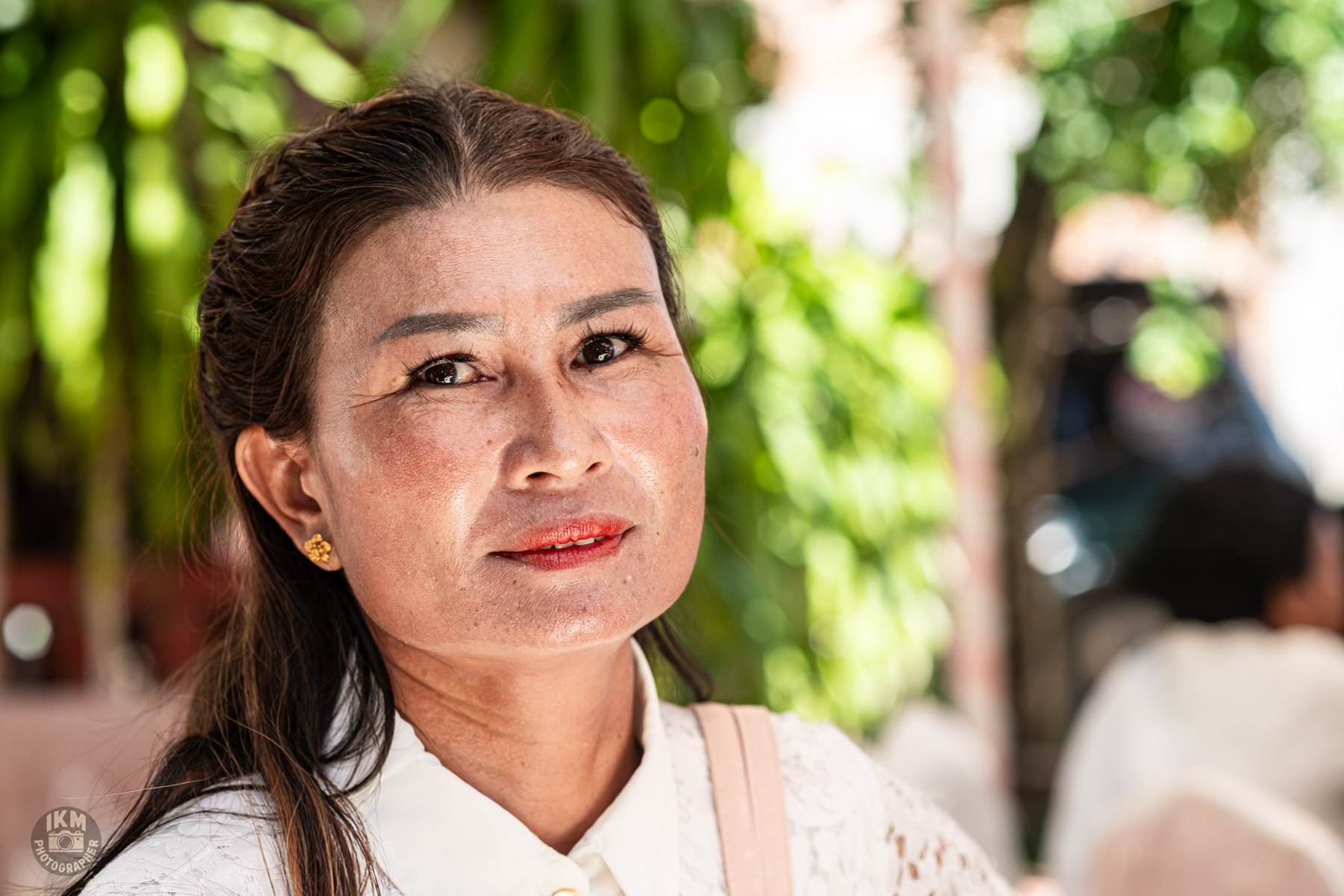
But there is a trap here, and it is an attractive one. The lens makes it easy to isolate a face, soften everything behind it and produce a perfectly agreeable portrait. Do that repeatedly and you may return with a collection of heads whose surroundings tell us almost nothing. The street has supplied the people but disappeared from the photographs.
I want the setting to contribute. A shop doorway can establish scale. A hand resting on a counter can connect somebody to their work. Another figure, placed carefully, can introduce a relationship without taking over. The task is deciding how much information the picture needs. Sometimes the answer is very little. Very little still requires thought.
That is where your feet become rather important. Stepping back can make room for the environment, provided you have somewhere to go. Moving sideways can separate a head from a pole or bring a useful stretch of background into view. The lens does not arrange these things. It records your success or failure in arranging yourself.
In crowded streets, you will occasionally run out of pavement before you get the picture you wanted. Accept it. This is not a universal lens, and pretending otherwise would make a poor photograph even less defensible. A wider lens would sometimes be easier. On another occasion, the fifty will let you make sense of a small part of the confusion.
I like that selectivity. One camera and one lens remove a certain amount of internal negotiation. You begin recognising possible pictures before lifting the camera because you have become familiar with the frame. That familiarity is earned through use. Changing lenses every few minutes can postpone it indefinitely, while giving the impression of considerable photographic activity.
The X-Pro2 brings its own pleasures to the arrangement. The aperture ring and shutter-speed dial offer a direct way of working. I understand the attraction of seeing a setting and changing it with a physical control. That does not make the photograph more authentic. It simply gives some of us a comfortable way to manage the machine.
Then there is the hybrid viewfinder. The optical view allows you to watch beyond the bright frame, which can help when something is about to enter the picture. With the fifty, however, the framed area occupies a relatively small portion of that view. Some photographers enjoy that arrangement. Others will find themselves wanting a closer look.
The electronic finder provides it, along with a view through the lens and a clearer indication of the composition. For precise framing, particularly at shorter distances where optical parallax becomes relevant, it is a sensible choice. I see no reason to turn the choice of viewfinder into a test of character. Use whichever helps you judge the photograph. fujifilm-dsc.com
Focus deserves the same practical approach. Put the focusing area where it needs to be and pay attention to what the camera has actually acquired. A clear eye matters in many portraits; a sharp patch of wall behind the subject rarely compensates for missing it. Familiarity with the controls is more useful than confidence based on the manufacturer’s enthusiasm.
Shutter speed is another place where optimism causes trouble. A person talking, turning or moving a hand may need considerably more speed than a stationary building. Around 1/250 second can be a useful starting point, with 1/500 or faster for brisk movement. These are working suggestions, not guarantees. Watch what people are doing and adjust accordingly.
I would rather accept some grain-like noise than lose the expression to accidental movement. Technical cleanliness has its place, but a remarkably clean file of a missed moment is still a missed moment. Good handling matters too. Lift the camera steadily, settle your grip and press without snatching. Small equipment benefits from the same care as large equipment.
The f/2 aperture is useful when the light falls, or when a little separation will help the subject stand clearly within the frame. It is also easy to become lazy with it. A background reduced to softness may remove distractions, but it may remove the explanation as well. Before opening the lens fully, decide which of those you are losing.
At f/4 or f/5.6, there may be more room for a face, a working hand and enough of the setting to remain legible. Neither aperture is inherently more thoughtful. The thoughtful part is making a decision because the photograph requires it. Owning a fast lens does not oblige anyone to keep proving that it opens fully.
Light can simplify the work before any processing begins. Look for the edge of an awning, where open shade meets a brighter pavement. You may find a face illuminated by reflected light while the space behind remains quieter. Or wait for somebody to cross a patch of sun, allowing room for their next step. These are possibilities to recognise, rather than scenes the equipment supplies. With a tighter view, small changes become conspicuous: a cheek turning towards the light, fingers lifting from a table, a shoulder separating from the background. You need enough patience to notice them, and enough readiness to respond when they happen.
Colour and black and white deserve similar restraint. Phnom Penh gives you colour in abundance, but abundance can become competition. If a bright object at the edge keeps dragging the eye away from the person, changing to monochrome may help, although moving your position would have been better. Conversion is an editorial decision, not a repair service for inattention.
When editing, I would look beyond the face. Check the hands, the edges and the relationships between objects. Ask whether the background contributes anything, whether the gesture carries the picture, and whether the chosen frame represents the encounter fairly. A beautifully rendered expression can distract the photographer from weaknesses that another viewer will notice almost immediately.
Printing helps expose those weaknesses. On paper, an untidy edge remains untidy, and an empty photograph receives no assistance from the attractive camera that made it. This is where the appeal of the X-Pro2 and fifty has to become something more substantial than affection for equipment. The outfit has made carrying a camera agreeable. The rest still requires attention.
That is enough of a promise for me. A manageable camera, a useful working distance and a frame I can learn to anticipate. Leave the fifty attached, take the walk, and see whether the next doorway gives the person standing there enough room.
I have both DSLR and mirrorless cameras. I use both. Yet when I decide to go out and make pictures, I often find myself reaching for a DSLR.
This raises a mildly uncomfortable question. Am I choosing the camera that suits me, or simply choosing the one that asks me to change the least? Am I old-fashioned, or just old?
Age may have something to do with it. But it deserves a better explanation than that.
A camera is something we hold, lift, adjust and look through. Its specifications matter, but so does the small business of getting a finger onto the right button without taking our attention away from a face. After years of using a particular system, those movements become familiar. We know how much pressure the shutter needs. We know where the exposure compensation sits. We have a reasonable idea of what the autofocus will manage and when we need to help it.
That familiarity has practical value. In street photography, an expression may last less time than it takes to remember which control we reassigned last week.
There is, however, a difference between familiarity and superiority. My hands knowing a DSLR well does not make somebody else’s mirrorless camera less capable. It means that I have put in the hours with one tool. Another photographer may have precisely the same relationship with an electronic viewfinder and a different arrangement of buttons.
The viewfinder itself may explain part of the attraction.
Through a DSLR’s optical finder, I am looking through the lens by way of a mirror and prism. With an electronic finder, I am looking at a screen showing the sensor’s view. That electronic image can preview exposure and colour treatment, which is enormously useful. The optical view offers a different experience: the light in front of me without the camera’s exposure preview applied to it. nikon.co.uk
Perhaps I prefer that separation. Look at the scene, judge the light, make the exposure, examine the result. It is a familiar sequence, and familiarity can be pleasurable as well as efficient.
That does not justify the claim that electronic viewfinders somehow disconnect photographers from reality. They help many people see more clearly what they are about to record. Nor does every mirrorless camera feel the same. Judging the whole category by one finder we disliked would be rather like judging every DSLR by an entry-level body with a small, dim view.
Then there is the physical business of holding the thing.
A substantial DSLR can sit comfortably in the hand, particularly with a lens that balances it. There is room for the fingers. Controls have space around them. The weight can feel reassuring while making a photograph, even if it becomes considerably less reassuring after carrying it all afternoon.
I cannot honestly argue that heavier is always better. A tired shoulder is a poor advertisement for tradition. Smaller equipment can make a walk easier and encourage us to take a camera when we might otherwise leave it behind. Equally, a small body with a large lens is not automatically a comfortable combination. The useful measure is the complete outfit in our own hands.
There are quieter reasons for staying with a DSLR, too. Batteries generally last longer when composing through an optical finder, because there is no continuous electronic viewing display to power. nikonusa.com Existing lenses are already paid for. Their strengths and irritations are known. A working camera does not become incapable because a manufacturer has concentrated its attention elsewhere.
But mirrorless offers more than a persuasive sales pitch. Depending on the model, subject and eye detection, extensive autofocus coverage, exposure previews, stabilisation and quiet shooting can make a real difference. There are photographs those features make easier to obtain. Enjoying a DSLR should not require pretending otherwise. nikonusa.com
The more interesting question is how much those advantages change the pictures I actually make.
If I repeatedly lose photographs because my equipment cannot do something I need, there is a reason to reconsider it. If I am comfortable, getting the results I want and enjoying the process, the case for changing becomes less urgent. Someone else’s difficult assignment may demand capabilities that my afternoon walk does not.
Still, I should be suspicious of an easy defence. Experience can become an excuse for refusing to learn. “I know what works” is occasionally shorthand for “I cannot be bothered to find out.” Owning both systems gives me the opportunity to test my preference honestly: use each for comparable work, become properly familiar with it, and look at the results as well as remembering how the day felt.
Perhaps the mirrorless camera deserves a cleaner display, a better button setup or a longer uninterrupted spell of use. Perhaps, after that, I will still prefer the DSLR.
That would be a preference tested rather than merely protected.
There is also pleasure to consider. We discuss cameras as though every choice must survive an efficiency assessment. Yet enjoying the grip, the finder and the shutter response is part of using an object we may carry for hours. Pleasure does not prove technical merit. It can, however, give us a reason to go out again.
So yes, I am older. My habits have had plenty of time to settle. Some are useful; some probably need disturbing.
For now, I still reach for the DSLR. The question I need to keep asking is whether it helps me stay attentive to the person in front of it—or whether I have become more interested in defending the camera than making the photograph.
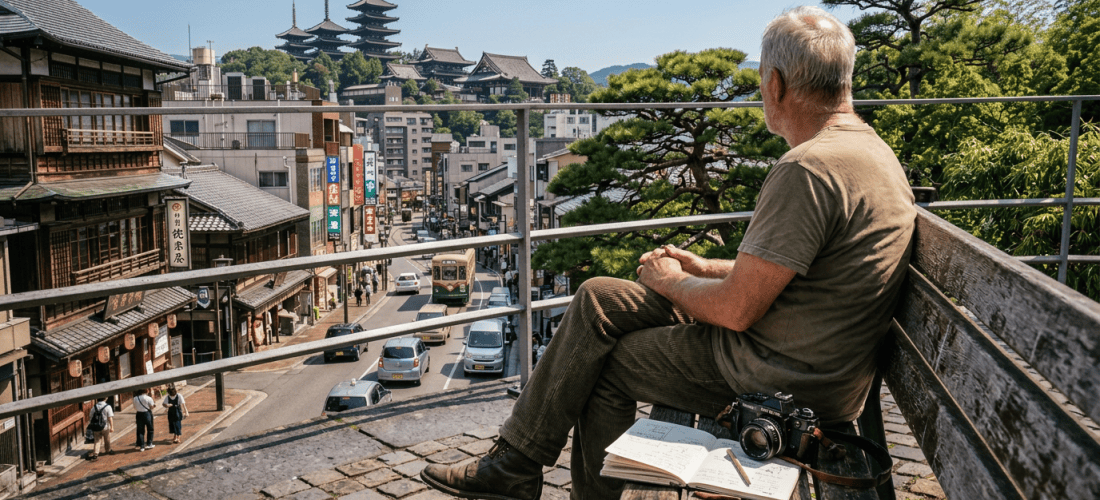
The accompanying three-panel illustration is AI-generated.