

By Ian Kydd Miller — The Old Photographer
An 85mm lens asks you to make a decision about distance. You cannot gather up a whole street from close quarters. You have to choose a person, a gesture, a small arrangement of things, and decide what belongs around it.

The accompanying triptych above is AI-generated supporting artwork, not sample photographs demonstrating this camera or lens. All other images are taken with the lens and camera setup.
On the Nikon D700, the Nikkor 85mm f/1.8G makes a convincing tool for that sort of work. There is room to stand back from a face, frame without crowding someone, and pay attention to expression.
The D700 is a camera I already trust. An 85mm gives that familiar body a particular purpose.
There is a tendency to talk about portrait lenses almost entirely in terms of background blur. Open the aperture, dissolve everything behind the subject, admire the result. It can be attractive. It can also become a habit that saves us from looking properly at the background.
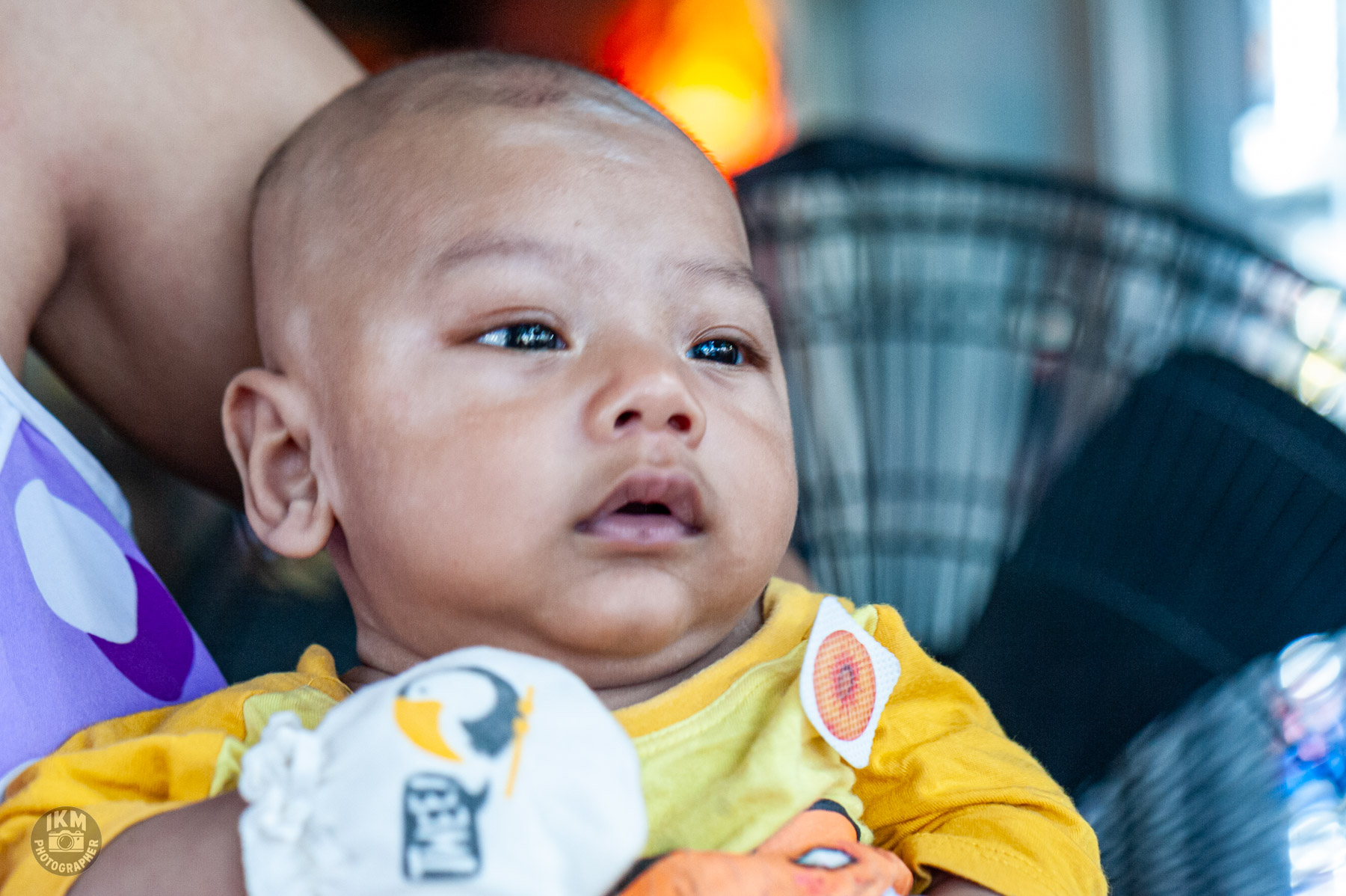
A person standing outside a workshop may need that workshop in the picture. The doorway, tools and light falling across the wall might explain something that a tight headshot cannot. With this lens, the question is how much of that information to retain.
Sometimes f/1.8 is exactly right. Sometimes f/4 makes the better photograph.
The 85mm f/1.8G is sharp enough to make aperture a creative decision rather than a constant exercise in avoiding weakness. OpticalLimits found very good central resolution wide open, rising to excellent at f/2.8, even on the much more demanding D850. On that evidence, resolving detail on a D700 should present little difficulty. opticallimits.com
A sharp lens does not rescue a misplaced focus point. At close portrait distances and f/1.8, a small movement can leave the eye outside the sharpest plane. The camera may have focused correctly before either photographer or subject shifted.
For a fairly close portrait, f/2.8 is a sensible place to begin. It gives a little more room for the face while keeping useful separation from the background. If both eyes matter, look at the angle of the head and choose the aperture accordingly. There is no prize for using the smallest number engraved on the lens.
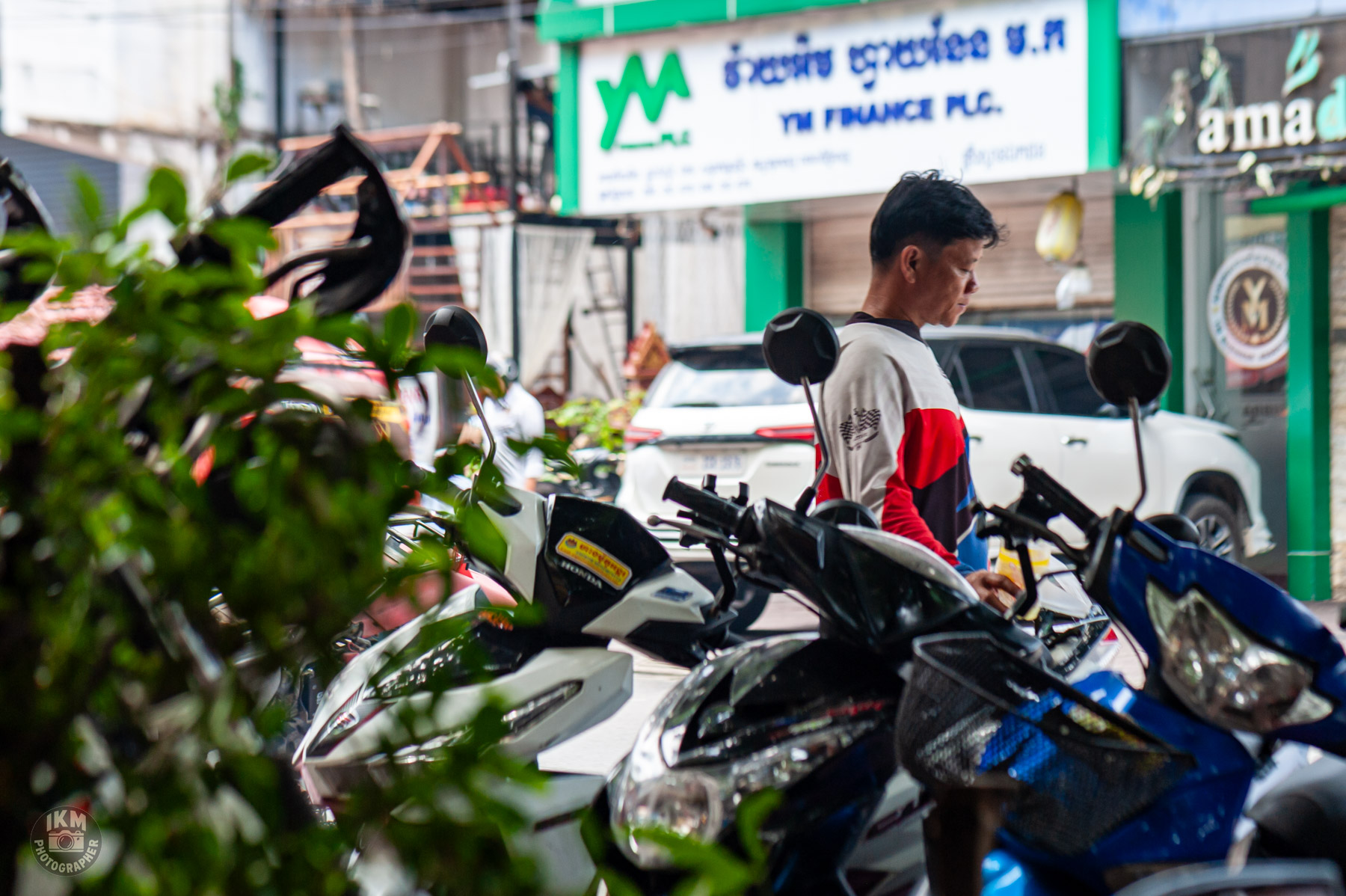
Its rendering has limits. Bright edges outside the plane of focus can acquire purple or green fringes, particularly at wide apertures. The corners also darken at f/1.8. Stopping down reduces these effects. Neither fault need spoil a portrait, but a bright metal railing or backlit hair can make the colour fringing more obvious than expected. opticallimits.com
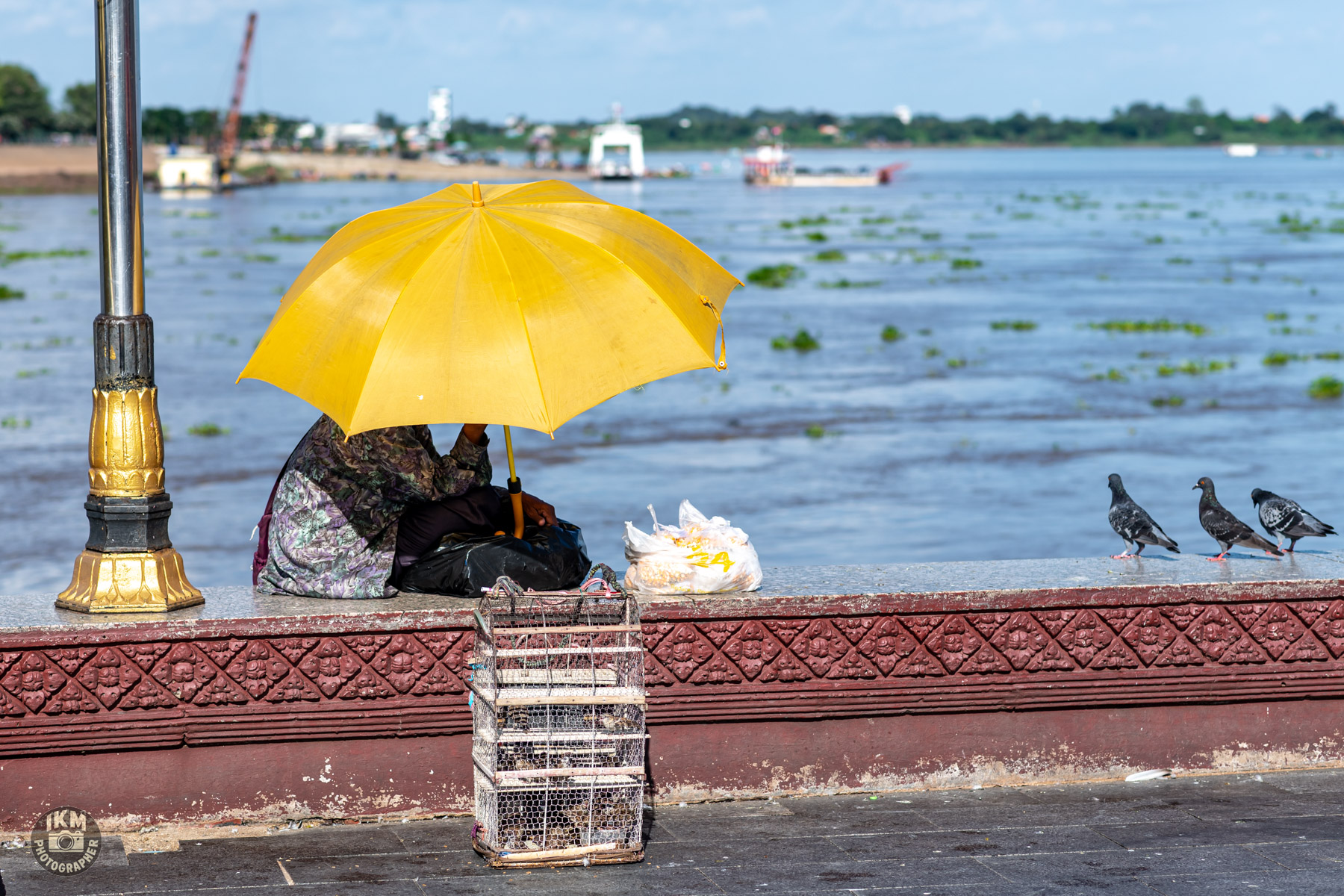
The background blur is generally smooth. It still pays to move a little. A bright patch behind an ear remains a distraction even when blurred. Taking half a step sideways can improve a background more effectively than opening the aperture another stop.
Physically, the lens makes sense on the D700. At about 350 grams, it adds modest weight to an already substantial camera. Its minimum focusing distance of 0.8 metres is useful for portraits, although small details may require a different lens. imaging.nikon.com
The plastic exterior may disappoint anyone who judges equipment by how much metal it contains. Weight carried through an afternoon deserves a place in that judgement too. I also have the Nikkor 85mm f1.8D which is much heavier.
Autofocus is quiet and capable for portraits, although independent testing found it slower than professional f/2.8 zooms. For a walking subject, continuous autofocus and enough shutter speed are more useful than confidence alone. Around 1/500 second is a reasonable starting point; faster movement may need more. opticallimits.com
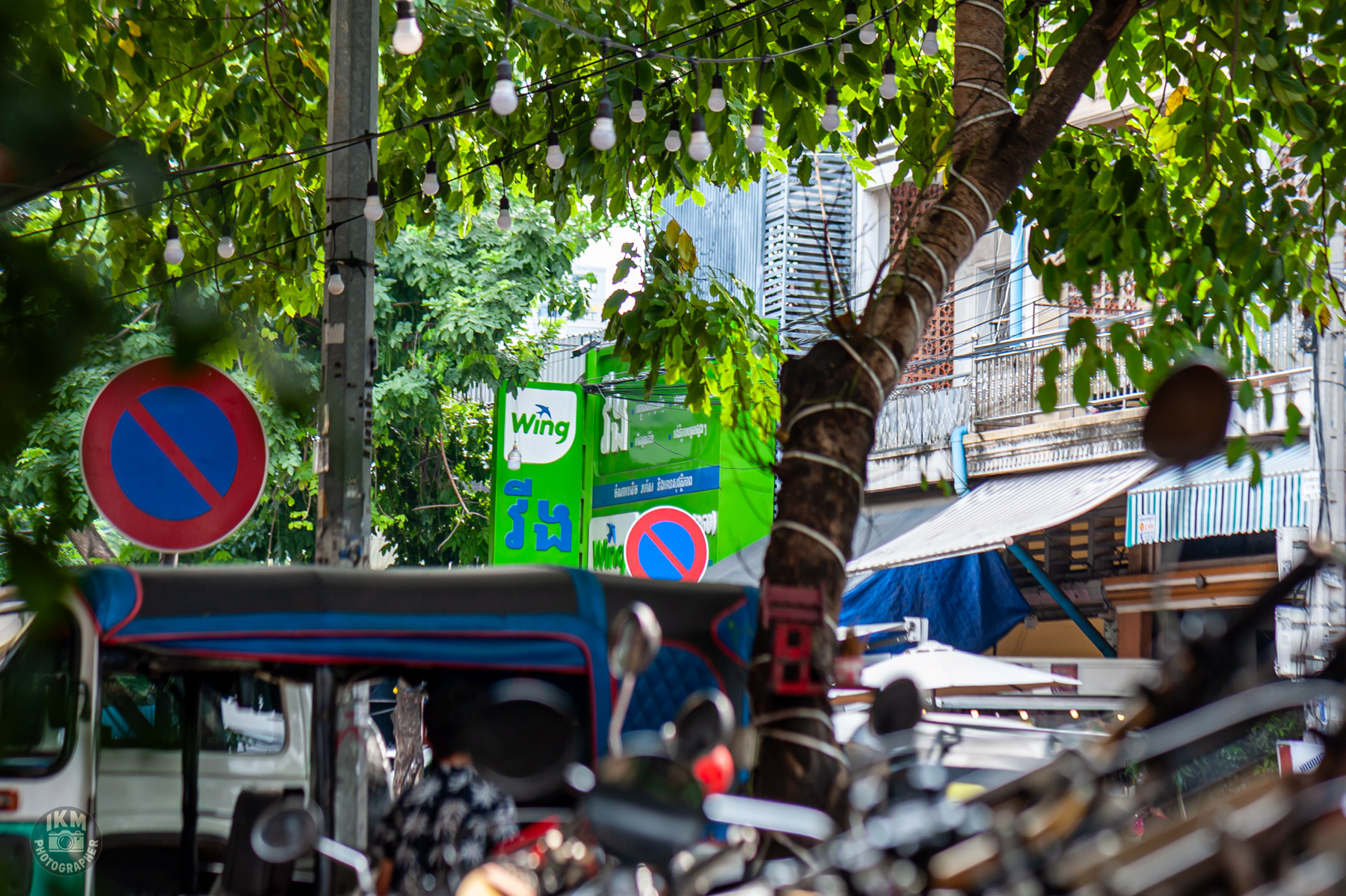
There is no stabilisation in this combination. For a relatively still portrait, I would start around 1/250 second and adjust to the circumstances. A slower shutter may work with careful handling, but the subject has a vote as well. Raising ISO can be the sensible way to keep an expression sharp.
The real restriction is space. In a narrow market aisle, 85mm can feel quite long. You may be unable to step back far enough to include hands, activity and surroundings. That is a practical reason to choose another focal length.
Where there is room, it offers a comfortable distance for photographing people. That distance does not remove the need to acknowledge someone or recognise when the camera is unwelcome. A longer lens changes the framing; it does not settle the relationship.
The D700 and 85mm f/1.8G make a strong working pair. Focus carefully, give the shutter enough speed, and choose the aperture for what the picture needs to show. Then look beyond the sharp eye. What is happening around that face may be what makes you keep the photograph.
The accompanying triptych is AI-generated supporting artwork, not sample photographs demonstrating this camera or lens. All other images are taken with the lens and camera setup.

