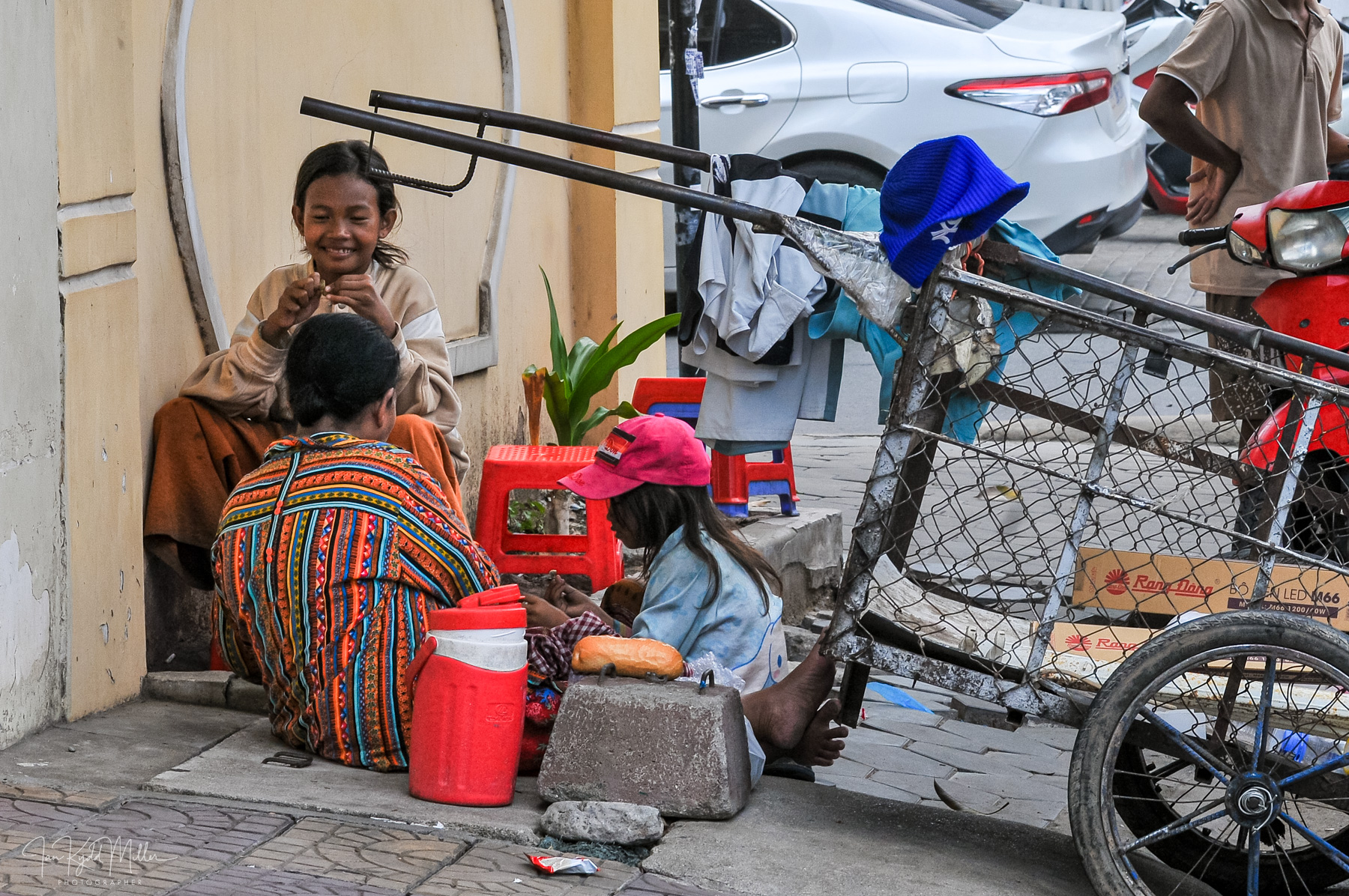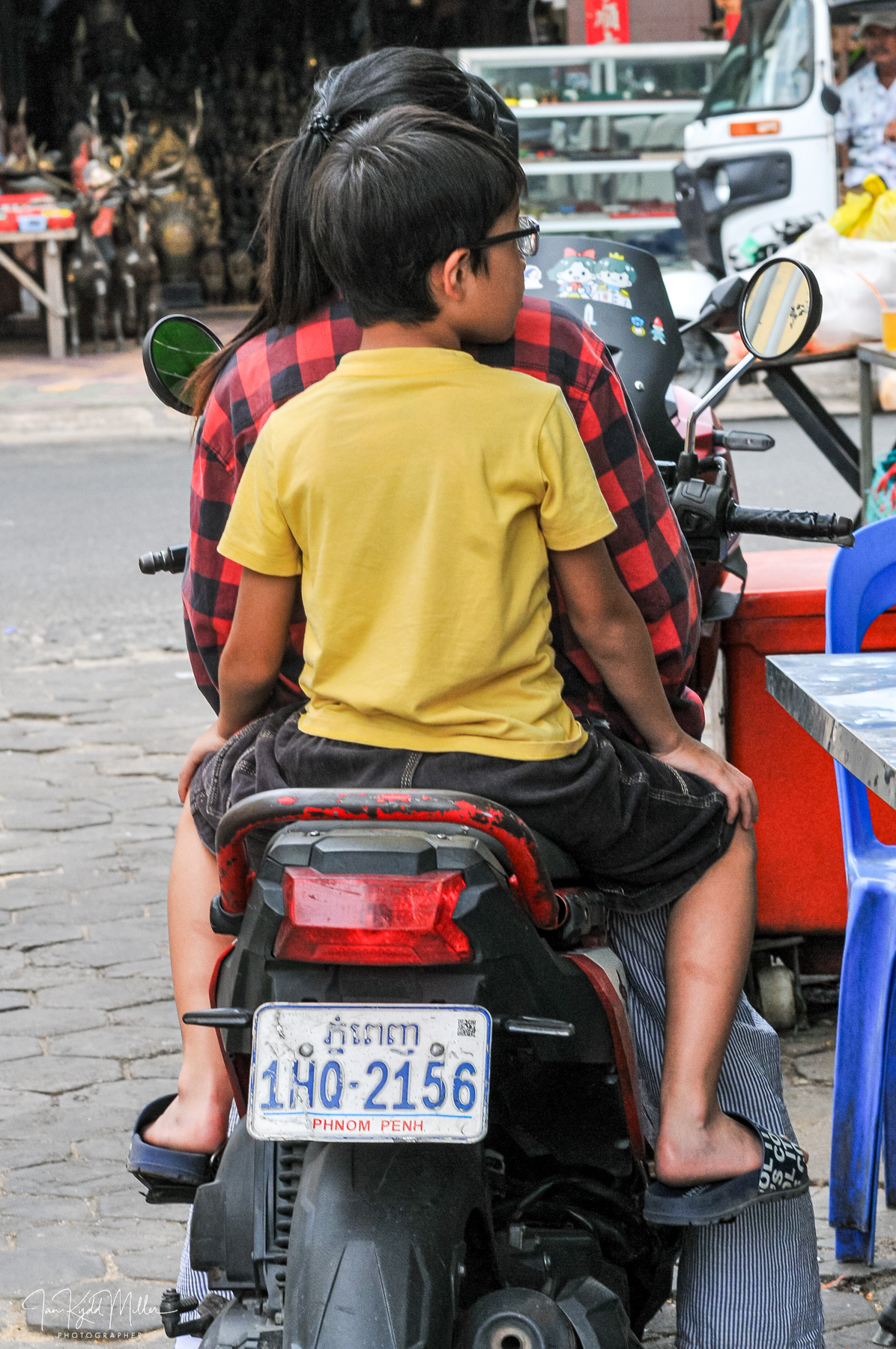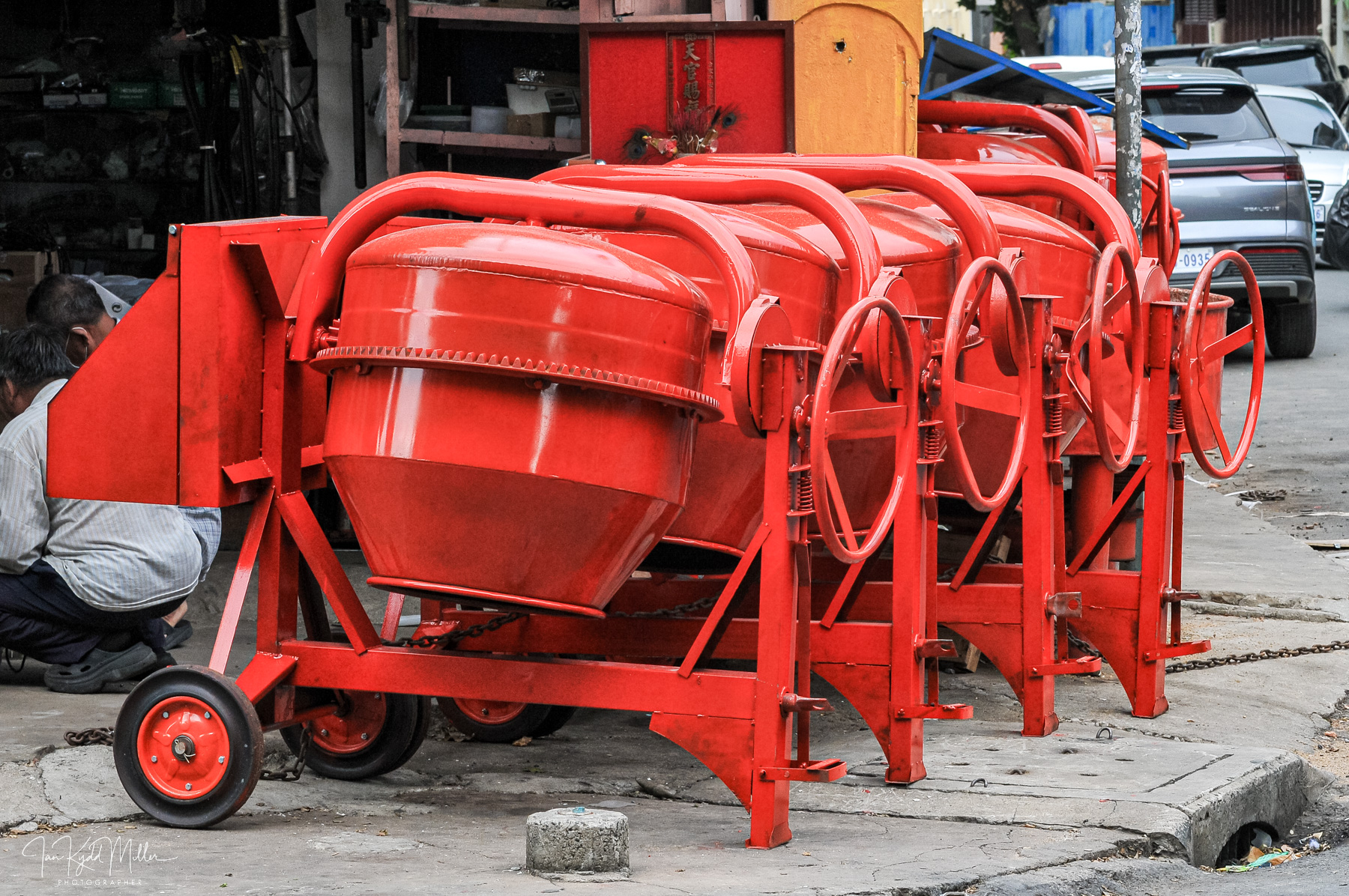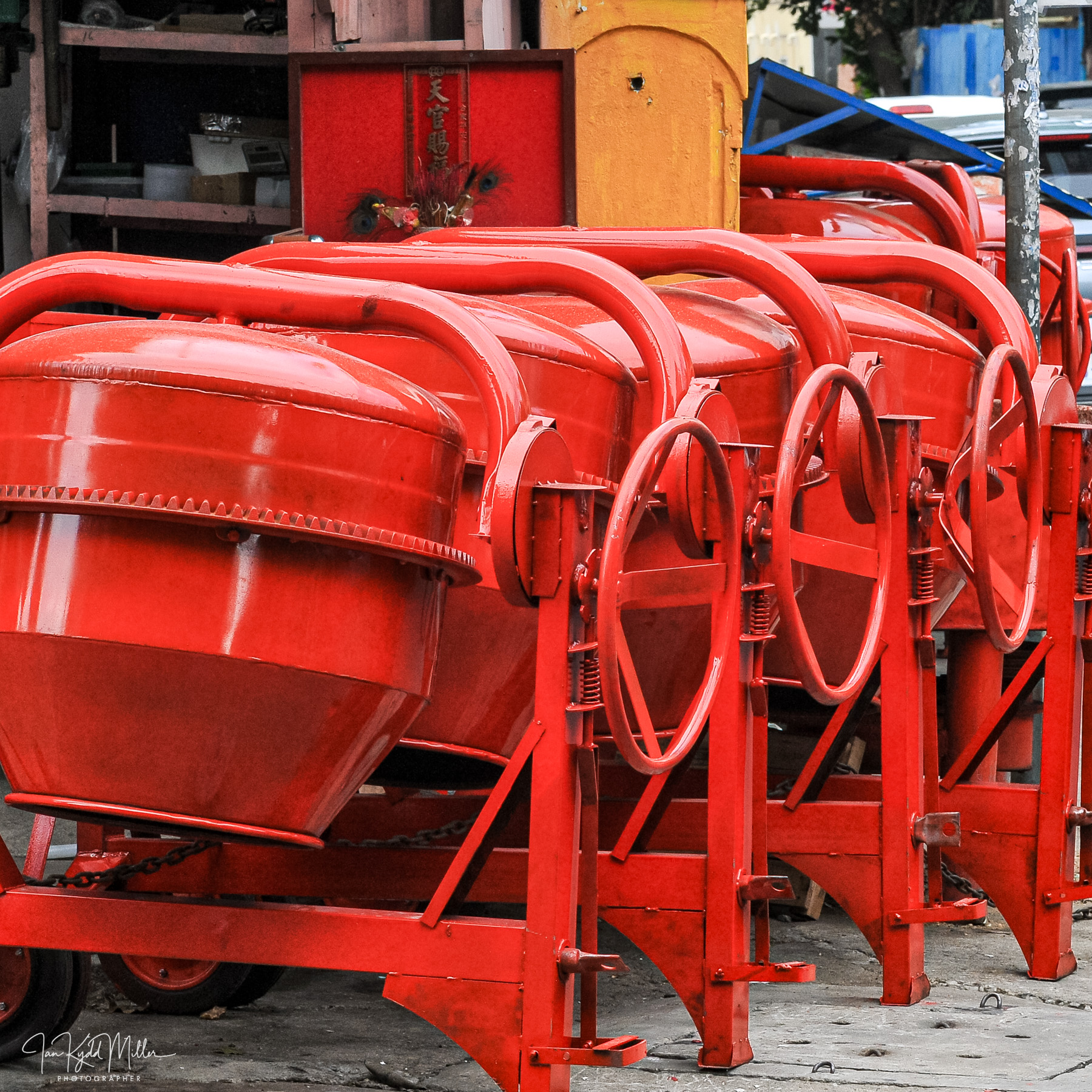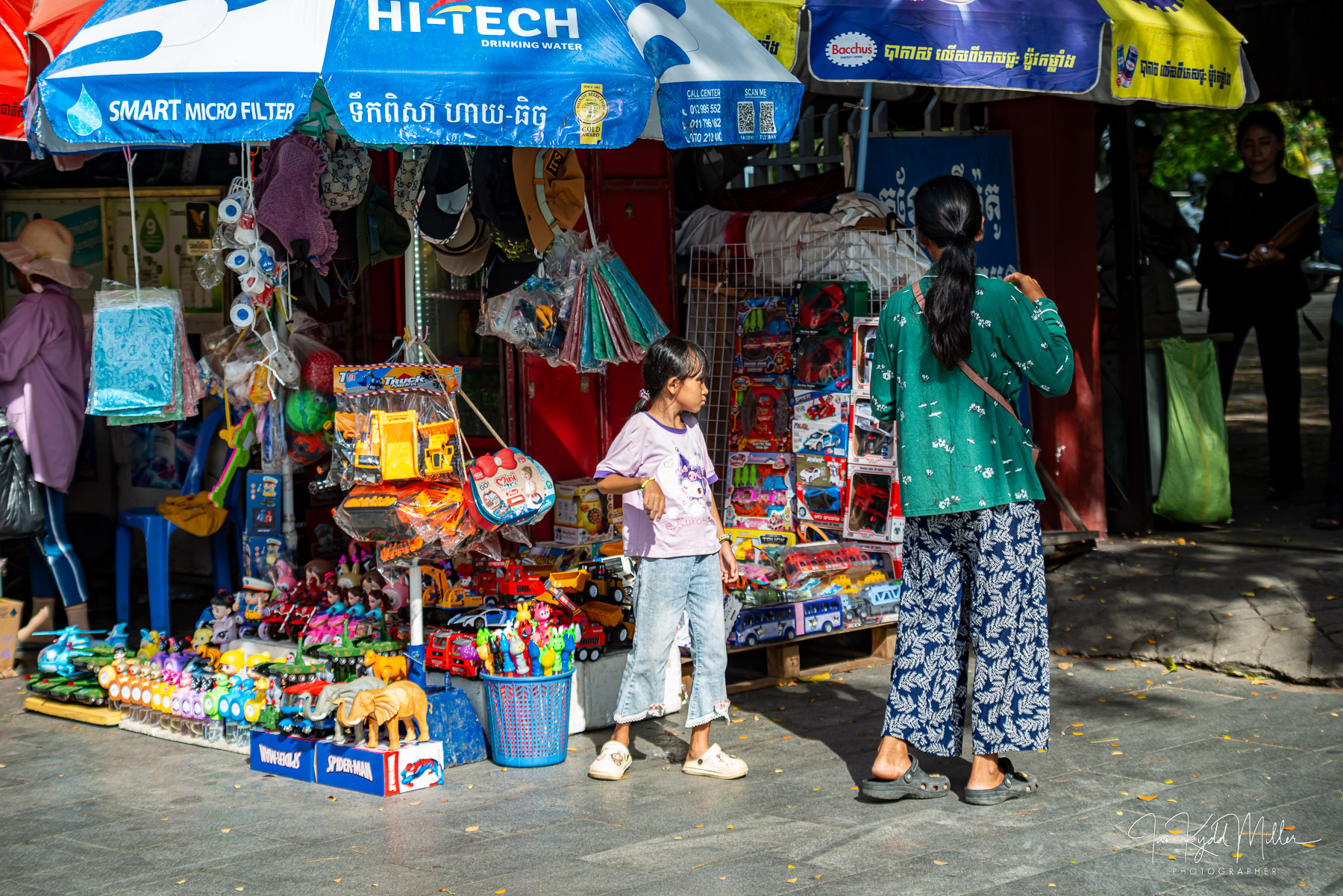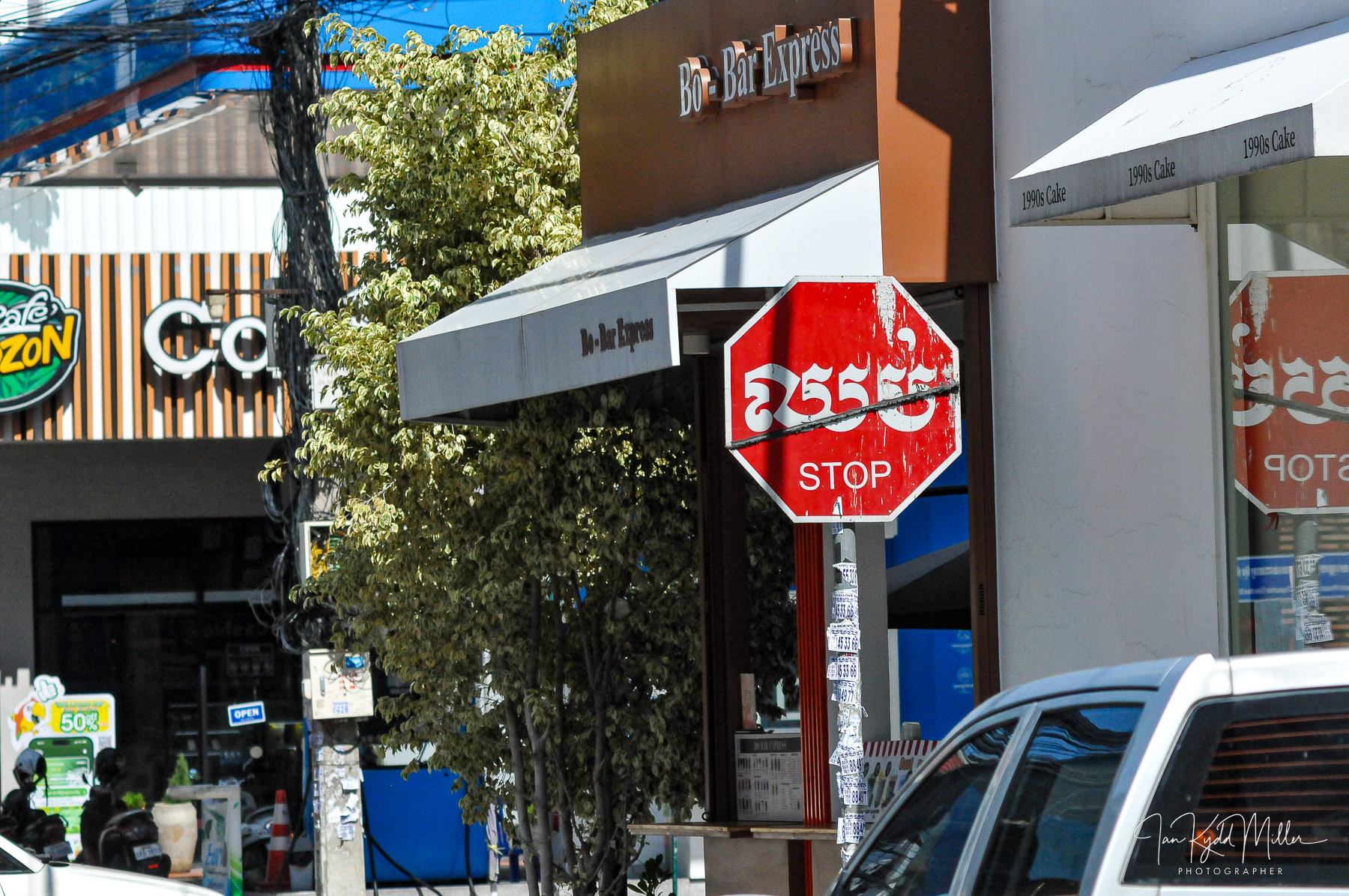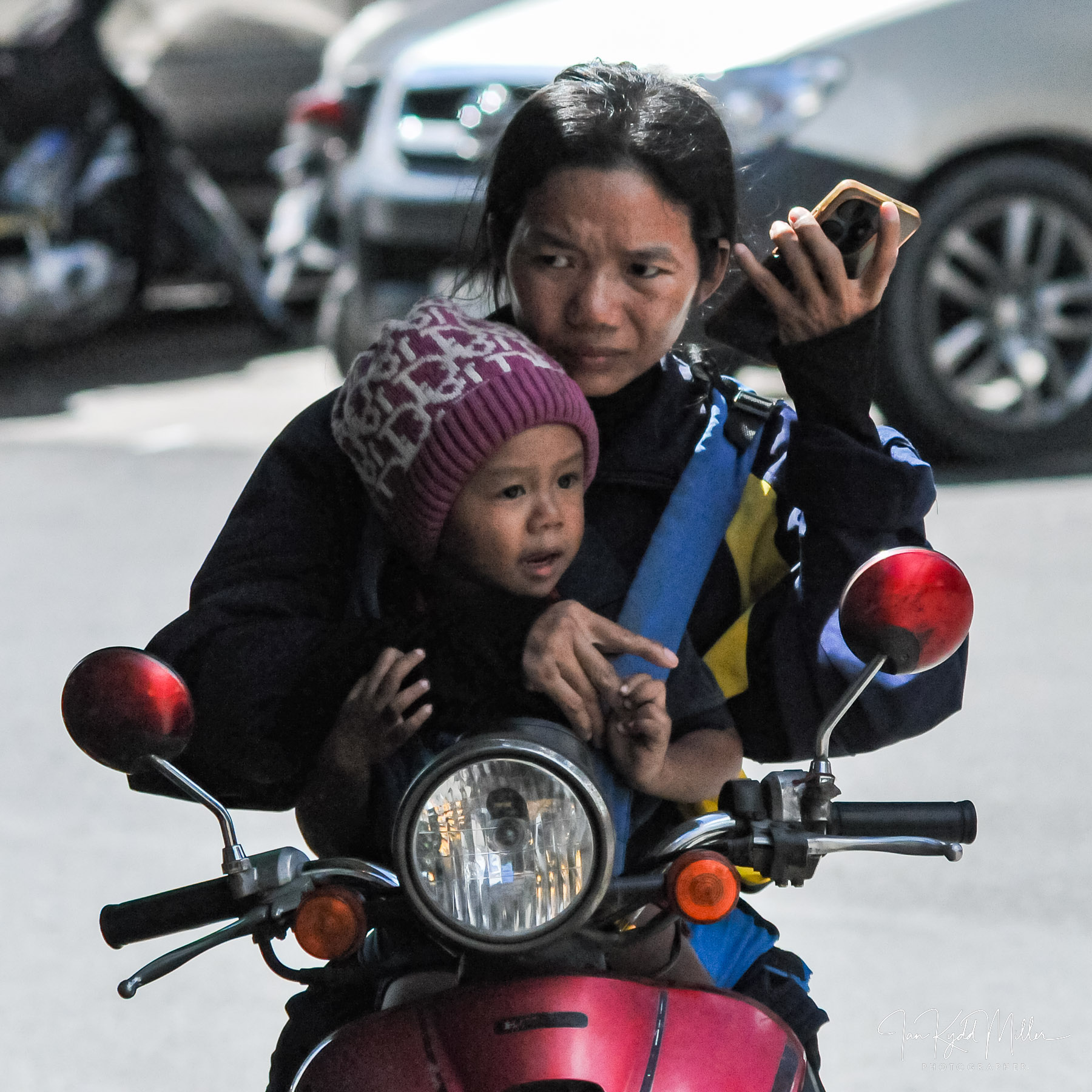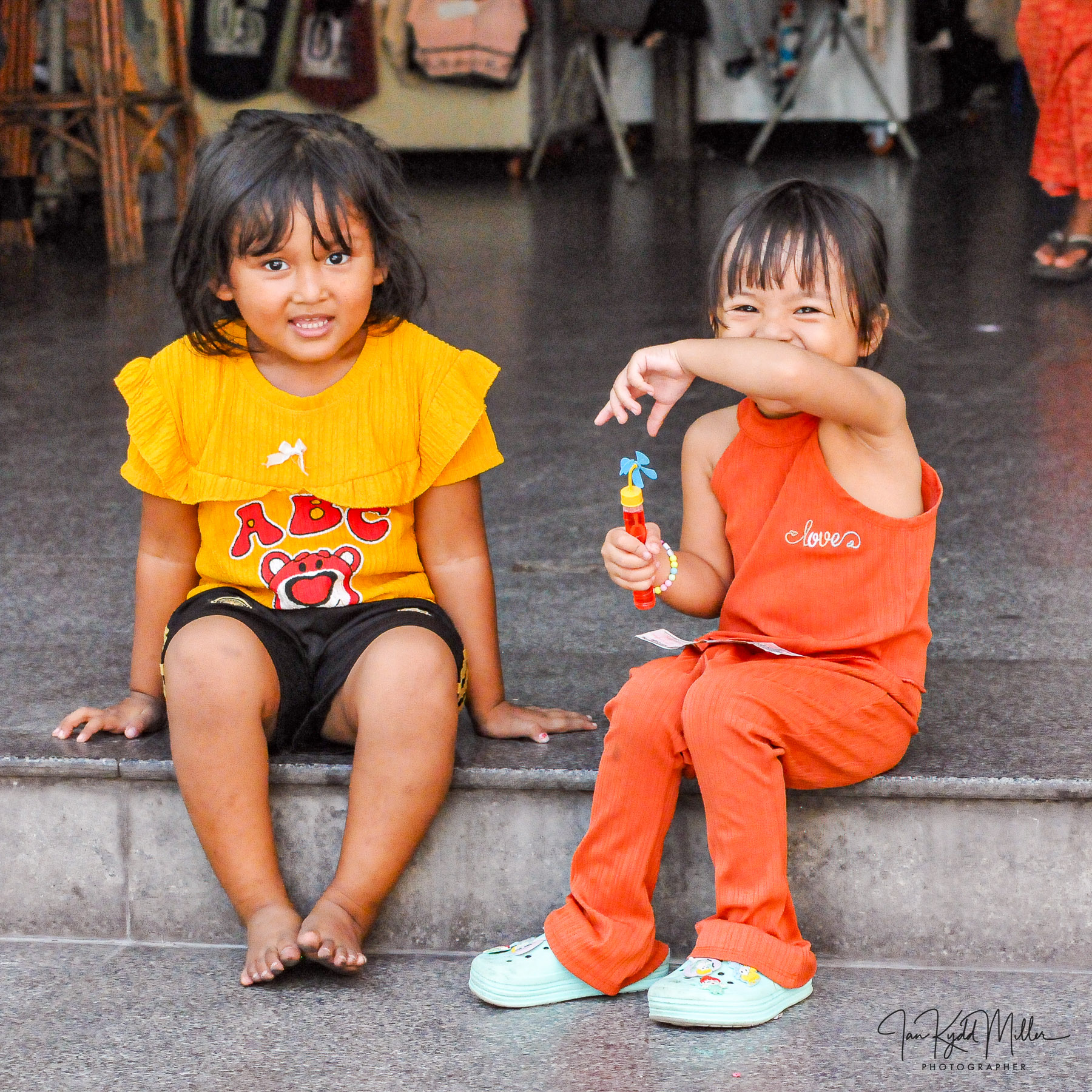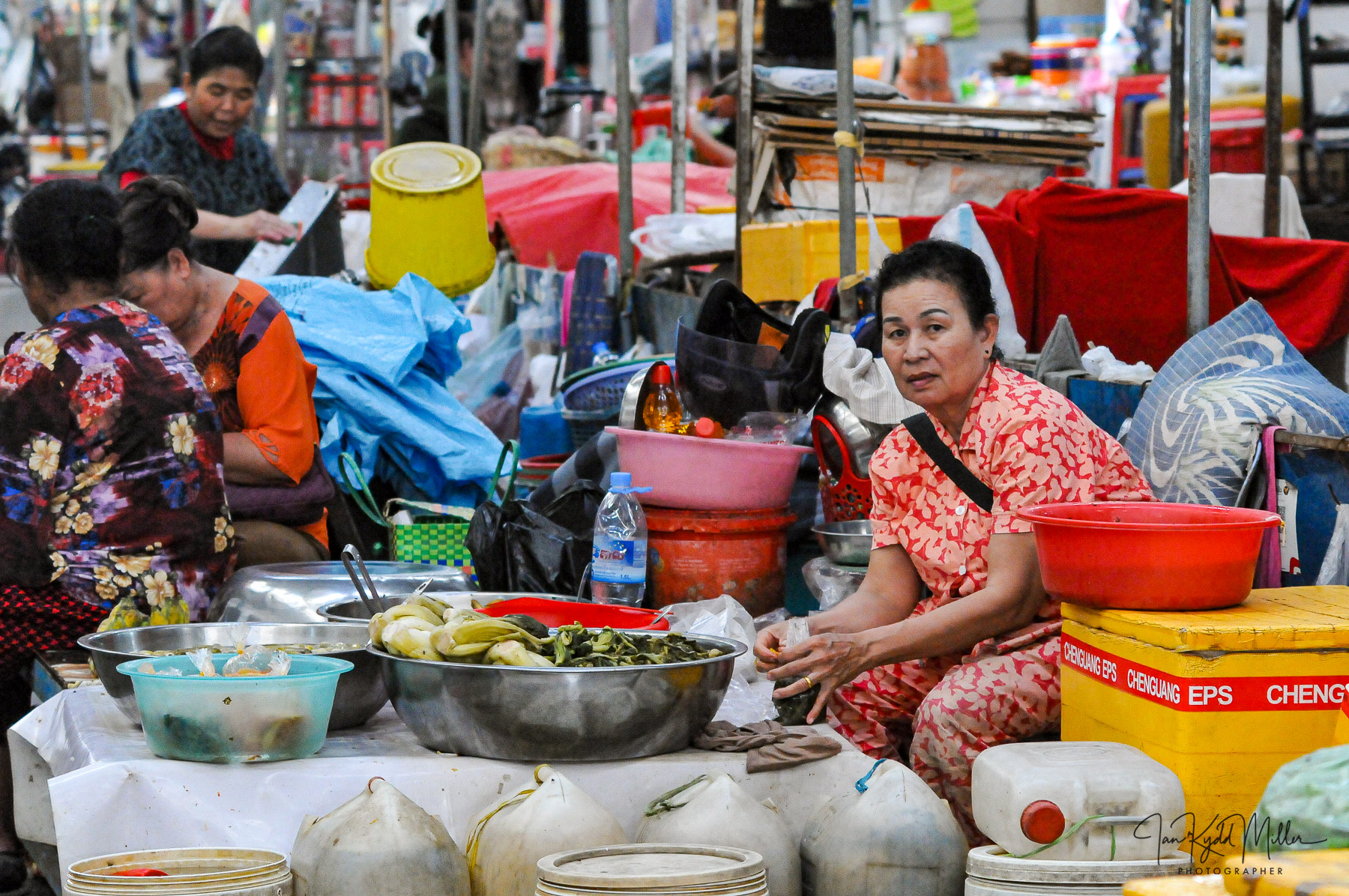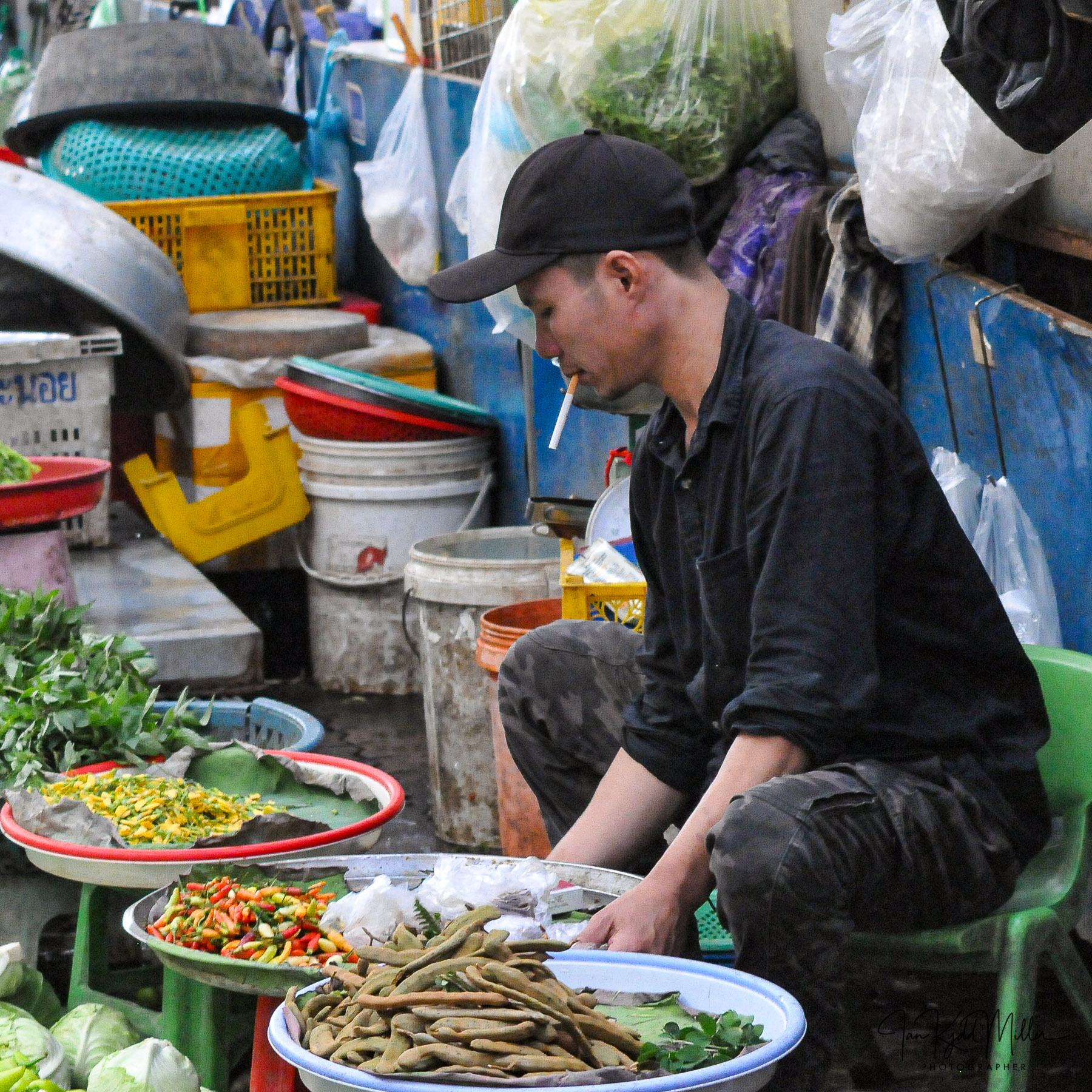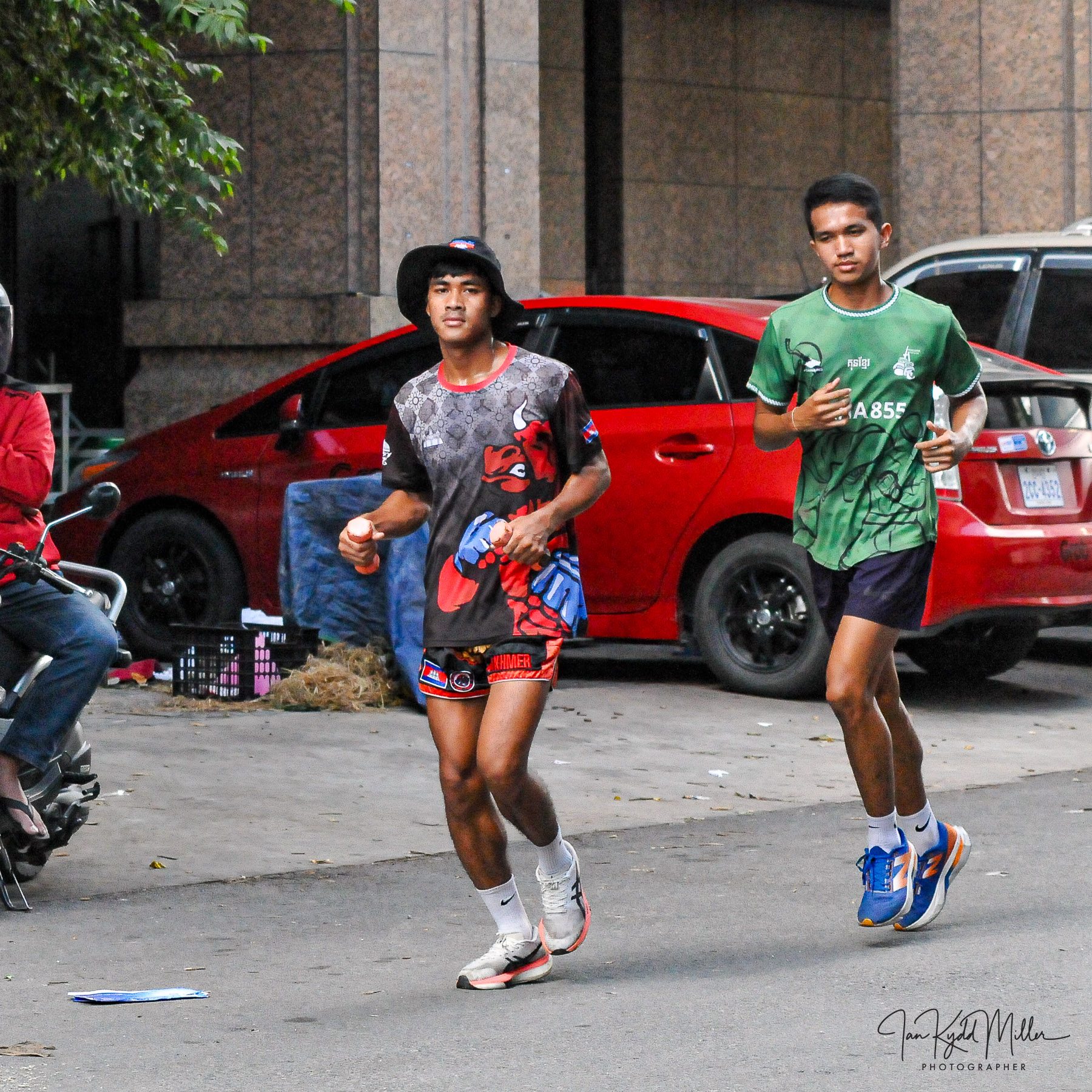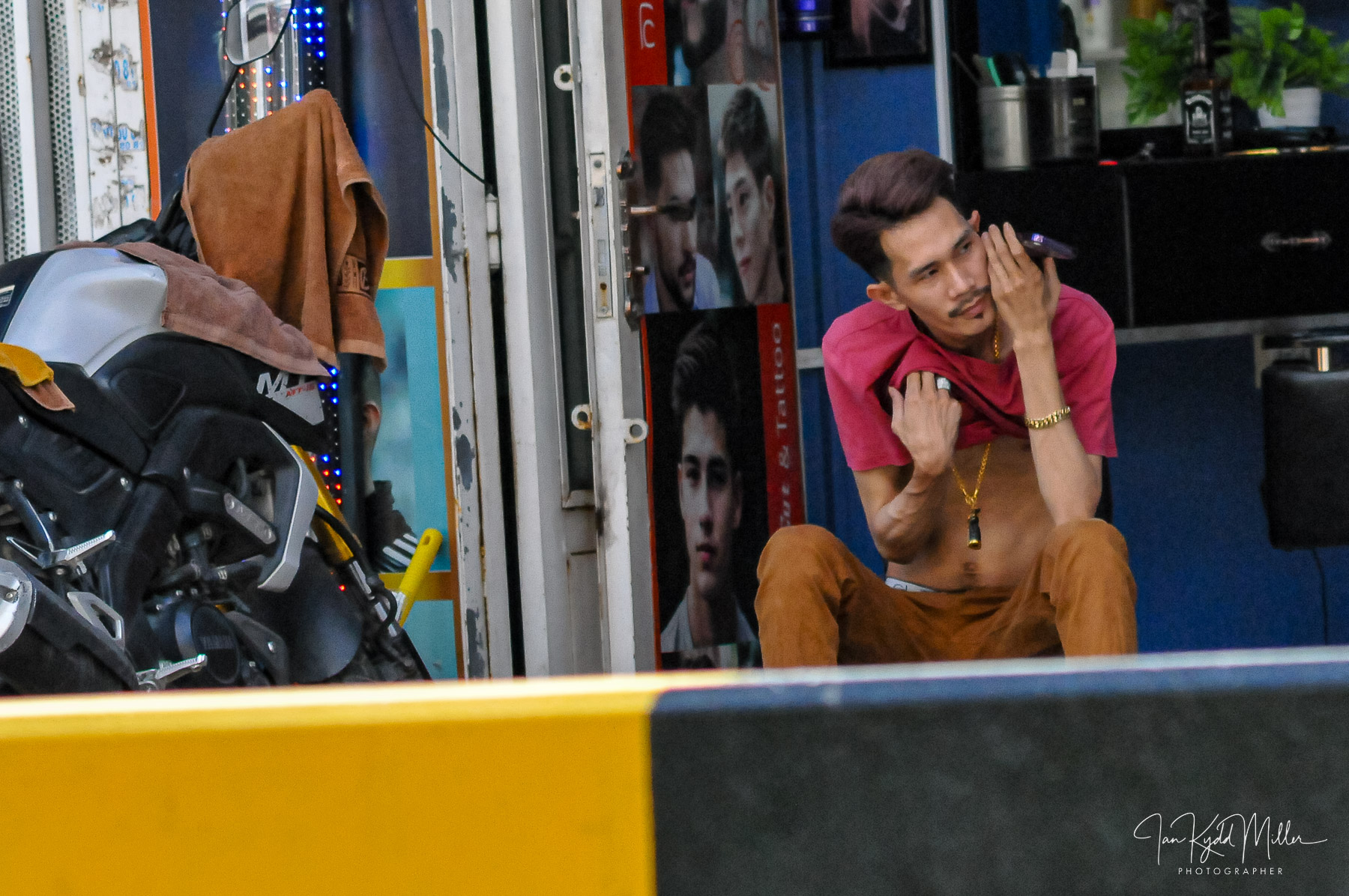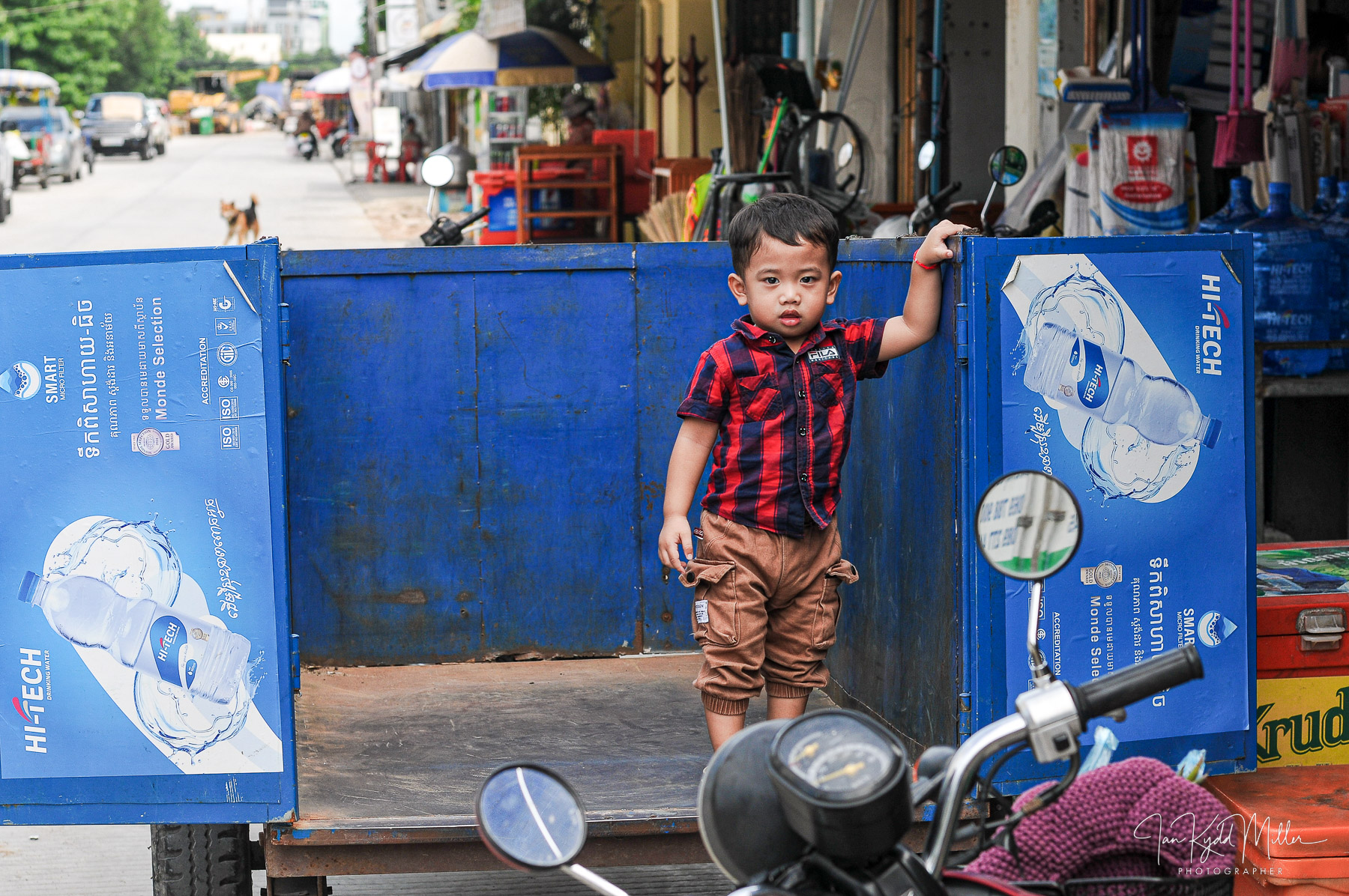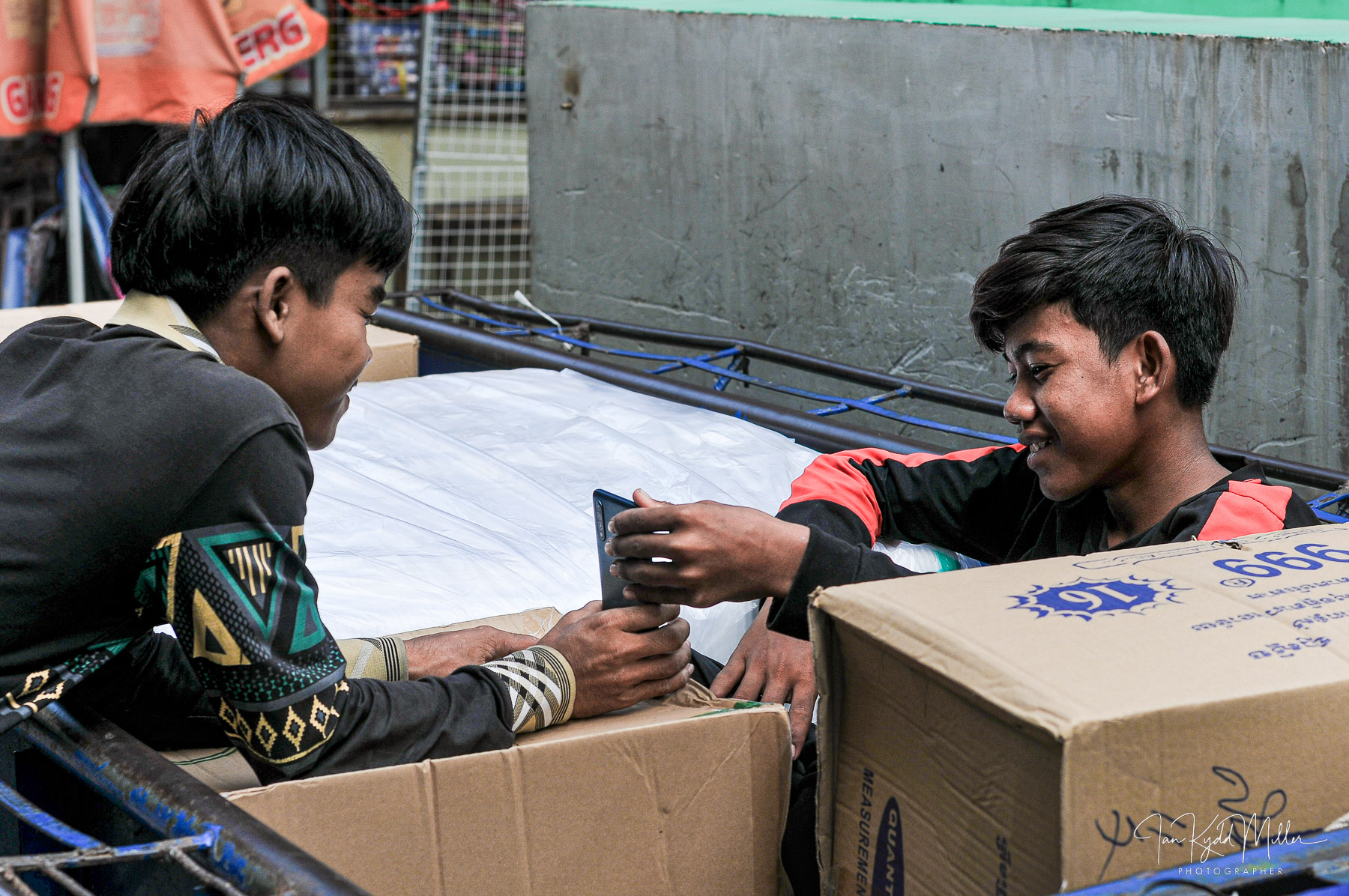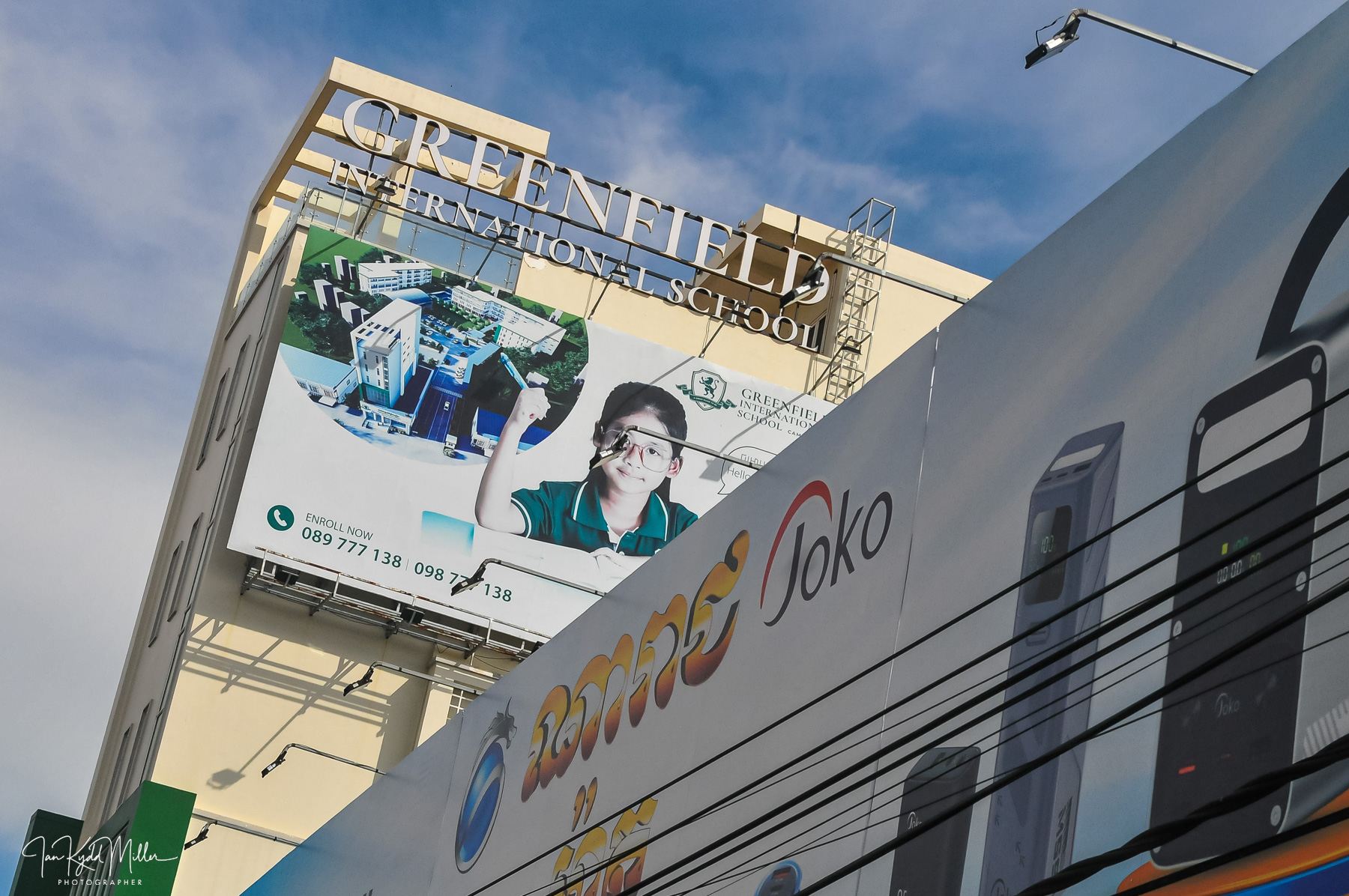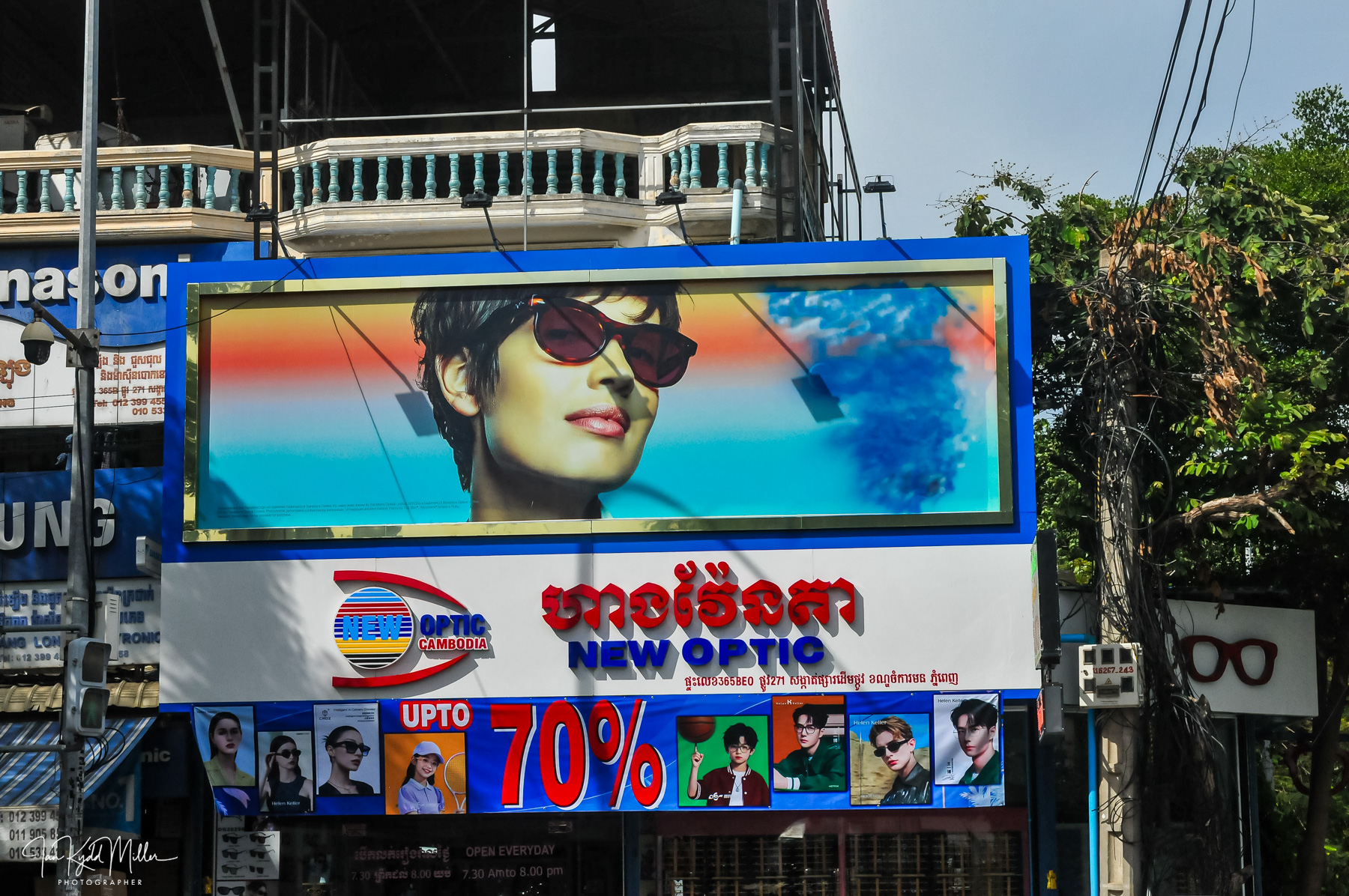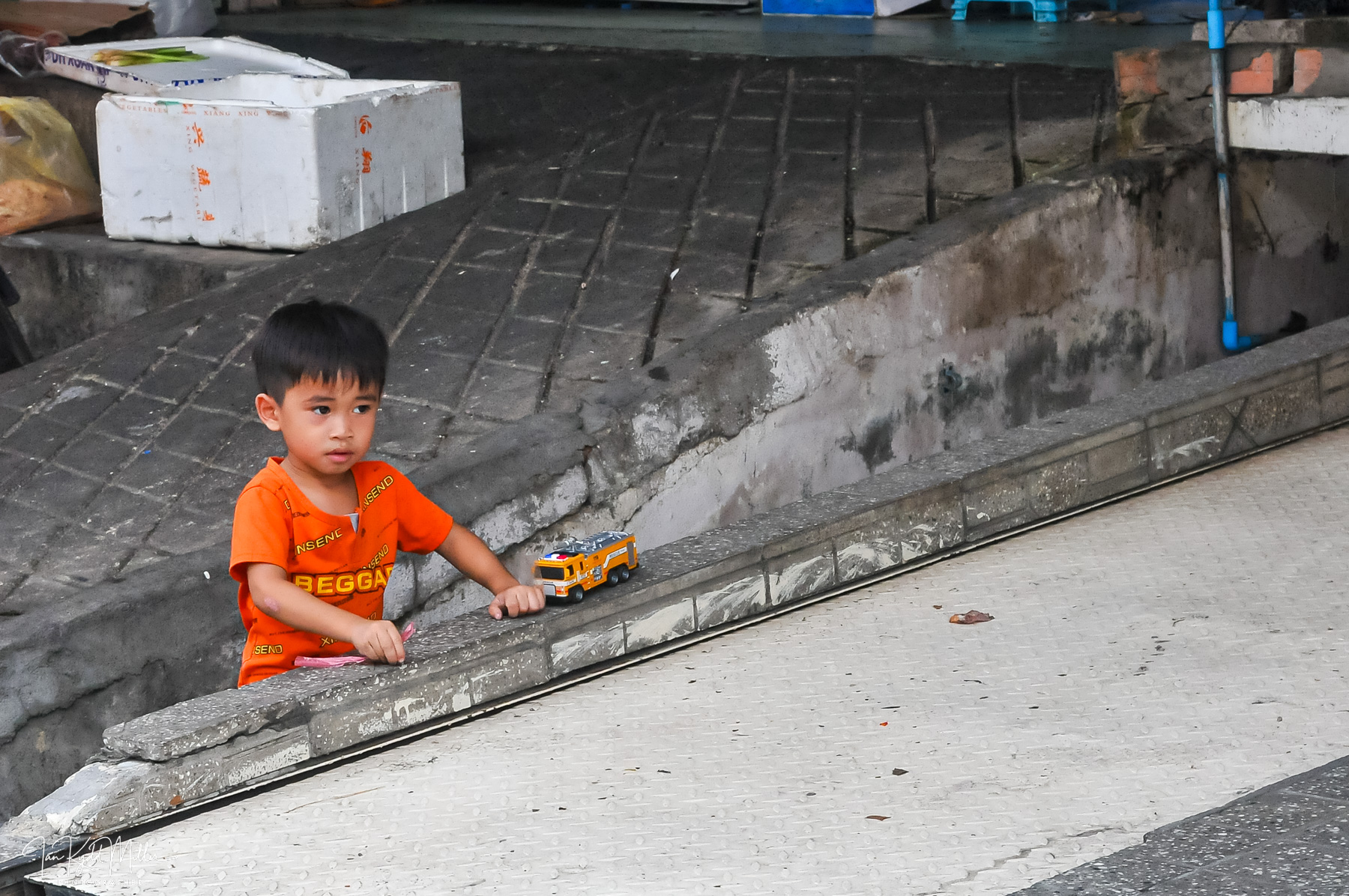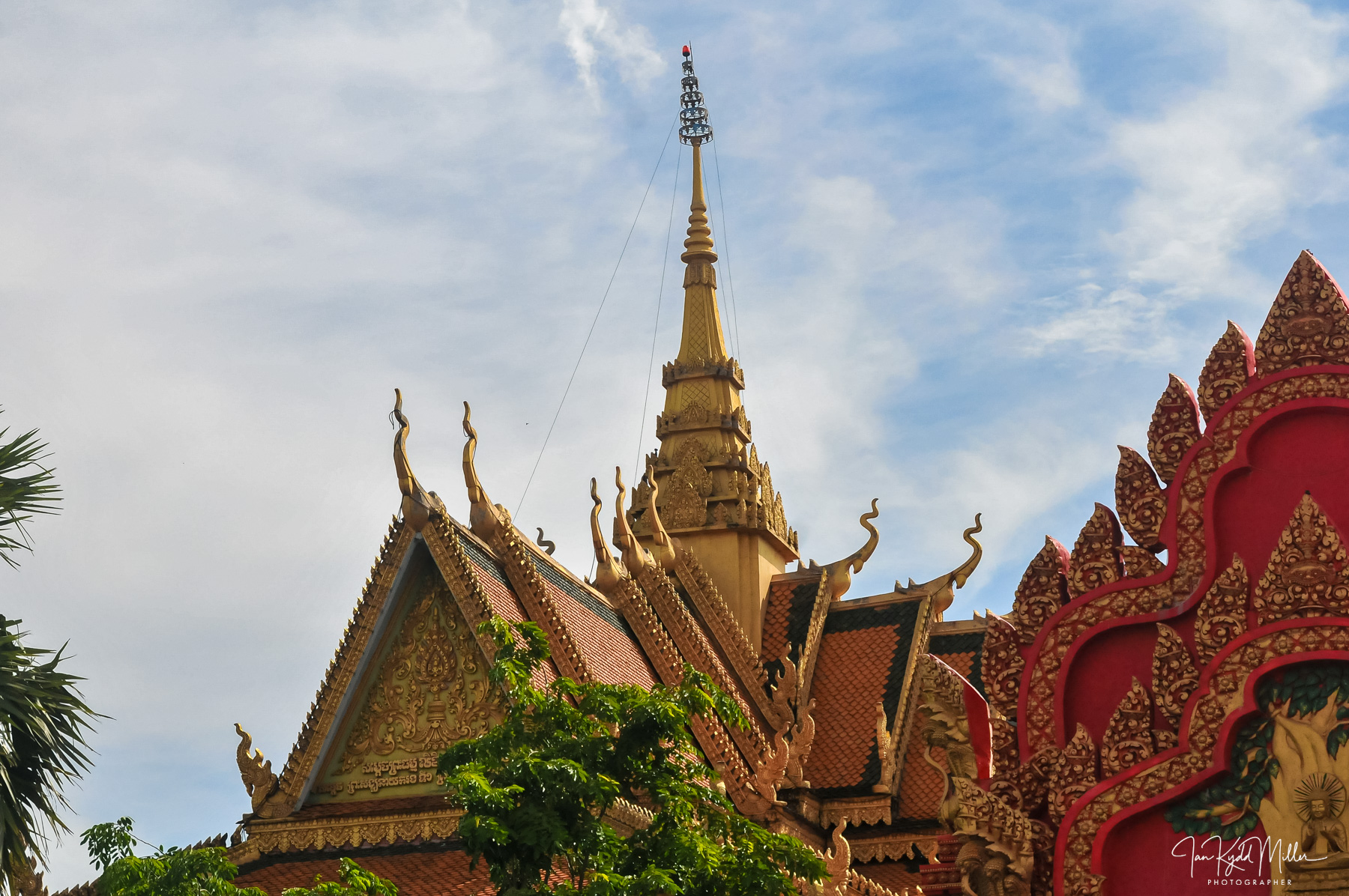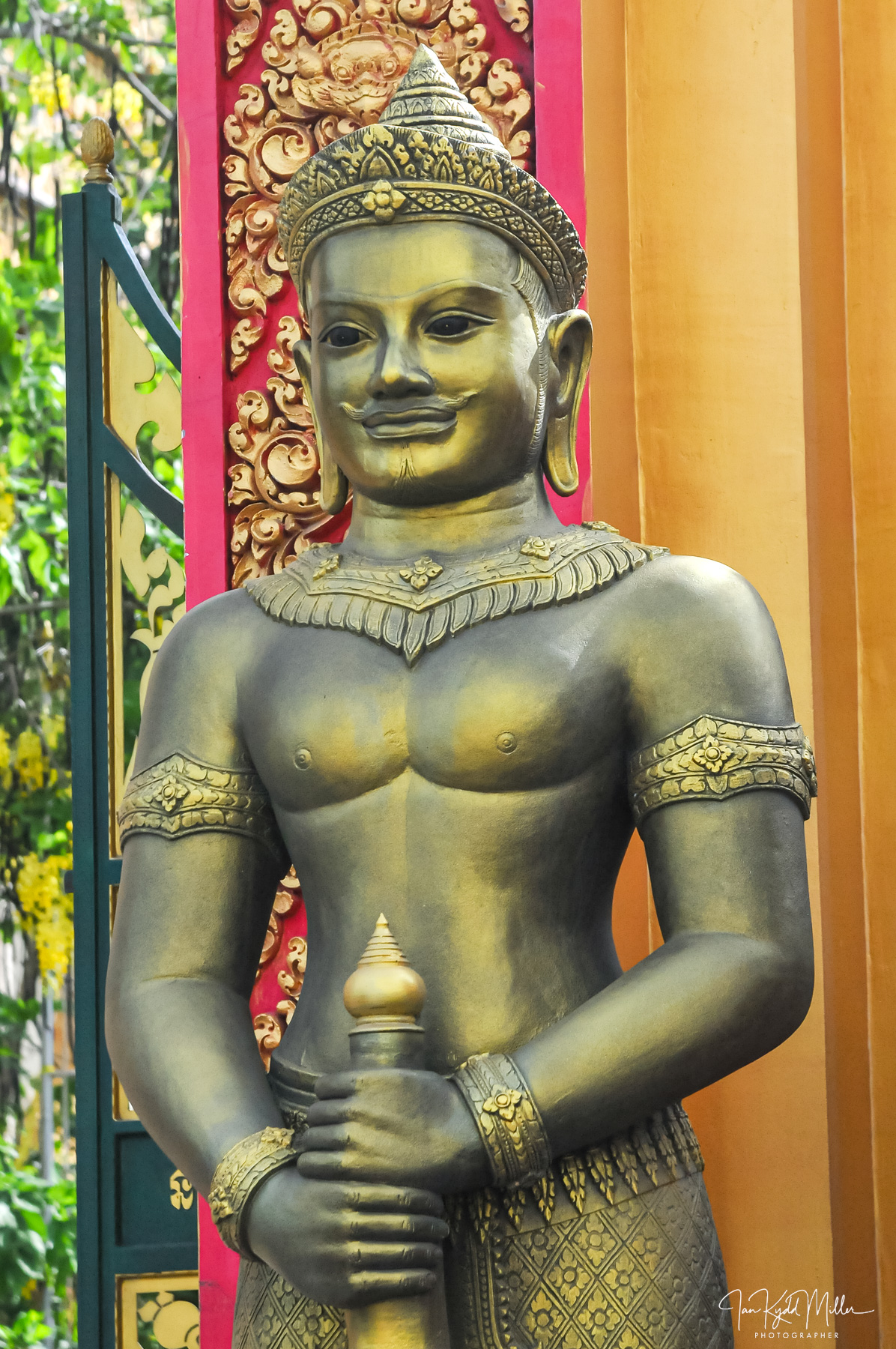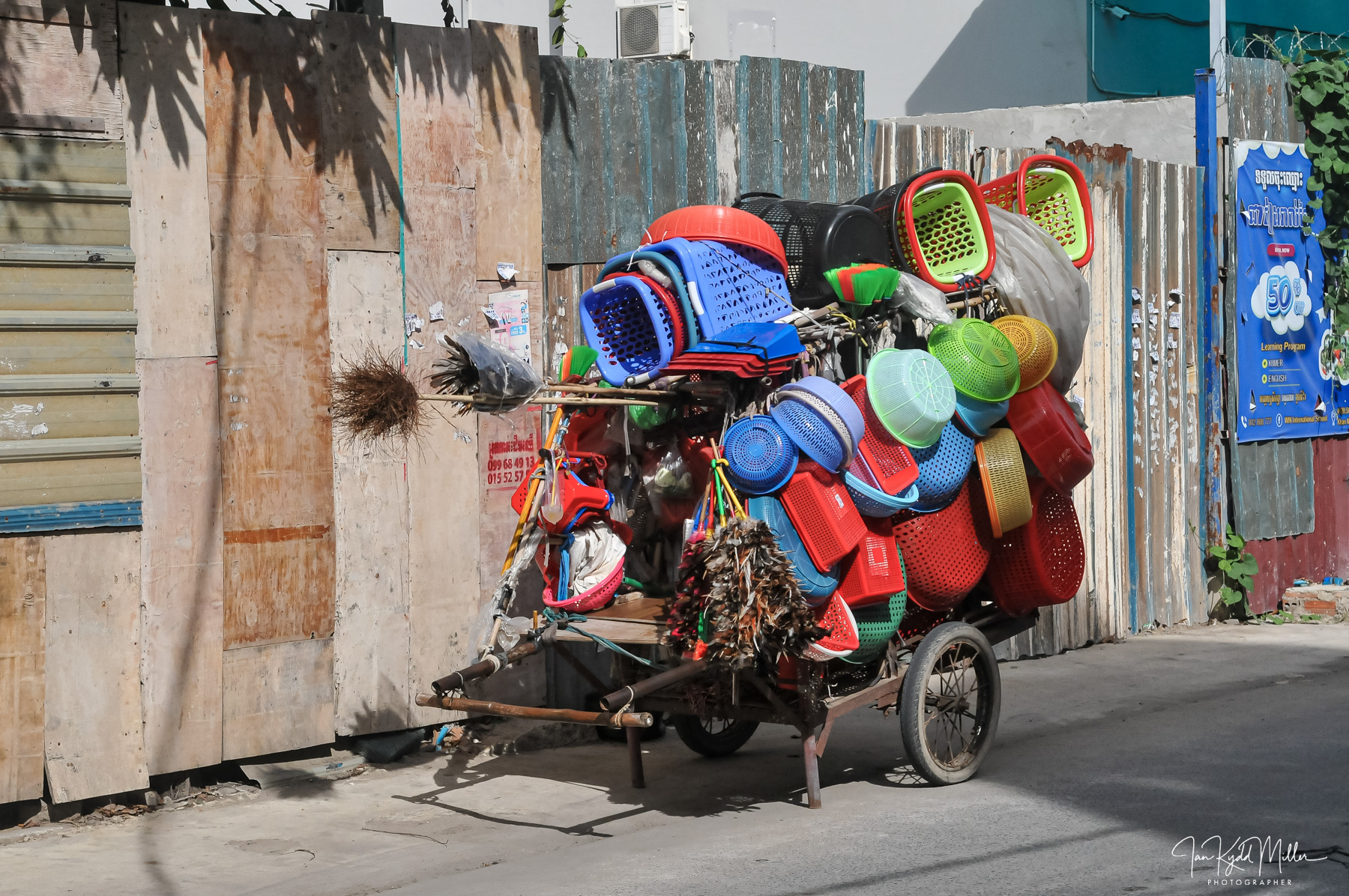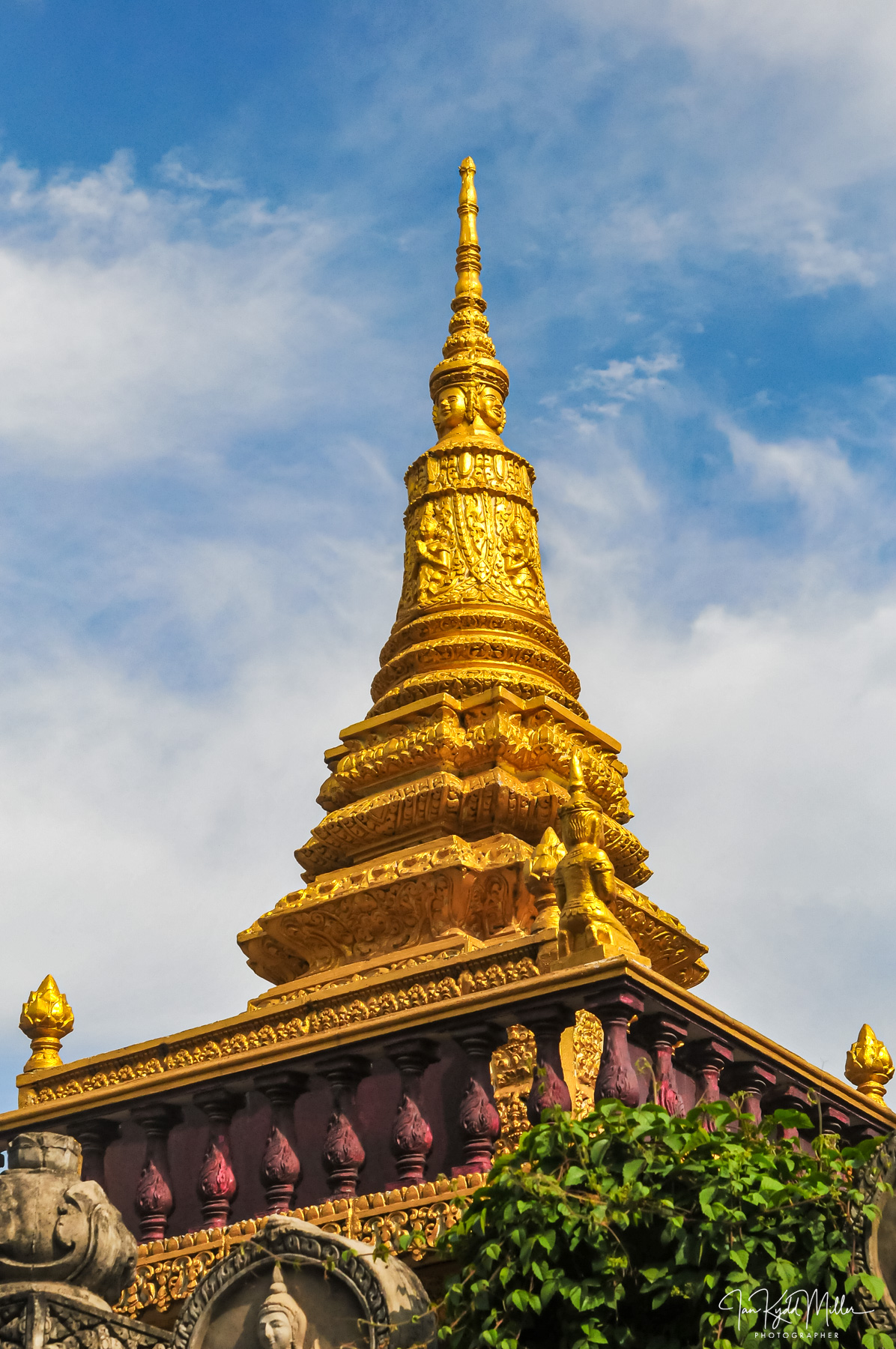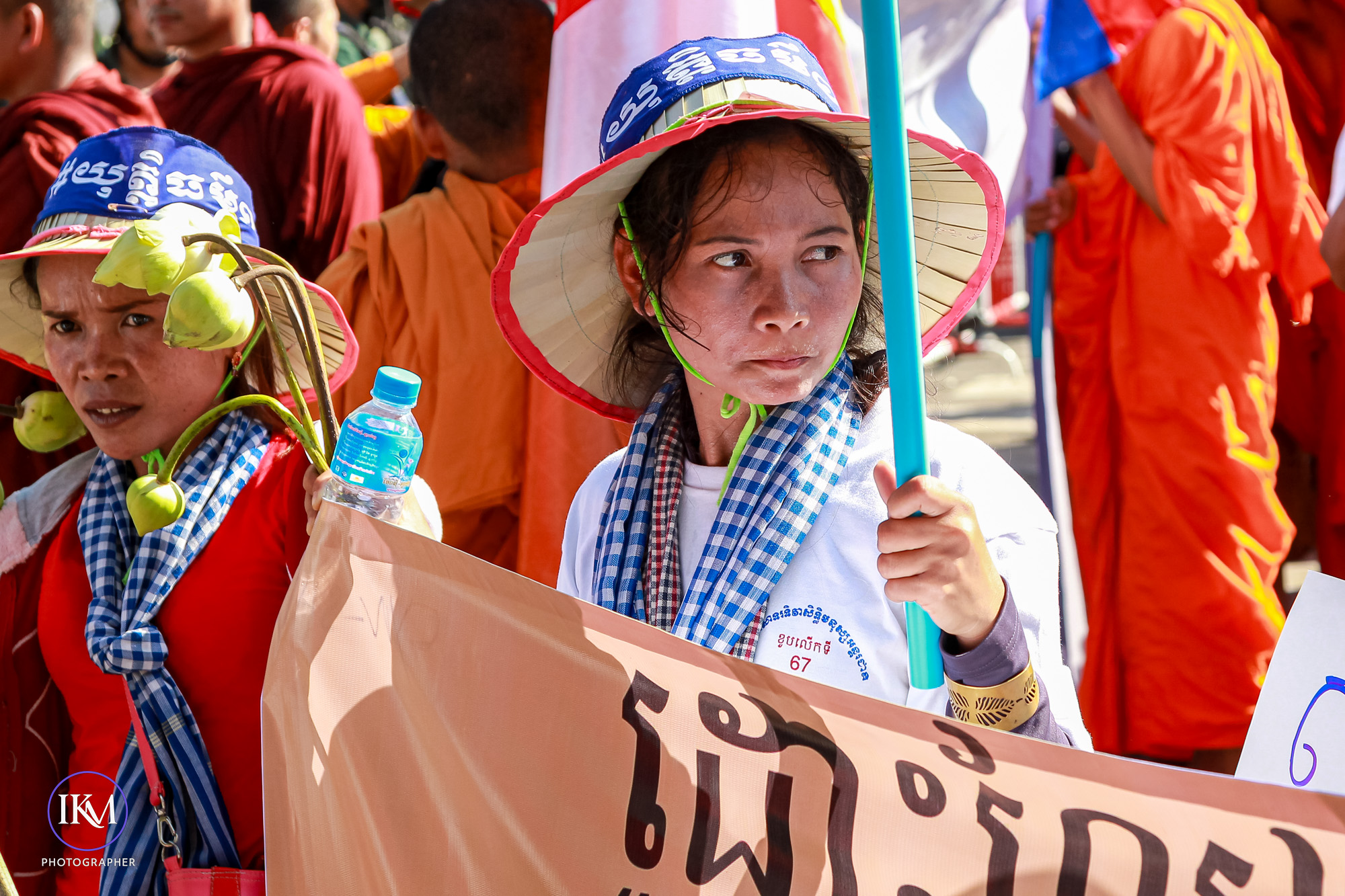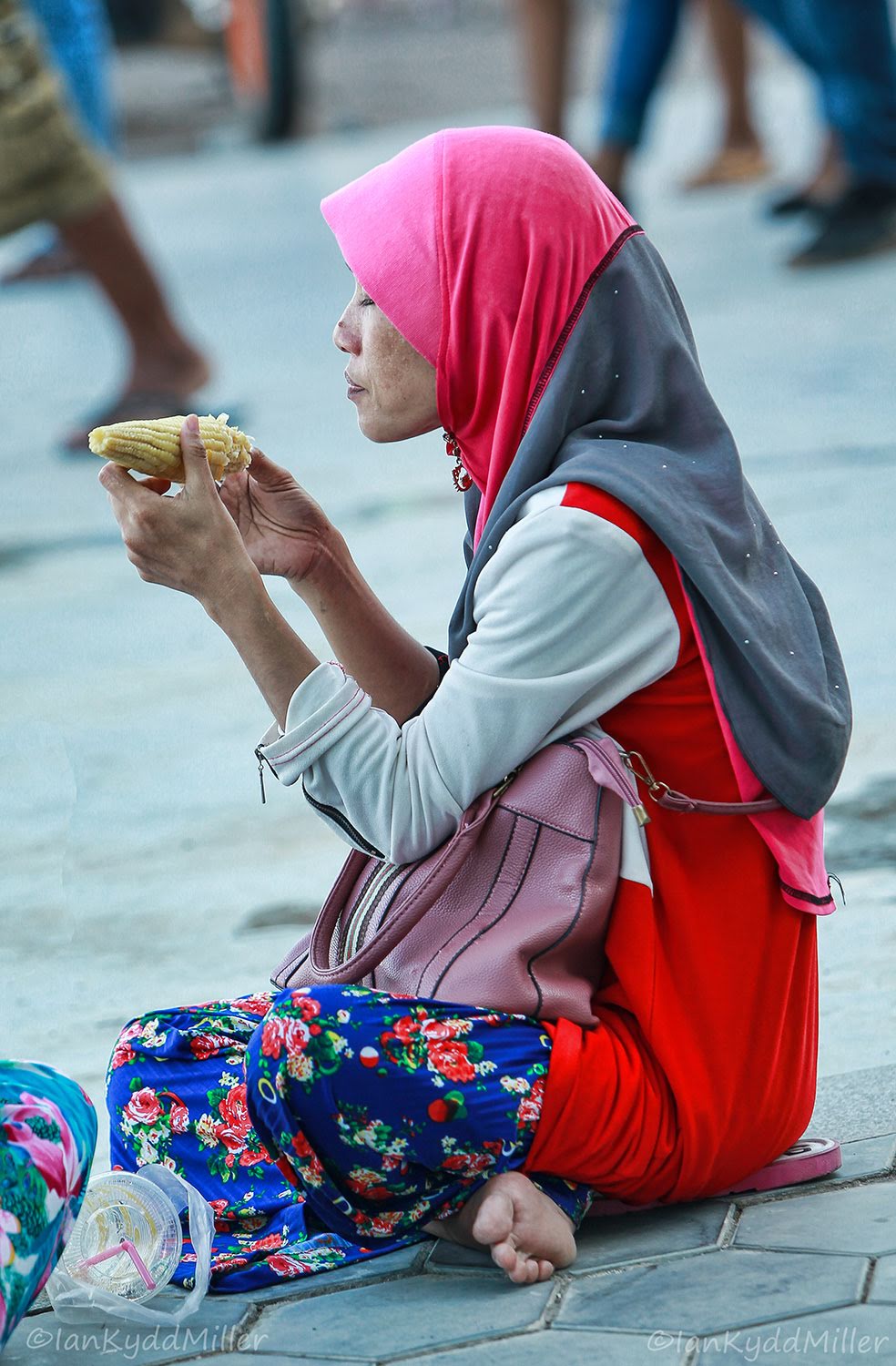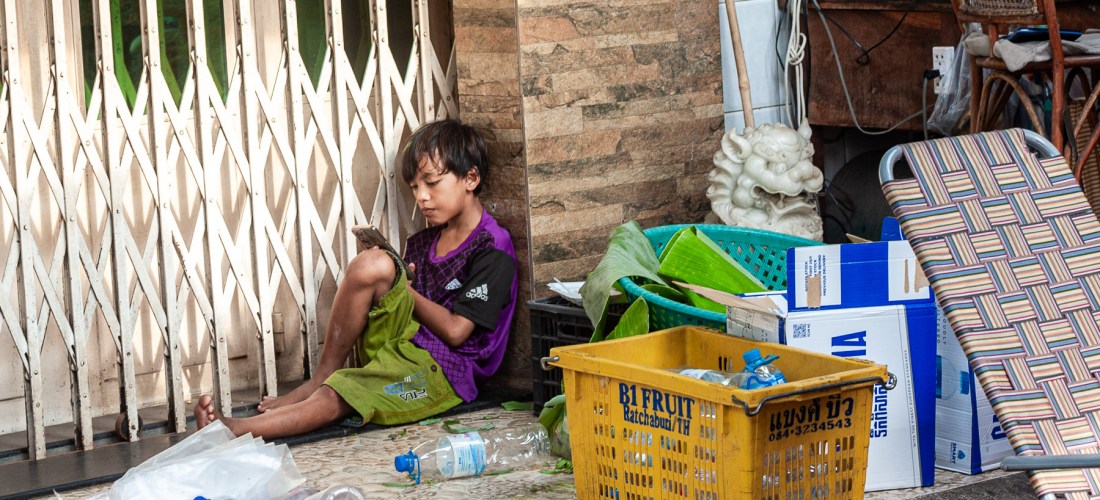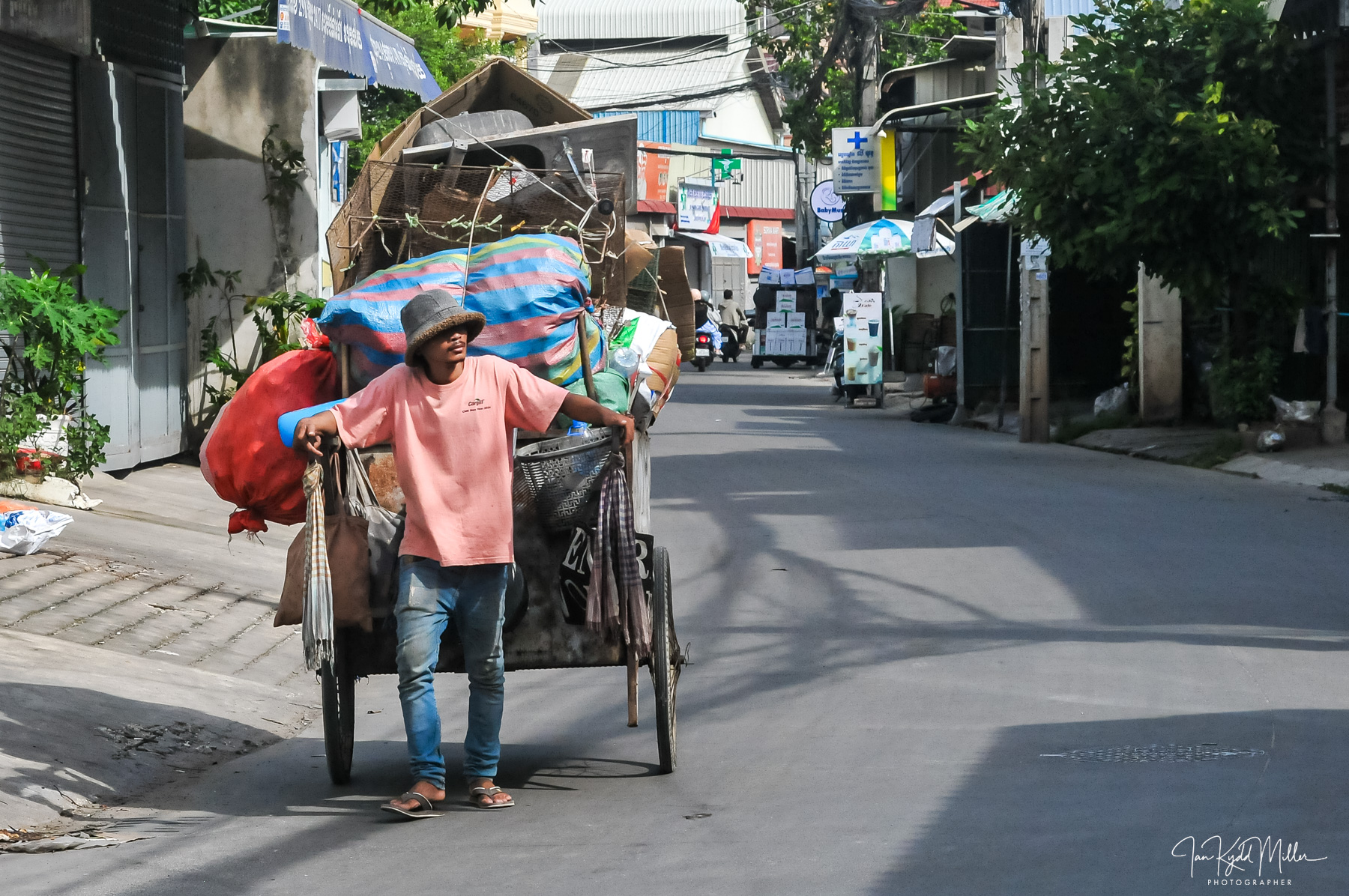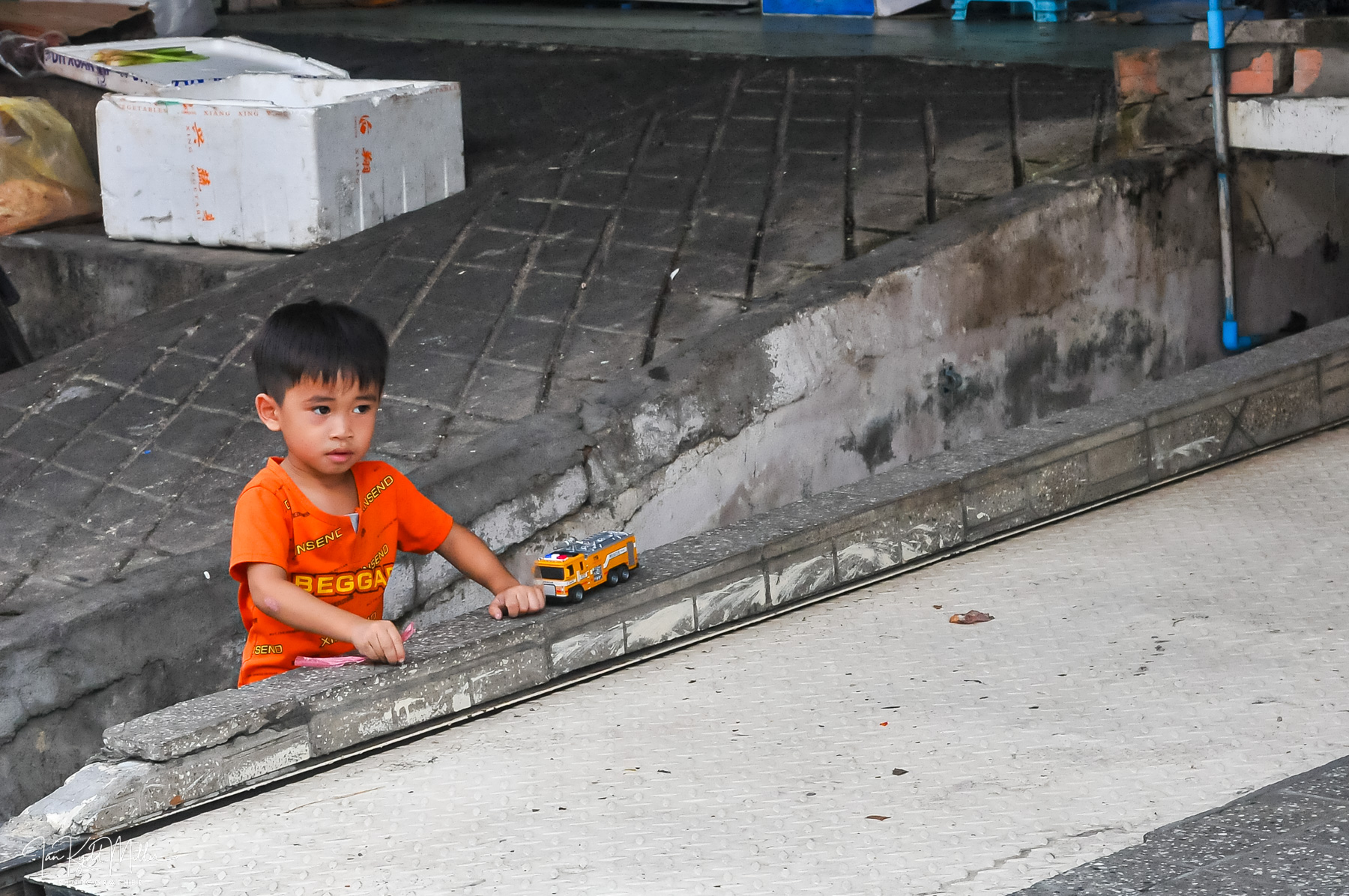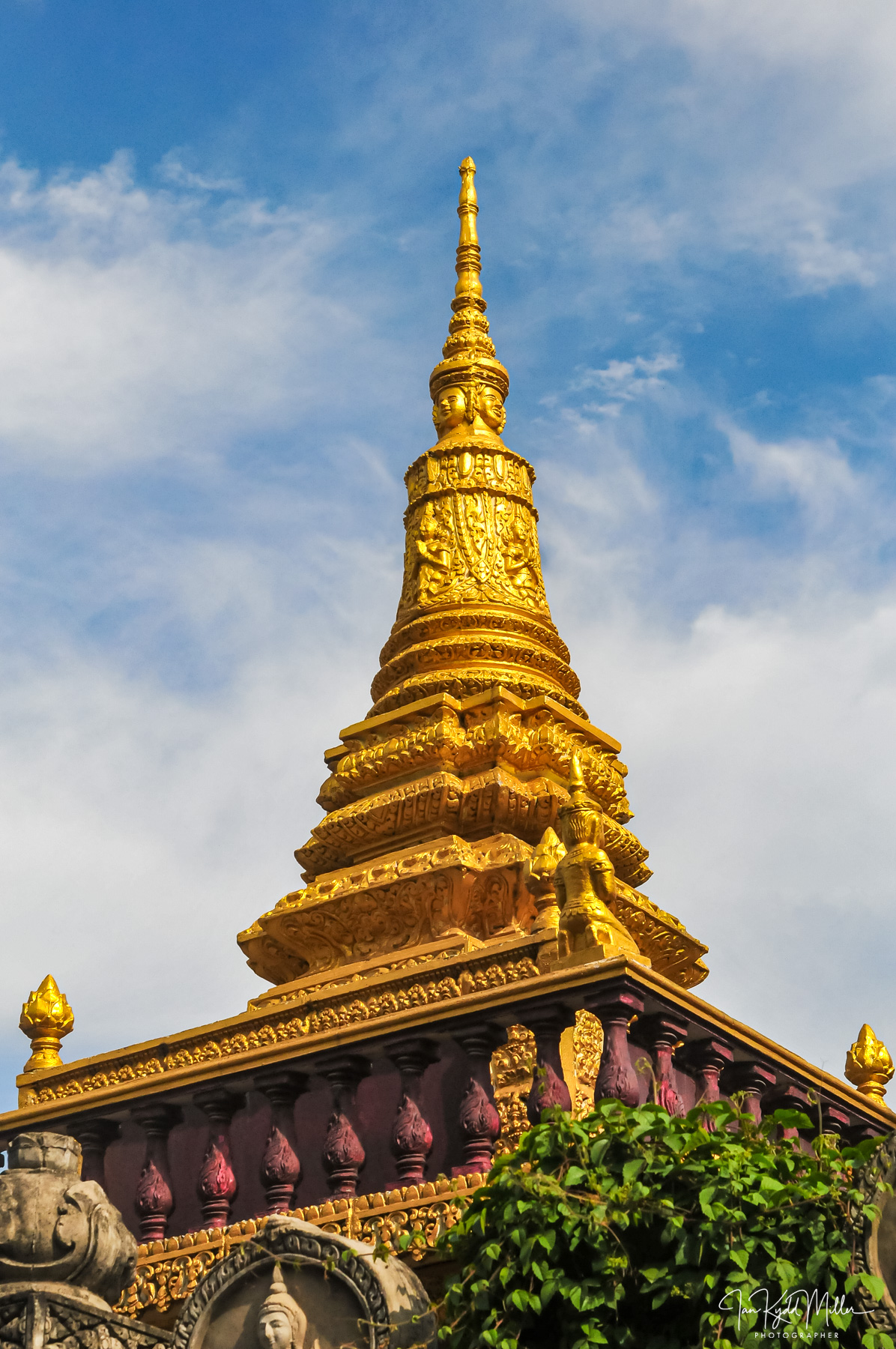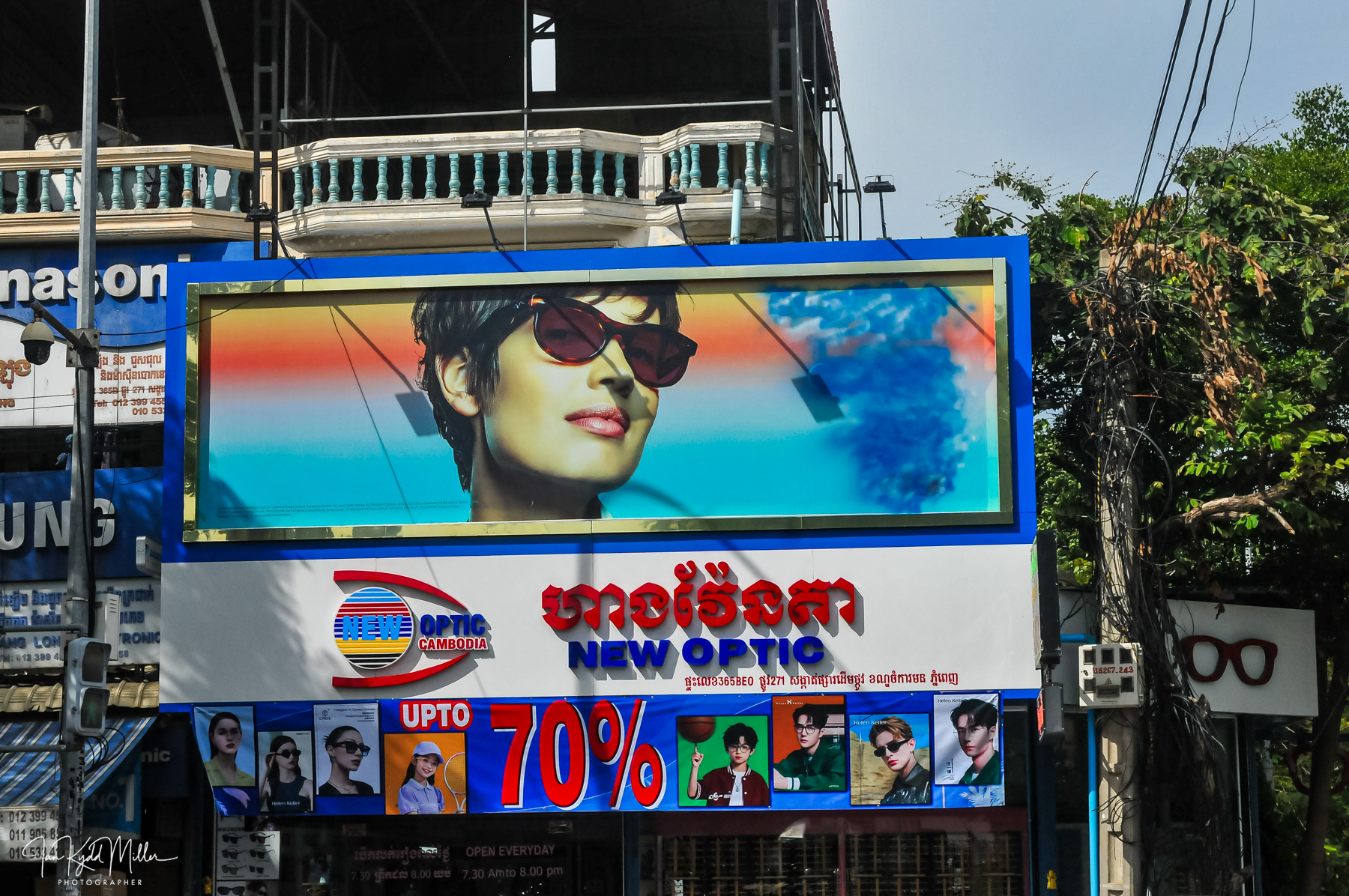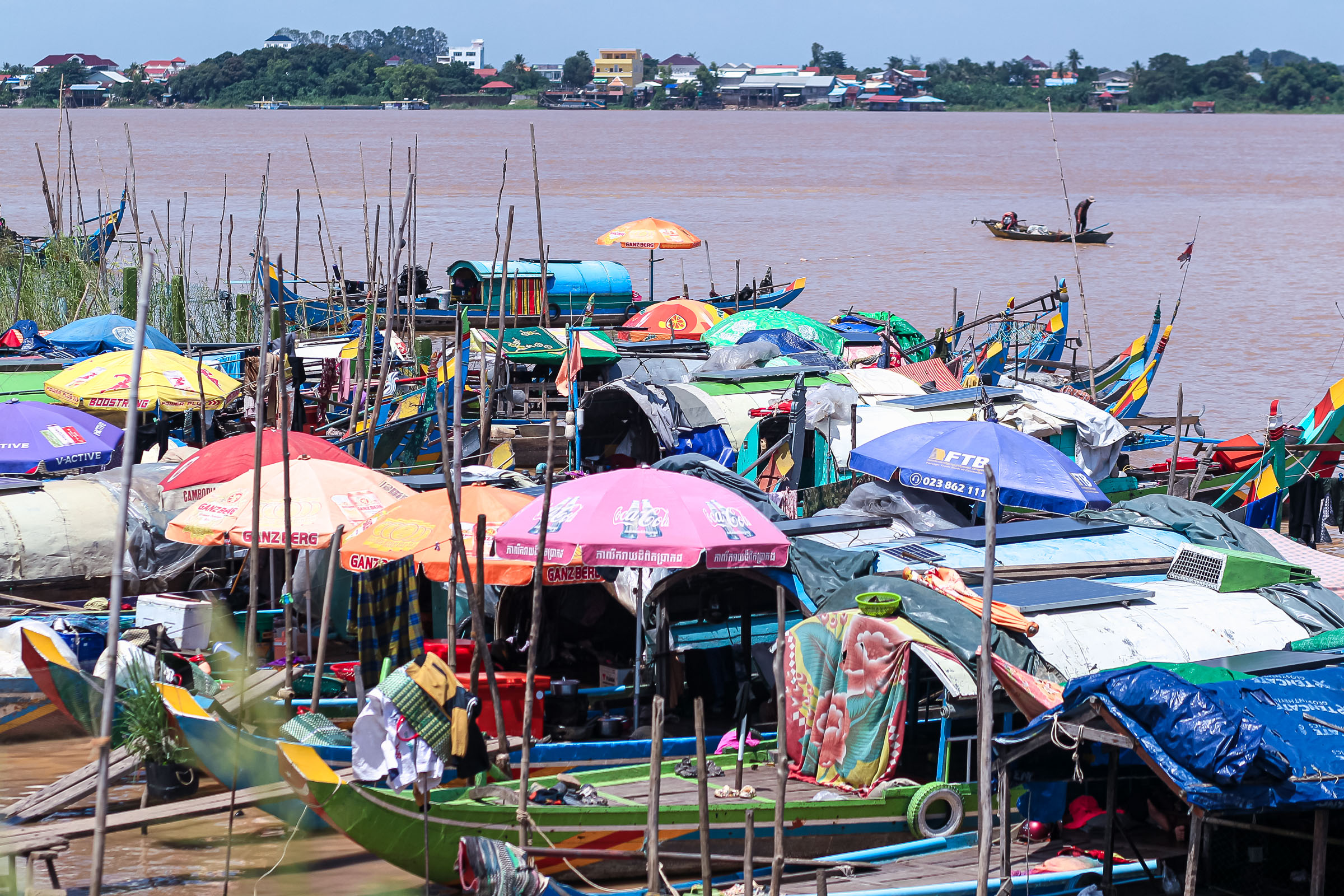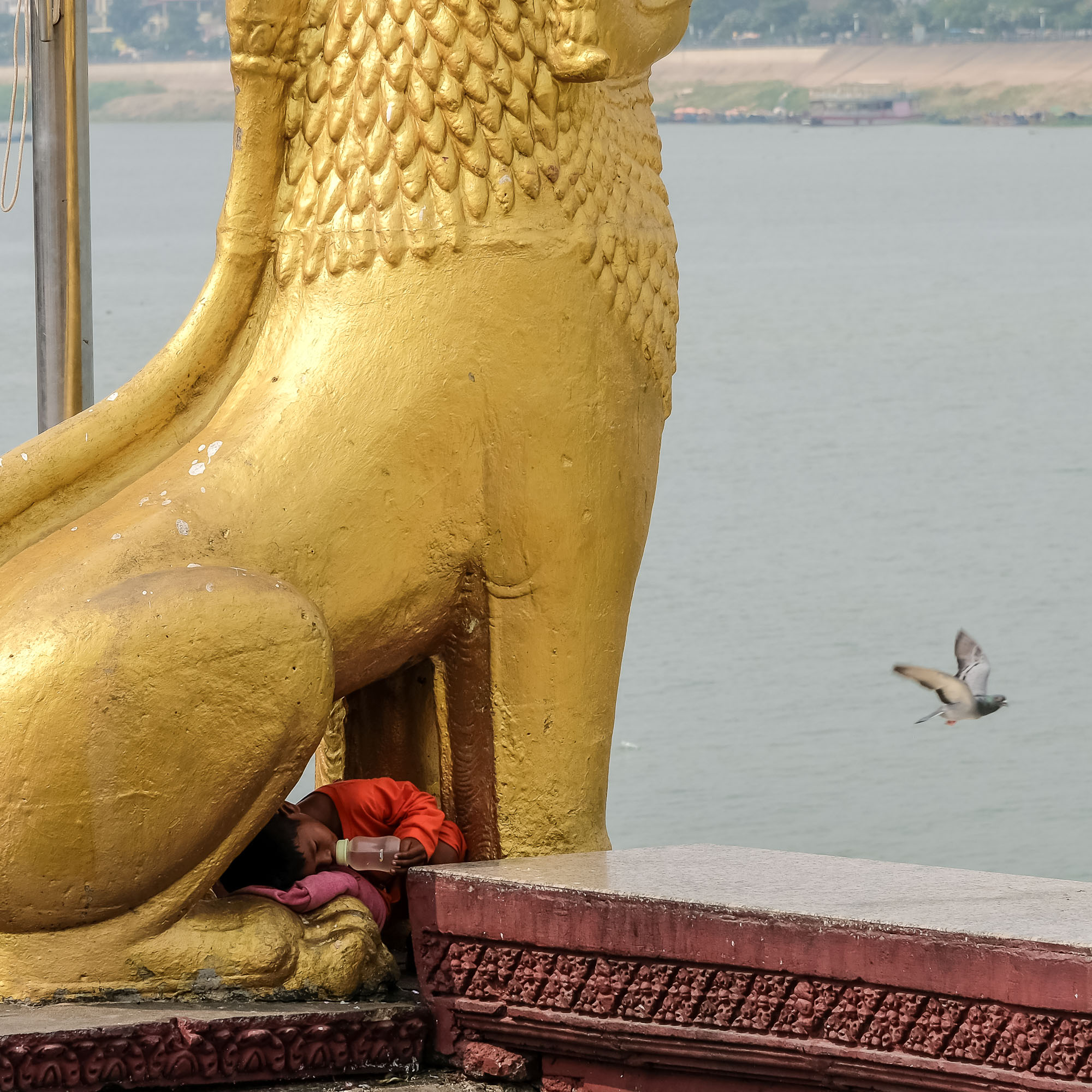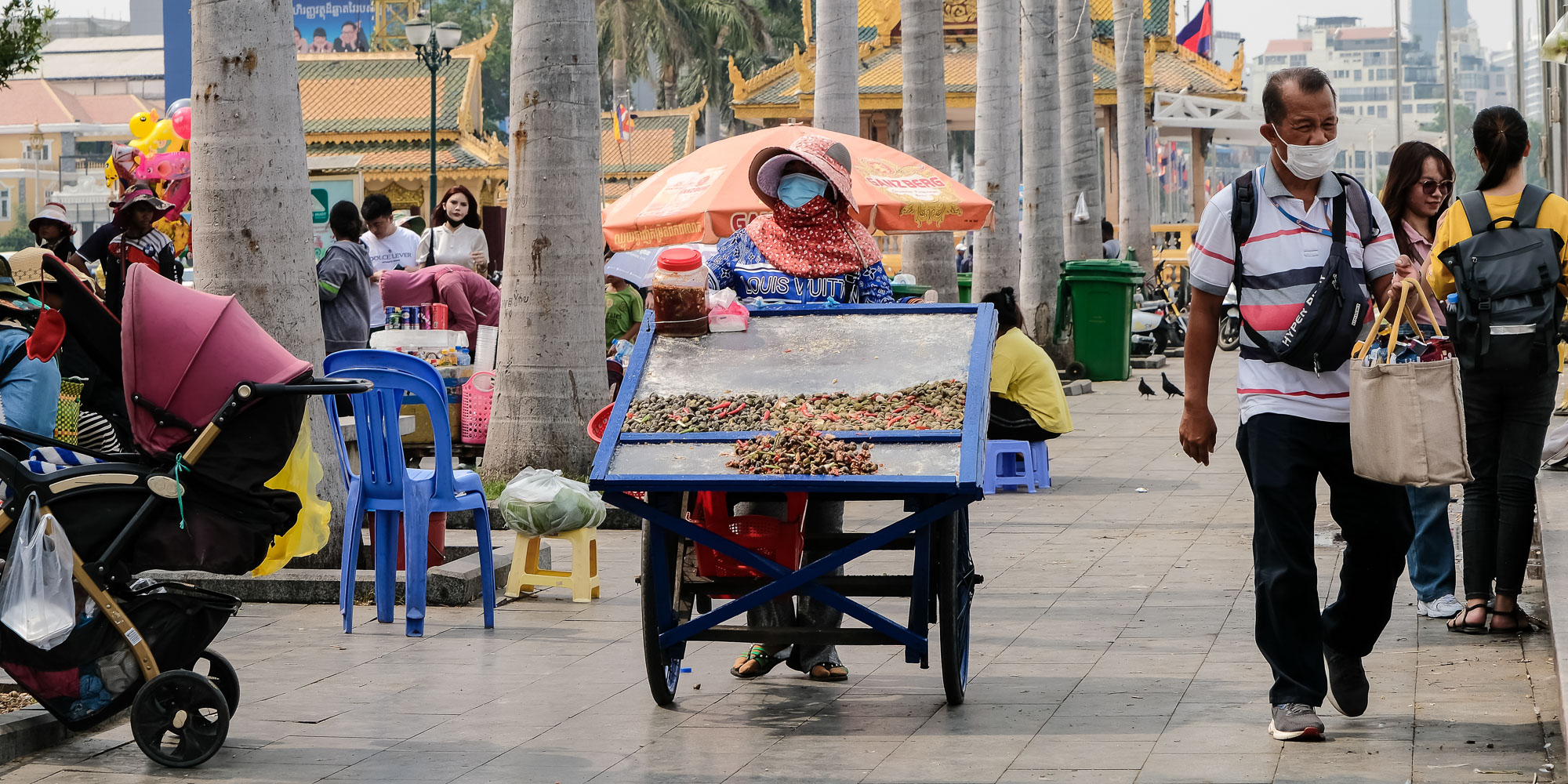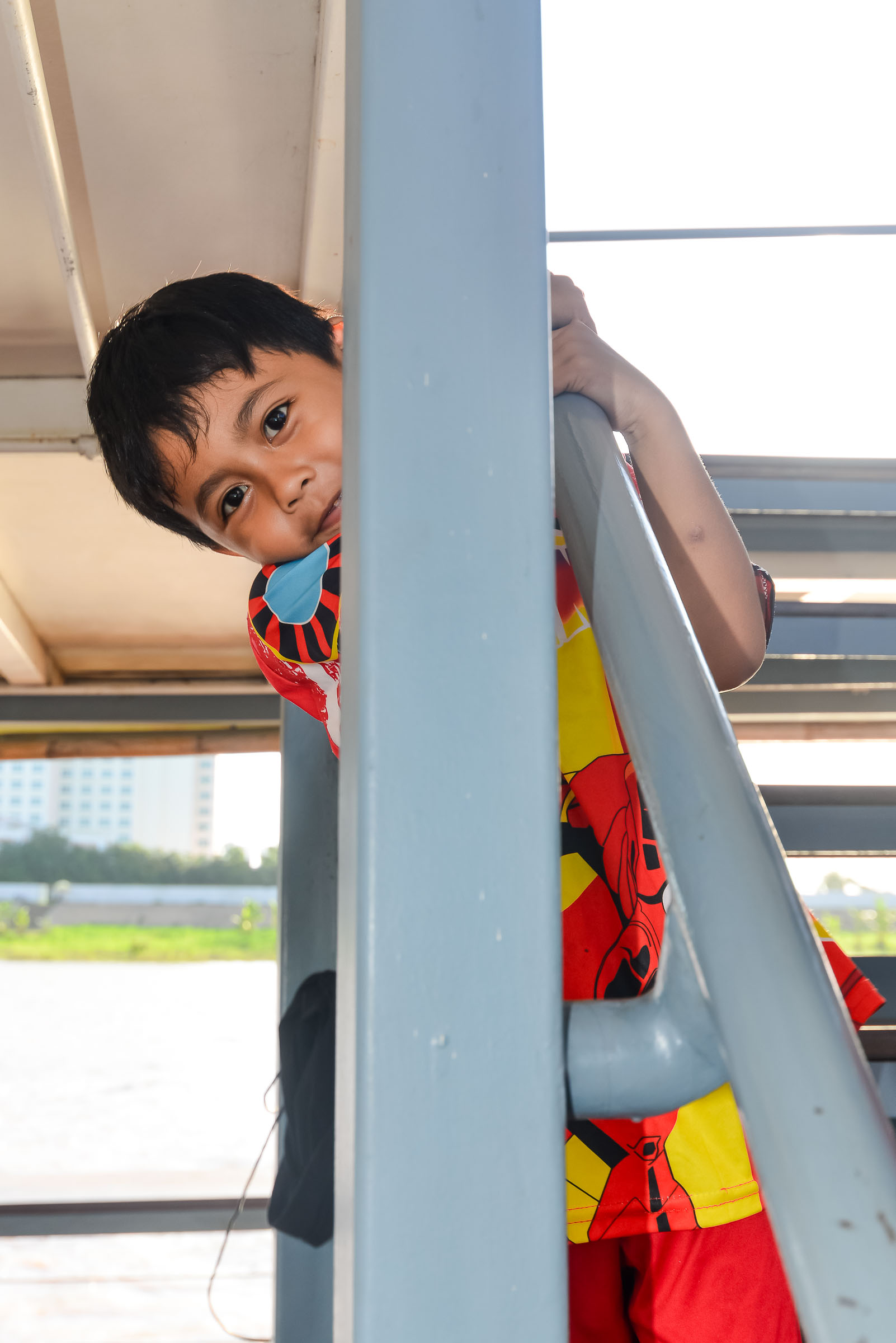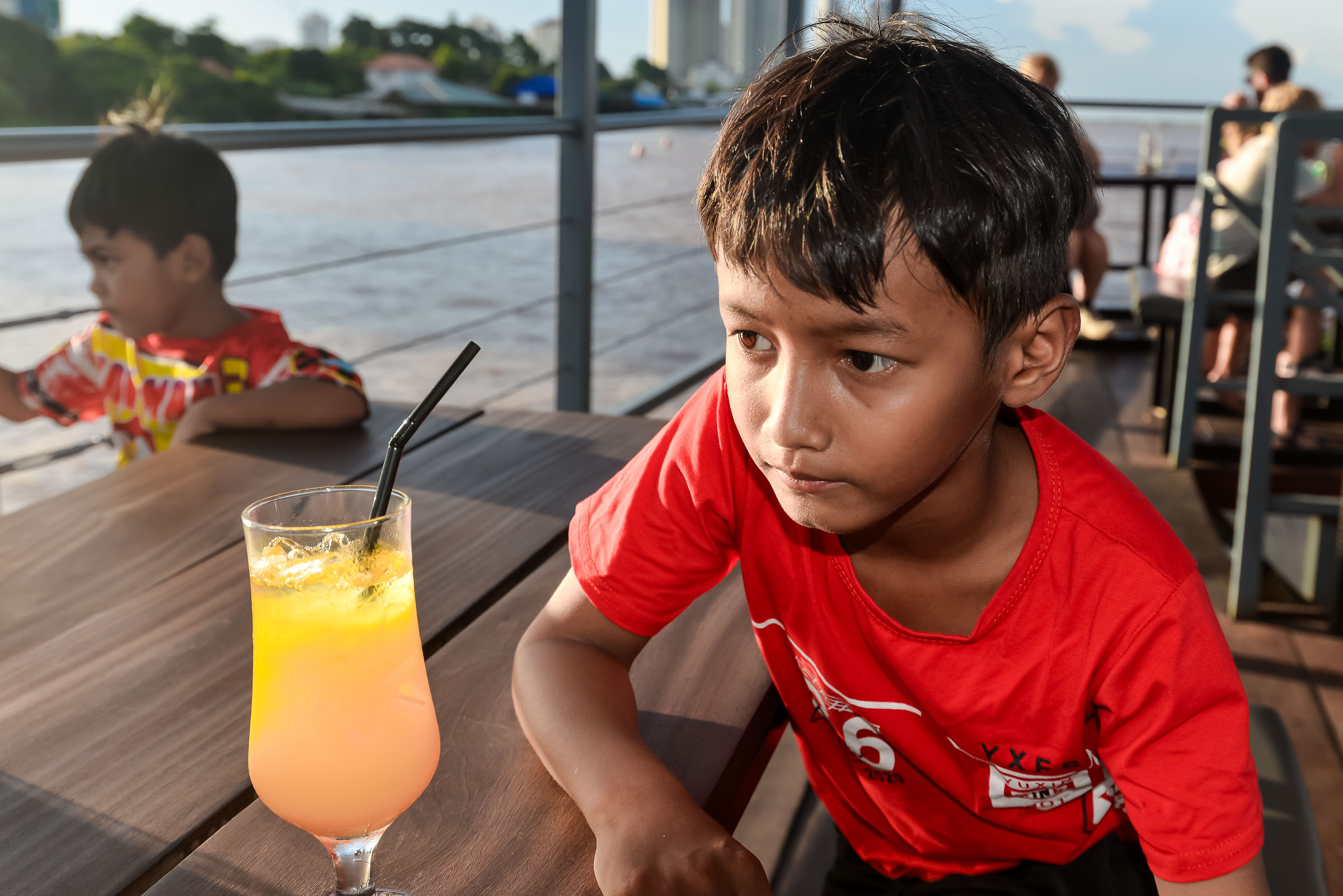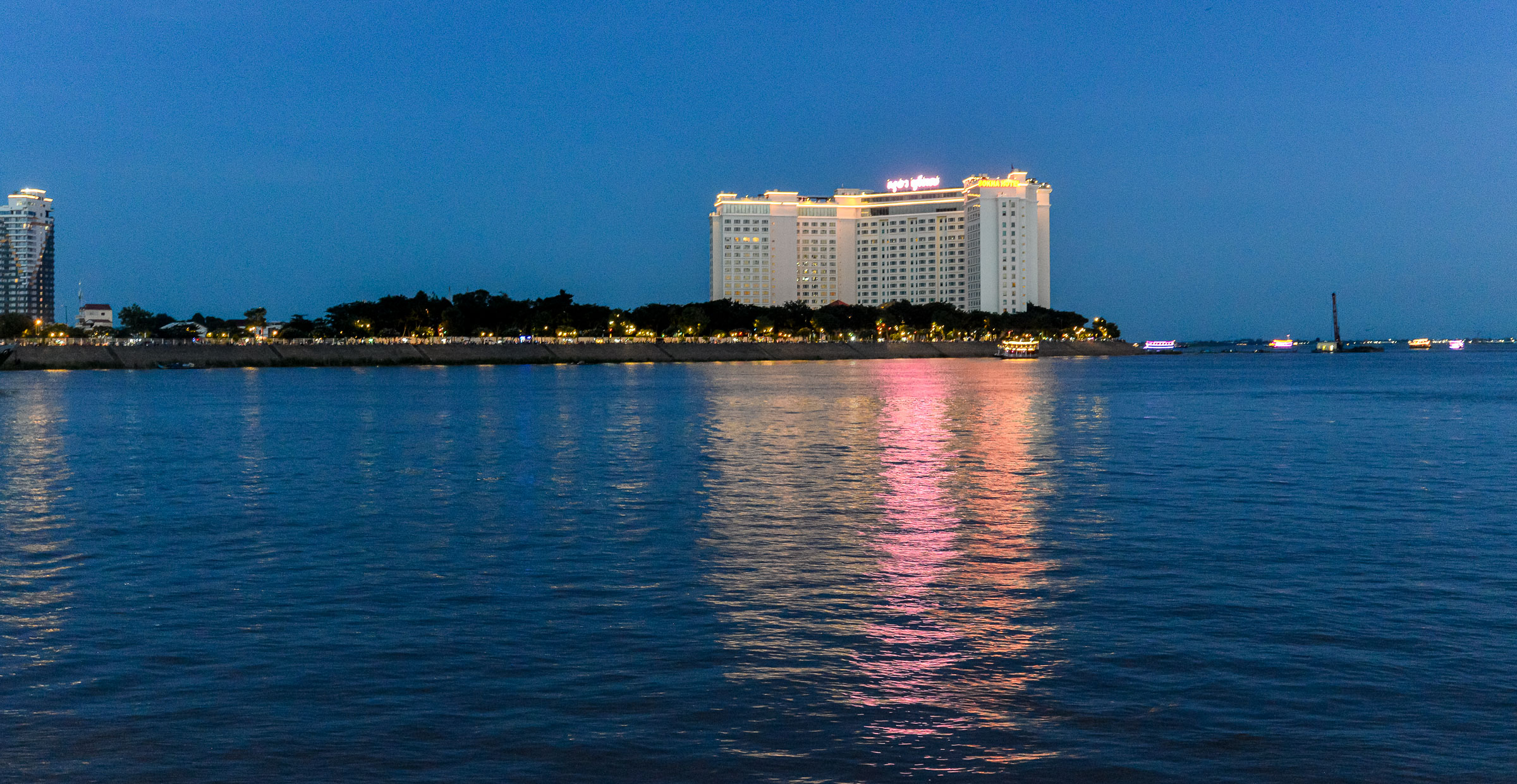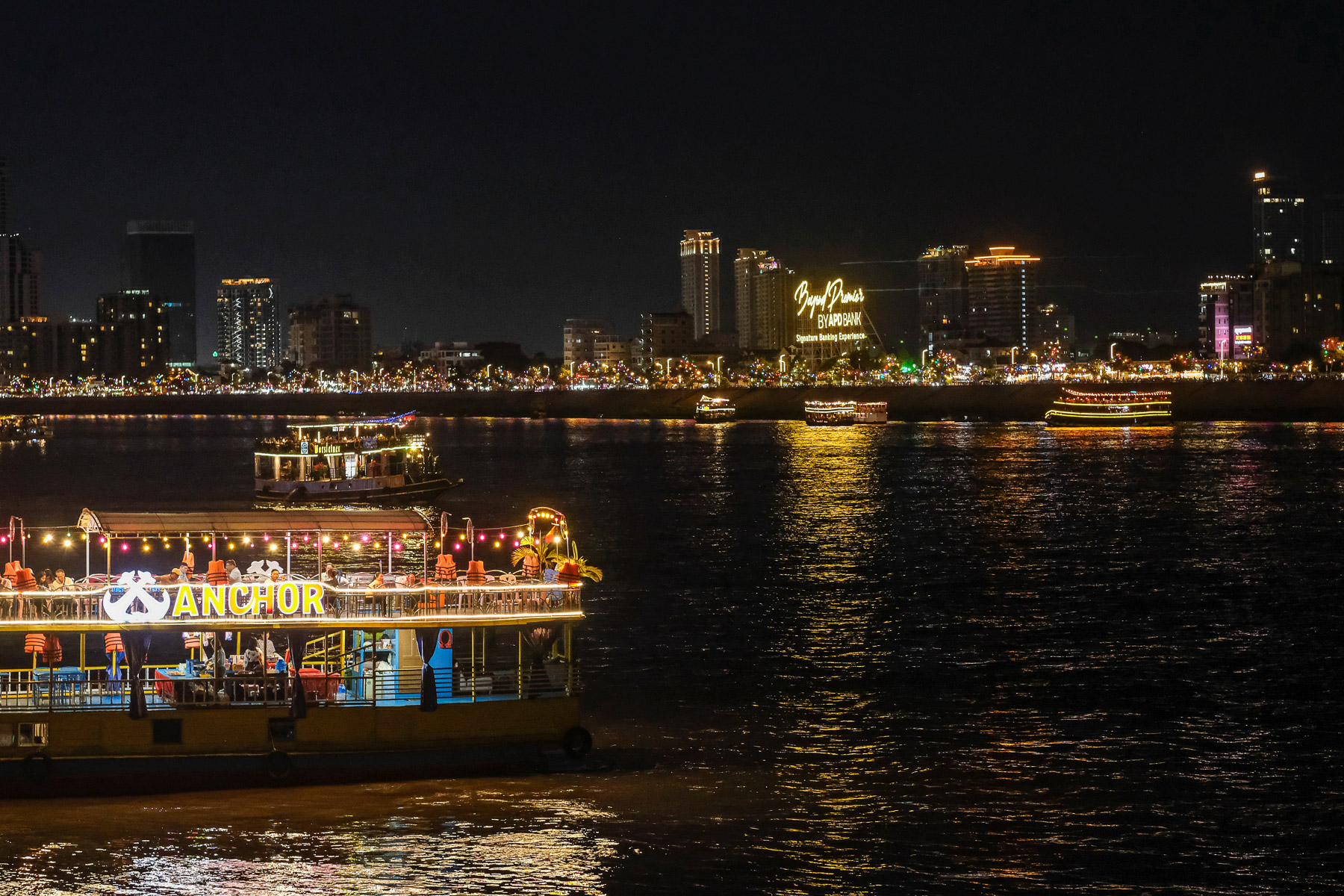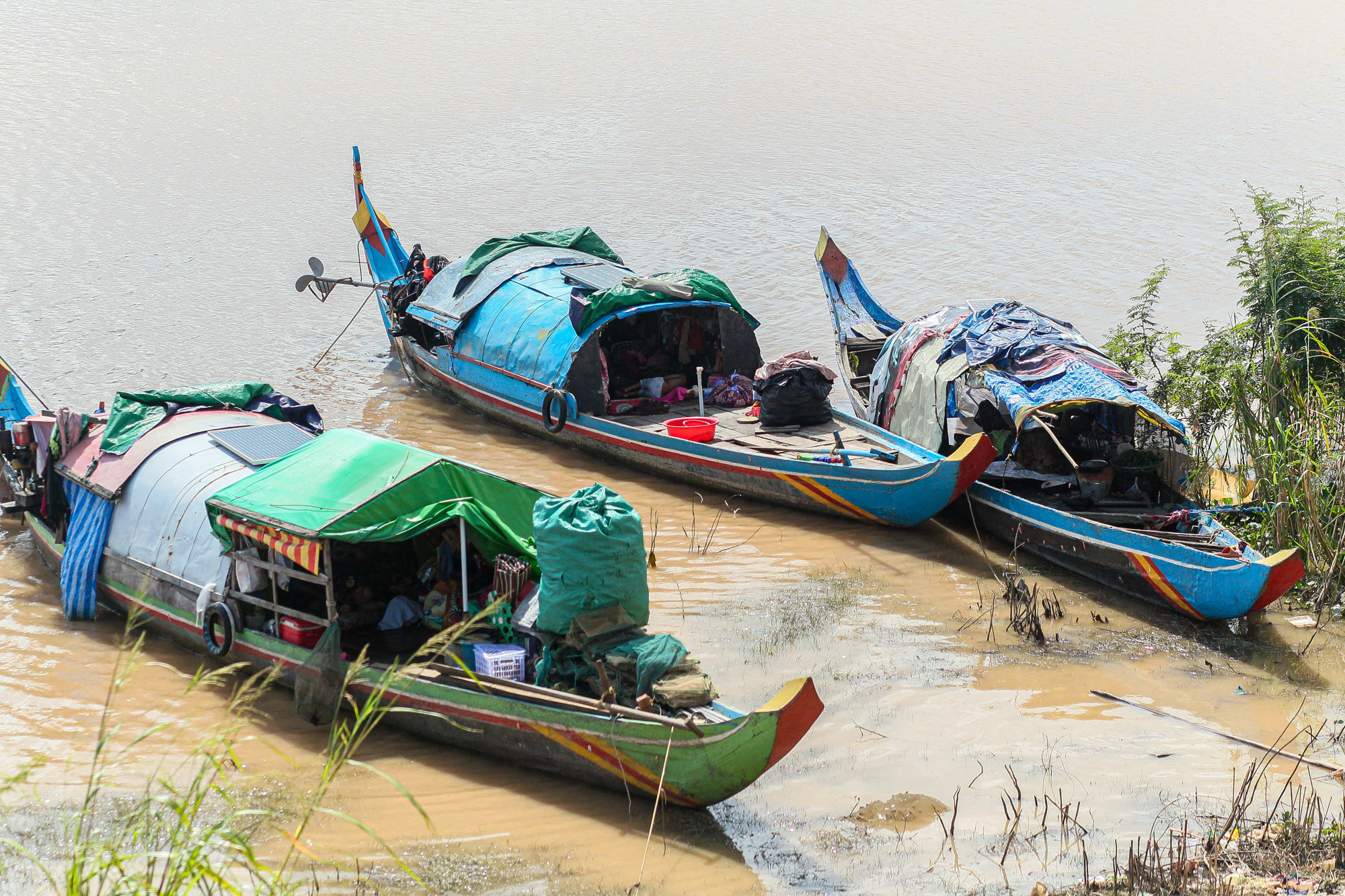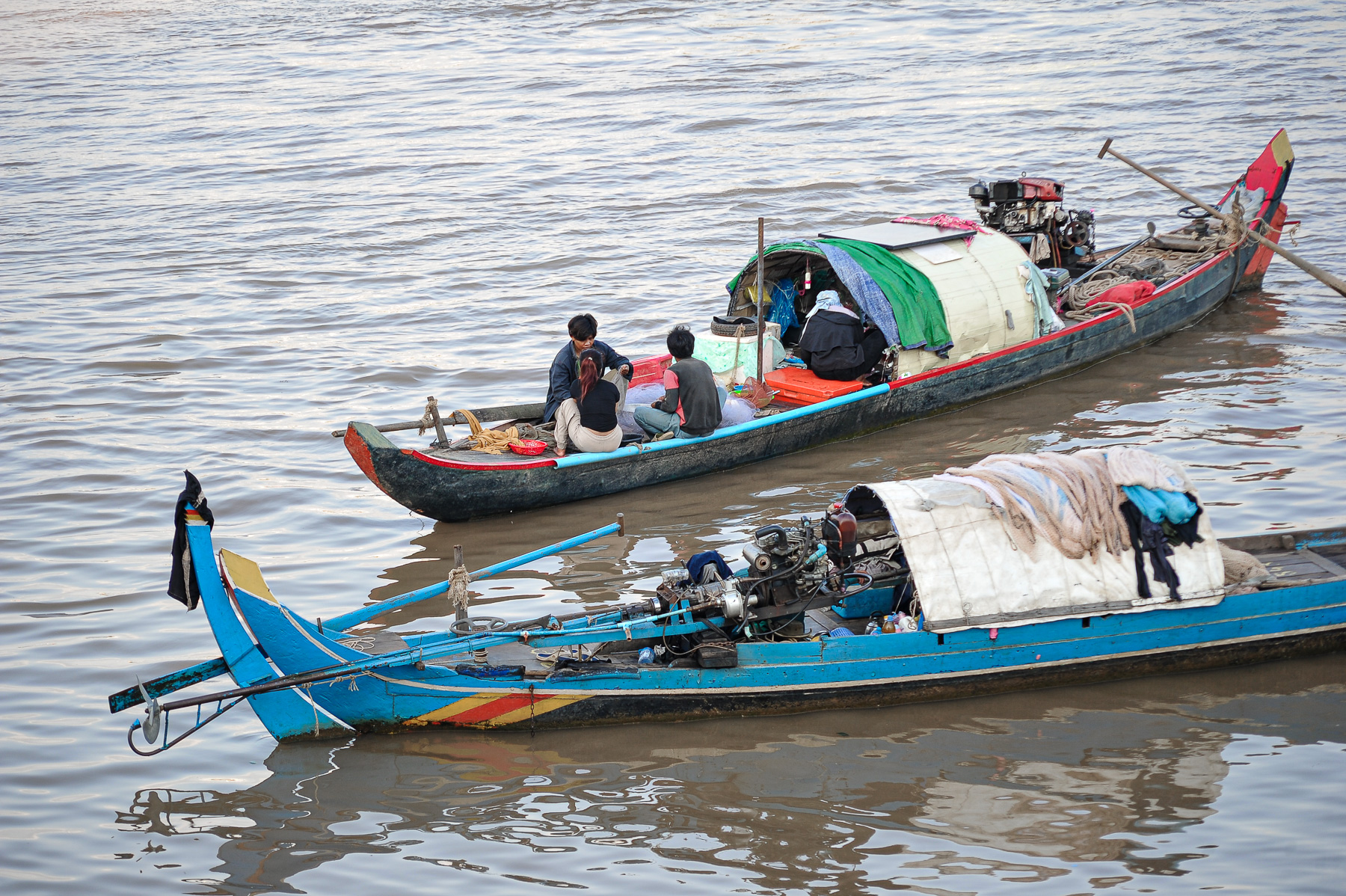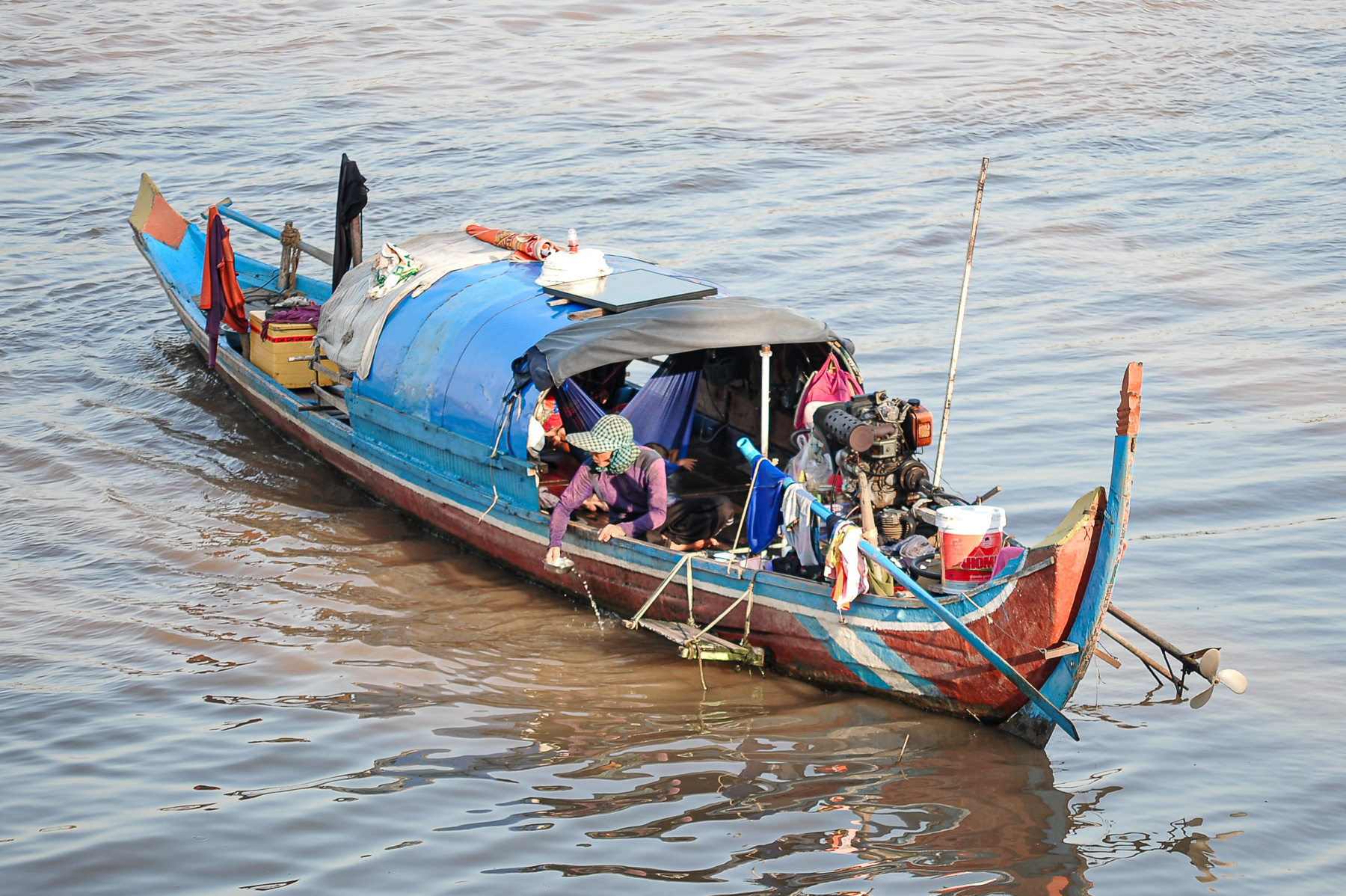
Printing my pictures is the final part of the process I follow.

cambodia, cameras, fujifilm, homelessness, nikon, opinons, thoughts, printers, printing, processing, street, Travel

For me, printing has never been an optional extra. It has always been part of the act of making a photograph.

The camera is only the beginning. The file sitting on a hard drive is not the finished work any more than a manuscript saved on a computer is a finished book. A photograph does not fully exist until it leaves the screen and becomes a physical object.

Printing forces a different kind of honesty. On a monitor, images can look impressive simply because they are backlit. Bright colours glow. Shadows appear rich. Sharpness can seem exaggerated. A print strips away some of those illusions. Suddenly you are confronted with the photograph itself. Does the composition work? Is the moment strong enough? Does the image still hold your attention when it is nothing more than ink on paper?
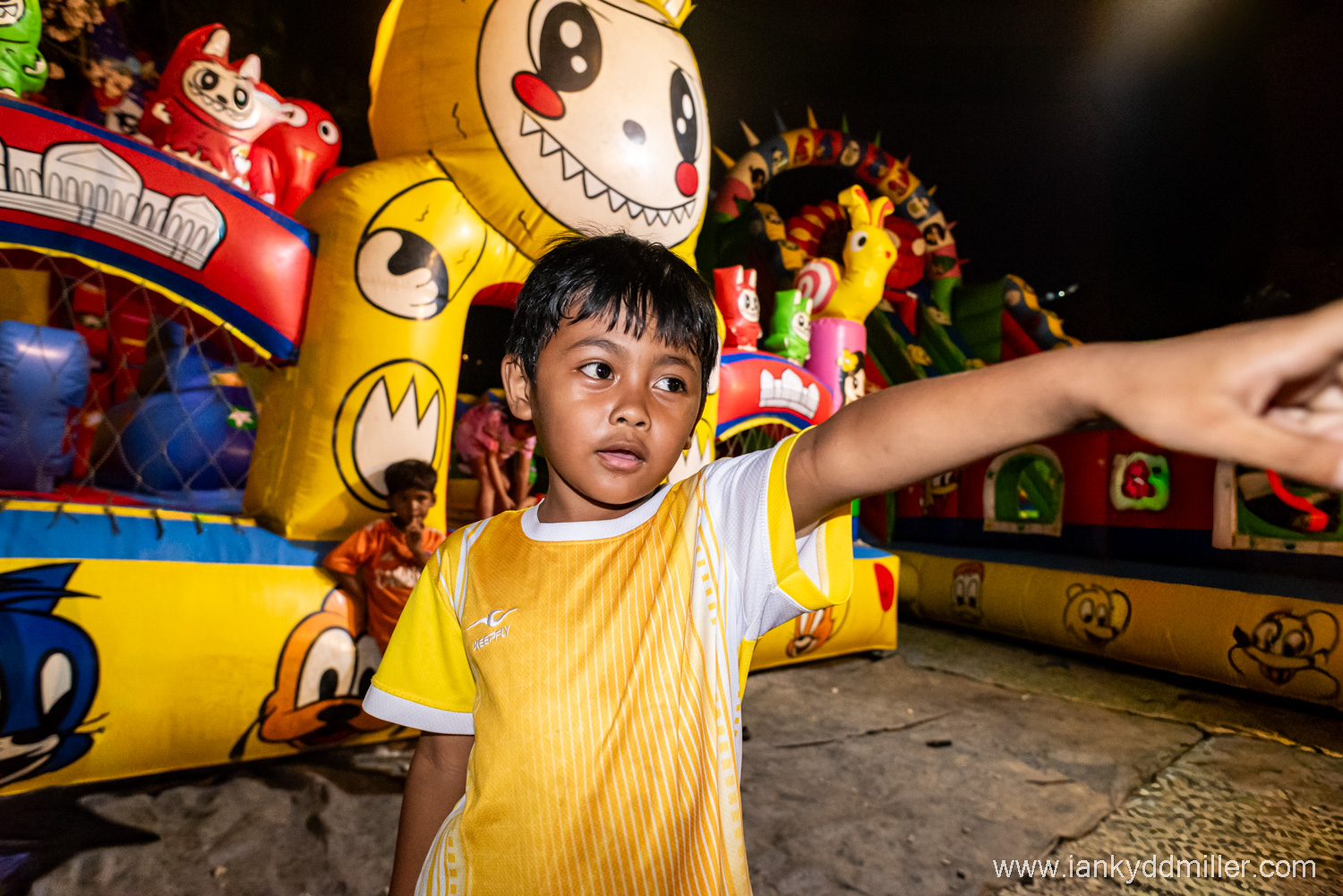
A print also slows the viewing process. We live in a world where photographs are flicked past in fractions of a second. Social media encourages endless scrolling, endless consumption, endless forgetting. A print asks something different of the viewer. It occupies physical space. It can be held, framed, pinned to a wall, placed in a portfolio, revisited years later. It has a permanence that digital images often lack.

As a photographer, I have learned more from looking at my own prints than I ever have from looking at thumbnails on a screen. Weak photographs reveal themselves quickly. Images I once thought were successful suddenly appear shallow or cluttered. Conversely, some photographs that seemed ordinary on a monitor come alive in print, revealing subtleties of tone, texture and emotion that I had overlooked.
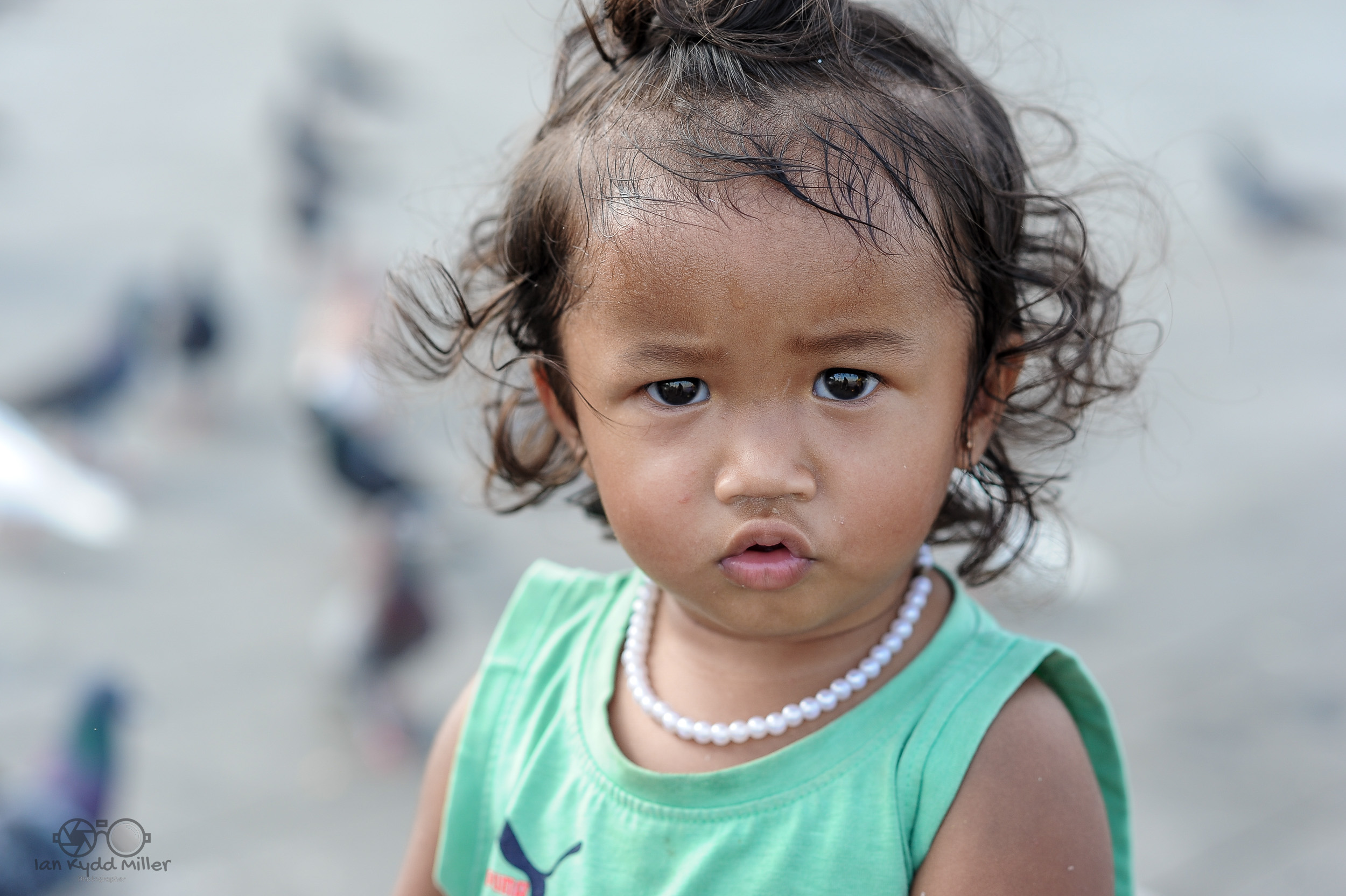
Printing also creates a tangible connection to photography’s history. Every great photographer from Henri Cartier-Bresson to Dorothea Lange ultimately worked toward the print. Their photographs existed as objects that could be held, exhibited, archived and passed between generations. There is something deeply satisfying about participating in that tradition.
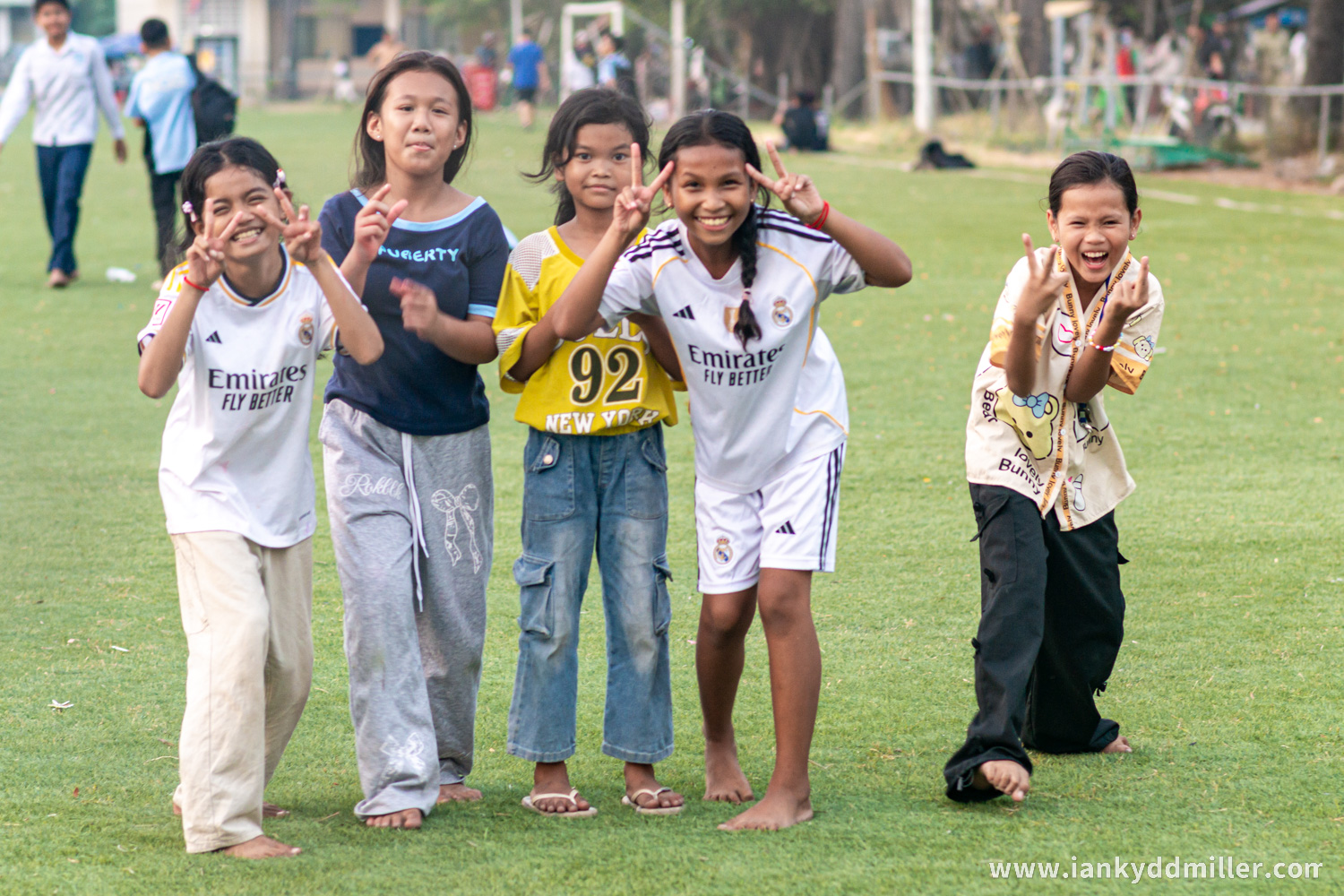
Perhaps most importantly, prints survive. Hard drives fail. Websites disappear. Social media platforms rise and fall. Algorithms bury yesterday’s work beneath today’s noise. Yet a well-made print sitting in a box, portfolio or frame can still be discovered decades from now. It can outlast the technology used to create it.

That is why printing has always been part of the process for me. The photograph is not complete when I press the shutter. It is not complete when I edit the file. It becomes complete when it exists in the real world as something I can hold in my hands and live with over time. The print is not a by-product of photography. It is, and always has been, one of its final destinations. 📷🖨️
The Nikon D300S

cameras, Lenses, nikon, opinons, thoughts, photography, street, Travel

The Nikon D300S is one of those cameras that refuses to die. Released in 2009 as Nikon’s flagship DX-format DSLR, it was aimed at serious enthusiasts and professionals who wanted speed, durability, and reliability without moving to full-frame. Even in 2026, it remains surprisingly capable in the right hands.

https://images.openai.com/static-rsc-4/cJMowcl6RHh8EoXDha5wgXmUhnb-7L_HNPQ1GXtKKVV3G3h0KG3TNRhtLL3cy5lsh4IvbL7h1s1G5qh0Oy91EfPC3YZQb3Oagy1oSQt6AN6l-i8nu-AqUVXekk9TQNd0-uUqdpUoM-y4_914ndwxqVTxotSUTd3BeCiIUiFs3ci9tEcChYjwPVXq8Xu2RYWw?purpose=fullsize
https://images.openai.com/static-rsc-4/5vQKnayX1lQuspZKiRv7v8Ds0B8IPGvTh_ywXLkUe6pLucDMCaoDXTnzzCYa_AAsNNKb0s3_z9boRIqxECVQwRvQdMmHHHlFvnZOeNf2FZ5SdxlDRZT0Bj90gigIGRCKMNAsSV-0-uvjTy-vBioKMYJEEc0K-tPFdc8p9lOqC958Uc4UIoN7R1gD2-5b89ji?purpose=fullsize
https://images.openai.com/static-rsc-4/bWacgfzwl4LRrIfx4kh7_wupsXw69dXDa3cshrLoX8CBkoEVneJe4h5Yl7sJ_FZyo_JF544LvLw5kZNOAag74glfbXEkN9fnjXv03lwy4v1uaqOQ1QNBM9fJZ25i_hd61WWdFyiXZMD5NTLaJ31oQy3swBVCRPr5Wiyw57lVHJf-HtbVxRl2TS9wCLvrfNiE?purpose=fullsize

The Good

Built Like a Tank

The D300S comes from an era when Nikon built cameras to survive hard professional use. The magnesium-alloy body feels incredibly solid, with weather sealing that still puts many modern consumer cameras to shame. If you’ve handled a D700, the D300S feels very familiar.

For street photography, travel, documentary work, and rough conditions, that toughness is worth a lot.

Fantastic Ergonomics

This is one area where the D300S still embarrasses many modern cameras.

  • Dedicated buttons everywhere
  • No menu diving for common functions
  • Large grip
  • Excellent control layout
  • Top LCD panel
  • Fast operation

You can change settings while keeping the camera to your eye. Once you learn it, it becomes almost instinctive.

Superb Autofocus

The 51-point Multi-CAM 3500DX autofocus system was legendary in its day and remains highly effective today. It tracks moving subjects well and is significantly better than many entry-level DSLRs that came years later.

For:

  • Street photography
  • Sports
  • Wildlife
  • Events

it still performs remarkably well.

Fast Shooting

  • 7 fps standard
  • 8 fps with the MB-D10 grip and larger battery

Even today that’s respectable performance.

The Viewfinder

The optical viewfinder offers:

  • 100% coverage
  • Large bright image
  • Professional feel

Many photographers miss viewfinders like this. Looking through a D300S feels connected and immediate.

Beautiful Nikon Colors

The 12.3MP CMOS sensor produces files with a very pleasing character.

Modern cameras often win on technical perfection, but many photographers still love the way older Nikons render:

  • Skin tones
  • Greens
  • Reds
  • Black-and-white conversions

The files have a slightly organic look that some newer sensors lack.


The Bad

Only 12 Megapixels

This is the biggest limitation.

In 2009, 12MP was excellent.

  • Heavy cropping is limited
  • Large commercial prints are harder
  • Landscape photographers may want more resolution

If you are used to a D810’s 36MP files, the D300S feels restrictive.

High ISO Performance is Showing Its Age

The D300S performs best at:

  • ISO 200
  • ISO 400
  • ISO 800

ISO 1600 is usable.

ISO 3200 becomes noticeably noisy.

Compared to modern cameras, low-light performance is well behind current standards.

Video is Primitive

The D300S introduced HD video, but by modern standards it is almost unusable:

  • 720p only
  • Limited autofocus
  • Motion JPEG format
  • Short recording times

Most owners ignore the video mode completely.

Heavy

At roughly 840g before a lens is attached, it’s not a lightweight travel camera.

Old LCD and Live View

The rear screen was excellent in 2009.

Today:

  • No touch screen
  • Slow Live View
  • Primitive compared with mirrorless systems

Why It Is Still Usable Today

This is where things get interesting.

The D300S remains useful because photography is not a megapixel competition.

For street photography especially, it still offers:

Speed

The camera reacts instantly.

  • Minimal shutter lag
  • Fast startup
  • Responsive controls

It feels like a photographic tool rather than a computer.

Access to Nikon’s Lens Legacy

The D300S includes:

  • Screw-drive autofocus motor
  • AI and AI-S lens compatibility
  • Full Nikon F-mount support

You can mount decades of Nikon glass and get excellent results.

Affordable

In 2026, good examples often sell for a fraction of their original price.

You get:

  • Pro body
  • Pro autofocus
  • Pro controls
  • Weather sealing

for less than many entry-level mirrorless cameras.

It Forces Better Technique

Many photographers discover something interesting when they return to a D300S:

They stop obsessing over equipment.

You can’t rely on:

  • Massive cropping
  • Extreme ISO
  • AI noise reduction

You have to:

  • Get closer
  • Expose properly
  • Compose carefully

In some ways it makes you a better photographer.


Final Verdict

The D300S is not a camera for pixel peepers.

It is a camera for photographers.

Its weaknesses are obvious:

  • Low resolution by modern standards
  • Aging high ISO performance
  • Outdated video

But its strengths remain compelling:

  • Tank-like construction
  • Excellent controls
  • Superb autofocus
  • Great optical viewfinder
  • Beautiful Nikon color
  • Incredible value for money

If someone handed me a clean D300S and a 35mm f/2D tomorrow, I’d happily spend a day wandering the streets of Phnom Penh making photographs. The camera may be old, but the experience of using it still feels remarkably alive. 📷

The Ethics of Photography on the Street

cambodia, cameras, homelessness, Lenses, nikon, opinons, thoughts, photography, street, Travel

Are all pictures of strangers inherently invasive? How far does a person’s “right” to privacy extend? These are some of the questions that arise when we consider the ethics and legality of taking and posting photos of people we don’t know. According to some sources, taking photos of strangers without their consent is generally legal if they are in a public place where they have no reasonable expectation of privacy.

However, posting those photos on social media or using them for commercial purposes may violate their privacy and publicity rights. Privacy rights protect people from unwanted intrusion into their personal affairs, while publicity rights protect people from unauthorized use of their name, image, or likeness for profit or gain. Therefore, before taking or posting pictures of strangers, we should ask ourselves: Do they have a reasonable expectation of privacy in this situation?

How would they feel if they saw their photo online or in a book? What is the purpose and context of using their image? Is it respectful, informative, artistic, or exploitative? Some photographers may argue that taking pictures of strangers is a form of artistic expression or social commentary and that asking for permission would ruin the spontaneity and authenticity of the moment.

Others may say that taking pictures of strangers is a way of capturing the diversity and beauty of humanity and that sharing them online is a way of connecting with others. However, these arguments do not justify violating someone’s privacy or dignity, especially if the photos are embarrassing, misleading, or harmful to the person depicted.

The best practice is to always ask for permission before taking or posting pictures of strangers unless it is clearly impossible or impractical to do so. This shows respect and courtesy, and may also lead to interesting conversations and stories. If permission is denied or cannot be obtained, we should refrain from taking or posting the picture, or at least blur out any identifying features. We should also be mindful of the laws and customs of different countries and cultures when travelling and photographing people abroad. Taking pictures of strangers can be a rewarding and enriching experience, but it also comes with responsibilities and risks. We should always consider the impact of our actions on others, and treat them as we would like to be treated ourselves.

This raises one of the most fascinating gray areas in modern ethics: the tension between legality and morality when it comes to photographing strangers.

📸 Legality vs. Ethics

  • Legal side: In most countries, taking photos of people in public spaces is allowed because there’s no “reasonable expectation of privacy” in a park, street, or plaza.
  • Ethical side: Just because it’s legal doesn’t mean it’s respectful. Posting those images online can expose strangers to unwanted attention, ridicule, or even harassment.

⚖️ Two key rights at play

  • Privacy rights: Protect against intrusion into personal life. Even in public, people may feel violated if photographed in vulnerable or intimate moments.
  • Publicity rights: Protect against unauthorized commercial use of someone’s likeness. Using a stranger’s photo in ads or merchandise without consent can be unlawful.

🎨 The artistic argument

  • Street photographers often defend candid shots as authentic social commentary. They argue that asking permission alters the moment.
  • Yet, critics point out that spontaneity doesn’t outweigh dignity. A photo that embarrasses or misrepresents someone can cause real harm.

🌍 Cultural differences

  • In some countries, photographing strangers without consent is frowned upon or even illegal.
  • In others, candid street photography is celebrated as an art form.

Best practice

  • Ask permission when possible.
  • Blur identifying features if consent isn’t given.
  • Consider intent: is the photo respectful, informative, or exploitative?
  • Treat others as you’d want to be treated if the roles were reversed.

The heart of the issue is this: a stranger’s image is not just a visual object, it’s part of their identity. Respecting that identity is what separates art from exploitation.

The Forgotten Sweet Spot: Using the Nikon 24-120mm f/4G on the Nikon D300S

cameras, Lenses, Travel, photography, opinons, thoughts, street, nikon

In an era where photographers obsess over the latest mirrorless bodies and razor-sharp professional lenses, there is something quietly satisfying about picking up older equipment and discovering just how capable it remains. One combination that deserves far more attention than it receives is the Nikon D300S paired with the Nikon 24-120mm f/4G VR.

At first glance it seems like an odd match. The 24-120mm f/4G was designed as a full-frame lens, intended for cameras such as the D700, D750, D800 and D810. The D300S, meanwhile, is a professional DX camera from another era entirely. Yet together they create a surprisingly versatile photographic tool that remains highly relevant today.

The first thing to understand is the effect of the D300S’s crop sensor. The 1.5x crop factor transforms the lens into the equivalent of a 36-180mm zoom. While the numbers on the barrel remain unchanged, the field of view narrows considerably.

Some photographers immediately view this as a disadvantage. They see the loss of true wide-angle coverage and dismiss the combination. They have a point. Twenty-four millimetres on a full-frame camera is genuinely wide. On the D300S it becomes roughly equivalent to a moderate 36mm lens. For landscape photographers or those who enjoy dramatic architectural images, this limitation can become frustrating.

But photography is always about trade-offs, and what is lost at one end is often gained elsewhere.

The D300S uses only the central portion of the lens’s image circle. This is significant because the centre of most lenses is where optical performance is strongest. Corner softness becomes largely irrelevant. Vignetting virtually disappears. Edge performance improves. Distortion is less obvious than it is on full-frame bodies.

In practical use, the lens often appears sharper on the D300S than many photographers expect.

What emerges is a remarkably useful focal range. At the short end, the equivalent 36mm view is ideal for documentary work, environmental portraits and general street photography. Around the middle of the zoom range, the lens covers the classic perspectives associated with 50mm and 85mm lenses. At the long end, the equivalent 180mm reach allows photographers to isolate subjects from a distance, compress perspective and work discreetly.

For photographers who enjoy observing rather than inserting themselves into the middle of a scene, this can be enormously valuable.

Street photography is often associated with wide-angle lenses and close physical proximity. Yet there is another tradition, one built around patience, observation and distance. The 24-120mm on the D300S fits naturally into this approach.

A photographer can move through a market, a city street or a crowded public space without changing lenses. One moment they can capture a wider scene that establishes context. Seconds later they can isolate an expression across the street or pick out a fleeting gesture that would otherwise be missed.

This flexibility is the lens’s greatest strength.

The constant f/4 aperture also deserves recognition. While it lacks the glamour of an f/2.8 professional zoom or the shallow depth of field of a fast prime, it provides consistency. Exposure remains unchanged throughout the zoom range. Combined with Nikon’s effective vibration reduction system, the lens remains practical in a wide variety of lighting conditions.

Of course, there are compromises. Low-light performance cannot compete with an 85mm f/1.8 or a 50mm f/1.4. Background separation is more modest. Photographers who crave the distinctive rendering of fast prime lenses may find the images technically excellent but emotionally restrained.

Yet that criticism misses the point.

The 24-120mm f/4G was never intended to be a specialist lens. It was designed to be a problem solver. It is the lens you mount when you do not know what the day will bring. It is the lens that allows you to leave the house carrying one camera instead of a bag full of equipment.

In many ways it reflects a more practical era of photography. An era when photographers worried less about corner sharpness at 300 percent magnification and more about whether they captured the moment.

Mounted on a Nikon D300S, the lens becomes exactly that kind of tool. Dependable. Flexible. Uncomplicated.

It may not be fashionable. It may not generate excitement on internet forums. But photography has never been about owning fashionable equipment. It has always been about making pictures.

For photographers willing to look beyond specifications and marketing hype, the Nikon 24-120mm f/4G on the Nikon D300S remains one of the most underrated combinations in the Nikon system. More than a decade after both were introduced, they still deliver what matters most: the ability to walk out the door and come back with photographs worth keeping.

📷 As someone who often prefers photographing people rather than buildings, and who already appreciates longer focal lengths such as the 85mm, this combination makes a lot of sense. The D300S turns the 24-120mm into a versatile documentary lens that lets you work both close and discreetly from a distance—particularly useful when wandering city streets where moments appear and disappear in seconds.

Cambo Cruise: A Relaxing Mekong Adventure

cambodia, opinons, thoughts, photography, Travel

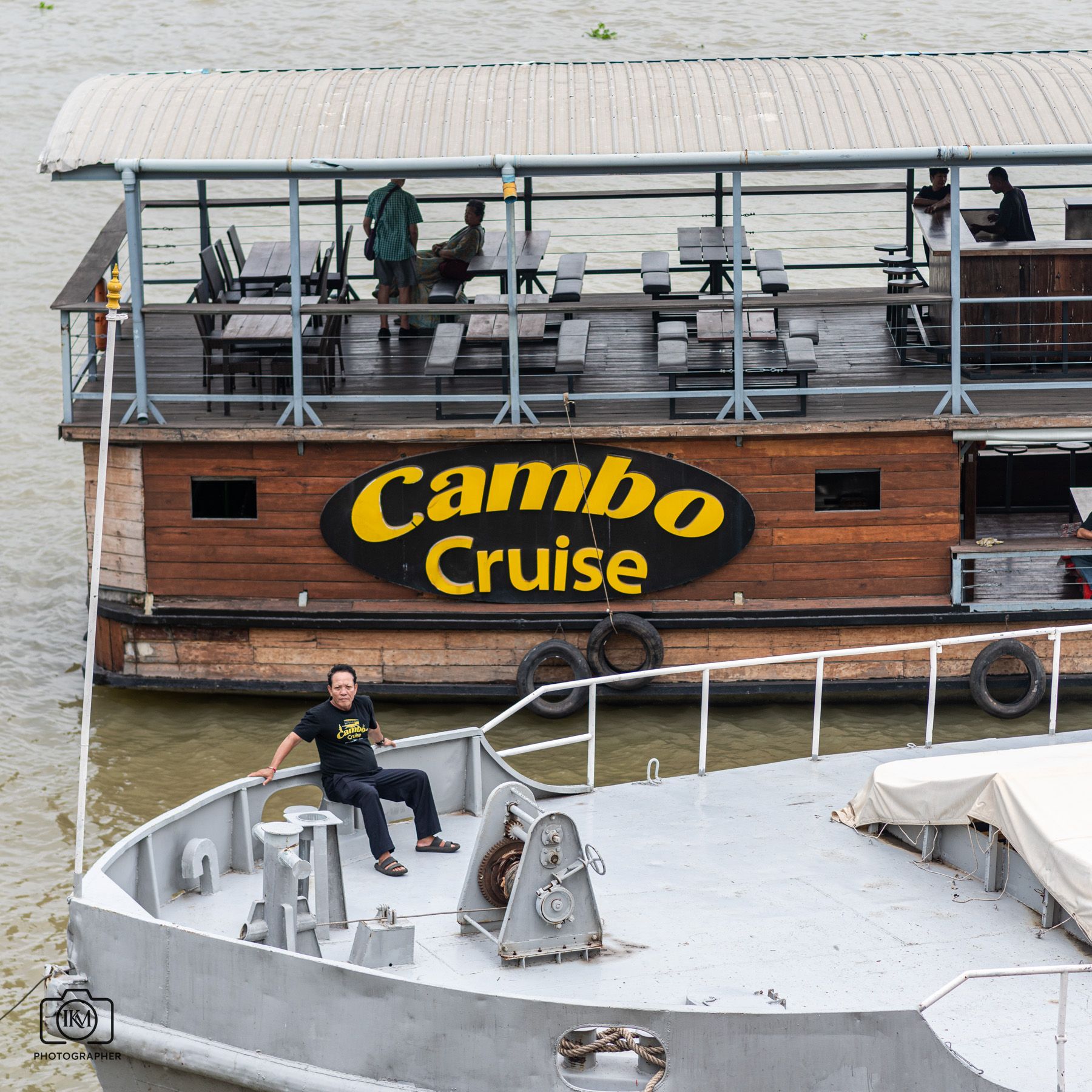
If you’re looking for a relaxing way to see Phnom Penh from a different angle, one of the better-known options is Cambo Cruise. It operates evening cruises on the Mekong and Tonlé Sap rivers, departing from the riverside area near the Phnom Penh Floating Port.

https://images.openai.com/static-rsc-4/43KiO-KJOU_AsS1TPcoCsz4DXVte5ba441TdHRI5oVdHzBXi8D3tzbNO1DX3KBntJWJG4JUz7KhrUsT59qxxxSAzIi5AMd2gODqPo7p-ObSu2qJVWO1pVvAfGoR_gWRer_7Ql2ArnfFPd-FAsUd9w-FEk7Ny5zulfeLnik-Z92BPbPH8zJD8wRQaIac-rG1K?purpose=fullsize

What You’ll See

The cruise passes some of Phnom Penh’s most recognizable sights:

  • The waterfront and riverside promenade
  • The confluence of the Mekong, Tonlé Sap, and Bassac rivers
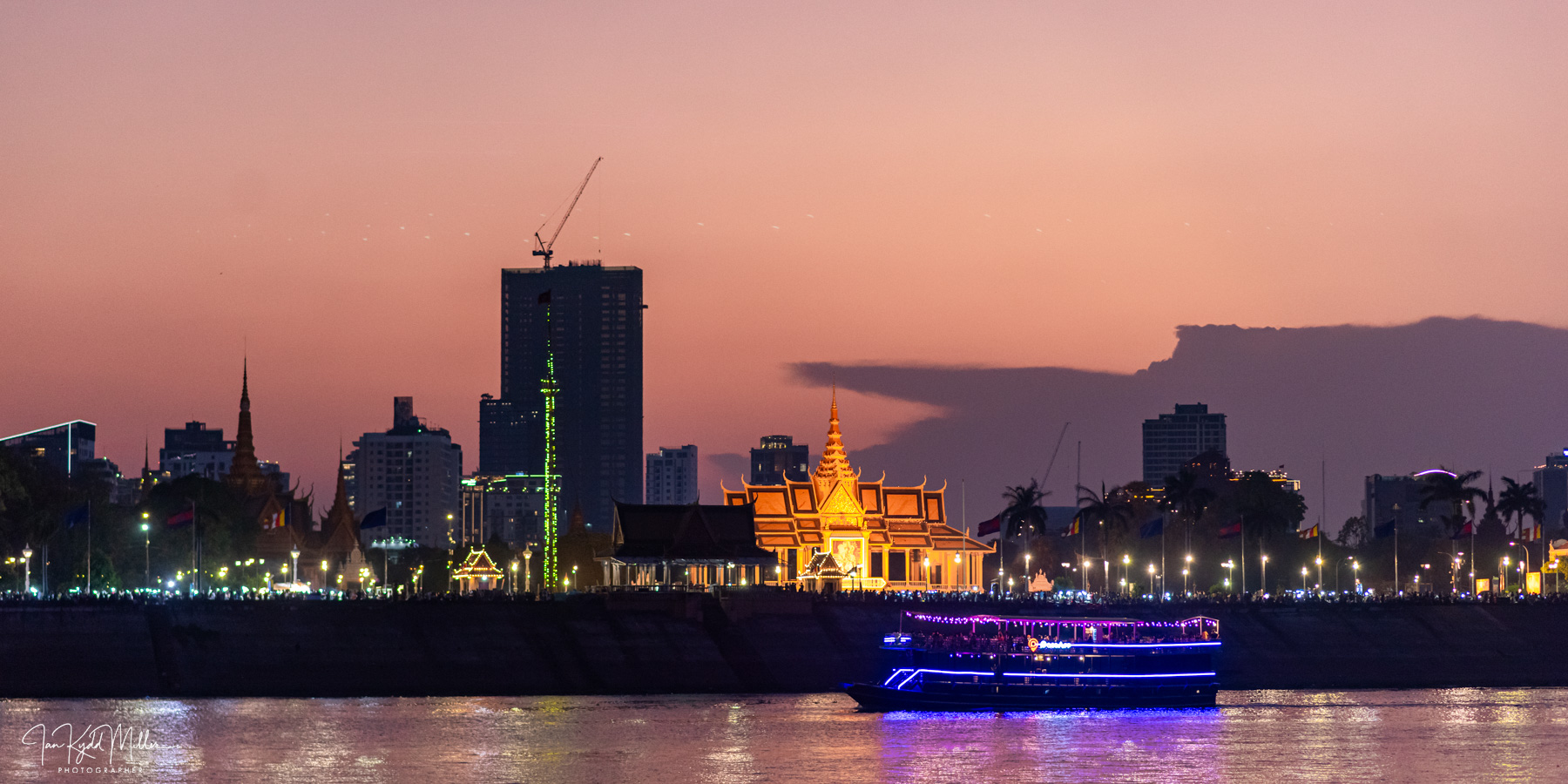
  • The illuminated skyline after dark
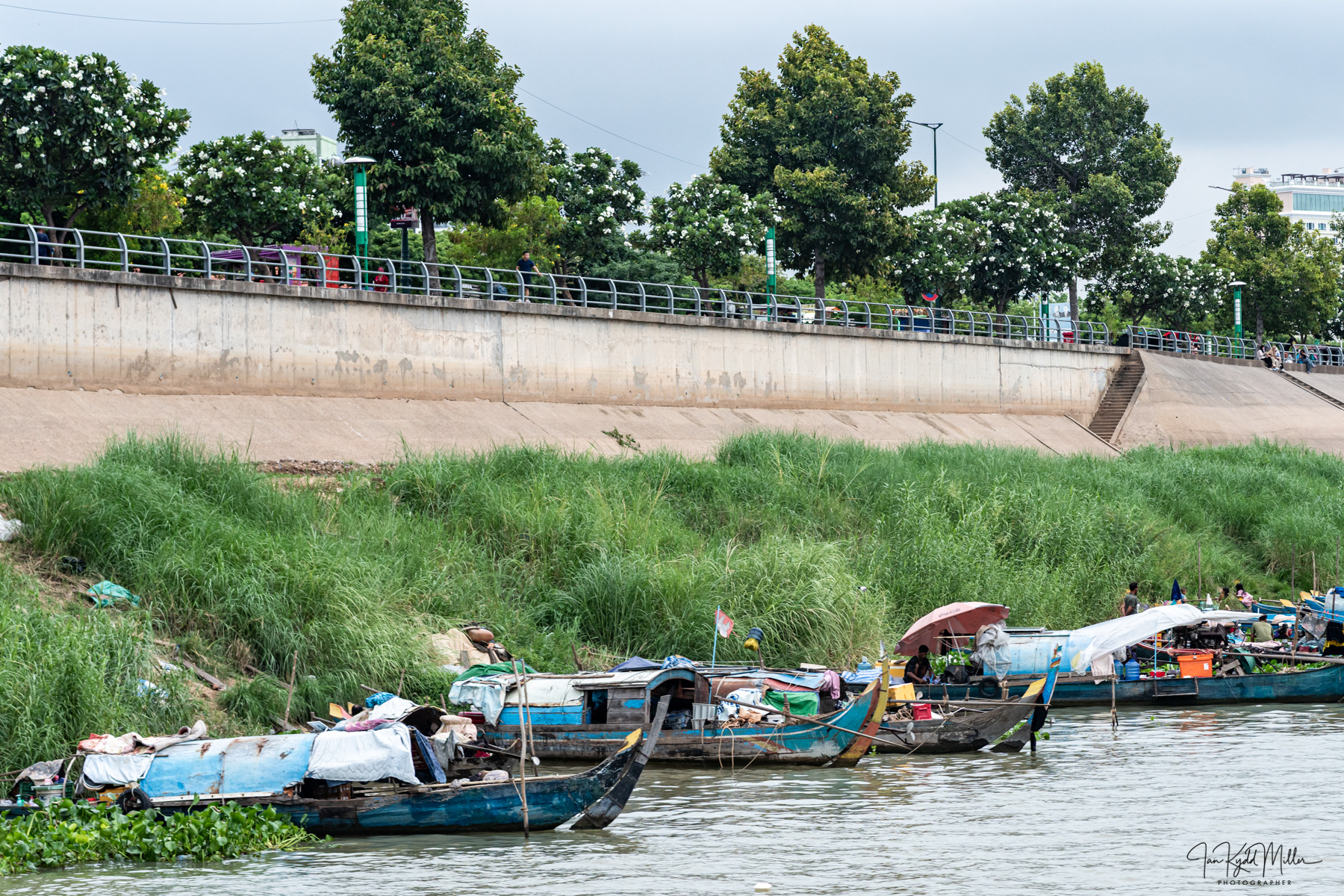
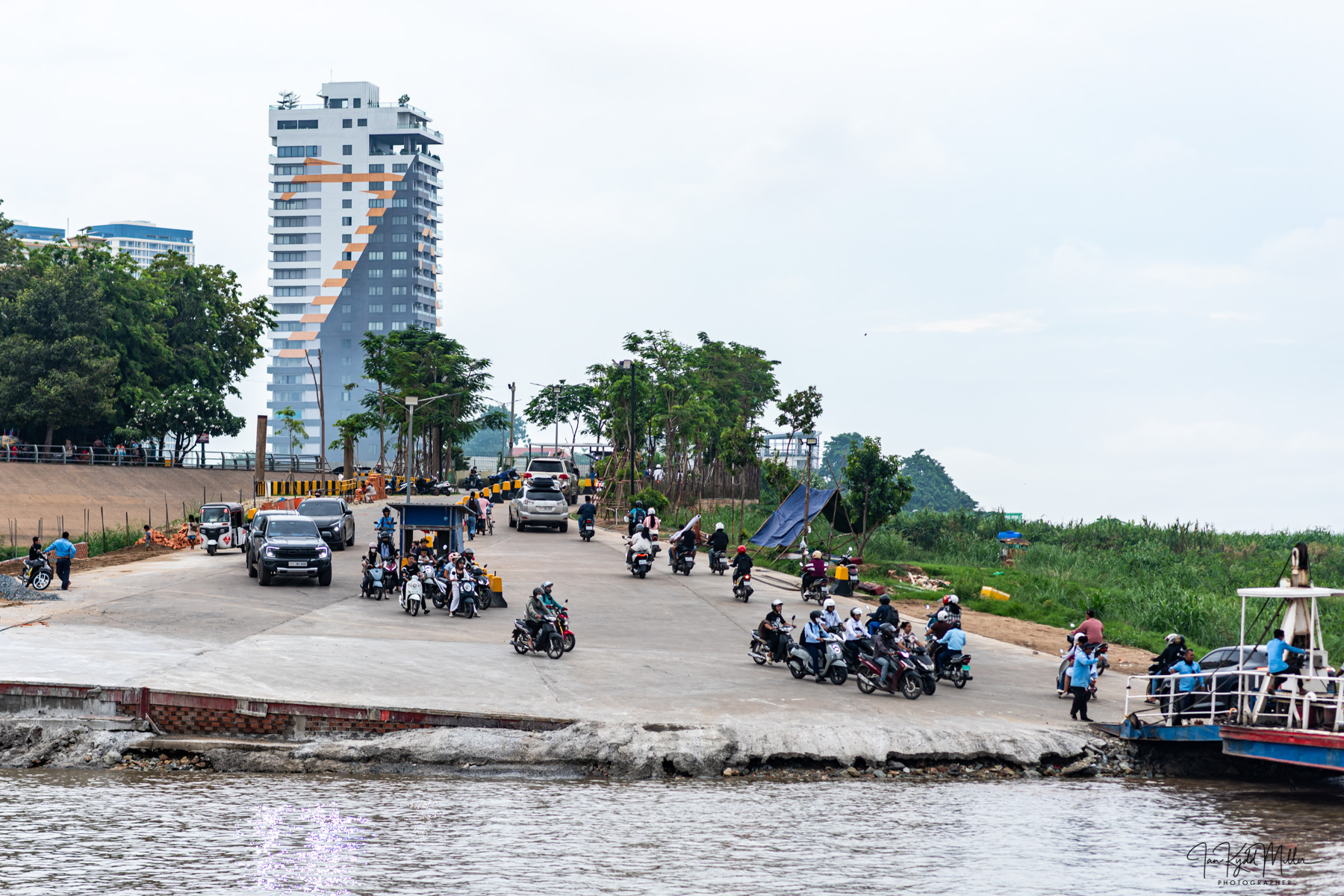
  • Local fishing boats, ferries, floating communities, and everyday river life
  • Views toward the Royal Palace and Chroy Changvar area

For photographers, the 5 p.m. sailing is usually the sweet spot. The light changes dramatically over the two-hour trip, giving opportunities for silhouettes, reflections, river traffic, and cityscape shots.

Cruise Options

According to the operator, there are several packages:

OptionIncludes
Cruise OnlyTwo-hour cruise and welcome cocktail
Cruise + SnacksCruise, hotel pickup, cocktail, snacks
Dinner CruiseCruise, hotel pickup, cocktail, all-you-can-eat dinner
Evening City Lights CruiseNight views of Phnom Penh after sunset

Live traditional Khmer music is usually part of the experience.

The Good

✅ Stable, comfortable boat with plenty of seating.

✅ Excellent sunset views over the Mekong.

✅ A relaxed atmosphere compared with the louder party boats.

✅ Popular with visitors wanting photography opportunities.

✅ Dinner packages are reasonably priced by Phnom Penh tourist standards.

For a Photographer

The best shots often aren’t the palace or the skyline. They’re the little moments: kids swimming from wooden boats, fishermen hauling nets, ferries crossing the orange reflection of the setting sun, and the contrast between luxury developments and riverside life.

Practical Details

  • Location: Riverside Path, Phnom Penh
  • Duration: About 2 hours
  • Departure times: Typically around 5 p.m. (sunset) and 7 p.m. (city lights)
  • Hotel pickup available on some packages
  • Reservations recommended during weekends and holidays

For a first-time visitor to Phnom Penh, I’d rate Cambo Cruise as one of the more enjoyable low-effort evening activities in the city. For a long-term resident, it’s worth doing at least once for the photography and the chance to see Phnom Penh from the water rather than from Street 178 or Sisowath Quay. 🌅📷