


In an era where photographers obsess over the latest mirrorless bodies and razor-sharp professional lenses, there is something quietly satisfying about picking up older equipment and discovering just how capable it remains. One combination that deserves far more attention than it receives is the Nikon D300S paired with the Nikon 24-120mm f/4G VR.
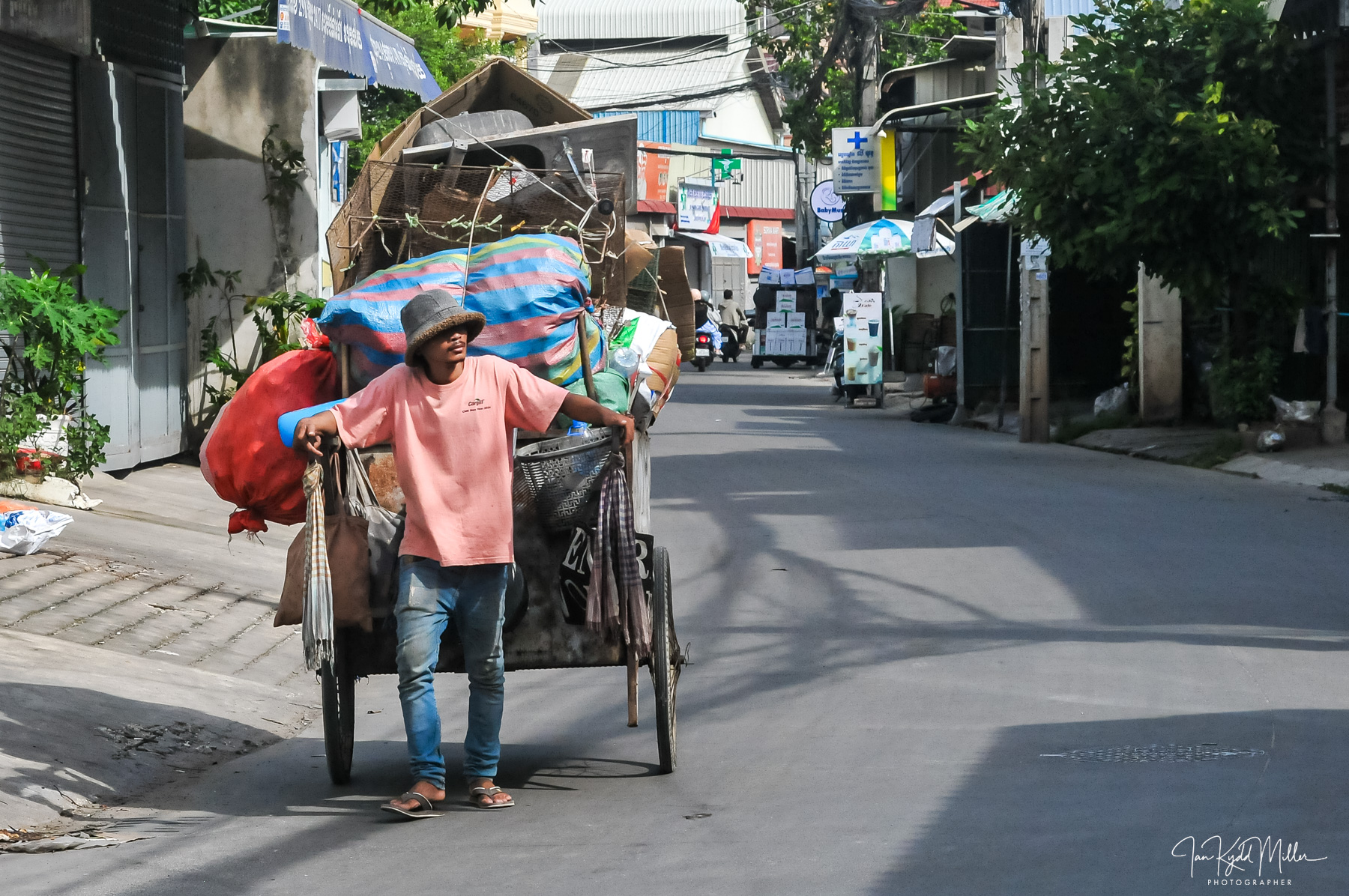
At first glance it seems like an odd match. The 24-120mm f/4G was designed as a full-frame lens, intended for cameras such as the D700, D750, D800 and D810. The D300S, meanwhile, is a professional DX camera from another era entirely. Yet together they create a surprisingly versatile photographic tool that remains highly relevant today.
The first thing to understand is the effect of the D300S’s crop sensor. The 1.5x crop factor transforms the lens into the equivalent of a 36-180mm zoom. While the numbers on the barrel remain unchanged, the field of view narrows considerably.

Some photographers immediately view this as a disadvantage. They see the loss of true wide-angle coverage and dismiss the combination. They have a point. Twenty-four millimetres on a full-frame camera is genuinely wide. On the D300S it becomes roughly equivalent to a moderate 36mm lens. For landscape photographers or those who enjoy dramatic architectural images, this limitation can become frustrating.
But photography is always about trade-offs, and what is lost at one end is often gained elsewhere.
The D300S uses only the central portion of the lens’s image circle. This is significant because the centre of most lenses is where optical performance is strongest. Corner softness becomes largely irrelevant. Vignetting virtually disappears. Edge performance improves. Distortion is less obvious than it is on full-frame bodies.
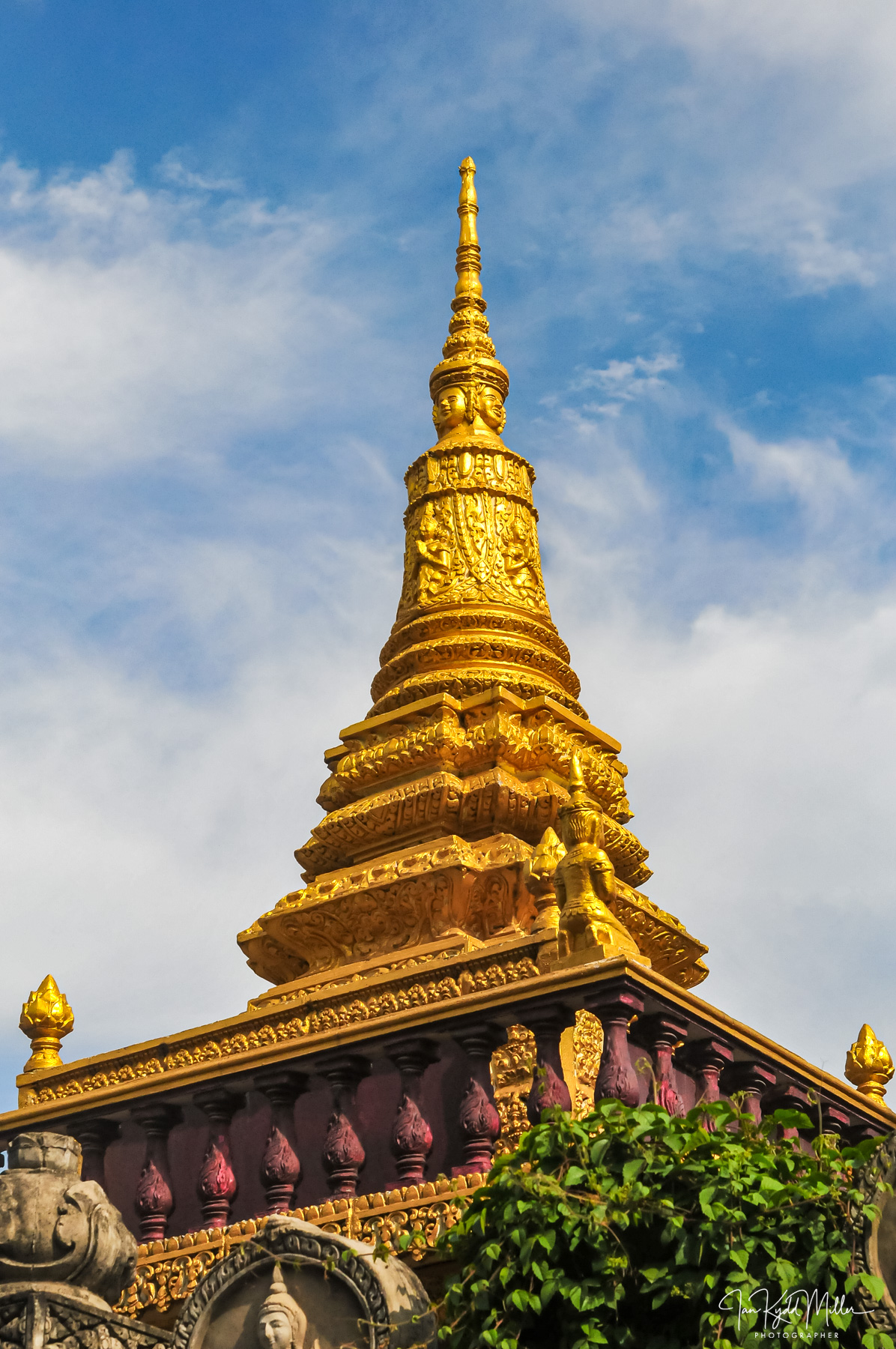
In practical use, the lens often appears sharper on the D300S than many photographers expect.
What emerges is a remarkably useful focal range. At the short end, the equivalent 36mm view is ideal for documentary work, environmental portraits and general street photography. Around the middle of the zoom range, the lens covers the classic perspectives associated with 50mm and 85mm lenses. At the long end, the equivalent 180mm reach allows photographers to isolate subjects from a distance, compress perspective and work discreetly.
For photographers who enjoy observing rather than inserting themselves into the middle of a scene, this can be enormously valuable.
Street photography is often associated with wide-angle lenses and close physical proximity. Yet there is another tradition, one built around patience, observation and distance. The 24-120mm on the D300S fits naturally into this approach.
A photographer can move through a market, a city street or a crowded public space without changing lenses. One moment they can capture a wider scene that establishes context. Seconds later they can isolate an expression across the street or pick out a fleeting gesture that would otherwise be missed.
This flexibility is the lens’s greatest strength.
The constant f/4 aperture also deserves recognition. While it lacks the glamour of an f/2.8 professional zoom or the shallow depth of field of a fast prime, it provides consistency. Exposure remains unchanged throughout the zoom range. Combined with Nikon’s effective vibration reduction system, the lens remains practical in a wide variety of lighting conditions.
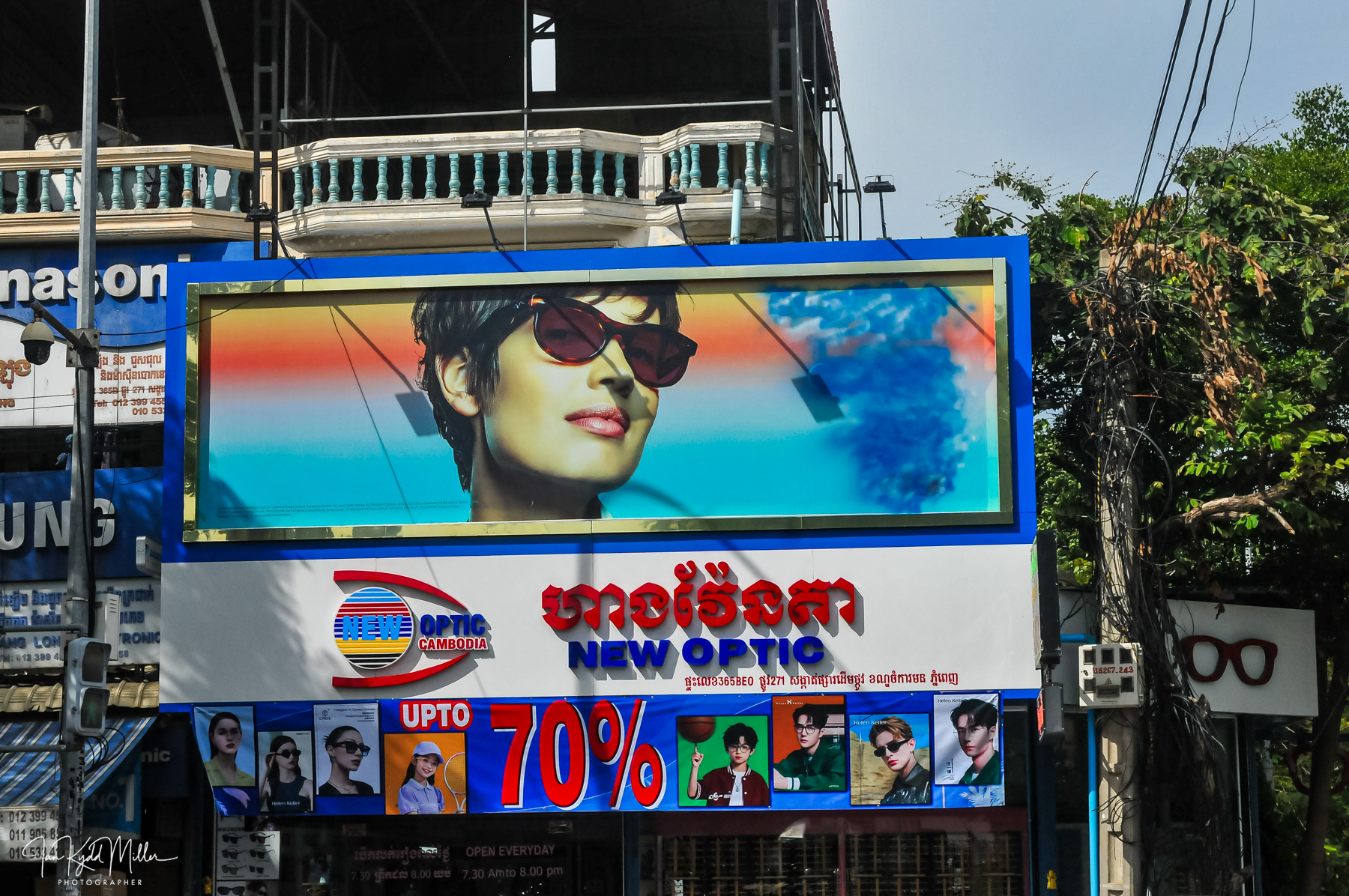
Of course, there are compromises. Low-light performance cannot compete with an 85mm f/1.8 or a 50mm f/1.4. Background separation is more modest. Photographers who crave the distinctive rendering of fast prime lenses may find the images technically excellent but emotionally restrained.
Yet that criticism misses the point.
The 24-120mm f/4G was never intended to be a specialist lens. It was designed to be a problem solver. It is the lens you mount when you do not know what the day will bring. It is the lens that allows you to leave the house carrying one camera instead of a bag full of equipment.
In many ways it reflects a more practical era of photography. An era when photographers worried less about corner sharpness at 300 percent magnification and more about whether they captured the moment.
Mounted on a Nikon D300S, the lens becomes exactly that kind of tool. Dependable. Flexible. Uncomplicated.
It may not be fashionable. It may not generate excitement on internet forums. But photography has never been about owning fashionable equipment. It has always been about making pictures.
For photographers willing to look beyond specifications and marketing hype, the Nikon 24-120mm f/4G on the Nikon D300S remains one of the most underrated combinations in the Nikon system. More than a decade after both were introduced, they still deliver what matters most: the ability to walk out the door and come back with photographs worth keeping.

📷 As someone who often prefers photographing people rather than buildings, and who already appreciates longer focal lengths such as the 85mm, this combination makes a lot of sense. The D300S turns the 24-120mm into a versatile documentary lens that lets you work both close and discreetly from a distance—particularly useful when wandering city streets where moments appear and disappear in seconds.

