
Are all pictures of strangers inherently invasive? How far does a person’s “right” to privacy extend? These are some of the questions that arise when we consider the ethics and legality of taking and posting photos of people we don’t know. According to some sources, taking photos of strangers without their consent is generally legal if they are in a public place where they have no reasonable expectation of privacy.
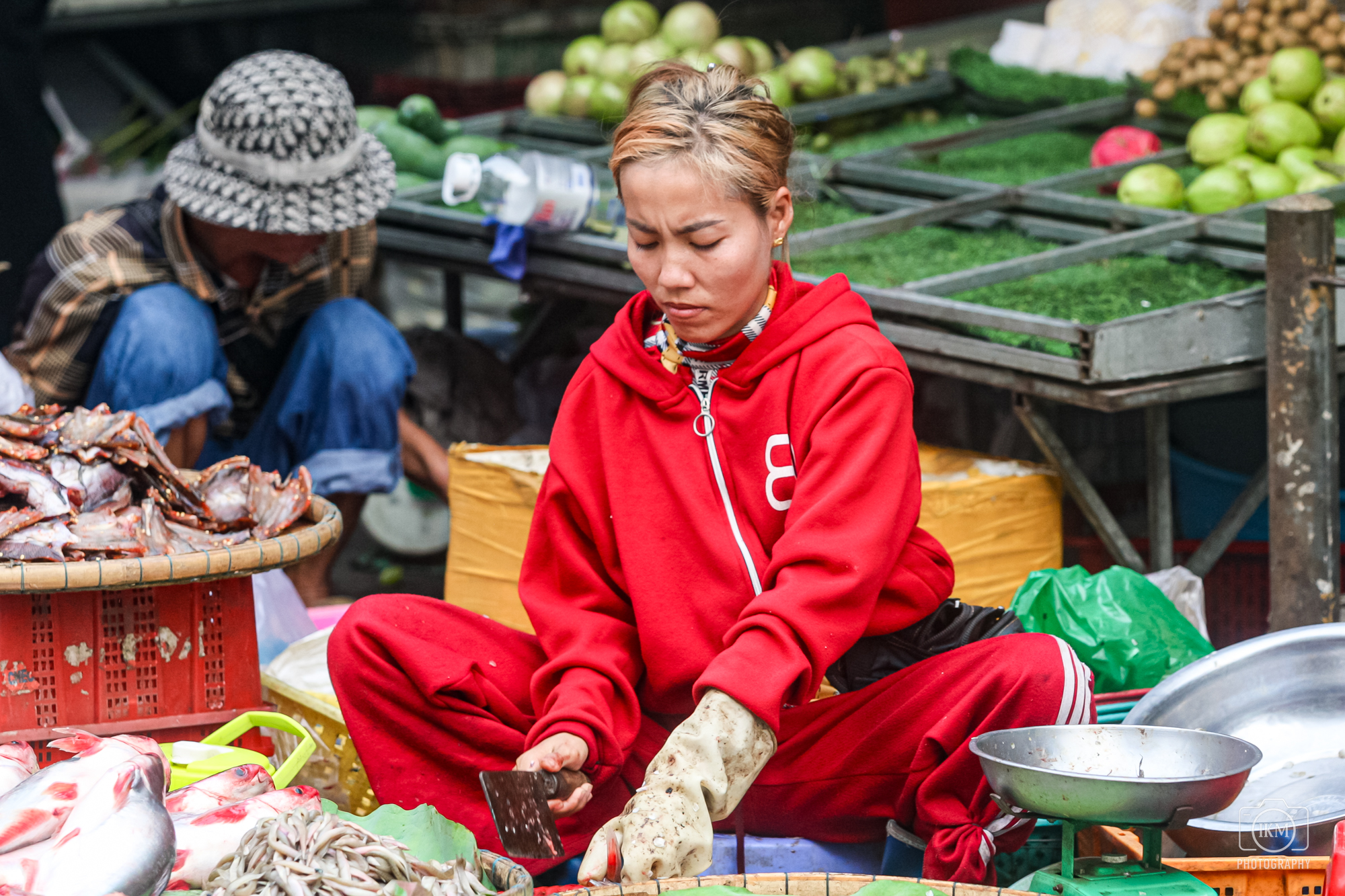
However, posting those photos on social media or using them for commercial purposes may violate their privacy and publicity rights. Privacy rights protect people from unwanted intrusion into their personal affairs, while publicity rights protect people from unauthorized use of their name, image, or likeness for profit or gain. Therefore, before taking or posting pictures of strangers, we should ask ourselves: Do they have a reasonable expectation of privacy in this situation?
How would they feel if they saw their photo online or in a book? What is the purpose and context of using their image? Is it respectful, informative, artistic, or exploitative? Some photographers may argue that taking pictures of strangers is a form of artistic expression or social commentary and that asking for permission would ruin the spontaneity and authenticity of the moment.
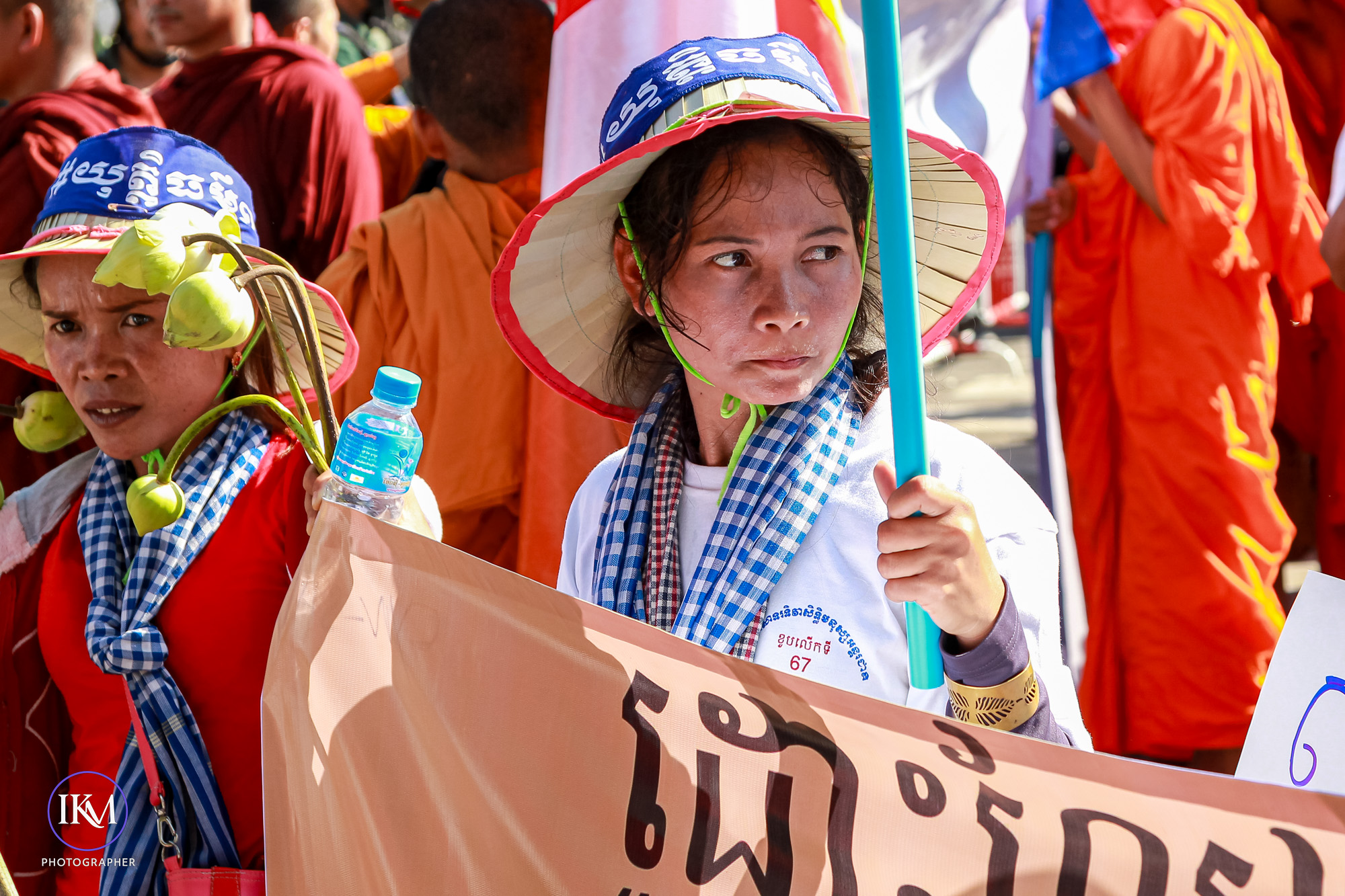
Others may say that taking pictures of strangers is a way of capturing the diversity and beauty of humanity and that sharing them online is a way of connecting with others. However, these arguments do not justify violating someone’s privacy or dignity, especially if the photos are embarrassing, misleading, or harmful to the person depicted.
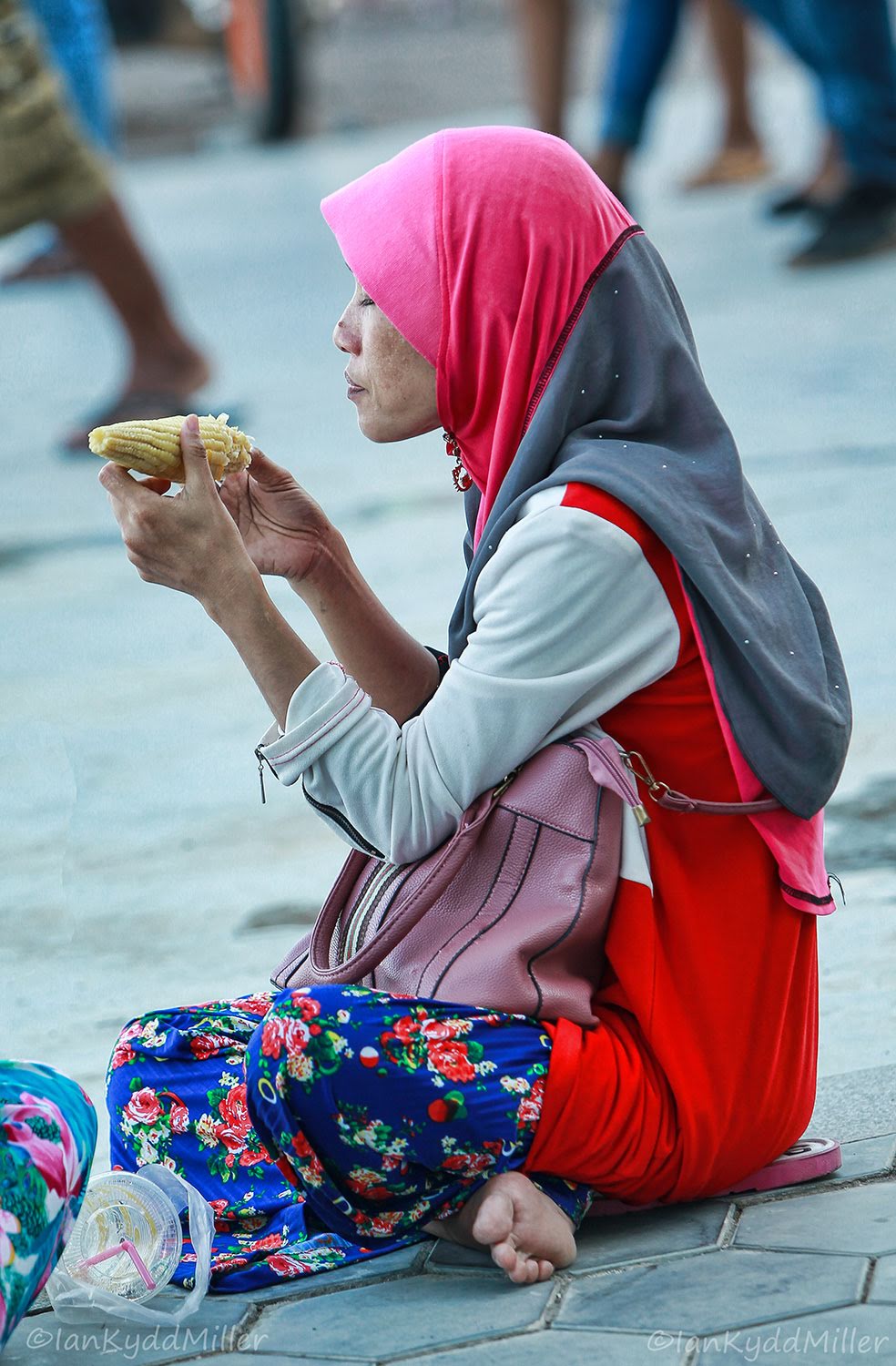
The best practice is to always ask for permission before taking or posting pictures of strangers unless it is clearly impossible or impractical to do so. This shows respect and courtesy, and may also lead to interesting conversations and stories. If permission is denied or cannot be obtained, we should refrain from taking or posting the picture, or at least blur out any identifying features. We should also be mindful of the laws and customs of different countries and cultures when travelling and photographing people abroad. Taking pictures of strangers can be a rewarding and enriching experience, but it also comes with responsibilities and risks. We should always consider the impact of our actions on others, and treat them as we would like to be treated ourselves.
This raises one of the most fascinating gray areas in modern ethics: the tension between legality and morality when it comes to photographing strangers.
📸 Legality vs. Ethics
- Legal side: In most countries, taking photos of people in public spaces is allowed because there’s no “reasonable expectation of privacy” in a park, street, or plaza.
- Ethical side: Just because it’s legal doesn’t mean it’s respectful. Posting those images online can expose strangers to unwanted attention, ridicule, or even harassment.
⚖️ Two key rights at play
- Privacy rights: Protect against intrusion into personal life. Even in public, people may feel violated if photographed in vulnerable or intimate moments.
- Publicity rights: Protect against unauthorized commercial use of someone’s likeness. Using a stranger’s photo in ads or merchandise without consent can be unlawful.
🎨 The artistic argument
- Street photographers often defend candid shots as authentic social commentary. They argue that asking permission alters the moment.
- Yet, critics point out that spontaneity doesn’t outweigh dignity. A photo that embarrasses or misrepresents someone can cause real harm.
🌍 Cultural differences
- In some countries, photographing strangers without consent is frowned upon or even illegal.
- In others, candid street photography is celebrated as an art form.
✨ Best practice
- Ask permission when possible.
- Blur identifying features if consent isn’t given.
- Consider intent: is the photo respectful, informative, or exploitative?
- Treat others as you’d want to be treated if the roles were reversed.
The heart of the issue is this: a stranger’s image is not just a visual object, it’s part of their identity. Respecting that identity is what separates art from exploitation.
 a world without pictures is like coffee without cream and sugar, bitter