


The Nikon D300S is one of those cameras that refuses to die. Released in 2009 as Nikon’s flagship DX-format DSLR, it was aimed at serious enthusiasts and professionals who wanted speed, durability, and reliability without moving to full-frame. Even in 2026, it remains surprisingly capable in the right hands.


The Good
Built Like a Tank
The D300S comes from an era when Nikon built cameras to survive hard professional use. The magnesium-alloy body feels incredibly solid, with weather sealing that still puts many modern consumer cameras to shame. If you’ve handled a D700, the D300S feels very familiar.
For street photography, travel, documentary work, and rough conditions, that toughness is worth a lot.
Fantastic Ergonomics
This is one area where the D300S still embarrasses many modern cameras.
- Dedicated buttons everywhere
- No menu diving for common functions
- Large grip
- Excellent control layout
- Top LCD panel
- Fast operation
You can change settings while keeping the camera to your eye. Once you learn it, it becomes almost instinctive.
Superb Autofocus
The 51-point Multi-CAM 3500DX autofocus system was legendary in its day and remains highly effective today. It tracks moving subjects well and is significantly better than many entry-level DSLRs that came years later.
For:
- Street photography
- Sports
- Wildlife
- Events
it still performs remarkably well.

Fast Shooting
- 7 fps standard
- 8 fps with the MB-D10 grip and larger battery
Even today that’s respectable performance.
The Viewfinder
The optical viewfinder offers:
- 100% coverage
- Large bright image
- Professional feel
Many photographers miss viewfinders like this. Looking through a D300S feels connected and immediate.
Beautiful Nikon Colors
The 12.3MP CMOS sensor produces files with a very pleasing character.
Modern cameras often win on technical perfection, but many photographers still love the way older Nikons render:
- Skin tones
- Greens
- Reds
- Black-and-white conversions
The files have a slightly organic look that some newer sensors lack.

The Bad
Only 12 Megapixels
This is the biggest limitation.
In 2009, 12MP was excellent.
In 2026:
- Heavy cropping is limited
- Large commercial prints are harder
- Landscape photographers may want more resolution
If you are used to a D810’s 36MP files, the D300S feels restrictive.
High ISO Performance is Showing Its Age
The D300S performs best at:
- ISO 200
- ISO 400
- ISO 800
ISO 1600 is usable.
ISO 3200 becomes noticeably noisy.
Compared to modern cameras, low-light performance is well behind current standards.
Video is Primitive
The D300S introduced HD video, but by modern standards it is almost unusable:
- 720p only
- Limited autofocus
- Motion JPEG format
- Short recording times
Most owners ignore the video mode completely.
Heavy
At roughly 840g before a lens is attached, it’s not a lightweight travel camera.
Old LCD and Live View
The rear screen was excellent in 2009.
Today:
- No touch screen
- Slow Live View
- Primitive compared with mirrorless systems
Why It Is Still Usable Today
This is where things get interesting.
The D300S remains useful because photography is not a megapixel competition.





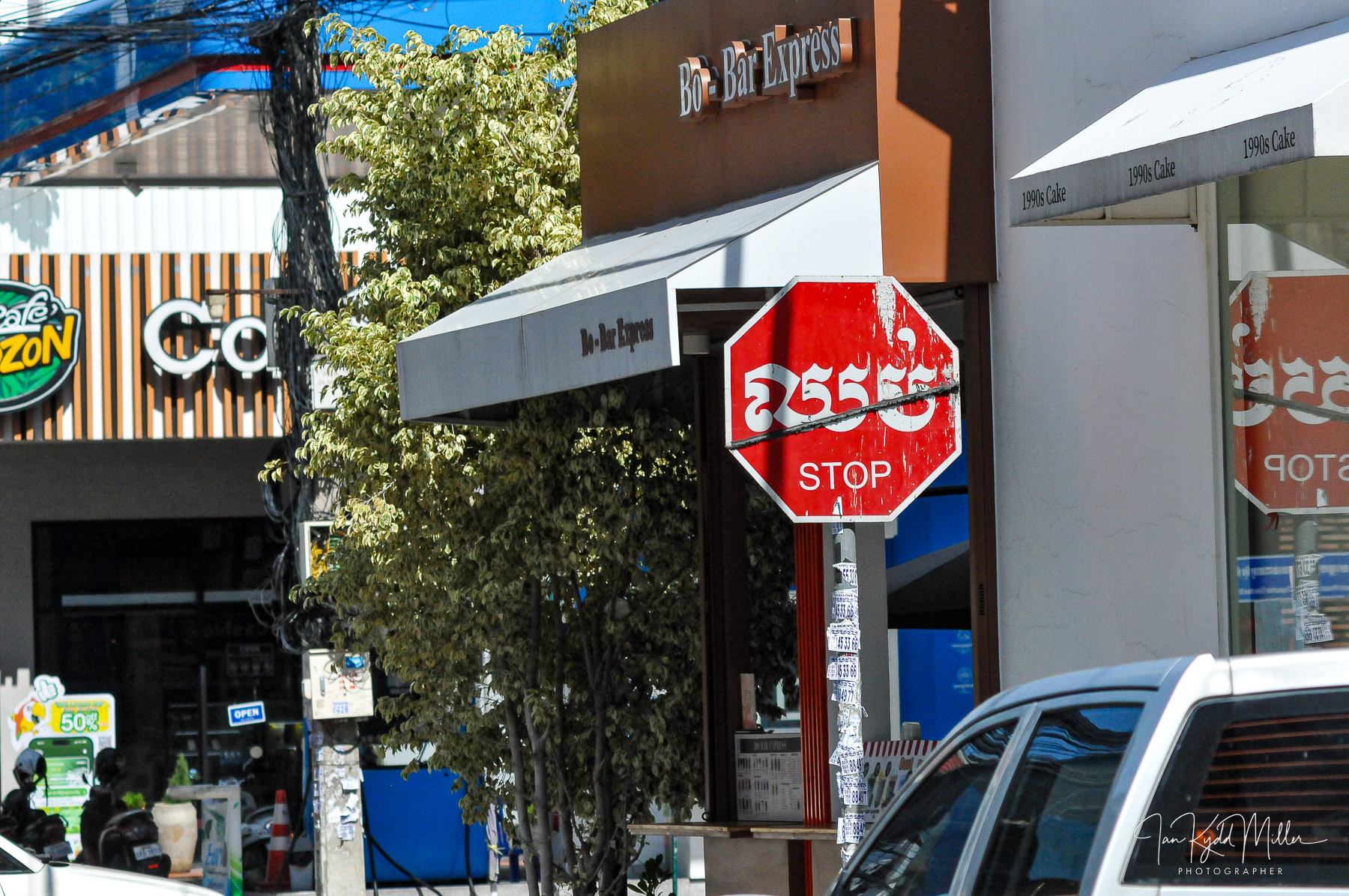








For street photography especially, it still offers:
Speed
The camera reacts instantly.
- Minimal shutter lag
- Fast startup
- Responsive controls
It feels like a photographic tool rather than a computer.
Access to Nikon’s Lens Legacy
The D300S includes:
- Screw-drive autofocus motor
- AI and AI-S lens compatibility
- Full Nikon F-mount support
You can mount decades of Nikon glass and get excellent results.
Affordable
In 2026, good examples often sell for a fraction of their original price.
You get:
- Pro body
- Pro autofocus
- Pro controls
- Weather sealing
for less than many entry-level mirrorless cameras.
It Forces Better Technique
Many photographers discover something interesting when they return to a D300S:
They stop obsessing over equipment.
You can’t rely on:
- Massive cropping
- Extreme ISO
- AI noise reduction
You have to:
- Get closer
- Expose properly
- Compose carefully
In some ways it makes you a better photographer.

Final Verdict
The D300S is not a camera for pixel peepers.
It is a camera for photographers.
Its weaknesses are obvious:
- Low resolution by modern standards
- Aging high ISO performance
- Outdated video
But its strengths remain compelling:
- Tank-like construction
- Excellent controls
- Superb autofocus
- Great optical viewfinder
- Beautiful Nikon color
- Incredible value for money

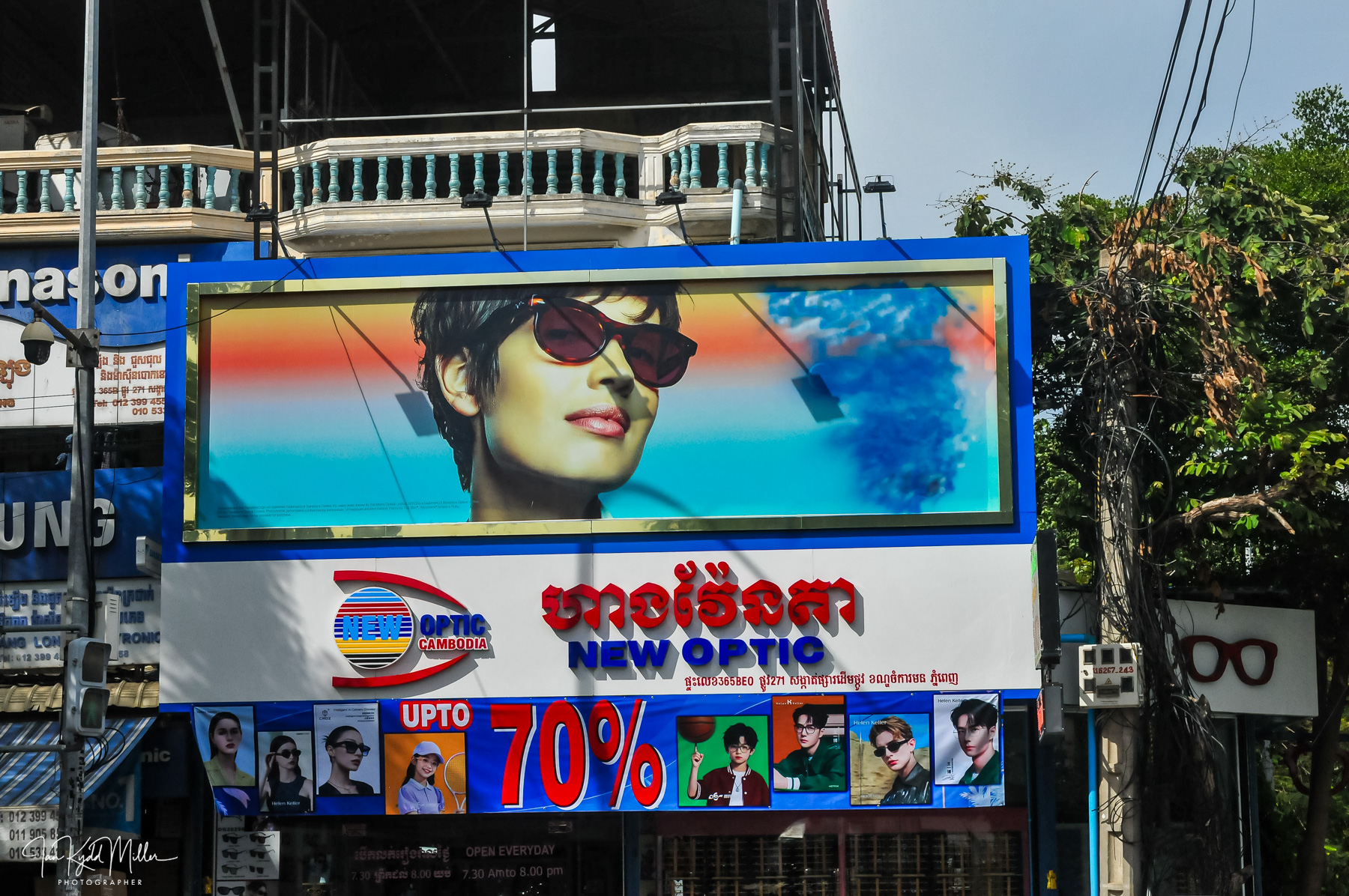

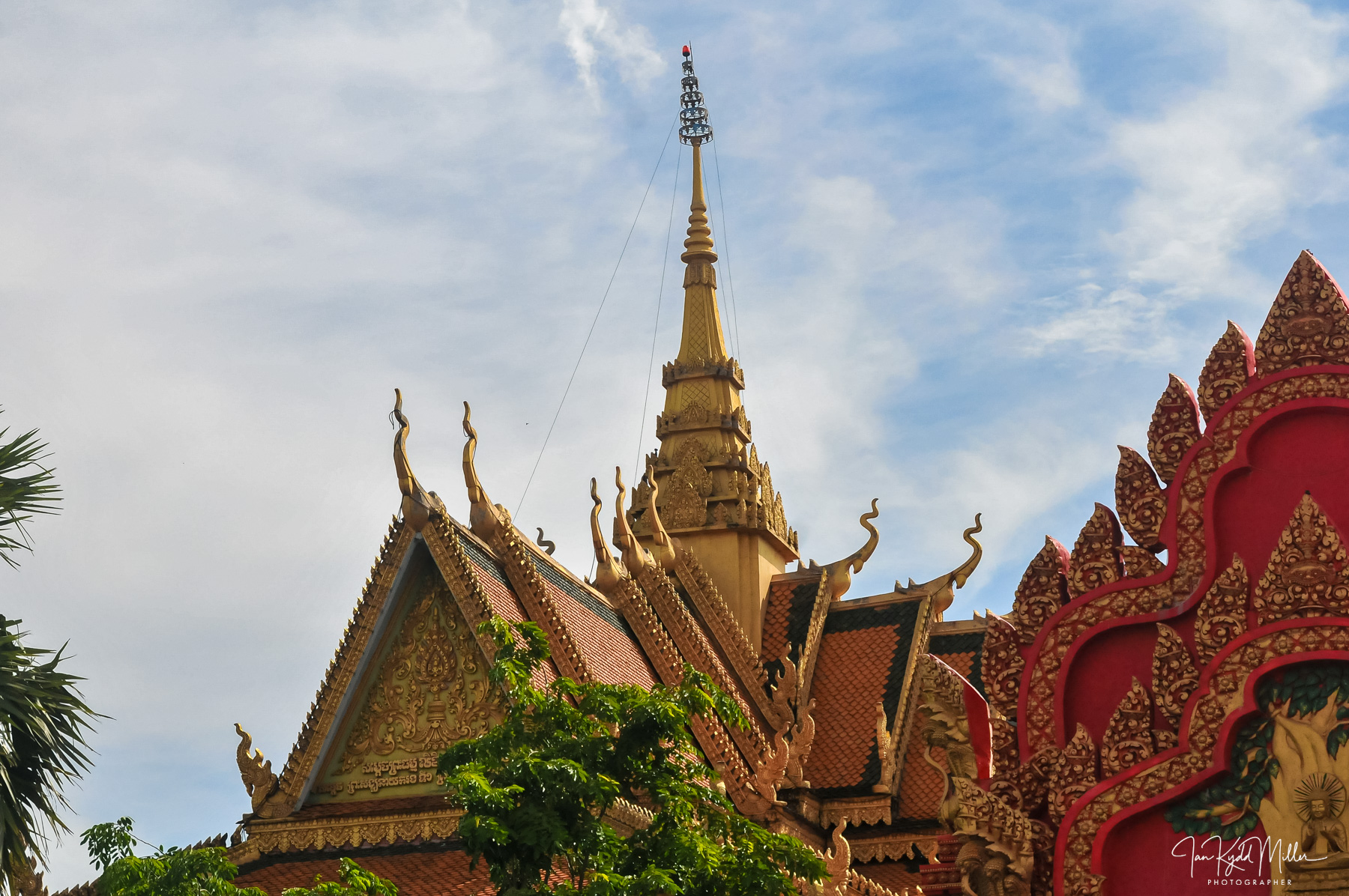
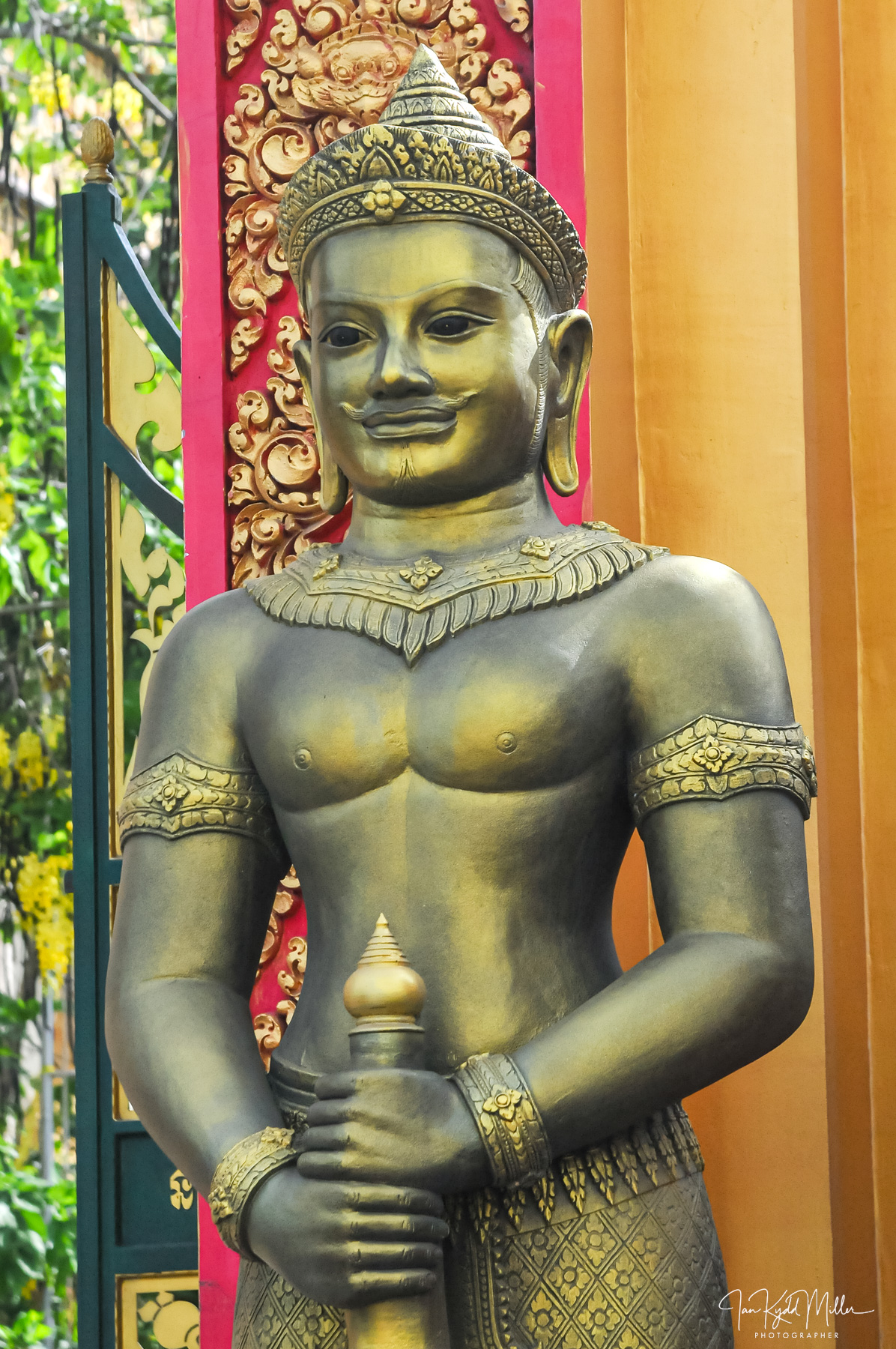



If someone handed me a clean D300S and a 35mm f/2D tomorrow, I’d happily spend a day wandering the streets of Phnom Penh making photographs. The camera may be old, but the experience of using it still feels remarkably alive. 📷


I got a D300S recently for a little under $200, less than 30,000 clicks and I am absolutely floored by what I can make with this body and a 35mm 1.8 DX or 50mm 1.4. I part time second shoot weddings and I have always preferred using crop bodies, both Nikon and Canon, but now just Nikon D7200/D7100 and now D300S. The D300S has such incredible sharpness but not clinical. Faster AF and more accurate than the 7200/7100. Feels so good in the hands and the OVF is brilliant. While everyone is chasing mirrorless and spending tons of money, I’m going “backwards” or “back to the future” with fantastic DSLR gear that still delivers the prizes when you do it right.
LikeLiked by 1 person