
Why Photographers Still Use โ€œOldโ€ Cameras Like the Nikon D700

cameras, Lenses, nikon, opinons, thoughts, photography, street, Travel

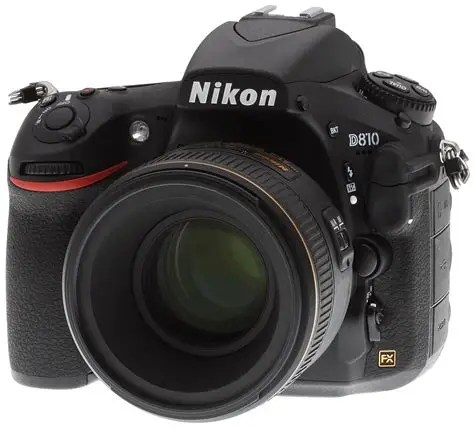
The Nikon D700 came out in 2008. By tech standards, thatโ€™s ancient.
By photography standards? Itโ€™s still very much alive.

And there are solid reasons for that.


๐Ÿง  1. Image Quality Plateaued (a Long Time Ago)

This is the dirty secret of camera marketing:

For most real-world photography, image quality stopped dramatically improving around 2012โ€“2014.

The D700โ€™s:

  • 12.1MP full-frame sensor
  • Legendary low-light performance
  • Gorgeous tonal roll-off

โ€ฆalready exceed what:

  • Social media
  • Editorial print
  • Street photography
  • Photo books

actually require. More megapixels โ‰  better photos.


๐ŸŒ— 2. CCD-Like โ€œLookโ€ (Even Though Itโ€™s CMOS)

The D700 shares DNA with the D3, and it shows.

People keep using it because of:

  • Natural contrast
  • Smooth highlights
  • Film-like shadow transitions
  • Skin tones that donโ€™t need fixing

It renders scenes, not files.

Modern sensors are technically better โ€” but often clinically flat until processed.


๐Ÿงฑ 3. Built Like a Weapon (In a Good Way)

The D700 is:

  • Magnesium alloy
  • Weather-sealed
  • Rated for heavy professional use

You can:

  • Shoot in rain
  • Bang it on concrete
  • Freeze your fingers off

โ€ฆand it just keeps going.

Street photographers love tools they donโ€™t have to baby.


๐ŸŽฏ 4. Autofocus That Still Slaps

The Multi-CAM 3500FX AF system is still:

  • Fast
  • Predictable
  • Excellent in low light

No face-detect.
No eye-AF.
No nonsense.

Just reliable center-point focus you can trust.

For street, that matters more than AI tricks.


๐Ÿ•ฐ๏ธ 5. Forces Better Shooting Habits

Limitations can be freeing.

With the D700:

  • Youโ€™re not chimping constantly
  • Youโ€™re not spraying 20fps
  • Youโ€™re not rescuing sloppy exposure later

You:

  • Pre-focus
  • Anticipate
  • Compose deliberately

Thatโ€™s street photography DNA.


๐Ÿ’ธ 6. Ridiculously Affordable Now

Hereโ€™s the killer argument:

CameraReal-world value
Nikon D700~$350โ€“500
New full-frame body$2,000โ€“4,000

For the price of a kit zoom on a mirrorless body, you get:

  • Pro build
  • Full-frame look
  • Files editors still accept

Itโ€™s one of the best cost-to-image-quality ratios ever made.


๐Ÿงฌ 7. F-Mount Glass Is a Goldmine

F-mount gives you:

  • Decades of legendary primes
  • Cheap used prices
  • Mechanical reliability

And the D700 drives them beautifully.


๐Ÿง  The Quiet Truth

People who keep shooting the D700 arenโ€™t behind.

Theyโ€™re done chasing.

Theyโ€™ve realized:

  • Cameras donโ€™t make photos
  • Familiarity beats features
  • Confidence beats resolution

The D700 disappears in your hands โ€” and thatโ€™s the highest compliment a camera can get.


๐Ÿ“Œ Who the D700 Is Still Perfect For

โœ… Street photographers
โœ… Documentary shooters
โœ… Low-light natural light work
โœ… Black & white photography
โœ… Photographers who value feel over specs


๐Ÿงญ Final Thought

Old cameras become timeless when they stop getting in the way.

The Nikon D700 didnโ€™t age poorly.
It aged honestly.

๐Ÿ“– Gear Collection โ€” Is It Truly an Addiction, or Something Else Entirely?

cameras, Fujichrome, fujifilm, Lenses, Lowepro, nikon, opinons, thoughts, photography, street, Travel, viltrox

Photographers joke about โ€œGASโ€ โ€” Gear Acquisition Syndrome โ€” as if itโ€™s a harmless quirk. But beneath the humour sits a real question: Why do so many photographers feel compelled to collect gear, even when they already have enough to make great images?

Is it addiction? Is it passion? Is it identity? Or is it something deeper โ€” a way of relating to the world?

Letโ€™s explore this with honesty and nuance.

๐Ÿง  1. The Psychology Behind Gear Desire

Gear collecting taps into several powerful psychological mechanisms. None of them are inherently unhealthy โ€” but they can become compulsive if left unchecked.

Dopamine and anticipation

The excitement isnโ€™t in the owning โ€” itโ€™s in the anticipation. The research is clear: dopamine spikes when we imagine possibilities, not when we achieve them.

A new lens promises:

  • a new way of seeing
  • a new creative direction
  • a new version of ourselves

Thatโ€™s intoxicating.

Identity and selfโ€‘expression

For many photographers, gear is part of their creative identity. A Fuji Xโ€‘Pro3 isnโ€™t just a camera โ€” itโ€™s a statement about how you see the world. A Nikon D300S isnโ€™t just a tool โ€” itโ€™s a connection to a certain era of photography.

Collecting becomes a way of curating your creative self.

Craftsmanship and tactile pleasure

Some gear simply feels good. Metal dials, aperture rings, optical glass โ€” these things have presence. Handling them is satisfying in a way thatโ€™s hard to explain to nonโ€‘photographers.

This isnโ€™t addiction. Itโ€™s appreciation.

๐Ÿ“ธ 2. When Collecting Becomes a Creative Practice

For many photographers, collecting gear is part of the craft itself.

Each tool shapes vision

A 20mm lens forces you to see differently than a 50mm. A rangefinder body changes your rhythm compared to a DSLR. A fast prime encourages intimacy; a telephoto encourages distance.

Collecting becomes a way of exploring different visual philosophies.

Gear as inspiration

Sometimes a new camera or lens unlocks a creative block. Not because itโ€™s โ€œbetter,โ€ but because itโ€™s different. It nudges you into new territory.

Historical and emotional connection

Older gear carries stories. A Nikon D2Hs isnโ€™t just a camera โ€” itโ€™s a piece of photographic history. Owning it connects you to the lineage of the craft.

This is collecting as creative archaeology.

โš ๏ธ 3. When It Starts to Look Like Addiction

There are moments when gear collecting crosses into unhealthy territory.

Signs include:

  • buying gear instead of making photographs
  • feeling restless or empty without the โ€œnext purchaseโ€
  • spending beyond your means
  • hiding purchases or feeling guilt
  • chasing perfection through equipment rather than practice

These patterns mirror addictive behaviour โ€” not because of the gear, but because of the emotional loop behind it.

But even then, the root cause is rarely the gear itself. Itโ€™s usually stress, boredom, loneliness, or a need for control.

๐ŸŒฑ 4. The Healthy Version of Gear Collecting

Most photographers fall into this category โ€” passionate, curious, and intentional.

Healthy collecting looks like:

  • buying gear that genuinely supports your creative goals
  • enjoying the craftsmanship and history
  • rotating gear in and out of your kit
  • using what you own
  • feeling joy, not pressure

In this form, collecting is no more โ€œaddictiveโ€ than a musician owning multiple guitars or a painter collecting brushes.

Itโ€™s part of the craft.

โœจ 5. Soโ€ฆ Is It Truly an Addiction?

In most cases, no. Itโ€™s a mix of:

  • passion
  • curiosity
  • identity
  • nostalgia
  • craftsmanship appreciation
  • the search for creative spark

But it can become addictive if it replaces the act of photographing or becomes a coping mechanism rather than a creative one.

The key is awareness. If collecting enriches your creative life, itโ€™s a gift. If it replaces your creative life, it becomes a trap.

๐ŸŽฏ Final Thought

Gear collecting is rarely about the gear. Itโ€™s about what the gear represents: possibility, identity, craftsmanship, memory, and the desire to see the world differently.

Rediscovering the Nikon D300S: A Street Photographerโ€™s Companion

cambodia, cameras, Lenses, nikon, opinons, thoughts, photography, street

In an age of mirrorless marvels and AI-enhanced sensors, the Nikon D300S might seem like a relic. Released in 2009, itโ€™s a camera that many would now label “obsolete.” But for those who know how to see, this DSLR still deliversโ€”especially in the realm of street photography.

๐Ÿ“ธ Why the D300S Still Matters

  • Build Quality: Magnesium alloy body, weather-sealed, and rugged enough to handle the unpredictability of the street.
  • Ergonomics: Comfortable grip, intuitive button layout, and a responsive shutterโ€”everything you need for fast, instinctive shooting.
  • Image Quality: The 12.3MP DX-format sensor may not win spec wars, but it produces files with character, especially when paired with classic Nikon glass.
  • Dual Card Slots: CF and SDโ€”perfect for redundancy or separating RAW and JPEG workflows.

๐Ÿ™๏ธ Street Photography with the D300S

Using the D300S on the street is a tactile experience. It forces you to slow down, observe, and anticipate. Autofocus is reliable, though not lightning-fast, which encourages deliberate framing. The cameraโ€™s weight adds stability, and its shutter soundโ€”distinct but not intrusiveโ€”feels like a handshake with the moment.

โš™๏ธ Limitations That Shape Style

  • Low-Light Performance: ISO 1600 is usable, but beyond that, noise creeps in. This limitation nudges you toward natural light and shadow play.
  • No Wi-Fi or Live View: Youโ€™re not chimping or sharing instantly. Youโ€™re shooting for the edit, not the algorithm.
  • Fixed Screen: No tilting or flippingโ€”just commit to the angle and shoot.

โœจ The Joy of the “Obsolete”

Thereโ€™s a quiet rebellion in using older gear. Itโ€™s a rejection of the upgrade treadmill and a return to intentional photography. The D300S doesnโ€™t flatterโ€”it reveals. It doesnโ€™t automateโ€”it asks you to engage.

In a world chasing megapixels and mirrorless speed, the Nikon D300S reminds us that good results come from good seeing. And sometimes, the best camera is the one that makes you feel like a photographer again.

Fujifilm X-E2 Review: Vintage Meets Modern Performance

cambodia, cameras, fujifilm, Lenses, opinons, thoughts, photography, pictures, street, Travel, voluntary
  • Image Quality: At its core, the Xโ€‘E2 features a 16.3โ€‘megapixel APSโ€‘C Xโ€‘Trans CMOS II sensor. This sensor uses a unique colour filter array that mimics film grain, eliminating the need for an optical lowโ€‘pass filter. The result is sharp, detailed images with rich colour reproduction.
  • Fast Autofocus: The hybrid AF system combines contrast and phase detection, achieving focus speeds as fast as 0.08 seconds. With 49 AF points, itโ€™s responsive enough for everyday shooting and moderate action.
  • Retro Design & Handling: Styled like a classic rangefinder, the Xโ€‘E2 offers tactile dials for shutter speed and exposure compensation. Its magnesium alloy body feels solid yet compact, appealing to photographers who enjoy manual control.
  • Electronic Viewfinder: A 2.36โ€‘millionโ€‘dot EVF provides a crisp, detailed preview, while the 3โ€‘inch LCD (1.04M dots) supports easy composition and playback.
  • Performance: Powered by the EXR Processor II, the camera delivers 7fps continuous shooting, inโ€‘camera RAW conversion, and film simulation modes that replicate Fujifilmโ€™s iconic film stocks.
  • Connectivity & Extras: Builtโ€‘in Wiโ€‘Fi allows for image transfer and remote shooting. Creative features include multiple exposure, panorama mode, focus peaking, and digital split image for precise manual focus.

โš–๏ธ Limitations

  • No 4K video: Limited to 1080p recording.
  • Fixed screen: No articulation or touchscreen functionality.
  • ISO performance: Usable up to ISO 6400, but noise becomes noticeable at higher settings.

โœ… Best Use Cases

  • Street photography, thanks to its discreet retro styling.
  • Travel and documentary work, with compact size and versatile lens options.
  • Enthusiast photographers who value manual controls and filmโ€‘like rendering.

โœจ Summary

The Fujifilm Xโ€‘E2 remains a wellโ€‘balanced mirrorless camera that combines vintage charm with capable modern features. Its sensor, EVF, and tactile controls make it a joy for photographers who prioritise image quality and creative handling over cuttingโ€‘edge specs. For those seeking a reliable, affordable entry into Fujifilmโ€™s X system, the Xโ€‘E2 is still a worthy companion.

๐Ÿ“ธ Program Mode and the Myth of Purism: A Street Photographerโ€™s Perspective

cameras, fujifilm, Lenses, opinons, thoughts, photography, pictures, street, Travel

Thereโ€™s a myth in photography: that โ€œrealโ€ photographers must shoot in full manual mode, especially if they own expensive gear. The implication is that Program Mode is a shortcut, a crutch, or even a betrayal of the craft.

But hereโ€™s the truth: Program Mode is not a weakness. Itโ€™s a strategy.

I. The Myth of Manual Purism

Manual mode is often treated as a badge of honour. It suggests mastery, control, and technical discipline. But photography is not a competition in purityโ€”it is a practice of seeing.

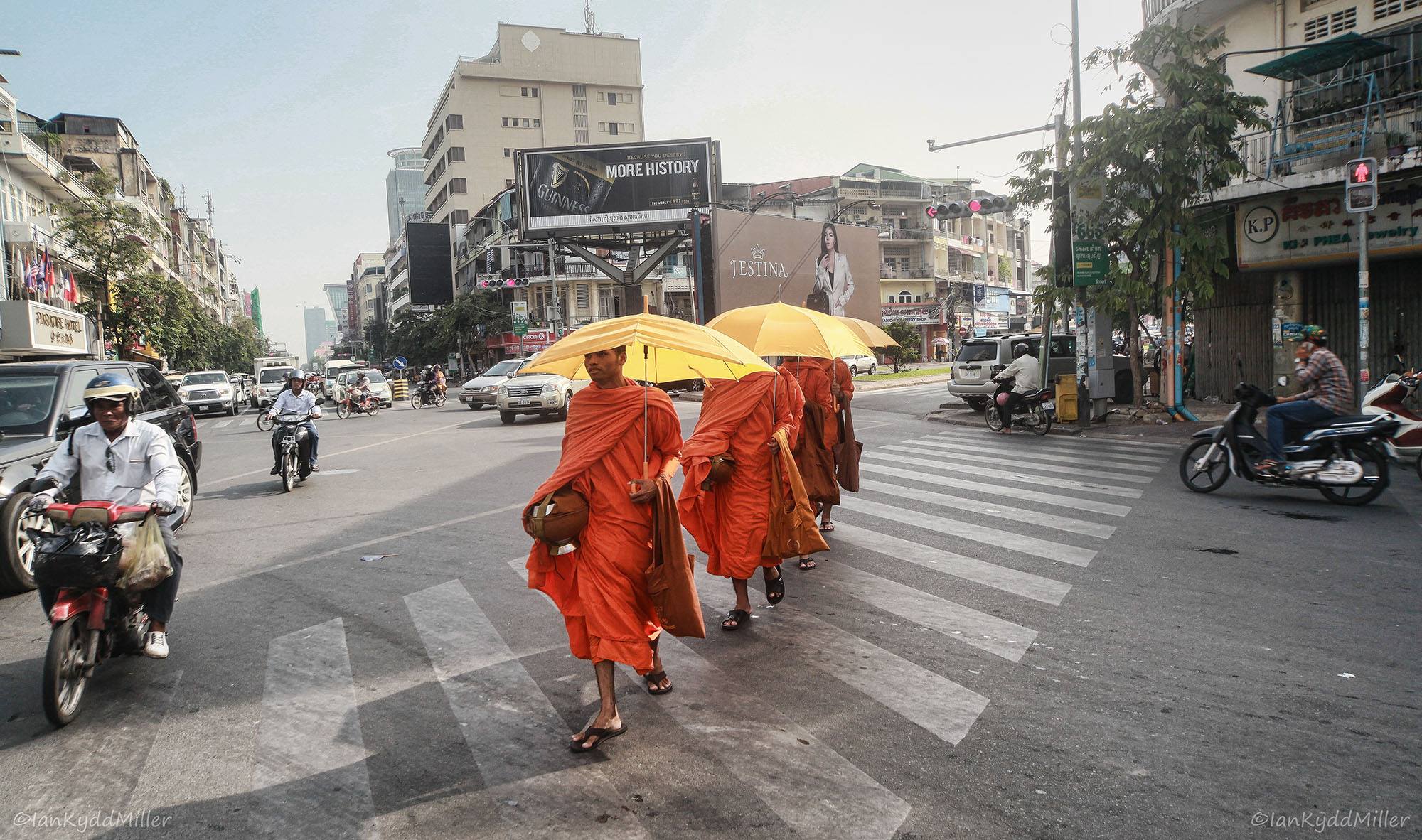
Street photography, especially in Phnom Penhโ€™s fastโ€‘moving rhythm, demands presence more than technical gymnastics. If fiddling with dials makes you miss the moment, then the pursuit of โ€œpurismโ€ has already failed.

II. Program Mode as a Discipline

Program Mode doesnโ€™t mean surrendering creativity. It means letting the camera handle exposure basics while you focus on what matters most: composition, timing, and anticipation.

When monks step into morning light or a vendor gestures midโ€‘conversation, you donโ€™t have time to calculate shutter speed and aperture. Program Mode frees you to be present, to anticipate, and to react.

III. Control Is Still Yours

Modern DSLRs are not mindless machines. Program Mode allows overrides:

  • Exposure compensation to adjust brightness.
  • Program shift to balance aperture and shutter.
  • Focus lock to control depth and subject.

Youโ€™re not giving up controlโ€”youโ€™re choosing where to invest your attention. The camera becomes a collaborator, not a dictator.

IV. Anticipation Over Perfection

Street photography is about anticipationโ€”the ability to sense a moment before it happens. Burst shooting captures microโ€‘variations, but anticipation is the discipline that guides it.

Program Mode supports this discipline. It keeps you ready, so when the decisive moment arrives, youโ€™re not buried in settingsโ€”youโ€™re alive to the rhythm of the street.

V. Philosophy of Use

An expensive DSLR is a tool. Its value lies not in how โ€œmanualโ€ you shoot, but in how authentically you capture.

If Program Mode helps you stay present in Phnom Penhโ€™s streetsโ€”catching candid gestures, fleeting light, and authentic human connectionโ€”then it is serving your vision.

Closing Call: The Decisive Moment Doesnโ€™t Care

The decisive moment doesnโ€™t care what mode you used. It cares that you were there, attentive, and ready.

Program Mode is acceptable because photography is not about proving technical purityโ€”itโ€™s about making images that resonate.

๐Ÿ™๏ธ Why the Nikkor 20mm f/2.8D Is Still So Good

cameras, Lenses, opinons, thoughts, photography, pictures, street, Travel

A legacy wide-angle lens that punches above its weight.

The Nikon Nikkor 20mm f/2.8D is beloved for its compact size, sharp optics, and timeless renderingโ€”making it a sleeper wide-angle gem for street, travel, and documentary photography. Despite its age, it holds its own against modern glass.

Released in the late 1980s and still available today, the Nikon AF Nikkor 20mm f/2.8D is one of those rare lenses that quietly earns a permanent spot in a photographerโ€™s bag. Itโ€™s not flashy, not expensive, and not packed with modern techโ€”but it delivers where it counts: optical clarity, portability, and character.

๐Ÿ” Optical Performance

  • Sharpness: Impressively sharp in the center even wide open, with good edge performance by f/5.6. On full-frame bodies like the D800, it resolves fine detail without feeling clinical.
  • Distortion: Minimal for a 20mm primeโ€”great for architecture and interiors. Barrel distortion is present but easily corrected.
  • Color and contrast: Natural rendering with strong microcontrast. It handles backlight well, thanks to Nikonโ€™s internal coatings.
  • Flare resistance: Decent, though not perfect. Hood recommended for harsh light.
  • Bokeh: Not its strengthโ€”background blur is busy at f/2.8, but thatโ€™s expected from a wide-angle lens.

โš™๏ธ Build and Handling

  • Size and weight: Just 260g and 69mm longโ€”ridiculously compact for a full-frame wide-angle prime.
  • Autofocus: Screw-drive AF is fast and reliable on bodies with internal motors (D800, D3, etc.).
  • Manual focus: Smooth ring with good tactile feedback.
  • Minimum focus distance: 0.25mโ€”great for dramatic foreground emphasis and layered compositions.

๐Ÿง  Why Photographers Love It

  • Street and travel: Discreet, lightweight, and fast enough for low-light scenes.
  • Documentary and editorial: Its rendering feels honest and immersiveโ€”ideal for environmental storytelling.
  • Landscape: Sharp enough for serious work, especially stopped down.
  • Vlogging and video: Wide field of view and compact form factor make it a solid choice for handheld shooting.

โš–๏ธ Pros and Cons

Pros

  • Excellent sharpness and contrast
  • Compact and lightweight
  • Affordable on the used market (~$250โ€“$350 USD)
  • Reliable autofocus and build quality

Cons

  • No weather sealing
  • No VR or AF-S motor
  • Bokeh and flare control are average
  • Edge sharpness lags behind modern ultra-wides

๐Ÿ“ Final Verdict

The Nikkor 20mm f/2.8D is a reminder that good design lasts. Itโ€™s not the sharpest or fastest wide-angle lens, but itโ€™s one of the most practical and enjoyable to use. For photographers who value portability, honest rendering, and classic Nikon character, this lens is a keeper.

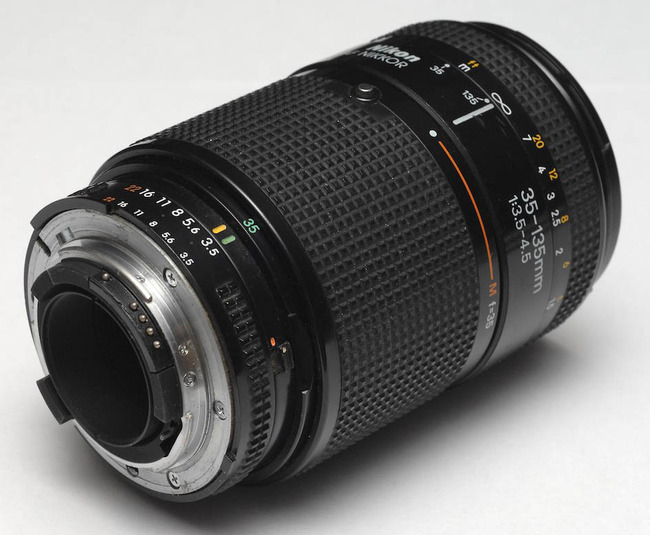
I have been using an interesting older zoom lens on my Nikon D3. The Nikkor 35-135 f3.5/4.5

cambodia, cameras, fujifilm, Lenses, Lowepro, opinons, thoughts, photography, pictures, printing, street, Travel

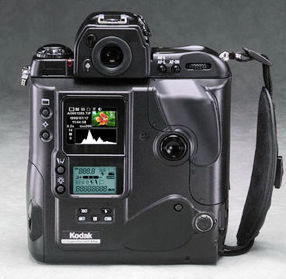
The Kodak DCS 620: A Classic Digital Workhorse

cameras, Lenses, Lowepro, opinons, thoughts, photography, pictures, street, Travel