Keeping Things Clean: Lens and Camera

cameras, canon, fujifilm, Lenses, Lowepro, nikon, opinons, thoughts, photography, street, Travel

Old Photographer Series

Photographers will argue for hours about sharpness, contrast, autofocus speed and whether one lens has more character than another. Then they will pull a camera from a filthy bag, wipe the front element with the corner of a shirt and wonder why their photographs look as though they were taken through a bus window.


An older man carefully cleaning a camera lens with a cloth while holding a blower in his other hand. A camera is visible on the table along with various photography tools and accessories.

Keeping equipment clean is not glamorous, but neither is spending an afternoon removing dust spots from a clear blue sky.

I have never believed cameras should be treated like museum pieces. A working camera will collect dust, fingerprints, sweat and the occasional splash of something best left unidentified. That is part of using it. Cameras are tools, and tools acquire marks. There is a difference, however, between honest wear and simple neglect.

The first rule is not to clean everything unnecessarily. Constant polishing can cause more trouble than it prevents. A few specks of dust on the front of a lens will rarely affect a photograph, while enthusiastic rubbing with the wrong material can damage the coatings permanently.

Start with a blower. Hold the camera or lens so that loose dirt can fall away, then use several gentle bursts of air. Never blow on a lens with your mouth. Saliva droplets are harder to remove than dust, and breath leaves moisture behind.


An older man cleaning a camera with a blower in a well-lit workspace, surrounded by photography equipment.

If marks remain, use a clean microfibre cloth or proper lens tissue. Apply a small amount of lens-cleaning fluid to the clothโ€”not directly to the glassโ€”and wipe gently from the centre outwards. One or two drops are enough. Flooding a lens with liquid risks sending it around the edges of the element or into the barrel.

Fingerprints should be removed reasonably quickly because skin oils can cling stubbornly to lens coatings. Dust can usually wait. Grit and sand cannot. If you have been photographing near a beach, building site or dusty Cambodian road, blow everything thoroughly before touching it with a cloth. Dragging a grain of sand across the glass is an excellent way of turning cleaning into permanent damage.


An older man carefully cleaning a camera lens with a cloth in a well-lit workshop, surrounded by camera equipment and tools.

Lens filters need the same treatment. A filthy protective filter can reduce contrast and produce flare long before the lens behind it becomes a problem. Sometimes the simplest improvement in image quality is to remove a cheap, smeared filter altogether.

The camera body can be cleaned with a soft brush, blower and slightly damp cloth. Pay attention to buttons, control wheels, the viewfinder surround and the rubber grips. These collect sweat and grease, especially in hot weather. Cotton buds can be useful around awkward edges, but they should never be poked inside the camera.

Before changing lenses, switch the camera off and have the replacement ready. Point the lens mount slightly downwards and make the change promptly, without turning it into a panic. A camera does not need to be protected from every molecule of dust, but leaving it open on a table while searching through the bag is asking for trouble.

Sensor dust is different. It usually appears as dark, soft-edged spots, most clearly visible in plain areas photographed at small apertures such as f/11 or f/16. Before blaming the sensor, check whether the same spots appear in several photographs and with different lenses.


An older man carefully cleaning a camera body with a brush and blower in a well-lit workshop surrounded by photography equipment.

Use the cameraโ€™s automatic sensor-cleaning function first. If necessary, remove the lens, hold the mount downward and use a proper hand-operated blower. Do not insert the blower tip deeply into the camera, and never use compressed air. Canned air can release liquid propellant and may damage delicate internal parts.

Wet-cleaning a sensor is possible, but it demands the correct swabs, fluid and technique. If you are uncertain, let a competent camera technician do it. A professional cleaning bill is considerably cheaper than a damaged sensor or shutter mechanism.


An elderly man carefully cleaning a camera with a brush and other cleaning tools on a wooden table, surrounded by camera lenses and other photography equipment in a well-lit room.

The contacts on lenses and batteries can occasionally be wiped with a clean, dry cloth. Avoid abrasives, pencils, metal tools and mysterious household chemicals recommended by somebody on the internet. Camera equipment is not a kitchen worktop.

Bags matter too. There is little point cleaning a camera and returning it to a nest of dust, grit and old biscuit crumbs. Empty the bag periodically, vacuum it gently and check the dividers. Lens caps should also be cleaned; otherwise, they simply press dirt back against the glass.

A black messenger bag designed for photography equipment, featuring a long adjustable shoulder strap and a buckle closure.

In humid climates, fungus is the greater enemy. Equipment should not be stored damp or sealed away after a wet day. Wipe it down, allow it to dry naturally and store it somewhere with controlled humidity. A dry cabinet is a worthwhile investment in Cambodia, particularly for lenses that may sit unused for weeks. Silica gel can help, but it must be renewed or dried regularly.

Do not leave lenses in direct tropical sunlight in an attempt to โ€œkillโ€ fungus. Heat can damage lubricants, adhesives, rubber and electronics. Once fungus has established itself inside a lens, professional dismantling may be required, and etched coatings cannot always be restored.

Rain, sweat and condensation also deserve attention. Weather sealing is reassurance, not invincibility. After working in rain, pat the equipment dry rather than rubbing water into openings. When moving from an air-conditioned room into hot, humid air, keep the camera inside its bag for a while so it warms gradually. This reduces condensation onโ€”and potentially insideโ€”the equipment.

My own approach is simple: clean when necessary, inspect regularly and avoid fussing. A little dust is part of photography. Grease, grit, salt water and fungus are not.

A battered camera may have character. A dirty sensor has none.


The Ethics of Photography on the Street

cambodia, cameras, homelessness, Lenses, nikon, opinons, thoughts, photography, street, Travel

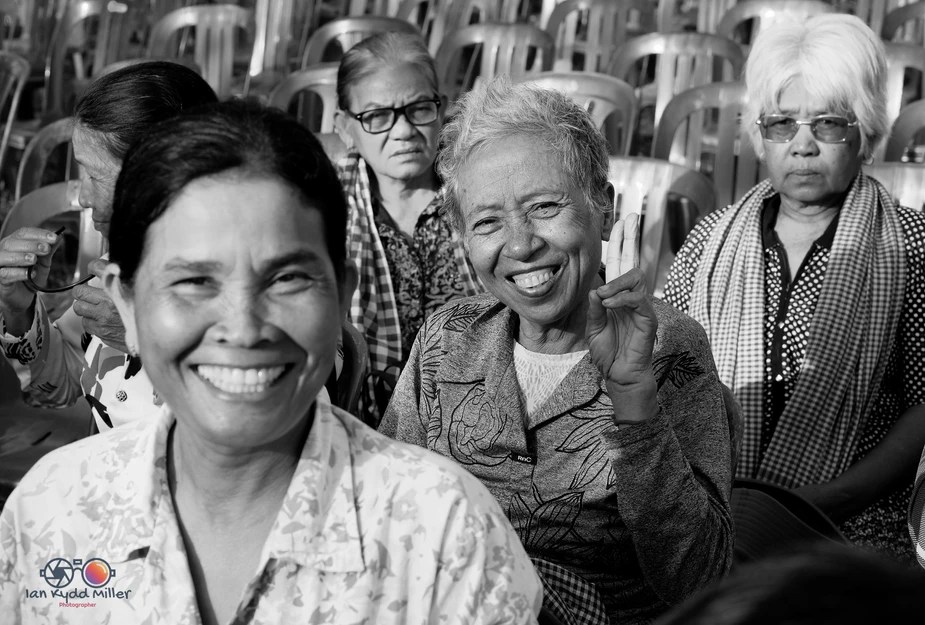
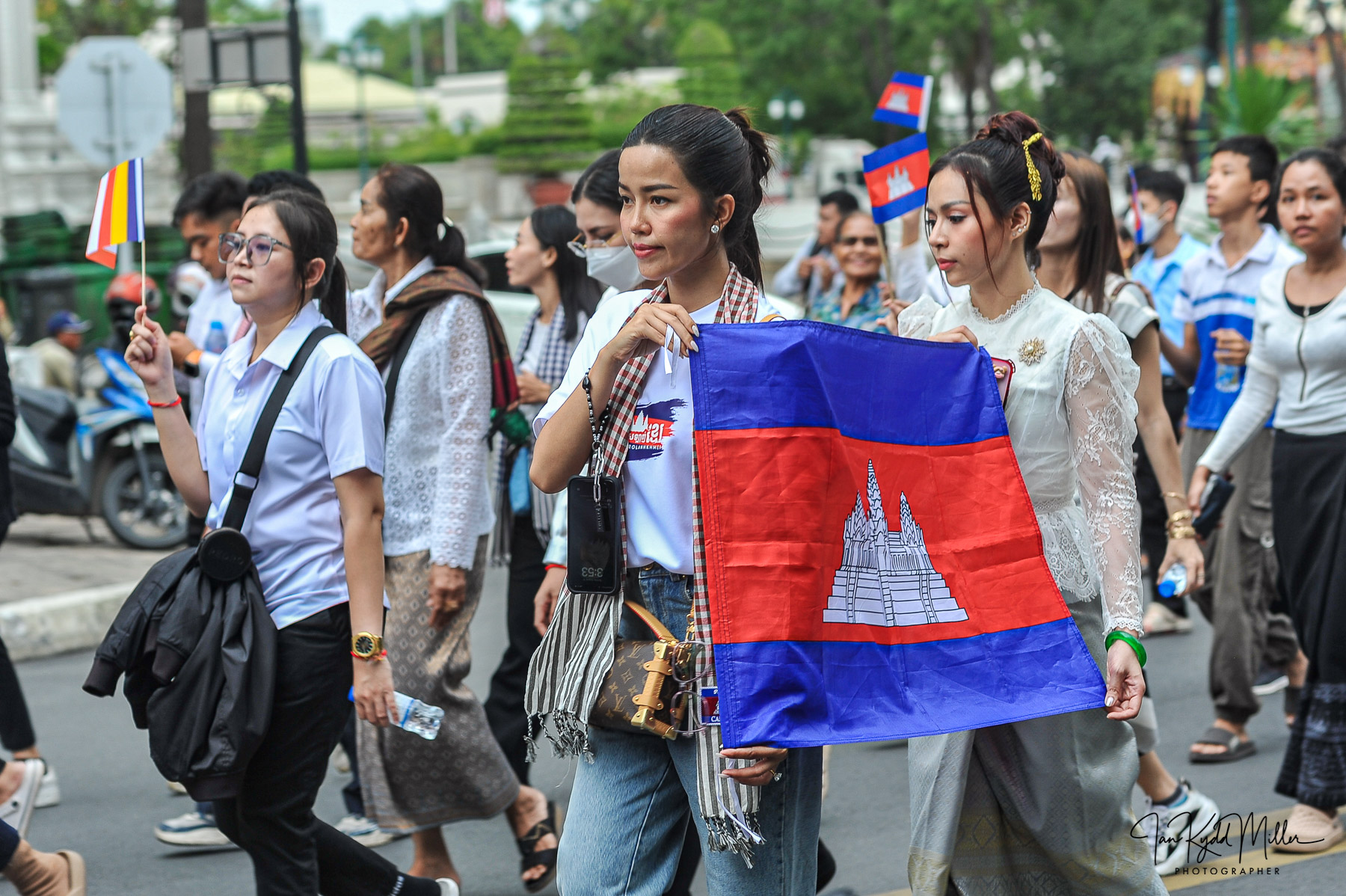
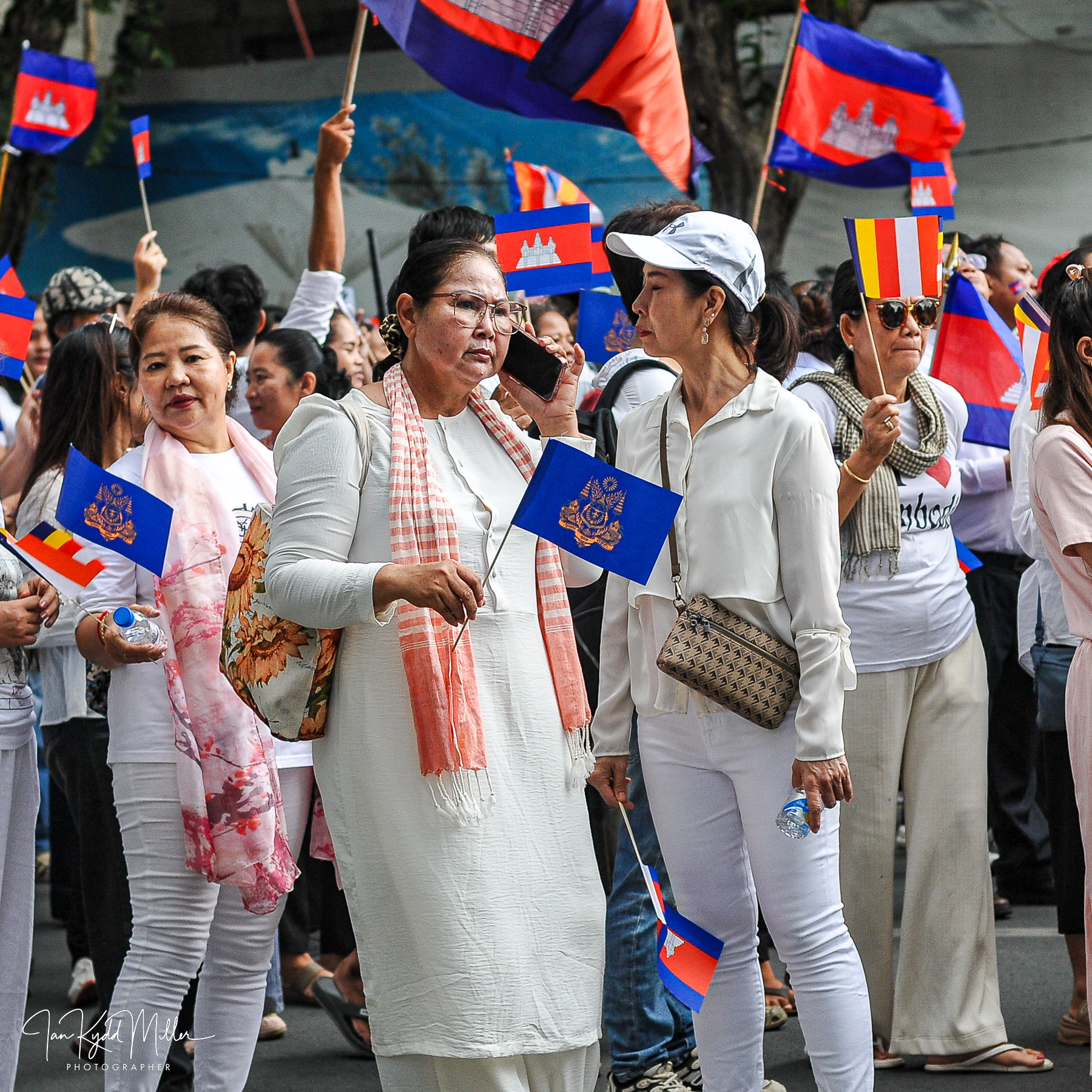
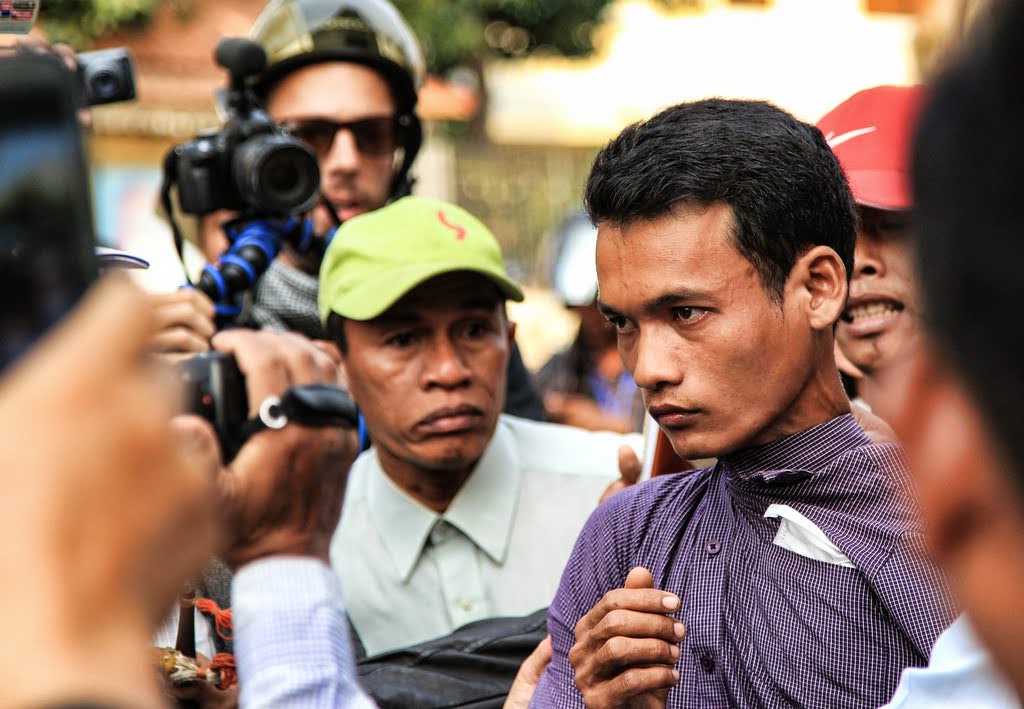
Are all pictures of strangers inherently invasive? How far does a person’s “right” to privacy extend? These are some of the questions that arise when we consider the ethics and legality of taking and posting photos of people we don’t know. According to some sources, taking photos of strangers without their consent is generally legal if they are in a public place where they have no reasonable expectation of privacy.
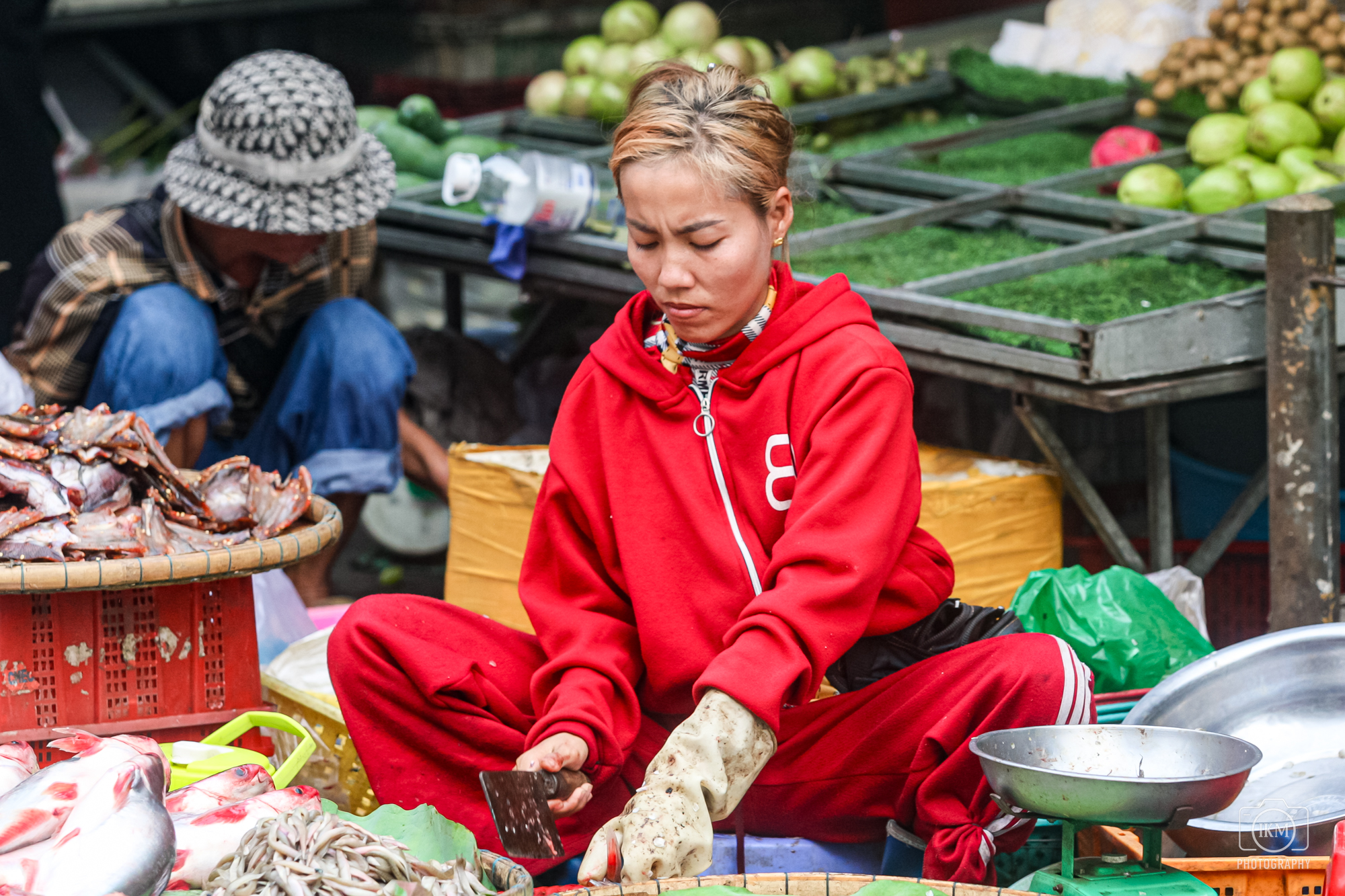
However, posting those photos on social media or using them for commercial purposes may violate their privacy and publicity rights. Privacy rights protect people from unwanted intrusion into their personal affairs, while publicity rights protect people from unauthorized use of their name, image, or likeness for profit or gain. Therefore, before taking or posting pictures of strangers, we should ask ourselves: Do they have a reasonable expectation of privacy in this situation?

How would they feel if they saw their photo online or in a book? What is the purpose and context of using their image? Is it respectful, informative, artistic, or exploitative? Some photographers may argue that taking pictures of strangers is a form of artistic expression or social commentary and that asking for permission would ruin the spontaneity and authenticity of the moment.
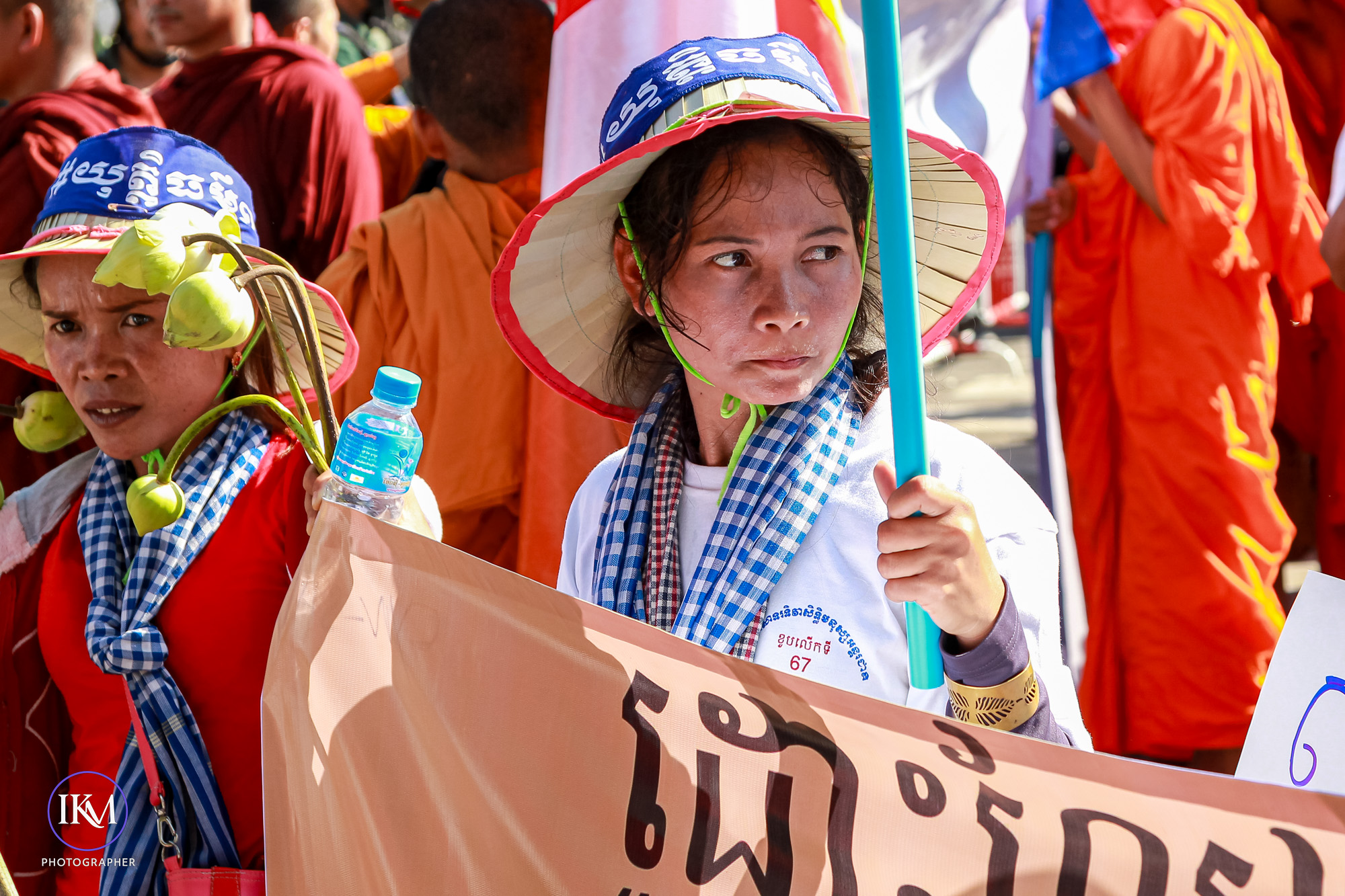
Others may say that taking pictures of strangers is a way of capturing the diversity and beauty of humanity and that sharing them online is a way of connecting with others. However, these arguments do not justify violating someone’s privacy or dignity, especially if the photos are embarrassing, misleading, or harmful to the person depicted.
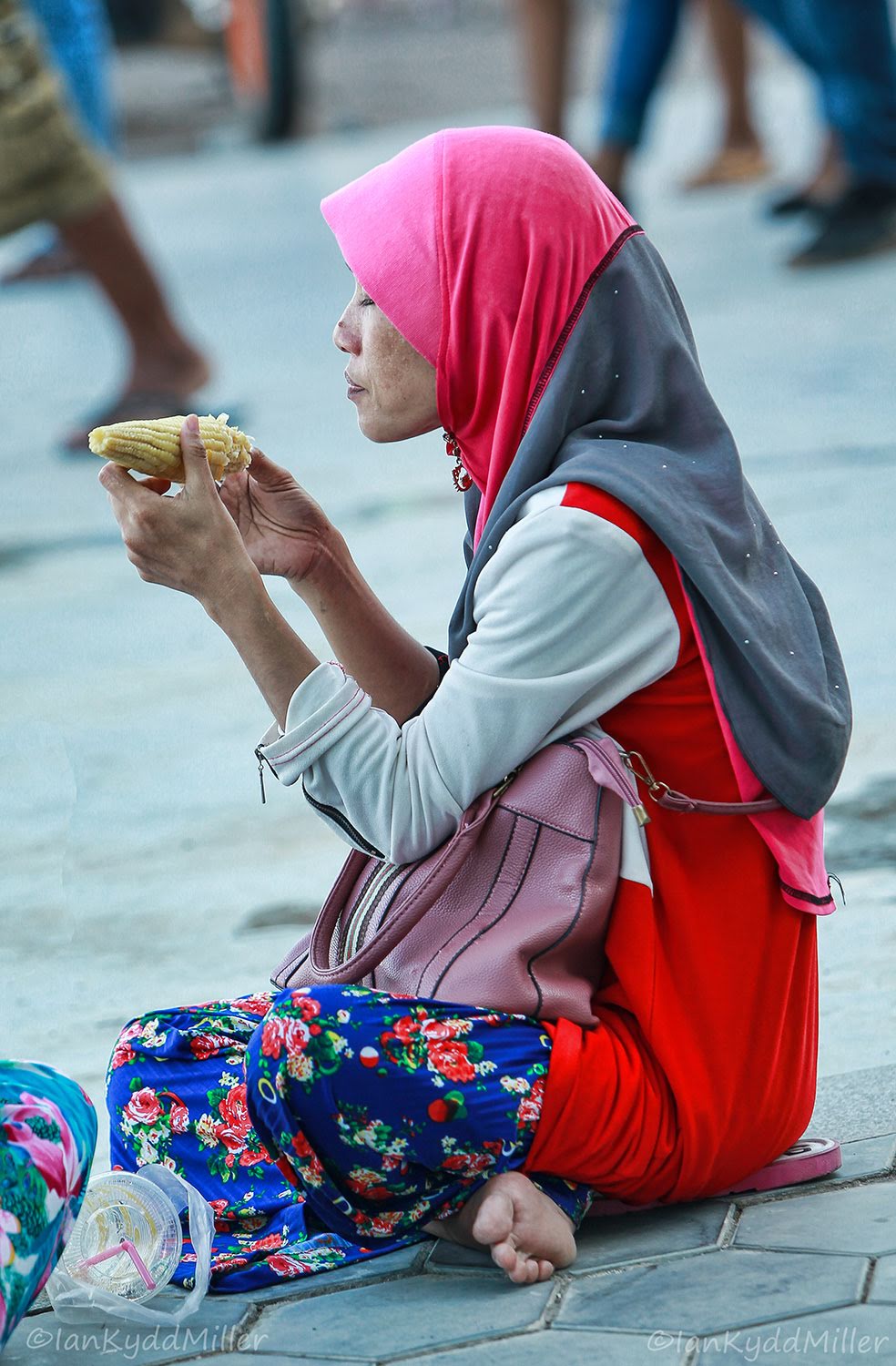
The best practice is to always ask for permission before taking or posting pictures of strangers unless it is clearly impossible or impractical to do so. This shows respect and courtesy, and may also lead to interesting conversations and stories. If permission is denied or cannot be obtained, we should refrain from taking or posting the picture, or at least blur out any identifying features. We should also be mindful of the laws and customs of different countries and cultures when travelling and photographing people abroad. Taking pictures of strangers can be a rewarding and enriching experience, but it also comes with responsibilities and risks. We should always consider the impact of our actions on others, and treat them as we would like to be treated ourselves.

This raises one of the most fascinating gray areas in modern ethics: the tension between legality and morality when it comes to photographing strangers.

๐Ÿ“ธ Legality vs. Ethics

  • Legal side: In most countries, taking photos of people in public spaces is allowed because thereโ€™s no โ€œreasonable expectation of privacyโ€ in a park, street, or plaza.
  • Ethical side: Just because itโ€™s legal doesnโ€™t mean itโ€™s respectful. Posting those images online can expose strangers to unwanted attention, ridicule, or even harassment.

โš–๏ธ Two key rights at play

  • Privacy rights: Protect against intrusion into personal life. Even in public, people may feel violated if photographed in vulnerable or intimate moments.
  • Publicity rights: Protect against unauthorized commercial use of someoneโ€™s likeness. Using a strangerโ€™s photo in ads or merchandise without consent can be unlawful.

๐ŸŽจ The artistic argument

  • Street photographers often defend candid shots as authentic social commentary. They argue that asking permission alters the moment.
  • Yet, critics point out that spontaneity doesnโ€™t outweigh dignity. A photo that embarrasses or misrepresents someone can cause real harm.

๐ŸŒ Cultural differences

  • In some countries, photographing strangers without consent is frowned upon or even illegal.
  • In others, candid street photography is celebrated as an art form.

โœจ Best practice

  • Ask permission when possible.
  • Blur identifying features if consent isnโ€™t given.
  • Consider intent: is the photo respectful, informative, or exploitative?
  • Treat others as youโ€™d want to be treated if the roles were reversed.

The heart of the issue is this: a strangerโ€™s image is not just a visual object, itโ€™s part of their identity. Respecting that identity is what separates art from exploitation.

๐ŸŒ Slowing Down in a Fast World

cambodia, cameras, fujifilm, homelessness, Lenses, nikon, opinons, thoughts, photography, street, Travel

Introduction

We live in an age of acceleration. News cycles refresh by the minute, feeds scroll endlessly, and even creativity is pressured to produce faster, louder, more. Yet in the midst of this speed, there is value in slowing down โ€” in reclaiming attention, rediscovering meaning, and reconnecting with the world around us.

The Case for Slowness

  • Depth over breadth: When everything is consumed quickly, little is truly absorbed. Slowness allows us to linger, to notice details.
  • Presence over distraction: Slowing down means being present โ€” whether in conversation, in work, or in art.
  • Sustainability over burnout: Constant speed drains energy. Slowness restores balance, making creativity and living sustainable.

Rediscovery Through Attention

  • Objects: Everyday things reveal character when looked at closely โ€” a weathered wall, a handโ€‘written note, a shadow at dusk.
  • People: Listening deeply, rather than rushing to respond, uncovers nuance in relationships.
  • Places: Streets, parks, and cities hold layers of history and atmosphere that only patience can reveal.
  • Returning again and again: Revisiting the same subject or place allows new layers to emerge. Each return reframes the familiar, showing how time and perspective reshape vision.

Reclaiming Vision

  • Against noise: Slowness cuts through distraction, sharpening what matters.
  • For clarity: It allows us to see not just what is in front of us, but what lies beneath.
  • As practice: Slowness is not passive โ€” it is an active choice to resist speed and reclaim vision.

Using Technology When Itโ€™s Useful

  • Tool, not master: Technology should serve attention, not dictate it.
  • Selective use: Embrace tools that extend vision โ€” editing software, digital archives, or cameras โ€” but resist the pull of endless feeds.
  • Balance: The slow archive doesnโ€™t reject technology; it uses it deliberately, when it amplifies meaning rather than dilutes it.
  • Agency: Choosing when and how to use technology is part of reclaiming vision in a fast world.

Harnessing Speed to Anticipate

  • Machine as ally: Cameras and devices can operate faster than human reflexes.
  • Anticipation: Using burst modes, predictive autofocus, or rapid shutter speeds allows the photographer to anticipate and catch fleeting gestures.
  • Integration: Slowness is about vision, but speed is about execution โ€” together they form a rhythm of patience and precision.
  • Lesson: Technologyโ€™s speed is not about rushing; it is about being ready when the moment arrives.

Conclusion

Slowing down is not about rejecting progress. It is about reclaiming agency in how we see, feel, and create. Technology can be part of that process โ€” but only when it is useful, intentional, and aligned with vision. Returning to a subject or place over and over again reminds us that meaning is not found in novelty alone, but in patience, repetition, and rediscovery. And when the decisive moment comes, the speed of a machine can help anticipate and capture it โ€” ensuring vision and execution meet.

Verdict: Slow down, return often, use tools wisely, harness speed โ€” and the world reveals itself anew.

Nikon D300 vs D300S: A Detailed Comparison

cameras, Lenses, nikon, opinons, thoughts, photography, street, Travel, voluntary

Two rugged DX-format classics, one evolutionary step forward

When Nikon released the D300 in 2007, it was hailed as a โ€œmini D3โ€โ€”a professional-grade DX body with robust build, advanced autofocus, and excellent image quality. Two years later, the D300S (2009) arrived, refining the formula with subtle but important upgrades. Together, they represent Nikonโ€™s commitment to serious enthusiasts and working photographers who wanted pro handling without the full-frame price tag.

๐Ÿ” Sensor & Image Quality

  • D300: 12.3MP DX-format CMOS sensor, ISO 200โ€“3200 (expandable to 6400).
  • D300S: Same 12.3MP sensor, but with improved image processing and slightly better noise control.

Verdict: Both deliver crisp, detailed files with excellent dynamic range for their era. The D300S edges ahead in cleaner high-ISO performance thanks to updated EXPEED processing.

โš™๏ธ Autofocus & Speed

  • D300: 51-point AF system, 6 fps burst (8 fps with battery grip).
  • D300S: Same AF system, but faster response and 7 fps burst (8 fps with grip).

Verdict: The D300S is marginally quicker, making it more appealing for sports and wildlife shooters.

๐ŸŽฅ Video Capability

  • D300: No video recording.
  • D300S: Introduced 720p HD video at 24 fpsโ€”a first for Nikonโ€™s semi-pro DX line.

Verdict: The D300S opened the door to hybrid shooting, though video features were basic compared to modern standards.

๐Ÿงฑ Build & Handling

  • Both cameras feature magnesium alloy bodies, full weather sealing, and pro-level ergonomics.
  • D300S added dual card slots (CF + SD) for flexible storage and backup.
  • Slight refinements in button layout and responsiveness made the D300S feel more polished.

๐Ÿ’ฐ Value & Legacy

  • D300: More affordable on the used market, still a solid choice for those who donโ€™t need video.
  • D300S: Holds higher value thanks to incremental upgrades, dual card slots, and video capability.

๐Ÿ“ Final Thought

The D300 was revolutionary, bringing pro-level performance to DX shooters. The D300S refined that legacy, adding speed, video, and workflow improvements. Today, both are remembered as rugged, reliable workhorsesโ€”but if you want the most versatile of the two, the D300S is the smarter pick.

Ethics in Photography: Navigating Trust and Responsibility

cambodia, cameras, Lenses, opinons, thoughts, photography, street, Travel, voluntary, war

Photography ethics are about deciding where to draw the line between documentation, artistry, and manipulation. The line matters because images shape public perception, influence trust, and can cause harm if misused.

๐Ÿ“ธ Why Ethics in Photography Matter

Photography is not just about aestheticsโ€”itโ€™s about representation and responsibility. Every image carries weight: it can inform, inspire, or mislead. With billions of photos shared daily, ethical boundaries ensure that photography remains a trustworthy medium.

๐Ÿ” Key Areas Where the Line Is Tested

  1. Consent and Privacy
    • Photographing people without permission, especially in vulnerable contexts, raises ethical concerns.
    • Street photography often sits in a grey zone: candid shots are legal in public spaces, but ethical practice asks whether subjects are respected or exploited.
  2. Truth vs Manipulation
    • Photo editing is powerfulโ€”enhancing colours or removing distractions is acceptable, but altering reality (adding/removing people, changing events) crosses into deception.
    • In journalism, even small edits can undermine credibility. In art, manipulation is more accepted, but transparency is key.
  3. Representation and Harm
    • Images of tragedy, poverty, or conflict can raise awareness but also risk exploitation. Ethical photographers ask: Does this image serve the public interest, or does it sensationalise suffering?
    • Shocking images must balance impact with dignityโ€”avoiding voyeurism or trauma exploitation.
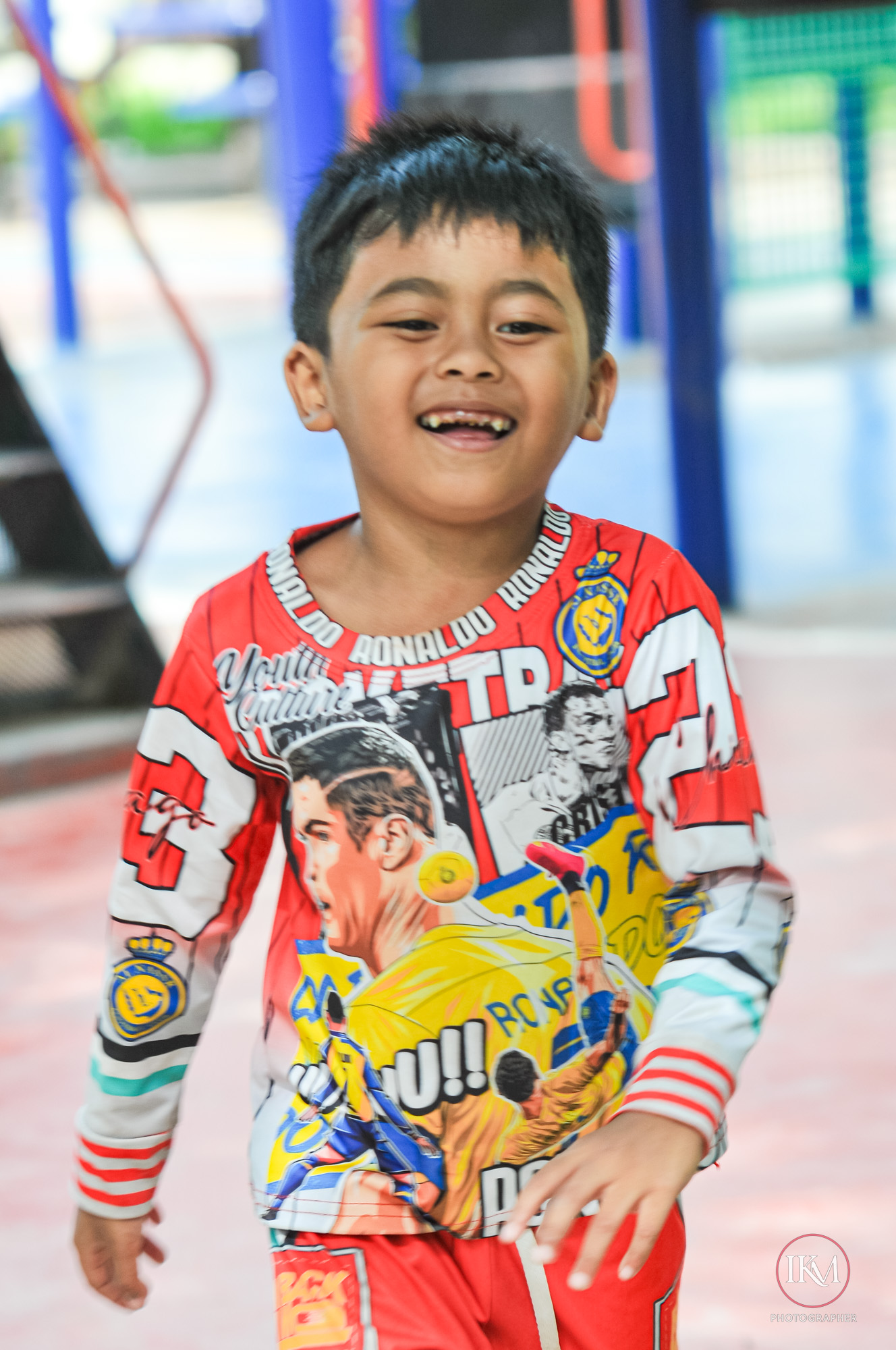
  4. Cultural Sensitivity
    • Photographing rituals, sacred spaces, or marginalised groups requires respect and context. Misrepresentation can perpetuate stereotypes or disrespect traditions.

โš–๏ธ Drawing the Line: Practical Guidelines

  • Ask for consent whenever possible, especially in intimate or vulnerable settings.
  • Be transparent about editingโ€”distinguish between artistic enhancement and documentary truth.
  • Prioritize dignity: avoid images that humiliate or exploit subjects.
  • Consider impact: ask whether publishing the image informs, educates, or simply shocks.
  • Respect context: cultural and social settings demand sensitivity to avoid misrepresentation.

๐Ÿง  The Grey Areas

Ethics in photography are rarely black and white. For example:

  • Street photography: candid shots can be powerful social commentary, but they may invade privacy.
  • Photojournalism: documenting war or disaster is vital, but publishing graphic images can traumatize audiences.
  • Editing: removing a distracting lamppost may be fine, but removing a protester changes history.

Navigating these requires self-awareness, editorial discipline, and a clear ethical framework.

๐Ÿ“ Final Thought

Drawing the ethical line in photography means balancing truth, respect, and creative intent. Itโ€™s about asking hard questions: Am I telling the story honestly? Am I respecting my subject? Am I serving the audience responsibly? When photographers hold themselves accountable, their work not only informs but also uplifts, creating images that endure with integrity.

โšก Publishing Shocking Images: Right or Wrong?

cambodia, cameras, homelessness, opinons, thoughts, photography, pictures, street, Travel, war

Publishing shocking images is neither inherently right nor wrongโ€”it depends on intent, context, and consequence. The ethical challenge lies in balancing public interest with personal dignity, truth with sensitivity, and impact with responsibility.

Photojournalism often confronts us with the raw edge of realityโ€”war, disaster, injustice, grief. These images can jolt viewers into awareness, spark outrage, and mobilise change. But they can also retraumatise, exploit, or misrepresent. So when is it right to publish a shocking imageโ€”and when is it wrong?

โœ… When Itโ€™s Justified

  • Public interest outweighs discomfort: Images that expose systemic abuse, corruption, or humanitarian crises may be shockingโ€”but they serve a vital civic function.
  • Truth is preserved: If the image is accurate, unmanipulated, and contextually honest, it contributes to informed discourse.
  • Consent is considered: When possible, subjects should be aware of how their image will be usedโ€”especially in vulnerable situations.
  • Impact is constructive: If the image leads to policy change, aid mobilization, or cultural reckoning, its shock may be ethically warranted.

โŒ When Itโ€™s Problematic

  • Sensationalism overrides substance: If the image is published for clicks, not clarity, it risks exploitation.
  • Subjects are dehumanised: Graphic depictions that strip away dignity or reduce people to symbols of suffering cross ethical lines.
  • Context is missing: A shocking image without background can mislead, stigmatise, or distort public understanding.
  • Harm outweighs benefit: If the image retraumatises survivors, endangers individuals, or incites hate, it should be reconsidered.

๐Ÿงญ Ethical Guidelines for Publishing Shocking Images

  • Caption with care: Provide factual, neutral context to guide interpretation.
  • Blur or anonymise when needed: Protect identities in sensitive situations.
  • Seek editorial review: Run controversial images past peers or editors before publishing.
  • Reflect before release: Ask: Would I feel respected if this were me?

๐Ÿง  Final Thought

Shocking images have powerโ€”but power without ethics is dangerous. The goal of photojournalism is not to numb or exploit, but to awaken and inform. Publishing such images demands courage, but also compassion. The question is not just can we publishโ€”but should we. And that answer must be earned, not assumed.

Would you like this adapted into a visual manifesto or ethics card for your portfolio?

Publishing Shocking Images: Right or Wrong

Shocking images command attention, accelerate public debate, and can catalyze change โ€” but they also risk exploitation, retraumatisation, and distortion. Deciding whether to publish such images is an ethical judgment as much as an editorial one, requiring clear criteria, transparency, and a commitment to minimizing harm.

What we mean by shocking images

Shocking images are photographs that provoke strong emotional reactions because they show violence, suffering, severe injury, or intimate moments of distress. They differ from disturbing journalism in degree and immediacy: their visceral impact can both illuminate and overwhelm a story.

Arguments for publishing

  • Public interest and accountability: Graphic images can document abuses and provide evidence when other records are absent; they can mobilize public opinion and spur policy or humanitarian response.
  • Bearing witness: Photographers and news organizations sometimes cite a duty to show realities that would otherwise be unseen, arguing that sanitizing imagery risks erasing the urgency of certain crises.
  • Truth-telling value: When used responsibly, stark images can convey truths that words alone cannot, making abstract harms tangible for audiences.

(These benefits depend on accurate captioning, strong sourcing, and editorial restraint to ensure images inform rather than manipulate.)

Arguments against publishing

  • Exploitation and dignity: Shocking images can reduce people to objects of spectacle, stripping context and agency from victims and survivors.
  • Harm and retraumatization: Graphic exposure can cause further trauma to subjects, their families, and communities; publication can have long-term consequences for those depicted.
  • Manipulation and loss of trust: Cropping, sequencing, or sensational captions can distort meaning and erode public trust in journalism; visual shock for clicks undermines credibility.

Ethical criteria to apply before publishing

  1. Public interest test โ€” Does the image materially inform the public or hold power to account, beyond mere sensationalism?.
  2. Dignity check โ€” Can the subjectโ€™s dignity be preserved through framing, captioning, or anonymisation?.
  3. Harm assessment โ€” What are the likely short- and long-term harms to the subject, family, or community? Can those harms be mitigated?.
  4. Provenance and accuracy โ€” Is the image verified, honestly captioned, and placed in proper context?.
  5. Alternatives โ€” Could less graphic visuals, stills, or descriptive reporting achieve the same public interest goal with lower harm?.

Apply these in sequence: fail any single test, and the case for publication weakens considerably.

Practical editorial guidelines

  • Use clear, factual captions that state who, what, where, when, and why; avoid sensational language.
  • Consider cropping or blurring to preserve identity and dignity without erasing the essential truth.
  • Offer warnings and placement choices (e.g., not lead-story fronting on social feeds) so audiences can consent to exposure.
  • Disclose edits and sourcing when relevant; transparency builds trust.
  • Use peer review or editorial oversight for borderline cases, and consult legal counsel when publication could create liability or danger.

Conclusion

Publishing shocking images can be ethically defensible, but never automatic. The default should be caution: ask whether the image serves a clear public interest, whether it preserves human dignity, and whether harms have been reasonably mitigated. When journalists and editors apply rigorous verification, contextualization, and harm-conscious practices, graphic images can illuminate truth and prompt change; without those safeguards, they risk exploitation and eroded trust

๐ŸŽฏ Navigating Truth and Manipulation in Photojournalism

cambodia, cameras, opinons, thoughts, photography, pictures, processing, street, Travel, voluntary, war

Why ethics matter more than ever in a visual-first world

In todayโ€™s media landscape, photojournalism is one of the most powerful tools for shaping public perception. A single image can evoke empathy, outrage, or action. But with that power comes responsibilityโ€”and risk. The goal is not just to capture whatโ€™s visible, but to honour whatโ€™s real.

๐Ÿง  The Nature of Truth in Photography

  • Photography is not neutral: Every image is filtered through the photographerโ€™s lensโ€”literally and metaphorically.
  • Truth is contextual: A photo without background can mislead, even if itโ€™s technically accurate.
  • Editing shapes meaning: Cropping, colour grading, and sequencing all influence how viewers interpret a scene.

โ€œPhotojournalism fundamentally aims to document reality, yet it is not an objective mirror of the worldโ€.

โš ๏ธ Where Manipulation Begins

  • Staging or reenactment: Asking subjects to pose or recreate events crosses into fiction.
  • Selective framing: Omitting key elements to steer narrative perception is ethically suspect.
  • Caption distortion: Misleading or emotionally charged captions can twist meaning even when the image is accurate.
  • Digital alteration: Retouching, compositing, or removing elements undermines credibility.

These practices erode public trust and violate journalistic codes of ethics.

๐Ÿงญ Minimalism with Integrity

Minimalist style avoids manipulation by focusing on presence, restraint, and ethical framing.

  • Intentional composition: Framing that respects subjectsโ€™ dignity and avoids sensationalism.
  • Contextual honesty: Captions and layouts that inform without editorialising.
  • Emotional resonance without distortion: Provocative images that stir reflection, not exploitation.
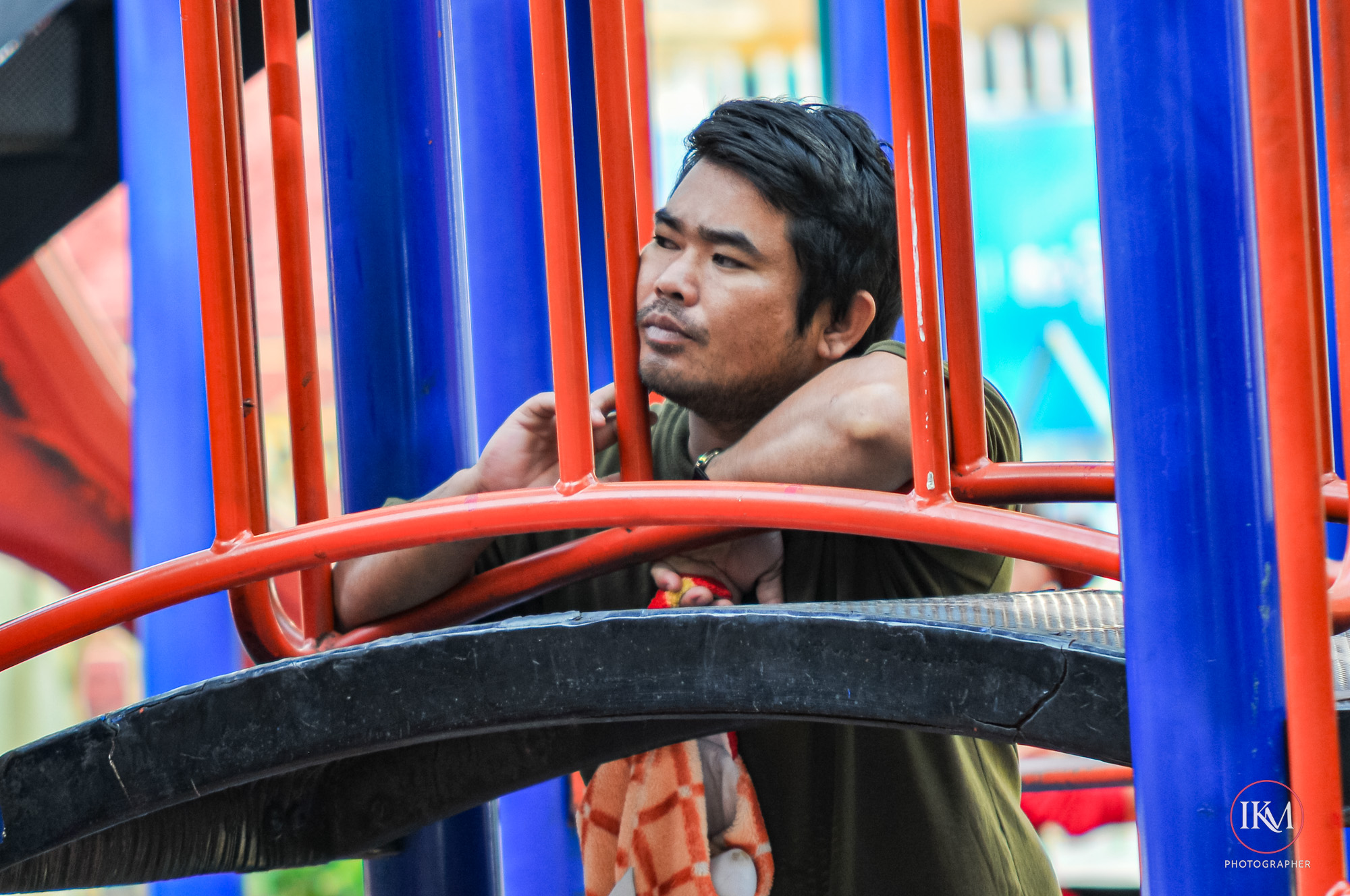
This approach aligns with the ethical imperative to โ€œrepresent the truth without distortion, even as technological innovation complicates the linesโ€.

โœ… How to Navigate the Line Ethically

  • Ask before you shoot: Consent builds trust and deepens narrative authenticity.
  • Caption with clarity: Include who, what, when, where, and whyโ€”avoid emotional spin.
  • Disclose edits: If you crop, tone, or adjust, say so. Transparency matters.
  • Peer review sensitive work: Run controversial images past editors or colleagues before publishing.
  • Reflect before release: Ask yourself: Does this image inform or manipulate?

๐Ÿ“š Final Thought

Photojournalismโ€™s power lies in its ability to reveal. But revelation without responsibility becomes exploitation. Navigating truth and manipulation isnโ€™t just about avoiding ethical misstepsโ€”itโ€™s about building a practice rooted in trust, clarity, and care.

The Ethical Dimensions of Photojournalism

conflict, copyrights, opinons, thoughts, photography, pictures, street, Travel, war

Photojournalism sits at the intersection of truth-telling and human consequence. Every frame carries the power to inform, persuade, and move audiences โ€” and every decision a photographer makes shapes who is seen, how they are seen, and what the world believes. This post explores the core ethical tensions photojournalists face, practical principles for navigating them, and concrete strategies to minimise harm while preserving journalistic integrity.

Truth and Representation

Truth in photojournalism is not a single objective stamp but a practice: choices about framing, timing, captioning, and editing all influence how reality is represented.

  • Framing and context matter. Where you stand, what you include, and what you exclude create a narrative. A photograph isolated from context can mislead, even if the image itself is accurate.
  • Manipulation undermines trust. Cropping to change meaning, compositing, staged scenes presented as documentary, or selective captioning that distorts facts breaks the contract between photographer and viewer.
  • Captioning is part of the image. Clear, factual captions that name who, what, when, where, and how protect accuracy and reduce misinterpretation.

Ethical practice: favor minimal, transparent edits; always document what you changed; and pair images with honest captions that situate the photo within its broader factual context.

Sensitivity and Dignity

Photographing human suffering, grief, or vulnerability raises acute ethical questions about dignity, consent, and exploitation.
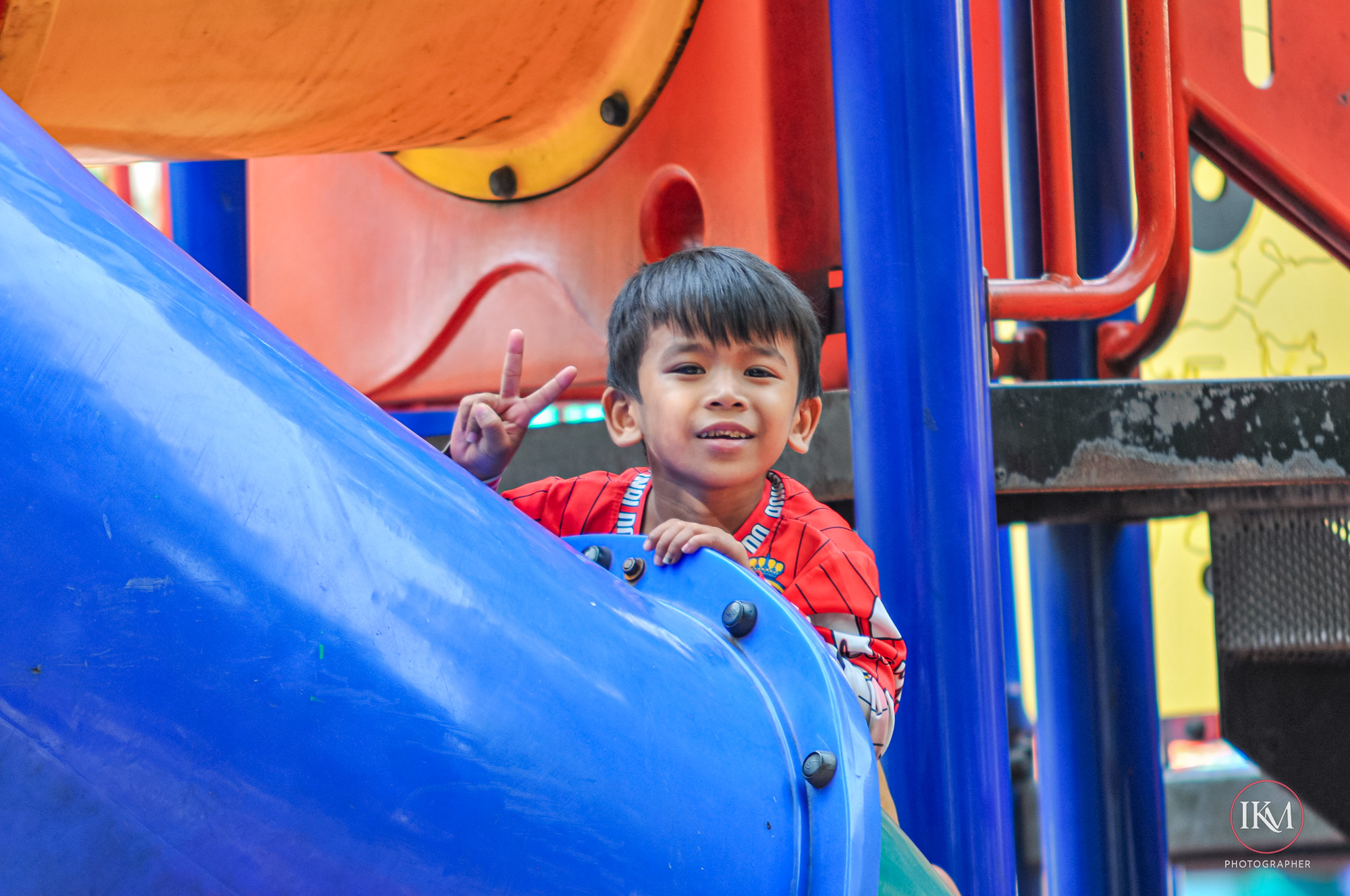
  • Consent is context-dependent. In public spaces, consent may not be legally required, but ethical consent is often still appropriate โ€” especially when photographing children, the injured, or traumatized people.
  • Dignity-first framing avoids sensationalism. Prioritise images that preserve a subjectโ€™s humanity rather than exploiting pain for shock value or virality.
  • Power dynamics shape the encounter. Consider your role: are you a witness, a rescuer, an intruder? That role should guide how you engage, whether you ask for permission, and how you present the resulting images.

Practical rule: when in doubt, err on the side of protecting the subject. Blur faces, withhold identifying metadata, or delay publication when harm is possible.

Impact and Consequence

Images change things. They can catalyse aid, influence policy, or, conversely, endanger individuals and communities.

  • Assess downstream risks. Could publication expose someone to retaliation, stigma, or legal jeopardy? Could it retraumatize survivors or their families?
  • Consider community outcomes. Photojournalism about marginalised groups should aim to amplify voice and context, not reduce people to symptoms of a problem.
  • Balance immediacy and care. The pressure to publish quickly must be weighed against the potential for irreversible harm.

Decision checklist: identify likely harms, consult peers or local stakeholders when possible, and include mitigation steps (anonymisation, delayed release, contextual reporting).

Conflicts of Interest and Independence

Maintaining editorial independence from subjects, funders, and platforms preserves credibility.

  • Avoid advocacy masquerading as reportage unless clearly labelled. If your work has an advocacy purpose, make that explicit.
  • Be transparent about funding and collaboration, especially in crisis reporting where NGOs, governments, or activists may influence access or narrative.
  • Resist platform pressures that reward sensational imagery; prioritise ethical criteria over clicks.

Policy habit: disclose relevant relationships in captions or credits and keep editorial decisions separate from commercial or advocacy impulses.

Practical Tools and Protocols

Ethics scale best when embedded in routine practices. Adopt simple, clear protocols that make ethical choices automatic.

  • Consent templates. Carry a brief, translated consent card or app-ready text explaining use, distribution, and rights.
  • Harm-assessment rubric. For every sensitive shoot ask: Could this image expose or endanger? Is consent informed? Is context adequate?
  • Metadata policy. Decide whether to strip geolocation for vulnerable subjects and standardise how you store consent forms and release notes.
  • Editorial peer review. For sensitive images, run a quick internal review with an editor or trusted colleague before publication.

These tools reduce ad-hoc decisions and create consistency across projects and platforms.

Ethics as Creative Constraint

Ethical limits refine creativity rather than stifle it. Constraints push photographers to find new visual languages that honour subjects and strengthen storytelling.

  • Seek dignity-rich compositions that communicate powerfully without exploitative detail.
  • Use silence and restraint. Sometimes withholding an image, or choosing an image that hints rather than shows, tells a stronger, more ethical story.
  • Invest in relationships. Long-form engagement with communities yields deeper, less extractive imagery and greater mutual benefit.

A reputation for ethical stewardship becomes a creative and strategic advantage: it builds trust, access, and long-term story opportunities.

Closing Thought

Photojournalismโ€™s ethical challenge is ongoing and situational. There are no perfect rules that fit every moment, but a consistent ethic โ€” grounded in truth, sensitivity, and accountability โ€” gives photographers the tools to make defensible choices. Ethical practice protects subjects, preserves public trust, and ultimately strengthens the impact of images in service of public understanding.

Ethical Photography โ€” Core Principles

Uncategorized

Ethical photography centers on respect for people, honesty in representation, and responsibility for how images are used. It asks you to balance creative intent with the dignity, autonomy, and cultural context of subjects while honoring legal and professional norms.

Key Pillars

  • Empathy: Prioritize understanding your subjectโ€™s situation and perspective; listen before photographing and let context guide consent and framing.
  • Autonomy: Seek informed consent where possible and respect a subjectโ€™s right to refuse, withdraw, or set limits on use.
  • Honesty and Transparency: Avoid misleading captions, staged contexts presented as documentary, or manipulations that change the truth of an image.
  • Fair Use and Copyright Respect: Know and follow copyright and licensing rules; credit collaborators and negotiate clear usage terms.

Practical Guidelines (Pre-shoot, On-site, Post-shoot)

  • Pre-shoot: Research cultural norms and legal constraints; prepare clear consent language; plan for safe, private spaces when photographing vulnerable people.
  • On-site: Ask permission clearly and quietly when you can; explain how images will be used; observe non-verbal cues; stop if subjects appear distressed or coerced.
  • Post-shoot: Edit responsiblyโ€”avoid cropping or retouching that misrepresents; choose captions that provide context; secure storage and distribution aligned with agreed uses.

Typical Ethical Dilemmas and How to Approach Them

  • Photographing strangers in public: Legally often allowed, but ask whether the shot respects dignity and purpose; avoid exploiting pain or vulnerability for aesthetics.
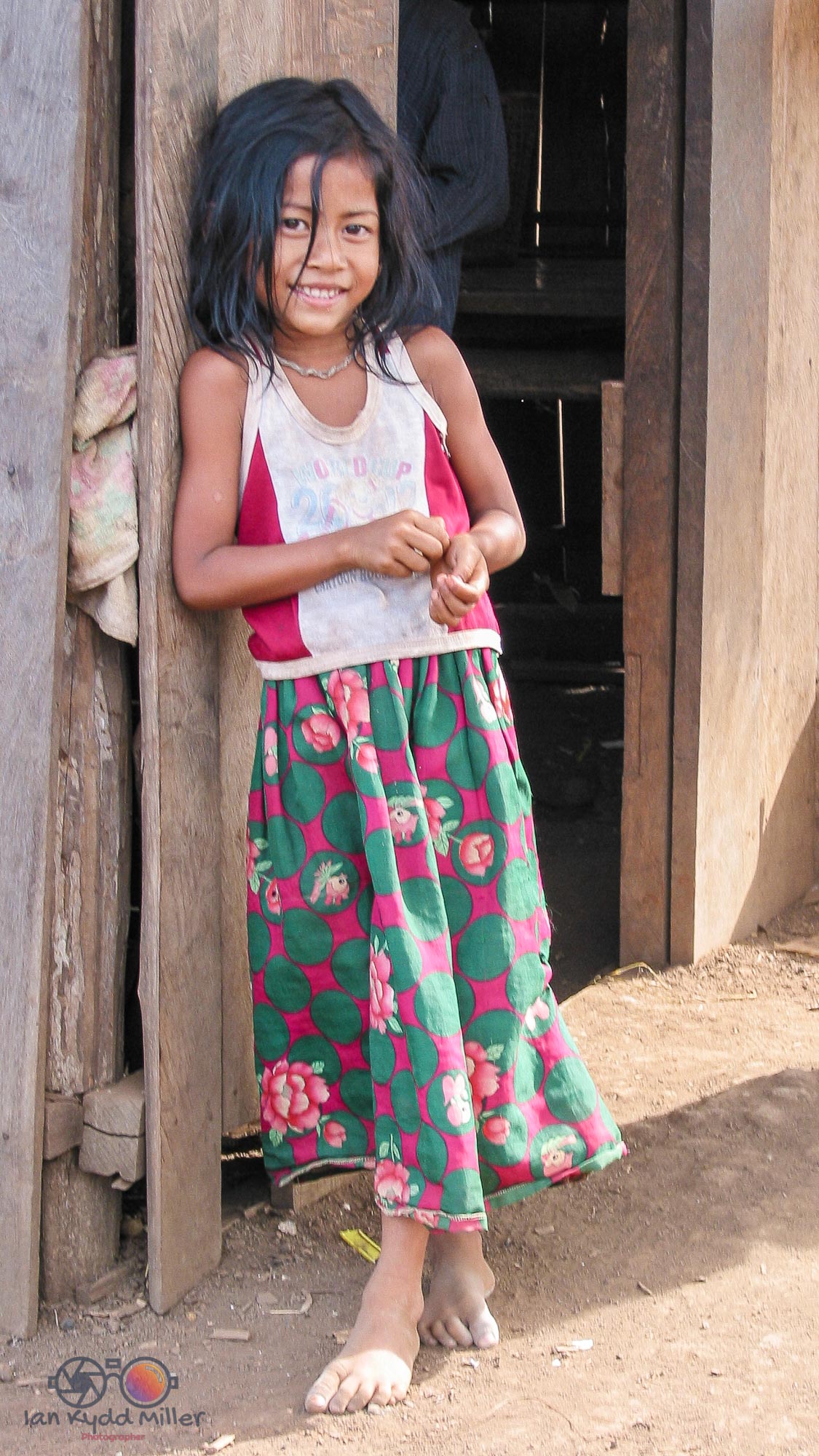
  • Working with children or vulnerable groups: Always get guardian consent, minimize intrusiveness, and consider anonymising identities when needed.
  • Photojournalism vs. Advocacy: Be explicit about your roleโ€”documentarian neutrality differs from advocacy storytelling; state intent to avoid audience confusion.

Checklist You Can Use Before Publishing

  • Did I obtain informed consent or reasonably assess that consent wasnโ€™t required?
  • Would publication harm the subjectโ€™s safety, reputation, or dignity?
  • Is my caption accurate and non-sensationalist?
  • Are rights, credits, and usage terms clear and recorded?
  • Have I minimized identifying details when risk is present?

Creating an Efficient Dual Monitor Workspace with Dell UltraSharp Monitors

cambodia, fujifilm, homelessness, Lenses, Lowepro, opinons, thoughts, photography, pictures, street, Travel, viltrox