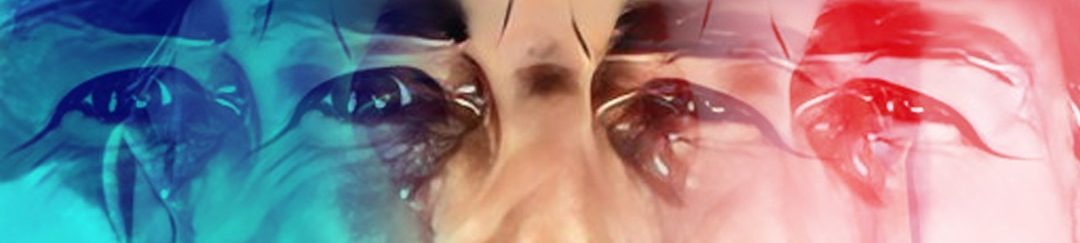

A photograph does not always reveal everything at once. You look at the main subject, take in the setting, and think you have understood it. Then your eye catches something else. A hand. A glance. A face beyond the person you were photographing. Suddenly, there is another picture inside the first.
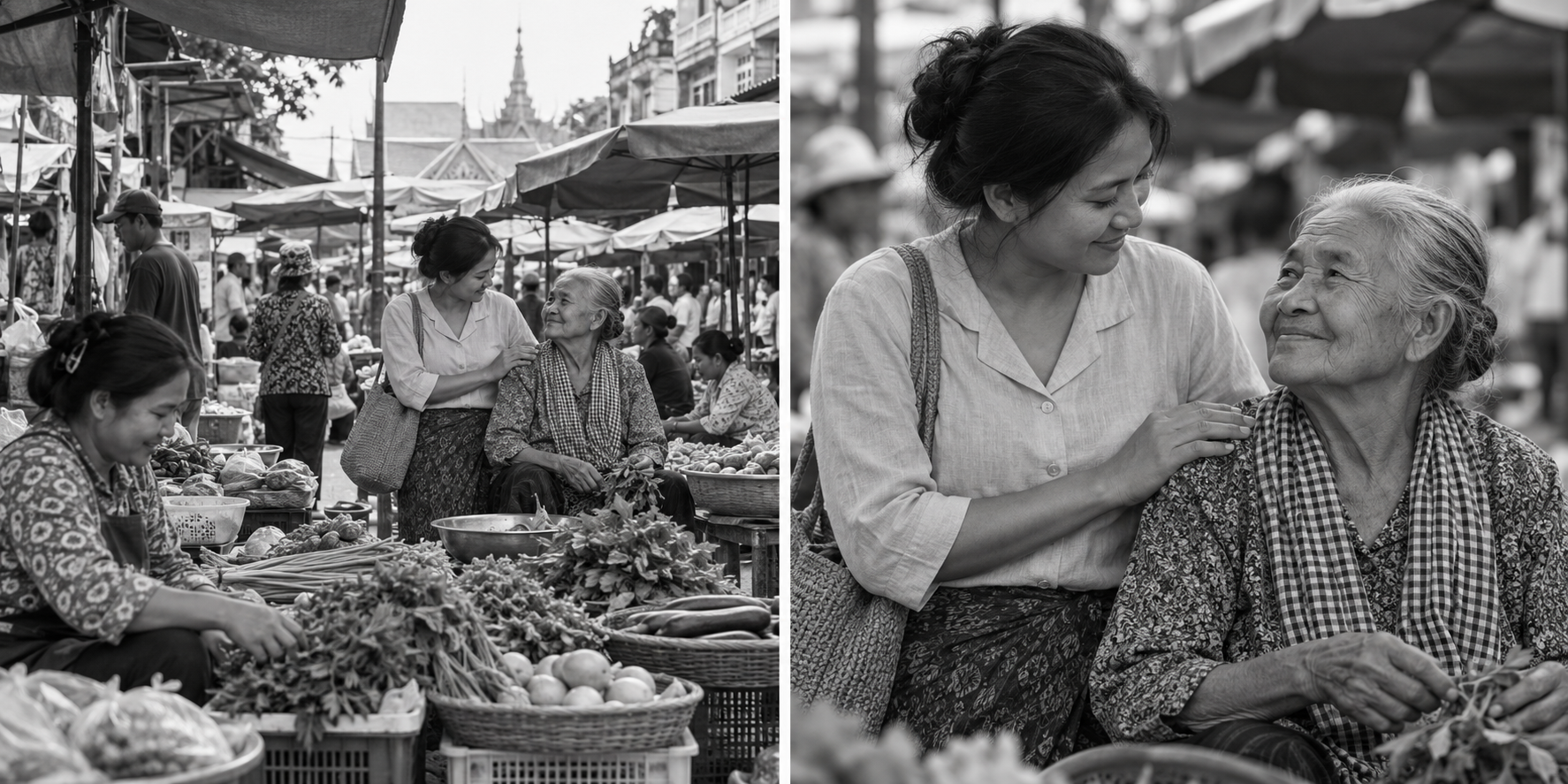
That smaller picture can change how you read the whole frame.
In street photography, there is usually more happening than we can properly attend to. People cross behind one another. Someone turns towards a voice. A gesture begins and finishes while our attention is elsewhere. We choose a subject and try to make sense of what surrounds them, but the shutter records details we may hardly have noticed.
This is one reason a photograph deserves more than a quick look on the back of the camera. The first glance tells us whether we caught the obvious thing. A slower look may tell us what else we caught.
Take a hypothetical photograph of a crowded market. The stallholder occupies the foreground, and that is where the eye goes first. Further back, two people exchange a look. Their part of the frame might have its own balance, its own tension, enough to make a separate photograph. Or their presence might be precisely what gives the stallholder’s picture its depth. There are several lives continuing inside the same rectangle.
Finding these relationships while shooting takes attention. It helps to look beyond the person you have focused on. What is happening behind them? What enters at the edge? Does a reflection add something? Is there a second gesture that belongs with the first?
Sometimes the adjustment is small. Half a step changes the space between two faces. A lower viewpoint brings a background figure into view. Waiting a moment allows someone to emerge from behind a shoulder. These decisions can make a detail readable without forcing it to dominate.
There is a danger, though, in becoming so busy assembling the frame that you stop attending to the people in it. An elaborate composition can still be an empty photograph. Several layers of activity are useful only when they give us something worth looking at.
The discovery can also happen during editing. You open a photograph and find your attention settling somewhere you did not expect. The intended subject is perfectly adequate, but a quieter detail keeps drawing you back.
That is worth investigating. It does not mean every unnoticed detail is significant, or that the photograph contains some hidden truth. It means you have seen a possibility. Now you have to judge whether it holds up.
Cropping is an obvious way to test it. Tighten the frame around that smaller scene and see what survives. Does it have enough substance to stand alone? Do the gestures still make sense? Is there room for the people to exist within the frame, or have you squeezed them into an arrangement that merely looks tidy?
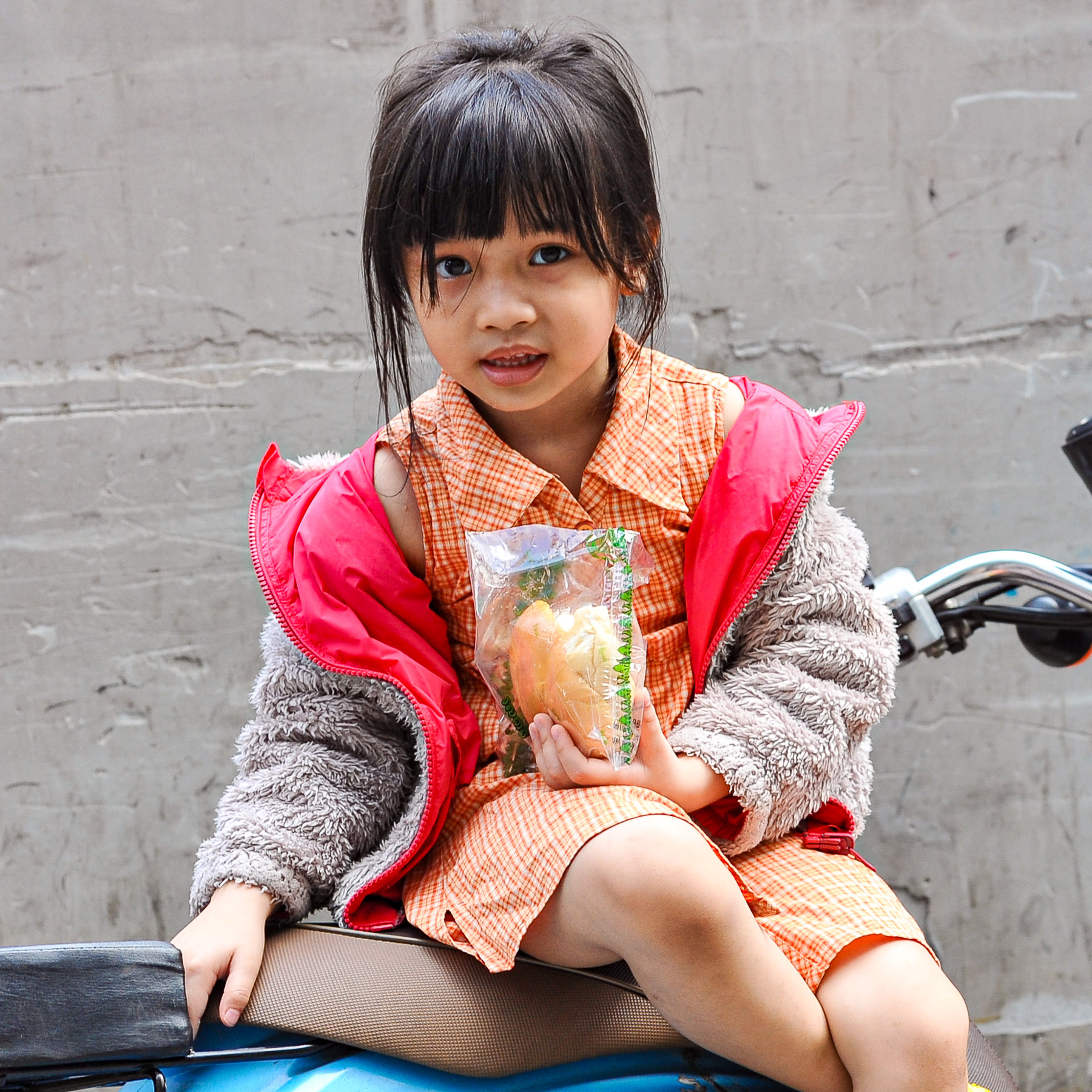
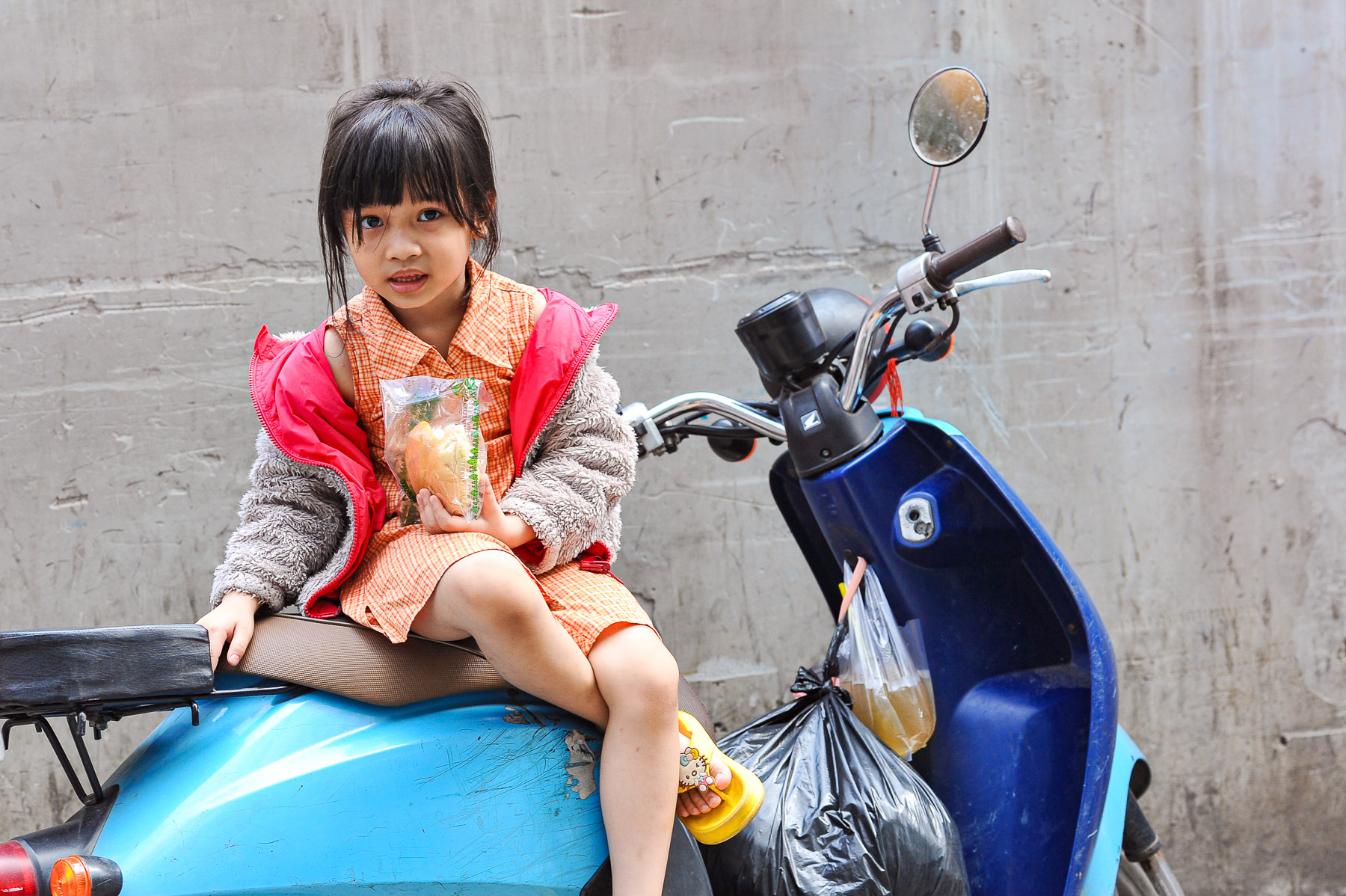
I accept a crop when it helps the photograph be seen better. But removing part of a picture also removes information. A person who appears alone in a tight crop may have been surrounded by companions. An expression that seems directed at one thing may have belonged to an exchange now outside the frame. The new picture can suggest a different account of the moment.
That matters particularly when we present photographs as documentary work. We should know what our decisions have excluded and whether those exclusions change what we are asking the viewer to believe.
Sometimes the smaller picture is stronger. Sometimes it is simply smaller. Enlarging a detail gives it prominence; it does not automatically give it meaning.
There is also pleasure in leaving the discovery where it is. A photograph need not deliver all its interest immediately. The eye can move from the main subject to a second encounter, then back again, with a little more understanding of the scene. A print gives that kind of looking room to happen. You can live with the image for a while rather than dismiss it with a swipe.
When looking through your own work, try following your attention before reaching for the crop tool. Notice where it goes after the first few seconds. Look at the edges and the spaces between people. Then ask what would disappear if you isolated the detail that interests you.
You may find a second photograph. You may find the reason the first one works.

