


The Nikon D700 is often discussed as if it had one job: street photography, perhaps, or black-and-white work. I’ve never found a reason to keep it in that box. It is a capable portrait camera, and it can handle plenty of other kinds of photography too.
I have three D700s, all bought used and in working order. That tells you something about how I regard the camera. I don’t keep three because it is fashionable or because I think the past was better. I keep them because they remain useful tools, and because I know what they can do.
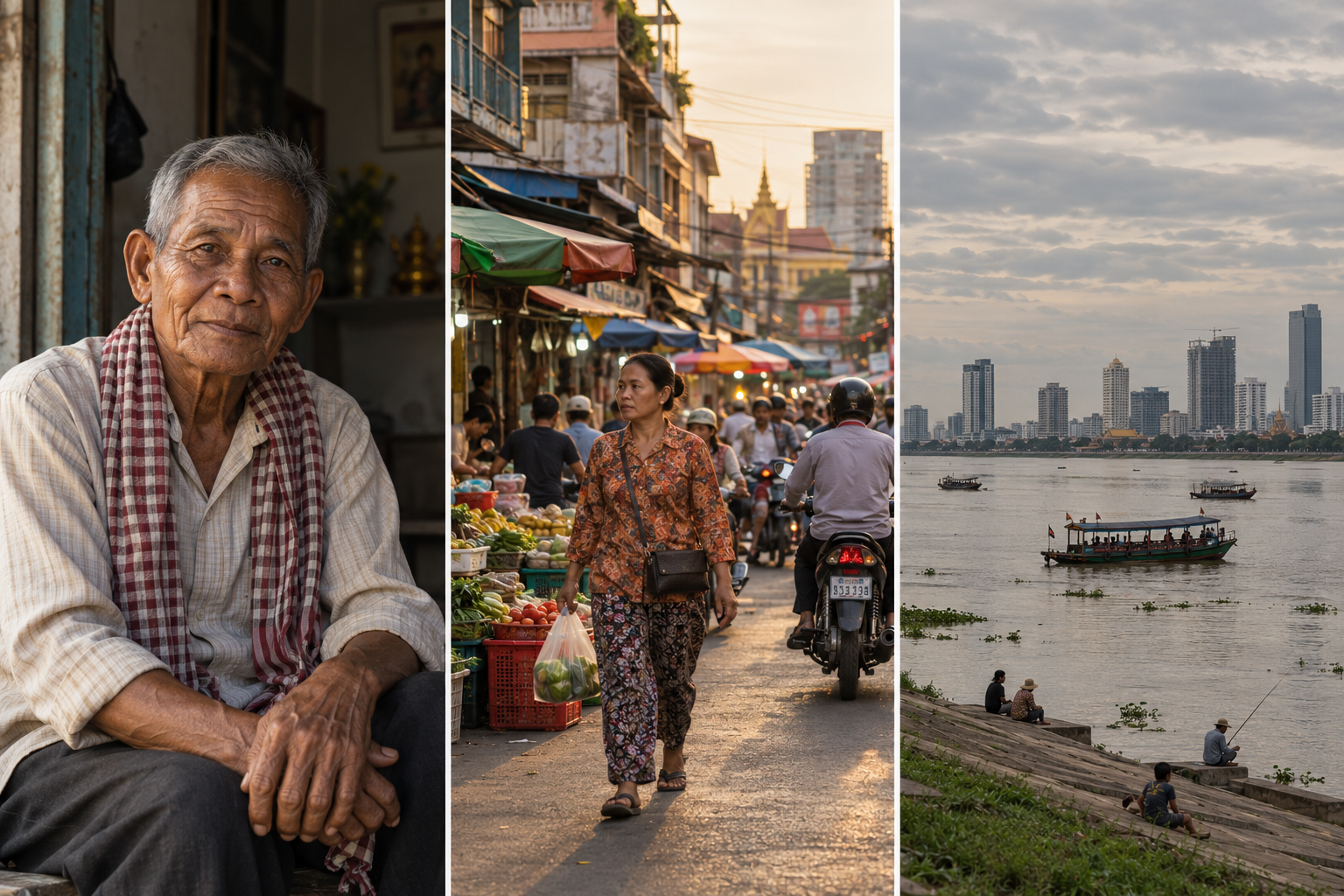
The D700 gives you a full-frame sensor with 12.1 megapixels. That number looks modest beside modern cameras, but it is enough for a strong portrait, a well-made monochrome image, or a print that doesn’t need to be examined with a magnifying glass. The limit shows up when you want to crop heavily or make very large prints. That is a real limit, but it isn’t a reason to dismiss the camera before you have made a picture with it.
For portraits, the D700 offers what matters most: a dependable way to put the lens where it needs to be and make the exposure. Pair it with a suitable lens and you can control the background, hold attention on the face, and work in available light. The camera doesn’t make a portrait for you. You still have to stand at a distance that feels right, notice what is happening behind the subject, and give the person time to settle. A sharp eye is useful. It is not the whole photograph.

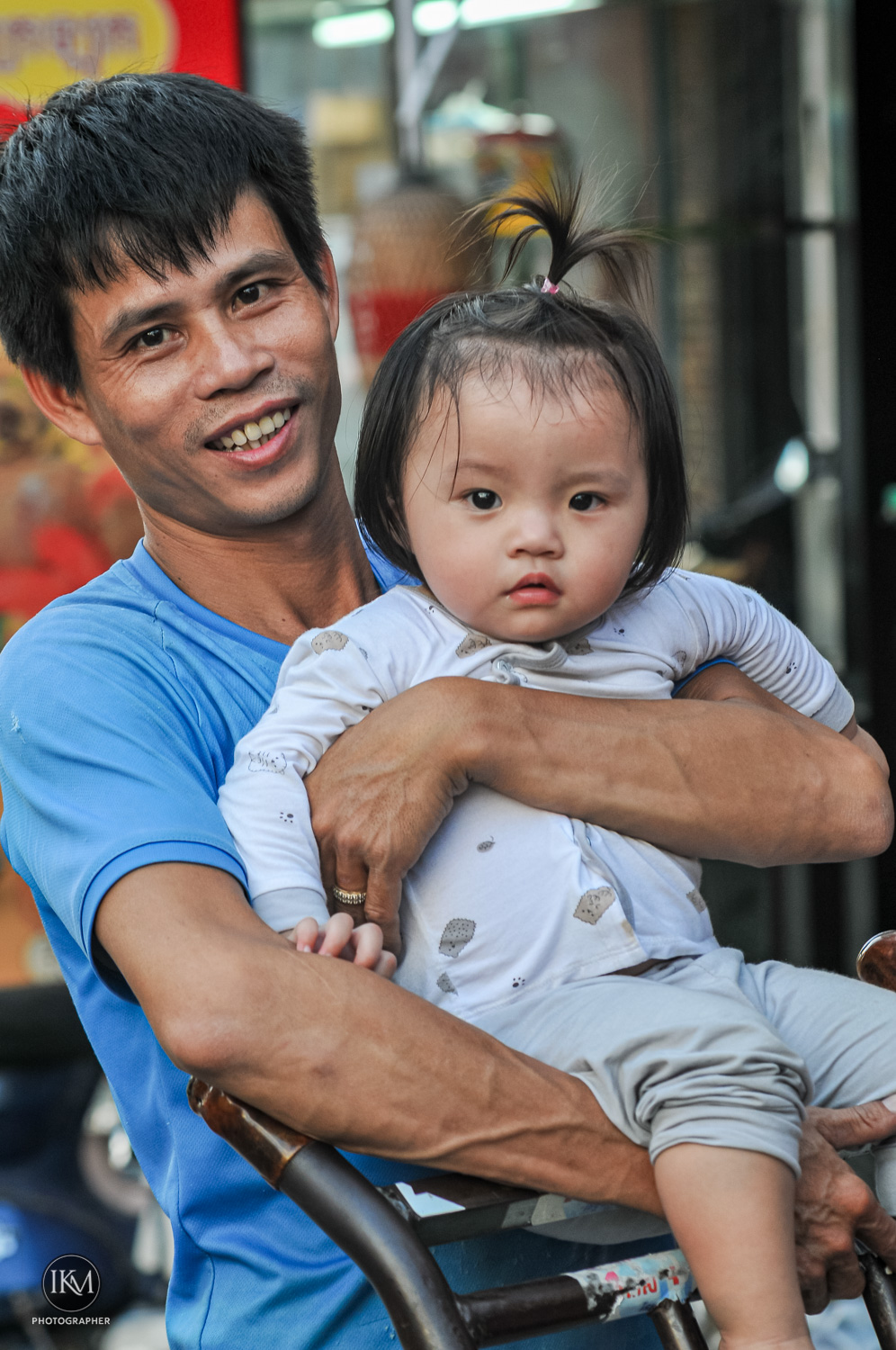


Street photography is an obvious fit. The D700 is a substantial camera, and it is no pocket companion, but it is a steady, familiar instrument. In a busy place, familiarity counts. You want to be thinking about the person crossing the light, the gesture that may last a second, or the background that is about to become cluttered. You don’t want to be puzzling over the camera every time you lift it.
The same camera can work for a quiet scene, a market, a gathering, or a landscape. The picture changes; the basic work does not. You still have to read the light, decide where to stand, and make the frame hold together. The D700 will not give you the extreme resolution or the generous cropping room of a modern high-resolution body. It will give you a file with enough information for many photographs, provided you pay attention when you make it.




That last part matters. Older cameras can be unforgiving when we ask them to repair careless work later. Focus, exposure, shutter speed and composition all count. The D700’s lower pixel count can be a relief in one way: you spend less time worrying about whether every last detail survives at 100 percent. But it doesn’t excuse a missed focus or a weak frame.

There are newer cameras with more resolution, better video and more advanced focusing systems. They make some jobs easier. The D700 is not secretly better because it is old, and no camera becomes important simply because it has stayed in a cupboard for years. But the D700 is still capable of portraits, street pictures and a good deal more. If the photograph depends on seeing clearly and being ready, it has not run out of work.

