
The Nikon D810 is a great camera, but it asks something of the person holding it. Give it accurate focus, a sensible shutter speed and light worth recording, and it produces files with enough detail and tonal subtlety to withstand close examination and substantial printing. Work carelessly, and it records the carelessness too.
That is a useful distinction. A camera can deliver a beautifully detailed photograph without making the photograph interesting. The D810 gives you considerable technical room to work. What you put inside that room remains your responsibility.
The D810 arrived in 2014 with a 36.3-megapixel full-frame sensor, no optical low-pass filter and a native sensitivity range beginning at ISO 64. These remain substantial capabilities for still photography. Its appeal is particularly clear when the finished picture depends on fine texture, controlled highlights and gradual transitions between light and shade. Nikon About Us
A face in window light is a good example. There is more to a convincing portrait than a sharp eyelash. The light across a cheek, the distinction between skin and fabric, and the separation of a person from the room behind them all contribute. The D810 gives you a detailed starting point for working with those relationships.
Its resolution also provides useful freedom in the edit. A modest crop can strengthen a picture while leaving plenty of information for printing. That freedom is valuable when a fleeting gesture prevents perfect framing. It can also become an excuse for standing in the wrong place. Cropping should improve the photograph you saw, rather than routinely compensate for never quite deciding what it was.
What ISO 64 gives you
ISO 64 is one of the D810’s most useful features. Nikon designed the sensor to accumulate more light information at its lowest standard sensitivity, supporting rich tones and substantial dynamic range. In practical terms, that makes it an attractive setting for carefully exposed landscapes, architecture, still life and portraits when the available light permits it. Nikon About Us
The qualification matters. ISO 64 is no achievement if the shutter speed becomes too slow for the person in front of you.
In a market, someone may appear to be standing still while their hands, head and expression keep moving. A wonderfully clean file containing a blurred face is rarely the result you wanted. Raise the ISO when the photograph requires it. A little noise is usually easier to accommodate than movement through an important feature.


Nor does dynamic range remove the need to expose intelligently. There is latitude to adjust a RAW file, but lifting every shadow can flatten the light that made the scene interesting. Darkness sometimes belongs in the picture.
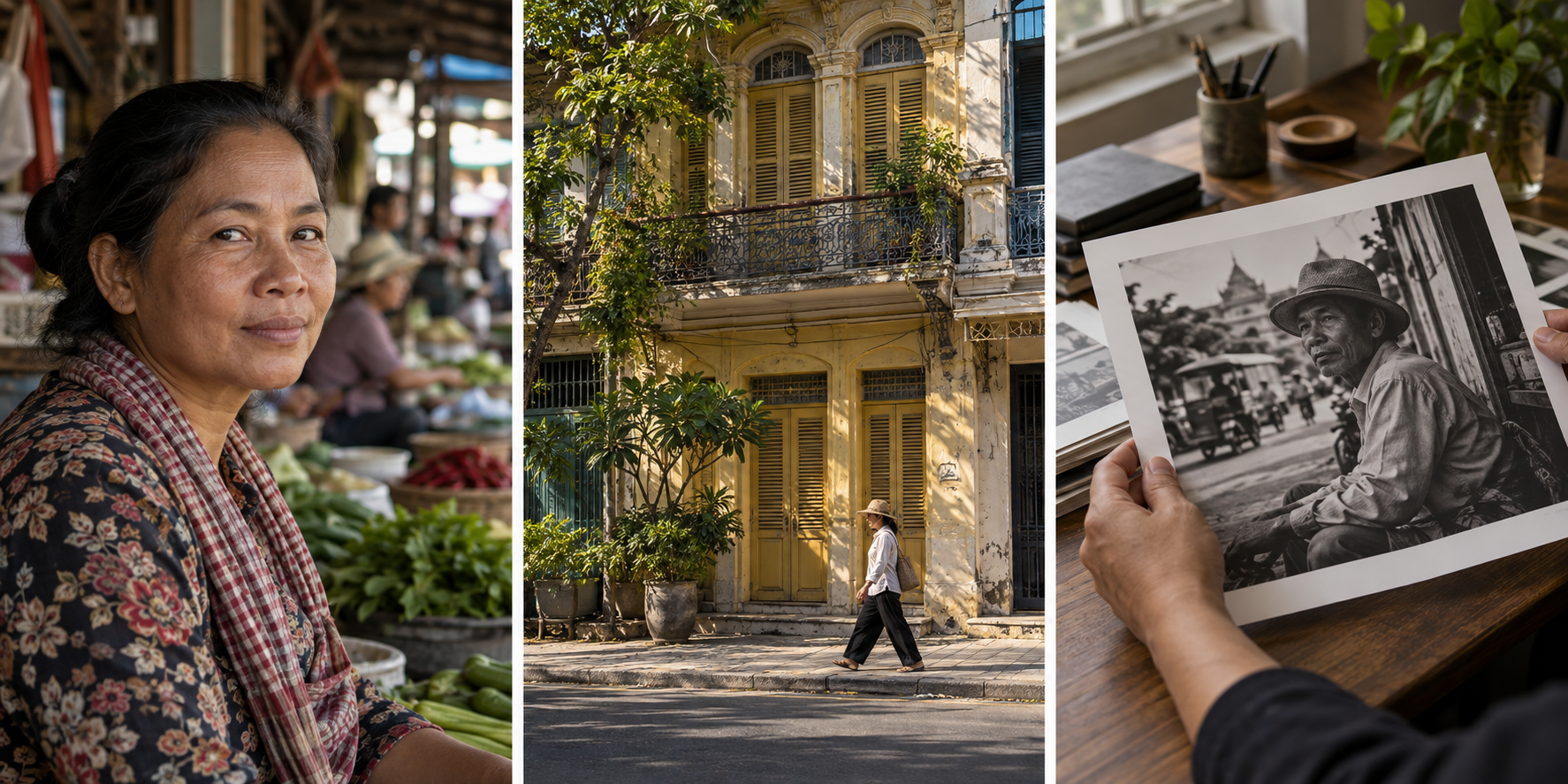
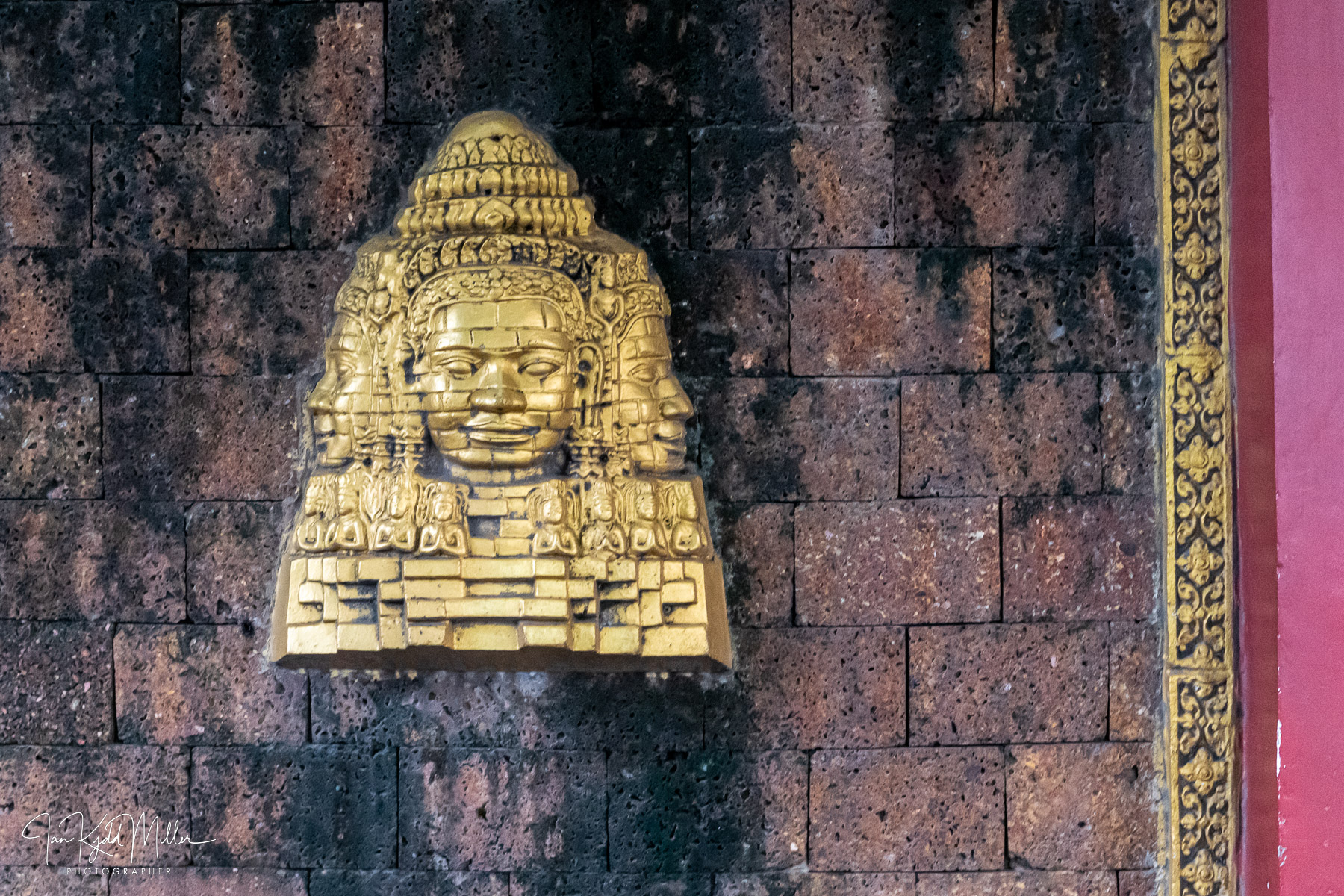
The central illustration suggests that problem: a sunlit building, foliage and shaded recesses. A considered exposure preserves the important bright surfaces while allowing the darker areas to retain their character. Making everything equally visible would weaken the sense of sunlight.
A particularly capable portrait camera
The D810 suits portraits because it allows both precision and restraint. You can describe a face clearly without processing it into a catalogue of pores.
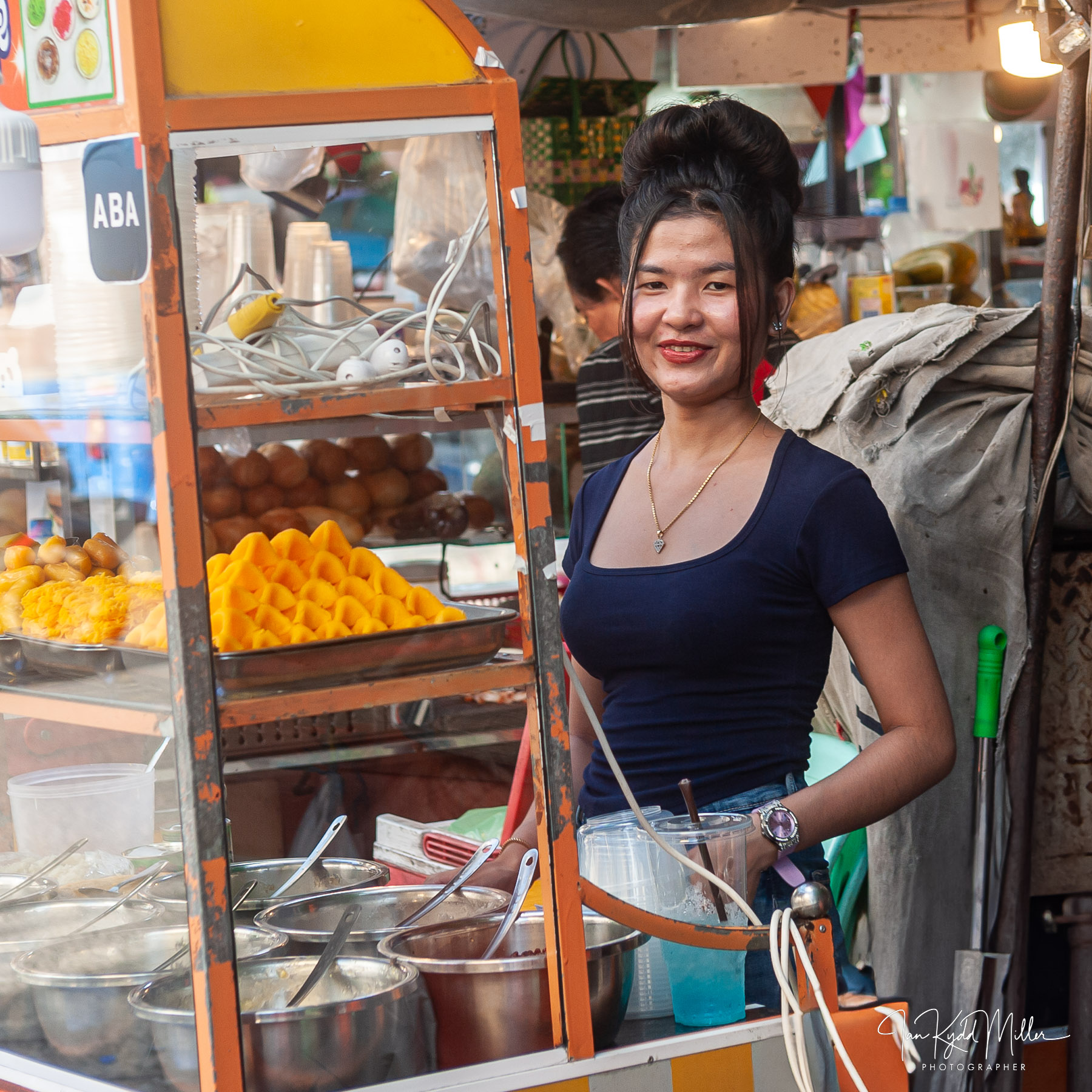
That distinction becomes increasingly important as resolution rises. Excessive clarity, texture and sharpening can make skin look brittle. Conversely, heavy smoothing removes the ordinary details that make a person recognisable. Good portrait processing involves deciding what deserves emphasis.
Your familiar pairing of the D810 and an 85mm f/1.8G makes practical sense. An 85mm lens gives a useful working distance for a close portrait, while a wide aperture can separate the face from a distracting background. But the lens does not need to live at f/1.8. Sometimes f/2.8 or f/4 gives a more useful balance: enough separation, with more of the face held in focus.





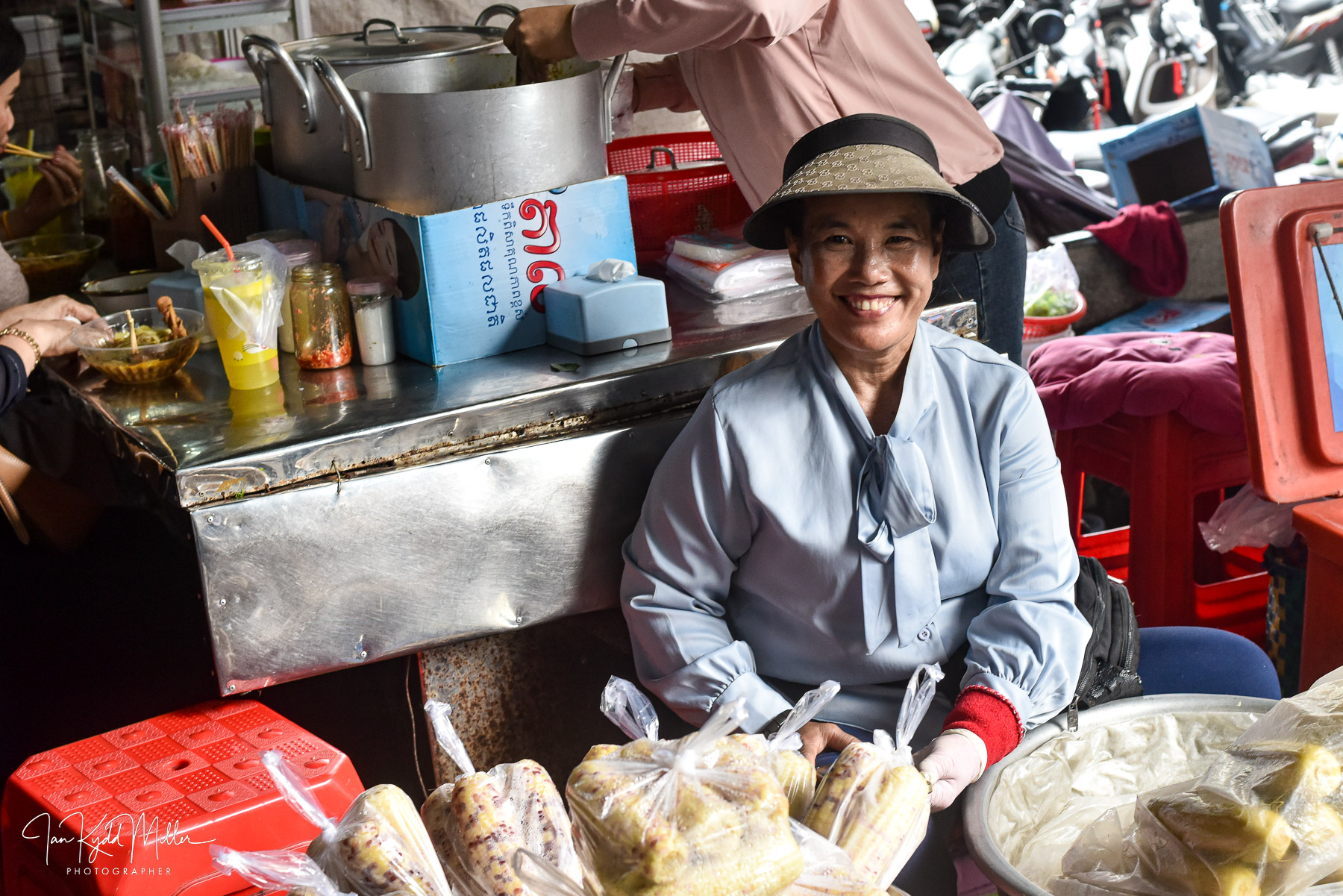
For environmental portraits, the background needs a deliberate role. A shop doorway, workbench or market stall can tell us something about where the encounter occurred. Blur it completely and you may discard the most useful part of the setting. The left-hand illustration shows the intended relationship: a clear face with enough surrounding information to establish place.
There is also the matter of focus. At close distances and wide apertures, a small error can put the sharpest detail on an eyebrow or ear while the nearer eye falls outside the plane of focus. Focus and recompose can introduce errors under those conditions. Selecting a suitable focus point and making smaller changes to the framing is often the better approach.
The D810’s autofocus system includes 51 points, 15 cross-type sensors and Group-area AF. It offers useful options for different subjects, although choosing the right mode remains part of the work. nikonusa.com
For a cooperative portrait, a deliberately placed single point is a sensible starting point. For someone walking towards you, continuous autofocus becomes more useful. There is no virtue in making one setting serve every encounter.
Sharpness starts before processing
High resolution does not create camera shake. It makes small amounts of shake easier to notice when you enlarge the file.
There is another complication: viewing a higher-resolution image at 100 per cent means examining it at greater magnification than a lower-resolution image. Some disappointing comparisons are really comparisons at different viewing sizes. Judge the picture at the size at which it will be used, as well as checking it closely for actual faults.
Nevertheless, technique matters. With an 85mm lens and a living subject, 1/250 second is a reasonable handheld starting point; 1/500 may be more appropriate for movement or less steady handling. These are working suggestions, not guarantees. Distance, stance, subject movement and intended output all affect the result.
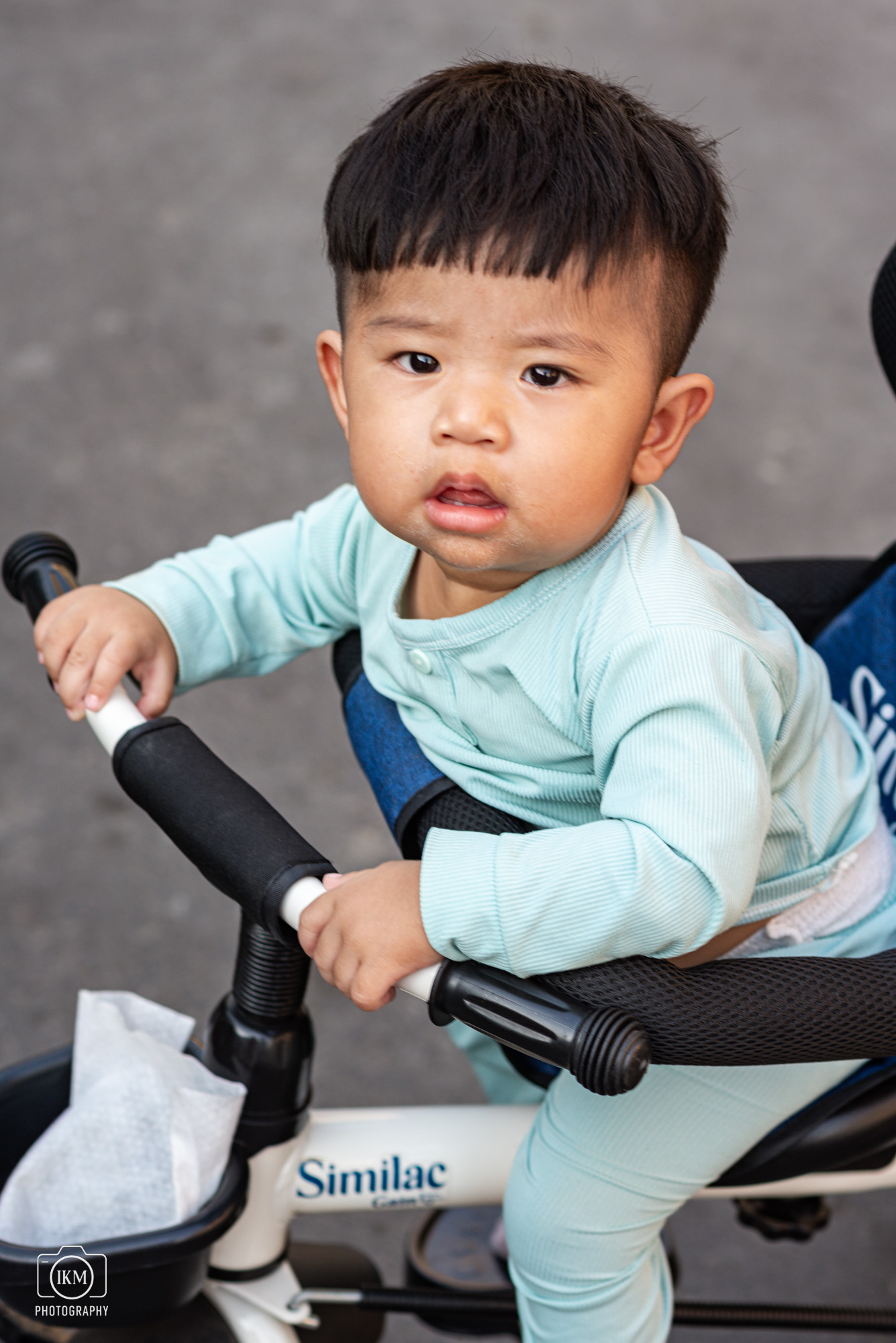
Support the lens with your left hand. Keep your elbows reasonably close. Release the shutter without stabbing at it. When possible, pause your own movement before making the exposure. None of this is glamorous, but it often contributes more than another round of sharpening.
For static subjects on a tripod, Nikon provides an electronic front-curtain shutter to reduce vibration. Its implementation on the D810 operates in mirror-up mode and is intended for situations where vibration can compromise fine detail. It is a specialised tool worth understanding, rather than a setting to assume is active during ordinary handheld shooting. nikonusa.com
A tripod, of course, steadies the camera. It does nothing to steady a person.
Using it on the street
The D810 can be an excellent street camera, particularly when you want an environmental portrait or a frame containing several layers of information.
Its size is part of the bargain. A substantial DSLR changes how you move and how people notice you. Some encounters accommodate that easily; others become awkward. Carrying it for several hours also makes the weight of the complete kit more relevant than any isolated specification.
The optical viewfinder offers approximately 100 per cent frame coverage, which helps with deliberate composition. You can examine the edges and place a subject within the surrounding scene before releasing the shutter. Nikon About Us

That is particularly useful when the picture includes architecture, signage, passing traffic or another person at the edge. Resolution gives those details room to survive, but it cannot organise them for you.
At full resolution, the D810 shoots up to five frames per second. That is useful for short sequences of changing expression or gesture, although it places a premium on anticipation when the action becomes fast. No Optical Low-Pass Filter
You still need to notice the raised hand, the turn towards the light or the approaching interruption. A burst can cover a moment. It cannot tell you which moment matters.
Exposure, colour and monochrome
Highlight-weighted metering is a useful addition for subjects lit much more brightly than their surroundings. Nikon specifically describes its usefulness for stage lighting and similarly uneven scenes, where ordinary whole-frame metering may sacrifice important highlights. Nikon Professional Services
On the street, treat it as another option to evaluate. A bright sign or reflection may influence the result, so check the histogram and the important parts of the subject. Protecting every insignificant glint can leave the face unnecessarily dark.
For colour, restraint usually serves the D810 well. Correct an unwanted colour cast, establish believable skin tones and then decide how much colour the picture needs. Strong saturation is not proof of a strong file.
The same restraint applies to monochrome. Fine detail can help describe weathered hands, clothing and buildings, but a black-and-white photograph still needs tonal separation. If the face, shirt and wall become similar greys, detail alone will not rescue the composition.
A monochrome conversion is an interpretation. Consider what happens to skin, foliage and backgrounds as you adjust their relative brightness. The aim is to make the photograph readable without forcing every surface to announce itself.
RAW is particularly useful when you expect substantial tonal or colour work. JPEG remains a practical choice when exposure, white balance and the intended rendering are already settled. Choose the format to suit the job and the amount of revision you anticipate.
Where its limitations become apparent
The D810 produces large files, and those files impose costs in storage, backup and editing time. A day of unnecessary bursts becomes an evening of unnecessary decisions.
Its rear screen is fixed, and its video capability tops out at Full HD rather than 4K. Photographers who need flexible low-level screen composition or a camera built around contemporary video work will find those limitations relevant. No Optical Low-Pass Filter
Its handling and autofocus also require involvement. For portraits at wide apertures, you need to place focus carefully and check that the lens and body behave consistently. If an error repeats, investigate it; do not immediately blame the sensor, the lens’s reputation or the age of the camera.
The absence of an optical low-pass filter favours fine detail but creates the possibility of moiré in repeating patterns. Certain fabrics and architectural details deserve close inspection. That is a trade-off, rather than a general problem with every photograph.
The print is a good reason to use it
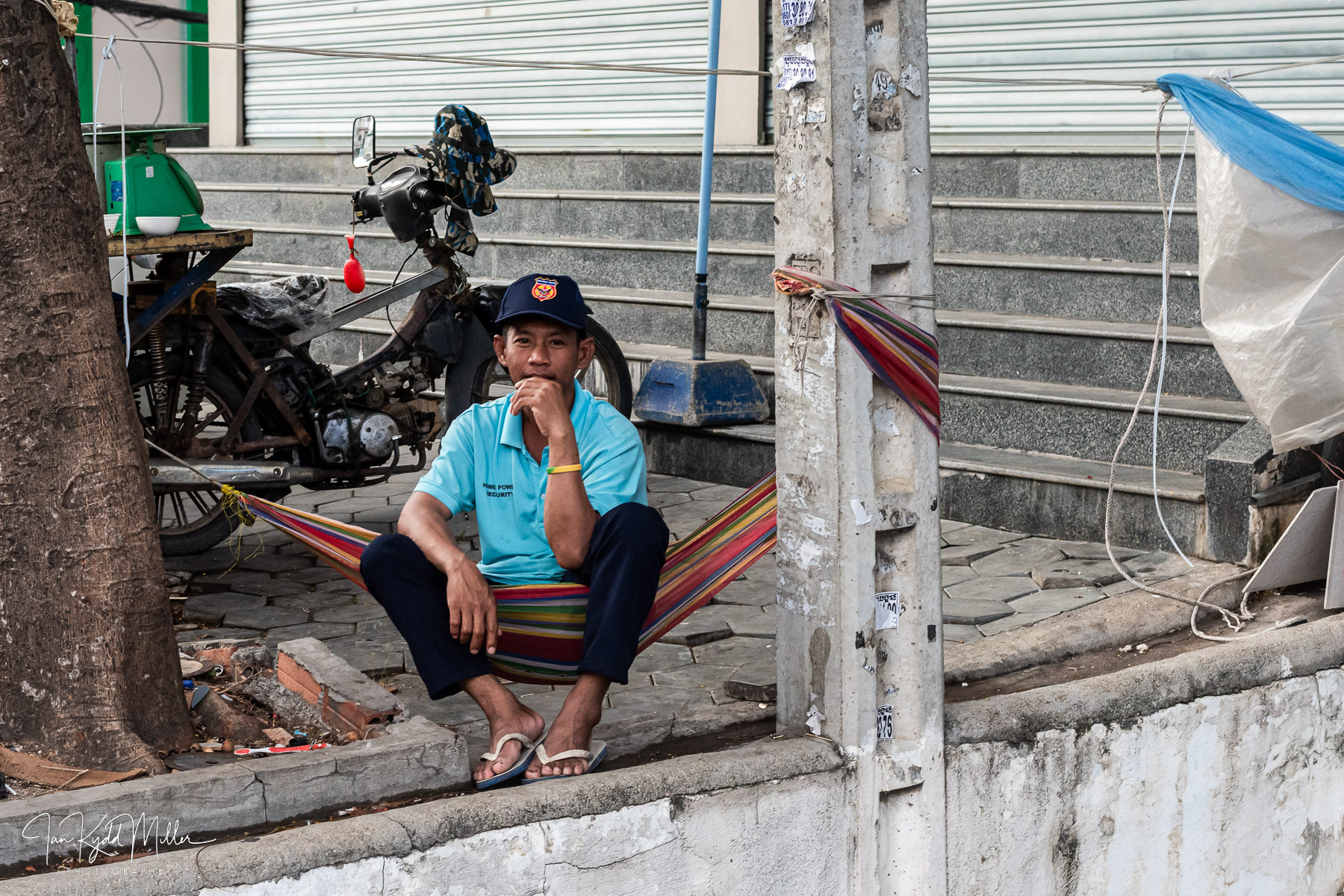
The right-hand illustration points towards one of the D810’s strongest uses: making a photograph that can be held, studied and lived with.
Its maximum image dimensions are 7,360 × 4,912 pixels. At 300 pixels per inch, that works out to approximately 24.5 × 16.4 inches before cropping or resampling. It is a substantial amount of information for a print. No Optical Low-Pass Filter
But printing also exposes decisions that can be obscured on a bright screen. Shadows may need more careful treatment. Sharpening needs to suit the paper and print size. A face can become too prominent through contrast, or lose its presence through timid processing.

The D810 gives you enough material to make those decisions carefully. It does not dictate the result.
That is why it deserves to be called a great camera. It offers a demanding, flexible file and a body built for deliberate work. With good light and sound technique, it gives you considerable freedom to refine a photograph—and enough detail to make a large print worth approaching closely.

