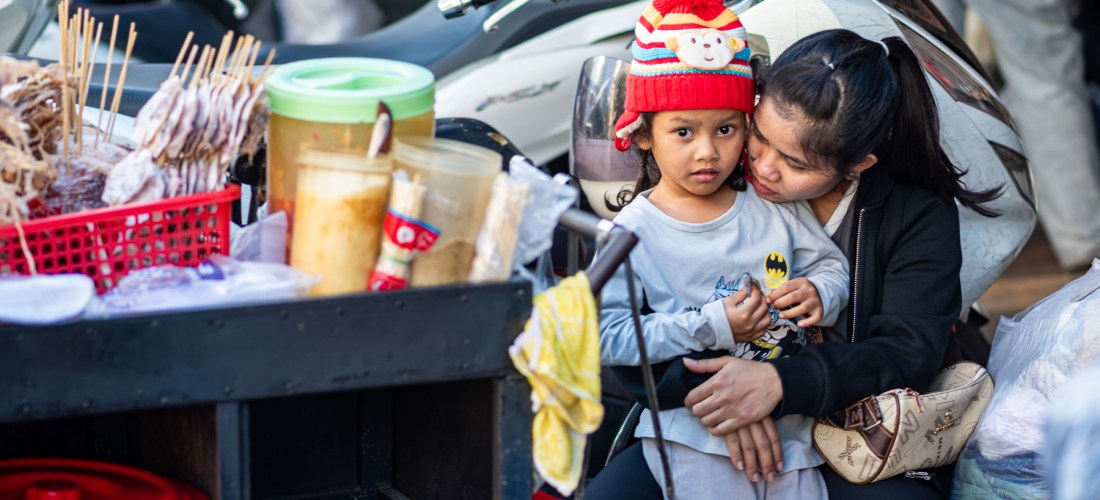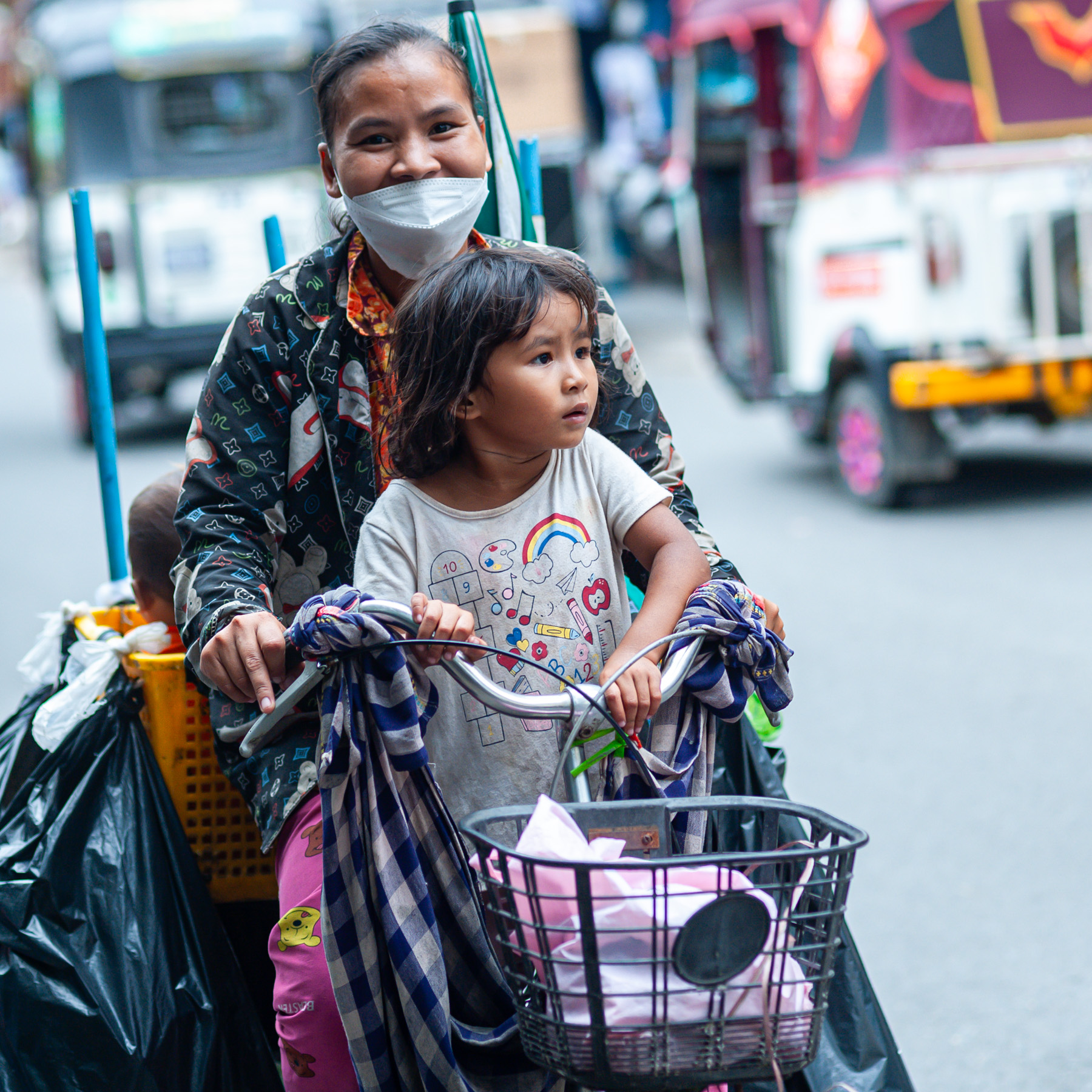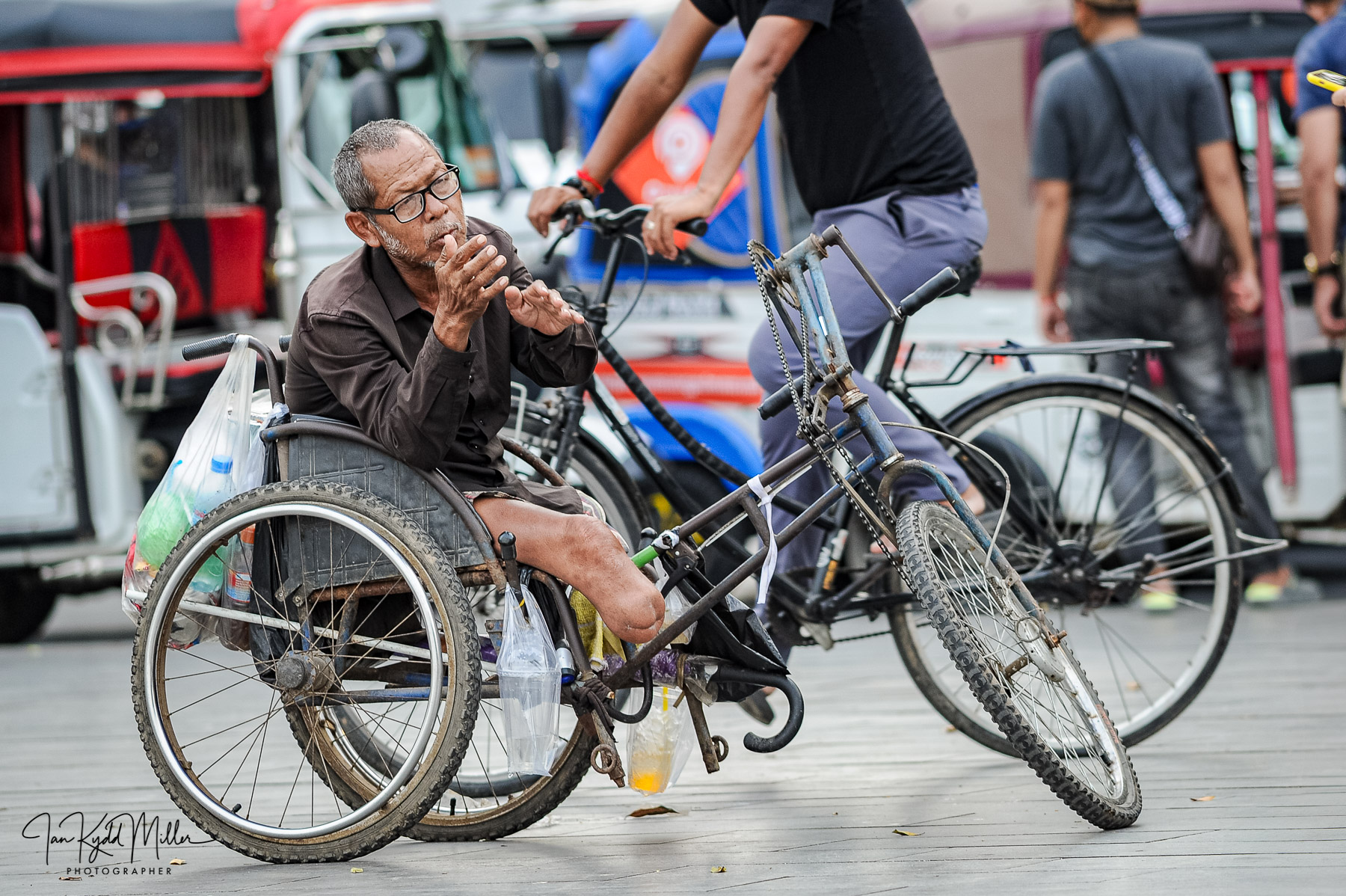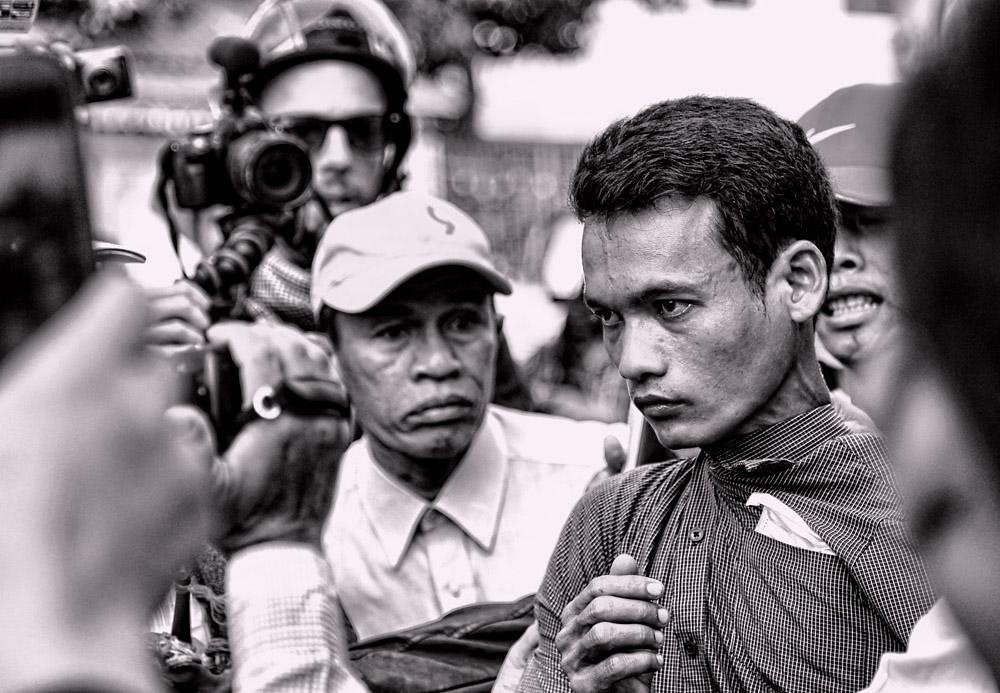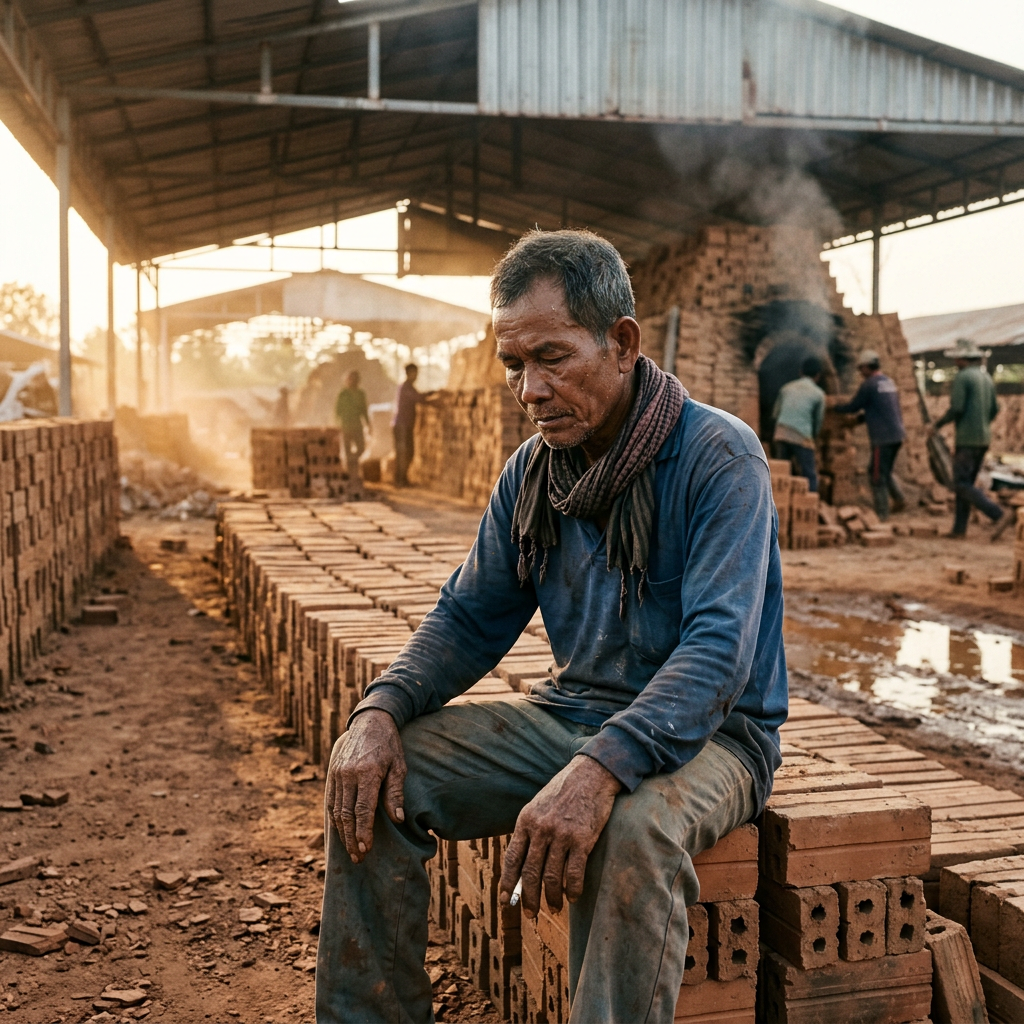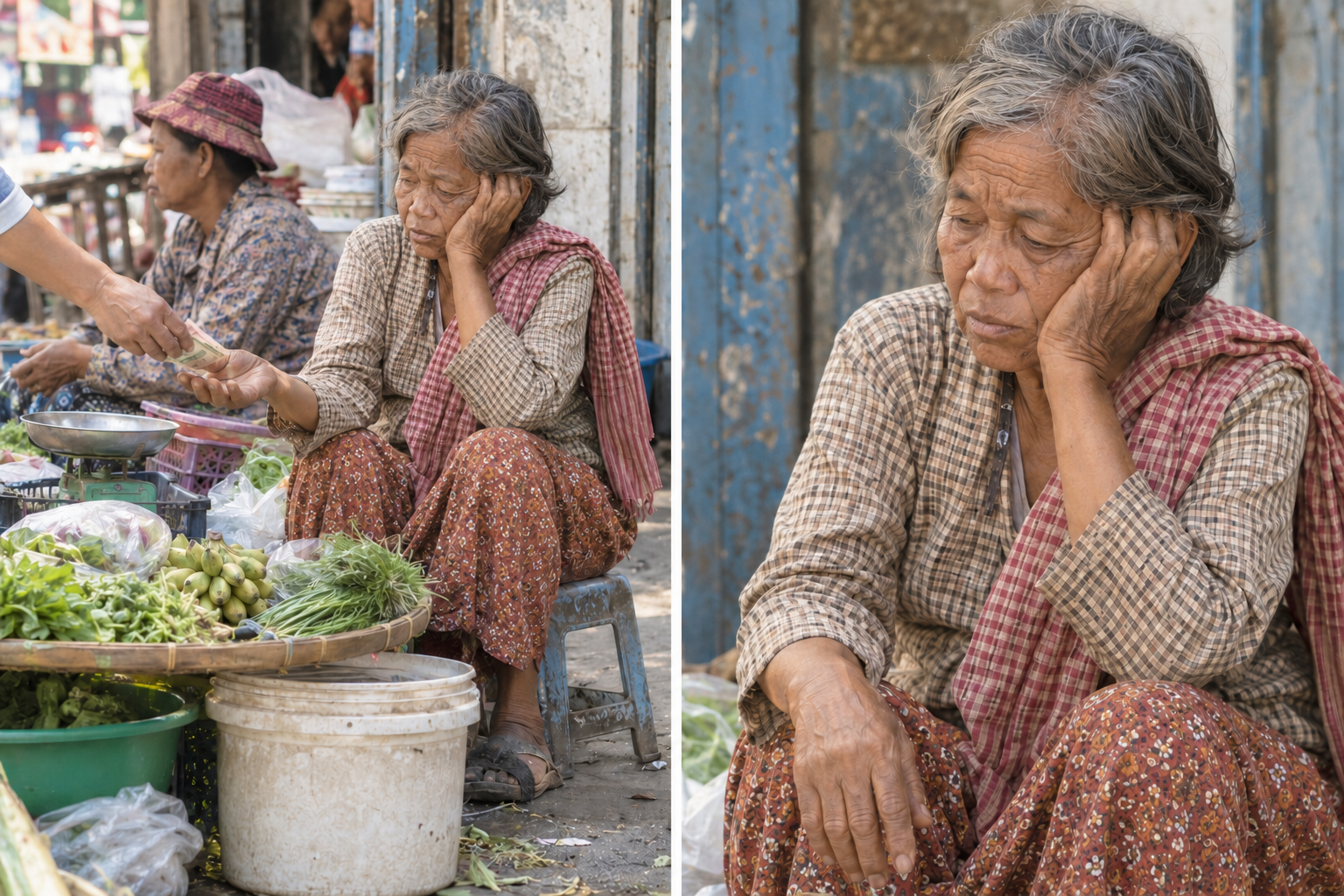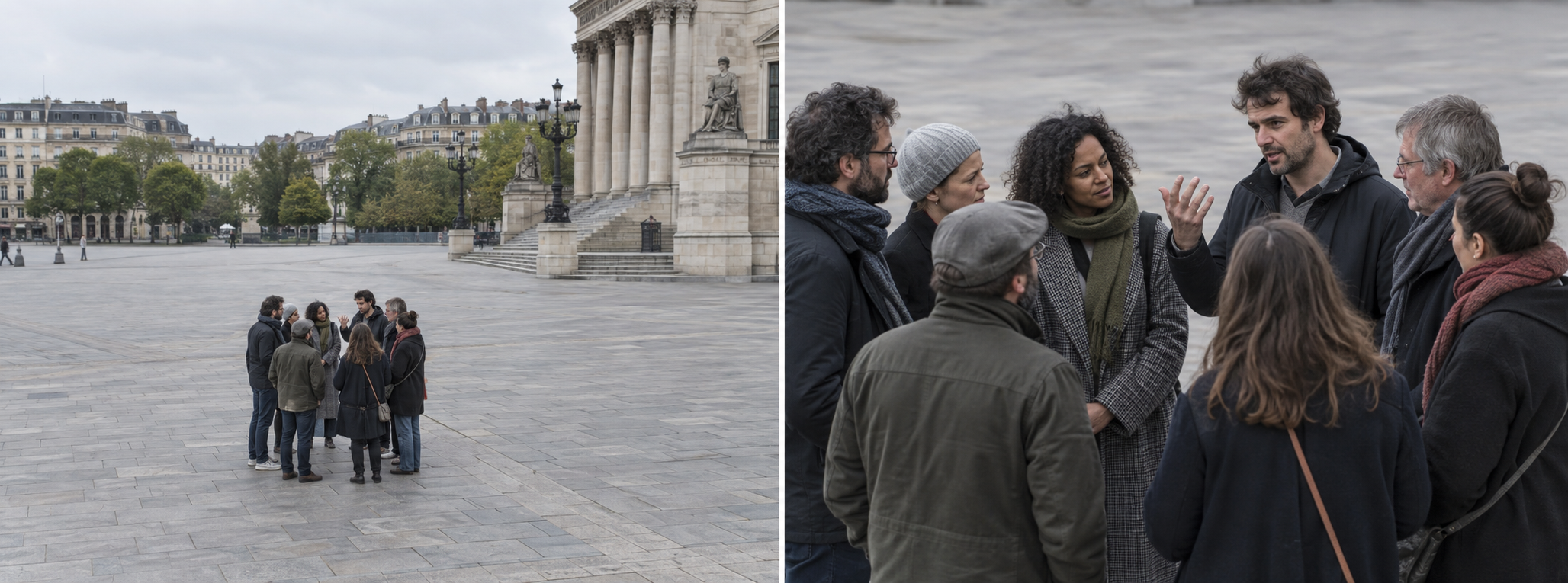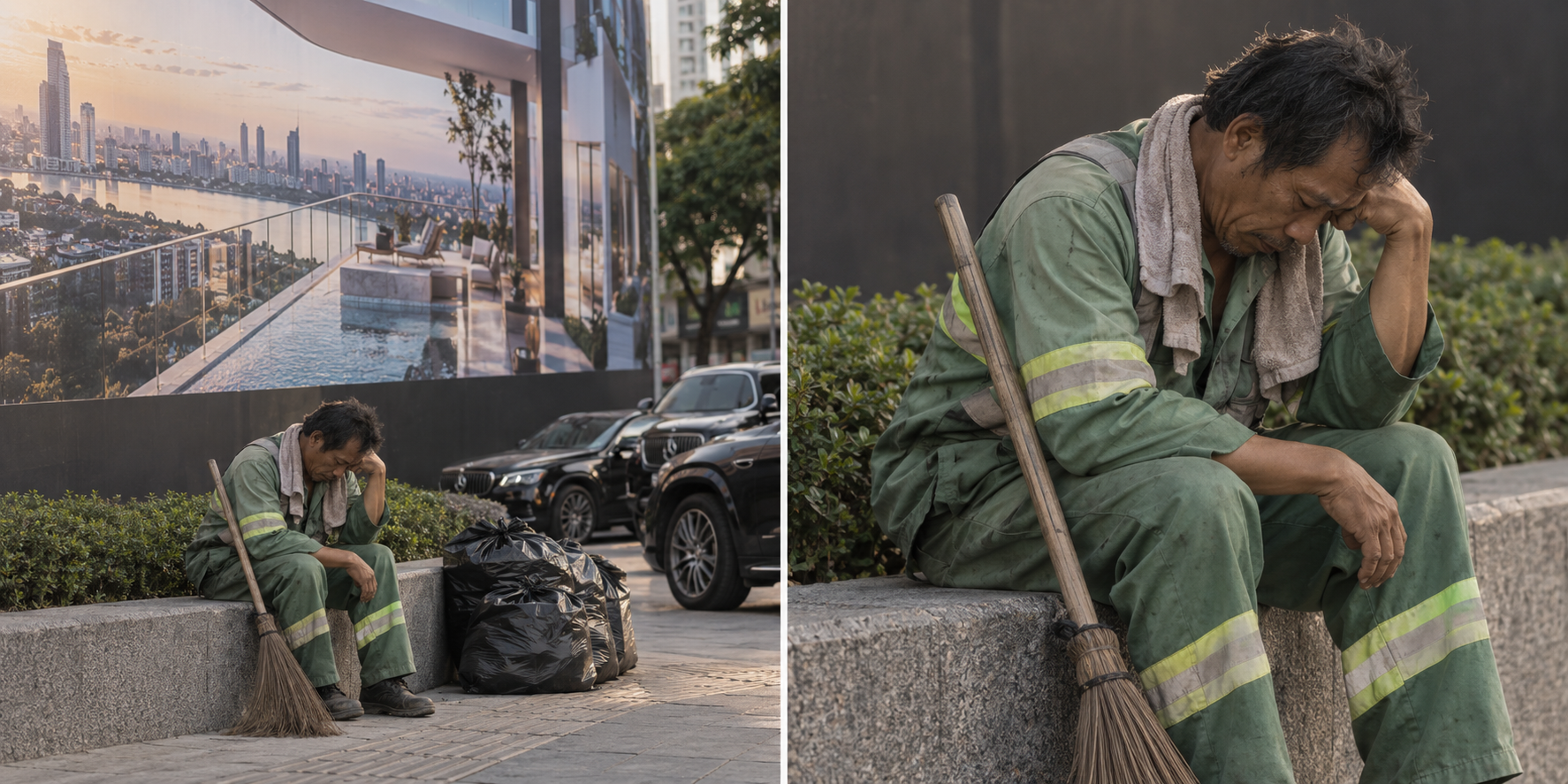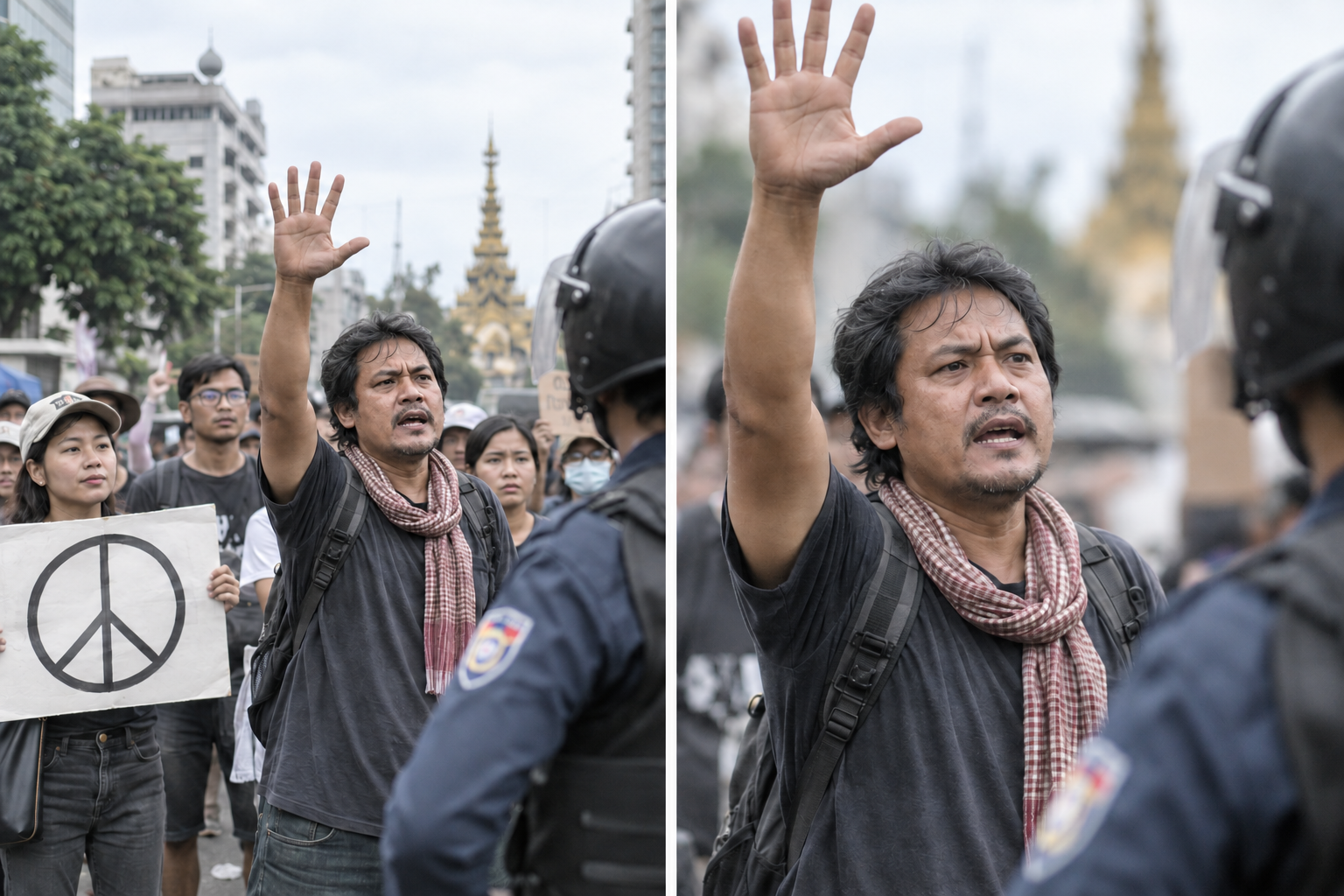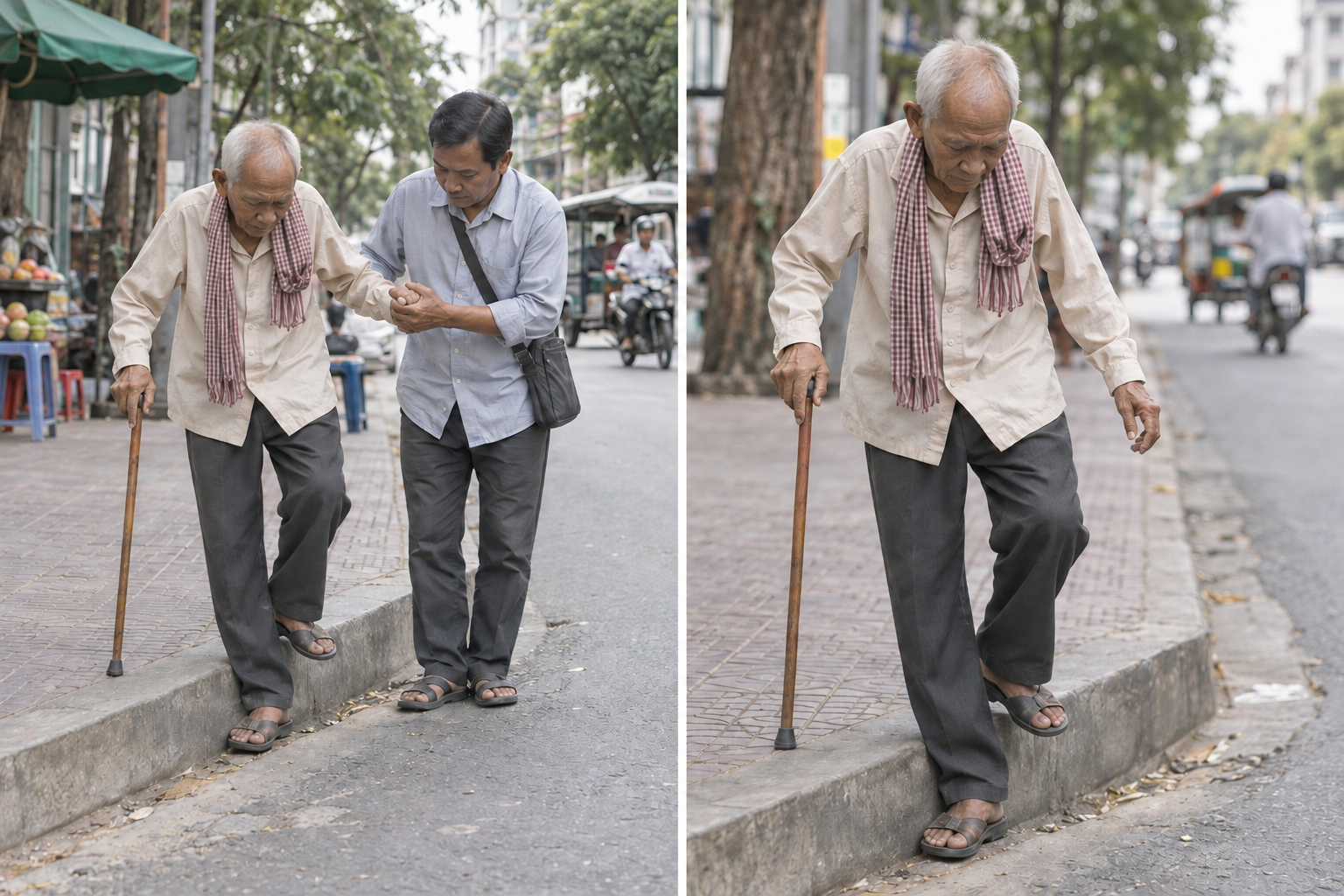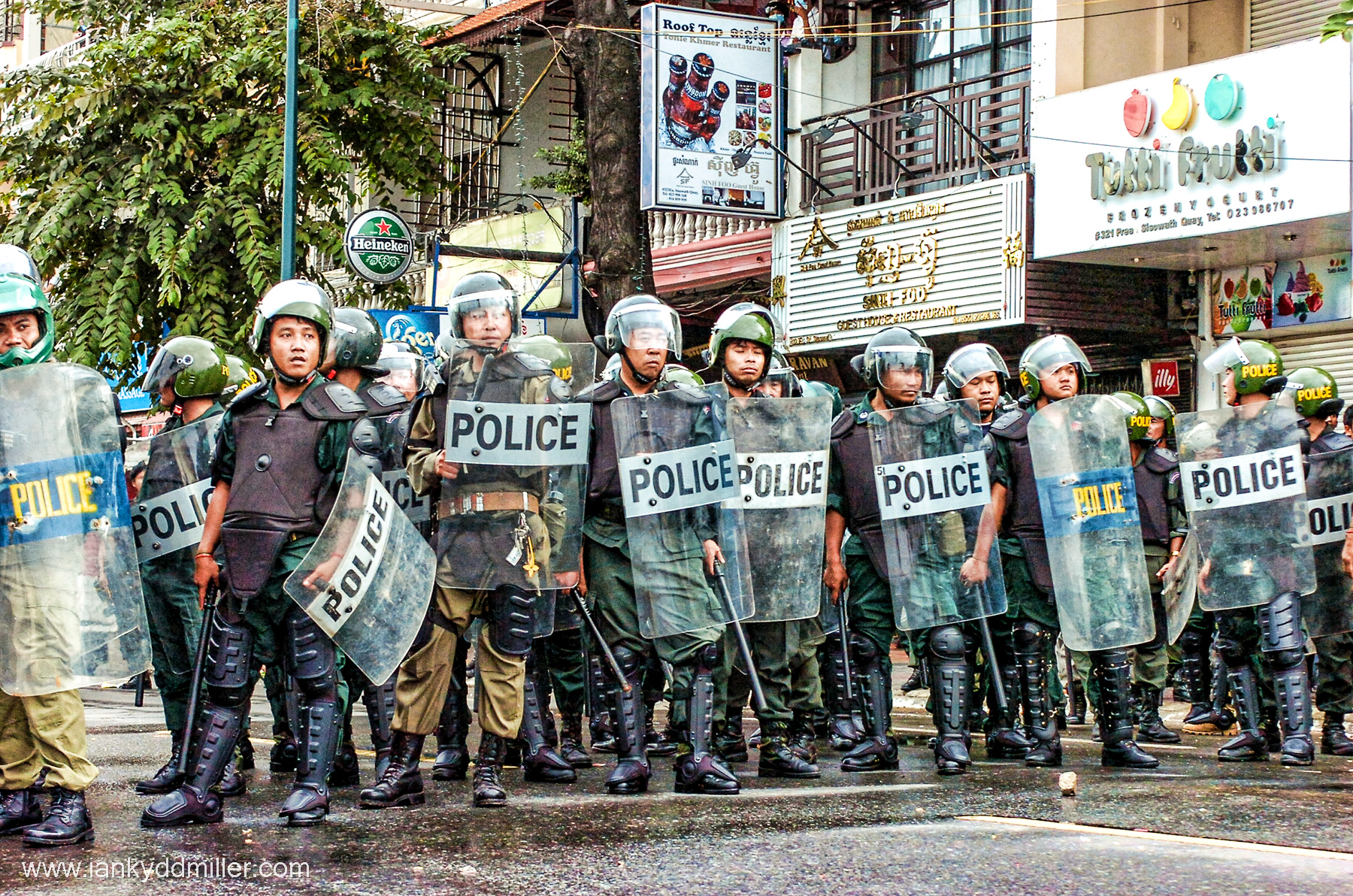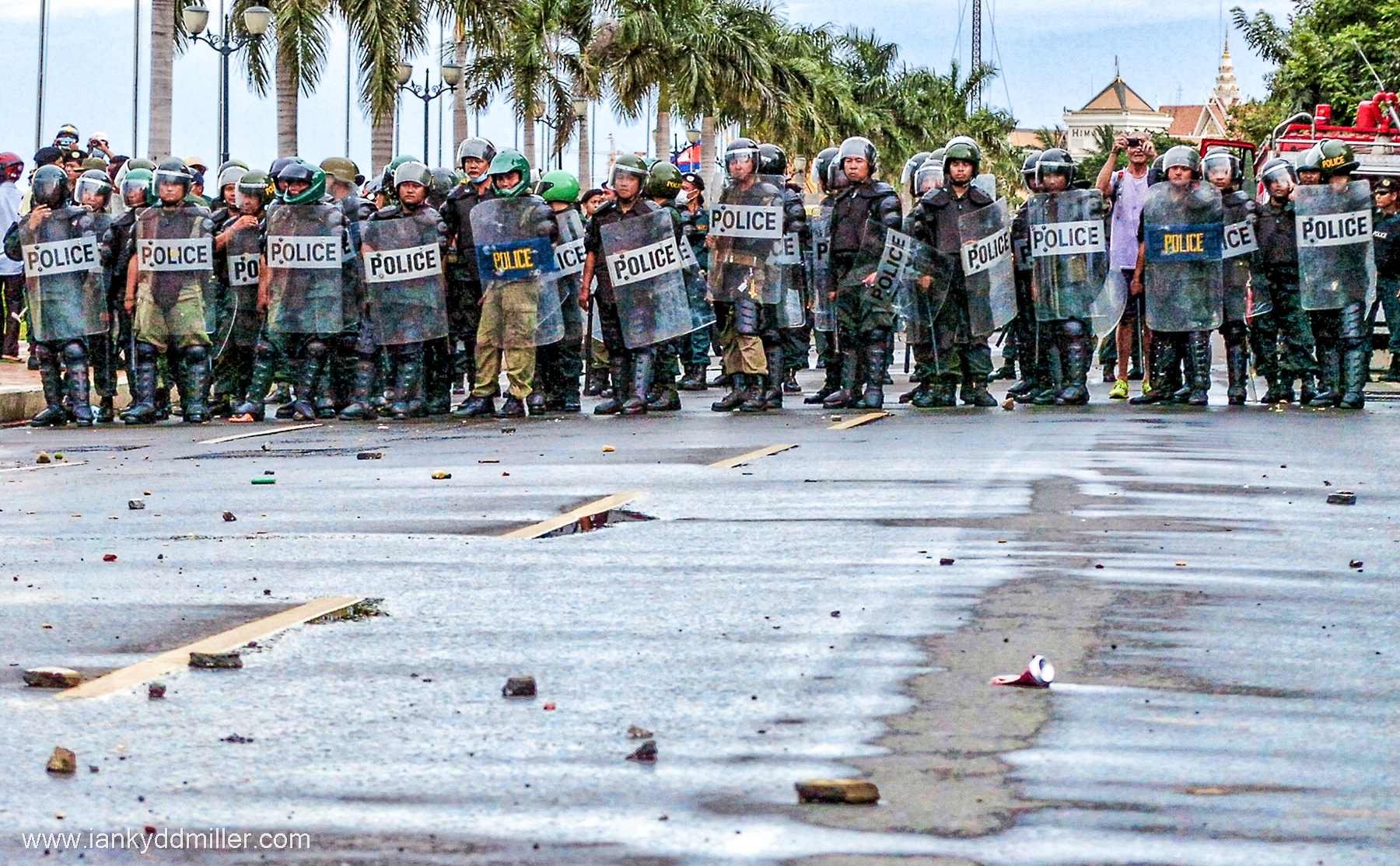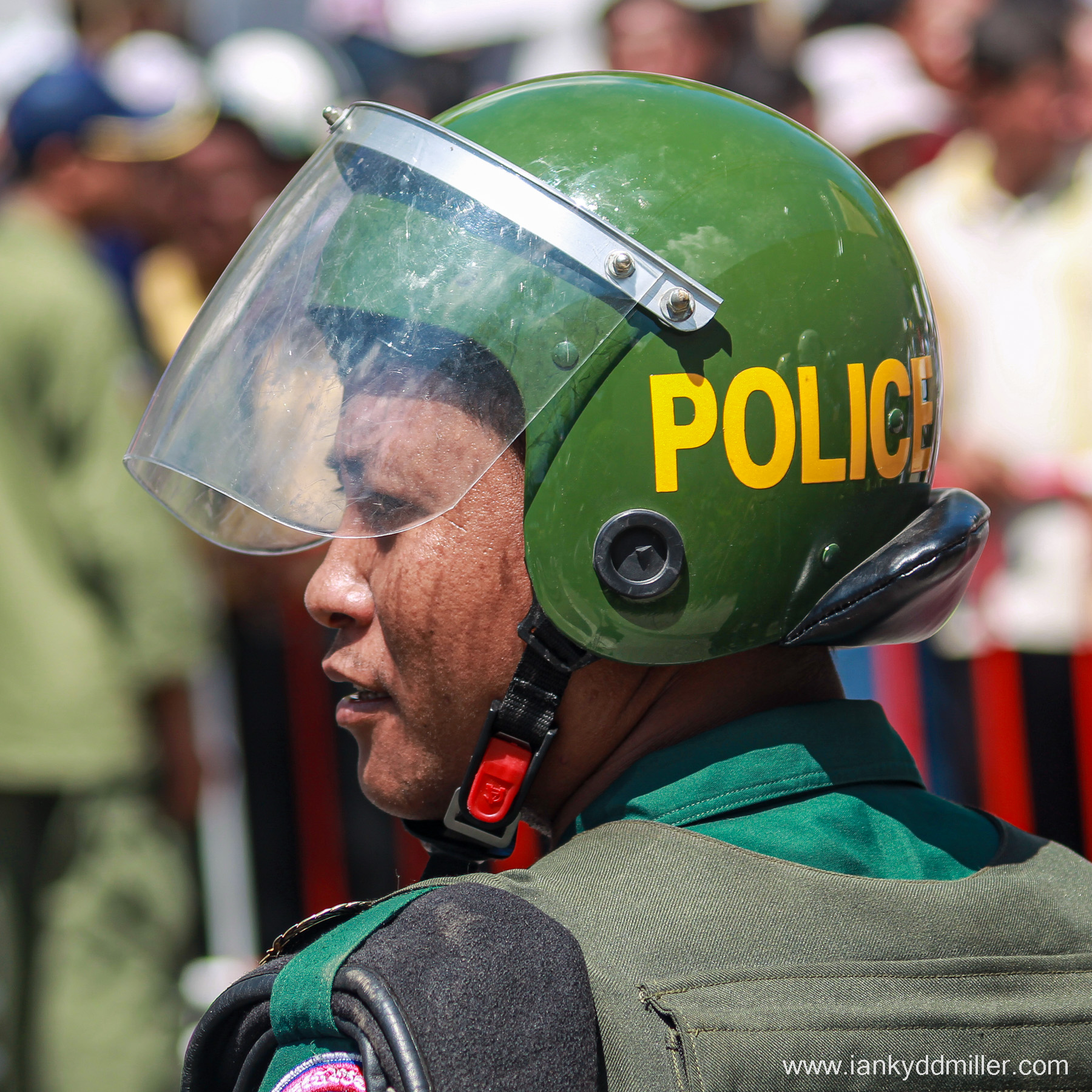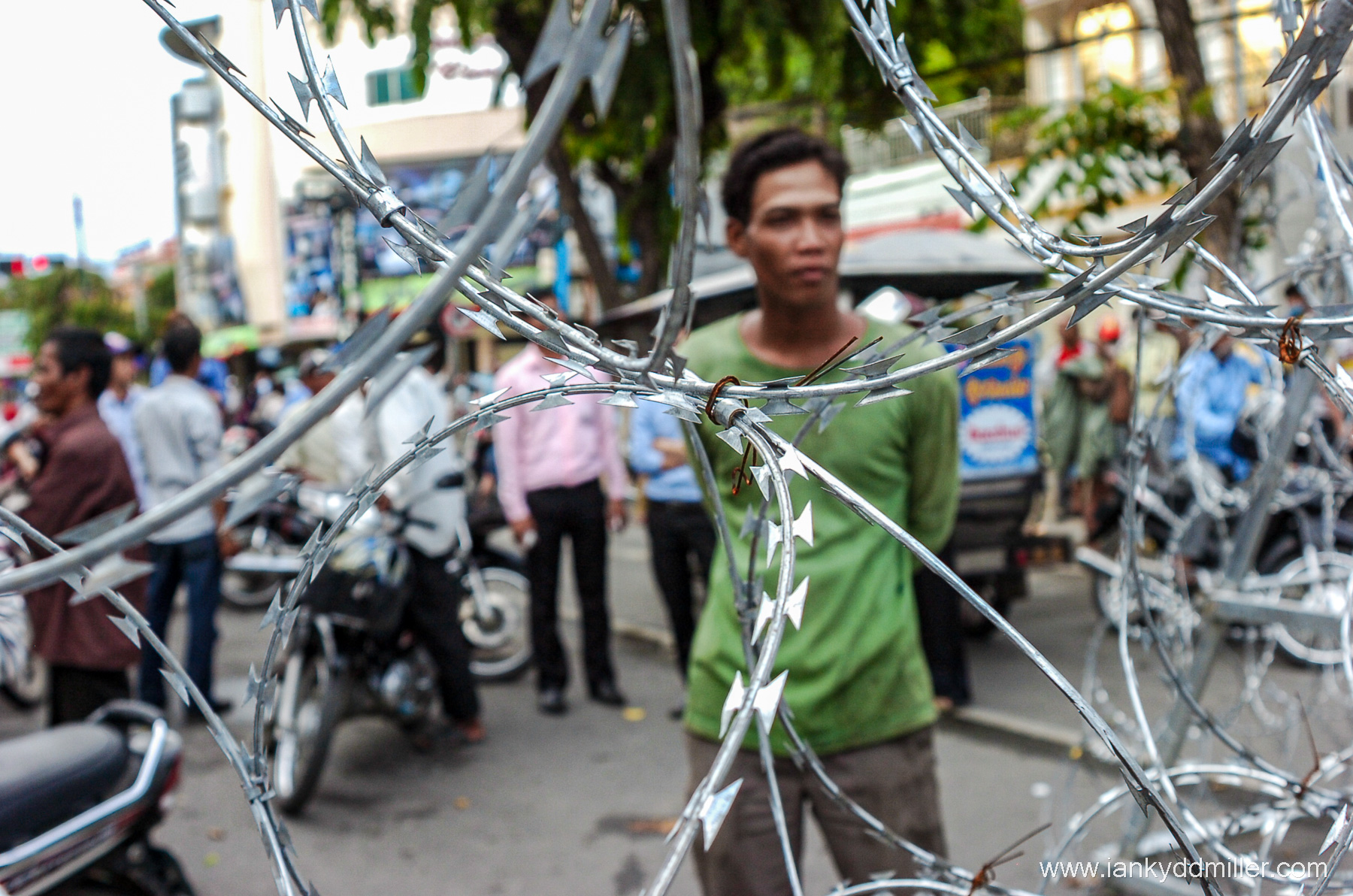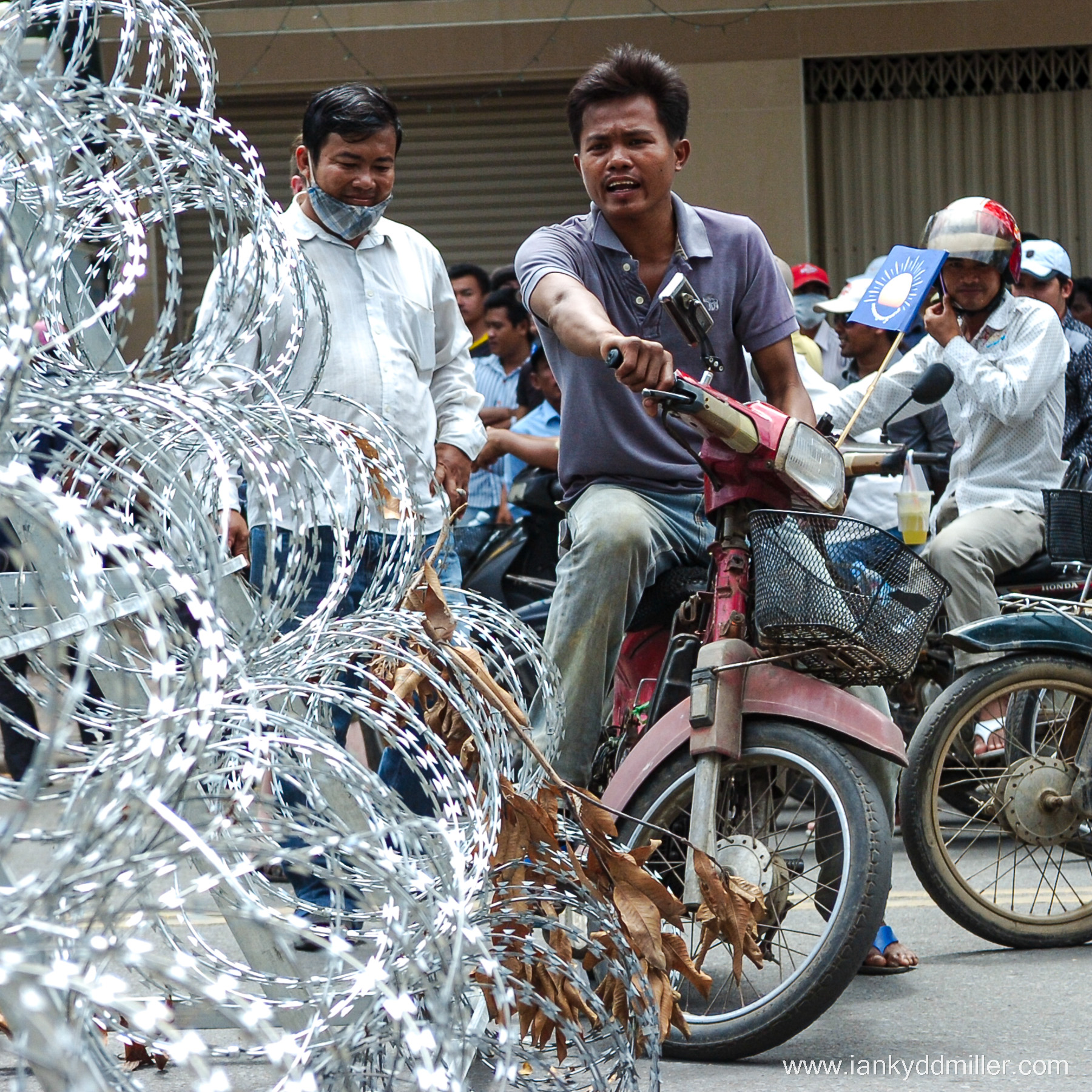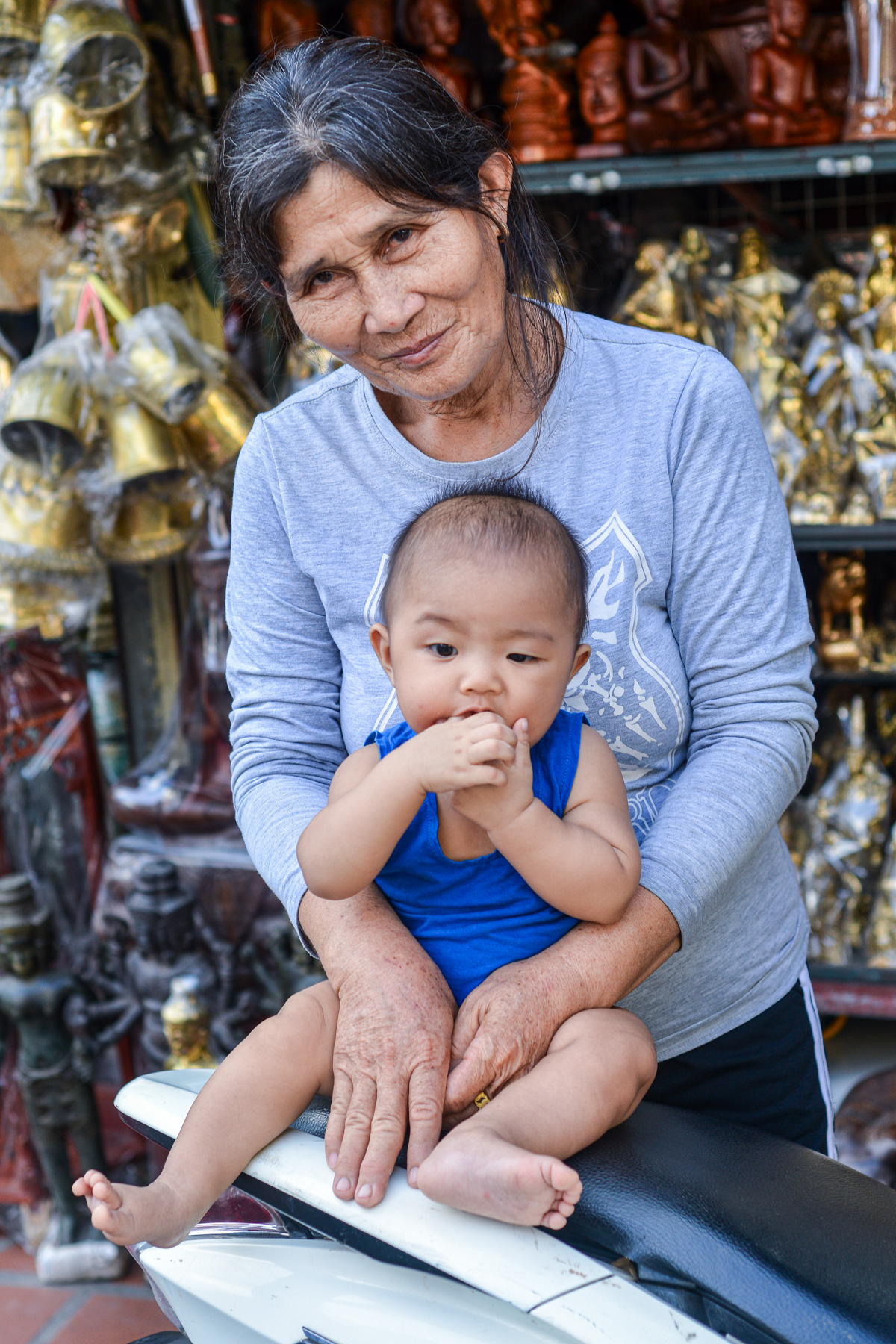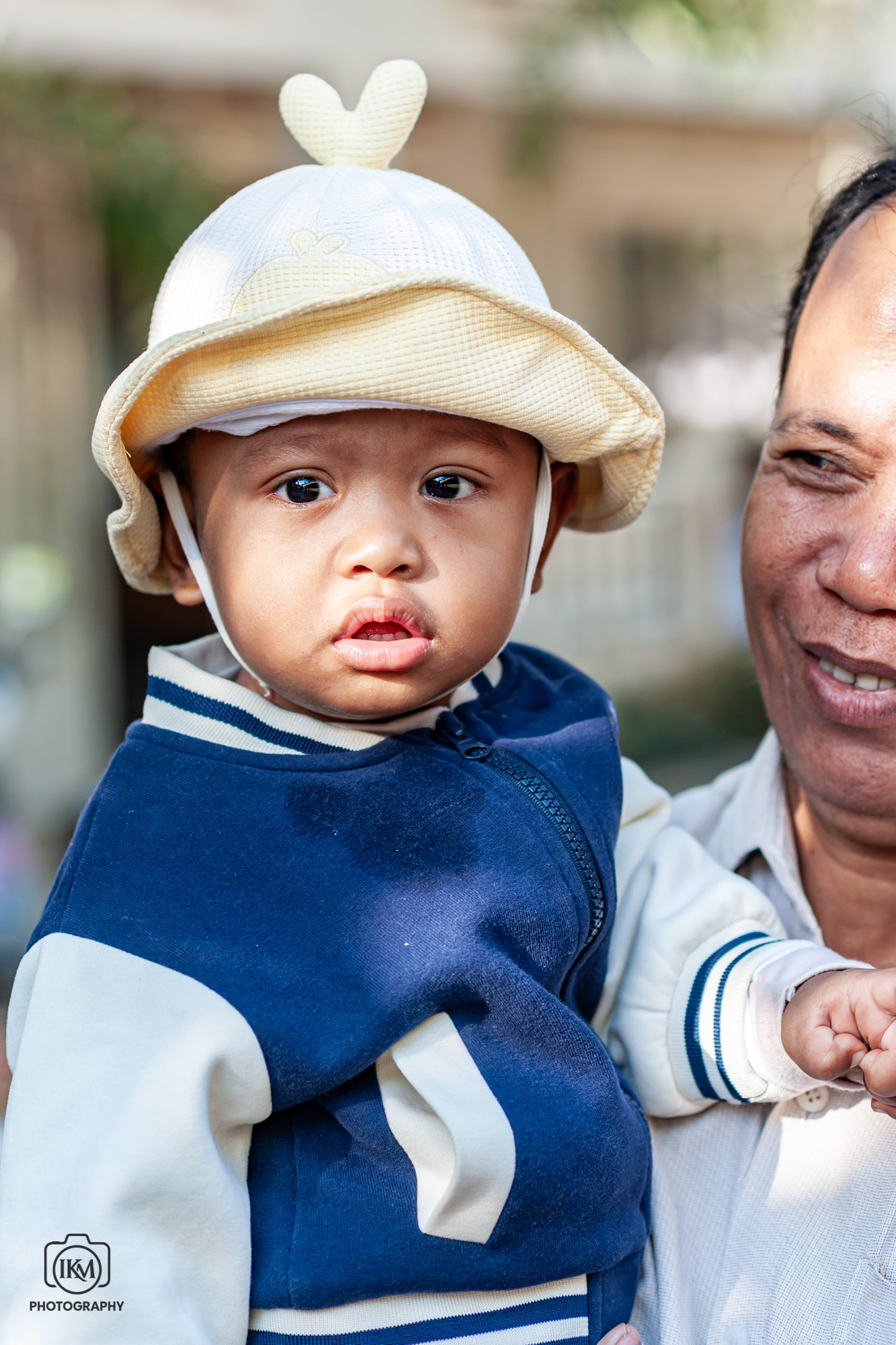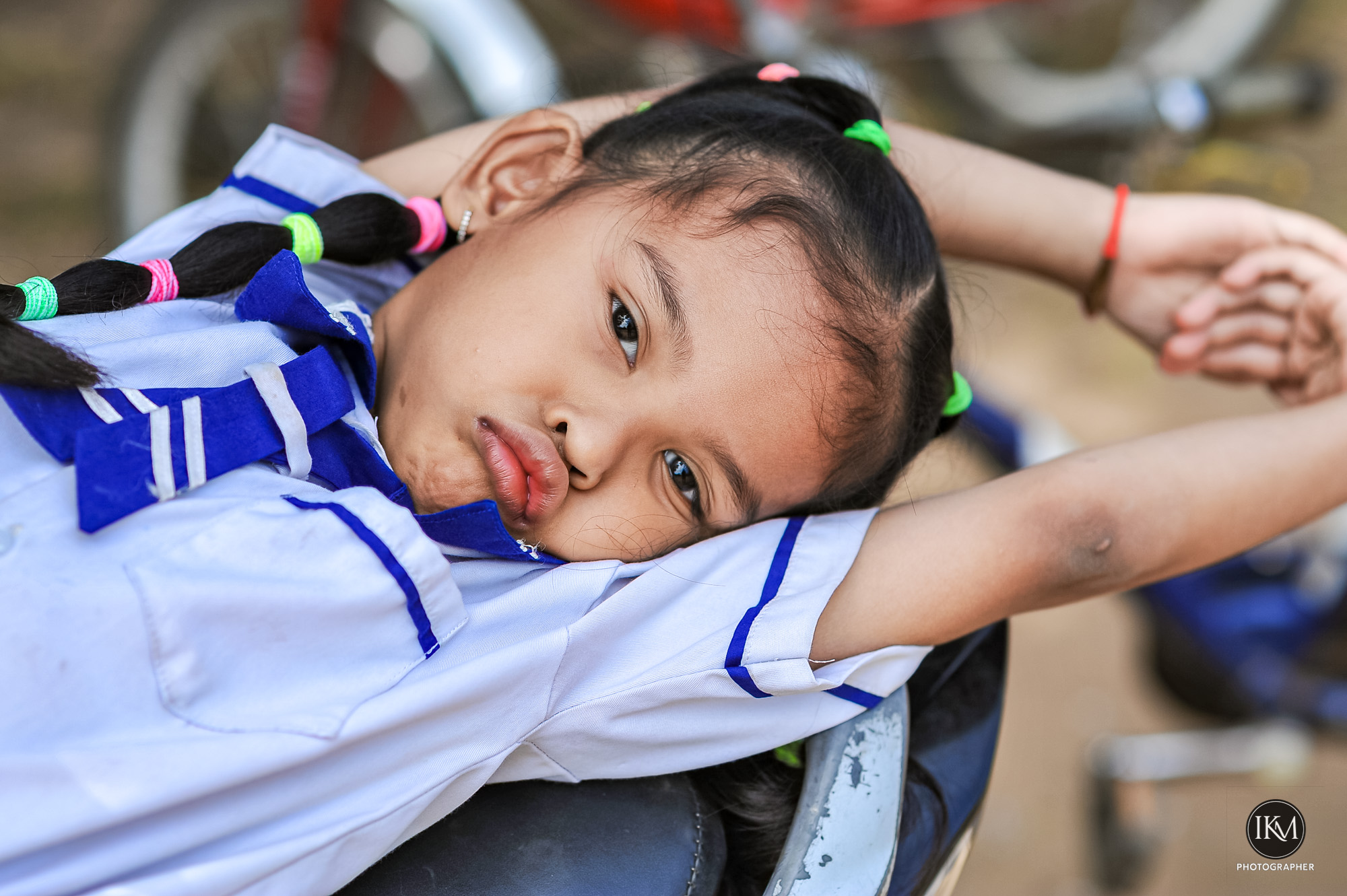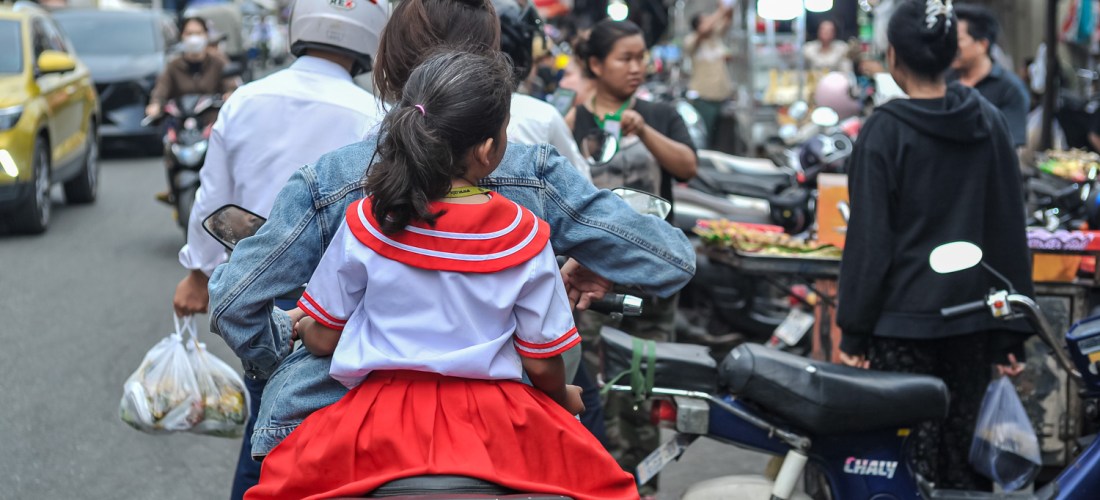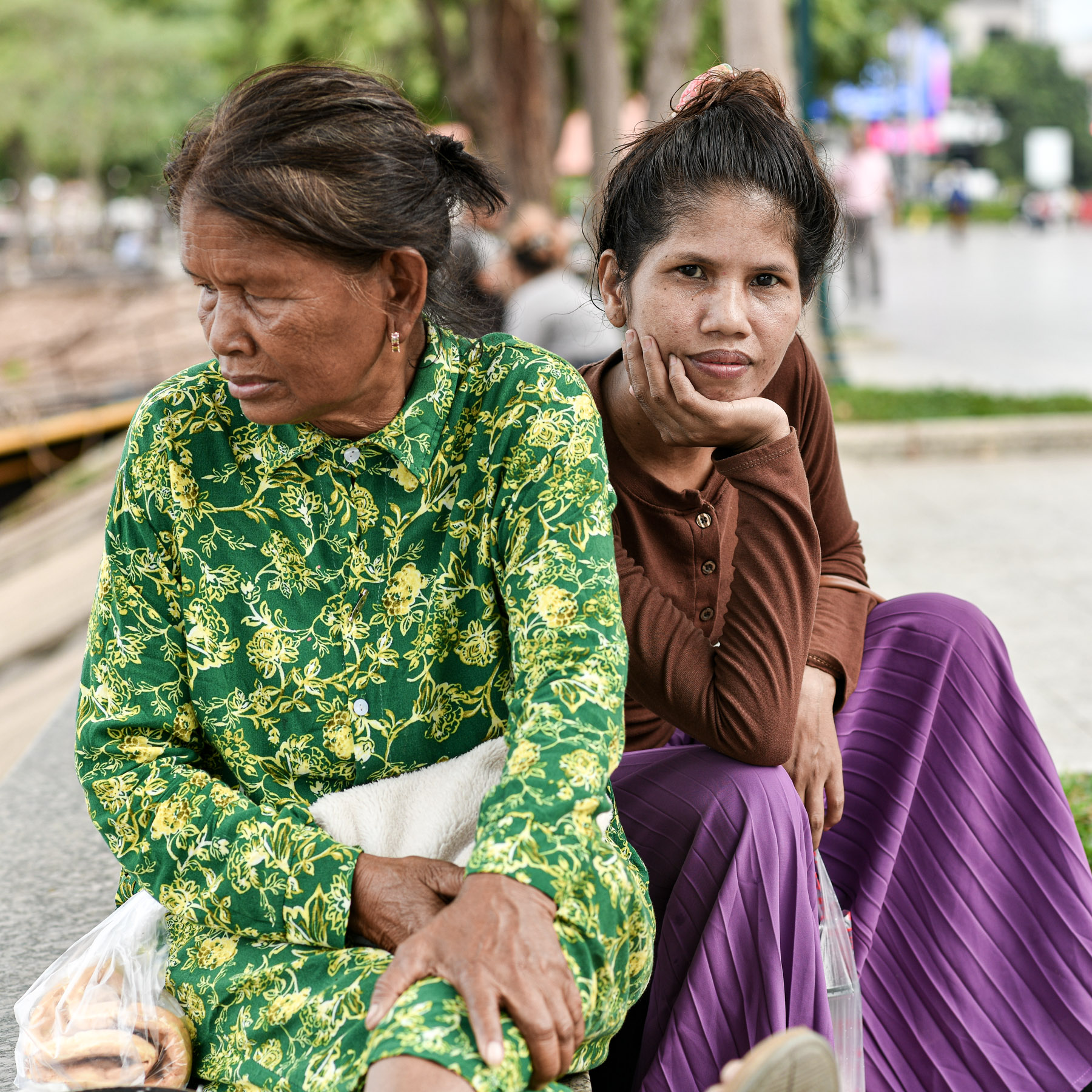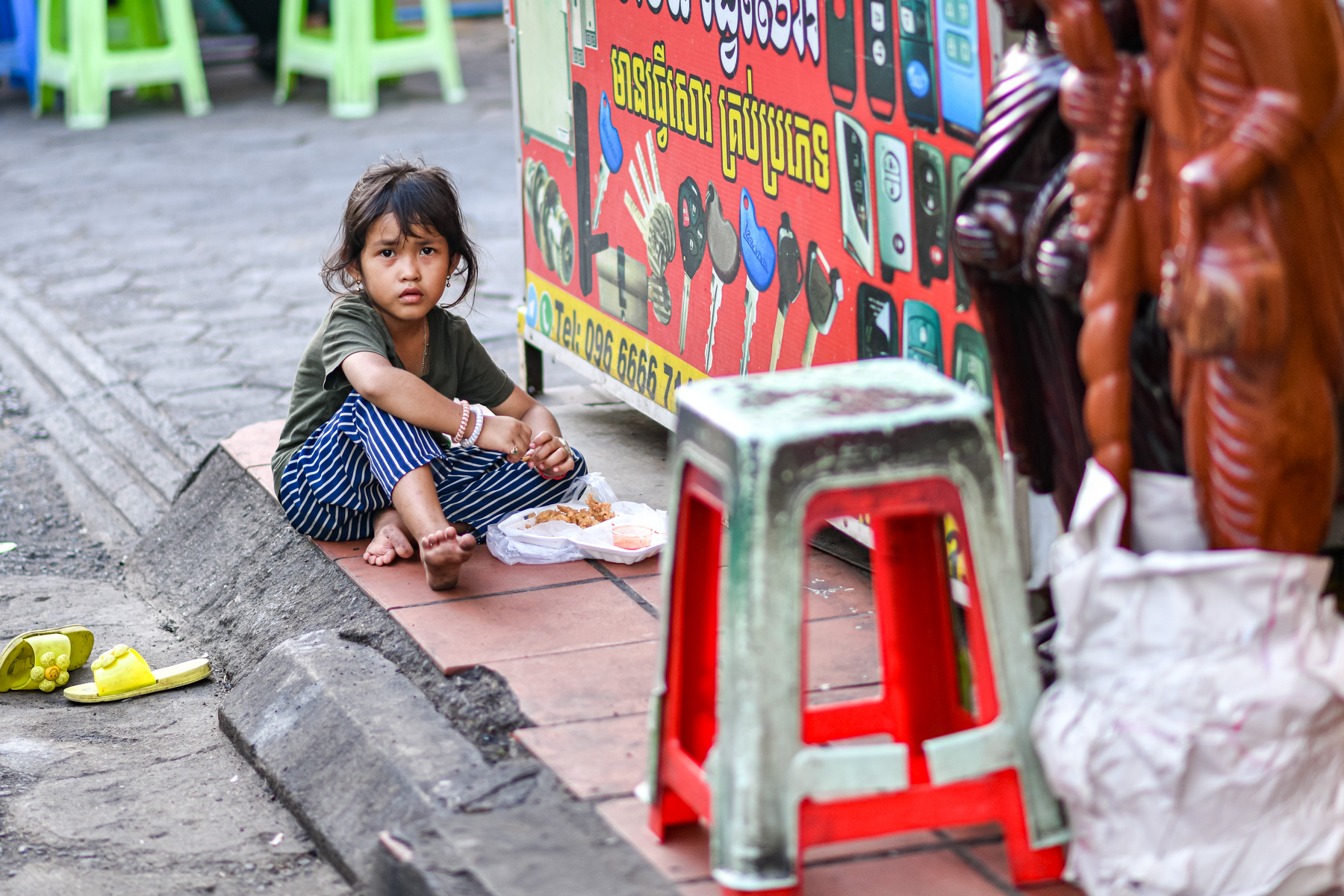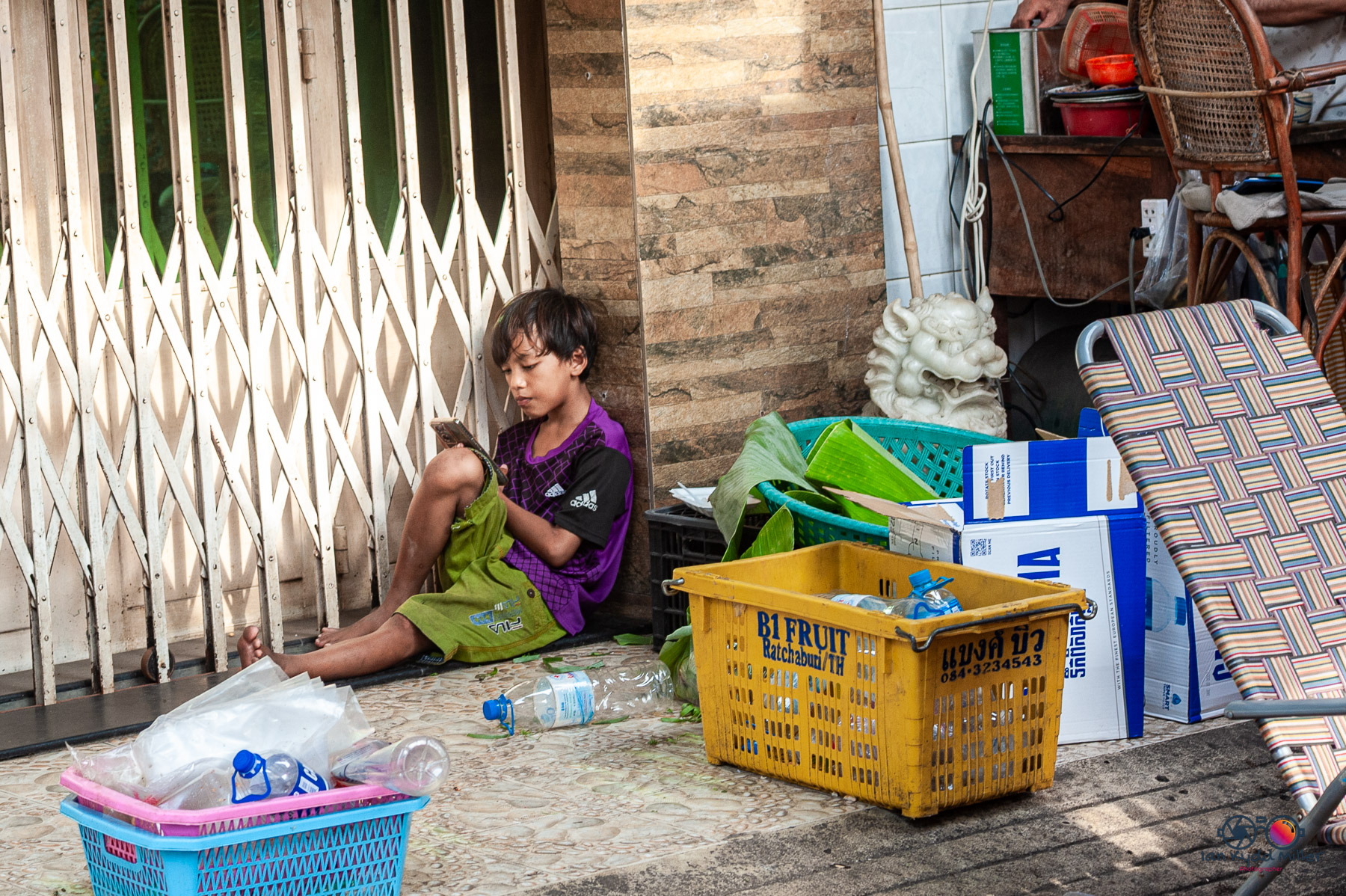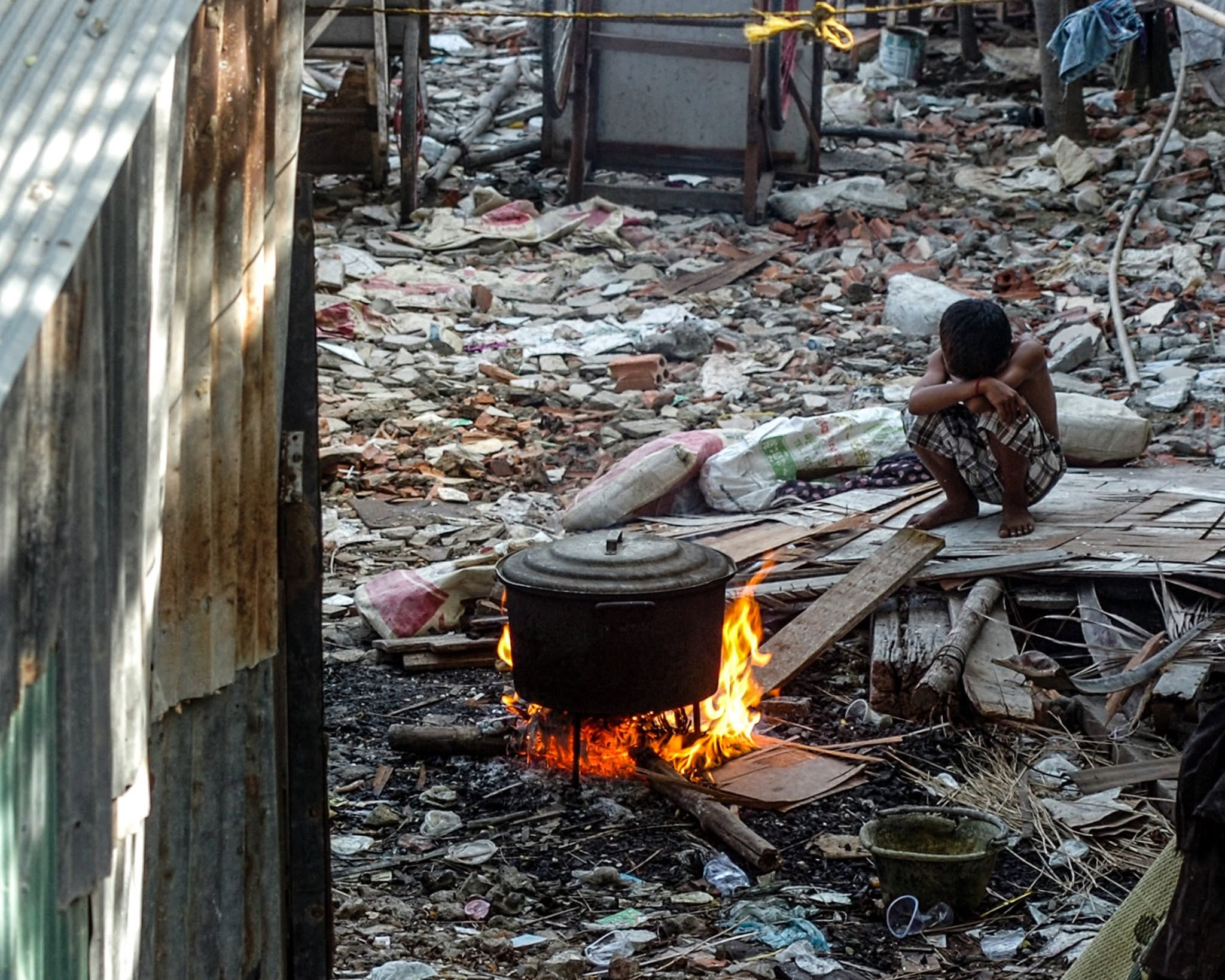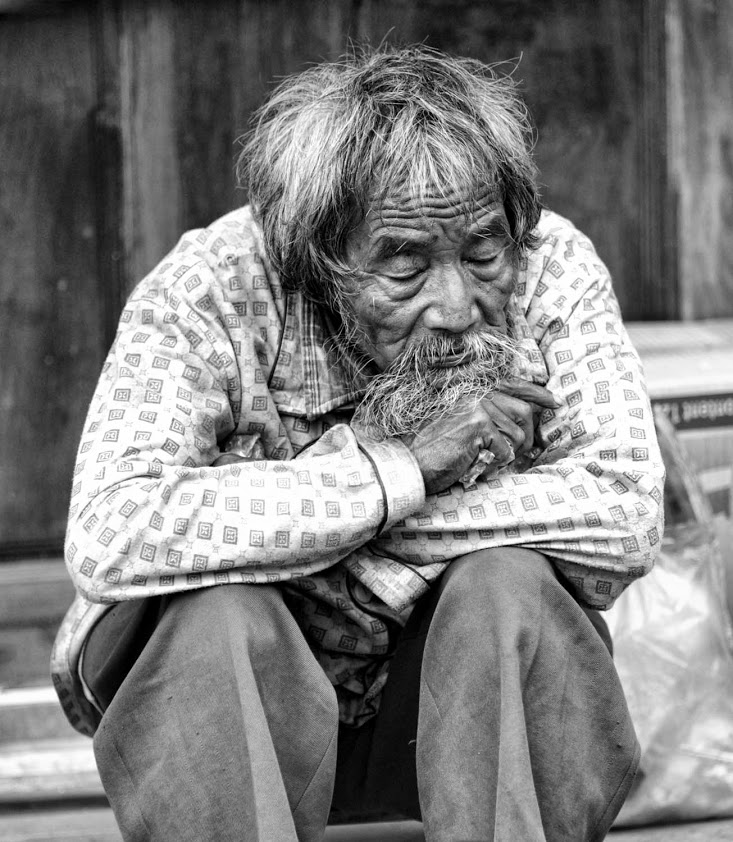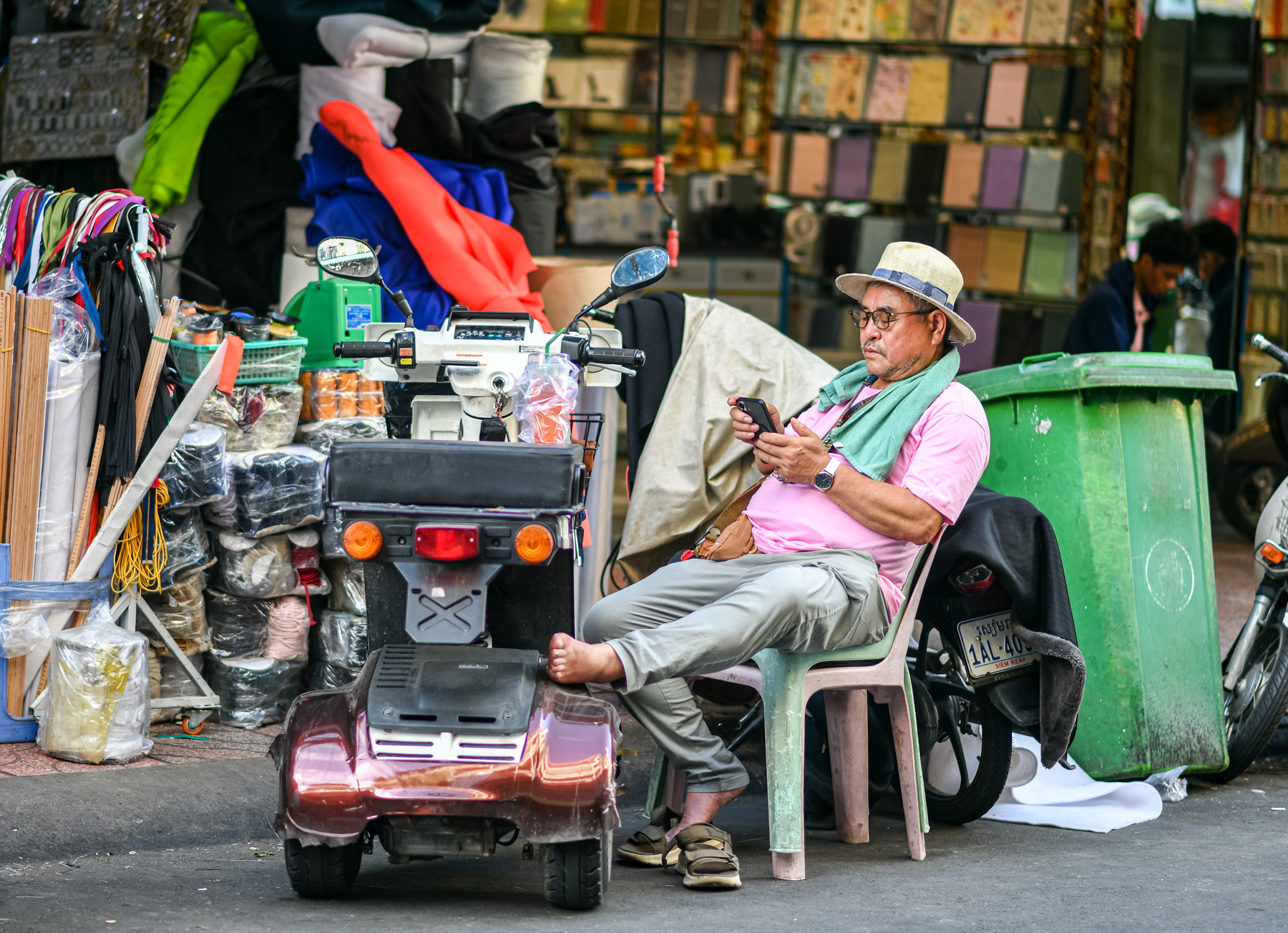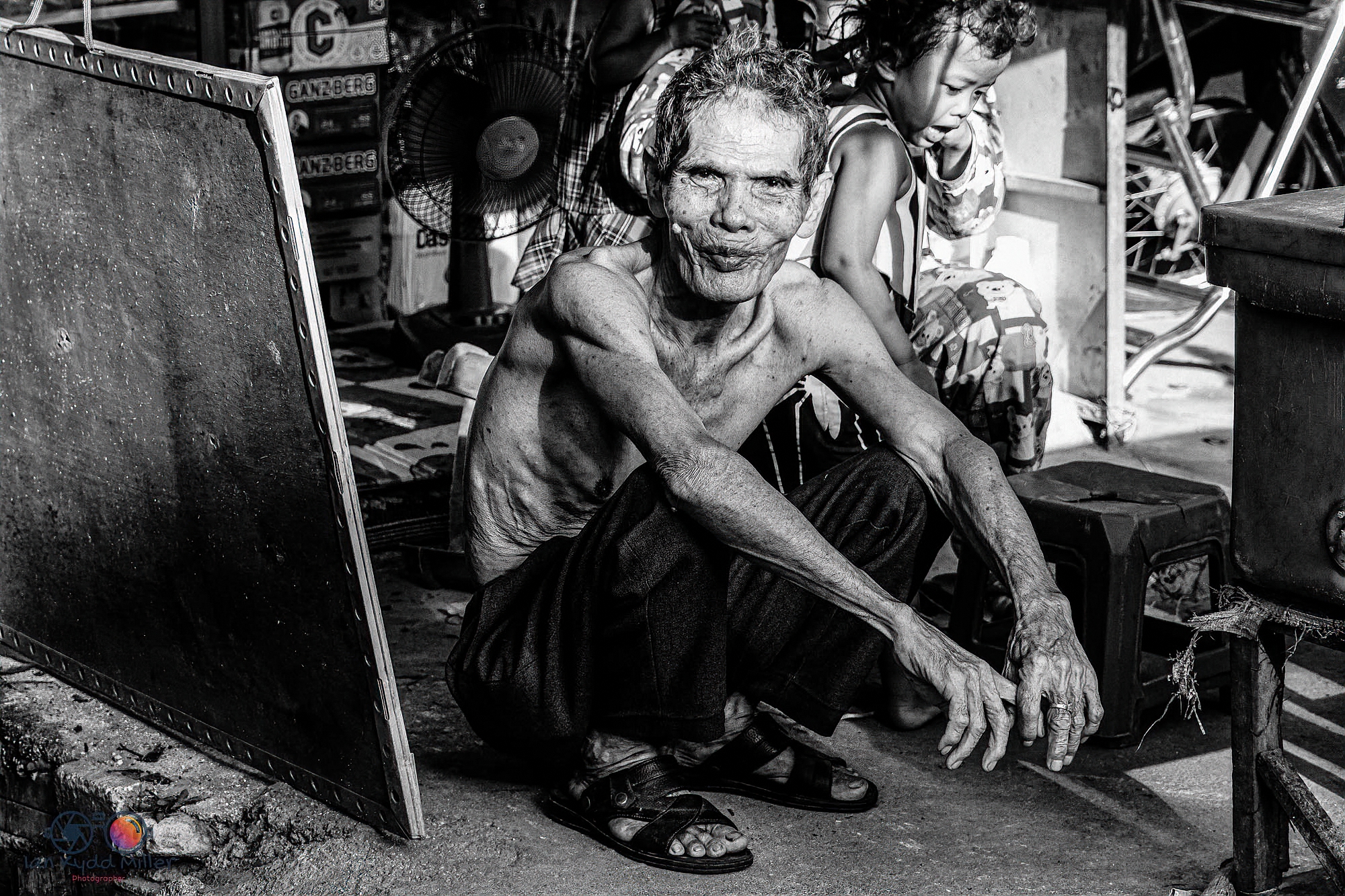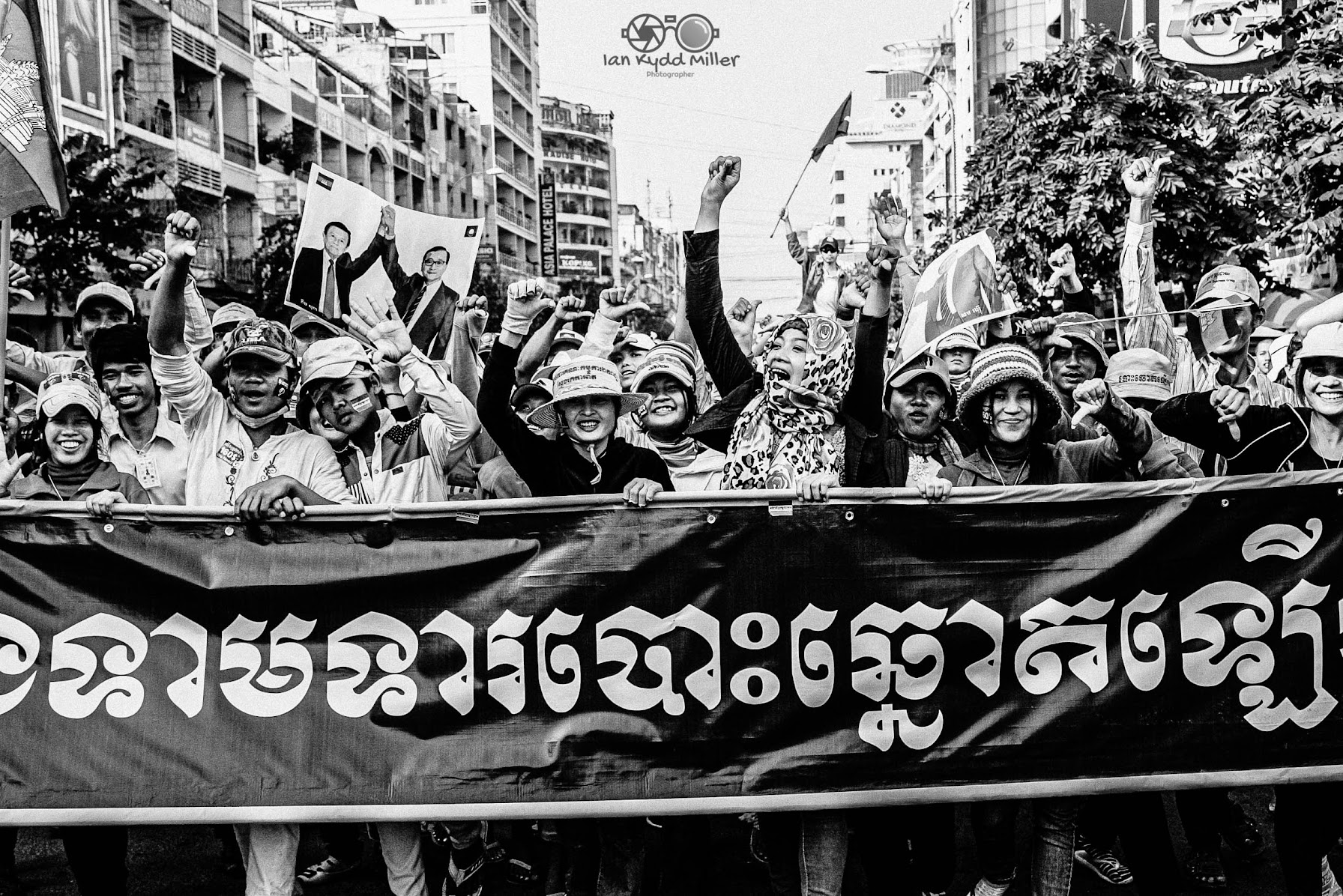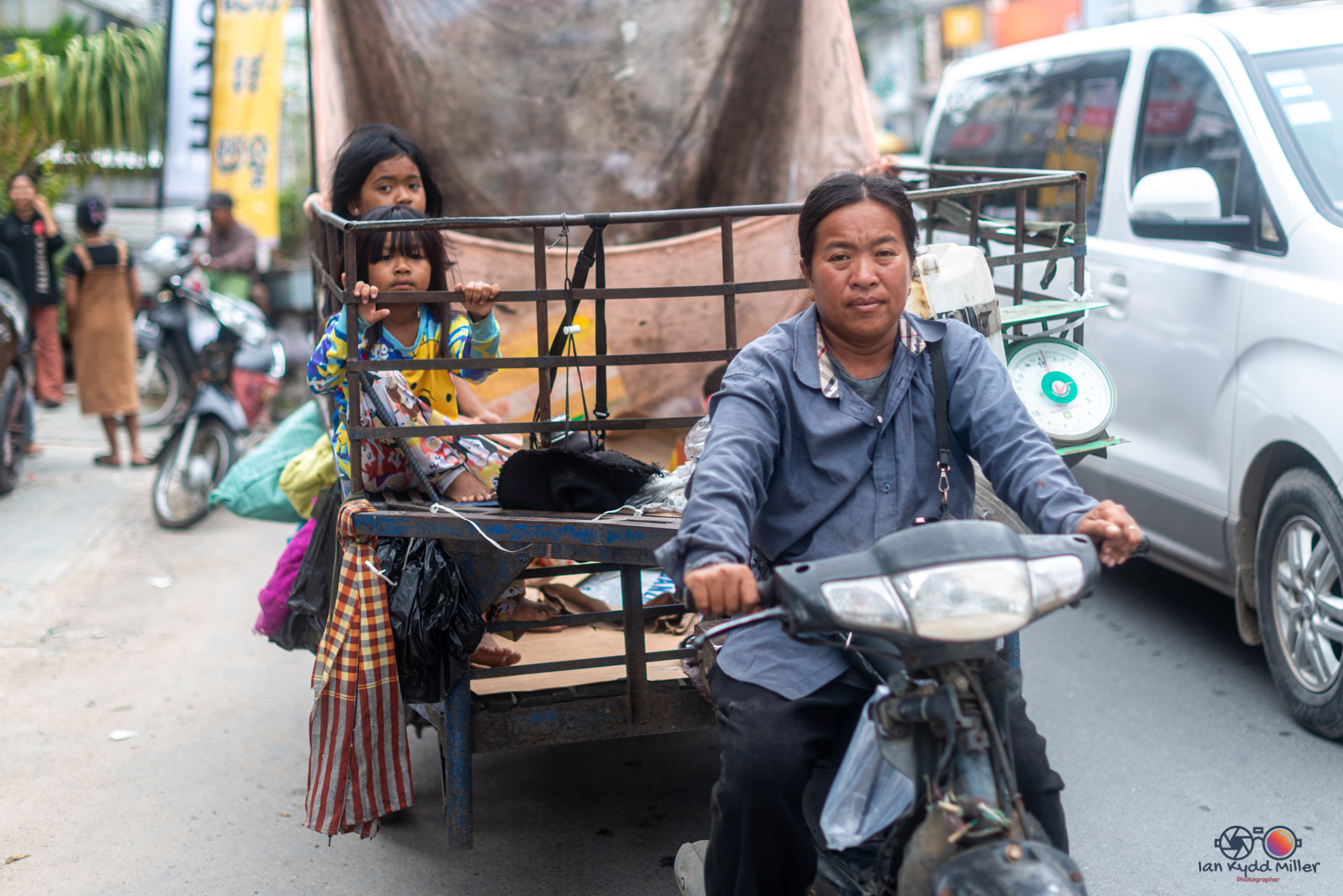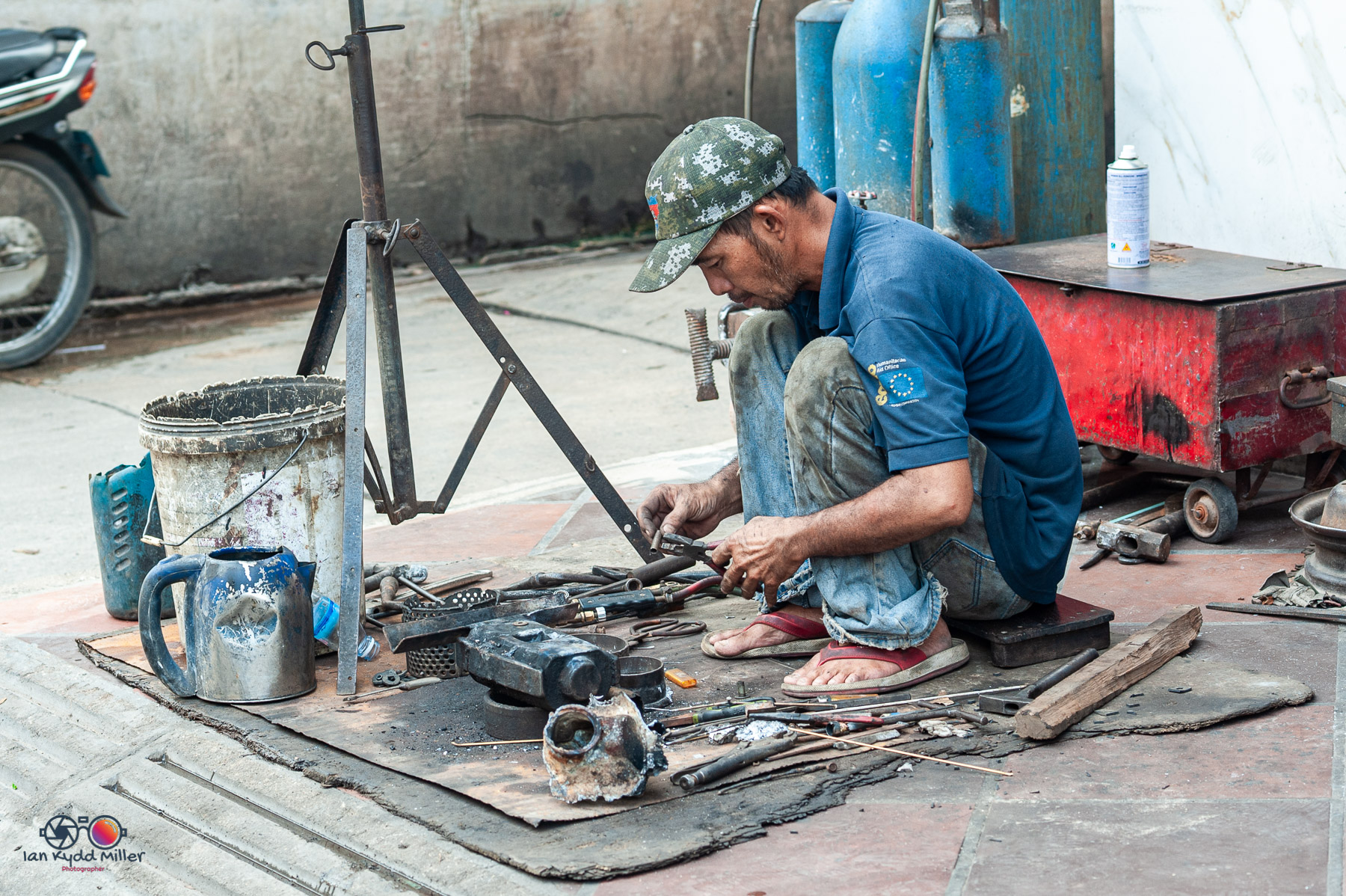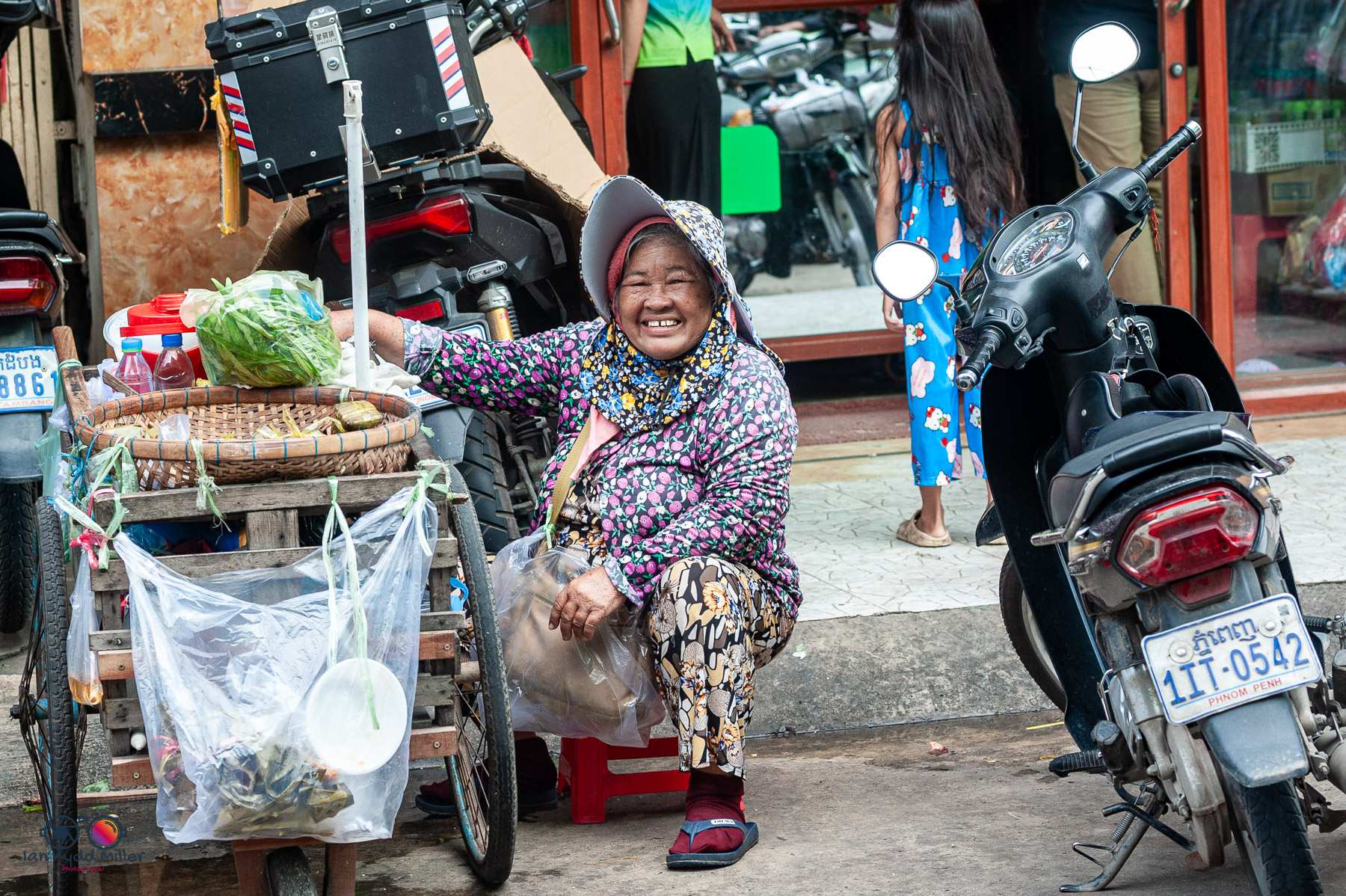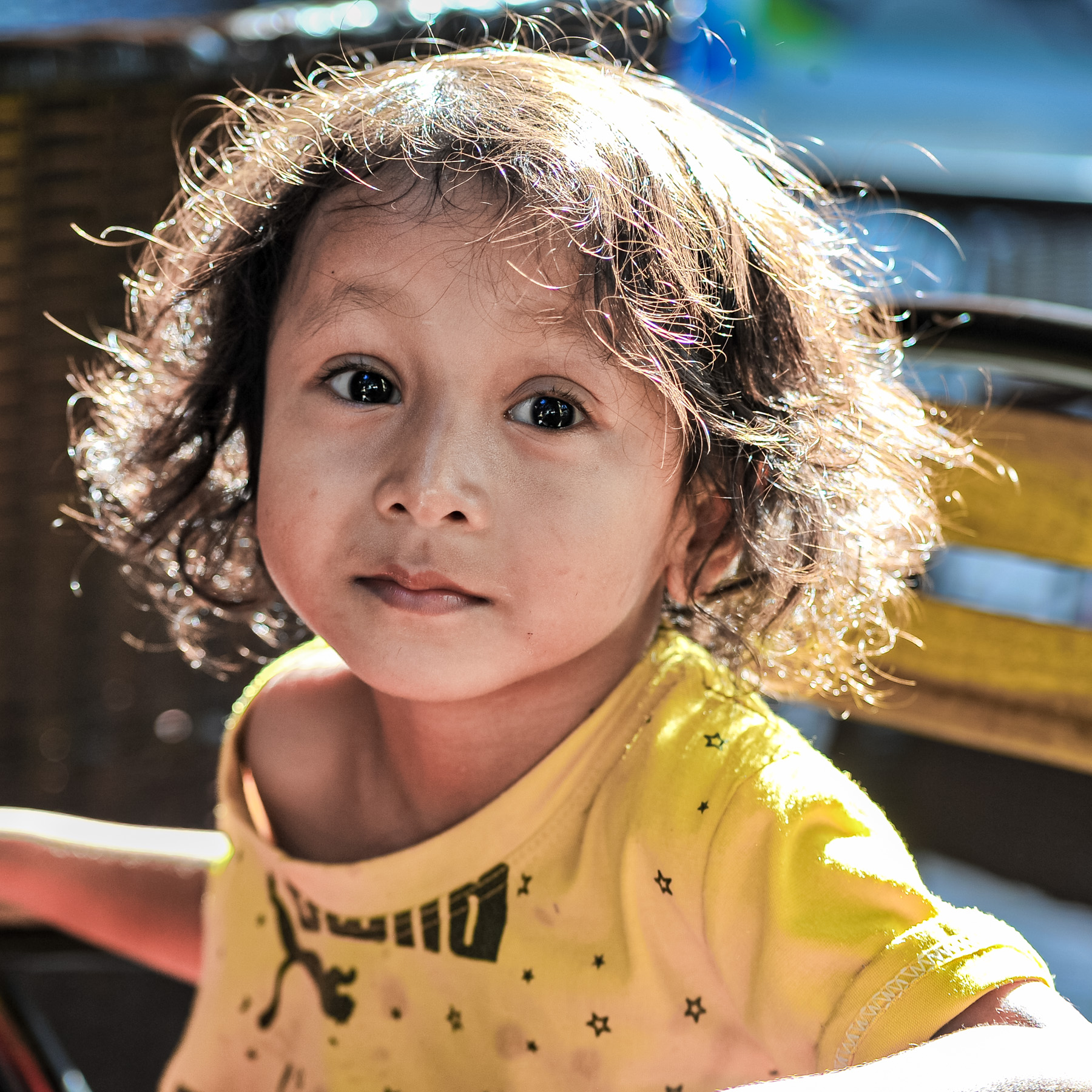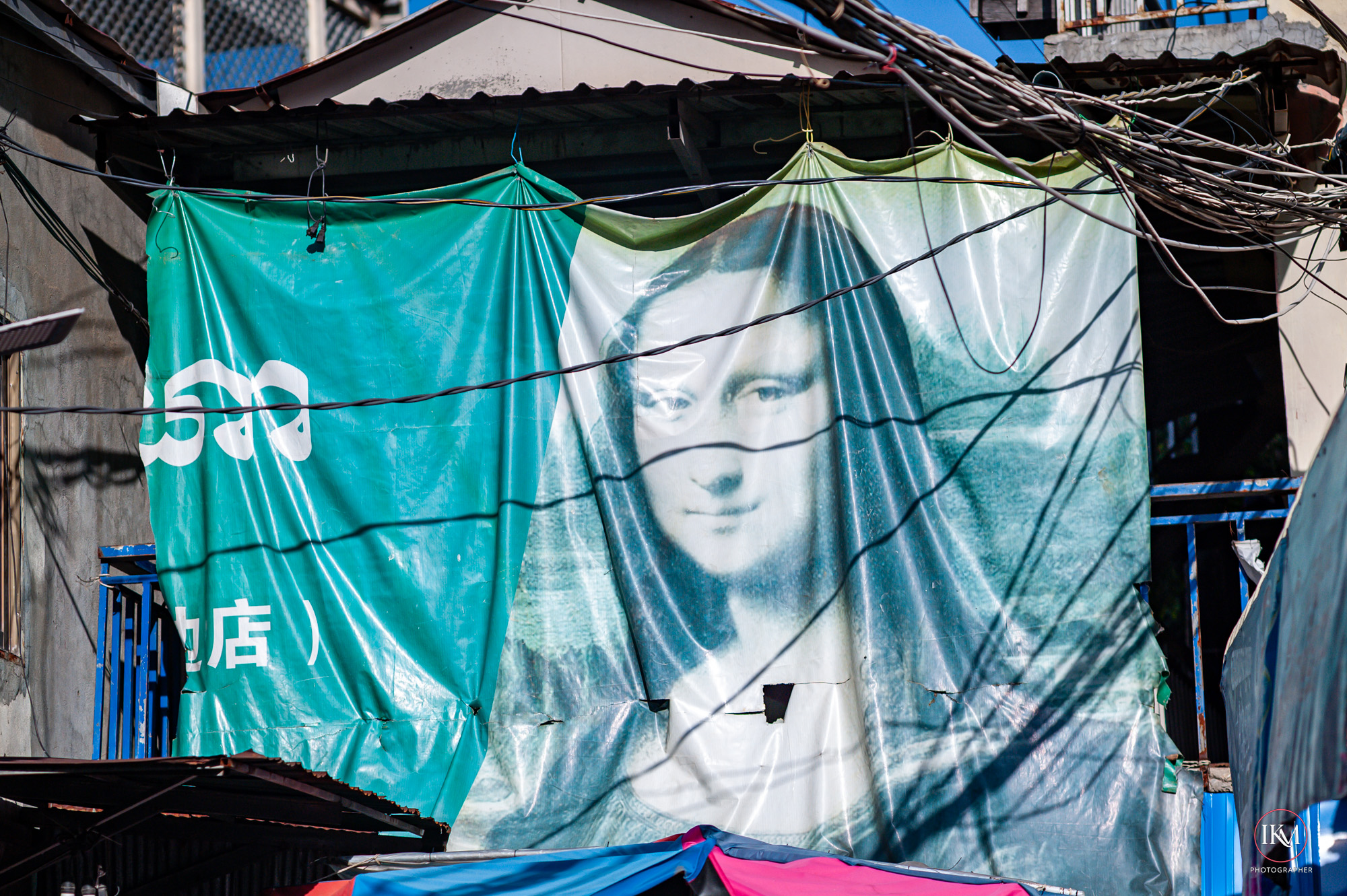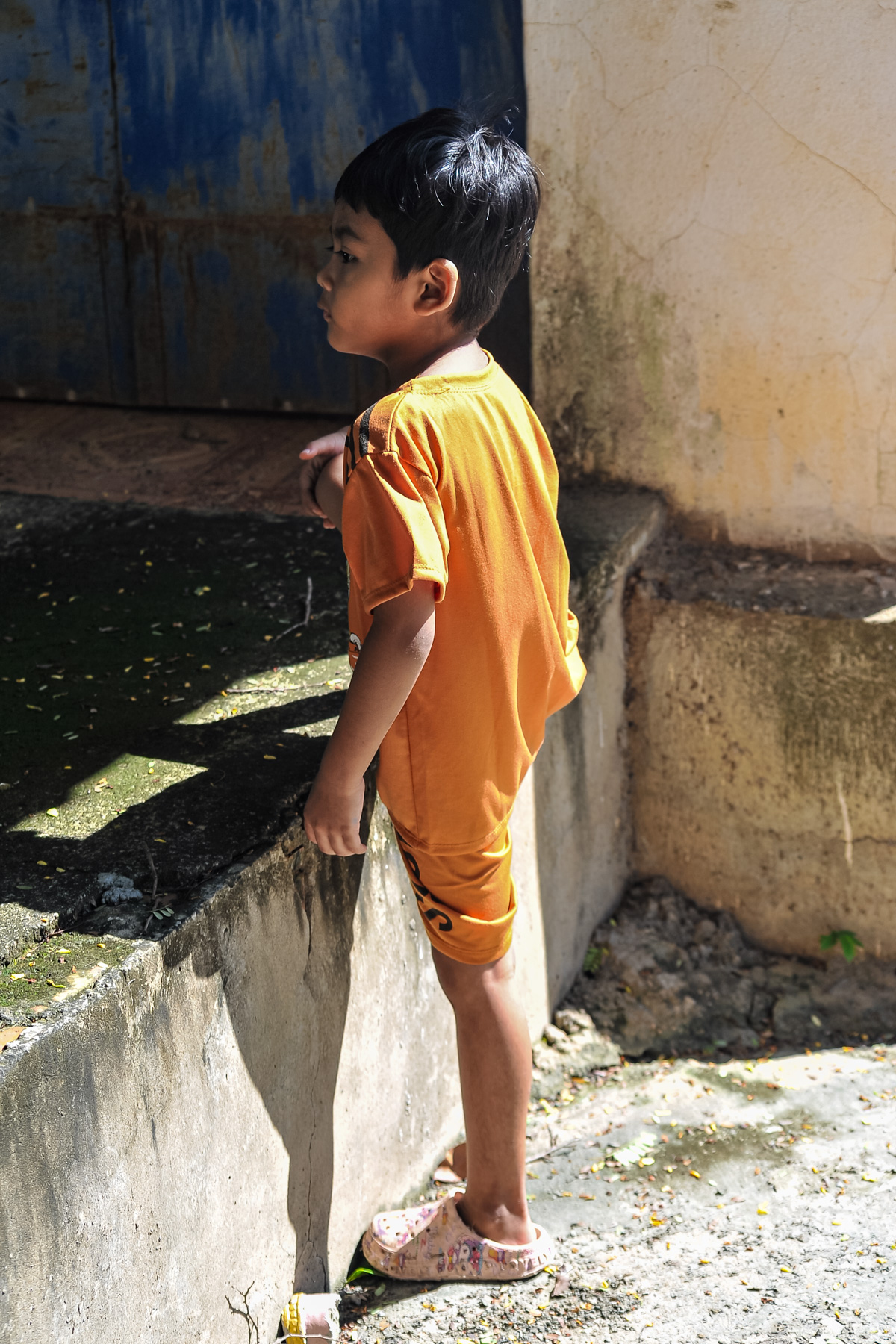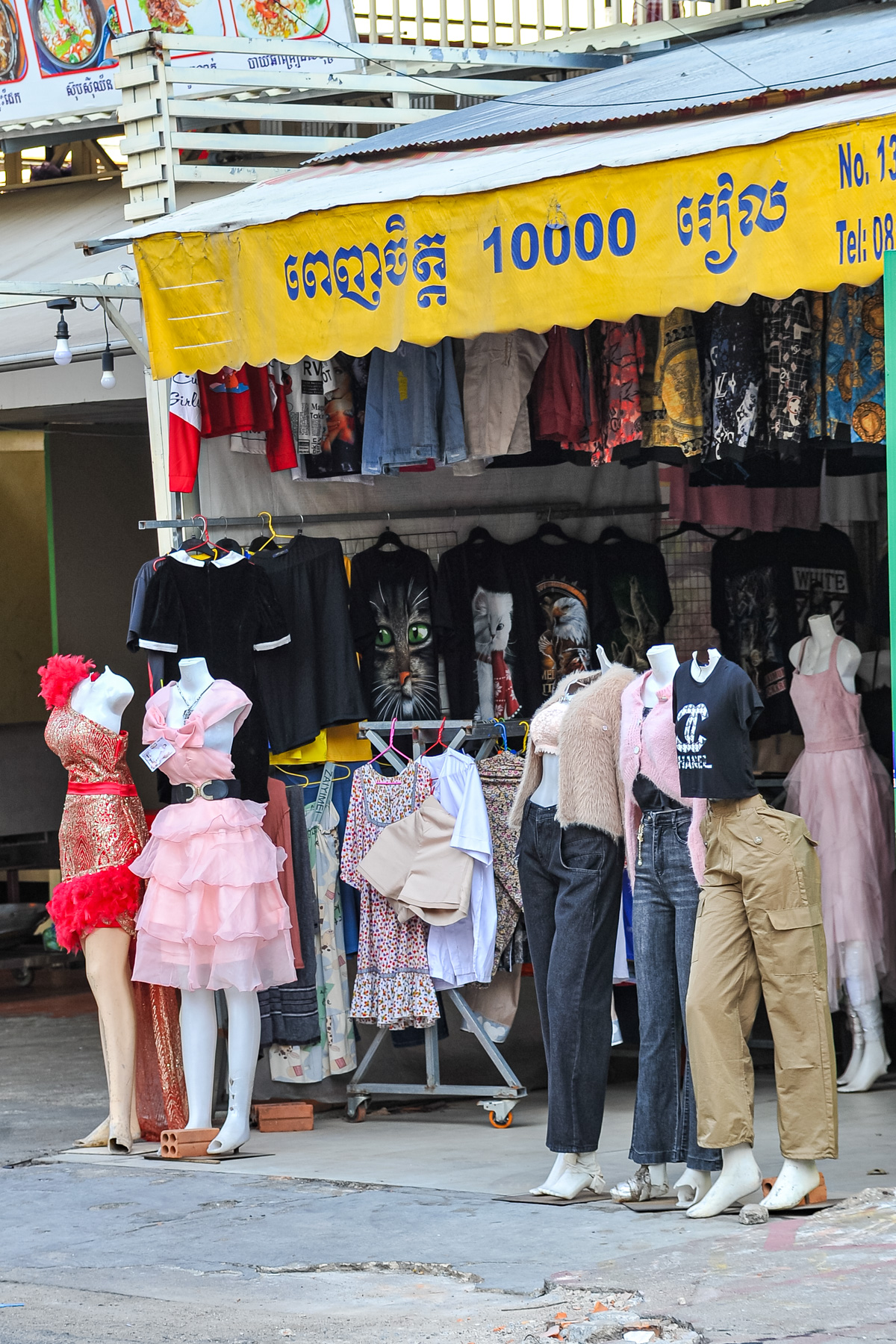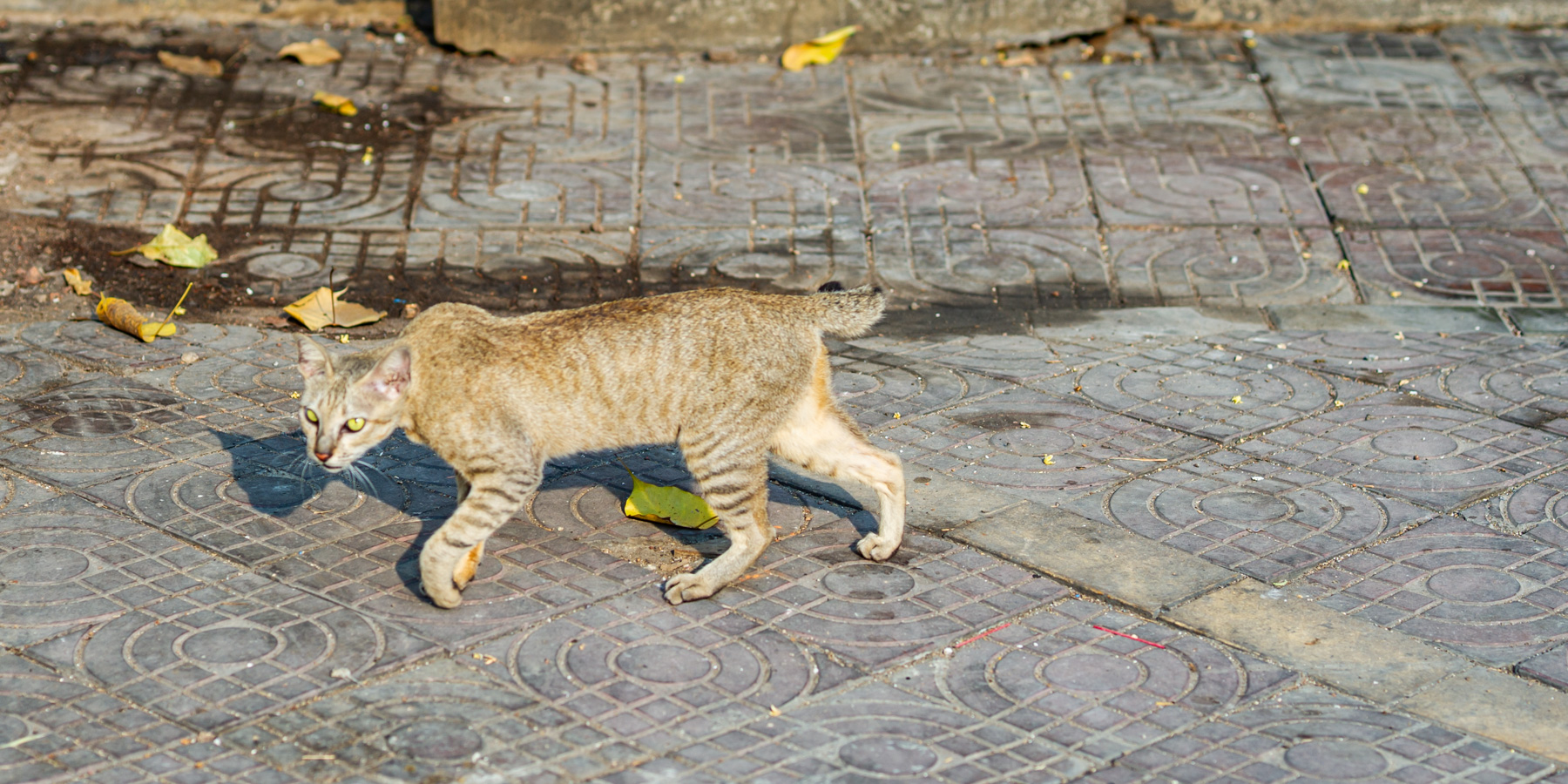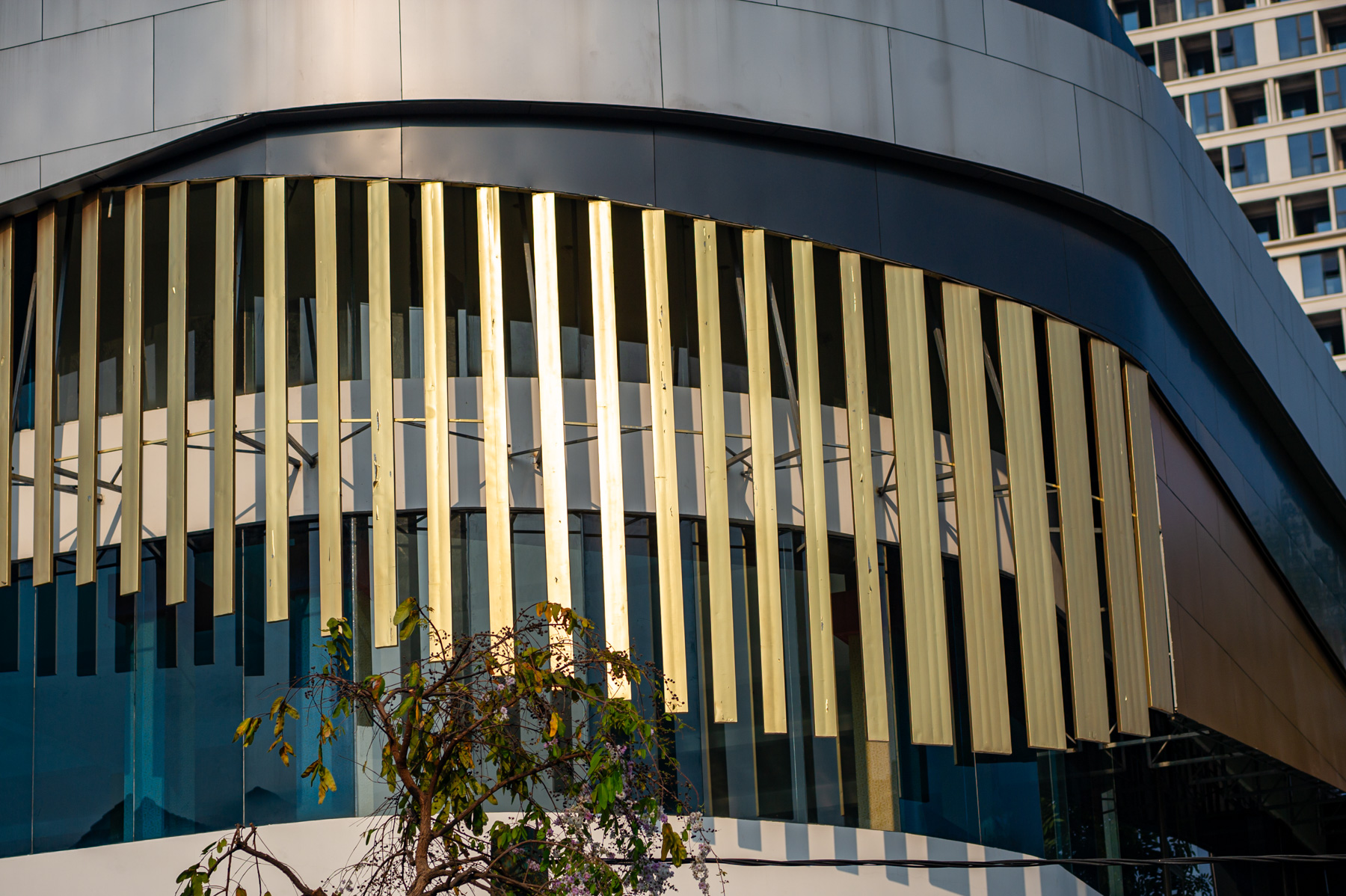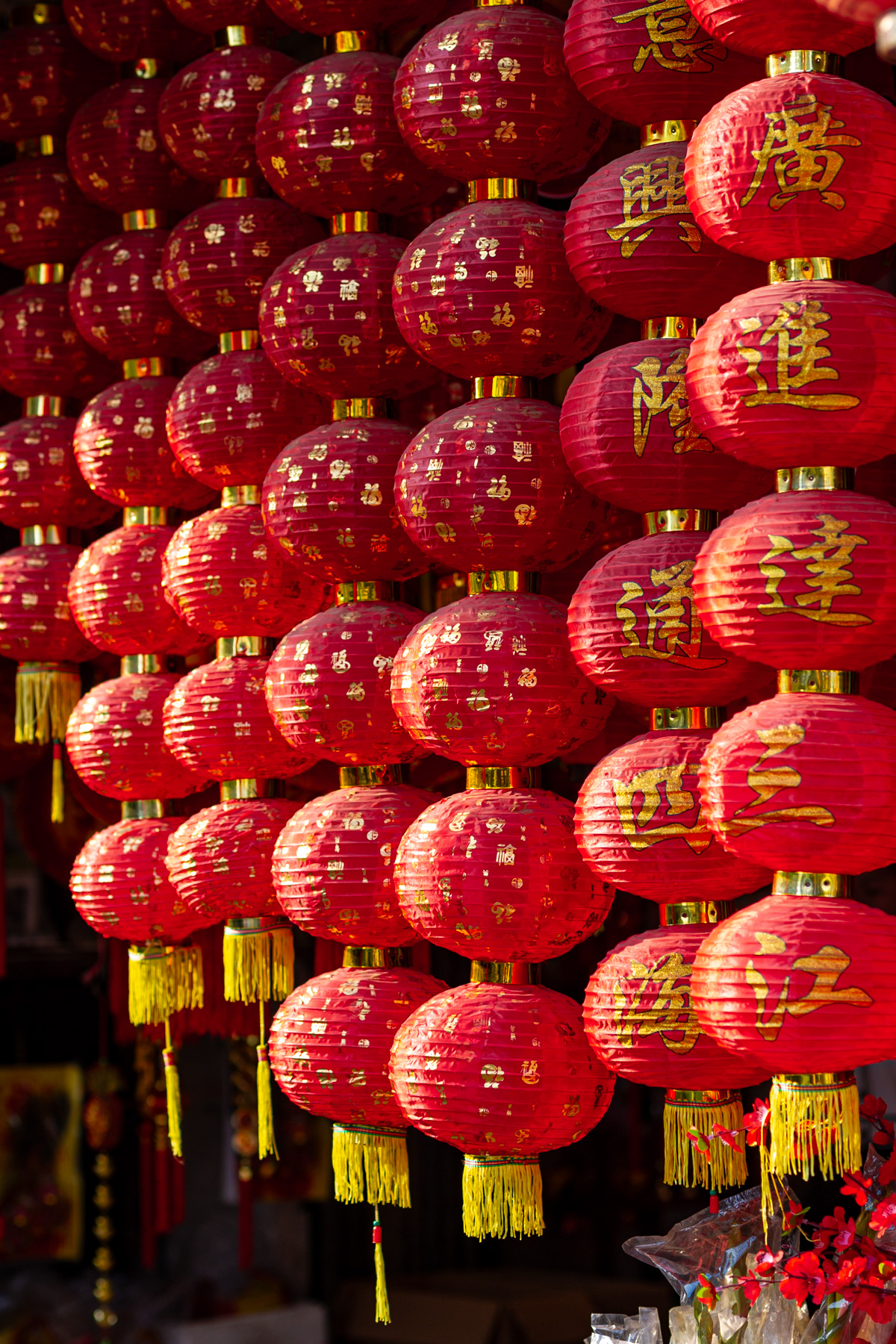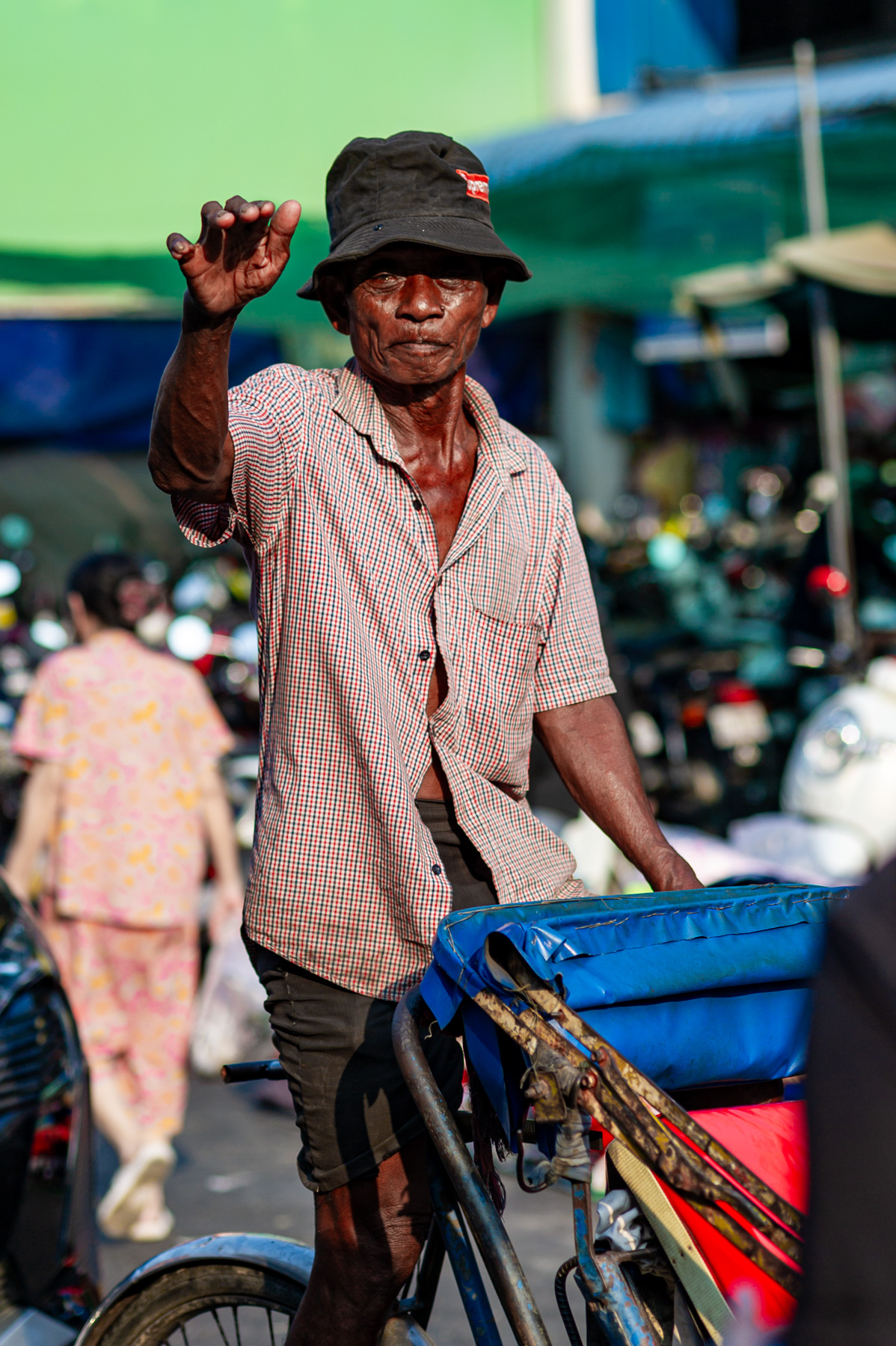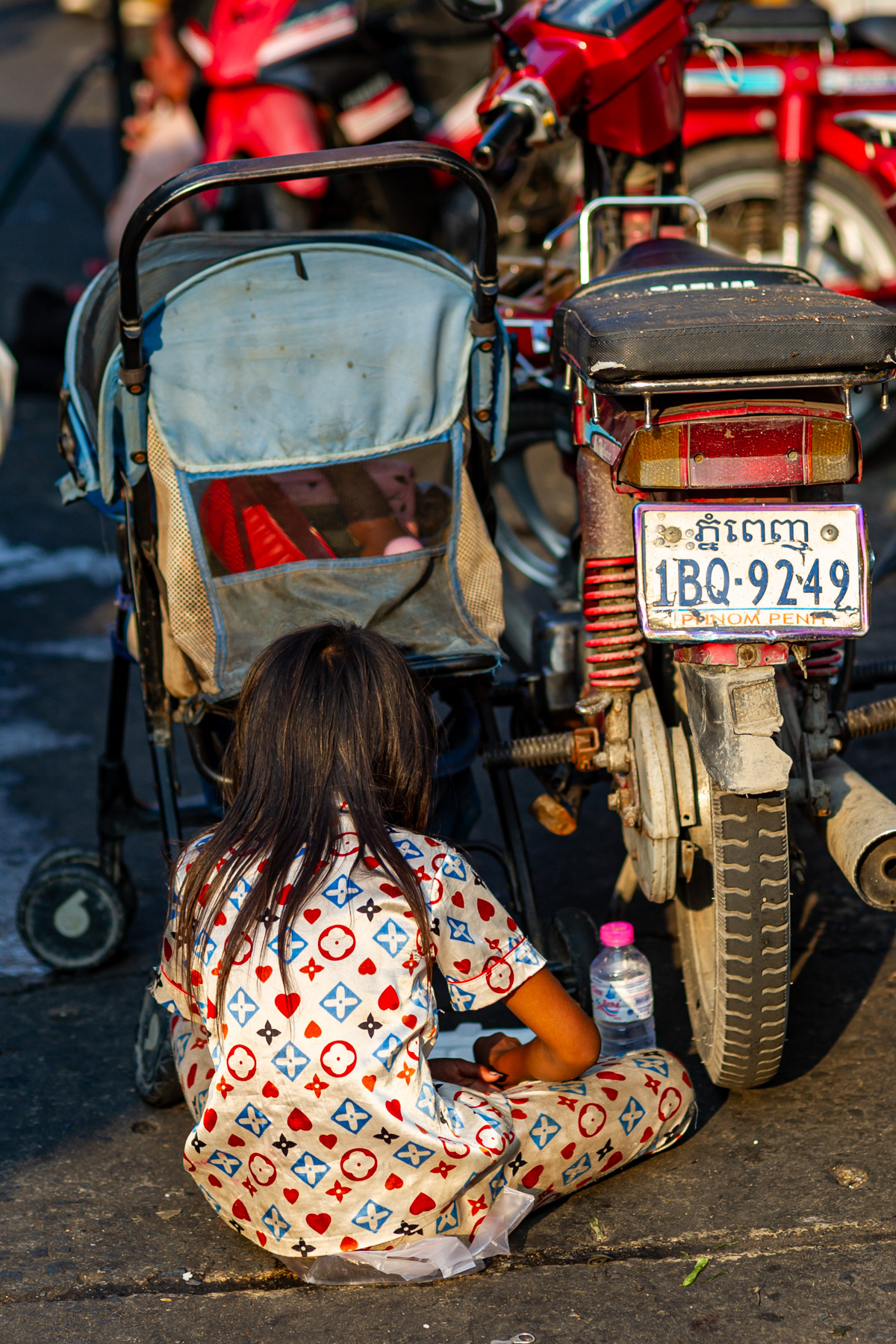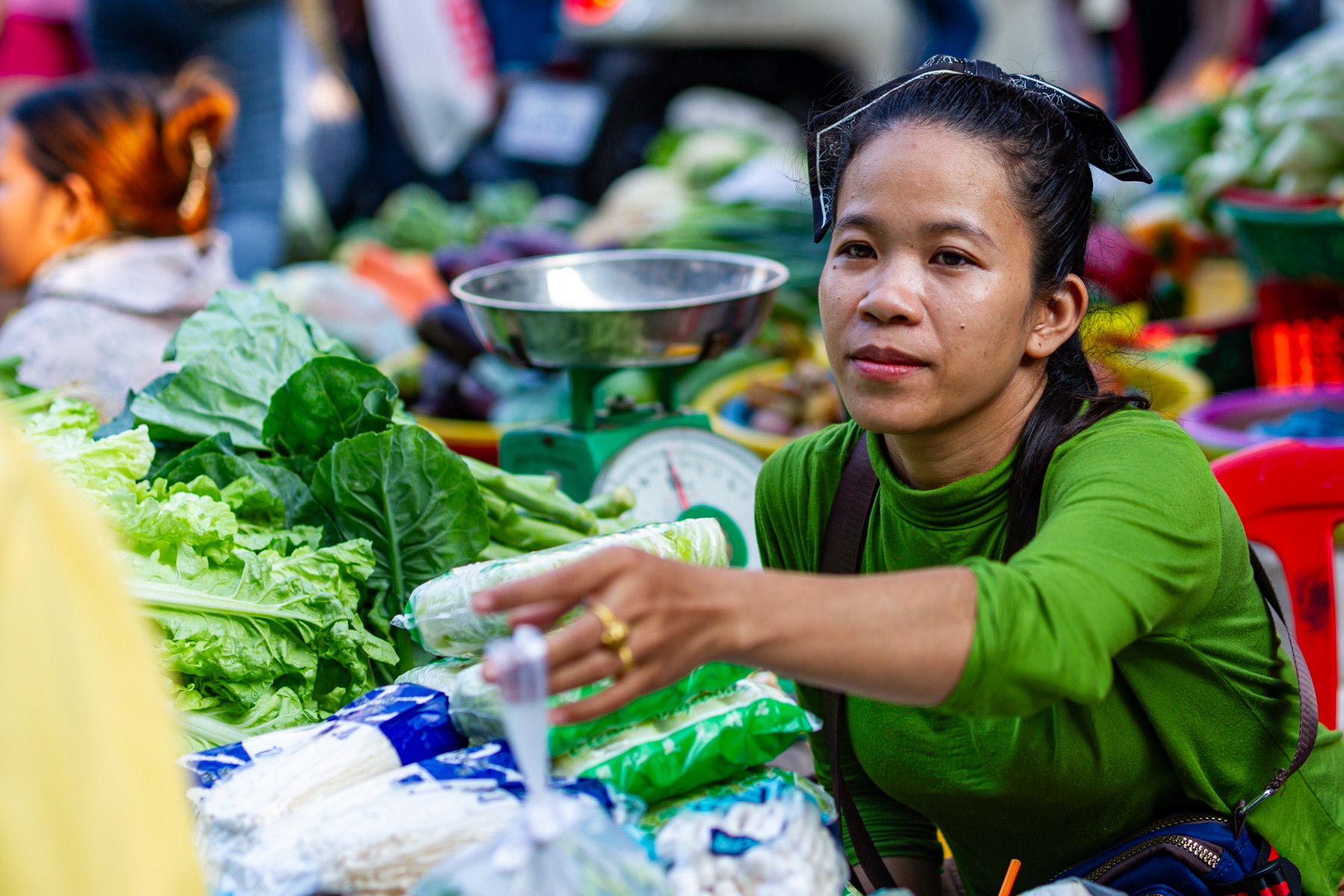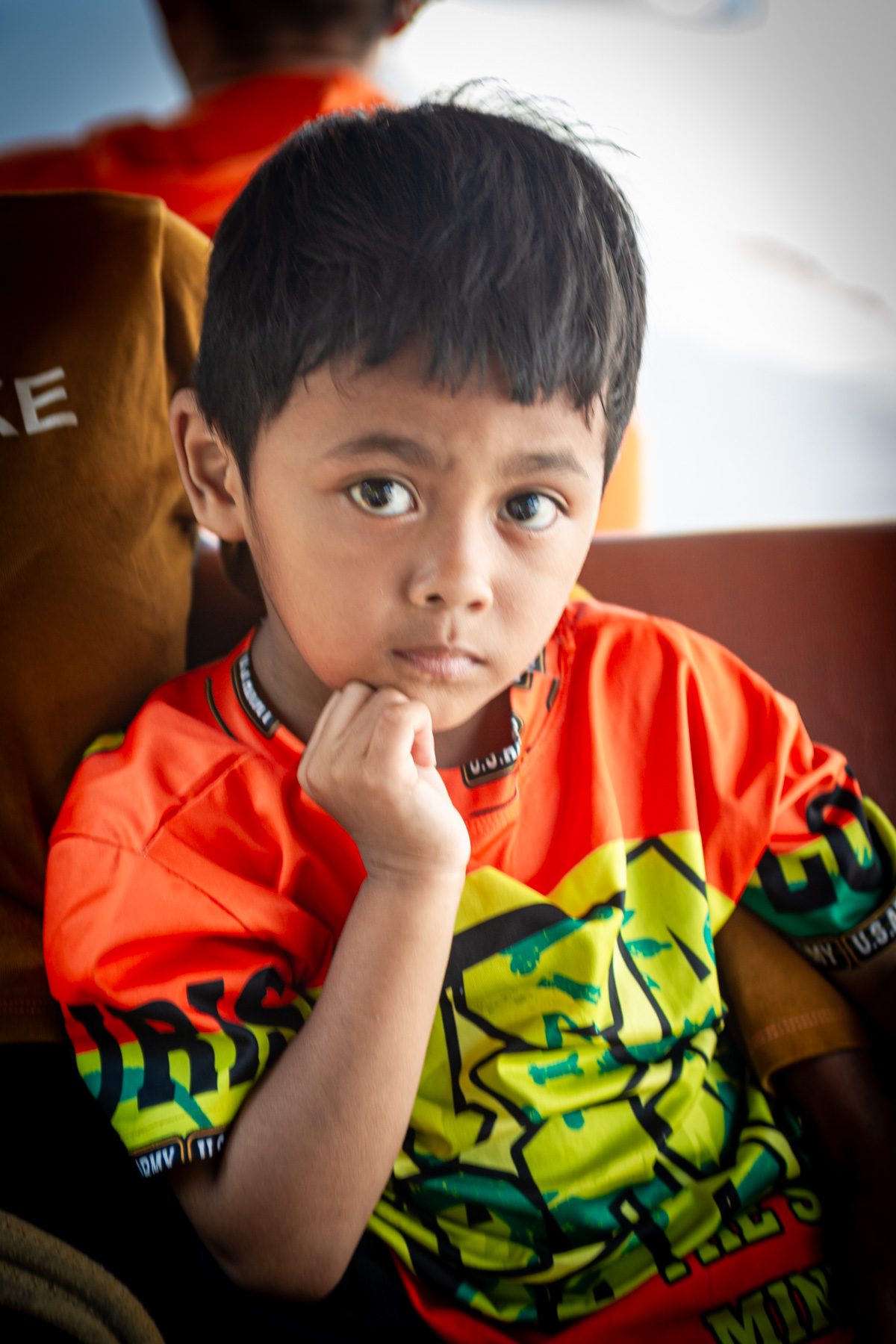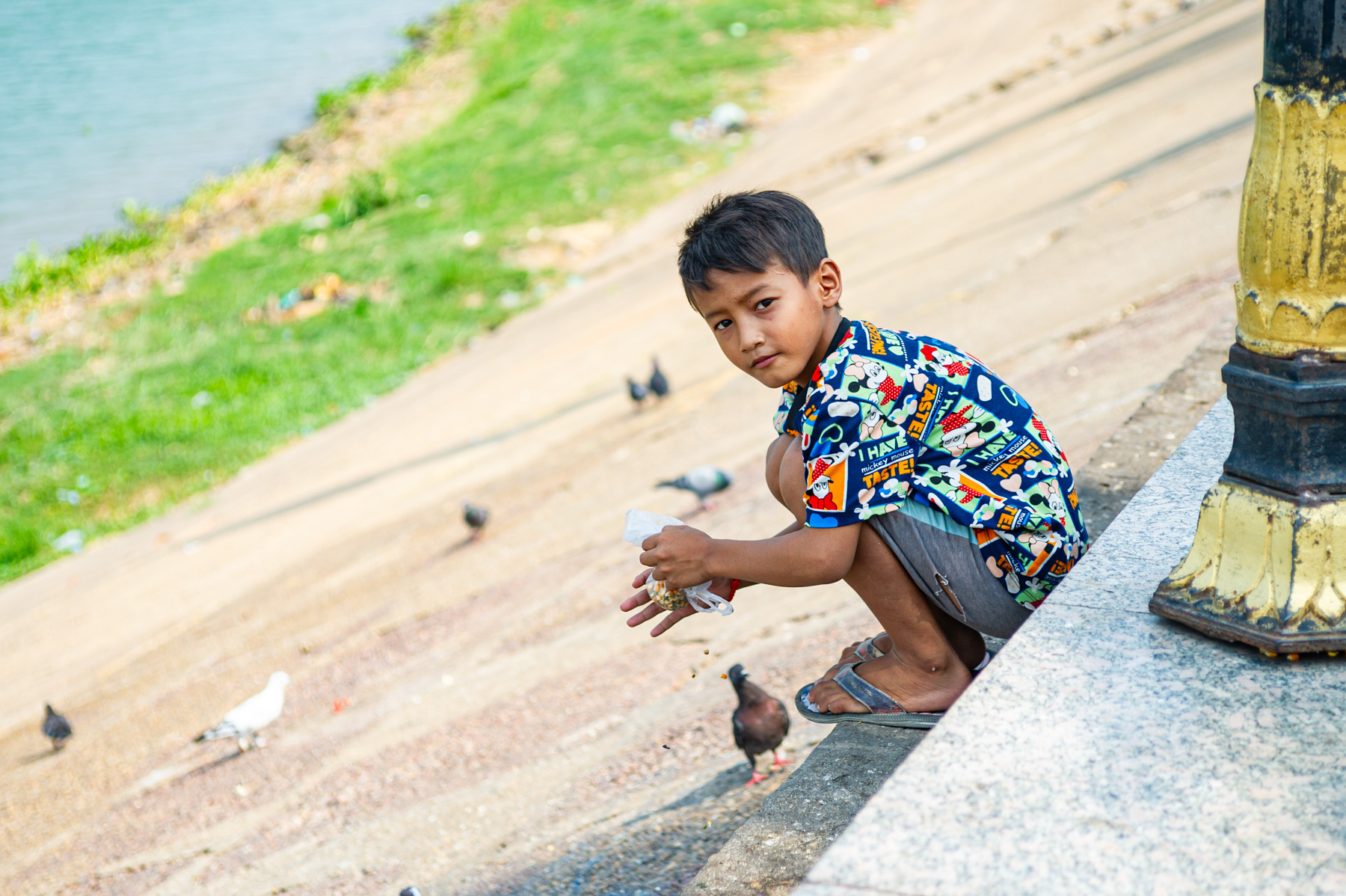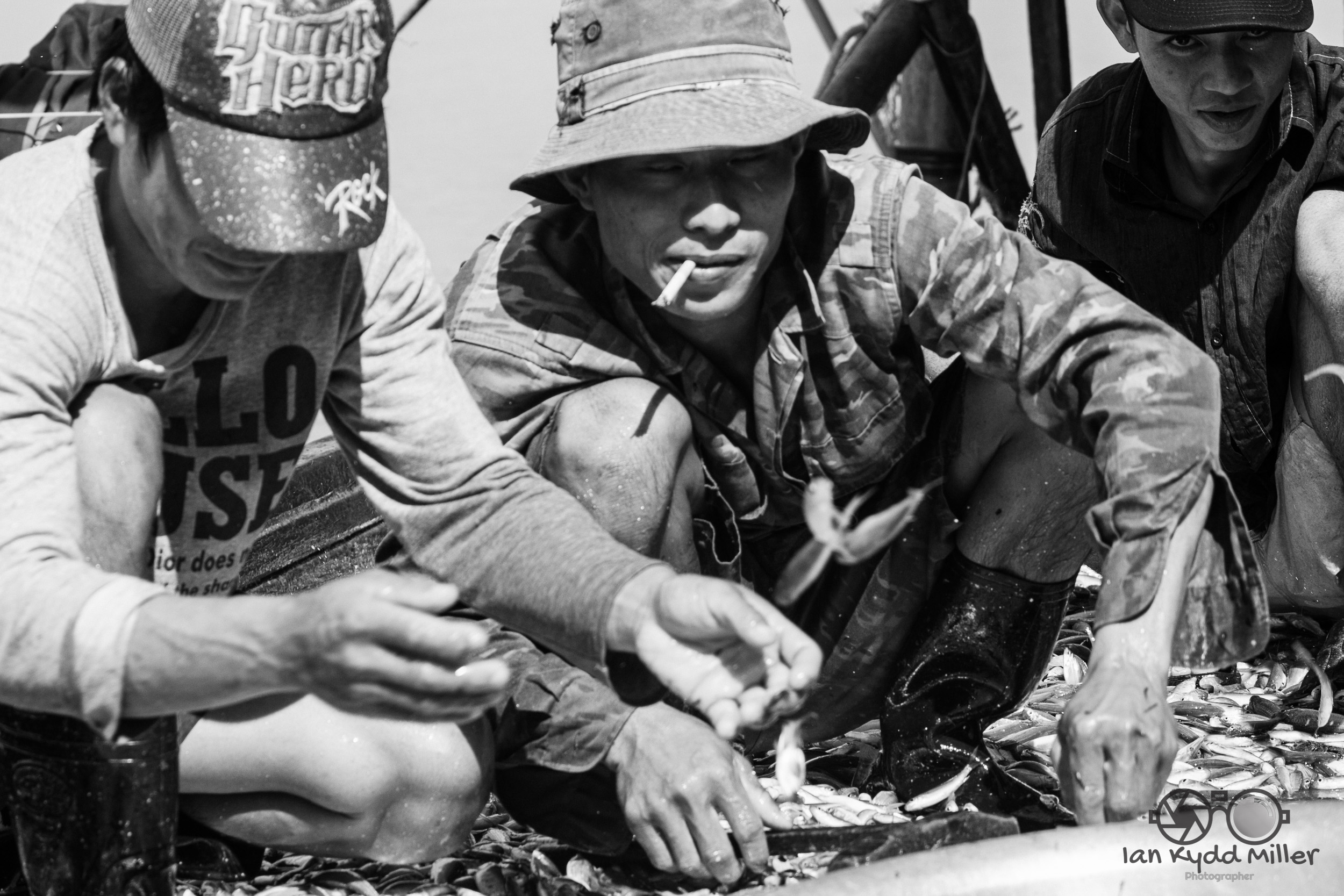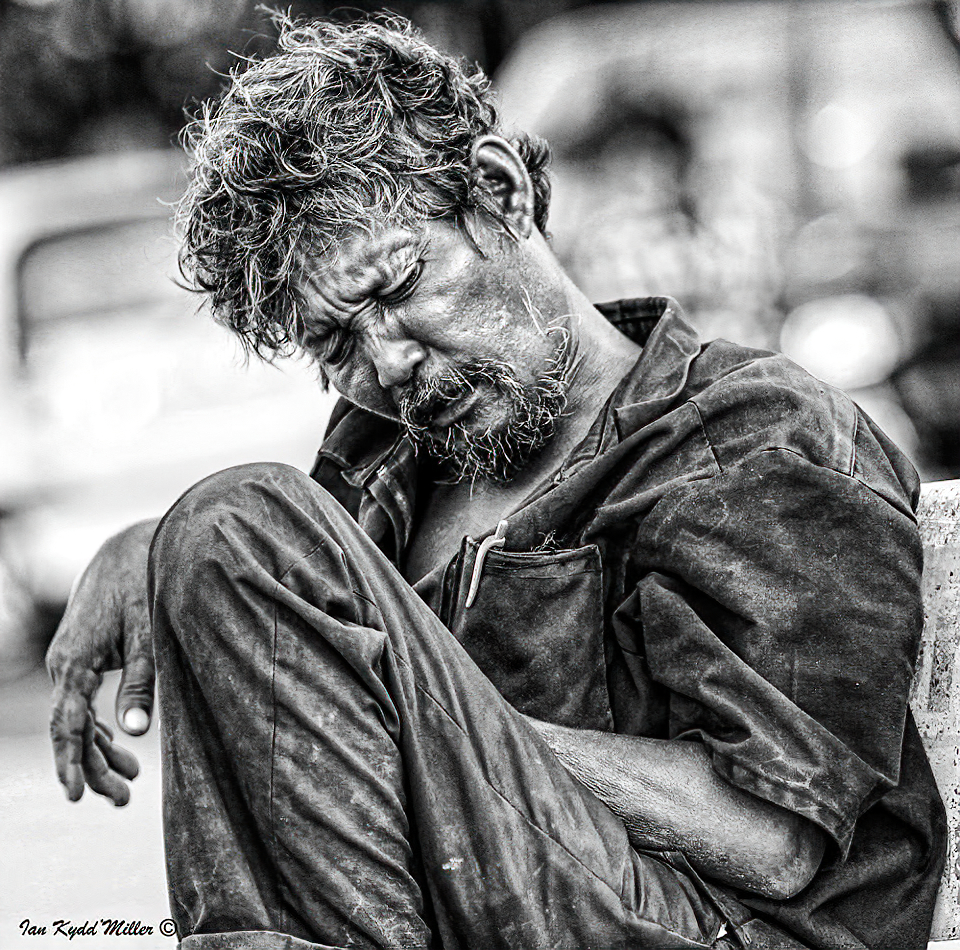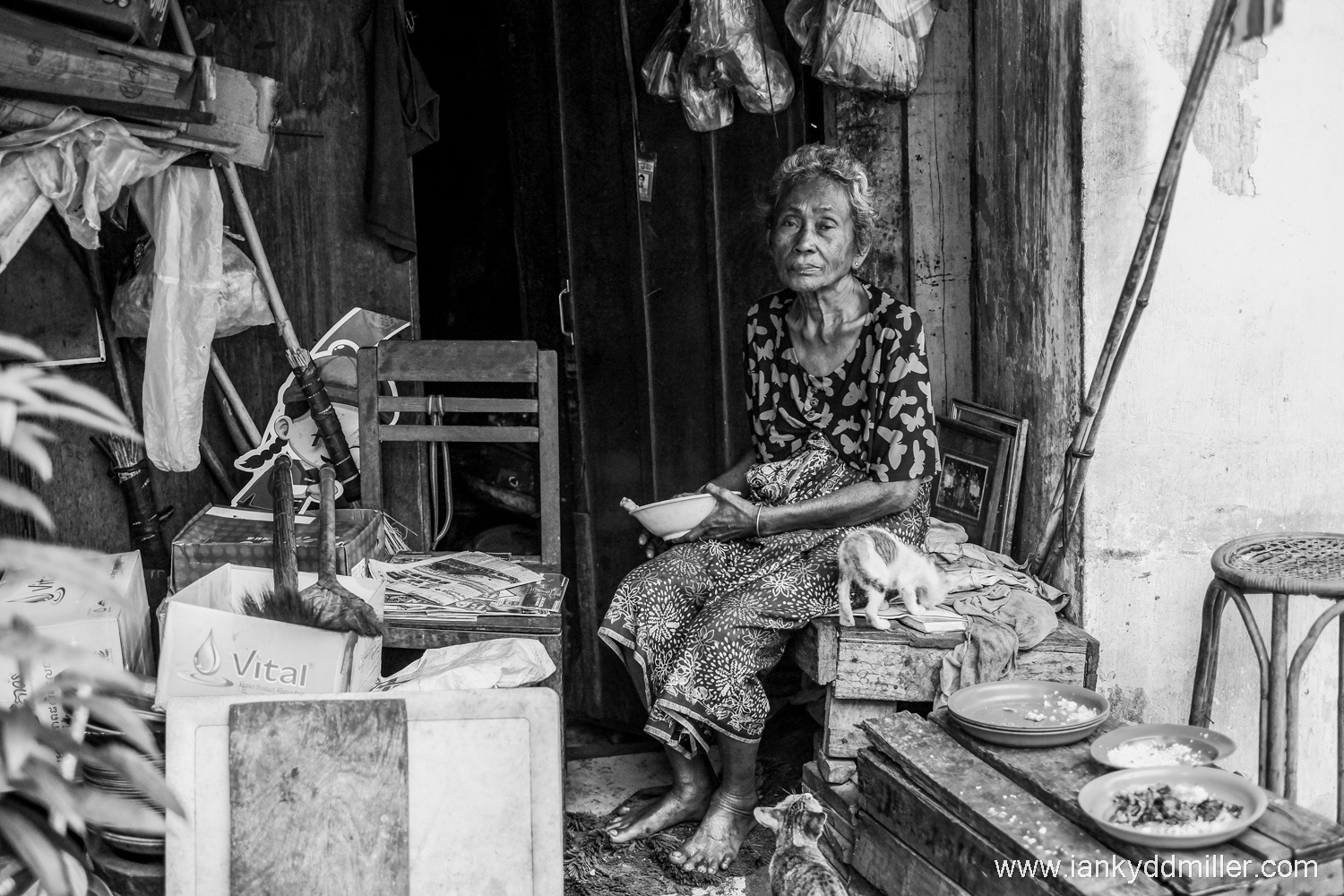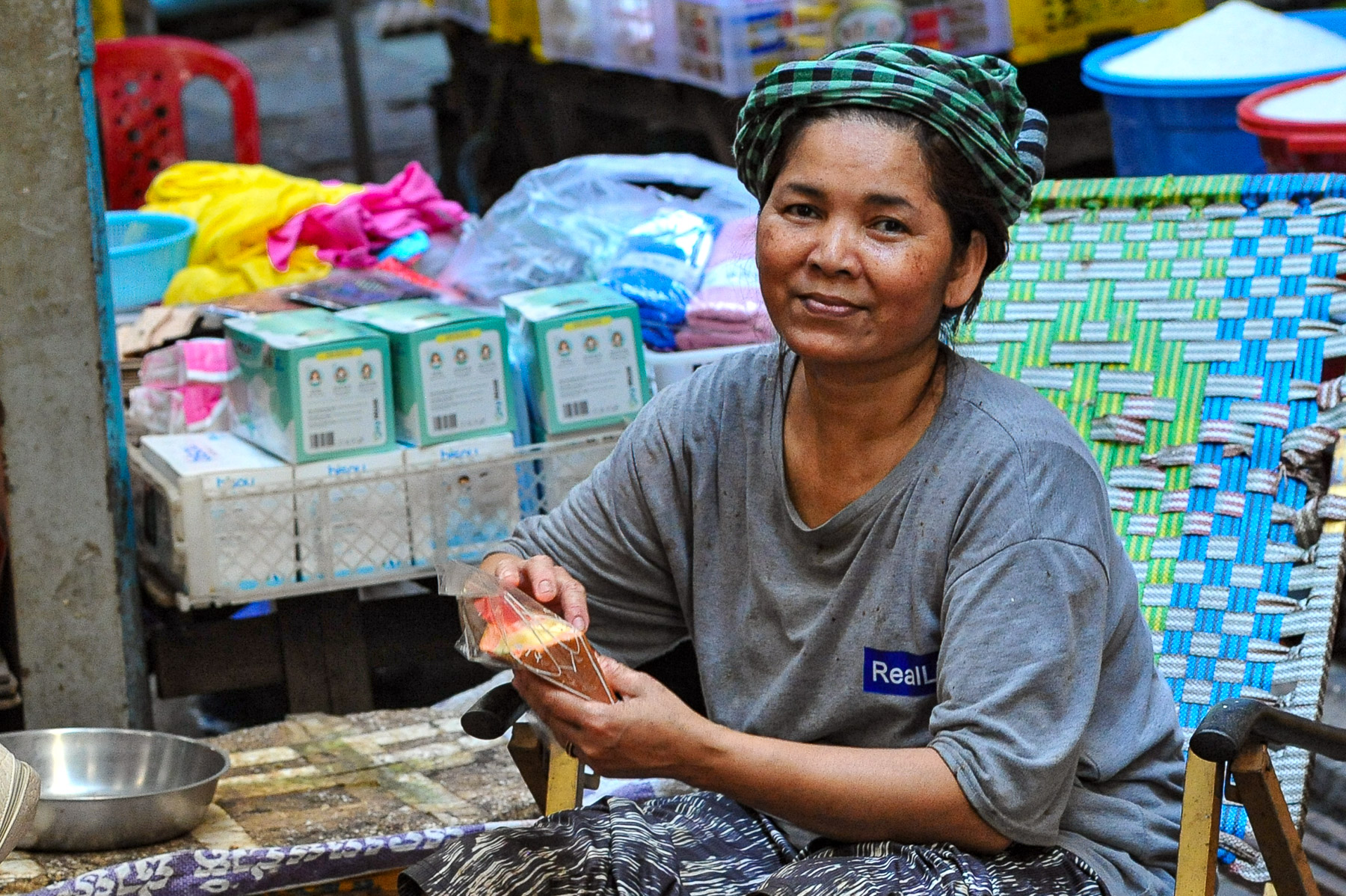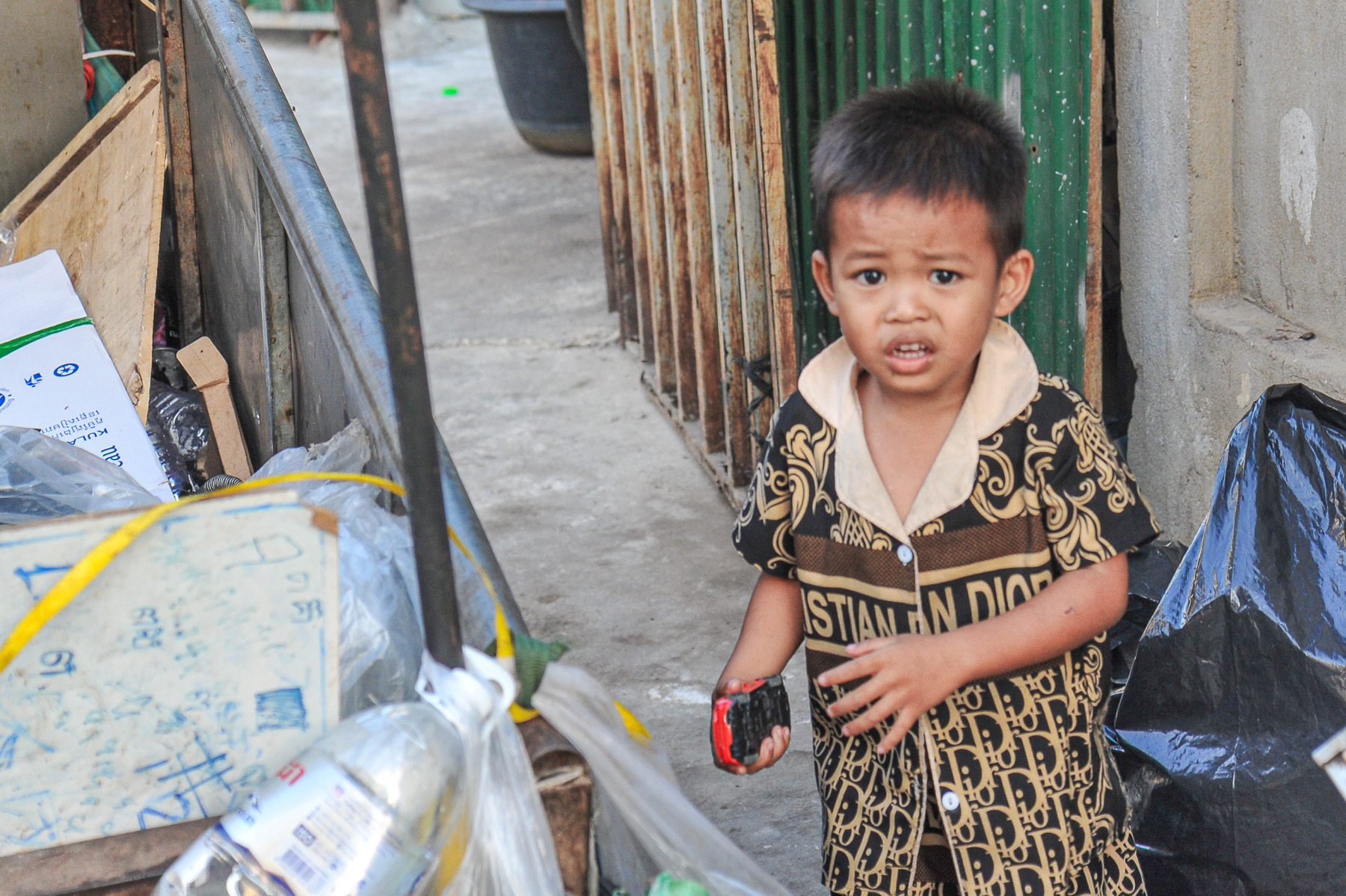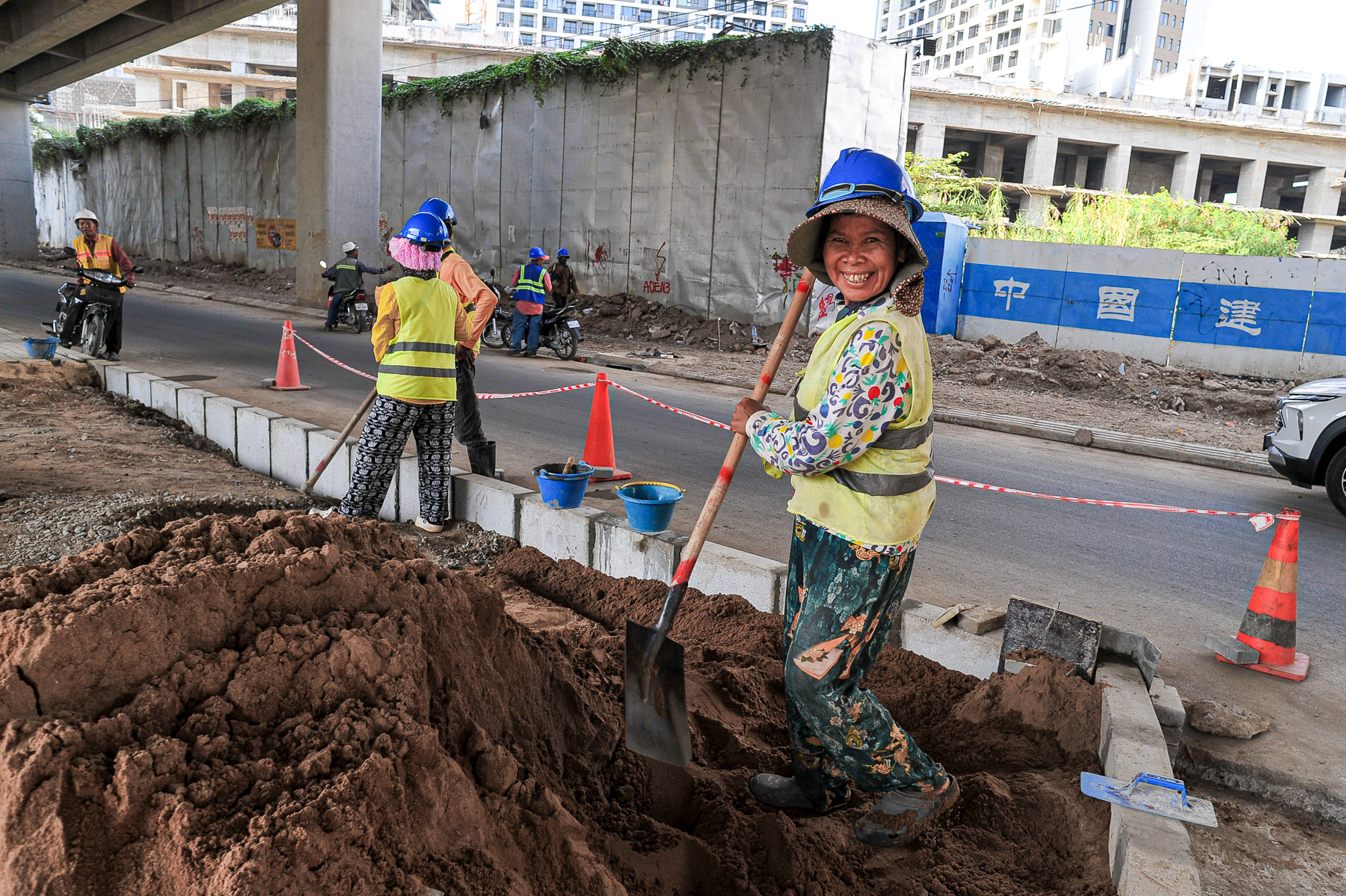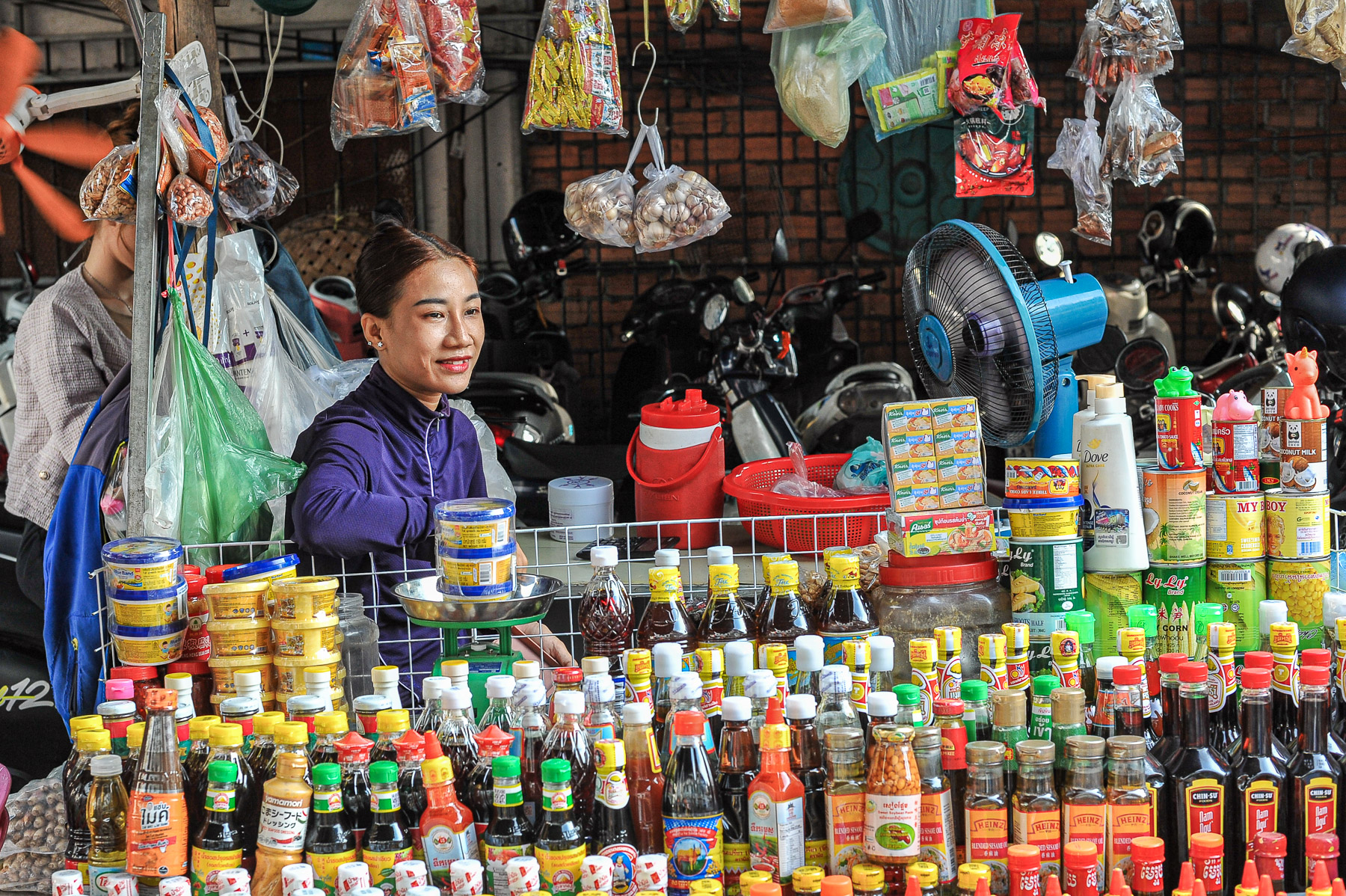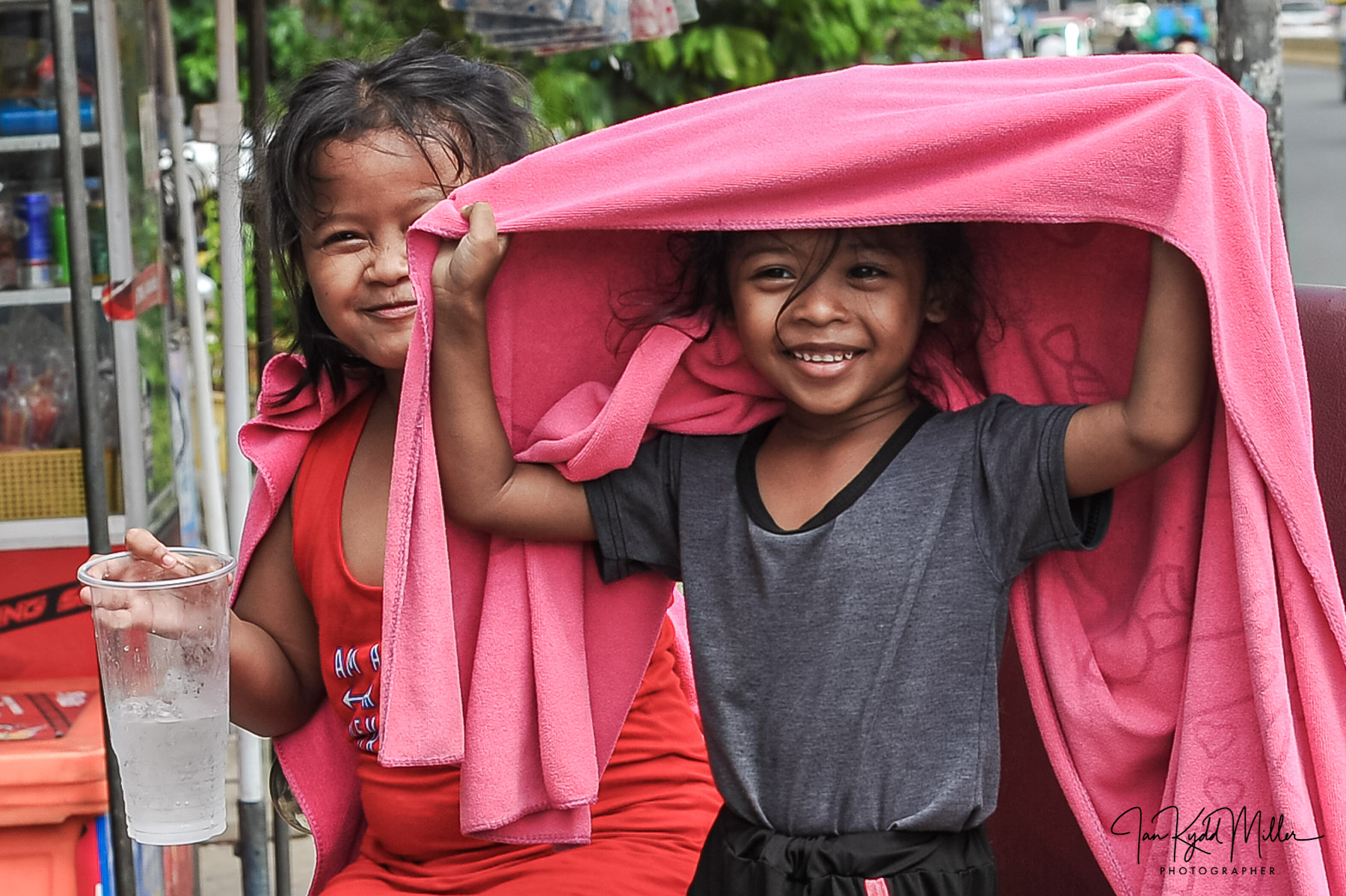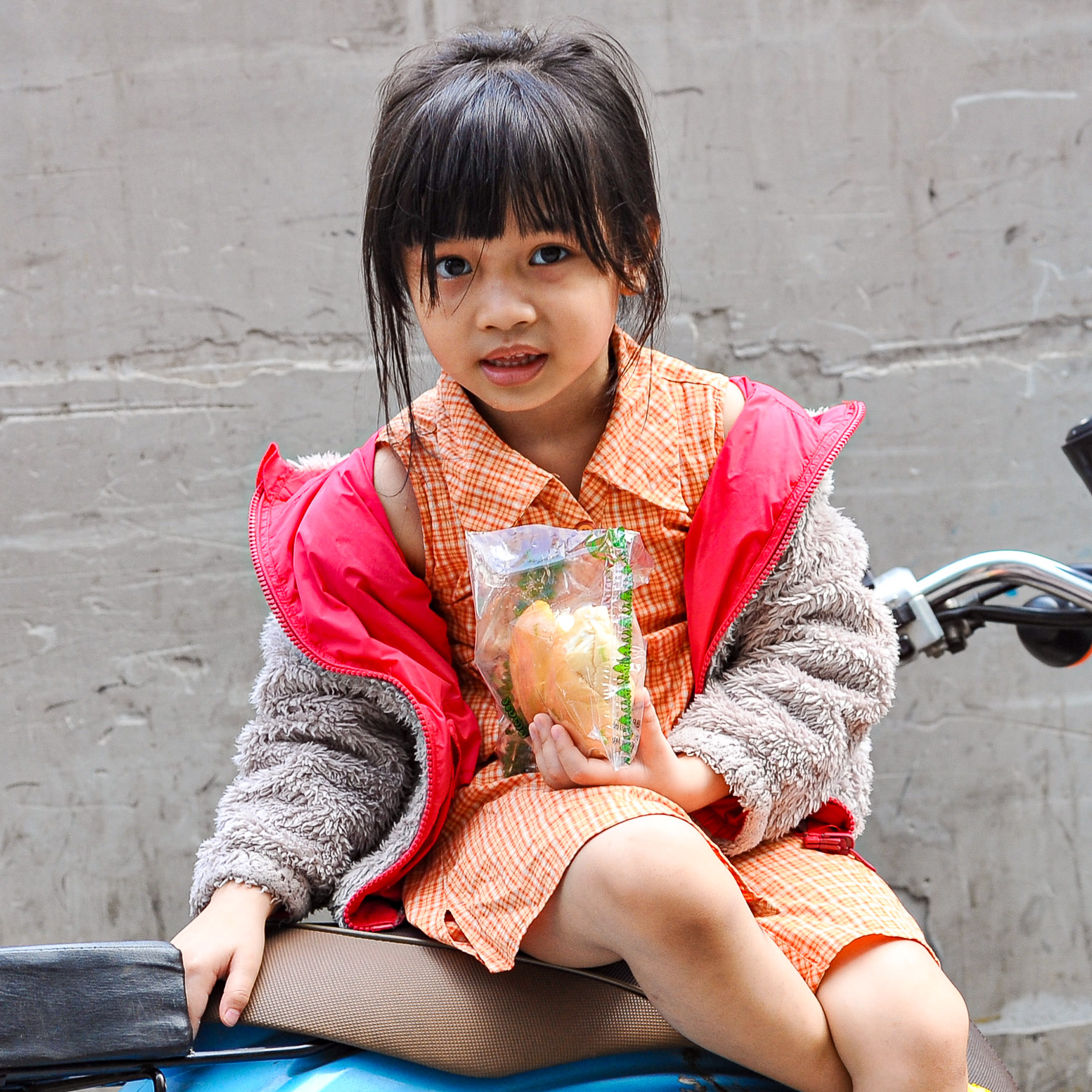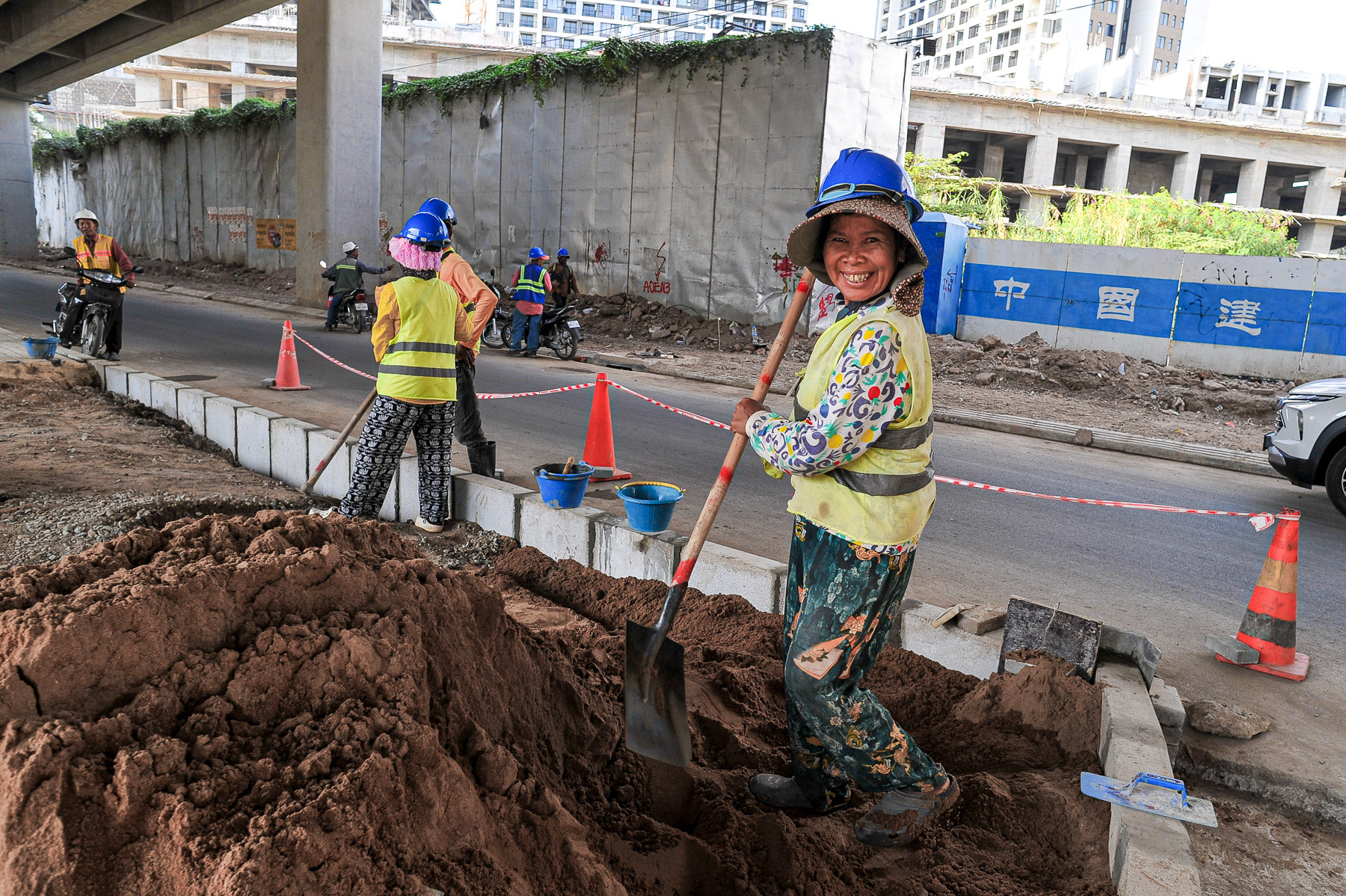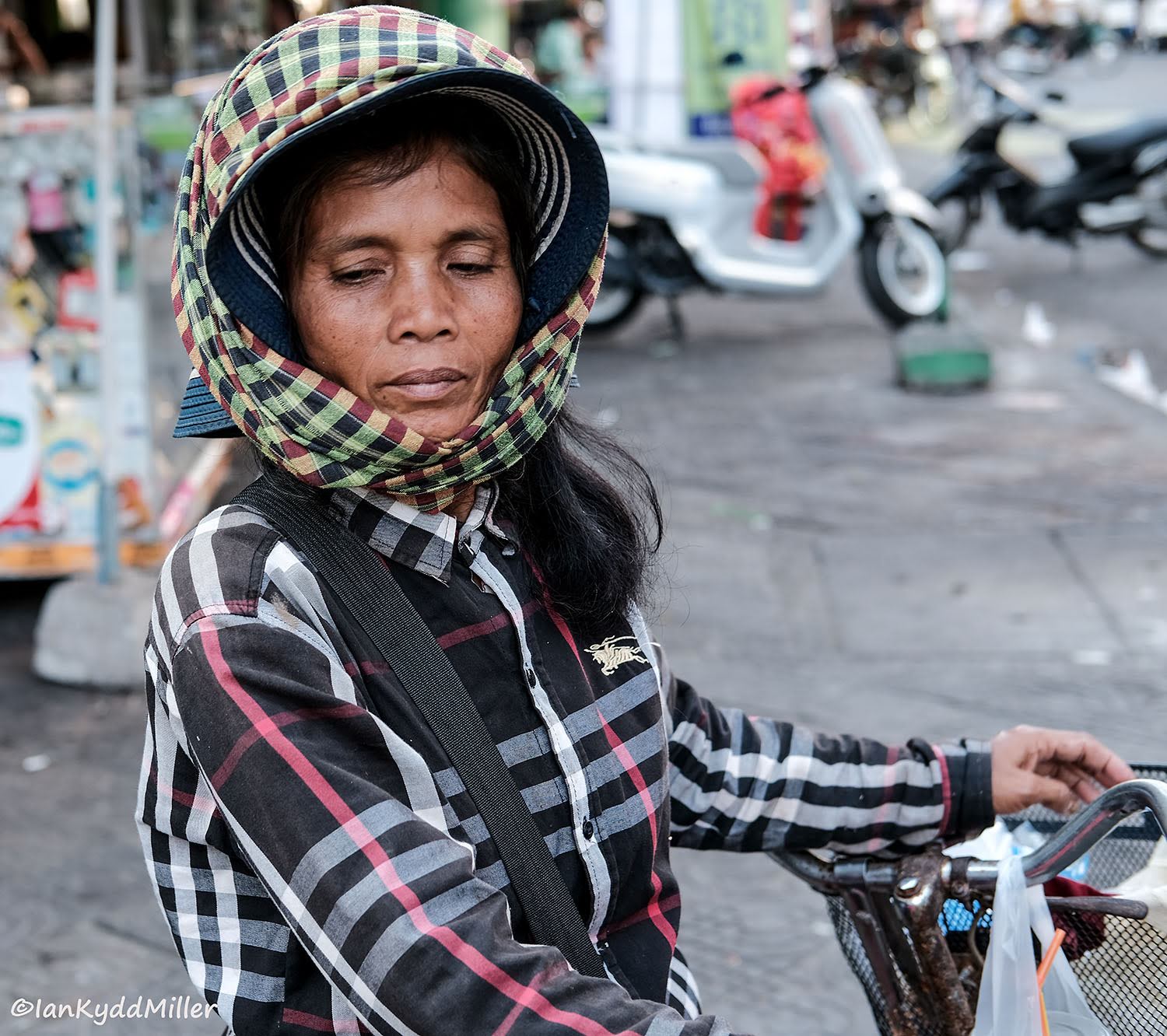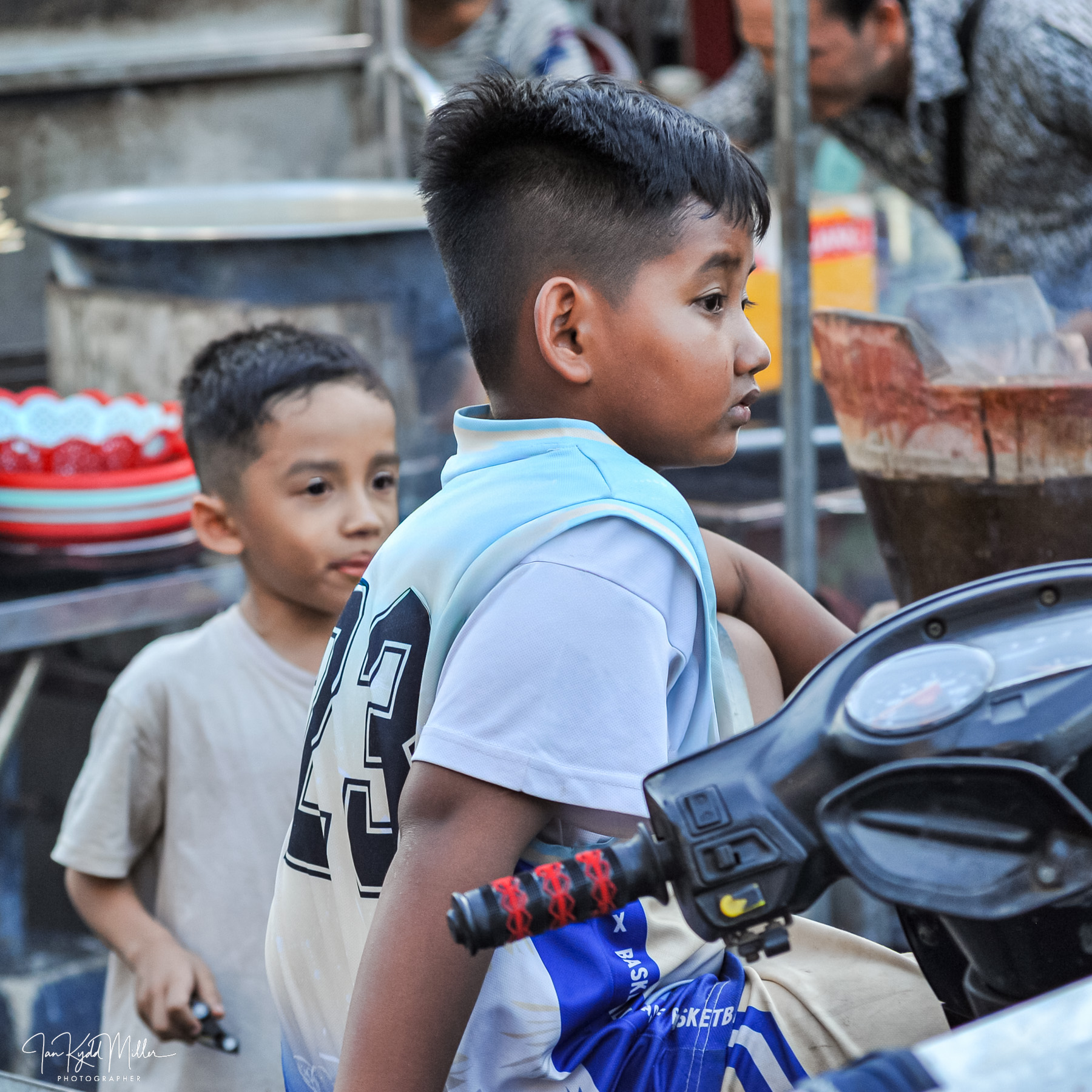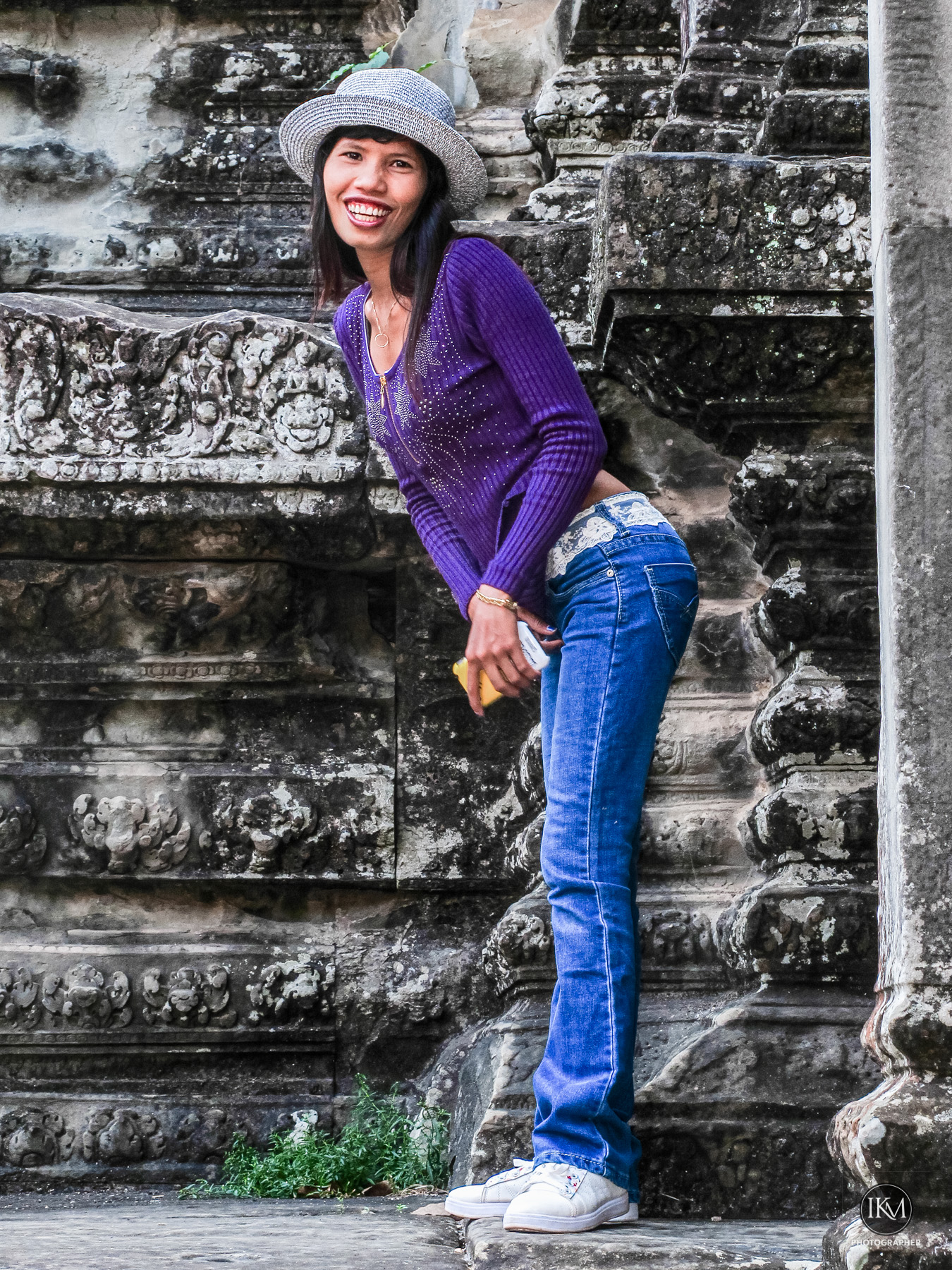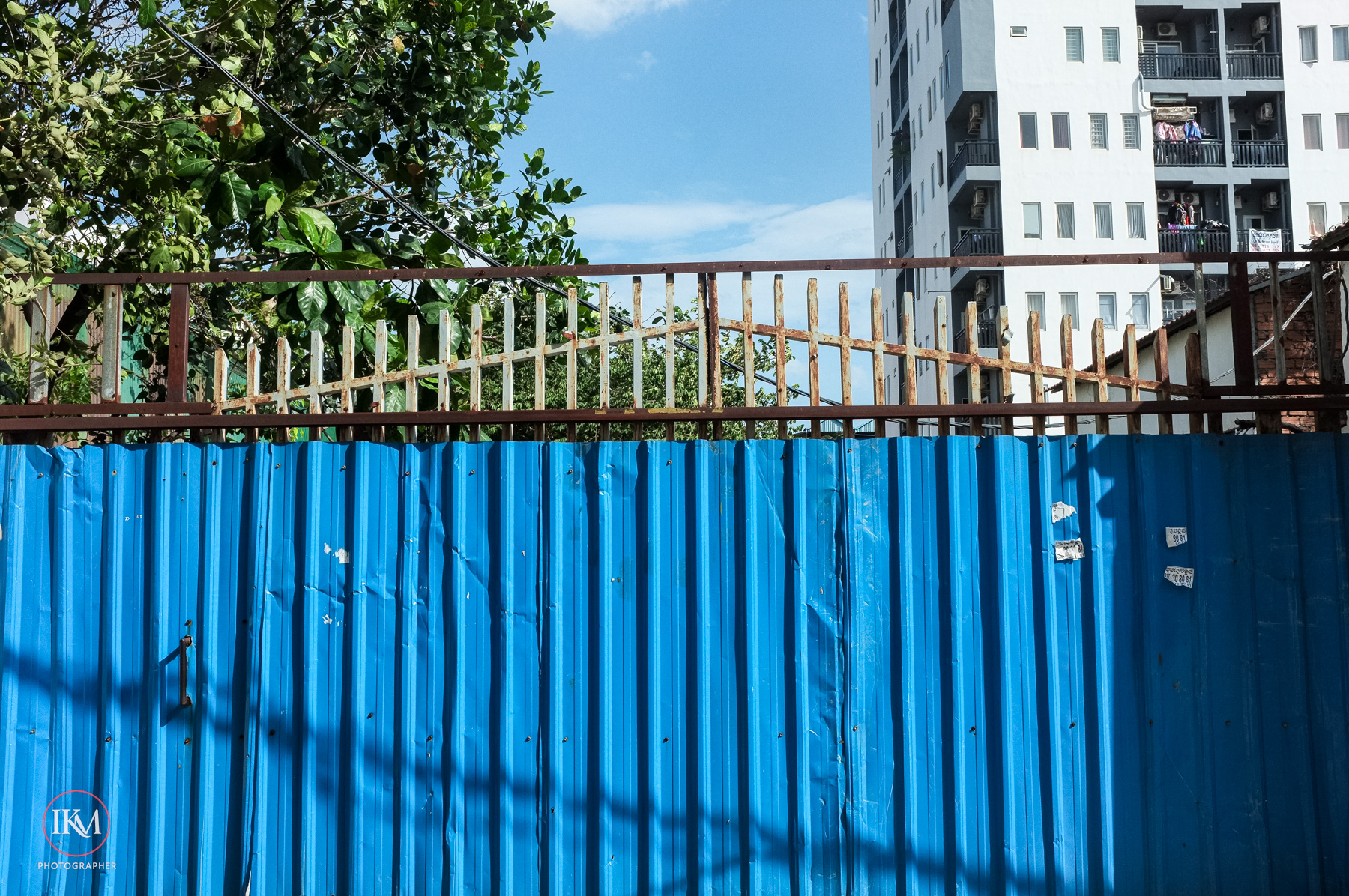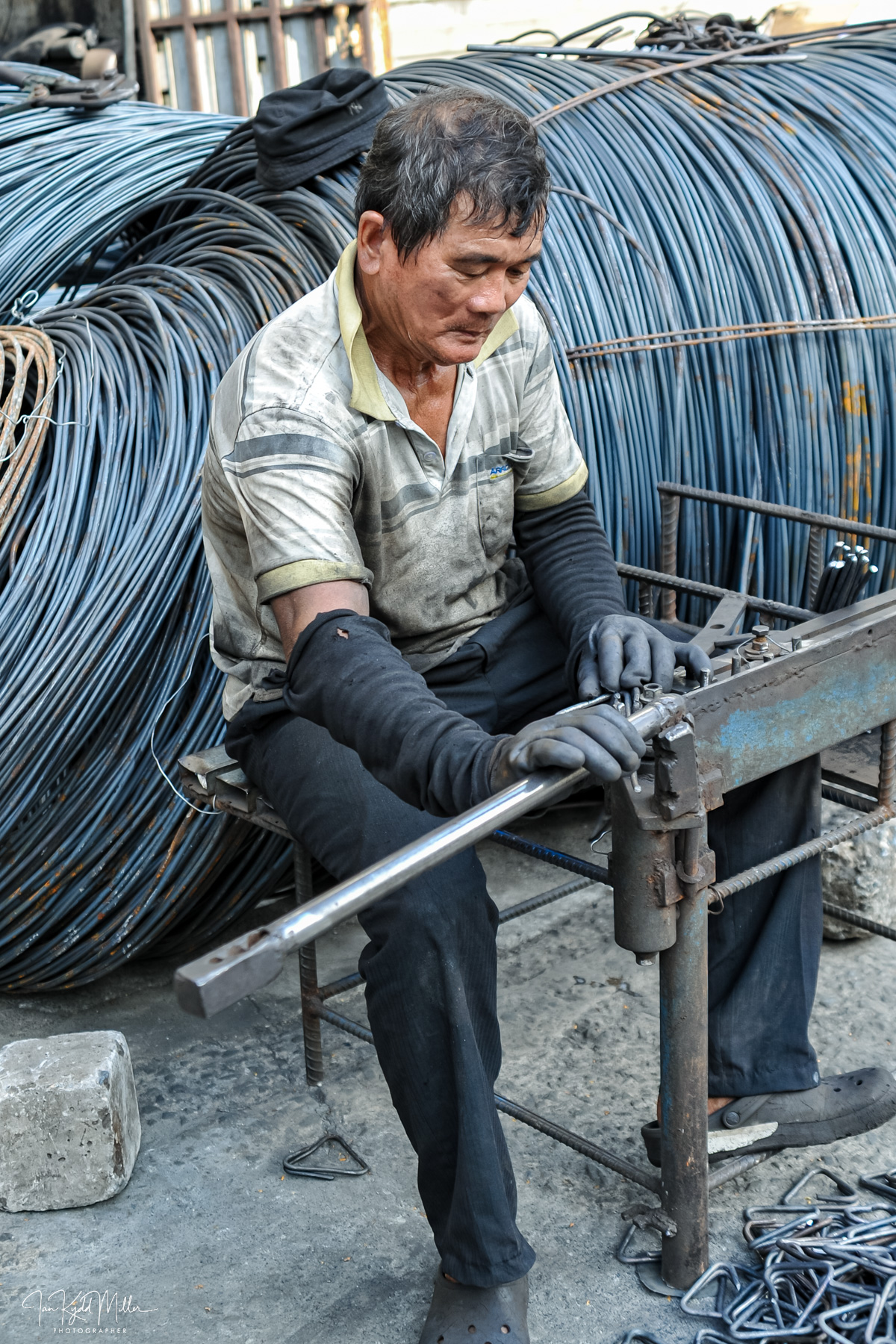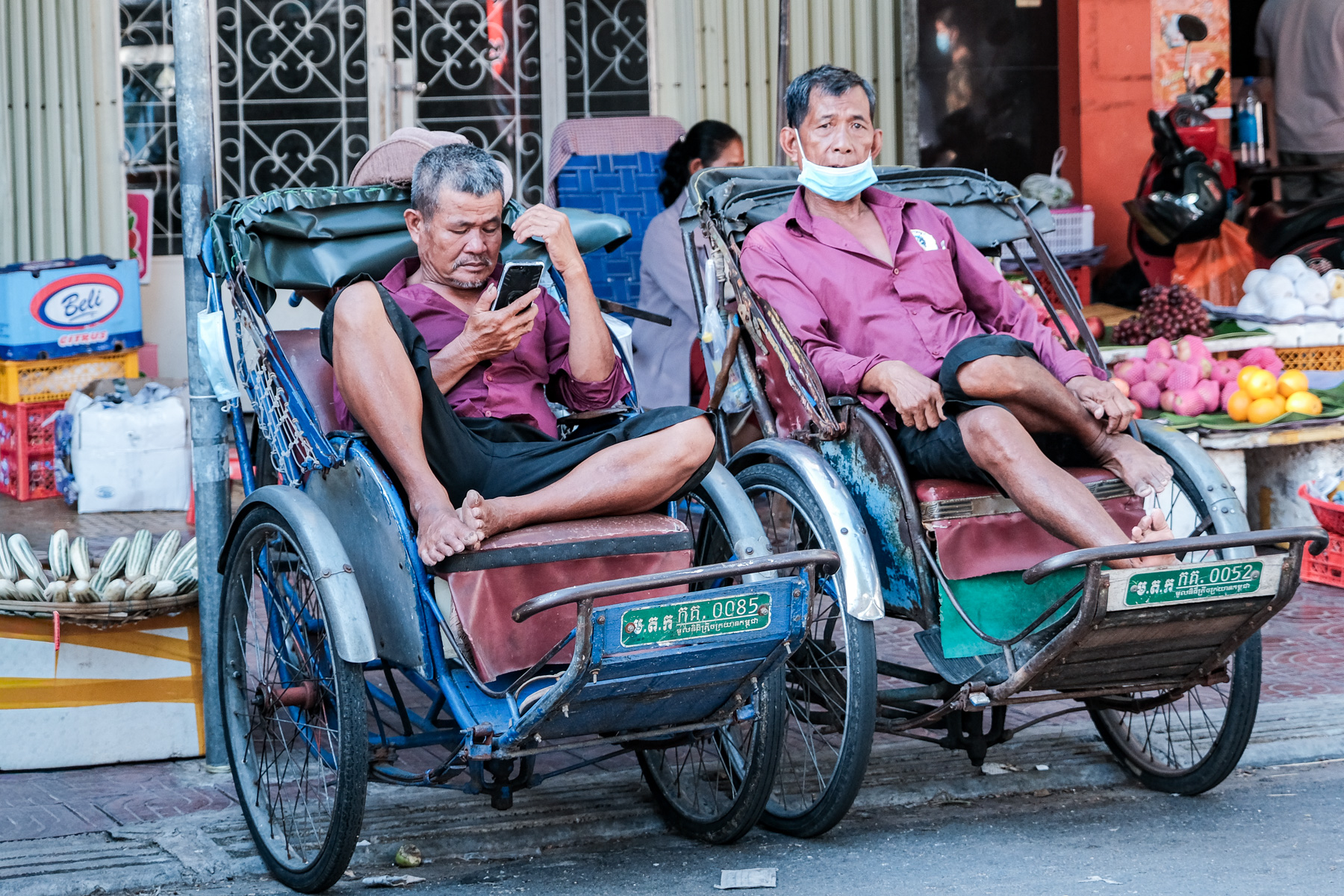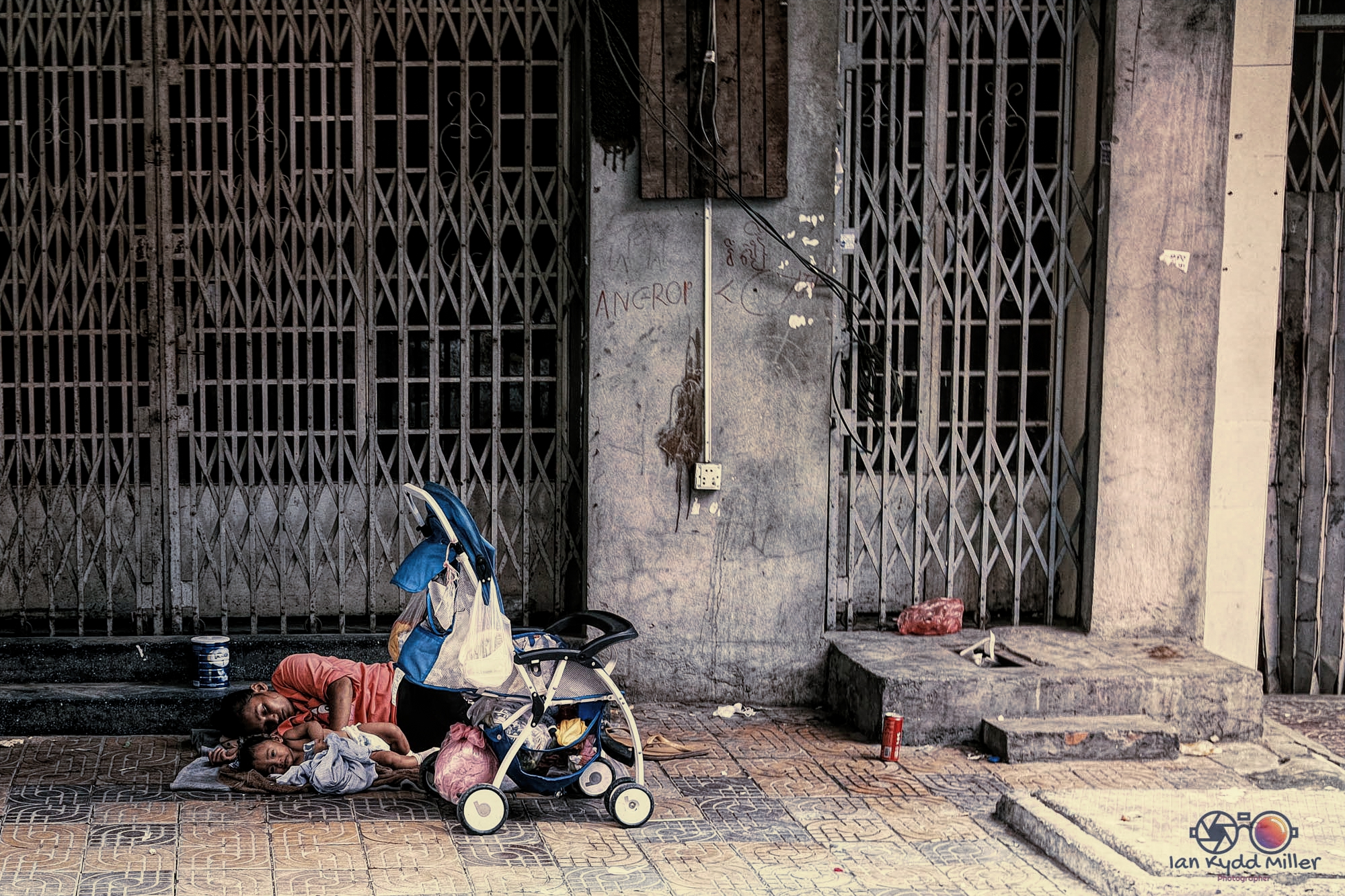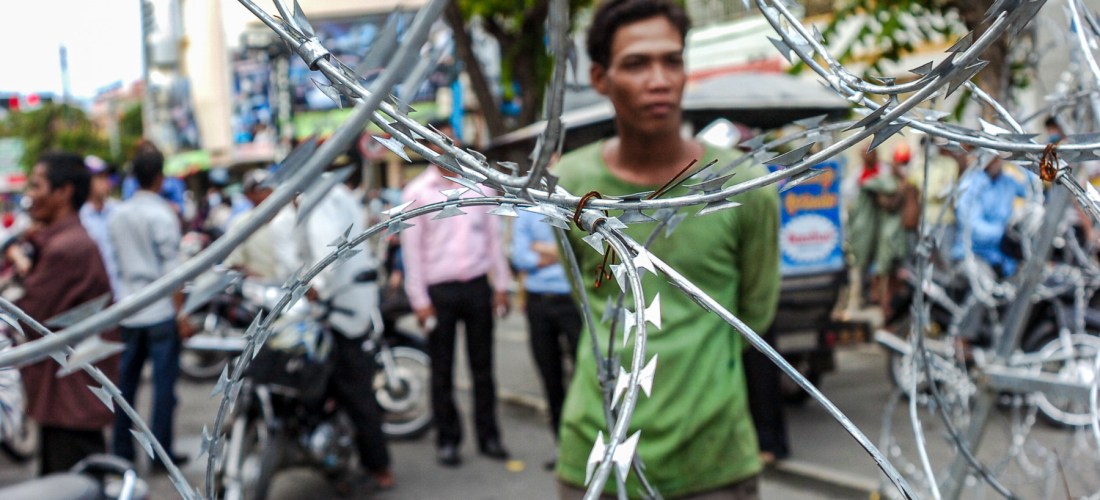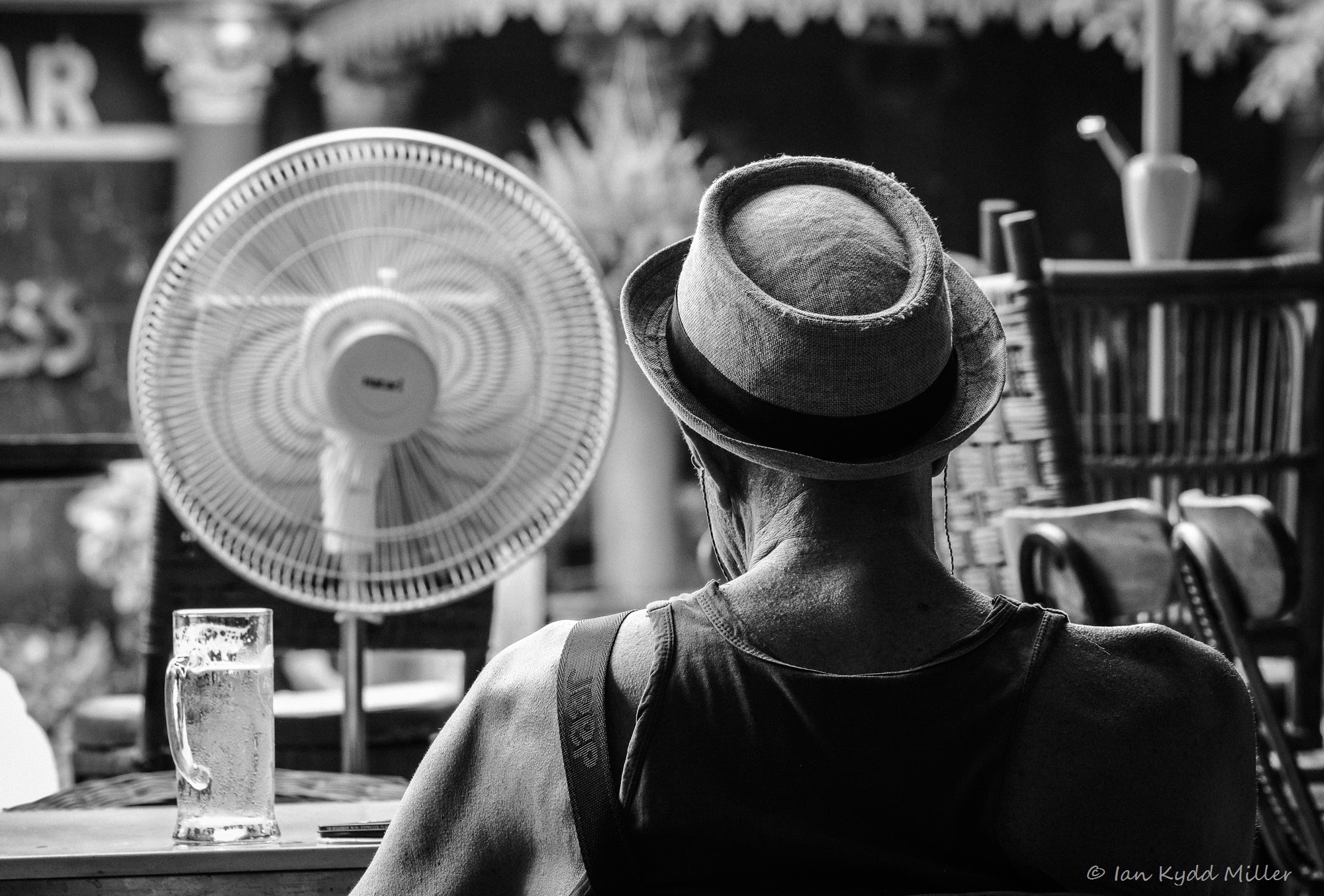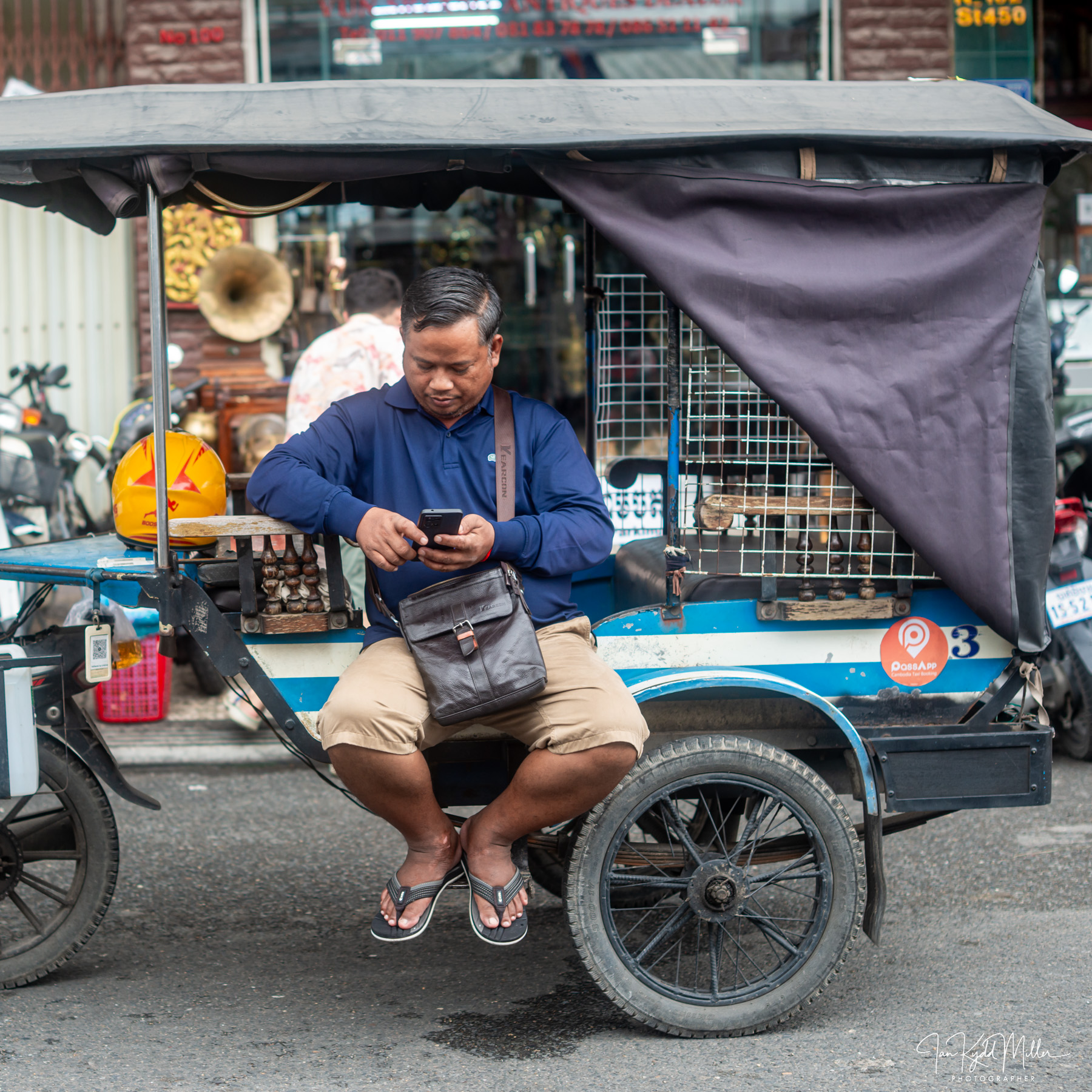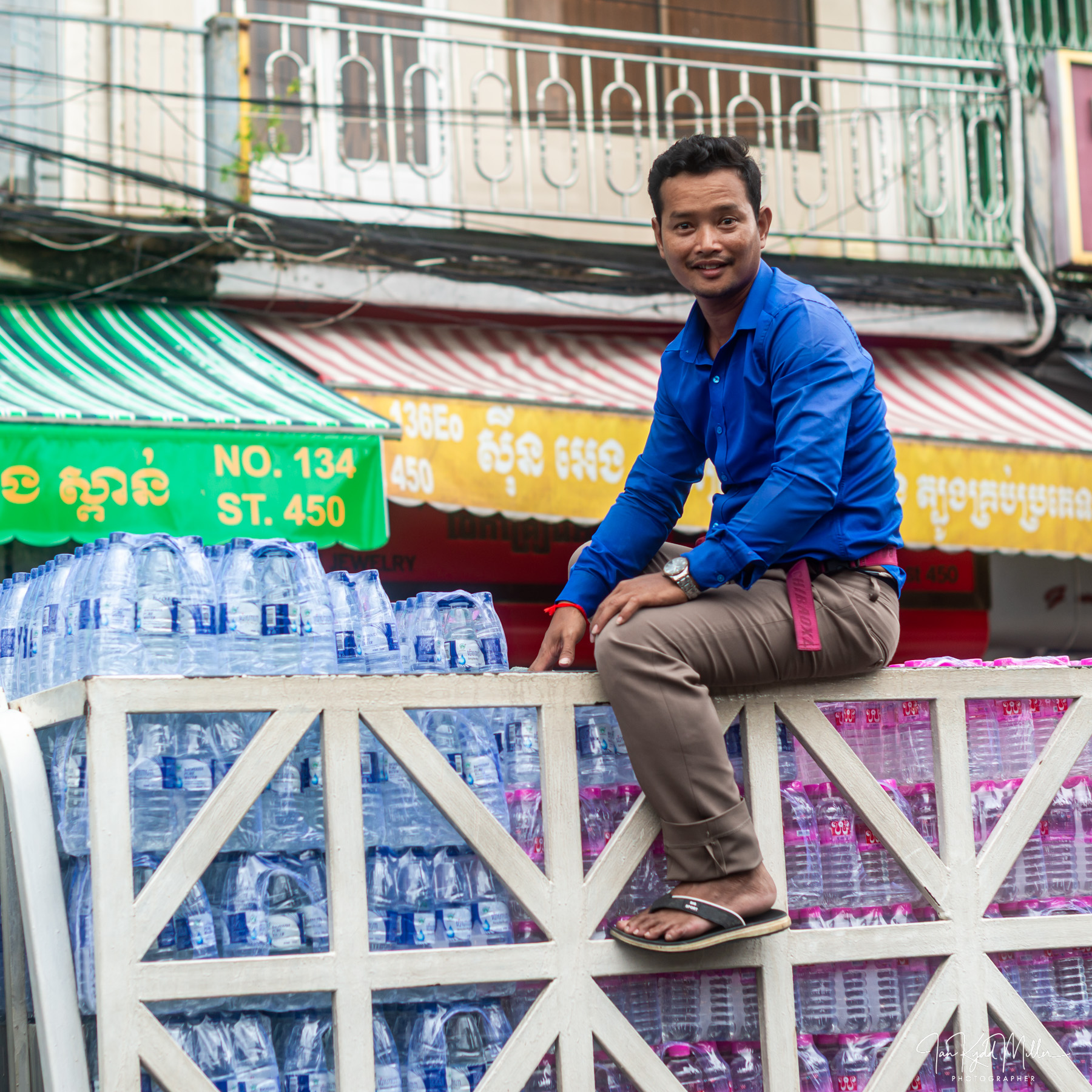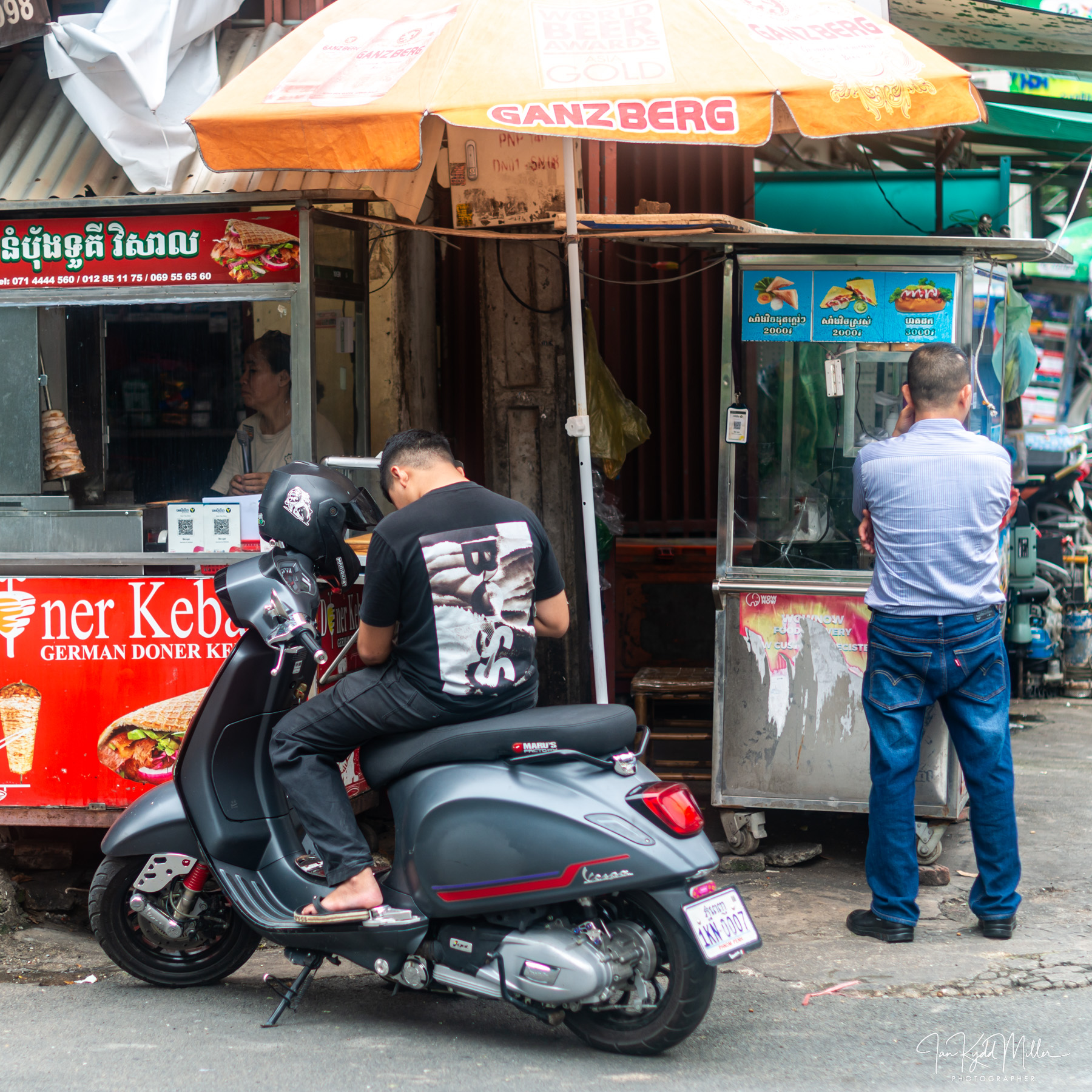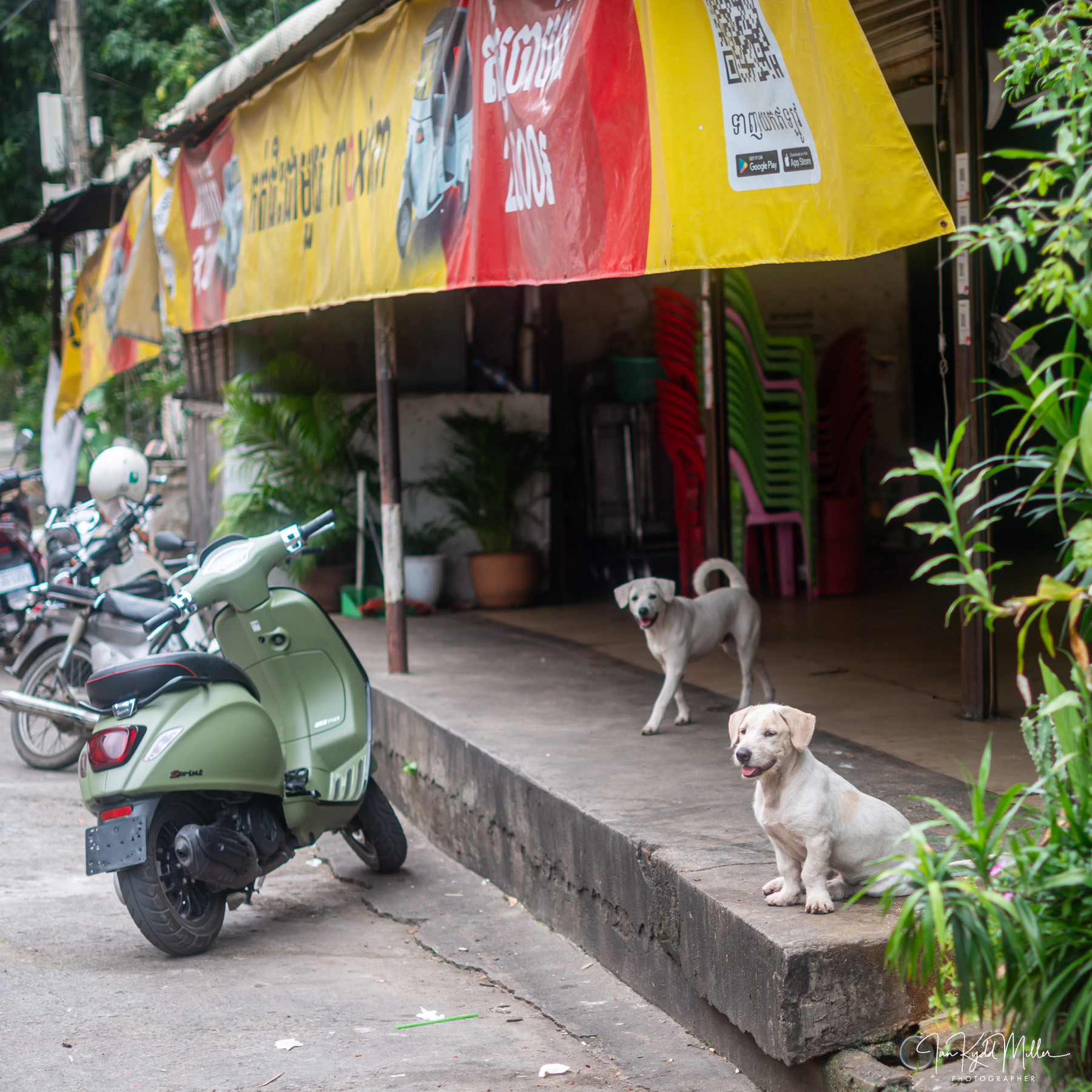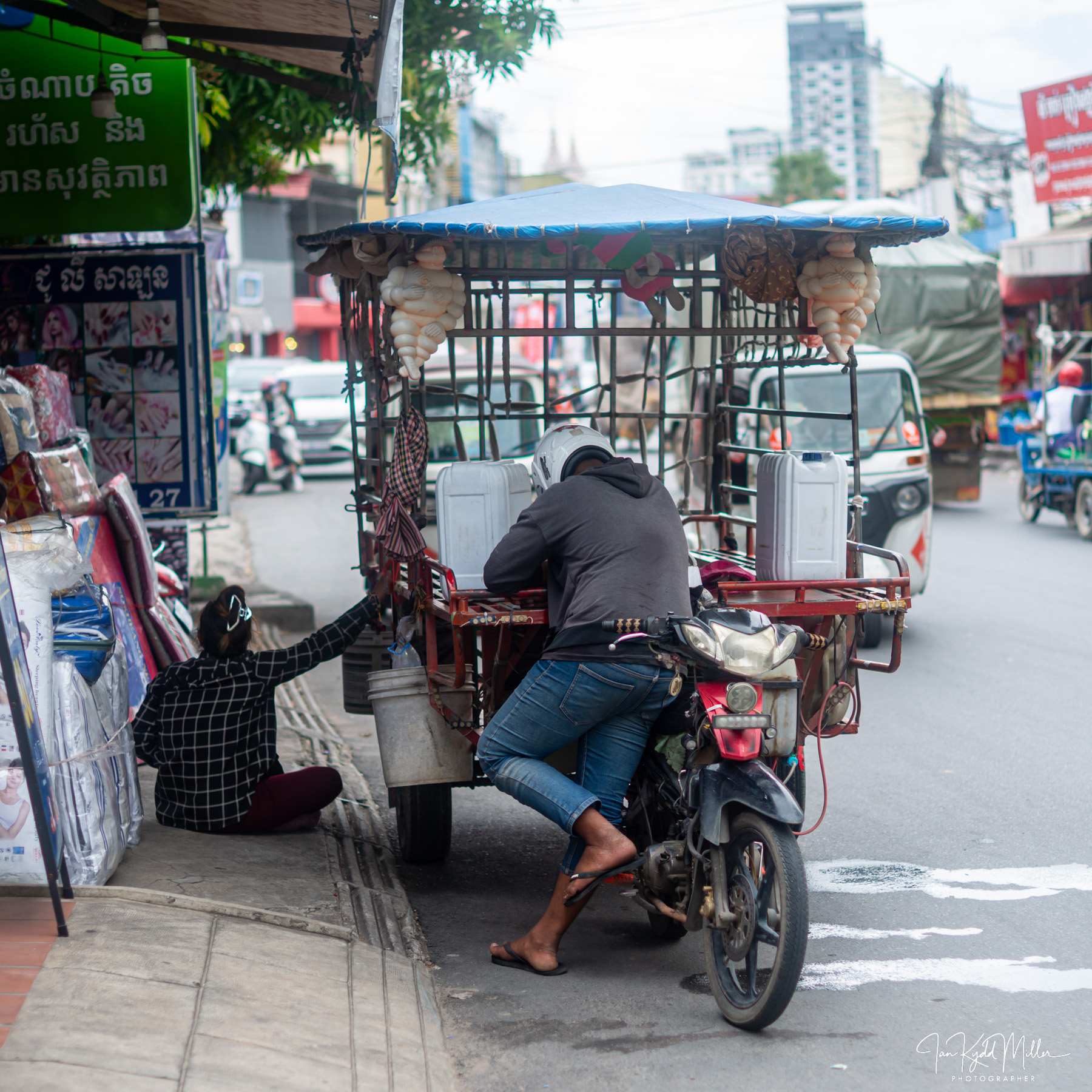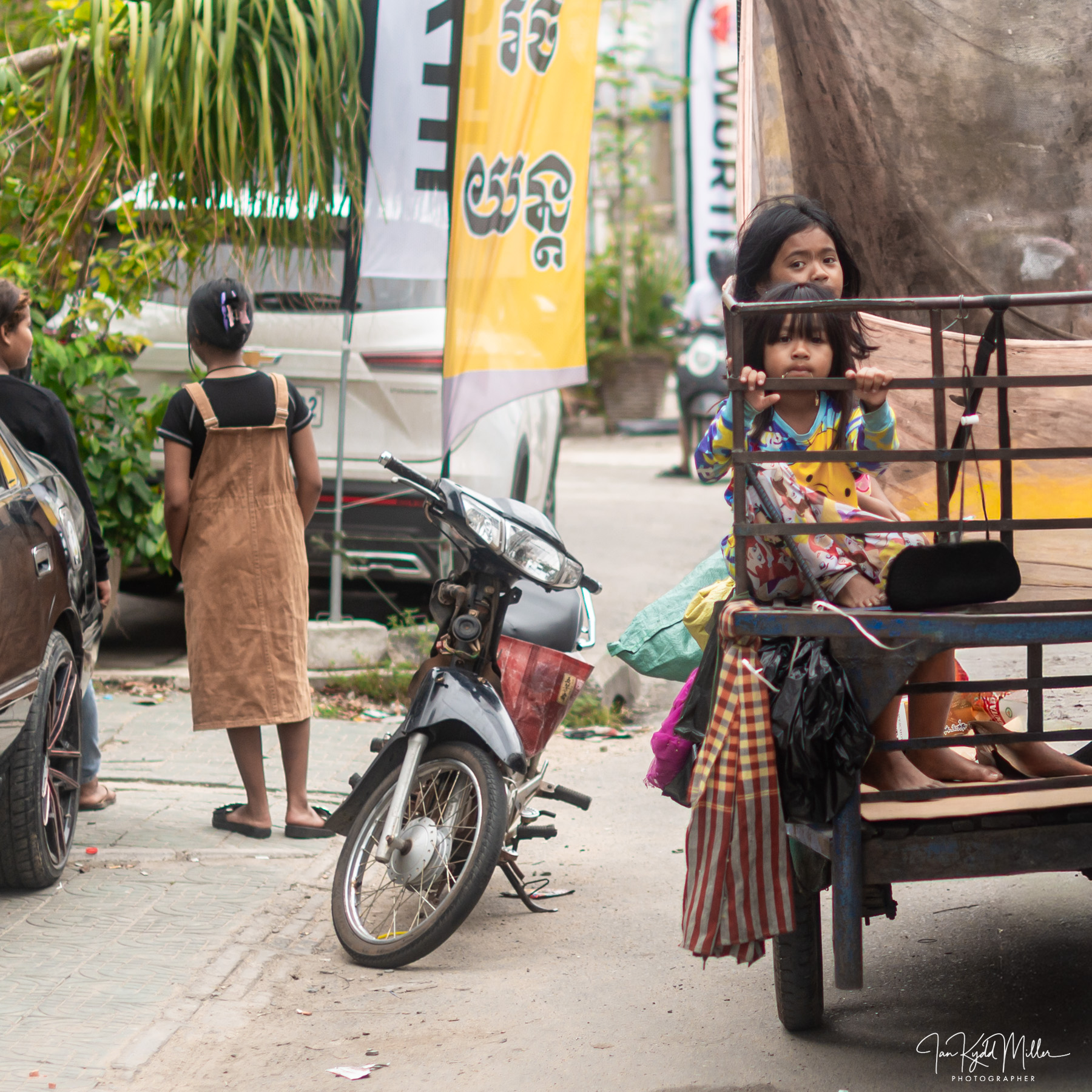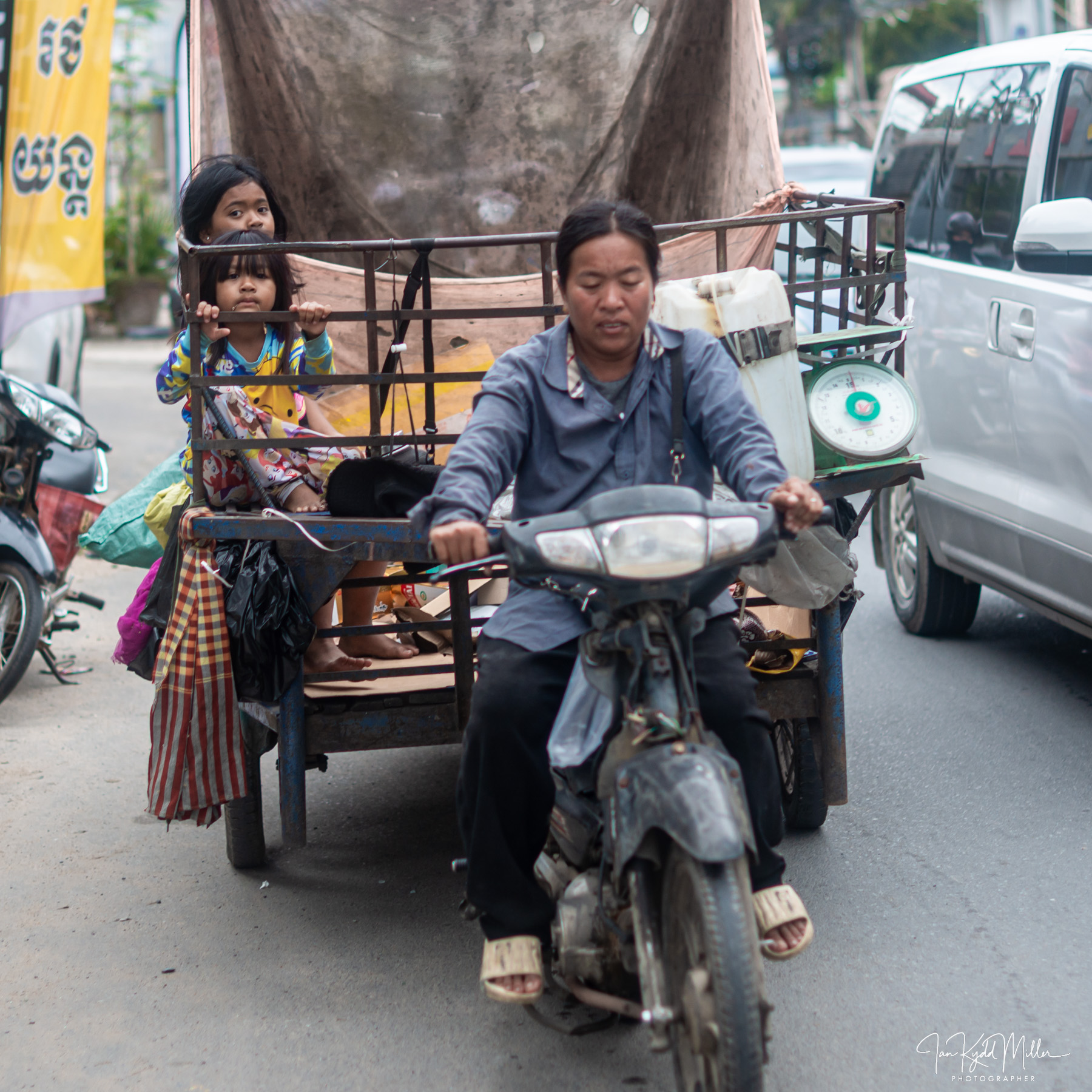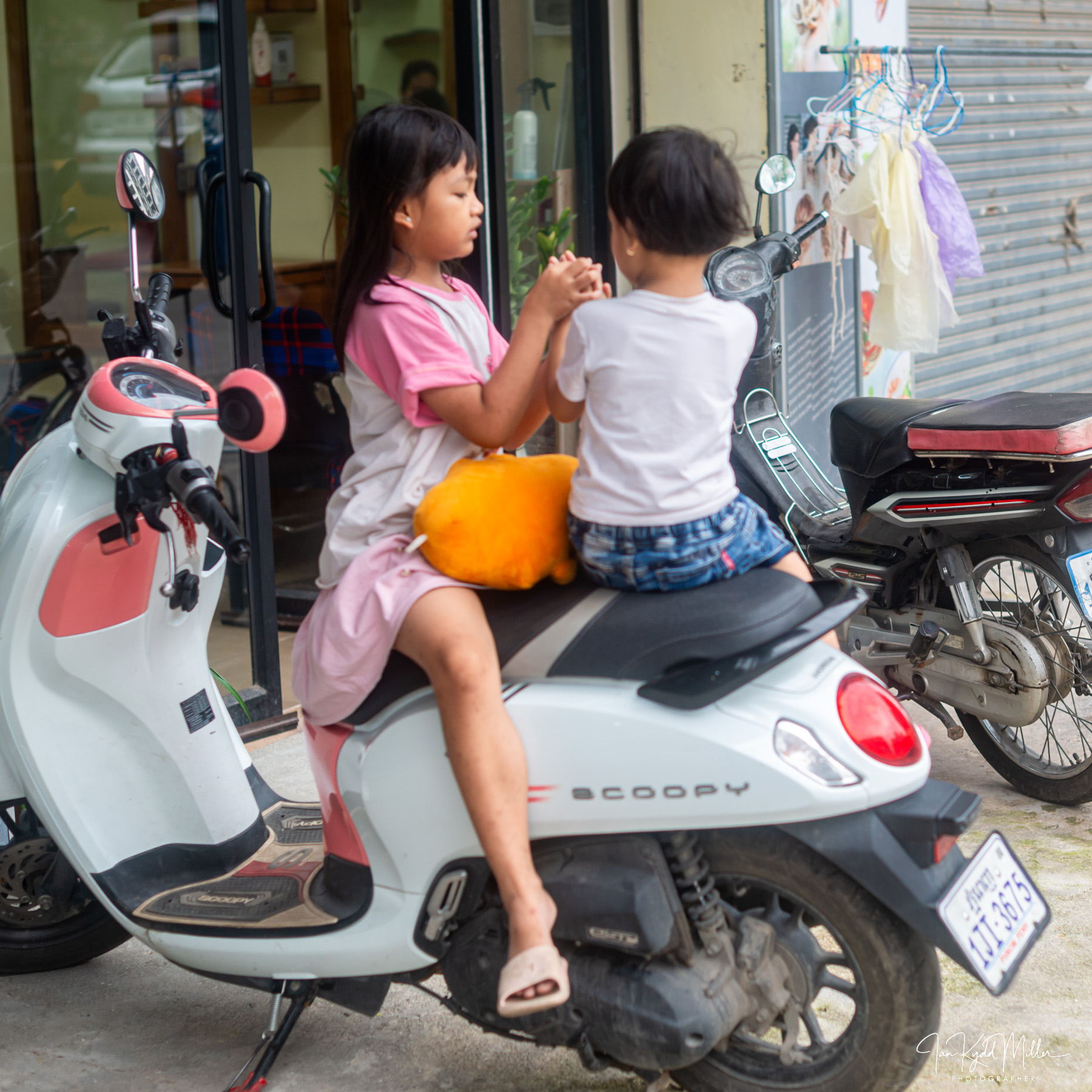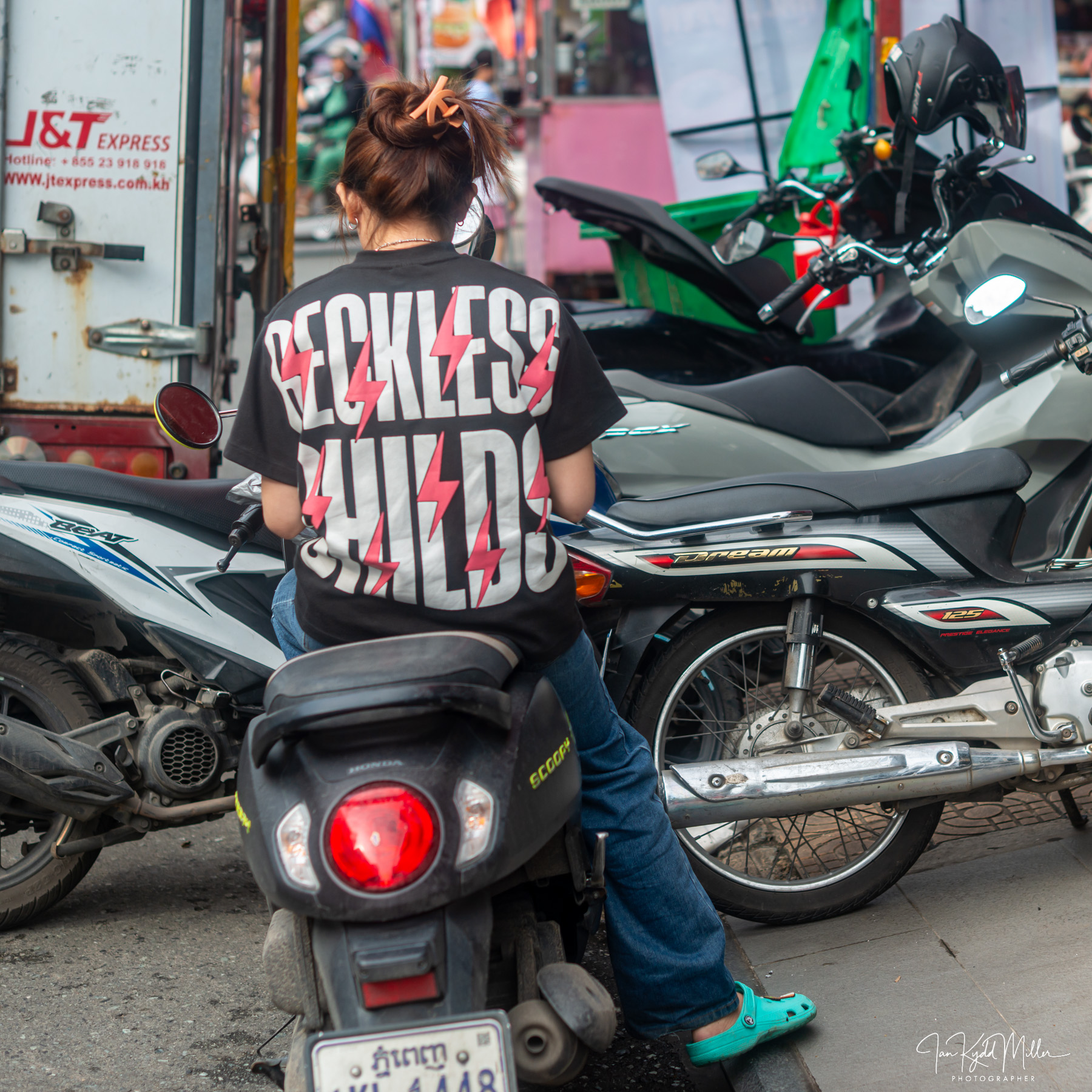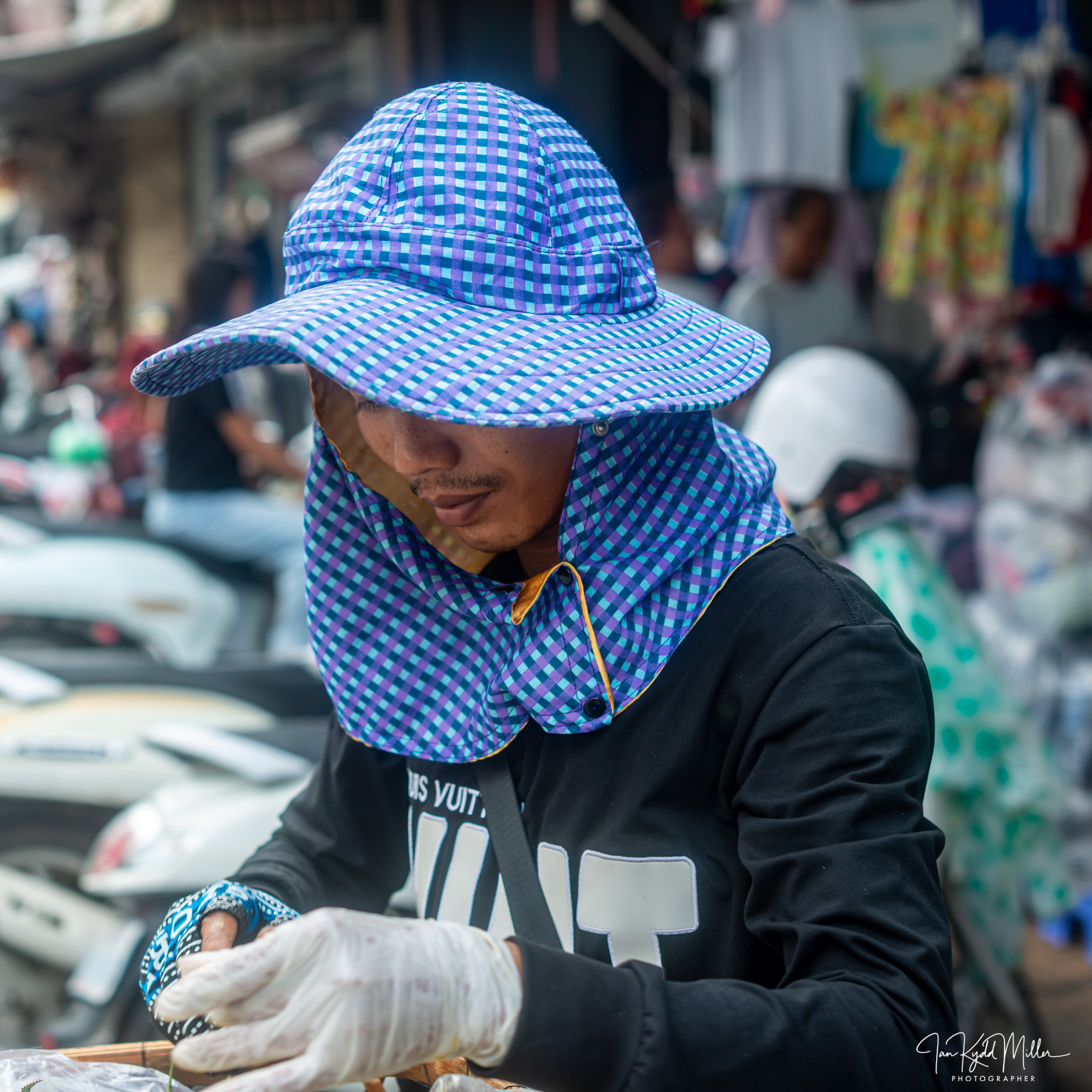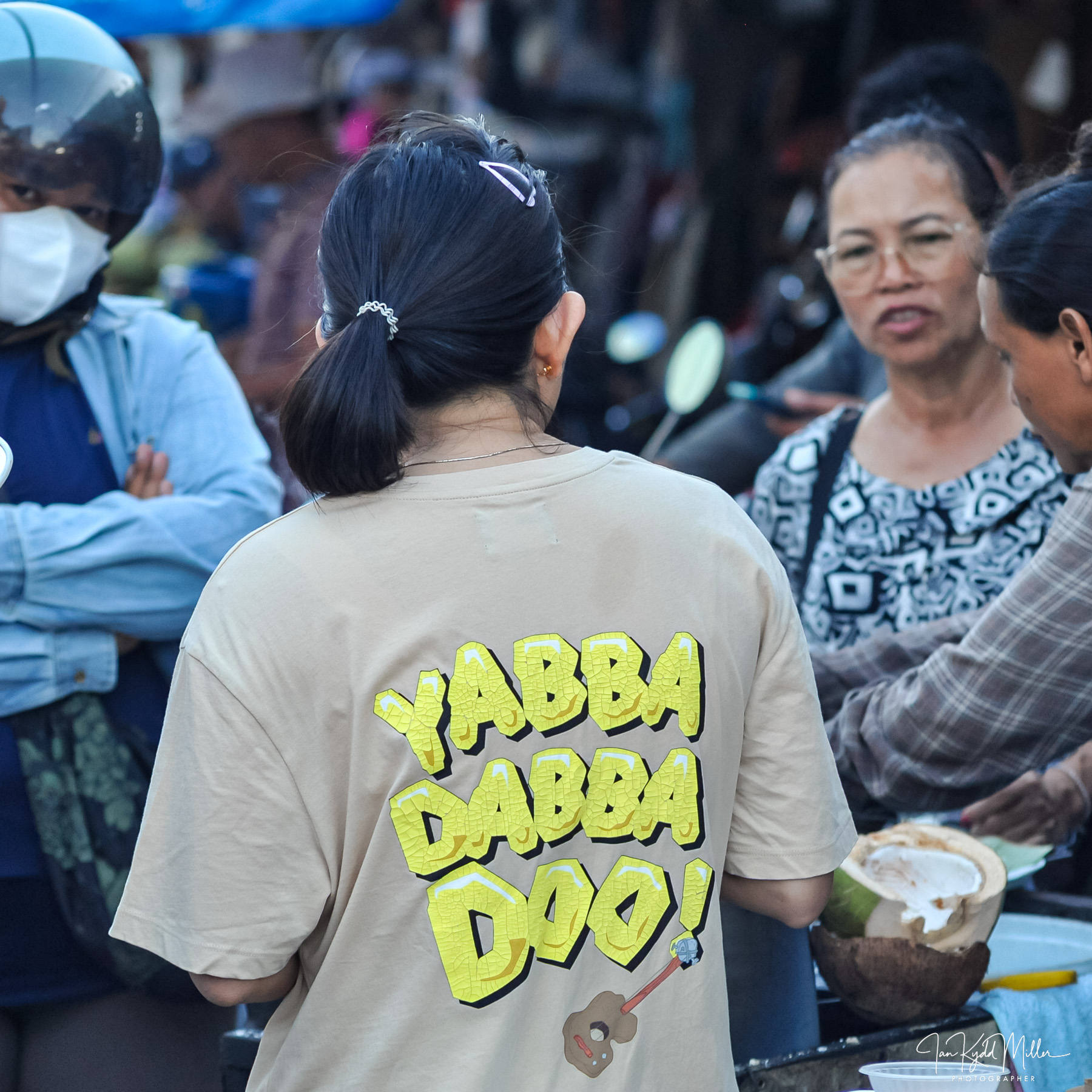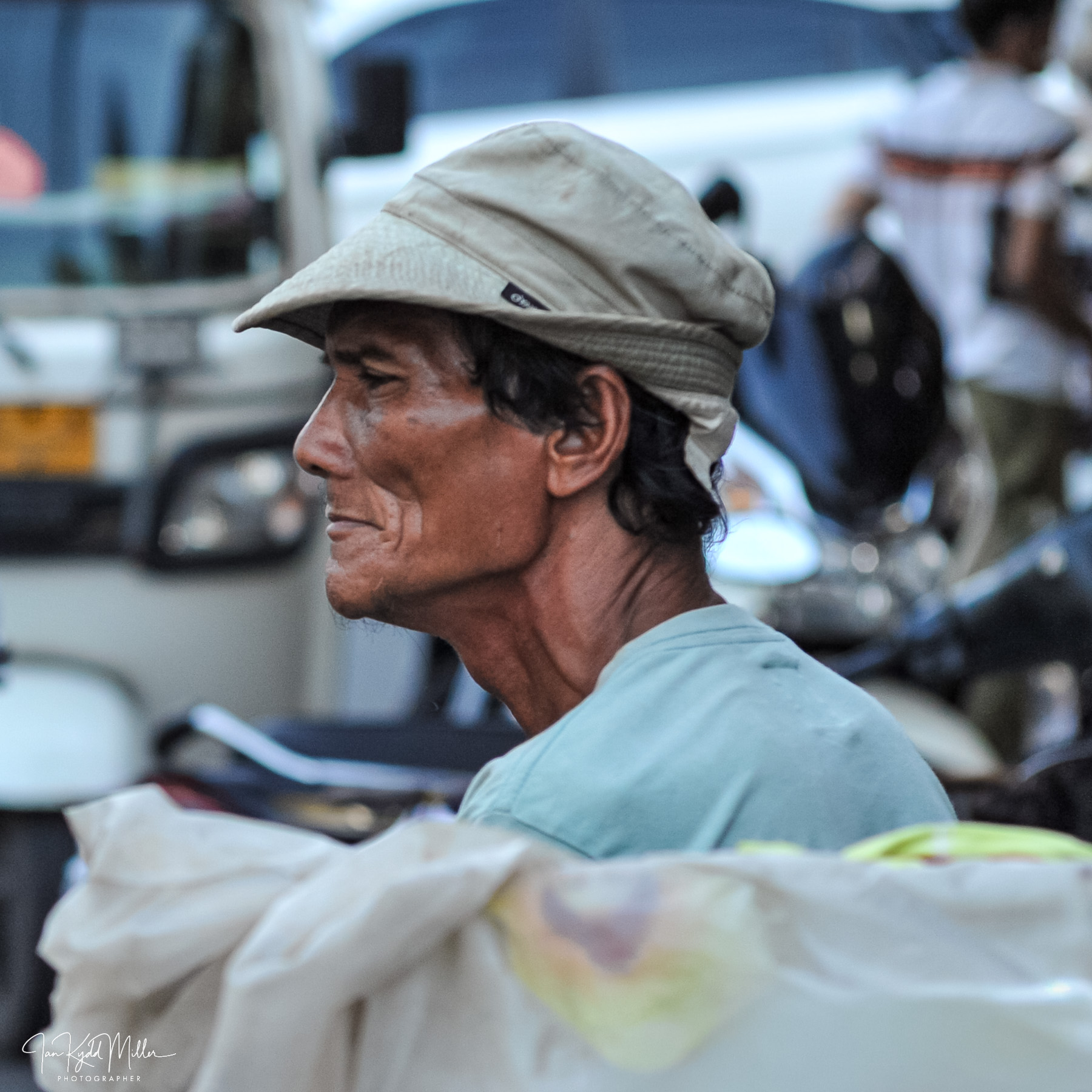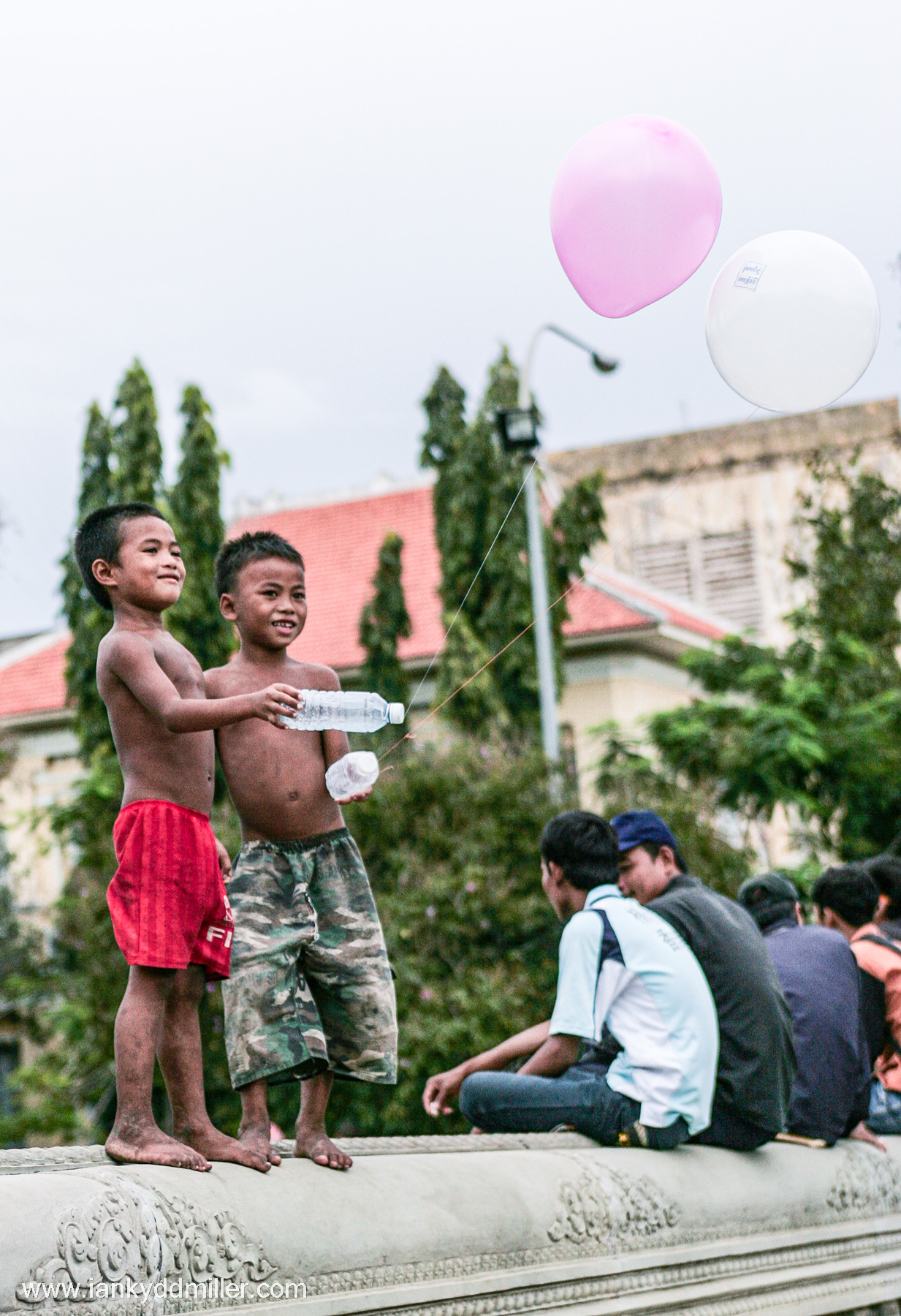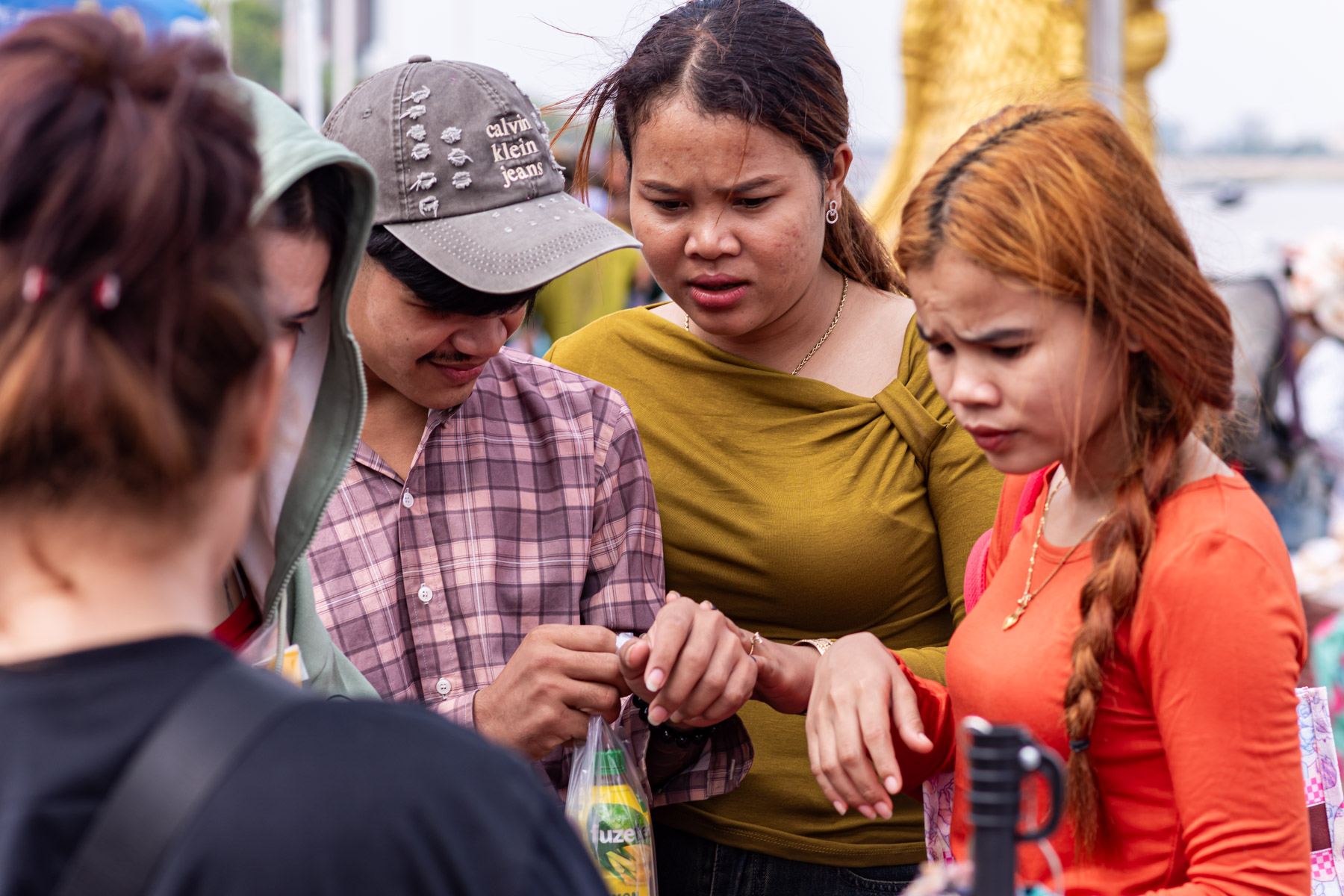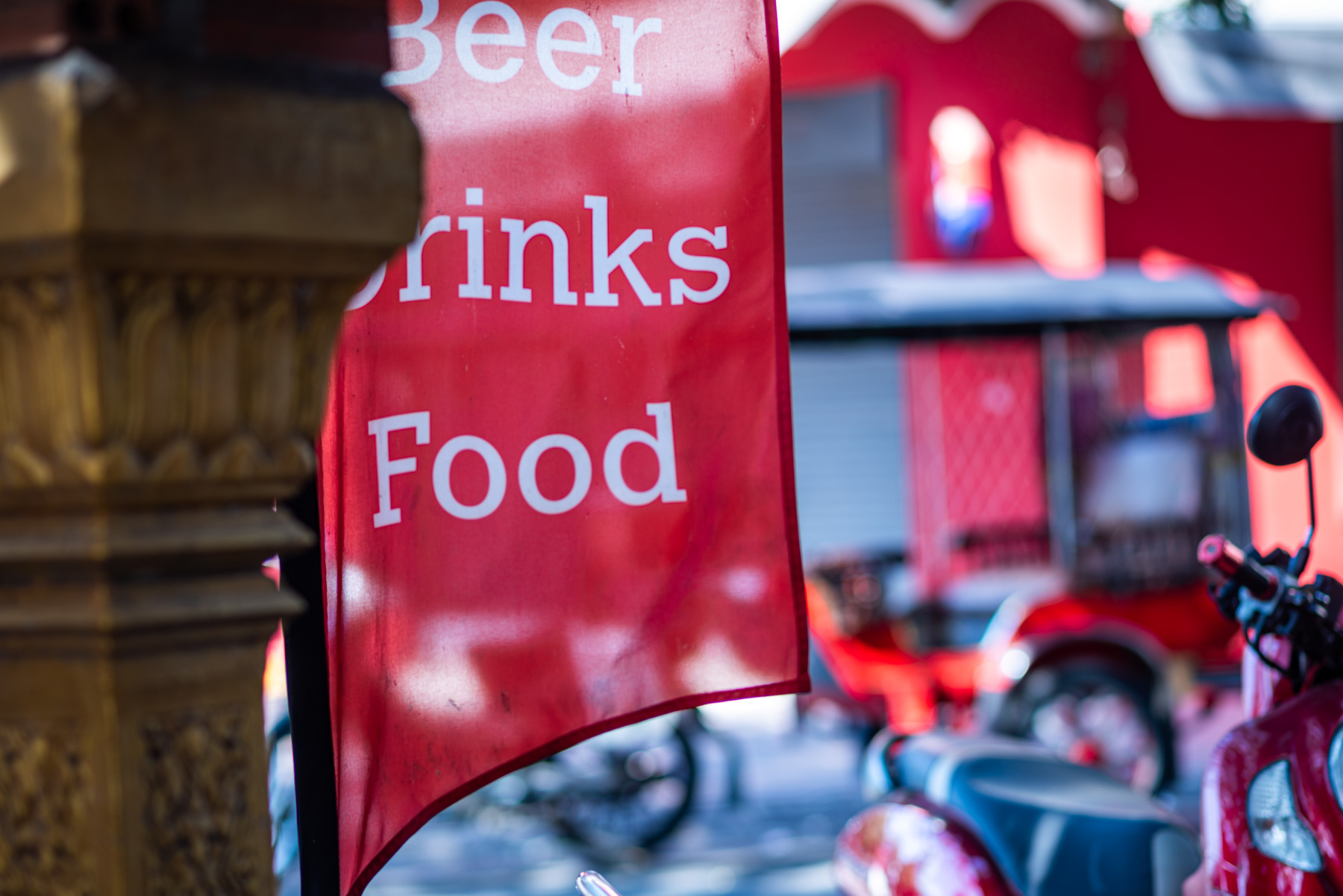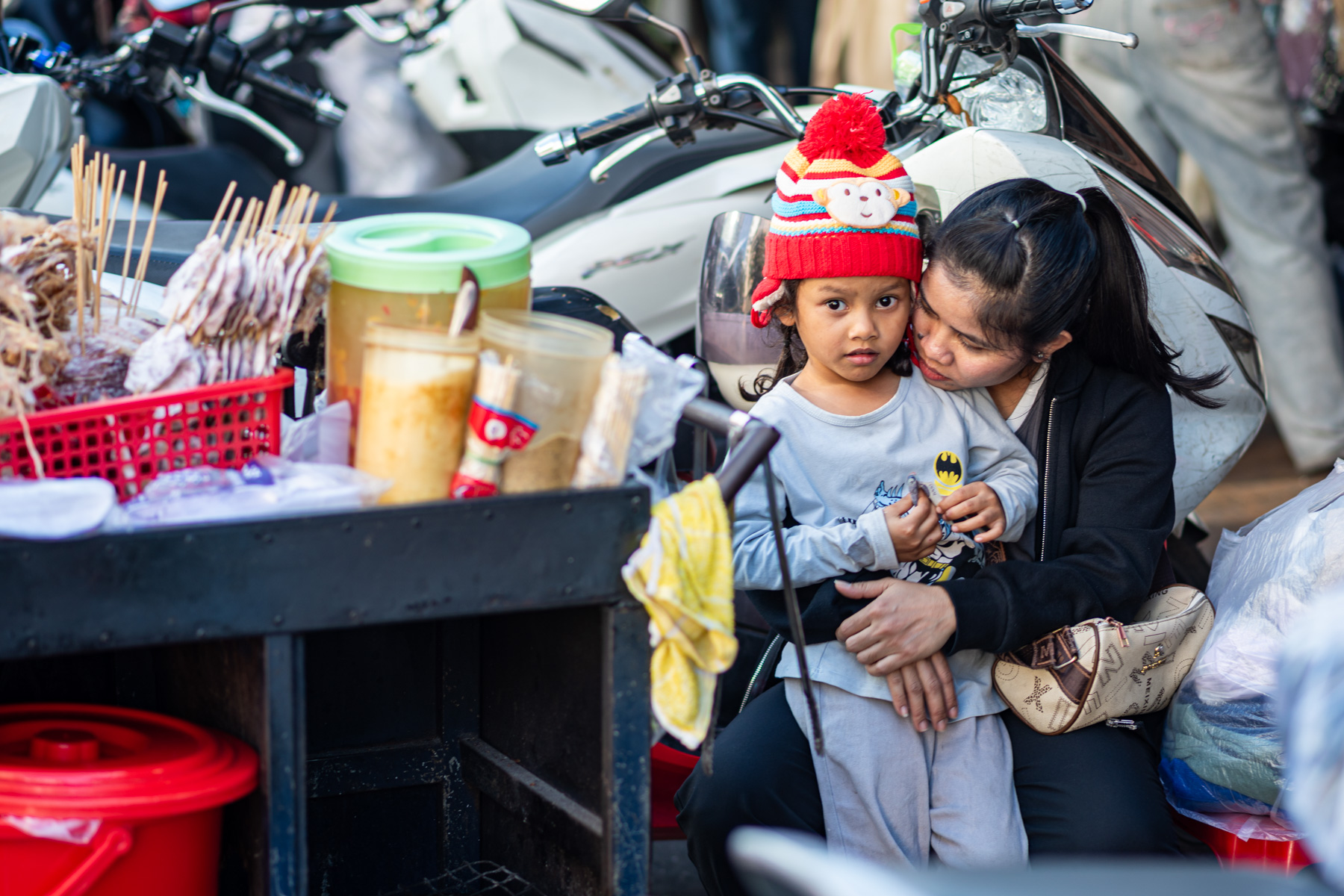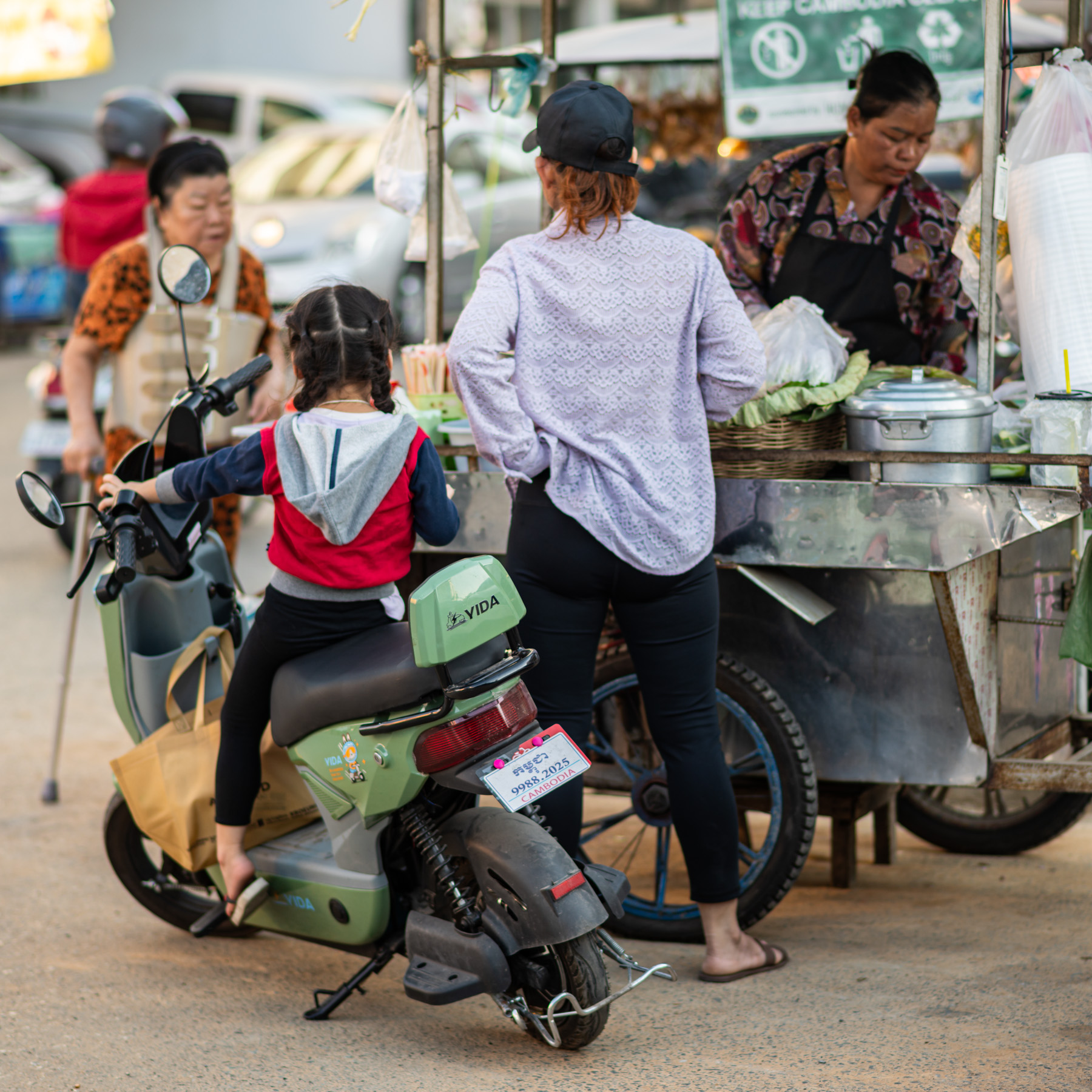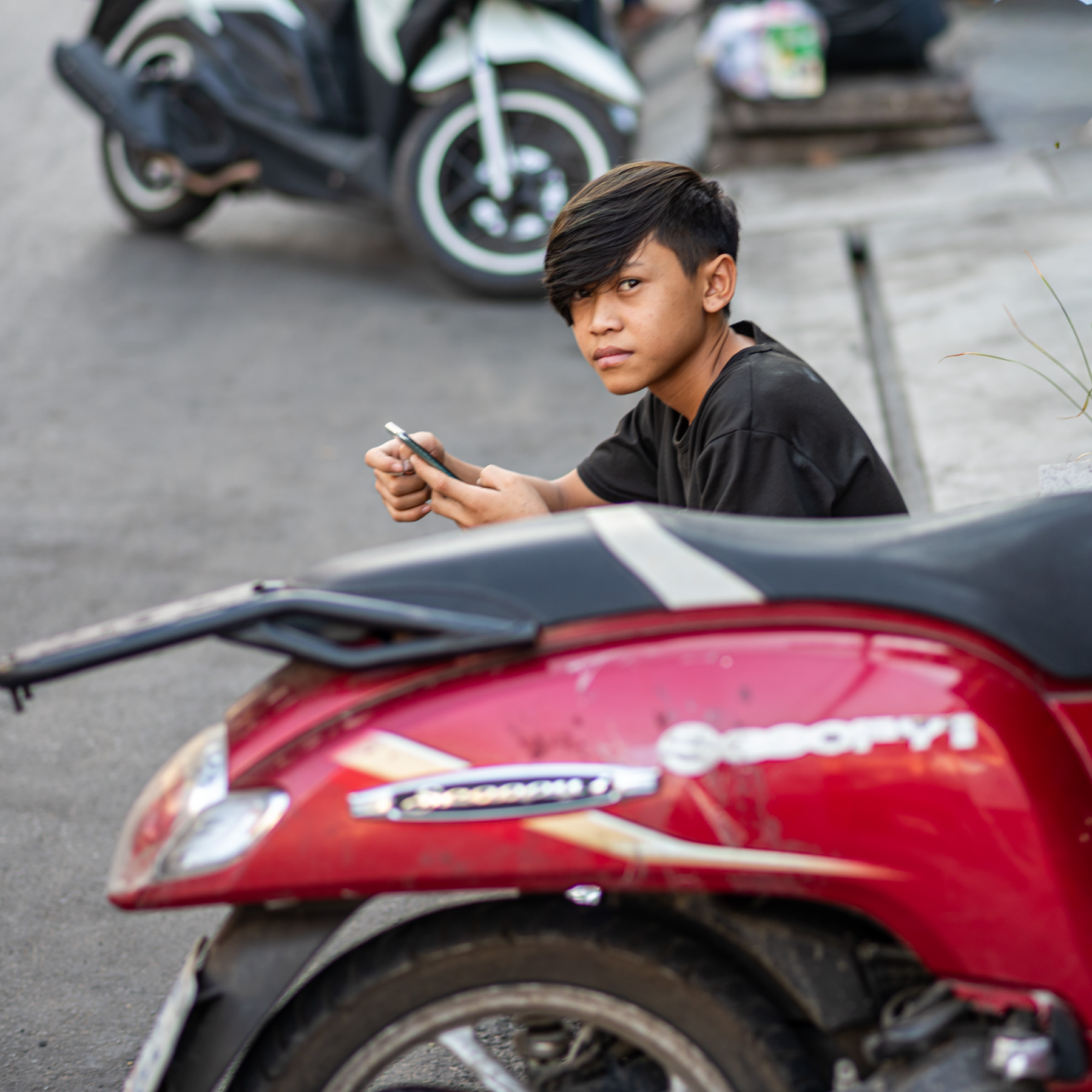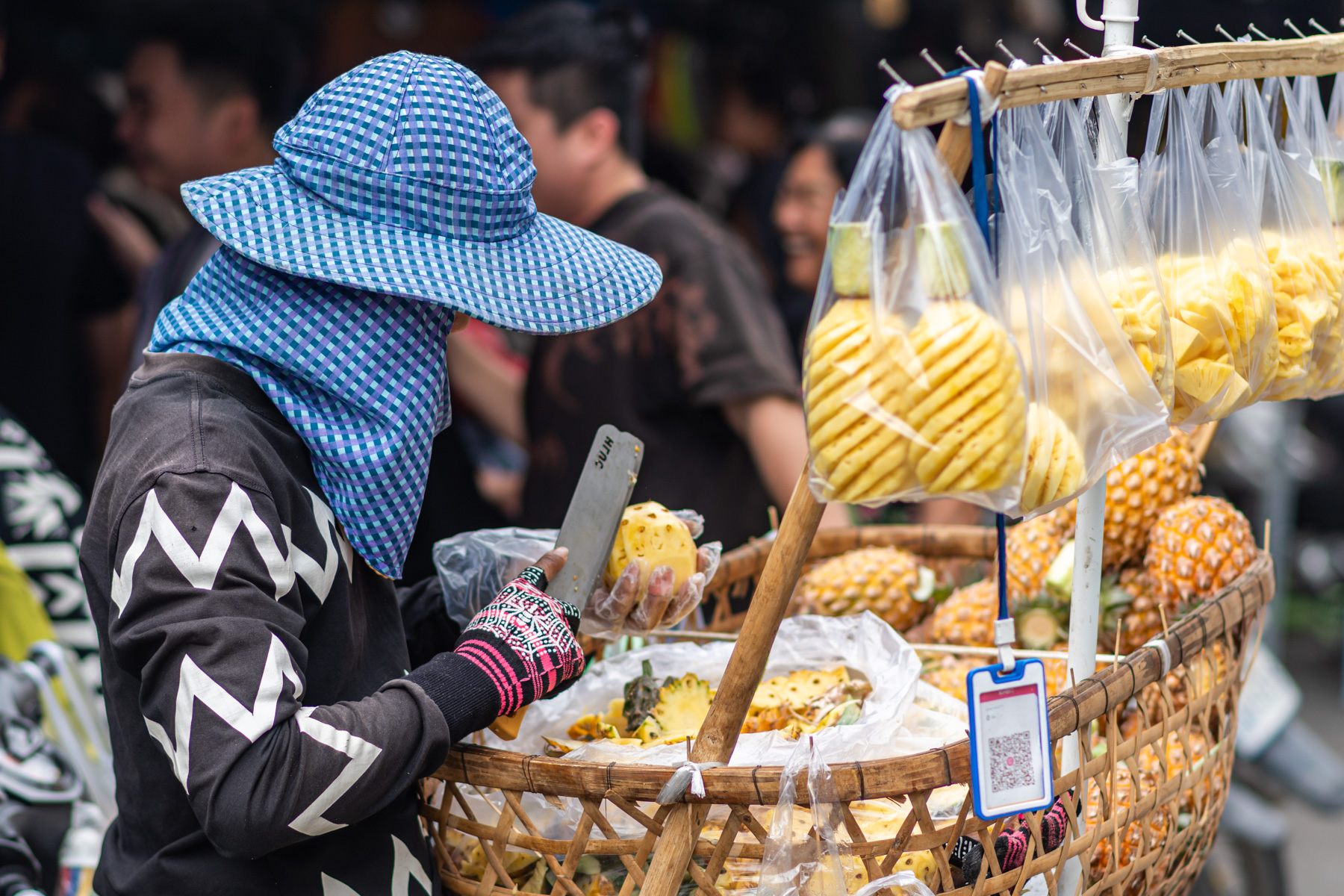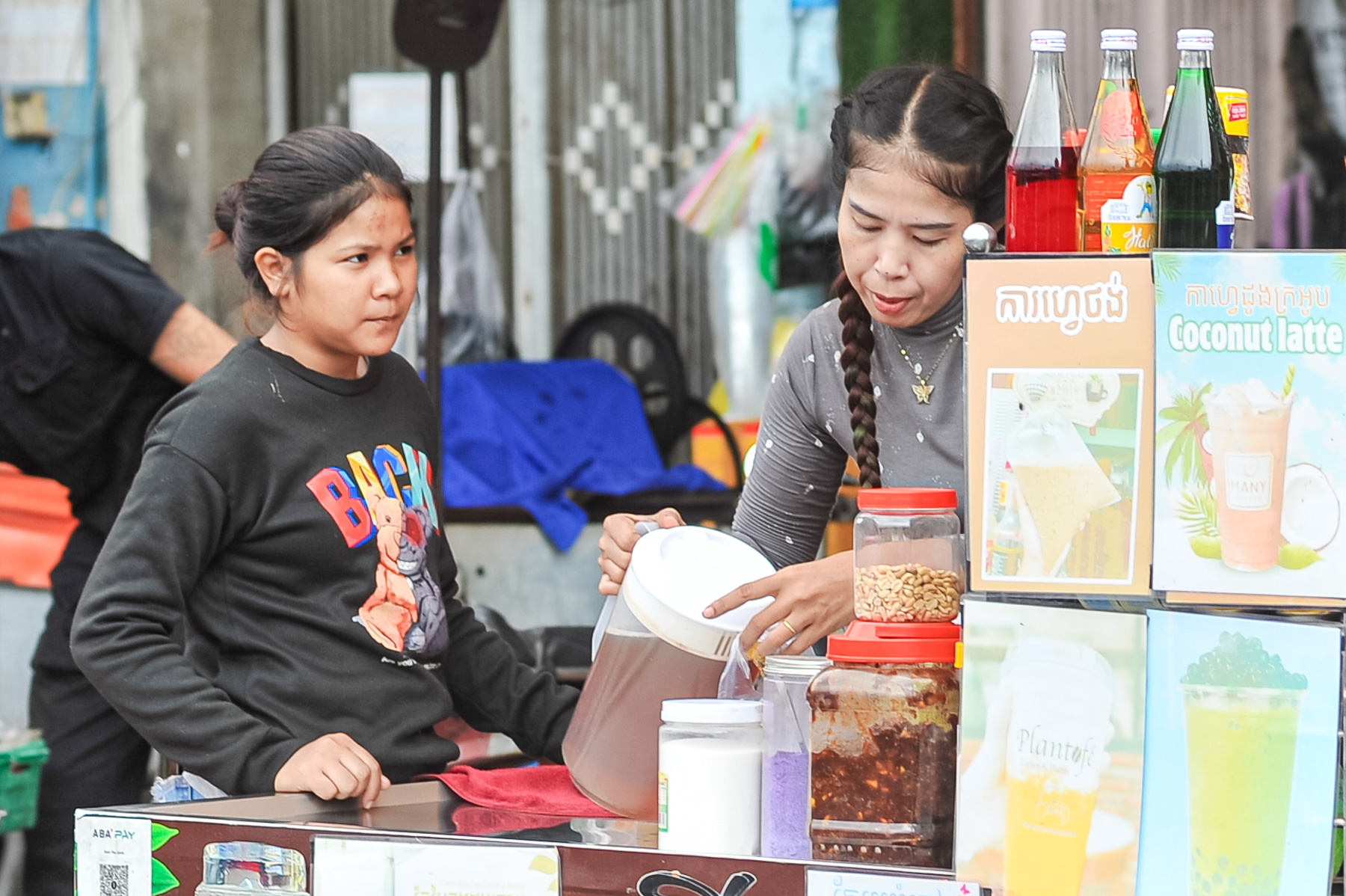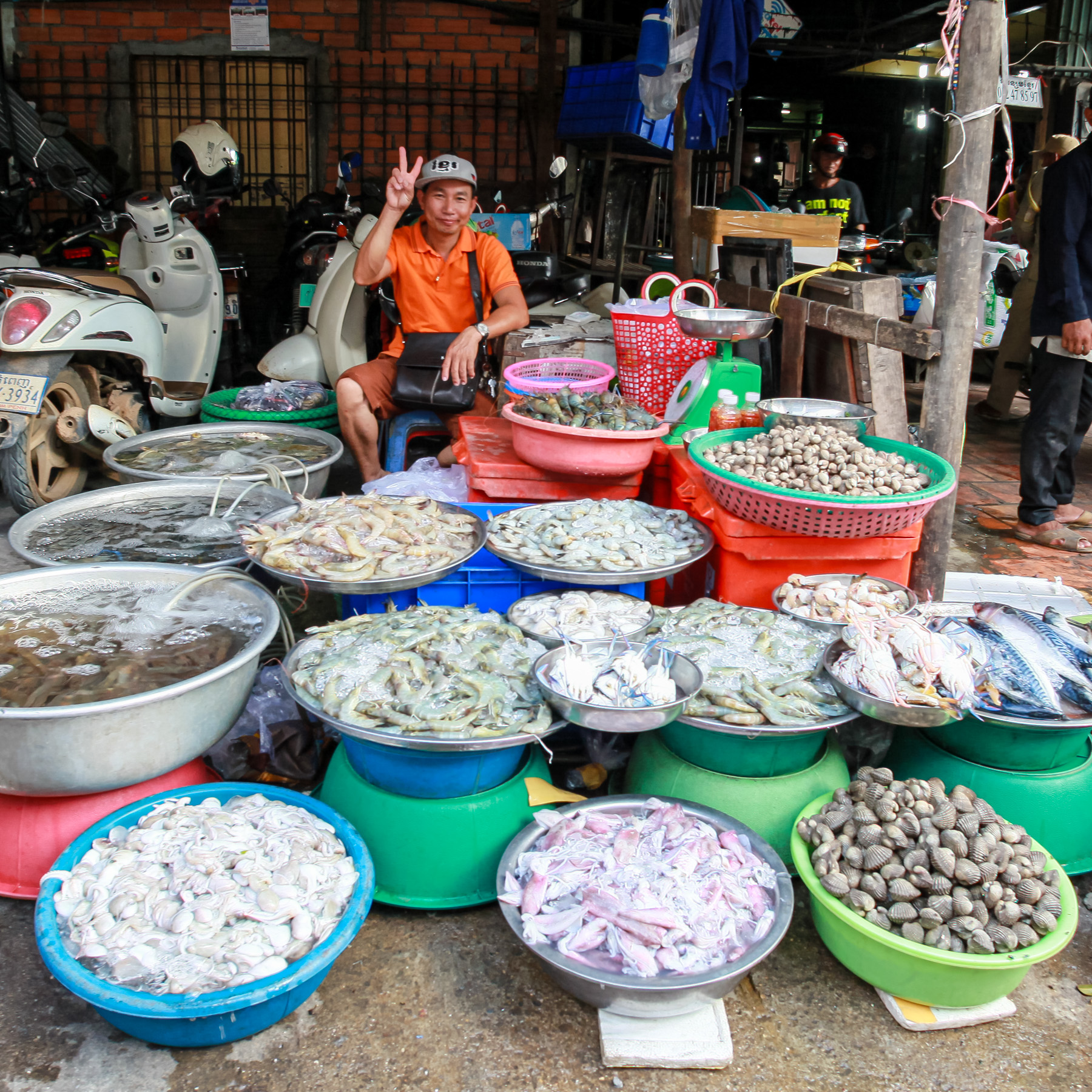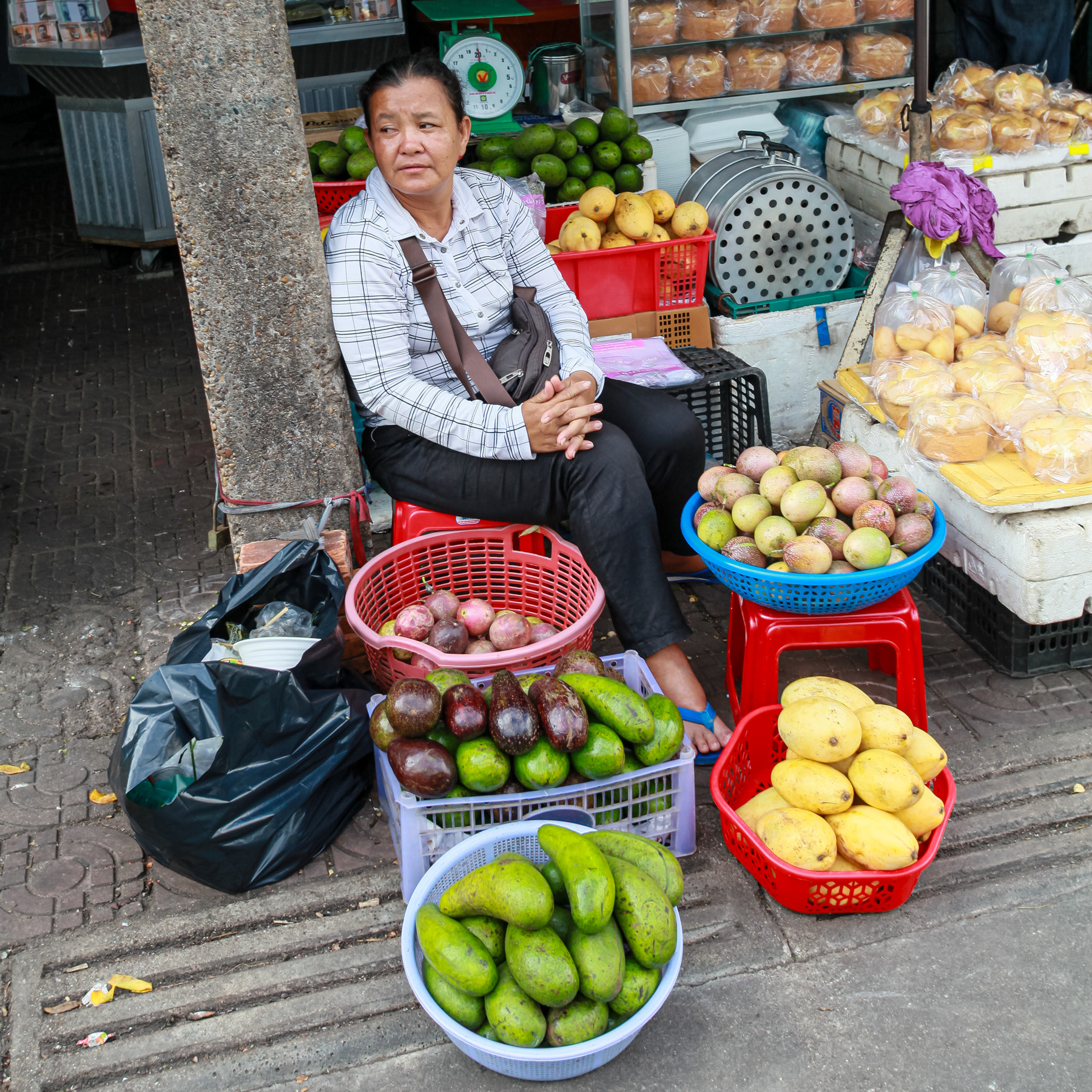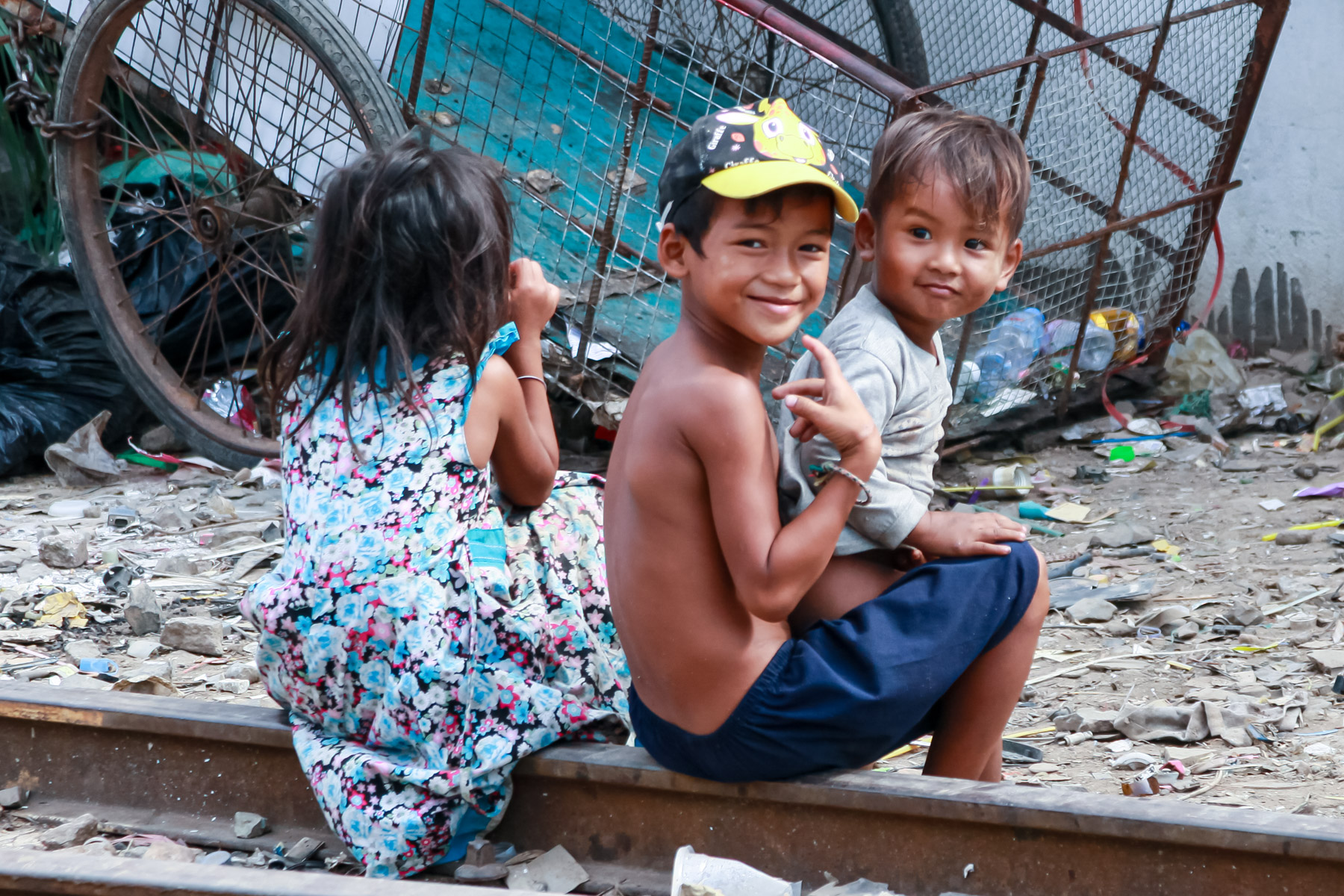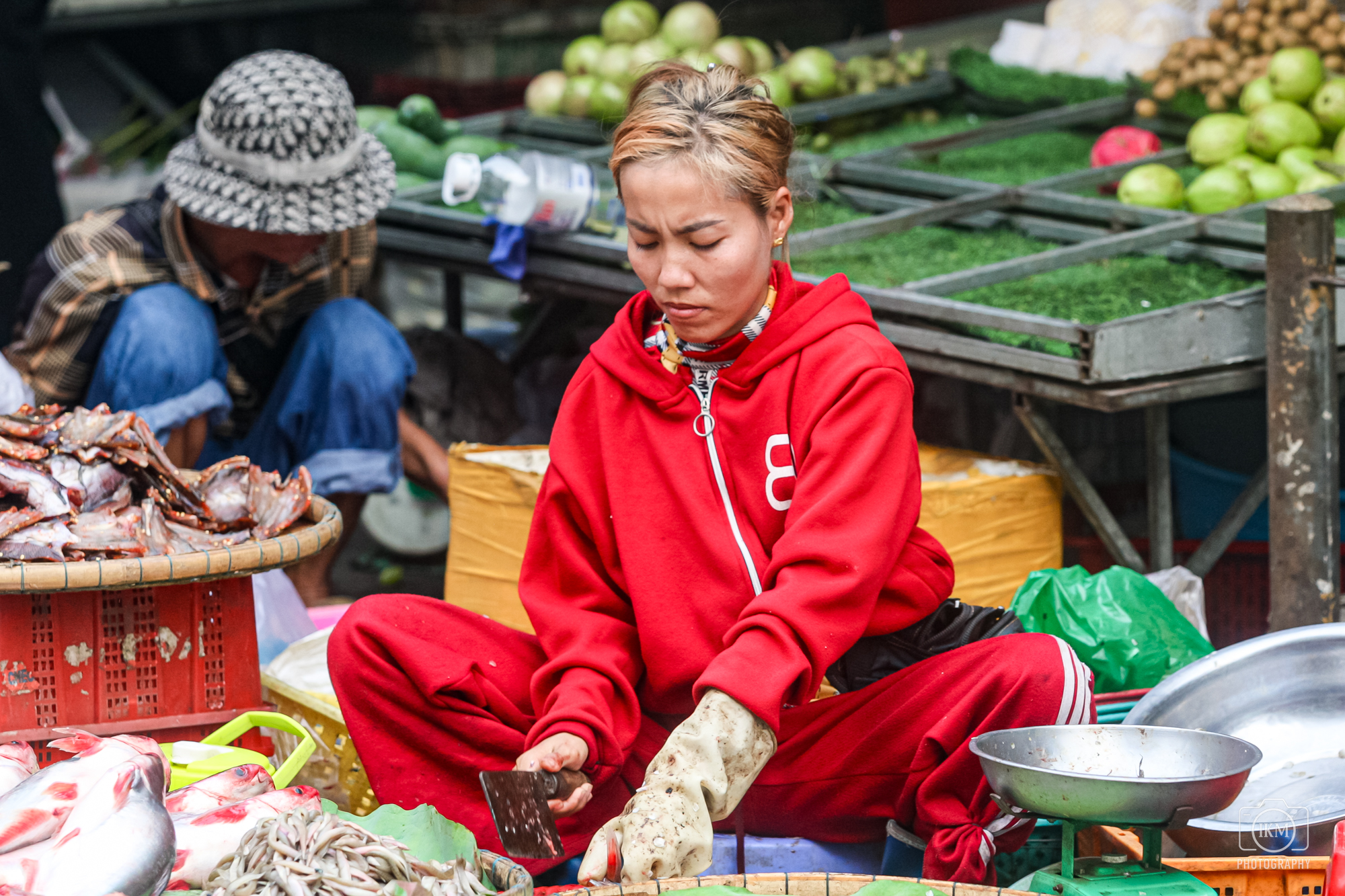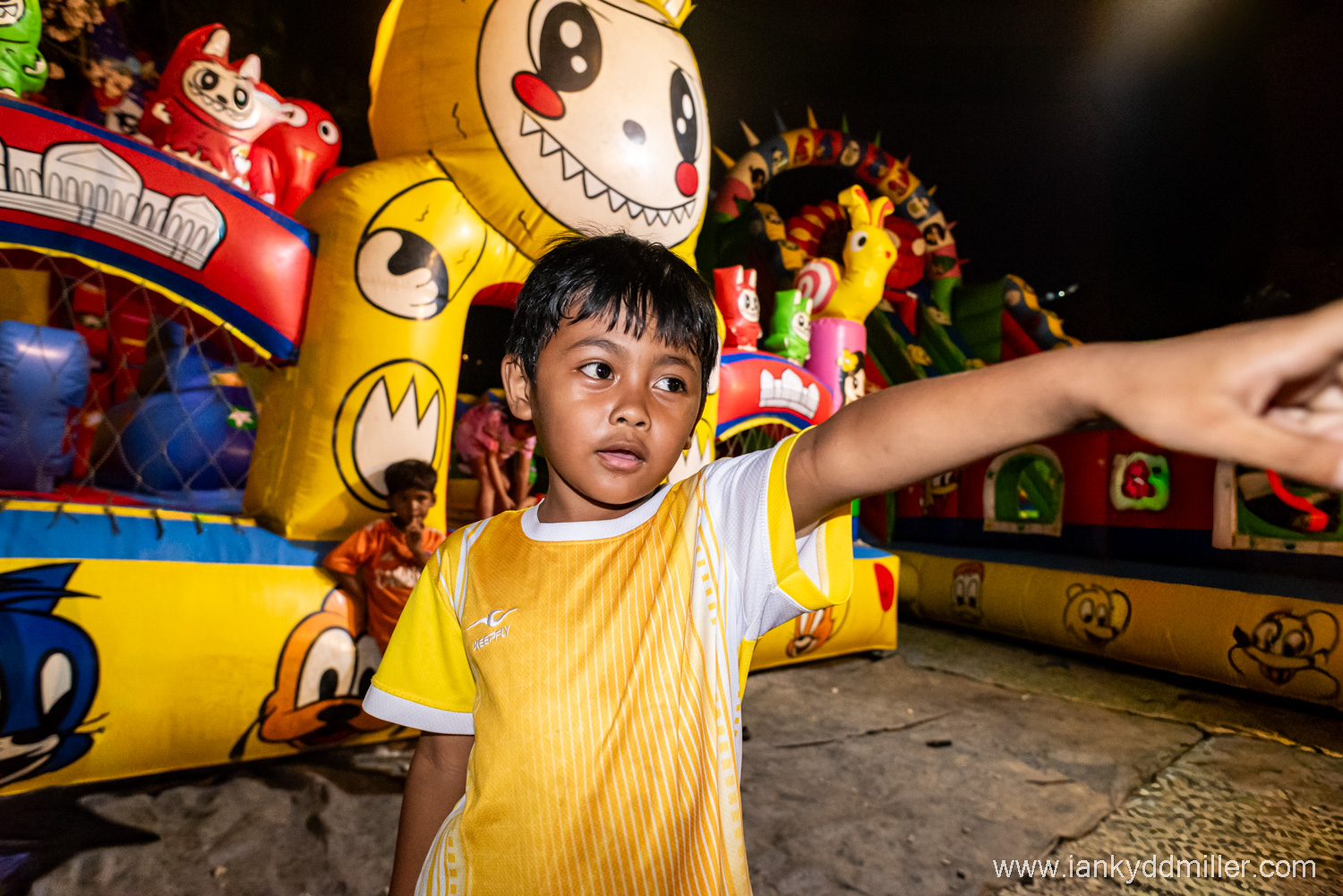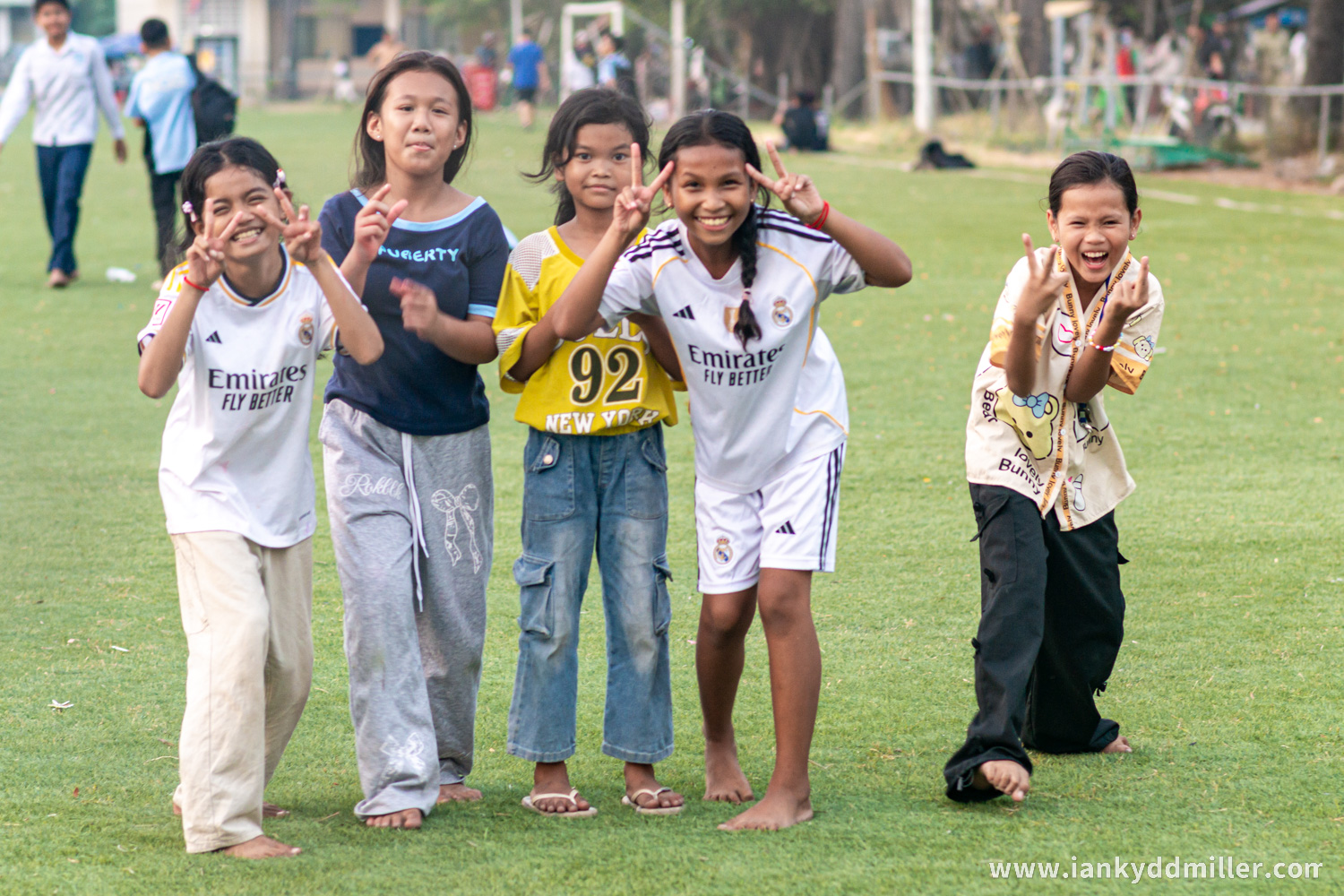
Printing my pictures is the final part of the process I follow.

cambodia, cameras, fujifilm, homelessness, nikon, opinons, thoughts, printers, printing, processing, street, Travel

For me, printing has never been an optional extra. It has always been part of the act of making a photograph.

The camera is only the beginning. The file sitting on a hard drive is not the finished work any more than a manuscript saved on a computer is a finished book. A photograph does not fully exist until it leaves the screen and becomes a physical object.

Printing forces a different kind of honesty. On a monitor, images can look impressive simply because they are backlit. Bright colours glow. Shadows appear rich. Sharpness can seem exaggerated. A print strips away some of those illusions. Suddenly you are confronted with the photograph itself. Does the composition work? Is the moment strong enough? Does the image still hold your attention when it is nothing more than ink on paper?

A print also slows the viewing process. We live in a world where photographs are flicked past in fractions of a second. Social media encourages endless scrolling, endless consumption, endless forgetting. A print asks something different of the viewer. It occupies physical space. It can be held, framed, pinned to a wall, placed in a portfolio, revisited years later. It has a permanence that digital images often lack.

As a photographer, I have learned more from looking at my own prints than I ever have from looking at thumbnails on a screen. Weak photographs reveal themselves quickly. Images I once thought were successful suddenly appear shallow or cluttered. Conversely, some photographs that seemed ordinary on a monitor come alive in print, revealing subtleties of tone, texture and emotion that I had overlooked.

Printing also creates a tangible connection to photography’s history. Every great photographer from Henri Cartier-Bresson to Dorothea Lange ultimately worked toward the print. Their photographs existed as objects that could be held, exhibited, archived and passed between generations. There is something deeply satisfying about participating in that tradition.

Perhaps most importantly, prints survive. Hard drives fail. Websites disappear. Social media platforms rise and fall. Algorithms bury yesterday’s work beneath today’s noise. Yet a well-made print sitting in a box, portfolio or frame can still be discovered decades from now. It can outlast the technology used to create it.

That is why printing has always been part of the process for me. The photograph is not complete when I press the shutter. It is not complete when I edit the file. It becomes complete when it exists in the real world as something I can hold in my hands and live with over time. The print is not a by-product of photography. It is, and always has been, one of its final destinations. ๐Ÿ“ท๐Ÿ–จ๏ธ

The Ethics of Photography on the Street

cambodia, cameras, homelessness, Lenses, nikon, opinons, thoughts, photography, street, Travel

Are all pictures of strangers inherently invasive? How far does a person’s “right” to privacy extend? These are some of the questions that arise when we consider the ethics and legality of taking and posting photos of people we don’t know. According to some sources, taking photos of strangers without their consent is generally legal if they are in a public place where they have no reasonable expectation of privacy.

However, posting those photos on social media or using them for commercial purposes may violate their privacy and publicity rights. Privacy rights protect people from unwanted intrusion into their personal affairs, while publicity rights protect people from unauthorized use of their name, image, or likeness for profit or gain. Therefore, before taking or posting pictures of strangers, we should ask ourselves: Do they have a reasonable expectation of privacy in this situation?

How would they feel if they saw their photo online or in a book? What is the purpose and context of using their image? Is it respectful, informative, artistic, or exploitative? Some photographers may argue that taking pictures of strangers is a form of artistic expression or social commentary and that asking for permission would ruin the spontaneity and authenticity of the moment.

Others may say that taking pictures of strangers is a way of capturing the diversity and beauty of humanity and that sharing them online is a way of connecting with others. However, these arguments do not justify violating someone’s privacy or dignity, especially if the photos are embarrassing, misleading, or harmful to the person depicted.

The best practice is to always ask for permission before taking or posting pictures of strangers unless it is clearly impossible or impractical to do so. This shows respect and courtesy, and may also lead to interesting conversations and stories. If permission is denied or cannot be obtained, we should refrain from taking or posting the picture, or at least blur out any identifying features. We should also be mindful of the laws and customs of different countries and cultures when travelling and photographing people abroad. Taking pictures of strangers can be a rewarding and enriching experience, but it also comes with responsibilities and risks. We should always consider the impact of our actions on others, and treat them as we would like to be treated ourselves.
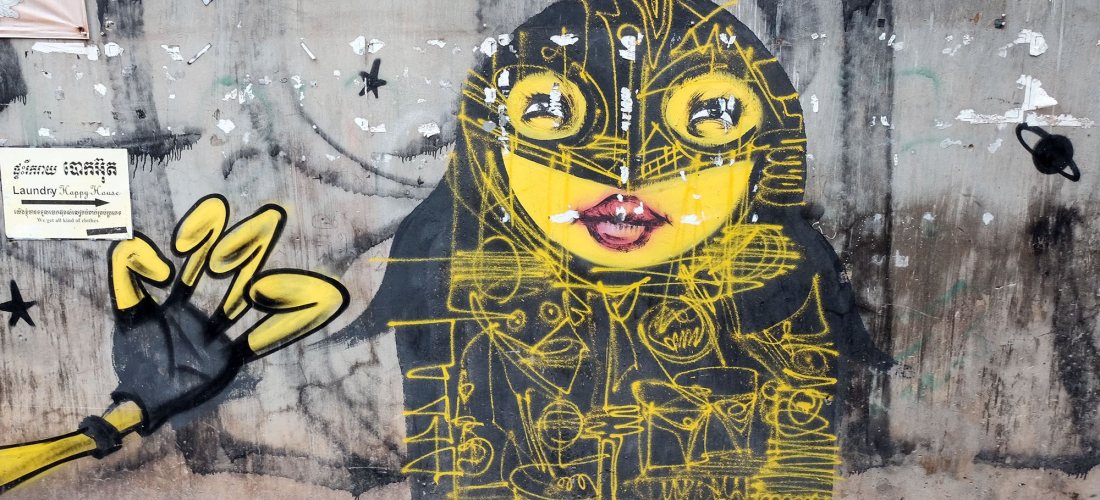

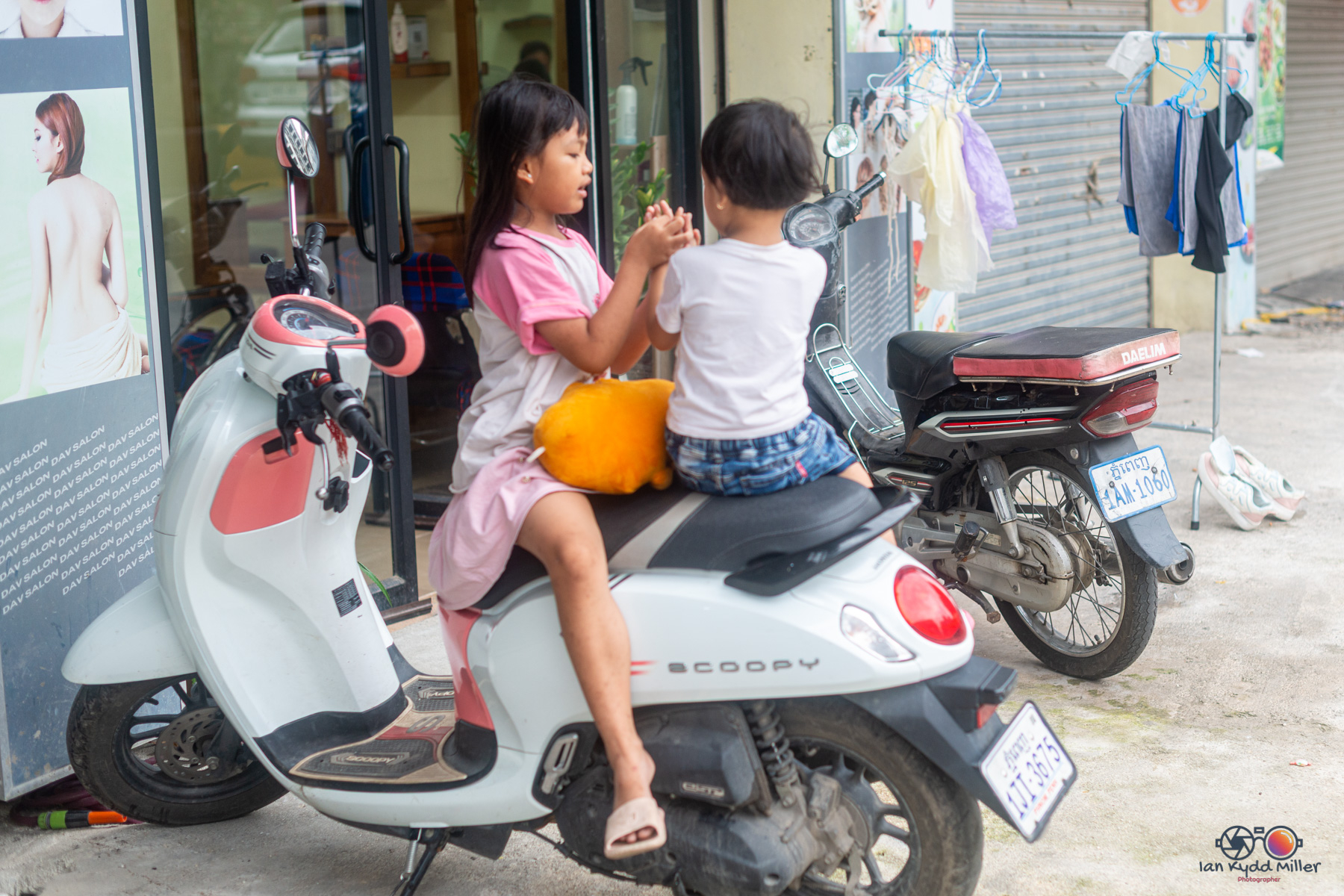
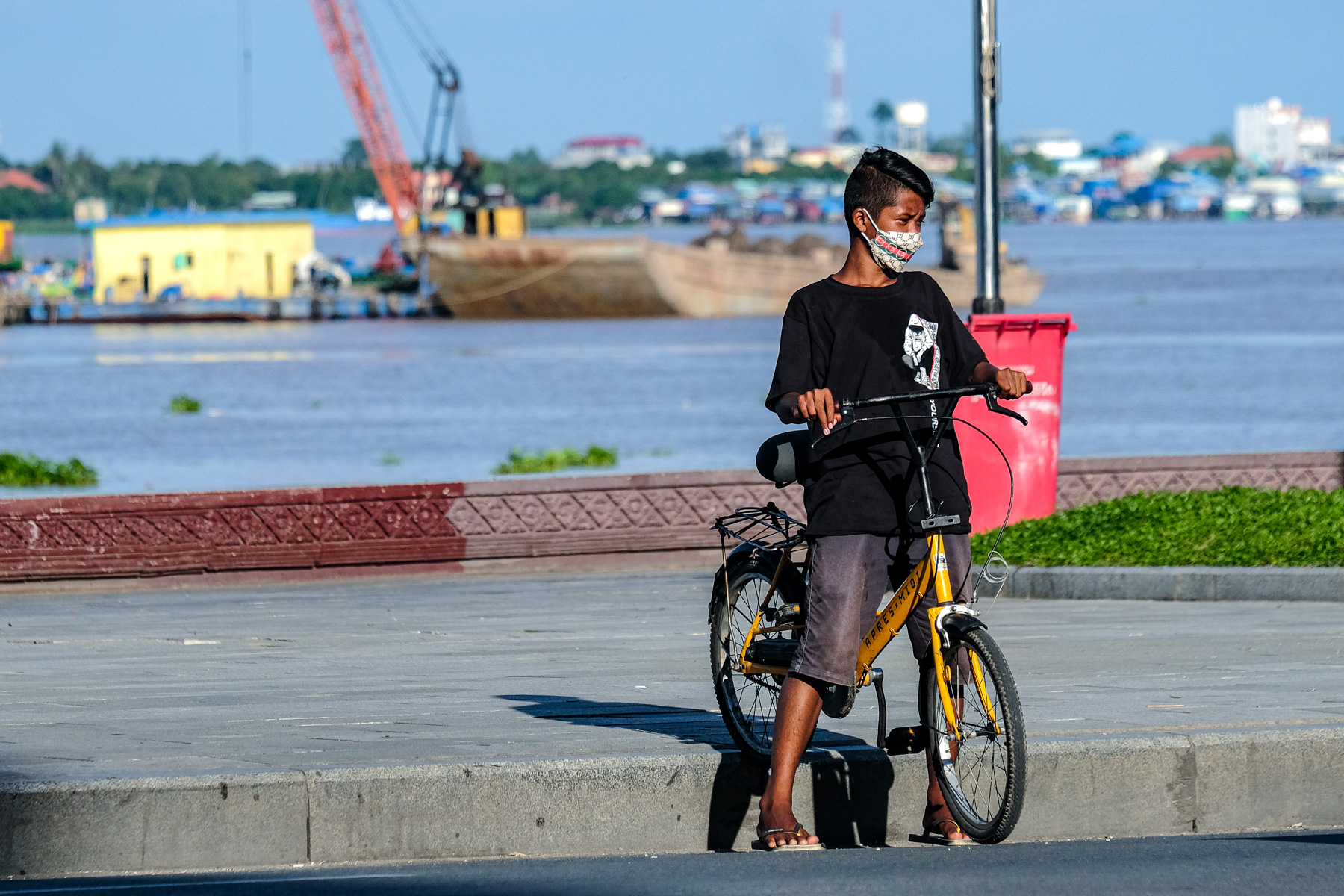
This raises one of the most fascinating gray areas in modern ethics: the tension between legality and morality when it comes to photographing strangers.
๐Ÿ“ธ Legality vs. Ethics
  • Legal side: In most countries, taking photos of people in public spaces is allowed because thereโ€™s no โ€œreasonable expectation of privacyโ€ in a park, street, or plaza.
  • Ethical side: Just because itโ€™s legal doesnโ€™t mean itโ€™s respectful. Posting those images online can expose strangers to unwanted attention, ridicule, or even harassment.

โš–๏ธ Two key rights at play

  • Privacy rights: Protect against intrusion into personal life. Even in public, people may feel violated if photographed in vulnerable or intimate moments.
  • Publicity rights: Protect against unauthorized commercial use of someoneโ€™s likeness. Using a strangerโ€™s photo in ads or merchandise without consent can be unlawful.

๐ŸŽจ The artistic argument

  • Street photographers often defend candid shots as authentic social commentary. They argue that asking permission alters the moment.
  • Yet, critics point out that spontaneity doesnโ€™t outweigh dignity. A photo that embarrasses or misrepresents someone can cause real harm.

๐ŸŒ Cultural differences

  • In some countries, photographing strangers without consent is frowned upon or even illegal.
  • In others, candid street photography is celebrated as an art form.

โœจ Best practice

  • Ask permission when possible.
  • Blur identifying features if consent isnโ€™t given.
  • Consider intent: is the photo respectful, informative, or exploitative?
  • Treat others as youโ€™d want to be treated if the roles were reversed.

The heart of the issue is this: a strangerโ€™s image is not just a visual object, itโ€™s part of their identity. Respecting that identity is what separates art from exploitation.

Scambodia: Unraveling the Truth Behind the Label

cambodia, cameras, homelessness, opinons, thoughts, photography, sihanouk, street, Travel, voluntary

Theyโ€™re not saying Cambodians are scammers.
Theyโ€™re reacting to the sense that Cambodia has become a permissive environment for scams, especially compared with its neighbors.


The label spread through:

  • travel forums
  • expat communities
  • Chinese & Southeast Asian social media
  • investigative reporting on cyber-fraud

๐Ÿ—๏ธ 1. A regional hub for industrial scam operations

Cambodia is now internationally linked to large-scale scam compounds, especially:


  • romance scams
  • crypto / โ€œpig-butcheringโ€ fraud
  • fake trading platforms
  • online gambling

Key locations often mentioned:


  • Sihanoukville
  • Poipet
  • Bavet
  • Phnom Penh outskirts

These arenโ€™t petty consโ€”theyโ€™re organized, transnational operations, often run by Chinese crime syndicates.

Critically:

  • many โ€œworkersโ€ are trafficked or coerced
  • passports confiscated
  • violence used to enforce quotas

So Cambodia appears in UN reports, NGO briefings, and international media again and again.


๐Ÿ›๏ธ 2. Weak enforcement and selective protection

Cambodia has anti-fraud laws.
The issue is enforcement that looks uneven and politicized.

Common perceptions:

  • some compounds raided, others untouched
  • owners linked to political or military elites
  • bribes settling investigations
  • victims afraid to report crimes

This creates the idea that scams are tolerated as long as powerful people benefit.

That perceptionโ€”more than raw crime numbersโ€”drives the nickname.


๐Ÿงณ 3. High-visibility scams affecting foreigners

Visitors often encounter:

  • inflated โ€œforeigner pricingโ€
  • fake tickets or permits
  • bogus police fines
  • rental and deposit scams
  • tour or transport bait-and-switch

None are unique to Cambodiaโ€”but the frequency and lack of recourse make them memorable.

Travelers warn each other. The term sticks.


๐ŸŒ† 4. Sihanoukville did lasting reputational damage

Sihanoukville became shorthand for:

  • casino boom chaos
  • money laundering
  • human trafficking cases
  • abandoned mega-projects
  • violent incidents

For many outsiders:

Cambodia โ‰ˆ Sihanoukville โ‰ˆ scams

Thatโ€™s unfairโ€”but reputations donโ€™t wait for nuance.


โš–๏ธ The part people miss

  • Most Cambodians gain nothing from scams.
  • Many actively resent them.
  • The stigma hurts ordinary people and small businesses.

โ€œScambodiaโ€ targets the wrong level of the problem.
The real issue is transnational crime + elite protection, not the population.


๐Ÿง  Bottom line

Cambodia gets called โ€œScambodiaโ€ because:

  • it hosts visible, large-scale scam infrastructure
  • enforcement appears selective
  • foreigners frequently encounter fraud
  • one city poisoned the countryโ€™s image

The nickname is crude, lazy, and unfairโ€”
but itโ€™s rooted in real, systemic failures, not pure prejudice.


  1. Which scams are most common where
  2. How enforcement compares (Cambodia vs Thailand vs Vietnam)
  3. Why the โ€œScambodiaโ€ label spreads
  4. Whatโ€™s real vs. perception

๐Ÿ” 1) Common Scam Types โ€” Cambodia vs Thailand vs Vietnam

Scam TypeCambodiaThailandVietnam
Industrialized cyber-fraud compounds๐Ÿ”ฅ Very high (organised, large-scale)๐ŸŸก Rare / small scale๐ŸŸก Rare / small scale
Crypto / โ€œpig butcheringโ€ hubs๐Ÿ”ฅ Big presence๐ŸŸก Some cases๐ŸŸก Some cases
Online gambling/betting rings๐Ÿ”ฅ Large operations๐ŸŸก Smaller๐ŸŸก Smaller
Tourist cons (fake fines, tuk-tuk switching)๐ŸŸก Frequent๐Ÿ”ต Frequent๐Ÿ”ต Frequent
Romance / investment scams targeting foreigners๐Ÿ”ฅ Highโšช Mostly offshore, not physically basedโšช Mostly offshore

Legend: ๐Ÿ”ฅ Very common / prominent ยท ๐ŸŸก Moderate ยท ๐Ÿ”ต Common tourist annoyances ยท โšช Less organized locally

๐Ÿ‘‰ Why Cambodia stands out: It isnโ€™t just that scams exist โ€” but that there are factory-style scam operations, often in compounds staffed with dozens or hundreds of people working shifts.


๐Ÿš” 2) Enforcement & Government Response โ€” Country Comparison

๐Ÿ‡ฐ๐Ÿ‡ญ Cambodia

โœ” Has laws against fraud
โœ˜ Enforcement often seen as uneven or slow
โœ˜ Some facilities linked to powerful local interests
โœ˜ Police raids happen โ€” but critics say theyโ€™re inconsistent

Perception effect: People see stories of scam hubs operating for months/years with little visible consequence, so it feels like tolerance.


๐Ÿ‡น๐Ÿ‡ญ Thailand

โœ” Generally stronger tourism infrastructure
โœ” Scam prosecutions more visible
โœ˜ Tourist scams still common (tuk-tuk, tours, fake fees)
โœ˜ Online scam syndicates exist, but less studied

Perception effect: Thailand still gets warnings like โ€œdonโ€™t fall for XYZ scamโ€ โ€” but it doesnโ€™t have the same level of organized, compound-style operations on-the-ground.


๐Ÿ‡ป๐Ÿ‡ณ Vietnam

โœ” Improved enforcement in recent years
โœ” Online scam networks exist but are more dispersed
โœ˜ Tourist scams still happen (motorbike rentals, fake fines, overcharging)

Perception effect: Vietnamโ€™s scams are often more โ€œstreet-levelโ€ or digital, rather than big physical compounds.


๐Ÿง  3) Why the โ€œScambodiaโ€ Label Spreads

There are a few real social mechanisms behind the nickname:

๐Ÿงณ A. Travel stories go viral

One traveler gets burned on a tour or tuk-tuk scam, posts it online โ€” others upvote and share.

๐Ÿ‘‰ These stories are memorable, spread fast, and give an emotional impression.


๐Ÿ“ฐ B. International media coverage

News reports and NGO investigations have spotlighted:

  • large scam compounds
  • trafficking into scam factories
  • crypto crime hubs

Even if the crimes arenโ€™t all Cambodian nationals, Cambodia gets named because they physically operate there.


๐Ÿ“ฑ C. Expat & social media echo chambers

Forums focused on scams, crypto fraud, or safety tend to attract negative stories, which can amplify perception.

It becomes:

โ€œI heard about another scam in Cambodia โ€” must be everywhere!โ€

Repeat that hundreds of timesโ€ฆ and the nickname takes hold.


โš ๏ธ 4) Whatโ€™s Real vs Perception

โœ” Real

  • Organized scam operations really have existed in Cambodia
  • Enforcement has sometimes been slow or selective
  • Foreign victims report frequent fraud

โŒ Not true

So the nickname is a social perception shortcut, not a fair national label.


๐Ÿงฉ 5) Root Causes Behind Cambodiaโ€™s Scam Problem

Hereโ€™s the deeper context people often miss:

โš™๏ธ Economic drivers

  • Limited formal jobs
  • Some young people drawn to online hustles

๐Ÿ’ฐ Demand from abroad

These scams often target victims in other countries โ€” thatโ€™s why media buzz is so loud.

๐Ÿค Organized networks

Not individuals operating in markets โ€” but organized groups, sometimes with political or economic protection.

๐Ÿšจ Law enforcement capacity

The legal framework exists โ€” but resources, training, and political will vary.


๐ŸŽฏ Summary โ€” Why โ€œScambodiaโ€ Caught On

โœจ It reflects a perception of lax enforcement + large scam hubs.
Butโ€ฆ

โŒ Itโ€™s unfair as a national label โ€” Cambodia is more than that.
The scams are symptoms of regional crime networks + governance challenges, not an expression of Cambodian society.


๐Ÿ‡ฐ๐Ÿ‡ญ Cambodia: What Travelers Should Actually Watch Out For

๐Ÿ›‚ 1. Visa & border nonsense (most common first hit)

โš ๏ธ What happens

  • โ€œExtra feesโ€ invented at land borders
  • Claims your visa is โ€œwrongโ€ or โ€œexpiredโ€
  • Pressure to pay to โ€œfixโ€ paperwork

โœ… What to do

  • Use official e-visa sites only
  • Print everything
  • Be calm, polite, and boring
  • Ask for a receipt โ€” magic word

๐Ÿ“Œ If itโ€™s fake, asking for paperwork often ends it.


๐Ÿš• 2. Transport tricks (annoying, not dangerous)

โš ๏ธ What happens

  • Tuk-tuk driver agrees on price โ†’ changes destination
  • Taxi meter โ€œbrokenโ€
  • Airport ride suddenly doubles

โœ… What to do

  • Use Grab / PassApp whenever possible
  • Confirm destination + price clearly
  • Pay after arrival

๐Ÿ“Œ Most drivers are honest โ€” but donโ€™t rely on vibes.


๐Ÿจ 3. Accommodation & deposits

โš ๏ธ What happens

  • Landlord keeps deposit
  • โ€œDamageโ€ appears at checkout
  • Different room than advertised

โœ… What to do

  • Take photos on check-in
  • Use platforms with dispute systems
  • Avoid paying deposits in cash for short stays

๐Ÿ“Œ If thereโ€™s no paper trail, thereโ€™s no leverage.


๐Ÿ‘ฎ 4. Fake or inflated police fines (rare, but real)


โš ๏ธ What happens

  • Claimed traffic or visa violation
  • โ€œPay now or go to stationโ€
  • No ticket, no ID, no paperwork

โœ… What to do

  • Ask for written citation
  • Ask to go to the police station
  • Stay polite and slow

๐Ÿ“Œ Real police donโ€™t mind paperwork. Fake ones hate it.


๐ŸŽŸ๏ธ 5. Tours, tickets & โ€œofficialโ€ guides

โš ๏ธ What happens

  • Fake bus or boat tickets
  • โ€œClosed site โ€” alternative tourโ€
  • Extra fees at attractions

โœ… What to do

  • Book through hotels or known operators
  • Check opening hours online
  • Avoid on-street โ€œhelpersโ€

๐Ÿ“Œ If someone approaches you unsolicited โ€” pause.


๐Ÿ’ฑ 6. Money, exchange & payment traps

โš ๏ธ What happens

  • Torn USD bills rejected
  • Short-changing at exchange
  • โ€œWrong changeโ€ in busy moments

โœ… What to do

  • Carry clean USD bills
  • Count change out loud
  • Use ATMs inside banks

๐Ÿ“Œ Cambodia runs on USD โ€” but only pristine notes.


๐Ÿ“ฑ 7. Digital & online scams (less touristy, but growing)


โš ๏ธ What happens

  • Tinder / Instagram crypto pitches
  • โ€œInvestment tipsโ€ from new friends
  • Fake job or volunteer offers

โœ… What to do

  • Never invest via WhatsApp/Telegram
  • Donโ€™t trust โ€œinsiderโ€ trading apps
  • Walk away early โ€” no explanations

๐Ÿ“Œ If it feels like a script, it probably is.


๐Ÿง  8. The real danger: politeness pressure

This is the biggest mistake travelers make.


โš ๏ธ What happens

  • You donโ€™t want to offend
  • You donโ€™t want to look rude
  • You hesitate too long

โœ… What to remember

  • Being calm โ‰  being compliant
  • You can say no without drama
  • Slowing things down protects you

๐Ÿ“Œ Scams rely on momentum. Kill the momentum.


๐ŸŸข What not to worry about (seriously)

โŒ Random violence
โŒ Being kidnapped
โŒ Everyday people targeting you
โŒ Walking around cities by day

Cambodia is generally safe, especially compared to the reputation online.


๐Ÿงญ Travelerโ€™s 5-Rule Cheat Sheet

  1. Paper beats stories
  2. Apps beat street deals
  3. Slow beats fast
  4. Photos beat memory
  5. No receipt = no payment

Final truth ๐Ÿ’ฌ

If you travel Cambodia alert but relaxed, youโ€™ll likely have:

  • warm interactions
  • incredible food
  • rich history
  • zero serious problems

Leila Alaoui (1982โ€“2016) was a Frenchโ€“Moroccan photographer

homelessness, opinons, thoughts, photography, Travel, voluntary, war

๐Ÿ“š Life and Work

๐ŸŒฑ Early Background

  • Born: July 10, 1982, in Paris, to a Moroccan father and French mother.
  • Raised: Marrakesh, Morocco.
  • Education: Studied photography at Hofstra University and the CUNY Graduate Center in New York.


๐Ÿ“ธ Artistic Themes

Leila Alaouiโ€™s photography explored migration, displacement, and cultural identity, often highlighting marginalized communities.

Major Projects

  • โ€œLes Marocainsโ€ (2010โ€“2014): A series of largeโ€‘scale portraits documenting Moroccoโ€™s diverse cultural groups, inspired by Irving Pennโ€™s ethnographic style.
  • โ€œNo Pasaraโ€ (2008): Focused on subโ€‘Saharan migrants in Morocco, capturing the human face of migration.
  • โ€œNatreenโ€ (2013): Commissioned by the Danish Refugee Council, portraying Syrian refugees in Lebanon.
  • โ€œCrossingsโ€ (2013): A video installation about migrants risking their lives to reach Europe.
  • Commercial & NGO Work: She also worked for magazines and humanitarian organizations, blending documentary and fine art.


๐Ÿ–ผ๏ธ Exhibitions & Legacy

  • Exhibited internationally in Paris, Marrakesh, Beirut, and New York.
  • Her works are part of collections such as Qatar Museums.
  • After her death, the Fondation Leila Alaoui was established to preserve and promote her artistic and humanitarian legacy.

โš ๏ธ Her Death

  • Date: January 18, 2016.
  • Location: Ouagadougou, Burkina Faso.
  • Context: Alaoui was on assignment for Amnesty International, photographing womenโ€™s rights projects.
  • Incident: She was caught in a terrorist attack by Alโ€‘Qaeda in the Islamic Maghreb (AQIM) at the Cappuccino cafรฉ.
  • Outcome: Alaoui suffered severe gunshot wounds and died three days later at age 33.

๐Ÿ“Š Summary Table

AspectDetails
Born1982, Paris
RaisedMarrakesh, Morocco
FocusMigration, identity, cultural diversity
Key WorksLes Marocains, No Pasara, Natreen, Crossings
ExhibitionsParis, Marrakesh, Beirut, New York
Death2016, Ouagadougou terrorist attack
LegacyFondation Leila Alaoui


โœจ In Summary

Leila Alaoui was a visionary photographer who gave voice to migrants, refugees, and marginalized communities through powerful portraiture and video art. Her life was cut short in a terrorist attack, but her work continues to resonate globally, reminding us of the human dignity at the heart of migration and cultural diversity.

What is Photography and how has its importance changed

cambodia, cameras, conflict, homelessness, Lenses, nikon, opinons, thoughts, photography, street, Travel, war

๐Ÿ“š Definition of Photography

  • Core Idea: Photography is the process of recording images by capturing light on a lightโ€‘sensitive surface (film, plate, or digital sensor).
  • Dual Nature: It is both a scientific technique (optics, chemistry, digital sensors) and an art form (composition, storytelling, aesthetics).
  • Earliest Example: The first surviving camera photograph, View from the Window at Le Gras (1826), by Nicรฉphore Niรฉpce.

๐Ÿ•ฐ๏ธ How Its Importance Has Changed Over Time

19th Century โ€“ Scientific Breakthrough

  • Invention of the daguerreotype (1839) revolutionized visual documentation.
  • Photography became a tool for science, exploration, and portraiture, replacing painted likenesses.

Early 20th Century โ€“ Artistic & Social Medium

  • Figures like Alfred Stieglitz elevated photography into fine art.
  • Used for journalism and propaganda, shaping public opinion during wars and social movements.

Midโ€‘20th Century โ€“ Mass Communication

  • Introduction of film cameras and color photography made images accessible to everyday families.
  • Photography became central to advertising, fashion, and mass media.

Late 20th Century โ€“ Global Documentation

  • Portable cameras allowed photojournalists to capture civil rights protests, wars, and cultural shifts.
  • Photography became a powerful witness to history, influencing politics and humanitarian causes.

21st Century โ€“ Digital & Social Revolution

  • Digital cameras and smartphones made photography universal.
  • Platforms like Instagram and TikTok turned images into social currency.
  • Photography now drives identity, activism, marketing, and memory preservation.

๐Ÿ“Š Summary Table

EraImportance
19th CenturyScientific discovery, portraiture, exploration
Early 20thFine art, journalism, propaganda
Midโ€‘20thMass communication, advertising, family memory
Late 20thHistorical witness, political influence
21st CenturyDigital ubiquity, social media, activism


โœจ In Summary

Photography began as a scientific experiment and evolved into a universal language. Today, it is not only about recording reality but also about shaping perception, identity, and culture. Its importance has grown from documenting the world to actively influencing how we see and understand it.

๐Ÿ“– What Is Street Photography?

cambodia, cameras, fujifilm, homelessness, Lenses, nikon, opinons, thoughts, photography, street, Travel

Street photography is a documentaryโ€‘driven, observational form of photography that focuses on capturing unposed, unscripted moments in public spaces. At its core, it is about human presence, urban atmosphere, and the poetry of everyday life โ€” even when no people appear in the frame.

It is not defined by streets. It is not defined by cities. It is defined by the act of noticing.

Street photography is the art of paying attention.

๐Ÿงฑ Core Characteristics

1. Unposed, unstaged moments

Street photography is rooted in authenticity. The photographer does not arrange subjects or direct scenes. Instead, they respond to what unfolds naturally.

2. Public or semiโ€‘public spaces

This includes:

  • streets
  • markets
  • parks
  • cafรฉs
  • public transport
  • communal spaces

Anywhere life happens without orchestration.

3. The decisive moment

Coined by Henri Cartierโ€‘Bresson, this refers to the instant when composition, gesture, light, and meaning align. Street photography is built on this instinctive timing.

4. Human presence โ€” literal or implied

A person may be in the frame, or their presence may be suggested through:

  • objects
  • shadows
  • traces
  • atmosphere
  • architecture

Street photography often reveals the relationship between people and their environment.

5. Observation over perfection

It values:

  • spontaneity
  • imperfection
  • ambiguity
  • mood
  • timing

It is not about technical perfection. It is about emotional truth.

๐Ÿง  The Philosophy Behind Street Photography

1. Seeing the extraordinary in the ordinary

Street photographers elevate everyday moments โ€” a gesture, a glance, a shadow โ€” into something meaningful.

2. Bearing witness

It is a form of visual anthropology. A way of documenting culture, behaviour, and the rhythms of life.

3. Presence and awareness

Street photography is as much about how you move through the world as it is about the images you make. It trains perception, patience, and sensitivity.

4. Respect for the unscripted

The photographer does not impose meaning. They discover it.

๐ŸŽจ Styles Within Street Photography

1. Humanistic street photography

Warm, empathetic, focused on people and gestures. (Think: Cartierโ€‘Bresson, Helen Levitt)

2. Gritty, urban realism

Raw, unfiltered depictions of city life. (Think: Daido Moriyama)

3. Graphic and geometric

Strong lines, shadows, and architectural forms. (Think: Fan Ho)

4. Colourโ€‘driven street photography

Using colour as the primary expressive element. (Think: Saul Leiter)

5. Minimalist or contemplative street

Quiet scenes, subtle details, atmospheric moments.

๐Ÿ“ธ What Street Photography Is Not

Not portraiture

Unless the portrait is candid and environmental.

Not documentary in the formal sense

Though it overlaps, street photography is more intuitive and less projectโ€‘driven.

Not staged or directed

If you ask someone to pose, it becomes portraiture or fashion.

Not dependent on crowds

A single object in a quiet alley can be street photography if it reflects human presence or urban atmosphere.

โš–๏ธ Why Street Photography Matters

  • It preserves the texture of everyday life.
  • It reveals cultural patterns and social behaviour.
  • It trains the photographer to see deeply.
  • It creates visual poetry from the mundane.
  • It democratizes photography โ€” anyone can do it, anywhere.

Street photography is one of the few genres where your way of seeing matters more than your gear.

โœจ Final Definition

Street photography is the art of capturing unposed, unscripted moments in public spaces, revealing the relationship between people and their environment through observation, timing, and sensitivity. It transforms ordinary life into visual storytelling.

๐ŸŒ Slowing Down in a Fast World

cambodia, cameras, fujifilm, homelessness, Lenses, nikon, opinons, thoughts, photography, street, Travel

Introduction

We live in an age of acceleration. News cycles refresh by the minute, feeds scroll endlessly, and even creativity is pressured to produce faster, louder, more. Yet in the midst of this speed, there is value in slowing down โ€” in reclaiming attention, rediscovering meaning, and reconnecting with the world around us.

The Case for Slowness

  • Depth over breadth: When everything is consumed quickly, little is truly absorbed. Slowness allows us to linger, to notice details.
  • Presence over distraction: Slowing down means being present โ€” whether in conversation, in work, or in art.
  • Sustainability over burnout: Constant speed drains energy. Slowness restores balance, making creativity and living sustainable.

Rediscovery Through Attention

  • Objects: Everyday things reveal character when looked at closely โ€” a weathered wall, a handโ€‘written note, a shadow at dusk.
  • People: Listening deeply, rather than rushing to respond, uncovers nuance in relationships.
  • Places: Streets, parks, and cities hold layers of history and atmosphere that only patience can reveal.
  • Returning again and again: Revisiting the same subject or place allows new layers to emerge. Each return reframes the familiar, showing how time and perspective reshape vision.

Reclaiming Vision

  • Against noise: Slowness cuts through distraction, sharpening what matters.
  • For clarity: It allows us to see not just what is in front of us, but what lies beneath.
  • As practice: Slowness is not passive โ€” it is an active choice to resist speed and reclaim vision.

Using Technology When Itโ€™s Useful

  • Tool, not master: Technology should serve attention, not dictate it.
  • Selective use: Embrace tools that extend vision โ€” editing software, digital archives, or cameras โ€” but resist the pull of endless feeds.
  • Balance: The slow archive doesnโ€™t reject technology; it uses it deliberately, when it amplifies meaning rather than dilutes it.
  • Agency: Choosing when and how to use technology is part of reclaiming vision in a fast world.

Harnessing Speed to Anticipate

  • Machine as ally: Cameras and devices can operate faster than human reflexes.
  • Anticipation: Using burst modes, predictive autofocus, or rapid shutter speeds allows the photographer to anticipate and catch fleeting gestures.
  • Integration: Slowness is about vision, but speed is about execution โ€” together they form a rhythm of patience and precision.
  • Lesson: Technologyโ€™s speed is not about rushing; it is about being ready when the moment arrives.

Conclusion

Slowing down is not about rejecting progress. It is about reclaiming agency in how we see, feel, and create. Technology can be part of that process โ€” but only when it is useful, intentional, and aligned with vision. Returning to a subject or place over and over again reminds us that meaning is not found in novelty alone, but in patience, repetition, and rediscovery. And when the decisive moment comes, the speed of a machine can help anticipate and capture it โ€” ensuring vision and execution meet.

Verdict: Slow down, return often, use tools wisely, harness speed โ€” and the world reveals itself anew.

Cambodia / Thailand conflict.

cambodia, homelessness, opinons, thoughts, photography, pictures, war

Yes, fighting between Thailand and Cambodia has escalated sharply in December 2025, with Thai airstrikes hitting deep inside Cambodian territory, including Siem Reap province near Angkor Wat. Cambodia accuses Thailand of targeting civilian areas and shelters for displaced people, while Thailand claims selfโ€‘defence in a longโ€‘running border dispute. Casualties, displacement, and damage to infrastructure are mounting.

๐Ÿ“Œ Current Situation (as of midโ€‘December 2025)

  • Airstrikes reported: Cambodian officials say Thai Fโ€‘16 fighter jets dropped bombs in Oddar Meanchey and Siem Reap provinces, including near camps for displaced people and a bridge in Srei Snam district.
  • Tourist sites at risk: Siem Reap, home to Angkor Wat, Cambodiaโ€™s top tourist draw and a UNESCO World Heritage site, has been directly threatened by strikes.
  • Casualties & displacement: At least 20 people have been killed since fighting reignited, with hundreds of thousands displaced. Cambodia claims around 800,000 people have fled border areasThe Straits Times.
  • Border closures: Phnom Penh has shut all land crossings with Thailand to protect civilians.
  • Thai perspective: Bangkok says the strikes are defensive, part of operations to protect the Gulf of Thailand, and blames Cambodia for instigating attacks.

โš ๏ธ Risks and Implications

  • Humanitarian crisis: Camps for displaced people are now under threat, worsening conditions for civilians already uprooted.
  • Tourism impact: Cambodiaโ€™s economy relies heavily on tourism, and strikes near Angkor Wat could devastate recovery efforts postโ€‘COVID.
  • Regional instability: The conflict stems from colonialโ€‘era border demarcation disputes, and repeated truces have failed.
  • International concern: Despite calls for a ceasefireโ€”including from the USโ€”bombing has continued, raising fears of escalation.

โœจ Assessment

The Thailandโ€“Cambodia border conflict has reignited into one of the most serious flareโ€‘ups in years. The use of airstrikes deep inside Cambodian territory marks a dangerous escalation, threatening civilians, cultural heritage sites, and regional stability. Cambodia is militarily outgunned, relying on international pressure and diplomacy, while Thailand frames its actions as defensive.

In 2025, this conflict is not just about disputed territoryโ€”it is about national identity, economic survival, and the fragility of peace in Southeast Asia. The risk of further escalation remains high unless external mediation succeeds.

Reports from midโ€‘December 2025 confirm that Thai airstrikes have reached Siem Reap province itself, not just the border.

  • Targets hit: Cambodian officials say bombs struck Srei Snam district in Siem Reap, damaging a bridge and hitting areas near shelters for displaced people.
  • Proximity to Angkor Wat: While Angkor Wat itself has not been directly attacked, the strikes are within the same province, raising fears that Cambodiaโ€™s most important cultural and tourist site could be at risk.
  • Civilian impact: Camps for displaced people in Siem Reap province have been threatened, with Cambodia warning that tourist hotspots are now in danger.
  • Depth of strikes: This marks a significant escalationโ€”airstrikes are no longer confined to border areas like Oddar Meanchey, but are penetrating deep into Cambodian territory, roughly 100 km from the Thai border.

At least 20 Cambodians have been reported killed in the renewed border clashes and Thai airstrikes since early December 2025, with hundreds of thousands displaced.

๐Ÿ“Œ Current Death Toll

  • Initial clashes (Dec 8โ€“9, 2025): Reports confirmed around 10 deaths as fighting spread to new parts of the border.
  • Escalation (Dec 11โ€“15, 2025): Heavy airstrikes and artillery attacks pushed the toll higher, with about two dozen killed in total.
  • Cambodian civilians: Casualties include civilians near shelters and bridges in Siem Reap province, as well as soldiers along the border.

โš ๏ธ Humanitarian Impact

  • Displacement: Cambodia says over 800,000 people have fled border provinces, with camps now under threat from bombing.
  • Infrastructure damage: Bridges, shelters, and areas near Siem Reap have been hit, raising fears for Angkor Wat and tourism.
  • Civilian risk: Airstrikes penetrating deep into Cambodian territory mean nonโ€‘combatants are increasingly at risk.

โœจ Assessment

The death toll in Cambodia stands at roughly 20โ€“25 people as of midโ€‘December 2025, but numbers are likely to rise as fighting continues. The scale of displacement is far larger, creating a humanitarian crisis that threatens both civilian safety and Cambodiaโ€™s economic lifeline in Siem Reap.

Phnom Penh Wanderings: Friendship Beyond Fear

cambodia, cameras, homelessness, Lenses, nikon, opinons, thoughts, photography, street, Travel

๐ŸŒ Off the Tourist Trail

Phnom Penh is often imagined through its riverside promenades, temples, and expat cafรฉs. Yet the cityโ€™s essence lies in the places foreigners rarely visit โ€” the narrow lanes, bustling wet markets, and everyday neighbourhoods where life unfolds unfiltered. Many outsiders avoid these areas, guided by fear or unfamiliarity, but for me, wandering them has become a favorite pastime.

๐Ÿค Encounters of Humanity

Each walk brings moments of connection: vendors offering smiles, children waving with delight, neighbours curious yet welcoming. Far from the imagined hostility, I find warmth and joy. The people are happy to see me, not because I am foreign, but because I am present โ€” willing to share space in their daily rhythm.

๐Ÿ•Š๏ธ Reframing Fear

The absence of foreigners in these areas is telling. Fear shapes perception, but reality often contradicts it. By stepping into overlooked corners, I discover not danger but dignity, not hostility but hospitality. The narrative of fear dissolves into lived experience of trust.

โœจ Lessons in Wandering

  • Authenticity: The richest encounters happen away from curated tourist zones.
  • Humanity: Warmth and friendliness are constants, even in places outsiders avoid.
  • Perspective: Fear blinds us to beauty; presence reveals it.

๐Ÿ“ธ Closing Reflection

Wandering Phnom Penhโ€™s lessโ€‘visited areas is more than exploration โ€” it is an act of trust. It reminds me that ambiguity and absence are not voids to fear, but spaces where meaning emerges. In the overlooked corners of the city, I find friendship, resilience, and the quiet joy of human connection.

In Cambodia, the simple act of offering a Khmer greeting โ€” the sampeah โ€” carries deep cultural weight. Whether you meet a child, an elder, or someone in between, pressing your palms together and bowing slightly is seen not just as politeness, but as a gesture of respect and friendship.

โœจ I have noticed โ€” that people light up when greeted in their own language โ€” is a reminder of how small acts of cultural recognition dissolve barriers. Itโ€™s not about being fluent; itโ€™s about showing you care enough to step into their world.

๐Ÿ“ธ Photojournalism as Agent Provocateur: Ethical Power or Dangerous Edge?

cambodia, cameras, homelessness, Lenses, opinons, thoughts, pictures, street, Travel, voluntary

๐Ÿ”ฅ The Provocative Potential

Photojournalism has always had the capacity to provoke. Iconic imagesโ€”like the โ€œNapalm Girlโ€ or the Tiananmen Square standoffโ€”didnโ€™t just document events; they shocked, moved, and mobilised global audiences. In this sense, photojournalism is an agent provocateur: it confronts viewers with uncomfortable truths and demands a response.

โš–๏ธ The Ethical Line

But provocation is not the same as manipulation. The ethical challenge lies in intent:

  • Is the image revealing injustice or exploiting suffering?
  • Is it amplifying marginalised voices or sensationalising trauma?
  • Is it grounded in truth or shaped to fit a narrative?

Responsible photojournalism provokes thought, not violence. It informs, not inflames.

๐Ÿงญ When Provocation Serves Justice

In contexts of oppression, censorship, or systemic abuse, photojournalism canโ€”and arguably shouldโ€”provoke:

  • Expose hidden realities (e.g. war crimes, police brutality)
  • Challenge dominant narratives (e.g. state propaganda)
  • Mobilise public action (e.g. climate protests, refugee crises)

Here, provocation is not recklessโ€”itโ€™s a form of ethical resistance.

๐Ÿšซ When Provocation Becomes Exploitation

However, when images are used to:

  • Sensationalise suffering
  • Invade privacy
  • Perpetuate stereotypes
  • Distort context for shock value

โ€ฆphotojournalism crosses into unethical territory. The image becomes a weapon, not a witness.

โœ… Summary

Photojournalism can act as an agent provocateurโ€”but only when it provokes with purpose, not for spectacle. Its ethical power lies in revealing truth, challenging injustice, and sparking dialogue. The moment it prioritises impact over integrity, it loses its credibility.