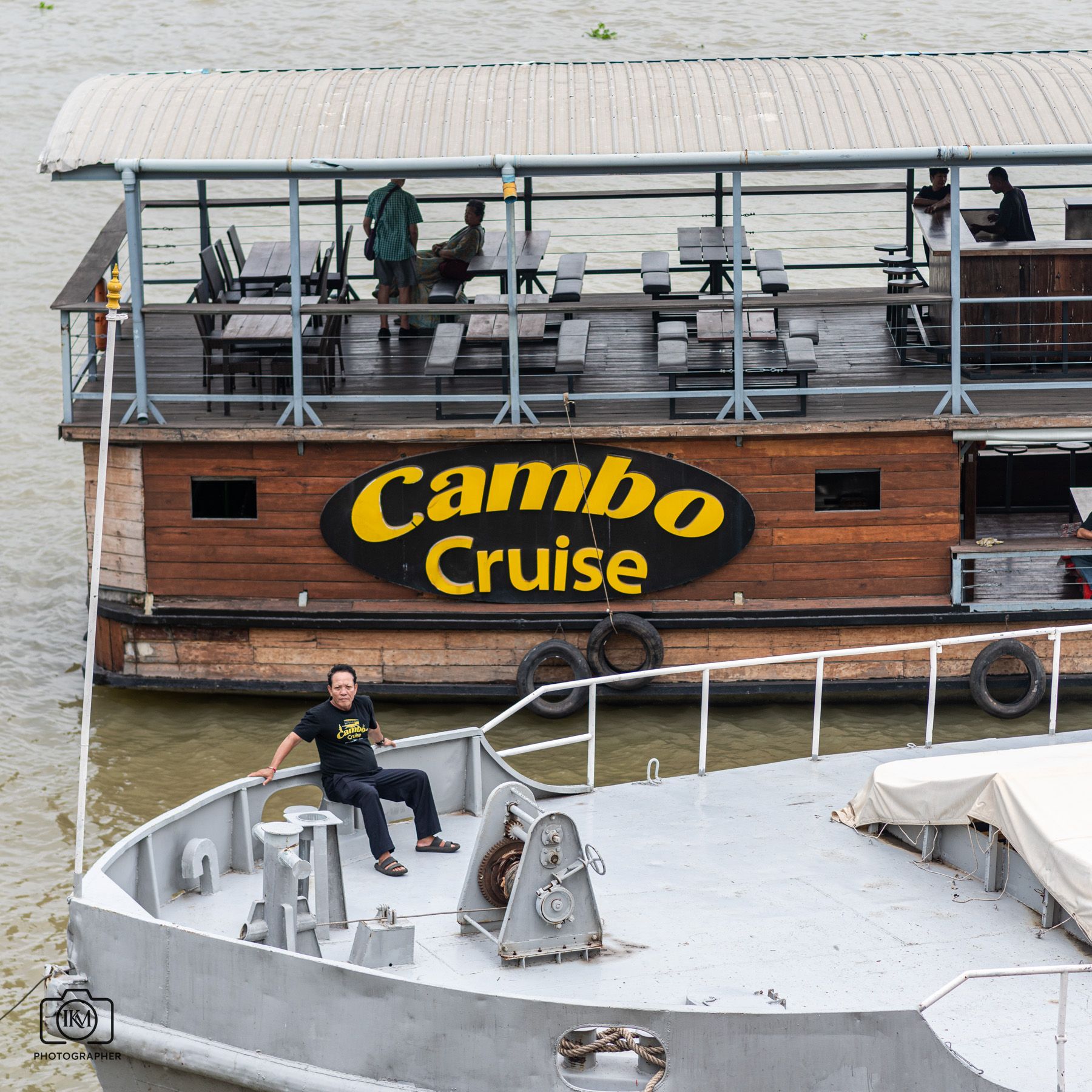
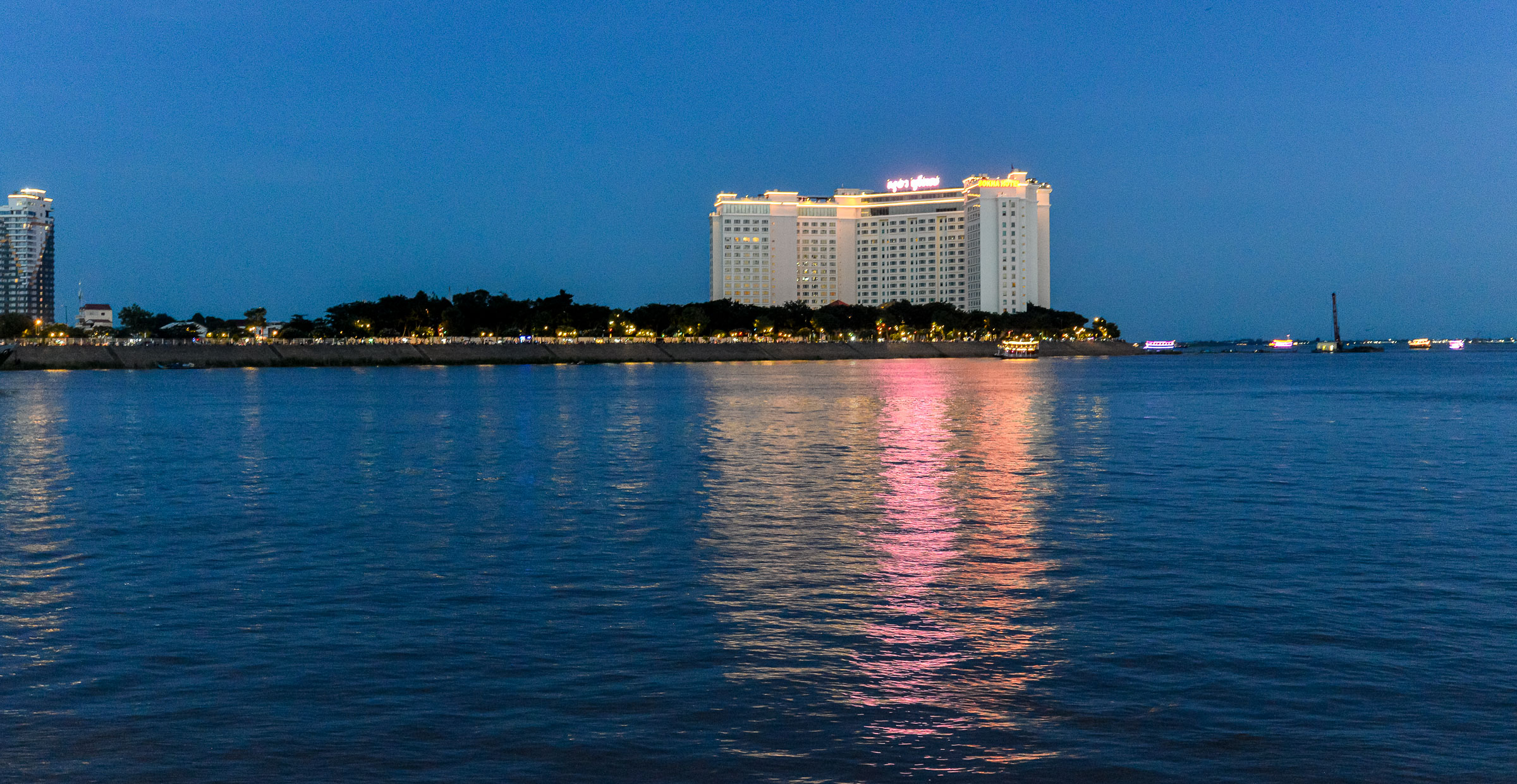
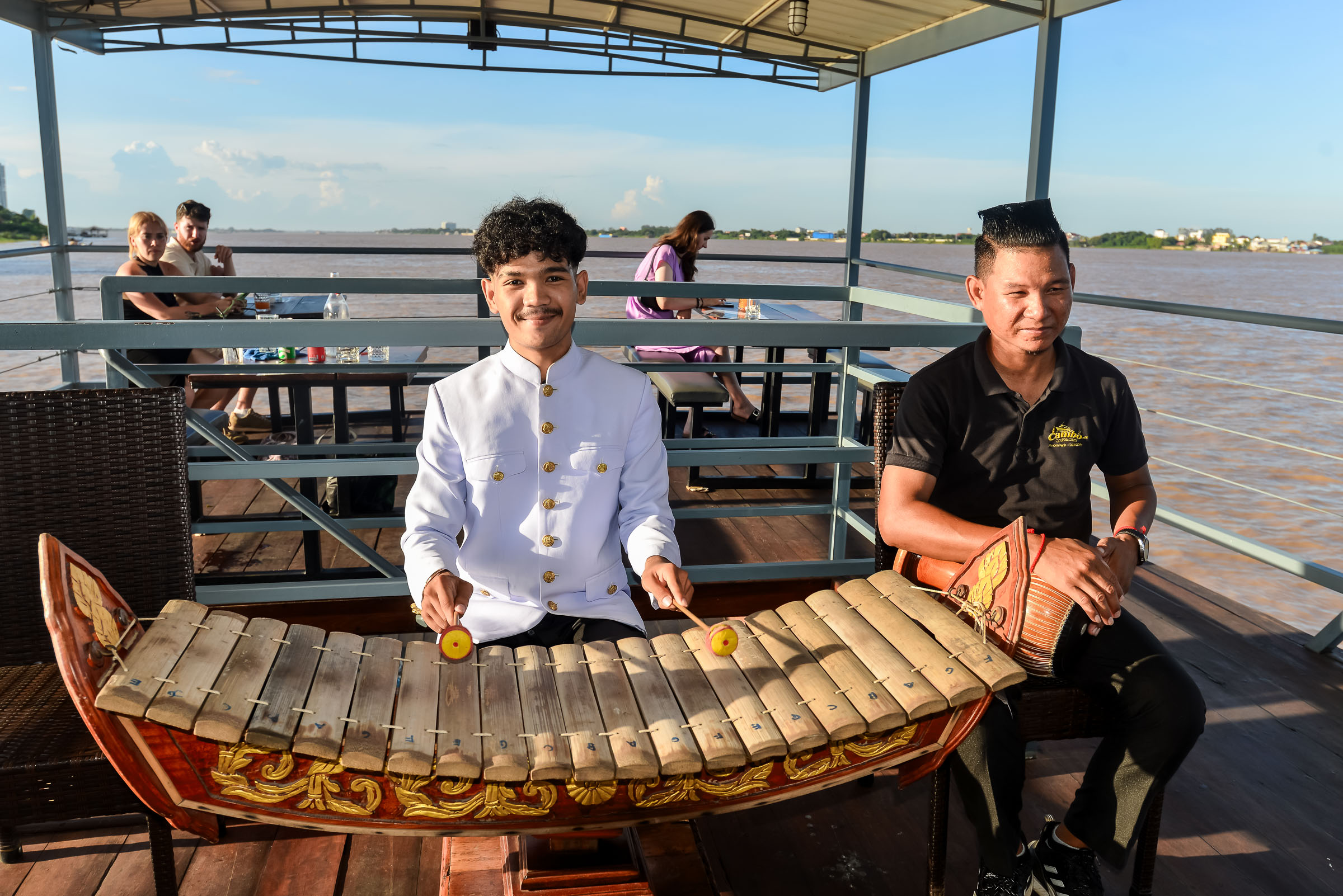
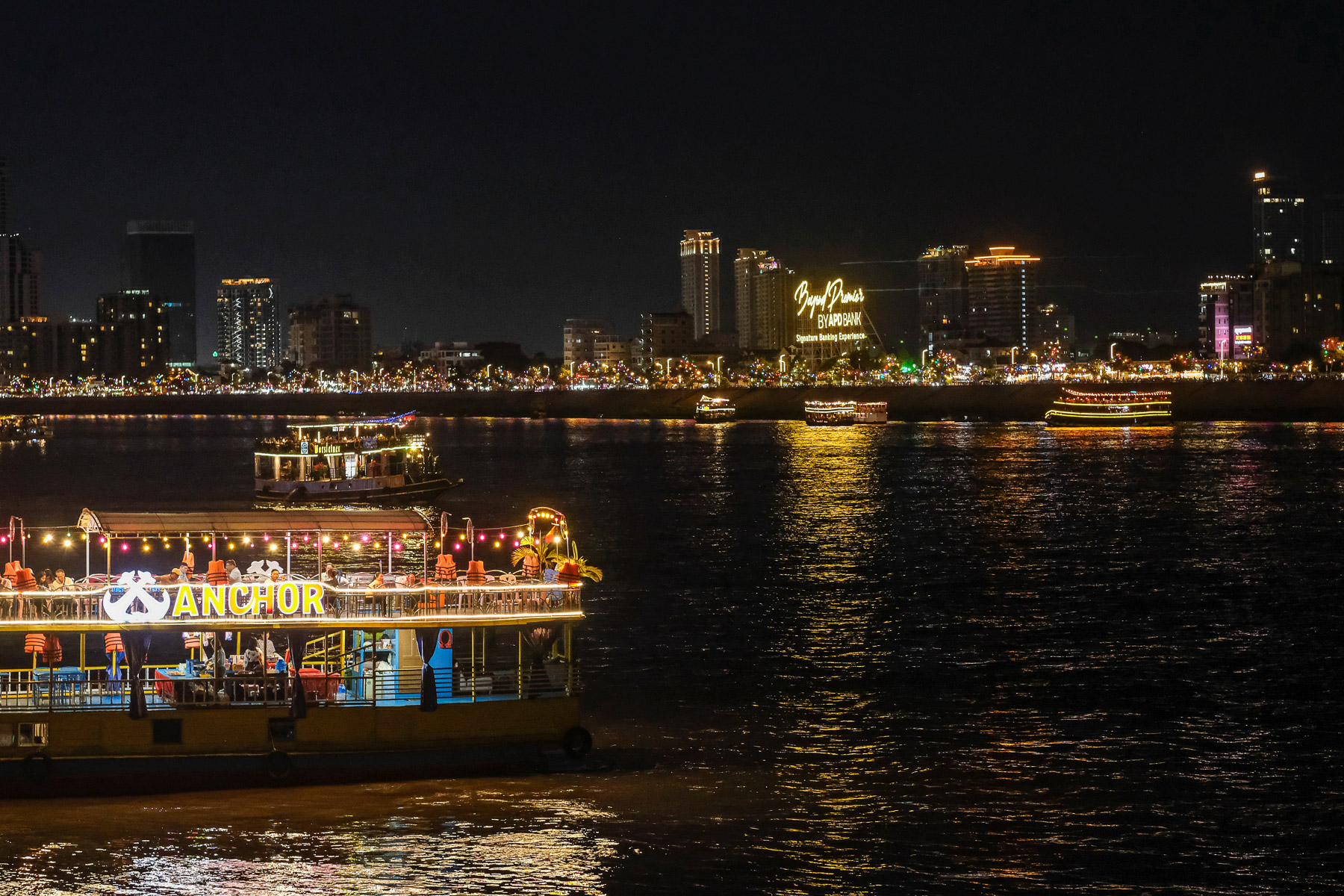
If you’re looking for a relaxing way to see Phnom Penh from a different angle, one of the better-known options is Cambo Cruise. It operates evening cruises on the Mekong and Tonlé Sap rivers, departing from the riverside area near the Phnom Penh Floating Port.
What You’ll See
The cruise passes some of Phnom Penh’s most recognizable sights:
The waterfront and riverside promenade
The confluence of the Mekong, Tonlé Sap, and Bassac rivers
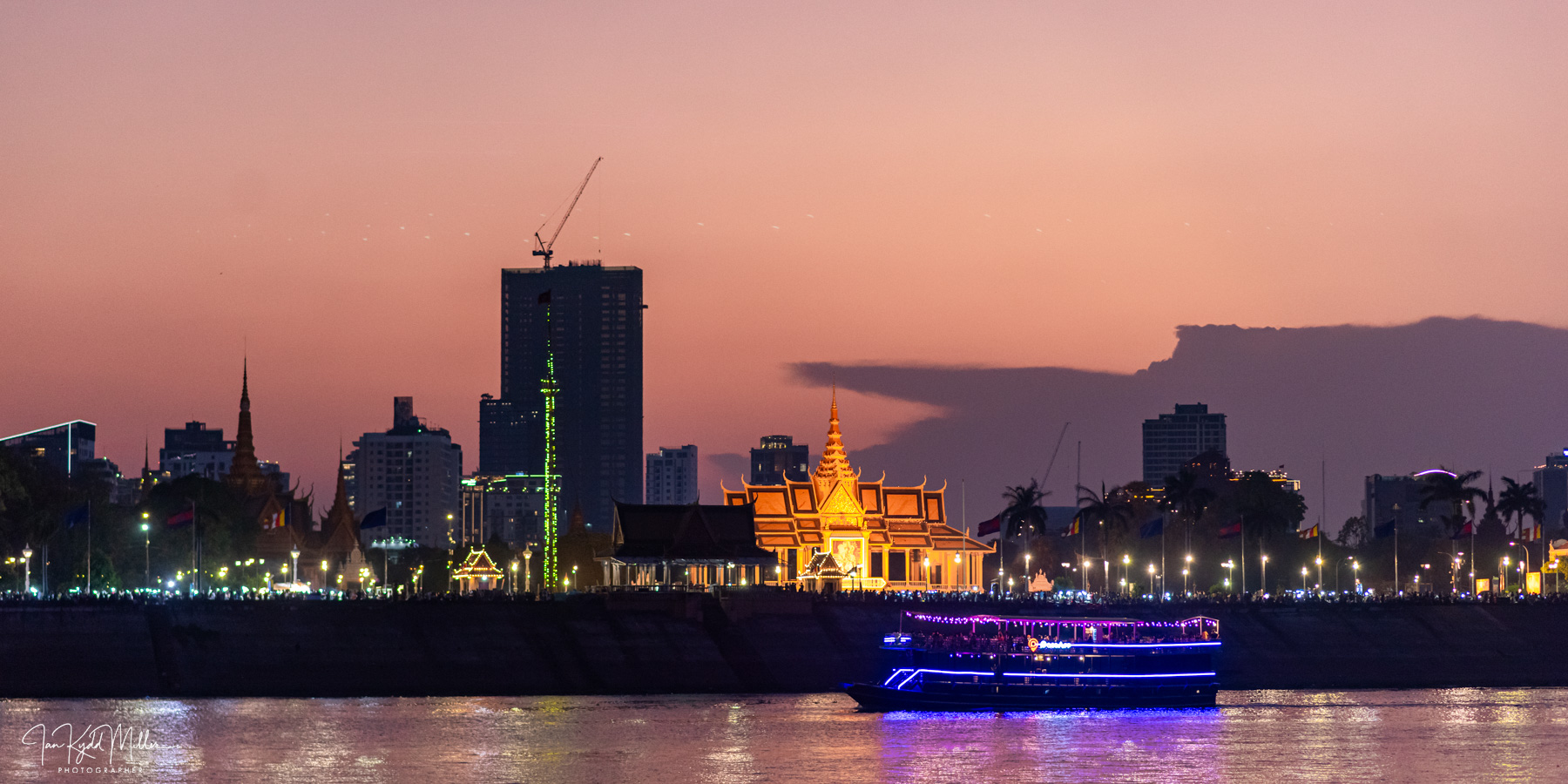
The illuminated skyline after dark
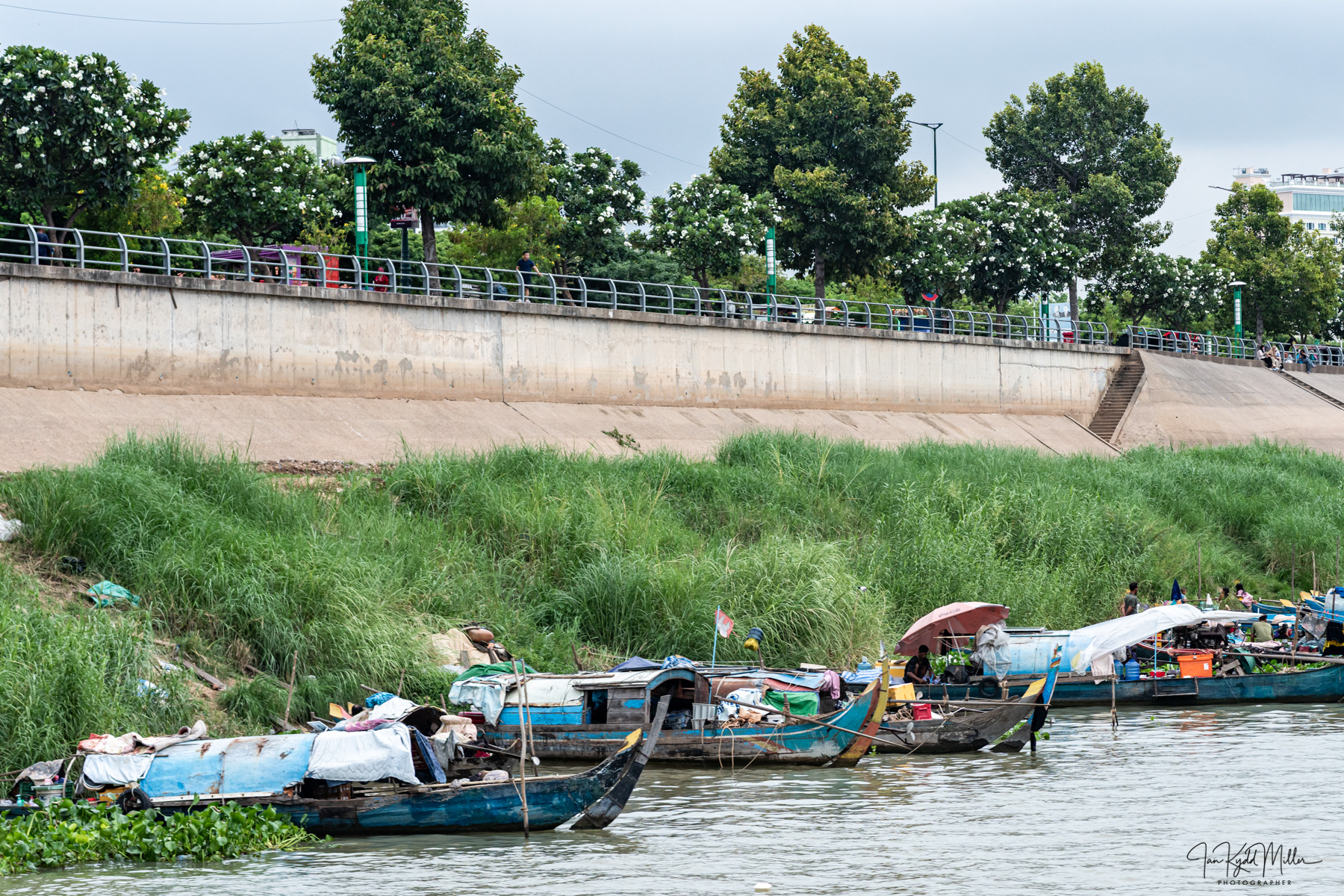
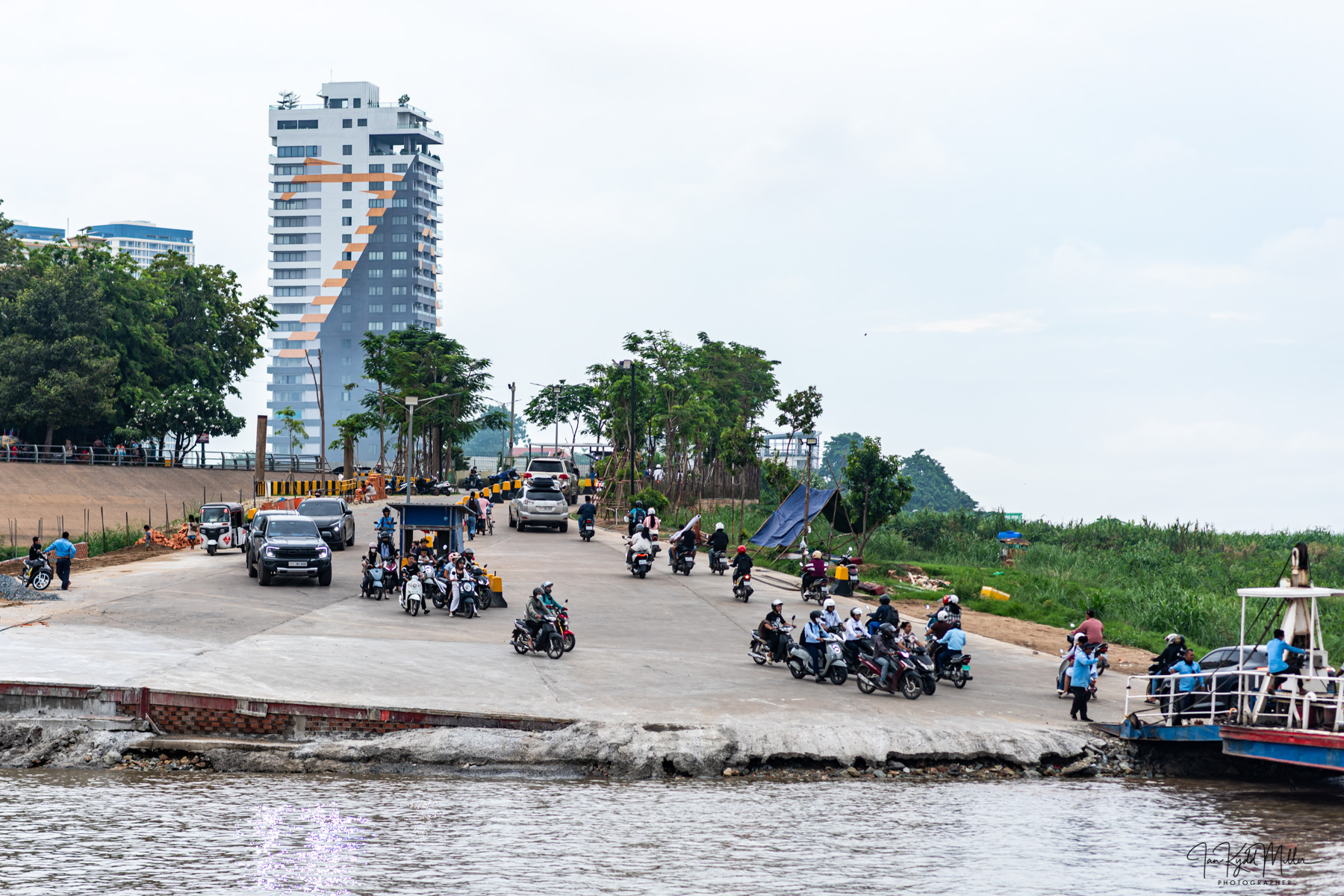
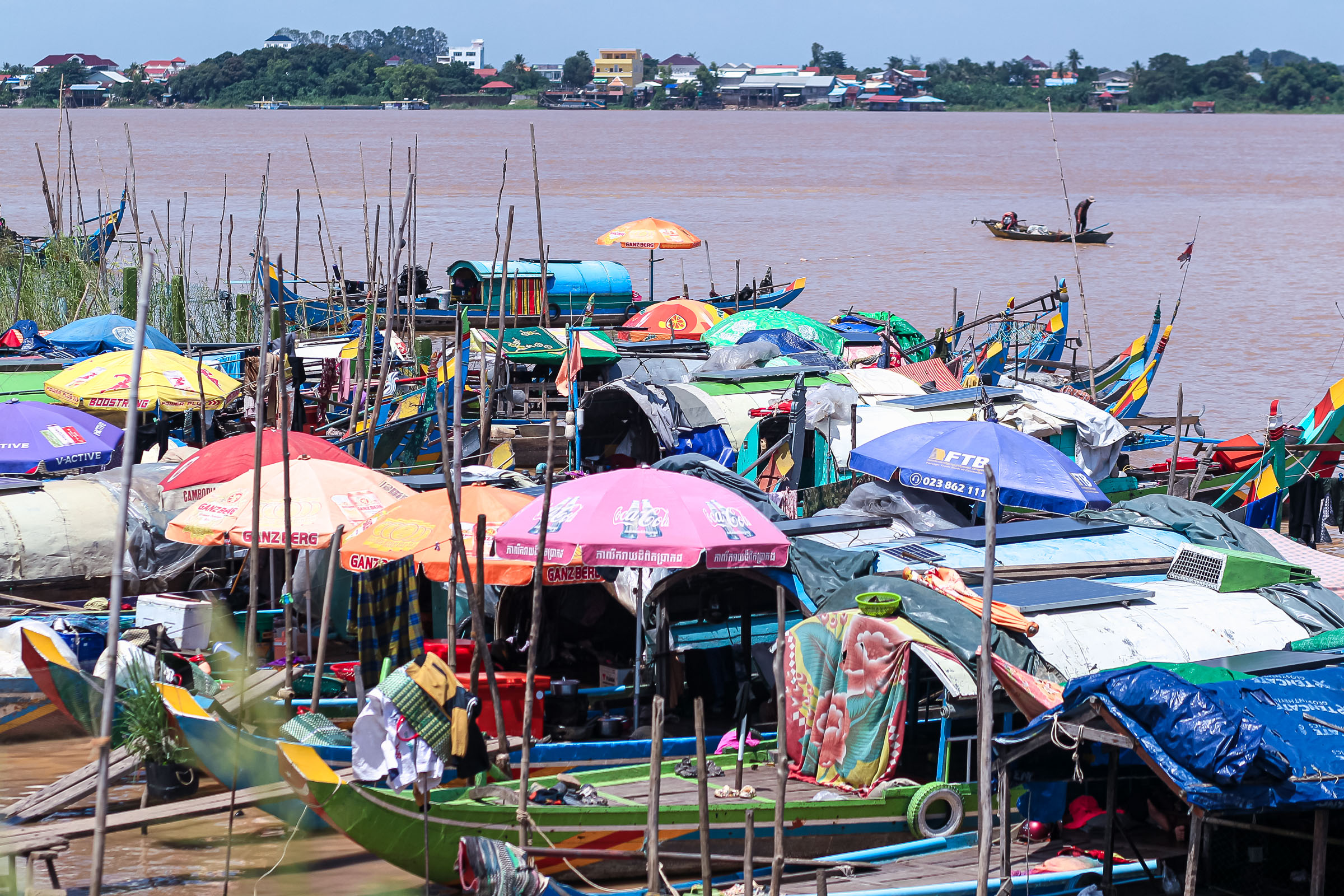
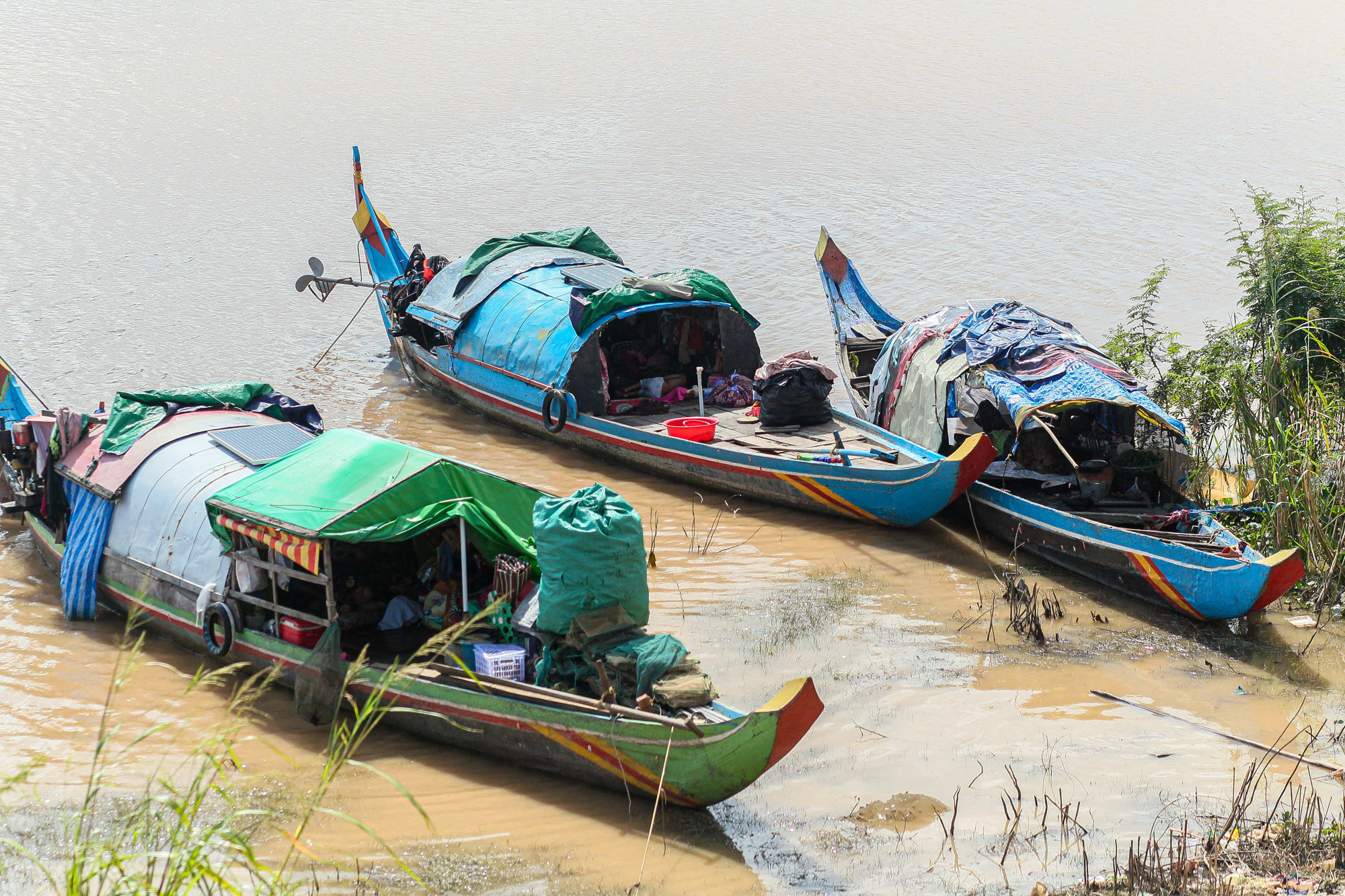
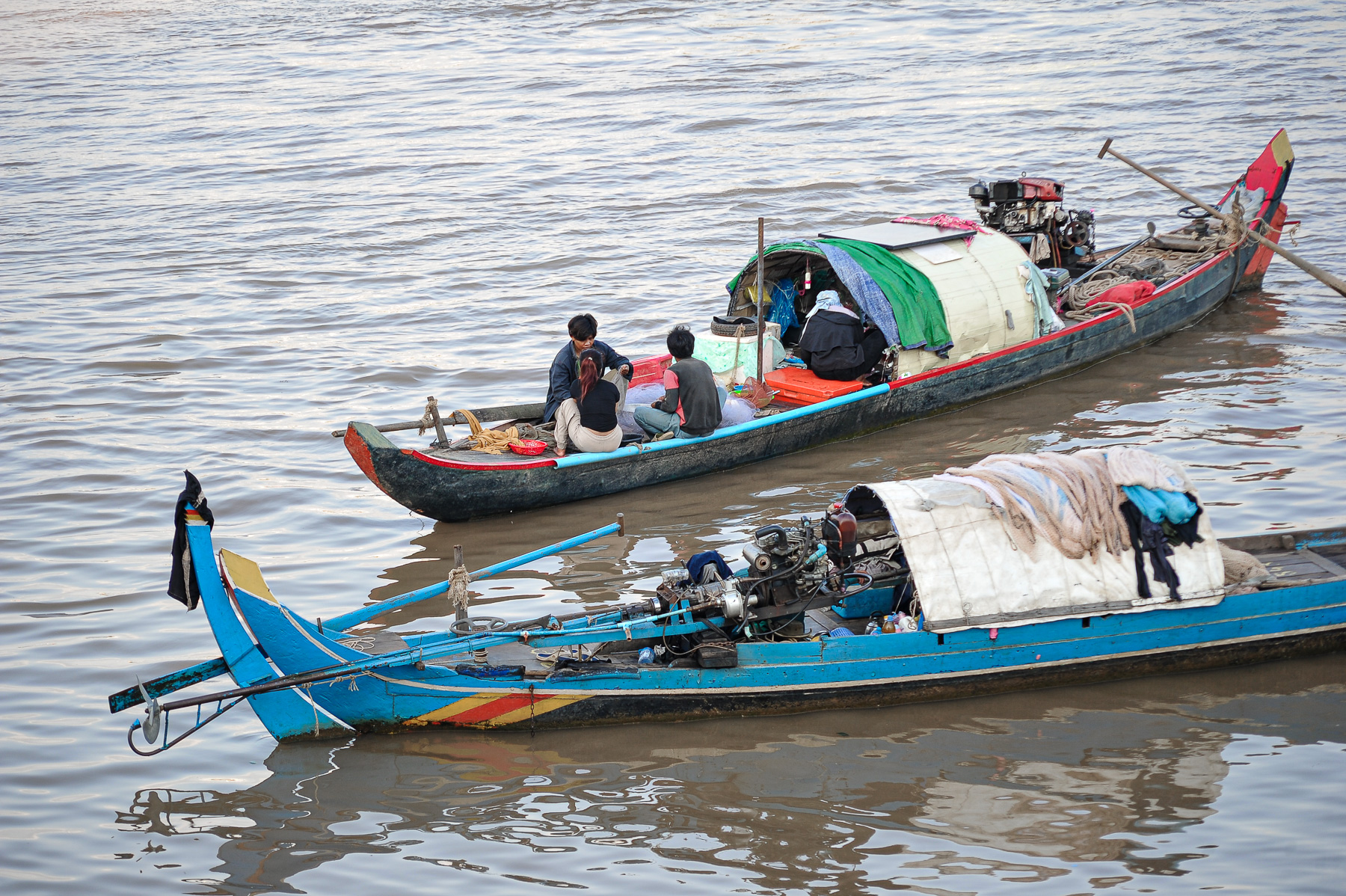
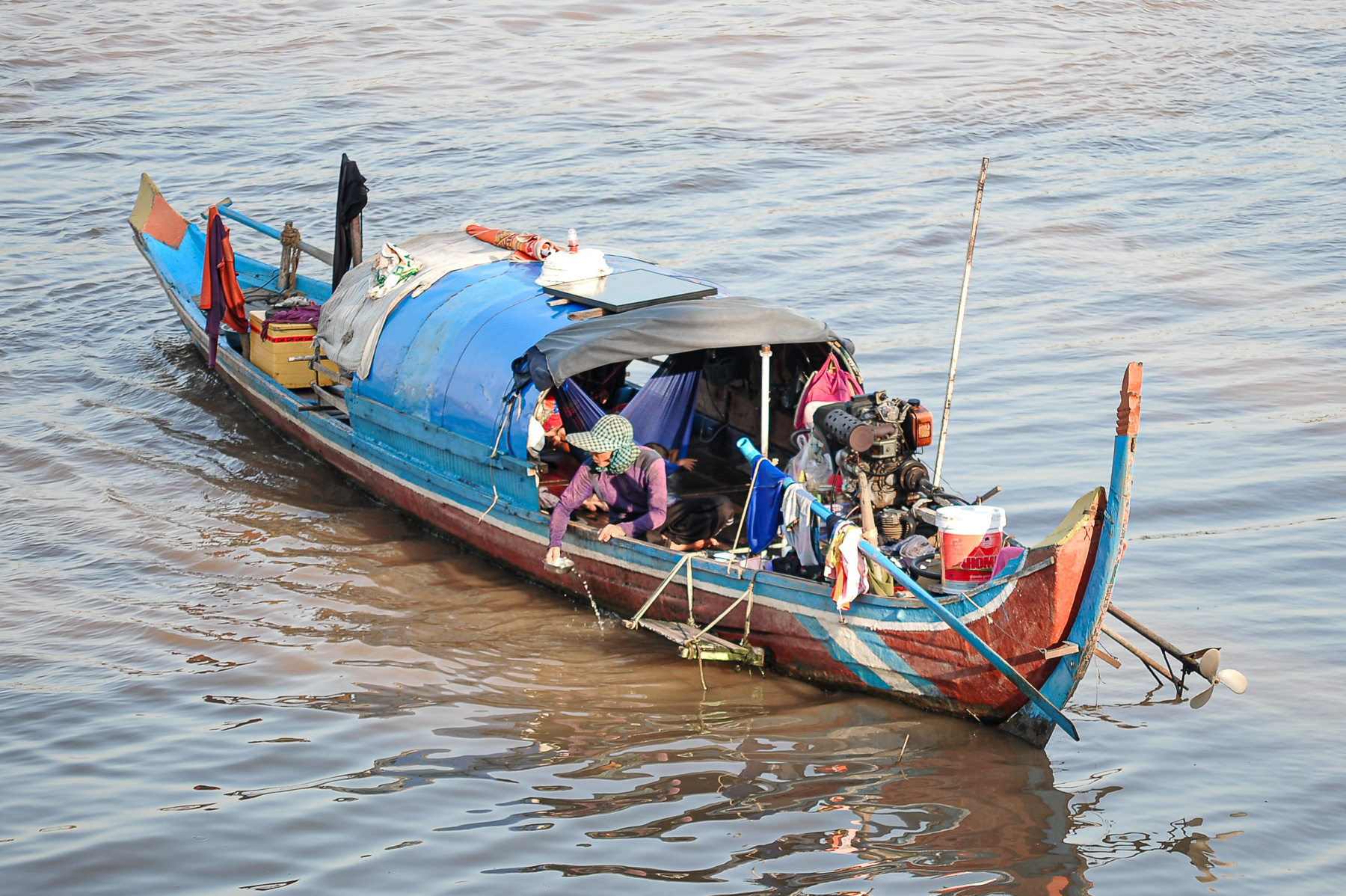
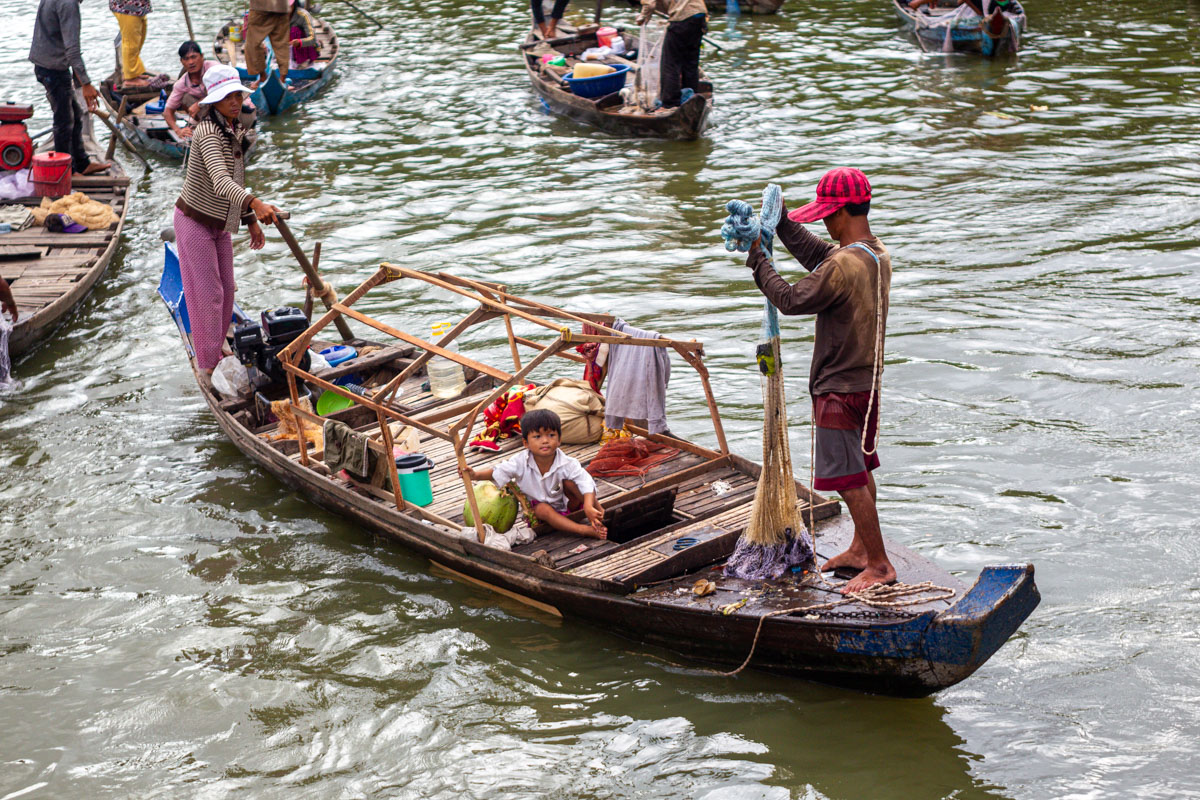
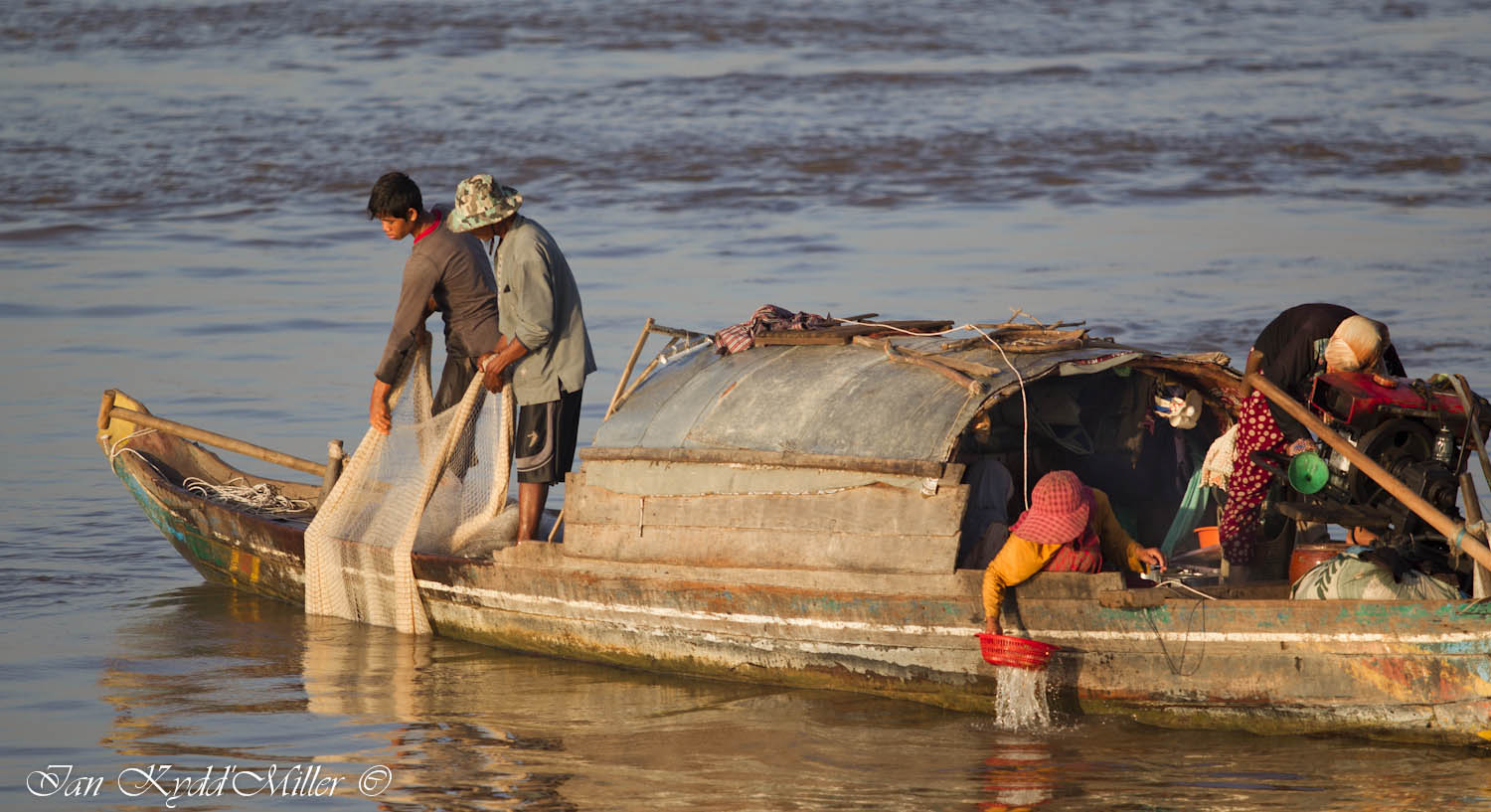
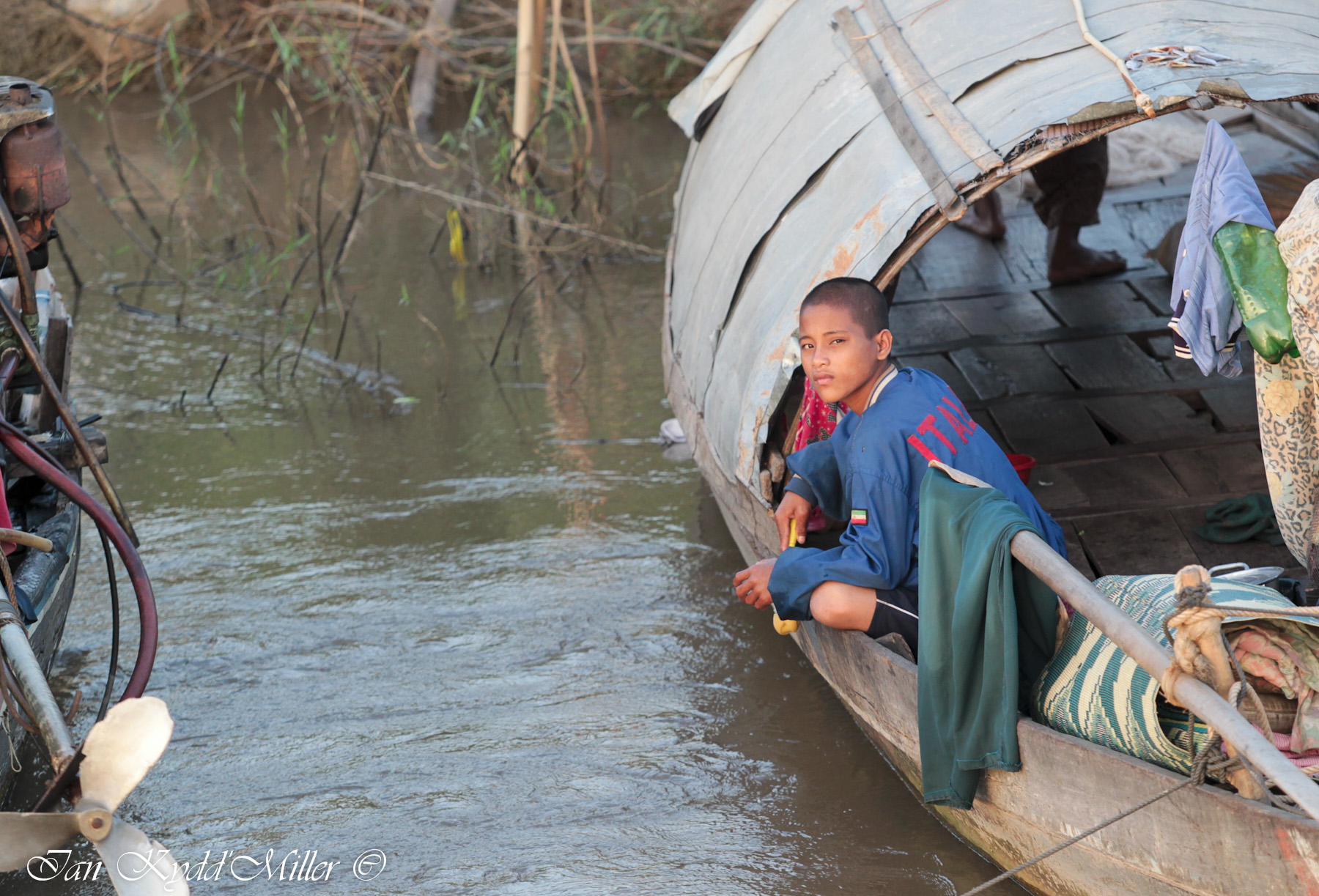
Local fishing boats, ferries, floating communities, and everyday river life
Views toward the Royal Palace and Chroy Changvar area
For photographers, the 5 p.m. sailing is usually the sweet spot. The light changes dramatically over the two-hour trip, giving opportunities for silhouettes, reflections, river traffic, and cityscape shots.
Cruise Options
According to the operator, there are several packages:
Option
Includes
Cruise Only
Two-hour cruise and welcome cocktail
Cruise + Snacks
Cruise, hotel pickup, cocktail, snacks
Dinner Cruise
Cruise, hotel pickup, cocktail, all-you-can-eat dinner
Evening City Lights Cruise
Night views of Phnom Penh after sunset
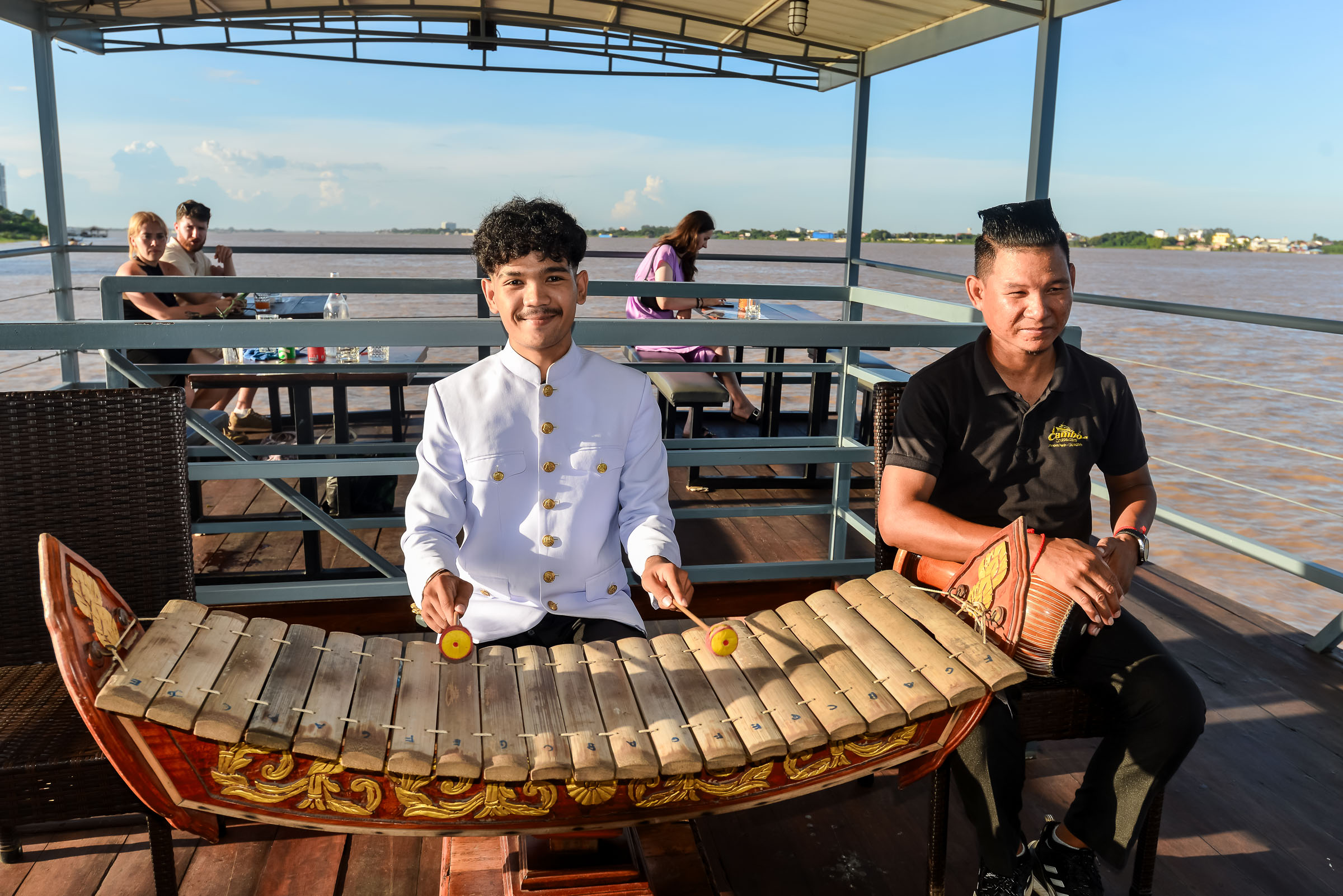
Live traditional Khmer music is usually part of the experience.
The Good
✅ Stable, comfortable boat with plenty of seating.
✅ Excellent sunset views over the Mekong.
✅ A relaxed atmosphere compared with the louder party boats.
✅ Popular with visitors wanting photography opportunities.
✅ Dinner packages are reasonably priced by Phnom Penh tourist standards.
For a Photographer
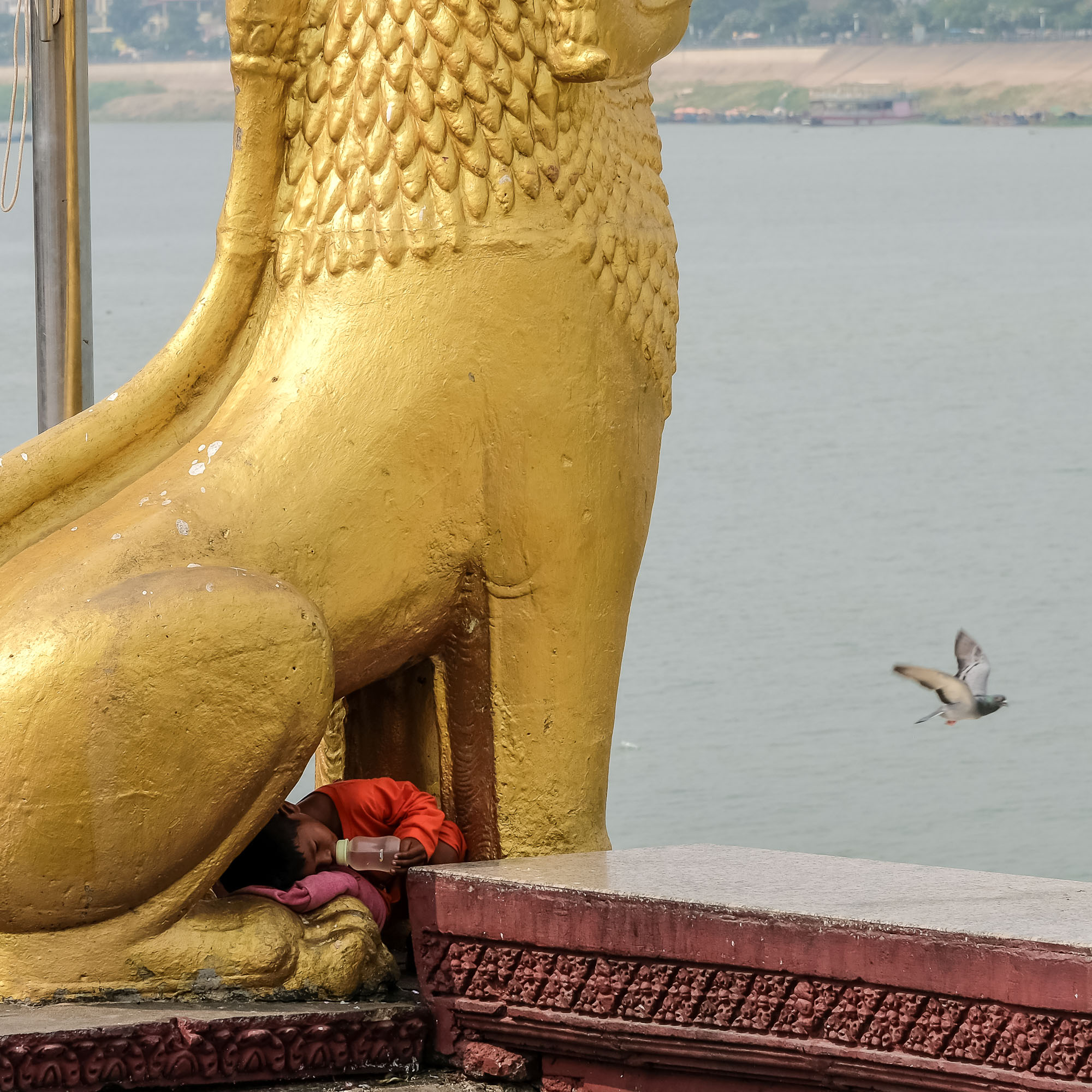
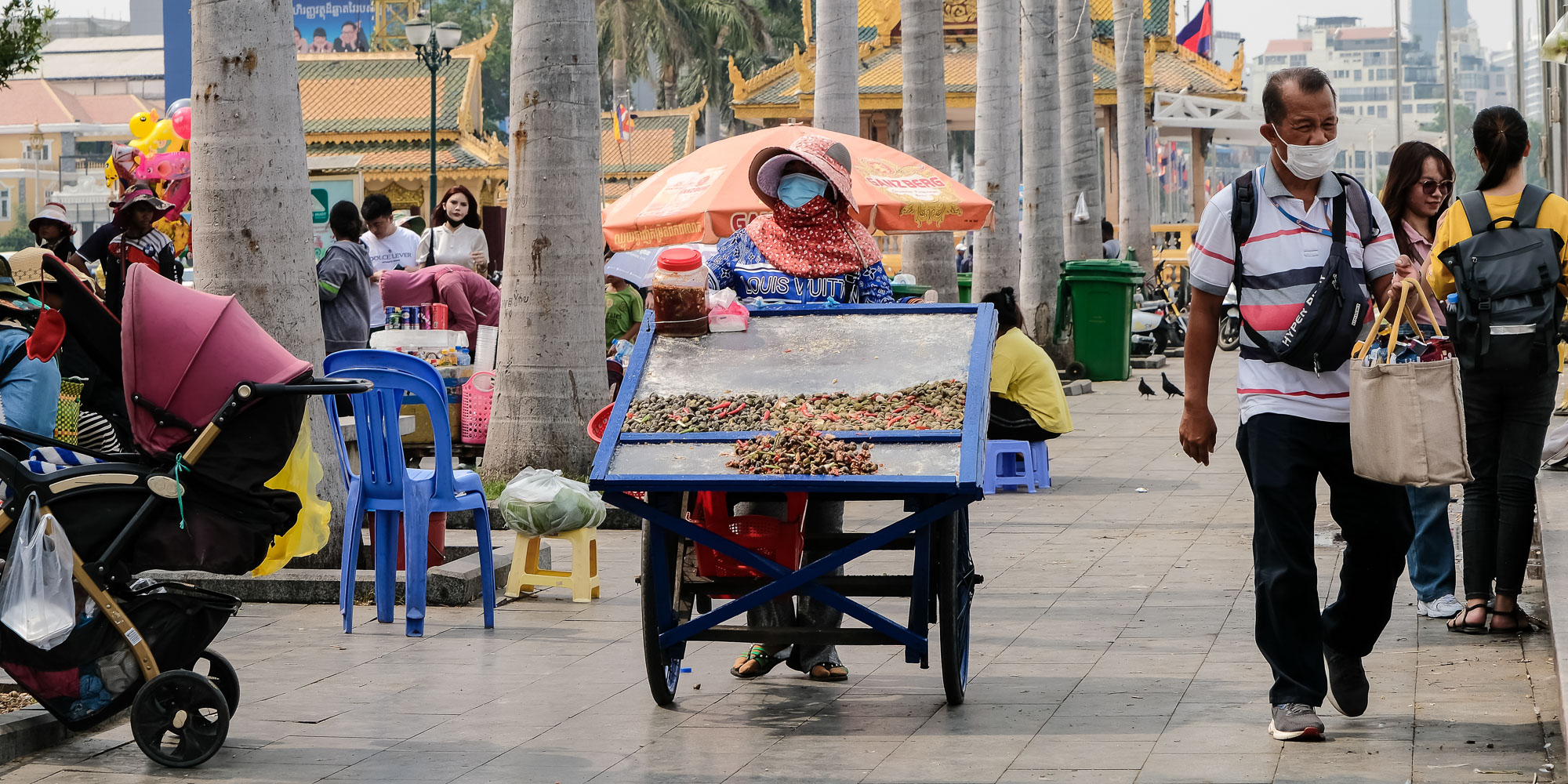
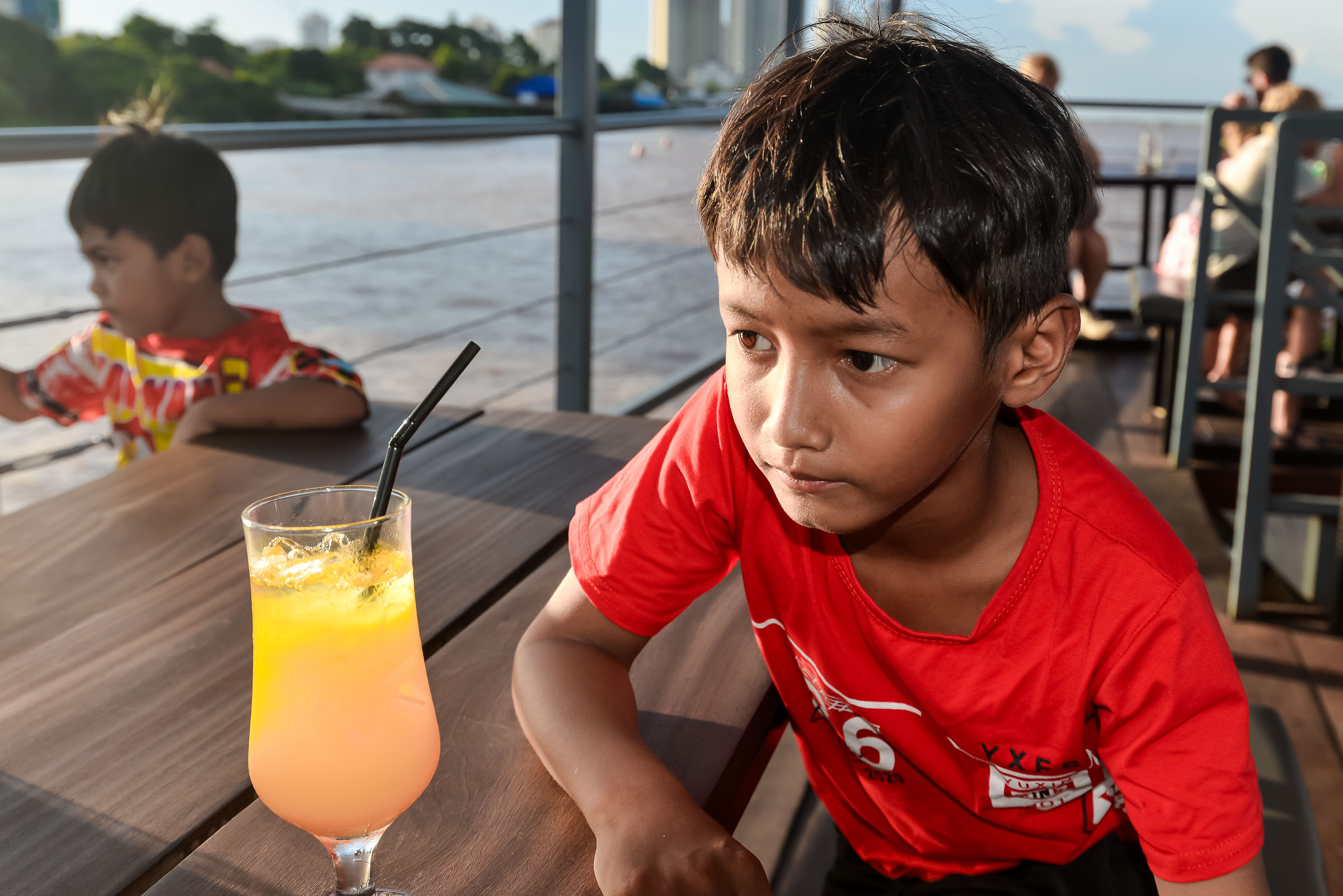
The best shots often aren’t the palace or the skyline. They’re the little moments: kids swimming from wooden boats, fishermen hauling nets, ferries crossing the orange reflection of the setting sun, and the contrast between luxury developments and riverside life.
Practical Details
Location: Riverside Path, Phnom Penh
Duration: About 2 hours
Departure times: Typically around 5 p.m. (sunset) and 7 p.m. (city lights)
Hotel pickup available on some packages
Reservations recommended during weekends and holidays
For a first-time visitor to Phnom Penh, I’d rate Cambo Cruise as one of the more enjoyable low-effort evening activities in the city. For a long-term resident, it’s worth doing at least once for the photography and the chance to see Phnom Penh from the water rather than from Street 178 or Sisowath Quay. 🌅📷
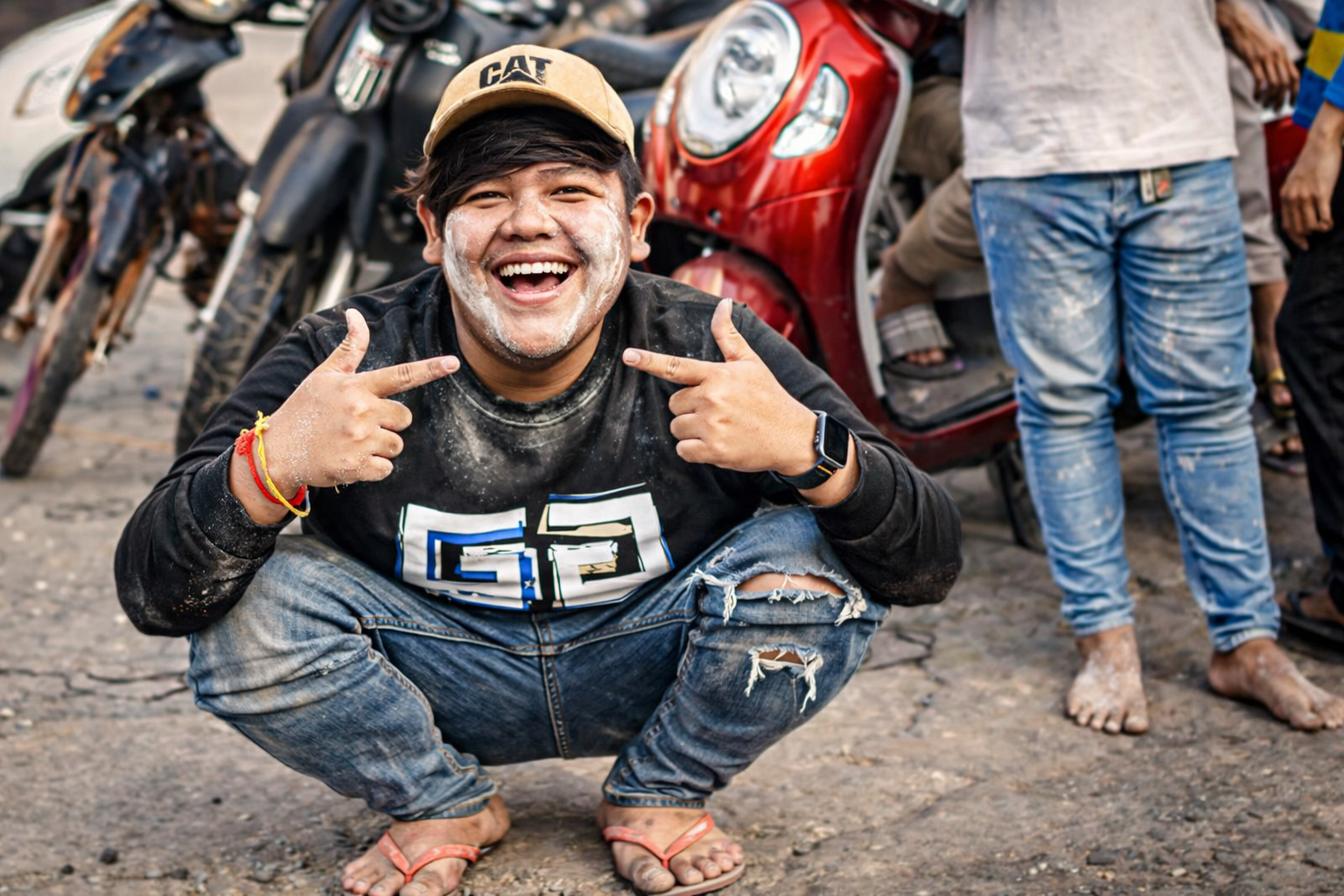
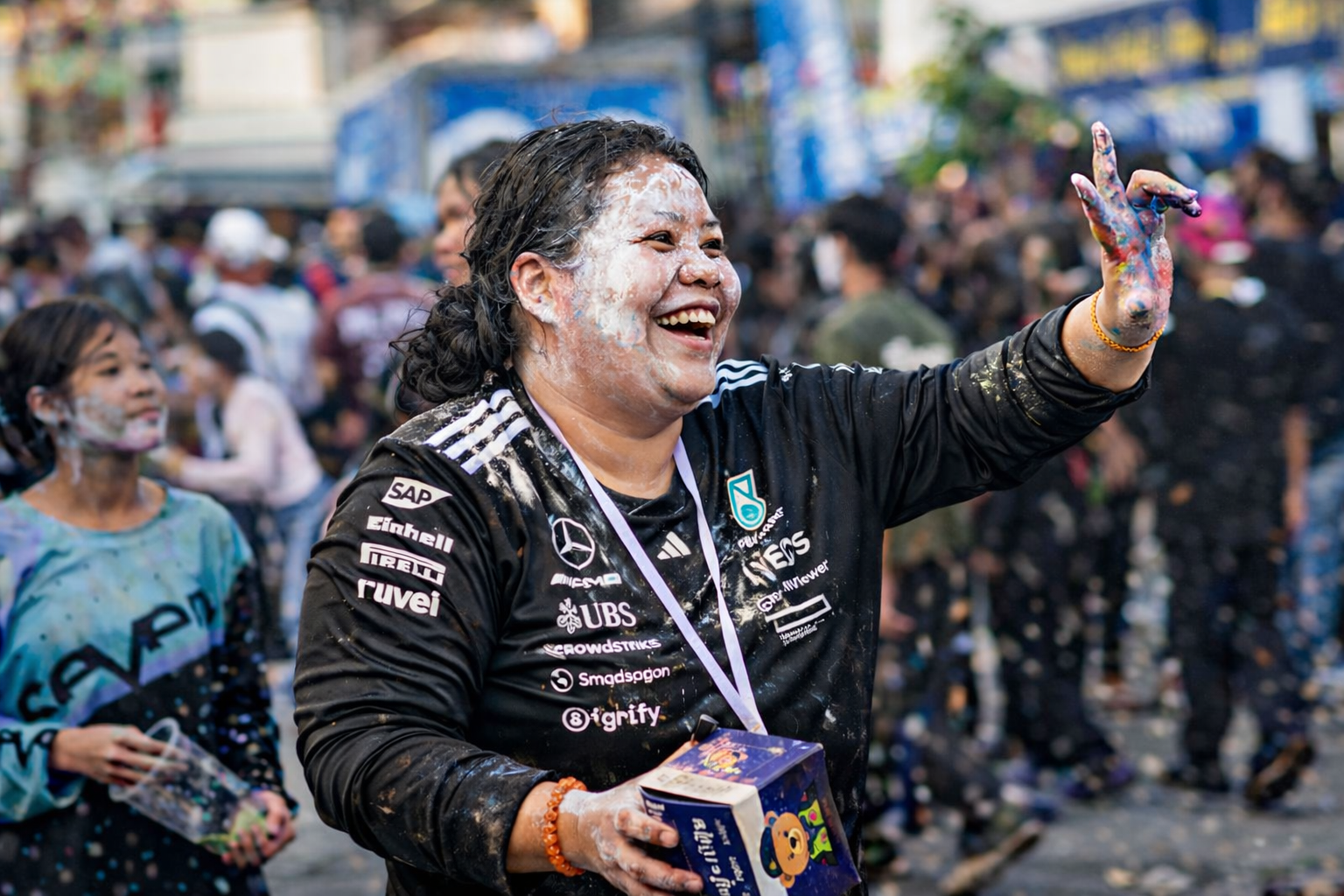
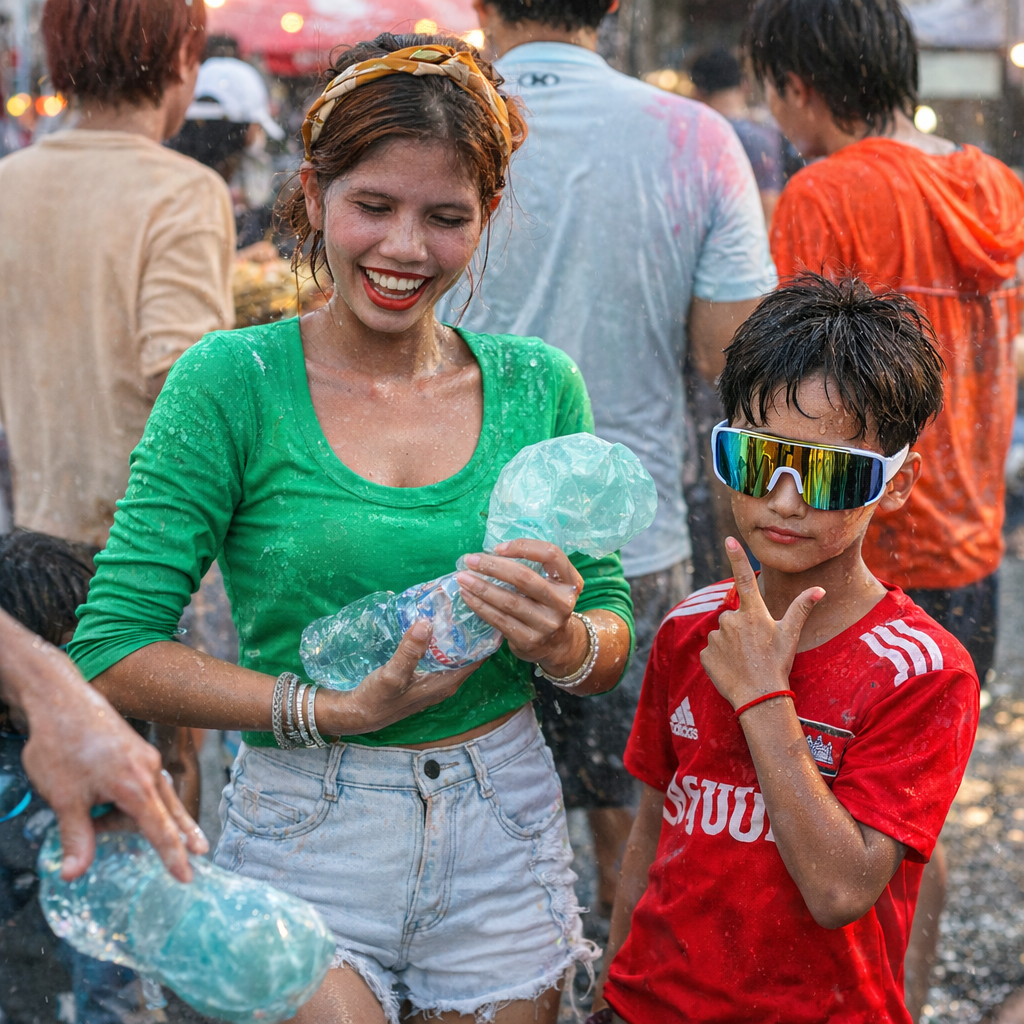
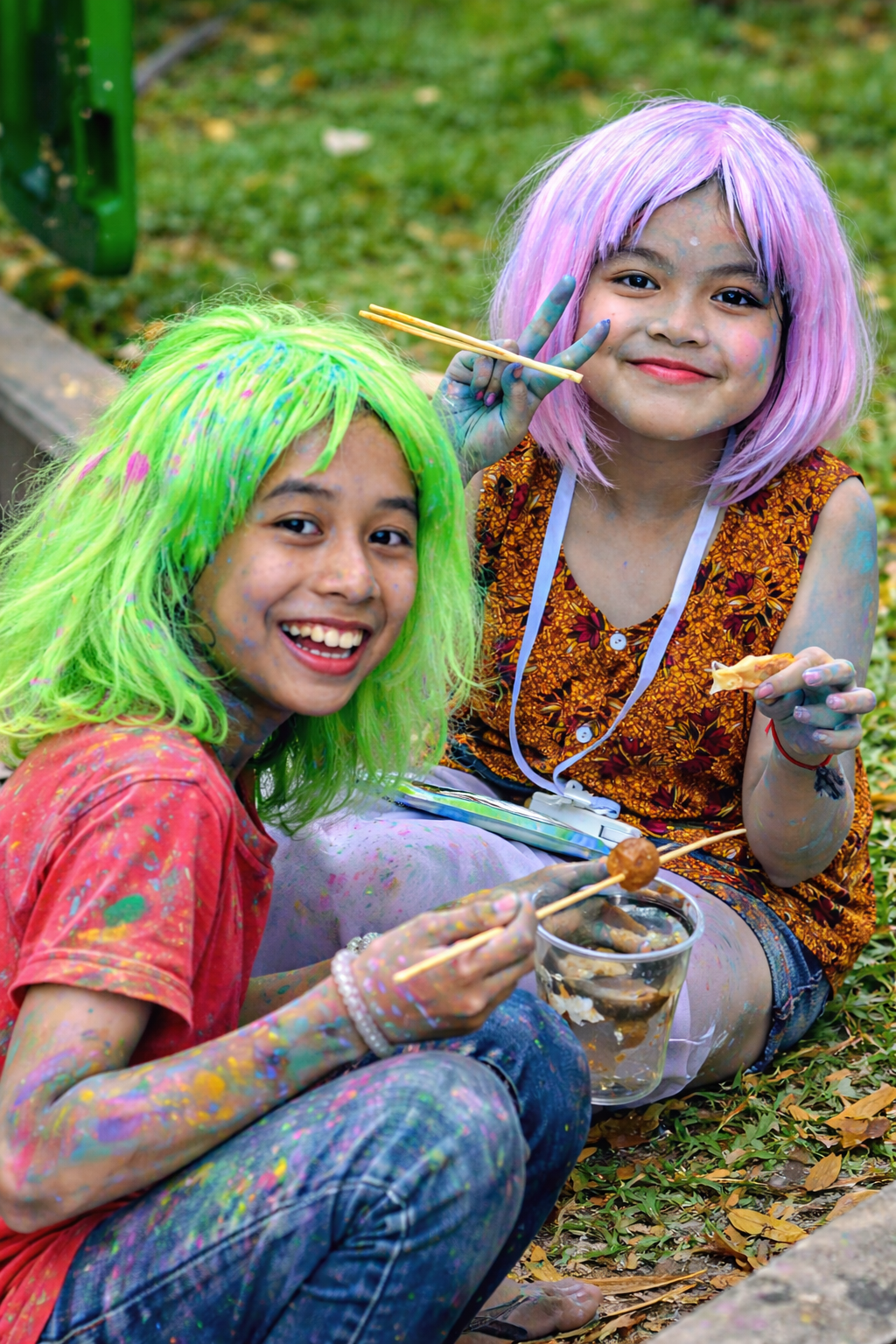
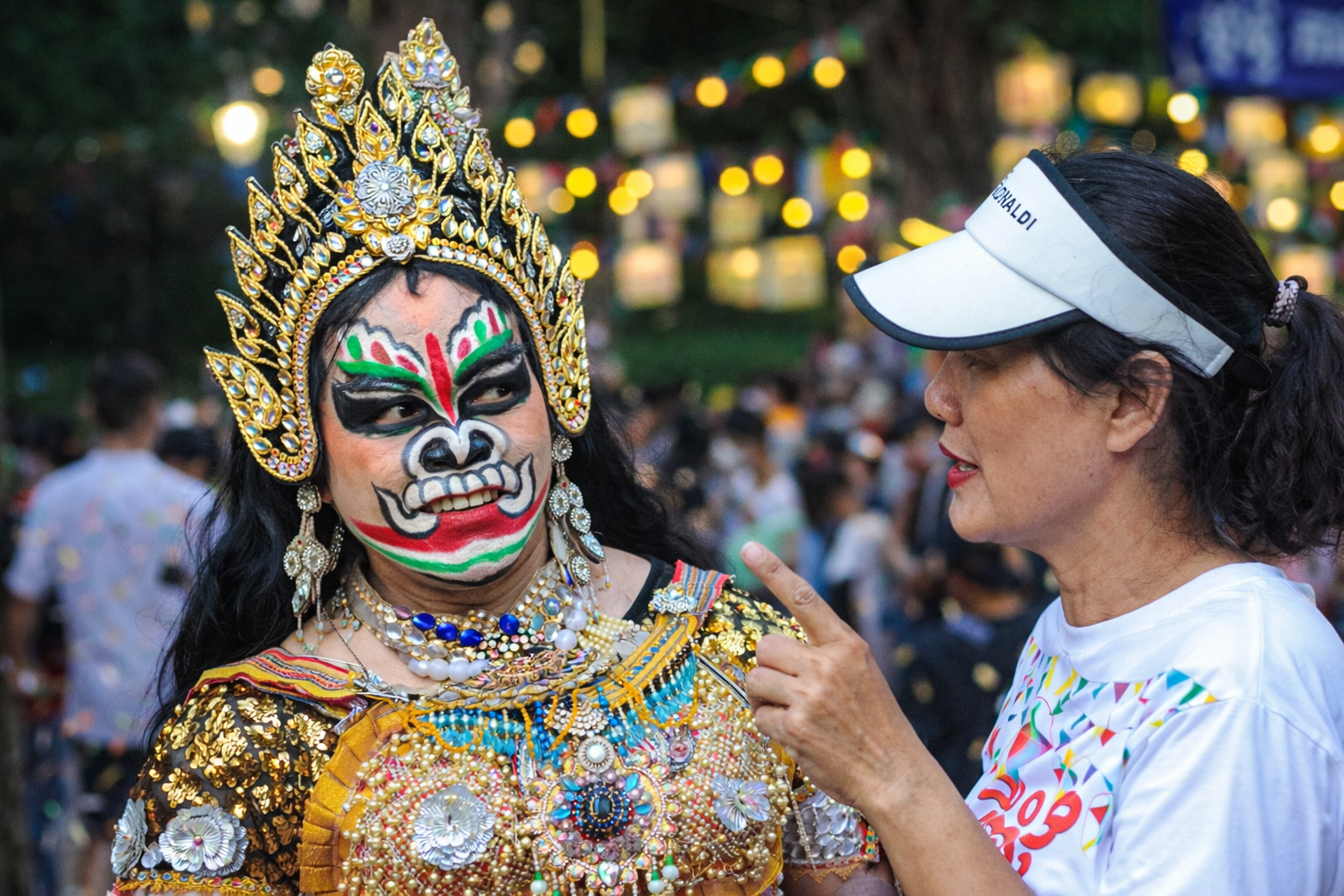
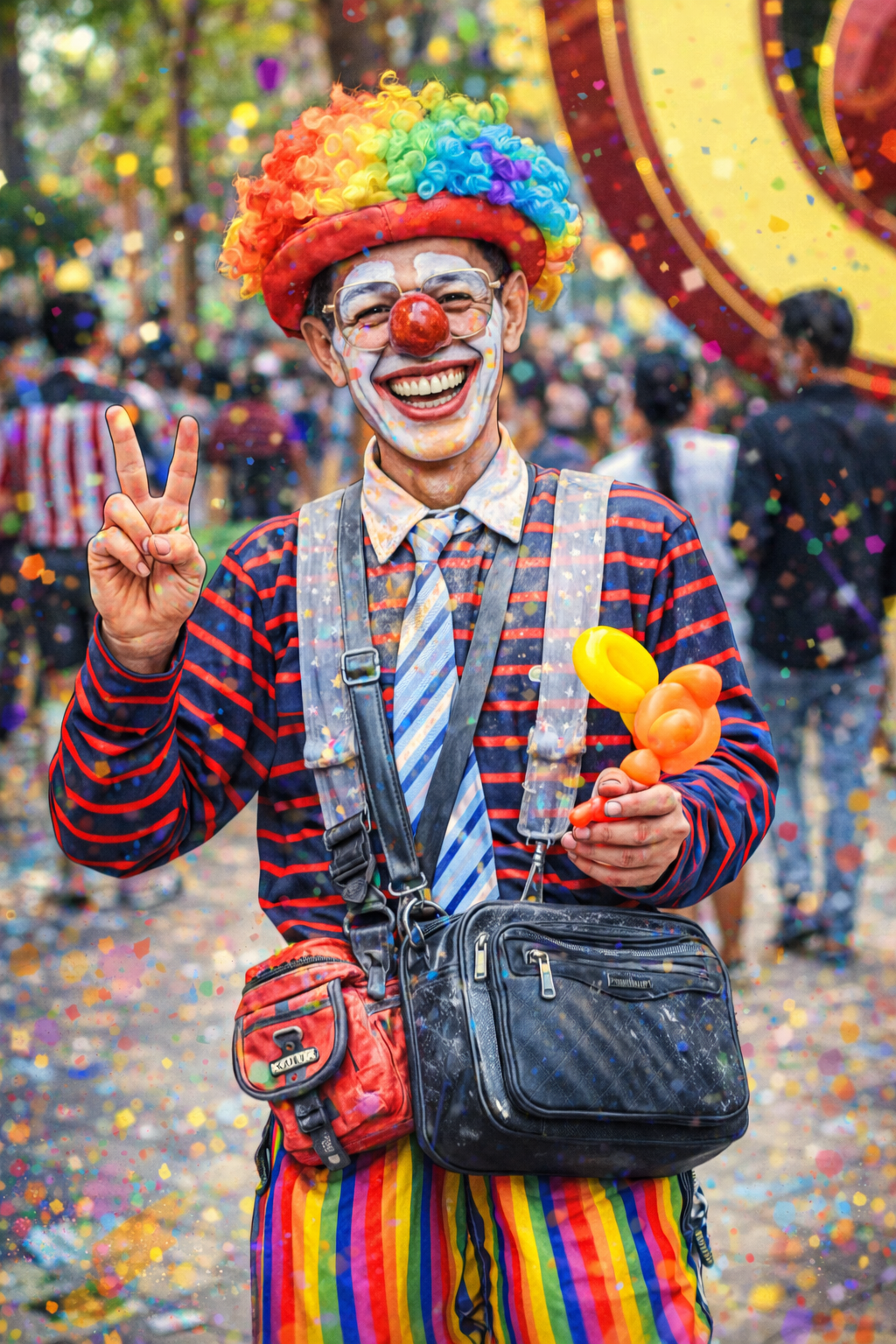
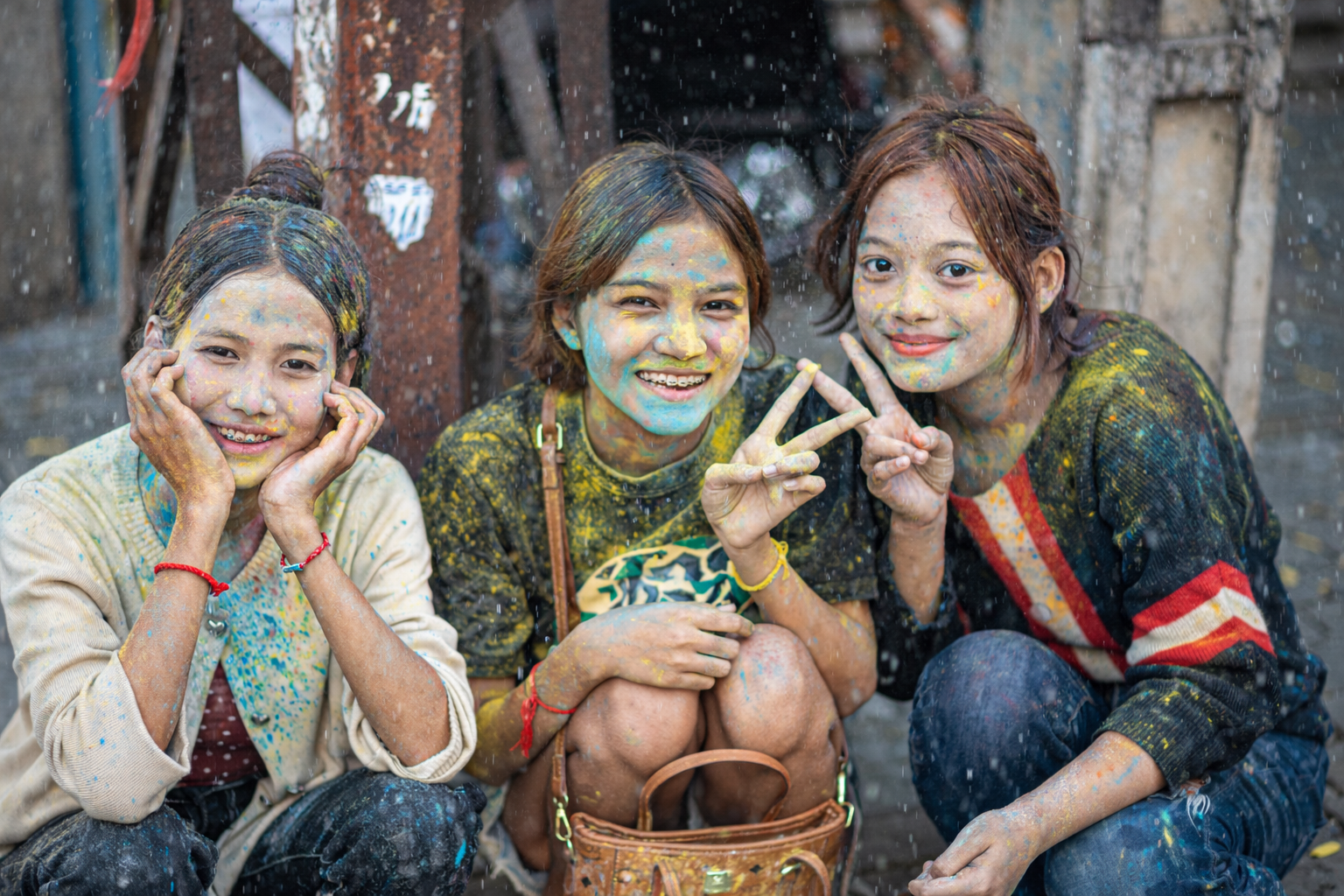
There is a point, sometime in mid-April, when the heat in Cambodia stops being something you endure and becomes something you surrender to. The air thickens, the roads empty, the city slows—then, quite suddenly, it erupts. Buckets appear. Water guns materialise. Talcum powder drifts like a soft, absurd fog. And for three days, sometimes four, the country gives itself permission to behave differently.
Khmer New Year—Chaul Chnam Thmey—is, on paper, a tidy cultural marker: the end of the harvest, the turning of the traditional solar calendar, a ritualised renewal. In practice, it is something messier, louder, and far more revealing. It is what happens when tradition and release collide in public.
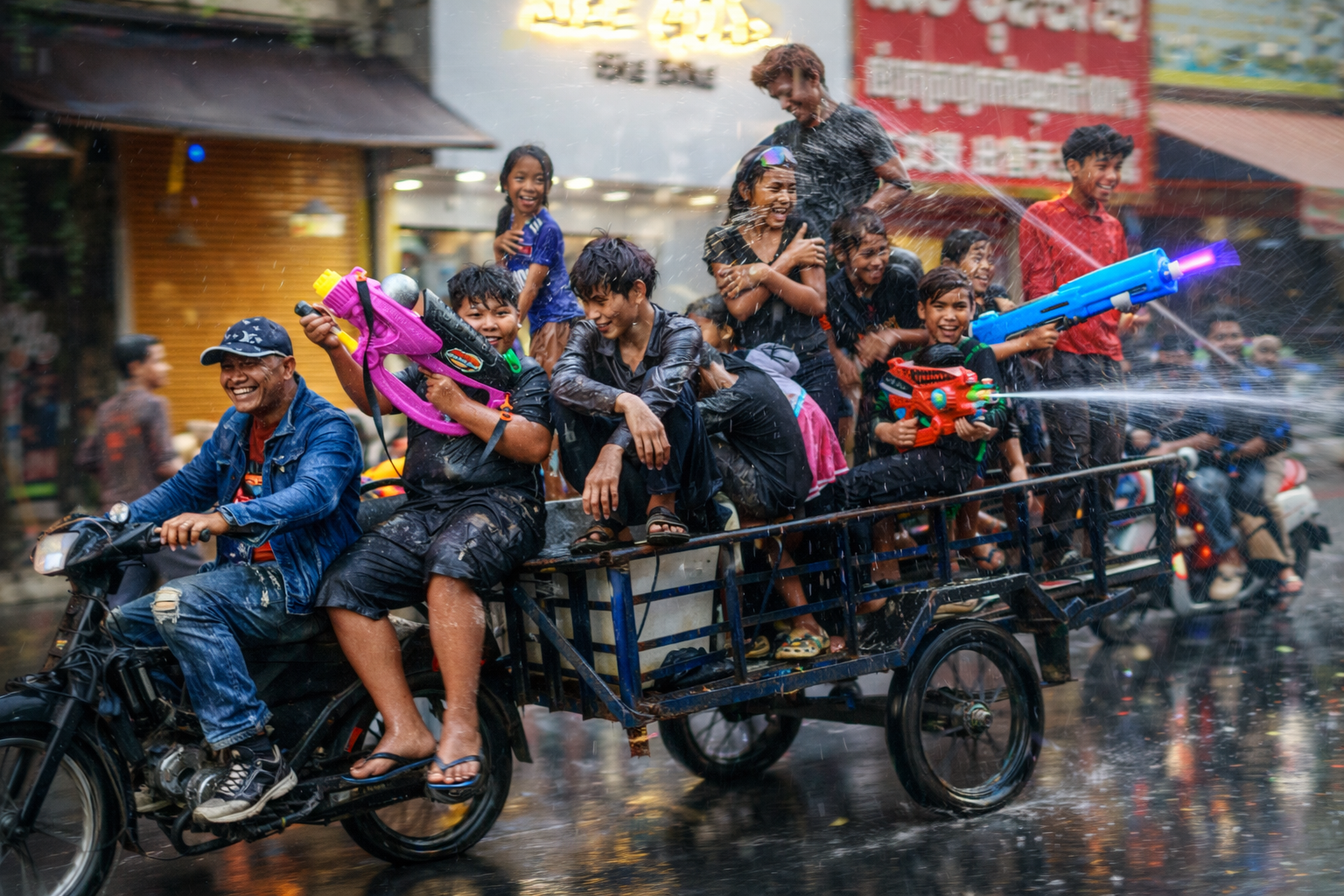
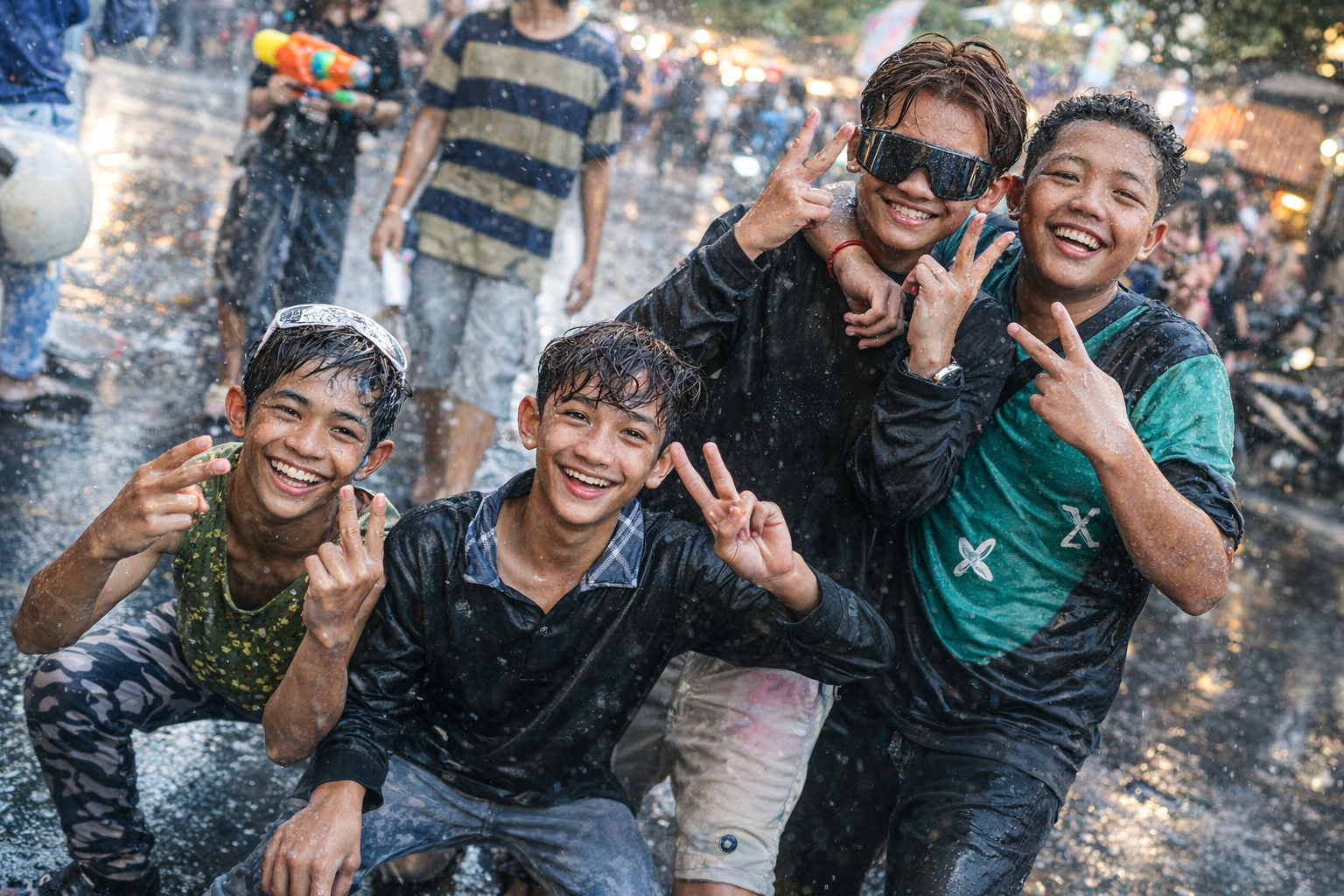
In Phnom Penh, the capital loosens its collar. Offices close. Families travel. Those who remain drift towards the streets, where pickup trucks loaded with teenagers circle like improvised carnival floats, music blaring, water sloshing dangerously close to the edge. Strangers become targets, then accomplices. No one is exempt for long. There is an egalitarianism to being soaked to the bone.
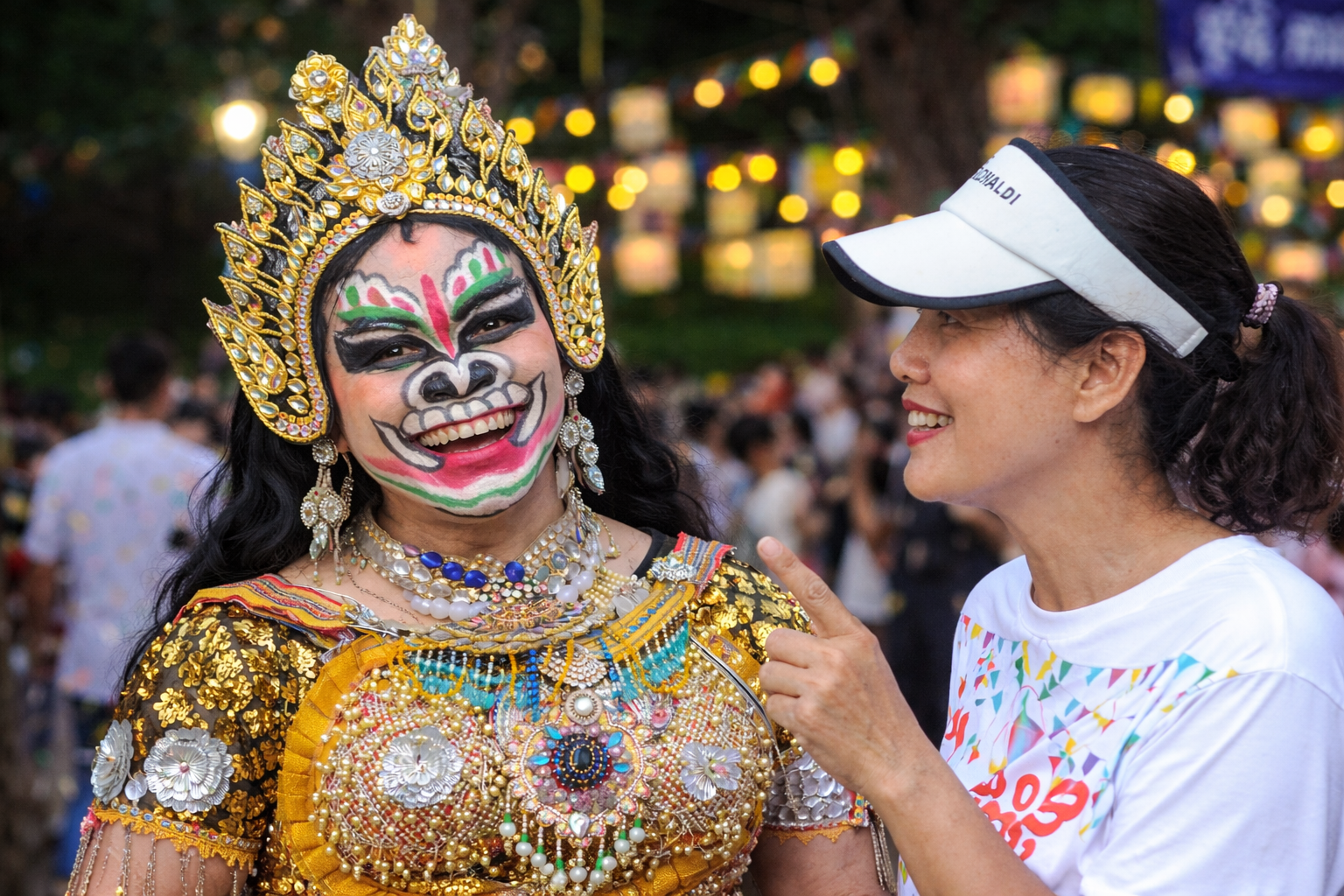
Further north, in Siem Reap, the festival takes on a more curated intensity. The Angkor Sankranta celebrations—part cultural showcase, part organised spectacle—draw crowds that swell into something approaching the uncontrollable. Traditional games are played with theatrical enthusiasm; dancers move with studied grace; and all around them, a less choreographed energy pushes in, demanding space. It is here that Cambodia performs itself, for tourists and for its own younger generation, who seem less interested in preservation than participation.
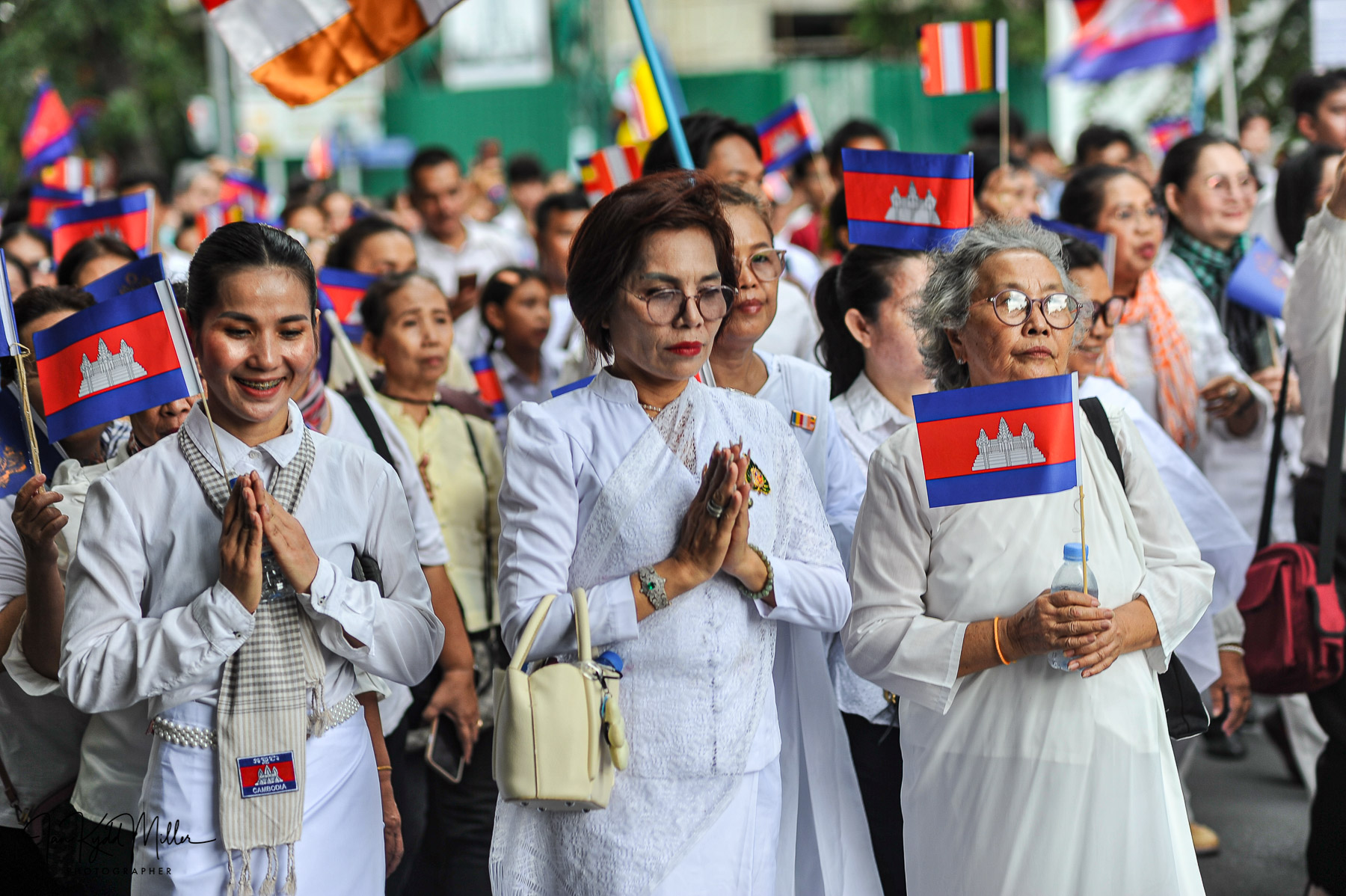
But to understand the festival solely through its public exuberance is to miss its quieter logic. Khmer New Year is, at its core, an act of recalibration. Homes are cleaned. Altars prepared. Offerings made. At pagodas across the country, sand is carried, shaped into small stupas, and left as a gesture of merit—a symbolic investment in a better future. The ritual is simple, almost austere, and it sits in deliberate contrast to the chaos outside the temple gates.
Inside those grounds, time moves differently. Elders are gently washed with perfumed water, a gesture of respect and continuity. Buddha statues are bathed in the same way, the act less about cleansing than about acknowledgement. These are not grand spectacles but small, repeated gestures, performed with an understanding that renewal is less an event than a habit.
The tension between these two worlds—the reflective and the riotous—is where the festival finds its meaning. Cambodia is a country with a long memory and a young population. Khmer New Year allows both to coexist, briefly, without friction. The past is honoured; the present is loudly, unapologetically lived.
There is also, unmistakably, a sense of release. For a few days, hierarchies soften. The office worker and the street vendor, the local and the visitor, the cautious and the reckless—all are reduced to the same soaked, powdered state. It is not quite equality, but it is close enough to feel like one. In a region where public life is often tightly structured, this temporary suspension carries weight.
Yet the festival resists easy romanticism. The same exuberance that fuels its appeal can tip into excess. Roads become hazardous, crowds unpredictable, boundaries blurred. The line between play and intrusion is not always clearly drawn. As with many large-scale celebrations, what feels liberating to some can feel overwhelming to others. The state tolerates this looseness, even encourages it, but only within an unspoken limit.
For photographers, the temptation is obvious. This is texture, movement, contradiction—everything that lends itself to an image that feels alive. The midday light is unforgiving, flattening faces, hardening shadows. And yet it works. Water catches the sun mid-air; powder softens expressions; a fleeting glance cuts through the noise. The challenge is not technical but ethical: where to stand, what to take, when to step back. In a festival built on participation, observation can feel like a form of distance.
What endures, long after the streets dry and the music fades, is not the spectacle but the shift. Khmer New Year marks a collective pause—a moment when Cambodia resets itself, not through decree or policy, but through ritual and release. It is imperfect, occasionally chaotic, sometimes contradictory. But it is also, in its own way, honest.
And perhaps that is why it matters. Not because it presents a polished image of national identity, but because it doesn’t. It shows a country as it is: rooted in tradition, restless in the present, and, for a few days each year, entirely willing to let go.
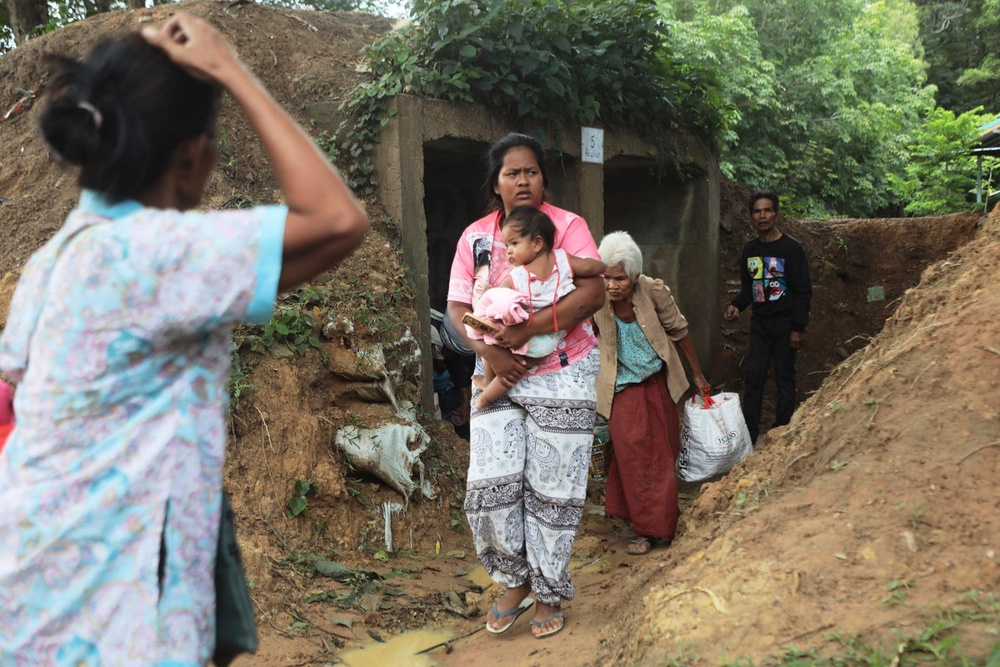
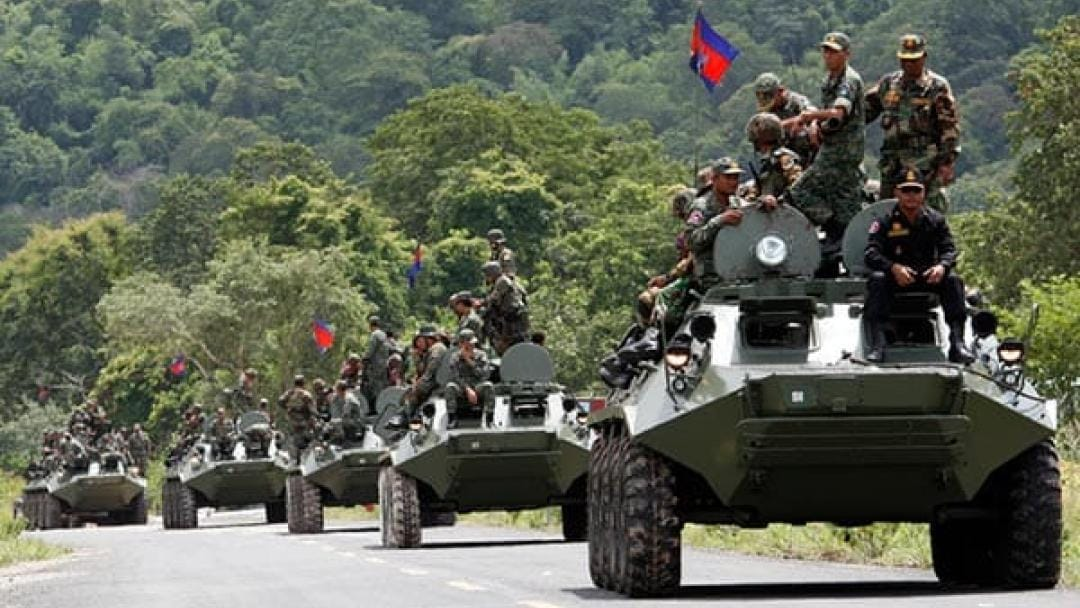
Yes, fighting between Thailand and Cambodia has escalated sharply in December 2025, with Thai airstrikes hitting deep inside Cambodian territory, including Siem Reap province near Angkor Wat. Cambodia accuses Thailand of targeting civilian areas and shelters for displaced people, while Thailand claims self‑defence in a long‑running border dispute. Casualties, displacement, and damage to infrastructure are mounting.
📌 Current Situation (as of mid‑December 2025)
Airstrikes reported: Cambodian officials say Thai F‑16 fighter jets dropped bombs in Oddar Meanchey and Siem Reap provinces, including near camps for displaced people and a bridge in Srei Snam district.
Tourist sites at risk: Siem Reap, home to Angkor Wat, Cambodia’s top tourist draw and a UNESCO World Heritage site, has been directly threatened by strikes.
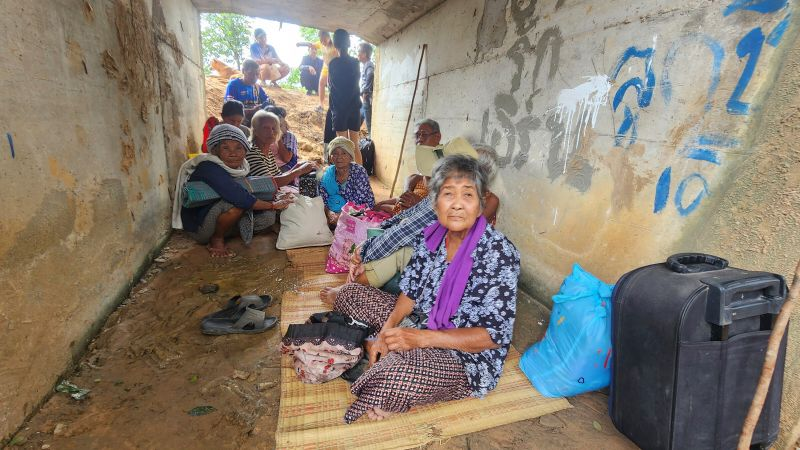
Casualties & displacement: At least 20 people have been killed since fighting reignited, with hundreds of thousands displaced. Cambodia claims around 800,000 people have fled border areasThe Straits Times.
Border closures: Phnom Penh has shut all land crossings with Thailand to protect civilians.
Thai perspective: Bangkok says the strikes are defensive, part of operations to protect the Gulf of Thailand, and blames Cambodia for instigating attacks.
⚠️ Risks and Implications
Humanitarian crisis: Camps for displaced people are now under threat, worsening conditions for civilians already uprooted.
Tourism impact: Cambodia’s economy relies heavily on tourism, and strikes near Angkor Wat could devastate recovery efforts post‑COVID.
Regional instability: The conflict stems from colonial‑era border demarcation disputes, and repeated truces have failed.
International concern: Despite calls for a ceasefire—including from the US—bombing has continued, raising fears of escalation.
✨ Assessment
The Thailand–Cambodia border conflict has reignited into one of the most serious flare‑ups in years. The use of airstrikes deep inside Cambodian territory marks a dangerous escalation, threatening civilians, cultural heritage sites, and regional stability. Cambodia is militarily outgunned, relying on international pressure and diplomacy, while Thailand frames its actions as defensive.
In 2025, this conflict is not just about disputed territory—it is about national identity, economic survival, and the fragility of peace in Southeast Asia. The risk of further escalation remains high unless external mediation succeeds.
Reports from mid‑December 2025 confirm that Thai airstrikes have reached Siem Reap province itself, not just the border.
Targets hit: Cambodian officials say bombs struck Srei Snam district in Siem Reap, damaging a bridge and hitting areas near shelters for displaced people.
Proximity to Angkor Wat: While Angkor Wat itself has not been directly attacked, the strikes are within the same province, raising fears that Cambodia’s most important cultural and tourist site could be at risk.
Civilian impact: Camps for displaced people in Siem Reap province have been threatened, with Cambodia warning that tourist hotspots are now in danger.
Depth of strikes: This marks a significant escalation—airstrikes are no longer confined to border areas like Oddar Meanchey, but are penetrating deep into Cambodian territory, roughly 100 km from the Thai border.
At least 20 Cambodians have been reported killed in the renewed border clashes and Thai airstrikes since early December 2025, with hundreds of thousands displaced.
📌 Current Death Toll
Initial clashes (Dec 8–9, 2025): Reports confirmed around 10 deaths as fighting spread to new parts of the border.
Escalation (Dec 11–15, 2025): Heavy airstrikes and artillery attacks pushed the toll higher, with about two dozen killed in total.
Cambodian civilians: Casualties include civilians near shelters and bridges in Siem Reap province, as well as soldiers along the border.
⚠️ Humanitarian Impact
Displacement: Cambodia says over 800,000 people have fled border provinces, with camps now under threat from bombing.
Infrastructure damage: Bridges, shelters, and areas near Siem Reap have been hit, raising fears for Angkor Wat and tourism.
Civilian risk: Airstrikes penetrating deep into Cambodian territory mean non‑combatants are increasingly at risk.
✨ Assessment
The death toll in Cambodia stands at roughly 20–25 people as of mid‑December 2025, but numbers are likely to rise as fighting continues. The scale of displacement is far larger, creating a humanitarian crisis that threatens both civilian safety and Cambodia’s economic lifeline in Siem Reap.
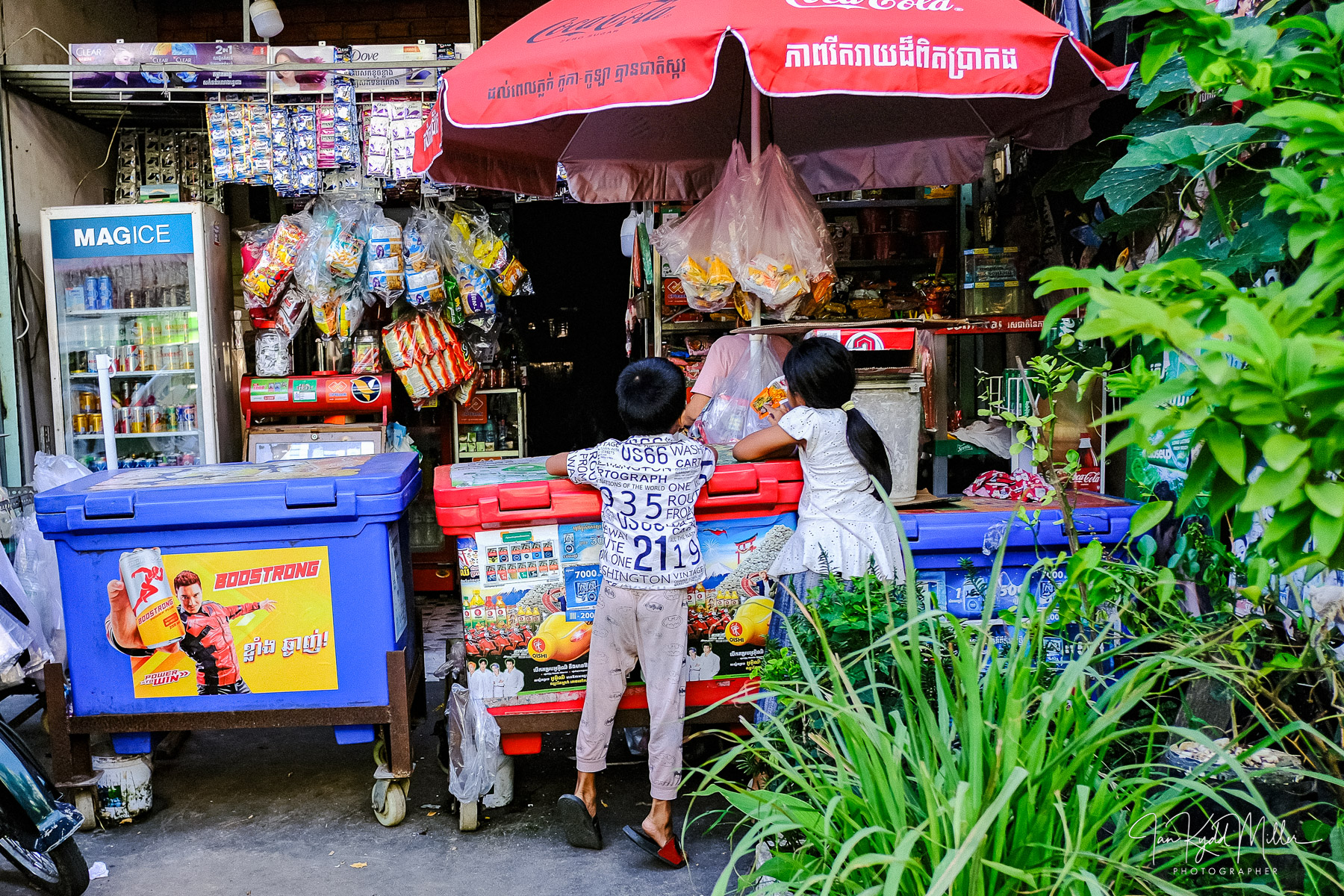
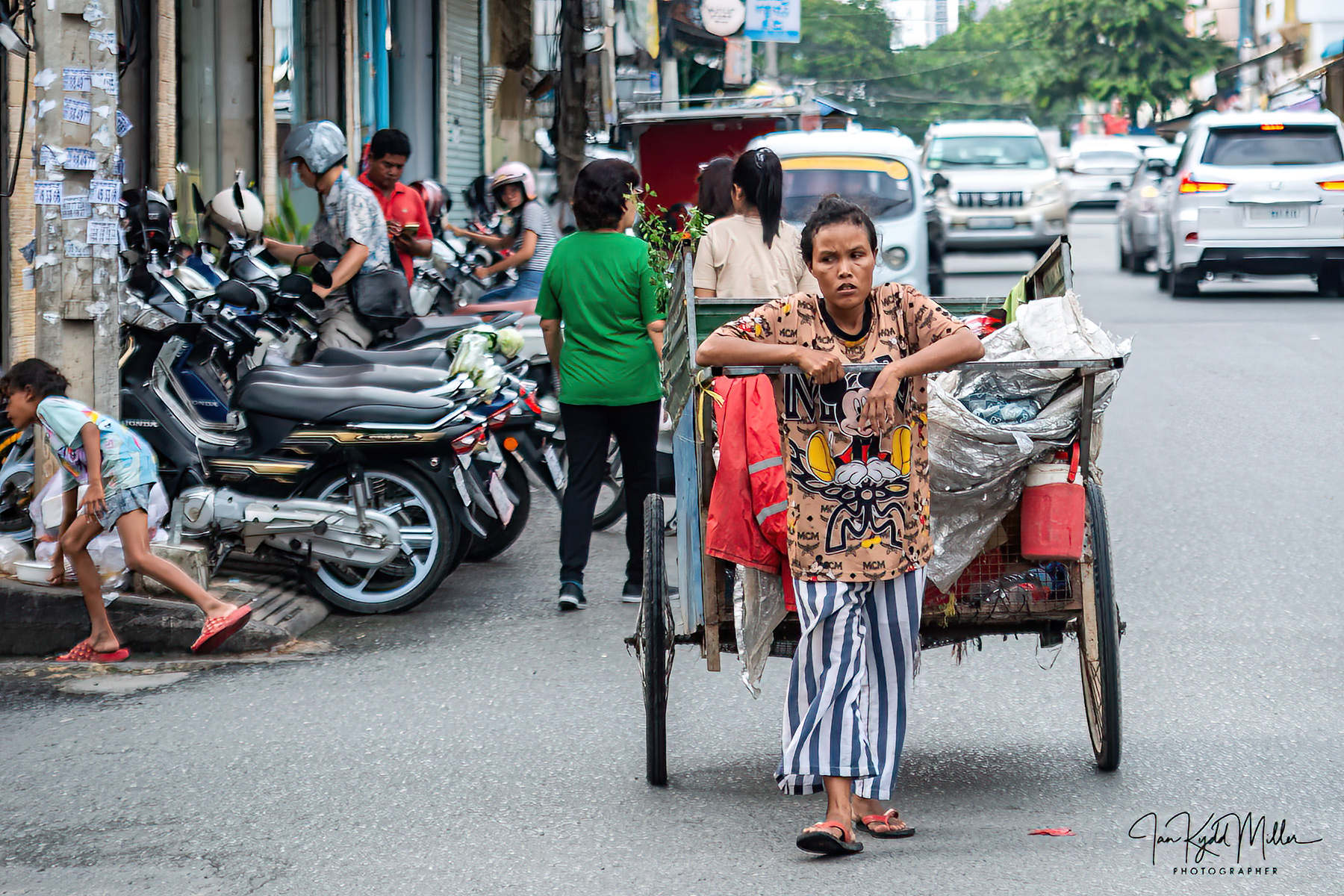
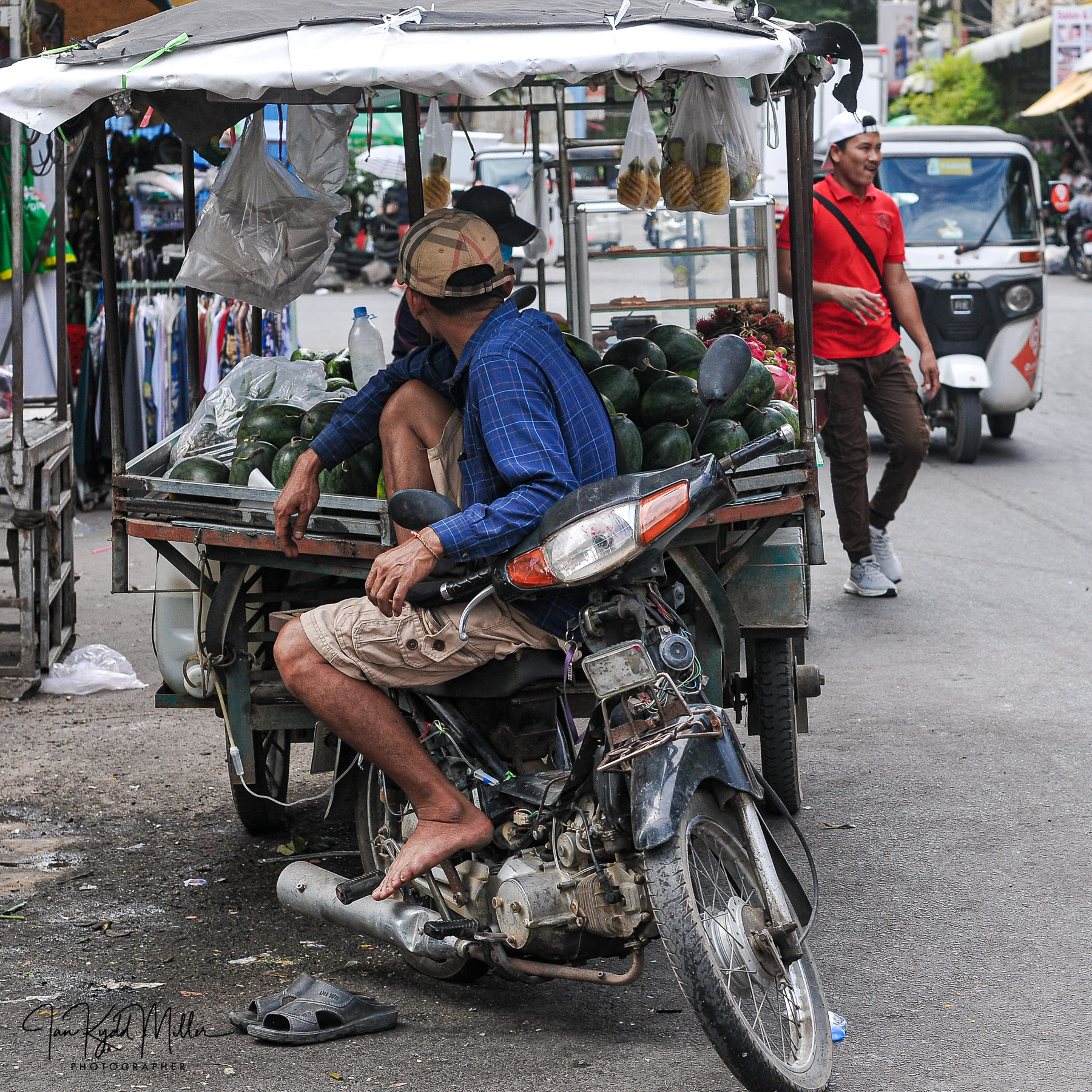
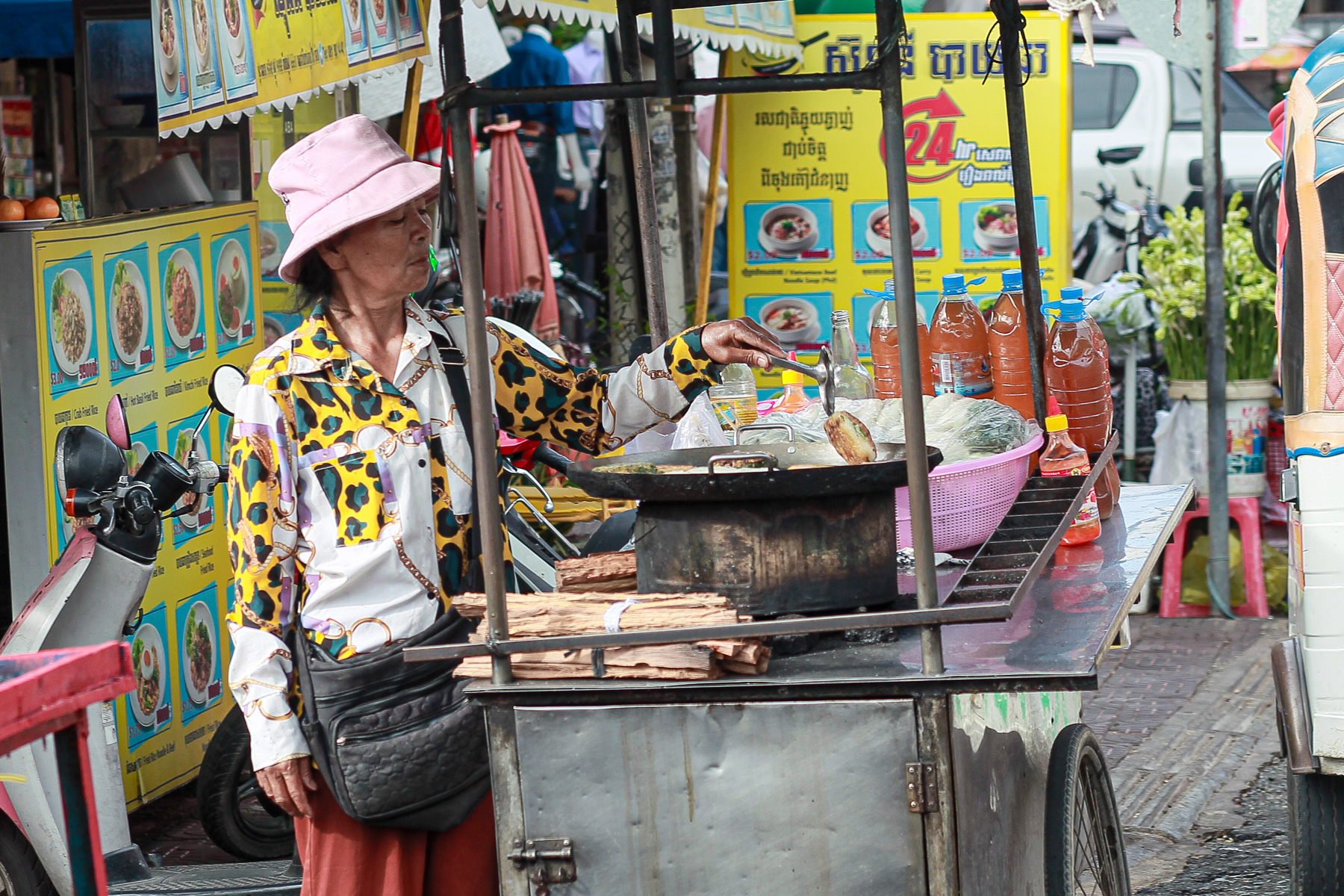
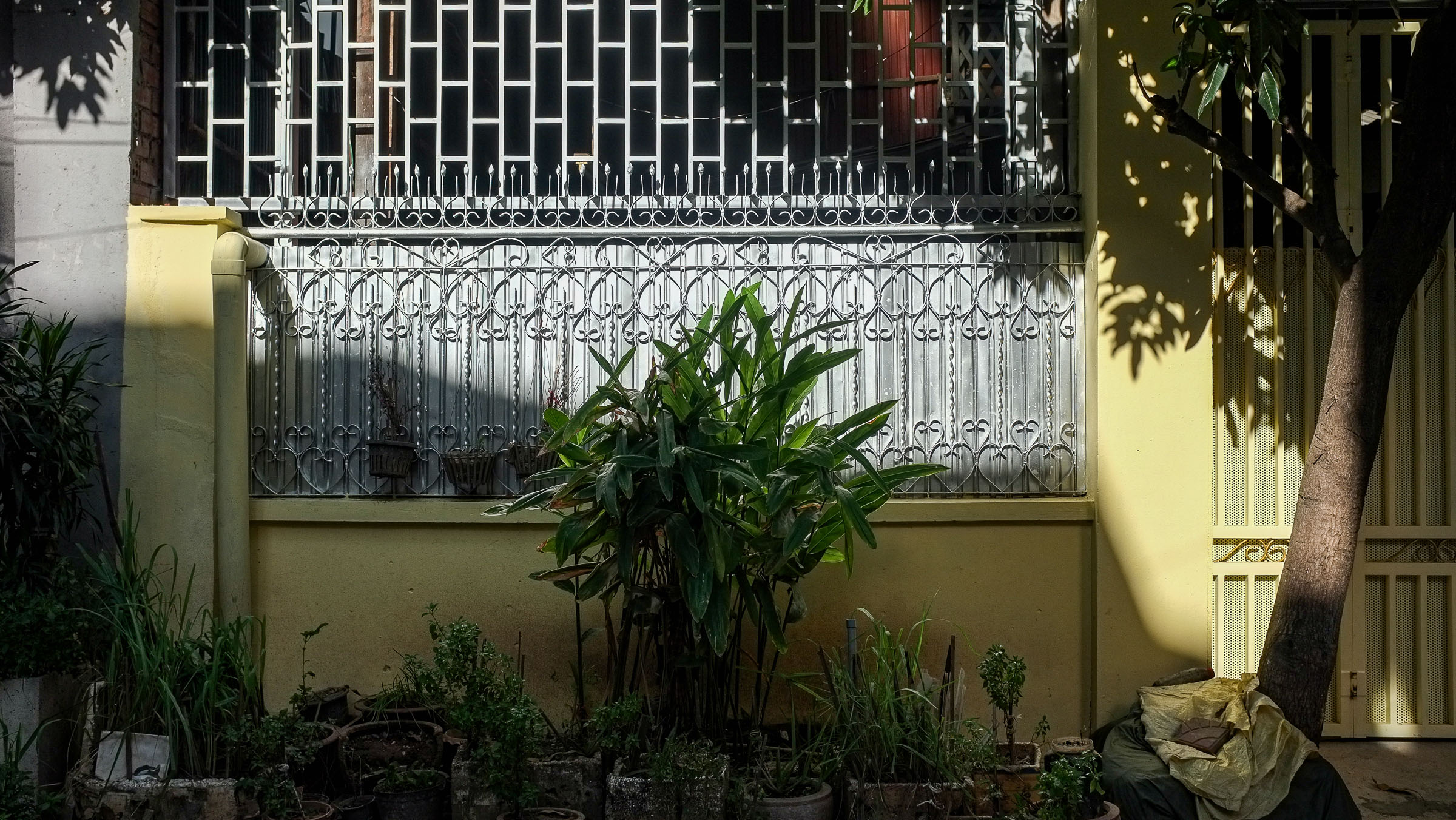
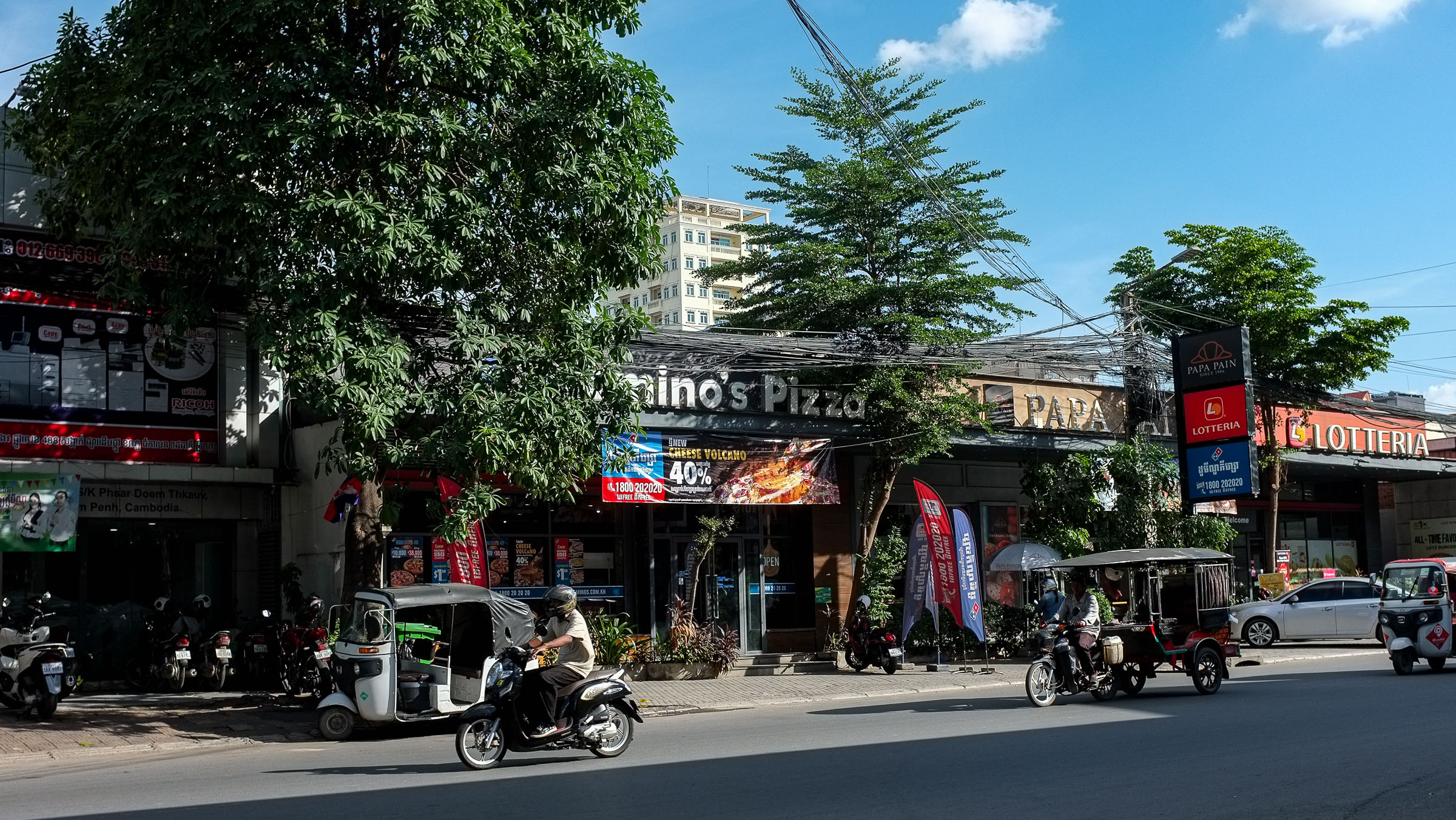
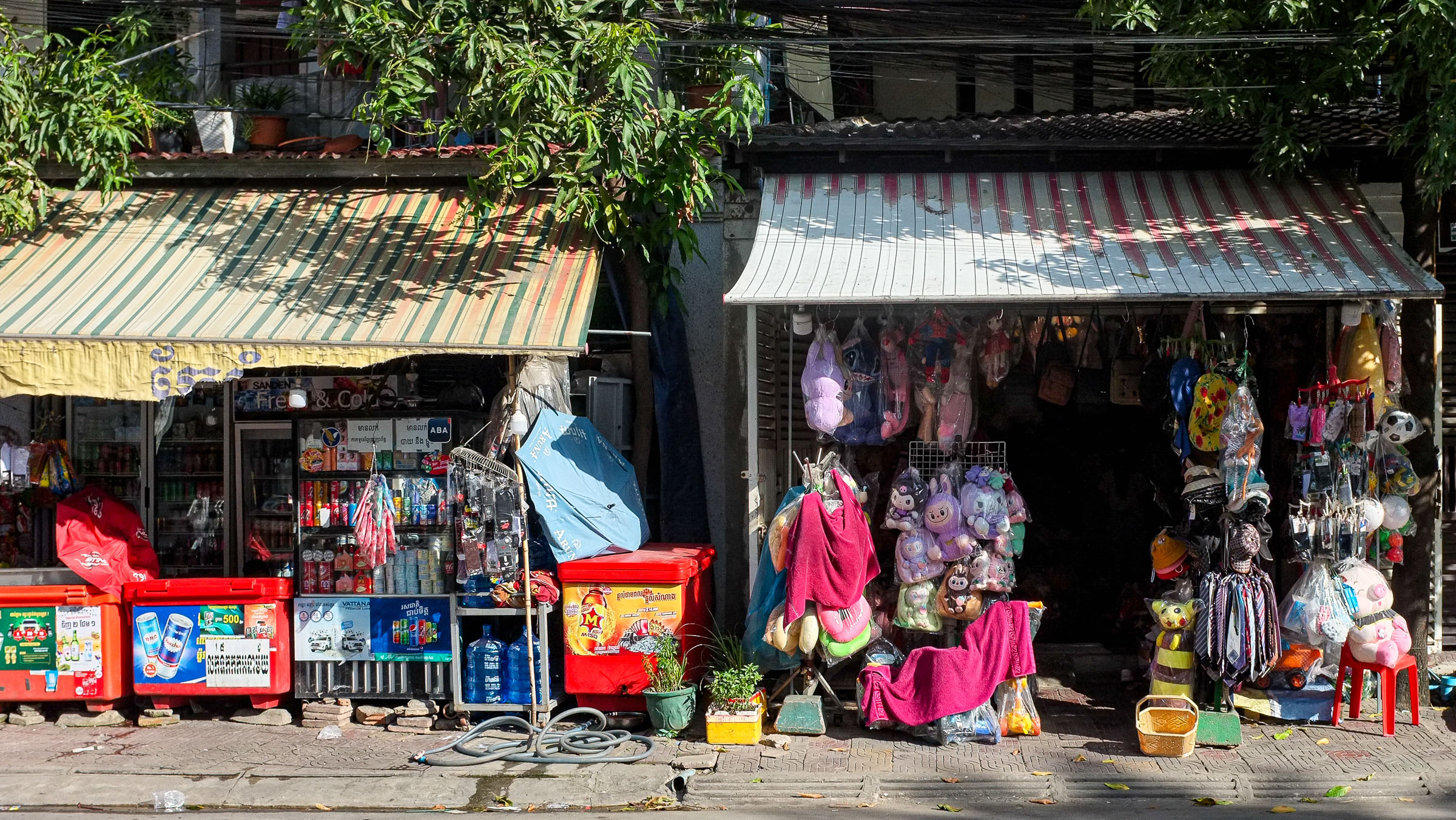
Walking through Phnom Penh is like stepping into a living mosaic of Cambodia’s culture. The streets are not just roads for transport—they are markets, kitchens, playgrounds, and social spaces all at once.
🌞 Morning Rhythms
Markets come alive at dawn: wet markets bustle with vendors selling fresh fish, vegetables, and fragrant herbs.
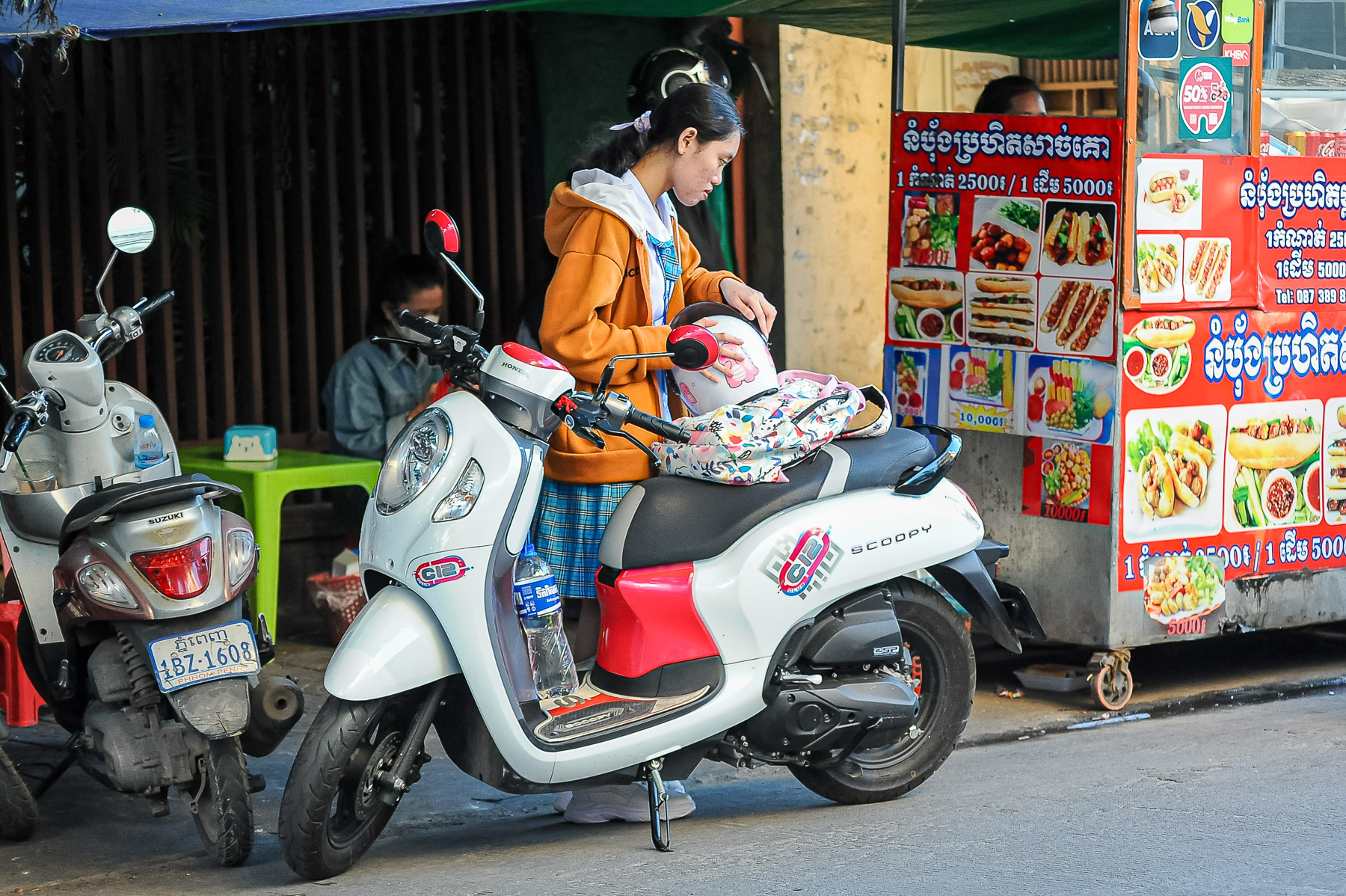
Street-side stalls serve noodle soups, grilled meats, and iced coffee, fueling workers before the day begins.
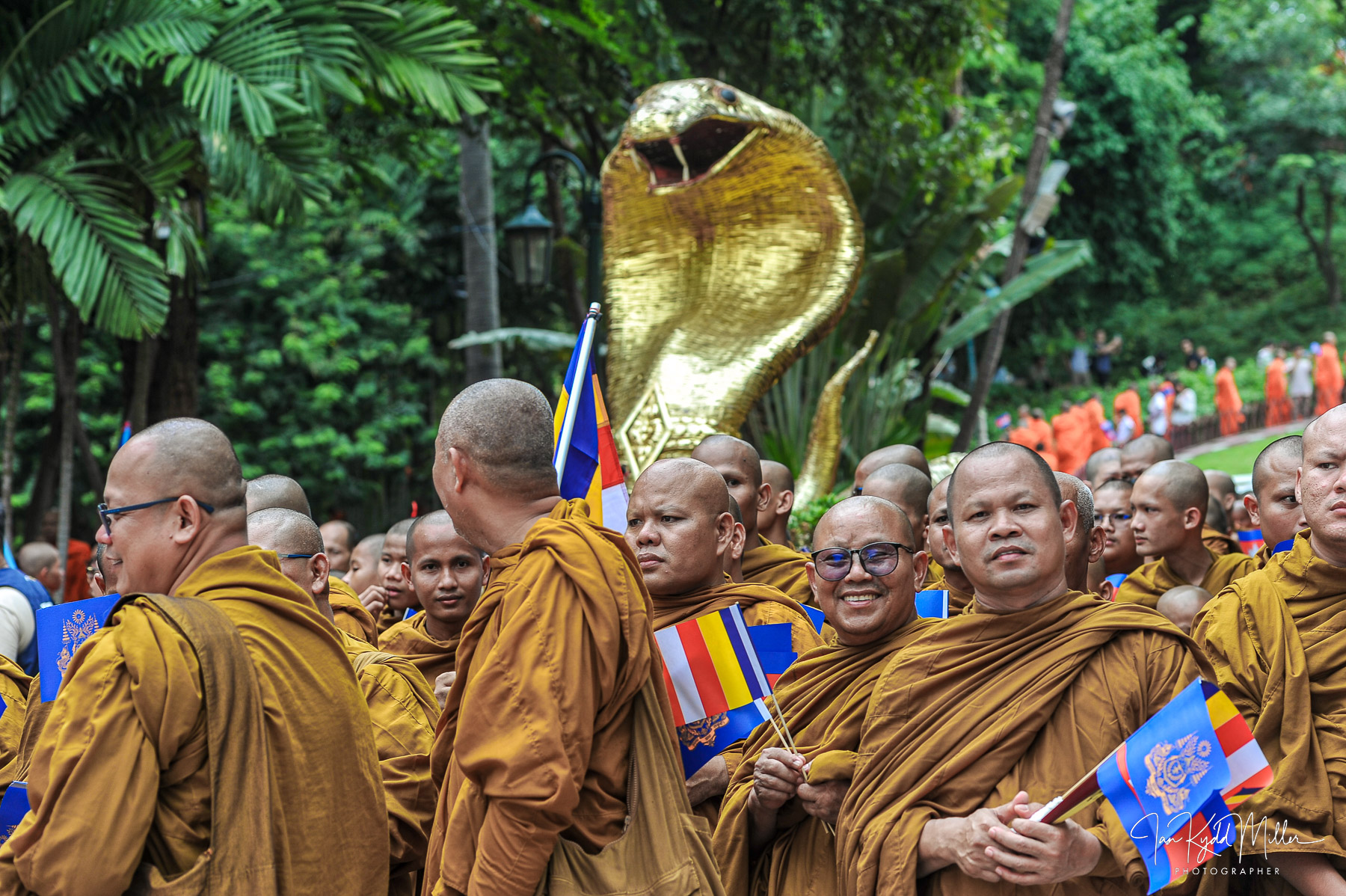
Monks in saffron robes walk barefoot through neighborhoods, collecting alms in a centuries-old ritual.
🚦 Midday Hustle
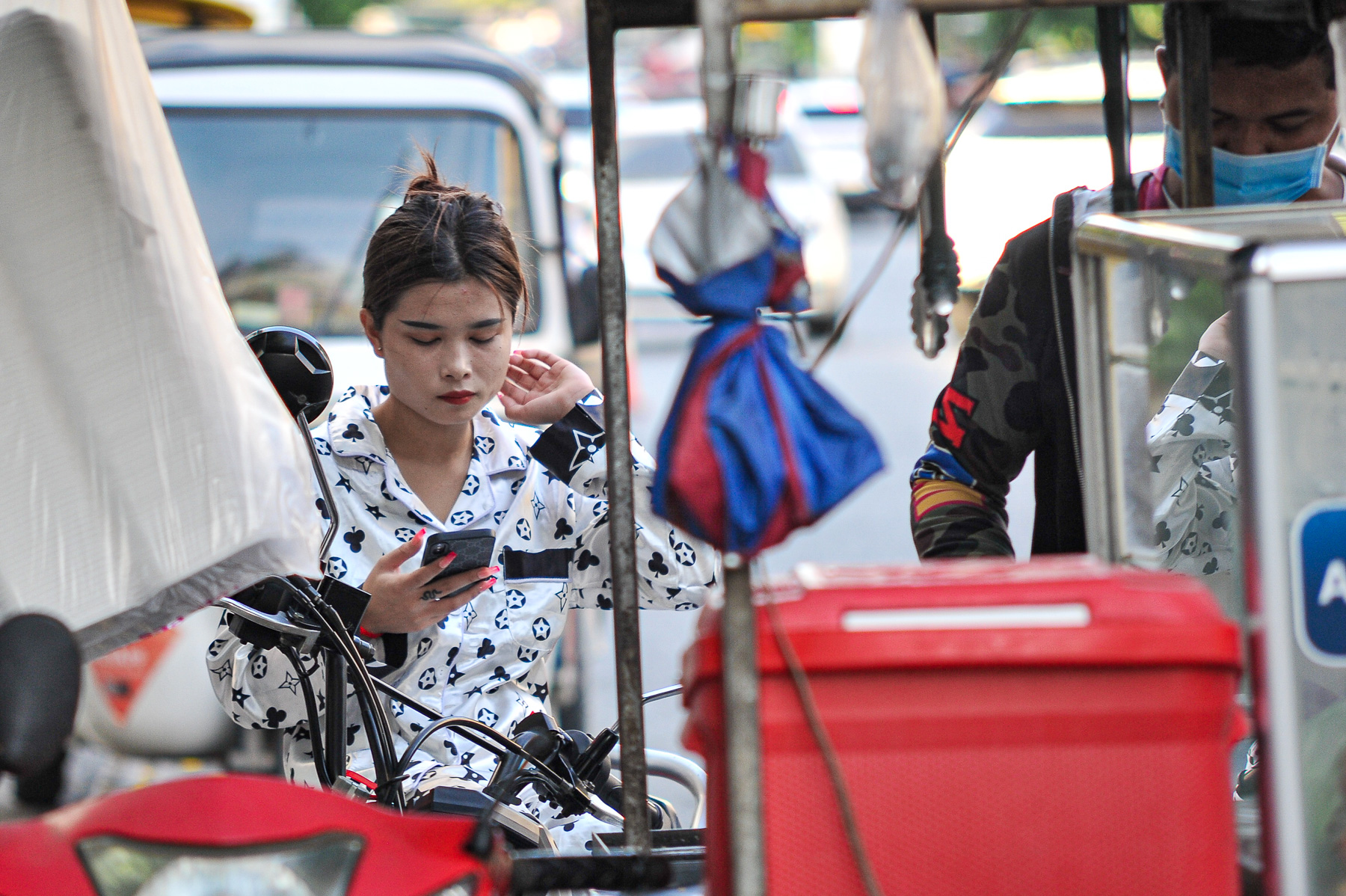
Traffic is a sensory overload: motorbikes weaving between tuk-tuks, bicycles, and the occasional Lexus SUV.
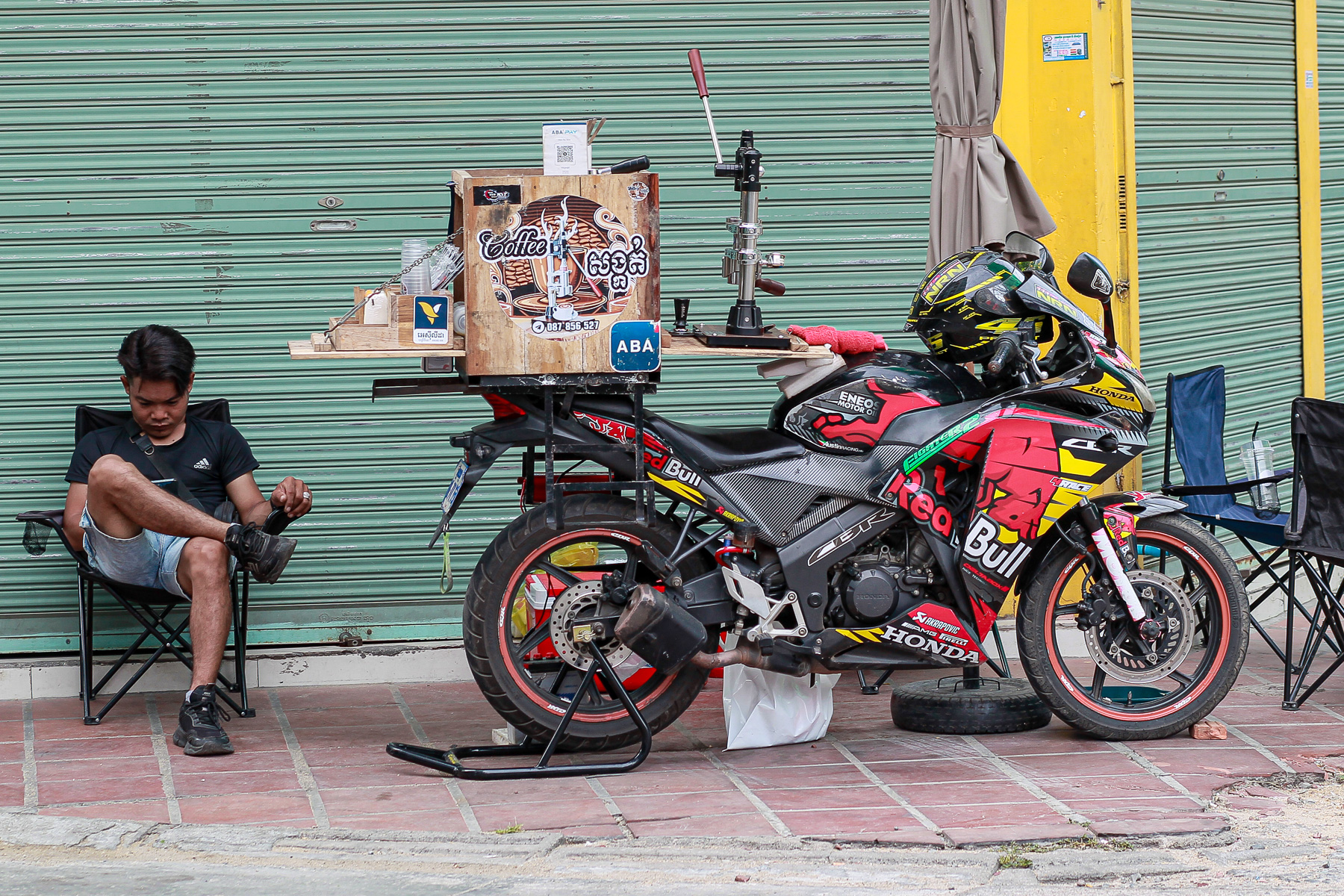
Sidewalks double as workshops and storefronts—tailors, mechanics, and barbers set up shop in open air.
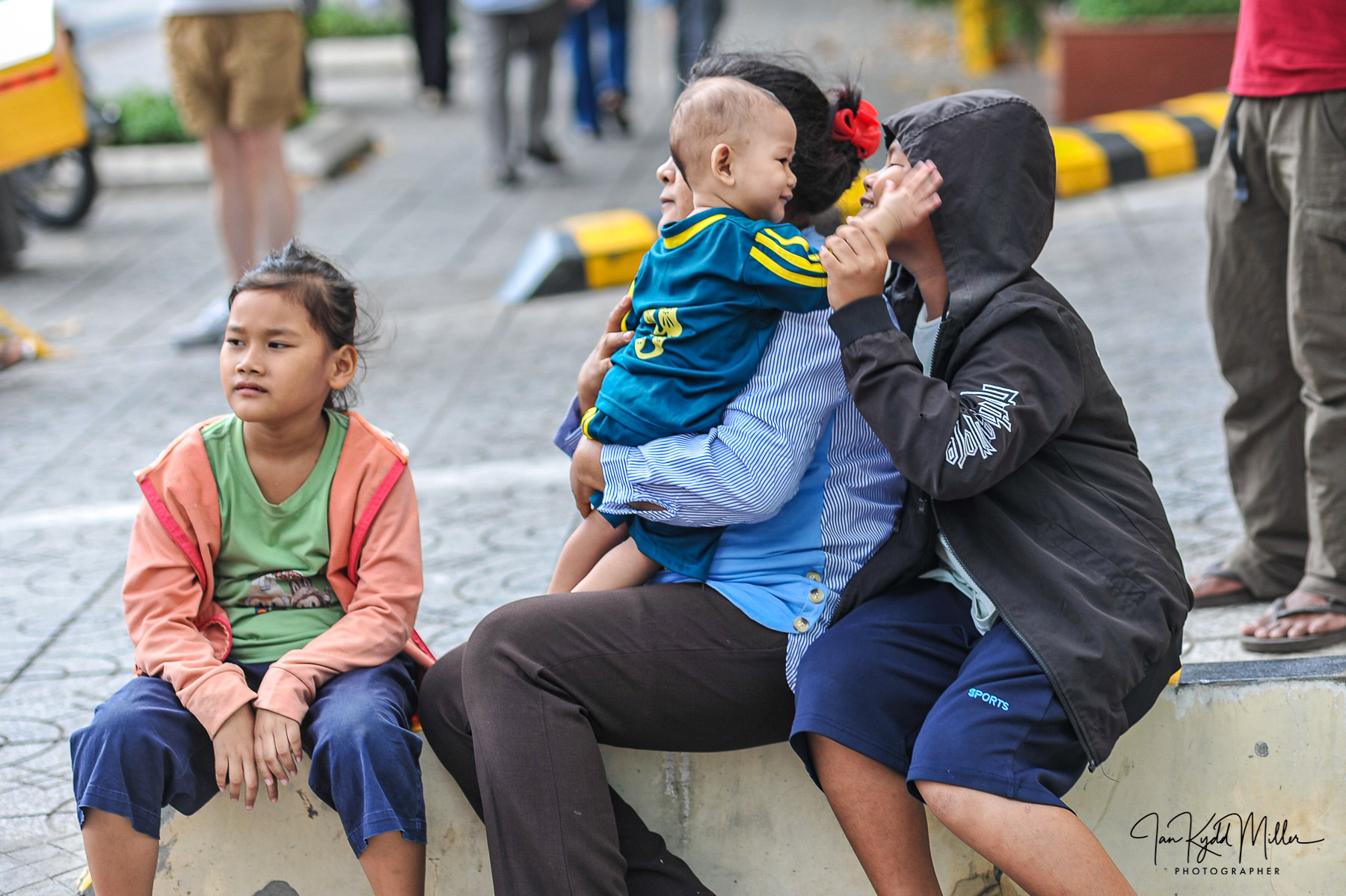
Children play in alleyways, while families gather under umbrellas to escape the midday heat.
🌆 Evening Energy
As the sun sets, Phnom Penh’s streets transform into night markets and food havens.
Skewers of beef, fried noodles, and fresh sugarcane juice fill the air with irresistible aromas.
Riverside areas like Sisowath Quay become social hubs, with locals strolling, exercising, or enjoying street performances.
Colours and textures: laundry strung across balconies, neon-lit karaoke bars, and murals reflecting Cambodia’s youthful creativity.
Community spirit: despite the chaos, there’s a sense of rhythm—neighbours chatting, vendors calling out, children laughing.
📷 Why It’s Photographically Rich
For photographers, Phnom Penh’s street life offers:
Dynamic light and shadow in narrow alleys and open boulevards.
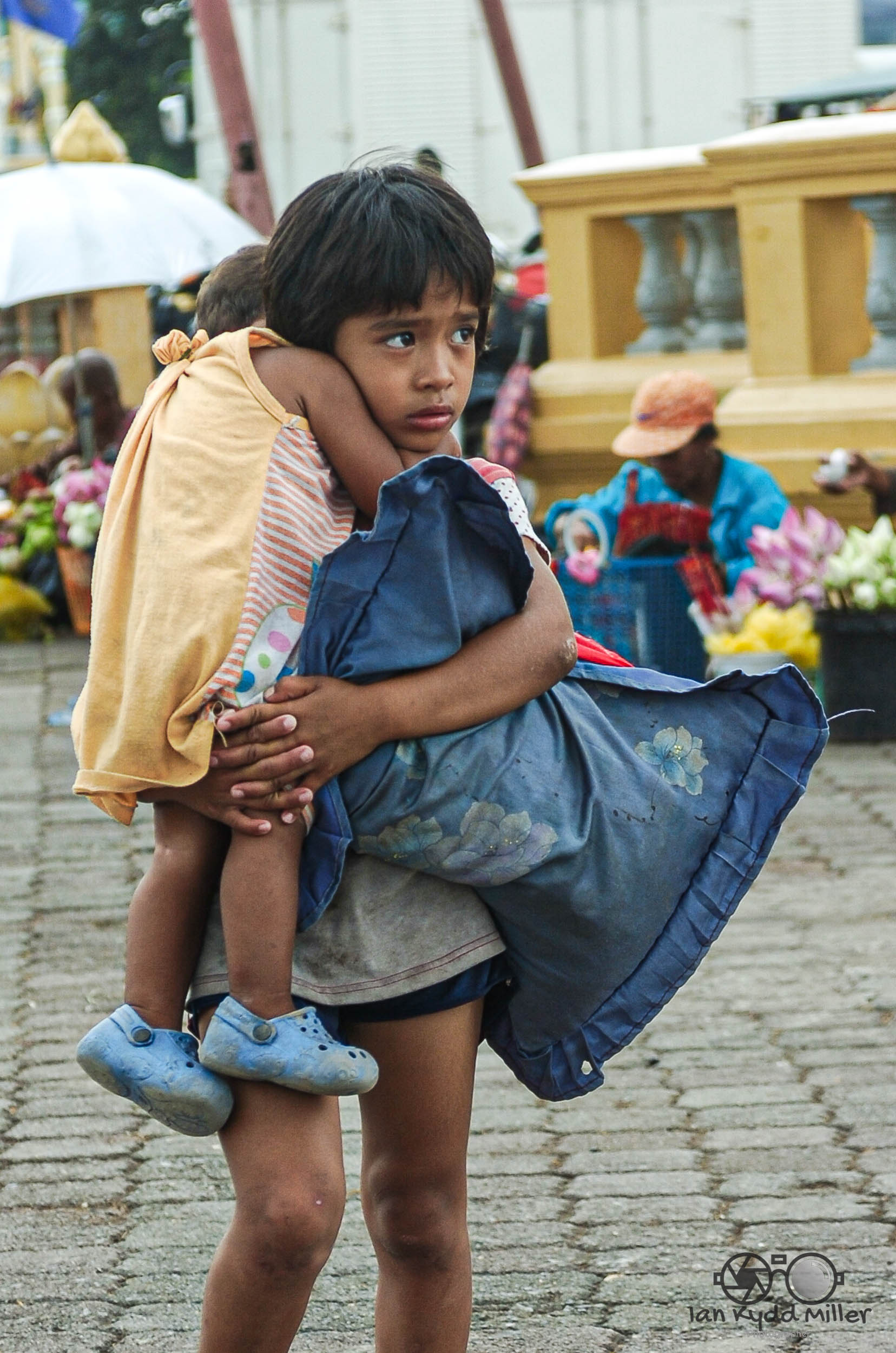
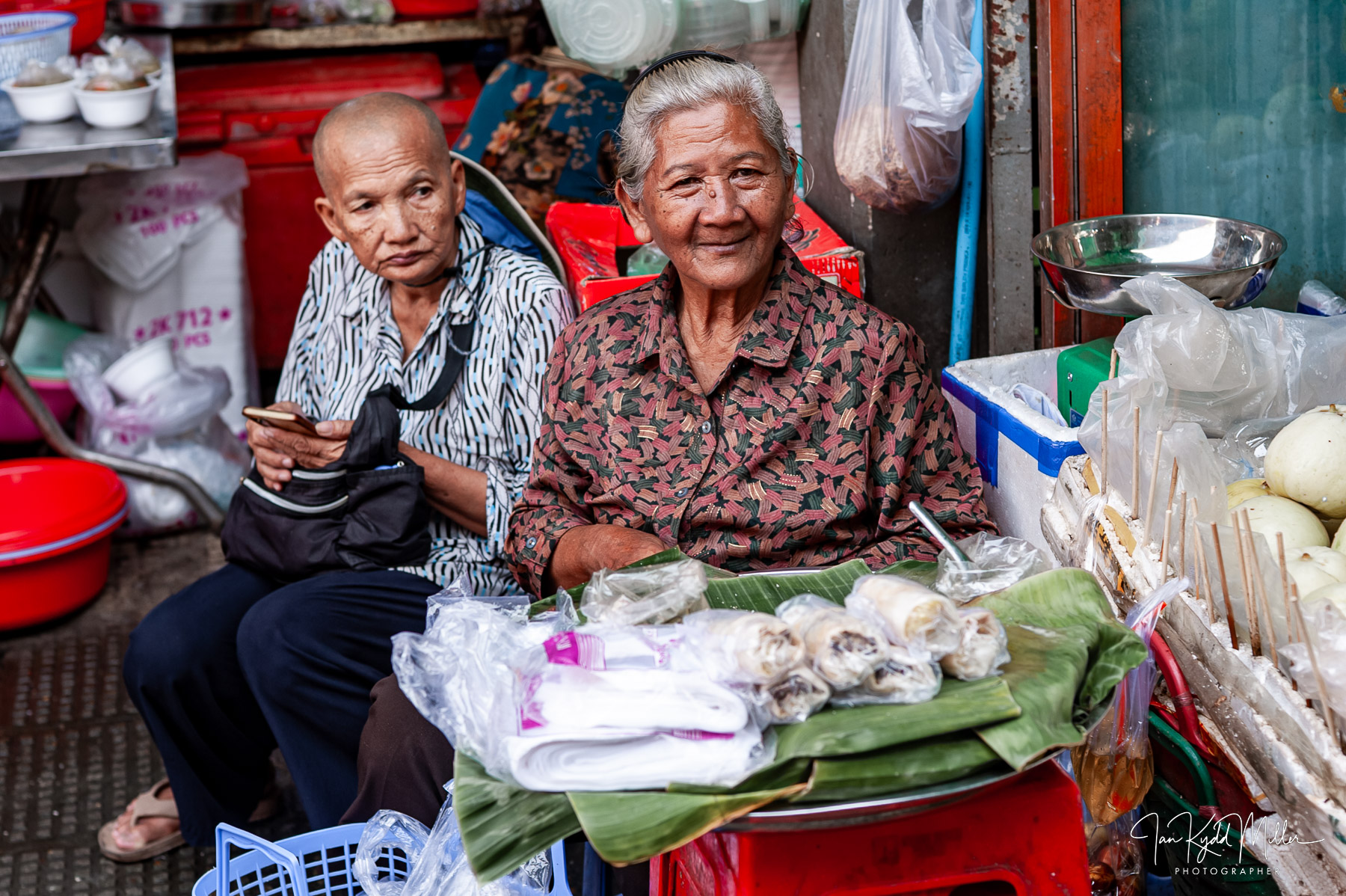
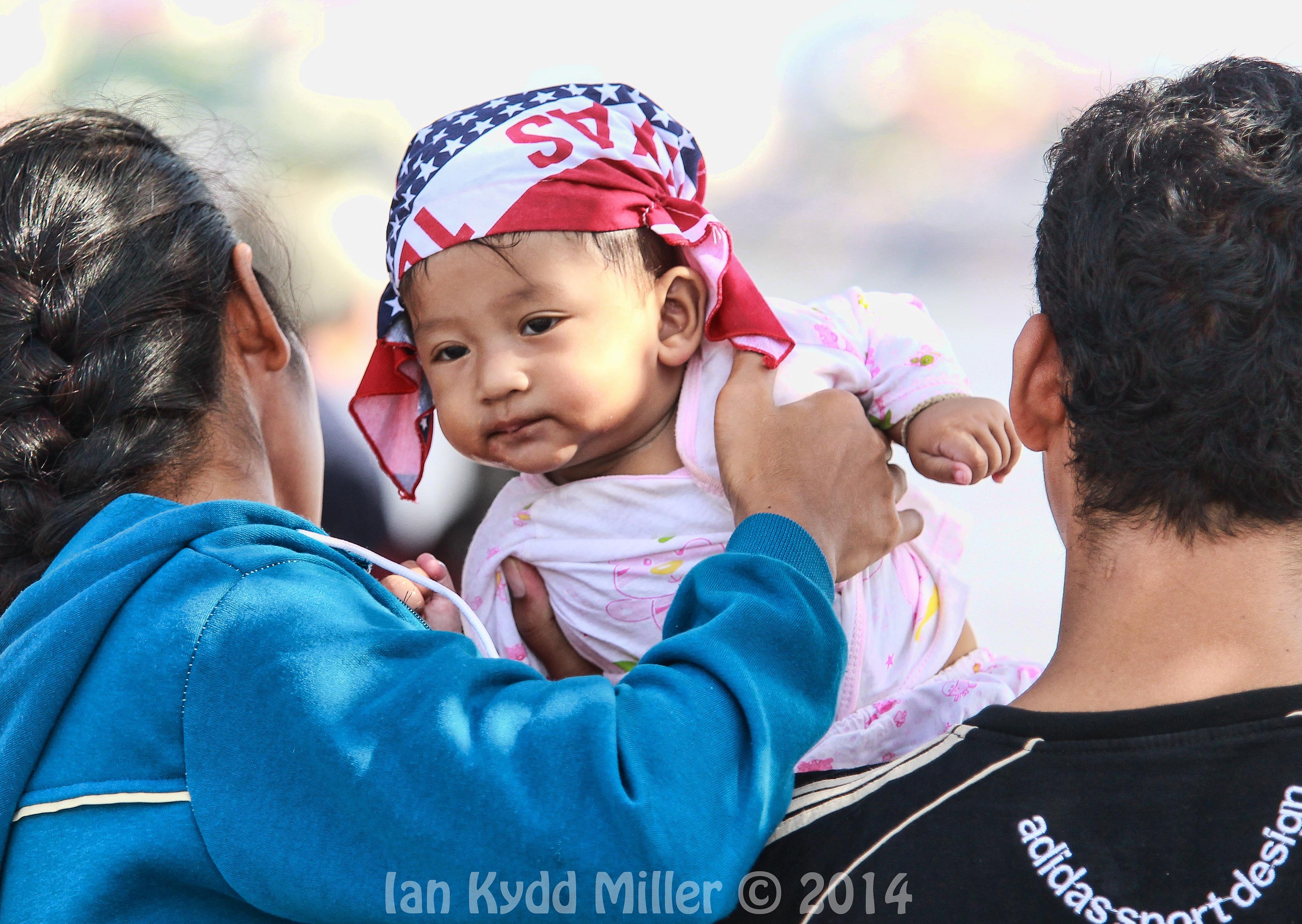
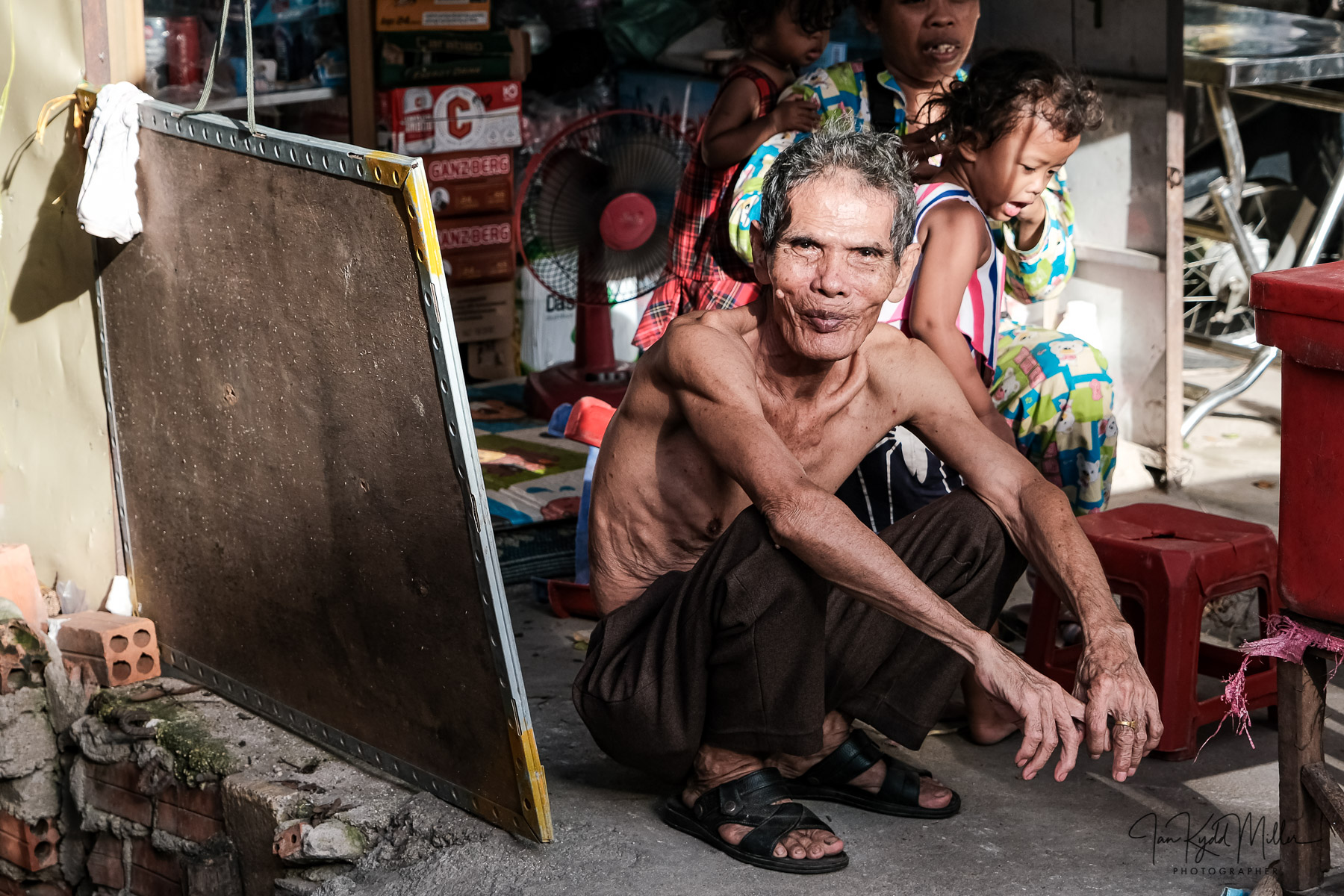
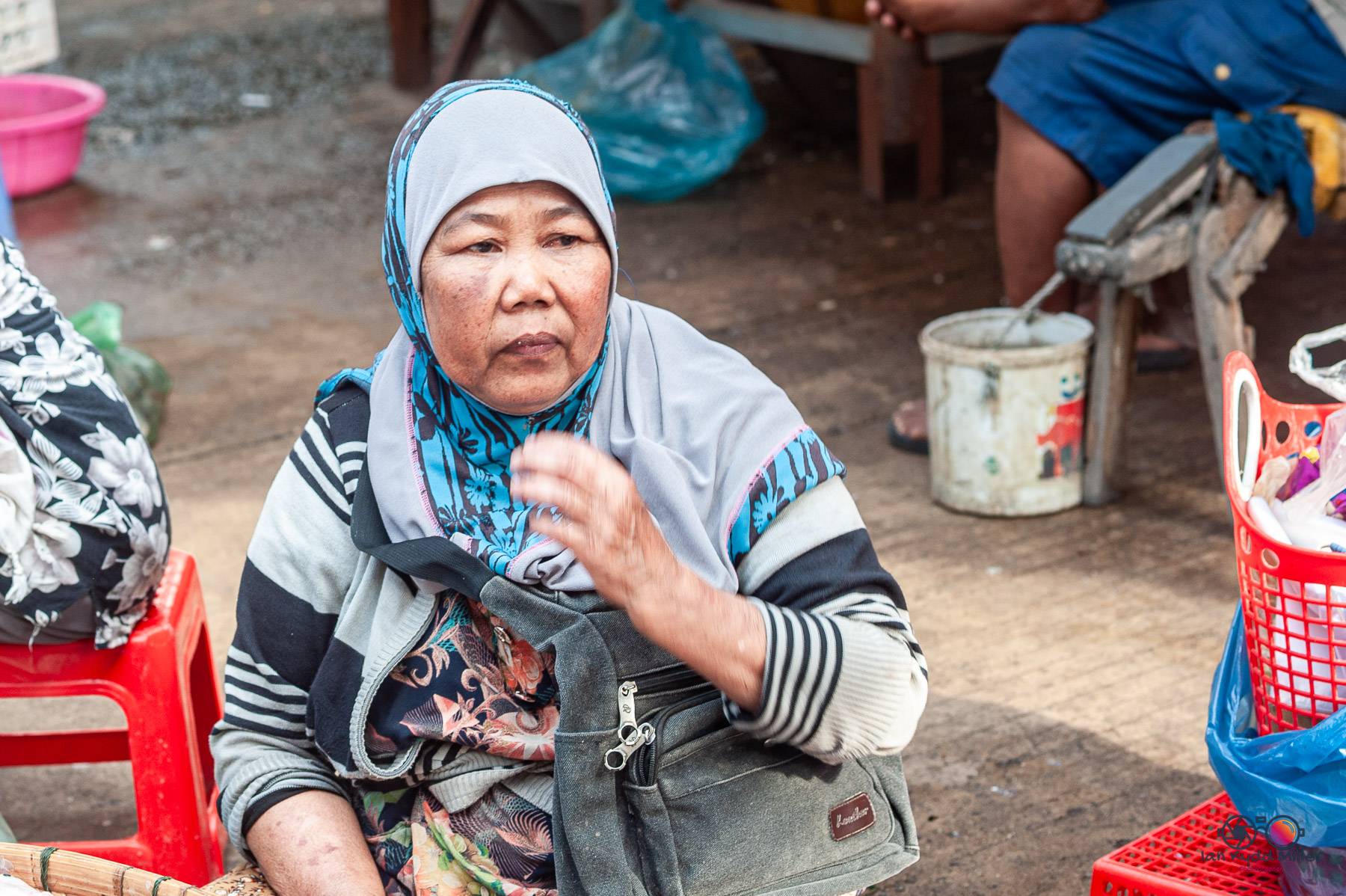
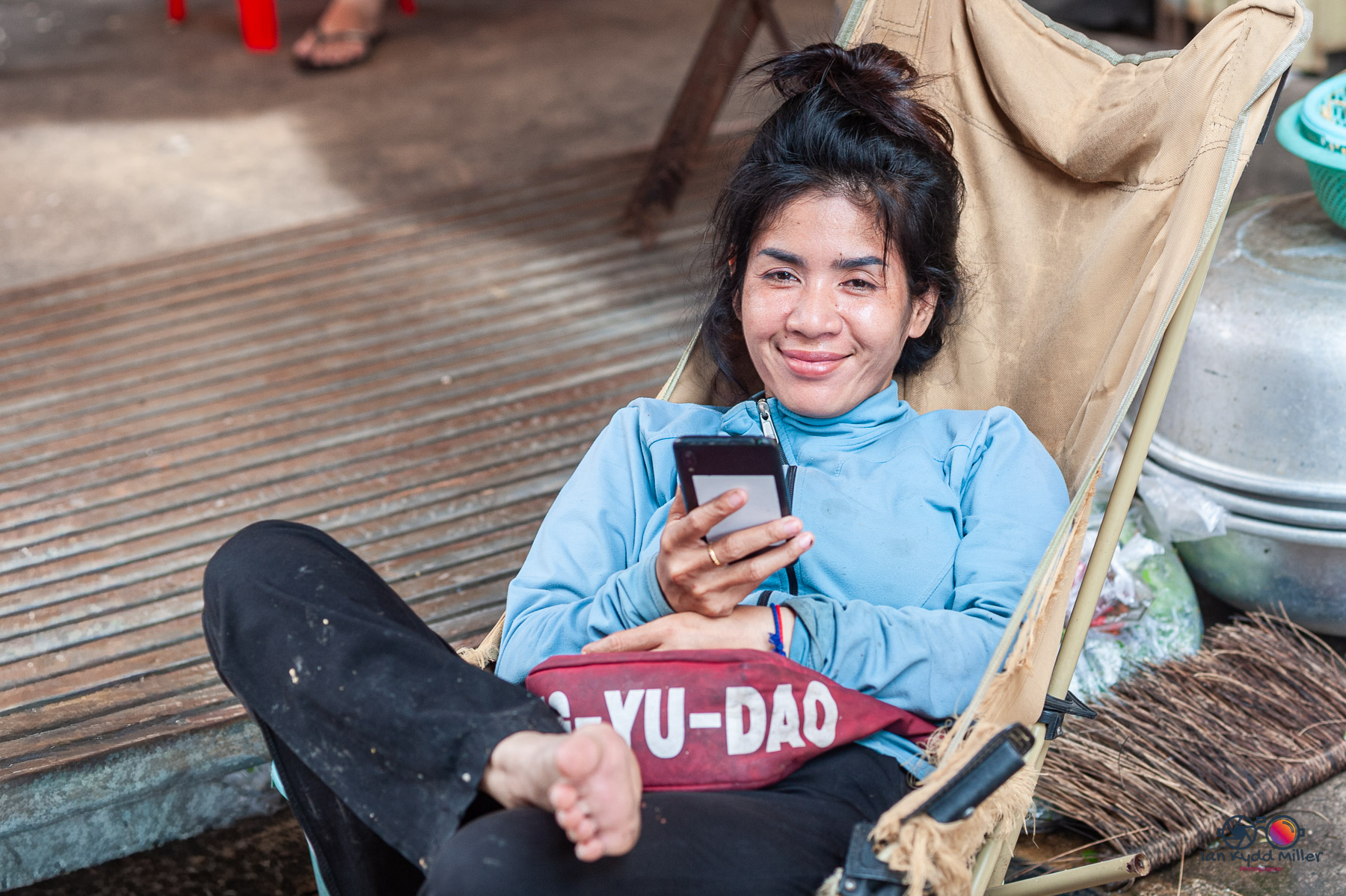
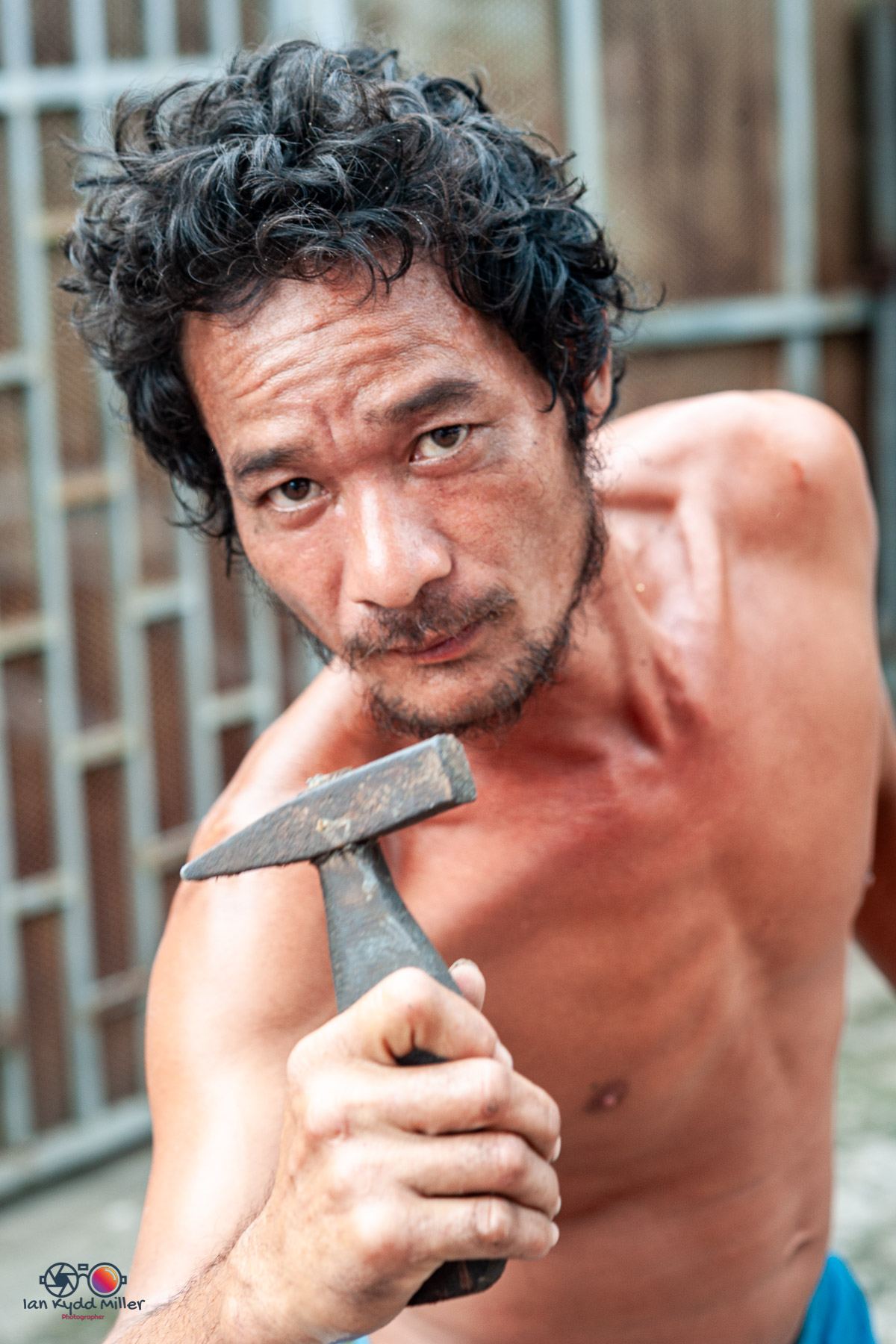
Faces full of character, from weathered elders to energetic youth.
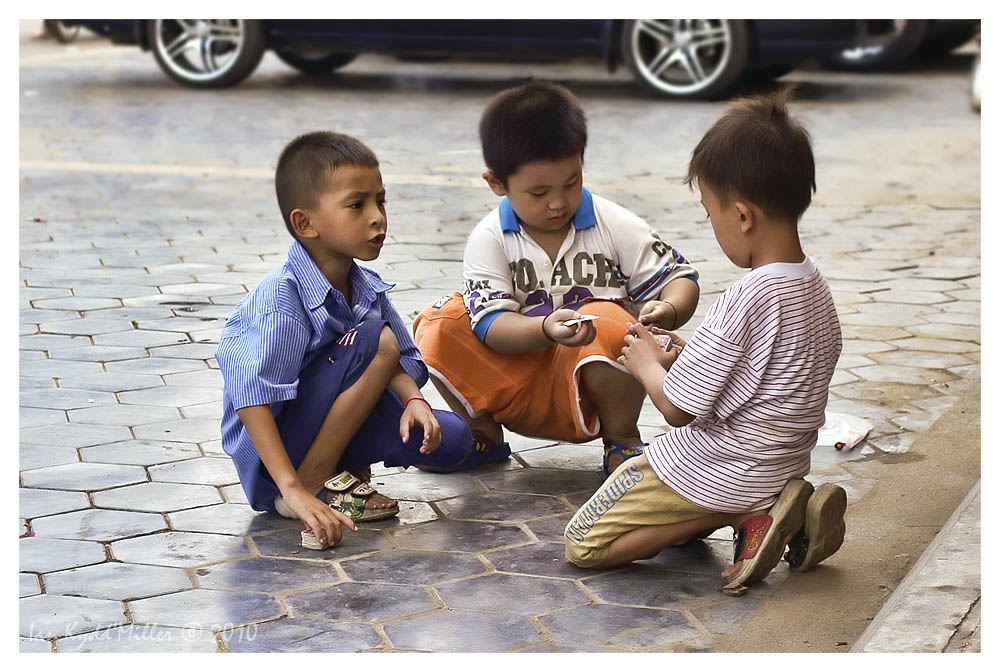
Stories in motion—every corner reveals a narrative of resilience, adaptation, and joy.
✅ In essence: Street life in Phnom Penh is not just about movement and commerce—it’s about connection, survival, and culture lived in public view. It’s messy, colourful, and endlessly fascinating, making it one of the most compelling urban experiences in Southeast Asia.
Backstreets of Daun Penh & Toul Kork: Less touristy, more authentic glimpses of daily life.
🎨 Style and Approach
Wide-angle storytelling: Capture the energy of markets and traffic chaos.
Portraits with consent: Many Cambodians are open to being photographed if approached politely—smiles go a long way.
Details and textures: Street food, tuk-tuks, signage, and architecture all add layers to your visual story.
Motion blur and panning: Great for showing the constant flow of motorbikes and tuk-tuks.
🤝 Ethical Considerations
Respect privacy: Always ask before photographing children or vulnerable individuals.
Support locals: Buy a coffee or snack from vendors you photograph—it builds goodwill.
Be discreet: Avoid being intrusive; blend in and let moments unfold naturally.
Tell the truth: Aim for authenticity, not staged or exaggerated scenes.
🛠️ Practical Tips
Gear: A 35mm , 50mm or 85mm prime lens is ideal for intimacy; a small zoom (24–70mm) adds flexibility.
Settings: Use aperture priority (f/2.8–f/5.6) for portraits and shutter priority for motion shots.
Backup: Carry extra batteries and memory cards—street life is unpredictable and fast-moving.
Safety: Keep gear close and minimal; Phnom Penh is generally safe, but petty theft can happen.
✅ Final Thought: Phnom Penh’s streets are a living classroom for photographers—full of light, colour, and human connection. The key is to move slowly, observe deeply, and engage respectfully. The reward is not just strong images, but meaningful encounters.
A Farewell to a Workhorse That Never Asked for Praise
For a decade, the Canon 1D Mark IV was my companion. Not my tool. Not my gear. My companion.
It didn’t flatter. It didn’t fail. It simply showed up—day after day, shoot after shoot—with a kind of quiet reliability that modern cameras often forget in their race for relevance.
🧱 Built Like a Promise
The 1D Mark IV was never sleek. It was solid. Magnesium alloy, weather-sealed, unapologetically heavy. It felt like commitment in the hand.
16MP APS-H sensor with a 1.3x crop—perfect for reach without sacrificing tone
Dual DIGIC 4 processors that never blinked, even at 10fps
Autofocus that tracked motion like instinct, not algorithm
I shot with one AF point. The center. Always. Because the camera didn’t need tricks—it needed trust.
📷 What It Gave Me
Color rendering that felt like memory, not measurement
Files that breathed—not just pixels, but presence
Low-light performance that surprised me, even in candlelit homes and monsoon dusk
Battery life that outlasted the day, and sometimes the doubt
It wasn’t perfect. But it was predictable. And in documentary work, that’s gold.
🧘 Why I Stayed So Long
Because it never asked me to rush. Because it never distracted me with features I didn’t need. Because it taught me to anticipate, to listen, to wait.
I shot weddings, markets, protests, and quiet portraits with it. I traveled with it across borders and into stories that didn’t need spectacle—just presence.
✍️ The Shift to Nikon
Eventually, I moved to Nikon. Not because the 1D failed me, but because my rhythm changed. I wanted different tonal nuance. Different ergonomics. A different conversation with the frame.
But I didn’t leave the 1D behind. I graduated from it. And like any good teacher, it still echoes in my practice.
🖼️ Closing Thought
The Canon 1D Mark IV wasn’t just a camera. It was a decade of trust. And in a world of constant upgrades, trust is the rarest feature of all.
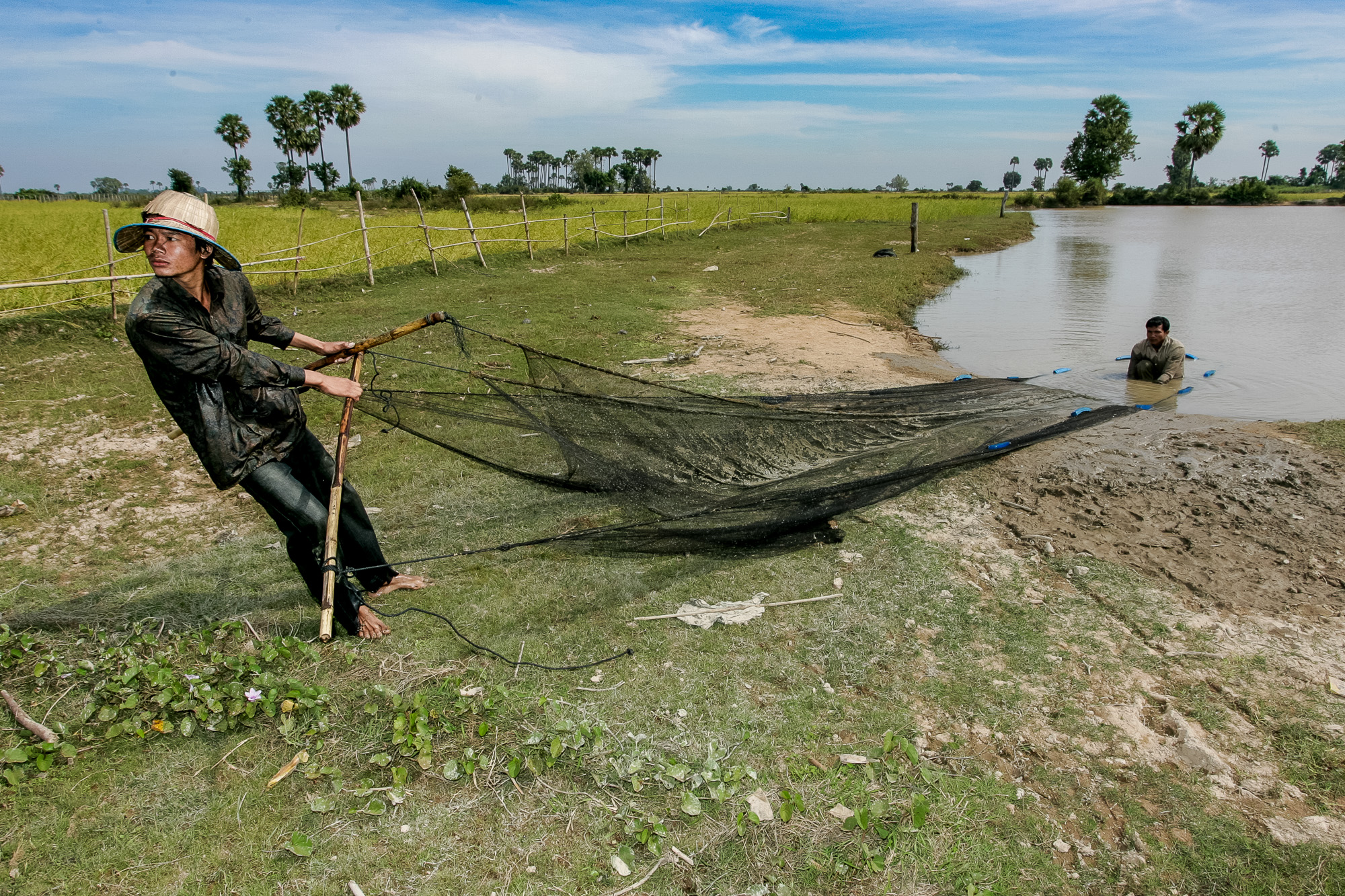
The Kingdom of Cambodia, a nation with a rich cultural heritage and a history that has seen both splendour and hardship, is also a land where fishing is not just an activity—it’s a lifeline. The Mekong River and the Tonle Sap Lake are the beating heart of Cambodia’s fishing industry, a vital source of sustenance, employment, and tradition for millions of Cambodians.
Imagine the serene beauty of the Tonle Sap, Southeast Asia’s largest freshwater lake, teeming with life. Here, the rhythm of the fishing communities’ daily life plays out, as it has for centuries. Fishing in Cambodia is a dance with nature, where the bounty of the waters is respected and relied upon. It’s an industry that employs over 6 million people, nearly half the country’s population and contributes significantly to the nation’s GDP.
The importance of fishing in Cambodia cannot be overstated. It’s not just about the economy; it’s about food security and cultural identity. Fish is the most important source of animal protein in the Cambodian diet, with an astonishing consumption rate of 63 kg per person per year. This isn’t just a statistic; it’s a testament to the role that fish plays in the everyday lives of Cambodians.
The fisheries sector in Cambodia is a complex tapestry woven from various threads—capture fisheries, aquaculture, and culture-based fisheries. Each strand is crucial, providing a diverse array of fish and other aquatic organisms that grace the tables of rich and poor alike. The annual yield from all fisheries is estimated to be a staggering 745,065 tonnes, with aquaculture contributing around 120,055 tonnes to this total supply.
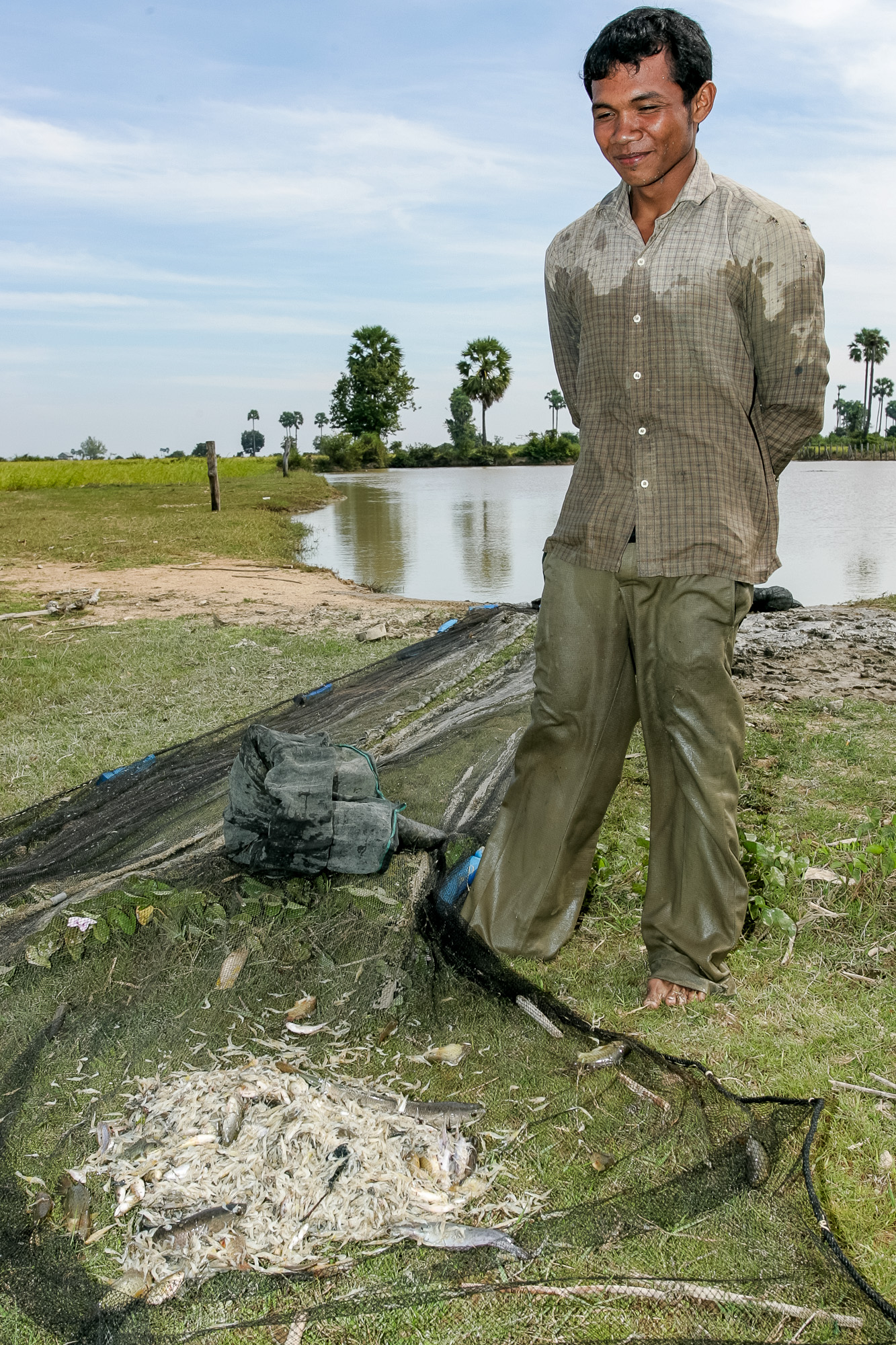
But it’s not just about quantity; it’s about the quality of life that fishing affords the Cambodian people. It’s about the smiles of the fishermen as they return with their catch, the laughter of children playing by the riverside, and the shared meals that bring families together. Fishing is woven into the very fabric of Cambodian society, a thread that connects the past to the present and the present to the future.
As the world changes, so too does the fishing industry in Cambodia. Challenges such as climate change, overfishing, and habitat destruction loom on the horizon. Yet, the resilience of the Cambodian people shines through. Efforts to develop sustainable fishing practices, improve aquaculture, and protect precious ecosystems are underway, ensuring that fishing remains a cornerstone of Cambodia’s identity and economy.
So let’s celebrate the spirit of Cambodia’s fishing communities—their perseverance, their connection to the water, and their contribution to the nation’s rich tapestry. For in the gentle ripples of the Mekong and the vast expanse of the Tonle Sap, lies a story of a people and their fish—a tale as old as time, and as important as ever. Fishing in Cambodia is not just essential; it’s a way of life.
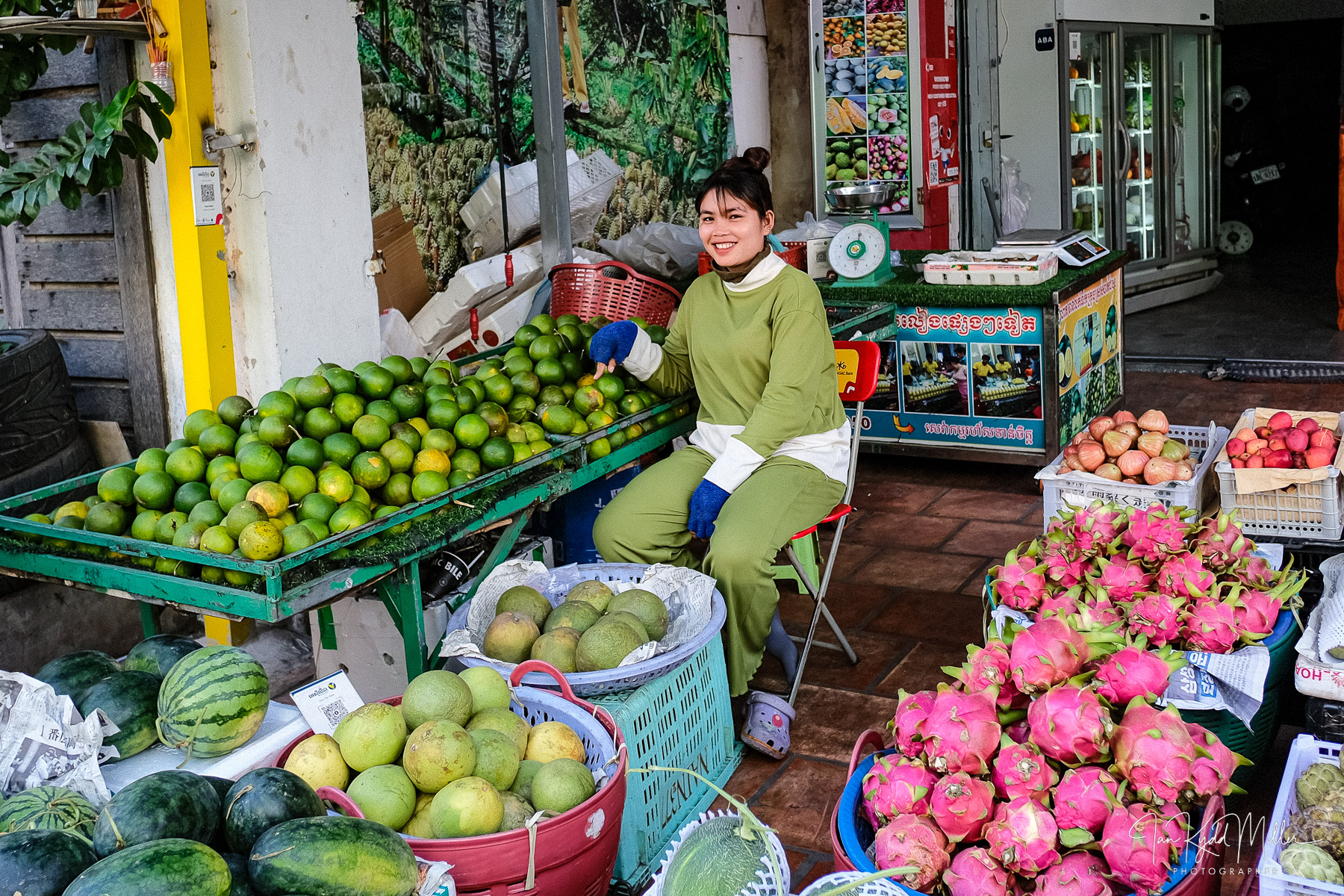
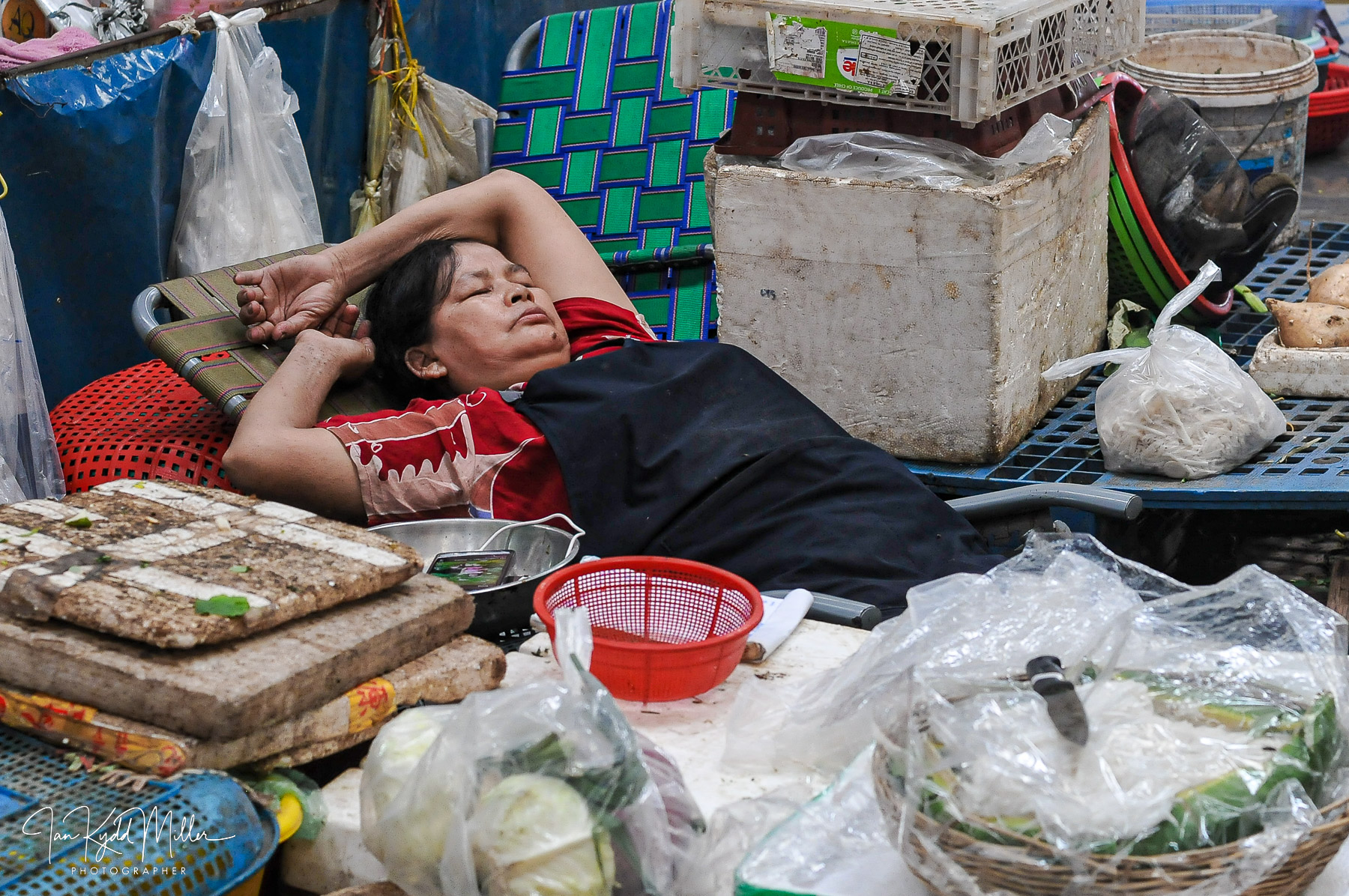
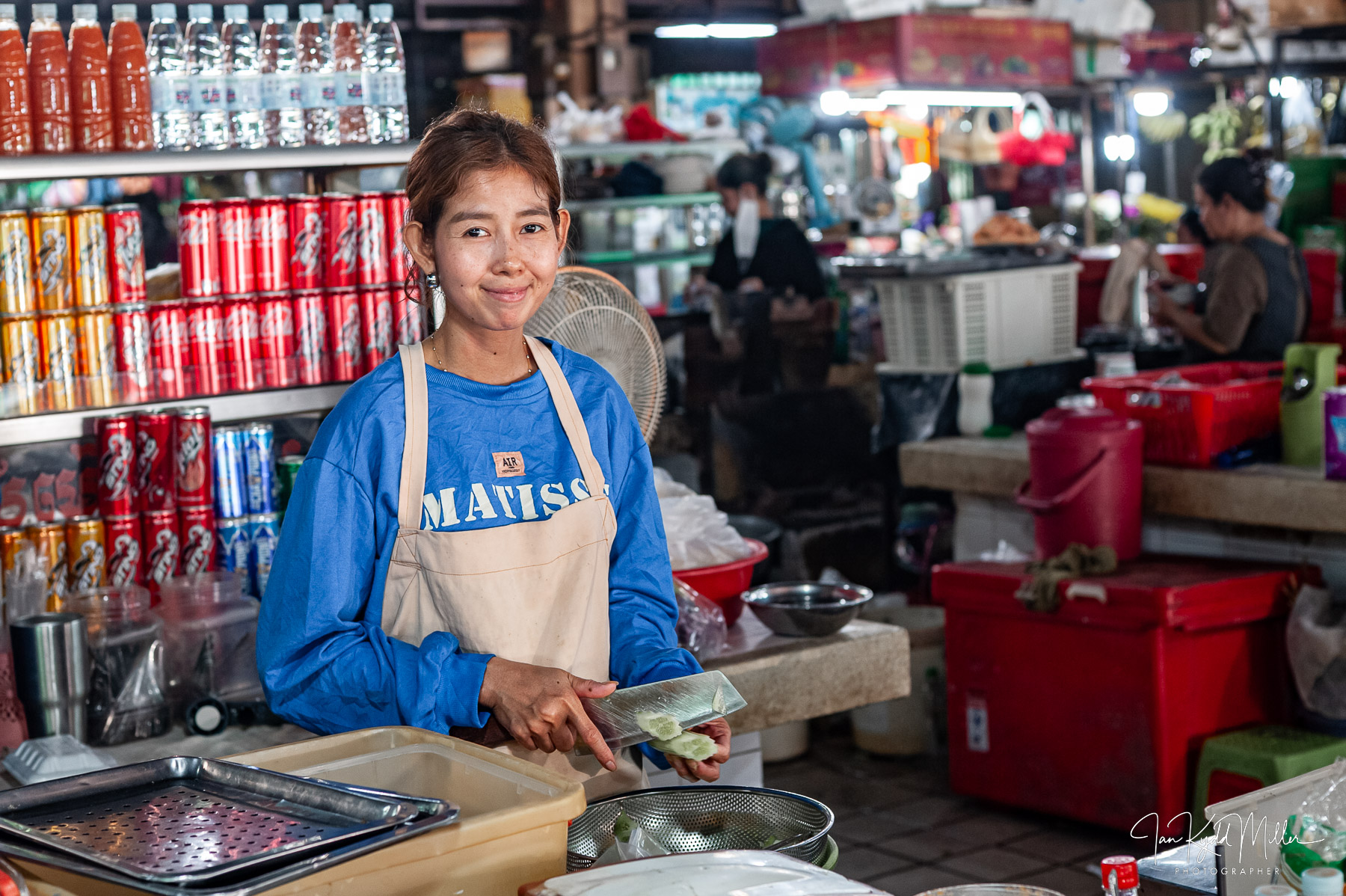
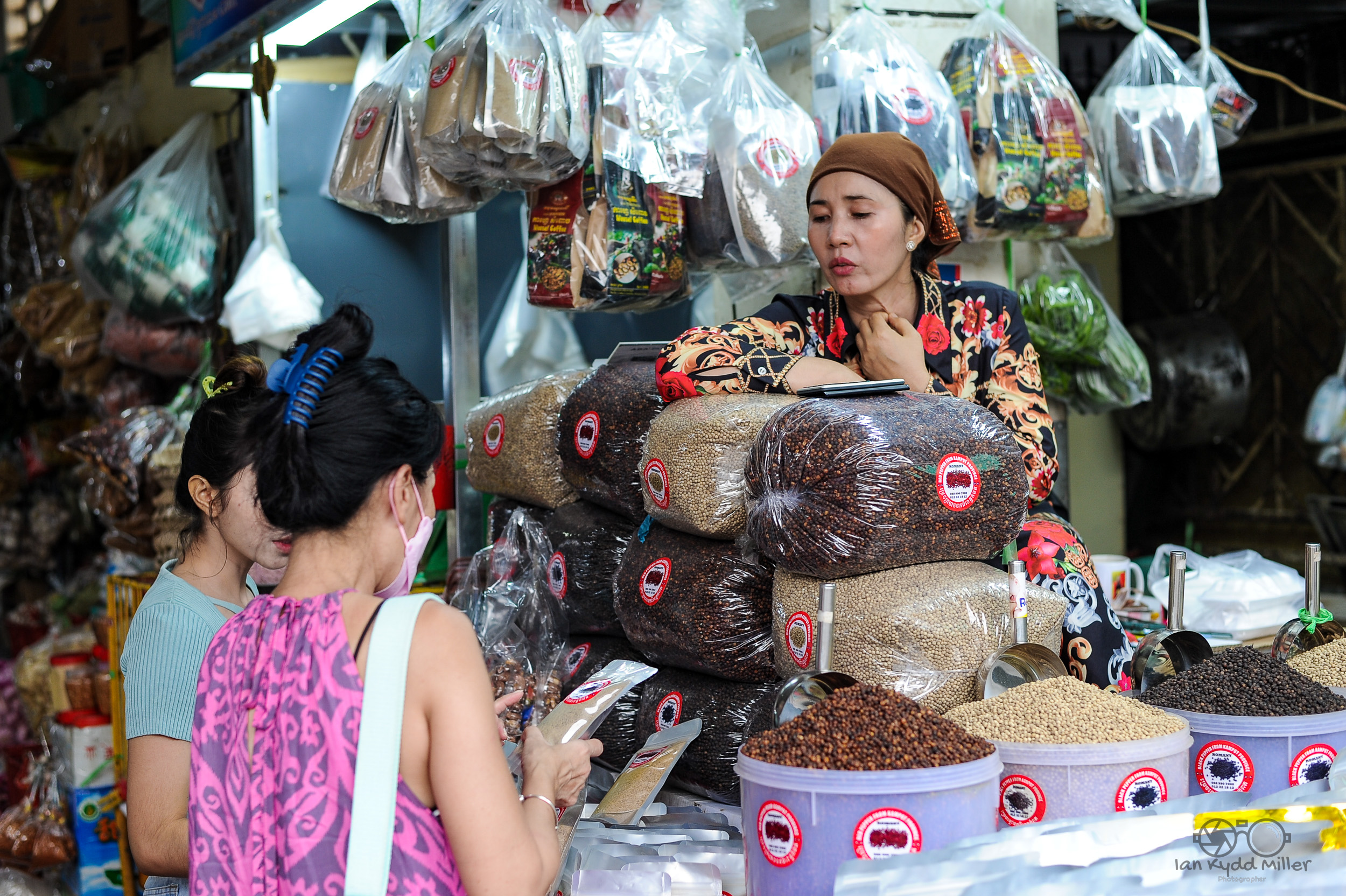
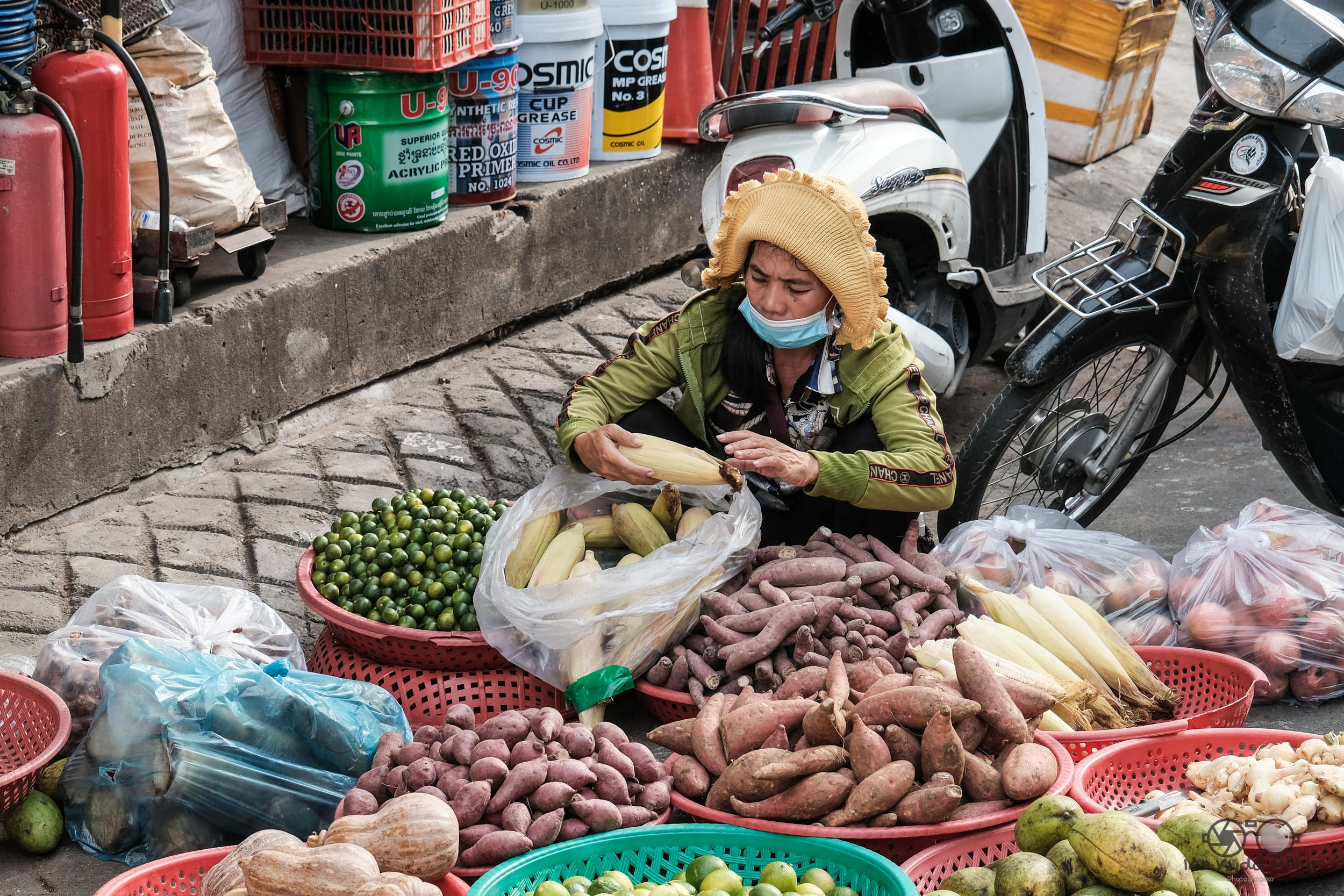
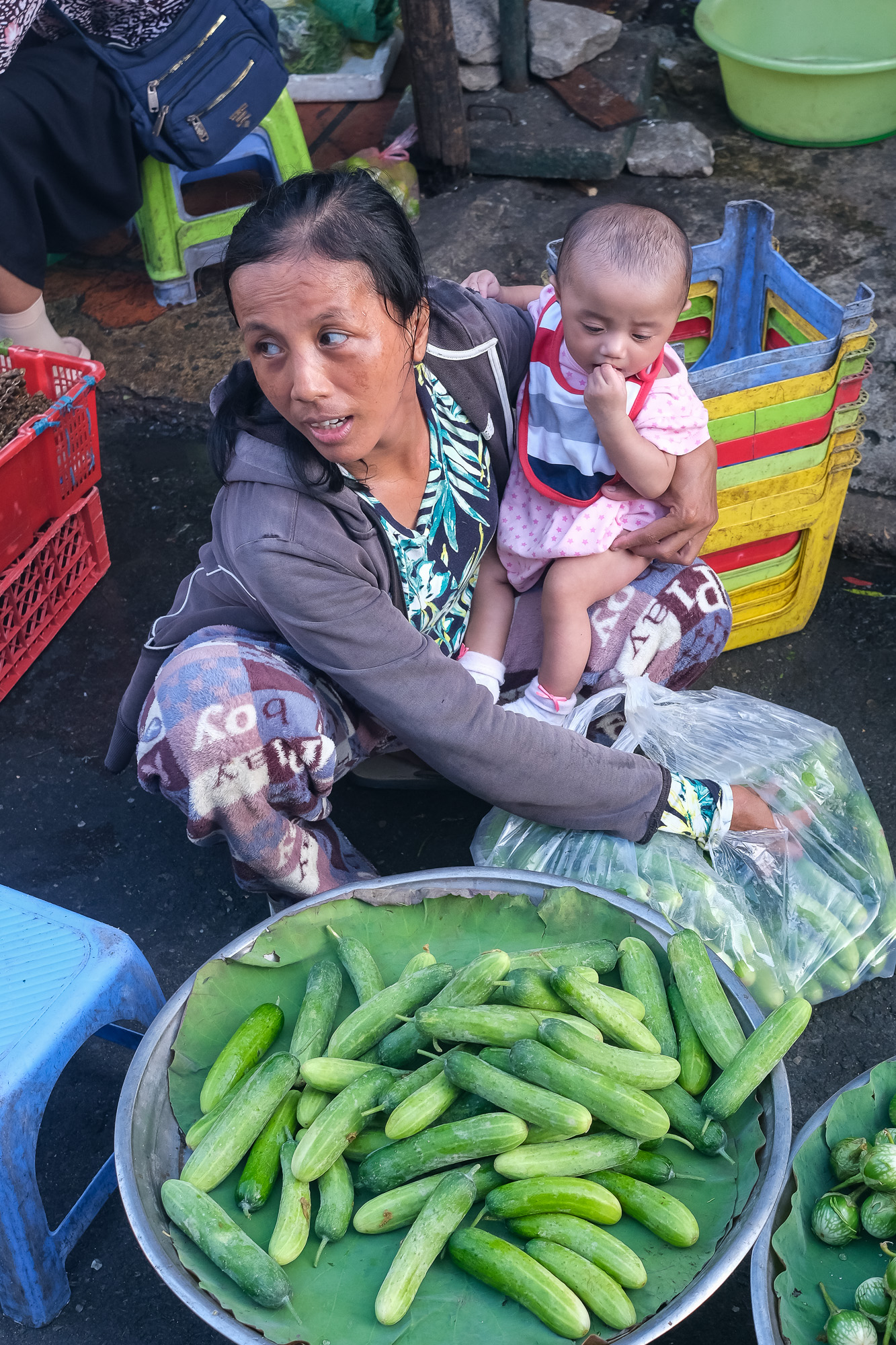
The markets of Asia are a treasure trove of vibrant scenes, bustling life, and cultural richness, making them an irresistible subject for photographers around the world. From the floating markets of Thailand to the spice-laden bazaars of India, each market is a microcosm of the country’s soul, offering a glimpse into the daily lives of its people.
The colours are perhaps the most striking aspect. The vivid hues of fresh produce, the rich tones of traditional fabrics, and the kaleidoscope of lanterns and decorations create a visual feast that begs to be captured through the lens. The play of light and shadow, especially in the early morning or late afternoon, adds depth and drama to the already compelling tableau.
Then there’s the ceaseless motion—a dynamic dance of commerce and survival. Vendors hawking their wares, buyers haggling for the best price, and the rhythmic movements of everyday life create a sense of energy that is almost palpable. Capturing these moments requires patience and a keen eye for the decisive moment when an expression, gesture, or interaction encapsulates the essence of the market.
The markets also tell stories of tradition and change. Ancient practices coexist with modern innovations, and each stall, vendor, and customer has a unique narrative. Photographers find themselves not just as observers but as storytellers, using their cameras to preserve fleeting moments that speak to the broader human experience.
Moreover, the markets of Asia offer a sensory overload that challenges photographers to go beyond the visual. The cacophony of sounds, the aroma of exotic spices, and the tactile experience of navigating through crowded alleys demand a multi-sensory approach to photography, where the image conveys not just a scene but an atmosphere.
In essence, the markets of Asia captivate photographers because they encapsulate life itself—raw, unscripted, and authentically beautiful. They are places where the pulse of the continent beats strongest, and for those who seek to capture the world through their lens, there are few places more rewarding to photograph. Whether it’s the connection between people and their environment, the rich tapestry of culture, or the sheer beauty of the chaos, Asian markets are a wellspring of inspiration that keeps photographers coming back for more. So, grab your camera, and let the markets of Asia fuel your creative spirit!
In the fast-paced world of digital photography, where new models seem to emerge every other month, the Nikon D2Hs stands out as a testament to the enduring quality of great design and engineering. Despite being released over a decade ago, the D2Hs remains a beloved tool among photographers who value its images’ speed, reliability, and unmistakable character.
The D2Hs, a camera that debuted to the world as a professional-grade DSLR, was designed with the action photographer in mind. Its robust build and weather-sealed body made it an instant hit for sports, wildlife, and on-the-go photojournalism. The camera’s 4.1-megapixel sensor, while modest by today’s standards, is more than capable of delivering stunning results, especially when the images are destined for web display or print in smaller formats.
One of the most lauded features of the D2Hs is its ability to shoot at a blistering 8 frames per second, a spec that even today remains competitive. This makes the D2Hs an excellent choice for capturing the peak of action in sports or any fast-moving subject. The camera’s autofocus system is responsive and accurate, ensuring that even the most fleeting moments are captured with precision.
The D2Hs also shines in terms of battery life. Photographers can shoot thousands of images on a single charge, a feature that’s particularly beneficial for those long days on the field or when traveling to remote locations where power sources are scarce.
Despite its age, the D2Hs’s image quality still impresses. It produces colors that are vibrant yet true to life, and its images have a certain depth that is sometimes lacking in newer models. The camera performs admirably at lower ISO settings, and while noise becomes more apparent at higher sensitivities, it retains a film-like grain that many photographers find appealing.
For those looking to delve into the world of professional DSLRs without breaking the bank, the Nikon D2Hs is a compelling option. It’s a camera that proves that newer isn’t always better and that some tools, regardless of their age, continue to inspire and enable photographers to create their best work.
The Nikon D2Hs may be a relic of the past, but it’s a relic that still has much to offer. It’s a reminder that in photography, as in life, some things just get better with time. Whether you’re a seasoned professional or an enthusiast looking to step up your game, the D2Hs is a camera that deserves consideration and respect.
So, if you’re on the hunt for a camera that combines professional features with a budget-friendly price tag, the Nikon D2Hs might just be the perfect fit for your photographic journey. It’s a classic that continues to capture the hearts of photographers around the world, proving that good things truly do come in timeless packages.
In the world of photography, where the latest technology often overshadows older models, the Fujifilm X100 Original stands as a testament to timeless design and enduring quality. It’s been over a decade since the X100 series first captivated the hearts of photographers around the globe, and yet, the original X100 remains a beloved piece of equipment that continues to inspire creativity.
The Fujifilm X100 Original was a game-changer when it was released. It offered a unique combination of a retro aesthetic, a fixed 23mm lens with an f/2 aperture, and a hybrid viewfinder that allowed photographers to switch between optical and electronic modes. Its APS-C sensor delivered exceptional image quality that rivalled that of larger DSLRs, all packed into a compact body that felt just right in the hands.
What truly sets the X100 apart is its ability to connect with the photographer. It’s not just a camera; it’s a companion on the journey of capturing moments. The tactile controls, the satisfying click of the shutter, the intuitive layout – every aspect of the X100 was designed with the user experience in mind. It encourages you to slow down, to consider your composition, and be more deliberate with each shot.
For many, the X100 is not about having the latest specs or the most megapixels; it’s about the experience of photography. It’s about how the camera feels in your hands, how it renders light and shadow, and how it captures the world as you see it. The X100 excels in street photography, portraits, and everyday snapshots, proving that the photographer’s vision is far more important than chasing after the newest gear.
The X100’s impact on photography is undeniable. It paved the way for a series of successors, each building upon the foundation of the original while staying true to the essence of what made the X100 so special. Photographers who have used the X100 often speak of it with a sense of nostalgia and affection, a clear indication of its significance in their creative lives.
As we look to the future of photography, the Fujifilm X100 Original remains a shining example of what it means to create a camera with soul. It’s a reminder that in a fast-paced world, there are still things worth holding onto, worth returning to, and worth celebrating. So here’s to the Fujifilm X100 Original – a camera that never fails to bring out the best in us, a true classic that continues to stand the test of time. 📷✨
The Fujifilm X100, released in September 2010, marked the inception of the renowned X100 series. It was a trailblazer, combining a retro aesthetic with advanced technology, featuring a 23mm f/2 fixed lens and a 12-megapixel APS-C sensor. Its hybrid viewfinder was a standout, offering both optical and electronic views, a feature that endeared it to photography enthusiasts. Despite its initial firmware issues and autofocus performance, the X100’s design and image quality set a high standard for its successors. Over the years, the series has evolved with significant upgrades in sensor resolution, autofocus points, and video capabilities, culminating in the latest X100VI model. The original X100 remains a beloved classic, appreciated for its blend of old-school charm and modern functionality.