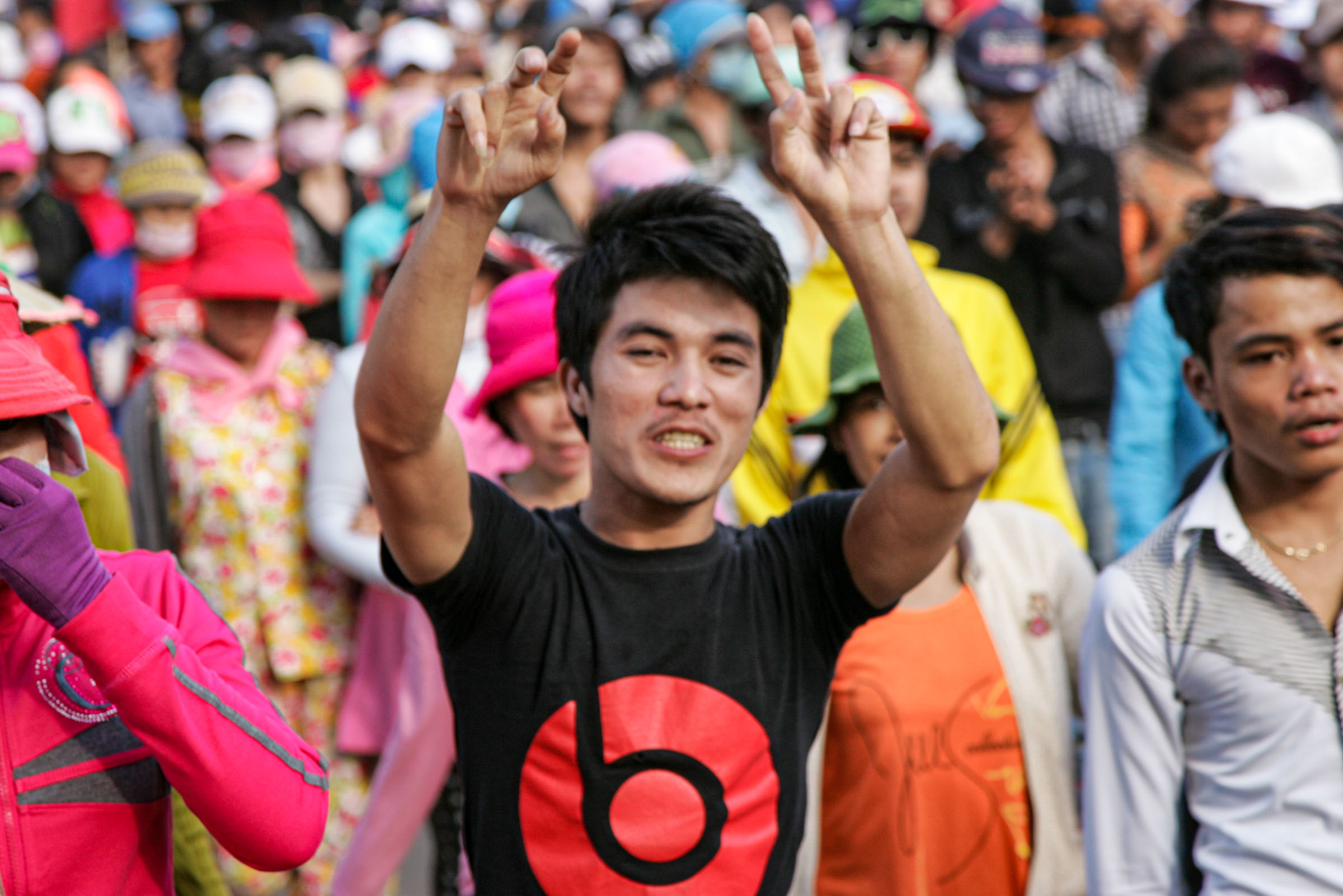
Khmer New Year: the annual moment Cambodia lets go

cambodia, cameras, nikon, opinons, thoughts, photography, pictures, street, Travel

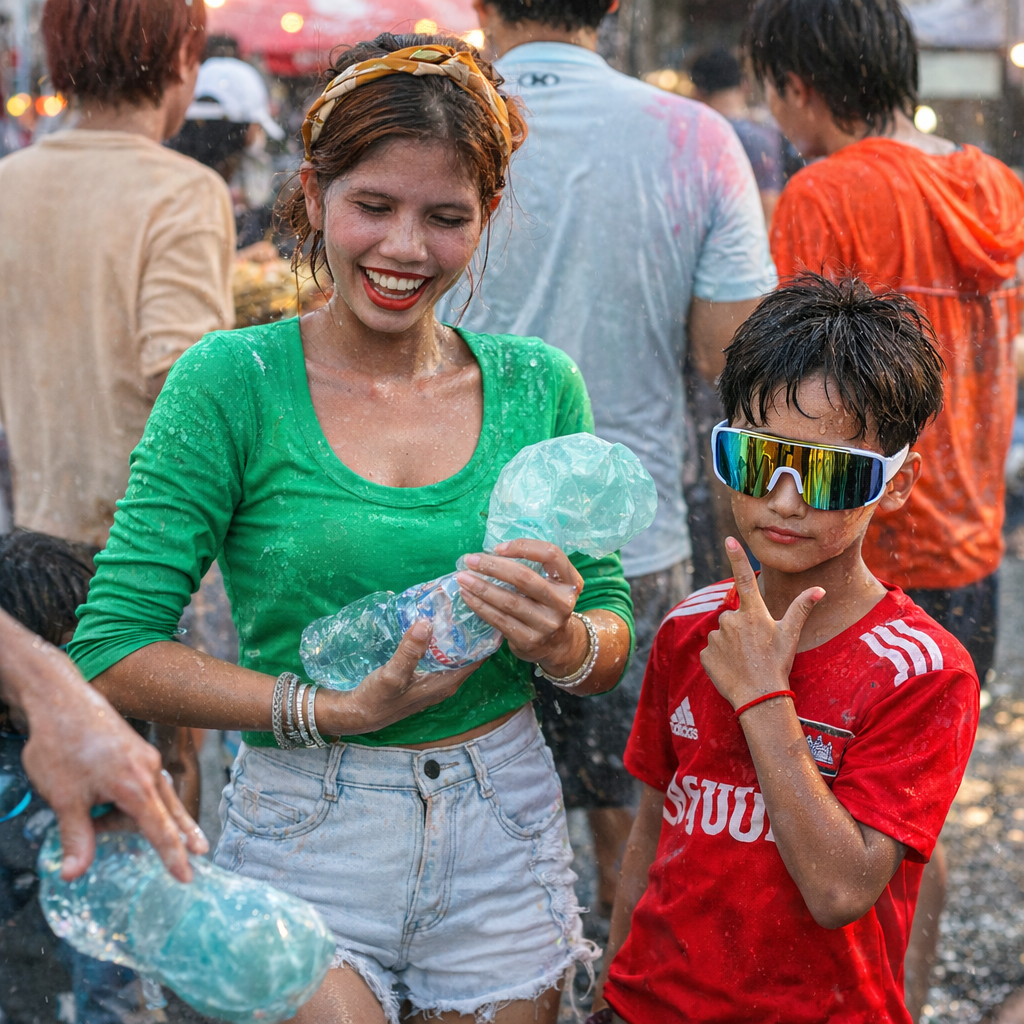
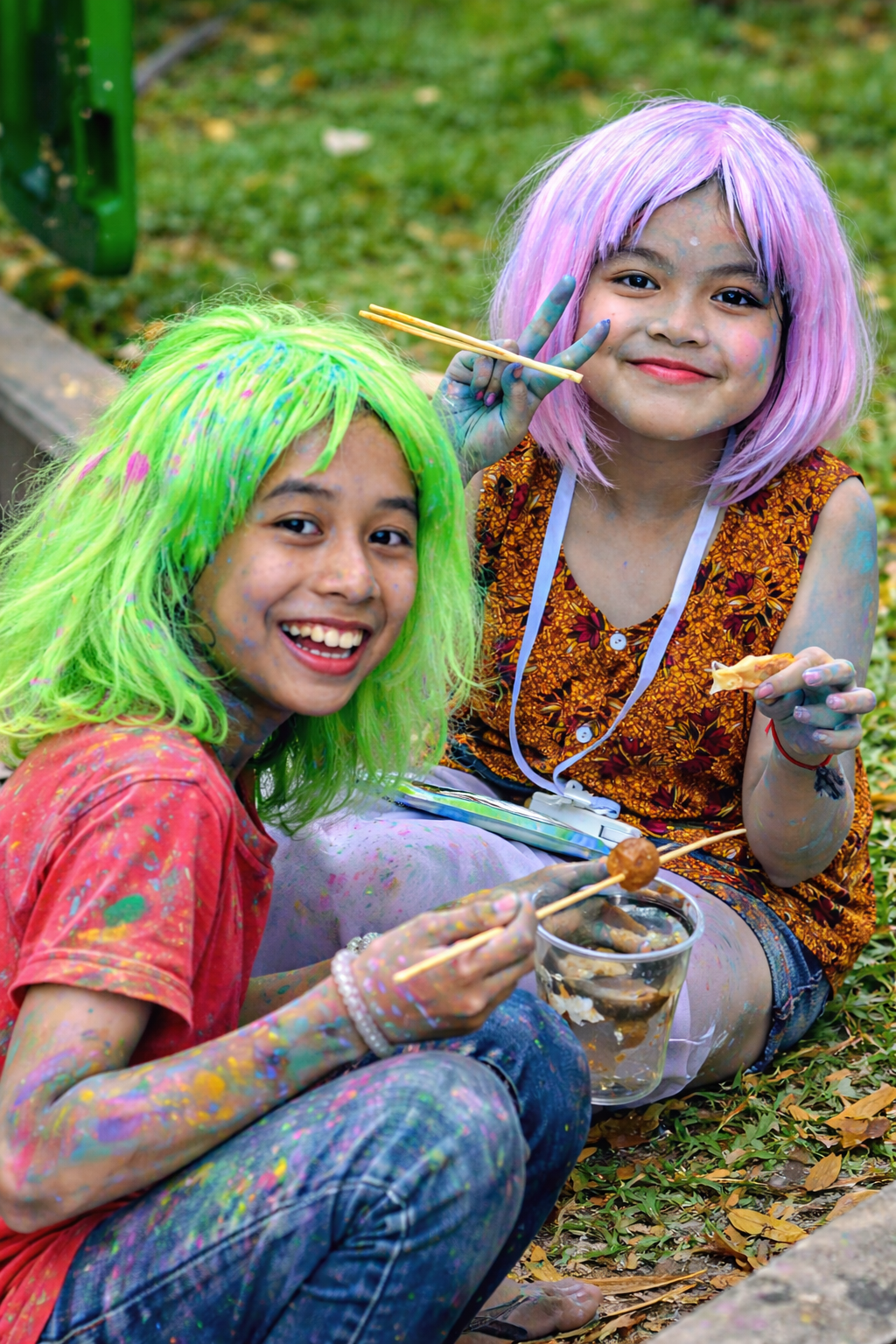
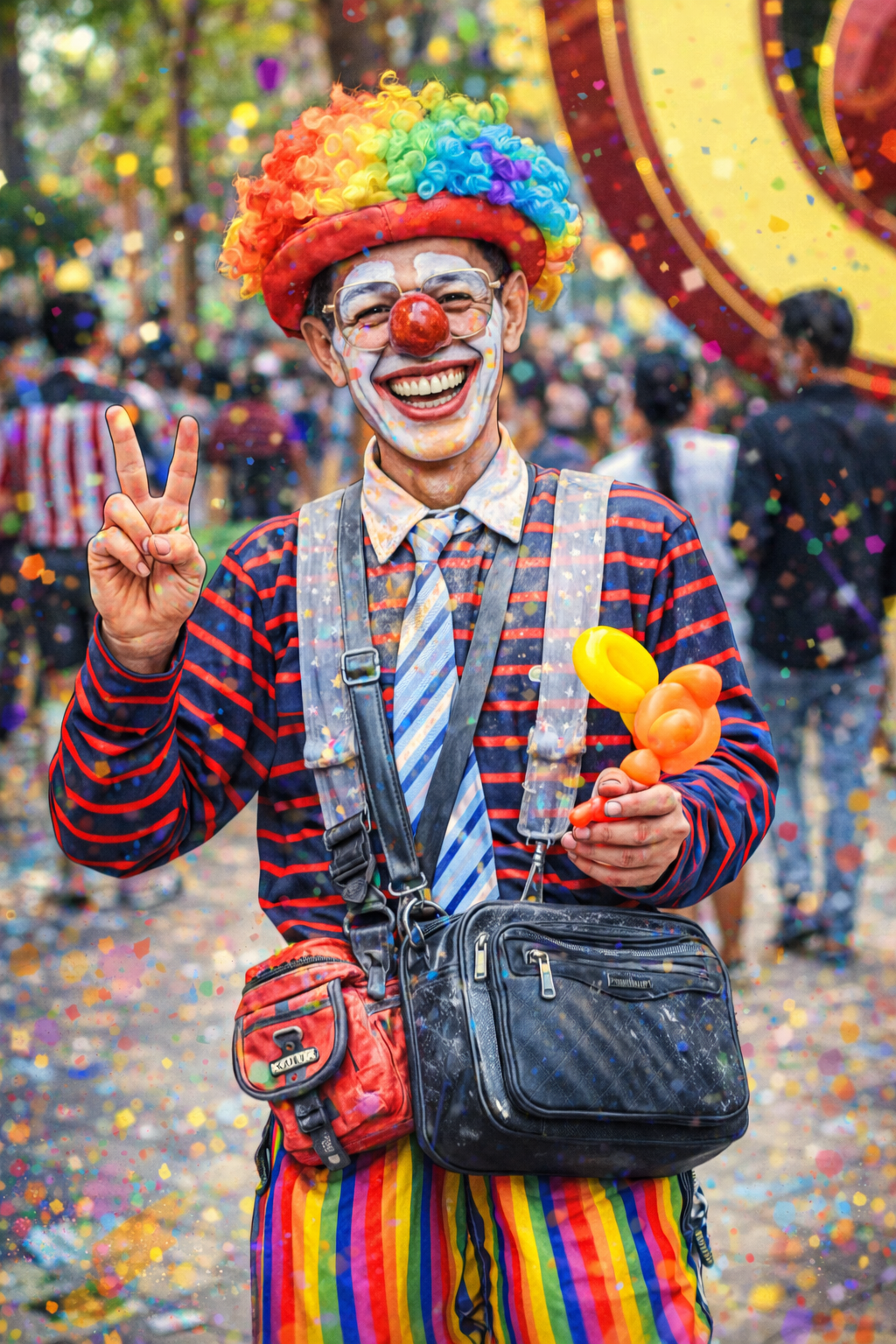
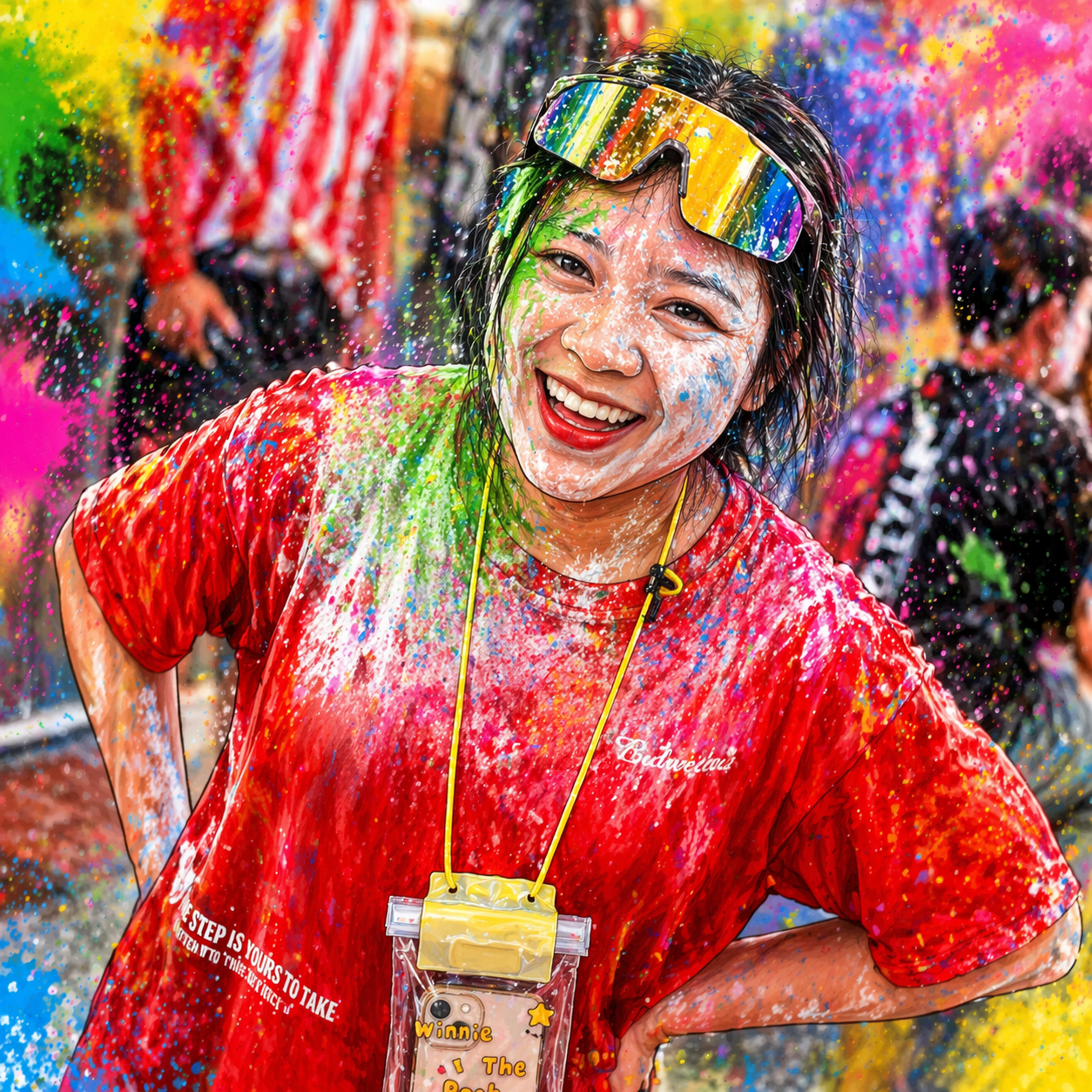
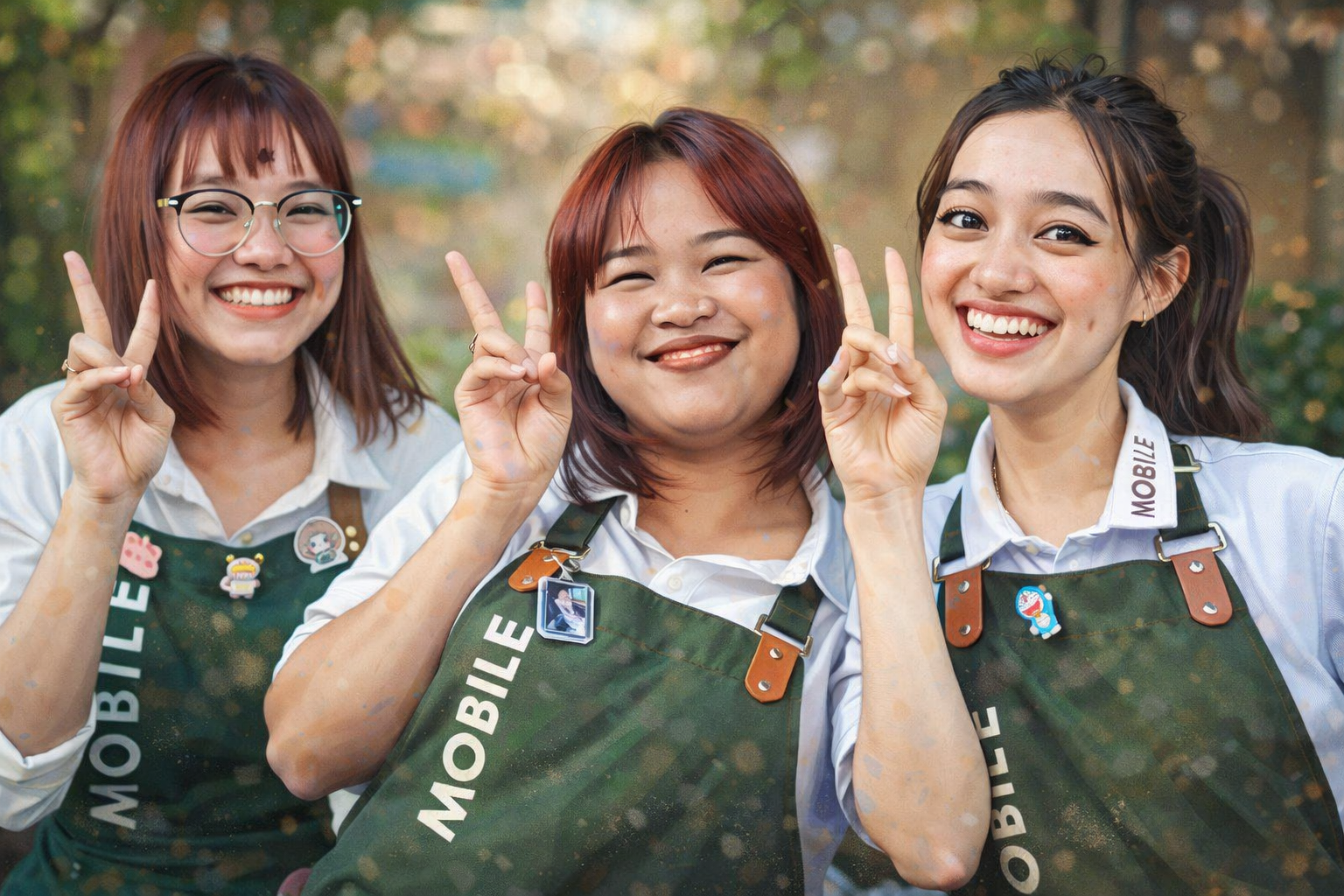
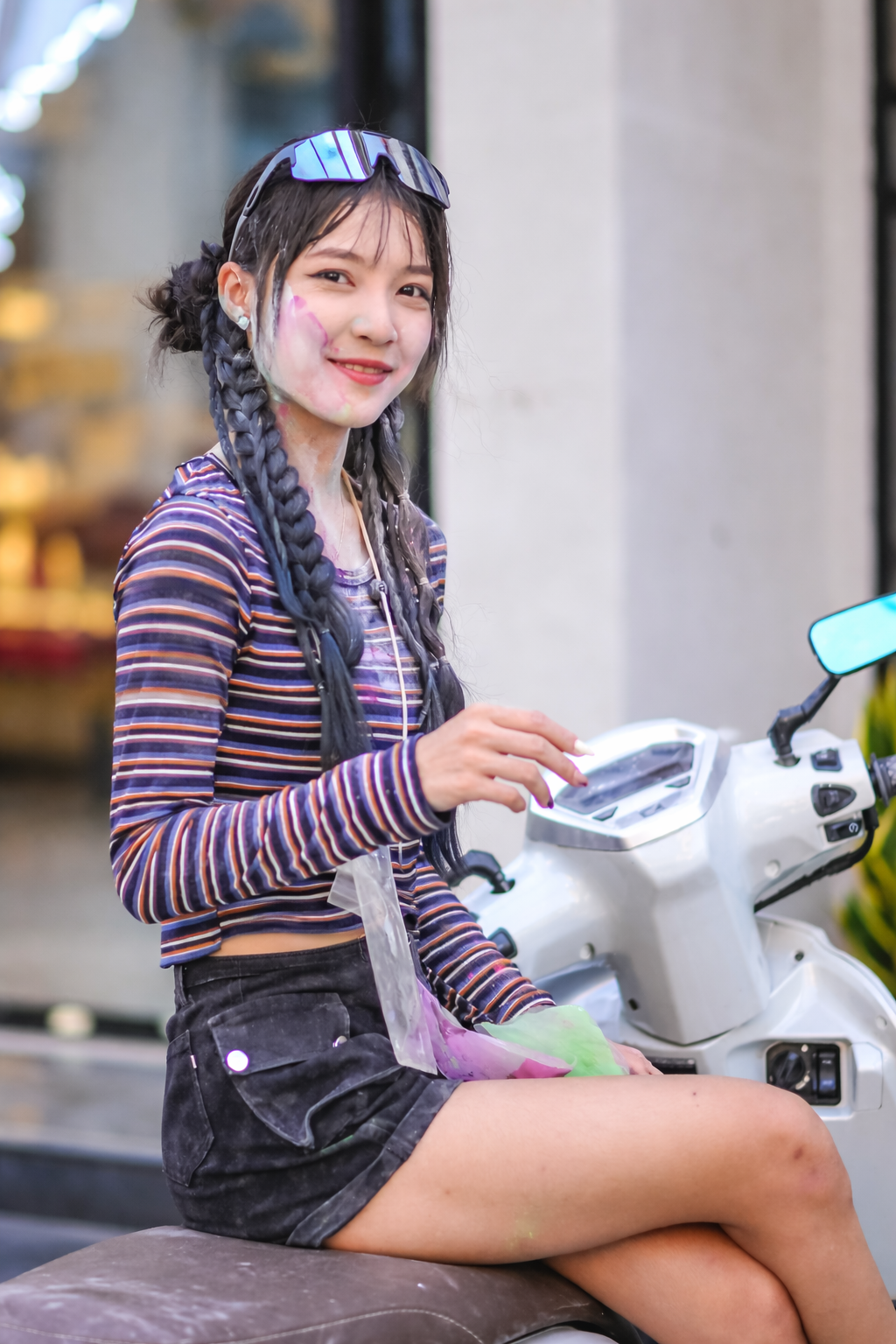
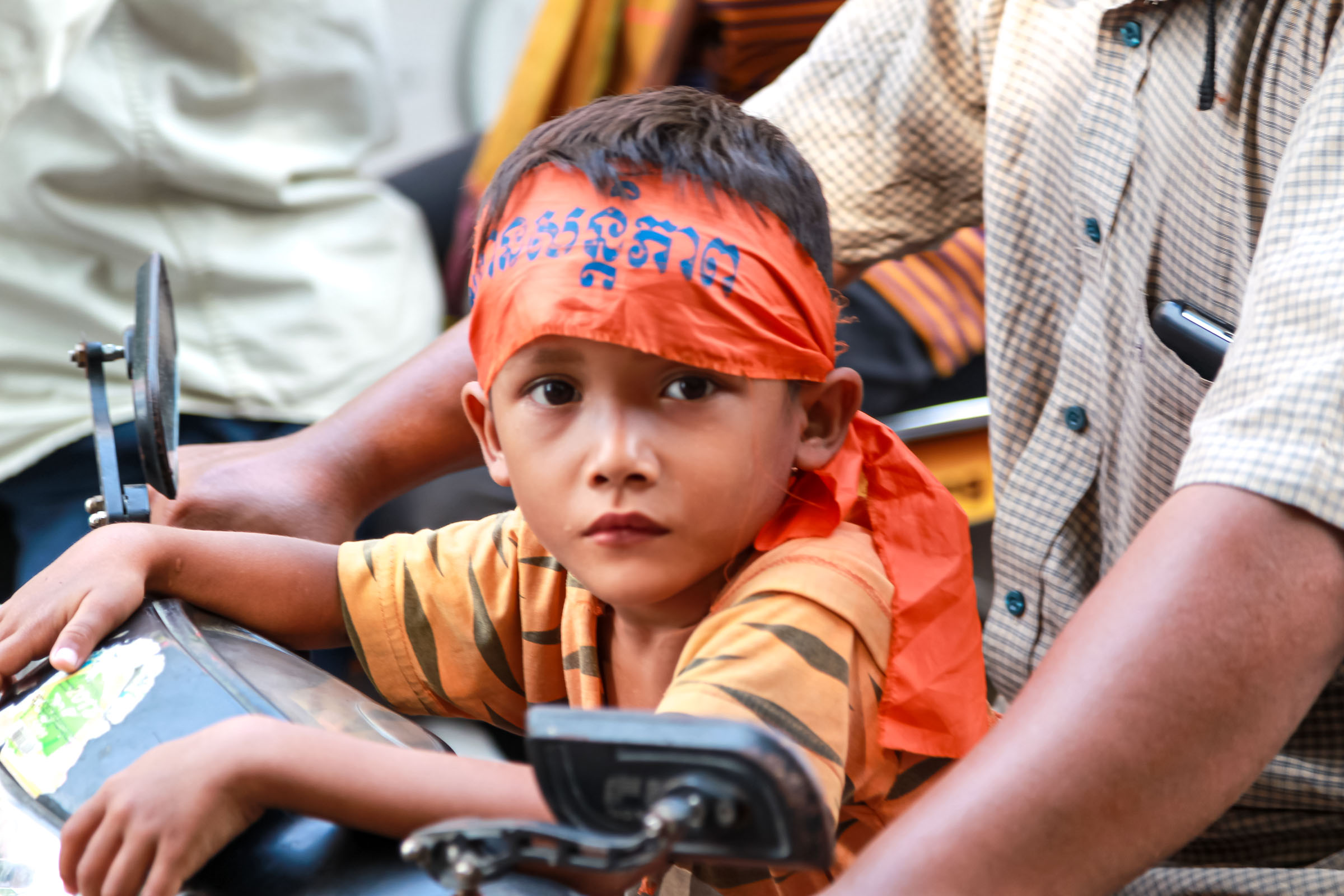
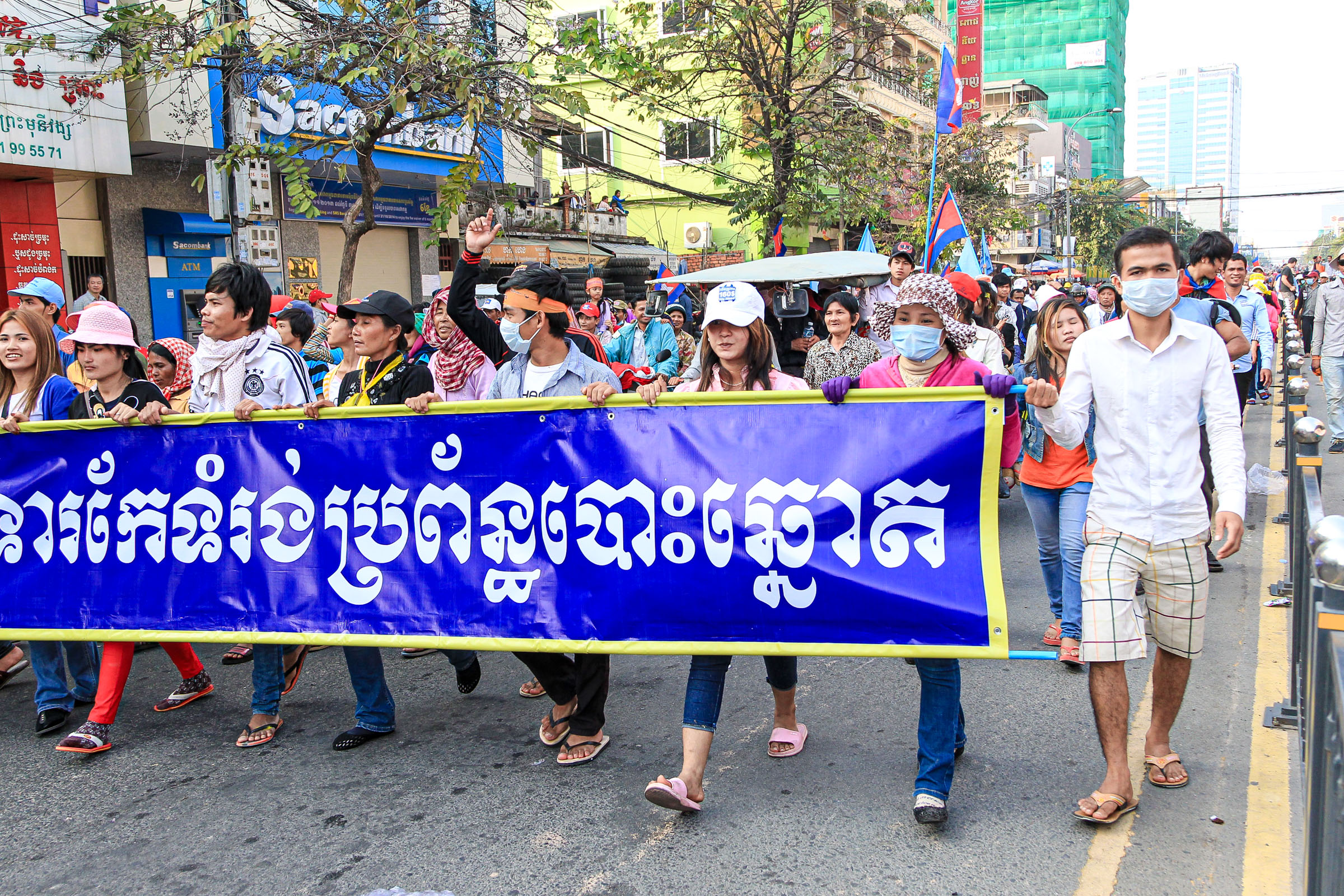
There is a point, sometime in mid-April, when the heat in Cambodia stops being something you endure and becomes something you surrender to. The air thickens, the roads empty, the city slowsβ€”then, quite suddenly, it erupts. Buckets appear. Water guns materialise. Talcum powder drifts like a soft, absurd fog. And for three days, sometimes four, the country gives itself permission to behave differently.
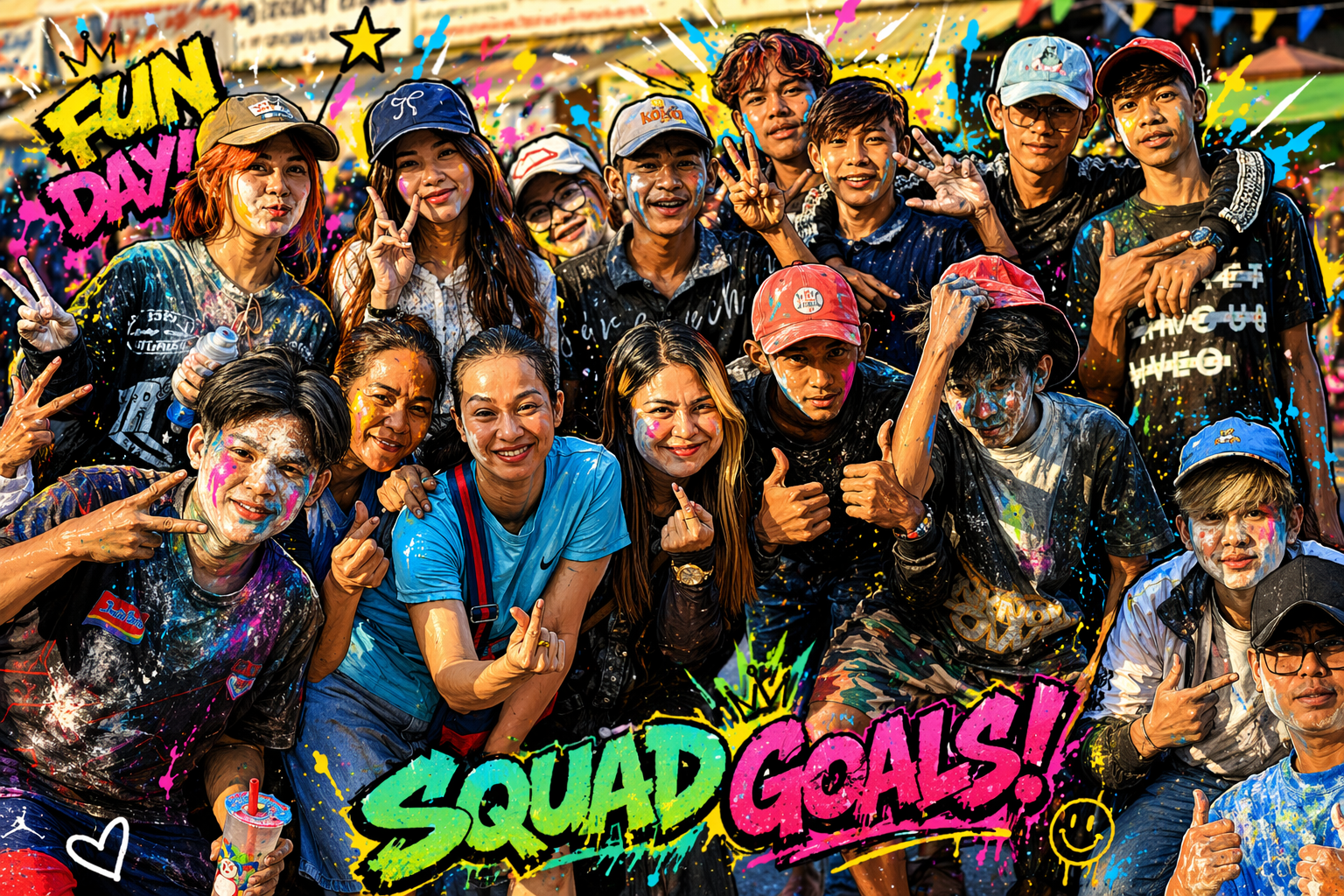


Khmer New Yearβ€”Chaul Chnam Thmeyβ€”is, on paper, a tidy cultural marker: the end of the harvest, the turning of the traditional solar calendar, a ritualised renewal. In practice, it is something messier, louder, and far more revealing. It is what happens when tradition and release collide in public.
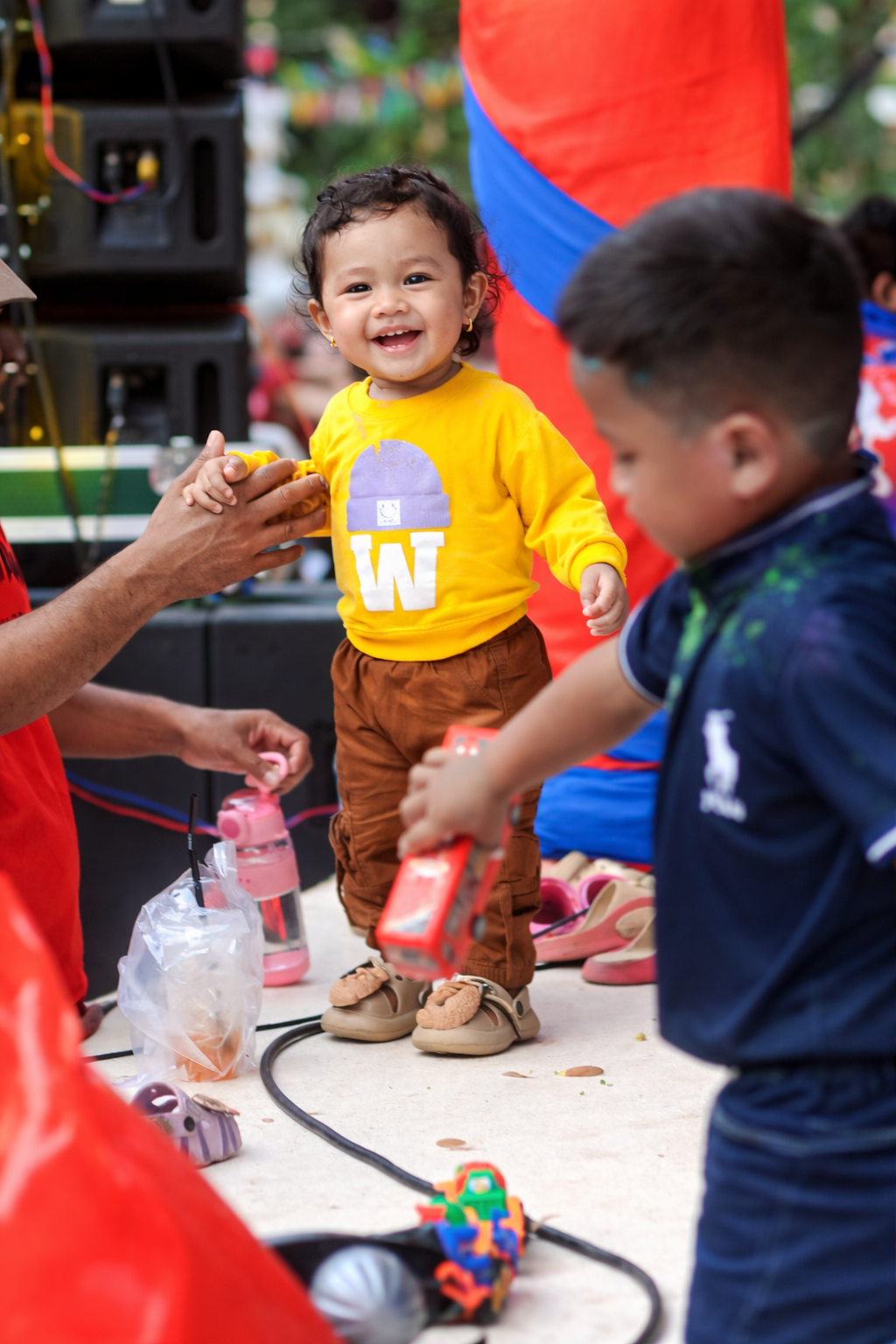
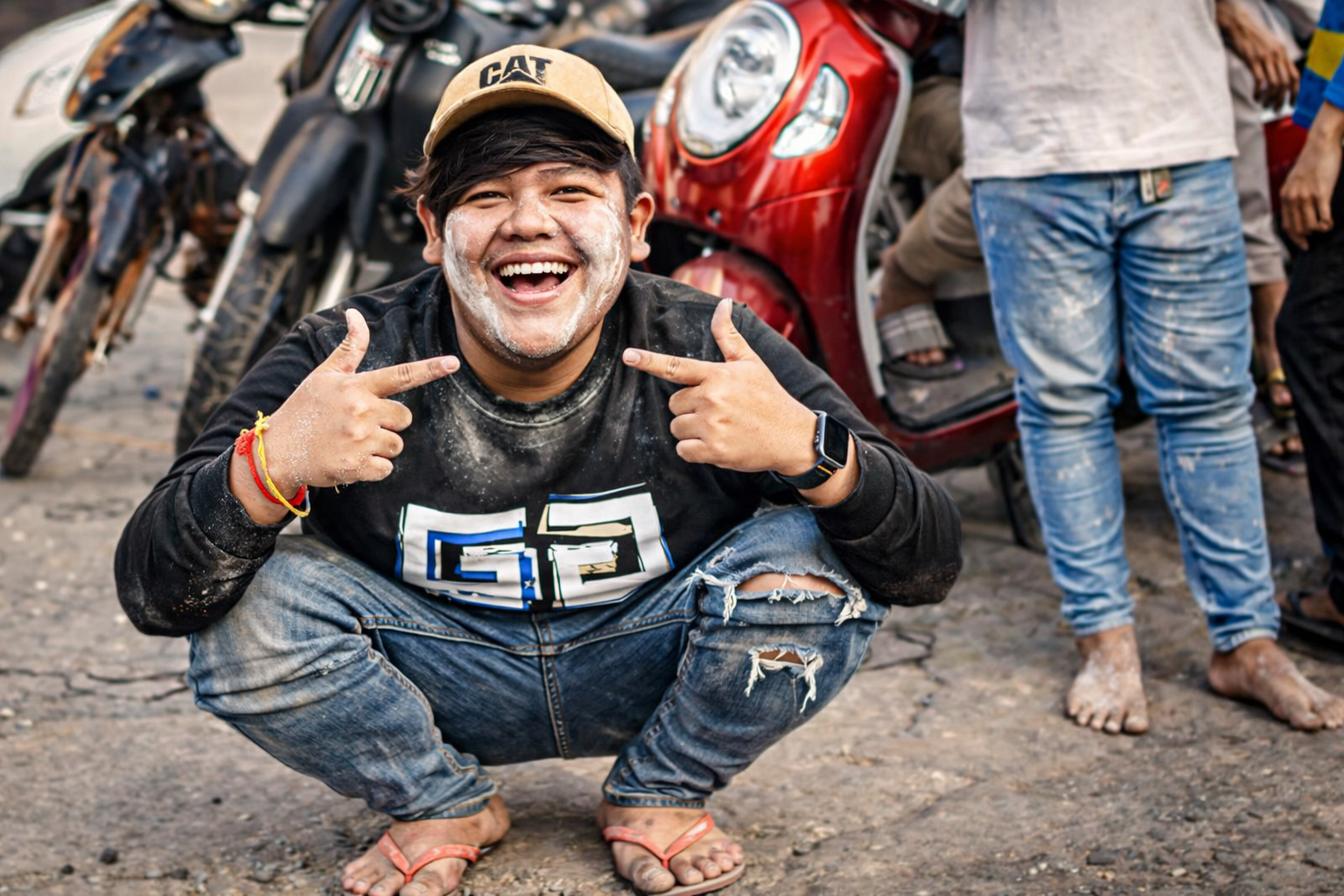
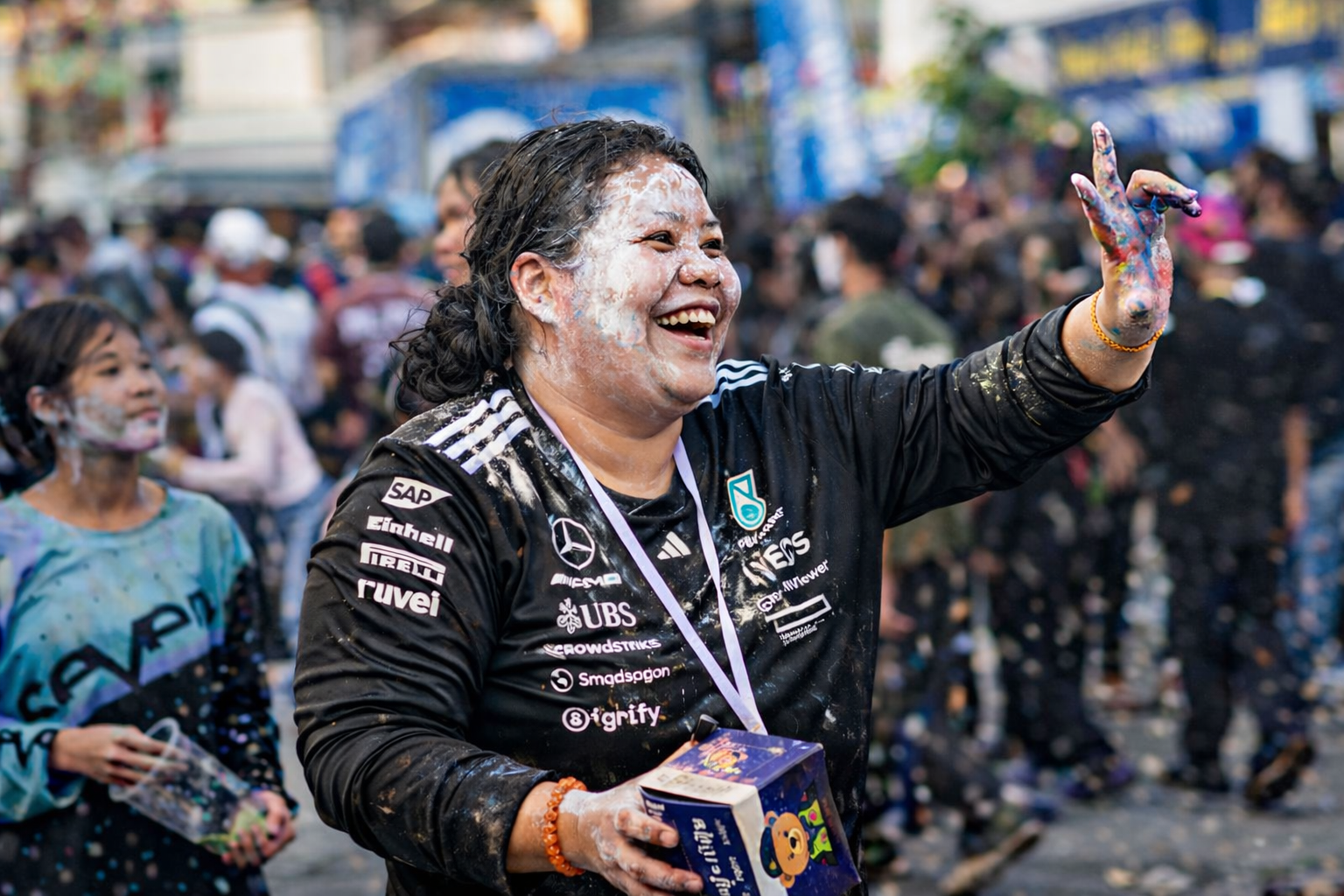
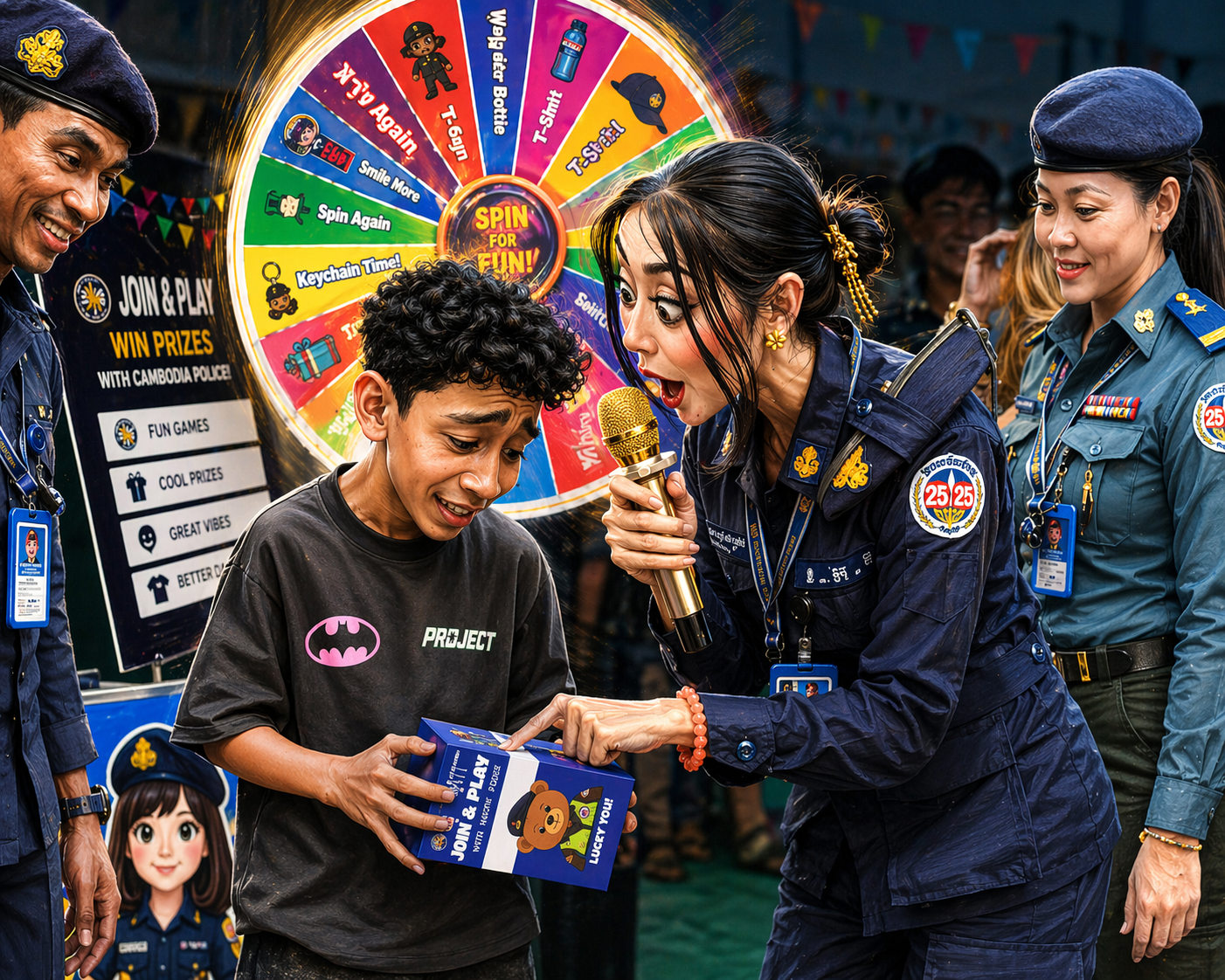
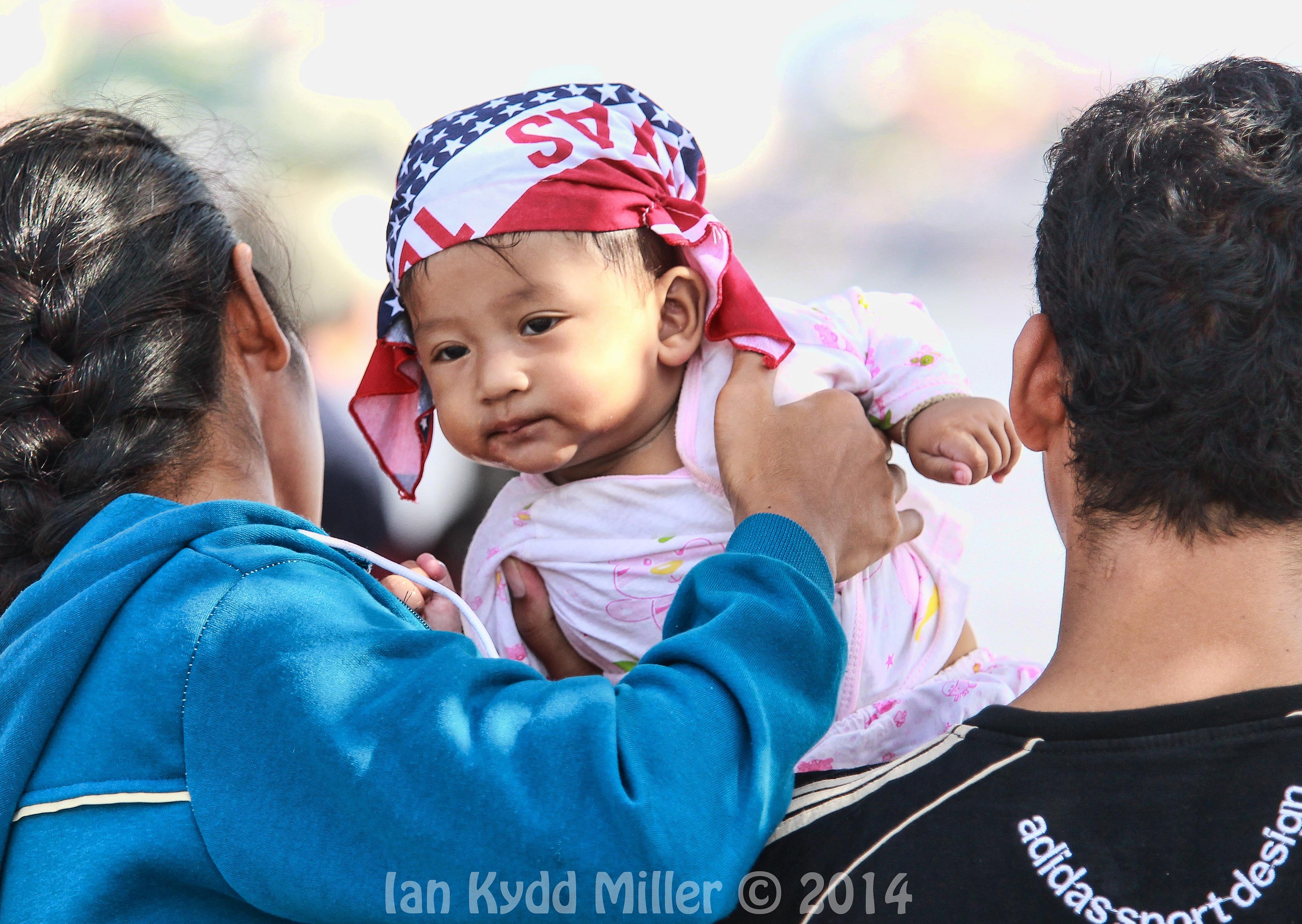
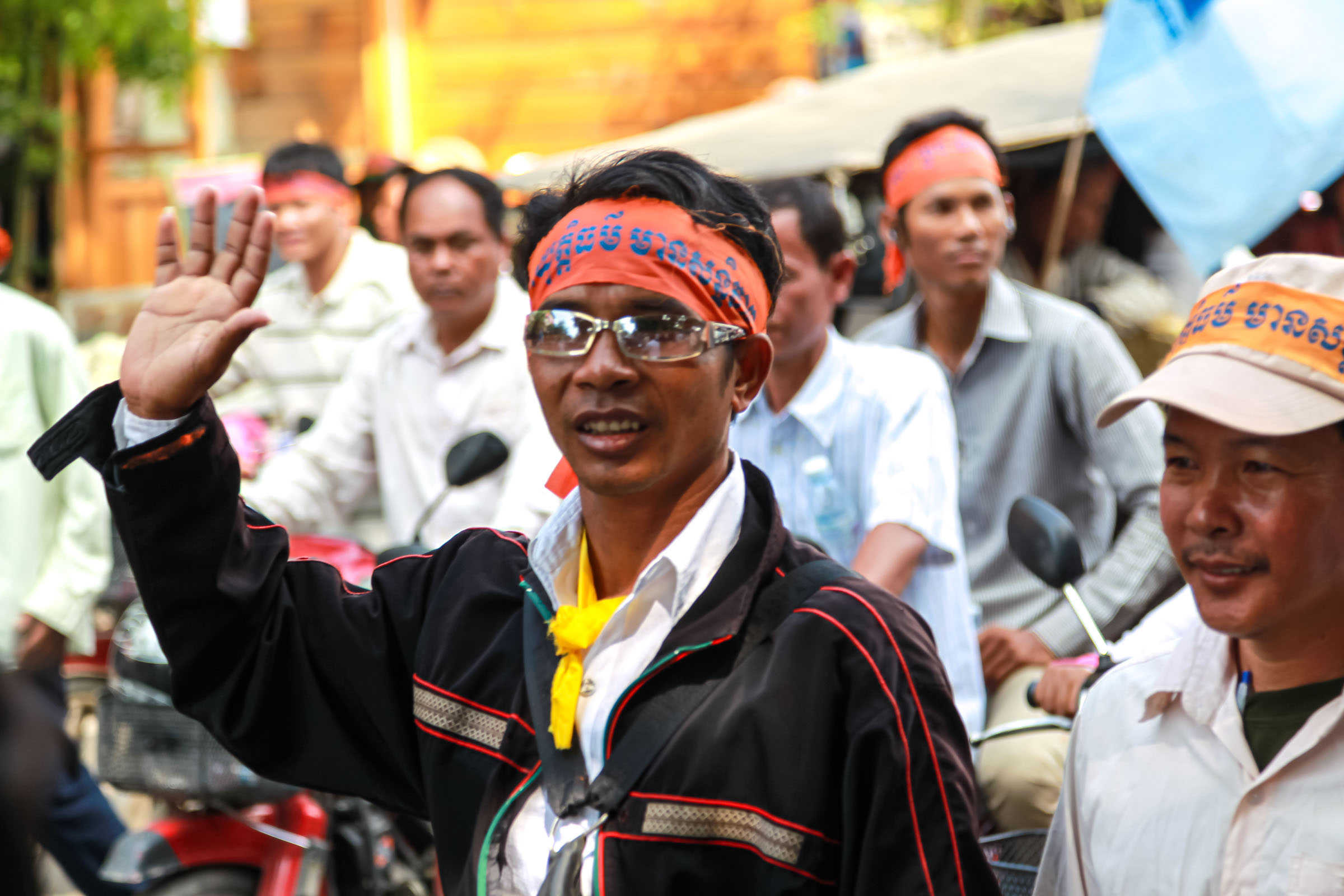
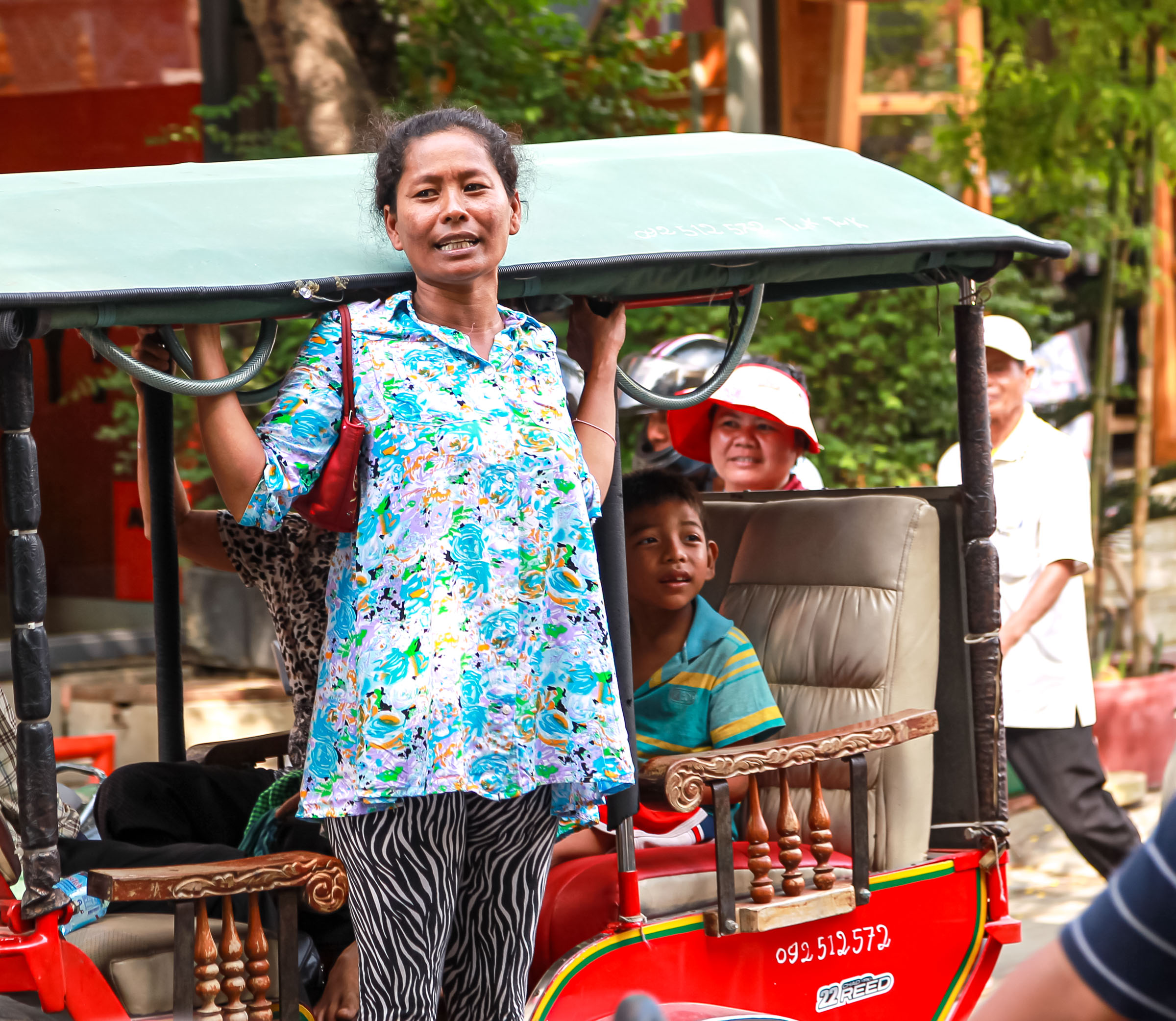
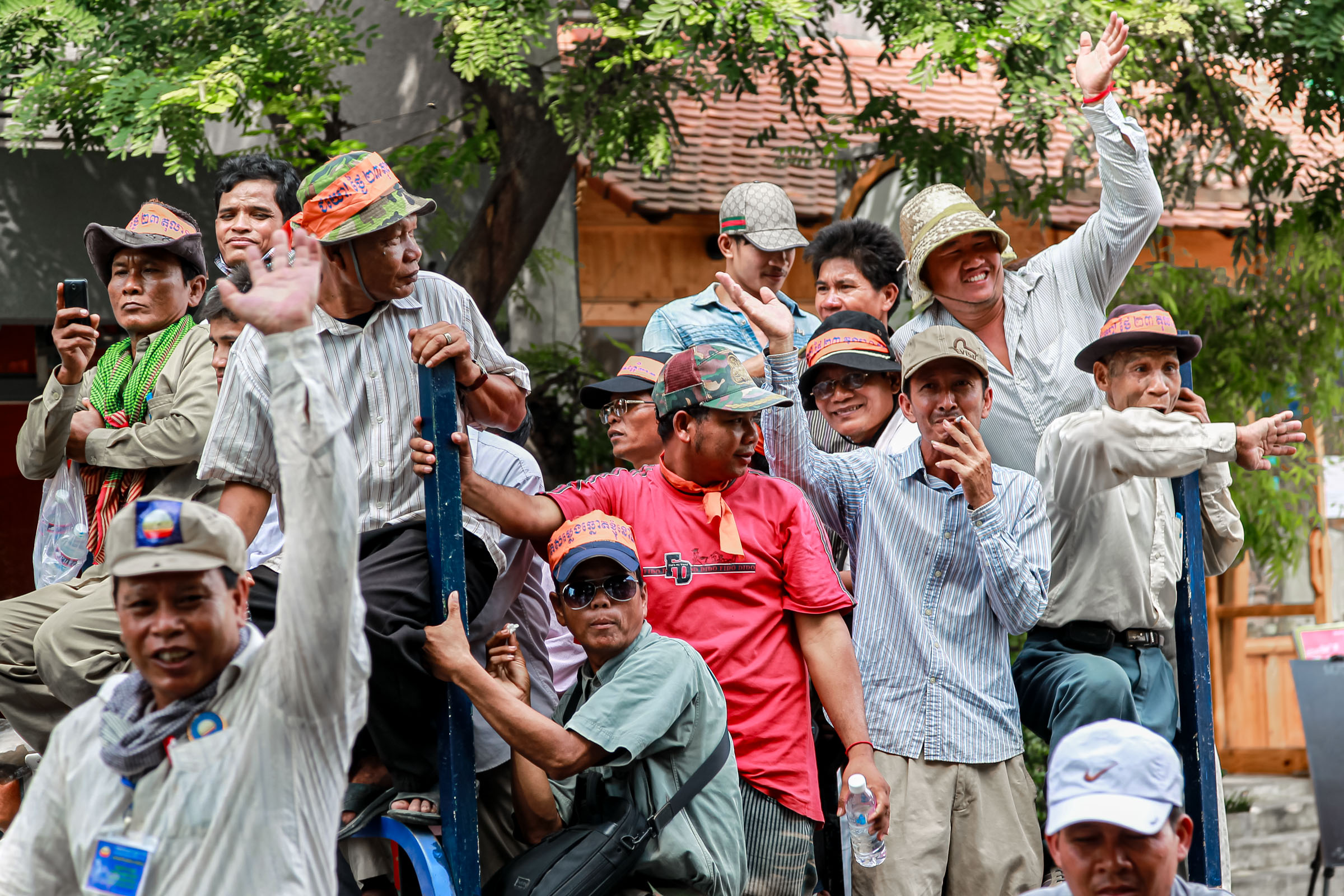
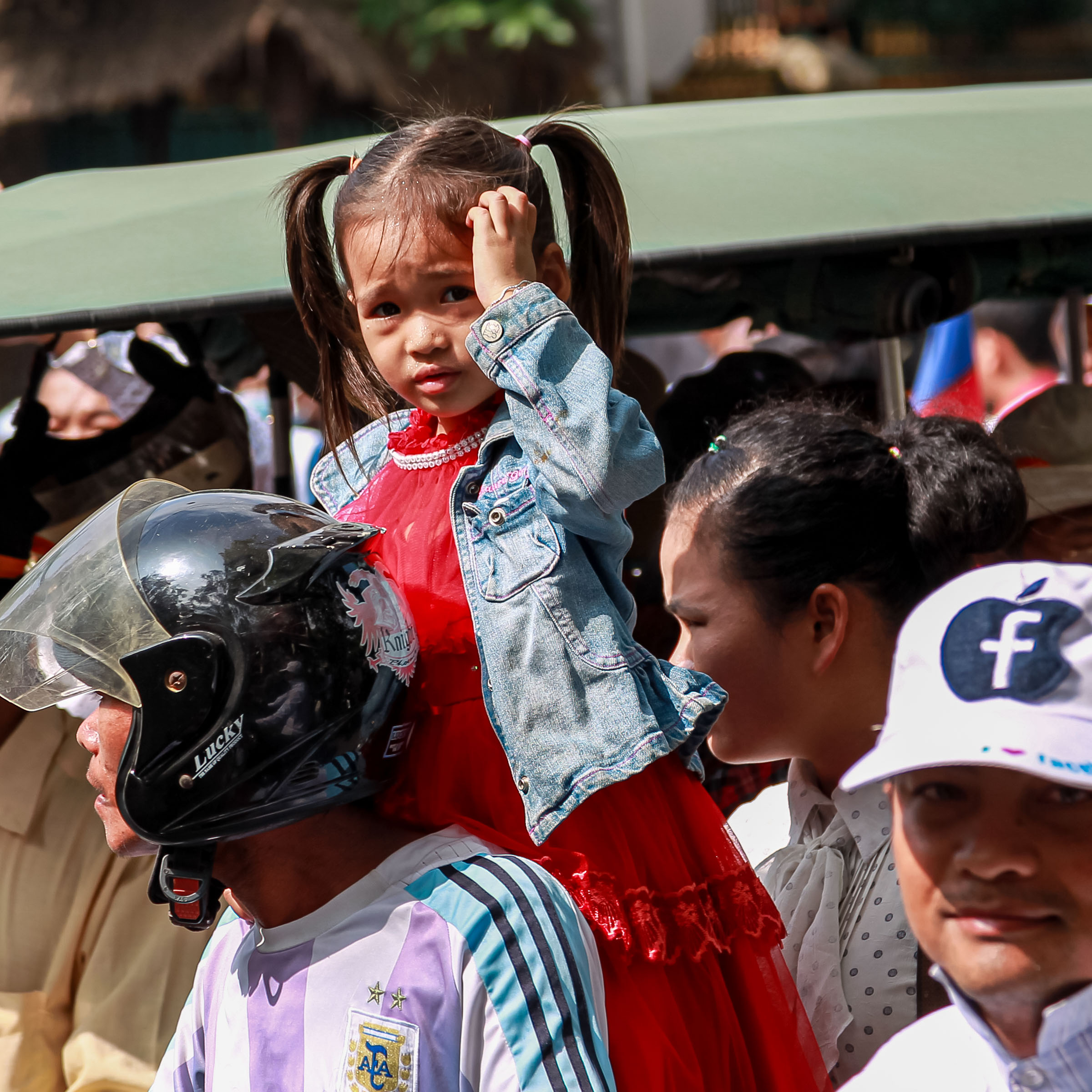
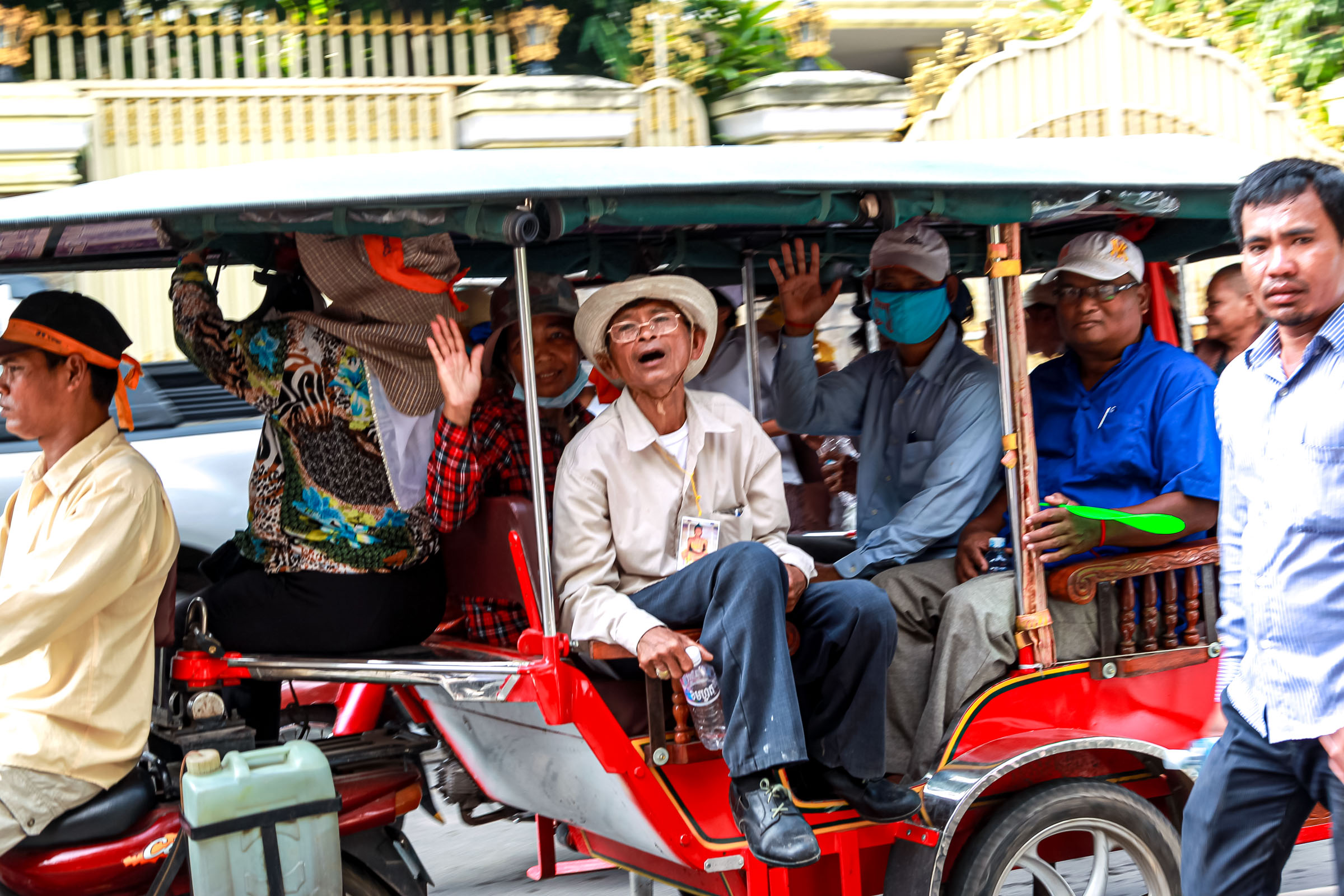
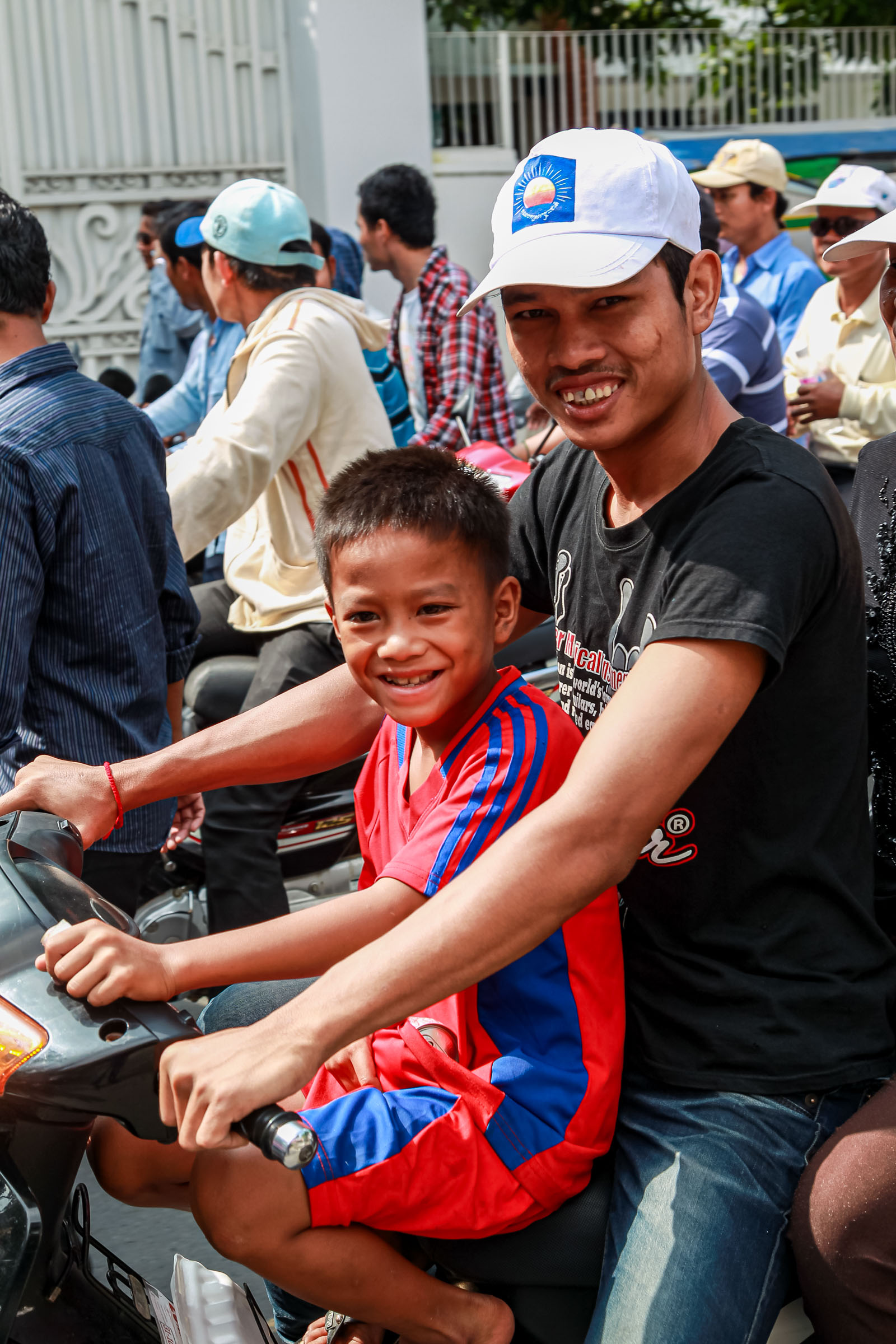
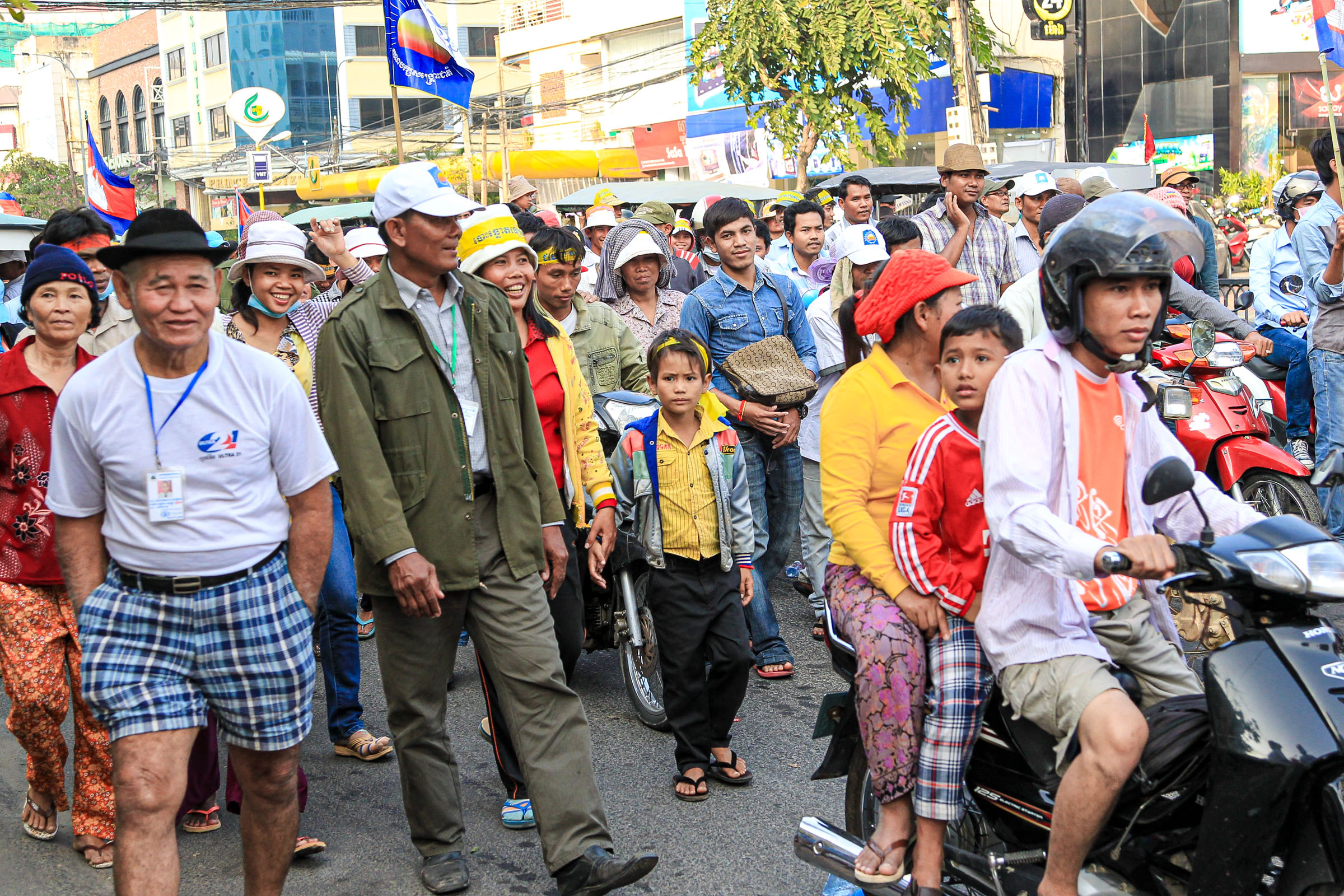
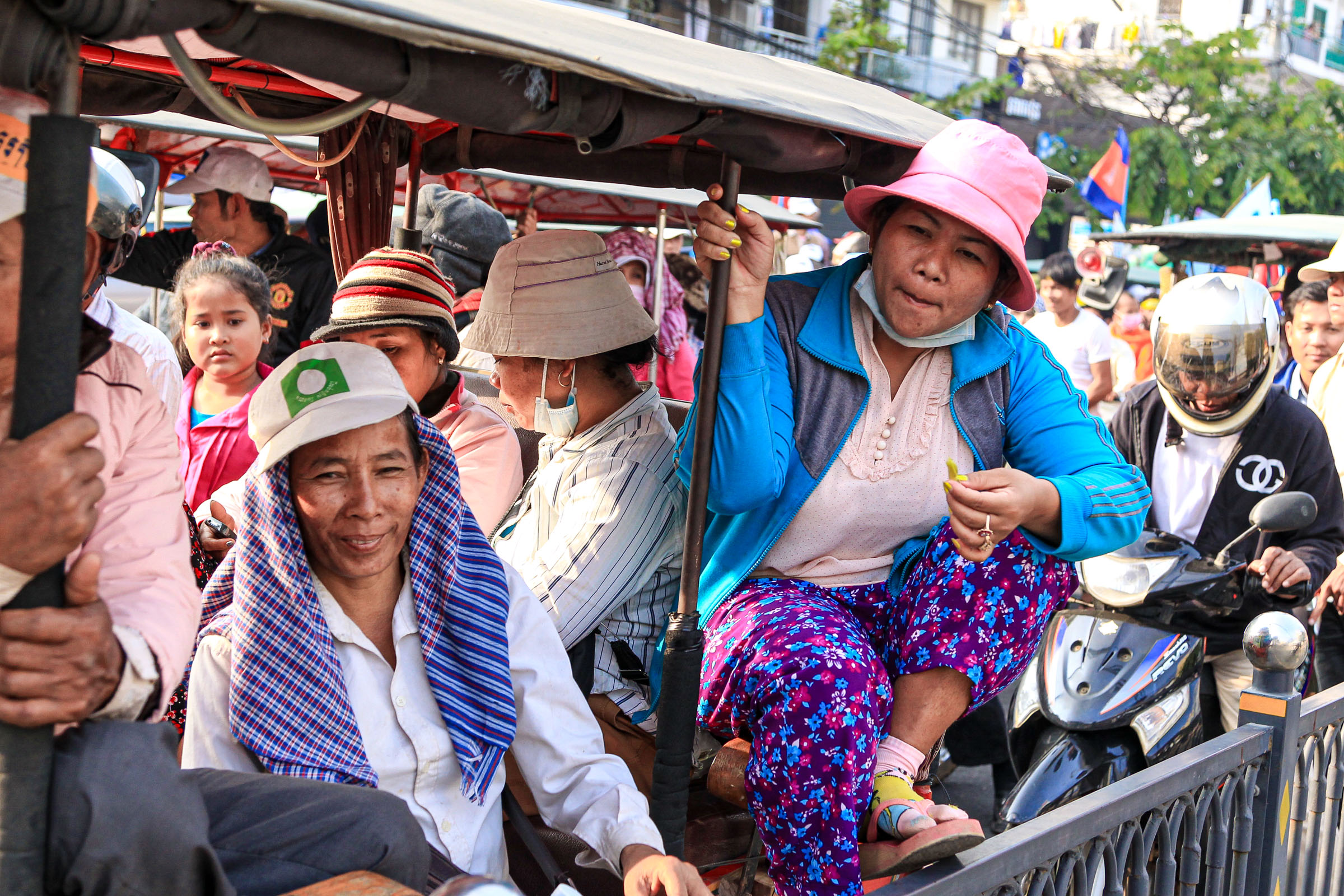
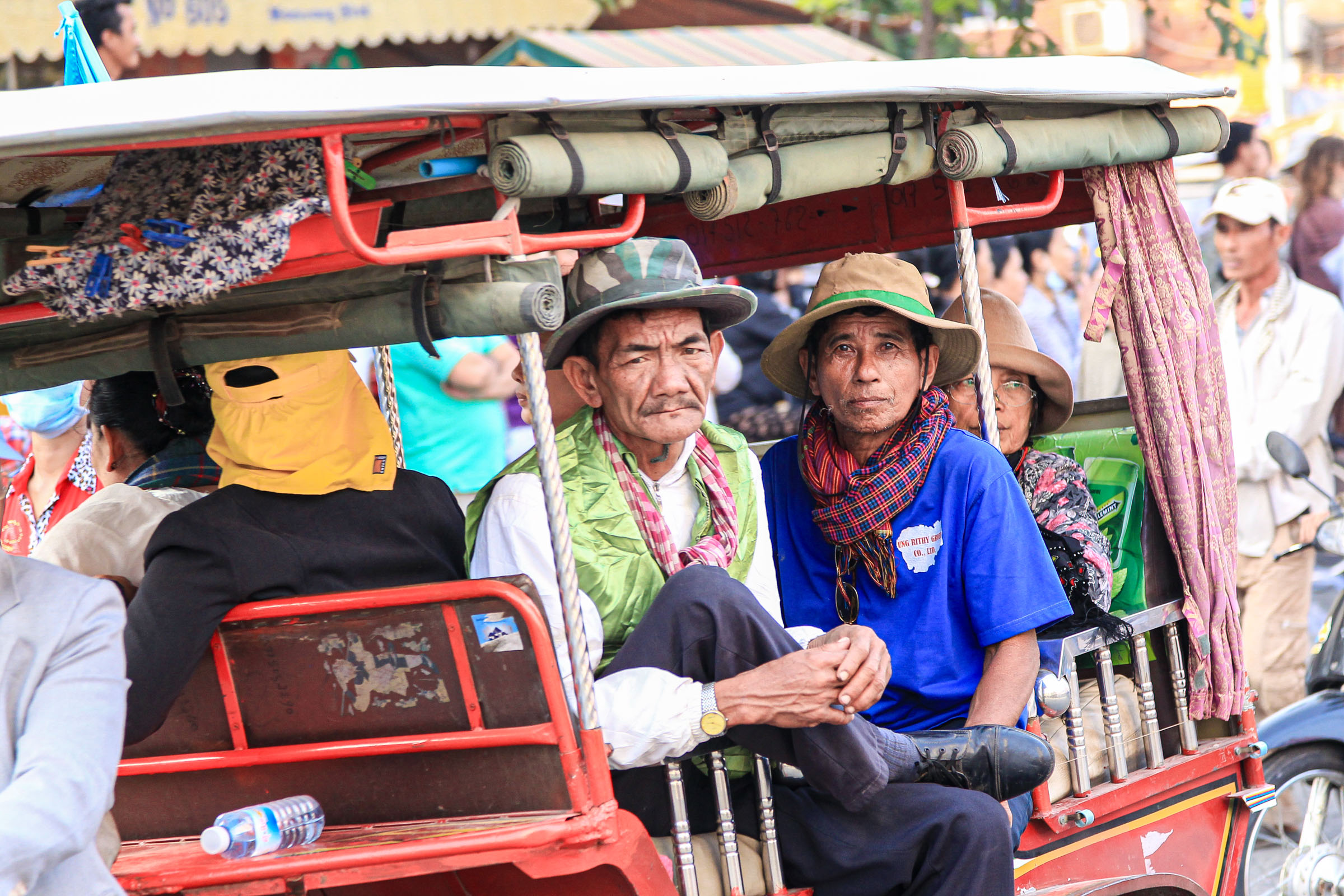
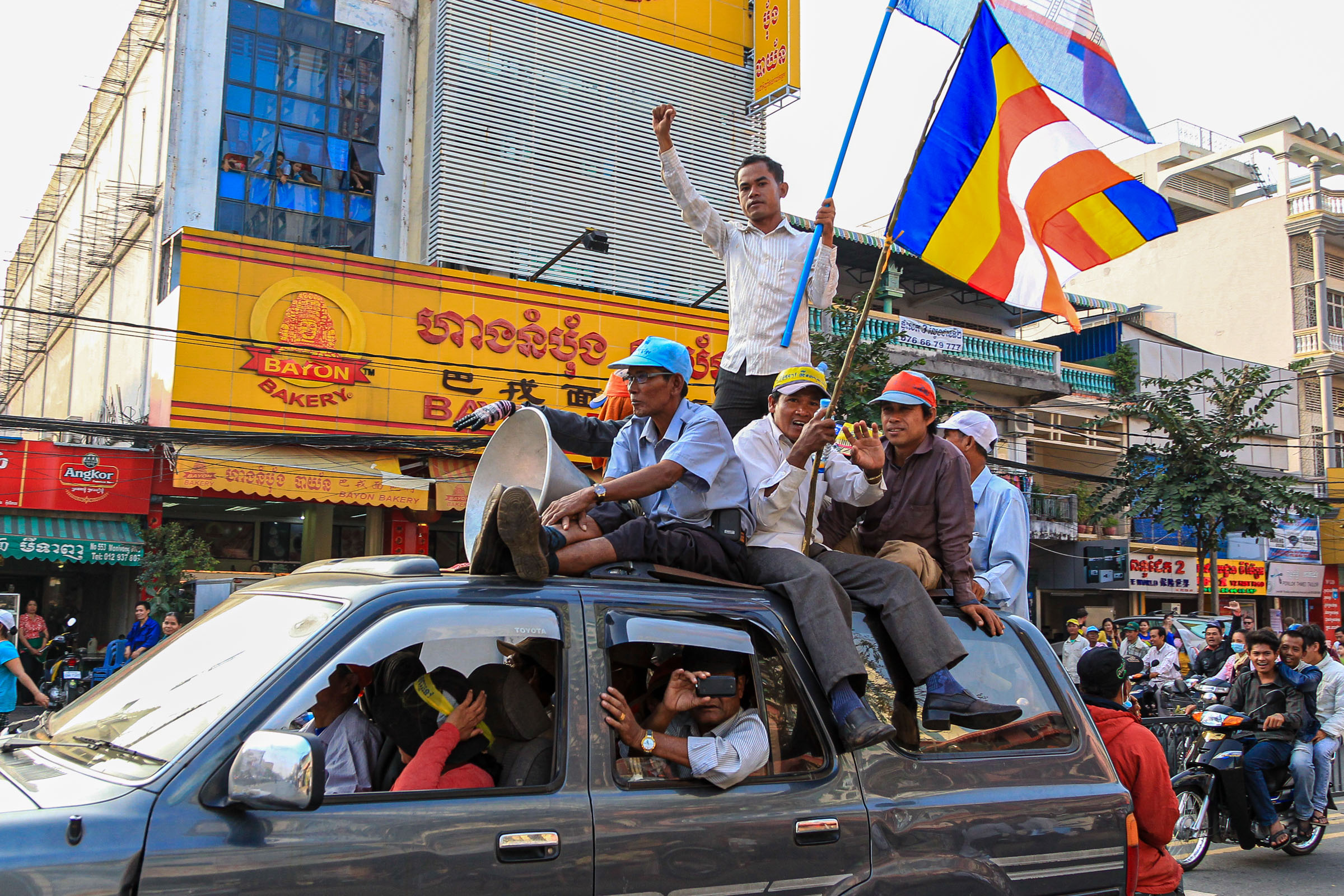
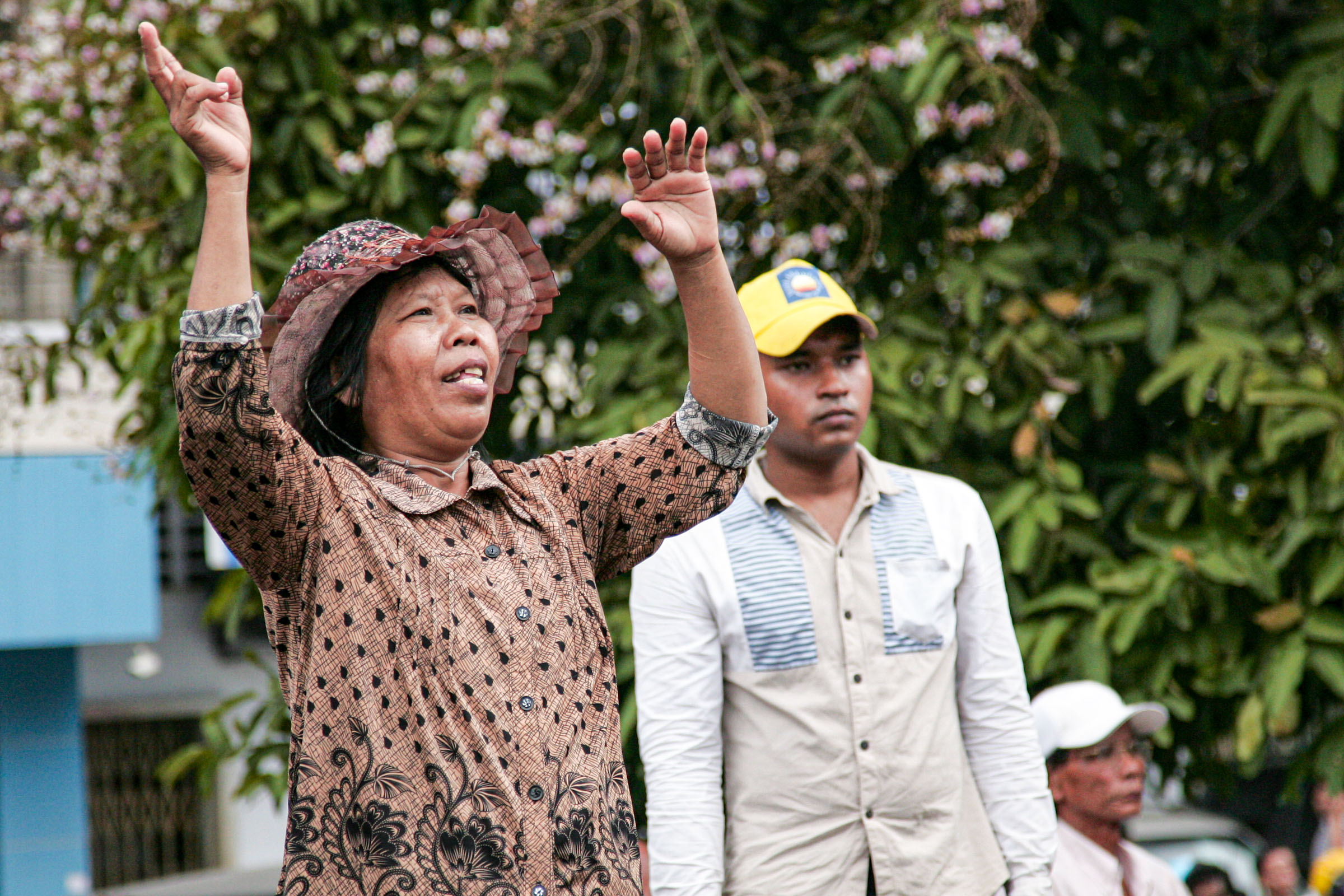
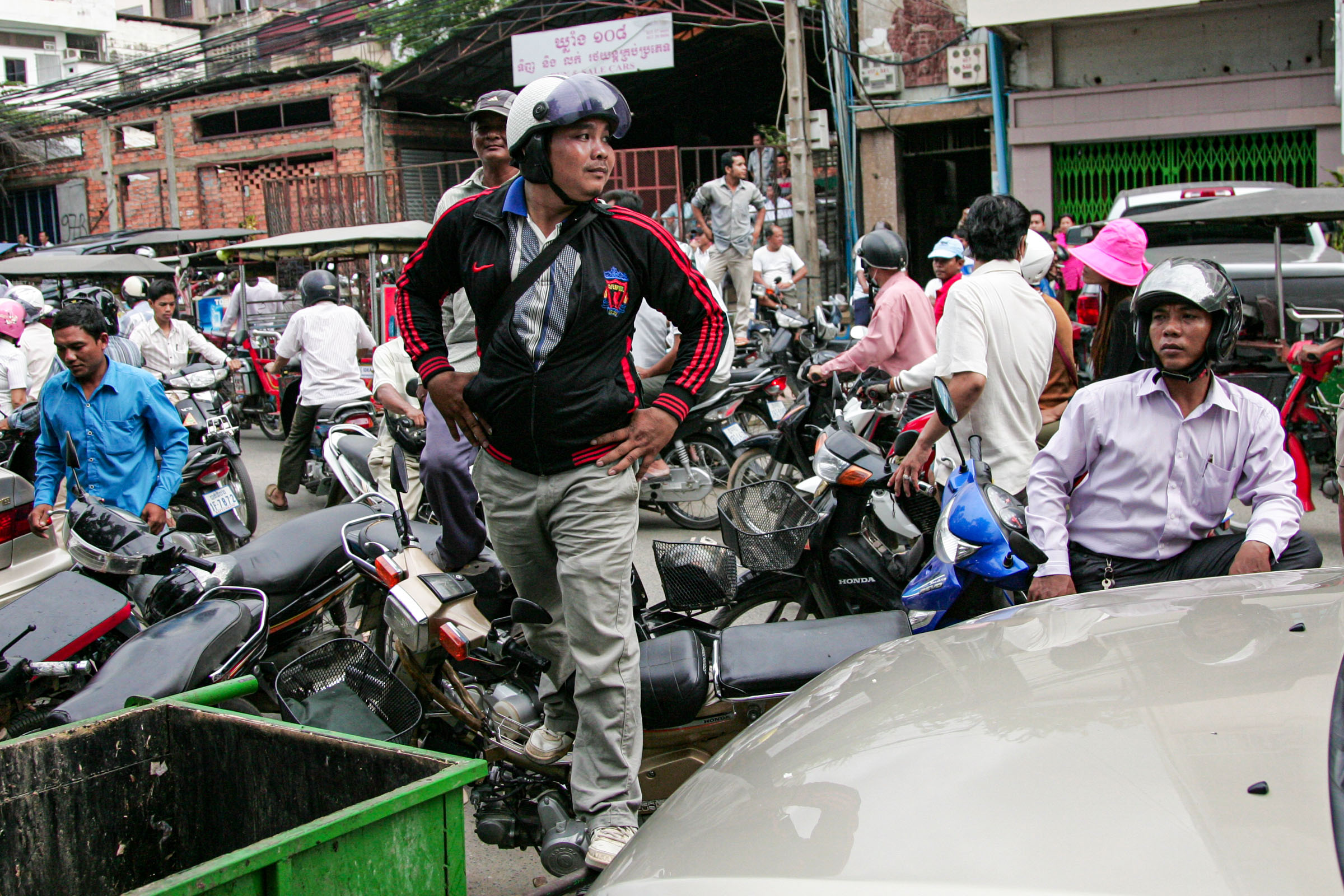
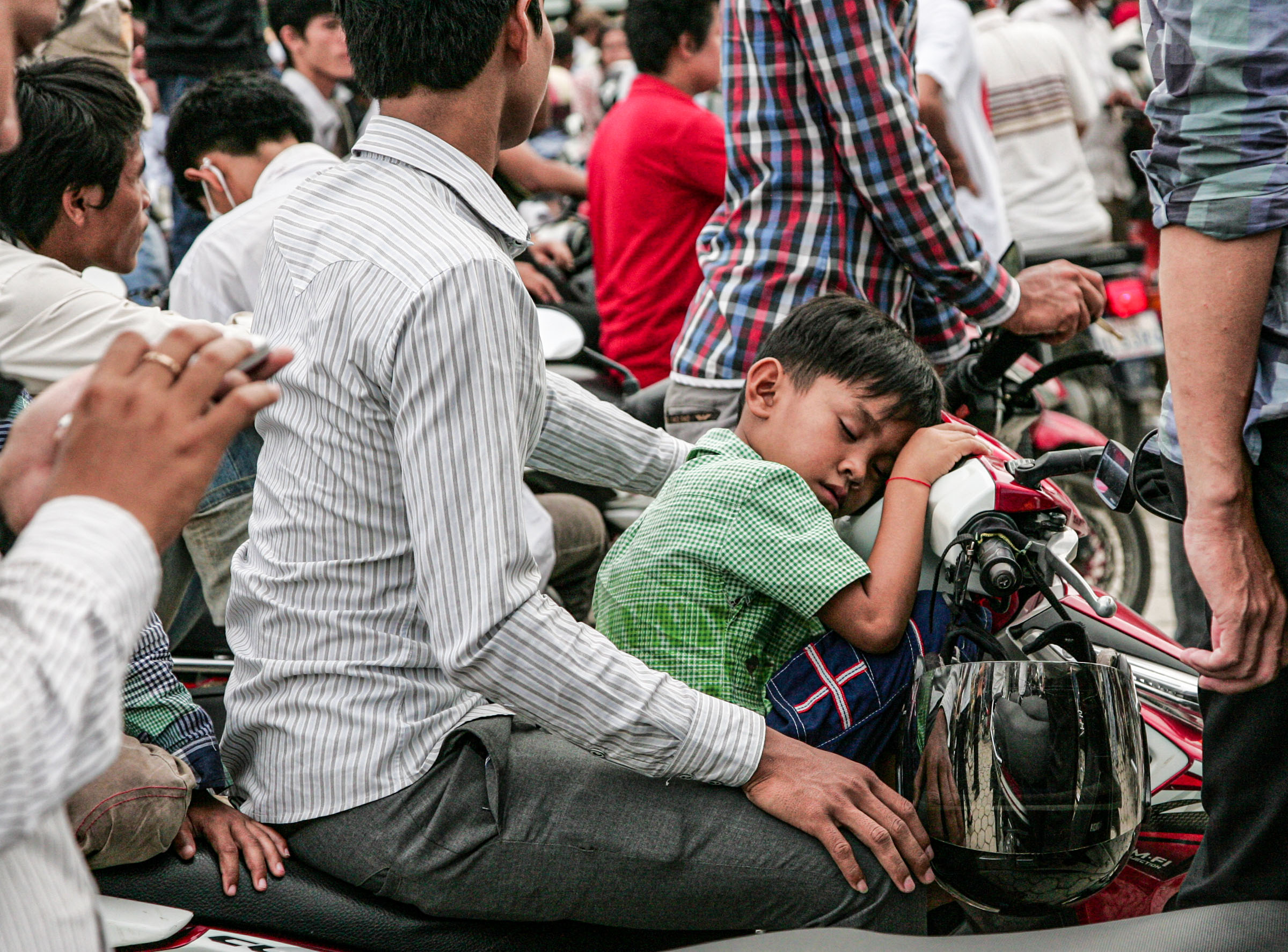
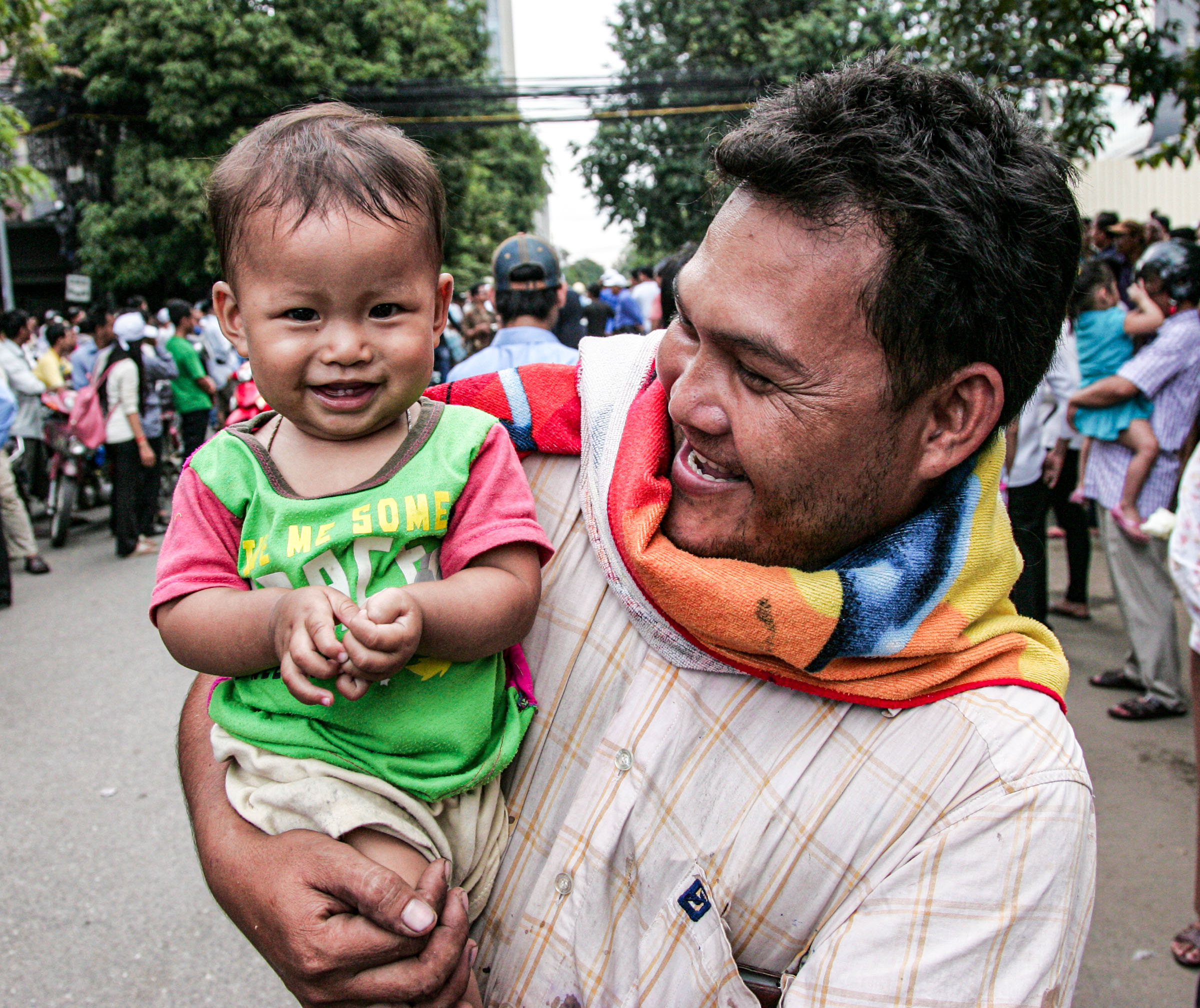
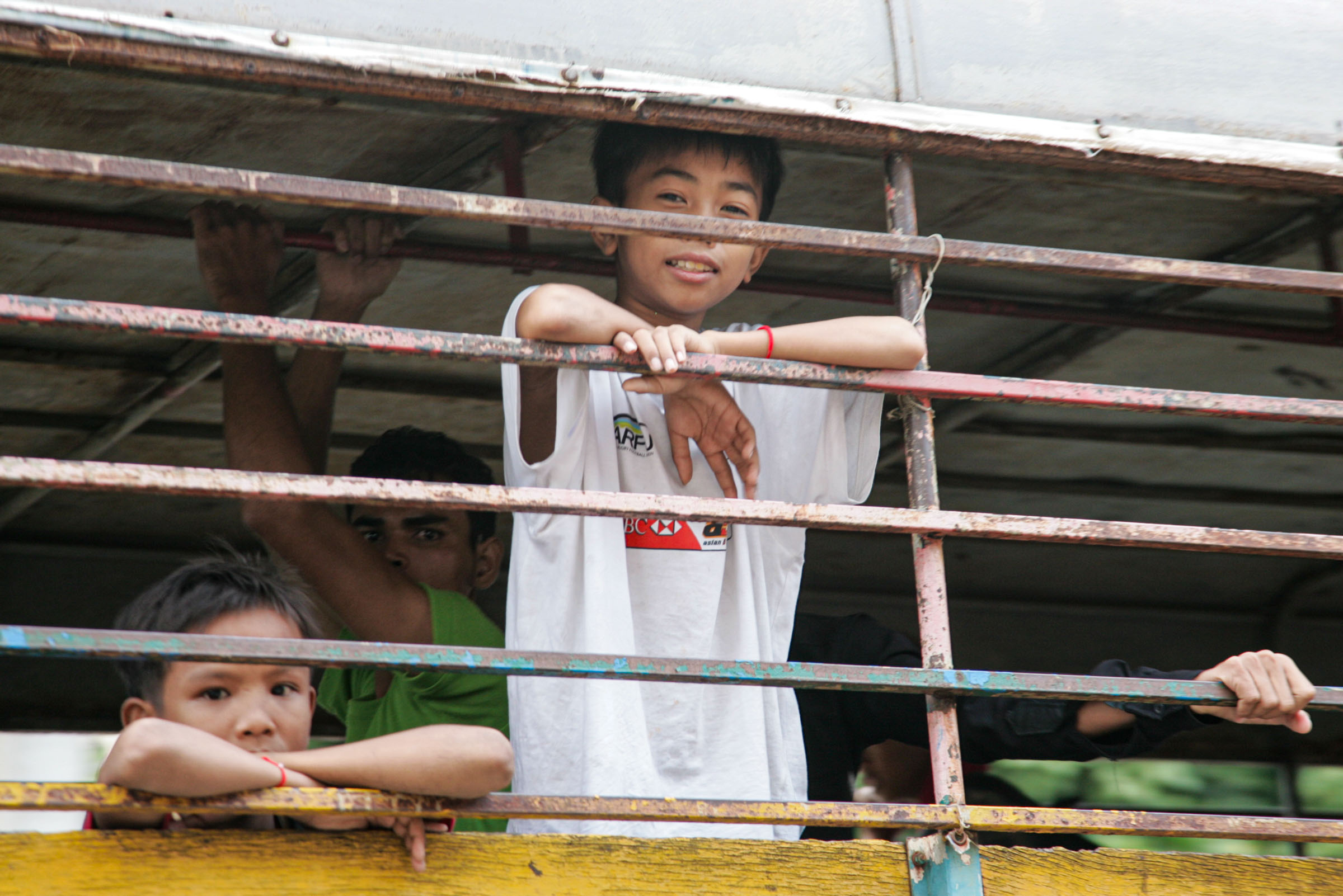
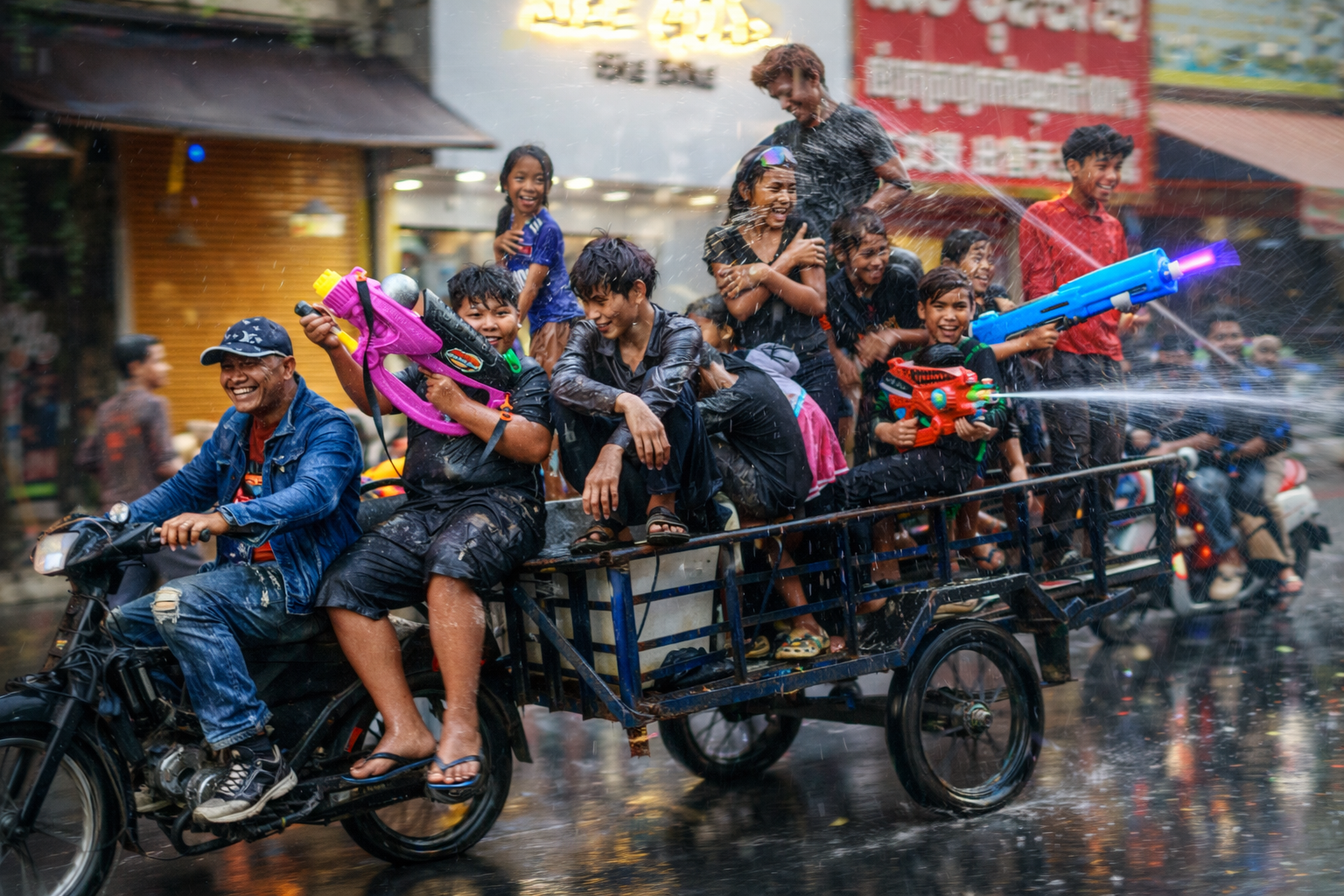
In Phnom Penh, the capital loosens its collar. Offices close. Families travel. Those who remain drift towards the streets, where pickup trucks loaded with teenagers circle like improvised carnival floats, music blaring, water sloshing dangerously close to the edge. Strangers become targets, then accomplices. No one is exempt for long. There is an egalitarianism to being soaked to the bone.


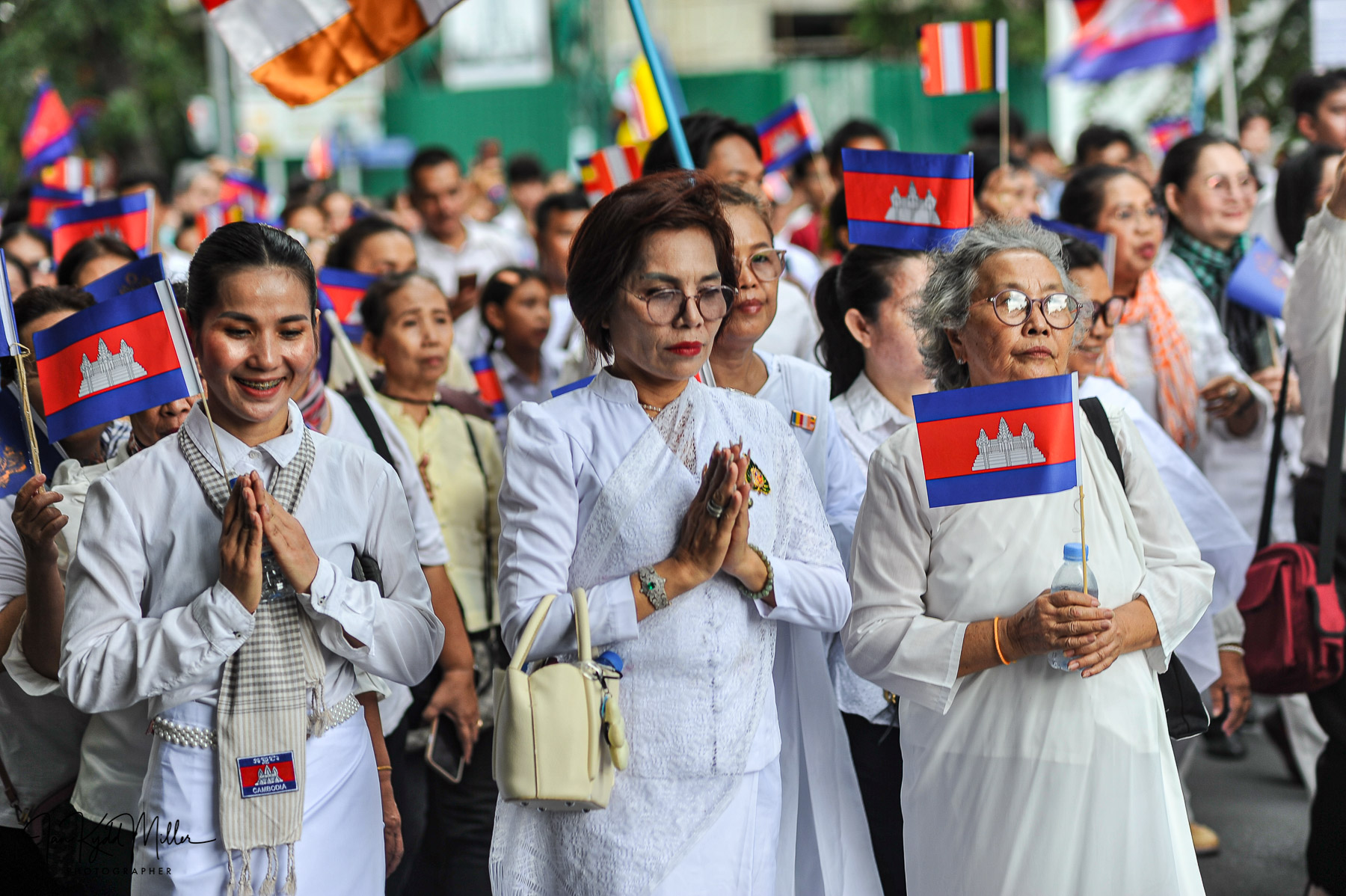
Further north, in Siem Reap, the festival takes on a more curated intensity. The Angkor Sankranta celebrationsβ€”part cultural showcase, part organised spectacleβ€”draw crowds that swell into something approaching the uncontrollable. Traditional games are played with theatrical enthusiasm; dancers move with studied grace; and all around them, a less choreographed energy pushes in, demanding space. It is here that Cambodia performs itself, for tourists and for its own younger generation, who seem less interested in preservation than participation.

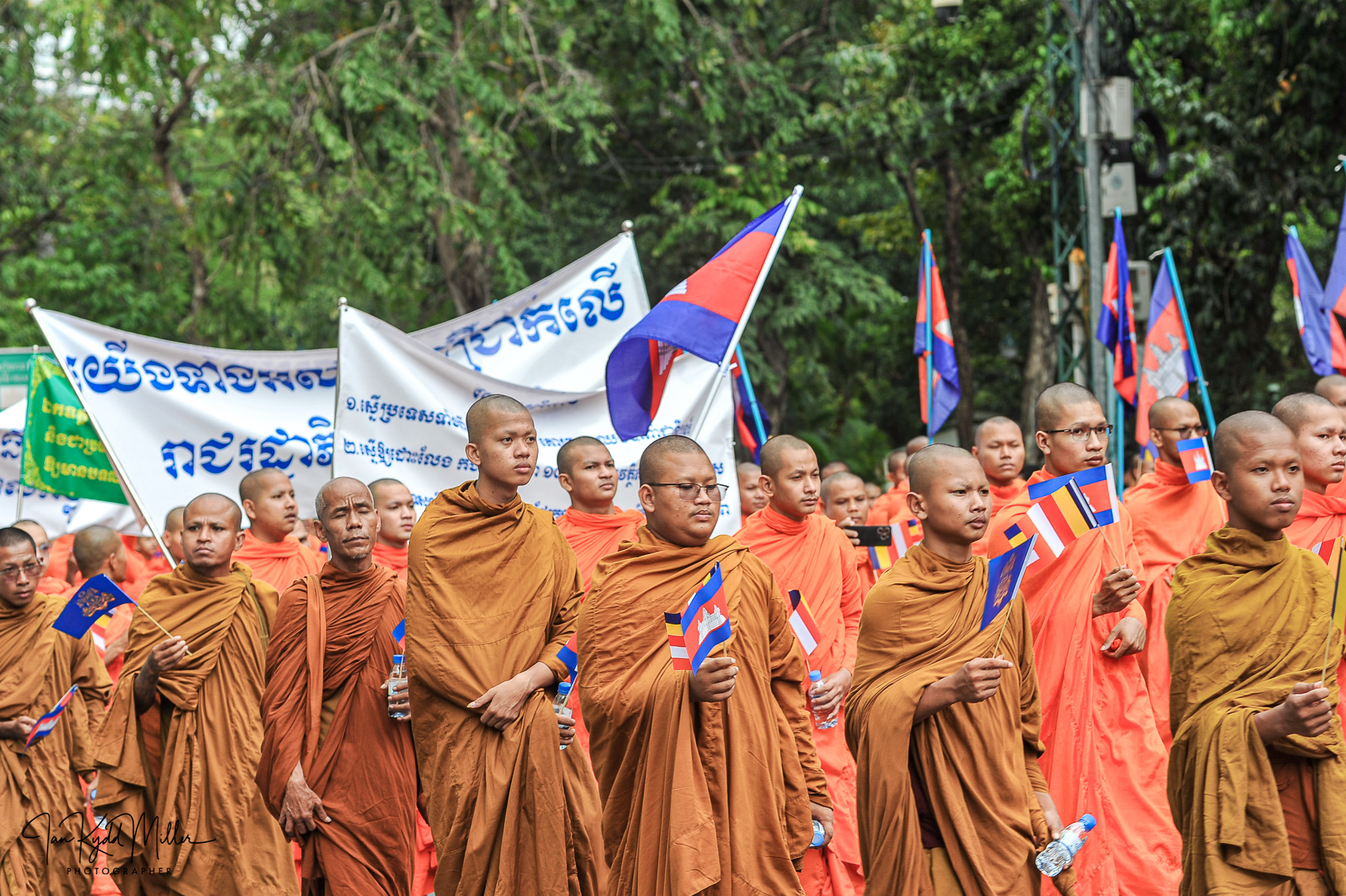
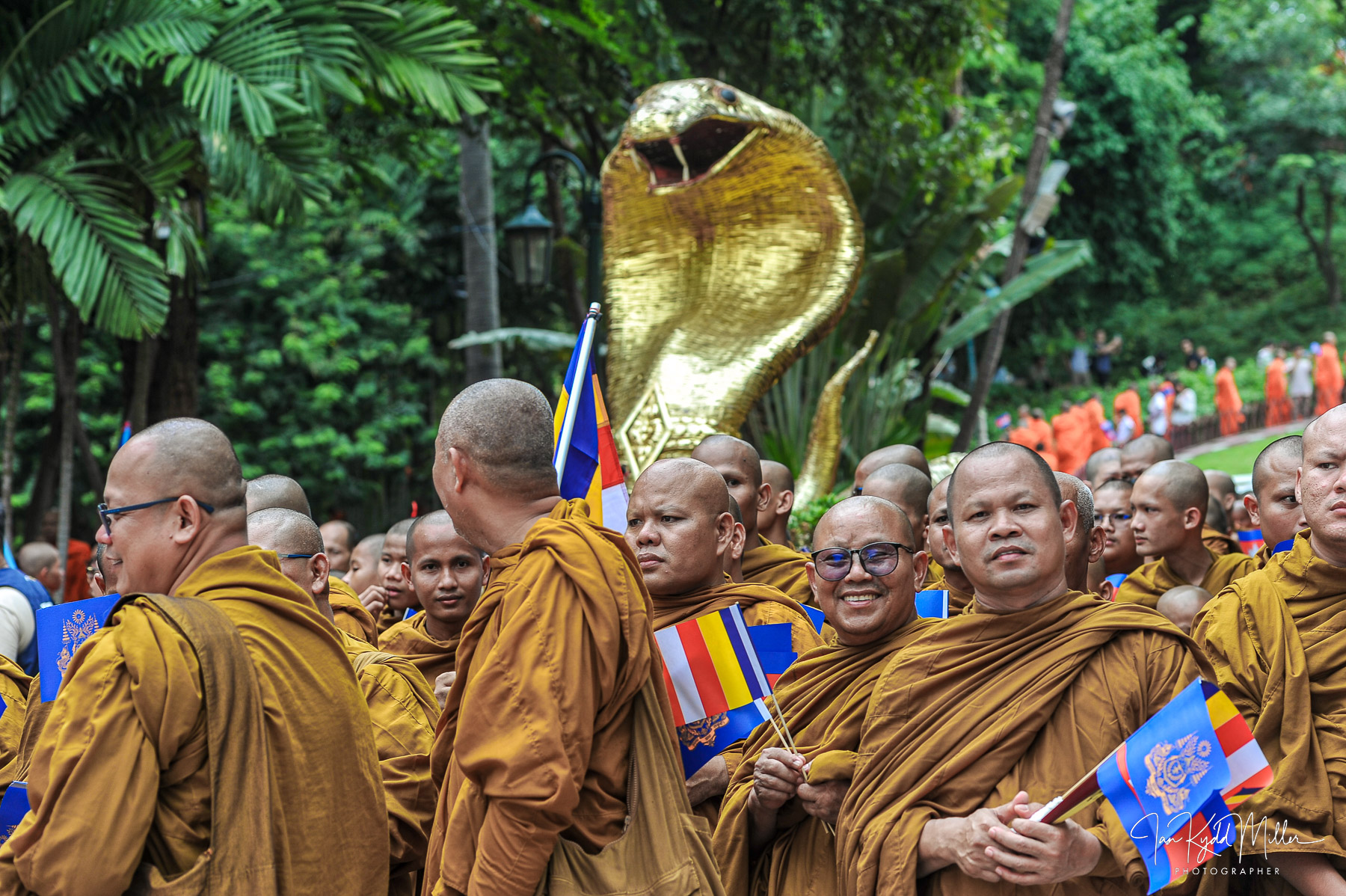
But to understand the festival solely through its public exuberance is to miss its quieter logic. Khmer New Year is, at its core, an act of recalibration. Homes are cleaned. Altars prepared. Offerings made. At pagodas across the country, sand is carried, shaped into small stupas, and left as a gesture of meritβ€”a symbolic investment in a better future. The ritual is simple, almost austere, and it sits in deliberate contrast to the chaos outside the temple gates.



Inside those grounds, time moves differently. Elders are gently washed with perfumed water, a gesture of respect and continuity. Buddha statues are bathed in the same way, the act less about cleansing than about acknowledgement. These are not grand spectacles but small, repeated gestures, performed with an understanding that renewal is less an event than a habit.

The tension between these two worldsβ€”the reflective and the riotousβ€”is where the festival finds its meaning. Cambodia is a country with a long memory and a young population. Khmer New Year allows both to coexist, briefly, without friction. The past is honoured; the present is loudly, unapologetically lived.

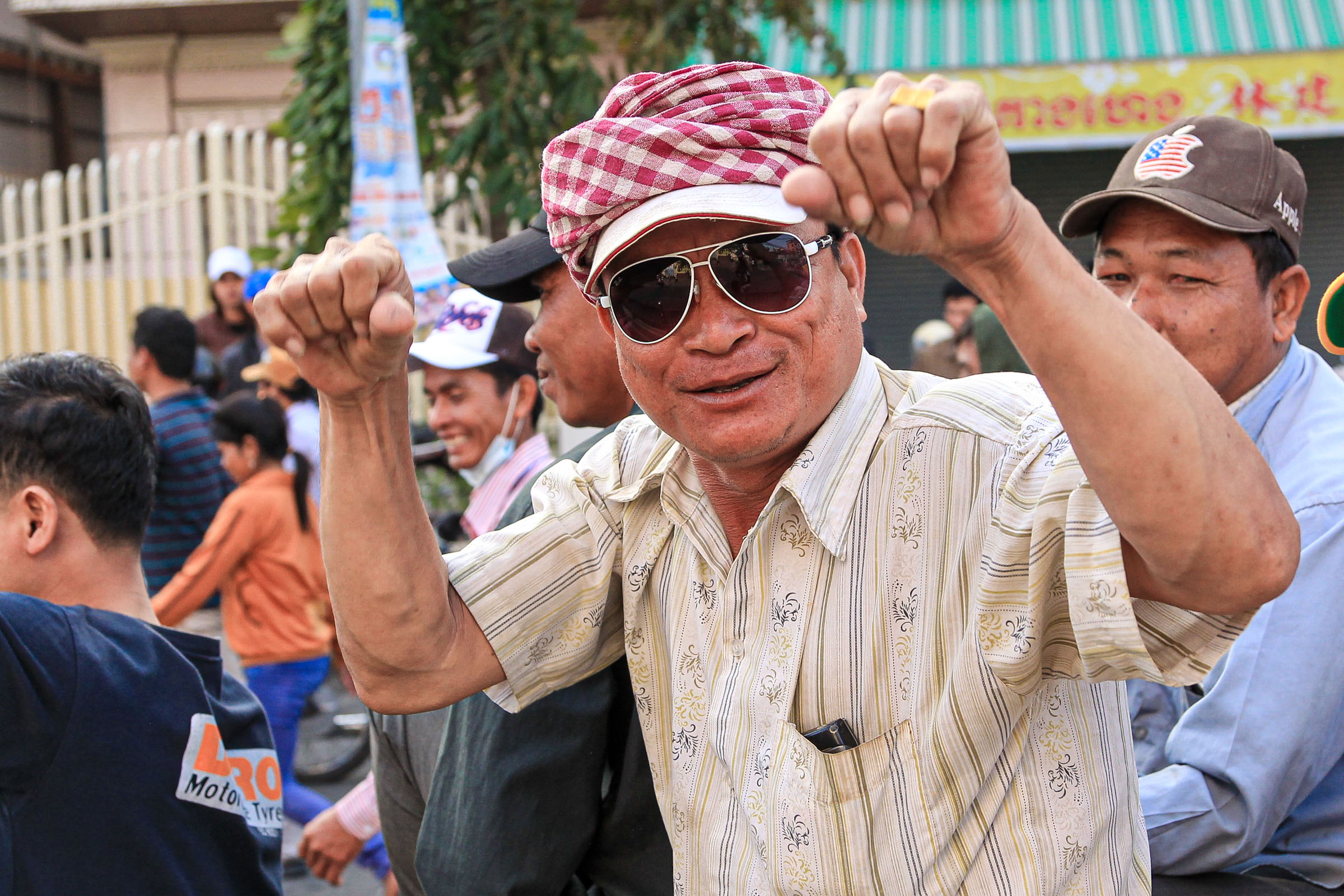
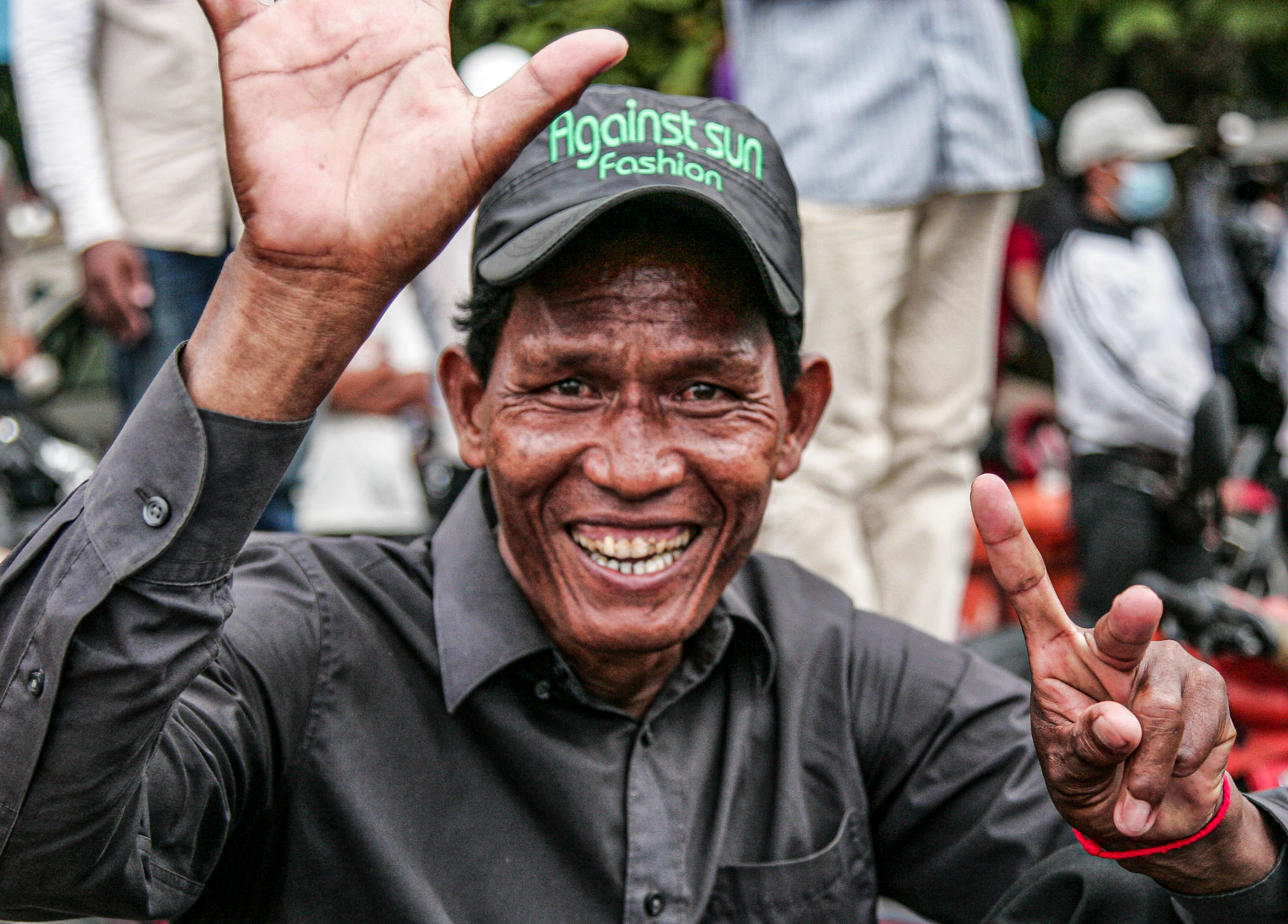
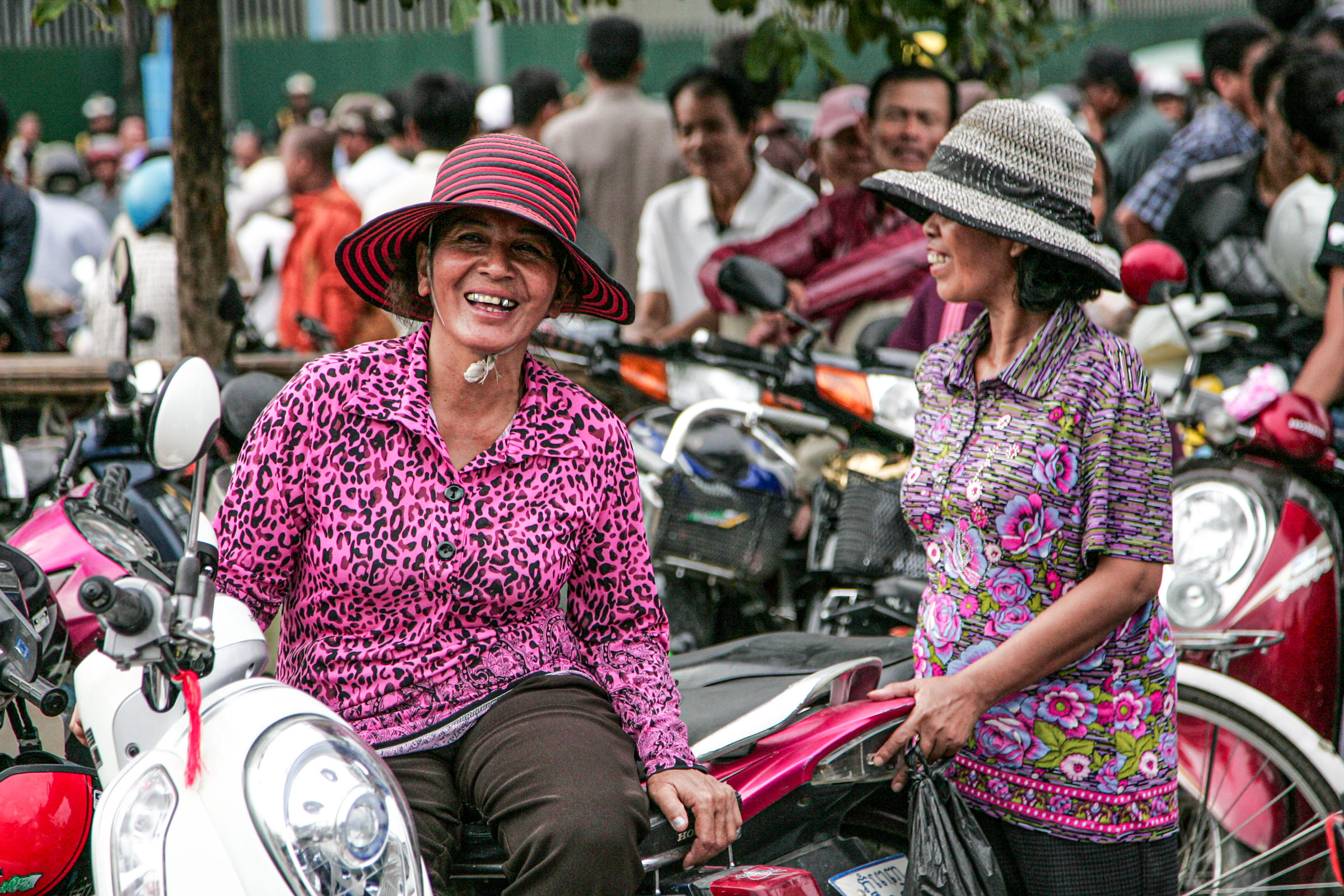
There is also, unmistakably, a sense of release. For a few days, hierarchies soften. The office worker and the street vendor, the local and the visitor, the cautious and the recklessβ€”all are reduced to the same soaked, powdered state. It is not quite equality, but it is close enough to feel like one. In a region where public life is often tightly structured, this temporary suspension carries weight.

Yet the festival resists easy romanticism. The same exuberance that fuels its appeal can tip into excess. Roads become hazardous, crowds unpredictable, boundaries blurred. The line between play and intrusion is not always clearly drawn. As with many large-scale celebrations, what feels liberating to some can feel overwhelming to others. The state tolerates this looseness, even encourages it, but only within an unspoken limit.
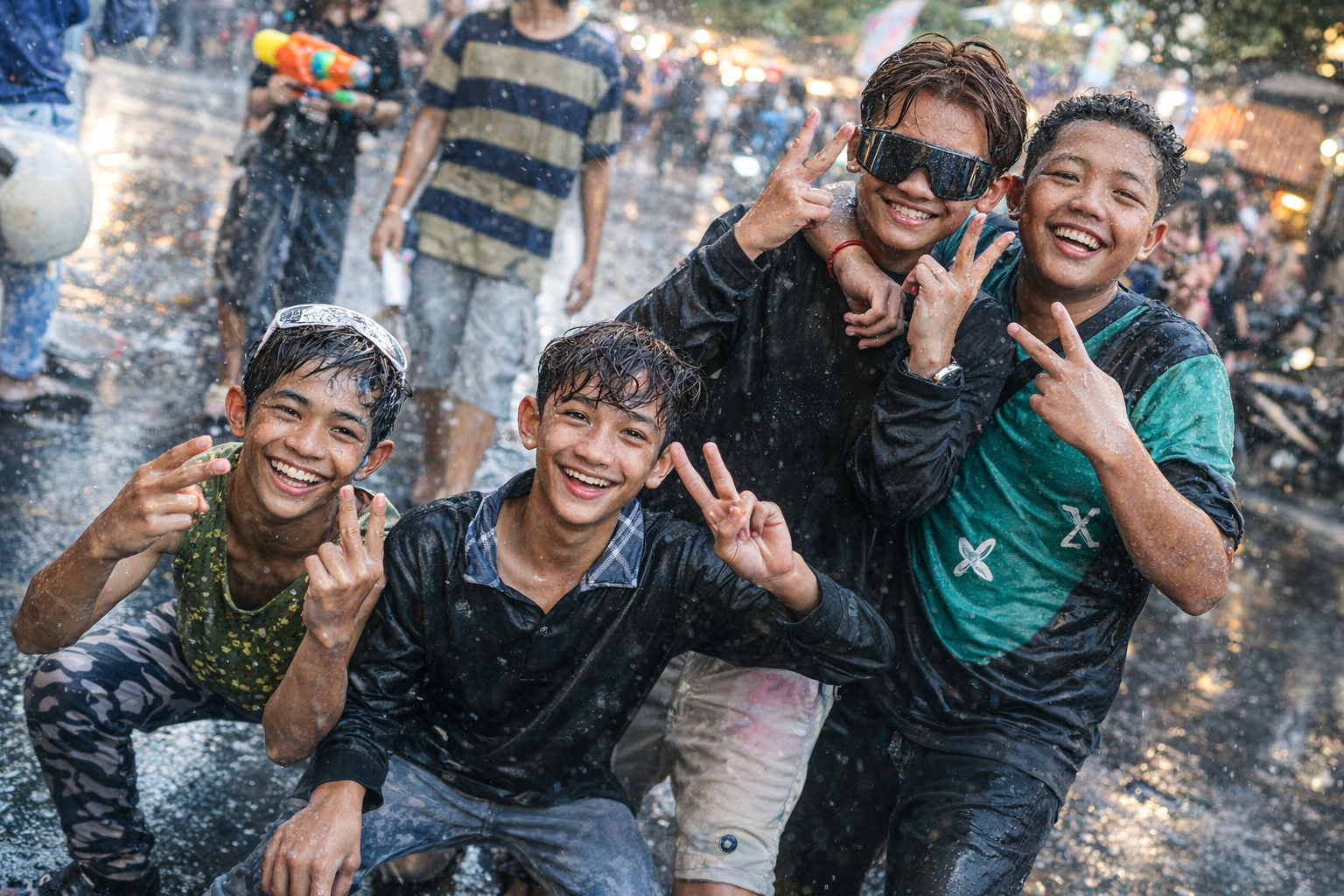
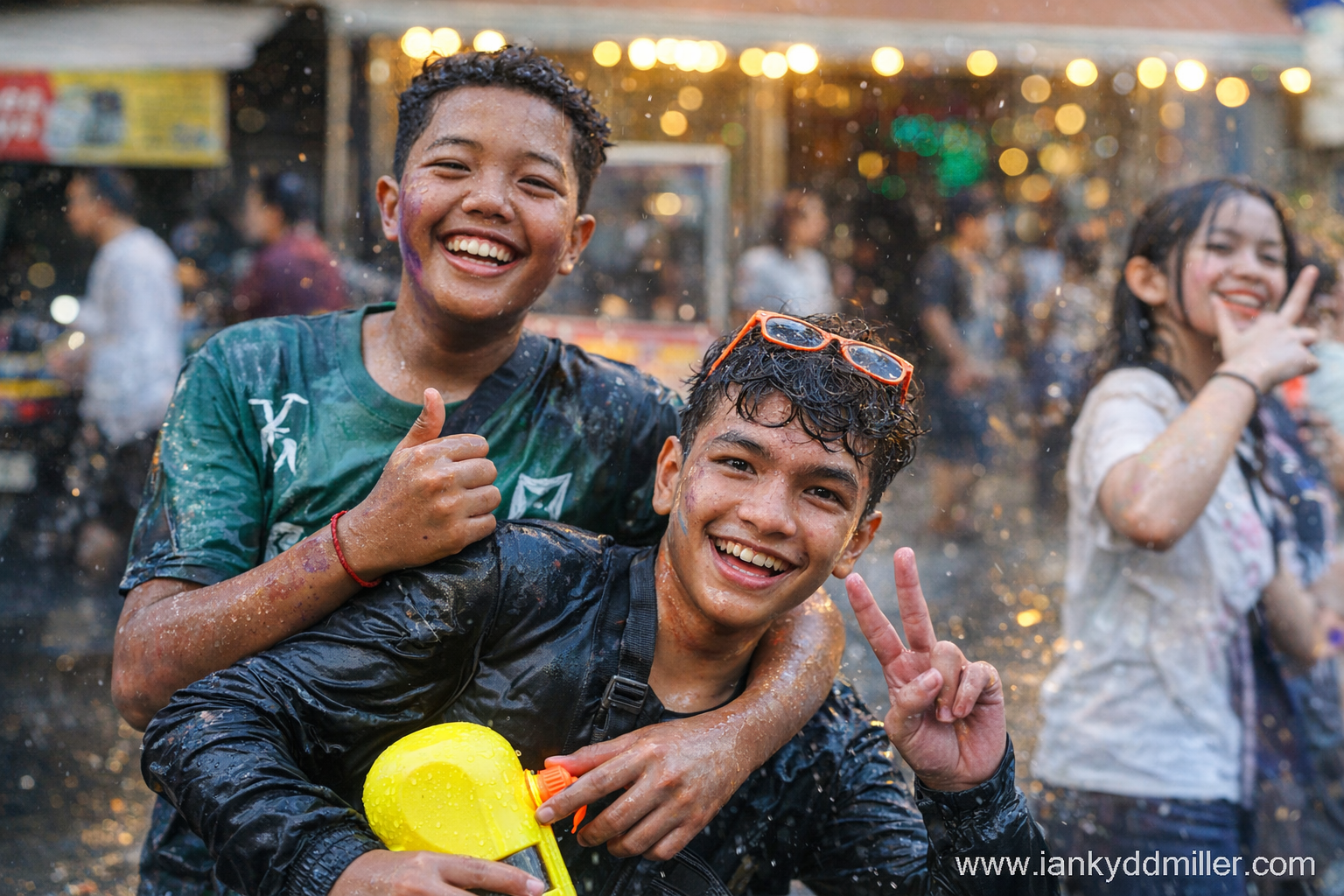
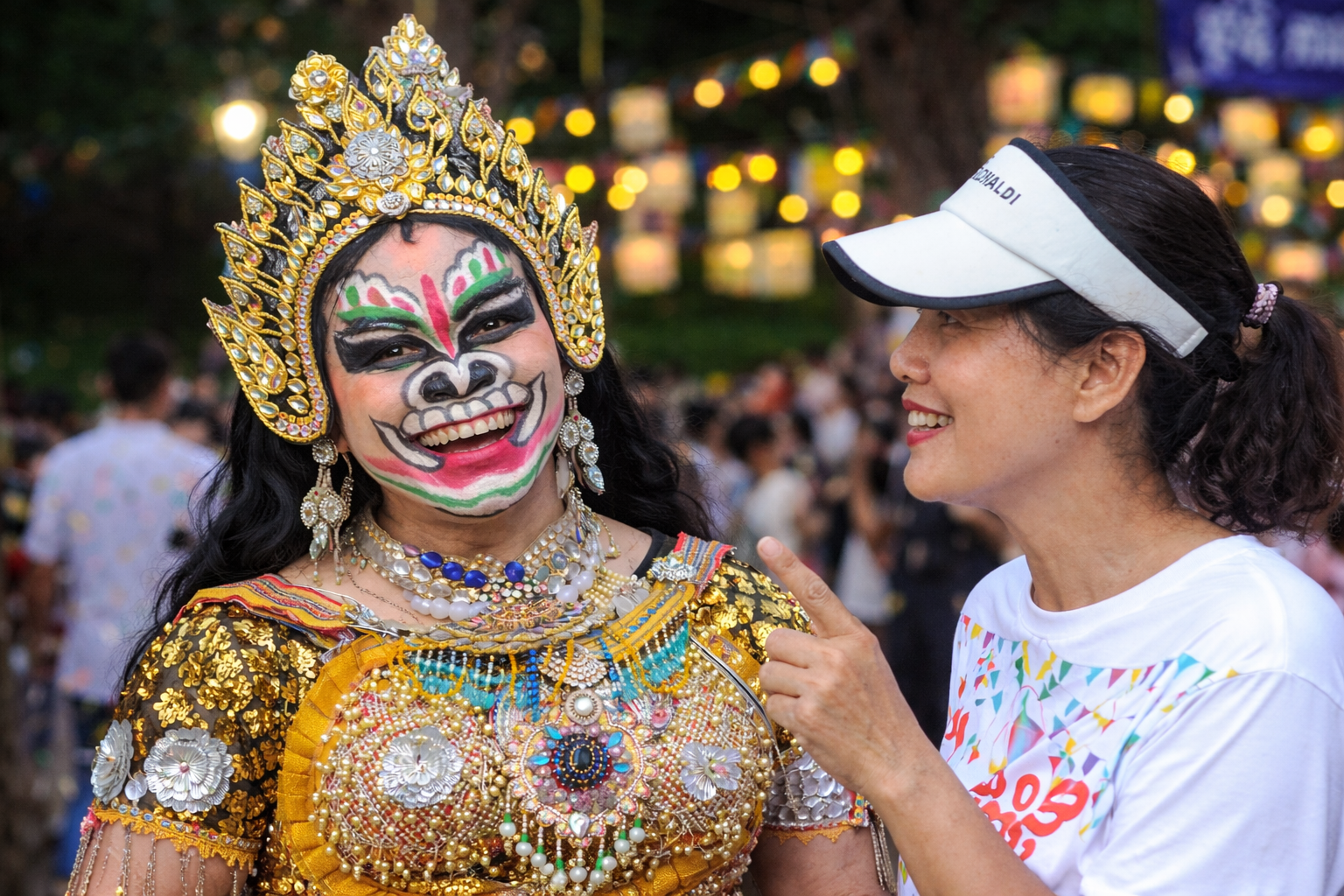
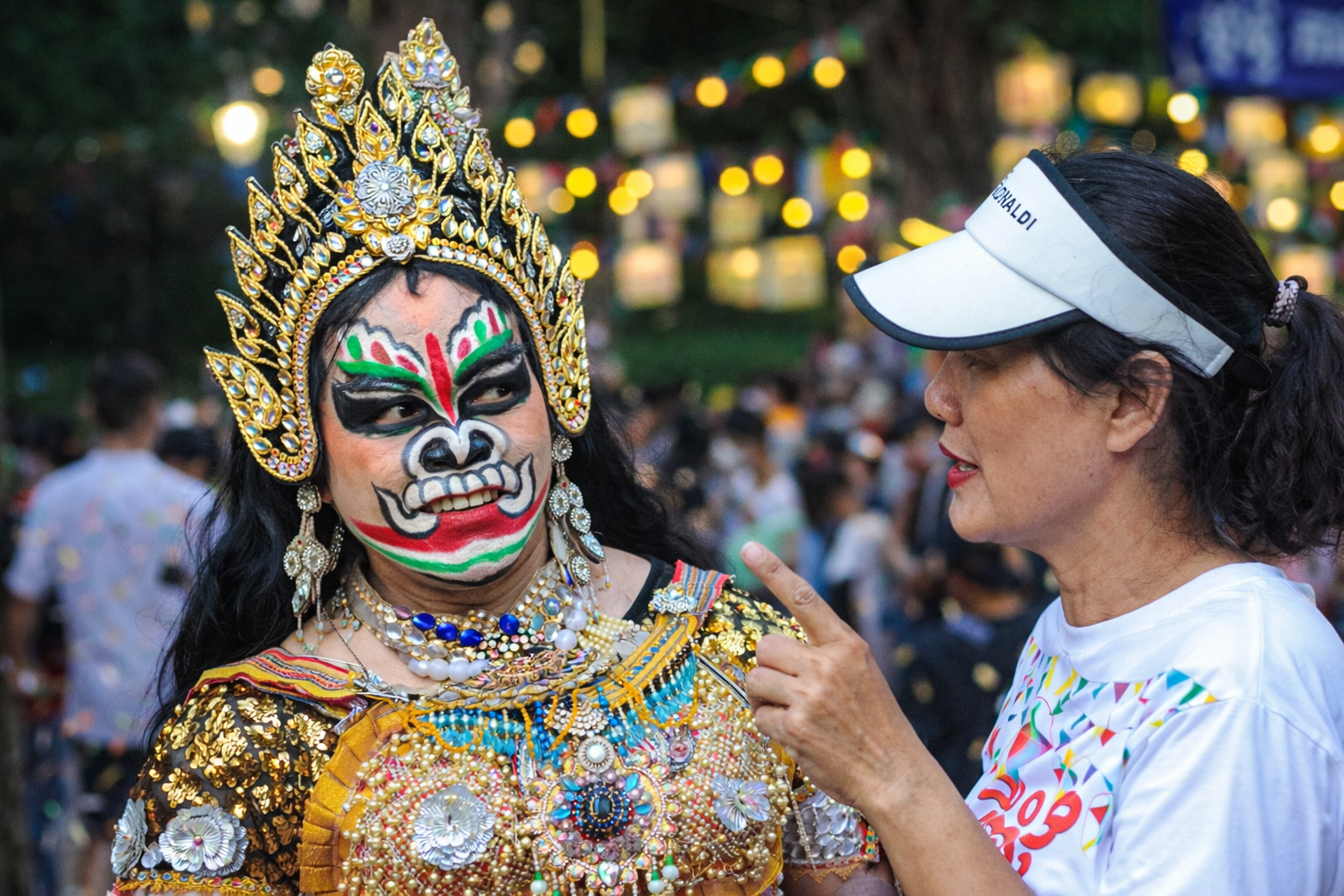
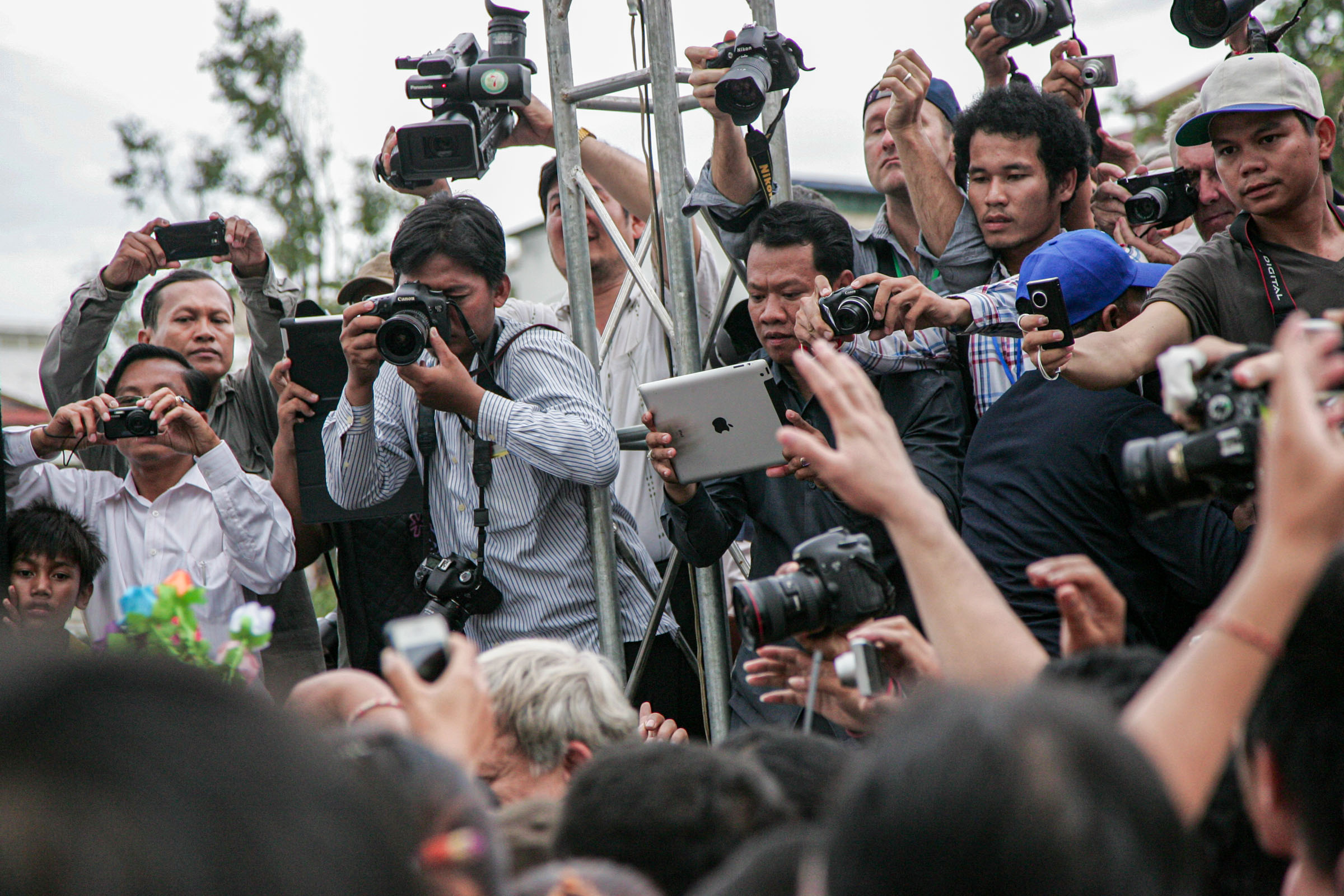
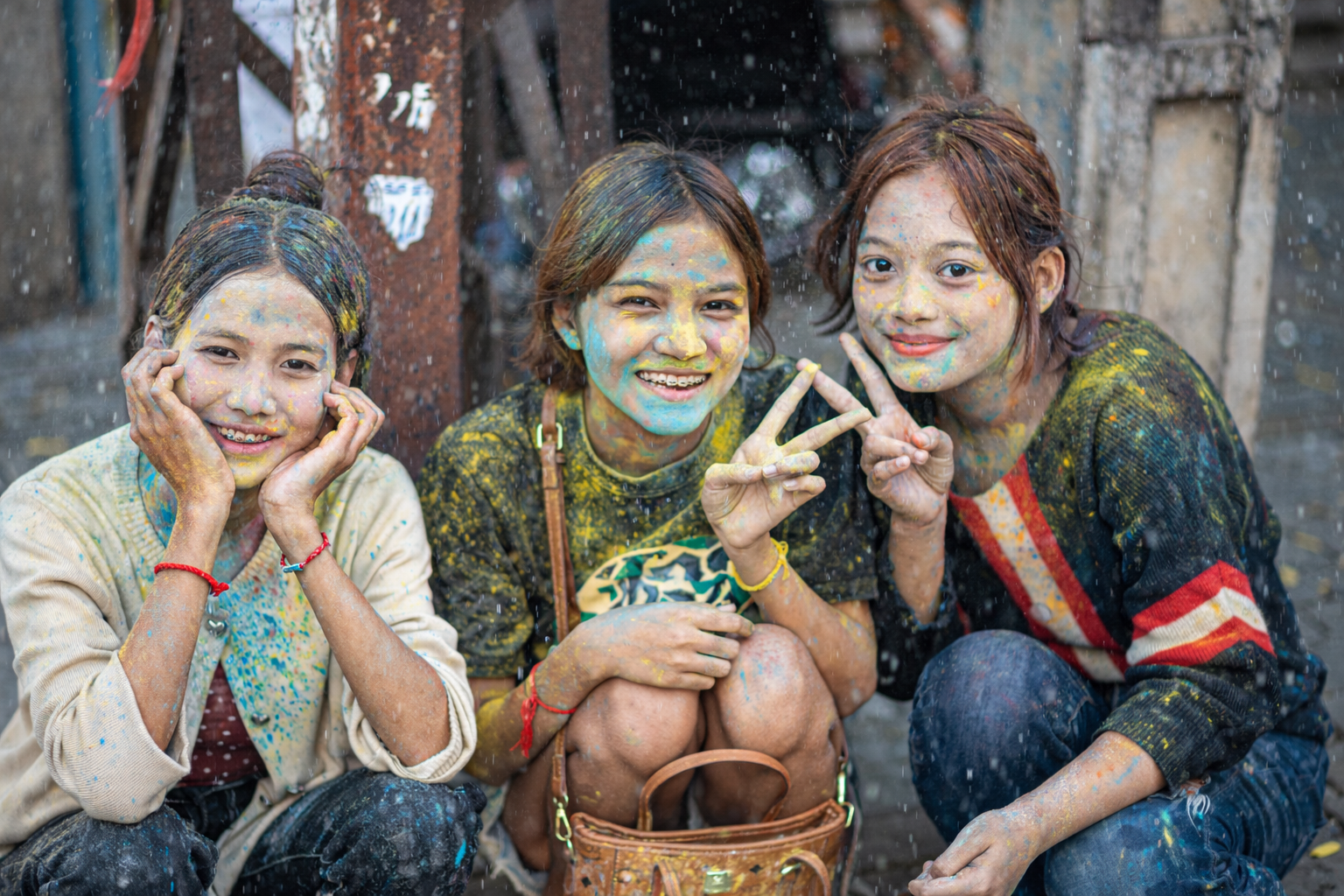
For photographers, the temptation is obvious. This is texture, movement, contradictionβ€”everything that lends itself to an image that feels alive. The midday light is unforgiving, flattening faces, hardening shadows. And yet it works. Water catches the sun mid-air; powder softens expressions; a fleeting glance cuts through the noise. The challenge is not technical but ethical: where to stand, what to take, when to step back. In a festival built on participation, observation can feel like a form of distance.



What endures, long after the streets dry and the music fades, is not the spectacle but the shift. Khmer New Year marks a collective pauseβ€”a moment when Cambodia resets itself, not through decree or policy, but through ritual and release. It is imperfect, occasionally chaotic, sometimes contradictory. But it is also, in its own way, honest.

And perhaps that is why it matters. Not because it presents a polished image of national identity, but because it doesn’t. It shows a country as it is: rooted in tradition, restless in the present, and, for a few days each year, entirely willing to let go.
🚲 Street Life in Phnom Penh: A Living Tapestry

cambodia, cameras, fujifilm, homelessness, Lenses, opinons, thoughts, photography, pictures, street, Travel, voluntary

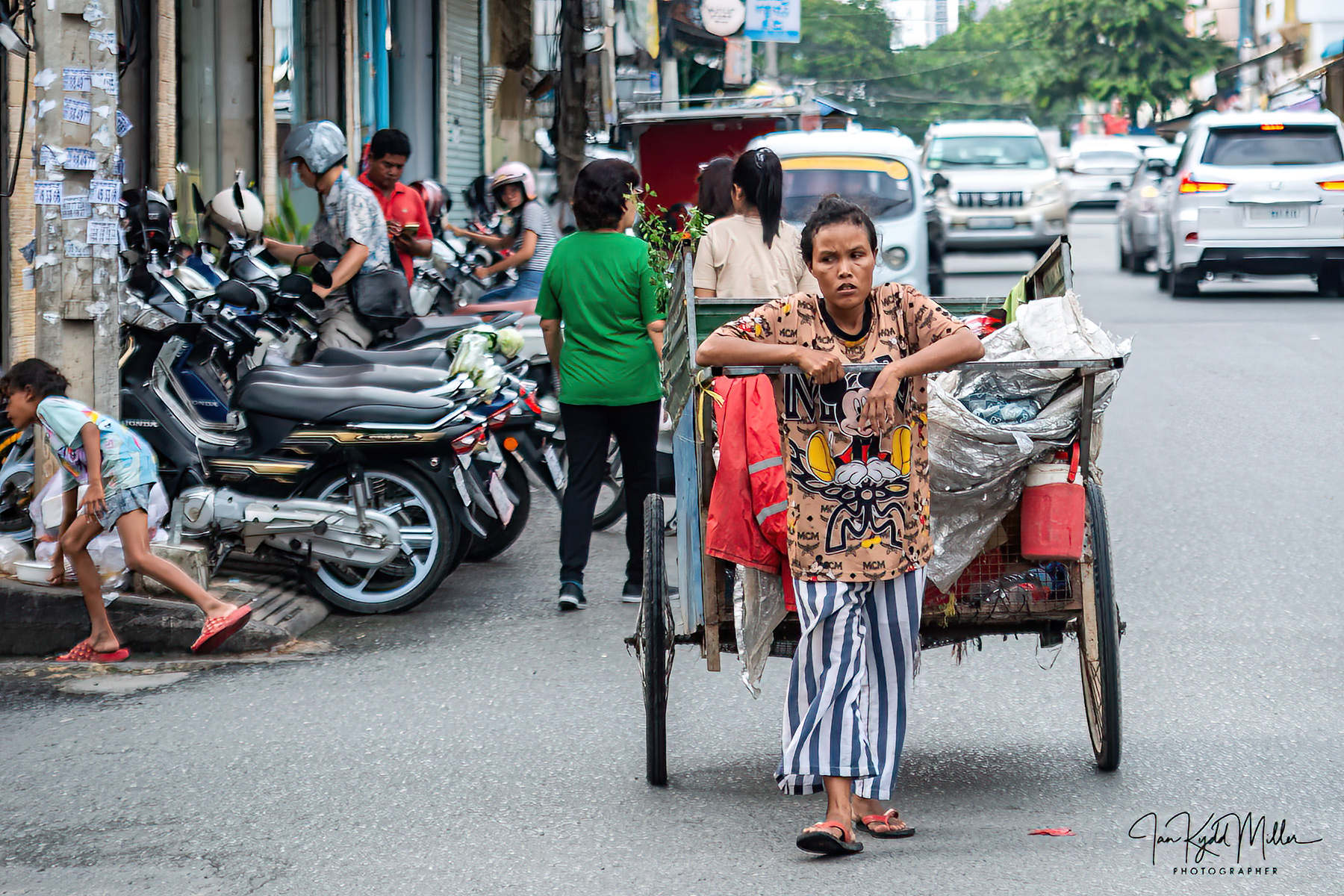
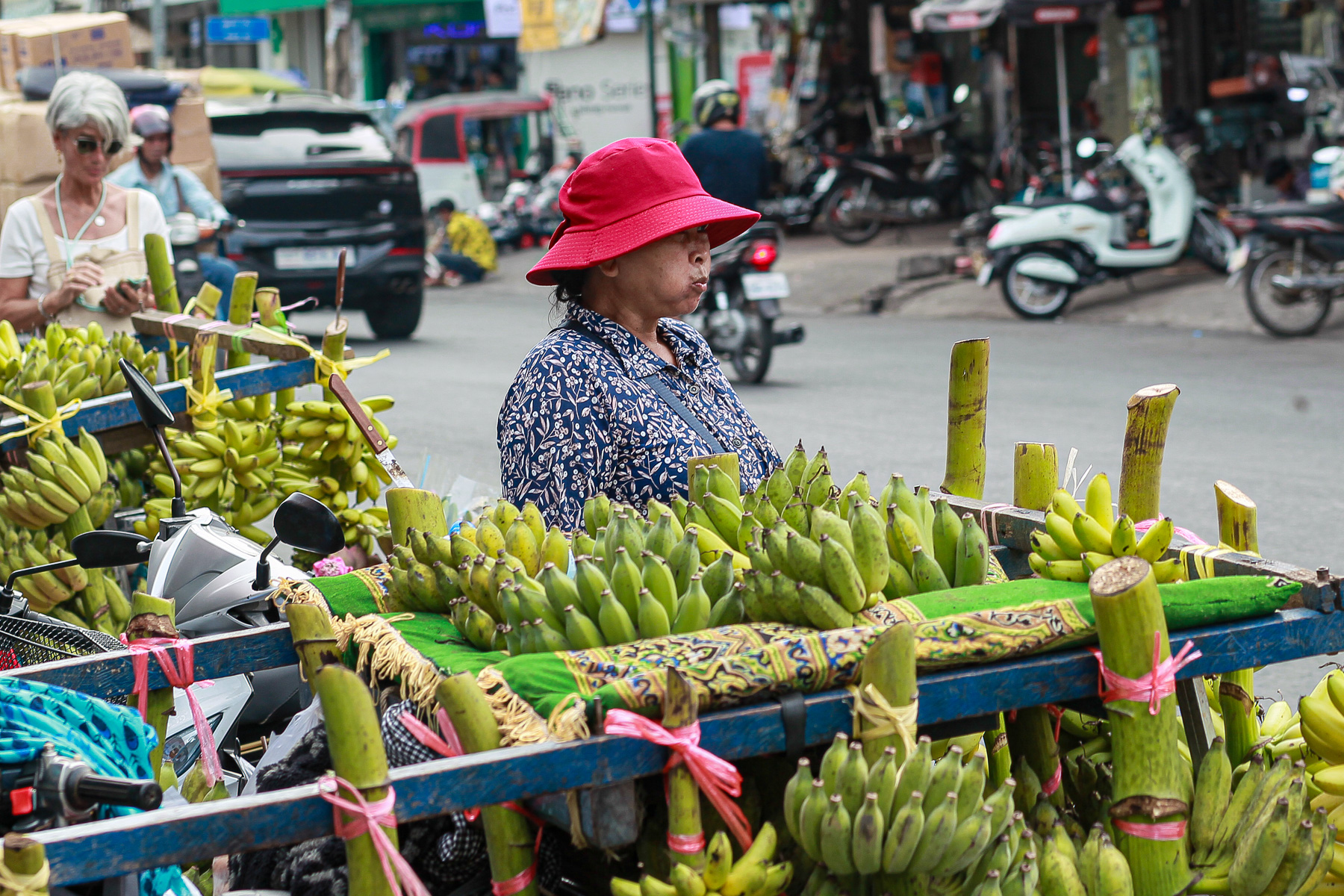
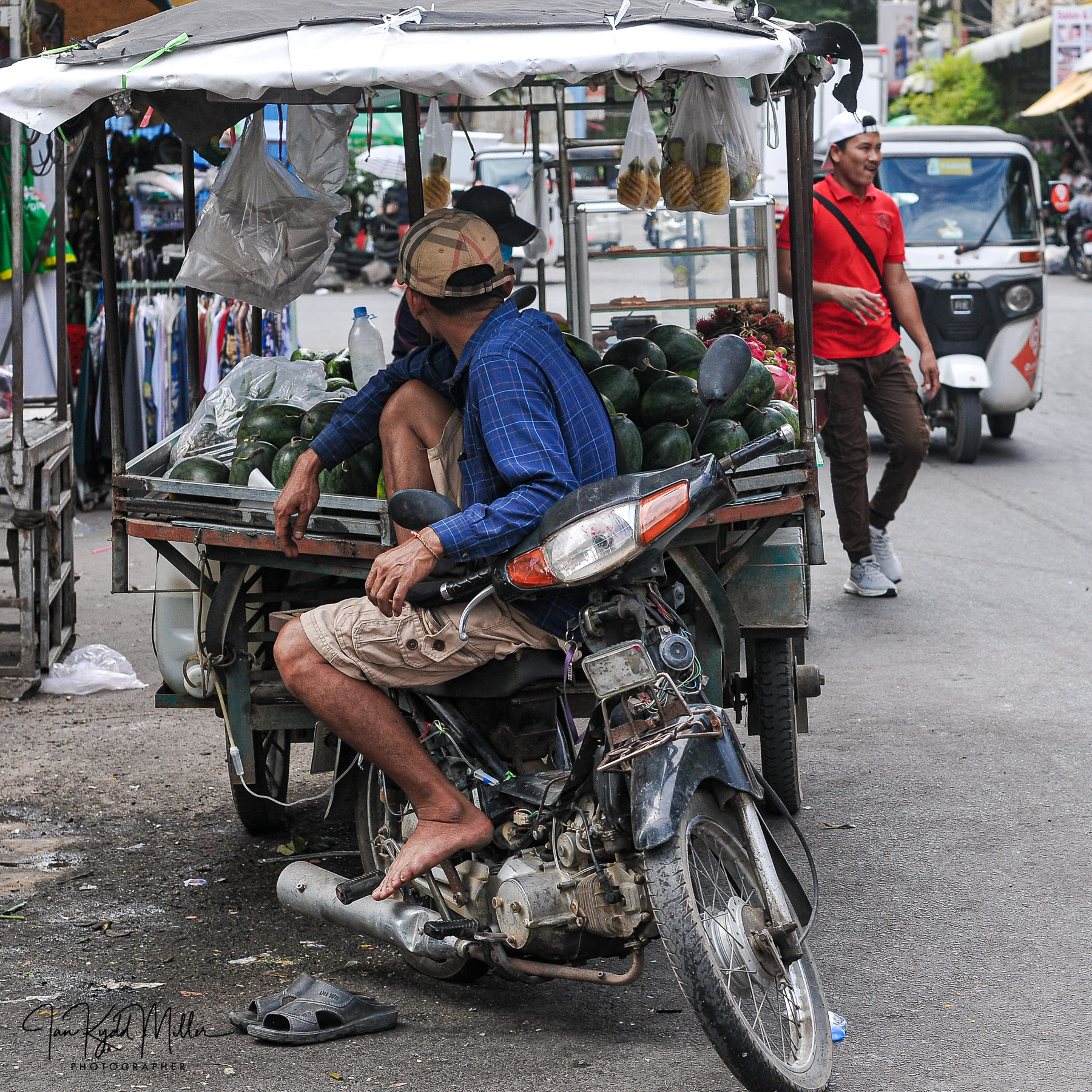
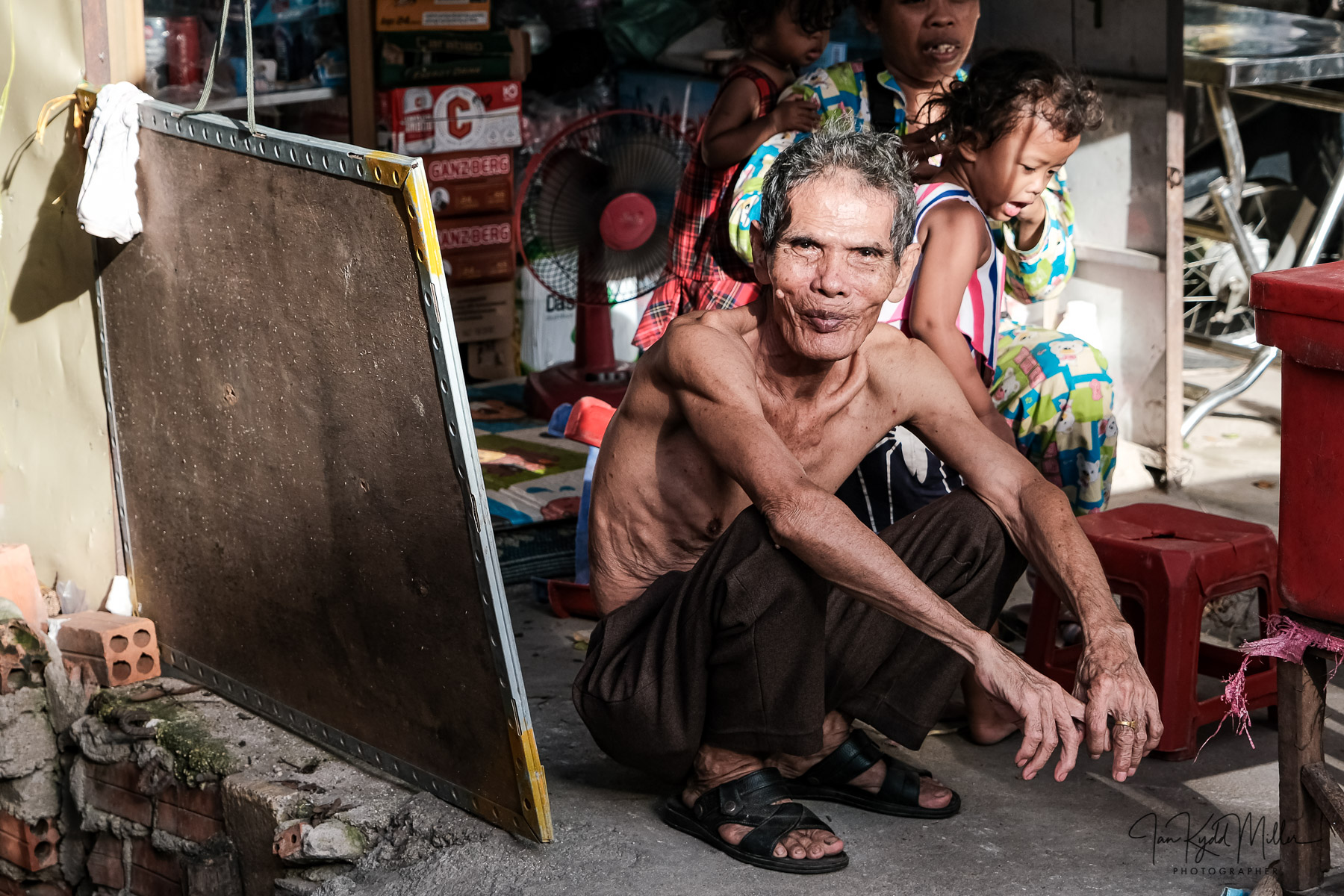
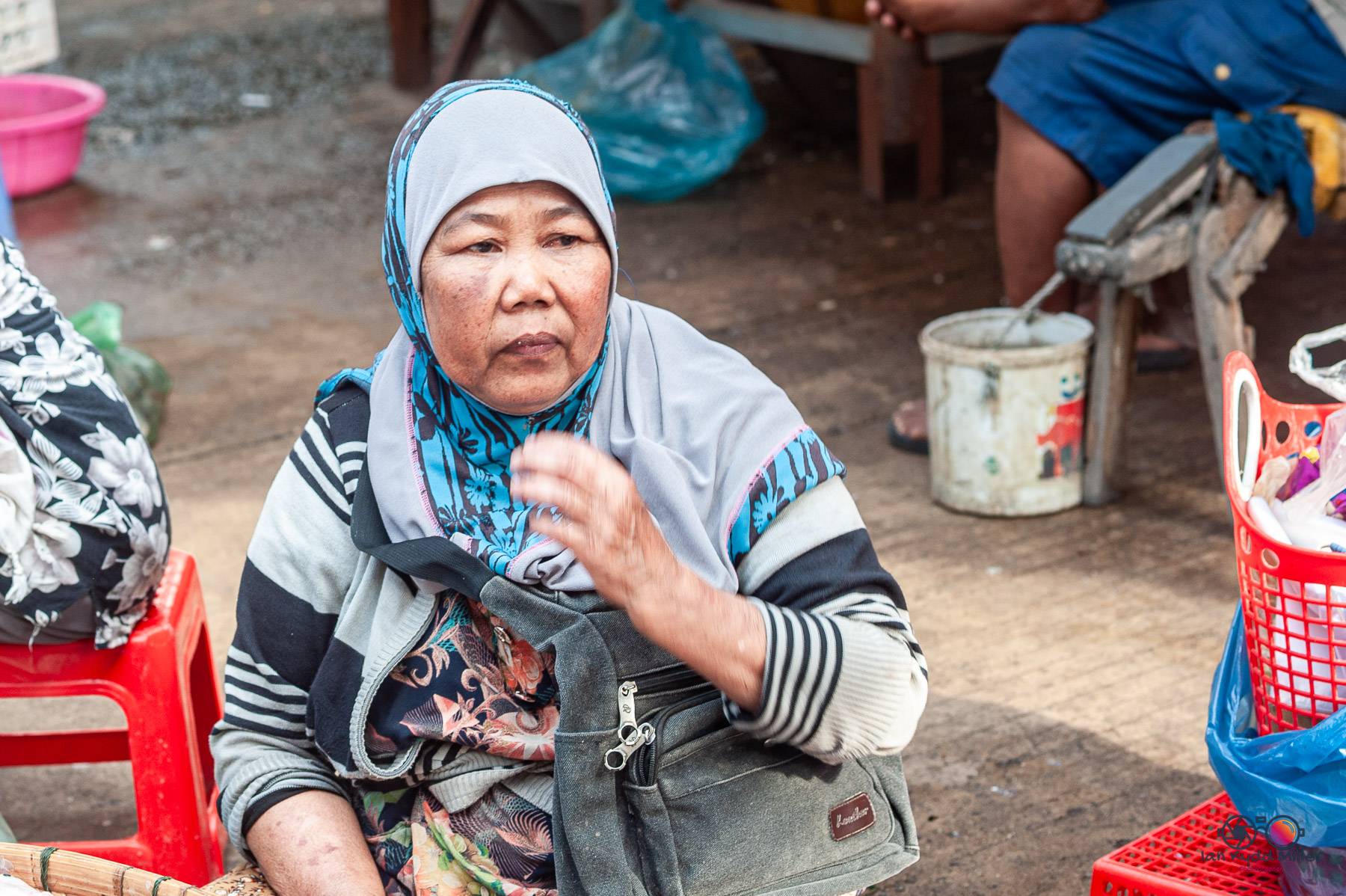
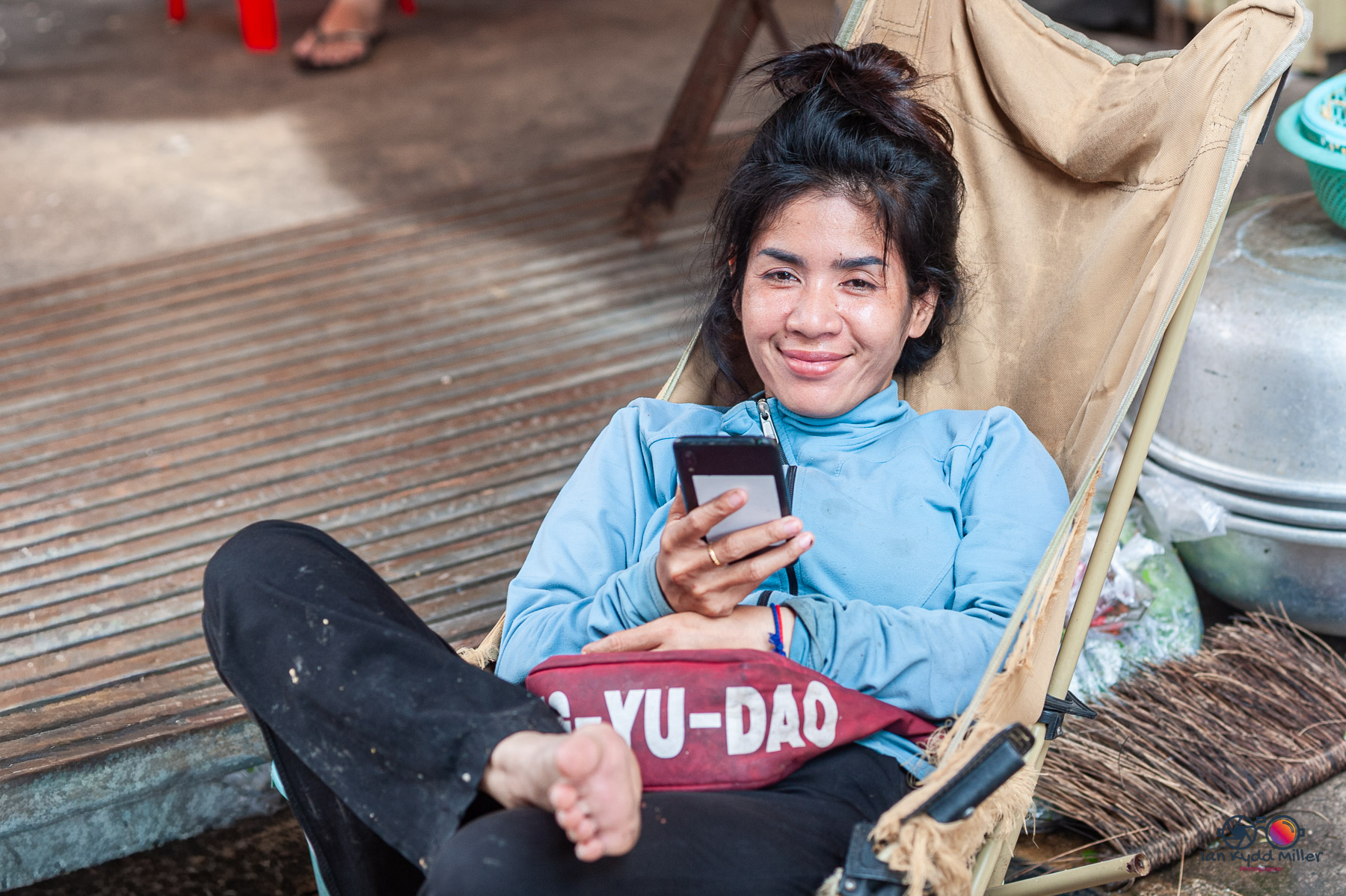
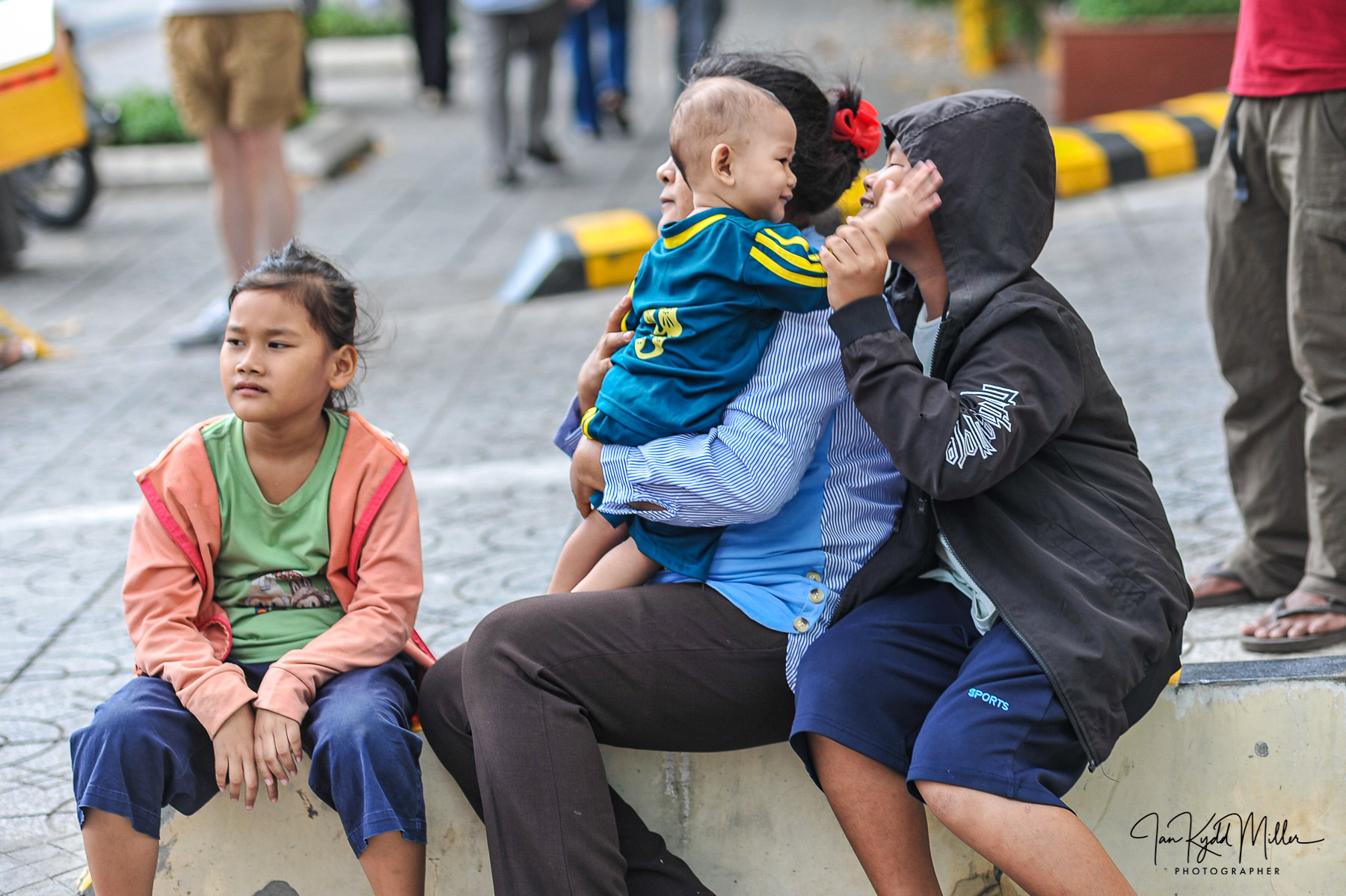
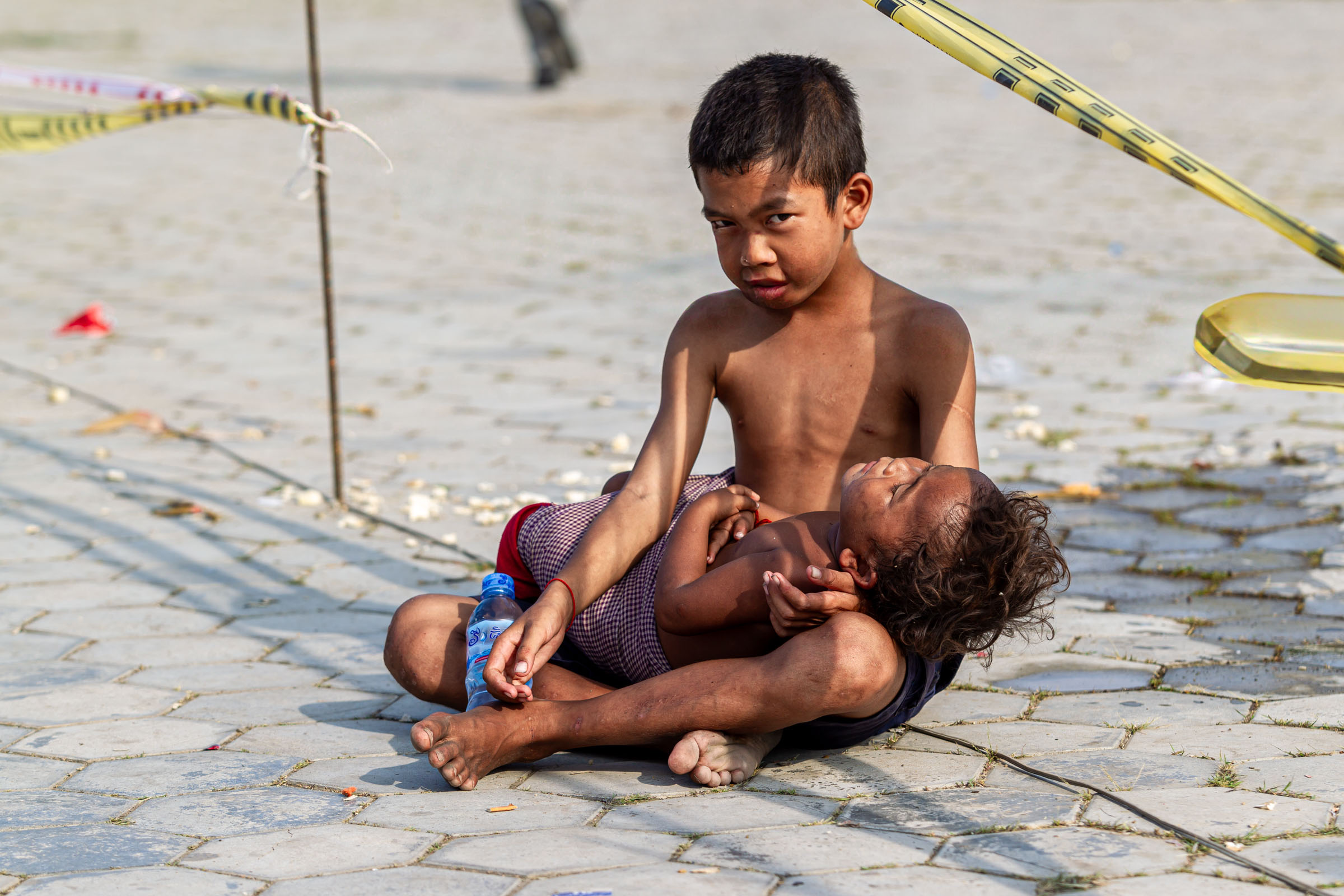
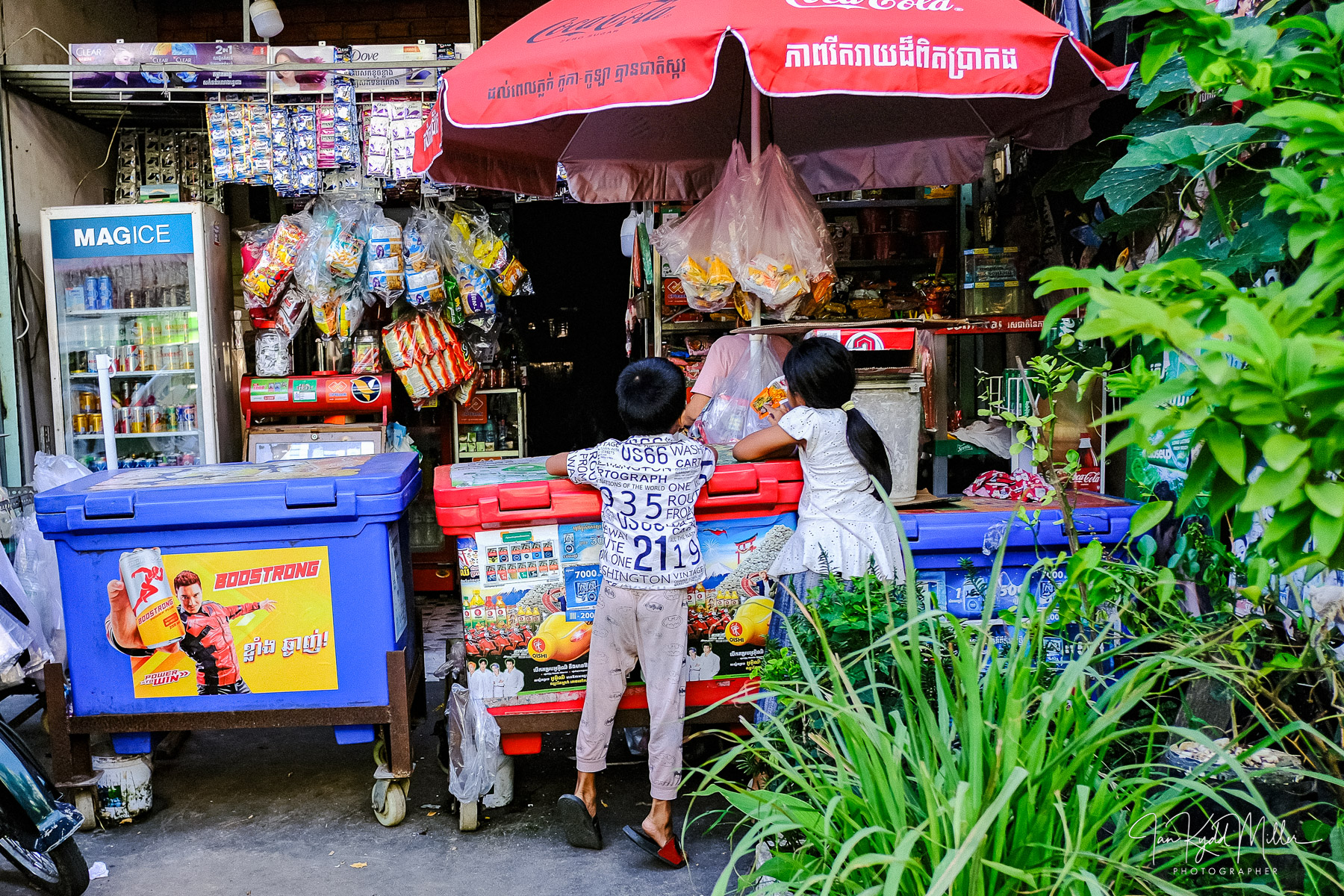
Walking through Phnom Penh is like stepping into a living mosaic of Cambodia’s culture. The streets are not just roads for transportβ€”they are markets, kitchens, playgrounds, and social spaces all at once.
🌞 Morning Rhythms

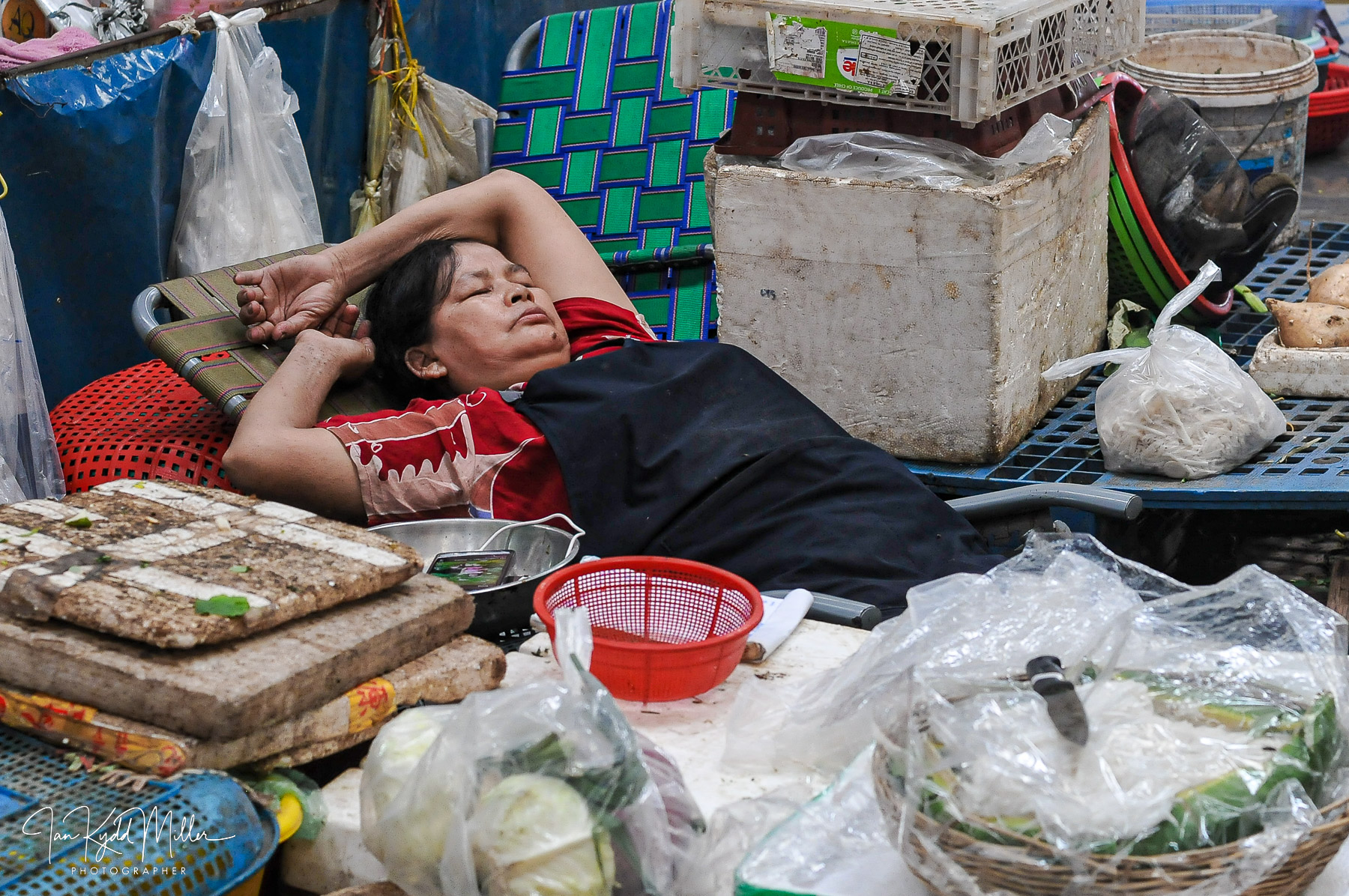
  • Markets come alive at dawn: wet markets bustle with vendors selling fresh fish, vegetables, and fragrant herbs.
  • Street-side stalls serve noodle soups, grilled meats, and iced coffee, fueling workers before the day begins.
  • Monks in saffron robes walk barefoot through neighborhoods, collecting alms in a centuries-old ritual.

🚦 Midday Hustle

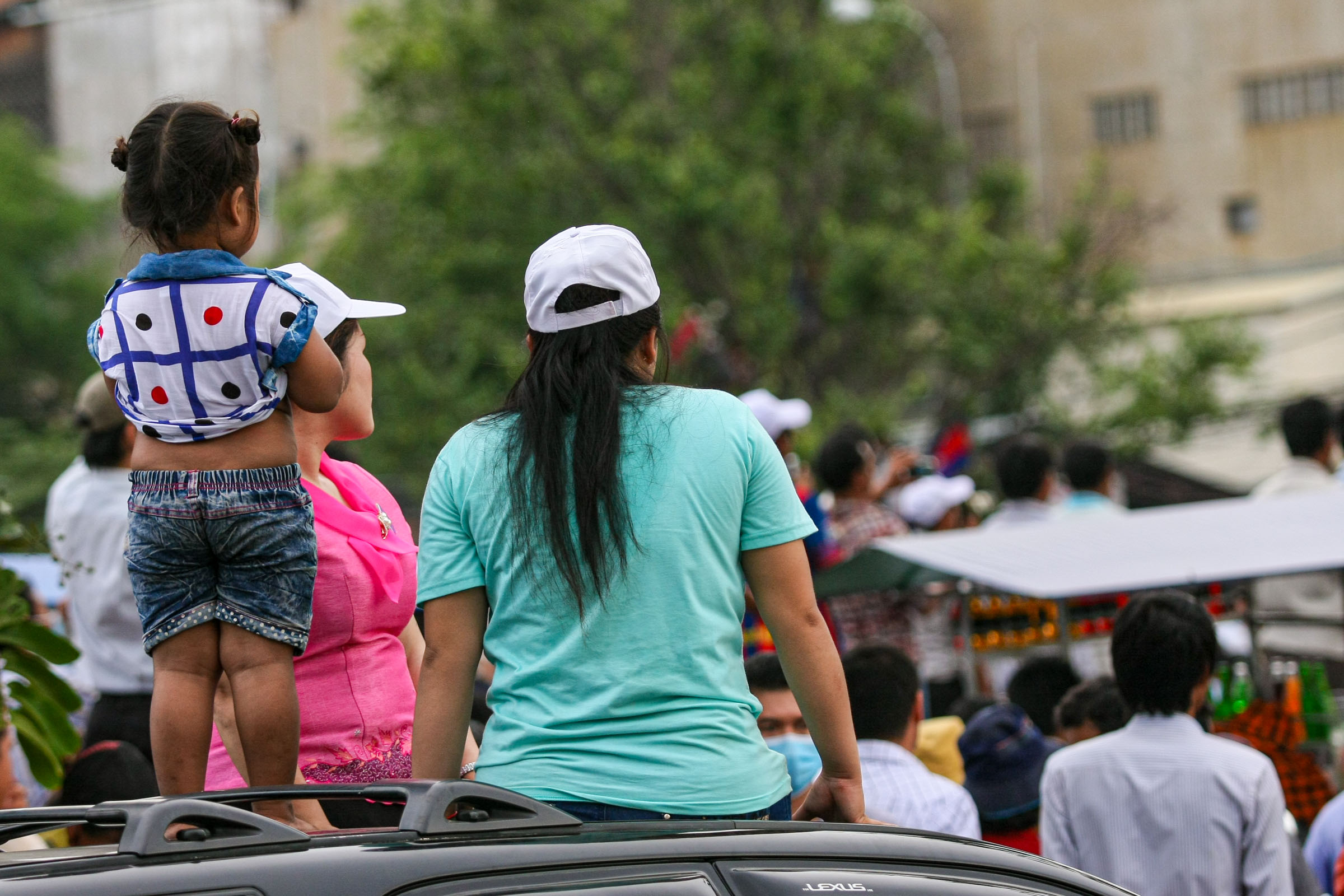
  • Traffic is a sensory overload: motorbikes weaving between tuk-tuks, bicycles, and the occasional Lexus SUV.
  • Sidewalks double as workshops and storefrontsβ€”tailors, mechanics, and barbers set up shop in open air.
  • Children play in alleyways, while families gather under umbrellas to escape the midday heat.

πŸŒ† Evening Energy

  • As the sun sets, Phnom Penh’s streets transform into night markets and food havens.
  • Skewers of beef, fried noodles, and fresh sugarcane juice fill the air with irresistible aromas.
  • Riverside areas like Sisowath Quay become social hubs, with locals strolling, exercising, or enjoying street performances.

🎨 The Character of Phnom Penh’s Streets

  • Contrasts everywhere: gleaming malls stand beside crumbling colonial buildings; luxury cars pass hand-pulled carts.
  • Colours and textures: laundry strung across balconies, neon-lit karaoke bars, and murals reflecting Cambodia’s youthful creativity.
  • Community spirit: despite the chaos, there’s a sense of rhythmβ€”neighbours chatting, vendors calling out, children laughing.

πŸ“· Why It’s Photographically Rich

For photographers, Phnom Penh’s street life offers:

  • Dynamic light and shadow in narrow alleys and open boulevards.
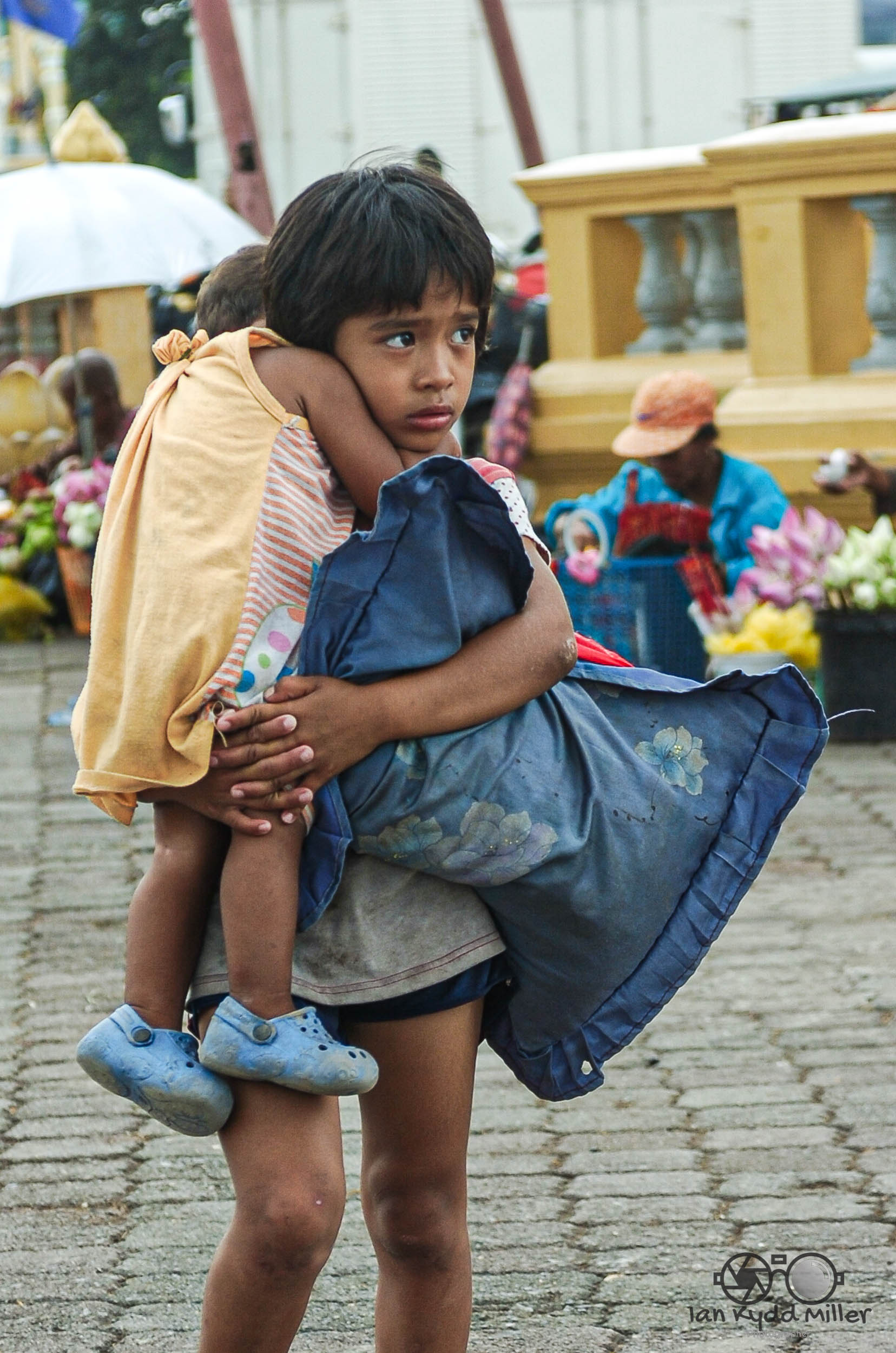
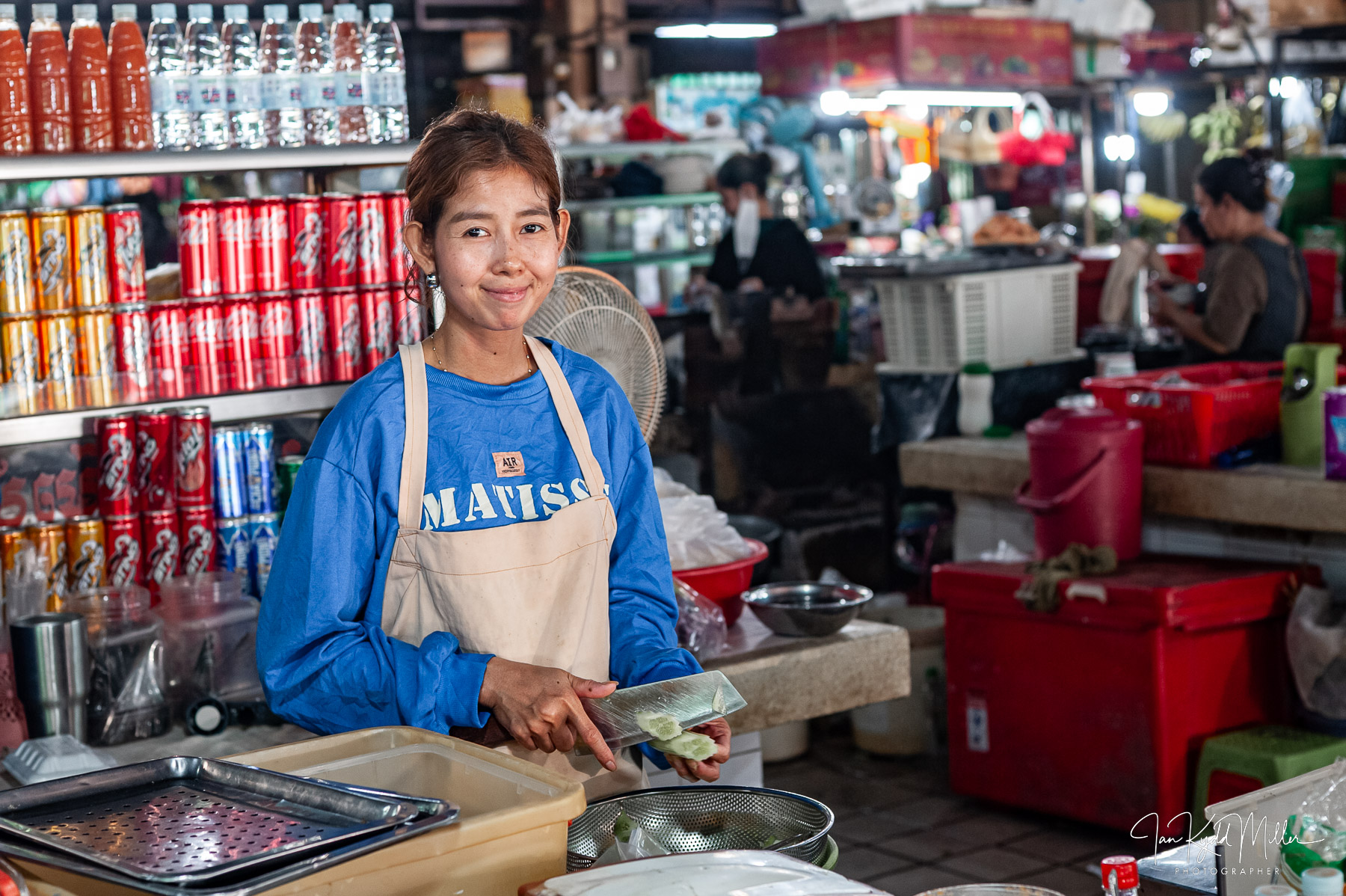
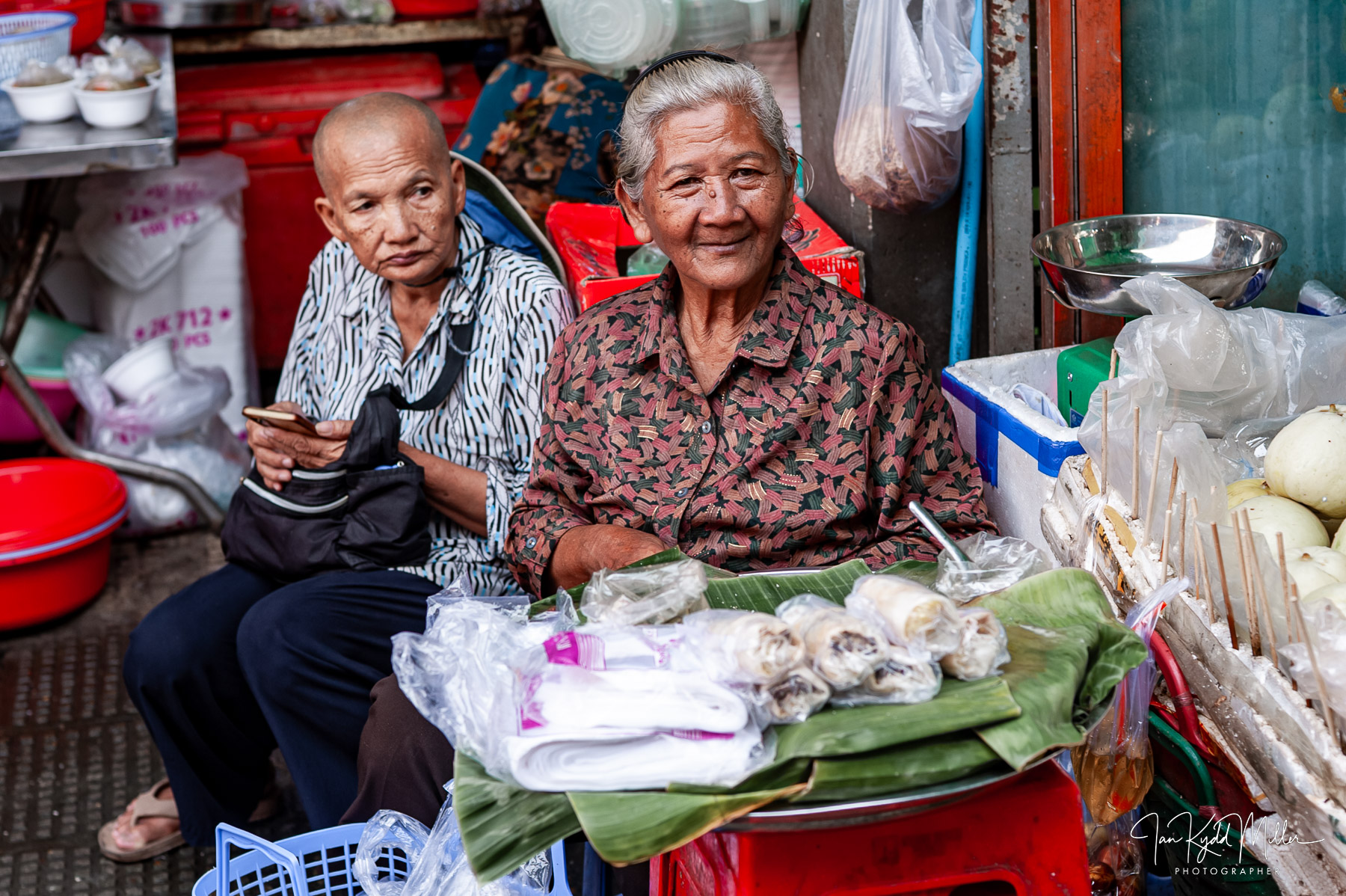
  • Faces full of character, from weathered elders to energetic youth.
  • Stories in motionβ€”every corner reveals a narrative of resilience, adaptation, and joy.

βœ… In essence: Street life in Phnom Penh is not just about movement and commerceβ€”it’s about connection, survival, and culture lived in public view. It’s messy, colourful, and endlessly fascinating, making it one of the most compelling urban experiences in Southeast Asia.

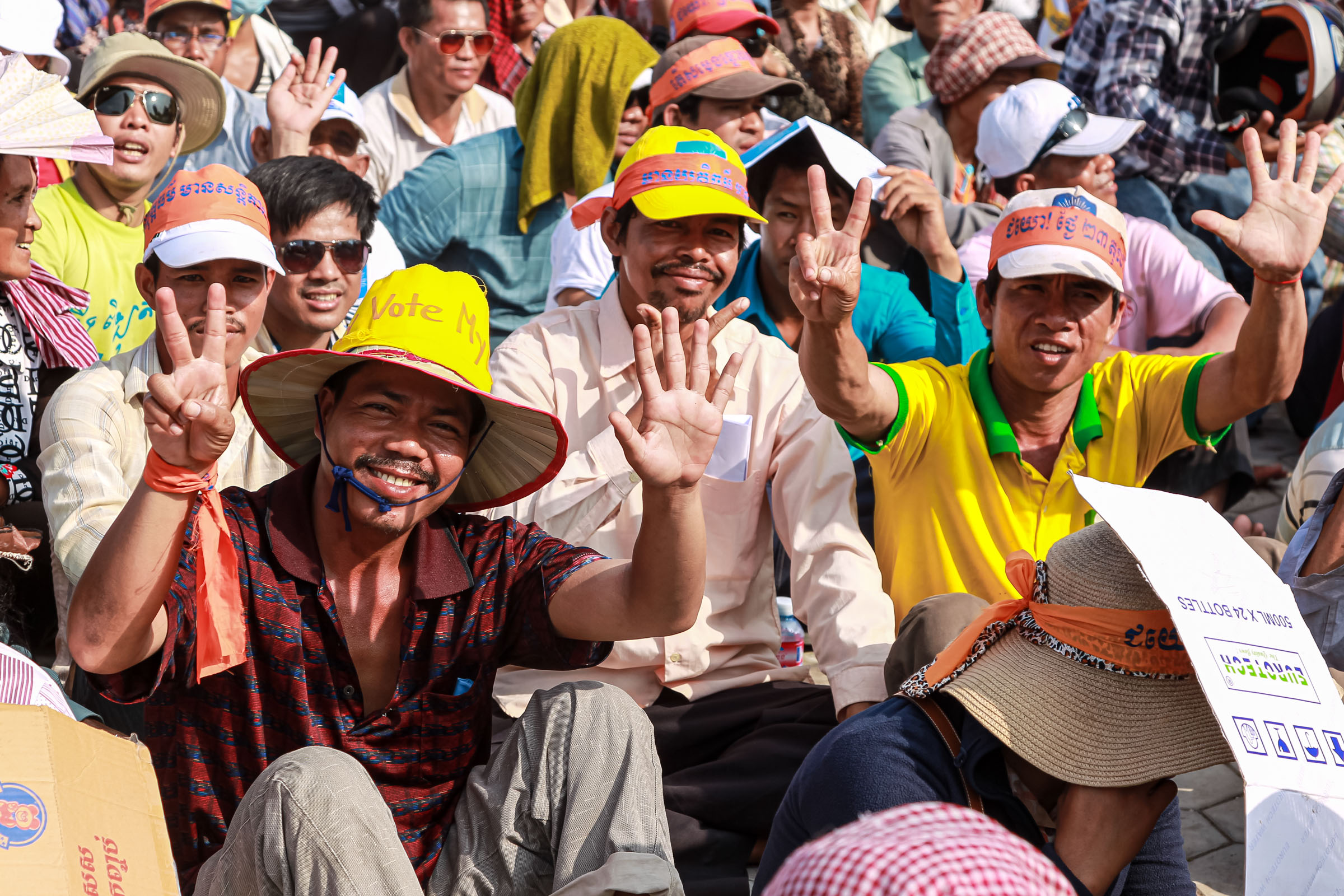
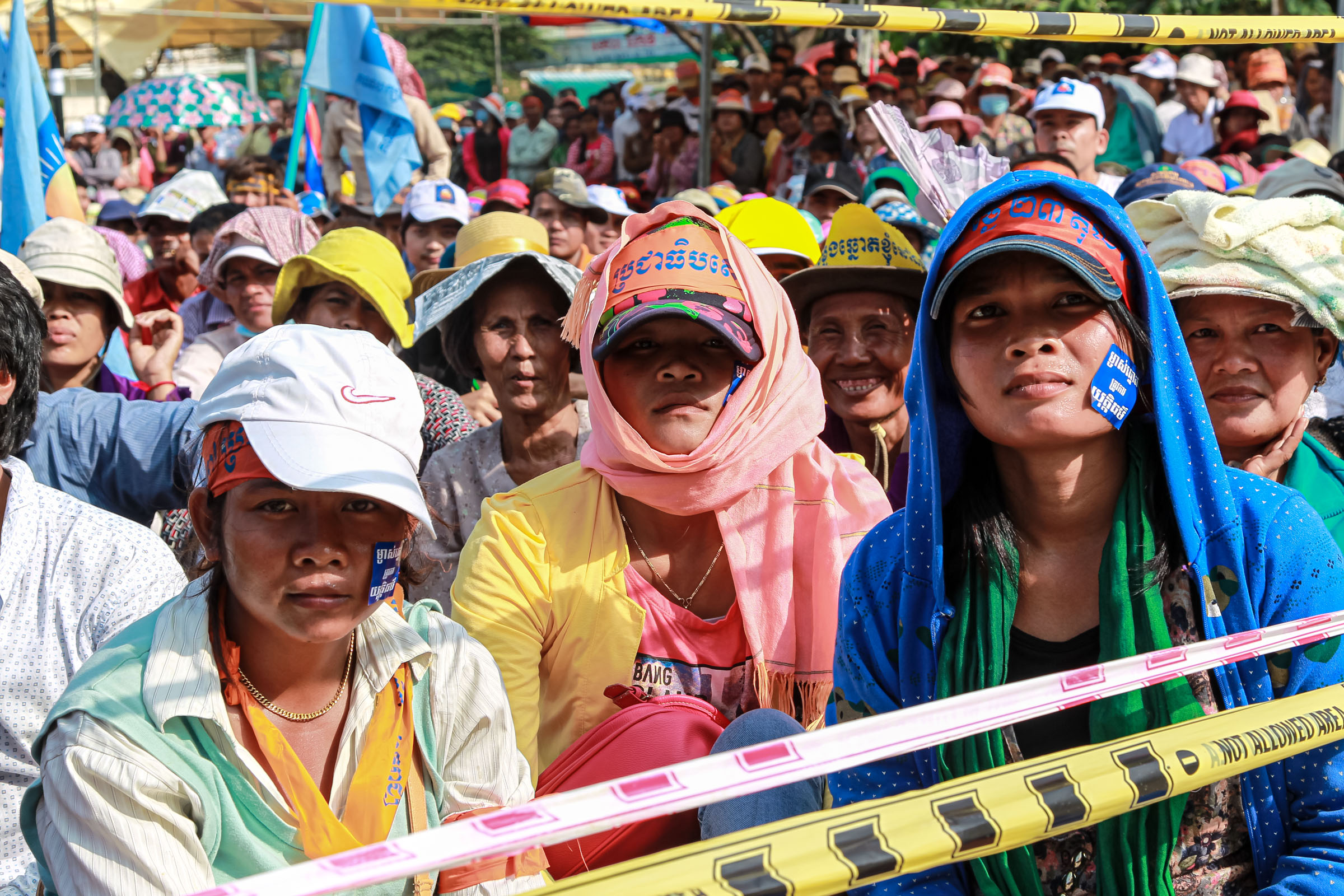
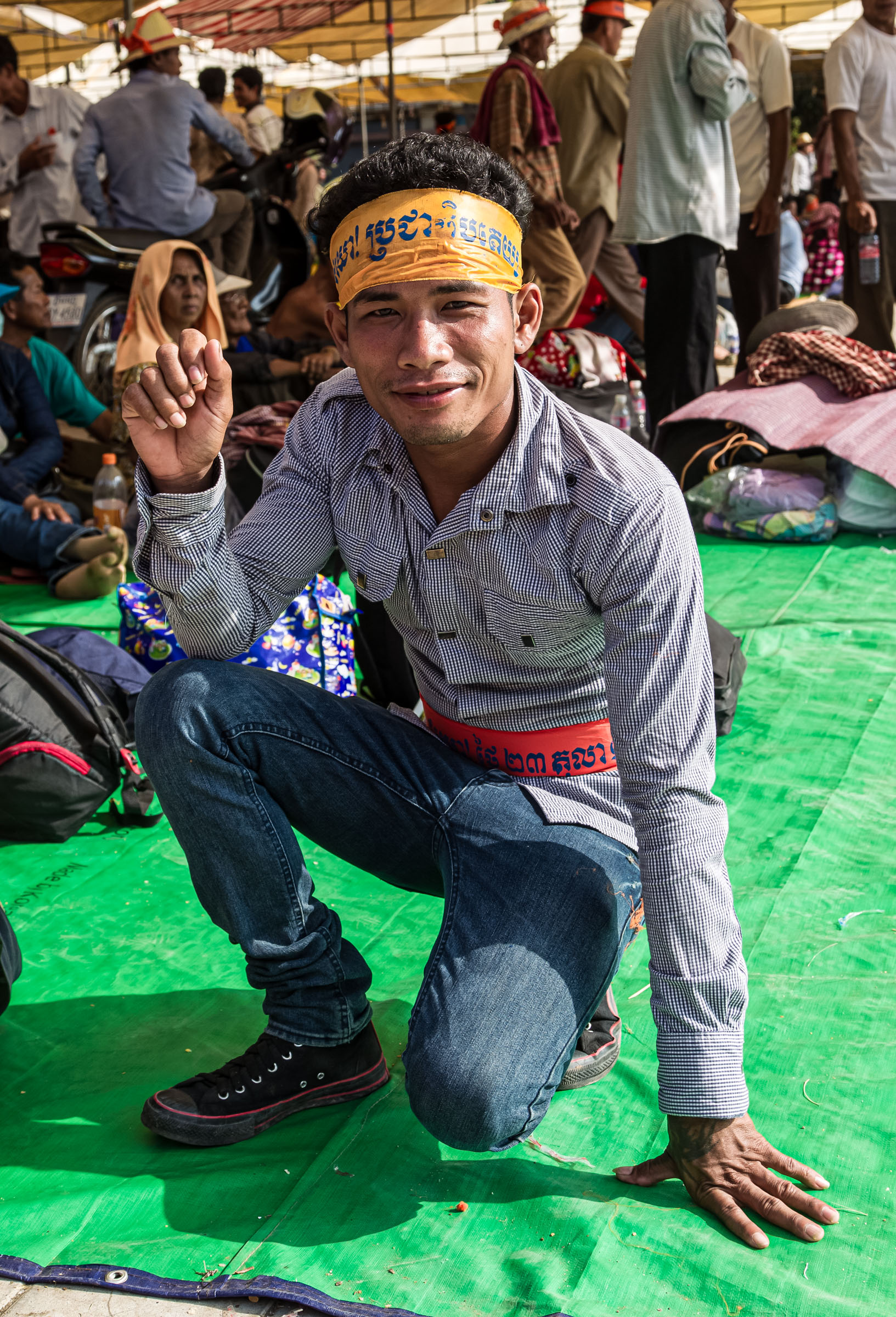
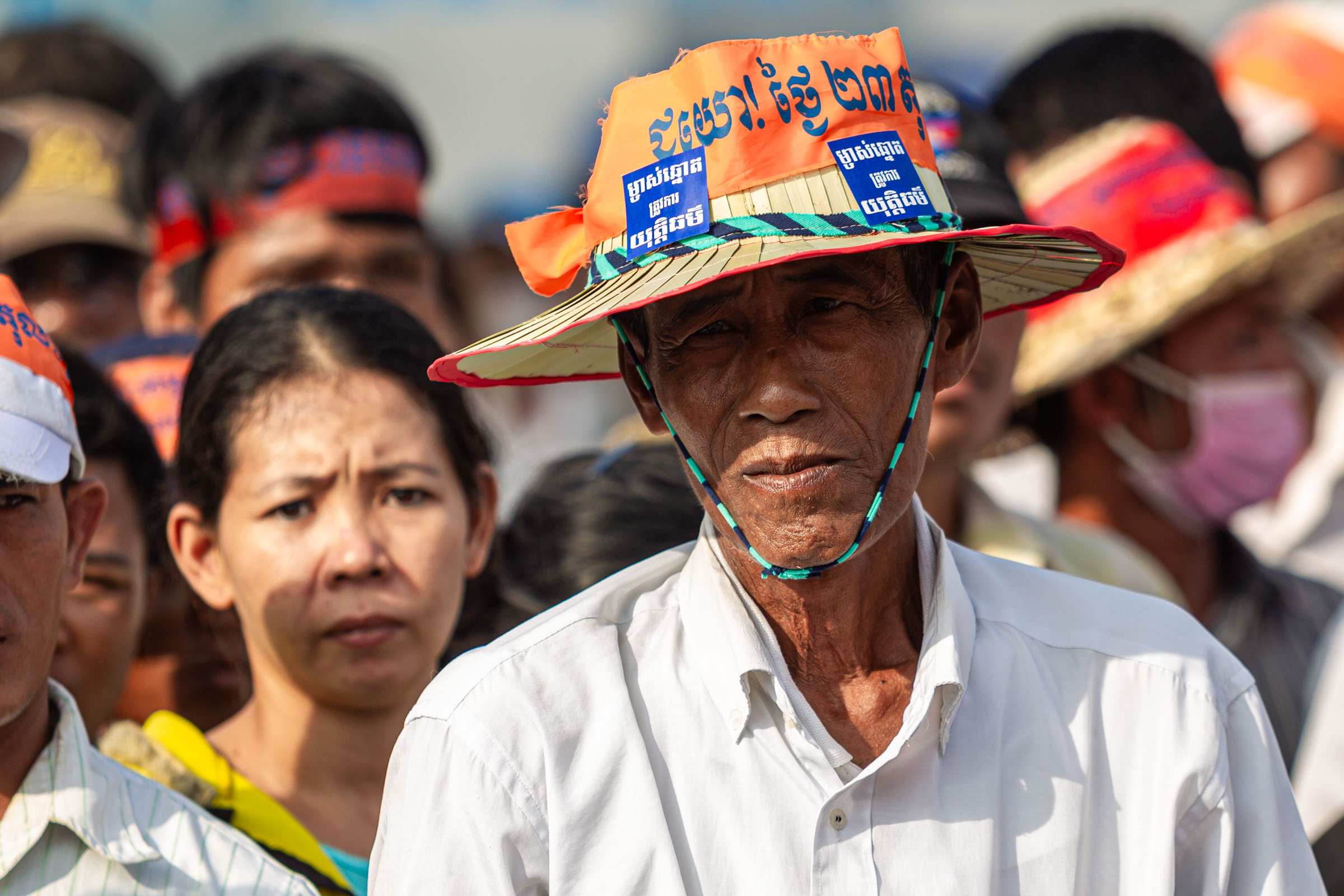
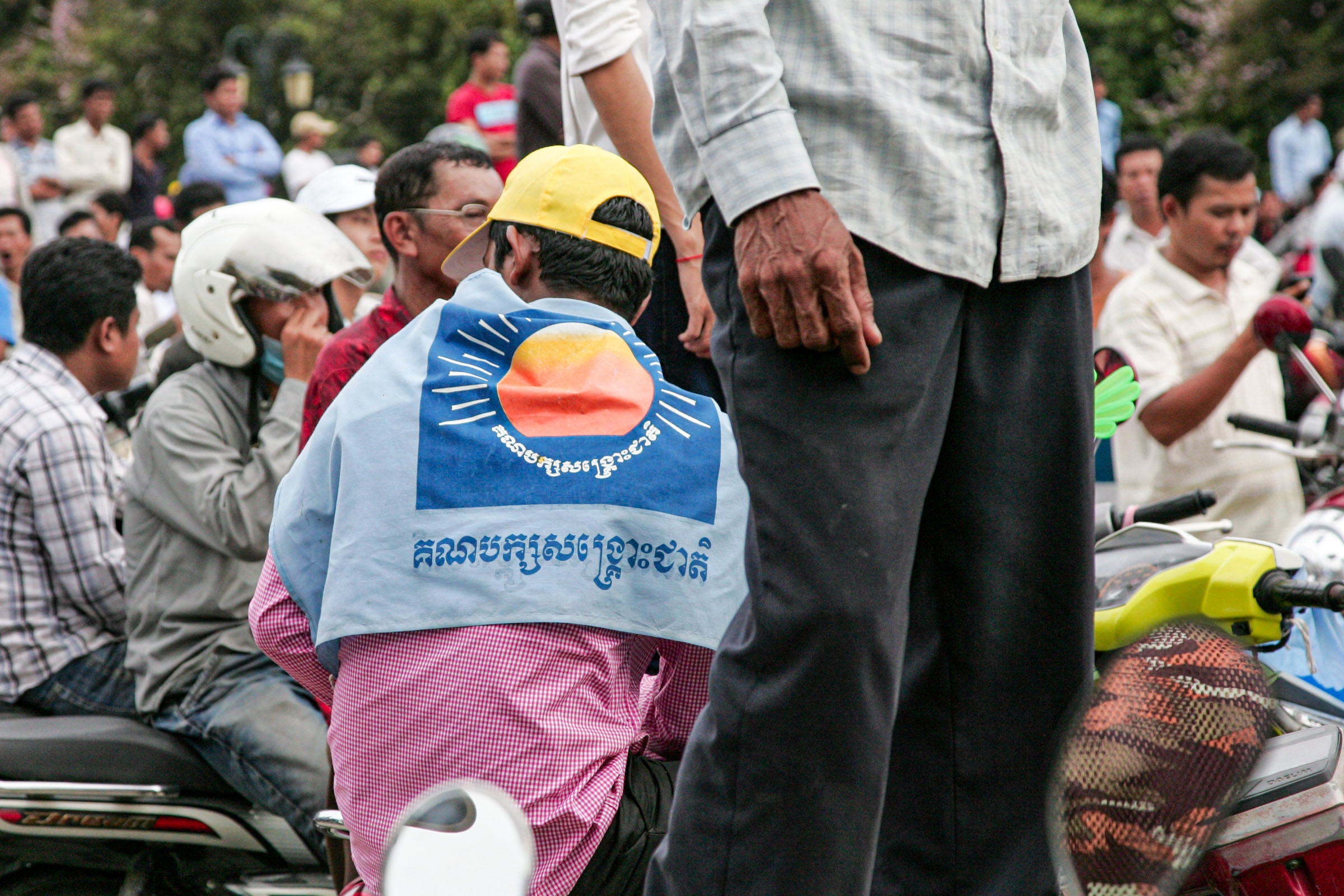
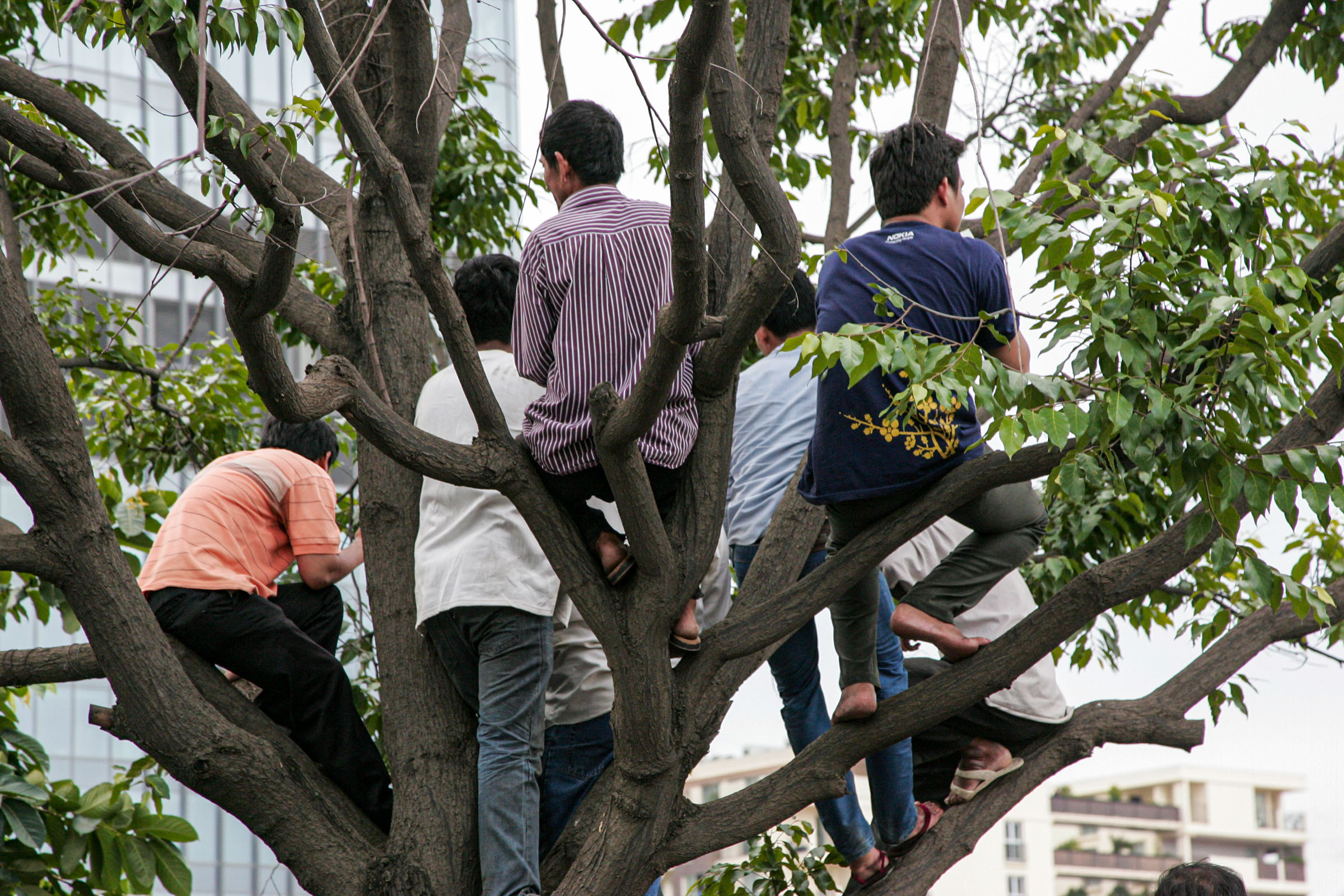
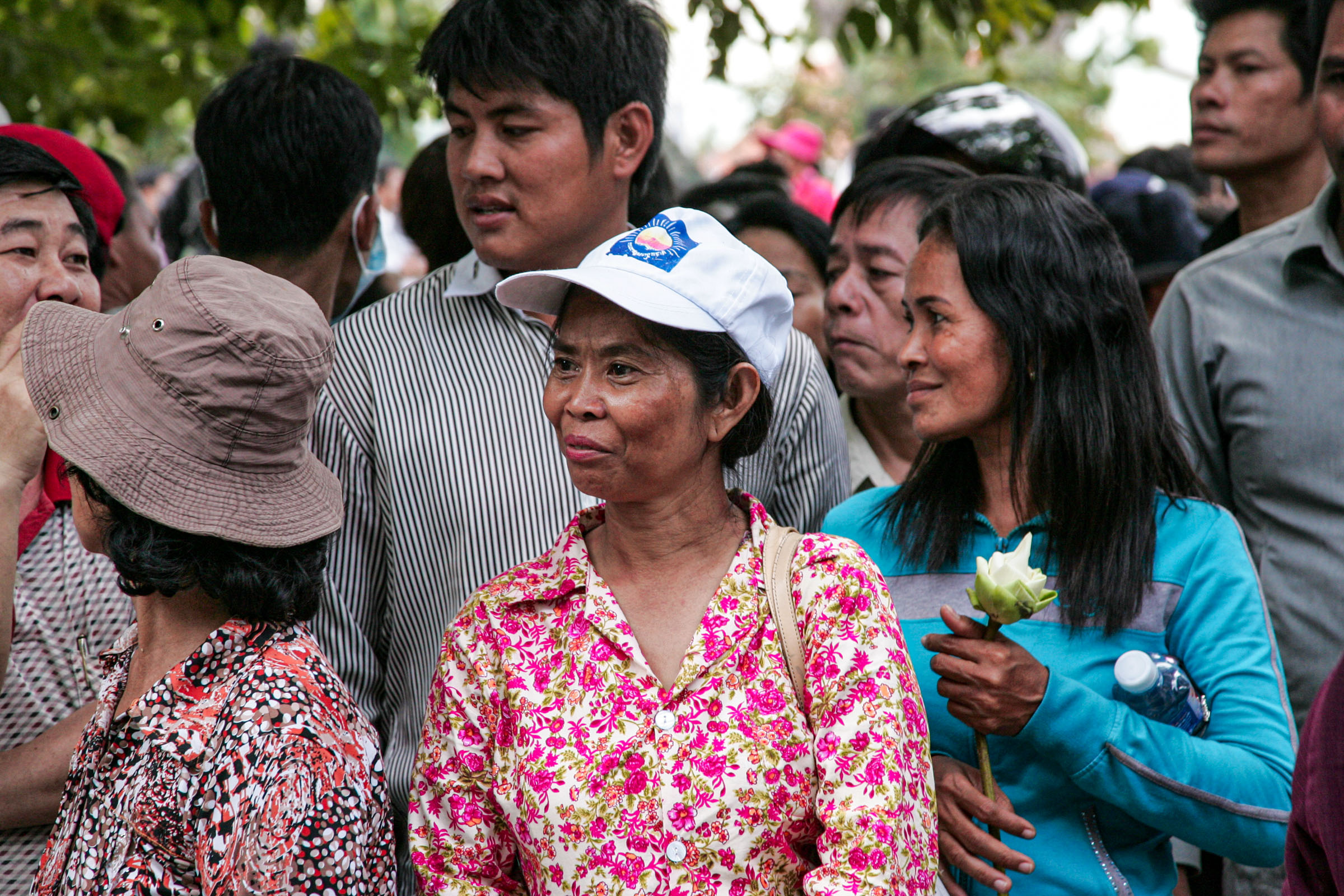
Retrospective 2013

cambodia, opinons, thoughts, photography, pictures, street
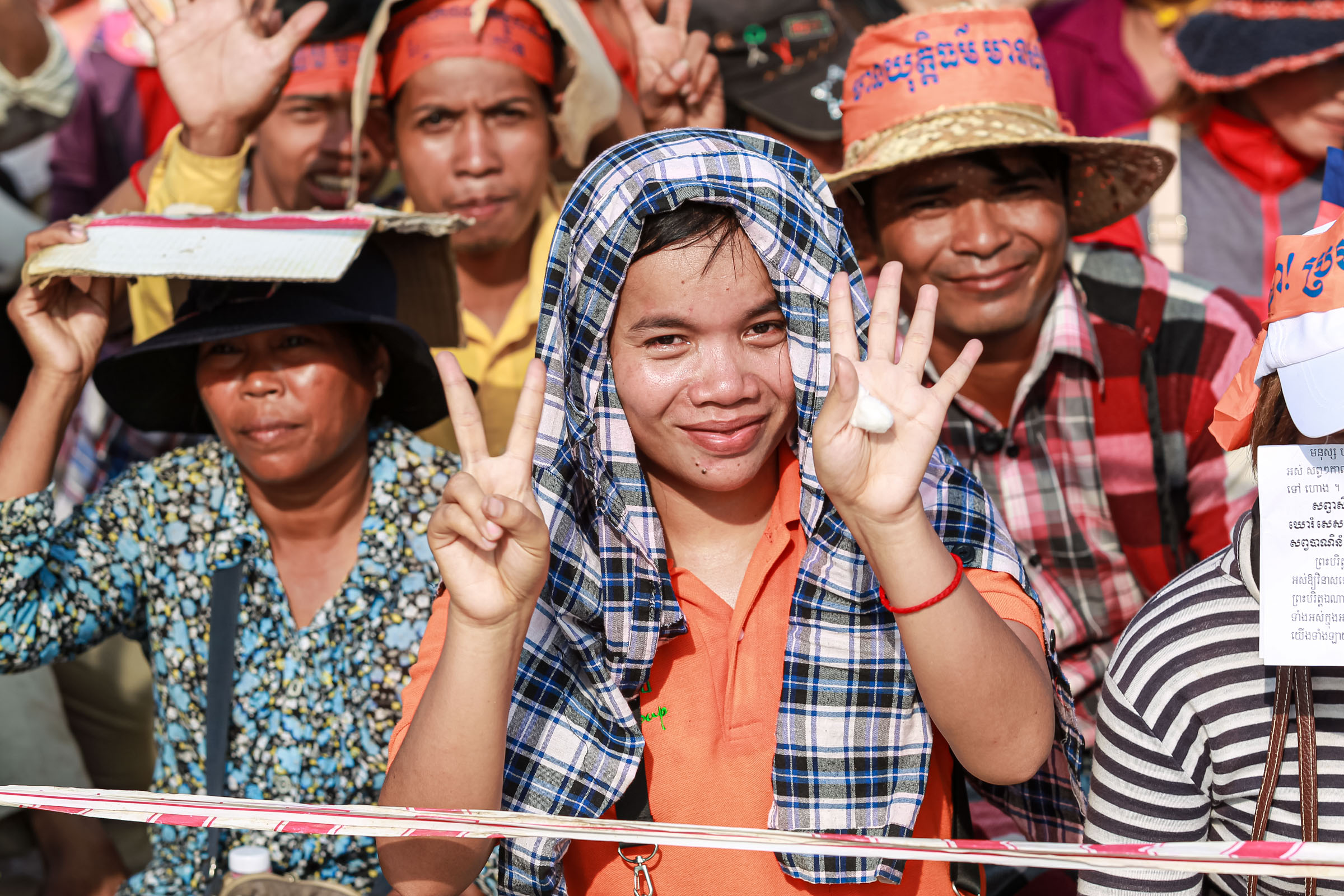
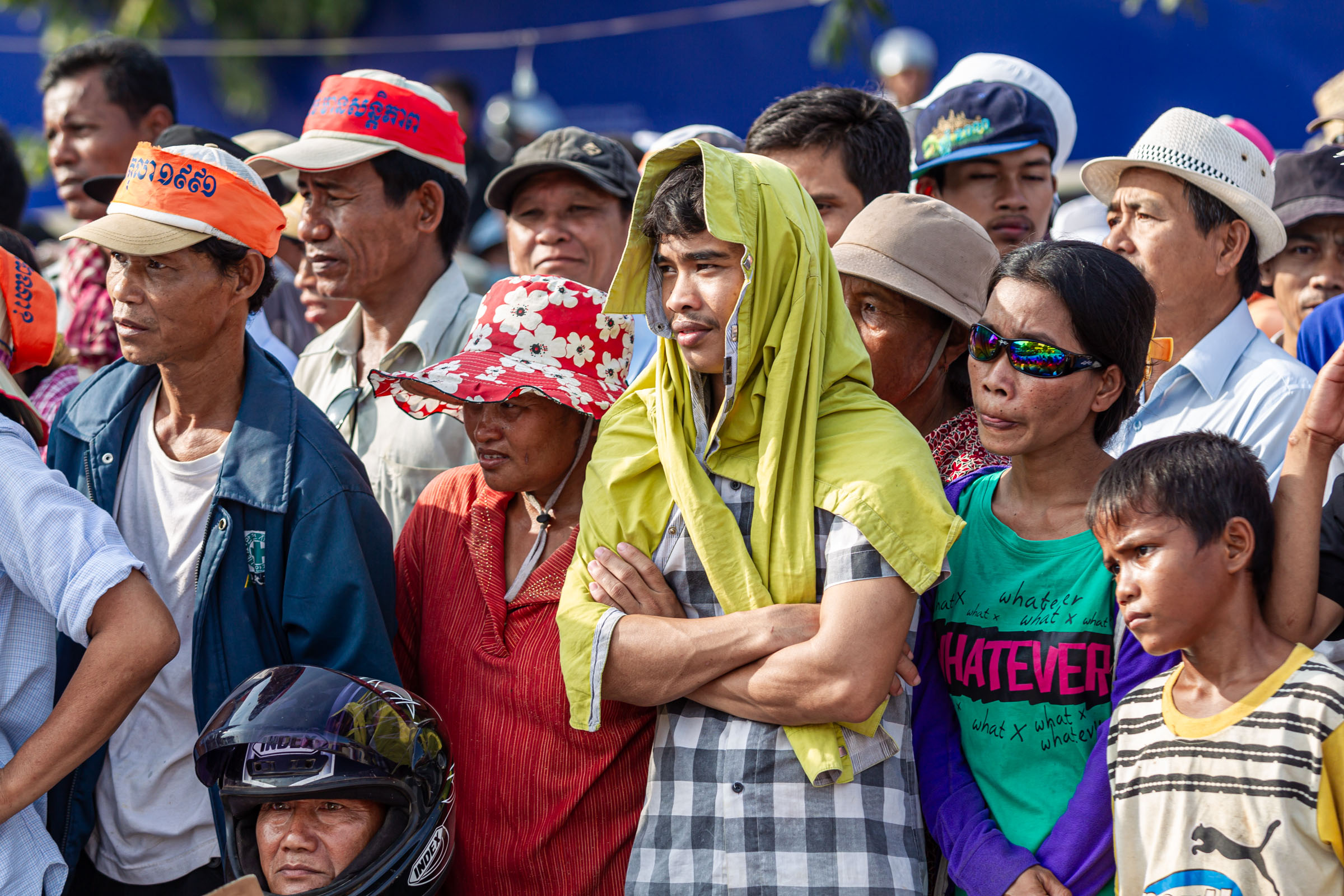
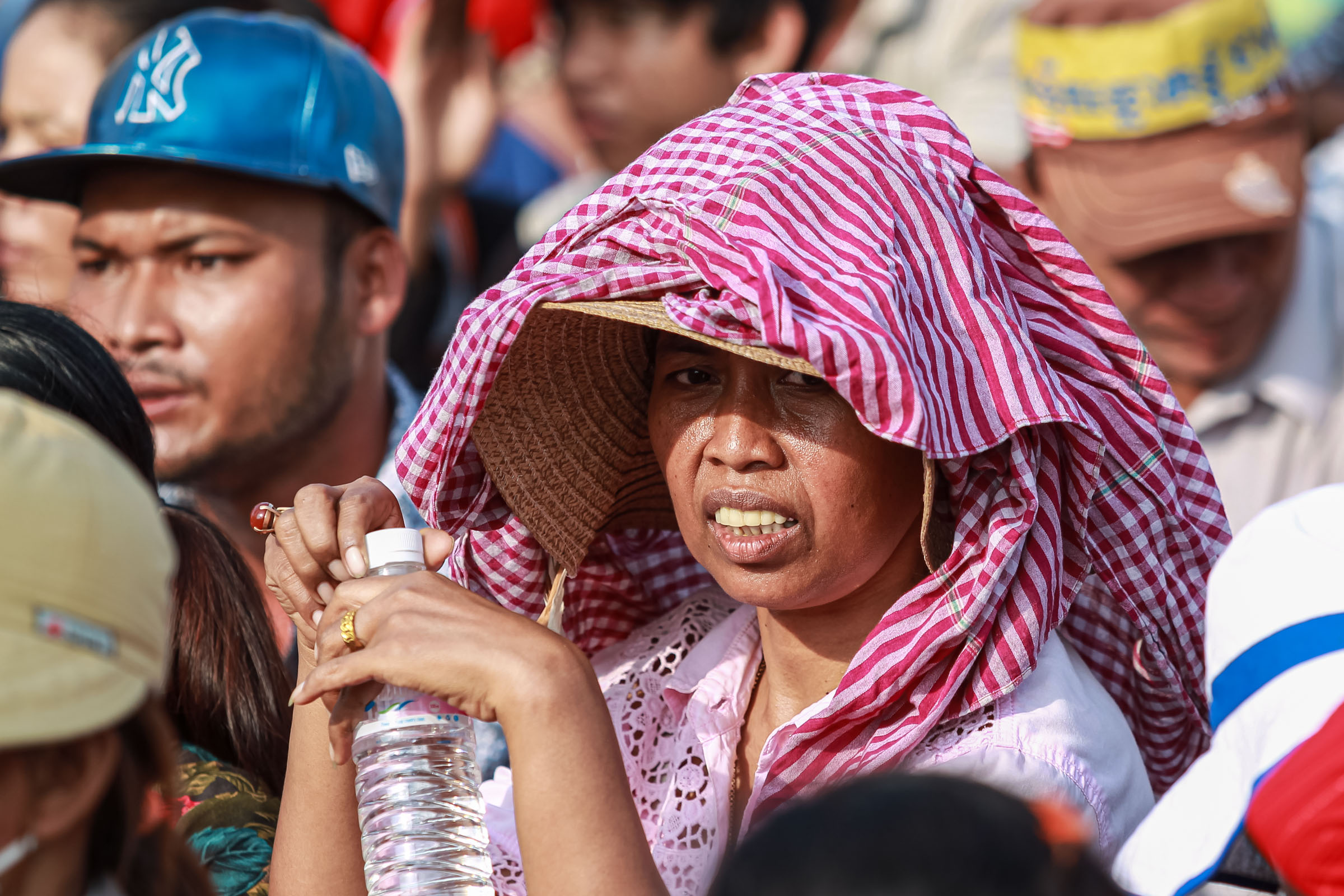
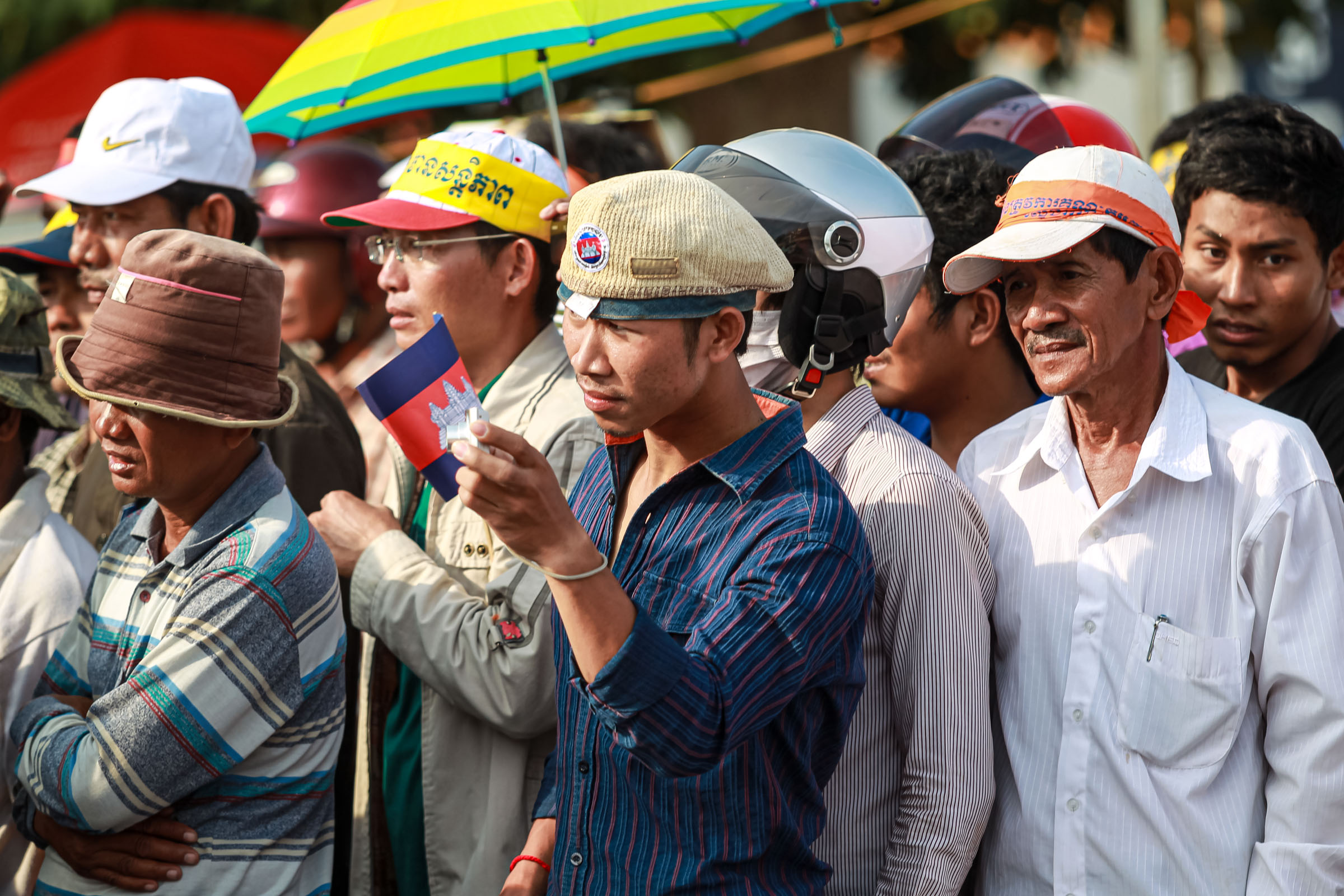
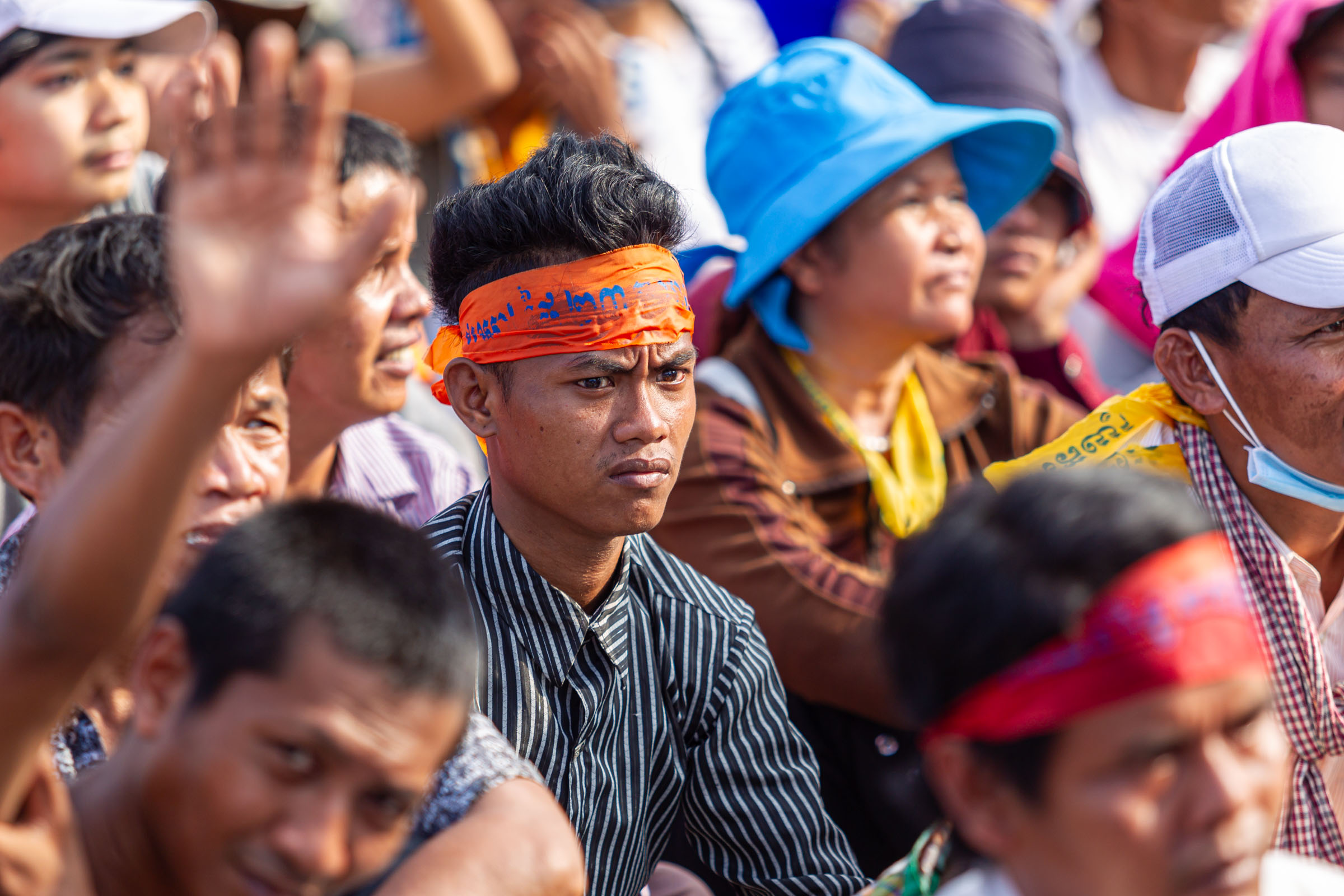
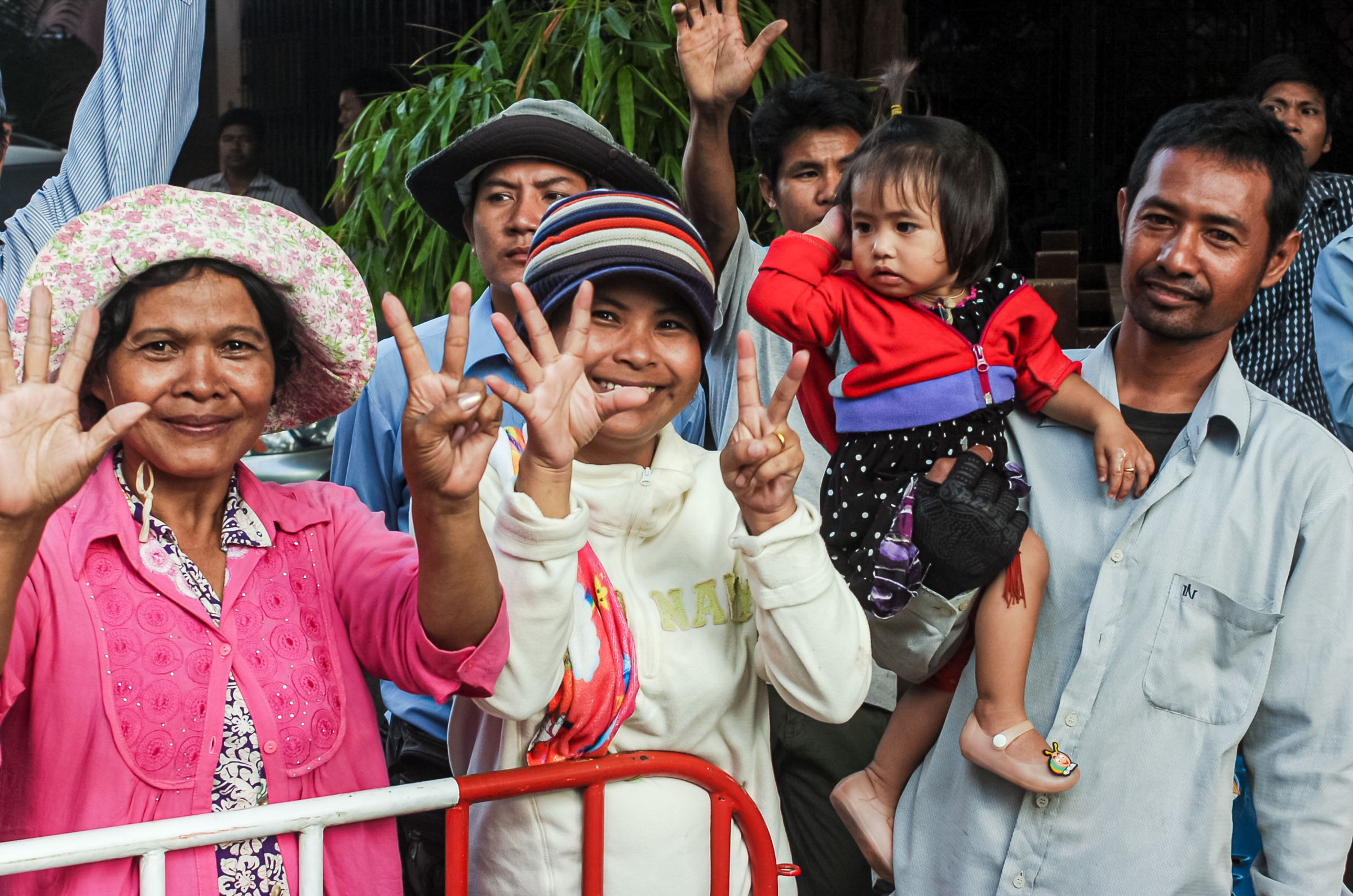
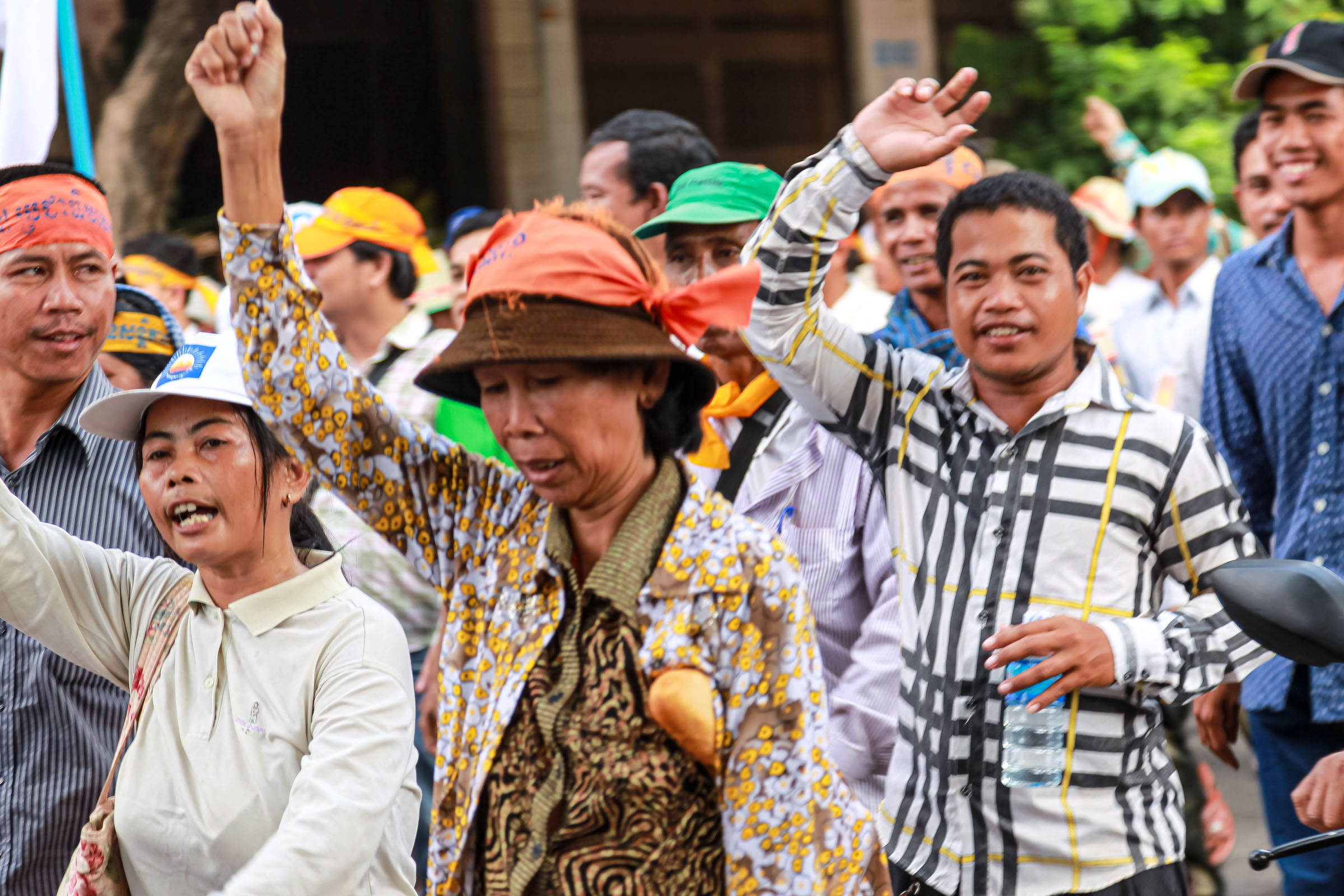
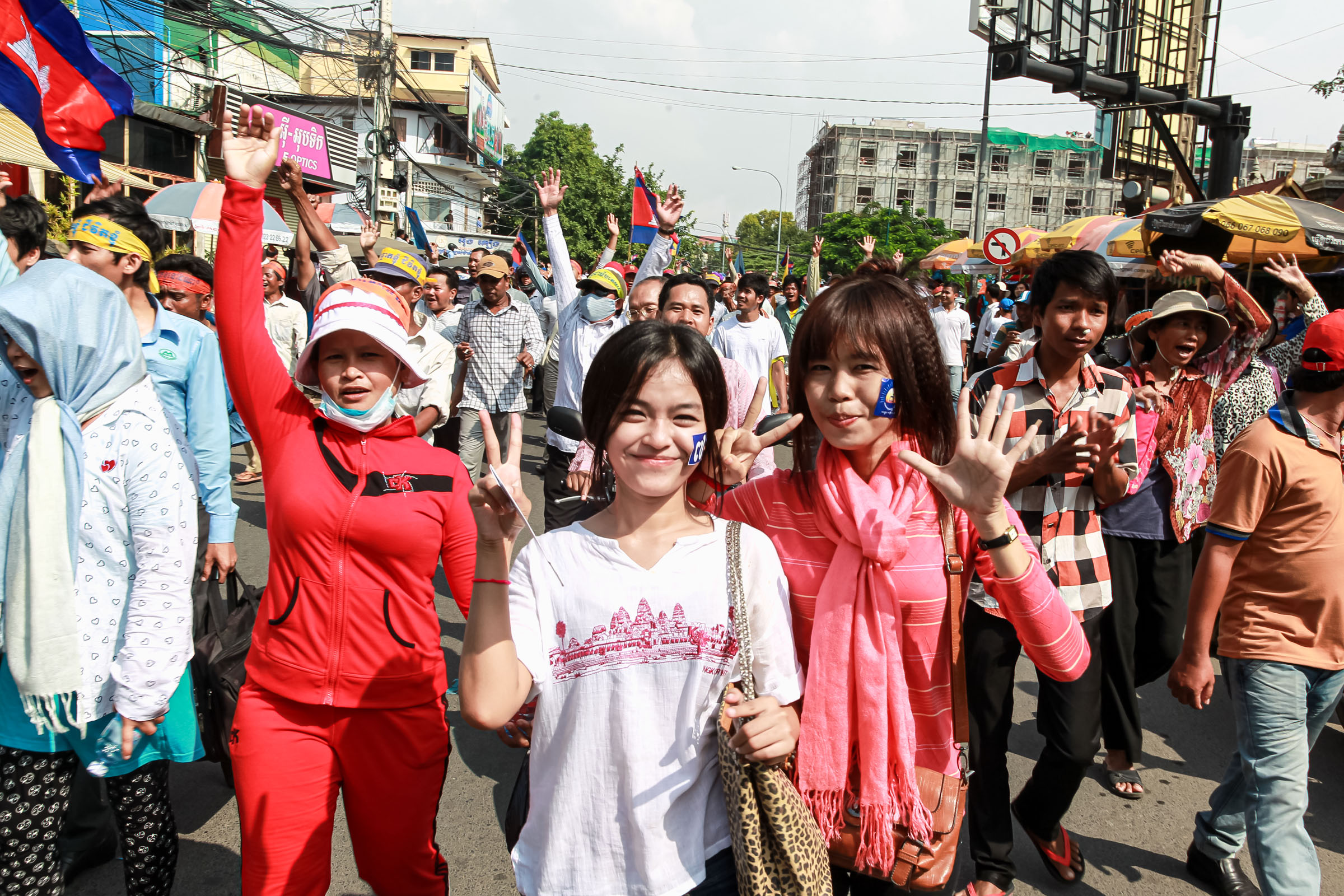
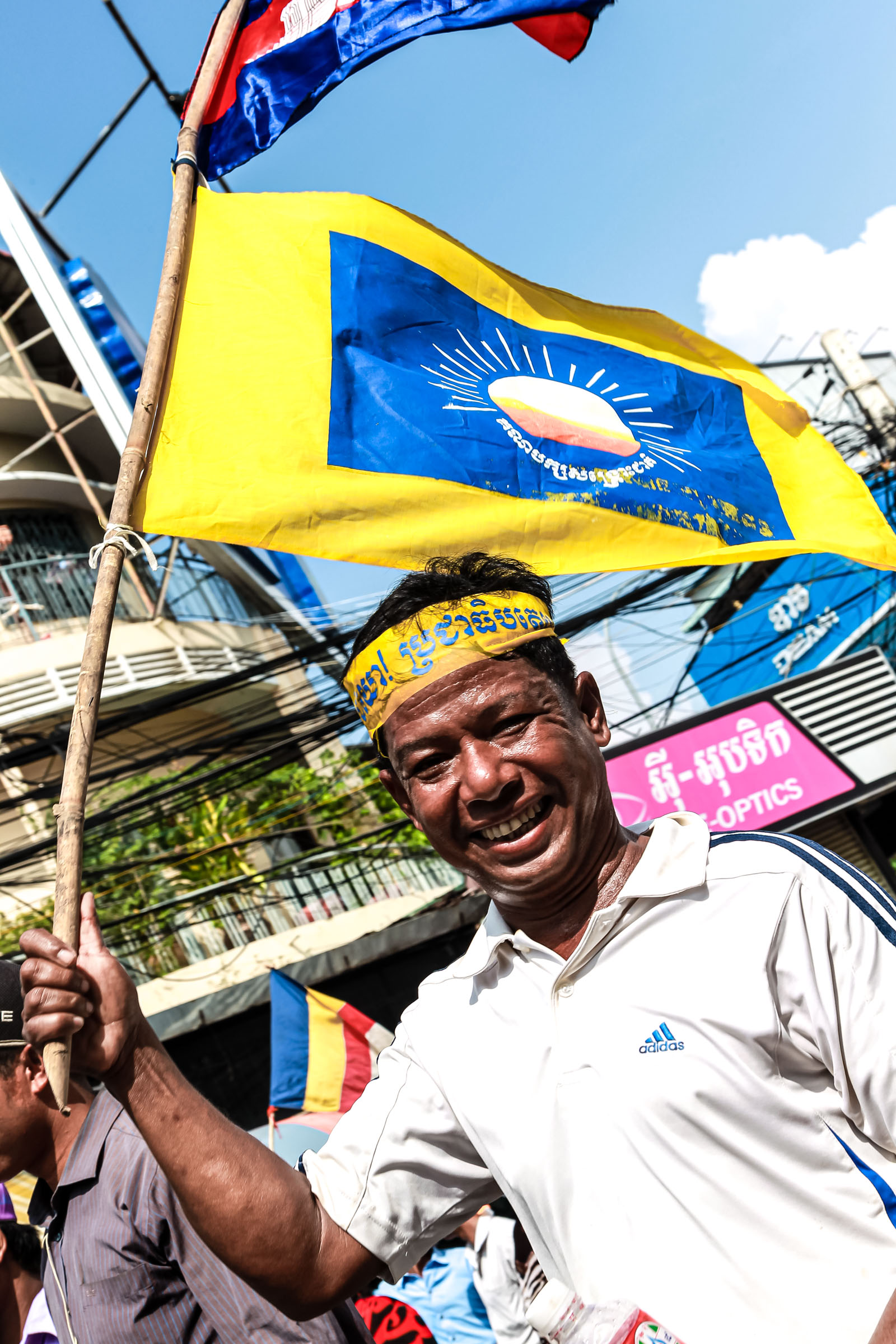
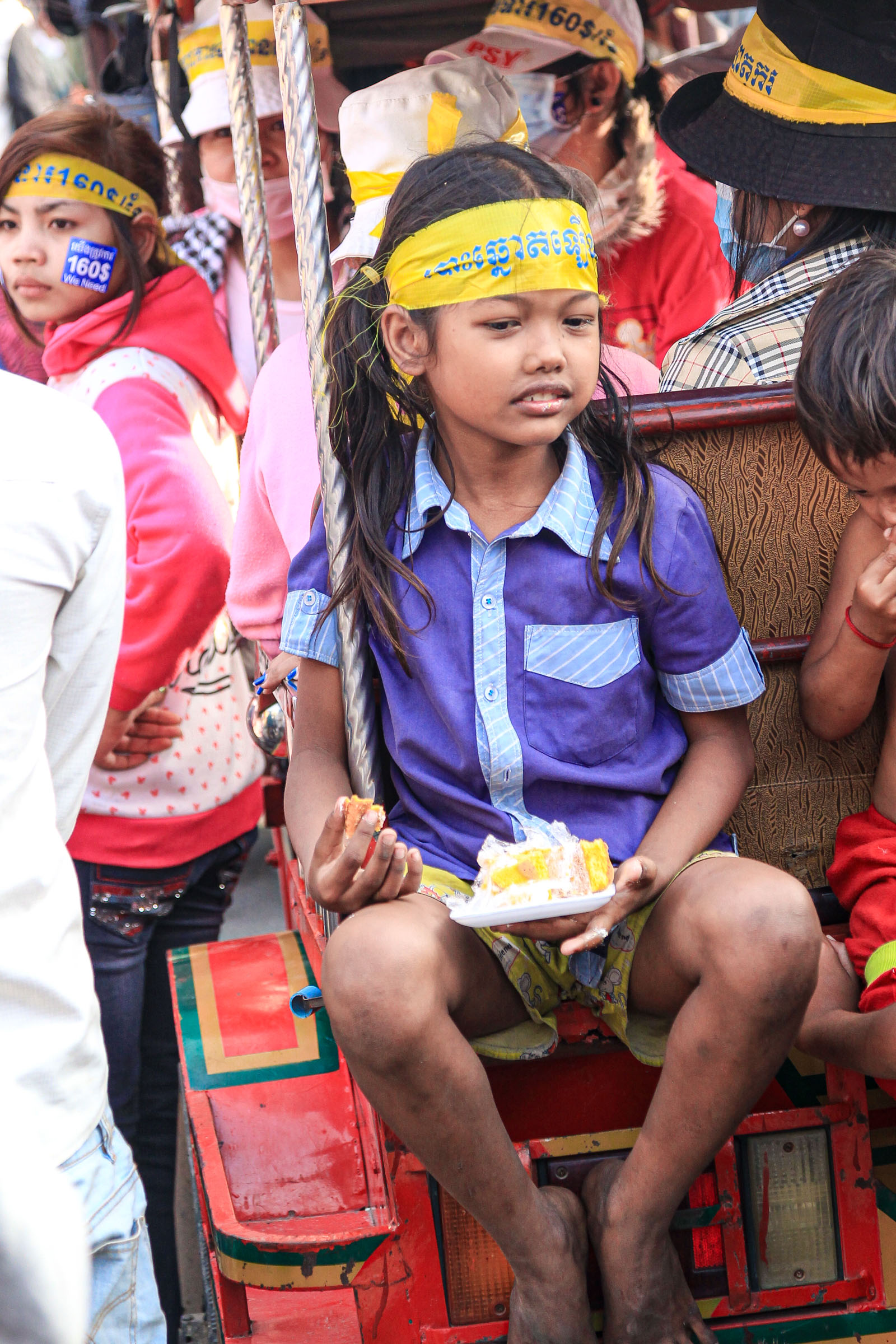
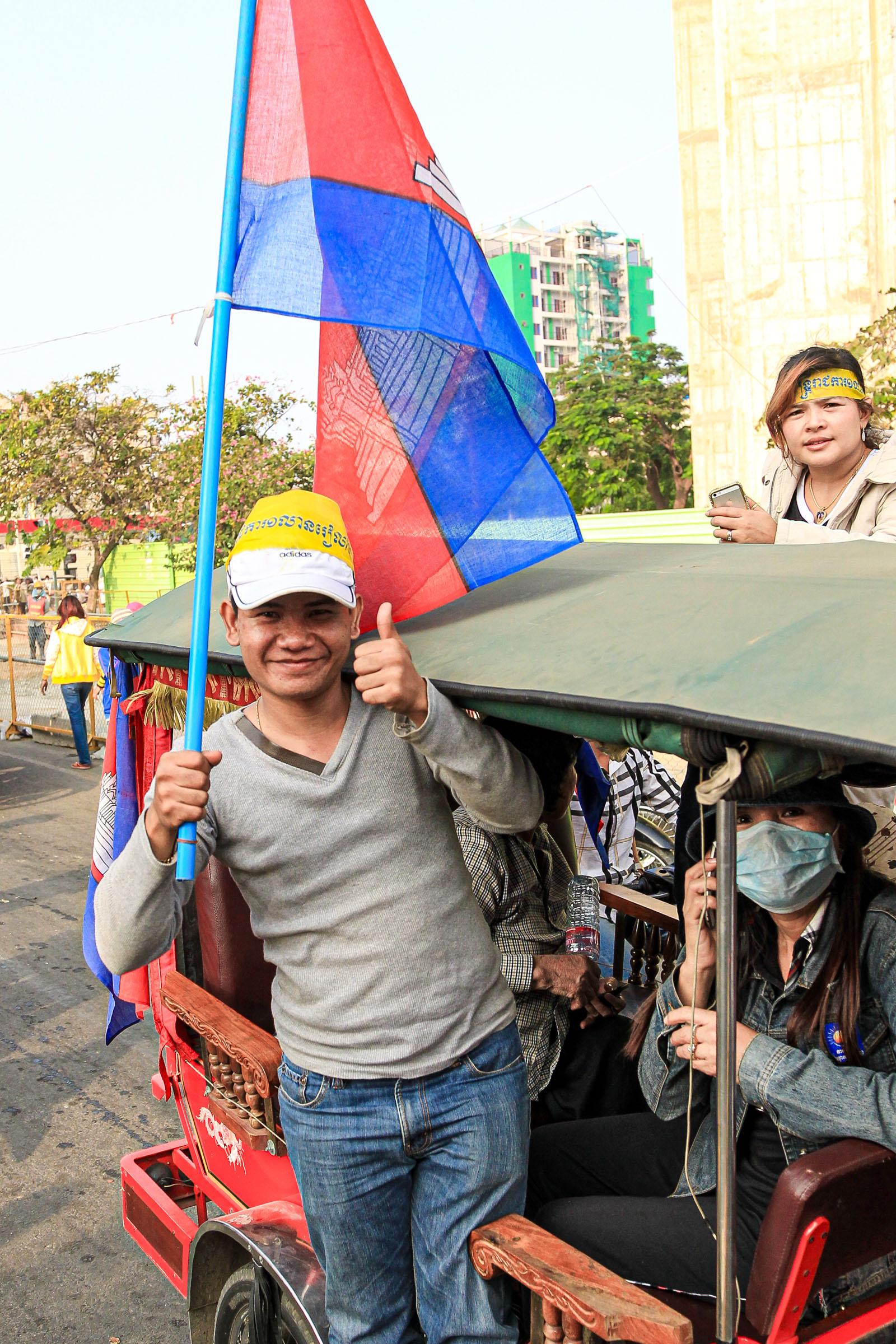
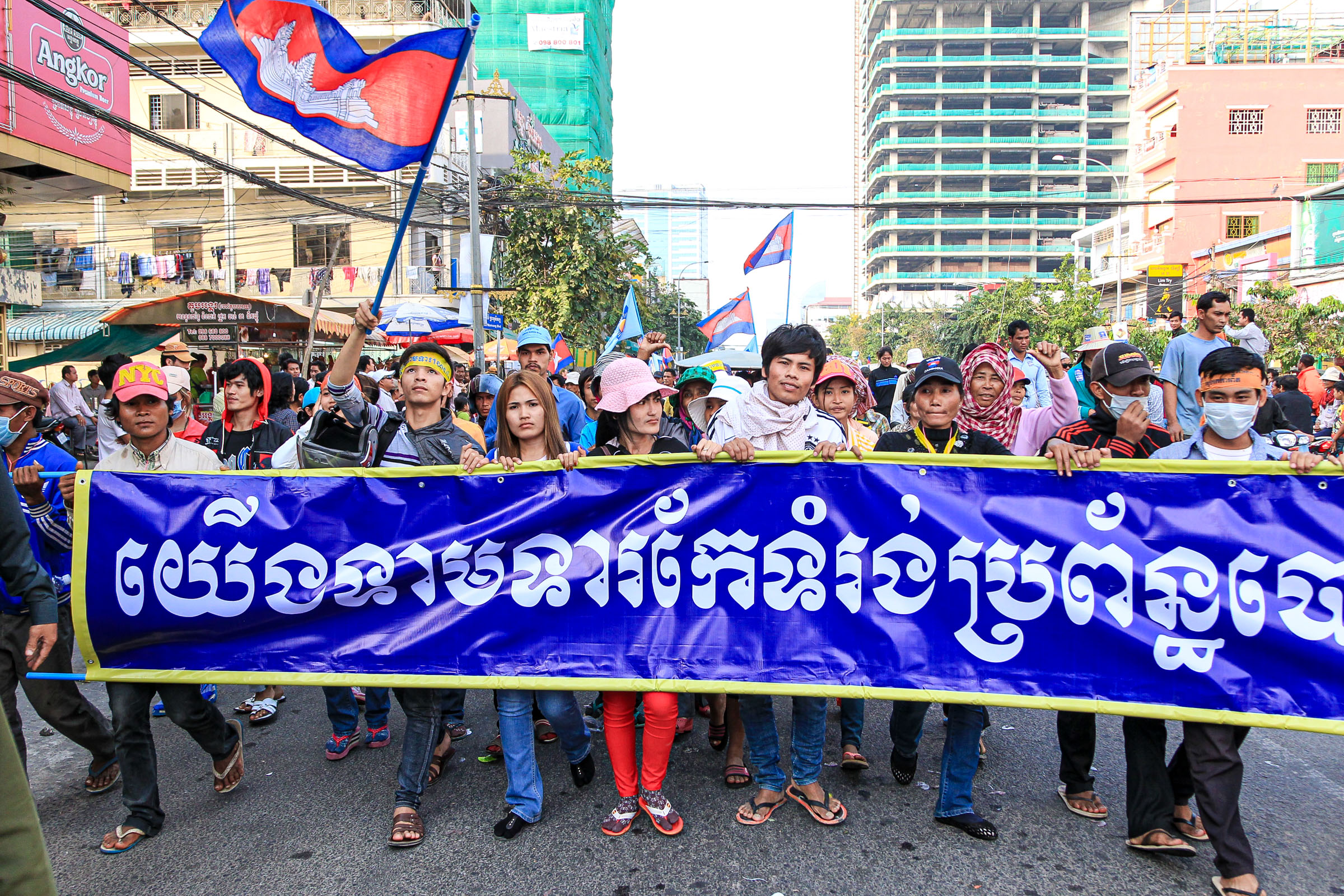
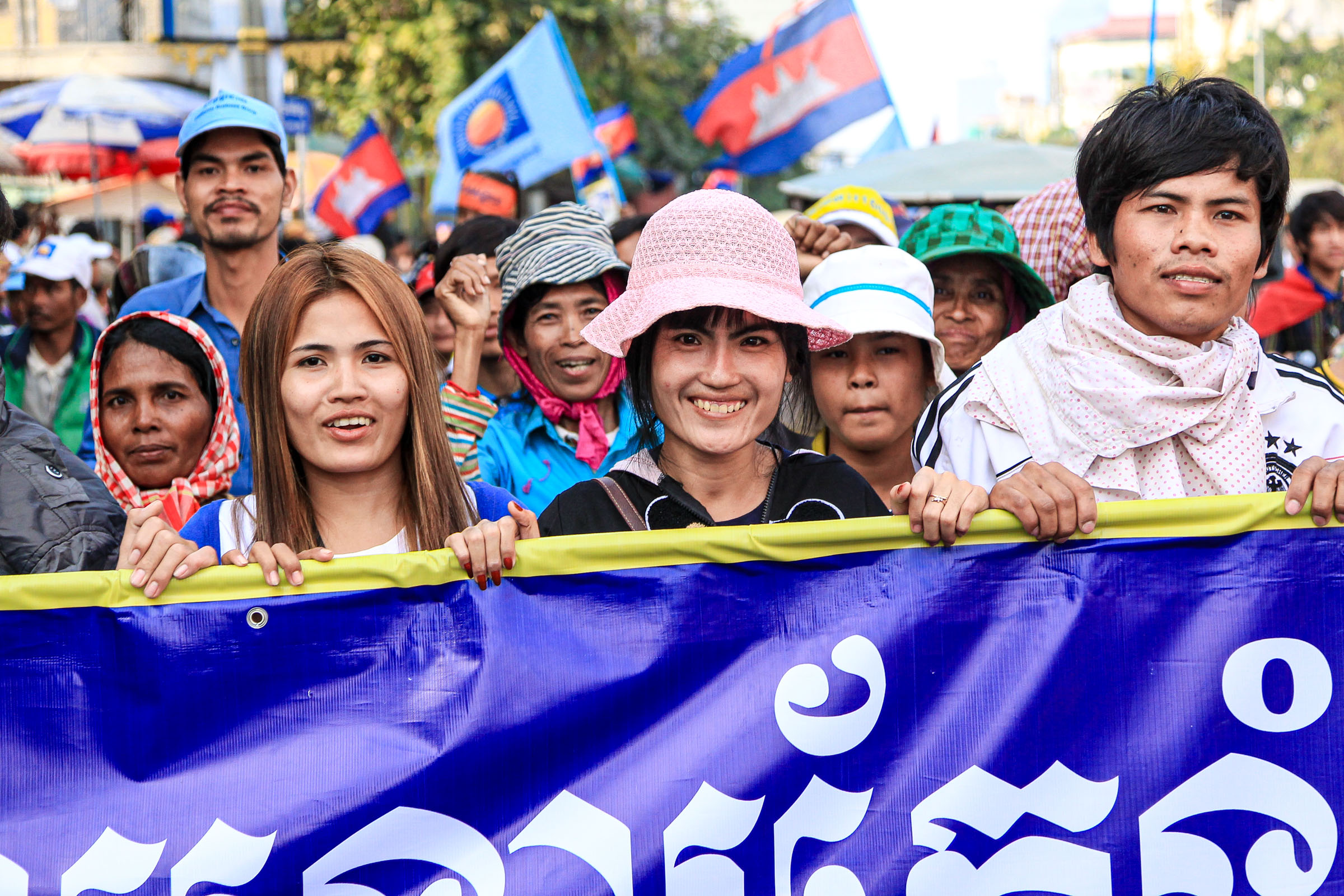
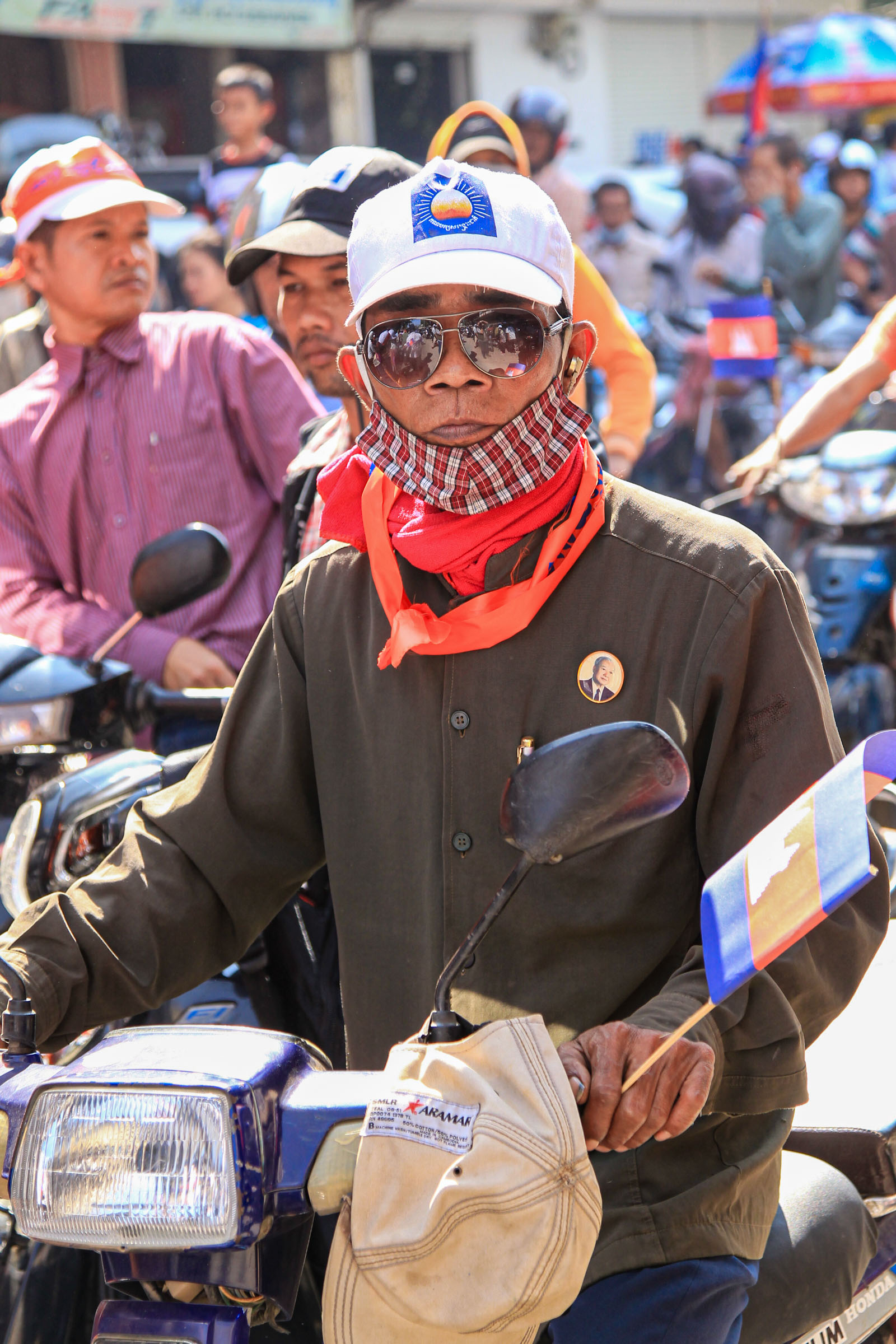
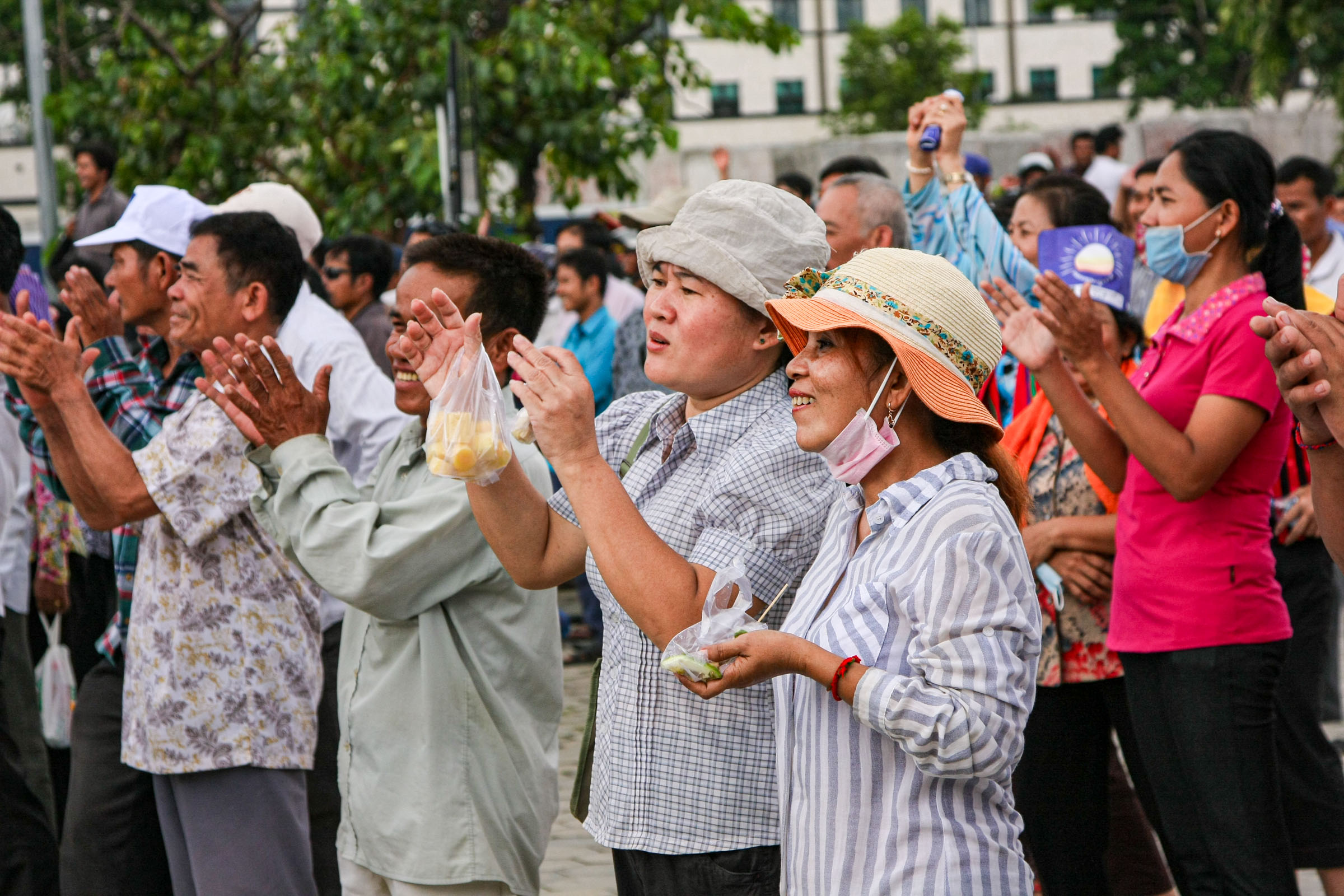
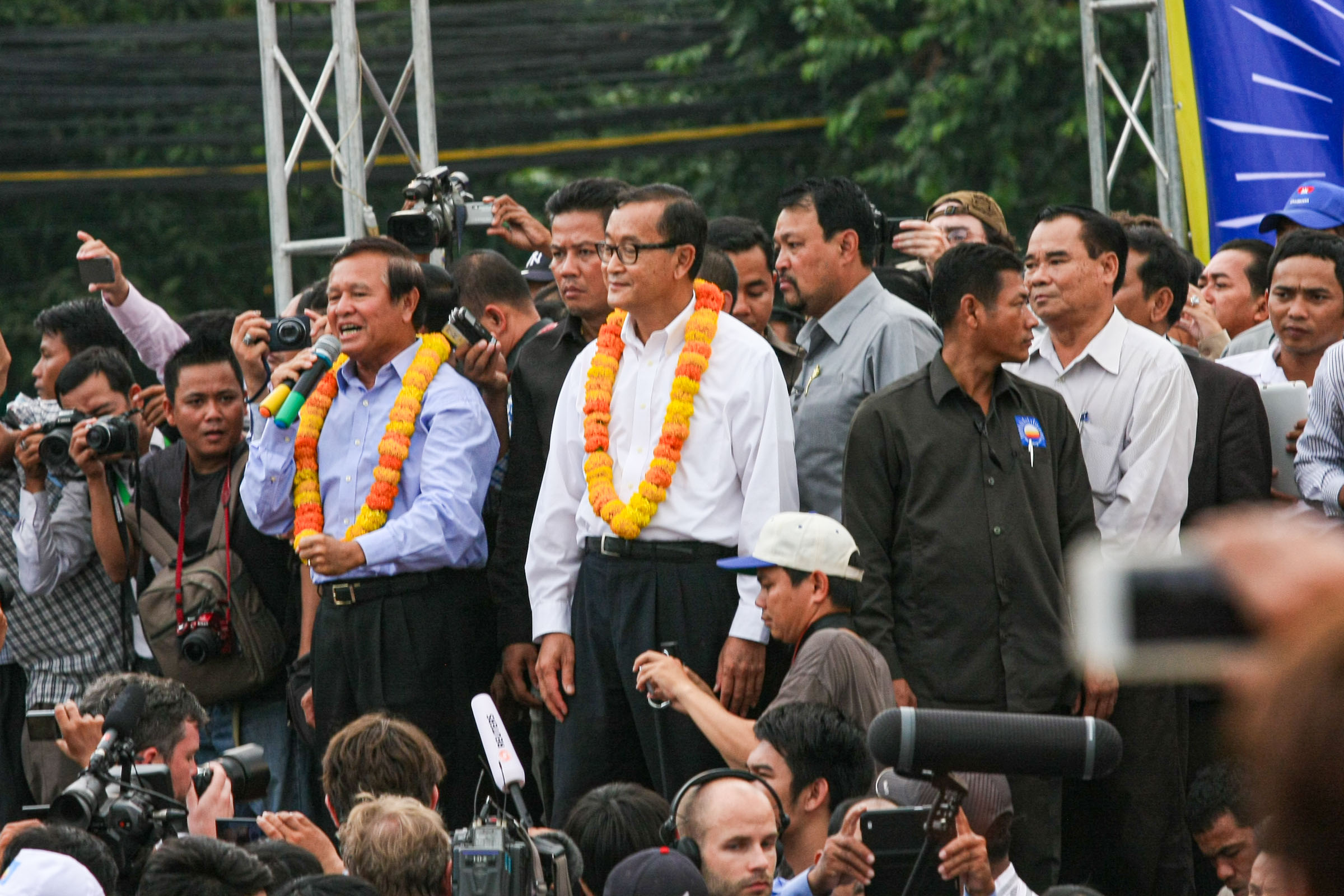
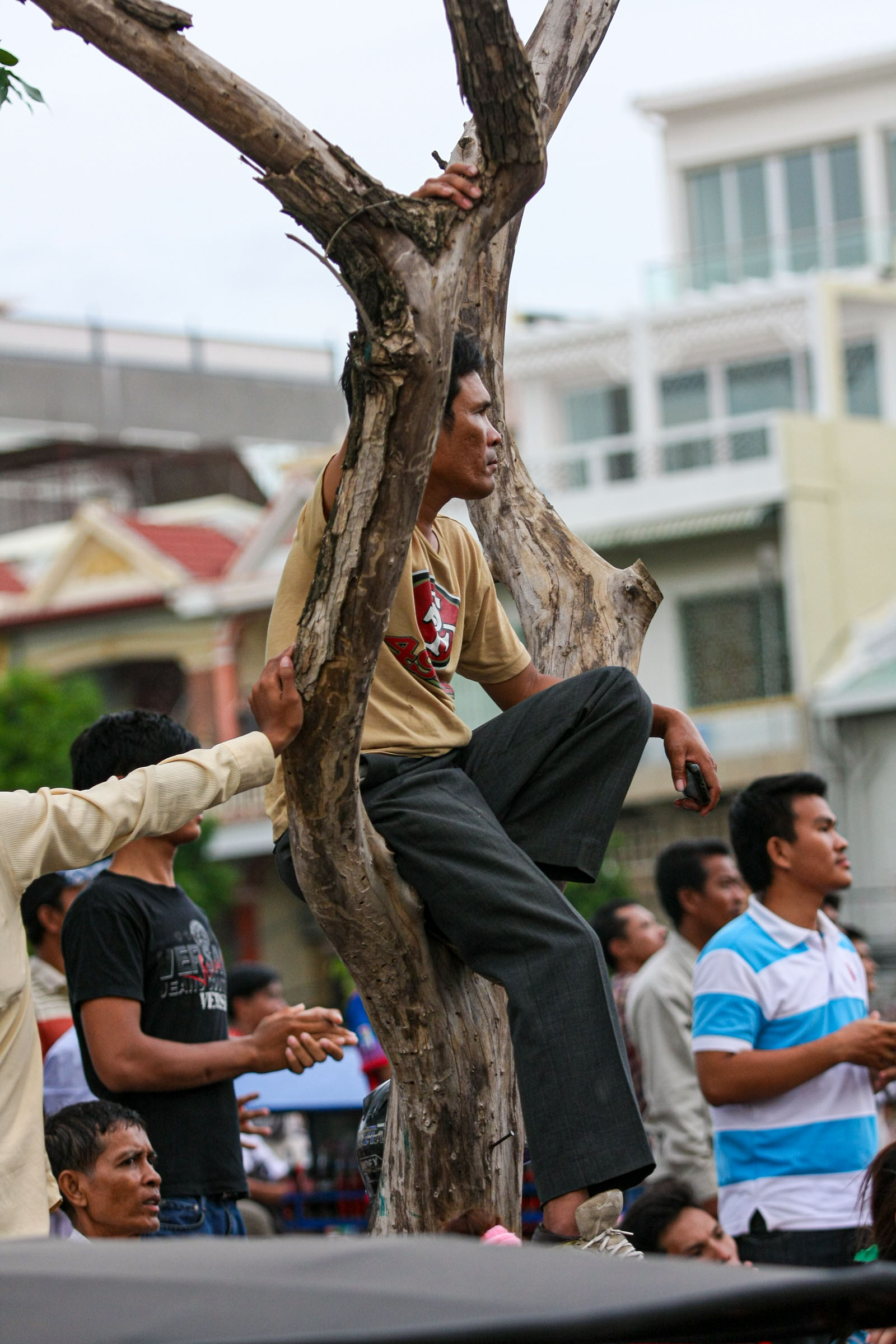
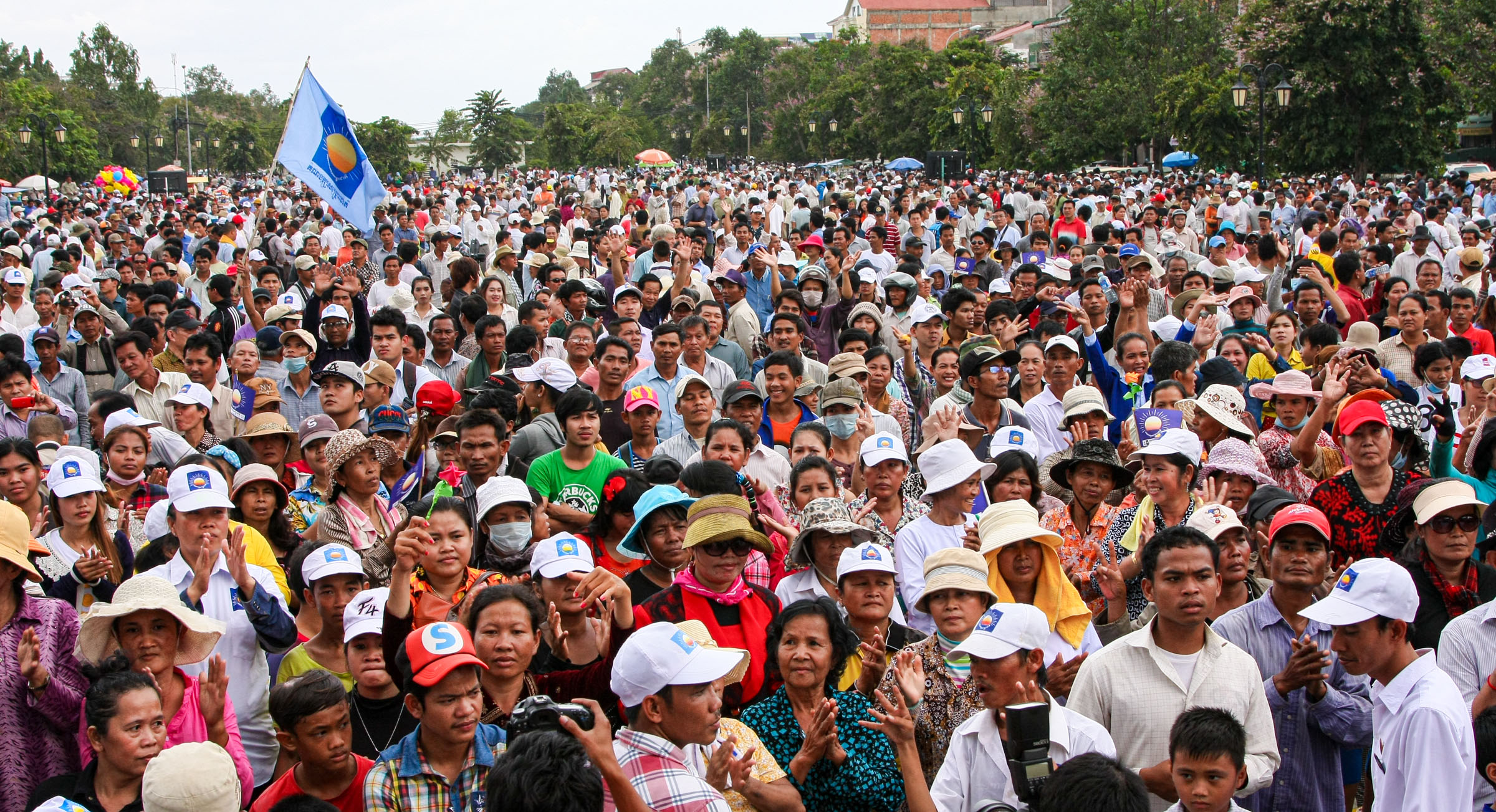
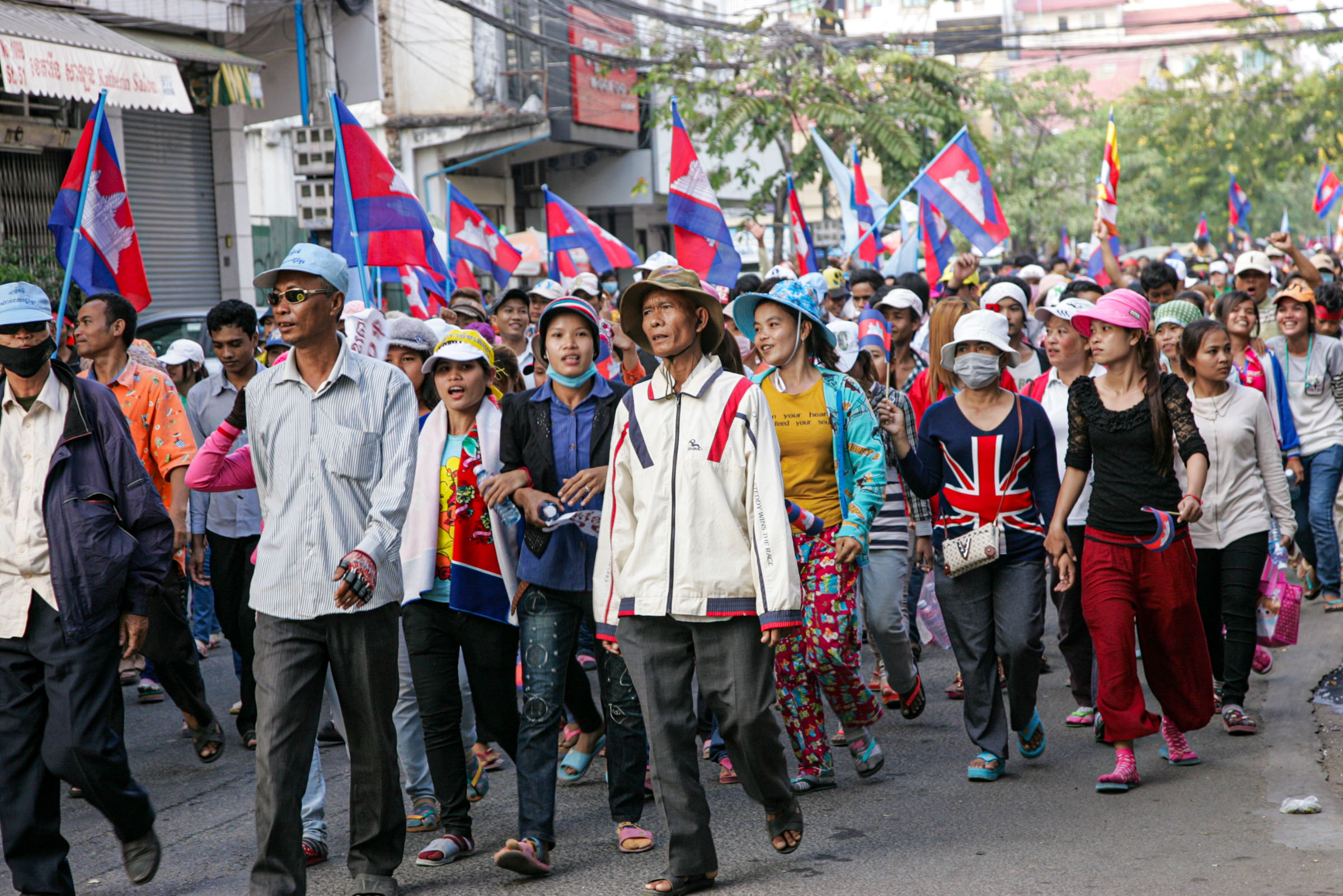
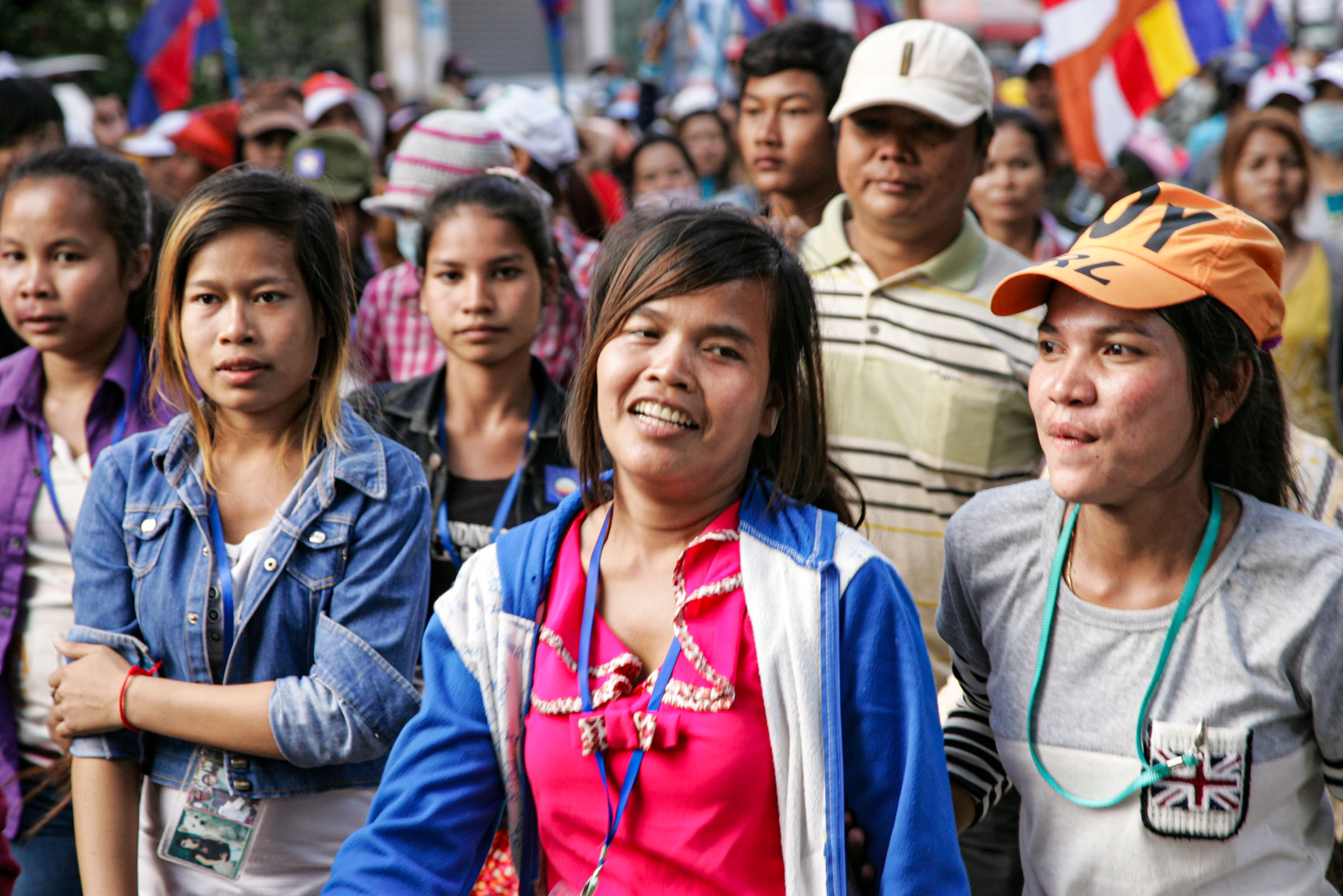
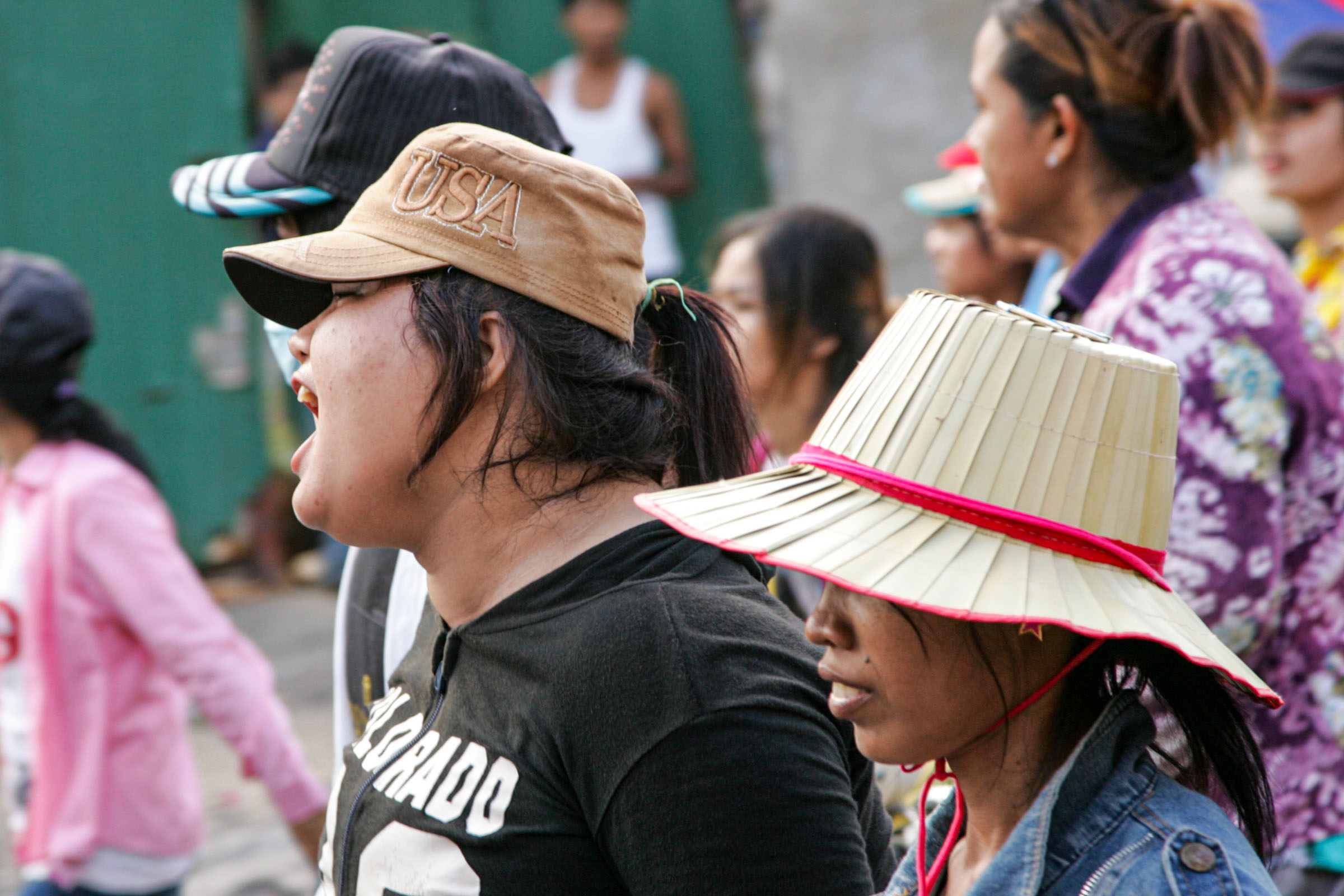
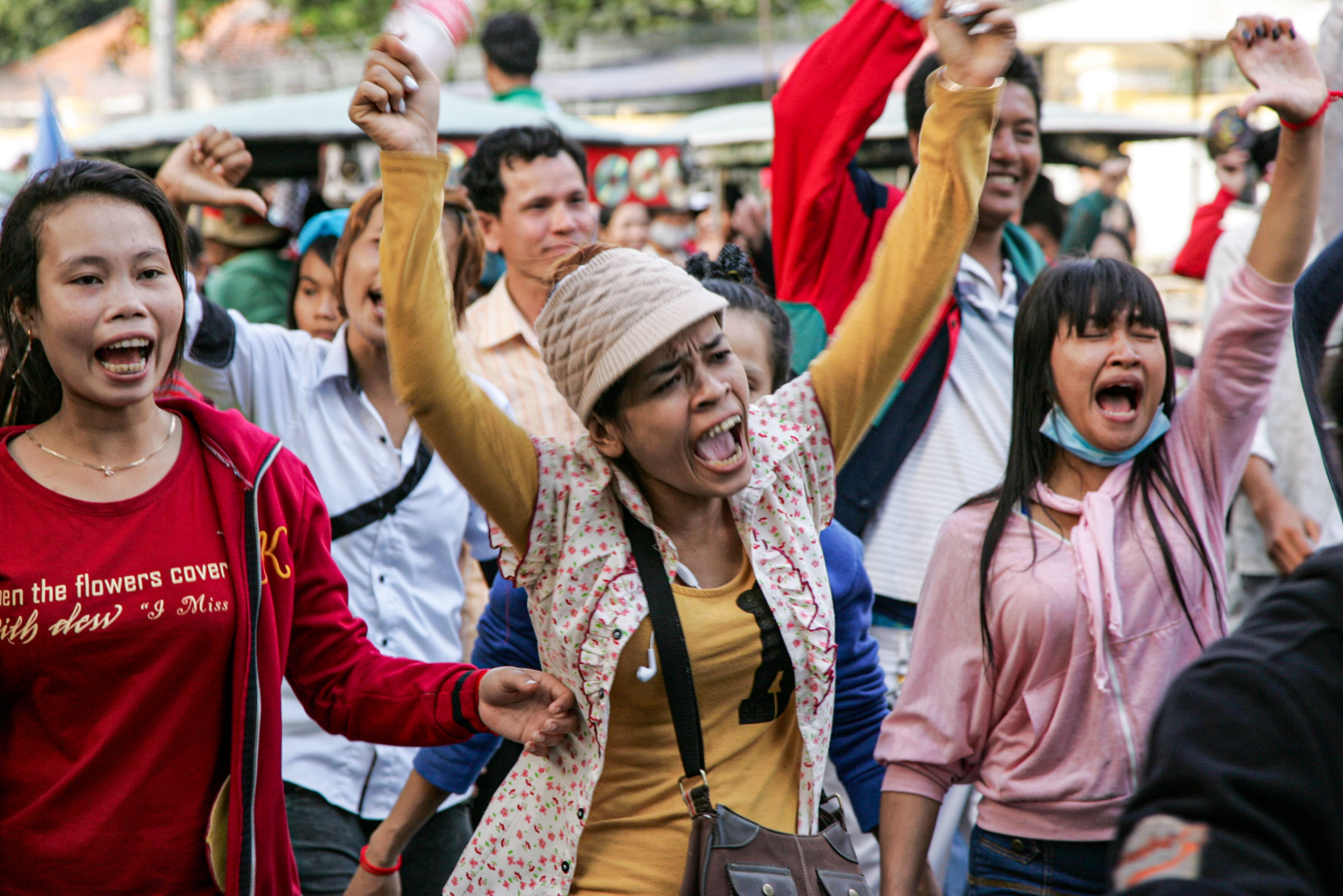
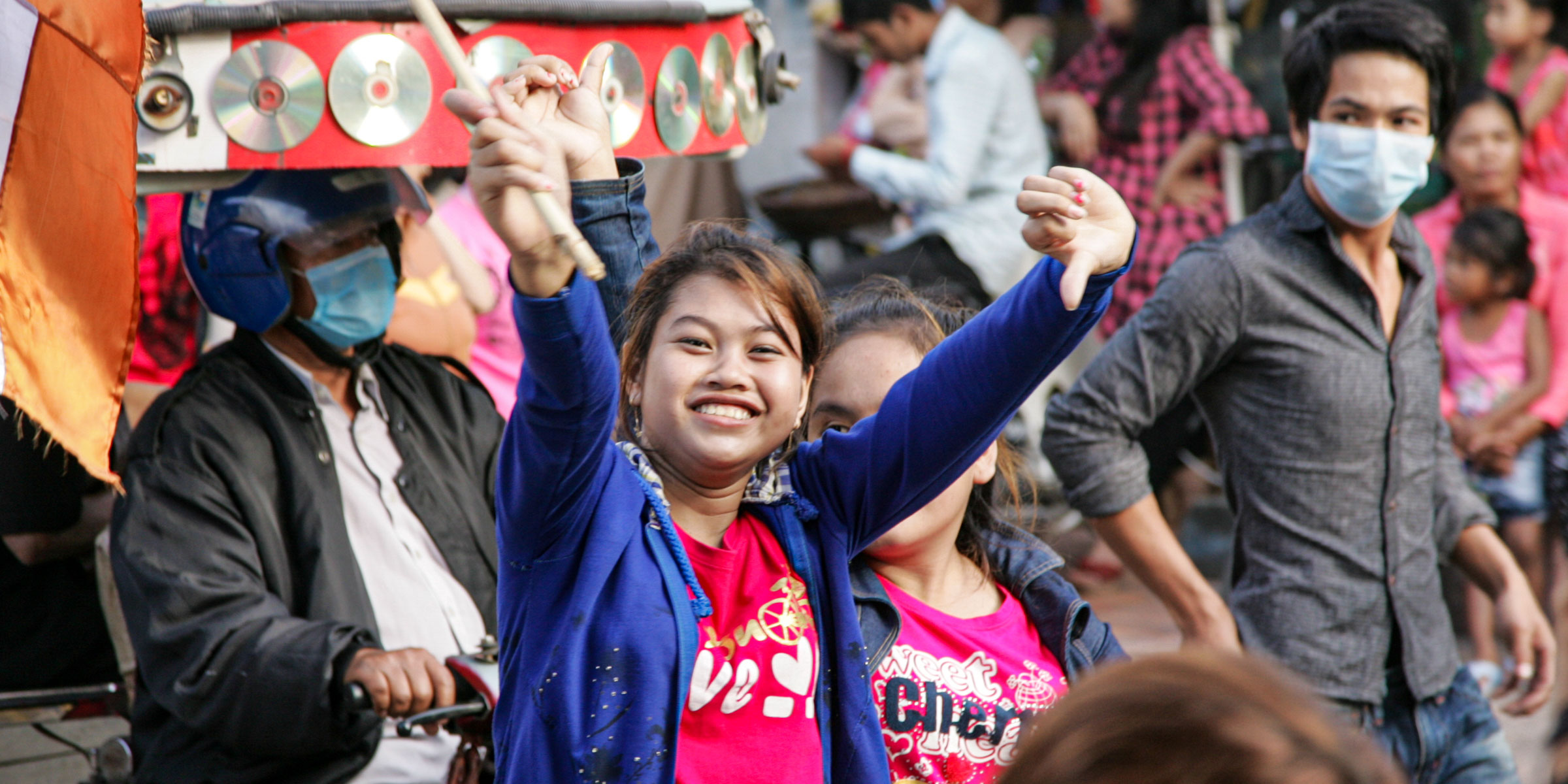
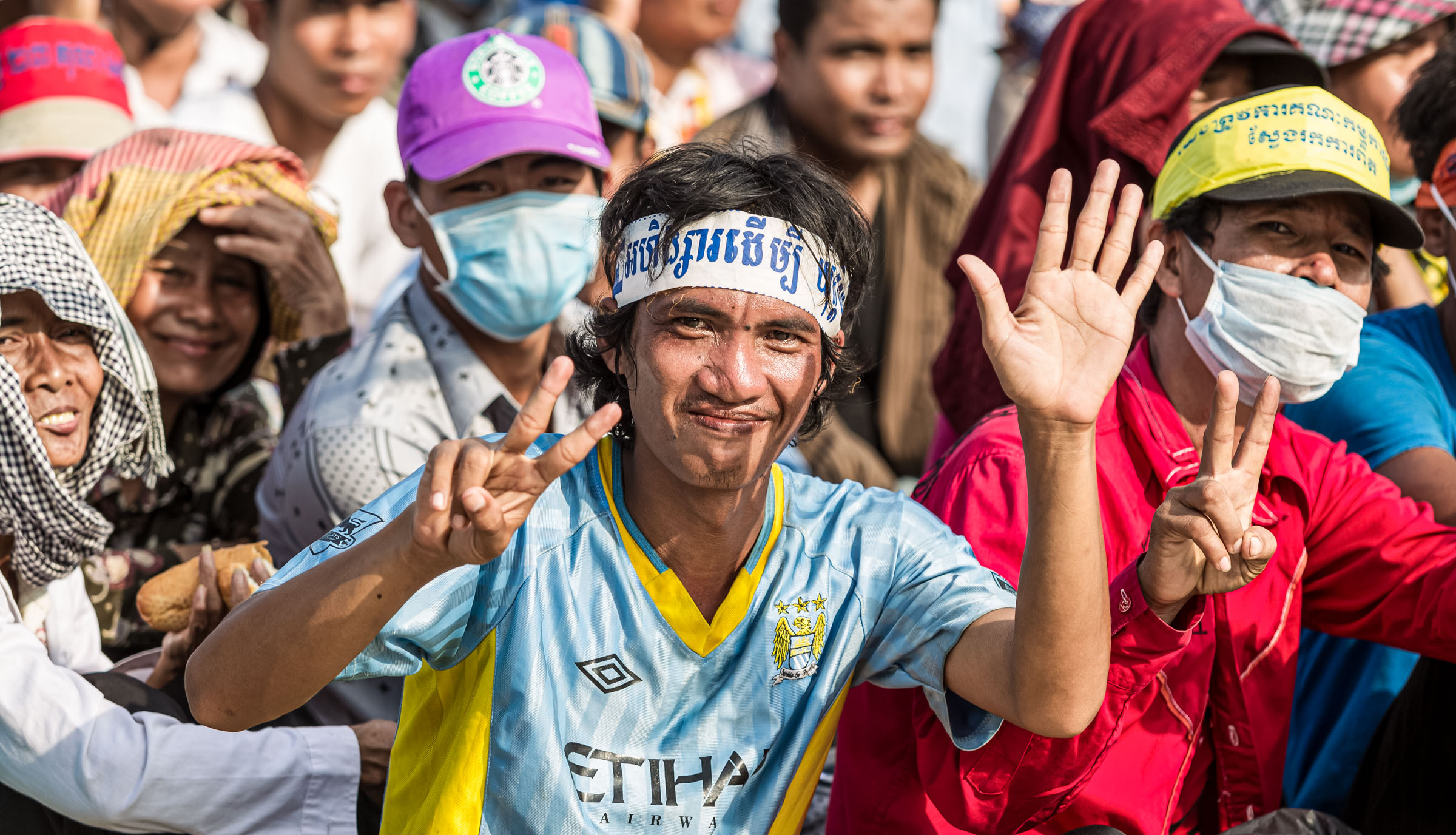
  1. Electoral Reform: They called for an independent investigation into the alleged electoral fraud during the 2013 general election and demanded a re-election.
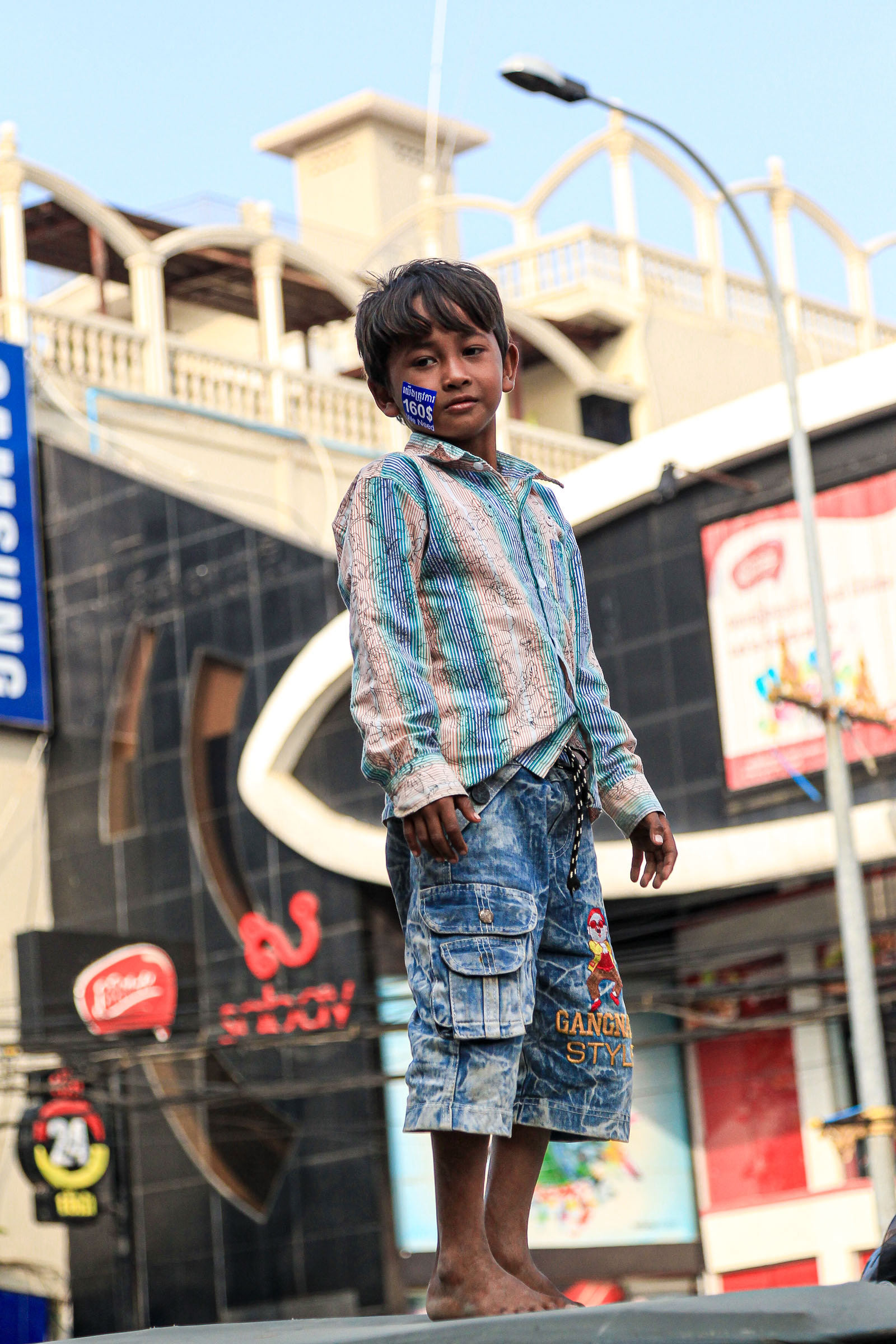
  2. Minimum Wage Increase: Garment factory workers, a significant part of the protests, demanded an increase in the minimum wage to $160 per month.
  3. Political Reforms: There were calls for broader democratic reforms, including greater transparency and accountability in government.
  4. Resentment of Vietnamese Influence: Some protesters expressed concerns over the perceived influence of Vietnam in Cambodian politics and society.

These demands reflected a mix of political, economic, and social grievances that fueled the widespread demonstrations.

  1. Economic Growth: Cambodia’s economy has grown steadily, with an average annual growth rate of 7.6% between 1995 and 2019. Despite a contraction in 2020 due to the COVID-19 pandemic, the economy has been recovering, with growth rates of 3.0% in 2021 and 5.2% in 2022.
  2. Poverty Reduction: Before the pandemic, poverty rates were declining by 1.6 percentage points annually. However, the pandemic increased unemployment and poverty. Efforts to scale up social assistance have helped mitigate income losses, and poverty is expected to decline as the economy recovers.
  3. Foreign Direct Investment (FDI): There has been a surge in FDI inflows, particularly in the manufacturing and tourism sectors. This has contributed to economic growth and job creation.
  4. Political Landscape: The political environment has seen tensions and conflicts, particularly around land grabs, labor exploitation, and environmental degradation. The 2013 national elections led to a political impasse and mass mobilization.
  5. Environmental Impact: Cambodia has seen a significant increase in CO2 emissions, with a 192.69% rise between 2013 and 2019.
  6. Human Capital: Improvements have been made in health outcomes, early childhood development, and primary education, especially in rural areas. However, human capital indicators still lag behind other lower middle-income countries.

These changes reflect Cambodia’s ongoing efforts to address economic, social, and environmental challenges while striving for sustainable development.

The Importance of Basic First Aid Training in Cambodia

cambodia, opinons, thoughts, photography, pictures, Travel, voluntary


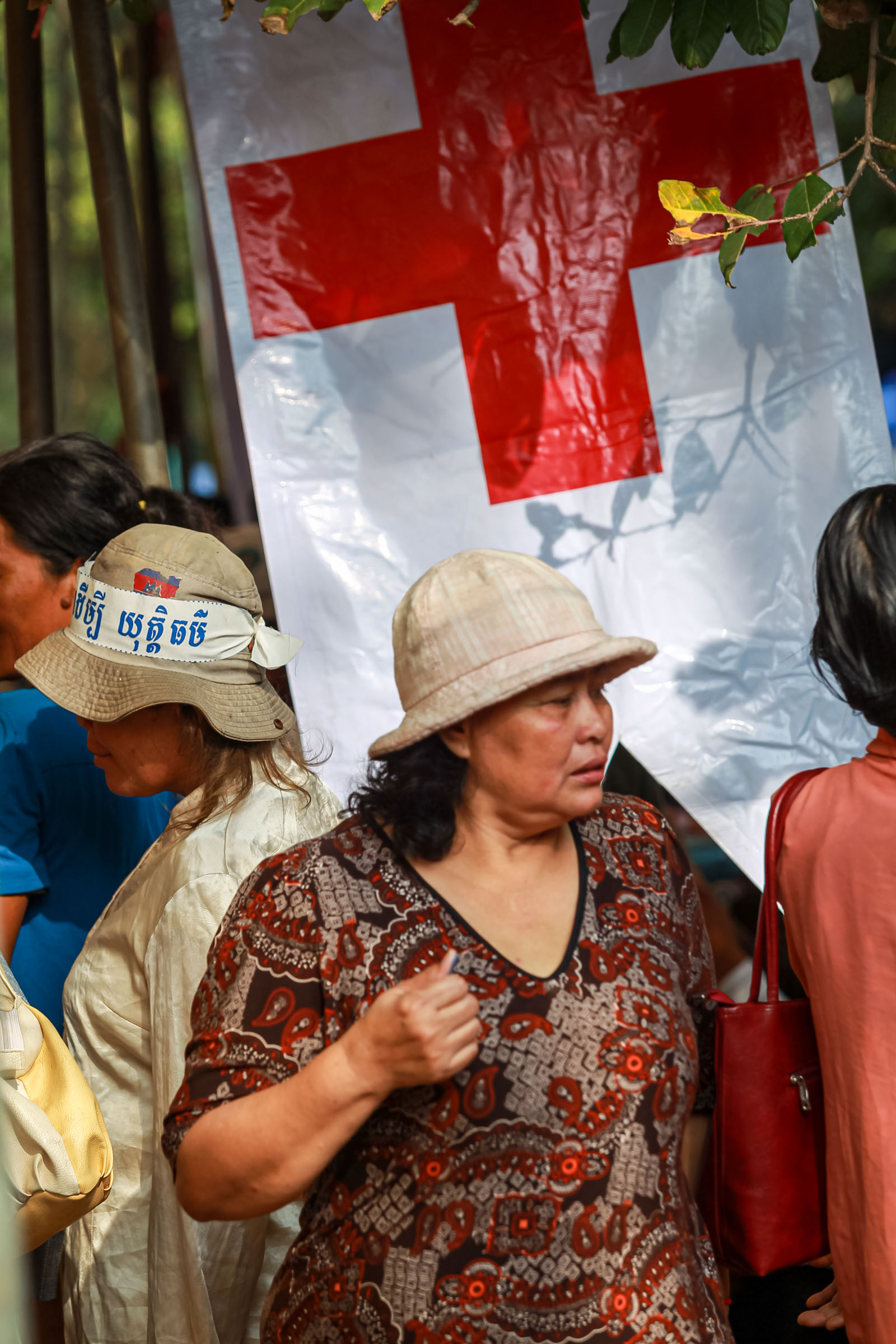
In Cambodia, a country known for its rich history and cultural heritage, the importance of basic first aid training cannot be overstated. With a population that often resides in rural areas where access to immediate medical care is limited, the knowledge of first aid can make a significant difference in saving lives during emergencies.

First aid training equips individuals with the skills necessary to respond to a variety of situations, from minor injuries to life-threatening conditions. These skills are invaluable, especially in areas where healthcare facilities are scarce.

Such programs are crucial in fostering a community that is prepared to handle medical emergencies, thereby reducing the potential for fatalities and long-term injuries.

The benefits of first aid training extend beyond immediate emergency response. It also promotes a sense of confidence and readiness among the people, encouraging a proactive approach to health and safety. For a country like Cambodia, where traditional healthcare infrastructure may not always be readily accessible, these skills are a step towards self-reliance and resilience.

In conclusion, the dissemination of basic first aid knowledge in Cambodia is a vital component of public health and safety. It empowers individuals to take charge during emergencies and provides a foundation for a healthier, safer community. As the saying goes, “Share the Health,” and there’s no better way to do so than by ensuring that as many people as possible are trained in the basics of first aid.

https://en.wikipedia.org/wiki/Move_over_law