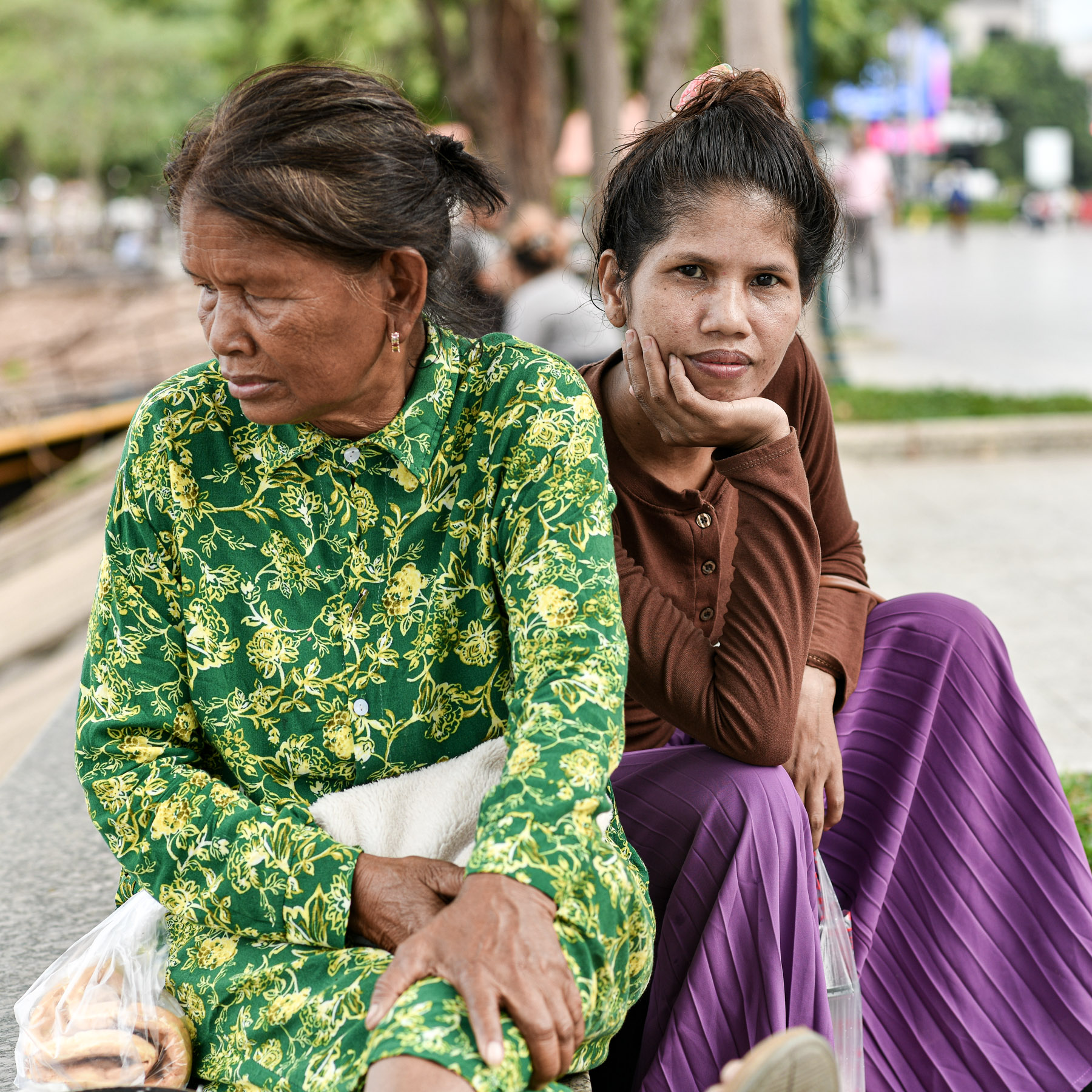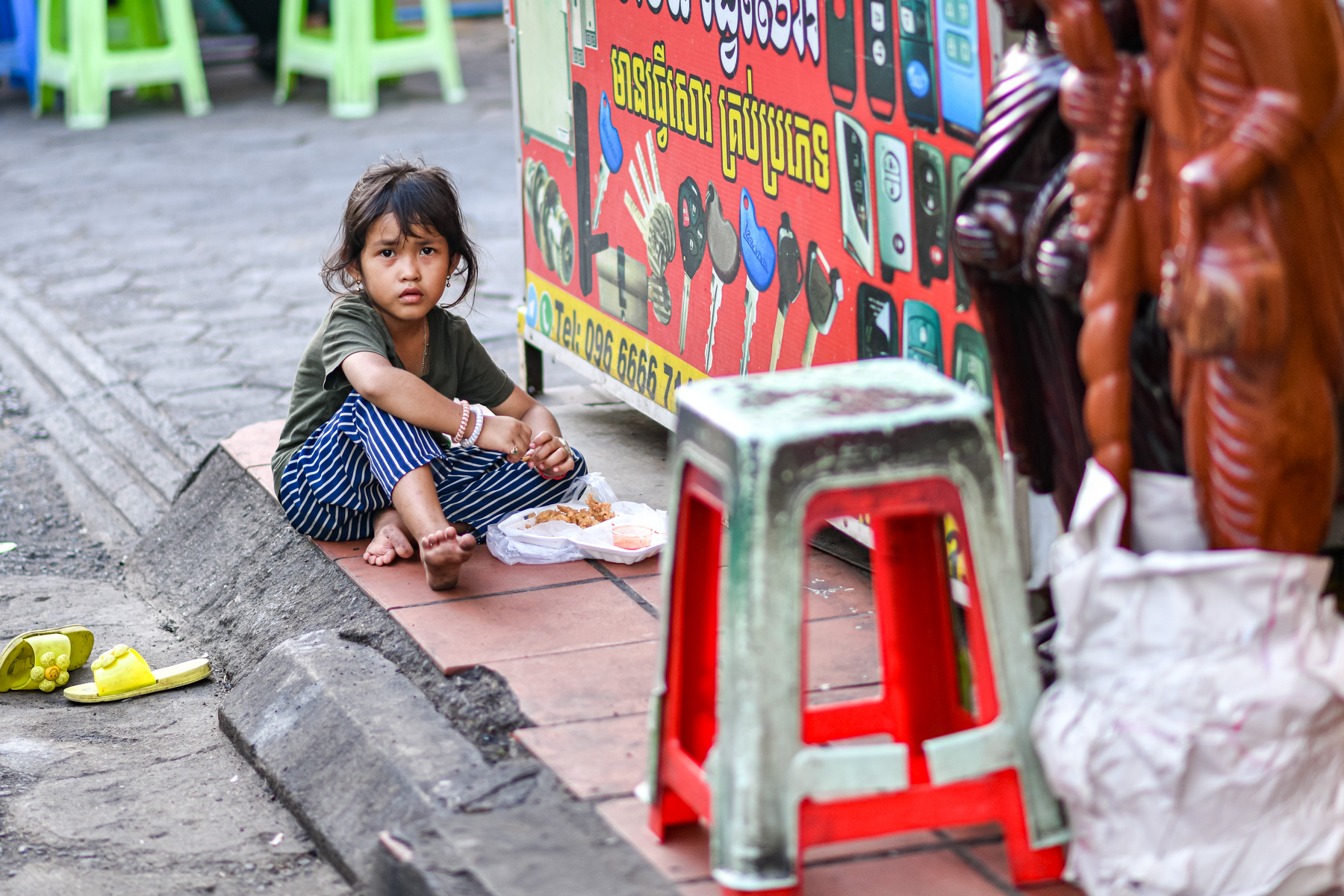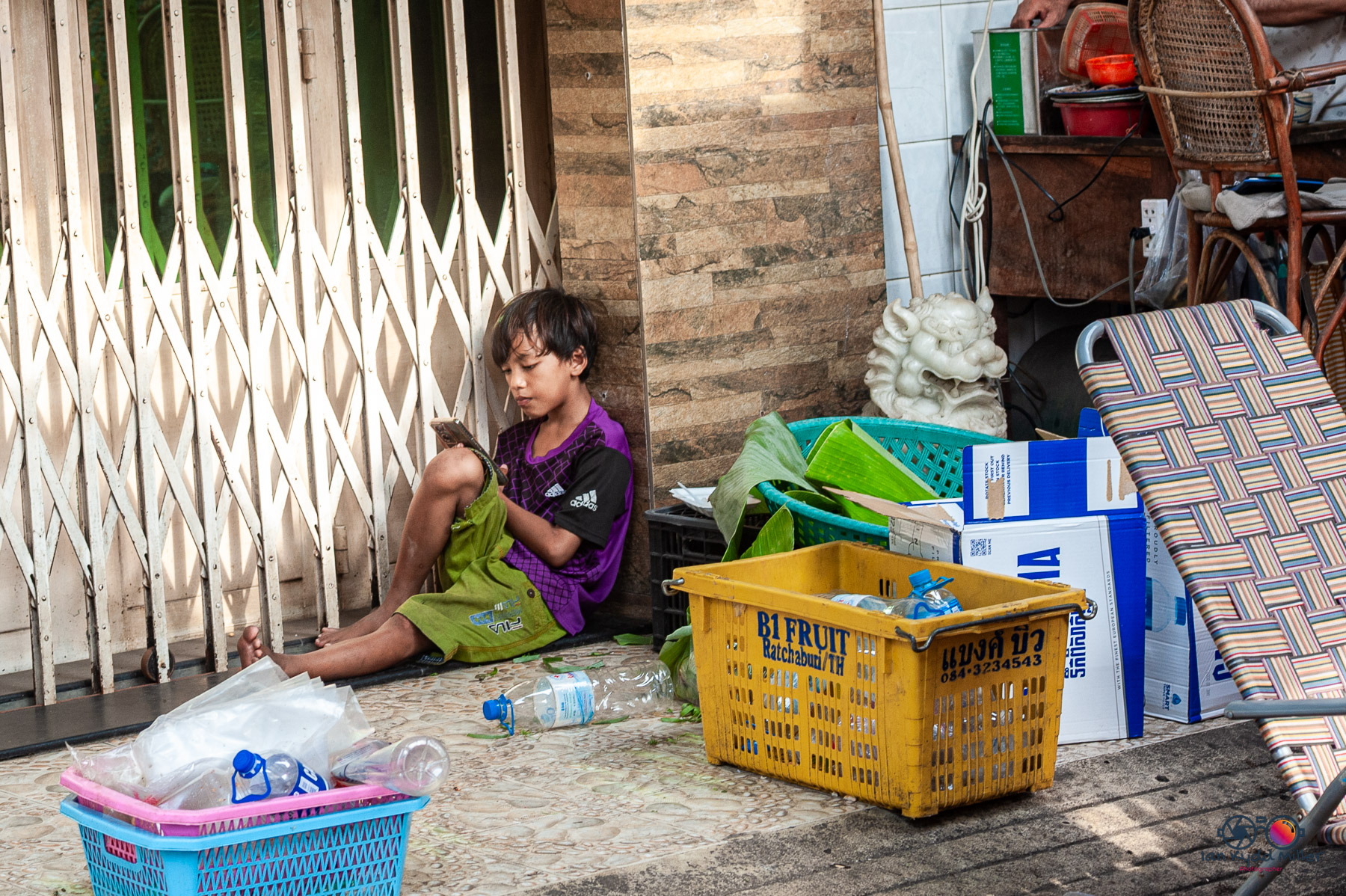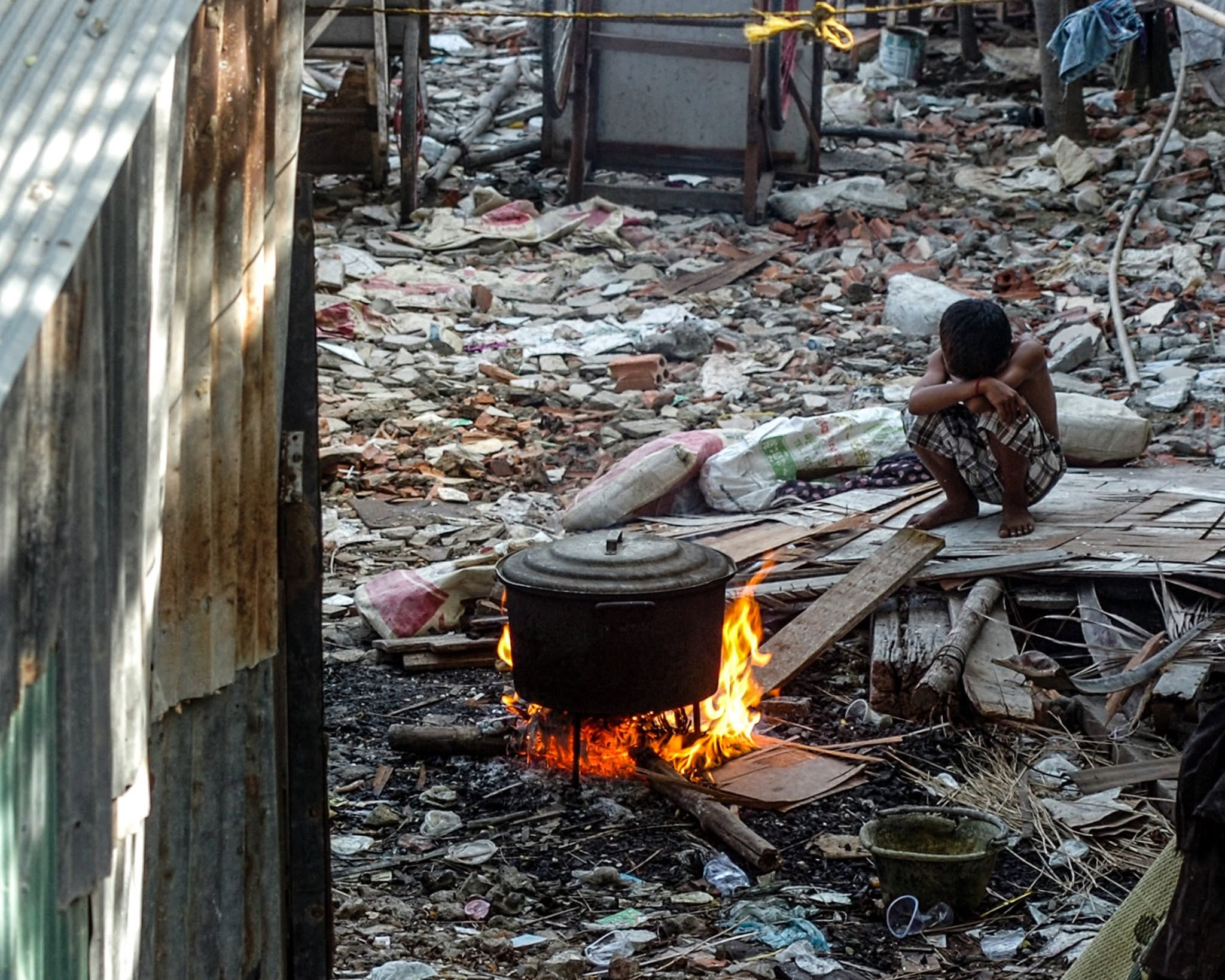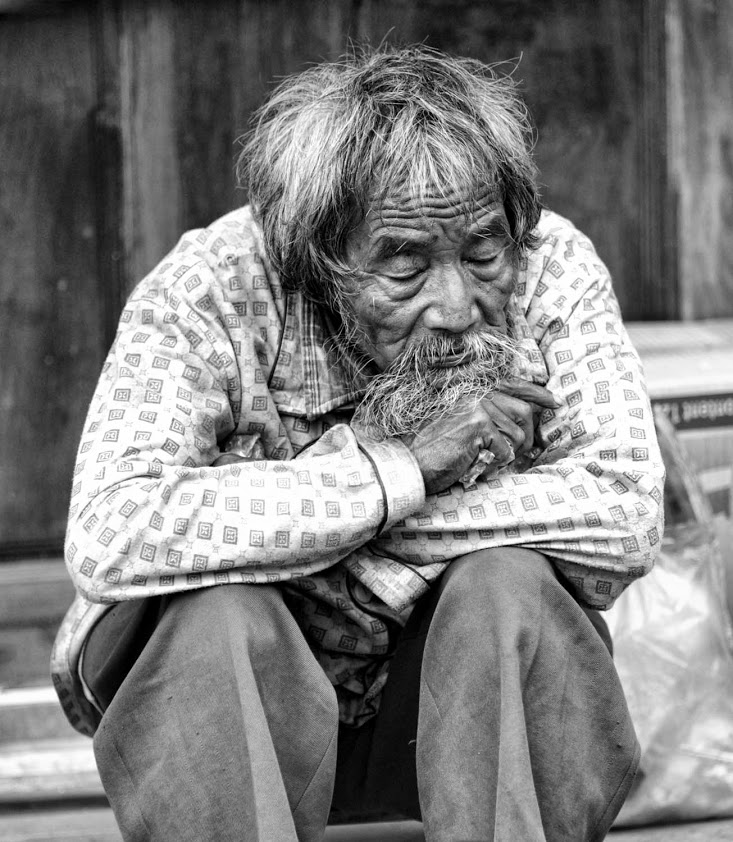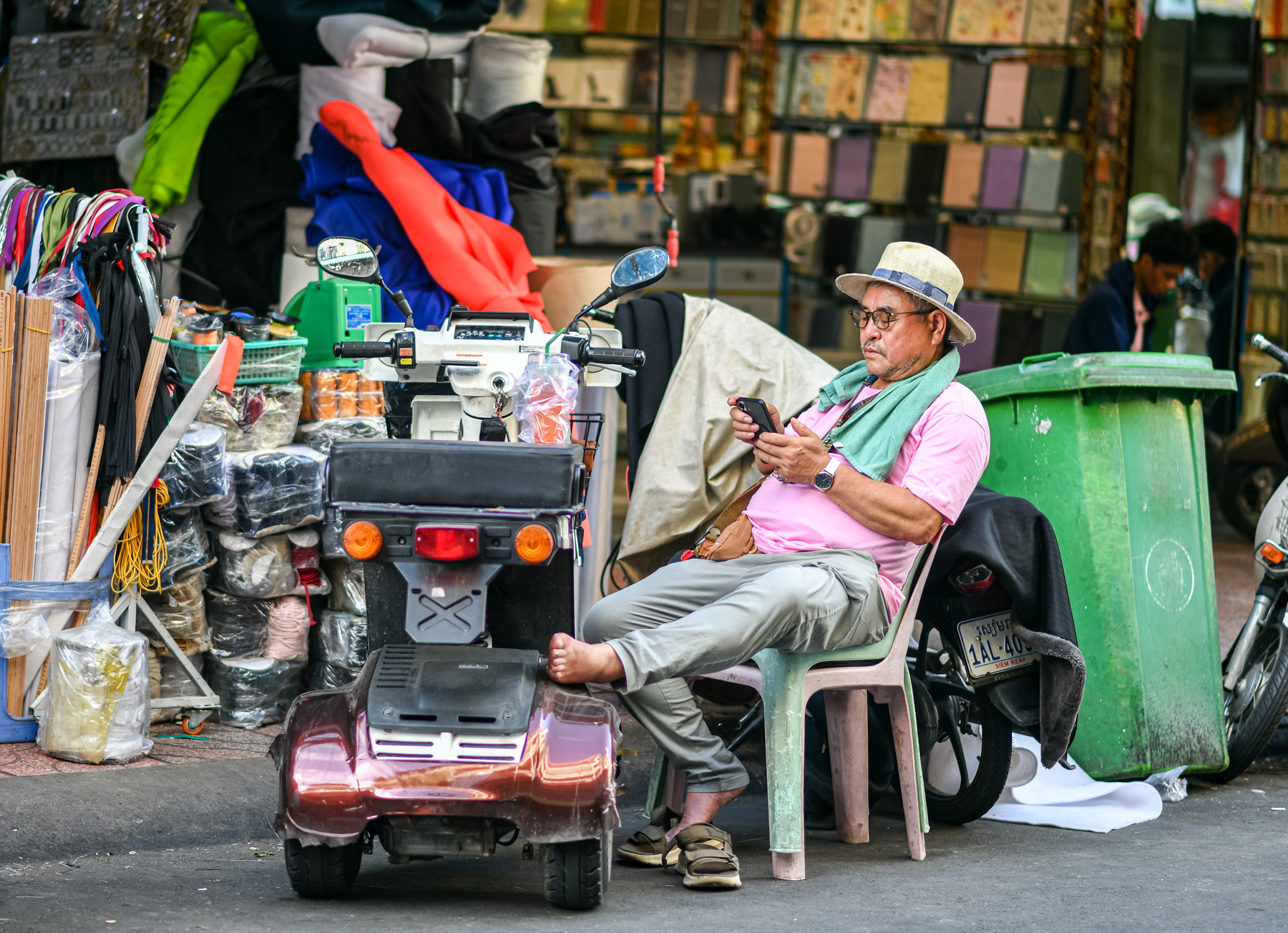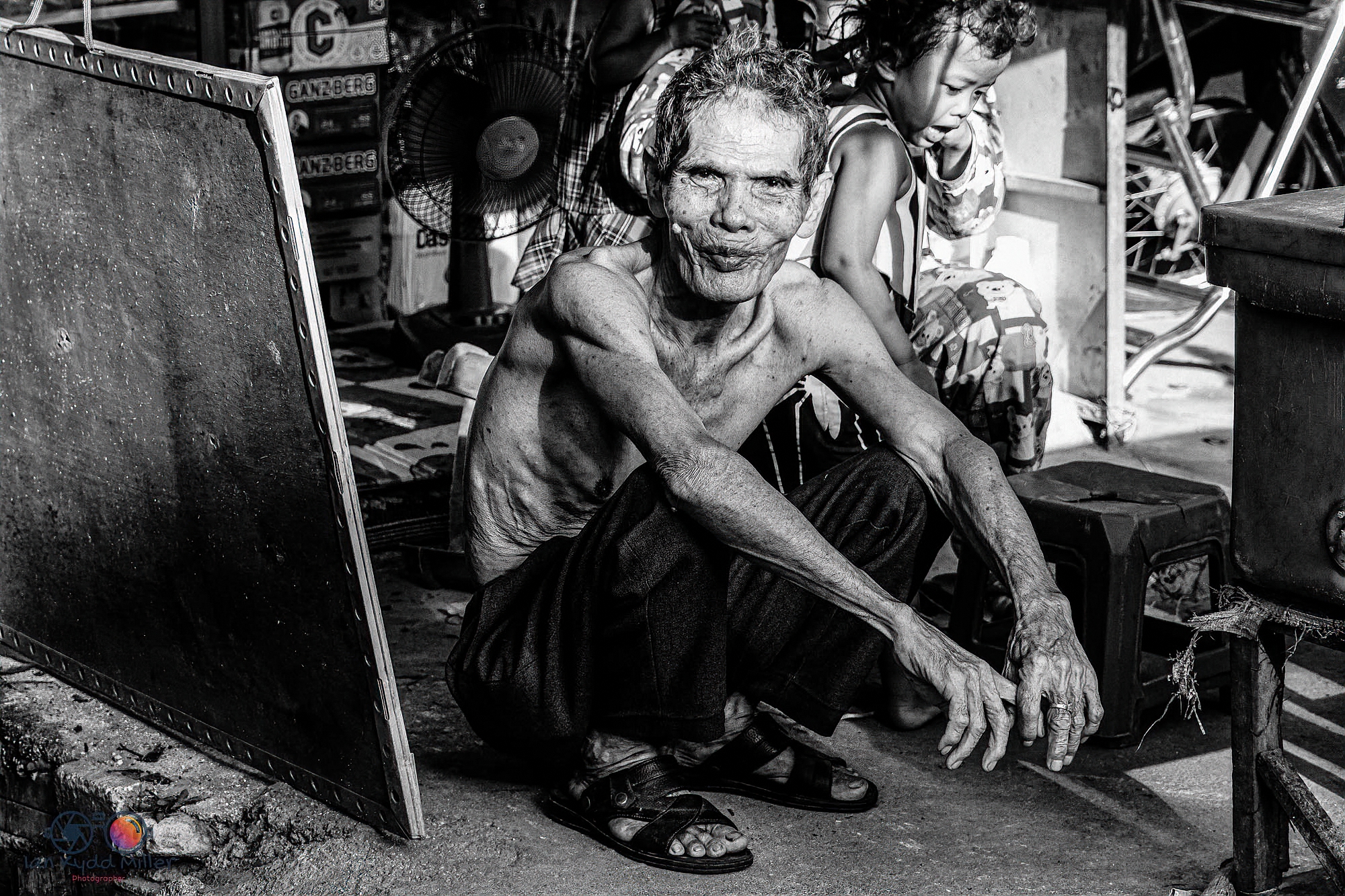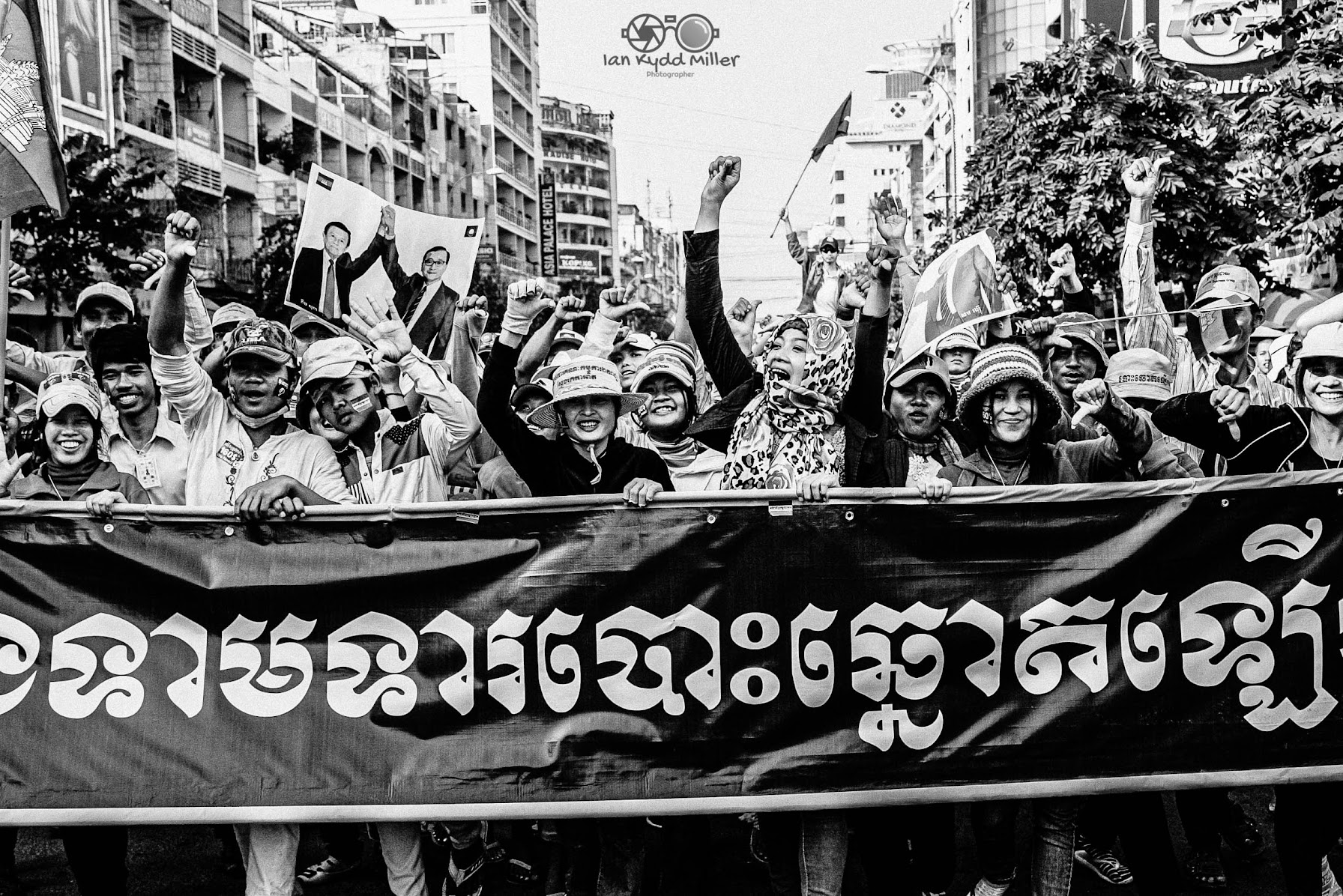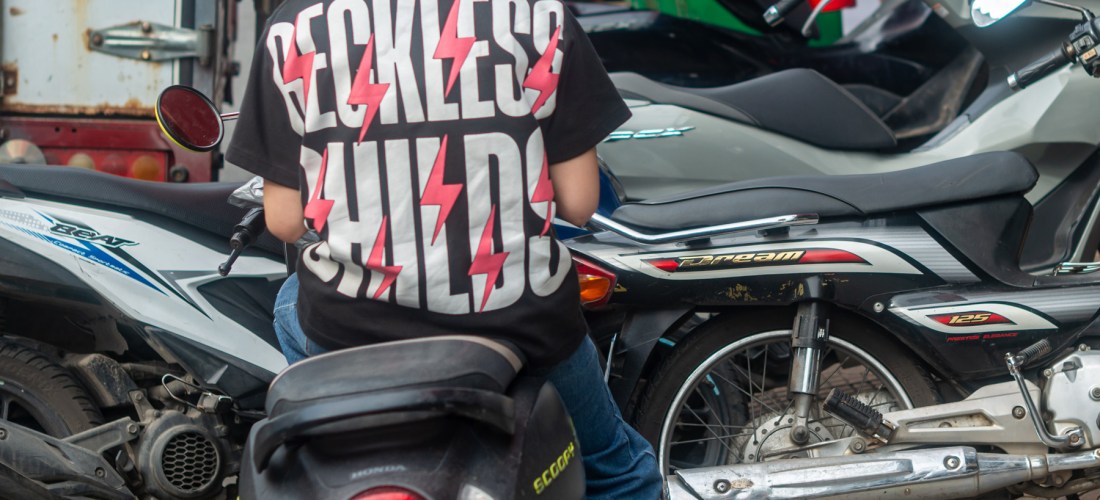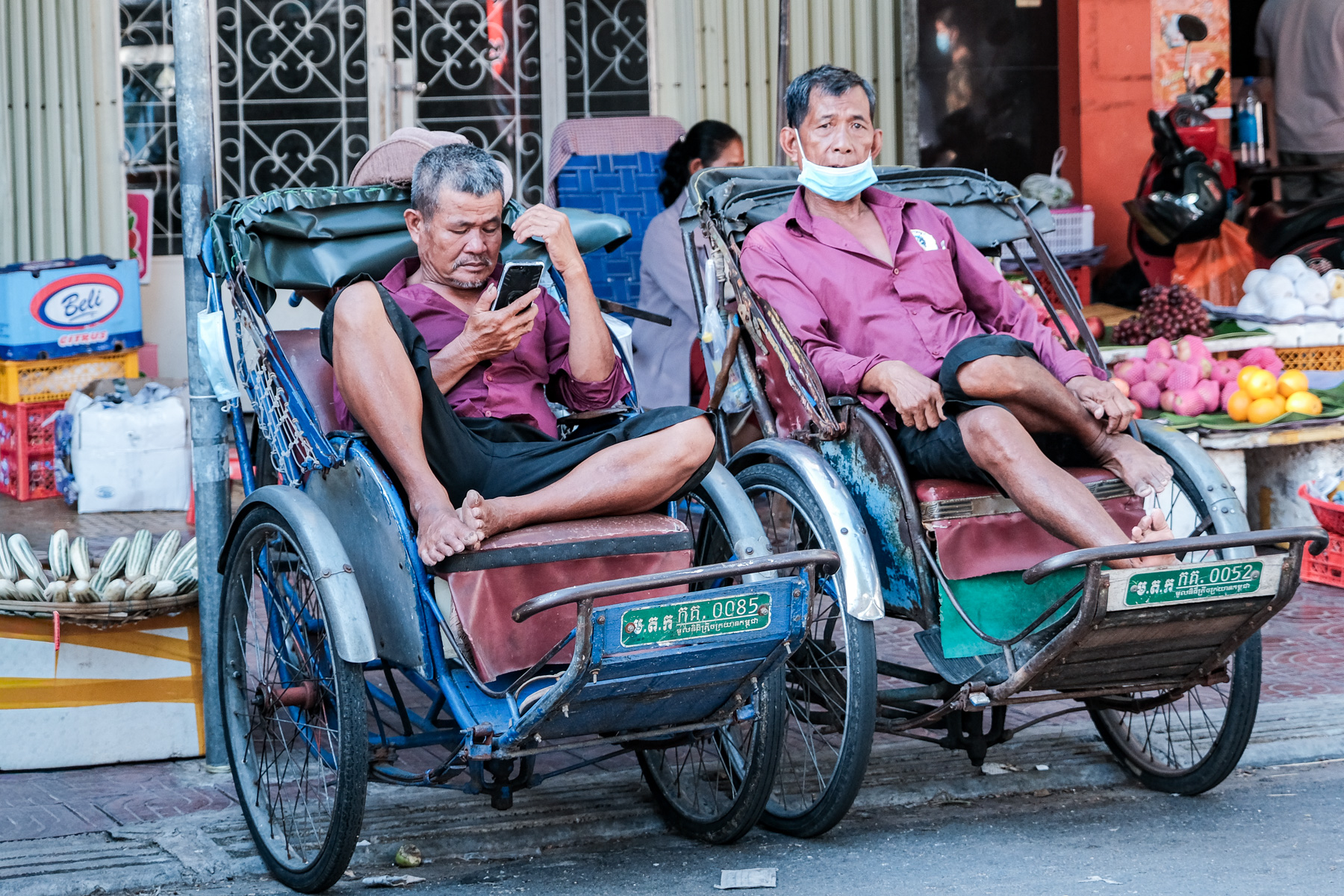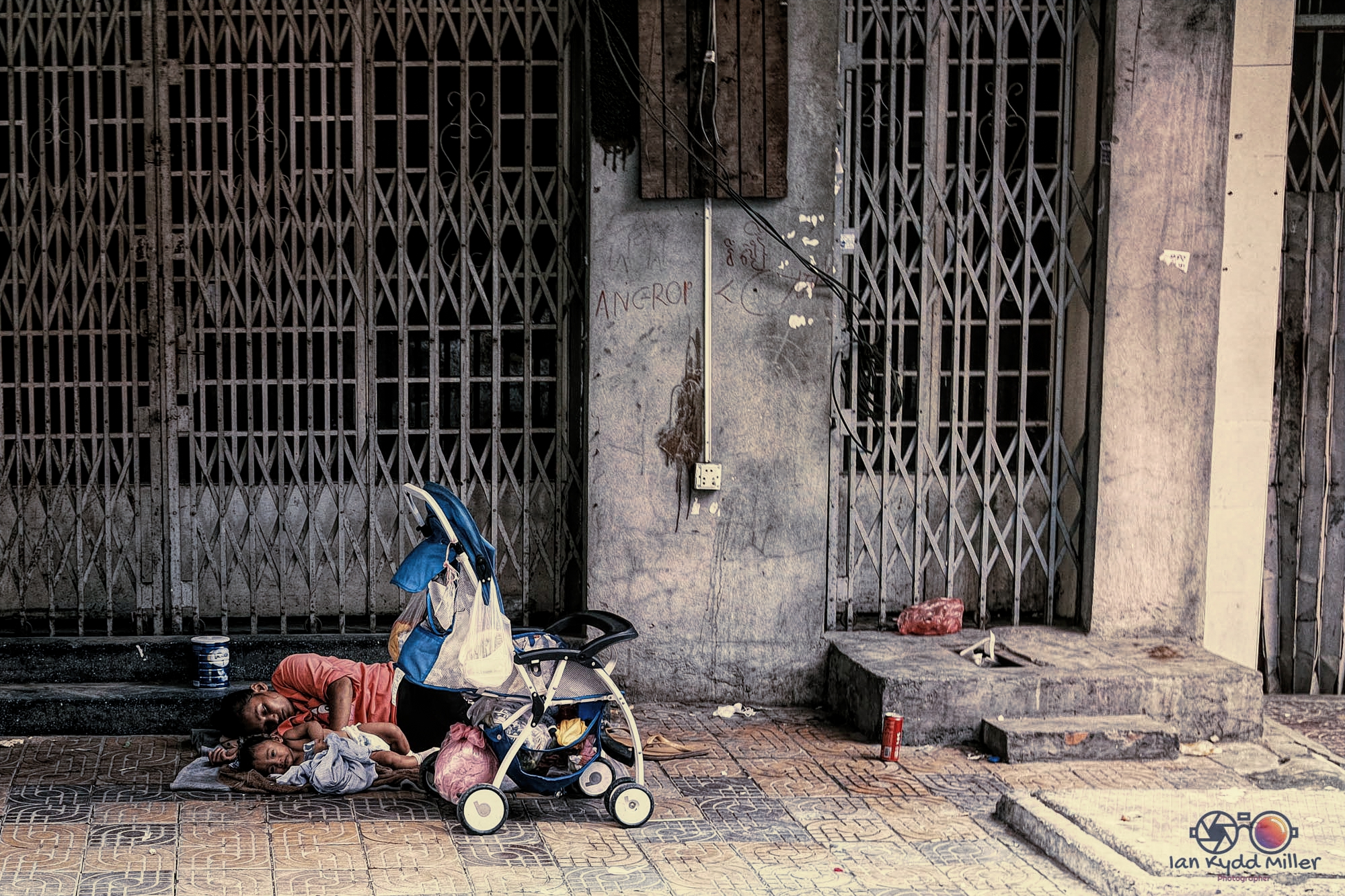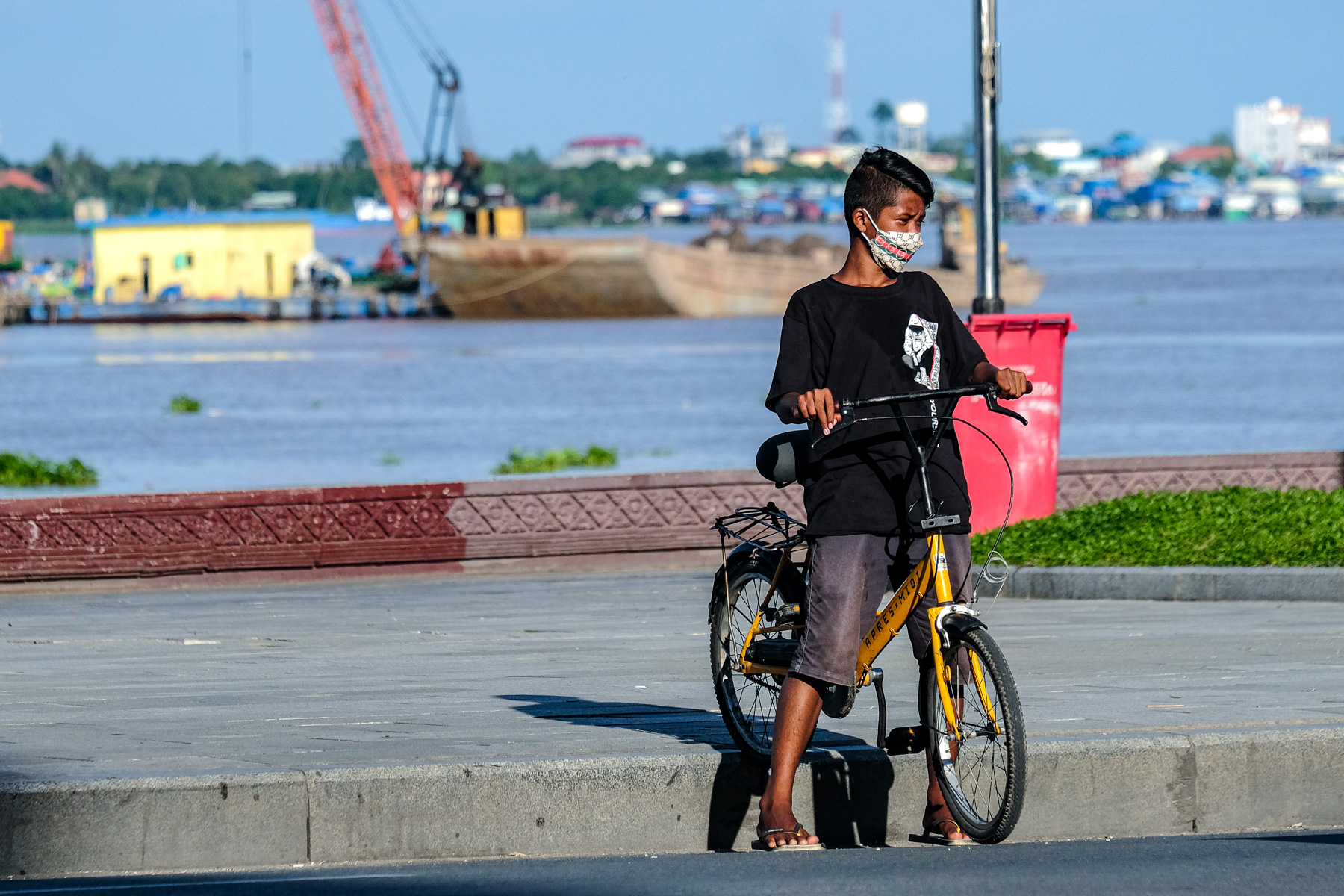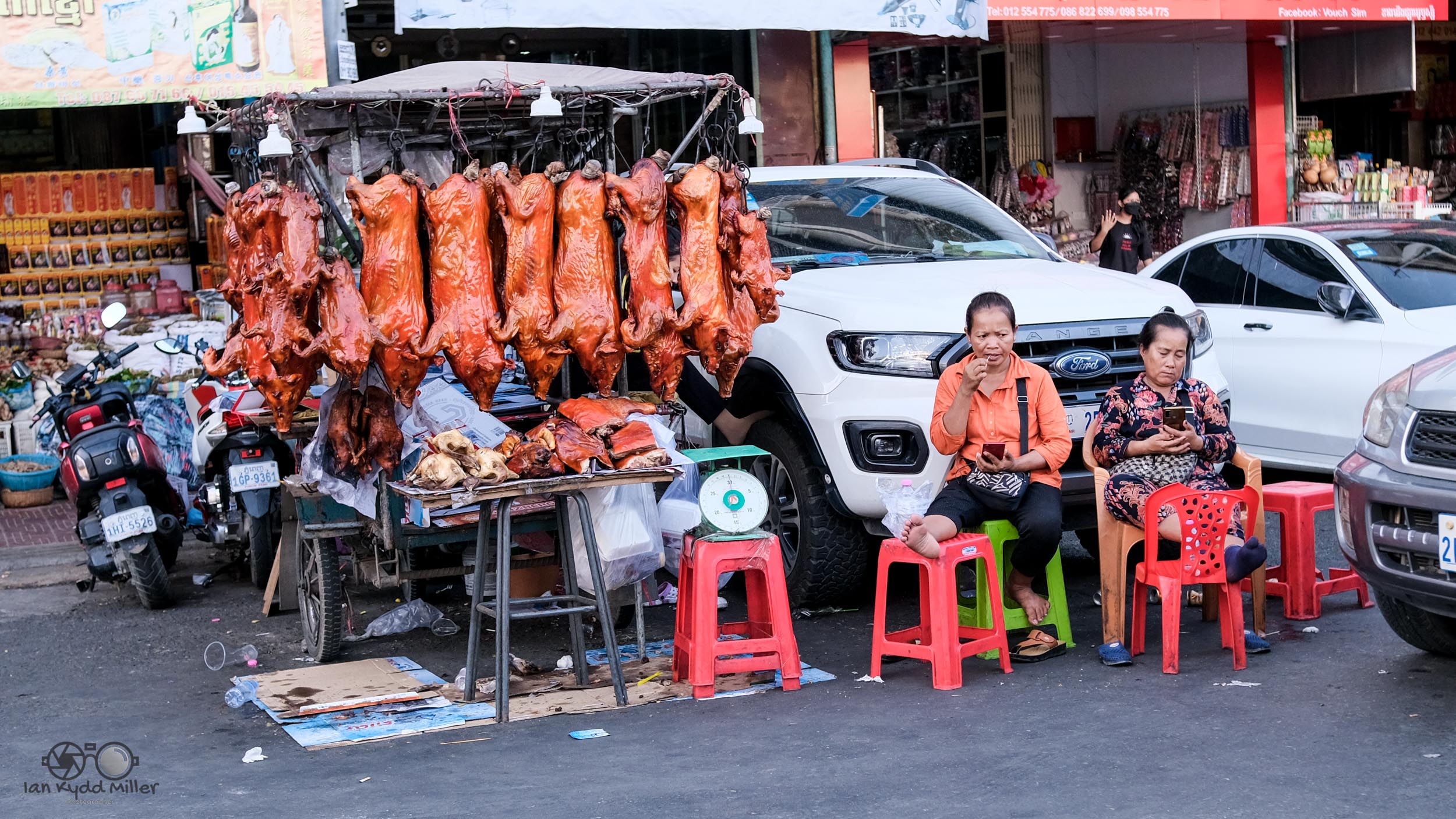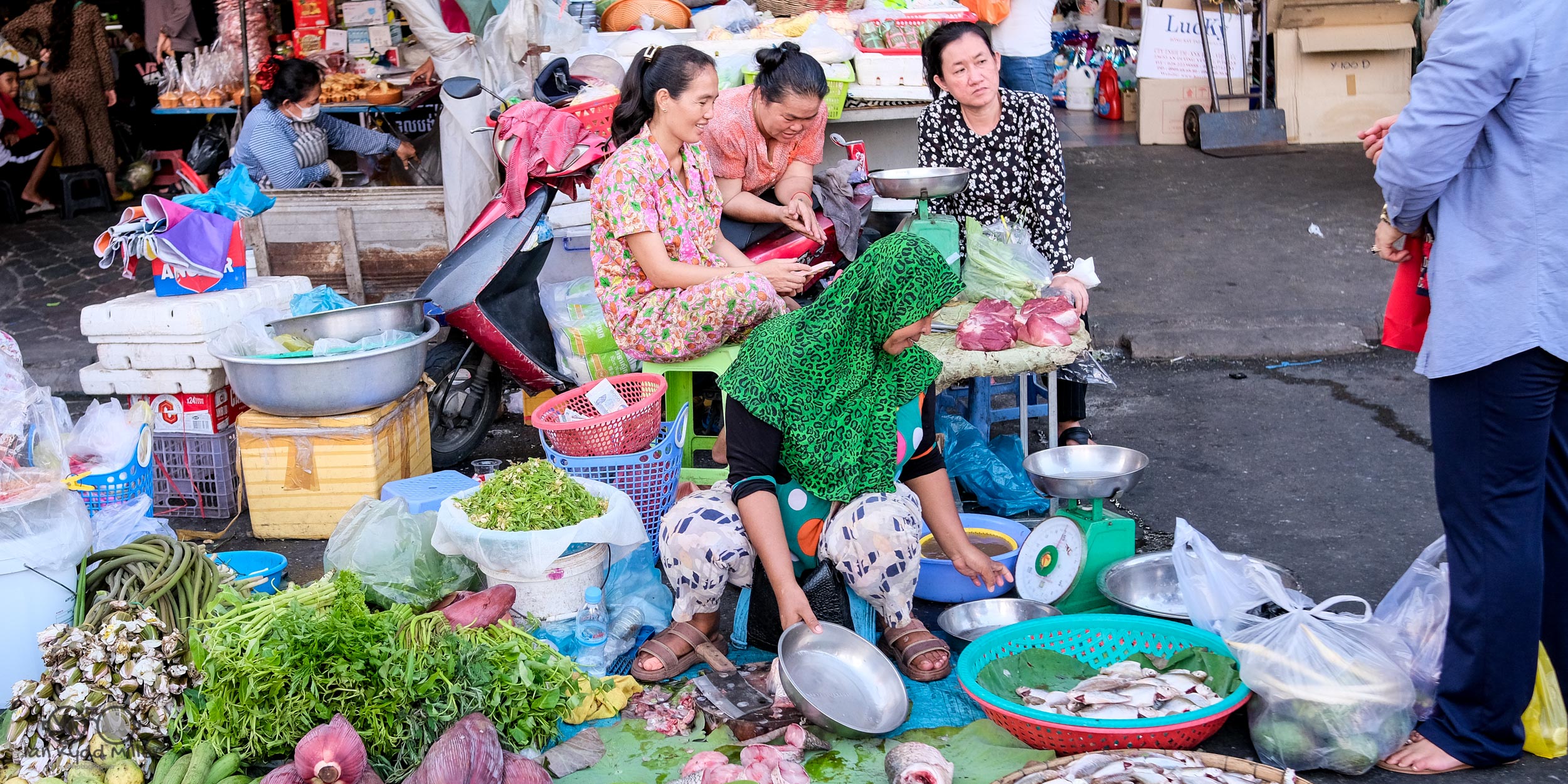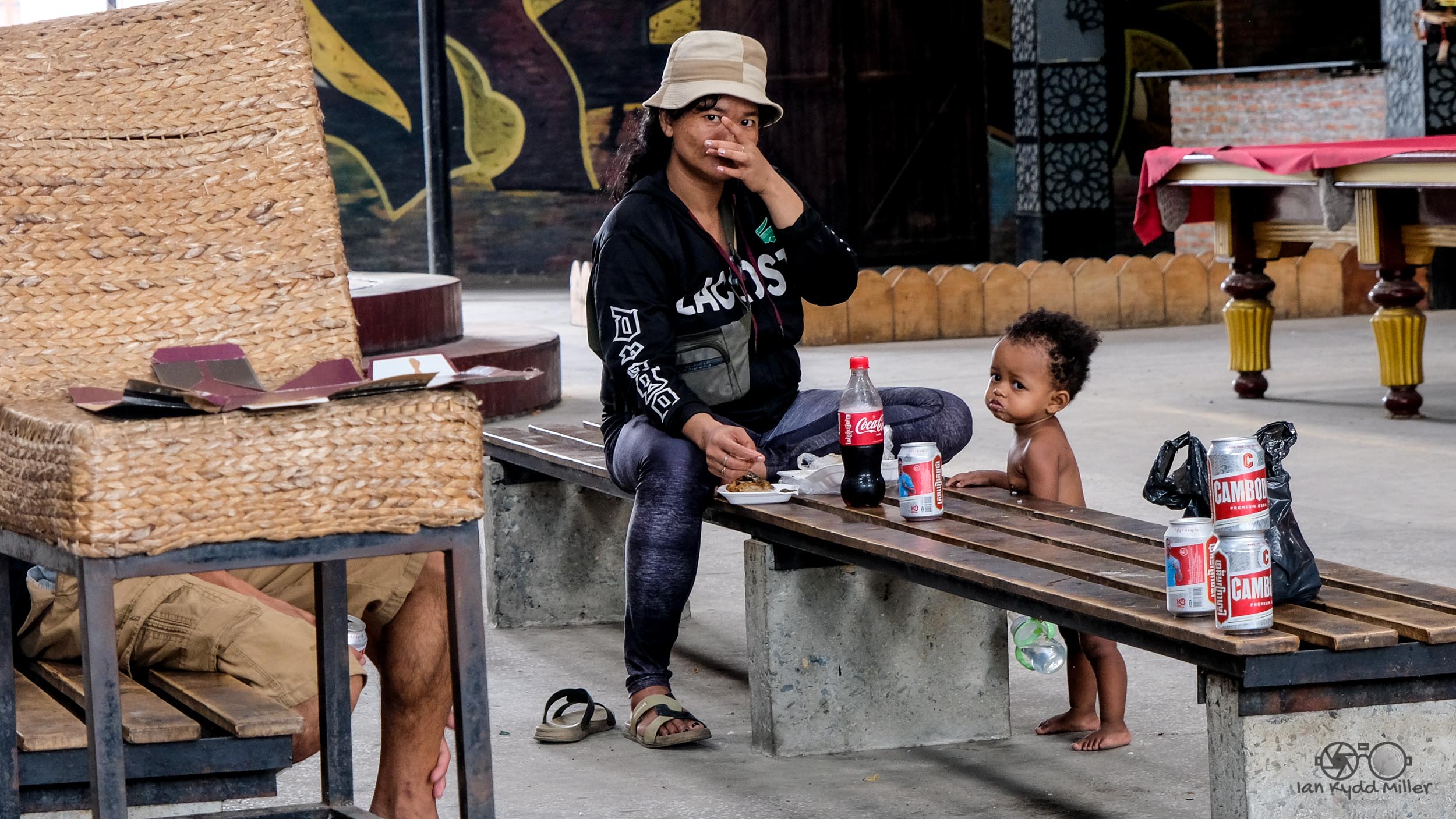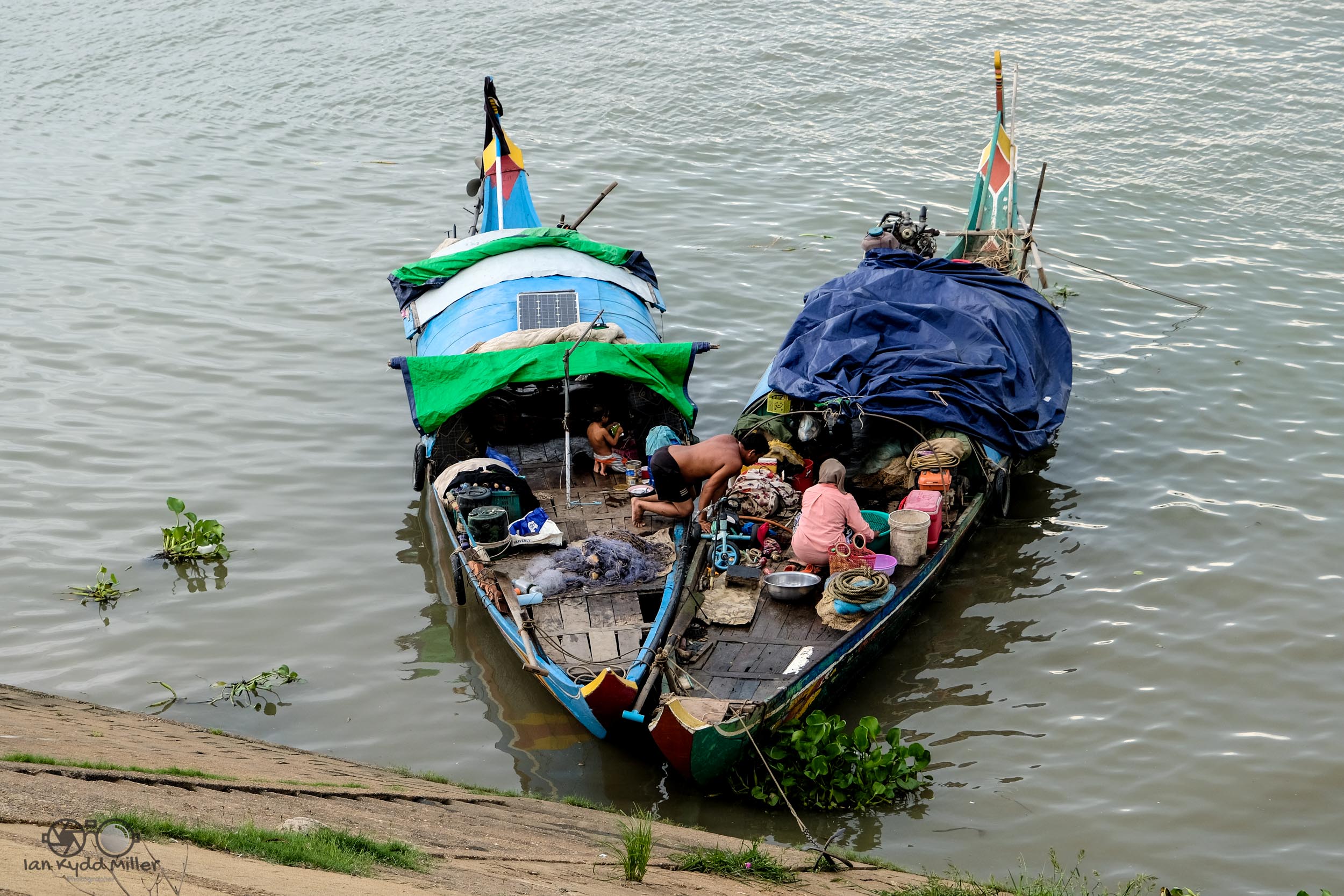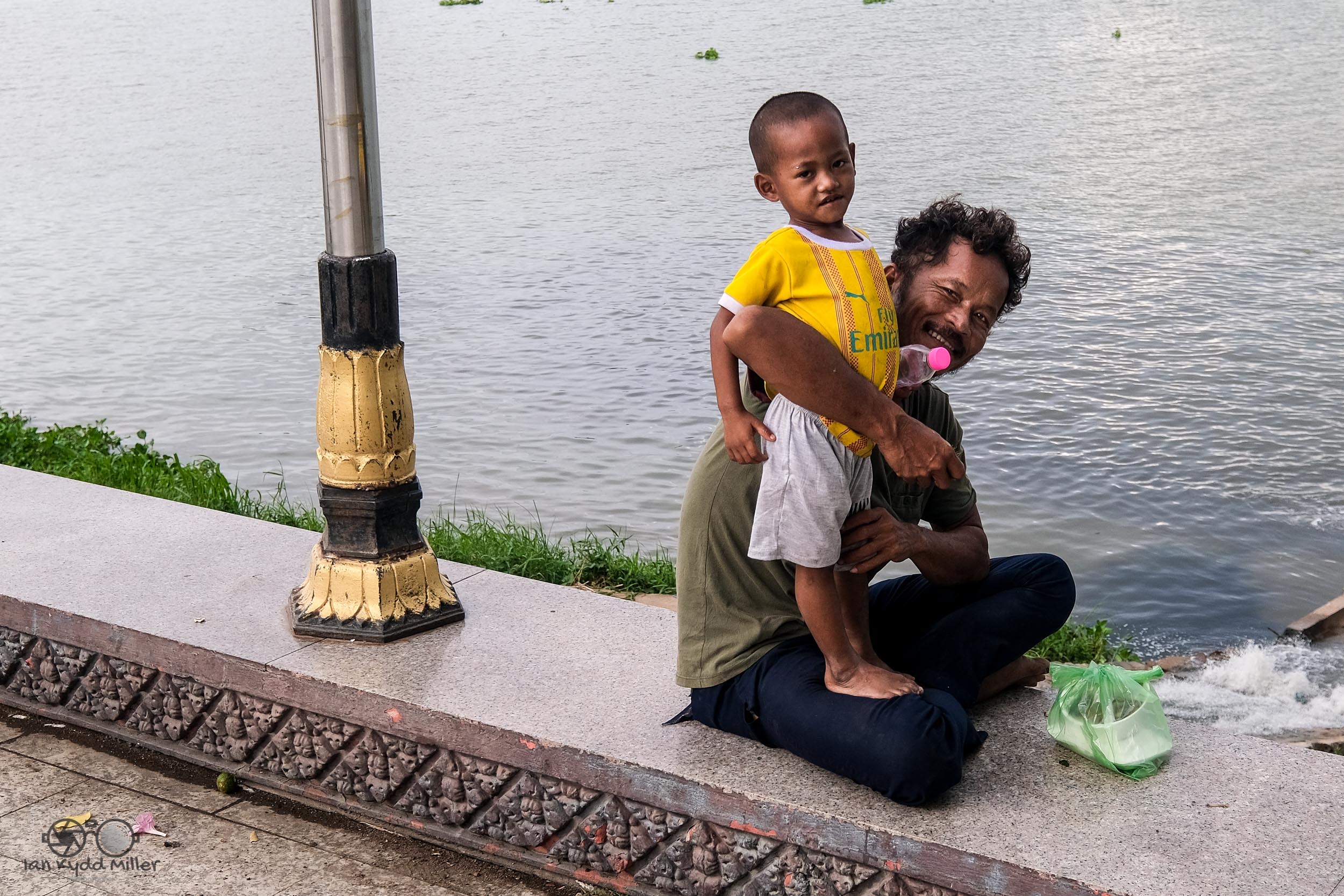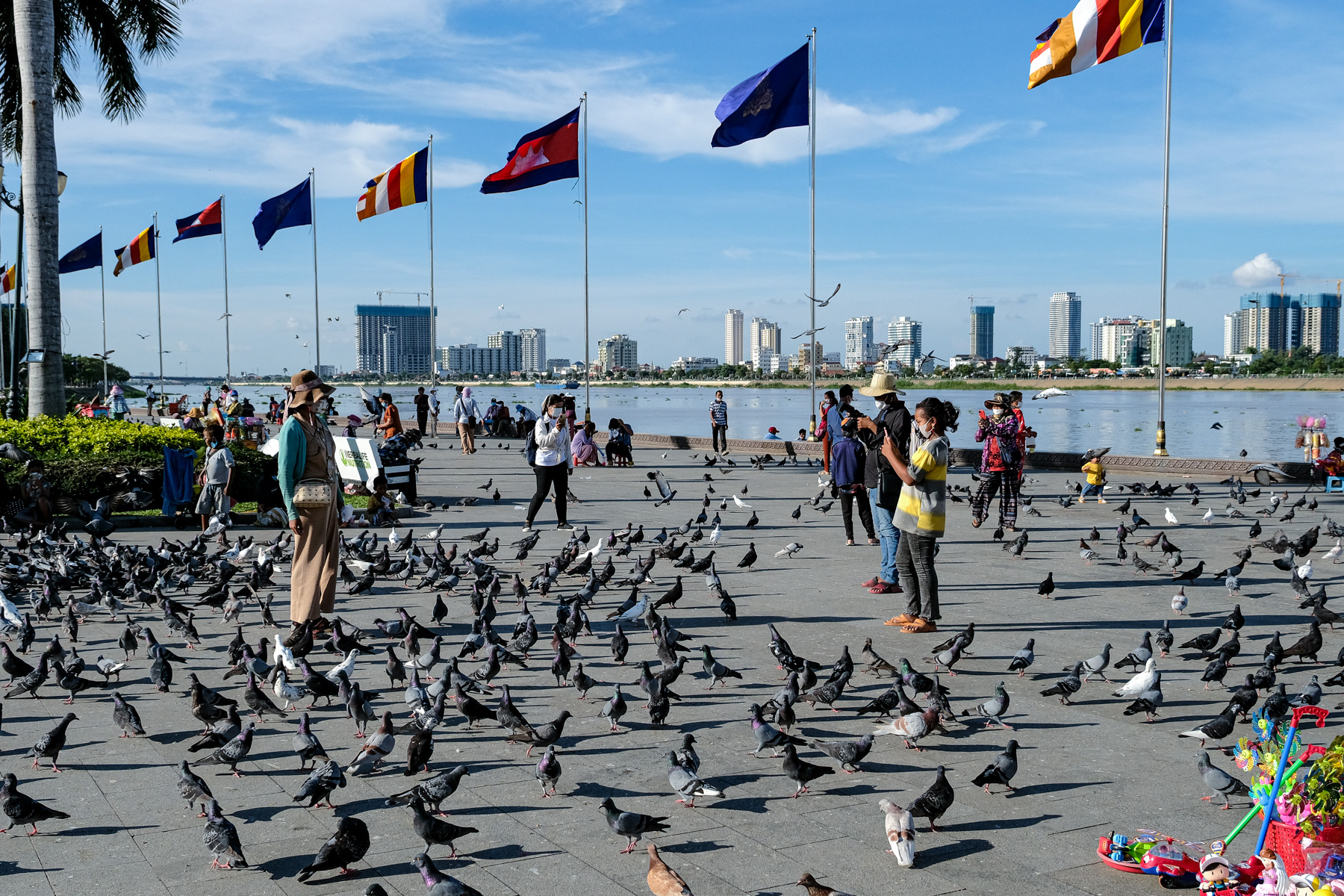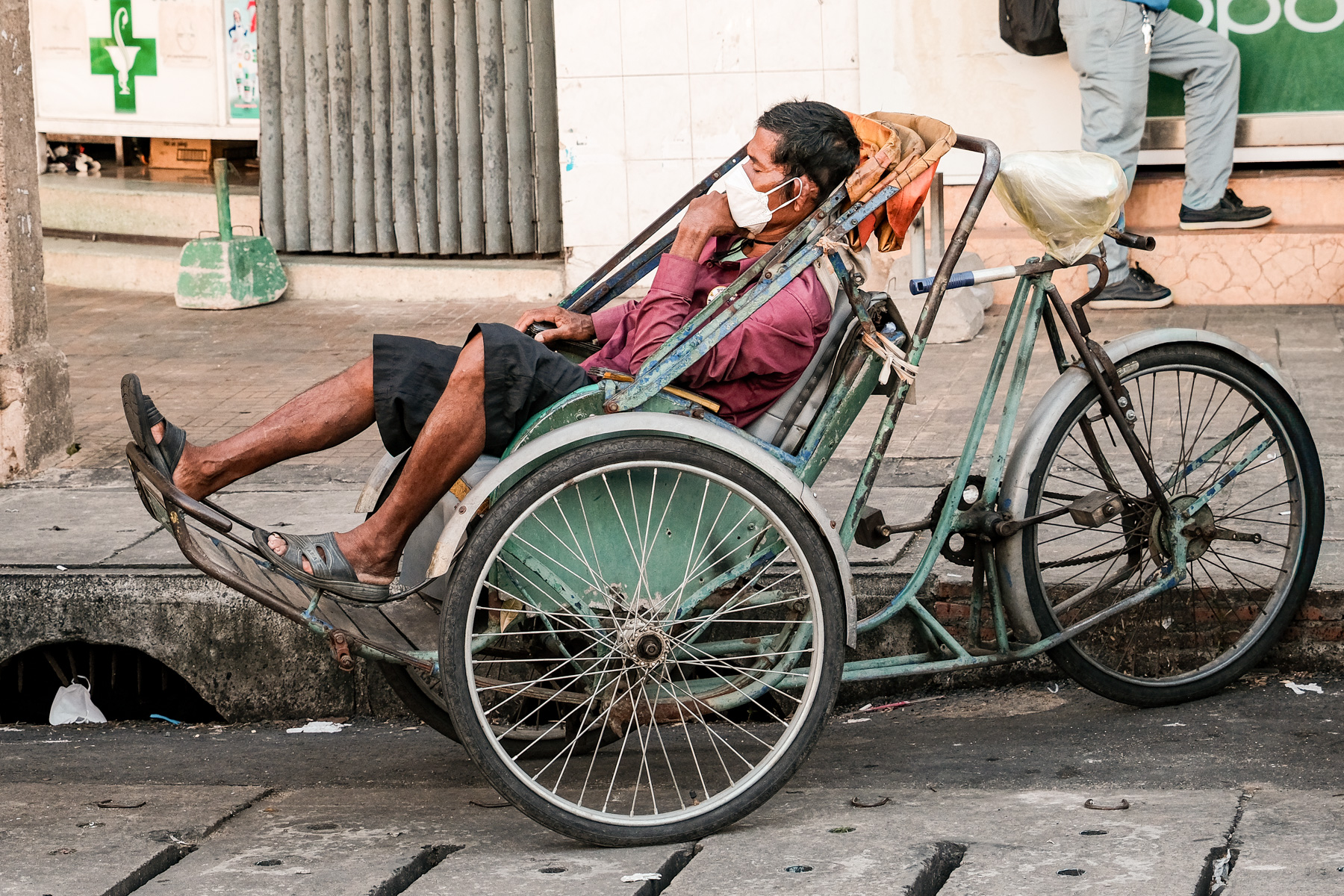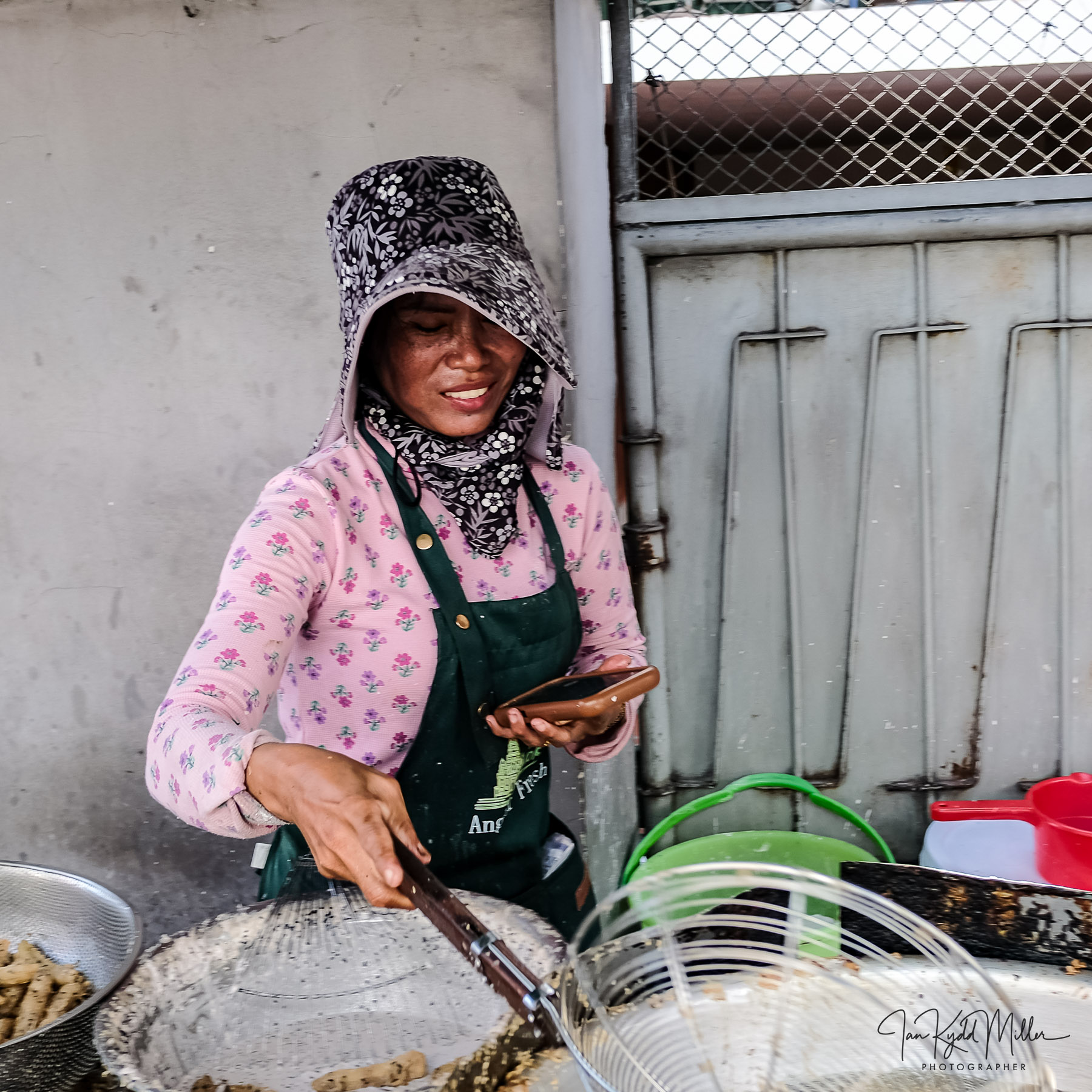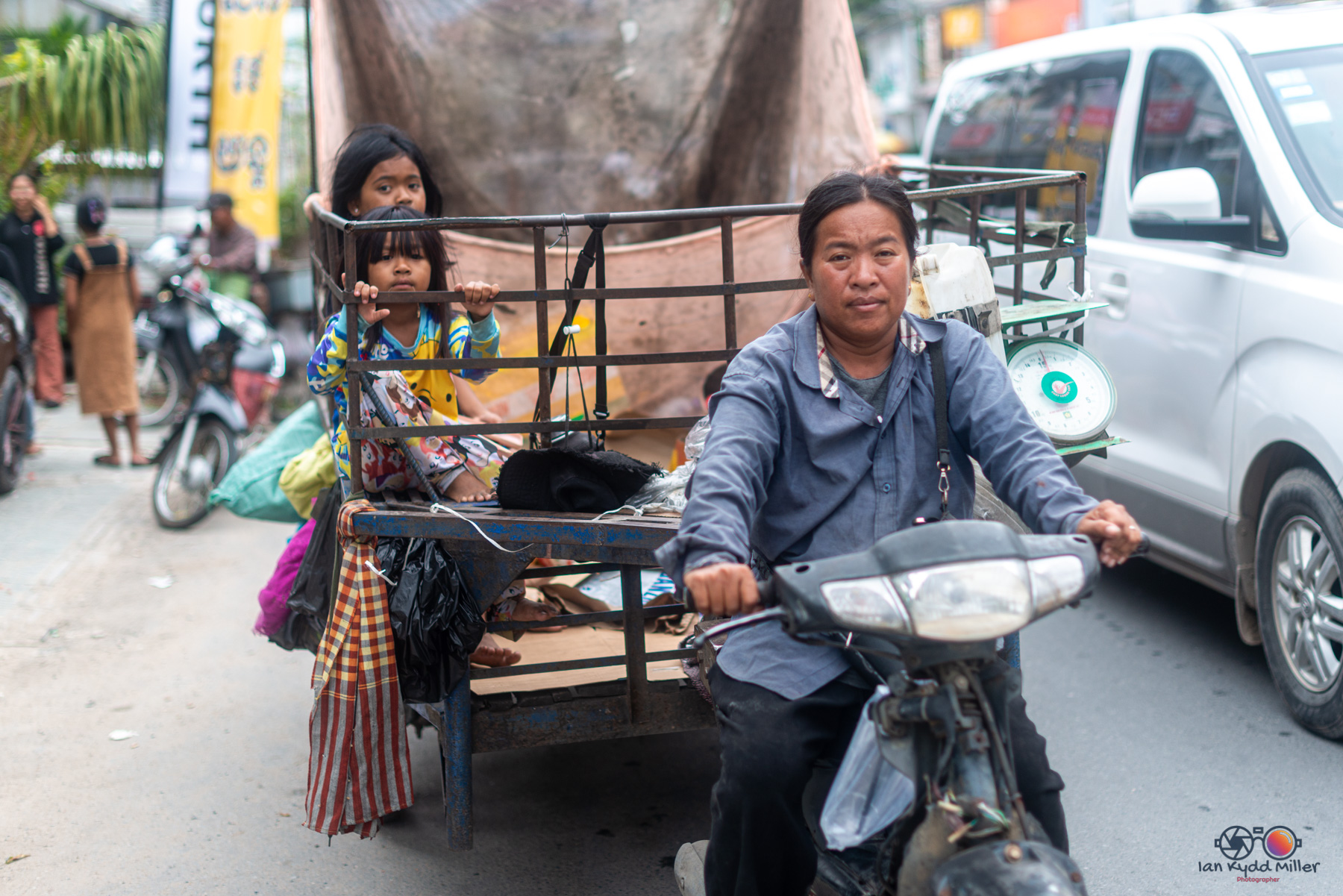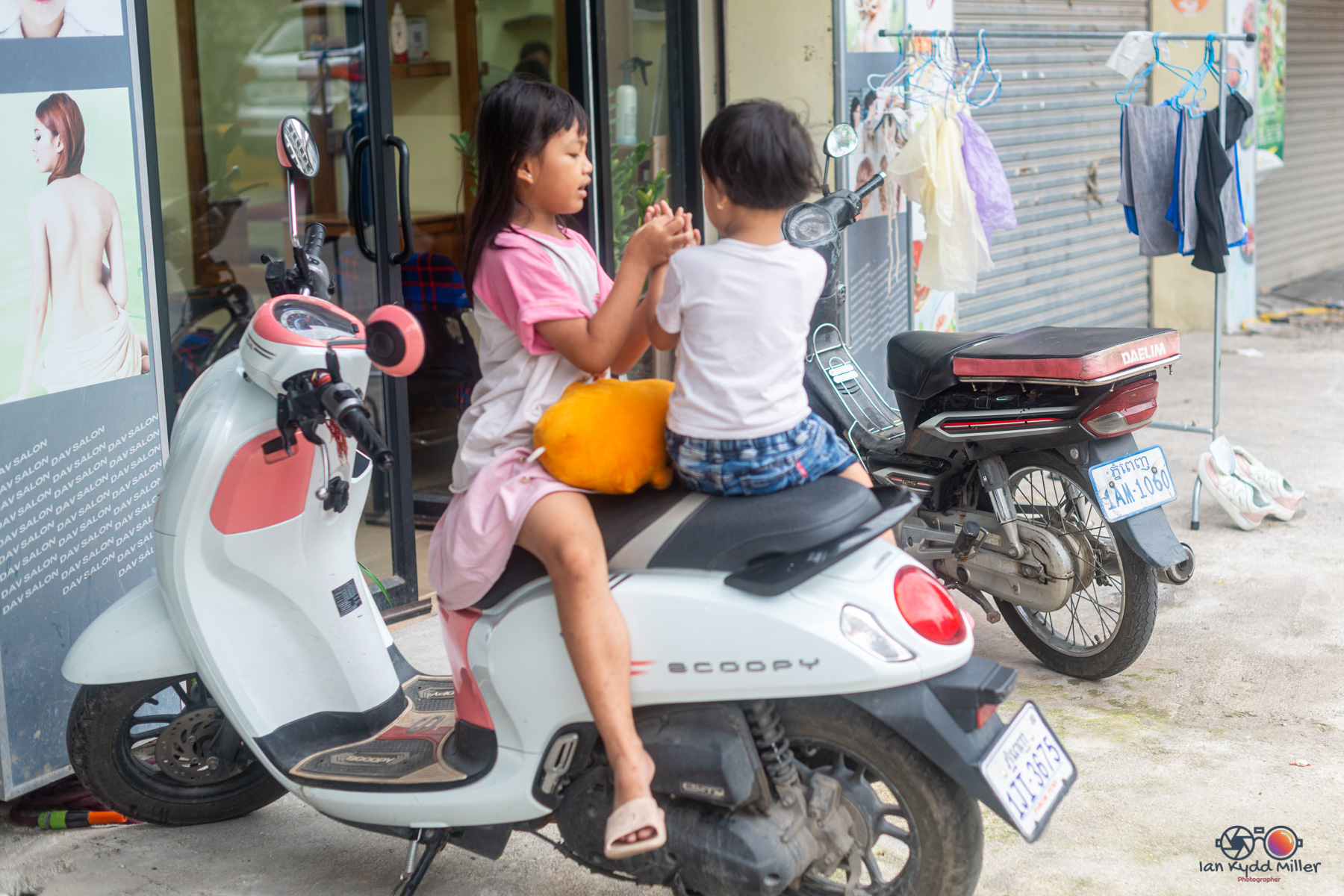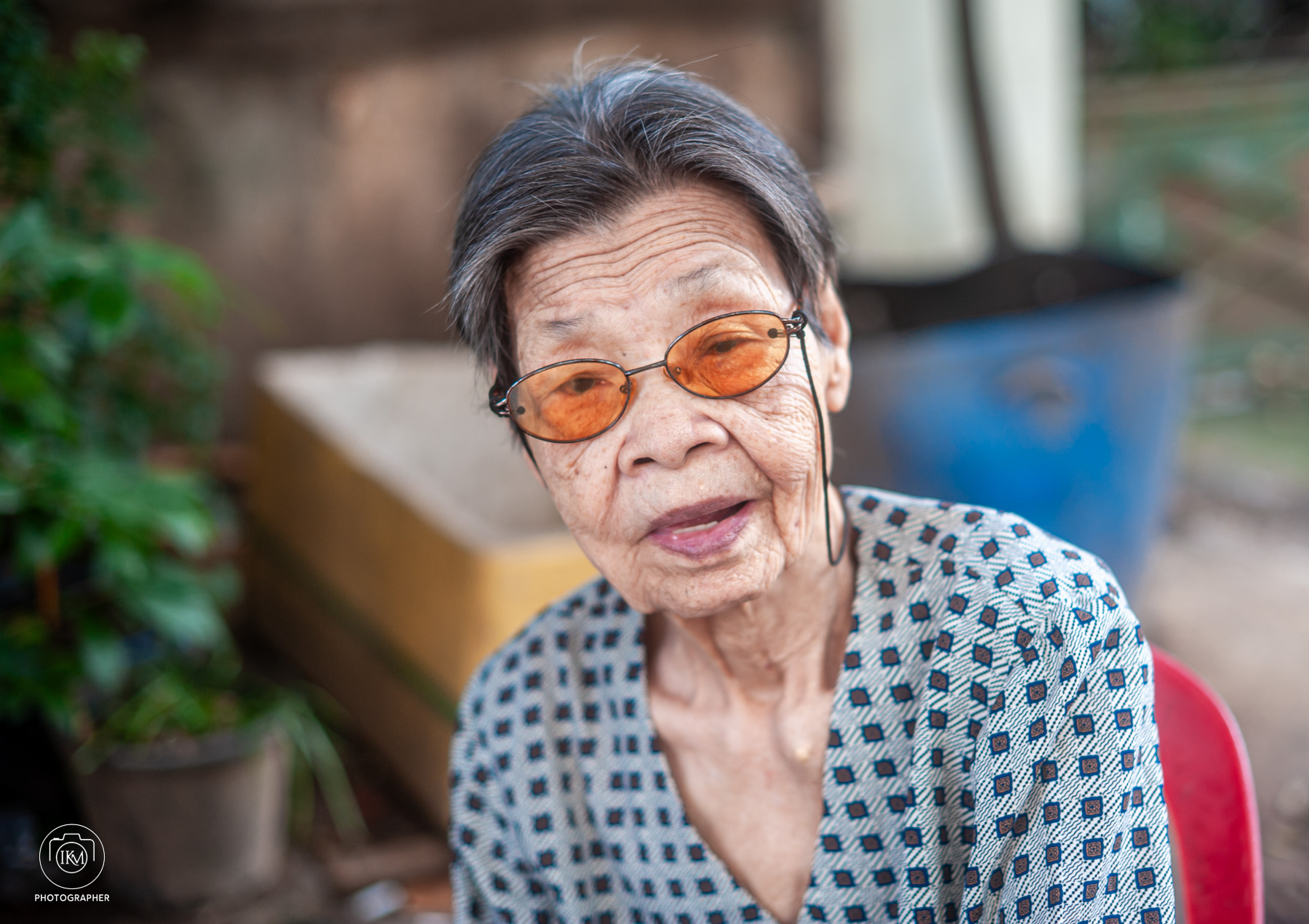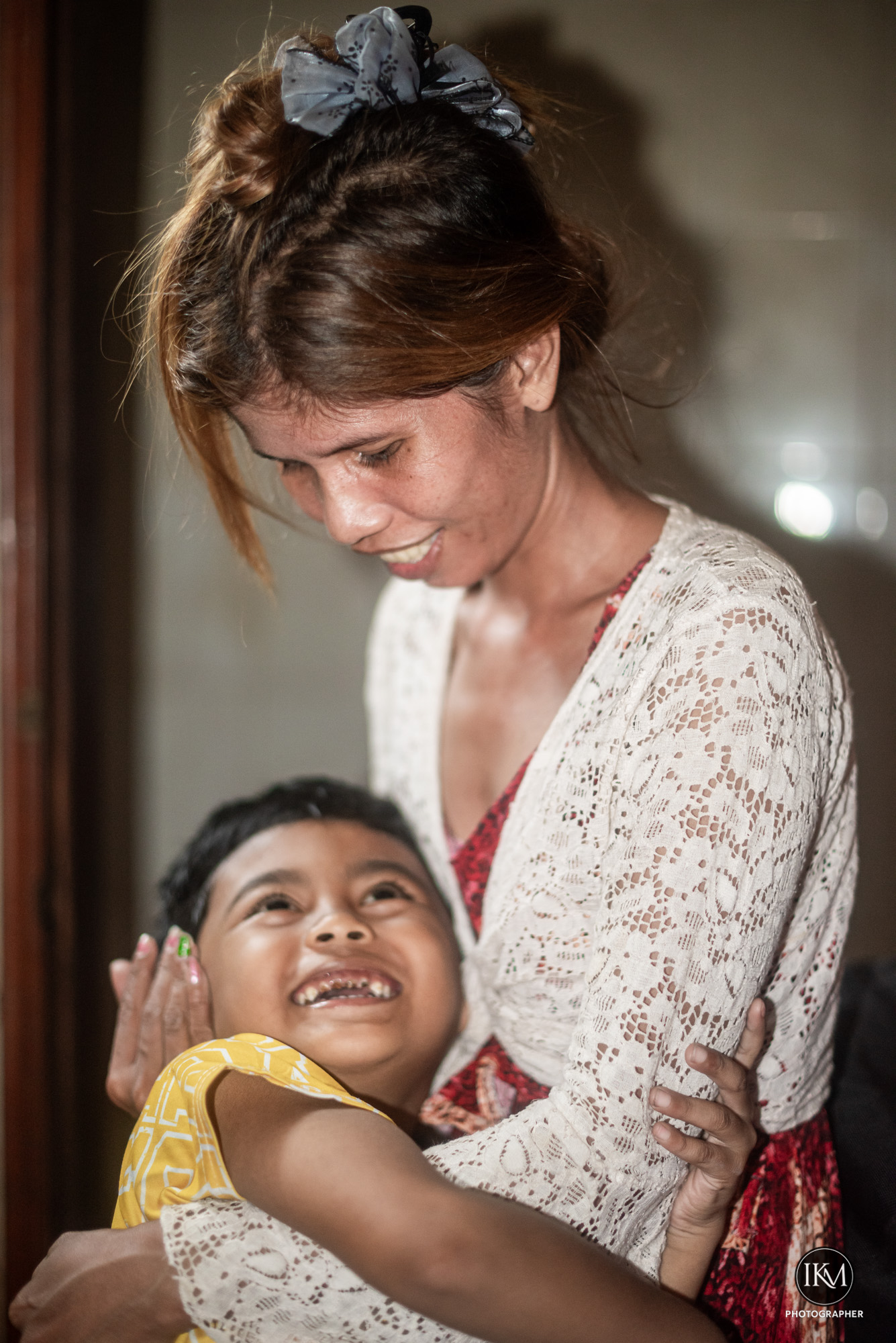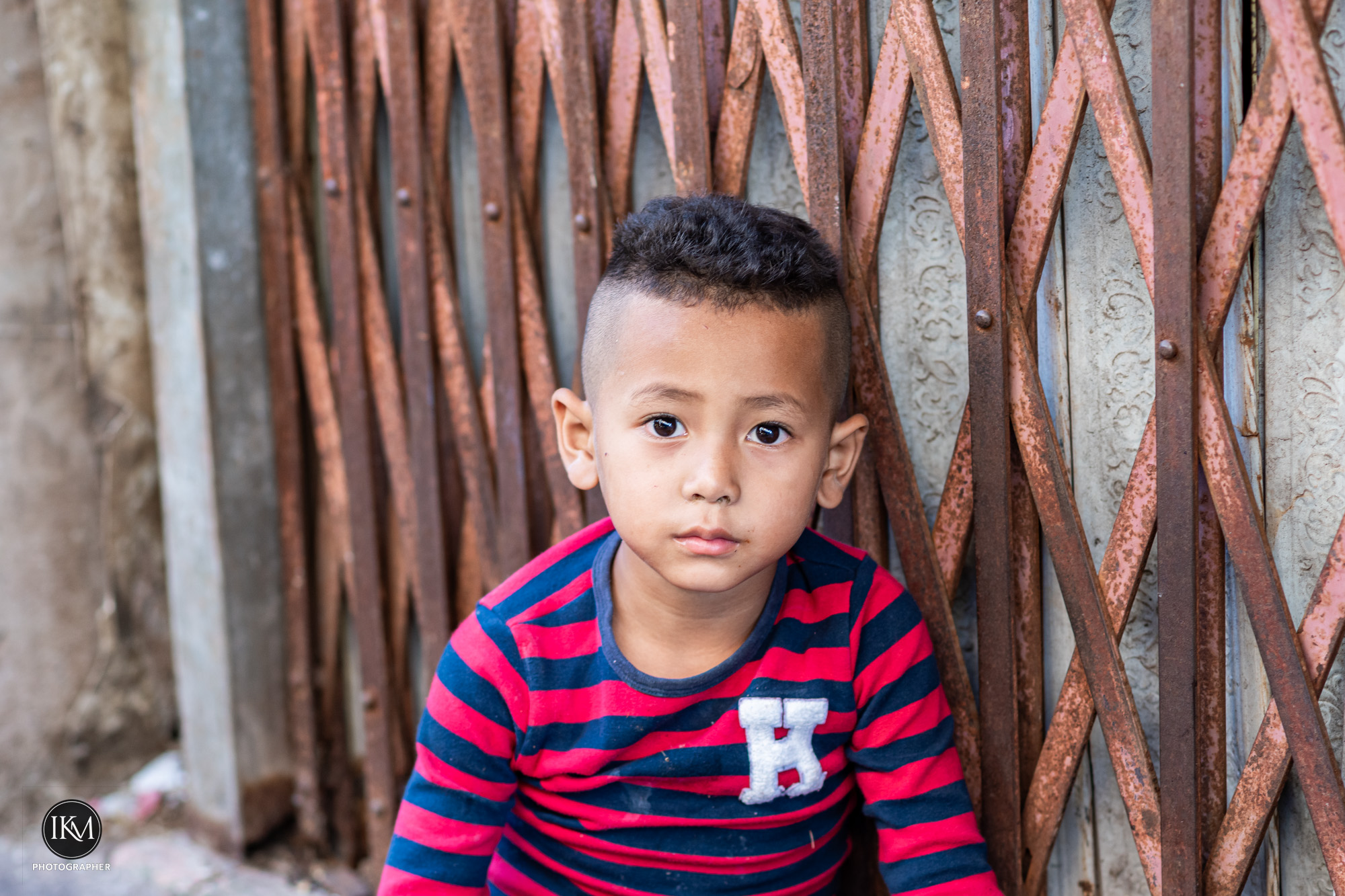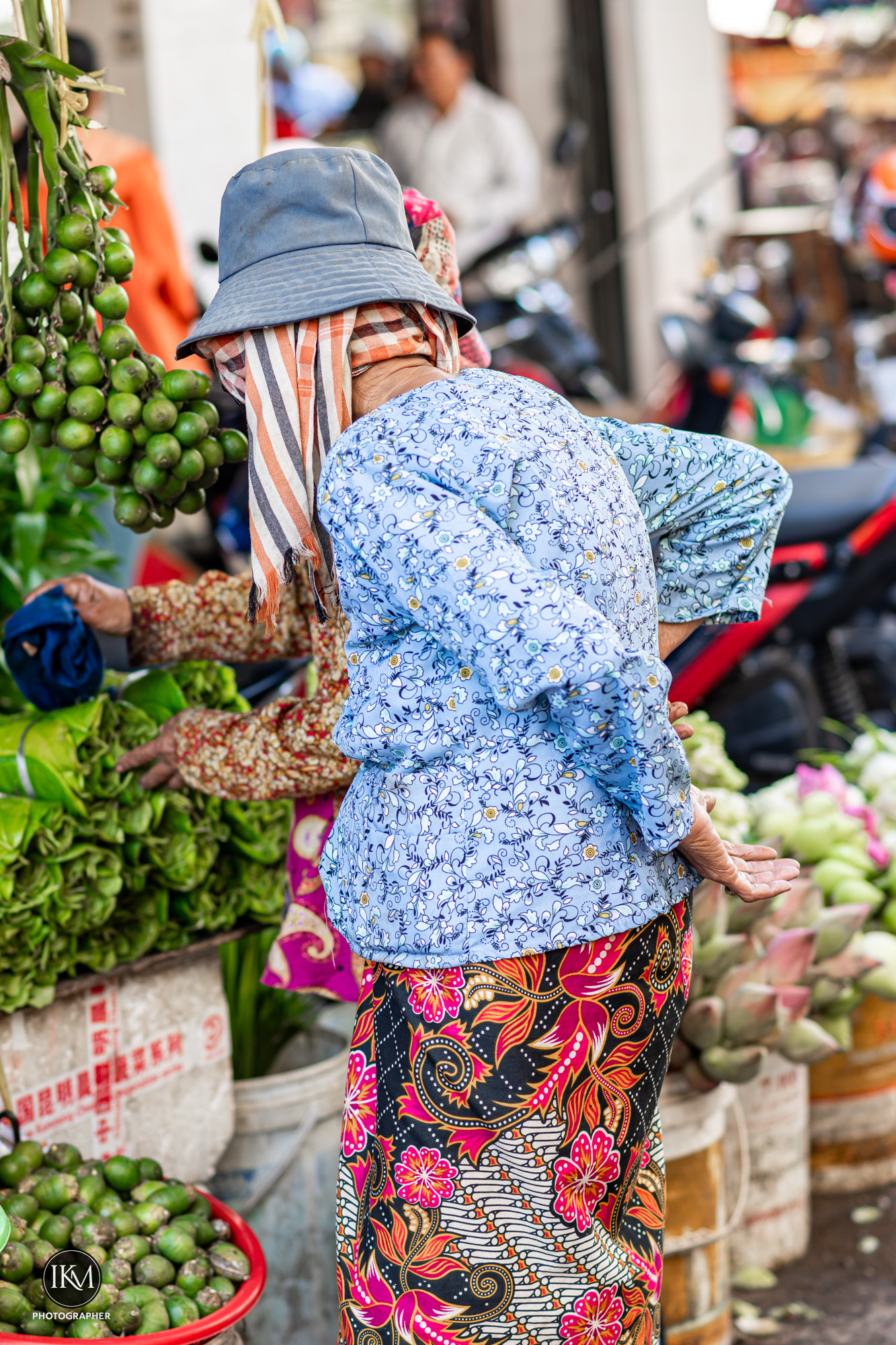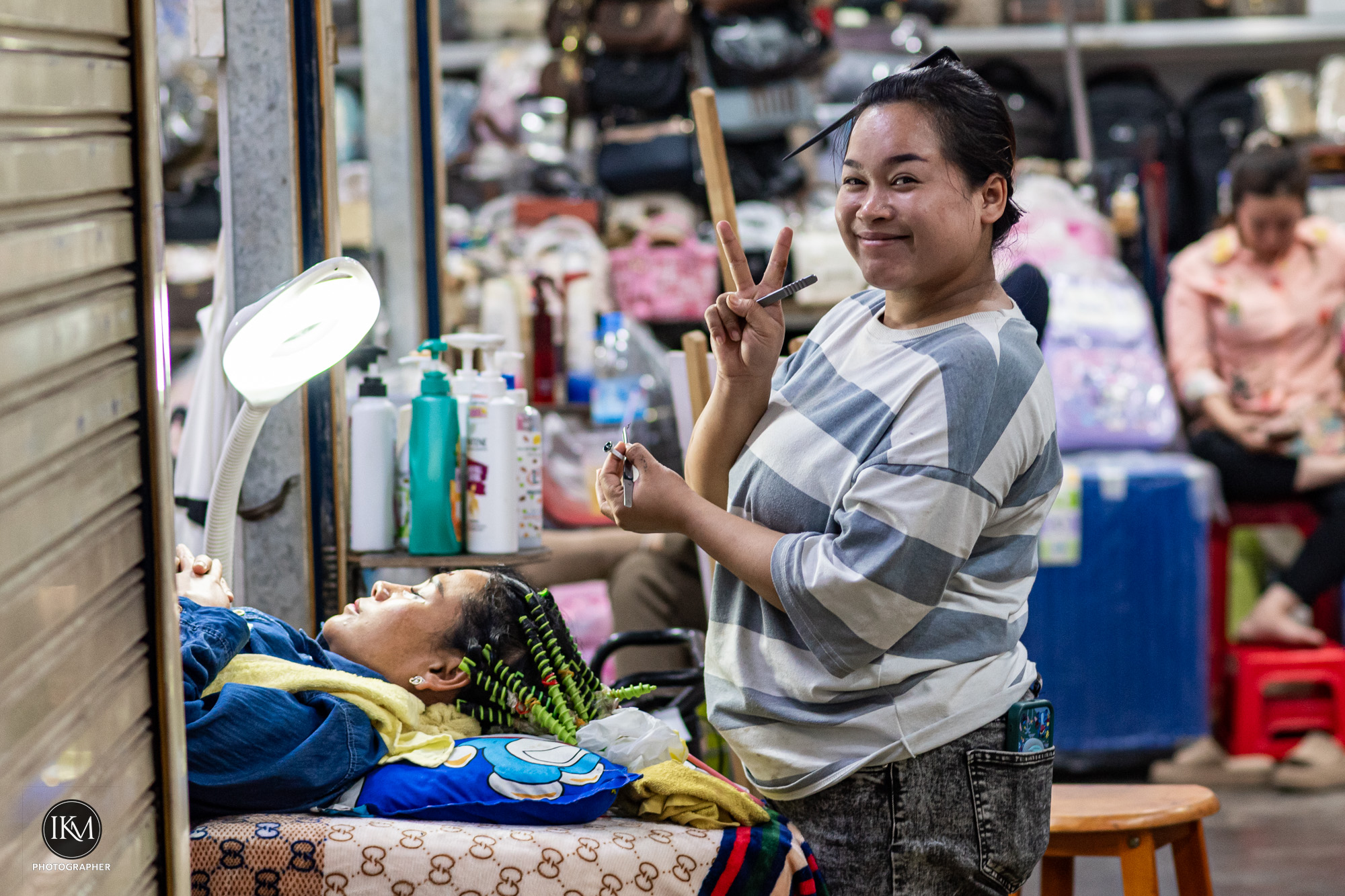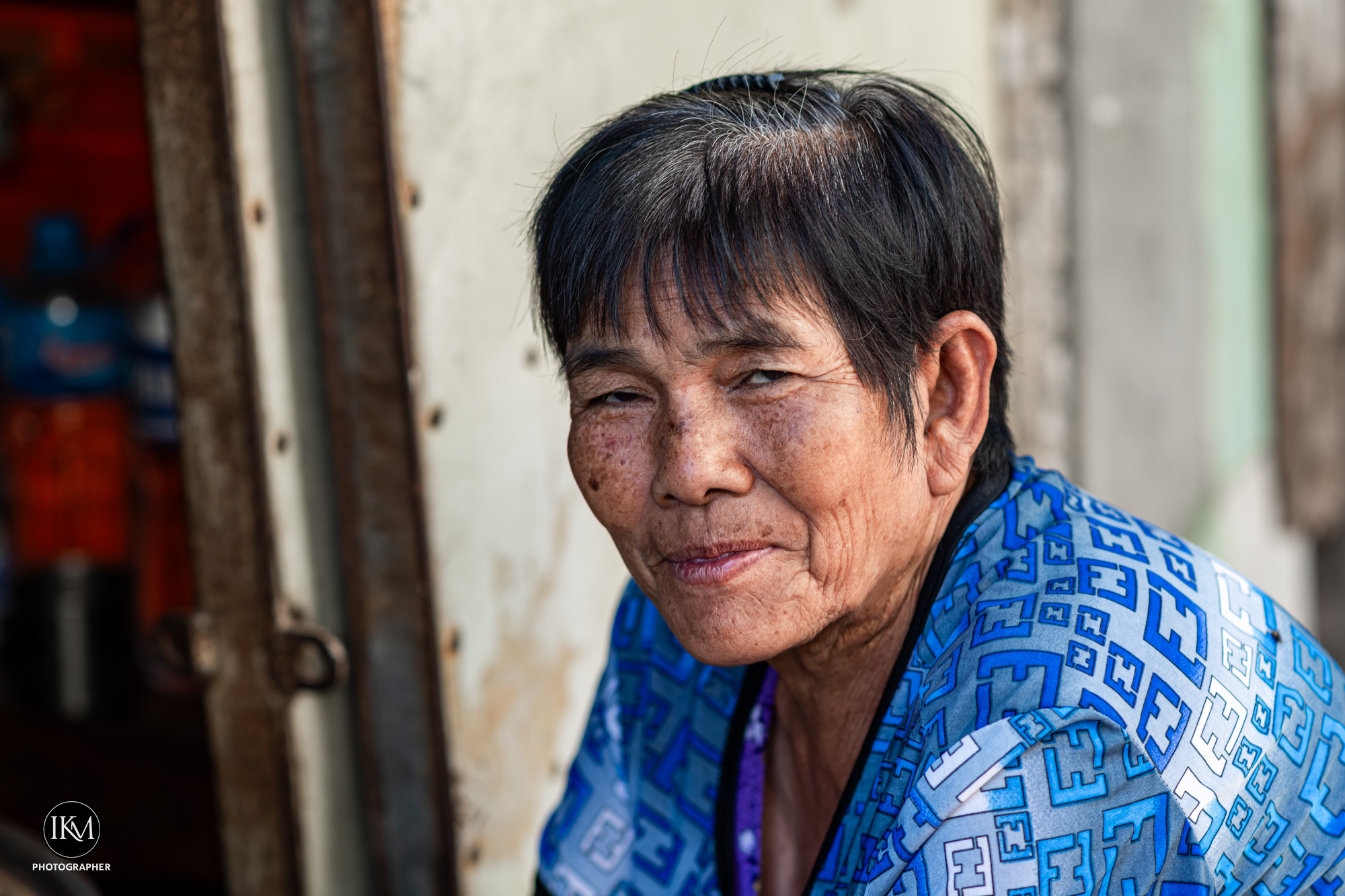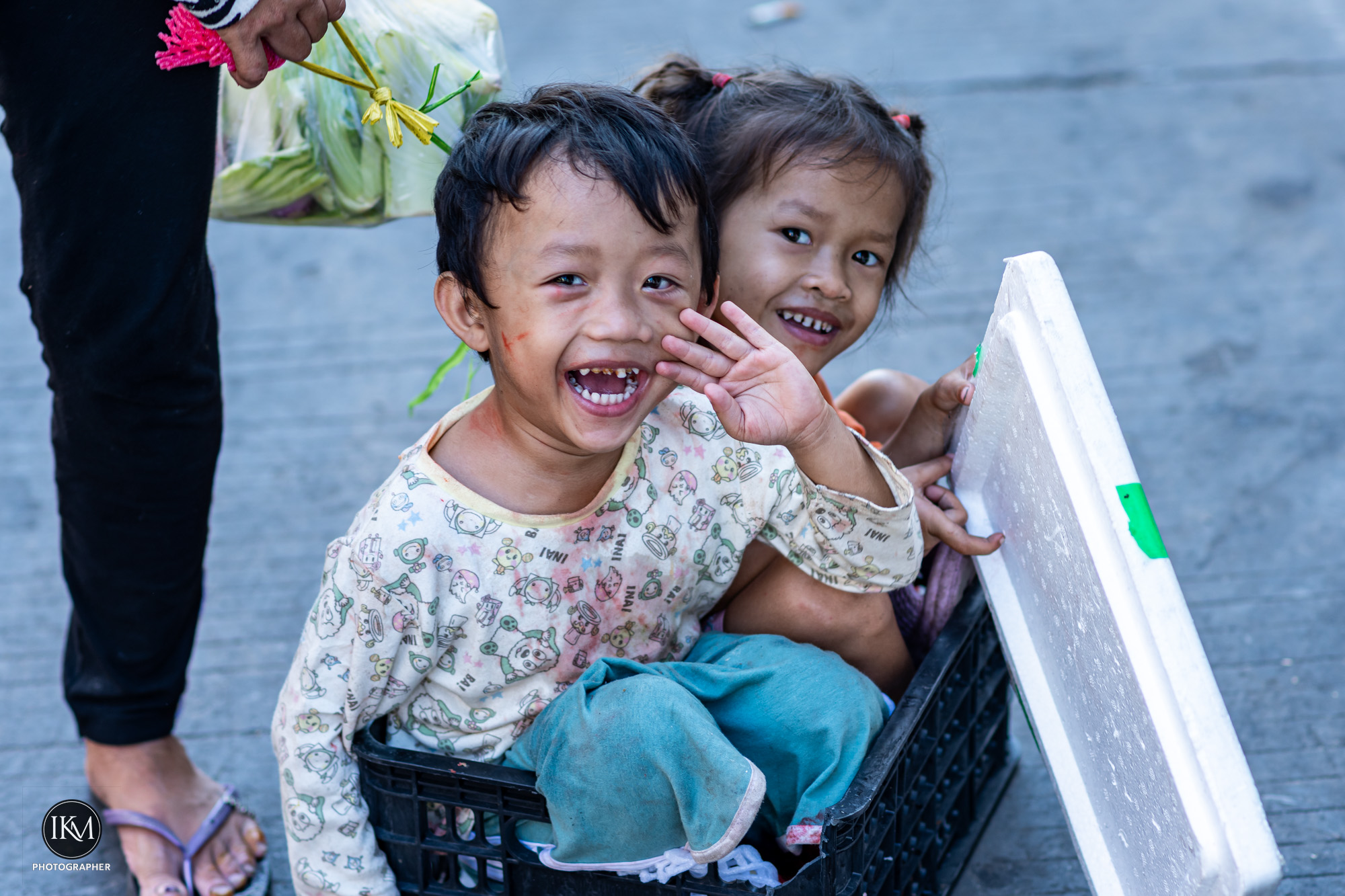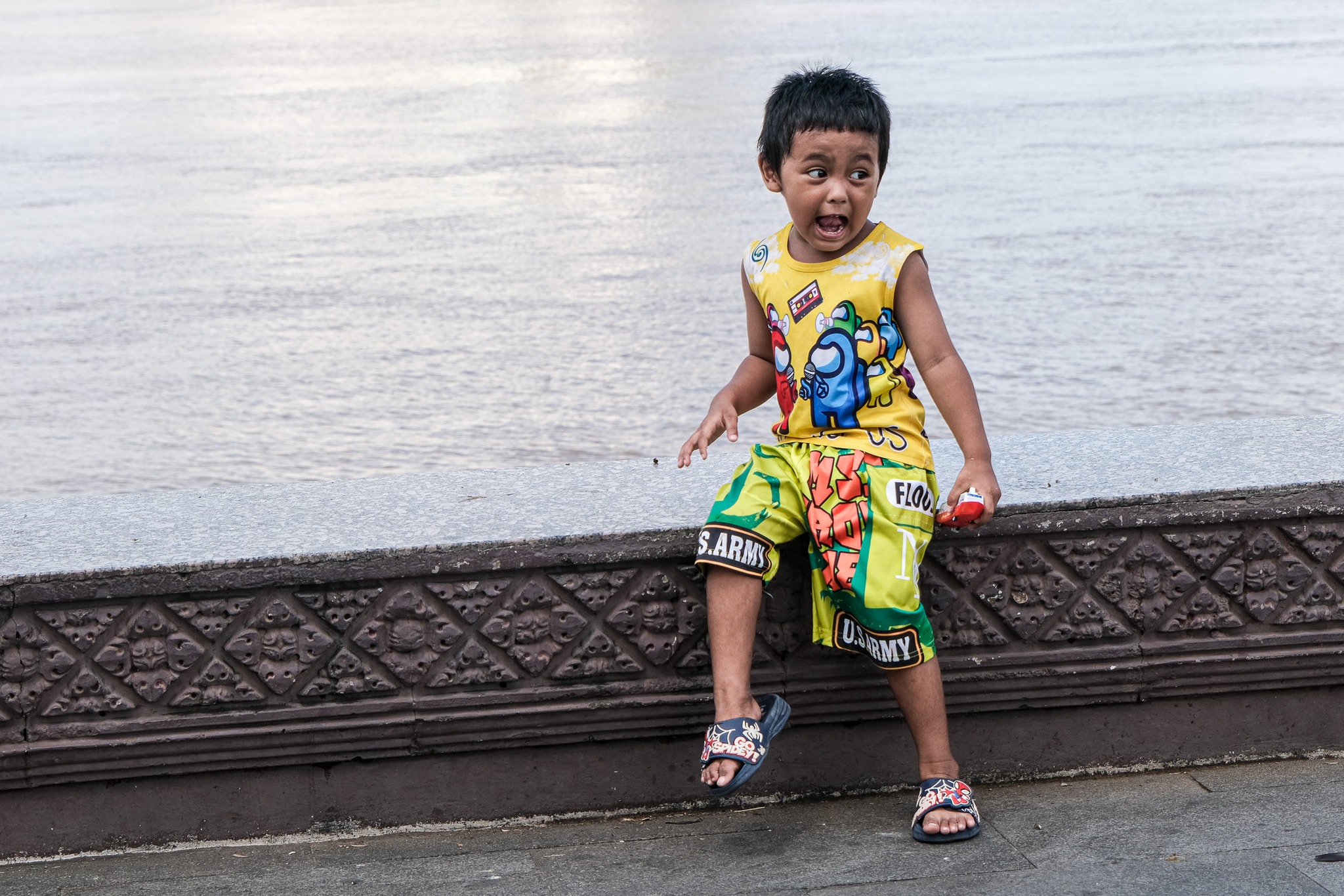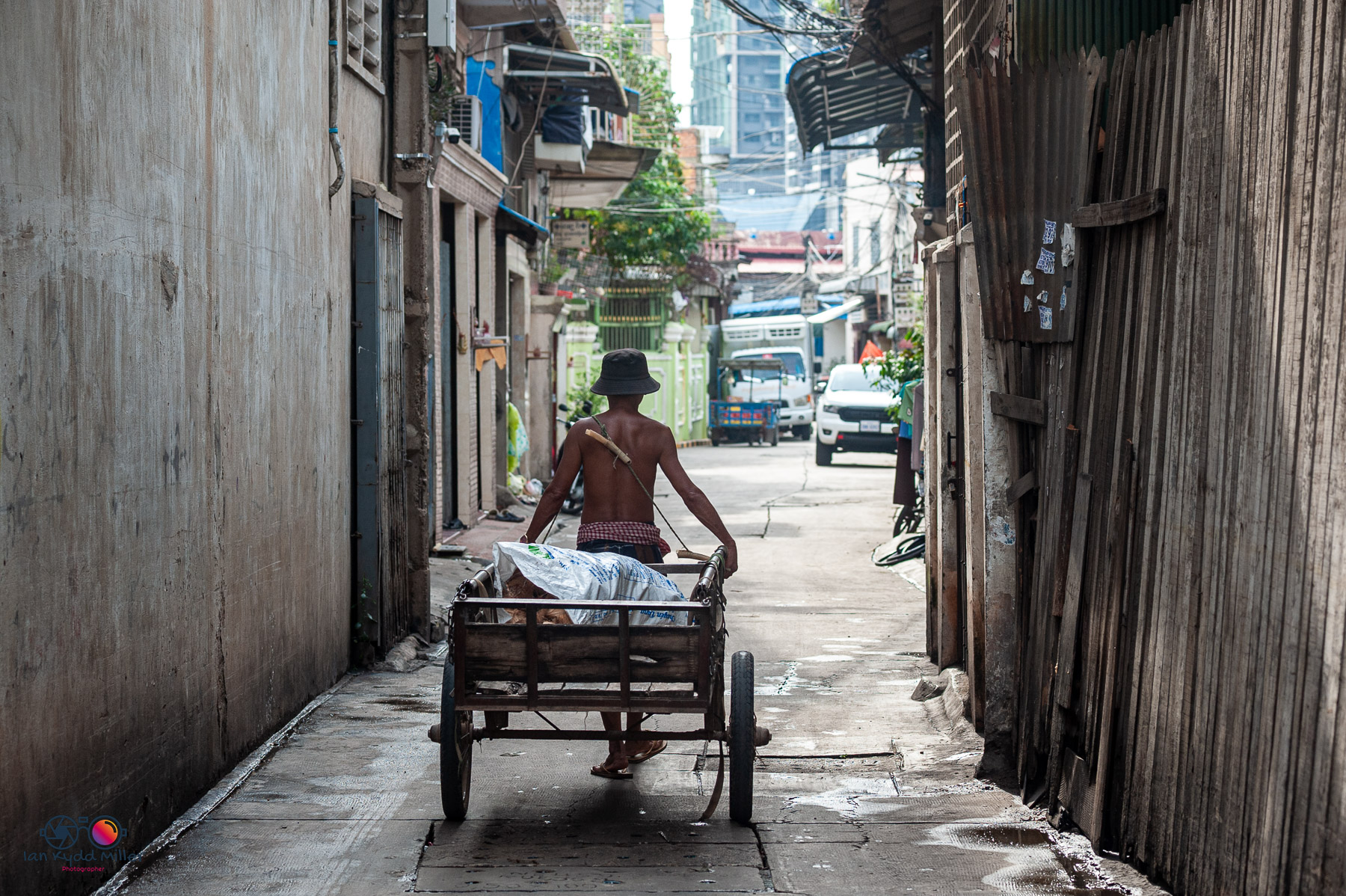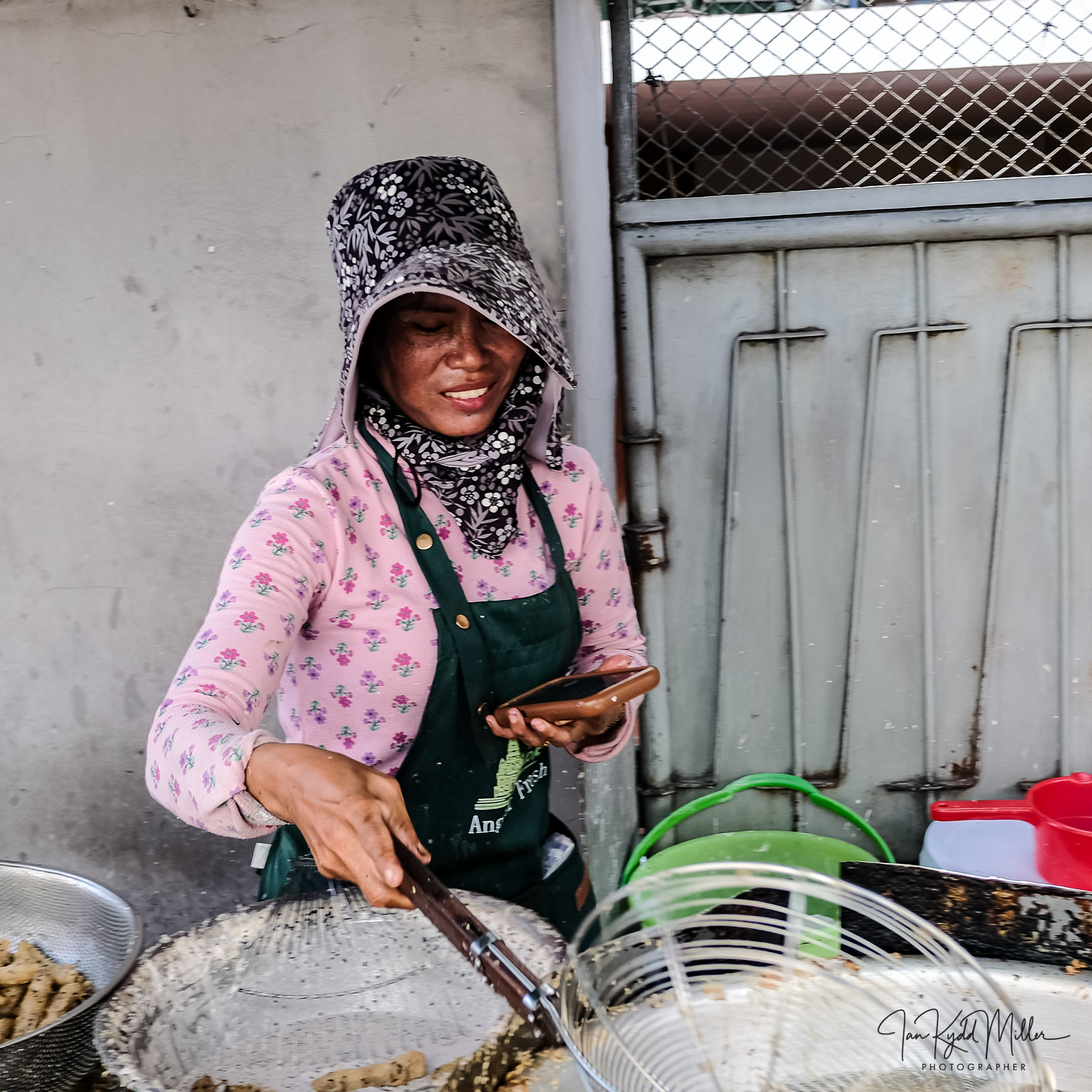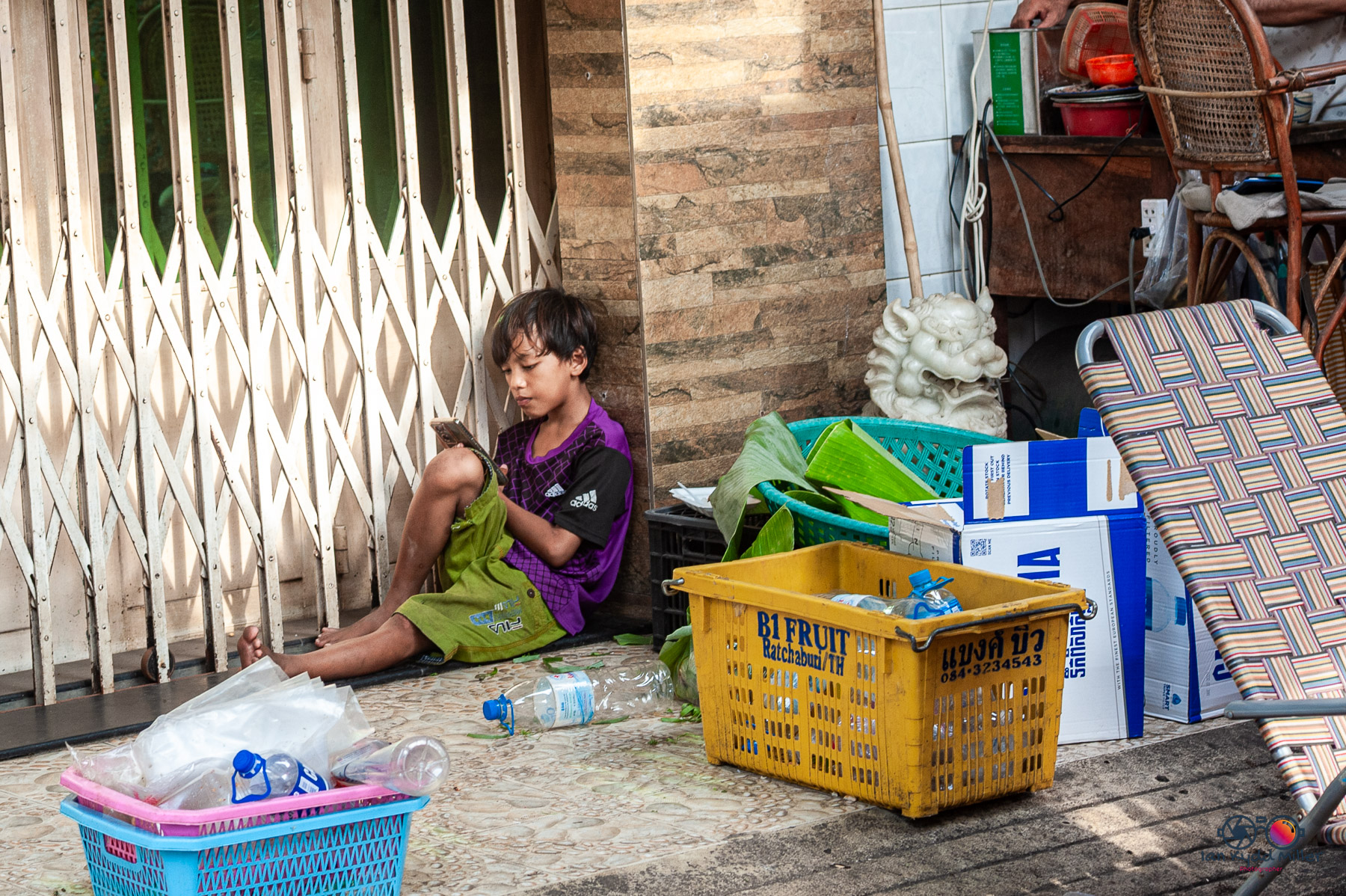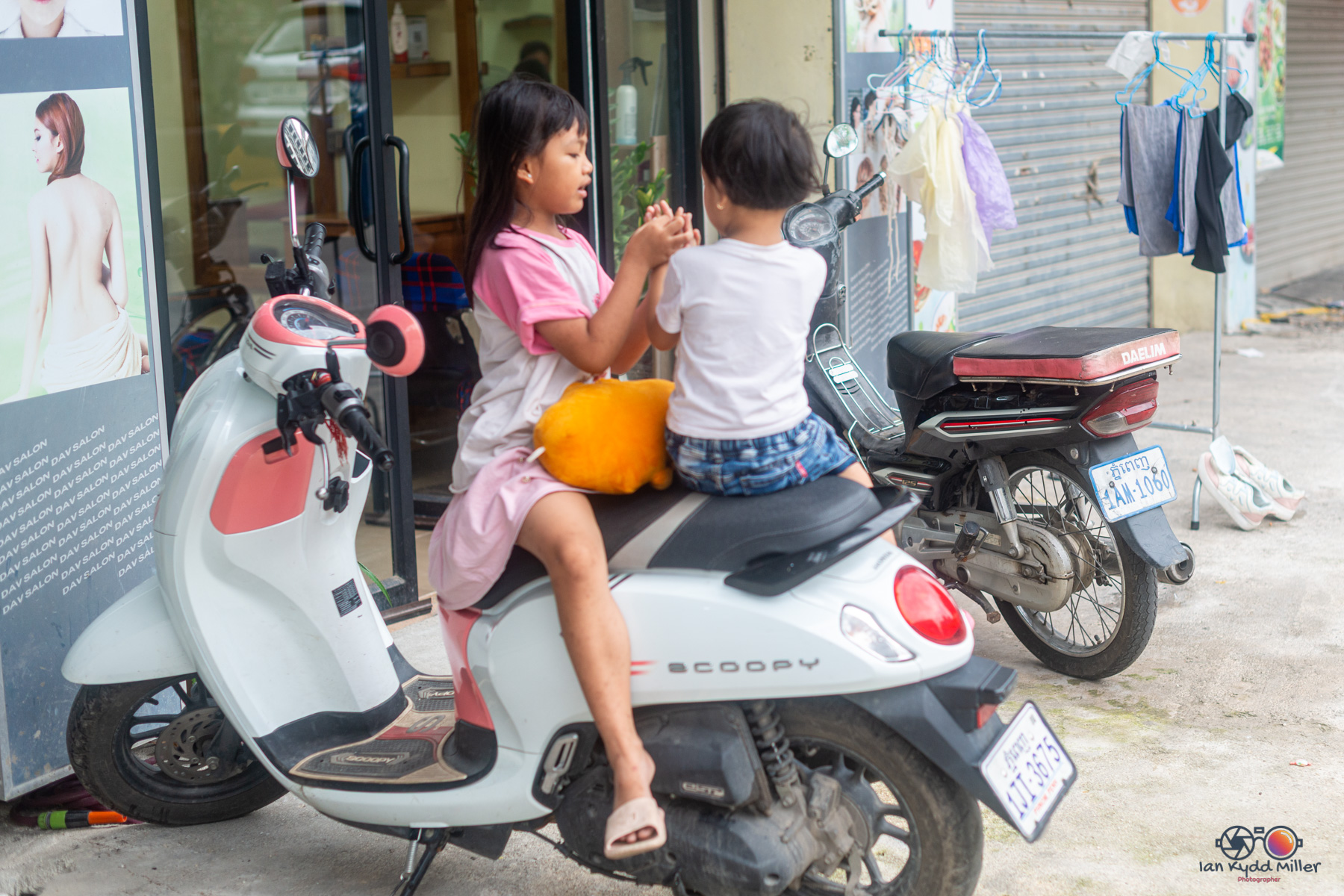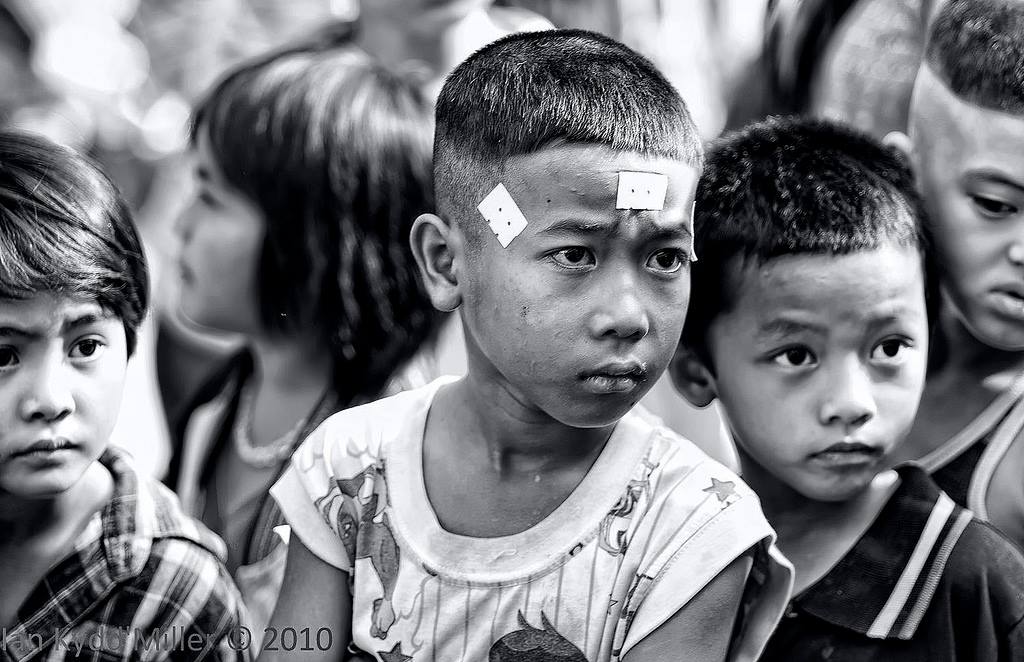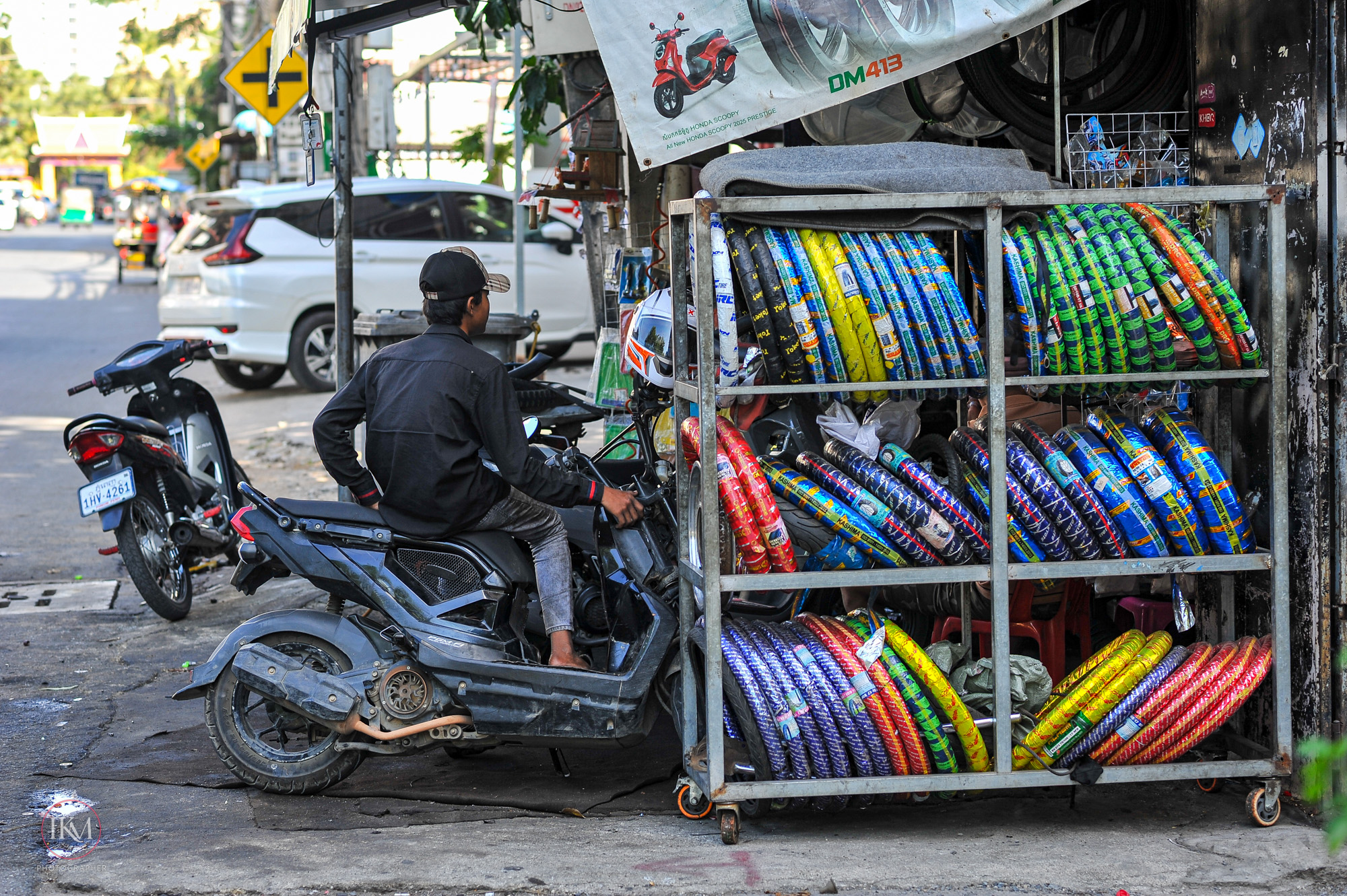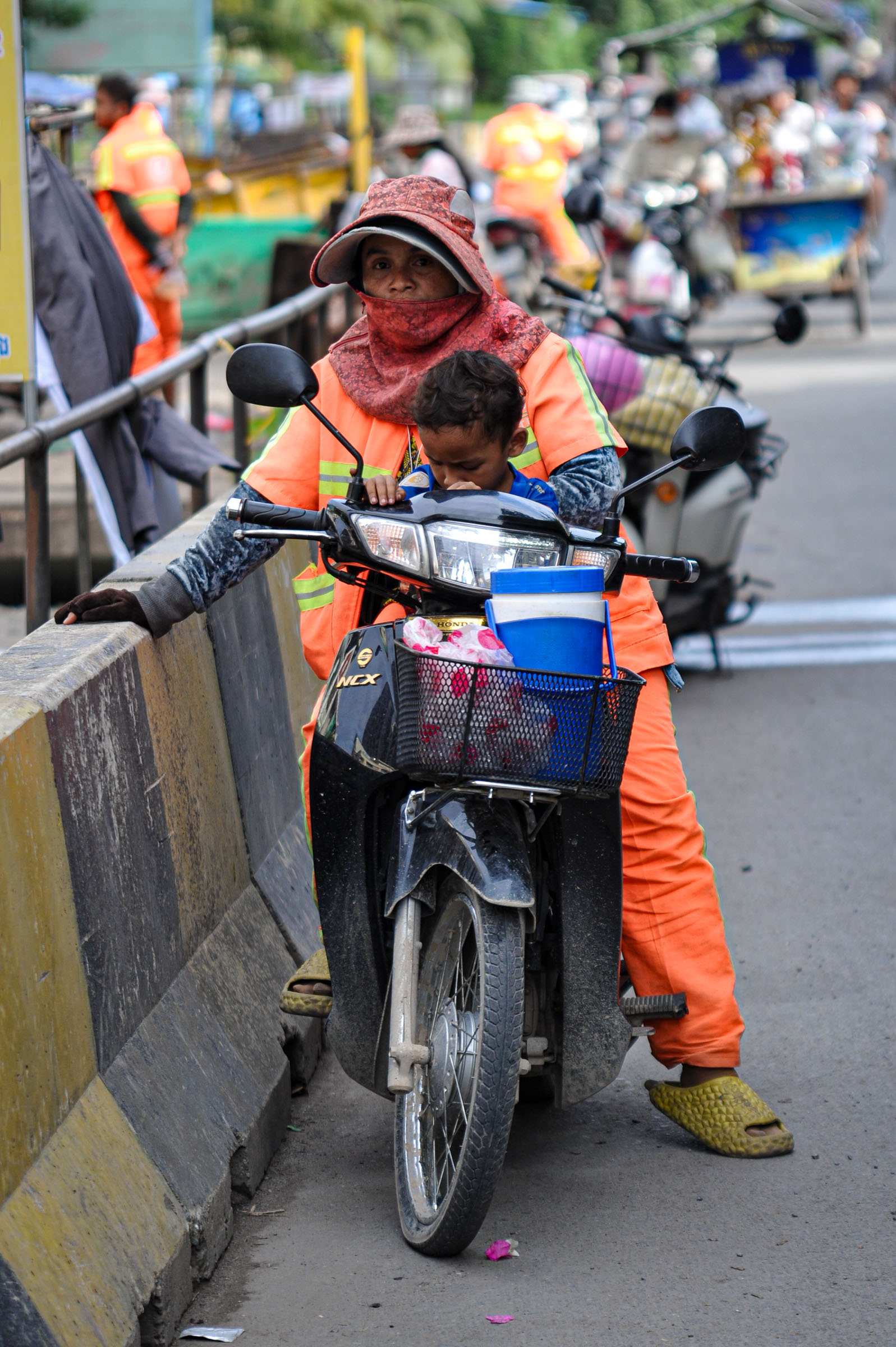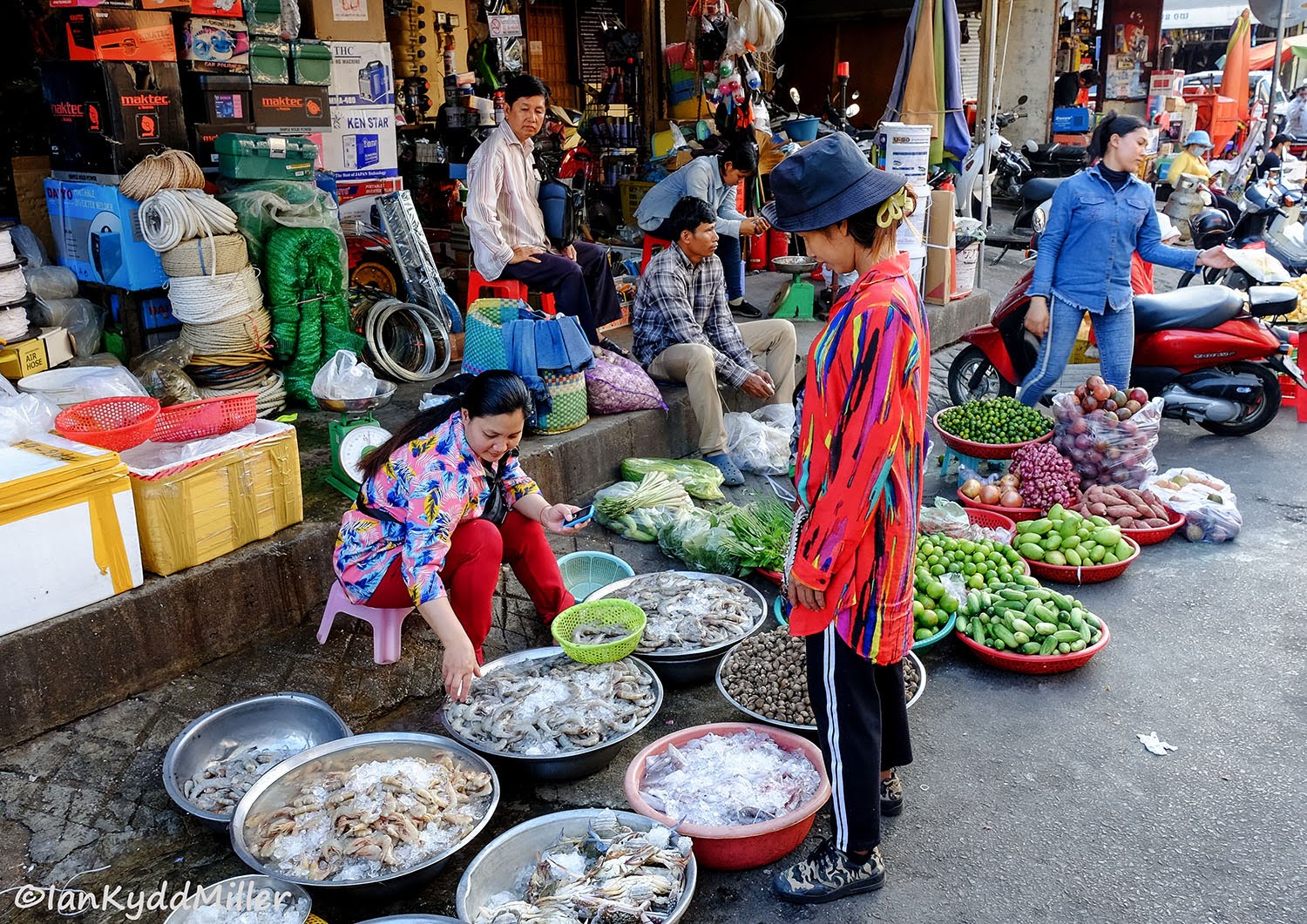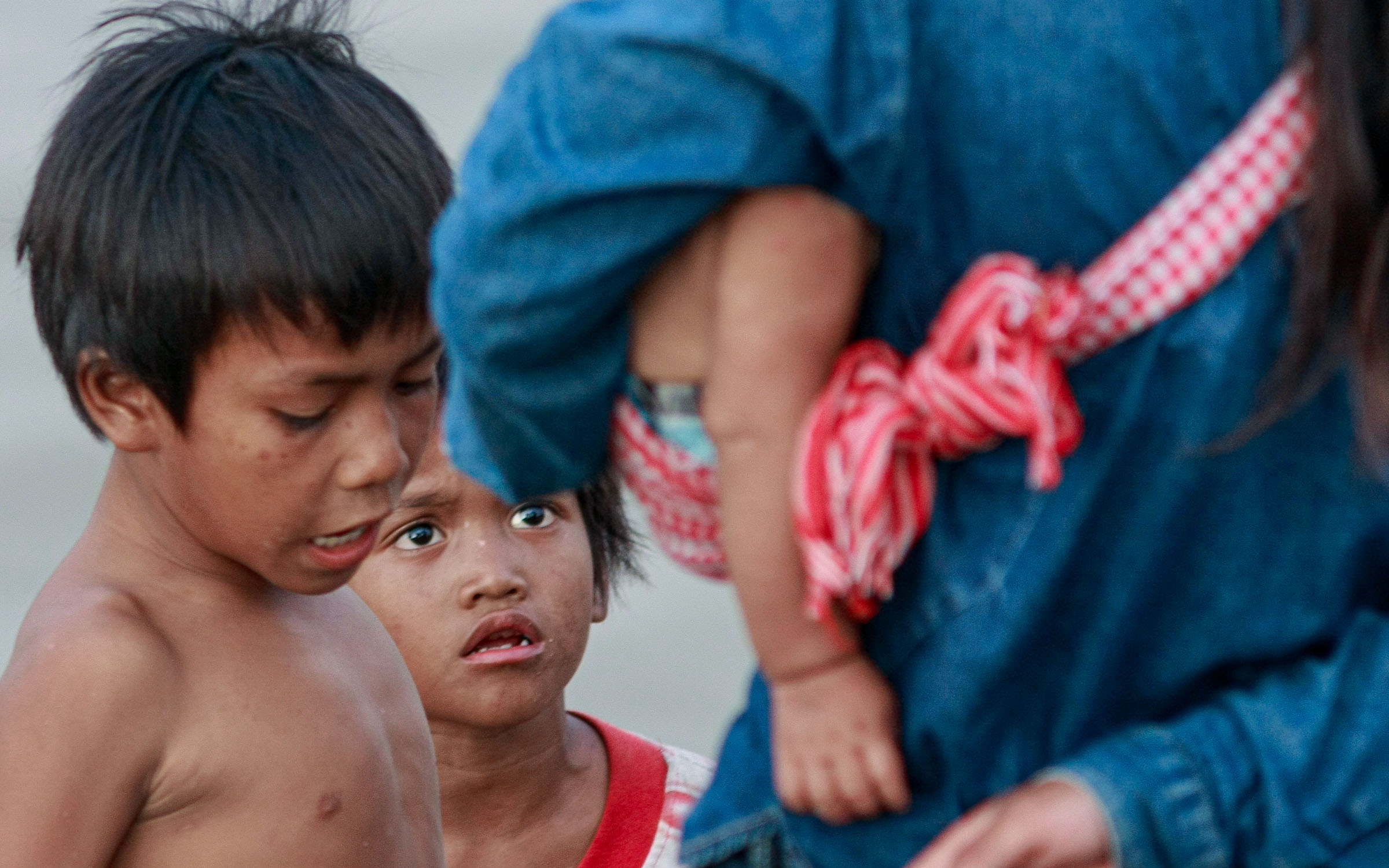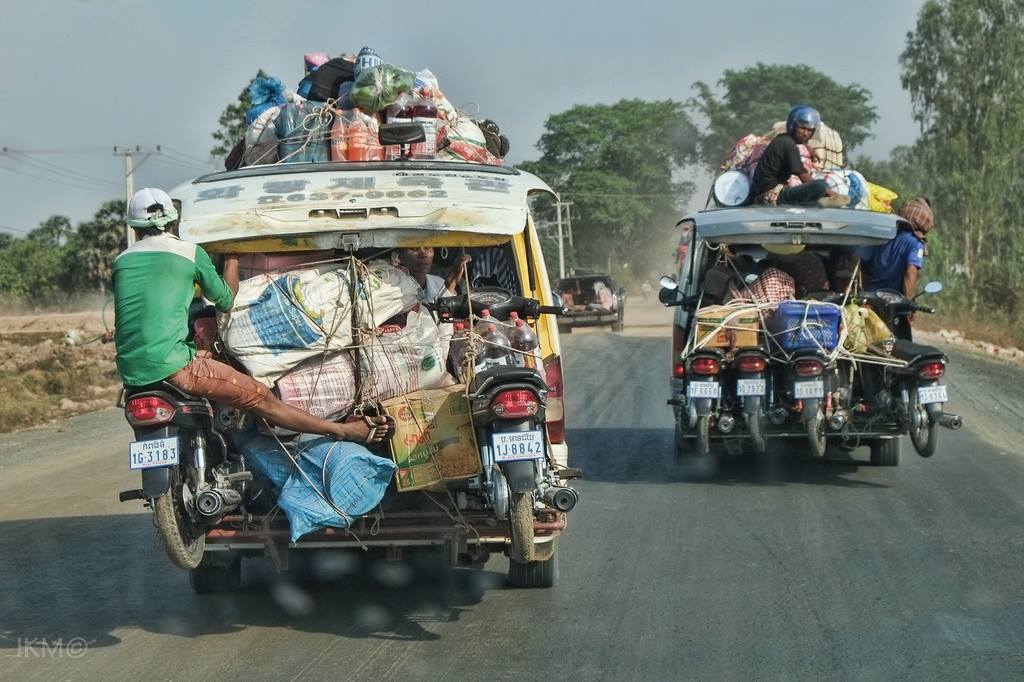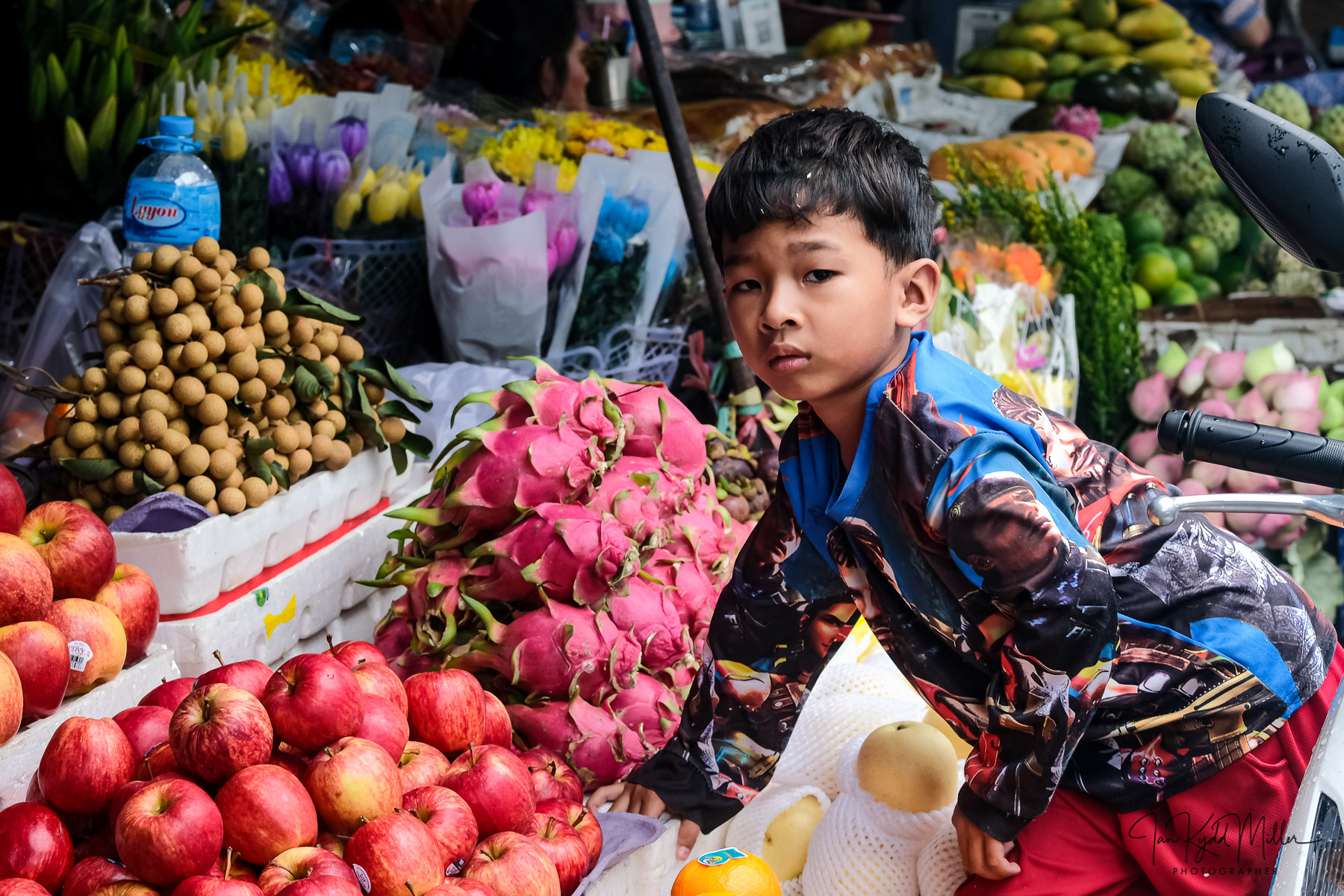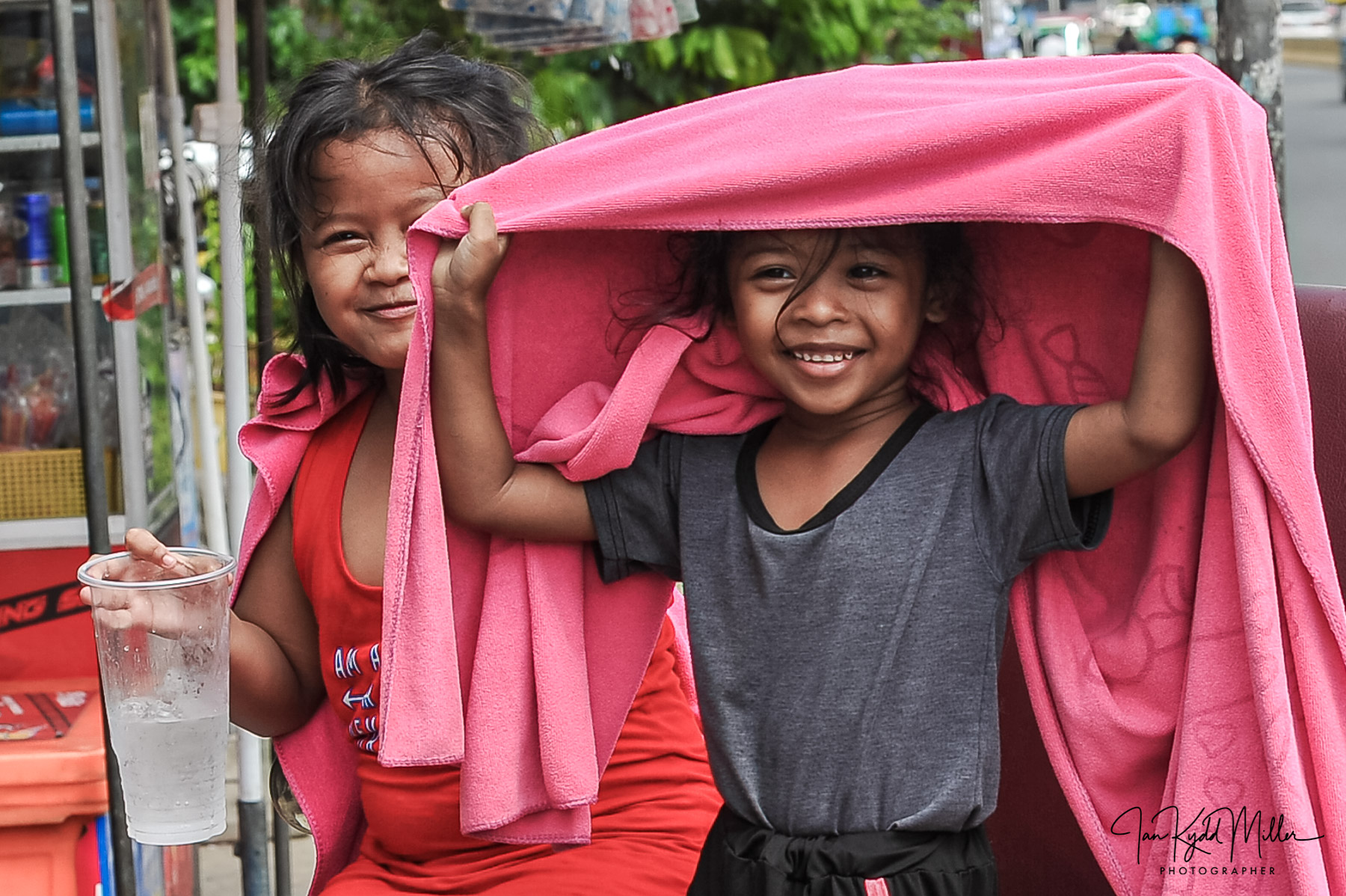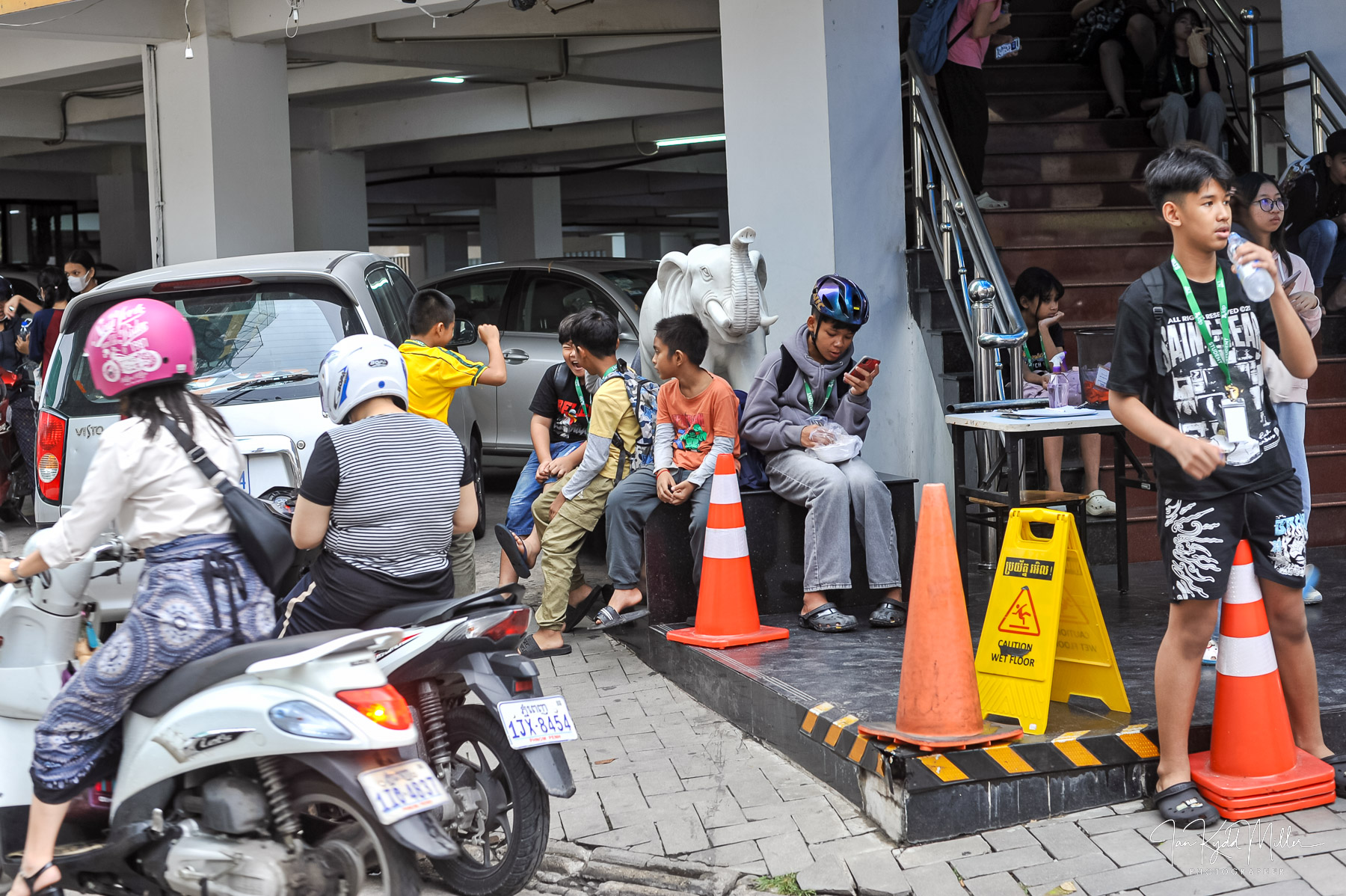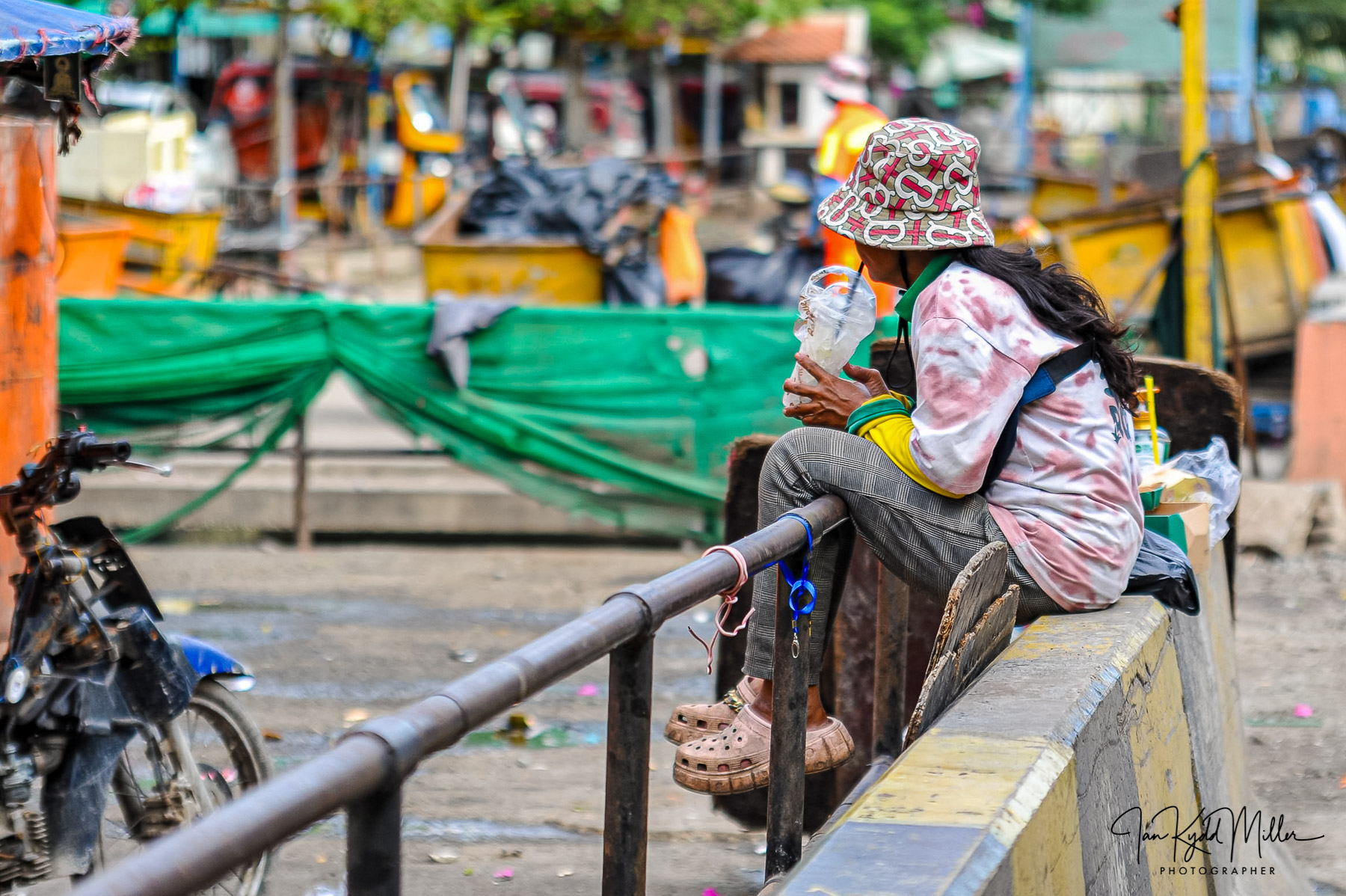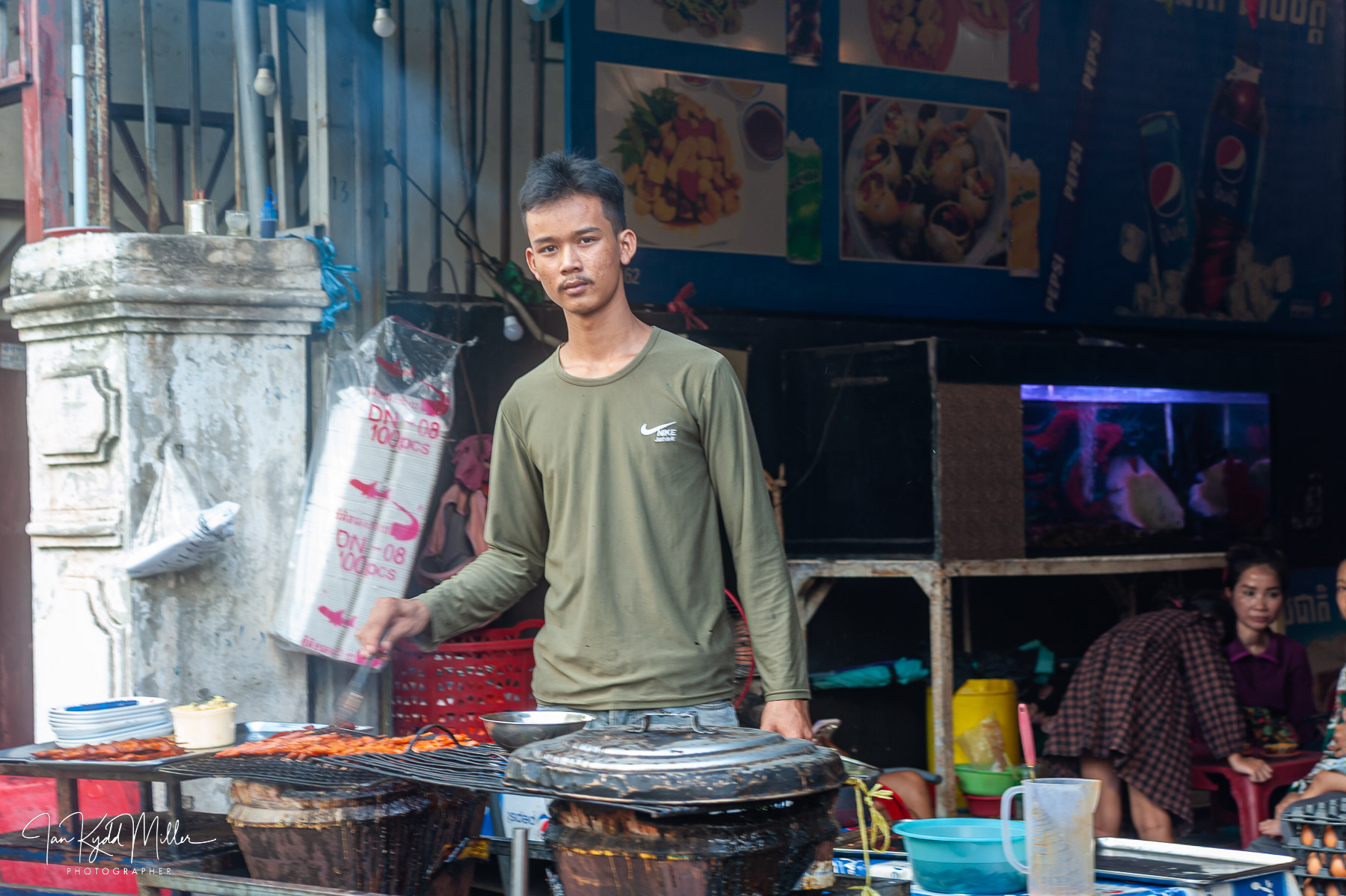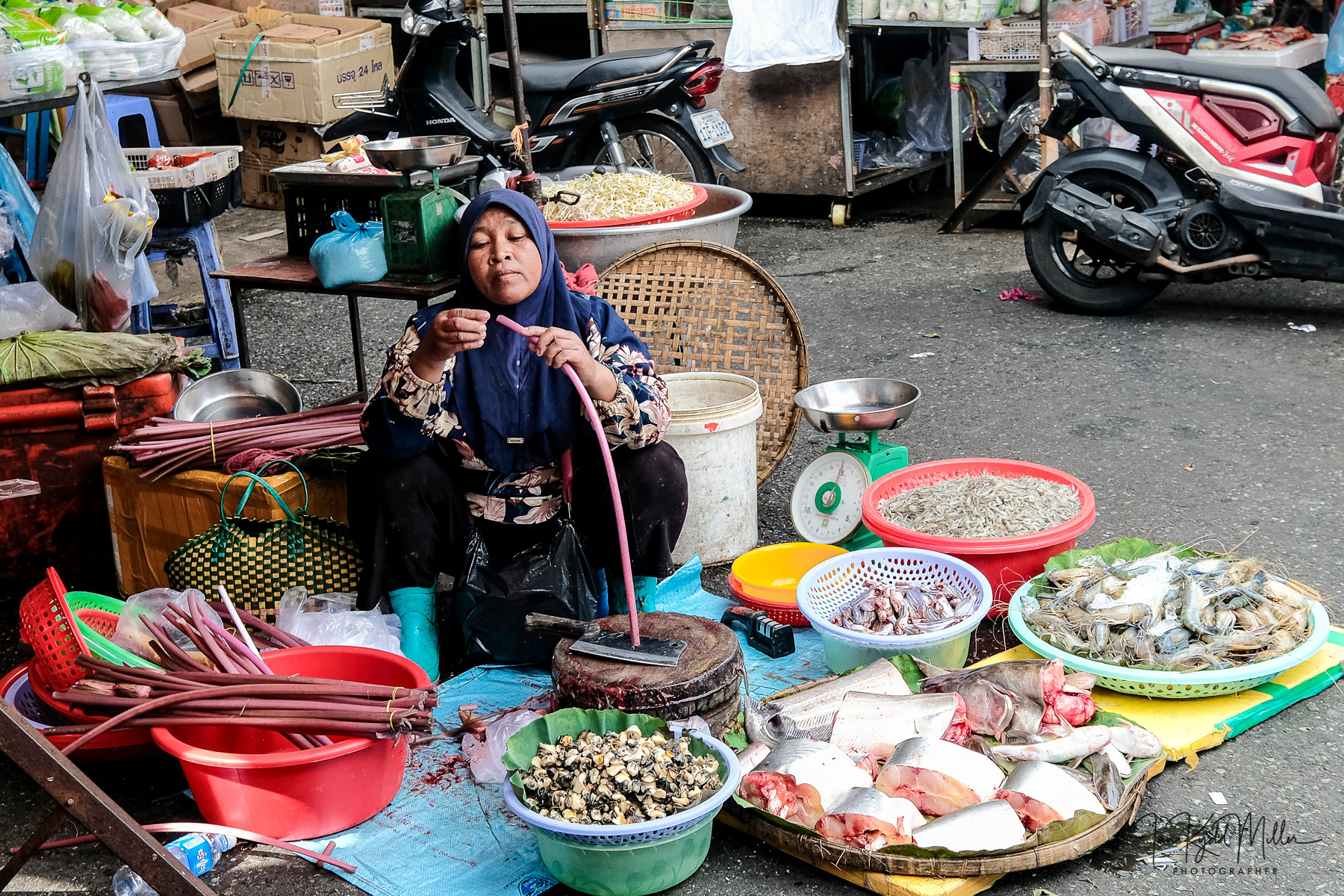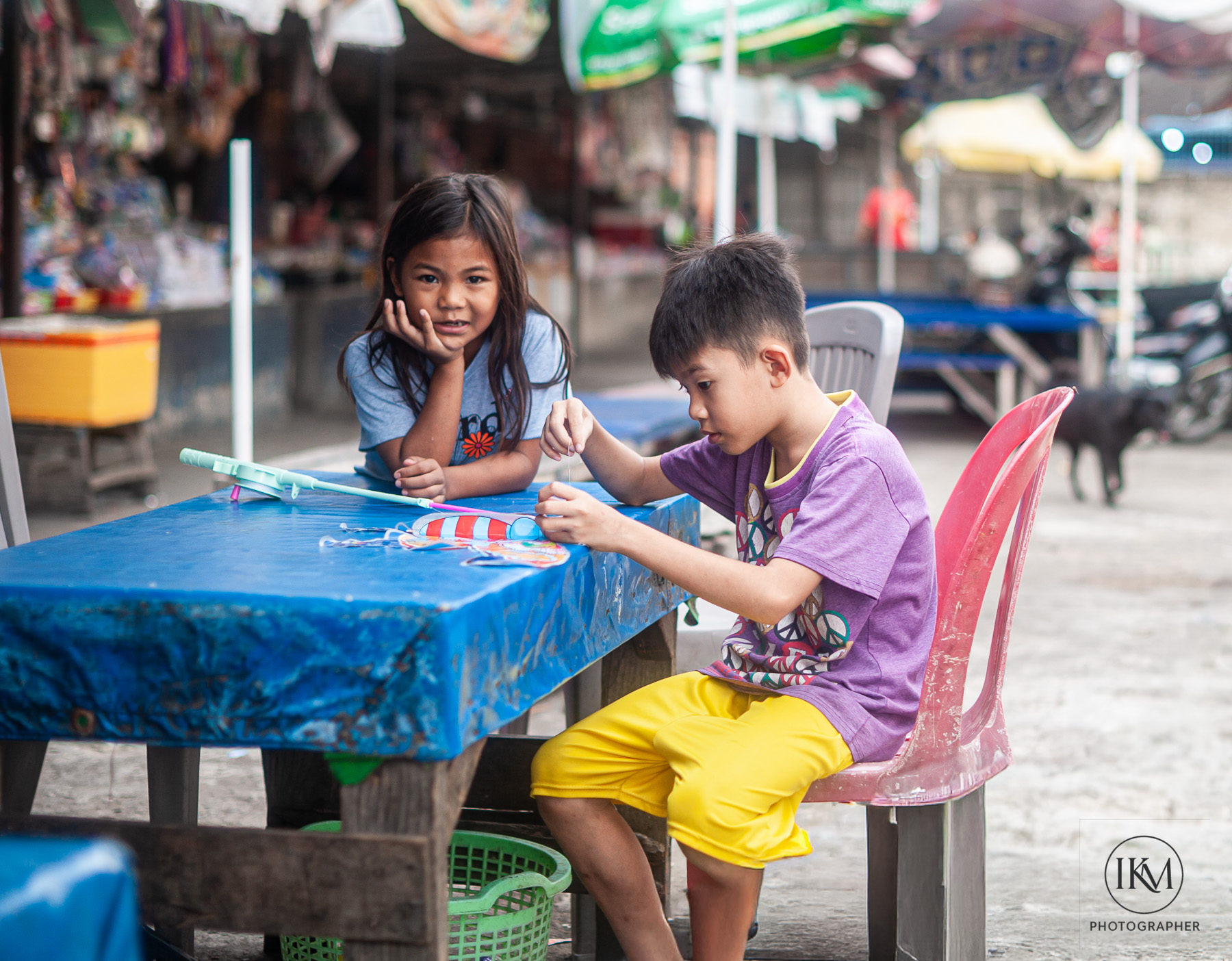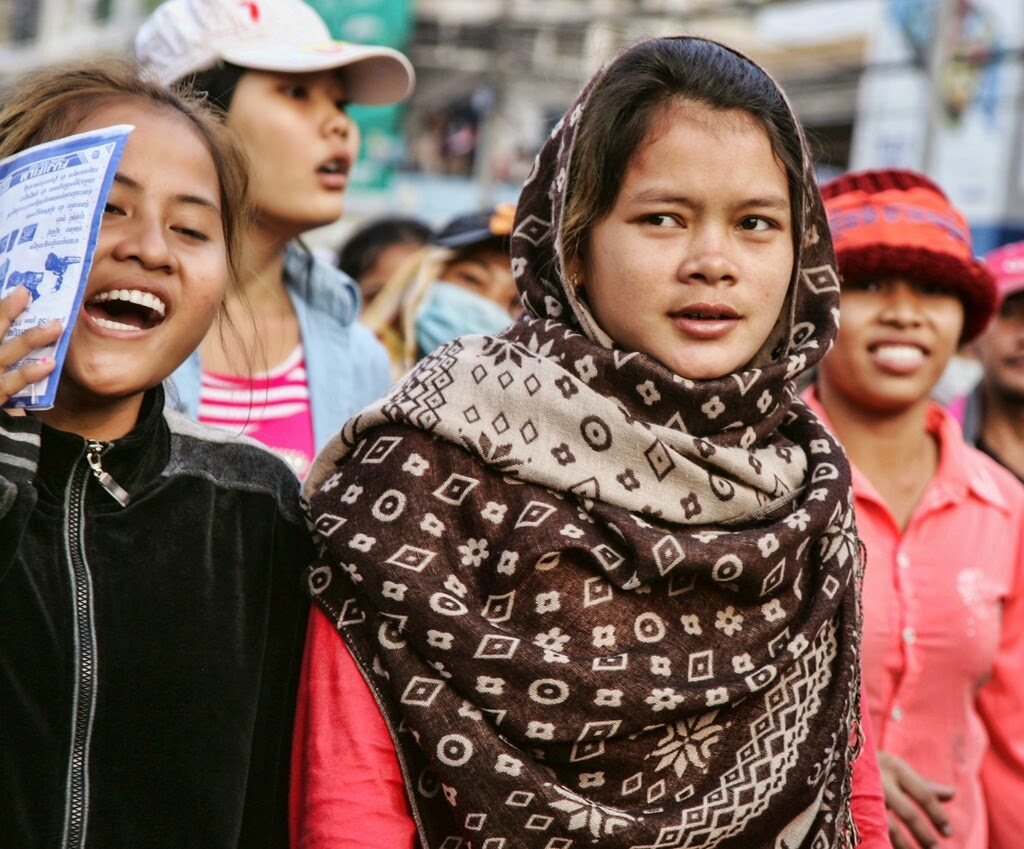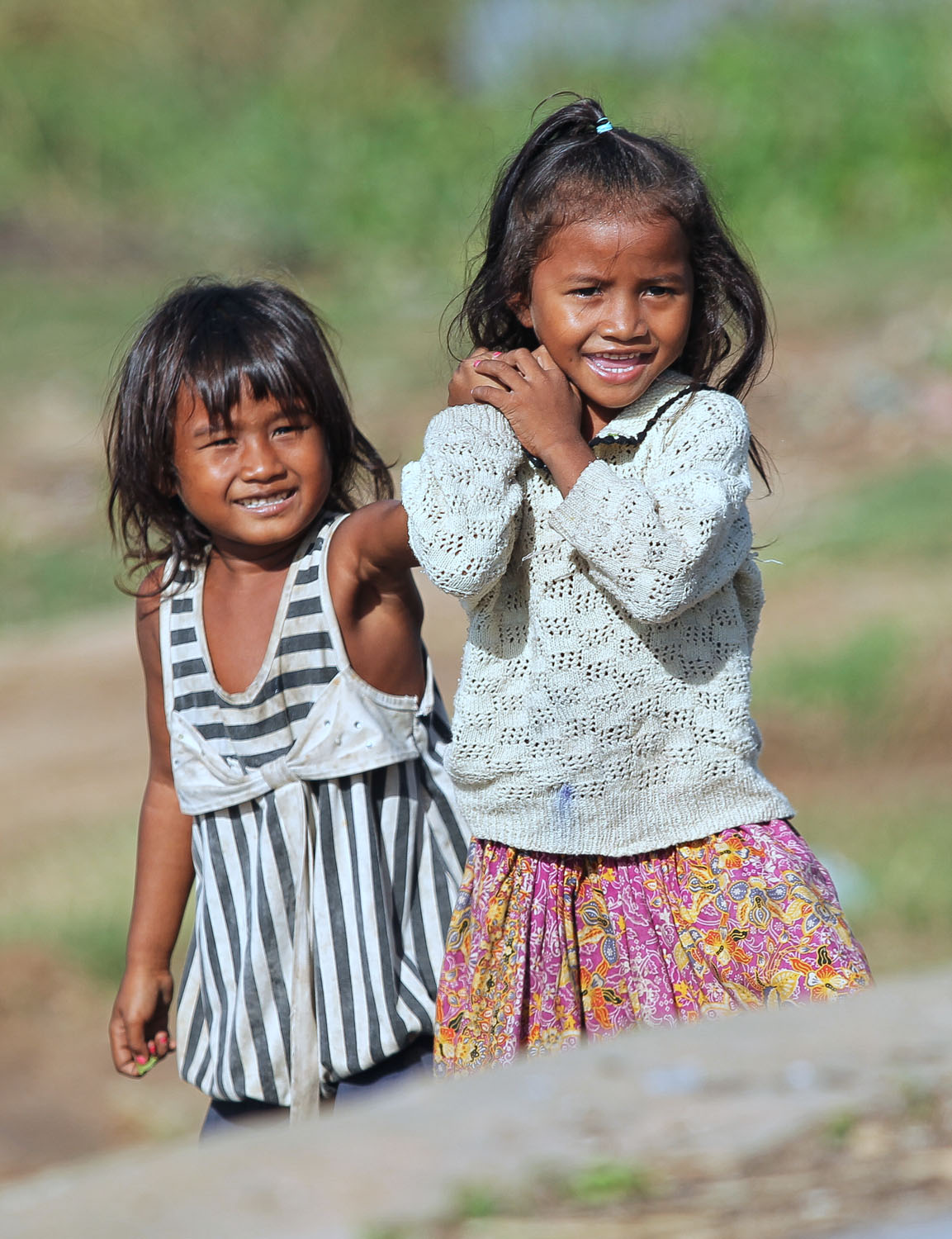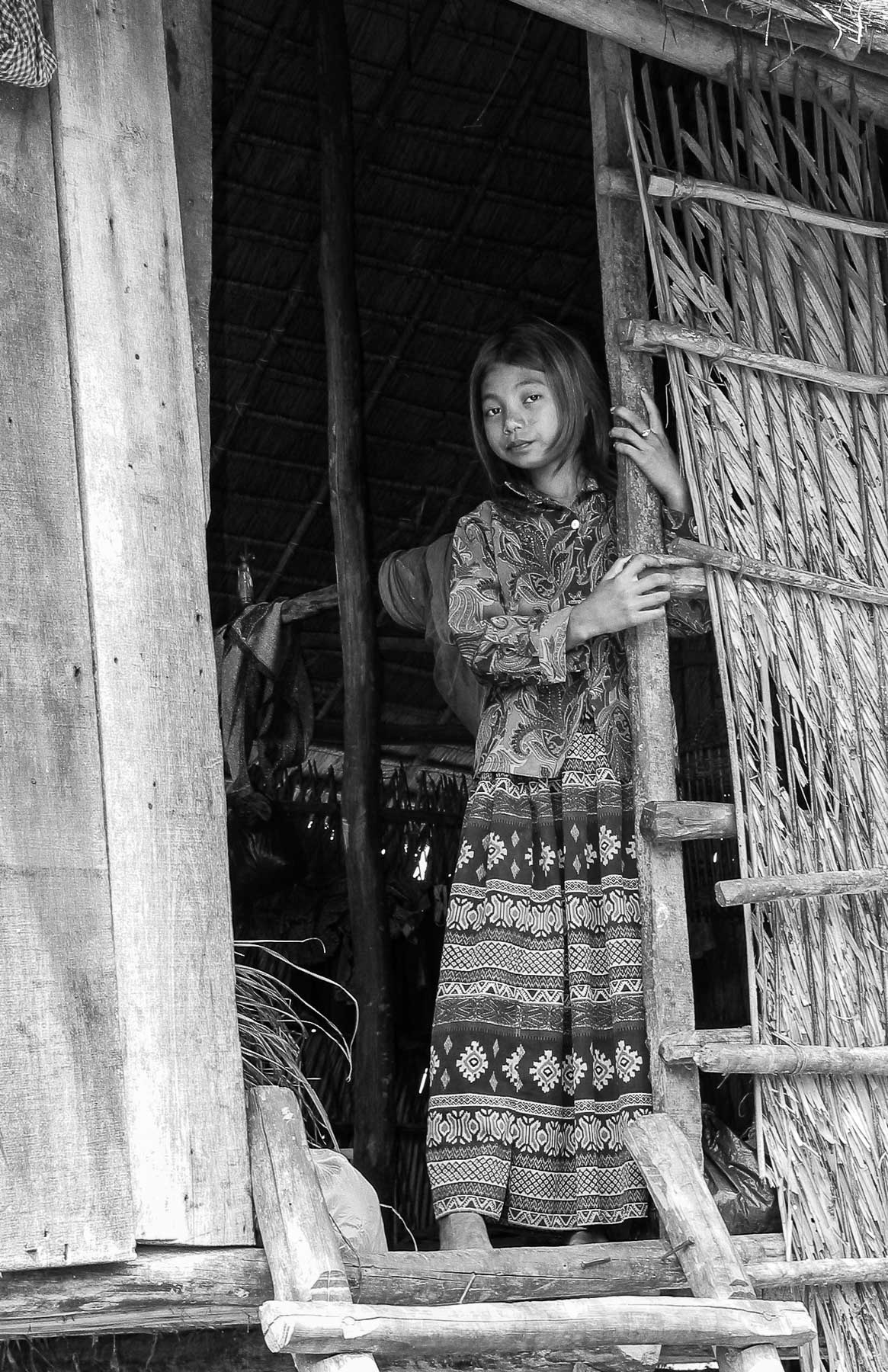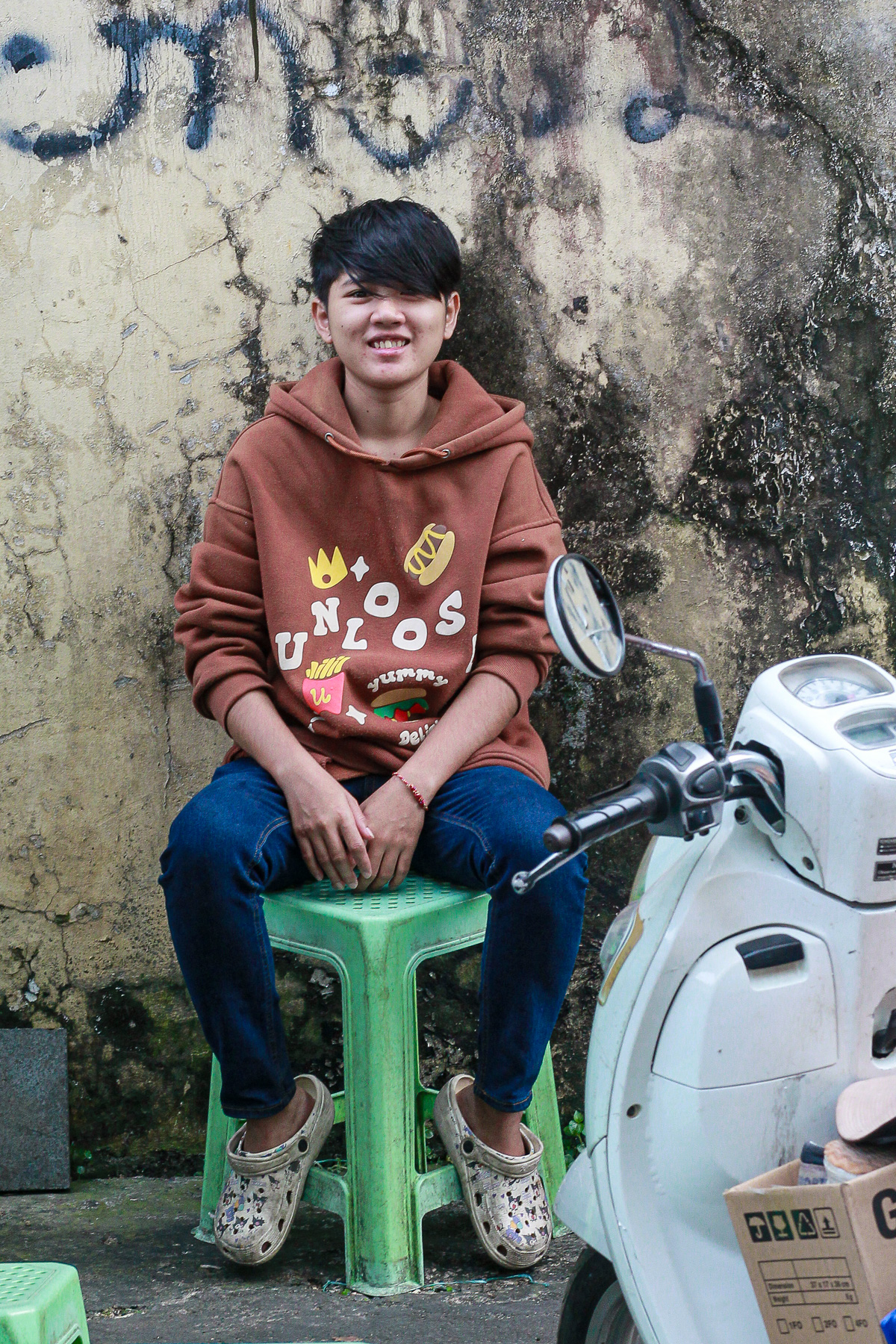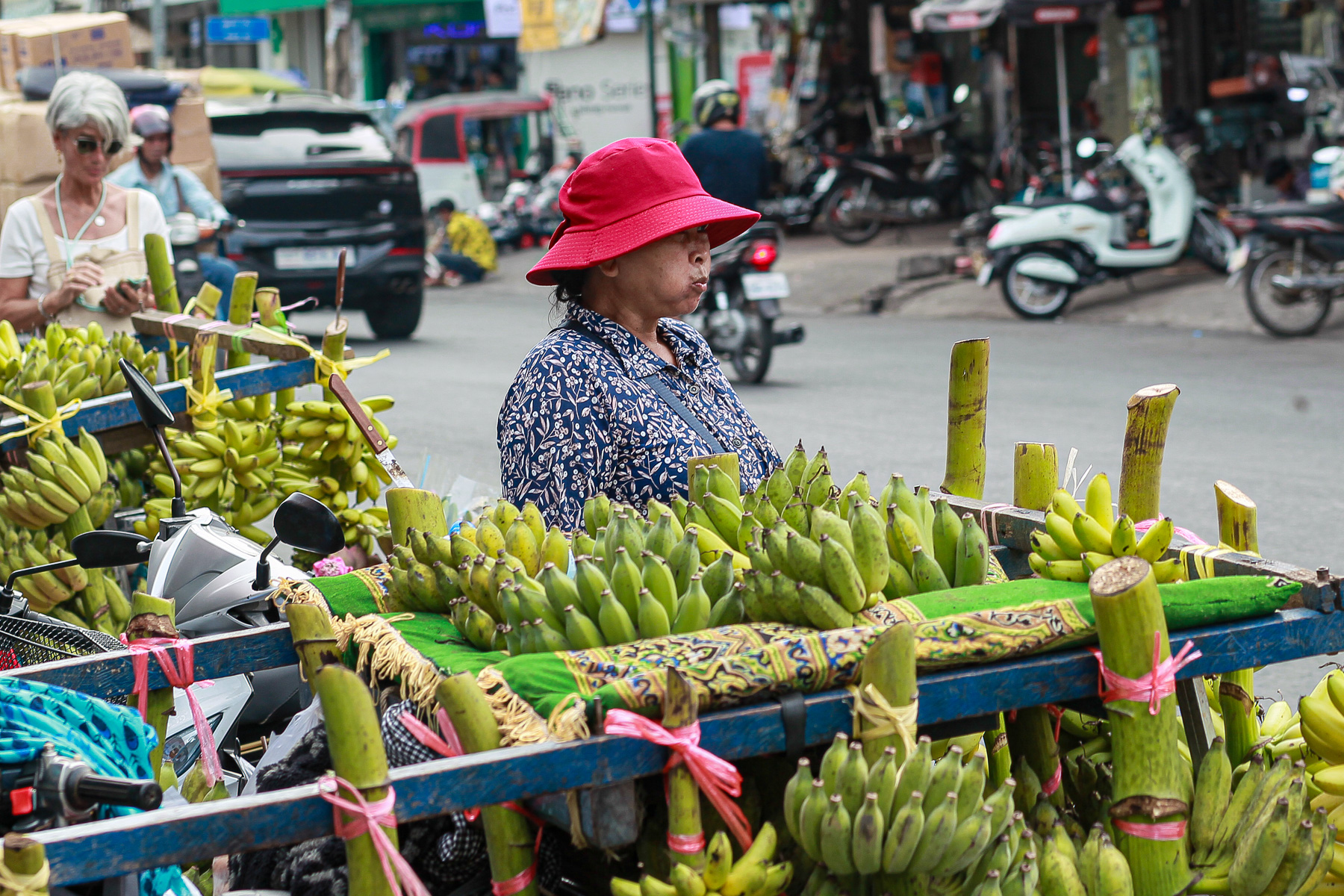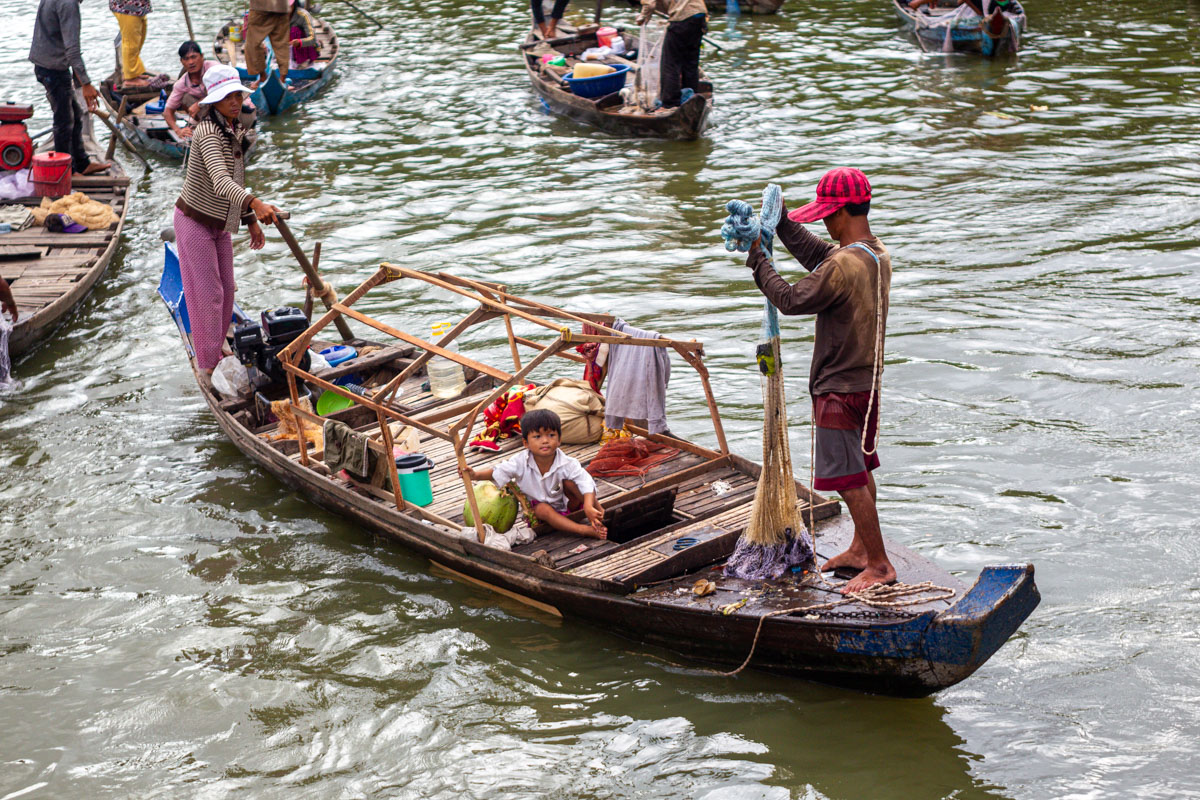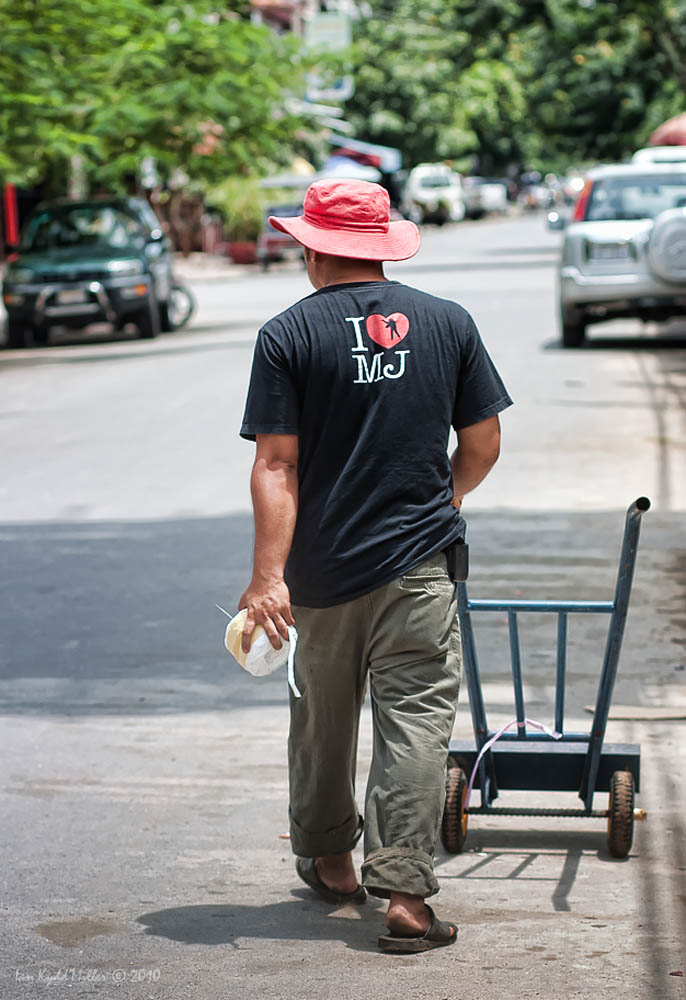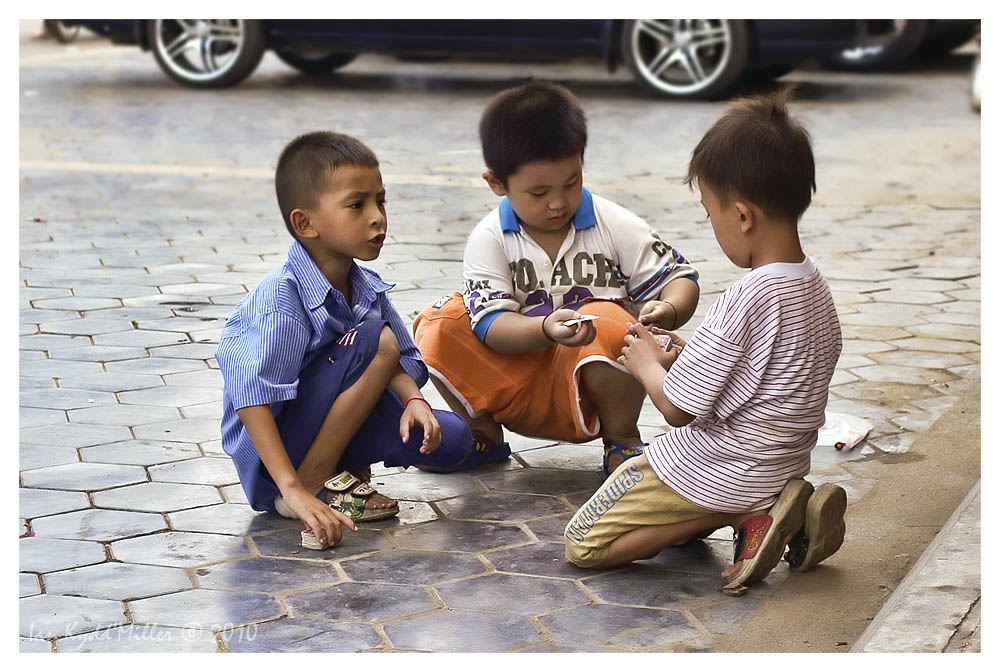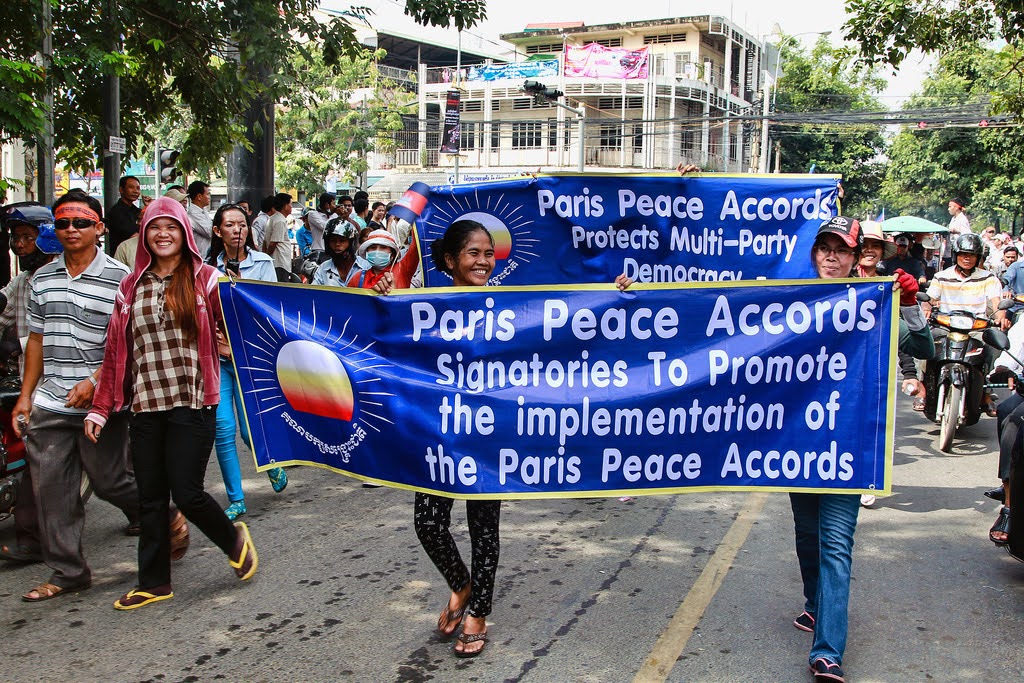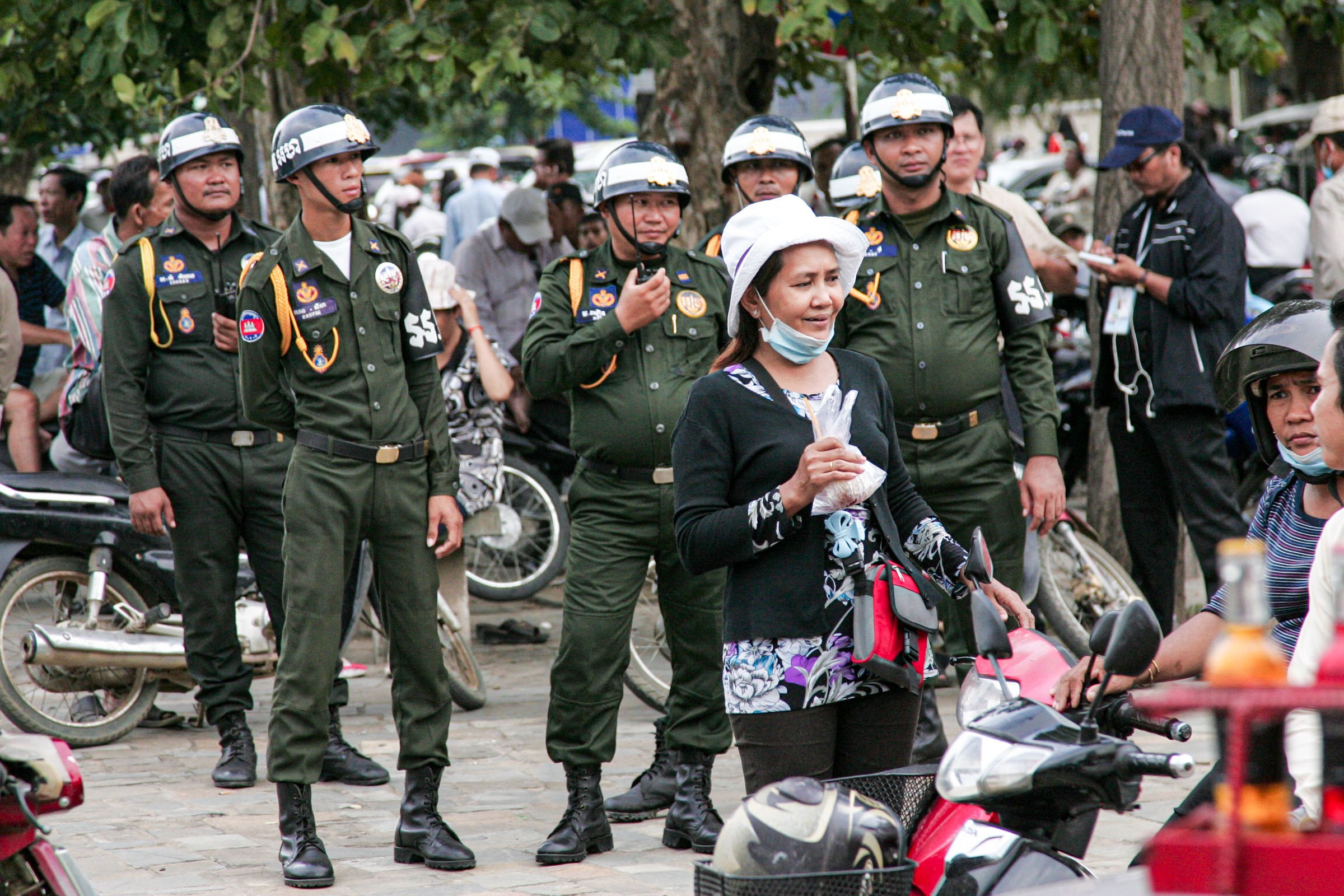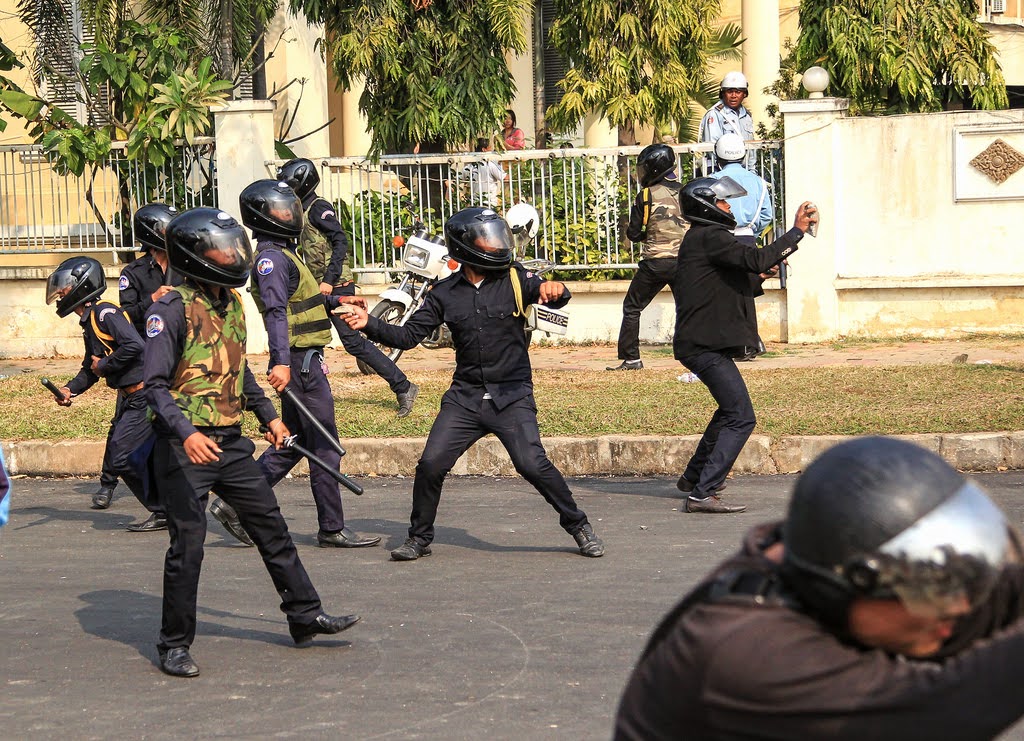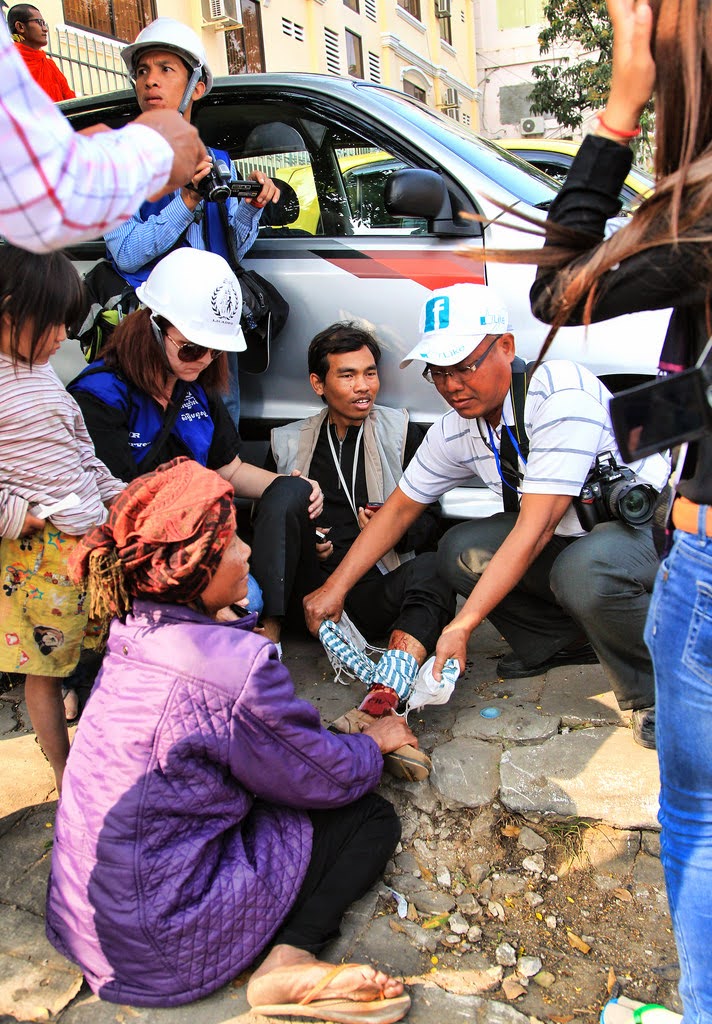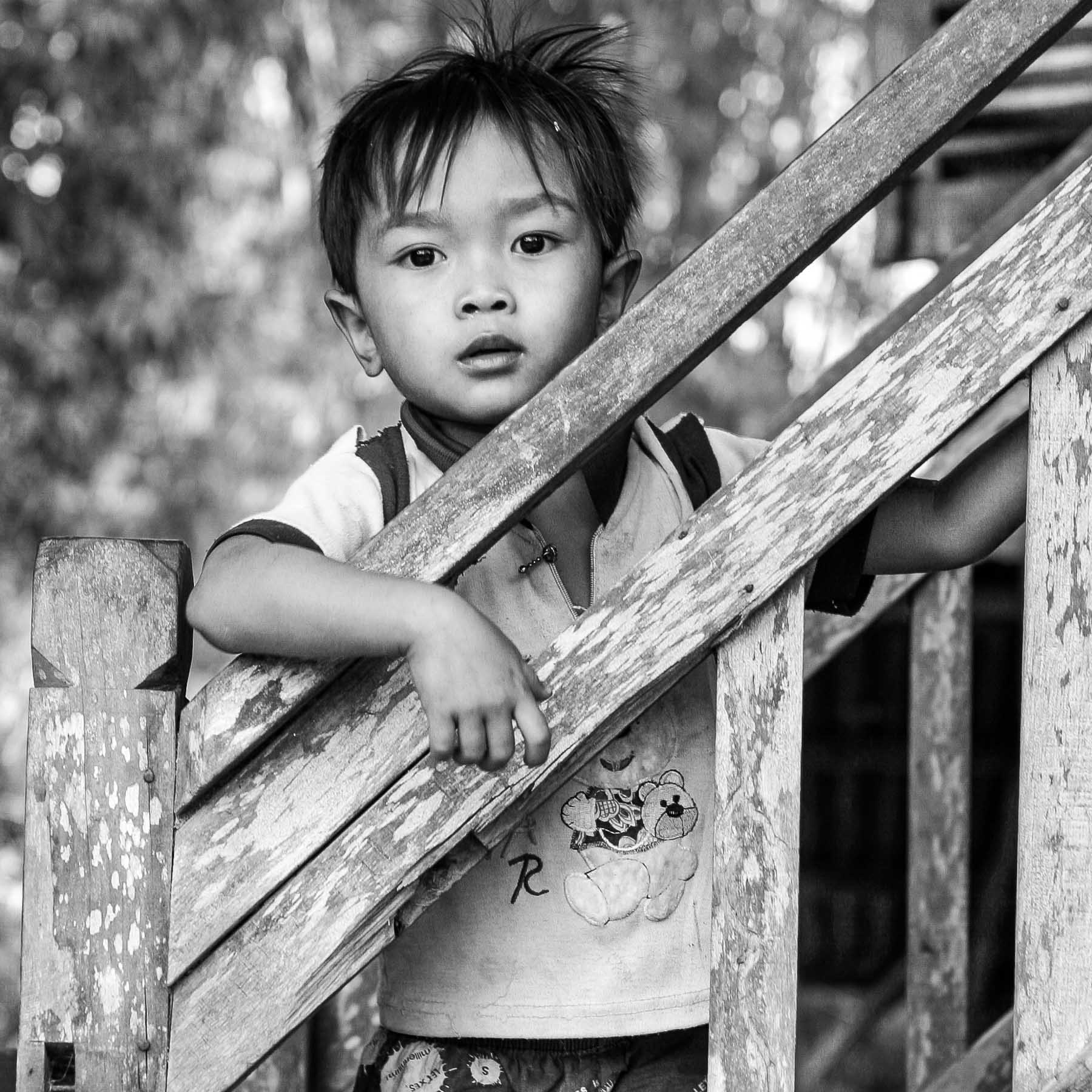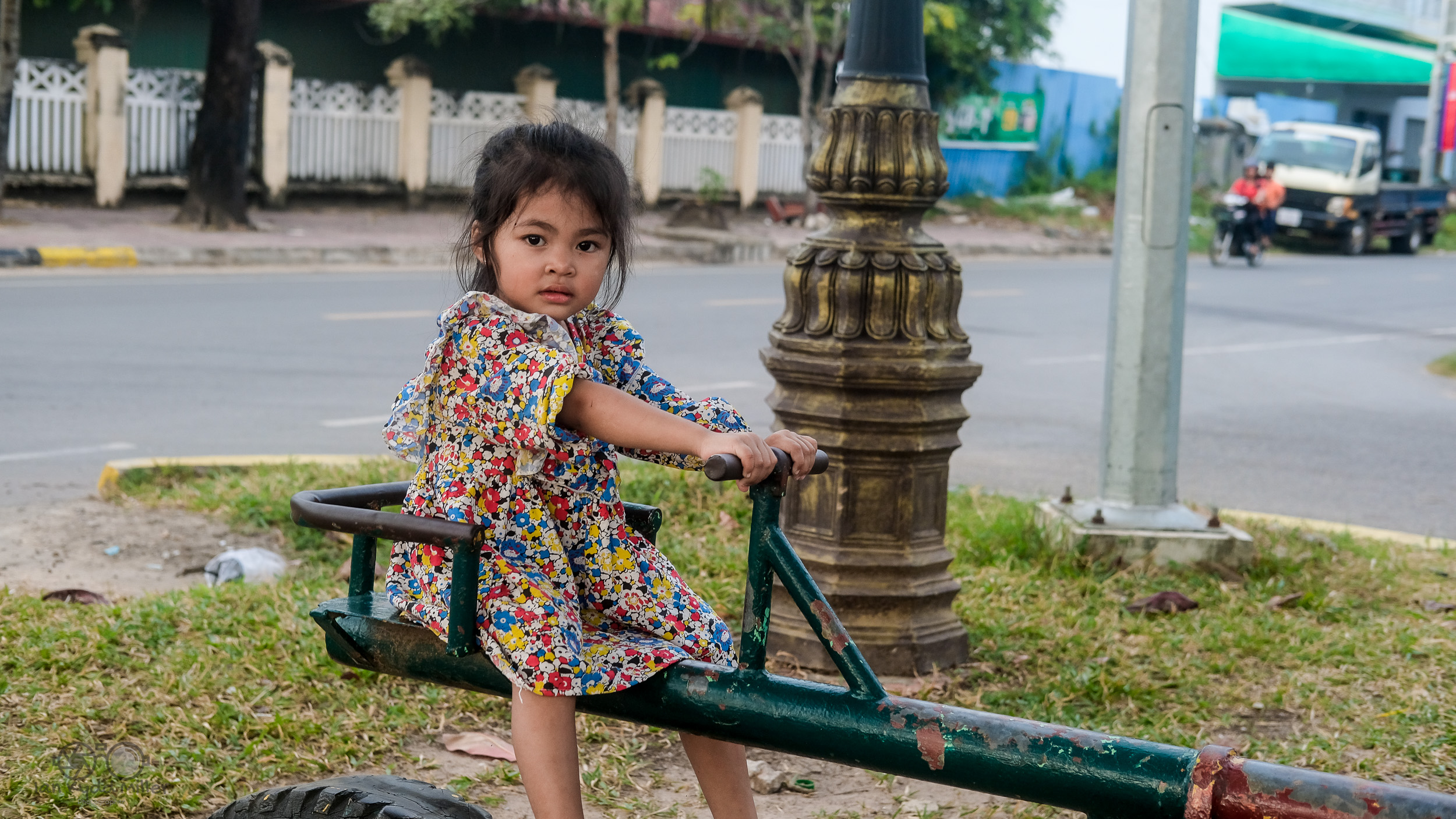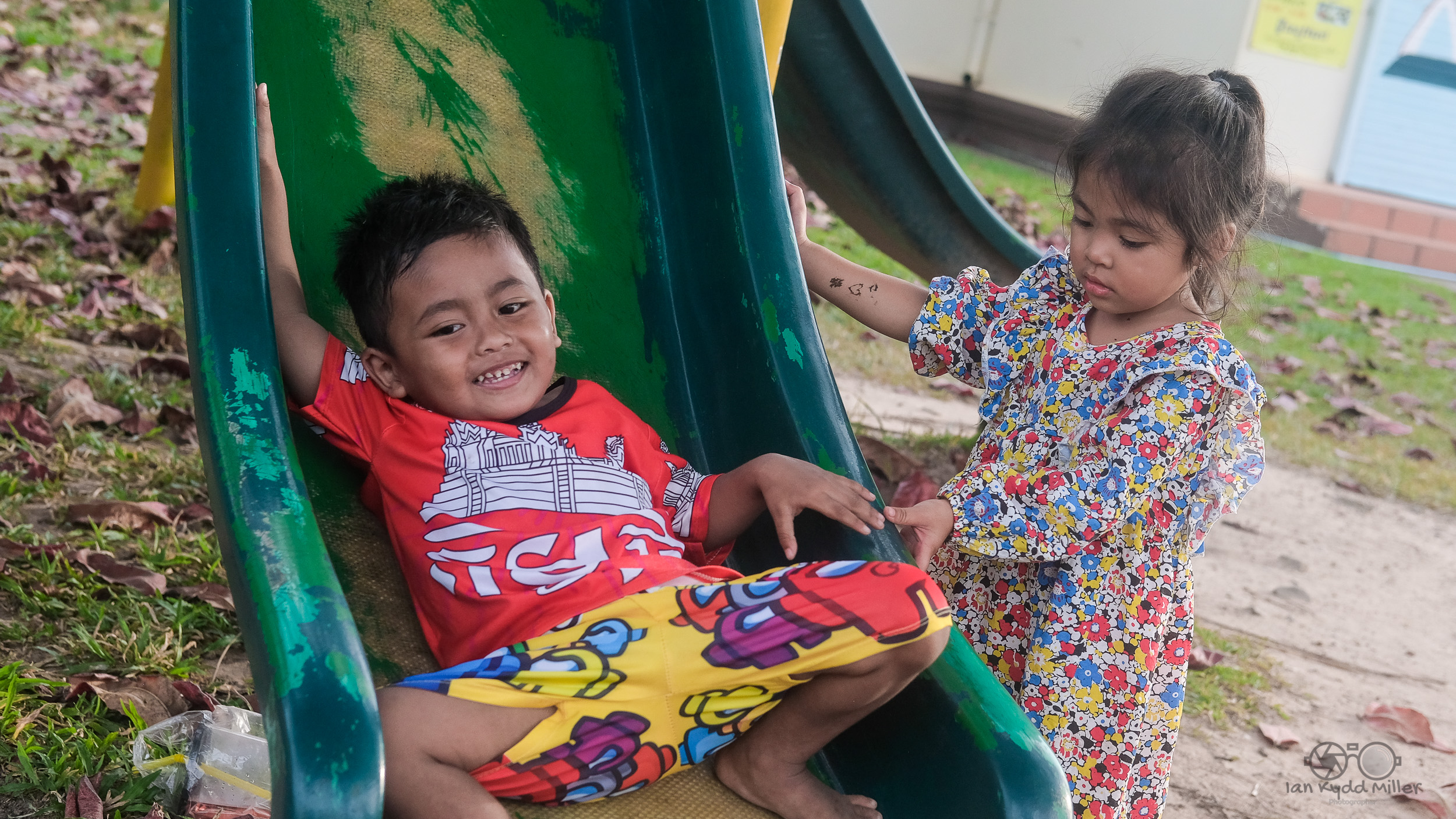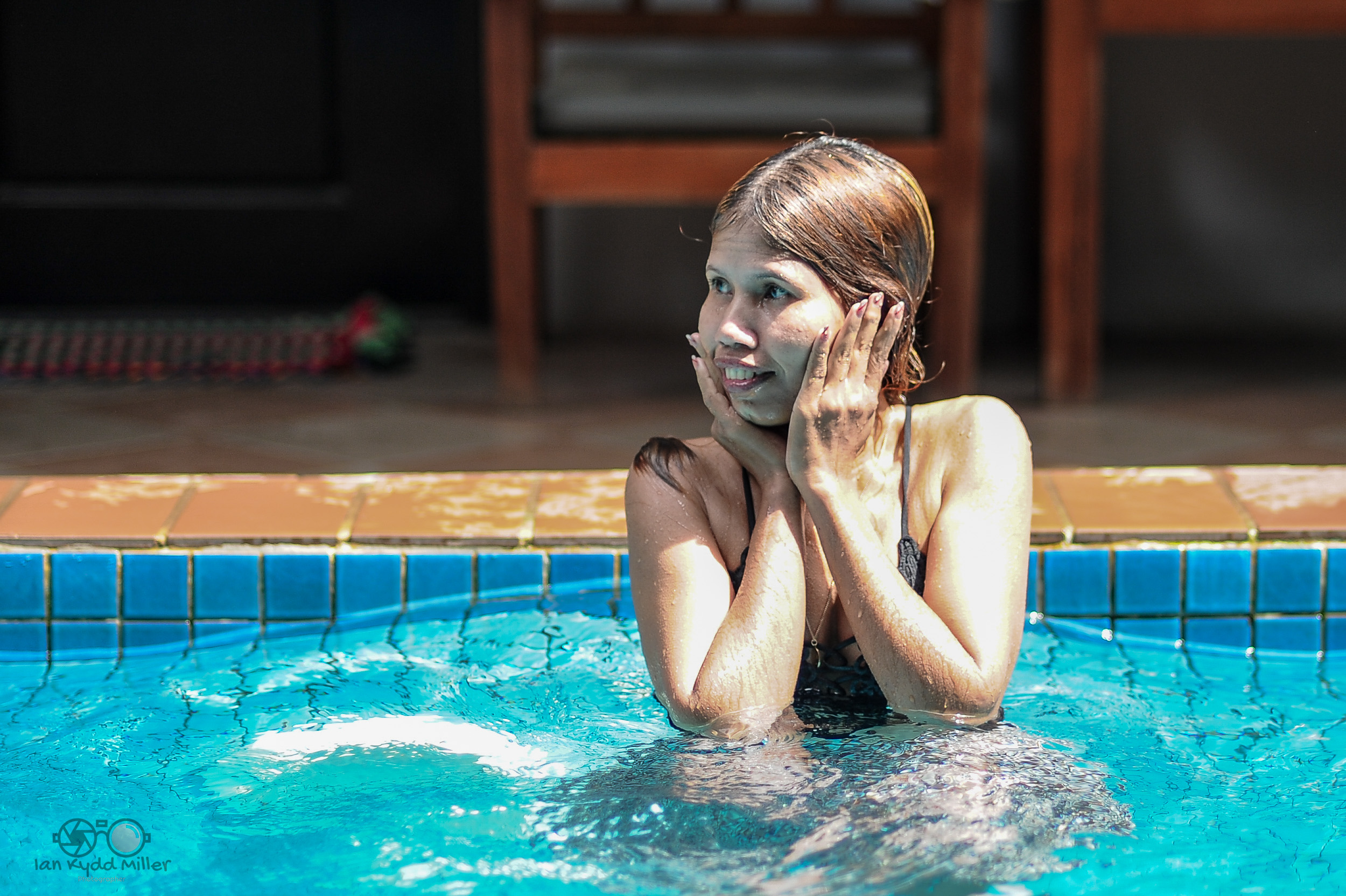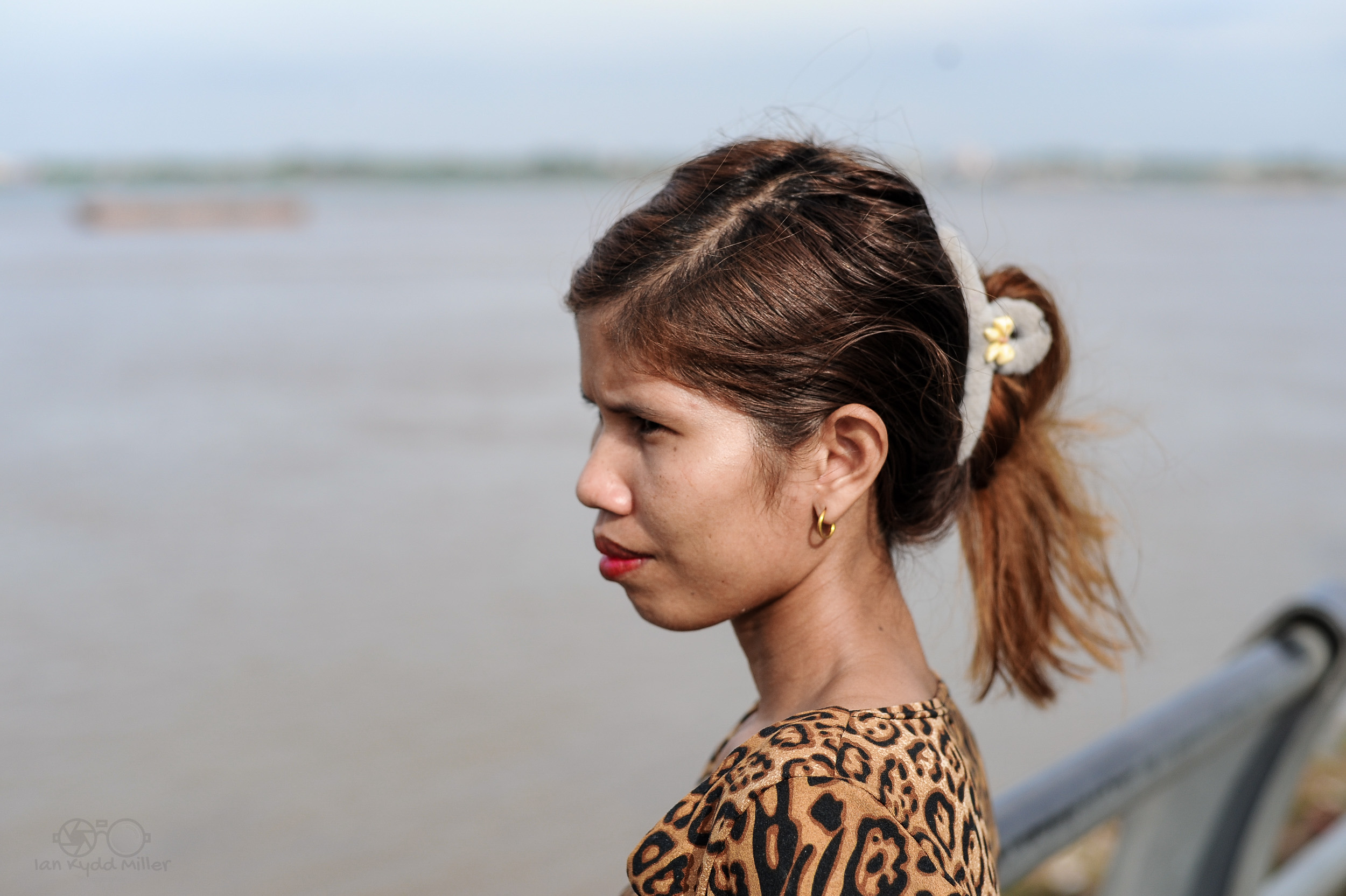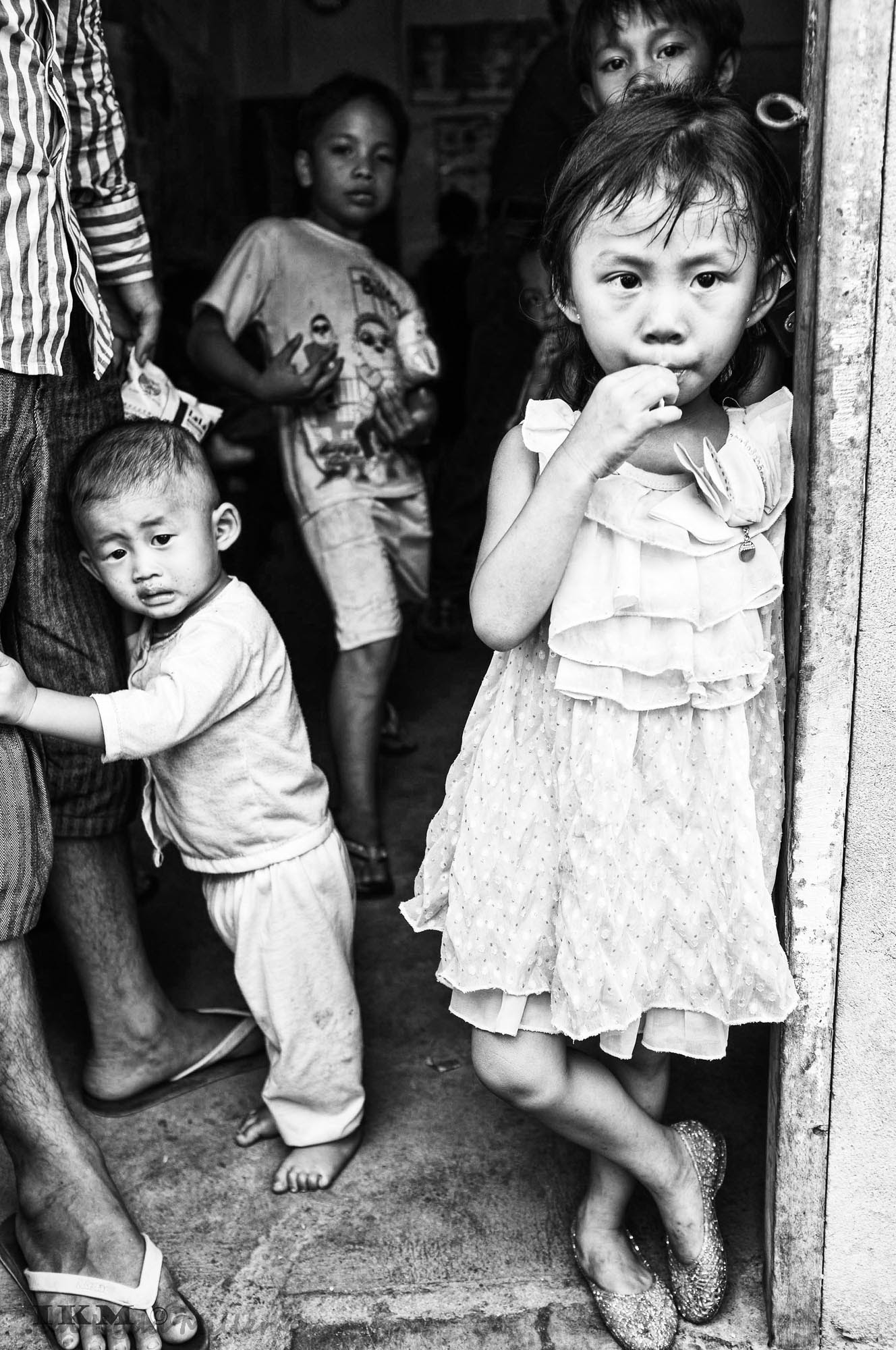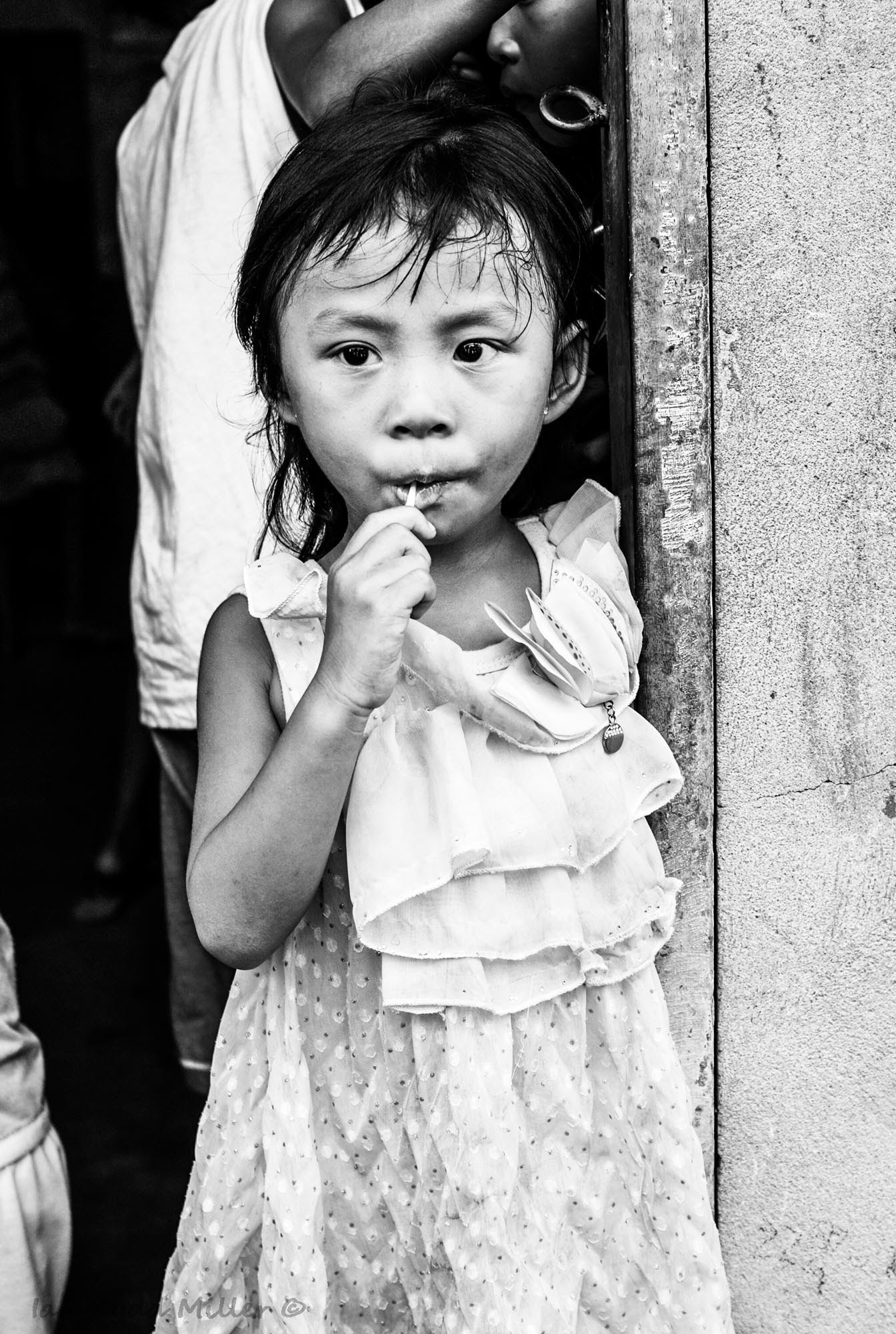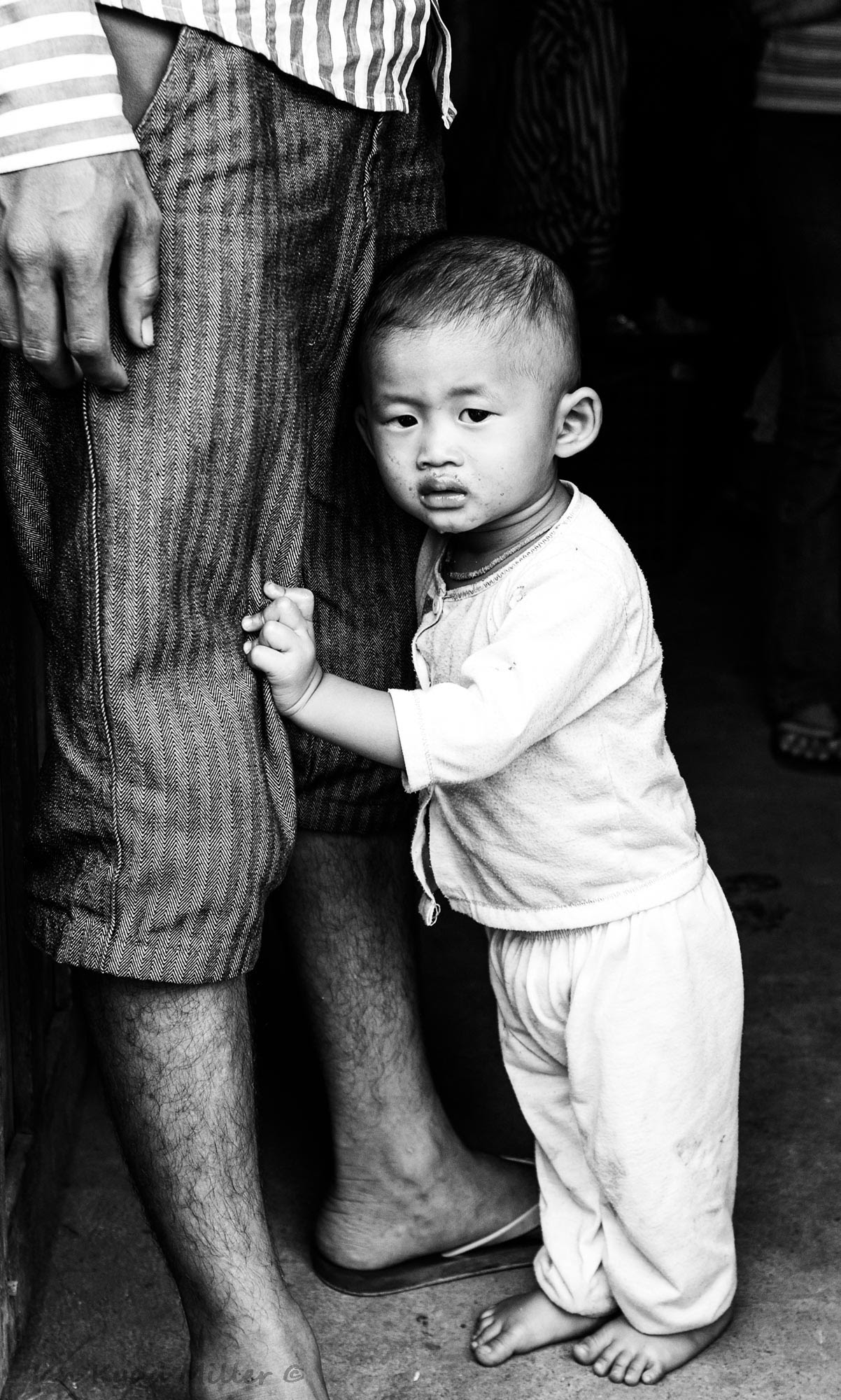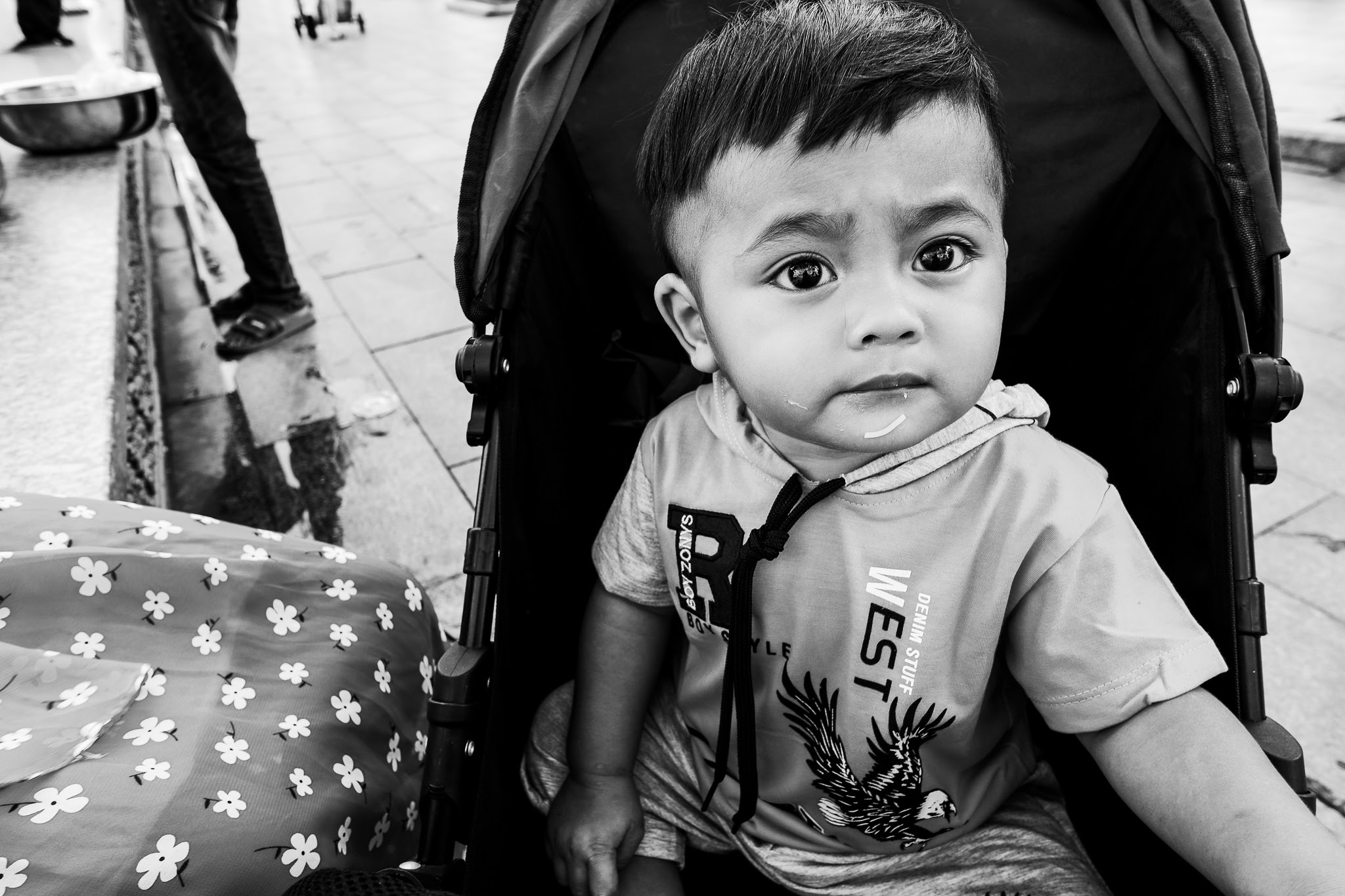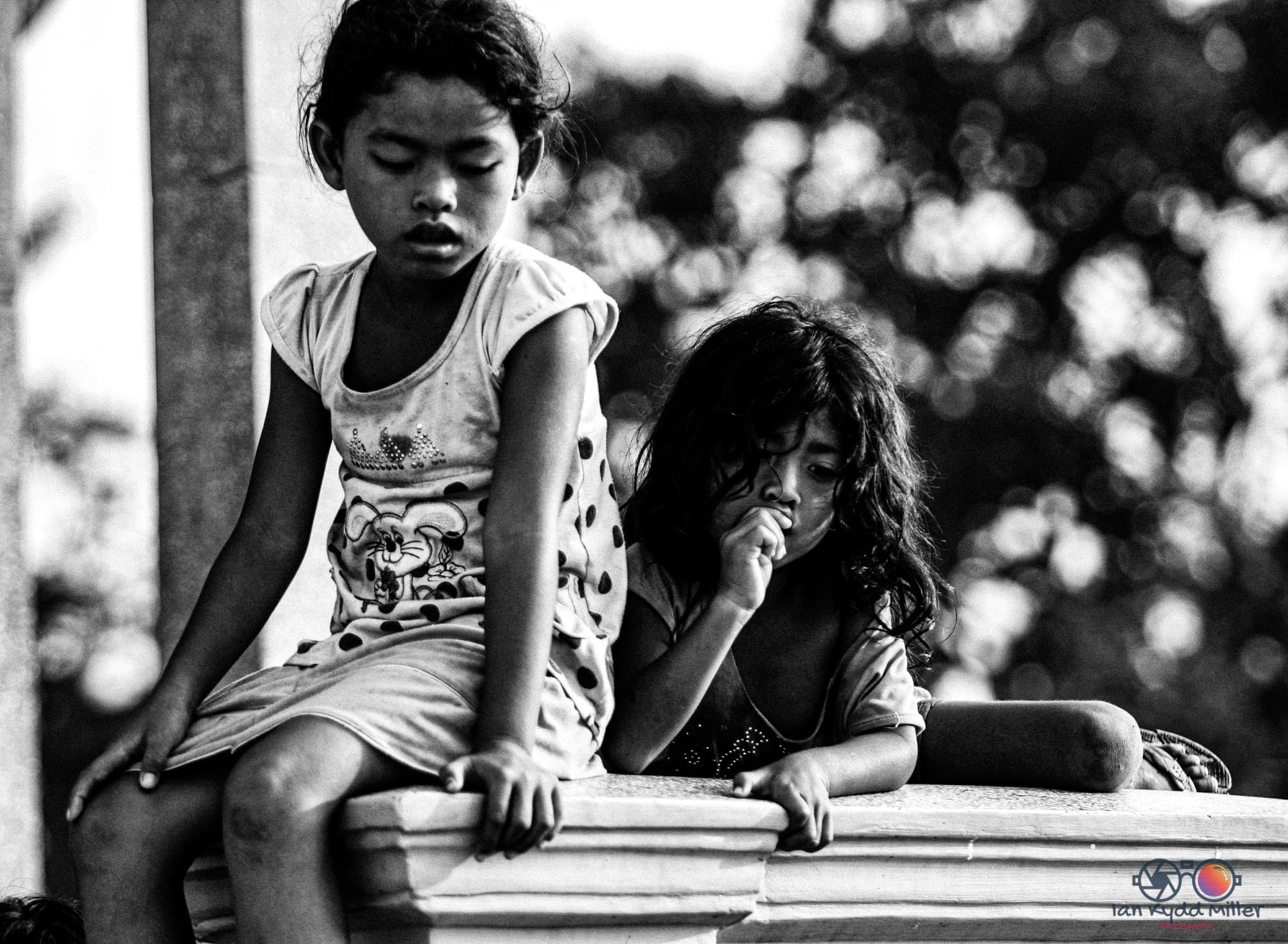
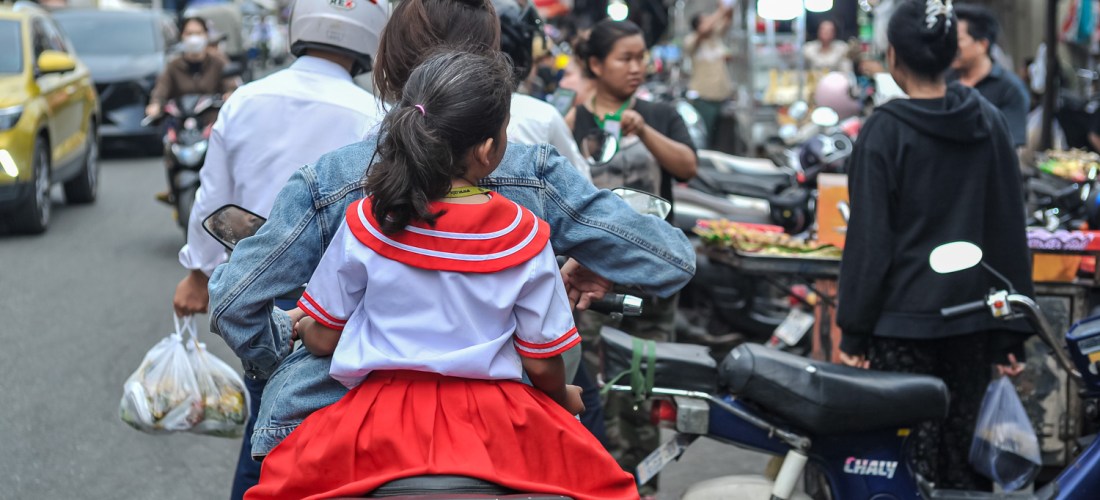
People are the heartbeat of street photography. Strip them away and you are left with architecture, light, geometry, and atmosphereโinteresting in their own right, but missing the pulse that turns a photograph into a human story.
Every face carries a lifetime. Every gesture hints at an unseen narrative. A glance between strangers, a tired worker waiting for a bus, a child chasing pigeons through a square, an elderly couple walking hand in handโthese fleeting moments remind us that the ordinary is often extraordinary when we stop long enough to notice it. Street photography is less about places than it is about the lives unfolding within them.
To photograph people well is to acknowledge that every person passing your lens has a history you will never fully know. The camera captures only a fraction of a second, but that fraction can speak about loneliness, joy, determination, humour, resilience, love, or loss. The photograph becomes less about identifying an individual and more about recognising something universal within them.
That is why people matter. They transform a street from a backdrop into a stage where life reveals itself without rehearsal. They provide scale, emotion, tension, and meaning. A perfectly composed street corner is simply a location until someone steps into the frame. In that instant it becomes a story.
Photographing people also demands something from the photographer. It requires patience to wait for the decisive moment, curiosity to notice what others overlook, and courage to stand close enough for life to reveal itself. It asks for empathy rather than judgment. The best street photographers are rarely hunters looking for trophies; they are observers trying to understand the world around them.
Working with people inevitably raises questions of ethics. We photograph strangers without knowing their circumstances, and with that privilege comes responsibility. Respect should always outweigh ego. Every time we press the shutter we should ask ourselves not only Can I make this photograph? but also Why am I making it? A compelling image should never come at the cost of another person’s dignity.
Perhaps that is why street photography remains endlessly fascinating. It is as much an exploration of ourselves as it is of others. The people we choose to photograph reveal what catches our attention, what moves us, what we fear, and what we value. Our portfolios become quiet self-portraits, assembled from the lives of strangers.
After decades of photographing people, I have come to believe that cameras are merely tools for paying attention. The real skill lies in seeing humanity where others see only crowds. Every stranger has the potential to become part of a visual conversation that stretches across countries, cultures, and generations.
The streets will always change. Buildings rise and fall, fashions evolve, cities expand, and technology reshapes the world. Yet people remain the constant. They laugh, argue, wait, dream, work, embrace, mourn, and celebrate. Those timeless human moments are what give street photography its enduring power.
That is why I continue to point my camera towards people. Not because they are subjects to be collected, but because they remind me that photography, at its very best, is an act of witness. Every frame is a small acknowledgement that someone was here, living an ordinary life that, for one brief moment, became worth remembering.
Without people there are streets. With people there are stories. And stories are the reason street photography continues to matter.
In an age where nearly every pocket holds a camera, the question feels inevitable: Is everyone a photographer now? Billions of images are made every day, documenting everything from morning coffee to monumental life events. The act of taking pictures has become as natural as breathing. But does this ubiquity make everyone a photographer?
The short answer is no โ and the long answer is far more interesting.
Everyone Takes Photos, But Not Everyone Practices Photography
The modern camera is frictionless. It requires no technical knowledge, no preparation, no intention. A swipe, a tap, and the moment is captured. But photography is more than the mechanical act of recording. It is a way of seeing, a deliberate engagement with the world.
A photographer doesnโt just point a camera. A photographer notices.
The Difference Is Intent
Intent is the quiet force that separates casual imageโmaking from photography. One person photographs to remember. Another photographs to understand. One uses the camera as a diary. Another uses it as a language.
Photography begins when the camera becomes a tool for expression rather than documentation.
Craft Still Matters
Despite the accessibility of cameras, the craft of photography remains as demanding as ever. It asks for sensitivity to light, awareness of timing, an understanding of composition, and the discipline to edit and refine. These skills are learned, practiced, and internalized. They cannot be downloaded or automated.
The camera may be universal, but vision is not.
Democratisation Is Not Dilution
The explosion of imageโmaking has not diluted photography. If anything, it has expanded its possibilities. More voices, more perspectives, more interpretations of the world. But the presence of more images does not erase the distinction between casual snapshots and intentional photographic work.
Photography remains a craft defined by attention, not by access.
The Final Thought
Everyone is a pictureโmaker. Not everyone is a photographer.
A photographer is someone who uses the camera not just to record life, but to interpret it โ someone who sees the world not only as it is, but as it could be framed, shaped, and understood through the lens.
In a world full of cameras, the rare thing isnโt the ability to take a picture. The rare thing is the ability to see.
Street photography is a documentaryโdriven, observational form of photography that focuses on capturing unposed, unscripted moments in public spaces. At its core, it is about human presence, urban atmosphere, and the poetry of everyday life โ even when no people appear in the frame.
It is not defined by streets. It is not defined by cities. It is defined by the act of noticing.
Street photography is the art of paying attention.
๐งฑ Core Characteristics
1. Unposed, unstaged moments
Street photography is rooted in authenticity. The photographer does not arrange subjects or direct scenes. Instead, they respond to what unfolds naturally.
2. Public or semiโpublic spaces
This includes:
streets
markets
parks
cafรฉs
public transport
communal spaces
Anywhere life happens without orchestration.
3. The decisive moment
Coined by Henri CartierโBresson, this refers to the instant when composition, gesture, light, and meaning align. Street photography is built on this instinctive timing.
4. Human presence โ literal or implied
A person may be in the frame, or their presence may be suggested through:
objects
shadows
traces
atmosphere
architecture
Street photography often reveals the relationship between people and their environment.
5. Observation over perfection
It values:
spontaneity
imperfection
ambiguity
mood
timing
It is not about technical perfection. It is about emotional truth.
๐ง The Philosophy Behind Street Photography
1. Seeing the extraordinary in the ordinary
Street photographers elevate everyday moments โ a gesture, a glance, a shadow โ into something meaningful.
2. Bearing witness
It is a form of visual anthropology. A way of documenting culture, behaviour, and the rhythms of life.
3. Presence and awareness
Street photography is as much about how you move through the world as it is about the images you make. It trains perception, patience, and sensitivity.
4. Respect for the unscripted
The photographer does not impose meaning. They discover it.
๐จ Styles Within Street Photography
1. Humanistic street photography
Warm, empathetic, focused on people and gestures. (Think: CartierโBresson, Helen Levitt)
2. Gritty, urban realism
Raw, unfiltered depictions of city life. (Think: Daido Moriyama)
3. Graphic and geometric
Strong lines, shadows, and architectural forms. (Think: Fan Ho)
4. Colourโdriven street photography
Using colour as the primary expressive element. (Think: Saul Leiter)
Though it overlaps, street photography is more intuitive and less projectโdriven.
Not staged or directed
If you ask someone to pose, it becomes portraiture or fashion.
Not dependent on crowds
A single object in a quiet alley can be street photography if it reflects human presence or urban atmosphere.
โ๏ธ Why Street Photography Matters
It preserves the texture of everyday life.
It reveals cultural patterns and social behaviour.
It trains the photographer to see deeply.
It creates visual poetry from the mundane.
It democratizes photography โ anyone can do it, anywhere.
Street photography is one of the few genres where your way of seeing matters more than your gear.
โจ Final Definition
Street photography is the art of capturing unposed, unscripted moments in public spaces, revealing the relationship between people and their environment through observation, timing, and sensitivity. It transforms ordinary life into visual storytelling.
The Lowepro Stealth Reporter 200 AW is a shoulderโstyle camera bag originally designed for photojournalists and news photographers, with an emphasis on speed, durability, and weather protection. It remains a strong option for DSLR shooters who need fast access and rugged reliability.
๐งฑ Build Quality & Design
According to Loweproโs own description, the Stealth Reporter series was โcreated for photojournalists and news photographersโ and built to withstand harsh field conditions while remaining lightweight and durable.
Key design elements include:
Magnesiumโreinforced structure (internal frame)
Heavyโduty materials and reinforced stitching
All Weather (AW) cover for rain, dust, and sand protection
Highly waterโresistant top zipper for fast access without opening the flap
This makes it particularly suitable for urban, documentary, and editorial DSLR work, where speed and protection matter more than hiking comfort.
๐ธ Capacity & DSLR Compatibility
The bag is sized for one DSLR body plus 3โ4 lenses, a flash, and accessories. This aligns well with typical DSLR kits such as:
A DSLR body (D700, D300S, D810, etc.)
A trio of primes (e.g., 35/50/85)
Or a zoom kit (24โ70 + 70โ200)
Flashgun + batteries
Memory cards (dedicated wallet holds up to 12 cards)
User feedback confirms it โeasily takes a DSLR camera + a couple of lensesโ and is โwell paddedโ and โsturdyโ.
โ๏ธ Organization & Workflow
The Stealth Reporter 200 AW includes:
Removable cable management pouch
Memory card wallet (attaches to strap)
Multiple pockets for batteries, notebooks, filters, and personal items
Adjustable padded dividers for customizing DSLR layouts
This makes it ideal for fast-paced DSLR workflows, especially in news, street, and event environments.
๐ Strengths for DSLR Use
1. Fast Access
The top zipper allows you to grab your DSLR without opening the flap, a major advantage for street and press shooters.
2. Weather Protection
The AW cover provides full rain and dust protection, essential for field work in unpredictable conditions.
3. Professional Layout
Designed for working photographers, the internal layout supports efficient DSLR operation and quick lens changes.
4. Discreet Appearance
The bag looks like a messenger bag rather than a camera bag, reducing unwanted attention โ useful in sensitive environments.
5. Durability
User reviews highlight that it is โbetter made than newer modelsโ and extremely sturdy.
โ ๏ธ Limitations for DSLR Use
1. Shoulder Fatigue
As a shoulder bag, it places all weight on one side. With a DSLR + lenses, this can become tiring during long assignments.
2. Limited DualโBody Support
While it can fit one DSLR comfortably, dualโbody shooters may find it cramped.
3. Bulk When Loaded
The bag becomes heavy and boxy when filled with DSLR gear.
4. No Dedicated Laptop Sleeve
Some versions lack a padded laptop compartment, limiting its use for hybrid photoโediting workflows.
โ๏ธ Summary Table
Category
Strengths
Weaknesses
Access
Fast topโzip access
Full flap still slows deep access
Weather
AW cover, rugged build
Adds bulk when deployed
Capacity
DSLR + 3โ4 lenses
Not ideal for dualโbody setups
Comfort
Padded strap
Shoulder fatigue over time
Durability
Very sturdy, proโgrade
Heavier than modern bags
Discretion
Looks like a messenger bag
Still bulky when full
โจ Verdict
The Lowepro Stealth Reporter 200 AW is an excellent DSLR bag for photojournalists, street photographers, and documentary shooters who prioritize:
Fast access
Weather protection
Professional organization
Durability
It is less ideal for long hikes, dualโbody setups, or photographers who need backpackโlevel comfort.
Final assessment:One of the best classic shoulder bags for DSLR field work โ rugged, fast, and intelligently designed, though heavy and less comfortable for allโday carry.
๐ Lowepro Stealth Reporter 200 AW โ Evaluation for Fujifilm XE2 & XโPro3 Kits
๐ Why This Bag Works Even Better for Mirrorless
The Stealth Reporter 200 AW was originally designed for bulky DSLR bodies, so when you load it with smaller, lighter Fujifilm cameras, you get:
More space than you need (excellent for flexibility)
Better weight distribution
Faster access because the bodies donโt snag on dividers
Room for accessories like chargers, batteries, filters, and notebooks
In other words, the bag becomes overโengineered for the Fuji kit โ which is a good thing.
๐งฑ How Your Fuji Kit Fits Inside
๐ธ Your loadout:
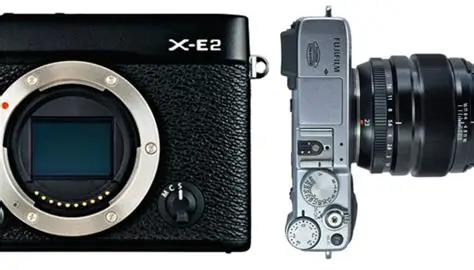
Fujifilm XE2
Fujifilm XโPro3
Three lenses (likely primes or compact zooms)
Typical layout inside the 200 AW:
Centre compartment: XโPro3 with lens mounted
Side compartment 1: XE2 body
Side compartment 2: Two primes stacked or one zoom
Front pocket: Batteries, cards, cleaning cloth
Side pocket: Filters, small notebook
Rear pocket: Passport, phone, flat items
Top zip access: Grab the XโPro3 instantly without opening the flap
This is exactly the kind of workflow the bag was designed for โ fast, quiet, efficient.
โ Strengths for Fuji XE2 + XโPro3 Users
1. Perfect size for a twoโbody mirrorless kit
Youโre not fighting the bagโs dimensions. Everything fits with breathing room.
2. Fast access for street and documentary work
The top zipper is ideal for the XโPro3 โ a camera built for decisiveโmoment shooting.
3. Discreet appearance
The bag looks like a messenger bag, not a camera bag. This pairs beautifully with Fujiโs rangefinderโstyle bodies, keeping you lowโprofile.
4. Weather protection
The AW cover is a huge advantage in Phnom Penhโs sudden rainstorms or dusty dry season.
5. Quiet operation
The flap and zippers are relatively quiet โ important for street and candid work.
6. Room for extras
Because Fuji gear is compact, you can carry:
A small LED light
A power bank
A mini tripod
A notebook
Snacks or water
Without overloading the bag.
โ Weaknesses (Specific to Fuji Use)
1. Overkill for minimalists
If you ever go out with just one Fuji body and one lens, the bag feels too big.
2. Shoulder fatigue
Even with lighter mirrorless gear, a shoulder bag can strain over long days.
3. Not ideal for long hikes
Urban, editorial, and street? Perfect. Travel trekking? Less so.
4. Dividers designed for DSLR depth
Fuji bodies are slimmer, so you may need to reposition or doubleโfold dividers to avoid empty space.
โ๏ธ Summary Table for Fuji Use
Category
Strengths
Limitations
Fit
Perfect for 2 bodies + 3 lenses
Slightly oversized for minimal kits
Access
Topโzip is ideal for XโPro3
Full flap slows deep access
Comfort
Lighter load than DSLR
Shoulder fatigue on long days
Discretion
Looks like a messenger bag
Still bulky when full
Weather
AW cover excellent for SE Asia
Adds bulk when deployed
โจ Verdict
For a twoโbody Fujifilm kit, the Lowepro Stealth Reporter 200 AW is almost the perfect shoulder bag:
Fast access, discreet design, weather protection, and enough space for a full working kit without feeling cramped.
Itโs especially strong for:
Street photography
Documentary work
Editorial assignments
Urban travel
Fastโmoving environments
Its only real drawback is the inherent limitation of shoulder bags: longโterm comfort.
I donโt chase perfection. I donโt polish the streets into postcards. I take pictures of what I seeโfleeting gestures, overlooked details, unremarkable corners. To some, these images may feel uninteresting. But to me, they are the essence of street photography: authentic, candid, and true.
I. PRESENCE IS HONESTY
Street photography begins with presence. Itโs about standing in the chaos of Phnom Penhโmotorbikes weaving, vendors calling, monks moving through morning lightโand noticing the small things.
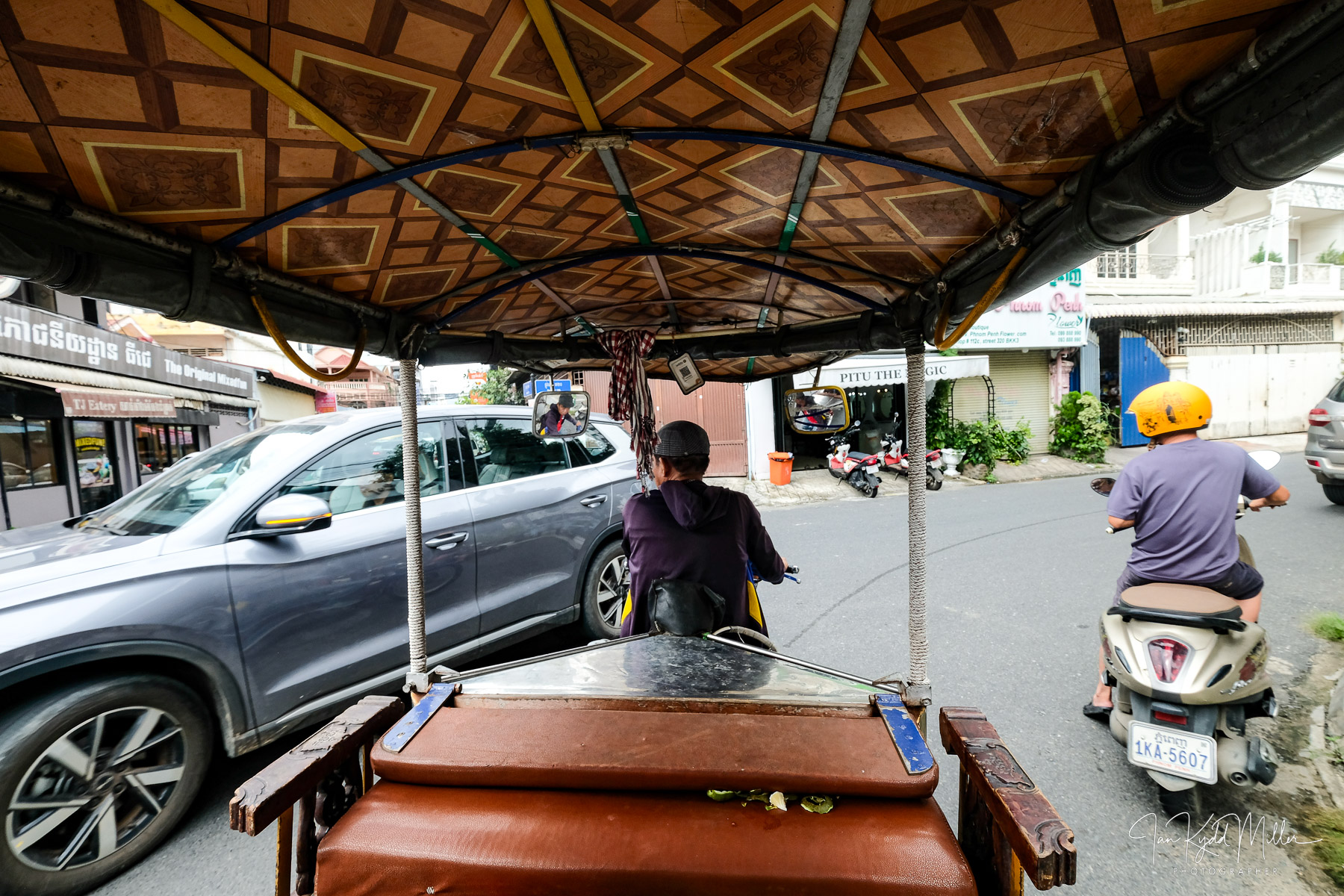
A hand resting on a tukโtuk. A shadow slicing across a wall. A childโs laughter echoing in the alley. These moments arenโt staged. They arenโt curated. They are real.
II. MEMORY IS FRAGILE
Phnom Penh is changing fast. Markets modernise, facades crumble, new towers rise. What feels ordinary today may be gone tomorrow.
Photography preserves the fragile. A candid frame becomes a fragment of memory, a retro imprint of a city in transition. Not all images are pretty, but all are valuable.
III. CONNECTION IS HUMAN
The power of candid moments lies in connection. A strangerโs direct gaze. A fleeting smile. The quiet acknowledgment of someone who lets me borrow a second of their life.
Grain, blur, imperfectionโthese are not flaws. They are the marks of authenticity, the texture of human presence.
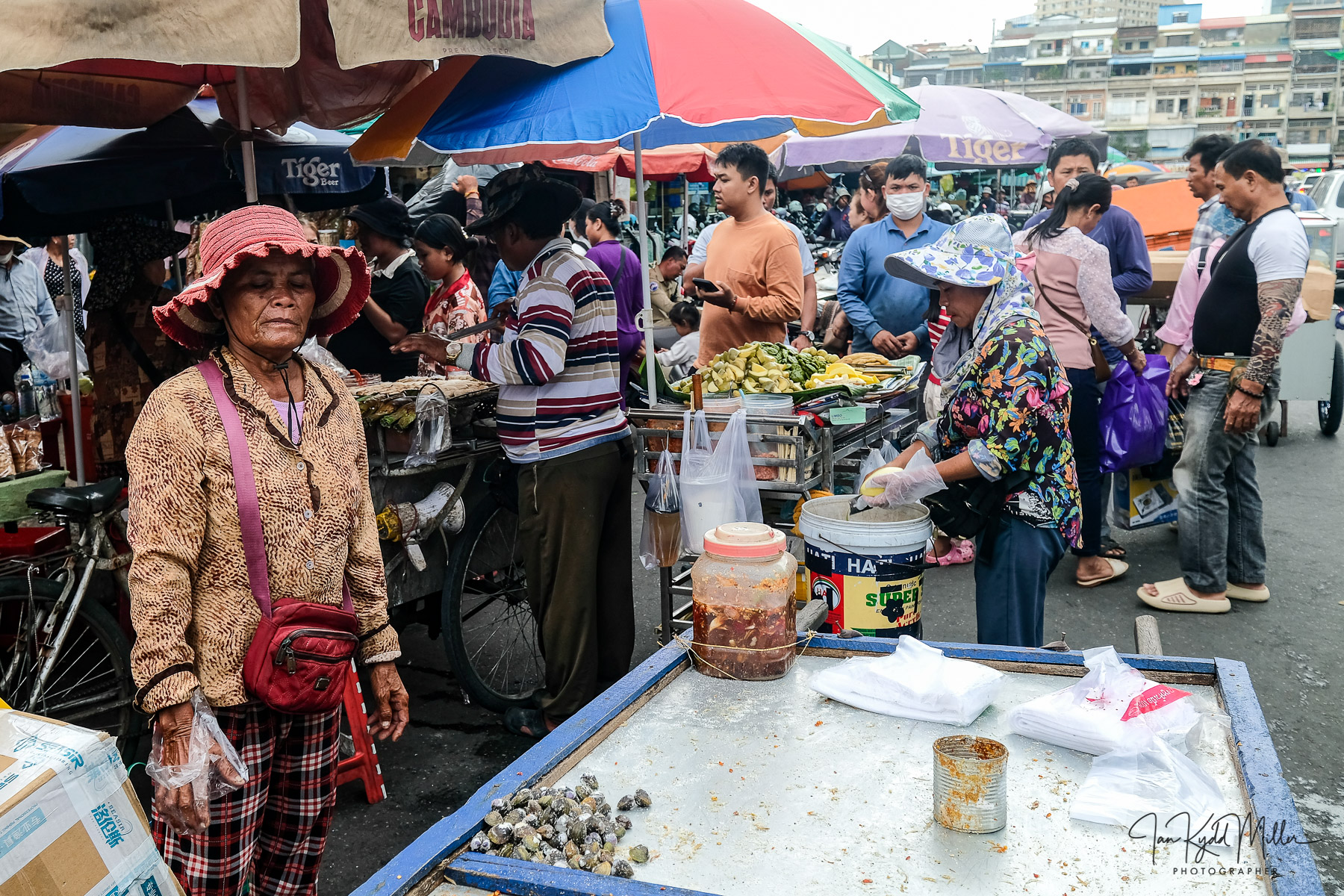
IV. IDENTITY IS UNPOLISHED
My way of working is not about producing art that pleases everyone. It is about practicing a way of seeing. It is about being present in Phnom Penhโs streets, attentive to the ordinary, open to the unremarkable.
This is my discipline: to take pictures of what I see, without gloss, without apology.
Closing Call: Light as a Signature
Street photography is special not because it is beautiful, but because it is true. Each frame is a mark, a monogram of the cityโs soulโdrawn not with ink, but with light.
A short blog exploring what emotion does โ and doesnโt โ do for a photograph
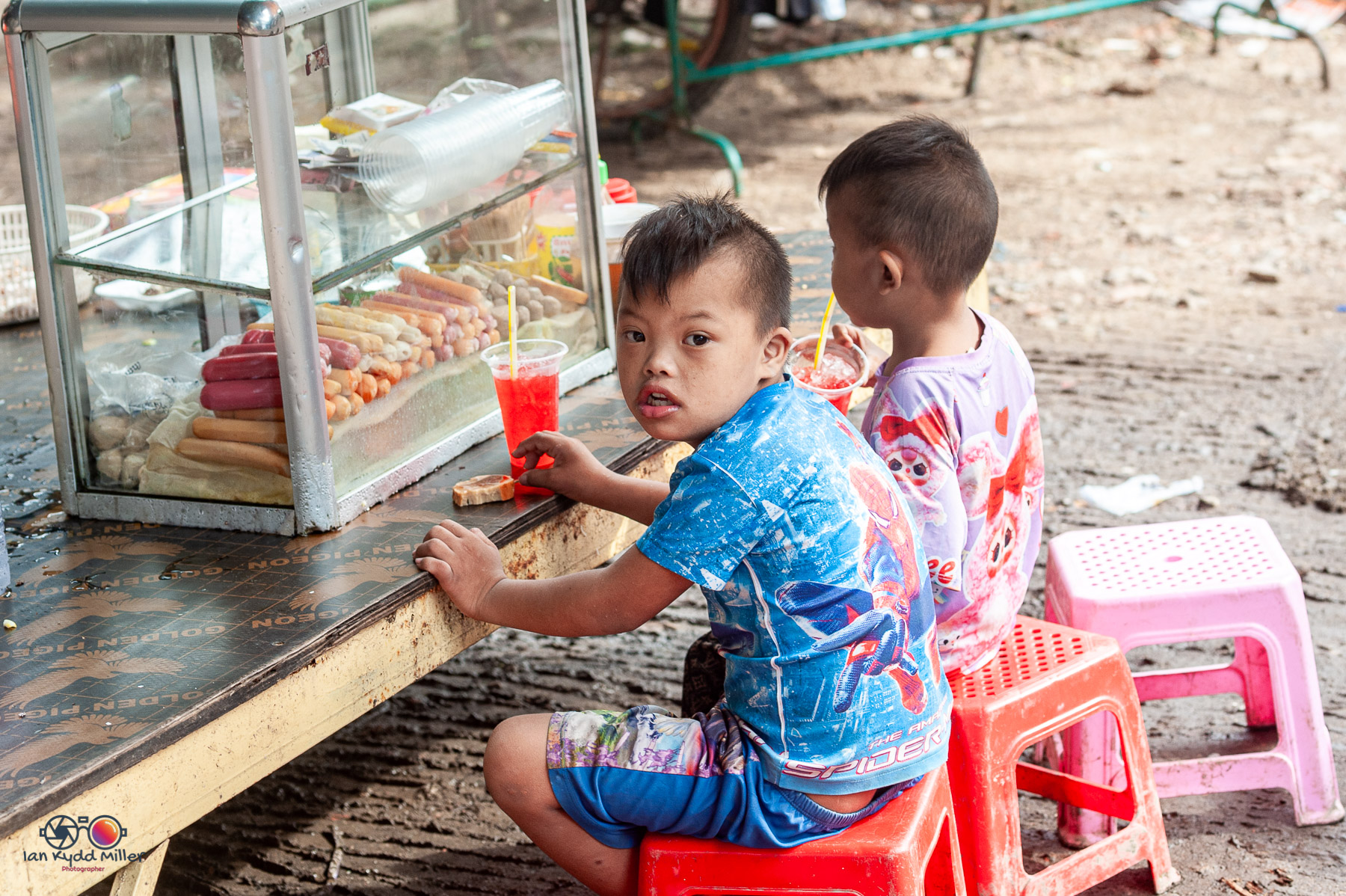
Photography is often defined by the feelings it evokes. A single frame can make us ache, laugh, recoil, or remember; emotion is the shorthand that turns an image into an experience. Yet reducing photography to one thing โ emotion alone โ flattens a far richer practice that mixes craft, context, ethics, and intention.
Emotion as the engine of meaning
Emotion is frequently the element that makes a photograph memorable. Photographs that carry strong feeling connect quickly with viewers, triggering empathy and narrative inference in ways words sometimes cannot. Skilled photographers use light, expression, and timing to amplify mood and create images that resonate long after theyโre seen.
Why emotion is necessary but not sufficient
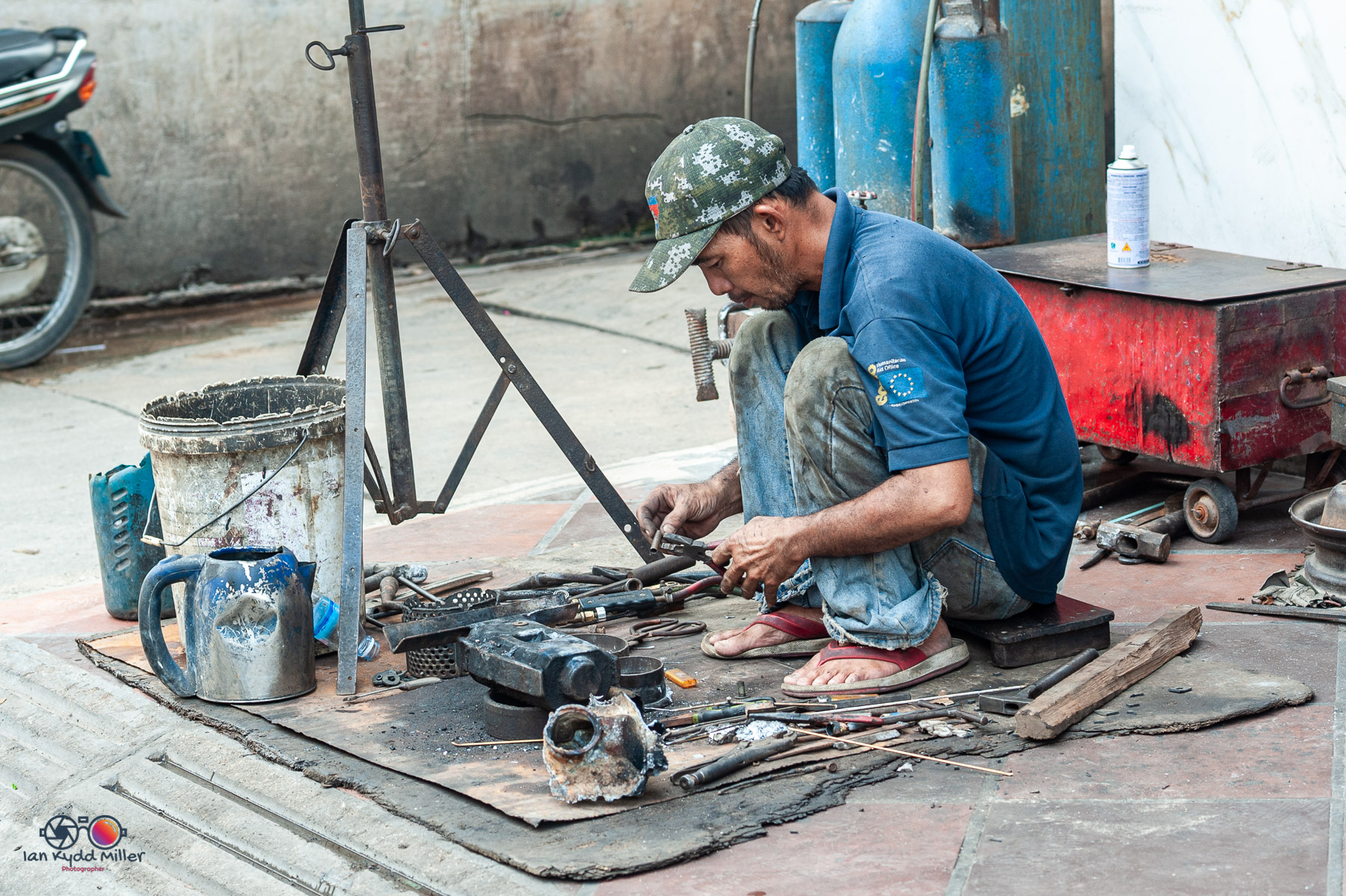
Emotion does not operate in isolation. Composition, exposure, focus, and gesture are the levers photographers use to produce emotional impact. Technical choices shape how feeling reads on the page; poor technique can obscure intent, while strong craft can fail to move if the image lacks purpose or honesty. Emotional resonance without craft risks sentimentality; craft without feeling risks sterility.
The role of context, story, and ethics
Context changes everything. The same image can feel intimate, exploitative, or manipulative depending on how and why it is shown. Ethical witnessing, informed consent, and narrative framing determine whether an emotionally charged photograph honours its subjects or reduces them to spectacle. Responsible photographers treat emotion as a consequence, not as the entire aim.
Where vision and tool meet
Emotion guides choices about tooling and process, but doesnโt erase them. Lenses, shutter speed, and color palette are servants of intention: a long lens for compression, a fast shutter for decisive action, soft light for quiet intimacy. The best photographers let emotion inform technique and let technique refine emotion, arriving at images that are both felt and well made.
Practical takeaway for makers
Practice: make sets of images that pursue a single mood using only one lens; compare what changes in composition, depth, and narrative.
Critique: assess images first for honesty of feeling, then for craftโask what you would change technically to better support the emotion.
Ethics: name the subjectโs agency and the story youโre telling before pressing the shutter.
Emotion is central to photography but not its whole truth. It is the pulse that animates a frame and the reason many images endure. It must be nurtured by craft, grounded in context, and handled with ethical care. When those elements align, a photograph stops being merely seen and becomes felt.
A Farewell to a Workhorse That Never Asked for Praise
For a decade, the Canon 1D Mark IV was my companion. Not my tool. Not my gear. My companion.
It didnโt flatter. It didnโt fail. It simply showed upโday after day, shoot after shootโwith a kind of quiet reliability that modern cameras often forget in their race for relevance.
๐งฑ Built Like a Promise
The 1D Mark IV was never sleek. It was solid. Magnesium alloy, weather-sealed, unapologetically heavy. It felt like commitment in the hand.
16MP APS-H sensor with a 1.3x cropโperfect for reach without sacrificing tone
Dual DIGIC 4 processors that never blinked, even at 10fps
Autofocus that tracked motion like instinct, not algorithm
I shot with one AF point. The center. Always. Because the camera didnโt need tricksโit needed trust.
๐ท What It Gave Me
Color rendering that felt like memory, not measurement
Files that breathedโnot just pixels, but presence
Low-light performance that surprised me, even in candlelit homes and monsoon dusk
Battery life that outlasted the day, and sometimes the doubt
It wasnโt perfect. But it was predictable. And in documentary work, thatโs gold.
๐ง Why I Stayed So Long
Because it never asked me to rush. Because it never distracted me with features I didnโt need. Because it taught me to anticipate, to listen, to wait.
I shot weddings, markets, protests, and quiet portraits with it. I traveled with it across borders and into stories that didnโt need spectacleโjust presence.
โ๏ธ The Shift to Nikon
Eventually, I moved to Nikon. Not because the 1D failed me, but because my rhythm changed. I wanted different tonal nuance. Different ergonomics. A different conversation with the frame.
But I didnโt leave the 1D behind. I graduated from it. And like any good teacher, it still echoes in my practice.
๐ผ๏ธ Closing Thought
The Canon 1D Mark IV wasnโt just a camera. It was a decade of trust. And in a world of constant upgrades, trust is the rarest feature of all.
Choosing a potentially dangerous profession like photojournalism requires preparation, resilience, and a deep passion for storytelling. Hereโs a guide to help someone navigate this path safely and effectively:
1. Develop Strong Skills and Portfolio
Master the Craft: Enhance photography skills through courses, workshops, and hands-on practice. Street photography, capturing candid moments, is a good starting point.
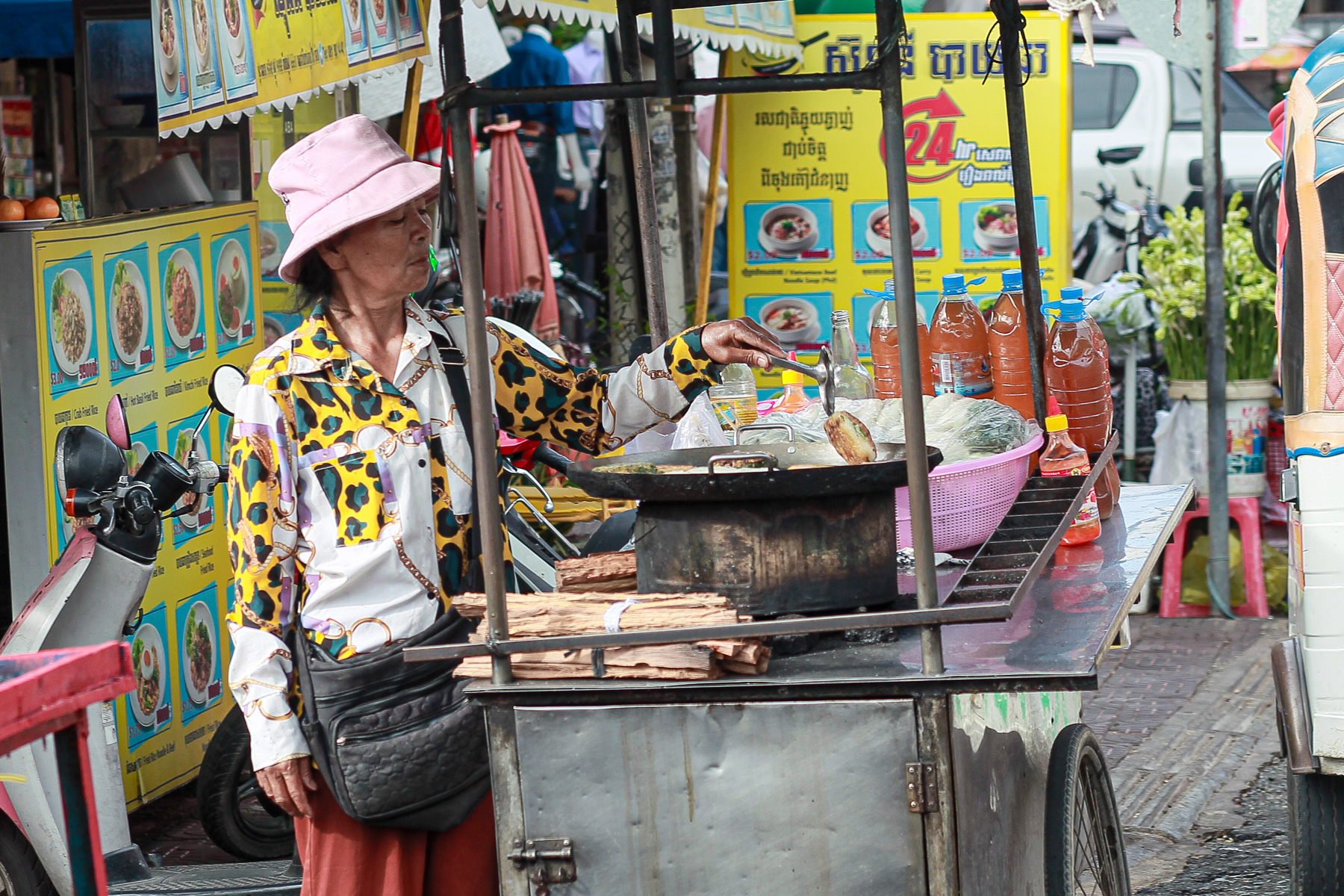
Build a Portfolio: Create a compelling portfolio showcasing a variety of work, with an emphasis on impactful, human-interest stories.
2. Gain Relevant Experience
Internships and Freelance Work: Start with internships at media outlets or freelance assignments to gain practical experience.
Network: Connect with other photojournalists and professionals in the field. Attend industry events, join photography groups, and participate in exhibitions.
3. Understand the Risks
Safety Training: Take courses on safety in conflict zones and hazardous environments. Organizations like the Rory Peck Trust offer such training.
Stay Informed: Research and stay updated on the regions and situations you will be covering. Knowledge of the political, social, and environmental context is crucial.
4. Equip Yourself Properly
Right Gear: Invest in durable and reliable photography equipment. Consider cameras like the Nikon D3S or Canon 1D MkIV which have proven performance.
Safety Gear: In dangerous areas, gear like bulletproof vests and helmets might be necessary.
5. Develop a Support System
Mentorship: Find a mentor in the field who can offer guidance and support.
Mental Health Support: Dealing with traumatic events can be challenging. Have access to mental health resources and support networks.
6. Legal and Ethical Considerations
Understand Legalities: Be aware of the legal implications and regulations in the areas you are working in.
Ethics: Maintain ethical standards in journalism. Respect the dignity and privacy of the subjects you photograph.
7. Be Persistent and Adaptable
Stay Determined: The path to becoming a successful photojournalist can be challenging and competitive.
Adaptability: Be open to different styles and methods of storytelling.
SflyProxyVersion 1;
The journey to becoming a photojournalist is both demanding and rewarding. It requires a balance of technical skill, safety awareness, and a profound commitment to telling human stories.
If youโre eager to start, why not practice your skills by capturing compelling stories in your local area? Street photography often provides a rich tapestry of human experiences and can serve as excellent preparation for more intense assignments.
For a burgeoning photojournalist like yourself, focusing on specific photography skills can elevate your work and help you capture impactful, story-driven images. Here are some key skills to hone:
1. Composition and Framing
Rule of Thirds: Understand how to compose images by dividing the frame into thirds, placing points of interest along these lines.
Leading Lines: Use lines to guide the viewerโs eye to the main subject of the photograph.
Framing: Experiment with natural frames within your environment to highlight the subject.
2. Exposure and Lighting
Manual Mode Mastery: Get comfortable shooting in manual mode to have full control over shutter speed, aperture, and ISO.
Low-Light Photography: Practice capturing sharp and well-exposed images in low-light conditions, a crucial skill for photojournalists.
Natural Light: Learn to use and manipulate natural light to enhance your images.
3. Focus and Depth of Field
Selective Focus: Understand how to use selective focus to isolate your subject from the background.
Depth of Field: Play with different apertures to create depth in your images. Use a shallow depth of field for portraits and a deeper one for environmental shots.
4. Candid and Street Photography
Spontaneity: Capture un-posed, genuine moments. This is essential for telling authentic human stories.
Discreet Shooting: Develop techniques to shoot discreetly, so as not to disturb the scene you photograph.
5. Post-Processing
Editing Software: Gain proficiency in photo editing software like Adobe Lightroom and Photoshop.
Ethical Editing: Learn to enhance images while maintaining their authenticity and integrity. Avoid excessive manipulation.
6. Visual Storytelling
Narrative: Each photo should contribute to the overarching story you aim to tell. Think about how your images work together to convey a message.
Sequencing: Practice creating a photo series that guides the viewer through a visual narrative.
7. Technical Proficiency with Gear
Camera Handling: Be familiar with your camera’s functions. Practice changing settings quickly and efficiently.
Lens Selection: Understand which lenses to use for different scenarios. Prime lenses are great for low light, while zoom lenses offer versatility.
8. Research and Contextual Knowledge
Background Research: Always research the context of the stories you are documenting. This ensures your images are informative and respectful.
Cultural Sensitivity: Be aware of and sensitive to cultural norms and practices in the regions you photograph.
9. Resilience and Adaptability
Patience: Sometimes the perfect shot requires waiting for the right moment.
Adaptability: Be prepared to adapt to changing conditions and unpredictable situations.
10. Ethical Journalism
Code of Ethics: Familiarize yourself with the ethical standards in journalism. Always prioritize the dignity and safety of your subjects.
Consistent practice and a willingness to experiment and learn from each shot will help you develop these skills. Documenting your local area can be a great way to start building these competencies.
Is there a particular technique or skill youโd like to dive deeper into?
Enhancing your visual storytelling in photography involves more than just capturing beautiful imagesโitโs about conveying a narrative that resonates with your audience. Here are some techniques to elevate your storytelling:
Define Your Story Purpose: Clearly define the purpose of your story. What message do you want to convey? What emotions do you want to evoke?
Subject: Identify the main subject or theme of your story. It could be a person, a place, or an event.
Research and Plan Background Research: Gather information about your subject. Understanding the context helps in capturing more meaningful images.
Storyboarding: Plan your shots in advance. Create a storyboard to visualize the sequence of your story.
Capture Emotions and Moments Expressions: Focus on capturing genuine emotions and expressions. They add depth to your story.
Moments: Look for decisive moments that highlight the essence of your narrative.
Use Composition Effectively Visual Hierarchy: Guide the viewerโs eye through the image using composition techniques like leading lines, framing, and the rule of thirds.
Juxtaposition: Use contrast and juxtaposition to highlight differences or similarities within the frame.
Play with Light and Shadows Natural Light: Utilize natural light to create mood and atmosphere. The quality of light can significantly impact the emotional tone of your images.
Shadows: Incorporate shadows to add depth and drama.
Incorporate Symbolism and Metaphors Symbols: Use objects or elements that symbolize broader concepts or themes. They can add layers of meaning to your story.
Metaphors: Create visual metaphors that represent abstract ideas in a tangible form.
Create a Sense of Place Environmental Shots: Capture the environment and setting to provide context. It helps the viewer understand the surroundings and the storyโs backdrop.
Details: Pay attention to small details that contribute to the overall narrative.
Sequence Your Images Chronology: Arrange your images in a sequence that makes sense chronologically or thematically.
Pacing: Vary the pacing by mixing wide shots, medium shots, and close-ups. It keeps the viewer engaged.
Post-Processing Consistent Style: Maintain a consistent editing style that complements your story. It helps in creating a cohesive visual narrative.
Enhancements: Enhance colours, contrast, and sharpness to draw attention to key elements without over-editing.
Engage with Your Audience Captions and Context: Provide captions or context to accompany your images. It helps the audience understand the story behind the shots.
Photography is an art form that captures the essence of a moment, telling stories without words and leaving a lasting impression on the viewer. It’s a craft that combines technical skill with creative vision, and at the heart of this craft is the cameraโthe photographer’s most trusted tool.
Understanding the intricacies of your camera and lenses is akin to a painter knowing their brushes and paints; it’s essential for creating a masterpiece. It’s not merely about owning the latest high-end equipment; it’s about the intimate knowledge of every button, dial, and setting. Mastering these elements allows photographers to manipulate light and composition, to bring their creative vision to life.
Adapting to different lighting conditions is one of the most critical skills in a photographer’s arsenal. Light is the language of photography, and learning to speak this language fluently can transform an ordinary scene into a breathtaking image. Whether it’s the golden hour’s warm glow or the harsh midday sun, understanding how to work with light ensures that it always works in your favour.
Anticipating how your gear will respond in various scenarios is what separates good photographers from great ones. It’s about predicting the play of shadows in a dimly lit room or the way a lens will render the bokeh in a busy street scene. This foresight is crucial for capturing those fleeting, once-in-a-lifetime moments with precision and clarity.
The journey of a photographer is one of constant learning and exploration. It’s about pushing the boundaries of creativity, experimenting with new techniques, and not being afraid to fail. Because in those failures lie the seeds of growth and innovation.
For the seasoned professional, this deep knowledge results in a signature style, a unique way of seeing the world that sets their work apart. For the enthusiastic amateur, it’s the thrill of discovery, the joy of capturing a moment exactly as they envisioned.
In a world where everyone has a camera in their pocket, standing out requires more than just a good eye. It demands dedication to the craft, an unyielding curiosity, and a willingness to invest time in understanding the tools of the trade.
So, whether you’re capturing the delicate details of a flower or the grandeur of a mountain landscape, remember that your camera is more than just a piece of technology. It’s an extension of your creative self, and mastering it is a journey worth taking.
Invest in that journey, embrace the learning curve, and watch as your photography transcends from mere pictures to compelling stories frozen in time. Because in the end, the quality of your work is not defined by the gear you own, but by the knowledge you hold and the creativity you unleash. Happy shooting!
Photography is not just about capturing moments; it’s a form of expression, a way to tell stories and a journey of continuous learning and discovery. For those who are passionate about photography, here’s a guide that encapsulates the essence of becoming a photographer, not just in skill but in spirit.
Observation and Learning Start by observing the work of other photographers. Study their techniques, the composition of their shots, and the emotions they evoke. This is not about imitation but about understanding the vast possibilities of visual storytelling.
Understanding Appeal Reflect on what draws you to certain images. Is it the play of light and shadow, the depth of field, or the subject itself? Identifying these elements helps refine your aesthetic sense and guides your creative decisions.
Finding Your Muse Discover a subject that resonates with you deeply. It could be nature, urban landscapes, or candid street photography. When you photograph what you love, it reflects in the depth and authenticity of your work.
Selective Curation Select those that strike a chord with you among the images you admire. Understand why they stand out โ is it the narrative, the technique, or the moment they capture? This insight is crucial for developing your unique style.
Emulating Success Once you know what you like, try to create more images in a similar vein. This doesn’t mean copying but allowing your inspirations to inform your photography growth.
The Practice Grind Keep shooting. The more you photograph, the more you learn about your camera, your subject, and most importantly, yourself. Each image is a step forward in your photographic journey.
Embracing Failures Accept that many of your photographs will not turn out as expected. Failure is an integral part of the learning process. It teaches resilience and opens doors to unexpected avenues of creativity.
Celebrating Discoveries Every so often, you’ll capture something truly extraordinary. Celebrate these moments of serendipity and breakthroughs. They are the milestones that mark your growth in this art form.
The Fame Dilemma Aspire not for fame but for fulfilment. Wishing to be a famous photographer can cloud your judgment and lead you away from the joy of photography itself.
Prioritizing Passion Remember, if your priority is fame over passion, you risk losing the essence of what makes photography magical. Focus on your love for the craft, and success, in its truest sense, will follow.
Photography is a personal journey, one that is unique to each individual. It’s a path paved with patience, passion, and persistence. So, grab your camera, and let the world see through your lens. The beauty of photography lies in the freedom to explore, to express, and to engage with the world in a way that is uniquely yours. Happy shooting!