


Old Photographer Series
There is a great deal of beautiful photography in the world. Perhaps too much of it.
Perfect sunsets, wet streets glowing beneath neon signs, elderly faces caught in flattering light and backgrounds softened into creamy nothingness. The colours are polished, the composition balanced and everything is designed to please the eye.
There is nothing wrong with beauty. Light can be magnificent and a carefully composed picture can give genuine pleasure. But beauty alone does not make a photograph good.
Sometimes it merely makes it decorative.
A decorative photograph catches the eye, receives its compliment and is quickly replaced by the next attractive image. Once we have admired its colour, sharpness and clever composition, there may be nowhere else to go.
A good photograph makes us stay.
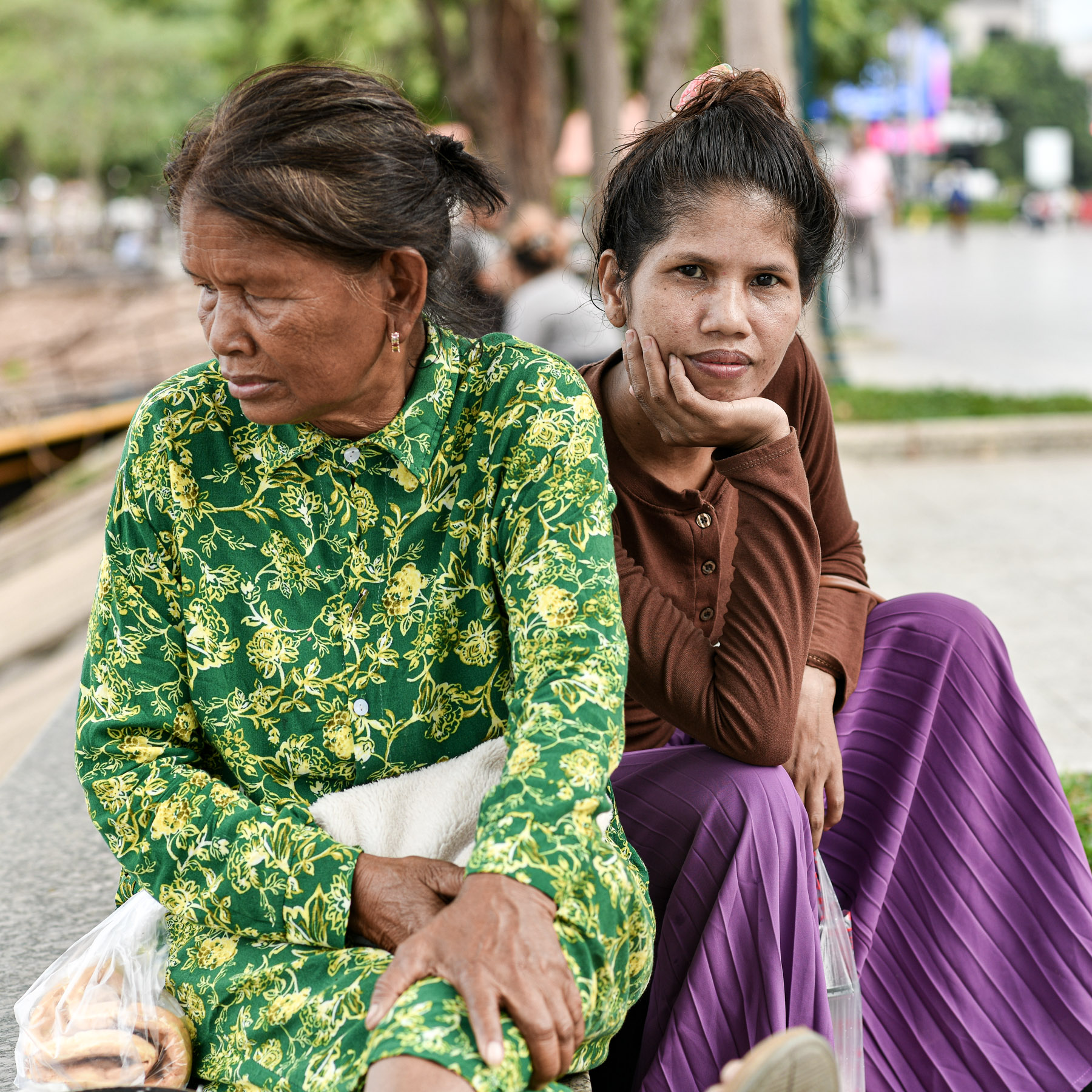
It may contain something unresolved: a look between two people, a hand gripping an arm, an empty chair or a child watching something beyond the frame. It may be awkwardly composed, poorly lit or slightly blurred, yet possess an emotional weight that technical perfection cannot provide.
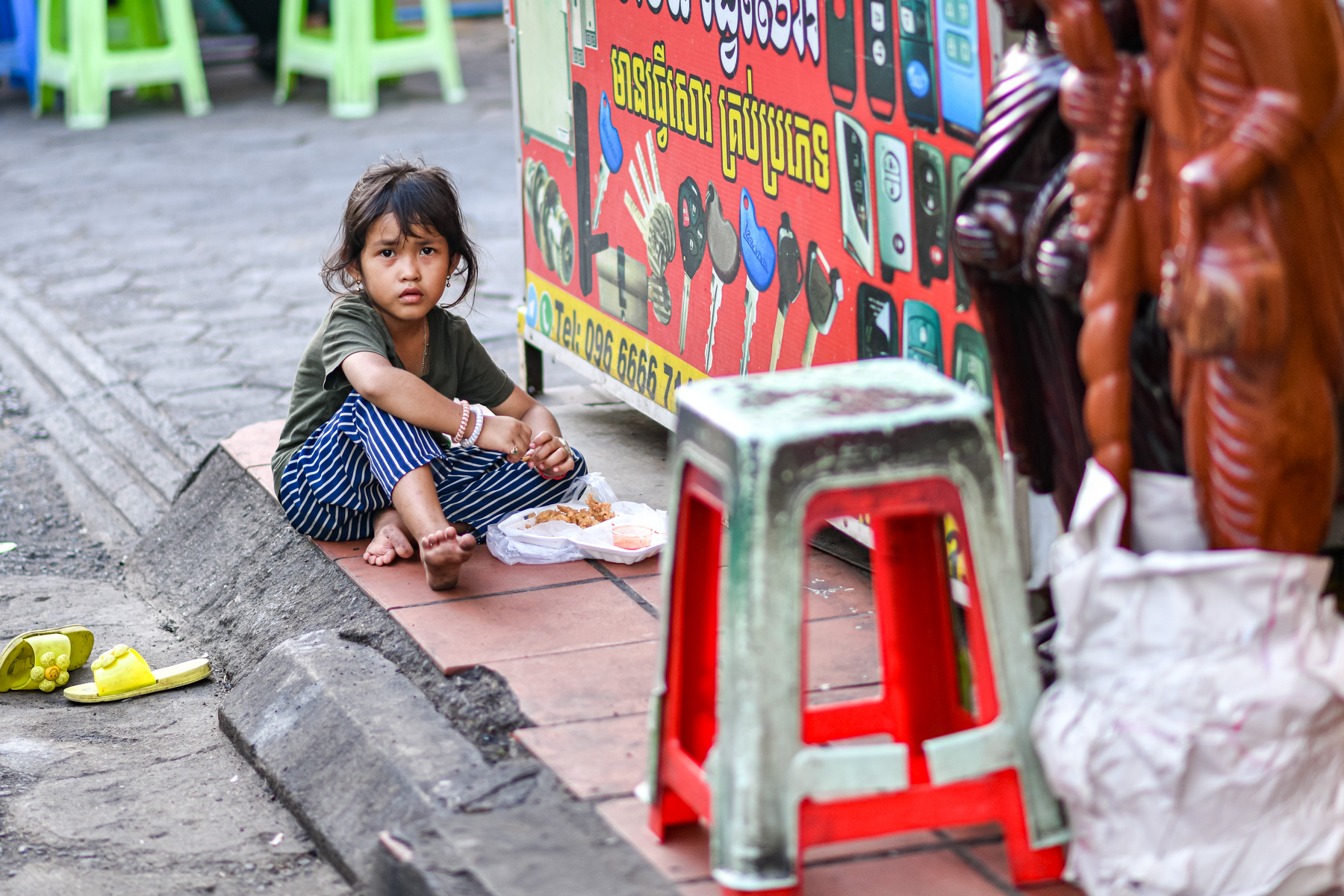
These are the pictures that follow us home.
When I was younger, I worried more about whether my pictures looked good. Most photographers do. We learn the rules, straighten horizons, control exposure and wait for flattering light. We are proving that we understand the machinery.
Eventually, another question becomes more important:
What are you trying to say?
A perfectly exposed photograph of nothing remains a photograph of nothing. An imperfect picture containing a moment of truth may stay with us for life.
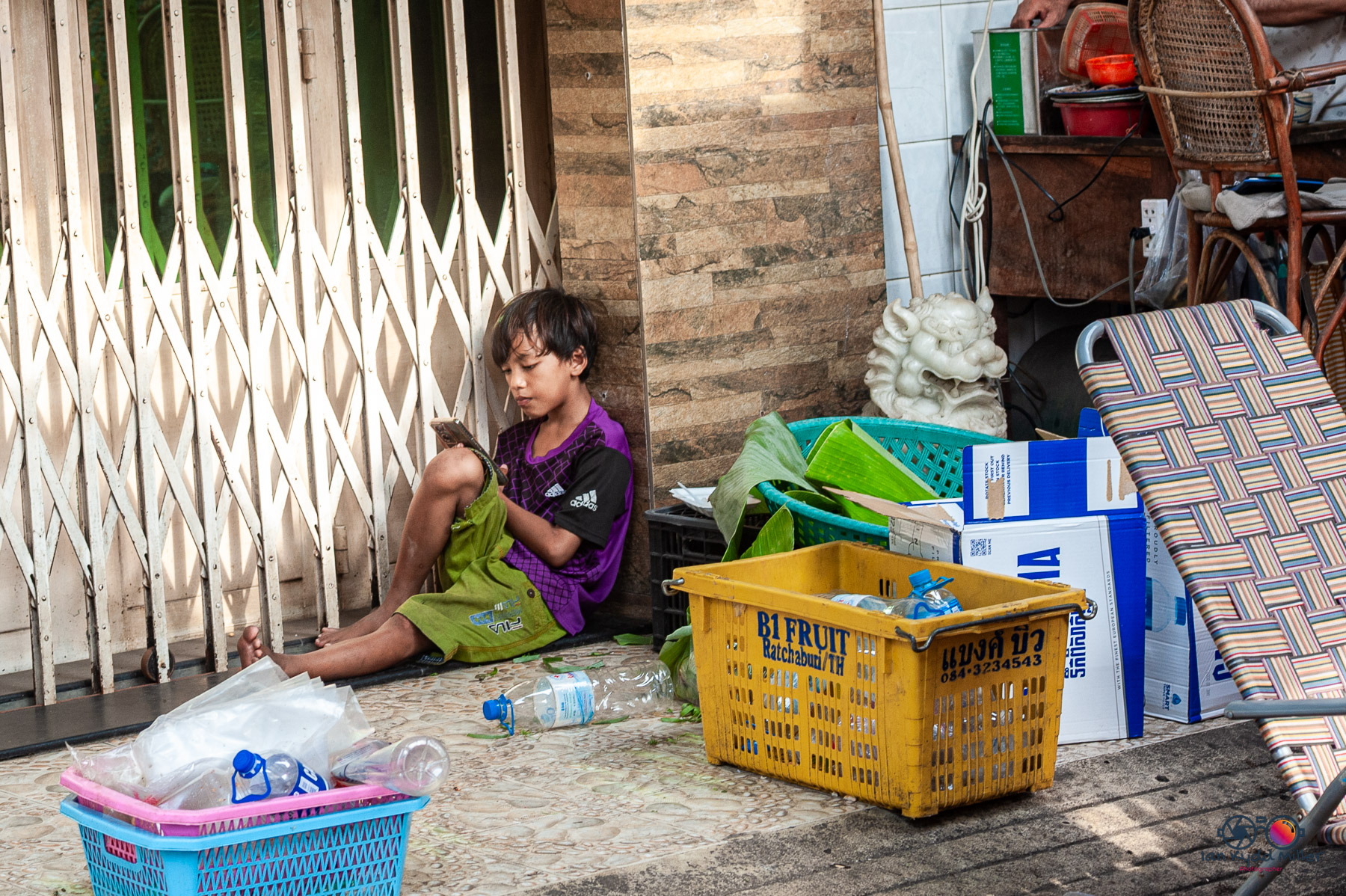
Truth in photography is complicated. A camera never records everything. The photographer chooses where to stand, when to press the shutter and what to exclude. Yet a picture can still feel honest.
Honesty may mean refusing to tidy up a difficult scene. It may mean showing poverty without making it picturesque, age without turning wrinkles into decoration, or loneliness without dressing it up as poetry.
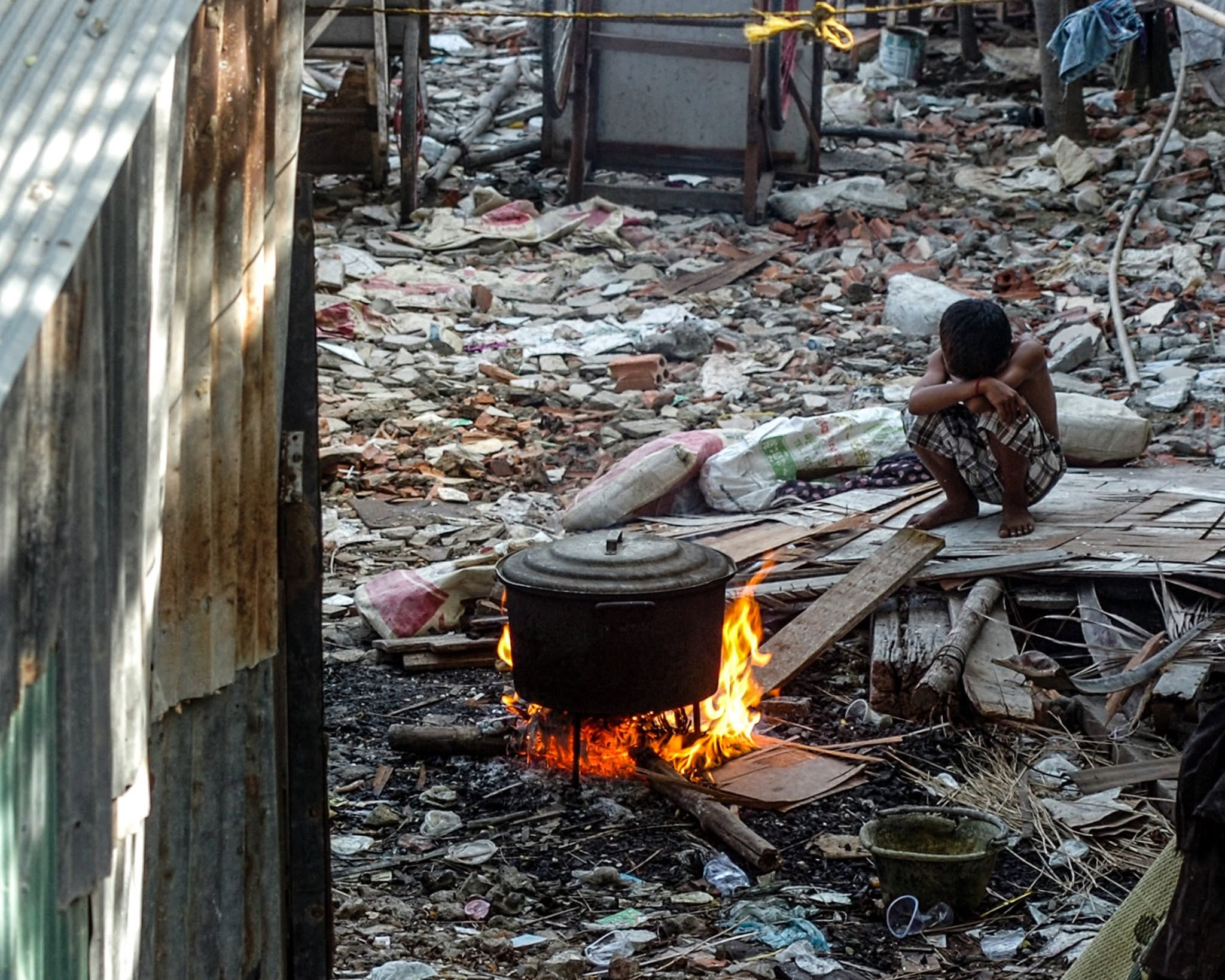
The temptation to beautify suffering is one of photography’s oldest problems. Golden light can make a desperate situation appear magnificent. Strong composition can turn chaos into elegance. The result may be visually impressive—and completely wrong.
Emotional weight does not require war, disaster or public grief. Drama and meaning are not the same thing.
A tired worker sitting alone. A market seller counting the day’s remaining notes. Two people sharing silence. An elderly couple walking at different speeds but still holding hands.

Nothing spectacular has happened. That is precisely the point.
Life is mostly composed of these apparently insignificant moments. The photographer’s job is not always to beautify them. Sometimes it is simply to recognise that they matter.
Tension can also hold a photograph together. Wealth and poverty occupying the same frame. A cheerful advertisement hanging above an exhausted worker. One person looking directly at the camera while everybody else looks away.

Tension prevents the picture from settling comfortably. It leaves the viewer with a question rather than a neat answer.
The photographs I remember seldom surrender everything at first glance. I notice one detail, then another. My understanding changes as I move around the frame. Perhaps I never understand it completely.
That uncertainty gives the photograph life.
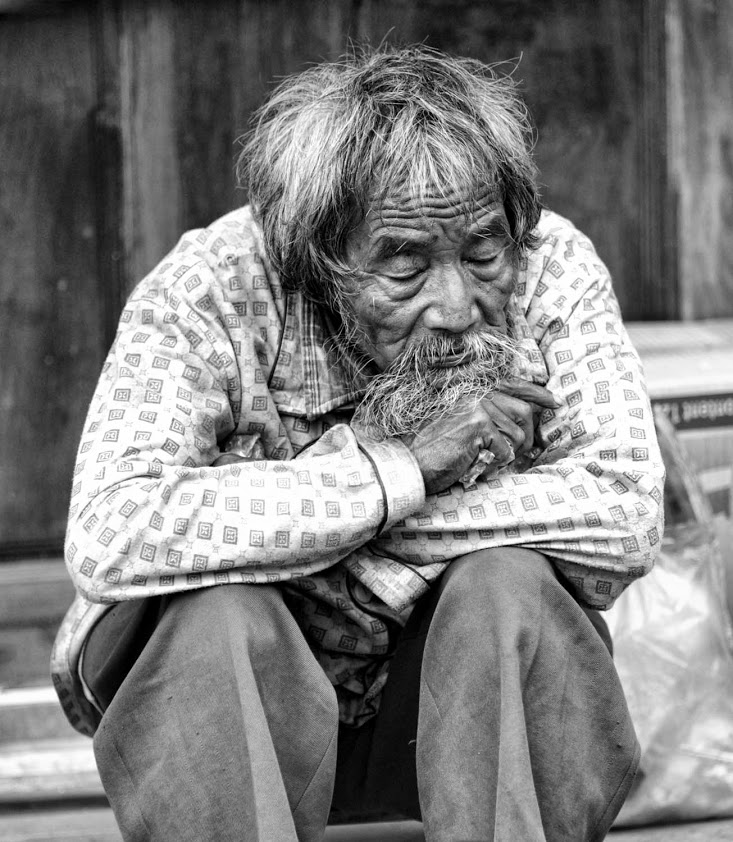
Discomfort also has a legitimate place in photography, provided it is not created through cruelty or exploitation.
Other people’s hardship should never become material for our own reputation. Misery is not made ethical because it has been photographed in black and white. The real question is not simply whether we were permitted to take the picture, but whether the photograph respects the person inside it.
Does it preserve dignity? Does it encourage understanding? Does it reveal something important—or merely invite strangers to stare?
If a photograph depends entirely upon another person’s humiliation, it is not brave. It is easy.
Processing cannot manufacture emotional weight. Converting a weak colour photograph to monochrome does not make it profound. Grain creates atmosphere, not substance.

Sometimes a picture needs ugly colour, damaged walls, tangled cables and unpleasant light. Streets are cluttered and indifferent to our compositional preferences. Removing all that disorder may also remove the truth.
A good photograph does not have to be unpleasant, and serious photographers do not need to reject beauty. The distinction is whether beauty is the destination or the vehicle.
Beautiful light can reveal tenderness. Colour can express joy or anxiety. Strong composition can direct attention towards injustice. The danger begins when beauty becomes camouflage.
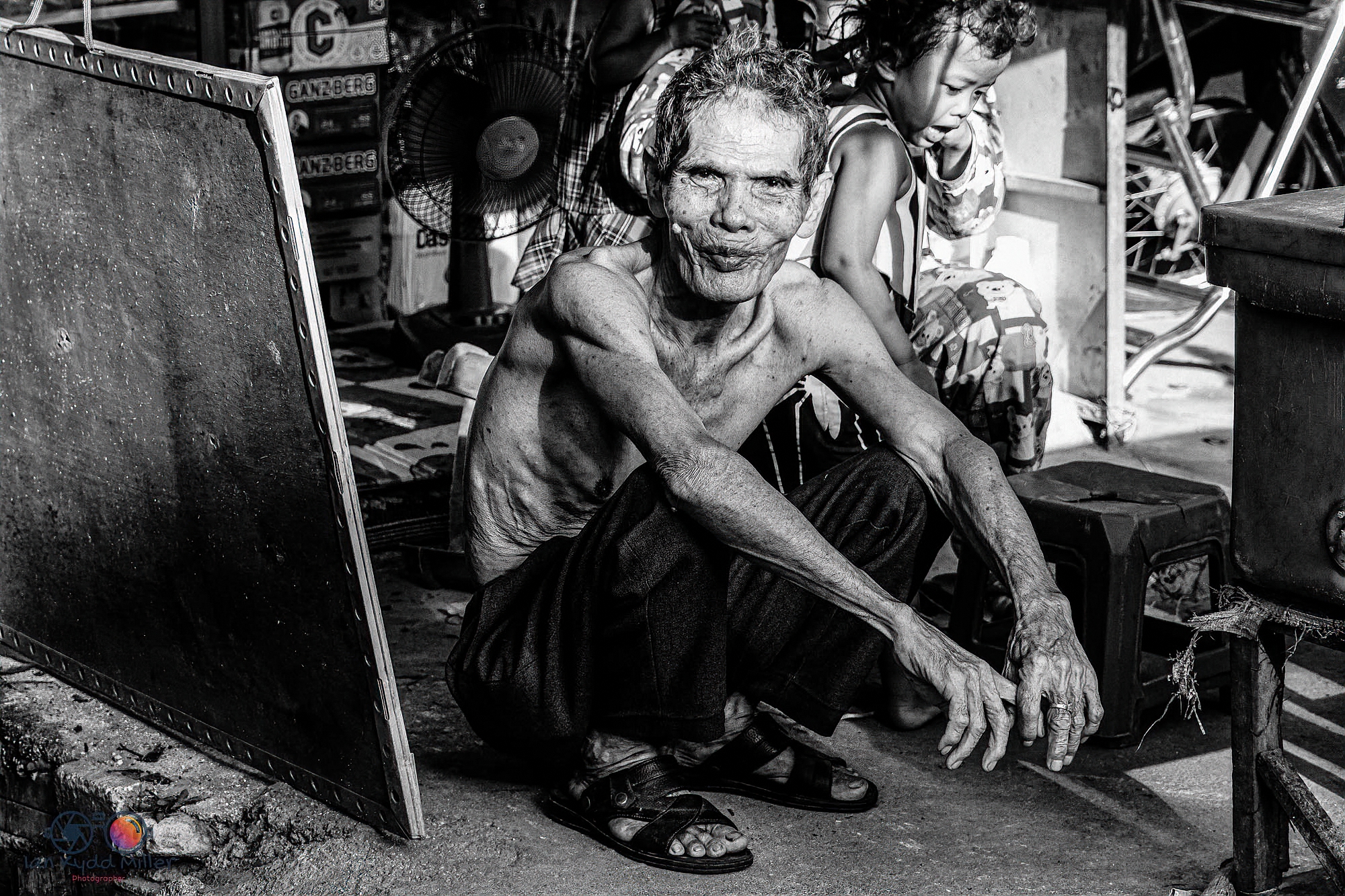
The picture must remain answerable to its subject.
After many years, I am less interested in photographs demonstrating what a clever photographer can do. I am more interested in photographs showing what a patient photographer noticed.
When editing my work, I try to ask more than whether an image is sharp and attractive.
Does it hold me? Is there something I cannot immediately explain? Would I still care about it if nobody praised it? Most importantly, does it make me feel anything?
Technical flaws bother me less than emotional emptiness. I would rather keep a slightly soft photograph carrying genuine life than a clinically perfect frame saying nothing.
Craft matters, but craft is the language—not the message.
A good photograph may be beautiful, but it does not need to be. It may be rough, sombre, untidy or uncomfortable. Yet if it makes us look properly—at another person, at the world or at ourselves—it has achieved something greater than decoration.
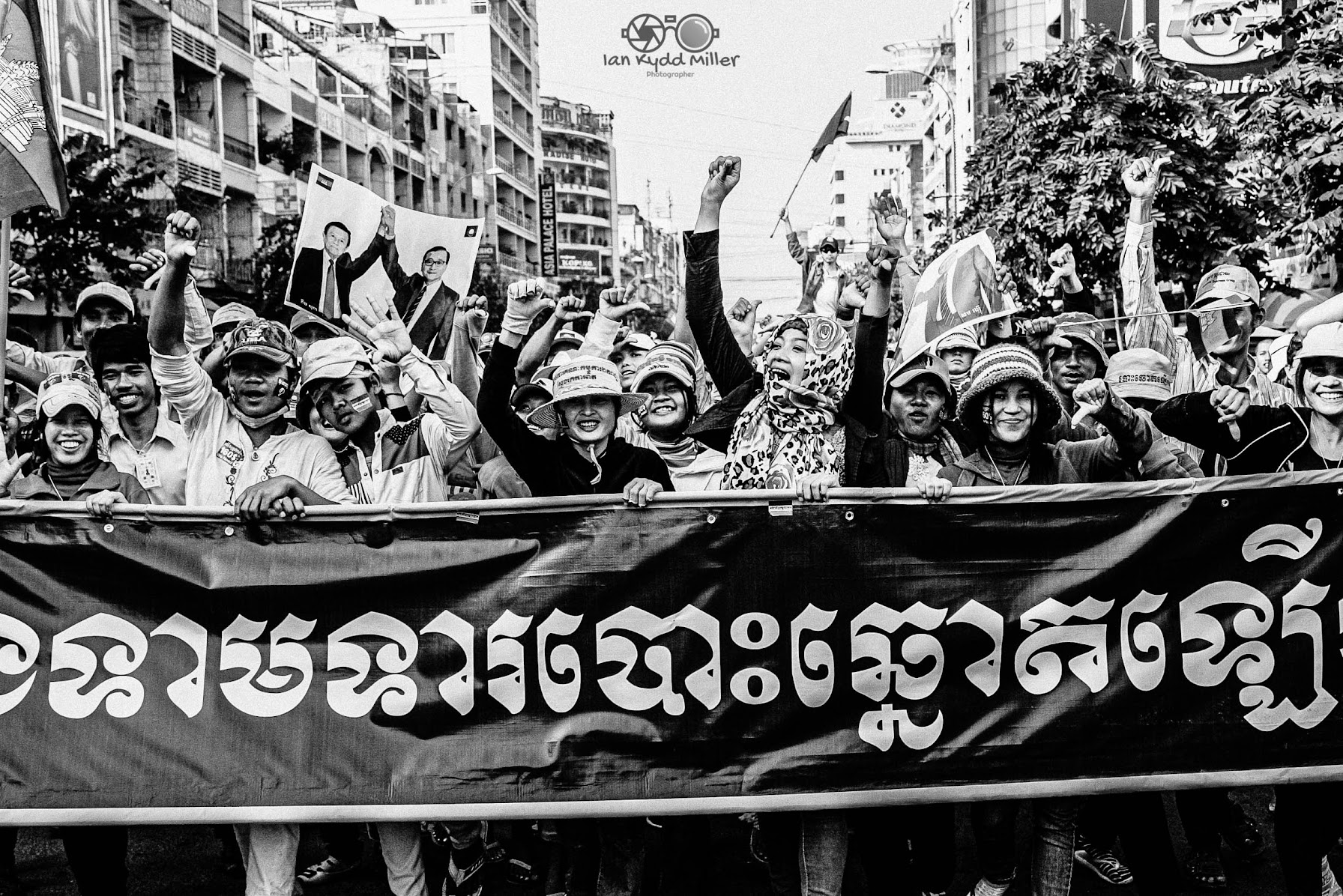
It has mattered.
It may not brighten the room.
It may do something better.
It may disturb the silence.
 a world without pictures is like coffee without cream and sugar, bitter