
If I were still earning my living by selling pictures to newspapers and agencies, I would not begin by asking which camera produced the cleanest file at ISO 12,800. I would ask a much more important question: which camera could I operate quickly, instinctively and reliably while everything around me was going wrong?
That is the real test of a working press camera.
Agency photography is not camera-club photography. Nobody is waiting to admire the smoothness of the bokeh or inspect the corners at 200 per cent. The picture desk wants something relevant, honest, properly captioned and delivered while the story is still alive. A technically magnificent photograph arriving tomorrow morning may be considerably less valuable than a slightly noisy but compelling picture transmitted within twenty minutes.
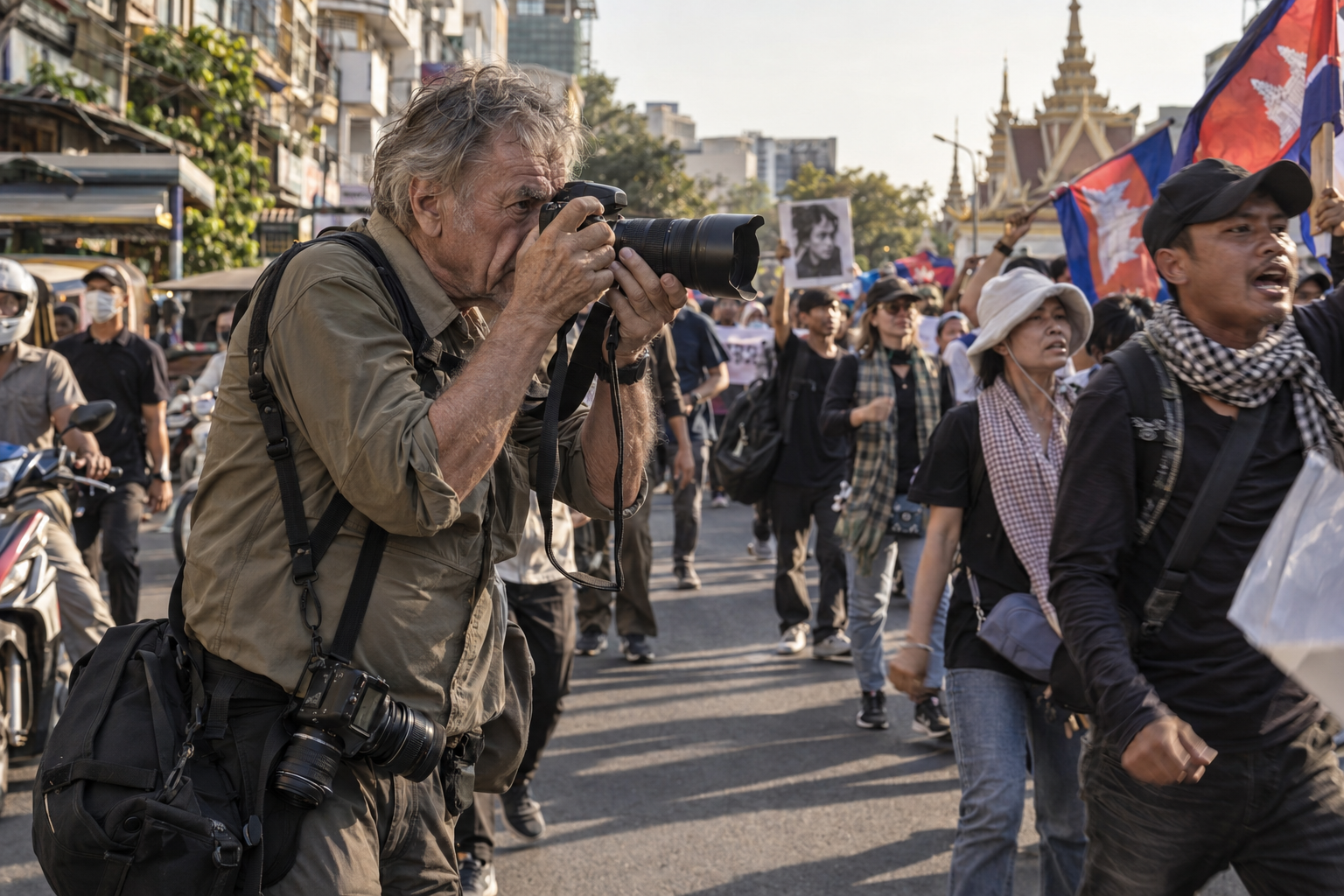
If I were starting again today, I would probably stay with Nikon. Not because Nikon is inherently superior, but because decades of handling Nikon cameras have left their controls embedded in my fingers. Under pressure, familiarity matters more than specifications.
My principal camera would probably be a Nikon Z8. It has the speed, autofocus, silent operation and file quality necessary for virtually any editorial assignment. It is also sufficiently rugged without becoming quite as burdensome as one of the enormous flagship bodies. The ability to move between still photographs and usable video would matter because agencies increasingly expect photographers to bring back more than one kind of material.
But I would not pretend that buying a Z8 would suddenly turn me into a better photographer.
A Nikon D850 could still do the job perfectly well. Indeed, if I were financing the operation myself, I might be inclined to use the D850 I already trusted and spend the money on travel, communications and access. Its files are more than good enough, its battery life is excellent and its controls belong to the traditional Nikon world I understand. The shutter makes a noise, certainly, but photographers managed to work around shutter noise for more than a century.
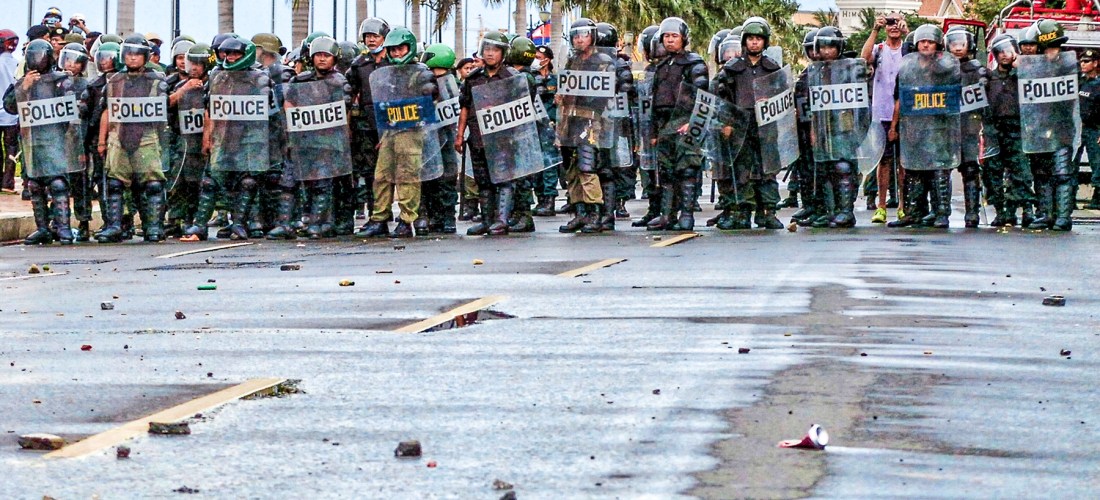
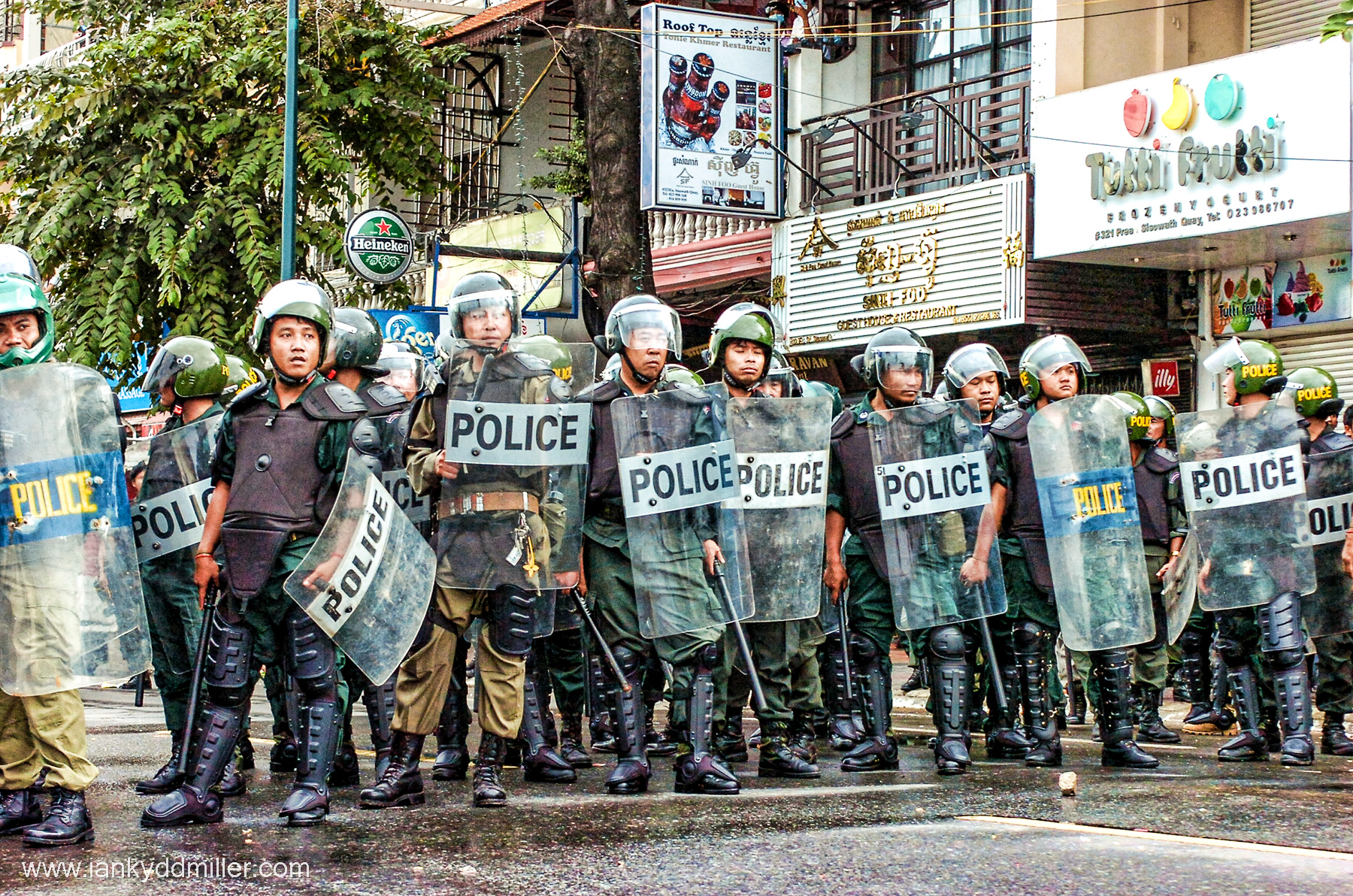
For faster news, demonstrations, political events or situations involving unpredictable movement, I might pair it with a used Nikon D5 or D6. Those cameras are not subtle, but subtlety is not always the first requirement when people are running, police lines are moving and the light is collapsing. They are built to continue working when smaller and more fashionable cameras begin contemplating their retirement.
Whatever I chose, I would carry two bodies. This would not be an indulgence. It would be insurance.
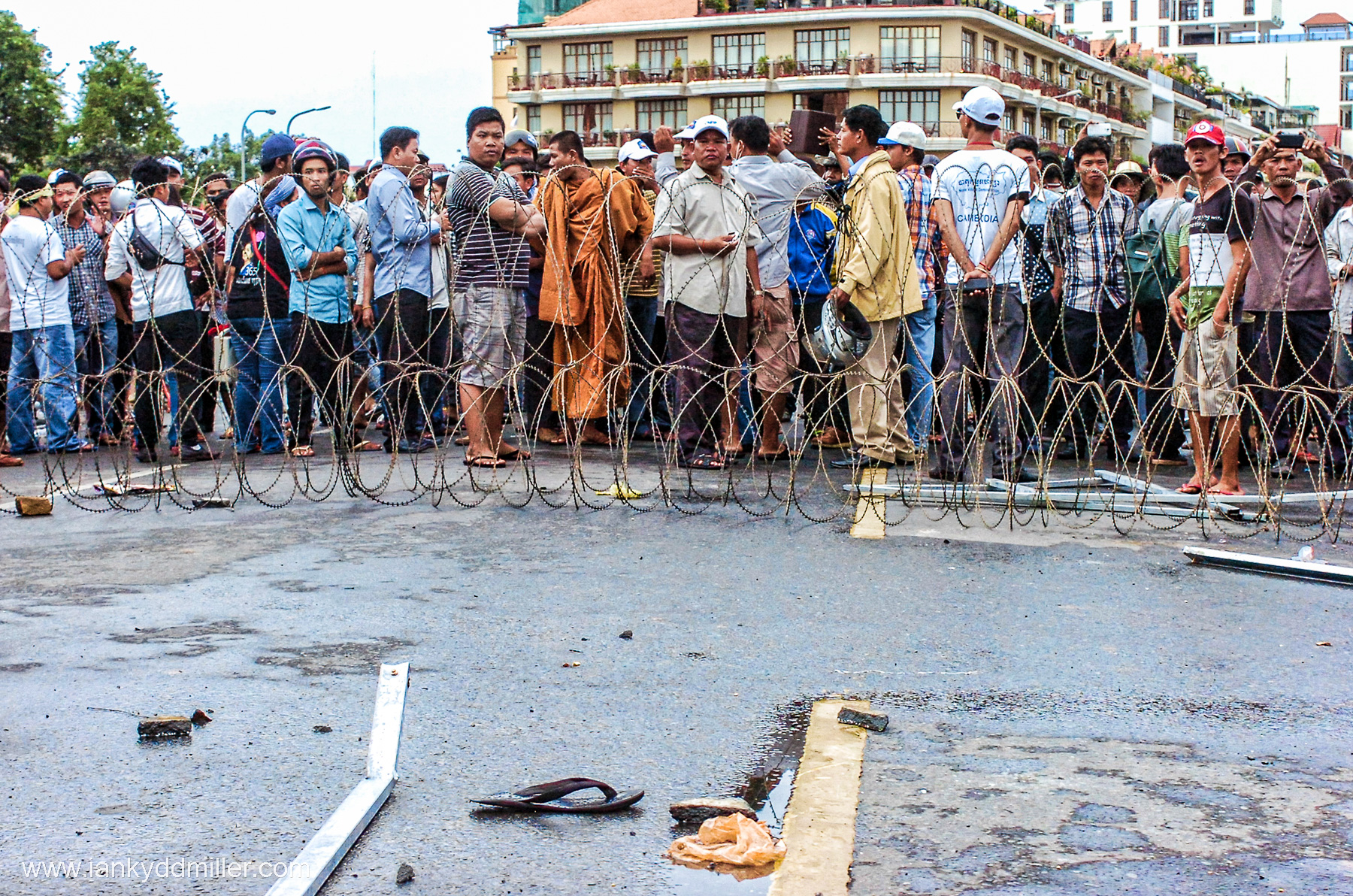
A professional cannot explain to a picture editor that the camera stopped working just as the minister was arrested, the crowd broke through the barricade or the monsoon turned the street into a river. Nor is there always time to change lenses. One camera would carry a standard zoom and the other something longer.
The sensible working combination would be a 24–70mm f/2.8 and a 70–200mm f/2.8. It is not romantic, but it covers an enormous amount of editorial work. The shorter zoom gives context, crowds, interiors and close human encounters. The longer lens isolates faces, reaches through security barriers and allows the photographer to work when physical access is restricted.
I would also keep an 85mm f/1.8 in the bag. Not because an agency requires shallow depth of field, but because I know that focal length. It gives me enough working distance to observe people without losing the intimacy of the moment. It is small, sharp and fast, and it does not turn the photographer into a mobile artillery position.
For quieter work around Phnom Penh, I might forget the big zooms altogether and use the D850 with the 50mm or 85mm. A smaller combination makes it easier to remain among people instead of towering over them. But if I had been commissioned to cover breaking news, I would carry the zooms. The assignment comes before my personal romance with prime lenses.
The cameras, however, would be only half the equipment.
I would carry a capable laptop, Photo Mechanic for rapid selection and captioning, Lightroom or Photoshop for restrained processing, several card readers and a phone with reliable mobile data. I would have a second network available, probably through another SIM card, because communications have an unpleasant habit of failing precisely when the pictures become important.
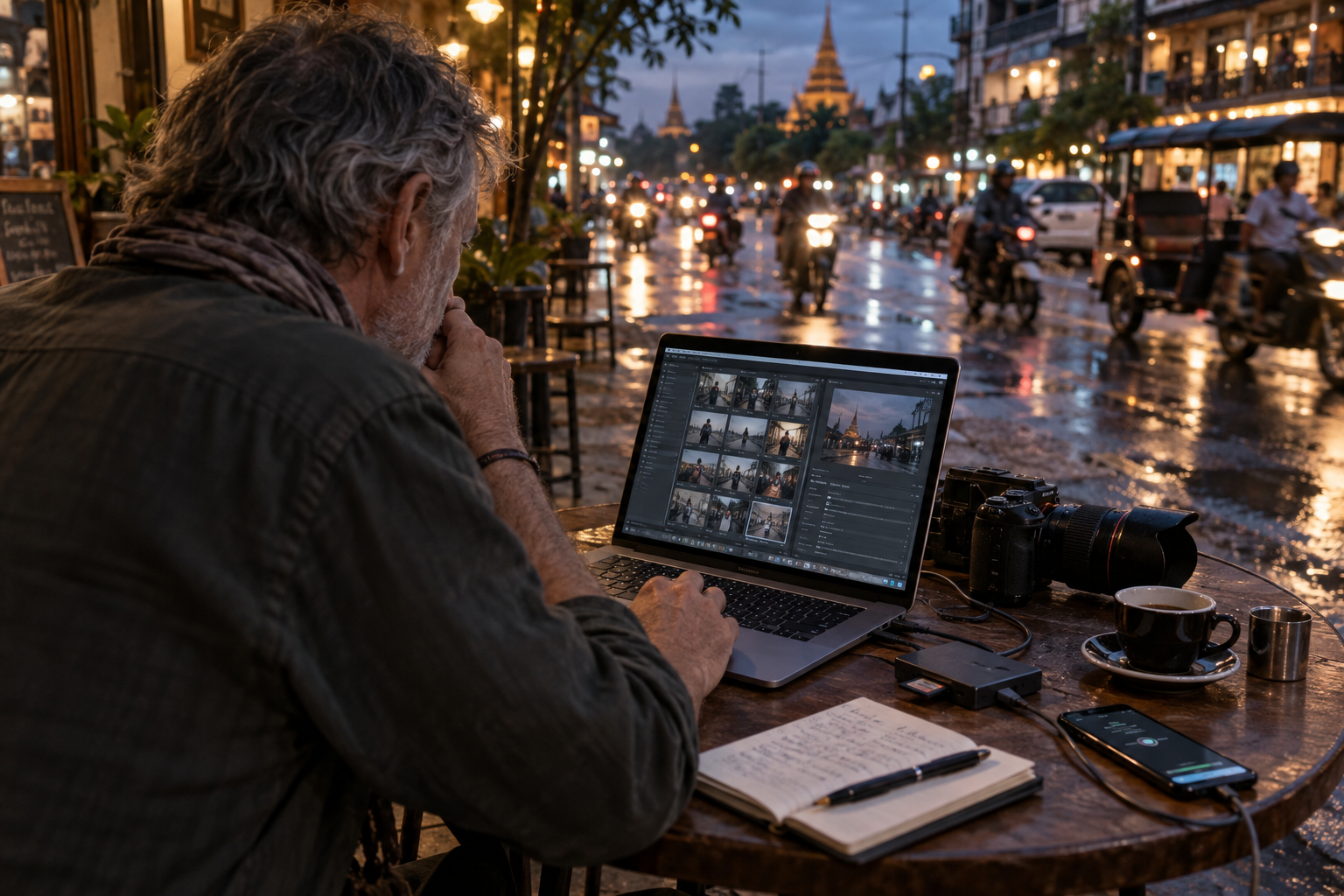
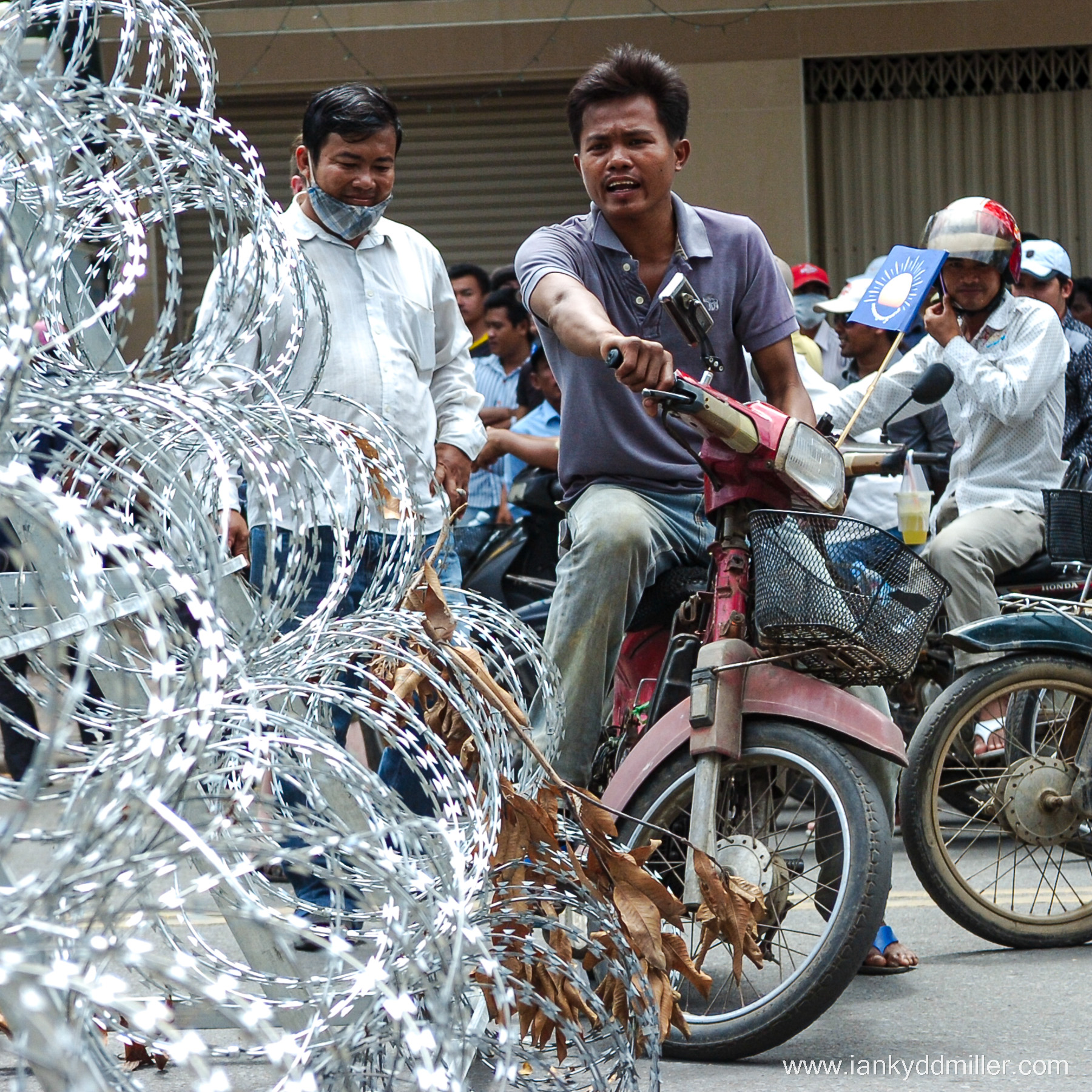
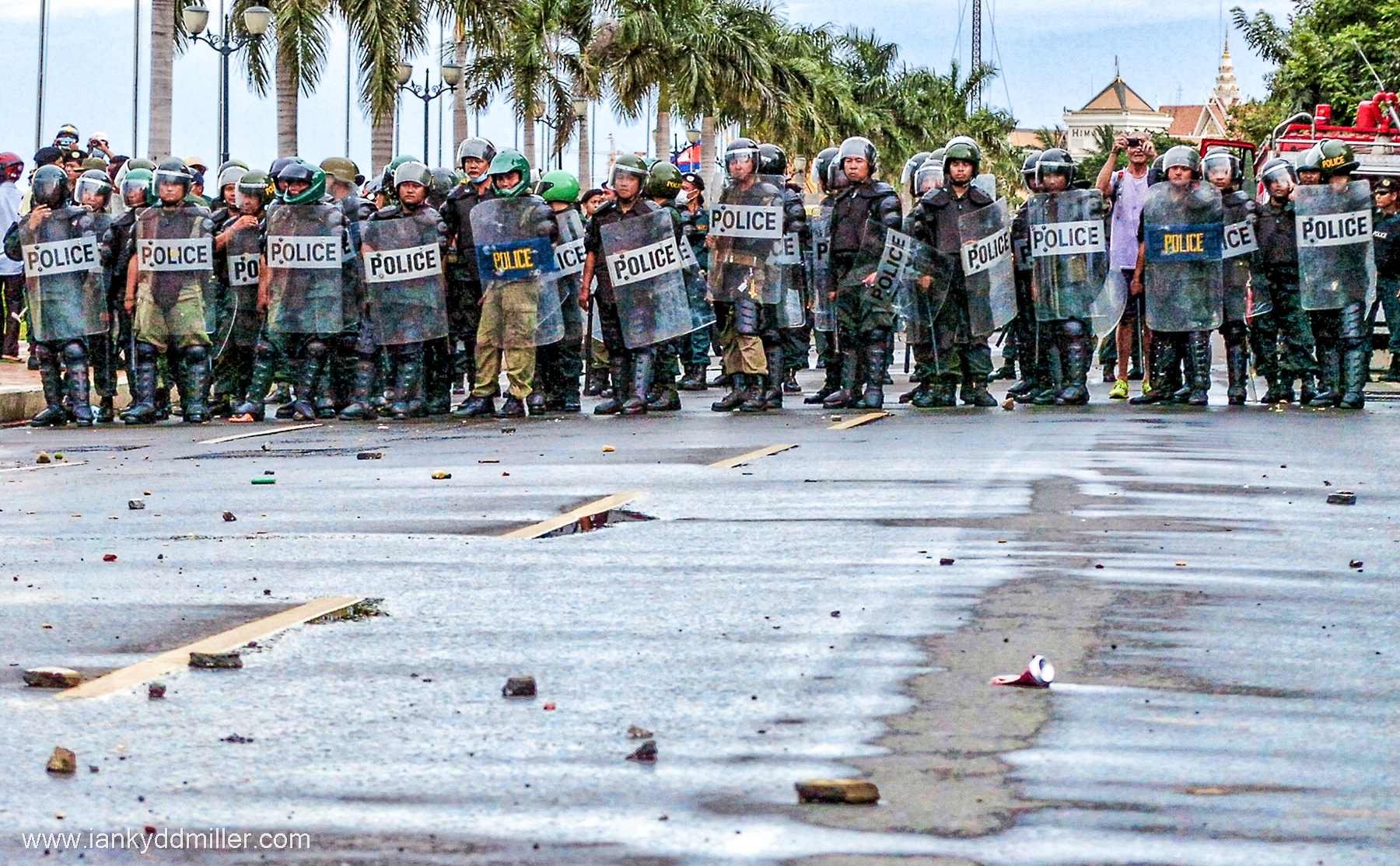
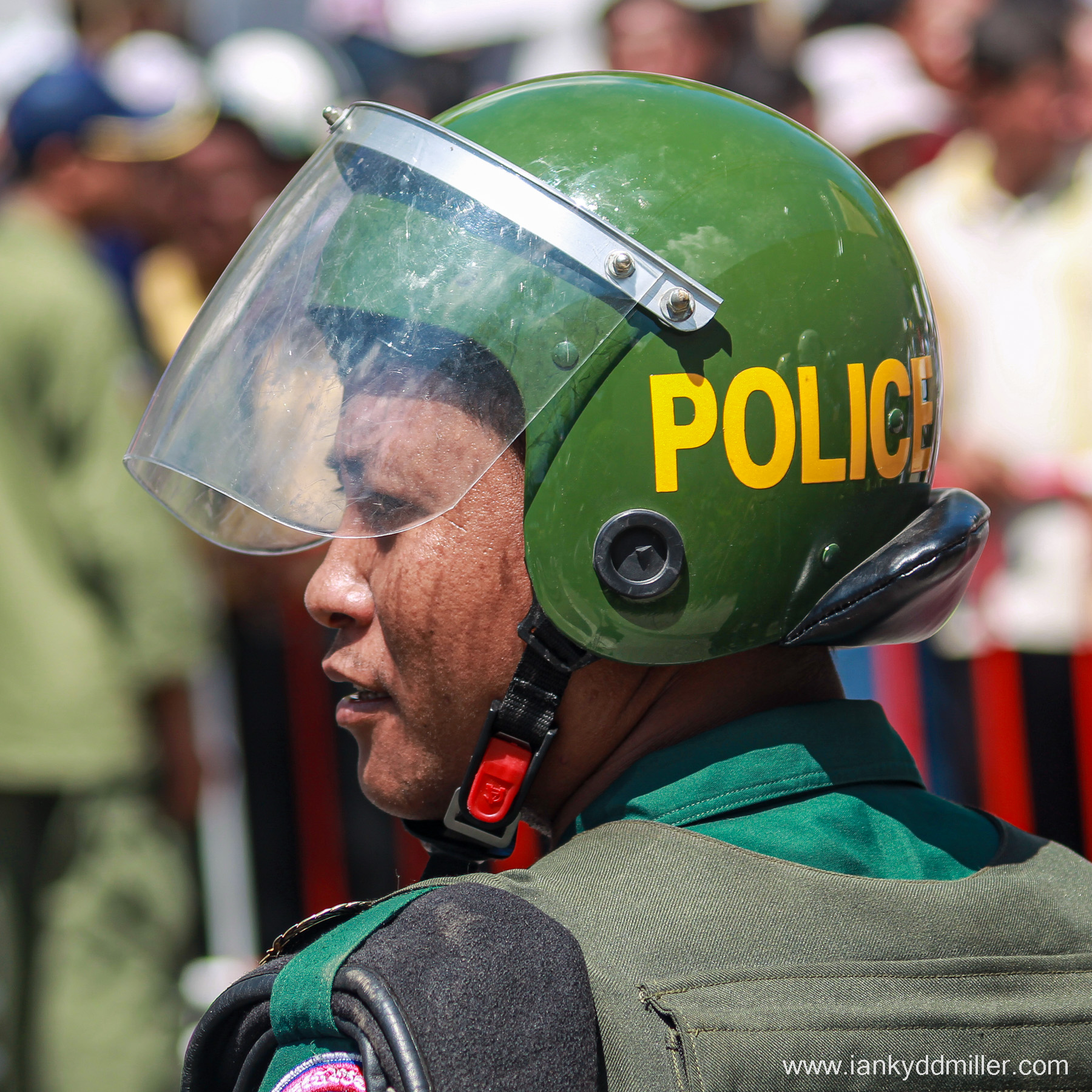
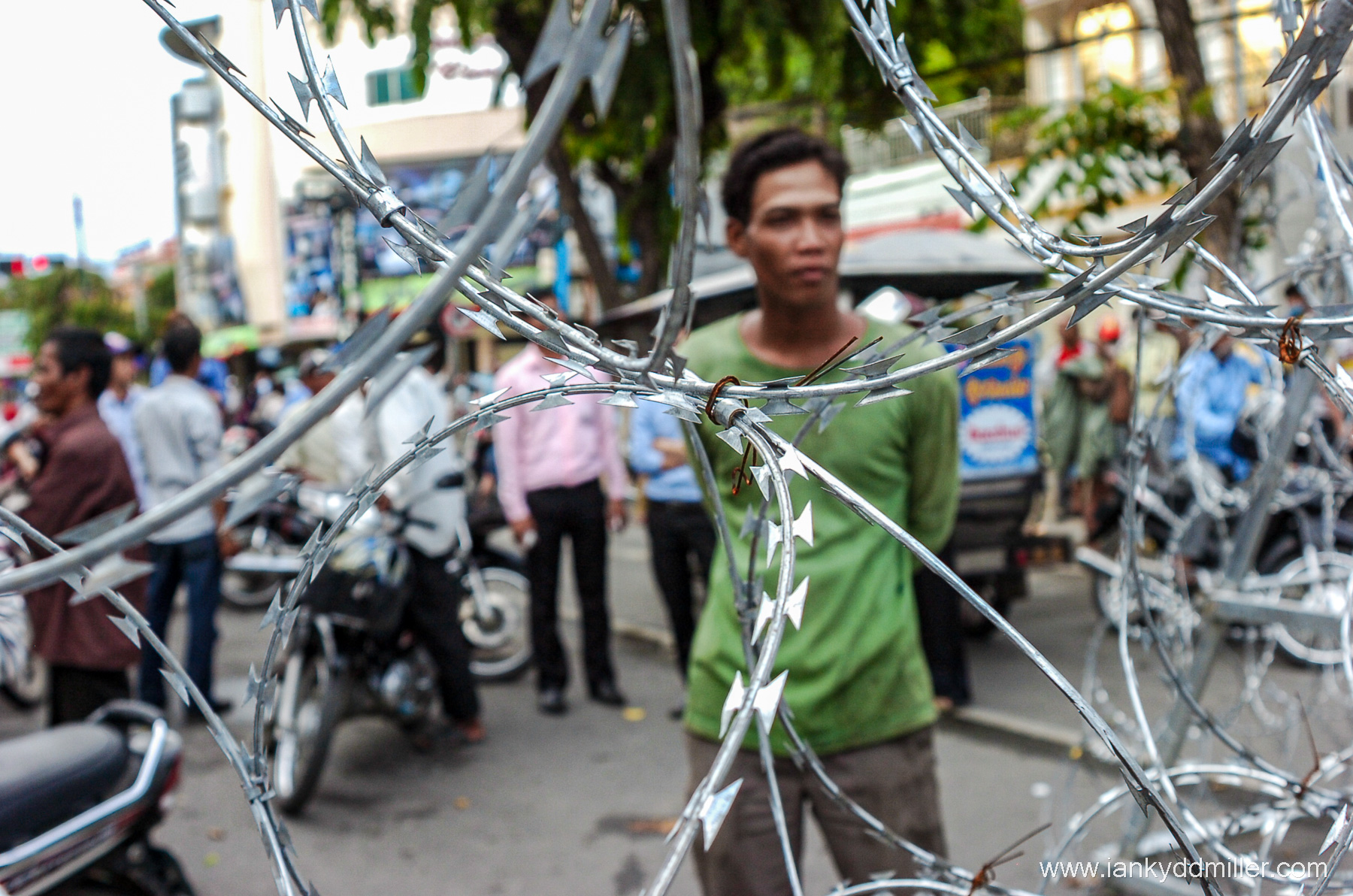
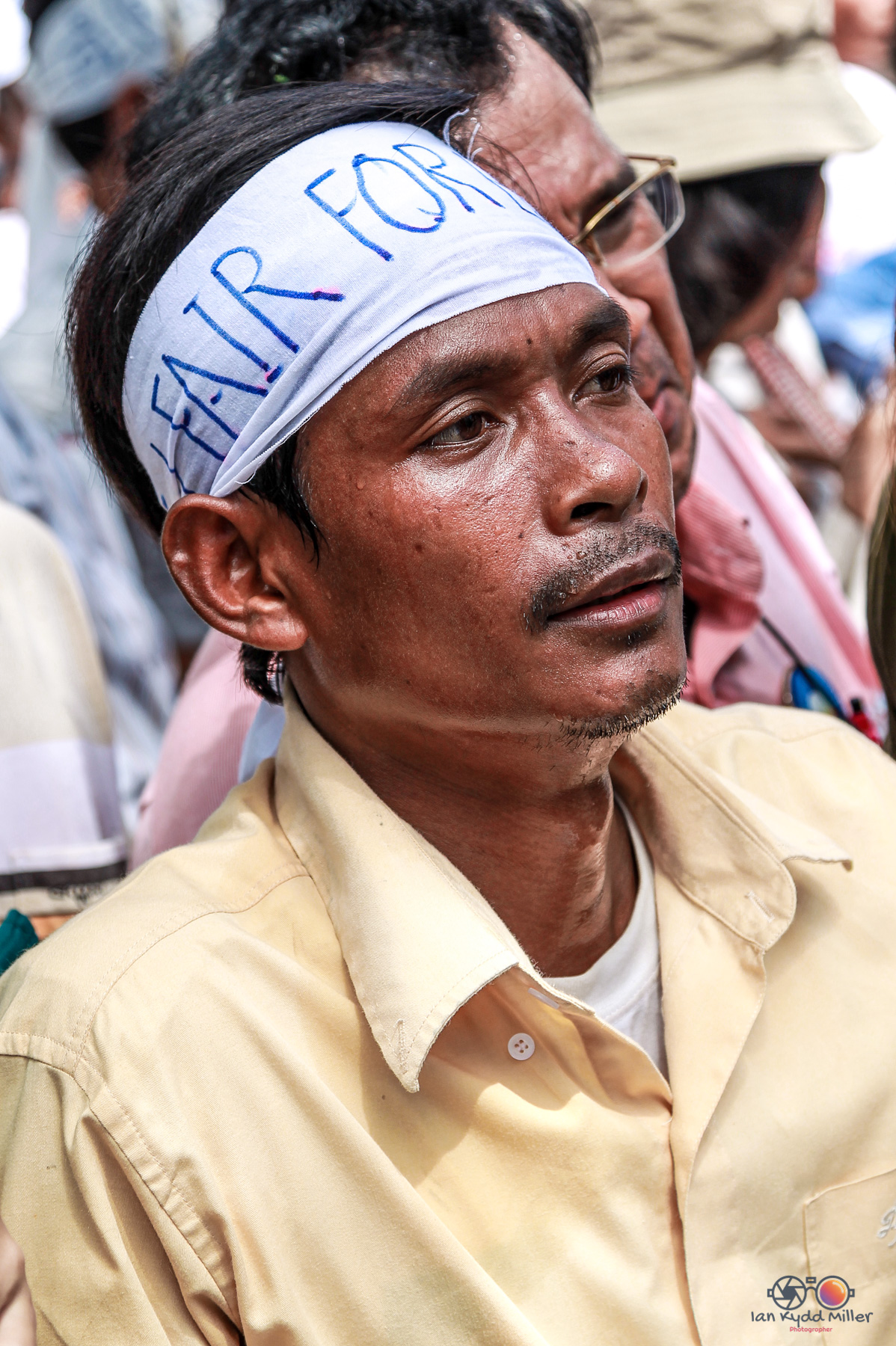
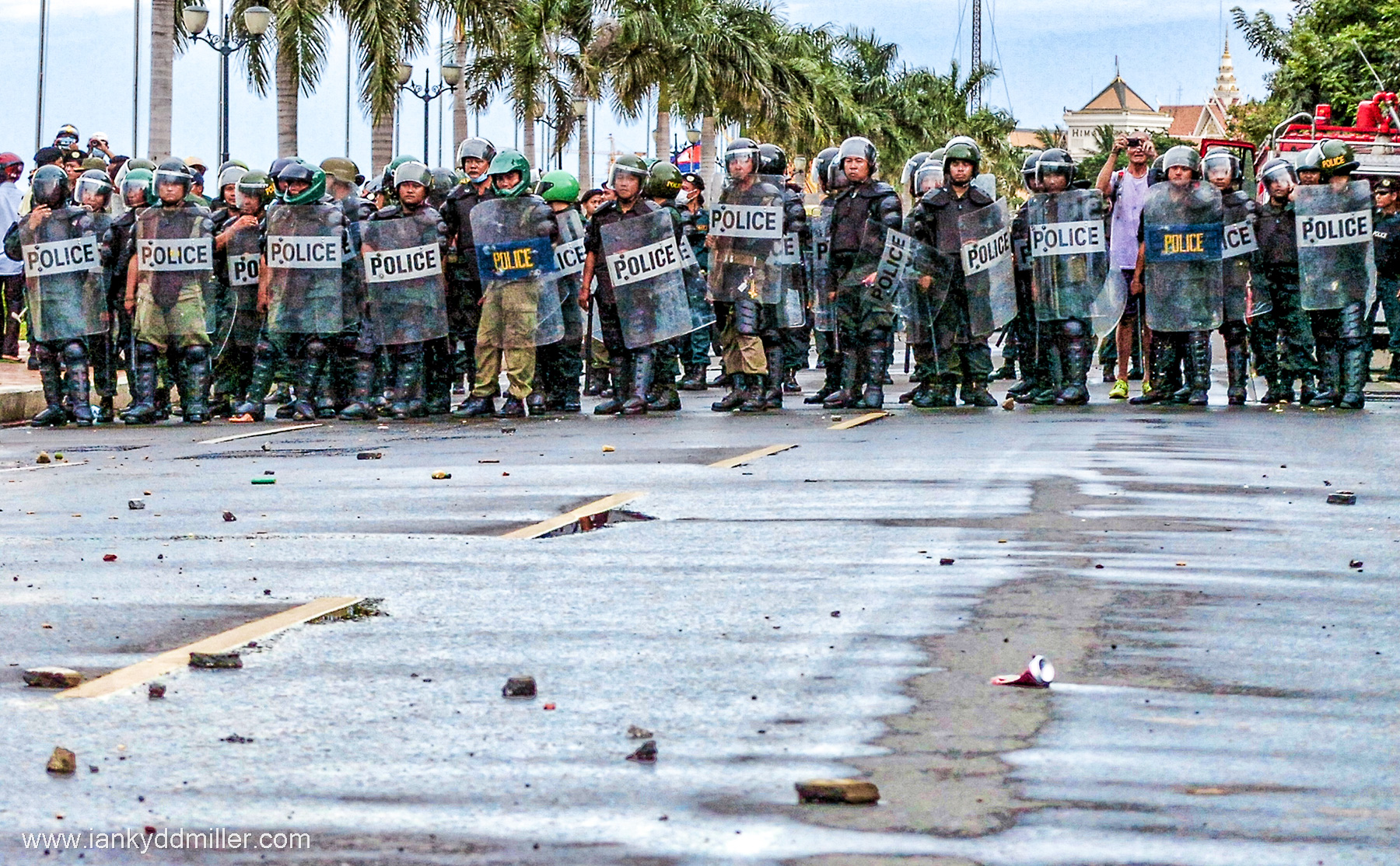

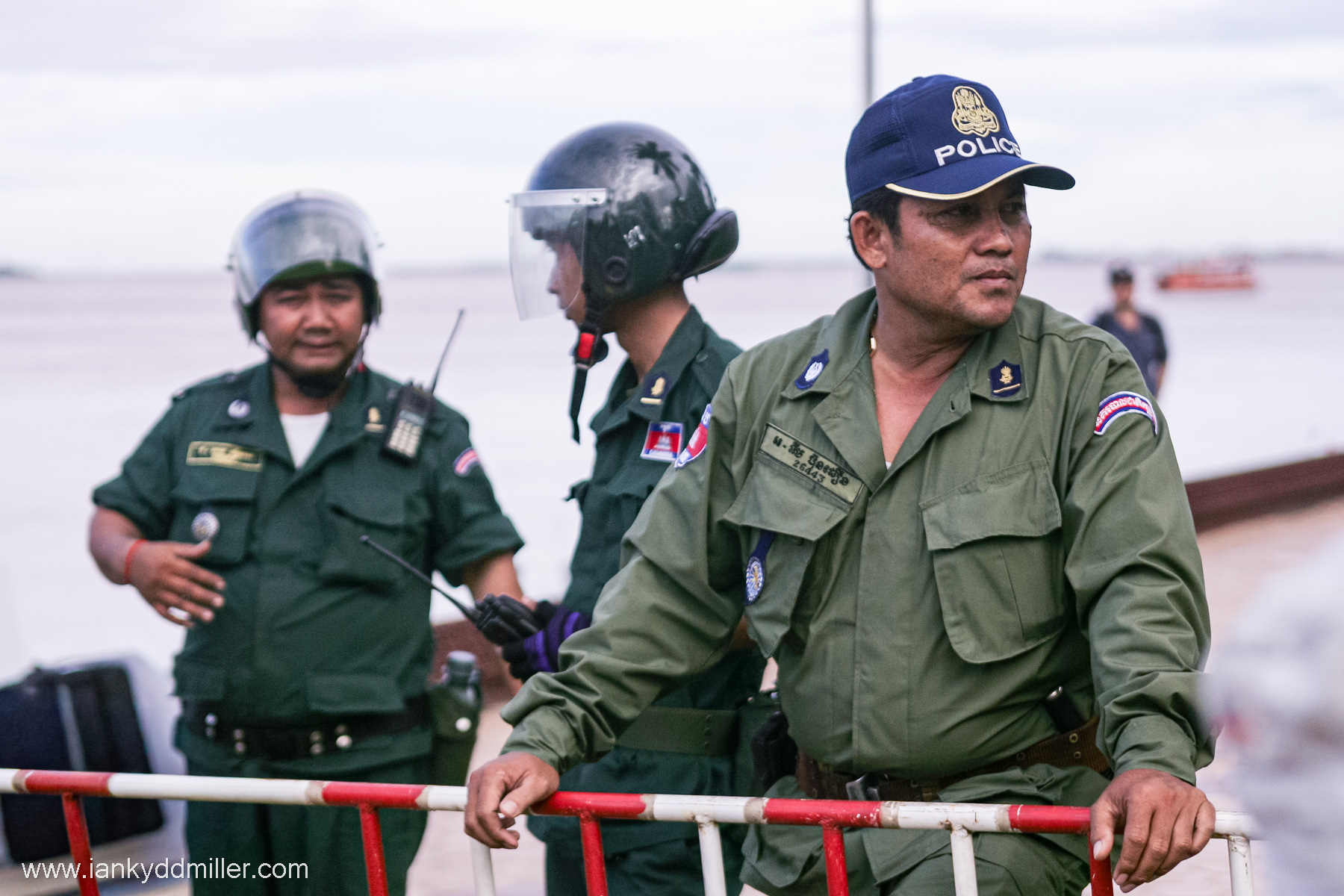
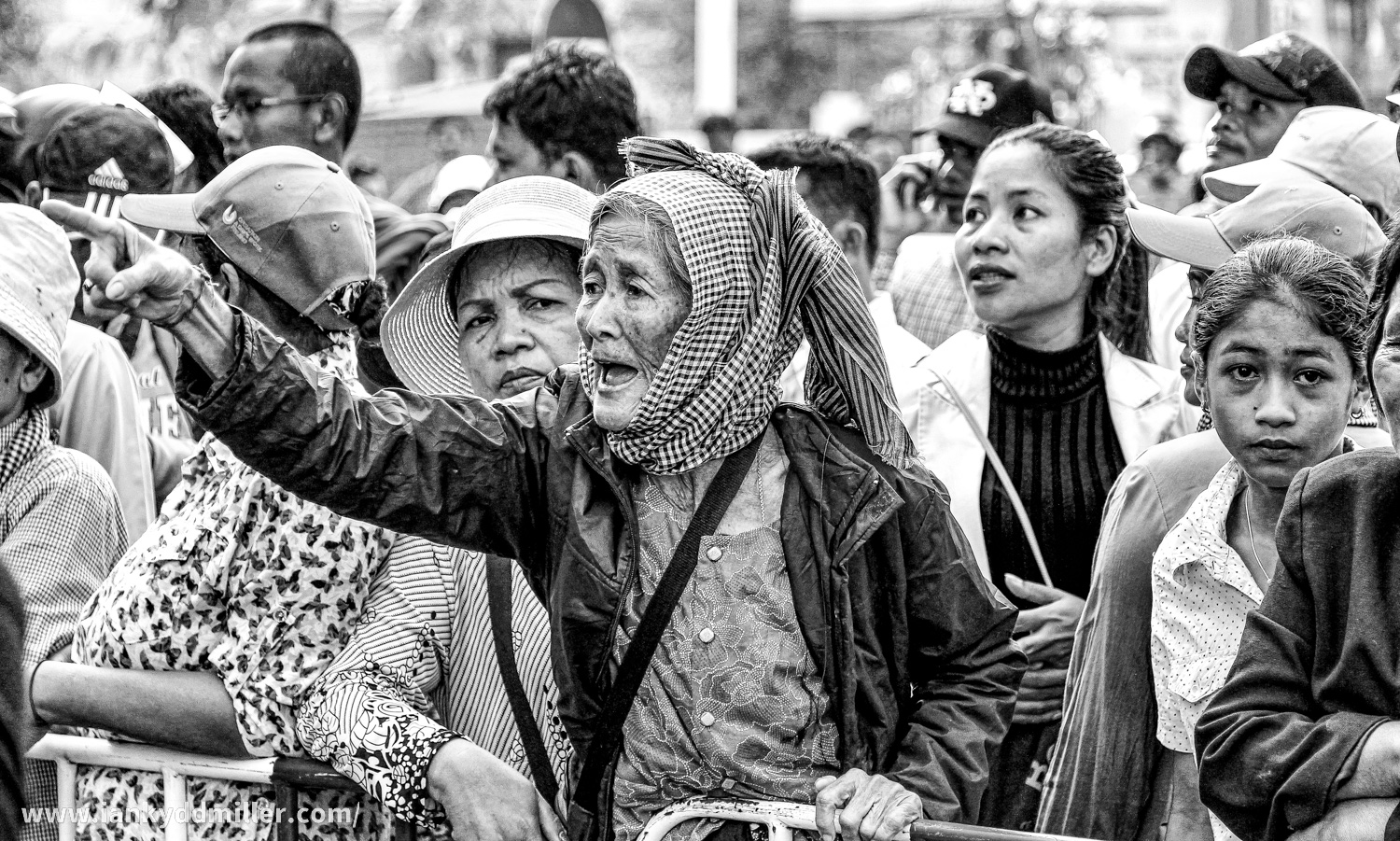
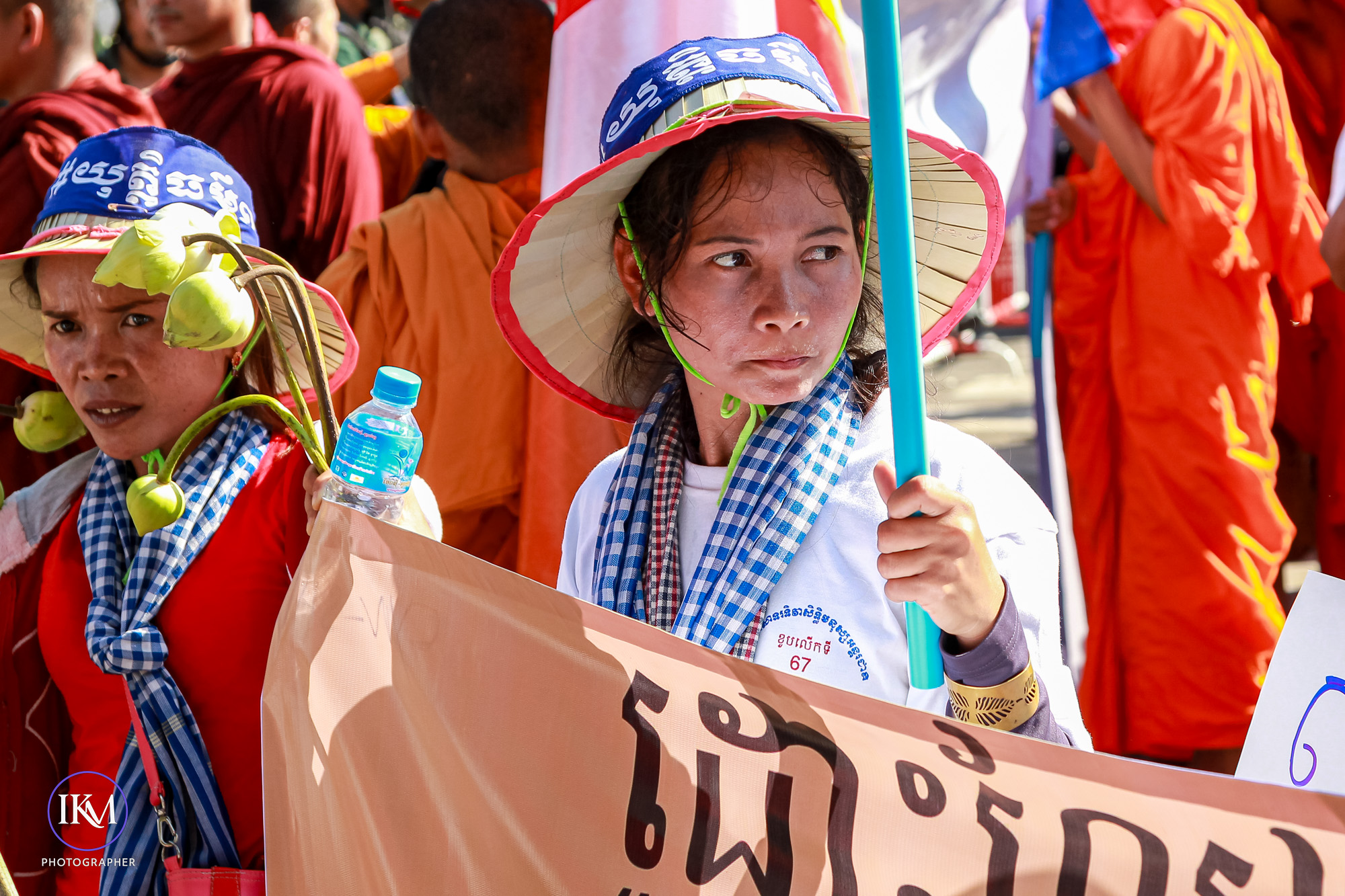
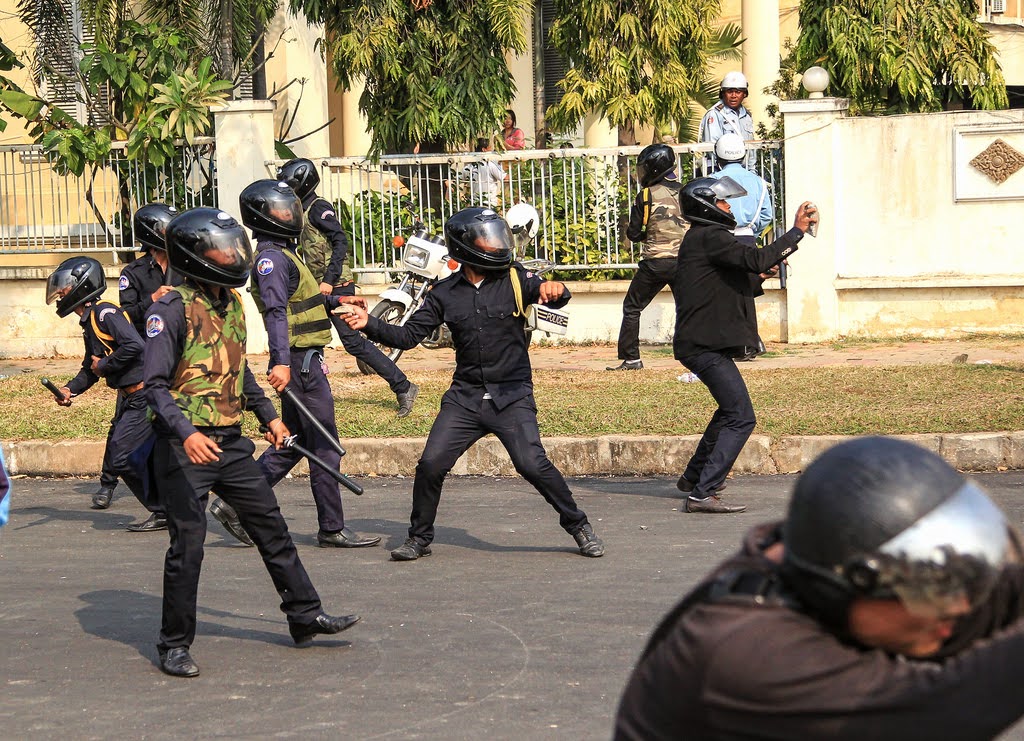
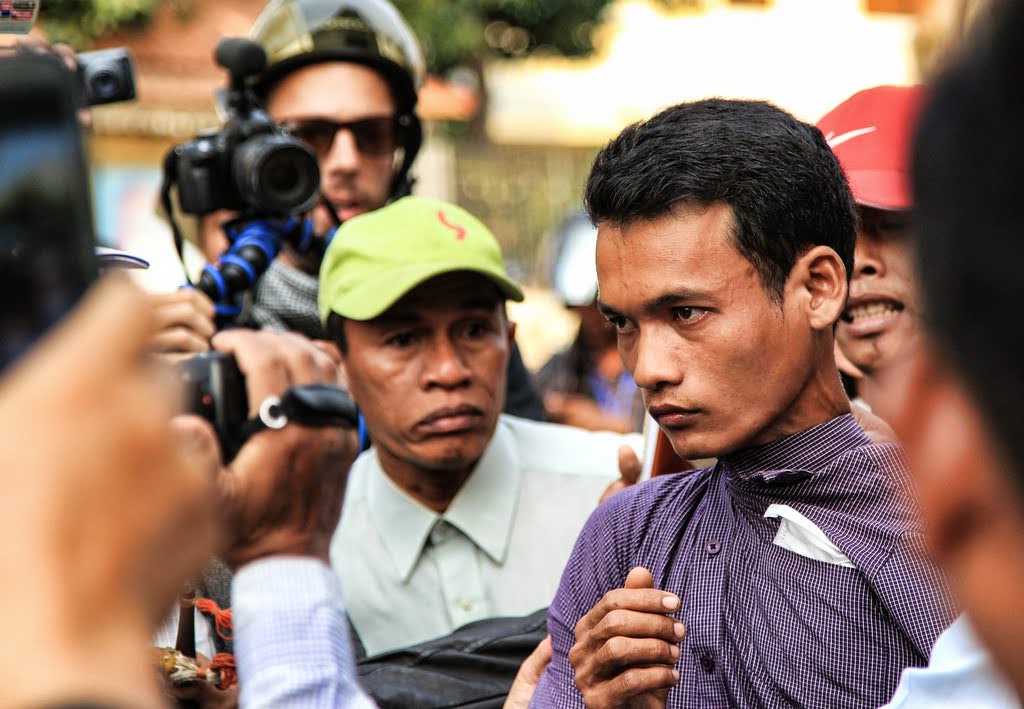
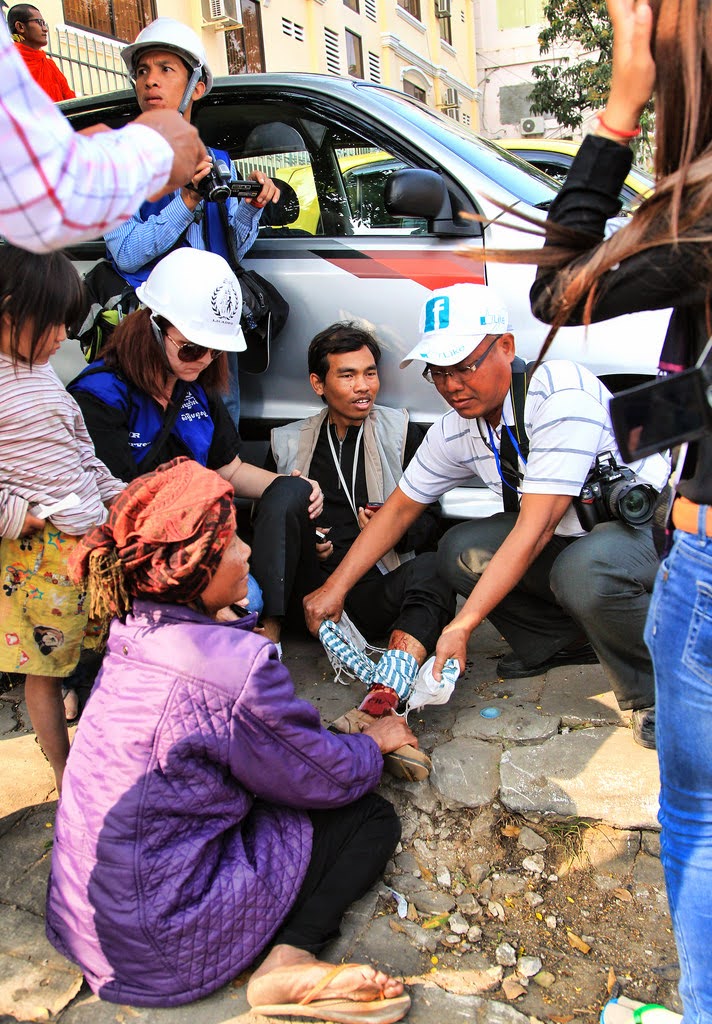

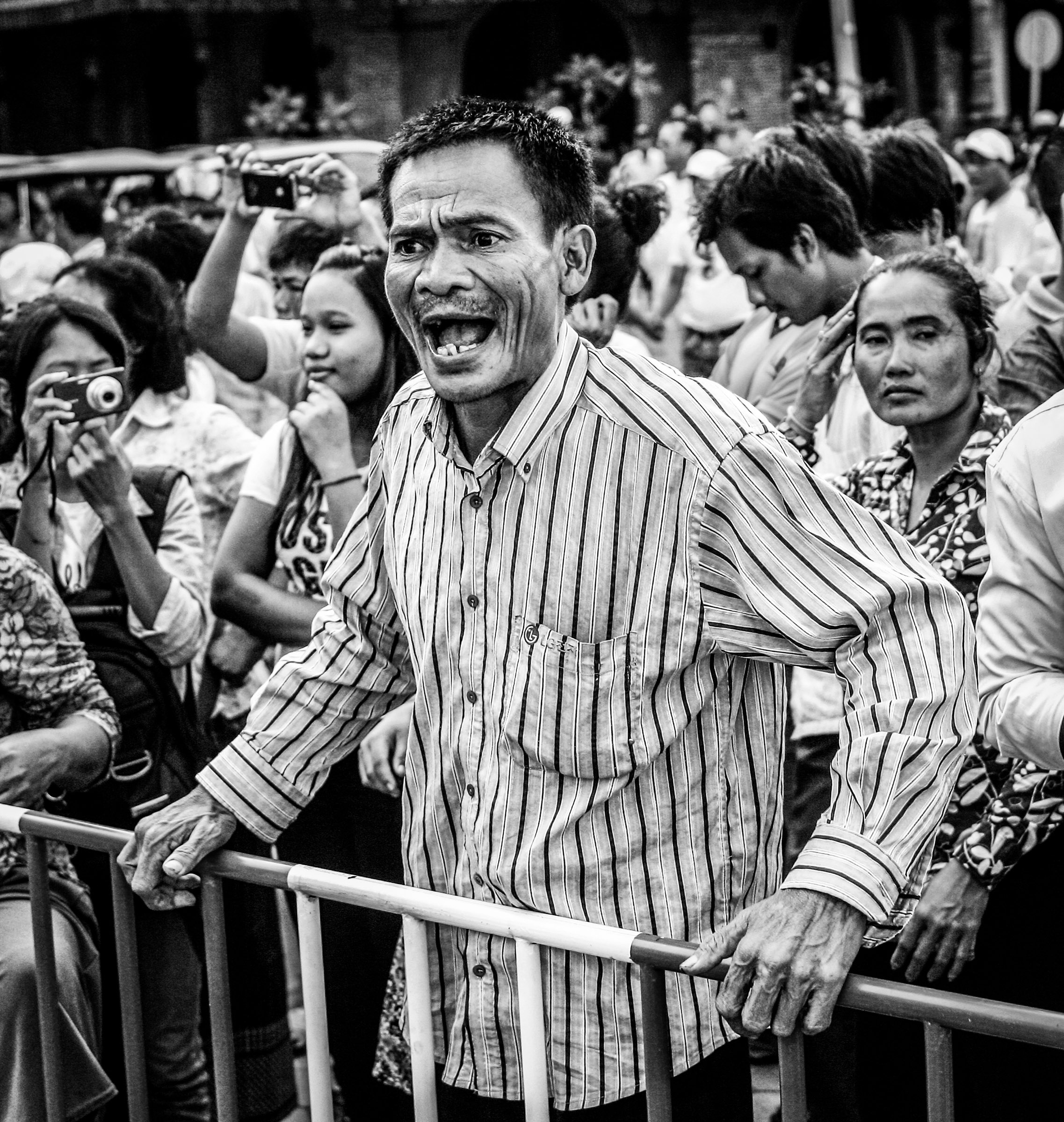


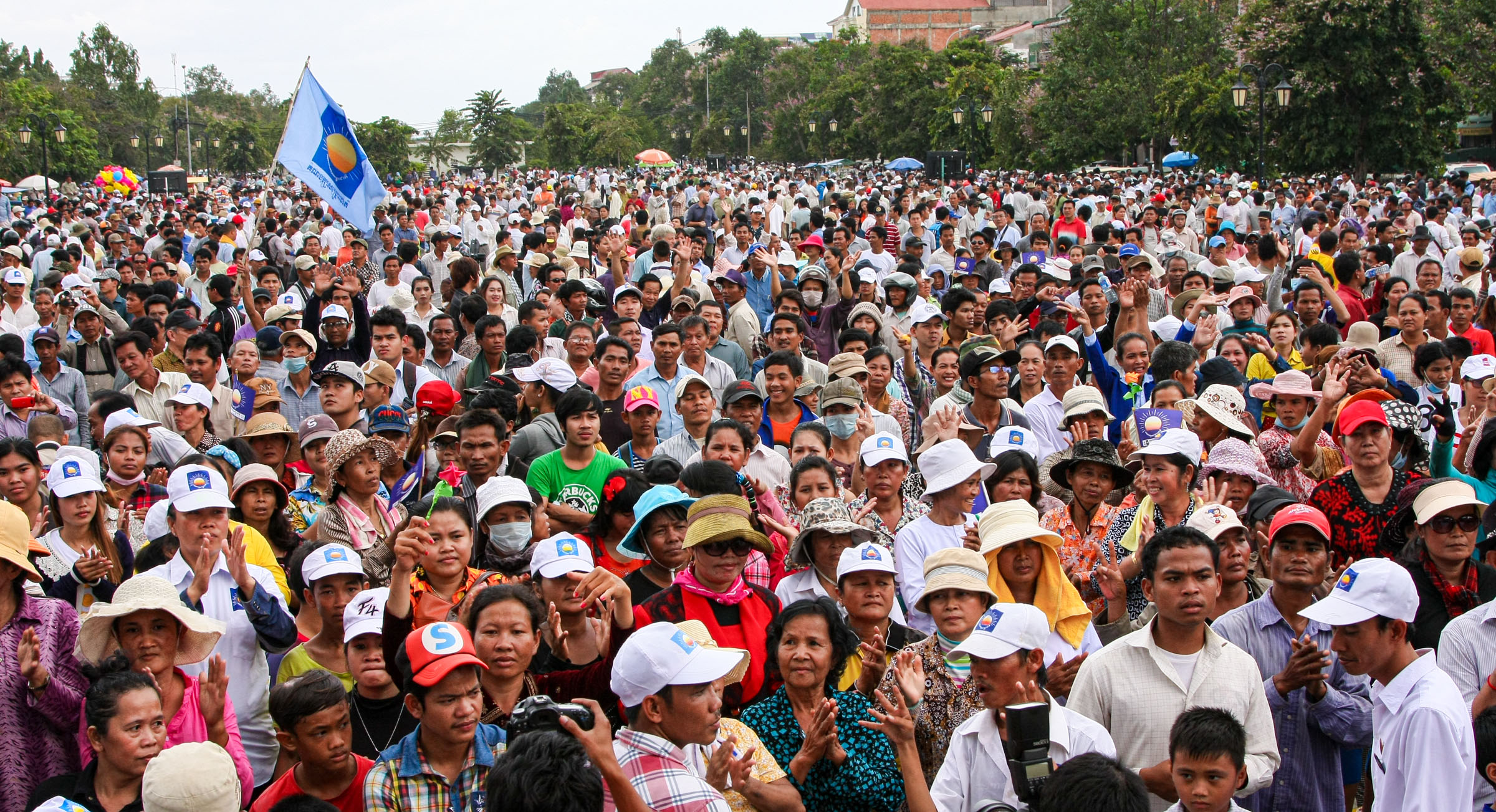


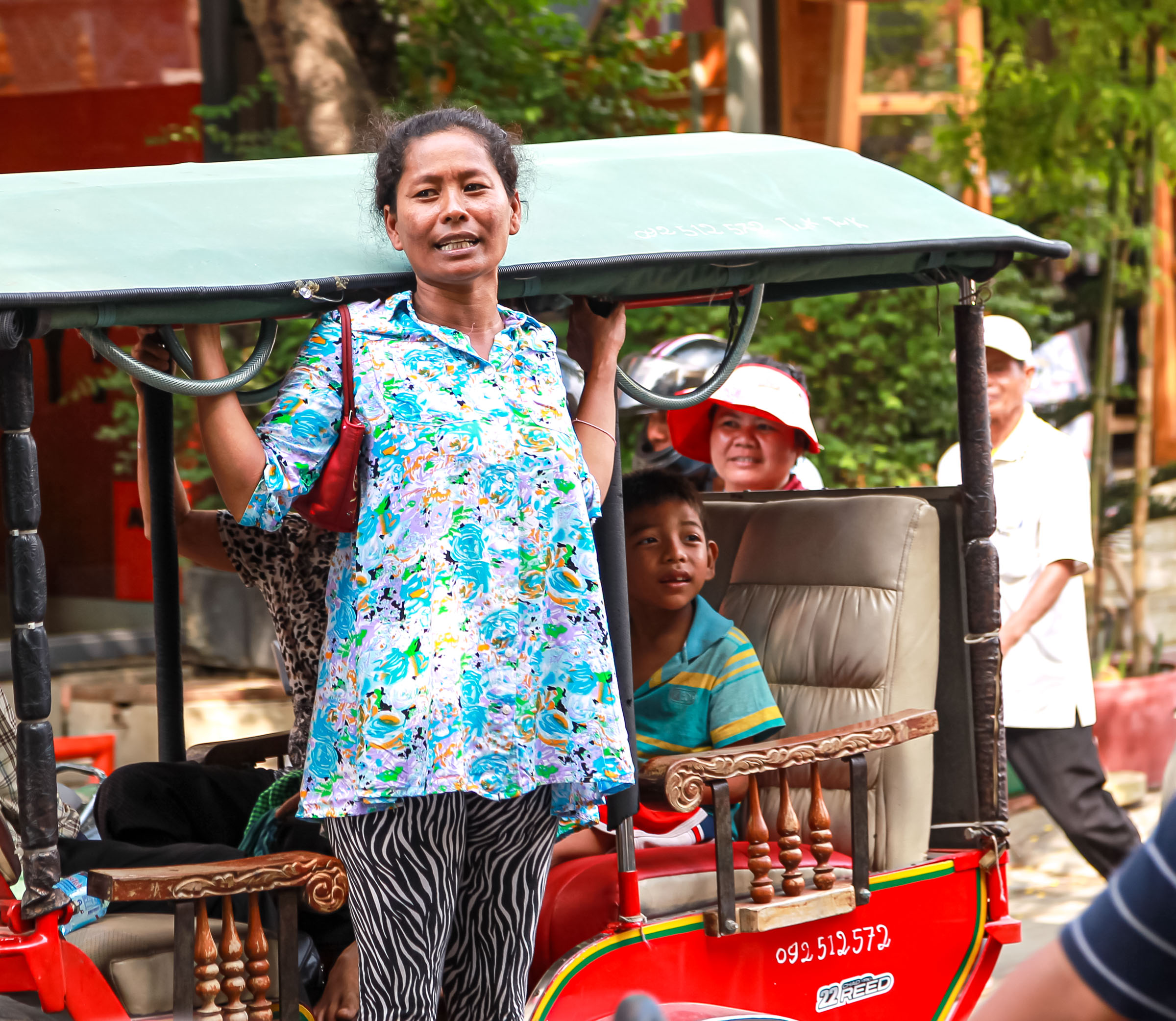

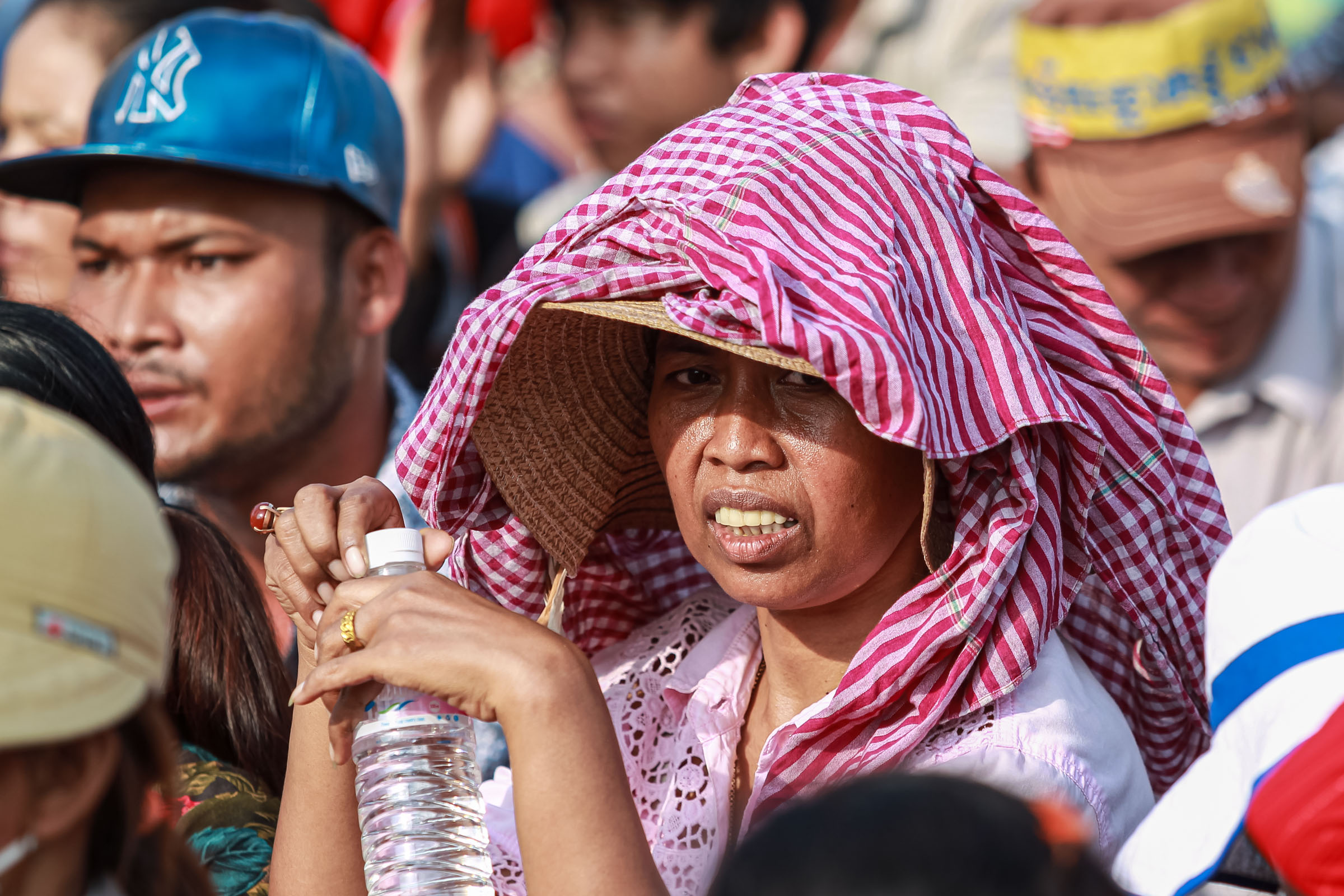


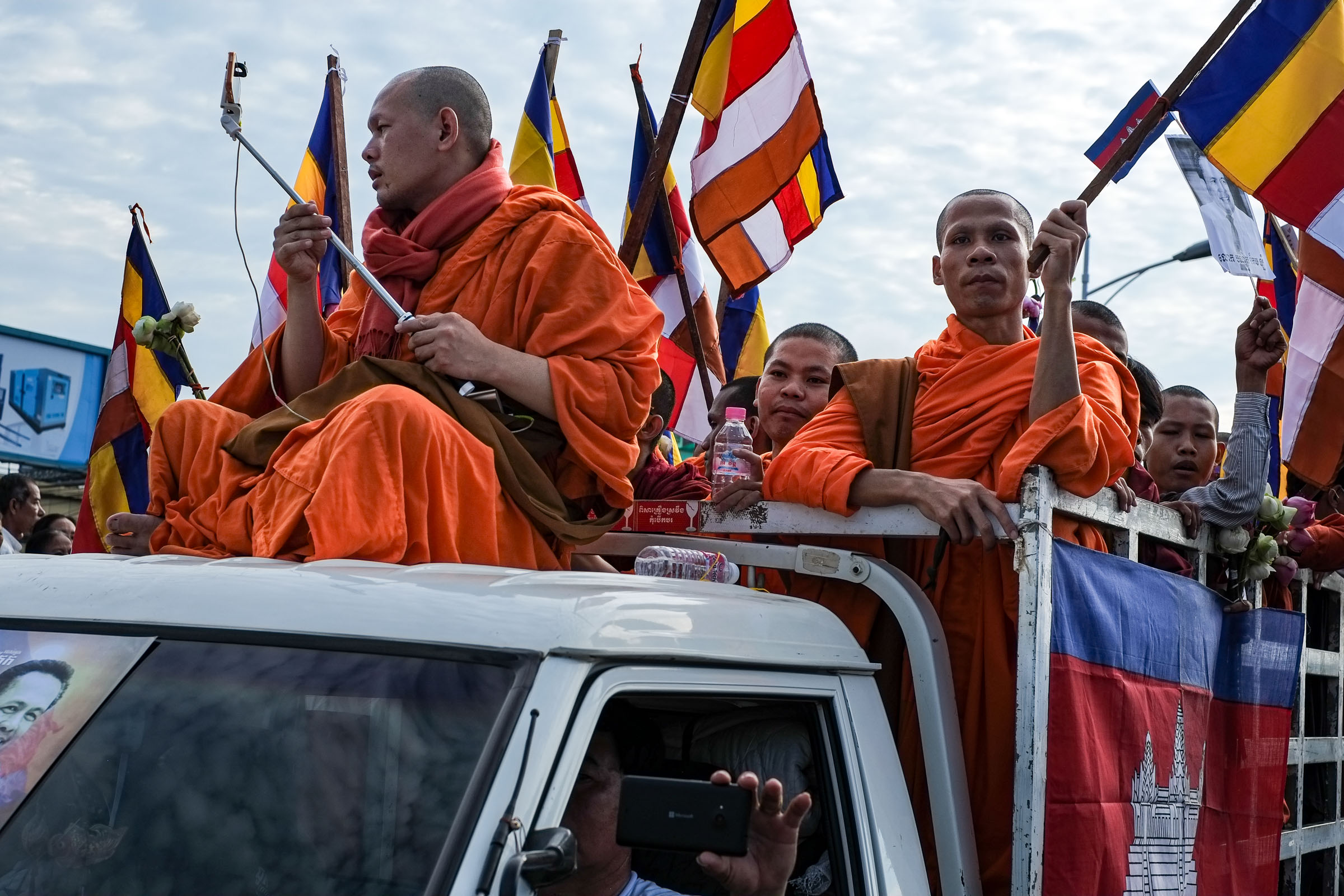


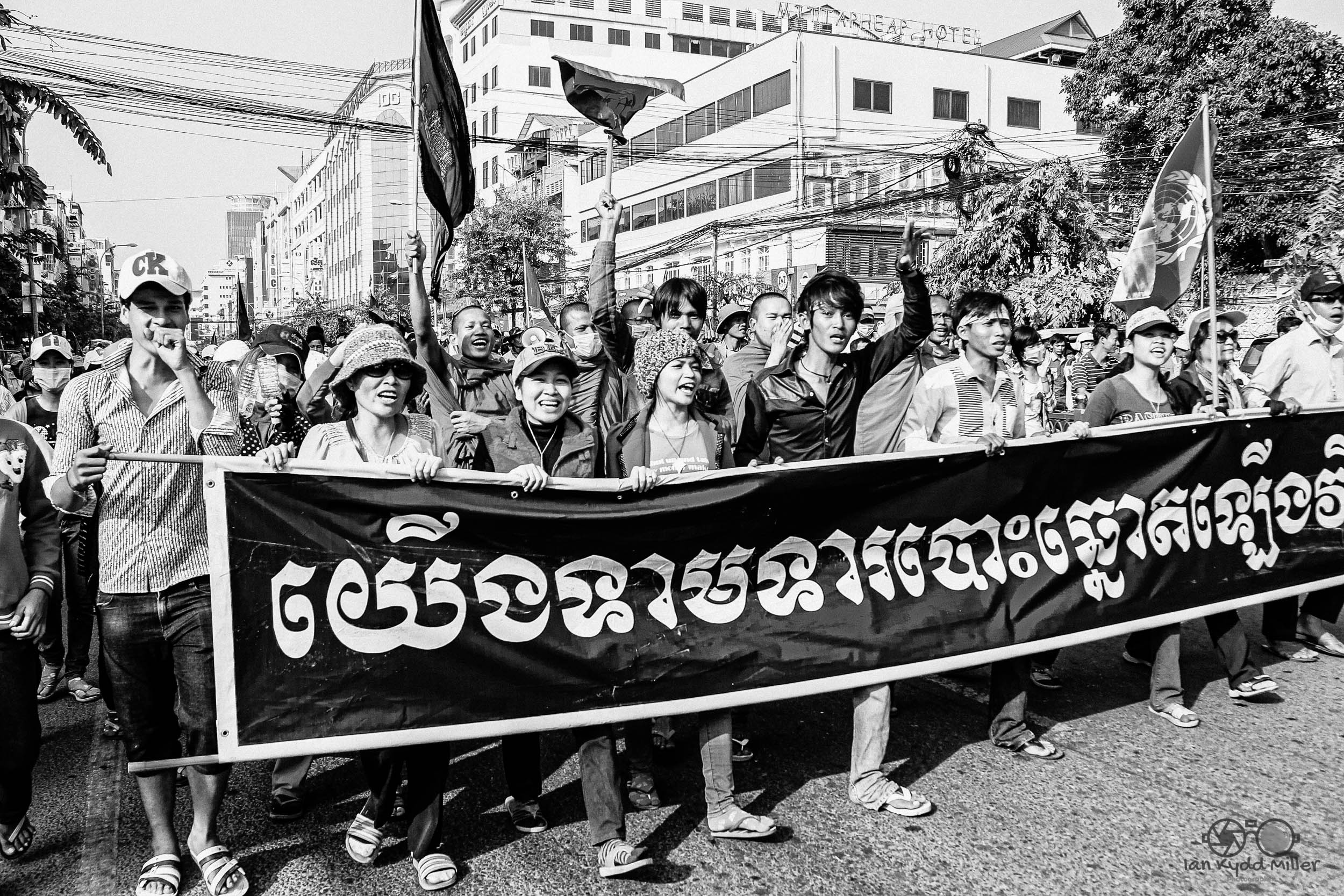


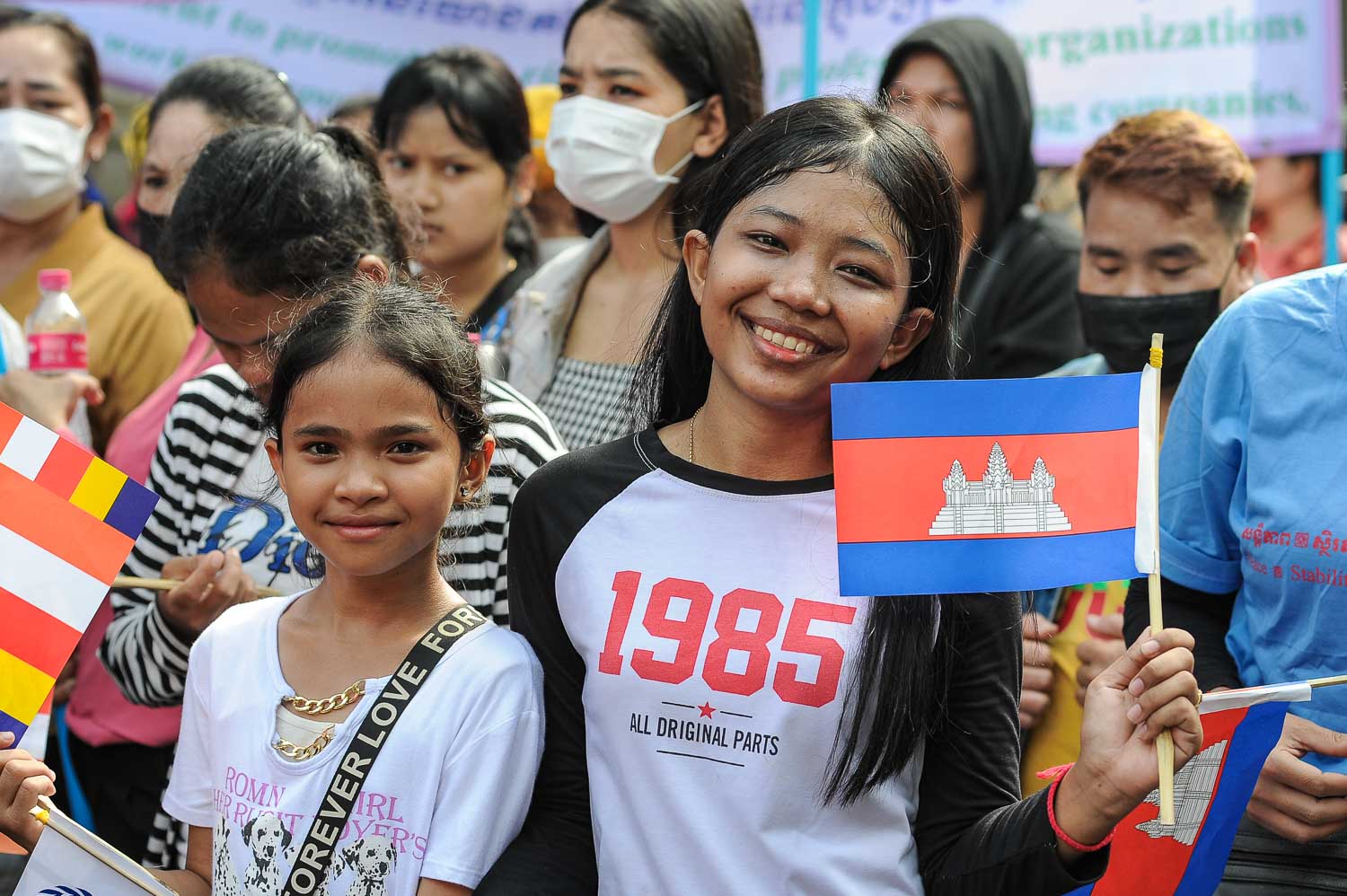

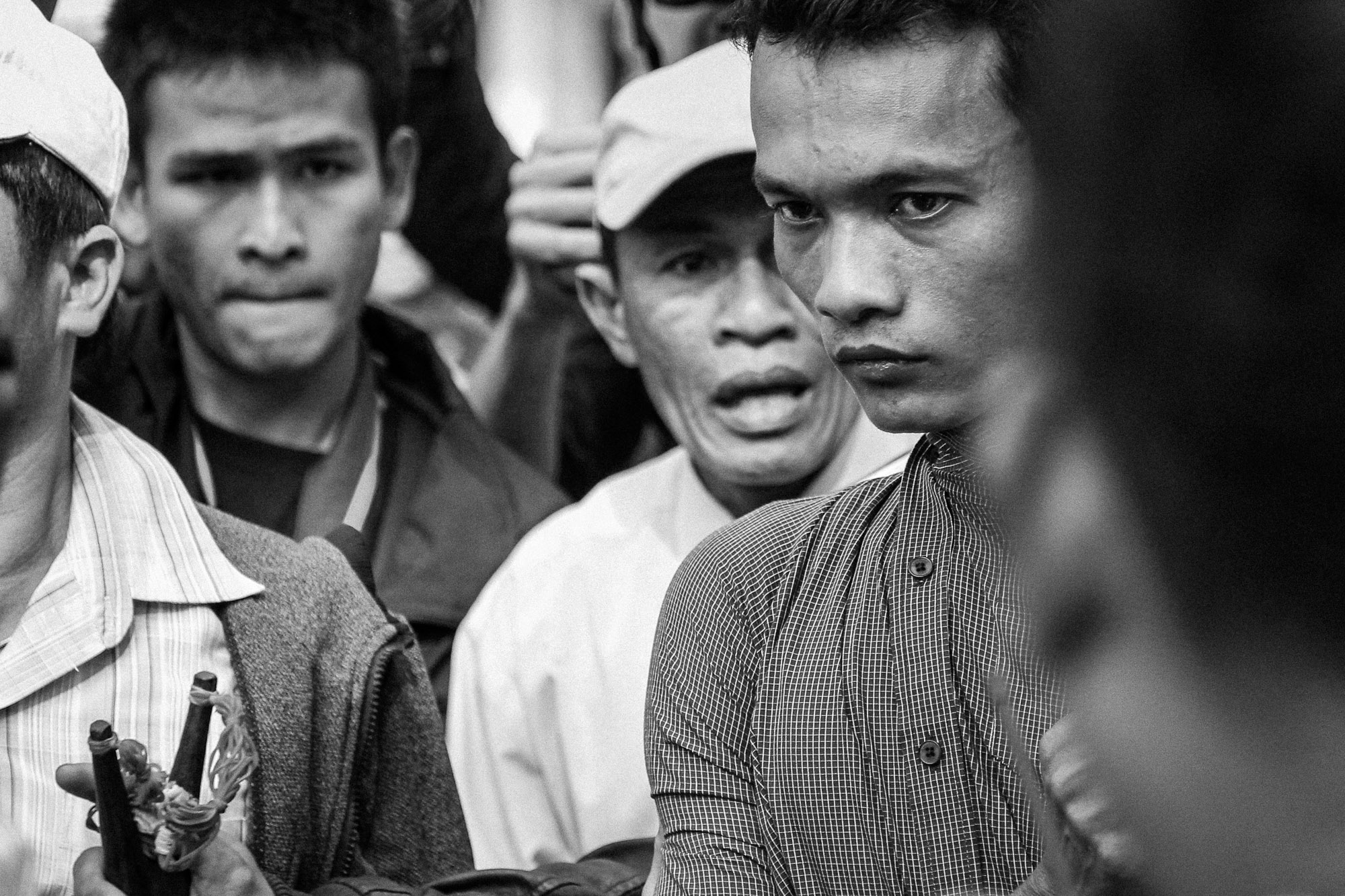
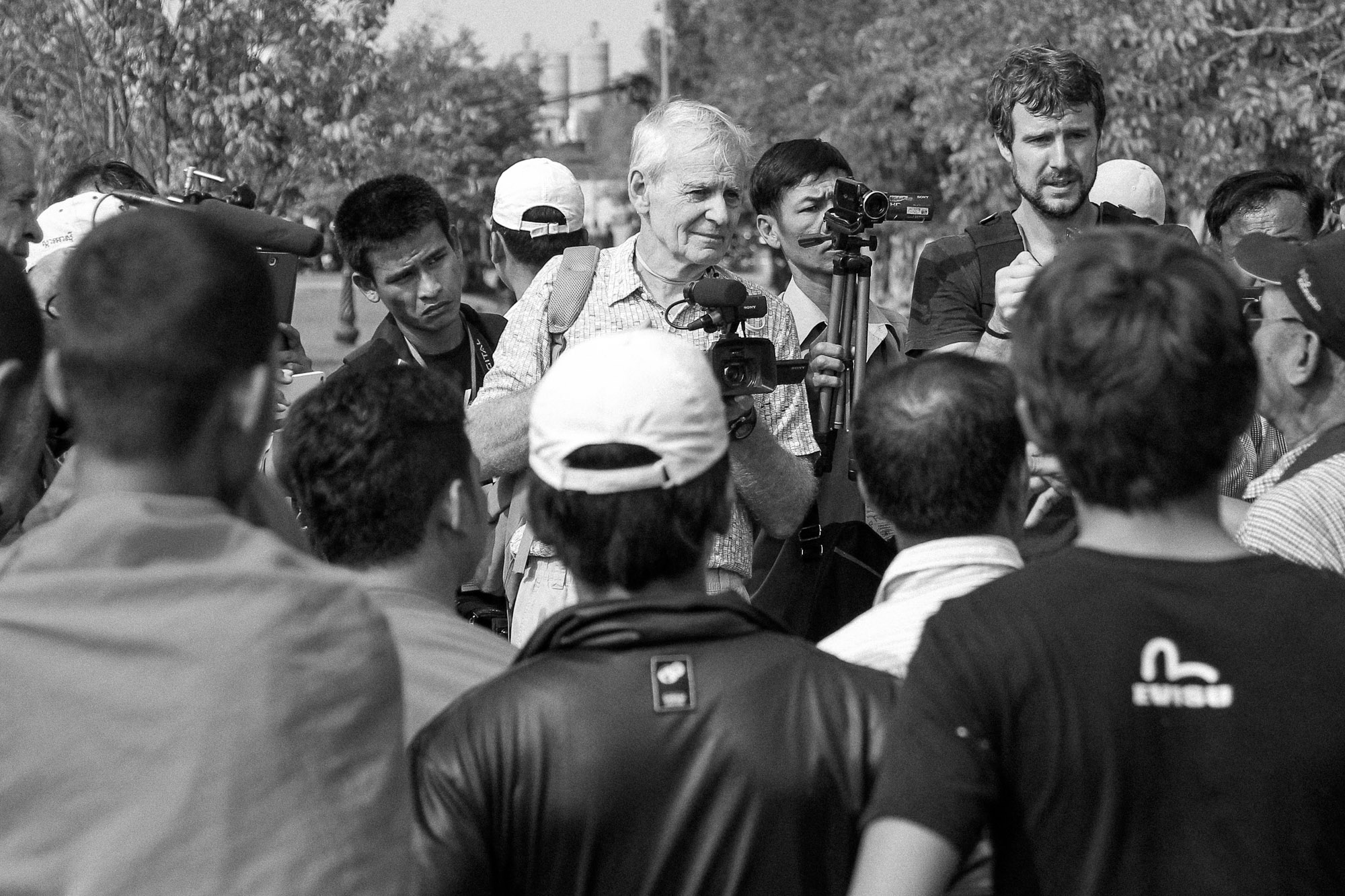


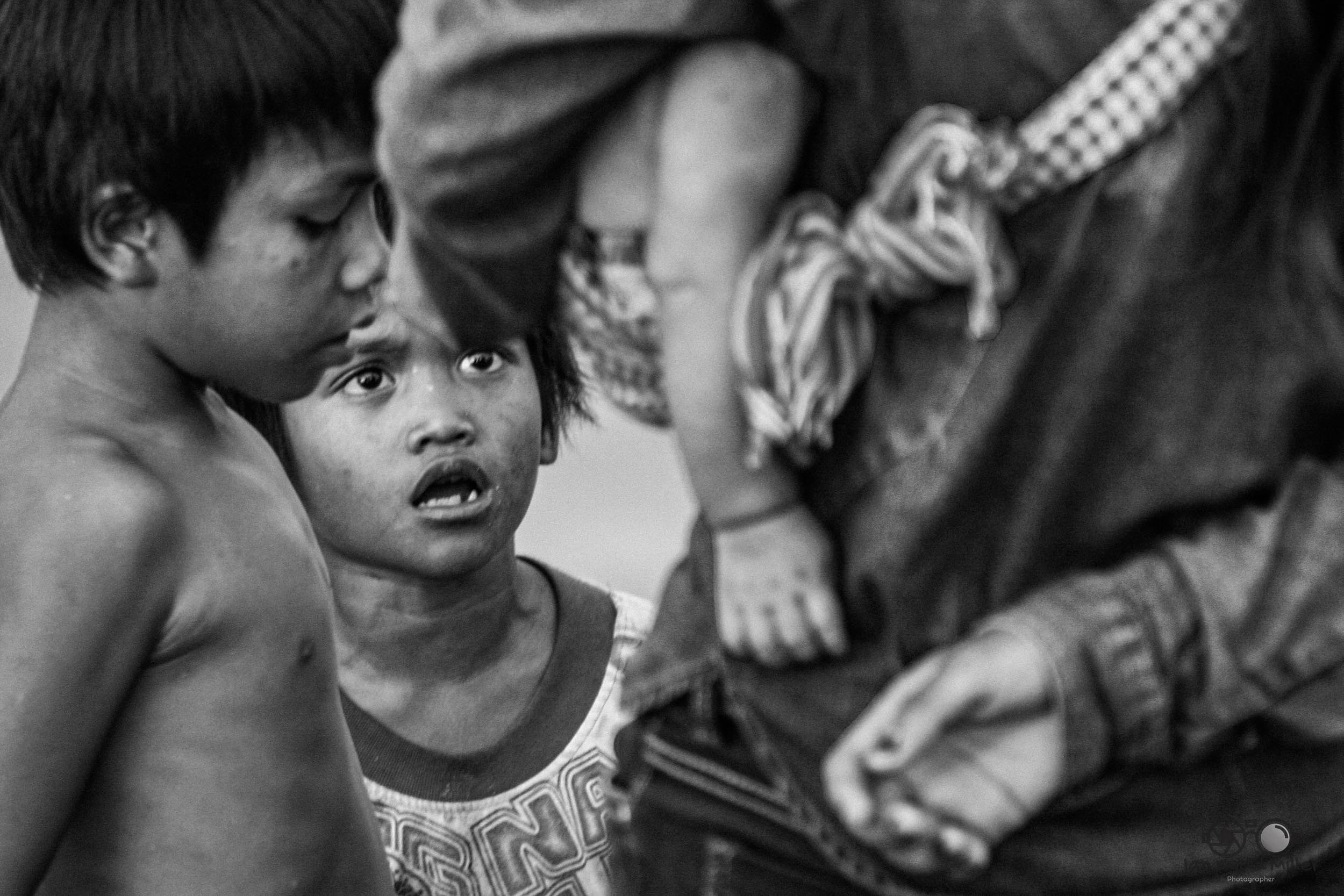

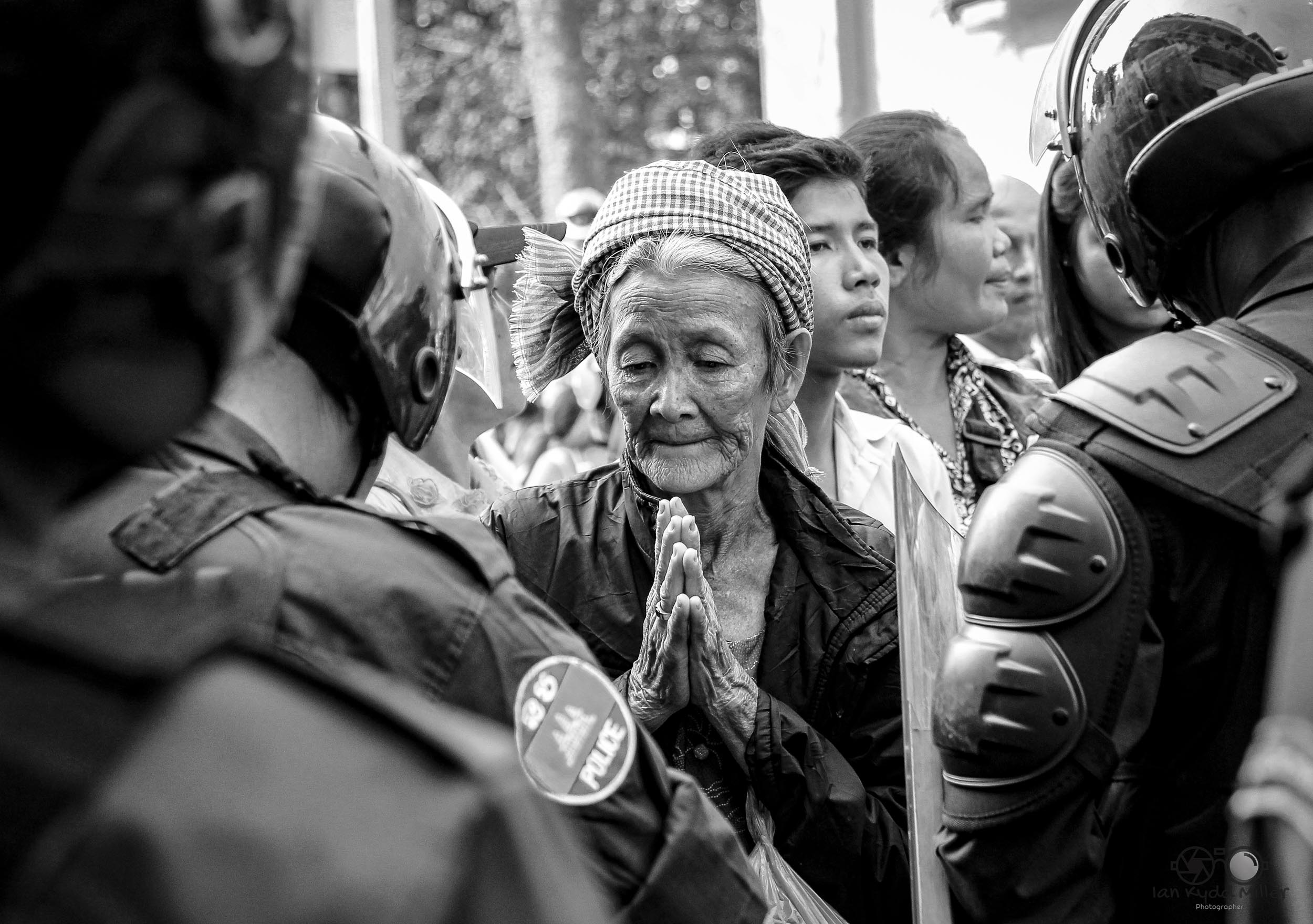
Pictures intended for an agency must leave the camera quickly. That means importing, selecting, toning, captioning and transmitting from a café, a press room, the back of a vehicle or a piece of pavement outside a government building. The photographer who can produce an accurate set of ten pictures in twenty minutes may be more useful than the photographer who requires three hours to perfect forty.
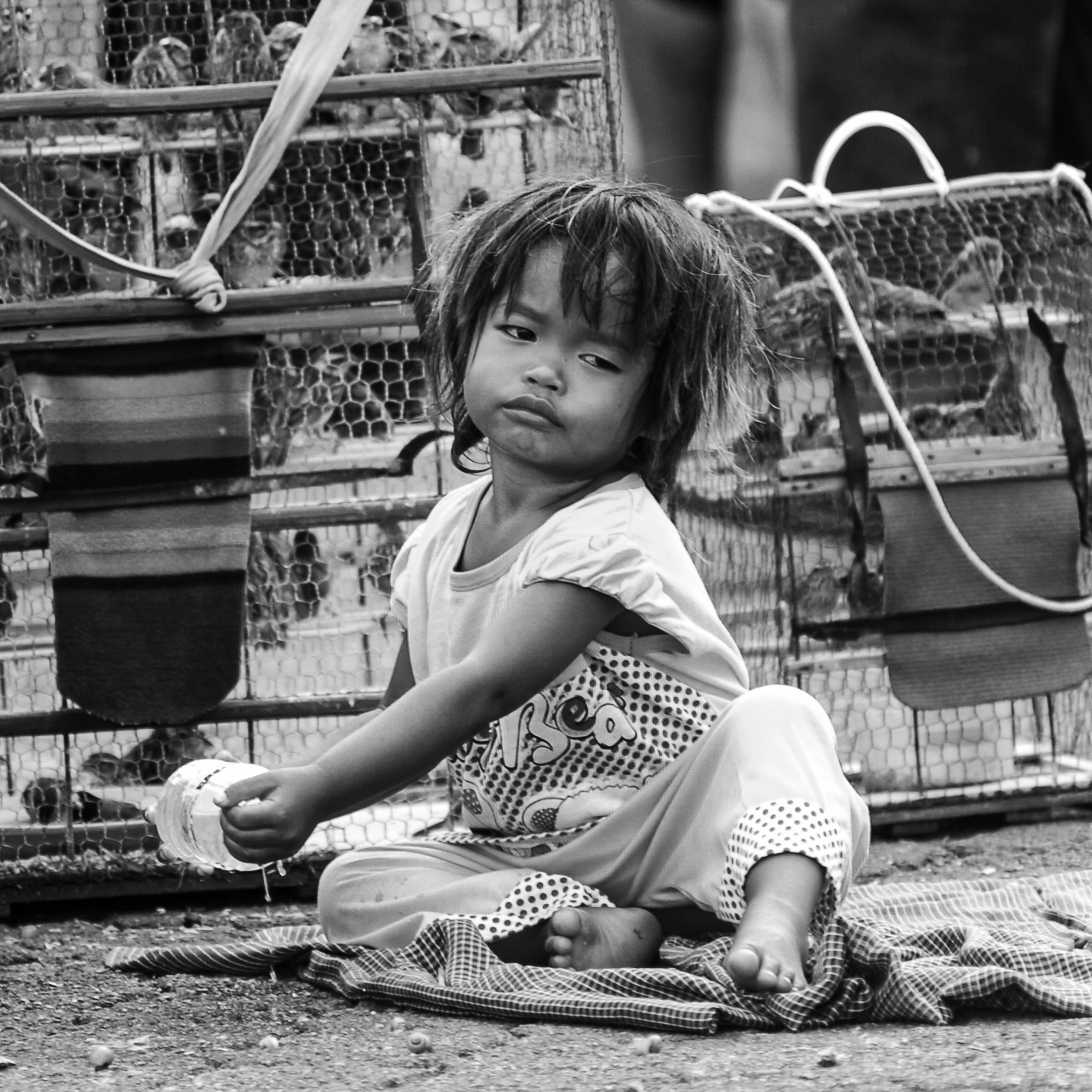
The edit would be severe. I would not send every frame merely because modern cameras allow me to make twenty pictures a second. Picture editors already have too much material. I would send the establishing image, the decisive moment, the principal personalities, the telling detail and perhaps one frame that carries some emotional or visual surprise.
Then I would caption them properly.
Who is in the picture? What is happening? Where did it happen? When did it happen? Why does it matter? Were the people photographed naturally, or was it a posed portrait? Is the spelling correct? Is the location precise? Have I identified people from left to right?
This clerical part of photography has never attracted much glamour, but a photograph with an inaccurate caption is a liability. The Associated Press states that it explains when a picture has been posed and requires photographs to represent events honestly. It also rejects false AI-generated depictions as news imagery. AP’s published standards make the principle plain: the circumstances in which a picture was made matter.
I would process gently. White balance, exposure, contrast, noise and sensible cropping are legitimate. Adding, removing or substantially changing content is not. An editorial photograph is evidence before it is decoration. Alamy’s current Live News rules similarly require truthful representation, complete IPTC information and rapid delivery; ordinarily, images more than 24 hours old are no longer treated as live news. Its submission guidance is a useful reminder that speed, accuracy and metadata are part of the photograph—not administrative jobs to be considered later.
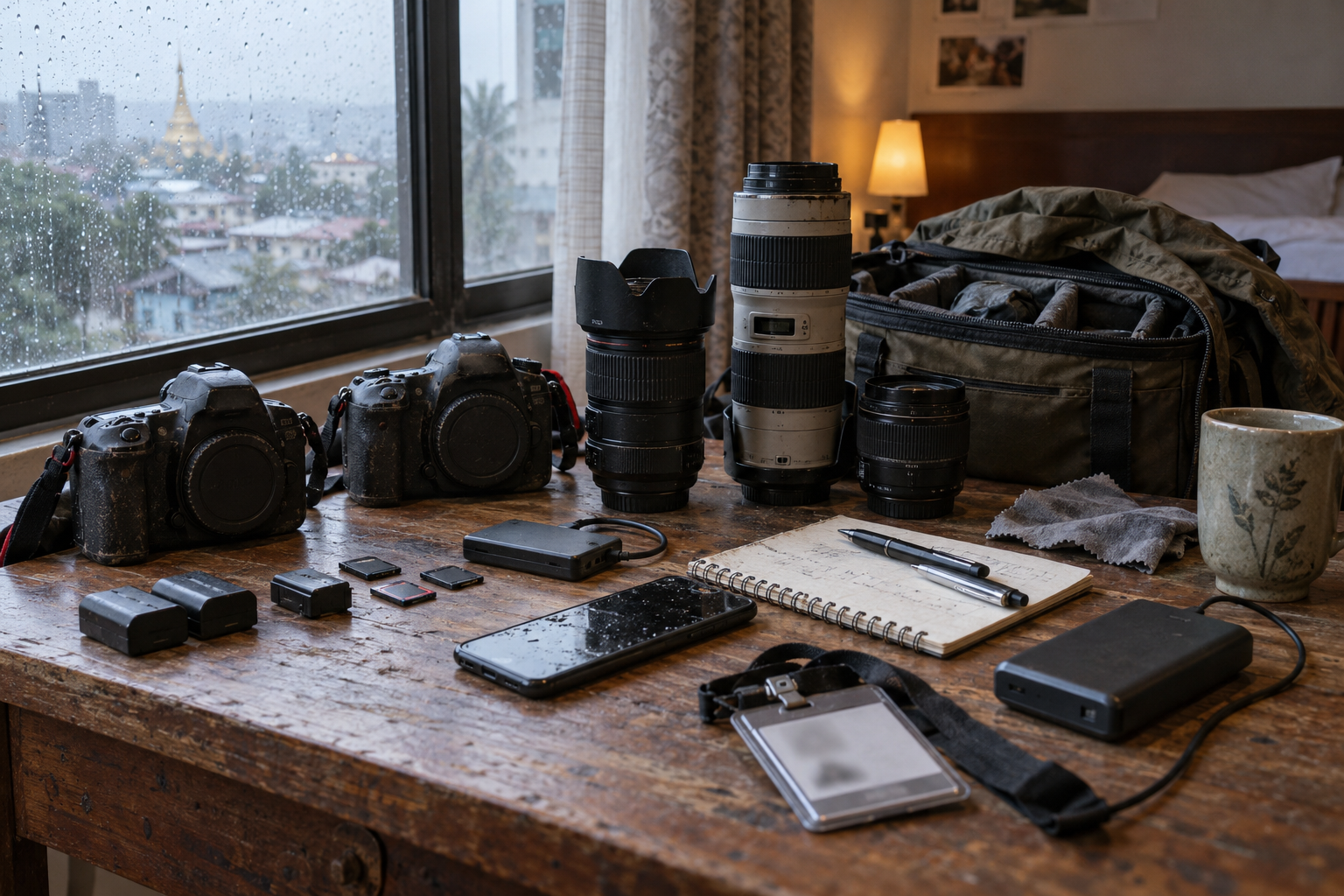
I would carry spare batteries, more memory cards than I expected to need, a compact rain cover, a small power bank, lens cloths, ear protection, a notebook and two pens. In Cambodia I would add water, a hat and something to keep equipment dry during a sudden downpour. I would use comfortable shoes rather than heroic ones. A photographer with blistered feet is not much use when the story moves another three kilometres down the road.
I would also carry a small first-aid kit and proper identification. For demonstrations or conflict-related work, I would add protective equipment appropriate to the risk, but I would not dress like a soldier merely to appear serious. A journalist’s job is to observe and report, not to play at combat.
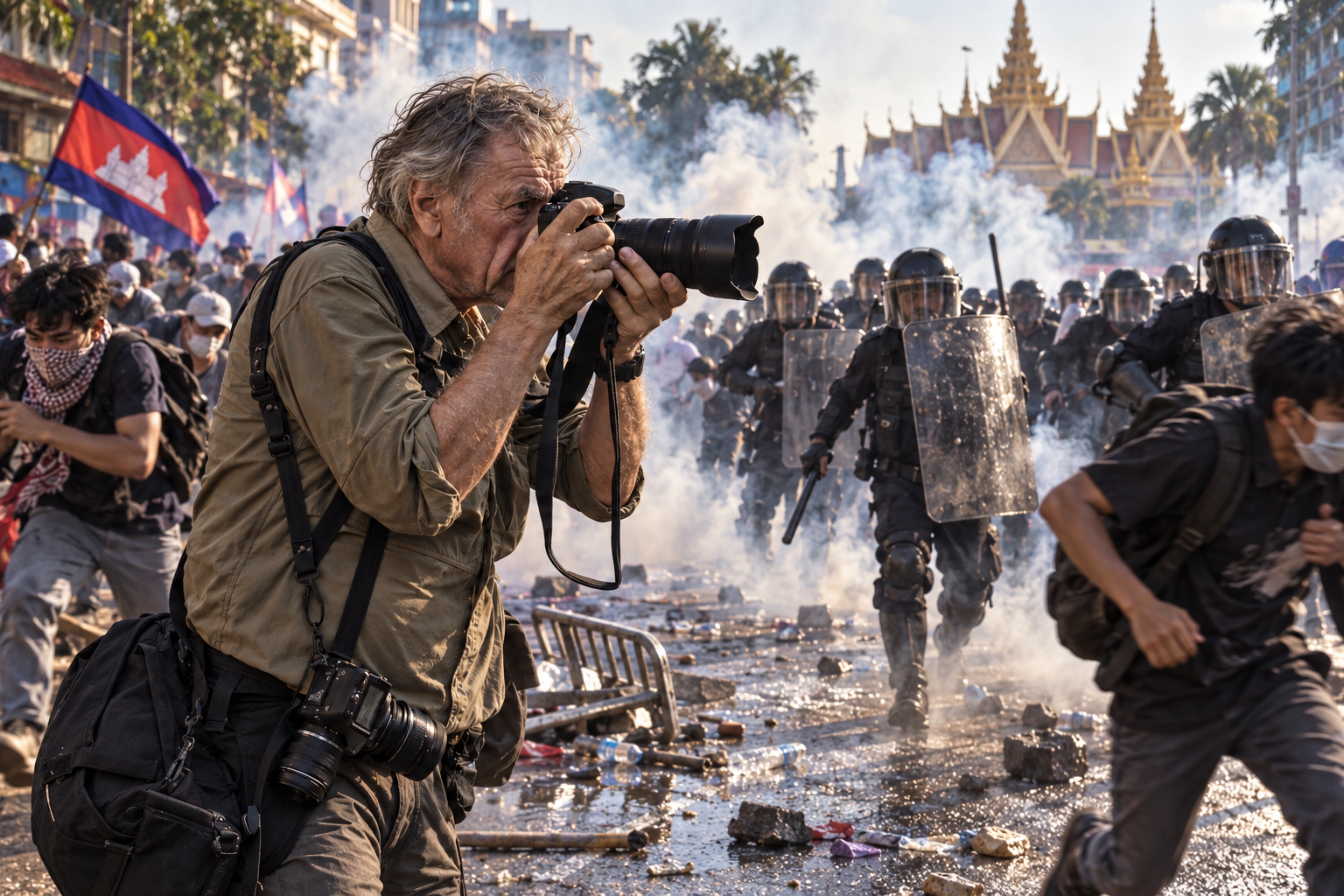
There would be one other piece of equipment, although it cannot be bought from a camera shop: local knowledge.
Knowing which street connects with which, who controls access, when a crowd is becoming frightened, which official can answer a question and when it is time to leave is worth more than another stop of dynamic range. So is learning names and speaking respectfully to the people being photographed. Agencies do not merely need photographers who happen to be nearby. They need people who understand what they are looking at.
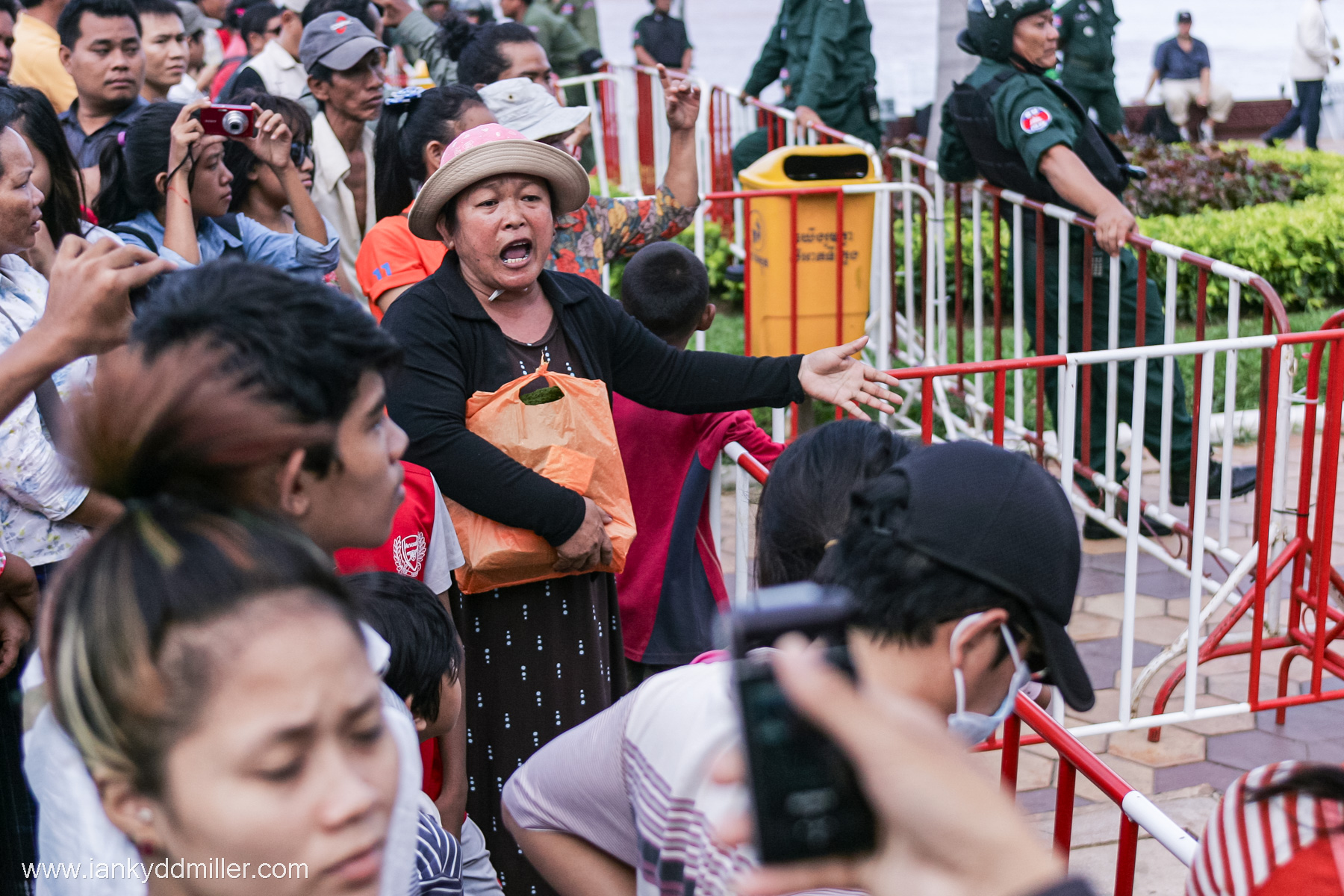
That is why I would not spend all my time chasing spectacular breaking news. I would develop subjects I could cover repeatedly and with some authority: changing neighbourhoods, migration, labour, development, displacement, the lives of ordinary Cambodian families and the gradual disappearance of familiar parts of Phnom Penh.
The individual street picture might be excellent, but a connected body of photographs accompanied by accurate information is far easier to pitch. The photographer must become more than a man carrying a camera. He must become a source of informed visual reporting.
I would also be realistic about money. The old system in which a competent press photographer could expect regular newspaper assignments has been badly weakened. There are fewer picture desks, lower budgets and an ocean of free imagery arriving through social media. Simply uploading good photographs and waiting for cheques would be a poor business plan.
I would contact editors before an event, pitch specific stories and build direct relationships. I would maintain a clean online portfolio showing coherent editorial work—not hundreds of unrelated favourites. I would write short, intelligent pitches explaining the story, the access I possessed and why the photographs would be relevant now.
Stock and news agencies could provide another route. Alamy remains open to individual contributors, although access to its Live News service requires separate permission. Contributors retain copyright, while the agency licenses accepted material. Its current technical requirements include high-quality RGB JPEGs and appropriate metadata. Alamy’s contributor guidance confirms that professional DSLR and mirrorless files remain acceptable; the name printed on the camera is not the deciding factor.
Would I carry a smartphone? Certainly.
It would provide communications, maps, notes, recorded interviews, backup pictures and perhaps short video clips. In some situations it would be the least intrusive camera available. But I would not allow the convenience of the phone to make me careless. A picture made on a telephone carries exactly the same ethical responsibility as one made on a Nikon.
So, if I were still a serious street hack, my working kit would probably be two dependable Nikon bodies, a 24–70mm, a 70–200mm, an 85mm, a laptop and the means to transmit from almost anywhere. Yet none of that would secure a single sale.
The real equipment would remain what it always was: curiosity, judgement, stamina, honesty and the ability to recognise the moment before it disappears.
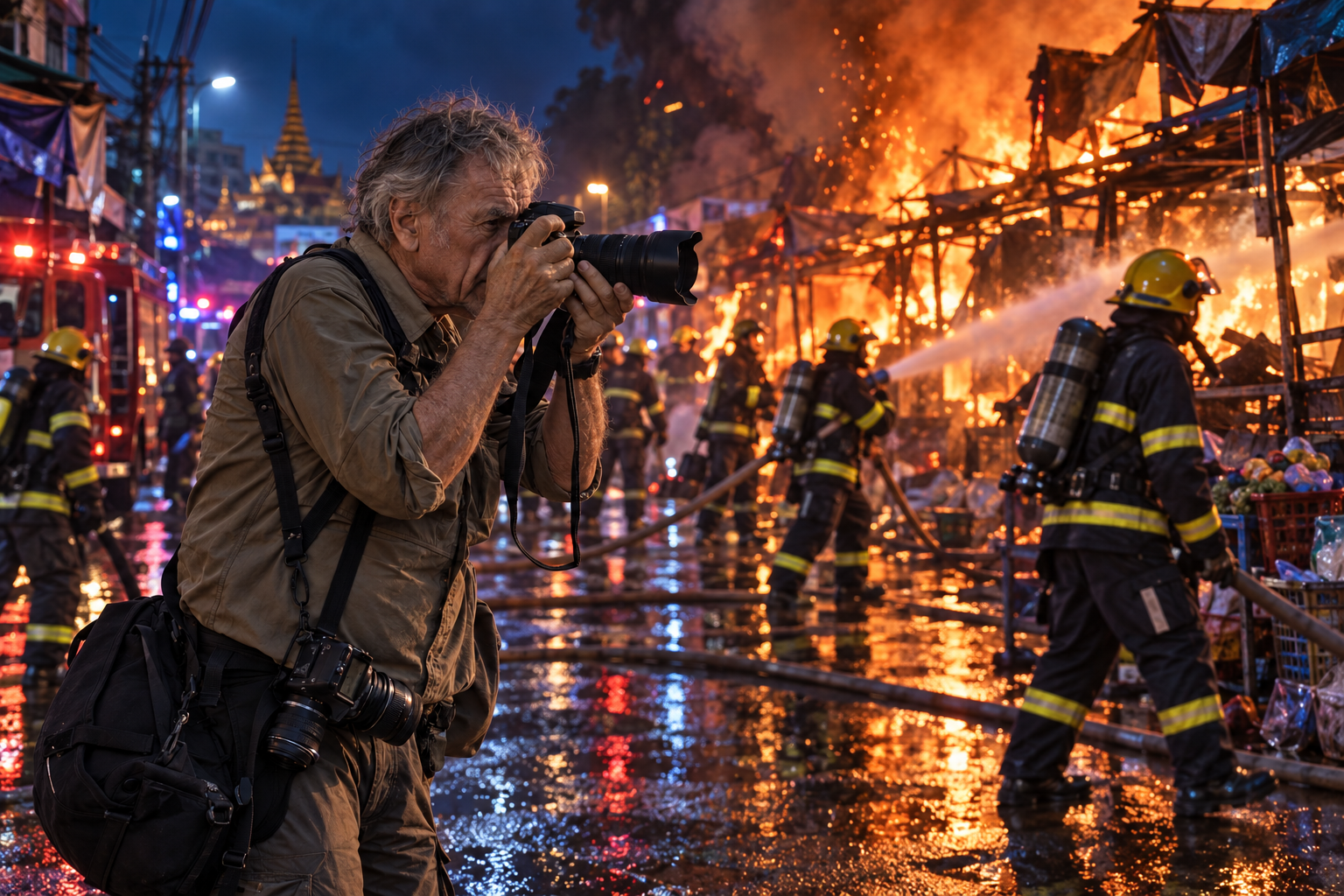
The cameras have become faster. Transmission has become almost instantaneous. The competition has become enormous. But the essential job has barely changed.
Be there. Understand what is happening. Make the picture. Get the names right. Tell the truth. Send it before somebody else does.
That is how a street hack earns his keep.

