
There was a time when a 50mm lens was simply part of being a photographer. You bought a camera, put a fifty on the front and went out to make pictures. Nobody called it a “nifty fifty”, photographed it beside a cup of coffee or spent three evenings arguing about its bokeh.
It was just a lens.
The AF-S Nikkor 50mm f/1.8G and f/1.4G belong to that tradition. Both are small, uncomplicated full-frame lenses that work beautifully on Nikon’s older DSLRs. Neither has vibration reduction. They expect us to hold the camera properly, choose a sensible shutter speed and pay attention.
That already makes me rather fond of them.
On paper, the difference appears obvious. One opens to f/1.8, the other to f/1.4. The more expensive f/1.4G must therefore be better.
Photography is rarely that tidy.
The f/1.8G weighs only 185 grams and uses seven elements in six groups, including one aspherical element. The f/1.4G weighs 280 grams and uses eight elements in seven groups. Both focus as close as 45 centimetres and accept 58mm filters. The f/1.8G has seven rounded diaphragm blades; the f/1.4G has nine.
Useful numbers, certainly—but they do not tell us which lens we will prefer after four hours walking through Phnom Penh.
The f/1.8G: the lens that gets on with the job
The 50mm f/1.8G is one of Nikon’s quiet successes. It is light, sharp, affordable and dependable. On a D700 it feels beautifully balanced; on a D810 or D850 it can produce more detail than most photographers will ever need.
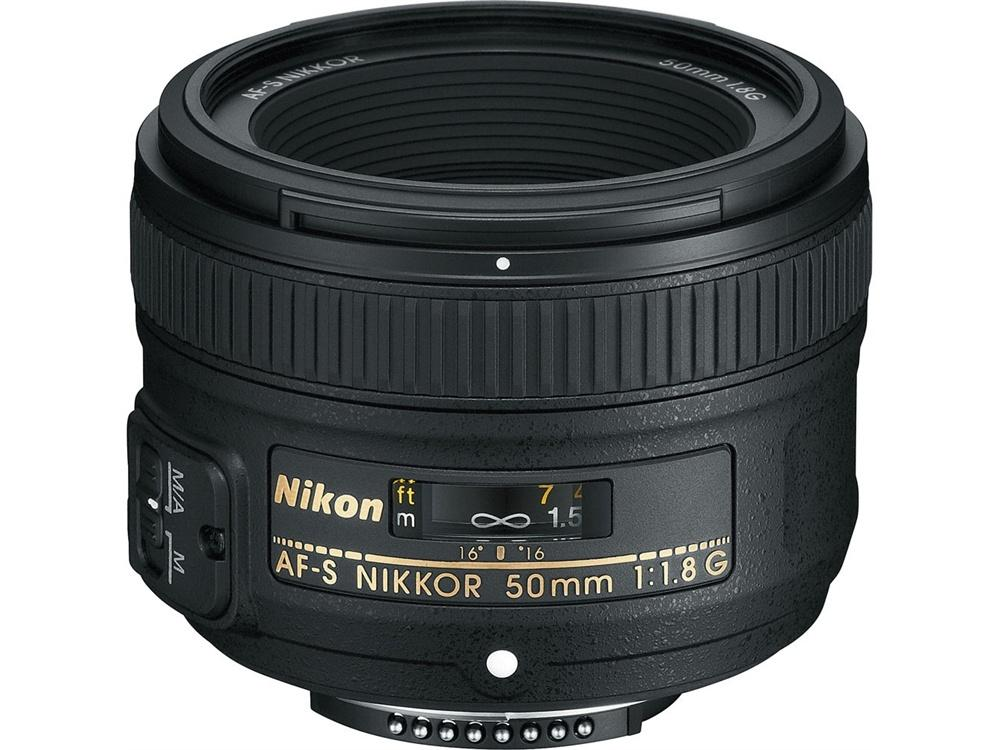
It is respectably sharp at f/1.8 and excellent by f/2.8 or f/4. Contrast is strong, colour is clean and autofocus is generally quicker and more decisive than that of the f/1.4G.
That matters on the street. A smoother background is no consolation when the important face is out of focus. If somebody turns, smiles or raises a hand, the f/1.8G has a better chance of getting there without making a production of it.
Its low weight matters too. Heavy equipment feels wonderfully professional for the first half-hour and thoroughly unnecessary by lunchtime.
The f/1.8G is not perfect. Its backgrounds can become slightly busy when filled with branches, wires or hard points of light. Its rendering is good rather than magical.
But it is an honest lens. It makes sharp, attractive photographs without demanding admiration for itself.
The f/1.4G: slower, softer and sometimes lovelier
The f/1.4G is the more romantic lens.
Its maximum aperture admits roughly two-thirds of a stop more light. In a dim room, night market or poorly lit bar, that may provide a faster shutter speed or allow a lower ISO.
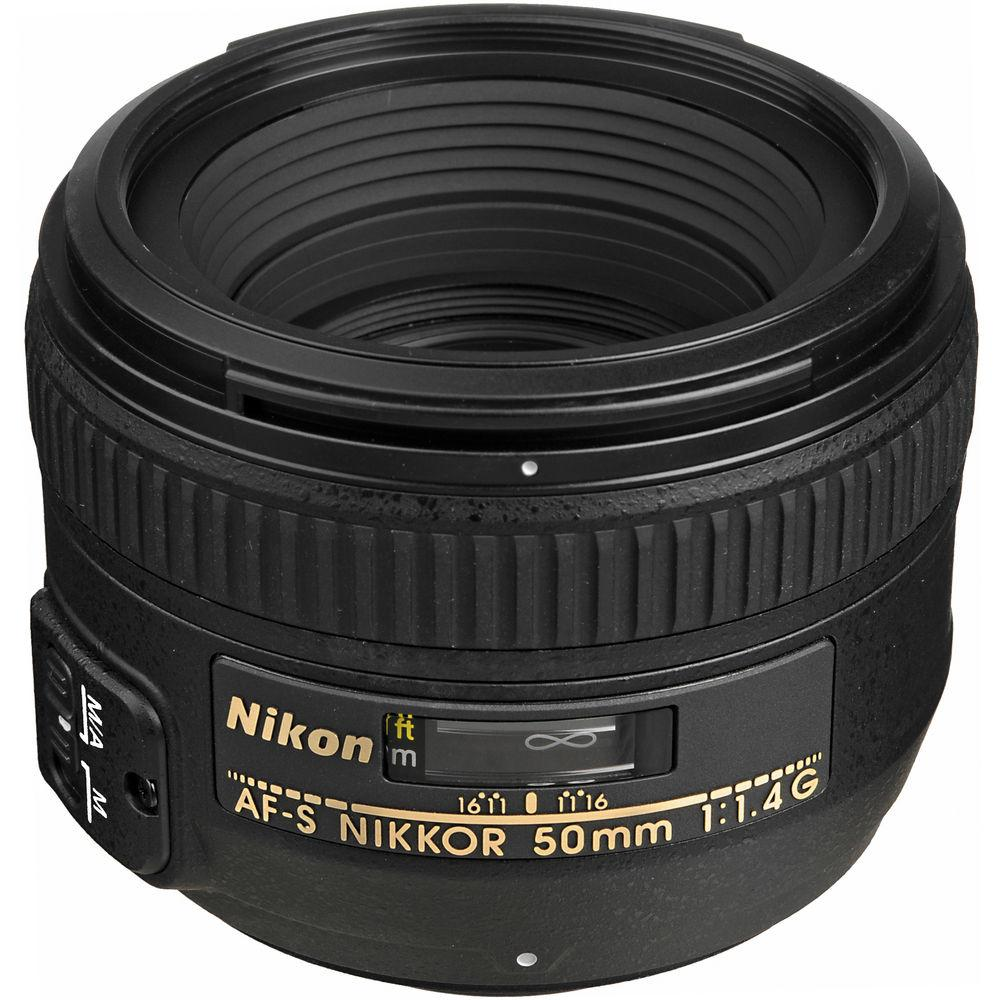
It also produces a shallower depth of field. At close portrait distances, the transition from sharpness into blur can appear smooth and gentle. Its nine rounded blades help highlights remain more circular when the lens is stopped down.
Yet the f/1.4G is not automatically the superior lens. Wide open, it can be soft and lower in contrast. Sometimes that gives a portrait atmosphere; sometimes it merely gives us a photograph that is not quite sharp.
Its autofocus is not particularly fast either. It is generally accurate when given time, but the cheaper f/1.8G often feels more responsive with moving people.
The f/1.4G gives us something the f/1.8G cannot, but it does not guarantee a better picture. It simply offers another possibility.
On FX and DX cameras
On an FX camera such as the D700, D810, D850 or D3 series, both behave as traditional standard lenses. They show a natural portion of the world—not dramatically wide and not noticeably compressed.
A 50mm makes us work. We cannot stand well back as we might with an 85mm, nor can we pull an entire street into the frame as we might with a 28mm. We must find the right distance and organise the picture carefully.
For street portraits, that can be wonderfully direct. There is enough background to establish where somebody is, but not so much that the surroundings take over.
On a DX camera such as the D300S, the field of view resembles a 75mm lens on full frame. The fifty becomes a useful short portrait lens, although it may feel restrictive in markets and narrow streets.
Which one would I carry?
For most photography, I would choose the 50mm f/1.8G.
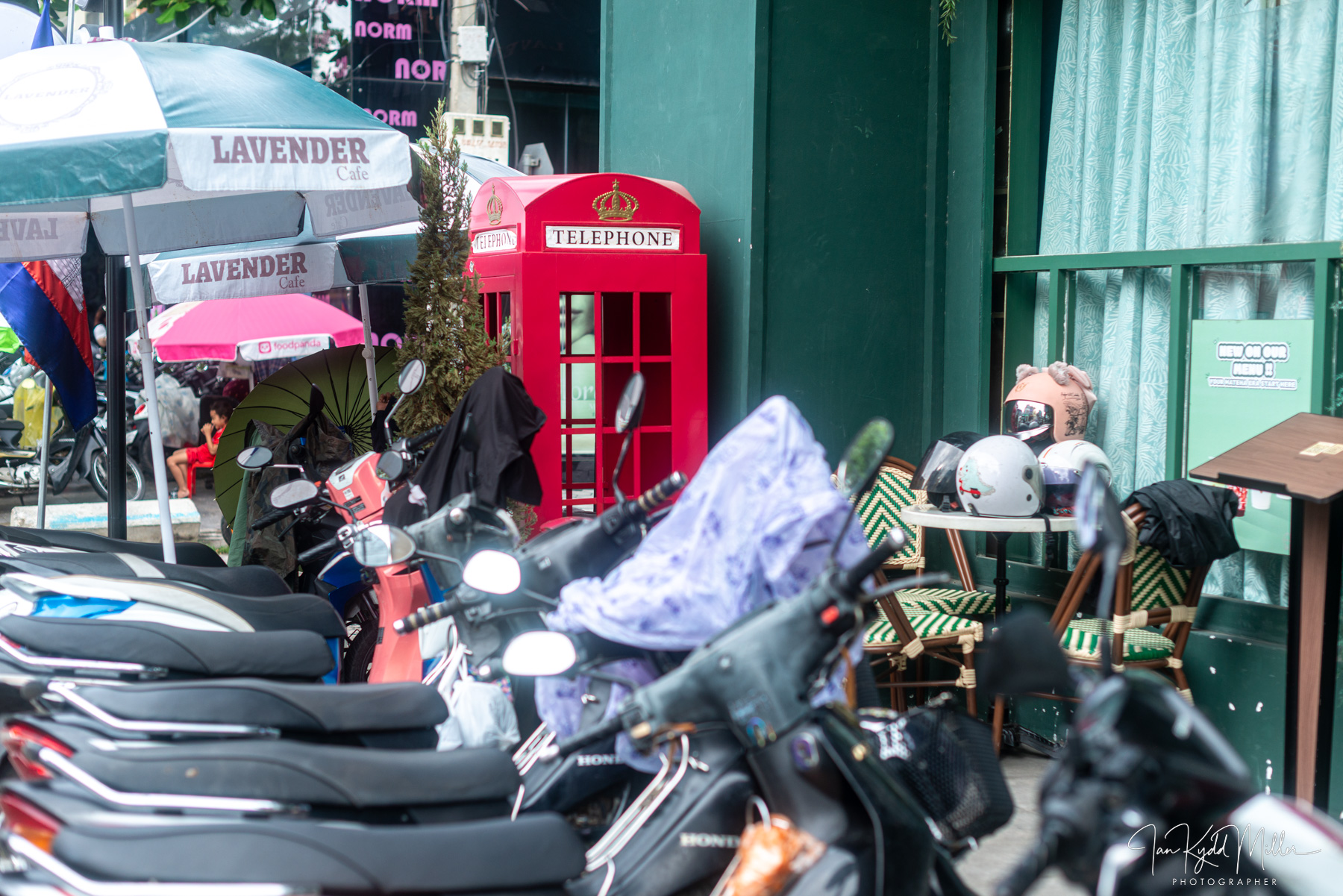
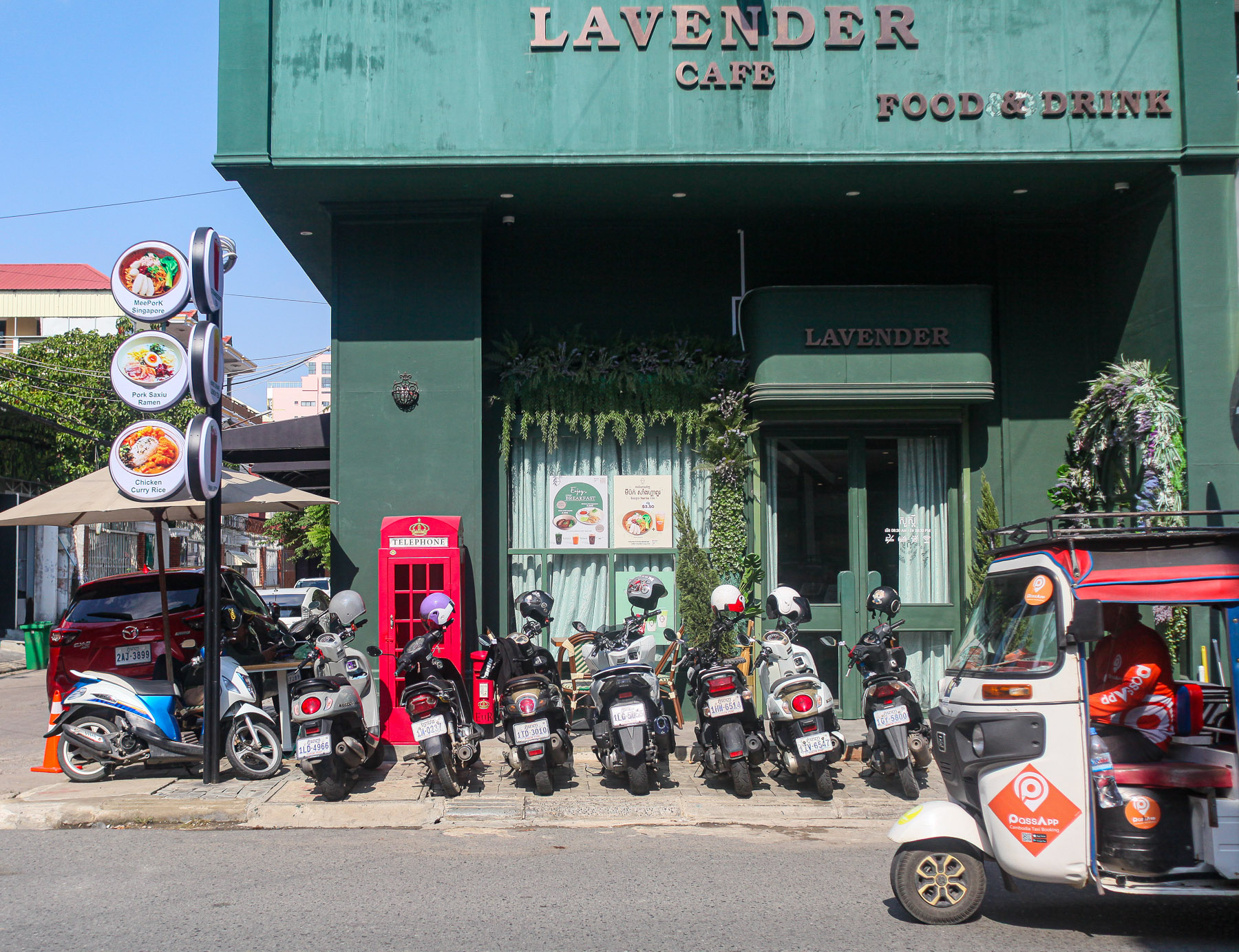

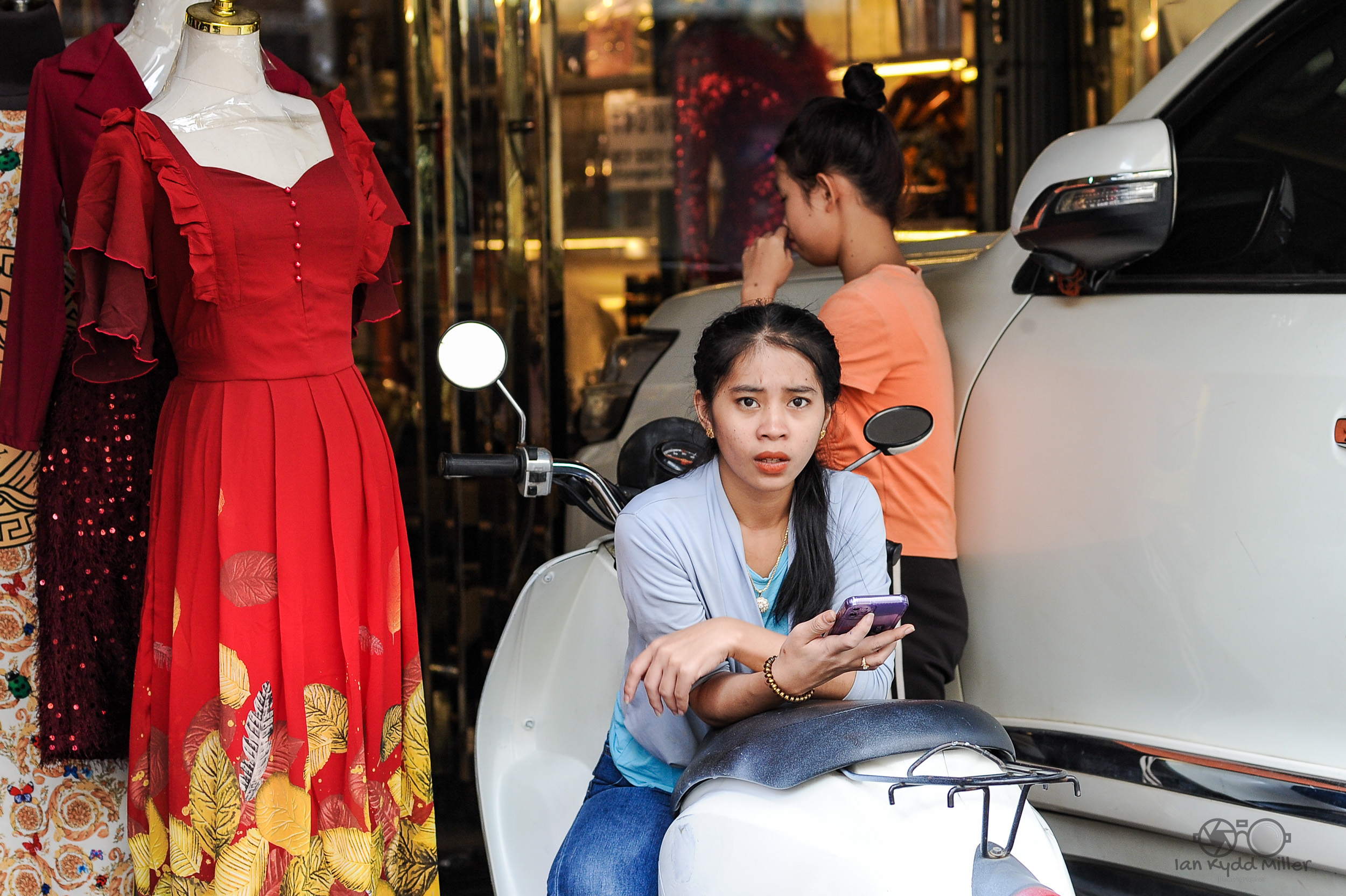
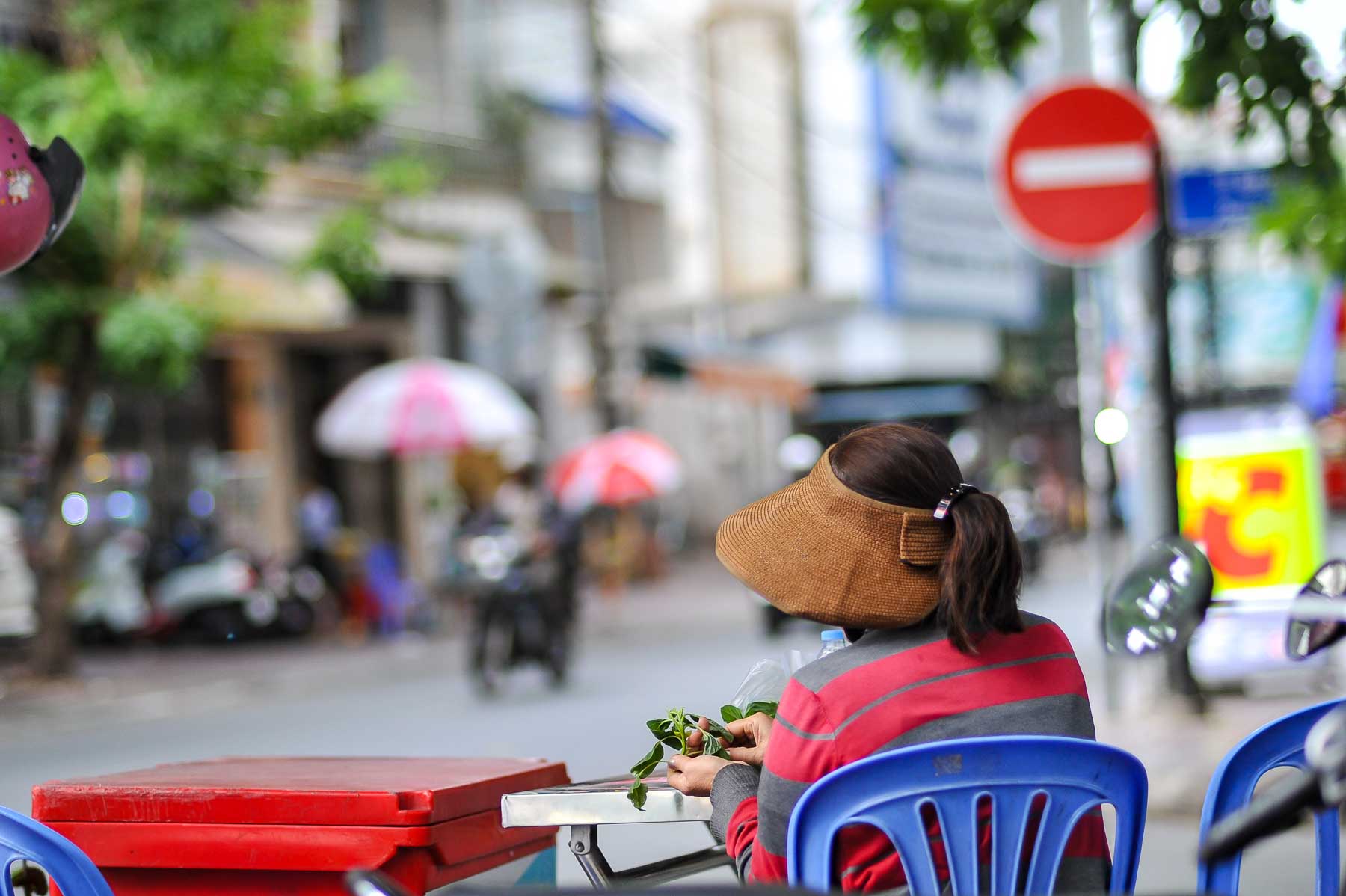
It is lighter, faster to focus and exceptionally sharp for the money. On a long walk it simply makes more sense. It is excellent at f/2.8 or f/4, while f/1.8 remains available when the light falls.
I would choose the f/1.4G when I specifically wanted the gentler rendering and shallower depth of field available between f/1.4 and f/1.8. It can give portraits a softer, more atmospheric quality.
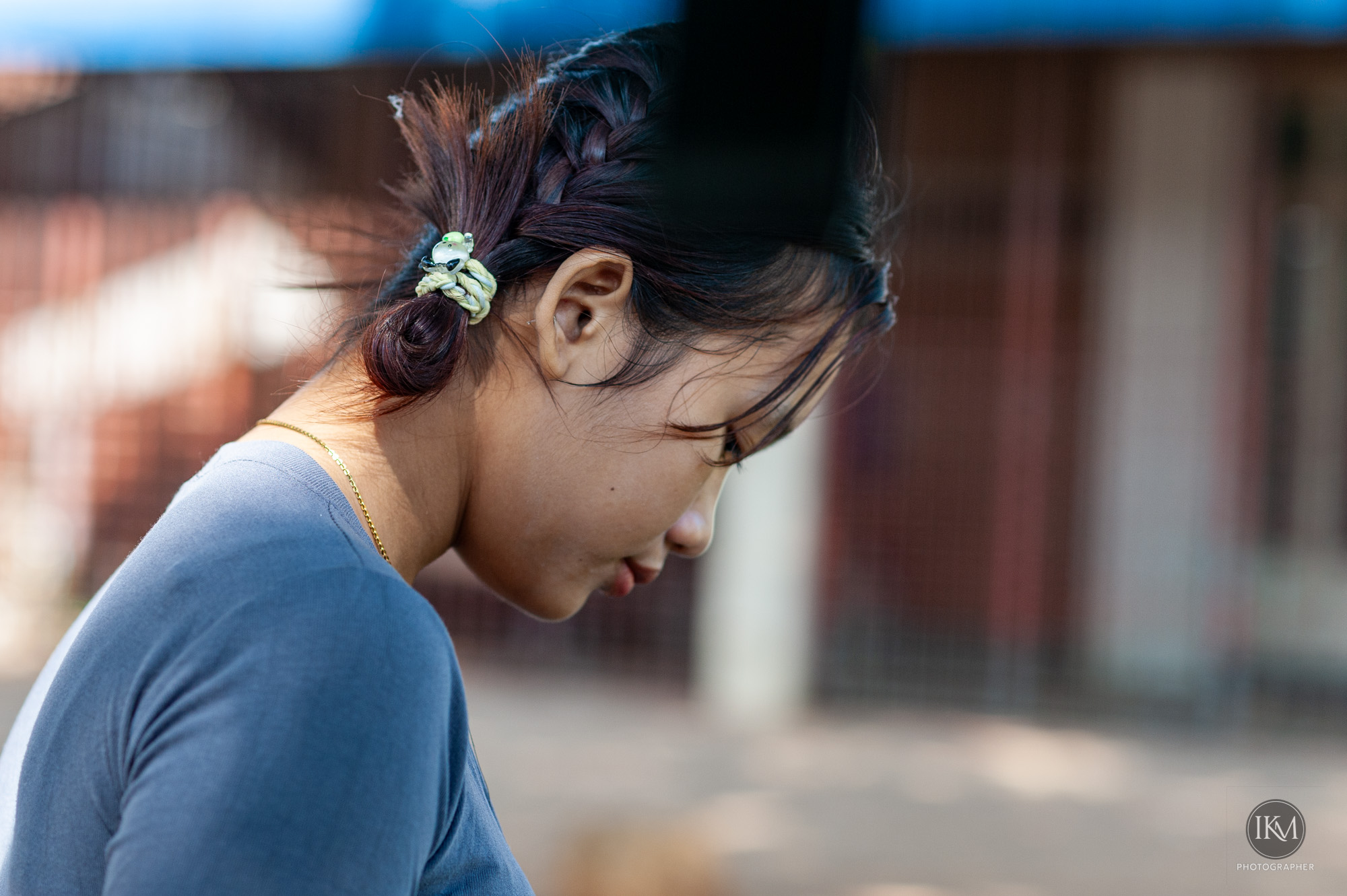
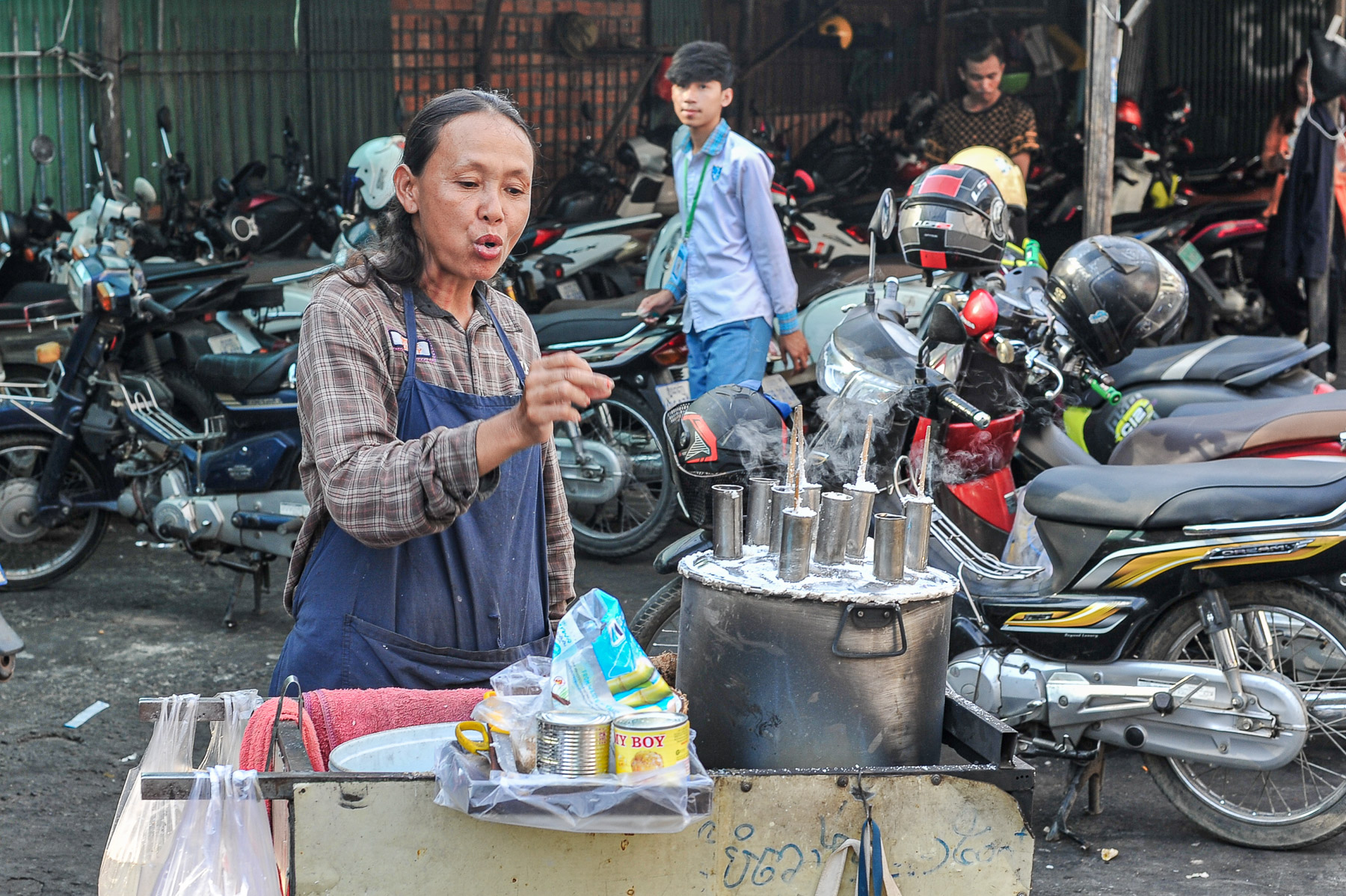
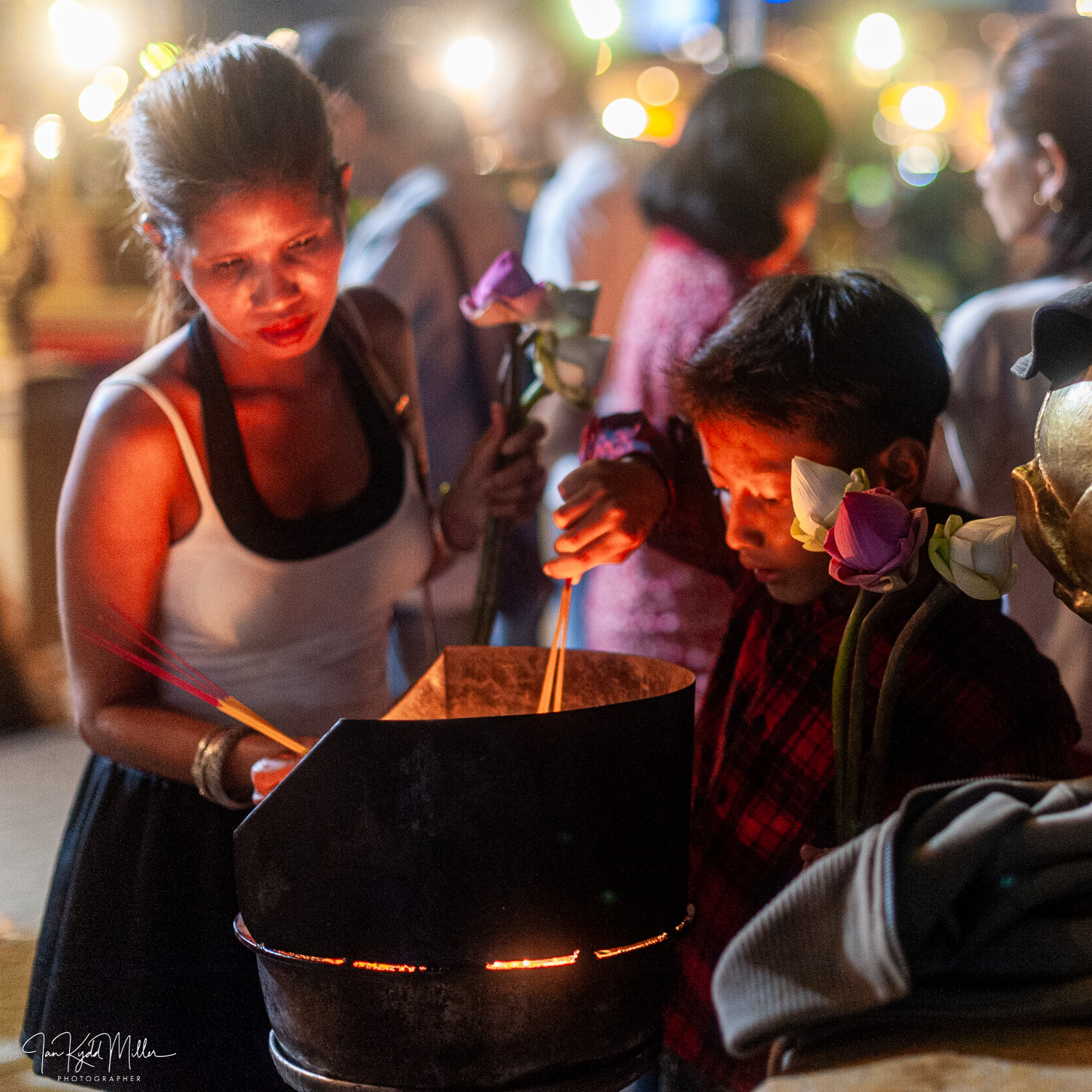
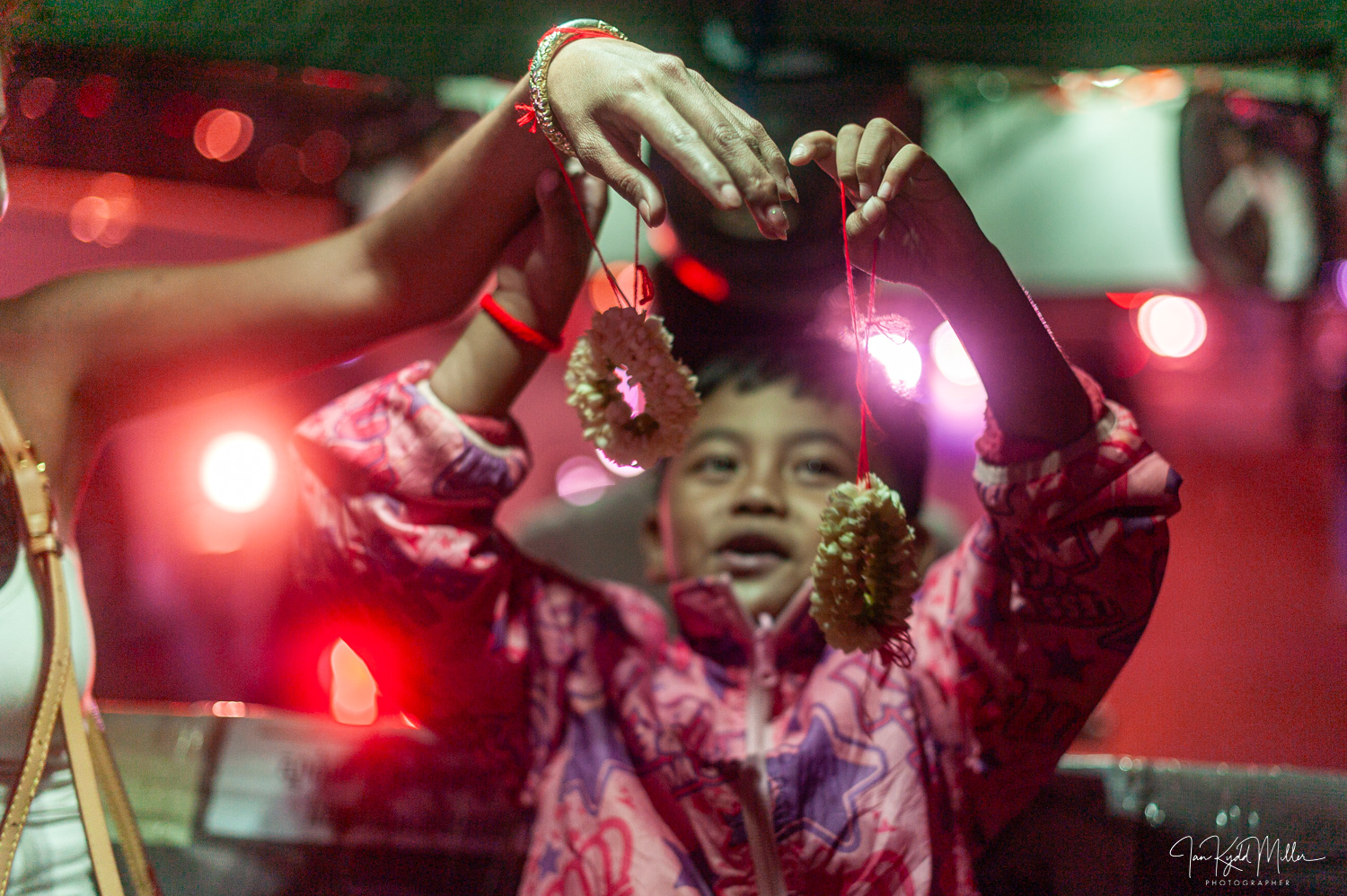
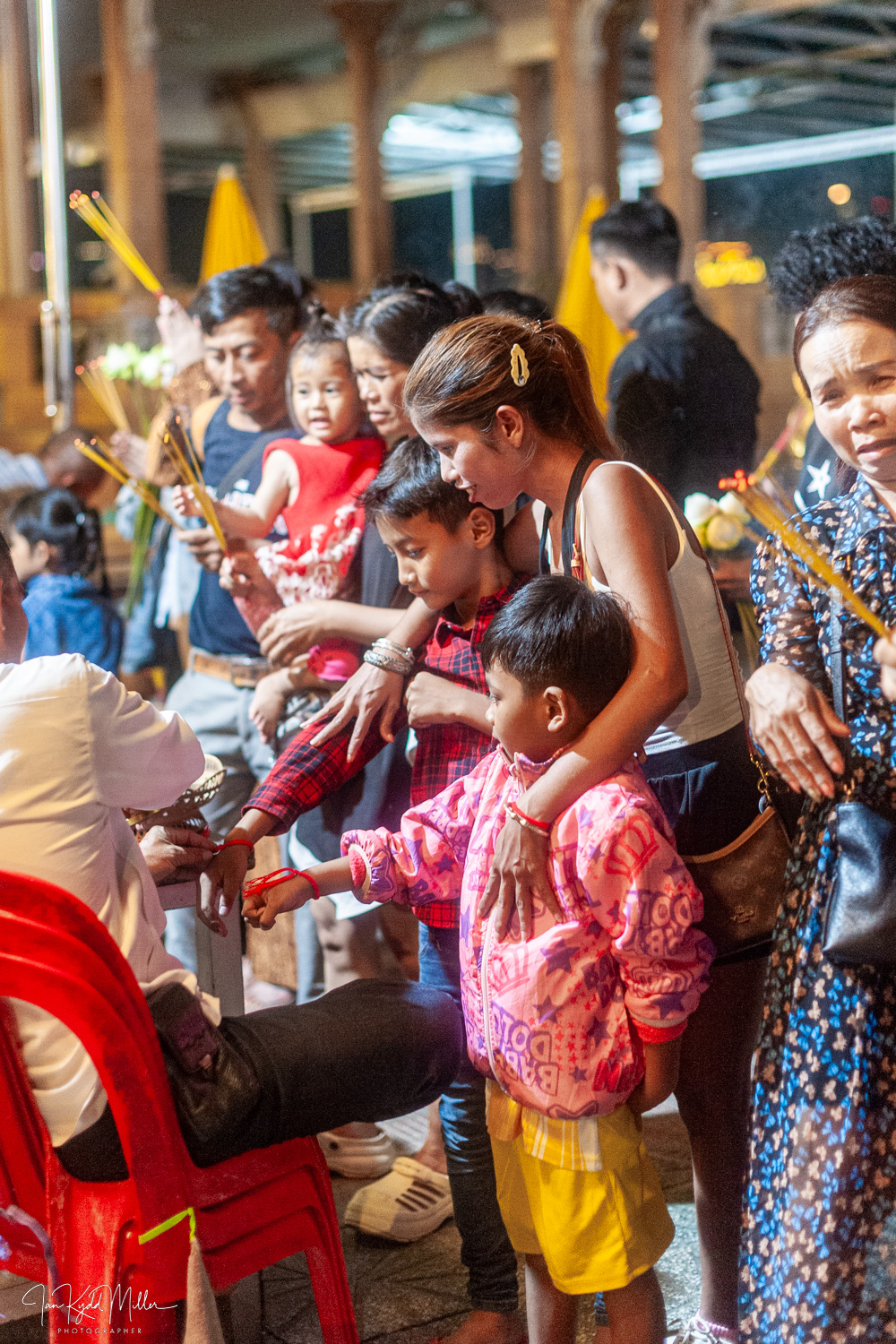
I would not buy it merely because f/1.4 sounds more professional.
At close range, f/1.4 may leave one eye sharp while the other begins to soften. If the subject moves—or if the photographer sways slightly—the point of focus can disappear. Owning an f/1.4 lens does not mean we must use it wide open. Quite often, f/2 or f/2.8 makes the stronger photograph.
Shallow depth of field is a tool, not a style.
The Old Photographer’s verdict
The f/1.8G is the sensible lens. The f/1.4G is the romantic one.
The f/1.8G is lighter, sharper for the money and easier to recommend. If I were building a compact Nikon DSLR outfit around a D700, D810 or D850, it would be the obvious choice.
The f/1.4G is bought for subtler reasons: slightly more light, smoother backgrounds and a gentler character. It is not necessarily better—only different.
If you already own the f/1.8G, changing to the f/1.4G will not transform your photography. Upgrade only if you understand precisely why you need f/1.4. If you already own the f/1.4G and enjoy its rendering, keep using it and forget the test charts.
Neither lens will recognise a meaningful gesture, move us into the correct position or tell us when to press the shutter. That remains our responsibility.
The older I get, the less interested I become in declaring one piece of equipment the winner. Lenses are not football teams. They are different ways of seeing.
The f/1.8G is the lens I would trust for a day’s walking and working.
The f/1.4G is the one I would choose when the light is low, the pace is slower and I want the picture to feel a little less clinical.
Sometimes the sensible lens makes the better photograph.
Sometimes the romantic one makes the photograph we remember.

