
Old Photographer Series
I have owned more cameras than I care to count. Nikons, Canons, Fujifilms—professional bodies, battered workhorses and supposedly obsolete machines that remain perfectly capable of making meaningful photographs.
Almost all of them came to me used.
I have never felt especially comfortable paying the premium demanded for the latest camera. Let somebody else enjoy that intoxicating new-camera smell, decipher the instruction book and absorb the first painful tumble in value. I would wait until the excitement had cooled, the reviews had settled and the camera had begun appearing on the second-hand market.
There was one exception.
The Canon EOS-1D Mark IV was the only camera I ever bought brand new.
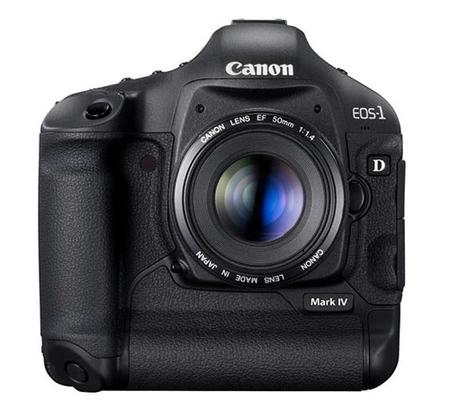
That fact alone tells you something about the confidence I had in it. This was not a casual purchase or an impulsive indulgence. The 1D Mark IV was an expensive professional machine, bought with the expectation that it would work hard and keep working. It was not intended to sit inside a glass cabinet, protected from fingerprints and admired for its specifications. It was bought to be carried, knocked about and used in the places where pictures actually happen.
And it did not disappoint me.
A camera made for working
Released at the end of 2009, the 1D Mark IV arrived when Canon’s professional cameras still looked and felt like industrial equipment. It had a 16.1-megapixel APS-H sensor, a fast ten-frames-per-second shooting rate and a substantial autofocus system designed for sport, news and action photography.
None of that fully explains the camera.
A specification sheet can tell you what a camera contains, but it cannot tell you how it behaves when something important suddenly happens in front of you.
The 1D Mark IV felt ready.
Its integrated vertical grip, large battery and weather-sealed body gave it the unmistakable presence of a professional camera. It was not small, light or discreet. Nobody could mistake it for a tourist’s compact camera. When you raised it to your eye, you were clearly there to take photographs.
For some street photographers, that would be a disadvantage. For me, it was often quite the opposite. The camera’s physical certainty encouraged my own. It made me commit to the picture instead of hovering around its edges.
You picked it up, wrapped your hand around that deep grip and felt immediately that it was built for work.
Confidence rather than convenience
Modern cameras have become extraordinarily convenient. They recognise faces, find eyes and follow subjects across the frame with almost unsettling intelligence. The 1D Mark IV came from an earlier stage of that development. Its autofocus was fast and highly capable, but the photographer still needed to understand it.
You had to select the right mode, place the focus point where it mattered and anticipate movement. The camera would help, but it did not relieve you of responsibility.
I liked that relationship.
The 1D Mark IV gave me confidence without making me lazy. Its speed was available when required, but shooting at ten frames per second was never a substitute for recognising the decisive instant. Filling a card with nearly identical frames does not necessarily improve the chances of making a meaningful photograph. Sometimes it merely postpones the decision until you sit at the computer.
The best pictures still came from watching, waiting and pressing the shutter at the right moment.
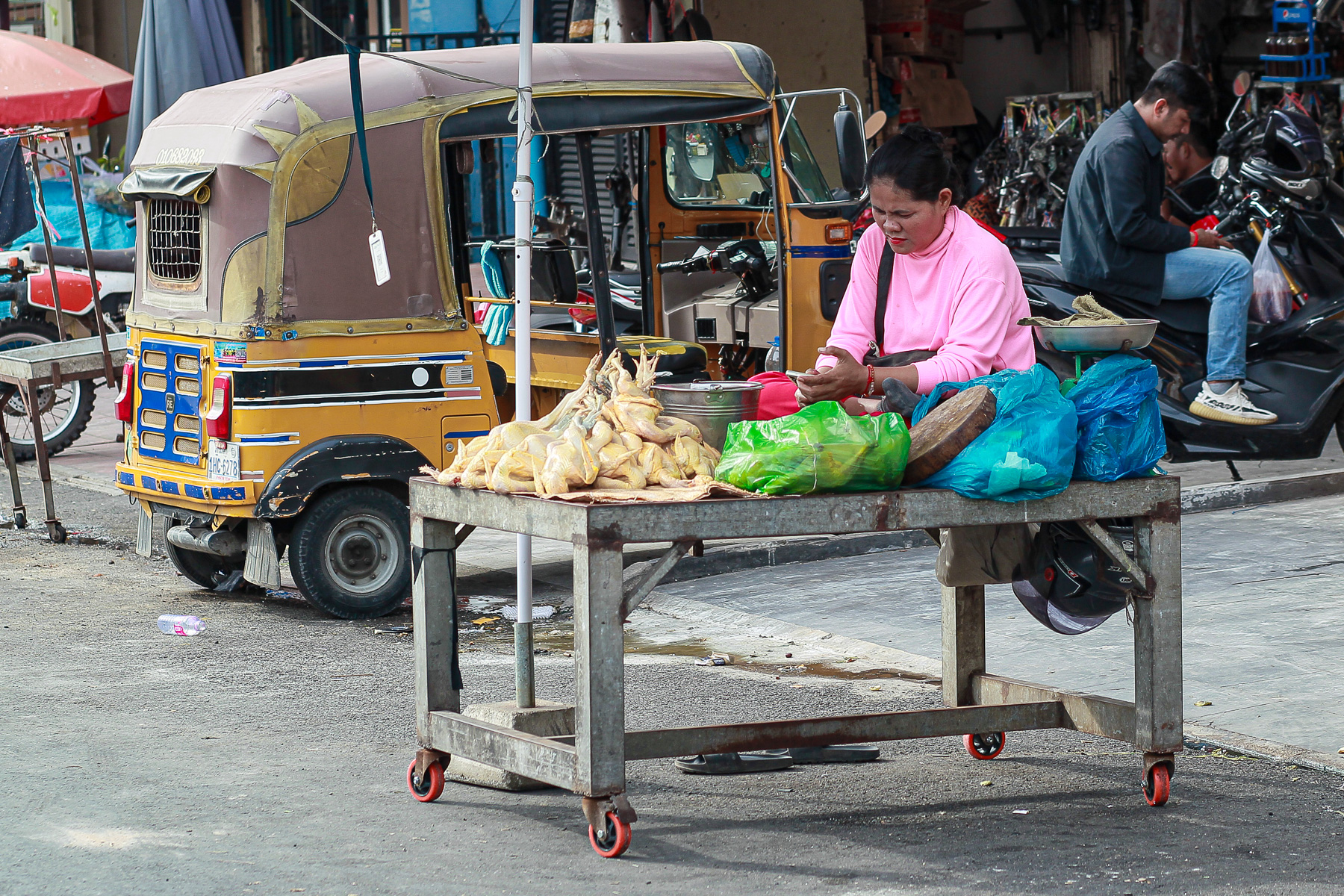
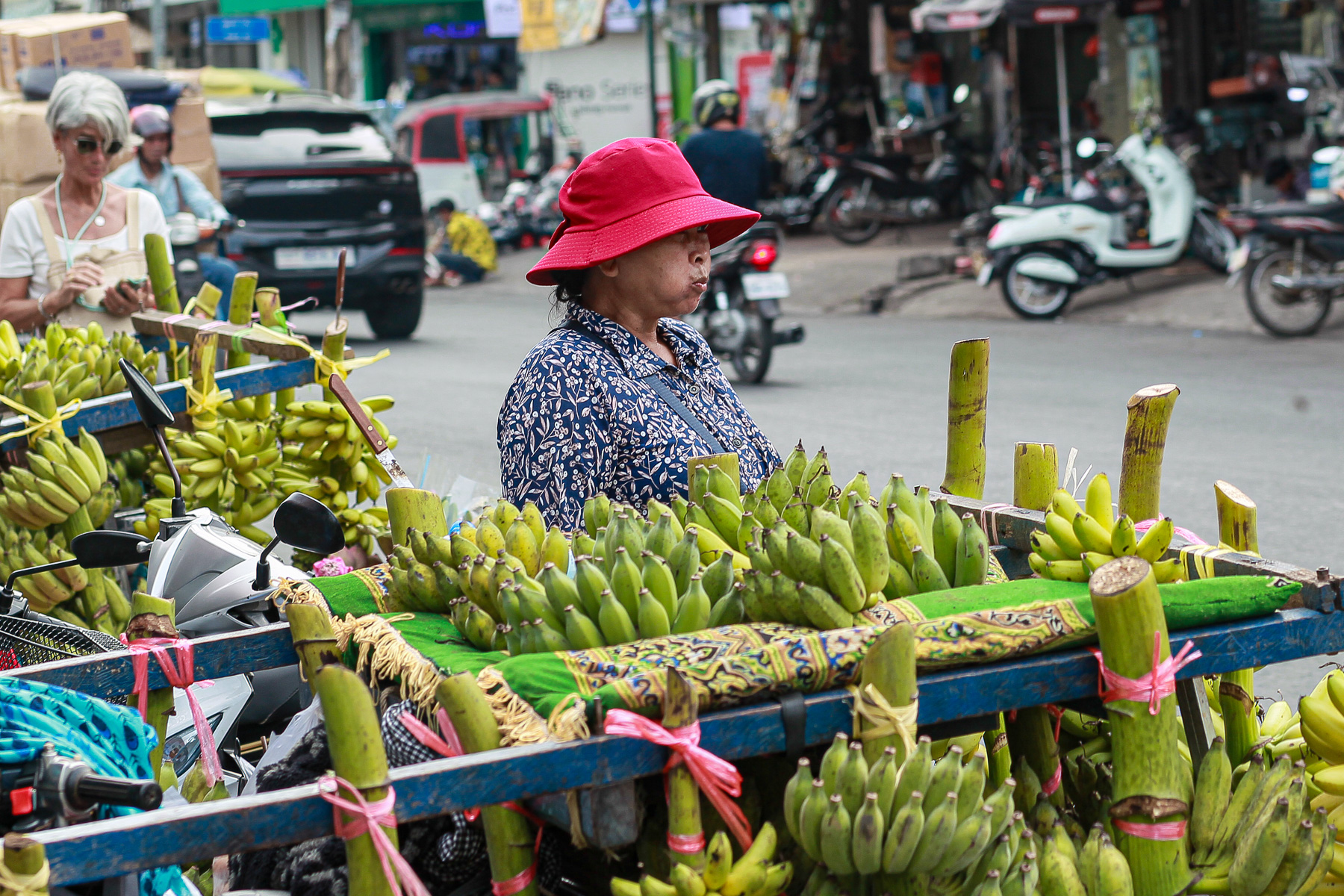
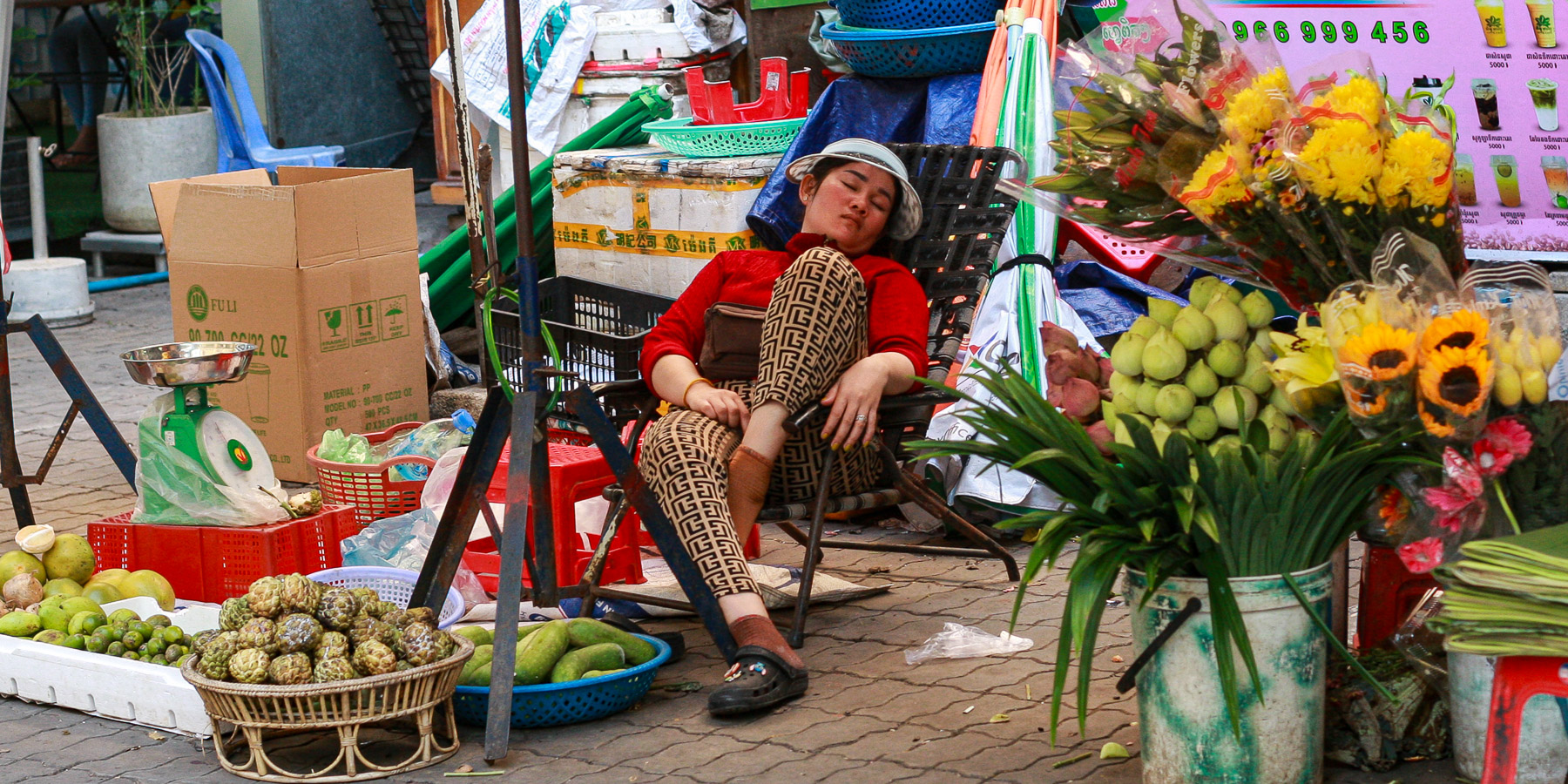
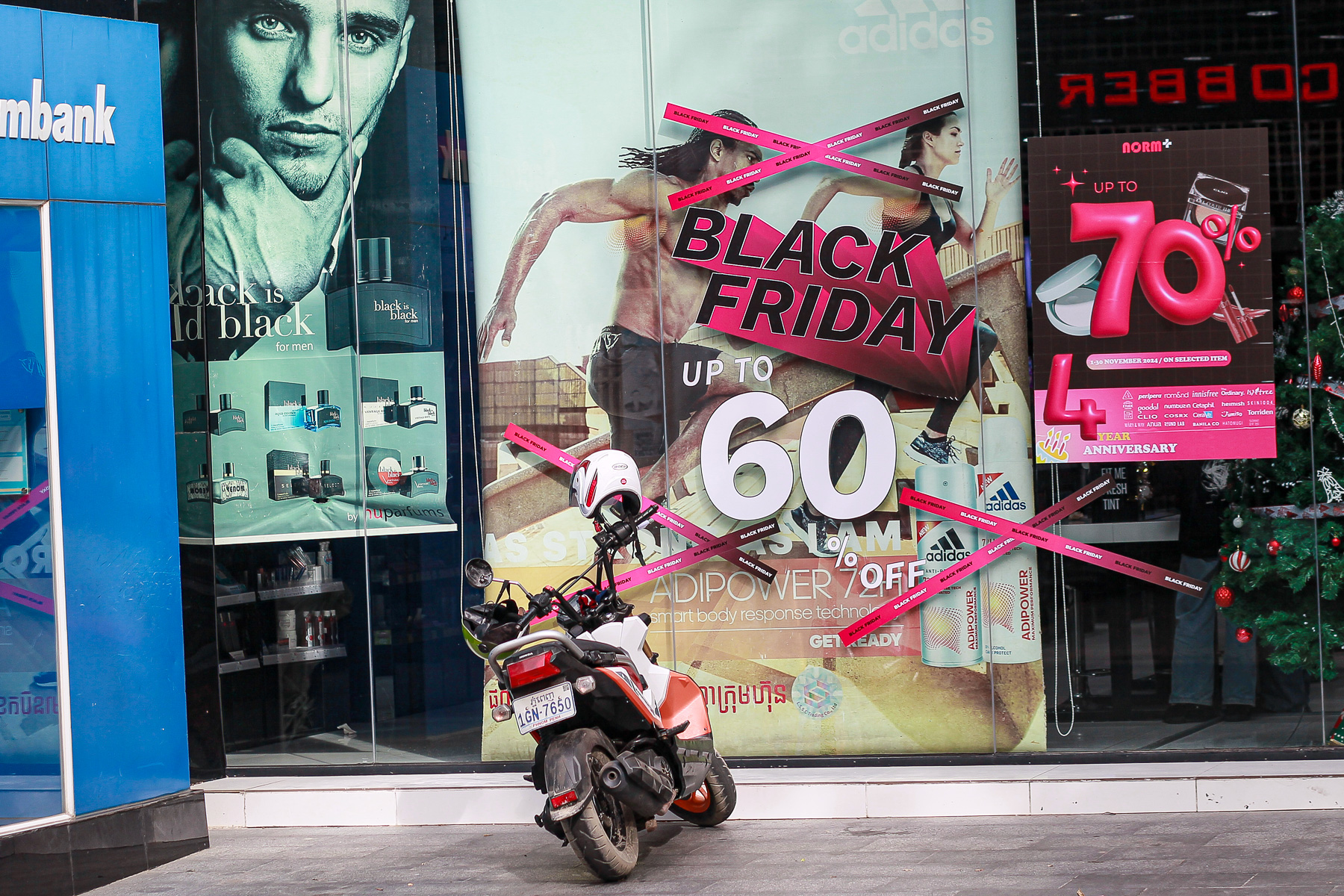
That shutter had a proper, mechanical authority to it. The camera did not whisper. It announced that a picture had been taken. In a quiet room it could sound almost brutal, but outside—among traffic, crowds, ceremonies and the restless theatre of the street—it felt entirely appropriate.
This was a camera with a pulse.
The APS-H compromise that worked
Canon placed an APS-H sensor inside the 1D Mark IV, giving it a 1.3-times crop factor. It sat between full frame and the smaller APS-C format.
On paper, that might look like an awkward compromise. In practice, it worked remarkably well.
Lenses gained a little extra reach without the field of view becoming as restricted as it would on a 1.6-times crop camera. A 50mm lens behaved rather like a 65mm, while an 85mm offered a field of view close to 110mm. For portraiture, documentary work and events, this could be extremely useful.
The sensor produced detailed files with strong colour and a character that I still find pleasing. Sixteen megapixels may sound modest now, when manufacturers casually offer three or four times that number, but it was—and remains—enough for serious photographs and substantial prints.
A good sixteen-megapixel file is not made obsolete by a newer camera having forty-five.
Resolution has become one of photography’s favourite distractions. We inspect eyelashes at 200 per cent, worry about corners nobody will ever notice and forget to ask whether the picture itself deserves attention. The 1D Mark IV made files large enough to reveal poor technique but not so enormous that every image became an exercise in storage management.
It was a sensible amount of resolution inside an exceptionally capable body.
Not a camera for everybody
The 1D Mark IV had faults.
It was heavy. Carrying it all day with a professional lens could turn photography into physical labour. Its menus and autofocus options demanded familiarity. The rear screen now looks small and dated, and the controls lack some of the polish and flexibility found on modern cameras.
High-ISO performance was excellent for its time, but technology has moved on. Current full-frame cameras can produce remarkably clean results in light that would have made the 1D Mark IV struggle.
Its APS-H sensor also created complications with lens choice. Canon’s EF-S lenses could not be fitted, while wide-angle full-frame lenses no longer appeared quite as wide. Anyone wanting an extremely compact or discreet street camera would have been looking in entirely the wrong direction.
Even so, these limitations never prevented it from doing its job.
That distinction matters. A camera can be surpassed technologically without becoming incapable photographically.
The price of buying new
Buying a camera new is partly about certainty. Nobody else has dropped it, drowned it, worn out its shutter or explored its menus with sticky fingers. The battery begins its life with you, the body carries no mysterious scars, and every mark that eventually appears has a story you recognise.
But buying new also means witnessing depreciation at close quarters.
Professional digital cameras were—and remain—expensive. Their financial value can fall alarmingly quickly as a replacement appears and the market rushes towards the next promise of perfection. The photographs do not depreciate, but the machine certainly does.
Perhaps that experience helped confirm my later preference for buying used equipment.
A professional camera that has already lost much of its original price can represent extraordinary value. These machines were designed to survive enormous workloads. A well-maintained older body may have years of life left in it, even after fashion and marketing have declared it yesterday’s news.
The 1D Mark IV was the only new camera I ever bought, and it may remain the only one. That is not because I regretted buying it. Quite the reverse. It taught me what a genuinely dependable professional camera could feel like.


It also taught me that I did not need to repeat the experience every few years.
When the equipment disappears
The finest compliment I can give any camera is that, after a while, I stopped thinking about it.
The controls became instinctive. The shutter button sat exactly where my finger expected it. Changing settings became muscle memory rather than a negotiation with the machine. The camera stopped being an object I was testing and became something I used.
That is when equipment begins to matter less and photography begins to matter more.
The 1D Mark IV gave me that kind of confidence. It was quick when the situation became chaotic, solid when the conditions became difficult and predictable when there was no opportunity for a second attempt.
It did not need to flatter me with novelty. It simply worked.
There is something almost unfashionable about that idea now. Cameras are marketed through spectacular features and yearly improvements, each generation presented as a cure for problems we may not have known we possessed. Yet working photographers rarely need endless novelty. They need reliability, familiarity and confidence.
They need a camera that does not get between them and the picture.


What remains
Would I recommend that somebody buy a Canon EOS-1D Mark IV today?
That depends on what they expect.
It is not the obvious choice for someone wanting a light camera, silent operation, modern video features or the latest autofocus intelligence. Batteries, chargers and the condition of surviving bodies also need careful consideration. These are ageing professional machines, and many have lived professional lives.
But for a photographer who appreciates a substantial camera, an optical viewfinder and the directness of a traditional DSLR, the 1D Mark IV can still be a deeply satisfying instrument. Its image quality remains more than adequate, its performance is still formidable and its construction belongs to an era when professional cameras were expected to earn their scars.
I no longer believe that buying a new camera automatically buys better photography. In most cases, it merely buys untouched equipment.
The Canon 1D Mark IV was different. I bought it new because I believed it would give me the speed, strength and confidence to work. It did exactly that.
Every scratch was mine. Every polished edge came from my hands. Every mark on the body was part of the distance we travelled together.
It was the only new camera I ever bought.
Looking back, I think I chose rather well.
 a world without pictures is like coffee without cream and sugar, bitter