

We photographers spend an extraordinary amount of time blaming our lenses.
The corners are soft. The autofocus is slow. There is too much distortion, too little contrast or a faint trace of colour fringing around the branches of a tree. Before long, we are reading reviews, studying laboratory charts and wondering whether another expensive piece of glass might finally transform our photography.
It probably will not.

Most modern lenses are better than most photographers need. Even many old lenses, dismissed as obsolete by people who spend more time examining pixels than making photographs, remain perfectly capable of producing beautiful work. The real question is not whether a lens is good enough. It is whether we have learned how to use it.



Every lens has a personality. Some are clinically sharp and almost invisible in their rendering. Others soften the edges, flare when pointed towards the light or produce backgrounds with a character that cannot be measured by a test chart. Getting the best from a lens begins when we stop demanding that it behave like every other lens and start discovering what it does well.
A 50mm lens does not see like an 85mm. A 24mm cannot be treated as though it were merely a wider 35mm. Each focal length changes the distance between the photographer and the subject, and that distance changes the photograph.
With a wide-angle lens, you must step into the scene. You cannot hover safely across the road and expect the picture to possess any intimacy. You have to enter the crowd, feel the movement and accept that the foreground may become exaggerated. Used carelessly, a wide lens creates empty edges, leaning buildings and tiny figures stranded in the centre. Used properly, it can make the viewer feel physically present.


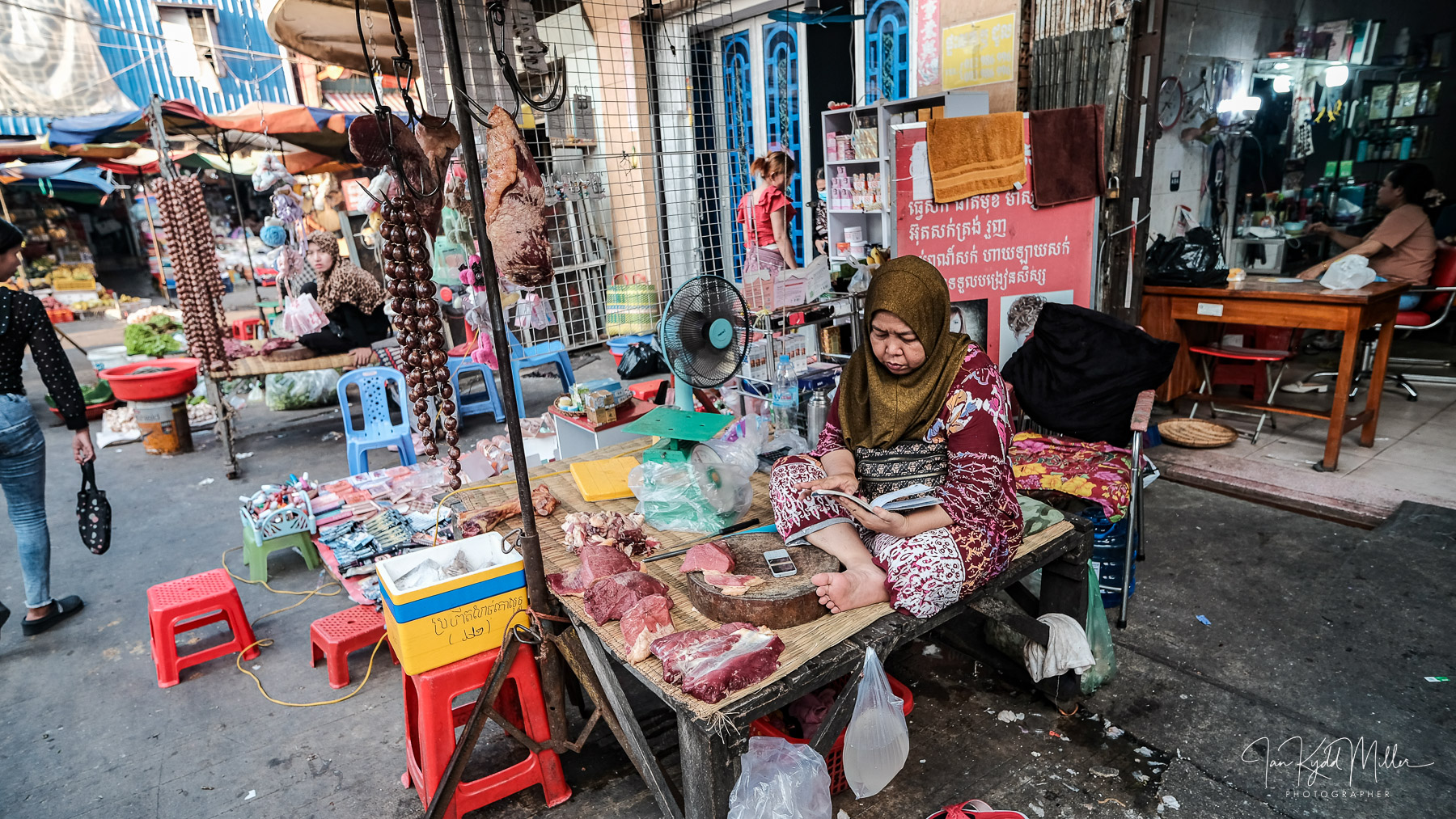







A longer lens works differently. My much-loved 85mm allows me to stand back a little, watch a face and wait for the gesture that matters. It separates the subject from a confused street without completely removing the surroundings. But it brings its own dangers. It can make the photographer lazy, encouraging us to remain at a comfortable distance and turn every scene into a blurred background with a sharp head floating in front of it.
The focal length should influence how we move. Our feet remain one of the most important pieces of photographic equipment we possess.
A lens also has an aperture at which it gives its best technical performance. This is often somewhere around f/5.6 or f/8, but technical perfection is not always what the photograph needs. A portrait made at f/1.8 may be slightly softer than one made at f/5.6, but the isolation, atmosphere and delicate transition into the background may be far more valuable than additional sharpness.

Use the aperture deliberately. Do not shoot everything wide open simply because the lens allows it.
At very wide apertures, depth of field can become brutally thin. With an 85mm lens at close distance, focusing on the eyelashes instead of the eye may be enough to spoil a portrait. If the subject is moving, f/1.8 can turn a promising photograph into a collection of nearly sharp failures. Stopping down to f/2.8 or f/4 provides a little insurance while still separating the subject from the background.
At the other extreme, closing a lens down to f/16 or f/22 does not automatically produce greater sharpness. Diffraction can begin to soften fine detail, while dust on the sensor suddenly announces itself across every patch of clear sky. There are occasions when those apertures are necessary, but they should be chosen for a reason rather than from habit.
Shutter speed matters just as much. Many photographs blamed on poor lenses are actually suffering from camera movement or subject movement. High-resolution cameras such as the Nikon D810 and D850 expose sloppy handling without mercy. A lens can resolve astonishing detail, but it cannot preserve detail that was smeared across the sensor while the shutter was open.
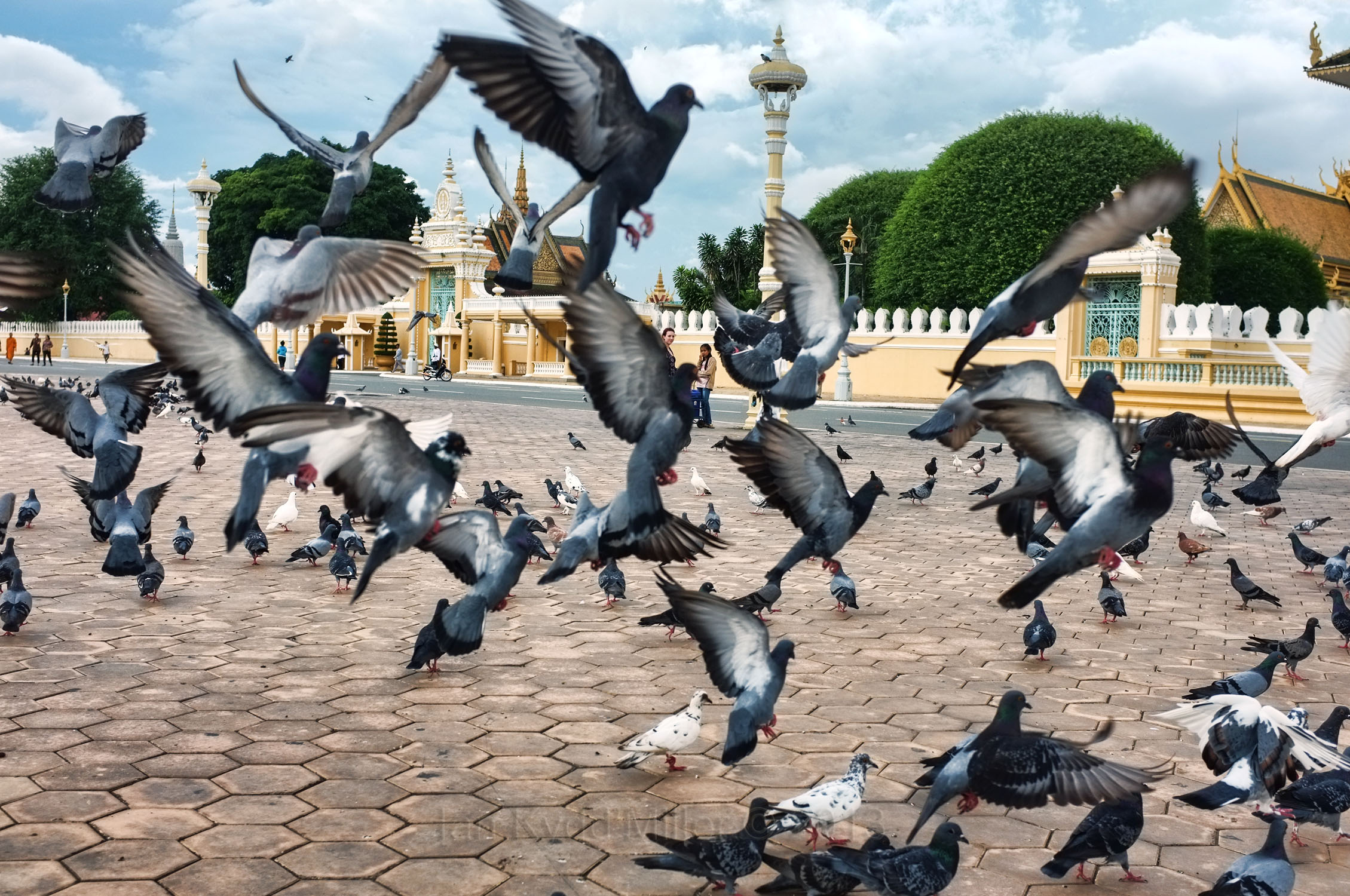
The old rule of using a shutter speed equal to the focal length was useful in the days of film, but it should now be treated as a starting point. With an 85mm lens, I would rather use 1/250 second than rely on 1/80 or 1/100. If people are moving, I may go to 1/500. I would sooner accept a little extra noise from a higher ISO than lose the expression because the subject’s face moved.
Hold the camera properly. Support the lens with the left hand, bring the elbows towards the body and press the shutter rather than stabbing at it. If possible, lean against a wall, post or doorway. Take a breath, steady yourself and make the exposure. These small disciplines cost nothing and improve almost every lens you own.
Autofocus must also be understood rather than blindly trusted. Learn which focus mode suits the subject. Single autofocus may be ideal for a stationary portrait, while continuous autofocus is generally safer for someone walking through the frame. Place the focus point where you need it instead of expecting the camera to interpret the entire scene.
If a lens repeatedly focuses slightly in front of or behind the subject, test it under controlled conditions. Some DSLR bodies allow autofocus fine-tuning. But do not begin adjusting equipment after one soft photograph. Check the shutter speed, depth of field and your own technique first. Photographers have created endless problems by trying to calibrate lenses that were not faulty.
Lens hoods are among the simplest ways of protecting image quality. They reduce stray light, help maintain contrast and offer physical protection from knocks and fingers. I usually leave mine attached. A cheap clear filter may protect the front element in dust, rain or difficult working conditions, but poor-quality filters can introduce flare and reduce contrast. Use one when the situation justifies it, not because somebody behind a shop counter told you that every lens must wear one forever.
Keep the glass reasonably clean, but do not become obsessive. A few specks of dust inside a lens will rarely appear in a photograph. Constantly dismantling, blowing and polishing equipment can cause more trouble than the dust itself. A soft brush, blower and clean microfibre cloth are normally enough. Old photographers know that cameras are tools, not surgical instruments.
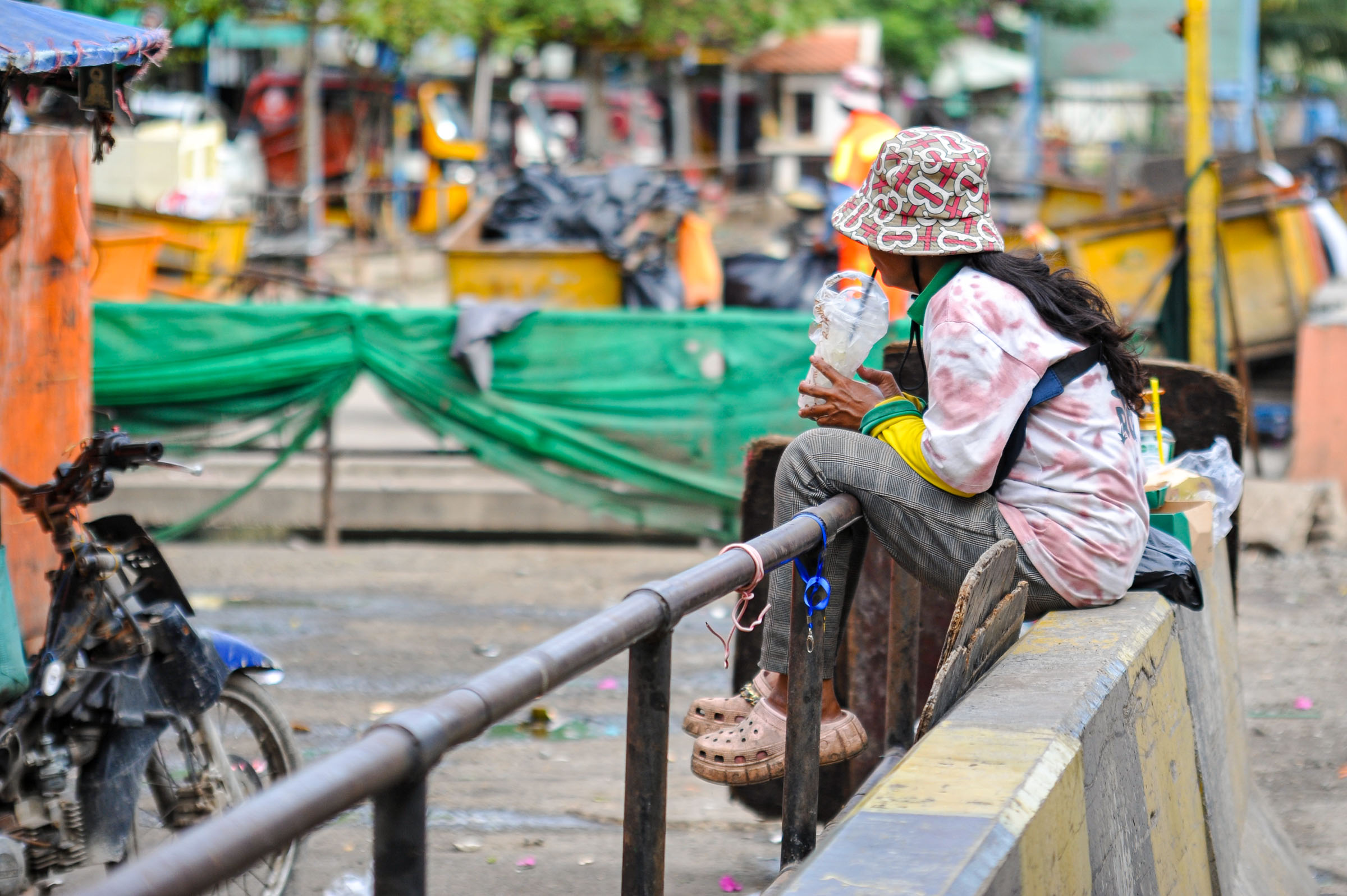


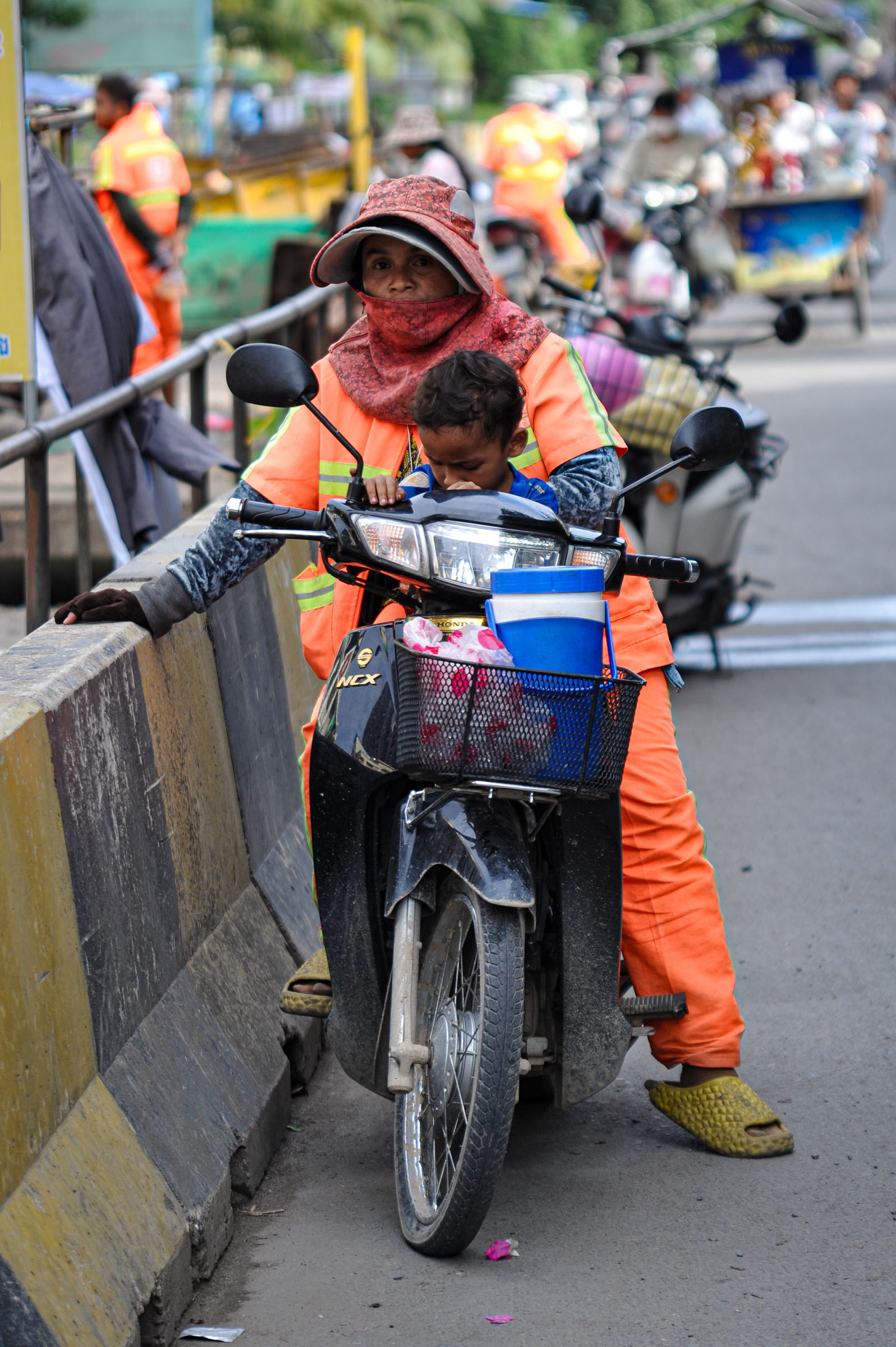


Pay close attention to backgrounds. The quality of a lens is often most visible not in the sharp subject but in the way it renders everything else. Before pressing the shutter, look around the edges. Move slightly to remove a bright sign, a pole growing from somebody’s head or a patch of distracting colour. An expensive fast lens cannot rescue a careless background. Blur does not automatically turn confusion into beauty.
Light will reveal more about a lens than any review. Try it in hard sunlight, shade, window light and at night. Point it towards the sun and see how it flares. Photograph a face at minimum focusing distance and then from several metres away. Use it wide open, stopped down and at different subject-to-background distances.
Do not merely test the lens. Make photographs with it.
If you own a zoom, spend a day treating it as several prime lenses. Set it to 24mm and leave it there for an hour. Then try 50mm, 85mm or 120mm. This teaches you how each position changes your relationship with the street. Otherwise, zooming can become an unconscious attempt to avoid moving or making a decision.




With a prime lens, accept the restriction. It is often the restriction that sharpens our attention. After several hours with one focal length, we begin to recognise possible frames before lifting the camera. The lens becomes less like an object attached to the body and more like a way of seeing.
That is when a lens begins to give its best—not when it achieves the highest laboratory score, but when we stop thinking about it.
The finest lens is not necessarily the sharpest, fastest or most expensive one. It is the lens whose behaviour you understand: how close it allows you to work, how it treats a face, where its autofocus struggles, what happens when light strikes it from the side and which aperture gives you the balance you want.

Use one lens for long enough and its supposed shortcomings may become part of your visual language. A little flare may provide atmosphere. Gentle softness can flatter a face. Vignetting can hold the eye inside the frame. What the laboratory calls a defect may be precisely what gives the photograph its character.
Buy good equipment when you need it, but do not keep replacing lenses in search of a solution to problems that belong to technique, patience or imagination. Learn what you already own. Take it into the street in good weather and bad. Use it until your fingers know the controls and your eyes know the frame.
A lens does not make a photographer see. It simply records the consequences of where the photographer chose to stand.
And getting the best from it begins, as it always has, with paying attention.

