

One Camera One Lens
The Old Photographer Series
There is a peculiar disease among photographers. I have suffered from it myself for years.
We convince ourselves that we need another lens.
A 24mm for when things get tight. A 35mm because it is supposedly the perfect street lens. A 50mm because everybody ought to own one. An 85mm for portraits. A zoom because changing lenses is inconvenient. And perhaps a telephoto because, well, you never know.
Before long we’re heading out to take photographs carrying enough equipment to document the invasion of a small country.
Then, after walking around all day with several kilos hanging from our shoulders, we get home and discover that most of the pictures were taken with one lens.

Eventually an old photographer begins to see the absurdity of it.
So here is my alternative.
One Nikon D850. One AF-S Nikkor 50mm f/1.4G. Nothing else.
Well, perhaps a spare battery.
I’m old, not stupid.
The Nikon D850 is hardly anybody’s idea of a small camera. It is a substantial DSLR, built in that wonderful Nikon tradition of cameras that feel as though they could survive considerably more punishment than their owners.
And I like that.
I’m not looking for a camera that disappears into a jacket pocket. I want something that sits properly in my hands. Something with a real grip, proper buttons and dials, and an optical viewfinder through which I can simply look at the world.
The D850 gives me that, together with a 45.7-megapixel FX sensor capable of producing quite extraordinary files.
But here’s the important bit.
I don’t need to think about any of it.
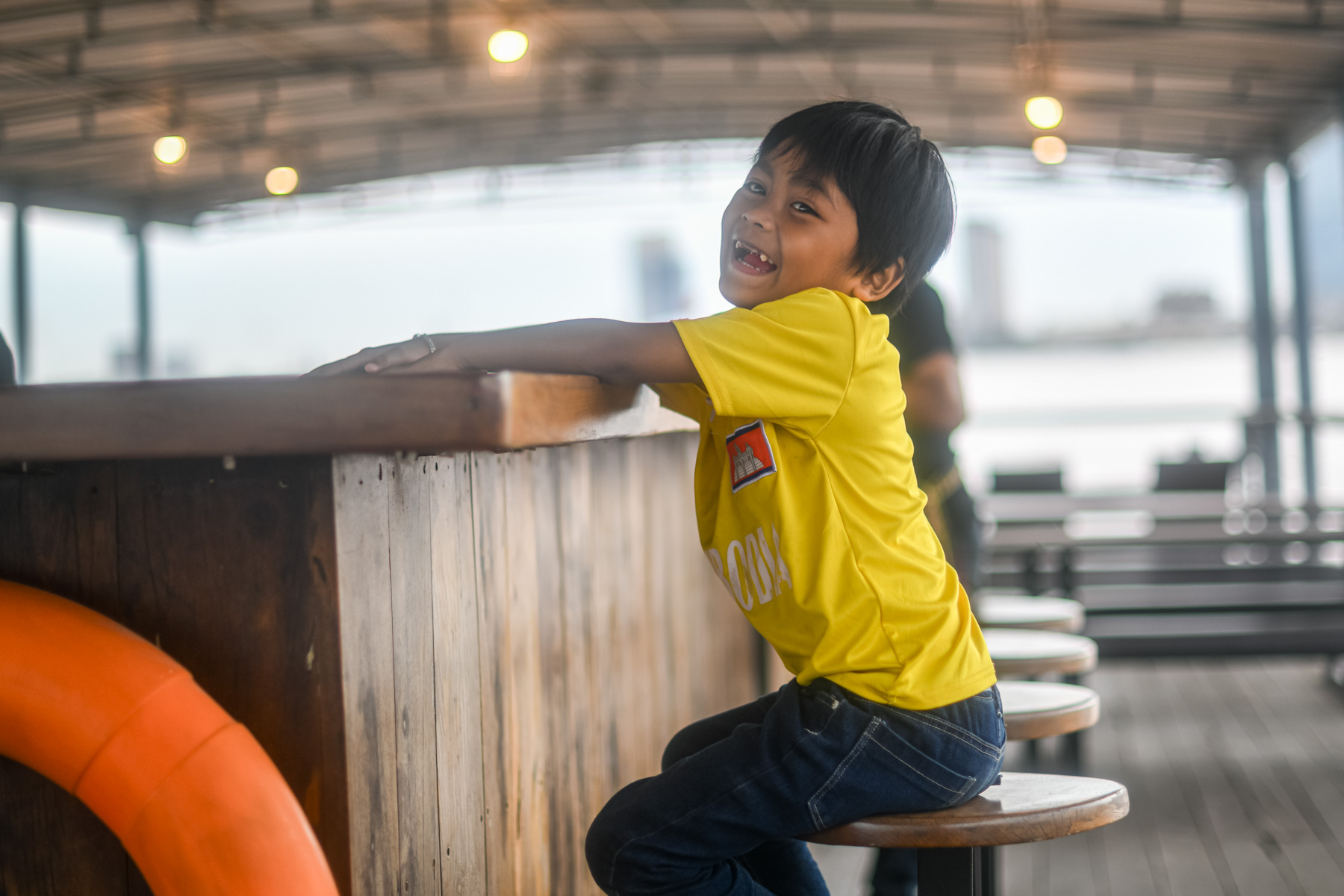
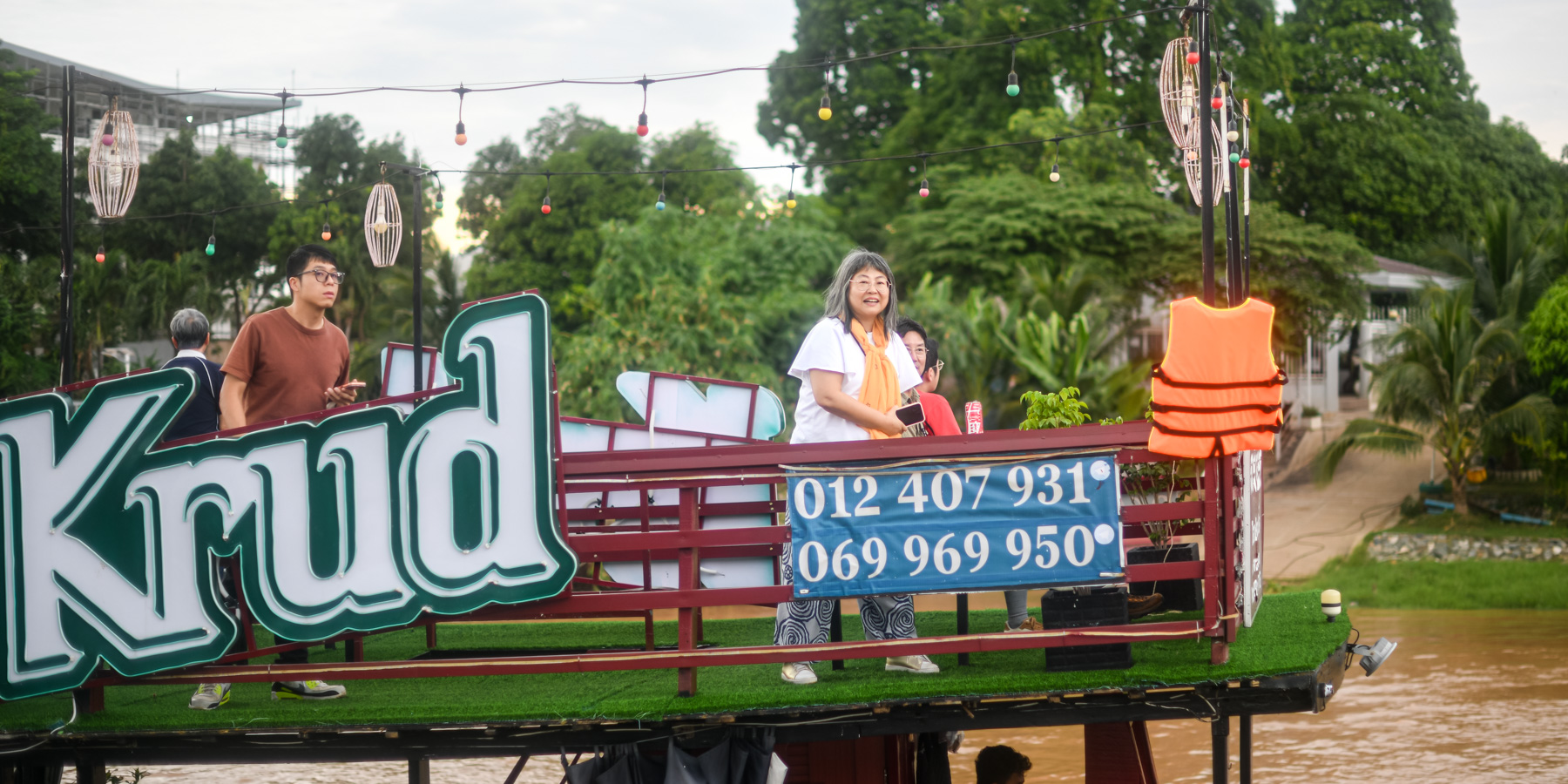

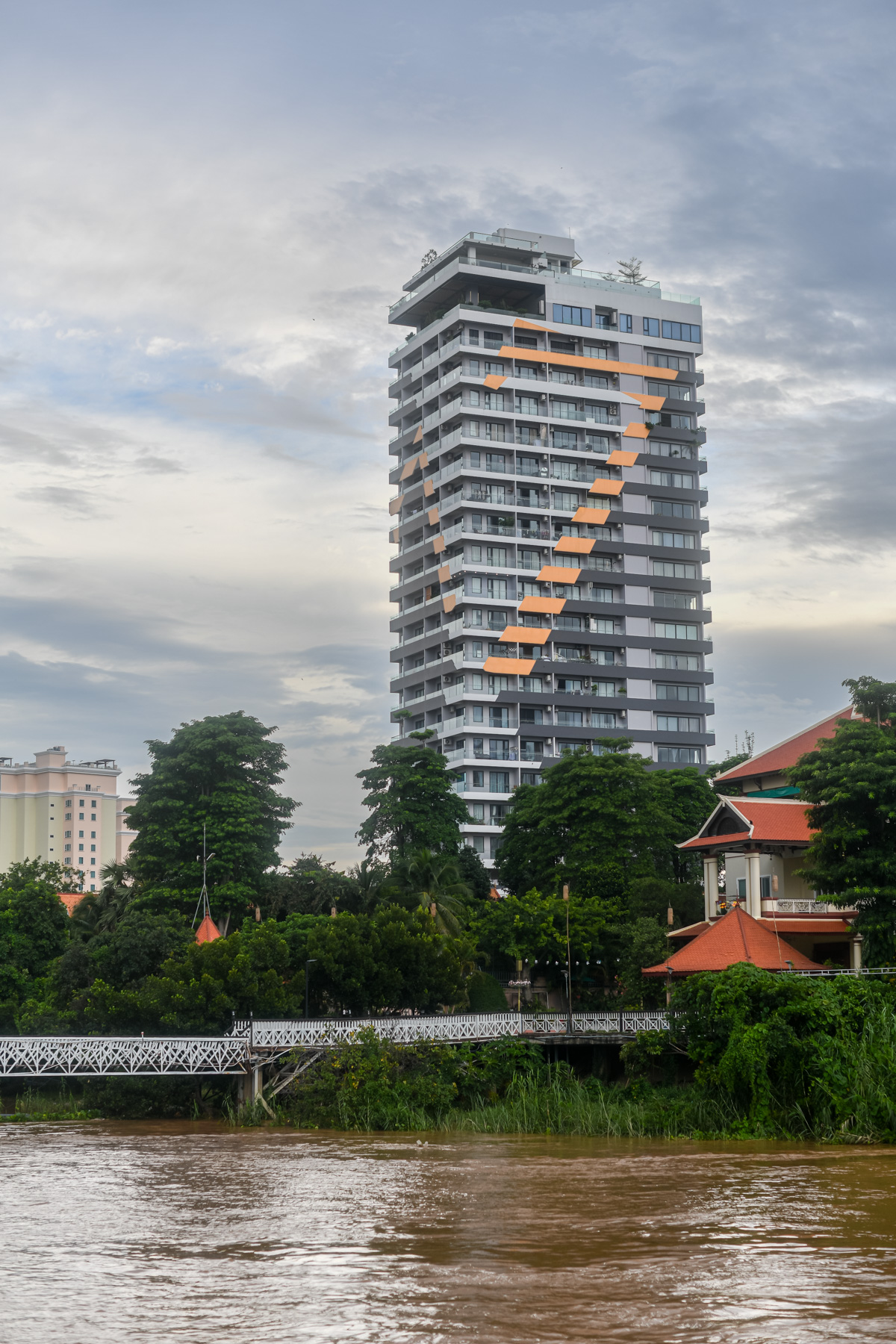
After enough years using Nikon DSLRs, the controls become familiar. Aperture. Shutter speed. ISO. Focus point. Exposure compensation.
Everything else can largely bugger off.
The camera is there to make photographs.

Then we put the little 50mm f/1.4G on the front.
And suddenly this enormous photographic machine becomes beautifully simple.
The AF-S Nikkor 50mm f/1.4G is an interesting lens because it isn’t one of Nikon’s modern optical monsters.
It dates from 2008. It has eight elements in seven groups, weighs only about 280 grams, focuses down to 45cm and uses a nine-bladed rounded diaphragm. Its Silent Wave Motor provides autofocus, while M/A mode allows immediate manual adjustment.
In other words, it is refreshingly ordinary.
And I mean that as a compliment.
On the D850’s FX sensor, 50mm gives us that classic normal perspective. Not dramatically wide. Not compressed like a telephoto.
Just 50mm.
You look. You frame. You photograph. There is nowhere to hide.

Your feet are the zoom
The first thing that happens when you spend an entire day with a prime lens is that you stop thinking about lenses.
At the beginning you might see something and think:
I wish I had the 35mm.
Twenty minutes later:
An 85mm would be handy here.
Ignore it. Keep walking.
Something rather interesting eventually happens. Your brain begins adjusting to 50mm.
You start seeing pictures in 50mm before the camera reaches your eye.
You know roughly what will be in the frame. You know how close you need to get. You begin moving instinctively.
Want the person larger? Walk closer.
Want more environment? Walk backwards.
Can’t walk backwards because there’s a wall behind you?
Good.
Find another photograph.
That limitation is part of the exercise.
Modern photography has become obsessed with eliminating limitations. I increasingly think limitations are good for us. They make us think.

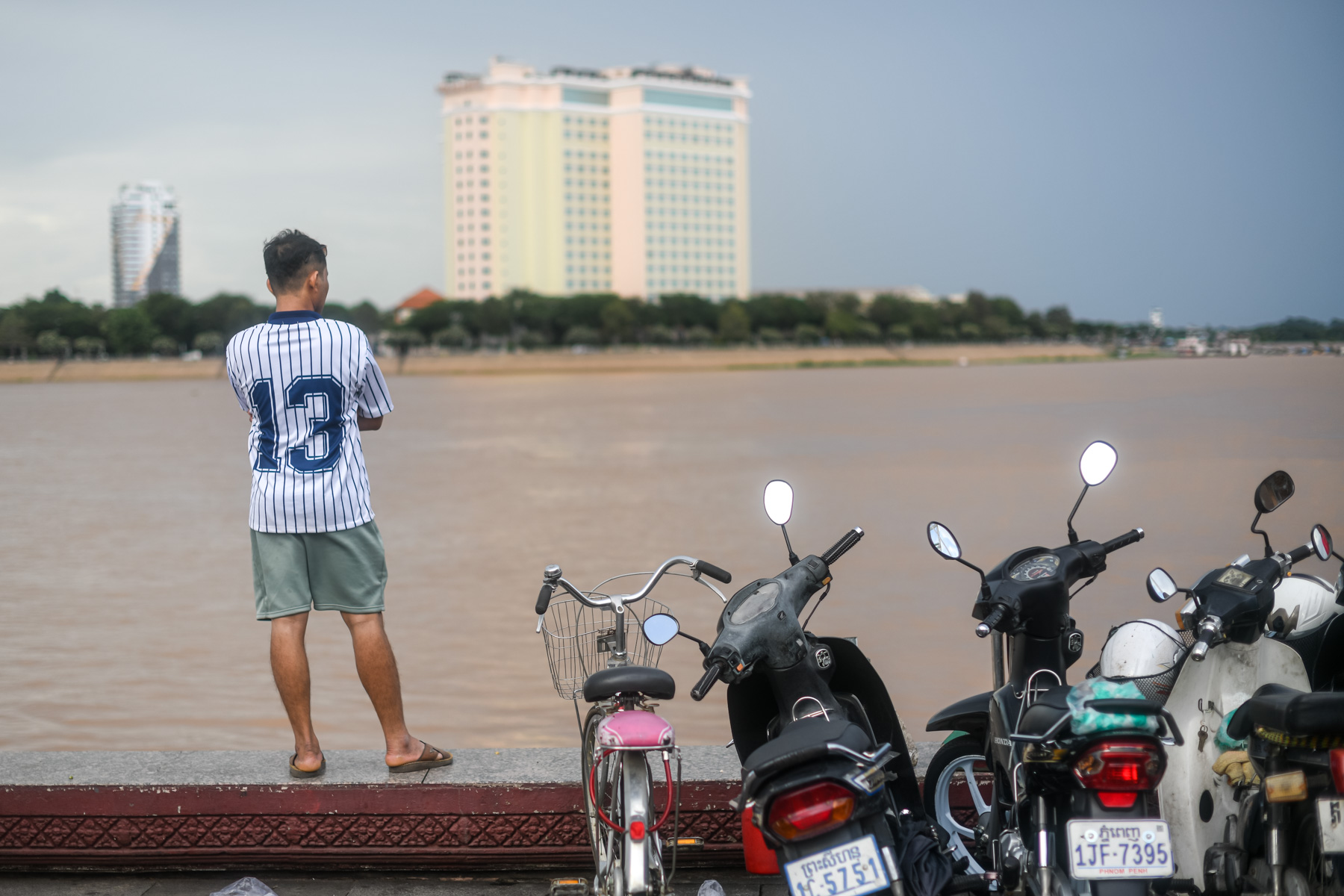

And 50mm makes you participate
This is particularly important when photographing people.
With a long lens, I can stand well away from somebody and photograph them almost anonymously.
With a 50mm, I can’t.
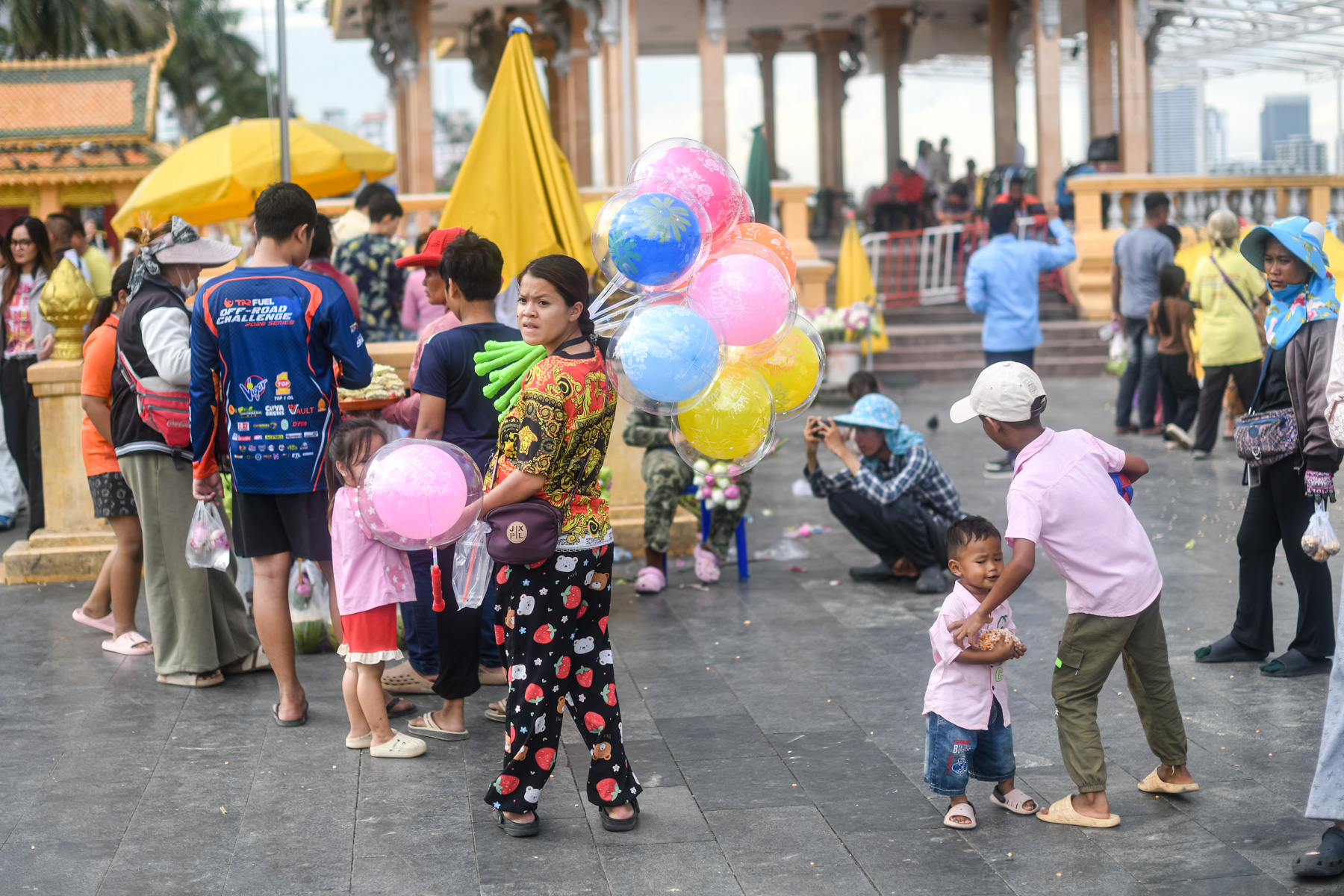
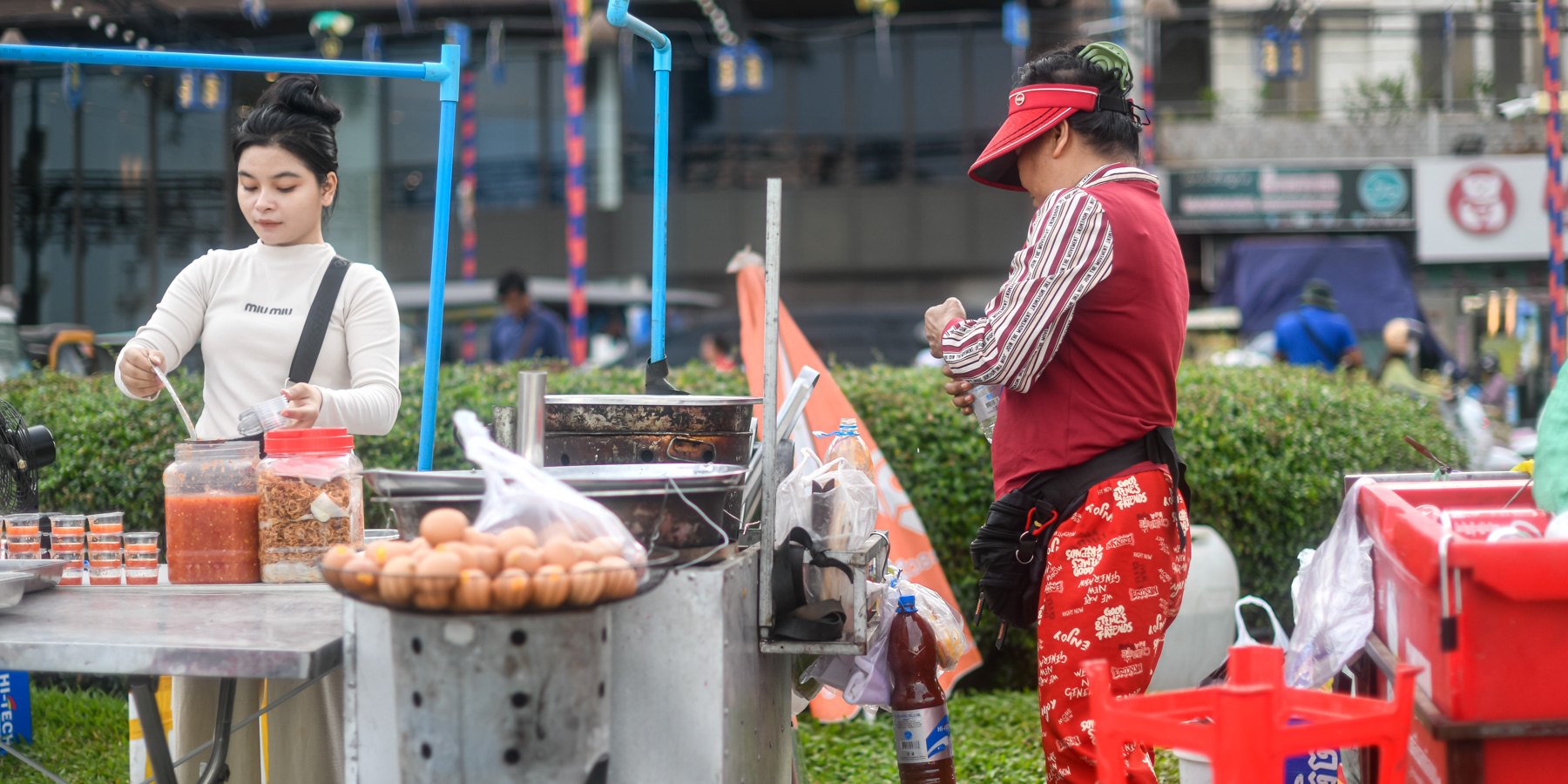
If I want somebody to occupy a significant part of the frame, I have to get reasonably close. I have entered their world. That changes the photograph.
There’s an intimacy to 50mm street photography that I like. I’m not right under someone’s nose, as I might sometimes feel with a very wide lens, but neither am I standing across the road pretending I wasn’t there.
I’m part of the scene.
For the sort of photography I enjoy — people, faces, gestures, little human moments and the environment around them — that feels right.

About that f/1.4
Naturally, the great attraction of this particular 50mm is written around the front of the lens.
1:1.4.
That’s fast.
It means I can keep working when the light begins to disappear. It means I can isolate somebody against a distracting background. And that rounded nine-blade diaphragm can produce very pleasant out-of-focus areas. Nikon itself positions the lens for low-light work, portraits and general photography.
But here’s something I’ve learned. Just because I’ve bought an f/1.4 lens doesn’t mean I have to photograph everything at f/1.4.
There seems to be a modern fascination with obliterating backgrounds.
Eyes sharp. Ears blurred. Nose blurred. Background transformed into expensive-looking soup.
Very impressive.
But sometimes I actually want to know where the person is.
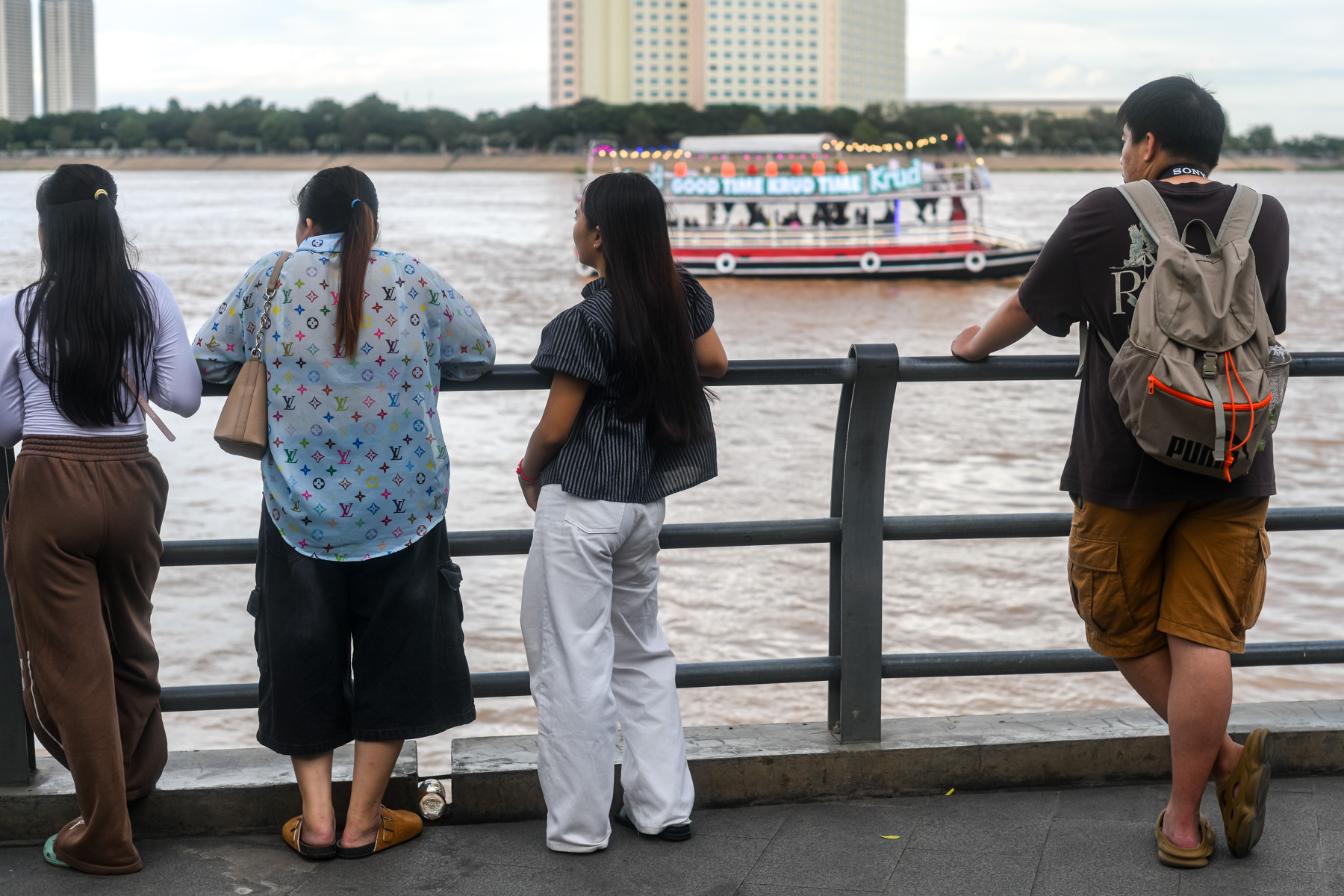
For street photography especially, the background frequently provides the story.
So I’ll happily use this lens at f/2.8, f/4, f/5.6 or f/8.
I want the aperture that makes the photograph work.
Not the aperture that proves what is engraved on the lens barrel.
The D850 will expose your mistakes
There is another reason I like this combination.
The D850 doesn’t flatter sloppy technique.
That enormous resolution records an extraordinary amount of detail, which means that when focus is right and the camera is steady, the results can be beautiful.
But miss focus slightly? You’ll know.
Use a shutter speed that’s a little too slow? You’ll know.
Get lazy with technique? Oh, you’ll definitely know.
And I rather like that.
A camera should occasionally remind the photographer that he is still involved in the process.
The D850 is capable of extraordinary image quality, but it doesn’t magically create good photographs.
Neither does the 50mm f/1.4G.
That’s still my job.
Leave the bloody camera bag at home
This might actually be the most important part.
Don’t put the D850 and 50mm into a bag containing another four lenses.
Because then the temptation remains.
Take the D850. Attach the 50mm. Put a spare battery and memory card in your pocket. Walk out of the door. That’s it.
For the next few hours, 50mm is the only focal length in existence.
It is remarkably liberating. No lens changes. No sensor dust. No wondering whether the photograph might look better at 35mm. No staring into a bag while the interesting human moment happening three meters away disappears forever.
Just photography.
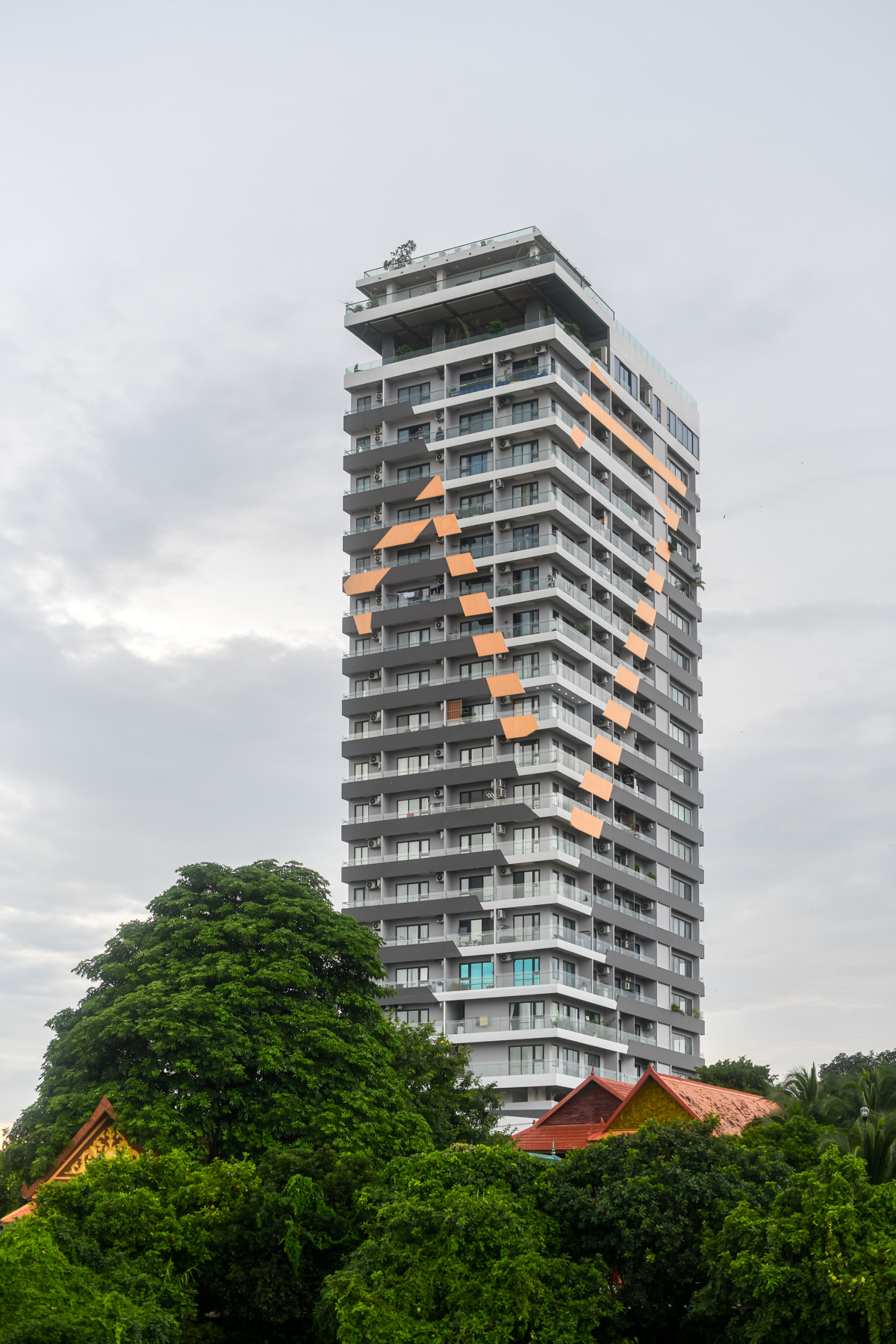
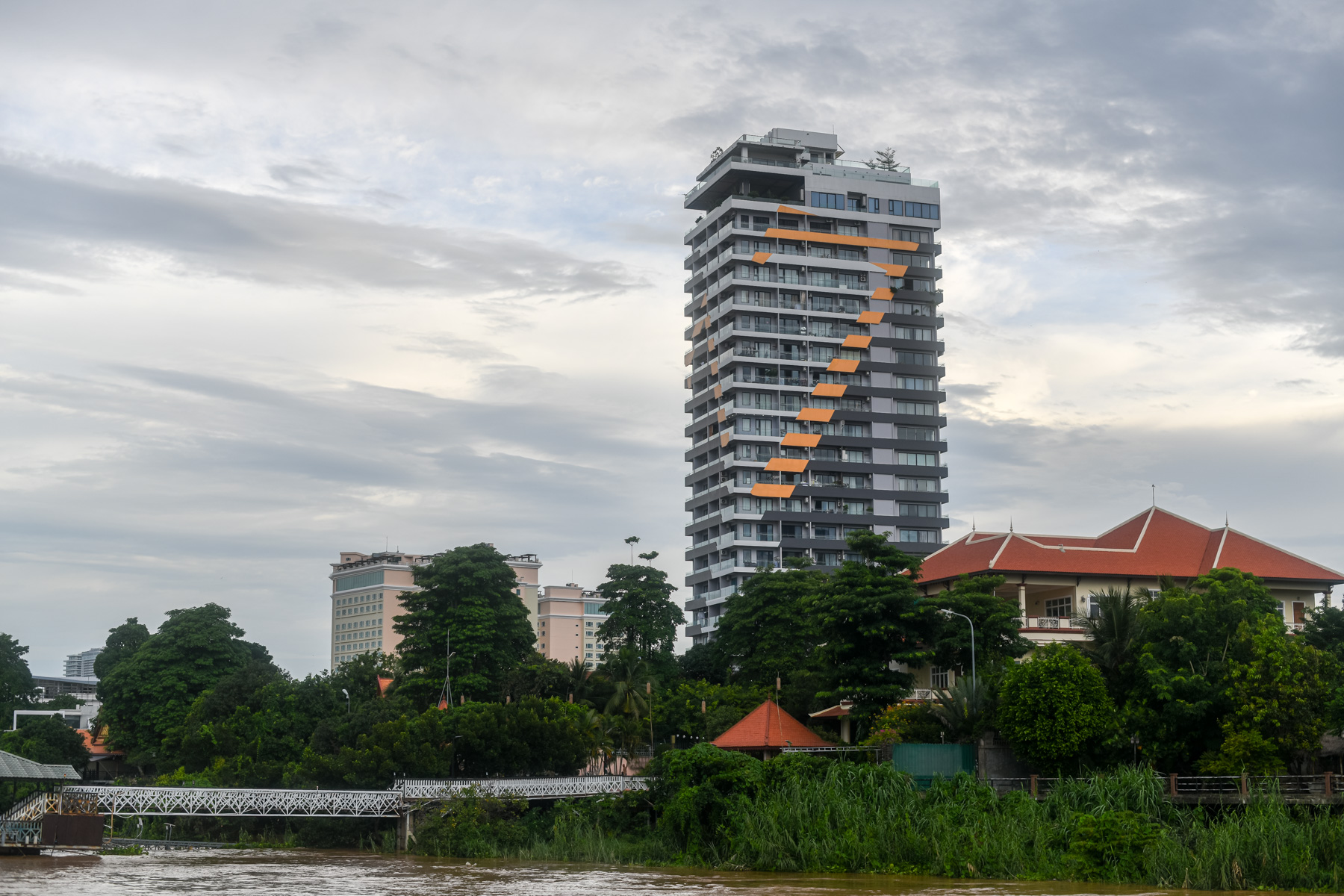
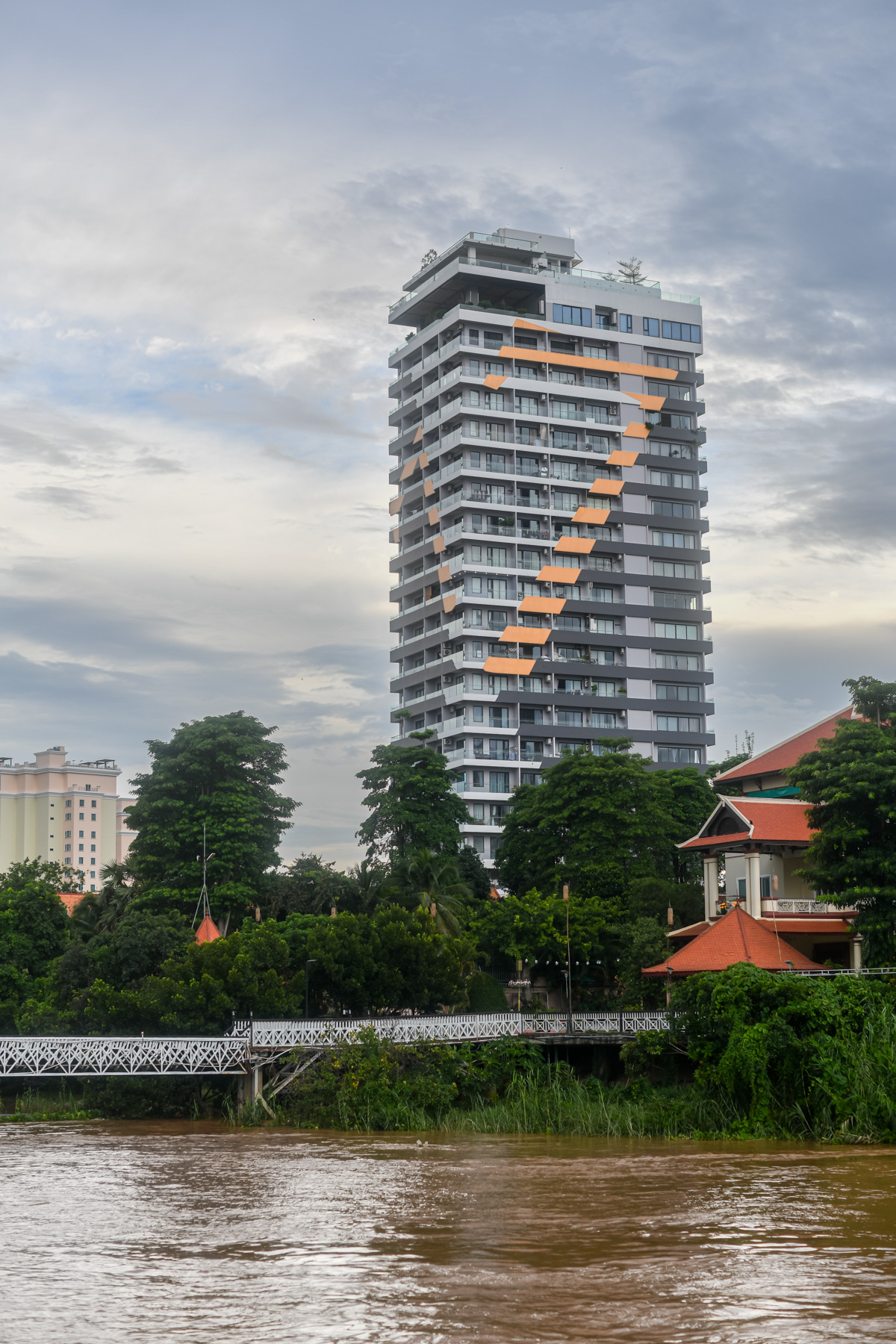
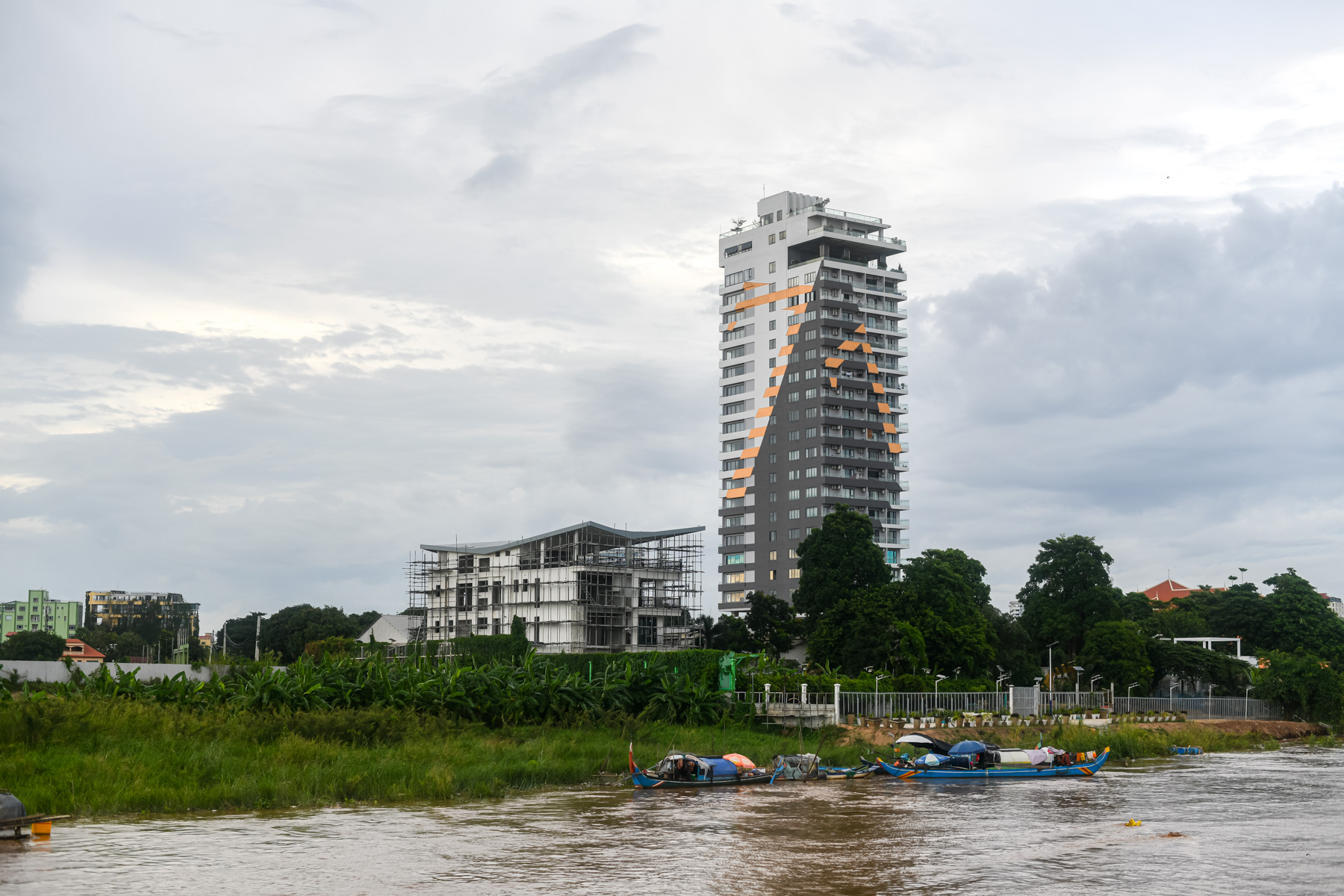
One camera, One lens changes the way you work
The longer you use the combination, the less you notice it. And that’s when things become interesting.
The camera stops being the subject. You start noticing light.
A face appearing through a doorway. Someone sitting alone at a café.
A child running through a shaft of afternoon sunlight. Two people arguing. Someone laughing. A hand resting on a shoulder. A tired face on a bus.
The ordinary theatre of the street. These are the things that matter. Not whether Nikon has released something newer. Not whether another lens resolves another hundred lines on somebody’s laboratory chart. Not whether my autofocus system contains the latest artificial intelligence.
Did I see the picture?
That’s the question.
Could I really live with just this?
Photographically?
Yes.
The D850 and 50mm f/1.4G could cover an astonishing amount of what I enjoy photographing.
Street. Portraits. Environmental portraits. Travel. Documentary work. Family. Night photography. Details. Even landscapes, if I stop believing landscapes must automatically be photographed with wide-angle lenses.
Would there occasionally be photographs I couldn’t make?
Of course. That’s life. I’ve missed photographs while carrying three lenses as well. Usually because I was fiddling with the bloody equipment.
After decades around cameras, perhaps the greatest luxury isn’t owning more equipment. It’s needing less.
When I was younger, another lens represented another possibility. Now I increasingly see it differently. Every additional lens is another decision. And every second spent thinking about equipment is a second I’m not looking at what is happening around me.
So give me the Nikon D850. Put the AF-S Nikkor 50mm f/1.4G on it. One battery in the camera. Another in my pocket. An empty memory card. Good walking shoes. And send me out onto the street.
No zoom. No second body. No bag full of alternatives.
If the photograph is too far away, I’ll walk towards it.
If I’m too close, I’ll walk backwards.
And if neither works, I’ll wait for another photograph. Because there is always another photograph. You just have to be looking.
One camera. One lens. One photographer.
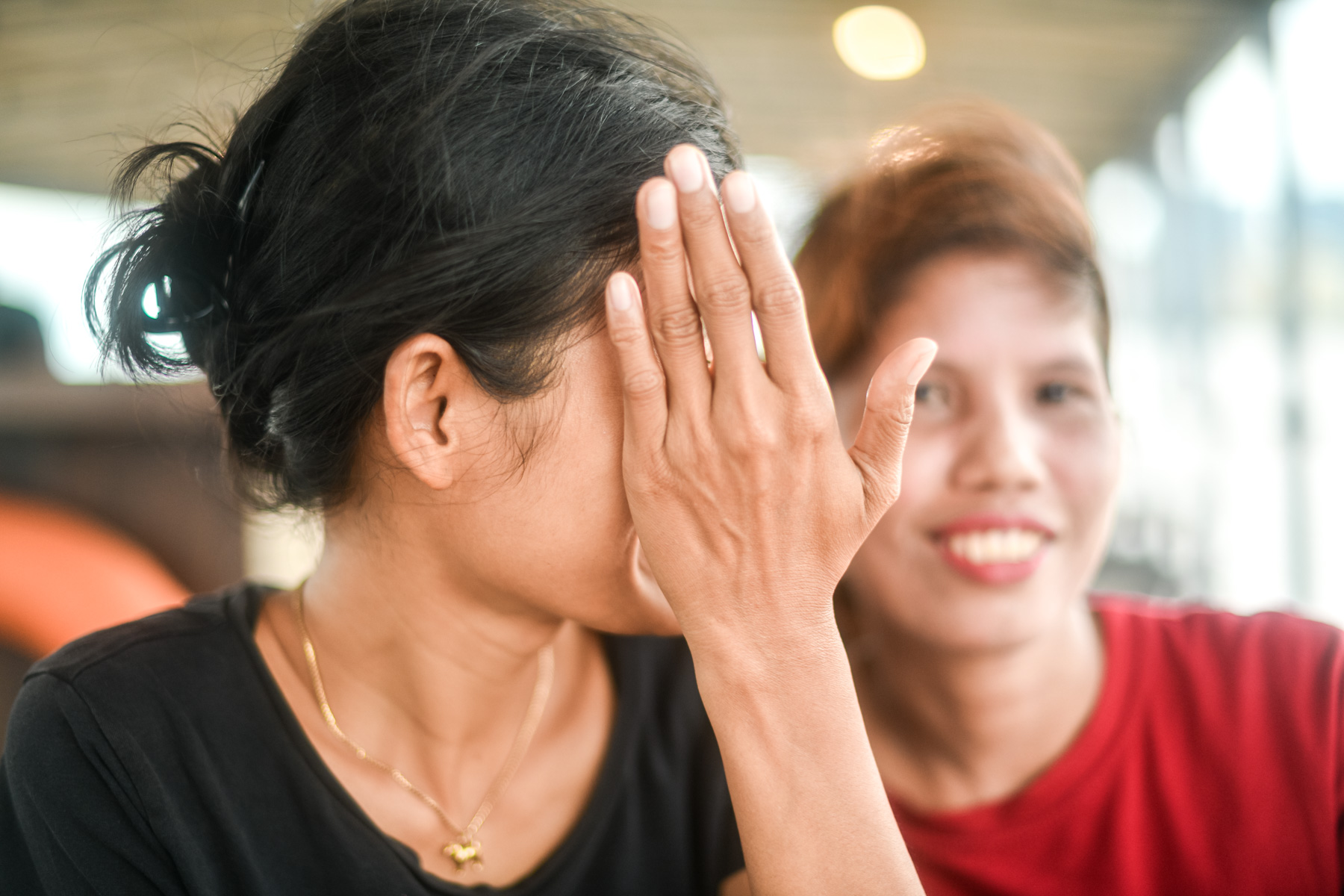
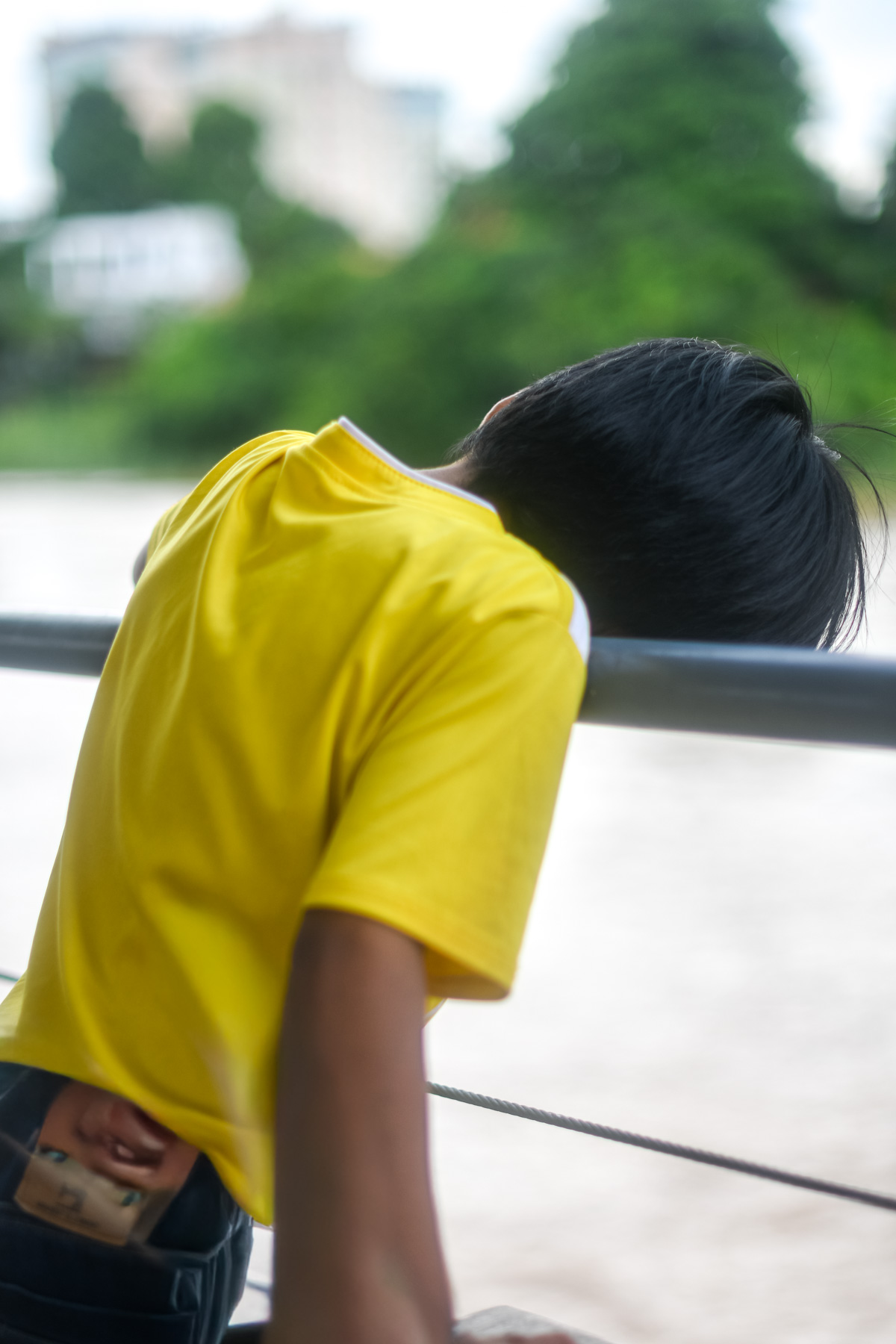
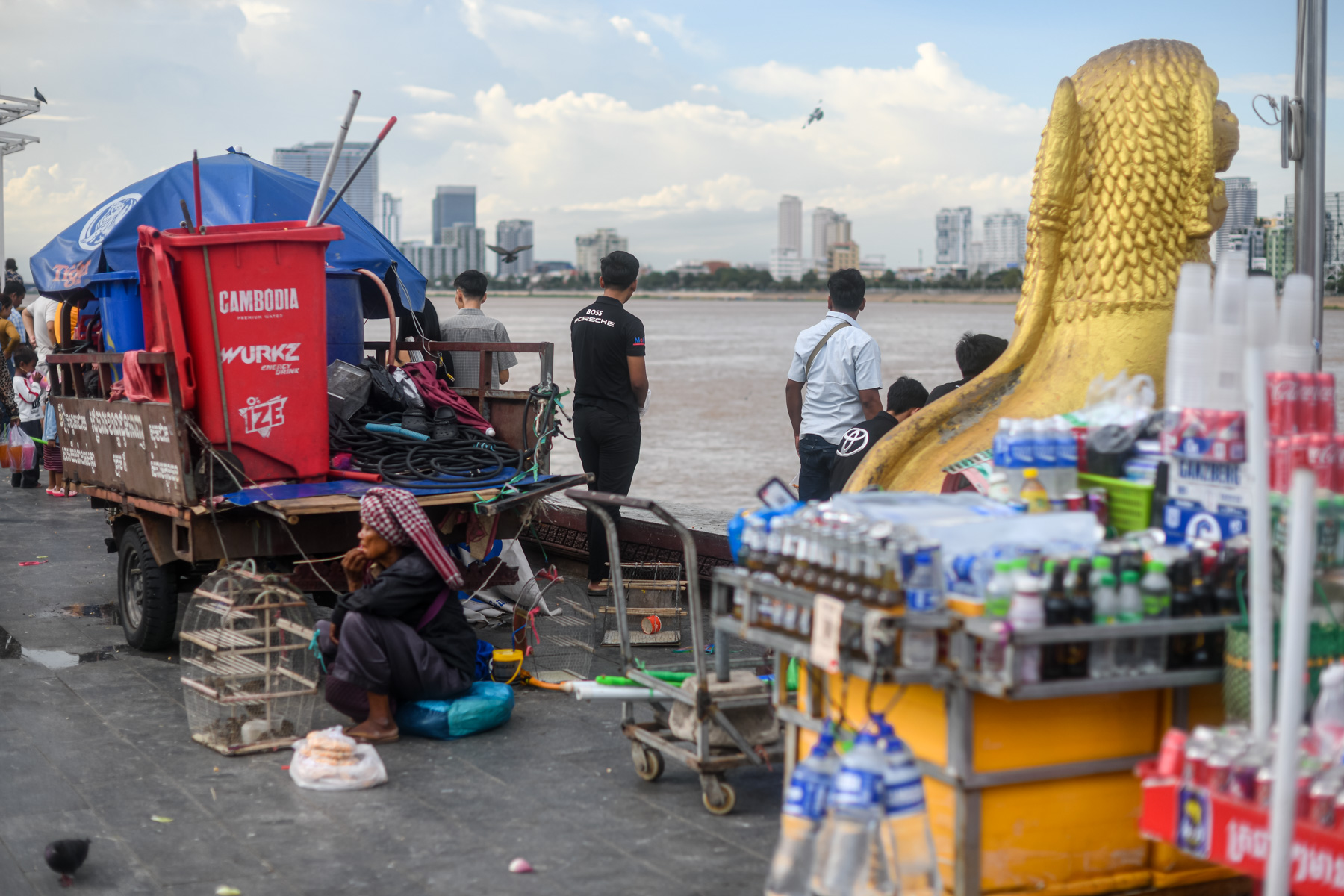




After all these years, perhaps that is enough.
Perhaps it always was.
— The Old Photographer Series

