


There is a particular pleasure in leaving the house with one camera and one lens.
No bag stuffed with primes. No second body. No agonising over whether I might need a 24mm, an 85mm or something longer. Just a full-frame Nikon with an old AF Nikkor 35–135mm f/3.5–4.5 attached.
Then I go for a walk.
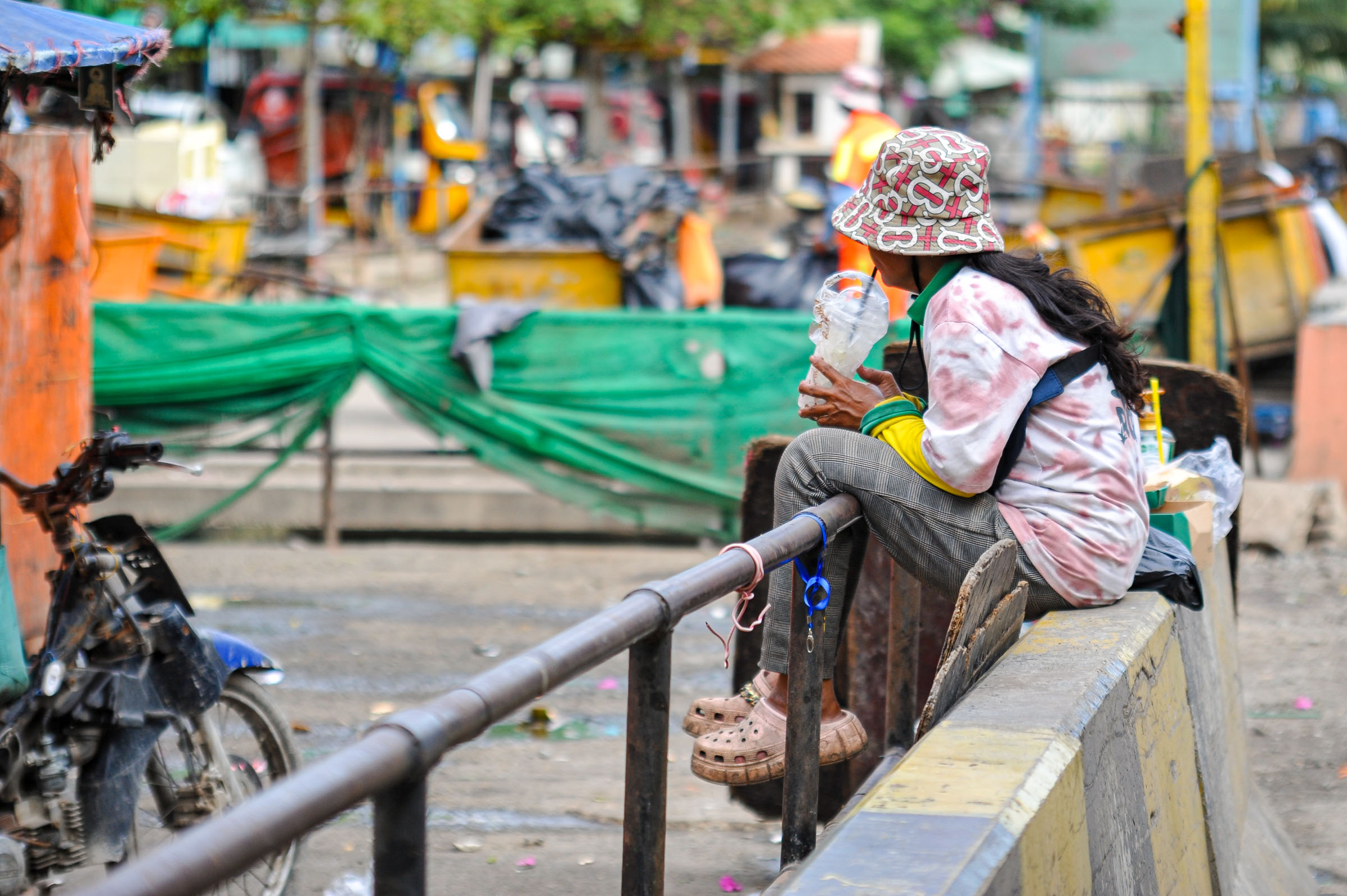
The 35–135mm AF comes from a very different period of Nikon photography. Introduced in the late 1980s, it belongs to the first generations of Nikon autofocus lenses, when AF was still something rather exciting rather than something photographers simply expected.
There is no AF-S motor inside it. On compatible Nikon DSLRs, autofocus is driven mechanically by the motor in the camera body — the famous Nikon screw-drive system.
It isn’t silent.
It isn’t particularly elegant.
You can actually hear the bloody thing focusing.
I rather like that.
Put it on a full-frame Nikon DSLR with a built-in AF motor — something like a D700, D800, D810, D3 or similar body — and you’ve got an autofocus combination that may be old-fashioned but remains thoroughly capable of taking photographs.
More importantly, on full frame the focal range makes enormous sense.
35–135mm.
Forget specifications for a moment and think about what those numbers actually mean when you’re walking around with a camera.
At 35mm you’ve got a proper documentary focal length.
It is wide enough to photograph the street, markets, cafés, buildings, groups of people and environmental portraits without the dramatic perspective of an ultra-wide lens.
Thirty-five millimetres is also wide enough to give a person somewhere to exist. That’s important to me.
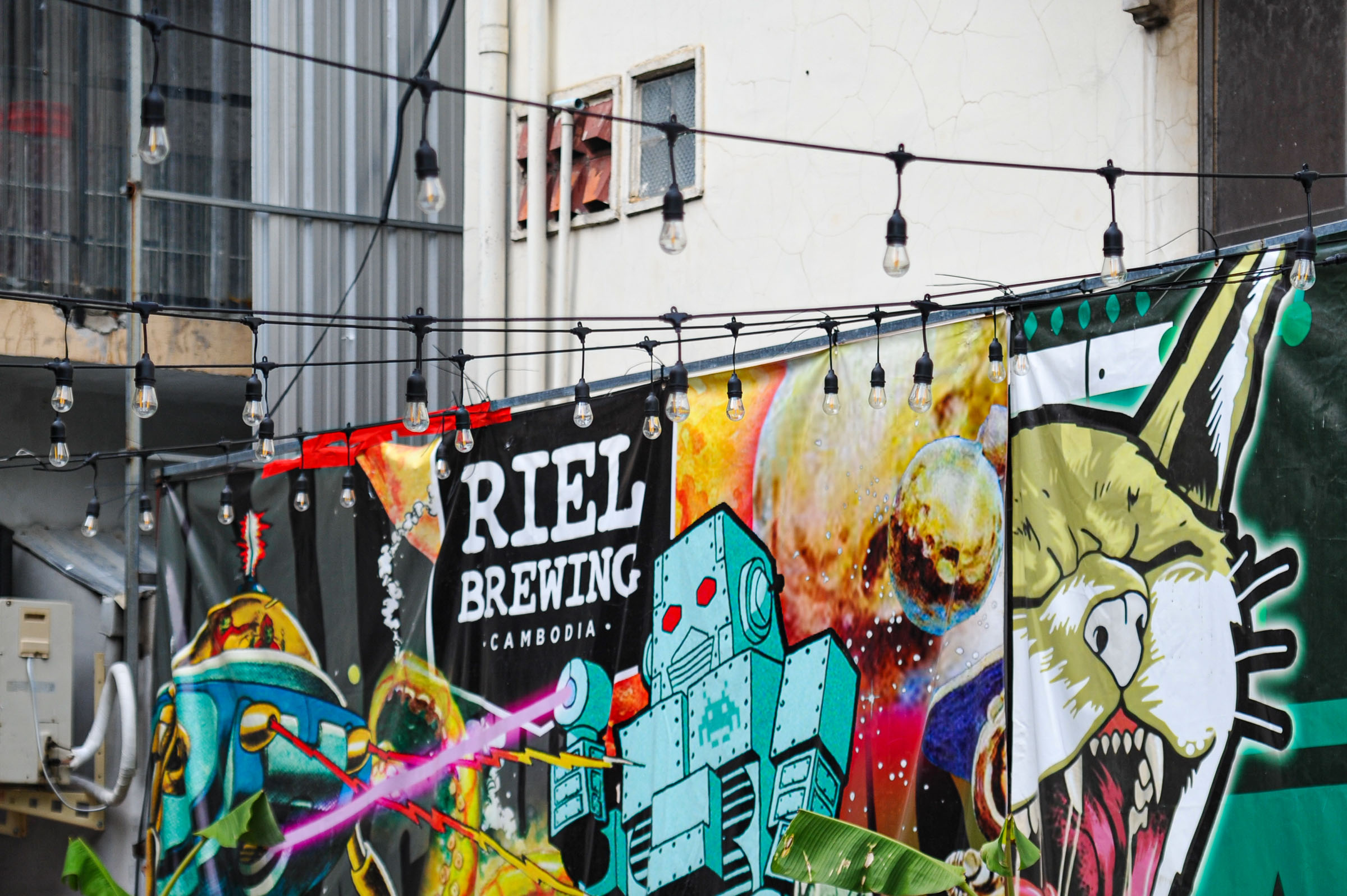
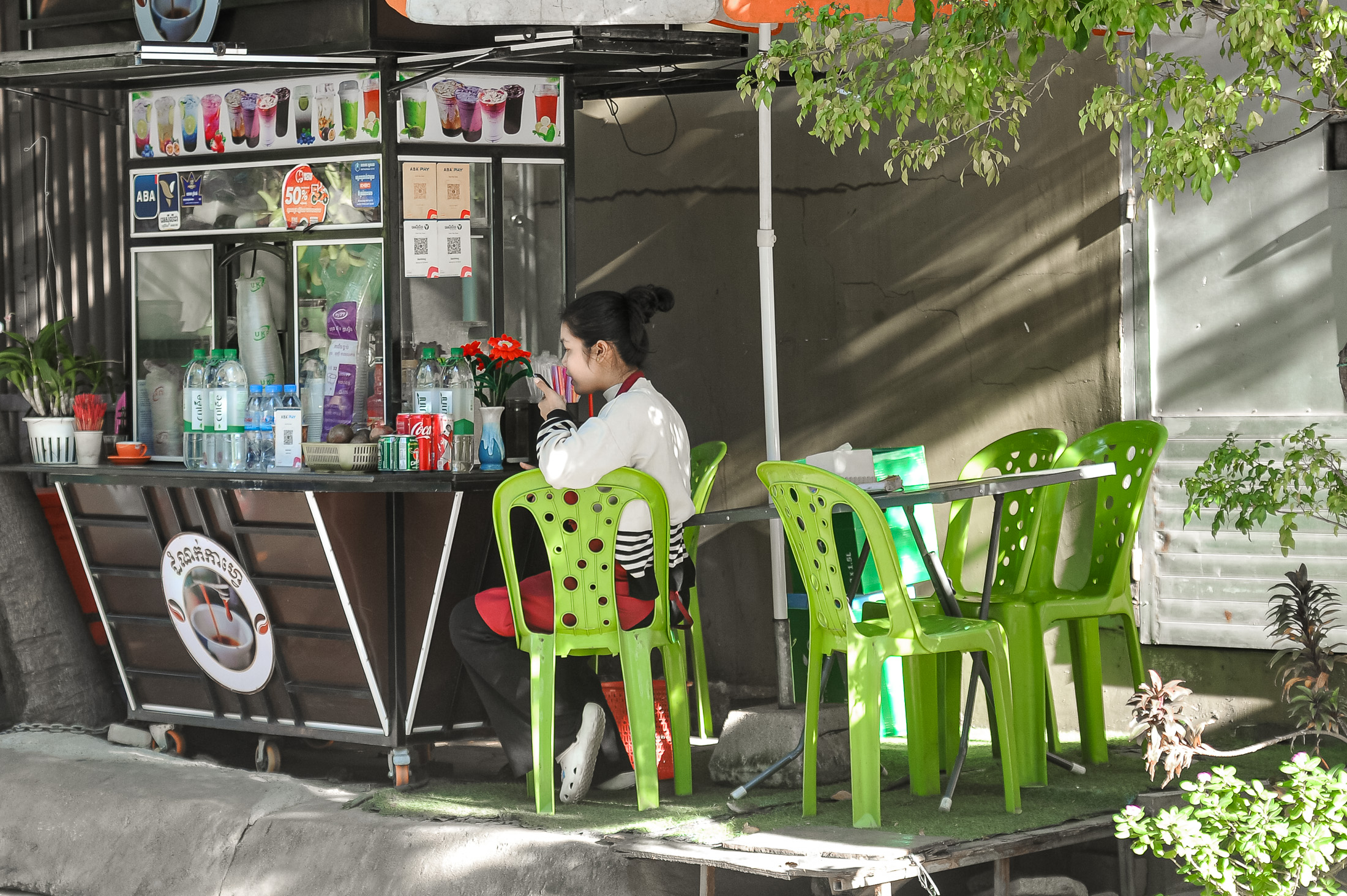
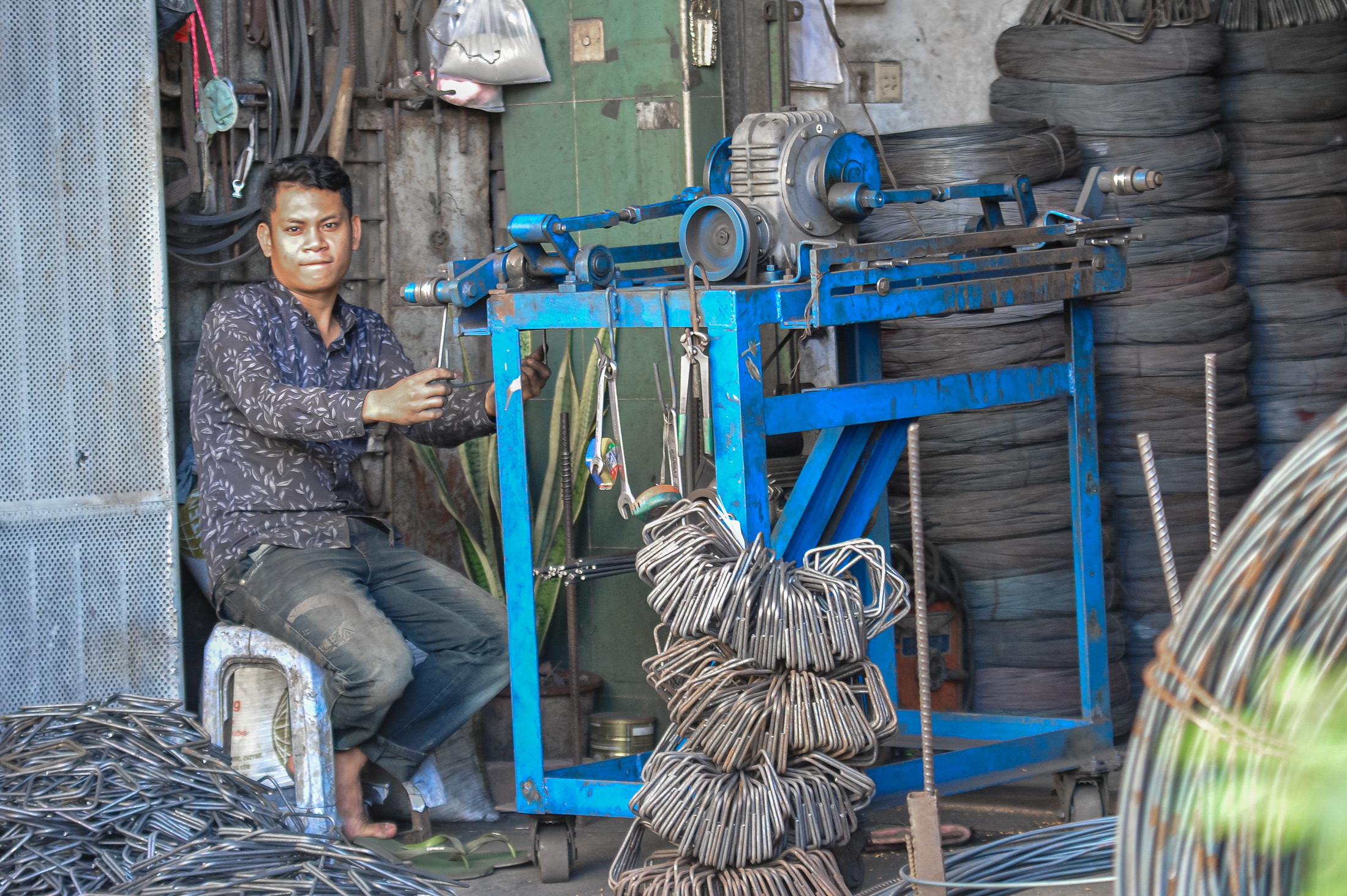
Street photography isn’t always about isolating a face. Often the surroundings explain the person. The shop they’re sitting outside, the food they’re selling, the people around them, the light falling through an alleyway — these things can be as important as the subject.

At 35mm I can include that information.
Turn the zoom ring a little and I’m around 50mm.
Now things become quieter. Perspective feels natural. I’m looking rather than announcing that I’m using a wide-angle lens.
Keep going.
Seventy millimetres. Eighty-five. One hundred.
These are wonderful focal lengths for photographing people.
And then there’s 135mm.
Now I can stand back. Not hide. Not photograph people from half a mile away pretending I’m invisible. Just give somebody a little breathing room.
That makes the 35–135 particularly interesting as an everyday lens for the sort of photography I enjoy.

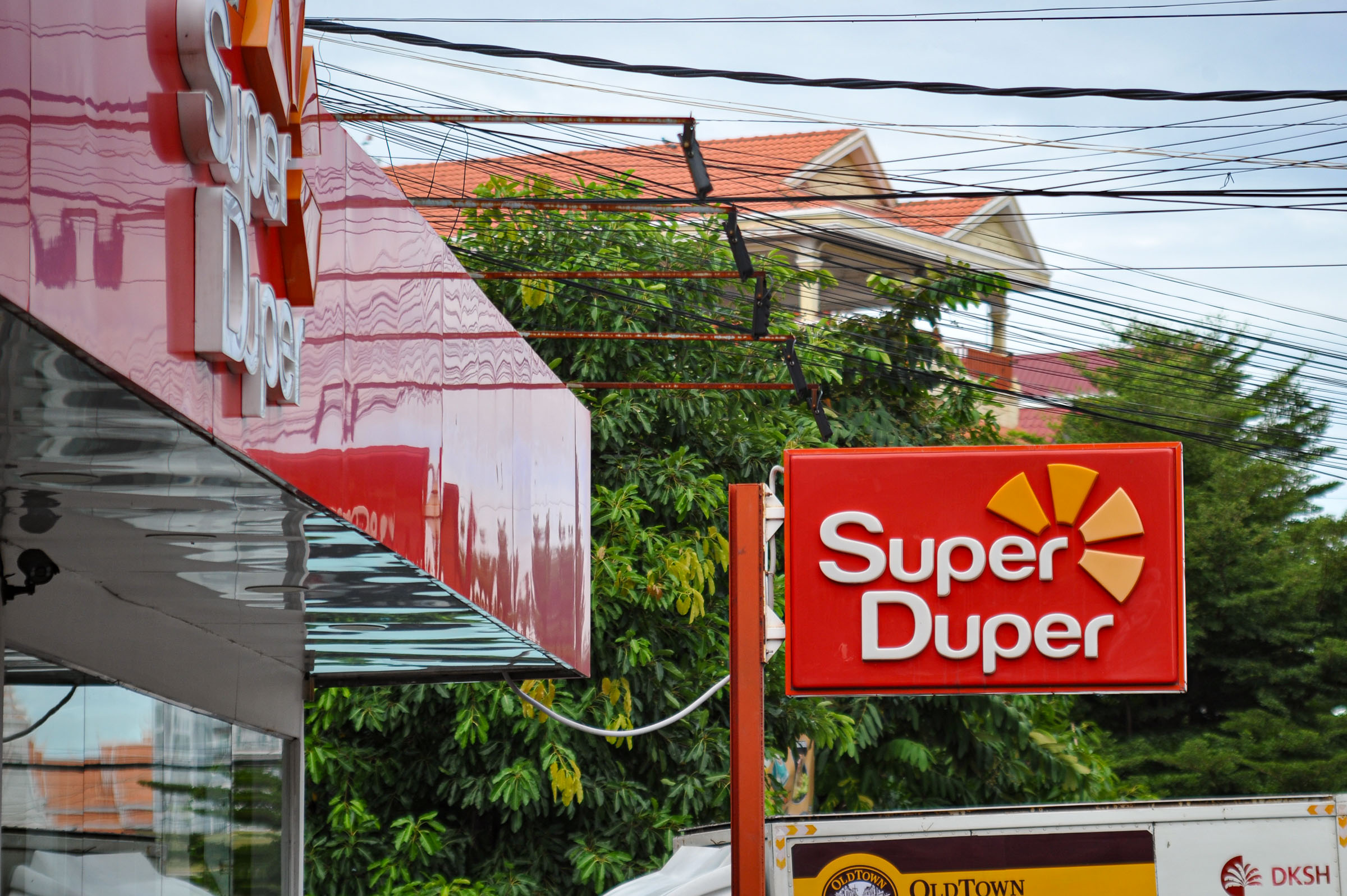
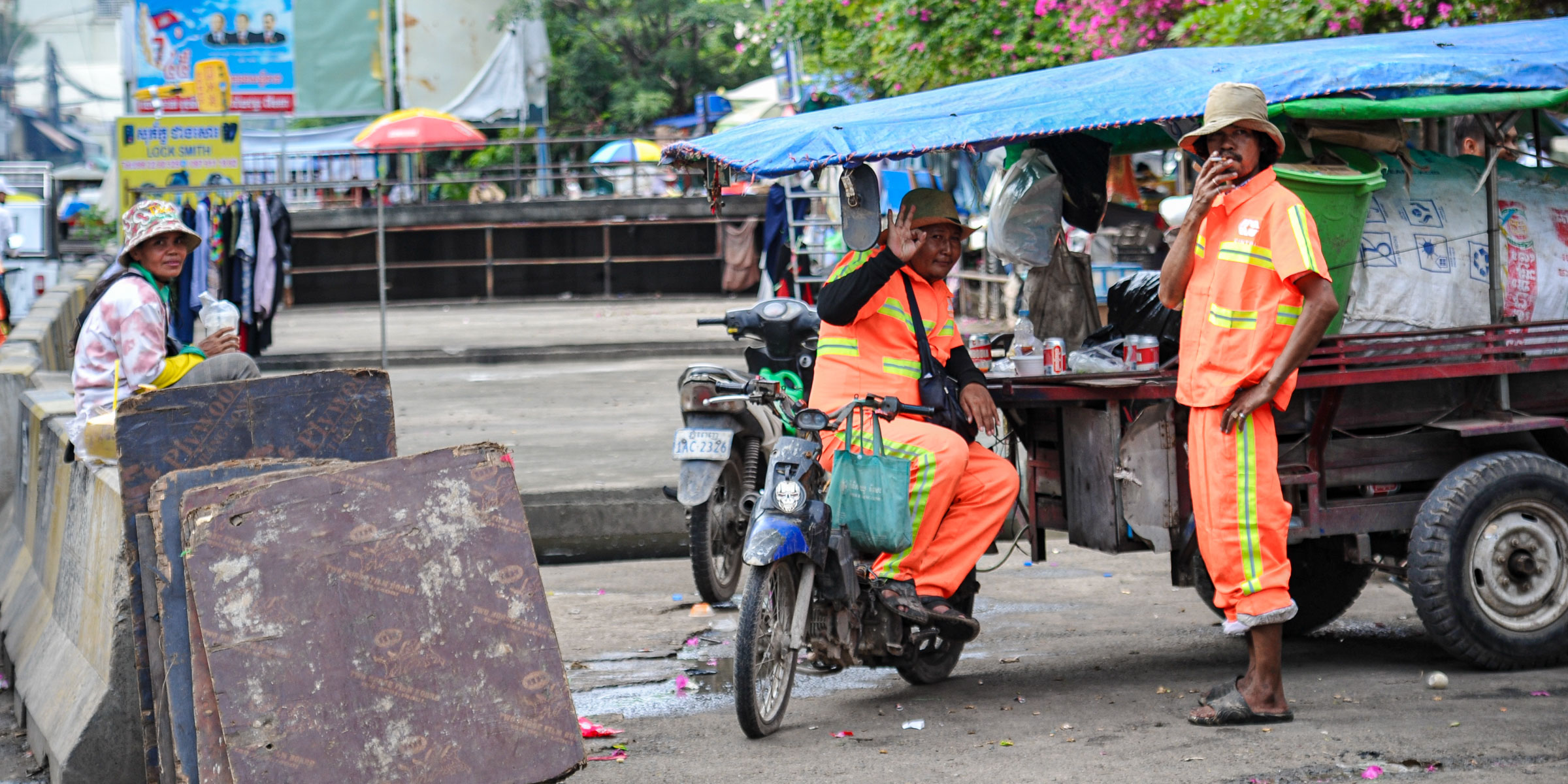



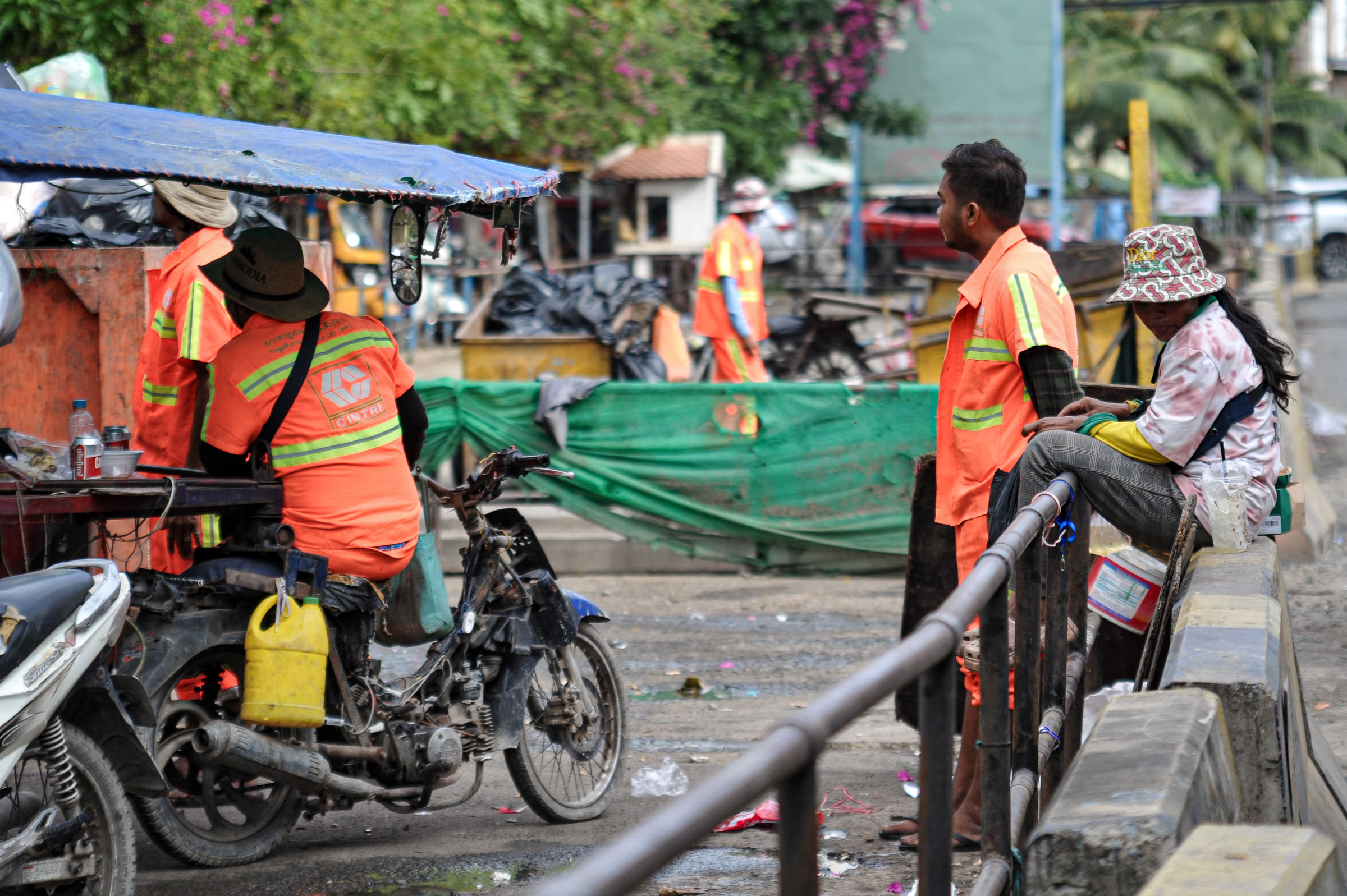
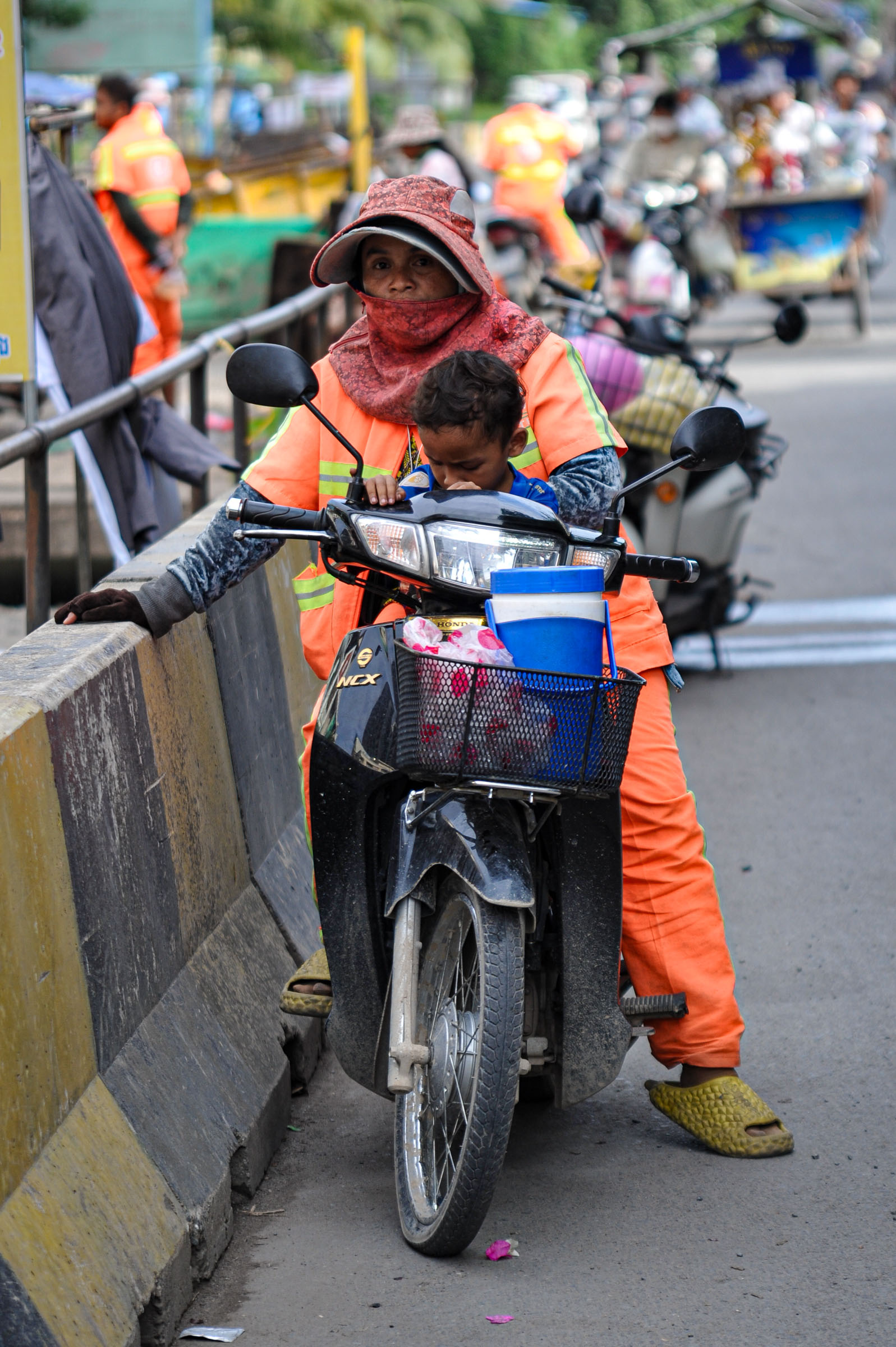

I have always liked photographing people, and I have never believed that street photography requires sticking a 28mm lens eighteen inches from a stranger’s nose.
Some photographers work brilliantly that way. Good luck to them. It isn’t a rule.
At 85mm, 105mm or 135mm I can watch relationships developing between people without immediately changing those relationships simply because I’ve walked into the middle of them.
Then, five minutes later, I can zoom back to 35mm and photograph the whole street. That flexibility is what makes this old Nikkor such a useful walkabout lens.
Of course, somebody will immediately point out the obvious problem.
“But 35mm isn’t very wide.”
No, it isn’t. And I’m not sure I care.
Modern photographers have become accustomed to zooms beginning at 24mm. A 24–70mm feels normal. A 24–120mm seems almost ideal as a general-purpose full-frame lens.
On paper, a 24–120mm is certainly more versatile.
But photography doesn’t happen on paper.
For the way I tend to see photographs, 35mm is wide enough most of the time.
And the price I pay for losing 24–34mm is that wonderful reach out to 135mm.
For photographing people, I’ll happily make that exchange.

There is another reason I like this focal range on full frame.
It makes me move.
If 35mm isn’t wide enough, perhaps I need to take three steps backwards.
If 135mm isn’t long enough, perhaps I need to get closer.
Zoom lenses sometimes make photographers lazy. We stand in one place and compose entirely by twisting a ring.
A limited zoom range doesn’t completely remove that temptation, but it reminds me that my feet remain part of the photographic equipment.
The lens itself is unmistakably from old Nikon. It feels like a lens.
Metal, glass, mechanical movement and enough weight to remind you that you’re carrying something built during an era when Nikon expected its equipment to spend years being knocked around by working photographers.
Nobody would mistake it for a modern lightweight plastic kit zoom.
On a substantial full-frame Nikon DSLR, though, that isn’t necessarily a bad thing.
Put it on something like a D700 or D810 and the combination feels balanced. Neither camera was designed around the idea that photographic equipment should disappear into a coat pocket.
These are proper cameras. The 35–135 feels at home on them.
Optically, I’m not going to pretend an old zoom from this period magically defeats thirty-odd years of optical development. It doesn’t.
Modern lenses can be sharper, particularly towards the edges. They can control flare, chromatic aberration and distortion better. Modern autofocus is faster and quieter. Modern stabilisation can rescue shutter speeds that would have been risky when this lens was designed.
All true.
But here’s the question that matters:
Does the 35–135mm make good photographs?
Yes. Absolutely. Especially stopped down a little, it is capable of producing perfectly respectable sharpness, contrast and colour.
And there’s something else.
Older lenses sometimes render photographs differently from modern optics designed to pursue technical perfection. Contrast can be gentler. Out-of-focus areas can have their own character. The transition between sharp and unsharp isn’t necessarily the same as the latest computer-designed lens.
I hesitate to call that magic, because photographers use that word far too easily.
Let’s call it character.
I like lenses with character.
The variable f/3.5–4.5 aperture is hardly spectacular by modern standards, but neither is it terribly slow for a general-purpose zoom.
At the wide end, f/3.5 is perfectly usable.
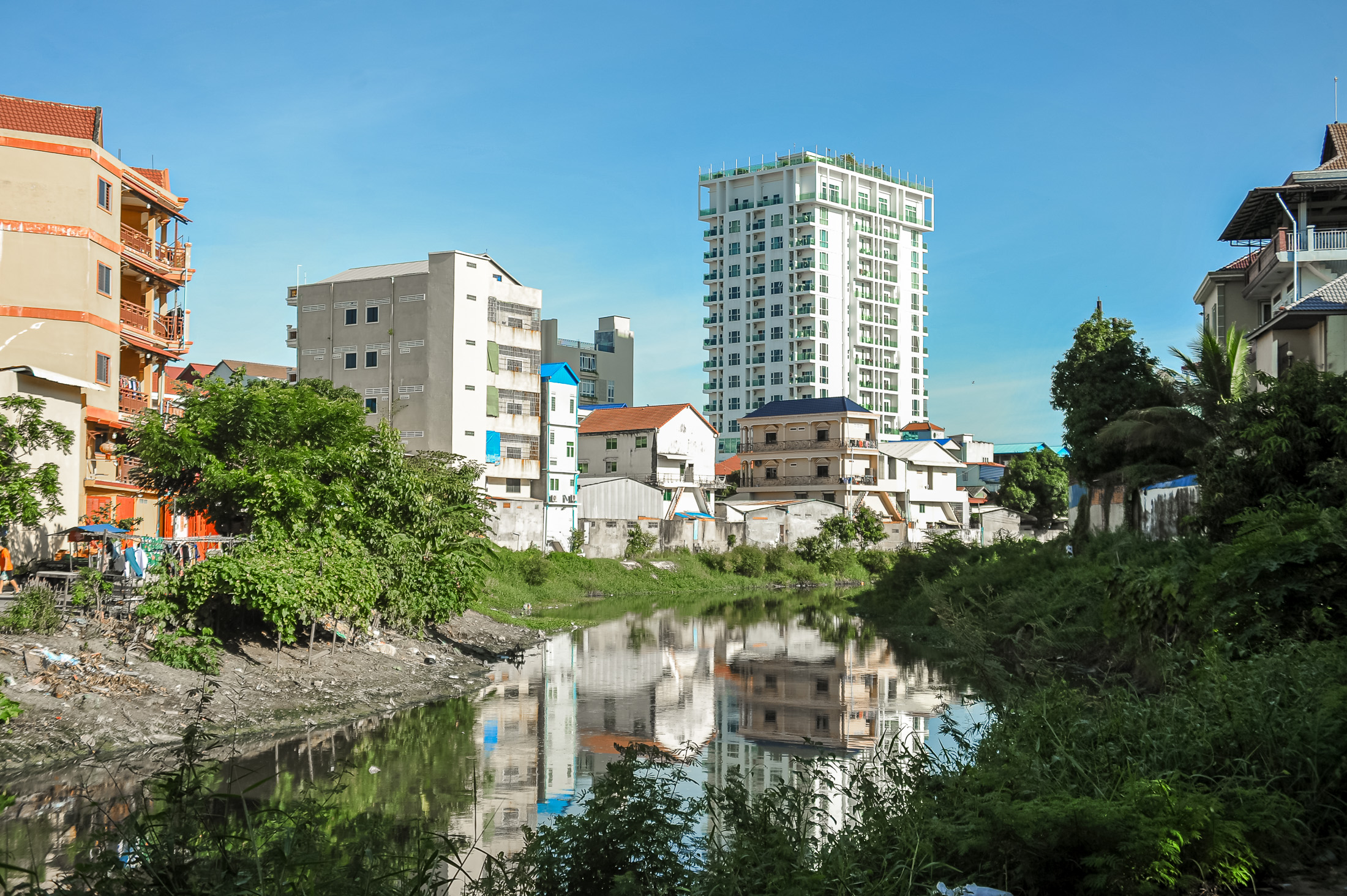
At 135mm, f/4.5 still allows some useful subject separation, particularly when you’re reasonably close to the subject and the background is further away.
And remember what we’re putting it on.
A full-frame digital Nikon. With modern ISO capability, even on an older DSLR, losing a stop or two compared with a fast prime isn’t the disaster it once was.
If the light drops, raise the ISO. That’s what the bloody button is there for.
There is no VR, of course. Photographers managed for decades without it.
Watch your shutter speed. Hold the camera properly. Brace yourself when necessary.

Take another frame. It’s remarkable how much photographic technique can compensate for technology we haven’t got. That may sound like an old photographer grumbling about modern conveniences.
It isn’t. I like modern conveniences.
VR is excellent. Modern autofocus is extraordinary. Eye detection borders on witchcraft compared with what we used years ago.
I’ll use any technology that helps me make the photograph. What I won’t accept is the idea that because newer technology exists, older equipment somehow stops working.
It doesn’t.
A lens doesn’t know what year it is.
The 35–135mm was capable of making good photographs thirty years ago. It’s capable of making them now.
And today it has another enormous advantage. Nobody wants the thing. Well, almost nobody.
(I picked up my perfect copy from Japan for $38 US plus postage)
The photographic world constantly chases the latest lenses, which means older AF Nikkors can sometimes be bought for remarkably little money.
That makes lenses like the 35–135 fascinating.
You’re getting a genuine Nikon full-frame zoom covering some of the most useful focal lengths in photography for the sort of money that barely buys a modern camera accessory.
It isn’t fashionable. Good. Fashion has never taken a decent photograph.
For me, the real appeal remains simplicity.
Imagine an ordinary day walking through Phnom Penh.
At 35mm I photograph a tuk-tuk driver sitting beside his machine, but I want enough of the street around him to explain where he is.
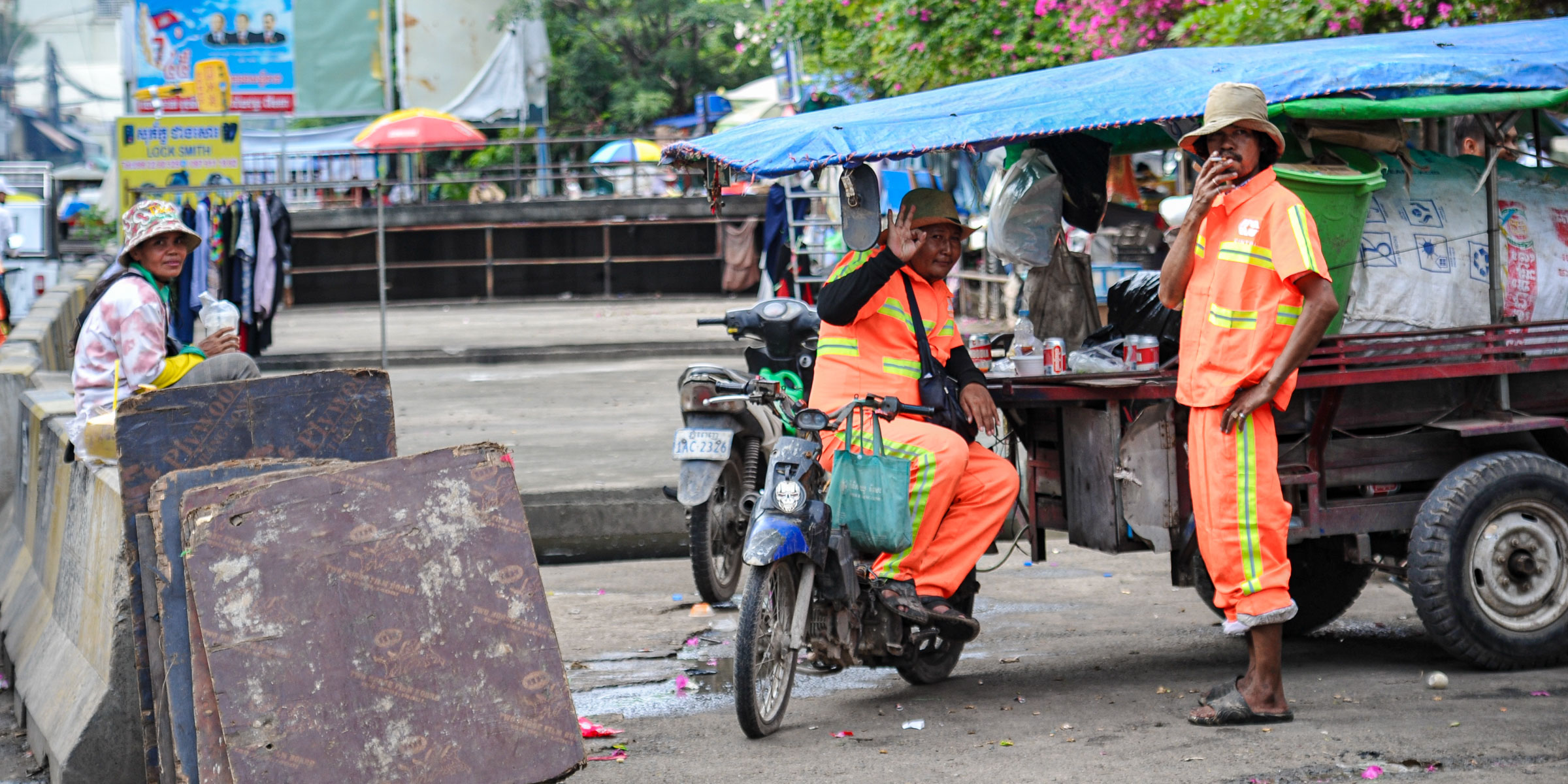
A little later I see two people talking across the road.
Maybe 85mm.
Further along, somebody is sitting alone in beautiful light.
135mm.
Then I turn a corner and suddenly the whole street opens in front of me.
Back to 35mm.
I haven’t changed lenses once. I haven’t opened a camera bag. I haven’t exposed the sensor to dust. More importantly, I haven’t interrupted the process of looking.
That matters enormously.
The older I get, the more I think good photographic equipment is equipment that gets out of the way.
Not necessarily physically.
A D700 or D810 with a 35–135 attached isn’t exactly invisible.
I mean mentally.
When I don’t have to think about which lens to use, I can think about what I’m photographing.
Light. Faces. Gesture. Distance. Background. Timing.
The little moment when somebody’s expression changes.
The second when two unrelated elements suddenly line up.
That’s photography.
Not the lens.
The lens merely needs to let me get there.
And 35–135mm gets me there surprisingly often.
Would I recommend it to somebody who wants the fastest autofocus available?
No.
Would I recommend it to somebody photographing professional sport?
Probably not.
Would I choose it for architecture where I desperately need 24mm?
Obviously not.
Would I tell somebody that it is technically better than Nikon’s best modern zooms?
Of course not.
But as an inexpensive everyday autofocus lens on a full-frame Nikon DSLR?
Now we’re talking. It covers the heart of the focal lengths I actually use.
Thirty-five for context. Fifty for normality. Eighty-five for people. One hundred and five for a little distance. One hundred and thirty-five for observation.
That’s a remarkably useful toolbox inside one old lens.
There was a period when I thought having the right equipment meant being prepared for absolutely everything.
I’ve gradually reached the opposite conclusion. Being prepared for everything often means carrying too much. Too many lenses create too many decisions.
And every decision about equipment is a few seconds when I’m not watching what’s happening in front of me.
So give me one full-frame Nikon. Put the old 35–135mm AF on the front. Maybe one spare battery in my pocket. And leave the rest at home.
If I miss a photograph because I didn’t have a 20mm lens, so be it.
If something is too far away for 135mm, I’ll walk towards it.
There will always be another photograph.
That’s perhaps one of the great advantages of becoming an old photographer. Eventually you realise you don’t have to photograph everything. You just have to be ready for the things that interest you. The AF Nikkor 35–135mm f/3.5–4.5 gives me enough.
Enough width. Enough reach. Enough speed. Enough sharpness. Enough autofocus. Enough versatility. And enough character.
Put it on a full-frame Nikon, sling the camera over your shoulder and walk out of the door.
No lens charts. No internet arguments. No wondering whether you should upgrade.
Just walk.
Look.
Wait.
And take photographs.
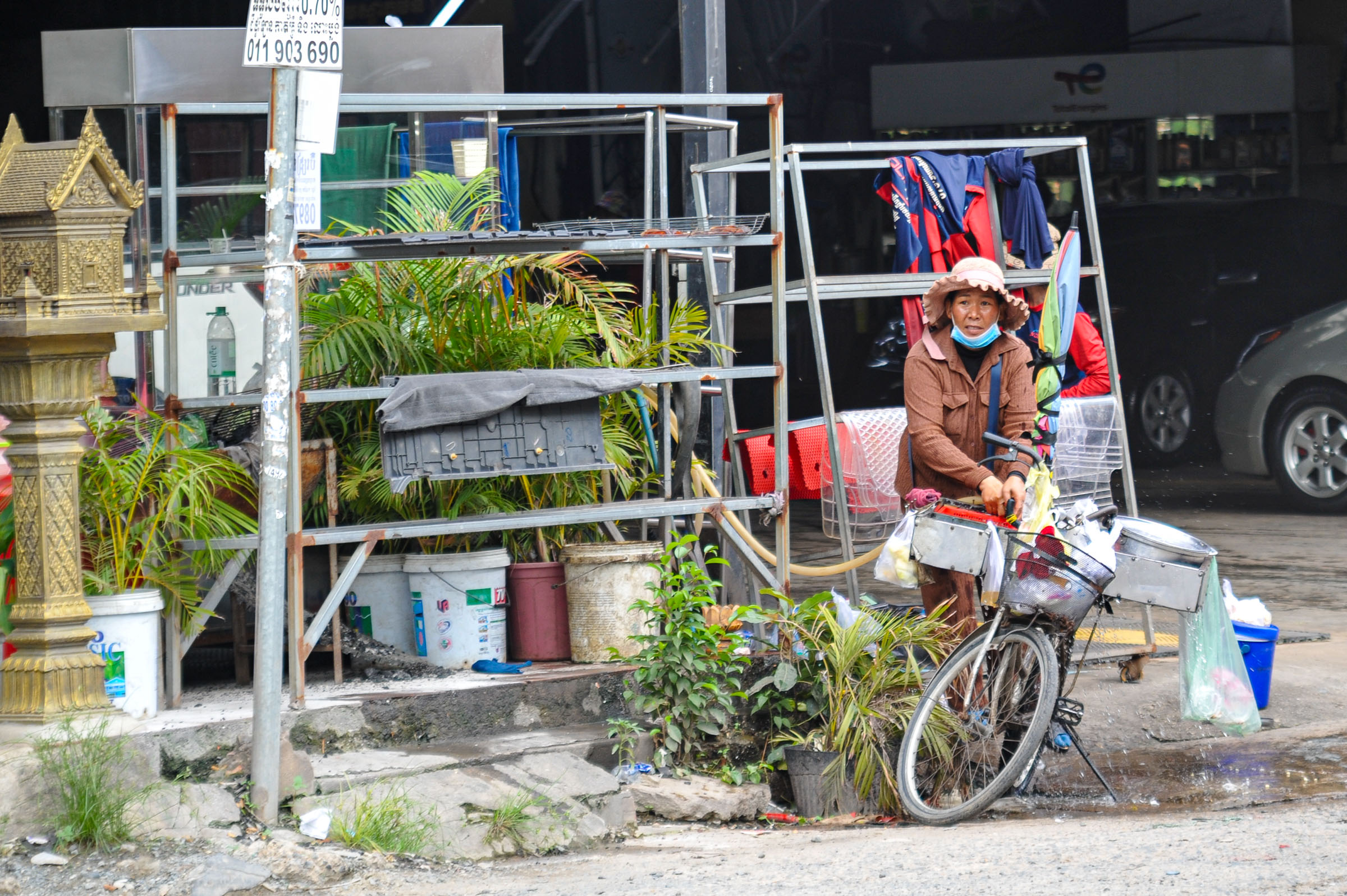





Sometimes the best everyday lens isn’t the newest, sharpest or most expensive one.
Sometimes it’s simply the lens you can leave on the camera all day.
And after all these years, that’s increasingly what I want.
One camera. One lens. One walk.
Everything else is photography.

