


Reflections from an Old Photographer
There is a considerable difference between making a good photograph and making a great one. The distinction has remarkably little to do with the price of the camera, the sharpness of the lens or the number of pixels available to us.
A good photograph satisfies the eye. A great photograph occupies the mind.
After more than 45 years of making pictures, I find myself increasingly interested in what a photograph makes me feel rather than how technically accomplished it might be. Technical competence should be something we bring to photography, not necessarily something we celebrate as its ultimate achievement.
1. Emotional connection
A great photograph makes us feel something. Compassion, curiosity, sadness, joy, anger or even discomfort.
It need not be beautiful, nor does it need to be pleasant. Some of the most important photographs ever made are deeply uncomfortable to look at.
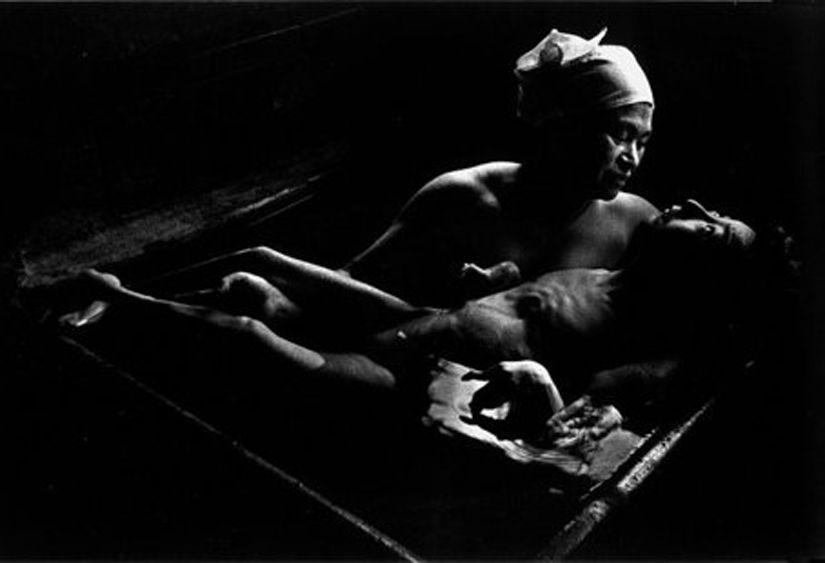
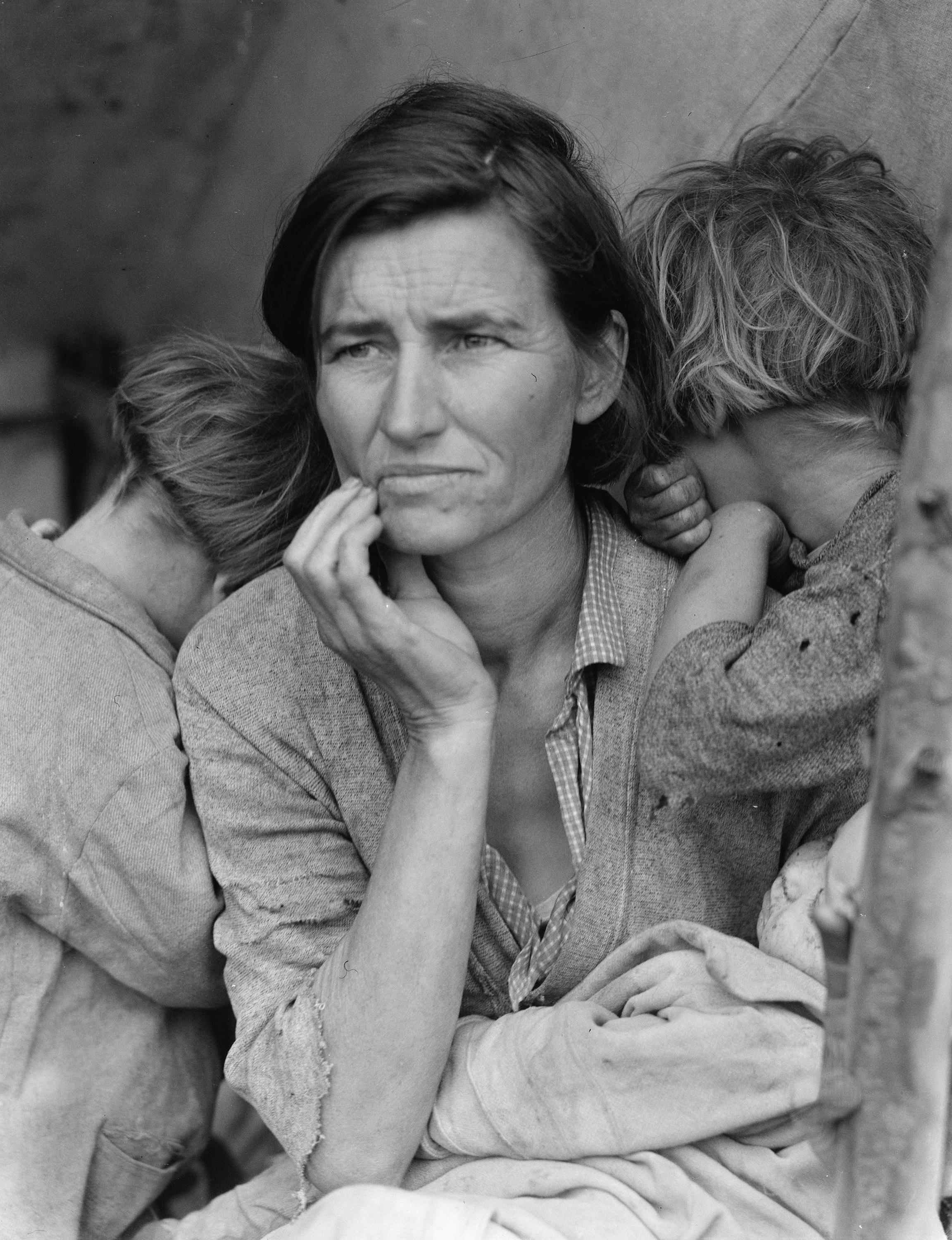
A photograph that provokes an emotional response has achieved something that technical perfection alone cannot deliver.
2. The significance of the moment
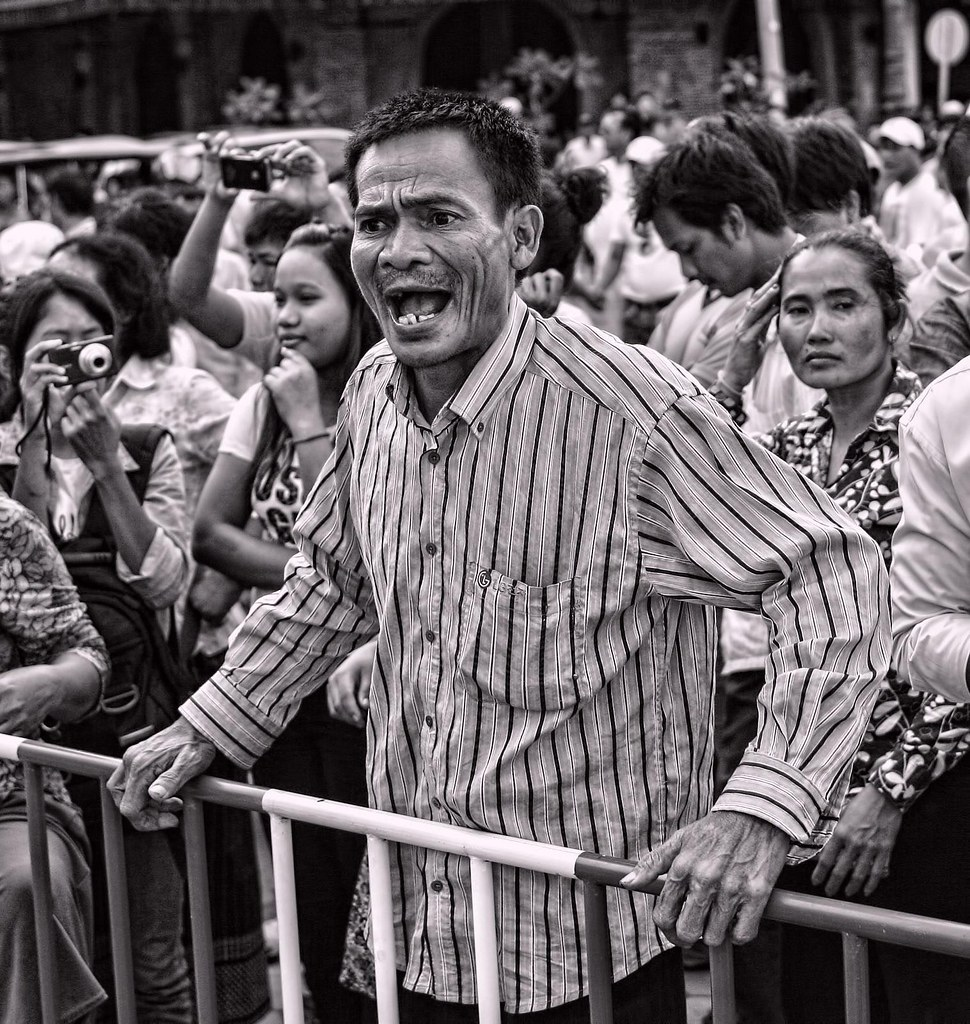
Timing is not simply about having fast reactions. It is about understanding what is unfolding in front of the camera.
A fleeting expression, a gesture, the positioning of a hand or a moment of eye contact can transform an otherwise ordinary photograph.
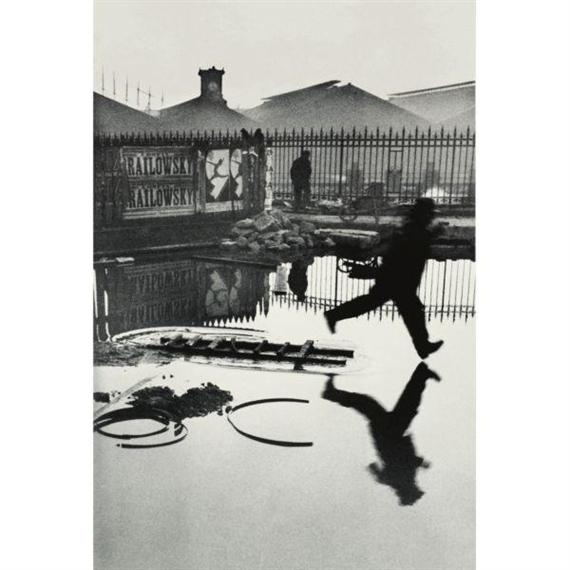
Anticipation is often more valuable than reaction. The experienced photographer learns to recognise the possibility of a photograph before it fully presents itself.
3. Composition with purpose
Good composition is not simply a matter of following the rule of thirds, finding leading lines or achieving symmetry.
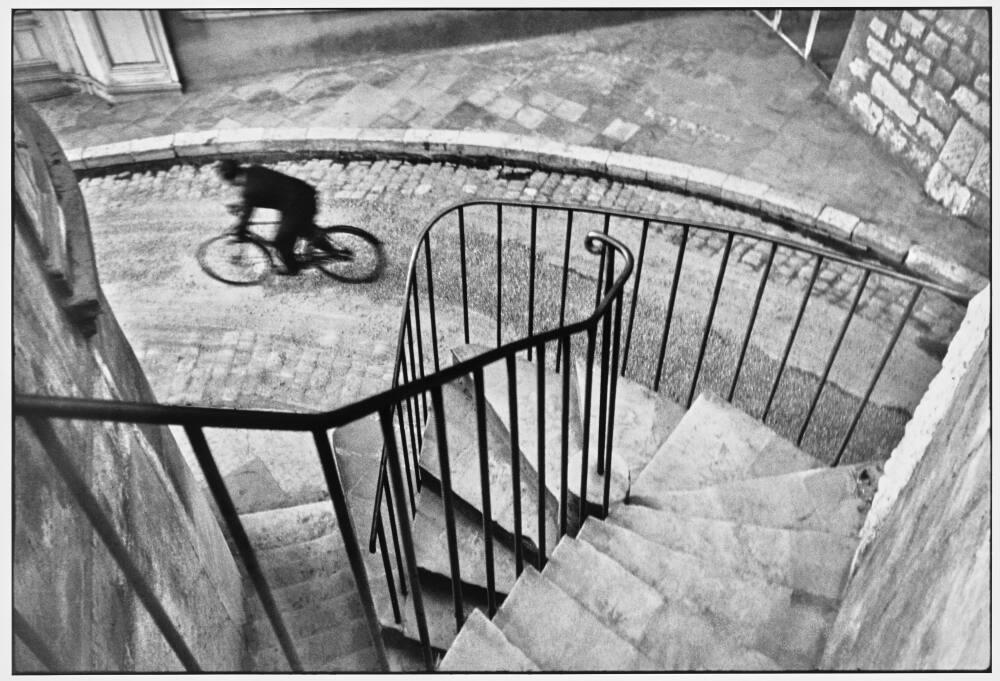
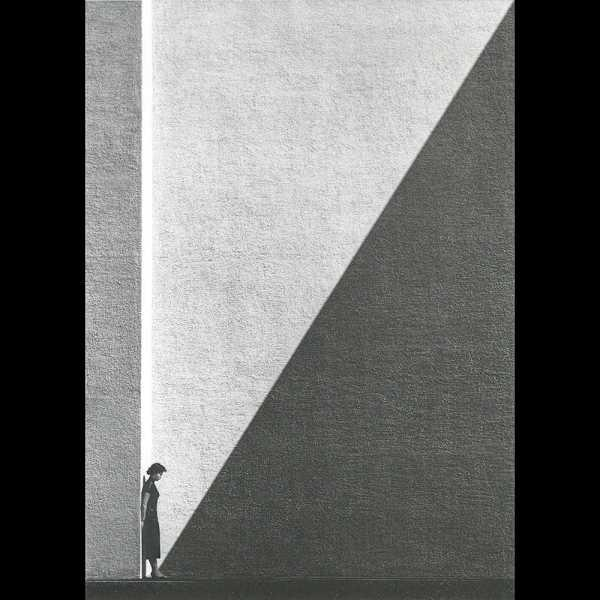
Great composition gives every significant element within the frame a reason to be there.
- Where does the viewer’s eye go first?
- Does the background contribute to the story?
- Is there a relationship between the elements?
- Is anything unnecessarily distracting?
- Does the framing strengthen the emotional content?
Composition should serve the photograph rather than demonstrate the photographer’s knowledge of compositional rules.
4. The intelligent use of light
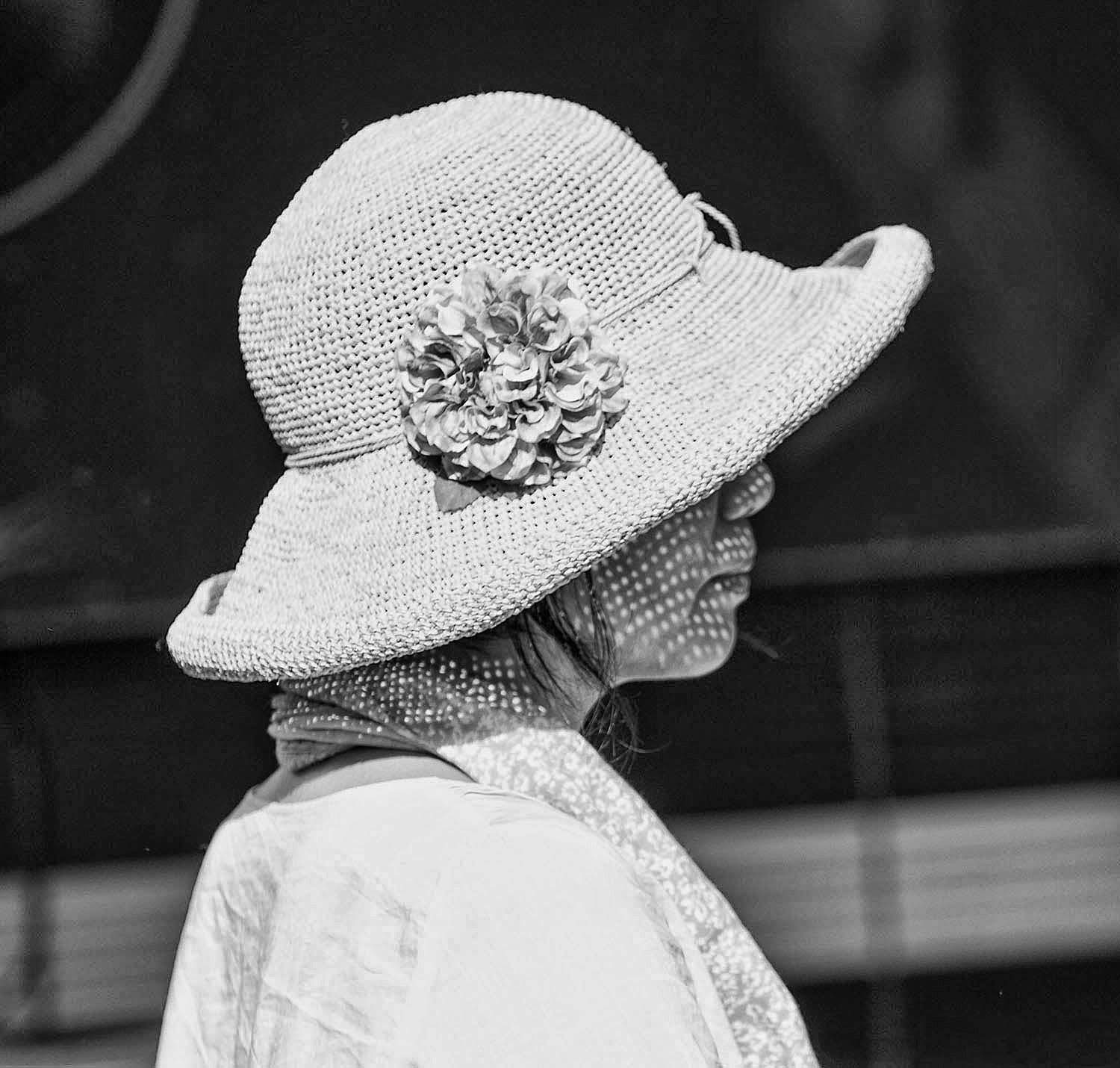
Light is the language of photography, but great light does not necessarily mean beautiful light.
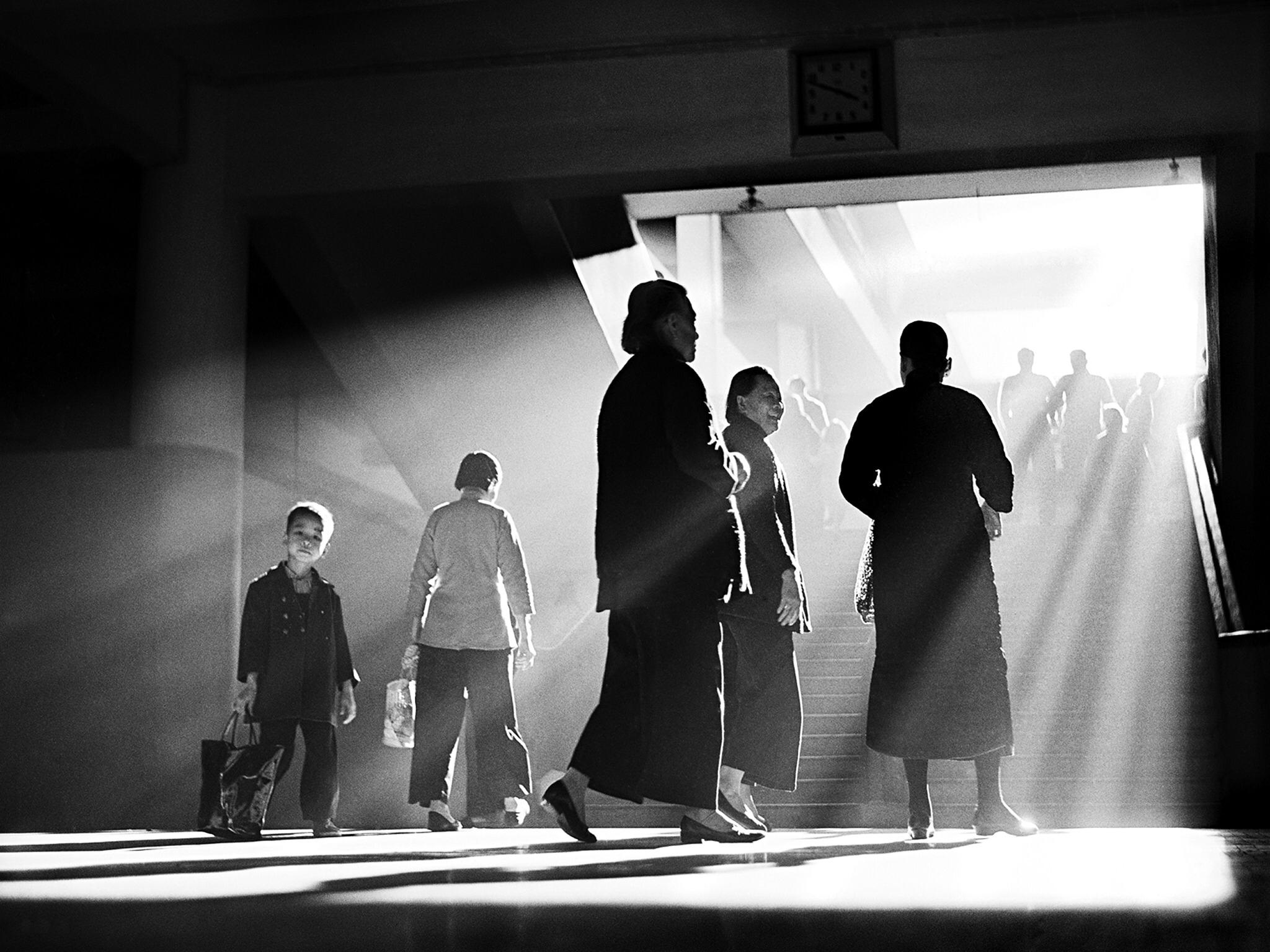
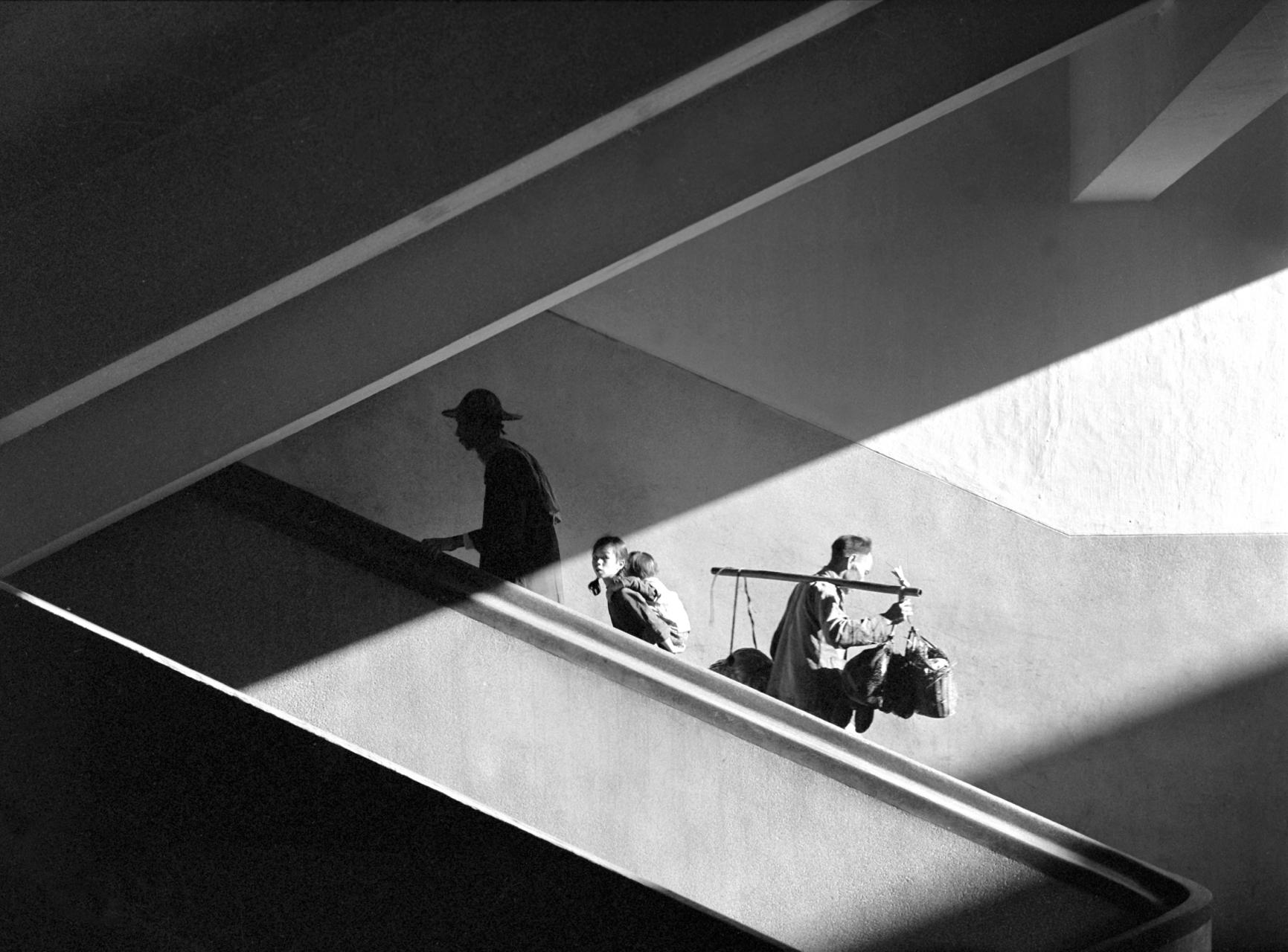
Harsh midday sunlight, deep shadows, flat overcast conditions and the weak illumination of a street lamp all have their photographic possibilities.
The important thing is recognising what the light contributes to the subject.
Sometimes light reveals. Sometimes it conceals. Both can be equally powerful.
5. Humanity and authenticity
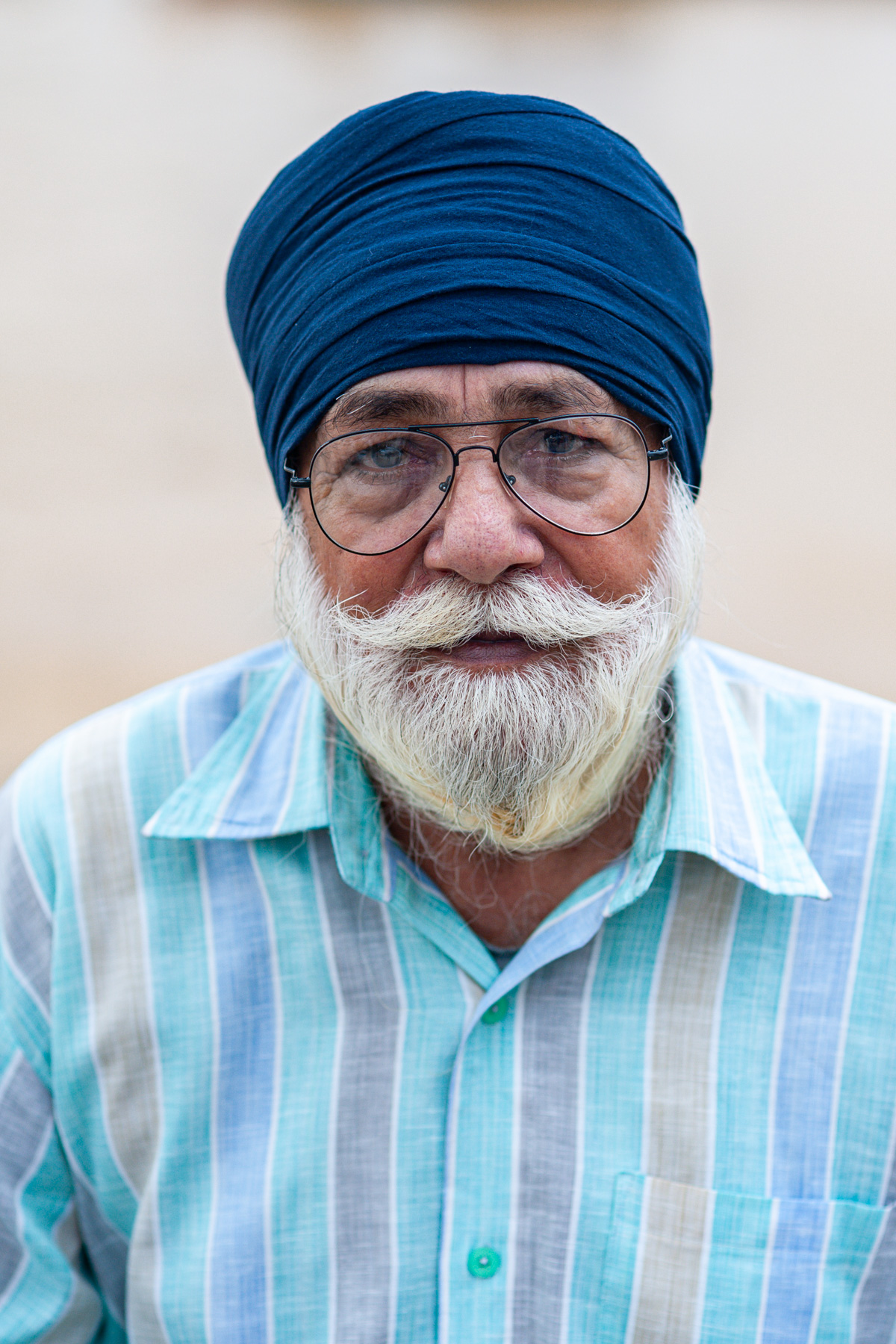
For those of us who photograph people on the streets, authenticity is particularly important.
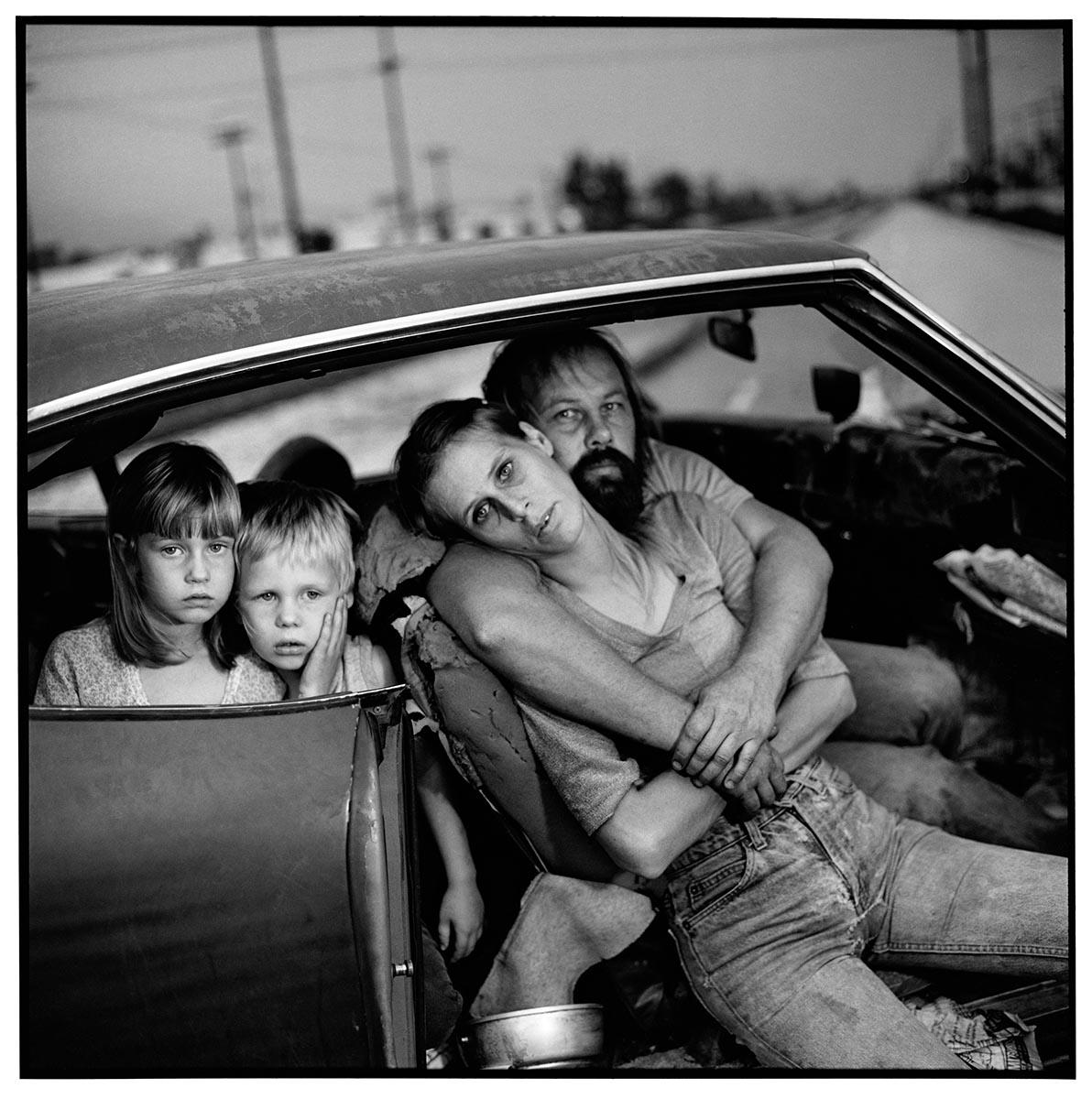
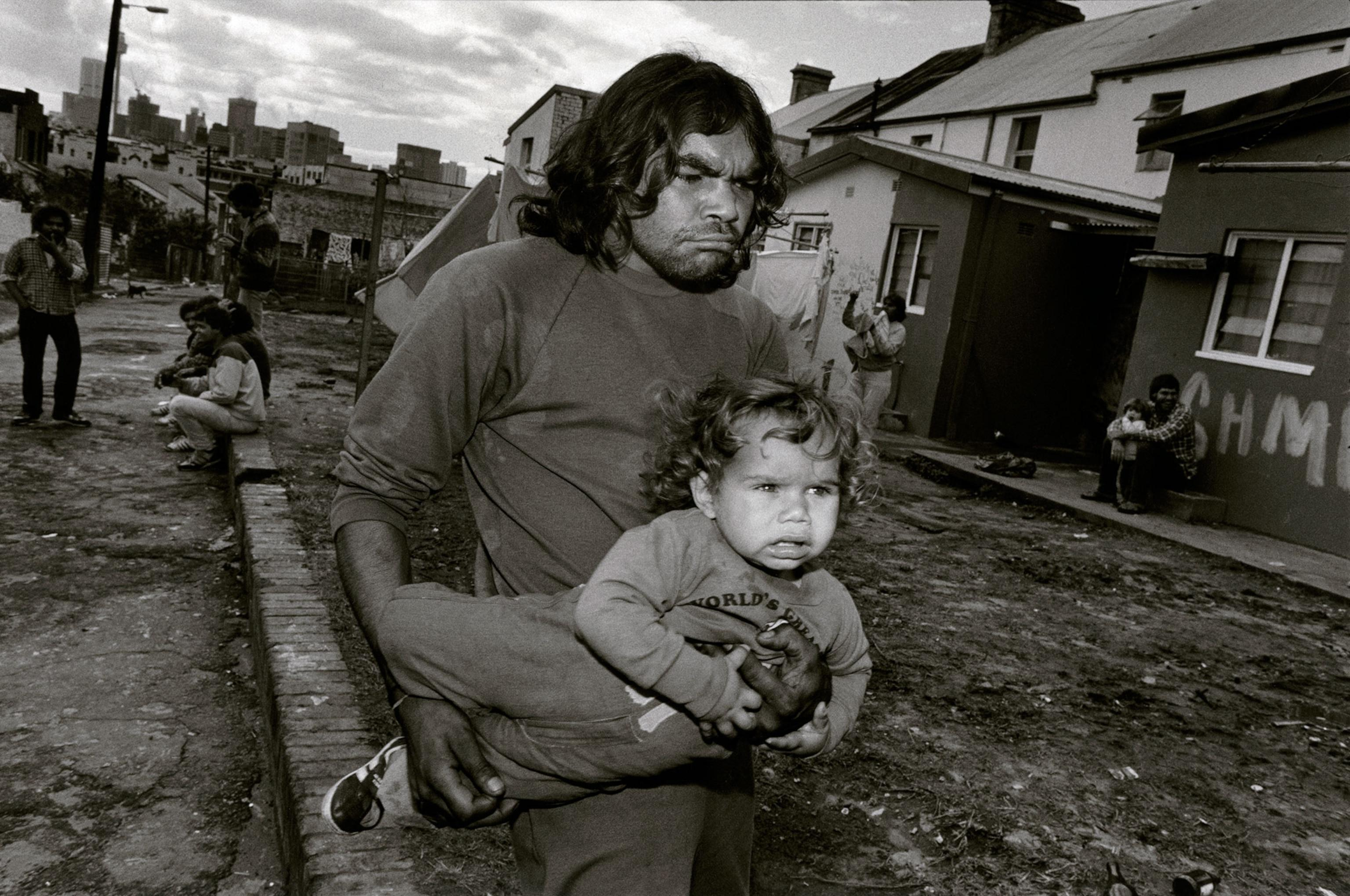
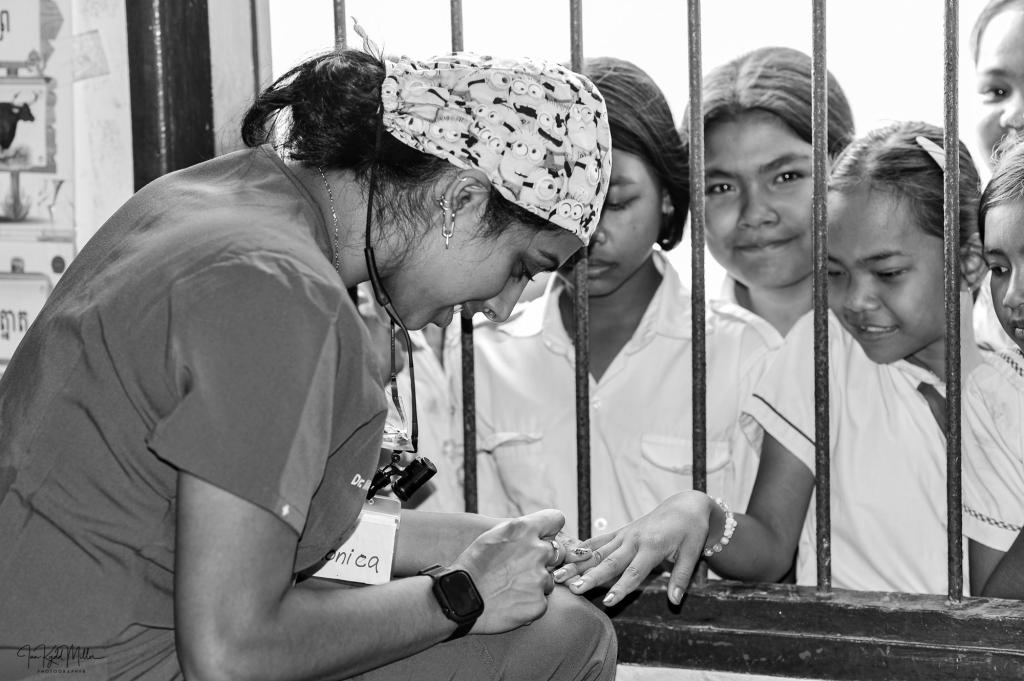
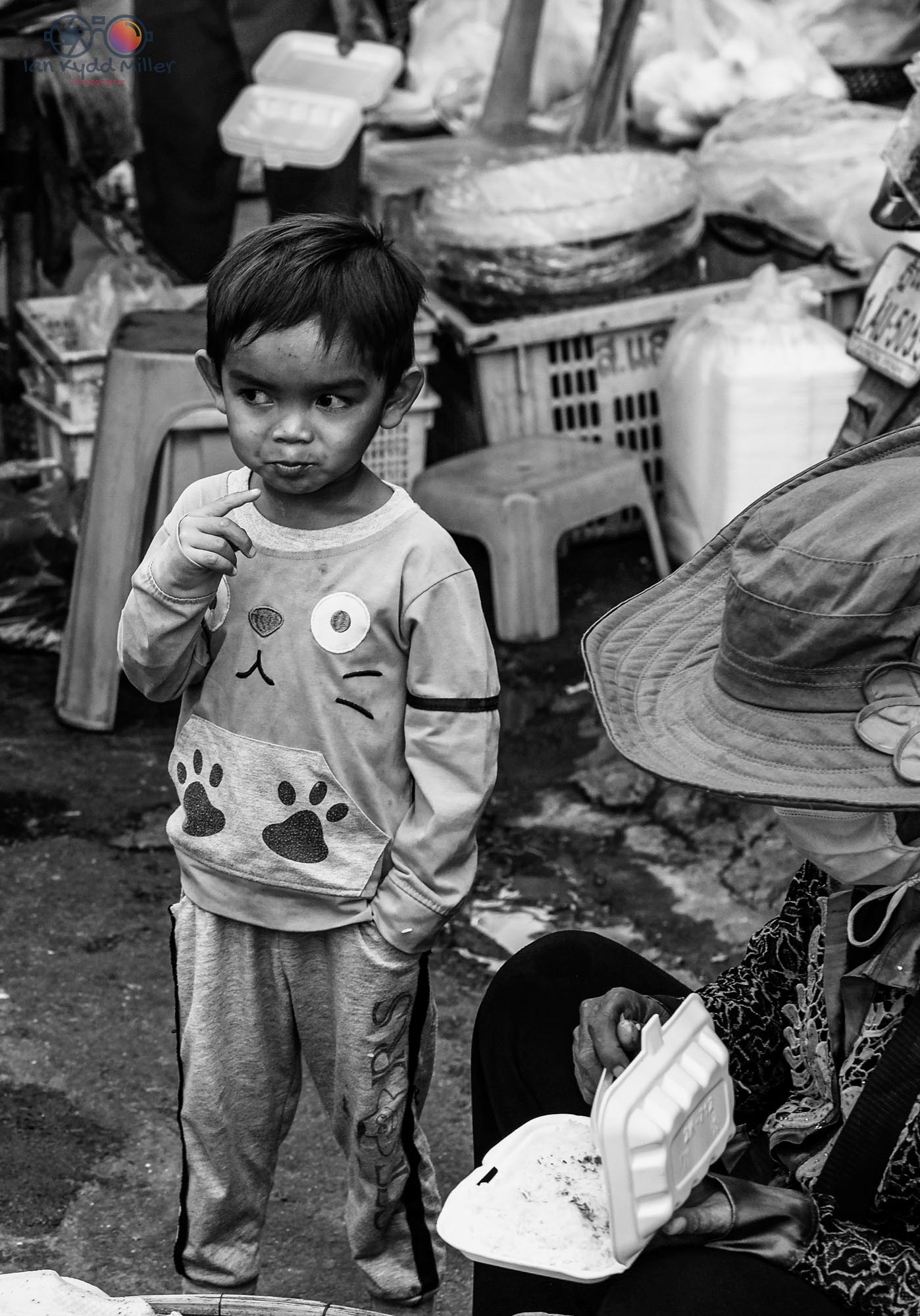
A great street portrait can reveal something of a person’s character, circumstances or relationship with their environment without pretending to tell their entire life story.
It requires observation, patience and respect.
The person in front of the camera is not simply a compositional element. They are a human being whose dignity matters considerably more than our desire to make a remarkable photograph.
6. Technical quality versus photographic quality
There is a tendency in modern photography to confuse these two things.
| Technical quality | Photographic quality |
|---|---|
| Critical sharpness | Emotional impact |
| Accurate exposure | Expressive use of light |
| Low digital noise | Atmosphere |
| High resolution | Visual significance |
| Accurate colours | Mood and character |
| Optical perfection | Individual vision |
| Perfect focus | Meaningful timing |
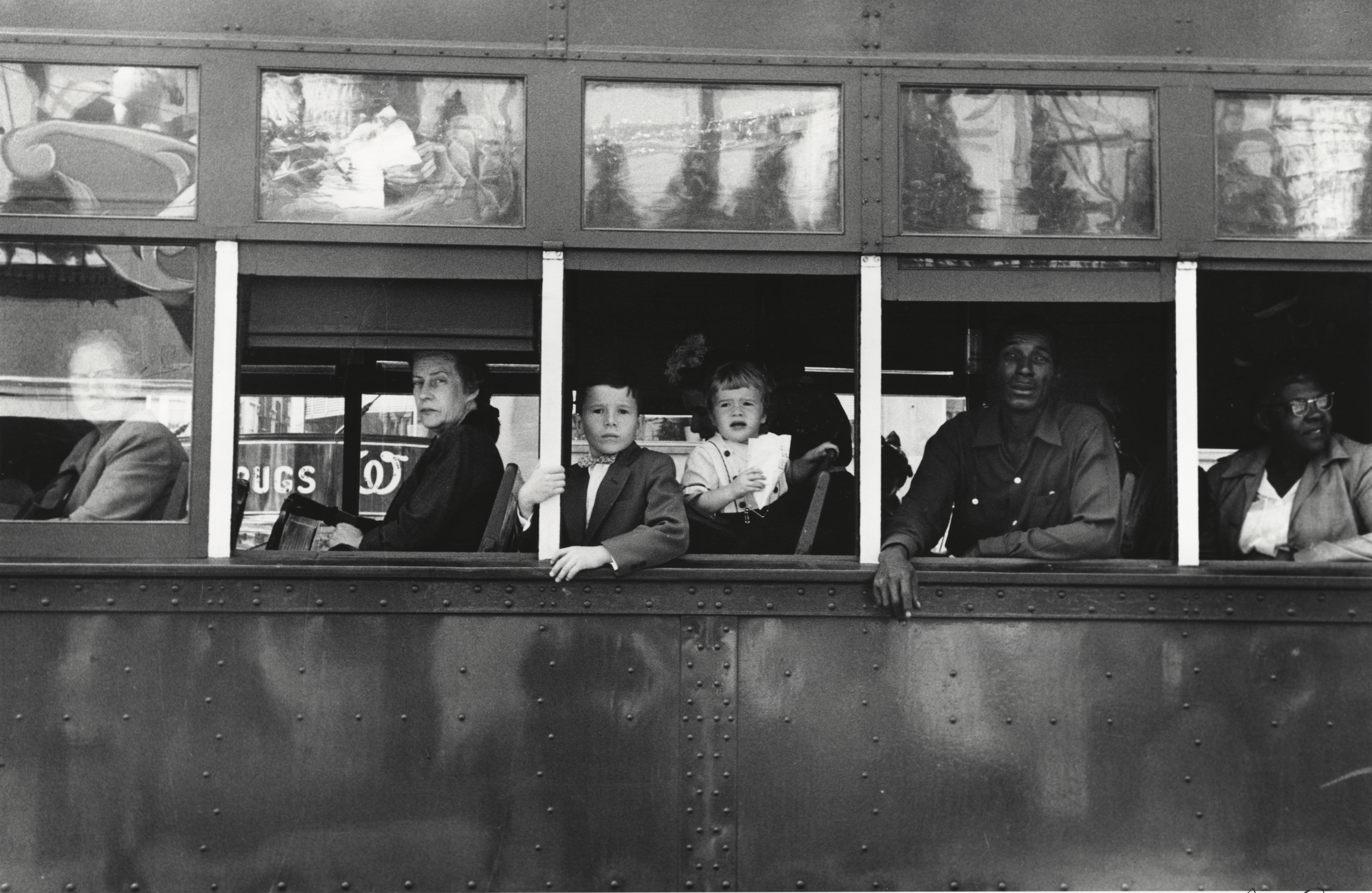
Ideally, we achieve both. But given the choice between a technically imperfect photograph with enormous emotional power and a technically flawless photograph that says absolutely nothing, I know which I would rather have hanging on my wall.
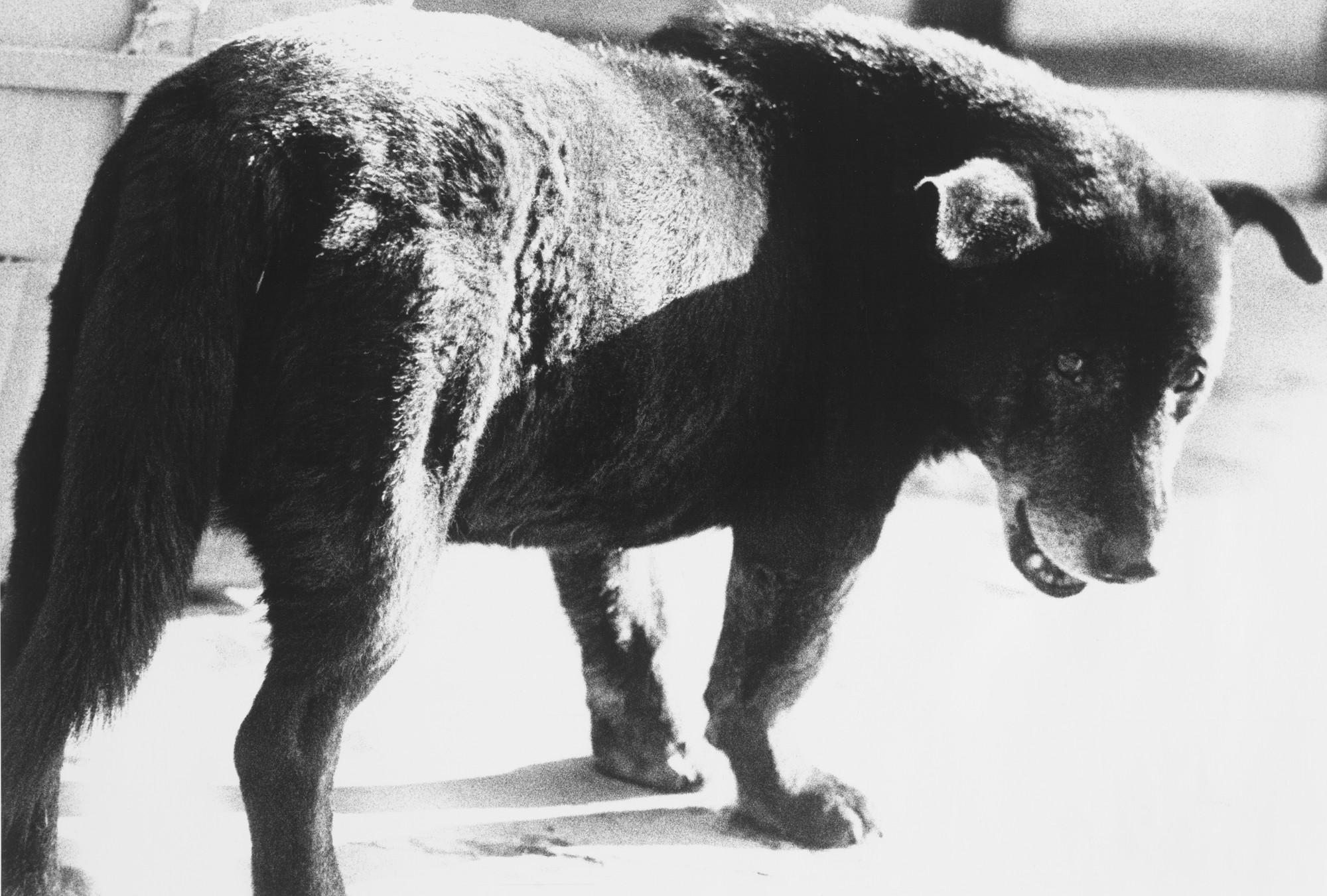
My old Nikon D700 remains perfectly capable of producing great photographs. Its age and modest resolution have no bearing on my ability to recognise a meaningful moment.
7. Individual vision
A great photograph often shows us something familiar in an unfamiliar way.
Ten photographers can stand on the same street corner with identical equipment and produce ten entirely different photographs.
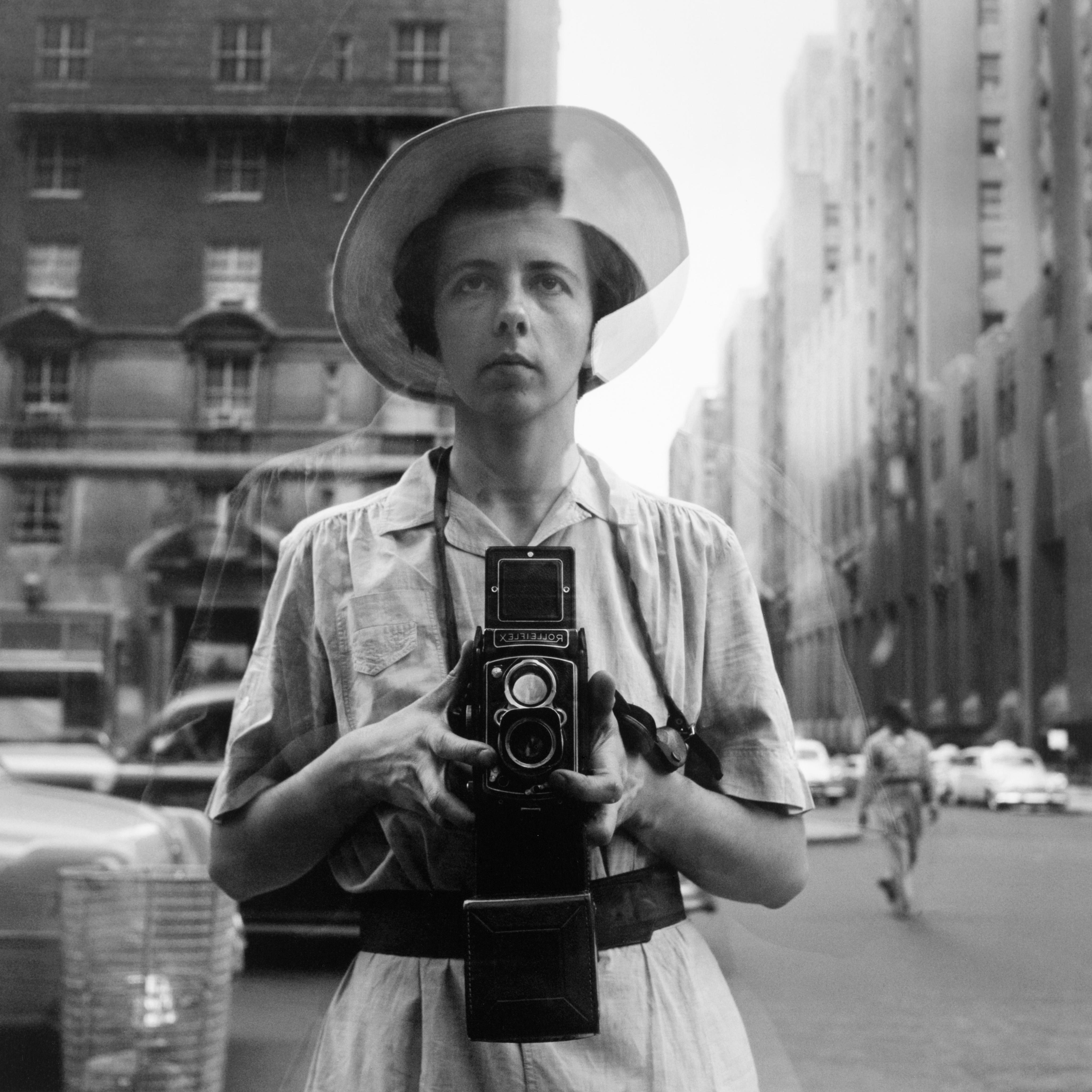
The difference is not the camera. It is the accumulated experience, curiosity, imagination and sensitivity of the person looking through the viewfinder.
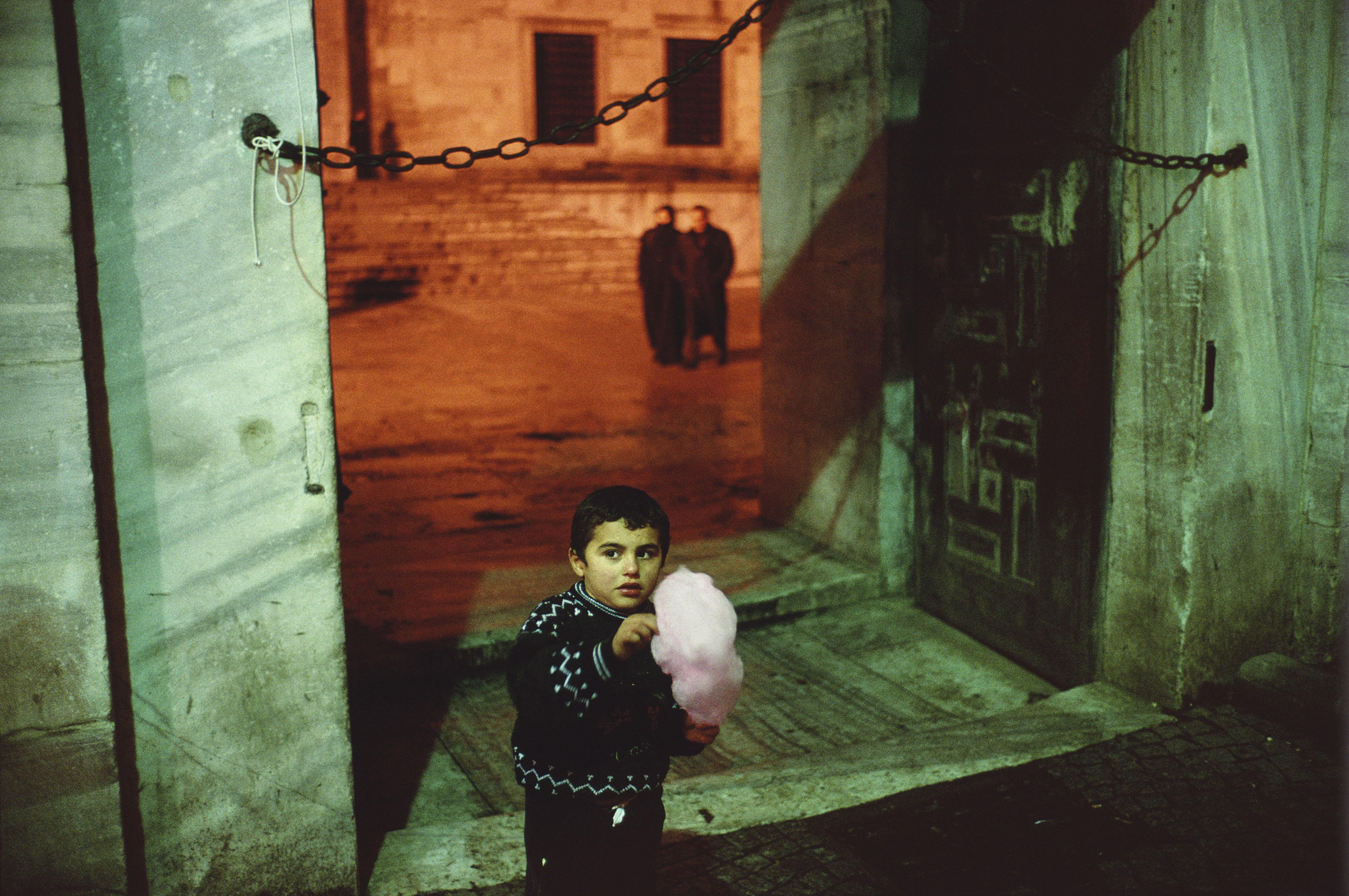
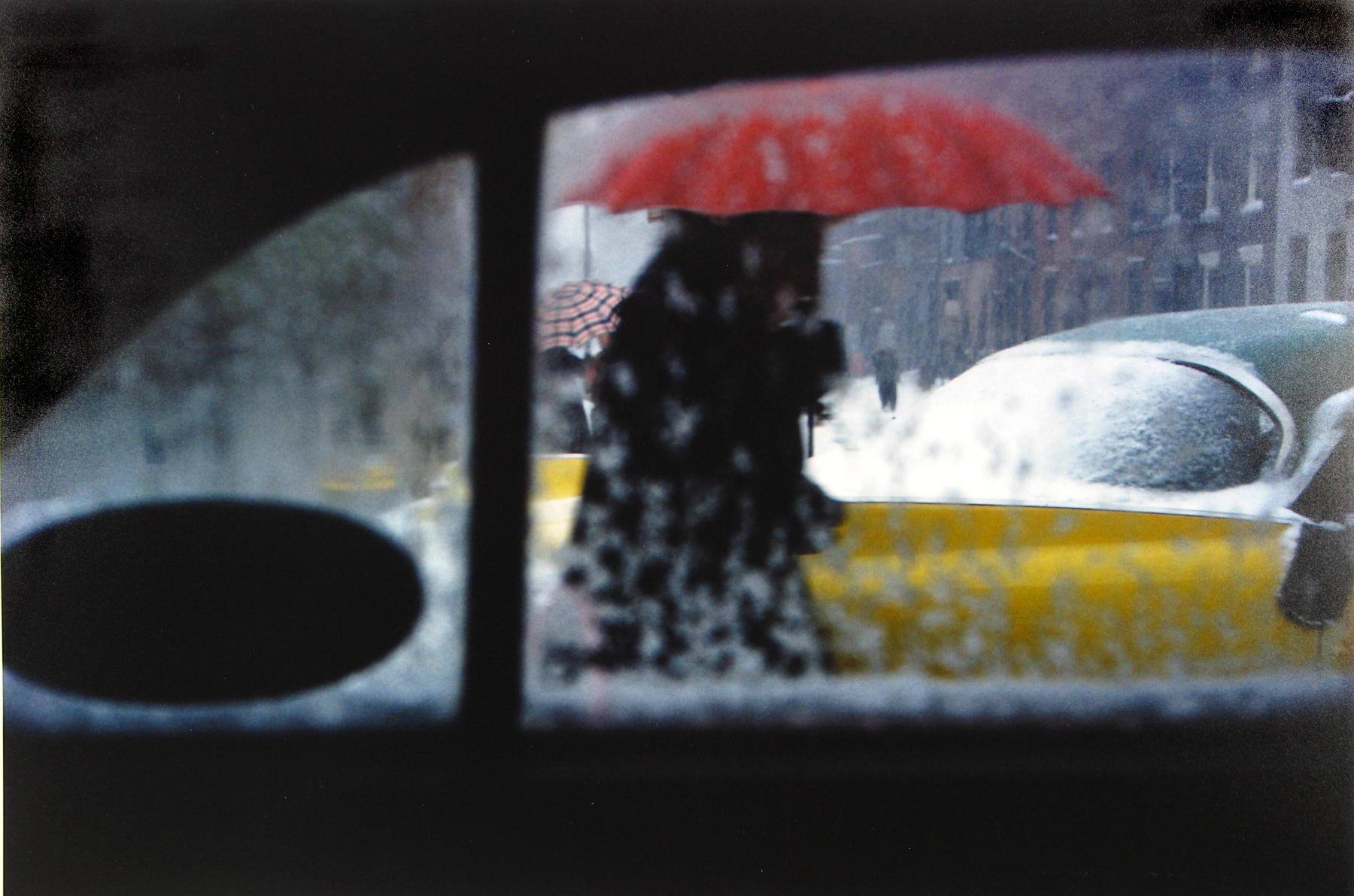
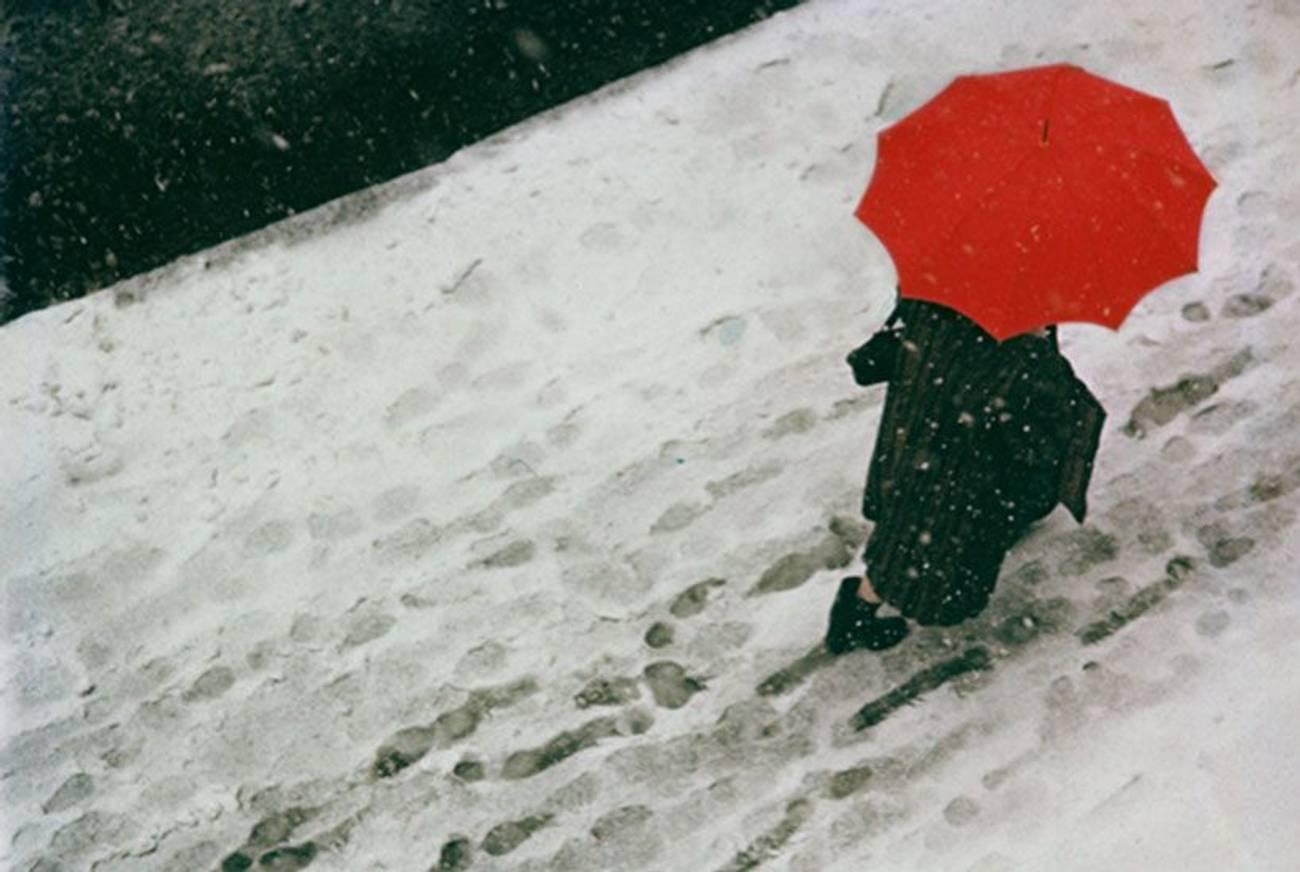
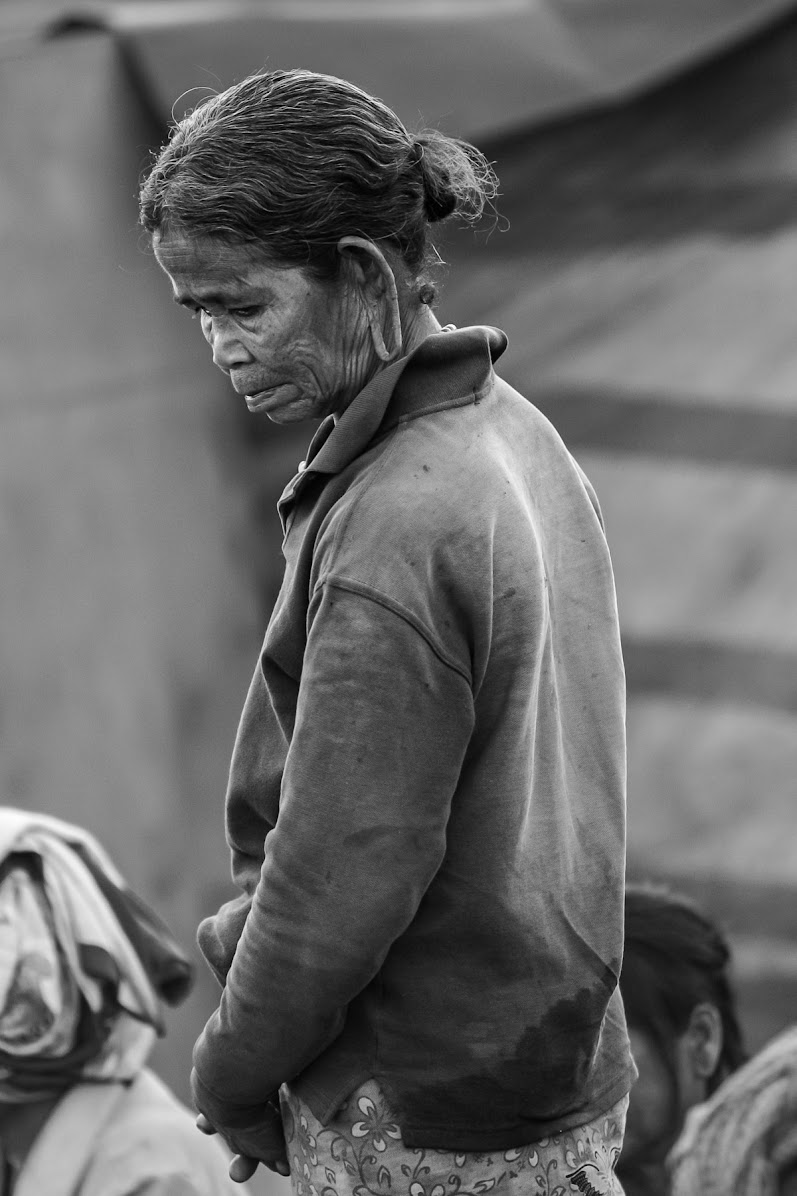
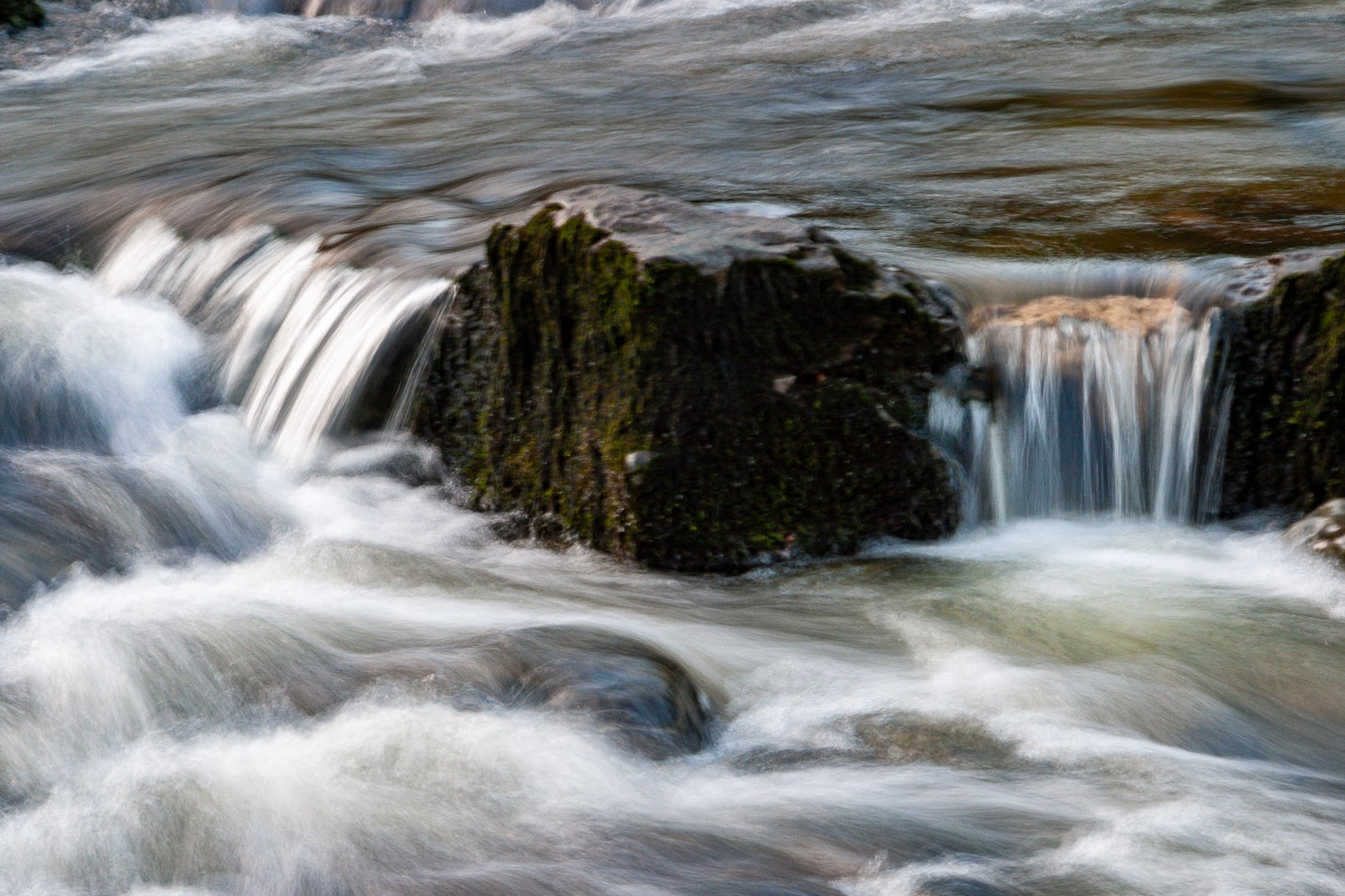

Photography is as much about how we interpret the world as how we record it.
8. The ability to endure
Perhaps the most demanding test of a photograph is time.
Does it still interest us tomorrow, next month or ten years from now? Does repeated viewing reveal something we initially missed?

Social media encourages immediate gratification. A photograph receives a few hundred likes and disappears into the digital wilderness.


Great photographs are not necessarily popular photographs. Their significance is not measured by an algorithm.
The Old Photographer’s test
Before I call a photograph great
Does the photograph make me feel something?
Is there a meaningful subject or moment?
Does the composition strengthen the image?
Does the light contribute to its meaning?
Have I respected the dignity of my subject?
Does it offer something beyond the obvious?Would I want to make a print of it?Would I still want to look at it in ten years?

















A reflective exercise, not a rigid scoring system. Great photographs can break the rules.Reset checklist
A final thought
The longer I have been a photographer, the less impressed I have become by technical perfection in isolation.
I have used professional cameras, inexpensive cameras, old cameras and considerably more sophisticated modern cameras. None has ever relieved me of the responsibility of seeing.
Great photography requires more than eyesight. It requires awareness, curiosity, empathy, anticipation and the willingness to pay attention to things that others might simply walk past.
We should learn our craft thoroughly, understand our equipment and develop our technical skills. Then we should put that knowledge to work in the service of something more meaningful.
A good photograph shows us what something looked like. A great photograph makes us understand why it was worth looking at.
And occasionally, if we are fortunate, it changes the way we look at the world altogether.
— The Old Photographer Series

