

An Old Photographer’s Guide to Street Photography
People, places, patience, and the photographs we make along the way.
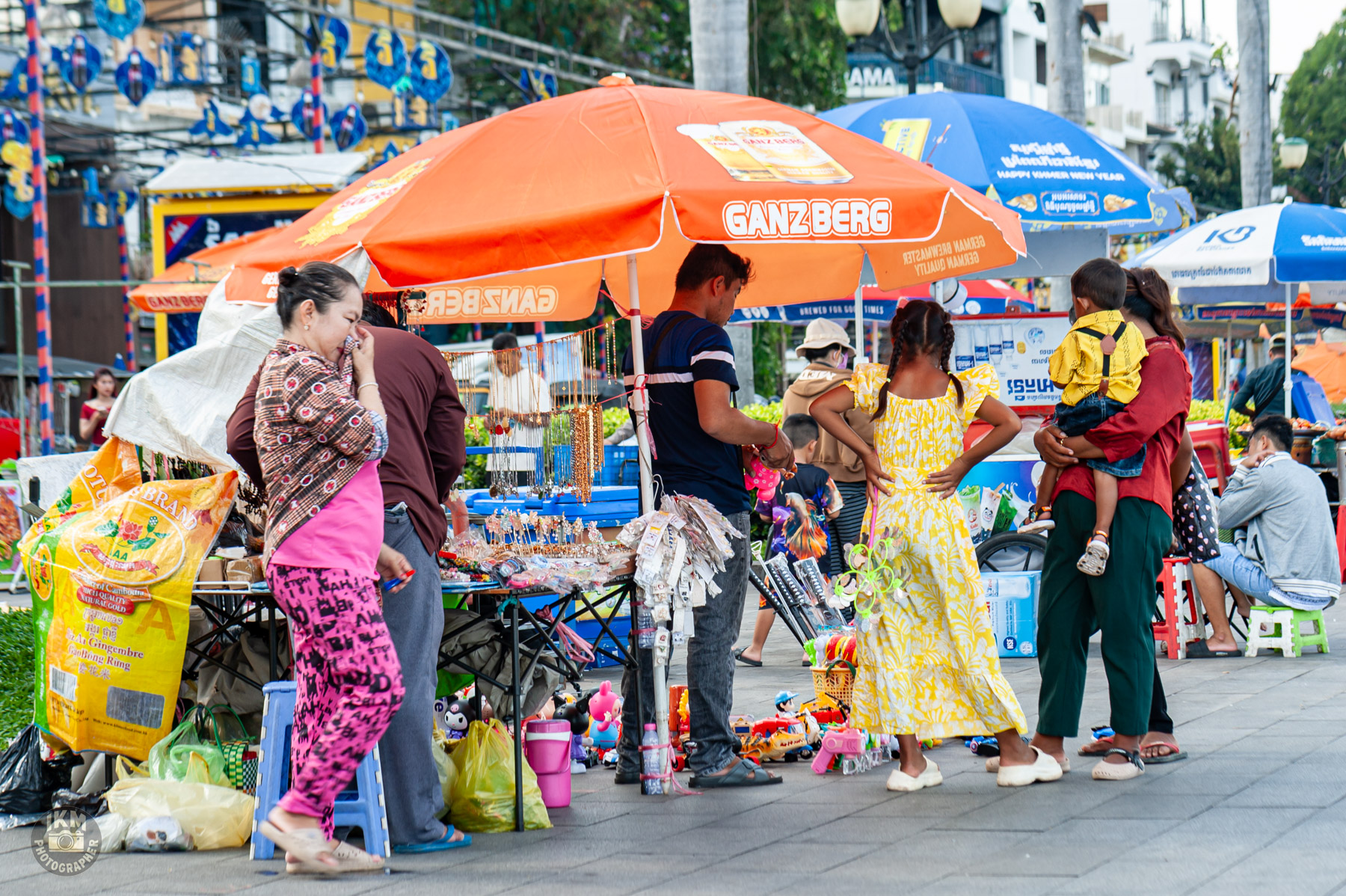
Introduction
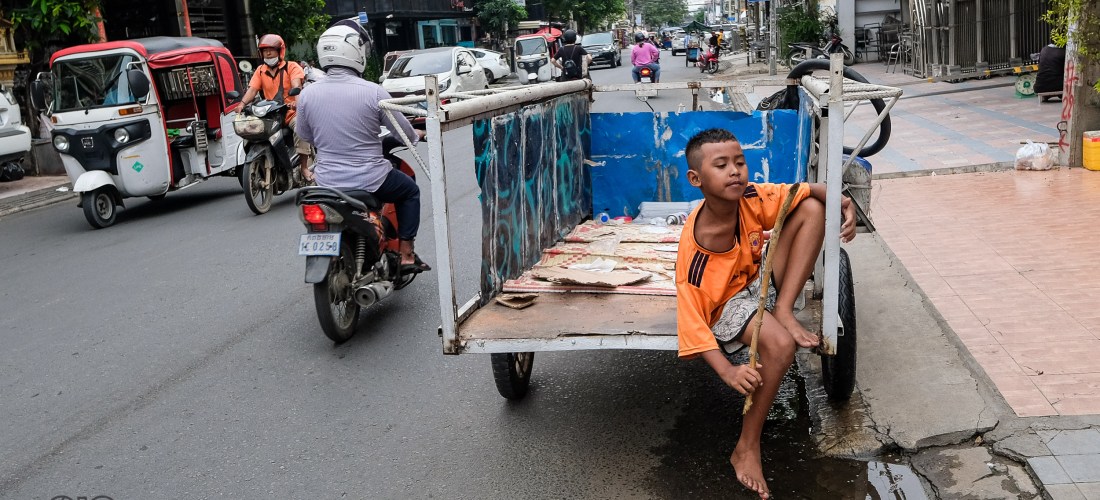
The Street Is Never Empty
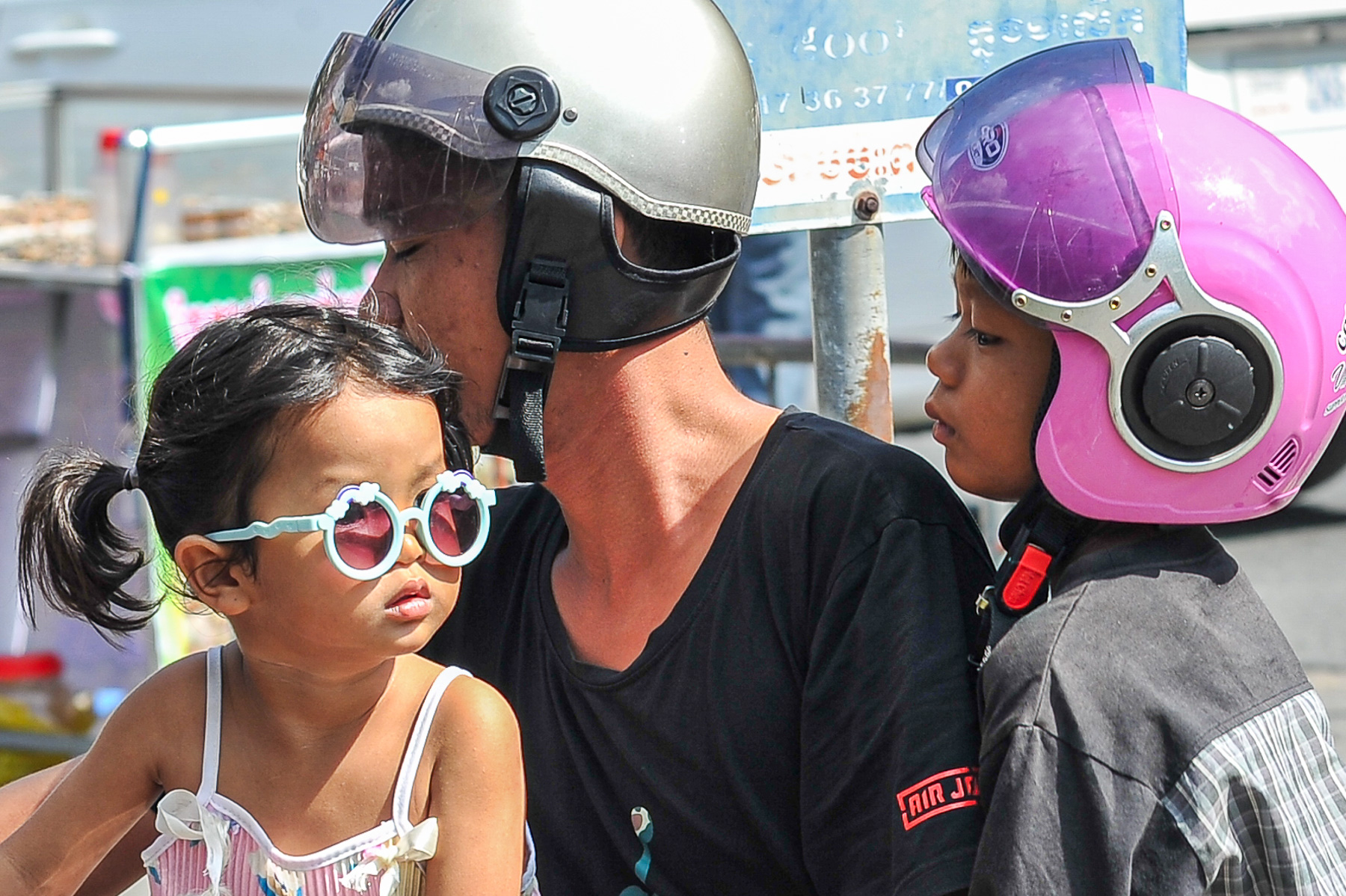
There is something wonderfully unpredictable about walking out of the door with a camera and no particular destination in mind.
You might return with a photograph that stays with you for the rest of your life. You might return with nothing. More often, you return with a collection of images that fall somewhere between the two.
That is street photography.
I have been making photographs for more than 45 years, and if there is one thing I have learned, it is that the street owes the photographer absolutely nothing.
It does not arrange itself for our convenience. People do not move into the correct position because we have found an attractive background. The light does not wait while we change lenses, and the moment we hesitate is often the moment that disappears.
Yet we keep going back.
Why?
Because somewhere amongst the traffic, the noise, the heat, the ordinary conversations and the seemingly insignificant events of everyday life, there are photographs waiting to be recognised.
Not necessarily beautiful photographs. Not necessarily photographs that will win competitions or attract thousands of approving comments on social media.

Sometimes they are simply honest photographs.
And honesty, I would argue, is a quality that street photography cannot afford to lose.
The ordinary is extraordinary
A woman sits beside a roadside stall, waiting for customers who may never arrive. A man sleeps on the seat of his motorcycle, apparently oblivious to the traffic roaring past. Two children argue over something that will probably be forgotten within minutes.
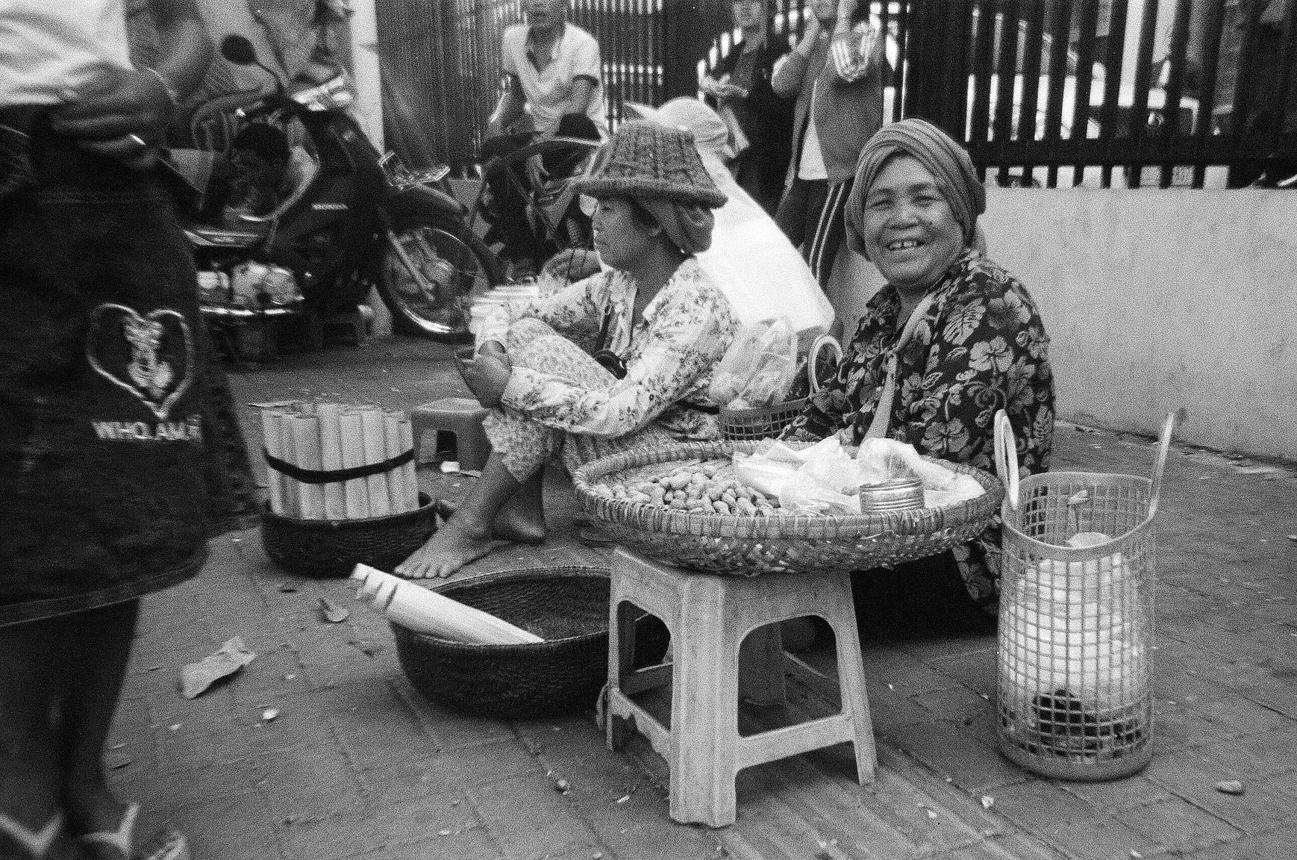
Nothing remarkable is happening.
And yet everything is happening.
These are the small details of human existence that street photographers spend their lives trying to preserve.
We are not necessarily recording great historical events, although some of us have been fortunate, or unfortunate, enough to witness them.
More frequently, we are recording the passing of ordinary time.
The clothing people wear, the shops they visit, the vehicles they drive, the expressions on their faces and the environments in which they live will all eventually change.

A photograph that seems entirely unremarkable today may become an important historical document in 30 or 40 years.
I have seen this happen with my own pictures.
What was once simply another afternoon on the streets becomes a record of a place that no longer exists.
Buildings disappear. Roads are widened. Markets are demolished. People grow older, move away or die.
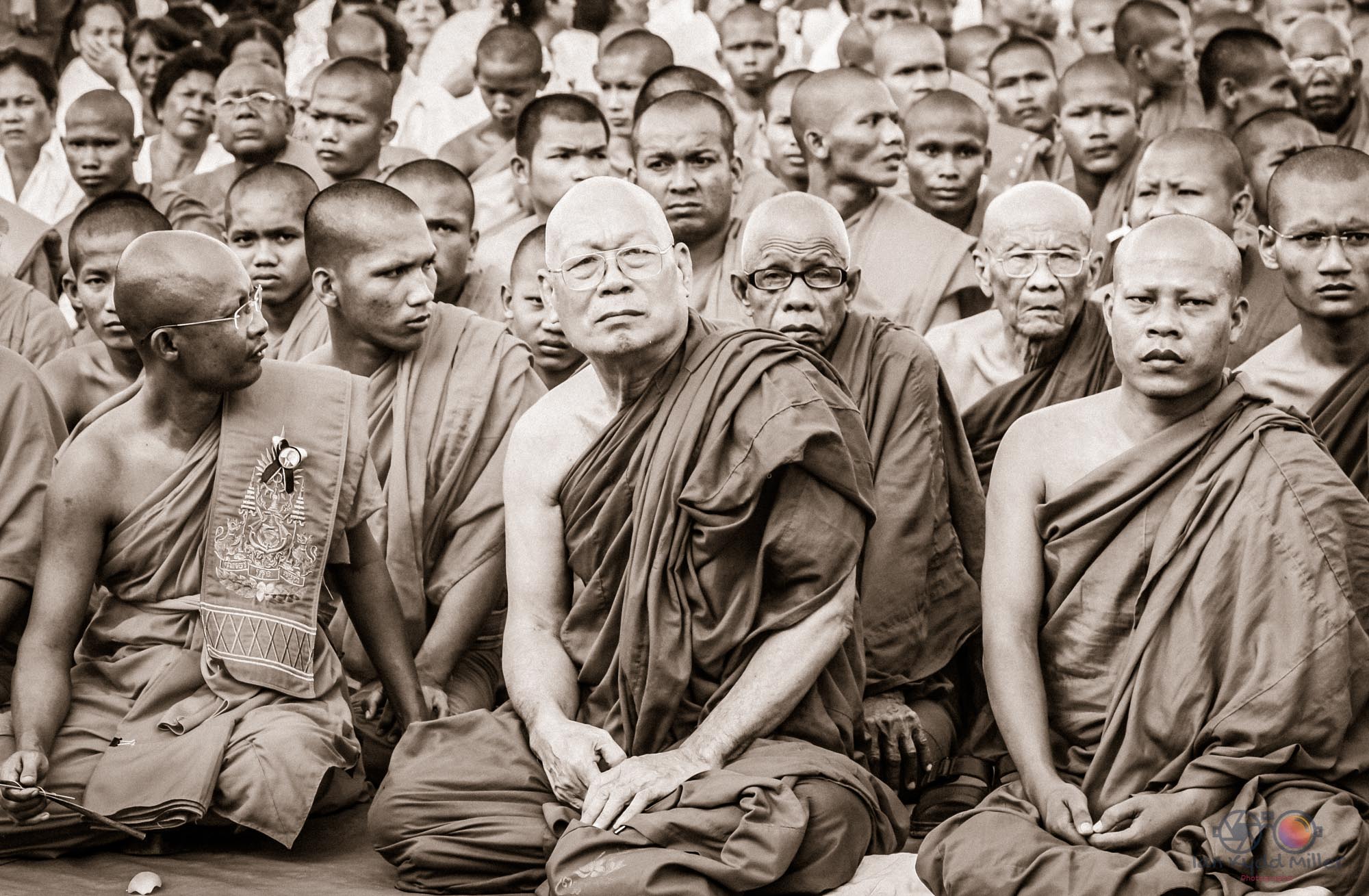
The photograph remains.
The photographer’s responsibility
There is, however, another side to this business of photographing strangers.
We are making pictures of real people, not decorative objects conveniently placed in front of our lenses.
The person sleeping beside the road may be exhausted, ill or homeless. The woman selling vegetables may be struggling to support a family. The child playing in the street may be living in circumstances we know absolutely nothing about.
Their lives are not ours to exploit.
I have never believed that possessing a camera gives us unlimited permission to intrude into the lives of others.
Street photography requires judgement, sensitivity and, occasionally, the willingness to lower the camera and walk away.
There are photographs that can be taken but should not be published.
There are photographs that should never be taken at all.
Recognising the difference is part of becoming a responsible photographer.
The equipment question
Nikon D700 — a capable working camera long after its introduction.
Fuji X-Pro2 review | TechRadar
Fujifilm X-Pro2 — compact, discreet and well suited to the street.
We live in an age when photography is frequently discussed as though it were an engineering competition.
More megapixels. Faster autofocus. Better sensors. Artificial intelligence. Computational photography.
Some of these developments are genuinely useful.
But none of them can teach a photographer to recognise an interesting human expression.
I still enjoy using older DSLR cameras. My Nikon D700 remains a wonderfully capable tool, despite belonging to a generation of equipment that some people now regard as obsolete.
I also use mirrorless cameras, including the Fujifilm X-Pro2, and appreciate the advantages they offer.
The distinction matters far less to me than it apparently does to the manufacturers and their marketing departments.
A good photograph does not become a bad photograph because it was made with an old camera.
Nor does an uninteresting photograph become worthwhile simply because it contains 45 million beautifully recorded pixels.
The camera records what we decide to show it.
The difficult part is deciding what is worth showing.
The importance of continuing
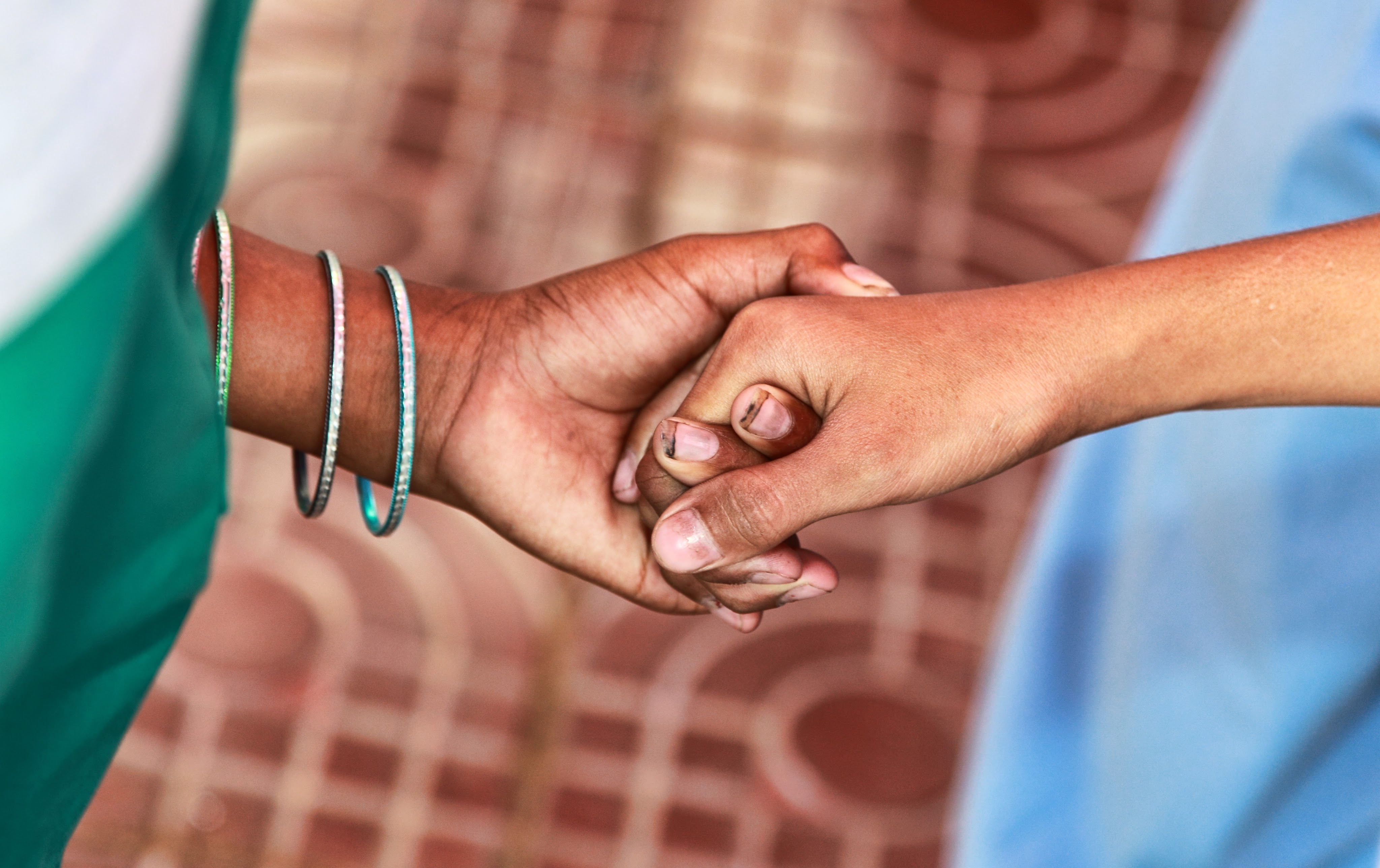
There have been days when I have walked several kilometres and returned with nothing worth keeping.
There have also been days when a photograph presented itself within minutes of leaving home.
Experience does not eliminate failure.
In some respects, experience makes us more conscious of it.
We become increasingly selective. We recognise familiar compositions and begin to question whether we are merely repeating ourselves.
Occasionally, the enthusiasm disappears altogether.
The camera sits unused. The streets look familiar. Nothing seems worth photographing.
I know that feeling.
But I have also learned that the answer is rarely to purchase another camera or lens.
Sometimes the answer is to walk somewhere different.
Sometimes it is to leave the camera at home and simply observe.
And sometimes it is to accept that making photographs, like any worthwhile creative activity, involves periods when very little seems to happen.
The important thing is not to confuse a temporary absence of inspiration with the permanent loss of an ability to see.
Because the pictures are still out there.
The streets are still changing.
People are still living their lives.
And somewhere, perhaps just around the next corner, there is a moment that will never happen in quite the same way again.
That is reason enough to keep walking.

