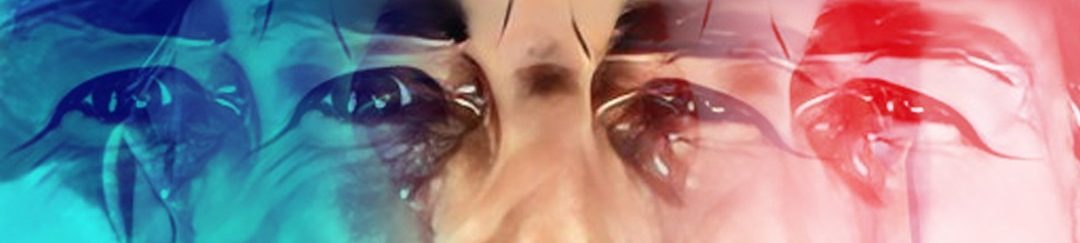

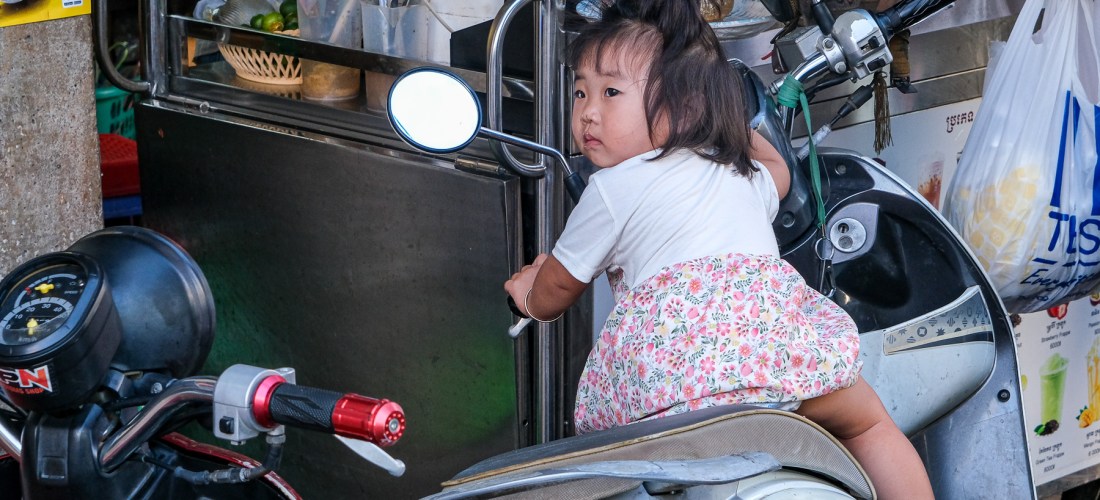
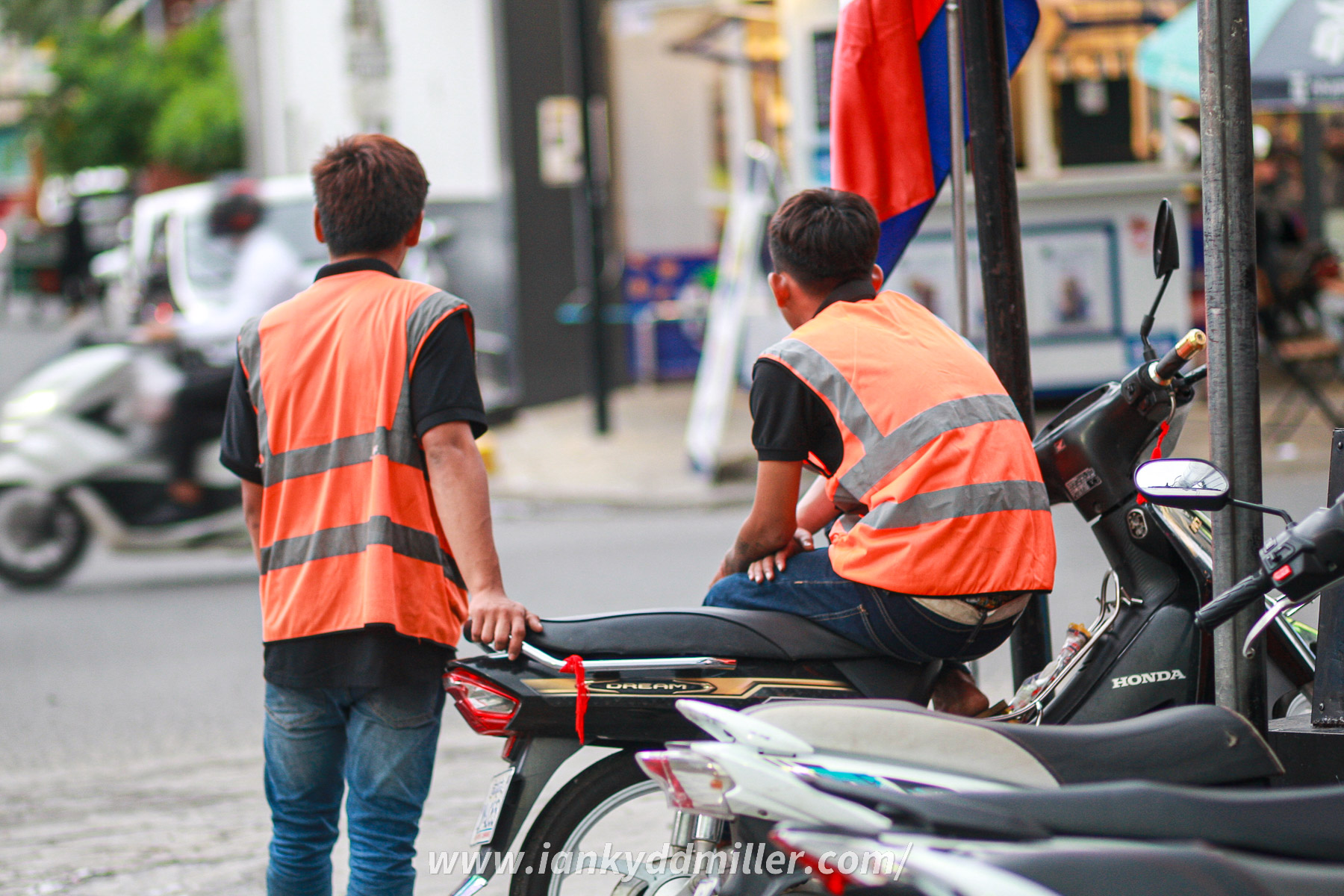
Street photography is where the world doesn’t pose—but it still performs. It’s the art of noticing: gestures, glances, juxtapositions, and fleeting moments that vanish as quickly as they appear. Whether it’s a woman balancing a basket in Phnom Penh’s morning haze or a child chasing shadows in a Bangkok alley, the street offers a stage where the unscripted becomes profound.
My Cameras and Lenses: Tools of Intention
Over four decades, my gear has shifted—from film to digital, from heavy DSLRs to nimble mirrorless bodies—but one thing’s remained: I choose tools that demand engagement. Not automation. Not convenience. Presence.
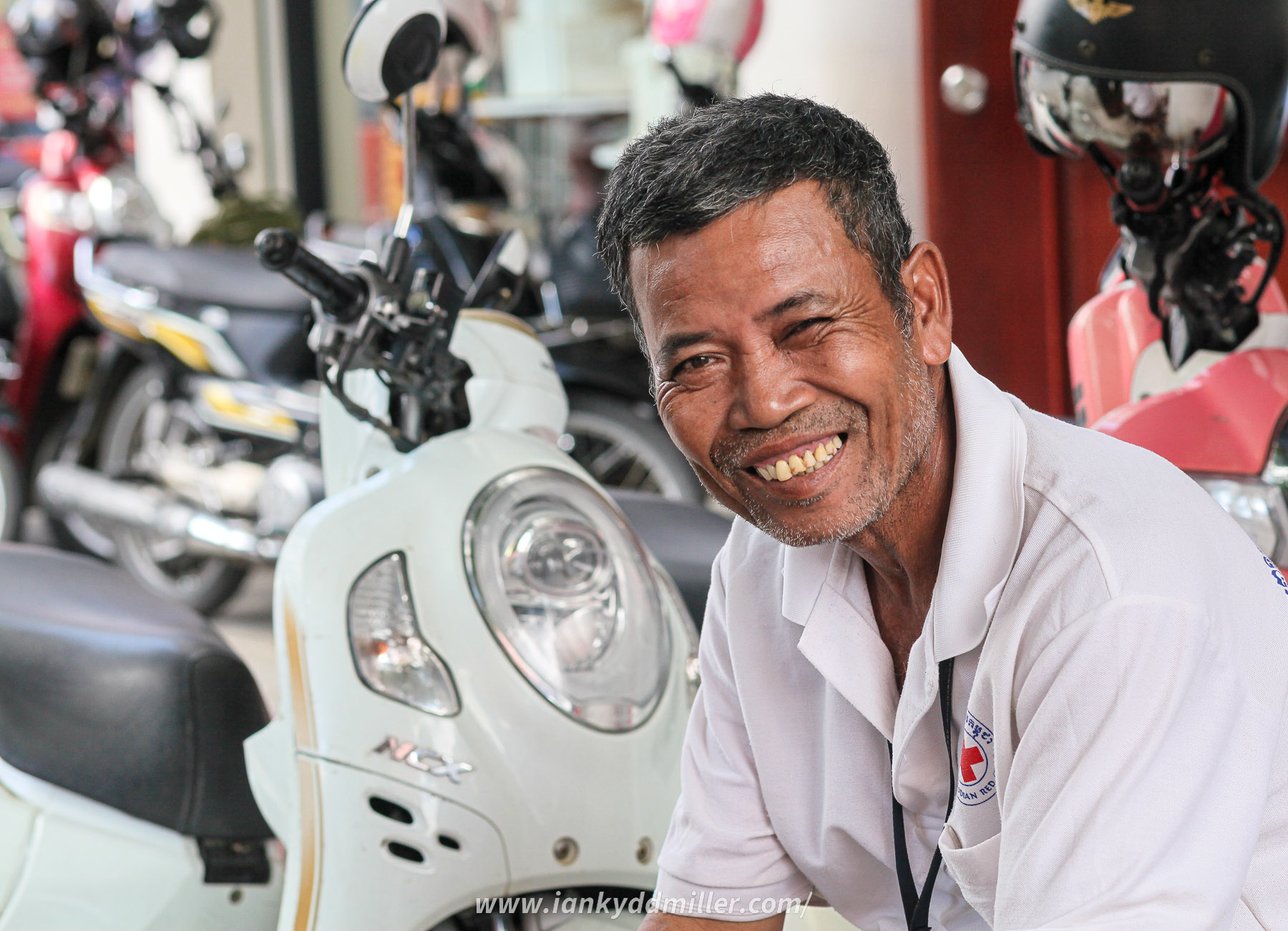
DSLR Bodies
- Nikon D3,D3S – My workhorse in low light. Its files don’t need rescuing—they arrive ready. The shutter sounds like certainty.
- Nikon D700, D800, D810 and D850 – Soulful and balanced. It’s not just nostalgia—it’s the way they render tone and texture, especially with older Nikkors.
- Canon 1D MkIV – For fast-paced work when I need speed and clarity. Its autofocus locks like a promise.
Mirrorless Fujifilm
- Fujifilm X-Series (X-E and X-Pro lines) – Lightweight, deliberate, and personal. With my custom Tri-X simulation dialed in, they give me the immediacy of film without the rituals I’ve outgrown. These cameras are quiet enough to disappear, but never soft in character.
Lenses
- Nikon AF-D Primes – Particularly the 20mm f/2.8 and 85mm f/1.8. They’re from another time—built for clarity, not perfection.
- Canon L-Series – The 24-70mm f/2.8L remains as versatile as it is honest.
- Fujinon XF Series – Small gems. The 23mm f/2 practically lives on my Fuji body when I’m walking the markets. I also return often to the 35mm f/1.4—it breathes beautifully at twilight.
- Legacy Glass – Adapted lenses slow me down. That’s the point. I use them for the tactility as much as the image.
These aren’t just tools—they shape how I see. They remind me that photography isn’t about having the latest gear, but about choosing the one that helps you listen, respond, and sometimes just stand still and let the moment arrive.
Why I Photograph
I take pictures because it’s the most honest way I know to stay connected—to people, to place, to myself. When words fail or oversimplify, the image remains: direct, silent, unflinching. The camera helps me listen longer, look deeper. It slows me down in a world that rarely allows for pause.
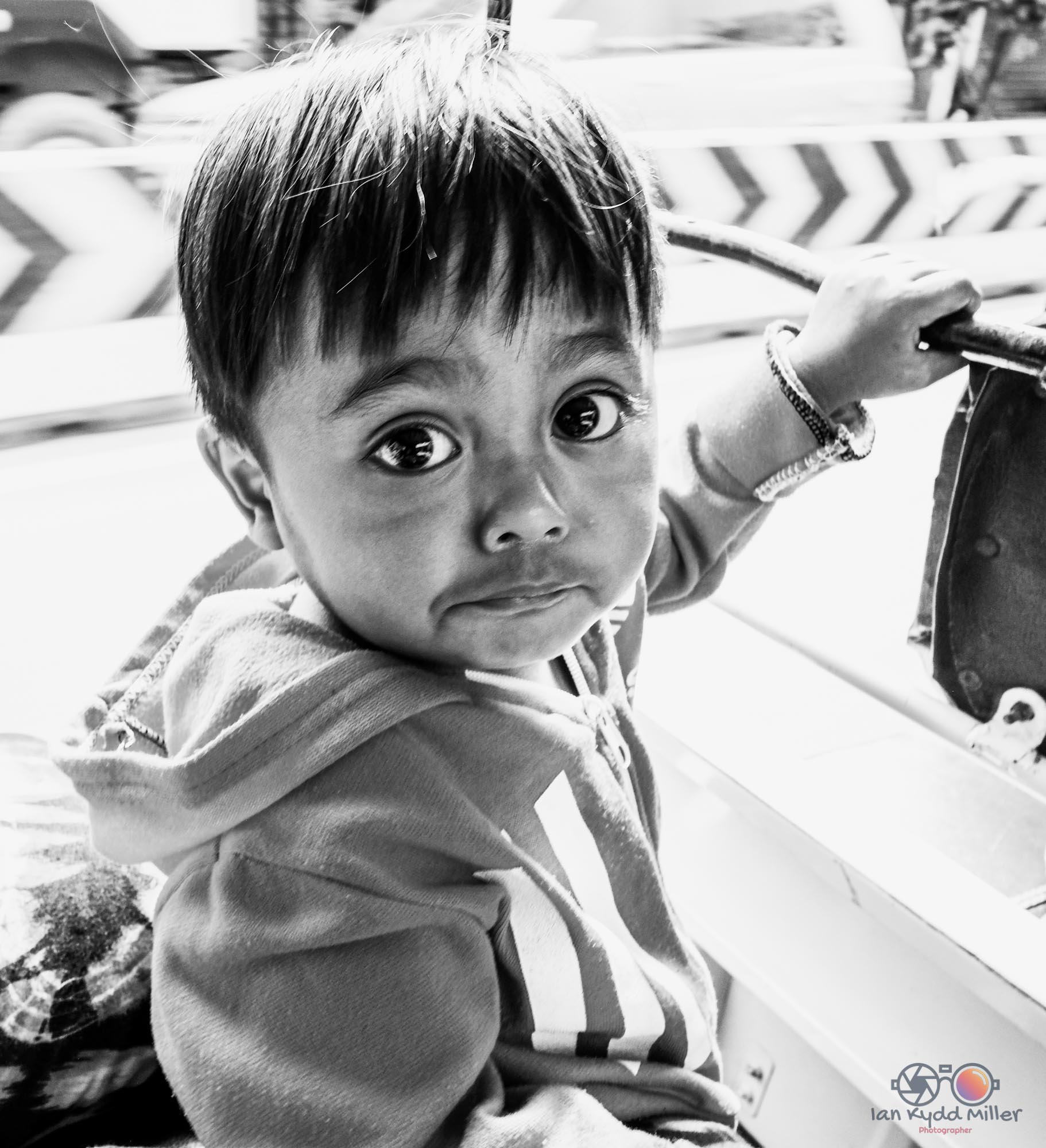
I don’t photograph to make subjects of people. I photograph to acknowledge them. To say: I see you. You matter. Whether in the rhythms of Phnom Penh’s streets or the rising waters of Tonlé Sap, my work is shaped by respect—for the moment, for the history in it, and for the story behind the eyes.
Making pictures helps keep me active and mostly sane. There’s something profoundly grounding about the act of photographing—the way it demands attention, movement, and presence. It’s physical, mental, and even emotional exercise. In a world that spins faster than it should, making images can slow things just enough to notice the texture of a face, the way light pools on broken pavement, or the quiet dignity of a person simply being.
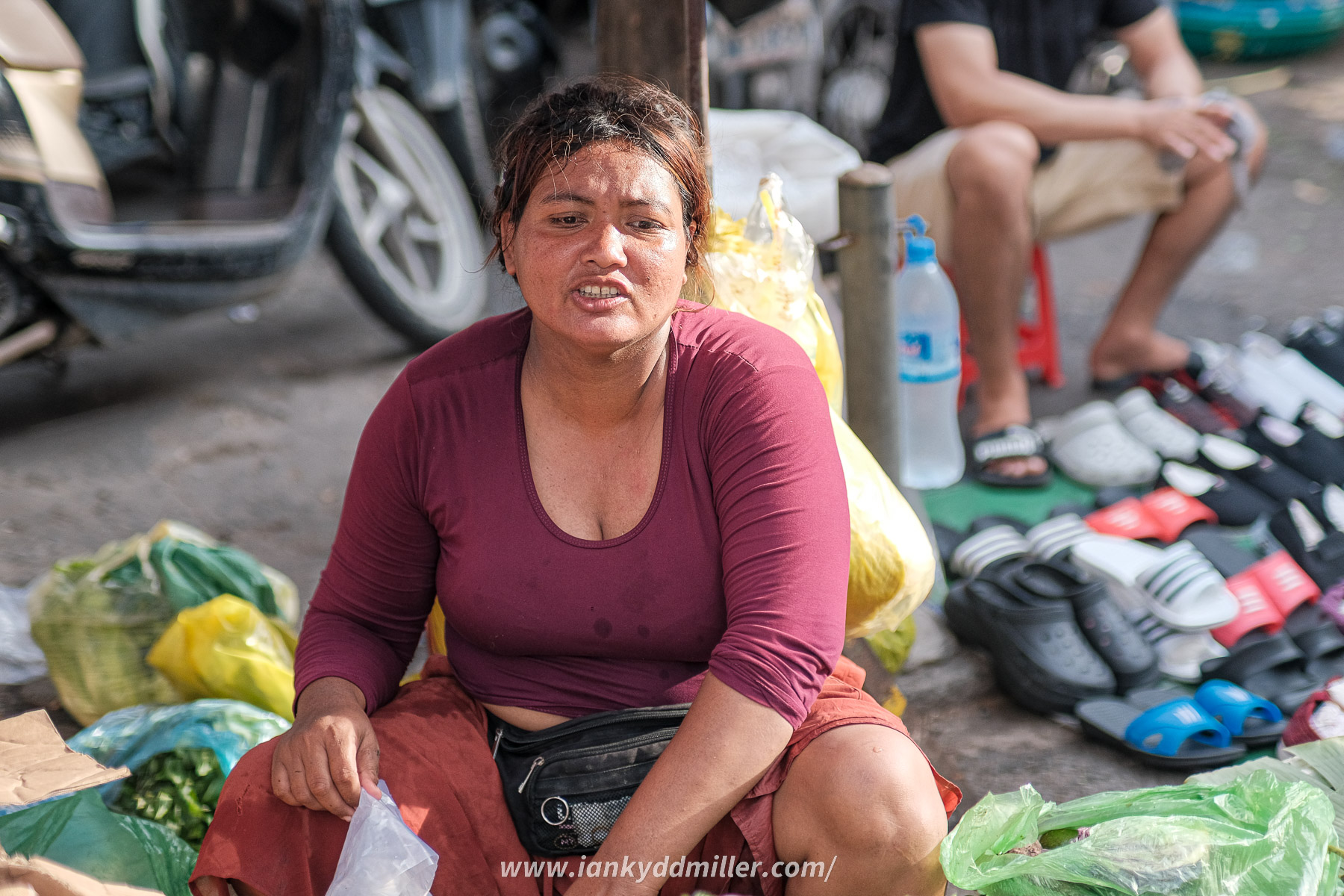
Making pictures keeps me active—and mostly sane. It’s not just a craft or a calling; it’s a form of balance. There’s a restlessness inside me that quiets when the viewfinder frames the world just so. The act of photographing—walking, observing, composing—anchors me. In the most uncertain places, with the most uncertain people, I find clarity in that moment of stillness.
Over the years, I’ve come to realise that photography is less about capturing what’s in front of you and more about how you remain present with it. The process gives shape to my days. It focuses the mind, steadies the body, and occasionally, redeems the chaos. Whether I’m working on the Tonlé Sap or wandering Phnom Penh’s side streets, the camera isn’t just an observer—it’s a mirror. Sometimes it reflects what the world is. Other times, what I fear is becoming
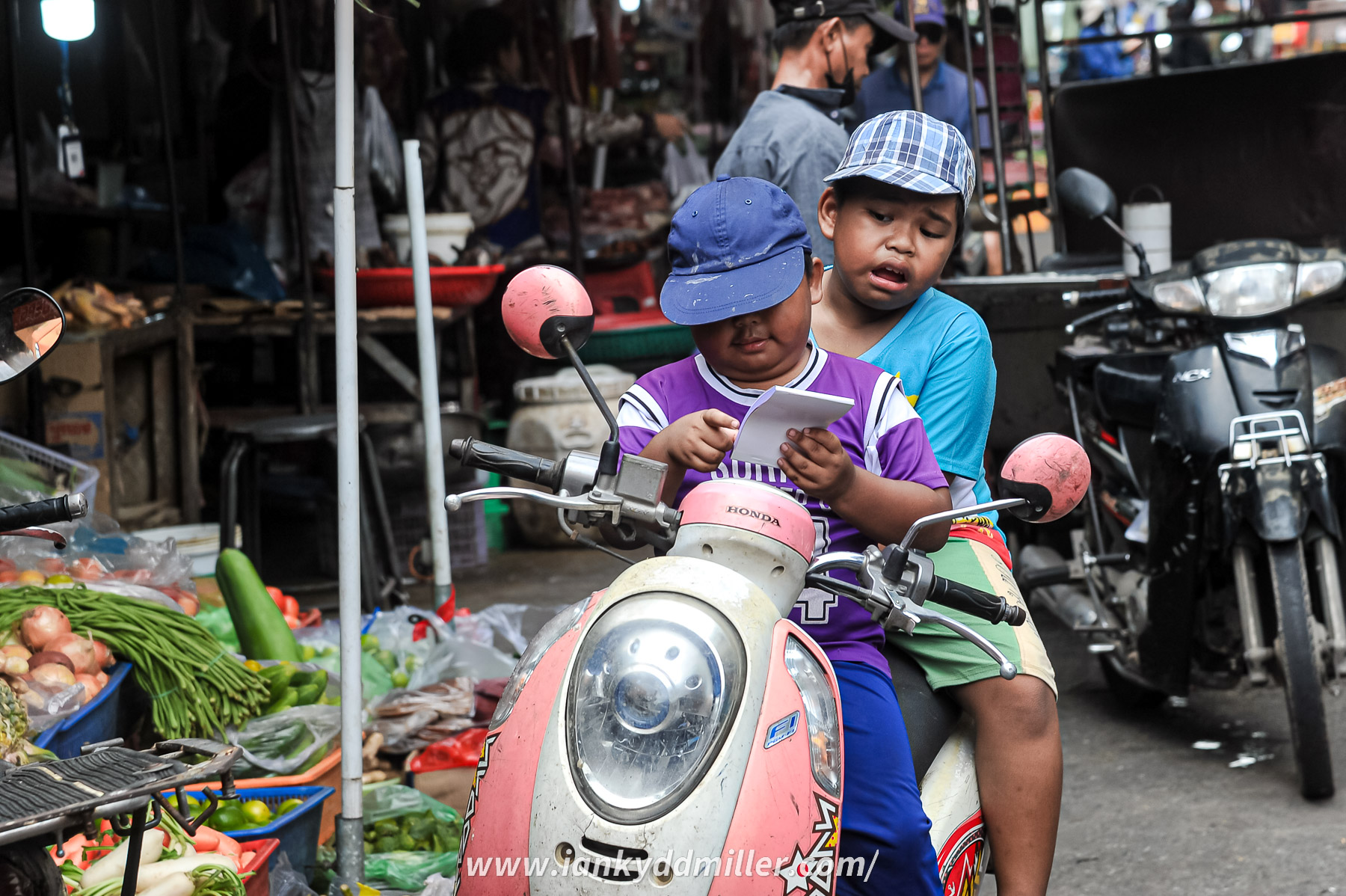
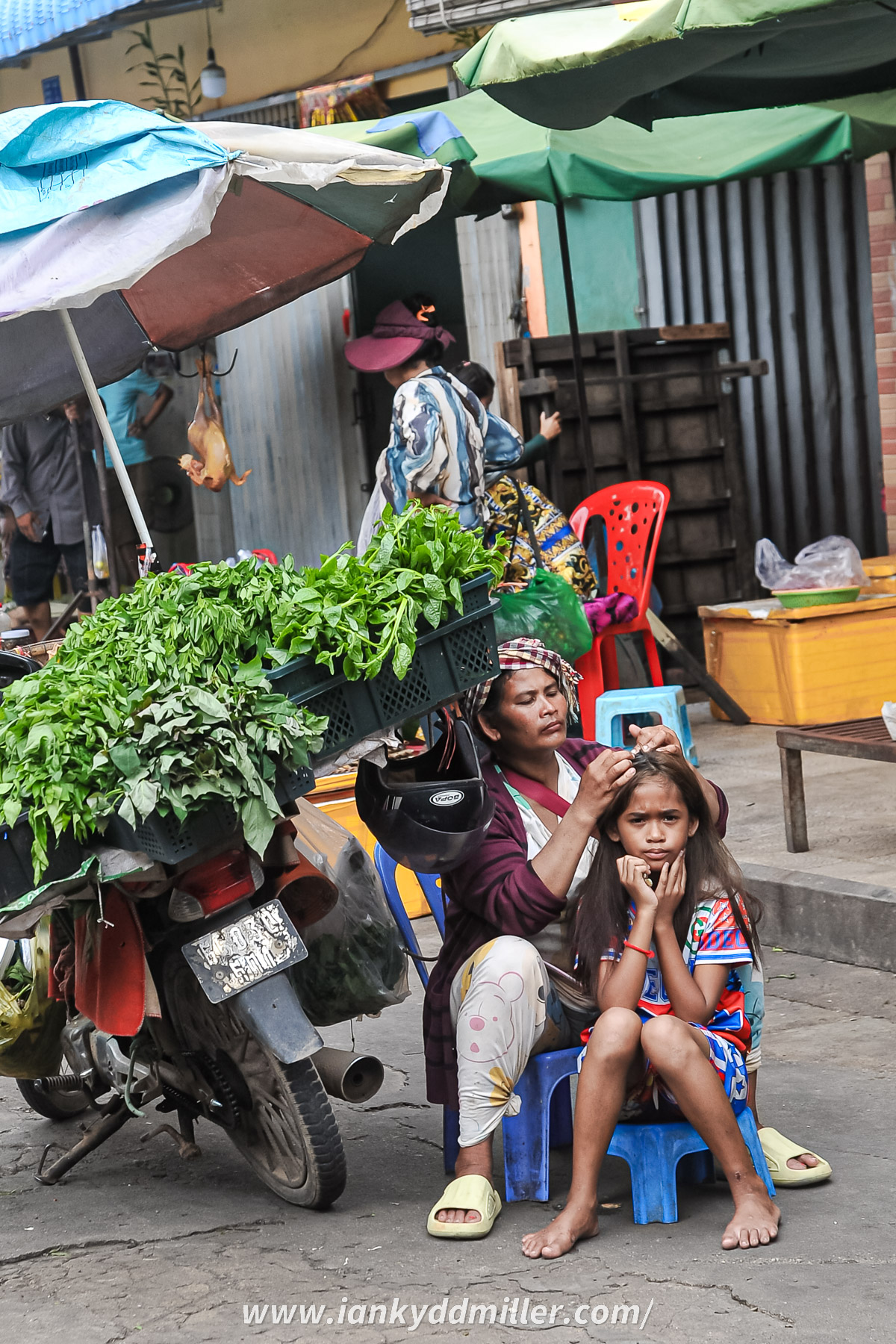
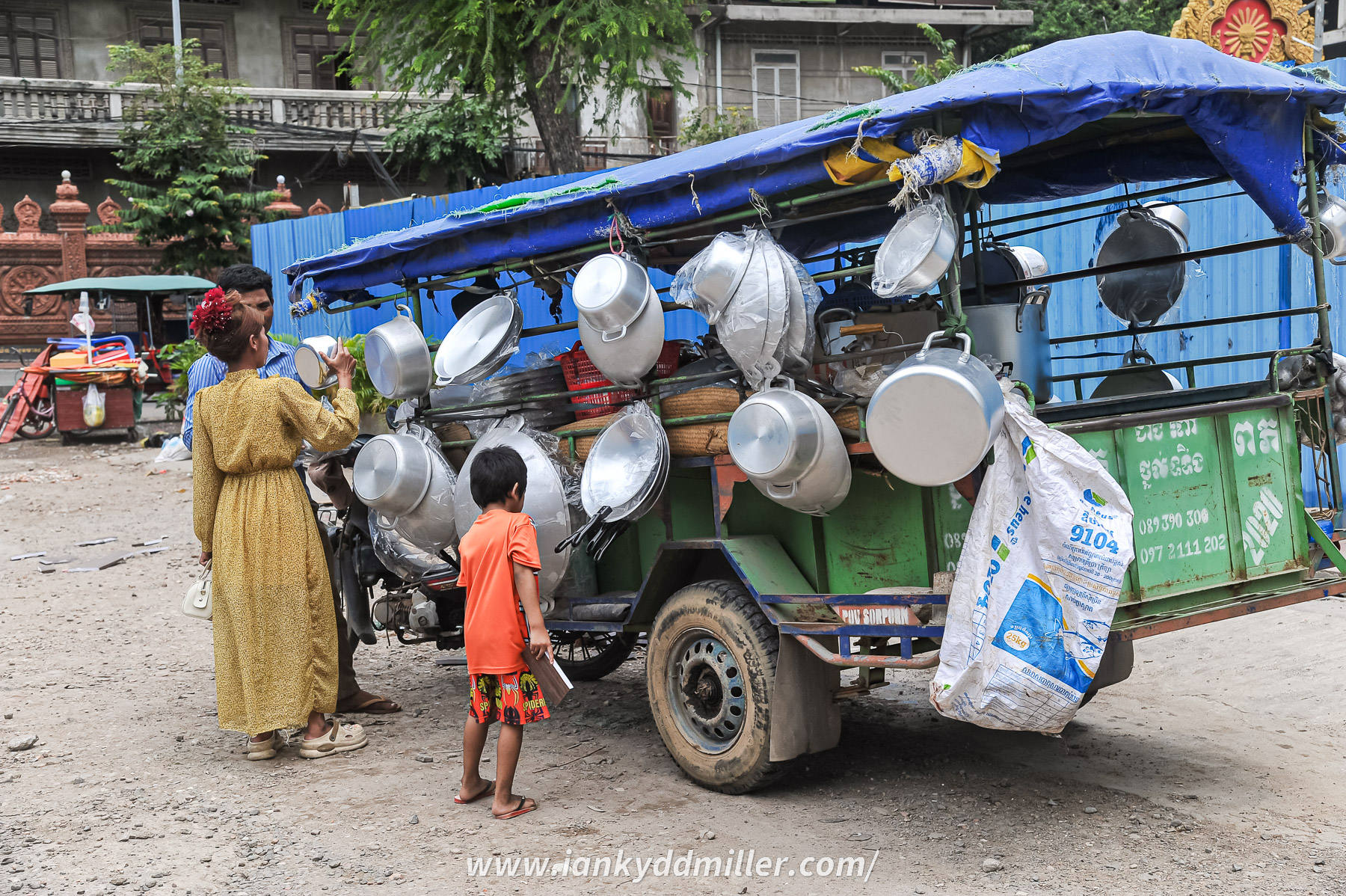
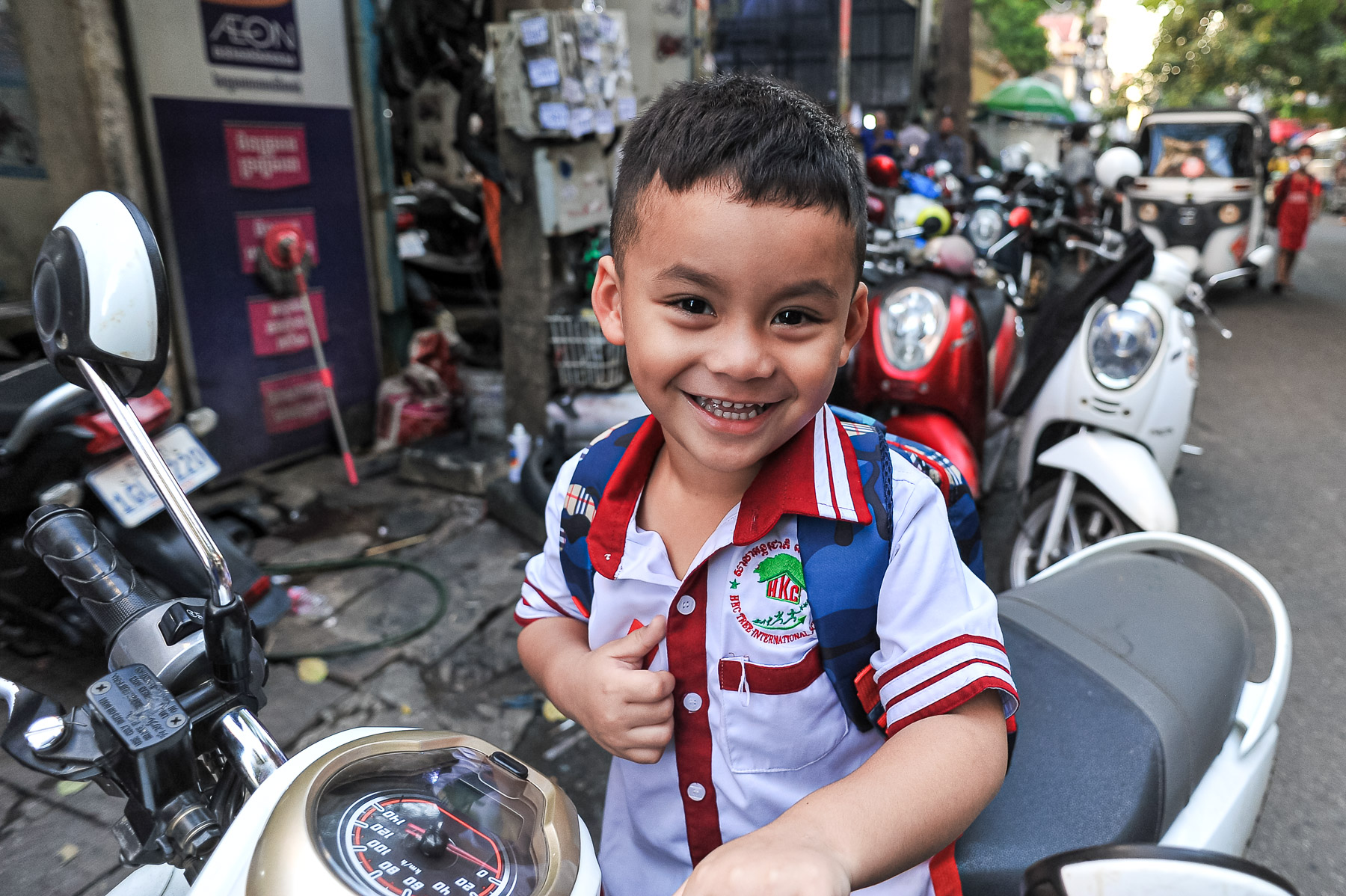
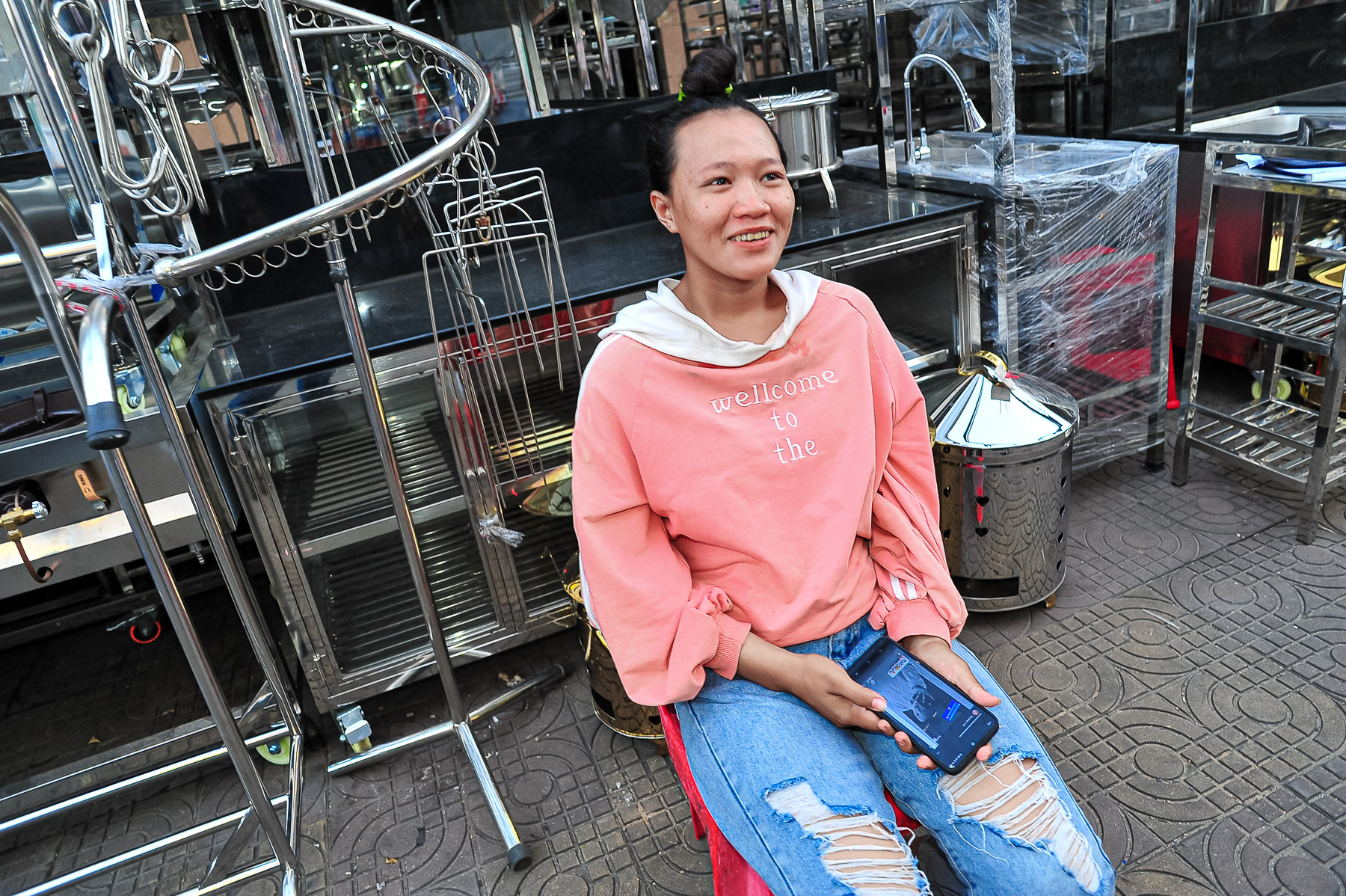
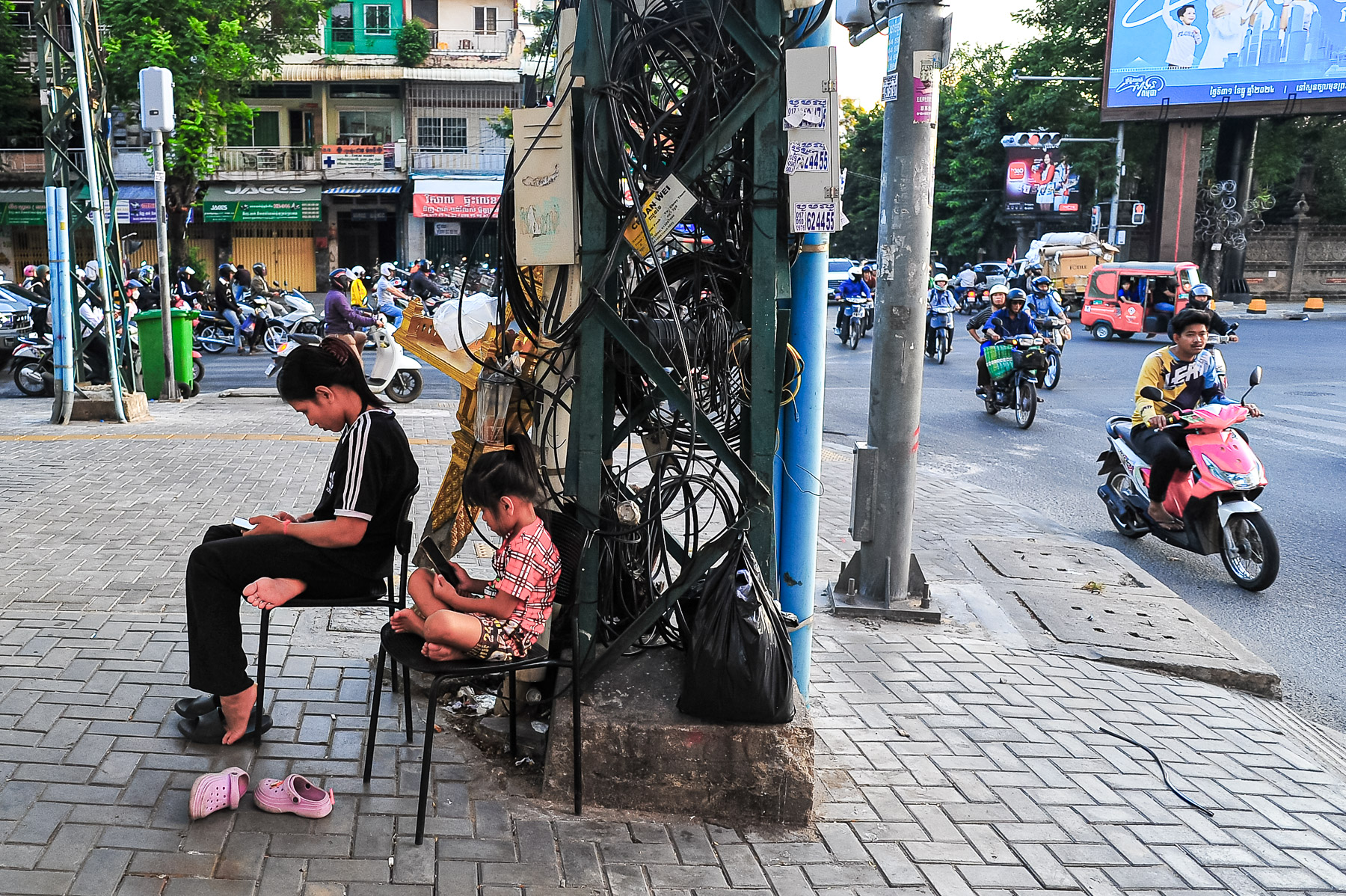
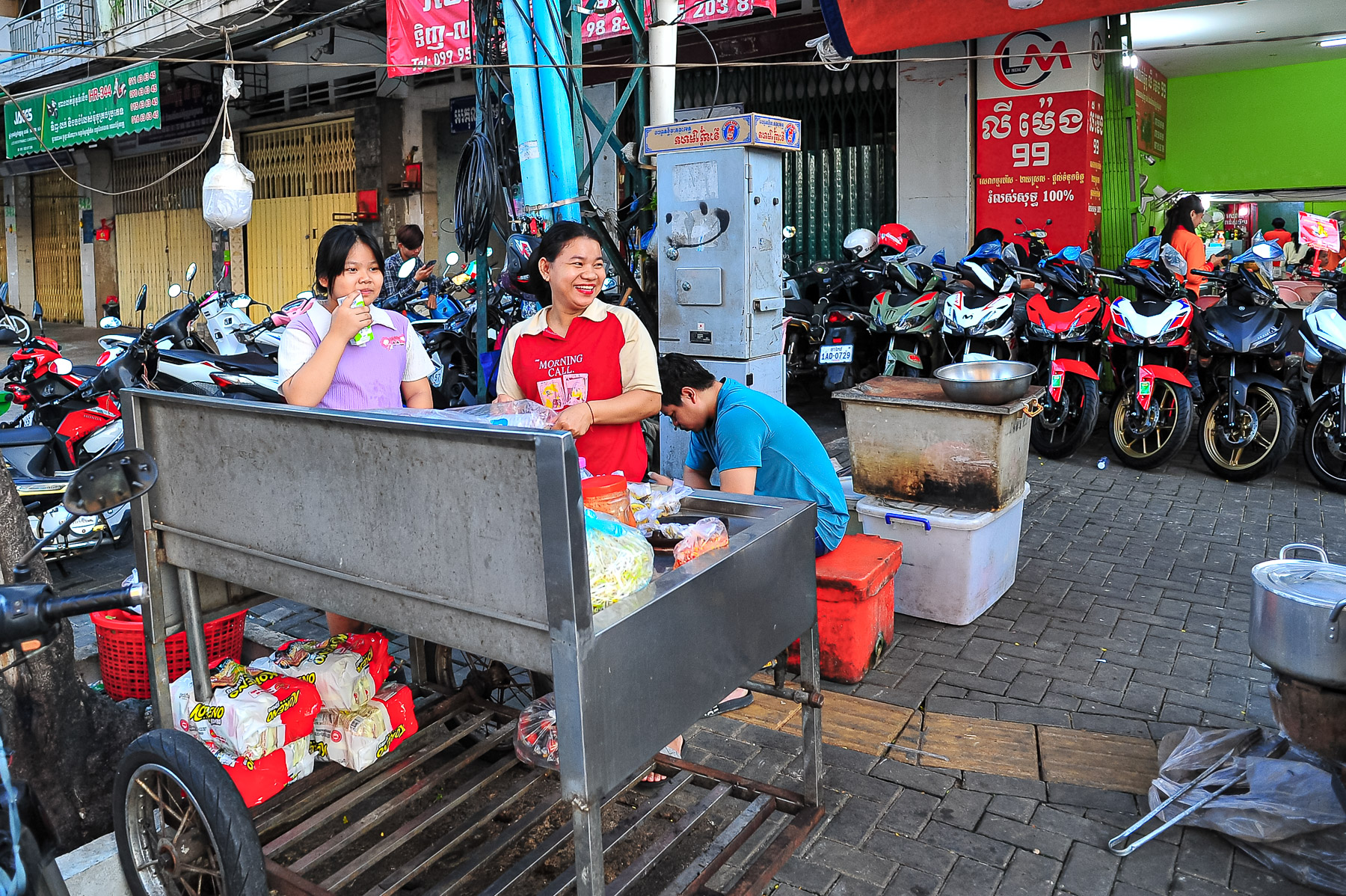
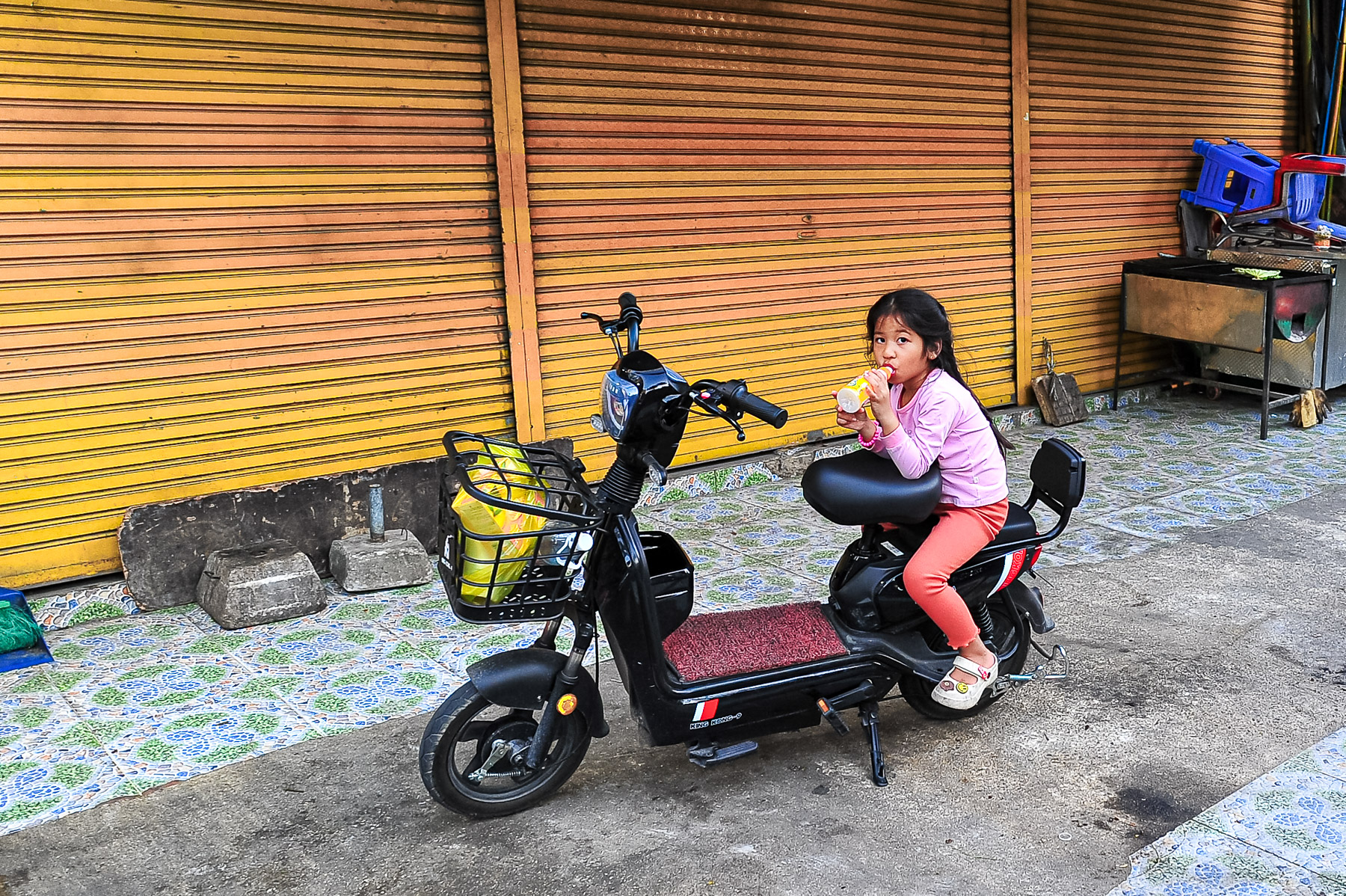
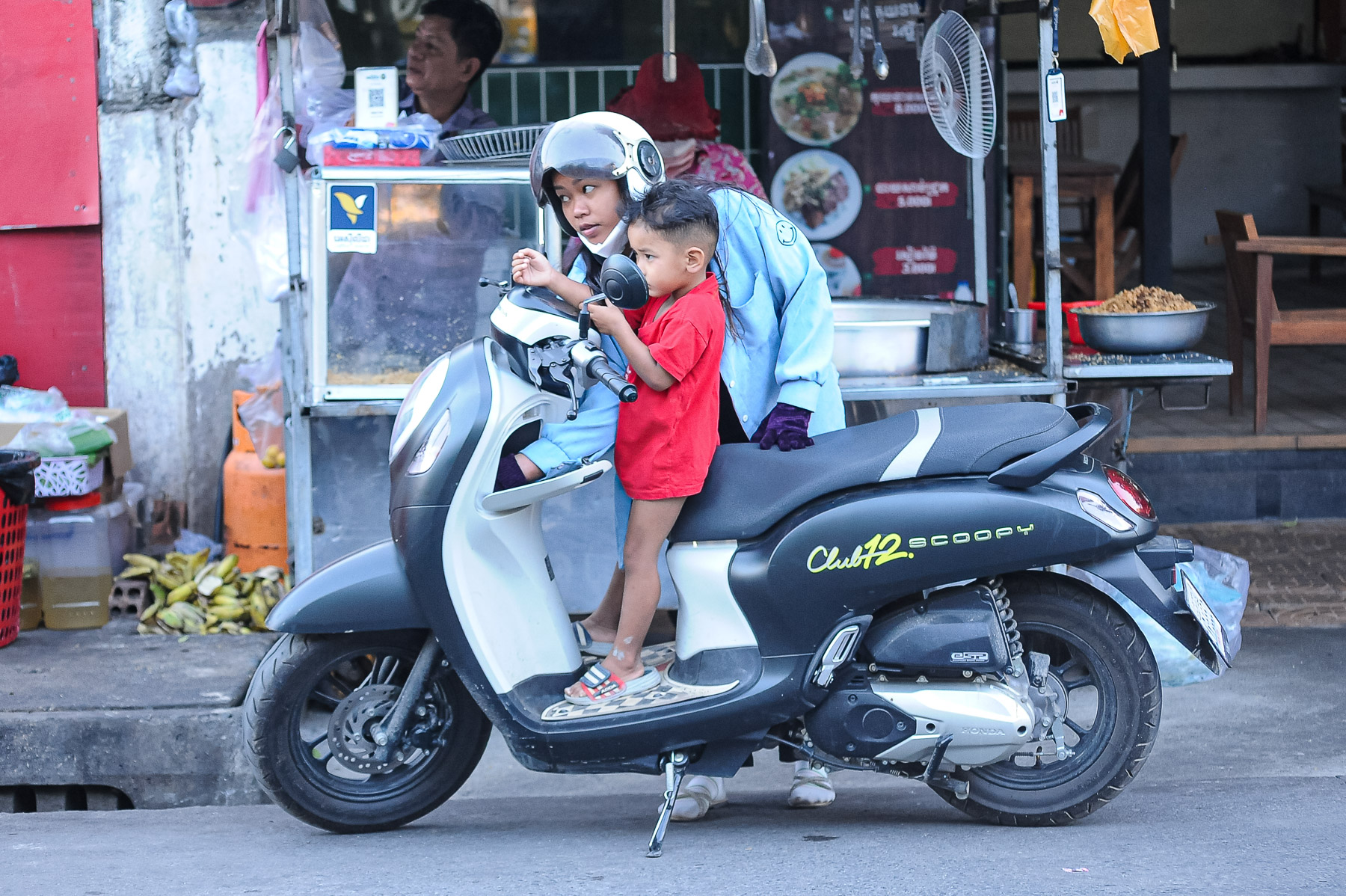
The Ritual of Seeing
Photography steadies me. There’s a ritual to it now—selecting the gear, dialling in settings, and checking focus by feel. I work with tools that demand something of me: a Nikon D700, a Canon 1D MkIV in a world of touchscreen immediacy and algorithmic distraction, making pictures this way draws me inward. I move deliberately, wait longer, and see more. That act of seeing—truly seeing—becomes a kind of resilience. Every time I lift the camera, I’m choosing to stay engaged, to stay curious, to not turn away. The camera doesn’t numb me to the world’s struggles; it compels me to stay open.
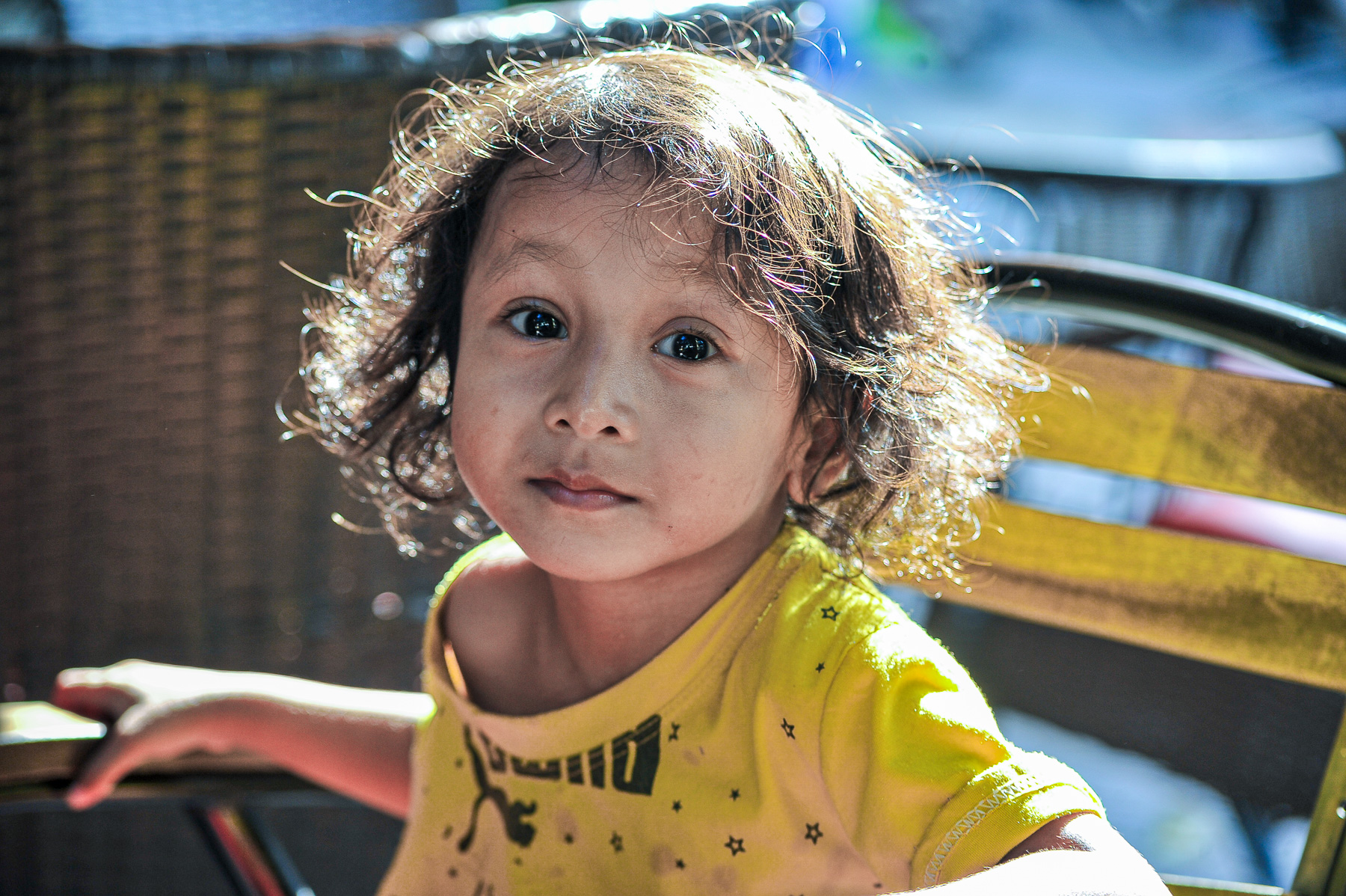
Ageing With the Lens
The longer I’ve photographed, the more the camera has become not just a tool, but a companion through time. When I was young, it was about urgency—chasing moments, chasing stories. Now, it’s just as much about listening. To people. To light. To the texture of silence.
What I carry has changed—not just in the bag, but in the body. I move slower, but I see more. I anticipate rather than react. There’s wisdom in patience, in letting a scene settle before pressing the shutter.
The act of shooting now feels closer to contemplation than conquest. Maybe it always was, but I was too restless to notice.
Past the Romance of Film
I no longer shoot film. But not because I’ve lost faith in it—only because I’ve made peace with its echo. The grain, the latitude, the discipline it demanded—they’re still with me. They’ve shaped how I shoot today. My digital cameras are tuned, not to mimic film, but to carry its spirit. The Tri-X simulation I’ve built isn’t nostalgia—it’s memory with intention.
Letting go of film meant letting go of certain rituals, but it also meant gaining immediacy. The darkroom became the field. Decisions once delayed now happen in-camera. I don’t miss the chemicals on my hands, but I do miss the time those hands held still, waiting for something to appear.
Now, every digital file I make still begins with the same question: what am I really trying to say? That question doesn’t care whether it’s ISO 400 TX or 40MP RAW—it just wants to be answered with honesty.
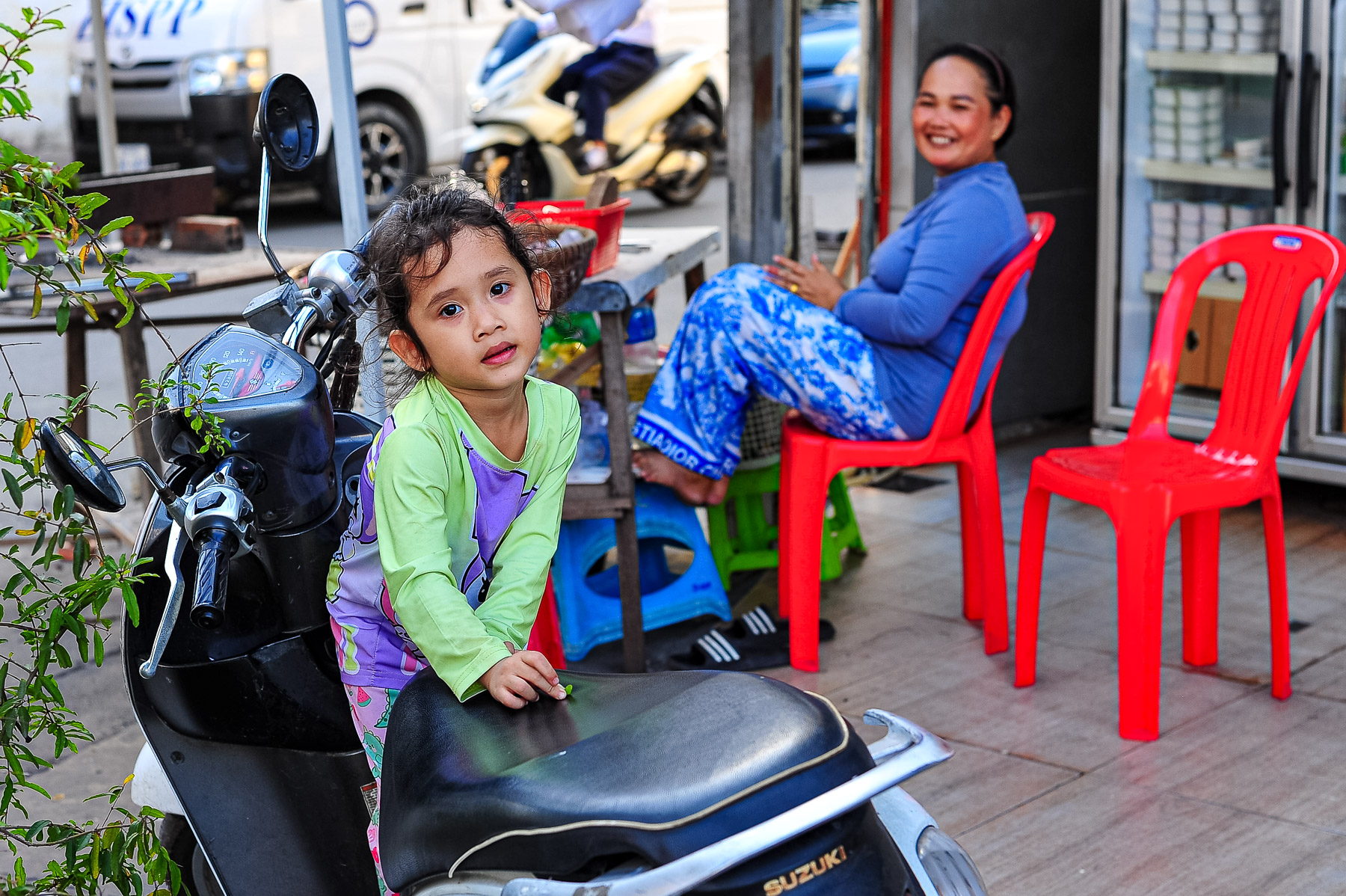
The Ethics of the Edit
After the frame is made, the harder work begins. Not in Lightroom, not in cropping or curves—but in asking: Does this honor the moment? Editing isn’t about selecting the sharpest photo or the most dramatic light. It’s about truth in intention. About deciding what’s responsible to show, and what’s better left unspoken.
Sometimes the most technically perfect shot feels empty. Other times, an image that’s flawed—soft focus, skewed horizon—rings true. I’ve learned to trust what a picture feels like. That kind of editing doesn’t show up on histograms.
And in this age of spectacle, of scrolling and algorithms, I find myself editing more rigorously. Not to cut, but to protect. The people I photograph—especially in Cambodia’s more vulnerable spaces—don’t need me to amplify their suffering. They need dignity. They need to be seen as whole, not as symbols.
My edit is where ethics meet instinct.
What Remains
There’s a quiet reckoning in revisiting old work. Images once passed over suddenly glow with meaning; others, once chosen, now feel hollow. Time has a way of editing us, too.
I no longer measure success by publication or praise. A successful photograph, to me, is one that holds—still resonant after the context has faded. It asks nothing but presence, and perhaps, leaves behind a trace of connection. A boy sleeping in the hull of a boat on the Tonlé Sap. A woman watching monsoon light graze the wall of her stilted home. These aren’t “stories” in the journalistic sense. They’re acknowledgments. Small truths.
In a culture of constant visual noise, less feels like an act of resistance. Fewer frames. Fewer captions. More listening. More time.
These days, I edit not just to find the best image, but to find the most honest one. The one that still makes me feel what I felt when I raised the camera. That’s the frame that matters.
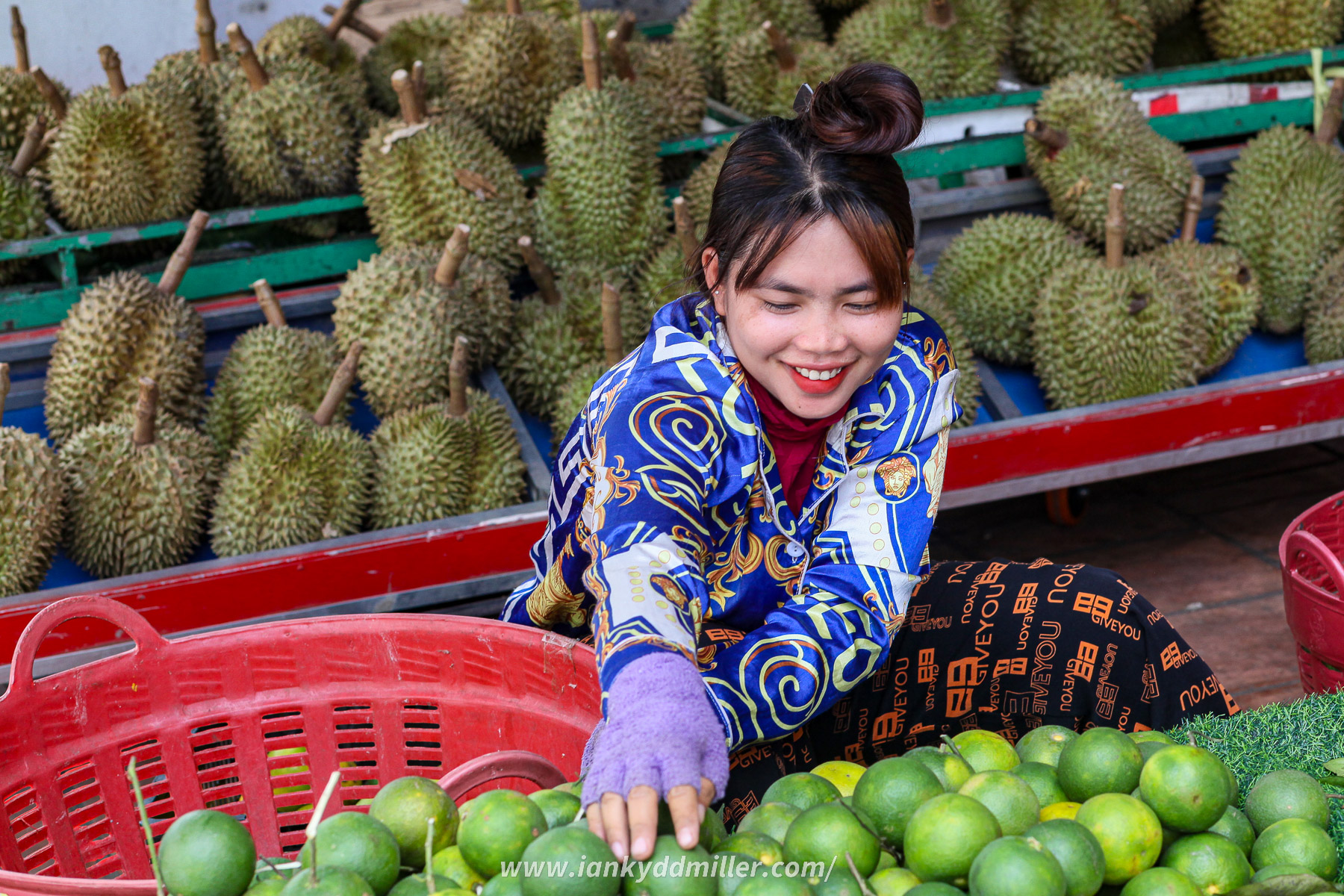
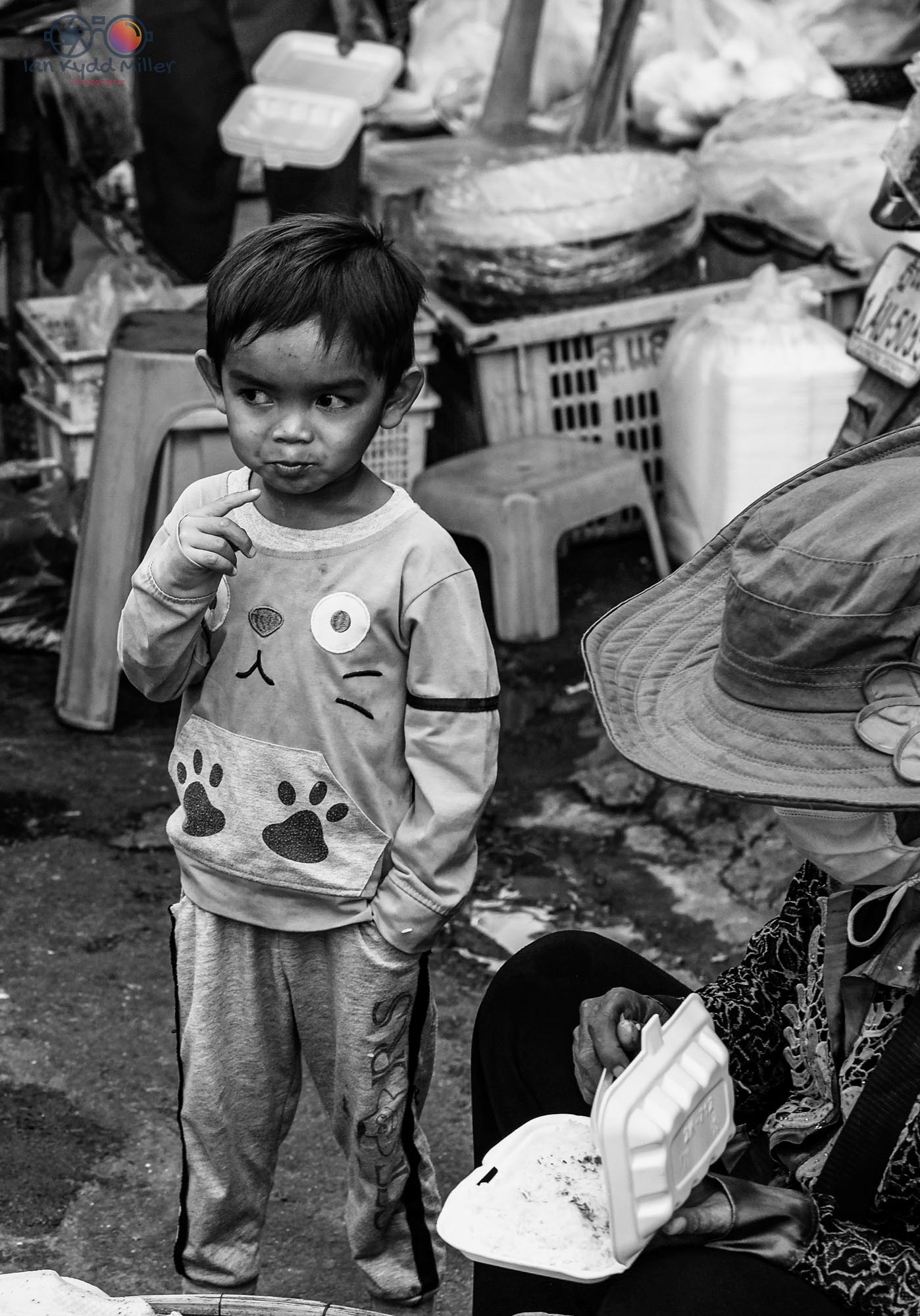
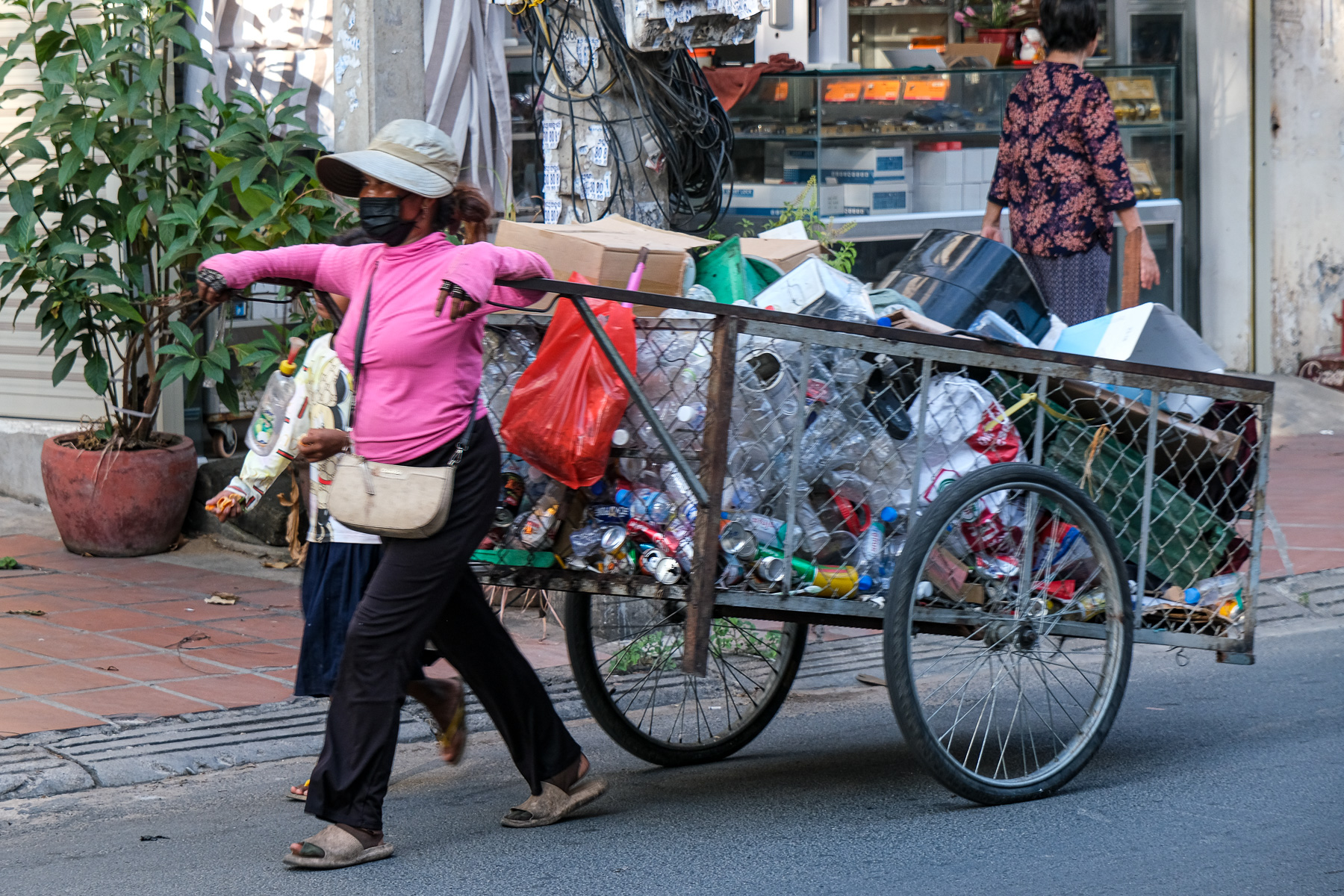
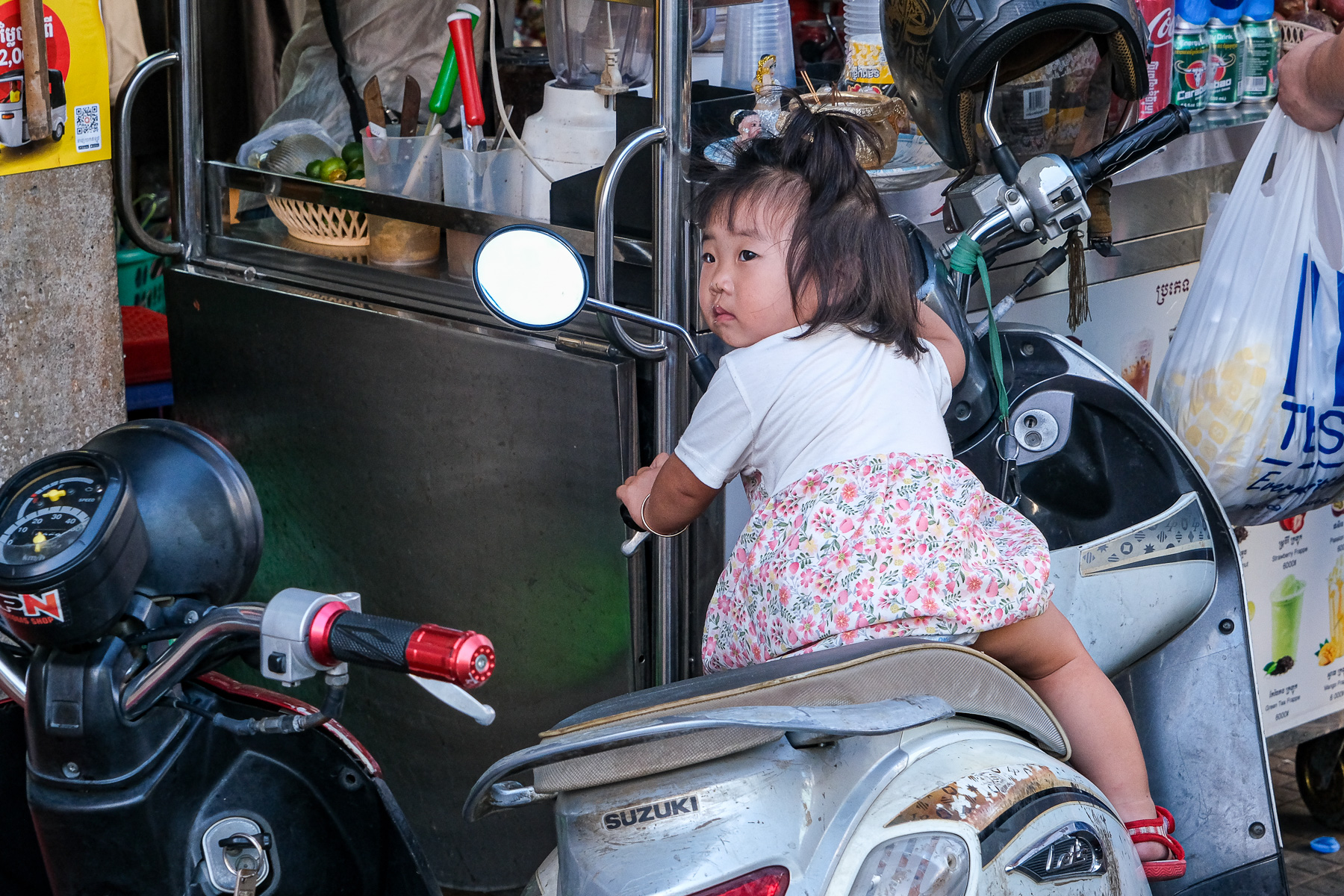
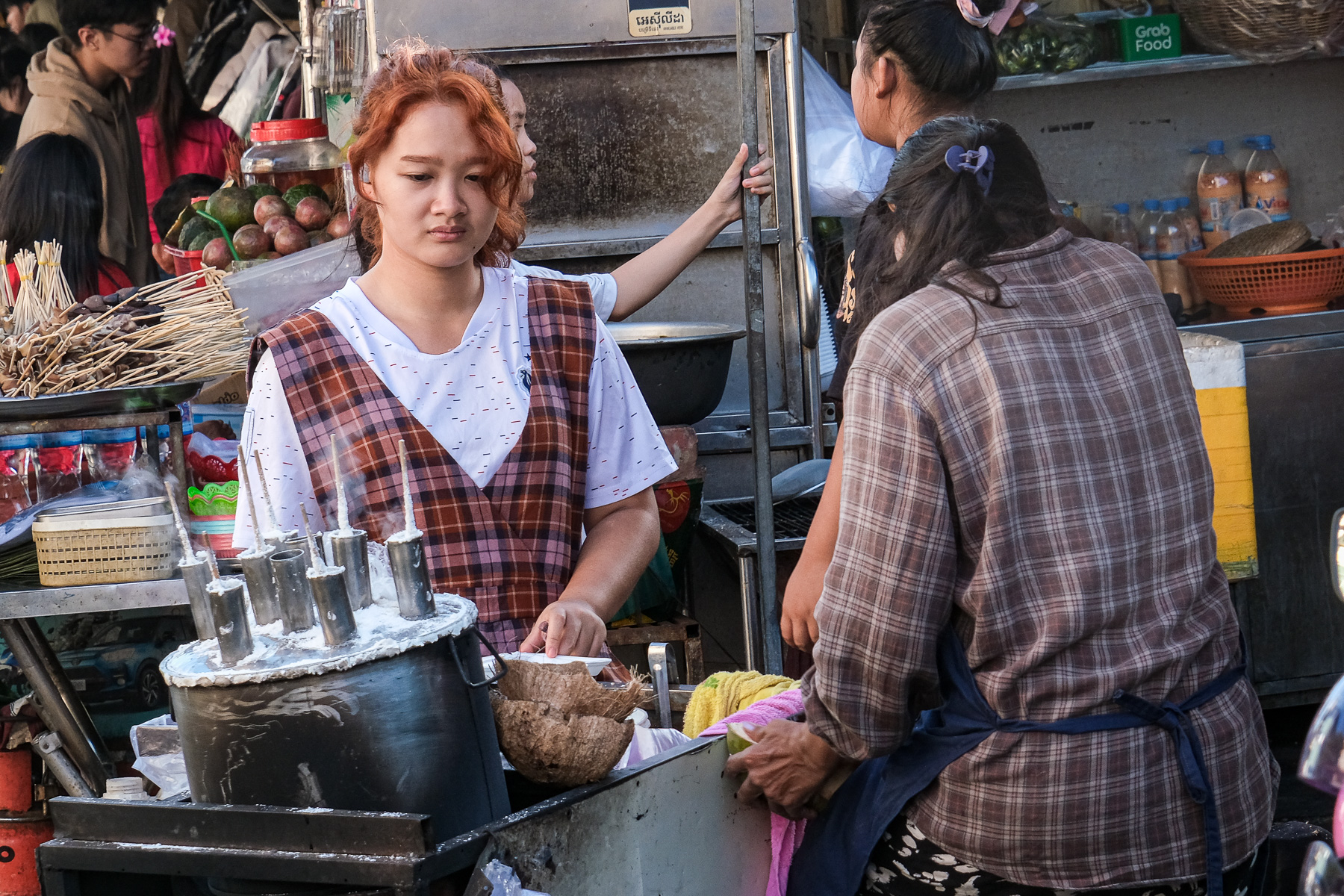
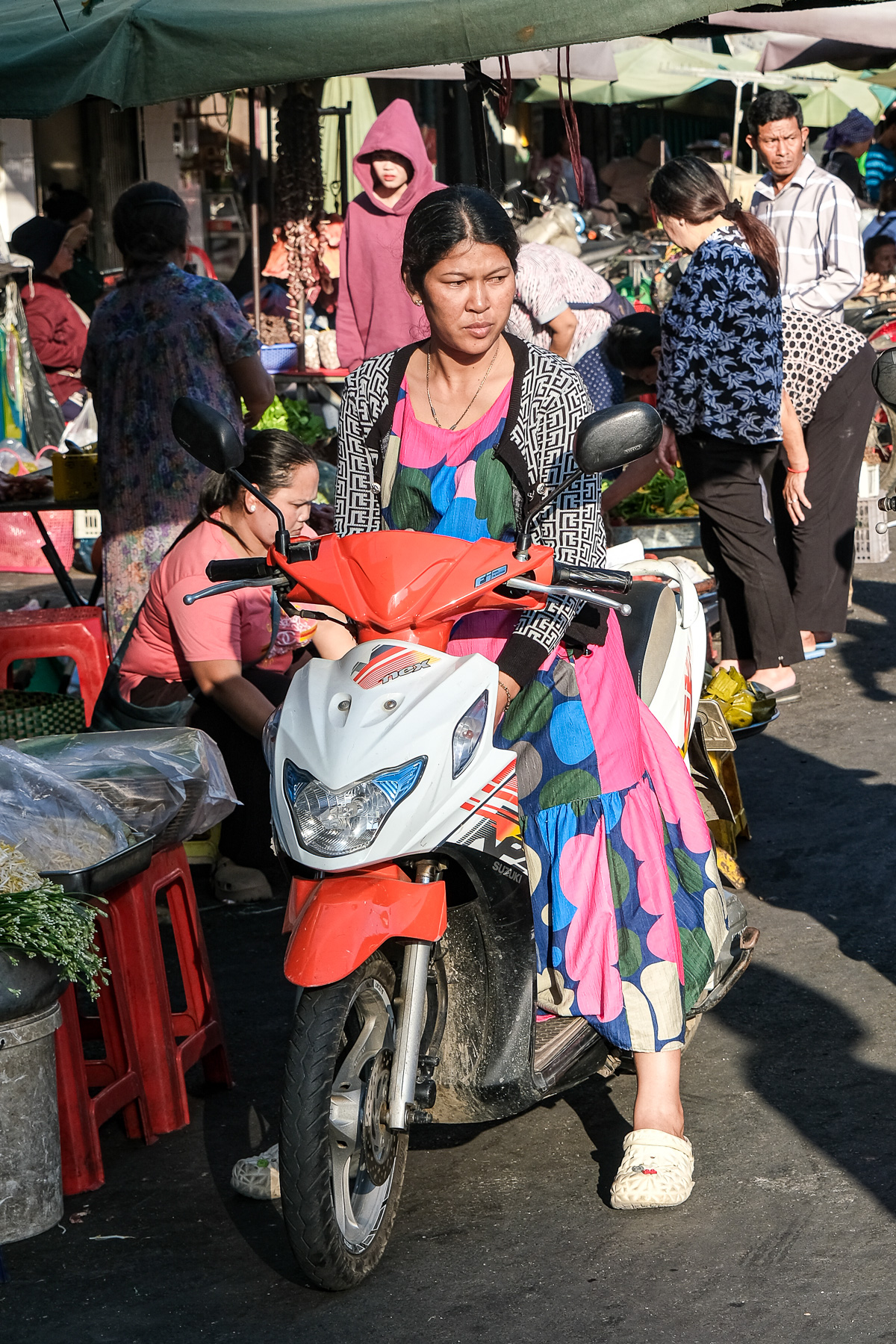
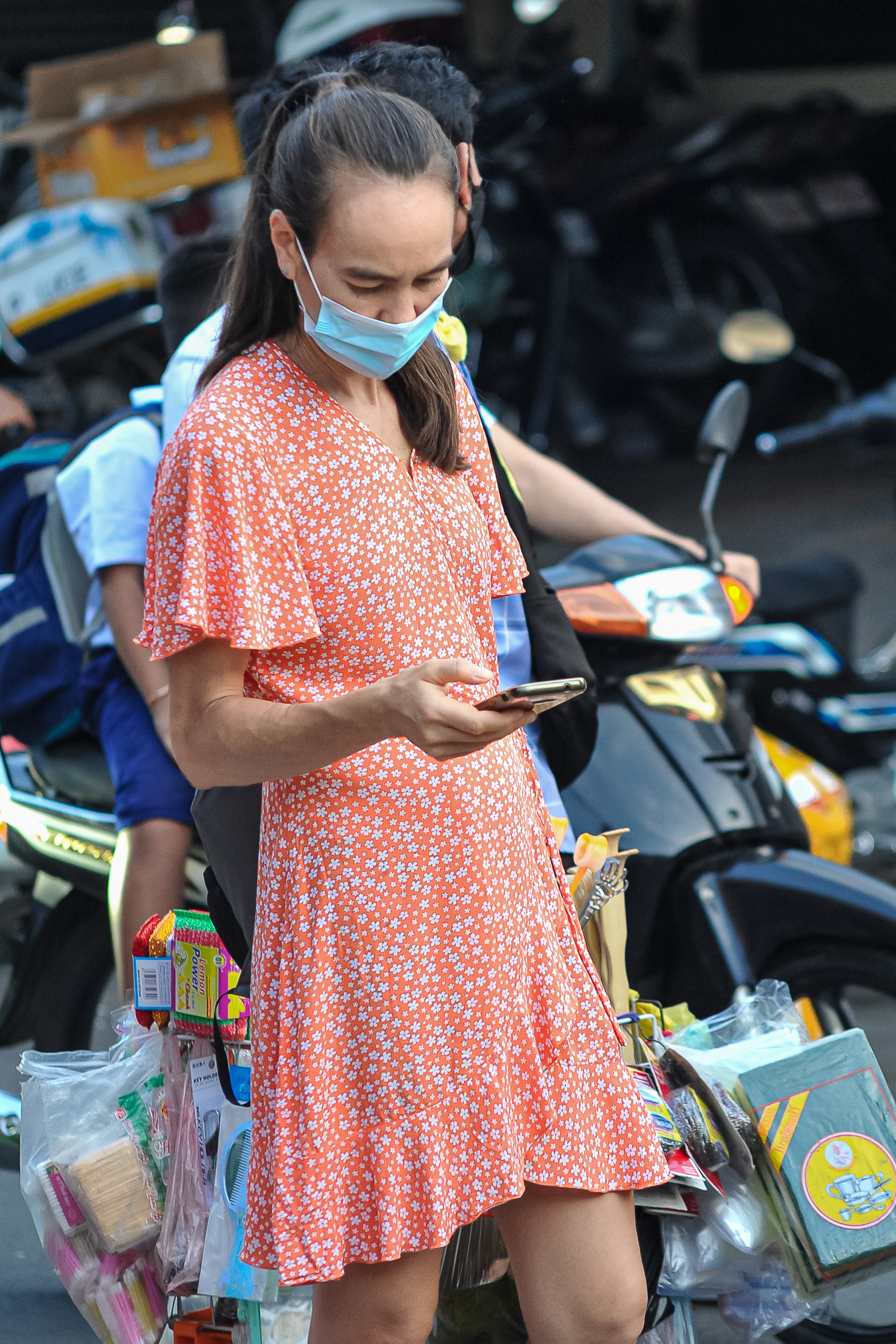
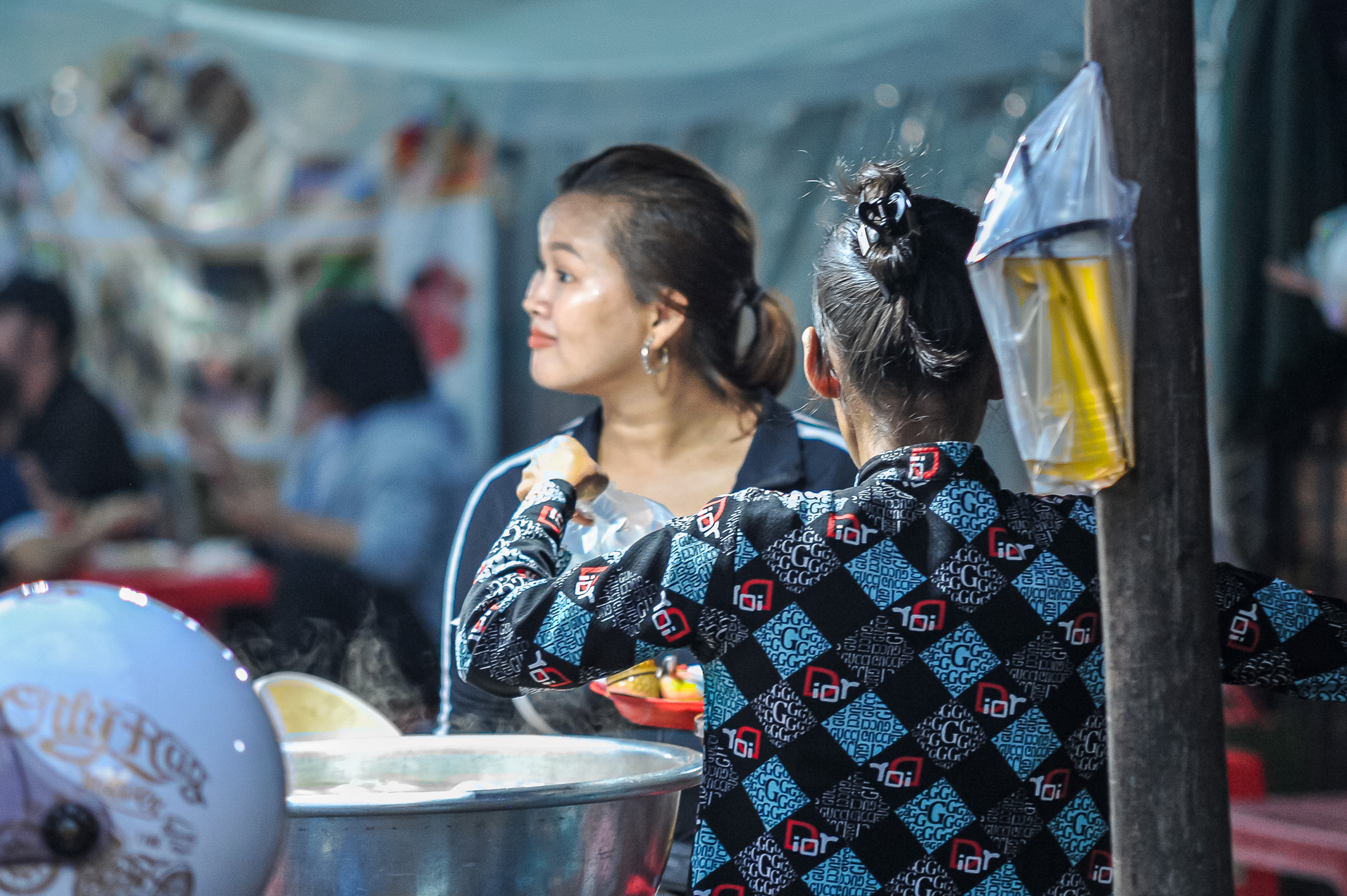
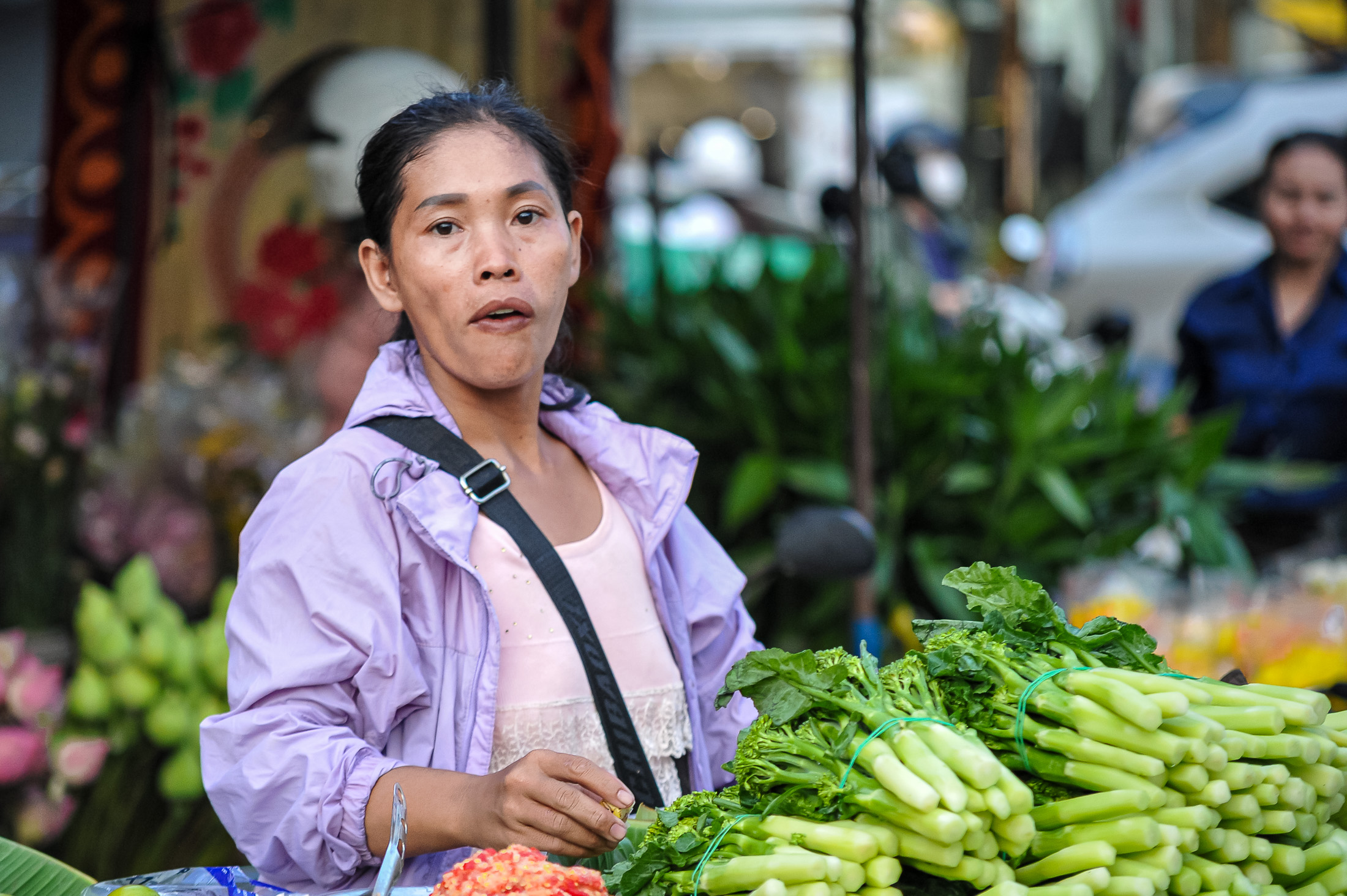
Markets in Asia are one of my favorite places to disappear into. Not as a shopper, not even always as a photographer—but as an observer. There’s a rhythm to them, ancient and unspoken. Women hunch over baskets of long beans, trimming ends with blades that have curved into the shape of their habits. Men stack durians with the same studied precision they learned from their fathers. You can hear five languages in a single row, smell fire-charred fish beside fresh-cut jackfruit, feel the pull of gravity in rice sacks hoisted onto backs.
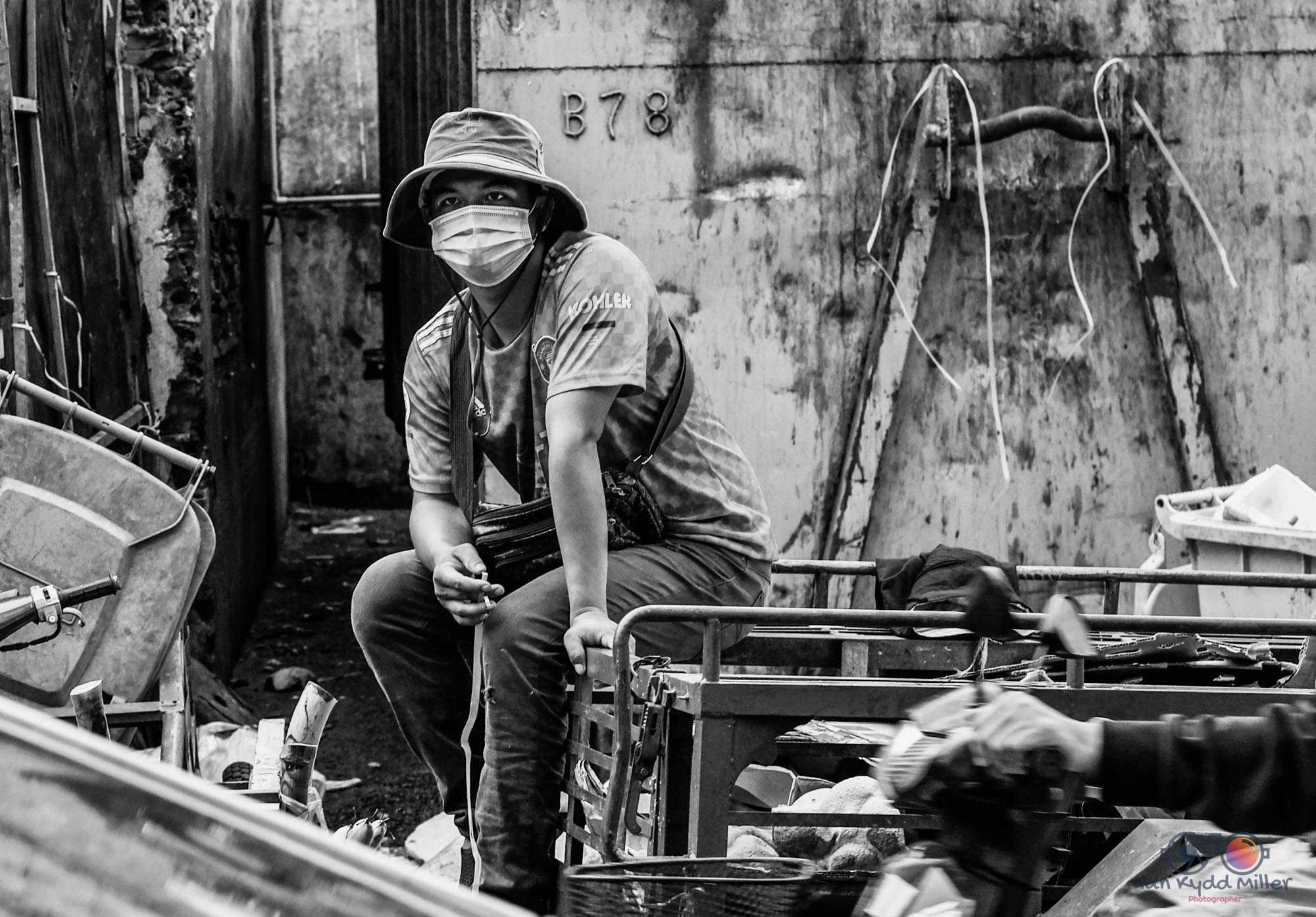
This is what draws me: the work of hands. Honest, repetitive, skilled. There’s no performance here—just necessity. And yet, it’s theatre of the most human kind.
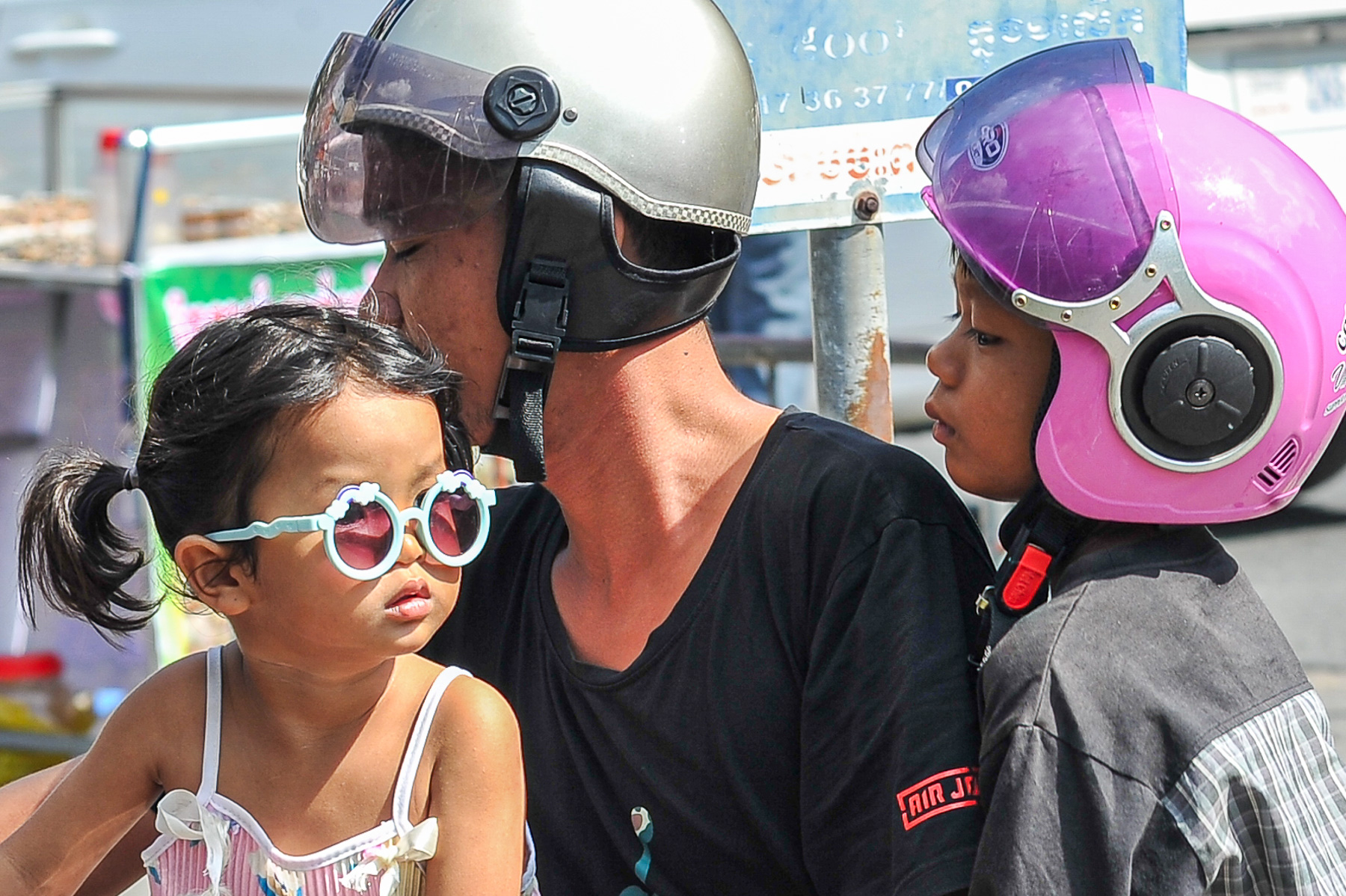
Photographing markets isn’t about spectacle. It’s about intimacy. If I’m patient, people forget the camera. Or maybe they just stop needing to perform for it. And in that space between awareness and indifference, there’s truth.
These moments don’t make headlines. But they make something quieter

