The Ethics of Photography on the Street

cambodia, cameras, homelessness, Lenses, nikon, opinons, thoughts, photography, street, Travel

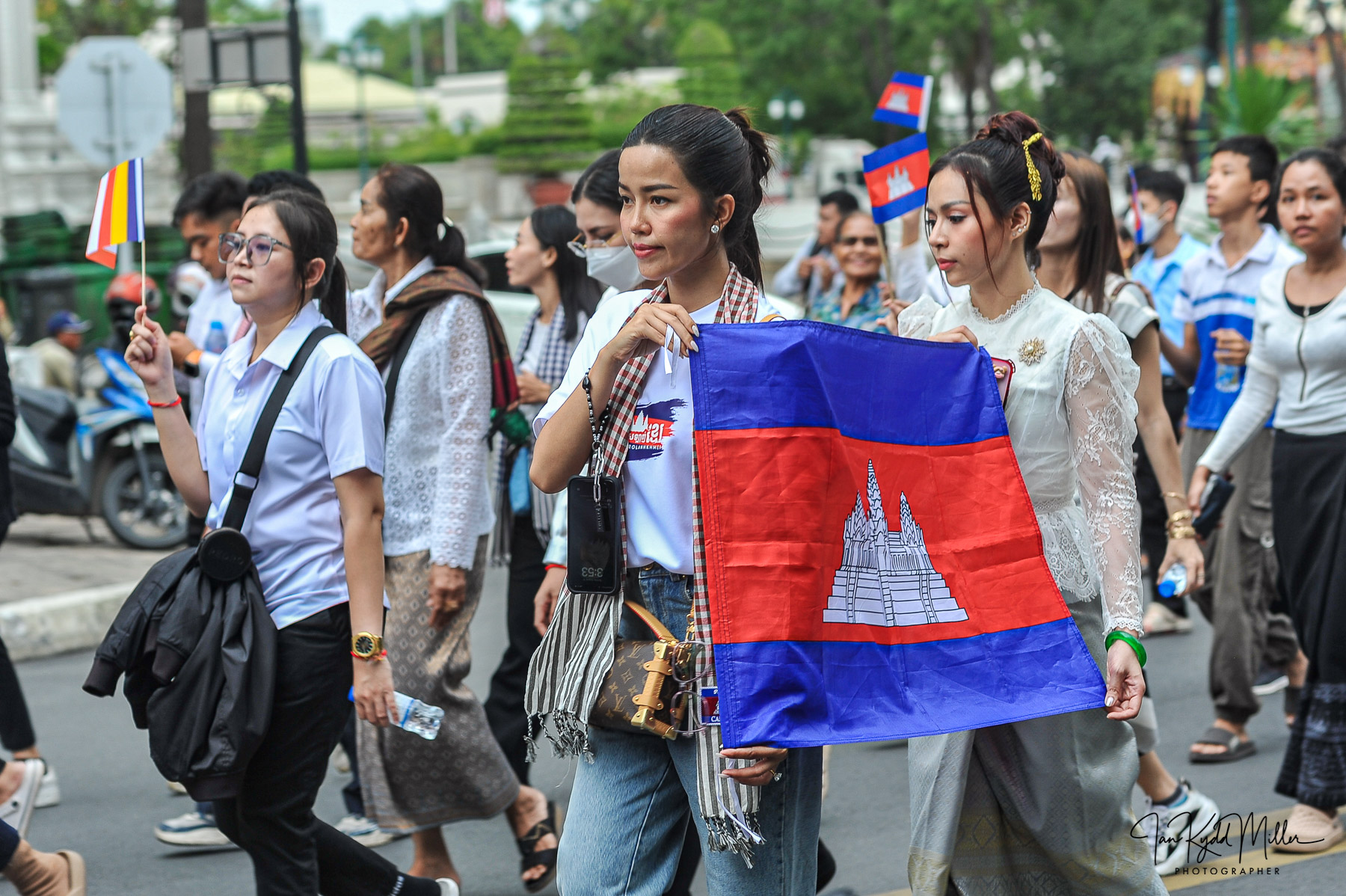
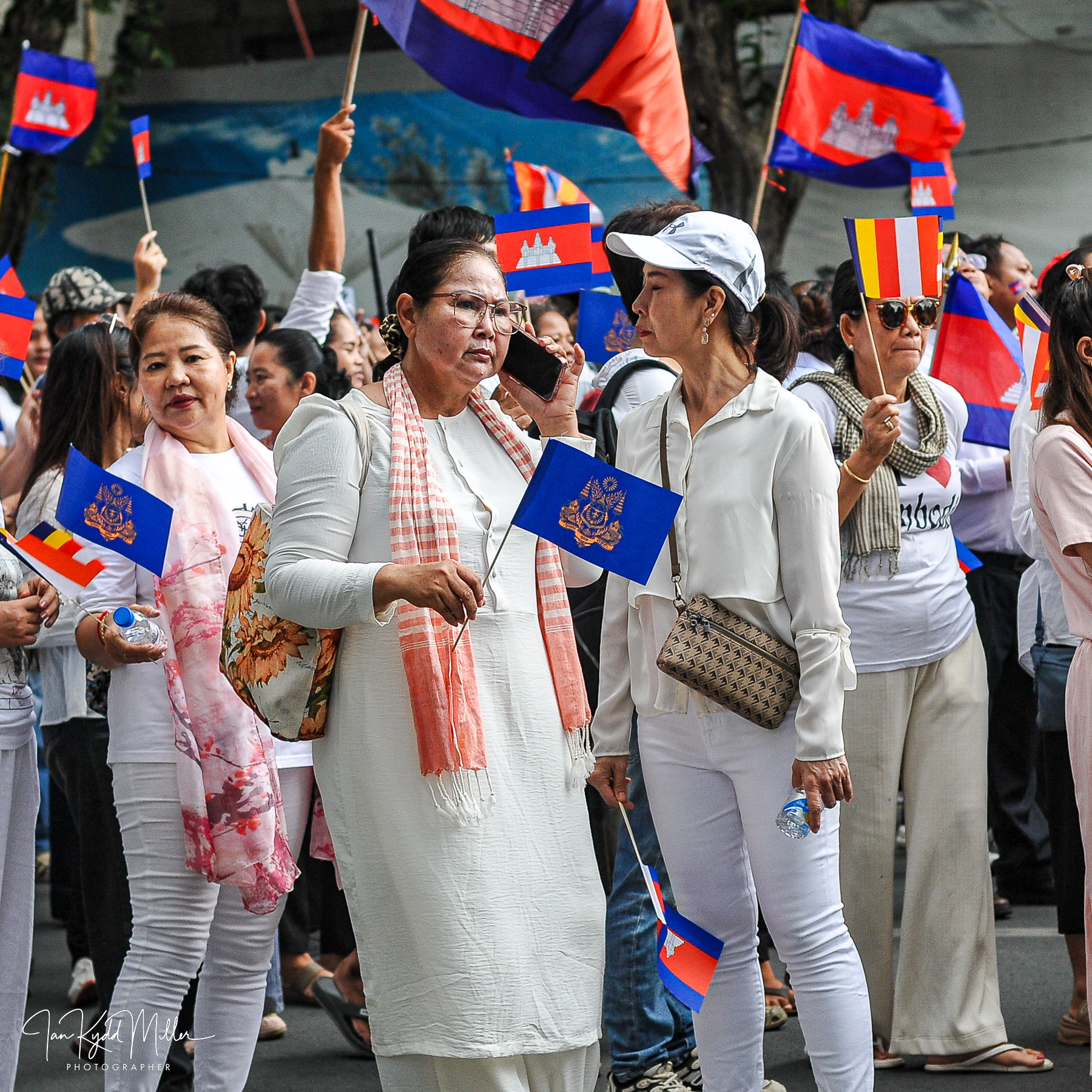
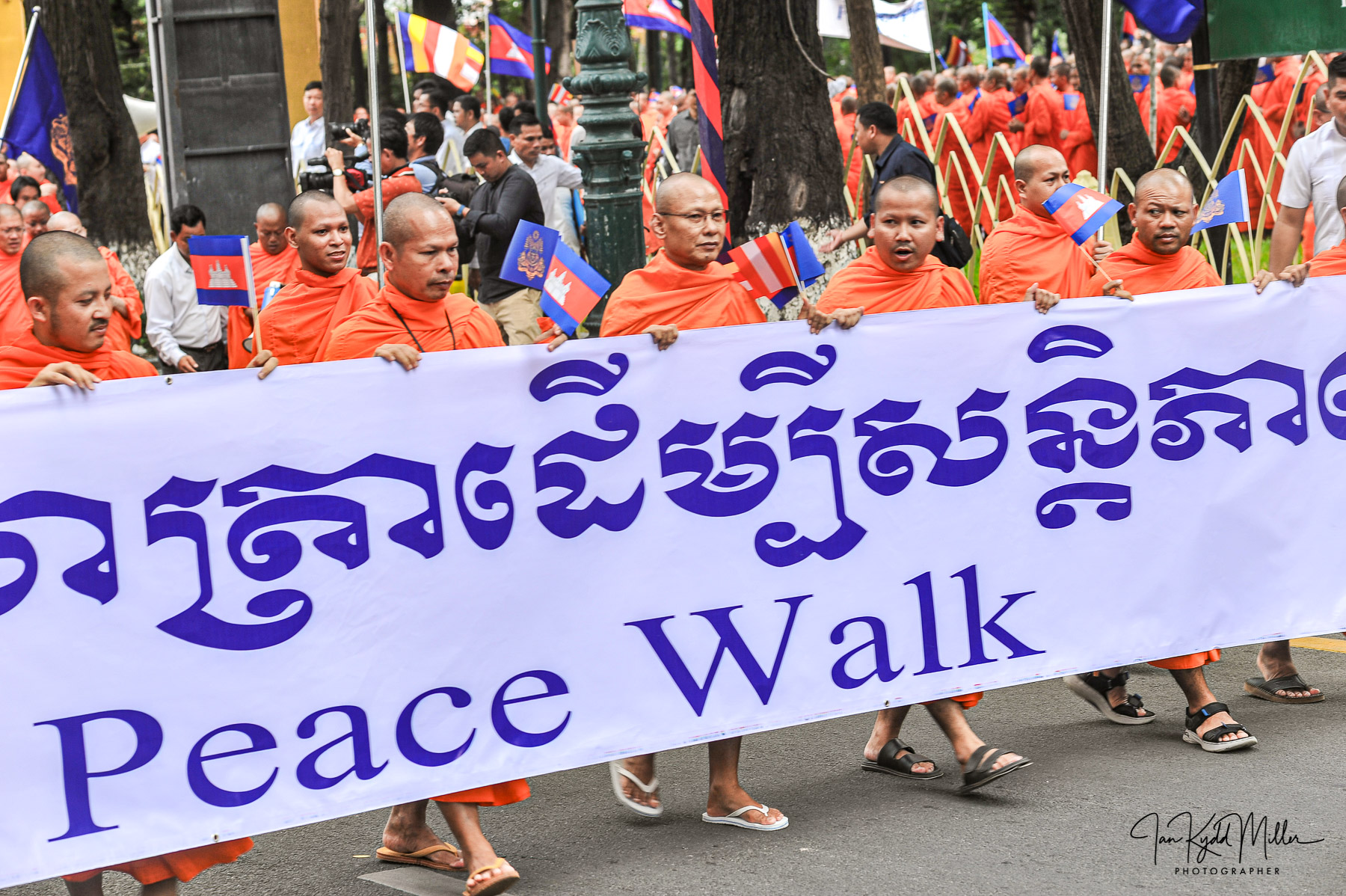
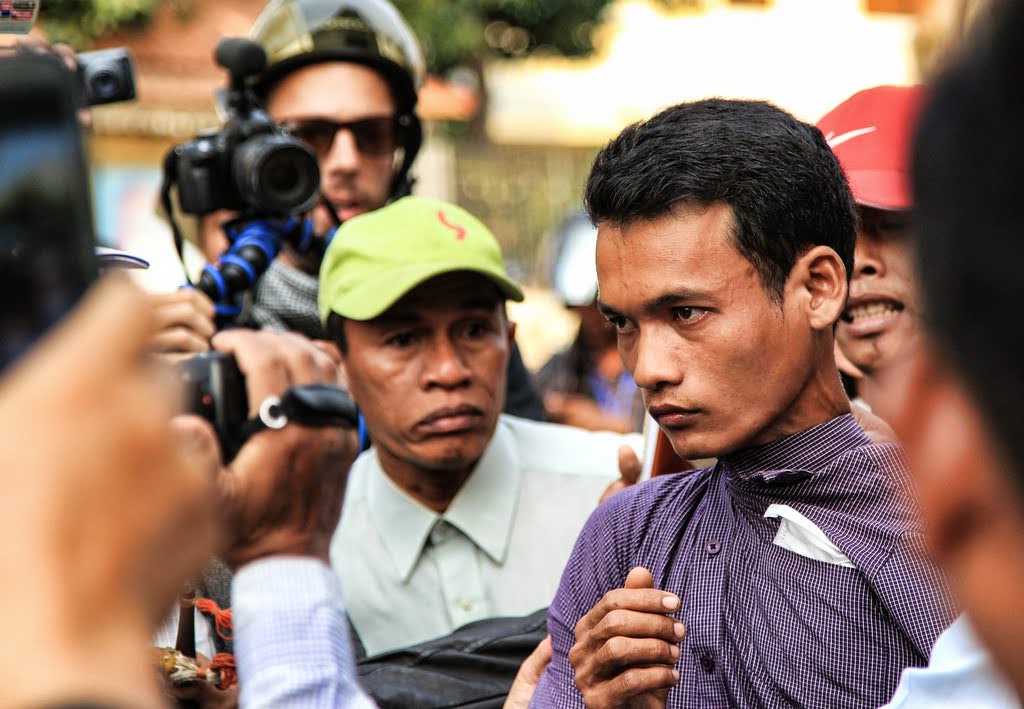
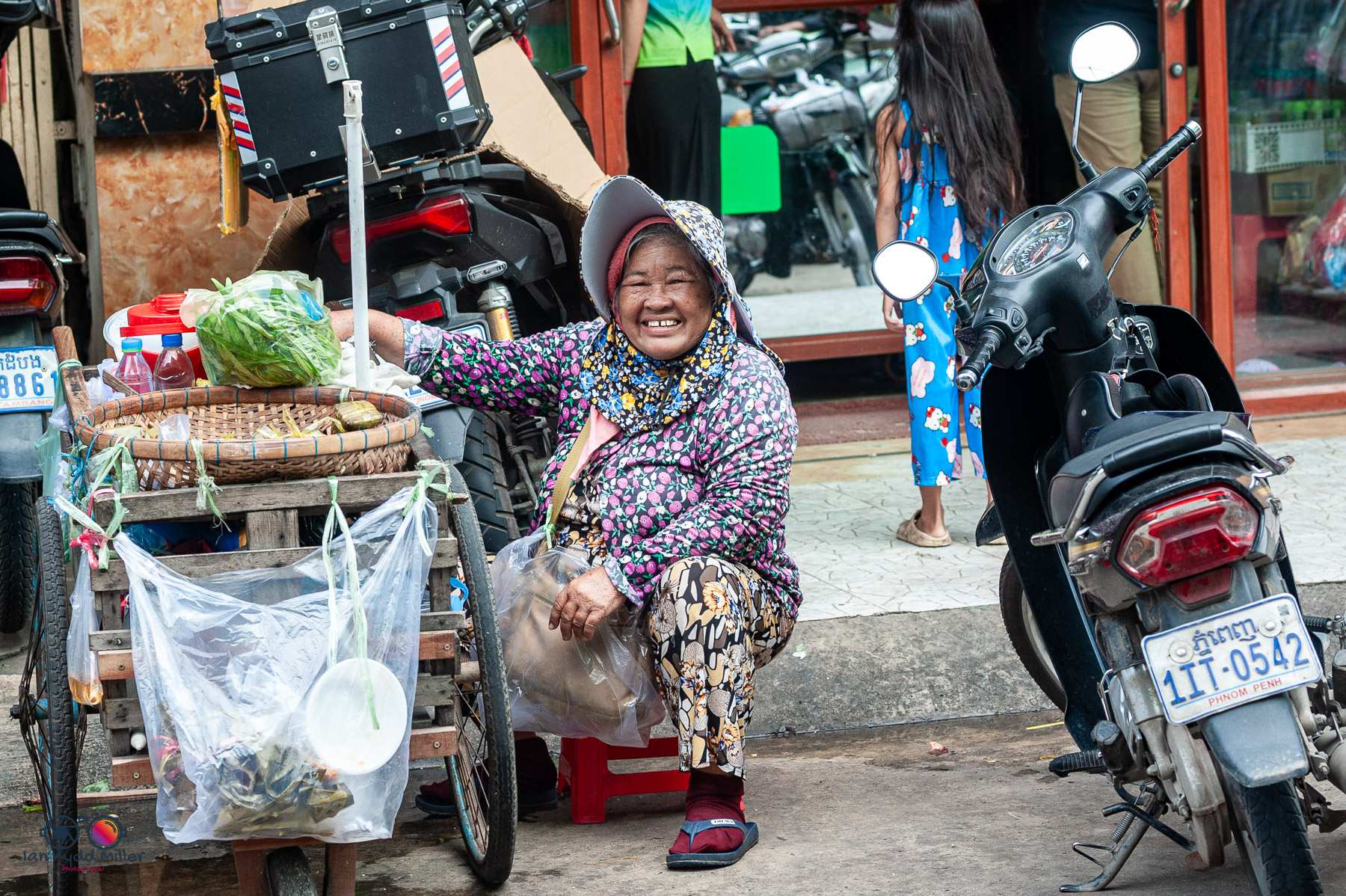
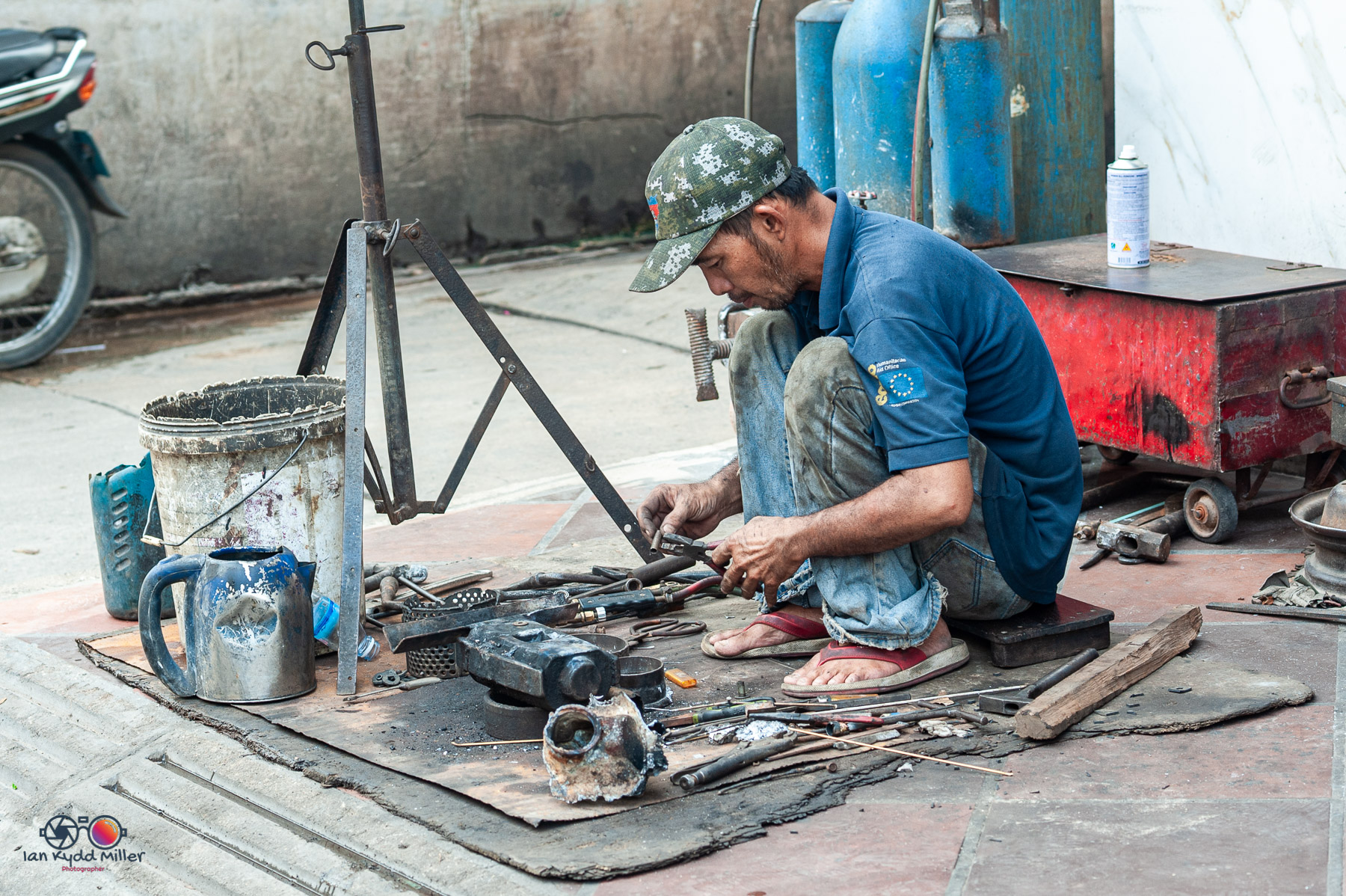
Are all pictures of strangers inherently invasive? How far does a person’s “right” to privacy extend? These are some of the questions that arise when we consider the ethics and legality of taking and posting photos of people we don’t know. According to some sources, taking photos of strangers without their consent is generally legal if they are in a public place where they have no reasonable expectation of privacy.
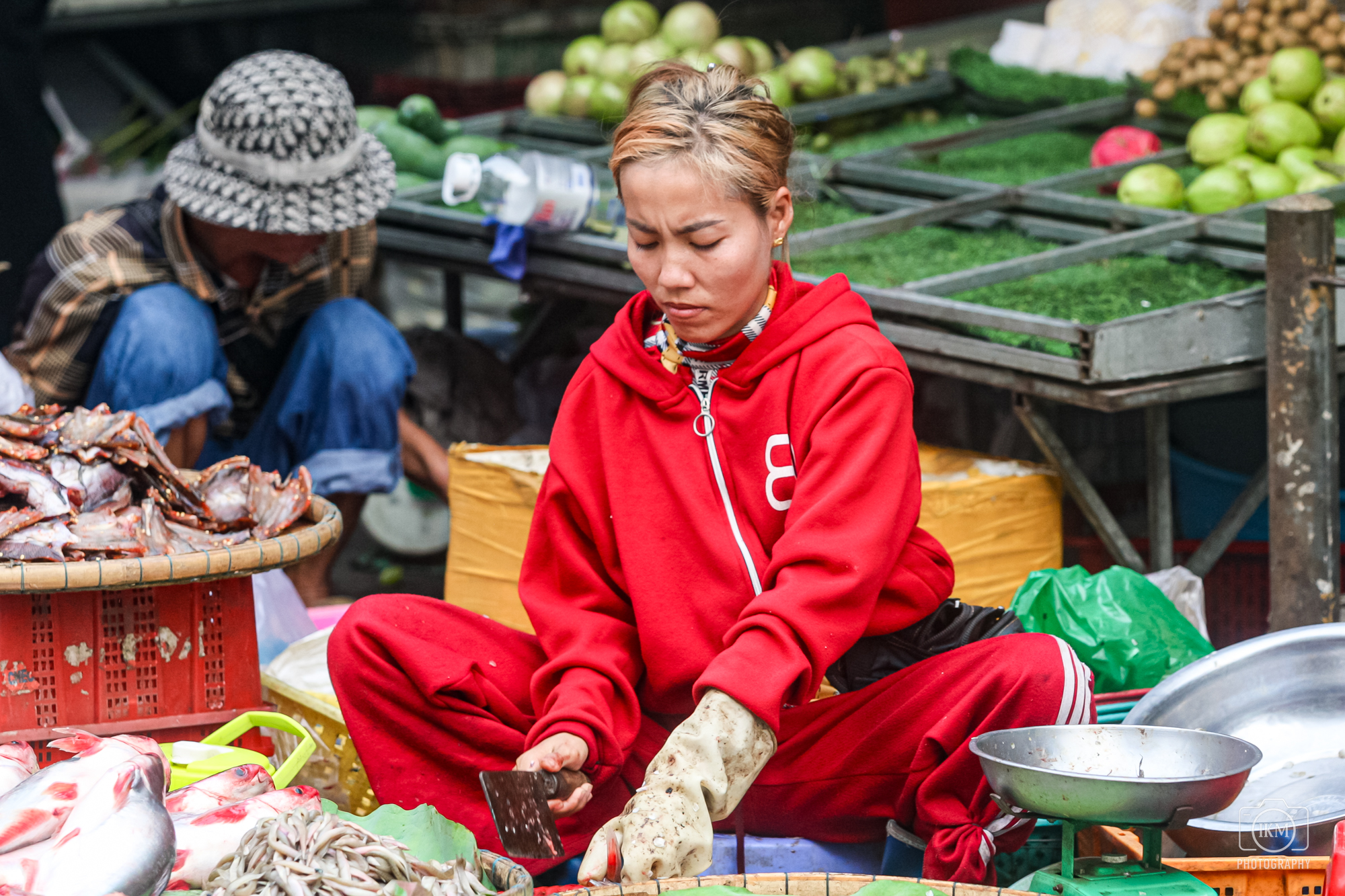
However, posting those photos on social media or using them for commercial purposes may violate their privacy and publicity rights. Privacy rights protect people from unwanted intrusion into their personal affairs, while publicity rights protect people from unauthorized use of their name, image, or likeness for profit or gain. Therefore, before taking or posting pictures of strangers, we should ask ourselves: Do they have a reasonable expectation of privacy in this situation?

How would they feel if they saw their photo online or in a book? What is the purpose and context of using their image? Is it respectful, informative, artistic, or exploitative? Some photographers may argue that taking pictures of strangers is a form of artistic expression or social commentary and that asking for permission would ruin the spontaneity and authenticity of the moment.
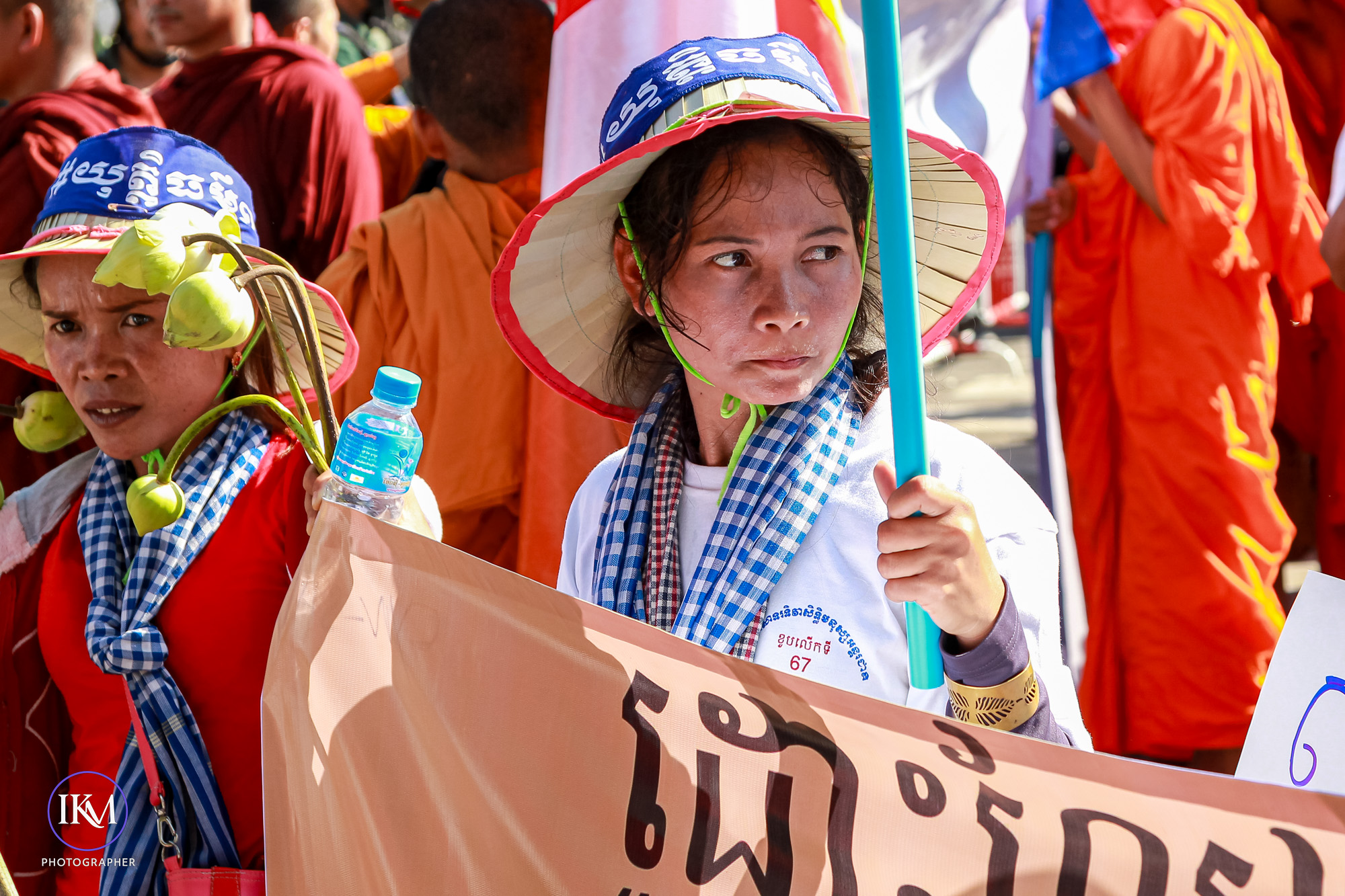
Others may say that taking pictures of strangers is a way of capturing the diversity and beauty of humanity and that sharing them online is a way of connecting with others. However, these arguments do not justify violating someone’s privacy or dignity, especially if the photos are embarrassing, misleading, or harmful to the person depicted.
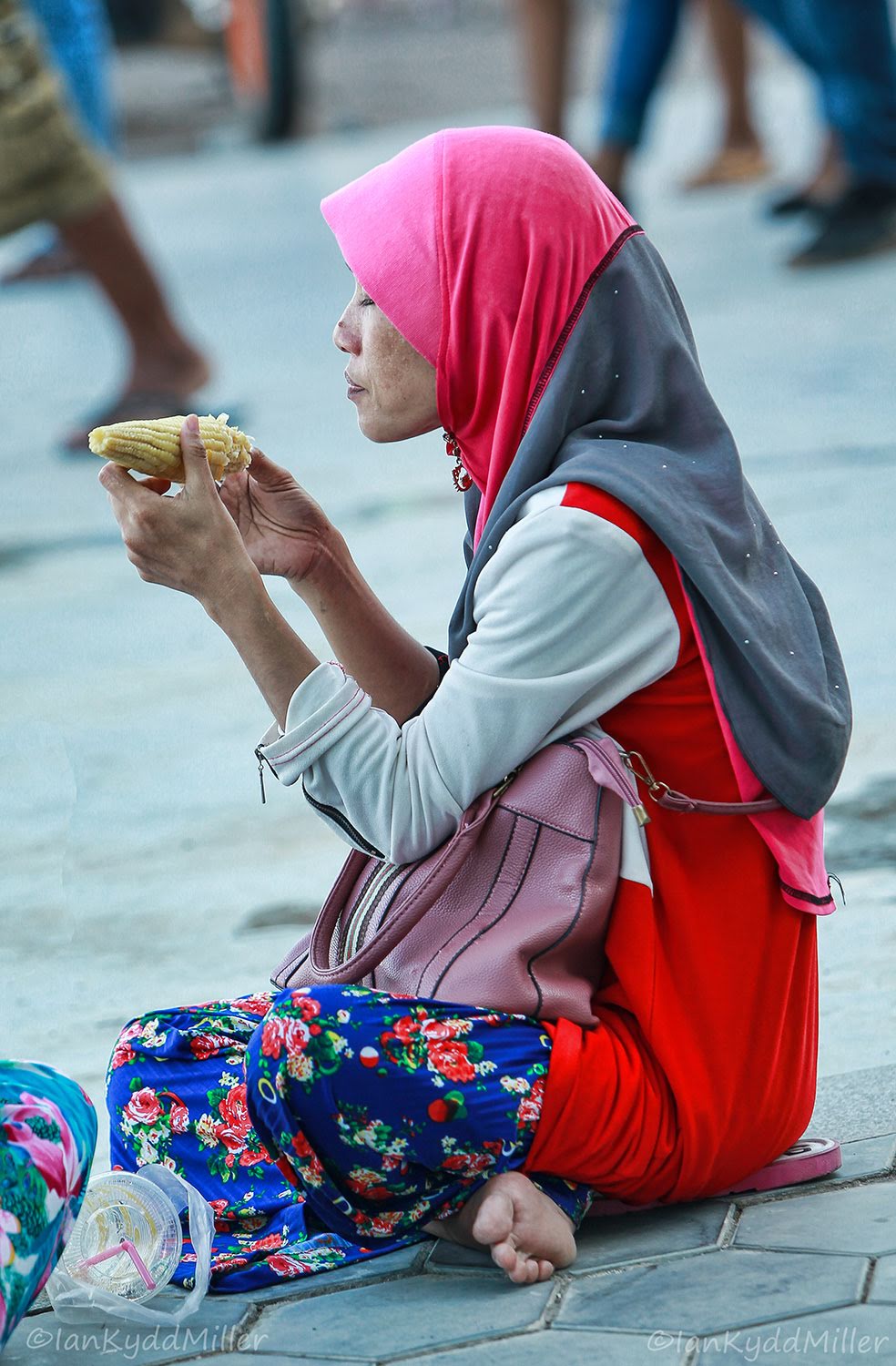
The best practice is to always ask for permission before taking or posting pictures of strangers unless it is clearly impossible or impractical to do so. This shows respect and courtesy, and may also lead to interesting conversations and stories. If permission is denied or cannot be obtained, we should refrain from taking or posting the picture, or at least blur out any identifying features. We should also be mindful of the laws and customs of different countries and cultures when travelling and photographing people abroad. Taking pictures of strangers can be a rewarding and enriching experience, but it also comes with responsibilities and risks. We should always consider the impact of our actions on others, and treat them as we would like to be treated ourselves.

This raises one of the most fascinating gray areas in modern ethics: the tension between legality and morality when it comes to photographing strangers.

📸 Legality vs. Ethics

  • Legal side: In most countries, taking photos of people in public spaces is allowed because there’s no “reasonable expectation of privacy” in a park, street, or plaza.
  • Ethical side: Just because it’s legal doesn’t mean it’s respectful. Posting those images online can expose strangers to unwanted attention, ridicule, or even harassment.

⚖️ Two key rights at play

  • Privacy rights: Protect against intrusion into personal life. Even in public, people may feel violated if photographed in vulnerable or intimate moments.
  • Publicity rights: Protect against unauthorized commercial use of someone’s likeness. Using a stranger’s photo in ads or merchandise without consent can be unlawful.

🎨 The artistic argument

  • Street photographers often defend candid shots as authentic social commentary. They argue that asking permission alters the moment.
  • Yet, critics point out that spontaneity doesn’t outweigh dignity. A photo that embarrasses or misrepresents someone can cause real harm.

🌍 Cultural differences

  • In some countries, photographing strangers without consent is frowned upon or even illegal.
  • In others, candid street photography is celebrated as an art form.

Best practice

  • Ask permission when possible.
  • Blur identifying features if consent isn’t given.
  • Consider intent: is the photo respectful, informative, or exploitative?
  • Treat others as you’d want to be treated if the roles were reversed.

The heart of the issue is this: a stranger’s image is not just a visual object, it’s part of their identity. Respecting that identity is what separates art from exploitation.

The Ethical Dimensions of Photojournalism

conflict, copyrights, opinons, thoughts, photography, pictures, street, Travel, war

Photojournalism sits at the intersection of truth-telling and human consequence. Every frame carries the power to inform, persuade, and move audiences — and every decision a photographer makes shapes who is seen, how they are seen, and what the world believes. This post explores the core ethical tensions photojournalists face, practical principles for navigating them, and concrete strategies to minimise harm while preserving journalistic integrity.

Truth and Representation

Truth in photojournalism is not a single objective stamp but a practice: choices about framing, timing, captioning, and editing all influence how reality is represented.

  • Framing and context matter. Where you stand, what you include, and what you exclude create a narrative. A photograph isolated from context can mislead, even if the image itself is accurate.
  • Manipulation undermines trust. Cropping to change meaning, compositing, staged scenes presented as documentary, or selective captioning that distorts facts breaks the contract between photographer and viewer.
  • Captioning is part of the image. Clear, factual captions that name who, what, when, where, and how protect accuracy and reduce misinterpretation.

Ethical practice: favor minimal, transparent edits; always document what you changed; and pair images with honest captions that situate the photo within its broader factual context.

Sensitivity and Dignity

Photographing human suffering, grief, or vulnerability raises acute ethical questions about dignity, consent, and exploitation.

  • Consent is context-dependent. In public spaces, consent may not be legally required, but ethical consent is often still appropriate — especially when photographing children, the injured, or traumatized people.
  • Dignity-first framing avoids sensationalism. Prioritise images that preserve a subject’s humanity rather than exploiting pain for shock value or virality.
  • Power dynamics shape the encounter. Consider your role: are you a witness, a rescuer, an intruder? That role should guide how you engage, whether you ask for permission, and how you present the resulting images.

Practical rule: when in doubt, err on the side of protecting the subject. Blur faces, withhold identifying metadata, or delay publication when harm is possible.

Impact and Consequence

Images change things. They can catalyse aid, influence policy, or, conversely, endanger individuals and communities.

  • Assess downstream risks. Could publication expose someone to retaliation, stigma, or legal jeopardy? Could it retraumatize survivors or their families?
  • Consider community outcomes. Photojournalism about marginalised groups should aim to amplify voice and context, not reduce people to symptoms of a problem.
  • Balance immediacy and care. The pressure to publish quickly must be weighed against the potential for irreversible harm.

Decision checklist: identify likely harms, consult peers or local stakeholders when possible, and include mitigation steps (anonymisation, delayed release, contextual reporting).

Conflicts of Interest and Independence

Maintaining editorial independence from subjects, funders, and platforms preserves credibility.

  • Avoid advocacy masquerading as reportage unless clearly labelled. If your work has an advocacy purpose, make that explicit.
  • Be transparent about funding and collaboration, especially in crisis reporting where NGOs, governments, or activists may influence access or narrative.
  • Resist platform pressures that reward sensational imagery; prioritise ethical criteria over clicks.

Policy habit: disclose relevant relationships in captions or credits and keep editorial decisions separate from commercial or advocacy impulses.

Practical Tools and Protocols

Ethics scale best when embedded in routine practices. Adopt simple, clear protocols that make ethical choices automatic.

  • Consent templates. Carry a brief, translated consent card or app-ready text explaining use, distribution, and rights.
  • Harm-assessment rubric. For every sensitive shoot ask: Could this image expose or endanger? Is consent informed? Is context adequate?
  • Metadata policy. Decide whether to strip geolocation for vulnerable subjects and standardise how you store consent forms and release notes.
  • Editorial peer review. For sensitive images, run a quick internal review with an editor or trusted colleague before publication.

These tools reduce ad-hoc decisions and create consistency across projects and platforms.

Ethics as Creative Constraint

Ethical limits refine creativity rather than stifle it. Constraints push photographers to find new visual languages that honour subjects and strengthen storytelling.

  • Seek dignity-rich compositions that communicate powerfully without exploitative detail.
  • Use silence and restraint. Sometimes withholding an image, or choosing an image that hints rather than shows, tells a stronger, more ethical story.
  • Invest in relationships. Long-form engagement with communities yields deeper, less extractive imagery and greater mutual benefit.

A reputation for ethical stewardship becomes a creative and strategic advantage: it builds trust, access, and long-term story opportunities.

Closing Thought

Photojournalism’s ethical challenge is ongoing and situational. There are no perfect rules that fit every moment, but a consistent ethic — grounded in truth, sensitivity, and accountability — gives photographers the tools to make defensible choices. Ethical practice protects subjects, preserves public trust, and ultimately strengthens the impact of images in service of public understanding.

Telling Hardship with Dignity

cambodia, cameras, homelessness, Lenses, opinons, thoughts, photography, pictures, street, Travel

A practical guide for photographers and writers who want to document hard lives without resorting to pity or spectacle.

Begin by naming your intention: why this story matters, who it serves, and what you hope will change. That clarity becomes your north star for every choice you make — who to photograph, how to frame them, what language to use, and what risks to avoid.

Center Agency and Complexity

  • People first: show subjects as whole people — parents, workers, friends — not as single problems.
  • Three humanizing details: age, role, a recurring action (e.g., “wakes at 5 to mend shoes”) that resists stereotype.
  • Voice over narration: let subjects’ words lead. Use quotes that reveal priorities and choices rather than externally assigned suffering.

Ethics and Consent Process

  • Explain use clearly: who will see the images, where they’ll appear, and potential risks.
  • Ongoing consent: offer anonymity, caption review, or withdrawal options; revisit consent if the story’s scope or audience changes.
  • Harm check: before publishing, ask whether an image or line could cause eviction, stigma, or danger — if yes, edit or omit.

Visual and Verbal Choices That Respect People

  • Contextualize: include home, workplace, objects that explain circumstance without shouting it.
  • Dignified framing: eye‑level, neither voyeuristic close-ups nor dramatized lighting designed to elicit pity.
  • Specific language: prefer concrete facts over loaded adjectives — “two jobs, one child, unpaid bills” beats “destitute.”
  • Avoid spectacle: do not prioritize images of extreme suffering unless they are essential, verified, and handled with extra care.

Structure Your Narrative

  • Open with context: place, systems, why this story matters.
  • Zoom to the person: a day‑in‑the‑life section (300–500 words or 5–7 images) showing routine, competence, and constraint.
  • Widen to systems: explain policies, markets, or services that produced the situation (200–400 words).
  • Close with agency: the subject’s hopes, strategies, or actions; practical next steps or resources if relevant.
  • Include an ethics note: short paragraph about consent, edits, and steps taken to protect subjects.

Interview and Listening Techniques

  • Start small: practical questions about routines build trust and yield texture.
  • Use prompts that empower: “What helps you get through a hard day?” rather than “How badly did today suck?”
  • Silence is data: allow pauses; sometimes the most revealing answers arrive after a quiet moment.
  • Corroborate sensitive claims: verify facts that could affect reputations or aid provision.

Practical Template and Mini Exercise

  • Purpose statement (one line).
  • Subject profile (3–5 humanizing details).
  • Day‑in‑the‑life scene (300–500 words or 5–7 images).
  • Systems explainer (200–400 words).
  • Subject voice on agency (quote + short context).
  • Ethics disclosure (consent notes; risks considered).

Exercise: spend one morning with a single subject. Photograph routine tasks and one meaningful object (kettle, tool, book). Write a 300‑word micro‑essay centered on that object that reveals constraint and care. Share edits with the subject before publishing.

Telling hard lives well is an ethic and a craft: choose clarity over spectacle, respect over shock, and collaboration over extraction. Your job is to help readers understand, not to make them feel merely sorry.