
A camera can be used to earn a living, record history or satisfy curiosity. It can also be used simply to help.
Some of the most worthwhile photography I have done has been as a volunteer. There was no agency waiting for the pictures, no editor demanding a deadline and no possibility of selling the results. The purpose was quieter: to show what was being done, who was being helped and why the work mattered.
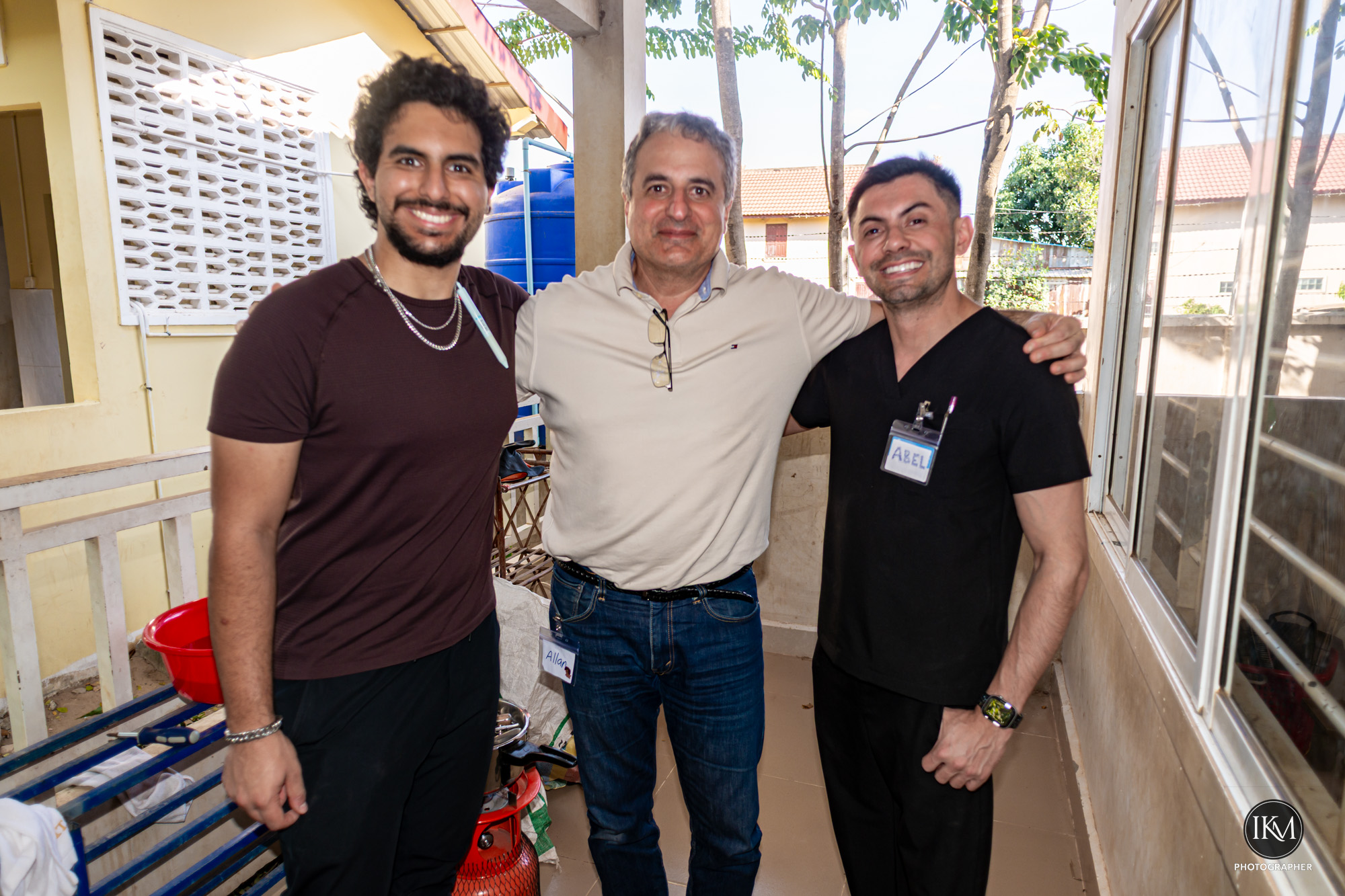
Photographing volunteers requires a different attitude from covering news. You are not there to manufacture heroism or turn hardship into spectacle. You are there to observe honestly, work discreetly and produce photographs that the organisation can use without diminishing the people it serves.
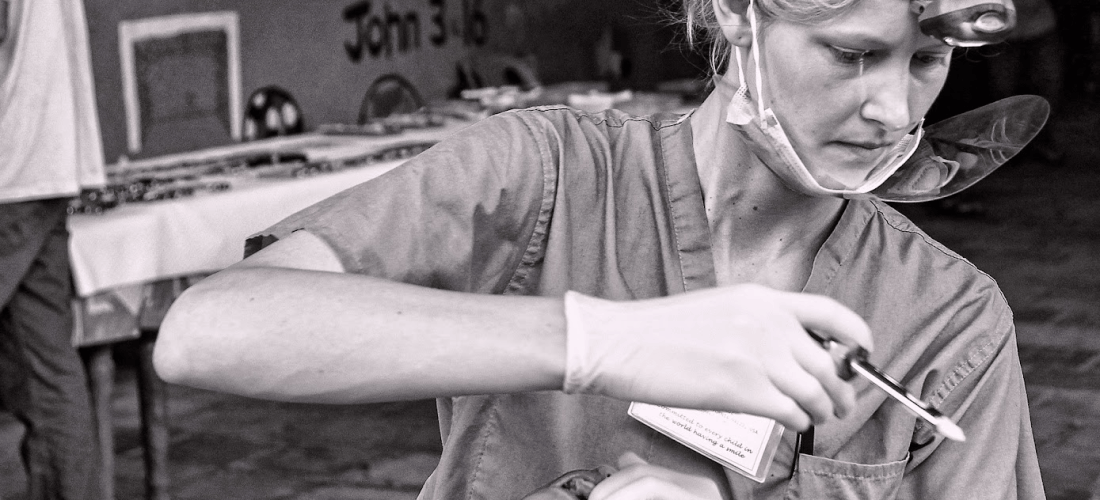
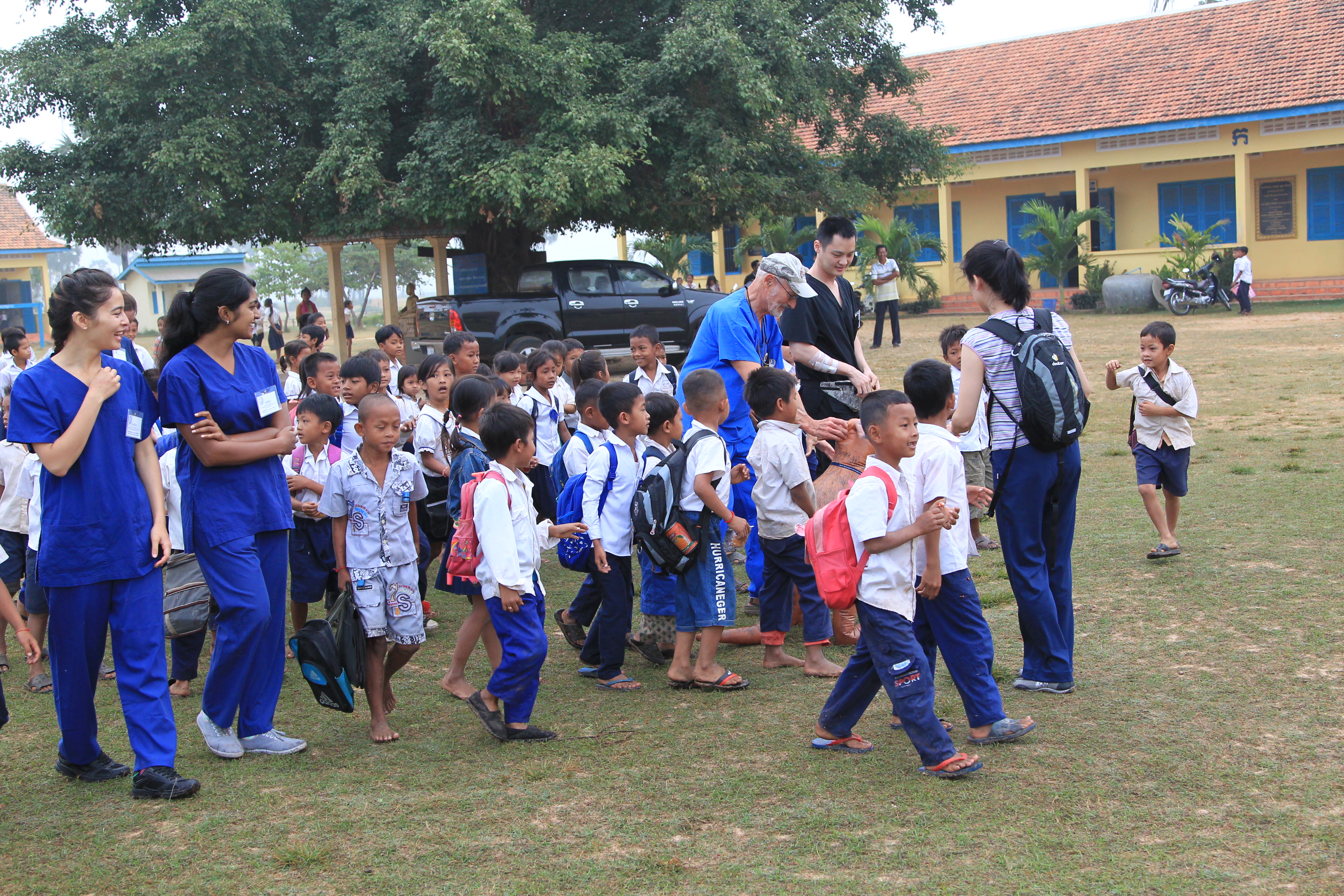
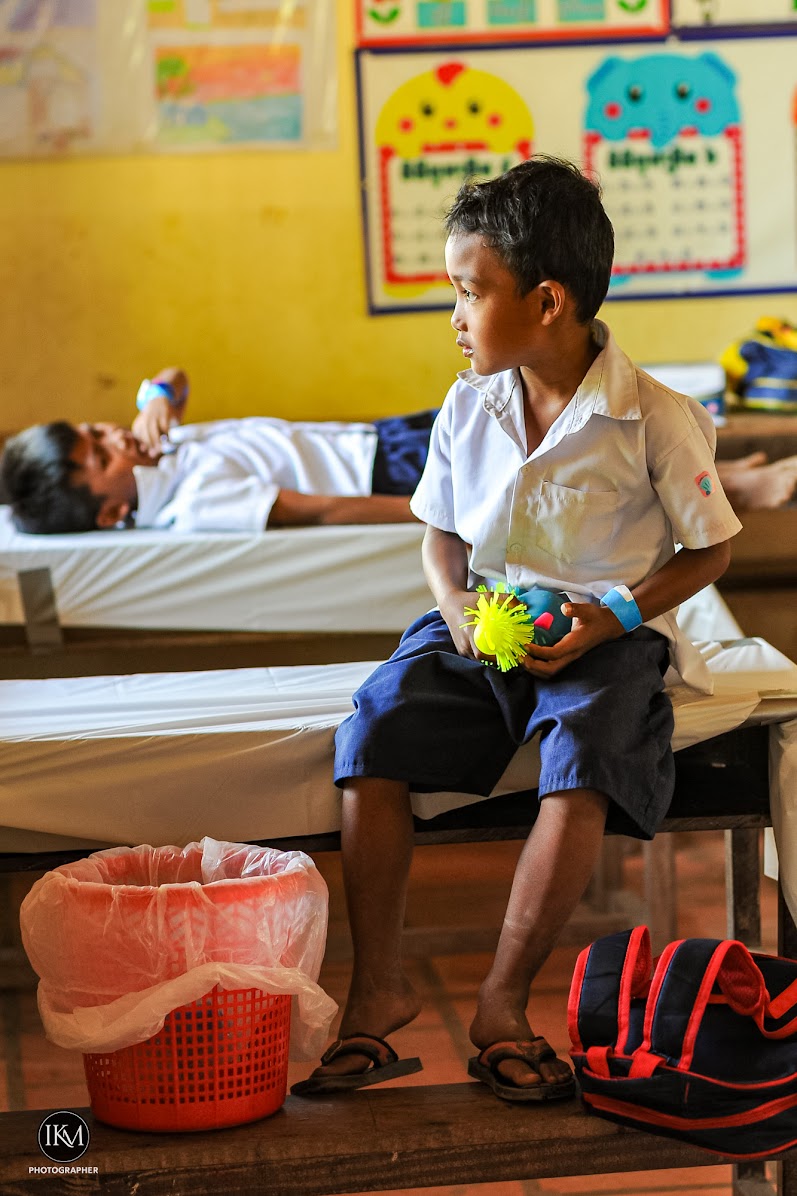
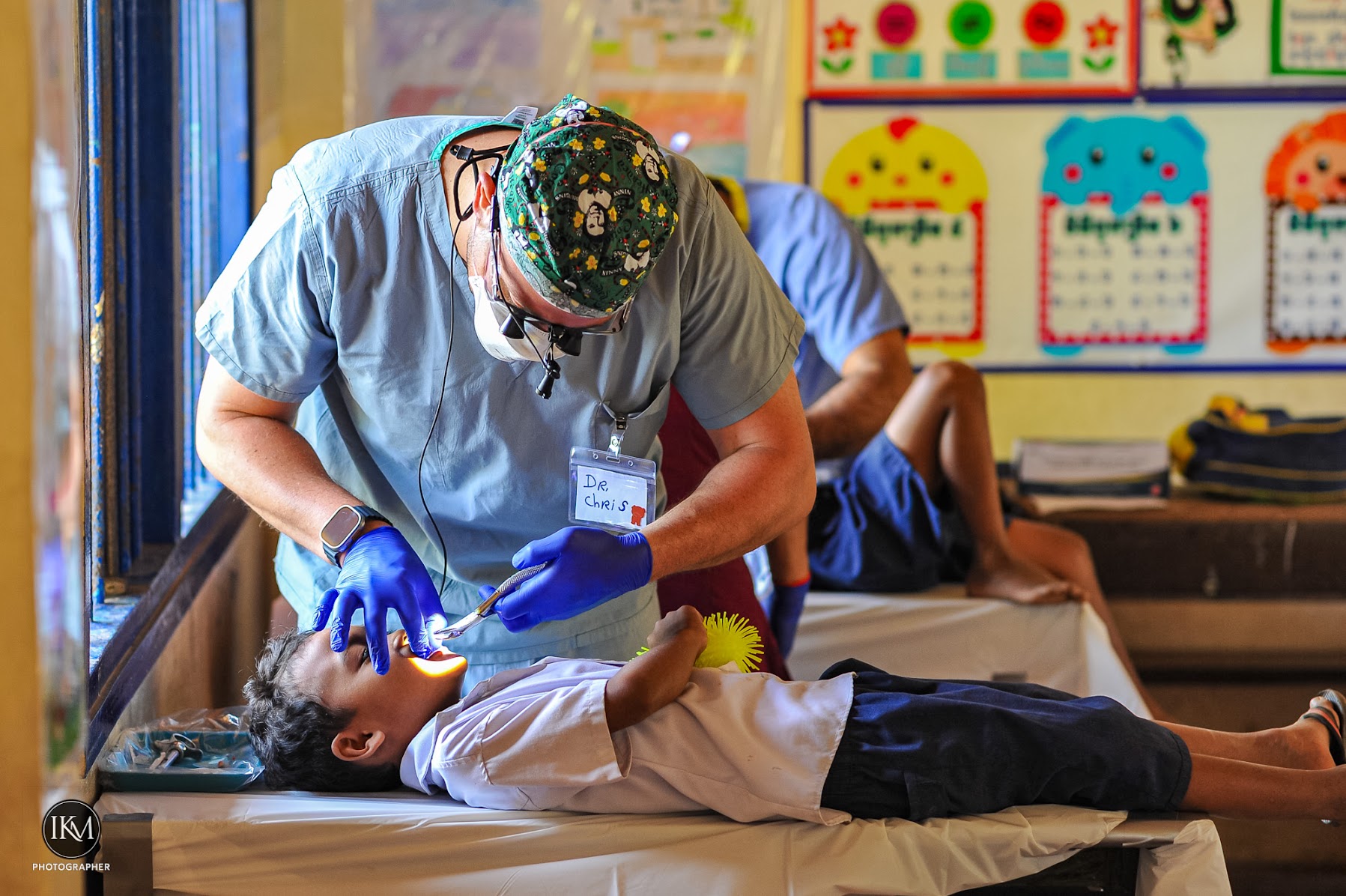
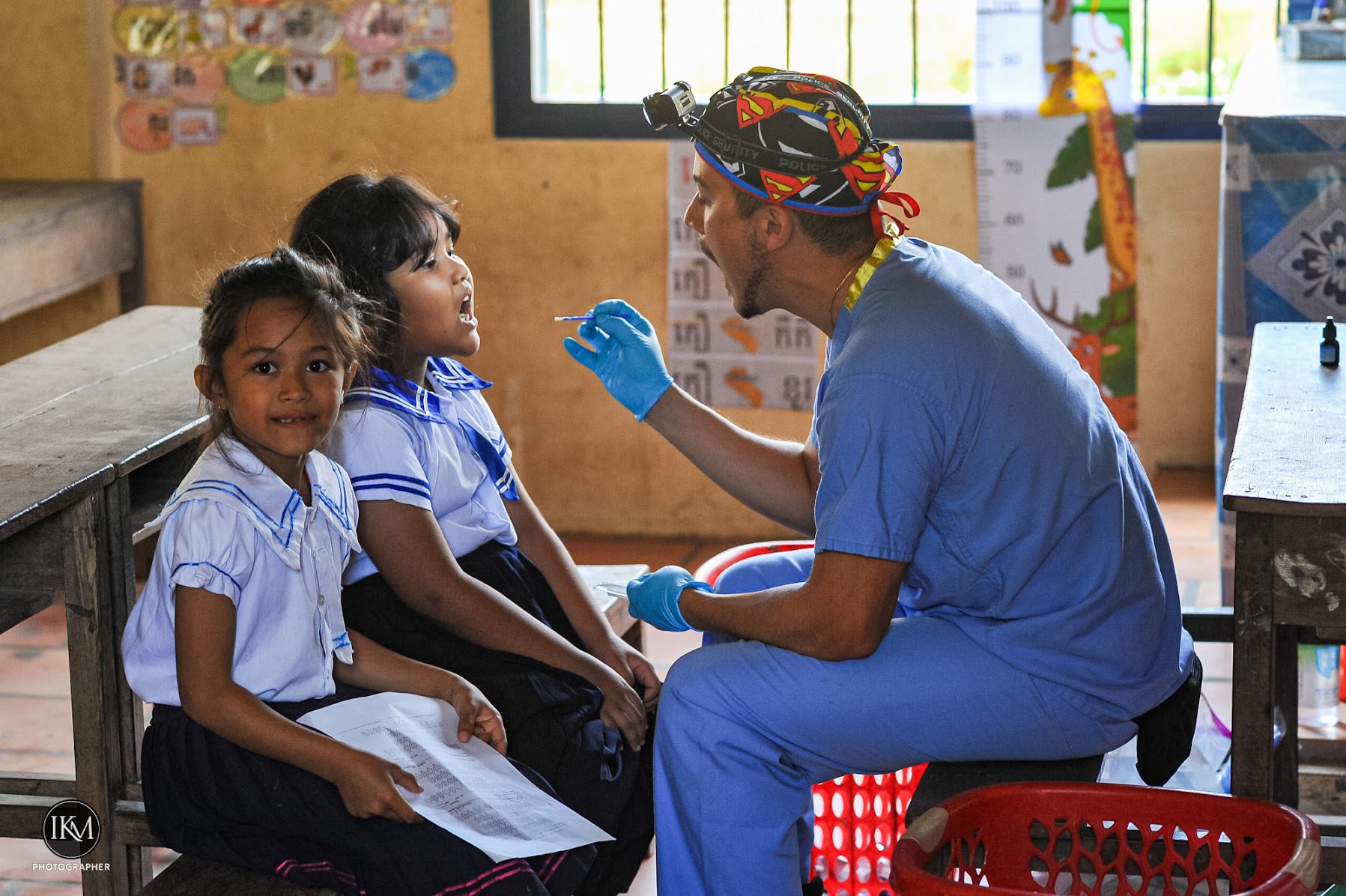
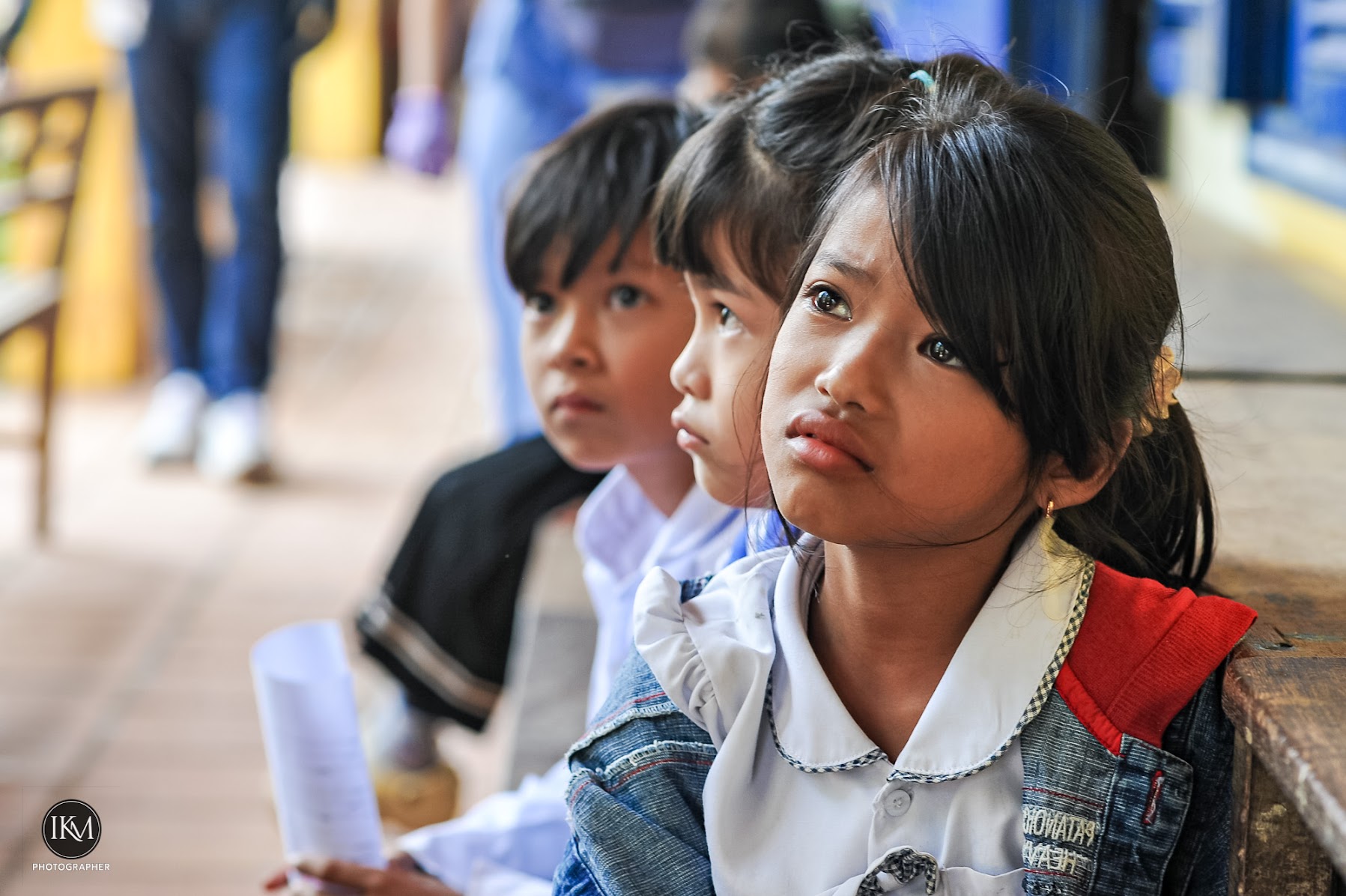
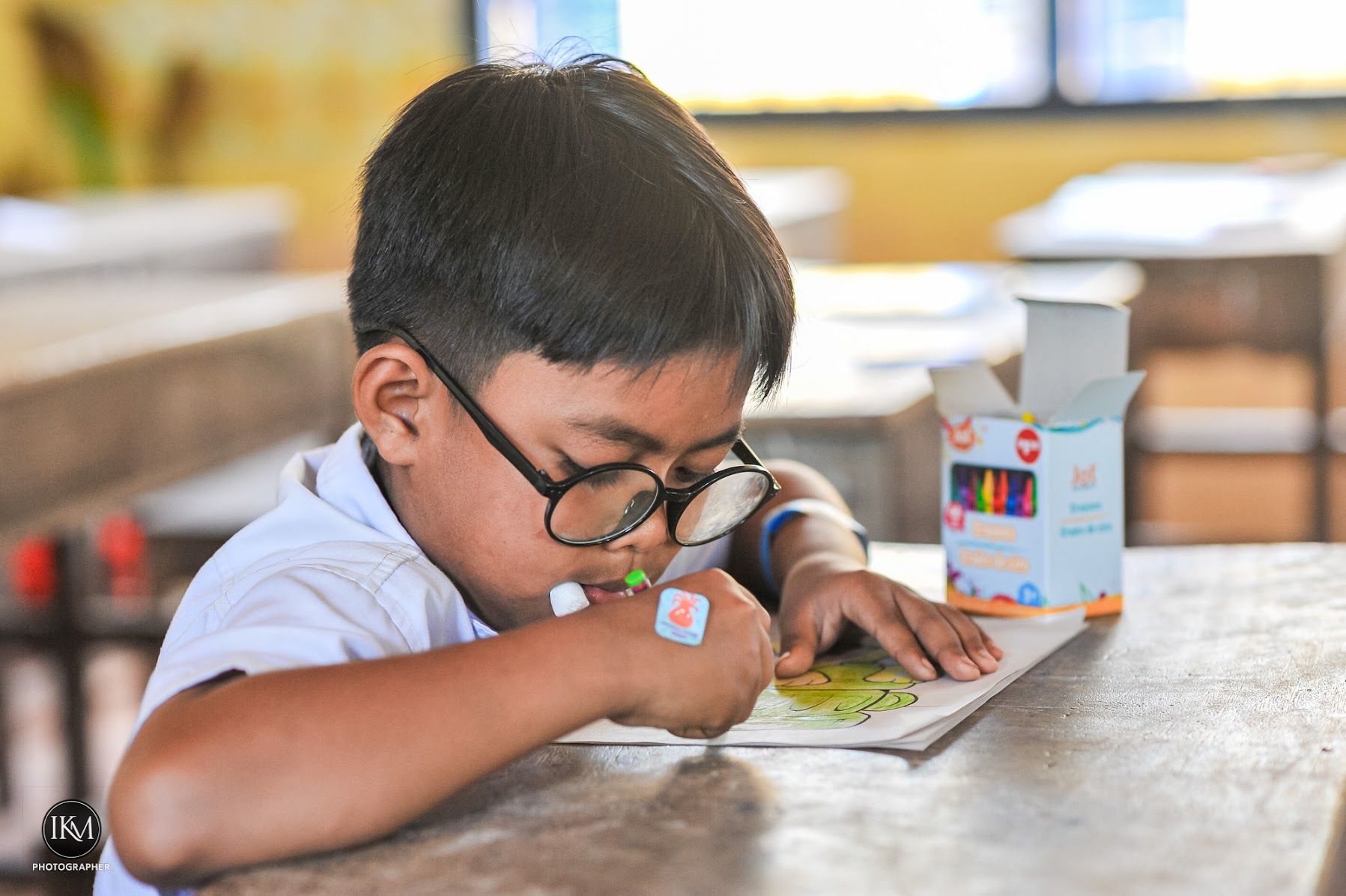
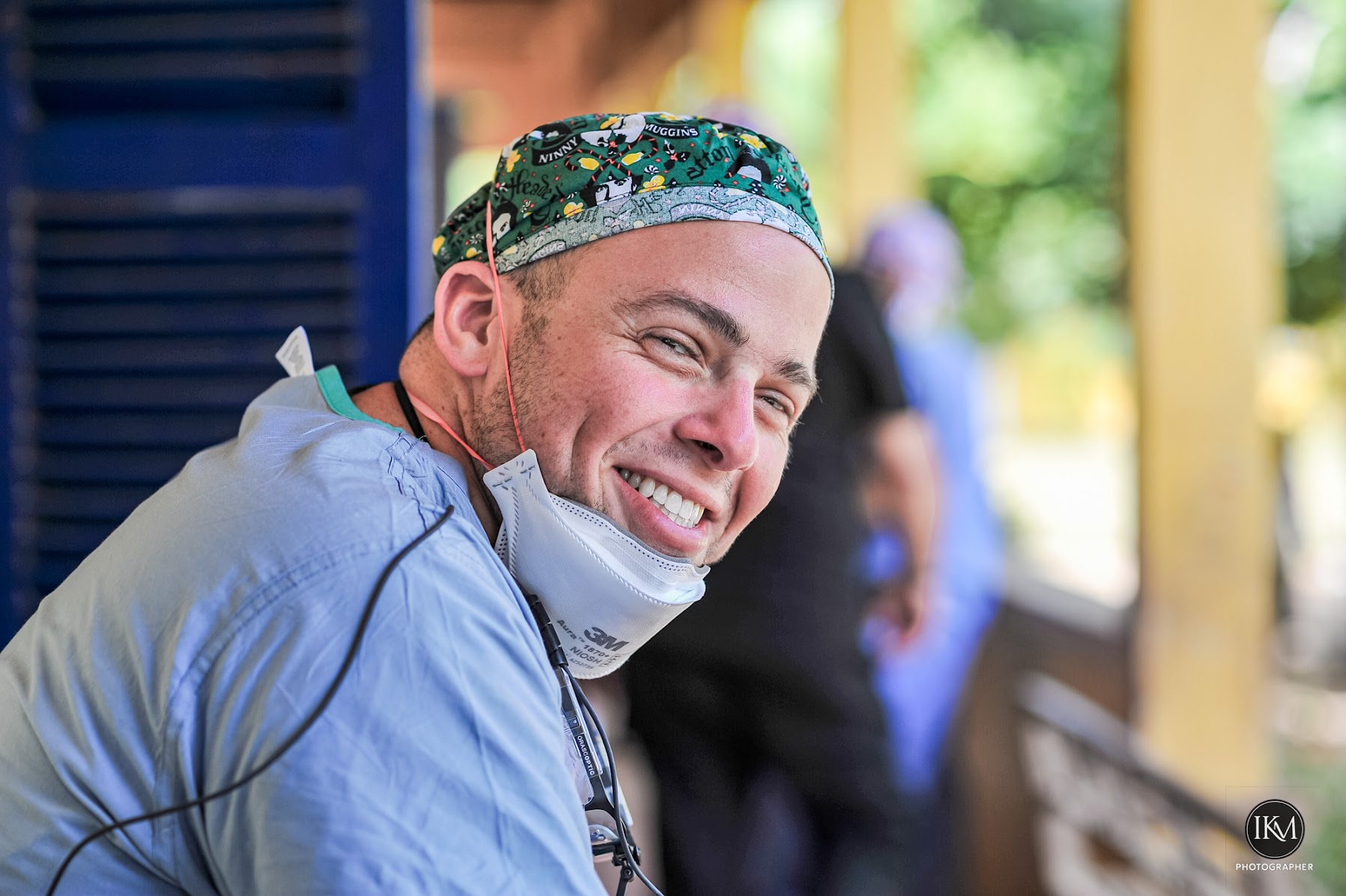
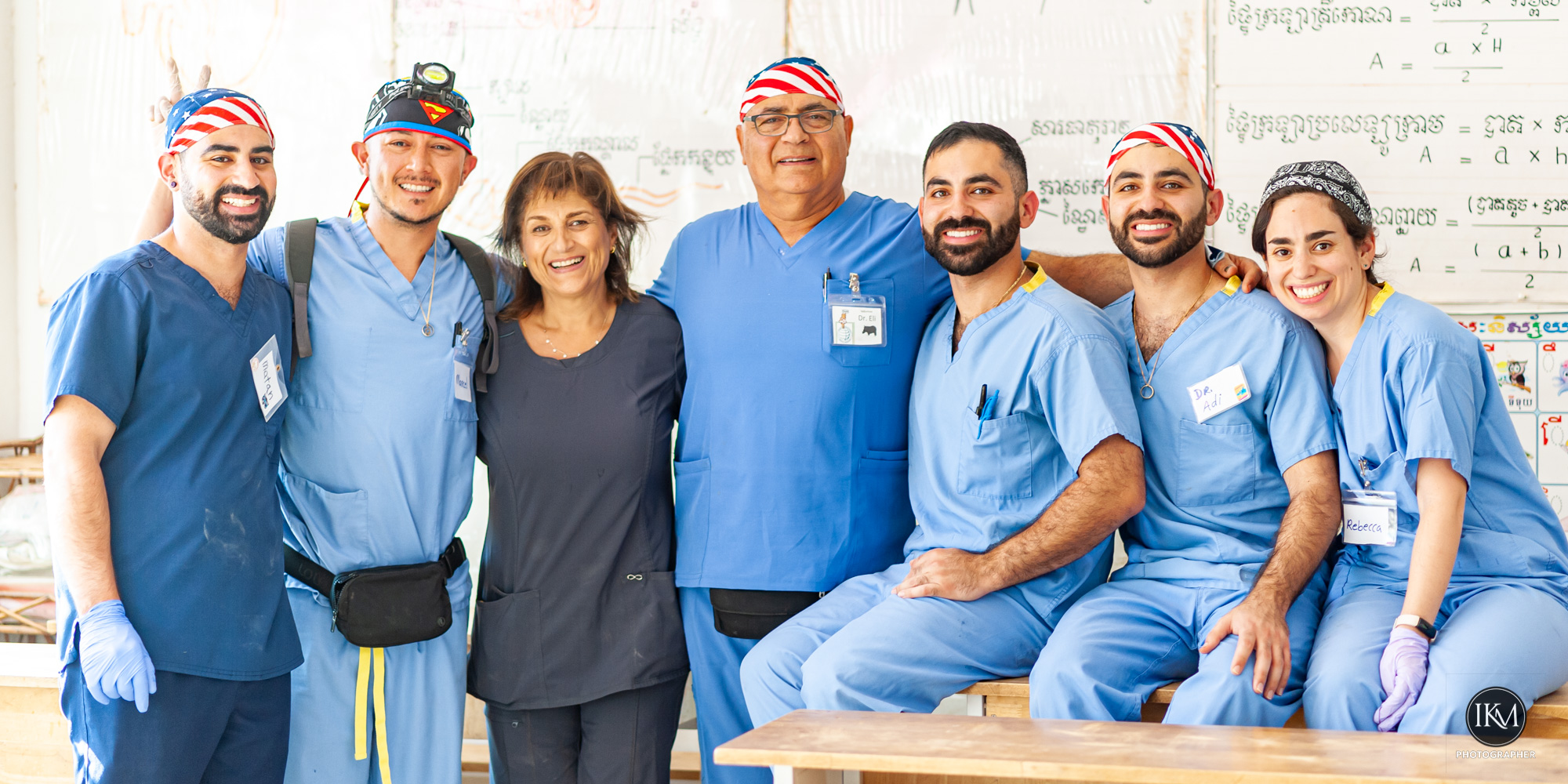
My work with Kids International Dental Services was a good example. Their teams came to Cambodia to provide dental treatment for children who might otherwise receive none. The clinics could be hot, crowded and exhausting. Dentists and assistants worked for long hours while children waited—some curious, some frightened, others trying very hard to appear brave.
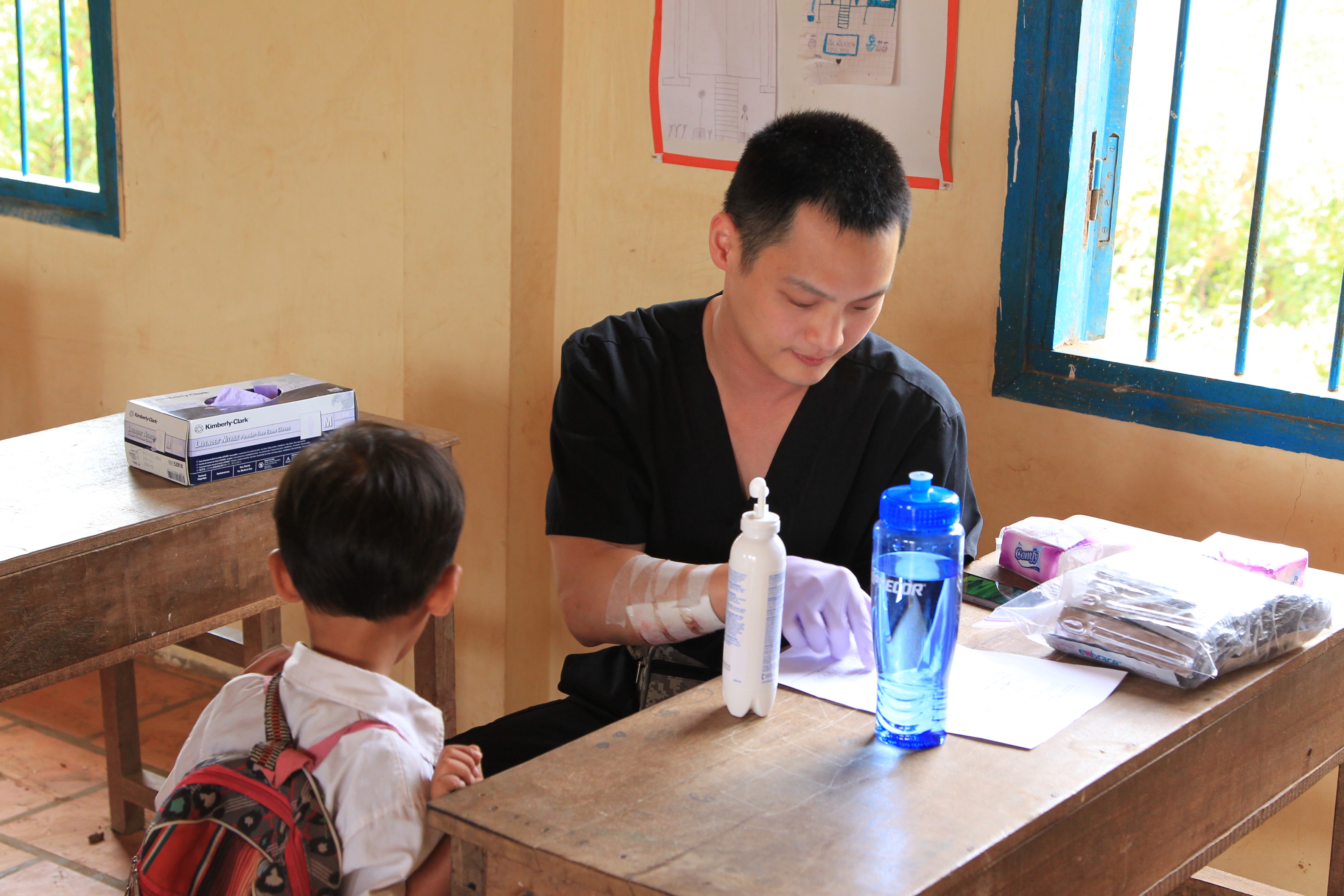
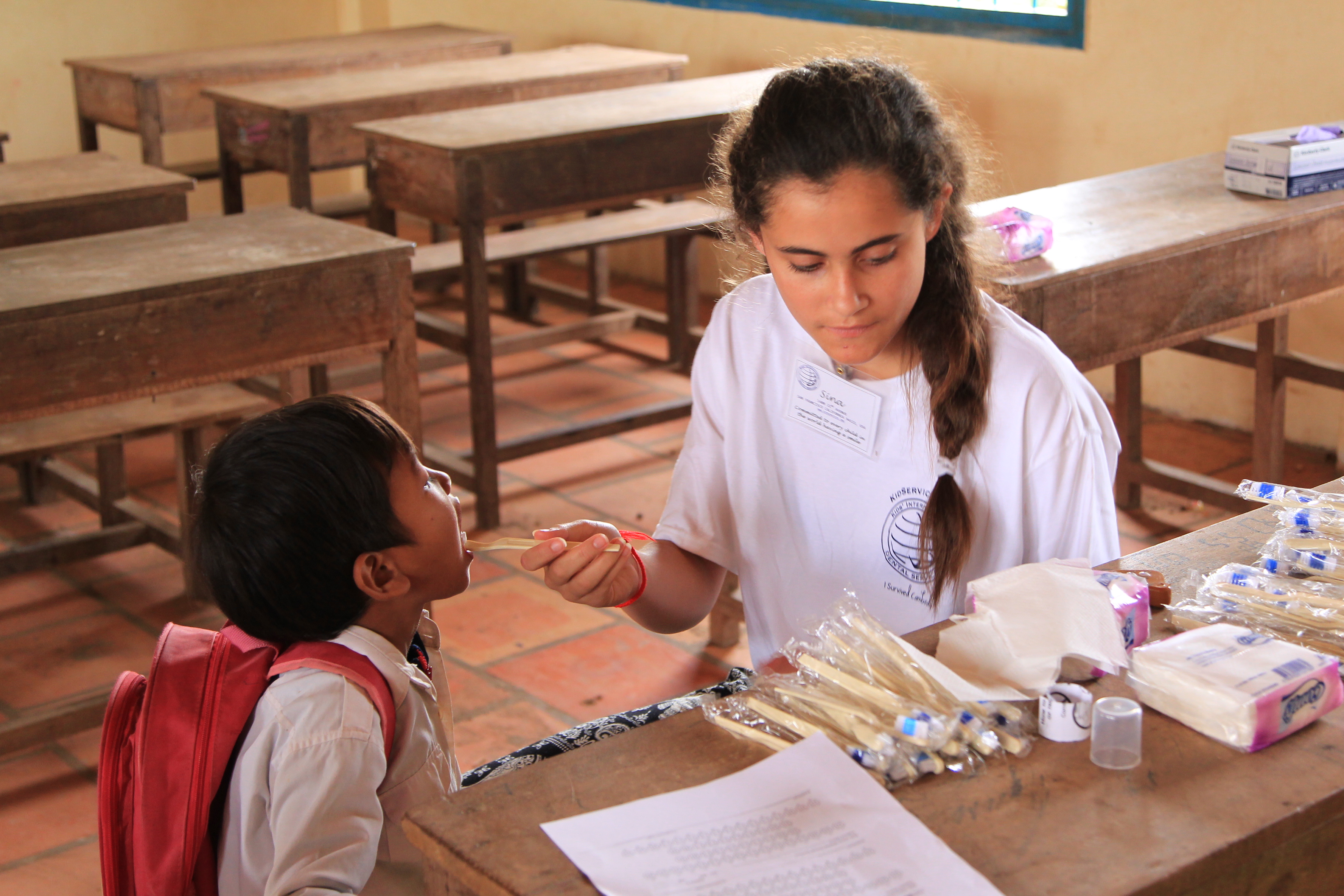
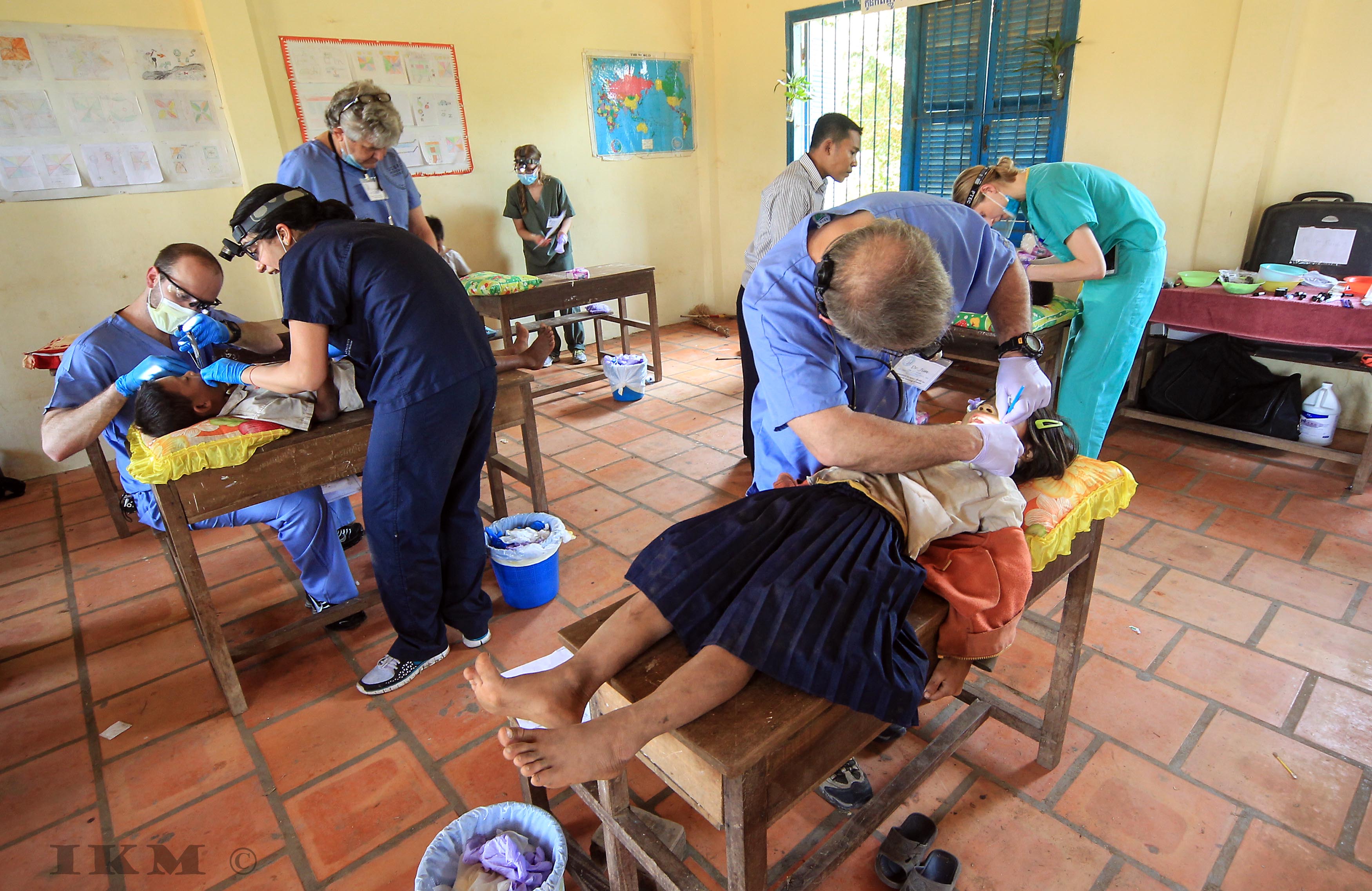
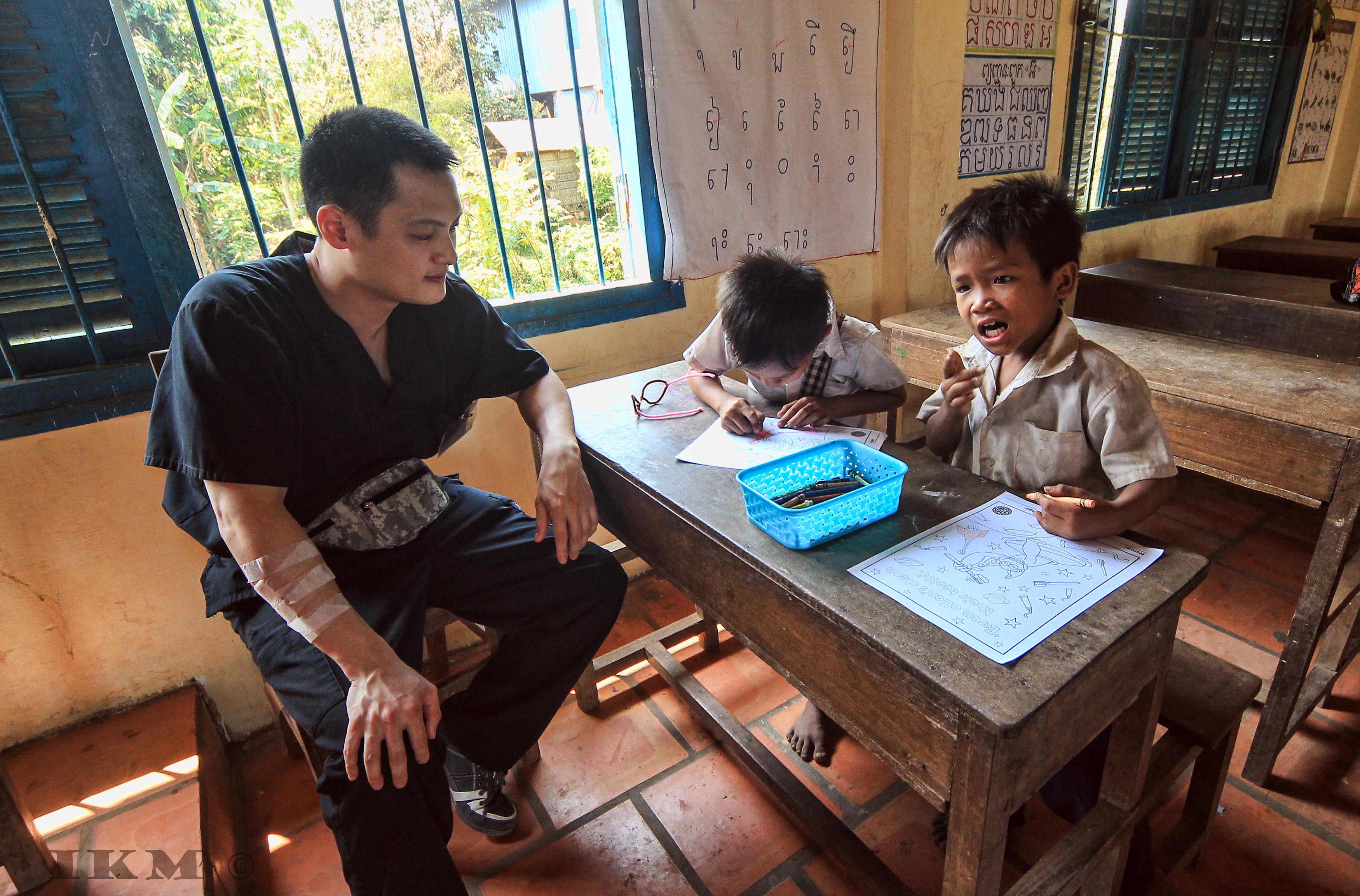
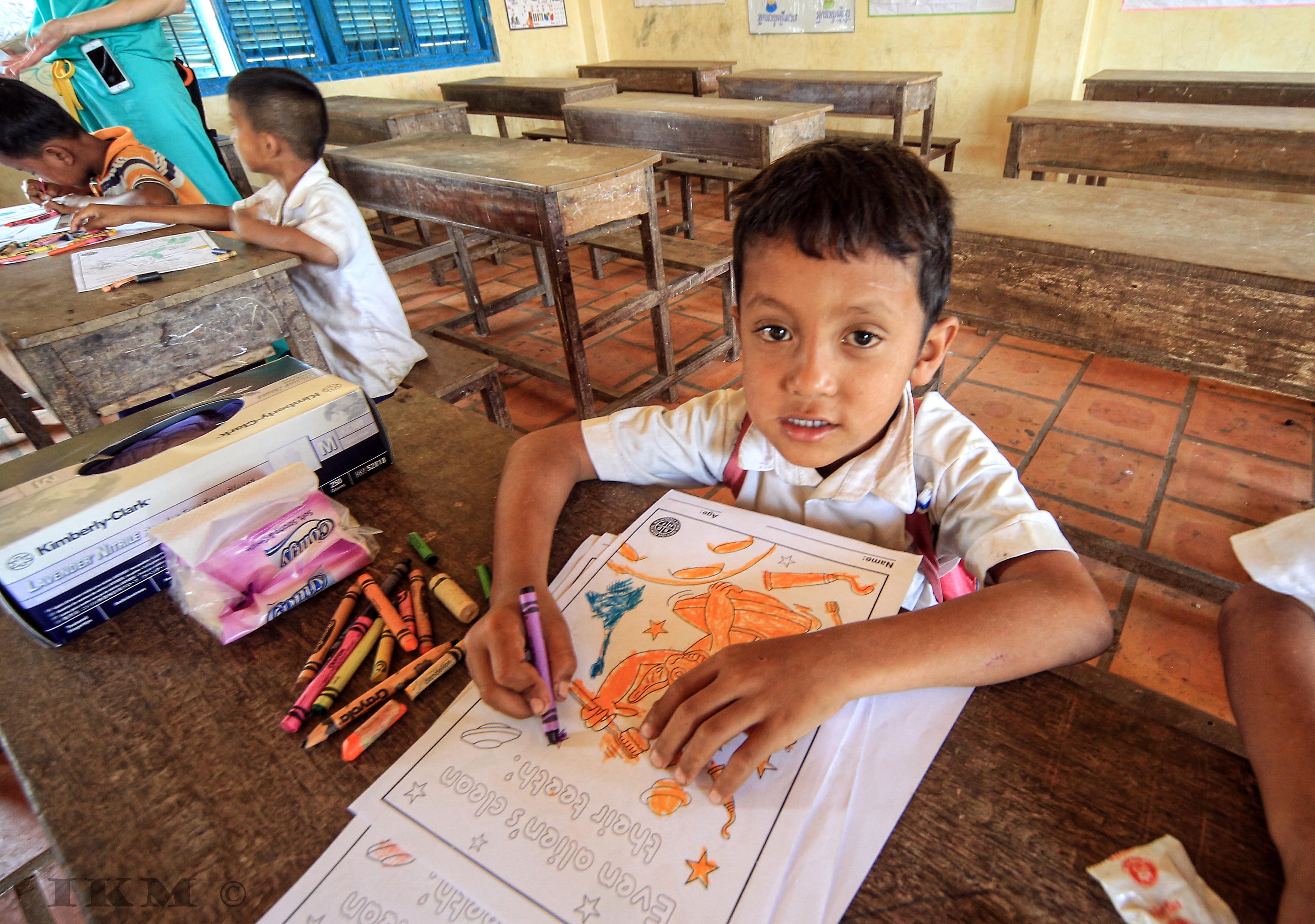
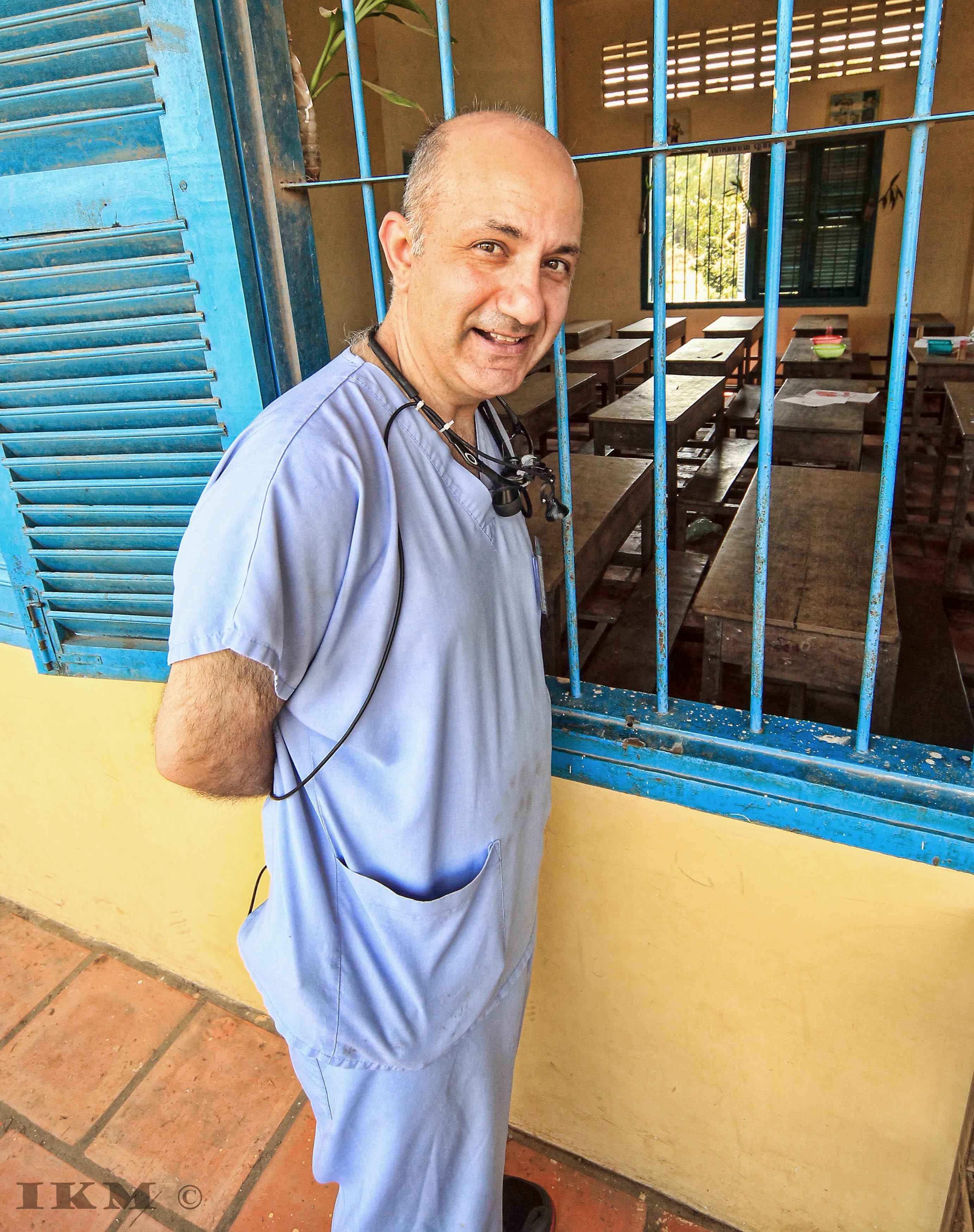
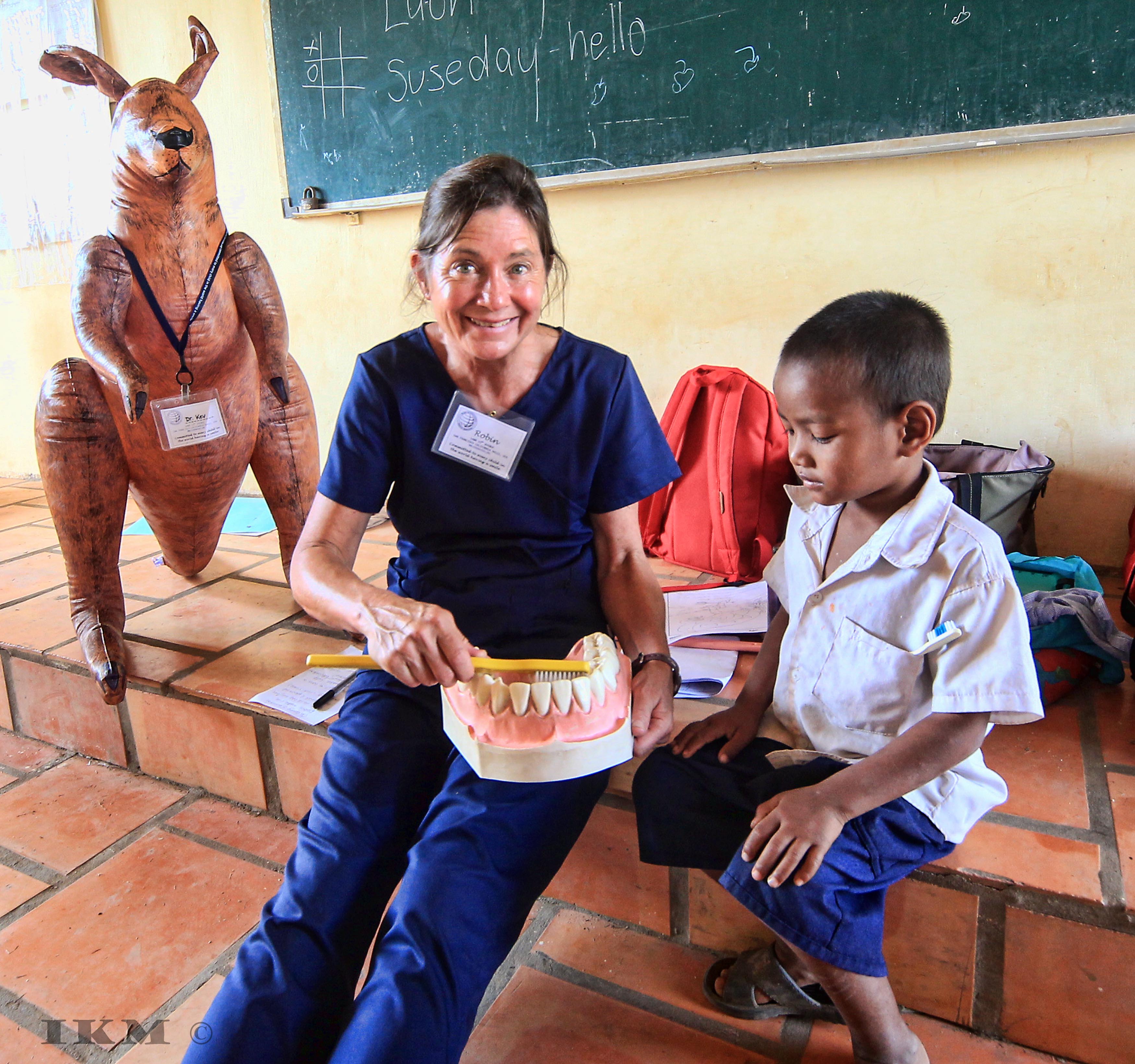
The obvious photographs were easy enough to make: dentists leaning over their patients, instruments arranged on tables, volunteers wearing masks and gloves. But those pictures alone did not tell the whole story.
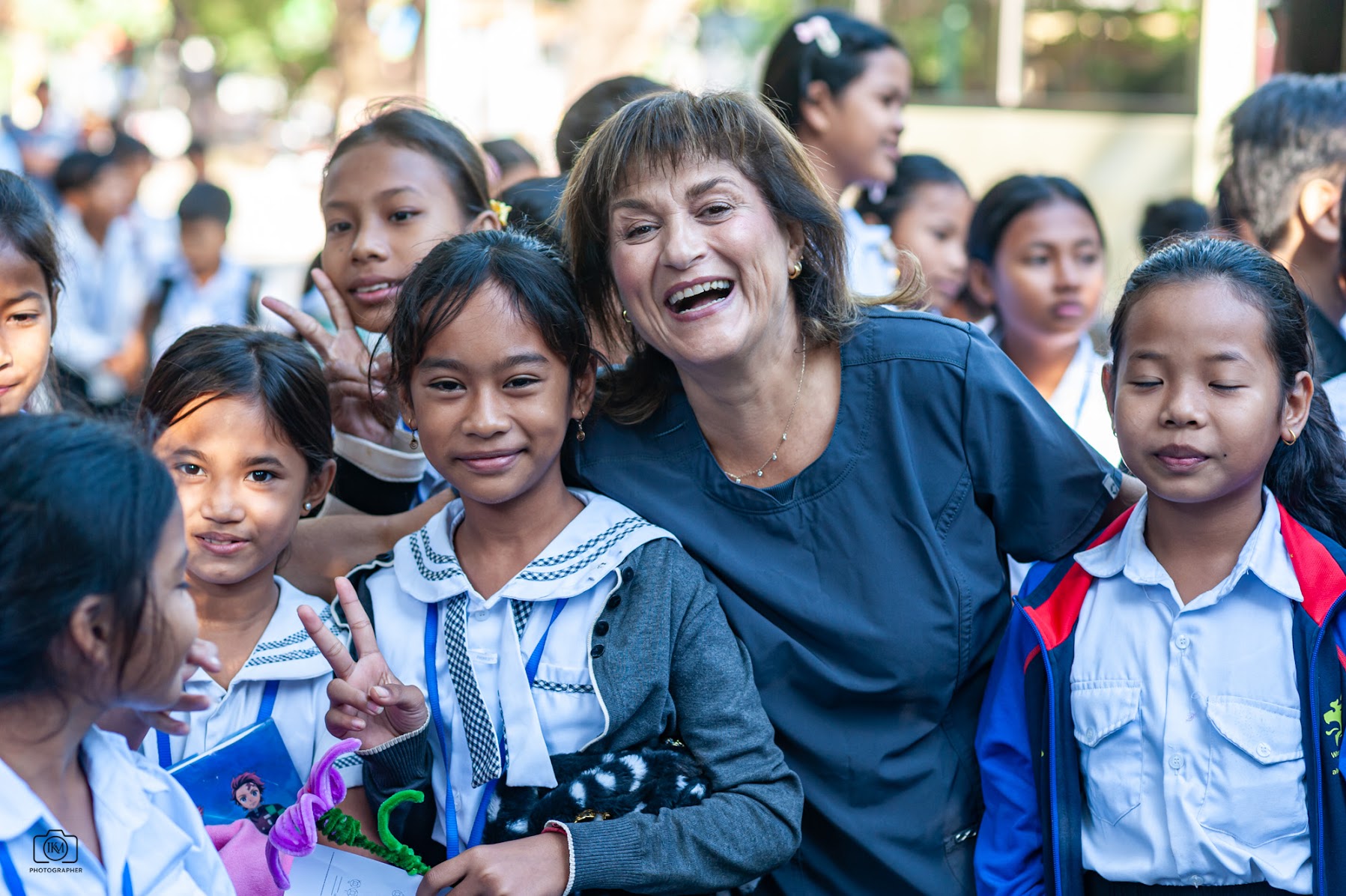
The more important moments were often found around the edges. A girl waiting quietly for her turn. A child holding another child’s hand. A volunteer attempting to reassure a nervous patient despite the language barrier. The expression of relief when treatment was finished. These were the small human details that gave meaning to the wider record.
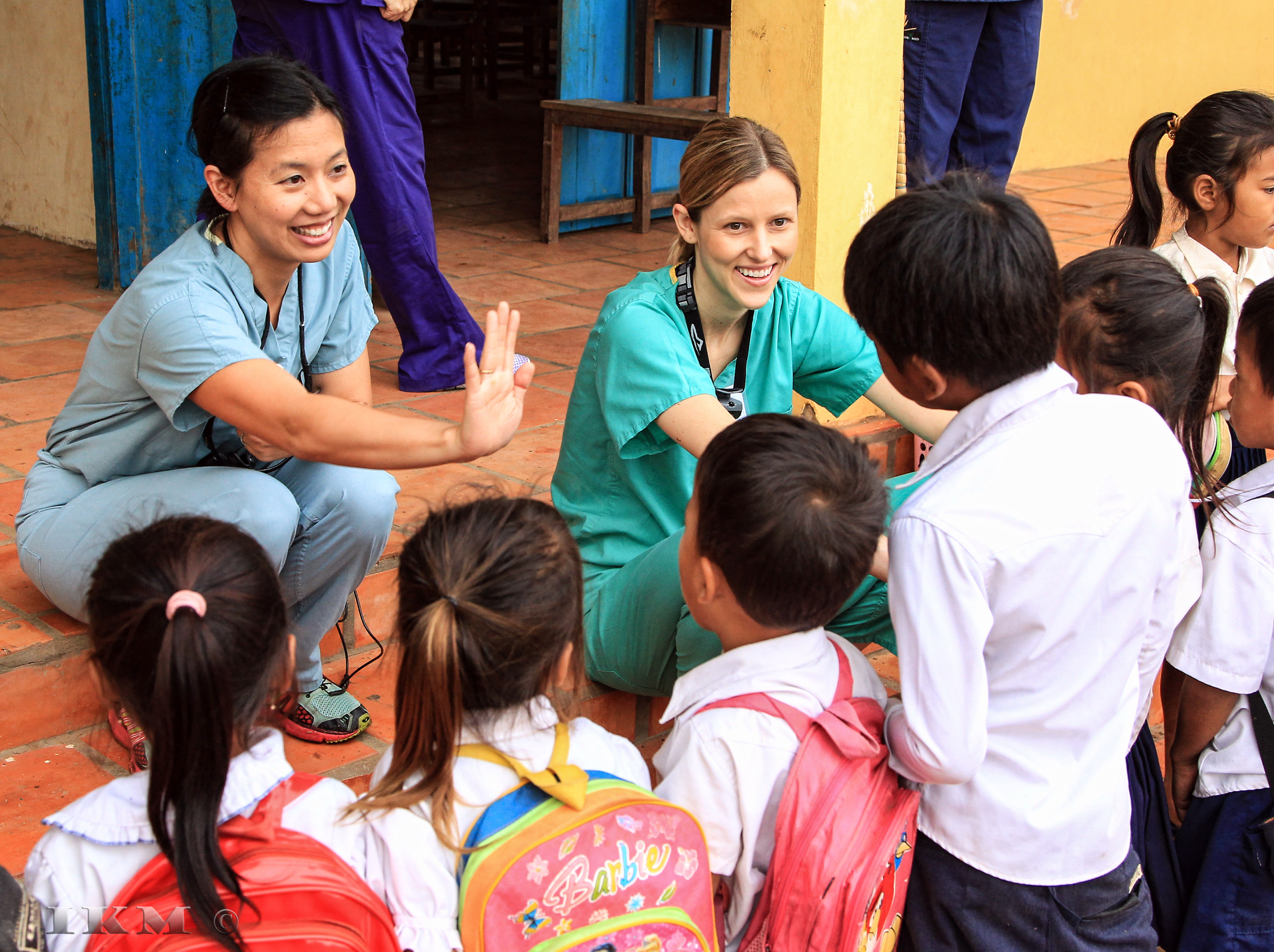
A photographer working in such circumstances must know when to step forward and when to lower the camera. Pain, fear and poverty do not remove a person’s dignity. A photograph may be useful to a charity, but that does not automatically make it ethical. The person in front of the lens must remain more important than the organisation’s publicity.
Children require particular care. A frightened child receiving treatment is not merely an interesting photographic subject. They are vulnerable and may not fully understand why they are being photographed. The pictures should never humiliate them or turn their discomfort into emotional advertising.
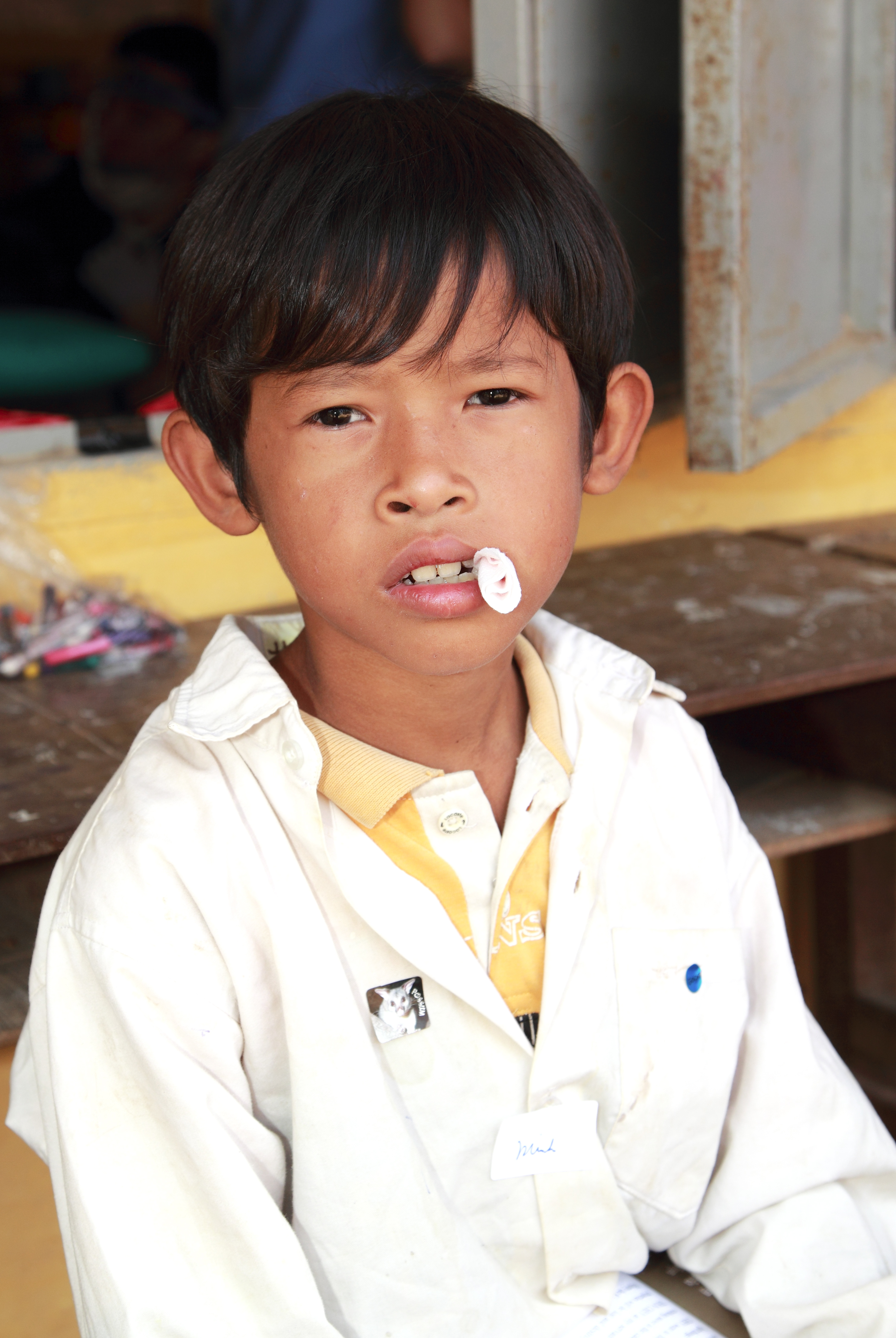
Good volunteer photography does not need to exaggerate suffering. If the work is genuinely valuable, the truth is usually powerful enough.
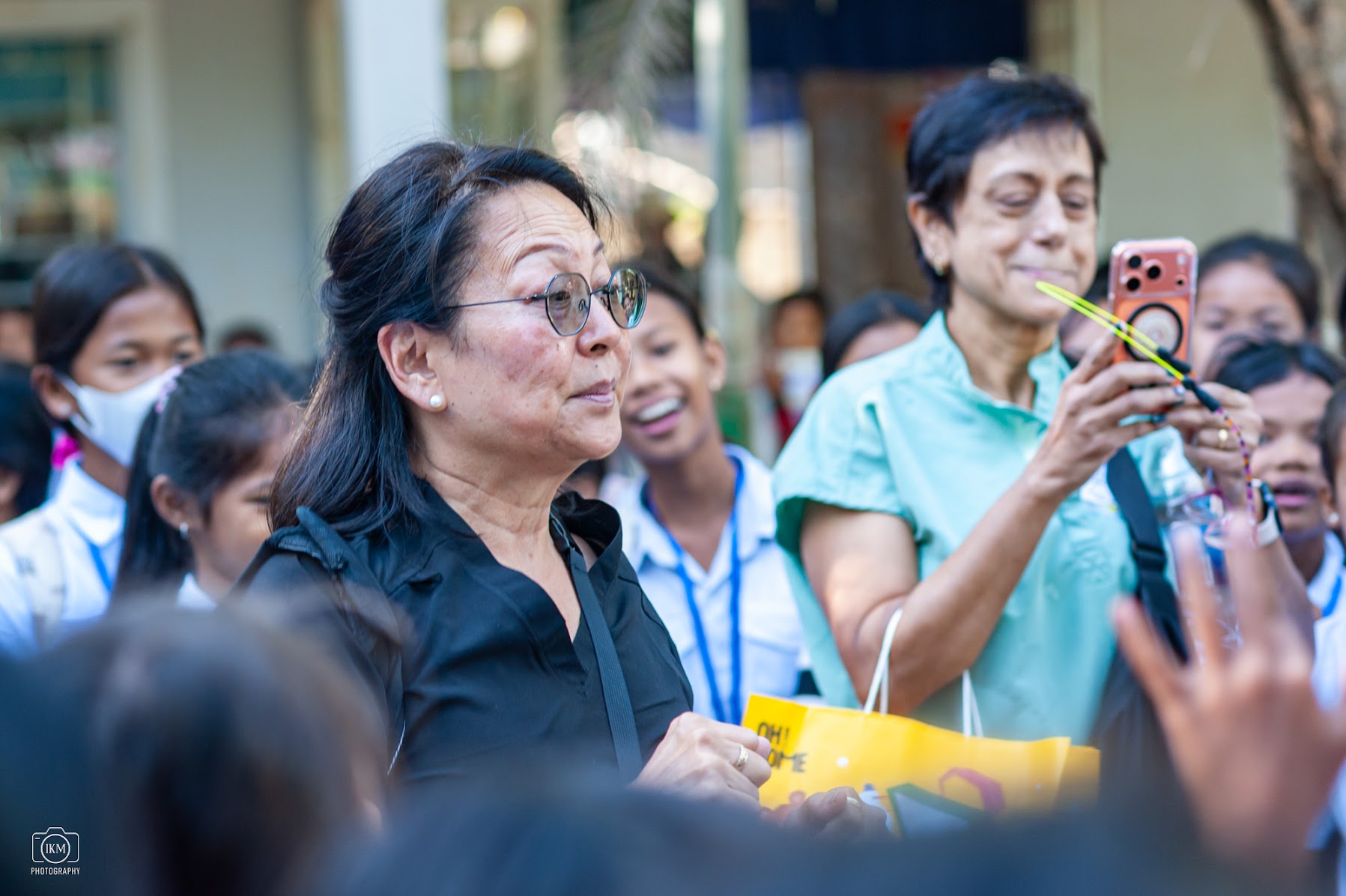
The photographer also has a responsibility to show the volunteers as workers rather than visiting saviours. Most successful projects depend upon local teachers, organisers, translators, drivers and medical staff. Visiting specialists may bring valuable skills and equipment, but they do not operate alone. Leaving local people outside the frame can create a misleading story in which help always arrives from somewhere else.
The camera should reveal cooperation.
Working as a volunteer photographer also means accepting that photography is not always the most urgent task. Sometimes equipment needs carrying, people need directing or a nervous child needs reassurance. There is little value in recording other people’s generosity while refusing to put down the camera and help.
The pictures still matter. Small organisations often struggle to explain their work. A strong and honest photographic record can help them reach supporters, attract volunteers and show donors where assistance has gone. It can preserve the history of a project long after the temporary clinic has been packed away.
But the usefulness of a photograph depends upon trust. The people running the project must trust the photographer not to obstruct their work. The patients must not feel hunted by the lens. The audience must be able to believe that what they are seeing is real.
This is one reason I prefer to work quietly. I do not need every person to look at the camera. In fact, the most revealing pictures often happen when people have become accustomed to my presence and returned their attention to what they are doing. An old professional camera may be large and conspicuous, but patience can make even a large camera disappear.
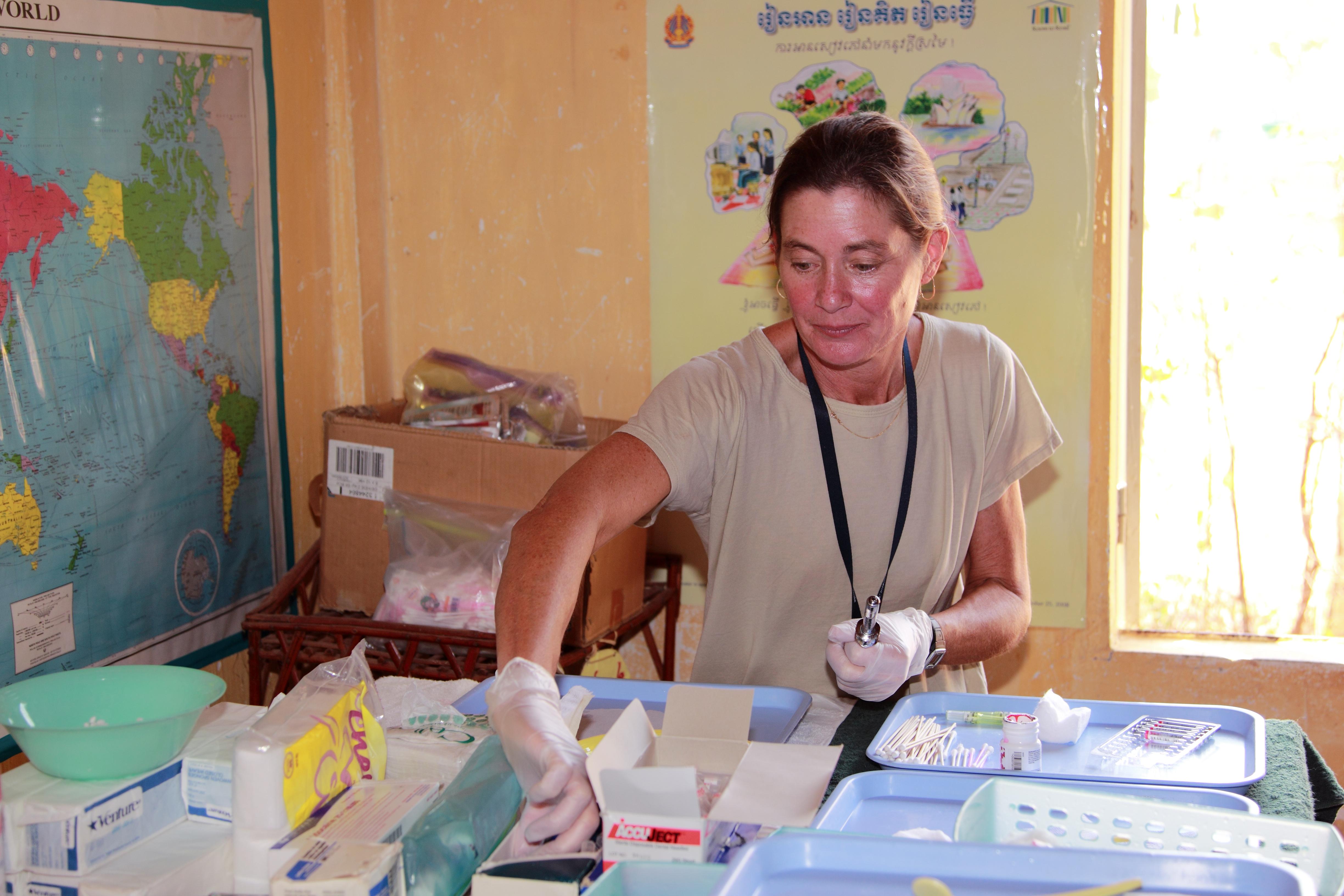
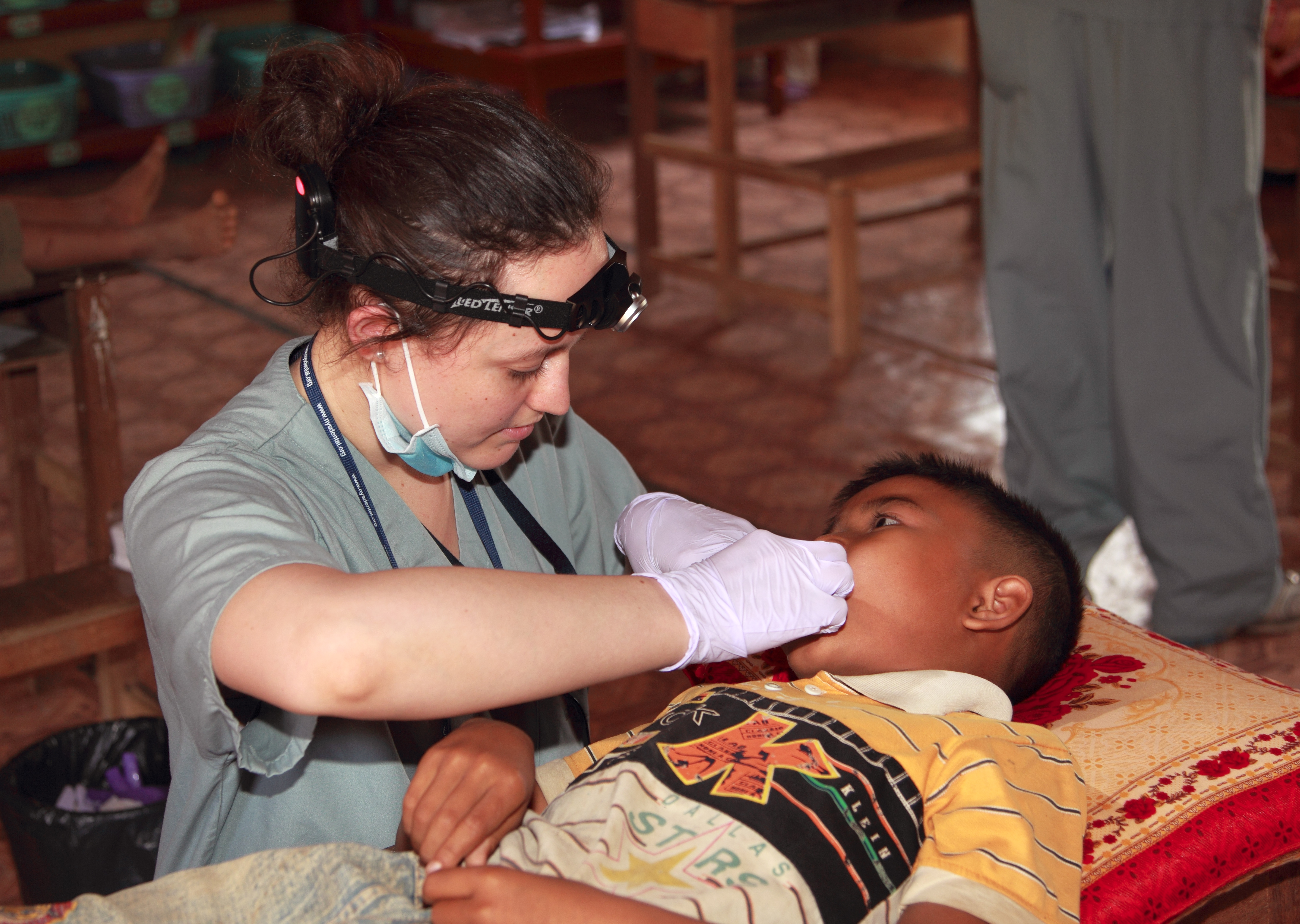
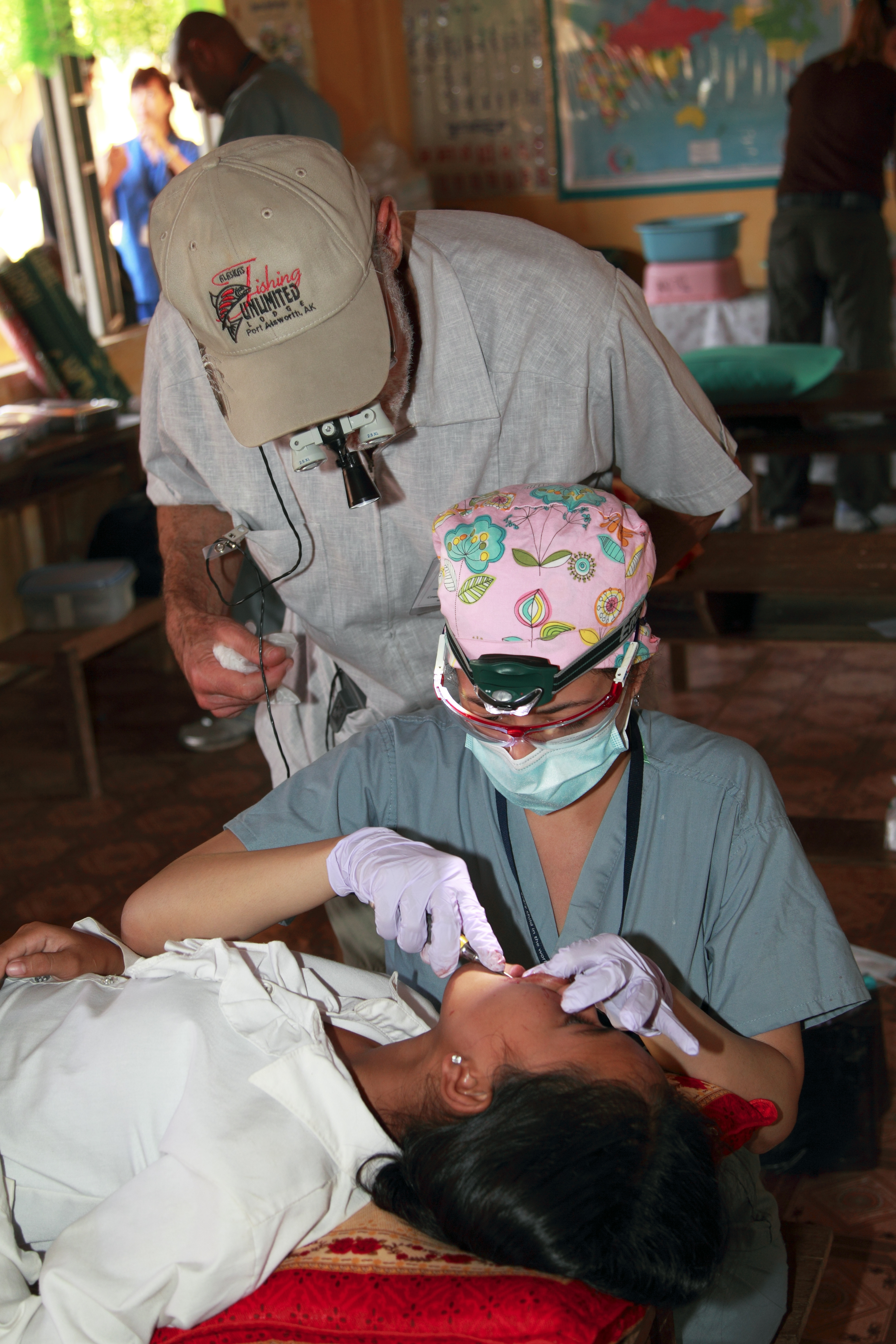
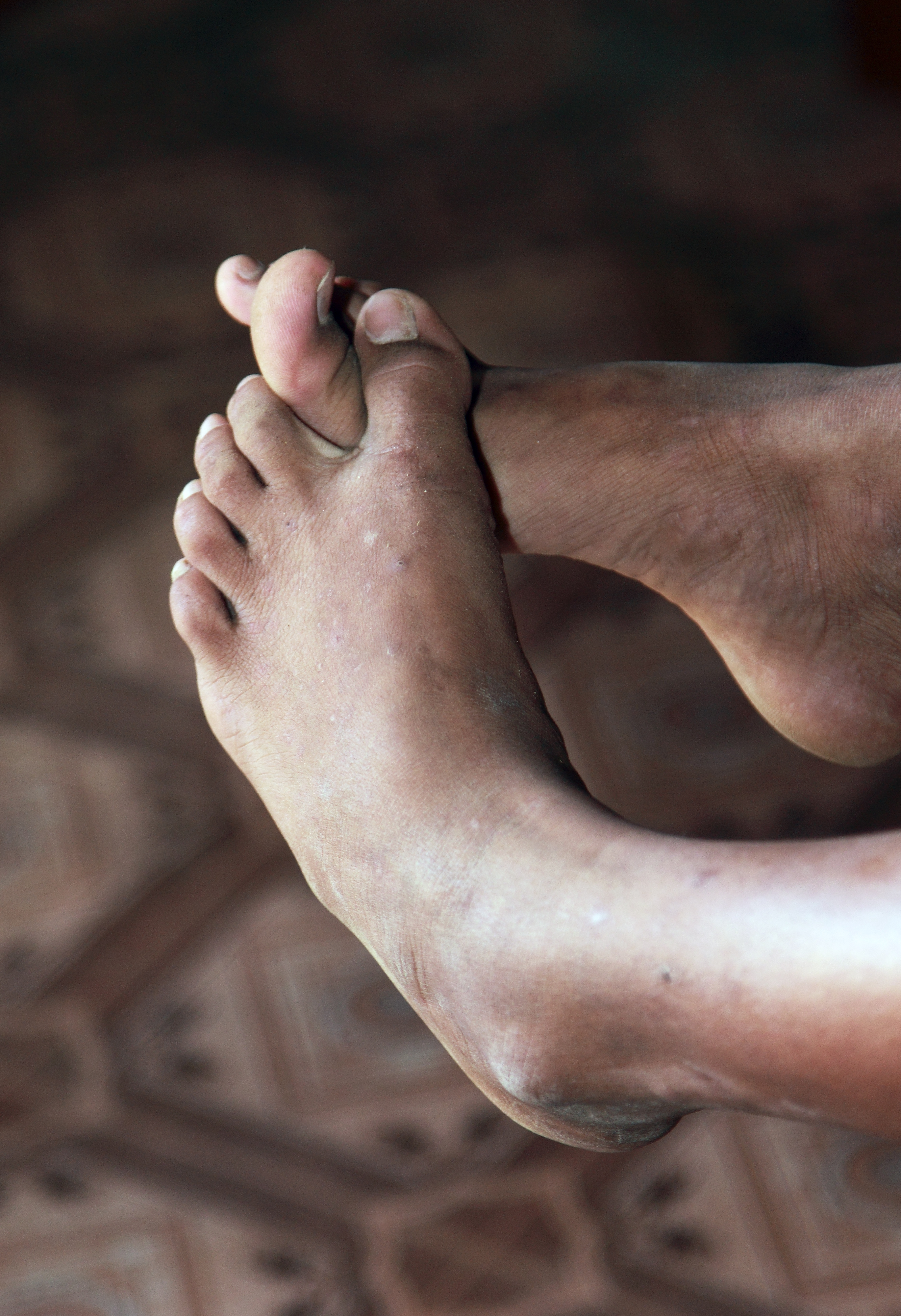
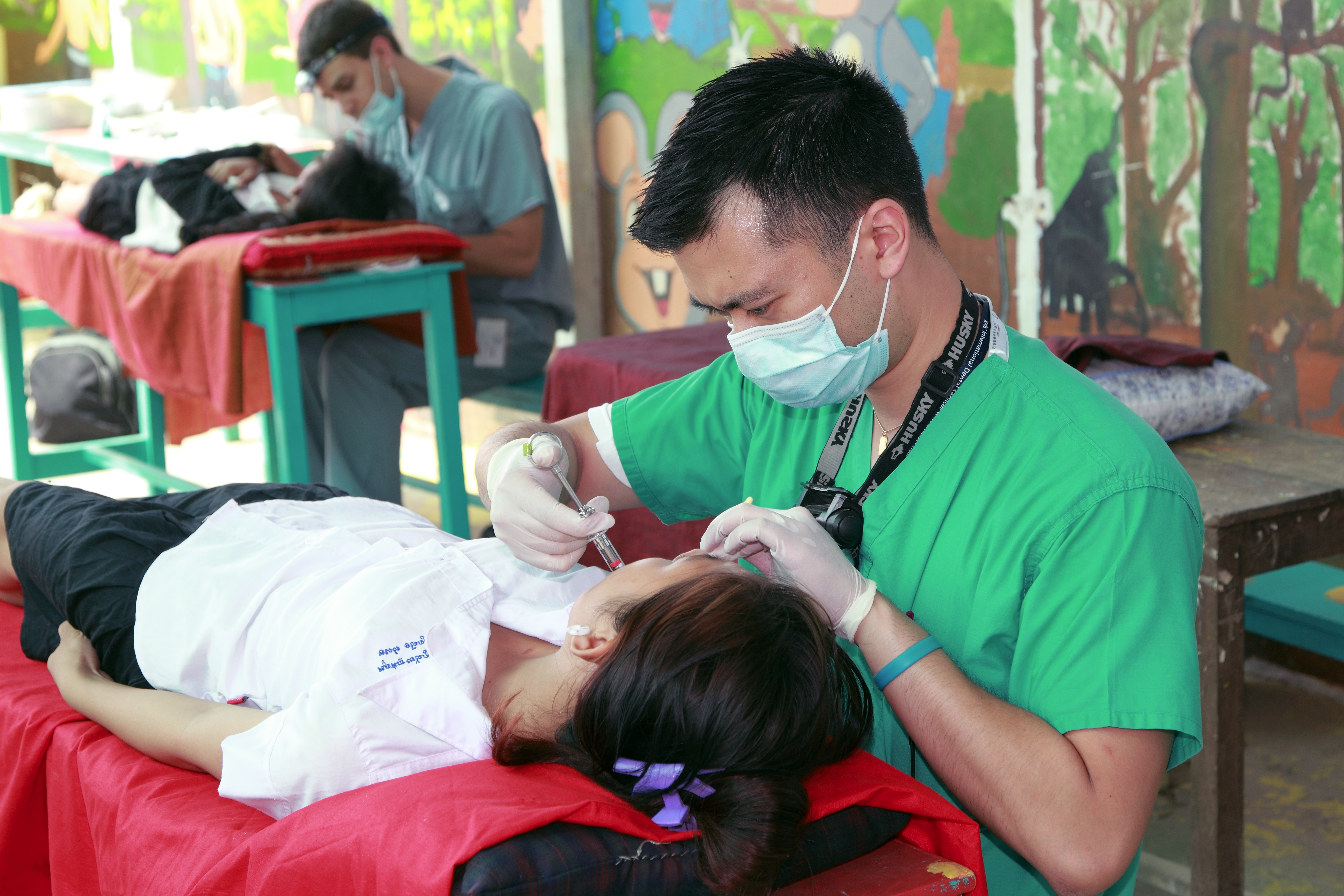
The work is not glamorous. Rooms are often cramped and badly lit. Backgrounds are untidy. Fluorescent lights create unpleasant colour, while masks and lowered faces make expressions difficult to see. There may be little room to move without interfering with treatment.
These are technical problems, but they should not become excuses. You use the available light, choose a position that does not obstruct anyone and wait for the elements to come together. The photograph does not need to be perfect. It needs to be truthful, clear and useful.
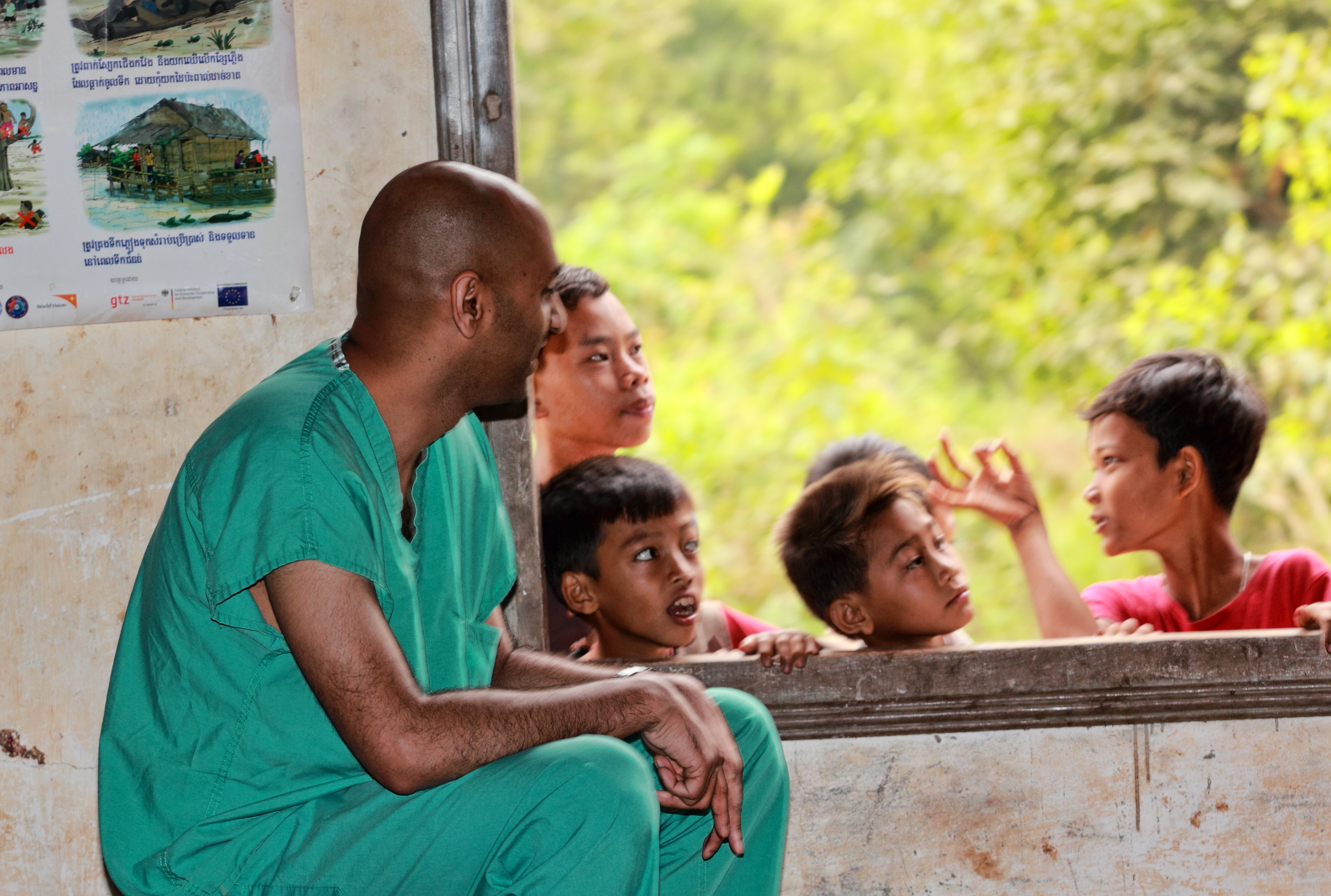
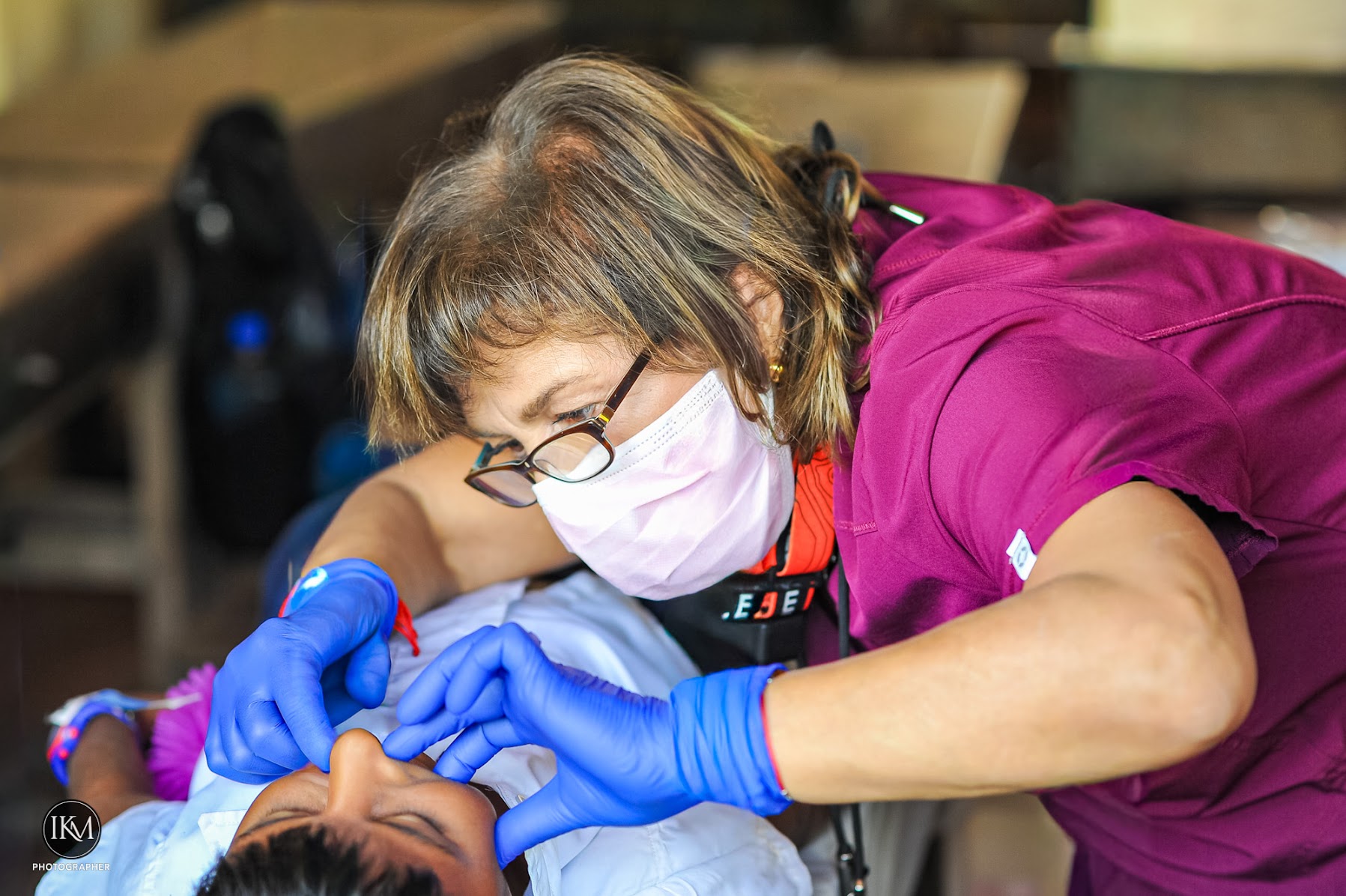
Volunteering with a camera taught me that usefulness can be a better measure of photography than applause. A picture does not have to win a competition or gather admiration online. It may only need to persuade one person to donate, encourage a dentist to volunteer or help an organisation explain what it accomplished.
Years later, the photographs become something else as well. They become a record of people who gave their time, knowledge and energy to strangers. They preserve the faces of the children, the concentration of the medical teams and the atmosphere of those temporary clinics.
They also remind the photographer that being present carries an obligation.
A camera allows us to enter other people’s lives, sometimes at difficult and vulnerable moments. That access should never be taken lightly. We owe something in return: honesty, respect and photographs that serve a purpose beyond ourselves.
Volunteering with a camera is not about being the most important person in the room. It is about understanding that you are not—and making pictures that honour the people who are

