
Fear changes the way we see. It sharpens some details and removes others. Time becomes uncertain. A few seconds can feel prolonged, while an entire sequence of events may pass before we fully understand what has happened.
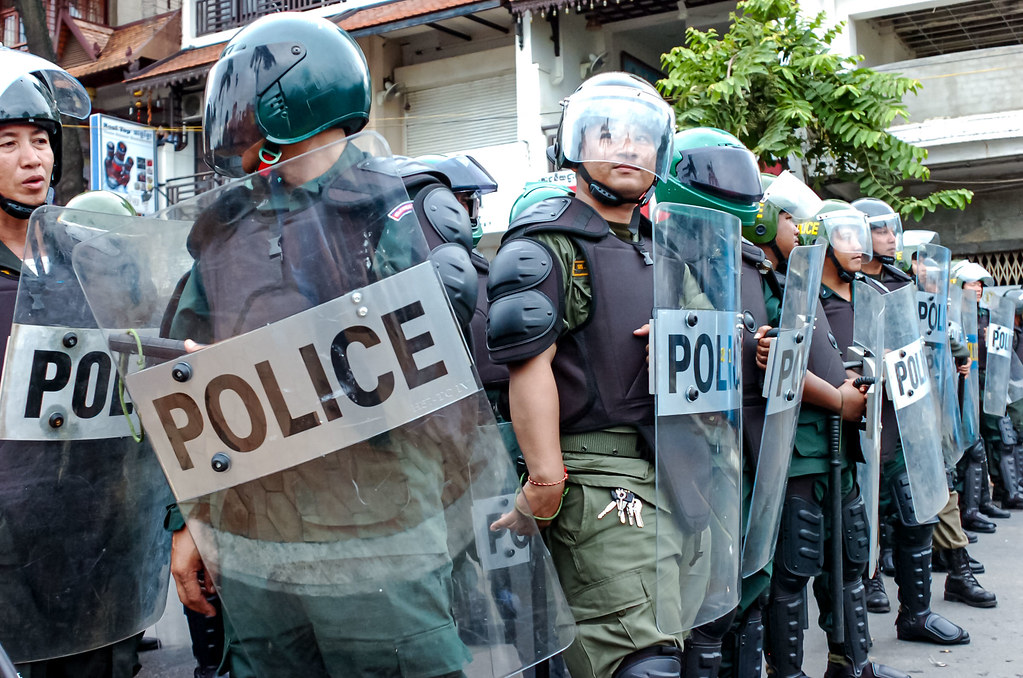
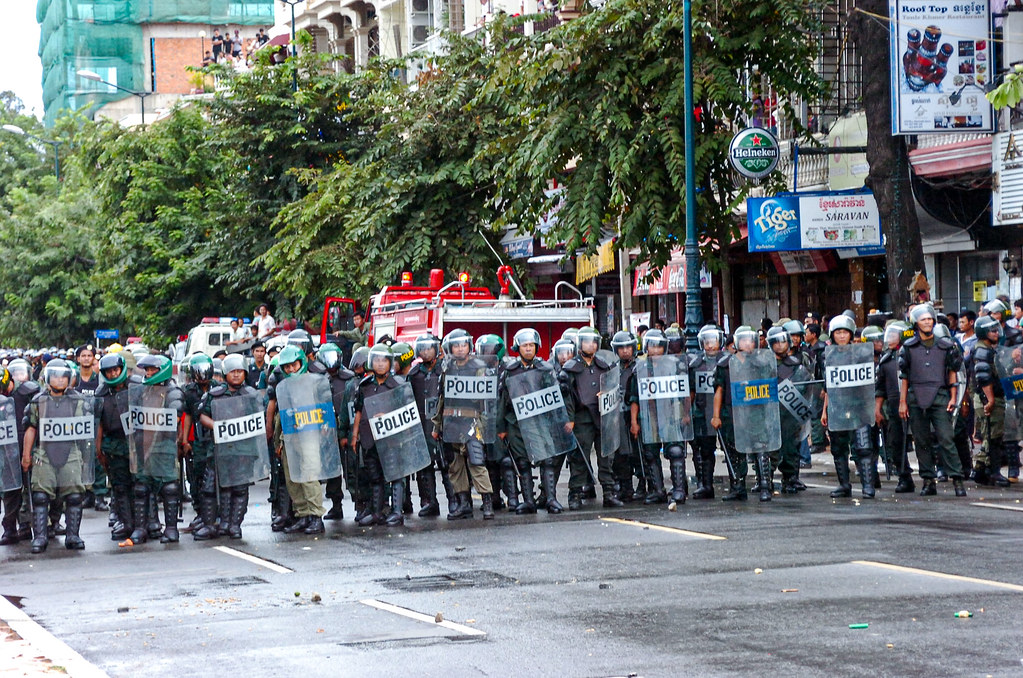
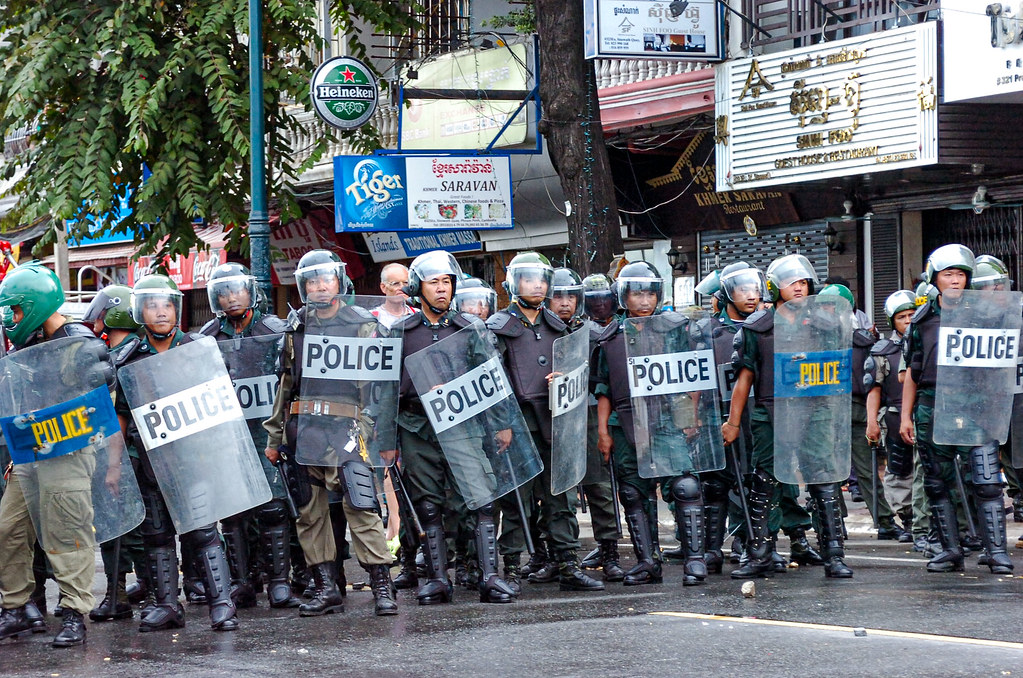
I have photographed fear in several forms. Sometimes it was obvious: police lines, angry crowds, flying bottles and the noise of a demonstration turning violent. At other times, it was almost invisible—a child waiting for dental treatment, watching the instruments being prepared and trying not to show what they were feeling.
The two situations are not the same, but the photographer carries a similar responsibility into both. Fear creates vulnerability. It also creates dramatic photographs, and that is where the moral difficulty begins.
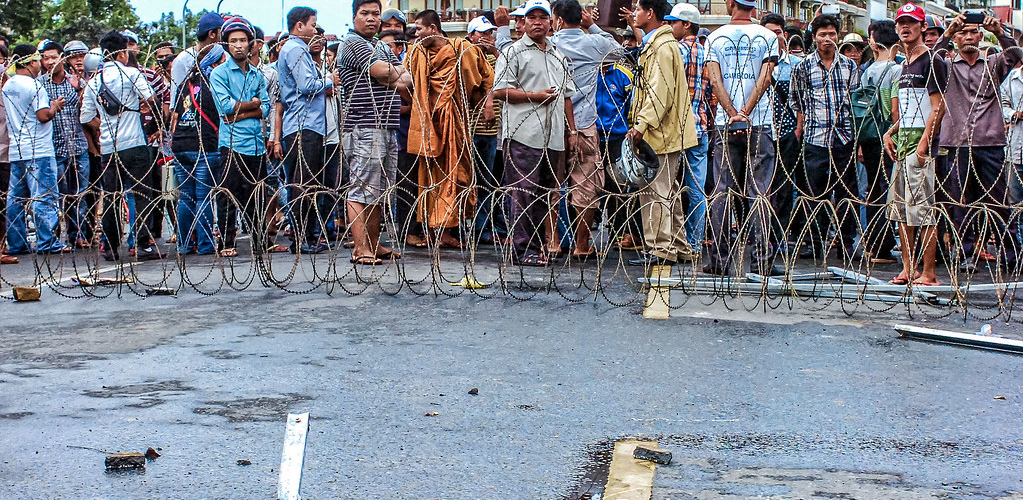
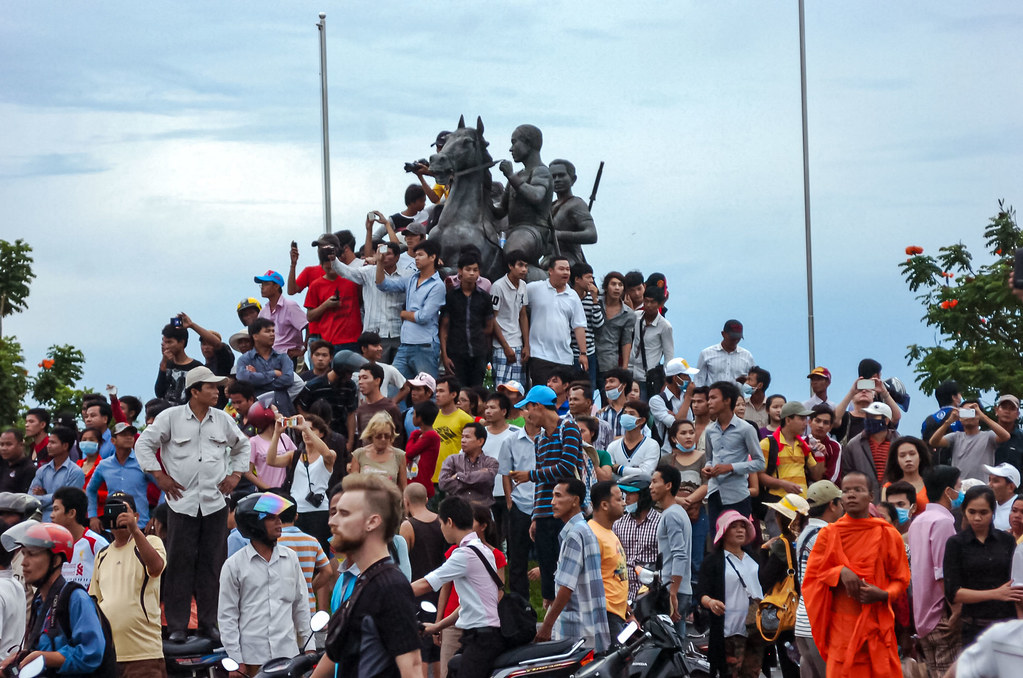
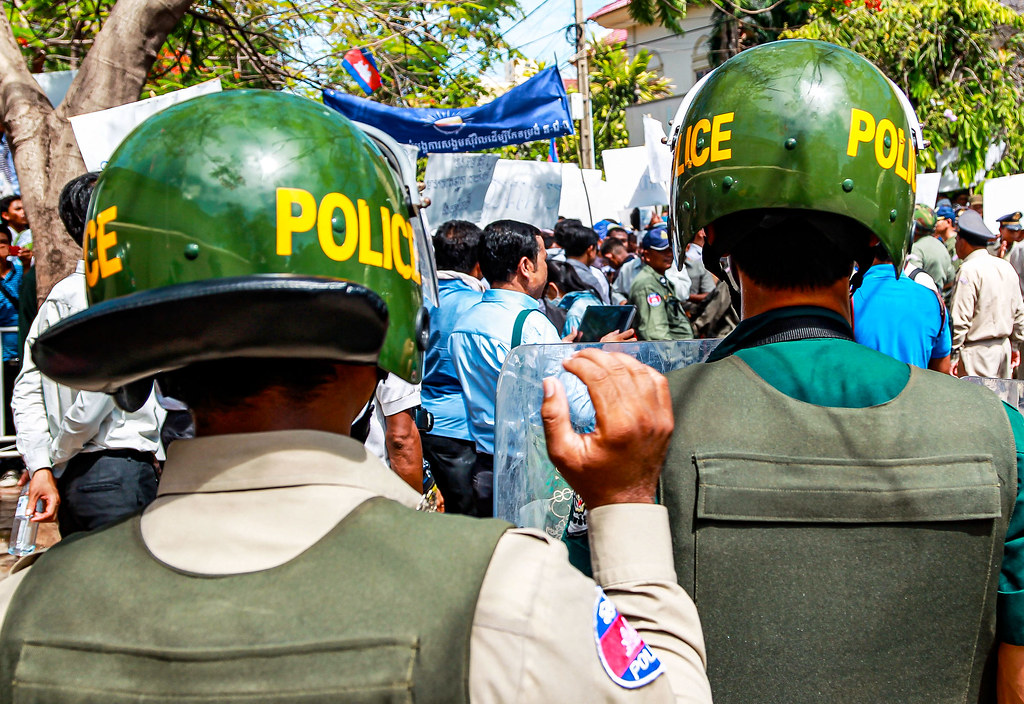
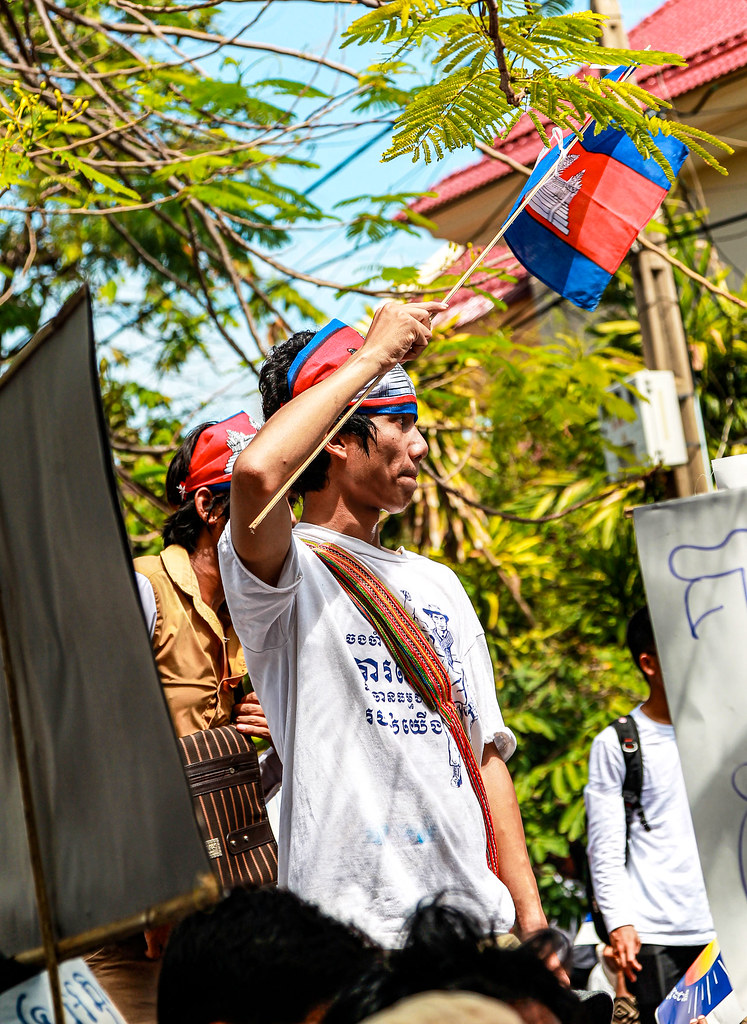
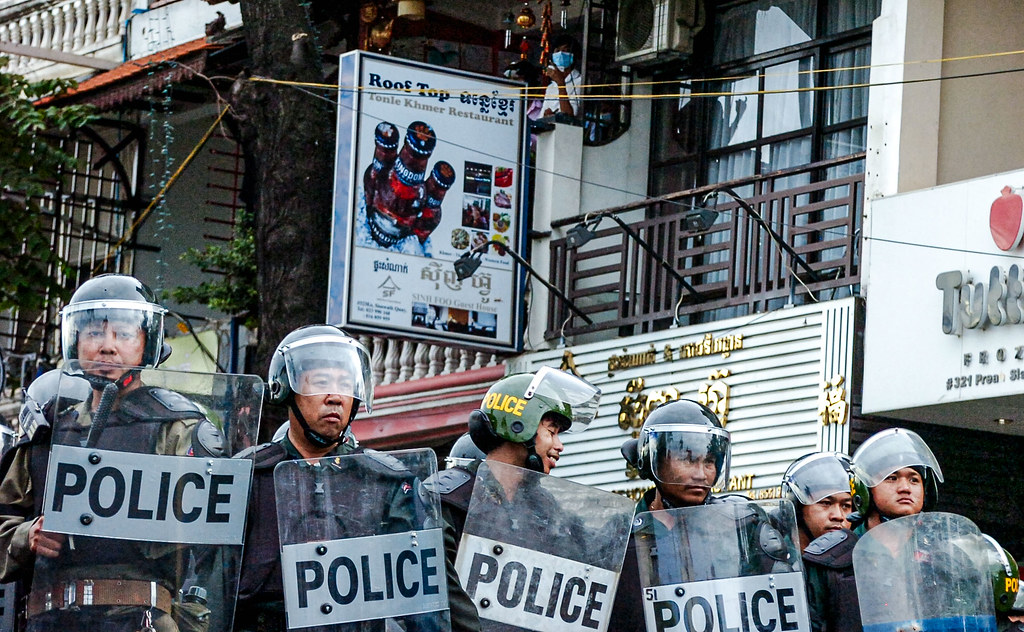
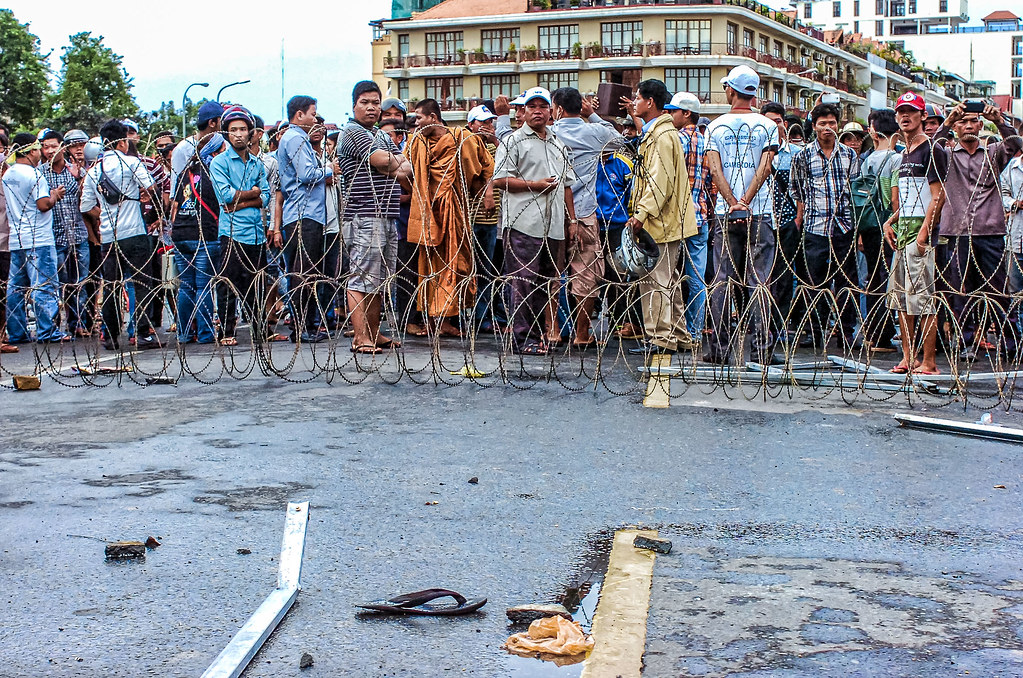
At the political demonstrations around Freedom Park in Phnom Penh in 2013, the atmosphere did not become dangerous all at once. Crowds have moods, and those moods move through them before the cause is always apparent. A gathering may appear noisy but manageable. People talk, listen, watch and wait. Children remain near their families. Photographers move through the edges, looking for faces and gestures that might explain the occasion.
Then something changes.
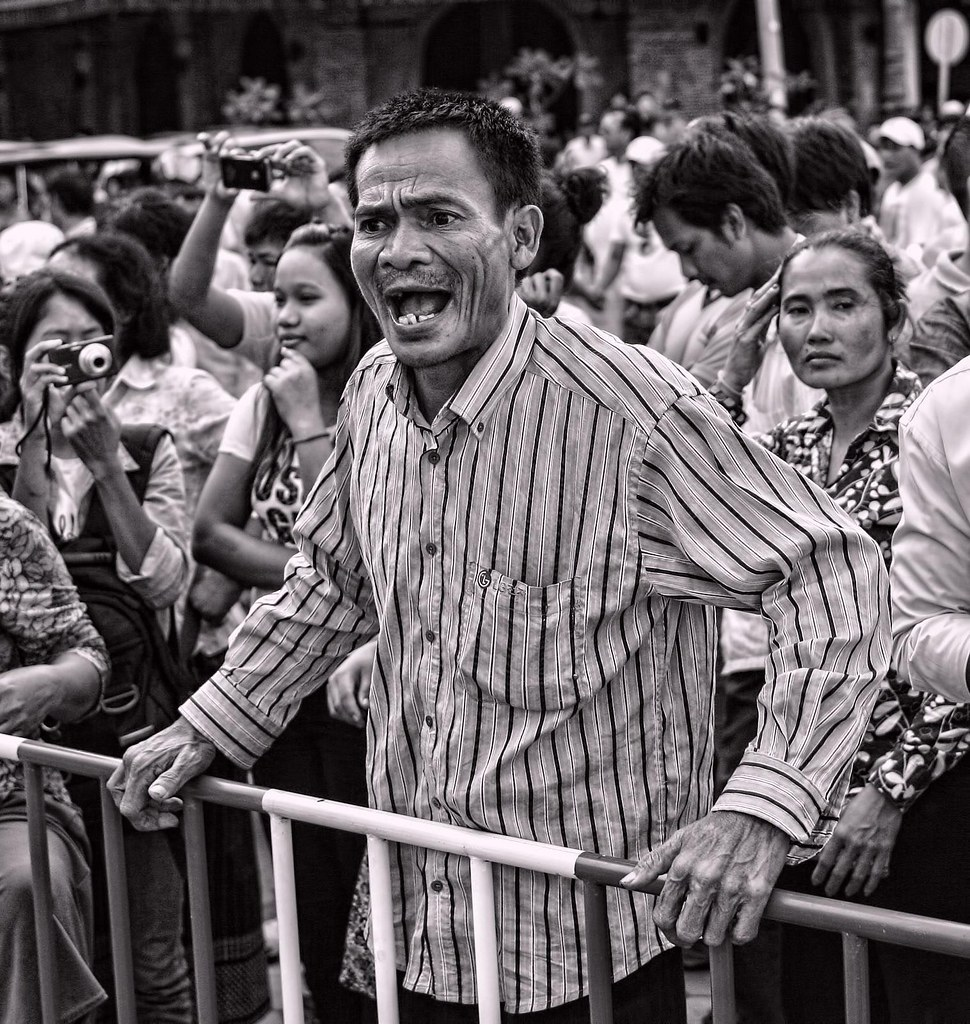
The sound becomes harder. A police line tightens. People begin looking in the same direction. Those near the front stop behaving like individuals and begin moving as part of the crowd. Experience teaches you to notice these signals, although experience does not guarantee safety.
The demonstrators were demanding a change of government. Local and military police faced them. Objects began to fly towards the police lines, and the children who had been present disappeared from sight. The gathering had crossed an invisible boundary.
When the glass bottles started flying, one struck me and a colleague was cut. There was pushing, shouting and the confused movement of people trying to advance, retreat or simply avoid being knocked down. I put on my crash helmet and continued working.
That was the job.
The phrase sounds harder than the reality. Remaining at the scene was not an act of heroism. It was a professional decision that had to be reconsidered every few seconds. Staying did not mean standing still or ignoring the danger. It meant watching the crowd, understanding where the police were positioned and knowing what was happening behind me as well as in front.
A camera can become dangerous because it narrows attention. Through the viewfinder, the world appears contained by four edges. The photographer concentrates on a face, a raised arm or an object in flight and temporarily loses sight of everything outside the frame. In a confrontation, that moment of exclusion can be enough for the situation to change.
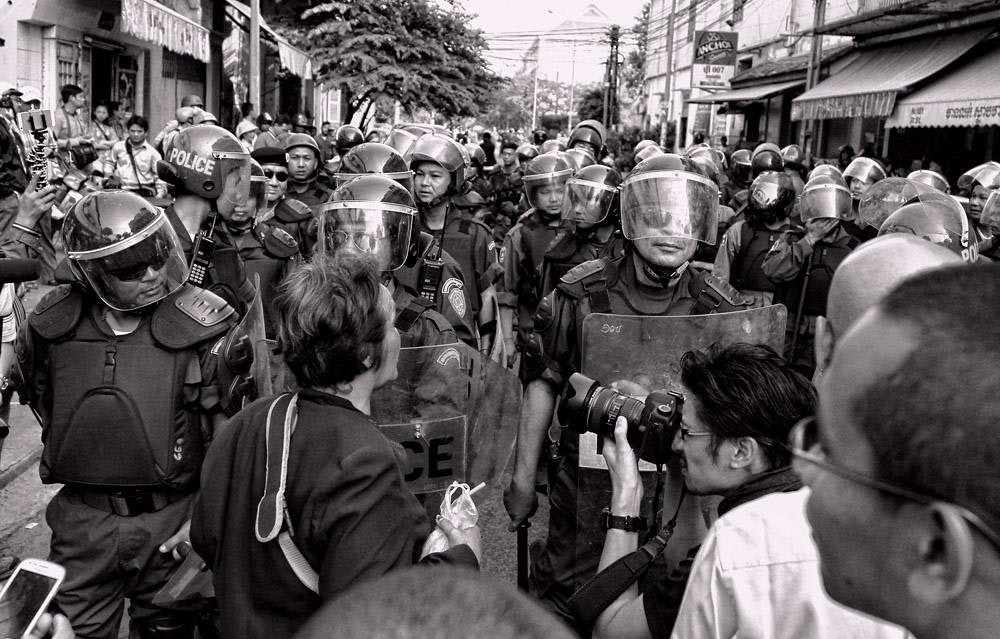
You must make the photograph while remaining aware of the world the photograph leaves out.
Equipment needs to be familiar. There is no time to search through menus or look for a control. The camera must respond almost without thought. Raise it, focus, make the frame and lower it again to see what is approaching. Professional cameras such as the Canon 1D bodies and Nikon D2Hs were heavy, but they were built for this sort of treatment. Their strength was not merely technical. It was the confidence that they would work when the photographer had other things to worry about.
Confrontation does not always involve violence. It can exist between a photographer and the person being photographed.
A frightened child in a temporary dental clinic may face a quieter form of confrontation. The room is unfamiliar. The equipment looks threatening. Adults wearing masks speak in voices the child may not understand. The child is expected to sit still, open their mouth and accept that strangers are trying to help.
Then another stranger arrives with a camera.
Fear may appear as crying, but more often it is contained in smaller gestures: hands held tightly together, feet drawn backwards beneath a chair, eyes fixed upon the treatment table or a face turned away from the lens. Children may laugh, become restless or attempt to impress their friends. Bravery and fear frequently occupy the same expression.
A photograph of that uncertainty can explain something important about the work. It can show why patience, reassurance and trust are essential. But the camera must not become another instrument of pressure.
There is a difference between photographing fear and exploiting it.
The fact that a picture may help a charity does not automatically justify making or publishing it. Nor does permission from an organiser remove the photographer’s responsibility. The child may not be able to offer formal consent, but discomfort is still a form of communication. Turning away, covering the face or becoming visibly distressed should never be ignored simply because no one has said the word no.
The strongest photograph is not always the one we are entitled to take.
This is particularly difficult for photographers trained to react. We are taught not to hesitate when a decisive moment appears. News photography rewards presence, speed and the ability to keep working while others withdraw. Those instincts may be necessary near a police line, but they cannot be carried unchanged into a clinic, school or family home.
Professional courage sometimes means continuing to photograph. Ethical courage may mean stopping.
Fear should not be removed entirely from the story. To show every child smiling would be dishonest. Medical treatment can be frightening, and volunteering is not made more valuable by pretending otherwise. But there is a considerable difference between acknowledging a child’s apprehension and displaying their most helpless moment to strangers.
Context decides much of this. A close photograph of a distressed face may reduce a person to their fear. A wider frame can show the volunteer offering reassurance, the parent standing nearby or another child waiting. It allows the viewer to understand what is happening rather than merely react to suffering.
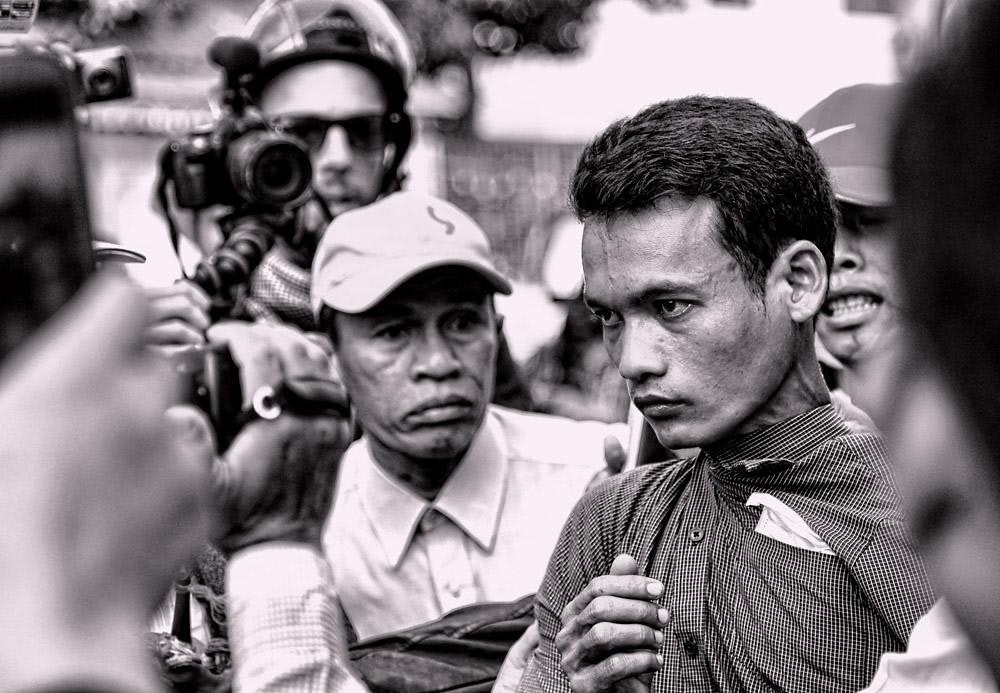
The same principle applies to public confrontation. A photograph of an angry face may be powerful, but without the police line, the crowd or some indication of what produced the anger, it may also be misleading. The photographer decides what is included and excluded. That decision can turn fear into understanding, spectacle or propaganda.
Fear makes people appear at their most exposed. It can also make photographers feel at their most alive. The noise, danger and concentration produce an intensity that ordinary assignments seldom offer. We should be honest about that attraction. Denying it makes us less likely to control it.
The excitement belongs to the photographer. The consequences belong to the people in the pictures.
An old photographer eventually learns that courage is not measured by how close one stands to danger. Nor is honesty measured by how much suffering one is prepared to show. The work is to remain present without becoming reckless, and to record fear without taking ownership of it.
Sometimes that requires the crash helmet, a firm grip on the camera and the decision to stay.
Sometimes it requires lowering the camera.
Knowing which moment you are in is one of the hardest lessons photography can teach.

