

I have both DSLR and mirrorless cameras. I use both. Yet when I decide to go out and make pictures, I often find myself reaching for a DSLR.
This raises a mildly uncomfortable question. Am I choosing the camera that suits me, or simply choosing the one that asks me to change the least? Am I old-fashioned, or just old?
Age may have something to do with it. But it deserves a better explanation than that.
A camera is something we hold, lift, adjust and look through. Its specifications matter, but so does the small business of getting a finger onto the right button without taking our attention away from a face. After years of using a particular system, those movements become familiar. We know how much pressure the shutter needs. We know where the exposure compensation sits. We have a reasonable idea of what the autofocus will manage and when we need to help it.
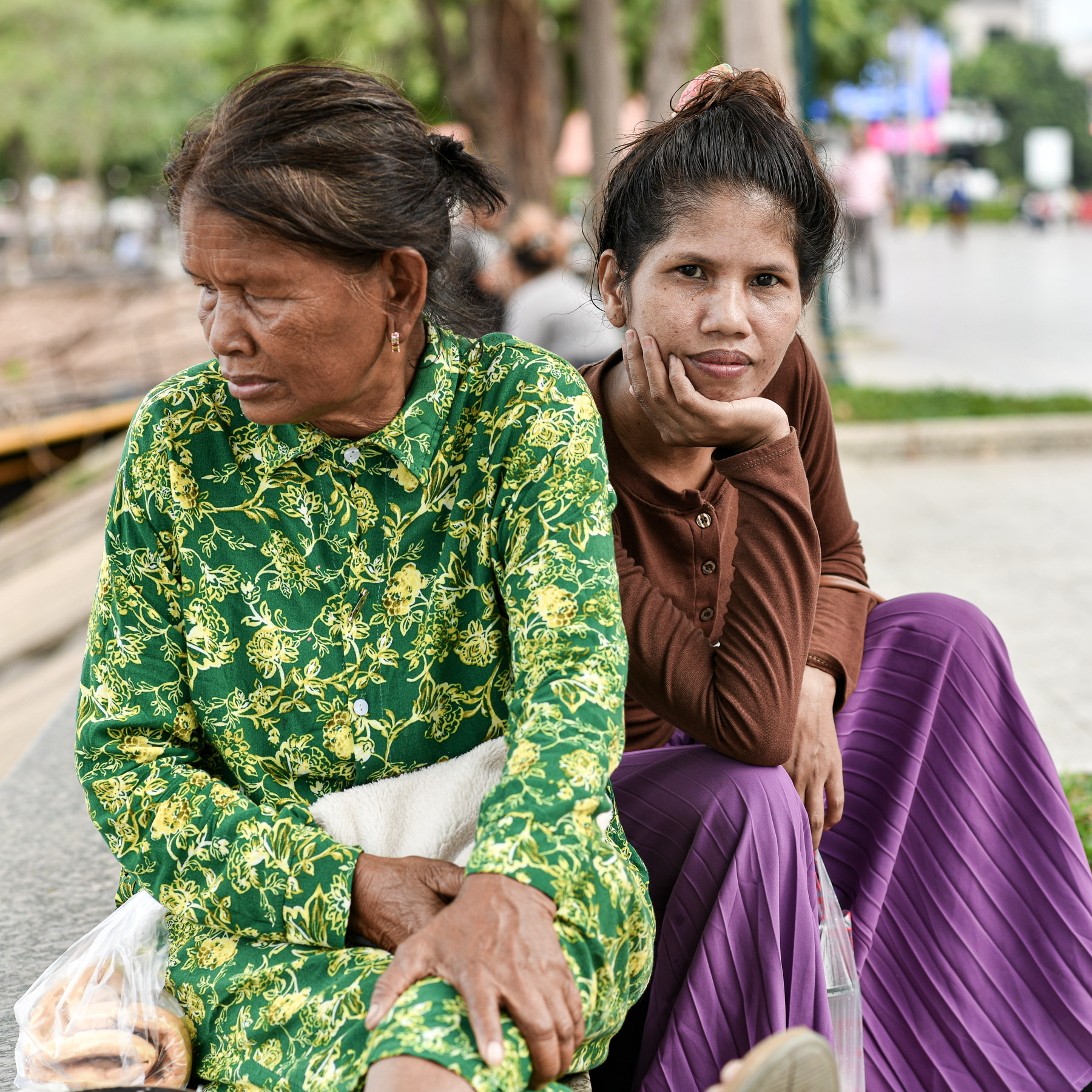
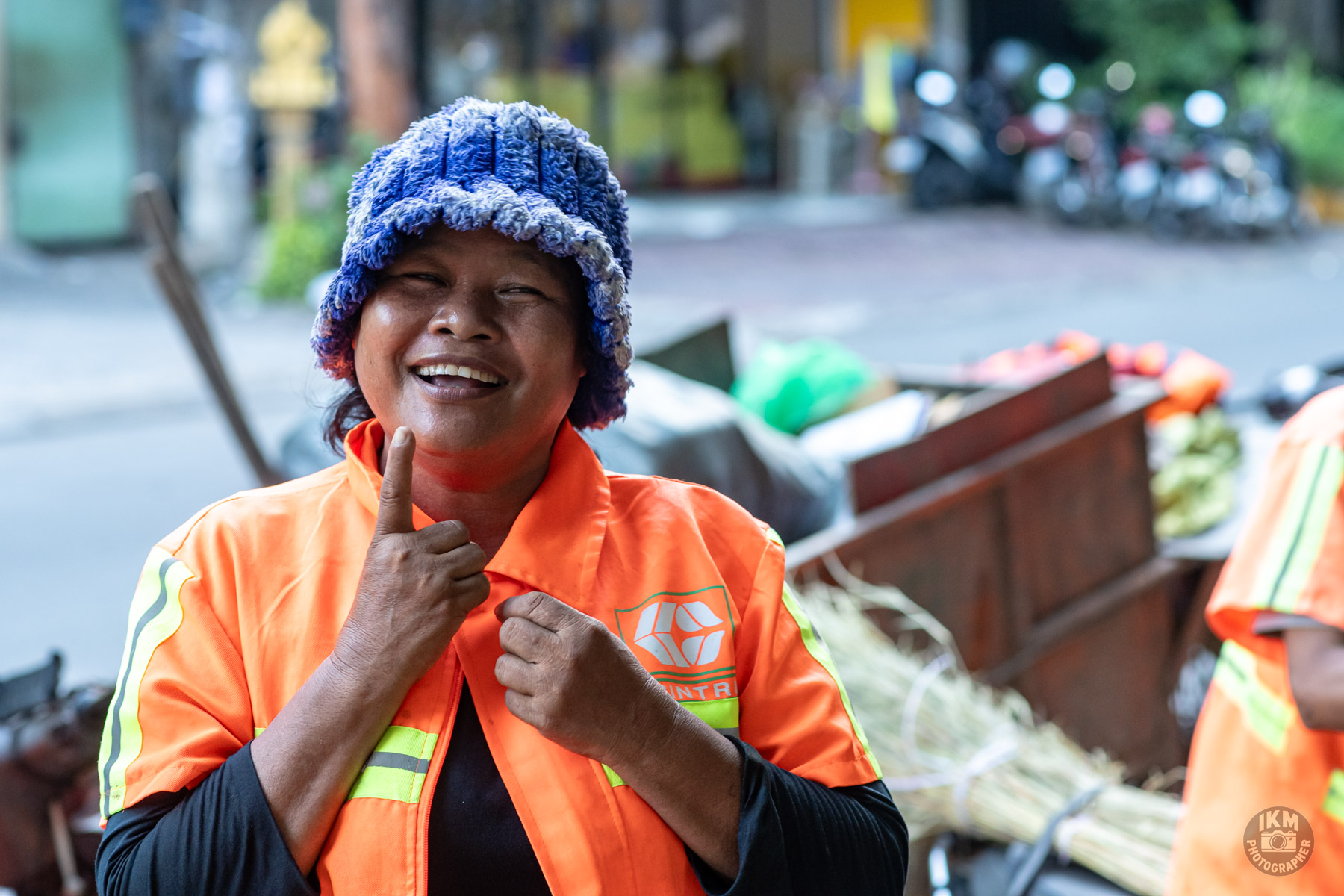
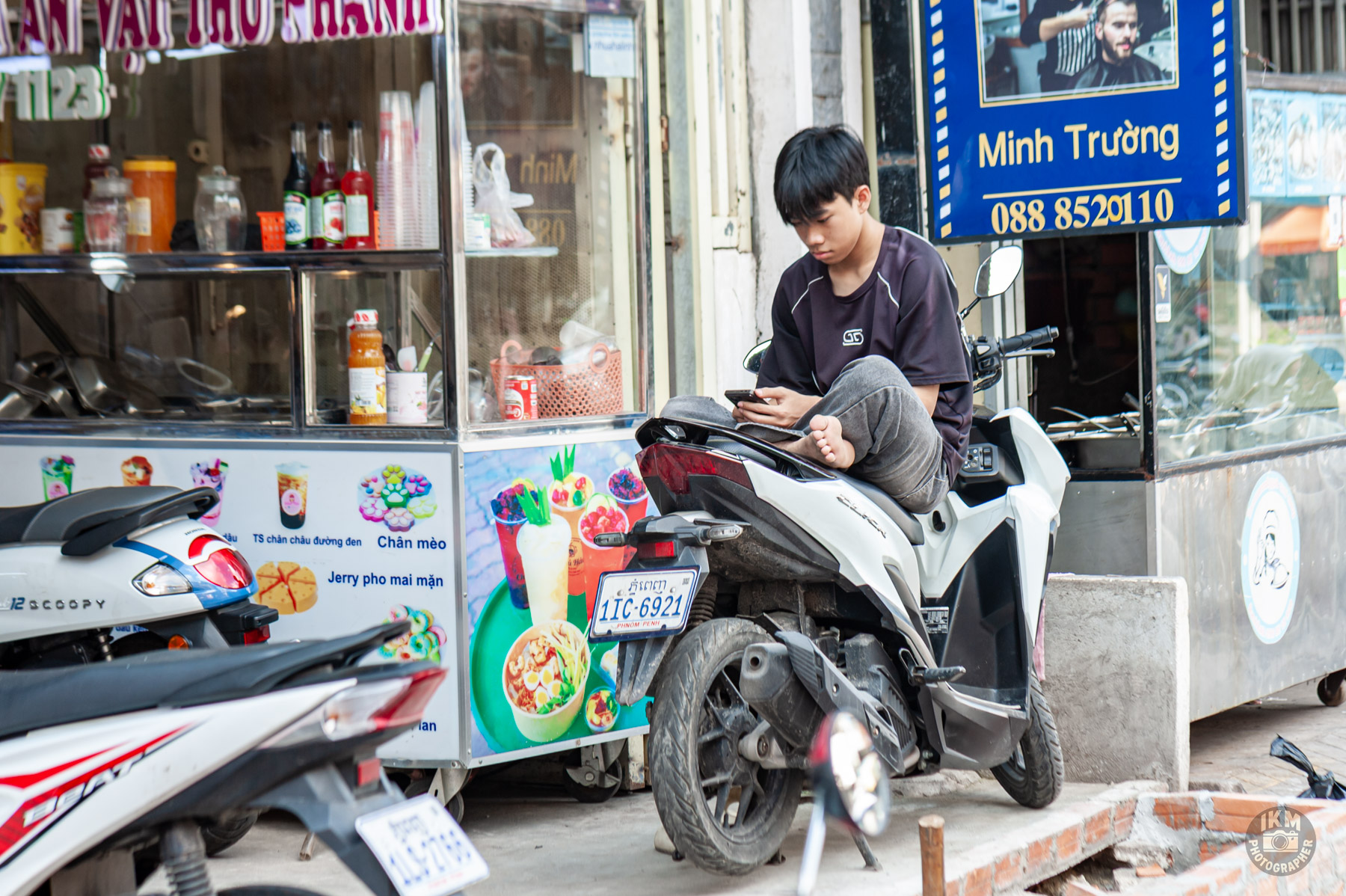
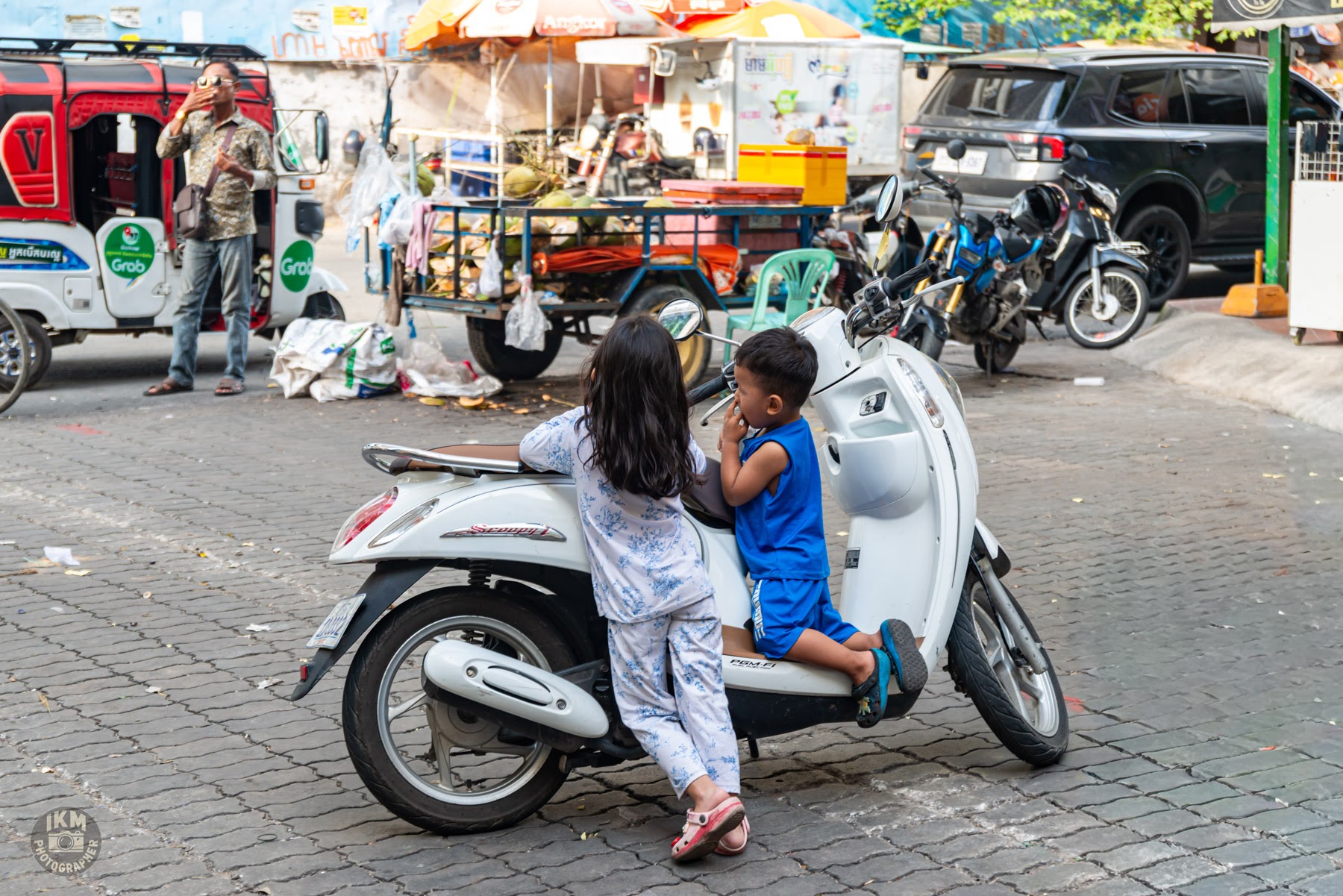
That familiarity has practical value. In street photography, an expression may last less time than it takes to remember which control we reassigned last week.
There is, however, a difference between familiarity and superiority. My hands knowing a DSLR well does not make somebody else’s mirrorless camera less capable. It means that I have put in the hours with one tool. Another photographer may have precisely the same relationship with an electronic viewfinder and a different arrangement of buttons.
The viewfinder itself may explain part of the attraction.
Through a DSLR’s optical finder, I am looking through the lens by way of a mirror and prism. With an electronic finder, I am looking at a screen showing the sensor’s view. That electronic image can preview exposure and colour treatment, which is enormously useful. The optical view offers a different experience: the light in front of me without the camera’s exposure preview applied to it. nikon.co.uk
Perhaps I prefer that separation. Look at the scene, judge the light, make the exposure, examine the result. It is a familiar sequence, and familiarity can be pleasurable as well as efficient.
That does not justify the claim that electronic viewfinders somehow disconnect photographers from reality. They help many people see more clearly what they are about to record. Nor does every mirrorless camera feel the same. Judging the whole category by one finder we disliked would be rather like judging every DSLR by an entry-level body with a small, dim view.
Then there is the physical business of holding the thing.
A substantial DSLR can sit comfortably in the hand, particularly with a lens that balances it. There is room for the fingers. Controls have space around them. The weight can feel reassuring while making a photograph, even if it becomes considerably less reassuring after carrying it all afternoon.





I cannot honestly argue that heavier is always better. A tired shoulder is a poor advertisement for tradition. Smaller equipment can make a walk easier and encourage us to take a camera when we might otherwise leave it behind. Equally, a small body with a large lens is not automatically a comfortable combination. The useful measure is the complete outfit in our own hands.
There are quieter reasons for staying with a DSLR, too. Batteries generally last longer when composing through an optical finder, because there is no continuous electronic viewing display to power. nikonusa.com Existing lenses are already paid for. Their strengths and irritations are known. A working camera does not become incapable because a manufacturer has concentrated its attention elsewhere.
But mirrorless offers more than a persuasive sales pitch. Depending on the model, subject and eye detection, extensive autofocus coverage, exposure previews, stabilisation and quiet shooting can make a real difference. There are photographs those features make easier to obtain. Enjoying a DSLR should not require pretending otherwise. nikonusa.com
The more interesting question is how much those advantages change the pictures I actually make.
If I repeatedly lose photographs because my equipment cannot do something I need, there is a reason to reconsider it. If I am comfortable, getting the results I want and enjoying the process, the case for changing becomes less urgent. Someone else’s difficult assignment may demand capabilities that my afternoon walk does not.


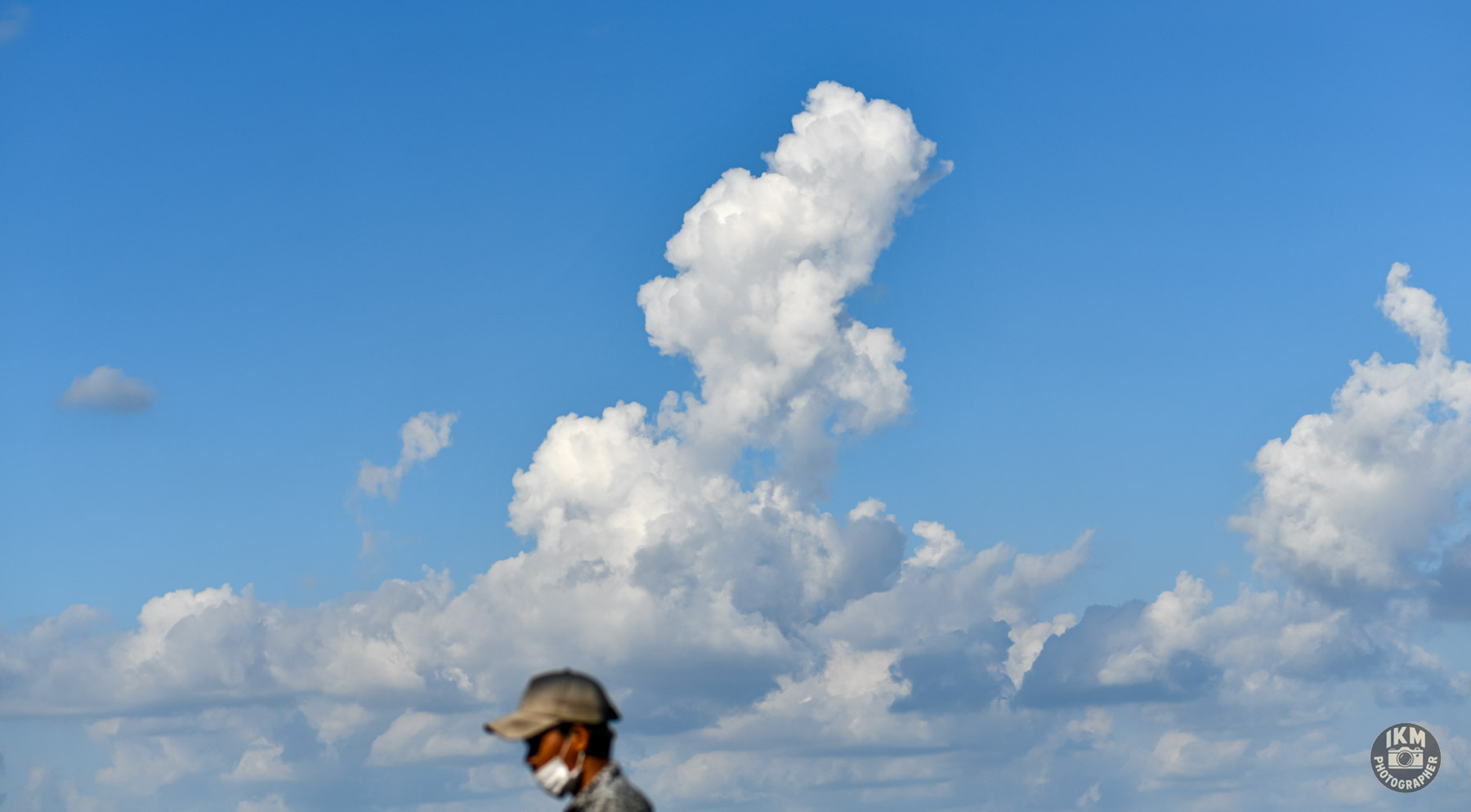

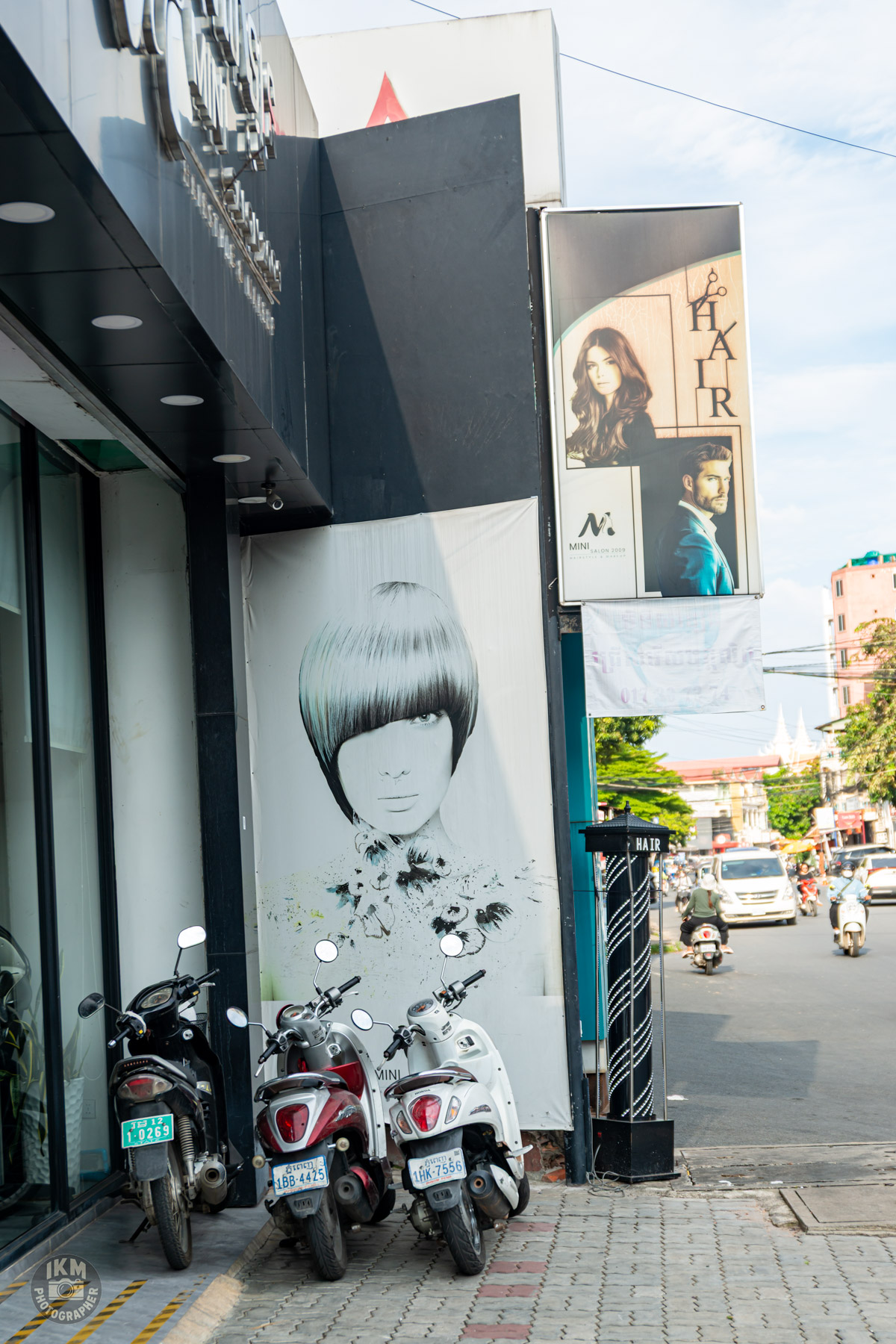

Still, I should be suspicious of an easy defence. Experience can become an excuse for refusing to learn. “I know what works” is occasionally shorthand for “I cannot be bothered to find out.” Owning both systems gives me the opportunity to test my preference honestly: use each for comparable work, become properly familiar with it, and look at the results as well as remembering how the day felt.
Perhaps the mirrorless camera deserves a cleaner display, a better button setup or a longer uninterrupted spell of use. Perhaps, after that, I will still prefer the DSLR.
That would be a preference tested rather than merely protected.
There is also pleasure to consider. We discuss cameras as though every choice must survive an efficiency assessment. Yet enjoying the grip, the finder and the shutter response is part of using an object we may carry for hours. Pleasure does not prove technical merit. It can, however, give us a reason to go out again.

So yes, I am older. My habits have had plenty of time to settle. Some are useful; some probably need disturbing.
For now, I still reach for the DSLR. The question I need to keep asking is whether it helps me stay attentive to the person in front of it—or whether I have become more interested in defending the camera than making the photograph.
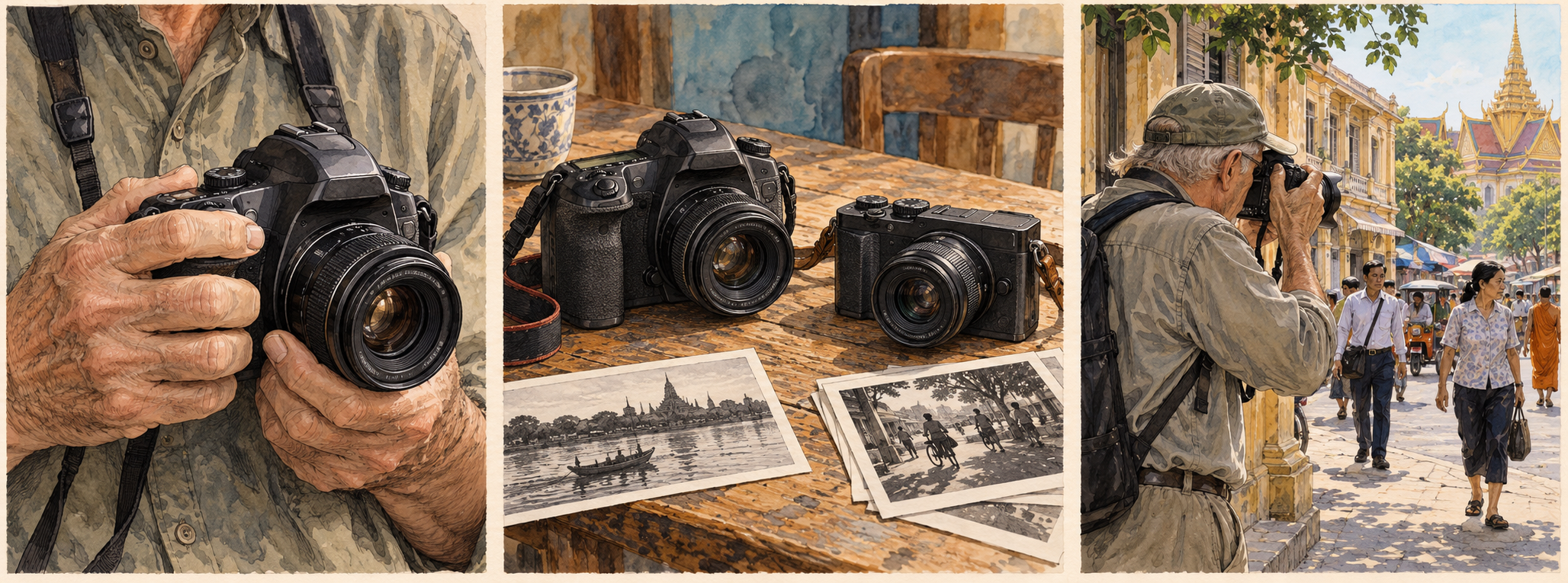
The accompanying three-panel illustration is AI-generated.

