


The Bluetongue Cafe/Hotel. Phnom Penh



Corporate Portraiture

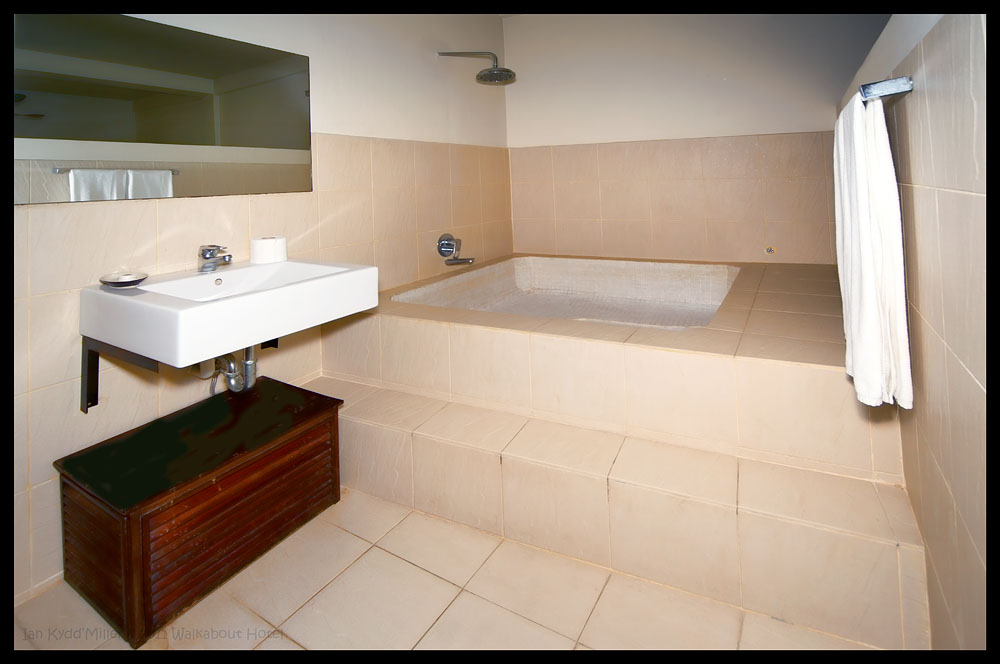
The Walkabout Hotel. Phnom Penh


📖 Commercial Projects: Planning and Billing Guide
🗂️ 1. Project Planning
- Define scope:
- Clarify deliverables (what exactly will be produced).
- Identify stakeholders (clients, collaborators, suppliers).
- Set boundaries (what’s not included).
- Timeline:
- Break the project into phases (concept, production, delivery).
- Assign milestones with deadlines.
- Build in buffer time for revisions or unexpected delays.
- Resources:
- List required tools, equipment, or personnel.
- Estimate costs for each resource.
- Ensure availability before committing.
- Risk management:
- Identify potential risks (budget overruns, delays, client changes).
- Draft contingency plans (extra time, backup suppliers).
💰 2. Billing Structures
- Fixed fee:
- One set price for the entire project.
- Best for well‑defined scopes with minimal changes.
- Hourly rate:
- Billing based on time spent.
- Useful for consulting, open‑ended projects, or unpredictable scopes.
- Milestone billing:
- Payments tied to project phases (e.g., 30% upfront, 40% mid‑project, 30% on delivery).
- Provides cash flow and accountability.
- Retainer model:
- Client pays a recurring fee for ongoing access to services.
- Ideal for long‑term collaborations.
📊 3. Invoicing Best Practices
- Clarity: Itemize services, hours, or deliverables.
- Contracts: Always align invoices with signed agreements.
- Payment terms: Standard is 30 days, but negotiate based on project size.
- Digital tools: Use platforms like QuickBooks, FreshBooks, or Wave for automation.
- Late fees: Include terms for overdue payments to protect cash flow.
⚖️ 4. Balancing Creativity and Business
- Transparency: Communicate costs and timelines clearly to avoid disputes.
- Flexibility: Allow room for creative changes, but tie them to billing adjustments.
- Documentation: Keep records of all communications, contracts, and invoices.
- Professionalism: Billing is part of your brand — clear, timely invoices build trust.
✨ Conclusion
Commercial projects succeed when planning is precise and billing is transparent. A strong framework ensures creative freedom while protecting financial sustainability.
 a world without pictures is like coffee without cream and sugar, bitter