

Dario Endara. “The most important element of a good photo is the ability of the photograph to communicate with the viewer. It should be able to tell a story through its composition, lighting, and most importantly its subject matter.”Jul 8, 2013
Four characteristics of a good photo:
- 1) Good composition. The Rule of Thirds is not a “rule,” but it’s a guideline that will improve nearly every photograph. …
- 2) Good light. Good light is not too dark. …
- 3) No clutter or distractions. …
- 4) Subtle processing.

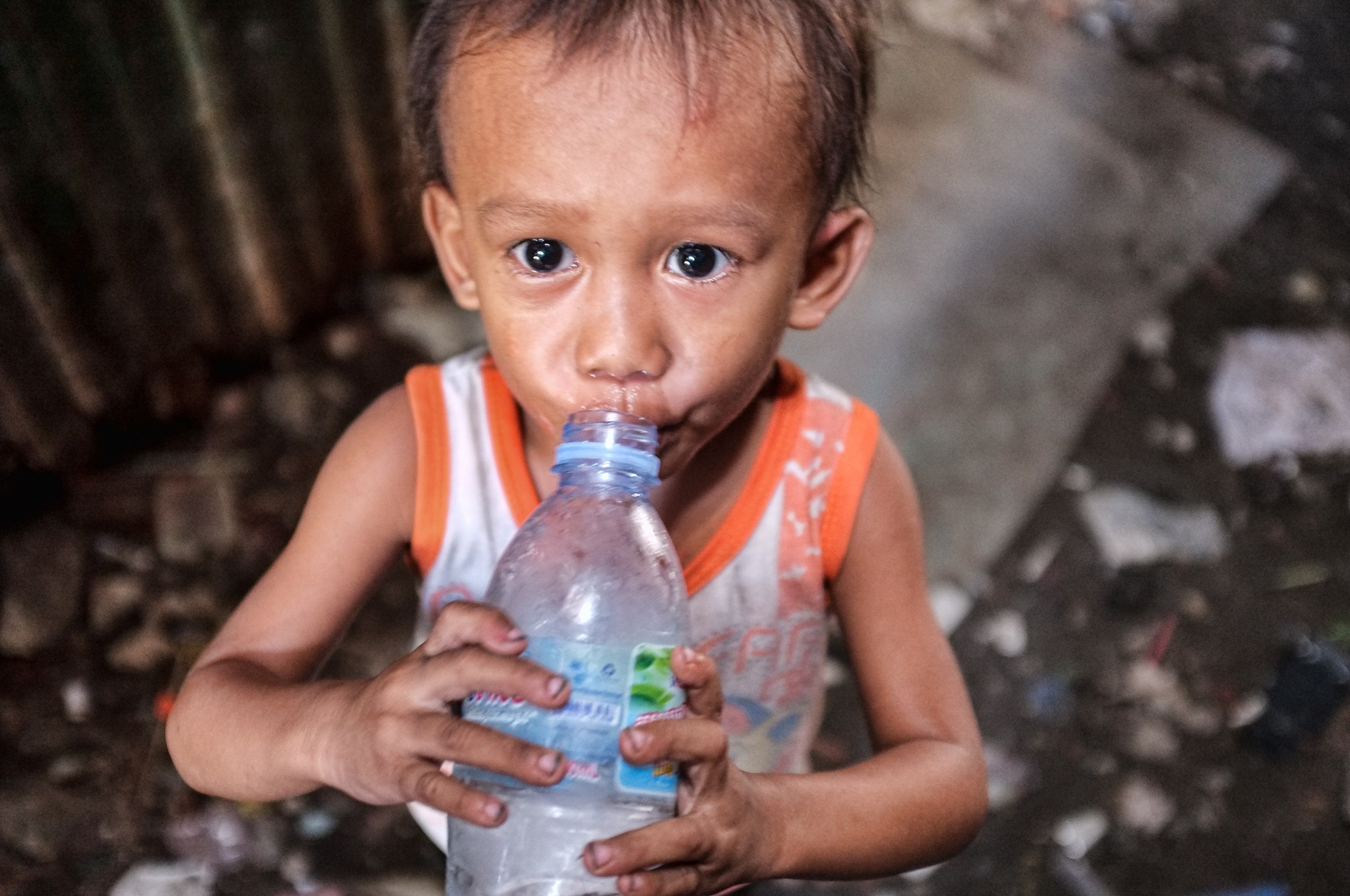






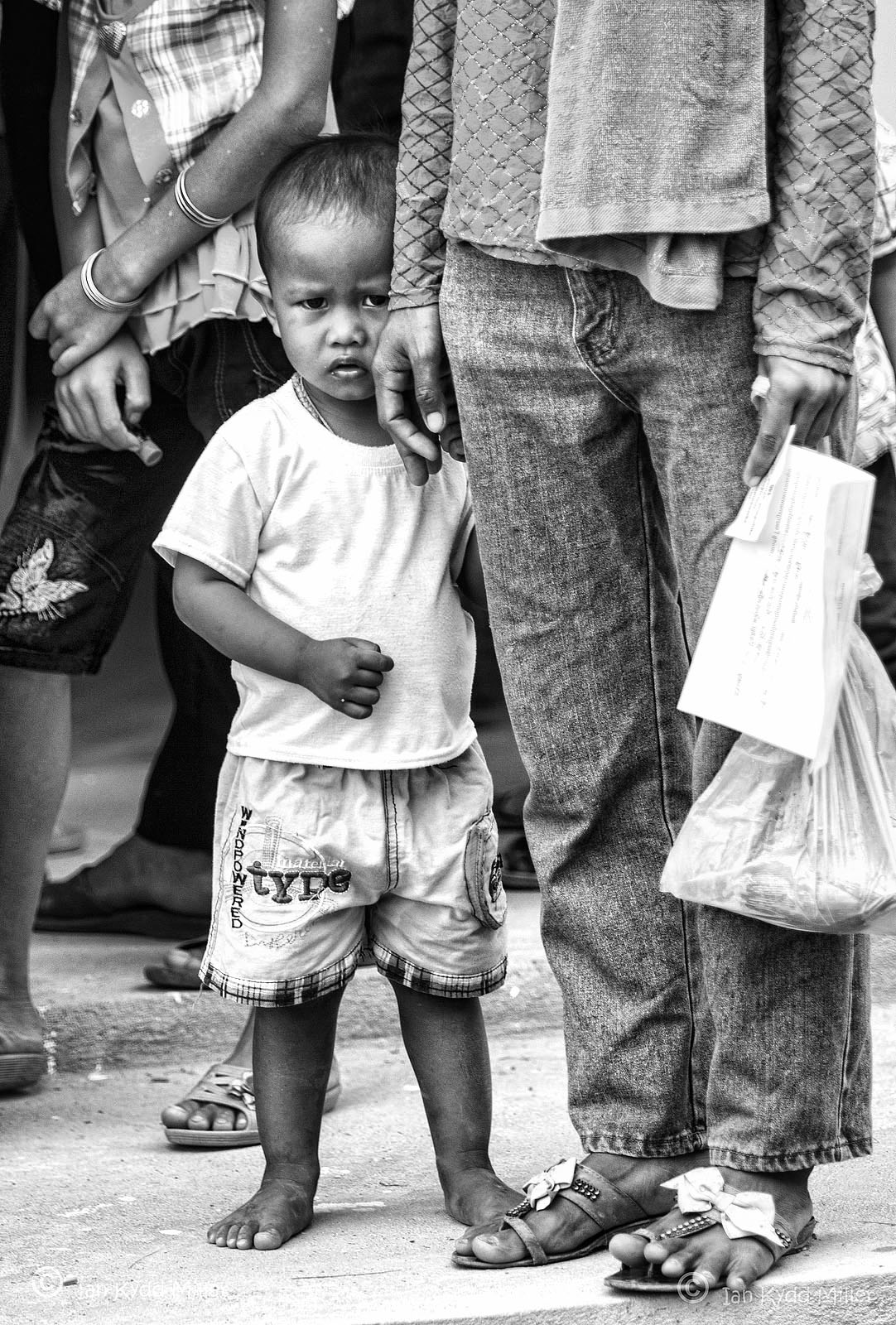

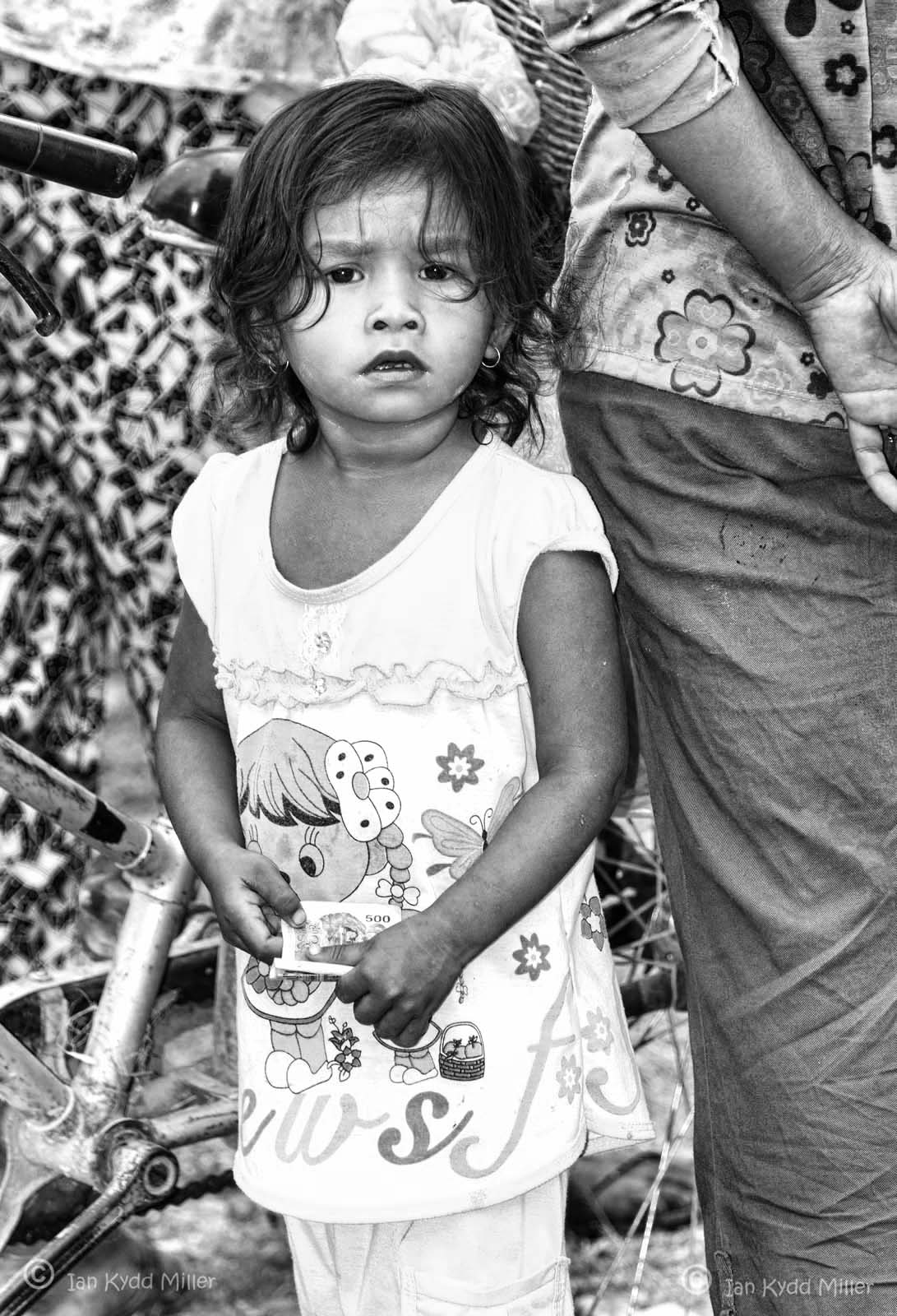
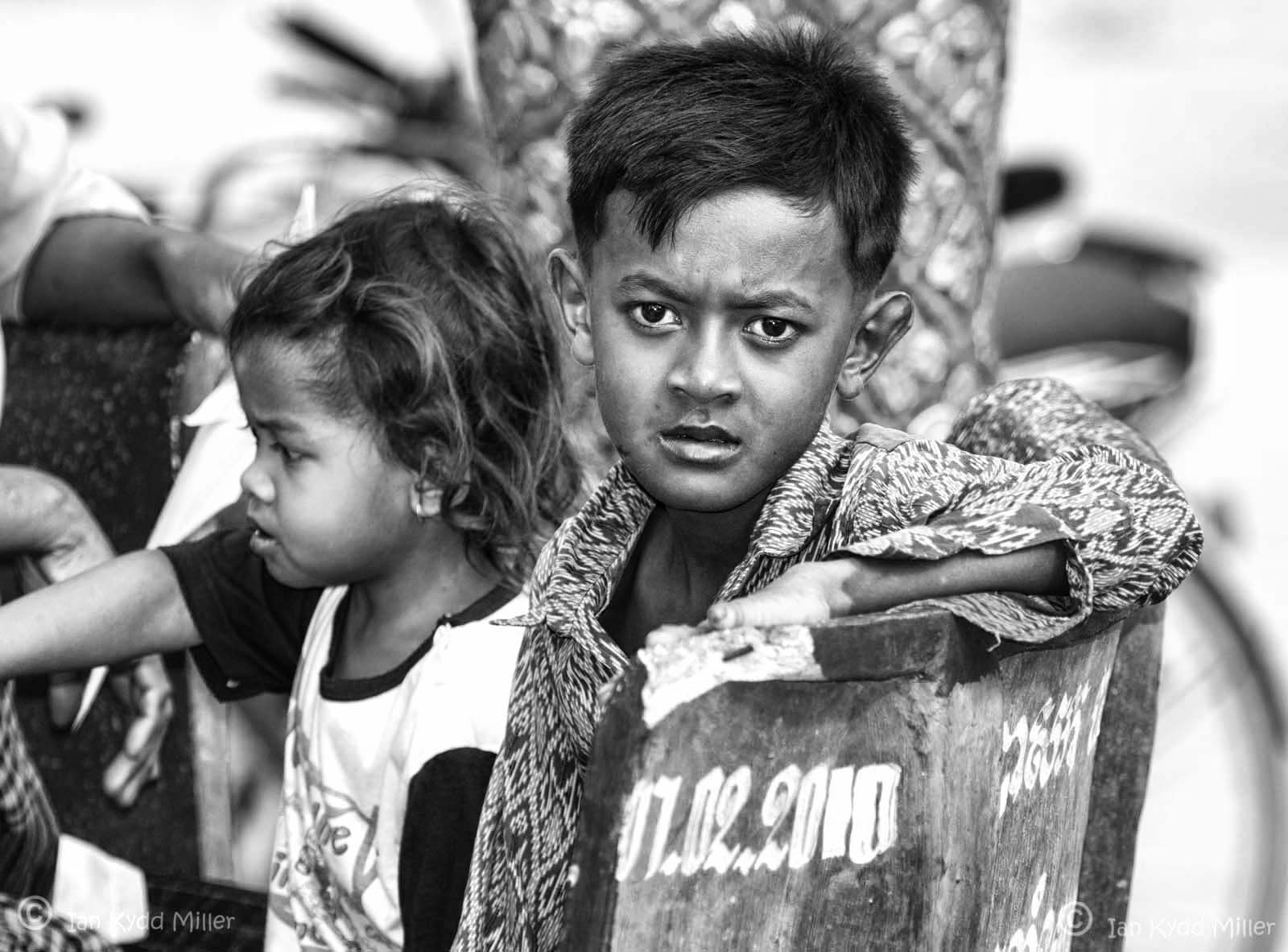

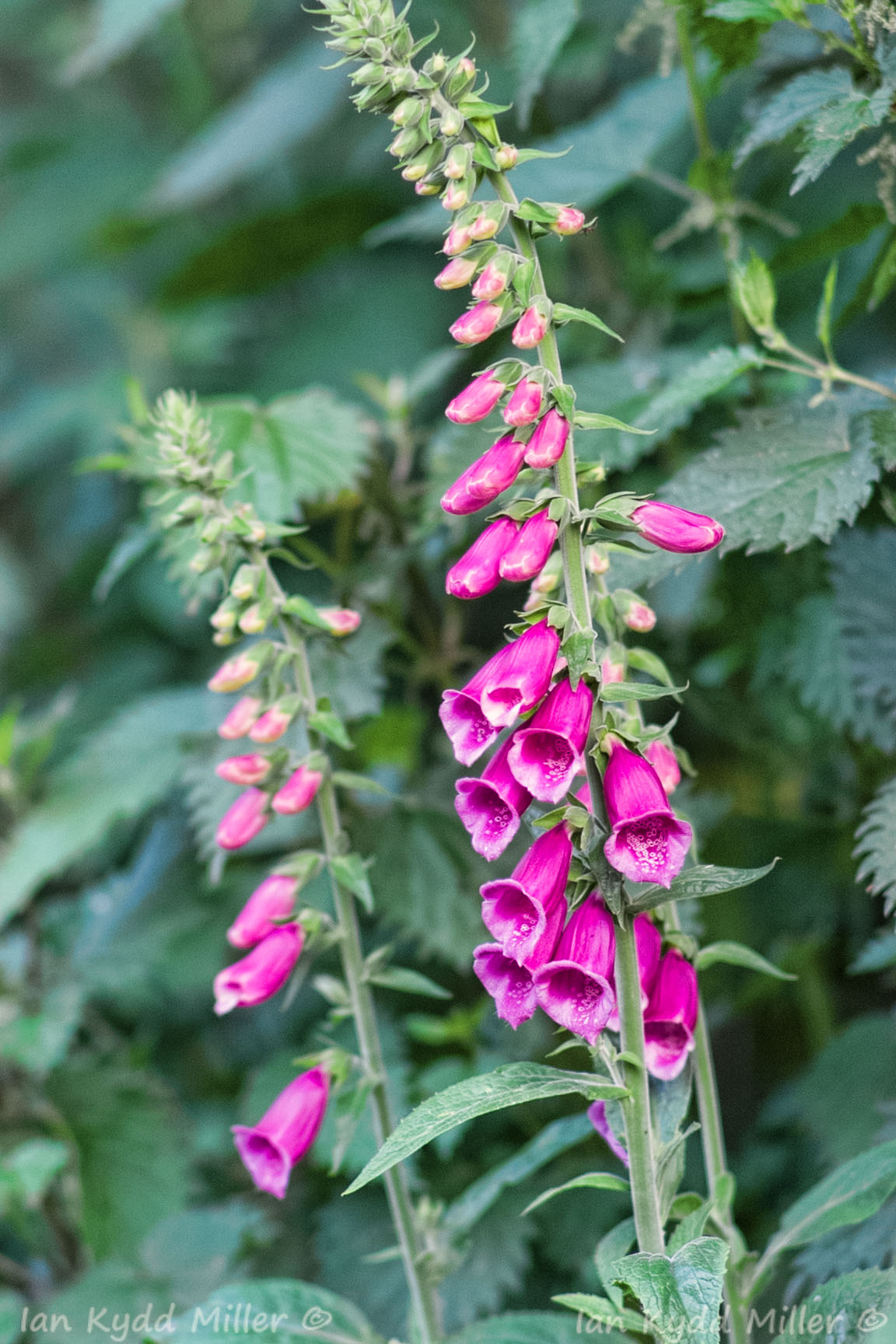

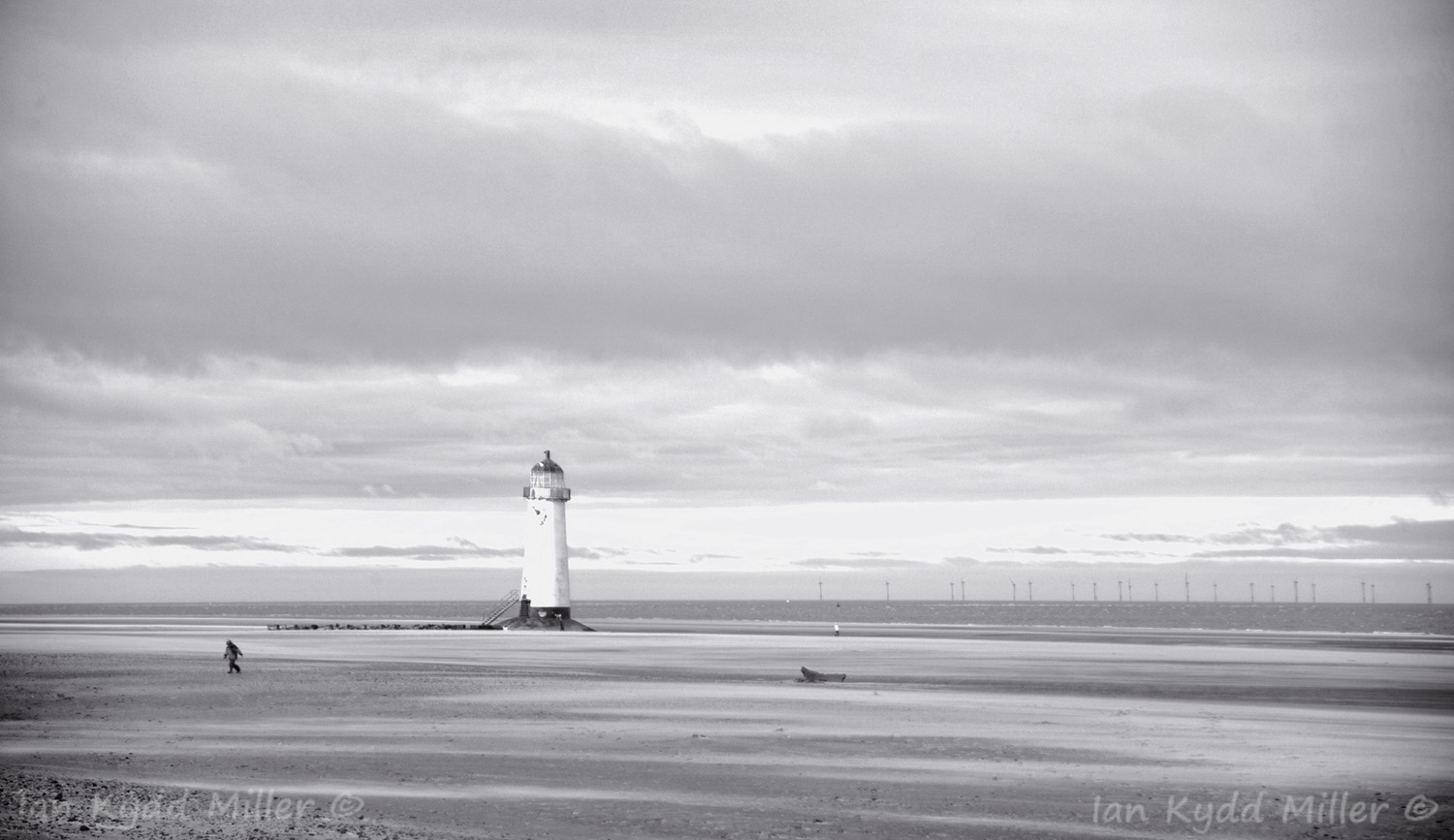

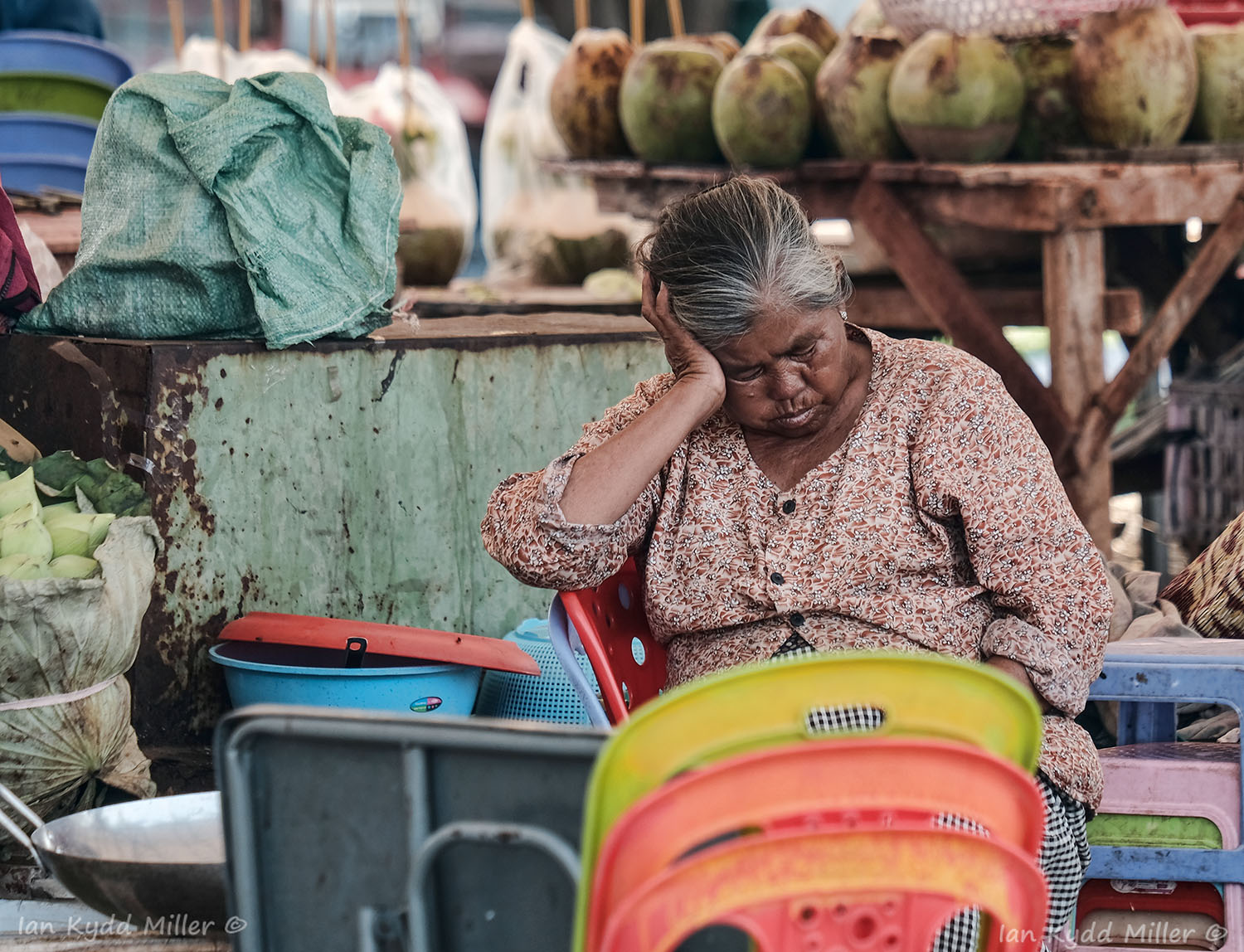
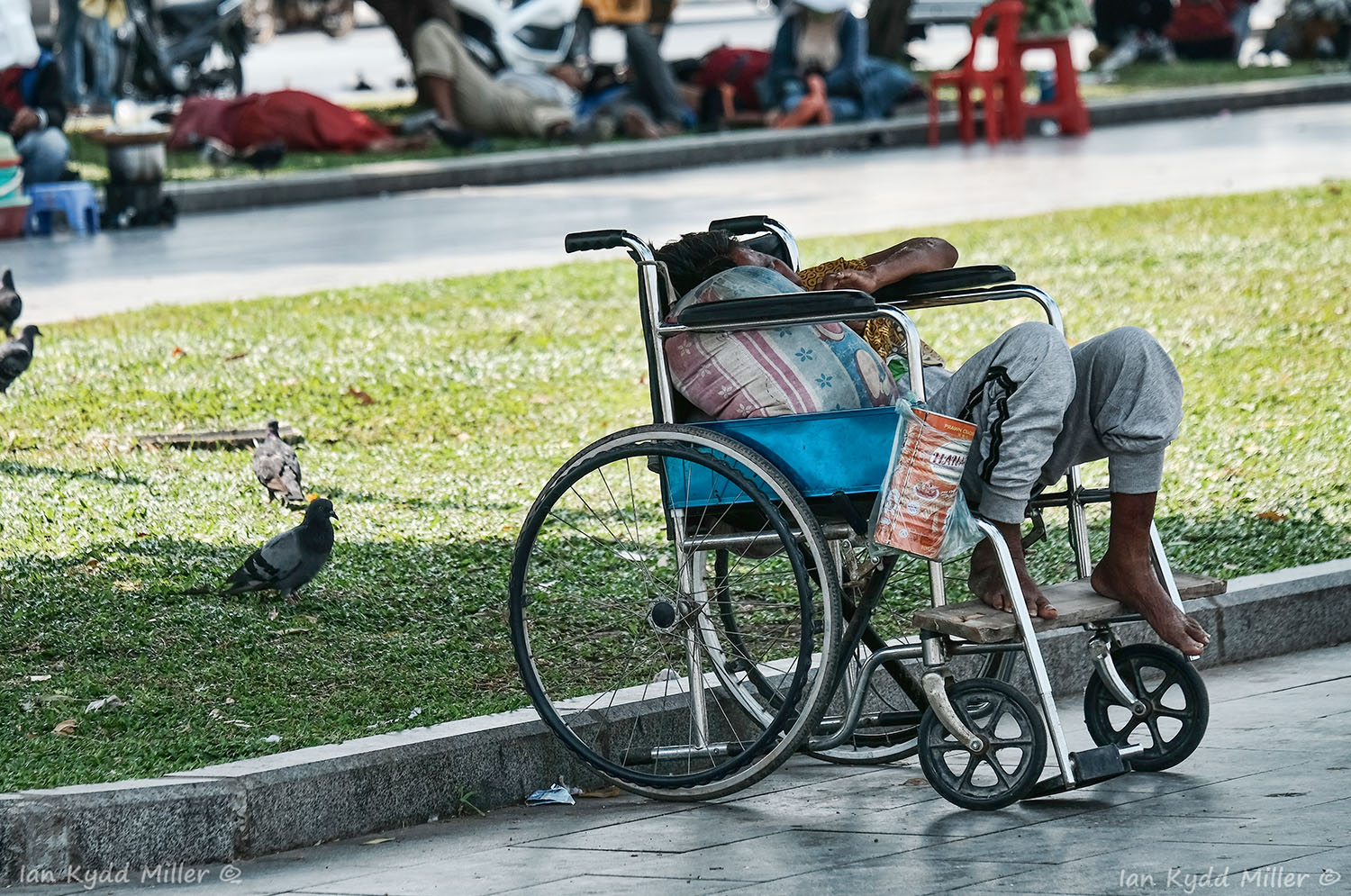
Taking good pictures
Capturing a moment through photography is an art that combines skill, creativity, and technical knowledge. Whether you’re a seasoned photographer or just starting out, there are always new techniques and perspectives to explore to enhance your photographic prowess. Here are some tips to help you take your photography to the next level.
- Understand the Basics of Exposure: Mastering exposure is crucial. It’s about balancing the ISO, shutter speed, and aperture to control how much light hits the camera sensor. A well-exposed photo can convey the mood of the scene and highlight your subject effectively.
- Know Your Equipment: Familiarize yourself with your camera, whether it’s a high-end DSLR or a smartphone. Understanding its capabilities and limitations allows you to make quick adjustments and capture the shot you envision.
- Practice Composition: The rule of thirds is a classic composition technique that suggests dividing the frame into a grid of nine equal segments. Placing your subject along these lines or at their intersections can create a more balanced and engaging photo.
- Capture the Light: Light is a photographer’s best friend. Observe how it interacts with your subject and use it to create depth, texture, and atmosphere. Whether it’s the golden hour or a well-placed artificial light, it can dramatically alter the mood of your photos.
- Get Closer: Sometimes, the simplest way to improve a photo is to move closer to your subject. This can help eliminate distractions, fill the frame, and reveal details that might otherwise be missed.
- Shoot Regularly: The more you shoot, the better you’ll get. Regular practice helps you refine your technique, develop your style, and understand what works and what doesn’t.
- Edit Thoughtfully: Post-processing is a powerful tool. Use it to enhance your photos, correct colors, and crop for better composition. But remember, less is often more when it comes to editing.
- Learn from Others: Look at the work of other photographers. Analyze what you like about their photos and consider how you can incorporate similar elements into your own work.
By following these tips and continually seeking to improve your skills, you’ll find that taking good pictures becomes second nature. Remember, photography is a journey, not a destination, and each photo you take is a step along the path to capturing the world as only you see it. Happy shooting!
 a world without pictures is like coffee without cream and sugar, bitter