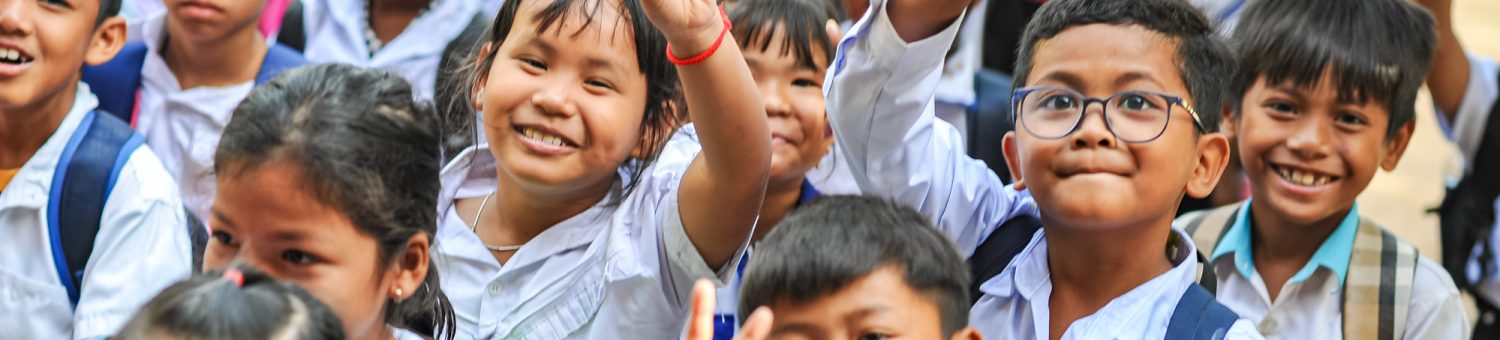

The truth is: Everyone is a photographer. To be a photographer means that you have a passion to paint with light. That you are drawn to documenting personal memories, with your phone, or any device with a camera. Eric Kim.


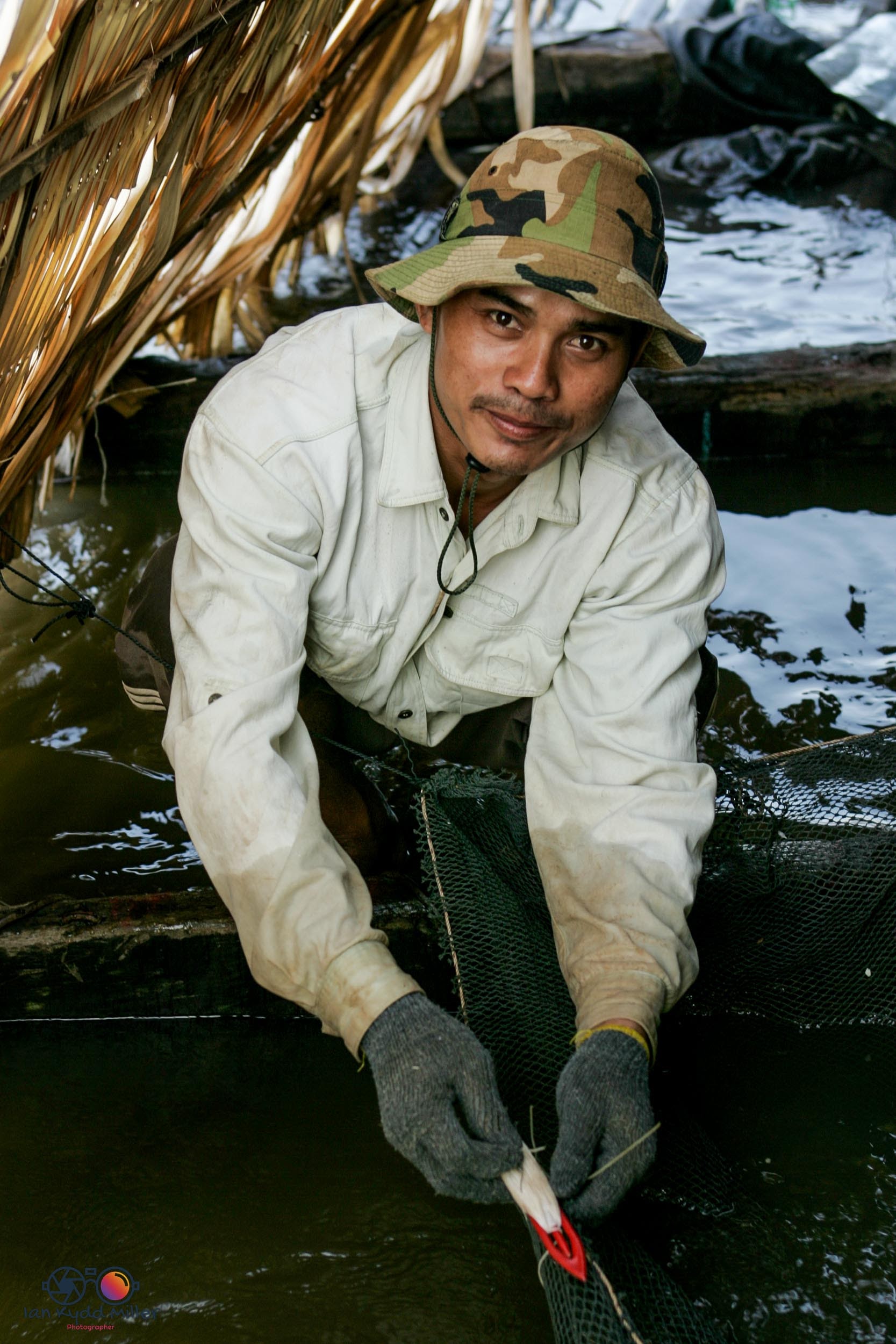


Is there a difference between a photographer who uses a camera, film or digital and one that uses his/her telephone? I must admit that I rarely use my phone to take anything other than family snaps which it can do beautifully without any difficulty.

Do I agree that everyone is a photographer, I agree that everyone has the capability to take a photograph but that ability, in my opinion, does not make one a photographer.


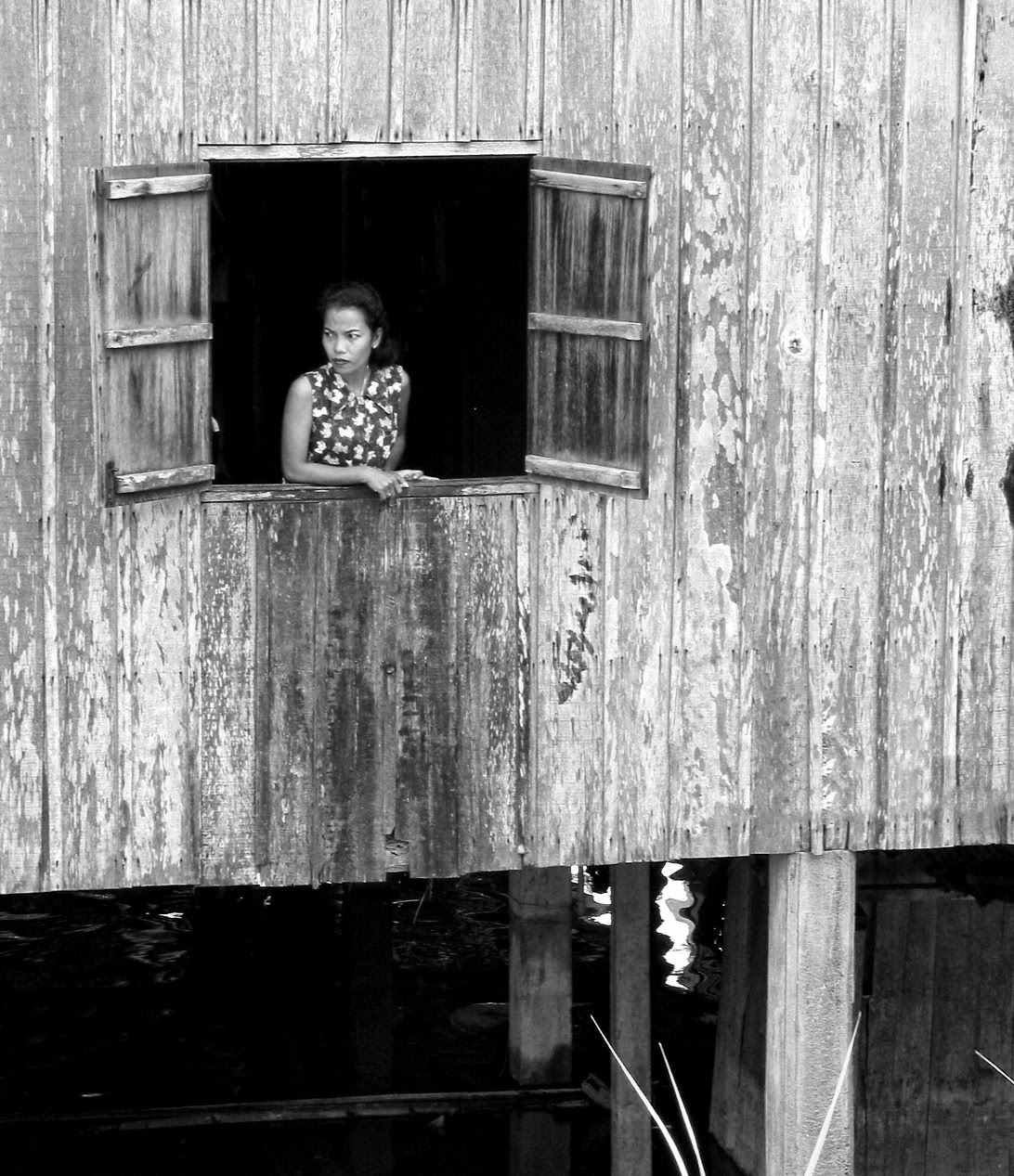


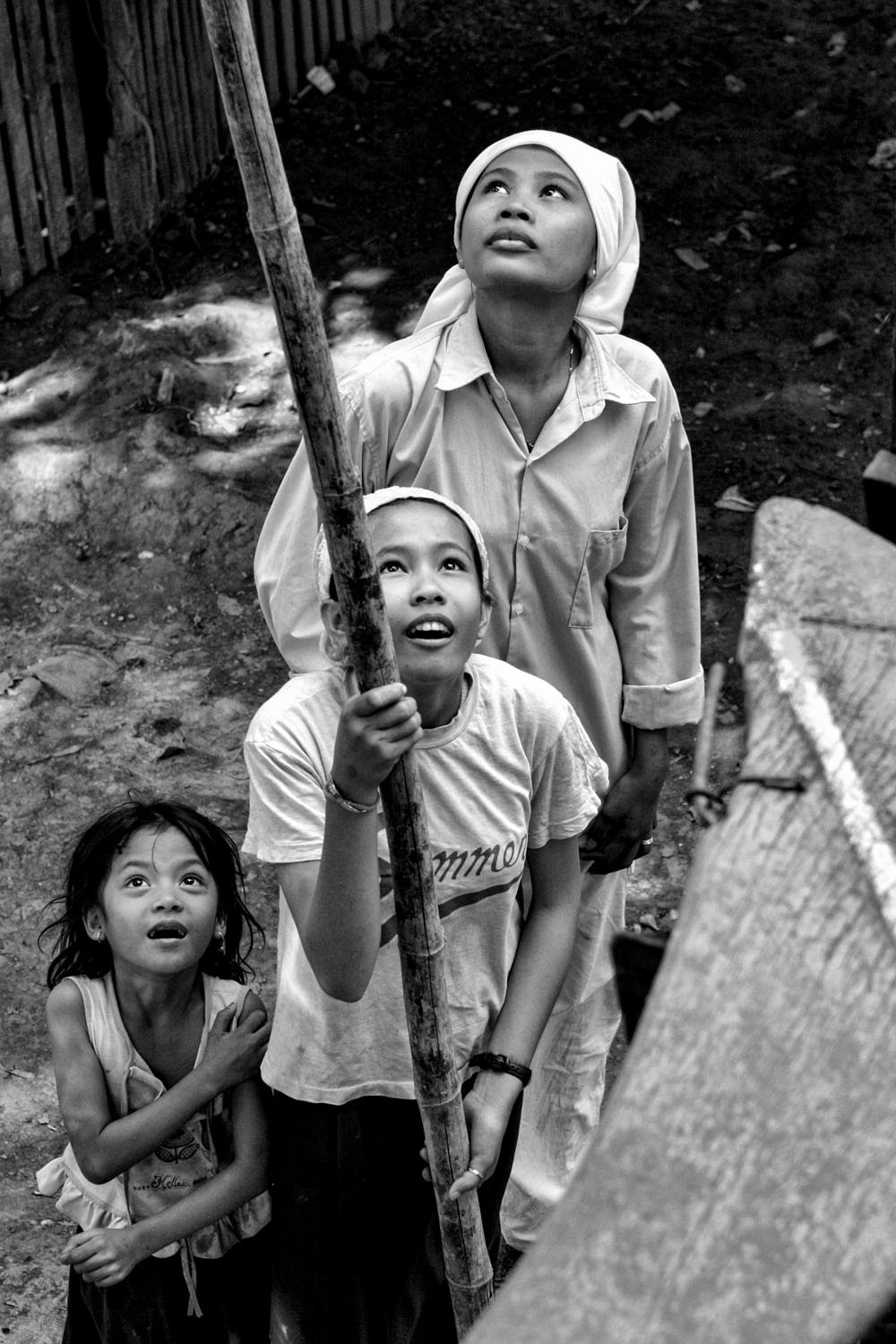
Is everyone a photographer? This is a question that might spark a lively debate among people who love to capture moments and share them with others. Some might argue that photography is an art form that requires skill, creativity and vision, while others might claim that anyone with a smartphone and an Instagram account can be a photographer. But what does it really mean to be a photographer?
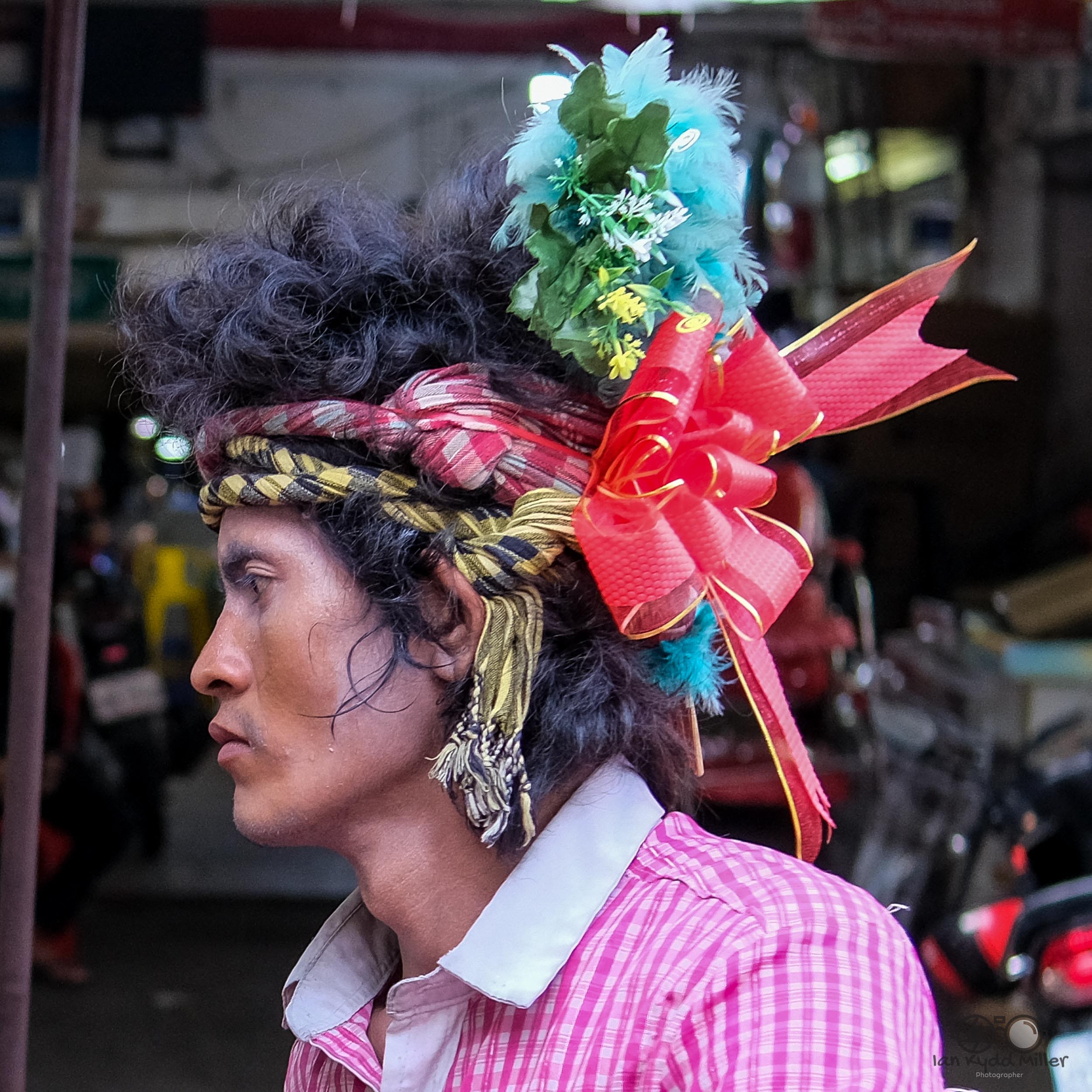
One possible way to answer this question is to look at the definition of photography. According to the Oxford English Dictionary, photography is “the art or practice of taking and processing photographs”. This implies that photography involves both technical and artistic aspects, such as choosing the right camera settings, composing the shot, editing the image and presenting it to an audience. However, this definition does not specify what kind of photographs are considered art or how much processing is acceptable. Moreover, it does not account for the different genres, styles and purposes of photography, such as documentary, portrait, landscape, abstract, commercial, etc.

Another possible way to answer this question is to look at the history of photography. Photography has evolved significantly since its invention in the 19th century, from daguerreotypes and calotypes to film and digital cameras. Along the way, photography has been influenced by various cultural, social and technological factors, such as the rise of mass media, the development of photojournalism, the emergence of new movements and trends, the democratization of access and distribution, etc. Photography has also been challenged and expanded by other forms of visual expression, such as painting, sculpture, video and multimedia. Therefore, photography is not a static or fixed concept, but a dynamic and diverse one.

A third possible way to answer this question is to look at the personal experience of photography. Photography is not only a way of producing images, but also a way of seeing and communicating. Photography can be a hobby, a passion, a profession or a lifestyle. Photography can be a source of joy, inspiration, curiosity or challenge. Photography can be a means of self-expression, storytelling, documentation or activism. Photography can be a tool for learning, exploring, discovering or creating. Therefore, photography is not only a product or a process but also a perspective and a practice.

So, is everyone a photographer? There is no definitive or universal answer to this question. It depends on how one defines photography, how one understands its history and how one engages with it personally. Perhaps the more important question is not whether everyone is a photographer, but why and how everyone can be a photographer. What does photography mean to you? How do you use photography in your life? What do you want to achieve with photography? These are some of the questions that might help you find your own answer.
 a world without pictures is like coffee without cream and sugar, bitter