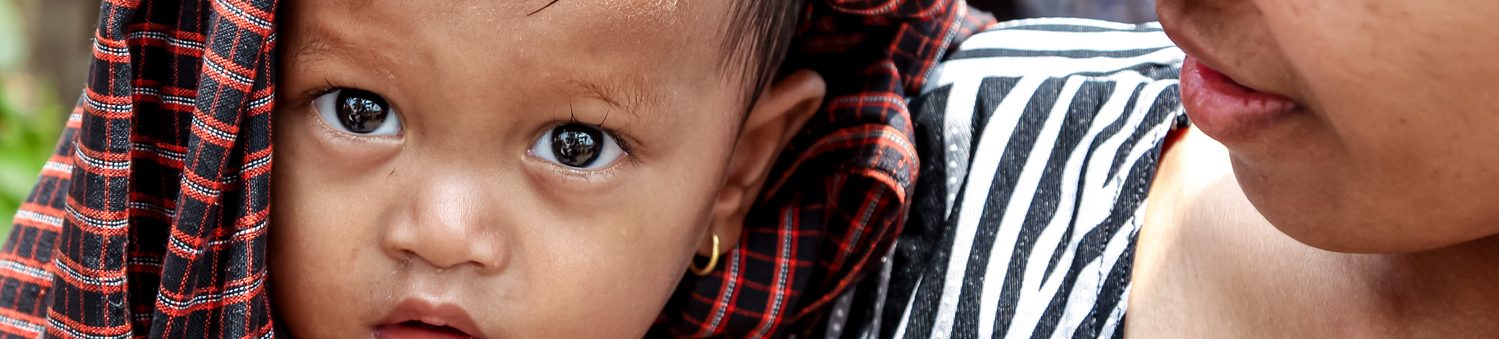

Photojournalism stands as a powerful medium that conveys the stark reality of events through imagery. It is a form of journalism that employs images to narrate a news story, providing a visual representation that often speaks louder than words. Typically associated with still images, photojournalism also encompasses video content in broadcast journalism, expanding its reach and impact.

The essence of photojournalism lies in its ability to capture moments that tell stories of humanity, nature, conflict, and celebration. Unlike other branches of photography such as documentary photography, social documentary photography, war photography, street photography, and celebrity photography, photojournalism is bound by a stringent ethical framework. This framework is pivotal in maintaining the integrity of the news story, ensuring that the images are a truthful and unbiased portrayal of events.
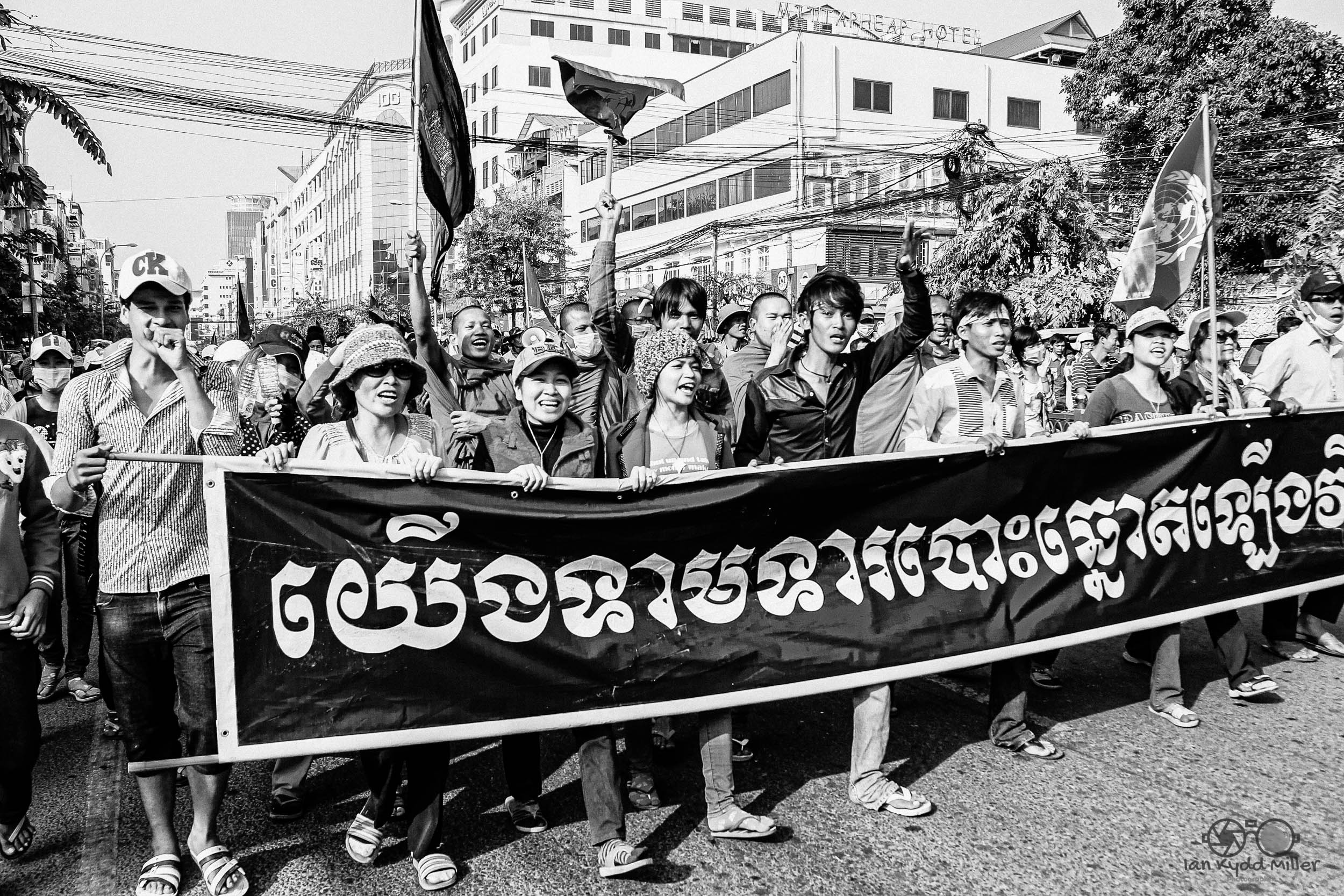
The ethical considerations in photojournalism are manifold. Photojournalists must navigate the delicate balance between capturing compelling images and respecting the dignity and privacy of their subjects. They must avoid manipulation or staging that would distort the truth. The decision of what to shoot, how to frame it, and what context is provided alongside the image can significantly influence public perception.
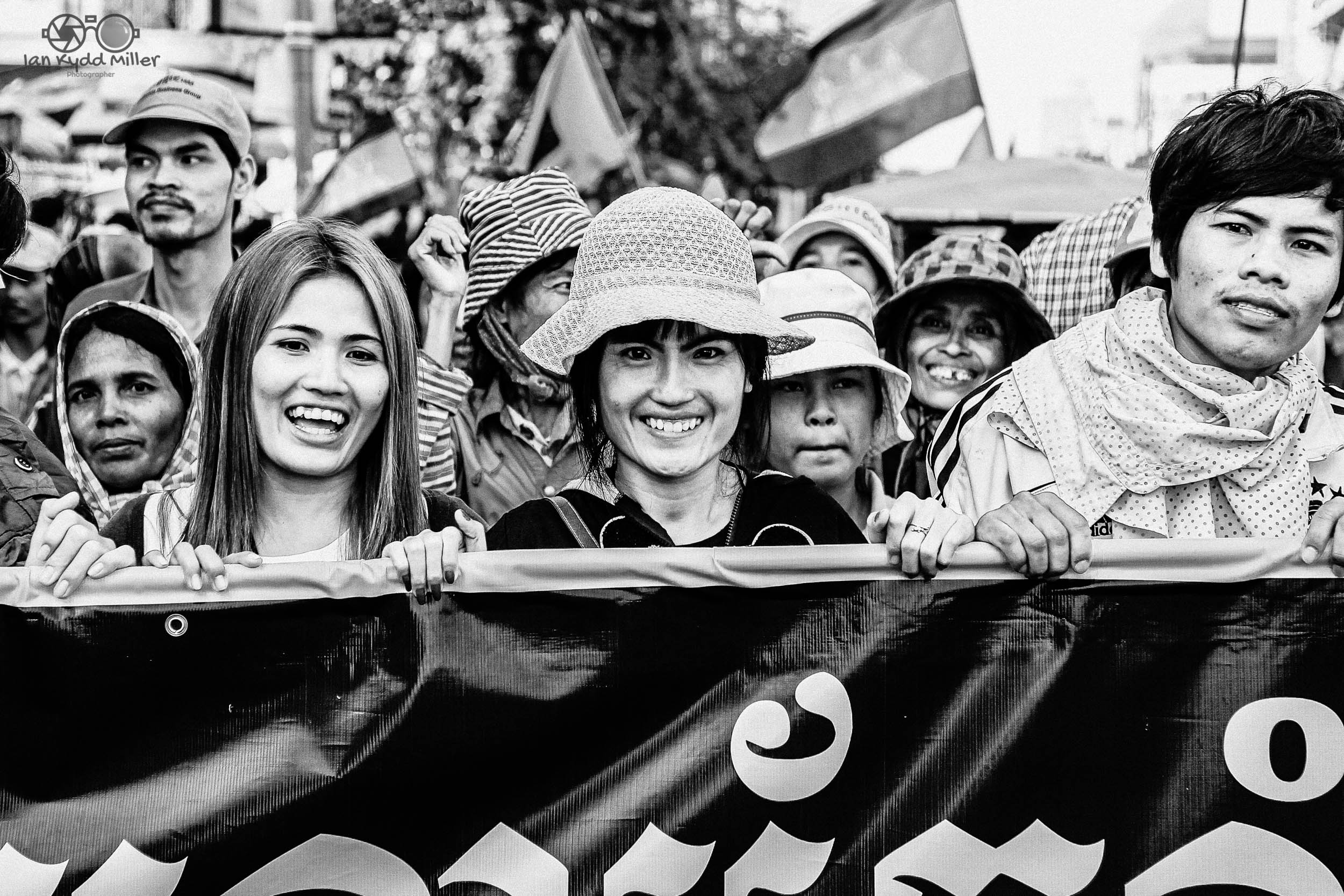
In the digital age, where images can be easily altered, the role of the photojournalist becomes even more critical. They serve as the gatekeepers of visual truth, adhering to professional standards that prevent misinformation. The immediacy with which photos can be shared worldwide amplifies the responsibility on photojournalists to verify the authenticity of their images and the narratives they support.

The impact of photojournalism cannot be understated. Iconic images have the power to become symbols of historical events, movements, or social issues. They can evoke emotions, drive change, and stir public discourse. The famous photograph of the Napalm girl during the Vietnam War or the image of the Syrian child refugee washed ashore are poignant examples of how photojournalism can touch hearts and influence policy.
Photojournalism also faces challenges in the modern world. The proliferation of smartphones and social media has democratized the capture and distribution of news images, blurring the lines between professional photojournalism and citizen journalism. This shift raises questions about the future of the field and the standards by which it is governed.

Despite these challenges, the core of photojournalism remains unchanged: to tell a story honestly and impartially through images. It is a noble pursuit that requires courage, skill, and an unwavering commitment to ethical principles. As long as there are stories to be told, photojournalism will continue to be an indispensable part of the journalistic landscape, illuminating the truth one frame at a time.
The Ethical Compass of Photojournalism
Photojournalism is a powerful form of journalism that captures and conveys news through imagery. It’s a field that requires not only a keen eye for a good shot but also a steadfast commitment to ethics and integrity. Here’s a guide to the dos and don’ts of photojournalism, drawing from industry best practices.
Do: Tell the Truth Through Your Lens
The primary duty of a photojournalist is to present an accurate and fair representation of the events they are covering. This means capturing moments as they unfold, without staging or altering the scene. The authenticity of the images is paramount, as they serve as a visual record of history.
Do Not: Manipulate Images
Post-processing is a part of digital photography, but there’s a fine line between enhancing an image and distorting the truth. Adding or removing elements from a picture is considered unethical and can damage the credibility of the photojournalist and their publication.
Do: Respect Your Subjects
Photojournalists should always approach their subjects with respect and empathy. This means being mindful of their privacy and dignity, especially in sensitive situations. It’s important to consider the impact of published images on the lives of the people featured.
Do Not: Intrude on Private Moments
While capturing the essence of an event often requires getting close to the action, photojournalists must avoid intrusive or disrespectful behaviour. It’s crucial to balance the public’s right to know with the subject’s right to privacy.
Do: Understand the Power of the Image
A single photograph can influence perceptions and emotions. Photojournalists must be aware of the impact their work can have and strive to present a balanced view, especially when covering controversial or polarizing events.
Do Not: Exploit Your Subjects
Taking advantage of someone’s vulnerability for the sake of a compelling image is not only unethical but also dehumanizing. Photojournalists must avoid exploiting their subjects’ emotions or situations for sensationalism.
Do: Know Your Rights and Limits
Being aware of legal and ethical boundaries is essential for photojournalists. This includes understanding the laws regarding public and private spaces and the ethical limits of reporting.
Do Not: Compromise Your Integrity
In pursuing the story, photojournalists should not engage in activities that could compromise their integrity or that of their profession. This includes accepting bribes or manipulating the narrative to fit a particular agenda.
In conclusion, photojournalism is not just about taking pictures; it’s about storytelling with a purpose. By adhering to these guidelines, photojournalists can ensure that their work contributes positively to the flow of information and the historical record, while maintaining the trust of the public and the dignity of their subjects. For a deeper dive into photojournalism and its practices, consider exploring comprehensive online guides and resources.
 a world without pictures is like coffee without cream and sugar, bitter