

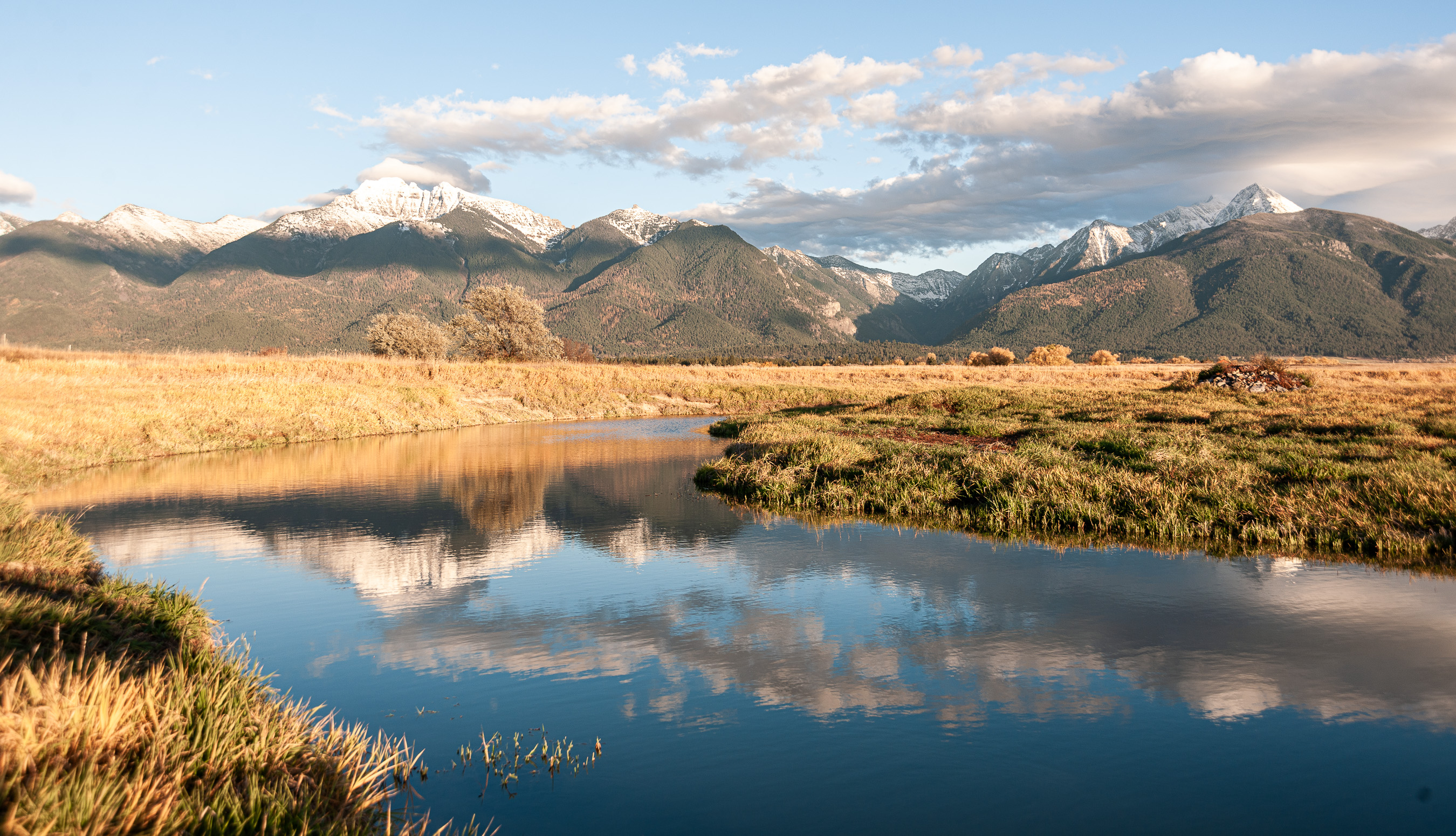
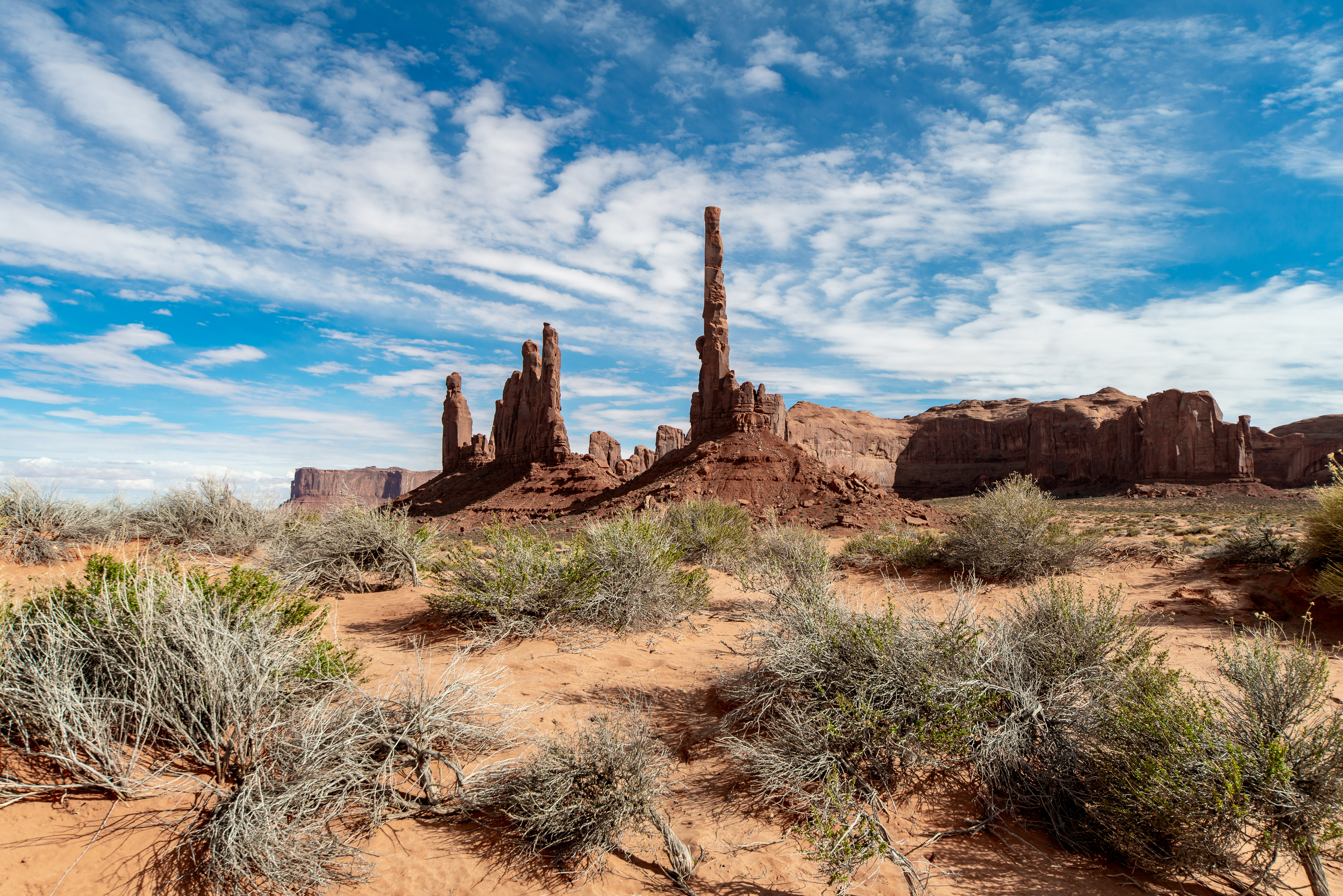
Landscape photography is an art form that has captivated artists and audiences alike for centuries. It’s a genre that celebrates the natural beauty of our planet, capturing moments in time that highlight the grandeur and majesty of the outdoors. From the rugged peaks of mountain ranges to the tranquil shores of secluded beaches, landscape photography allows us to preserve and share the breathtaking vistas that might otherwise be transient or inaccessible.

The Essence of Landscape Photography
At its core, landscape photography is about the relationship between the photographer and the environment. It’s a dance of light, composition, and timing, all coming together to create a visual narrative that speaks to the viewer on an emotional level. The best landscape photographs are those that not only showcase the beauty of a scene but also evoke a sense of place and time, transporting the viewer into the frame.
The Technical Side
To capture these stunning images, photographers must have a solid understanding of camera settings and techniques. Aperture, shutter speed, exposure, and sharpness are just the beginning. Mastering these elements allows photographers to convey their vision effectively, whether it’s the stillness of a misty morning or the dynamic power of a stormy sea.
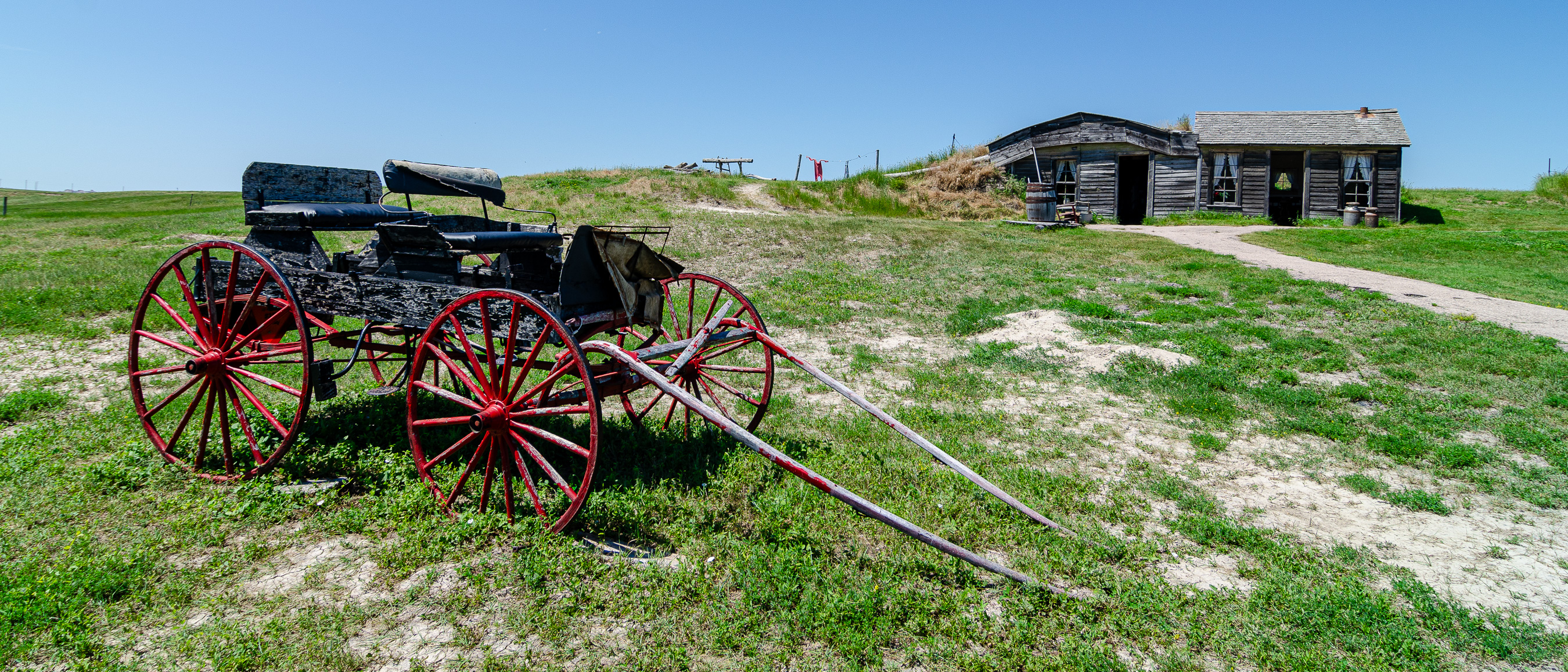
Advanced techniques such as hyperfocal distance, exposing to the right, and focus stacking can elevate a photograph from good to extraordinary. These methods help in achieving sharpness throughout the scene, capturing the highest dynamic range, and ensuring that every detail is in focus, from the foreground to the horizon.
The Artistic Side
However, landscape photography is not just about technical prowess; it’s also deeply artistic. Composition plays a crucial role in the impact of a photograph. The rule of thirds, leading lines, and the use of natural frames are compositional tools that can guide the viewer’s eye and create a more engaging image.
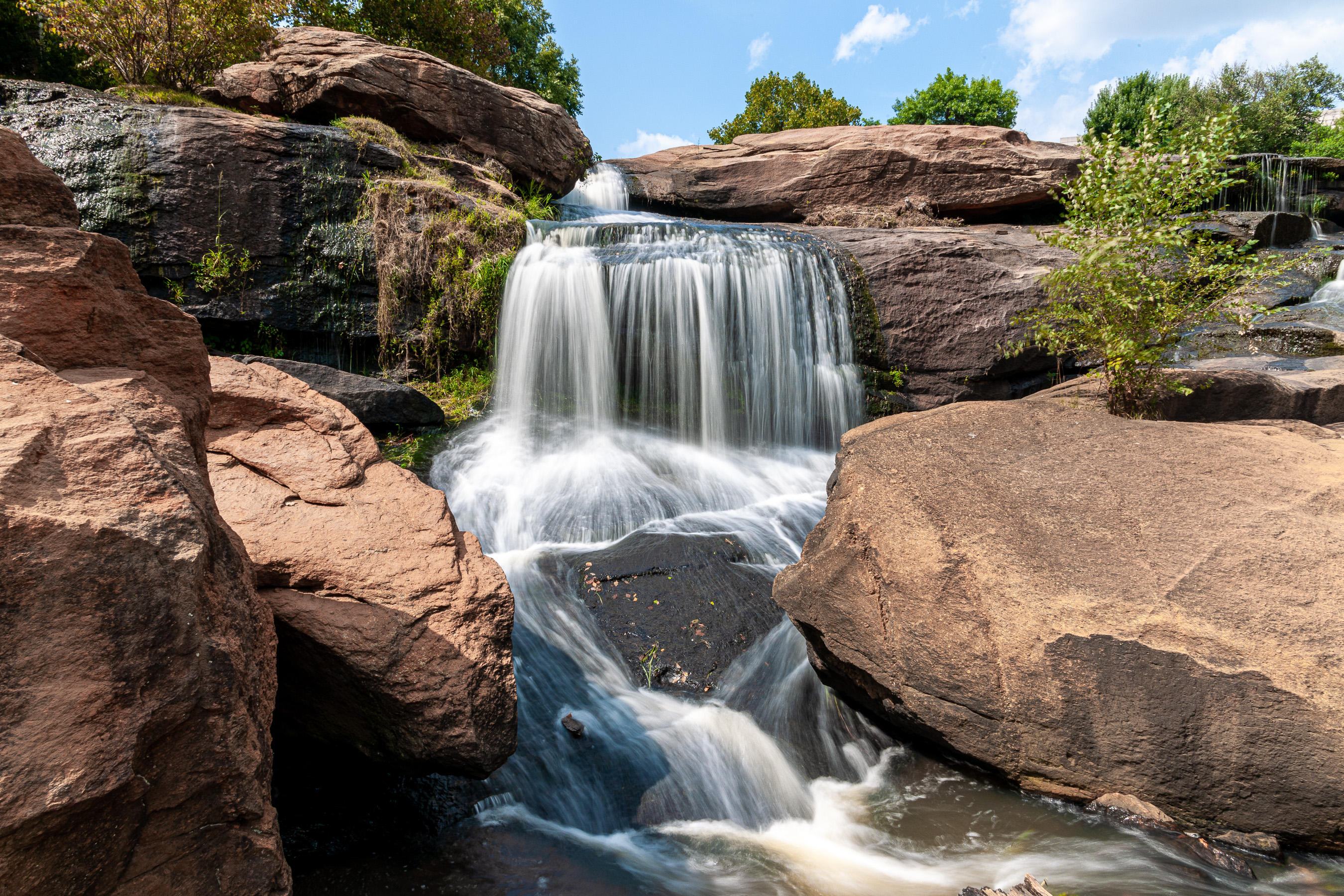
Post-processing is another critical aspect of landscape photography. It’s where the raw materials captured in the field are refined into the final piece of art. Techniques like HDR, panoramic stitching, and advanced sharpening can help to bring out the details and colors that make a landscape photo pop.
The Journey
Landscape photography is also a journey of personal growth and discovery. It encourages photographers to explore new places, chase the light, and witness the world in its most unguarded moments. It’s a pursuit that requires patience, as the perfect shot often comes after hours or even days of waiting for the right conditions.

The Community
The landscape photography community is a vibrant and supportive one. Photographers share their experiences, knowledge, and passion for the craft, helping each other to grow and succeed. Whether it’s through online forums, workshops, or exhibitions, there’s a sense of camaraderie that binds landscape photographers together.
Conclusion
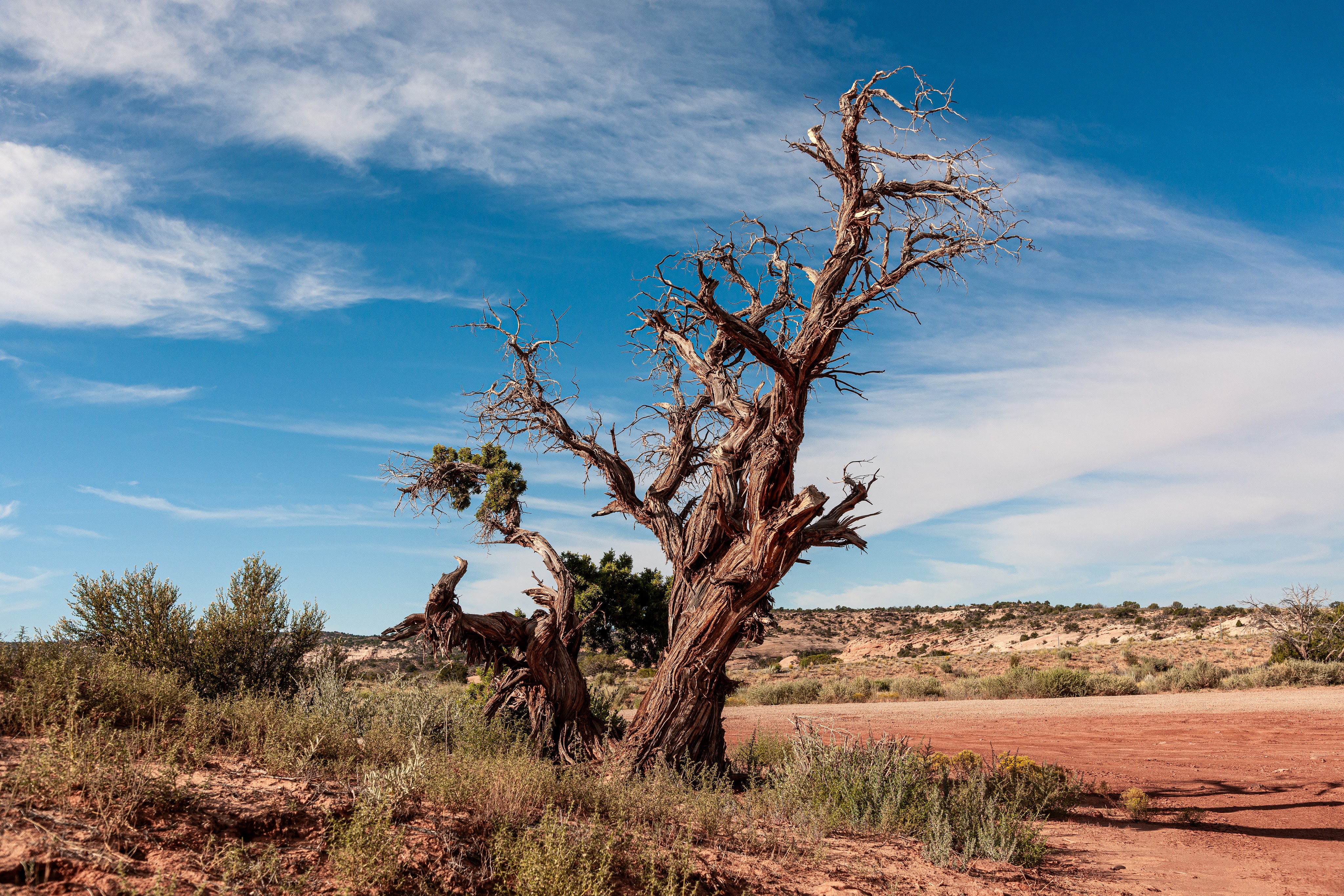
Landscape photography is more than just a genre of photography; it’s a way of seeing the world and sharing its wonders with others. It’s a testament to the beauty that surrounds us and a reminder to preserve the natural environments we so often take for granted. For those who are drawn to this art form, it offers endless opportunities for creativity, exploration, and connection with the world around us.
 a world without pictures is like coffee without cream and sugar, bitter