

Introduction: Defining the Role of Photojournalism as Agent Provocateur
Photojournalism, at its core, is more than just capturing moments in time. It is a powerful medium capable of shaping narratives, influencing public opinion, and even sparking social change. In its most potent form, photojournalism acts as an “agent provocateur,” challenging the status quo, exposing injustices, and prompting critical reflection. This essay explores the role of photojournalism as a catalyst for change, examining how photographers wield the power of the image to ignite dialogue, raise awareness, and ultimately, drive action.
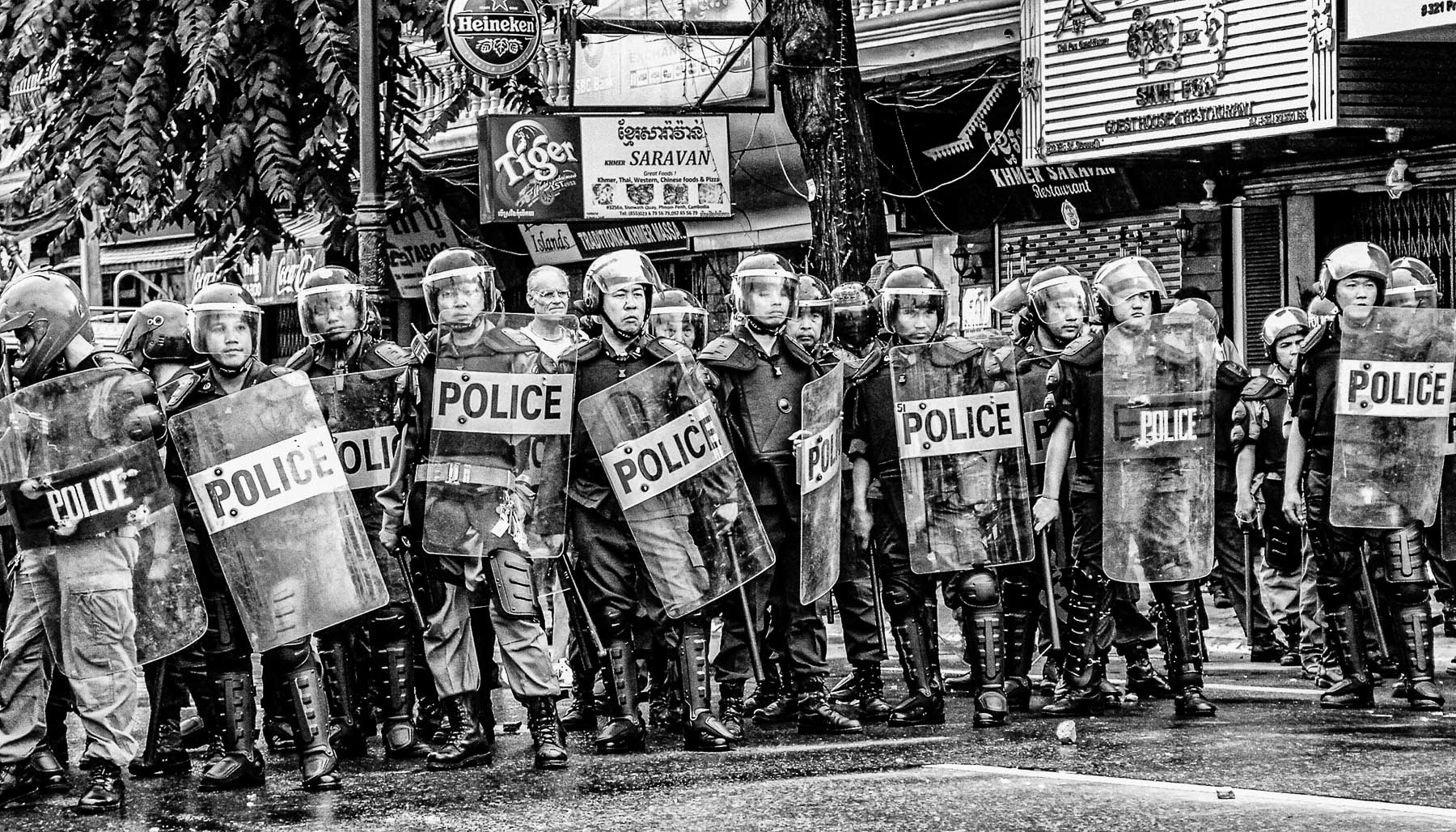
The Ethics and Power of Image: How Photos Can Shape Public Perception
Photojournalism, at its core, is about capturing the truth. It’s about presenting a moment, an event, a human experience in a way that resonates with viewers, leaving a lasting impact on their understanding of the world. But the power of a photograph goes beyond mere documentation; it has the potential to shape public perception, influence opinions, and even spark social change. This power, however, comes with a weighty responsibility.

A single image can evoke a myriad of emotions, from empathy and outrage to fear and indifference. The framing of a shot, the choice of subject matter, the accompanying caption – all these elements contribute to the narrative that the photograph conveys. It’s crucial for photojournalists to be mindful of the potential impact their work can have, ensuring that the images they present are truthful, ethical, and avoid perpetuating harmful stereotypes.
Moreover, the power of images is amplified by the pervasiveness of social media. Images shared online can quickly go viral, reaching a global audience and shaping public discourse. The ease of sharing and the speed at which information travels online demand a heightened sense of ethical responsibility from photojournalists.
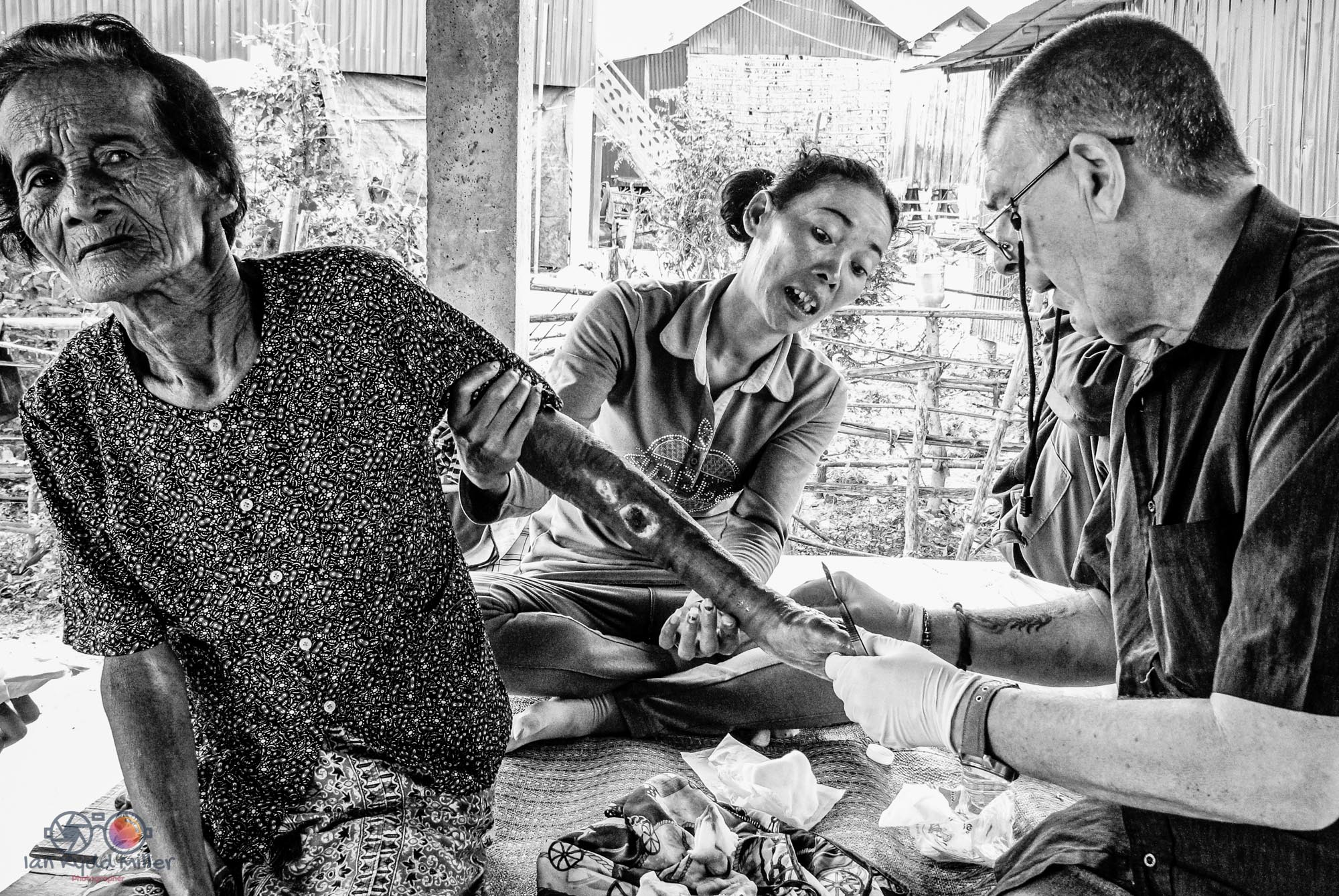
The ethical considerations surrounding photojournalism are complex and multifaceted. The photographer’s role is not merely to capture a scene but to be a responsible storyteller, ensuring that the truth is conveyed accurately and ethically. It’s a balancing act between capturing the reality of a situation and avoiding the exploitation or manipulation of those involved. As the adage goes, “a picture is worth a thousand words,” and in the hands of a skilled and responsible photojournalist, it can be a powerful tool for understanding, empathy, and change.
Case Studies: Photojournalism that Sparked Action and Social Change
The power of photojournalism to ignite action and drive social change is undeniable. Throughout history, photographers have captured moments that have awakened the world to injustice, inequality, and the urgent need for reform. These images have served as potent catalysts, galvanizing public opinion and prompting governments and organizations to take action.
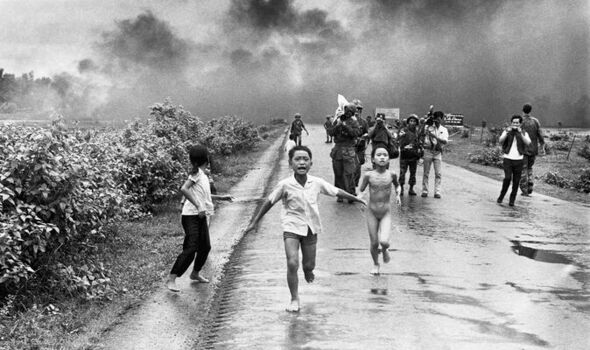
One such case is the iconic photograph of a young girl, Kim Phuc, running naked down a road after being napalmed during the Vietnam War. Taken by Associated Press photographer Nick Ut in 1972, the image became a symbol of the war’s brutality and the suffering of innocent civilians. It sparked global outrage and helped turn public opinion against the war, ultimately contributing to the US withdrawal.
Another compelling example is the work of photojournalist Kevin Carter, who captured a poignant image of a starving Sudanese child being stalked by a vulture in 1993. This photograph, which won Carter a Pulitzer Prize, brought the plight of the Sudanese people to the forefront of international attention. It also ignited a debate about the role of the photographer in such situations, prompting questions about the ethics of documenting suffering without directly intervening.

These cases demonstrate the undeniable power of photojournalism to act as a powerful agent for social change. By capturing and disseminating images that expose injustice and human suffering, photojournalists can awaken the conscience of the world and inspire action.
The Role of the Photographer: Balancing Objectivity with Advocacy
The photographer, standing at the intersection of truth and power, navigates a complex terrain where objectivity and advocacy often collide. While aiming for a balanced representation of reality, the photojournalist often bears witness to injustices and feels compelled to act as a voice for the voiceless. This delicate dance between neutrality and engagement is a defining characteristic of the profession.
The photographer’s role is not simply to document events but to present them in a way that compels viewers to consider their implications. This requires a careful consideration of framing, composition, and the overall narrative conveyed by the image. While striving for objectivity, the photographer must also acknowledge their own biases and perspectives, striving for transparency and accountability in their work.
The challenge lies in finding the right balance. A photojournalist must be able to capture the essence of a story without manipulating it for emotional impact or to push a particular agenda. This requires a strong ethical compass and a commitment to journalistic integrity. Ultimately, the photographer’s goal is to empower viewers to understand the world around them and to become active participants in shaping a more just and equitable society.
The Impact of the Digital Age: Challenges and Opportunities for Photojournalism
The digital age has profoundly impacted photojournalism, presenting both significant challenges and unprecedented opportunities. While the internet and social media have democratized access to information and empowered citizen journalists, they have also led to a proliferation of misinformation and the blurring of lines between professional and amateur photography.
One of the most significant challenges is the rise of “fake news” and the manipulation of images. The ease with which images can be altered and shared online has made it difficult for audiences to discern truth from fabrication. This has eroded trust in traditional media and created a climate of skepticism.

However, the digital age has also opened up new avenues for photojournalists to reach audiences and tell stories. Social media platforms like Instagram and Twitter have become powerful tools for disseminating images and connecting with audiences around the world. Photojournalists are now able to use these platforms to engage in real-time reporting, share their work directly with the public, and build communities around their photography.

Moreover, the development of new technologies like drone photography and virtual reality has provided photojournalists with innovative ways to capture and present their work. These technologies offer immersive experiences that can transport audiences to the heart of events and foster deeper understanding.
In conclusion, the digital age has presented photojournalism with both challenges and opportunities. While the spread of misinformation and the erosion of trust are significant concerns, the digital landscape also provides new tools for reaching audiences, engaging in real-time reporting, and presenting stories in innovative ways. As photojournalism navigates this evolving media environment, it must adapt to the challenges while embracing the opportunities to continue its vital role as a powerful force for social change.
Conclusion: The Enduring Power of Photojournalism to Challenge the Status Quo
In a world saturated with information, photojournalism remains a potent force for change. Its ability to capture the raw emotion and reality of events, often in a single, powerful image, can transcend language barriers and ignite empathy. Photojournalists, acting as agents provocateurs, wield the camera as a tool to challenge the status quo, expose injustice, and spark social change. Their work is not merely documentation; it is a call to action, a testament to the enduring power of visual storytelling.
While the digital age has brought new challenges and opportunities, the core principles of photojournalism remain steadfast. Ethical considerations and the pursuit of truth continue to guide the craft. The power of a single photograph to shape public perception and drive societal change is undeniable. In a world where information is often manipulated and distorted, photojournalism stands as a beacon of truth, holding a mirror to society and urging us to confront the realities we often choose to ignore. It is a reminder that even in the face of adversity, the human spirit, captured through the lens of a camera, can inspire hope and ignite the flames of change.
Photojournalism, in its essence, is a powerful act of defiance. It challenges the dominant narrative, exposes the uncomfortable truths, and compels us to question the world around us. It is a testament to the enduring power of visual storytelling and its ability to spark dialogue, ignite change, and ultimately, shape a better future.
Objectivity in Photography:
- Ethical Responsibility: Photographers strive to capture and present images truthfully, avoiding manipulation or exploitation.
- Awareness of Bias: They acknowledge personal biases and aim for transparency in their work.
- Balanced Representation: Careful consideration of framing and composition to convey a story without pushing an agenda
- Journalistic Integrity: A commitment to the ethical standards of journalism guides their approach to storytelling
Reference: ian-kydd-miller.com
 a world without pictures is like coffee without cream and sugar, bitter