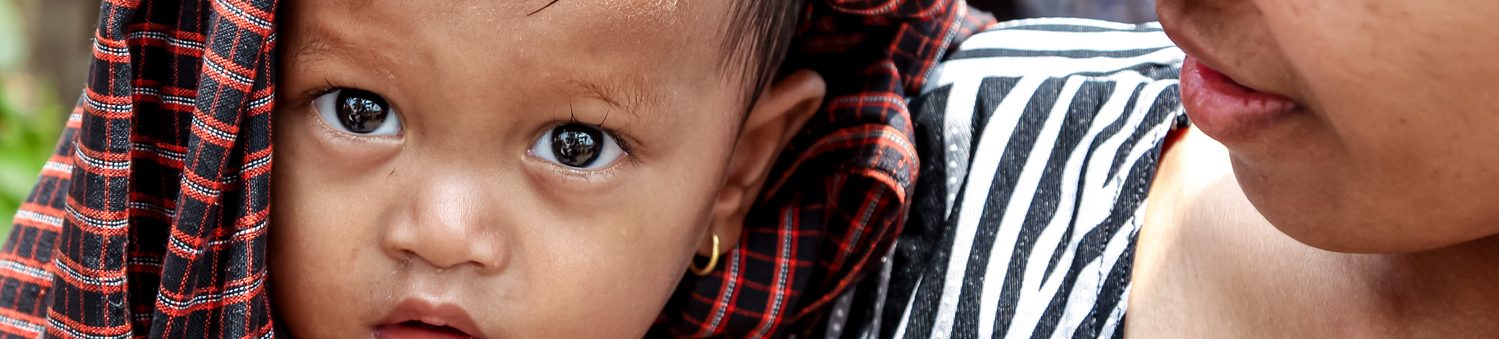

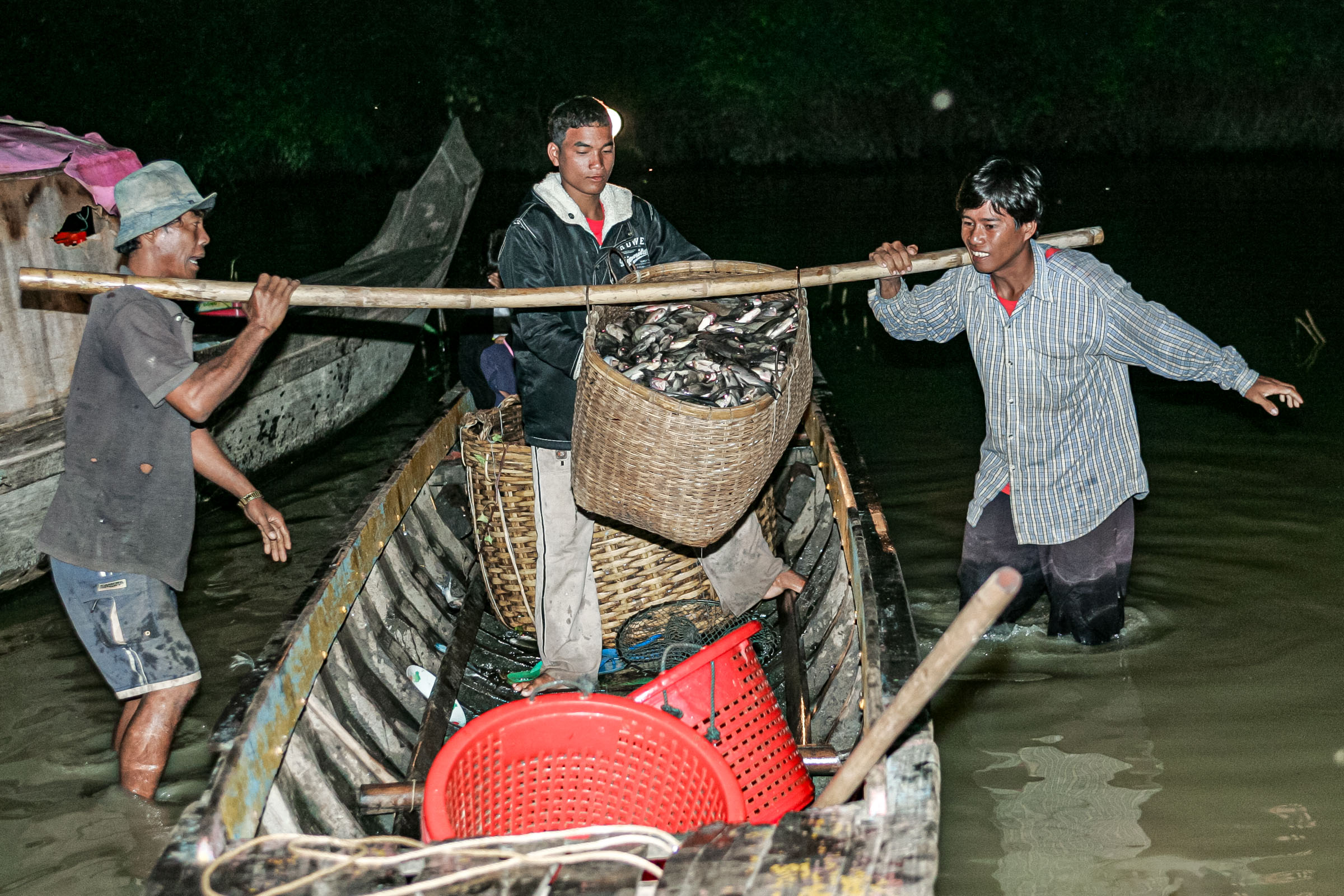
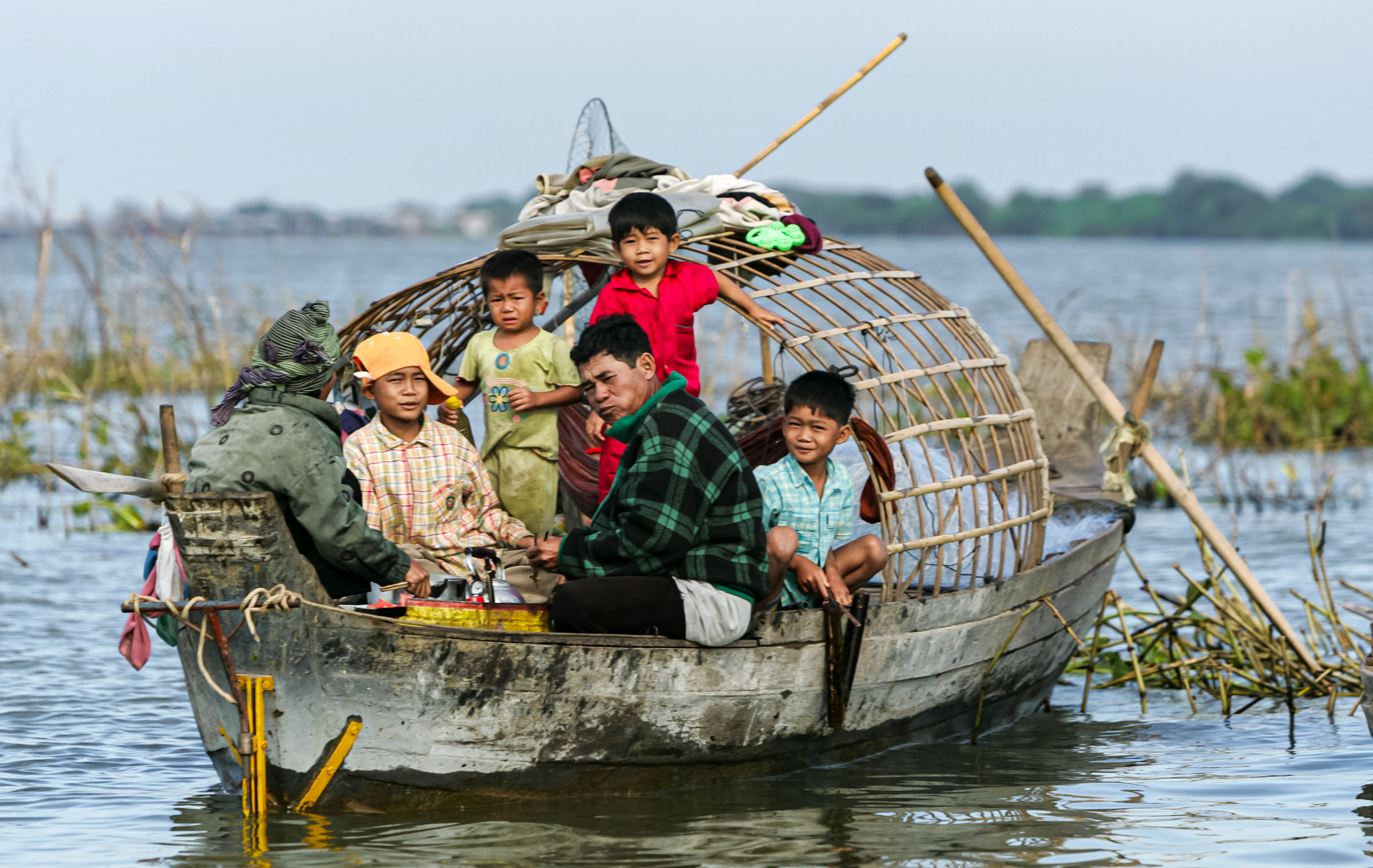
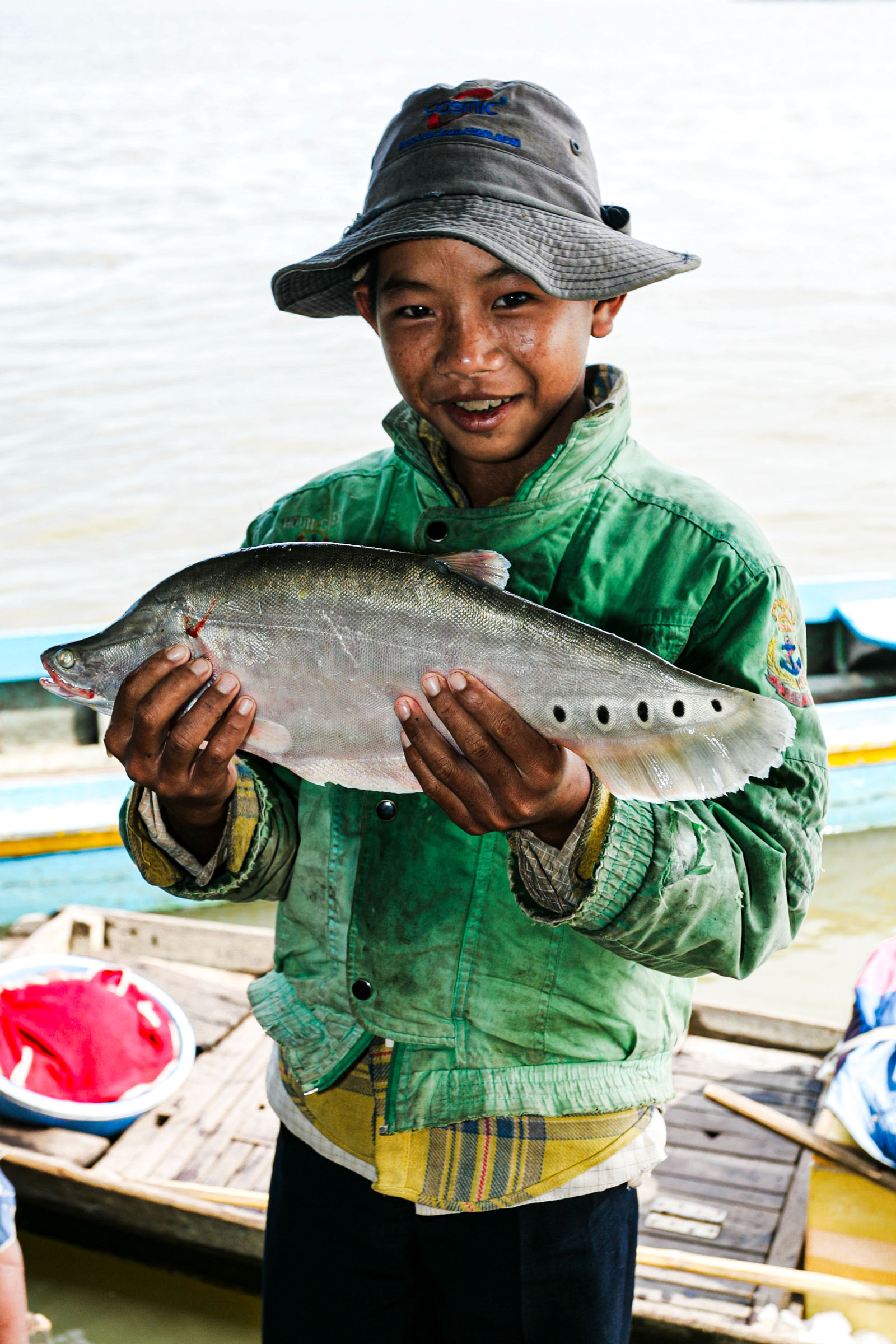
Fishing is a vital part of daily life for many people in Cambodia. Along the Mekong River and Tonle Sap Lake, you’ll find families and individuals casting their nets and lines, working hard to catch fish that provide both food and income. This traditional way of life is not only a means of survival but also a reflection of the region’s rich cultural heritage. The serene landscapes and the dedication of these fishermen and women offer a glimpse into the resilience and resourcefulness of the Cambodian people.

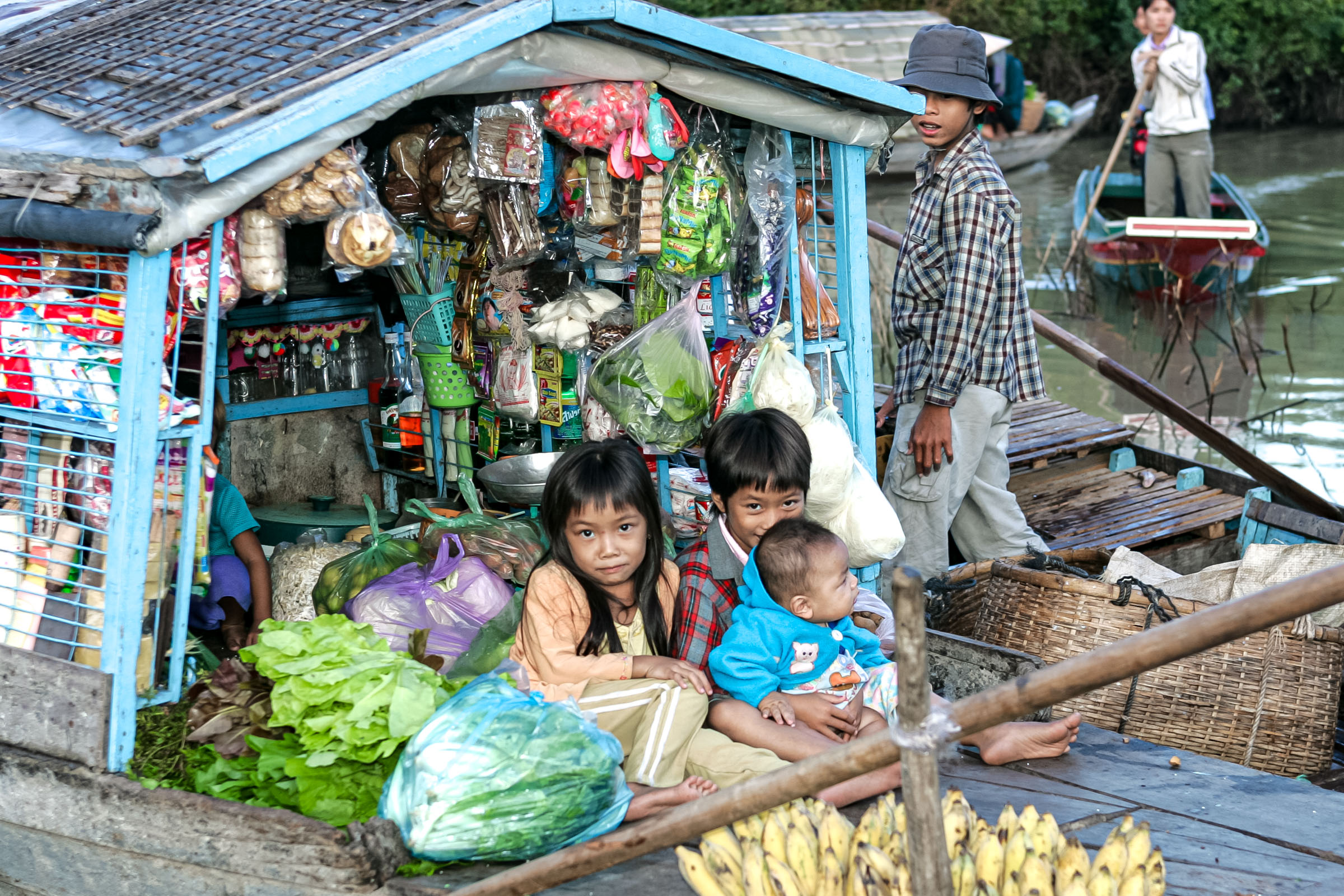

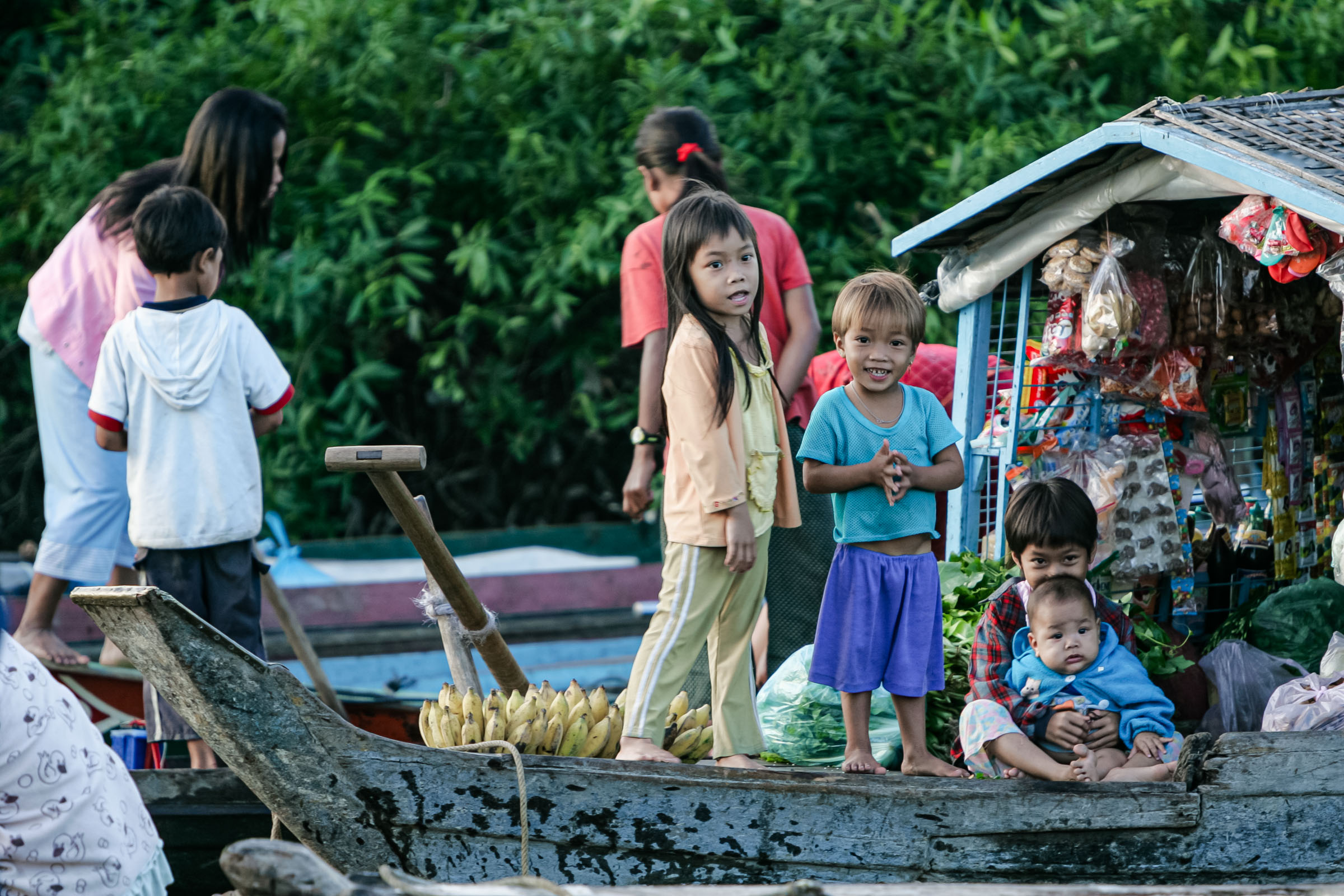


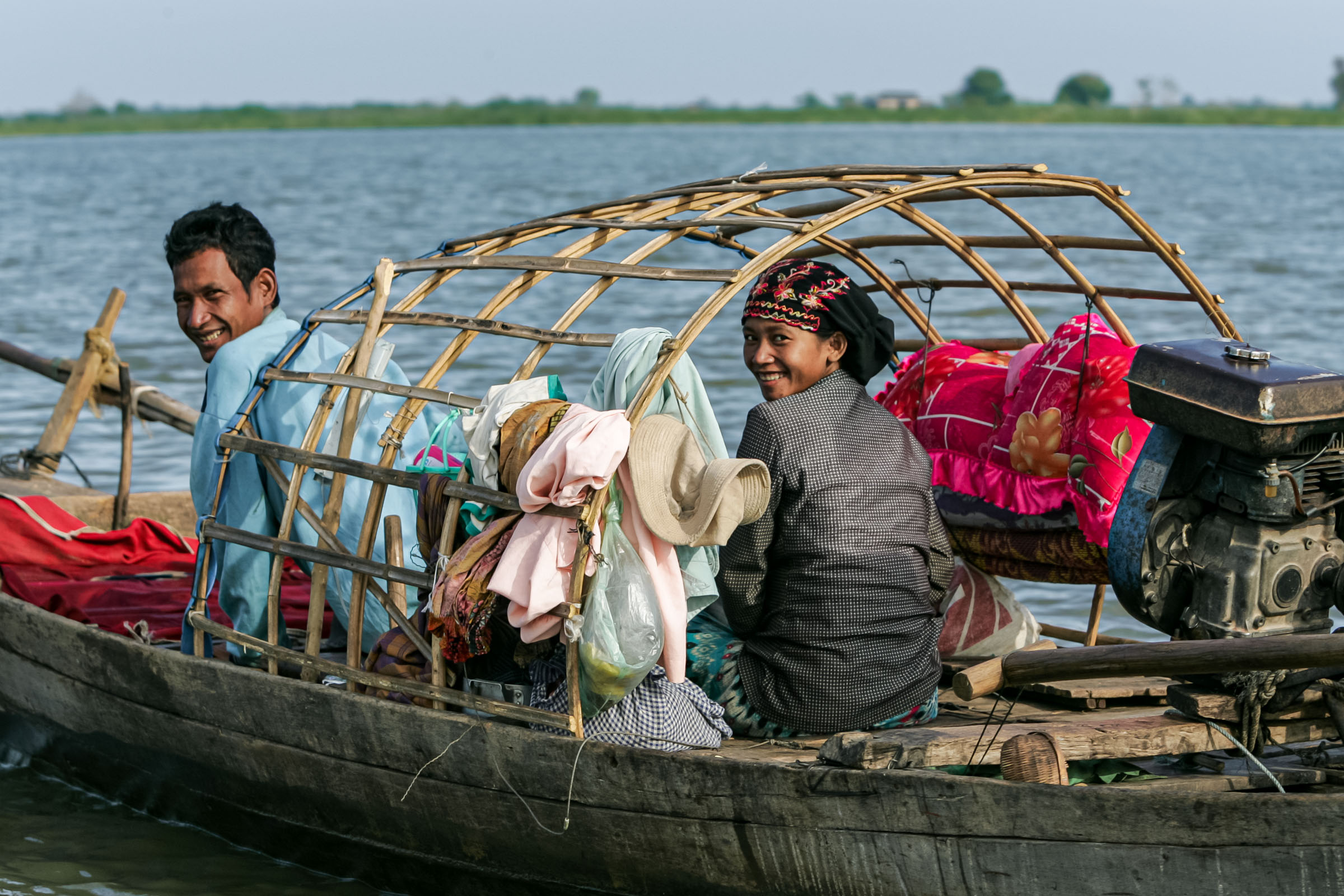
The Mekong River is one of the most significant rivers in Southeast Asia, stretching about 4,350 kilometers (2,703 miles) from its source in the Tibetan Plateau to the South China Sea. It flows through six countries: China, Myanmar, Laos, Thailand, Cambodia, and Vietnam. The river is crucial for the livelihoods of millions of people, providing water for agriculture, fishing, and transportation. The Mekong Delta, in particular, is known for its rich biodiversity and is a vital area for rice production. The river also faces environmental challenges, including pollution and the impact of dam construction, which affect its natural flow and ecosystems.
TheTonle Sap. This lake is a vital resource for many Cambodians, providing food and livelihoods. The scenes capture daily life’s essence, with fishermen casting their nets and boats gently floating on the water. It’s a beautiful reminder of the resilience and hard work of the people who depend on this incredible ecosystem.




 a world without pictures is like coffee without cream and sugar, bitter