

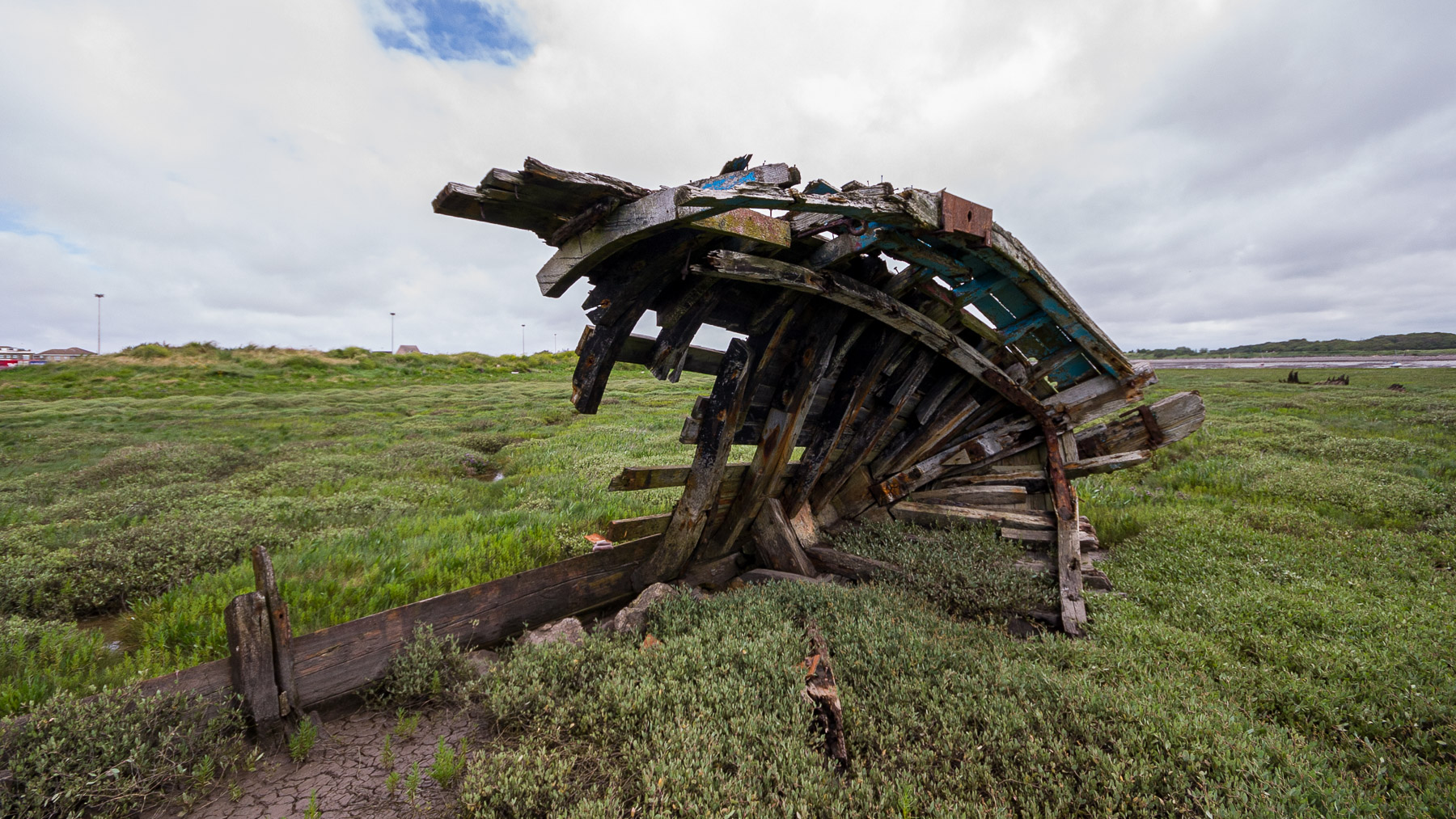
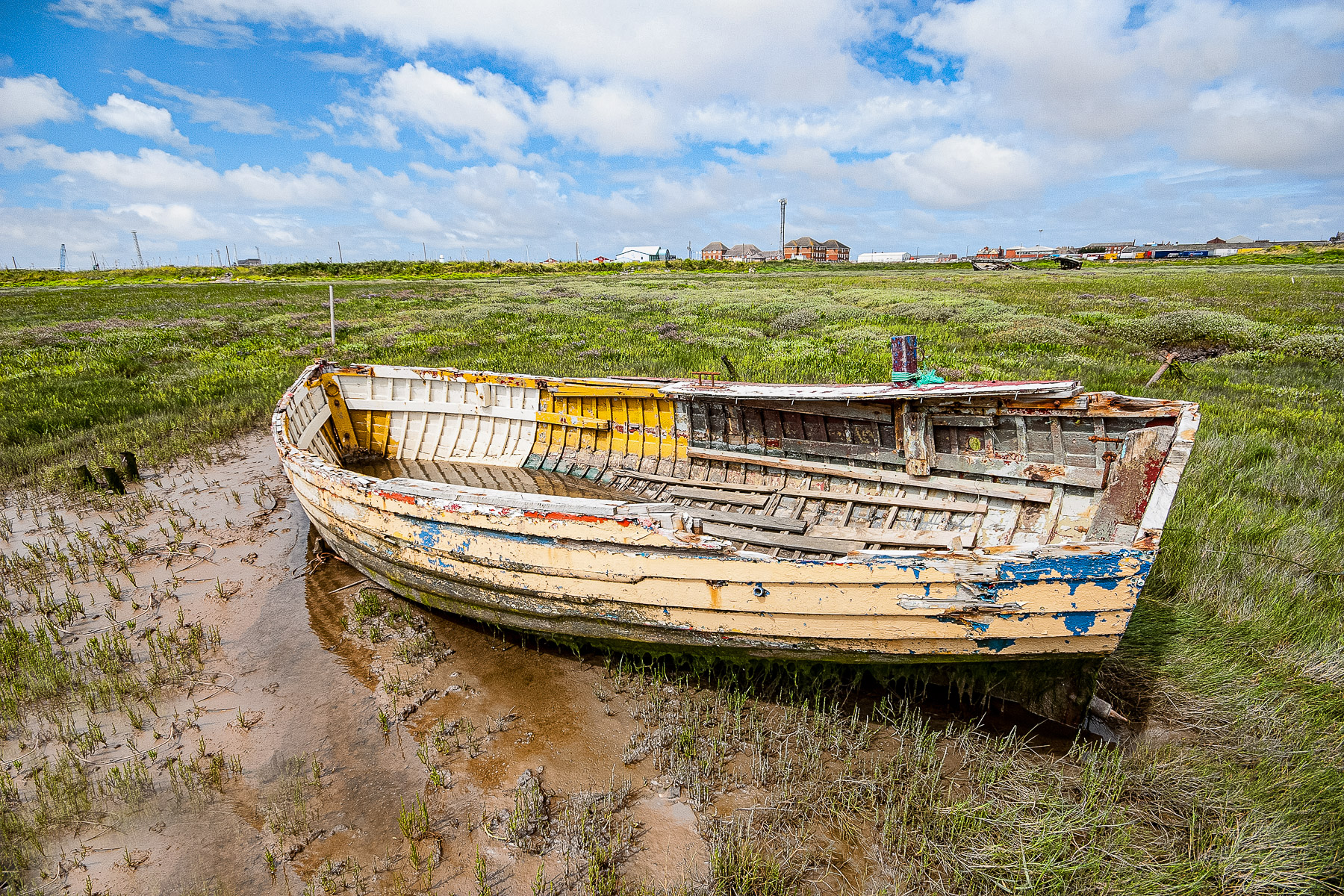
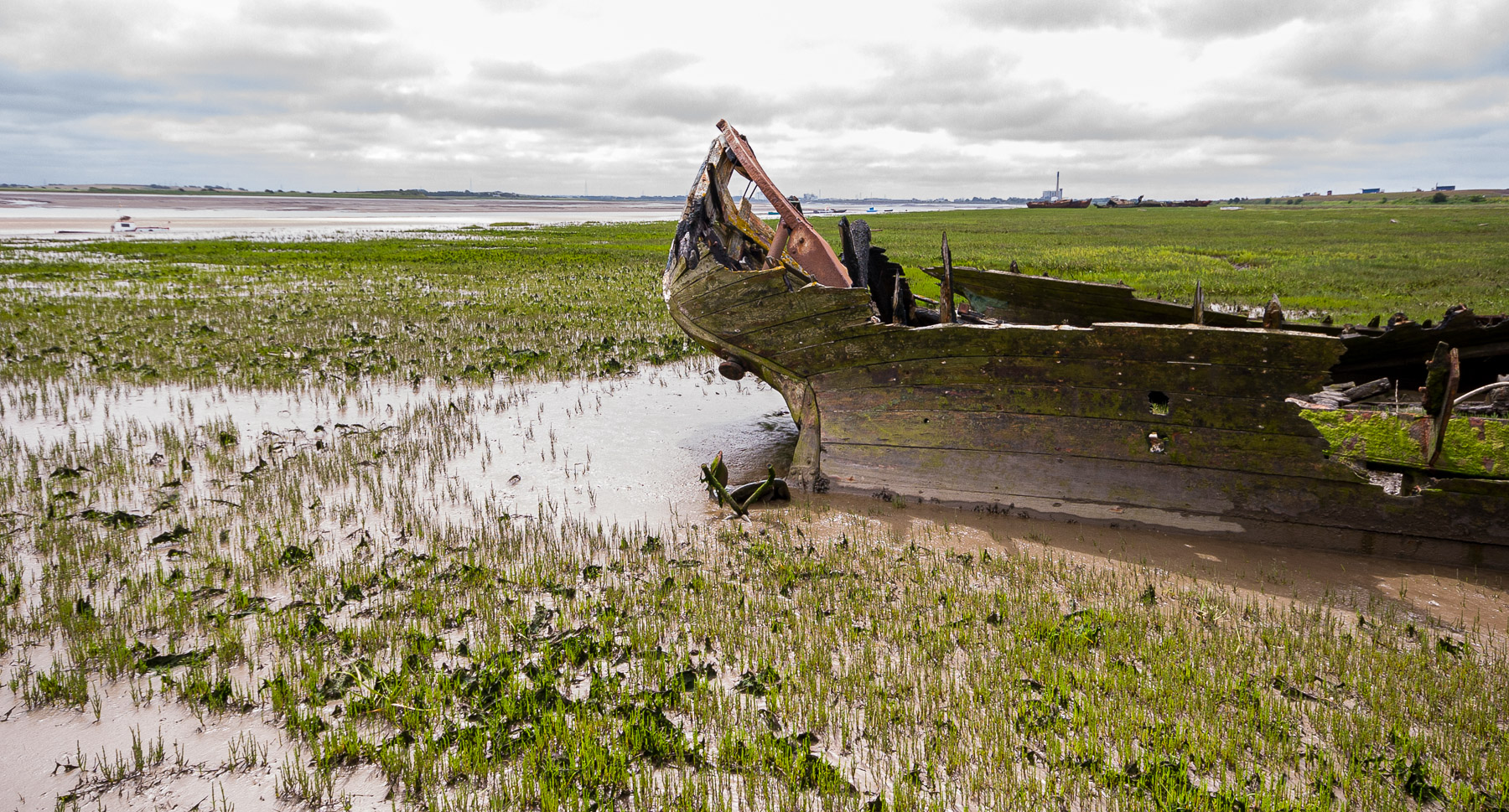
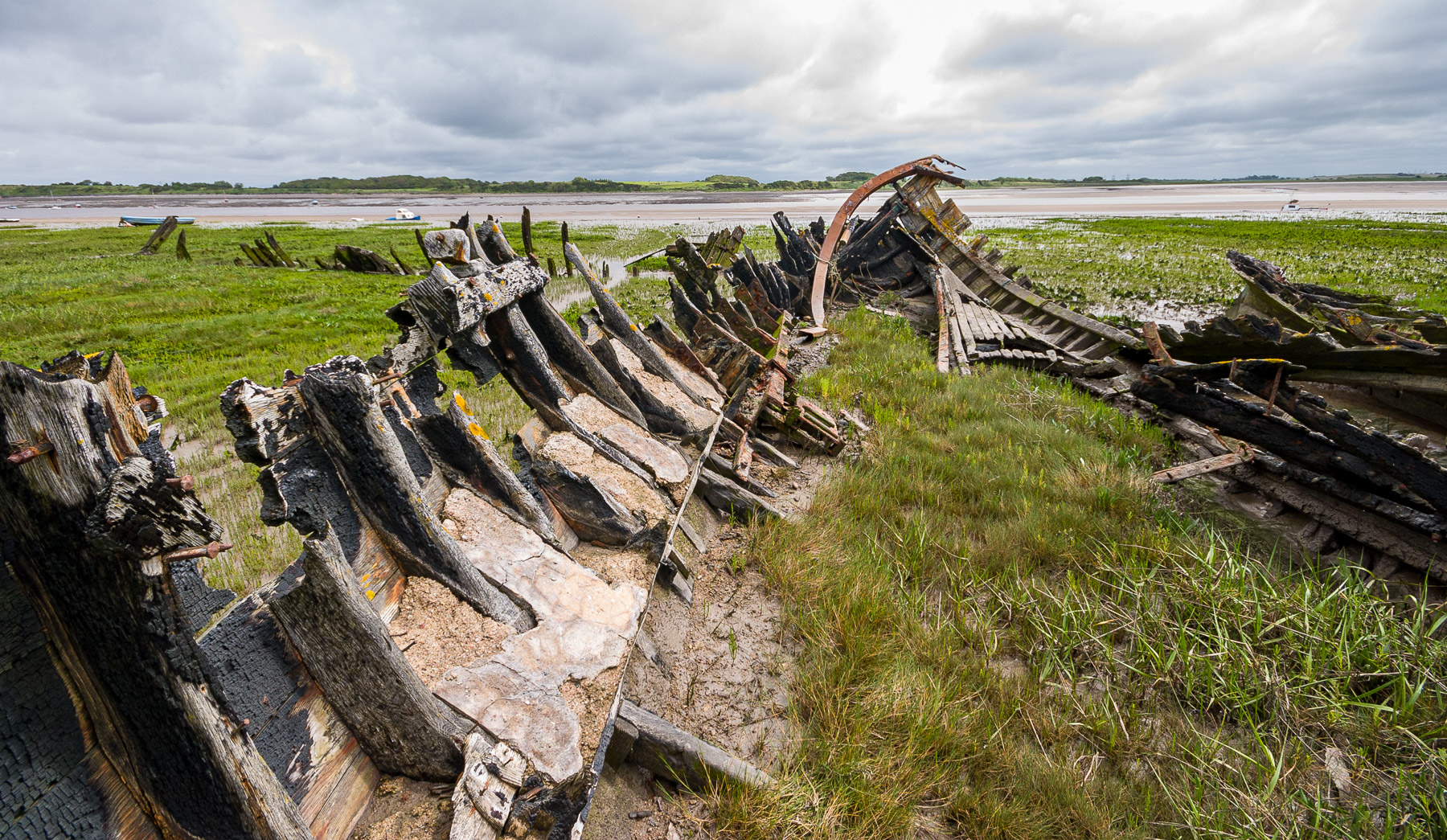
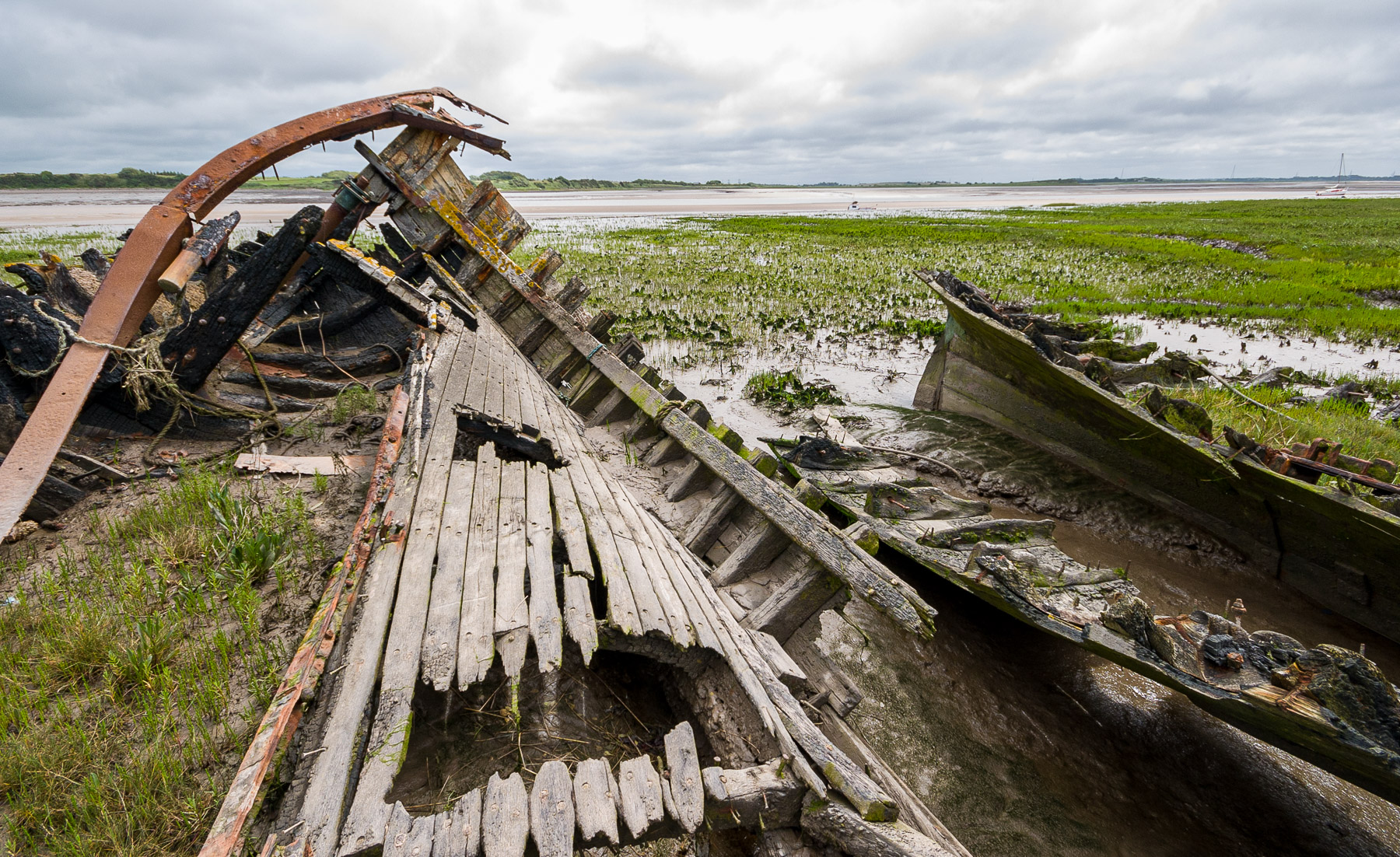
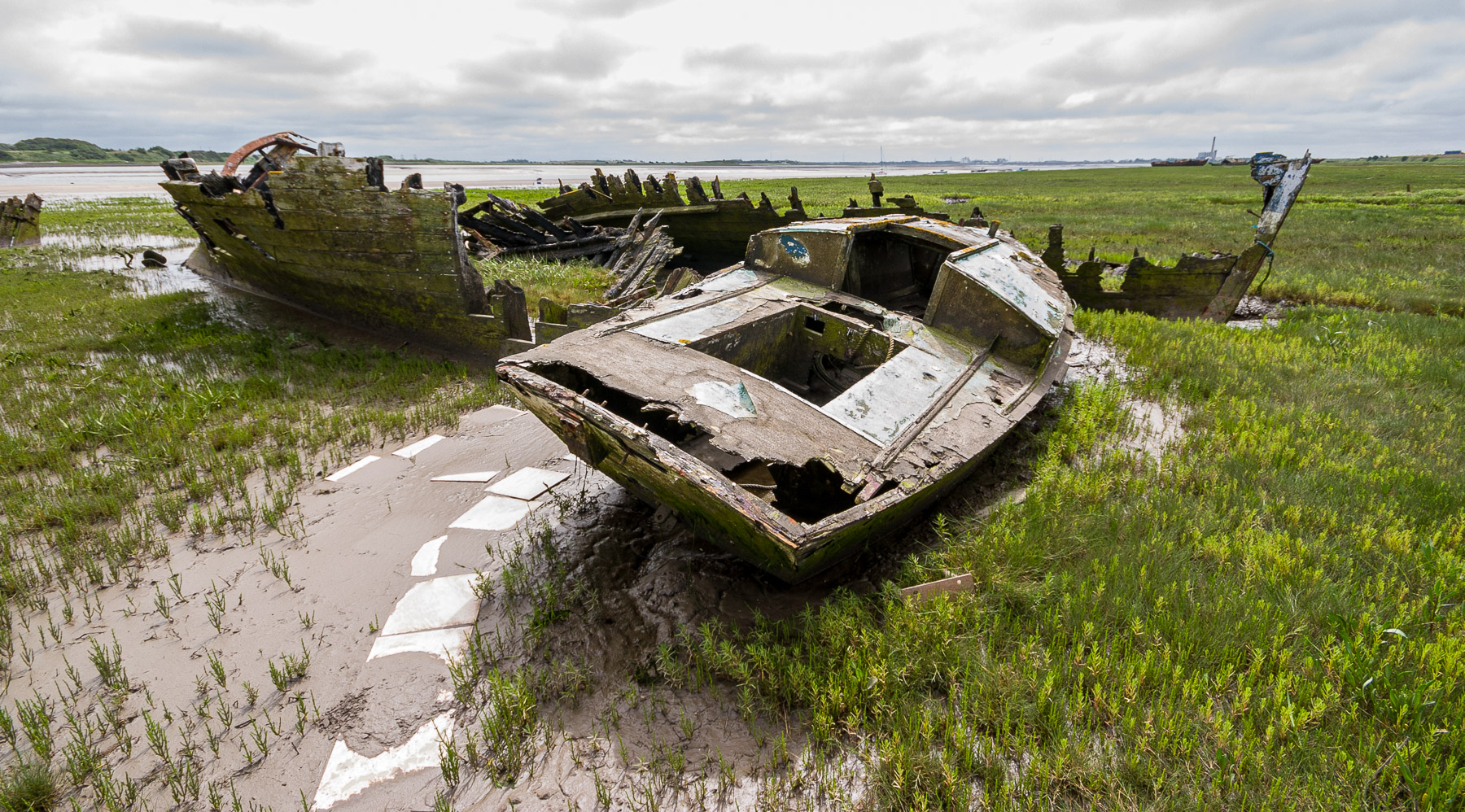
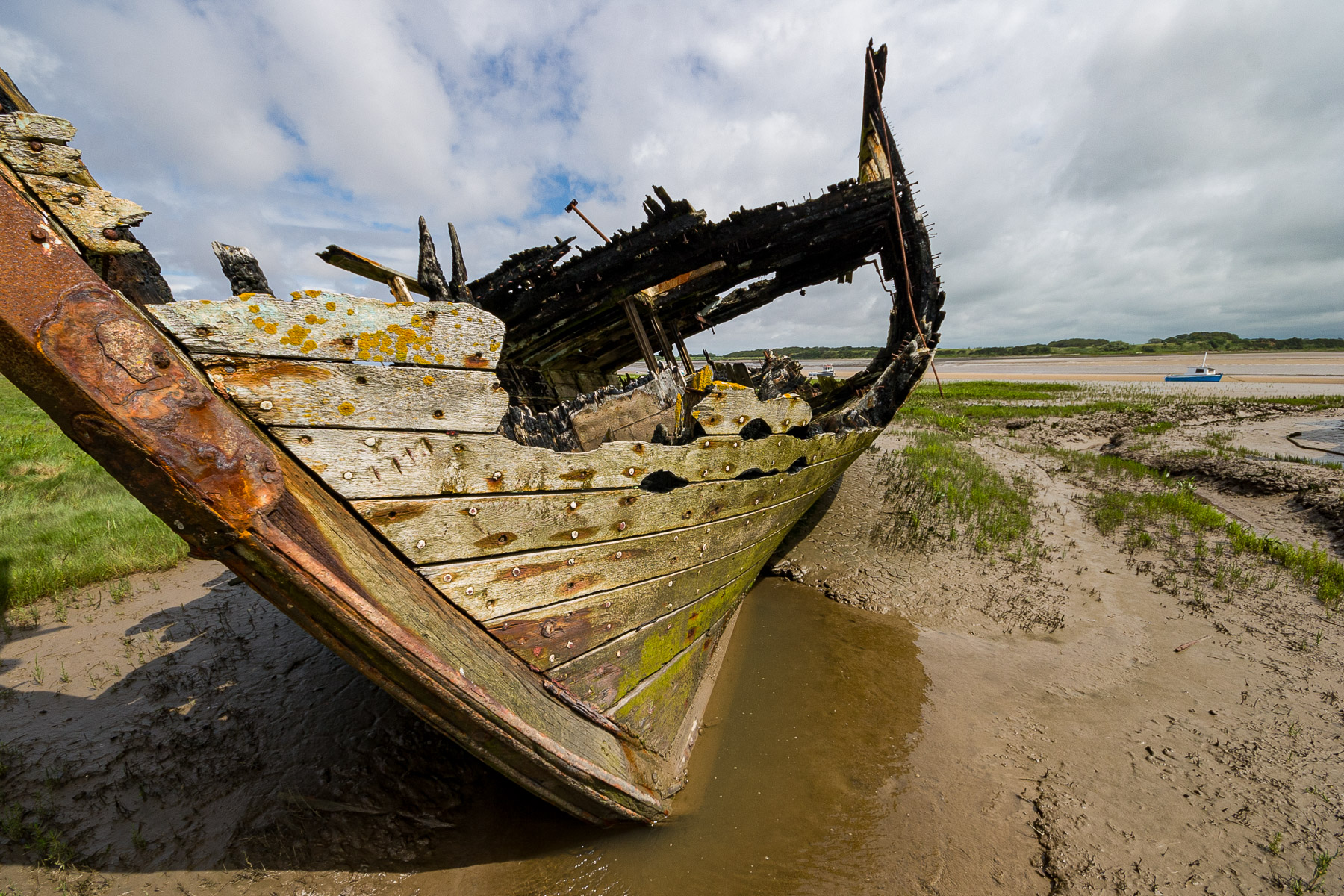
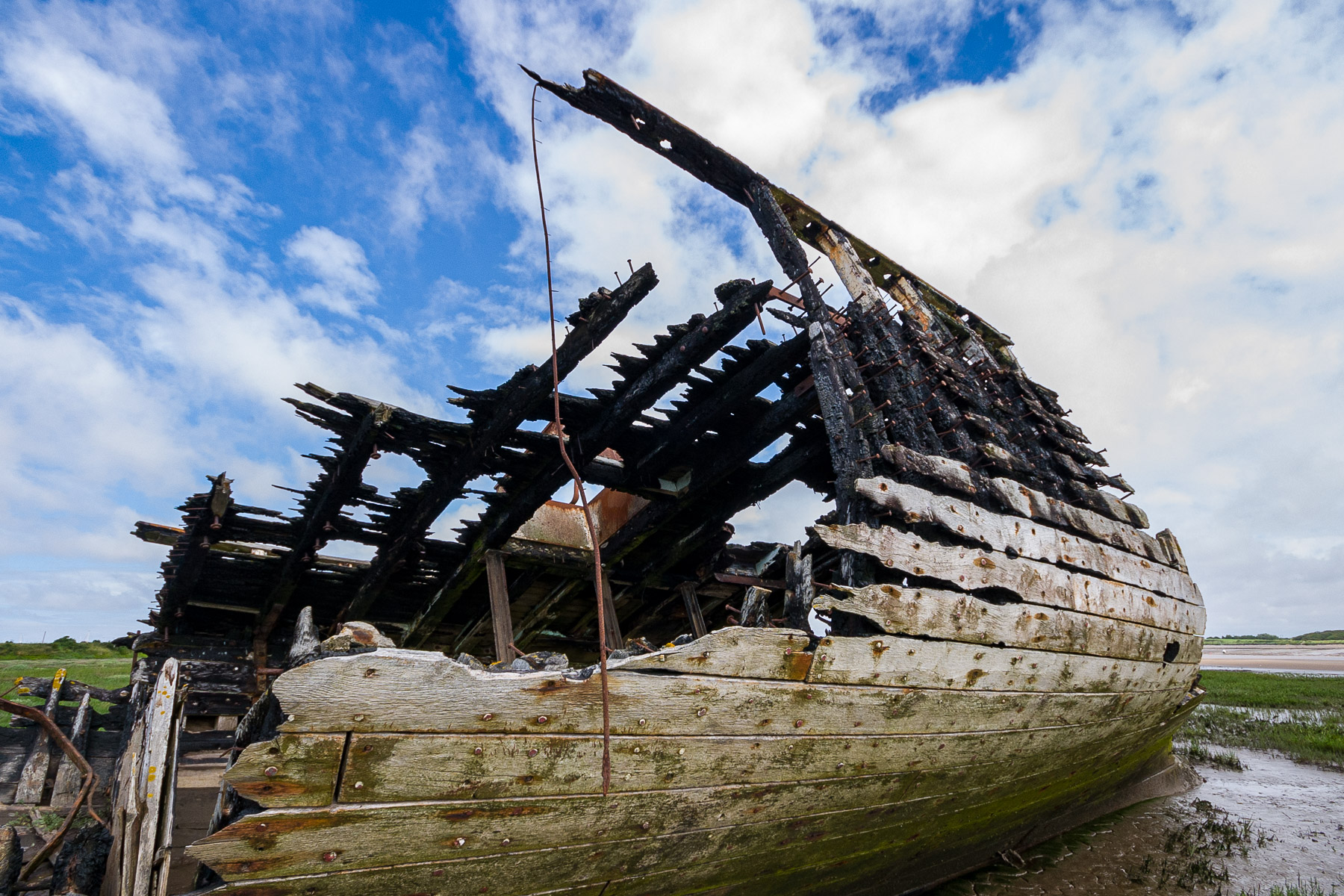
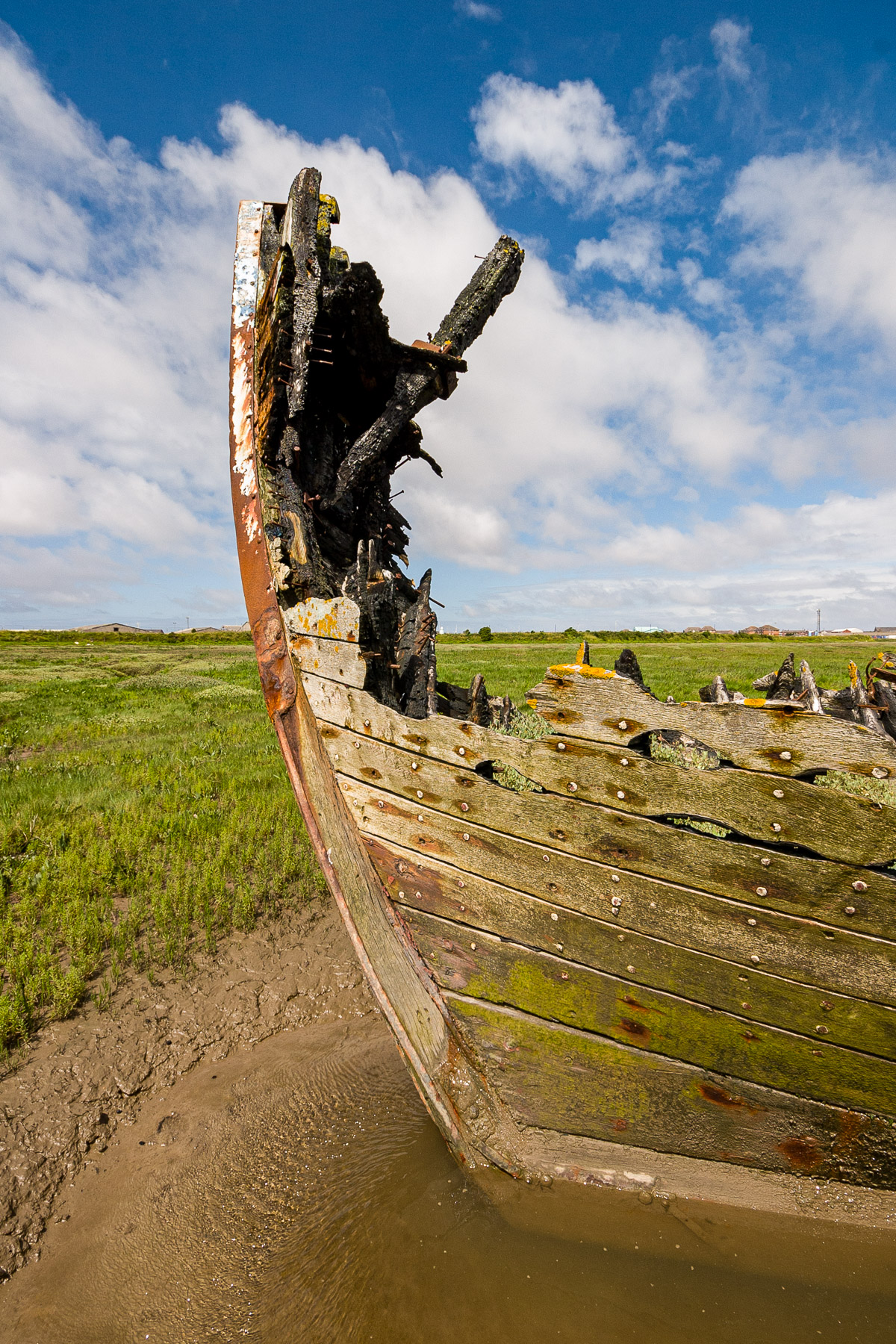
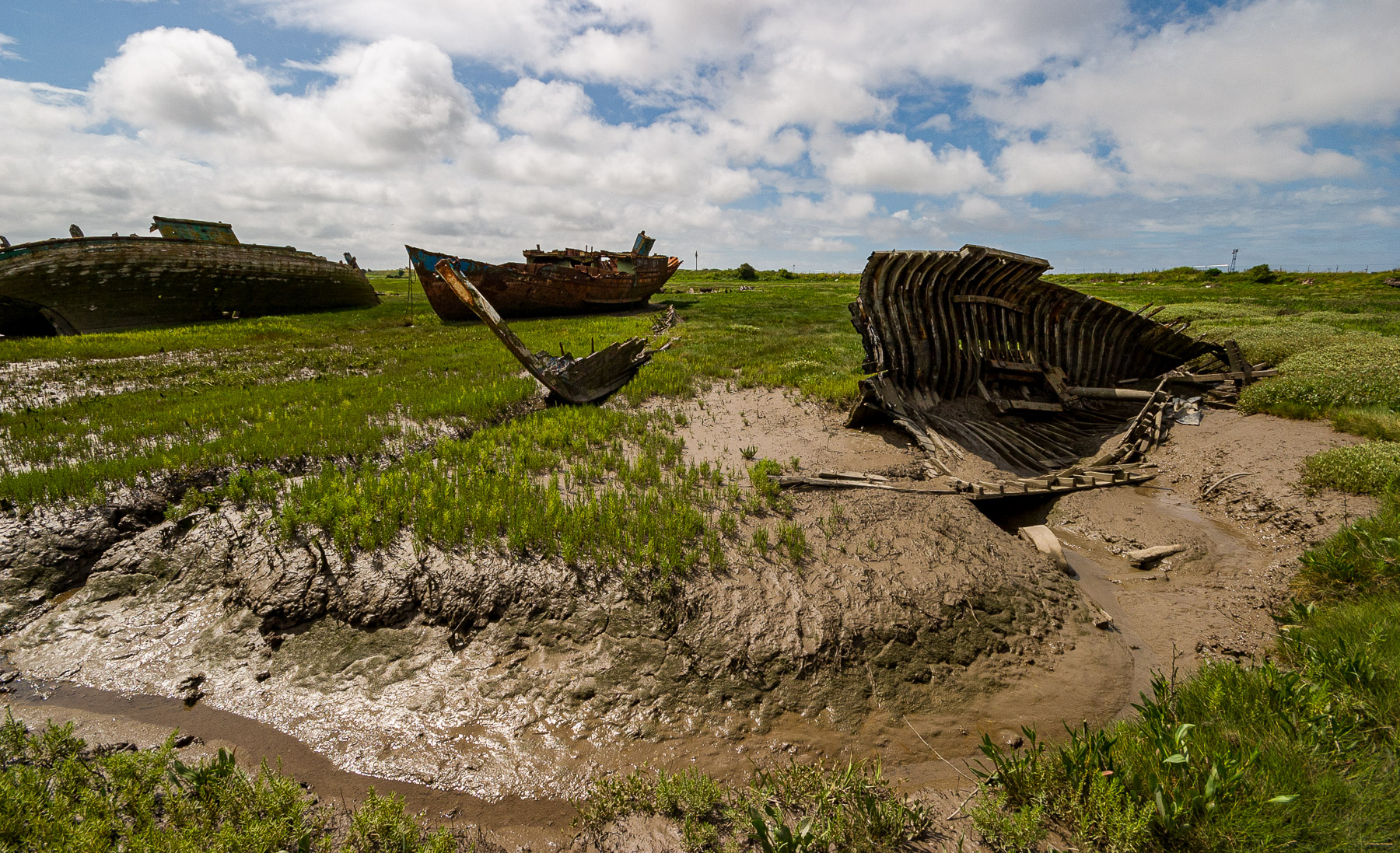
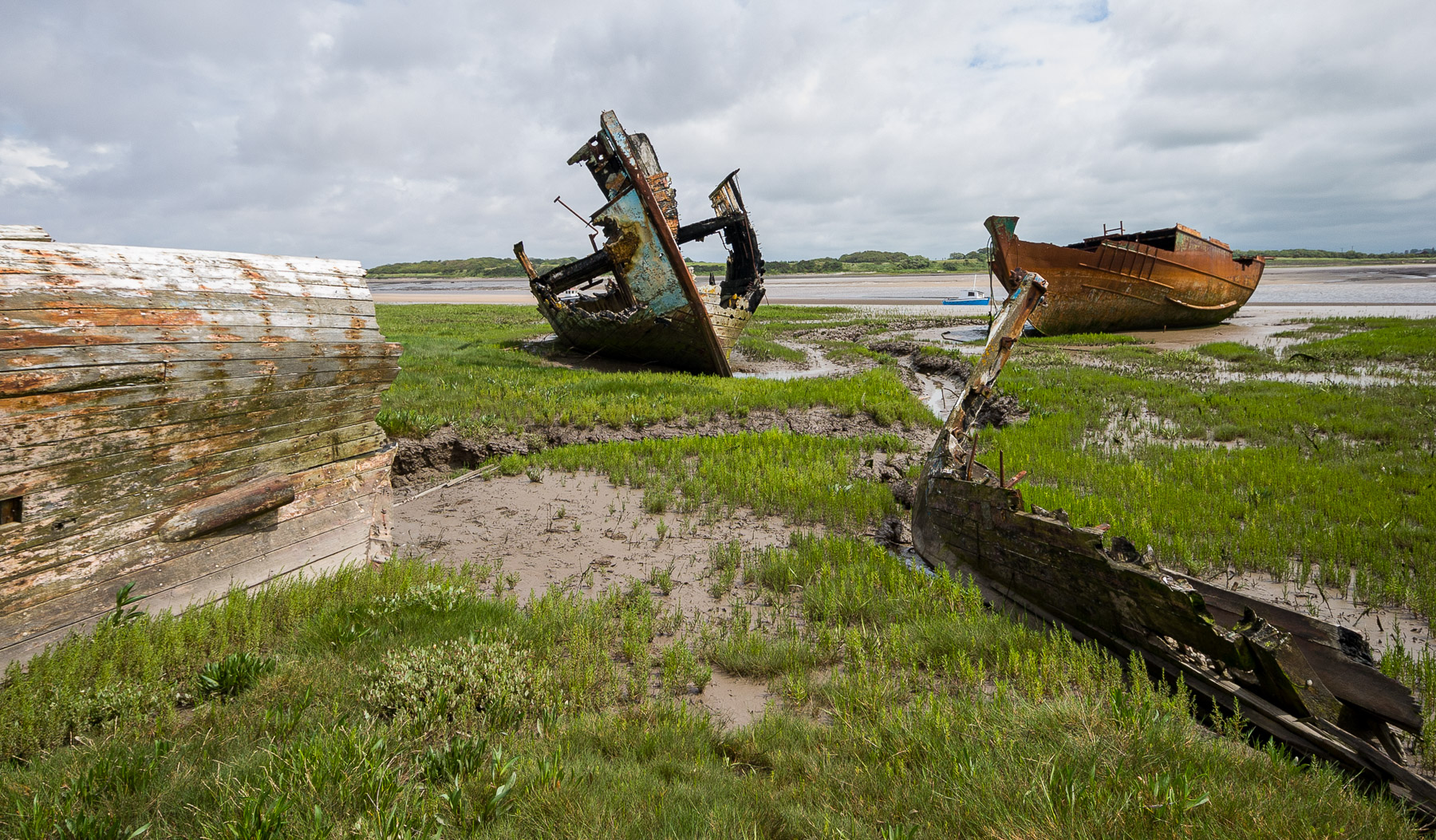
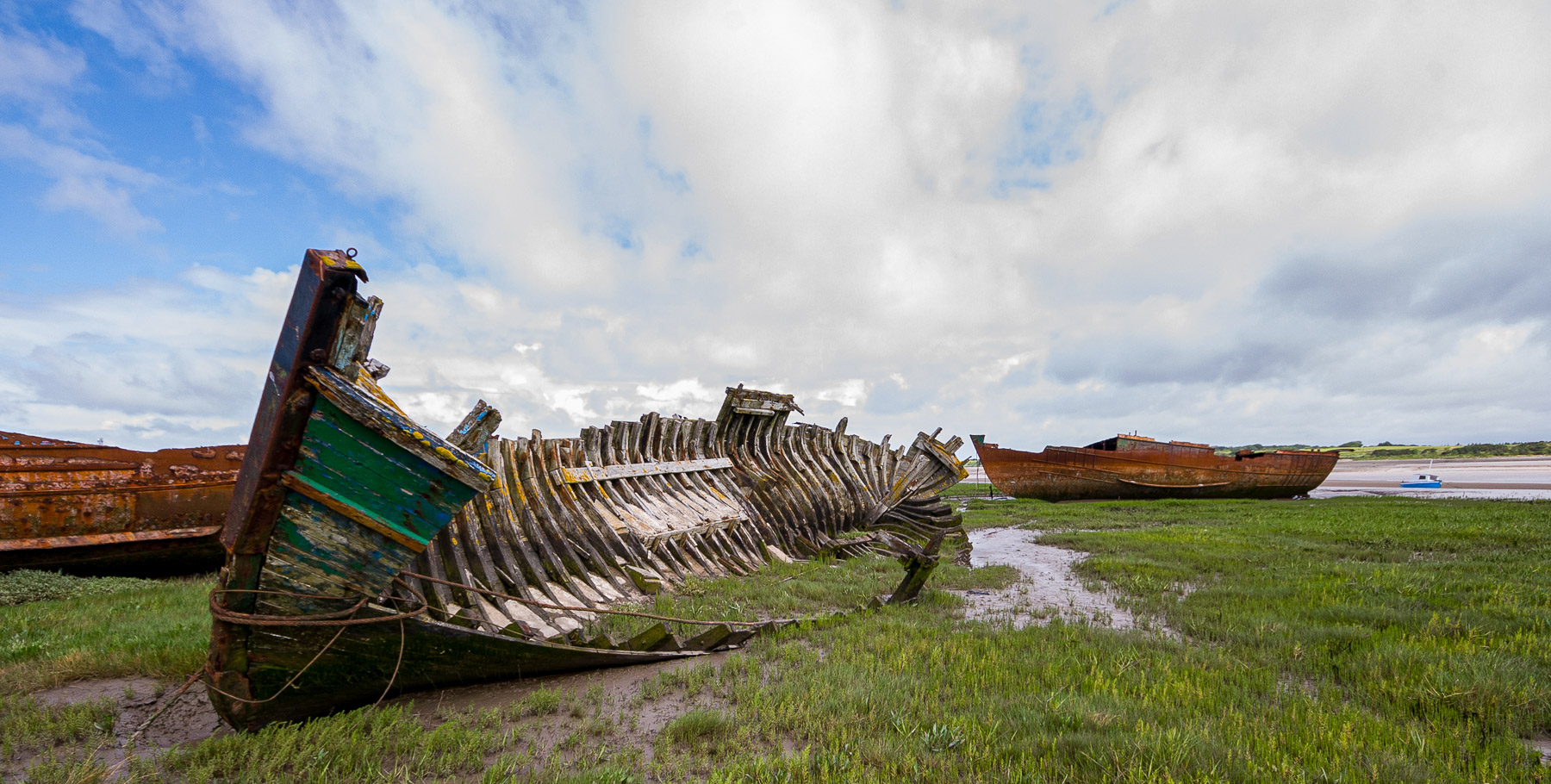
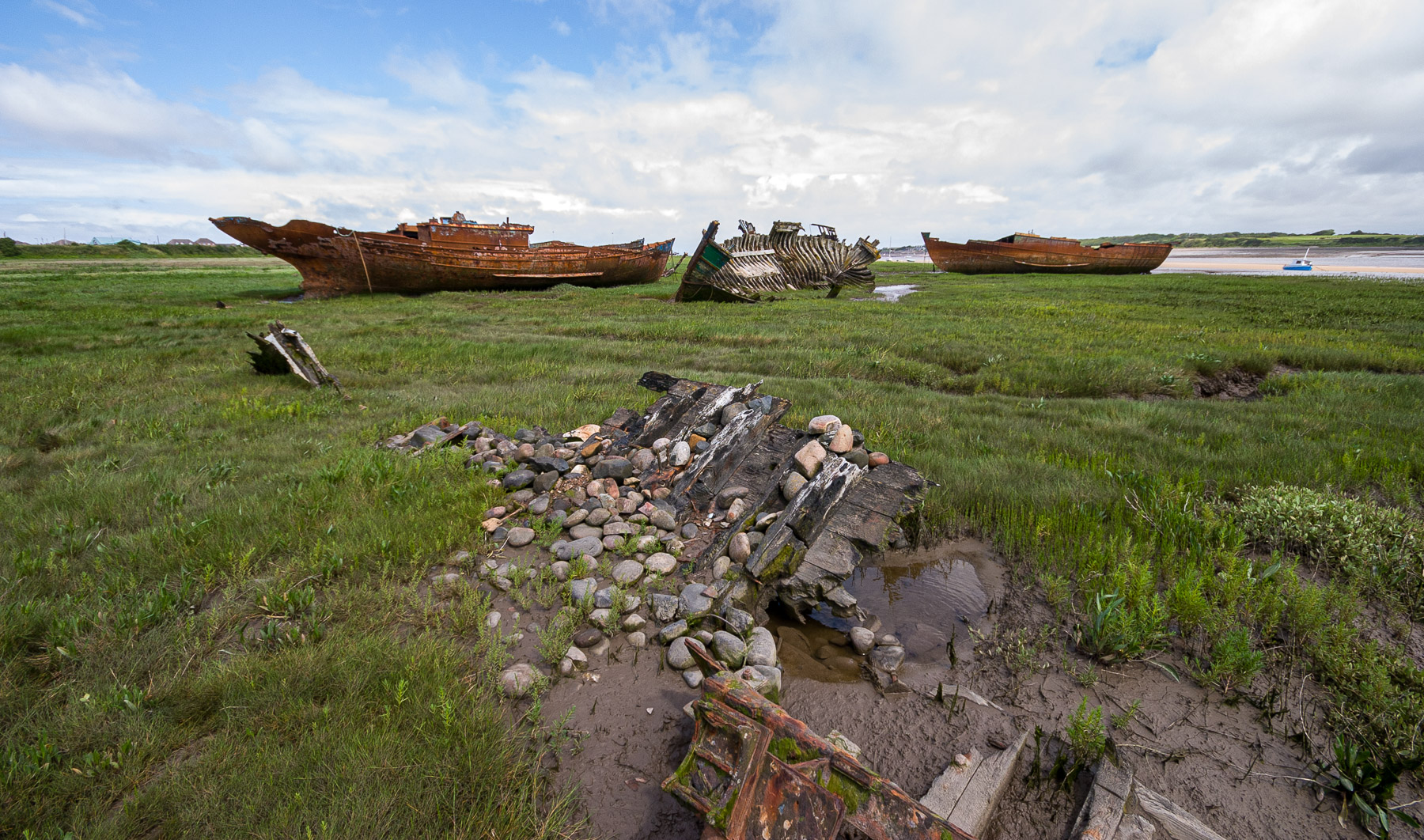
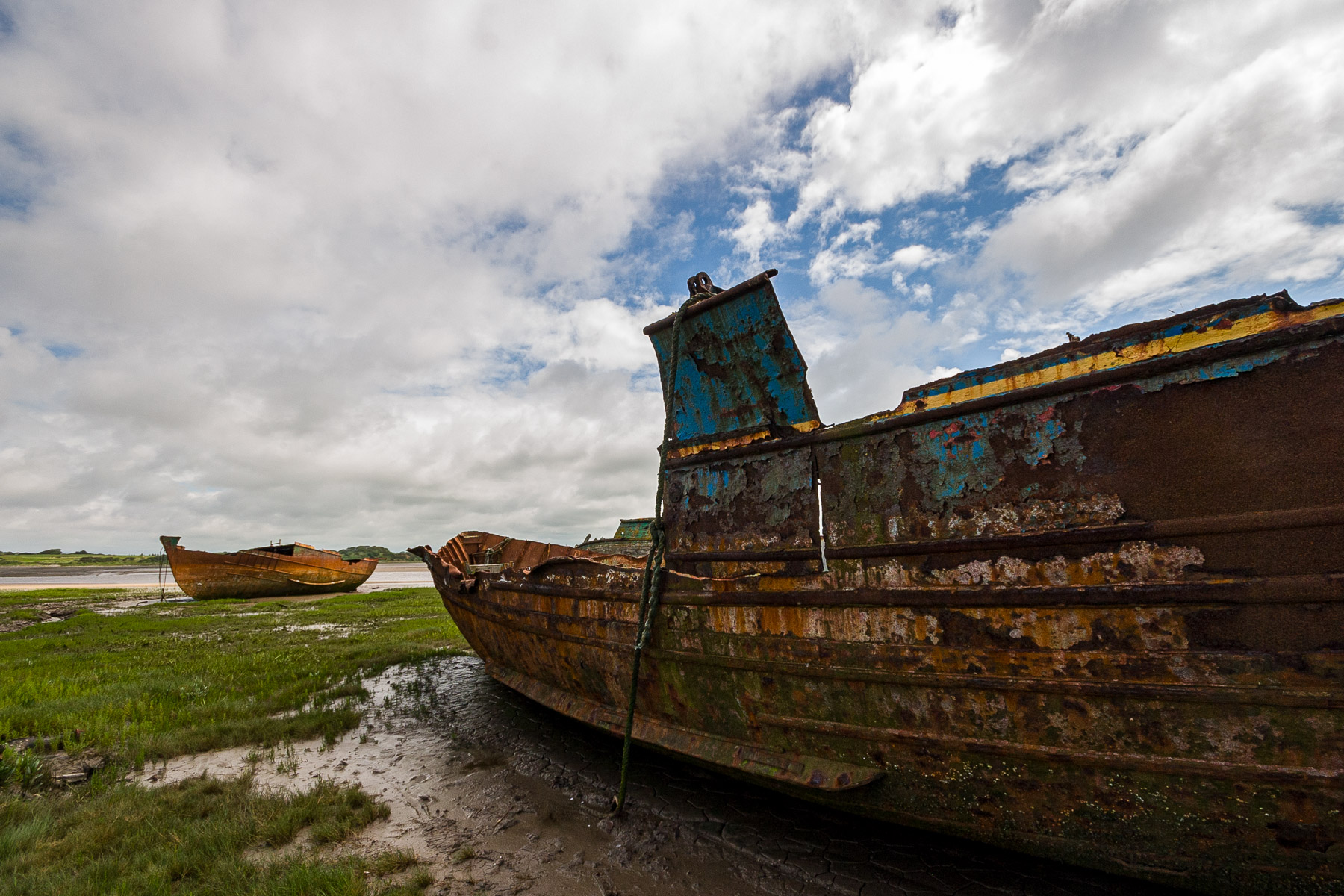
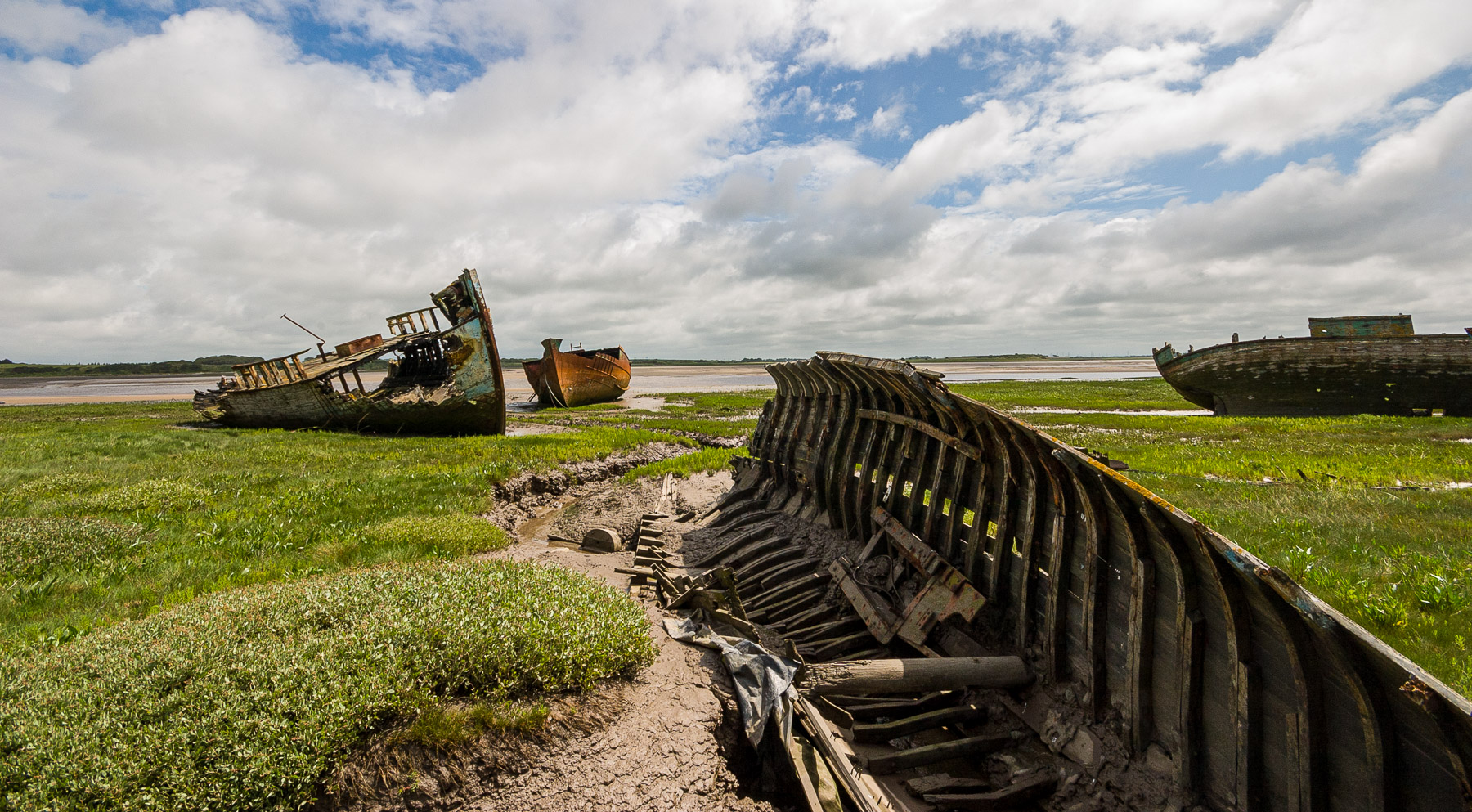
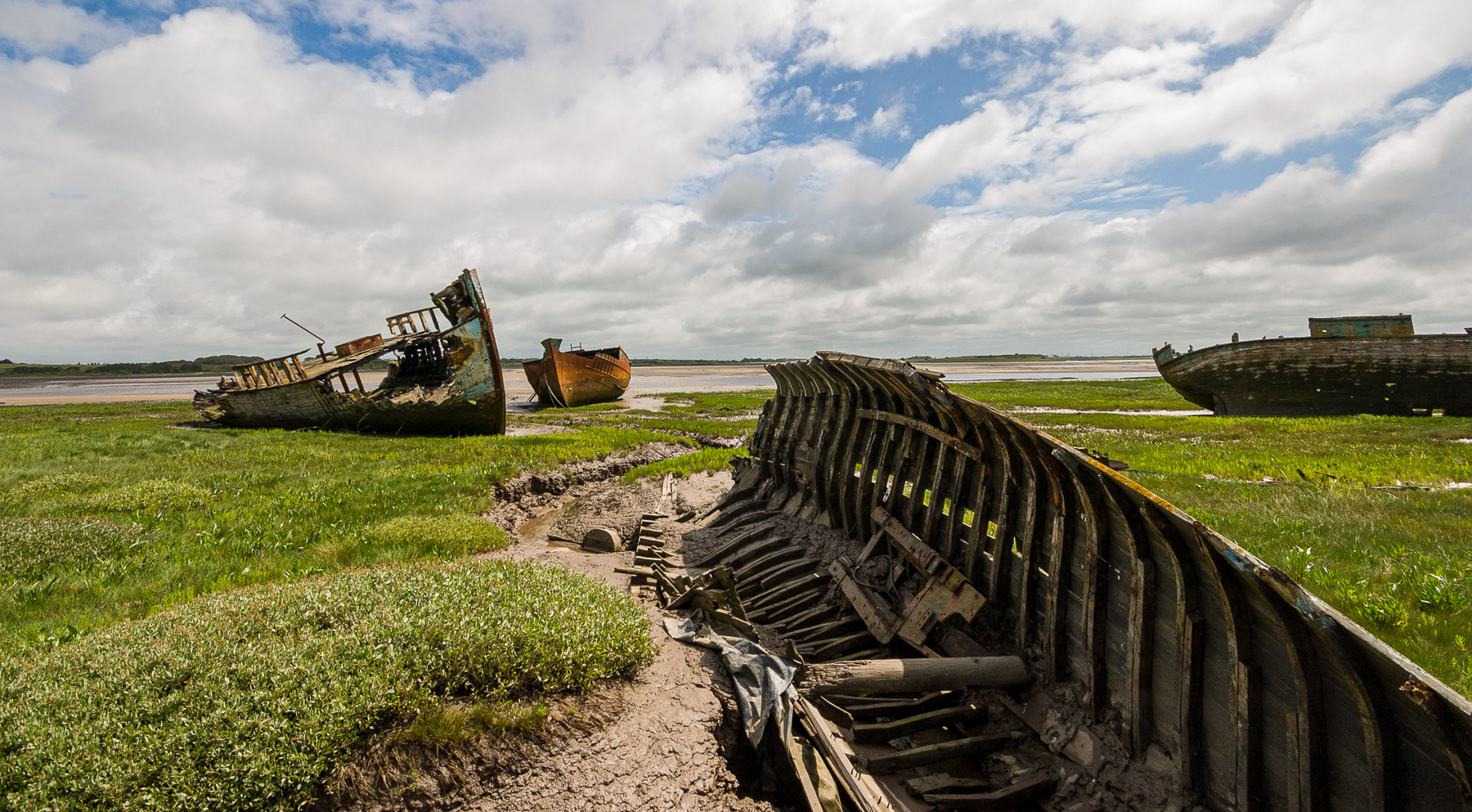
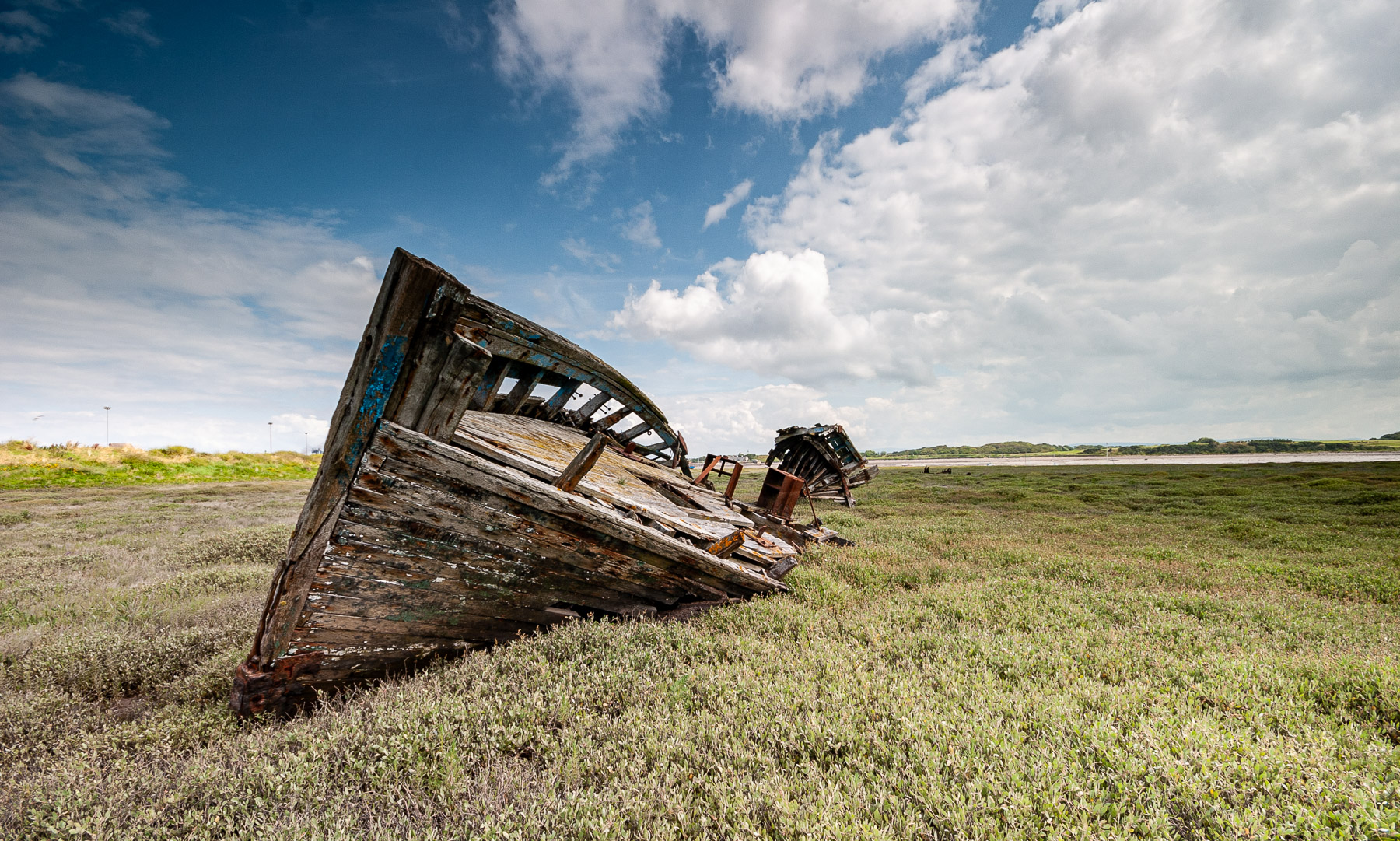
Fleetwood, once a bustling fishing port in Lancashire, saw its industry decline dramatically over the decades. In the 1950s and 60s, Fleetwood was home to around 120 trawlers, employing about 11,000 people directly and indirectly. However, several factors contributed to the industry’s downfall:
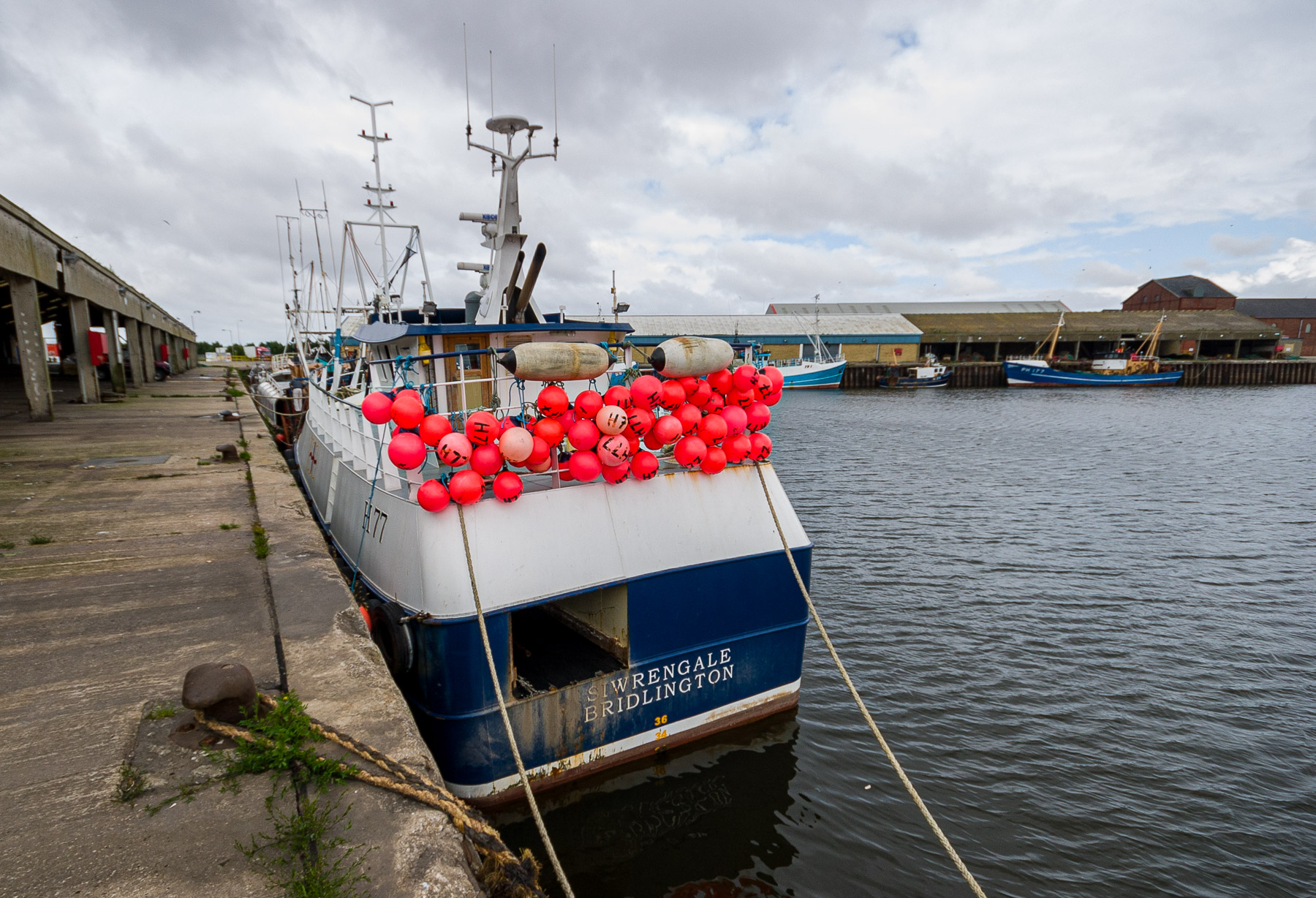
- Cod Wars: The disputes between the UK and Iceland over fishing rights in the North Atlantic during the 1970s severely impacted Fleetwood’s fishing industry. Iceland’s restrictions on fishing in its waters significantly reduced the available fishing grounds.
- Government Policies: In the 1990s, many fishermen sold their boats under a government decommissioning scheme to preserve fish stocks.
- Economic Shifts: The rise of imported fish and changes in the global fishing market also played a role in the decline.

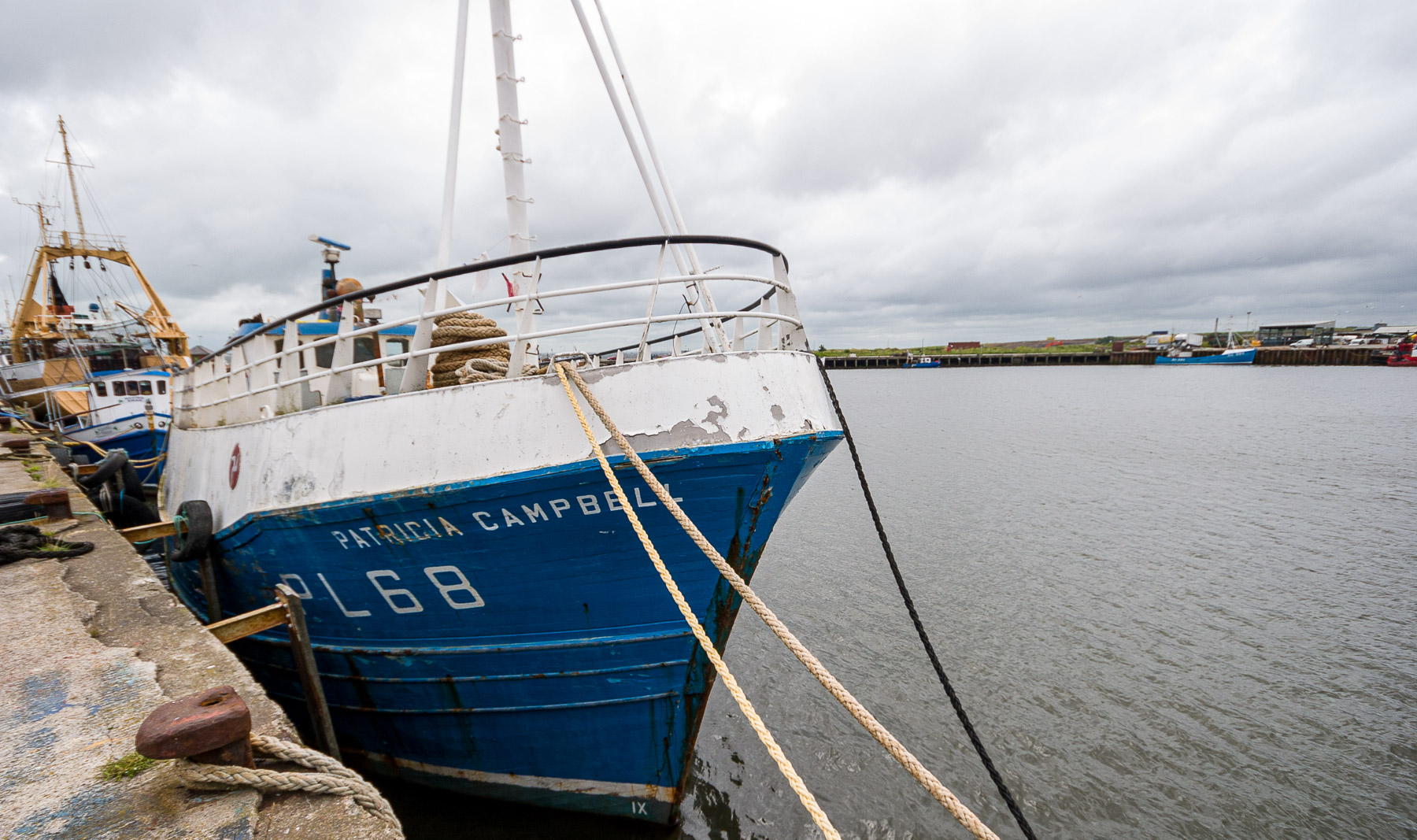

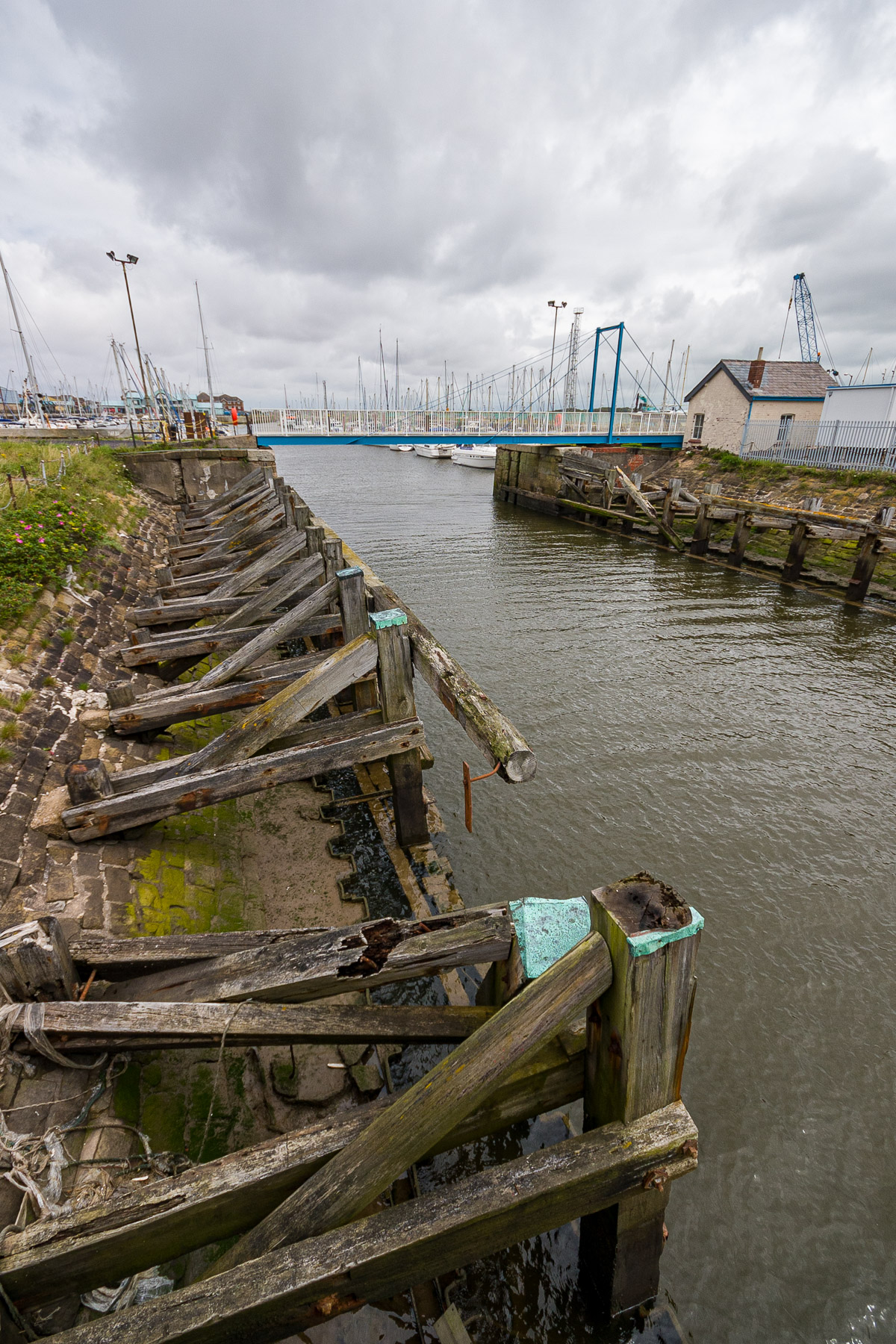

Today, Fleetwood fishing industry is a shadow of its former self, with only a handful of trawlers remaining. The town has shifted its focus to fish processing and other industries to sustain its economy
The Cod Wars were a series of confrontations between the United Kingdom and Iceland over fishing rights in the North Atlantic. These disputes took place between the 1950s and the 1970s and were primarily about the control of fishing grounds around Iceland.
- First Cod War (1958-1961): Iceland extended its fishing limits from 4 to 12 nautical miles, which the UK did not recognize. This led to several confrontations at sea.
- Second Cod War (1972-1973): Iceland further extended its fishing limits to 50 nautical miles. The UK again did not accept this, leading to more clashes.
- Third Cod War (1975-1976): Iceland extended its fishing limits to 200 nautical miles. This time, the conflict was more intense, with both sides using naval vessels to protect their fishing fleets.
Each of these disputes ended with Iceland achieving its goals. Largely due to its strategic importance during the Cold War and its threats to withdraw from NATO.








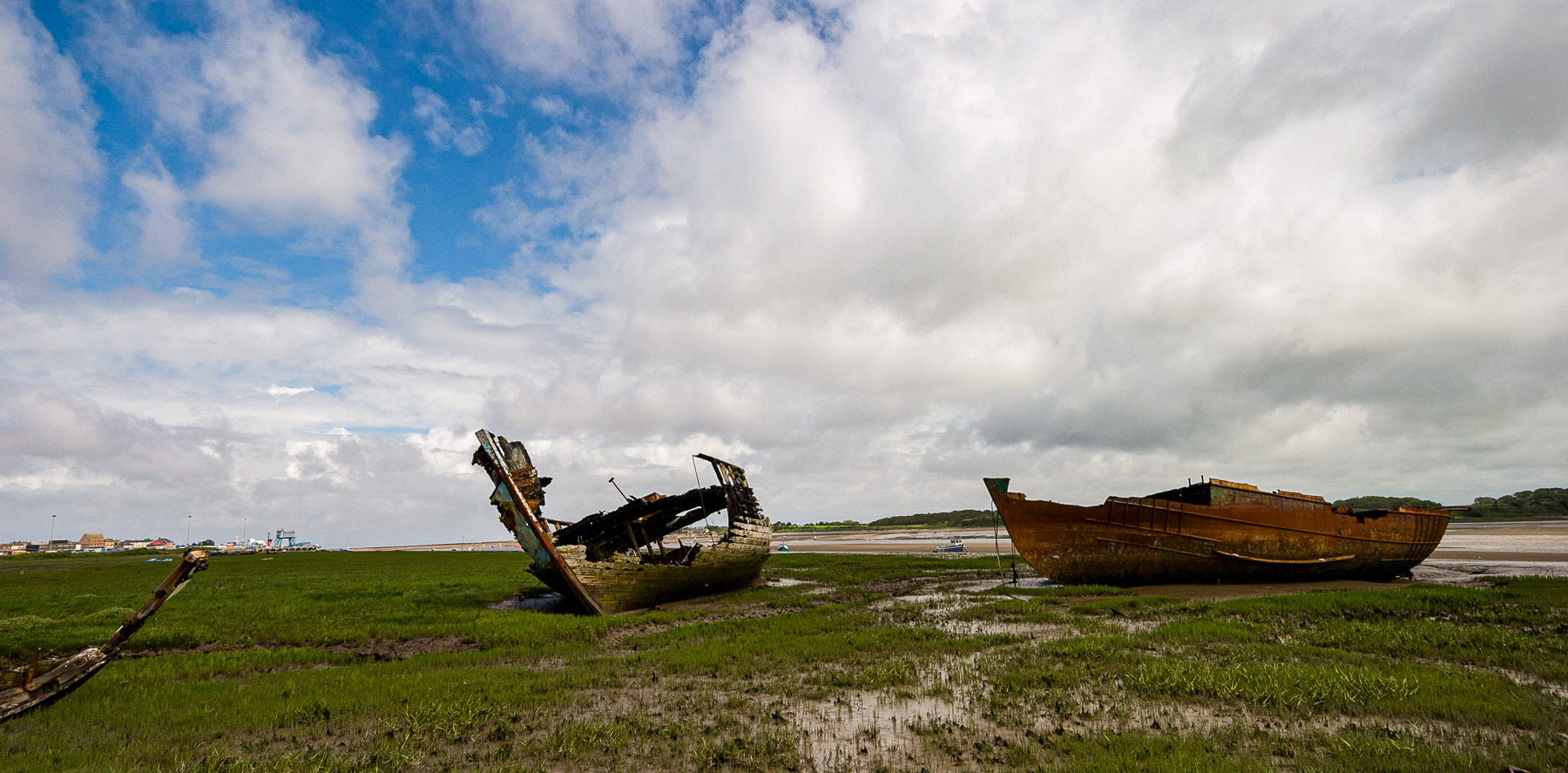
The Cod Wars had significant economic and social impacts on British fishing communities. Leading to job losses and changes in the fishing industry.






 a world without pictures is like coffee without cream and sugar, bitter