
📚 Life and Work
🌱 Early Background
- Born: July 10, 1982, in Paris, to a Moroccan father and French mother.
- Raised: Marrakesh, Morocco.
- Education: Studied photography at Hofstra University and the CUNY Graduate Center in New York.
📸 Artistic Themes
Leila Alaoui’s photography explored migration, displacement, and cultural identity, often highlighting marginalized communities.
Major Projects
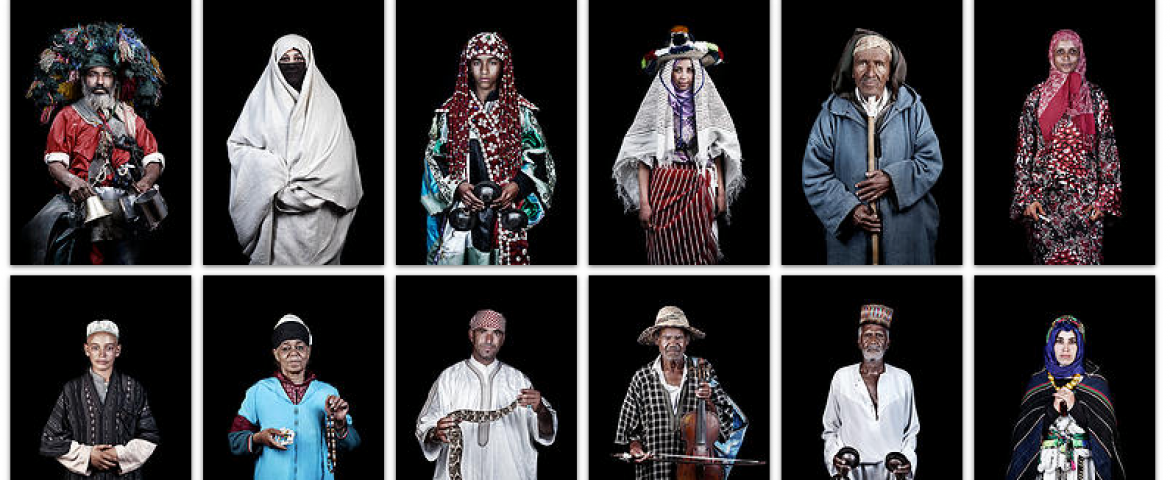
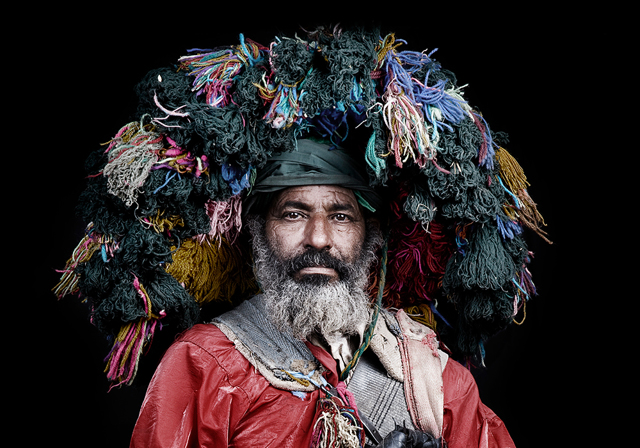
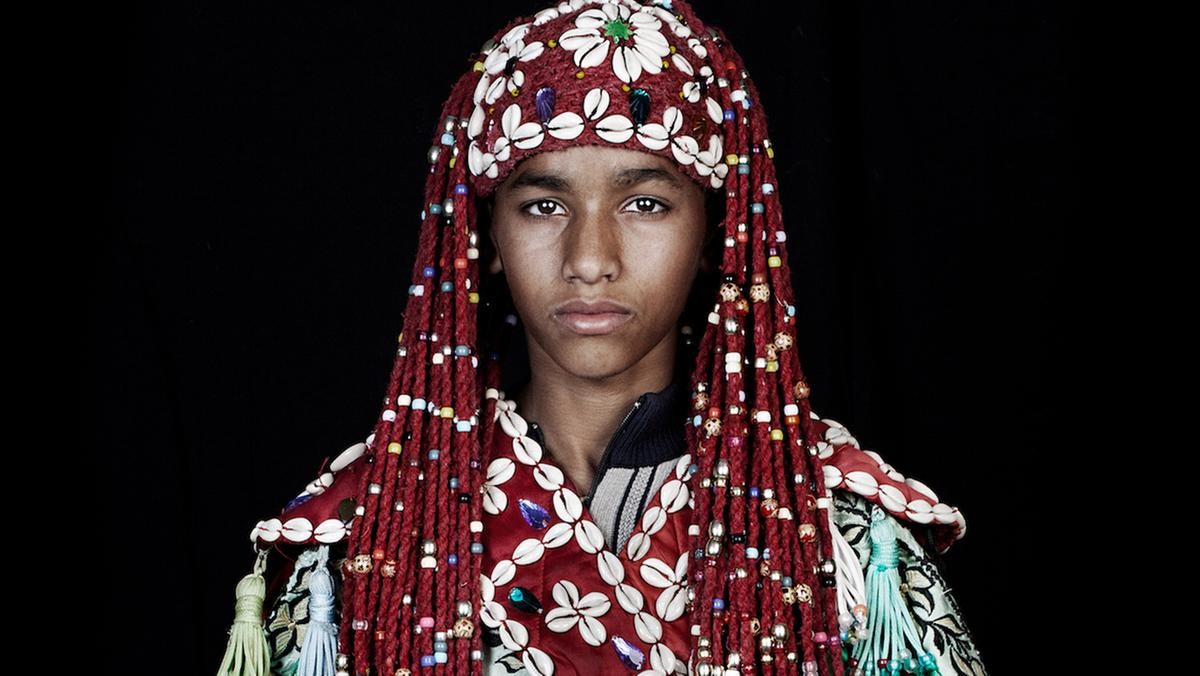
- “Les Marocains” (2010–2014): A series of large‑scale portraits documenting Morocco’s diverse cultural groups, inspired by Irving Penn’s ethnographic style.
- “No Pasara” (2008): Focused on sub‑Saharan migrants in Morocco, capturing the human face of migration.
- “Natreen” (2013): Commissioned by the Danish Refugee Council, portraying Syrian refugees in Lebanon.
- “Crossings” (2013): A video installation about migrants risking their lives to reach Europe.
- Commercial & NGO Work: She also worked for magazines and humanitarian organizations, blending documentary and fine art.
🖼️ Exhibitions & Legacy
- Exhibited internationally in Paris, Marrakesh, Beirut, and New York.
- Her works are part of collections such as Qatar Museums.
- After her death, the Fondation Leila Alaoui was established to preserve and promote her artistic and humanitarian legacy.
⚠️ Her Death
- Date: January 18, 2016.
- Location: Ouagadougou, Burkina Faso.
- Context: Alaoui was on assignment for Amnesty International, photographing women’s rights projects.
- Incident: She was caught in a terrorist attack by Al‑Qaeda in the Islamic Maghreb (AQIM) at the Cappuccino café.
- Outcome: Alaoui suffered severe gunshot wounds and died three days later at age 33.
📊 Summary Table
| Aspect | Details |
|---|---|
| Born | 1982, Paris |
| Raised | Marrakesh, Morocco |
| Focus | Migration, identity, cultural diversity |
| Key Works | Les Marocains, No Pasara, Natreen, Crossings |
| Exhibitions | Paris, Marrakesh, Beirut, New York |
| Death | 2016, Ouagadougou terrorist attack |
| Legacy | Fondation Leila Alaoui |
✨ In Summary
Leila Alaoui was a visionary photographer who gave voice to migrants, refugees, and marginalized communities through powerful portraiture and video art. Her life was cut short in a terrorist attack, but her work continues to resonate globally, reminding us of the human dignity at the heart of migration and cultural diversity.
 a world without pictures is like coffee without cream and sugar, bitter