

Month: September 2020
Using the Fuji X Pro 1 still viable in 2020
cameras, Fujichrome, Lenses, Travel
It did have a few initial problems, slow focusing being the major one (pretty much fixed in following firmware updates) but it will never be a speed demon. I have been using it for several years now and have never found this to be a problem that I cannot workaround. Not a camera to be used for sport or fast-moving subjects. The camera does make you think a little.














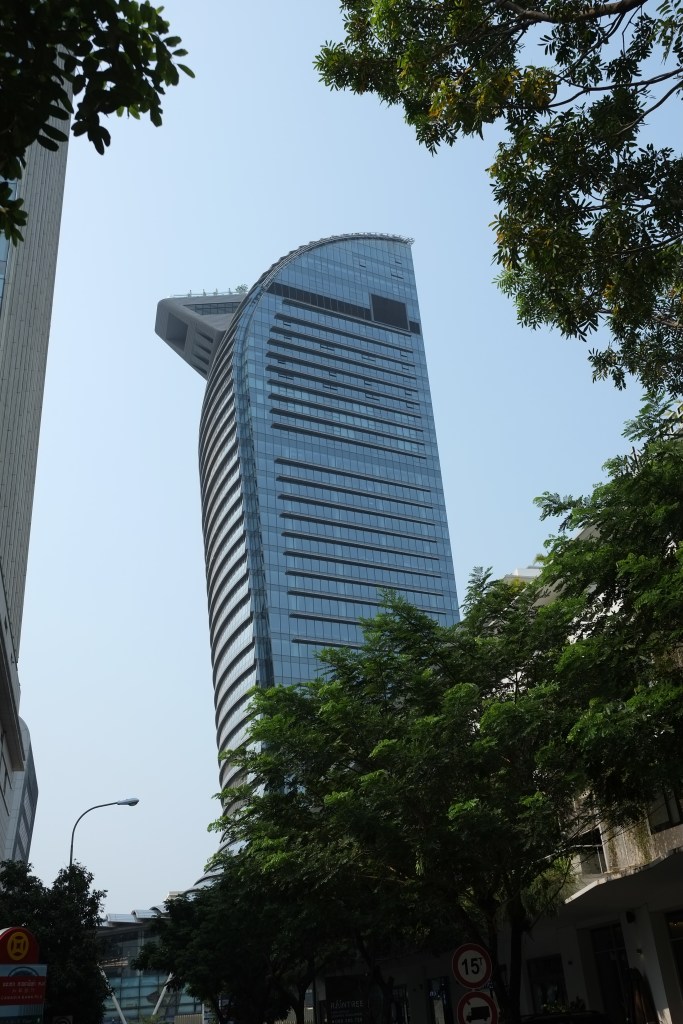

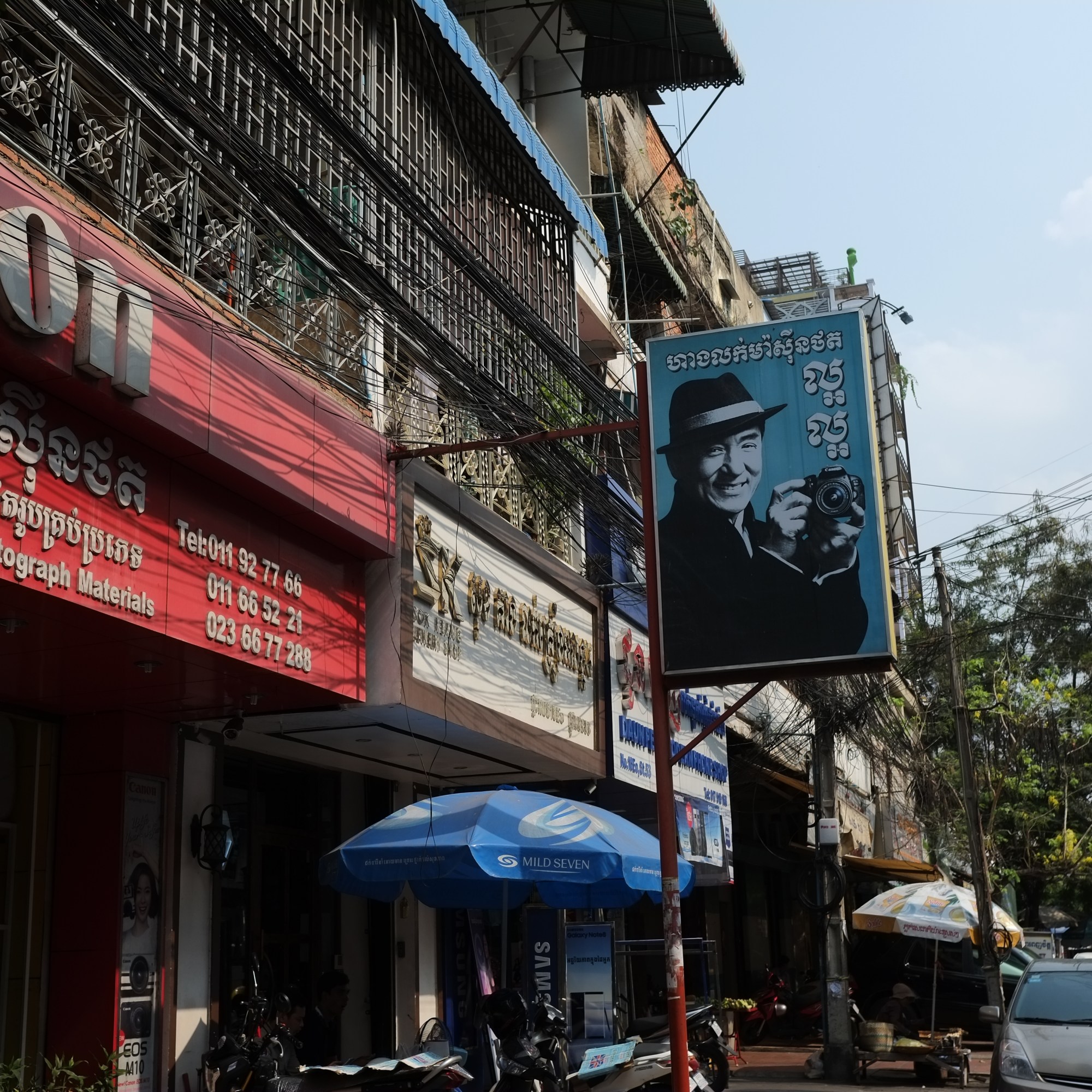
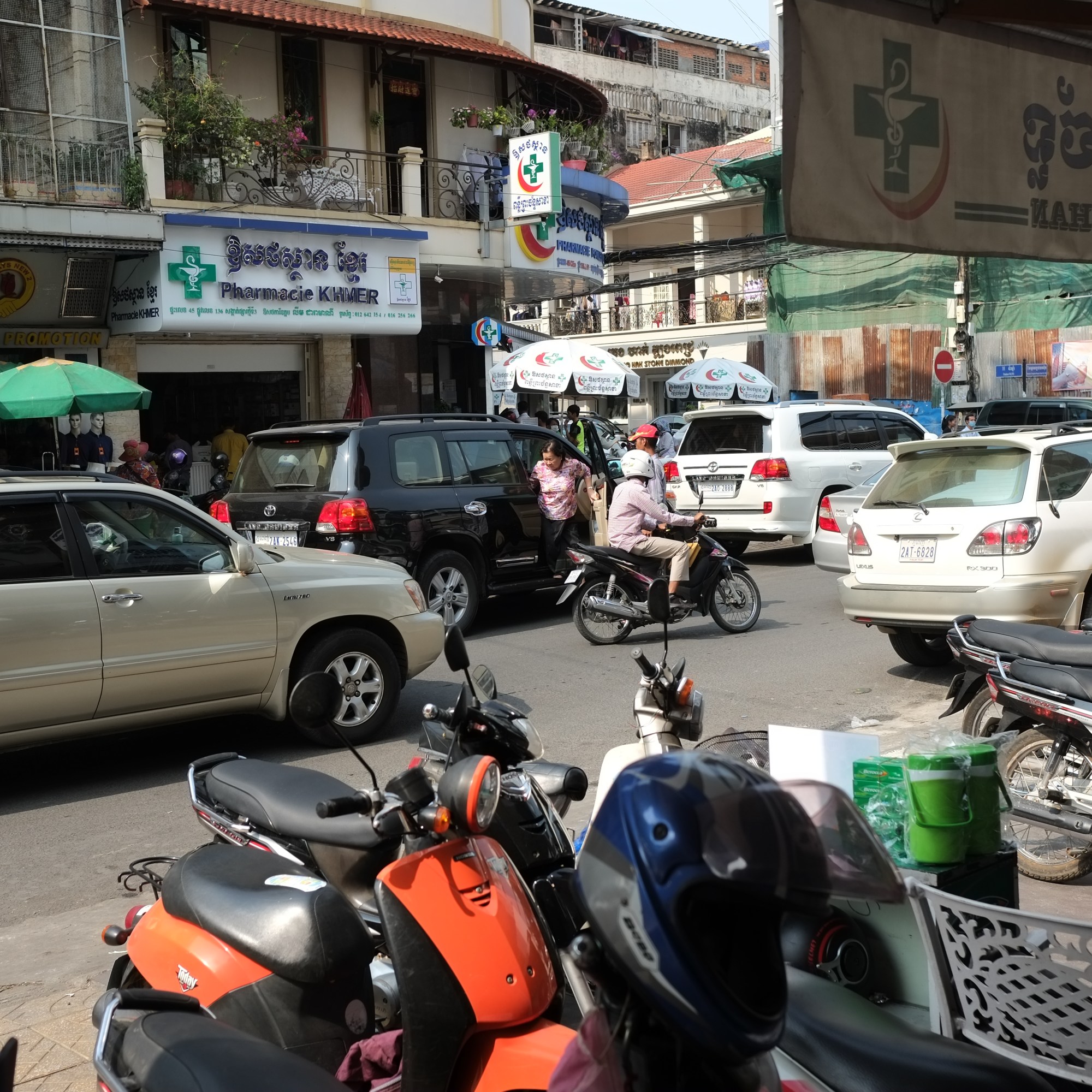

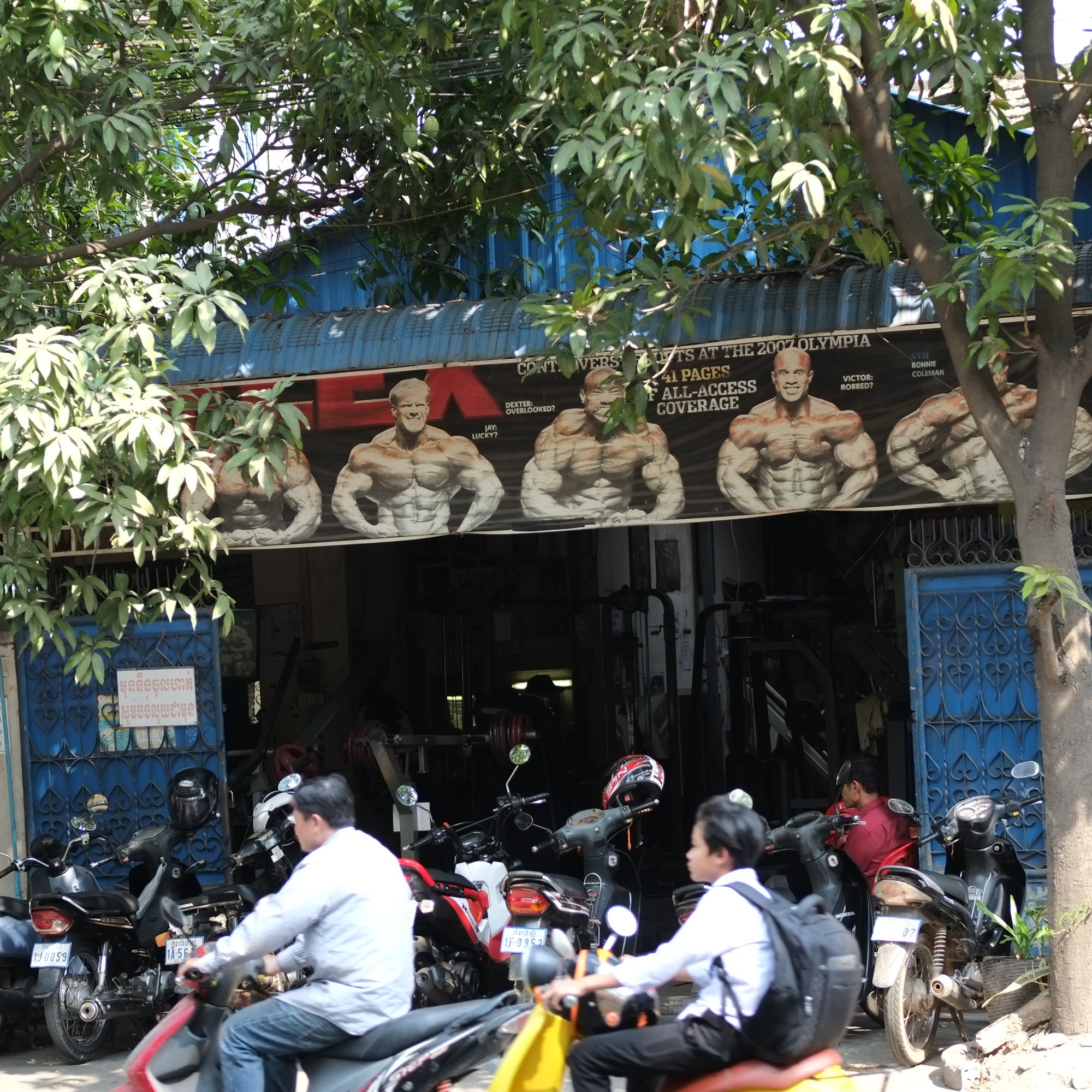
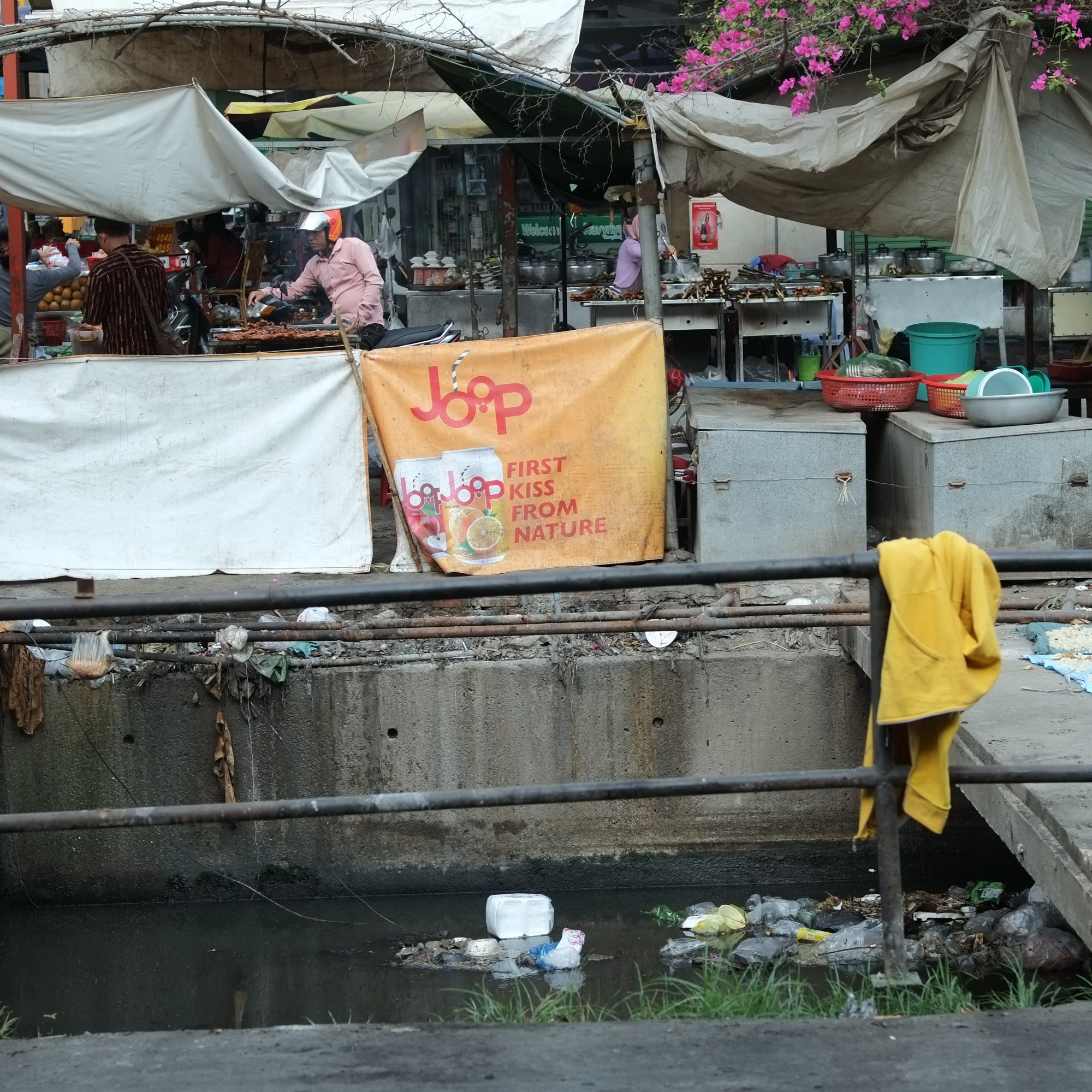
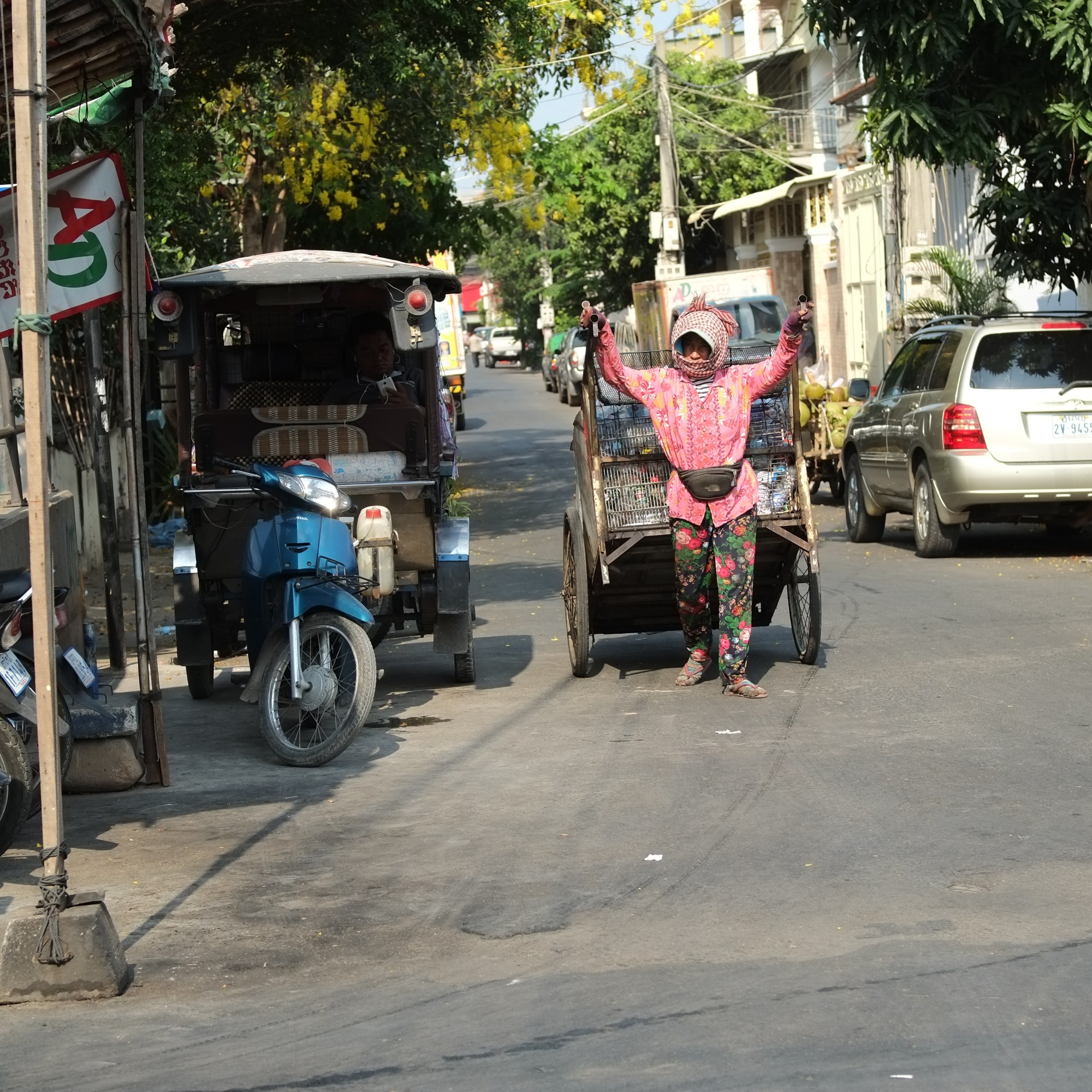
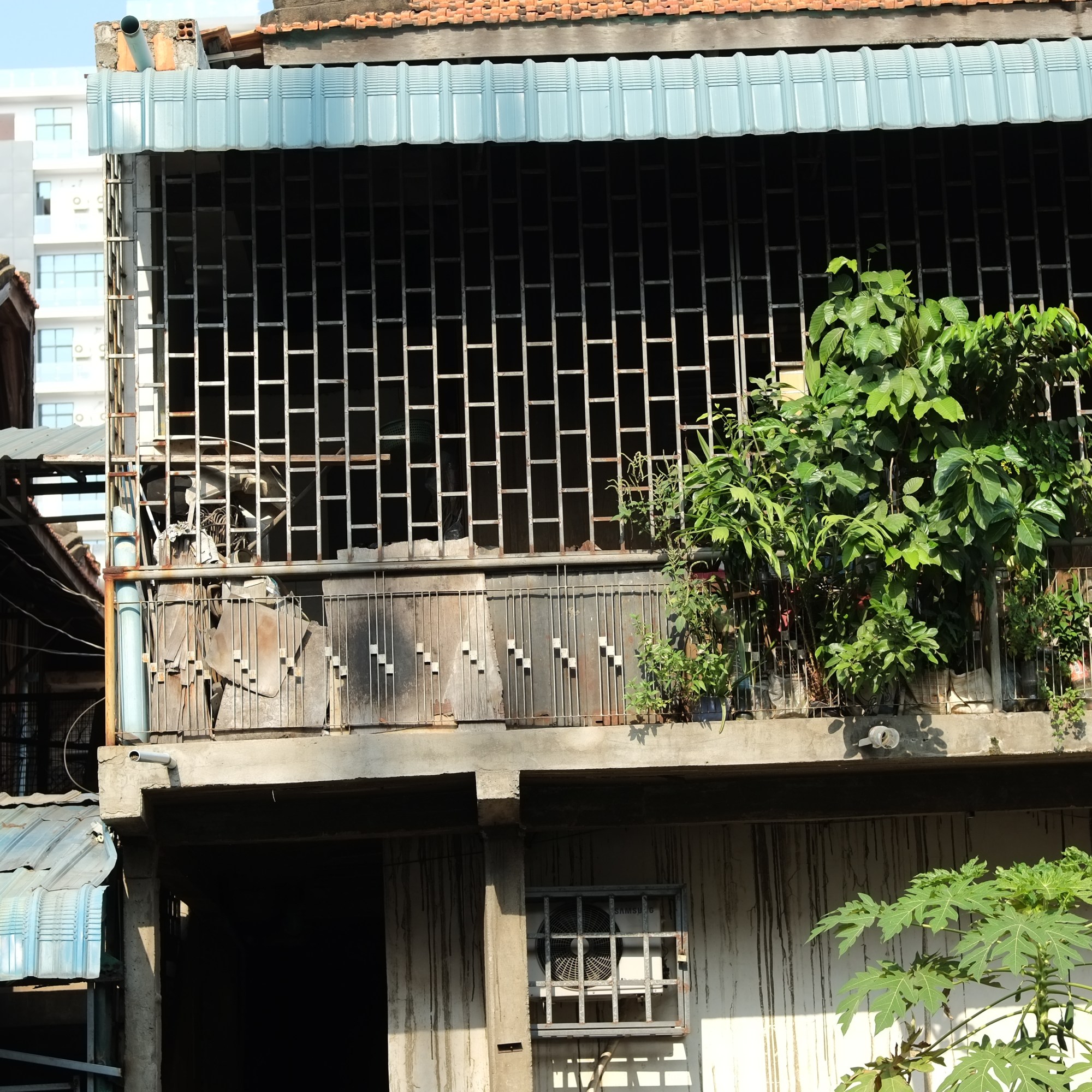
Gone to Kampong Speu
UncategorizedWin has taken the baby to see her Mama in Kampong Speu for a few days. The house will be so quiet now.






Need More Paper
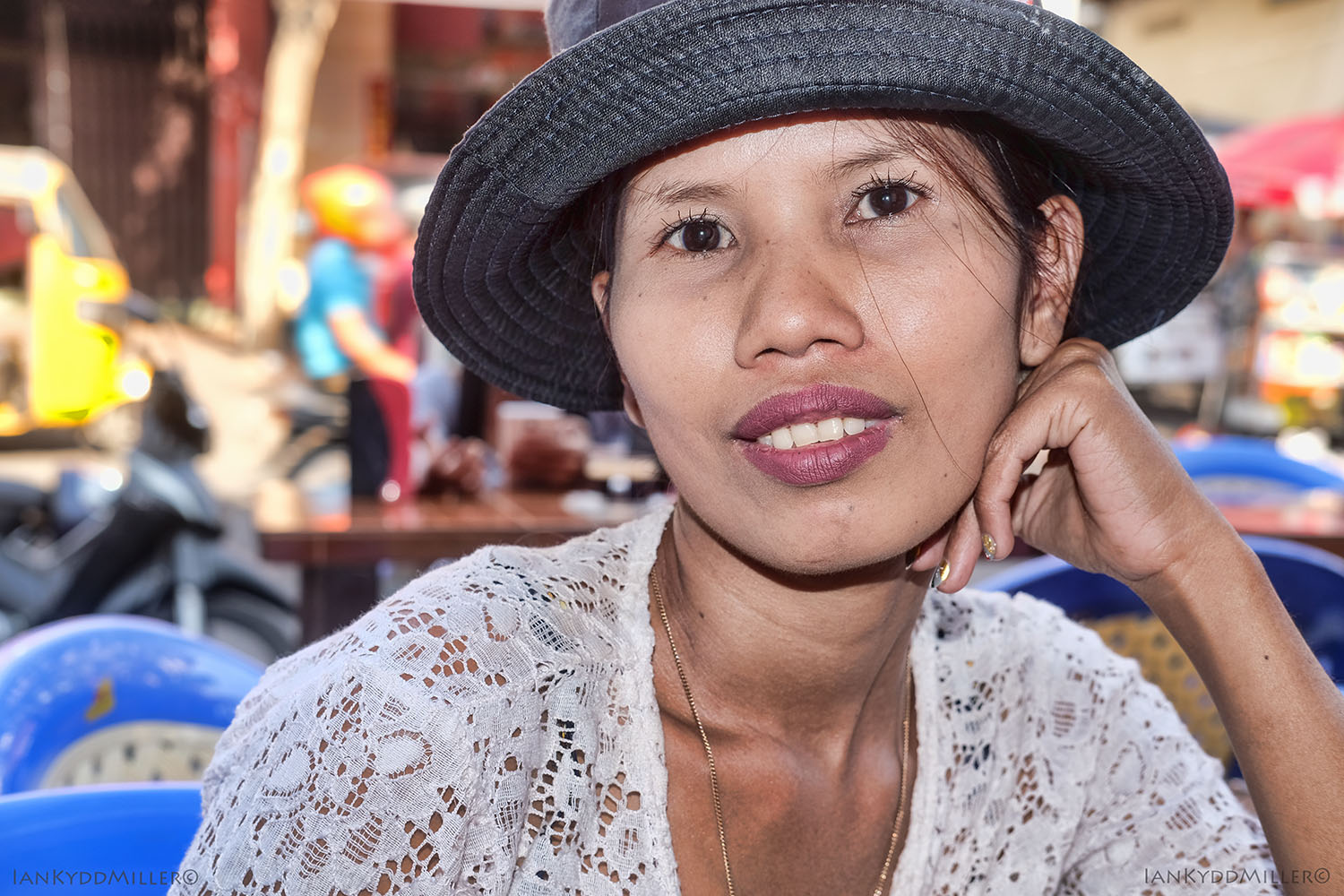
Epson, Fujichrome, printersI need to stock up today on A3 paper as I am running low. I have been really enjoying printing some of my images and I am going through paper at a rate of knots.

forPeace 2019
cambodia, fujifilm, opinons, thoughts, photography, Travel, voluntary
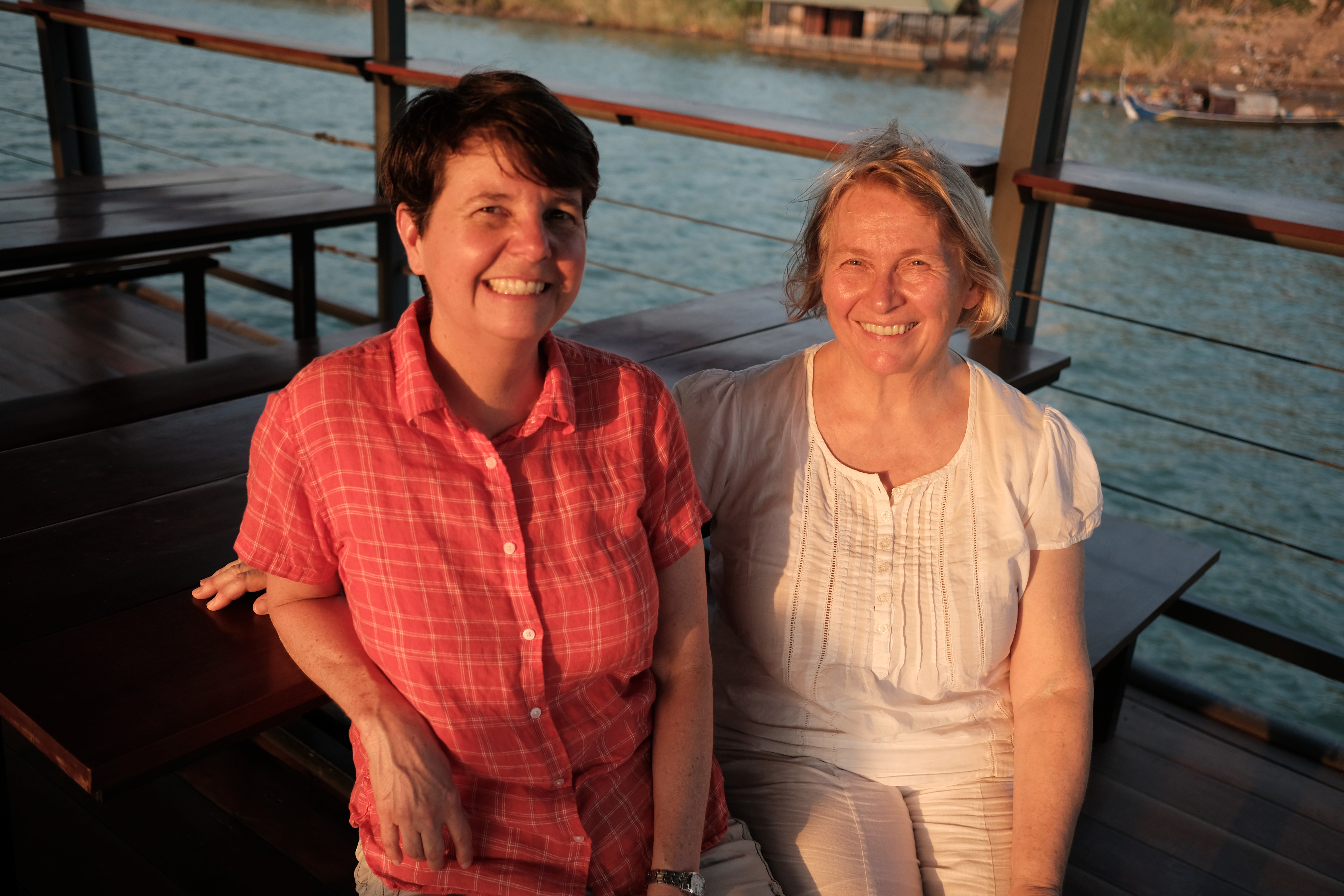


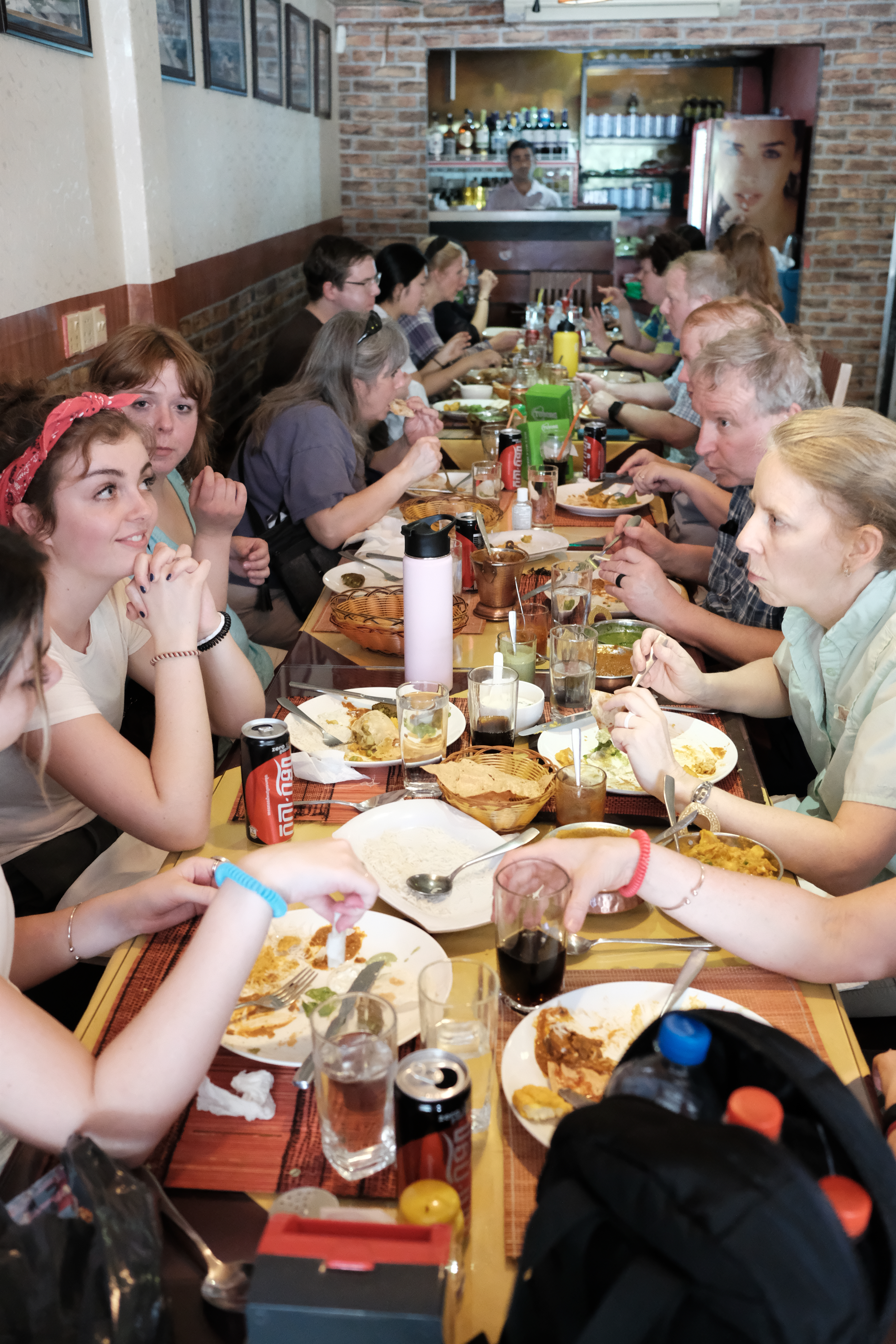
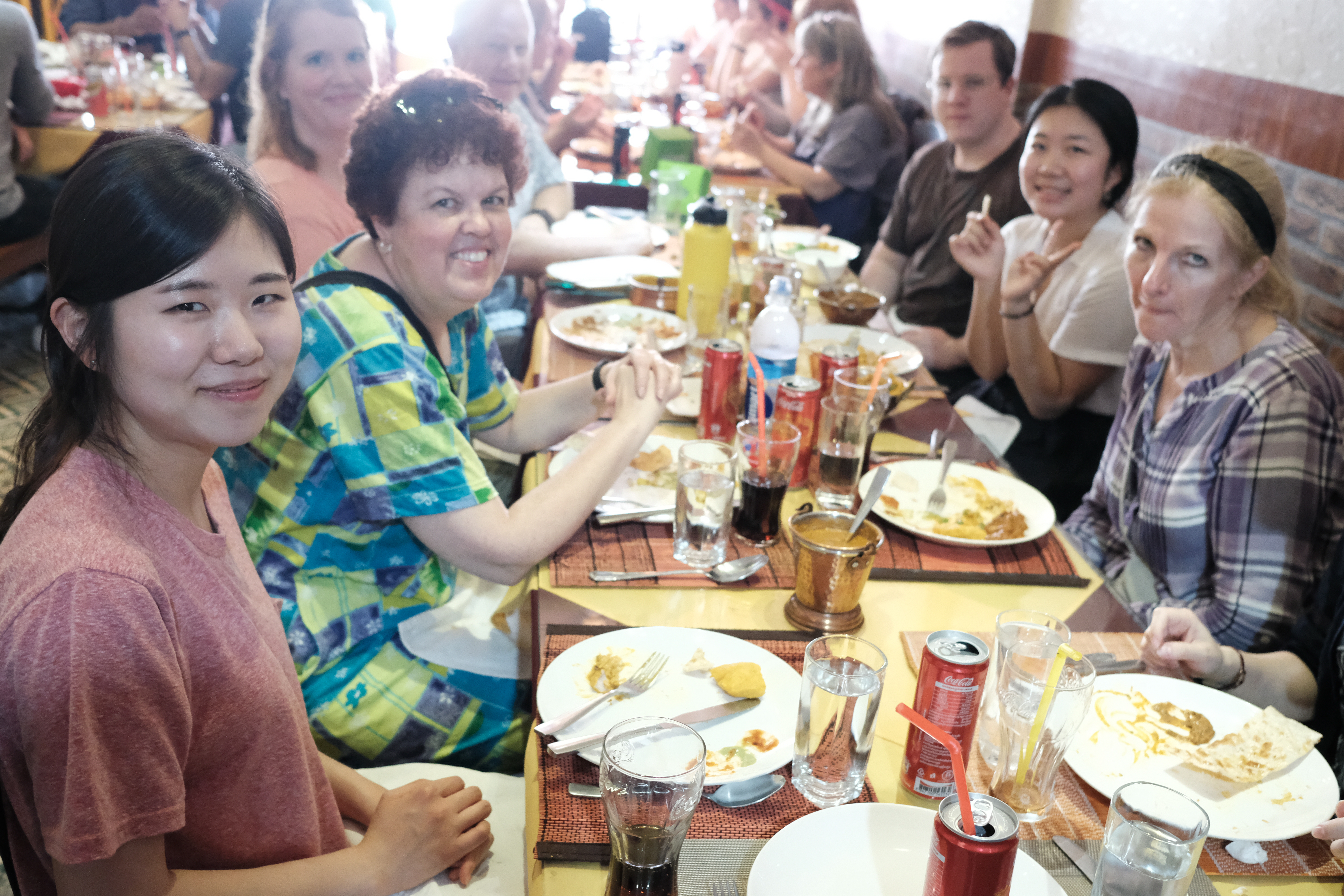
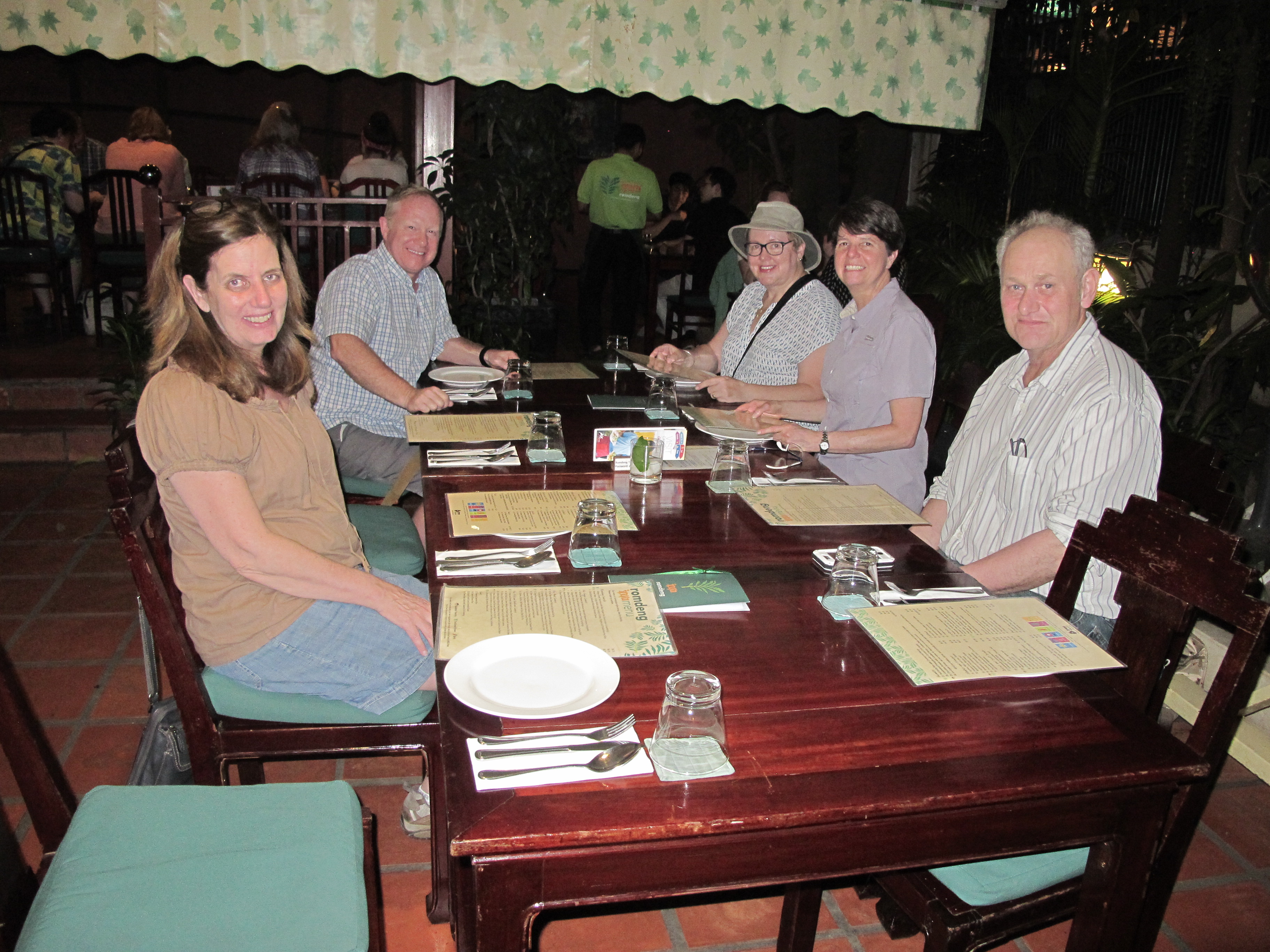

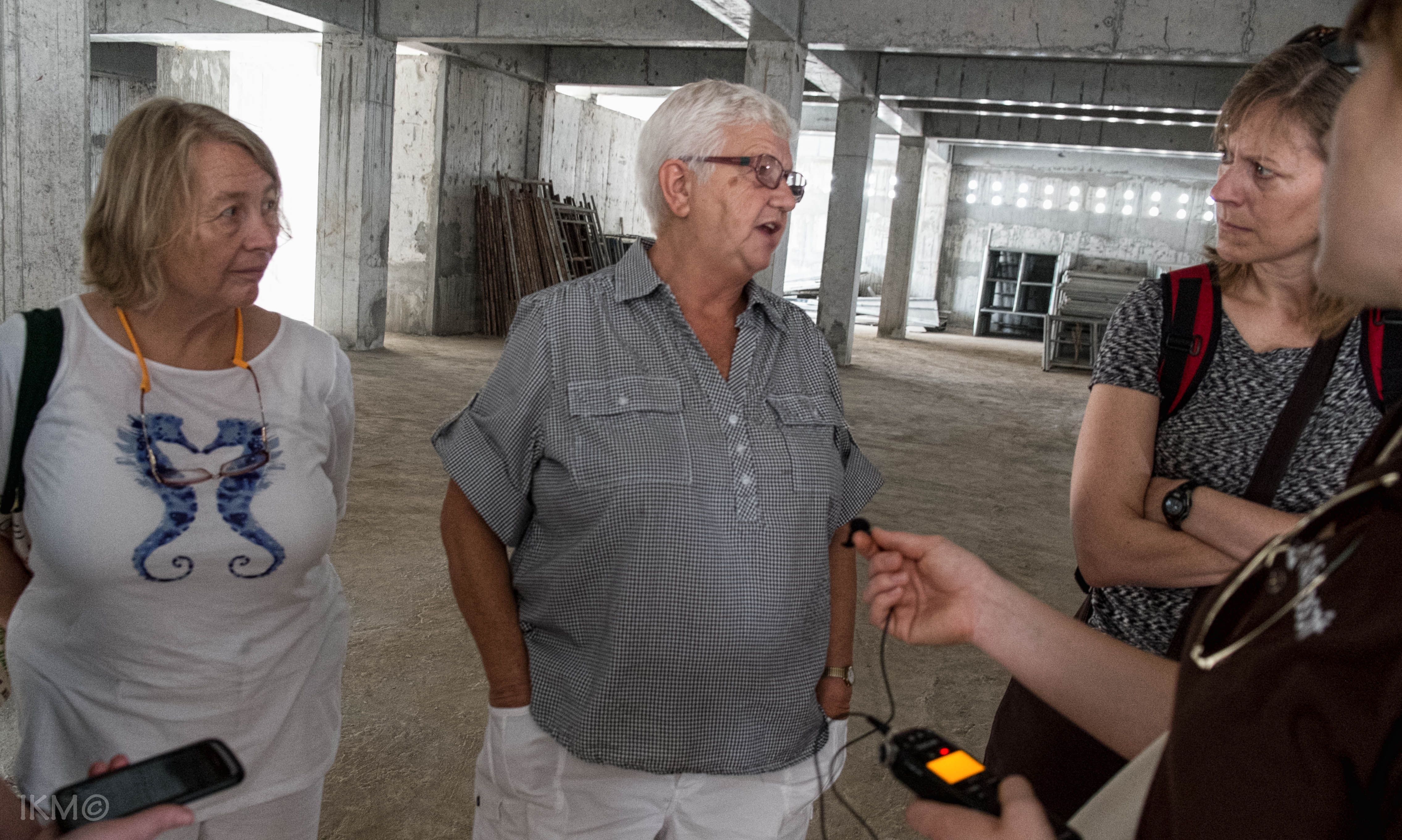
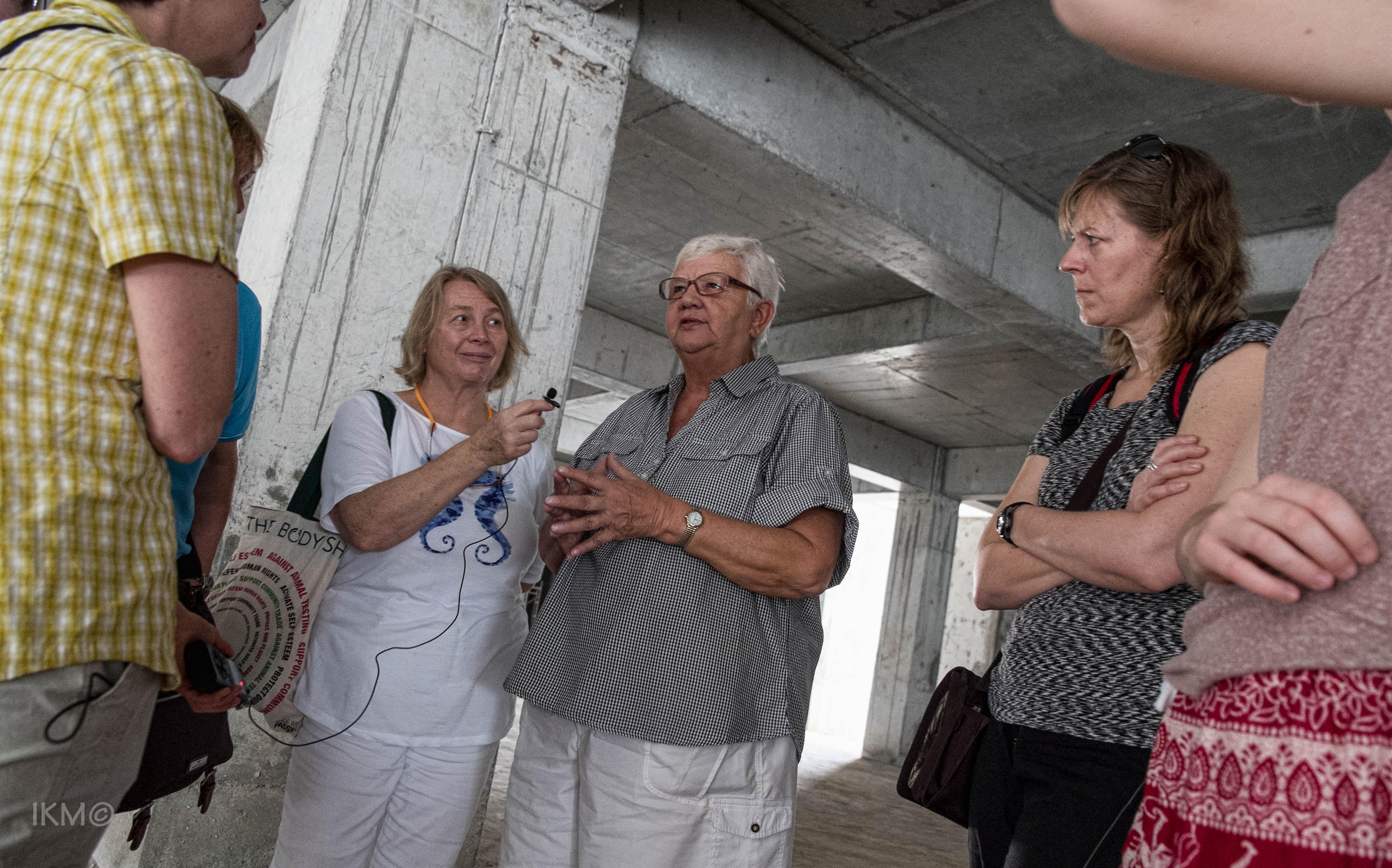
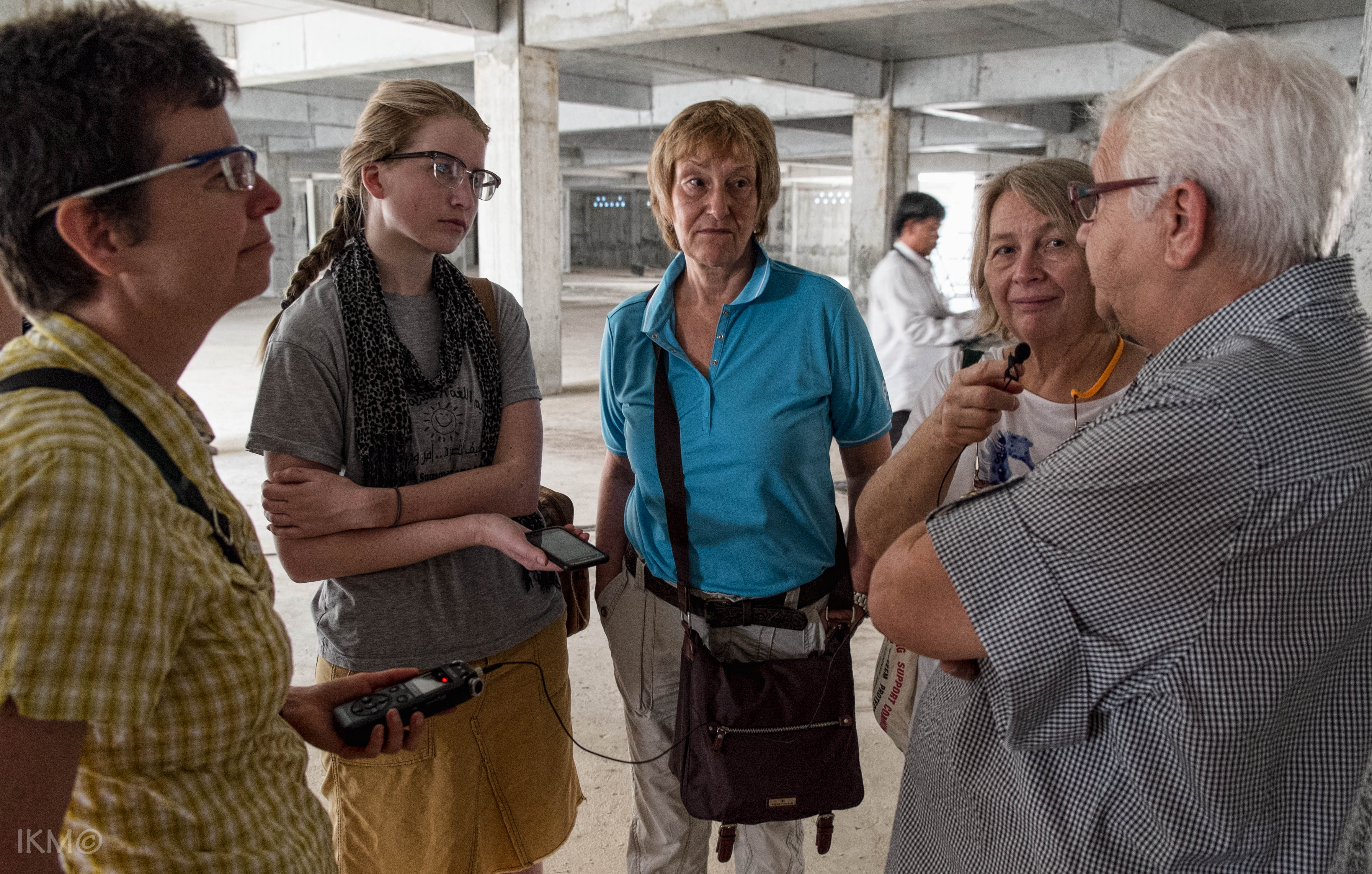
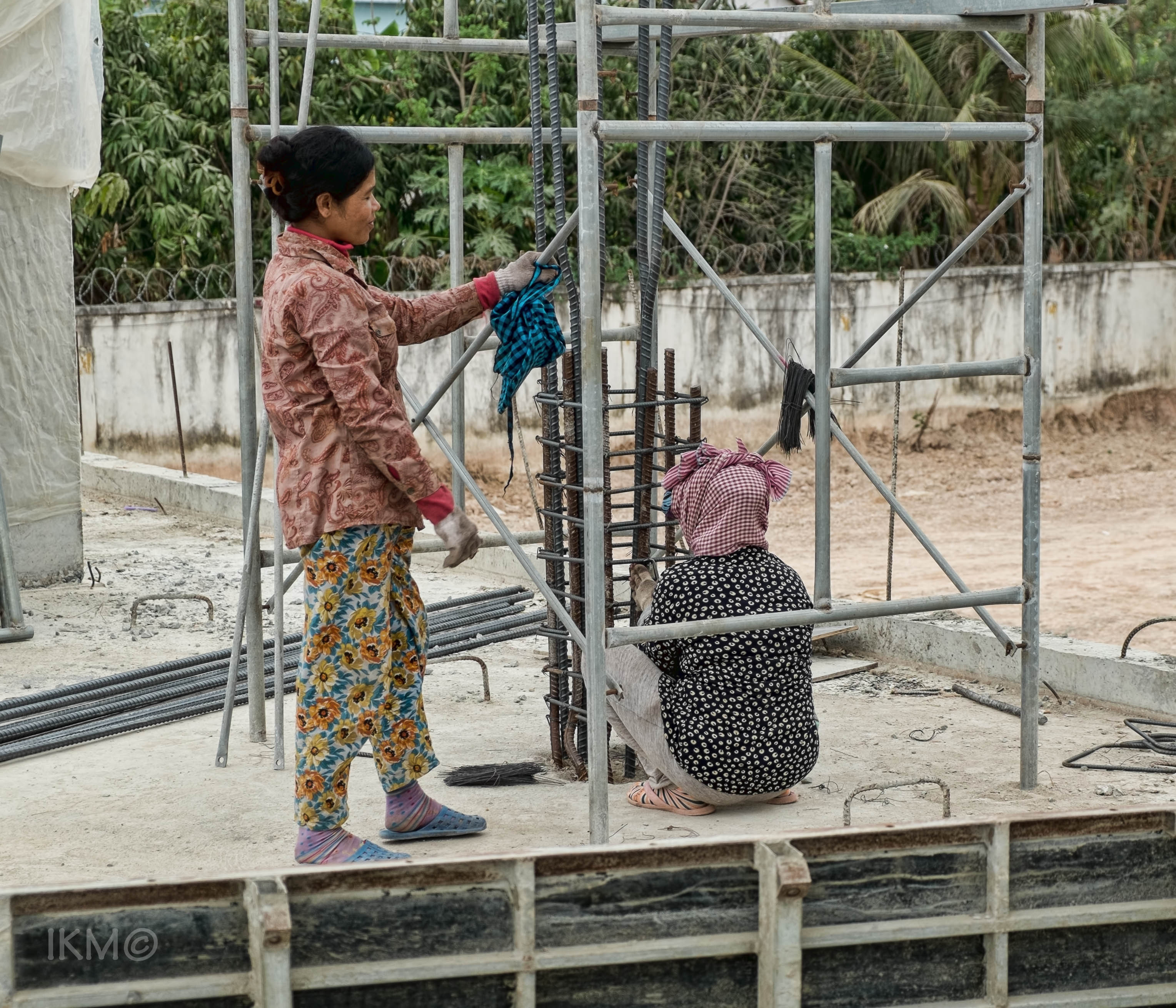
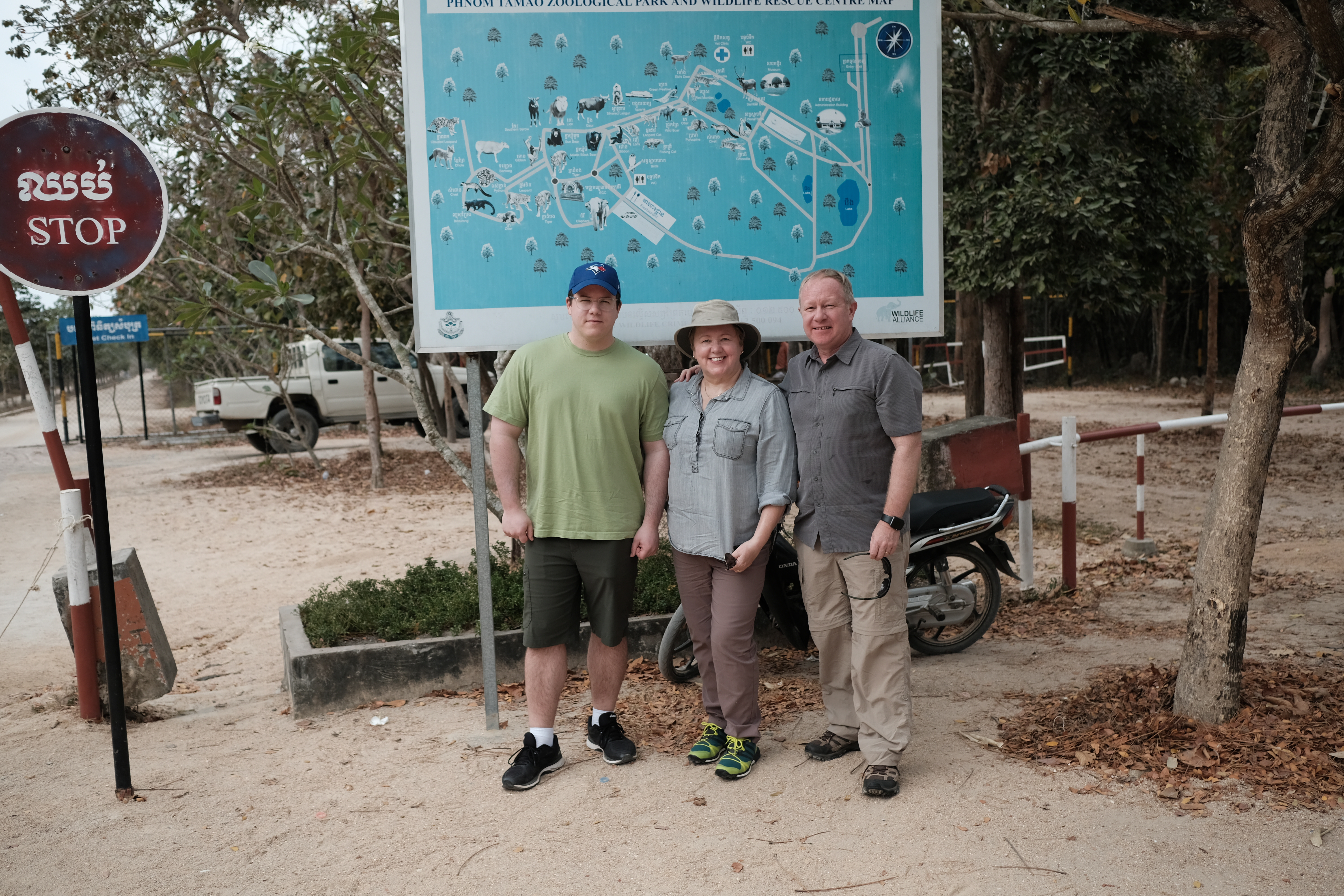
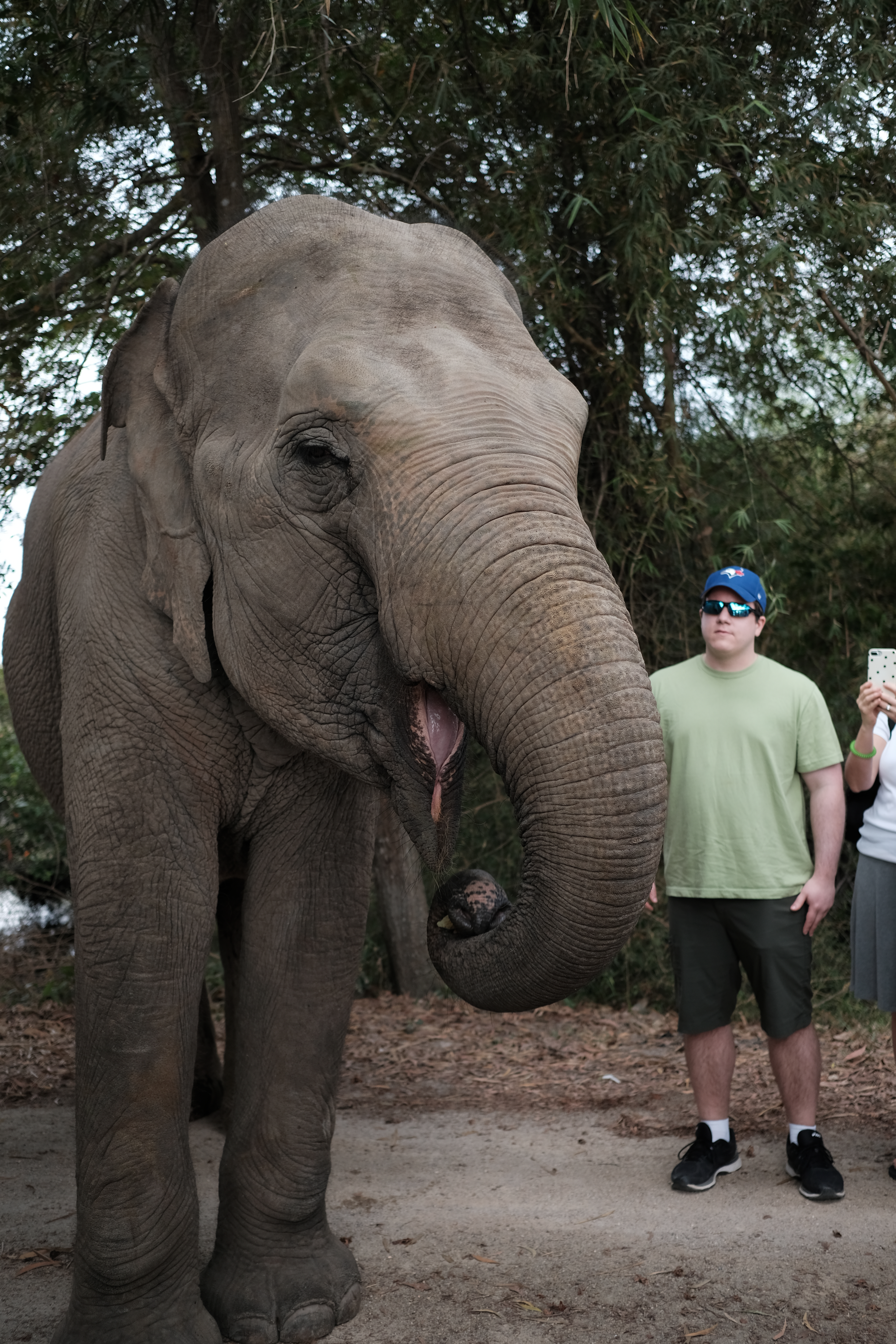
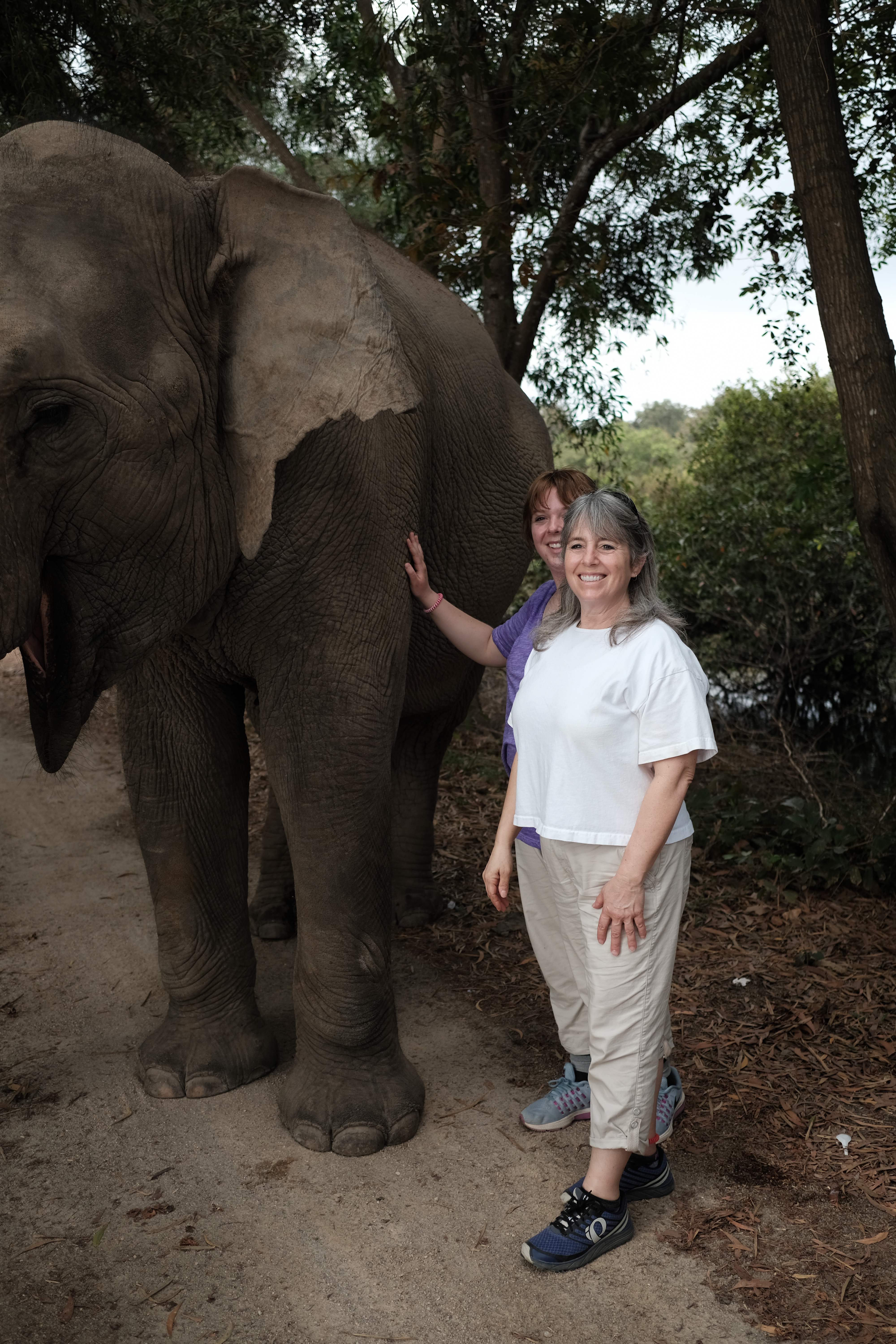
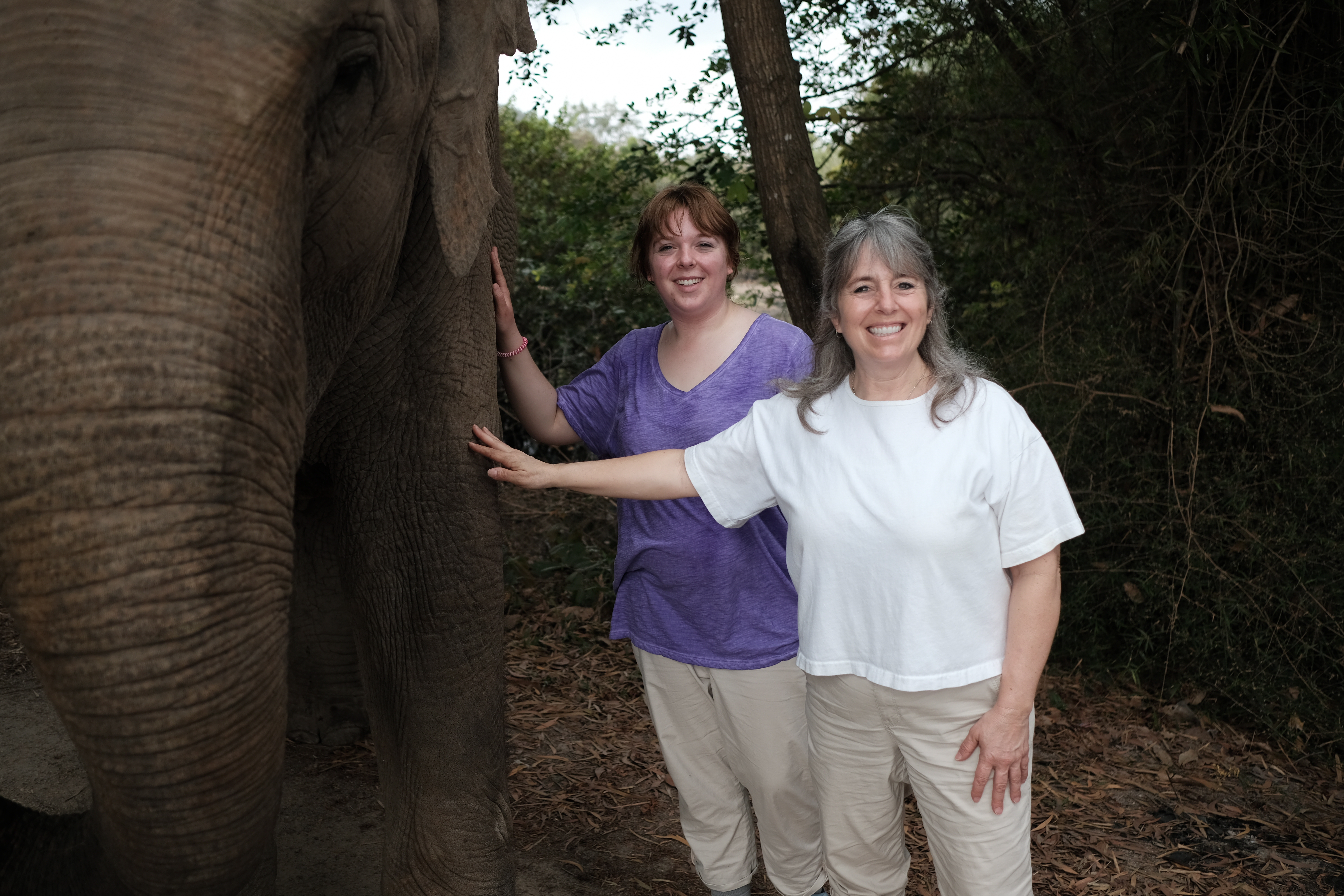
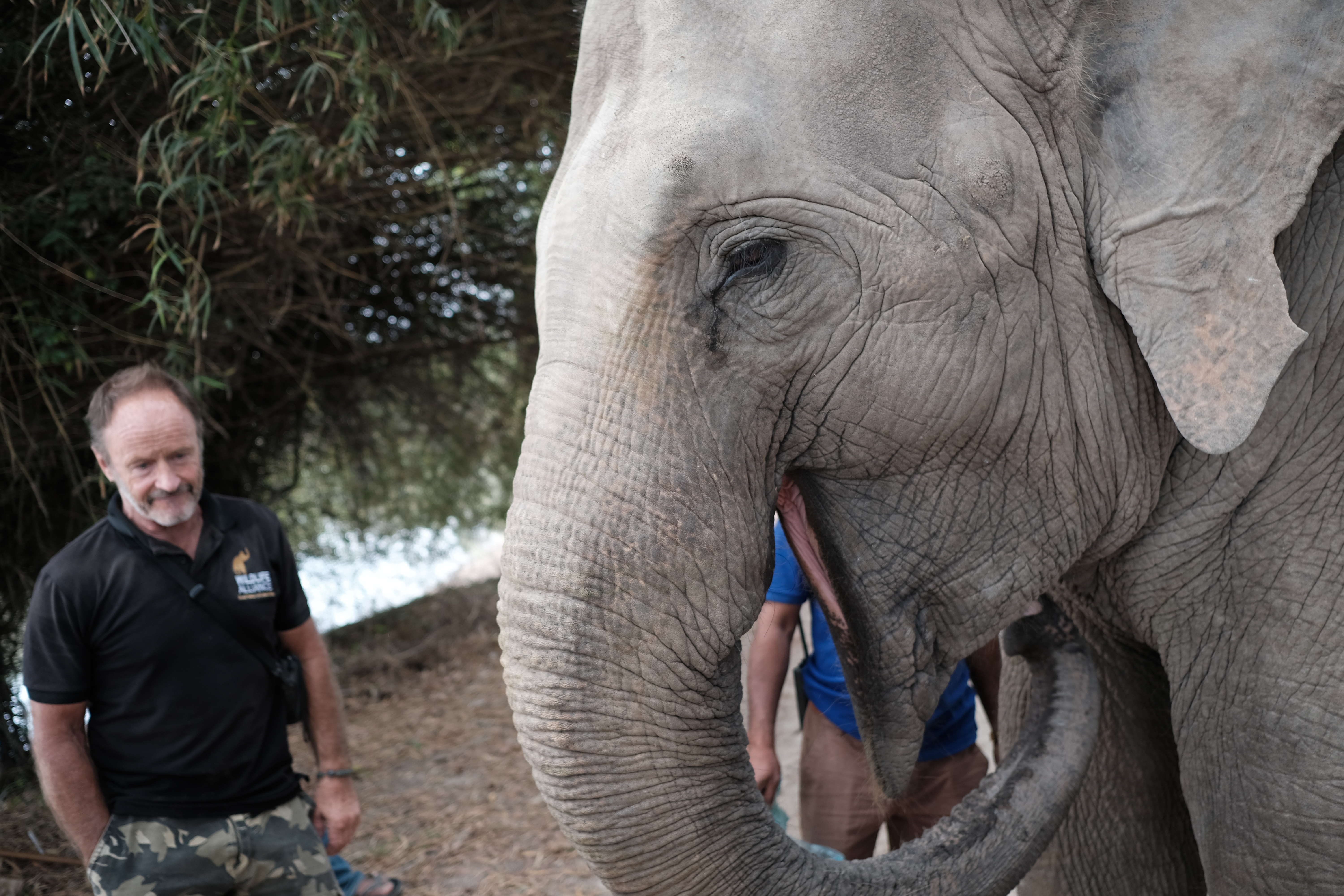
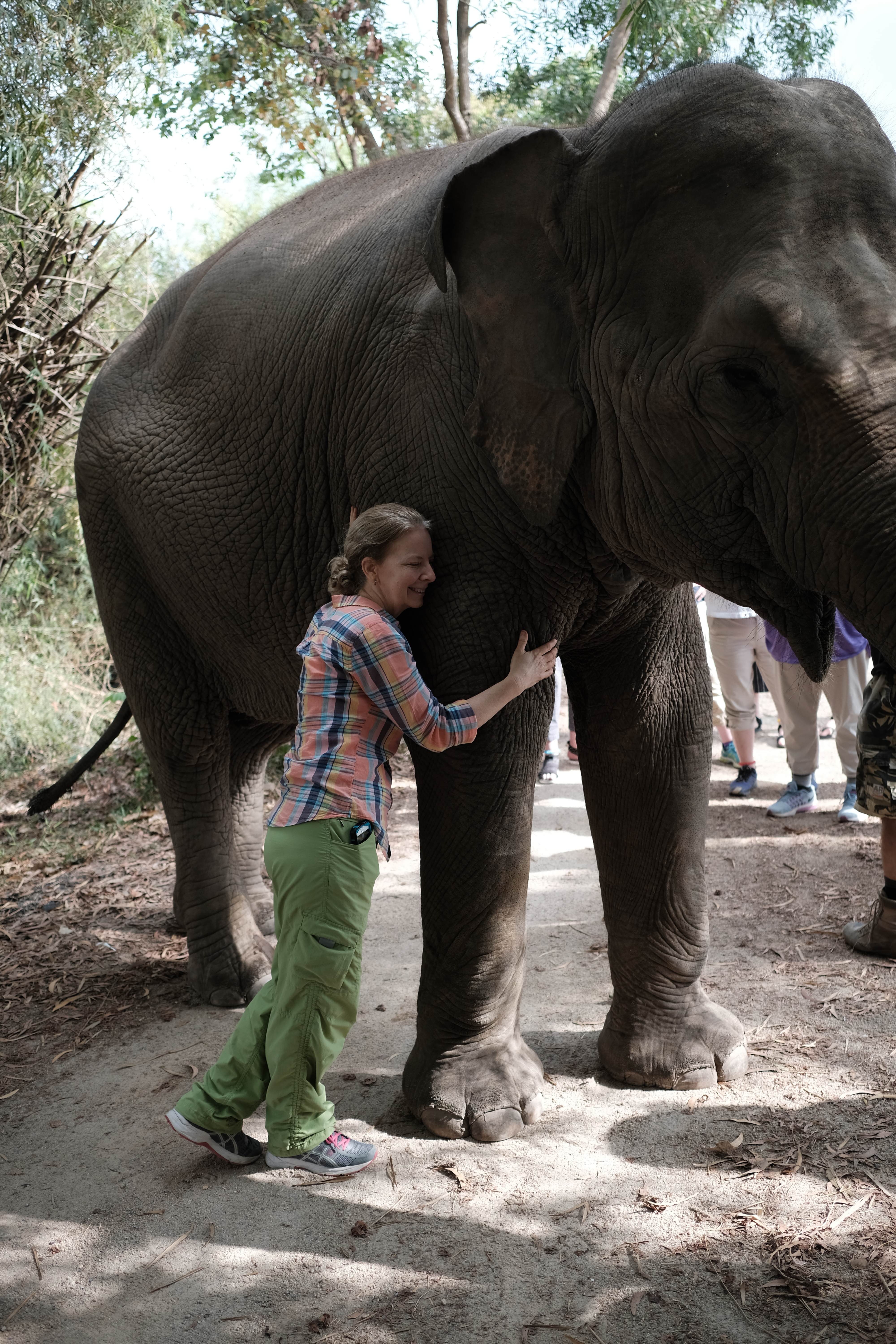
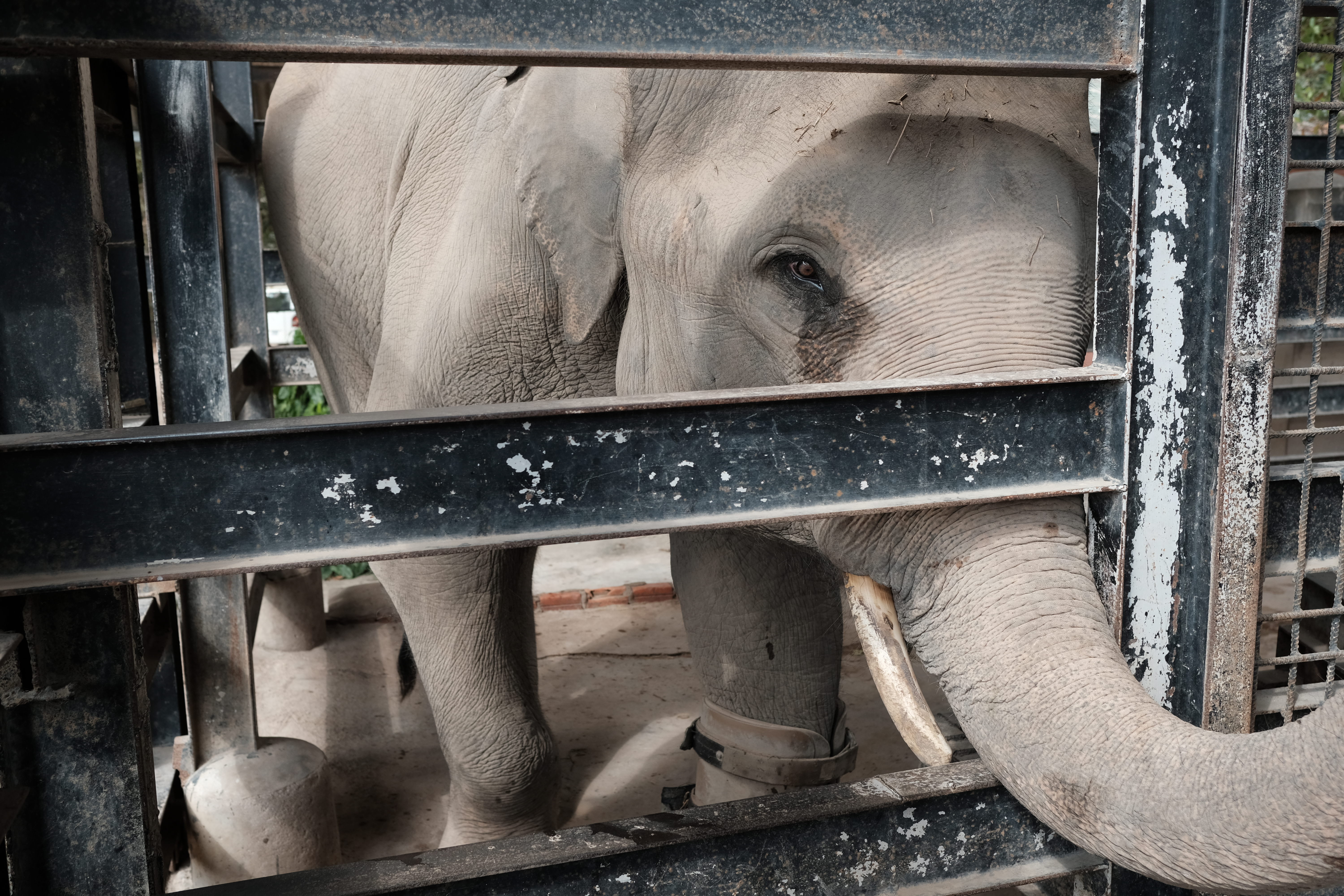
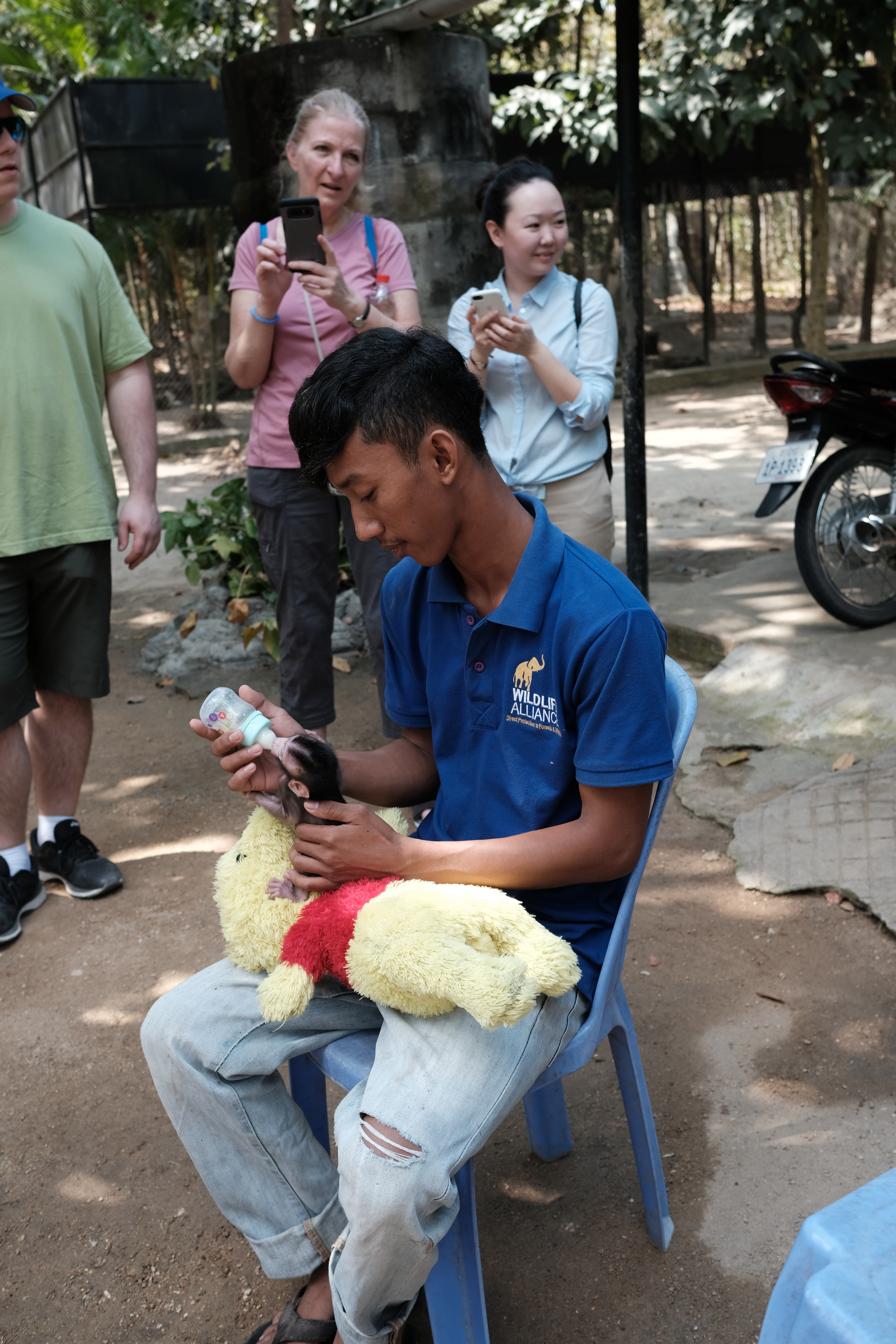
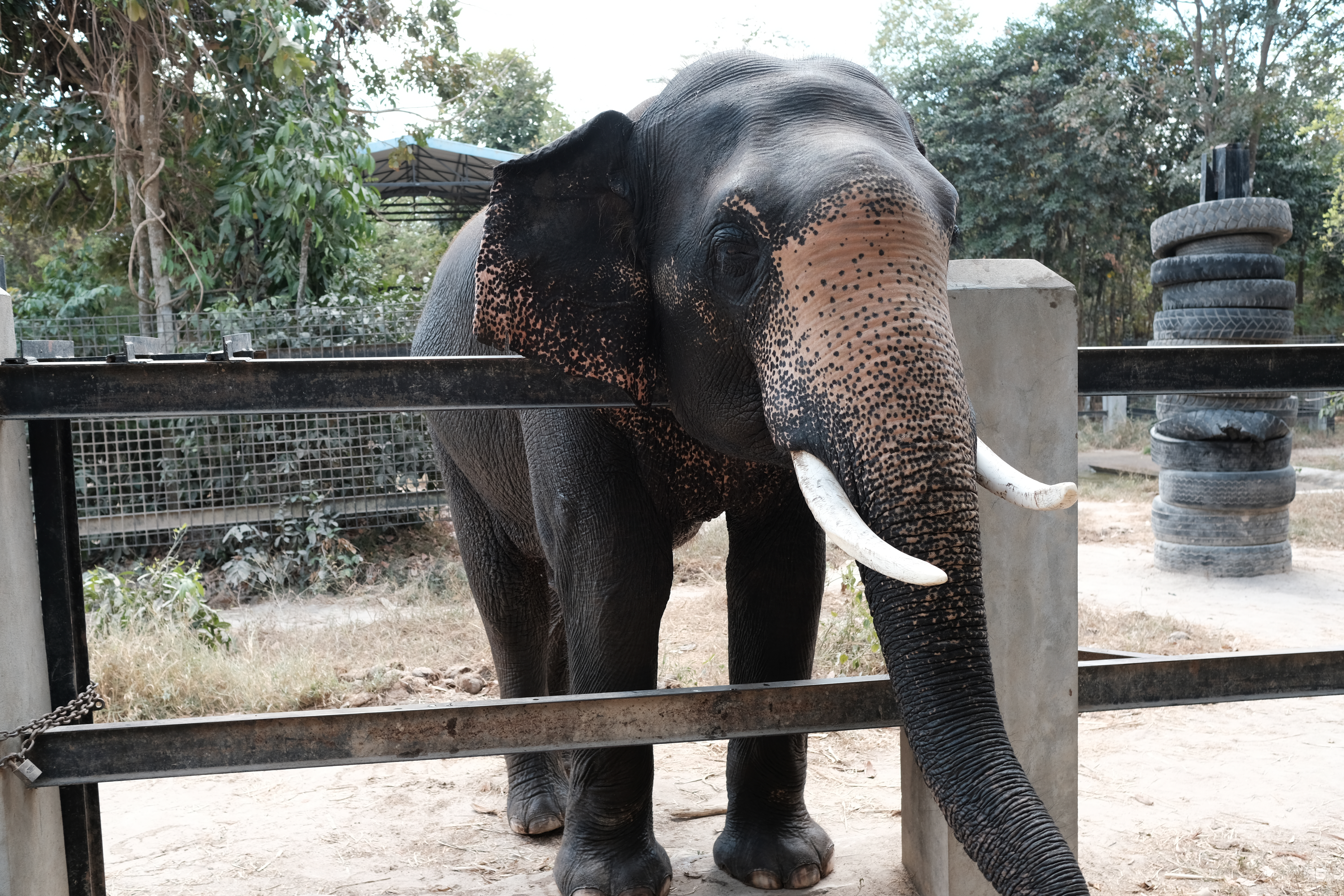
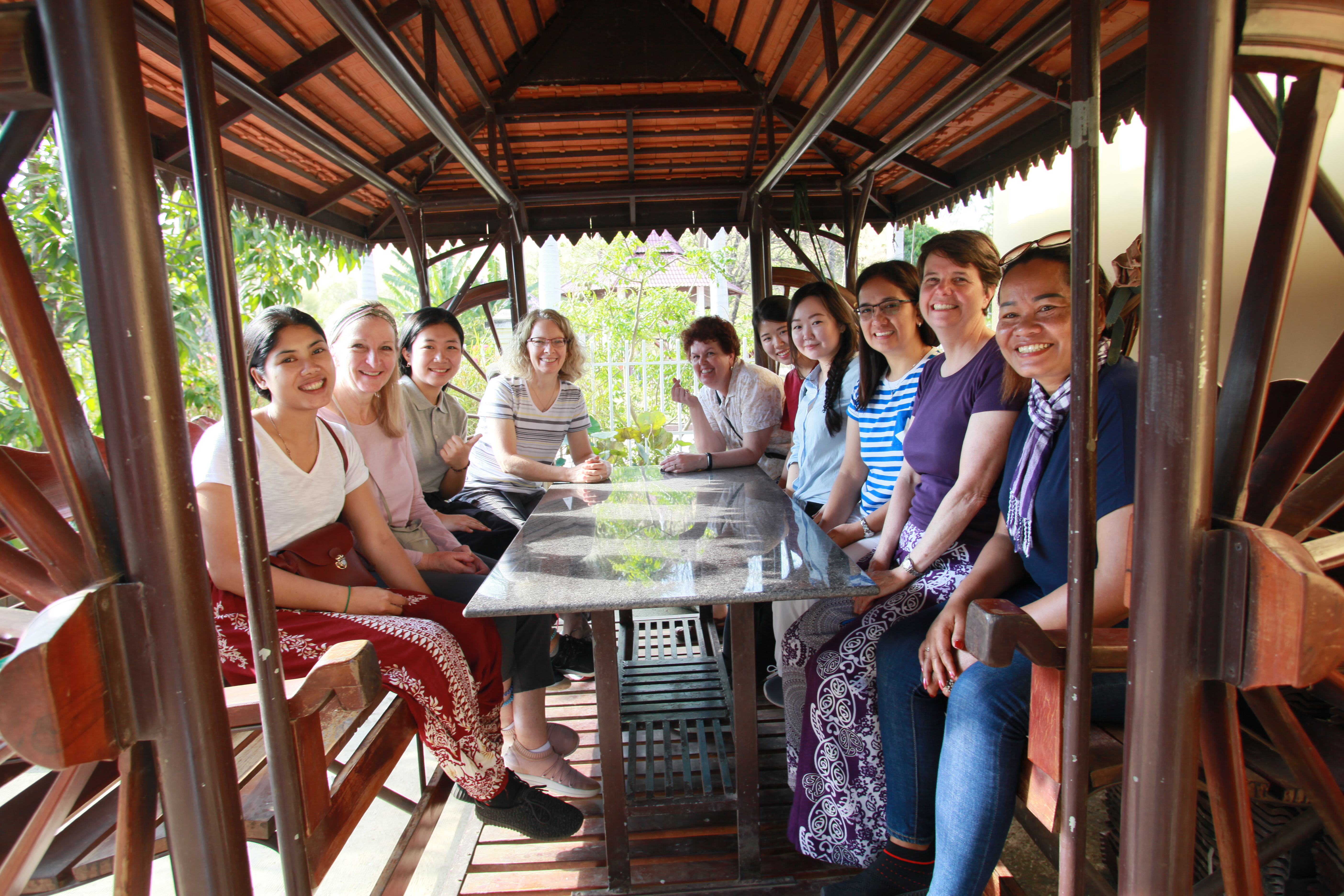
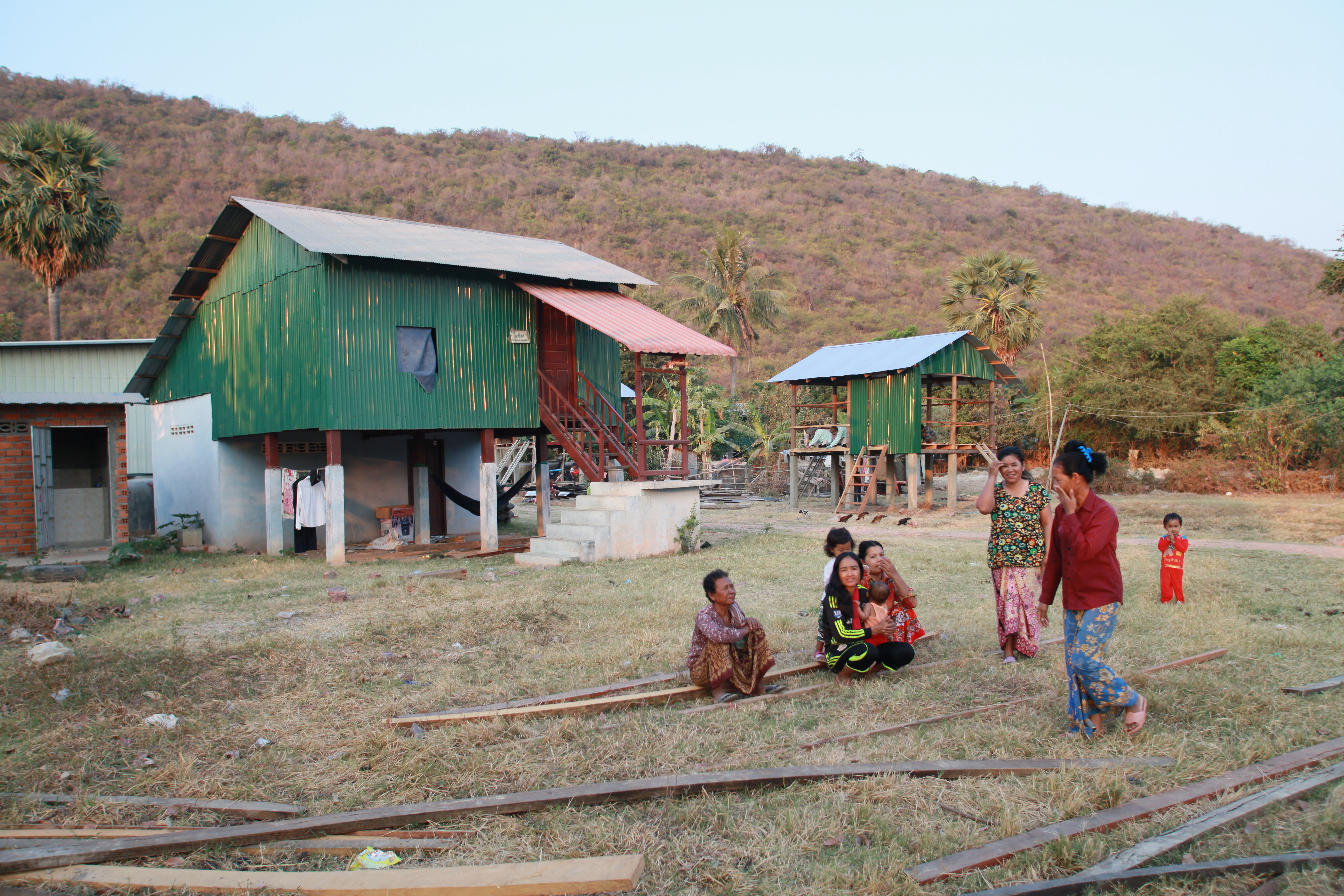
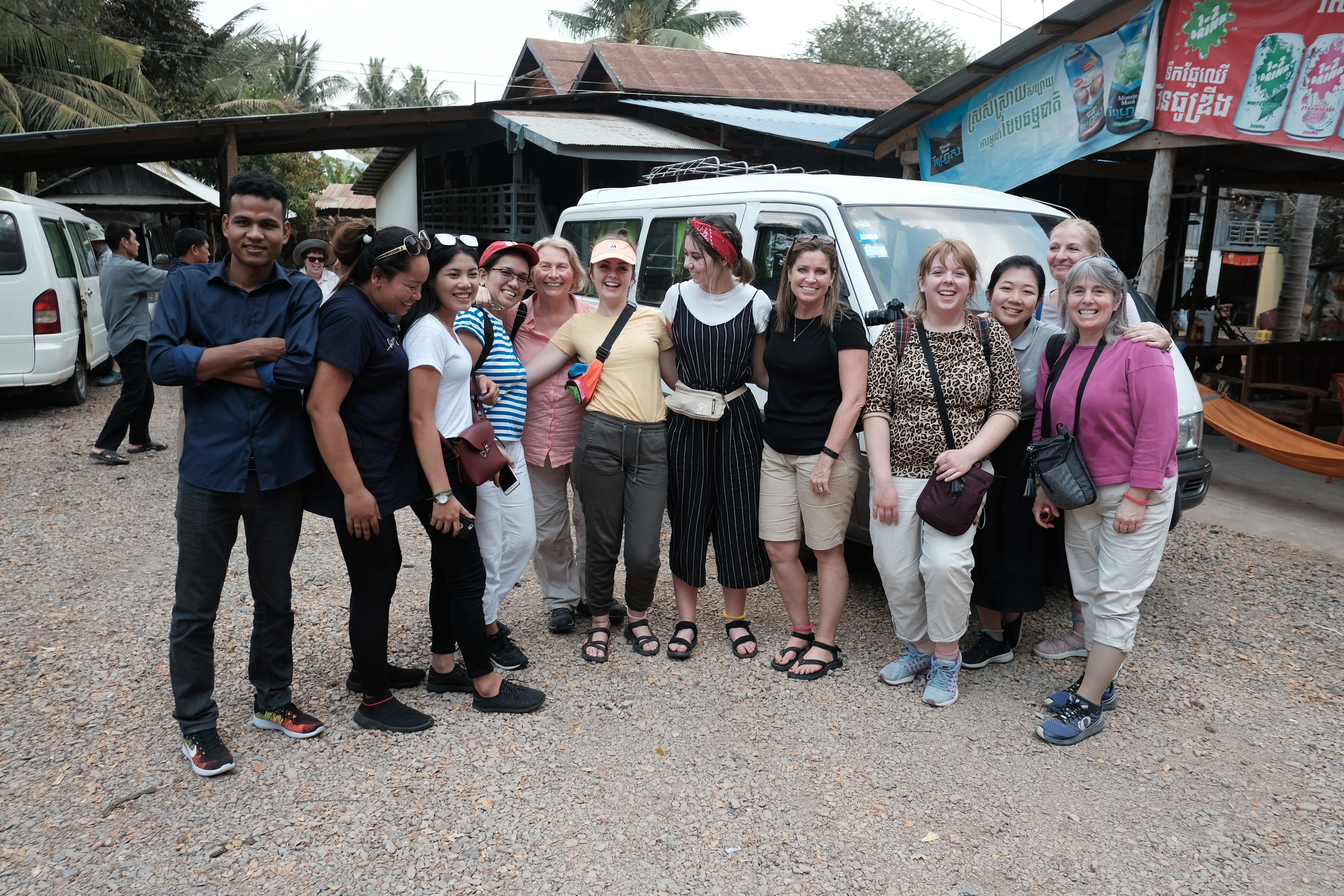
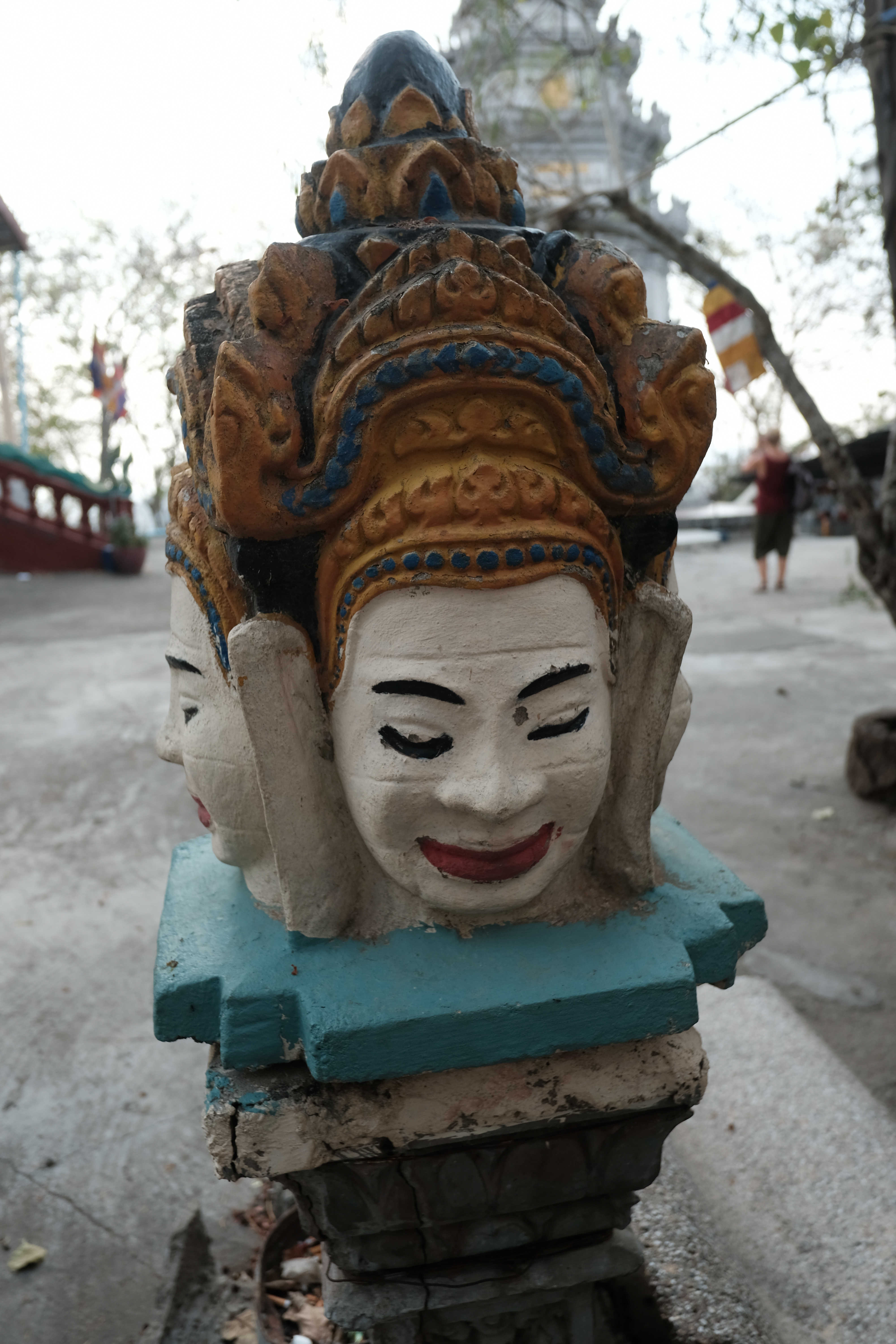
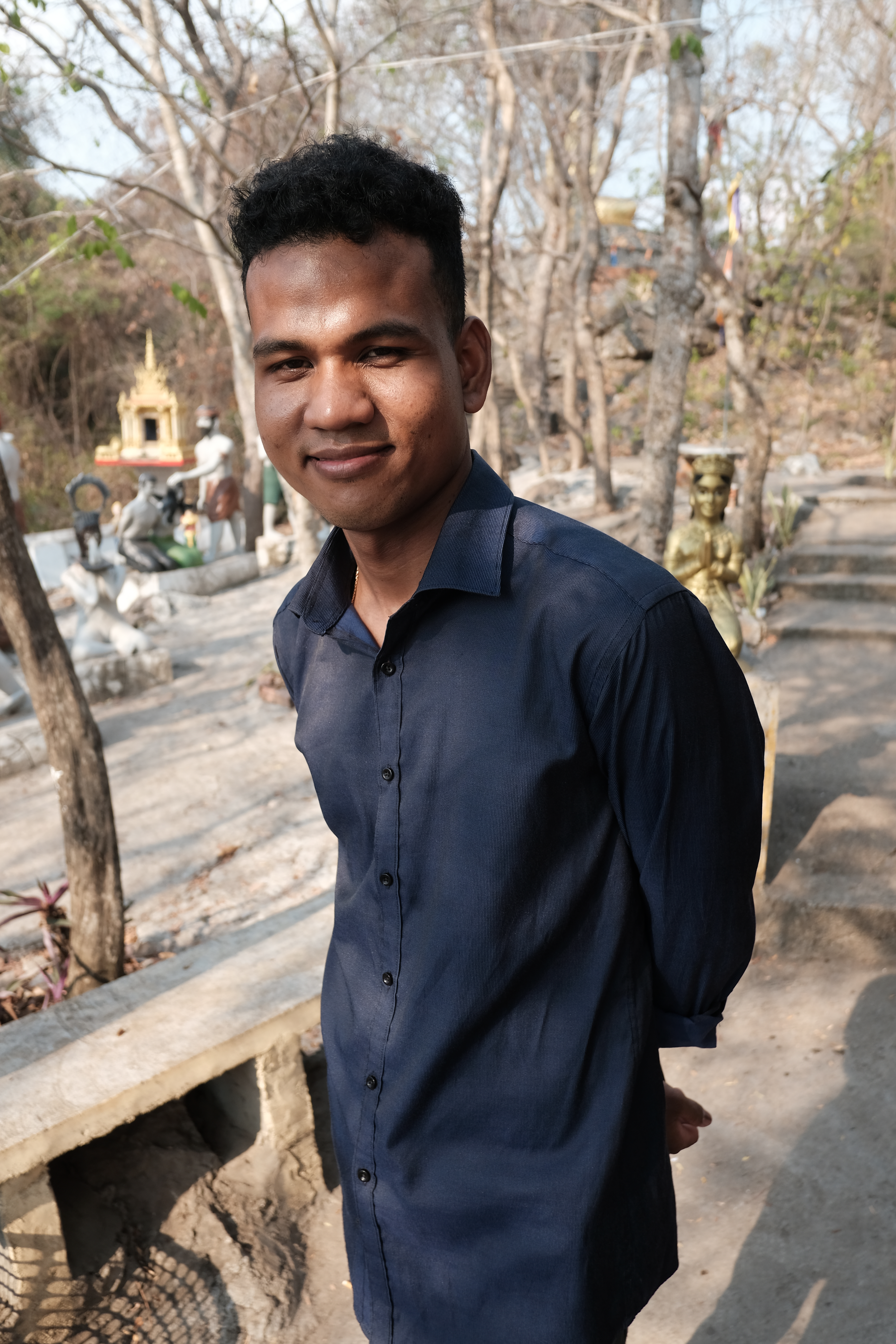
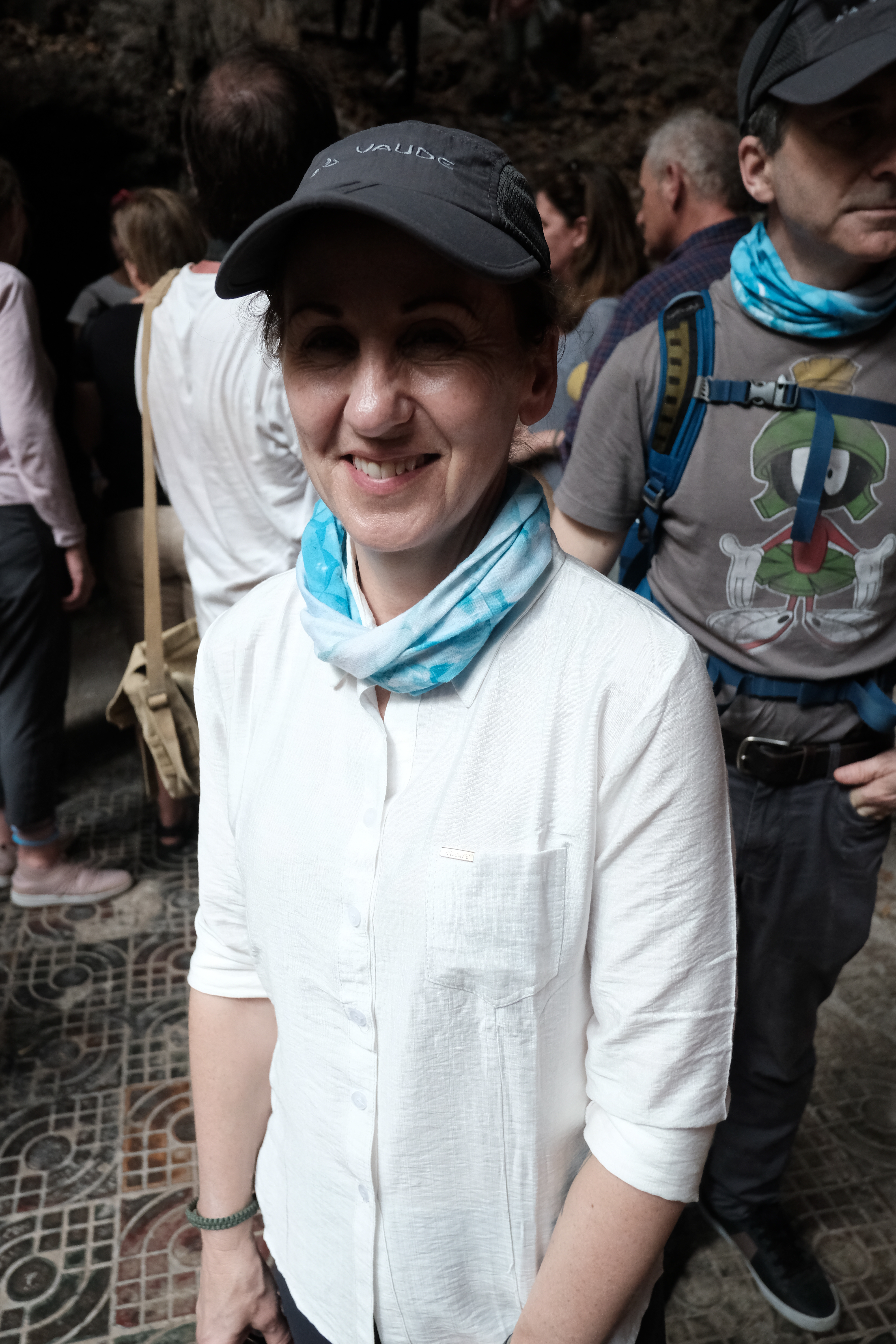
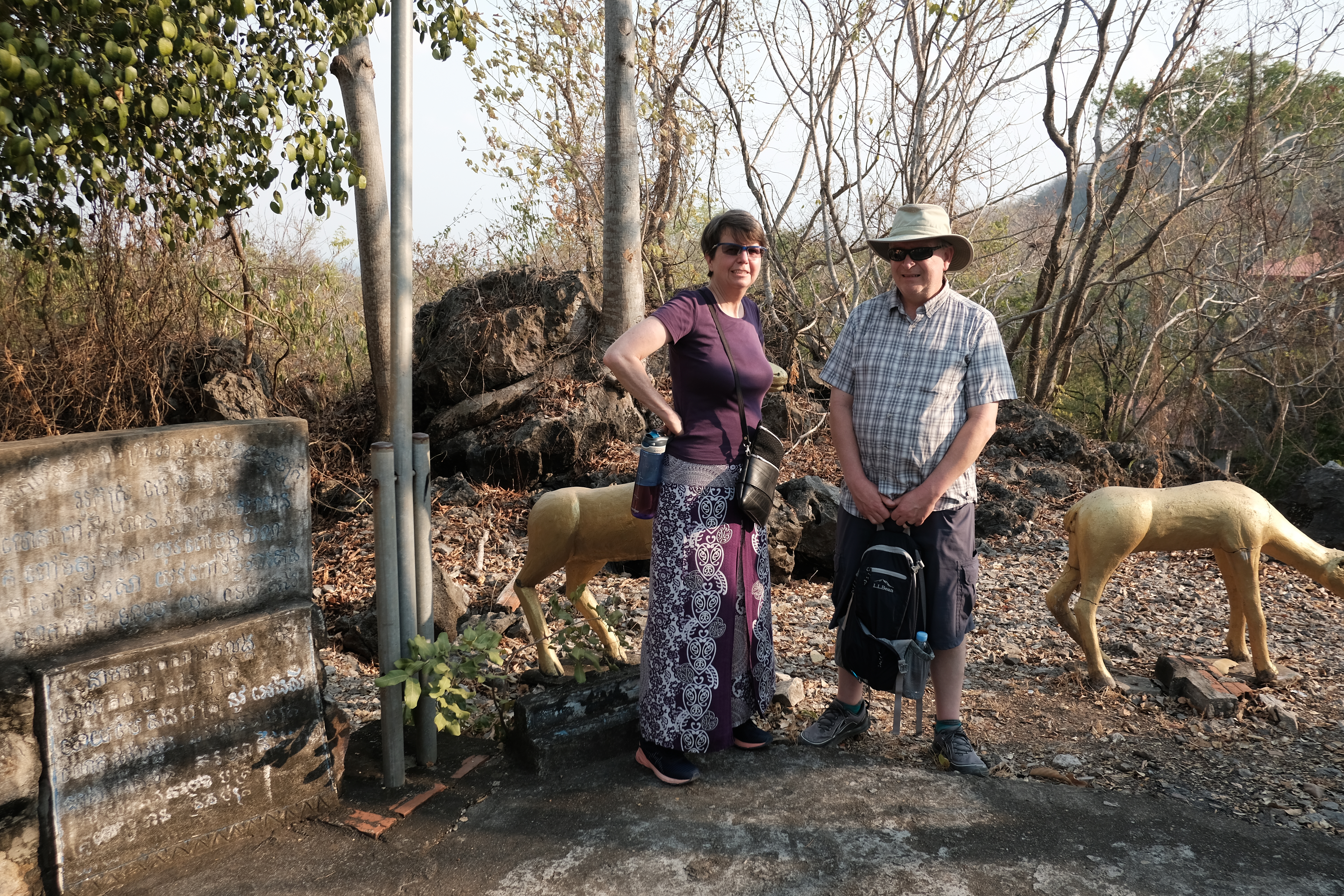
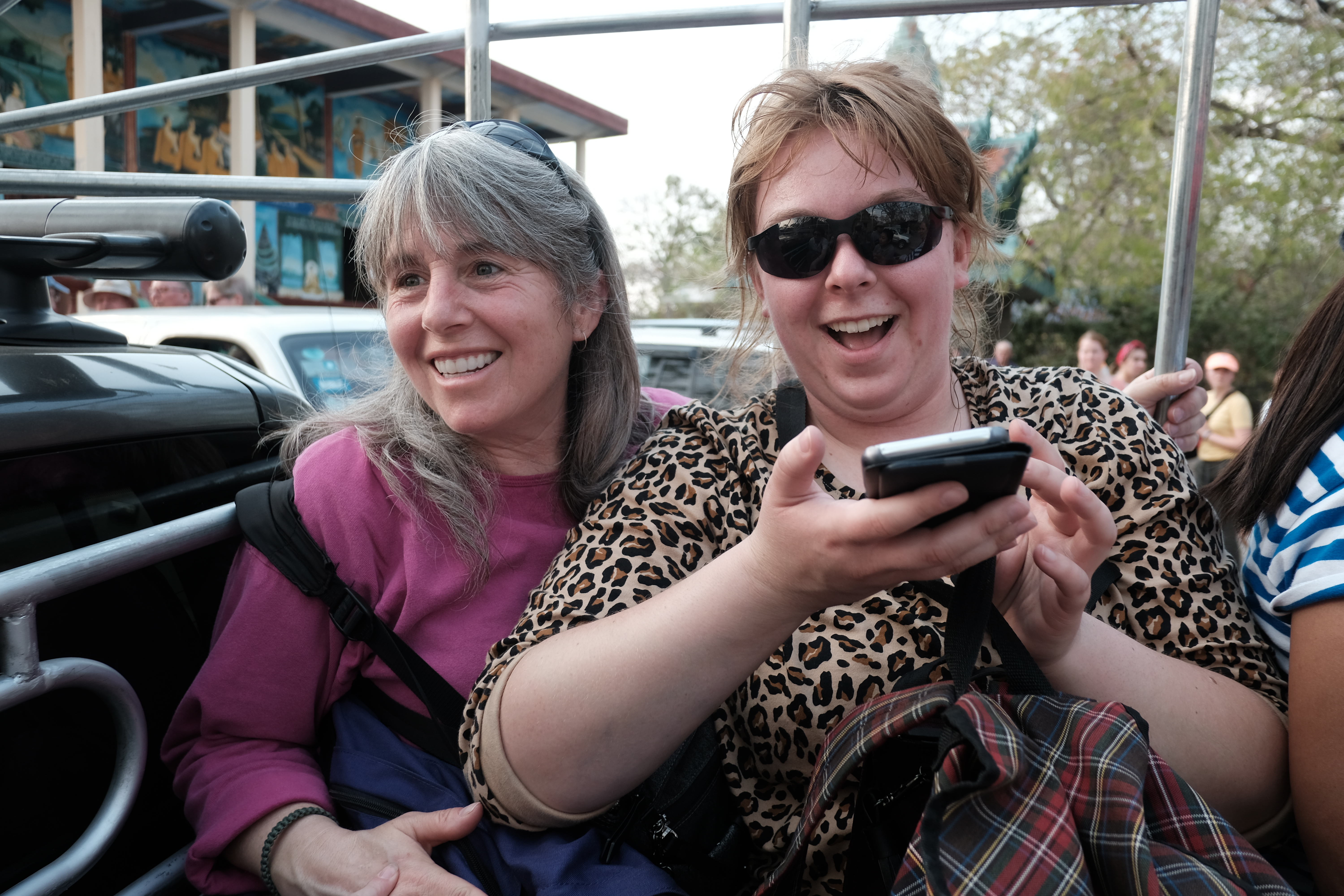
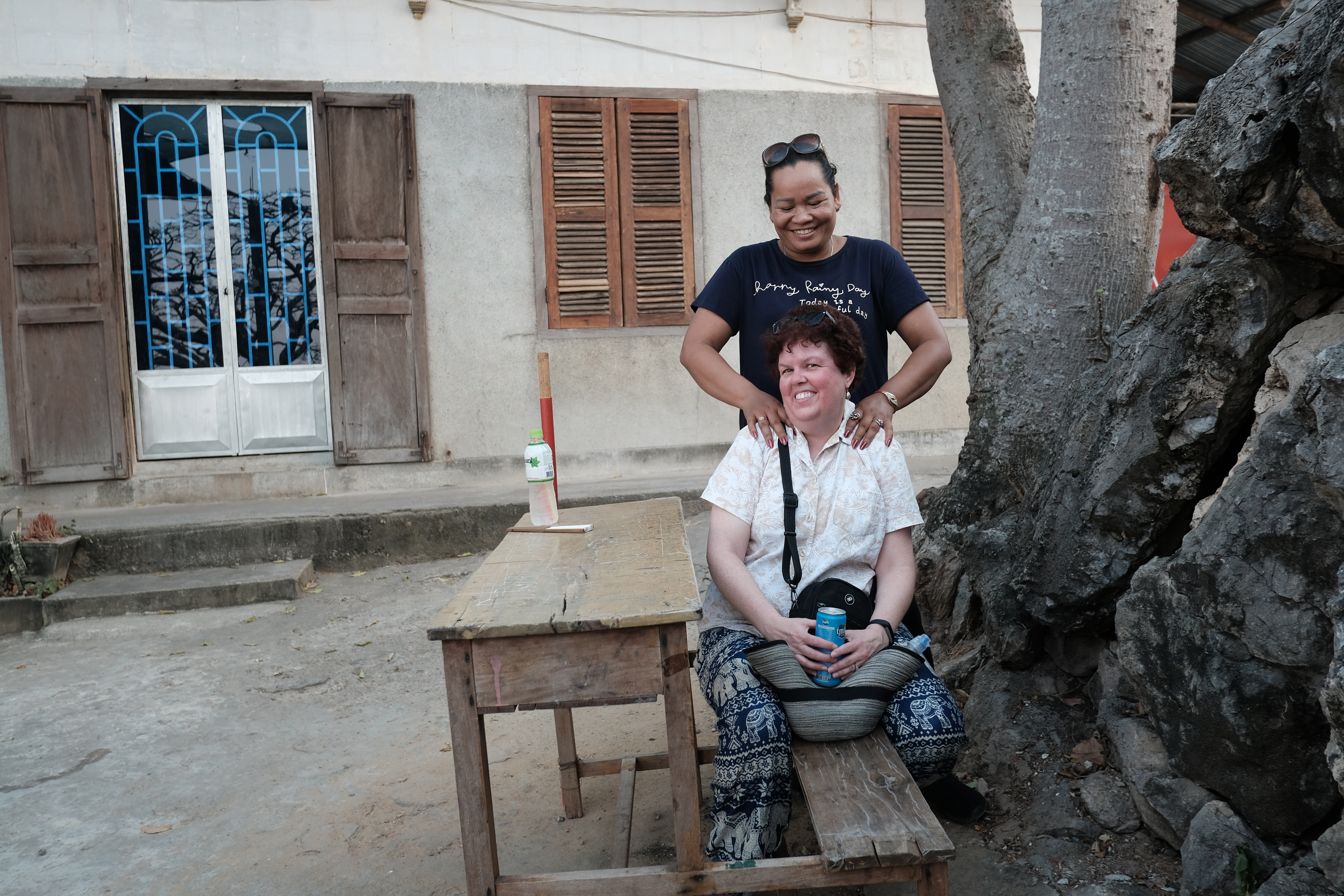
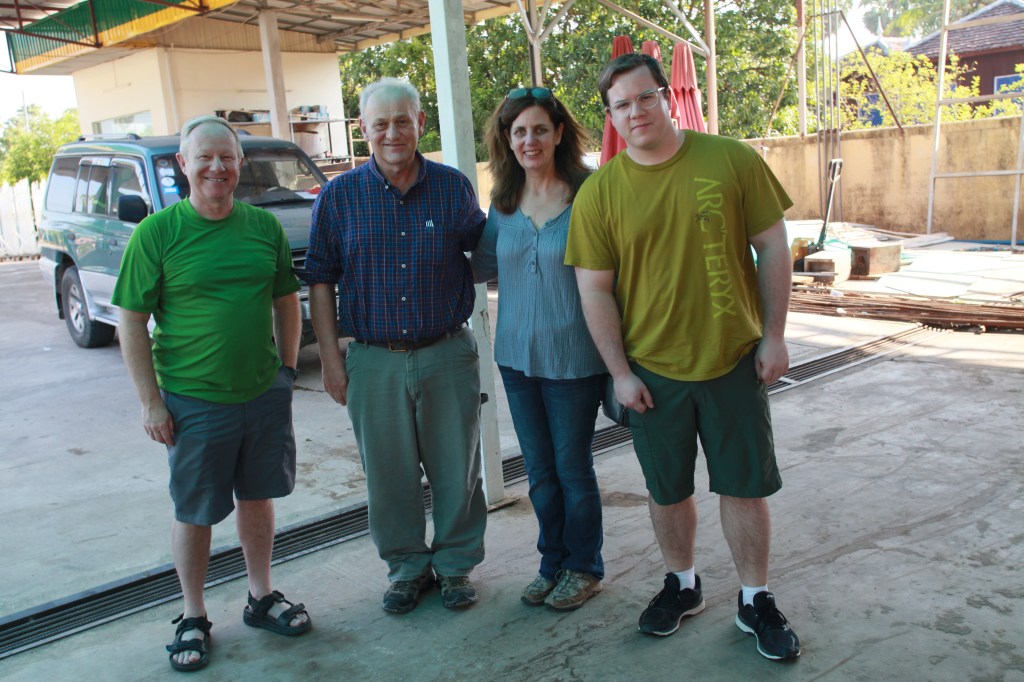
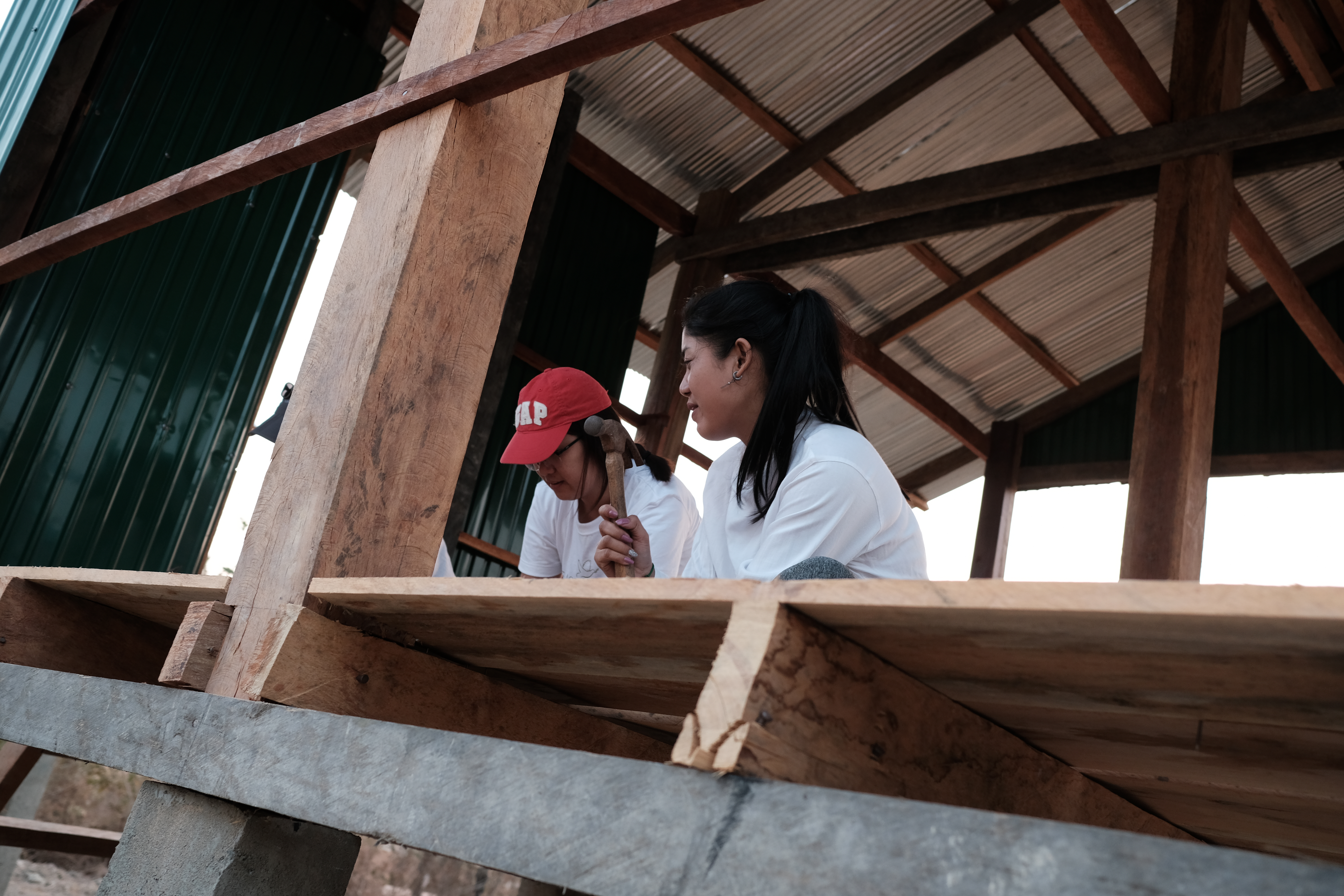
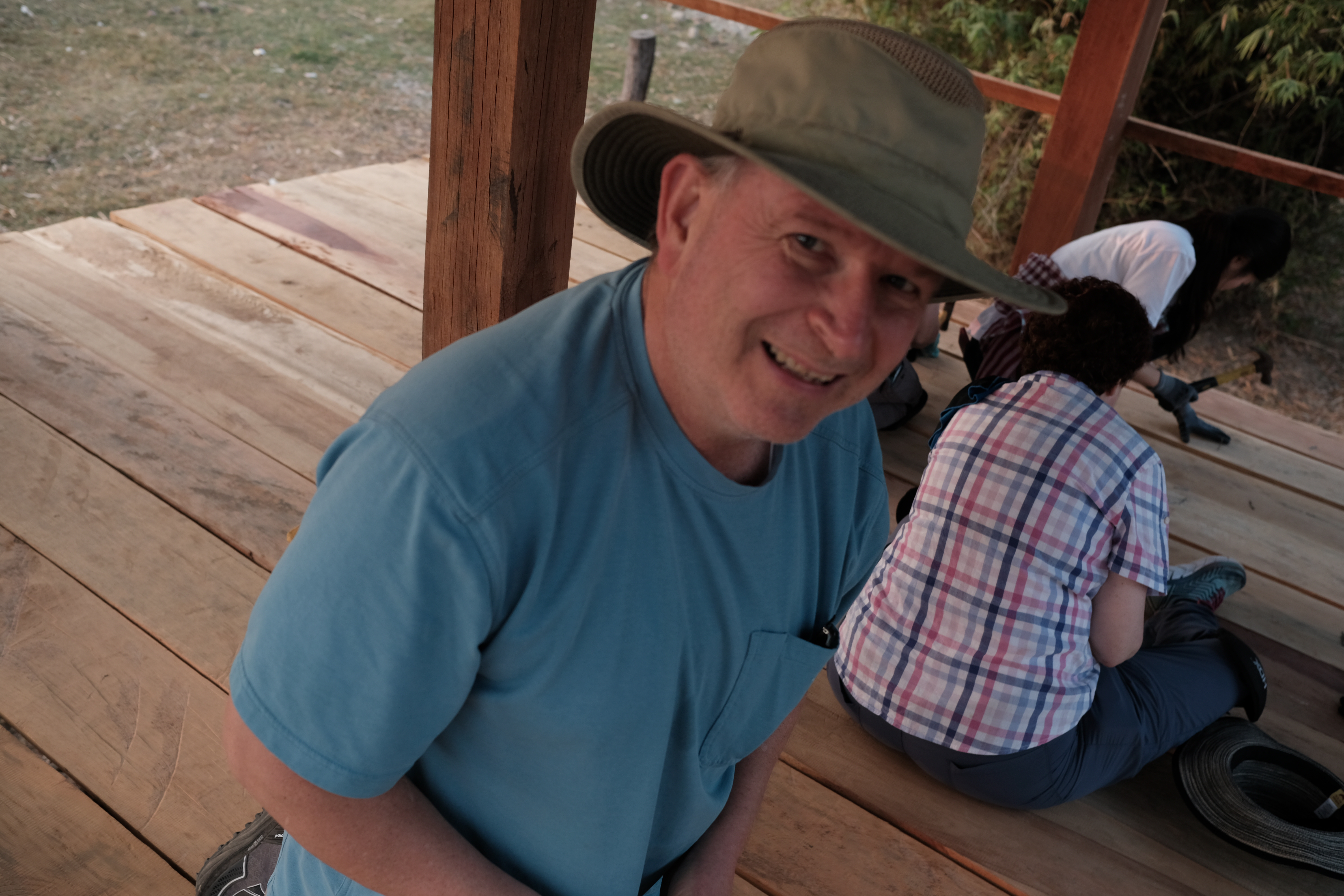
Every year since 2013/14 I have be invited to spend the week with the forPeace house building team on there quest to finish houses donated to poor families in the Cambodia countryside. Covid 19 interupted the seasonal job as 2020 had o be cancelled. Hopefully 2021 will happen.

















































My Home Town
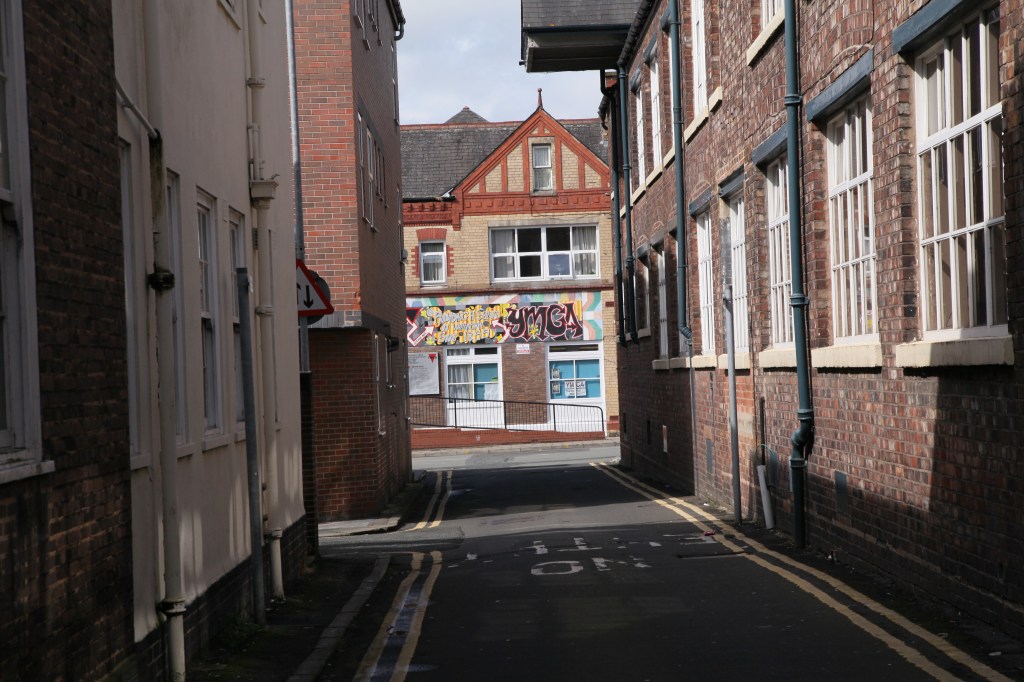
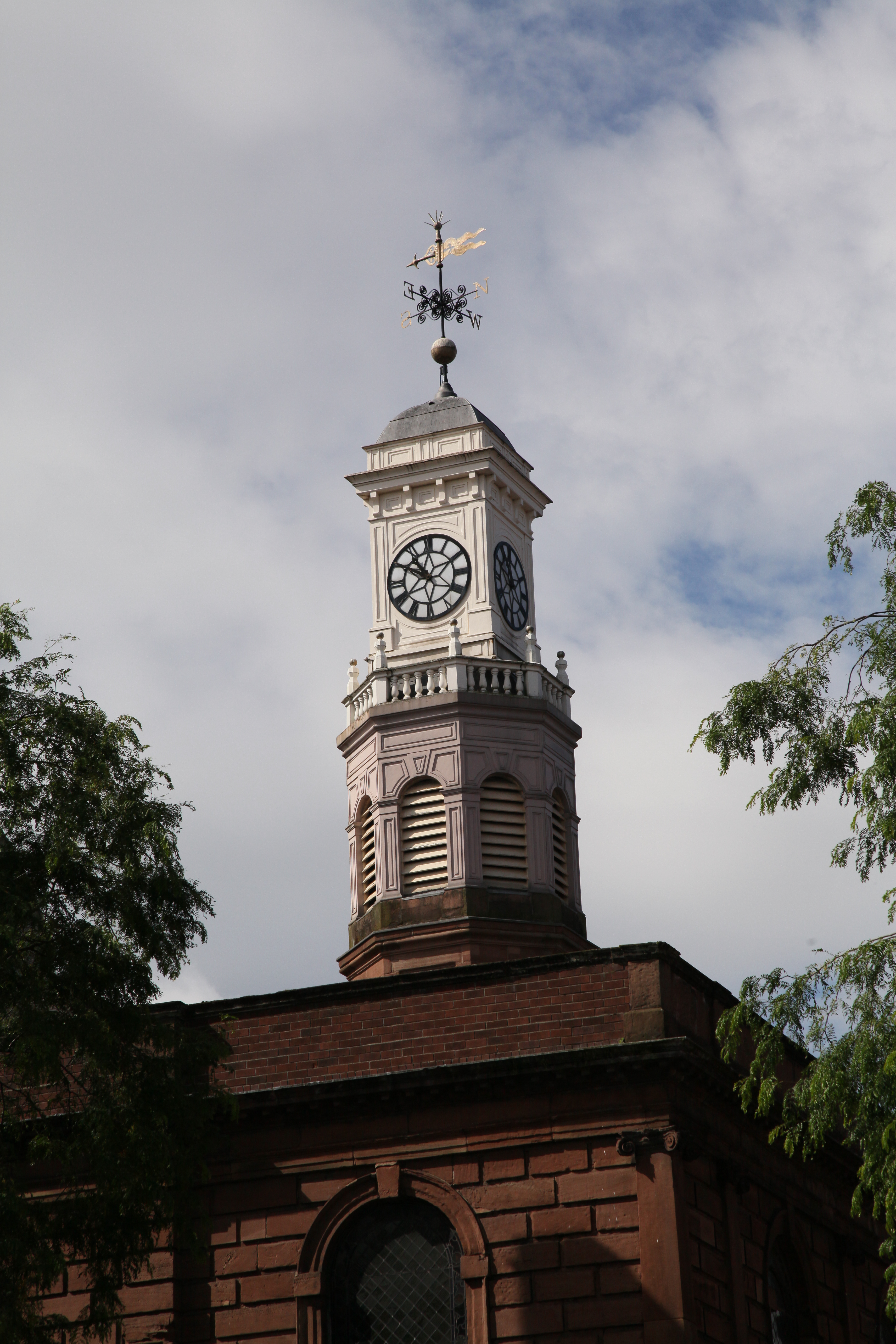
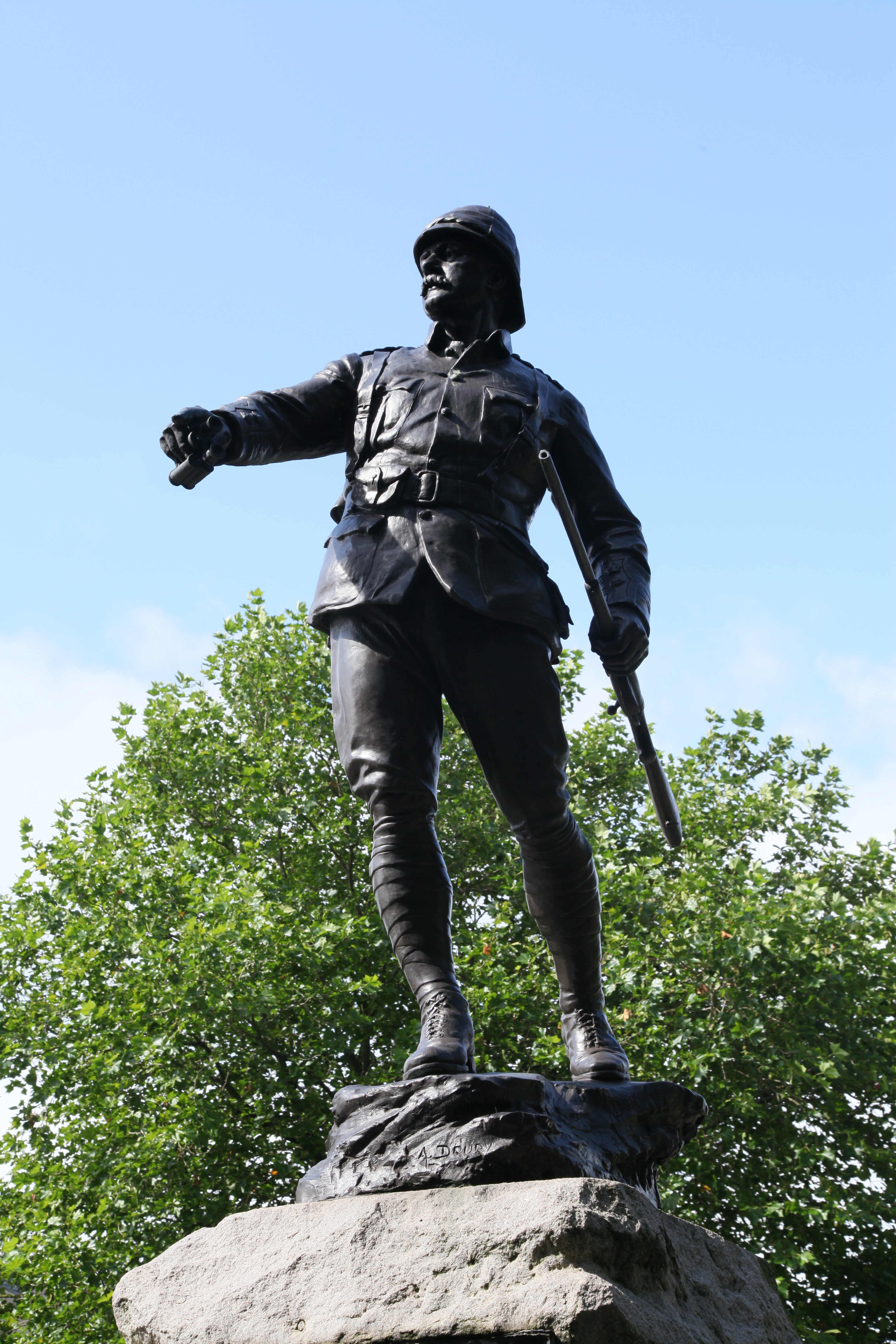
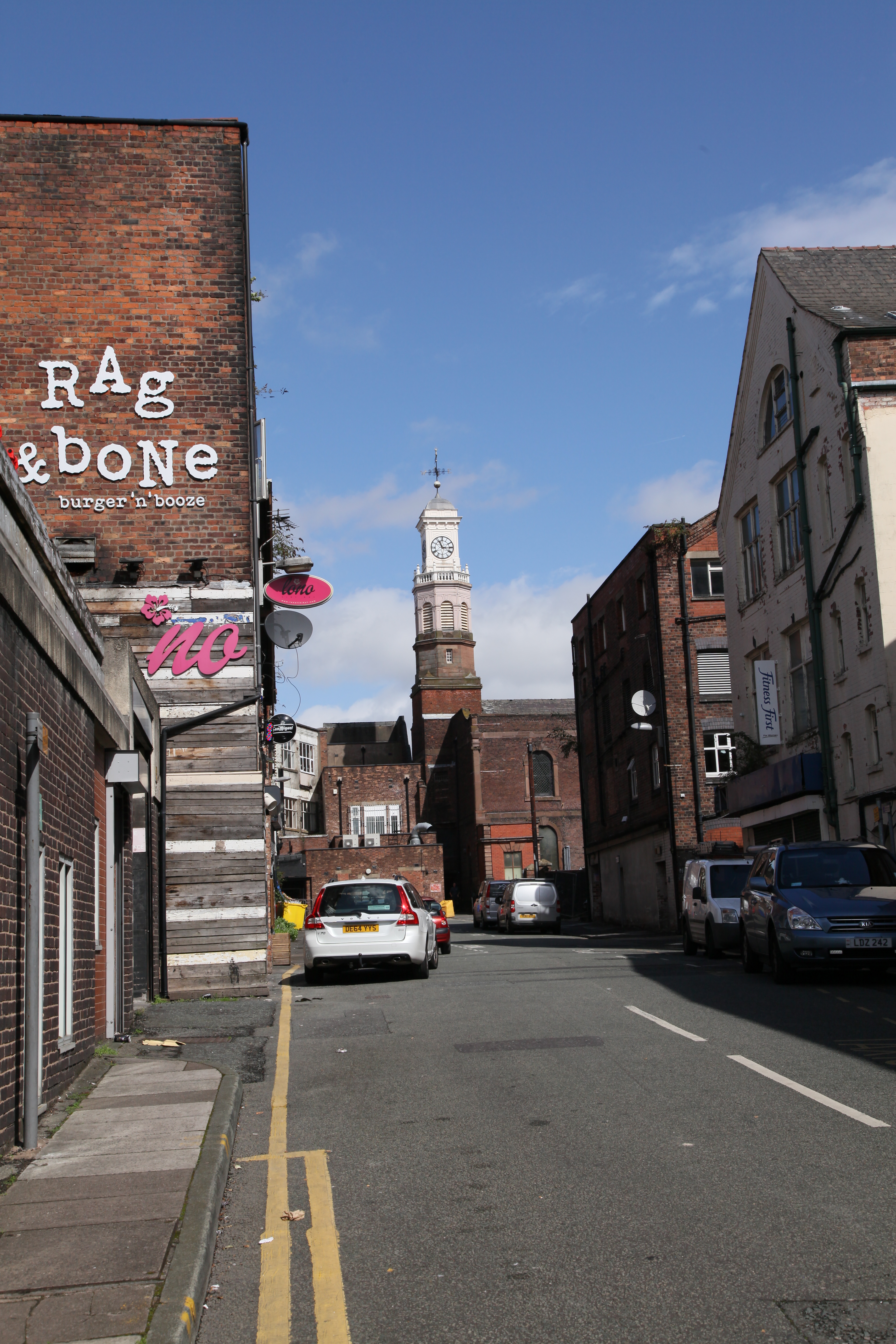
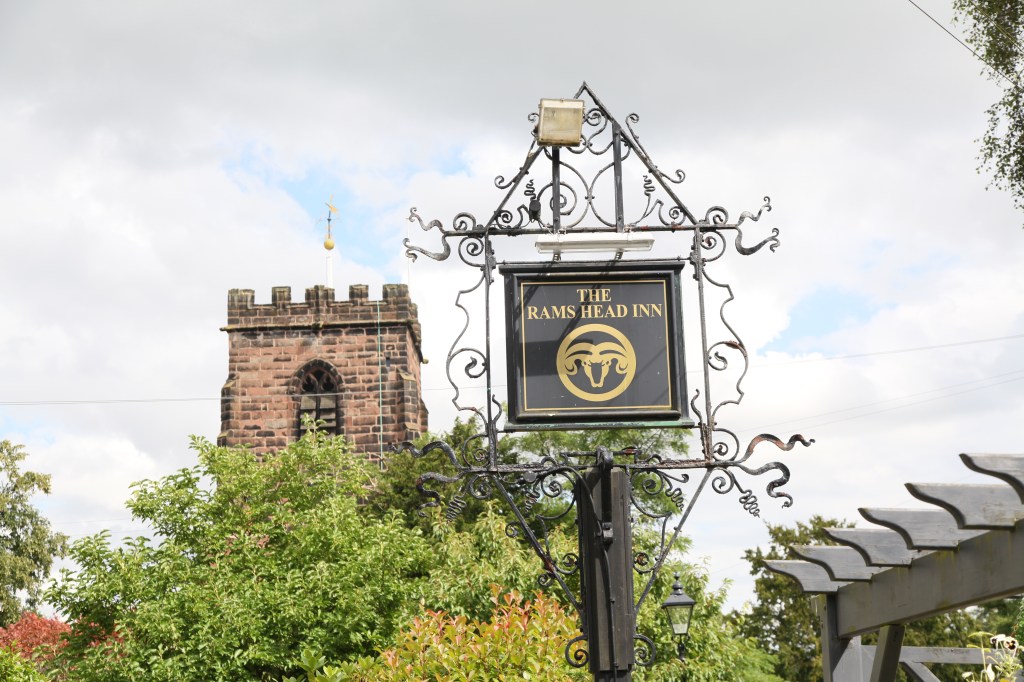
cameras, Fujichrome, Lenses, Travel, UncategorizedI originally come from a town in the United Kingdom, called Warrington in Cheshire between Liverpool and Manchester. Warrington Museum & Art Gallery displays artefacts from around the world, plus archaeological finds and paintings. Gulliver’s World theme park offers children’s rides. Nearby, a canal runs through leafy Sankey Valley Park, with wildlife, paths and sculpture. South, imposing Walton Hall has parkland, formal gardens and a children’s zoo.




Spent the Day with my Printer
Epson, printers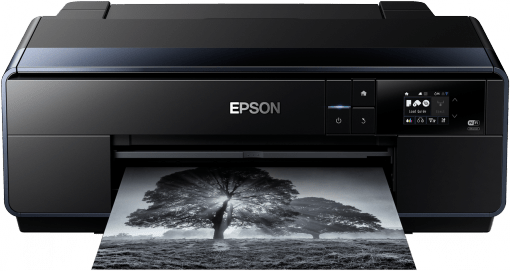
I have spent most of my day recalibrating my monitors and checking the calibration of my printer (Epson P600). Made some good prints in both BW and Colour and decided what tweeks it needs to give me the picture I desire.
Getting the printer to give you exactly what you see on the screen is not always easy but I am happy with what I got. Its now pretty darned close. Used a whole pack of 25 A4 semi matte paper.


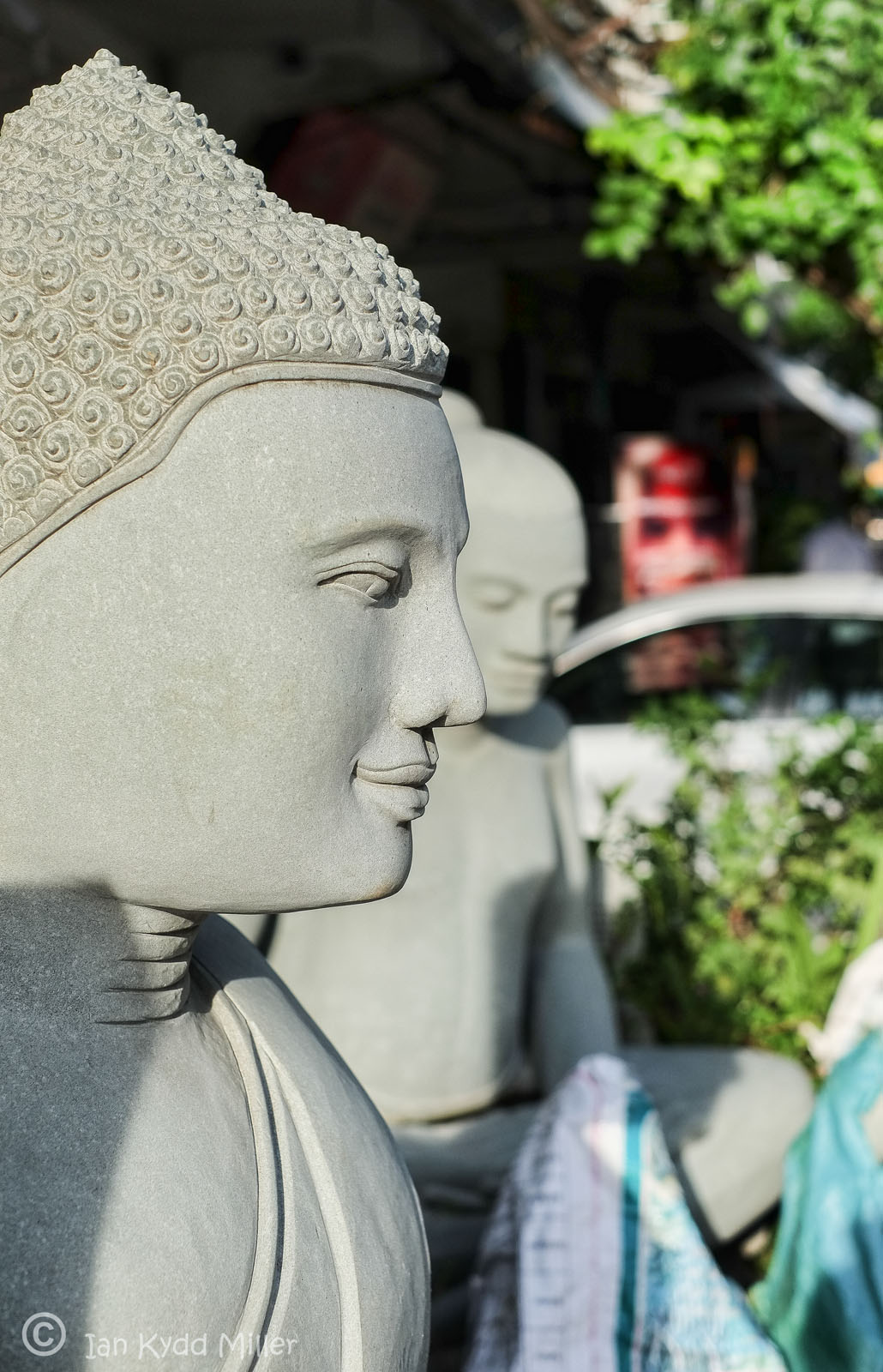
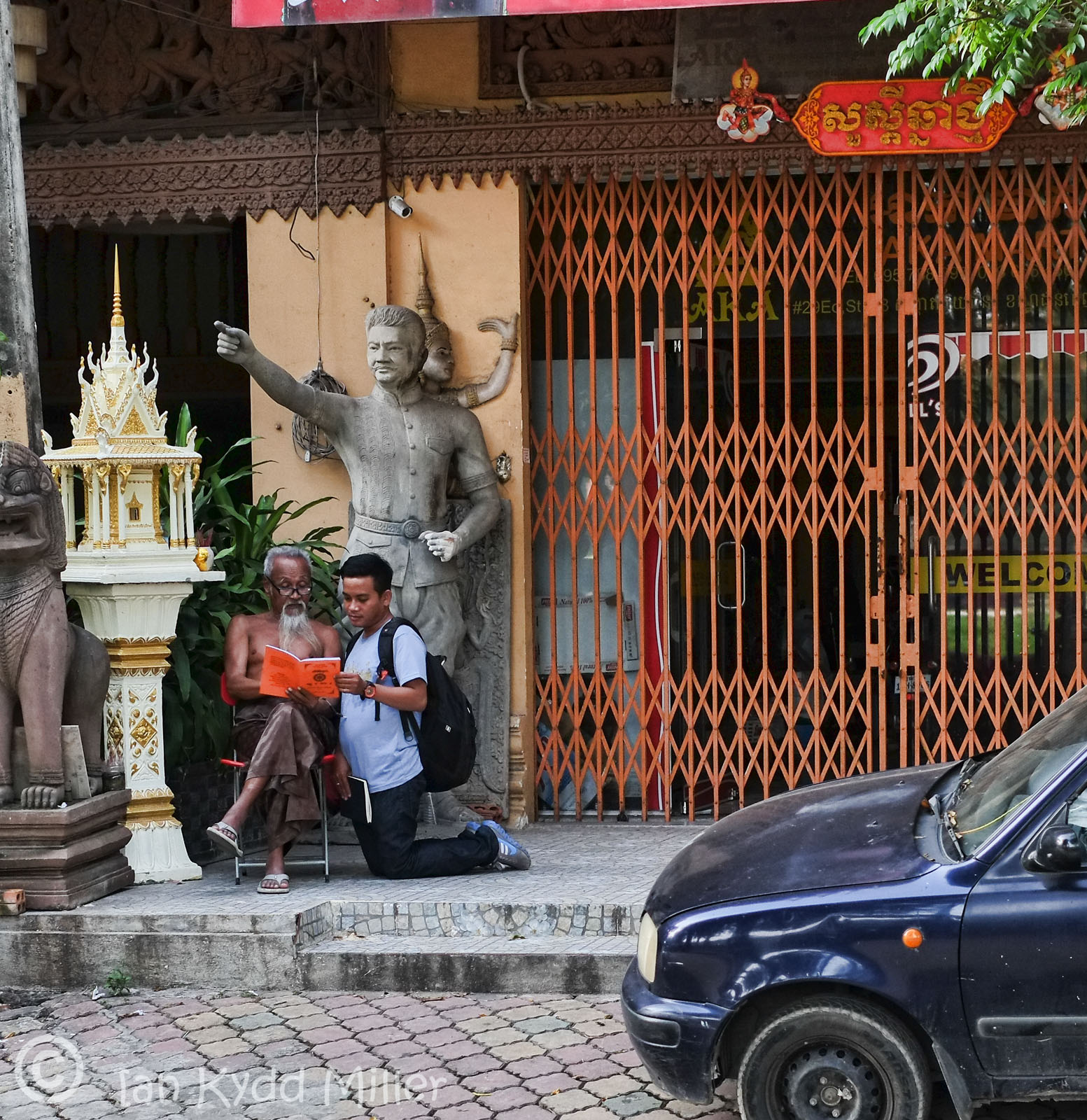
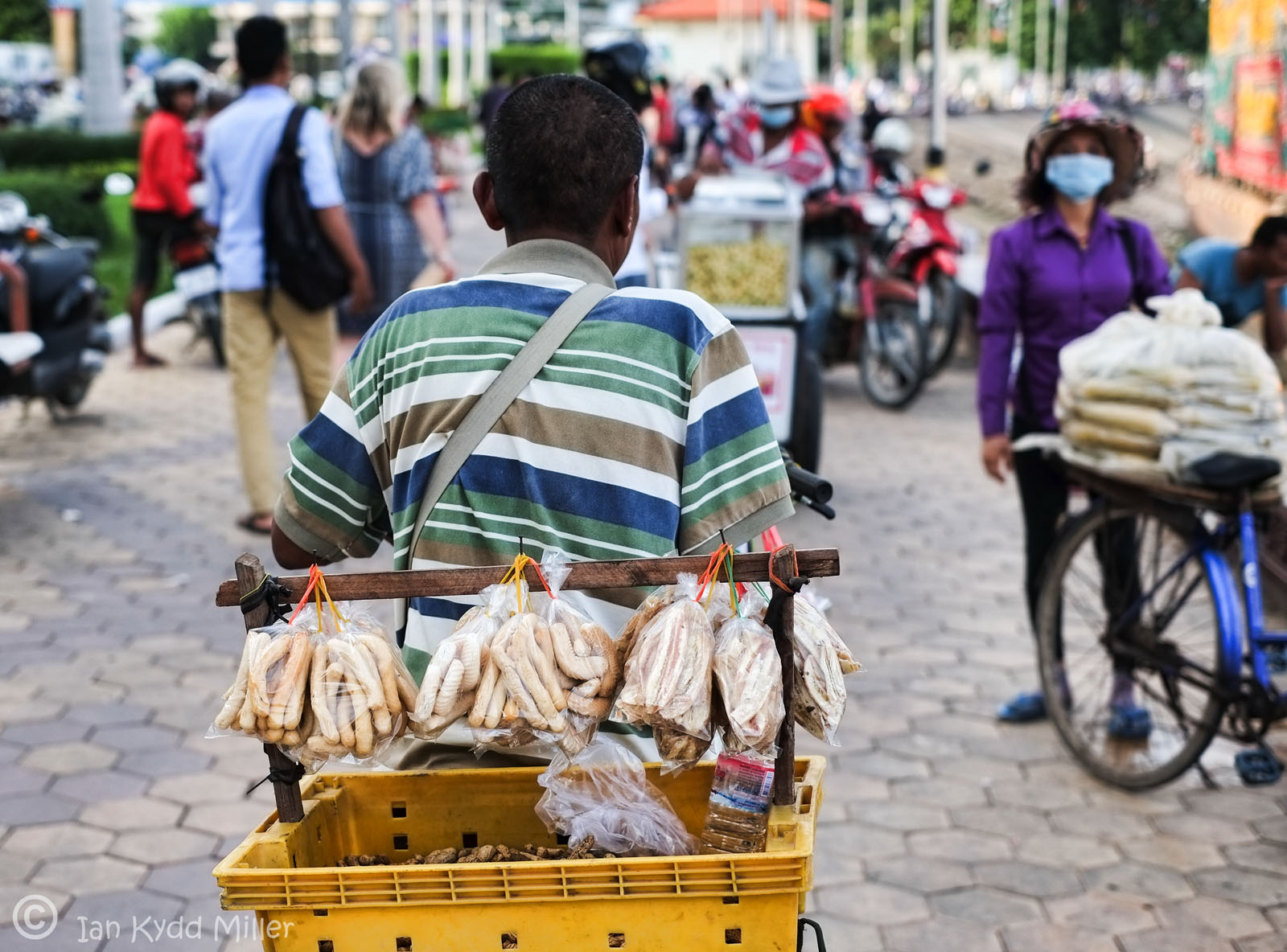
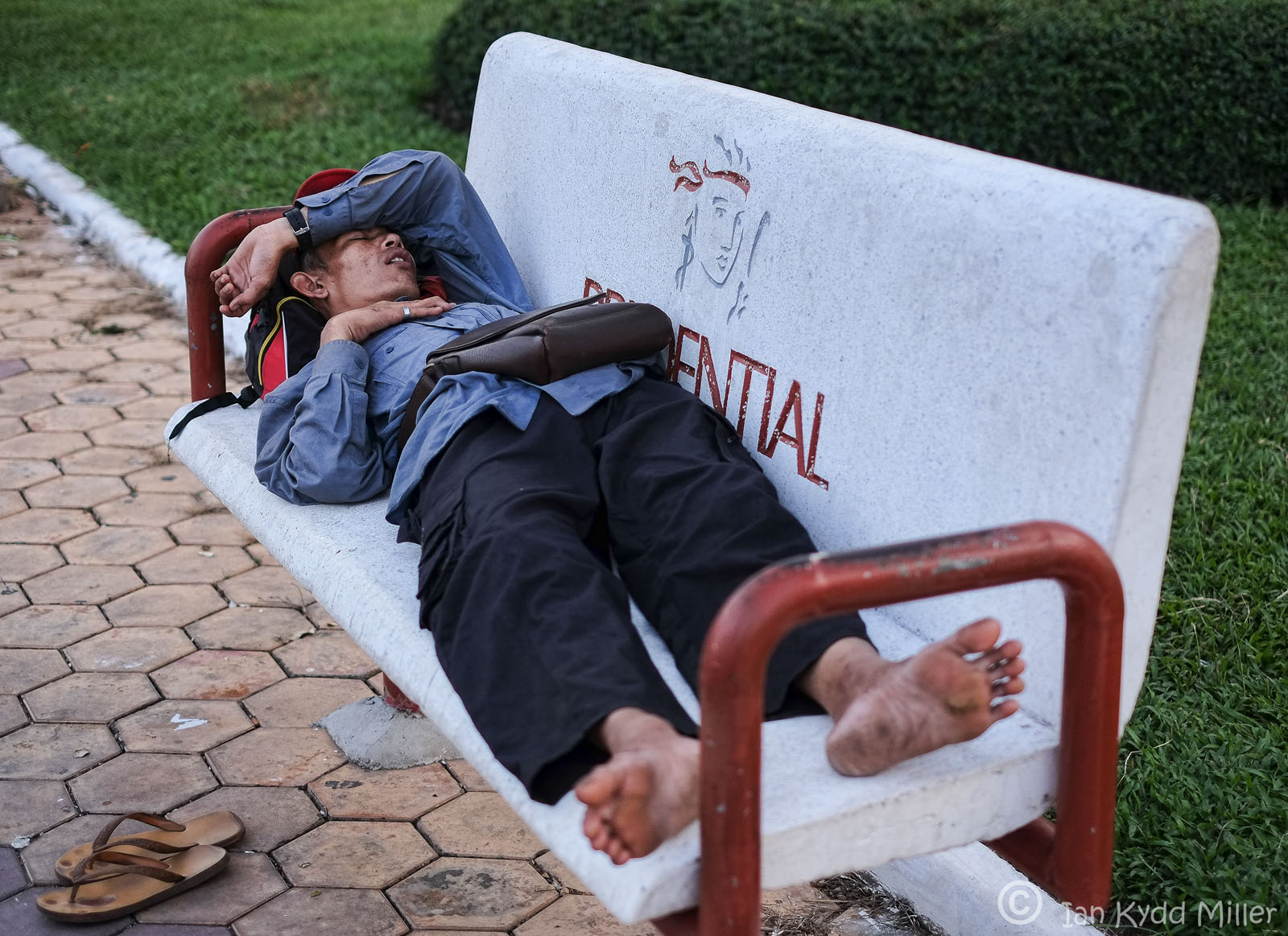
Printing your Pictures
Epson, printers, printing
Too me a good picture is not finished until it has been printed, framed and put up on my wall (or someone elses wall). In this digital age in which we live we have moved away from the print as an end product to a picture on a screen. We have become satisfied with seeing the images we make on our computer screen.

We spend a large amount of time, and money getting the best equipment we can afford to make the sharpest pictures and then look at them on a small computer screen, or even a big screen. To me this is not satisfactory and I really enjoy seeing my pictures made into large prints, A3 or A3+ or bigger, these then give me that extra pleasure that I desire and hopefully will give others the same when the see them.

Why is it so important to me to see my images in printed form ? This is not an easy question to answer.
Time and the reason to print are different for different people. Do you want your pictures to be seen both now and in the future when you are no longer around.
Longevity
In fifty or a hundred years time will we be using the same computer systems and storage devices and will they be compatable with the pictures we have stored digitally. A well made print, even an injet print could last upwards of 100 years and if printed on high quality archival paper maybe even 300+ years.

A Legacy
Would you like for people in the future to see, and maybe admire the pictures you have taken today. Printing is certainly one way of achieving that. The world changes all the time and the way we see and live changes also. The pictures we take today may have historical value tommorow but may be lost if they remain stored only in the digital realm, so printing them has value.
The Process
Print making can be done mainly in three ways.
Send away to a commercial processor and have them printed to your specification
Create your own ”darkroom” and print the ”old fashioned way” start using film again.
Buy a good quality inkjet printer and a stock of archival paper.
Lets take number 2 first.
Lots of people are returning to using film instead of digital cameras and doing their own processing. This can be an expensive option. When I was shooting film I had my own darkroom and process all my own film and prints. Film was much cheaper and easily avaible then as was good paper and the chemical to produce the negatives/positive and associated prints. Kodak was still around with the films I used to use ( Tri X and Kodachrome 2), Ilford also made some great films and papers. Anyone remember Cibachrome. The paper was discontinued in late 2011 and presently, in North America, there are only about five full-time practitioners of the Ilfochrome process.
Number 1
Sending out will be the best thing for most people, as there is little or no investment required equipment wise and the process is easy, but control of the final print is difficlt as once you have uploaded to the appropriate site then you have to relie of the processor to get the image right. A good company will help you get what you want and they are fairly priced.
Number 3
Buying a printer and taking control of the whole process is personally my favoured option, but not the cheapest. Buying a printer is just part of it, a good quality A3 size printer is not a cheap option and when you factor in the inks and paper it can work out to be expensive but the imprtant thing to me is the ability to control the whole process from begining to end.
My particular machine, that I purchased in Phnom Penh used, is Epson SureColor P600, the Japanese version (px-5 vii) and it has been converted to use tanks for the inks (K3) which overall makes it cheaper as I can buy the pigment inks in bulk. It has 8 different colors of inks and produces excellent colour and monochrome images.
The inks are available but I do have a problem securing good archival papers and when needed have to send to the UK or USA for a supply. They are expensive and it is difficult at the moment with Covid 19. I have found some locally sourced paper but only time with tell how long the prints will last.
I print my images because I like to leave behind something more tangible that a series of 010101’s for the future.





The Wonders of Fujifilm
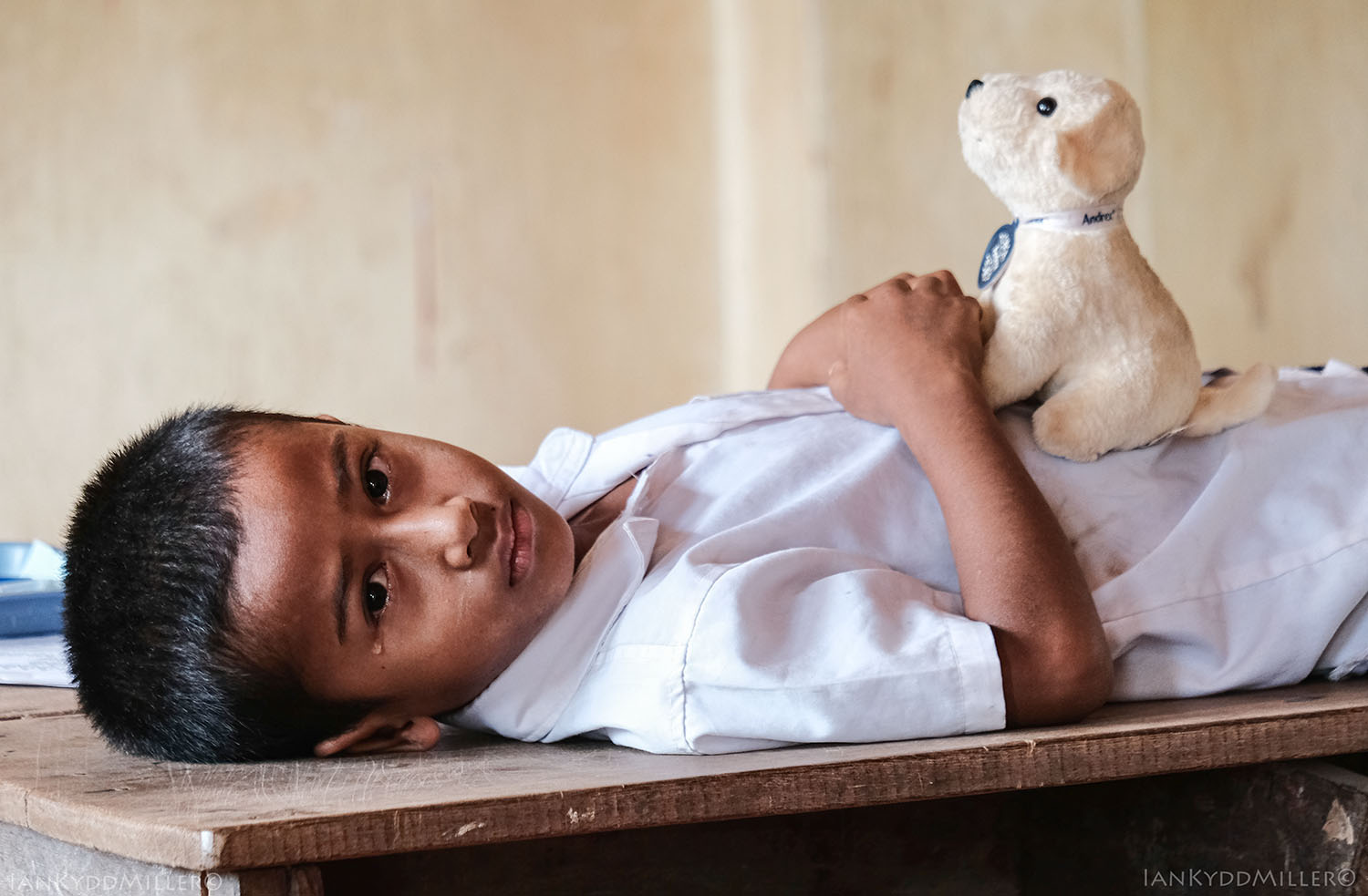
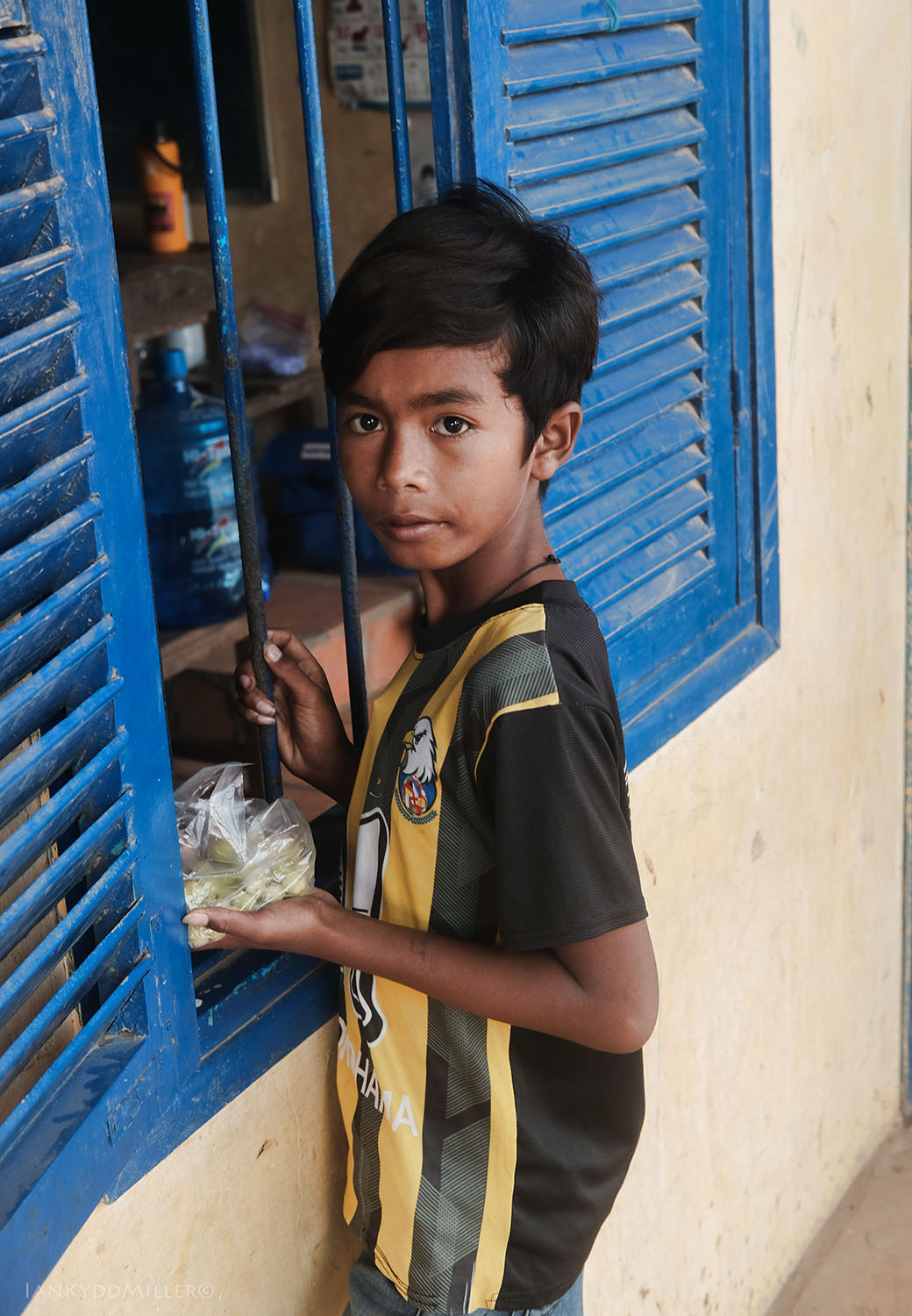
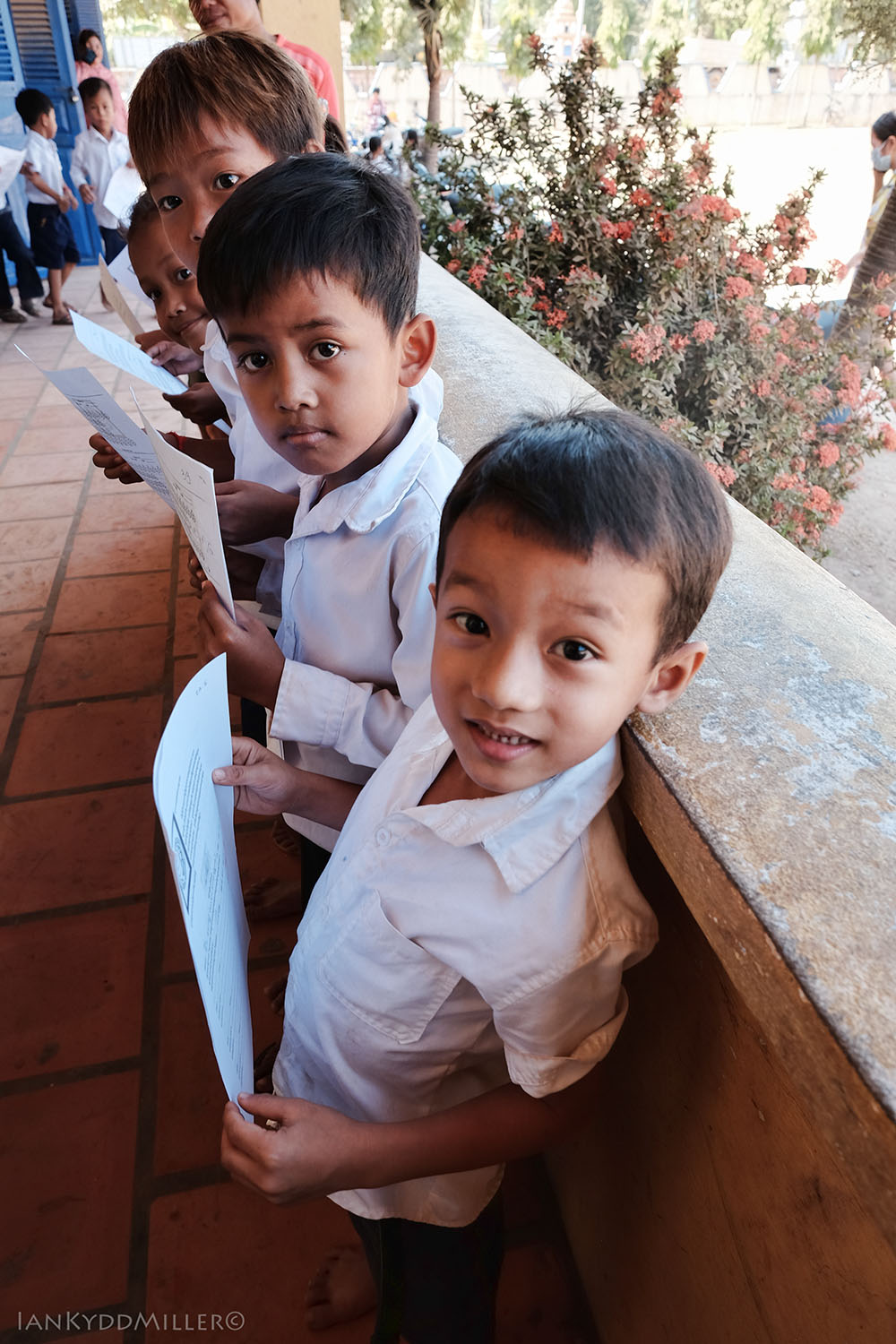
cameras, Fujichrome, LensesI have used Canon and Nikon cameras and lenses for many years and love there reliability and sturdiness. I have recently (over the last 2 years) become a real fan of Fujifilm cameras along with their superb range of lenses.
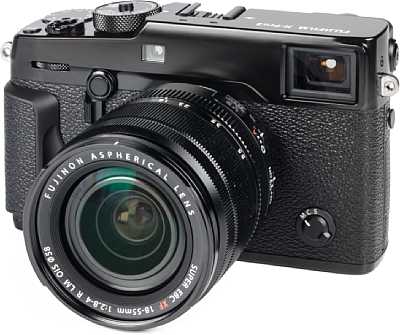
I have taken a real fancy to the X Pro range (1 and 2) and also have an AE2 which is cheaper but just as effective. The lenses are what make the cameras so good, the retro design of the cameras, the lightweight is complimented by some superbly sharp and contrasty glass and great prices.

I am not a technical photographer, I make pictures that I enjoy and the Fuji’s have helped me do this in a number of ways. They have a number of in built feates that I appreciate and are not available in other cameras. The cameras have their on set of fujifilm like camera profiles that I find most useful, enabling me to change from Fuji Vevia, Provia and others, in camera. You can ebven shoot three different profile at the same time, plus monochrome if you like (which I do often).

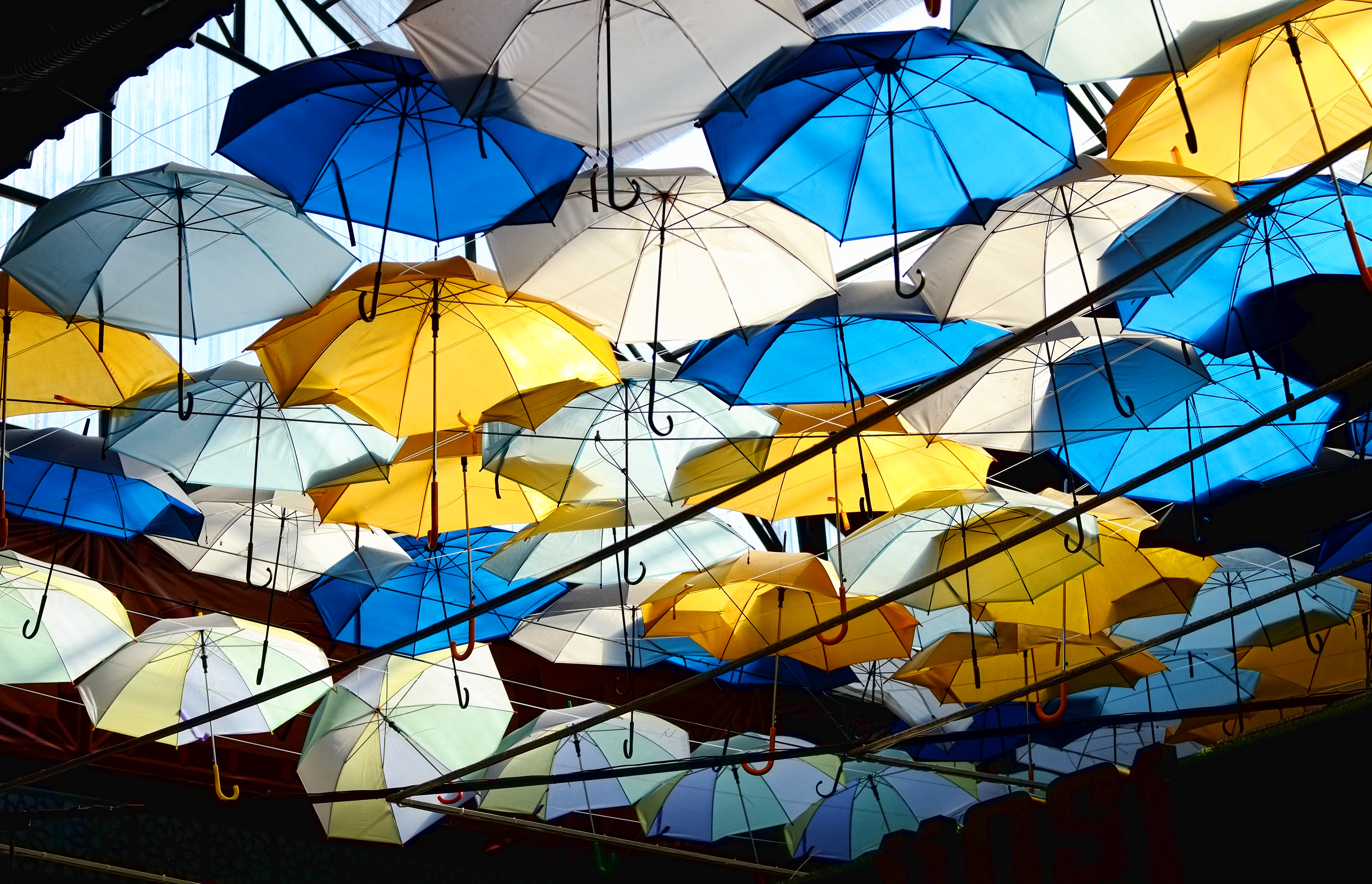

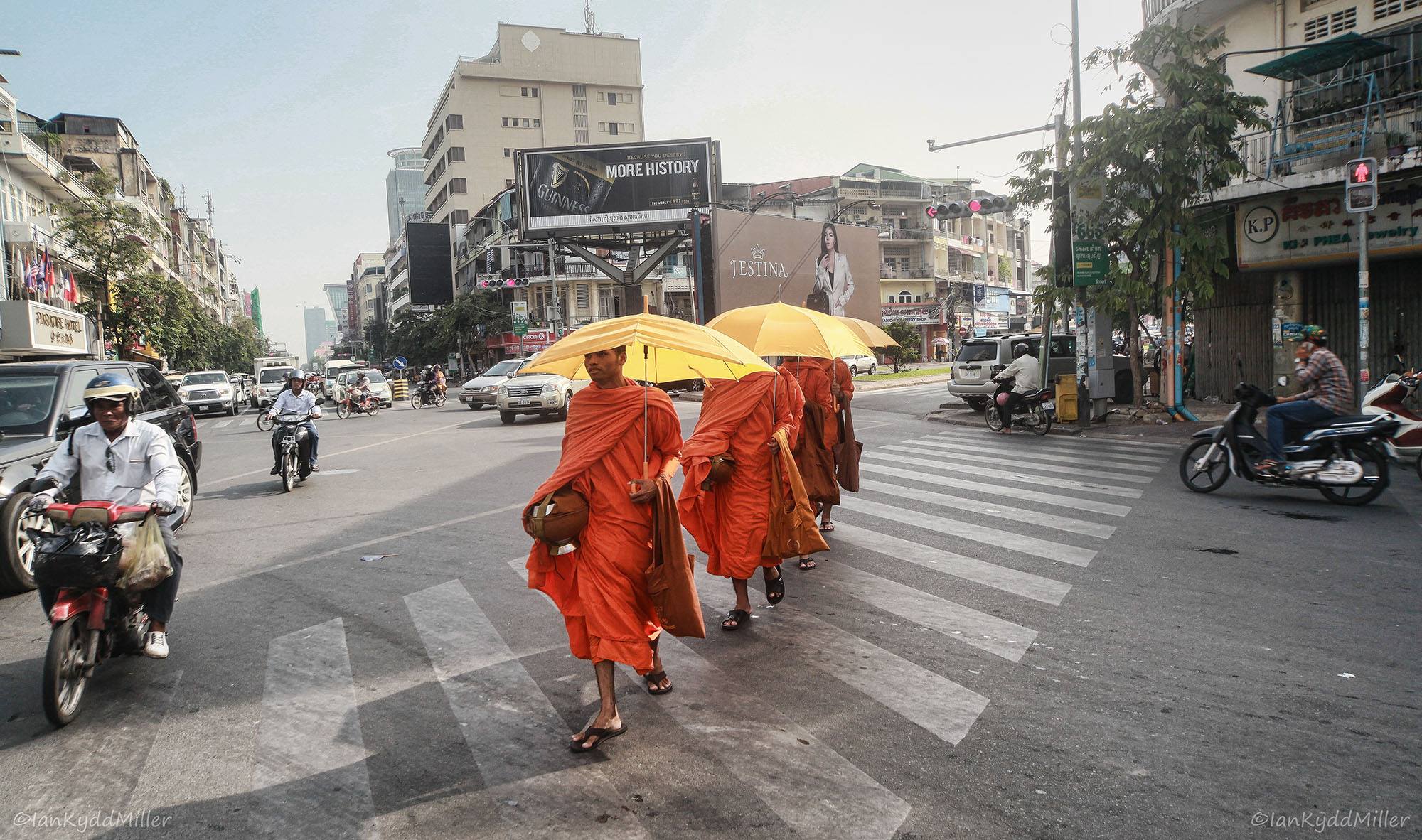



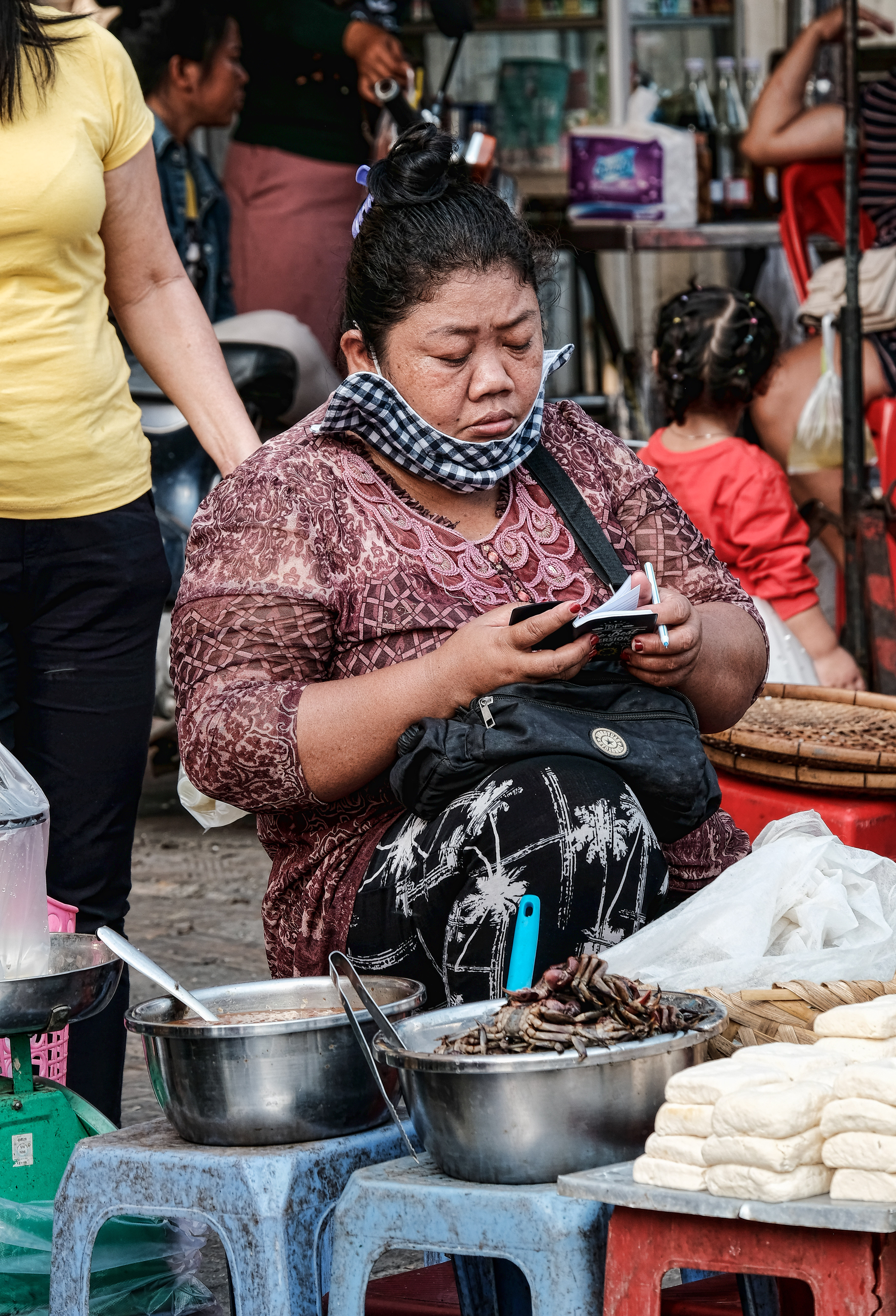
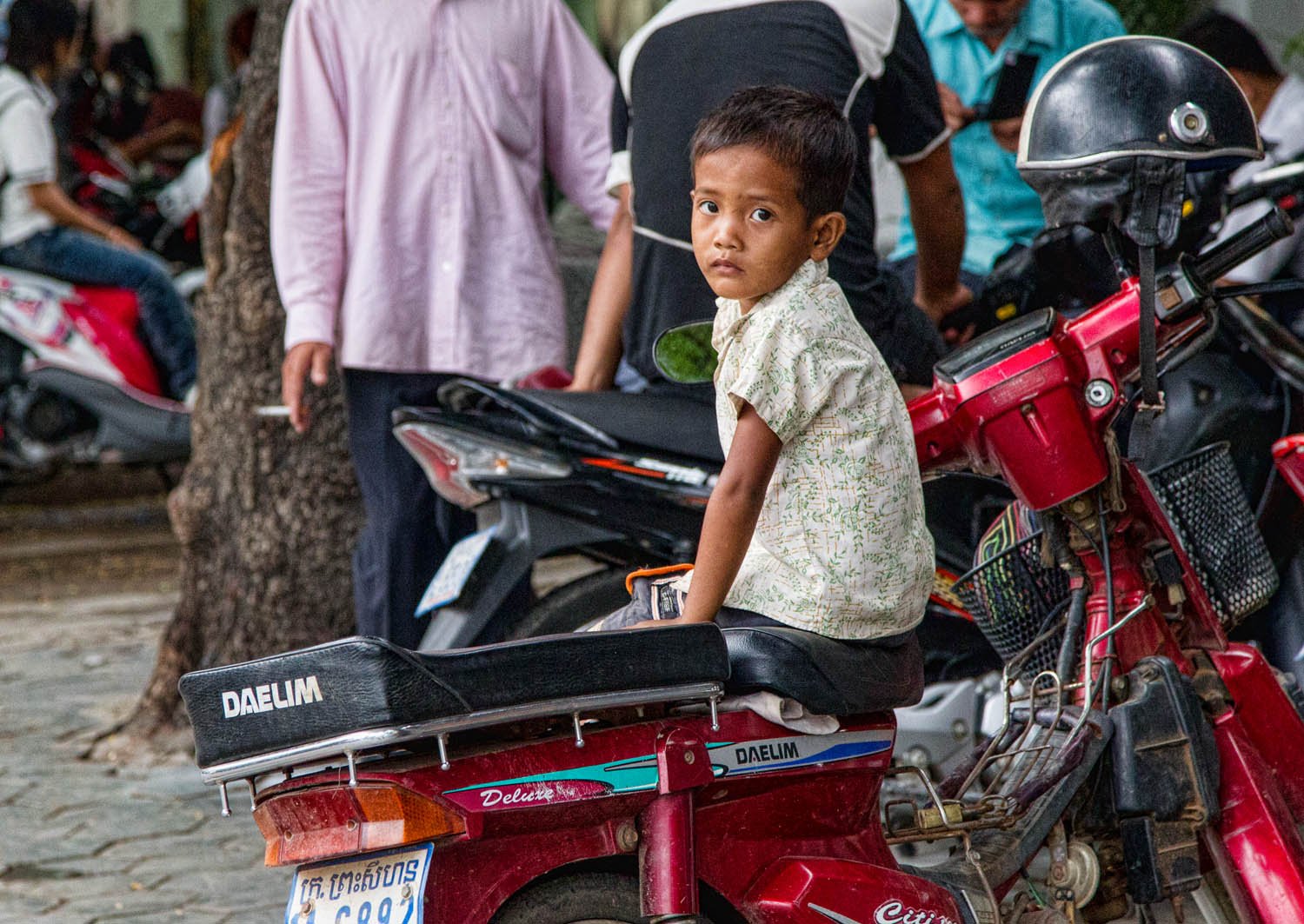
This ability to do the processing (of JPEGS) in the camera has saved me much time in post processing and I have all but stopped using RAW as I can tune the cameras to give me the images I want in JPEG.
 (PROVIA/STANDARD)Standard color reproduction. Suited to a wide range of subjects, from portraits to landscapes
 (Velvia/VIVID)A high-contrast palette of saturated colors, suited to nature photos
 (ASTIA/SOFT)Enhances the range of hues available for skin tones in portraits while preserving the bright blues of daylight skies. Recommended for outdoor portrait photography
 (CLASSIC CHROME)Soft color and enhanced shadow contrast for a calm look
 (PRO Neg. Hi)Offers slightly more contrast than
 (PRO Neg. Std). Recommended for outdoor portrait photography
(PRO Neg. Std)A soft-toned palette. The range of hues available for skin tones is enhanced, making this a good choice for studio portrait photography
 (ACROS) *Take black-and-white photos with rich gradation and outstanding sharpness. Available with yellow (Ye), red (R), and green (G) filters
 (MONOCHROME) *Take pictures in standard black and white. Available with yellow (Ye), red (R), and green (G) filters
 (SEPIA)Take pictures in sepia.
*** Filters deepen shades of gray corresponding to hues complementary to the selected color. The yellow (Ye) filter deepens purples and blues and the red (R) filter blues and greens. The green (G) filter deepens reds and browns, including skin tones, making it a good choice for portraits.
FUJICHROME CAMERAS
Probably my favourite Fuji camera would be the X Pro 2. As seen in the main picture above. I like the simple design and functionality. It looks like an old rangefindger camera but function and punches above it weight.




- Newly-developed 24.3MP X-Trans CMOS III APS-C sensor reduces moiré and false colors to dramatically improve image quality and X-Processor Pro engine increases response times, achieves faster AF, lower noise and better color reproduction
- Advanced Hybrid Multi Viewfinder featuring a Multi-Magnification function that automatically switches view-finder magnification according to the lens and simultaneous EVF over OVF display
- Electronic shutter maximum speed of 1/32000 sec and a focal plane shutter with a top speed of 1/8000 sec. with flash synchronization of up to 1/250 sec.
- Intelligent Hybrid Phase detection AF with 273 selectable AF points, Dual SD Slots. Operating temperature is minus 10 degree Celsius to plus 40 degree Celsius
- 16 Film simulation modes including the new ACROS monochrome mode and Grainy effect
Using the knowledge gained from accurately reproducing color in film manufacturing, Film Simulation allows the user to change color and tone settings to match the subject, scene and creative intent, just as if shooting with a roll of film. There are a total of 15 modes including PROVIA / Standard, Velvia / Vivid and ASTIA / Soft.
The Fujifilm X-Pro2 features the new ACROS Film Simulation mode. Its features include smoother gradation, deep blacks and beautiful textures. Ultra high-quality monochrome images are possible, adding extra creativity to the general monochrome mode.
Dual SD Card Slots
The Fujifilm X-Pro2 is the first mirrorless camera to offer dual SD card slots for highly reliable data storage. Slot 1 is compatible with UHS-II standards for excellent write speeds. One of three recording methods can be selected: sequential, backup and Raw / JPEG sorting.
Images can be copied between SD cards within the camera, making image data backup possible without a PC.
https://www.dpreview.com/reviews/fujifilm-x-pro2
Fujifilm X-E2 16.3 MP Mirrorless Digital Camera
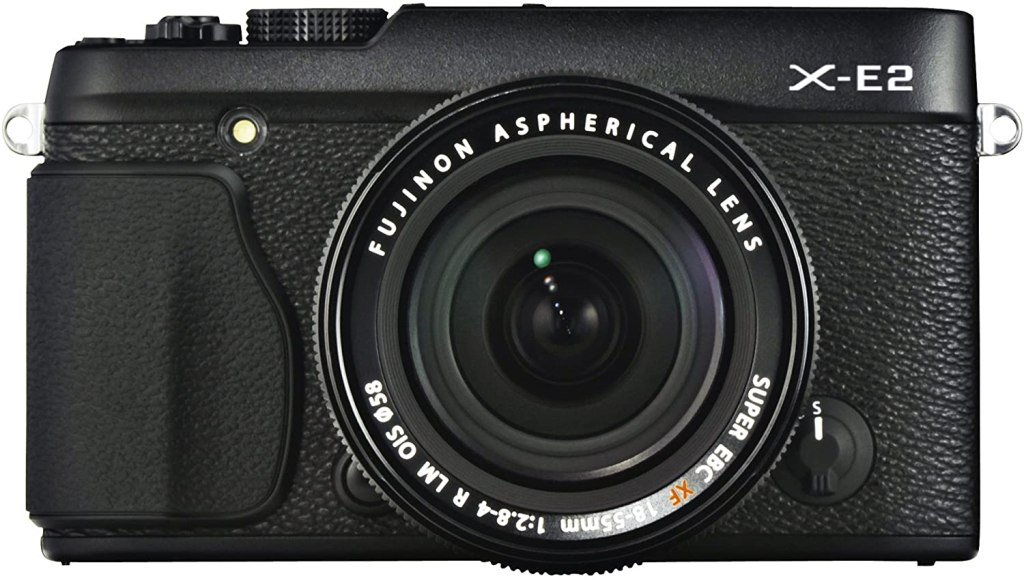
This camera is tiny but it reminds me of a mini X Pro 1. It lacks a few of the features of the X Pro cameras but it is capable of damned fine images.16MP APS-C X-Trans II CMOS sensor
- 16MP APS-C X-Trans II CMOS sensor
- 7 frames per second continuous shooting
- Phase detect AF
- ISO200 – 6400 (expandable ISO 100, 12800, 25600)
- 1080/60p, 30p HD video
- 3 inch LCD with 1,040,000 dots
- Electronic viewfinder with 2,360,000 dots and digital split image focus aid
- Raw and Raw + JPEG shooting
- Pop-up flash with hot shoe
- SD/SDHC/SDXC
- Built-in Wi-Fi
X-Trans CMOS II sensor incorporates an original color filter array with a highly random pattern, eliminating the need for an optical low-pass filter (OLPF). These filters are used in conventional systems to inhibit moiré at the expense of resolution. The X-Trans CMOS II sensor array lets the sensor capture unfiltered light from the lens, achieving an unprecedented level of resolution.
And cheap as chips now as it is ”obsolete” by whoevers standards. I have two. LOL
FUJICHROME LENSES
The ‘FUJINON XF 35mmF2 R WR’ offers a focal length equivalent to 53 millimeter* with the angle of view similar to that of the human eye and a maximum aperture of F2.0. It delivers sharp images with rich bokeh. The optical construction of 9 elements in 6 groups (including two aspherical elements) achieves the perfect balance of high image quality and compact size. The lens features the smallest diameter of the line-up and thanks to the inner focus system and stepping motor, it achieves an autofocus time of just 0.08 sec**.
The exterior of the lens is weather and dust-resistant and can work in temperatures as low as -10 degree Celsius.
This probably my most used lens of the bunch that I own, and a great price.

The lens exterior uses all metal parts to ensure it is durable enough for a wide variety of shooting situations. The fine texture of the metal parts further enhance the shooting experience and ensure it can be operated easily and accurately with wet or gloved hands. The lens features a weather- and dust-resistant structure with eight seals on the lens barrel keeping the lens protected from rain, dust and splashes of water when shooting outdoors.
An inner focus system, which moves the small and lightweight lens elements, is combined with a stepping motor to produce quiet, accurate and fast autofocus – a must for all snap shooters that need to capture a spontaneous moment.
Fujinon XF23mmF2 R WR
My second favorite lens.
- Advanced image quality – ten elements in six groups, including two aspherical elements for edge-to-edge sharpness
- Angle of view: 63.4°.At just 180g, the XF23mmF2 R WR is compact, lightweight, and stylish for great operability
- Weather and dust resistant, capable of operating at temperatures as low as -10 Degree. Maximum magnification: 0.13x
- Fast and silent autofocus: when combined with the phase detection AF system of FUJIFILM X-Pro2 or X-T2, the lens can focus in an astonishing .005 seconds
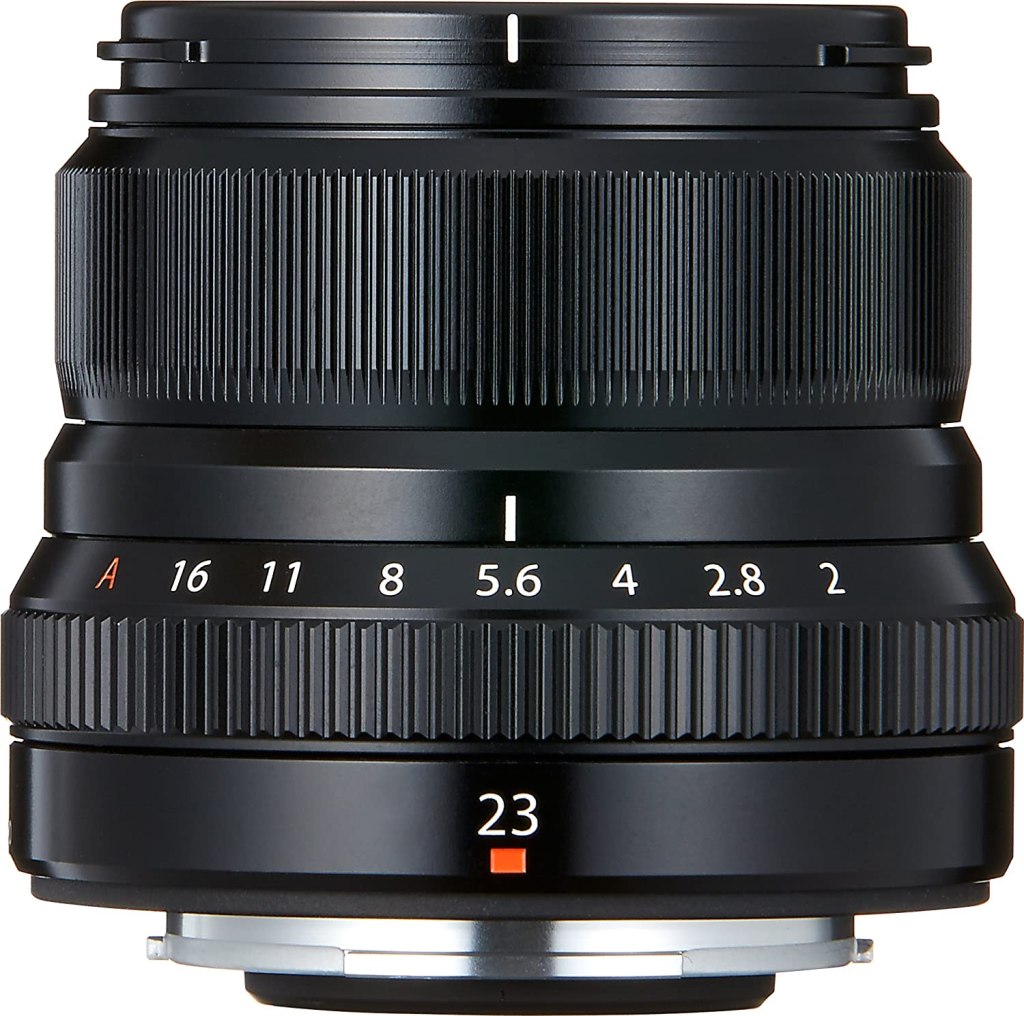
The XF23mmF2 R WR is a wide-angle lens with advanced image resolution, capable of drawing out the full performance of Fujifilm’s proprietary X-Trans CMOS sensor. It has a similar size and design flair of the existing XF35mmF2 R WR, to make up a stylish collection of compact lenses. The inner-focus AF system uses a stepping motor* to drive the focusing group of lens elements for silent and fast autofocus.
The metal exterior gives a sense of premium quality and robustness, and the aperture ring and focus ring have been designed for optimum operability. The lens is also weather and dust resistant and operates at temperatures as low as -10°C, making it an ideal choice for outdoor photography.
https://www.dpreview.com/reviews/buying-guide-best-lenses-for-fujifilm-mirrorless-cameras
Fujichrome XF50mmF2 R WR

The XF50mmF2 R WR is a mid-telephoto lens with a focal length equivalent to 76mm*1 that delivers the very best results from Fujifilm’s unique X-Trans CMOS sensor. Its compact and lightweight design features 9 elements in 7 groups, including one aspherical ED lens, and has an inner focusing system*2, driven by a stepping motor*3 for fast and silent autofocusing. Metal parts are used extensively on the exterior for a stylish, robust design with a premium feel, while the aperture and focusing rings have been designed to be comfortable and easy to use. The lens is also weather and dust resistant, and operates in temperatures as low as -10°C, making it ideal for shooting in a variety of conditions.
The XF50mmF2 R WR will add to Fujifilm’s lineup of compact, lightweight and stylish lenses.
A great little lens for walking the streets …
TO BE CONTINUED
The People of the Markets of Asia
Uncategorized



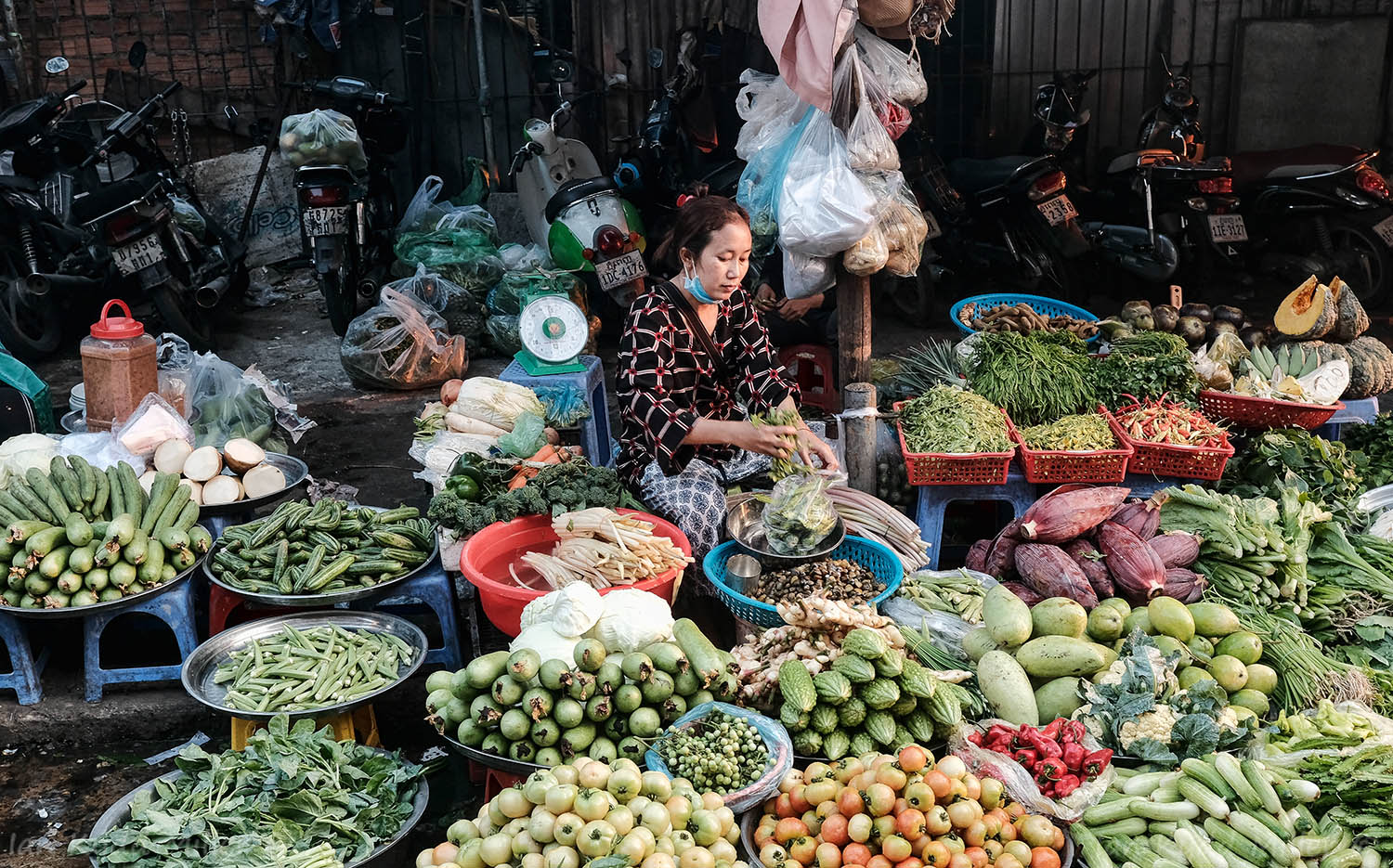
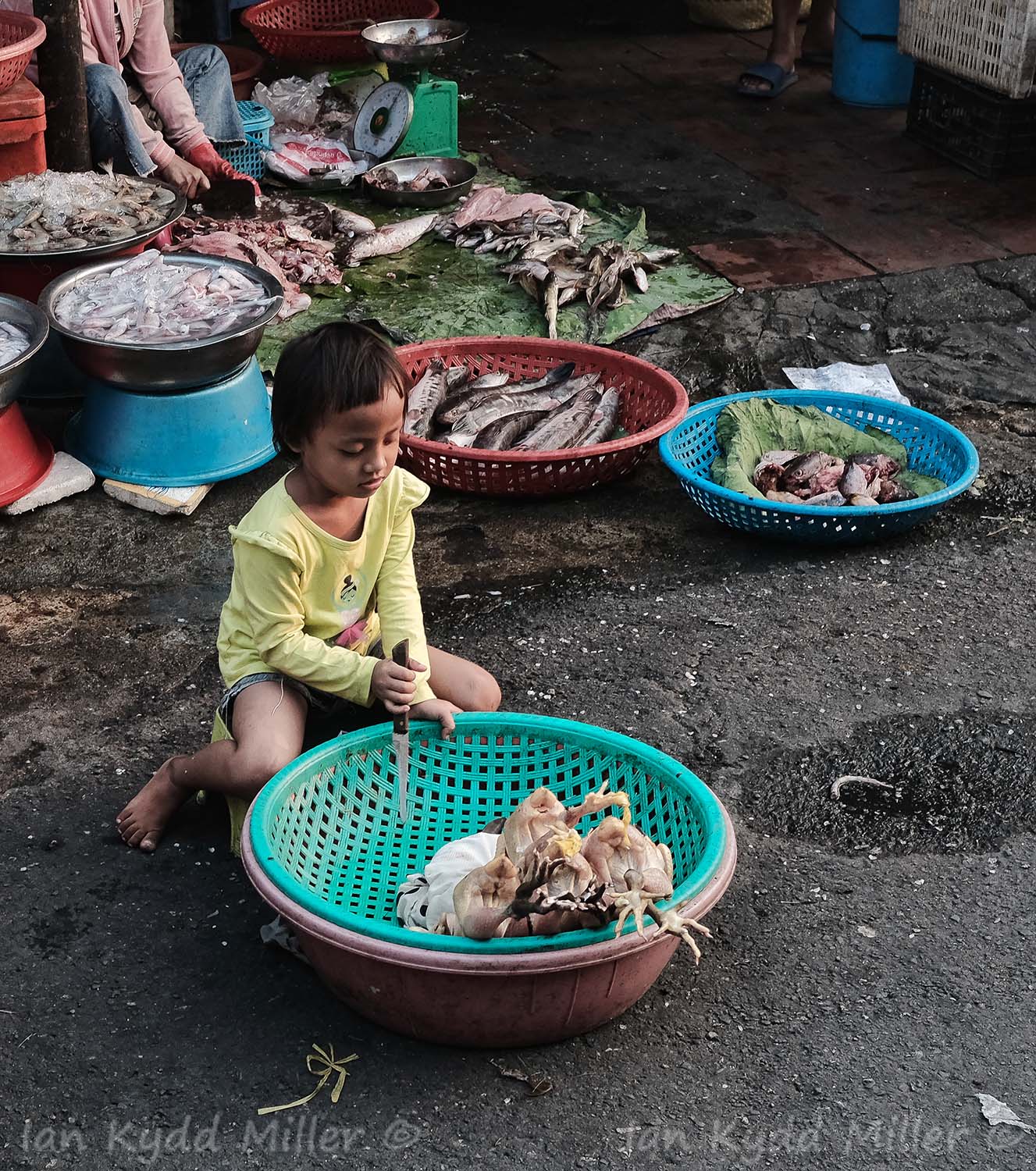
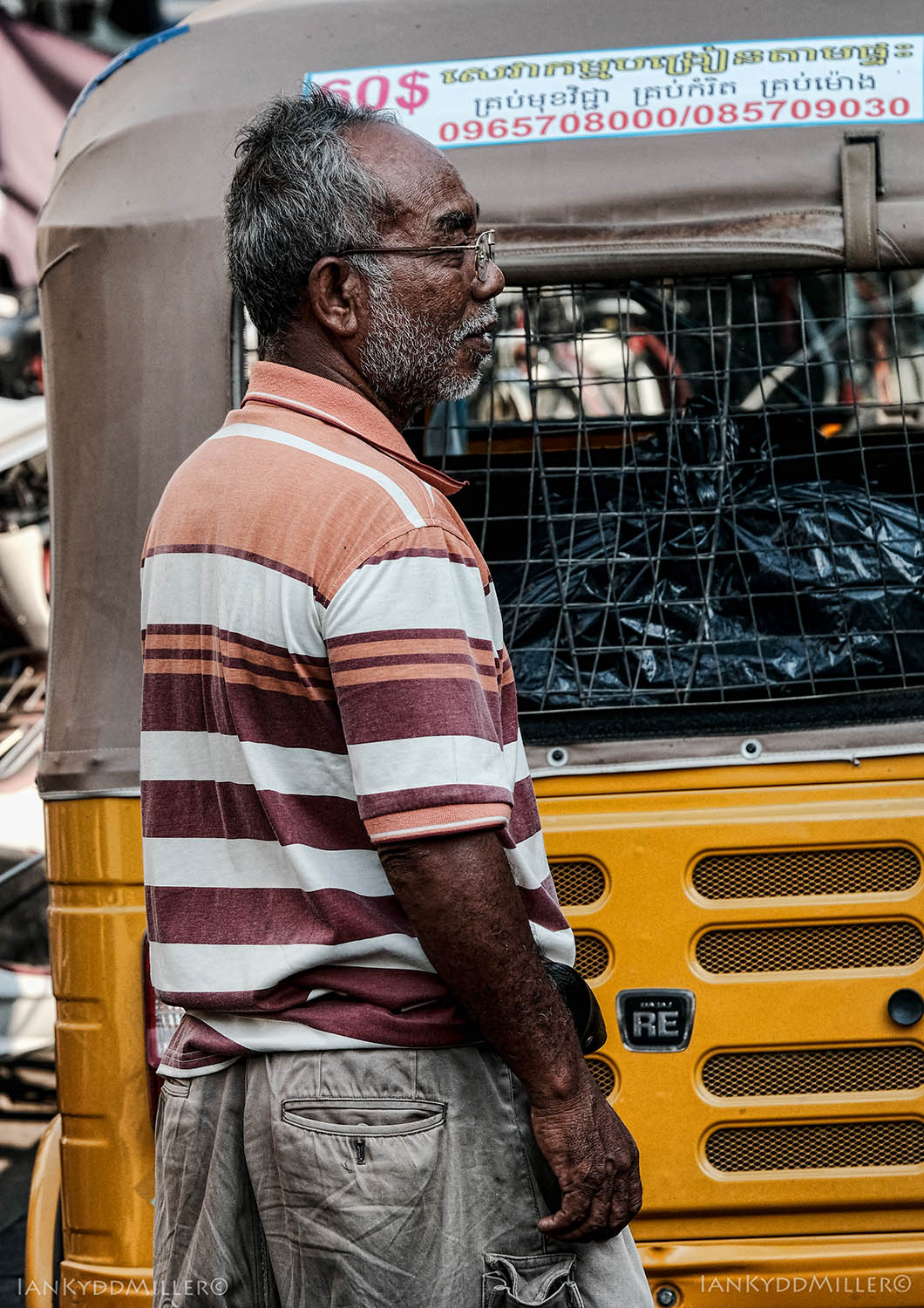
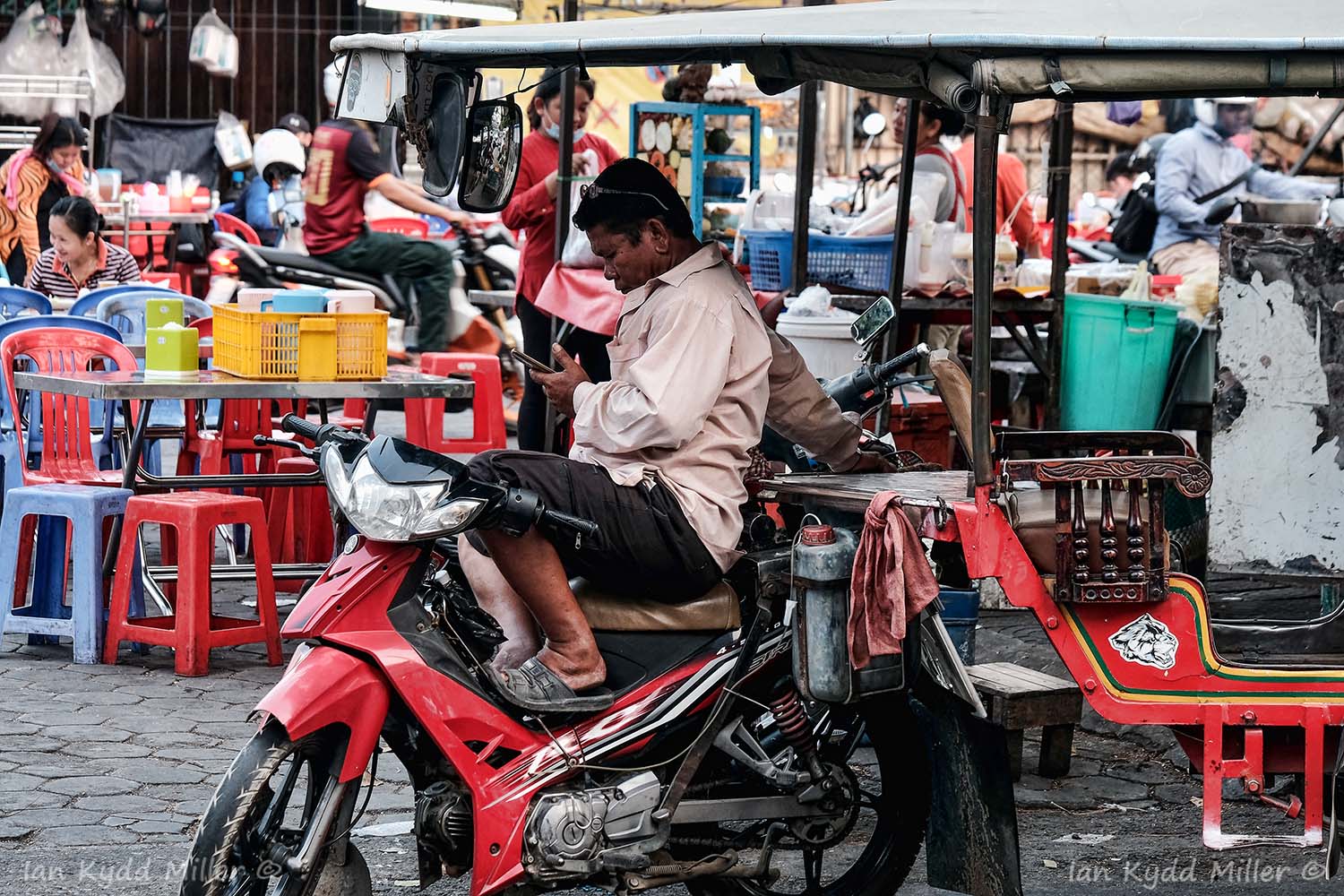
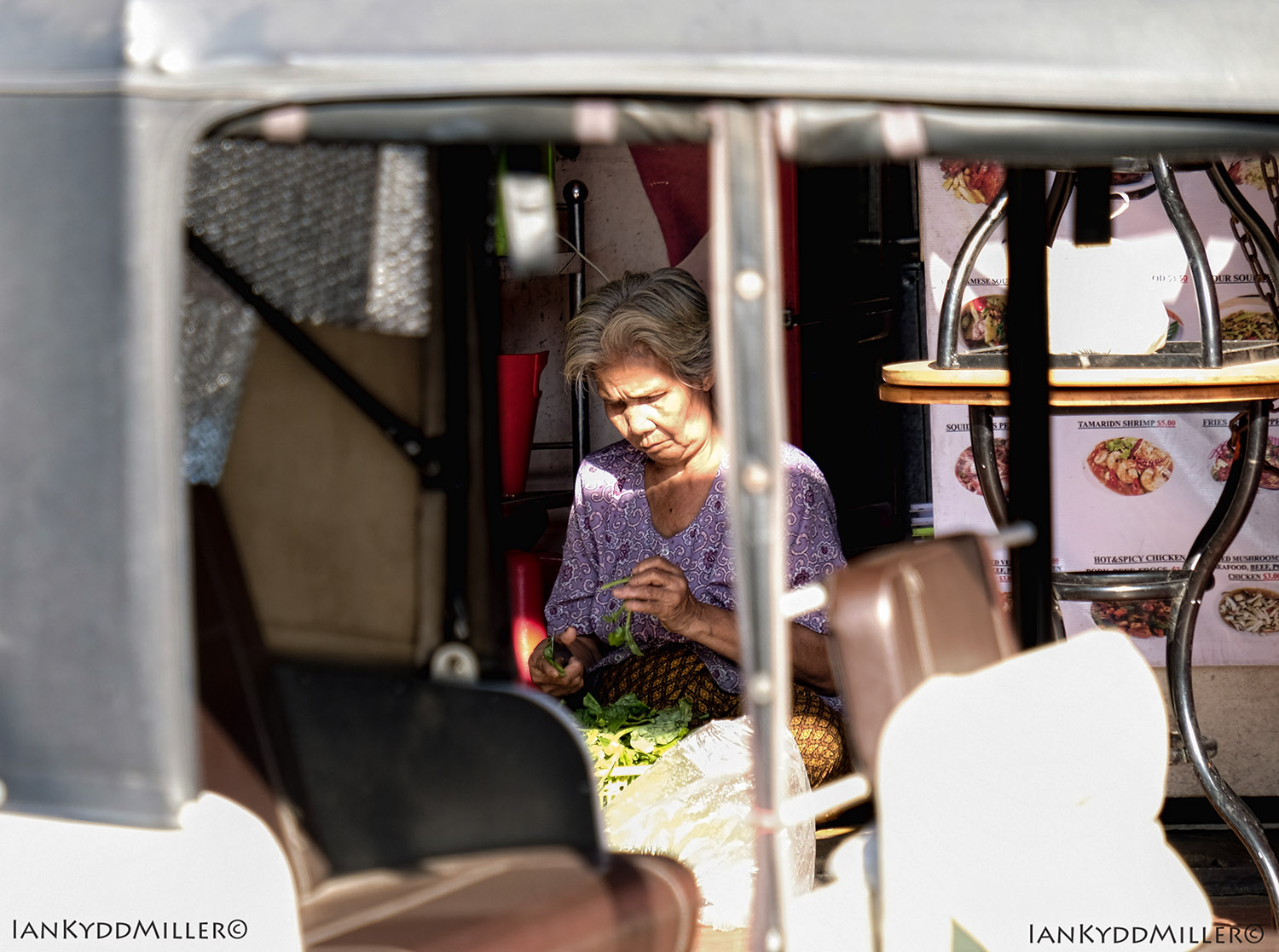
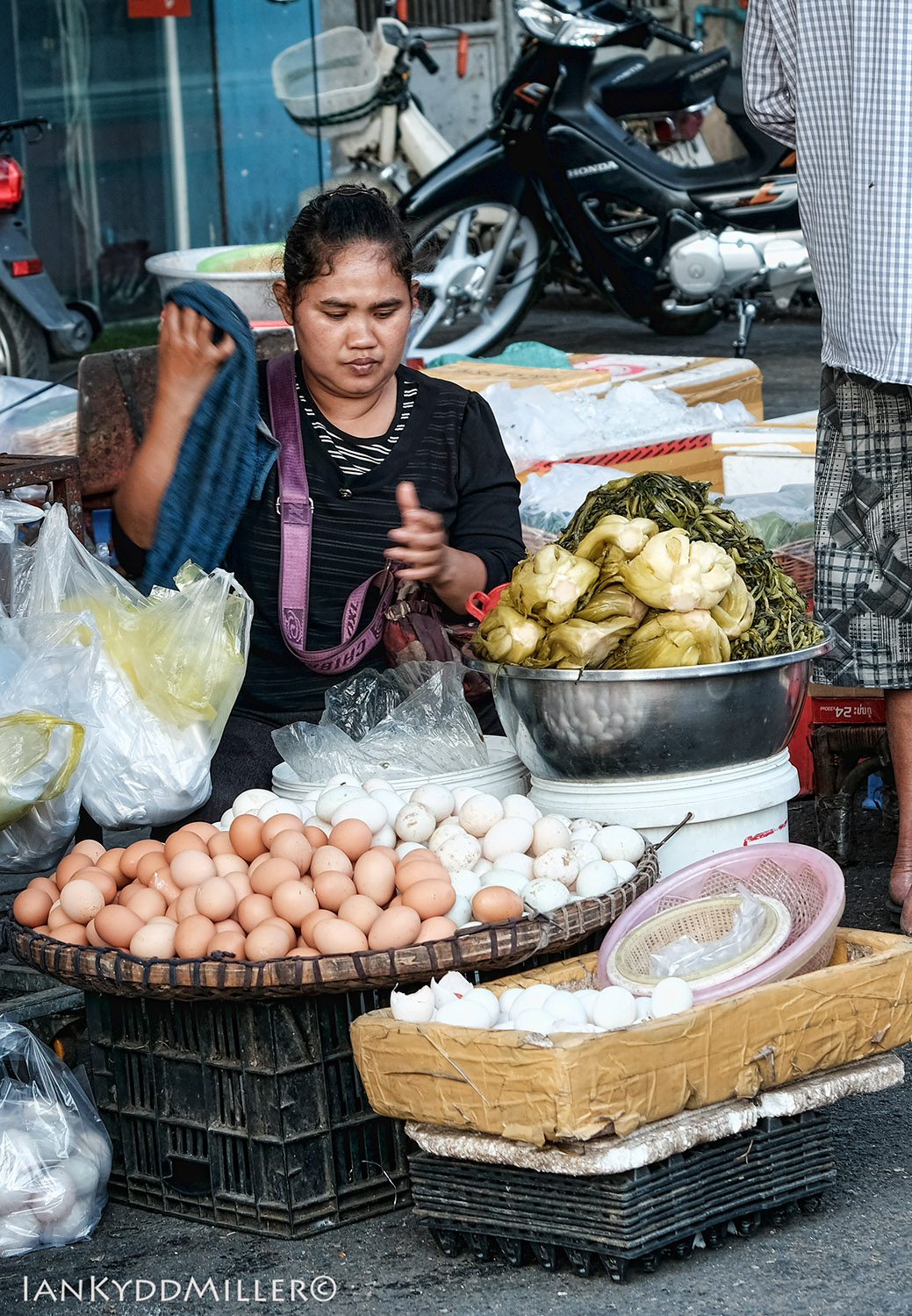
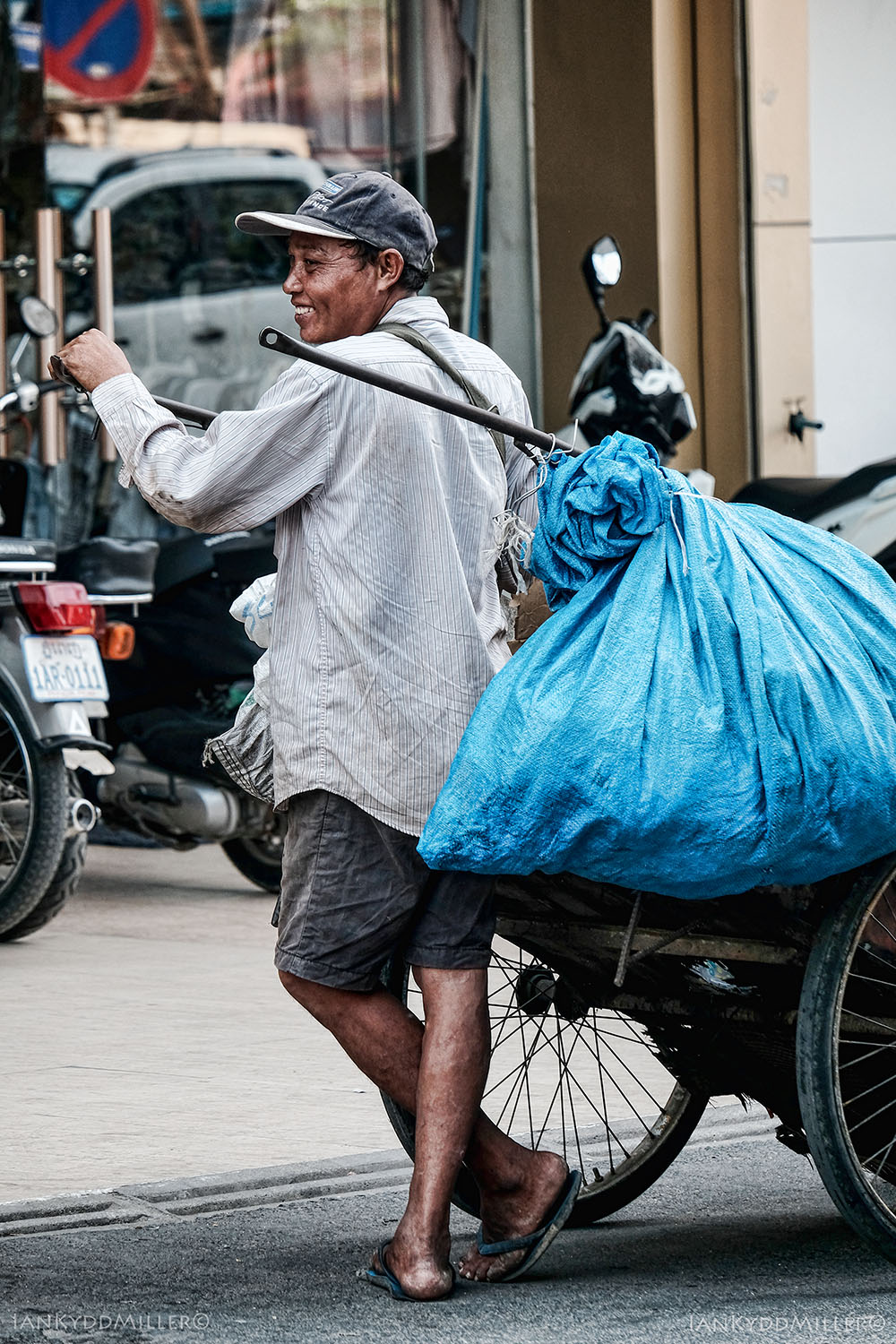
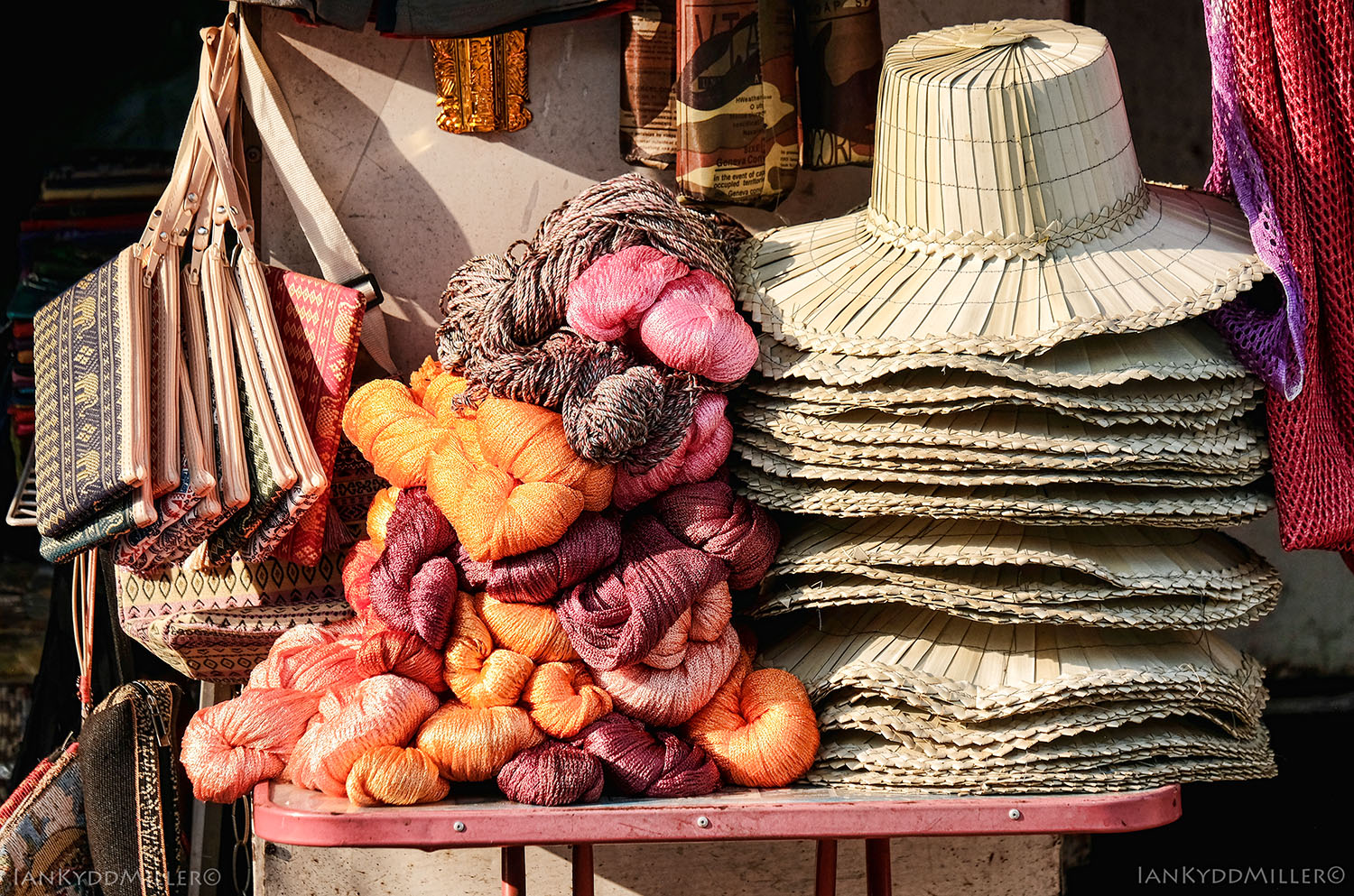
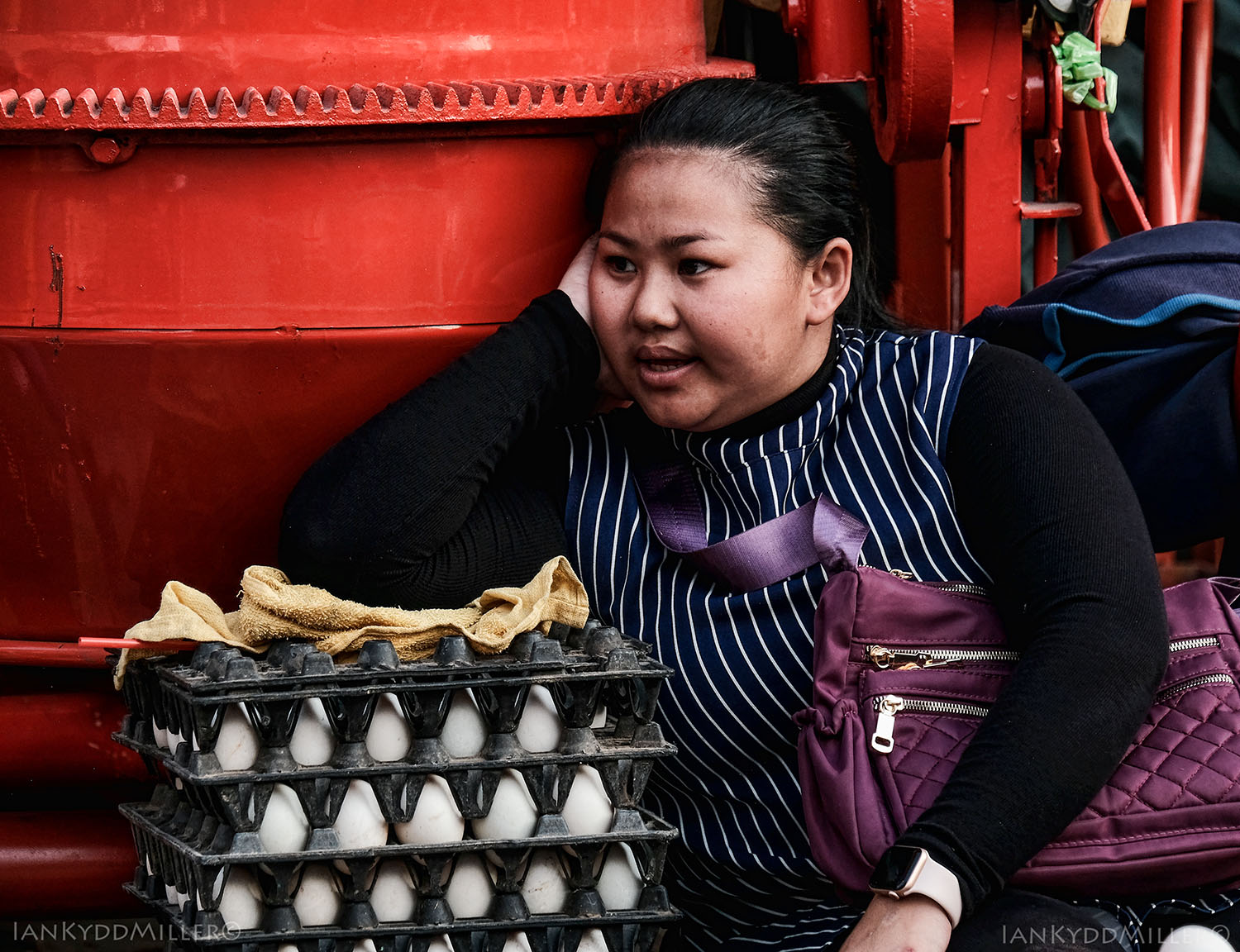
I have been working on this project for several years, but much more recently with the aim of eventually producing a hard back book full of pictures.
The Markets and the people who work in them and the people who go there to purchase food and other goods, make very interesting, in my opinion, pictures.


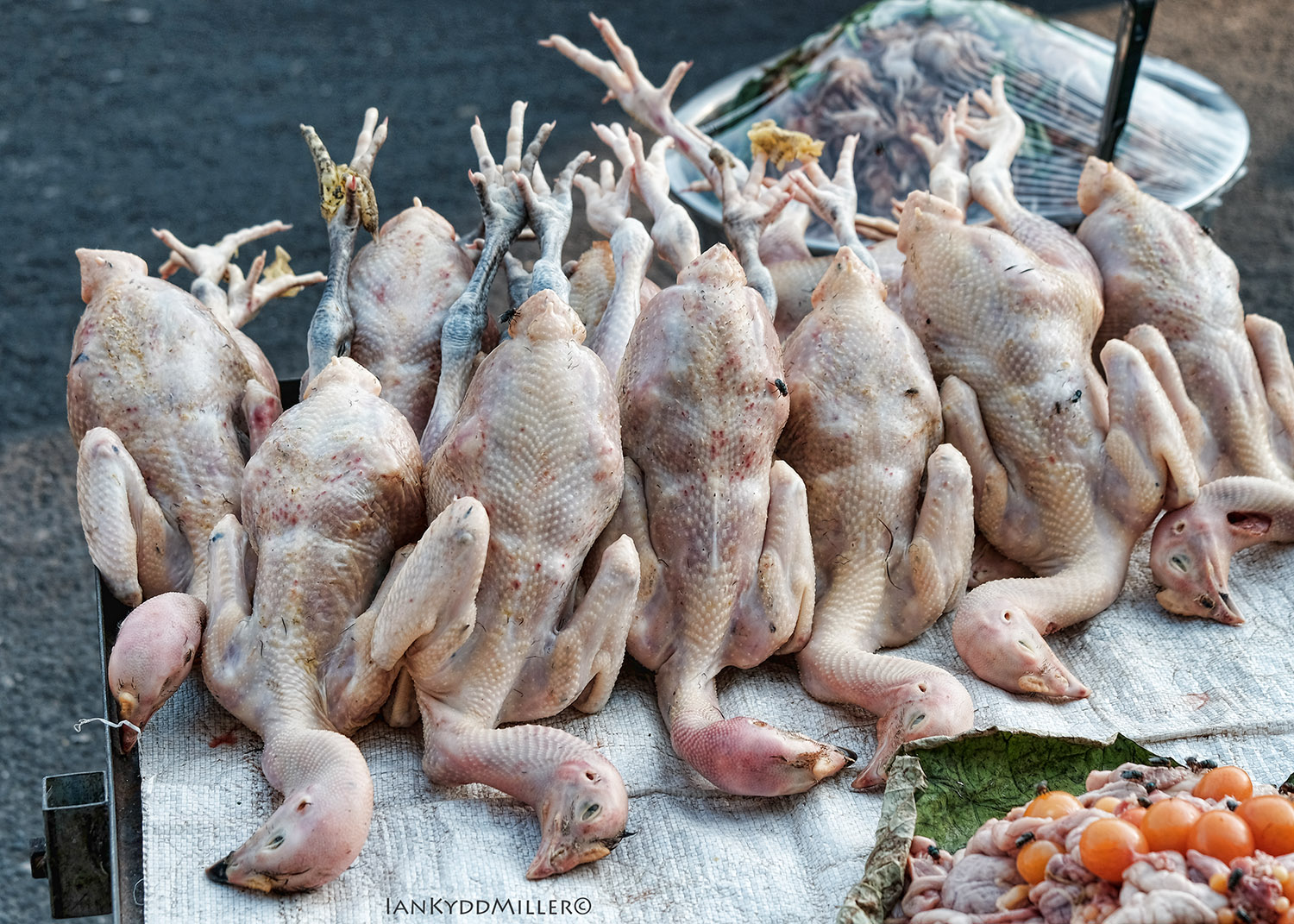


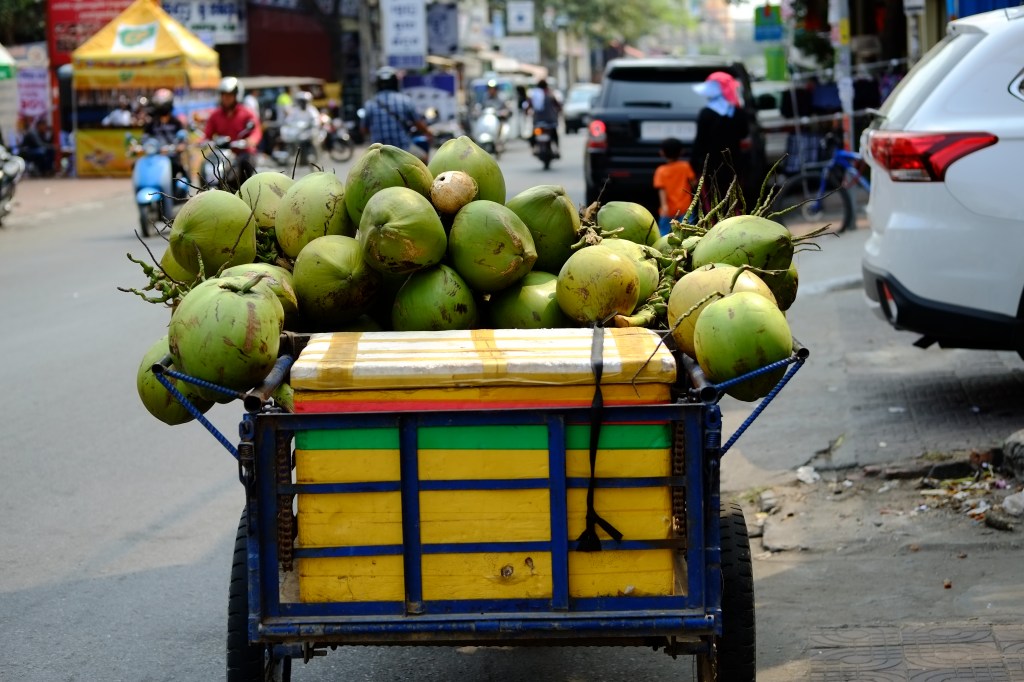
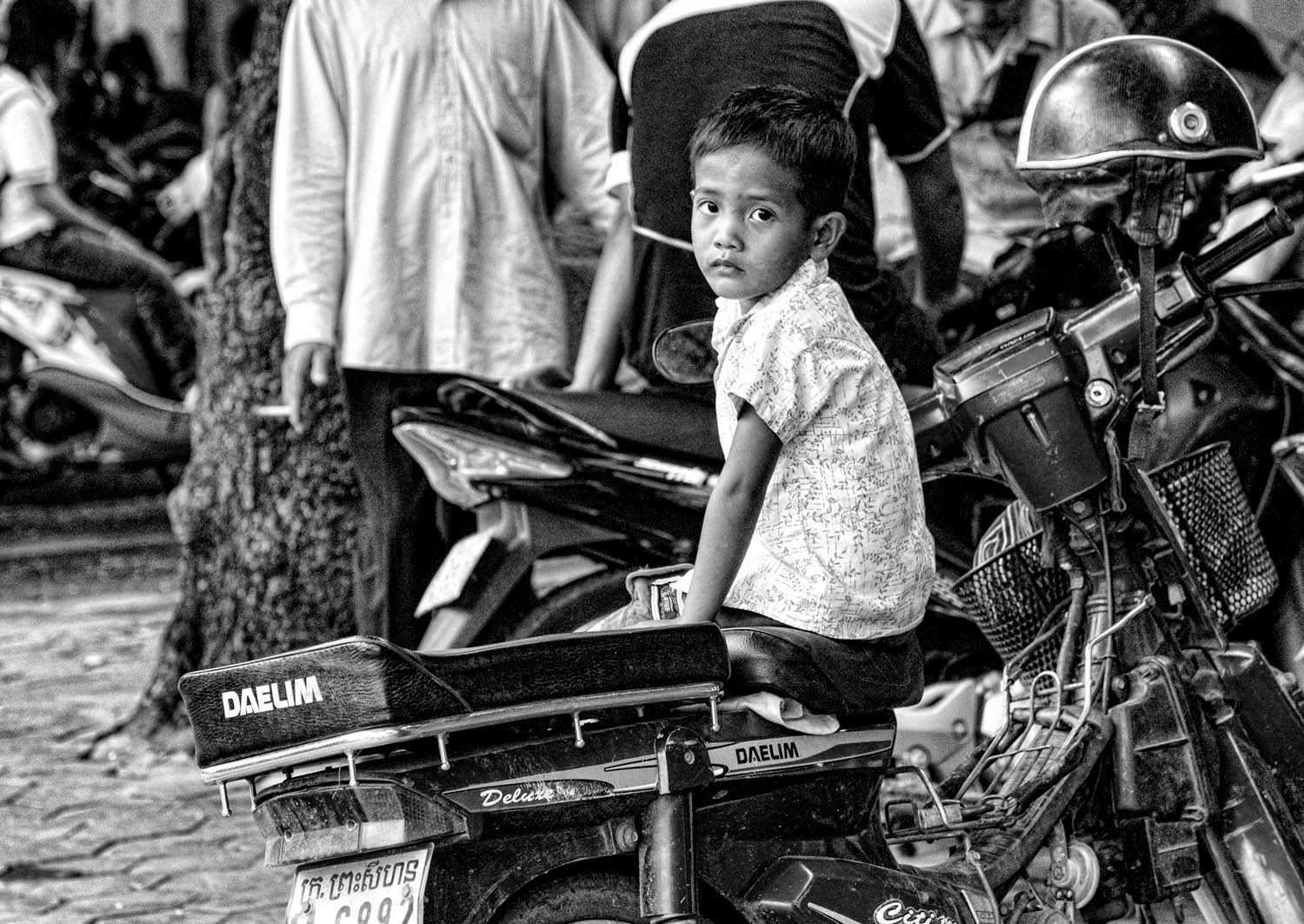
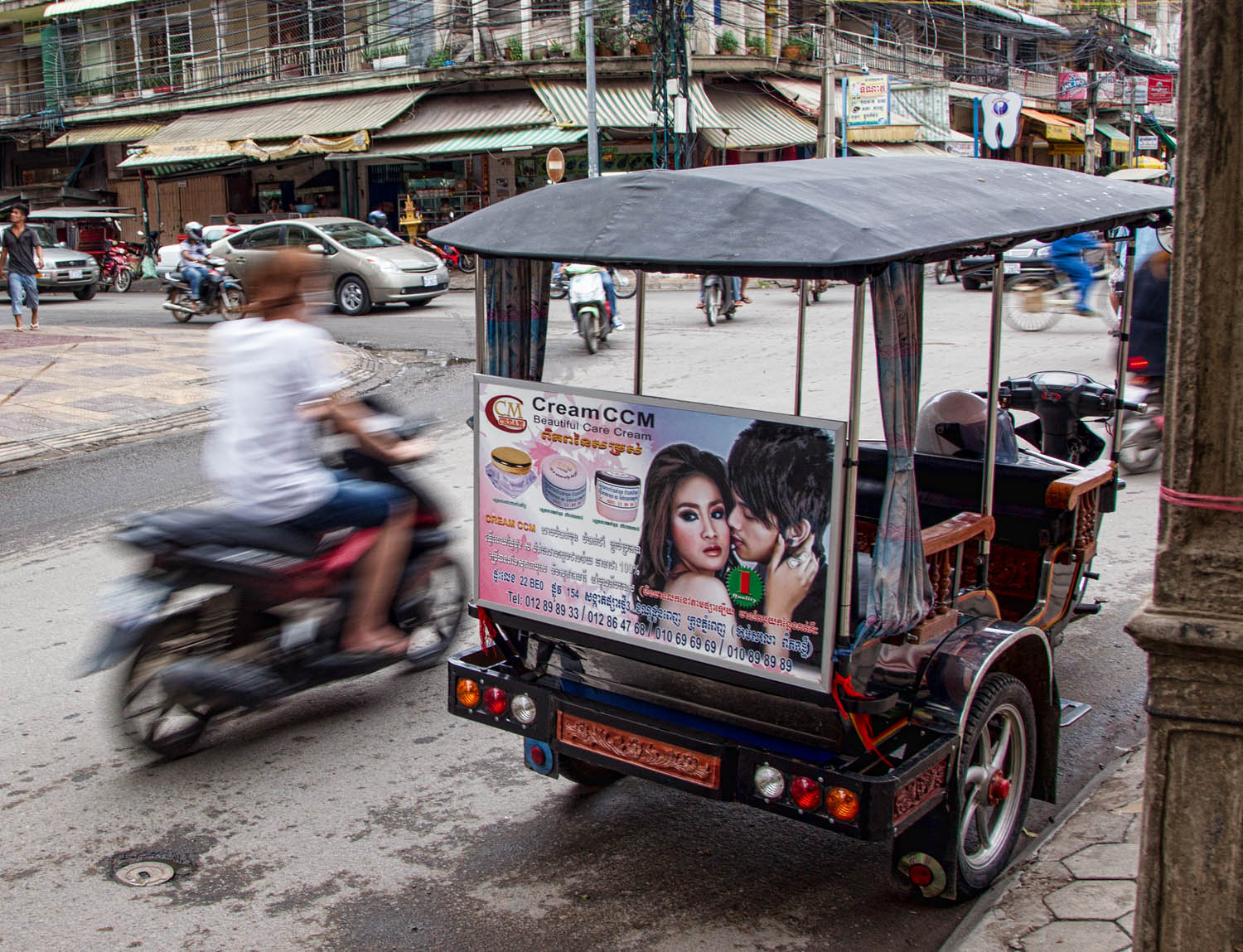
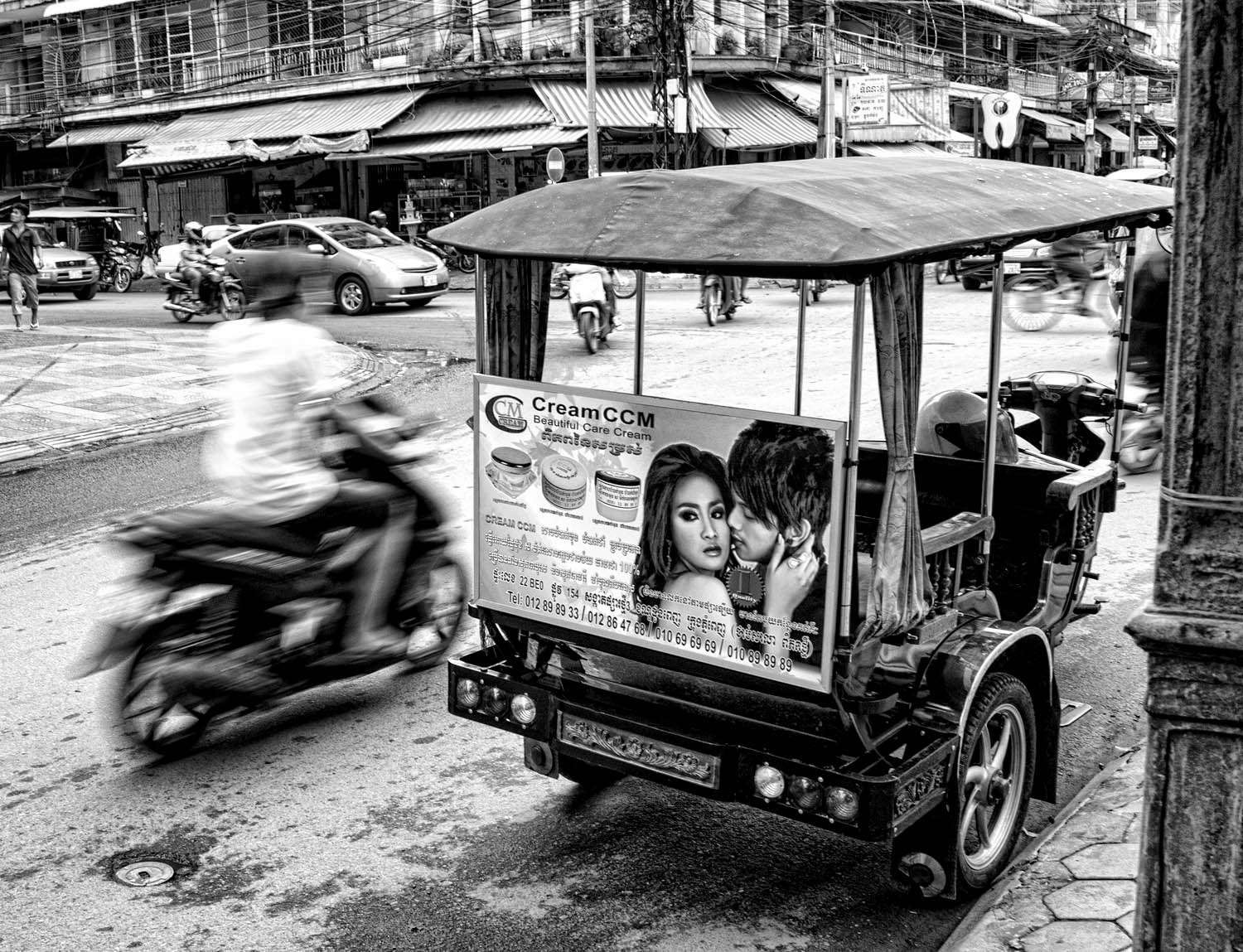
All the images seen above were taken with Fujifilm cameras and lenses and are pretty much straight out of the camera.







 a world without pictures is like coffee without cream and sugar, bitter