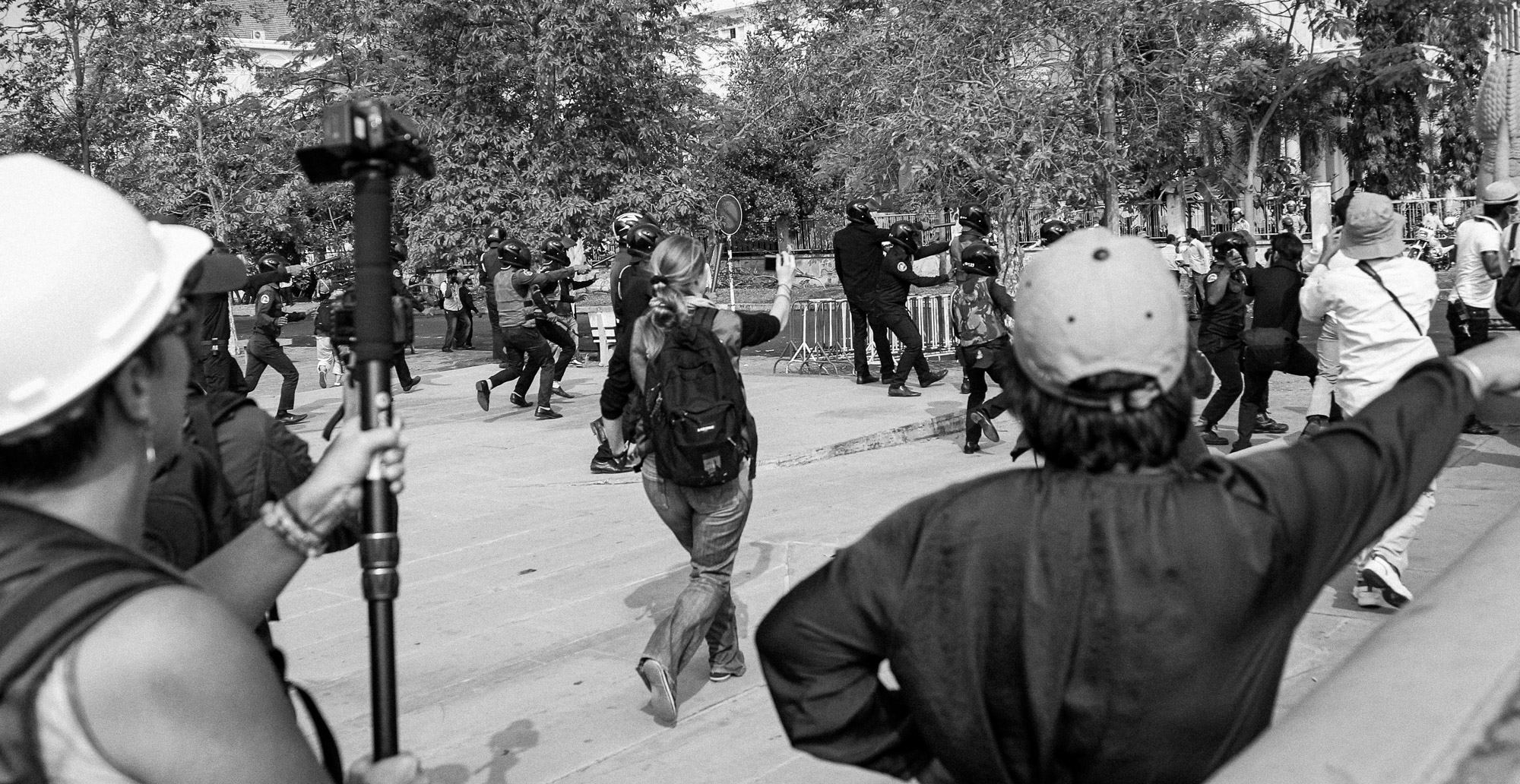
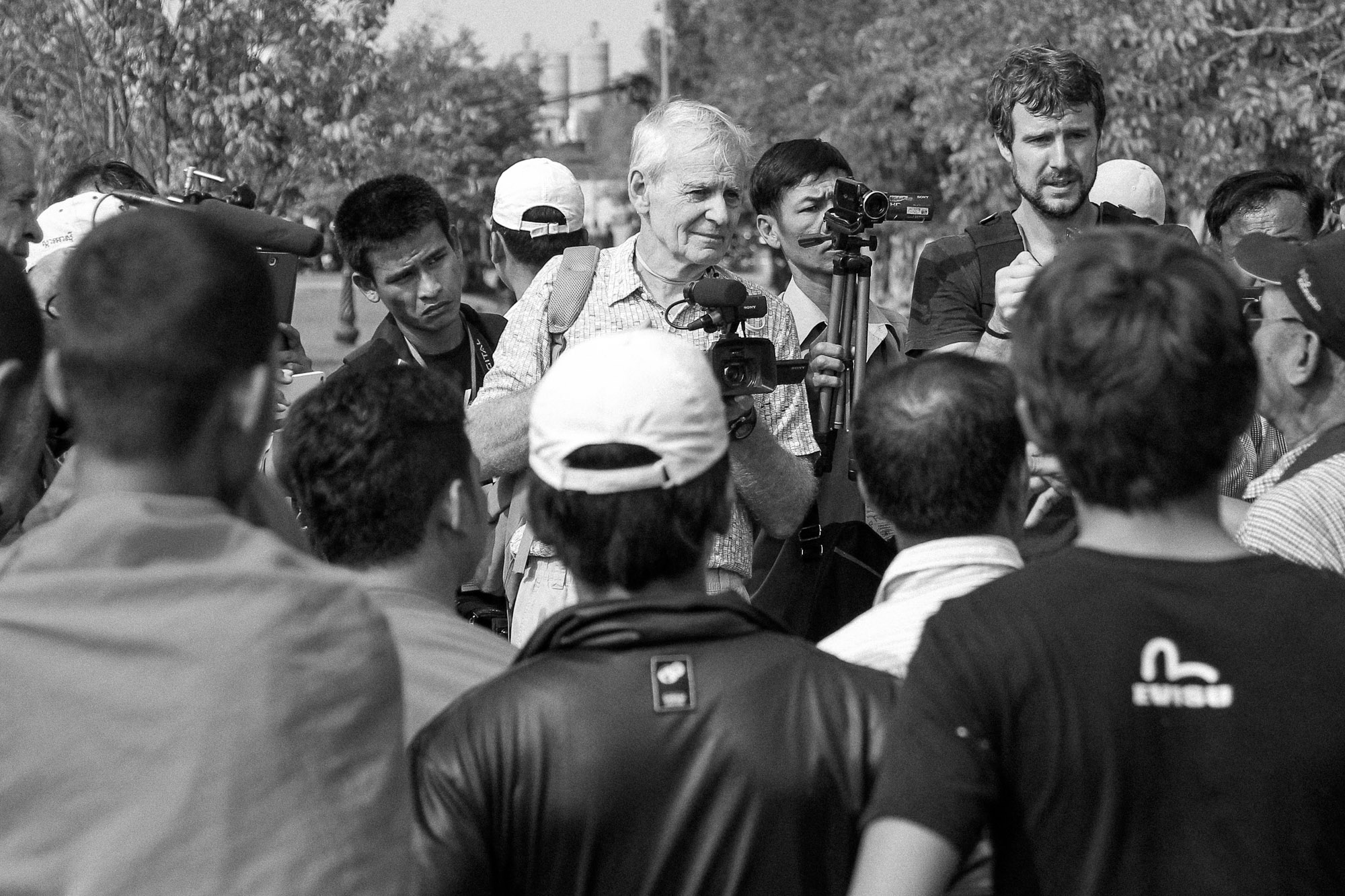
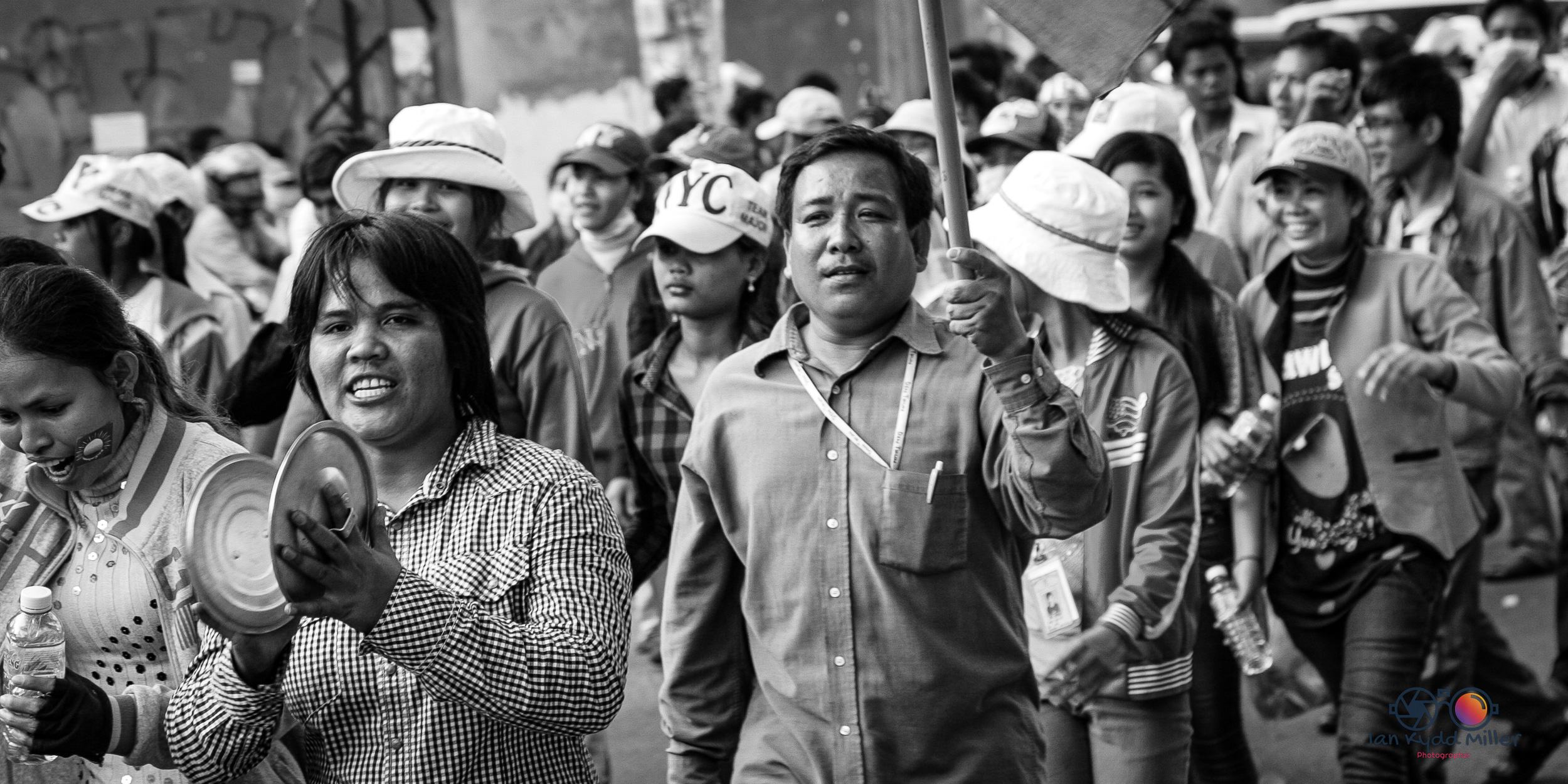
Conflict photography is a form of photojournalism that captures the human and environmental impact of wars, violence and social unrest. It is a challenging and rewarding profession that requires courage, skill and empathy. Conflict photographers aim to document the truth and raise awareness of the suffering and injustice that often goes unnoticed by the mainstream media. They also hope to inspire positive change and peace through their images.
Conflict photography is not for the faint-hearted. It involves working in dangerous and unpredictable situations, facing ethical dilemmas and coping with trauma. Conflict photographers need to have a strong sense of purpose and passion for their work, as well as respect for the people and places they photograph. They also need to have a keen eye for composition, lighting and storytelling, as well as a technical mastery of their equipment.
Conflict photography can have a powerful impact on the world. It can expose the horrors of war, human rights violations and environmental degradation. It can also show the resilience, dignity and hope of the people affected by conflict. It can educate, inform and inspire audiences to take action and make a difference. Conflict photography is more than just taking pictures; it is a way of bearing witness and making history.
If you love photography and travel, you might wonder what essential camera equipment you need to pack when travelling light. Travelling light means carrying only the most necessary items that will allow you to capture the best shots of your destination without compromising your comfort and mobility.
Here are some tips on how to choose the right camera equipment for travelling light.
First, you need to decide what kind of camera you want to use. There are many types of cameras available, such as DSLRs, mirrorless, compact, action, and smartphone cameras. Each type has its own advantages and disadvantages, depending on your preferences, budget, and skill level. For example, DSLRs offer the best image quality and versatility, but they are also bulky and heavy. Mirrorless cameras are smaller and lighter than DSLRs, but they still have interchangeable lenses and good performance. Compact cameras are easy to use and fit in your pocket, but they have limited zoom and low-light capabilities. Action cameras are great for capturing videos and extreme sports, but they have a fixed wide-angle lens and poor audio quality. Smartphone cameras are convenient and always with you, but they have limited battery life and storage space.
Second, you need to choose the right lenses for your camera. Lenses are the most important part of your camera equipment, as they determine the quality and style of your photos. However, lenses can also be heavy and expensive, so you need to be selective about which ones to bring. A good rule of thumb is to bring one or two lenses that cover a wide range of focal lengths and situations. For example, you can bring a standard zoom lens (such as 18-55mm or 24-70mm) that can handle landscapes, portraits, and street photography. You can also bring a prime lens (such as 35mm or 50mm) that has a fast aperture and can create beautiful bokeh effects. Alternatively, you can bring a superzoom lens (such as 18-200mm or 28-300mm) that can cover everything from wide-angle to telephoto shots.
Third, you need to consider the accessories that will enhance your photography experience. Accessories are the items that will help you protect, stabilize, charge, store, and edit your photos. However, accessories can also add weight and bulk to your luggage, so you need to prioritize the ones that are most useful and essential. For example, you should always bring a camera bag or case that will protect your camera and lenses from dust, water, and impact. You should also bring a tripod or a monopod that will help you capture sharp and steady shots in low-light conditions or with long exposures. You should also bring extra batteries and memory cards that will ensure you have enough power and storage space for your photos. You should also bring a cleaning kit that will help you keep your camera and lenses clean from dust and smudges. You should also bring a laptop or a tablet that will allow you to back up, edit, and share your photos.
These are some of the essential camera equipment you need to pack when travelling light. By choosing the right camera equipment for your needs and preferences, you can enjoy taking amazing photos of your travels without sacrificing your comfort and mobility.
Travelling with a camera is one of the most rewarding and exciting ways to explore the world. Whether you are a professional photographer or a hobbyist, a camera can help you capture the beauty, the diversity, and the stories of different places and people. A camera can also help you express your creativity, your perspective, and your emotions through your images.
There are many benefits of travelling with a camera. First of all, it can enhance your travel experience by making you more observant, curious, and adventurous. You will notice more details, appreciate more colours, and seek more opportunities to interact with your surroundings. You will also have more memories to cherish and share with others. Secondly, it can improve your photography skills by exposing you to different lighting conditions, landscapes, cultures, and subjects. You will learn how to adapt to various situations, how to compose your shots, how to use different techniques and settings, and how to tell a story with your photos. Thirdly, it can enrich your personal growth by challenging you to step out of your comfort zone, overcome your fears, and discover new aspects of yourself. You will also develop a deeper appreciation for the diversity and beauty of the world and its people.
Travelling with a camera is not always easy, though. You may face some challenges and difficulties along the way. For example, you may have to deal with the weight and bulkiness of your equipment, the security and safety of your gear and yourself, the ethical and cultural issues of photographing people and places, the environmental impact of your actions, and the expectations and pressures of producing good photos. Therefore, you need to be prepared, respectful, responsible, and flexible when travelling with a camera.
Here are some tips that can help you make the most out of your travel photography:
Do some research before you go. Learn about the destination’s history, culture, customs, weather, attractions, and events. This will help you plan your itinerary, choose your locations, find your subjects, and avoid any potential problems or misunderstandings.
Pack light and smart. Choose a camera that suits your needs and preferences, and bring only the essential accessories and equipment. Consider using a backpack or a sling bag that can protect your gear from dust, water, and theft. Also bring some spare batteries, memory cards, chargers, adapters, and cleaning tools.
Be respectful and polite. Always ask for permission before photographing people or private property. Respect their wishes if they decline or ask for compensation. Smile and say thank you after taking their photos. Avoid photographing sensitive or sacred sites or ceremonies unless you have permission or an invitation. Follow the local rules and regulations regarding photography.
Be creative and adventurous. Experiment with different angles, perspectives, focal lengths, apertures, shutter speeds, ISOs, filters, modes, and effects. Try to capture the mood, the atmosphere, the emotion, and the story of each scene. Don’t be afraid to explore new places or try new things.
Have fun and enjoy yourself. Don’t let photography become a burden or a stressor for you or others. Don’t obsess over getting the perfect shot or missing an opportunity. Don’t compare yourself to others or judge yourself harshly. Remember that photography is a form of art and expression that reflects your unique vision and personality.
Travelling with a camera is a wonderful way to experience the world in a different light. It can open your eyes to new possibilities, inspire you to learn new things, and connect you to new people. It can also help you create lasting memories that you can treasure for a lifetime. So grab your camera, pack your bags, and start your adventure!
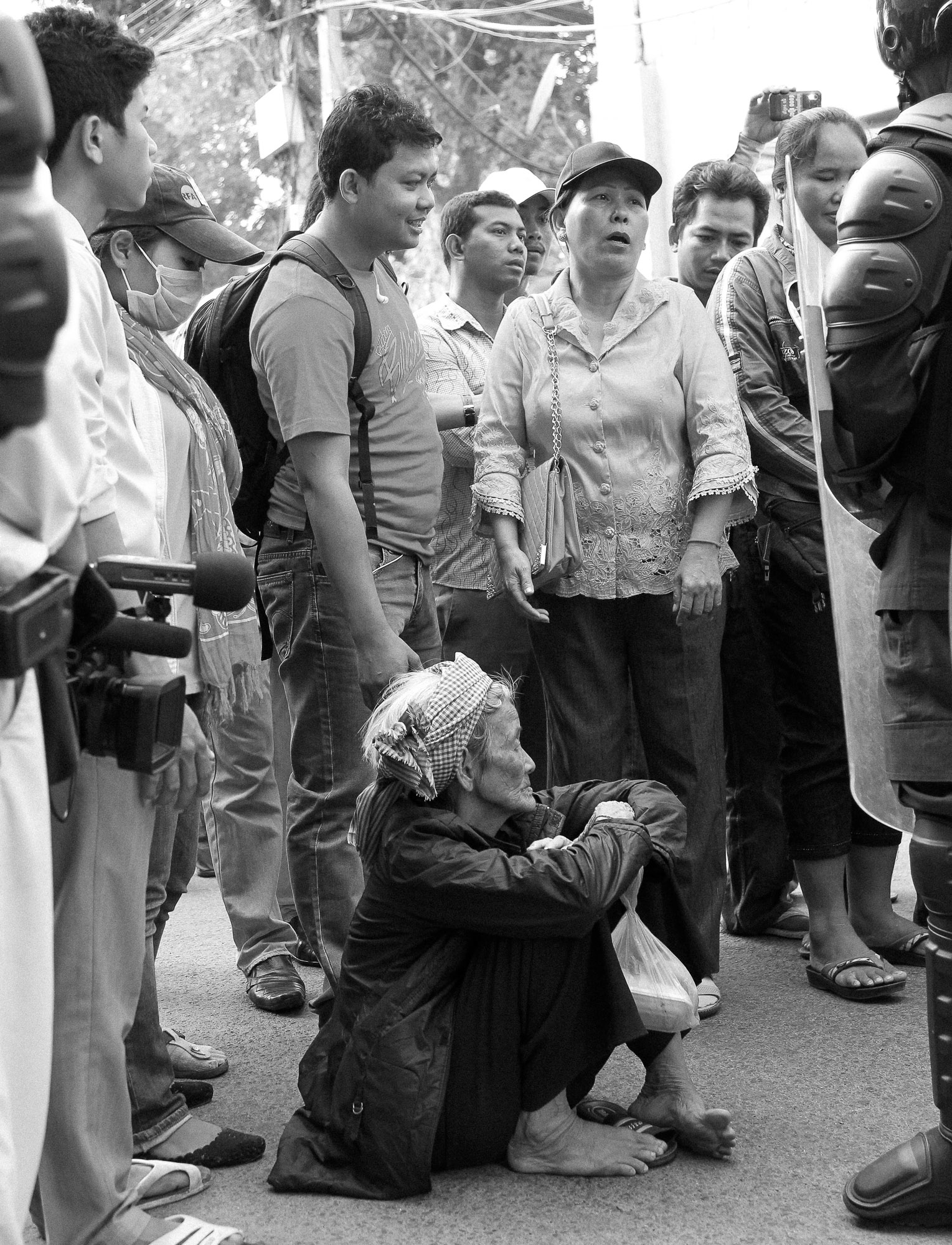
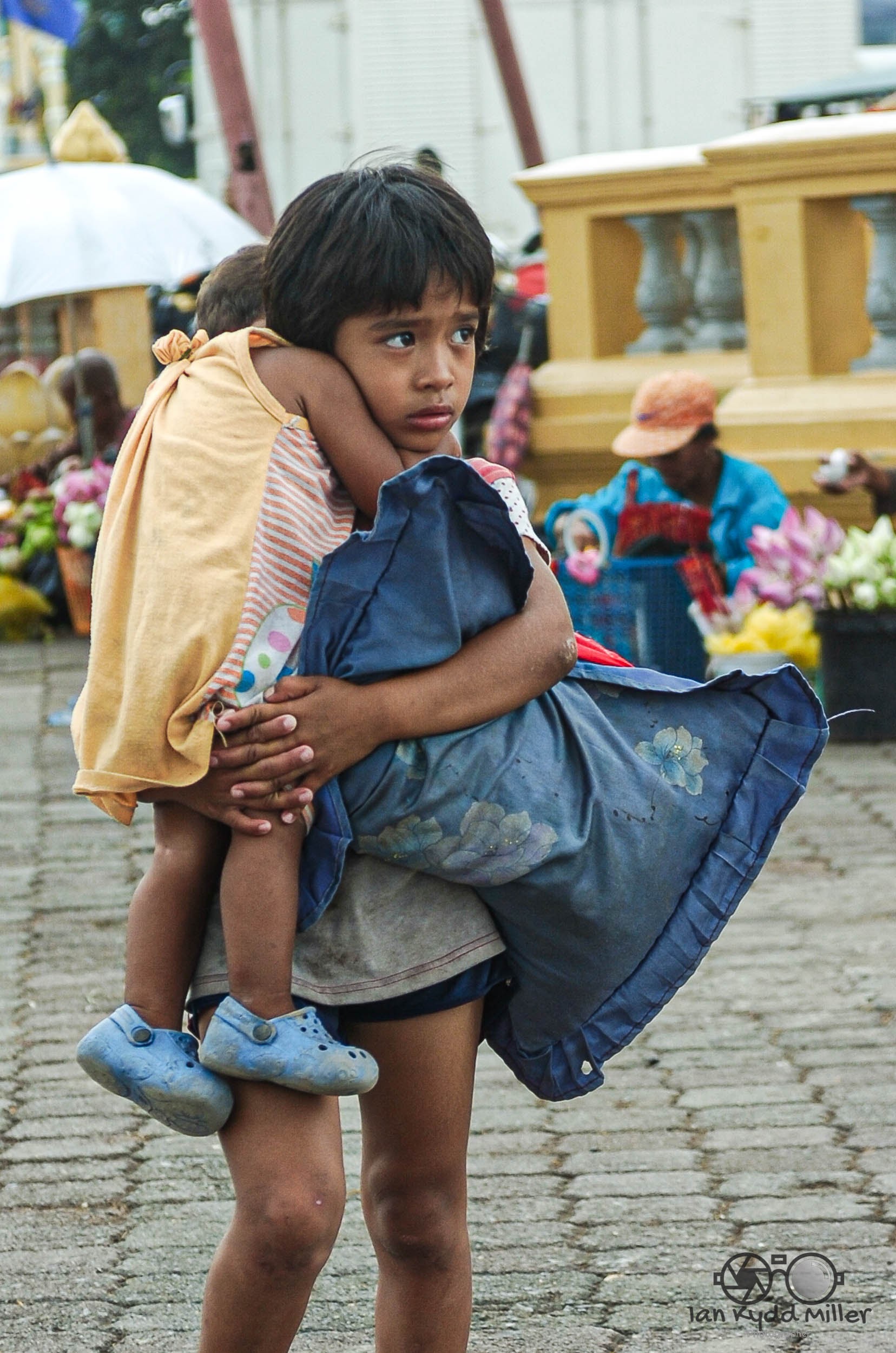
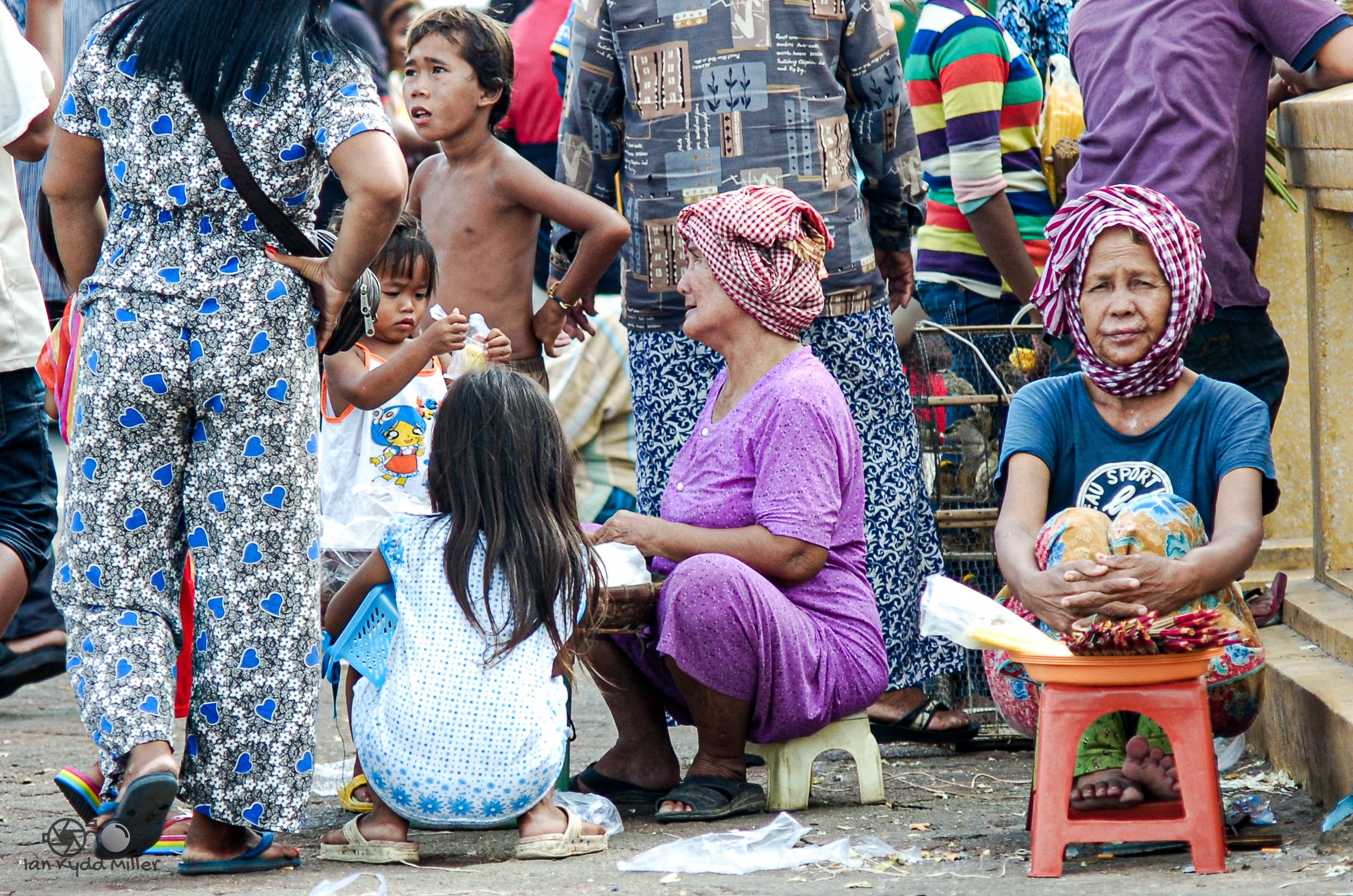
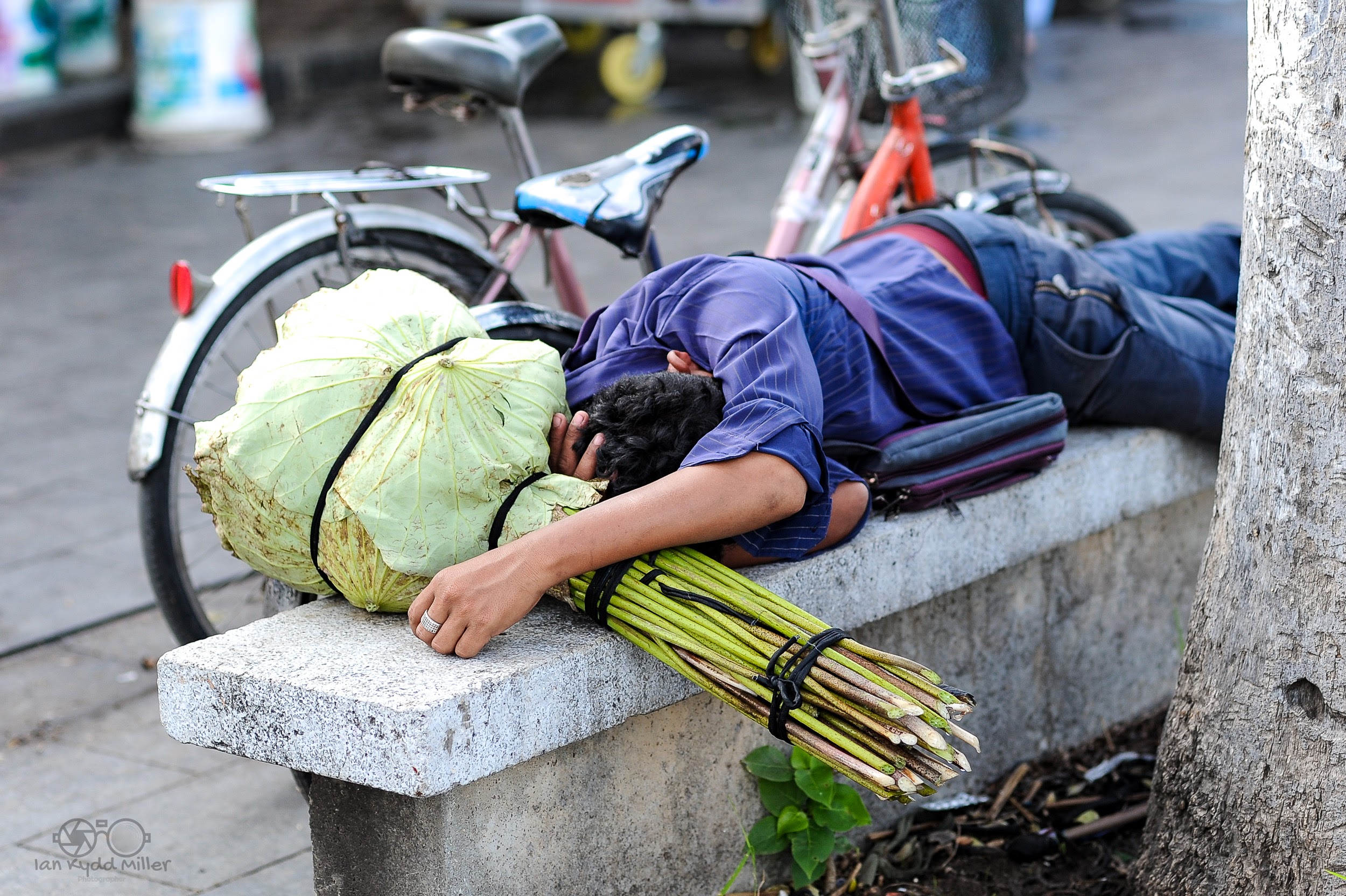
Homelessness is a complex and urgent social issue that affects millions of people around the world. Many factors can contribute to homelessness, such as poverty, mental illness, substance abuse, domestic violence, unemployment, discrimination, and lack of affordable housing. Homeless or street people face many challenges and risks, such as hunger, exposure, illness, violence, stigma, and isolation.
Documenting the plight of homeless or street people can be a powerful way to raise awareness, empathy, and action among the public and policymakers. However, it also involves ethical and practical challenges that require careful consideration and respect. Here are some tips on how to document the plight of homeless or street people in a responsible and respectful way:
Do your research. Before you start documenting, learn about the causes and consequences of homelessness, the policies and programs that address it, and the organizations and activists that work on it. This will help you understand the context and complexity of the issue and avoid stereotypes and misinformation.
Ask for consent. Always ask for permission before you take photos, videos, or interviews of homeless or street people. Explain who you are, why you are documenting, how you will use the material, and what are the potential risks and benefits for them. Respect their decision and privacy. Do not coerce or pressure them to participate or share information they are not comfortable with.
Be sensitive and respectful. Treat homeless or street people with dignity and compassion. Do not judge, blame, or pity them. Do not exploit their vulnerability or sensationalize their suffering. Do not impose your views or expectations on them. Listen to their stories and perspectives with an open mind and heart.
Be honest and accurate. Do not manipulate or misrepresent the material you collect. Do not edit or alter the images or words of homeless or street people without their consent. Do not omit or distort important facts or context. Do not make false or exaggerated claims or promises. Acknowledge your sources and limitations.
Be responsible and accountable. Consider the impact and implications of your documentation on homeless or street people and their communities. Protect their identity and safety if needed. Follow up with them if possible and share the results of your documentation. Respect their rights and wishes regarding the use and distribution of the material. Seek feedback and criticism from them and others who are knowledgeable about the issue. Learn from your mistakes and improve your practice.
In-camera cropping is a term that refers to composing your photos with your camera, rather than cropping them later on a computer. Some photographers prefer this method, as it allows them to create more interesting compositions, achieve better background blur, and preserve the image quality and file size. However, in-camera cropping also requires more skill and confidence, as you have to decide on the final framing before you take the shot.
Other photographers like to crop their photos during post-production, as it gives them more flexibility and room for experimentation. Cropping on a computer can help you improve a poor composition, remove distracting elements, or alter the aspect ratio of your photo. You can also try different crops and see which one works best for your image. However, cropping on a computer also has some drawbacks, such as reducing the number of pixels in your image, affecting its clarity and printability.
So, is in-camera cropping right or wrong? There is no definitive answer to this question, as different photographers have different opinions and preferences. Some may argue that in-camera cropping is more authentic and artistic, while others may say that cropping on a computer is more practical and creative. Ultimately, it depends on your personal style, vision, and goals. The best way to find out what works for you is to experiment with both methods and see how they affect your photos.
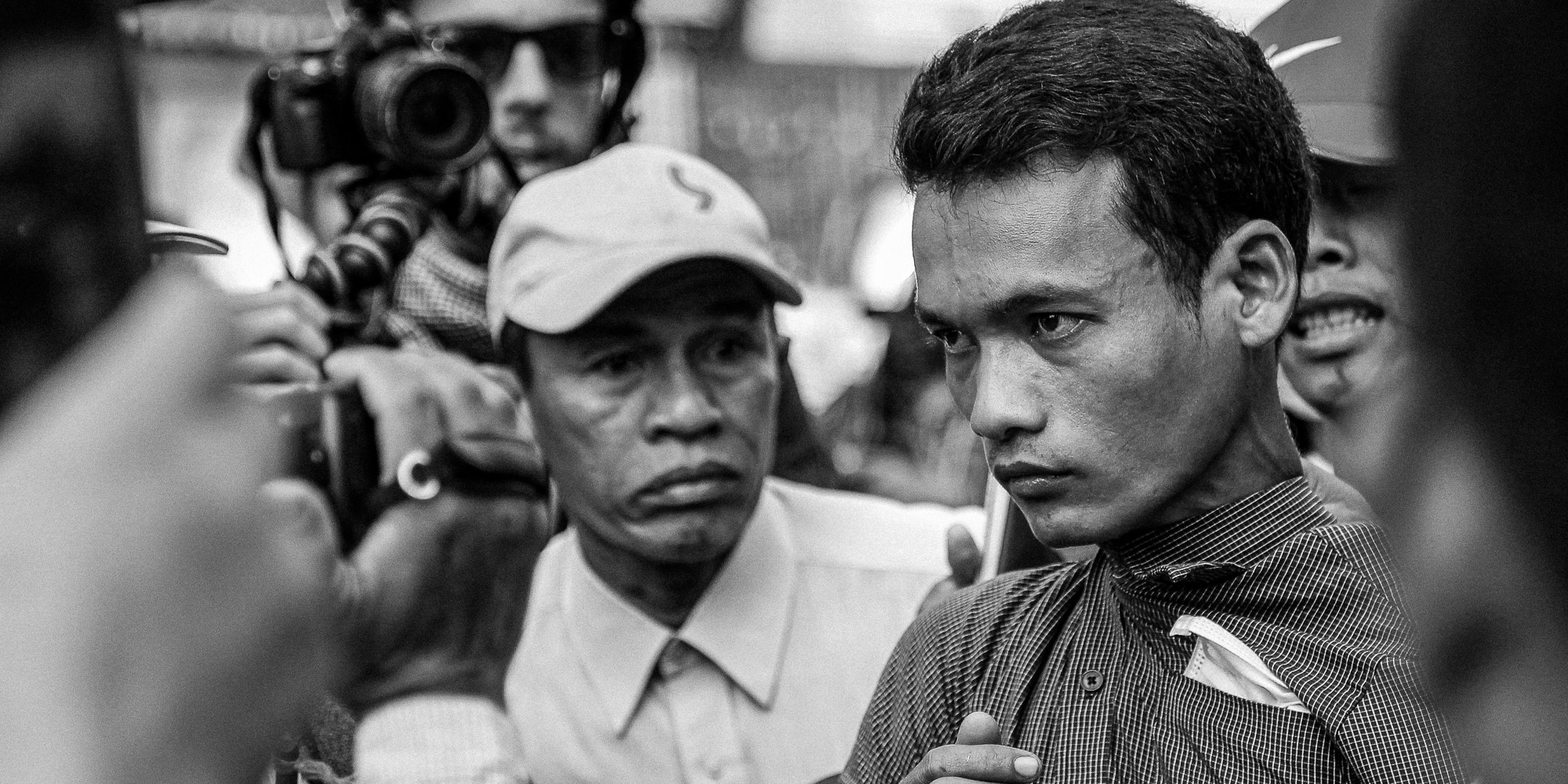
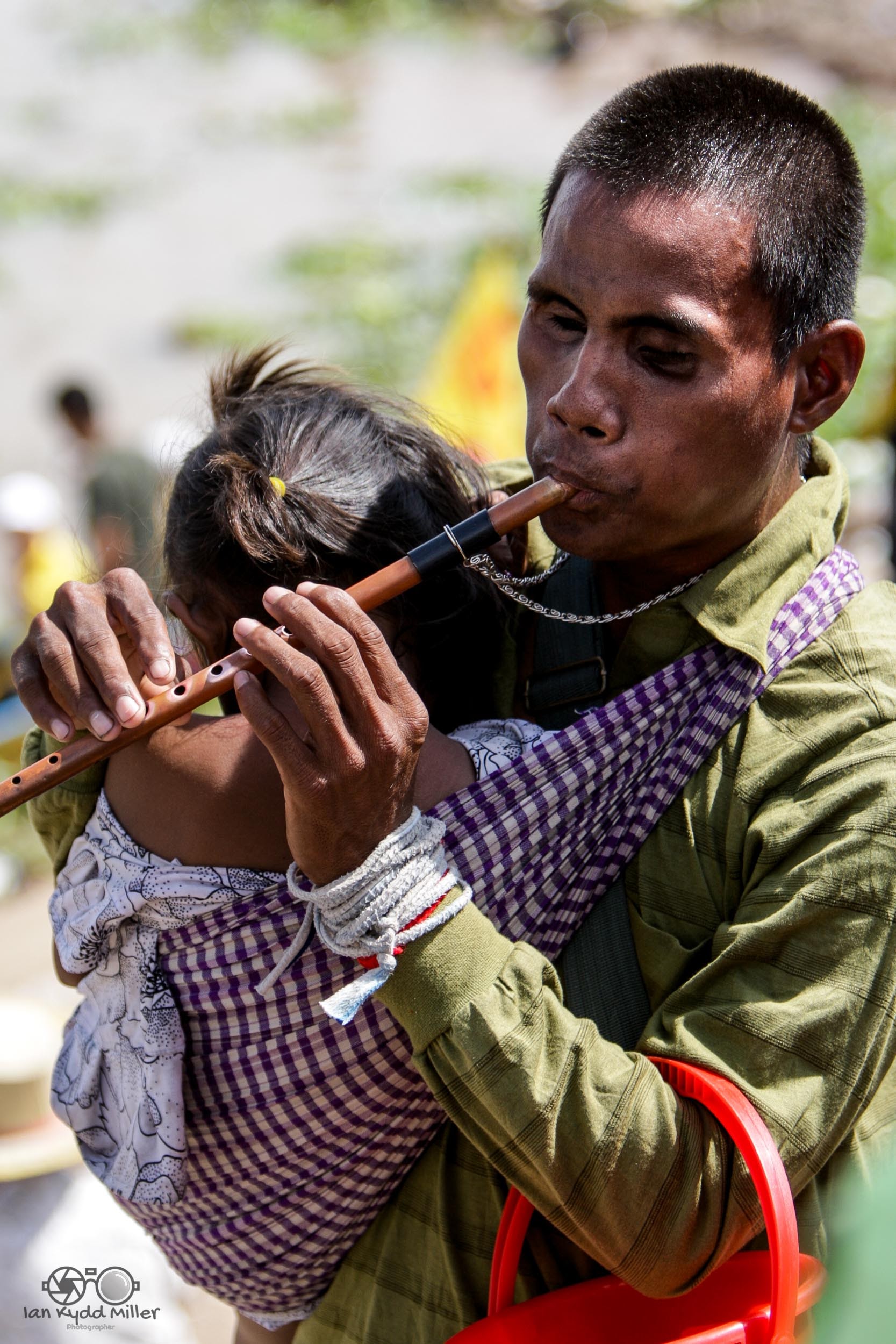
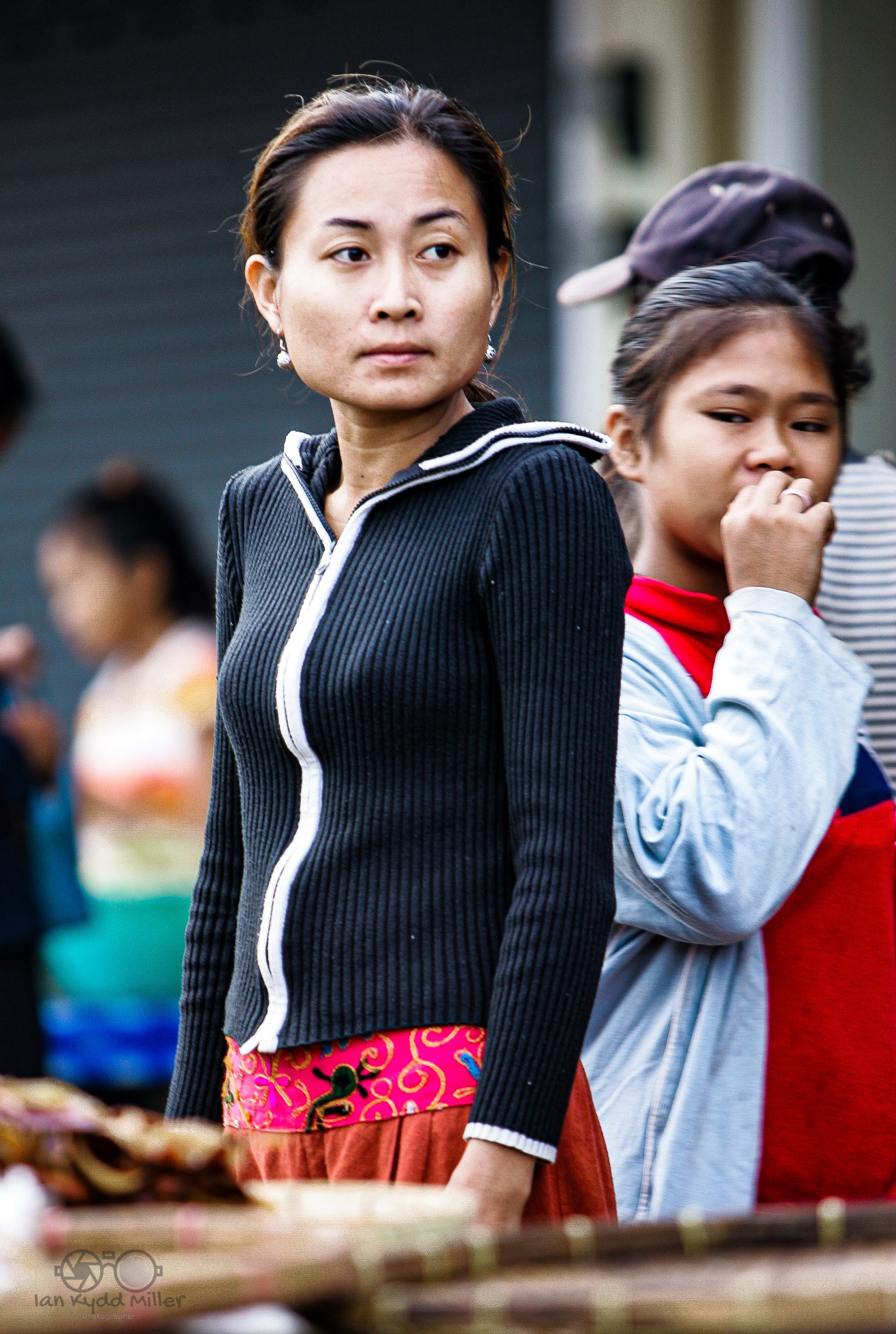
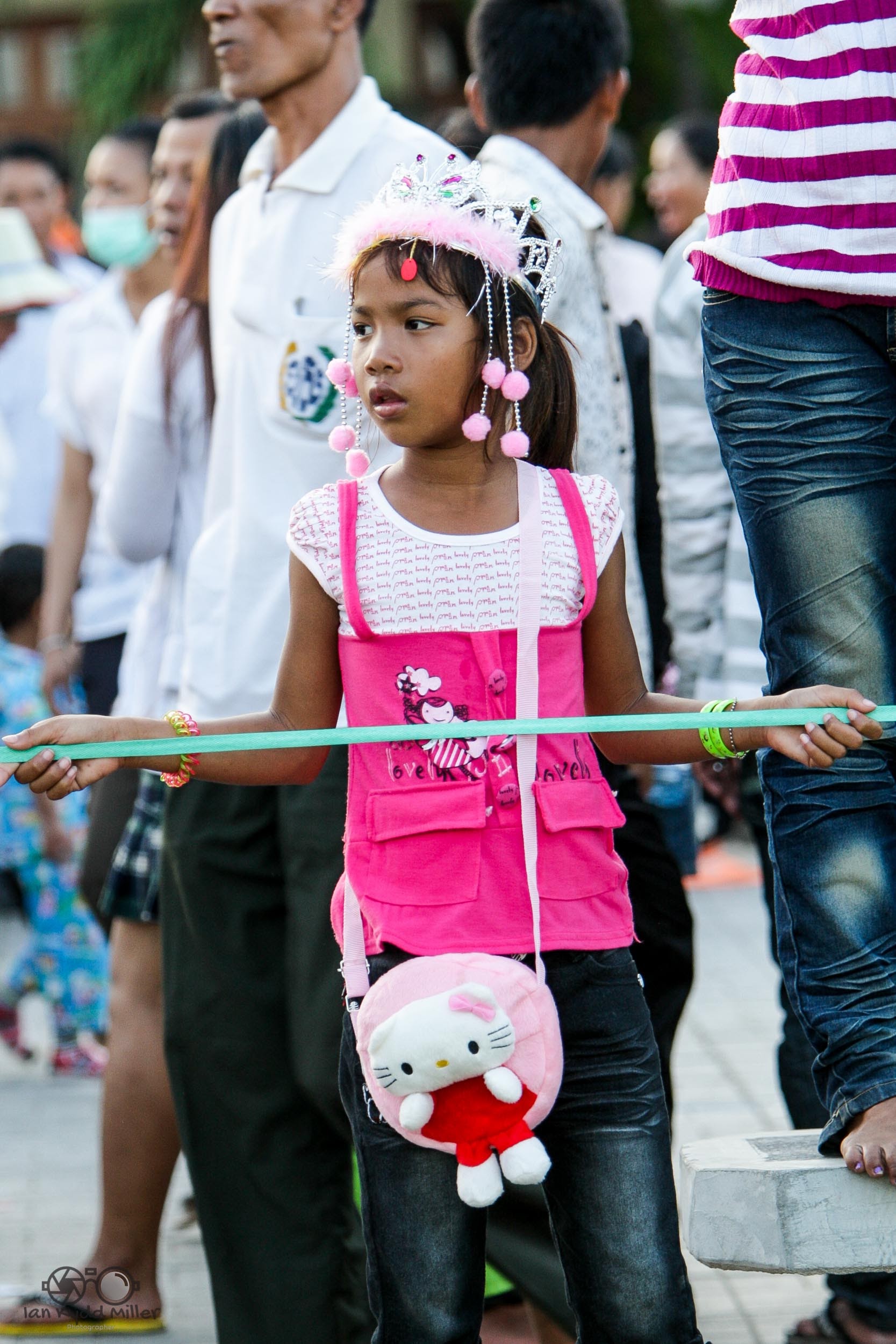
Street photography is a genre of photography that captures candid moments of people and places in public spaces. It is often associated with wide-angle lenses, which allow the photographer to get close to the subject and capture more of the surrounding context. However, some street photographers prefer to use telephoto lenses, which have a longer focal length and can create a different perspective and effect.
Telephoto lenses have some advantages and disadvantages for street photography. On the positive side, they can help the photographer to isolate the subject from the background, creating a shallow depth of field and a more dramatic composition. They can also allow the photographer to shoot from a distance, without being noticed or disturbing the scene. This can be useful for capturing candid expressions and emotions, or for photographing in places where it might be unsafe or inappropriate to get too close.
On the negative side, telephoto lenses can also pose some challenges for street photography. They are usually heavier and bulkier than wide-angle lenses, which can make them more difficult to carry around and handle. They also require a faster shutter speed to avoid camera shake, which can limit the creative possibilities of using motion blur or low-light conditions. Moreover, they can create a more detached and voyeuristic feeling, which might not suit the style or intention of some street photographers who want to engage with their subjects and environment.
Ultimately, the choice of lens for street photography depends on the personal preference and vision of the photographer. There is no right or wrong answer, as long as the lens serves the purpose and message of the image. Some street photographers might stick to one lens for consistency and simplicity, while others might switch between different lenses depending on the situation and opportunity. The most important thing is to experiment and have fun with street photography, and to find your own voice and style.
Street photography is a genre of photography that captures candid moments of people and places in public spaces. It can be challenging, rewarding and fun, but also requires some skills and techniques to get the best results. One of the most important decisions you have to make as a street photographer is what lens to use. In this blog post, we will explore the advantages and disadvantages of using a wide-angle lens for street photography, and give you some tips on how to use it effectively.
A wide-angle lens is a lens that has a focal length shorter than 35mm on a full-frame camera, or 24mm on a crop-sensor camera. This means that it can capture a wider field of view than a normal or telephoto lens, allowing you to include more of the scene in your frame. A wide-angle lens can also create some interesting effects, such as distortion, perspective and depth of field, that can enhance your street photography.
Some of the advantages of using a wide-angle lens for street photography are:
You can get closer to your subject without being intrusive or noticeable. A wide-angle lens allows you to fill the frame with your subject even when you are only a few feet away from them. This can help you capture more intimate and authentic expressions and emotions, as well as more details and textures.
You can capture more of the context and environment around your subject. A wide-angle lens can show more of the background and foreground of your scene, giving your viewers a better sense of the place and time where your photo was taken. This can help you tell a story with your photo, or create a contrast or connection between your subject and their surroundings.
You can create dynamic and dramatic compositions. A wide-angle lens can exaggerate the perspective and distortion of your scene, making it look more spacious or distorted. This can create a sense of movement, energy and tension in your photo, or draw attention to certain elements or lines in your frame.
Some of the disadvantages of using a wide-angle lens for street photography are:
You may have unwanted elements or distractions in your frame. A wide-angle lens can capture more than you intend to, especially if you are not careful with your framing and positioning. You may end up with unwanted people, objects or light sources in your photo that can ruin your composition or mood.
You may lose some details or sharpness in your photo. A wide-angle lens can make your subject look smaller or farther away than they actually are, especially if they are not close to the centre of your frame. This can reduce the impact and clarity of your photo, or make it look too busy or cluttered.
You may have some distortion or vignetting in your photo. A wide-angle lens can bend or stretch the edges of your frame, making straight lines look curved or distorted. This can create some interesting effects, but also some unwanted ones, such as making people look distorted or unnatural. A wide-angle lens can also cause some darkening or loss of contrast at the corners of your frame, known as vignetting. This can affect the exposure and colour balance of your photo.
Some tips on how to use a wide-angle lens for street photography are:
Get close to your subject. A wide-angle lens works best when you are close to your subject, as this will make them stand out more and create a stronger connection with them. Try to fill the frame with your subject, or leave some space around them to show their context.
Pay attention to your background and foreground. A wide-angle lens can show more of what is behind and in front of your subject, so make sure they are not distracting or conflicting with them. Look for interesting or complementary elements that can add depth, contrast or harmony to your photo.
Use lines and shapes to guide the eye. A wide-angle lens can create some powerful lines and shapes in your frame that can lead the viewer’s eye to your subject or create a sense of direction or movement. Look for diagonal, curved or converging lines that can create dynamism and drama in your photo.
Experiment with different angles and perspectives. A wide-angle lens can give you more creative freedom to try different angles and perspectives that can change the mood and meaning of your photo. Try shooting from low or high angles, from the side or behind your subject, or tilting or rotating your camera to create some interesting effects.
Using a wide-angle lens for street photography can be a great way to capture more of the scene and create some stunning photos. However, it also requires some skill and practice to use it effectively and avoid some common pitfalls. The key is to know the strengths and weaknesses of your lens, and how to use them to your advantage.
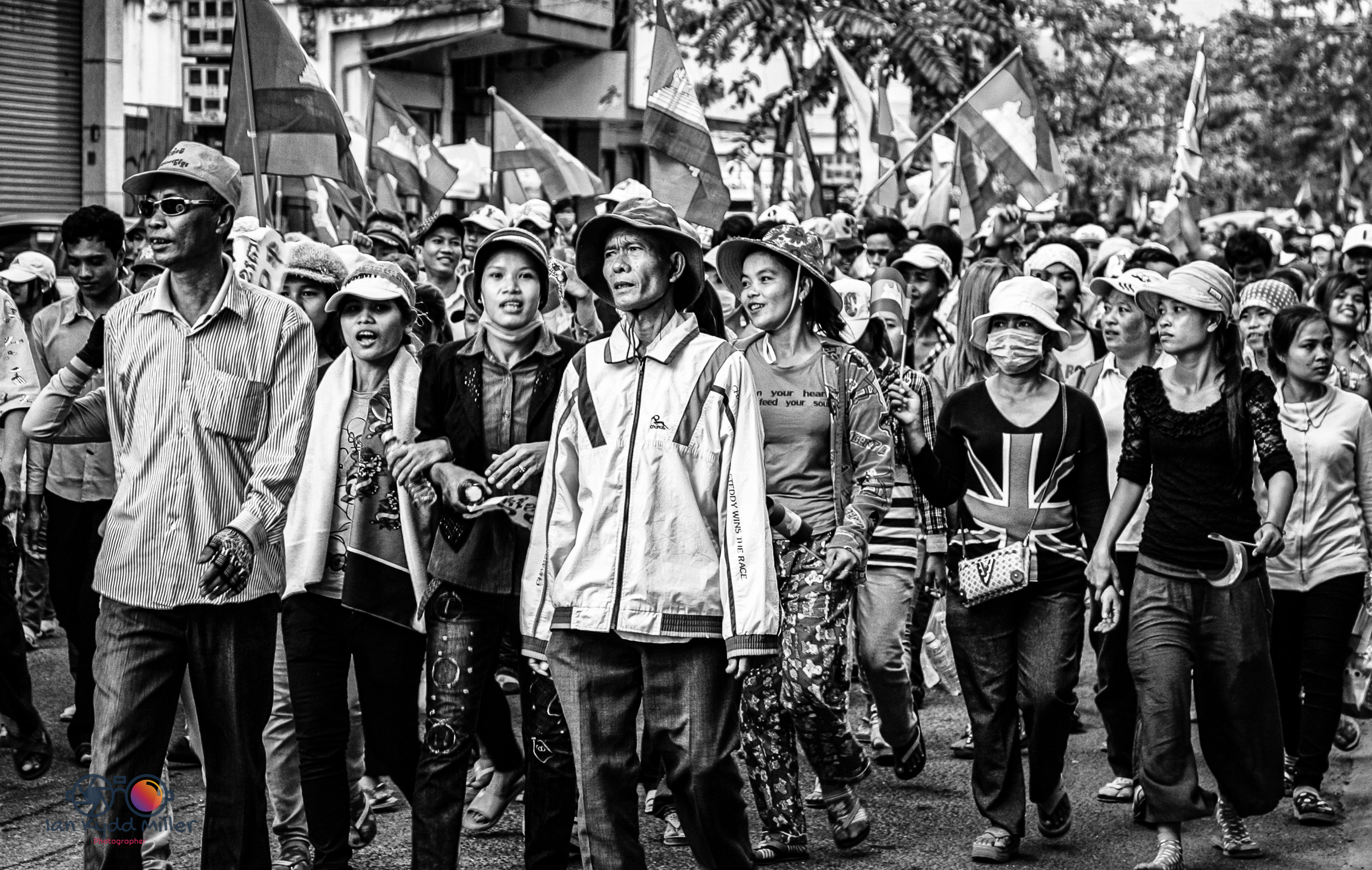
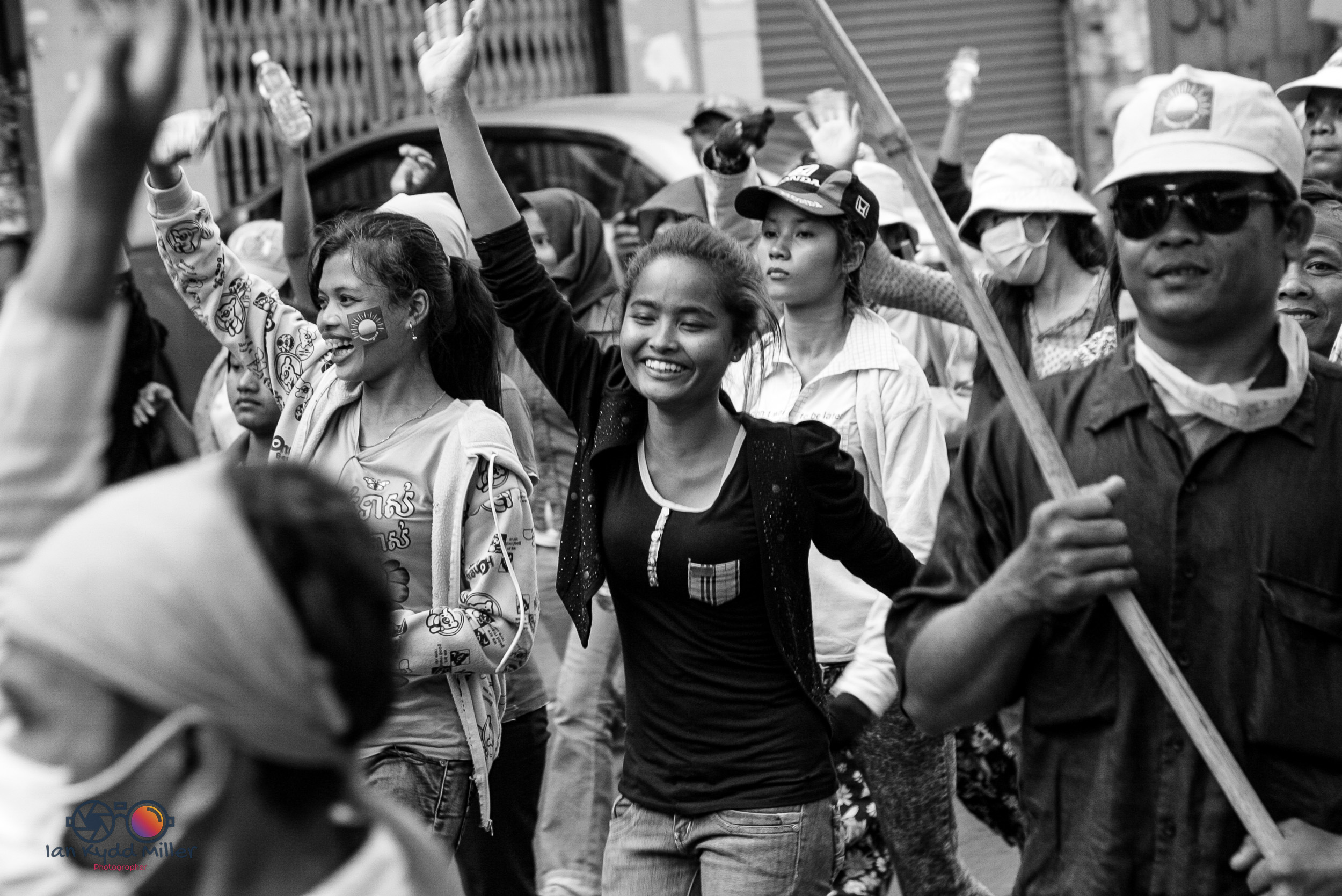
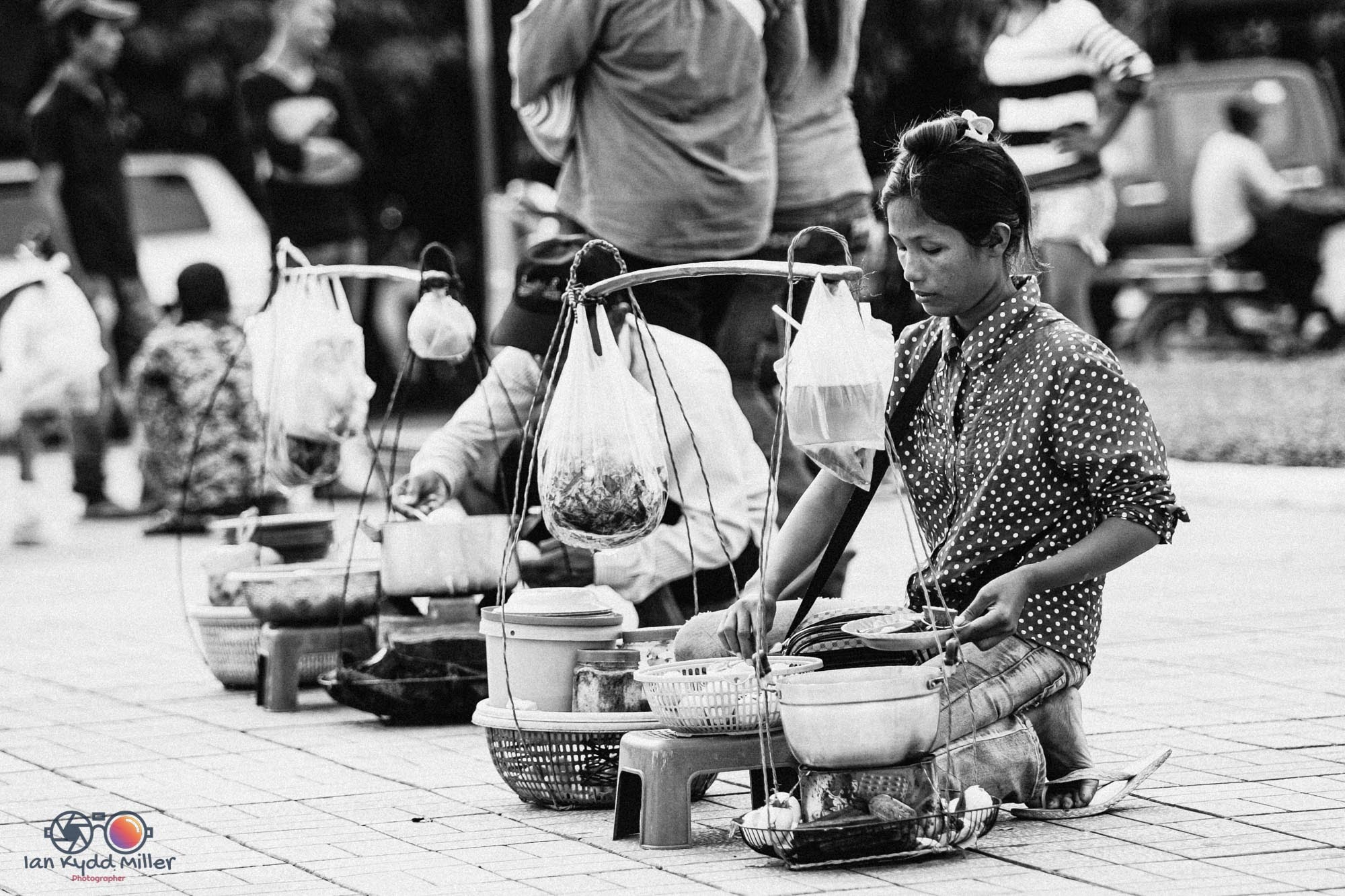
Street photography is a genre of photography that captures candid moments of people and scenes in public places. Street photography is not about taking pictures of streets, but rather about documenting the everyday life and culture of a city or a community.
Street photography can be challenging, but also rewarding, as it requires a keen eye, a fast reflex, and a sense of curiosity. Street photographers often look for interesting subjects, expressions, gestures, interactions, contrasts, or stories that happen in the urban environment.
Some of the benefits of street photography are:
It can improve your skills as a photographer, such as composition, lighting, focus, and timing.
It can help you discover new places and perspectives that you might otherwise overlook.
It can make you more aware and appreciative of the beauty and diversity of human beings and their surroundings.
Street photography is a creative and fun way to explore the world around you. It can also be a powerful way to communicate your vision and voice as a photographer. If you are interested in street photography, why not give it a try?
Have you ever dreamed of visiting a place that is both ancient and majestic, where you can marvel at the beauty and craftsmanship of a bygone civilization? If so, then you should definitely add Angkor Wat to your bucket list. Angkor Wat is the largest and most famous temple complex in Cambodia, and one of the most impressive monuments in the world. In this blog post, I will tell you why you should visit Angkor Wat, what to expect when you get there, and some tips to make your trip unforgettable.
Angkor Wat was built in the 12th century by King Suryavarman II as a Hindu temple dedicated to Vishnu, the supreme god of the universe. It was later converted into a Buddhist temple in the 16th century, and remains an active place of worship today. The temple covers an area of about 200 hectares, and consists of five towers arranged in a quincunx pattern, surrounded by a moat and three concentric galleries. The temple is richly decorated with carvings, sculptures, and bas-reliefs depicting scenes from Hindu mythology, history, and culture.
One of the most amazing features of Angkor Wat is its alignment with the sun. The temple is oriented to the west, which is unusual for Hindu temples, and has been interpreted as a symbol of death and rebirth. On certain days of the year, such as the spring and autumn equinoxes, the sun rises directly behind the central tower, creating a stunning spectacle of light and shadow. Many visitors flock to Angkor Wat early in the morning to witness this phenomenon and capture it on camera.
Another reason to visit Angkor Wat is to explore its surroundings. Angkor Wat is part of a larger complex called Angkor Archaeological Park, which covers an area of about 400 square kilometers and contains hundreds of other temples, palaces, and monuments from different periods and styles. Some of the most notable ones are Bayon, with its giant stone faces; Ta Prohm, with its trees growing over the ruins; and Banteay Srei, with its delicate carvings. You can spend days wandering around these ancient wonders and discovering their secrets.
To make your trip to Angkor Wat more enjoyable and memorable, here are some tips to keep in mind:
Plan your visit ahead. Angkor Wat is very popular among tourists, so it can get crowded and hot during peak hours. To avoid the crowds and enjoy the best views, try to visit early in the morning or late in the afternoon. You can also buy your tickets online or at one of the official ticket offices to save time.
Dress appropriately. Angkor Wat is a sacred site, so you should respect its rules and customs. You should wear clothes that cover your shoulders and knees, and avoid wearing hats or sunglasses inside the temple. You should also remove your shoes before entering any building or chamber.
Hire a guide. Angkor Wat has a lot of history and symbolism that can be hard to understand without some explanation. You can hire a guide at the entrance or book one online to learn more about the temple and its stories. A guide can also help you navigate the complex and find the best spots for photos.
Respect the environment. Angkor Wat is a UNESCO World Heritage Site, which means it is protected by international law and regulations. You should not touch, climb, or damage any part of the temple or its artifacts. You should also not litter or feed any animals that live in the area. You should be mindful of your impact on this precious area.
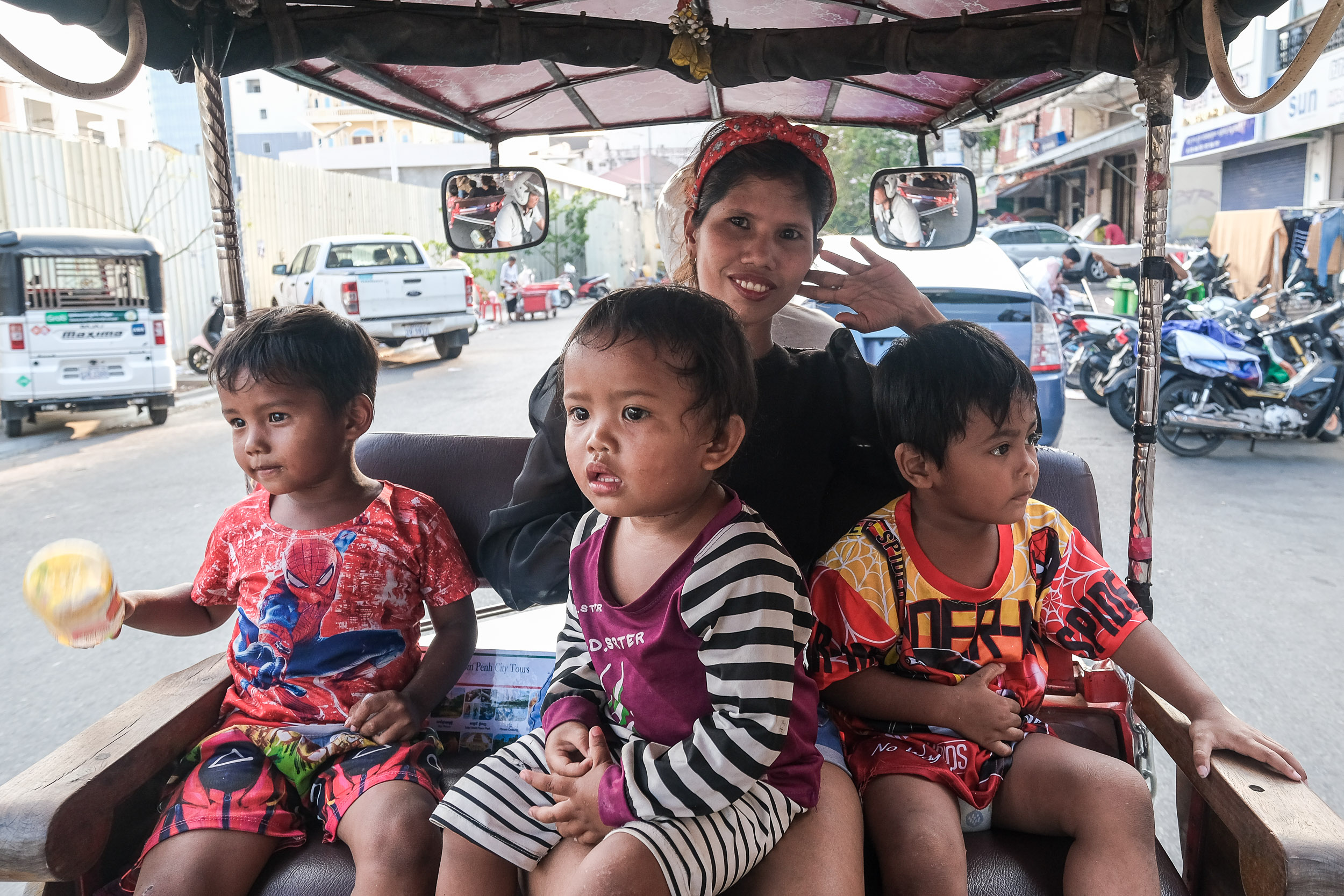
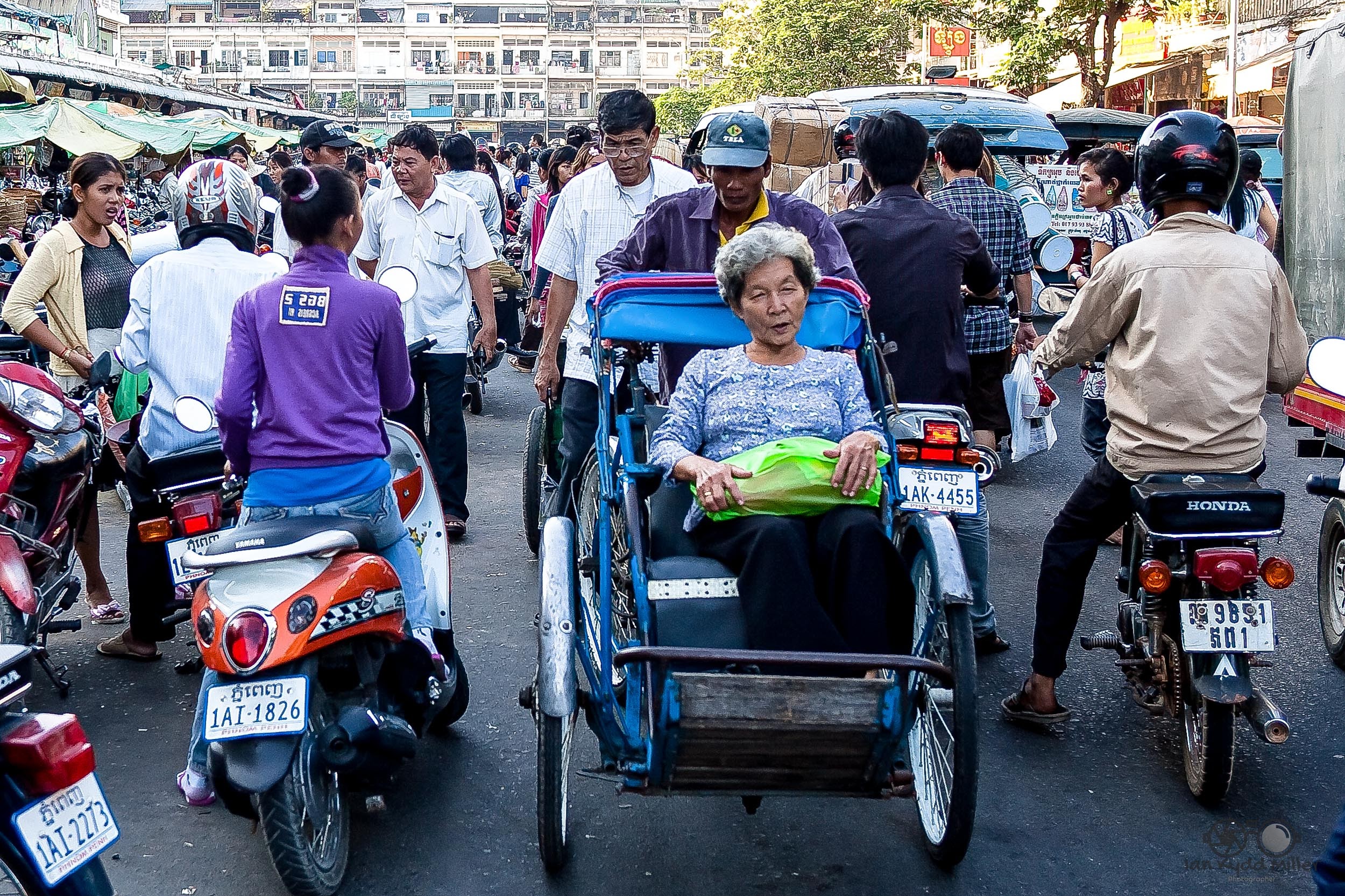
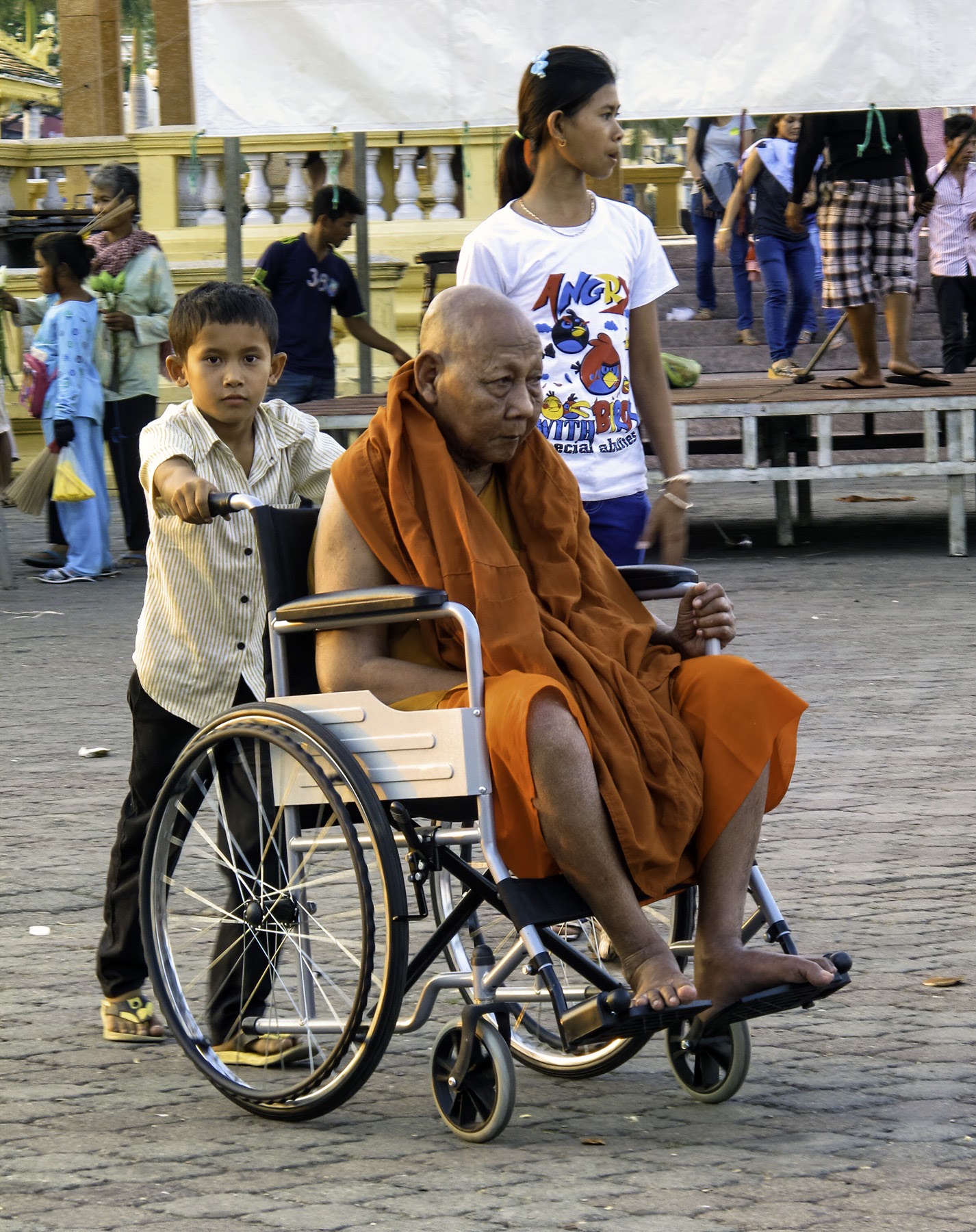
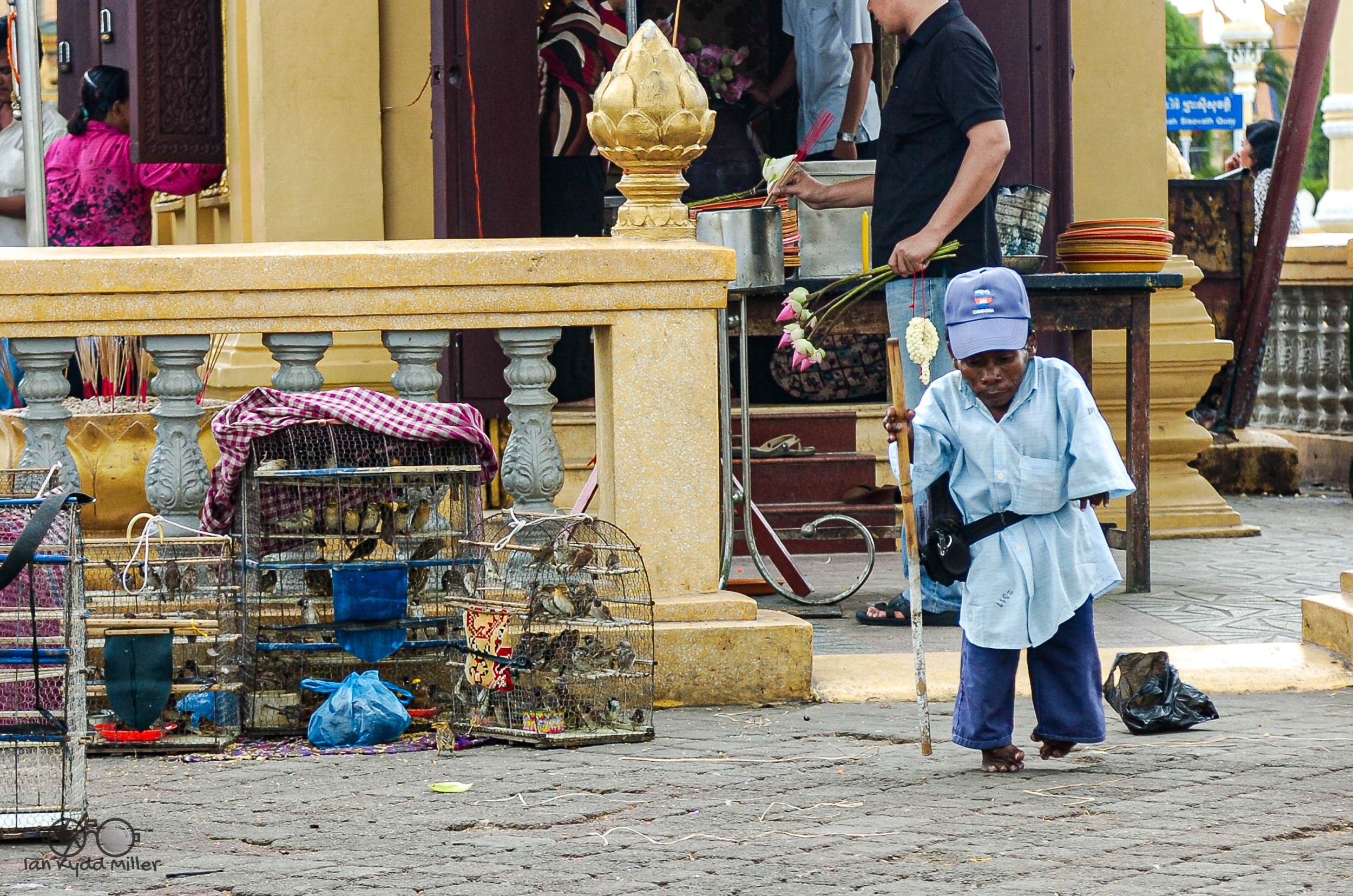
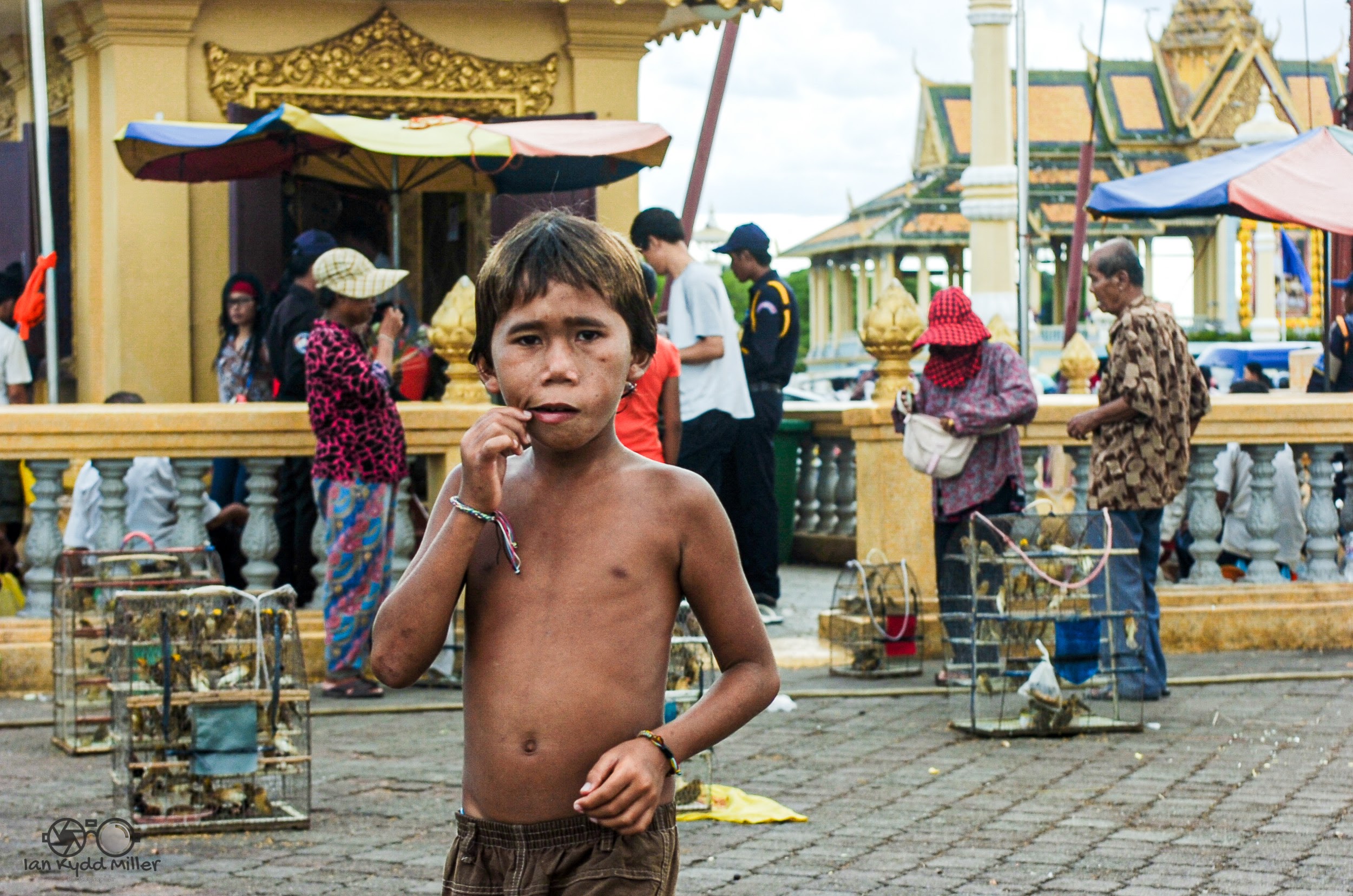
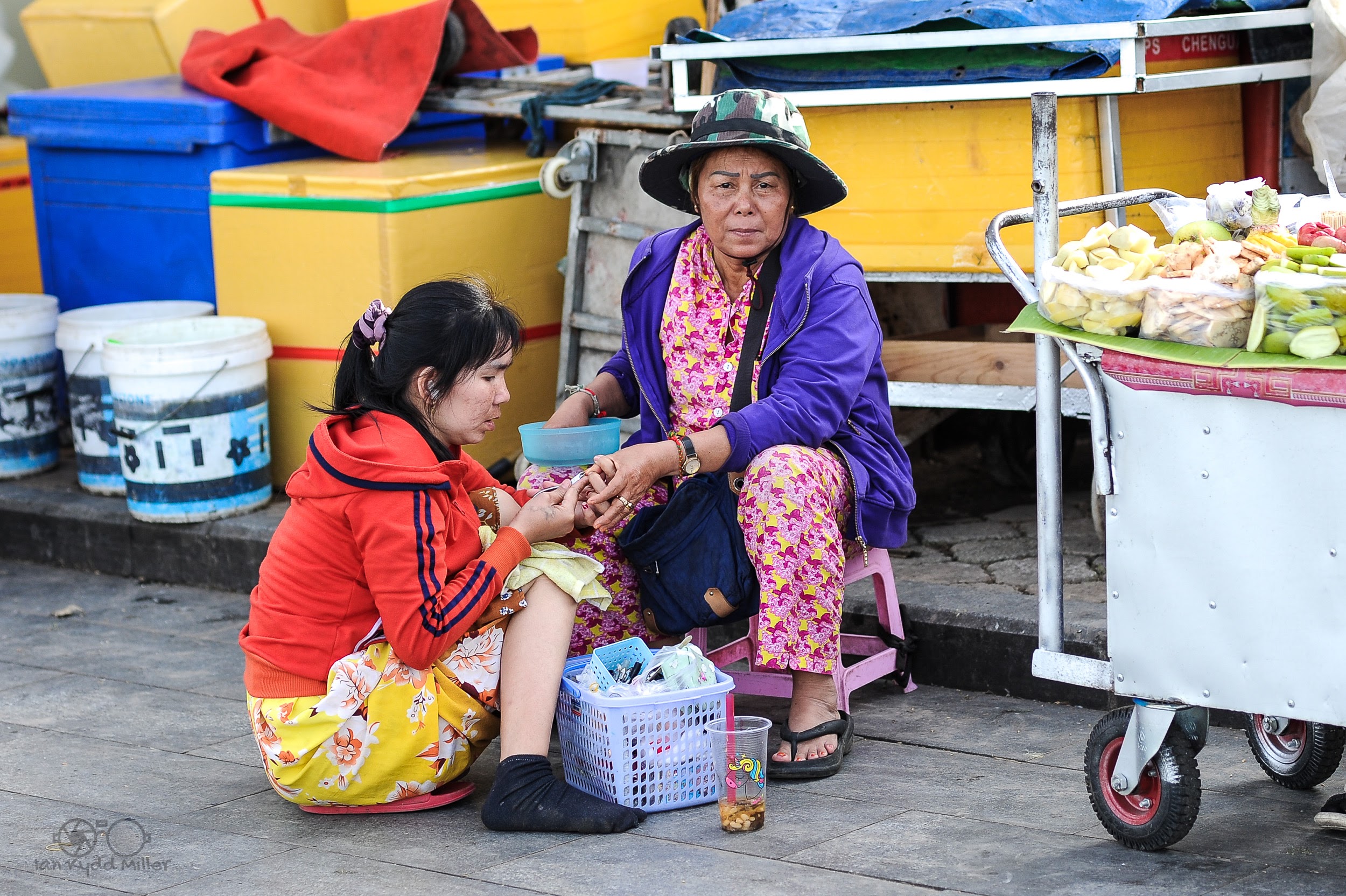
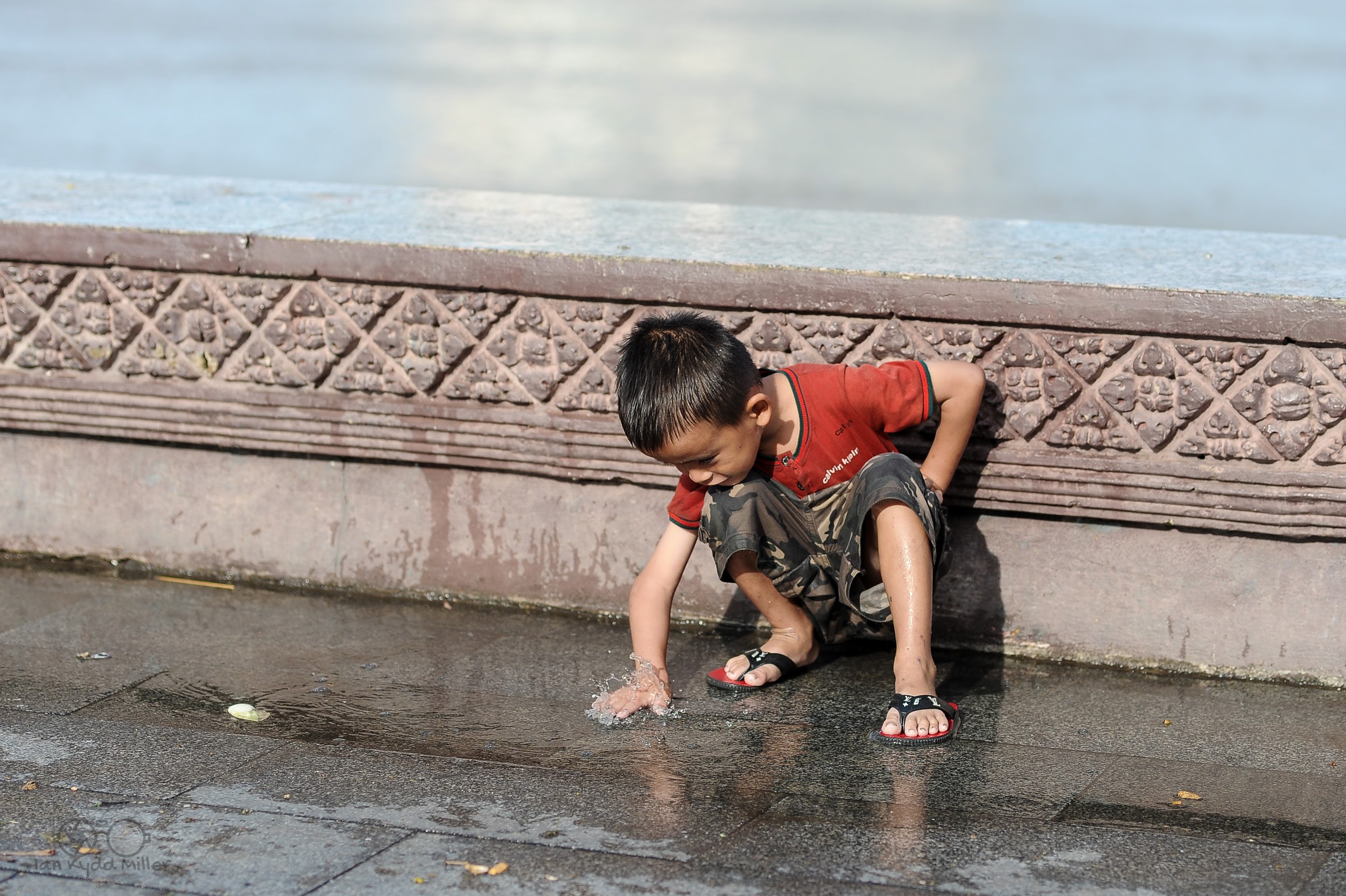
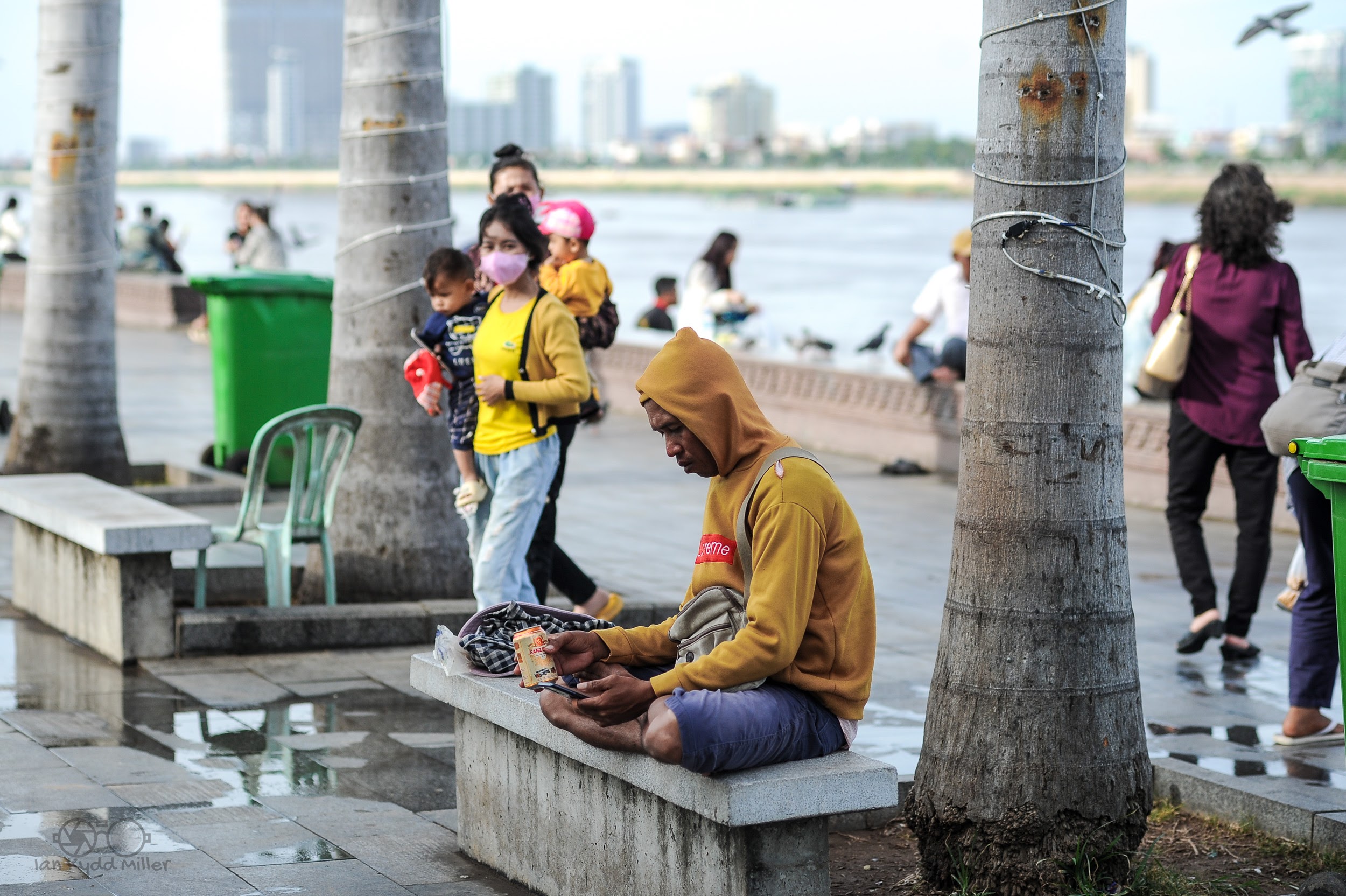
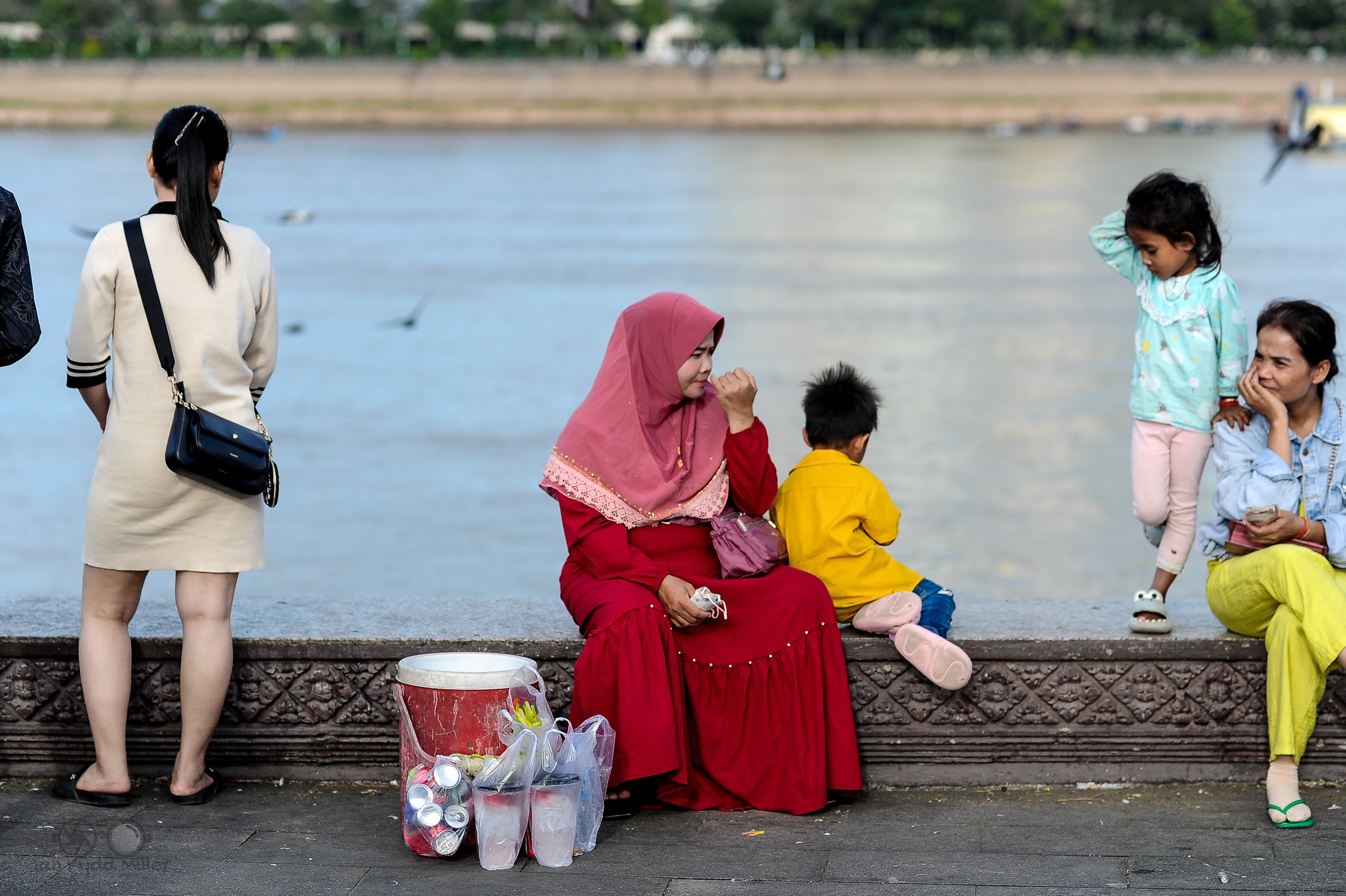
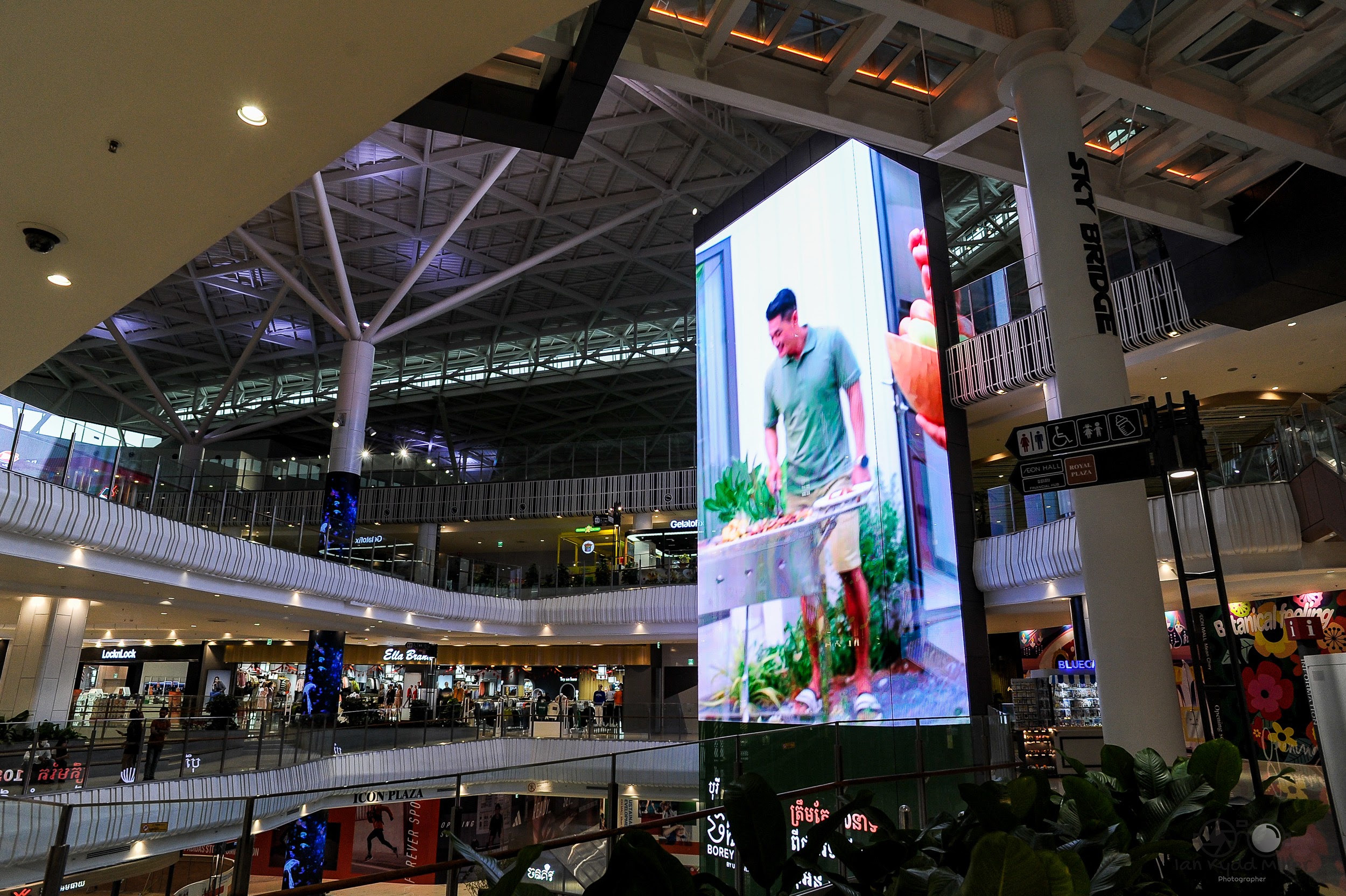
If you are looking for a vibrant and diverse destination in Southeast Asia, you should definitely consider visiting Phnom Penh, the capital and largest city of Cambodia. Phnom Penh is a city that combines ancient history, colonial charm, and modern development. Here are some of the reasons why you should add Phnom Penh to your travel bucket list.
Phnom Penh has a rich and complex history that spans centuries. The city was founded in 1372 by a woman named Lady Penh, who discovered a sacred statue of Buddha on the banks of the Mekong River. The city became the royal capital of the Khmer Empire in 1434 and remained so until 1497. During the French colonial era, Phnom Penh was known as the “Pearl of Asia” for its beautiful architecture and cultural attractions. However, the city also witnessed some of the darkest chapters of Cambodia’s history, such as the Khmer Rouge regime and the genocide that killed millions of people in the 1970s. Today, Phnom Penh is a thriving metropolis that is undergoing rapid economic and social transformation.
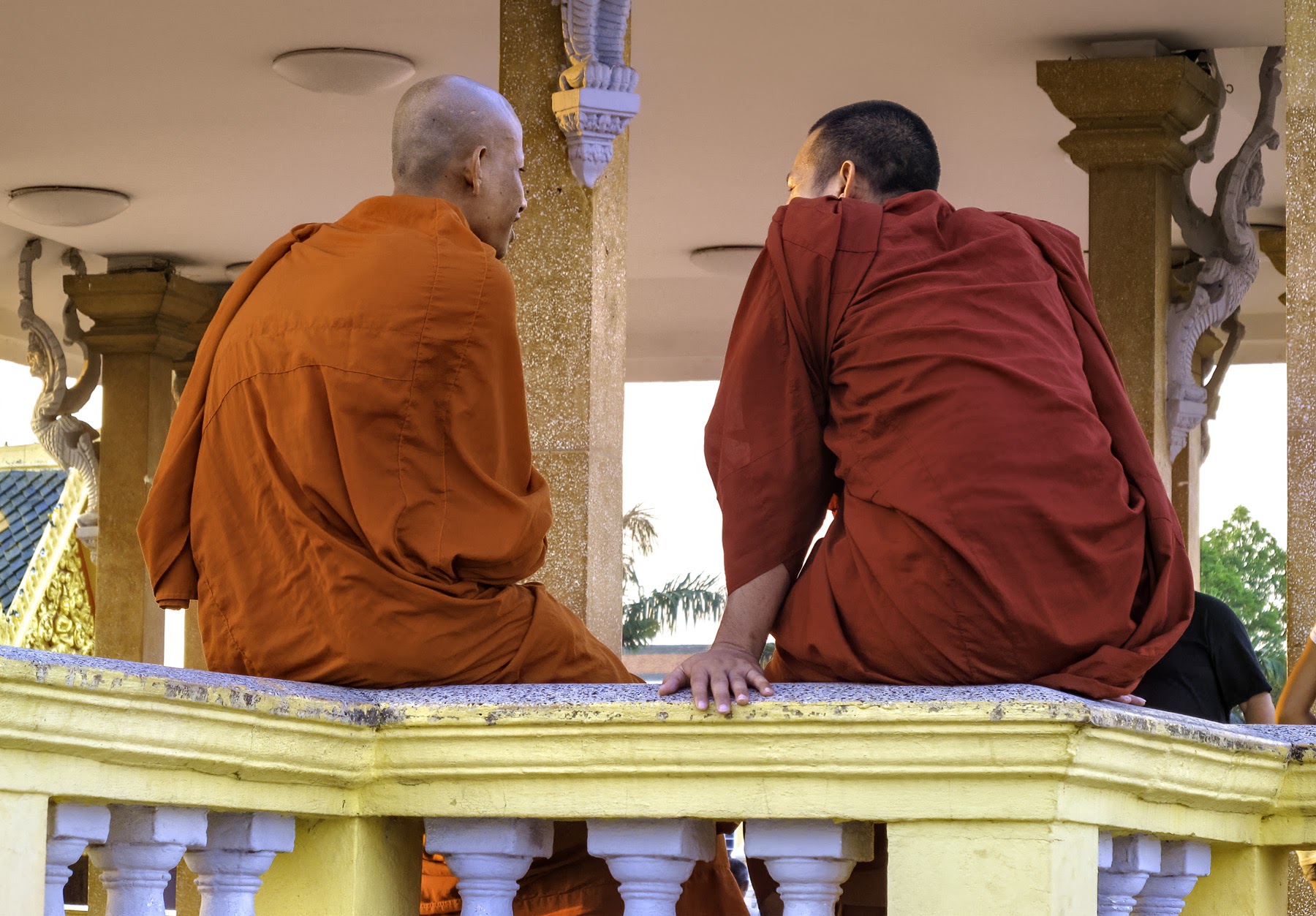
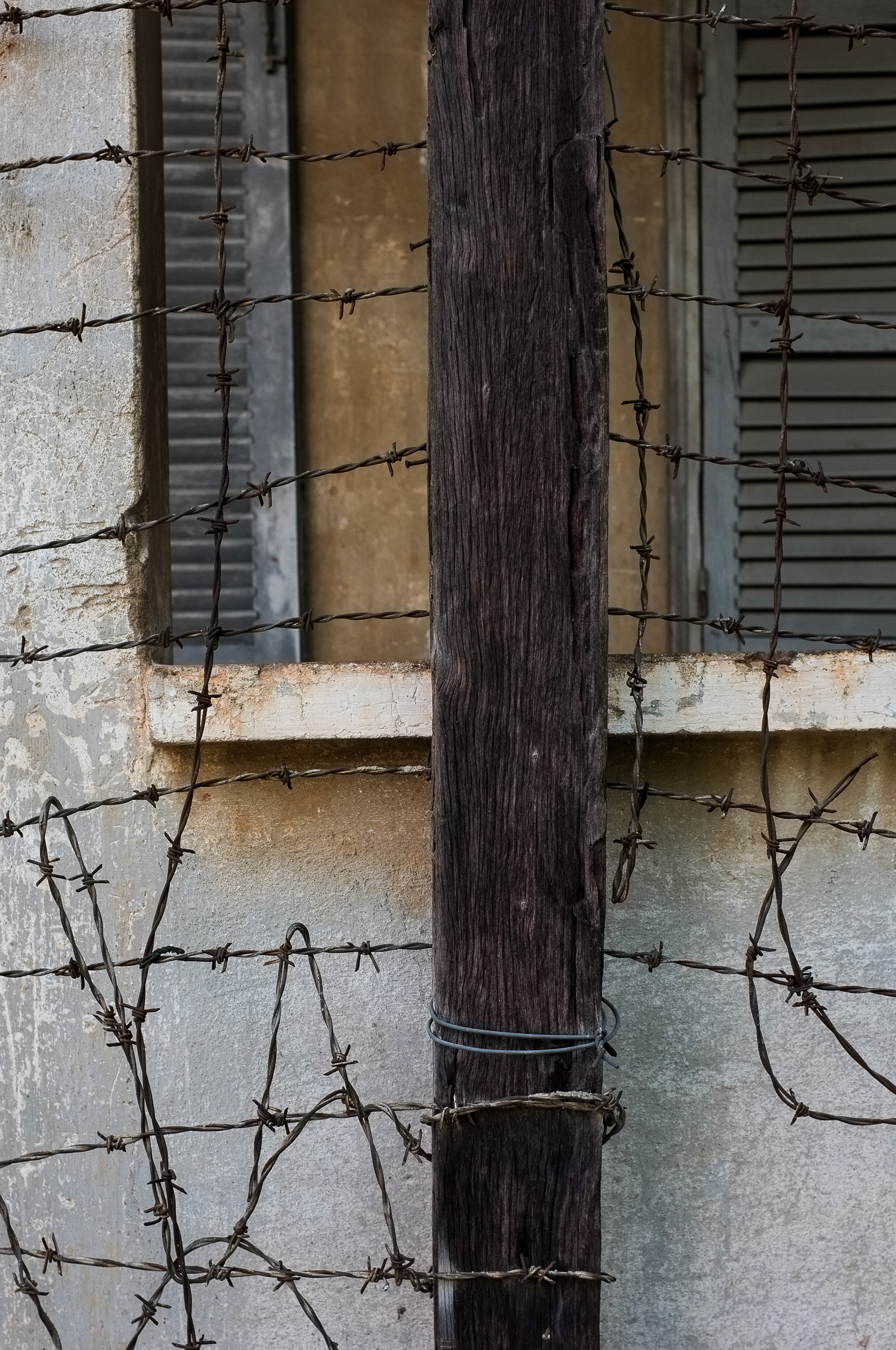
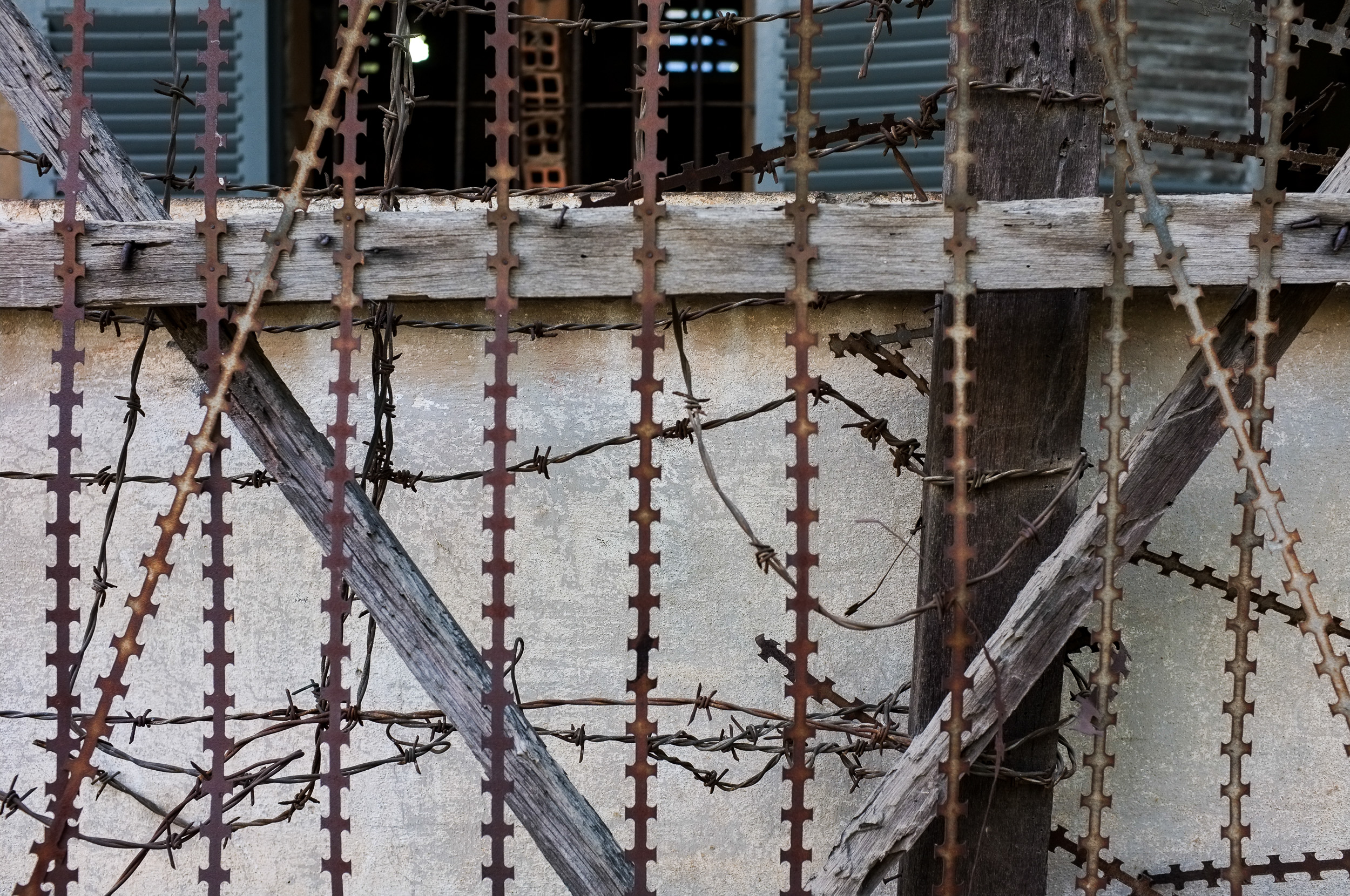
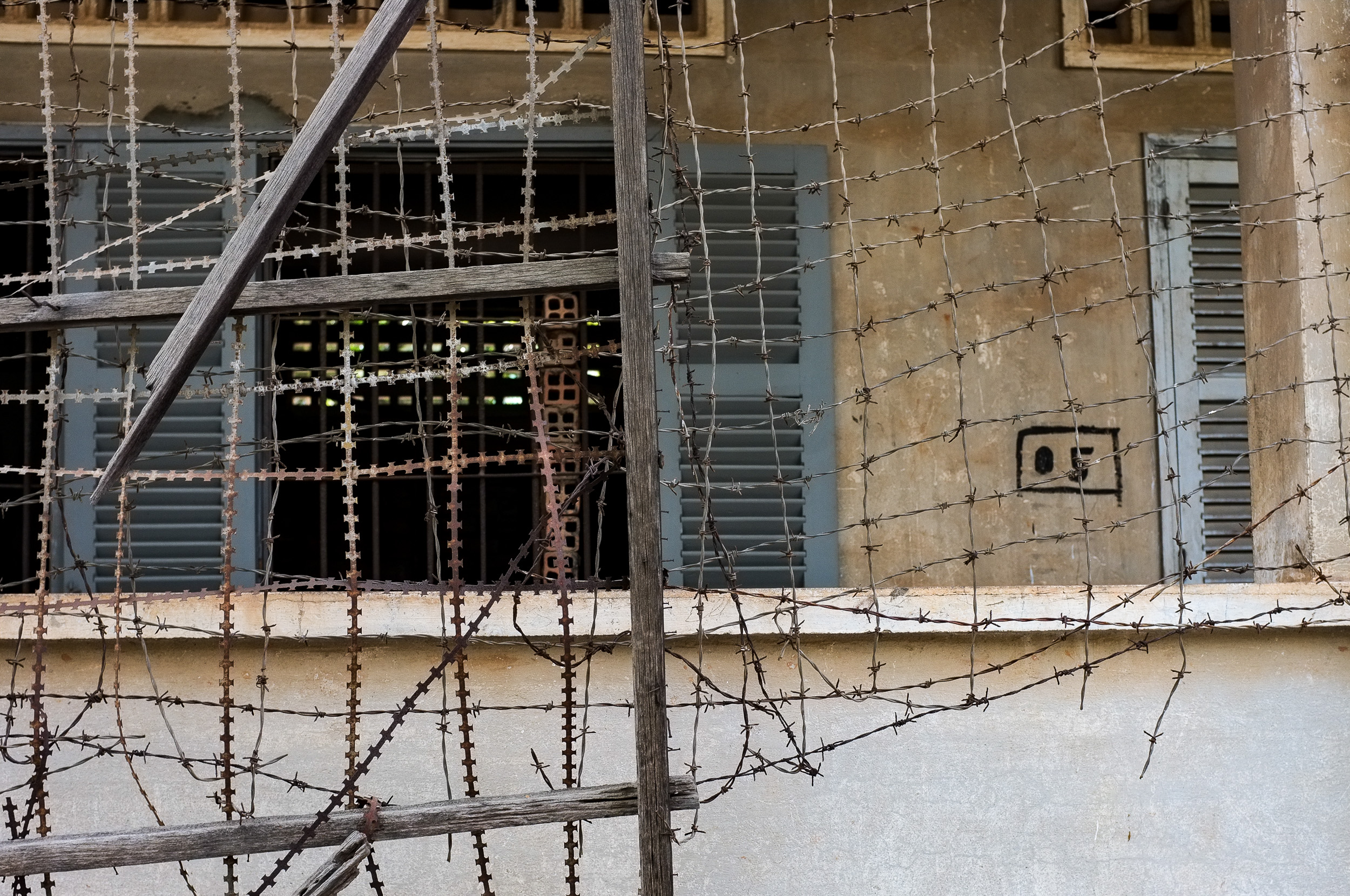
Phnom Penh has a lot to offer to travelers who are interested in culture, art, and religion. The city is home to some of the most impressive temples, palaces, and museums in Cambodia. You can visit the Royal Palace, which is still the residence of the king and the queen, and admire its golden roofs and ornate decorations. You can also see the Silver Pagoda, which houses a stunning collection of Buddha statues made of gold, silver, jade, and crystal. Another must-see attraction is the National Museum, which displays thousands of artifacts from the Angkorian and pre-Angkorian periods. If you want to learn more about Cambodia’s recent history, you can visit the Tuol Sleng Genocide Museum and the Choeung Ek Killing Fields, which are both sobering reminders of the atrocities committed by the Khmer Rouge.
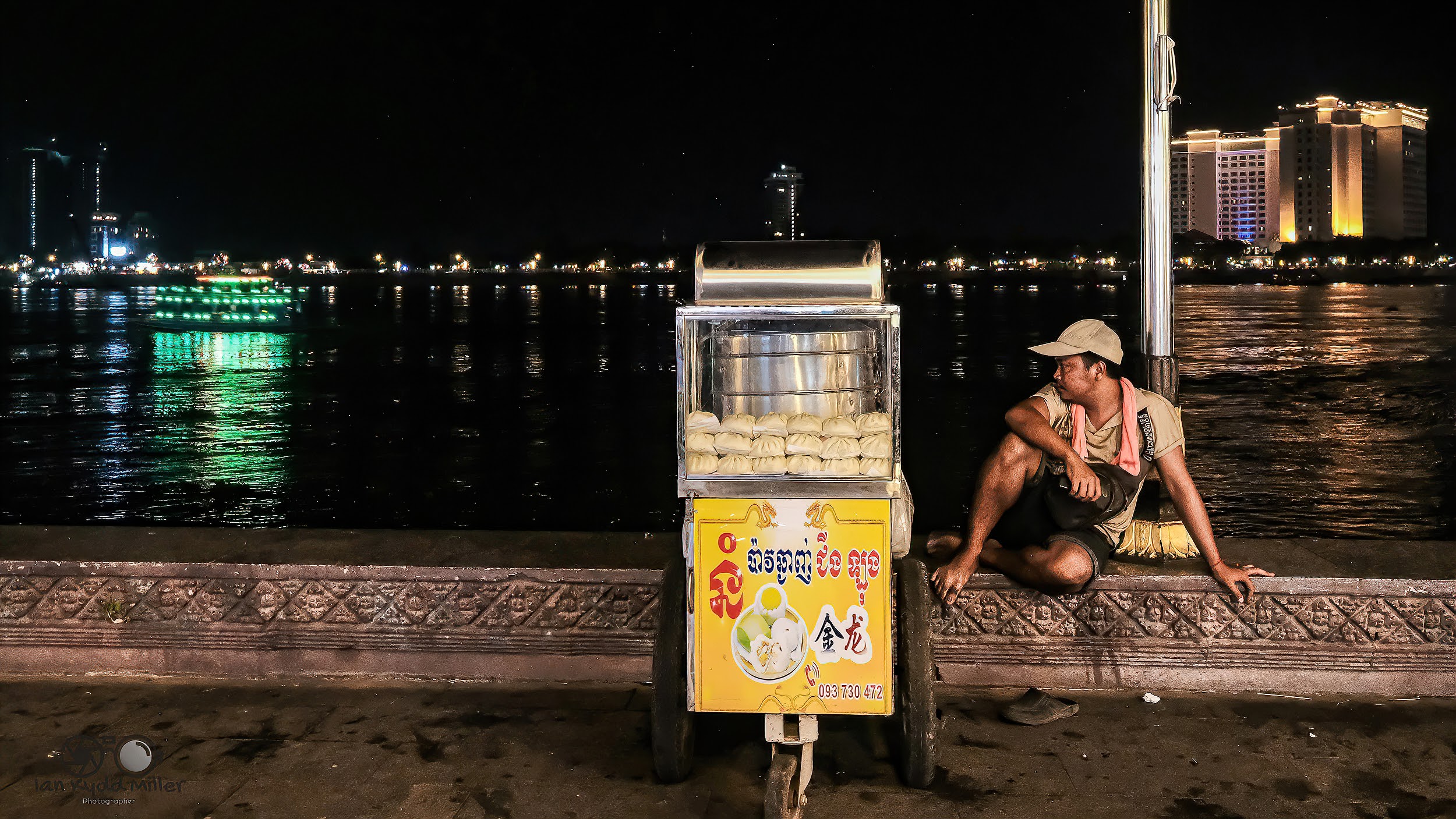
Phnom Penh is also a great place to enjoy some of the best food, shopping, and nightlife in Cambodia. The city has a diverse culinary scene that reflects its multicultural influences. You can sample some of the local specialties, such as amok (fish curry steamed in banana leaves), lok lak (stir-fried beef with lime sauce), and kuy teav (noodle soup with pork and seafood). You can also try some of the international cuisines, such as French, Chinese, Indian, Thai, and Vietnamese. For shopping, you can head to the Central Market or the Russian Market, where you can find everything from souvenirs, handicrafts, clothes, jewelry, antiques, and electronics. For nightlife, you can explore the many bars, clubs, pubs, and karaoke venues that line the streets of Phnom Penh.
Phnom Penh is a city that will surprise you with its diversity, vitality, and charm. It is a city that will make you feel welcome with its friendly people and warm hospitality. It is a city that will inspire you with its resilience and optimism. It is a city that will make you fall in love with Cambodia.
















 a world without pictures is like coffee without cream and sugar, bitter