

In the world of photography, a seismic shift has been taking place: the rise of mirrorless cameras. These sleek, innovative devices are challenging the long-reigning DSLRs, and it’s a topic that stirs passionate debates among photographers. But what’s the real difference, and does it matter to you?
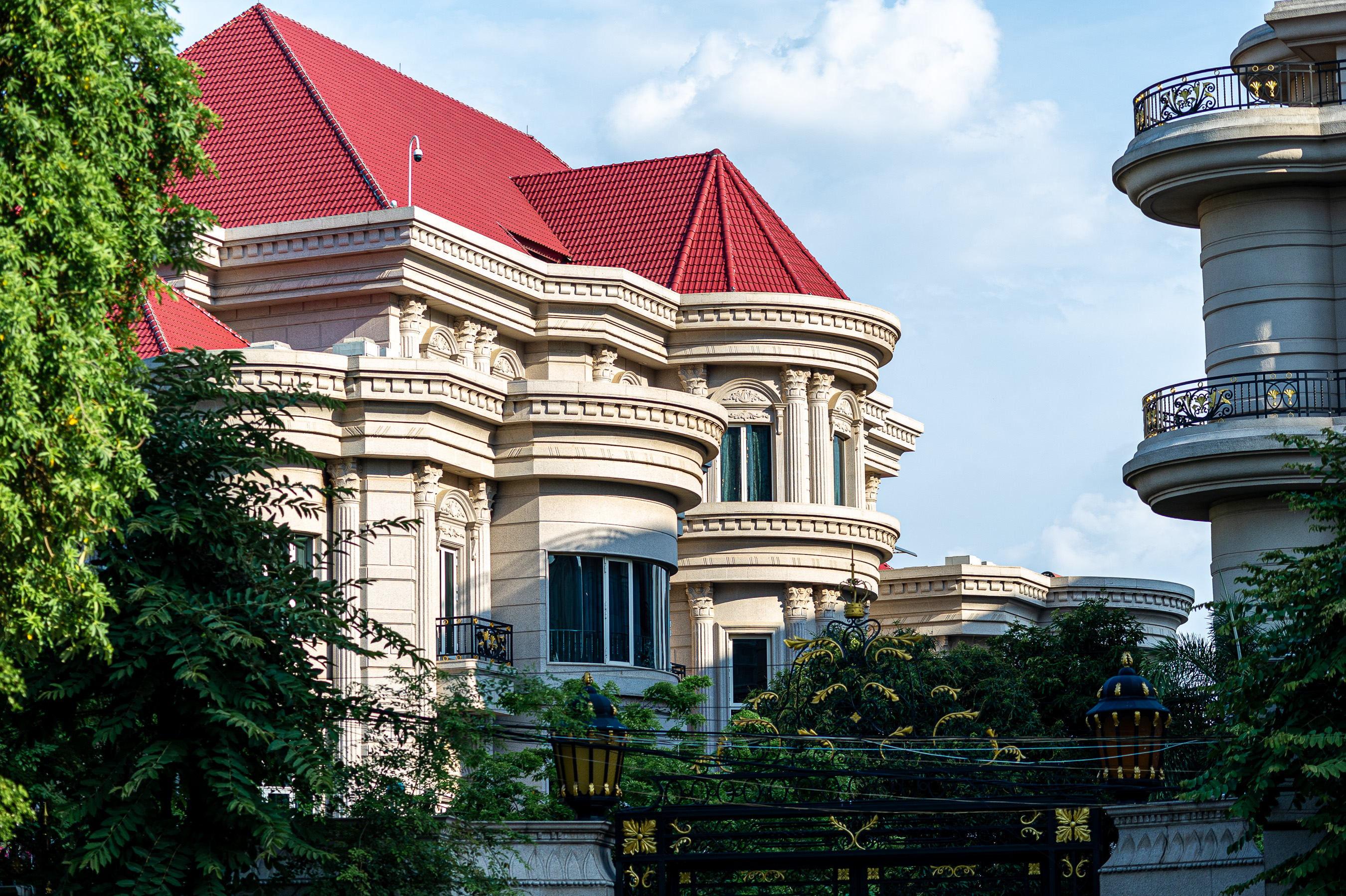
Let’s dive into the heart of the matter: weight. It’s true, DSLRs are the heavyweights in the camera world, with their robust construction and intricate mirror mechanisms. On average, mirrorless cameras are 29.4% lighter than their DSLR counterparts. This is due to the absence of the mirror box and optical viewfinder, which allows for a more compact design.
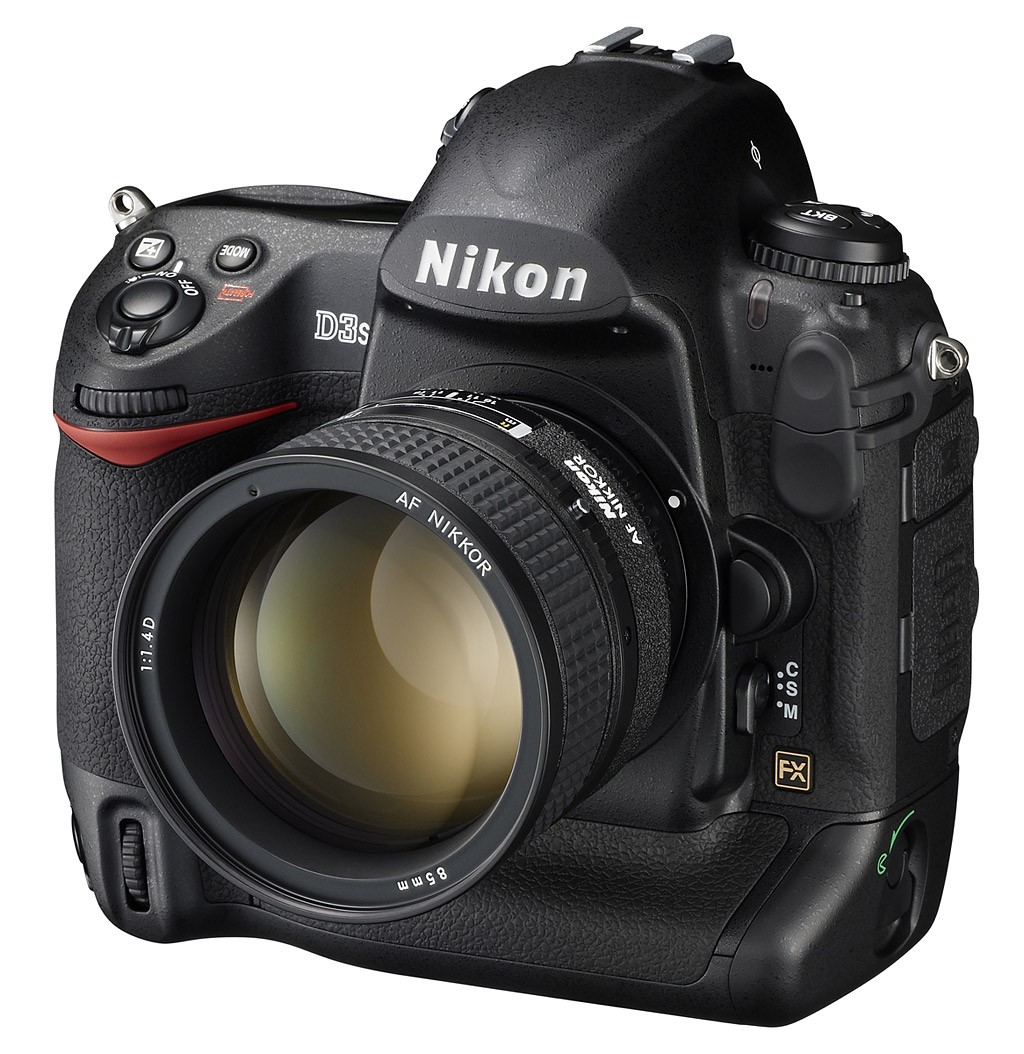
But weight is just one aspect. DSLRs have been the go-to choice for professionals and enthusiasts for years, offering unparalleled image quality, a vast selection of lenses, and a certain tactile satisfaction that comes with their use. They’re built like tanks, ready to withstand the rigors of professional use, and their battery life is legendary. You can shoot all day on a single charge, a feat mirrorless cameras are still catching up to.

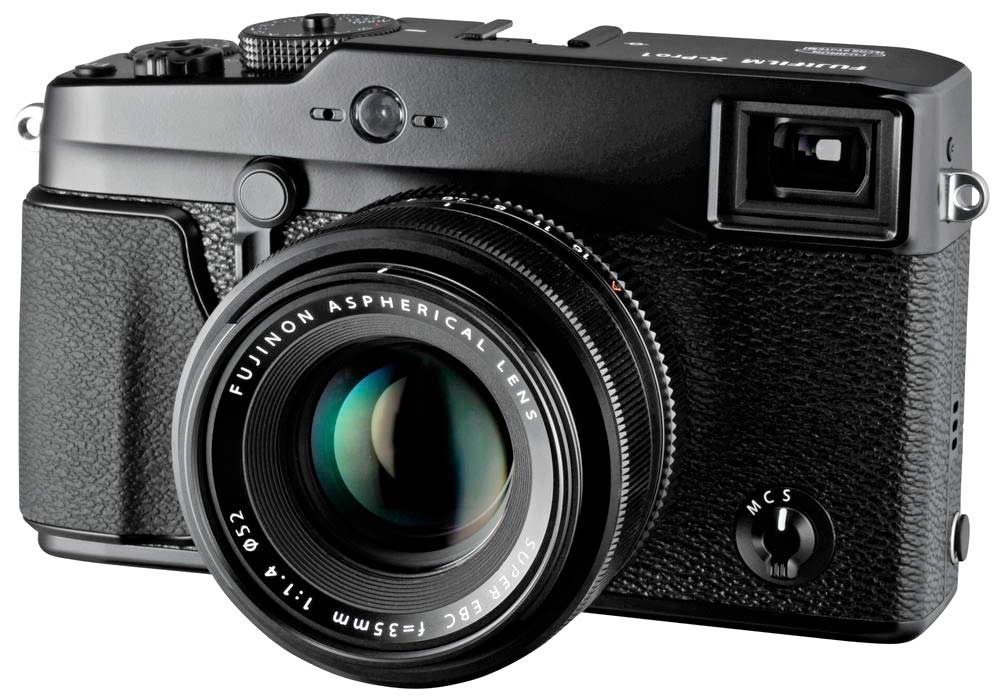
Mirrorless cameras, however, are the avant-garde. They embody technological advancement, with features like silent shooting, focus peaking, and real-time exposure previews in the electronic viewfinder. They’re the agile sprinters to the DSLR’s marathon runner, offering faster shooting speeds and a more compact form factor that’s perfect for the photographer on the go.


So, do you care about the weight difference? It depends on your priorities. Every ounce might matter if you’re trekking through the wilderness or travelling the globe. In that case, the portability of a mirrorless camera could be a game-changer. But if you’re a studio photographer or someone who values the heft and durability of a DSLR, then the extra weight might be a non-issue.

The choice between DSLR and mirrorless is a personal one, influenced by your shooting style, subject matter, and even your physical comfort. Some photographers swear by the optical viewfinder of a DSLR, while others are enamoured with the high-resolution electronic displays of mirrorless cameras.
In the end, both types of cameras are tools, and the best tool is the one that fits your needs. Whether you’re a die-hard DSLR fan or a mirrorless aficionado, the most important thing is the art you create with them. So, pick up your camera of choice and let your creativity soar! Happy shooting!
 a world without pictures is like coffee without cream and sugar, bitter