

Oppression, a multifaceted and pervasive issue, manifests in various forms, impacting individuals and communities across the globe. It can occur through systemic inequality, such as distributive injustice where there is unequal access to resources, or through procedural injustice where there is unfair treatment by authorities. Cultural imperialism, where the dominance of one culture suppresses others, and moral exclusion, where certain groups are denied moral consideration, are also significant forms of oppression. These modes of injustice are not exhaustive but highlight the complex nature of oppression that can affect people in numerous aspects of their lives, from personal freedoms to social and economic opportunities. Understanding these forms is crucial in addressing and combating oppression, and fostering a more equitable and just society for all.
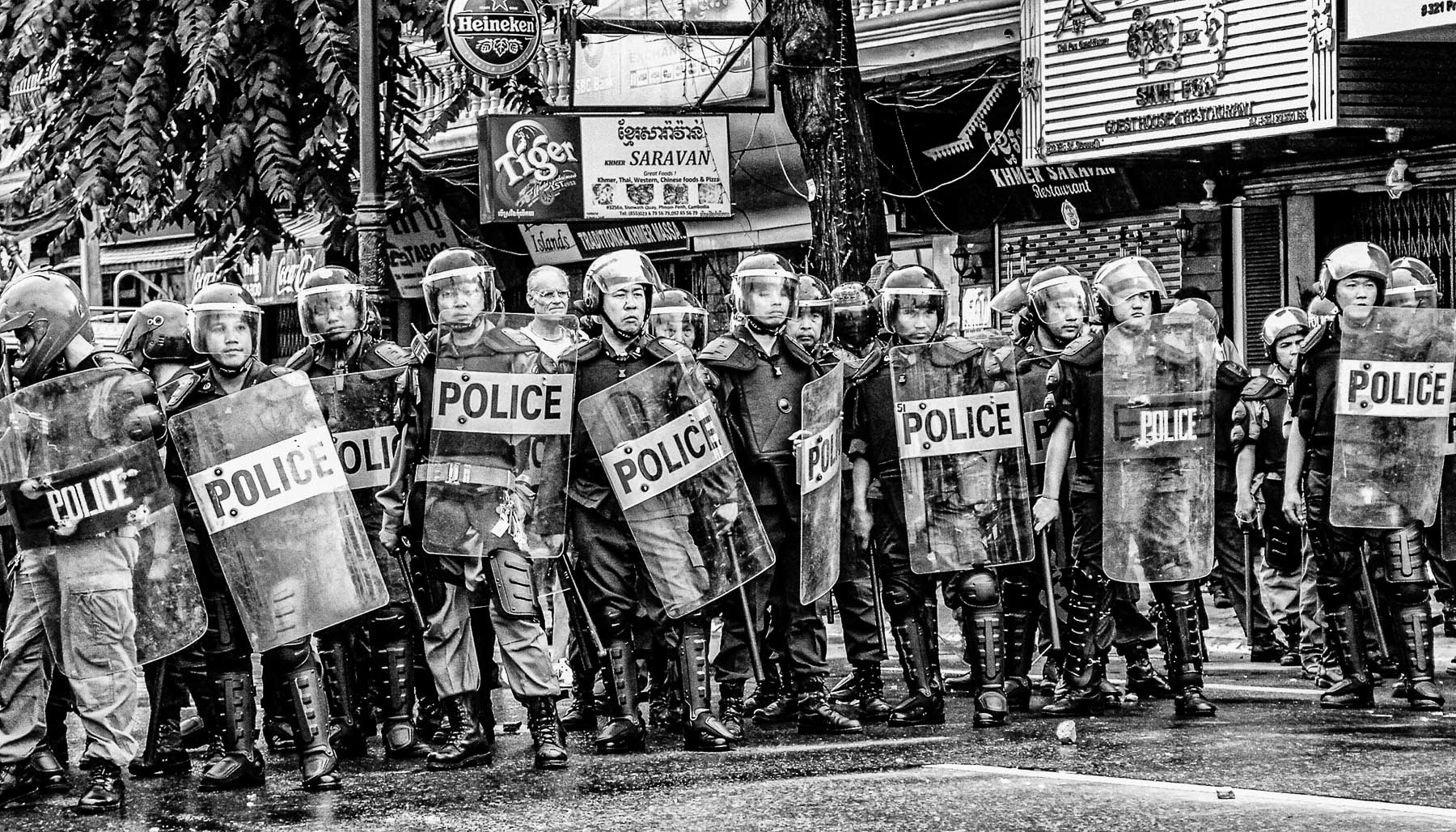
Freedom of expression is a cornerstone of democratic rights and freedoms. It is enshrined in Article 19 of the Universal Declaration of Human Rights, which highlights the right to hold opinions without interference and to seek, receive, and impart information and ideas through any media regardless of frontiers. This fundamental human right is essential for the protection of other rights, allowing for open discourse and the exchange of ideas which are vital for innovation and progress. However, it is not absolute and can be subject to certain restrictions, such as laws on hate speech, national security, or public order. As the digital age advances, the scope of freedom of expression continues to evolve, raising new questions and challenges related to internet censorship, the spread of misinformation, and the role of social media platforms in moderating content.

 a world without pictures is like coffee without cream and sugar, bitter