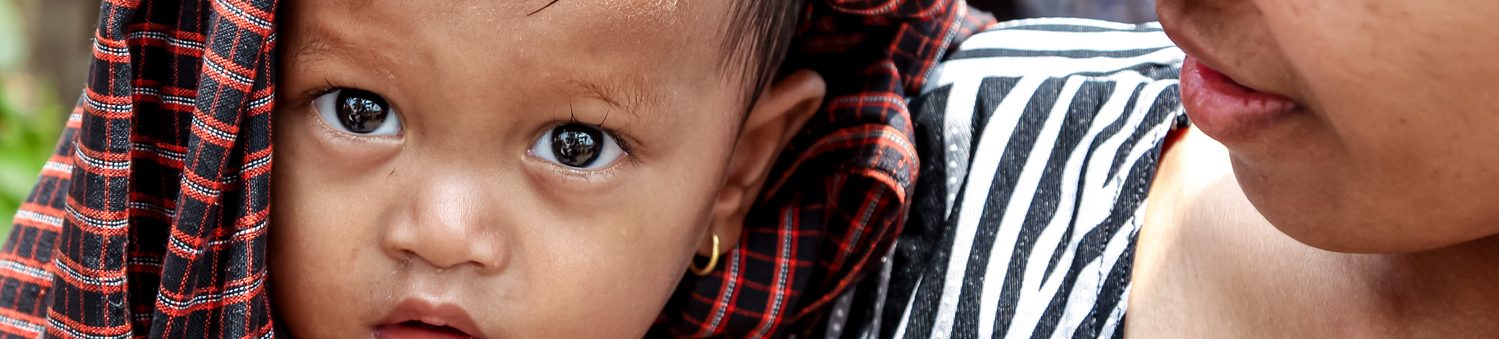

Ethical photography centers on respect for people, honesty in representation, and responsibility for how images are used. It asks you to balance creative intent with the dignity, autonomy, and cultural context of subjects while honoring legal and professional norms.

Key Pillars
- Empathy: Prioritize understanding your subject’s situation and perspective; listen before photographing and let context guide consent and framing.
- Autonomy: Seek informed consent where possible and respect a subject’s right to refuse, withdraw, or set limits on use.
- Honesty and Transparency: Avoid misleading captions, staged contexts presented as documentary, or manipulations that change the truth of an image.
- Fair Use and Copyright Respect: Know and follow copyright and licensing rules; credit collaborators and negotiate clear usage terms.
Practical Guidelines (Pre-shoot, On-site, Post-shoot)
- Pre-shoot: Research cultural norms and legal constraints; prepare clear consent language; plan for safe, private spaces when photographing vulnerable people.
- On-site: Ask permission clearly and quietly when you can; explain how images will be used; observe non-verbal cues; stop if subjects appear distressed or coerced.
- Post-shoot: Edit responsibly—avoid cropping or retouching that misrepresents; choose captions that provide context; secure storage and distribution aligned with agreed uses.

Typical Ethical Dilemmas and How to Approach Them
- Photographing strangers in public: Legally often allowed, but ask whether the shot respects dignity and purpose; avoid exploiting pain or vulnerability for aesthetics.
- Working with children or vulnerable groups: Always get guardian consent, minimize intrusiveness, and consider anonymising identities when needed.
- Photojournalism vs. Advocacy: Be explicit about your role—documentarian neutrality differs from advocacy storytelling; state intent to avoid audience confusion.
Checklist You Can Use Before Publishing
- Did I obtain informed consent or reasonably assess that consent wasn’t required?
- Would publication harm the subject’s safety, reputation, or dignity?
- Is my caption accurate and non-sensationalist?
- Are rights, credits, and usage terms clear and recorded?
- Have I minimized identifying details when risk is present?

 a world without pictures is like coffee without cream and sugar, bitter