

A legacy zoom that still earns respect
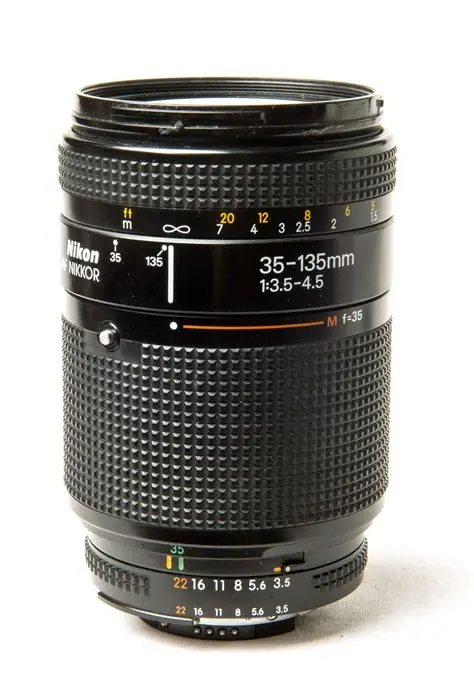
When Nikon introduced the 35–135mm AF series, it was designed to bridge wide-to-telephoto coverage in a single lens. Positioned as a step above kit zooms, it gave photographers flexibility without the bulk of multiple primes. The AF-D version added distance encoding for more accurate flash metering, making it a practical tool for both film and early digital shooters.
🔍 Optical Performance
- Sharpness: Respectable across the range, especially between 35–85mm. At 135mm, corners soften, but the center remains usable.
- Color and contrast: Classic Nikon rendering—neutral color with good contrast, especially when stopped down.
- Distortion: Noticeable barrel distortion at 35mm and pincushion at 135mm, typical of zooms of its era.
- Macro mode: Offers a close-focus feature down to ~0.5m, useful for flowers and small objects.
- Bokeh: Pleasant at longer focal lengths, though not as creamy as modern f/2.8 zooms.

⚙️ Build and Handling
- Construction: Solid, metal-heavy build—“brick-like” durability noted by users.
- Weight: Around 600g, making it portable but not featherlight.
- Autofocus: Screw-drive AF—adequate but slower and noisier compared to AF-S lenses. Works best with pro bodies like the D3/D800.
- Zoom action: Push-pull design, which some photographers find intuitive, while others prefer modern rotary zoom rings.
🧠 Use Cases
- Travel lens: Covers wide-to-telephoto in one package, ideal for street and candid photography.
- Portraits: At 85–135mm, produces flattering compression and decent subject isolation.
- Documentary/editorial: Flexible enough for mixed environments where you can’t switch lenses often.
- Film shooters: A perfect companion for Nikon F-mount film bodies, retaining period authenticity.







⚖️ Pros and Cons
Pros
- Versatile focal range (wide to telephoto)
- Solid build quality
- Affordable on the used market (~$100–$200 USD)
- Close-focus macro mode adds creative flexibility
Cons
- No VR (Vibration Reduction)
- AF is slower and noisier than modern lenses
- Optical performance lags behind newer zooms, especially at 135mm
- Push-pull zoom design can feel dated

📝 Final Verdict
The Nikon AF Zoom-Nikkor 35–135mm f/3.5–4.5 AF-D is a classic workhorse lens. It won’t compete with modern pro zooms in speed or sharpness, but it offers a unique blend of versatility, durability, and character. For photographers exploring Nikon’s legacy glass, it’s a rewarding option—especially for travel and portraiture where its rendering shines.
 a world without pictures is like coffee without cream and sugar, bitter