Simulate the effects of different kinds of film, including black-and-white (with or without color filters). (PROVIA/STANDARD)Standard color reproduction. Suited to a wide range of subjects, from portraits to landscapes. (Velvia/VIVID)A high-contrast palette of saturated colors, suited to nature photos. (ASTIA/SOFT)Enhances the range of hues available for skin tones in portraits while preserving the bright blues of daylight skies. Recommended for outdoor portrait photography. (CLASSIC CHROME)Soft color and enhanced shadow contrast for a calm look. (PRO Neg. Hi)Offers slightly more contrast than (PRO Neg. Std). Recommended for outdoor portrait photography. (PRO Neg. Std)A soft-toned palette. The range of hues available for skin tones is enhanced, making this a good choice for studio portrait photography. (ACROS) *Take black-and-white photos with rich gradation and outstanding sharpness. Available with yellow (Ye), red (R), and green (G) filters. (MONOCHROME) *Take pictures in standard black and white. Available with yellow (Ye), red (R), and green (G) filters. (SEPIA)Take pictures in sepia.
* Filters deepen shades of gray corresponding to hues complementary to the selected color. The yellow (Ye) filter deepens purples and blues and the red (R) filter blues and greens. The green (G) filter deepens reds and browns, including skin tones, making it a good choice for portraits.
In these days because of the Covid pandemic and the restrictions in movement you may find yourself unable, or unwilling, to venture out and take new images. Now is a good time to gather your previous years of images and look for images that you may not have worked on before or need to be redone.
Too this end I have rediscoved images that I had forgotten about or just wanted to have another go at processing them differently. I have many 100’s of thousands of images that I feel deserved to be looked over again and now have the time to do it because of Covid.
When I scour my images I try to find images that I may have overlooked in my initial high grading and use them as a basis for tracking other images down. I have about 7TB of images stored and there are many that have never been really looked at (or printed).
In this diminutive bag I can carry all I need for a days street shooting. Two bodies, three lenses and four spare batteries.
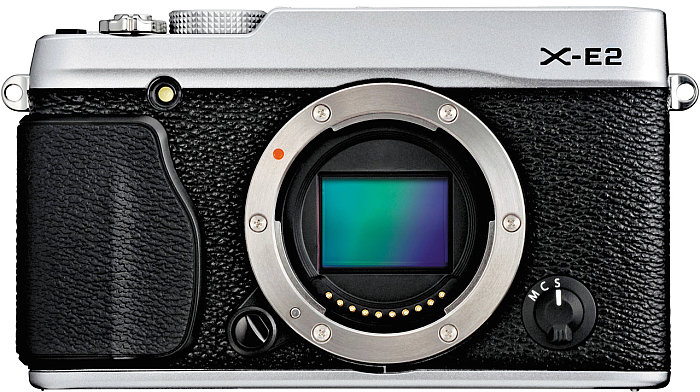
Fujifilm XE2 + 18mm f2 Fujicron sometimes replaced with my X Pro 1 or 2
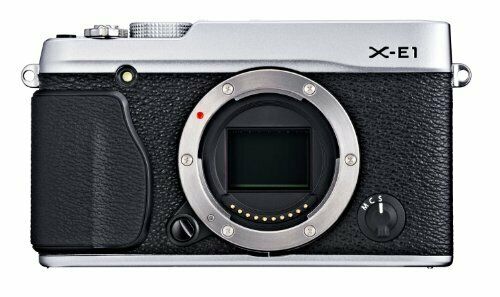
Fujifilm XE1 + Fujicron 35mm f2
Fujicron 14mm f2.8
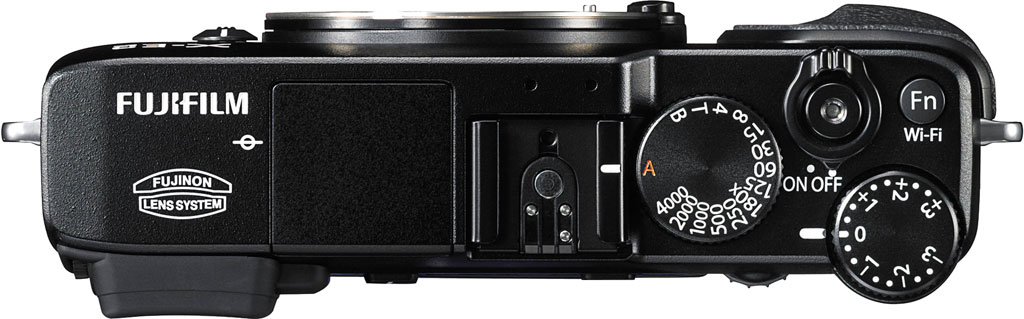
The essence of this kit is its lightweight but the capability to produce HQ images. It is also much less obvious and attracts less attention from those who may be in the shot. The APS-C sensor in the X-E1 helps this relatively small camera shoot serious DSLR-quality photographs. Even at ISOs as high as 6400, the photographs are usable. The colours are accurate, and I was initially surprised at how little noise there is in the frame relative to how high the sensitivity is. The X-E1 is in essence a slimmed-down X-Pro1, with the large, complex and expensive hybrid finder replaced by a purely electronic viewfinder. Not any old EVF though – it uses a 2.36M dot OLED unit, out-speccing the X-Pro1’s 1.44M dot LCD finder. The X-E2 is superficially very similar to the X-E1, with the same basic body design and control layout; at a quick glance, it’s almost impossible to tell them apart. It keeps the same top-plate layout, including analogue shutter speed and exposure compensation dials, and has the same 2.36M dot OLED electronic viewfinder. The rear of the camera is still covered in buttons in much the same places as the X-E1, but their functions have been rearranged. The X-E2 sports the same X-Trans CMOS II sensor as we first saw in the X100S, which includes on-chip phase detection elements for autofocus, and in concert with the EXR Processor II promises much-improved autofocus speed. It also gains Fujifilm’s rather basic but easy-to-use Wi-Fi system for sharing images. There’s also a much nicer rear screen: a 3″, 1.04M dot 3:2 aspect ratio unit, and a whole host of further tweaks and improvements. The net result is a camera that retains all the best bits of its predecessor, but has also been improved in many respects. The X-E2 – not revolutionary, but distinctly evolved. Two nice cameras to use.
Fujifilm X-E2 Specifications
Sensor: 16.3 MP (1.5x crop factor), 4.8µ pixel size, same as on X-E1
Sensor Size: 23.6 x 15.6mm
Resolution: 4896 x 3264
Native ISO Sensitivity: 200-6,400
Boost Low ISO Sensitivity: 100
Boost High ISO Sensitivity: 12,800-25,600
Sensor Cleaning System: Yes
Lens mount: FUJIFILM X mount
Weather Sealing/Protection: No
Body Build: Magnesium Alloy, Top and Front covers
Shutter: Up to 1/4000 and 30-sec exposure
Shutter Control: Focal Plane Shutter
Storage: 1x SD slot (SD/SDHC/SDXC compatible)
Viewfinder Type: 2,360,000-dot OLED color viewfinder
Speed: 6 FPS
Exposure Meter: TTL 256-zones metering
Built-in Flash: Yes
Autofocus: Yes
Manual Focus: Yes
LCD Screen: 3.0 inch, 1,040,000 dots, TFT color LCD monitor
Movie Modes: Full 1080p HD @ 60p, 30p
Movie Recording Limit: 14 minutes in 1080p, 27 minutes in 720p
Movie Output: MOV (H.264)
GPS: No
WiFi: Yes
Battery Type: NP-W126
Battery Life: 350 shots
USB Standard: 2.0
Weight: 300g (excluding battery and accessories)
Fujifilm X-E1 Specifications
Sensor: 16.3 MP (1.5x crop factor), 4.8µ pixel size, same as on X-Pro1
Sensor Size: 23.6 x 15.6mm
Resolution: 4896 x 3264
Native ISO Sensitivity: 200-6,400
Boost Low ISO Sensitivity: 100
Boost High ISO Sensitivity: 12,800-25,600
Sensor Cleaning System: Yes
Lens mount: FUJIFILM X mount
Weather Sealing/Protection: No
Body Build: Magnesium Alloy, Top and Front covers
Shutter: Up to 1/4000 and 30-sec exposure
Shutter Control: Focal Plane Shutter
Storage: 1x SD slot (SD/SDHC/SDXC compatible)
Viewfinder Type: 2,360,000-dot OLED color viewfinder
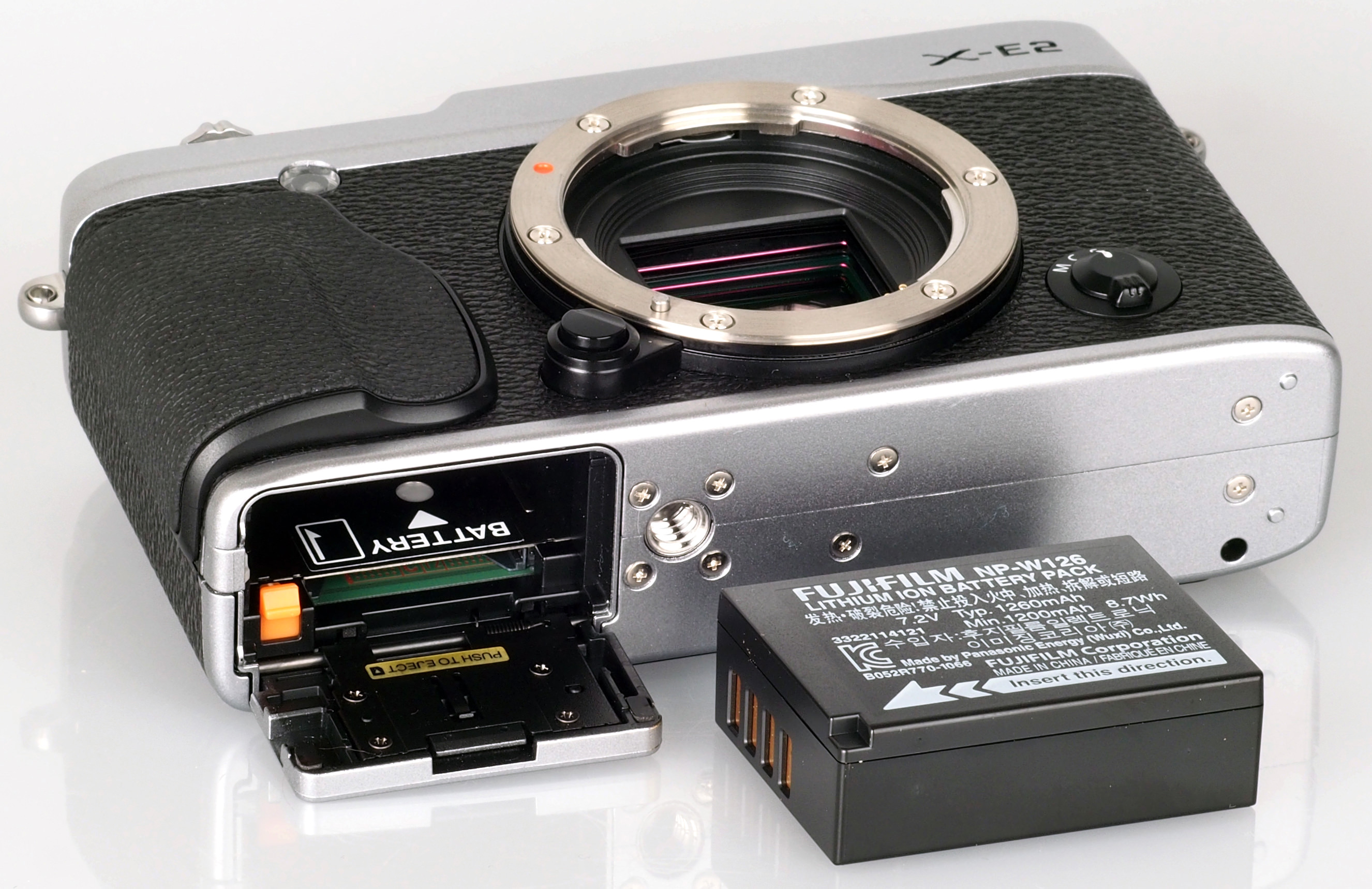
Batteries are important (extra) as both these little beast can be power-hungry. Battery life is rated at 350 shots according to Fujifilm / CIPA test results, an improvement over the X-Pro1. The XE2 sports the same battery life around 350 per full battery. With a couple of spare batteries more than enough for me. Both cameras use the same batteries which is a plus.
Fuji XE2 battery and memory card compartment. Same on the XE1
My favourite lens, foe street shots, on the XE2 is the XF Fujicron 18mm f2, a vastly underrated lens but capable of excellent results for me with this camera. The XE2 is my primary camera, with the XE1 acting as a very good reserve. Both are very capable but the focus is a little snappier of the XE2 but not by much after upgrading the firmware.
The Fujifilm FujicronXF18mm F2R has some marks in its favour. It’s quite small and light, covers a classic wide field of view, gathers a heck of a lot of light, and focuses close enough for most shots you want to capture with a 27mm equivalent lens.
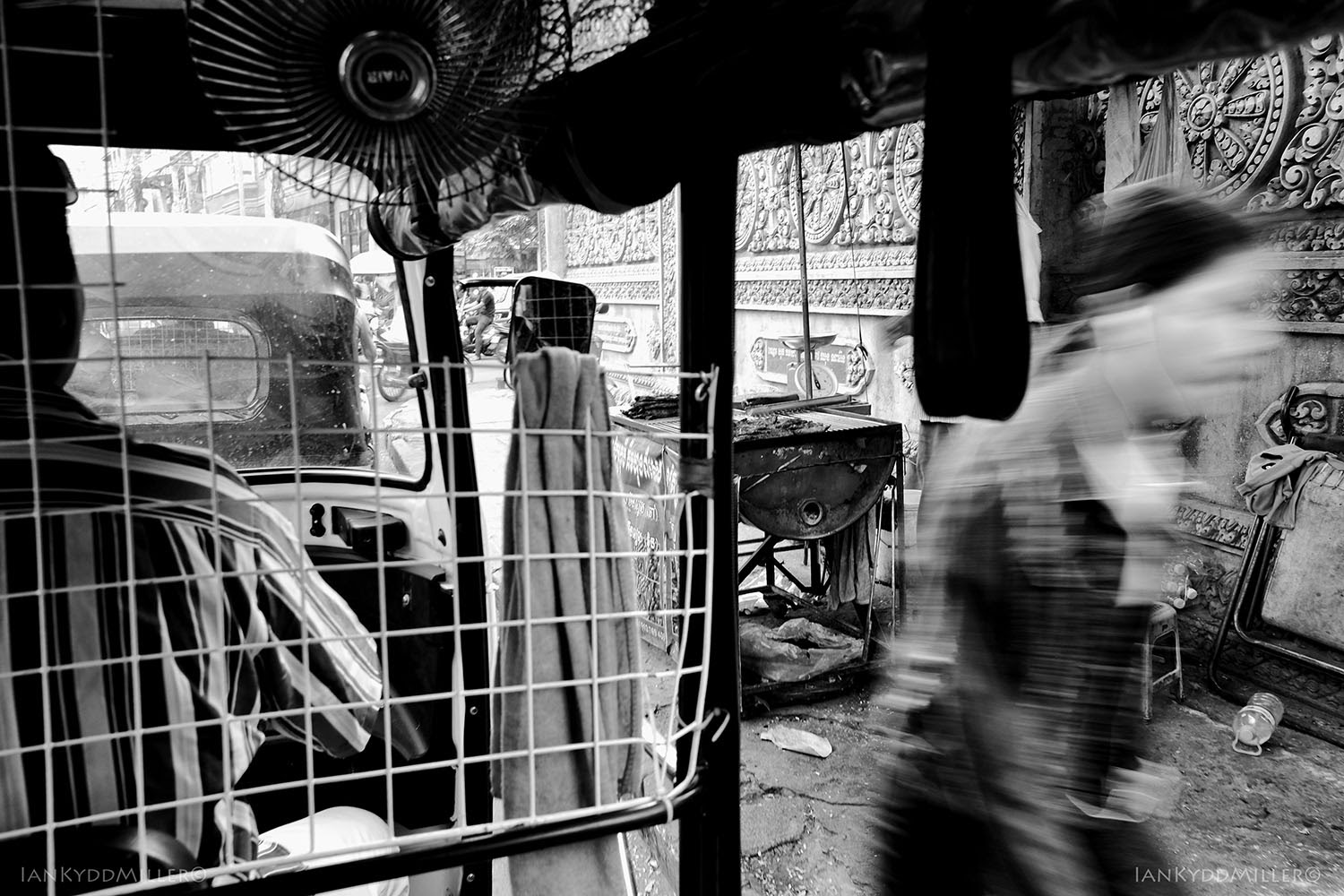
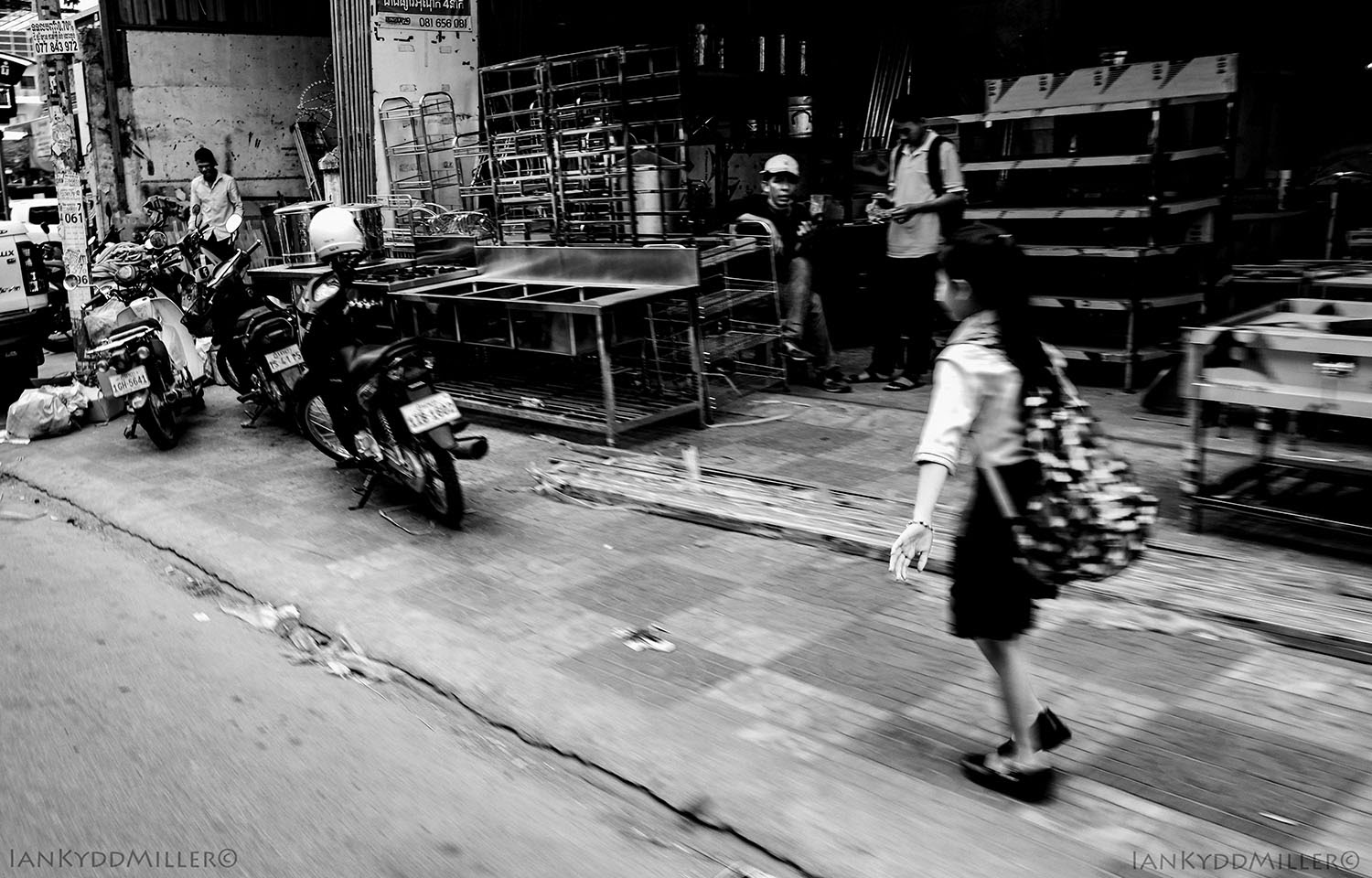
All the above images were taken with either the XE2 with Fujicron 18mm f2 or the XE1 with the XF Fujicron 35mm f2.
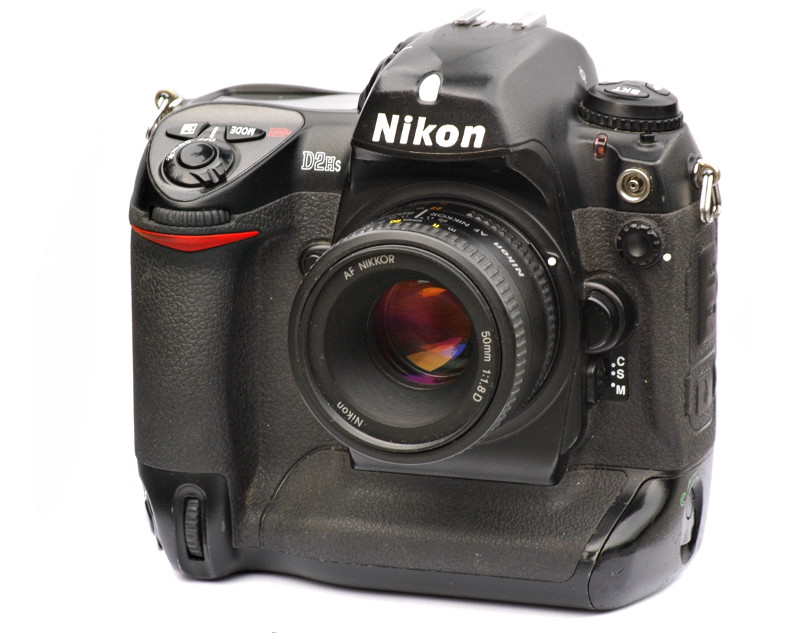
I have been a Nikon and Canon user for the last 30+ years and have used there successive generations of cameras dusing that time, I still use both but much less since I found Fujifilm cameras and lenses. Both Nikon and Canon cameras are capable of superb results and I cannot fault there quality and design. I am still using my Canon 1D Mk IV for fast moving sports and the like and my Nikon D2HS comes out when I photograph demonstrations and potentially dangerous situations (good for hitting back with. LOL) and still gives great pictures.
So why the change to Fujifilm you may ask. This is a question I will attempt to answer from my perspective. The major thing that first attracted me to both Nikon and Canon was how robust and reliable they were in everyday professional use, but this also made them heavy and a stress on my shoulder when carrying them and there associated lenses (which were just as heavy). Like the D2H, the D2Hs is an extremely tough, ridiculously fast professional digital camera which, despite having been obsolesced by four generations of cameras as I write this, is still capable of getting fantastic results if you know how to use it.
Fujifilm have developed equally reliable cameras but with less weight and lenses that are capable of doing the same job as there Nikon or Canon counterparts but are much smaller and easier to carry with me. Weight is a big thing as you become more mature in years take it from me.
The Second thing that really attracted me to Fujifilm was the excellent, out of camera, JPEG quality using Fuji’s film simulations which meant I no longer needed to shoot RAW is the job did not require it as I knew the JPEGS were first class.
Fujiflim XT2 + 55-200 XF OIS JPEG straight from the camera
This has certainly cut the time I needed to spend in from of my computer postprocessing images from RAW, it is in my honest opinion not longer required for me to to shoot everything in RAW as I like the out of camera images in JPEG. I have found that it is more than possible to adjust the JPEGS in PS by up to 2 stops if required but if you get it right in camera this should not be neccessary.
The simple retrograde styling is another thing that attracted me to the Cameras, simple but effective with all the controls where they are needed and not tucked away inside in a menu system that you have to access.
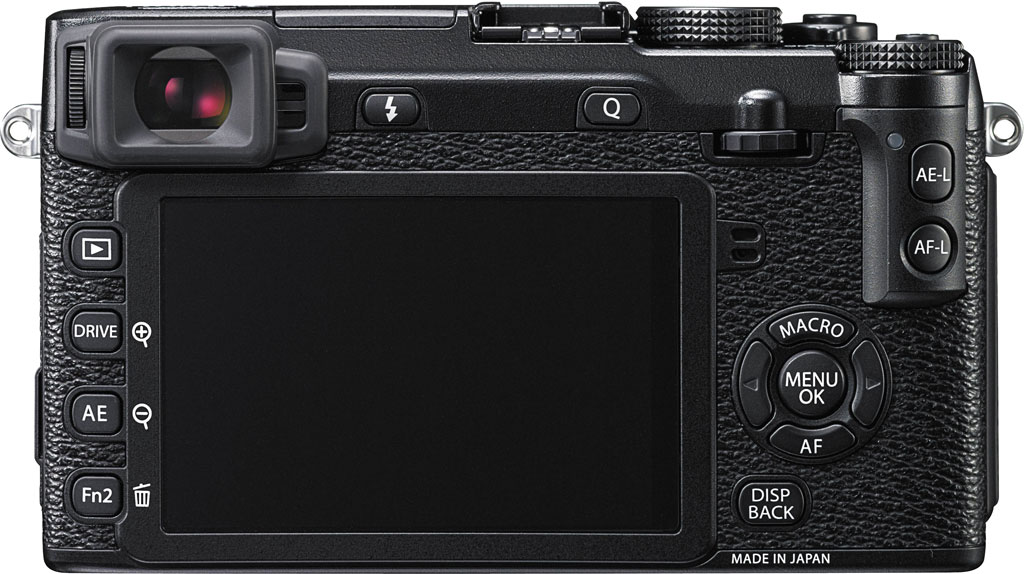
Rear view of the XE2. Controls ver simple and easy to use
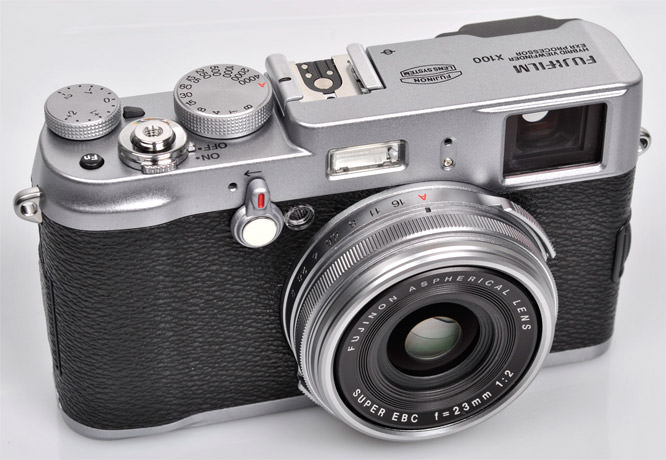
My first venture into the world of Fuji cameras was with a used Fuji X100 bought from a friend. Sadly the lens unit failed and had to be replaced with a new unit after which it worked fine and is still going strong today. A wonderful, lightweight, picture maker.
Fuji X100 with a fixed 23mm f2 lens
This little camera turned me on to the possibilities of quality in a mirrorless camera. Its sensor produced great colours and its lens was sharp and contrasty and gave images that were hard to distinguish between the Nikon and Canon greats that I was using
Fujifilm X Pro 1 + XF 35mm f1.4
Having experienced and enjoyed the X100, and having read about the new camera the X Pro 1, which would give me a choice of lenses, off I went and bought one. Loved the look and feel of the camera but it did have a few problems, slow focus being the main one. This was much improved in latter updates of the firmware. It gave wonderful images but you had to ”think” a little and work with the camera and around the minor issues it had. Despite its initial problems I personally found it a joy to use and carrying it around all day did not give me any problems.
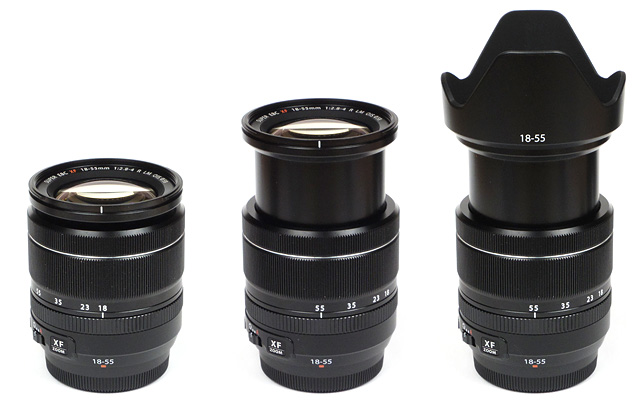
The first lens I picked up with the X Pro 1 was the ”kit les” XF 18-55 IS, what a lens, not like some of the plasticky kit lenses from other manufacturers but an extremely well put together and very capable image maker. I still shoot with it today. It worked well with the X Pro 1 and gave sharp and contrasty images throughout its entire range with the added benifit of image stabalisation (IS).
Fujinon XF 18-55mm f/2.8-4 R LM OIS. You may argue that it is just another kit lens but unlike its remote cousins it is obviously one stop faster. If you buy it as part of a camera kit it is pretty affordable but its naked price tag of more than 650EUR/US$ makes it obvious that Fuji still doesn’t want to play in the low end market. Interestingly the lens features an image stabilizer which was the first time Fuji has implemented this in a XF lens.
The lens has a reworked internal micro-motor which is basically noiseless during AF operations – that is apart from aperture “clicking” because the camera is stopping down the lens. The AF speed is pretty good whereas the AF accuracy wasn’t impressive with the initial firmware version – it improved significantly with the latest version though. Manual focusing works “by wire” thus by triggering the AF motor. A focus distance guidance is provided in the camera viewfinder/on the LCD – this works quite nicely. Regarding the new OIS (optical image stabilizer) Fuji claims an efficiency of up to 4 f-stops. This may be true for lab conditions but better be conservative here – an efficiency of 2-3 f-stops seems more realistic to us (as usual). It is usable on ther cameras in the range for video.
These days image distortion is usually taken care of by the camera or by RAW converters so from a user perspective there isn’t much to worry about there. However, it is still interesting to check the original distortion characteristic – after all the auto-correction is a lossy procedure.
The Fujinon shows a rather massive amount of barrel distortion at the short end (4.6%) so it is a bit under-designed here, but I have nevr found it to be a major problem and easily fixed in post. Zooming in, the distortion decreases to a slight barrel distortion level at 23mm and a slight pincushion distortion at longer focal lengths.
The second lens I decided upon was the XF 35mm f1.4. A high-performance standard lens with incredible definition, even when shooting wide open. This lens delivers images with amazing clarity, even with the aperture wide open at F1.4. All the lens groups are shifted together during focusing to minimize aberration changes whether working close-up or at infinity. This unique design delivers images in which the focus is blended with smooth bokeh in out of focus areas. Offering a focal length equivalent to 53mm in the 35mm film format.
Although a little slow in the realm of AF, the images it can produce are pretty darned good. Sadly my copy was stolen, with one of my X Pro 1’s and I replaced it with the newer 35mm f2.
Then came the realease of the X Pro 2, something many had be waiting for. Same design but with many improvements over the 1.
Newly-developed 24.3MP X-Trans CMOS III APS-C sensor reduces moiré and false colors to dramatically improve image quality and X-Processor Pro engine increases response times, achieves faster AF, lower noise and better color reproduction
Advanced Hybrid Multi Viewfinder featuring a Multi-Magnification function that automatically switches view-finder magnification according to the lens and simultaneous EVF over OVF display
Electronic shutter maximum speed of 1/32000 sec and a focal plane shutter with a top speed of 1/8000 sec. with flash synchronization of up to 1/250 sec.
Intelligent Hybrid Phase detection AF with 273 selectable AF points, Dual SD Slots. Operating temperature is minus 10 degree Celsius to plus 40 degree Celsius
16 Film simulation modes including the new ACROS monochrome mode and Grainy effect
Boy what a difference these changes made to the workings of the camera as a whole, it was a dream come true for many X Pro 1 users, including myself.
New X-Trans CMOS III The newly-developed 24.3MP X-Trans CMOS III APS-C sensor boasts the highest ever pixel count for an X-Series camera. Combined with an XF lens, it delivers images with a perceived resolution far greater than the number of pixels used. In addition, the phase detection pixels have been positioned over a larger area for a faster, more precise phase detection AF performance. High ISO sensitivity performance has also been improved to the point that the whole sensitivity range — up to the maximum ISO 12,800 (Extended output sensitivity up to 51,200) — can now be used with confidence.The sensor readout speed is now approximately twice as fast, delivering high-speed continuous shooting, precise AF tracking, playback and higher quality movies.
New X Processor Pro Thanks to the newly-developed X-Processor Pro engine, processing speeds are now approximately four times faster than a conventional model. This maximizes the capabilities of the X-Trans CMOS III sensor to ensure it delivers the highest image quality with super-fast response times. In addition, thanks to the high-speed reading technology of the sensor, the conventional EVF’s display speed of 54fps has been increased to a maximum of 85fps. This substantially reduces the image delay phenomenon when tracking a moving subject. Blackout time after release has also been reduced by approximately half and compressed Raw is supported, improving the ease-of-handling of Raw data.The Fujifilm X-Pro2 features a new CPU for high-speed processing. The Buffer memory has also been increased for an even faster response.
Advanced Hybrid Multi Viewfinder Photographers love looking through a viewfinder to take photos, which is why X-Series models have used finders from the very start. Combining the advantages of both an OVF and an EVF, Fujifilm has perfected the Advanced Hybrid Multi Viewfinder with three viewing options. Now you can return to the roots of photography with the only viewfinder of its kind in the world.
Electronic Rangefinder The EVF is simultaneously displayed as a small window in the optical viewfinder. It can be displayed in three different ways: 100% field of view, 2.5x magnification and 6x magnification. This allows the user to check focus, the angle-of-view, exposure and white balance in real-time, even when taking photos through the OVF. As it can also be used with MF assist, precise MF is possible in the OVF mode.
Advanced optical viewfinder system The optical design of the viewfinder has been improved, moving the eye point from 14mm on the previous model to 16mm. A diopter correction dial is also included, which makes the viewfinder even more comfortable to use.
Dual-Function ISO Dial The shutter speed and ISO dials have now been combined into one dial, which is reminiscent of those found on old film cameras. Changing the ISO is done by lifting the outer portion of the dial. Now all exposure settings can be performed with dials.
Film Simulation – New ACROS Using the knowledge gained from accurately reproducing color in film manufacturing, Film Simulation allows the user to change color and tone settings to match the subject, scene and creative intent, just as if shooting with a roll of film. There are a total of 15 modes including PROVIA / Standard, Velvia / Vivid and ASTIA / Soft.The Fujifilm X-Pro2 features the new ACROS Film Simulation mode. Its features include smoother gradation, deep blacks and beautiful textures. Ultra high-quality monochrome images are possible, adding extra creativity to the general monochrome mode.
Grain Effect The Fujifilm X-Pro2 has the ability to reproduce graininess typically unique to film-based images. There are two strengths: Strong or Weak, which can be combined with each of the different Film Simulation modes. The effects are also possible through in-camera Raw development.
Focus Lever allows you to instantly change the focus area The new Focus Lever on the back of the camera can be moved like a joystick in eight directions to instantly move the focus area. Now, rapid focus area changes can be made, even when composing an image. Not only is this available to move the AF point during AF mode, but it can also be used during MF mode to quickly move the enlarged display area when using MF assist.
Phase Detection AF area expanded to 7×7 The number of selectable focusing points has been expanded from 49 on previous models to 77. Approximately 40% of the imaging area is now covered by fast, precise phase detection AF pixels, which means focusing speeds when photographing moving subjects have improved dramatically.
Advanced MF Mode The Fujifilm X-Pro2 comes equipped with different types of MF assist including Digital Split Image, which is reminiscent of old rangefinders, and Focus Peaking where color is used to show the parts of the image that are in focus.
Durable magnesium body Tough conditions are no longer to be feared. The Fujifilm X-Pro2 can be relied upon to take a picture at any time in any conditions.Reliability is one of the most important considerations when choosing a camera, so the Fujifilm X-Pro2 needs to work at any moment, regardless of where you are and what type of scene you want to photograph. That’s why the camera body is made from magnesium and features a dust-proof, splash-proof and freezeproof structure, along with a highly durable focal plane shutter and dual card slot.
Dual SD Card Slots The Fujifilm X-Pro2 is the first mirrorless camera to offer dual SD card slots for highly reliable data storage. Slot 1 is compatible with UHS-II standards for excellent write speeds. One of three recording methods can be selected: sequential, backup and Raw / JPEG sorting.Images can be copied between SD cards within the camera, making image data backup possible without a PC.
1/8000 sec. Shutter Speed The Fujifilm X-Pro2 comes equipped with a focal plane shutter boasting a durability of 150,000 shots, a maximum speed of 1/8000 sec and a flash sync speed of 1/250sec. Furthermore, the camera also includes an electronic shutter with completely silent operation and a maximum speed of 1/32,000 sec, allowing users to select maximum apertures even in bright conditions.
Exposure Compensation As it’s used so frequently, exposure compensation has been made into a dual-purpose dial. Compensation up ±3 stops in 1/3 steps is possible even with the camera to your eye thanks to the dial’s knurled shape. But if the C position is selected, exposure compensation of up to ±5 stops is possible using the front command dial.
Fujifilm Camera Remote With the new dedicated ‘Fujifilm Camera Remote’ application, you can focus and trigger the camera release from your smartphone or tablet. The app not only lets you adjust focus, but also control settings like shutter speed, aperture, exposure compensation and ISO sensitivity. You can even apply other settings like Film Simulation, self-timer, and flash while ‘Touch AF’ lets you focus from your phone or tablet, too. Imagine all the situations where this smart assistant will come in handy! Take commemorative group photos with yourself in the shot, capture wildlife photos, or remotely release the shutter for night shots free from camera shake.The photographic possibilities are endless.
A photographer’s camera, and the most fully realized camera in Fuji’s X series. Great for my kind of street/reportage photography. Phase-detection autofocus system has improved speed and AF-point resolution. New 24-megapixel sensor is on par with many full-frame chips. Customizable controls are in a smarter layout; the new joystick makes for faster focus changes (Or whatever! Customize it). Hybrid viewfinder adds a tiny EVF to the optical viewfinder, a nice touch. New Acros film simulation mode is gorgeous, and the other simulations are first class.
As I rarely shoot in RAW the film simulation bracketing has become my favourite ”gadget” as it save me so much time in post processing.
The Fujifilm X-Pro2 is the long-awaited update to the X-Pro1 and offers a new 24.3MP APS-C X-Trans CMOS III sensor and an ‘advanced hybrid multi viewfinder’ that can be an optical or electronic viewfinder, or a combination of the two. Its new image processor is 4x faster than that of its predecessor and offers a top ISO of 51,200. The autofocus system has been updated substantially, now offering 273 total AF points, of which 77 are phase detection (covering 40% of the frame), and much faster performance.
The X-Pro2’s body is made from four pieces of magnesium alloy with 61 seals, making it splash and dust proof, and functional down to temperatures of +14F. It has dedicated dials for exposure compensation, shutter speed and ISO. It has a maximum shutter speed of 1/8000 sec and an x-sync speed of 1/250 sec.
Other features of note include a 3″, 1.62M-dot LCD, twin SD card slots, interval shooting and a new ACROS film simulation mode. The X-Pro2 can record 1080/60p video at 36MBps and offers a 2.5mm mic input jack. As one would expect, the camera also supports Wi-Fi with remote camera control.
Fujifilm’s X-Pro2, like its predecessor, occupies a unique position in the market. It’s one of the few interchangeable-lens digital rangefinders available with the major competition coming from the Leica M. The Leica has a larger full-frame sensor and native access to a series of legendary lenses, but the Fuji has a hybrid viewfinder, far superior AF especially for continuous tracking, faster burst shooting, longer exposure capability, built-in Wifi and, oh, comes in at about one third of the price. And while the sensor is ‘only’ APSC in size, I have absolutely no complaints with the image quality, nor indeed with Fuji’s growing range of excellent X-mount lenses. Indeed I can’t think of a model that delivers better quality out-of-camera and I reckon you’d be mad to buy a Leica M over an X-Pro2 if you want a digital rangefinder-style camera.



 (PROVIA/STANDARD)Standard color reproduction. Suited to a wide range of subjects, from portraits to landscapes.
 (Velvia/VIVID)A high-contrast palette of saturated colors, suited to nature photos.
 (ASTIA/SOFT)Enhances the range of hues available for skin tones in portraits while preserving the bright blues of daylight skies. Recommended for outdoor portrait photography.
 (CLASSIC CHROME)Soft color and enhanced shadow contrast for a calm look.
 (PRO Neg. Hi)Offers slightly more contrast than
  (PRO Neg. Std). Recommended for outdoor portrait photography.
 (ACROS) *Take black-and-white photos with rich gradation and outstanding sharpness. Available with yellow (Ye), red (R), and green (G) filters.
 (MONOCHROME) *Take pictures in standard black and white. Available with yellow (Ye), red (R), and green (G) filters.
 (SEPIA)Take pictures in sepia.








































































































































 a world without pictures is like coffee without cream and sugar, bitter