Today I was going through my archive of pictures, in total about 12 TB stored, some of which I have never posted. Decided to work on some, maybe 20 and post them on my FB page. After posting I suddenly got a temporary ban for going against FB rules or community standards, whatever they may be as they don’t explain.
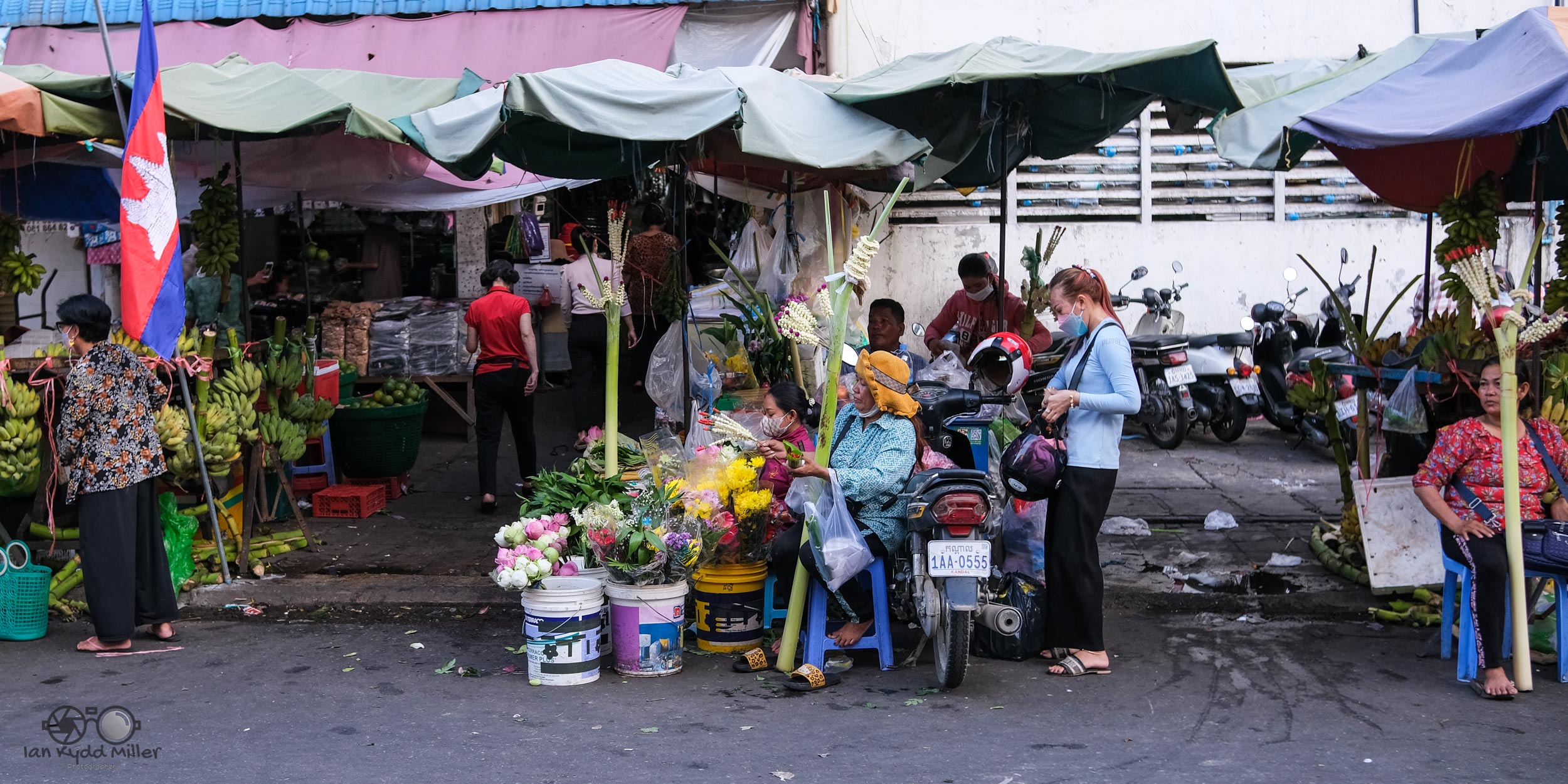
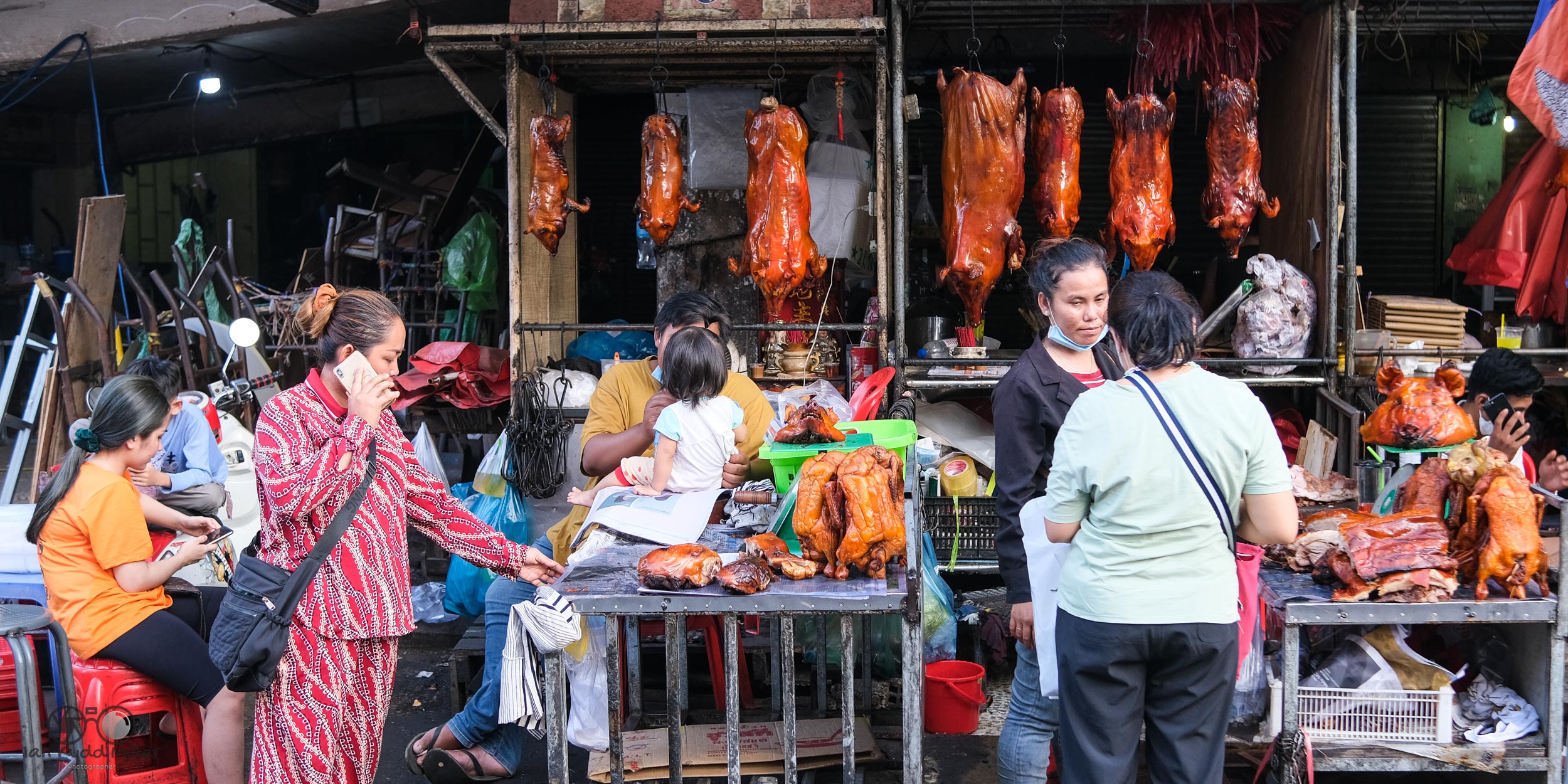
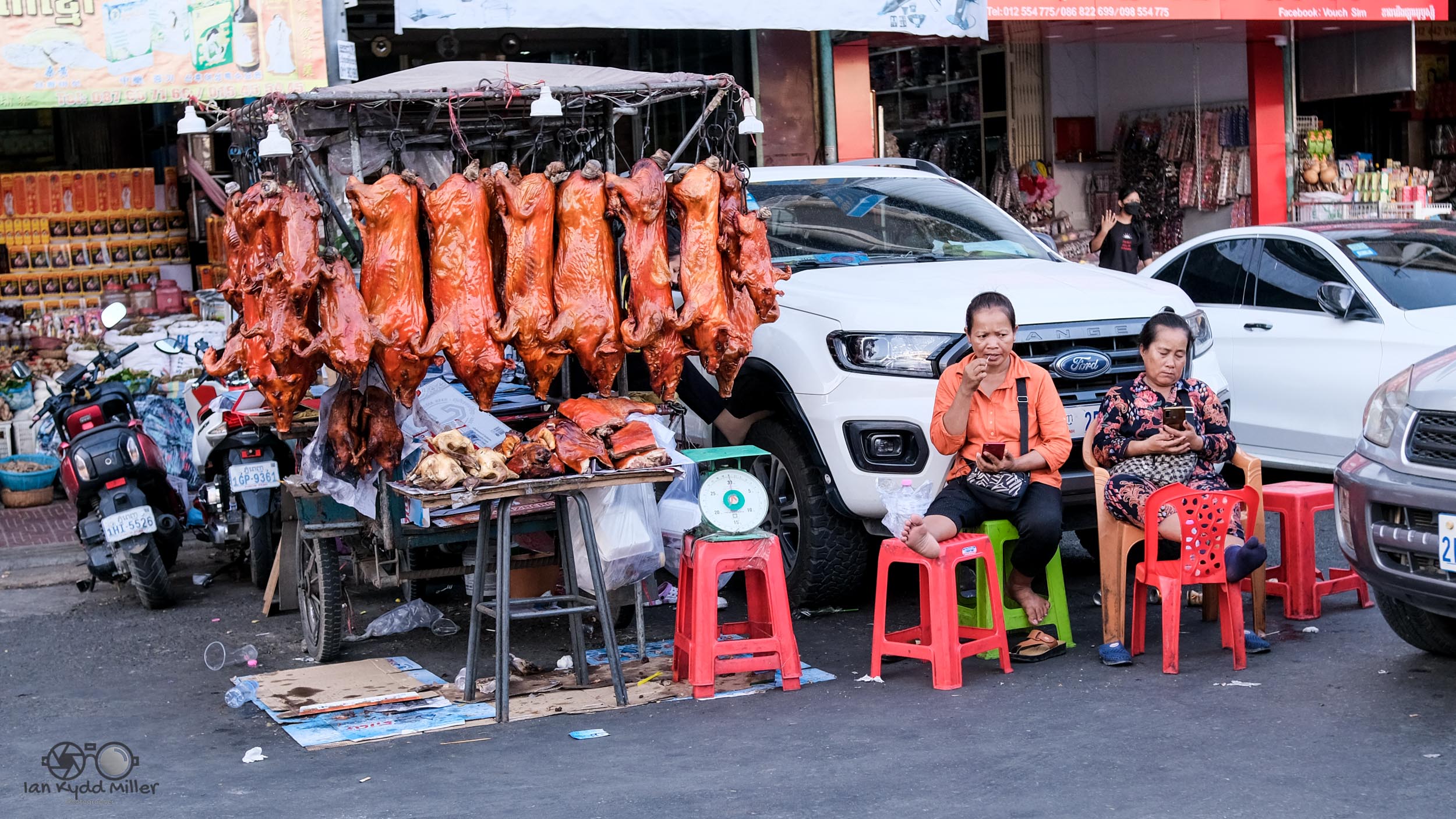
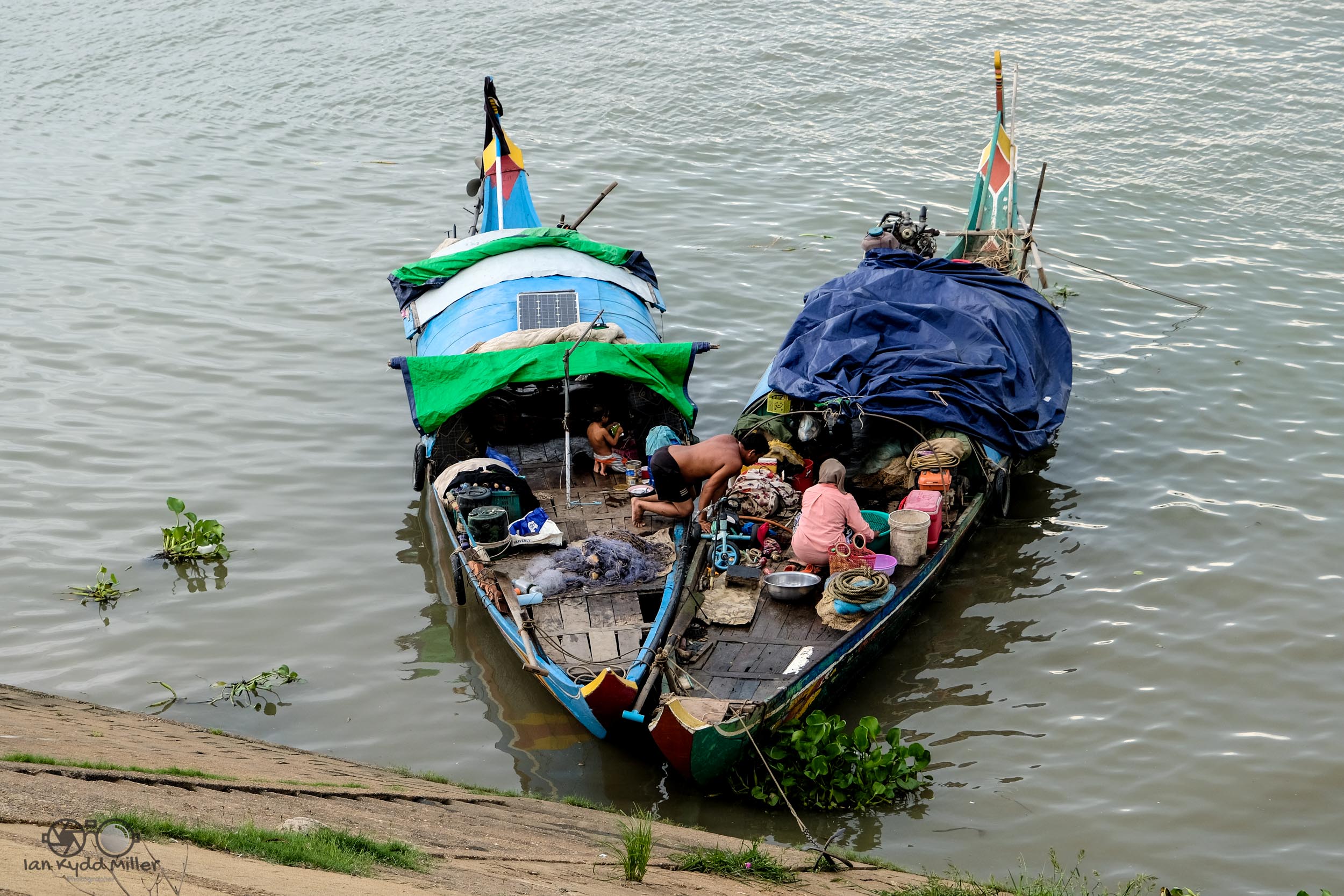
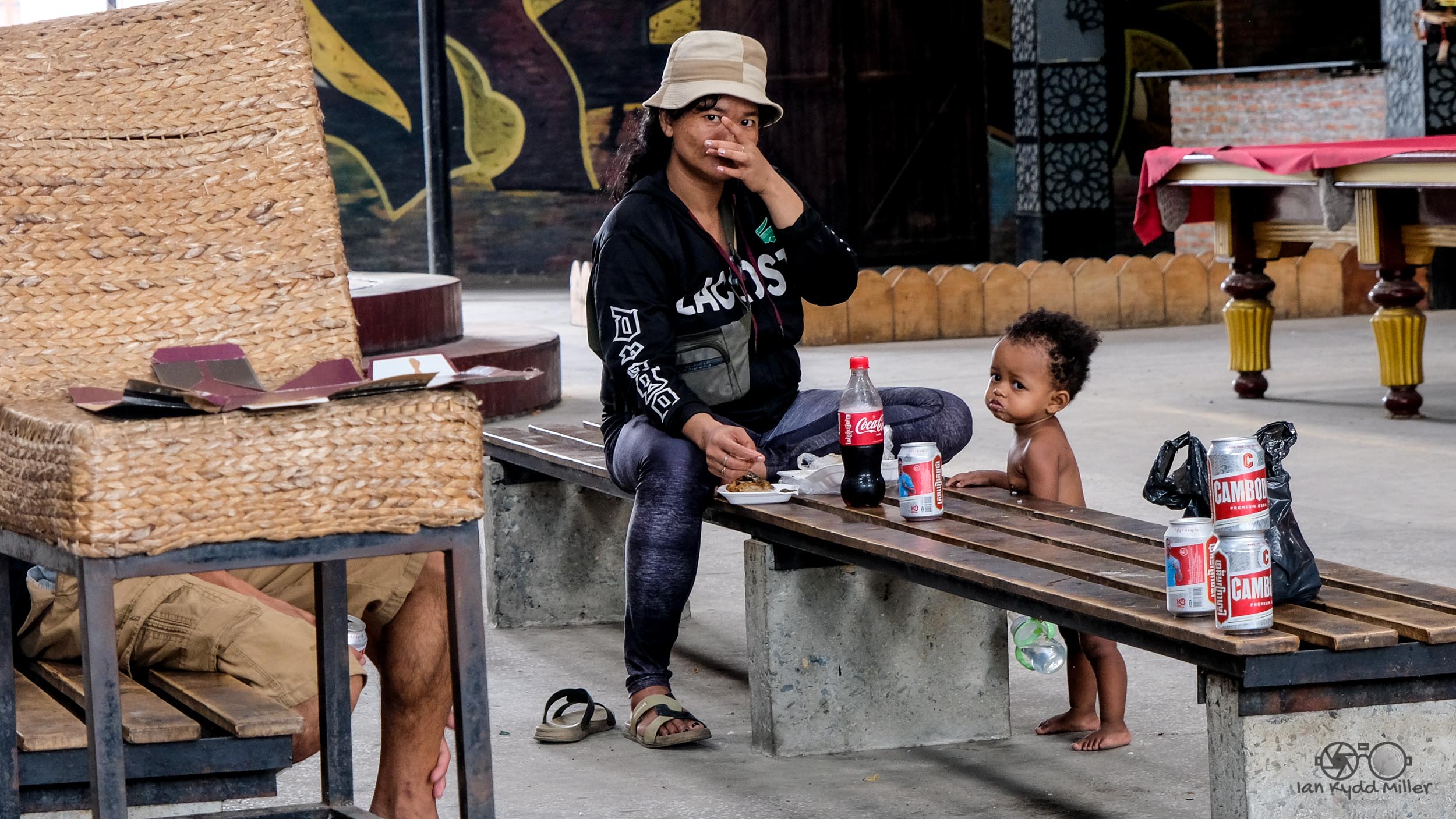
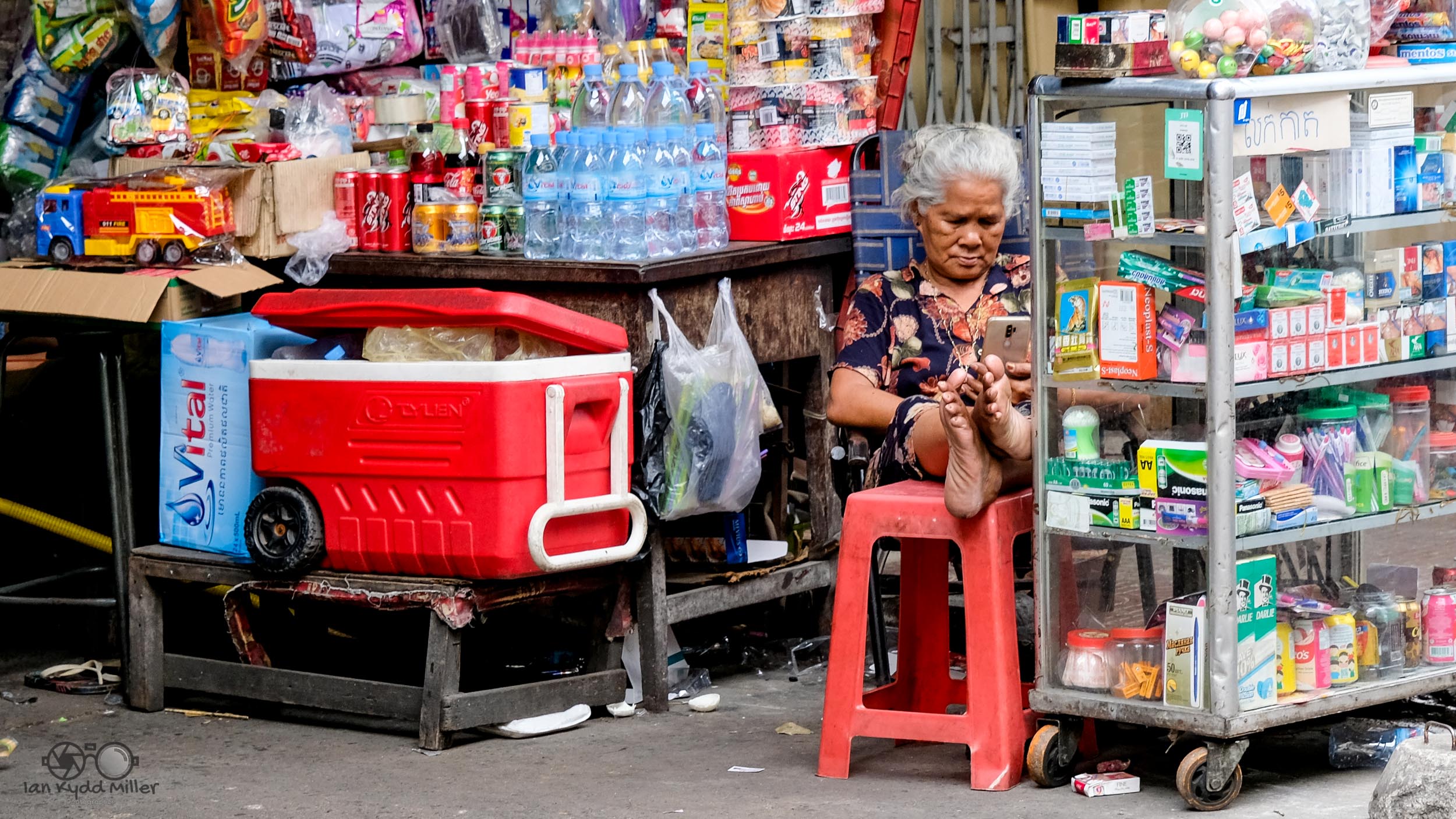
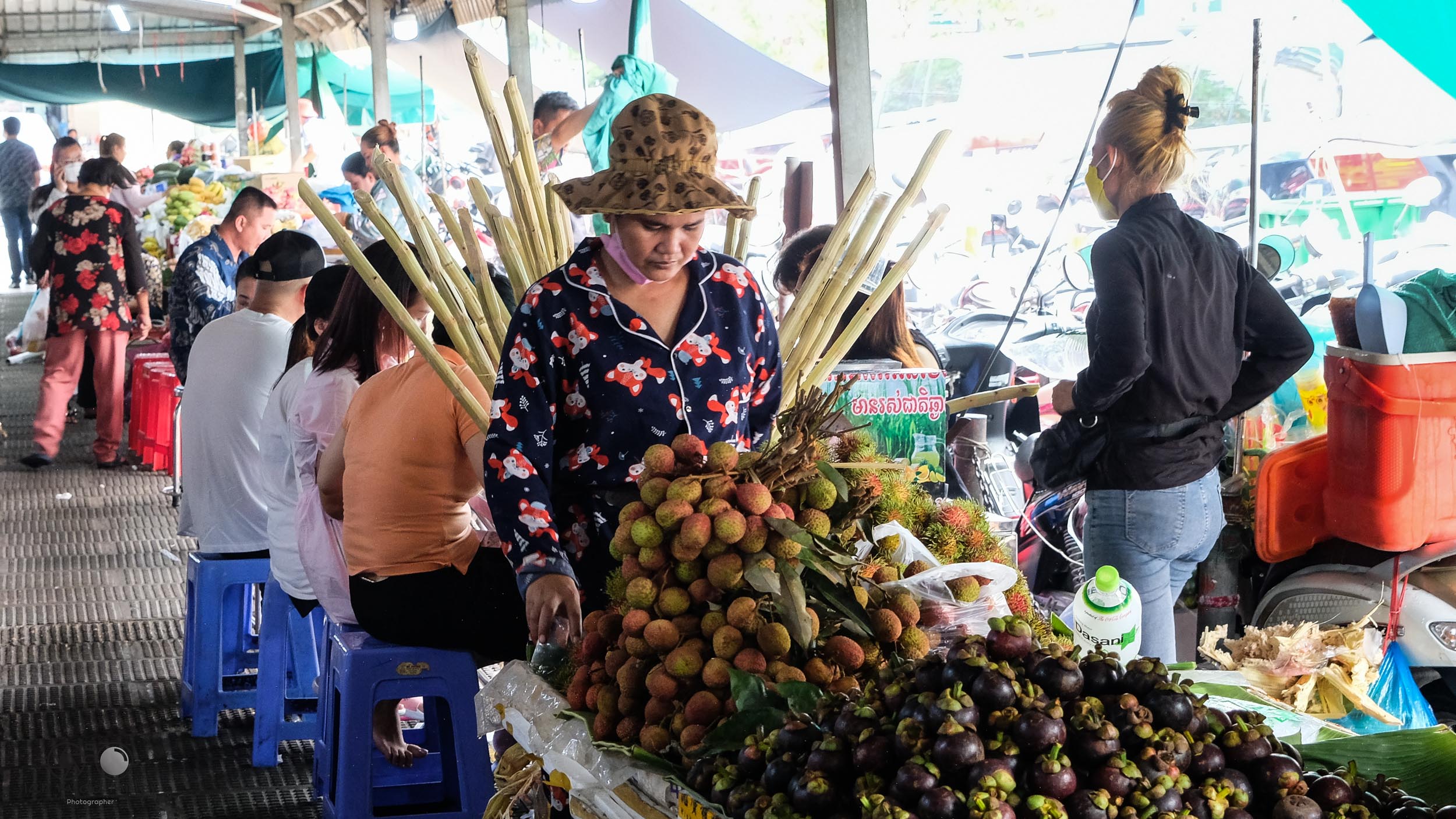
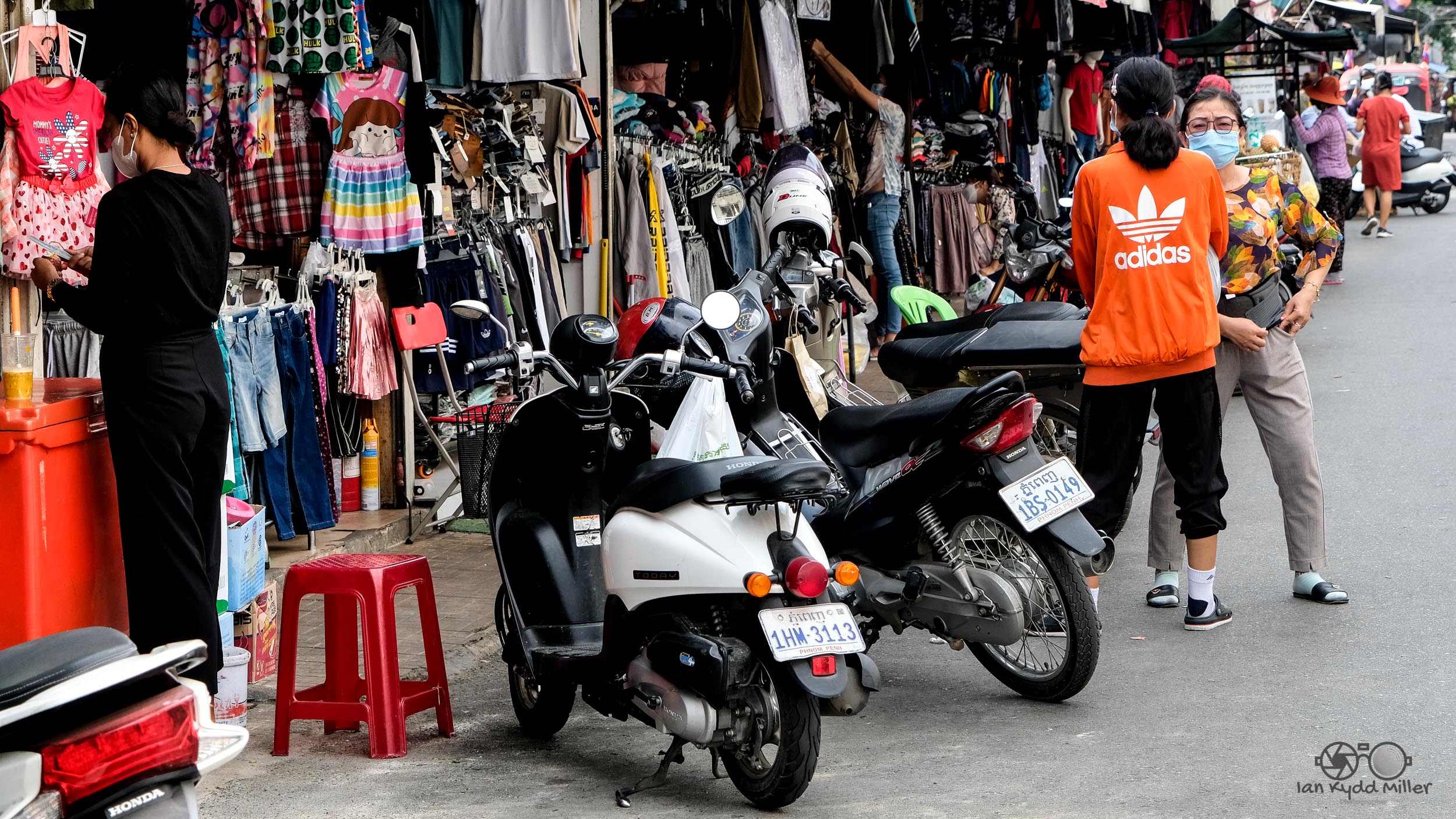
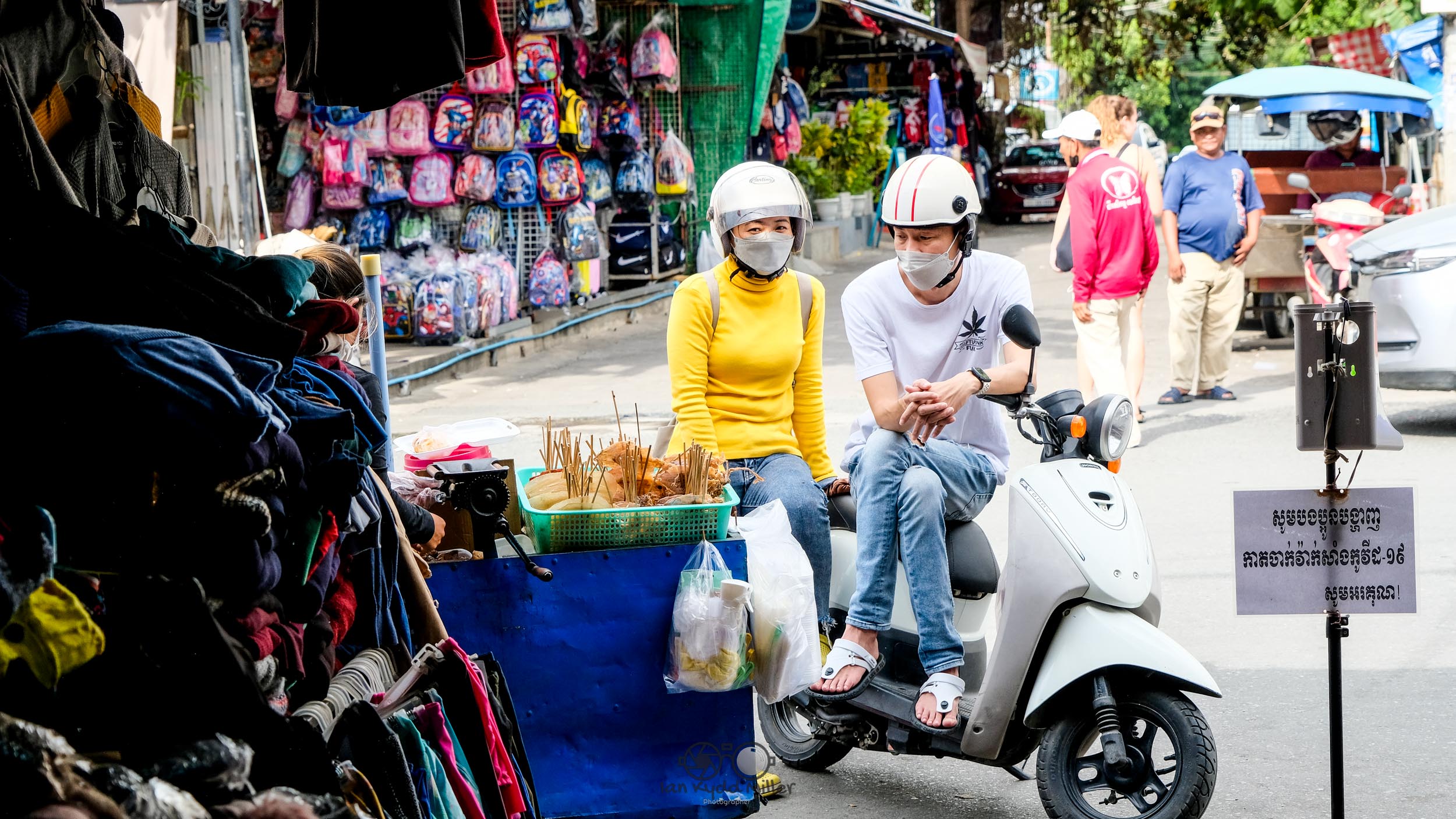
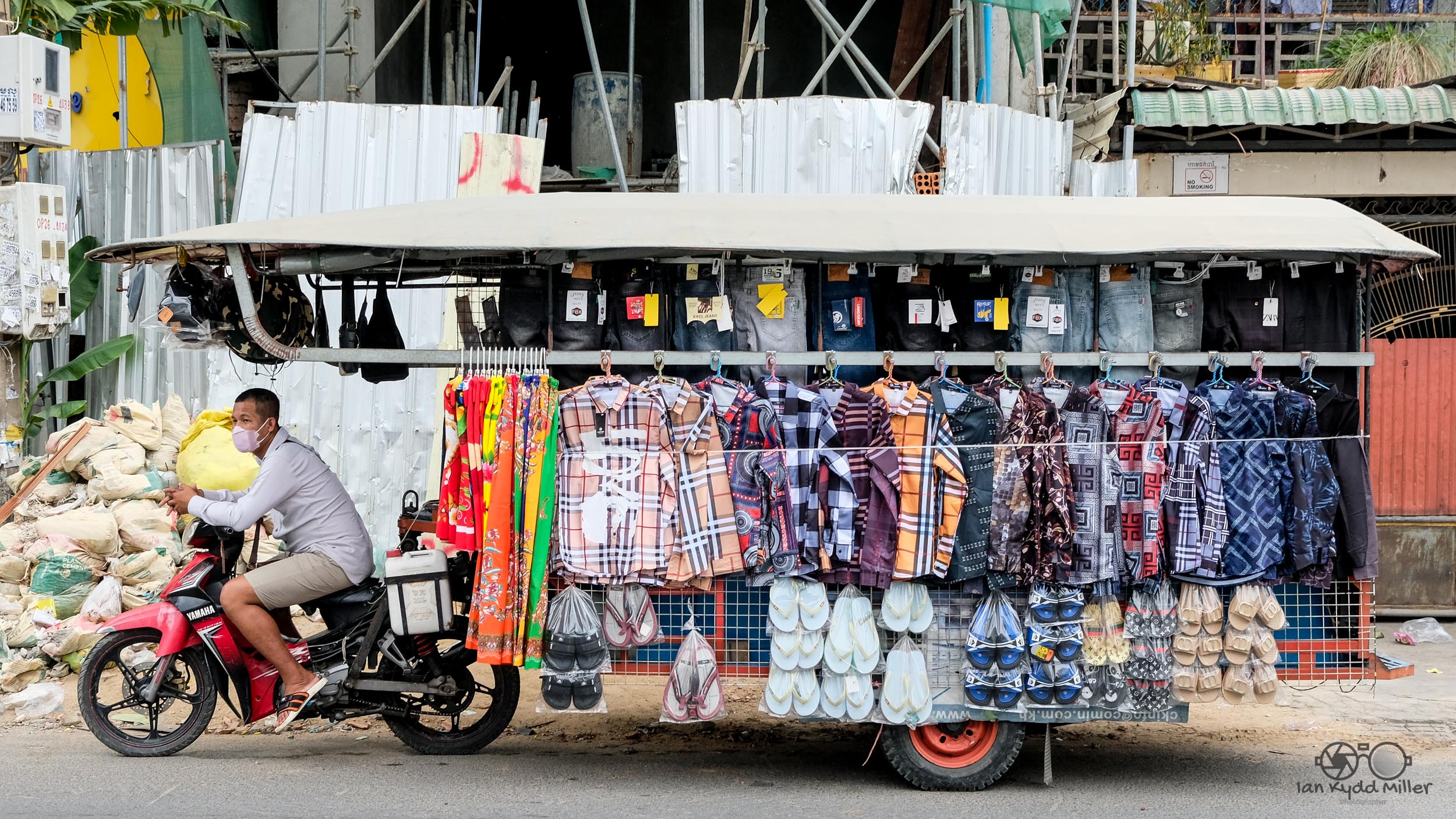
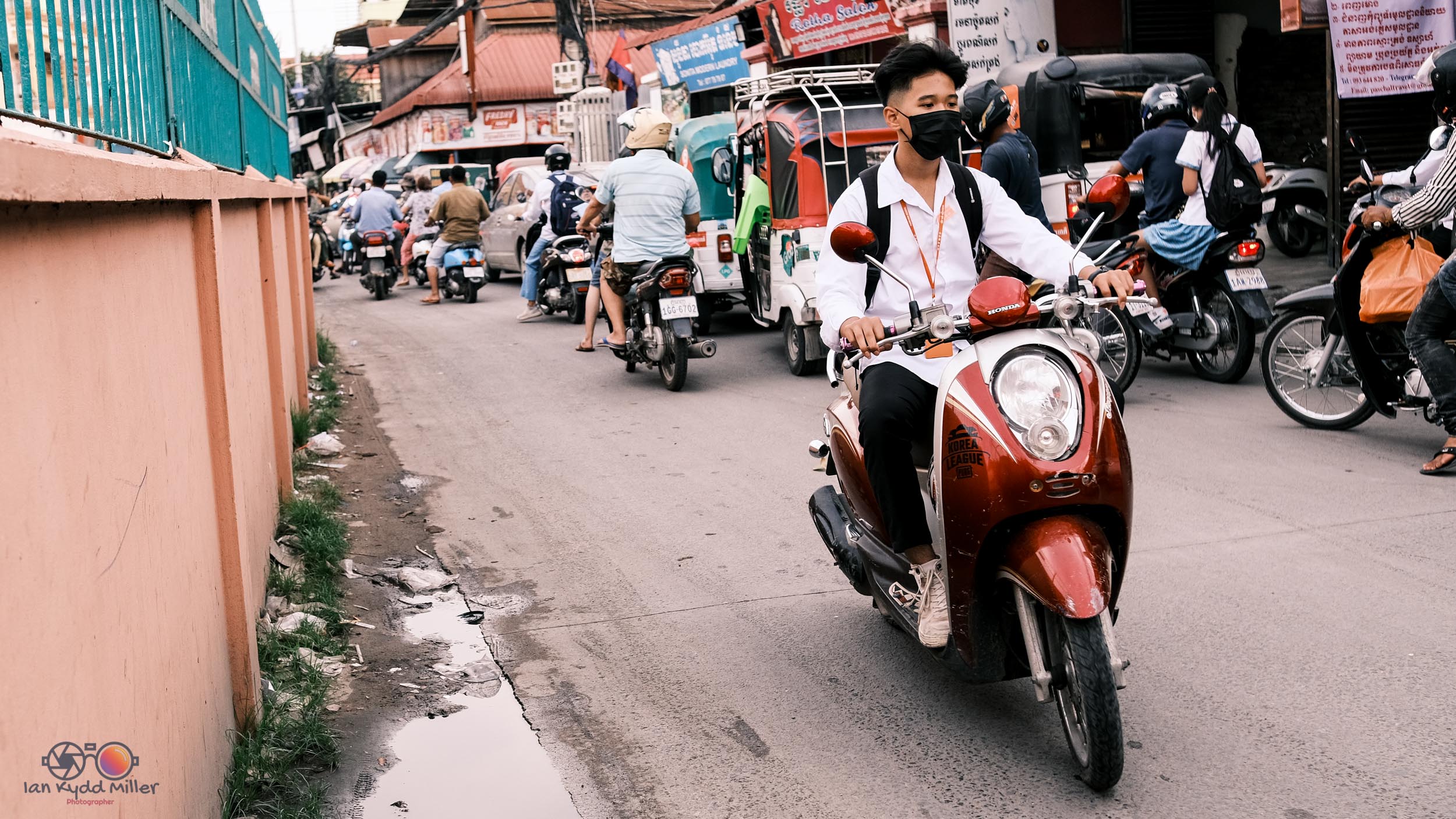
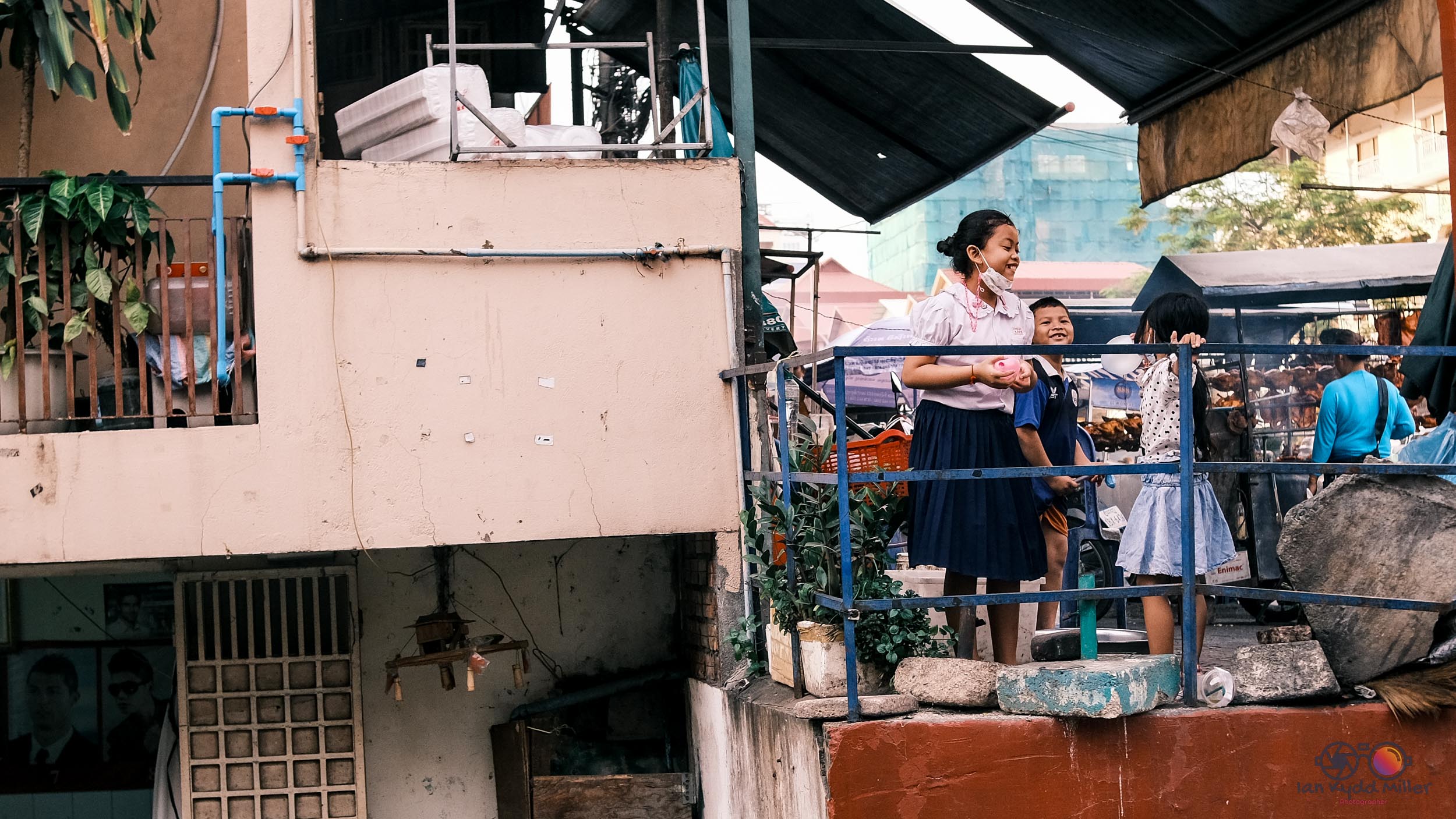
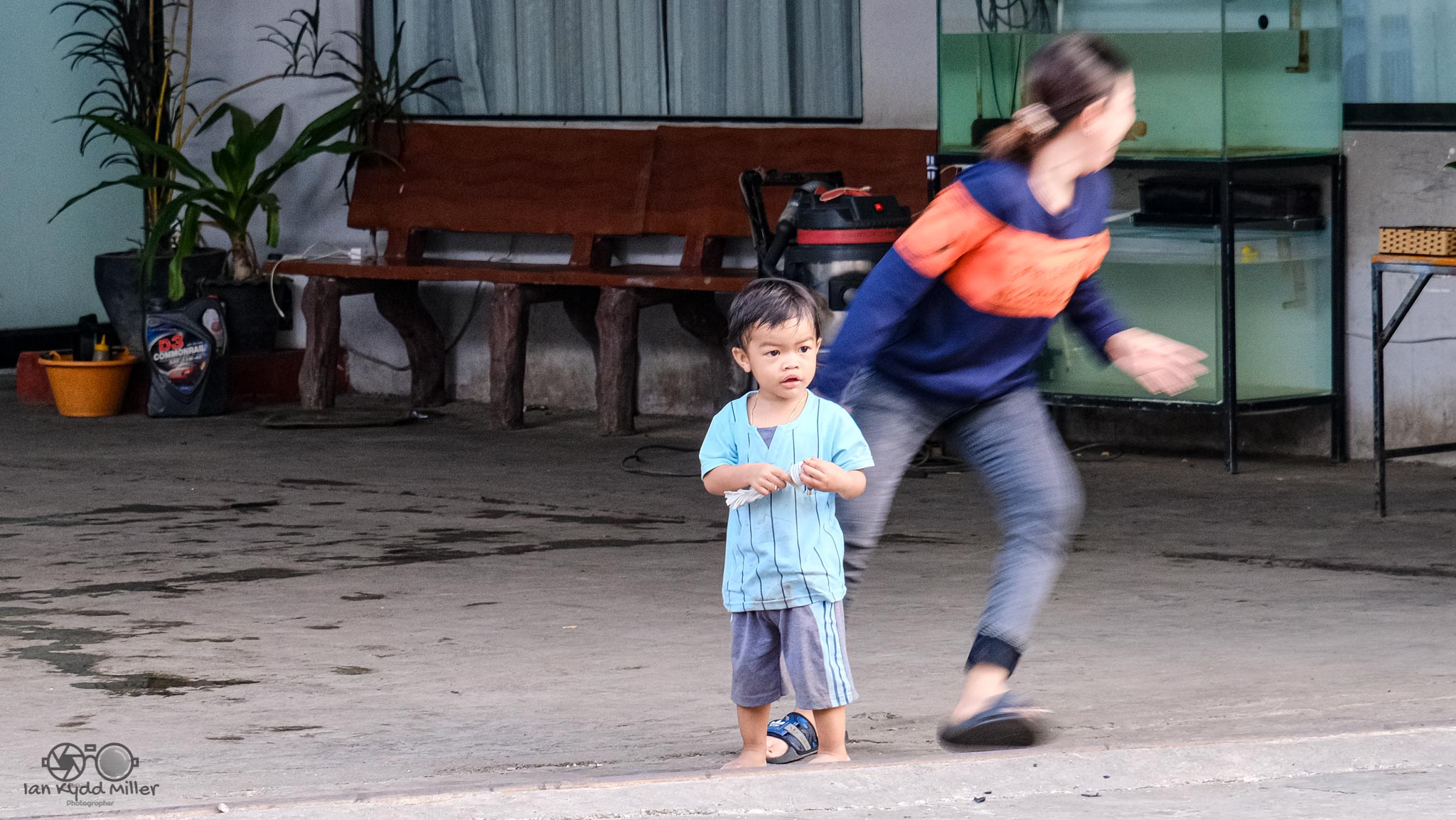
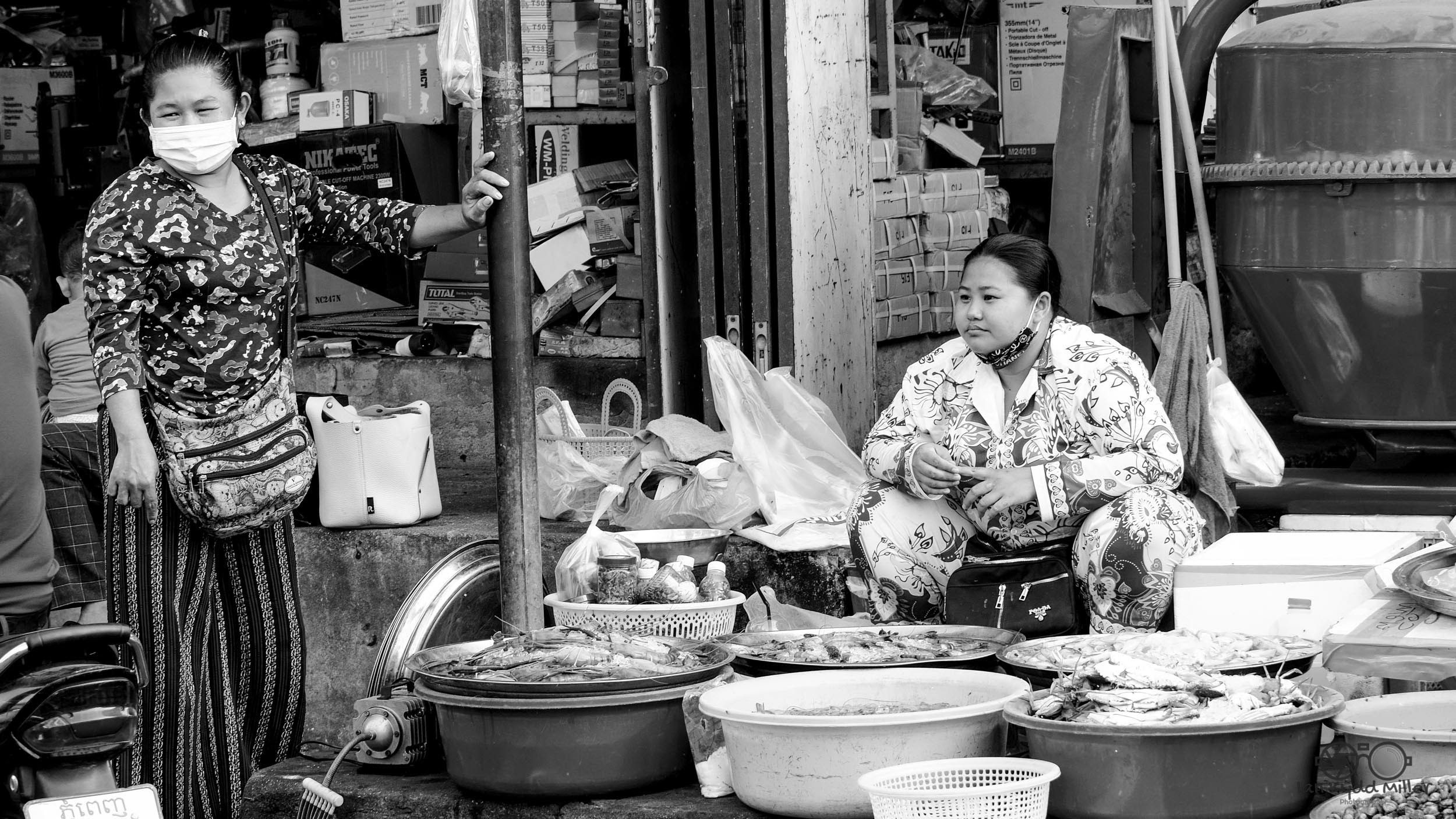
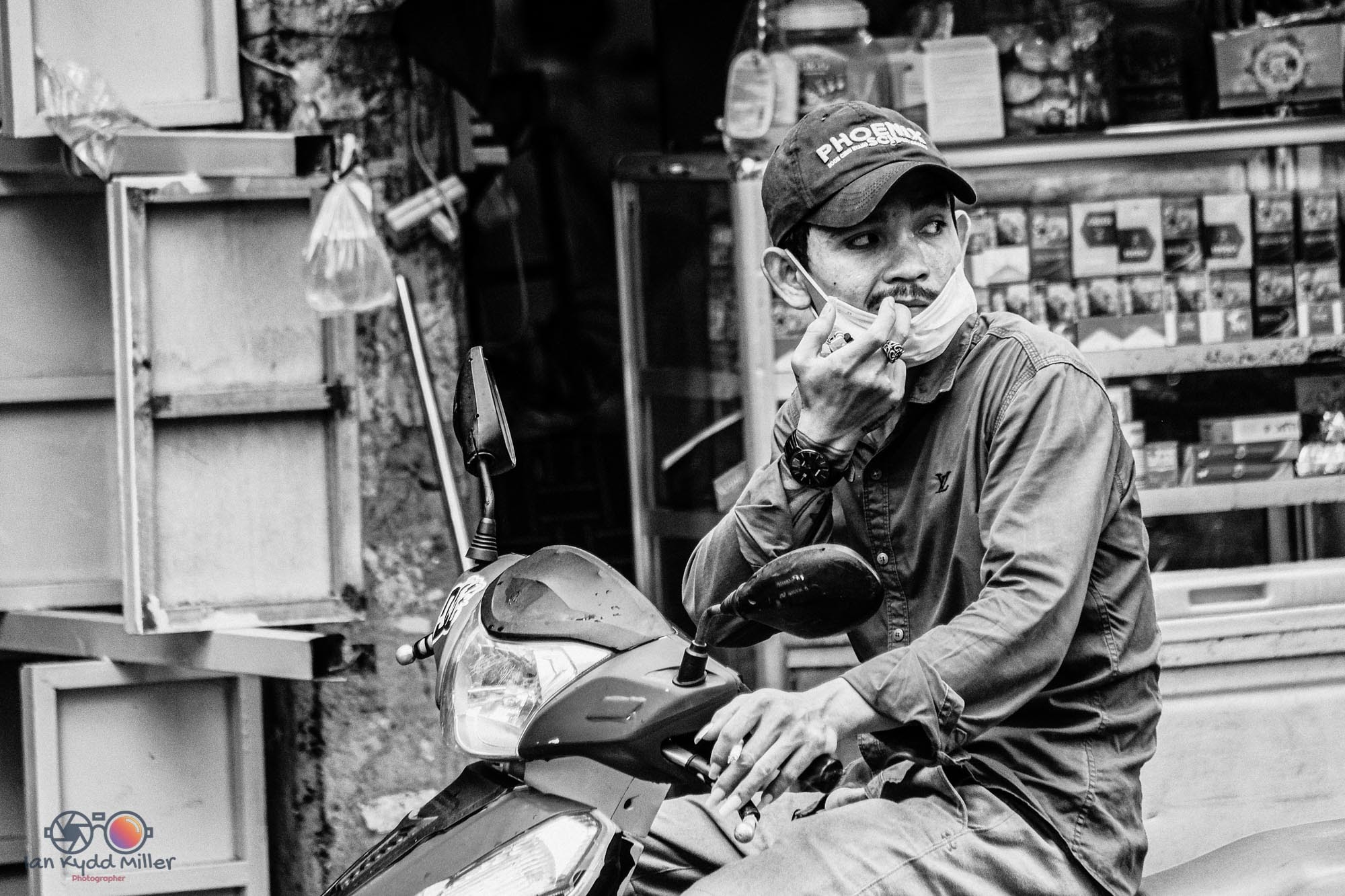
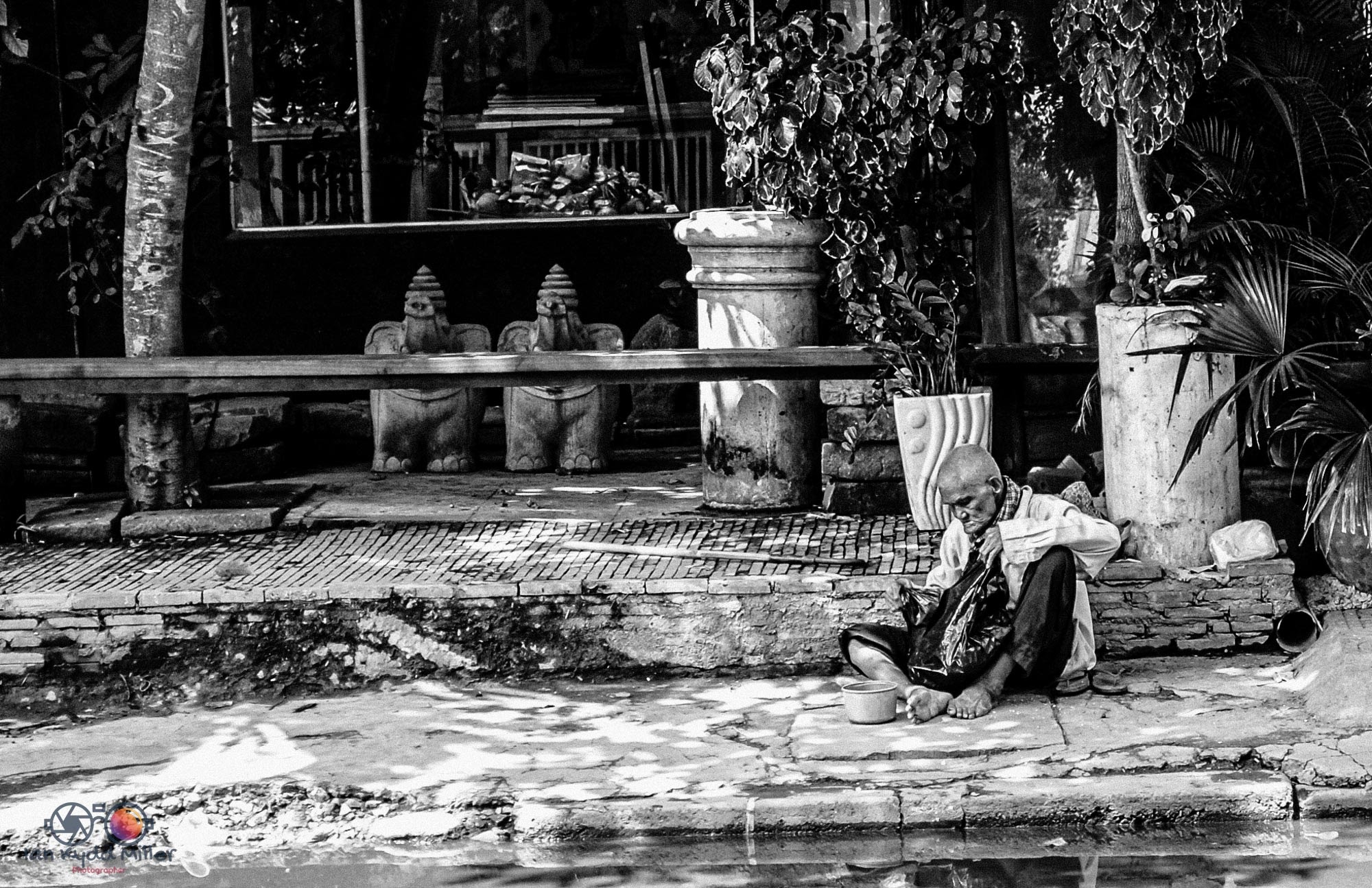
These are selection of the images I posted, and as can clearly be seen there are no really suspect images so I can only surmise that it is the actual number of images that brought me foul of the ”LAW”. They fail to say how long I will have to suffer this ”temporary ban” so will have to wait and see.
When I heard that Kodak were producing Gold in 120 format I was pretty excited .. not because it was Gold as I haven’t really shot too much of it in the past and to be totally honest I had to look on the internet for samples just to see what it was really like […]
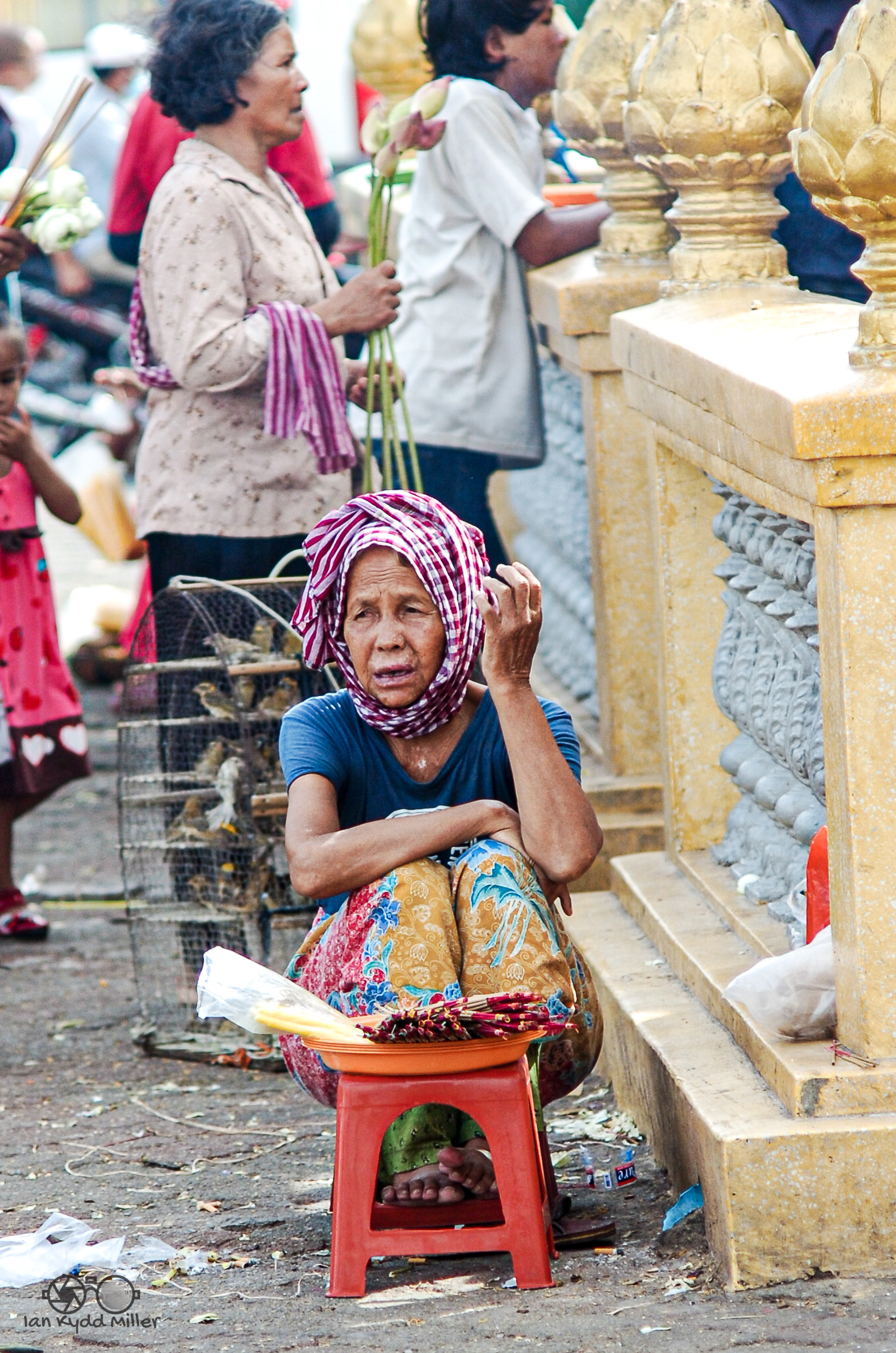
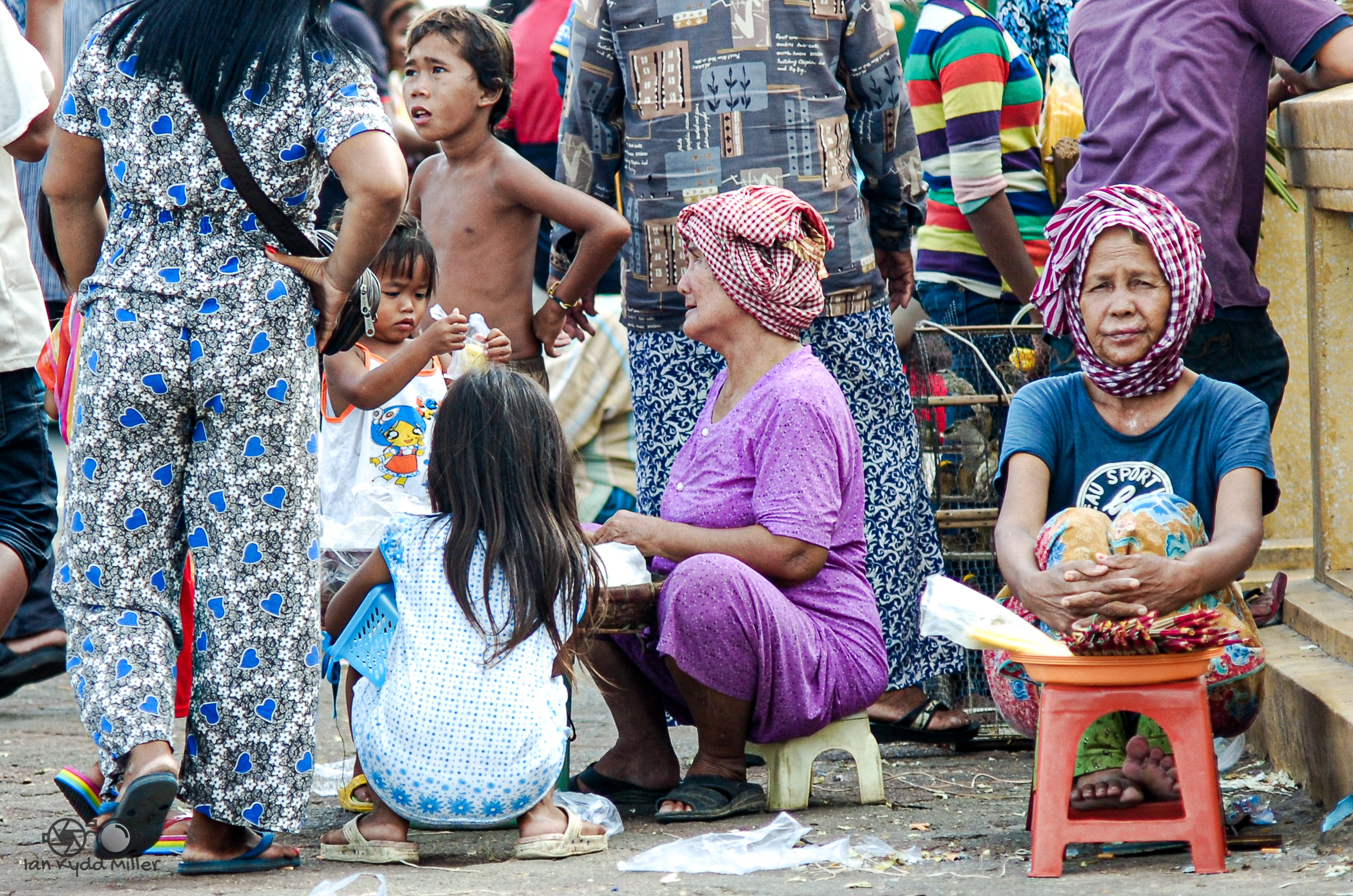
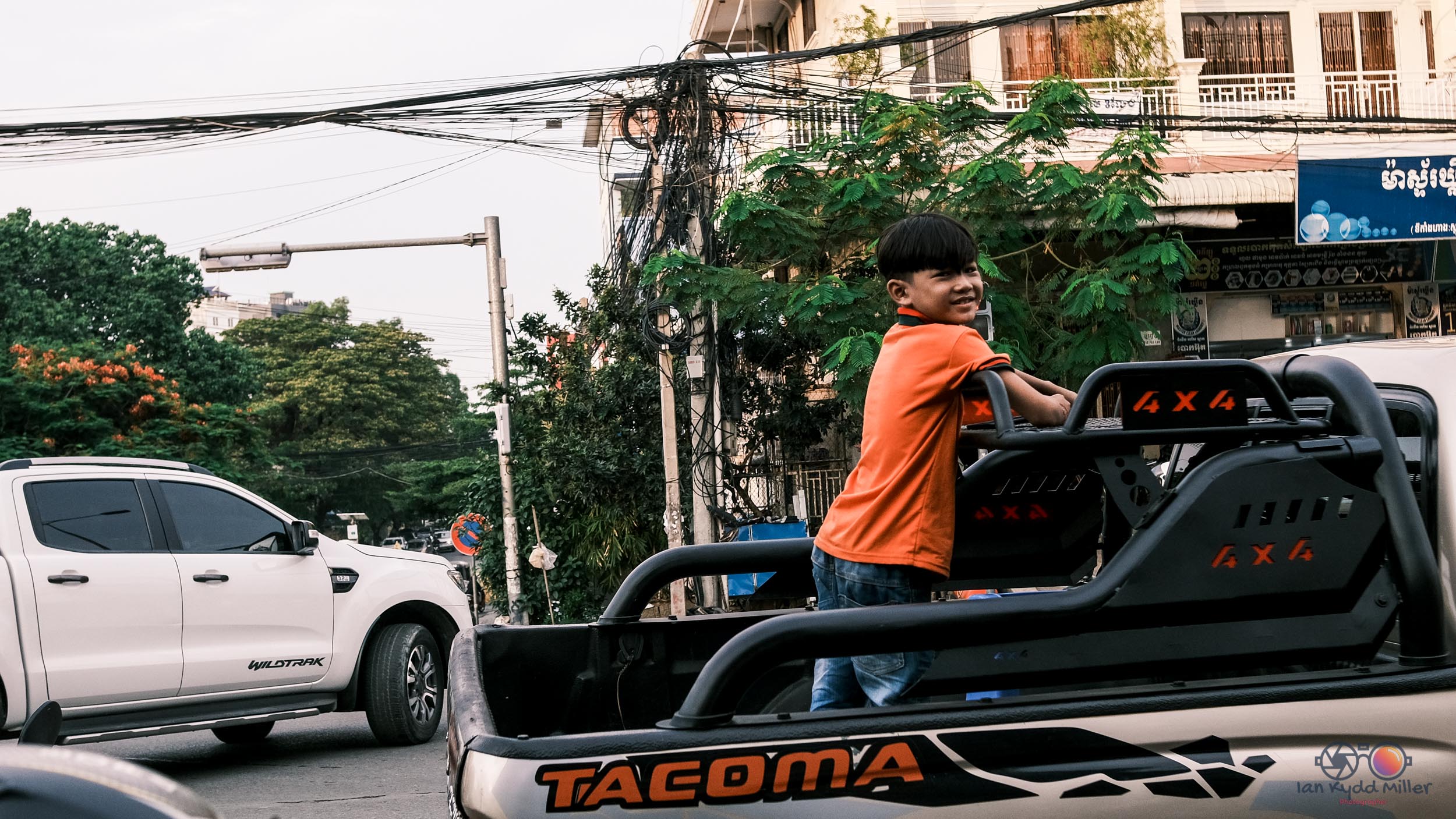
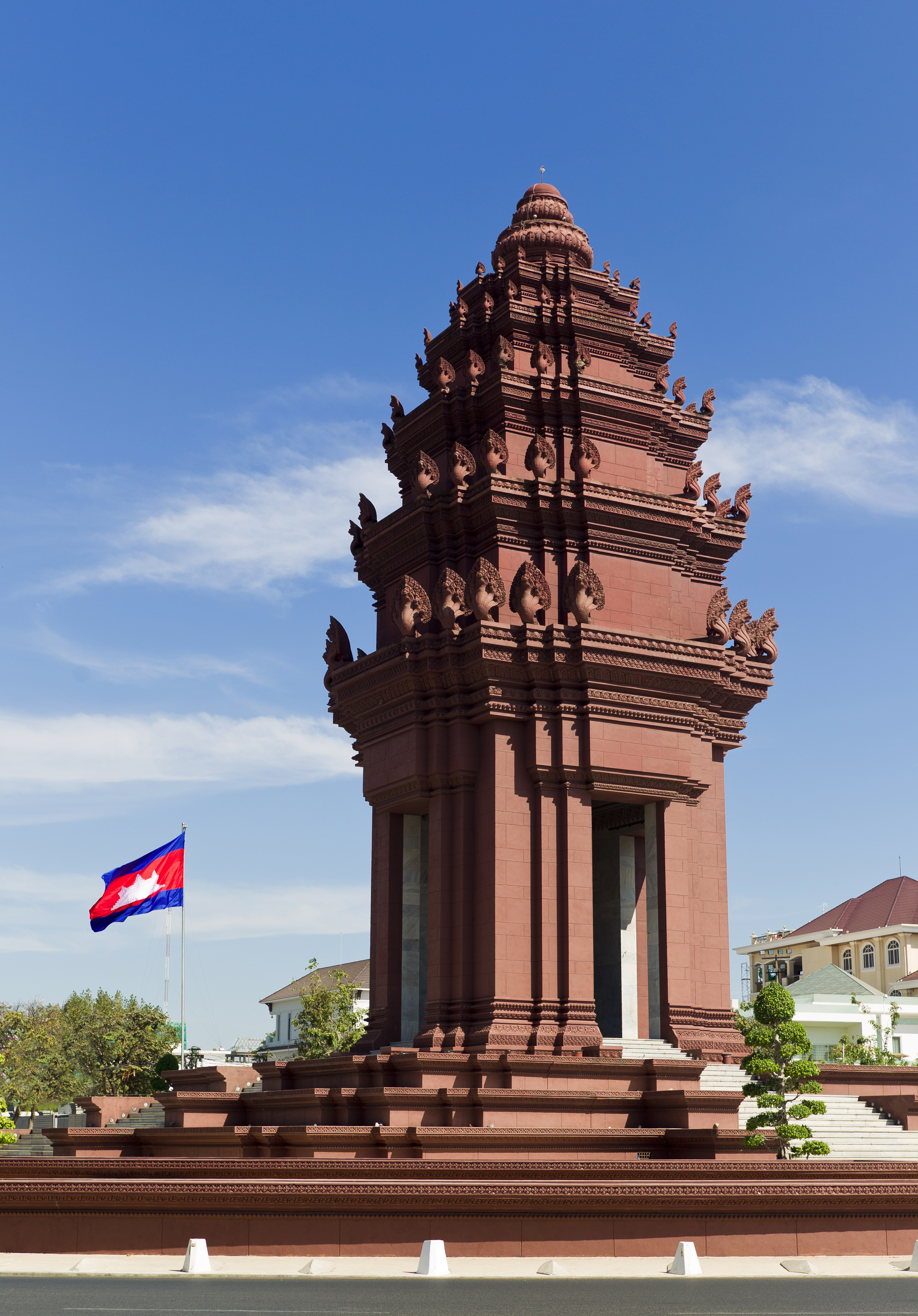
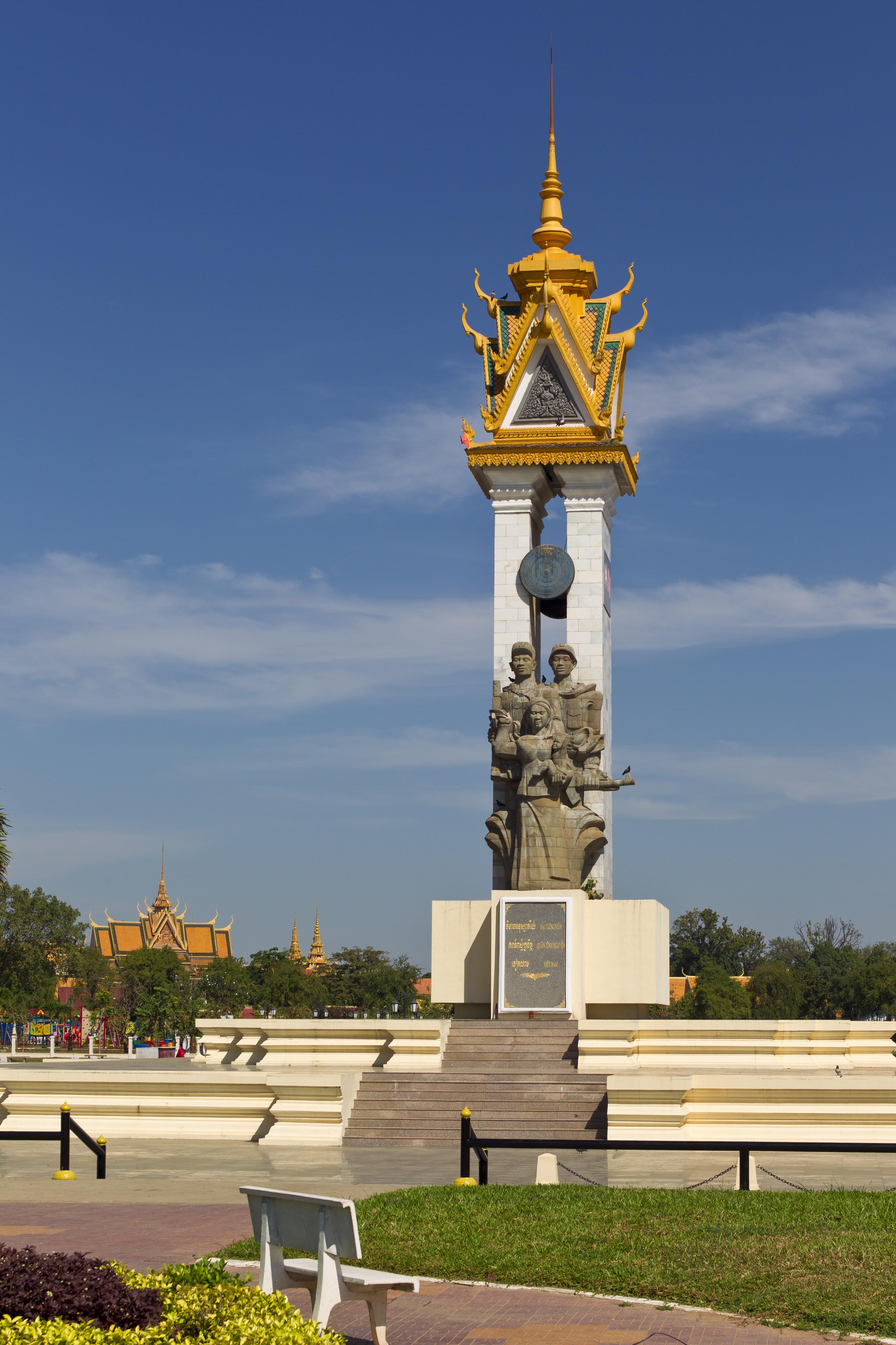
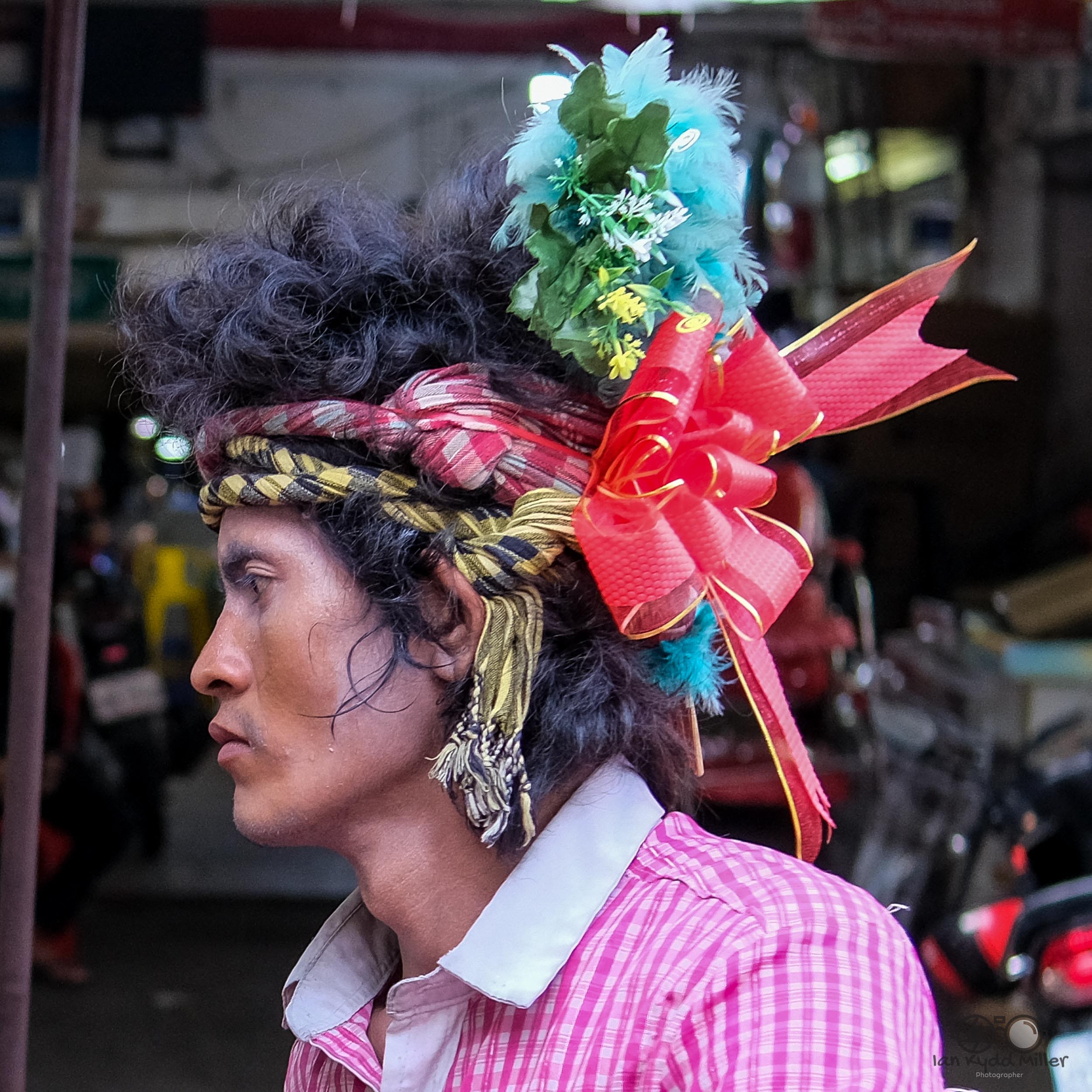
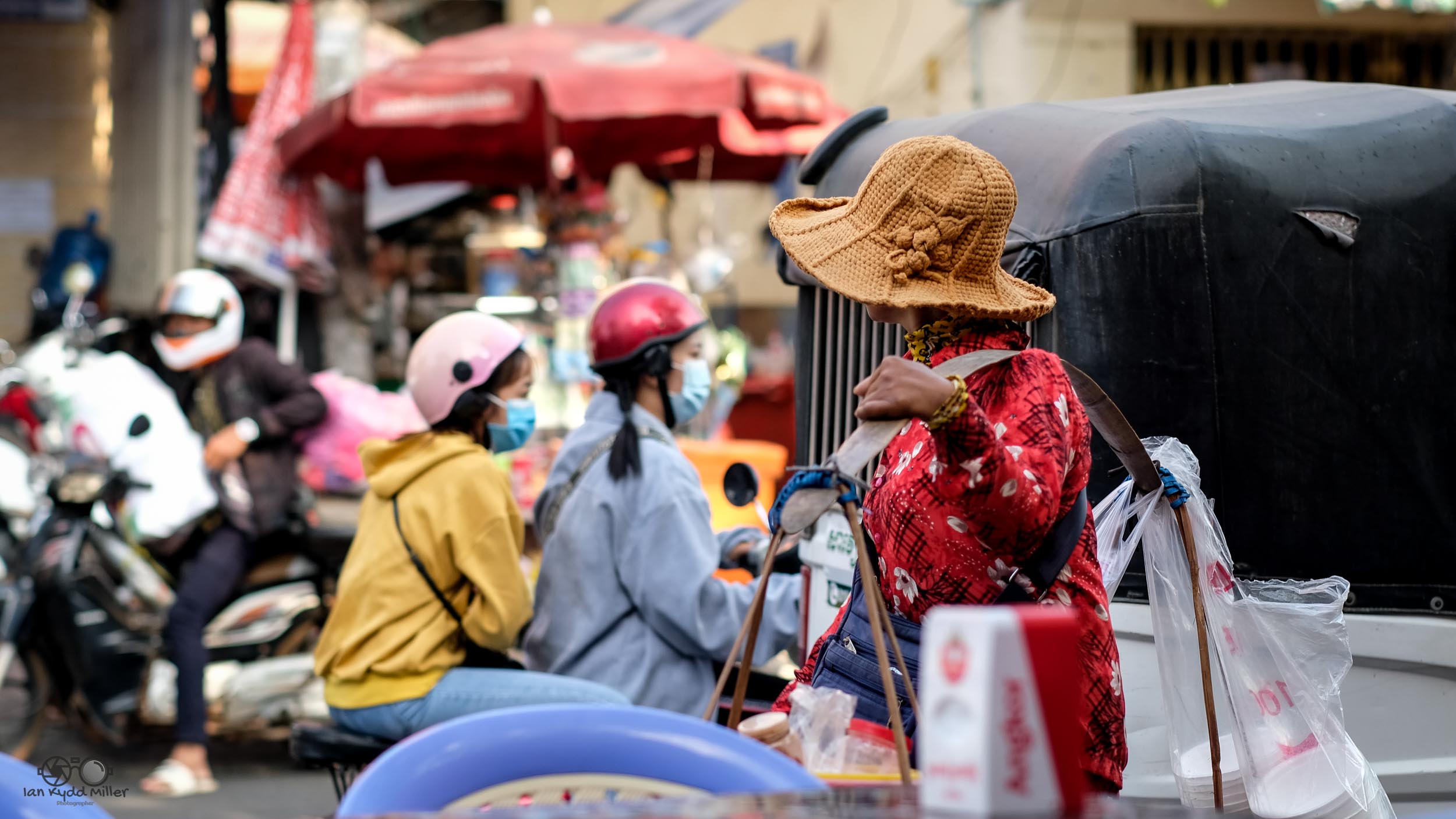
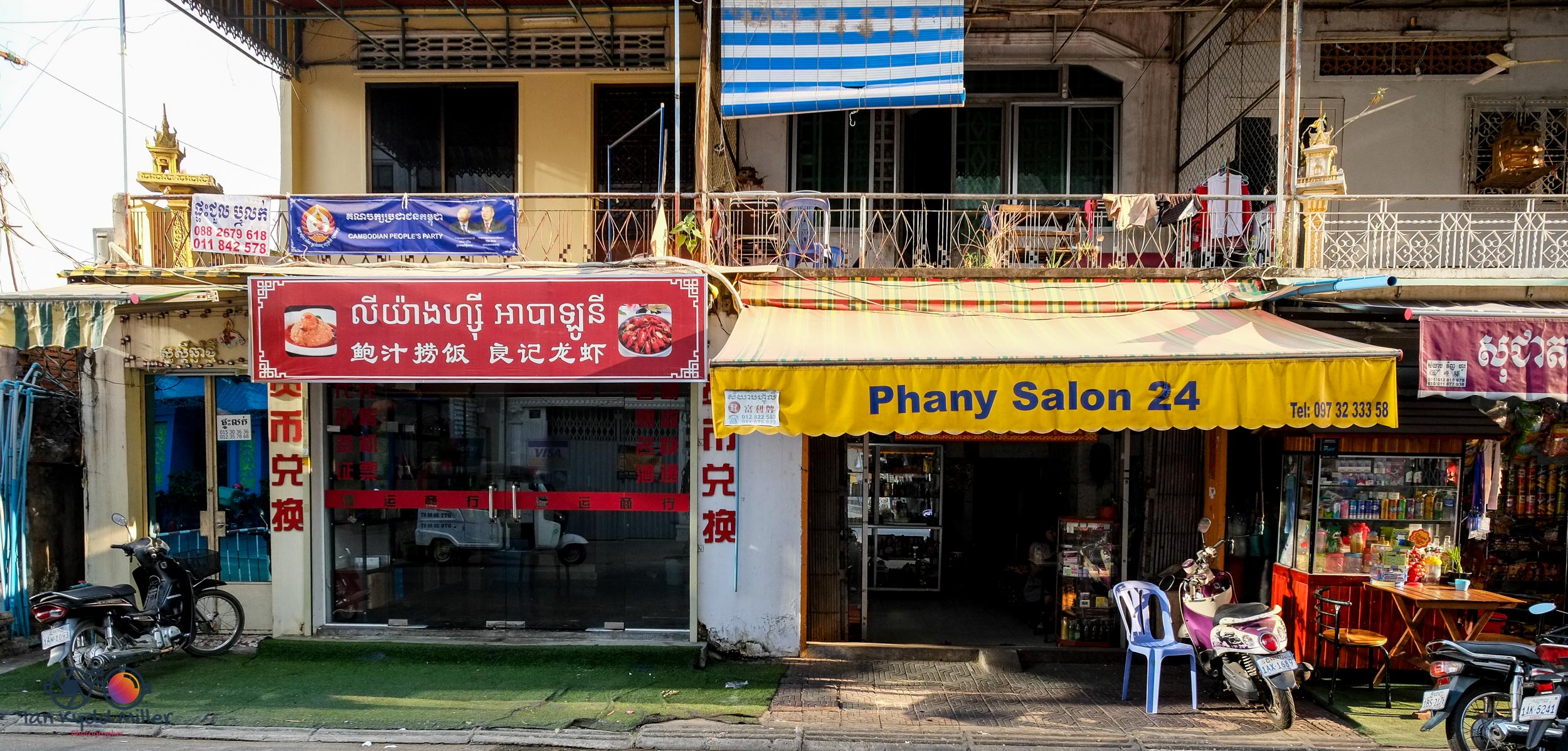
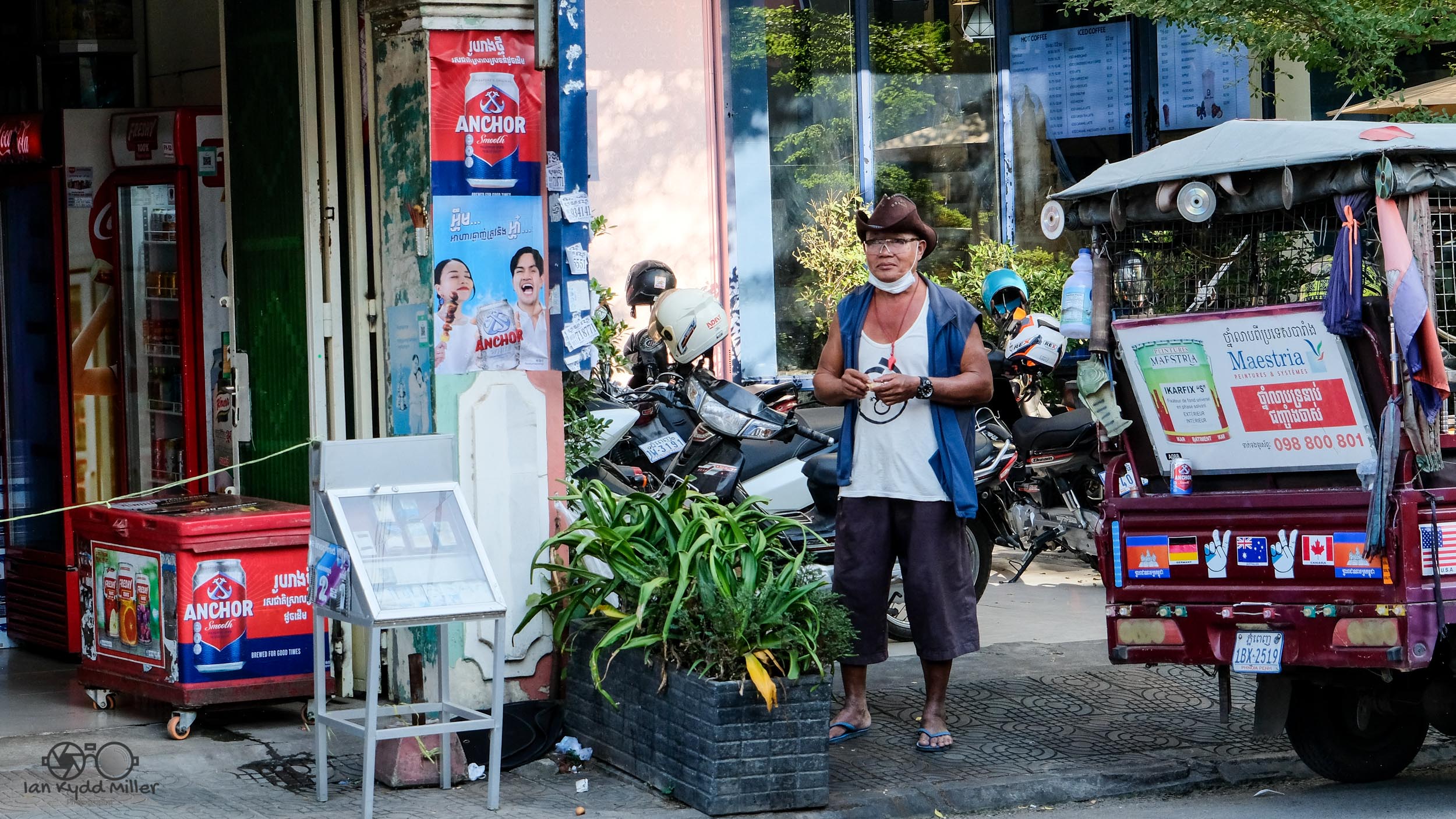
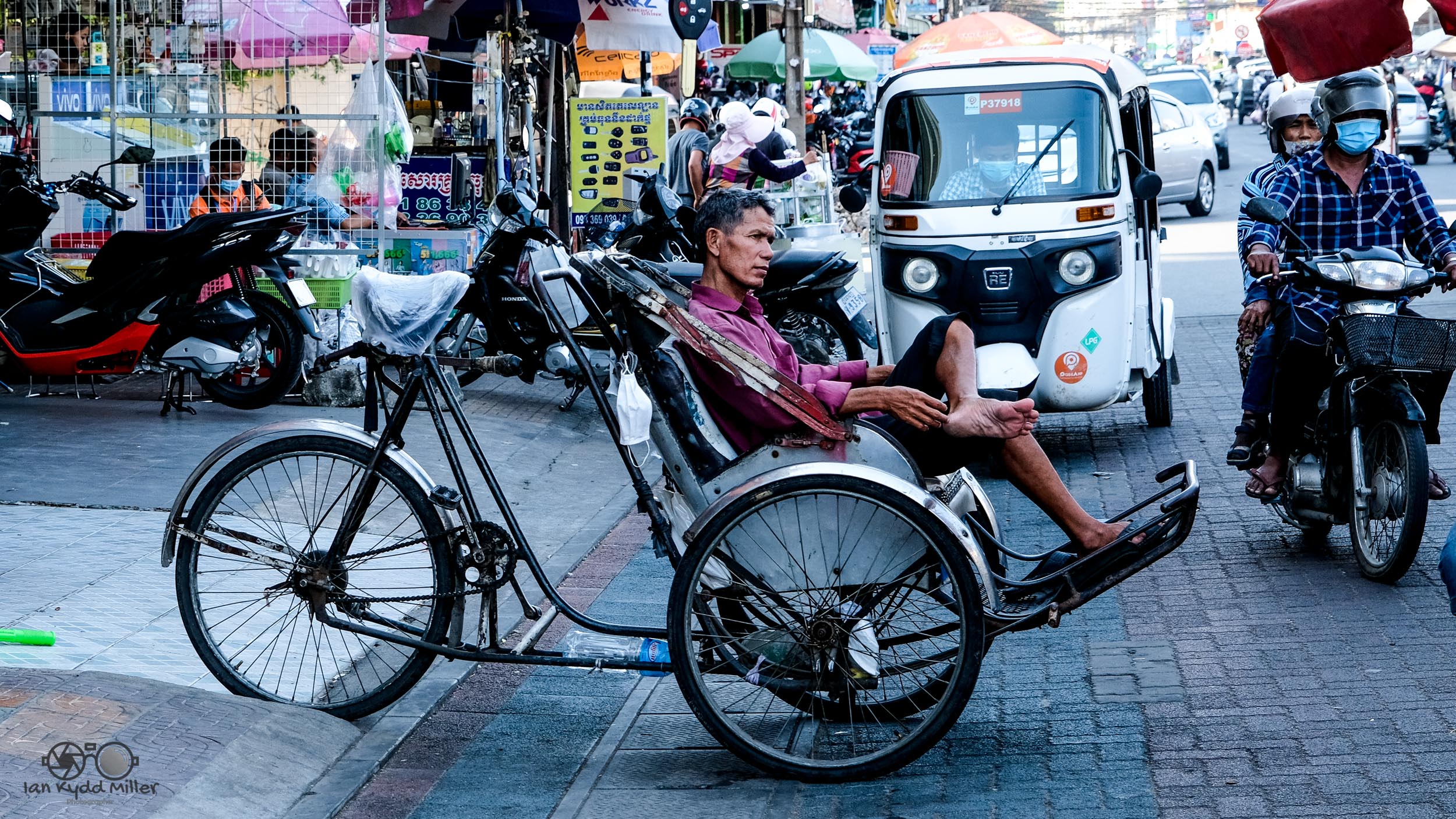
Phnom Penh is a great city for colourful photography, it’s big, dirty and in your face. Street photography is a pleasure. The people are generally friendly and rarely object to having their picture taken.
Less is More – don’t take too much equipment and travel light. It’ll make you less obtrusive and you will be able to move around for the best shot quickly.
Off the Beaten Track – don’t just go to all the touristy shots – try to get ‘behind the scenes’ and ‘real life’ scenes.
Stolen Moments – anticipate moments between people before they happen.
2. True Colours – black and white is often where it’s at with street photography but at times colourful situations arise and can really make a shot – be on the look out for these.
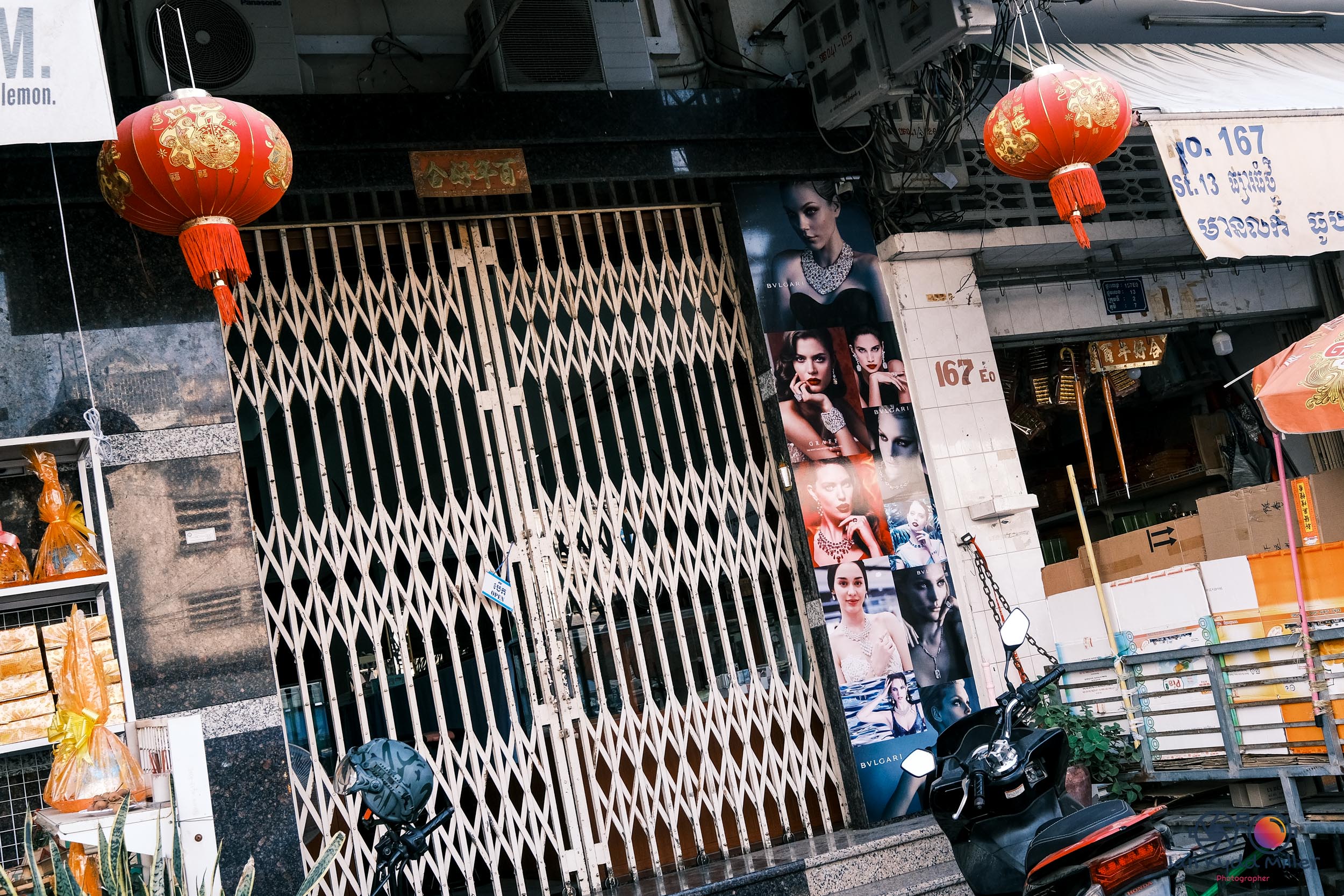
3. In the Background – what’s going on behind your subject can actually ‘make’ the shot. Billboards, signs, graffiti and other visual elements can really make a statement in a shot.
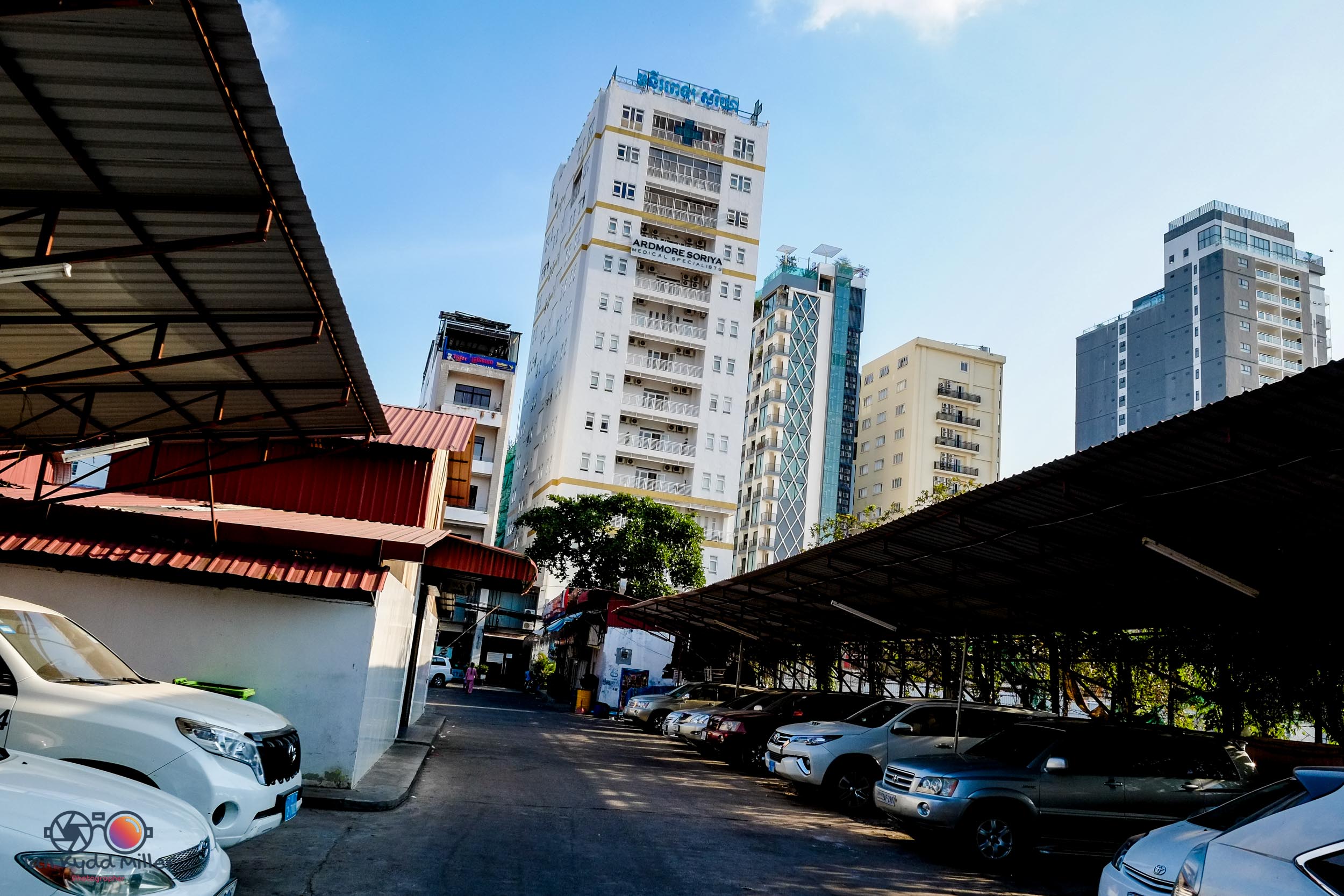
4. Dare to Go Diagonal – don’t just hold your camera horizontally – experiment with angles. Street photography is a less formal medium – make the most of it.
5. Opposites Attract – shots that challenge the ‘norm’ in terms of composition and story/subject matter can be powerful. Look out for ‘surprising’ subject matter and composition.
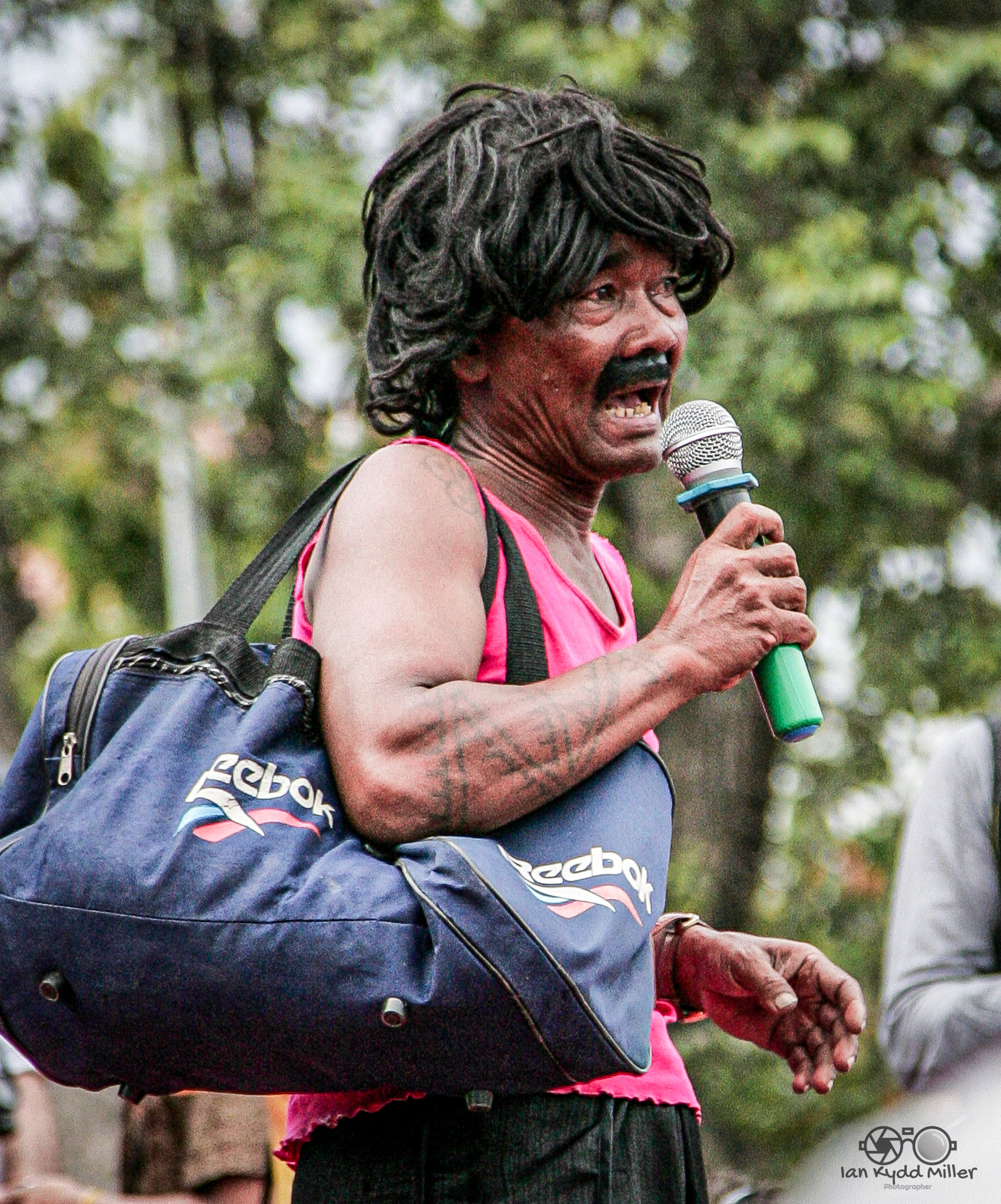
6. What a Performance – street performers, parades and other street entertainment can be great subject matter on the street.
7. Off the Streets – other places where people gather in number can lead to great shots in this genre – zoos, fairs, shows, parks, sporting events etc all can be worth trying.
8. New Angle – find ways to get up high or down low – these new perspectives on subjects that are familiar can lead to eye-catching shots.
9. Practice makes Perfect – over time and with practice your photography will improve. You’ll not only get better at technique but also spot the things to focus on on the street.
10. Fortune Favors the Brave – sometimes the best thing you can do is to get close to your subject – this can be a little confronting but will produce powerful images
11. Fun in the Sun – often we try to avoid shooting into the sun and the shadows that direct sunlight can produce – in street photography breaking these ‘rules’ can lead to great shots.
12. Ready to Pounce – have your camera out and ready to shoot at all times. Things can move quickly on the street so if you’re not ready you’ll miss lots of opportunities.
13. Revise the Revisit – street photography is not all about spontaneity – if you see a scene with potential don’t be afraid to keep coming back to it until you get the shot.
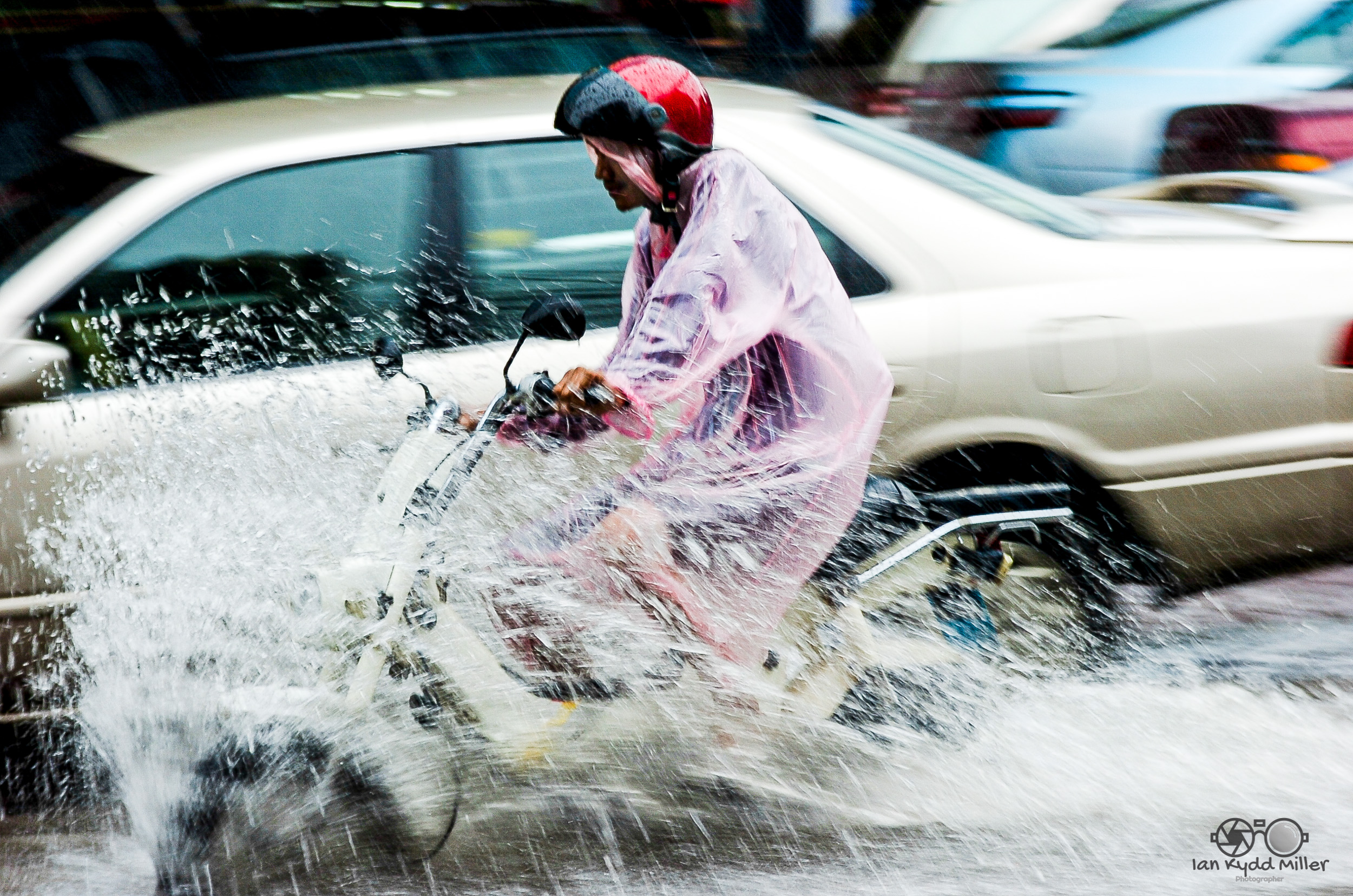
14. Frozen Motion – the street is a place of movement – to capture it and still get sharp shots make sure your shutter speed is fast enough. 1/125 or more with an ISO of 400 is recommended as a base. I also think it can be fun to experiment with slower shutter speeds on the street – capture the movement as blur.
15. Street Wallpaper – blend in with the scene – shoot unobtrusively and unnoticed.
16. Life Through a Lens – ‘exaggerating perspective will help set your subject in context and provide a more forgiving depth of field’ – use a wide-angle lens (or even a fisheye).
17. Expect the Expected – people can be suspicious of street photographers so shoot in places where people expect to see people doing photography. Smile, be polite and be willing to delete images if people protest.
18. Location, Location, Location – really this is what it is all about. Choose places where people interact with one another and times when they are present.
The truth is: Everyone is a photographer. To be a photographer means that you have a passion to paint with light. That you are drawn to documenting personal memories, with your phone, or any device with a camera. Eric Kim.
Canon 1D MkIV + 24-105 f4 OIS L
Is there a difference between a photographer who uses a camera, film or digital and one that uses his/her telephone? I must admit that I rarely use my phone to take anything other than family snaps which it can do beautifully without any difficulty.
Taken with an old Samsung phone.
Do I agree that everyone is a photographer, I agree that everyone has the capability to take a photograph but that ability, in my opinion, does not make one a photographer.
Is everyone a photographer? This is a question that might spark a lively debate among people who love to capture moments and share them with others. Some might argue that photography is an art form that requires skill, creativity and vision, while others might claim that anyone with a smartphone and an Instagram account can be a photographer. But what does it really mean to be a photographer?
One possible way to answer this question is to look at the definition of photography. According to the Oxford English Dictionary, photography is “the art or practice of taking and processing photographs”. This implies that photography involves both technical and artistic aspects, such as choosing the right camera settings, composing the shot, editing the image and presenting it to an audience. However, this definition does not specify what kind of photographs are considered art or how much processing is acceptable. Moreover, it does not account for the different genres, styles and purposes of photography, such as documentary, portrait, landscape, abstract, commercial, etc.
Another possible way to answer this question is to look at the history of photography. Photography has evolved significantly since its invention in the 19th century, from daguerreotypes and calotypes to film and digital cameras. Along the way, photography has been influenced by various cultural, social and technological factors, such as the rise of mass media, the development of photojournalism, the emergence of new movements and trends, the democratization of access and distribution, etc. Photography has also been challenged and expanded by other forms of visual expression, such as painting, sculpture, video and multimedia. Therefore, photography is not a static or fixed concept, but a dynamic and diverse one.
A third possible way to answer this question is to look at the personal experience of photography. Photography is not only a way of producing images, but also a way of seeing and communicating. Photography can be a hobby, a passion, a profession or a lifestyle. Photography can be a source of joy, inspiration, curiosity or challenge. Photography can be a means of self-expression, storytelling, documentation or activism. Photography can be a tool for learning, exploring, discovering or creating. Therefore, photography is not only a product or a process but also a perspective and a practice.
So, is everyone a photographer? There is no definitive or universal answer to this question. It depends on how one defines photography, how one understands its history and how one engages with it personally. Perhaps the more important question is not whether everyone is a photographer, but why and how everyone can be a photographer. What does photography mean to you? How do you use photography in your life? What do you want to achieve with photography? These are some of the questions that might help you find your own answer.
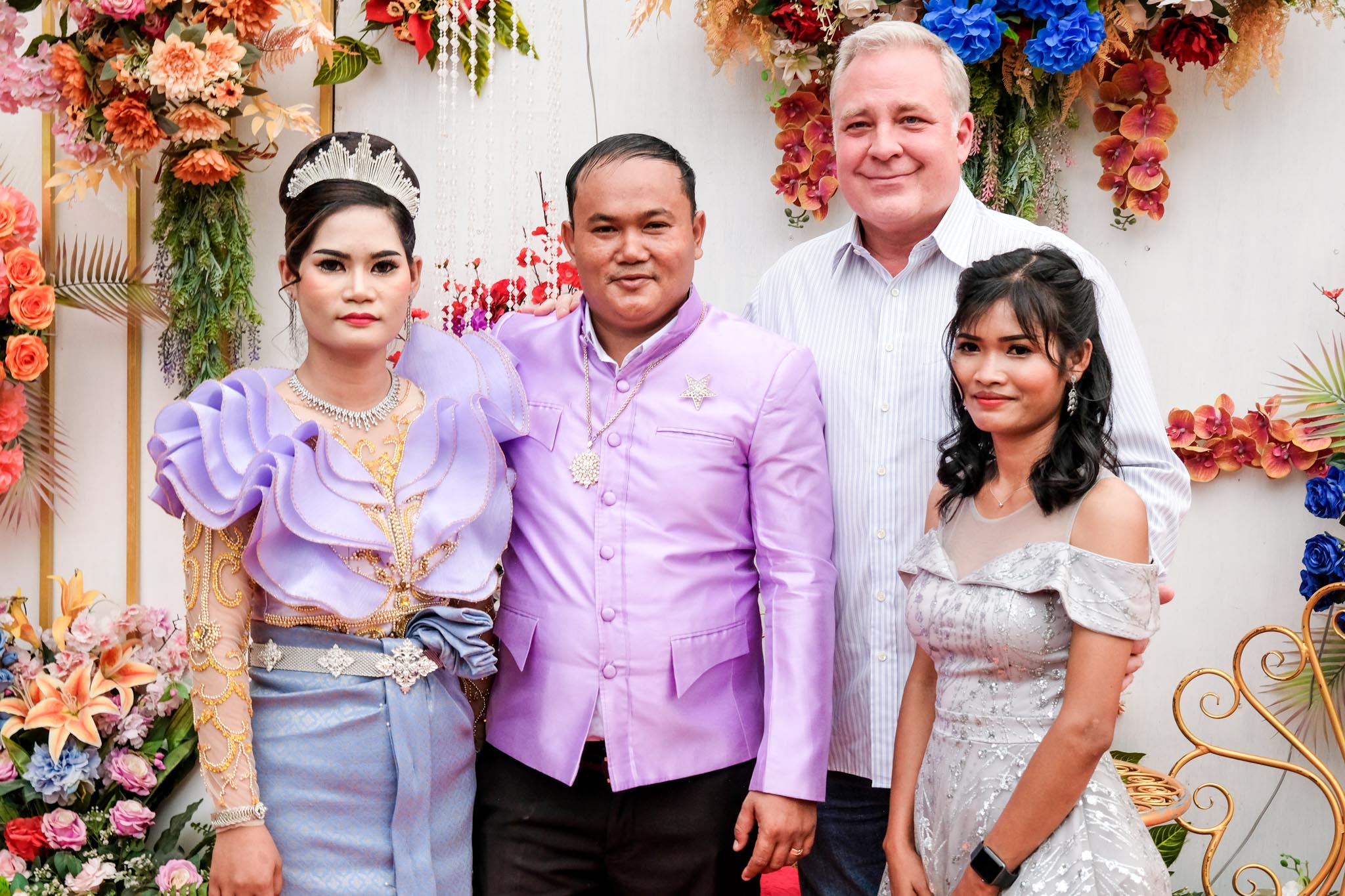
I have been using Fujifilm cameras and lenses for some time now and it never ceases to amaze me at their ability to give me great colours with little effort in post-processing.
I can choose from the many film simulation that Fuji supply with the camera or devise my own interpretations of any film or an effect that I find appealing. This is very easy to do.
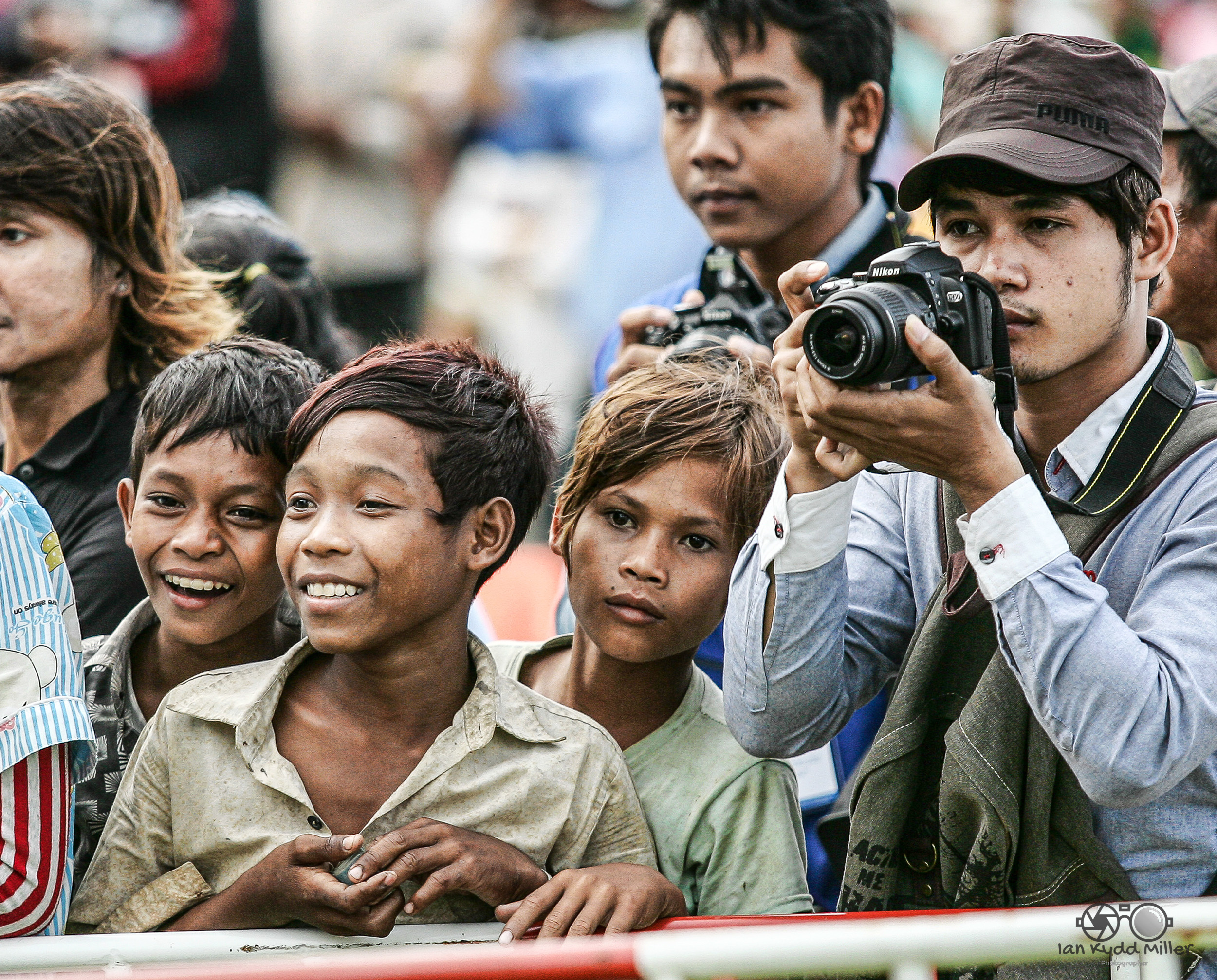
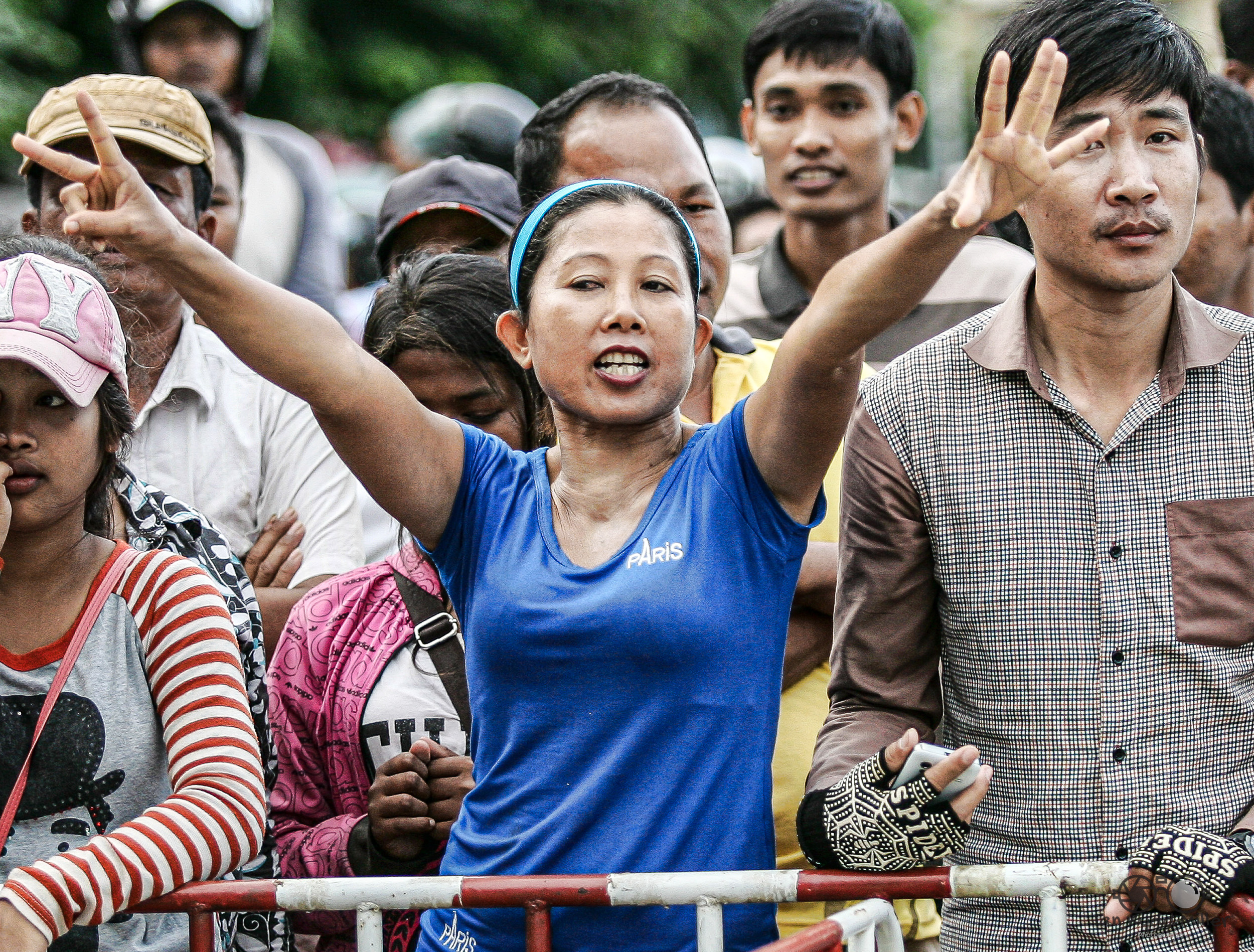
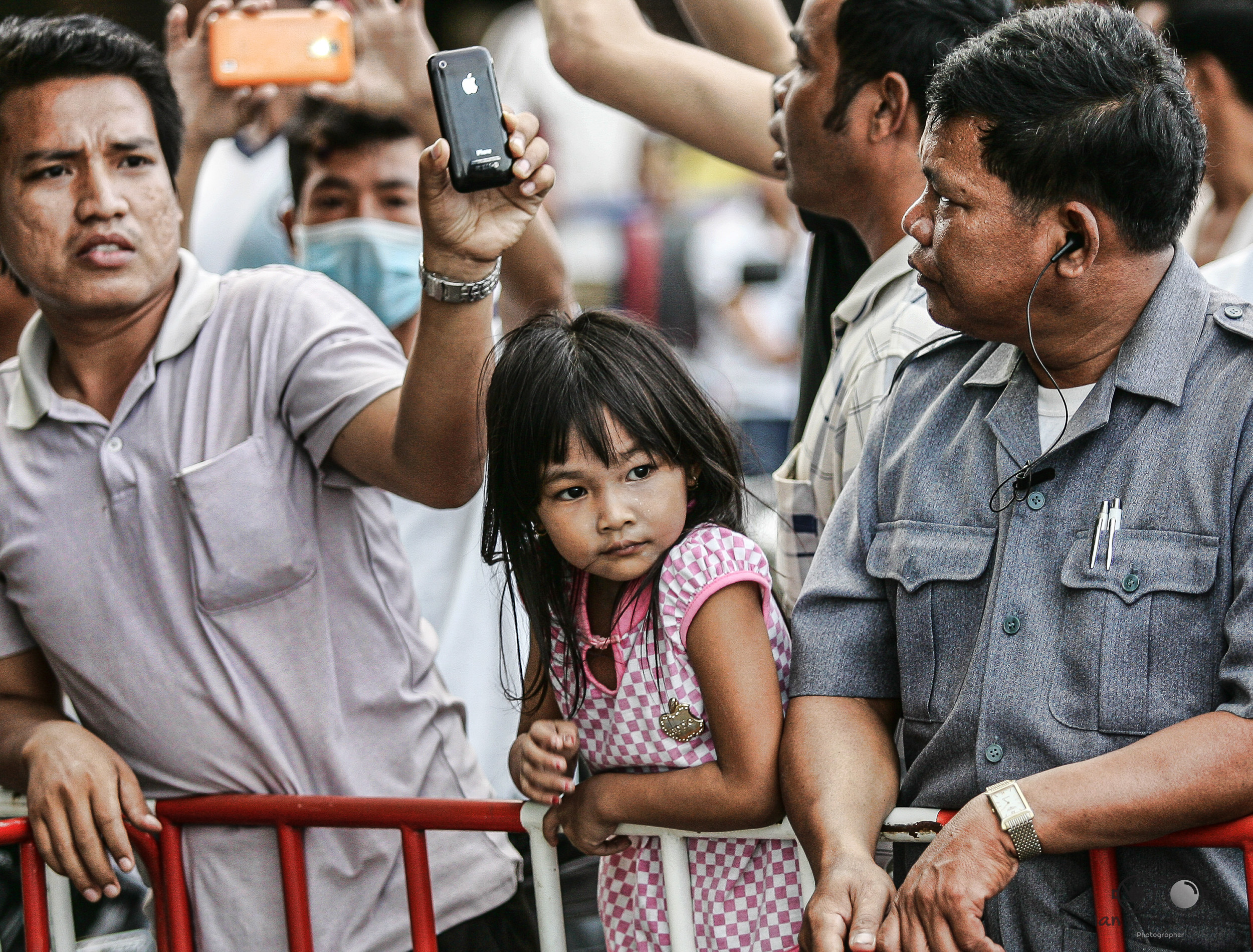
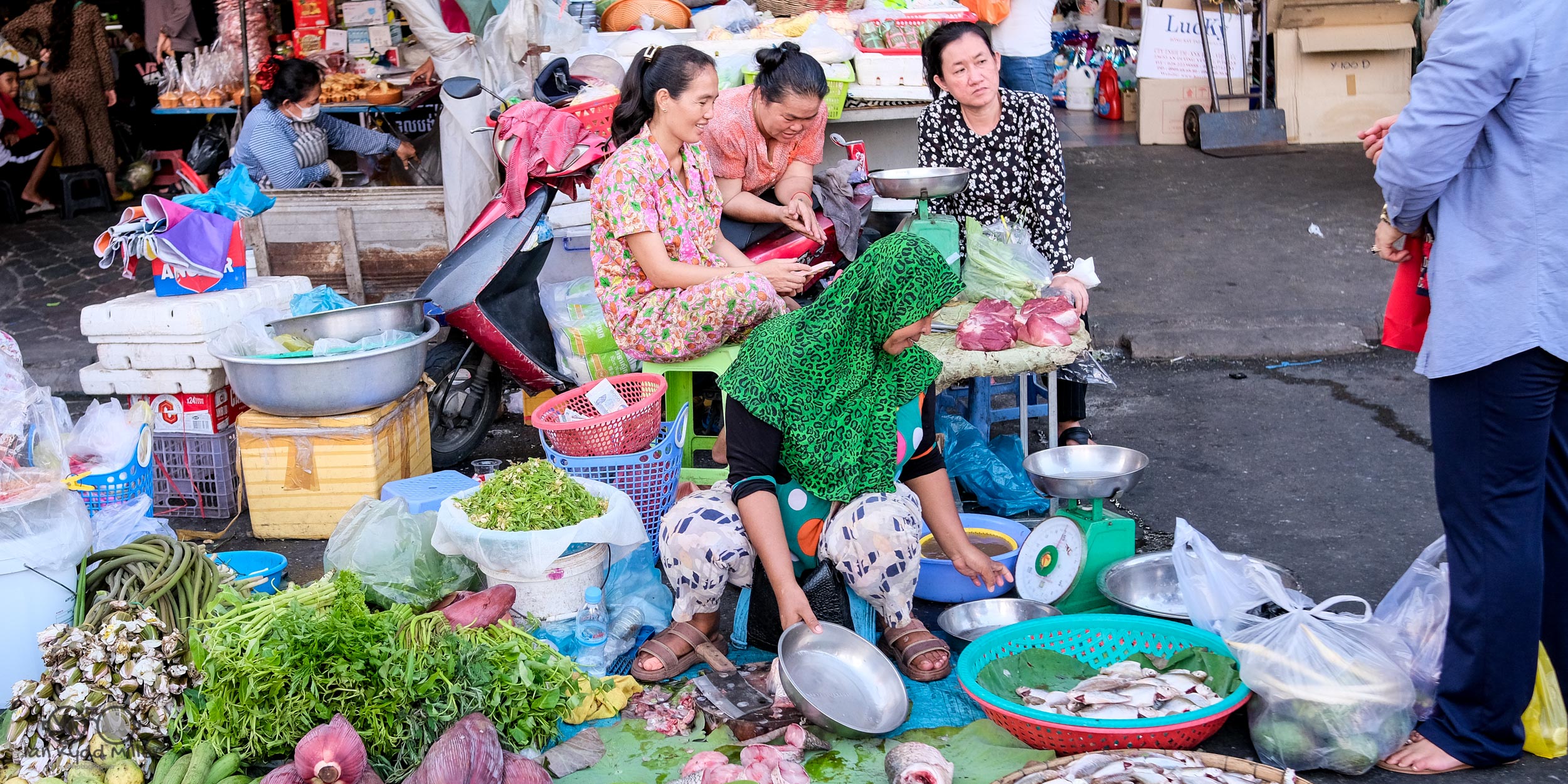
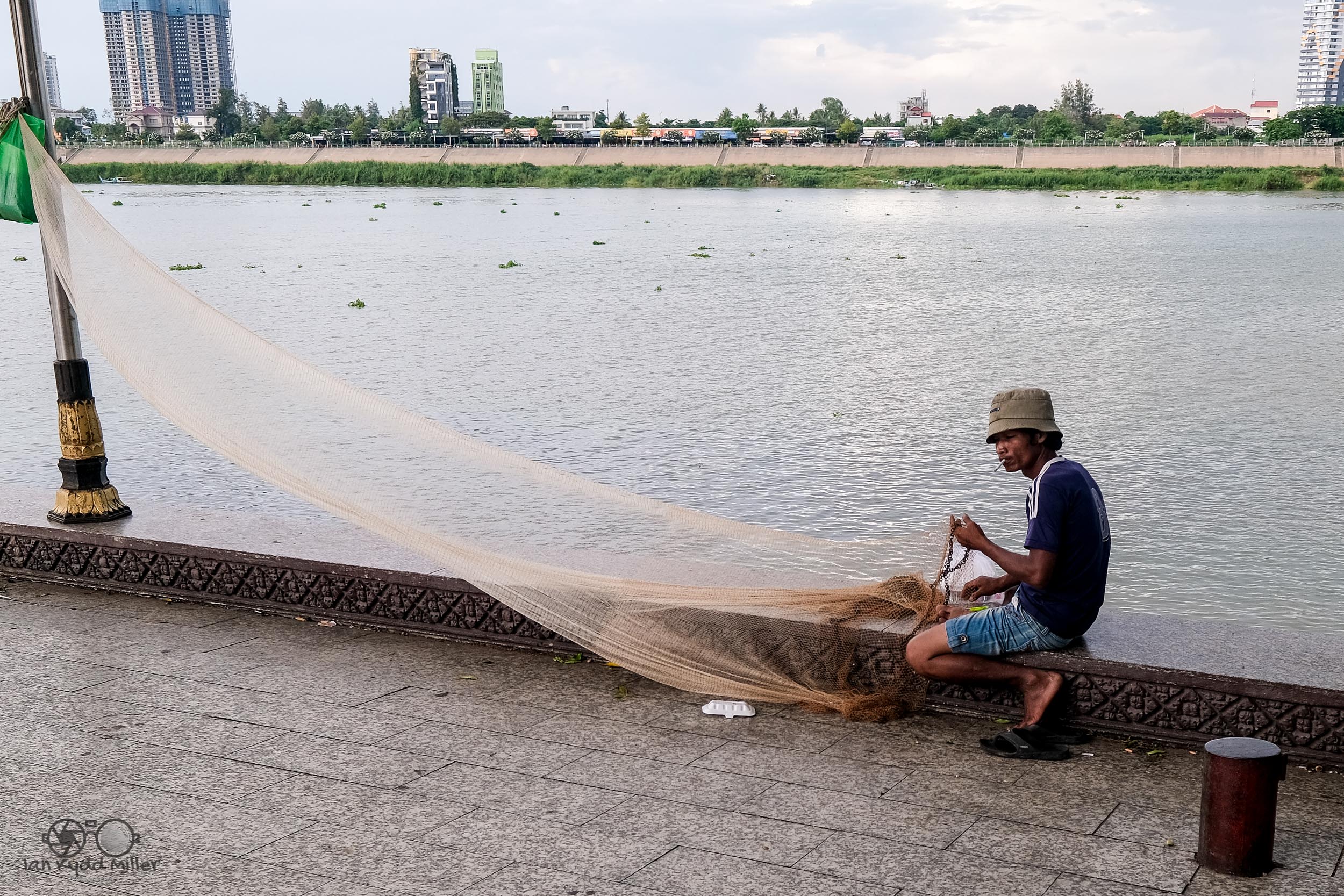
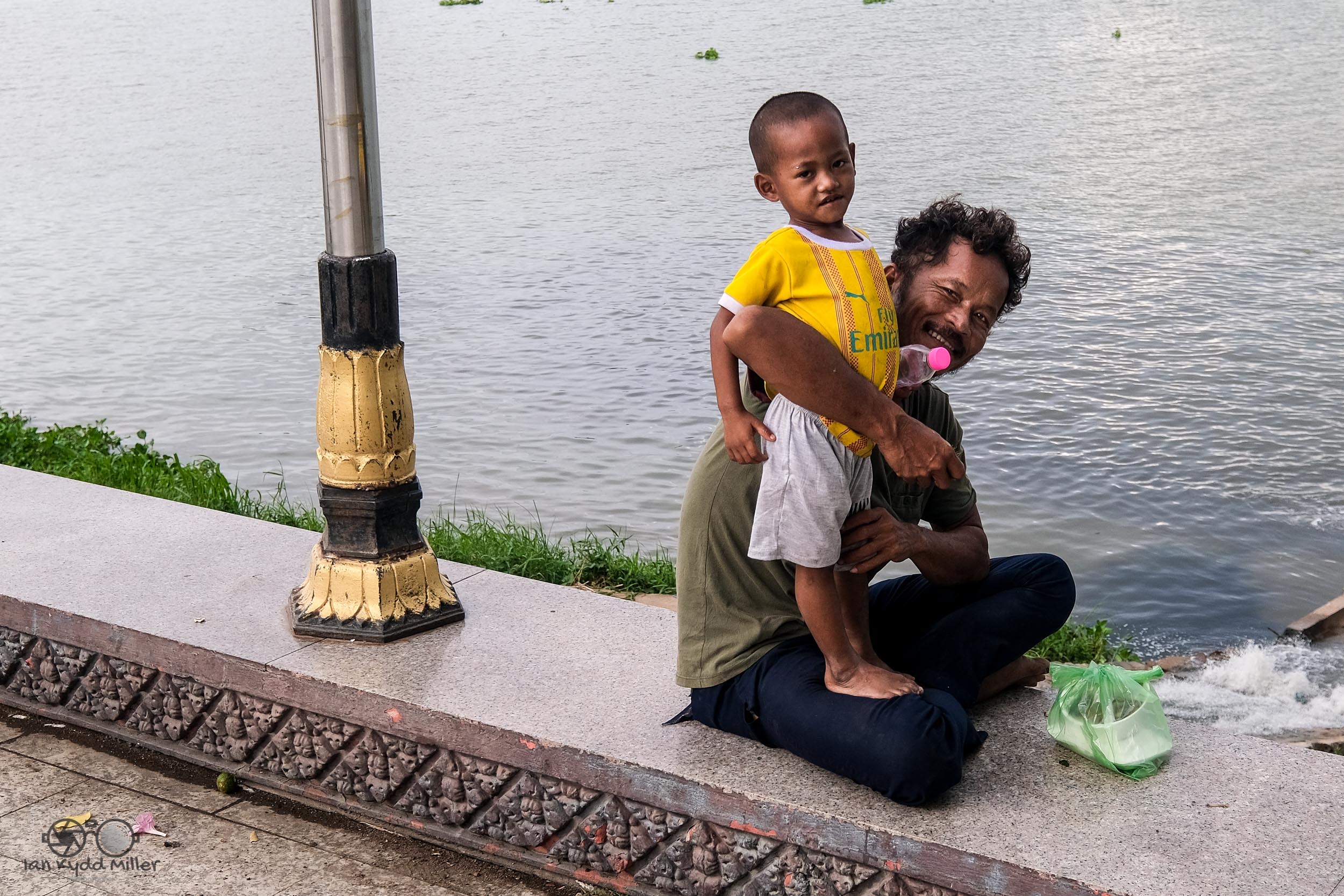
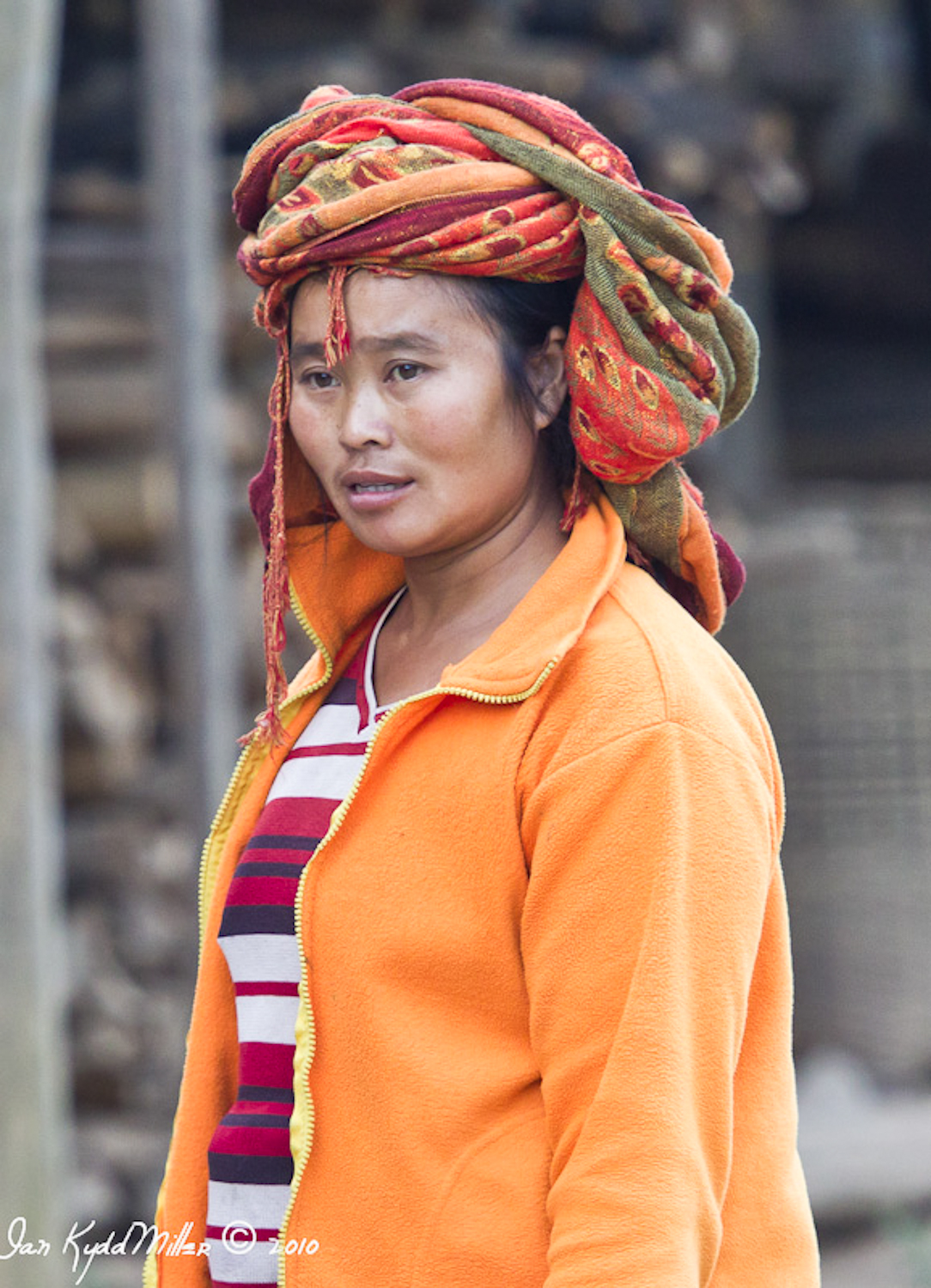
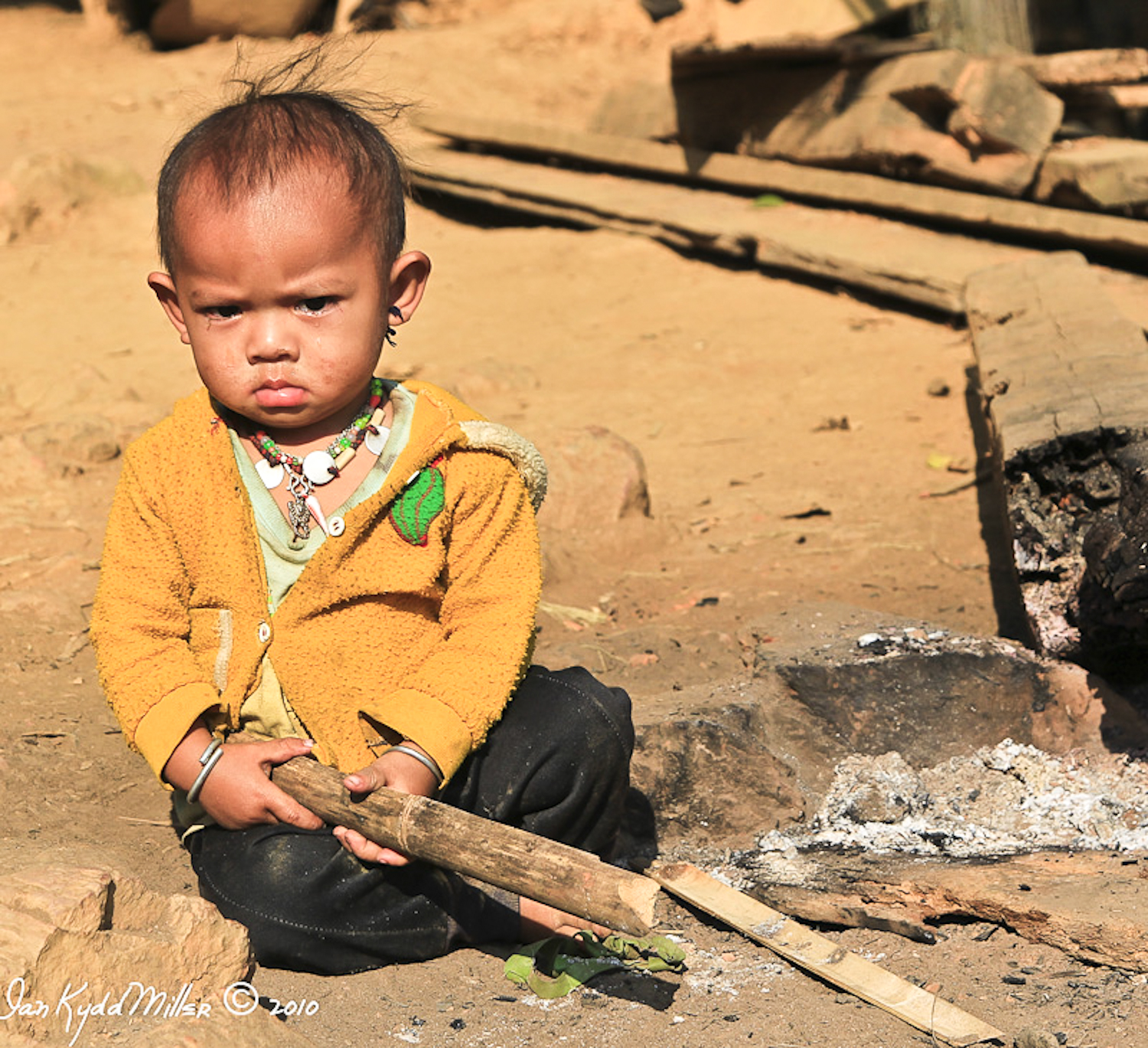
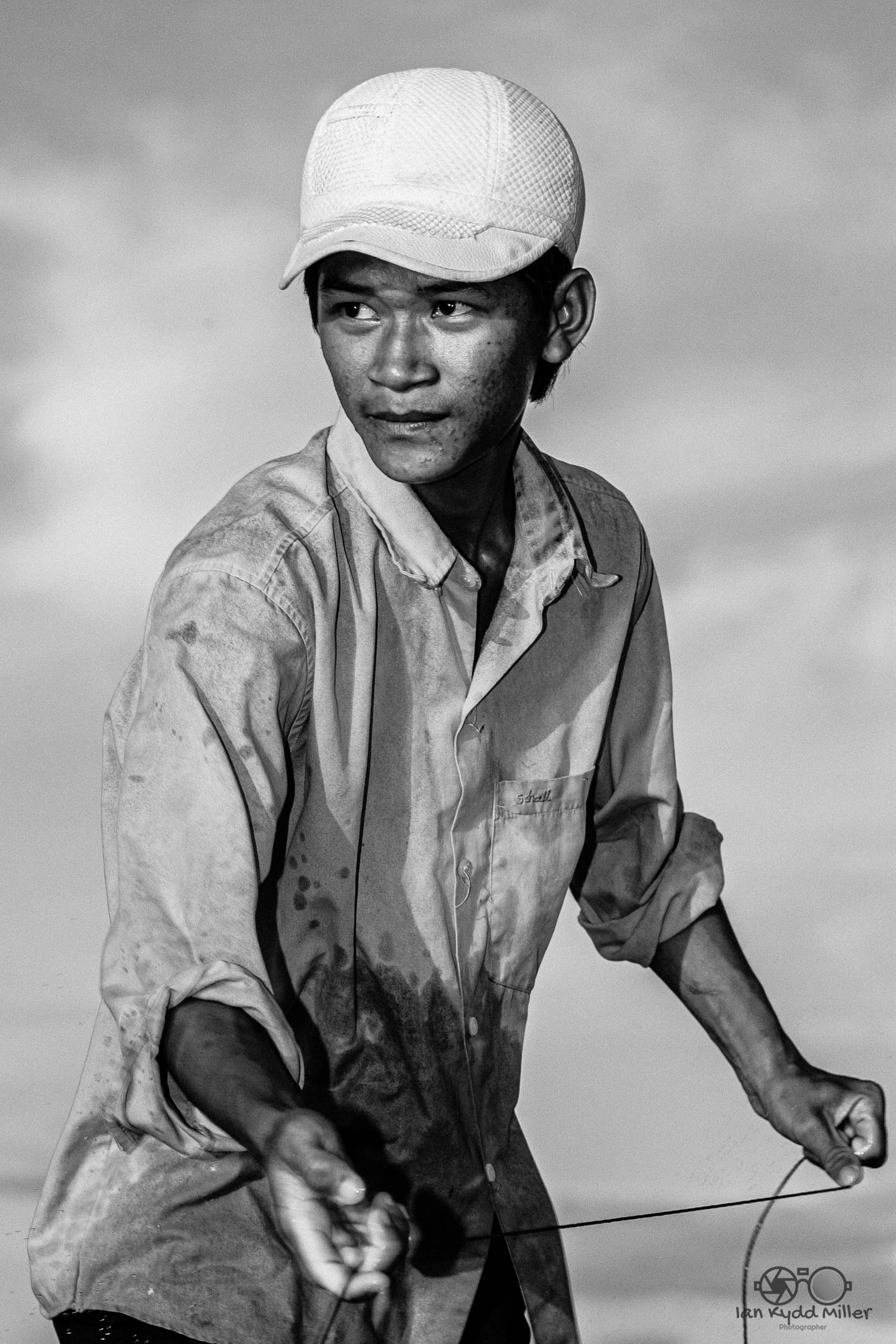
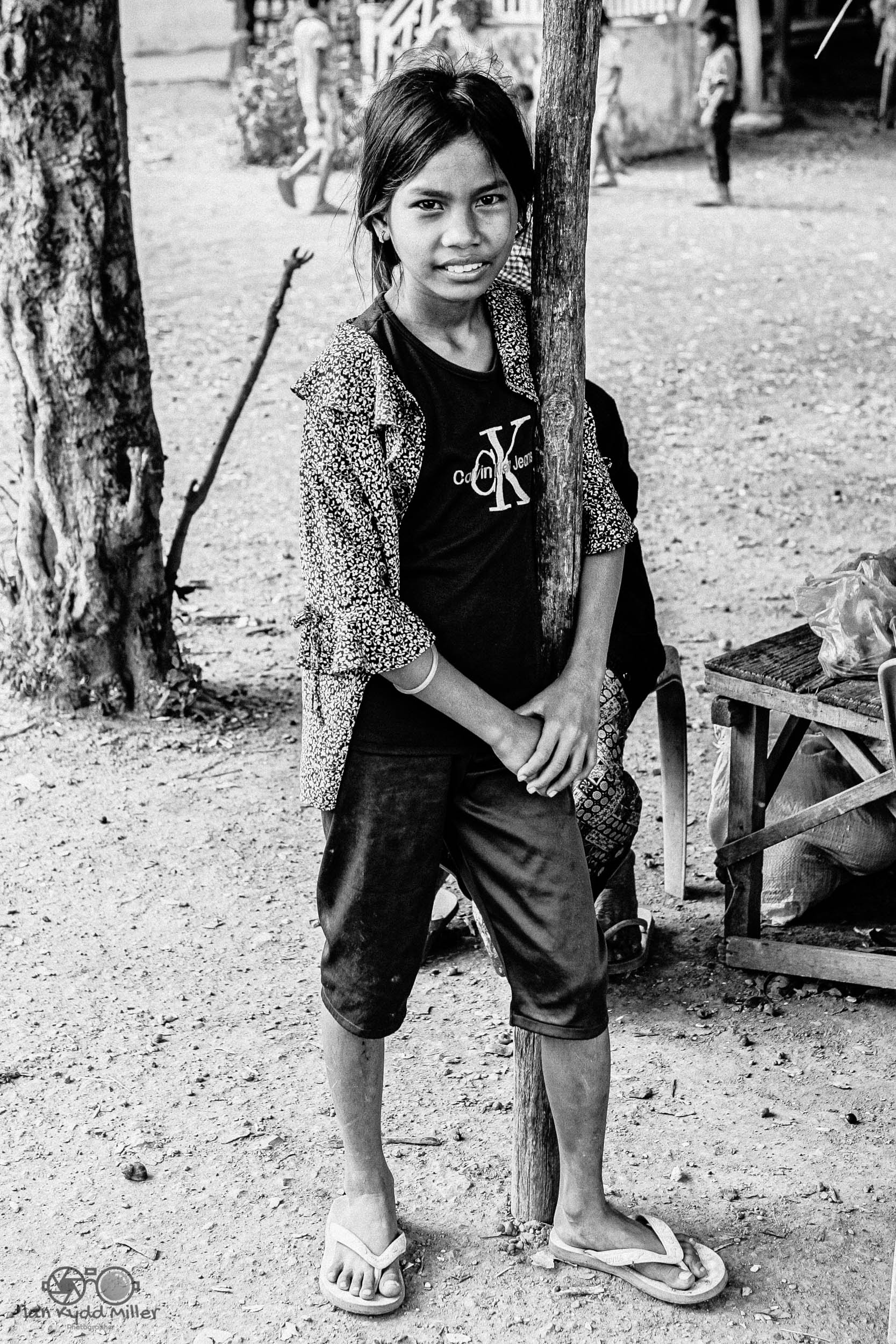
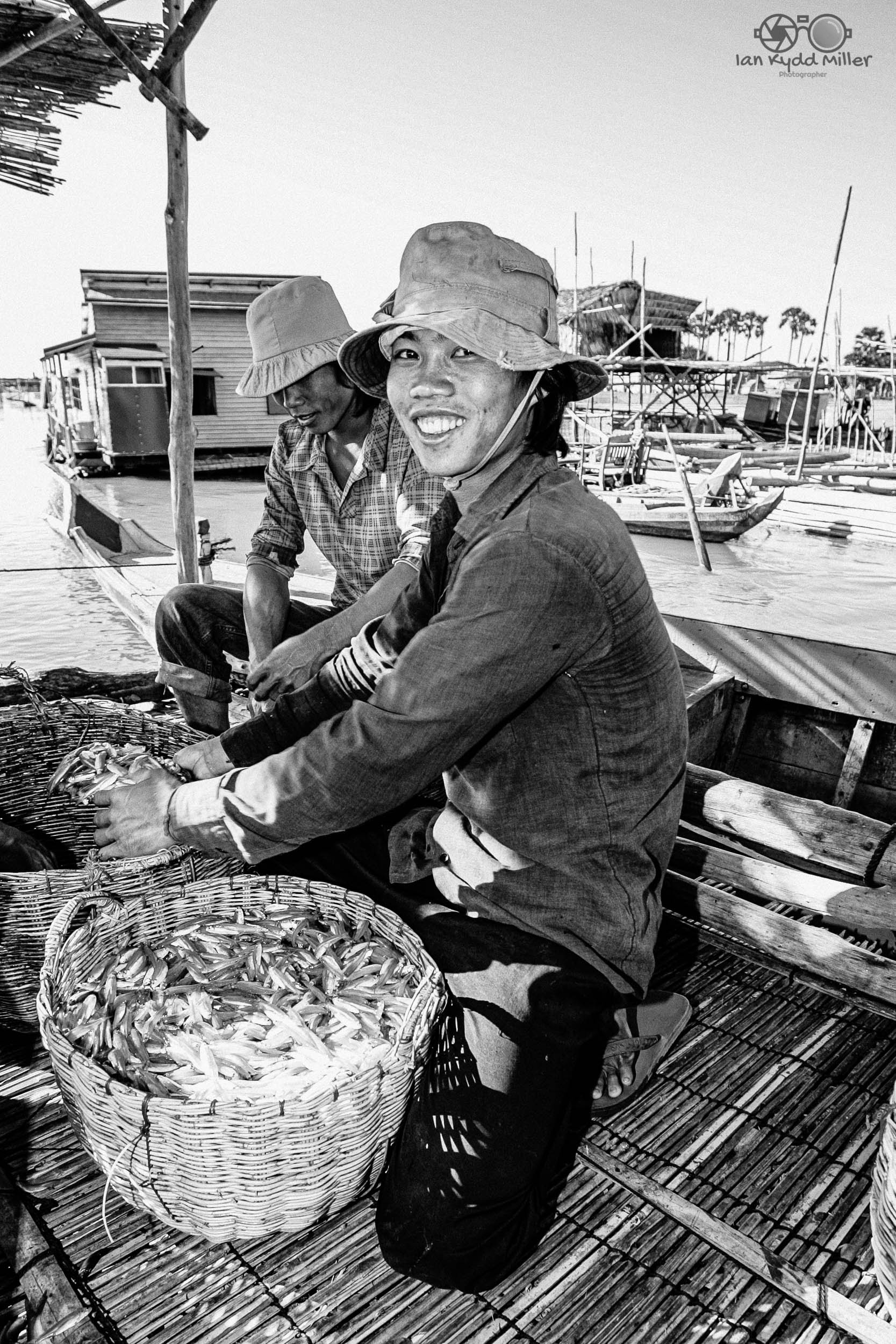
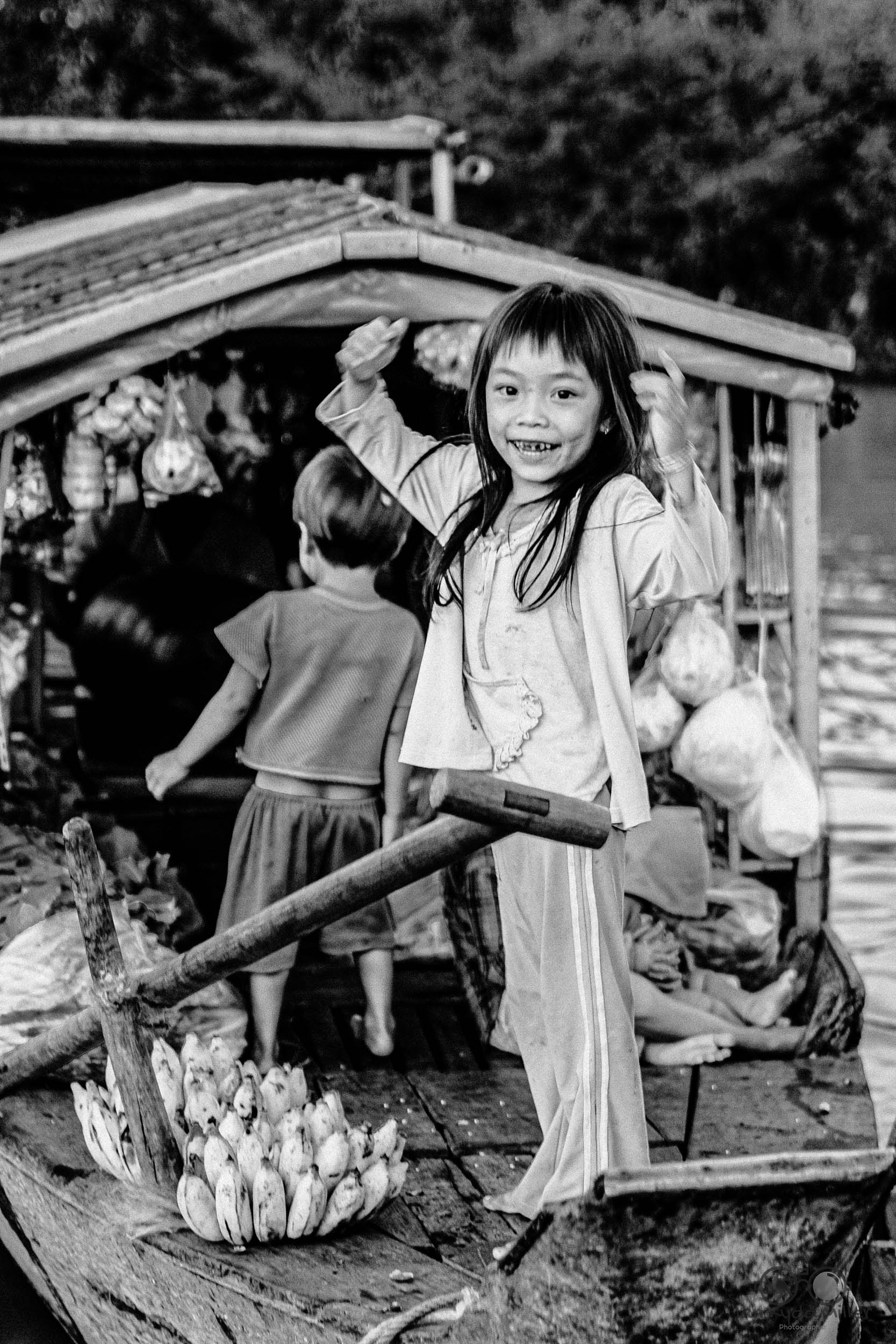
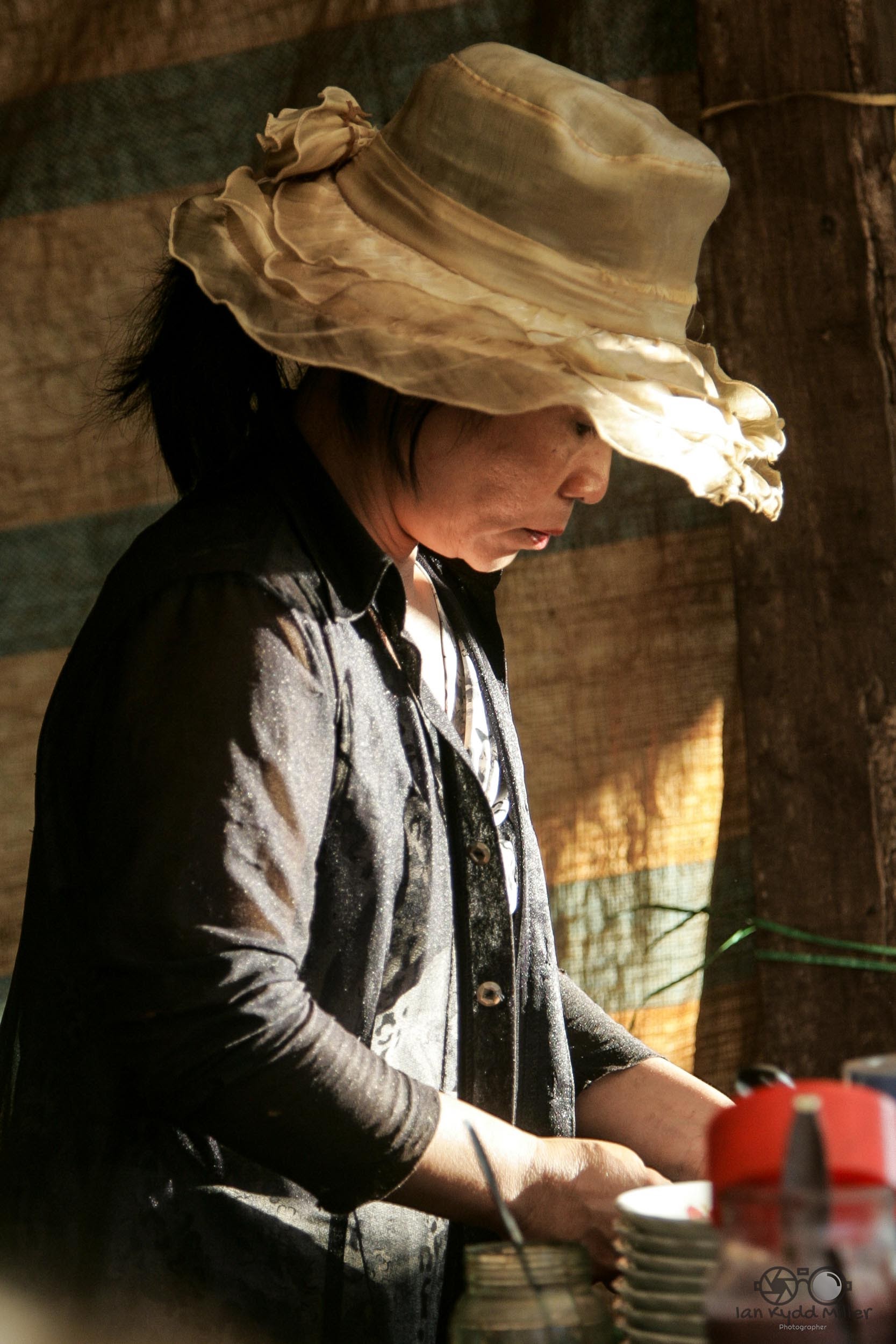
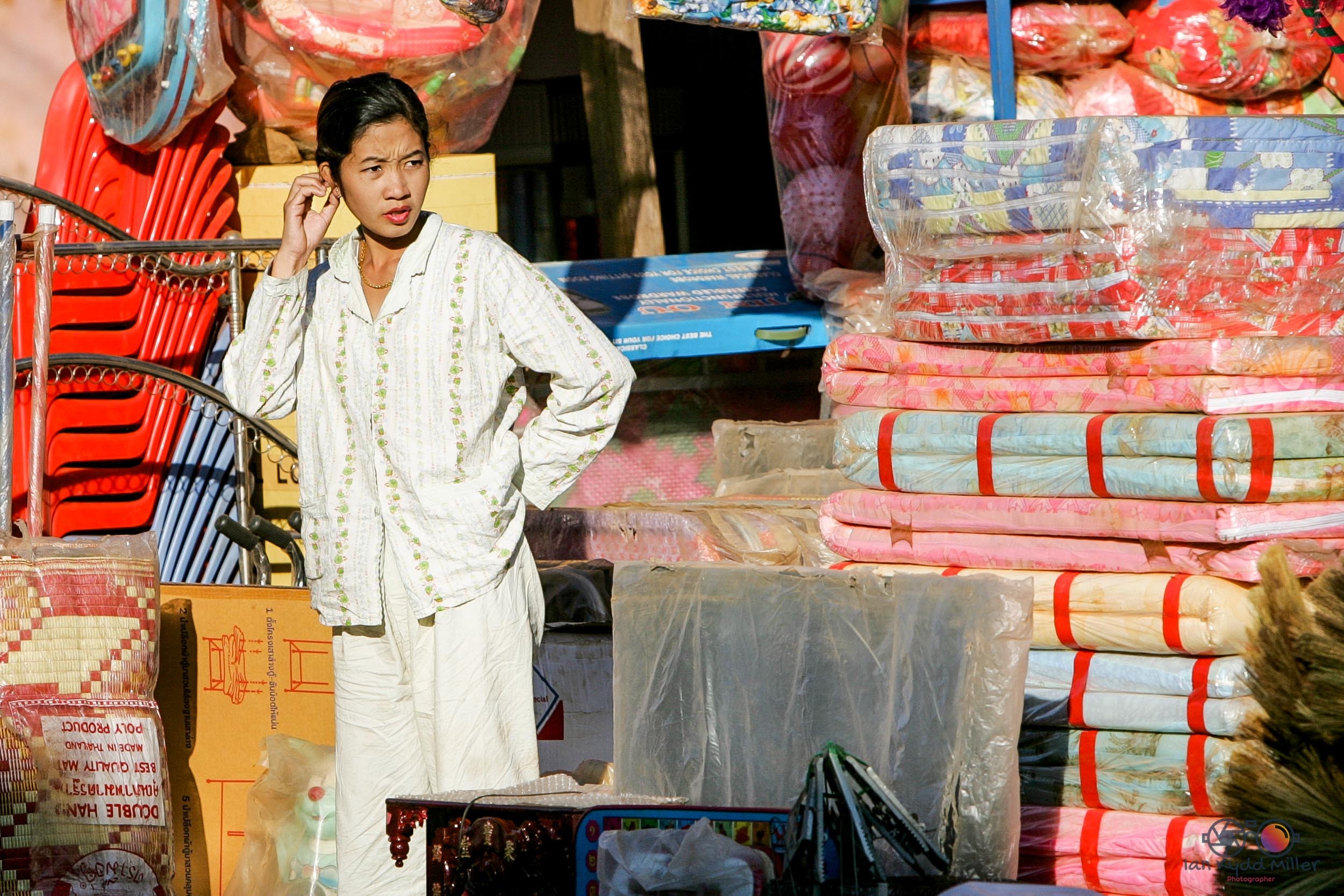
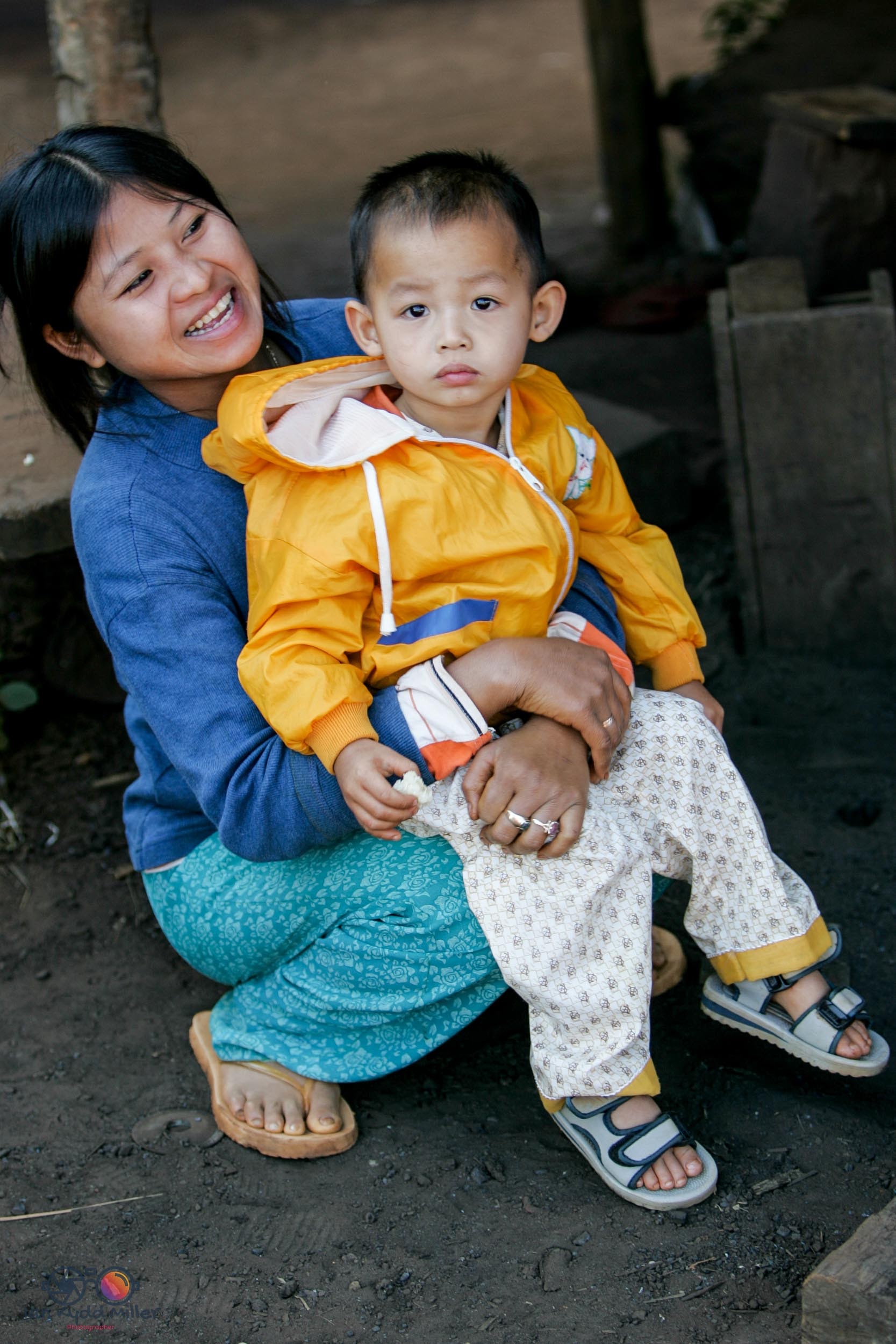
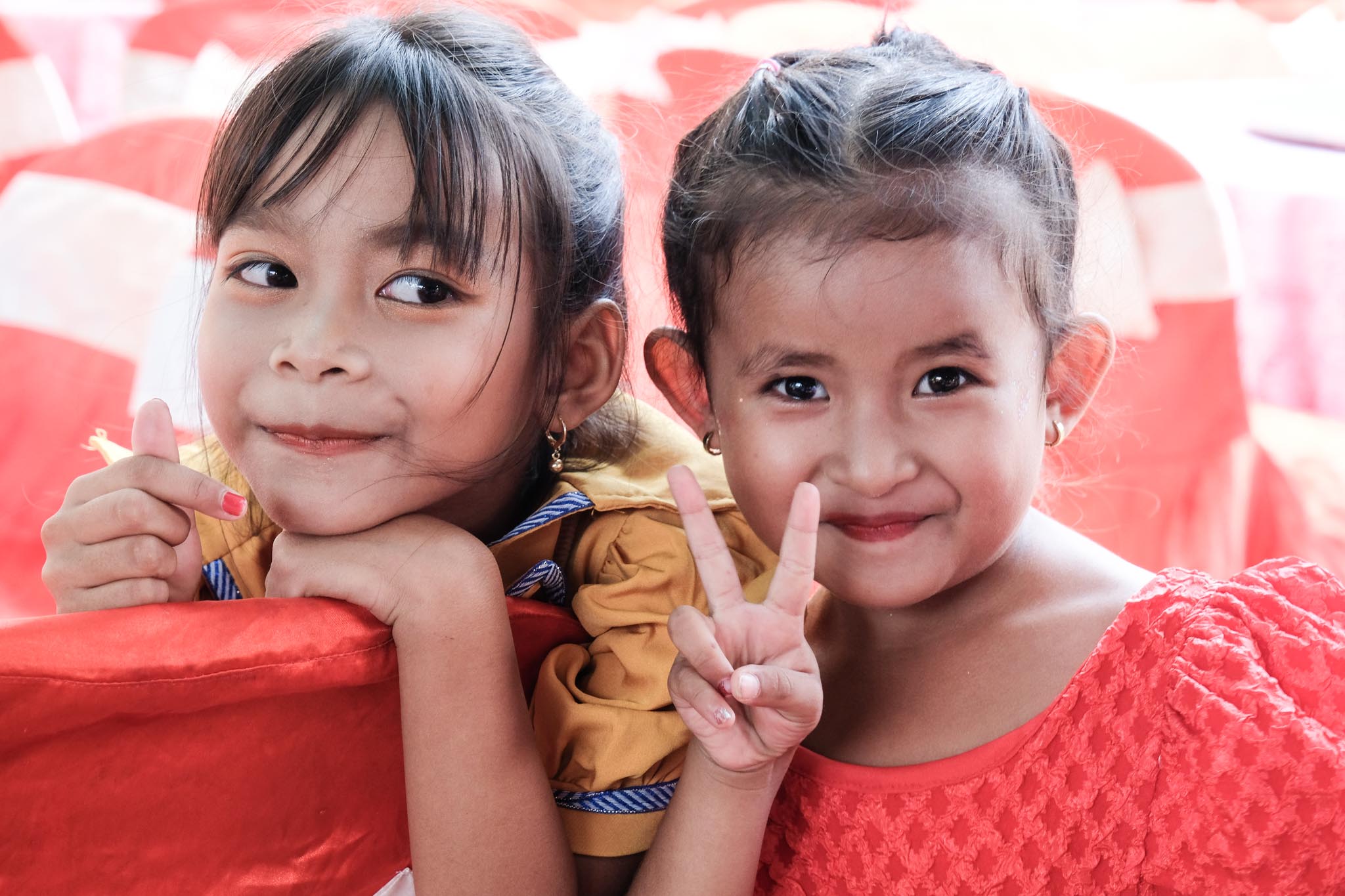
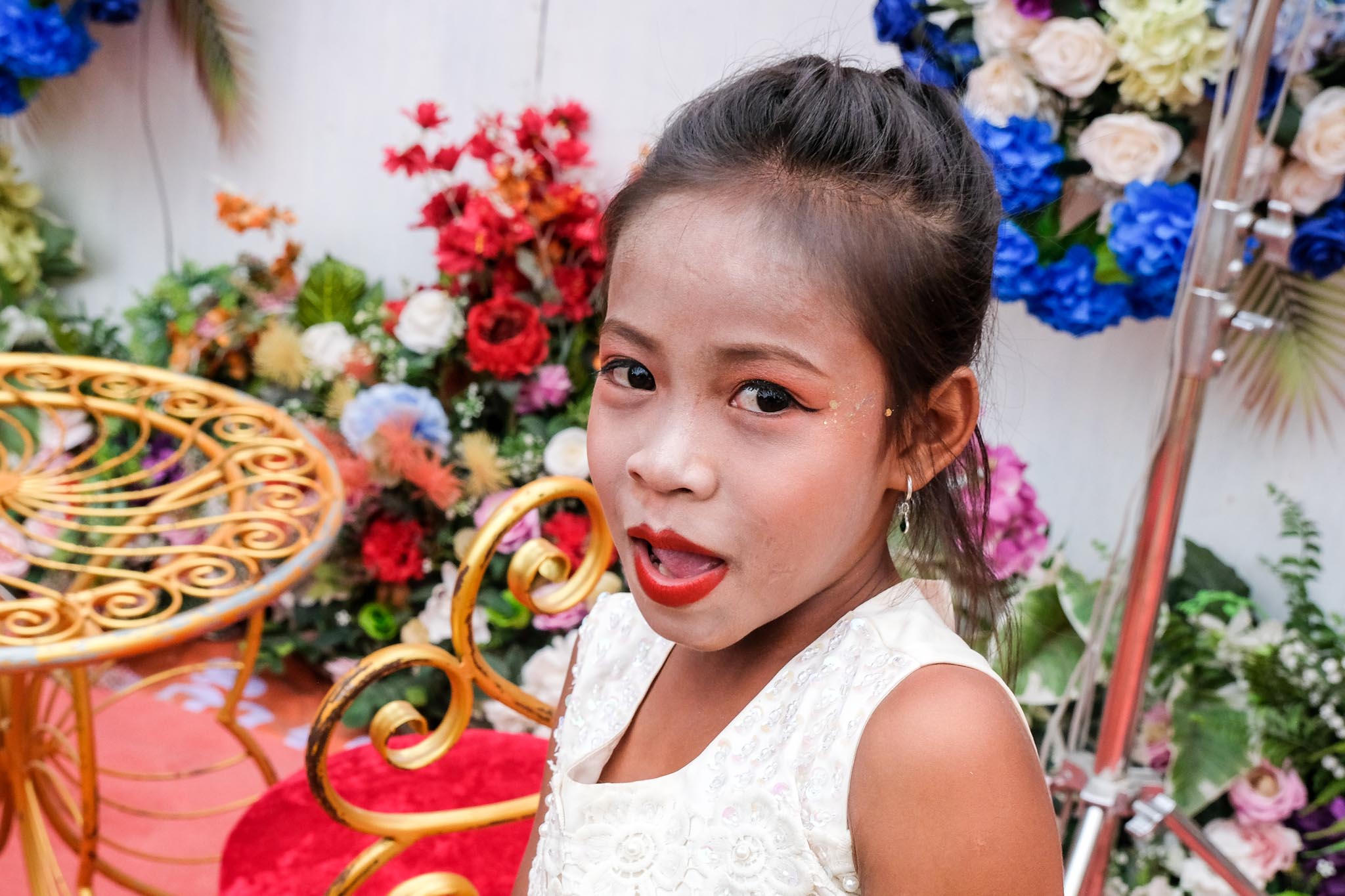
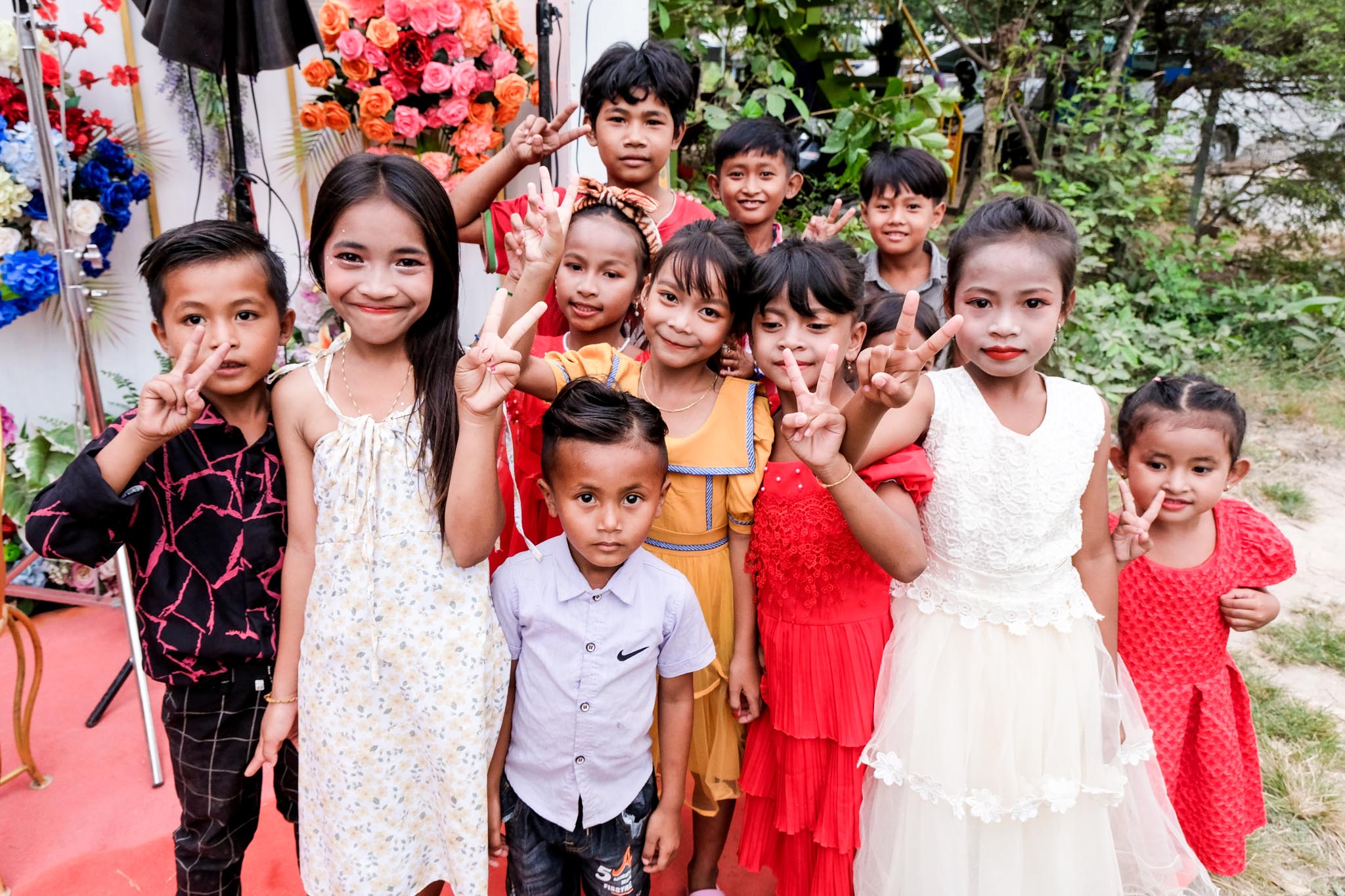
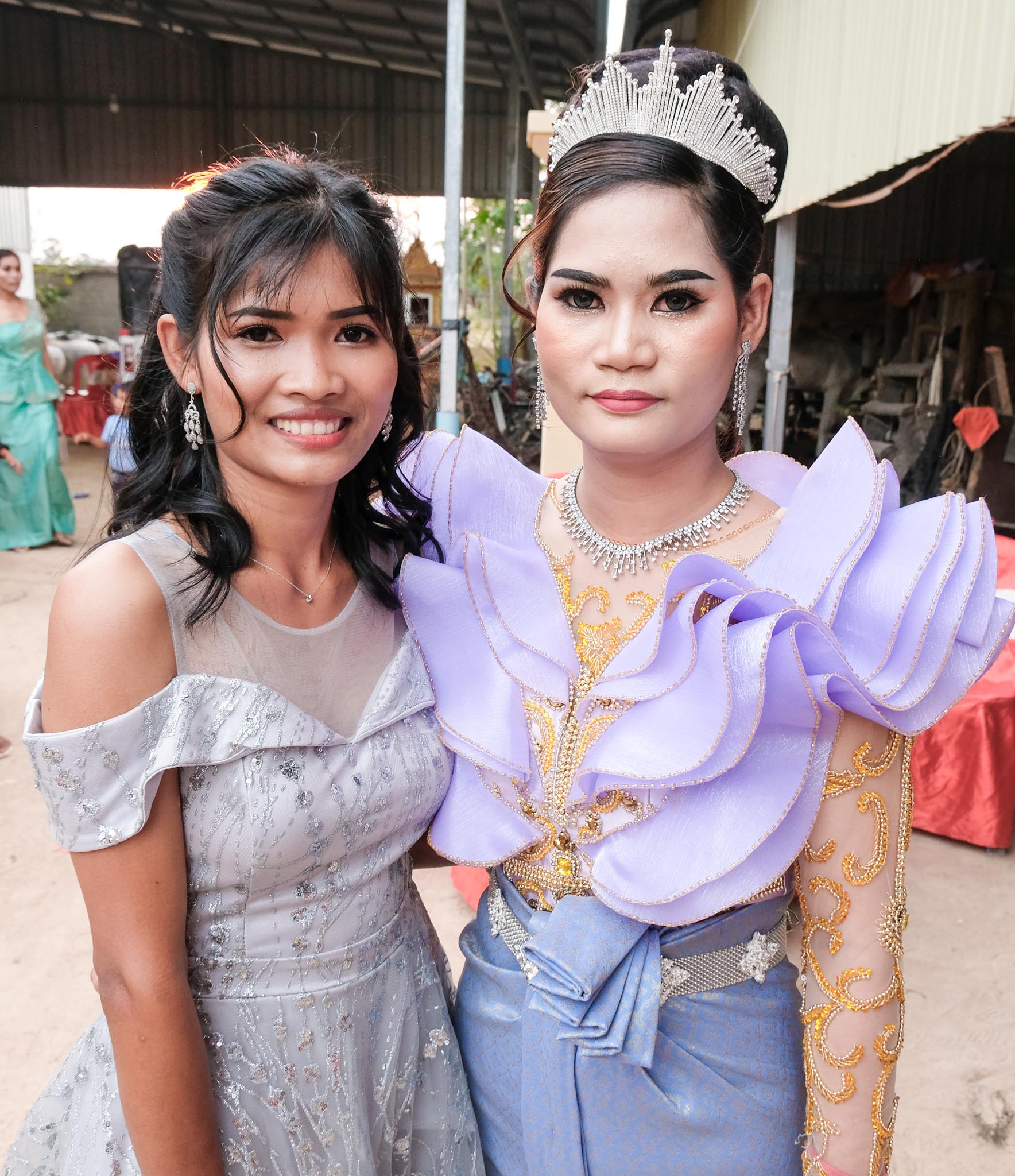
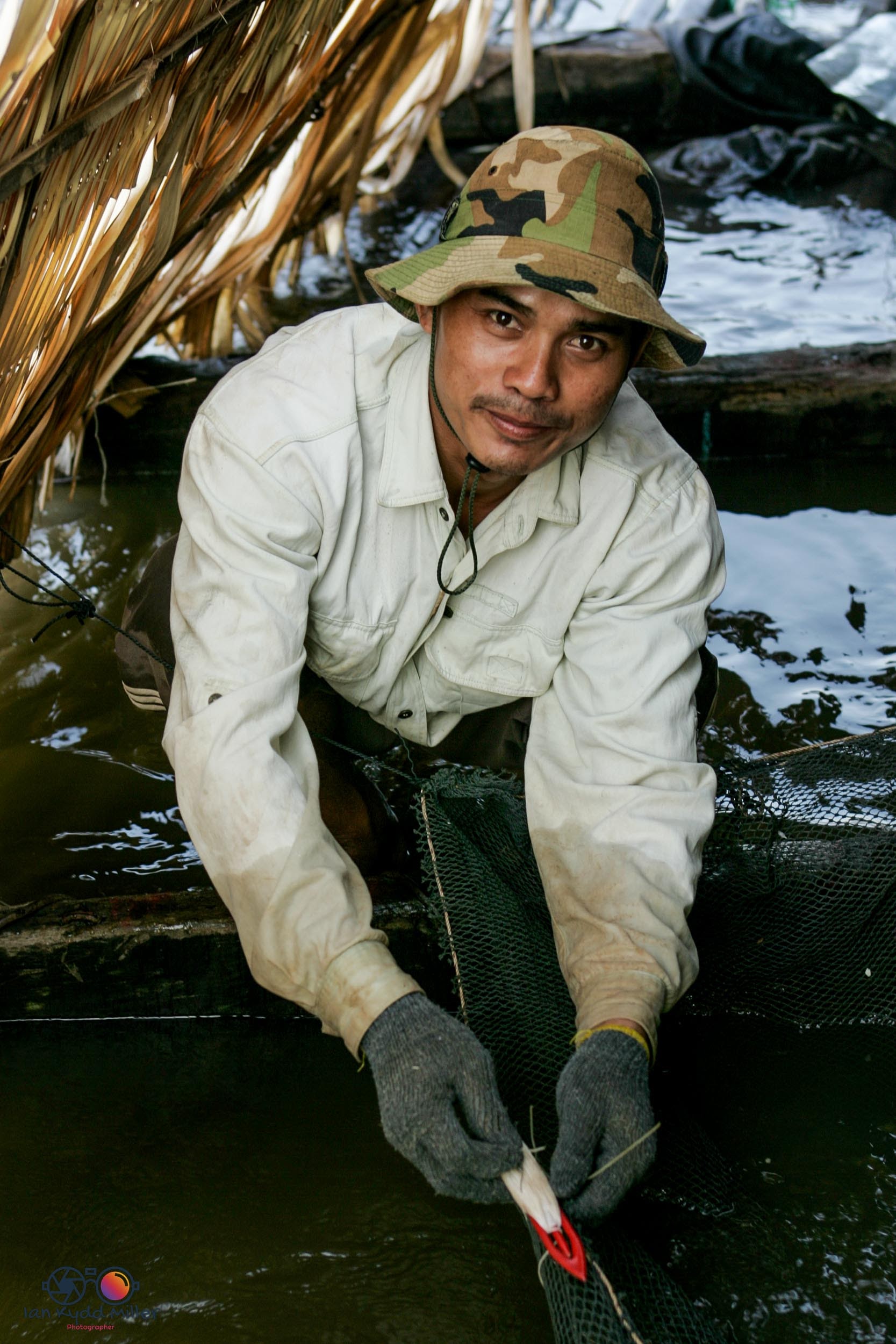
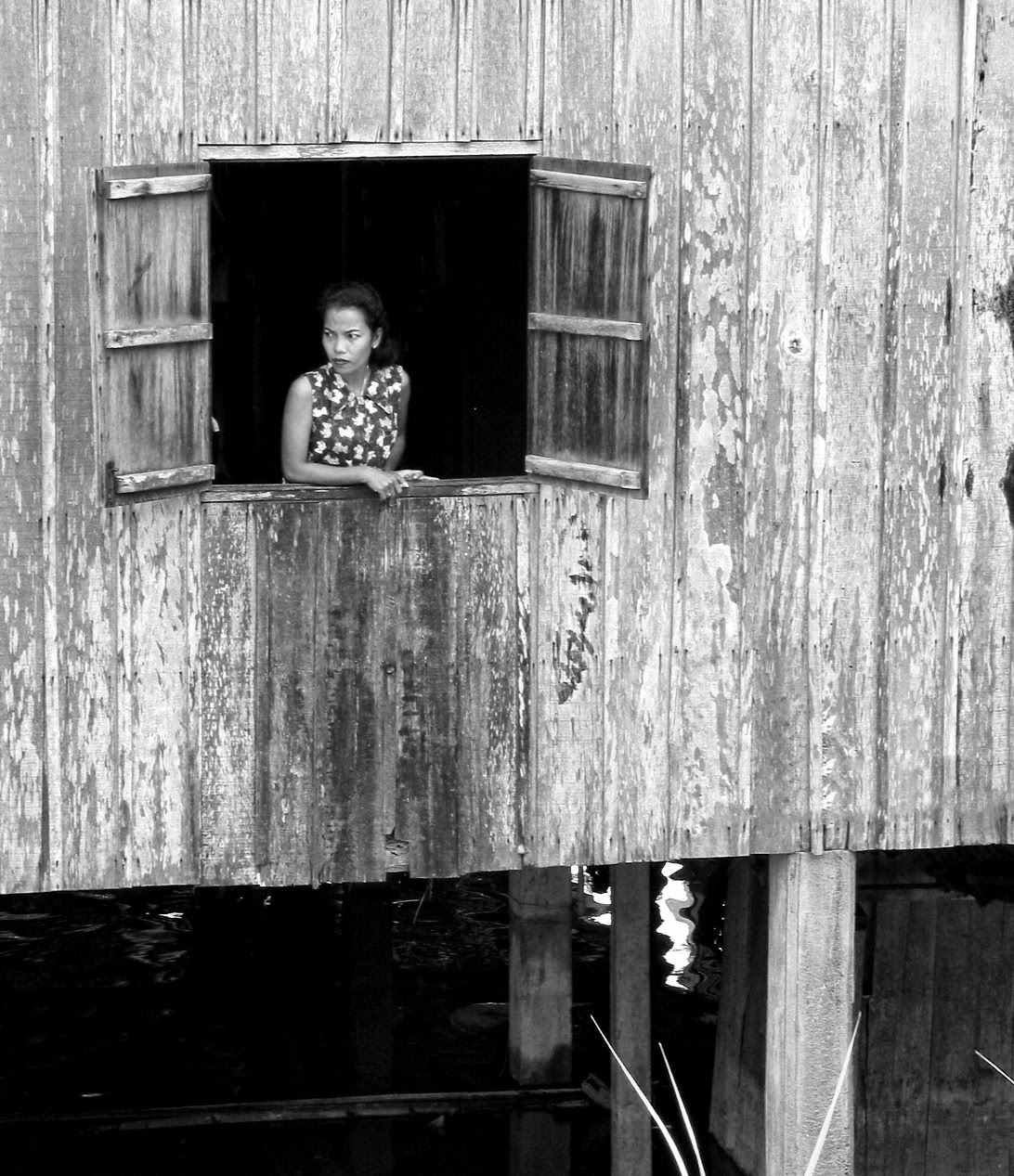
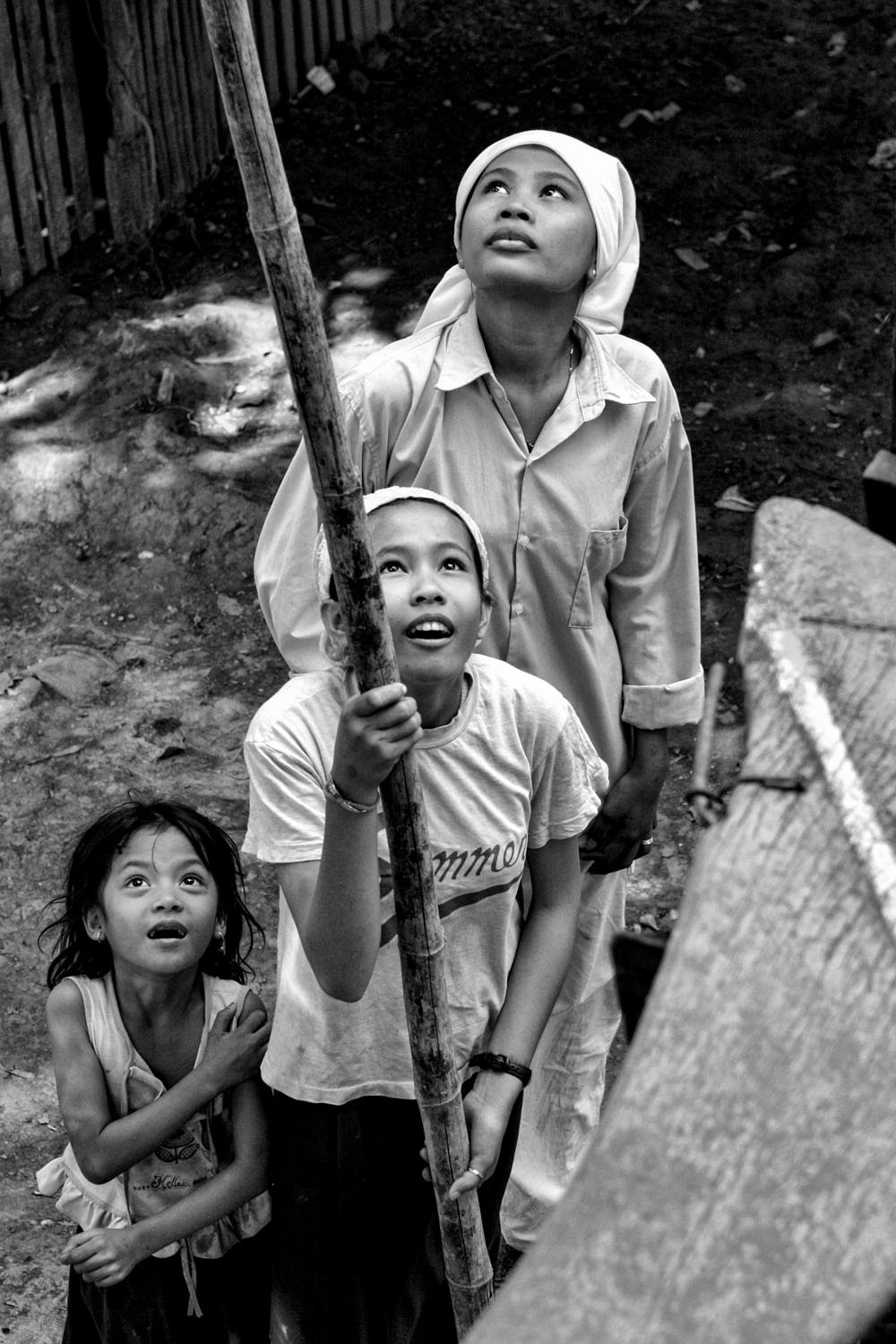
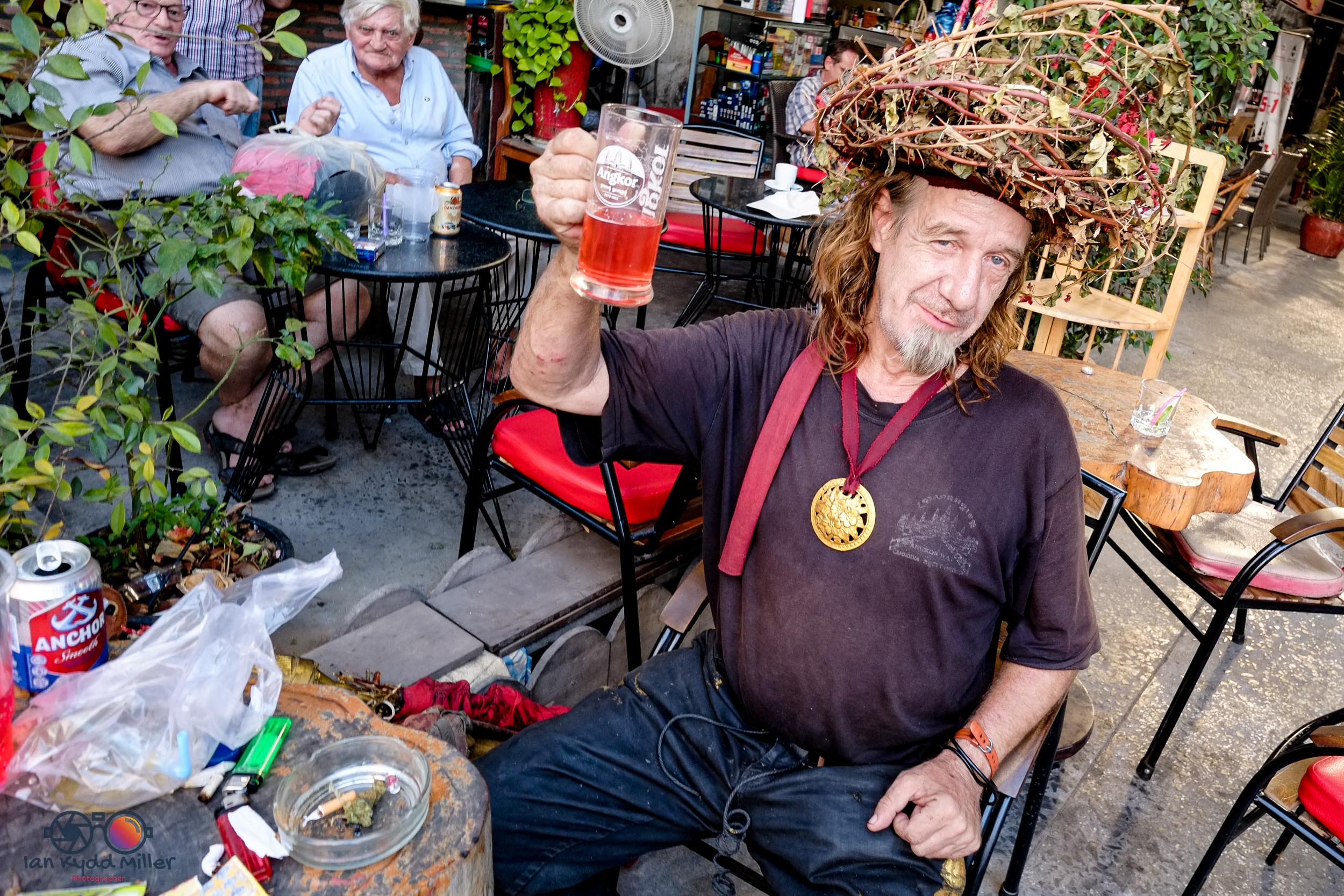
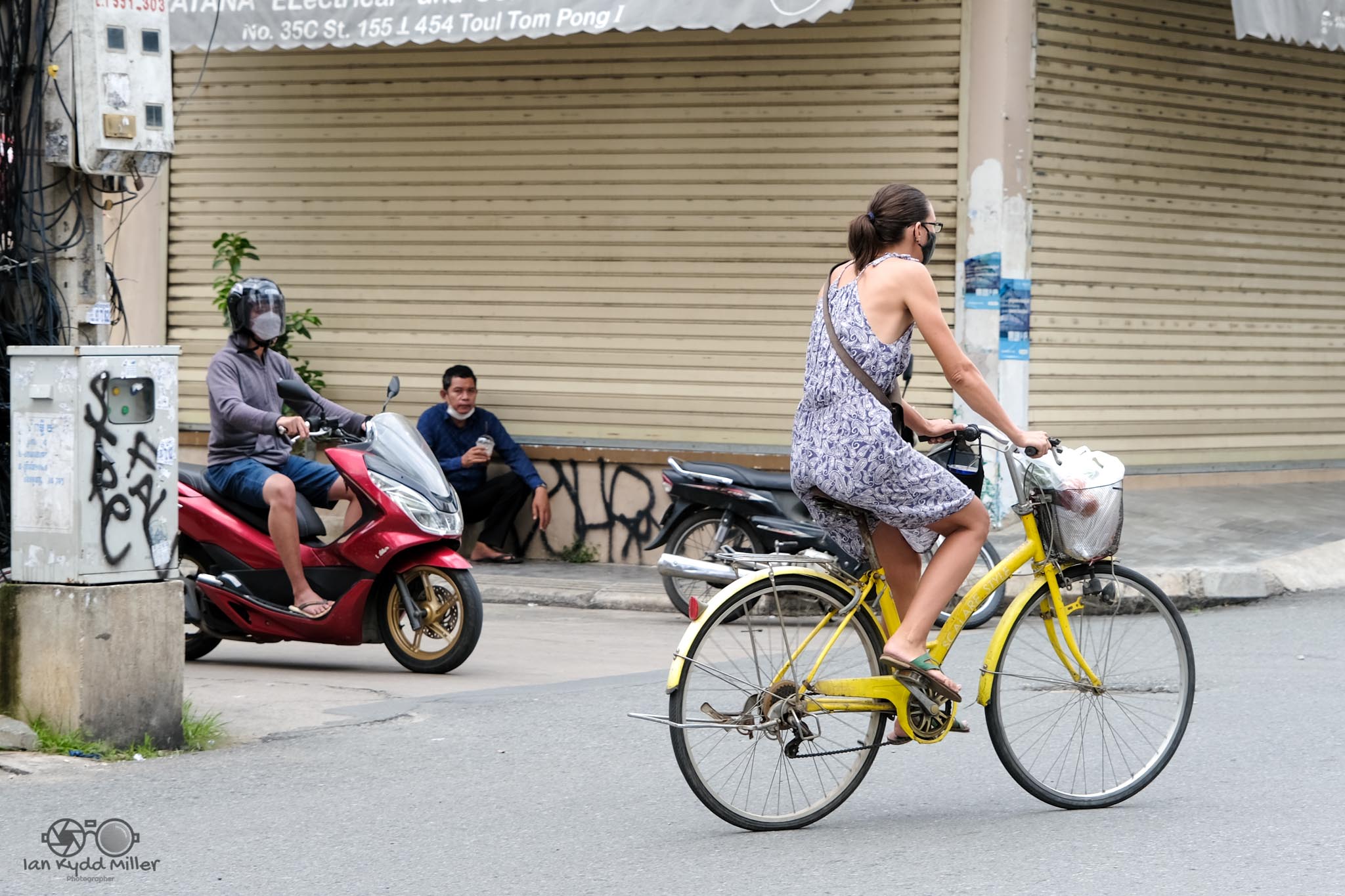
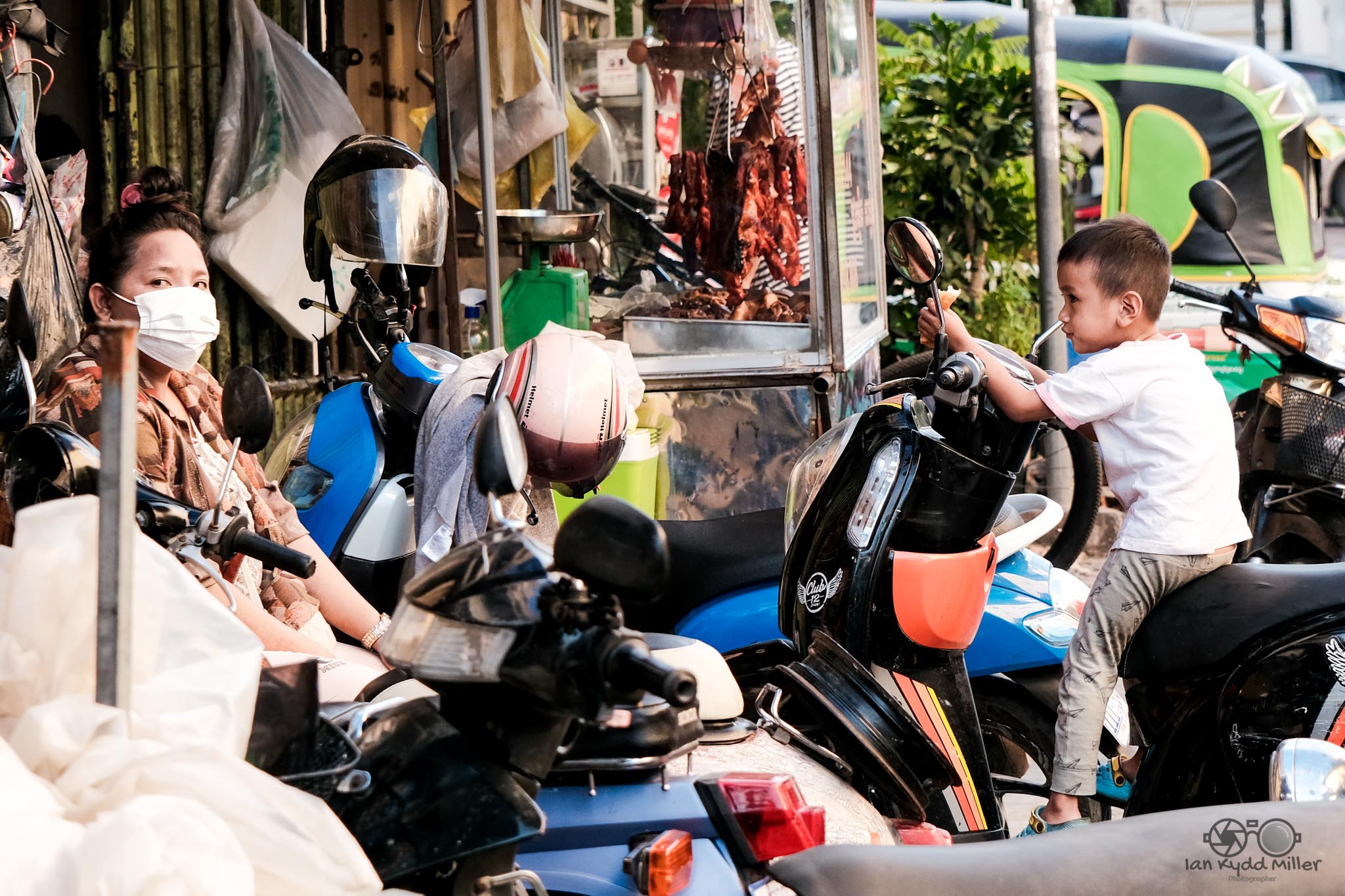
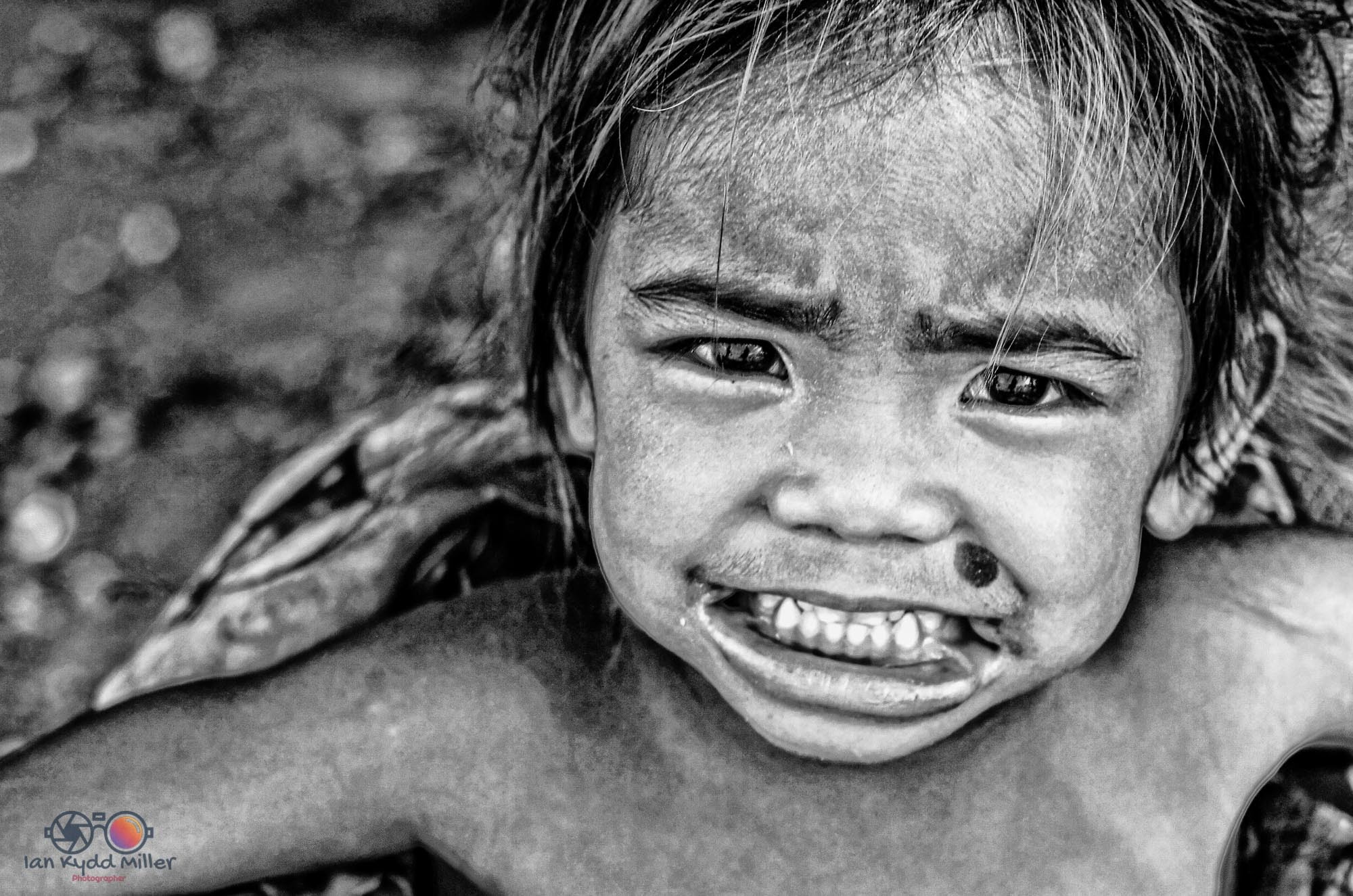
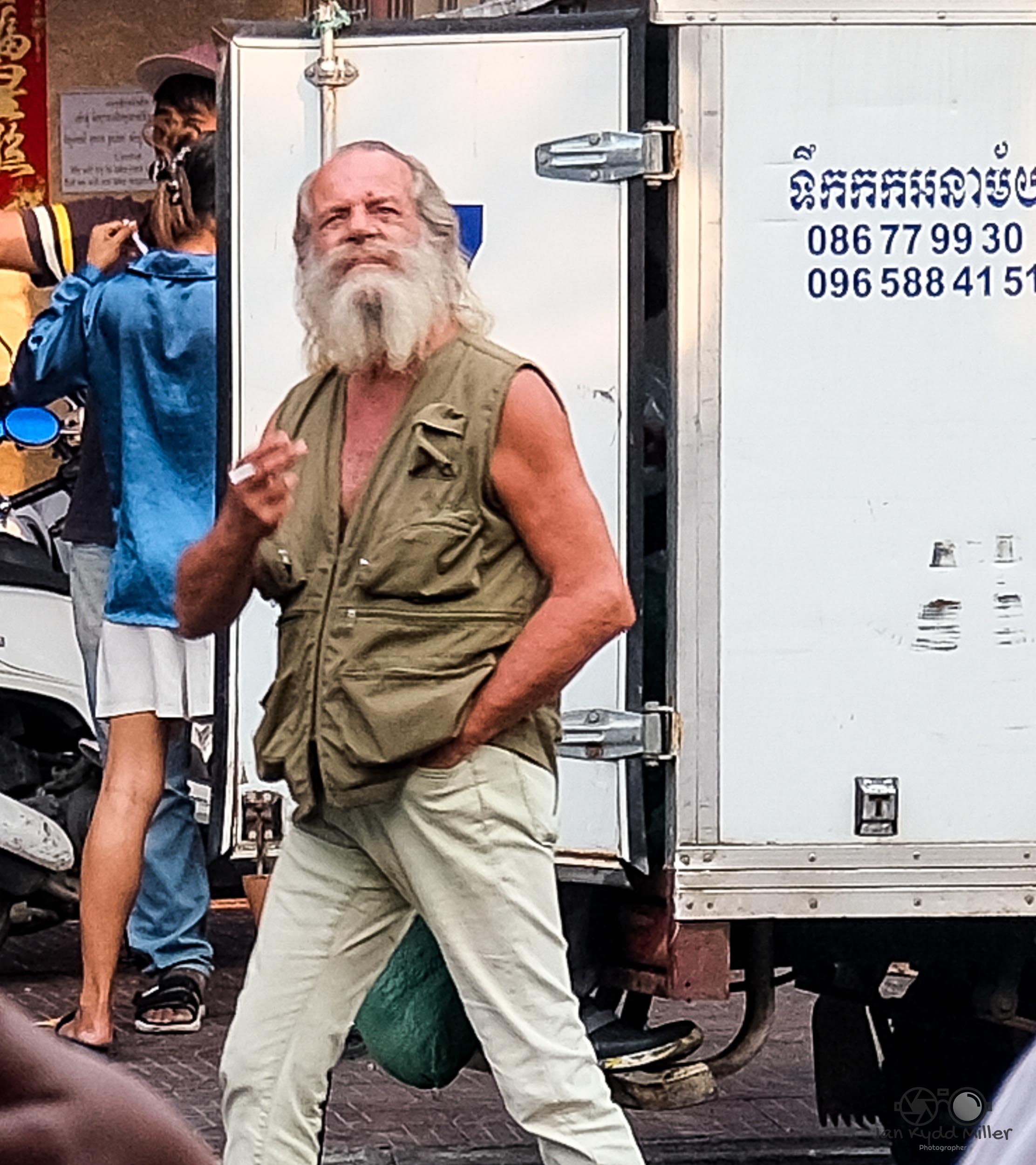
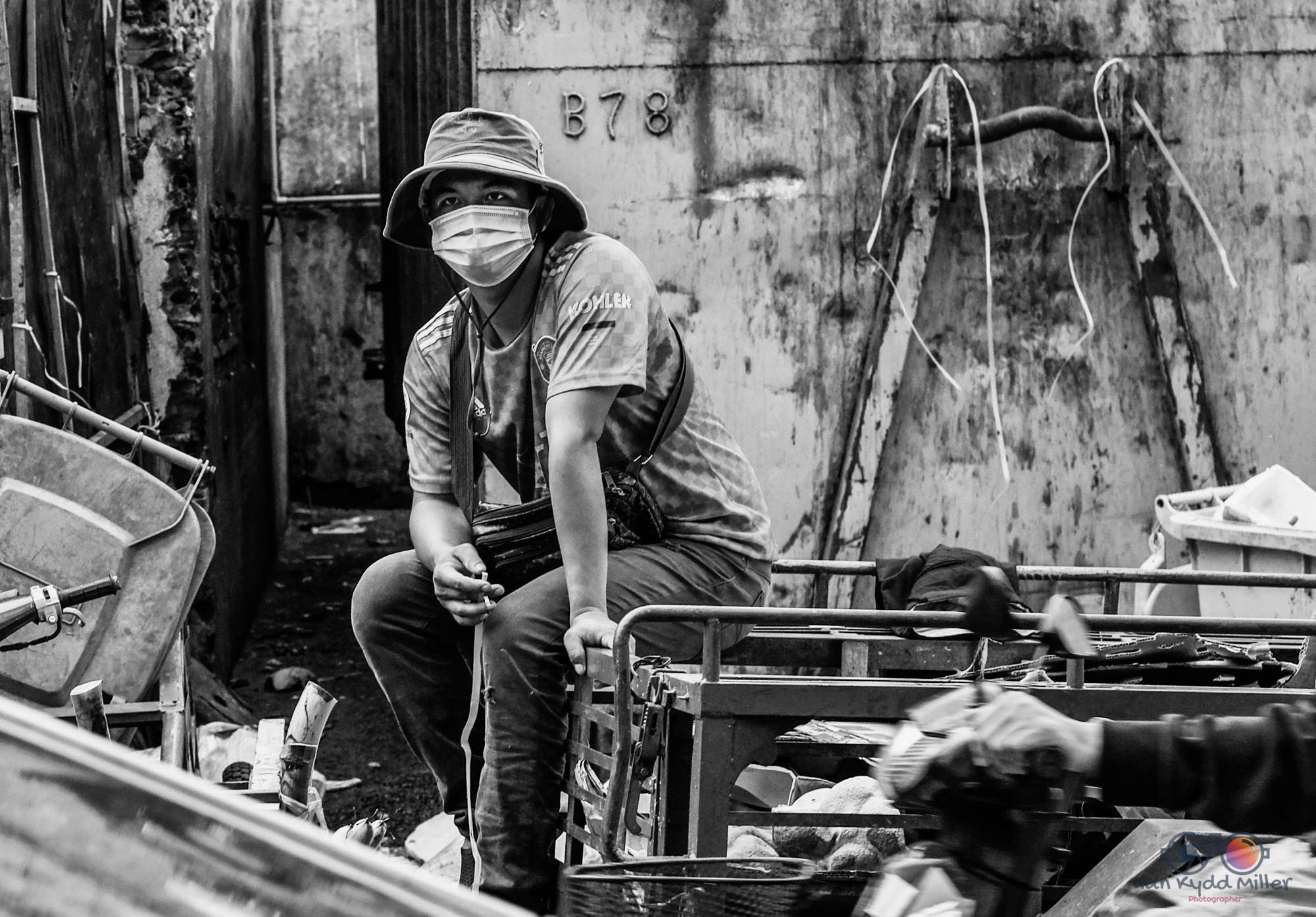
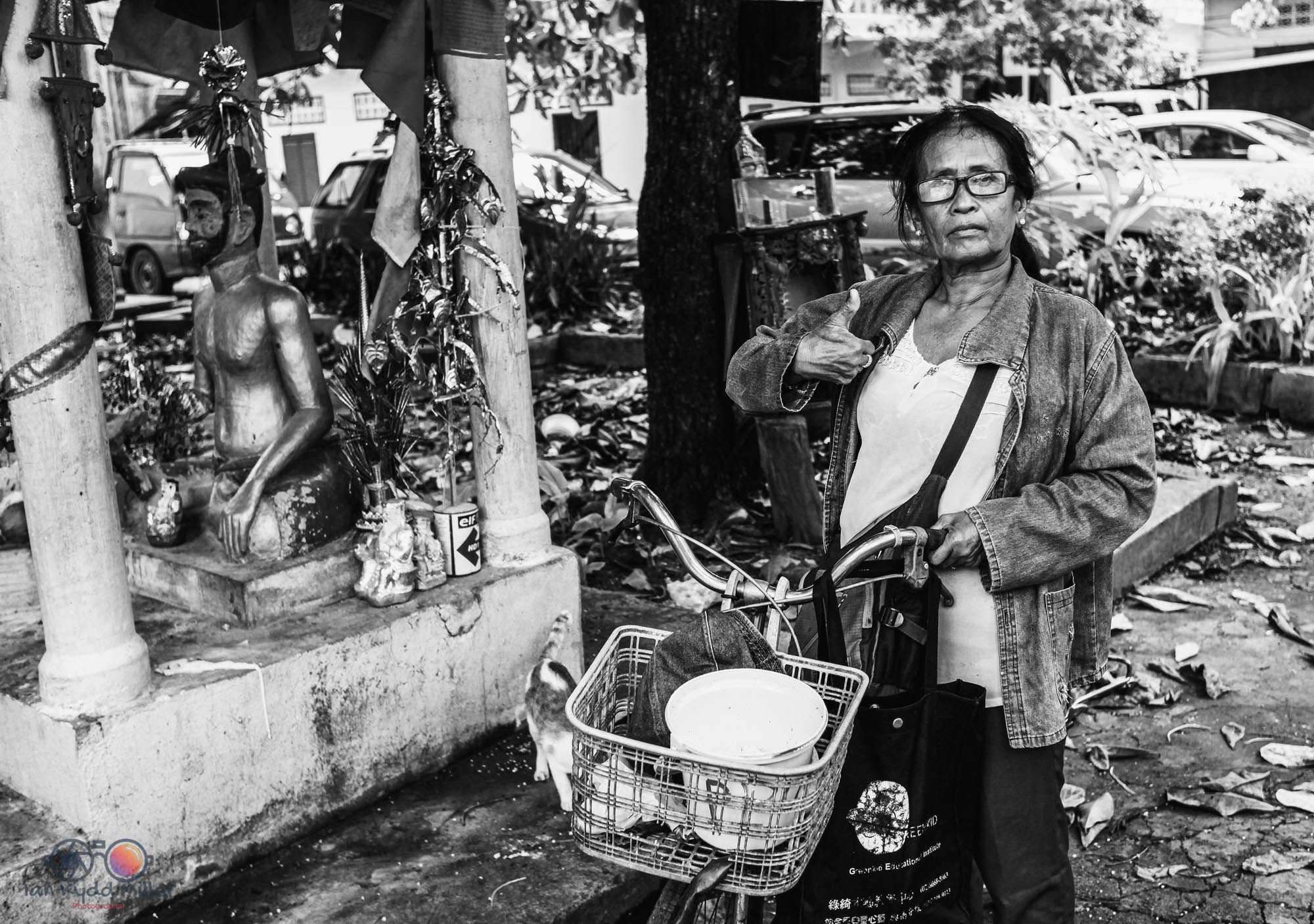
Humanism in photography is all about images that show empathy and the ability of human beings to empower each other. A photographer who injects humanism into their photos puts the spotlight on human beings. The centre of attention is always the people.
I would consider myself to be a humanist photographer rather than a ”street photographer” although much of my work happens on the street. People, how they live and survive are what really interest me, the feeling of wanting to know or learn about something or someone.
Humanism, a rationalist outlook or system of thought attaching prime importance to human rather than divine or supernatural matters.














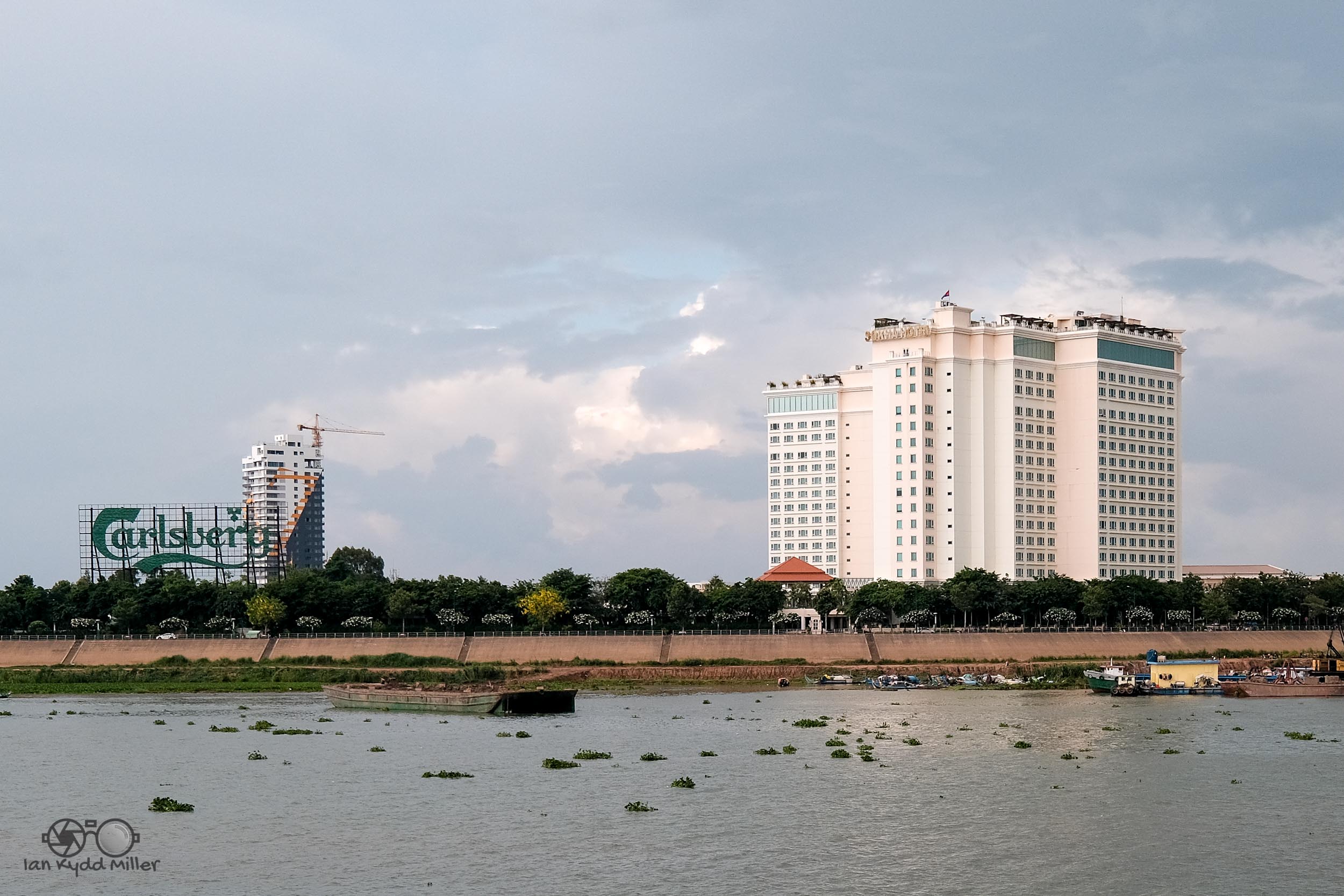


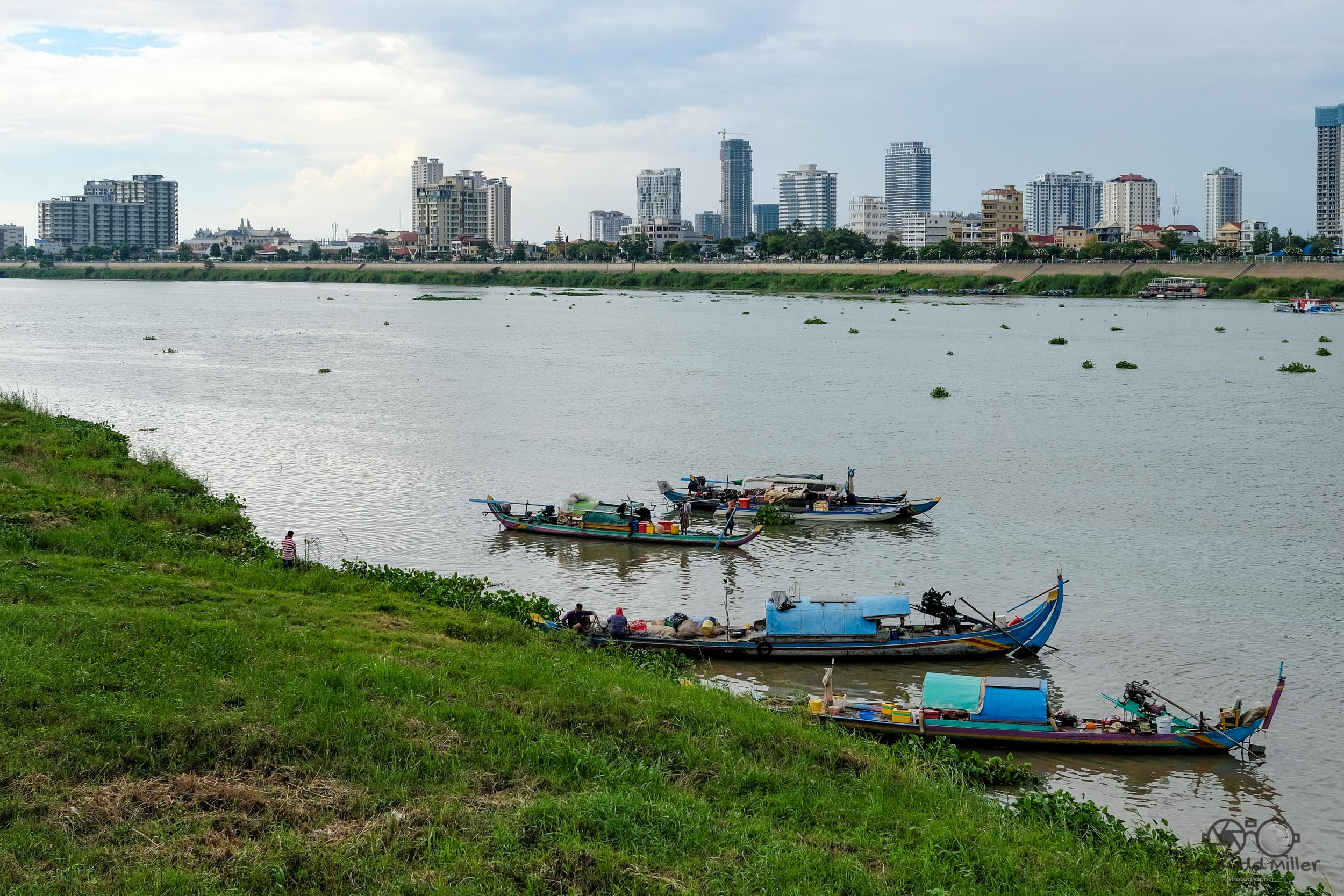




































































 a world without pictures is like coffee without cream and sugar, bitter