

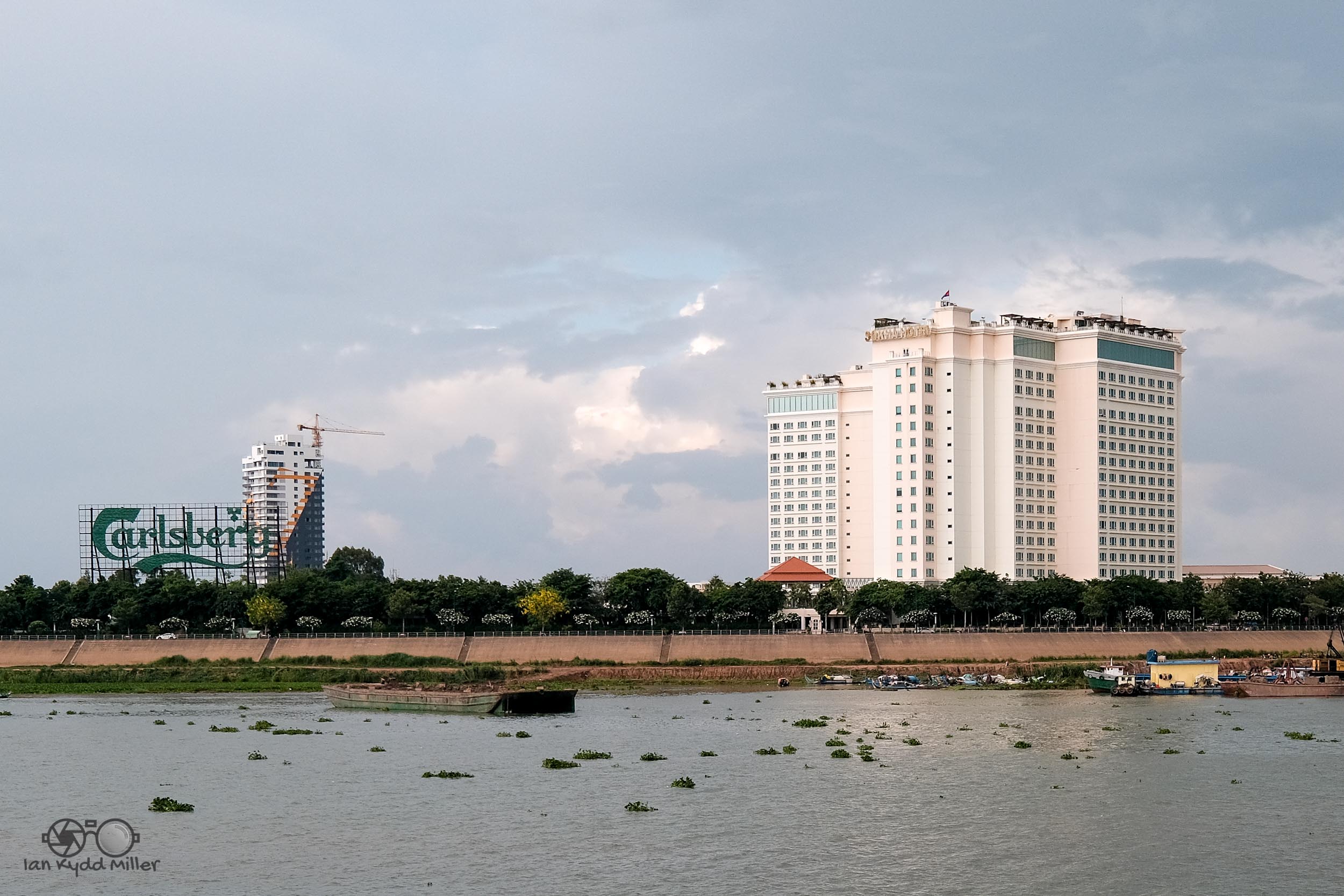








Phnom Penh is a great city for colourful photography, it’s big, dirty and in your face. Street photography is a pleasure. The people are generally friendly and rarely object to having their picture taken.




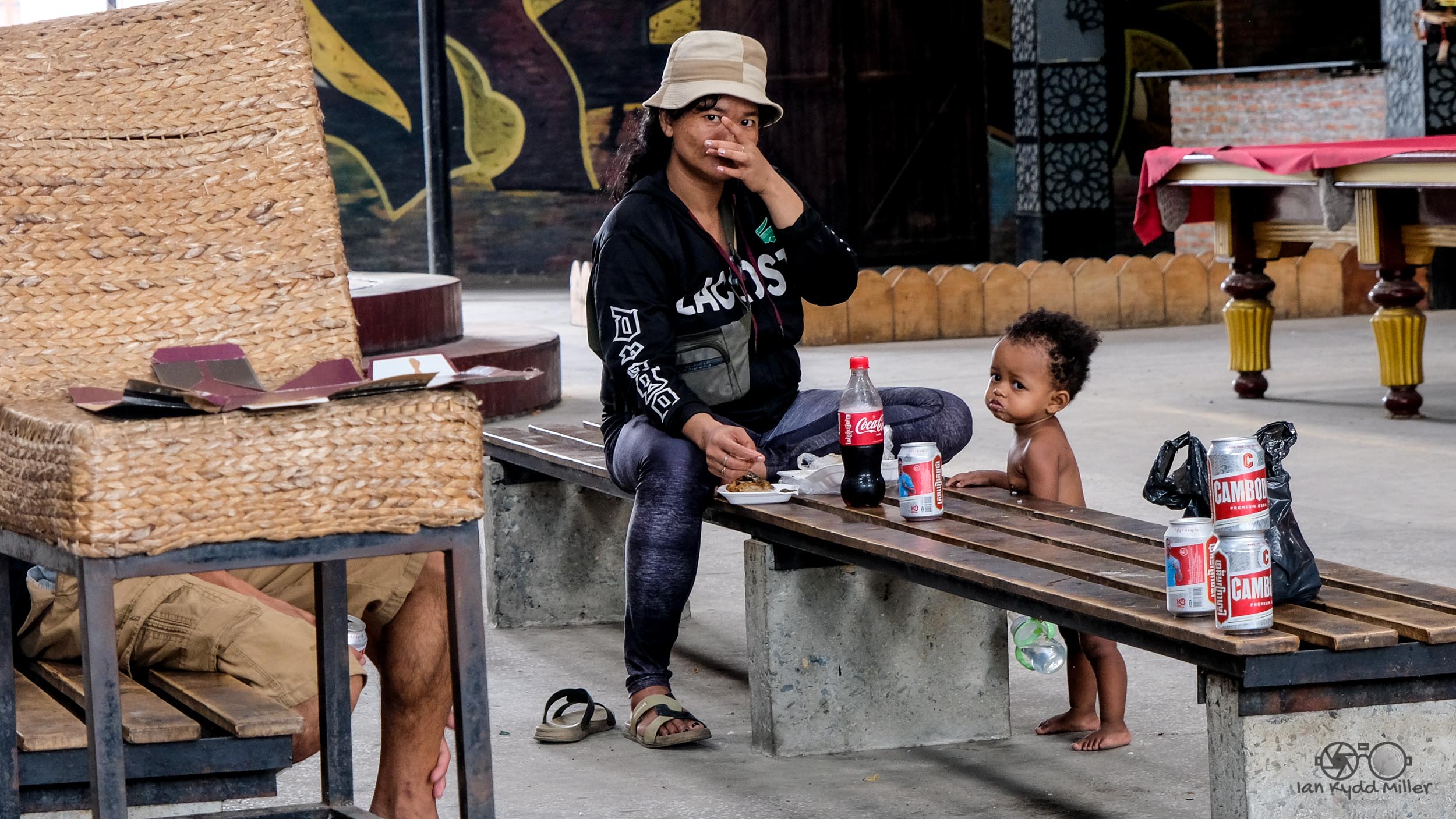



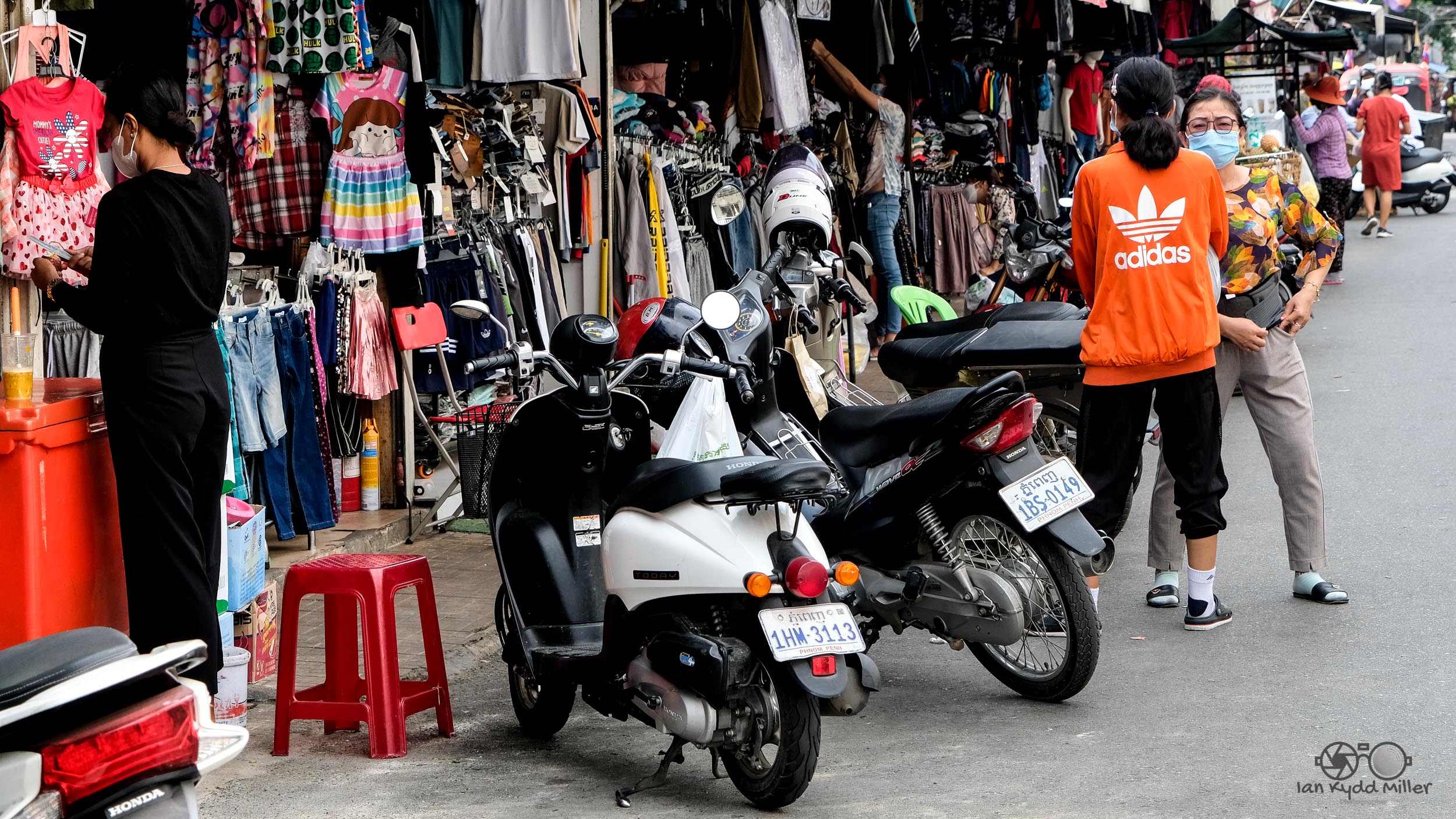
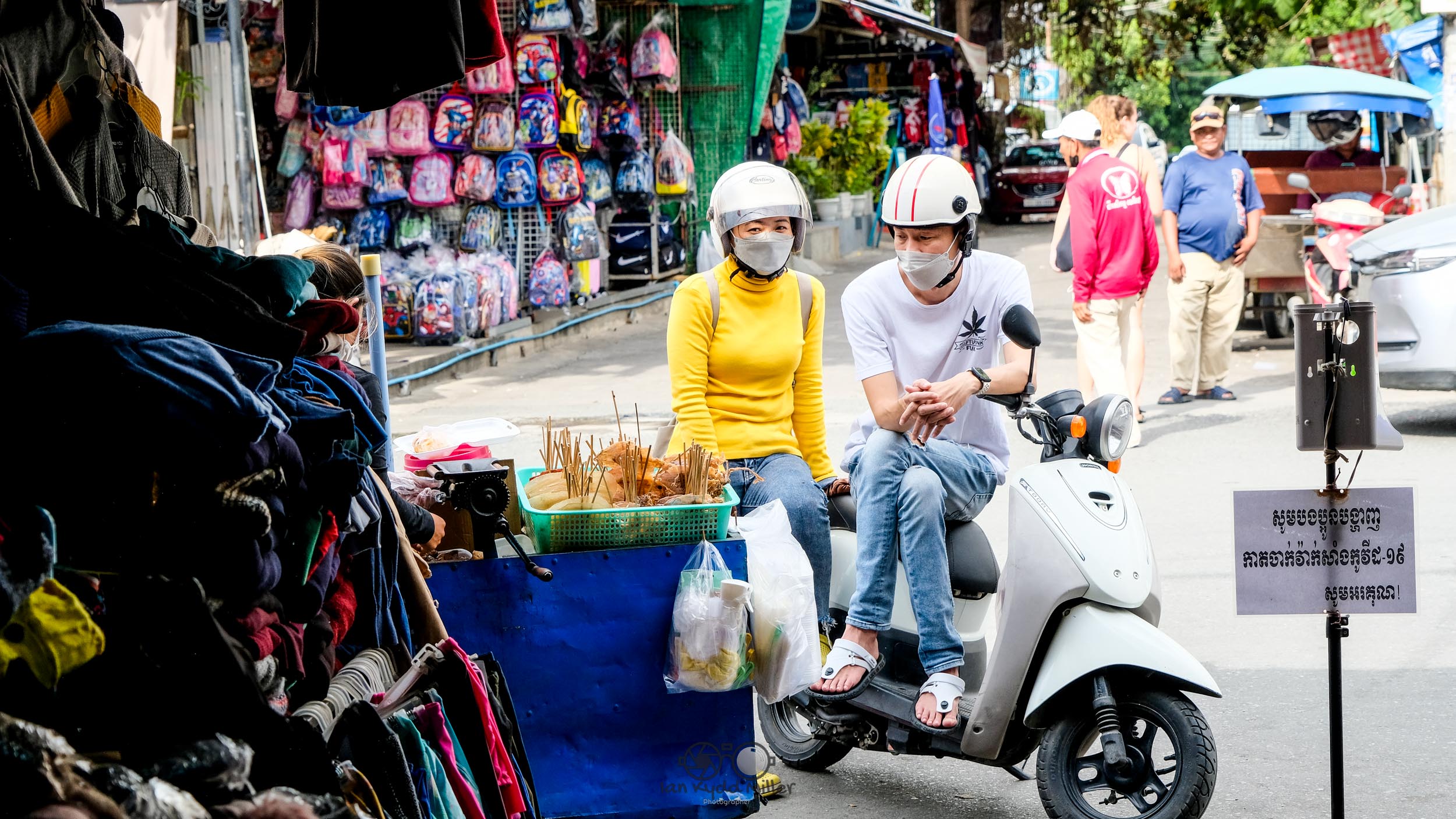


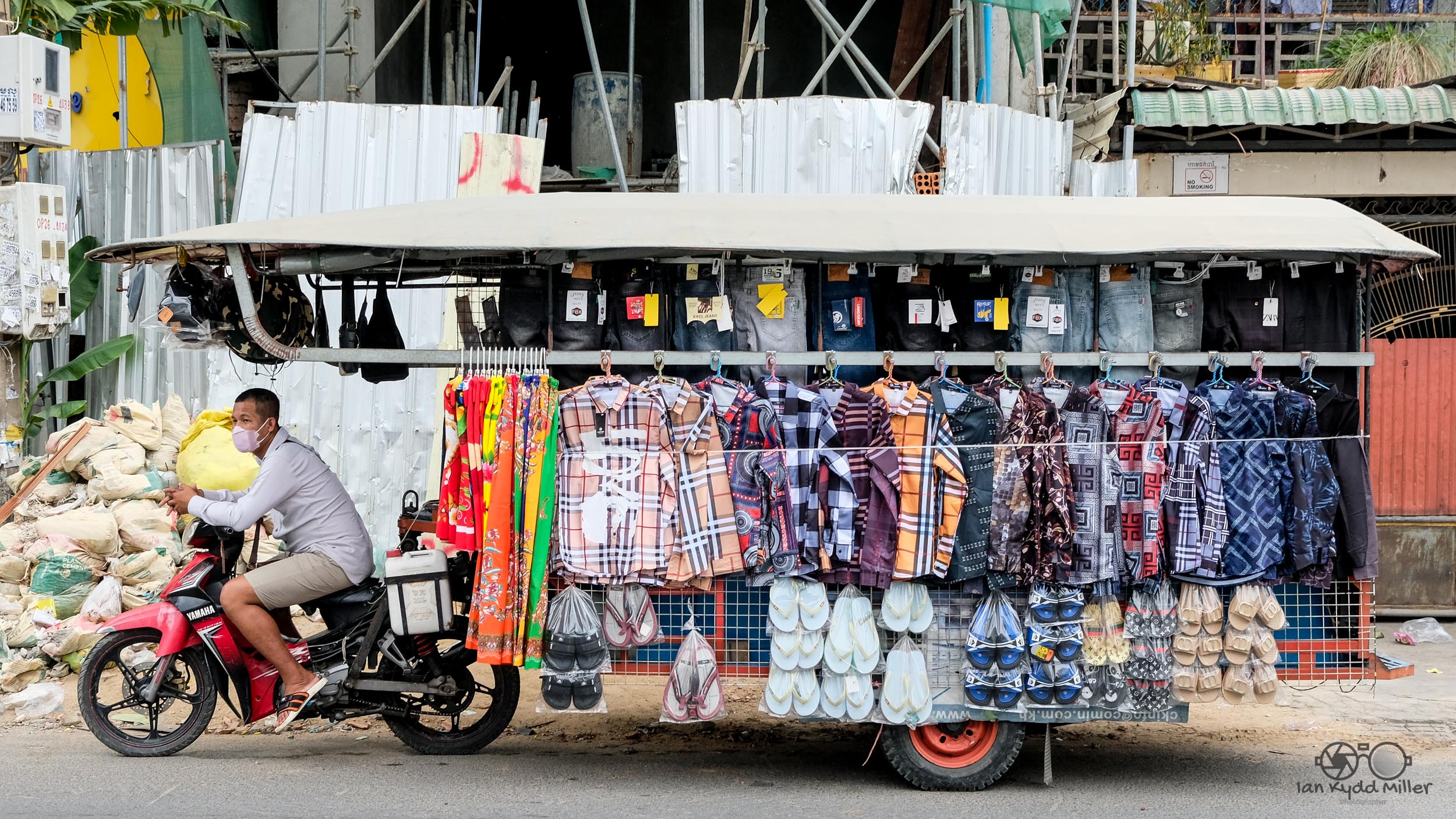
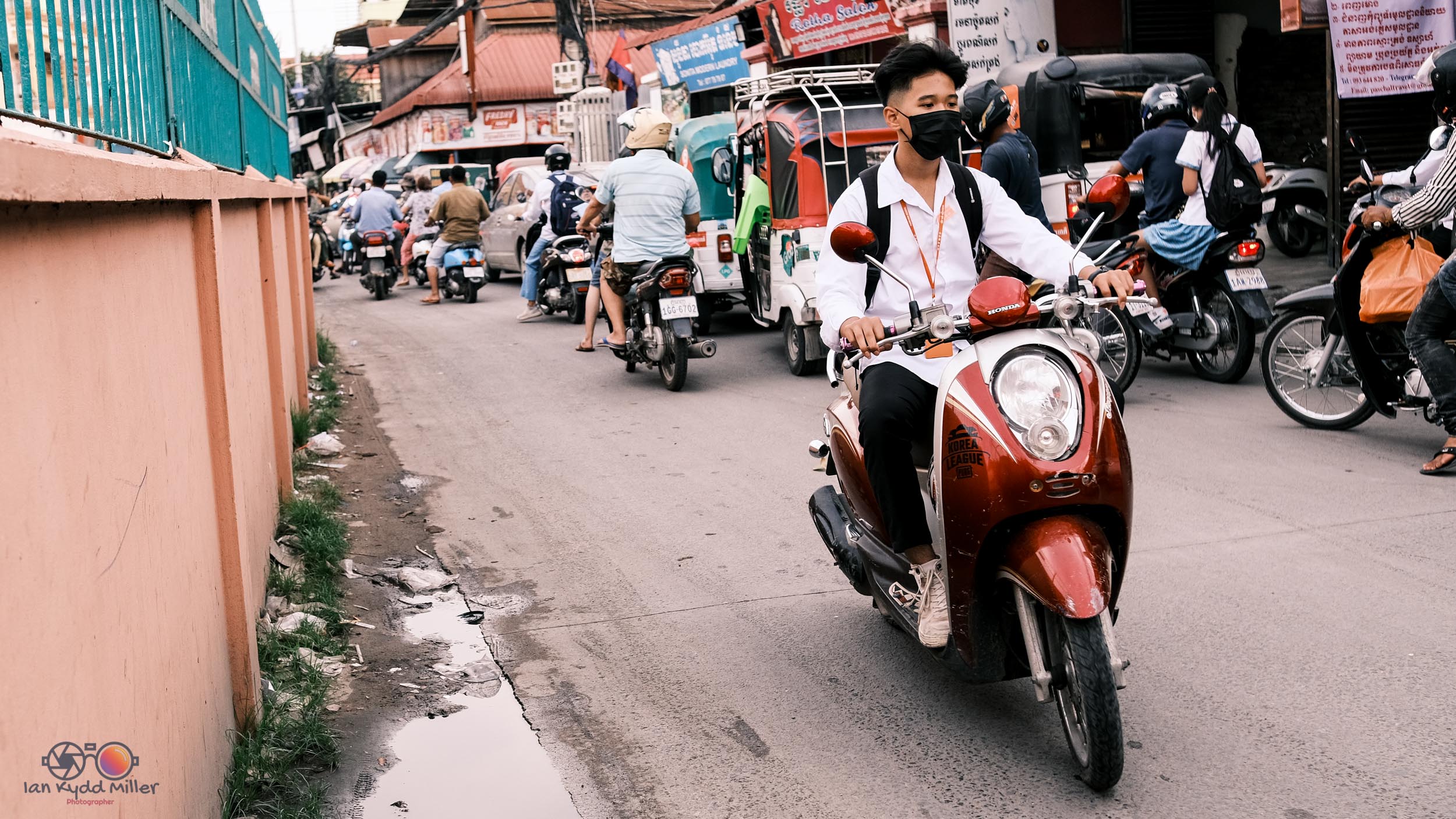


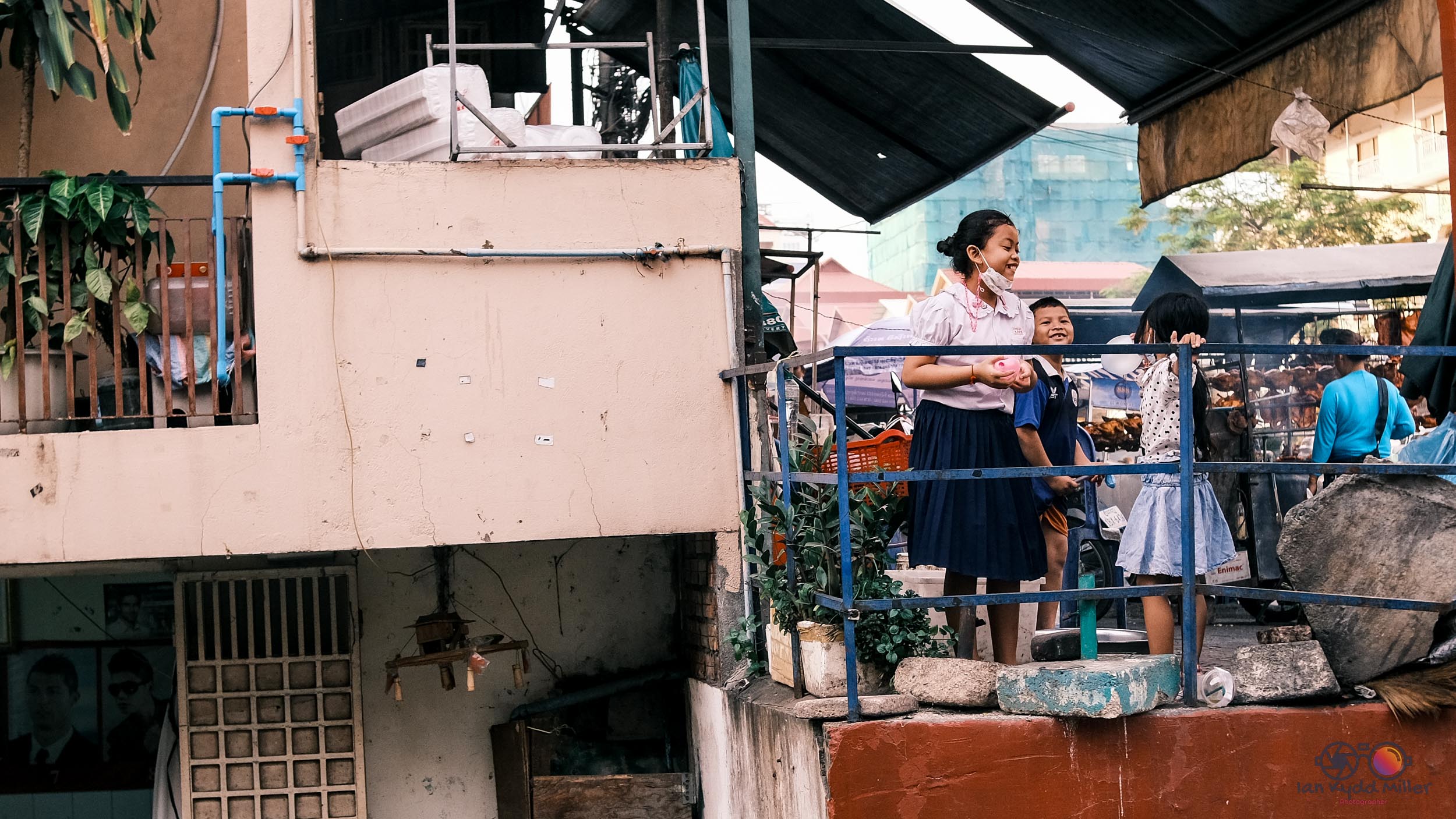

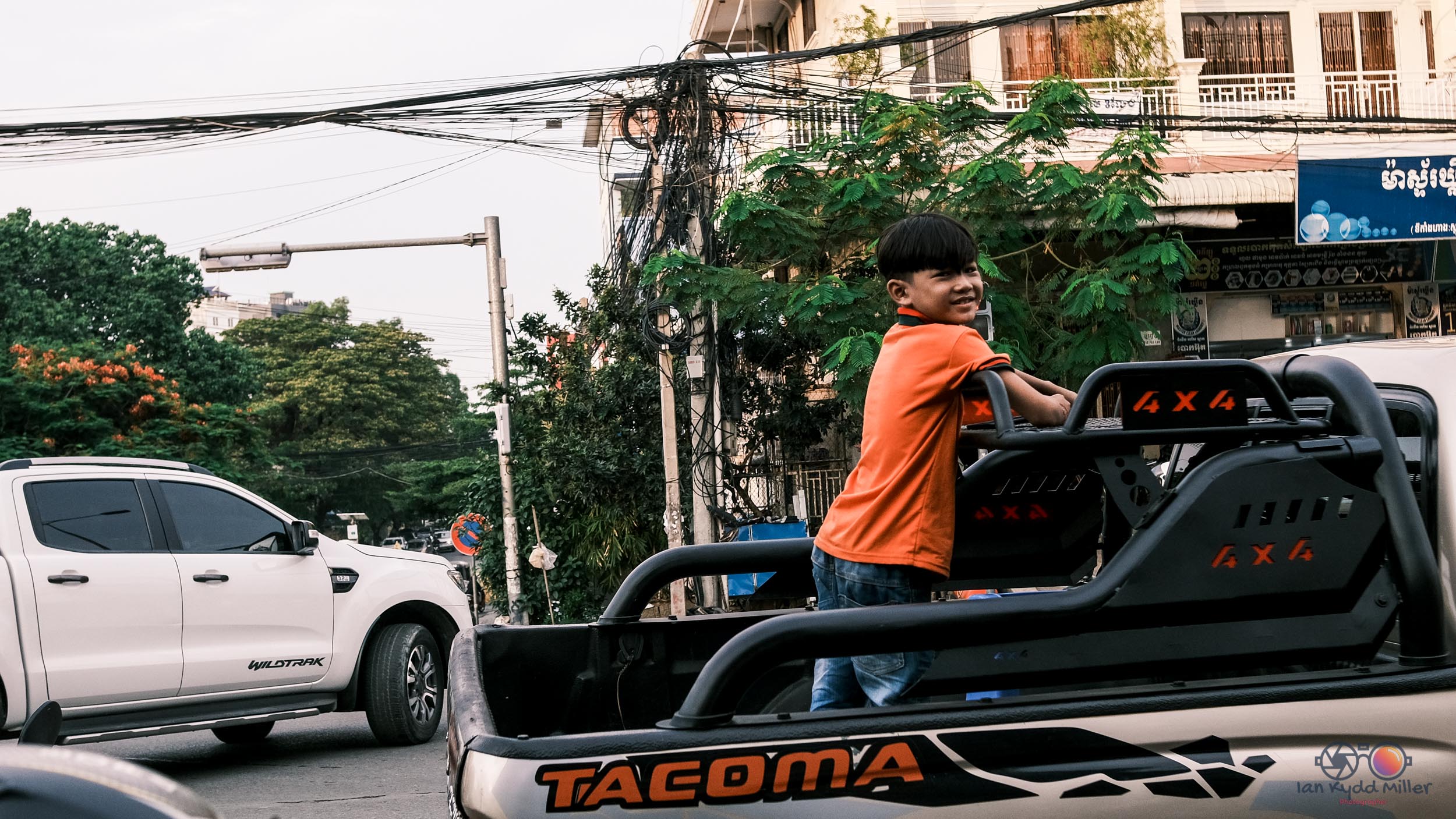



Phnom Penh is a great city for colourful photography, it’s big, dirty and in your face. Street photography is a pleasure. The people are generally friendly and rarely object to having their picture taken.
Less is More – don’t take too much equipment and travel light. It’ll make you less obtrusive and you will be able to move around for the best shot quickly.
Stolen Moments – anticipate moments between people before they happen.
2. True Colours – black and white is often where it’s at with street photography but at times colourful situations arise and can really make a shot – be on the look out for these.
3. In the Background – what’s going on behind your subject can actually ‘make’ the shot. Billboards, signs, graffiti and other visual elements can really make a statement in a shot.
4. Dare to Go Diagonal – don’t just hold your camera horizontally – experiment with angles. Street photography is a less formal medium – make the most of it.
5. Opposites Attract – shots that challenge the ‘norm’ in terms of composition and story/subject matter can be powerful. Look out for ‘surprising’ subject matter and composition.
6. What a Performance – street performers, parades and other street entertainment can be great subject matter on the street.
7. Off the Streets – other places where people gather in number can lead to great shots in this genre – zoos, fairs, shows, parks, sporting events etc all can be worth trying.
8. New Angle – find ways to get up high or down low – these new perspectives on subjects that are familiar can lead to eye-catching shots.
9. Practice makes Perfect – over time and with practice your photography will improve. You’ll not only get better at technique but also spot the things to focus on on the street.
10. Fortune Favors the Brave – sometimes the best thing you can do is to get close to your subject – this can be a little confronting but will produce powerful images
11. Fun in the Sun – often we try to avoid shooting into the sun and the shadows that direct sunlight can produce – in street photography breaking these ‘rules’ can lead to great shots.
12. Ready to Pounce – have your camera out and ready to shoot at all times. Things can move quickly on the street so if you’re not ready you’ll miss lots of opportunities.
13. Revise the Revisit – street photography is not all about spontaneity – if you see a scene with potential don’t be afraid to keep coming back to it until you get the shot.
14. Frozen Motion – the street is a place of movement – to capture it and still get sharp shots make sure your shutter speed is fast enough. 1/125 or more with an ISO of 400 is recommended as a base. I also think it can be fun to experiment with slower shutter speeds on the street – capture the movement as blur.
15. Street Wallpaper – blend in with the scene – shoot unobtrusively and unnoticed.
16. Life Through a Lens – ‘exaggerating perspective will help set your subject in context and provide a more forgiving depth of field’ – use a wide-angle lens (or even a fisheye).
17. Expect the Expected – people can be suspicious of street photographers so shoot in places where people expect to see people doing photography. Smile, be polite and be willing to delete images if people protest.
18. Location, Location, Location – really this is what it is all about. Choose places where people interact with one another and times when they are present.
























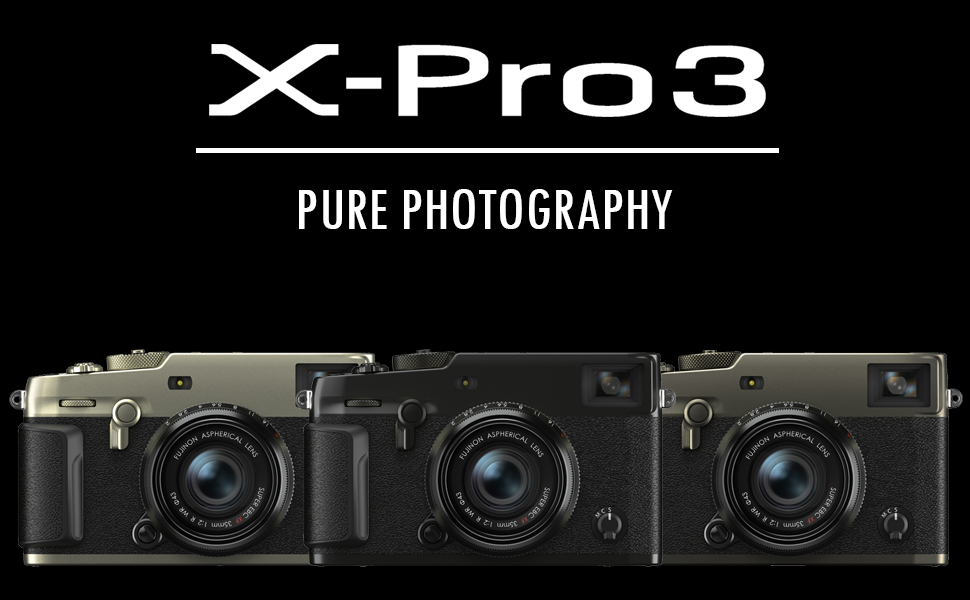
Something different is here. This camera turns anticipation into reality. The texture of titanium stimulates your senses, while the unique viewfinder prompts discovery and creativity. It brings back the desire to interact with the world through a camera, while attaining an understanding to record it as your own for eternity. The X-Pro3 is the definition of pure photography.
The X-Pro3 design means you can keep your eyes focussed on the subject while your fingers access the various buttons and dials to ensure that you never miss a perfect photo opportunity. This is the ultimate design for analog camera operation.

From the start, the X Series has made sure to preserve the elegance, beauty and functionality of a camera while making sure we respect the history of photography. Once you pick up this camera, you will feel this and enjoy the sense of nostalgia. The frame of the camera body is made from magnesium, while the top cover and the base plate, which are the parts exposed to the elements are made from corrosion resistant titanium. The unique character of the titanium finish will never be lost. You quickly realize a camera is much more than just a photographic tool.
TITANIUM + MAGNESIUM

BLACK

DURATECT

WEATHER RESISTANT

The hidden LCD encourages a more traditional shooting style, asking photographers to concentrate on composing using the viewfinder. Of course, you can flip open the screen to check your images between shooting sessions, but in essence, the X-Pro3 wants you to trust your instincts as a photographer and shoot without the distraction of checking every image. The LCD screen helps you to adjust the settings and find what needs to be improved, ready for next time.
The LCD screen has an anti-reflective coating, a wide angle of view, and is able to display images with high contrast and natural colors, ideal for reviewing or composing images in bright daylight or low light.
Digitally representation of film based visual effects are something only allowed for iconic photographic equipment. The visual effects appeal to users’ emotions and inspire imagination. The use of Memory LCD means users can easily see the settings for Film Simulation, white balance, etc. when the camera is turned off or on.
Enjoy Taking Pictures Without Distractions

FINDER

MOTION BLUR REDUCTION

Electronic Rangefinder
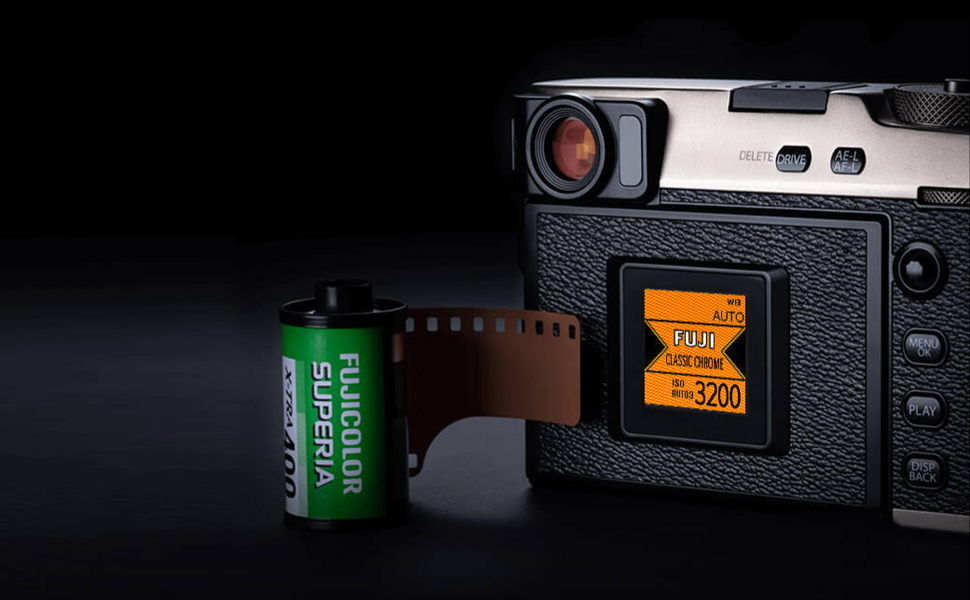
FUJIFILM has continued to study color since the production and development of photographic films in 1934. The technologies and experiences, accumulated over the years, have been injected into the Film Simulation modes. Each of the carefully chosen modes has a unique set of colors and tonality to create images that reflect how a photographer felt when taking the picture. The world of extended color expressions including CLASSIC CHROME, ACROS and ETERNA, is now joined by another new mode of Film Simulation.
The new Film Simulation mode has been designed to simulate color negative film that was traditionally chosen for snapshots of everyday scenes. The colors, precisely controlled for each level of brightness, create a rich chromatic contrast to add extra definition. The new “CLASSIC Neg.” takes you back to scenes as you saw them growing up, bringing back the joy of photography.

The X-Pro3 allows you to choose a key color from a matrix of Warm / Cool tones and Magenta / Green hues. You can incorporate the rich gradation into your images to create photographs with a personal twist. Enjoy creating your own monochrome world with added hues, going beyond the traditional approach of using warm tones for a retro look and cool tones for urban snapshots.

Fujifilm sent me an X-Pro3 to try for a few weeks. I put it through its paces as best as I could in that short time, and wanted to publish a review; however, what fresh insight can I give that hasn’t already been said over and over? Instead of rehashing all the technical data you […]
Review: Fujifilm X-Pro3 in 2022? — FUJI X WEEKLY



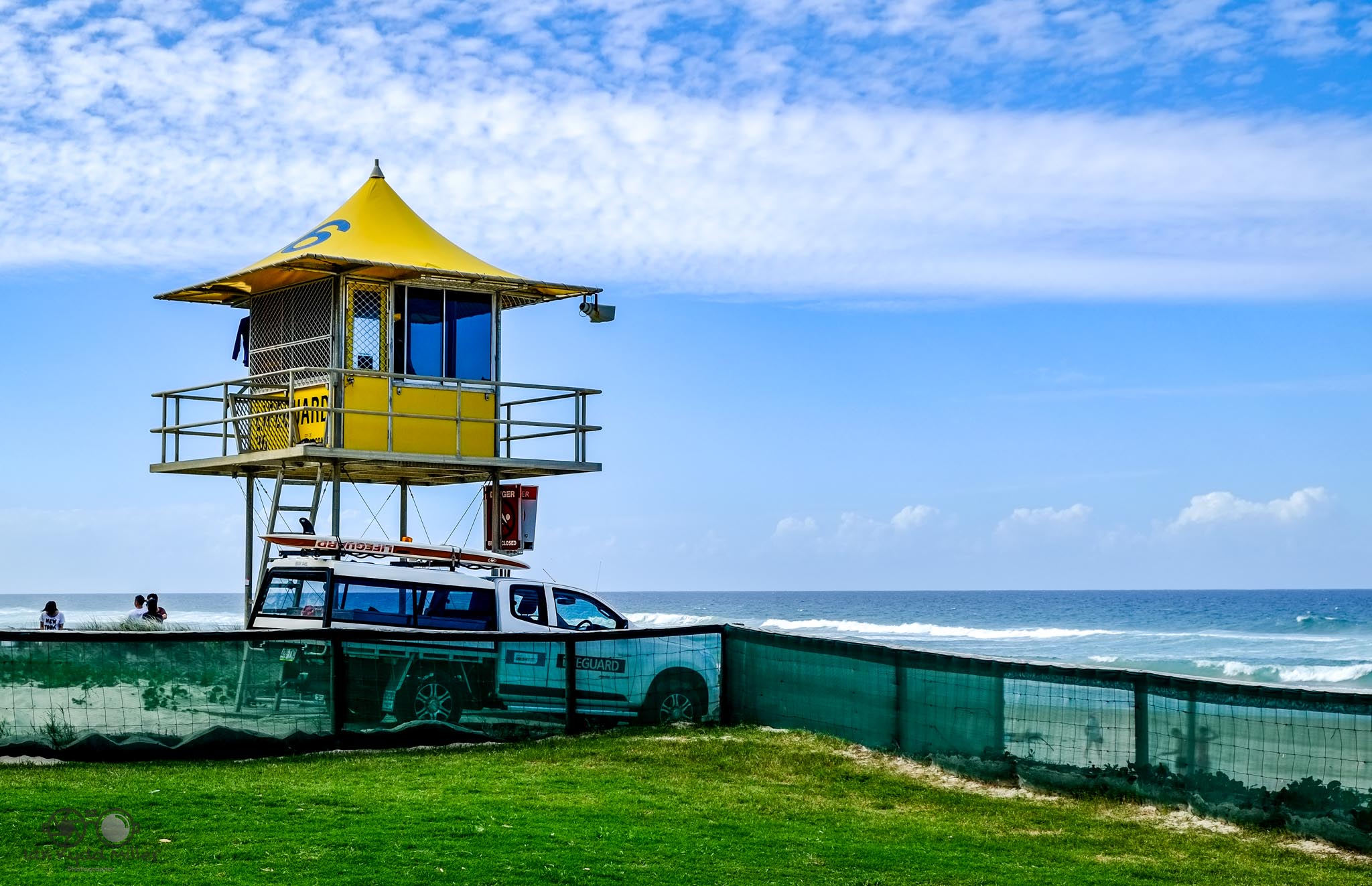







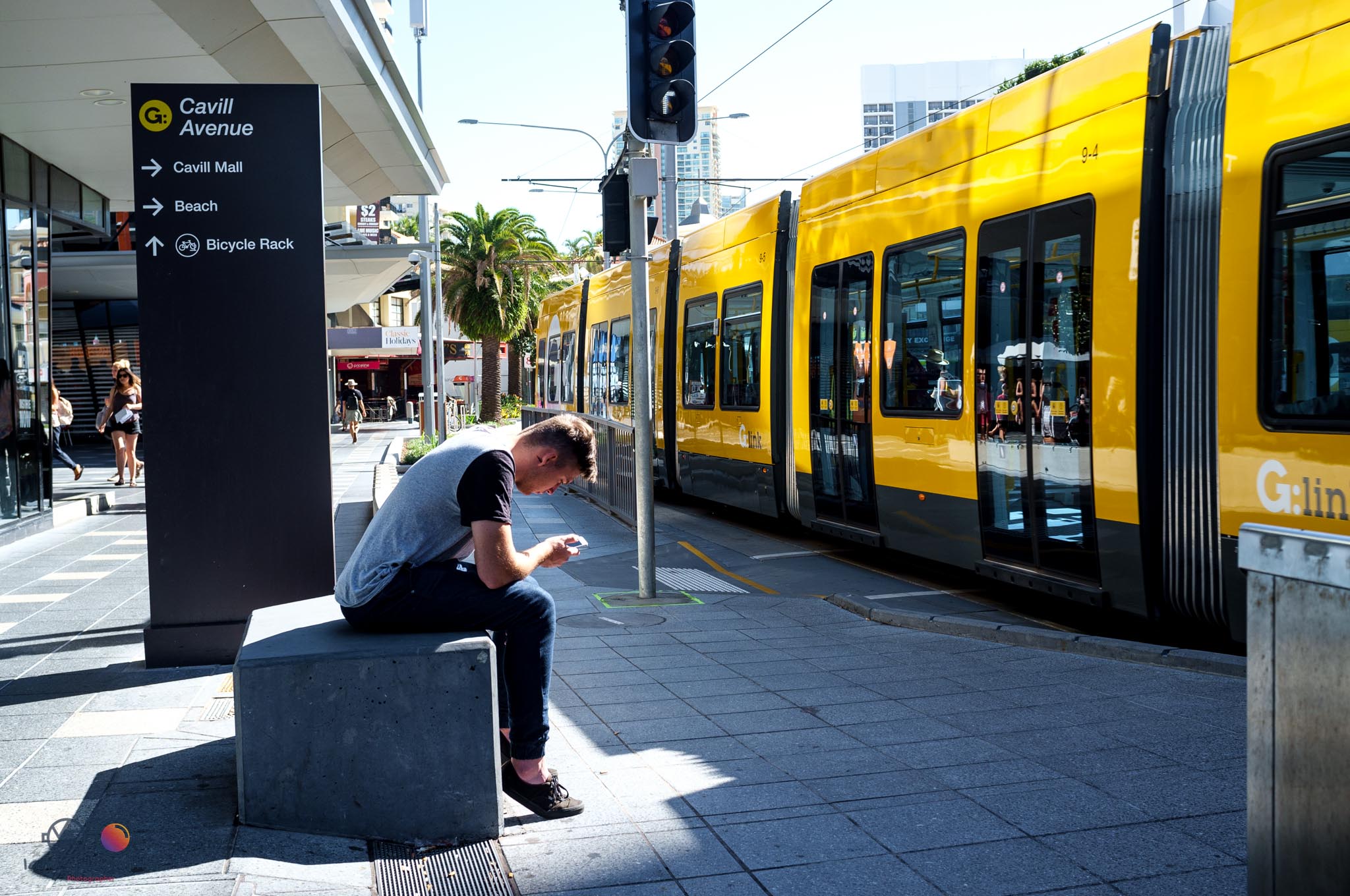
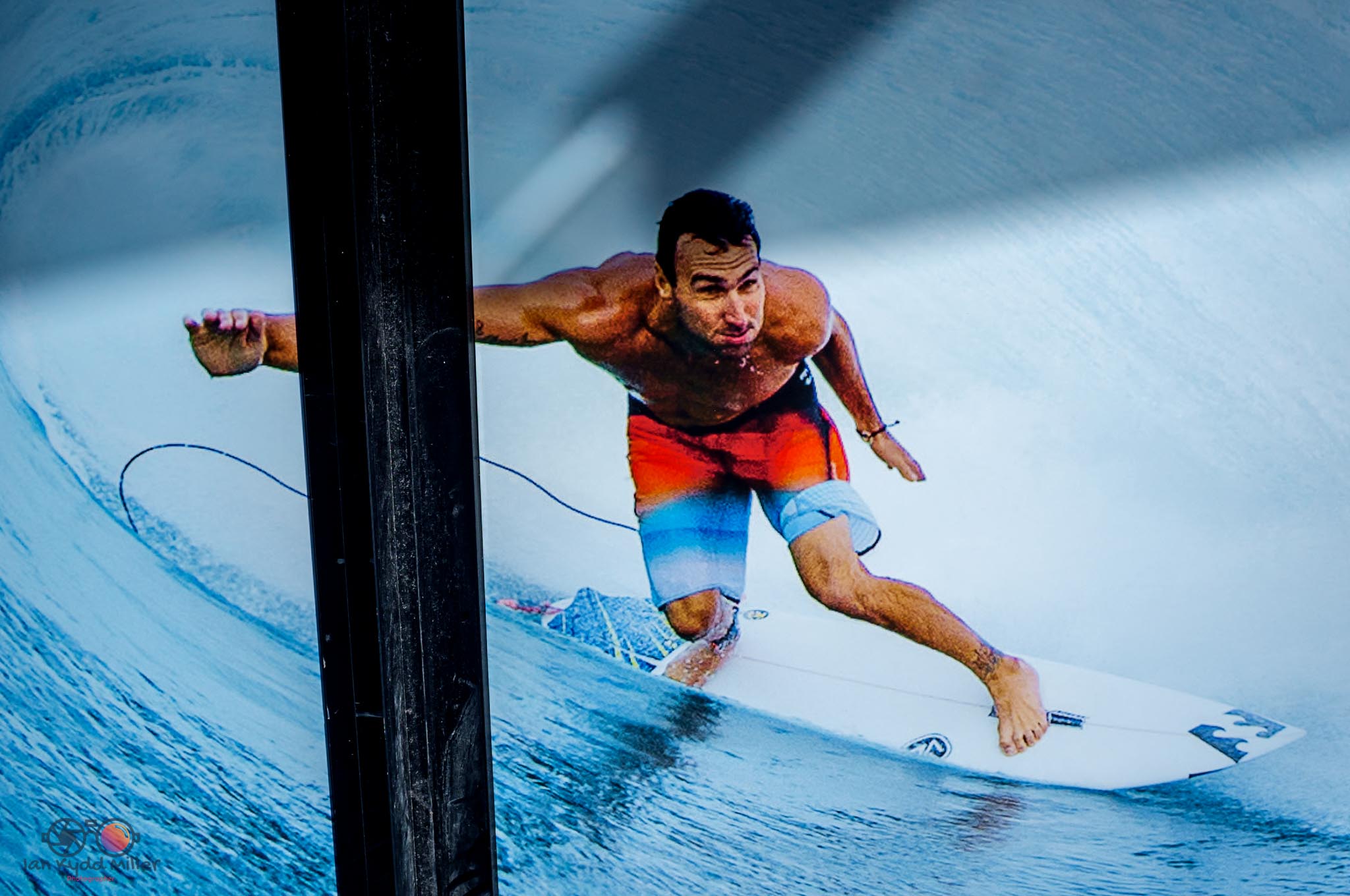

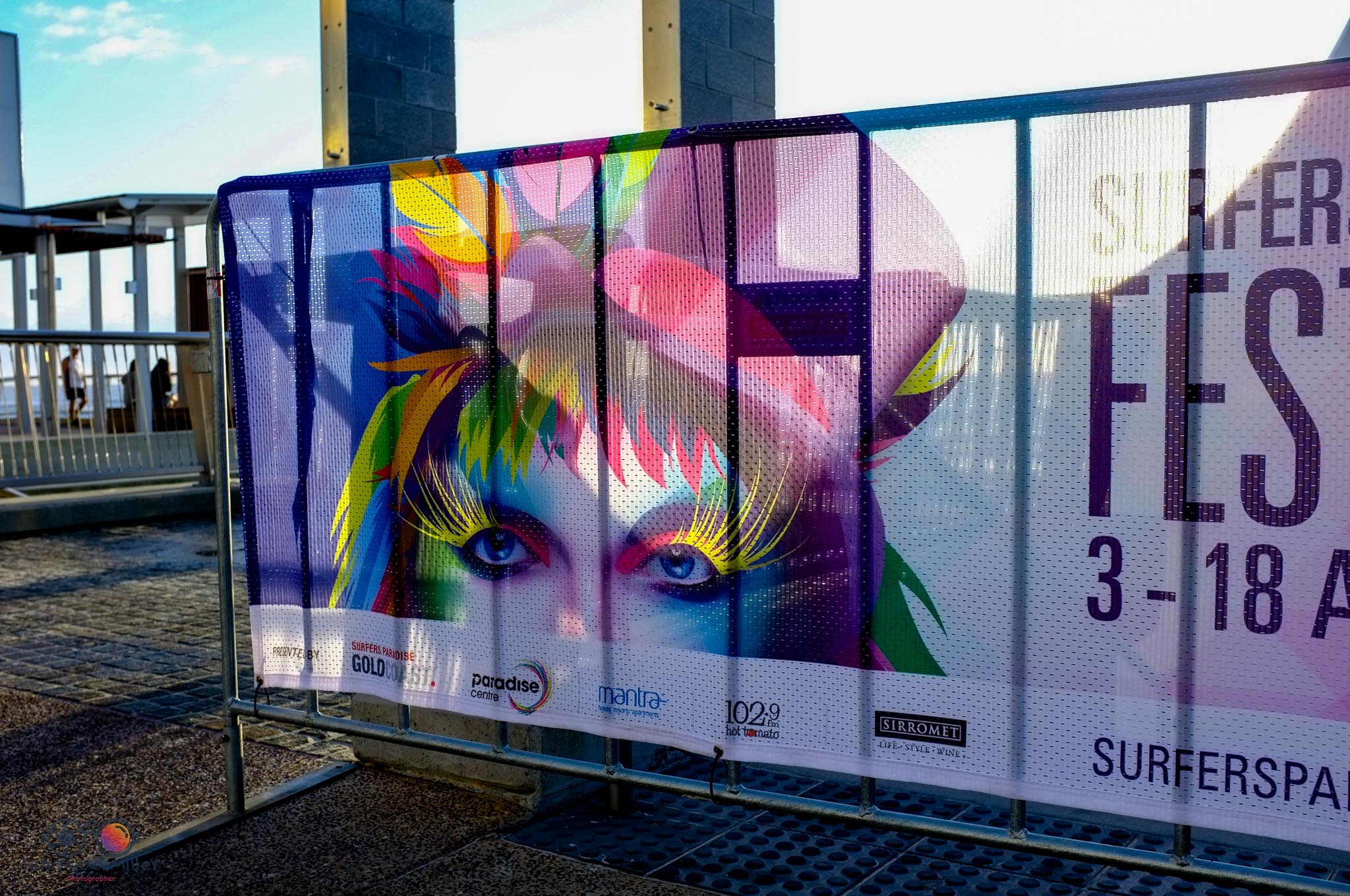






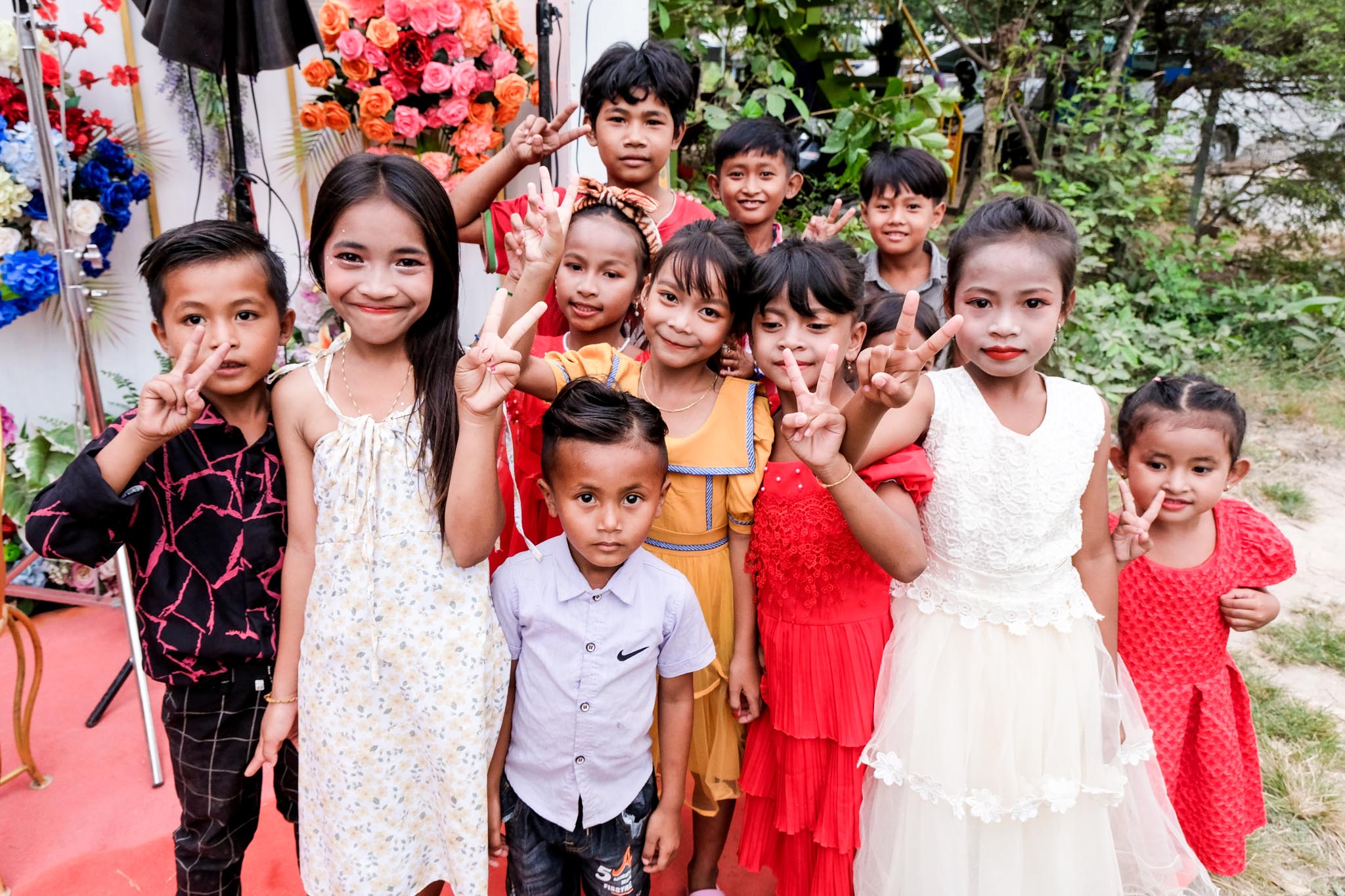


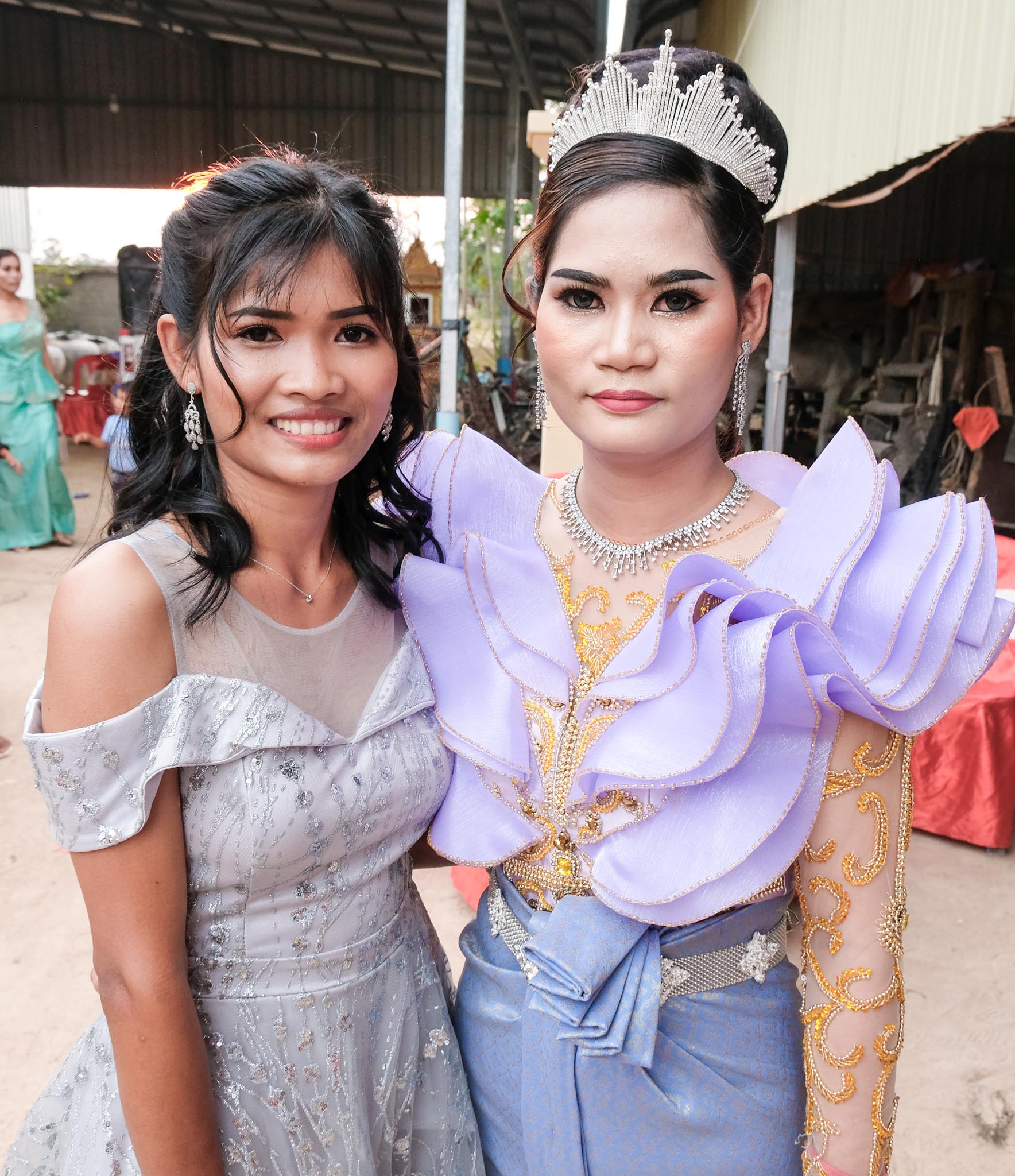


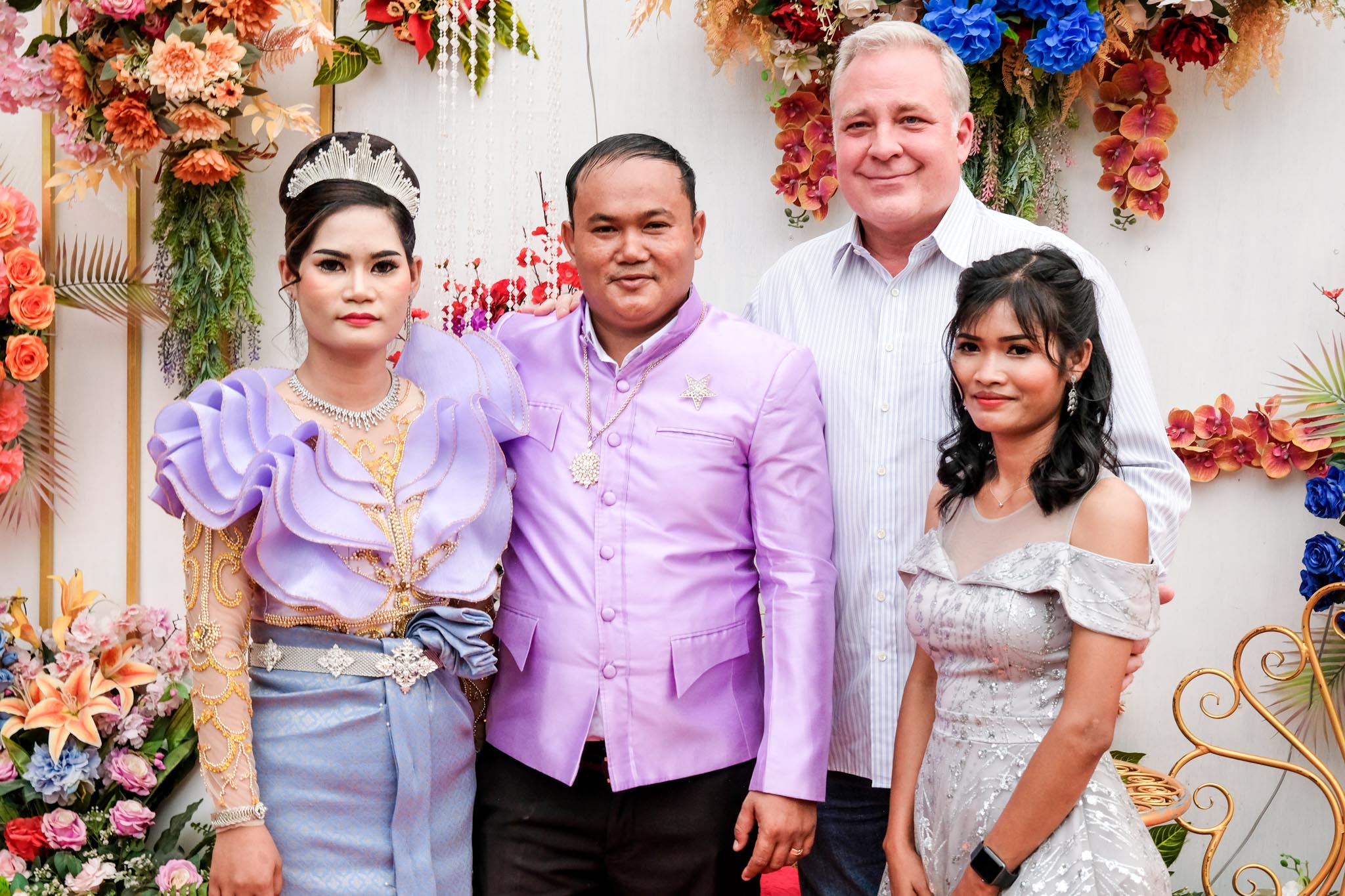
The truth is: Everyone is a photographer. To be a photographer means that you have a passion to paint with light. That you are drawn to documenting personal memories, with your phone, or any device with a camera. Eric Kim.





Is there a difference between a photographer who uses a camera, film or digital and one that uses his/her telephone? I must admit that I rarely use my phone to take anything other than family snaps which it can do beautifully without any difficulty.

Do I agree that everyone is a photographer, I agree that everyone has the capability to take a photograph but that ability, in my opinion, does not make one a photographer.


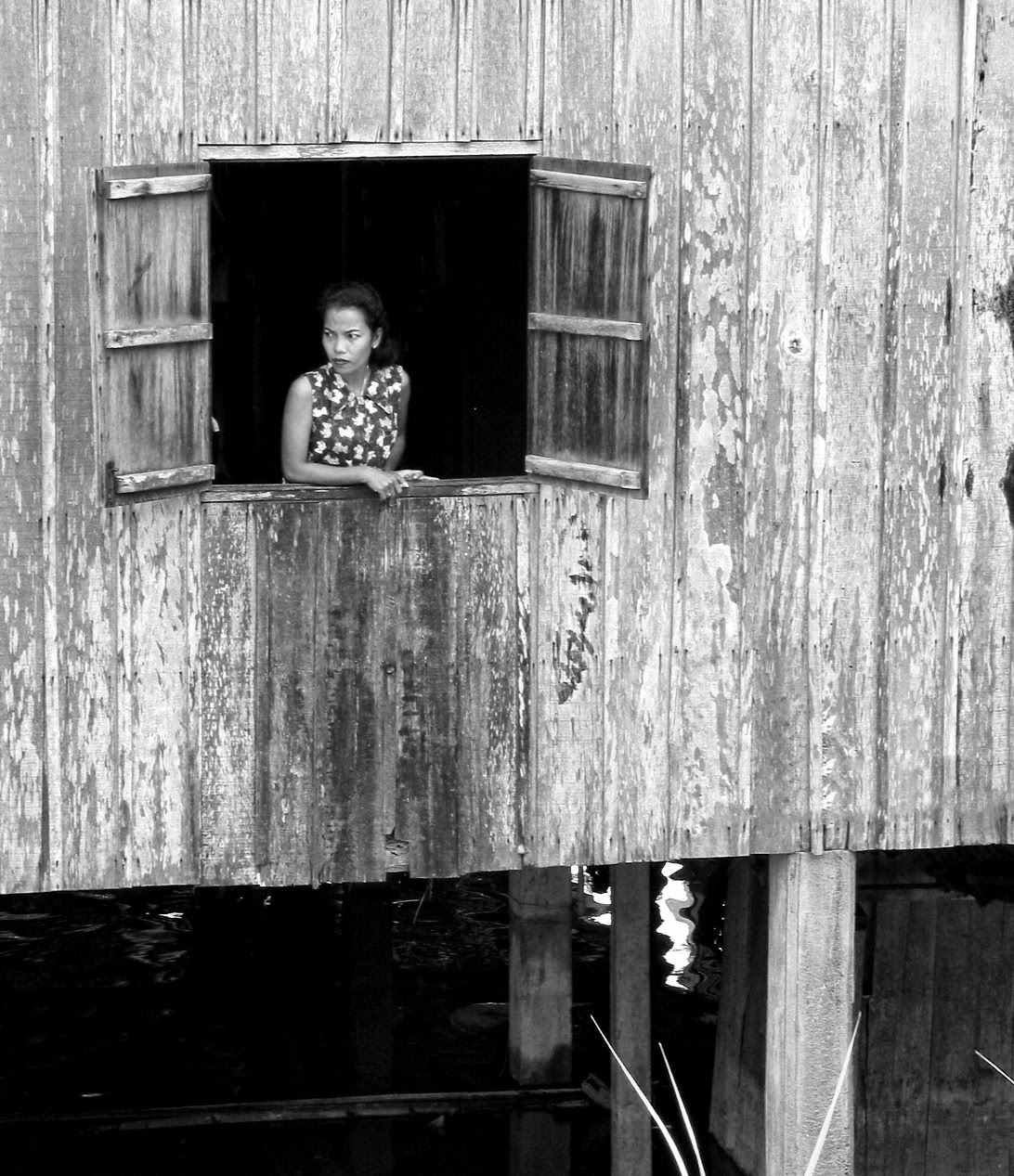



Is everyone a photographer? This is a question that might spark a lively debate among people who love to capture moments and share them with others. Some might argue that photography is an art form that requires skill, creativity and vision, while others might claim that anyone with a smartphone and an Instagram account can be a photographer. But what does it really mean to be a photographer?

One possible way to answer this question is to look at the definition of photography. According to the Oxford English Dictionary, photography is “the art or practice of taking and processing photographs”. This implies that photography involves both technical and artistic aspects, such as choosing the right camera settings, composing the shot, editing the image and presenting it to an audience. However, this definition does not specify what kind of photographs are considered art or how much processing is acceptable. Moreover, it does not account for the different genres, styles and purposes of photography, such as documentary, portrait, landscape, abstract, commercial, etc.

Another possible way to answer this question is to look at the history of photography. Photography has evolved significantly since its invention in the 19th century, from daguerreotypes and calotypes to film and digital cameras. Along the way, photography has been influenced by various cultural, social and technological factors, such as the rise of mass media, the development of photojournalism, the emergence of new movements and trends, the democratization of access and distribution, etc. Photography has also been challenged and expanded by other forms of visual expression, such as painting, sculpture, video and multimedia. Therefore, photography is not a static or fixed concept, but a dynamic and diverse one.

A third possible way to answer this question is to look at the personal experience of photography. Photography is not only a way of producing images, but also a way of seeing and communicating. Photography can be a hobby, a passion, a profession or a lifestyle. Photography can be a source of joy, inspiration, curiosity or challenge. Photography can be a means of self-expression, storytelling, documentation or activism. Photography can be a tool for learning, exploring, discovering or creating. Therefore, photography is not only a product or a process but also a perspective and a practice.

So, is everyone a photographer? There is no definitive or universal answer to this question. It depends on how one defines photography, how one understands its history and how one engages with it personally. Perhaps the more important question is not whether everyone is a photographer, but why and how everyone can be a photographer. What does photography mean to you? How do you use photography in your life? What do you want to achieve with photography? These are some of the questions that might help you find your own answer.
“I believe that an essential part of man’s duty upon this earth is to bear witness to the truth as it has been revealed to him.” John Godolphin Bennett (8 June 1897 – 13 December 1974) was a British mathematician, scientist, technologist, industrial research director, and author.
This is an interesting statement for the photojournalist. Who defines the truth.
Accepted Definition
1. The quality of being true, genuine, actual, or factual the truth of his statement was attested
2. Something that is true as opposed to false you did not tell me the truth
3. A proven or verified principle or statement; the fact the truths of astronomy
4. A system of concepts purporting to represent some aspect of the world the truths of ancient religions
5. Fidelity to a required standard or law
6. Faithful reproduction or portrayal the truth of a portrait
7. An obvious fact; truism; platitude
8. Honesty, reliability, or veracity the truth of her nature
9. Accuracy, as in the setting, adjustment, or position of something, such as a mechanical instrument
10. The state or quality of being faithful; allegiance Related adjectives veritable, veracious
So how does a photojournalist remain truthful in a world of complex truths? Difficult to say the least when one mans truth may seem a lie to another. How do we maintain integrity? the quality or state of being of sound moral principle; uprightness, honesty, and sincerity.
As an ethical concept, integrity depends upon consistency. To have integrity, a person must base his/her actions upon a well-thought-out framework of moral principles. What he/she does should be the same as what he/she says.
I live in South East Asia and am surrounded by truths that may have different realities for different people. Political truths, poverty truths, inequality of power and sex, confusion and lack of will.
How do I as a photojournalist not allow myself to be misled, my work used to define half-truths or lies? Is it OK to allow my pictures to be used in positive ”propaganda” that generates interest from people able to help the needy?
The ability to see pictures that will tell the true story without biases is difficult because no matter how we try to keep our own views and thoughts from shaping an image subconsciously it will still happen.


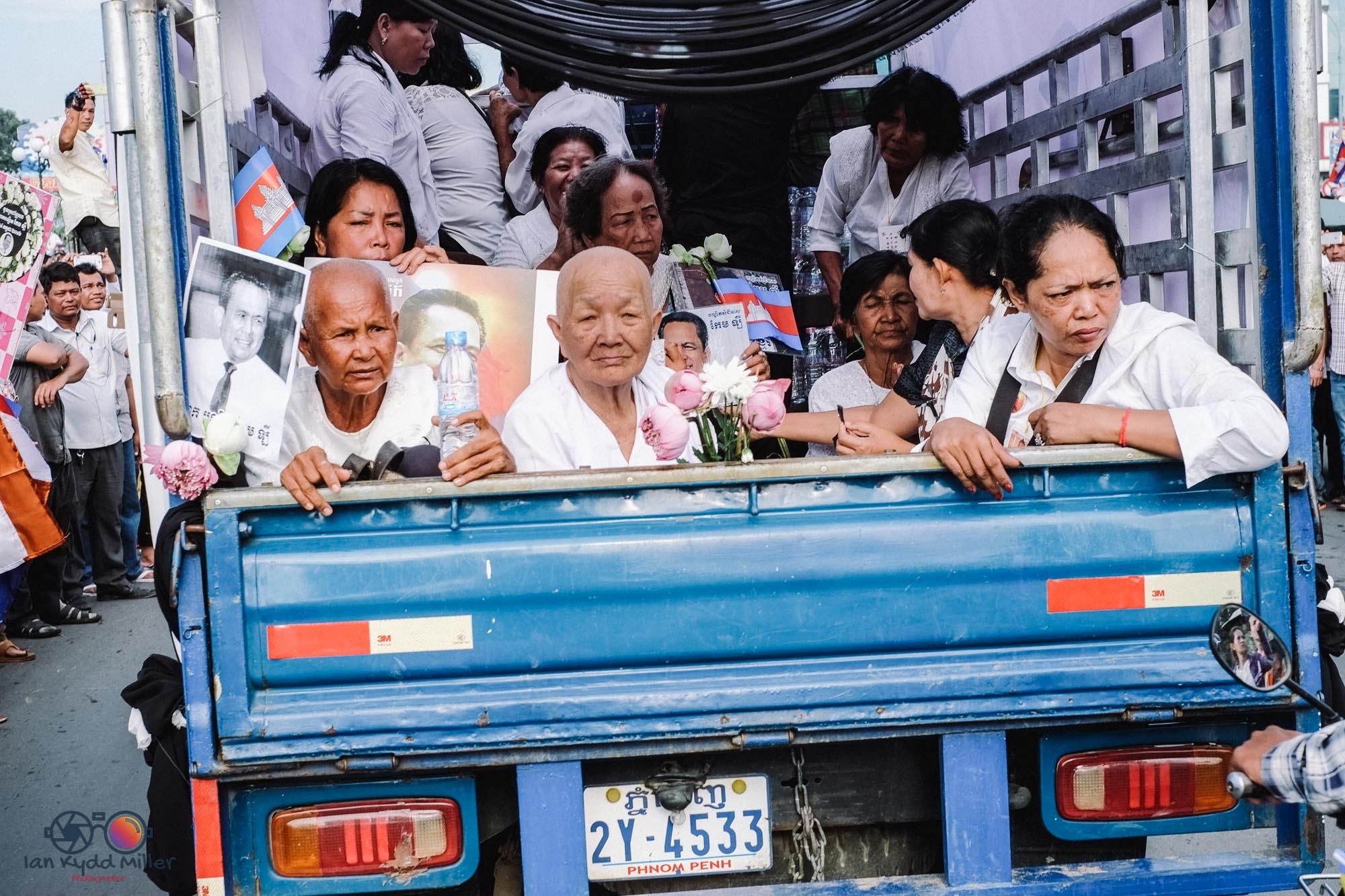


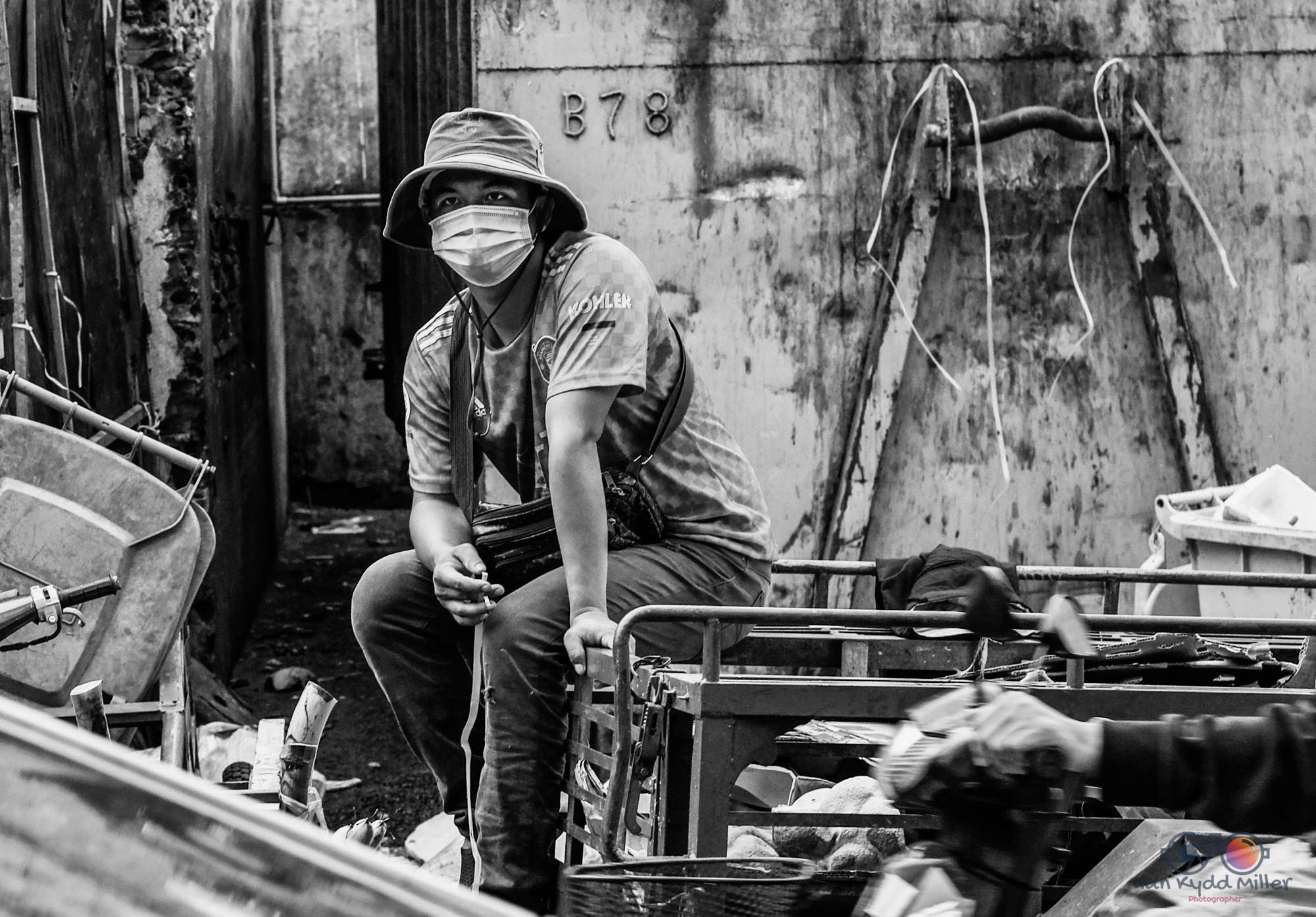
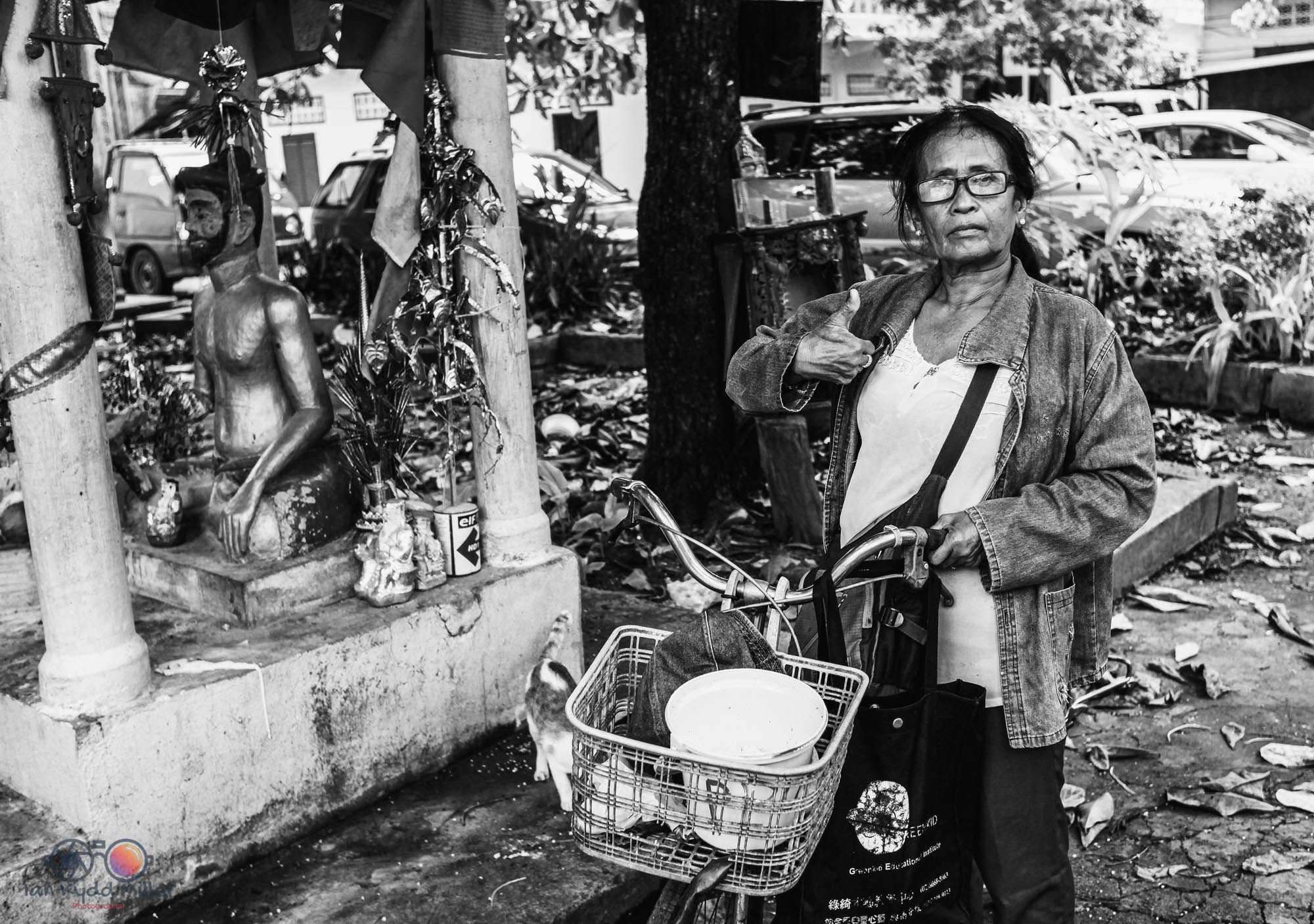
Humanism in photography is all about images that show empathy and the ability of human beings to empower each other. A photographer who injects humanism into their photos puts the spotlight on human beings. The centre of attention is always the people.





I would consider myself to be a humanist photographer rather than a ”street photographer” although much of my work happens on the street. People, how they live and survive are what really interest me, the feeling of wanting to know or learn about something or someone.
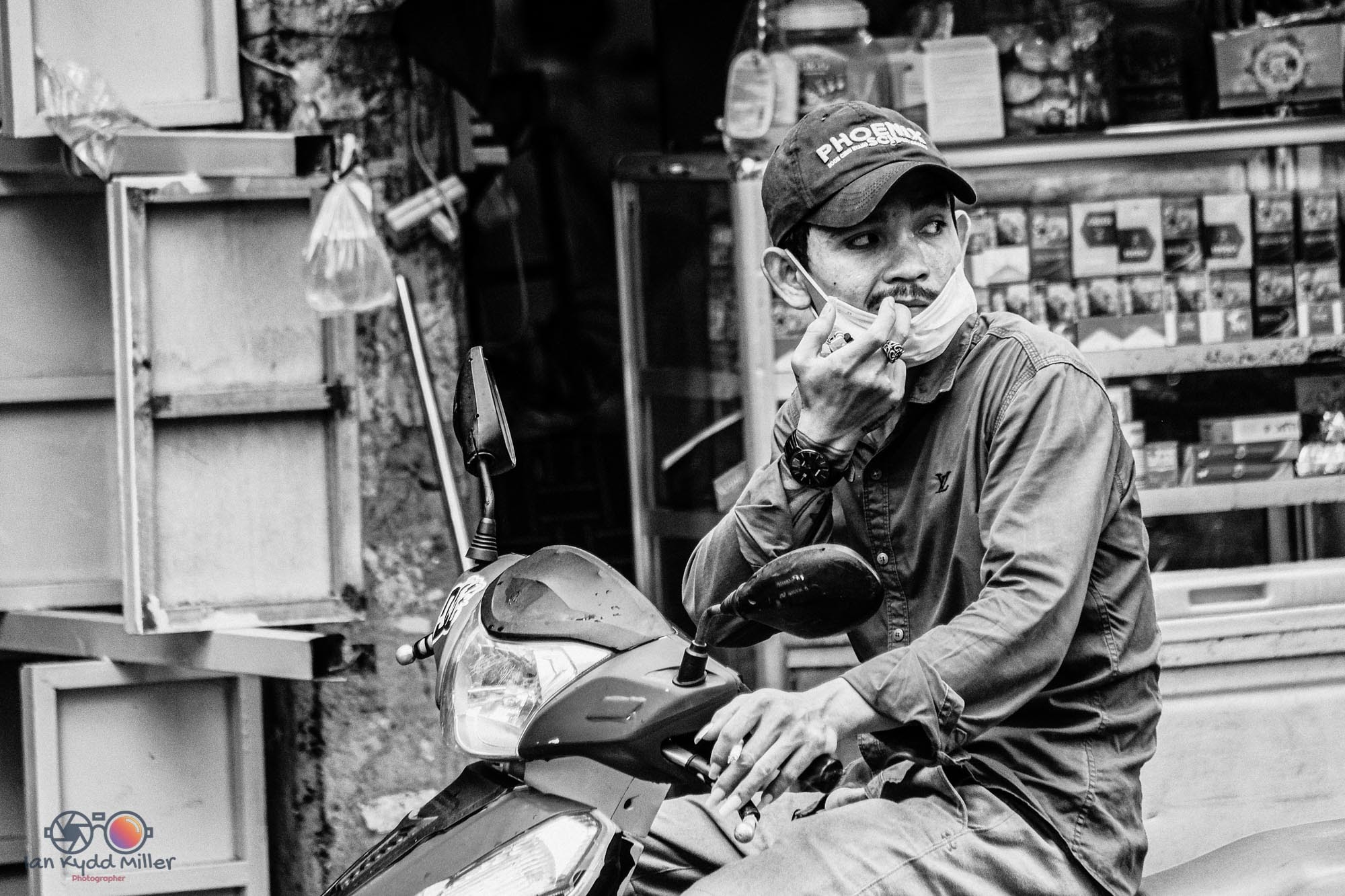


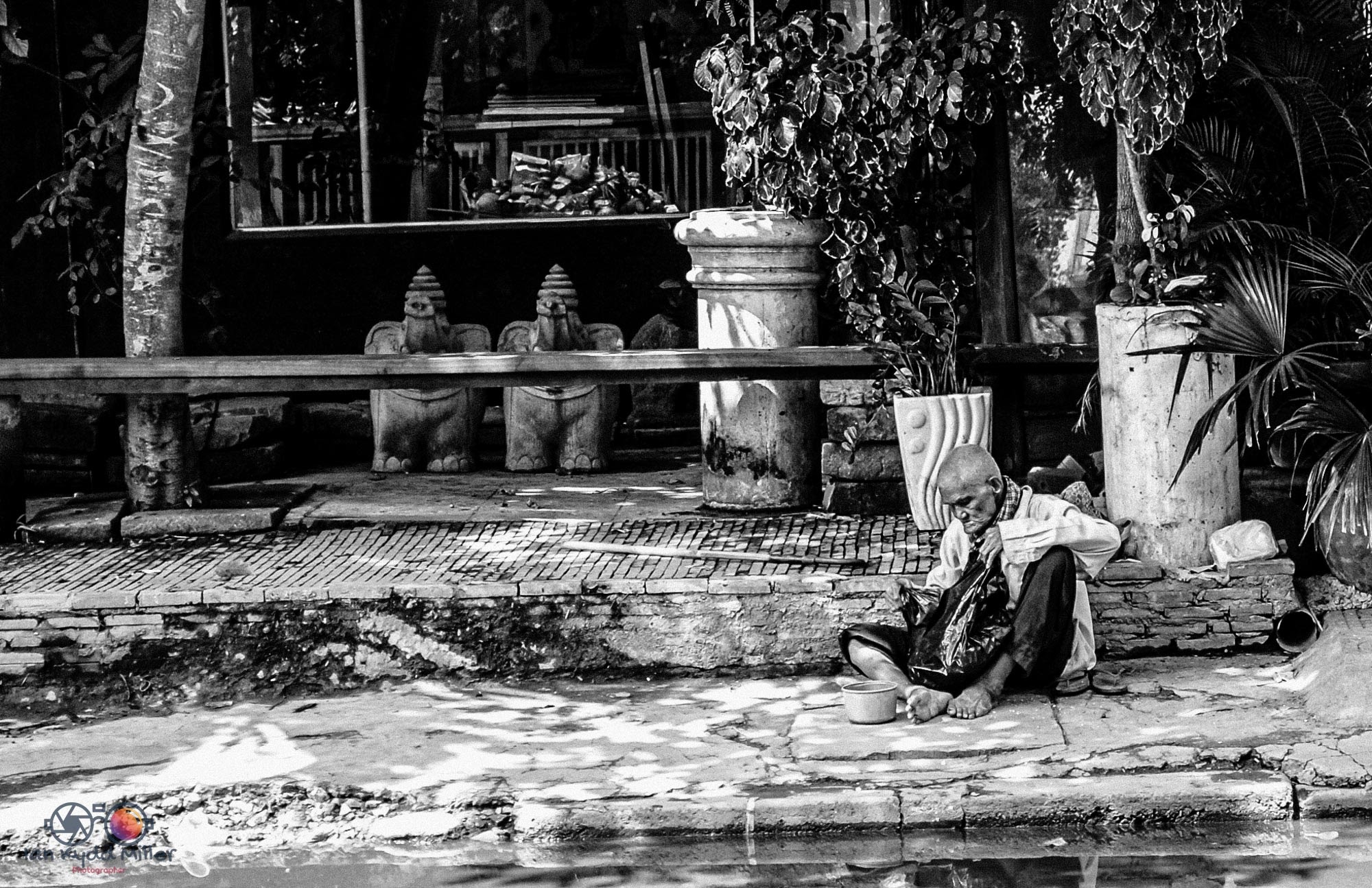



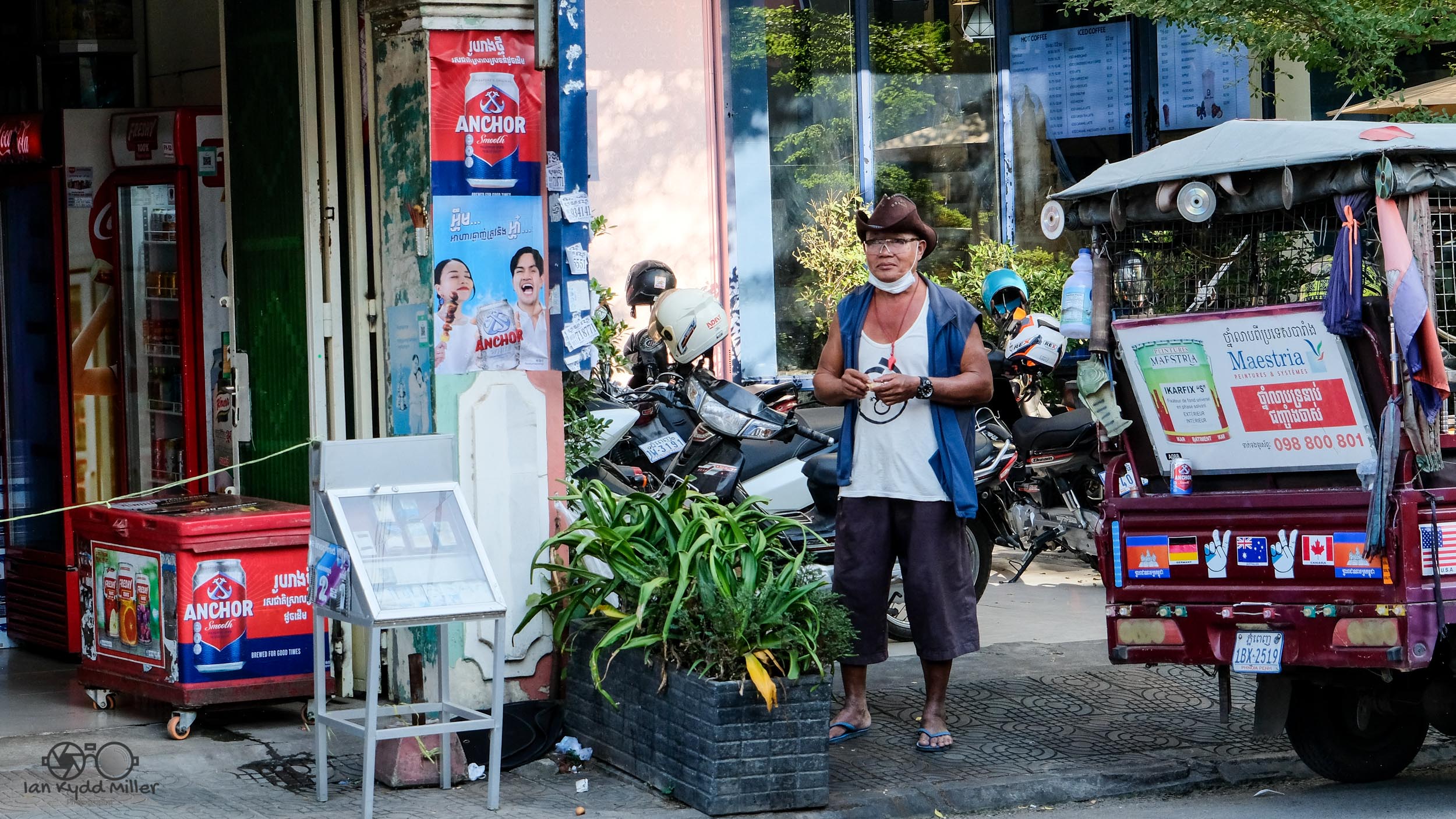

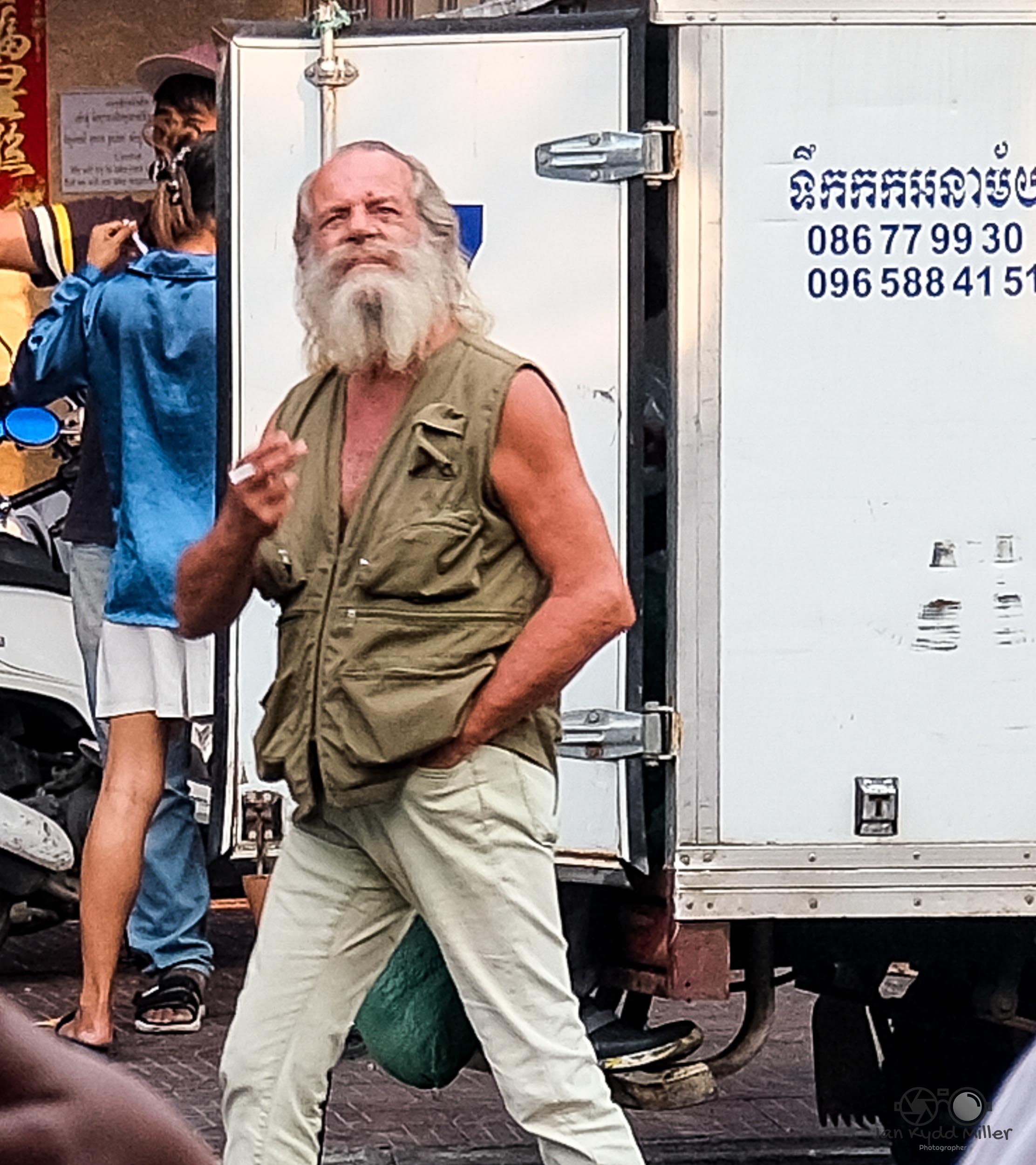
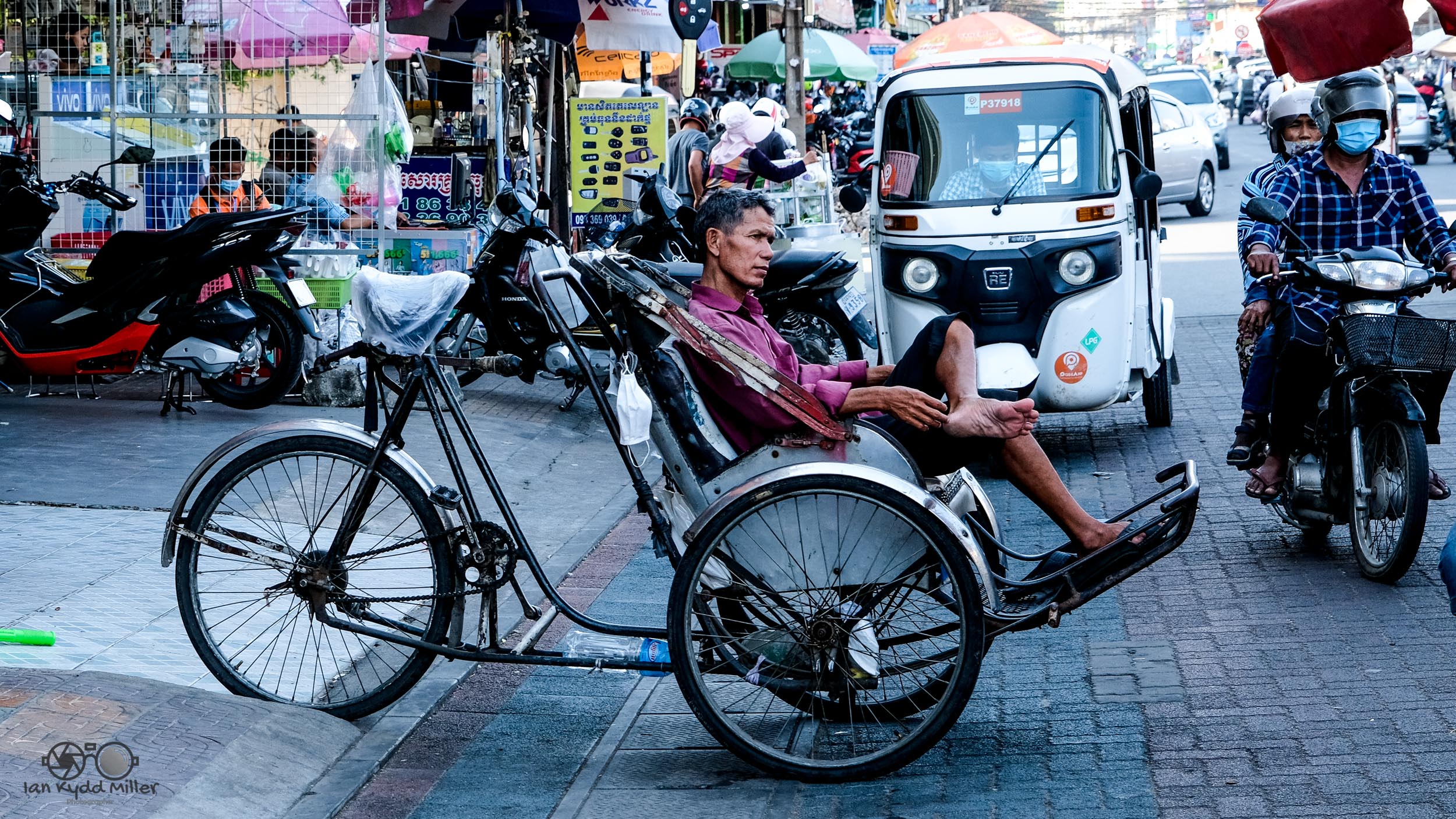


Humanism, a rationalist outlook or system of thought attaching prime importance to human rather than divine or supernatural matters.




 a world without pictures is like coffee without cream and sugar, bitter