Photographer Anne Murat is the Edge of Humanity Magazine contributor of this photo essay. From the project ‘Tokyo Solo’. To see Anne’s body of work, click on any image. 418 more words
Well well well. It sure looks like the X-E line isn’t dead afterall. One of the most pocketable APS-C Mirrorless Interchangeable Lens Cameras just got even more pocketable, and even more sleek and stylish. All of it without compromising features of the models that comes before it. But is there really a place for a […]
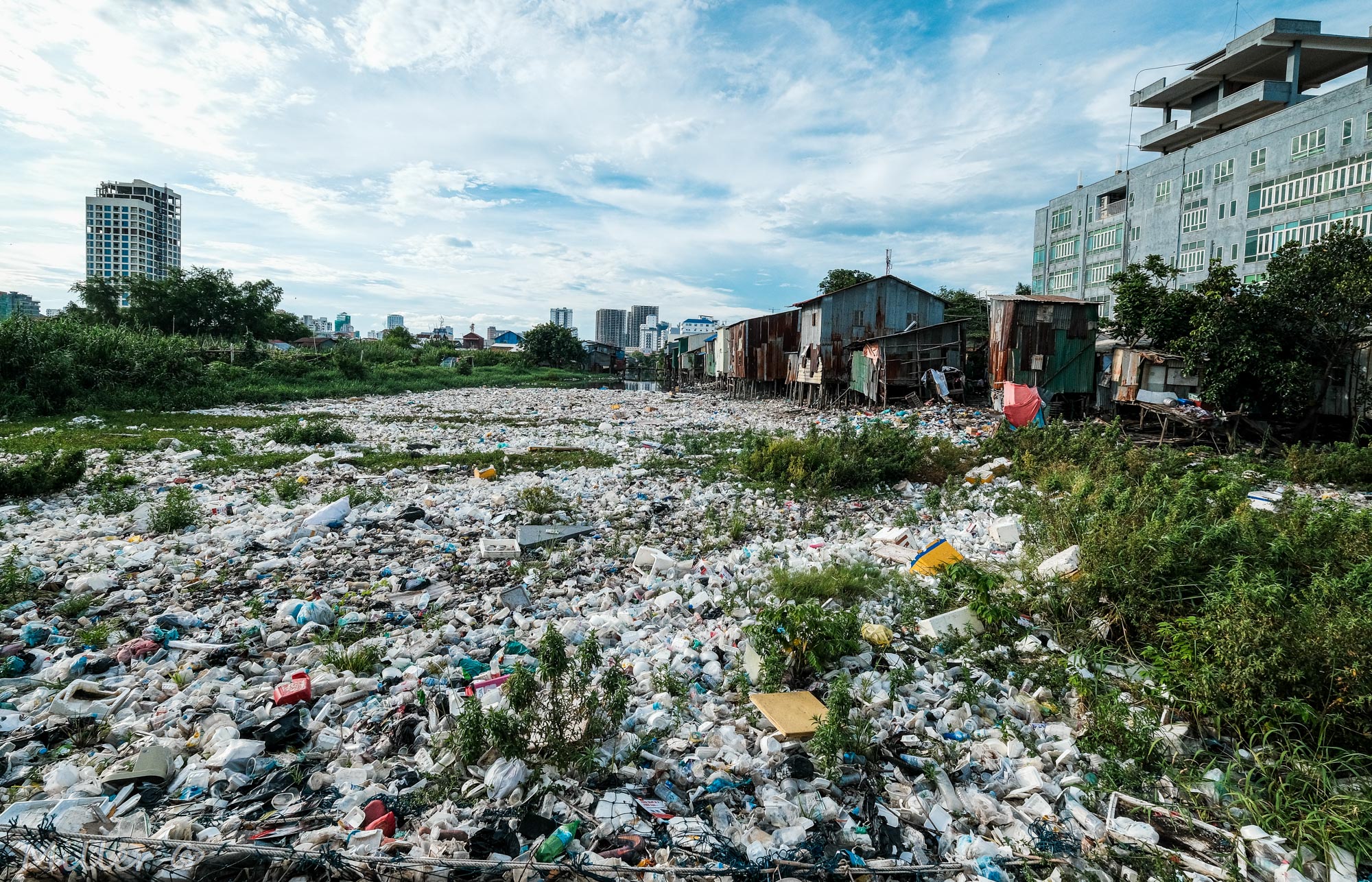
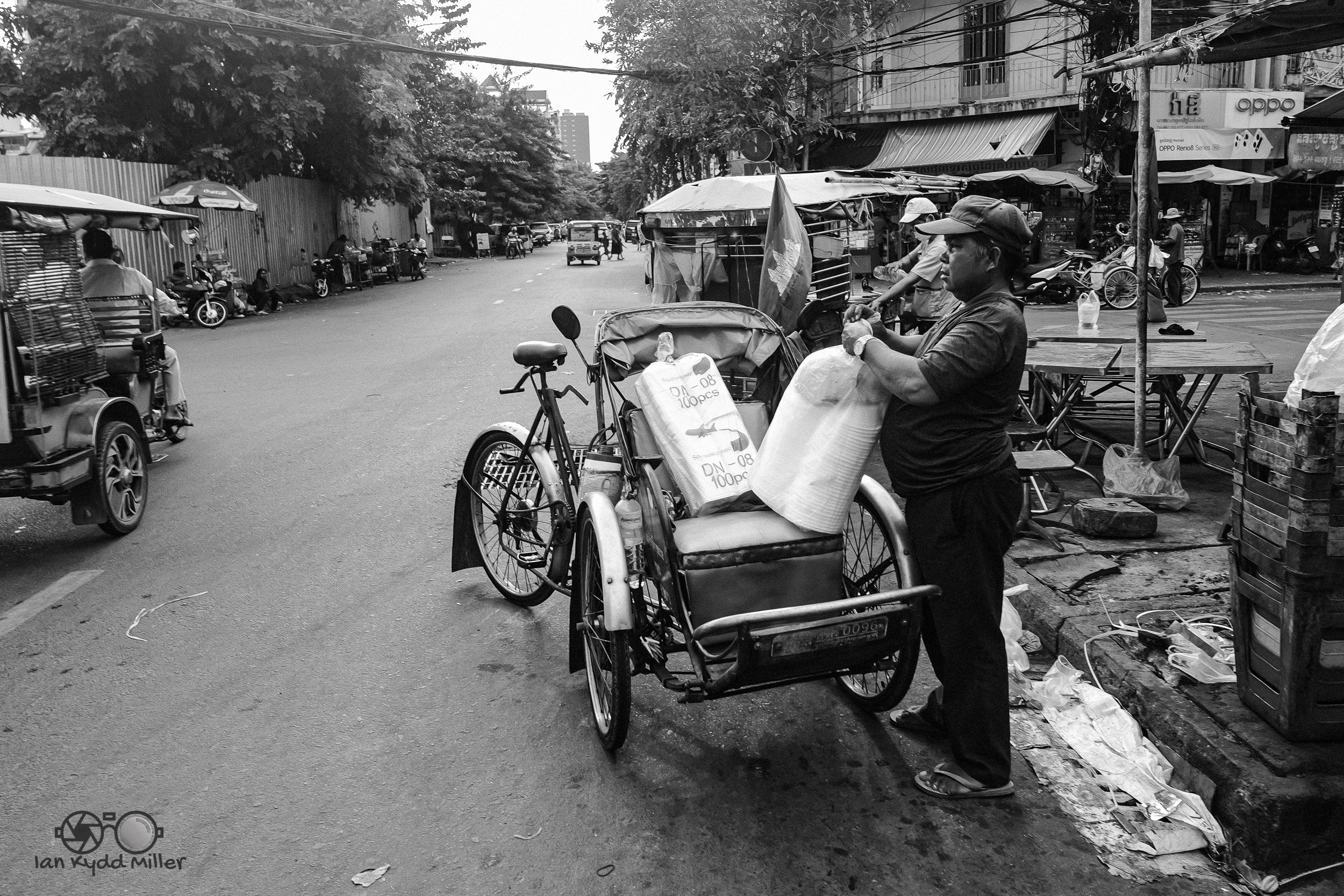
The nightmare of the plastic and polystyrene waste scattered around the city does not seem to be getting any better. There seems to be little political commitment to tackling this problem and without that, it will never go away.
Ian Kydd Miller
As seen above is the collection of plastic waste at Bueng Trabek this fills the canal and just seems to get bigger. This will not rot down or go away and needs action to remove it and dispose of it in a proper fashion.
People are living with this stinking mess literally on their doorstep. The problem is caused by people actively or passively dumping their waste into the open sewer that leads to Bueng Trabek lake. The people need to start taking more responsibility for the care and disposal of their day too day waste and a much more effective system of collection must be implemented by those with that responsibility.
It saddens me personally to see this potentially great city let down by its inability to keep itself clean and maintain at least a level of hygiene that is not a danger to some of its population.
Five simple things that you as an individual can do to reduce plastic waste.
1. Break up with bottled water.
Save hundreds of dollars per years by saying goodbye to single-use plastic bottles.
2. Shop with reusable bags.
100,000 marine animals are killed by plastic bags each year. Switch to reusables to reduce your overall waste.
3. Skip the straw.
Do without or if you like having something to sip with, use a glass, bamboo, hay, metal or another type of reusable straw. Ask for no straw when ordering drinks.
4. Recycle everything!
And we do mean everything you cannot reuse, compost, or donate.
5. Choose seasonal and local.
Avoid prepackaged food, shop at the local farmers’ markets and refuse plastic packaging.
My photography started with making pictures (and printing them) in Monochrome (Black and White). For me this style of photography brings with it a reality and a way of seeing the world that is different to colour images.
Fujifilm cameras have made this much simpler by including within the camera the ability to make monochrome images using their own approximations of their films from the past. This is actually done ”in camera”.
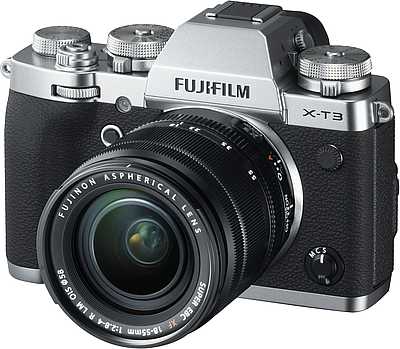
Managed to pick up a copy of this camera, handle used, here in Phnom Penh, several months ago and what a great purchase that was. After using it for a few months and making some decent images with it I now feel in a position to give a working photographers opinion on it.
As mainly a still image maker I am less interested in this cameras Video abilities, even though they are pretty darned good.
The FUJIFILM X-T3 features a newly-developed back-illuminated X-Trans CMOS sensor, the fourth generation to feature in the X Series. It has a resolution of 26.1MP. The sensor uses a unique color filter array, synonymous to X-Trans CMOS sensors, to control moiré and false color without the use of an optical low-pass filter. Its back-illuminated structure enhances image quality while maintaining a high S/N ratio. Furthermore, ISO160, previously available only as extended ISO, is now part of the normal ISO range, allowing you to achieve incredibly clean, noise free images.
The FUJIFILM X-T3’s sensor has increased the phase detection AF area to the entire frame with 2.16M phase detection pixels. The low-light AF sensitivity has also been extended enabling high-speed AF in even lower light conditions. I have found the AF to be a big improvement over that in my XT2 even though that was no slouch.
The performance of face-detection AF on a moving person has been doubled and works very well IMO. The eye-detection AF works in AF-C mode, maintaining accurate focus-tracking with portraits.
Continuous shooting of 11fps with the mechanical shutter no longer requires the optional vertical grip. I have the vertical grip and it not only give high speed shooting but extra battery life which was always a complaint with Fuji Cameras.
The FUJIFILM X-T3 offers 16 Film Simulation modes so that you can match your true photographic intention in a similar way to how photographers used to choose purpose-specific photographic films. I am not a photogrpher that feels the need to use RAW (all the time) as I find the way this (and other Fuji offerings) produces out of the camera JPEGs to be astounding and saves me numerous hours in post processing.
One of the main things that attracted me to the Fujifilm system is the way that it manages colour and the ability to bracket using 3 different film silmulations, including monochrome. I can adjust each basic film simulation to the way I want it to be (in the camera) and save that as a custom setting. (only works with JPEGs). Very easy to do.
All these images are untouched straight from the camera
Fuji has always come into some critism about its AF speed. I have never really found it to be a problem even on my X Pro 1, (much better after they upgraded the firmware). The XT2 and XT3 are IMO good and very good and are able to meet all situations. There are many AF phase detection points that are now easily seletable via the small joy stick on the rear of the body. Phase detection AF is the AF system used in viewfinder shooting on mirrorless and DSLR cameras. It works by splitting the light entering the lens into two so that it forms two images. … Phase detection AF enables autofocus be established swiftly, since the camera knows exactly how much and in which direction to move the focusing lens.
Weight, even with the extra handgrip and batteries is comfortable and manageable. The camera feel solid and well made. Nowhere near as heavy as my Canon 1D MkIV which makes it great for use as a daily carry around camera.
In these days because of the Covid pandemic and the restrictions in movement you may find yourself unable, or unwilling, to venture out and take new images. Now is a good time to gather your previous years of images and look for images that you may not have worked on before or need to be redone.
Too this end I have rediscoved images that I had forgotten about or just wanted to have another go at processing them differently. I have many 100’s of thousands of images that I feel deserved to be looked over again and now have the time to do it because of Covid.
When I scour my images I try to find images that I may have overlooked in my initial high grading and use them as a basis for tracking other images down. I have about 7TB of images stored and there are many that have never been really looked at (or printed).
In this diminutive bag I can carry all I need for a days street shooting. Two bodies, three lenses and four spare batteries.
Fujifilm XE2 + 18mm f2 Fujicron sometimes replaced with my X Pro 1 or 2
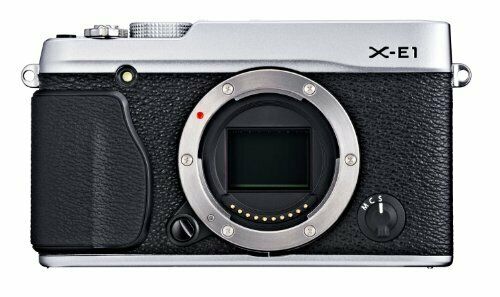
Fujifilm XE1 + Fujicron 35mm f2
Fujicron 14mm f2.8
The essence of this kit is its lightweight but the capability to produce HQ images. It is also much less obvious and attracts less attention from those who may be in the shot. The APS-C sensor in the X-E1 helps this relatively small camera shoot serious DSLR-quality photographs. Even at ISOs as high as 6400, the photographs are usable. The colours are accurate, and I was initially surprised at how little noise there is in the frame relative to how high the sensitivity is. The X-E1 is in essence a slimmed-down X-Pro1, with the large, complex and expensive hybrid finder replaced by a purely electronic viewfinder. Not any old EVF though – it uses a 2.36M dot OLED unit, out-speccing the X-Pro1’s 1.44M dot LCD finder. The X-E2 is superficially very similar to the X-E1, with the same basic body design and control layout; at a quick glance, it’s almost impossible to tell them apart. It keeps the same top-plate layout, including analogue shutter speed and exposure compensation dials, and has the same 2.36M dot OLED electronic viewfinder. The rear of the camera is still covered in buttons in much the same places as the X-E1, but their functions have been rearranged. The X-E2 sports the same X-Trans CMOS II sensor as we first saw in the X100S, which includes on-chip phase detection elements for autofocus, and in concert with the EXR Processor II promises much-improved autofocus speed. It also gains Fujifilm’s rather basic but easy-to-use Wi-Fi system for sharing images. There’s also a much nicer rear screen: a 3″, 1.04M dot 3:2 aspect ratio unit, and a whole host of further tweaks and improvements. The net result is a camera that retains all the best bits of its predecessor, but has also been improved in many respects. The X-E2 – not revolutionary, but distinctly evolved. Two nice cameras to use.
Fujifilm X-E2 Specifications
Sensor: 16.3 MP (1.5x crop factor), 4.8µ pixel size, same as on X-E1
Sensor Size: 23.6 x 15.6mm
Resolution: 4896 x 3264
Native ISO Sensitivity: 200-6,400
Boost Low ISO Sensitivity: 100
Boost High ISO Sensitivity: 12,800-25,600
Sensor Cleaning System: Yes
Lens mount: FUJIFILM X mount
Weather Sealing/Protection: No
Body Build: Magnesium Alloy, Top and Front covers
Shutter: Up to 1/4000 and 30-sec exposure
Shutter Control: Focal Plane Shutter
Storage: 1x SD slot (SD/SDHC/SDXC compatible)
Viewfinder Type: 2,360,000-dot OLED color viewfinder
Speed: 6 FPS
Exposure Meter: TTL 256-zones metering
Built-in Flash: Yes
Autofocus: Yes
Manual Focus: Yes
LCD Screen: 3.0 inch, 1,040,000 dots, TFT color LCD monitor
Movie Modes: Full 1080p HD @ 60p, 30p
Movie Recording Limit: 14 minutes in 1080p, 27 minutes in 720p
Movie Output: MOV (H.264)
GPS: No
WiFi: Yes
Battery Type: NP-W126
Battery Life: 350 shots
USB Standard: 2.0
Weight: 300g (excluding battery and accessories)
Fujifilm X-E1 Specifications
Sensor: 16.3 MP (1.5x crop factor), 4.8µ pixel size, same as on X-Pro1
Sensor Size: 23.6 x 15.6mm
Resolution: 4896 x 3264
Native ISO Sensitivity: 200-6,400
Boost Low ISO Sensitivity: 100
Boost High ISO Sensitivity: 12,800-25,600
Sensor Cleaning System: Yes
Lens mount: FUJIFILM X mount
Weather Sealing/Protection: No
Body Build: Magnesium Alloy, Top and Front covers
Shutter: Up to 1/4000 and 30-sec exposure
Shutter Control: Focal Plane Shutter
Storage: 1x SD slot (SD/SDHC/SDXC compatible)
Viewfinder Type: 2,360,000-dot OLED color viewfinder
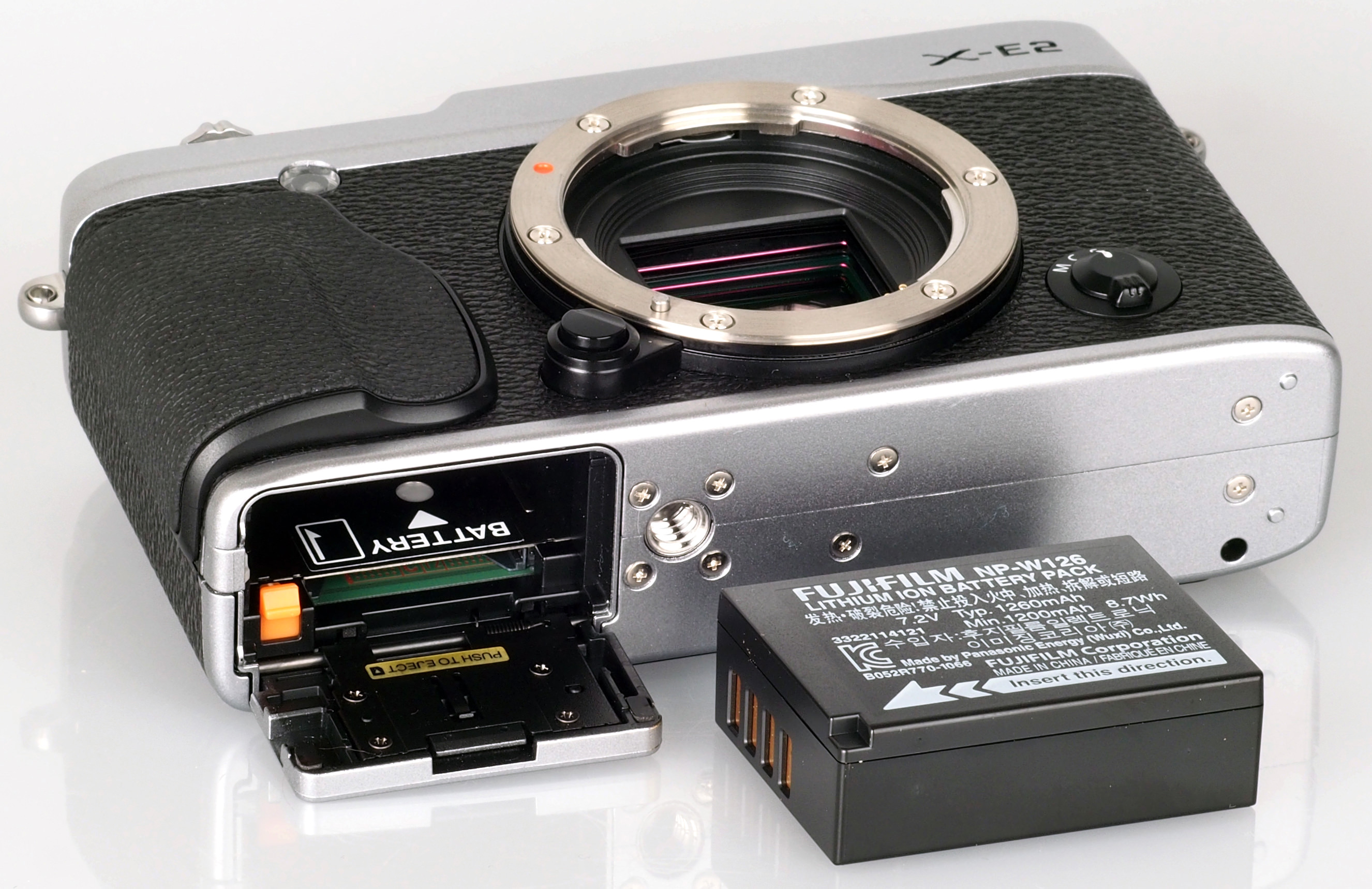
Batteries are important (extra) as both these little beast can be power-hungry. Battery life is rated at 350 shots according to Fujifilm / CIPA test results, an improvement over the X-Pro1. The XE2 sports the same battery life around 350 per full battery. With a couple of spare batteries more than enough for me. Both cameras use the same batteries which is a plus.
Fuji XE2 battery and memory card compartment. Same on the XE1
My favourite lens, foe street shots, on the XE2 is the XF Fujicron 18mm f2, a vastly underrated lens but capable of excellent results for me with this camera. The XE2 is my primary camera, with the XE1 acting as a very good reserve. Both are very capable but the focus is a little snappier of the XE2 but not by much after upgrading the firmware.
The Fujifilm FujicronXF18mm F2R has some marks in its favour. It’s quite small and light, covers a classic wide field of view, gathers a heck of a lot of light, and focuses close enough for most shots you want to capture with a 27mm equivalent lens.
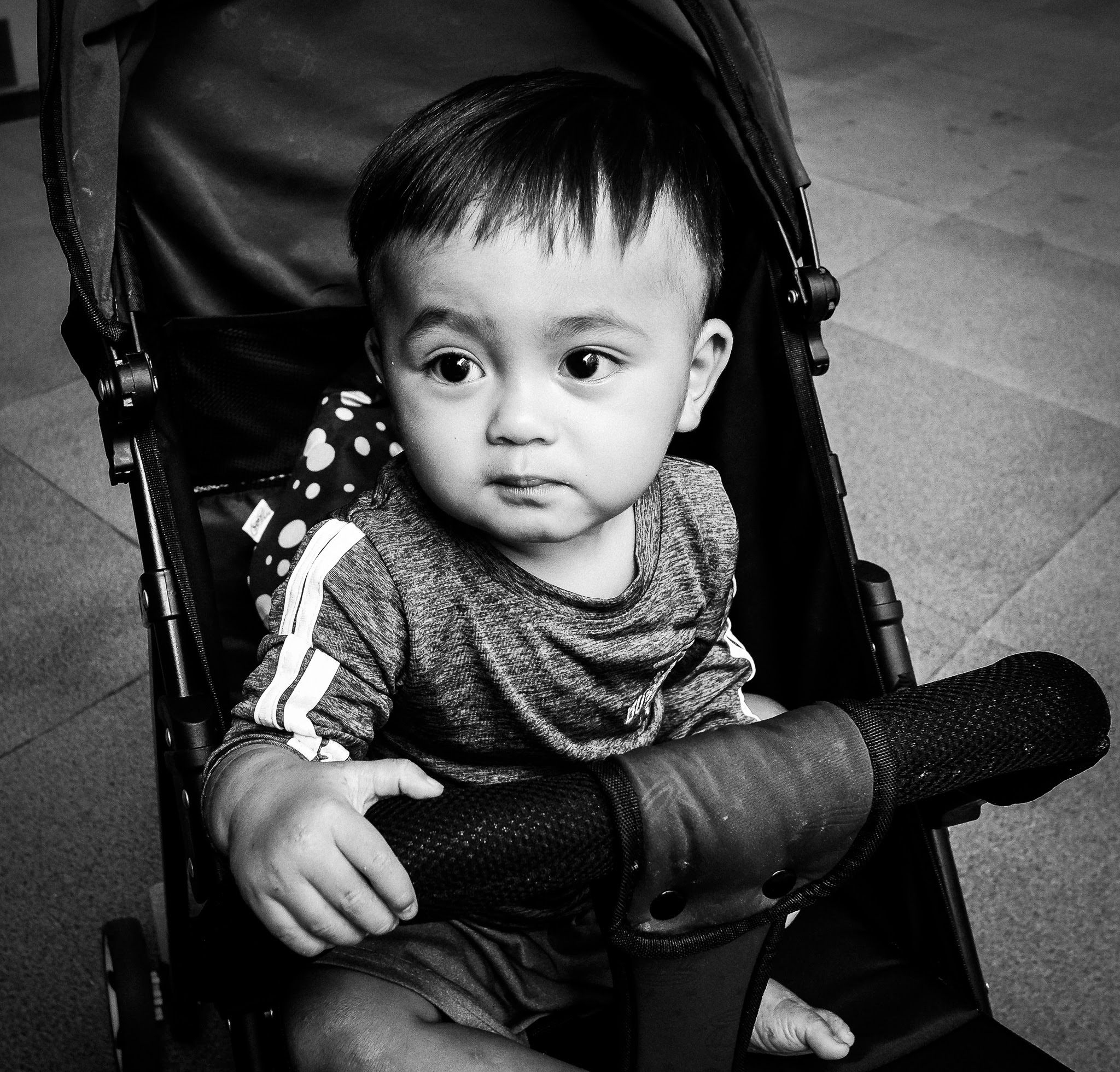
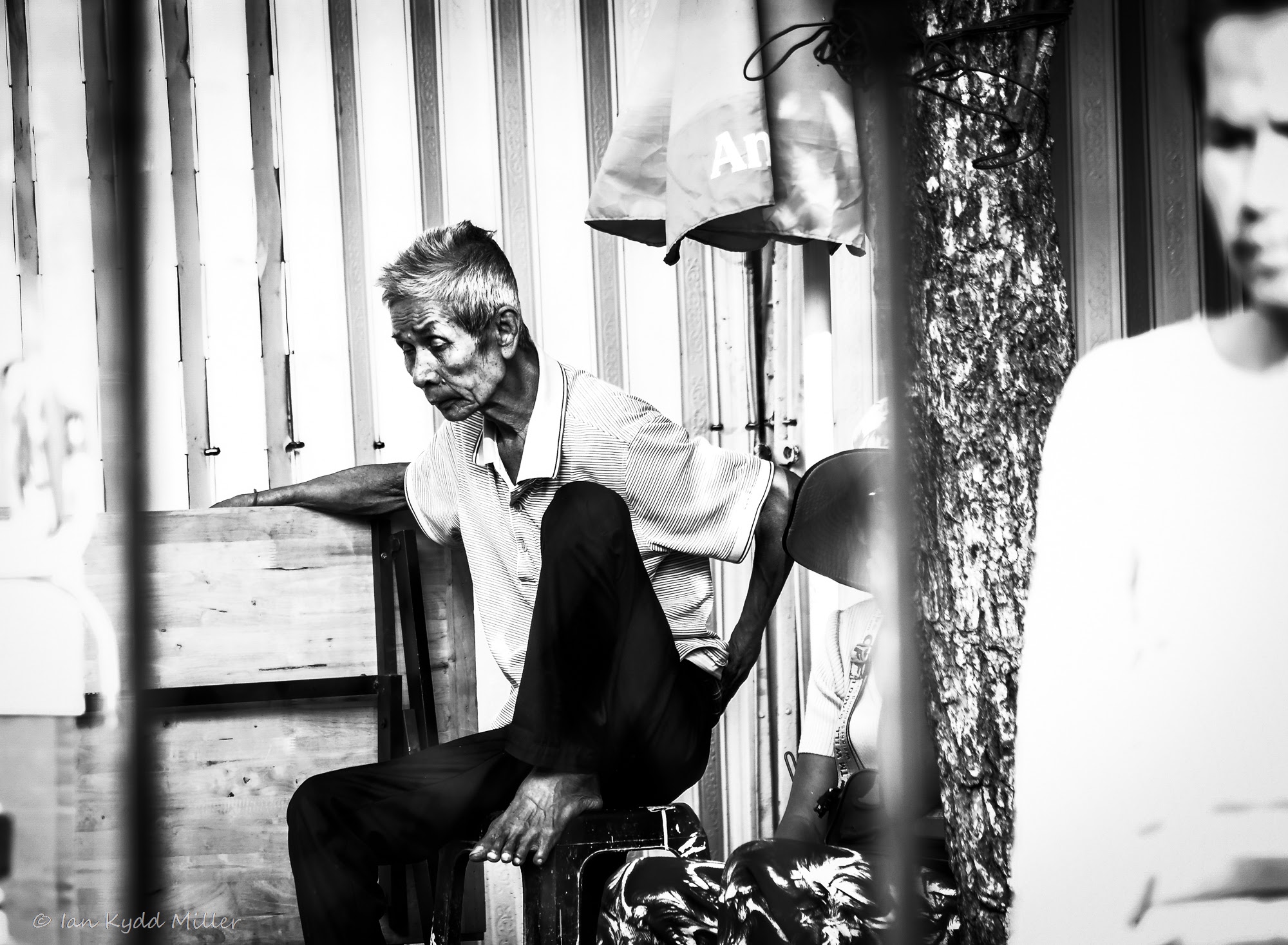
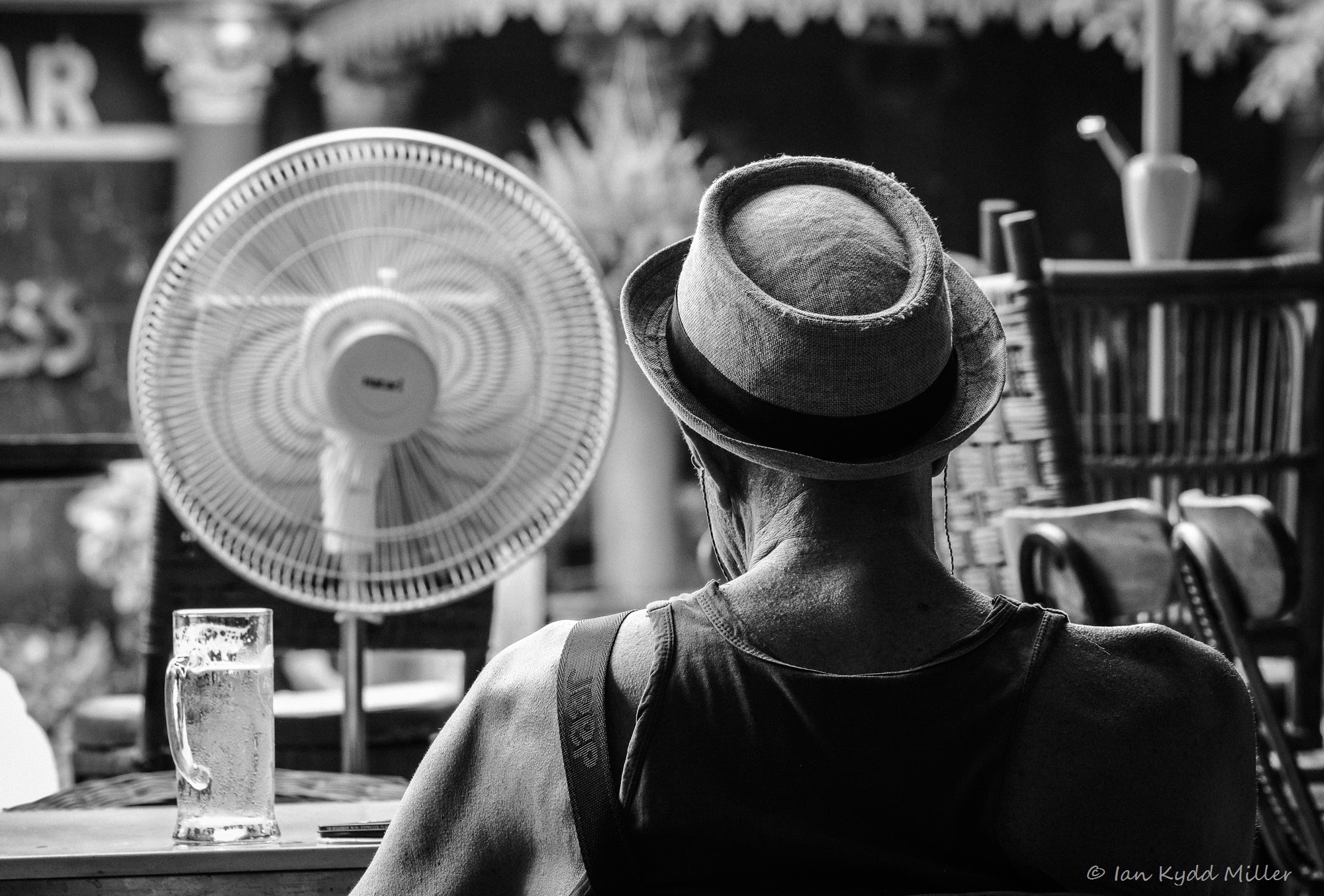
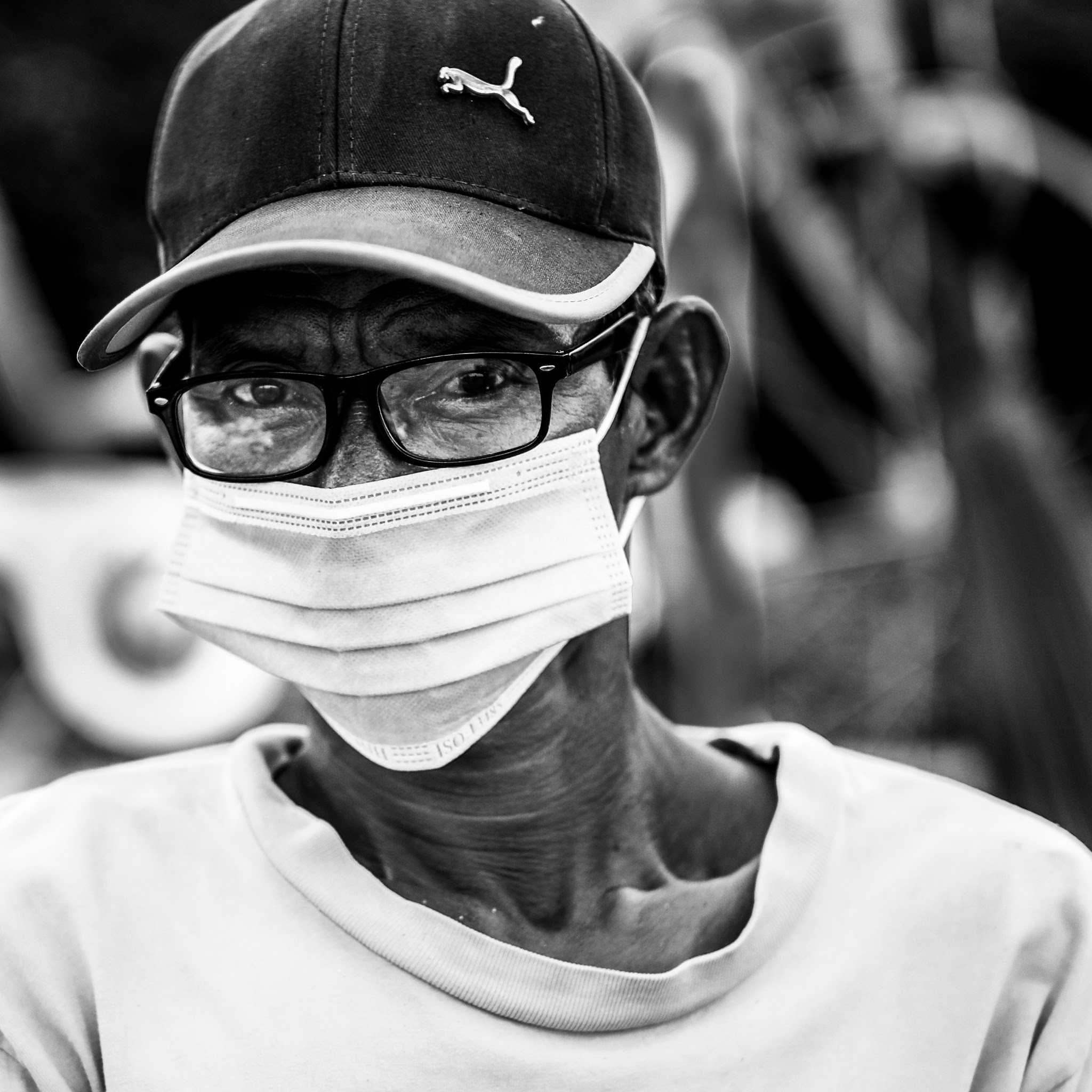
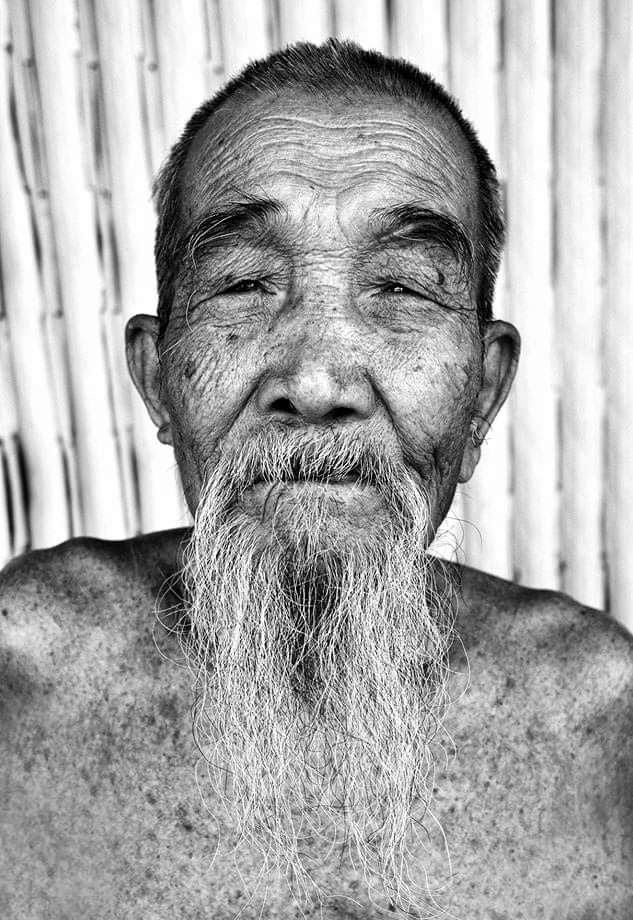
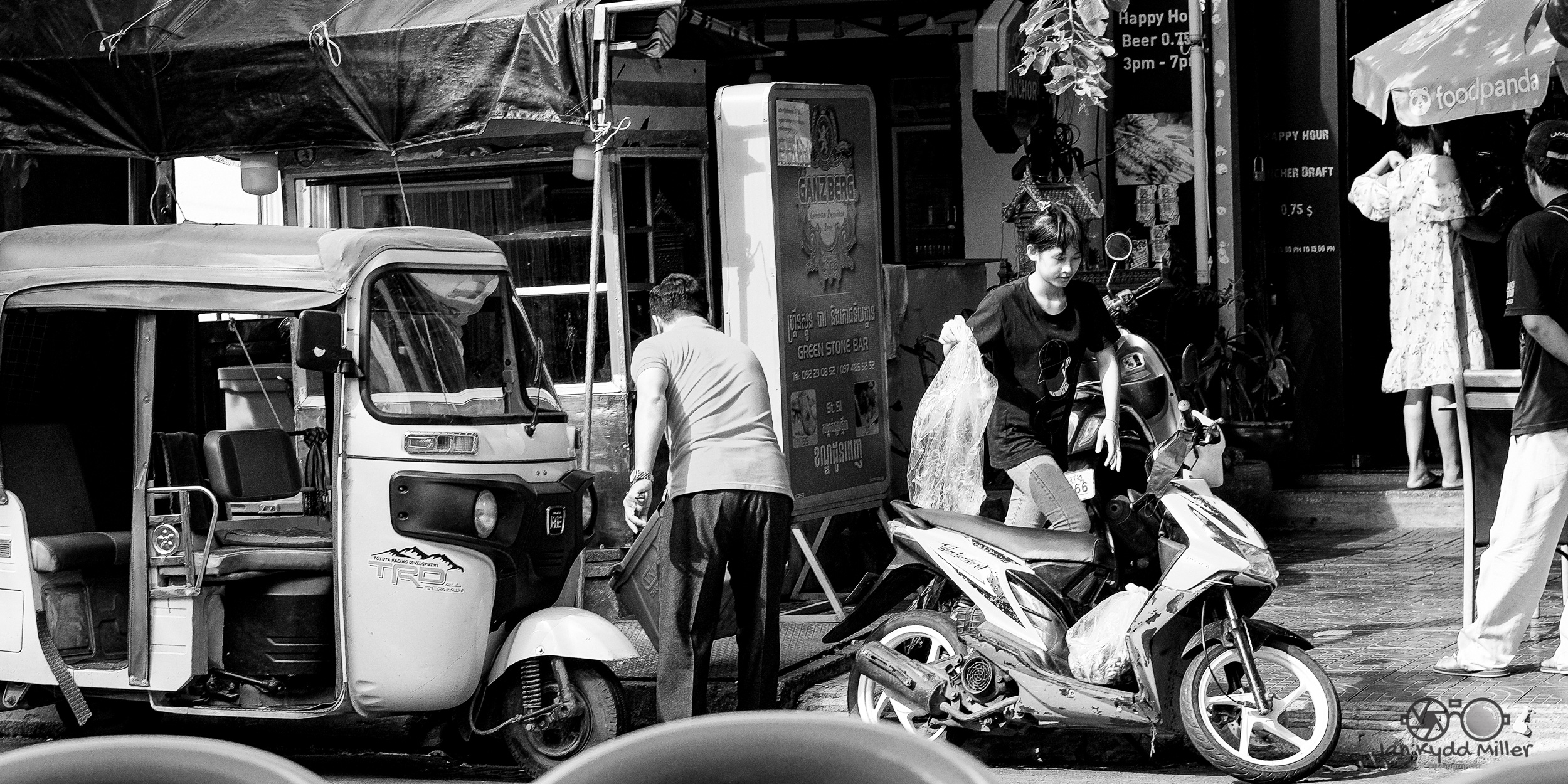
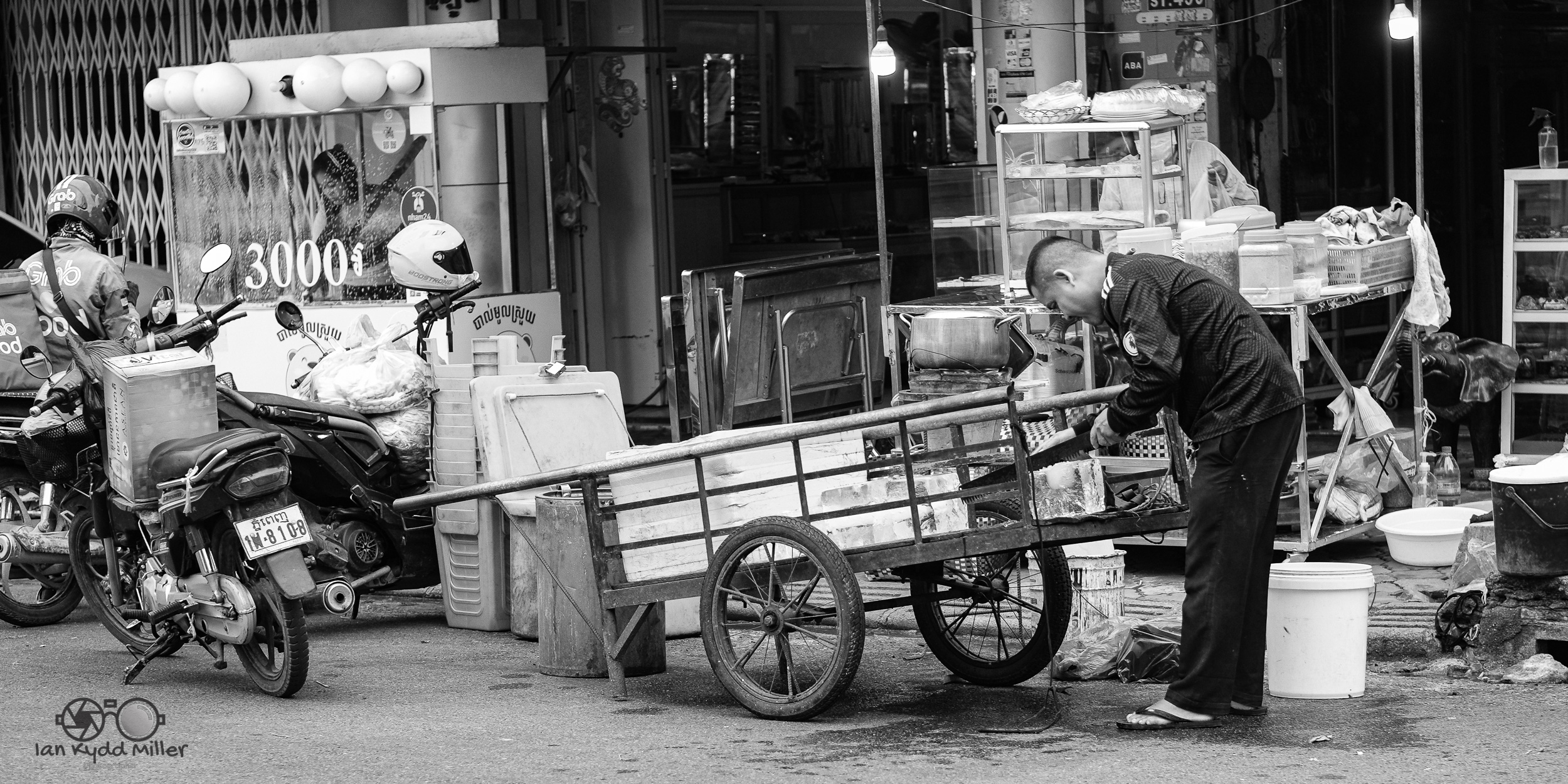
All the above images were taken with either the XE2 with Fujicron 18mm f2 or the XE1 with the XF Fujicron 35mm f2.






































































 a world without pictures is like coffee without cream and sugar, bitter